Field Day Activities for Kids: Age-Appropriate Games and Station Ideas for Memorable School Events

School field days represent one of the most anticipated events in the academic calendar, bringing entire student populations together for outdoor recreation, friendly competition, and community building outside traditional classroom environments. Yet many PE teachers, parent volunteers, and event coordinators face a consistent challenge: designing field day activities for kids that appropriately match developmental stages, maintain high engagement across diverse ability levels, and create inclusive experiences where every student feels successful regardless of athletic prowess.
Field day activities for kids are carefully planned recreational games, physical challenges, and team competitions organized into rotating stations that provide age-appropriate physical activity, skill development, and social interaction opportunities throughout a designated school day. Successful field days balance competitive elements with collaborative activities, accommodate various ability levels, and create positive memories that reinforce school community while celebrating physical education beyond conventional sports.
This comprehensive guide provides PE teachers, event planners, and parent coordinators with practical frameworks for selecting age-appropriate activities, organizing efficient station rotations, managing large groups safely, and creating field day experiences that students remember long after the school year ends.
Field day planning directly impacts student engagement and event success. Research from the Society of Health and Physical Educators indicates that well-designed field days increase student participation in physical activity by 47% compared to typical PE classes, while poorly planned events with inappropriate activities or inefficient transitions create frustration and disengagement. When activities match developmental capabilities, include clear instructions, and maintain reasonable challenge levels, field days strengthen student attitudes toward physical activity and school community connections.

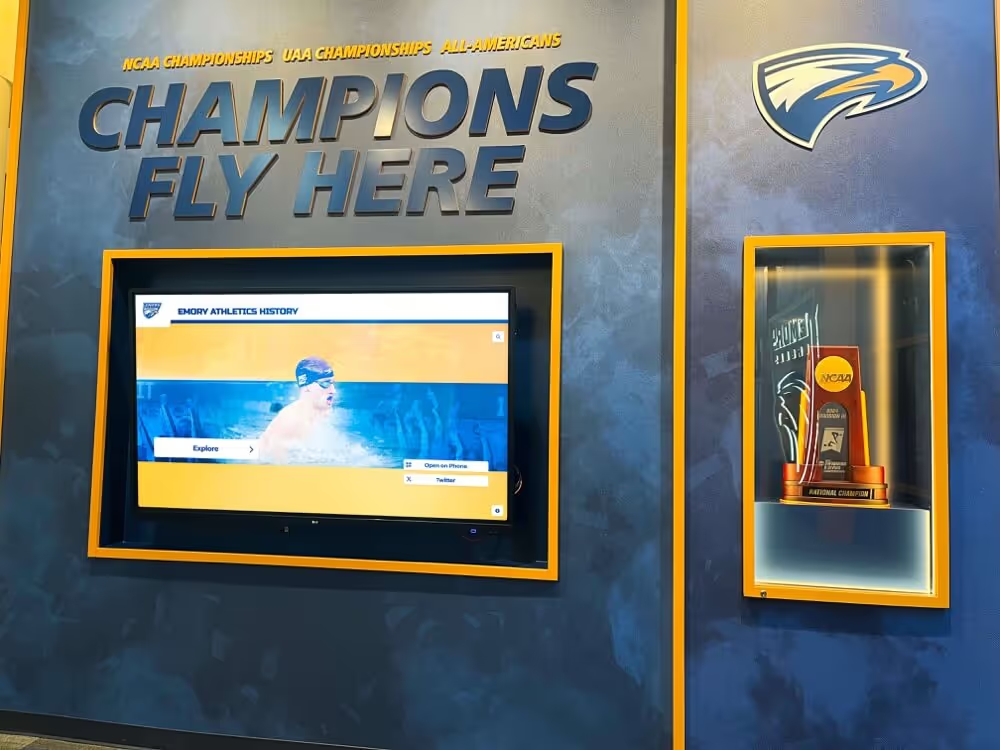
Field day activities create opportunities for students to showcase physical skills and build school community
Understanding Age-Appropriate Field Day Activity Selection
Before planning specific games and stations, event organizers need clear understanding of developmental capabilities and activity design principles that ensure safety and engagement across grade levels.
Developmental Considerations by Age Group
Student physical capabilities, attention spans, and social skills vary dramatically across elementary and middle school years, requiring distinct activity approaches:
Kindergarten Through Second Grade (Ages 5-8)
Young elementary students possess developing gross motor skills with limited fine motor control, short attention spans typically ranging 5-10 minutes per activity, concrete thinking requiring simple rules and immediate feedback, high energy but limited endurance for sustained activity, and strong response to colorful visuals and thematic elements.
Appropriate activities emphasize fundamental movement skills like running, jumping, throwing, and catching through games with simple rules, short activity durations, frequent rotation opportunities, and non-elimination formats ensuring continuous participation for all students.
Third Through Fifth Grade (Ages 8-11)
Upper elementary students demonstrate improved coordination and balance enabling more complex physical challenges, longer attention spans supporting 10-15 minute activity sessions, developing strategic thinking allowing rule variations and team tactics, increased competitiveness requiring careful balance between challenge and frustration, and emerging social awareness influencing peer relationships and group dynamics.
Activities can incorporate multi-step instructions, team strategy elements, moderate competitive components, and skill progressions while maintaining inclusive design ensuring varying ability levels experience success.
Sixth Through Eighth Grade (Ages 11-14)
Middle school students show adult-level physical capabilities with wide performance variation, self-consciousness about public performance particularly during developmental transitions, strong peer influence affecting participation motivation, capacity for complex rules and sustained strategic thinking, and desire for activities perceived as age-appropriate rather than childish.
Effective middle school field day activities balance legitimate physical challenge with psychological safety, offer choice and autonomy, incorporate relevant social elements, and avoid formats that highlight individual performance differences in potentially embarrassing ways.
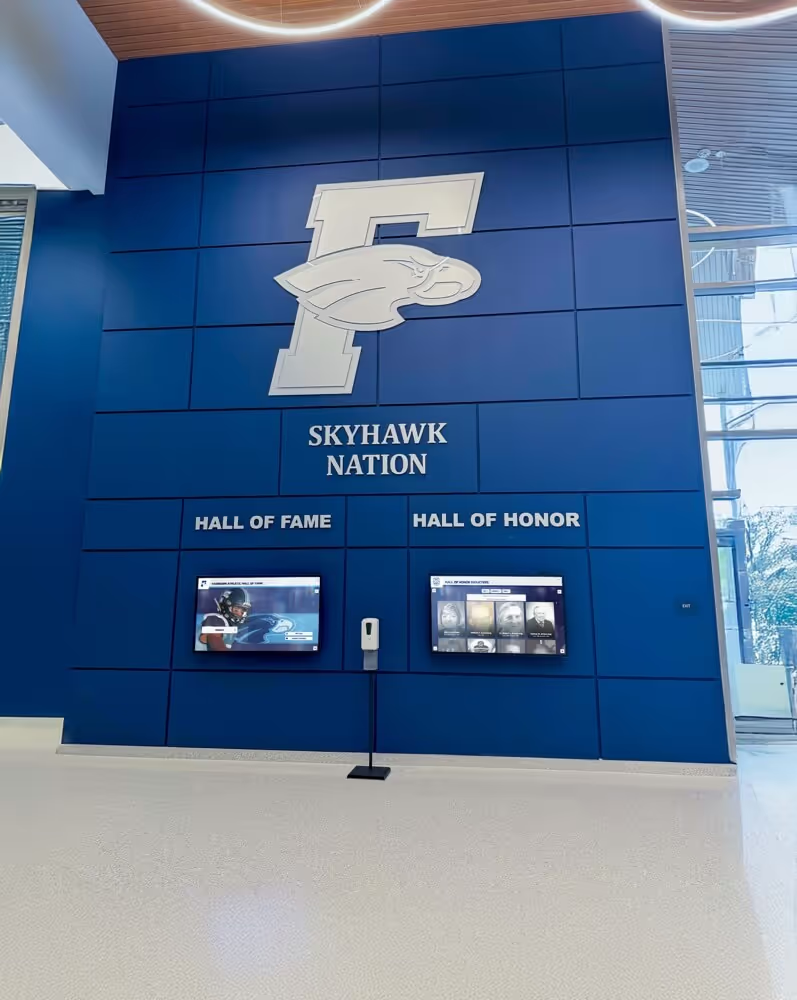
Celebrating field day participation creates lasting positive memories and reinforces school community values
Core Principles for Inclusive Activity Design
Regardless of specific age groups, successful field day activities share common characteristics:
Maximum Participation and Minimal Elimination
Traditional elimination games where students sit out after early losses create situations where the students who need physical activity most spend majority of time watching rather than participating. Effective field day activities keep all students active continuously through station rotations, team formats, or individual challenge structures rather than elimination-based competition.
According to physical education research, continuous participation formats result in 400% more active time per student compared to elimination games during comparable time periods.
Multiple Success Pathways and Ability Differentiation
Activities designed with single success criteria favor naturally athletic students while discouraging those with lower skill levels. Quality field day stations offer multiple ways to succeed including speed variations for different ability levels, accuracy challenges alongside distance competitions, team cooperation objectives in addition to individual performance, effort recognition alongside achievement outcomes, and personal improvement opportunities rather than solely comparative rankings.
These multiple pathways ensure diverse students find activities matching their strengths rather than feeling inadequate throughout the event.
Clear Instructions and Visual Demonstrations
Complex verbal instructions create confusion and reduce activity time. Effective field day implementation uses simple written station signs with activity names and basic rules, visual diagrams showing proper techniques or game layouts, volunteer demonstrations at each station before student attempts, and consistent rule enforcement across all student groups rotating through stations.
Safety Considerations and Risk Management
Outdoor field activities introduce injury risks requiring proactive management through appropriate activity spacing preventing collision between adjacent stations, sun protection including scheduled water breaks and shaded rest areas, proper equipment inspection ensuring safe condition of all materials, first aid readiness with designated personnel and accessible supplies, clear behavior expectations and supervision ratios, and weather contingency plans for heat, rain, or severe conditions.
Classic Field Day Activities by Age Group
Proven activity staples provide foundation for successful field day programming across developmental levels:
Kindergarten Through Second Grade Activities
Young students thrive with simple, energetic activities emphasizing fundamental movements:
Sack Races and Variations
Students hop to finish lines while standing in burlap sacks or pillowcases. Variations include partner sack races where two students share one large sack, relay format with sack exchange at midpoint, or modified versions using stepping stones or carpet squares as alternatives to actual sacks for schools without traditional materials.
Bean Bag Toss and Target Games
Simple throwing accuracy challenges using bean bags aimed at hula hoops, buckets at varying distances, or painted targets on pavement. Scoring variations include points for different target zones, team total accumulation, or personal best tracking encouraging individual improvement.
Obstacle Course Challenges
Age-appropriate courses combining crawling under tables, stepping through hoop ladders, weaving between cones, balancing on low beams, and finishing with simple tasks. Courses should emphasize completion rather than speed for this age group, though time trials work well for older second graders seeking additional challenge.
Parachute Games
Large group activities using play parachutes create cooperative experiences including making waves and popcorn effects with foam balls, mushroom formation where all students lift simultaneously then step underneath, and cat and mouse chase games. These activities build community while requiring minimal individual athletic skill.
Water Relay Races
Teams transfer water using cups, sponges, or small containers from starting buckets to finish-line containers. This classic activity incorporates teamwork while providing cooling refreshment during warm weather field days. Variations include sponge relay where students run while carrying soaked sponges, or bucket brigade formation passing containers along lines.
Modern schools capture field day memories through photos and videos that students can revisit throughout the year
Third Through Fifth Grade Activities
Upper elementary students benefit from activities with strategic elements and moderate complexity:
Tug of War
Classic team strength competition requiring proper safety setup with designated pulling zones, appropriate rope diameter for student hand sizes, and even team formation based on similar total weights. Multiple rounds allow different team combinations and ensure broader participation than single-championship format.
Relay Race Variations
Standard running relays expand to include three-legged races with partner coordination, wheelbarrow races combining upper and lower body strength, backwards running or crab-walk variations, and silly walk relays emphasizing fun over pure speed. Relay formats naturally accommodate varying ability levels through team composition.
Frisbee Golf Course
Stations set throughout field or playground area where students throw frisbees toward targets like hula hoops, cones, or designated trees, counting throws needed to reach each target. This activity combines throwing skills with strategy and works well for both competitive and non-competitive students.
Balloon and Egg Relays
Students race while balancing eggs on spoons or keeping balloons aloft using various body parts. These activities emphasize control and steadiness rather than pure speed, creating success opportunities for less athletic students while challenging coordination across skill levels.
Capture the Flag and Territory Games
Large-group games dividing students into teams competing to capture objects from opposing territories while avoiding being tagged. These activities combine running, strategy, teamwork, and spatial awareness in engaging formats. Clear boundary marking and fair team division remain essential for successful implementation.
Long Jump and Standing Broad Jump
Simple measurement activities where students jump from marked lines and measure distances achieved. Non-comparative approaches focus on personal bests and improvement rather than rankings, while team total variations combine individual jumps toward collective goals.
Schools implementing field day programs can enhance long-term engagement by connecting these events to broader recognition programs. Similar to how institutions celebrate academic achievements and extracurricular participation, field day participation deserves acknowledgment within overall student experience.
Sixth Through Eighth Grade Activities
Middle school students appreciate activities with legitimate challenge and social elements:
Ultimate Frisbee and Modified Team Sports
Modified versions of popular sports with inclusive rule variations ensure broader participation than traditional competitive athletics. Ultimate frisbee works particularly well with co-ed teams, mandatory minimum passes before scoring, and rotation requirements ensuring all players touch the disc regularly.
Obstacle Course Competitions
Complex courses appropriate for middle school capabilities including rope climbs, tire runs, wall traverses, cargo net challenges, and endurance elements. Individual time trials or team relay formats both work effectively depending on available equipment and space.
Kickball and Softball Variations
Modified diamond sports with inclusive rules like mandatory kick orders ensuring weaker players receive equal opportunities, everyone-bats-before-switching formats, or continuous kickball where teams alternate kicking and fielding each inning regardless of outs.
Cornhole and Lawn Game Tournaments
Popular recreational games provide less physically intense options appealing to students uncomfortable with traditional athletic competitions. Tournament brackets or round-robin formats create structure while maintaining casual atmosphere.
Water Balloon Games
Appropriate for warm weather field days, activities include water balloon toss with increasing distances between partners, water balloon volleyball over nets, or team target challenges. These fun activities reduce intensity while maintaining engagement.
Fitness Challenge Stations
Personal best stations where students attempt maximum repetitions or best performance in activities like push-ups, sit-ups, plank holds, vertical jumps, or agility drills. Individual focus eliminates direct comparison while allowing performance tracking and improvement recognition.
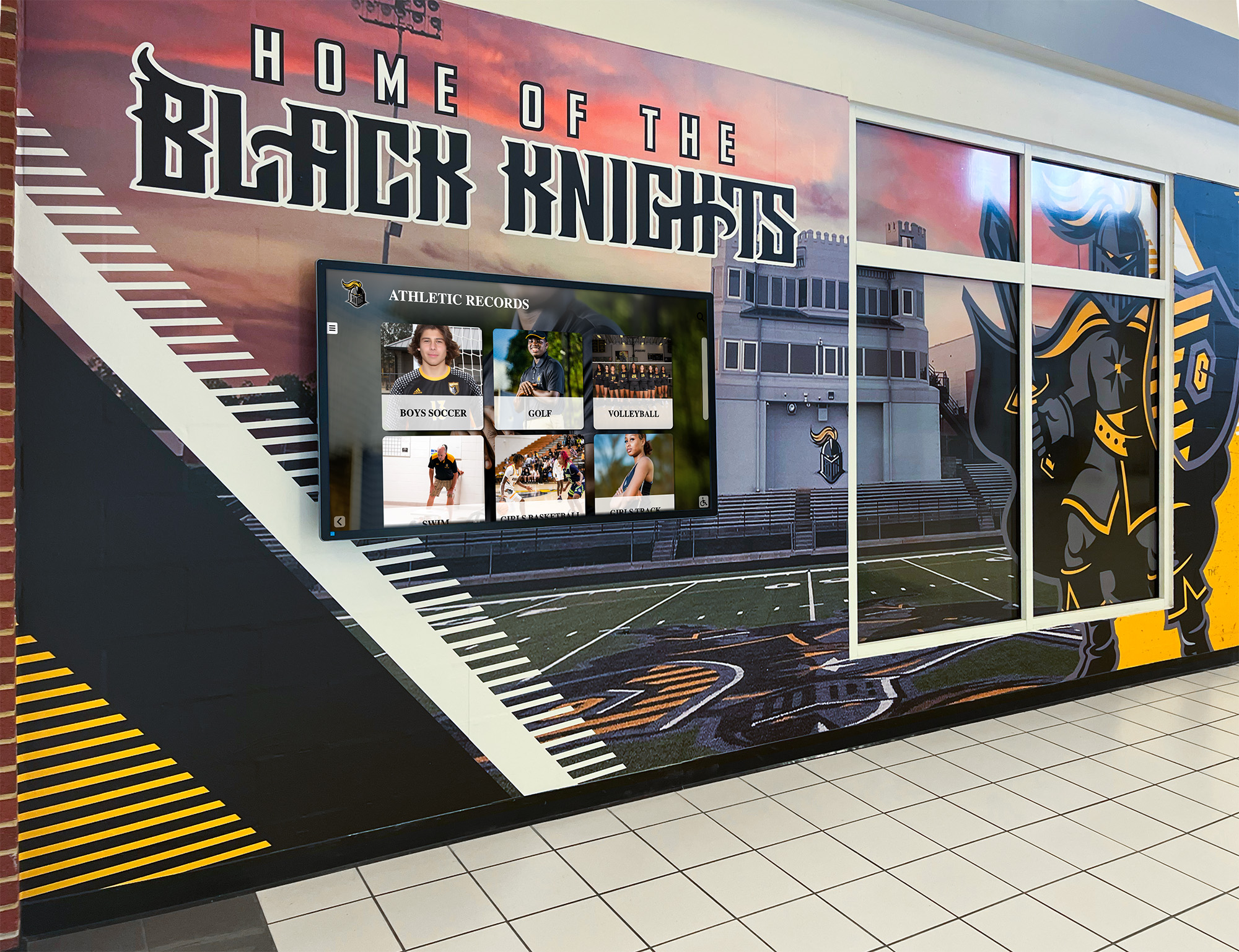
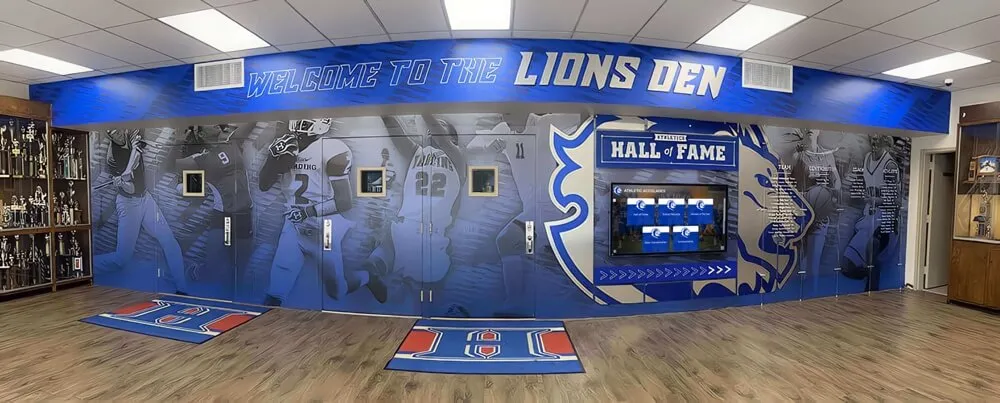
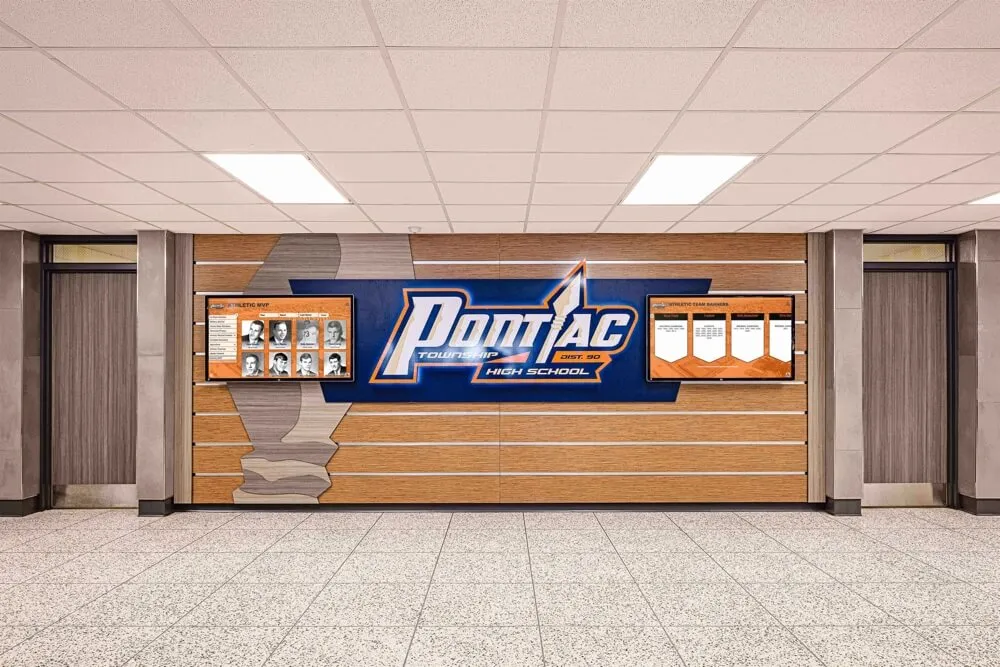
Schools can permanently recognize field day achievements and participation through comprehensive recognition systems
Station Organization and Event Logistics
Effective field day execution requires systematic planning addressing rotation schedules, volunteer coordination, and operational details:
Designing Efficient Station Rotation Systems
Large student populations rotating through multiple activity stations need clear organizational structures:
Determining Optimal Station Numbers and Group Sizes
Calculate station requirements based on total students, available time, and desired activity duration. For example, 400 students with 4-hour field day allows 8 rotations of 30 minutes each, suggesting 8-10 stations with 40-50 students per station. Smaller group sizes improve engagement but require more stations and volunteers.
Physical space constraints, available equipment, and volunteer capacity often limit practical station numbers more than theoretical calculations.
Color-Coded Team Systems
Assign students to color teams (red, blue, green, yellow, orange, purple, etc.) distributed across grade levels and homerooms. Teams rotate together through stations following posted schedules showing which color attends which station during each time block. This system simplifies logistics while building team identity and spirit.
Pre-printed rotation schedules distributed to team leaders, station volunteers, and administrators prevent confusion and ensure smooth transitions.
Transition Time Management
Build 5-minute transition periods between rotations allowing groups to move between stations, receive instructions, and begin activities. Consistent timing signals like air horns or music cues help all groups transition simultaneously. First rotation often requires extra time as students acclimate to systems and expectations.
Station Difficulty Distribution
Distribute high-intensity and low-intensity activities throughout rotation schedules preventing student fatigue from consecutive demanding stations. Similarly, balance competitive and cooperative activities, individual and team formats, and skill versus chance elements across rotation sequences.
Volunteer Recruitment and Station Management
Successful field days require extensive volunteer support with clear role definitions:
Parent and Community Volunteer Coordination
Recruit parent volunteers through email invitations, sign-up sheets, and personal requests emphasizing defined time commitments and specific responsibilities. Typical field days need 2-3 volunteers per station (20-30 total for 10-station event) plus additional support for check-in, first aid, refreshments, and photography.
Clearly communicate volunteer expectations including arrival times, assignment locations, activity instructions, behavior management protocols, and safety procedures.
Student Leadership Opportunities
Involve older students as junior volunteers, station assistants, or peer leaders providing meaningful leadership experience while reducing adult volunteer requirements. Middle school students assisting elementary field days or high schoolers supporting middle school events create positive cross-age interactions.
Student volunteers need clear role definitions and adult supervision appropriate to their age and responsibility level.
Station Setup and Material Preparation
Prepare station kits before field day containing all necessary equipment, instruction signs, scoring materials, and safety items organized in labeled bins or bags. Detailed station instruction sheets for volunteers should include activity description, setup diagram, rules explanation, safety considerations, and common problem solutions.
Pre-event volunteer orientation sessions—even brief 15-minute gatherings before student arrival—dramatically improve station quality and volunteer confidence.
Many successful field day programs have expanded to include digital documentation and recognition, similar to how schools showcase athletic achievements and school spirit events throughout facilities.
Safety Protocols and Emergency Preparedness
Outdoor large-group events require comprehensive safety planning:
Weather Monitoring and Contingency Plans
Monitor weather forecasts closely in days before field day with clear cancellation or postponement decision timelines. Extreme heat protocols include frequent mandatory water breaks, misting stations or shaded rest areas, reduced activity intensity during peak heat hours, and cancellation thresholds based on heat index or temperature.
Rain contingencies vary from postponement to indoor adaptation using gymnasium stations or hallway activities modified for smaller spaces.
Medical Support and First Aid Readiness
Designate clearly marked first aid station staffed by school nurse or trained volunteer with comprehensive supplies. All station volunteers should know first aid location and procedures for student injuries or illness. Emergency action plans address serious medical situations including emergency contact access, ambulance arrival points, and administrative notification protocols.
Hydration and Sun Protection
Provide accessible water stations throughout activity areas with scheduled hydration breaks every 30-45 minutes. Encourage students to bring water bottles and apply sunscreen, with extra supplies available for students without personal items. Consider timing field days during cooler morning hours when possible, avoiding peak afternoon heat.
Behavior Expectations and Conflict Management
Establish clear behavioral guidelines communicated before and during field day emphasizing respect, sportsmanship, safety, and positive encouragement. Address conflicts promptly through designated behavior support staff rather than station volunteers managing student discipline while supervising activities.
Positive reinforcement and recognition for excellent sportsmanship often prove more effective than reactive discipline for minor issues.
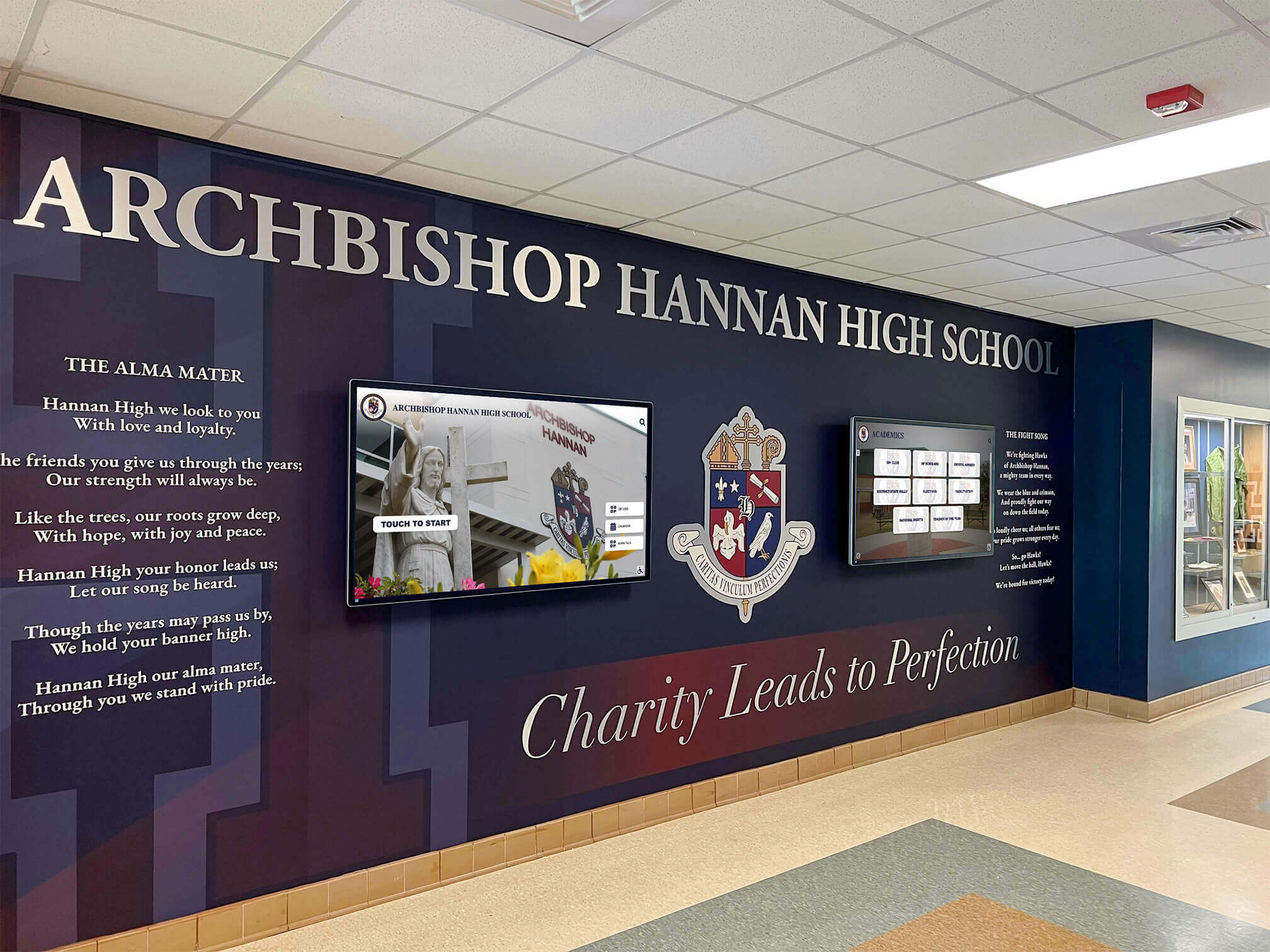
Creating welcoming school environments that celebrate student participation in events like field day strengthens community connections
Creative Station Ideas Beyond Traditional Activities
Innovative stations expand beyond classic field day games while maintaining engagement and inclusivity:
Non-Athletic and Inclusive Participation Stations
Not all students excel at traditional athletic activities, making inclusive stations essential:
Arts and Creativity Stations
Field day chalk art where students create pavement murals around activity areas, tie-dye or craft stations producing wearable field day mementos, face painting or temporary tattoo areas providing fun personalization, or field day banner creation where teams design collaborative artwork representing their groups.
These activities accommodate students with physical limitations or athletic anxieties while contributing to overall event atmosphere.
Brain Teaser and Puzzle Challenges
Large outdoor puzzles, riddle-solving competitions, scavenger hunts combining physical movement with cognitive challenge, or team trivia about school history and traditions. These stations value different student strengths beyond physical prowess.
Service Learning Stations
Incorporate community service elements through stations where students create encouragement cards for local healthcare facilities, assemble care packages for shelters, or participate in schoolyard beautification projects. These meaningful activities reinforce values beyond competition.
Mindfulness and Relaxation Areas
Designated quiet zones offering yoga, breathing exercises, or guided relaxation provide respite for overstimulated students while teaching valuable wellness skills. These stations acknowledge that not all students thrive in high-energy competitive environments.
Thematic Stations and Character Integration
Popular themes increase engagement and provide creative frameworks:
Olympic-Style Games
Frame field day as mini-Olympics with opening ceremonies, torch relay, medal presentations, and international themes. Activities take names like “javelin throw” for pool noodle tosses or “marathon” for extended relay races. Students research countries and create team flags or uniforms representing chosen nations.
Carnival and Festival Themes
Organize field day as spring carnival with stations designed as carnival games including ring toss, duck pond, basketball shoot, and strength testing. Colorful decorations and volunteers in festive attire enhance atmosphere.
Adventure and Exploration Themes
Create “amazing race” format where teams navigate through challenges collecting clues or completing tasks at each station. Treasure hunt elements and exploration narratives increase engagement through storytelling frameworks around physical activities.
Historical or Literary Connections
Connect field day to curriculum through historical games like colonial-era activities, ancient Olympic events, or challenges inspired by books students read during the year. These academic connections demonstrate physical education’s relationship to broader learning.
Similar to how schools create engaging environments for recognition programs, creative field day themes transform standard activities into memorable experiences that students discuss long after events conclude.
Measuring Success and Continuous Improvement
Systematic assessment ensures field day programs improve annually while meeting student needs:
Gathering Feedback from Multiple Stakeholders
Post-event evaluation informs future planning:
Student Feedback and Experience Assessment
Survey students about favorite activities, engagement levels, suggestions for improvements, and overall enjoyment. Simple rating scales work well for younger students while middle schoolers can provide detailed written feedback. Focus group discussions with diverse students reveal nuanced insights about what worked and what didn’t.
Pay particular attention to feedback from students who typically avoid physical activities—their perspectives reveal whether field day achieved inclusive goals or simply reinforced athletic hierarchies.
Teacher and Volunteer Input
Debrief with teachers, PE staff, and volunteers about logistical challenges, safety concerns, student behavior observations, and organizational improvements. Volunteers often notice operational inefficiencies that planning teams miss. Their suggestions usually focus on practical implementation details improving future events.
Parent and Family Perspectives
For field days including parent spectators, gather their observations about organization, student engagement, safety, and overall impressions. Parent feedback often addresses communication clarity, volunteer coordination, and whether events reflect stated school values.
Analyzing Participation and Engagement Metrics
Quantitative data complements qualitative feedback:
Participation Rates and Attendance
Track overall student attendance at field day compared to typical school days. Lower attendance may indicate student anxiety or lack of engagement, while high attendance suggests positive event reputation. Monitor which students miss field day voluntarily versus due to illness or family circumstances.
Activity Popularity and Station Traffic
Observe which stations attract most enthusiasm and which create management challenges. Popular activities deserve expansion while problematic stations need redesign or elimination. Volunteer observations and student surveys both contribute to these assessments.
Incident and Safety Reports
Document all injuries, conflicts, behavior issues, and safety concerns. Pattern analysis reveals whether specific activities pose consistent risks or if particular logistics create recurring problems. Compare incident rates year-over-year to assess whether safety improvements achieve desired results.
Iterative Improvement and Program Evolution
Apply insights systematically to enhance future field days:
Activity Rotation and Refresh
Maintain core favorite activities while introducing 2-3 new stations annually keeping programming fresh without overwhelming students with unfamiliar formats. Retire consistently problematic or unpopular activities regardless of tradition or planning team attachment.
Logistical Refinement
Adjust rotation timing, team sizes, station locations, and volunteer assignments based on observed challenges. Small improvements to transition procedures, instruction clarity, or equipment organization compound over years into significantly smoother events.
Expanding Accessibility and Inclusion
Continuously evaluate whether students across ability levels, interest areas, and developmental stages find meaningful engagement. Add adaptive equipment, modify rules, create alternative stations, or restructure competition formats to improve inclusivity year after year.
Successful schools approach field day as evolving program requiring ongoing attention rather than static annual tradition running unchanged for decades.
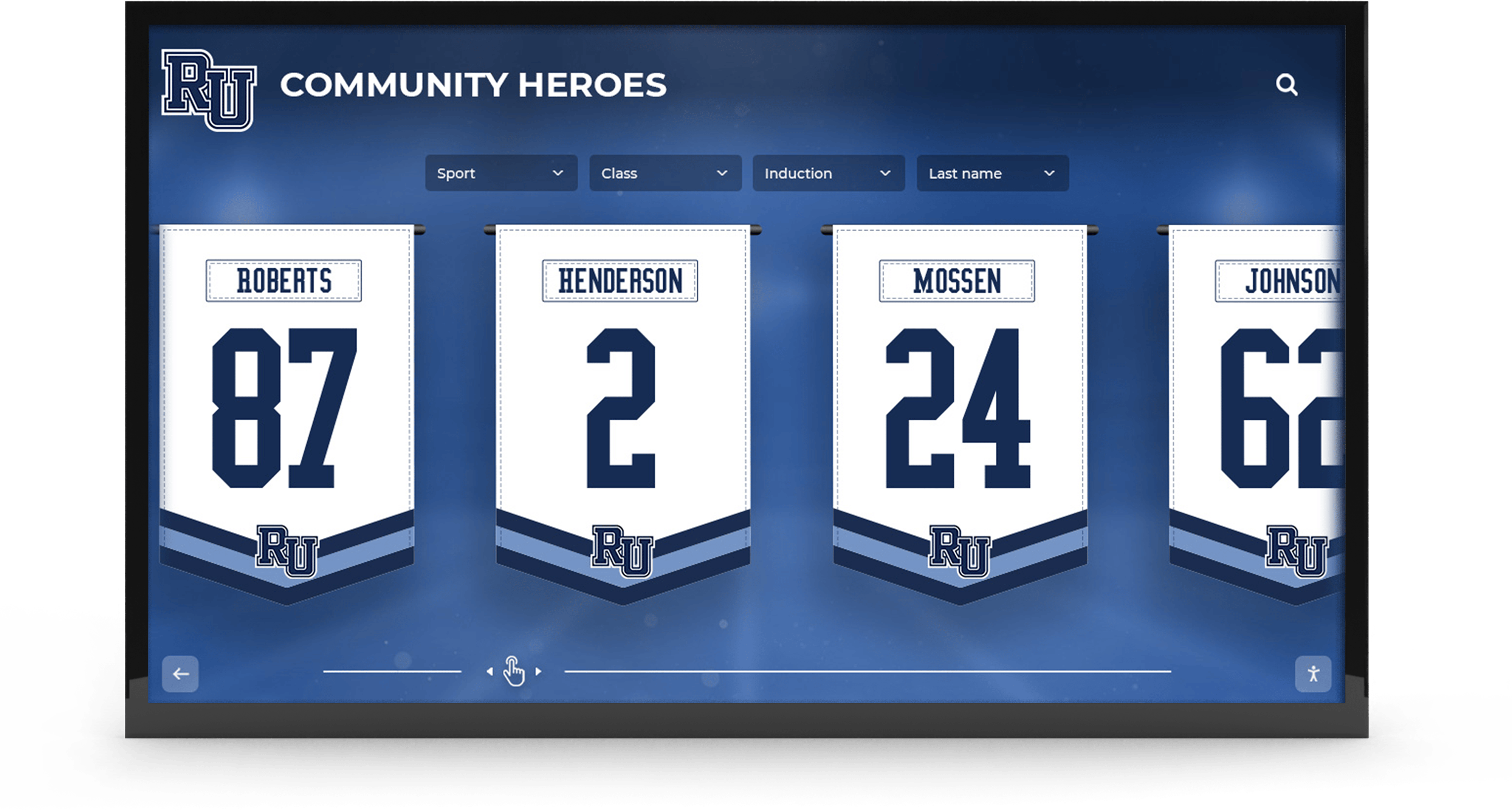
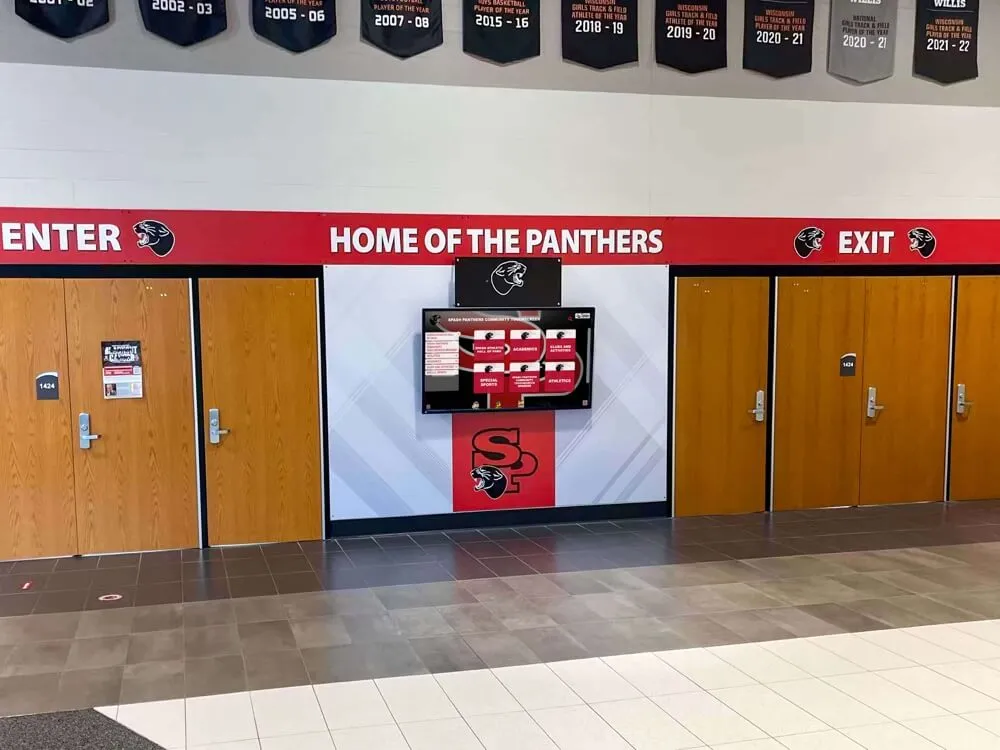
Recognizing field day participation alongside academic and athletic achievements demonstrates comprehensive student value
Connecting Field Day to Broader School Culture
Field day works best as part of comprehensive approaches to student development and community building:
Integrating with Physical Education Curriculum
Field day should reinforce rather than contradict ongoing PE instruction:
Skill Development and Progression
Use field day activities that apply skills students practice throughout the year in PE classes. When students recognize field day as opportunity to demonstrate learned abilities rather than random games, events gain educational legitimacy and reduce anxiety for less naturally athletic students.
Pre-field day PE lessons can introduce activities and build competence before high-stakes all-school events.
Fitness and Wellness Connections
Frame field day within broader wellness education emphasizing lifelong physical activity, personal fitness goals, and healthy competition. Post-field day lessons can process experiences, discuss sportsmanship observations, and connect event activities to ongoing health concepts.
Building Community Through Shared Experiences
Field day creates collective memories strengthening school culture:
Cross-Grade Interactions
Structure team compositions or buddy systems pairing older and younger students. These interactions build school community beyond age-segregated classrooms while providing leadership opportunities for upper grades and role models for younger students.
Family Engagement Opportunities
Invite families to volunteer, spectate, or participate in designated family activities. Parent involvement demonstrates school value placed on events while allowing families to engage with school communities beyond academic contexts.
Documentation and Celebration
Photograph and video record field day activities for subsequent sharing through school newsletters, social media, displays, and year-end slideshows. These documentation efforts honor student experiences while building excitement for future events.
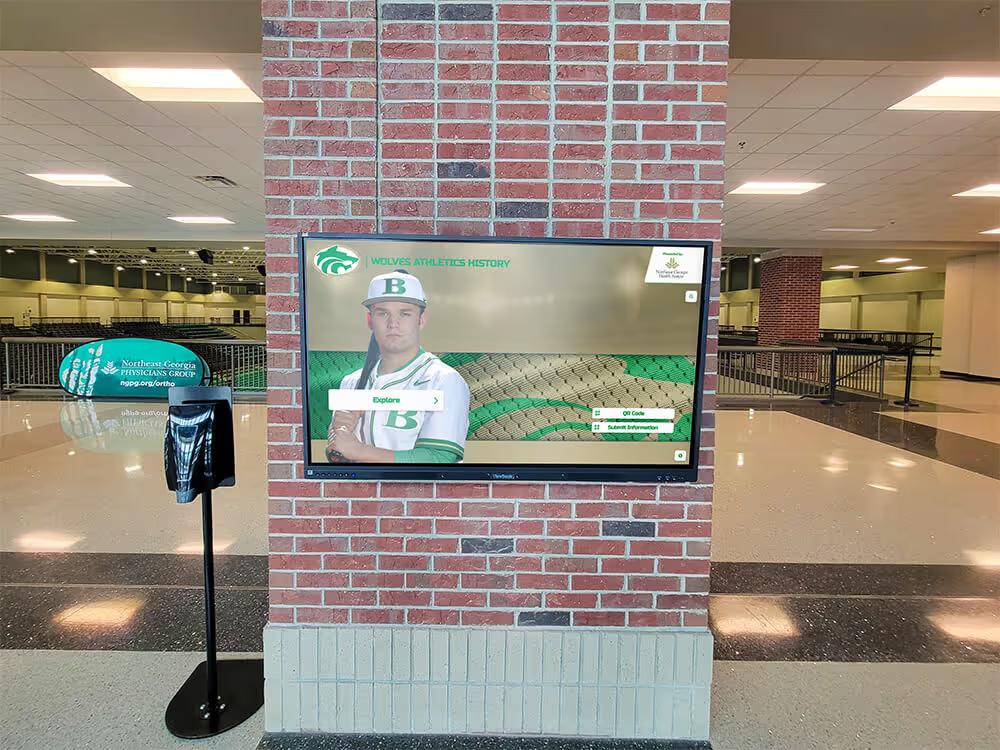
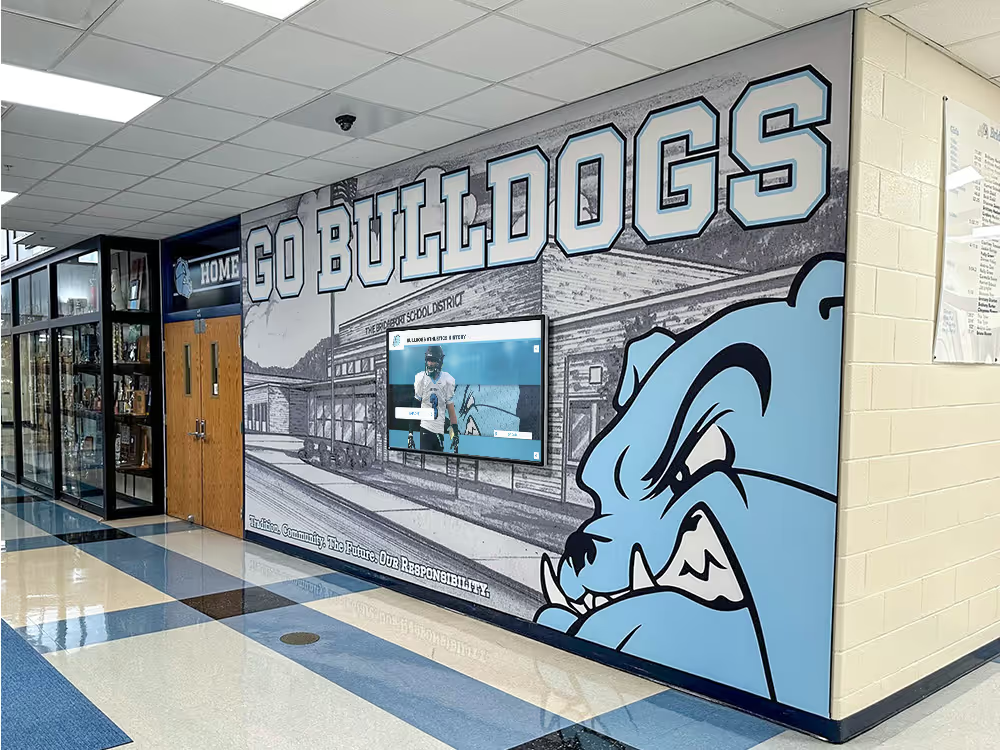
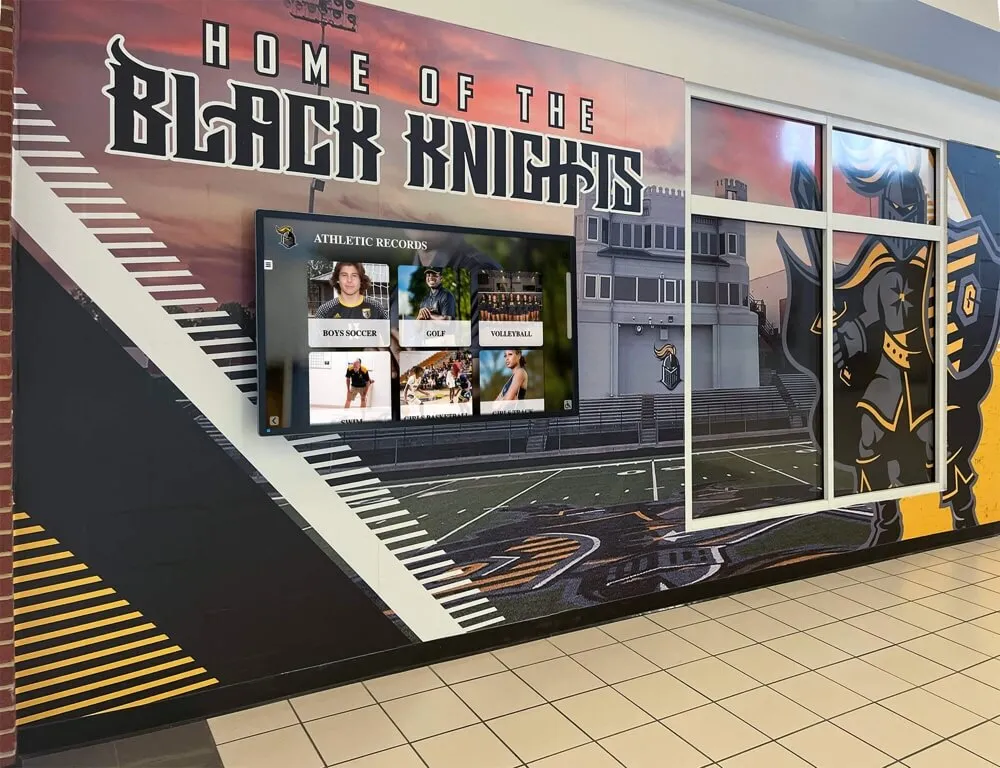
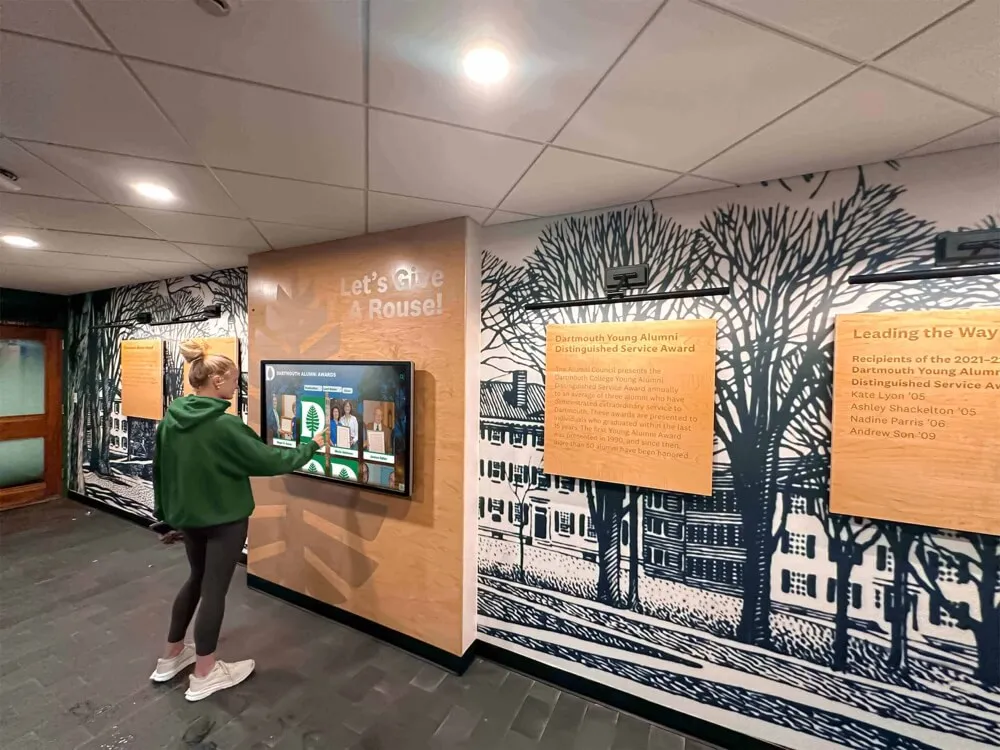
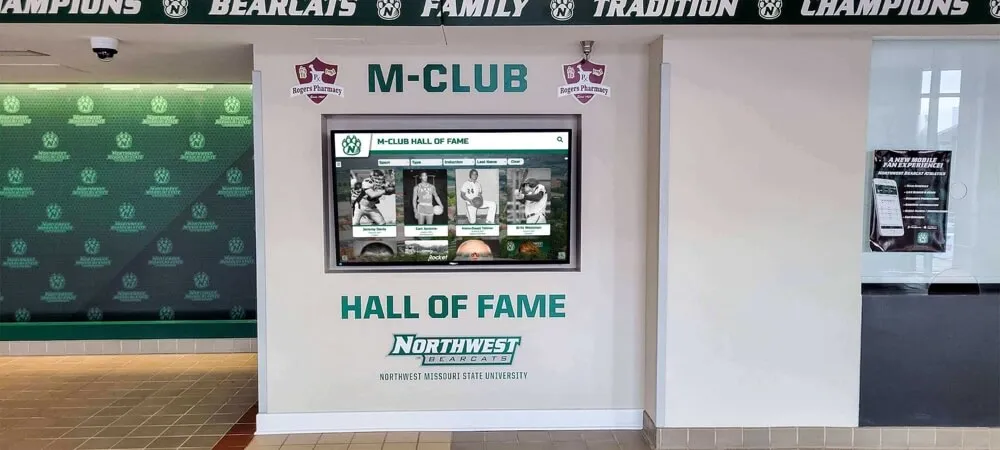
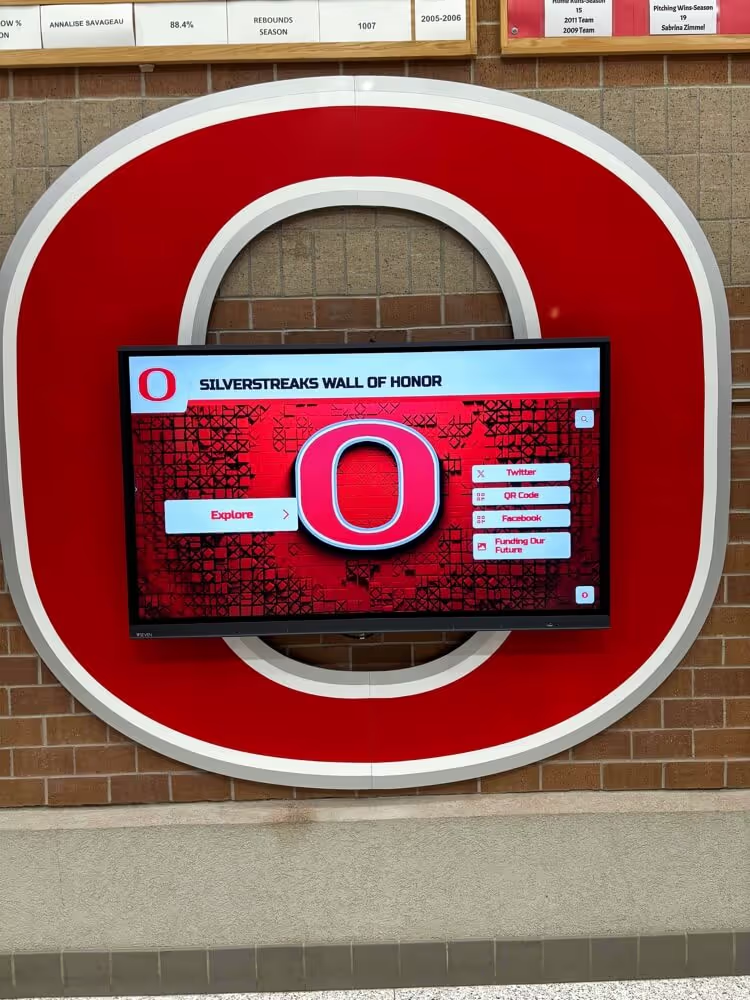
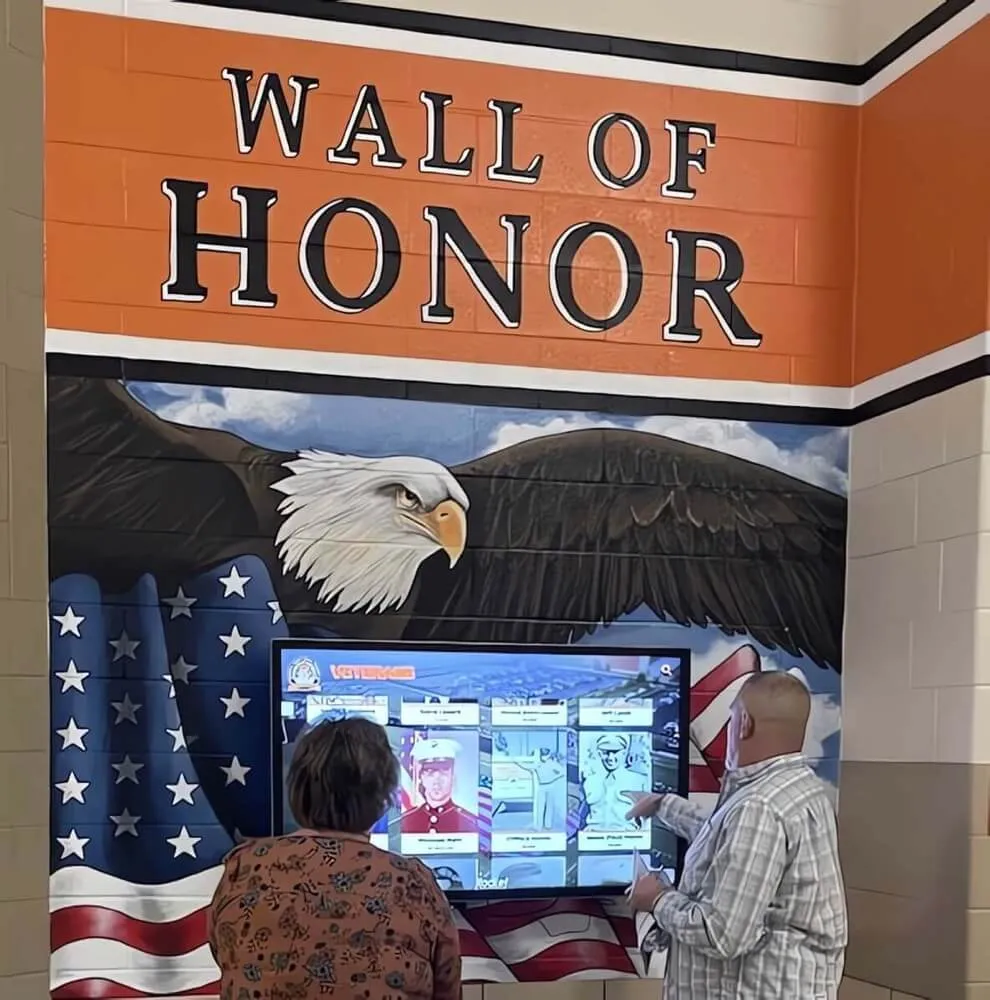
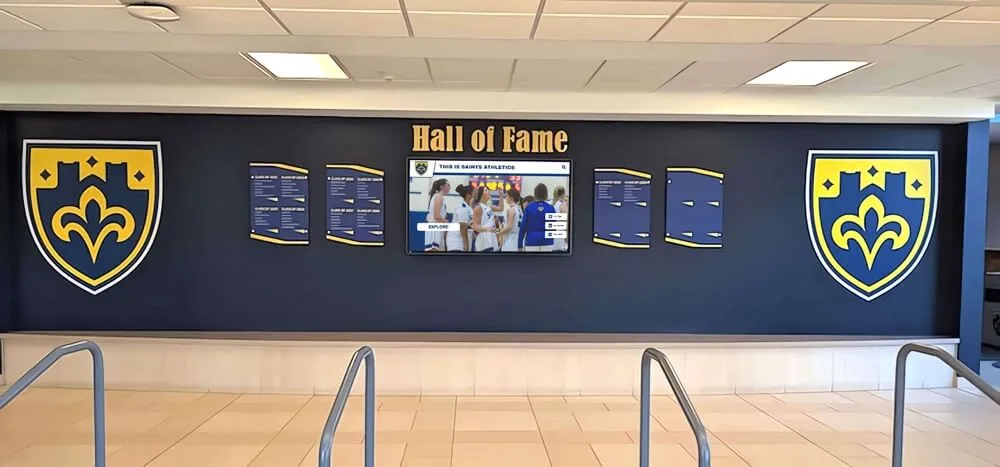
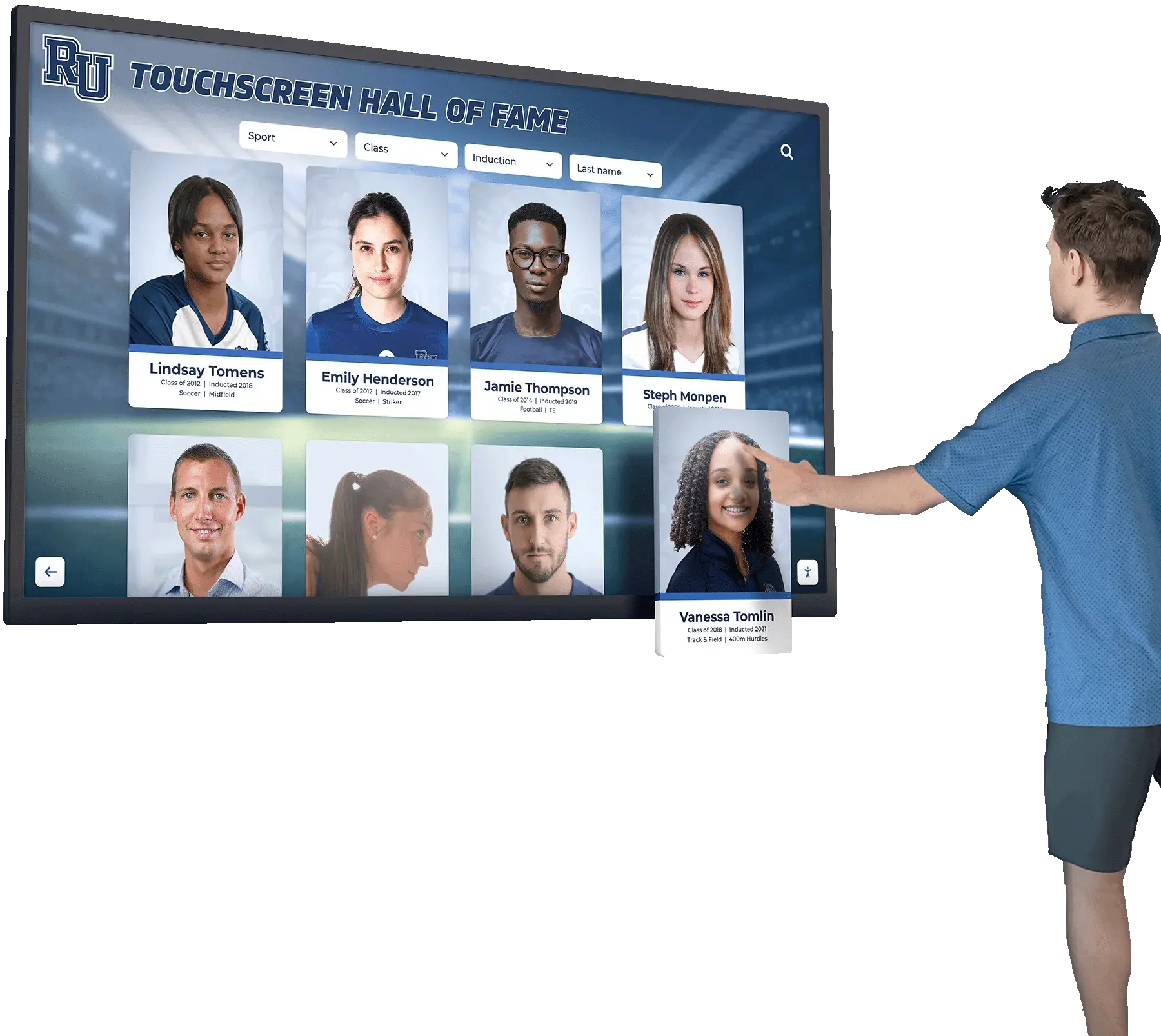
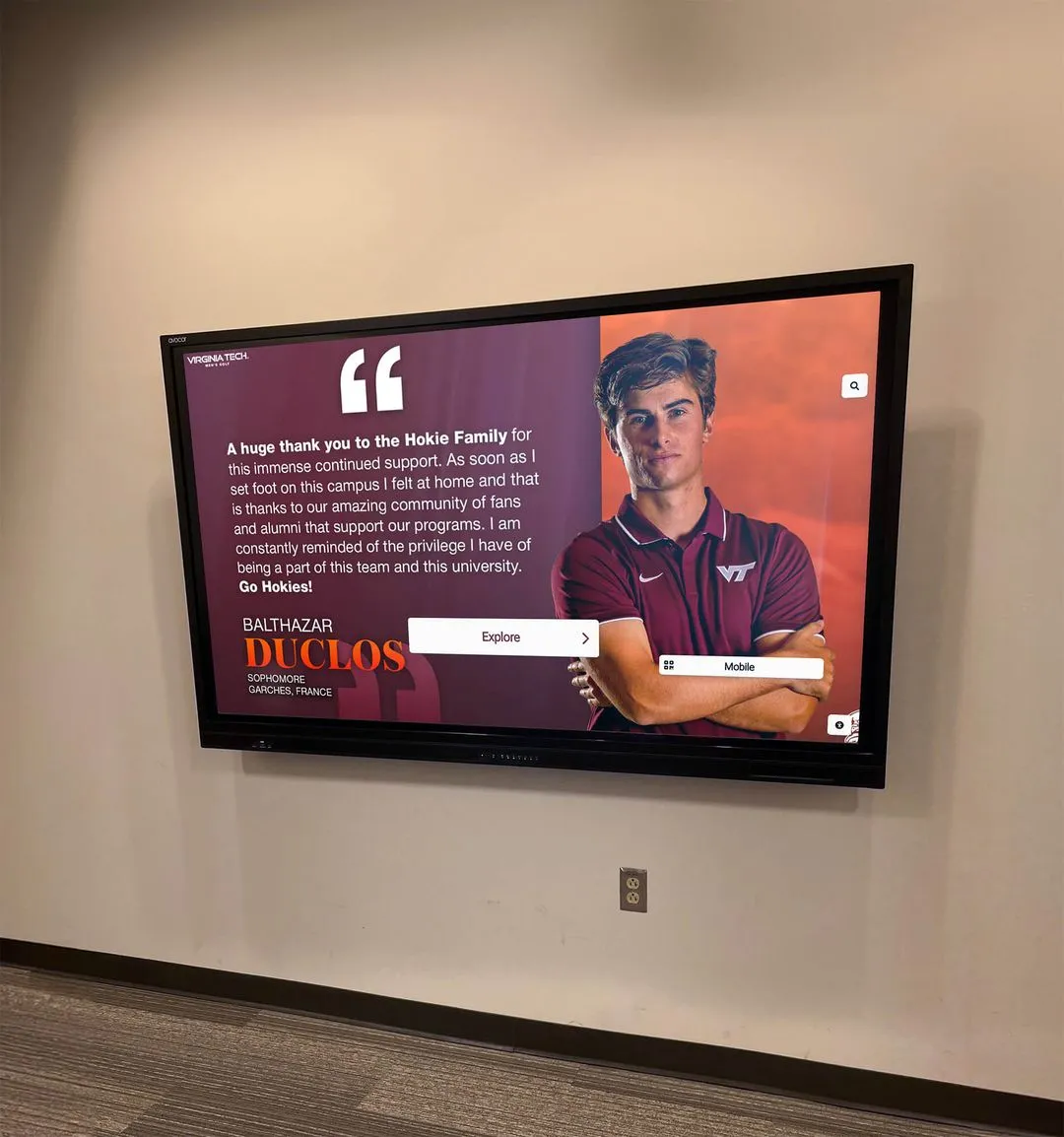
Modern schools increasingly use digital displays to showcase field day photos, participation recognition, and event highlights throughout school years, creating ongoing celebration rather than single-day acknowledgment.
Recognition and Awards Structures
Thoughtful award approaches reinforce inclusive values:
Participation Certificates and Acknowledgment
Provide all students with participation certificates or small mementos recognizing field day completion regardless of competitive success. Universal recognition emphasizes that participation itself deserves celebration.
Effort and Sportsmanship Awards
Recognize students demonstrating exceptional encouragement, positive attitude, teamwork, or improvement alongside competitive achievements. These values-based awards signal that character matters more than athletic performance.
Team Recognition Over Individual Champions
Emphasize team achievements and collective accomplishments rather than highlighting individual winners. This approach reduces social comparison while building collaborative skills.
Varied Recognition Categories
Create award categories spanning diverse skill areas ensuring students with different strengths receive recognition. Categories might include most improved, best team spirit, creative thinking, leadership, or specific activity achievements allowing multiple students to experience success.
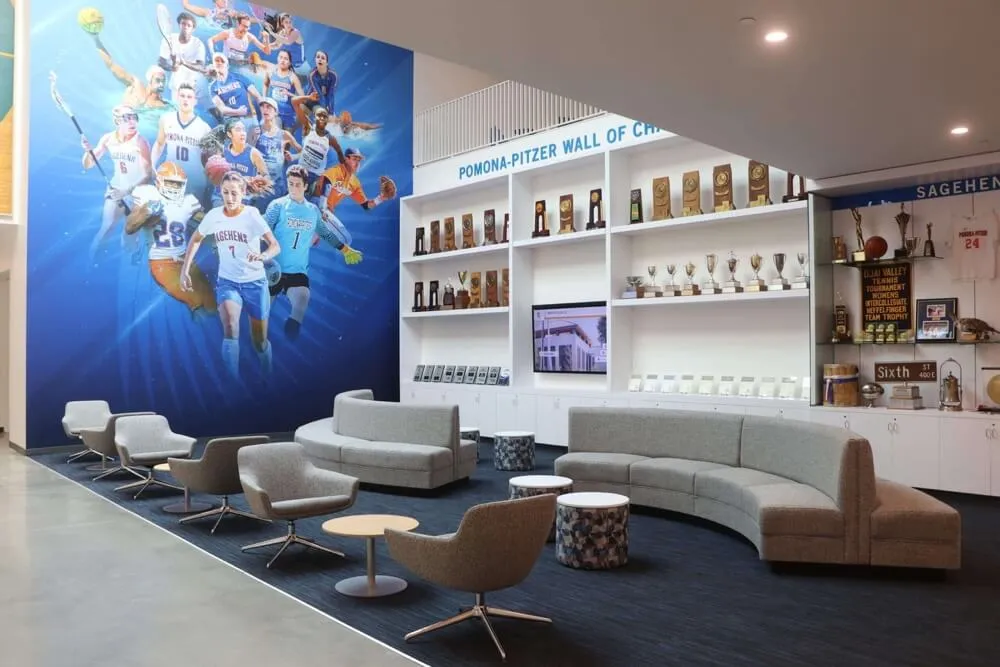
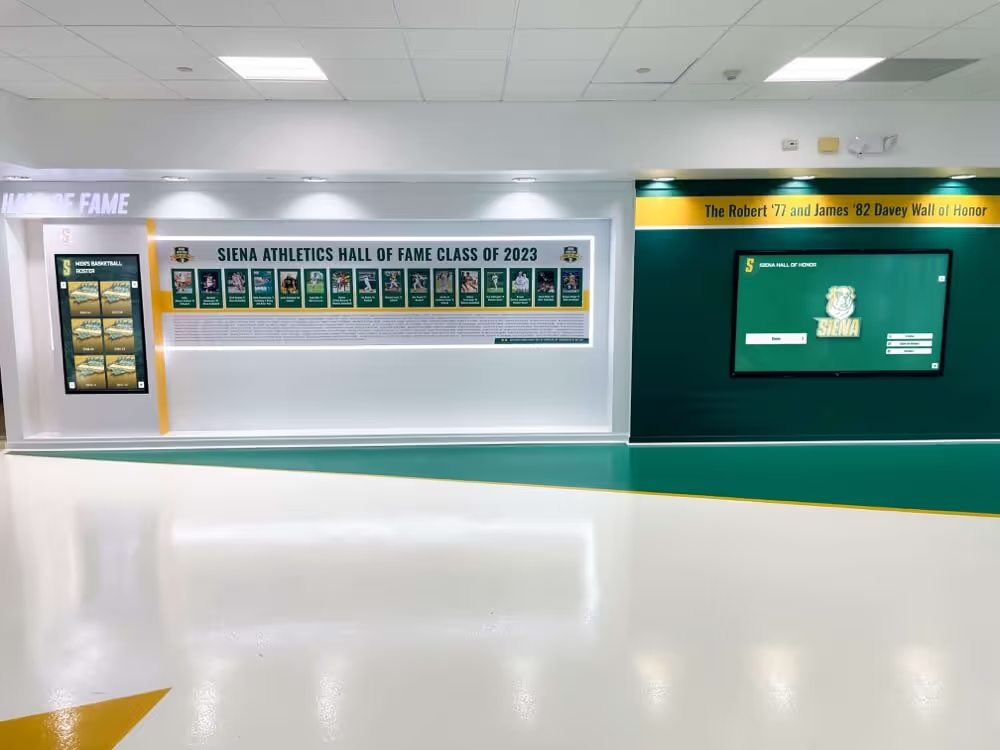
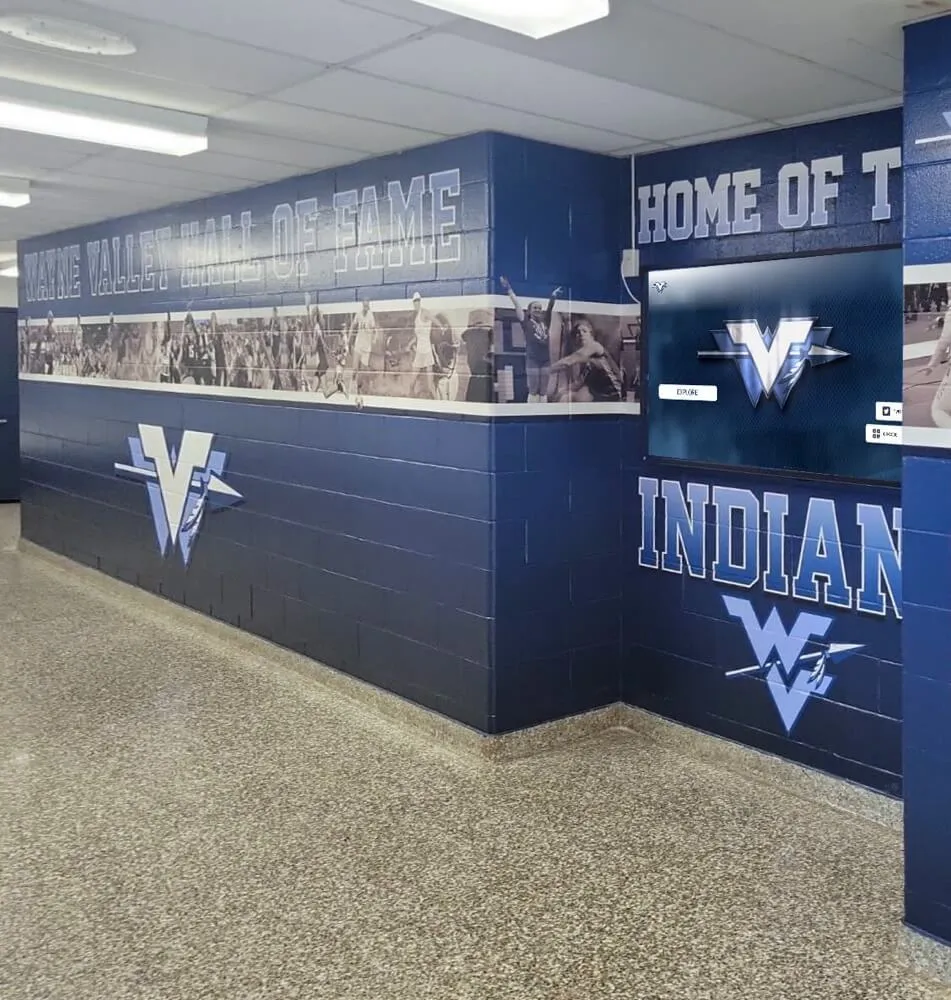
Schools implementing comprehensive recognition programs often extend field day celebration through permanent displays similar to how they honor academic achievements, extracurricular participation, and school traditions.
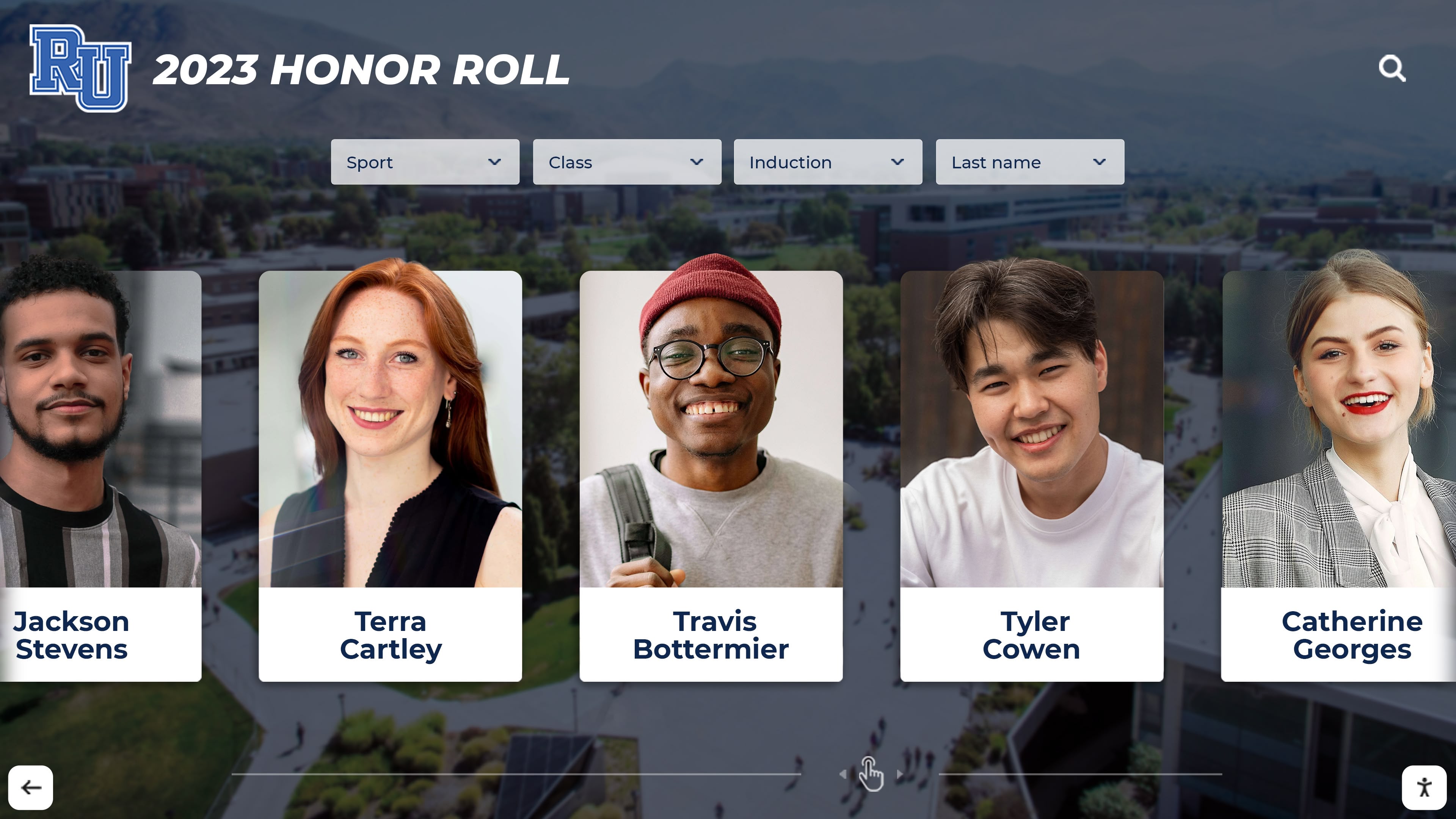
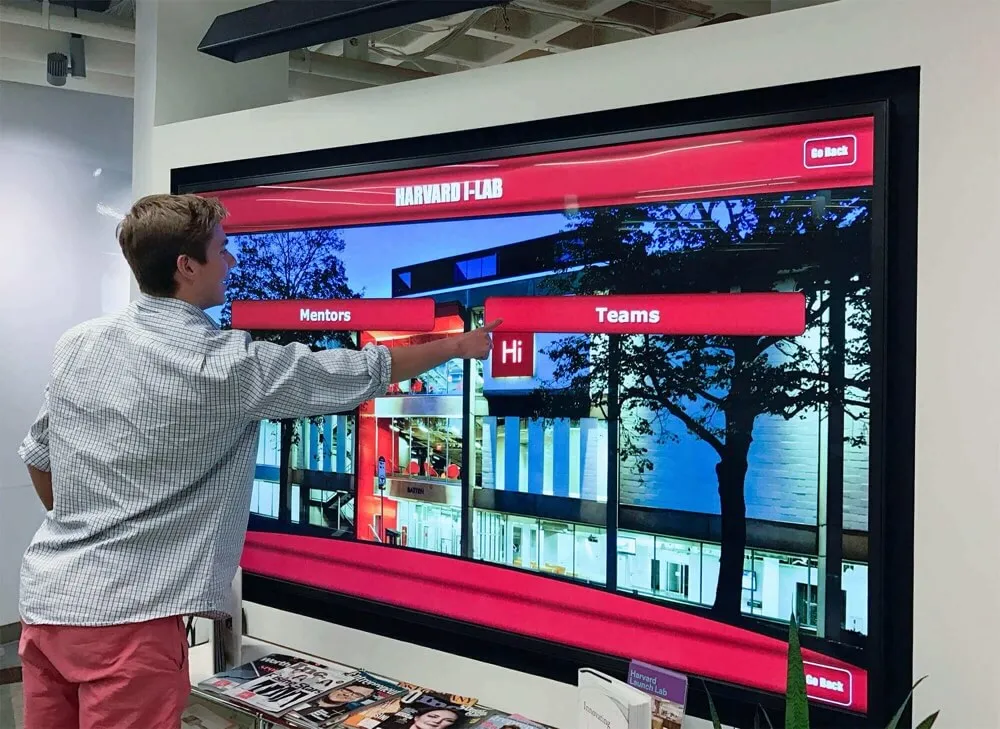
Comprehensive student recognition systems honor diverse achievements including field day participation and school event engagement
Budget Considerations and Resource Management
Field day expenses vary widely based on activity selection and scale:
Cost-Effective Planning Strategies
Create memorable field days without excessive expenditure:
Utilizing Existing PE Equipment
Maximize use of cones, balls, hula hoops, ropes, and other standard PE inventory before purchasing field day-specific materials. Creative repurposing of existing resources dramatically reduces costs while ensuring equipment sees year-round use.
DIY and Borrowed Equipment
Create homemade equipment including PVC pipe structures, painted targets on cardboard, sock balls replacing purchased items, or decorated boxes serving multiple purposes. Borrow specialized items from community members, other schools, or local organizations rather than purchasing items used once annually.
Community Partnerships and Sponsorships
Approach local businesses for donations of water bottles, snacks, prizes, or small monetary sponsorships offsetting field day costs. Many community organizations gladly support school events in exchange for acknowledgment and positive association with youth programs.
Parent-teacher organizations often budget field day support when presented with clear plans demonstrating student benefit and cost-effectiveness.
Volunteer Labor and Resource Sharing
Minimize paid staff time through effective volunteer coordination. Share equipment and ideas with neighboring schools creating informal resource libraries and collaborative planning relationships reducing individual school burden.
Typical Budget Categories and Expense Planning
Realistic budgets address multiple cost areas:
Equipment and Supplies
New or replacement activity equipment, disposable items like balloons or cups, safety supplies including sunscreen and first aid materials, and station signage and organizational materials. Annual equipment budgets typically range $200-$800 depending on existing inventory and planned activities.
Student Items and Recognition
Participation certificates, awards, team color items like bandanas or wristbands, and completion mementos. Per-student costs usually run $1-$5 depending on recognition approach and item quality.
Refreshments and Hospitality
Student water and snacks throughout event, volunteer appreciation refreshments, and special dietary accommodation for students with restrictions. Hydration represents most essential expense given outdoor activity and heat risk.
Communication and Documentation
Printing for schedules, signs, parent communications, and certificates, photography services or equipment if not using volunteer photographers, and potential expenses for photo sharing or display creation.
Schools implementing digital recognition systems for field day photos and achievements can enhance school environments while creating year-round value from single-day events.
Celebrate Field Day Memories Year-Round
Transform field day photos and achievements into permanent recognition displays that strengthen school community and honor student participation. Rocket Alumni Solutions provides interactive digital display solutions designed for schools to celebrate all student achievements—from academic honors to athletic participation to memorable school events like field day. Create engaging displays that students, families, and visitors enjoy throughout the year while building lasting school spirit.
Discover Student Recognition SolutionsConclusion: Creating Meaningful Field Day Experiences
Successful field day activities for kids require thoughtful planning that prioritizes inclusive engagement over athletic performance, age-appropriate challenges over one-size-fits-all approaches, and positive community building over competitive intensity. When schools design field days around developmental understanding, systematic logistics, diverse activity options, and values-based recognition, these annual events become highlights that students anticipate eagerly and remember fondly long after elementary and middle school years conclude.
The most effective field days balance enough structure to manage large groups safely with sufficient flexibility to accommodate diverse student needs and abilities. They combine physical activity with creativity, competition with cooperation, and individual achievement with team success. Most importantly, they communicate clear messages that every student belongs, physical activity should be enjoyable, and school community extends beyond academic classrooms into shared experiences celebrating childhood and adolescence.
Key Planning Priorities
Successful field day implementation requires attention across multiple dimensions including age-appropriate activity selection matching developmental capabilities and limitations, inclusive design ensuring students across ability levels find meaningful engagement, efficient logistical systems managing large groups through organized rotations, comprehensive safety protocols addressing weather, hydration, medical support, and behavior management, adequate volunteer recruitment and clear role definition, creative programming beyond traditional athletic competitions, values-based recognition emphasizing participation and sportsmanship, systematic feedback collection informing continuous improvement, and budget-conscious resource management maximizing impact of available funding.
The Lasting Impact
For students, field day represents more than a break from classroom routine—it offers opportunities to experience physical challenges in supportive environments, build relationships across grade levels and social groups, discover unexpected strengths and capabilities, practice resilience through friendly competition and occasional failure, and create shared memories that define school experience. When executed thoughtfully with attention to developmental appropriateness and inclusive values, field days strengthen student connection to school communities while reinforcing physical education’s role in comprehensive child development.
Whether your school is planning its first field day or seeking to refresh a long-standing tradition, prioritizing inclusive participation, age-appropriate challenges, systematic organization, safety consciousness, and values-based recognition ensures investments of time, resources, and energy yield meaningful experiences that students cherish and that families celebrate as highlights of school years.
Ready to permanently celebrate field day participation and other school achievements? Learn more about interactive school displays or explore how schools are using comprehensive recognition programs to honor students, staff, and school traditions throughout academic years.