Recognition doesn’t always need to be serious to be meaningful. In fact, some of the most memorable and impactful team awards celebrate quirks, personalities, and humorous moments that define your team’s unique culture. Funny team awards create opportunities to acknowledge everyone’s contributions—not just top performers—while building camaraderie through shared laughter and affectionate inside jokes that strengthen bonds among teammates, colleagues, or students.
Whether you’re planning end-of-season sports banquets, workplace recognition ceremonies, school award assemblies, or volunteer appreciation events, incorporating creative and humorous award categories alongside traditional achievement recognition creates balanced programs that honor both accomplishments and the personalities that make your team special. The key lies in selecting funny awards that everyone enjoys—lighthearted recognition that celebrates unique traits rather than embarrassing individuals or highlighting genuine shortcomings.
This comprehensive guide explores 75+ funny team awards ideas across multiple contexts, provides frameworks for creating your own creative categories, offers presentation strategies that maximize impact, and shares approaches for showcasing both serious achievements and humorous recognition through permanent displays that celebrate your team’s complete story.
Why Funny Team Awards Strengthen Team Culture and Morale
Before diving into specific award categories, understanding the strategic value humorous recognition delivers helps justify incorporating these elements into formal recognition programs alongside traditional achievement awards.
Universal Inclusion That Values Every Team Member: Traditional achievement awards naturally recognize top performers—highest scorers, strongest contributors, most improved members. While these awards absolutely deserve prominent placement in recognition programs, they necessarily acknowledge limited numbers of team members. Funny awards expand recognition opportunities by celebrating diverse contributions everyone brings—the teammate who always lightens the mood, the colleague with the most creative problem-solving approaches, or the student who maintains positivity through challenges. This broader recognition framework ensures more team members feel valued for their unique qualities.
Memorable Moments That Outlast Generic Trophies: Years after events conclude, people vividly remember funny award moments—the laughter when someone received “Most Likely to Get Lost on the Way to Away Games” or the perfect accuracy of “Office Parent” recognition for the colleague who always has snacks and band-aids. These memorable moments create stronger emotional connections to teams than generic participation trophies or standard certificates. Humorous recognition generates stories people share repeatedly, keeping team experiences alive in collective memory.
Personality Acknowledgment That Strengthens Relationships: Funny awards demonstrate that leaders notice and appreciate individual personalities beyond performance metrics. When coaches, managers, or teachers select awards recognizing specific quirks—“Best Victory Dance,” “Most Creative Excuses,” or “Technology Troubleshooter”—they signal genuine attention to who people are as individuals. This personal acknowledgment strengthens relationships between leaders and team members while validating that bringing authentic personalities to teams is welcomed and valued.

Shared Inside Jokes That Define Group Identity: The funniest award categories often reference specific moments only team members understand—the practice mishap everyone laughed about, the meeting quirk that became legendary, or the classroom incident that turned into running commentary. These inside jokes become cultural touchstones that define group identity and differentiate your team from others. New members learn team culture partly through these shared reference points, and departing members carry these memories forward as defining experiences.
Tension Relief That Makes Formal Events More Enjoyable: Recognition ceremonies, awards banquets, and formal assemblies can feel stiff and overly serious, especially for younger team members or in casual organizational cultures. Strategic placement of funny awards throughout programs provides natural tension relief—moments when audiences laugh, relax, and reengage. This pacing makes entire events more enjoyable while maintaining appropriate respect for serious achievement recognition. The best programs thoughtfully balance both elements rather than separating “real awards” from “joke awards.”
75+ Funny Team Awards Ideas Across Multiple Categories
Effective humorous recognition spans diverse categories celebrating personality traits, memorable moments, behavioral patterns, and unique contributions that make teams function effectively beyond measurable performance outcomes.
Personality and Character Recognition Awards
These awards celebrate inherent personality traits and character qualities team members consistently demonstrate:
Social Butterfly Award: For the person who knows everyone, introduces teammates, and creates social connections across the entire team or organization. This person makes everyone feel welcome and builds the social fabric that transforms groups of individuals into cohesive teams.
Team Parent Award: Recognizes whoever always has snacks, extra equipment, first aid supplies, or whatever the team needs. This person anticipates others’ needs and takes care of teammates with nurturing attention that makes everyone feel supported.
Class Clown Award: Celebrates the teammate who consistently brings humor to practices, meetings, or classes—lightening moods during stressful moments and keeping energy positive through challenging periods. Their humor becomes essential to team culture even if they don’t realize their impact.
Most Likely to Become Famous: For the person with the biggest personality, greatest ambitions, or most memorable presence—someone whose confidence and charisma suggest future success beyond current contexts.
Best Dressed Award: Recognizes whoever brings consistent style to team contexts, whether that means fashionable game-day outfits, professional workplace attire, or creative interpretation of uniform requirements. Fashion expression becomes part of their identity within team dynamics.
Most Zen/Calm Under Pressure: Celebrates the person who never seems stressed, maintains composure during chaos, and radiates calming energy when everyone else panics. Their unflappable nature provides stability the entire team relies upon during high-pressure situations.
Biggest Personality Award: For whoever fills rooms with their presence—the person you always know is there, whose energy affects entire groups, and who makes every gathering more interesting through sheer force of personality.
Most Likely to Be Late: Affectionately recognizes someone’s consistent tardiness—the person who rushes in just as things start, creating running jokes about whether they’ll actually arrive on time for important events. This works only if the person embraces this identity and it’s genuinely funny rather than problematic.
Most Organized Award: Celebrates whoever maintains perfect systems, always knows where everything is, creates spreadsheets for fun, and becomes the team’s de facto operations manager through sheer organizational competence.
Performance-Adjacent Humorous Awards
These recognize behaviors and patterns related to performance contexts without directly mocking actual abilities:
Best Pregame Pump-Up Speech: For whoever delivers the most passionate, creative, or unexpectedly effective motivational speeches before competitions, performances, or important meetings. Their words become ritual elements teammates rely upon.
Most Creative Excuse Award: Celebrates whoever consistently delivers the most elaborate or entertaining explanations for missed practices, late assignments, or unavoidable absences. The humor comes from creativity rather than actual irresponsibility—these stories become team legends.
Best Celebration/Victory Dance: Recognizes the teammate with the most memorable, enthusiastic, or signature celebration moves after successes. Their expressions of joy become contagious and exemplify the pure enjoyment that makes team participation worthwhile.
Most Improved Technology Skills: For someone who started the season/year barely able to use required platforms and ended as competent users—often older coaches, technophobic teachers, or teammates who finally mastered the team app everyone else learned instantly.
Hardest Worker in Practice: Sometimes presented humorously for the person who gives maximum effort in low-pressure situations while conserving energy during actual performances—the practice hero who mysteriously transforms during real competitions.
Best Bench Energy: Celebrates whoever brings the most enthusiasm, loudest cheering, and most supportive presence as a substitute, backup, or non-starter. Youth sports recognition programs increasingly honor these essential contributors who impact team success despite limited playing time.
Most Likely to Argue with Officials: For the passionate competitor who consistently questions referee calls, believes every decision went against them, and maintains running commentary on officiating throughout competitions. Their advocacy becomes part of their competitive identity.
Best Trash Talker: Recognizes whoever delivers the most creative, funniest, or most effective competitive banter—the person whose verbal games complement their performance and occasionally get inside opponents’ heads.
Snack MVP: For whoever consistently brings the best snacks to share, discovers the ideal post-game restaurants, or ensures the team never goes hungry during long events. Nutrition support becomes their recognized contribution.
Most Spirited Award: Celebrates whoever brings the most energy, loudest cheers, wildest costumes for spirit days, and most consistent enthusiasm regardless of circumstances. Their spirit becomes contagious and lifts entire teams during difficult moments.
Workplace-Specific Funny Awards
These categories work particularly well in professional environments, recognizing workplace behaviors and office culture dynamics:
Coffee Achiever Award: For whoever consumes the most coffee, claims they cannot function before their morning cup, or maintains the strongest opinions about proper coffee preparation methods. Their caffeine dedication becomes legendary.
Meeting Bingo Champion: Recognizes whoever most consistently uses corporate buzzwords, meeting jargon, or phrases that would complete fictional meeting bingo cards. Their vocabulary becomes running team comedy.
Reply All Champion: Celebrates (or good-naturedly mocks) whoever most frequently hits “reply all” on emails that absolutely did not require organization-wide distribution. The affectionate recognition helps everyone laugh about minor annoyances.
Master of the Side Conversation: For whoever consistently maintains separate conversations during meetings—whether through chat applications, whispered commentary, or expertly timed off-topic contributions that somehow make meetings more bearable.
Desk Plant Parent of the Year: Recognizes whoever maintains the most impressive office plant collection, successfully keeps difficult plants alive, or has transformed their workspace into botanical gardens that improve everyone’s environment.
Most Likely to Have Perfect Meeting Background: For remote workers who always have impeccable video call backgrounds—whether carefully curated spaces, creative virtual backgrounds, or consistently appropriate settings despite working from various locations.
Inbox Zero Hero: Celebrates the rare individual who actually maintains empty email inboxes while everyone else drowns in thousands of unread messages. Their organizational skills inspire equal parts admiration and bafflement.
Office DJ Award: For whoever controls the music most frequently, has the best playlist curation, or whose music taste defines the office soundscape. Their selections become environmental features everyone associates with workplace culture.
Best Work-From-Home Setup: Recognizes whoever has the most elaborate, creative, or professional home office setup—impressive technology, ergonomic perfection, or enviable spaces that make everyone else question their own arrangements.
Most Likely to Schedule ‘Quick’ Meetings That Last Forever: For whoever consistently underestimates meeting length, believes every discussion can conclude in fifteen minutes, or creates calendar Tetris through optimistic scheduling. Their time management becomes affectionate team comedy.
Sports and Athletic Team Specific Awards
These categories work particularly well for sports teams at any competitive level:
Best Bench Warmers: Presented to dedicated substitutes who perfect the art of looking ready while maintaining comfortable seating arrangements. The humor acknowledges their essential team support despite limited playing time.
Most Likely to Be Doing Something Else During Explanations: For the teammate who consistently misses instructions, zones out during strategy sessions, or needs explanations repeated—yet somehow always knows exactly what to do when it matters.
Best Worst Haircut: Celebrates whoever made the boldest, most regrettable, or most memorable hair decision during the season—the questionable dye job, experimental style, or unfortunate self-haircut attempt that becomes season-long comedy.
Most Likely to Forget Their Equipment: For whoever regularly forgets jerseys, shoes, protective gear, or essential items—requiring team bail-outs through shared equipment or last-minute shopping runs that become predictable rituals.
Best Fake Injury Actor: Recognizes the dramatic teammate who sells every minor contact with theatrical flair, convinces opponents they’ve caused serious damage, or demonstrates future acting potential through on-field performances.
Most Likely to Trip Over Nothing: For the player with questionable coordination off the field despite athletic prowess during competition—someone who trips over flat surfaces, walks into clear obstacles, or demonstrates that athletic ability doesn’t always translate to daily movement.
Best Pre-Competition Ritual: Celebrates whoever has the most elaborate, specific, or superstitious preparation routine—the exact order they put on equipment, the specific foods they eat, or the precise timing of arrival rituals they cannot deviate from without feeling thrown off.
Most Likely to Get a Technical Foul/Yellow Card: For the passionate competitor who accumulates the most penalties for emotional reactions, arguing with officials, or letting competitive fire occasionally burn too hot. Their intensity defines their competitive identity.
Team Meteorologist: Recognizes whoever most consistently checks weather forecasts, updates teammates about conditions, and becomes the unofficial source for whether outdoor practices will happen or weather will impact competitions.
Best Pump-Up Music: For whoever controls pre-game playlists, has perfect song selection instincts, or consistently plays music that gets everyone in the right mental space before competing. Their curation skills become essential pre-competition ritual elements.
Academic and School-Specific Funny Awards
These categories work well for classroom, club, or school organization recognition:
Most Likely to Question Everything: For the student who asks challenging questions, needs every detail explained, or pushes teachers and advisors to justify every decision. Their intellectual curiosity (or skepticism) becomes defining characteristic.
Best Multitasker: Recognizes whoever somehow manages homework, three clubs, two sports, part-time jobs, and full social calendars—either successfully or through impressive attempts that occasionally result in entertaining organizational failures.
Teacher’s Pet Award: Affectionately acknowledges whoever sits front row, always completes extra credit, asks for additional assignments, or maintains the closest relationships with teachers or advisors. The gentle teasing recognizes their dedication.
Most Likely to Have Done the Reading: Celebrates the consistently prepared student who actually completes assignments before class, genuinely engages with material, and makes everyone else look bad through their conscientiousness.
Best Excuse for Late Homework: For whoever delivers the most creative explanations for missed deadlines—stories so elaborate or entertaining that teachers almost don’t mind the lateness. Their narrative skills become legendary.
Most School Spirit: Recognizes whoever attends every event, wears the most school colors, participates in every spirit activity, and bleeds school colors. Their loyalty and enthusiasm exemplify what school community means. Recognition displays featuring honor roll achievements often include spirit awards alongside academic recognition, celebrating diverse contributions to school culture.
Biggest Procrastinator: For whoever leaves everything until the last possible moment yet somehow still succeeds—the person pulling all-nighters before major projects, writing papers hours before deadlines, and proving that time pressure sparks their best work.
Class Comedian: Celebrates whoever keeps everyone laughing, perfectly times humorous comments, and makes even boring classes entertaining through strategic comedy that doesn’t cross into disruptive territory.
Most Likely to Become a Millionaire: For the entrepreneurial student constantly developing business ideas, side hustles, investment schemes, or creative moneymaking ventures that demonstrate impressive hustle even if profitability remains aspirational.
Best Study Snacks: Recognizes whoever always has the best food during study sessions, brings supplies for everyone, or discovers the perfect brain-fuel combinations that make long academic marathons more bearable.
Social Media and Technology Awards
These modern categories recognize digital behaviors that define contemporary team culture:
Most Instagram-Worthy: For whoever has the best photo skills, most aesthetic sense, or consistently captures the pictures everyone wants for their own feeds. Their documentation skills preserve team memories in shareable formats.
Best Selfie Game: Recognizes whoever takes the most selfies, has perfected their angles, or produces consistently impressive self-portraits that everyone admires. Their confidence and skill become part of their personal brand.
Most Likely to Go Viral: For the person whose posts, videos, or content consistently generate the most engagement, whose humor translates perfectly to social platforms, or whose potential for internet fame seems inevitable.
Technology Support Hero: Celebrates whoever becomes the unofficial IT department—the person everyone asks for tech help, who fixes problems leaders cannot solve, and whose technical skills save the team during digital crises.
Best Emoji User: For whoever communicates most effectively through emojis, has perfect emoji timing, or uses emoji combinations that perfectly capture what words cannot express. Their digital communication style becomes recognizable signature.
GIF Master: Recognizes whoever responds to every team chat message with perfectly selected GIFs, maintains extensive GIF libraries, or has supernatural abilities finding the ideal animated response for any situation.
Most Likely to Be Photographed: For the extremely photogenic person who looks good in every picture, whose face appears in most team photos, or who consistently gets tagged because they make every group shot better.
Best Hashtag Creator: Celebrates whoever invents the catchiest team hashtags, most creative campaign tags, or memorable phrases that perfectly capture moments in shareable format. Their linguistic creativity shapes team digital identity.
Leadership and Influence Recognition
These awards acknowledge informal leadership and influence beyond official titles:
Unofficial Team Psychologist: For whoever listens to everyone’s problems, dispenses wisdom, provides emotional support, and becomes the person teammates confide in during difficult moments. Their emotional intelligence supports team wellbeing.
Best Pep Talk Giver: Recognizes whoever delivers the most effective encouragement when teammates struggle—the person whose words genuinely help others feel better, find motivation, or regain confidence during challenges.
Team Connector: Celebrates whoever bridges different friend groups, helps new members feel welcome, facilitates introductions, and ensures no one feels isolated. Their social facilitation creates inclusive team culture.
Voice of Reason: For the practical person who talks teammates down from bad ideas, provides grounded perspective when emotions run high, and keeps the team from making decisions they’d regret. Their judgment becomes essential.
Hype Person Extraordinaire: Recognizes whoever builds the most excitement for upcoming events, maintains team energy during long seasons, and makes everything feel more important through their enthusiastic promotion. Their energy becomes infectious.
Best Team Traditions Creator: For whoever invents the team handshakes, creates pre-competition rituals, establishes celebration traditions, or introduces customs that become defining elements of team identity for years.
Most Inspirational: Celebrates someone who motivates through their example, attitude, or story—perhaps overcoming significant challenges, maintaining positivity through difficulty, or demonstrating resilience that inspires everyone around them.
Creating Custom Funny Awards That Reflect Your Team’s Unique Culture
While the award ideas above provide excellent starting points, the most memorable humorous recognition reflects specific team experiences, inside jokes, and cultural moments only your group understands.
Mine Your Team’s Shared Experiences
The funniest awards reference specific moments everyone remembers:
- The practice where everything went wrong in hilarious ways
- The road trip incident that became legendary
- The meeting that spiraled into entertaining chaos
- The project where someone’s quirk became obvious to everyone
- The competition moment that perfectly captured someone’s personality
Survey team members asking what moments made them laugh hardest during the season, semester, or year. These stories often suggest perfect custom award categories.
Observe Consistent Behavioral Patterns
Effective funny awards acknowledge behaviors teammates consistently demonstrate:
- Notice who always arrives first or last
- Track who makes the same jokes repeatedly
- Identify signature phrases people use constantly
- Observe preparation rituals individuals never vary
- Notice who takes on specific unofficial roles
These consistent patterns make excellent recognition categories because they feel personally accurate rather than generic.
Balance Humor with Genuine Appreciation
The best funny awards celebrate people rather than embarrass them:
Effective Approach: “Most Likely to Have Emergency Snacks” celebrates someone’s preparedness and nurturing nature
Avoid This: “Most Likely to Eat All the Team Snacks” could feel more like criticism than celebration
Effective Approach: “Best Creative Problem Solver” acknowledges unconventional thinking
Avoid This: “Most Likely to Do Things the Hard Way” sounds more like mockery
Frame awards around positive traits, helpful behaviors, or endearing quirks rather than actual shortcomings or behaviors people might genuinely feel embarrassed about.
Test Awards with Leadership Before Public Presentation
Before finalizing humorous award categories, run them past team leadership, co-captains, or trusted members:
- Would this person laugh or feel embarrassed?
- Does this cross any lines regarding sensitive topics?
- Would parents/administrators/organizational leaders find this appropriate?
- Does this celebrate personality or mock inability?
This preview process catches potential issues before public presentation creates awkward moments or hurt feelings.
Presentation Strategies That Maximize Funny Award Impact
Delivery dramatically affects how humorous awards land—the difference between memorable moments everyone loves and awkward presentations people wish would end quickly.
Create Anticipation Through Suspense
Build suspense before revealing winners:
- Describe the award category with entertaining details
- Share specific examples illustrating why this category matters
- Provide hints about the winner without immediately naming them
- Allow audience members to guess before the reveal
- Create narrative buildup that makes the announcement land perfectly
Awards presented as “The winner of Best Pre-Game Ritual goes to…” followed immediately by a name lack the impact of storytelling that builds toward revelations audiences anticipate.
Include Presentation Certificates or Physical Awards
Even funny awards feel more meaningful with tangible recognition:
- Print humorous certificates with creative descriptions
- Include funny trophy additions or modifications
- Create custom awards reflecting the specific category
- Design certificates with inside jokes or references
- Present physical recognition that recipients actually keep
The physical artifact extends the moment beyond the presentation, creating something recipients display and remember.
Tell the Story Behind the Award
The best presentations explain why someone earned each award:
- Share the specific moments that defined this recognition
- Describe examples everyone remembers
- Connect the award to the person’s broader contributions
- Acknowledge how this quality benefited the entire team
- Make clear this recognition comes from genuine appreciation
“Sarah wins Most Team Spirit for attending every single event, leading cheers even when we were losing badly, and organizing spirit week activities that got everyone involved” tells a story that makes the award meaningful rather than just announcing a winner.
Balance Humor with Sincerity
Even funny awards should convey genuine appreciation:
- Acknowledge the person’s actual contributions beyond the humor
- Express gratitude for their presence on the team
- Make clear the team values this individual
- Connect humor to authentic relationship and respect
- End presentations with sincere thank-you statements
This balance ensures funny awards feel celebratory rather than purely comedic, maintaining dignity while incorporating humor.
Time Funny Awards Strategically Throughout Programs
Don’t cluster all humorous awards together or save them for the end:
- Alternate between serious achievement awards and funny categories
- Use humor to reengage audiences between longer presentations
- Place funny awards after particularly emotional or lengthy segments
- Create natural rhythm through thoughtful sequencing
- End programs with meaningful awards rather than only humor
Strategic placement maintains audience energy and ensures both serious and humorous recognition receive appropriate attention.
Showcasing Recognition Beyond Single-Event Presentations
While awards ceremonies create important recognition moments, extending that acknowledgment through permanent displays, ongoing showcases, and accessible documentation ensures recognition continues impacting team culture long after events conclude.
Create Physical Award Display Spaces
Designate locations where award recipients appear alongside traditional achievement recognition:
- Include funny award winners on team recognition boards
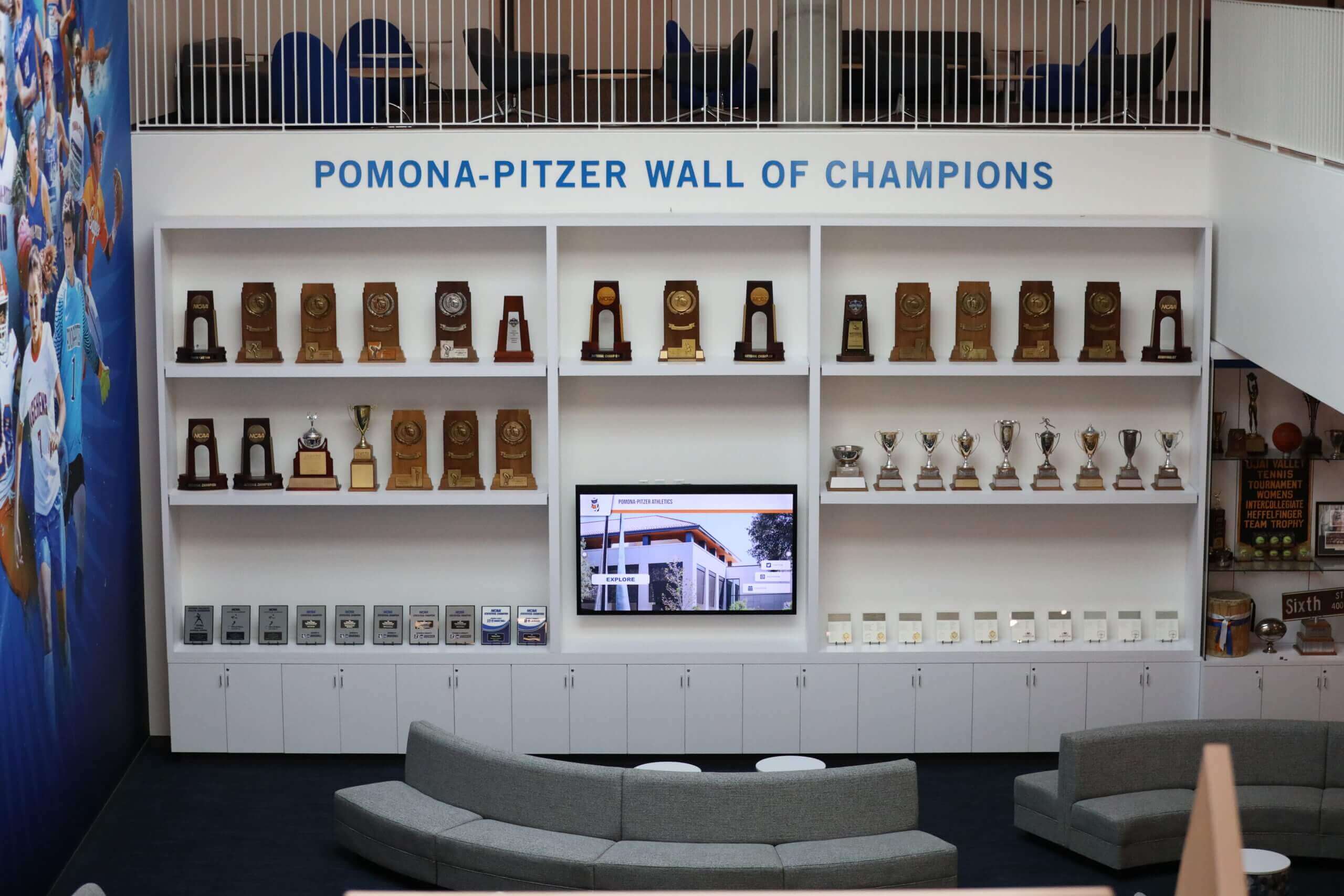
- Feature humorous categories in trophy case displays
- Create rotating recognition showcases highlighting diverse contributions
- Display certificates and awards in team spaces everyone uses
- Make recognition visible to new members learning team culture
Physical display demonstrates that personality recognition holds value equal to performance achievements, validating diverse contributions to team success.
Document Awards Through Team Yearbooks and Media
Preserve funny awards in permanent records:
- Include award winners in team yearbooks or annual publications
- Feature funny award presentations in team video highlights
- Share award moments through social media platforms
- Create team history documentation capturing both types of recognition
- Build archives new members can explore to understand team traditions
This documentation transforms single moments into team history that shapes culture for future members who weren’t present for original presentations.
Integrate Recognition into Digital Platforms
Modern recognition increasingly incorporates technology that makes acknowledgment more accessible, searchable, and permanent than traditional trophy cases allow:
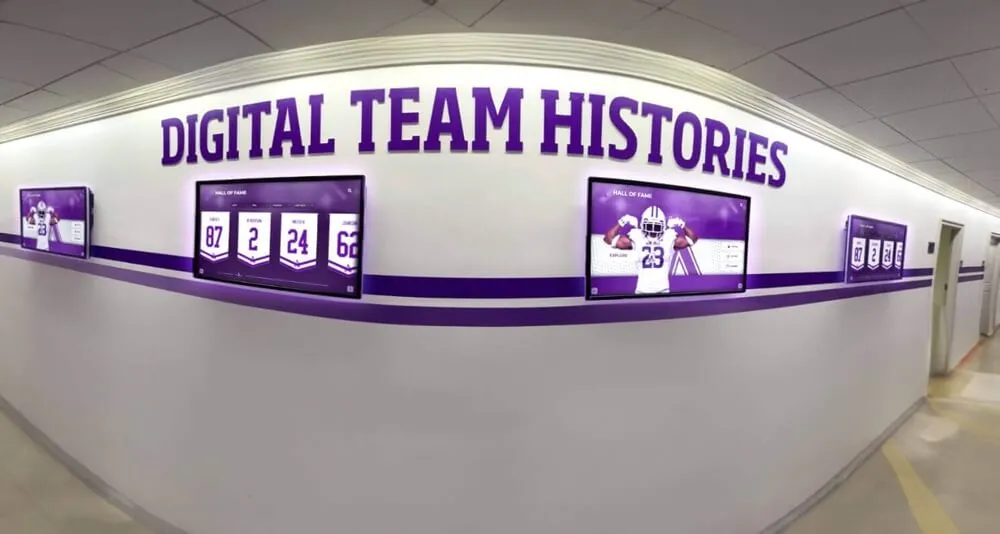
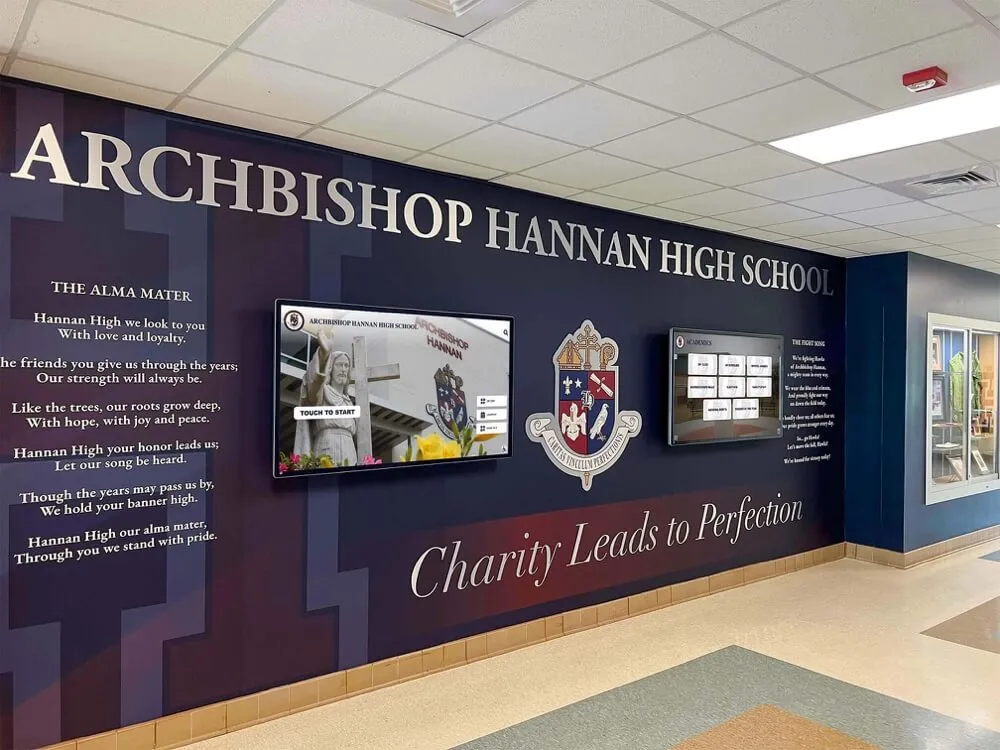
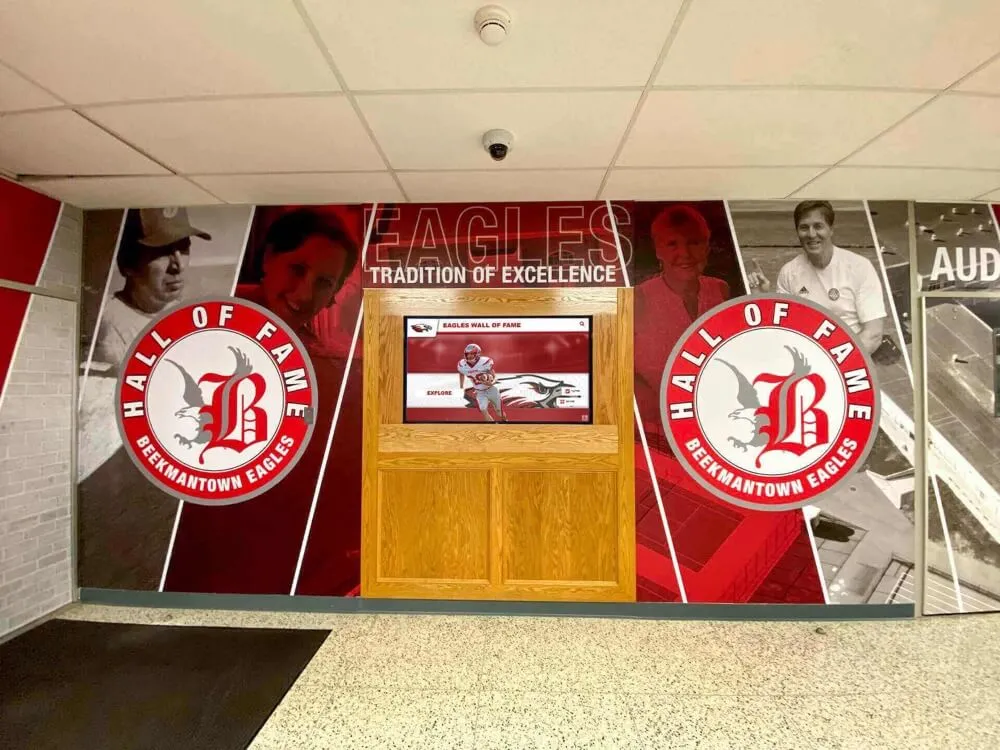
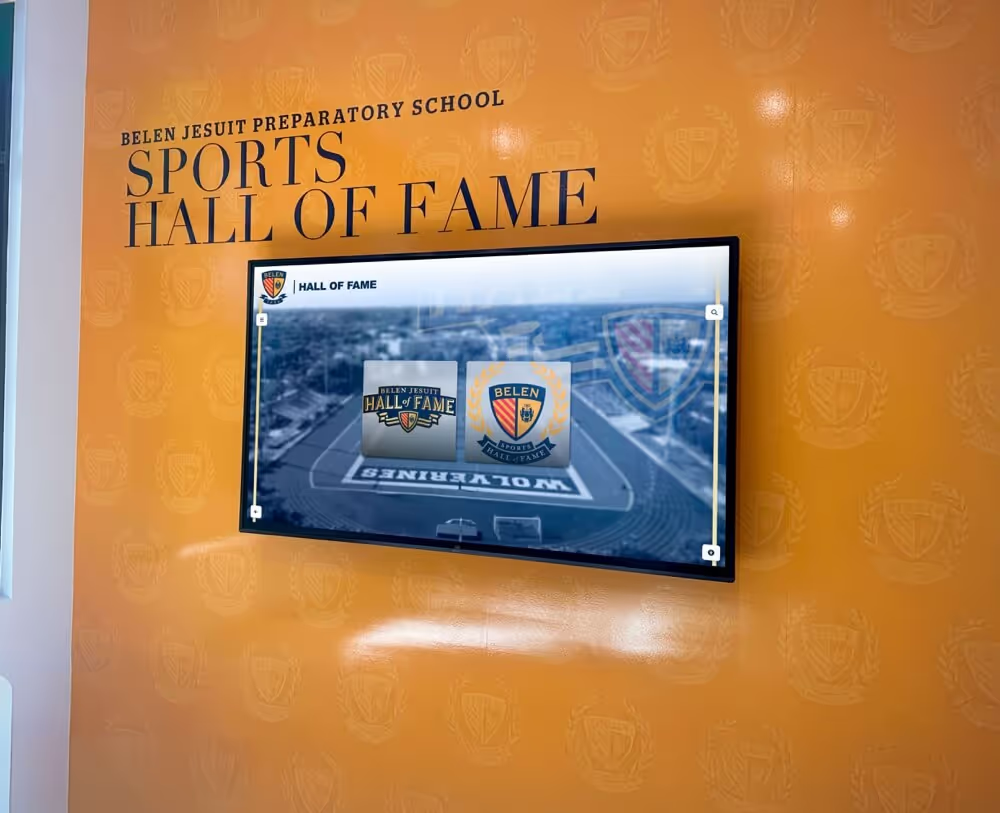
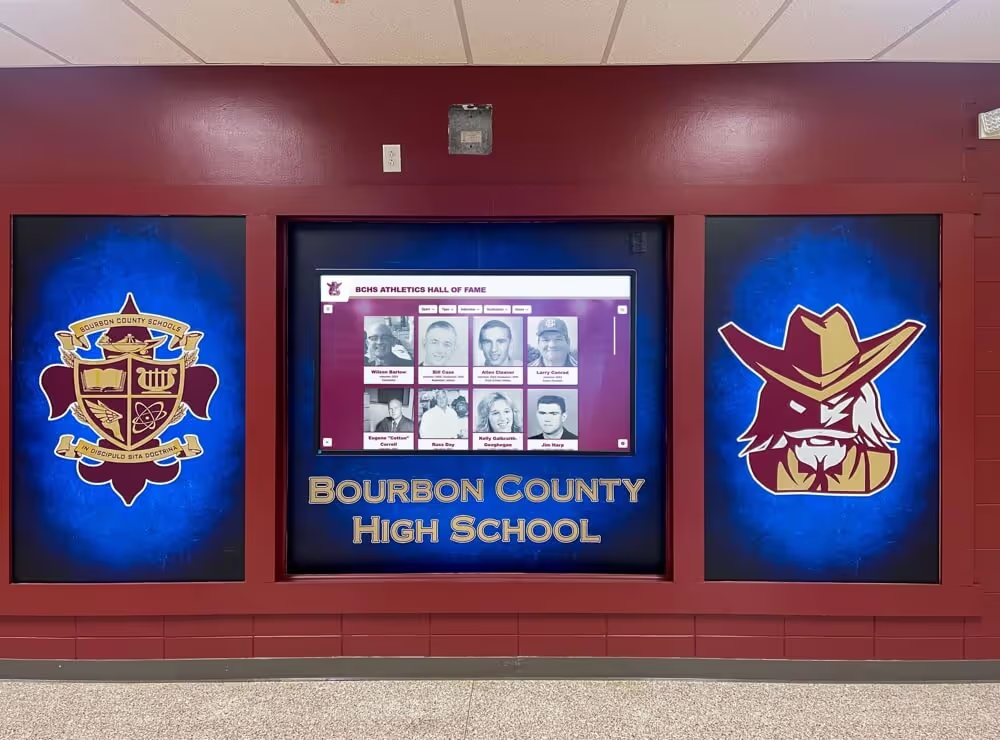
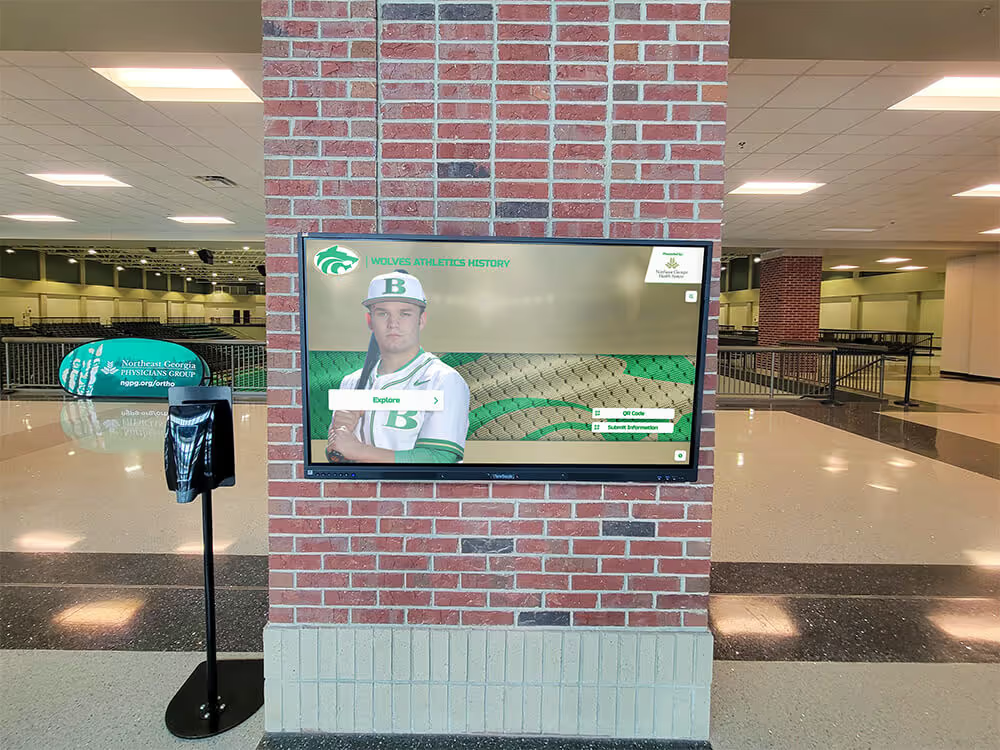
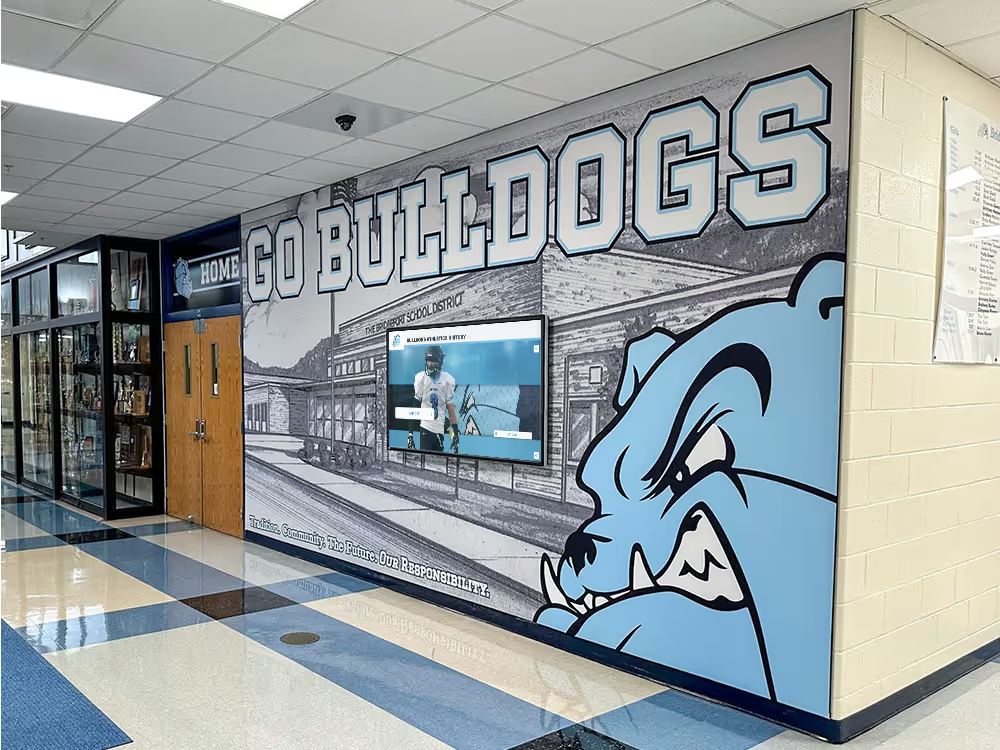
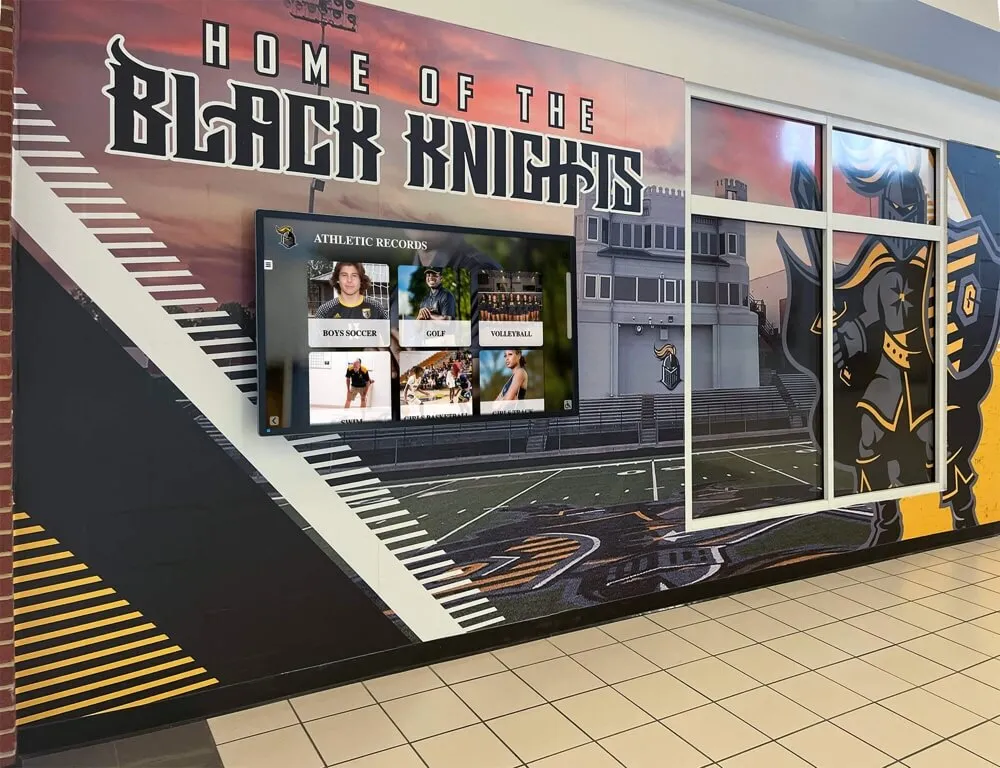
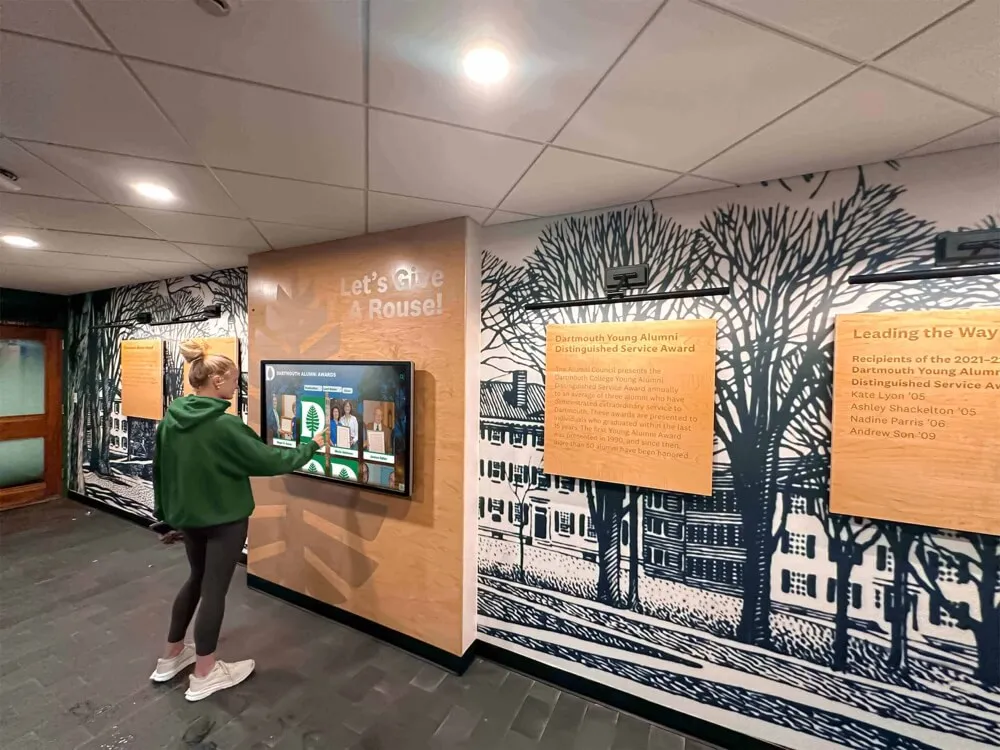
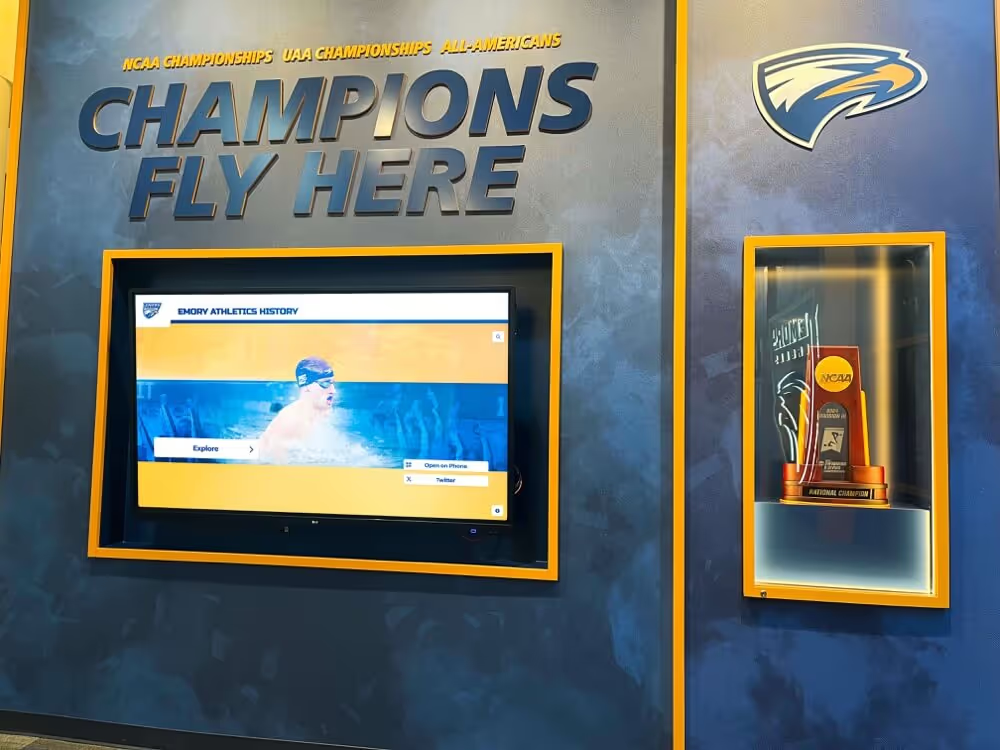
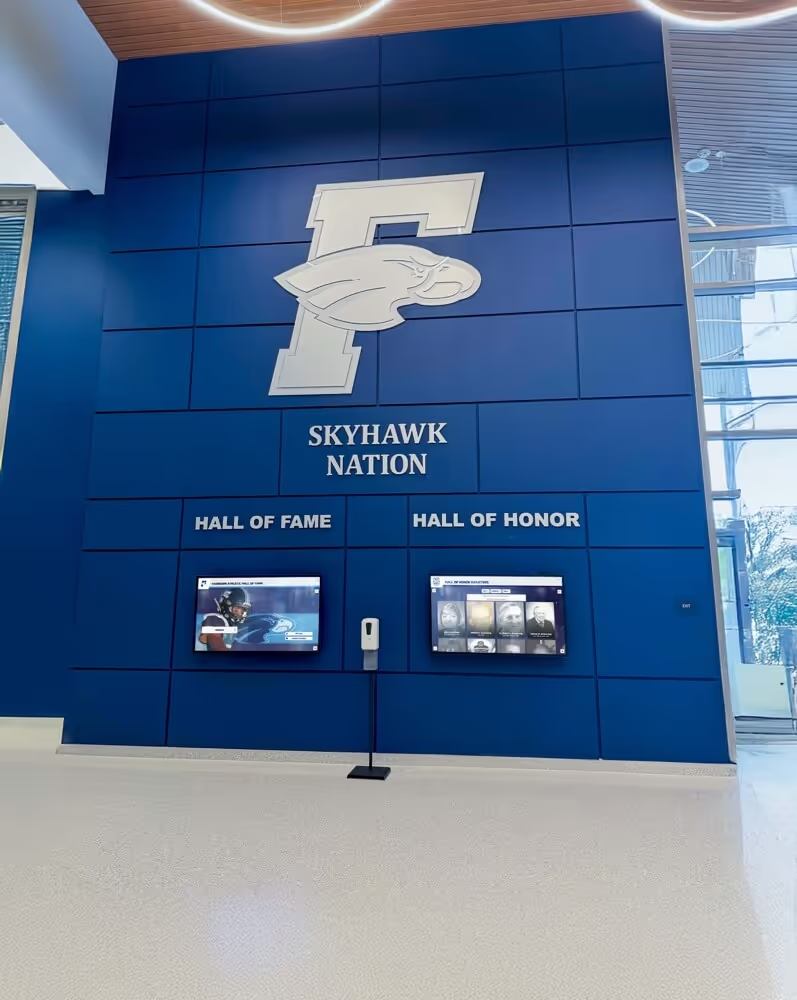
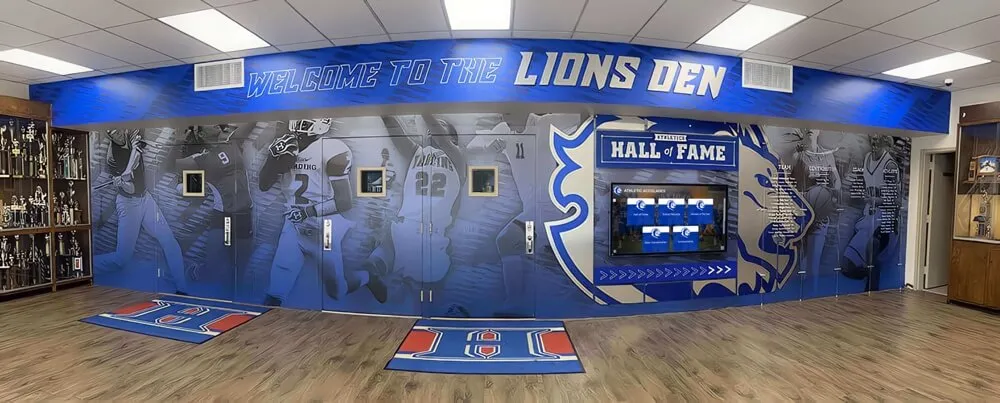
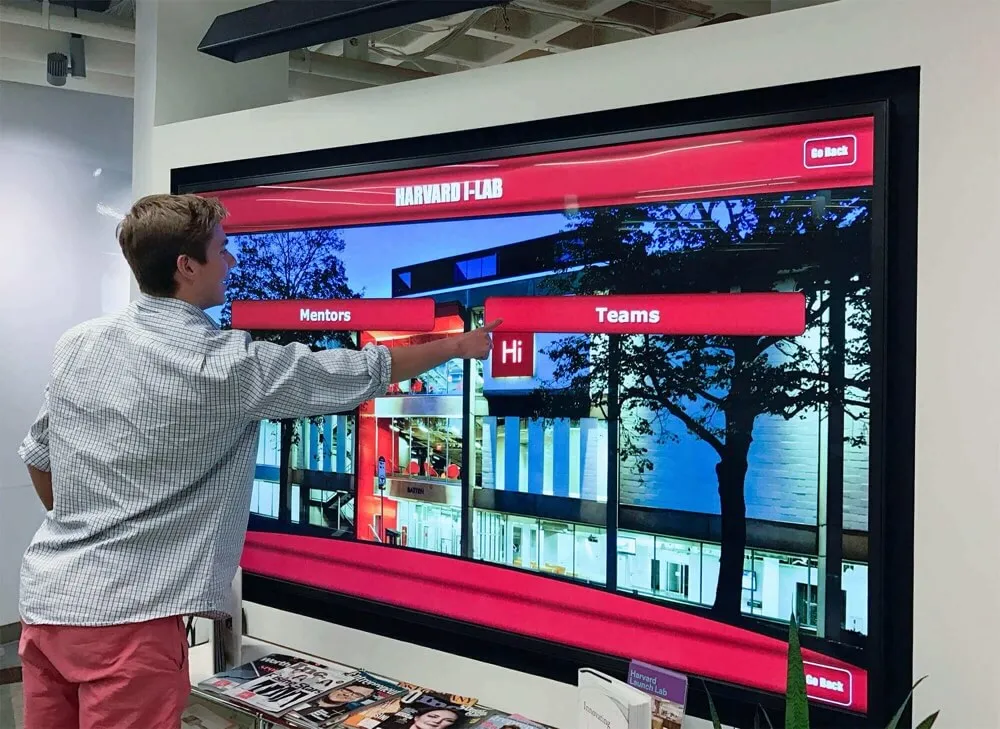
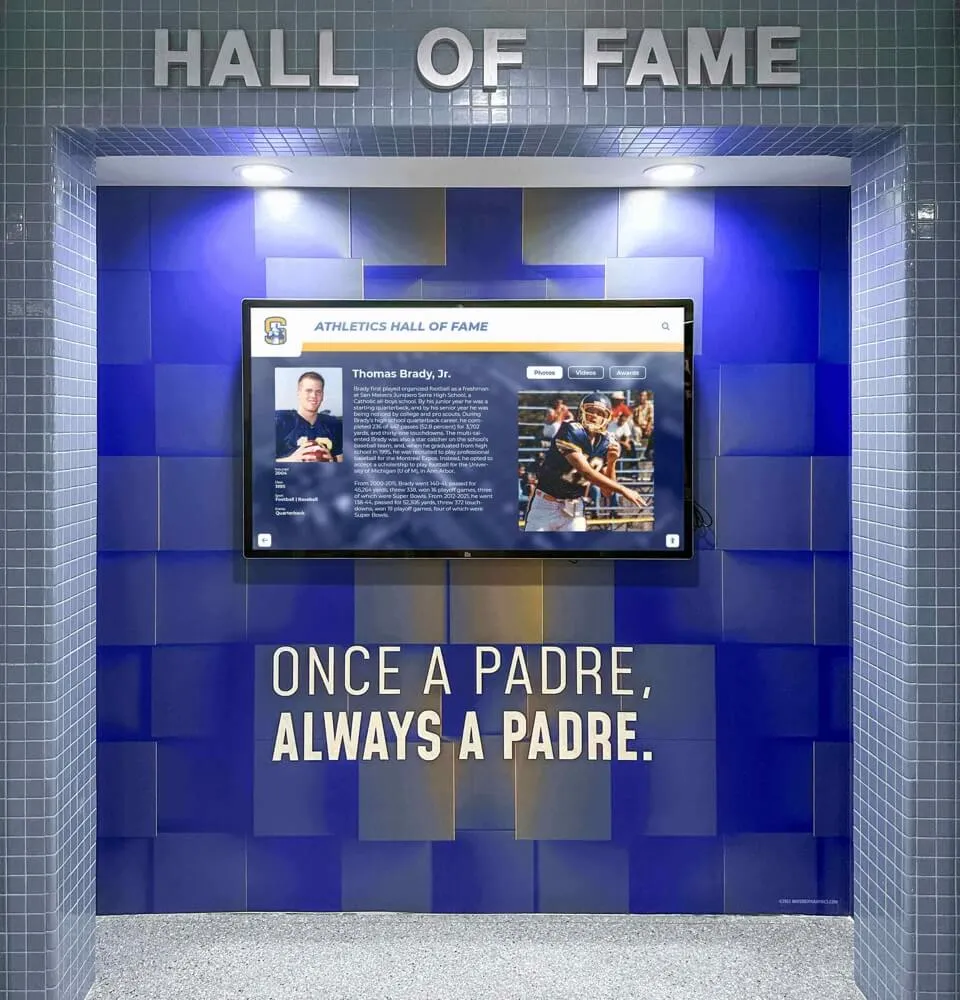
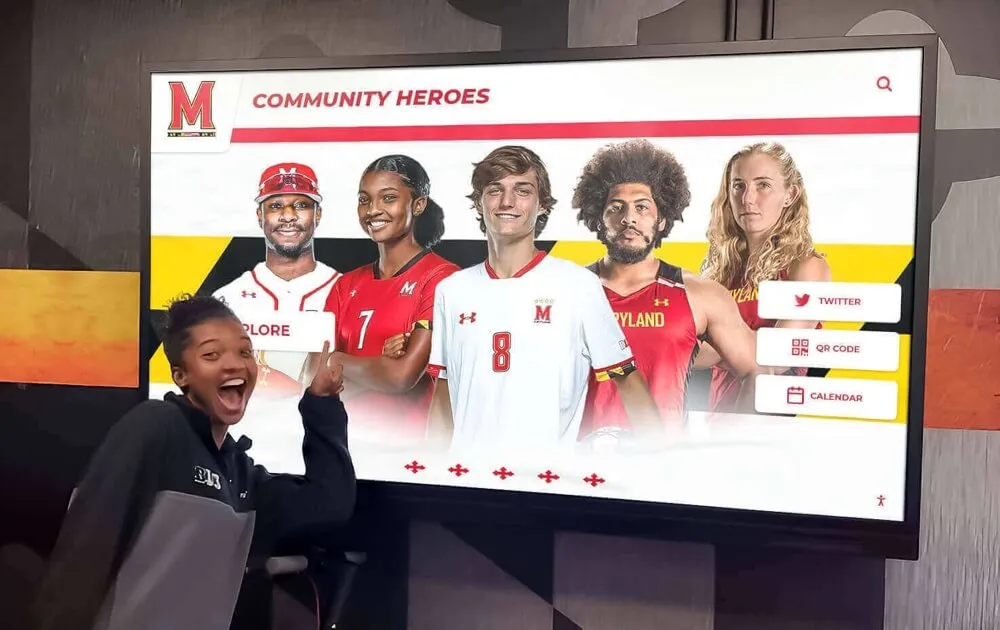
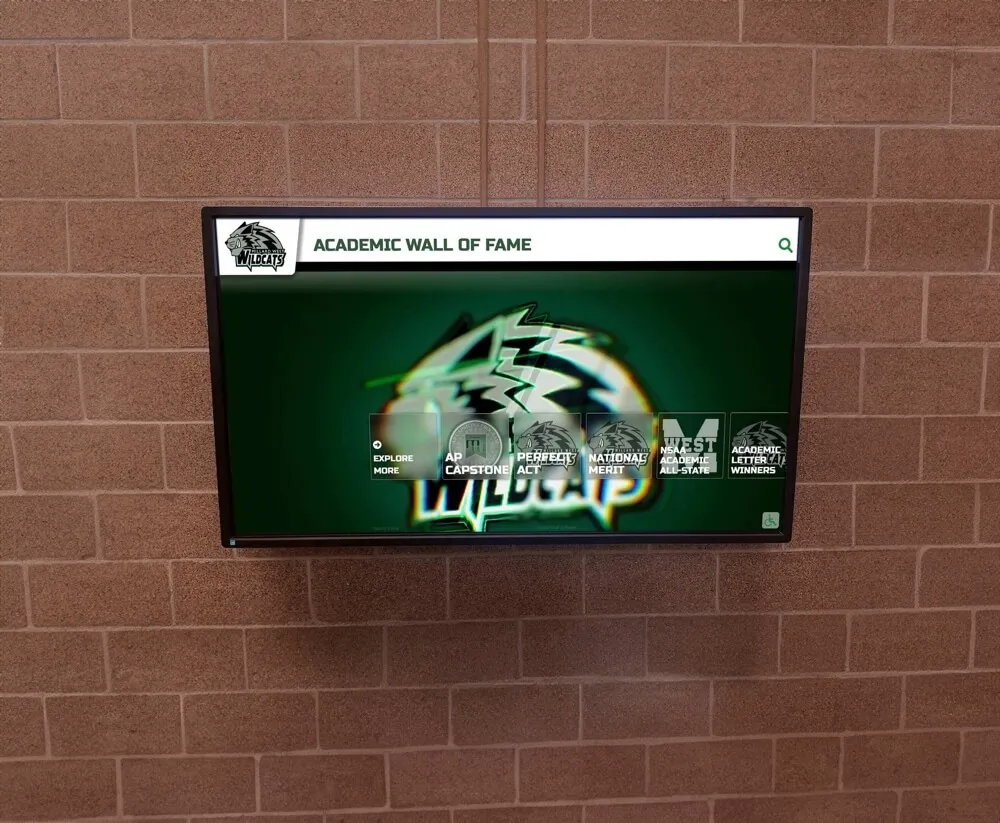
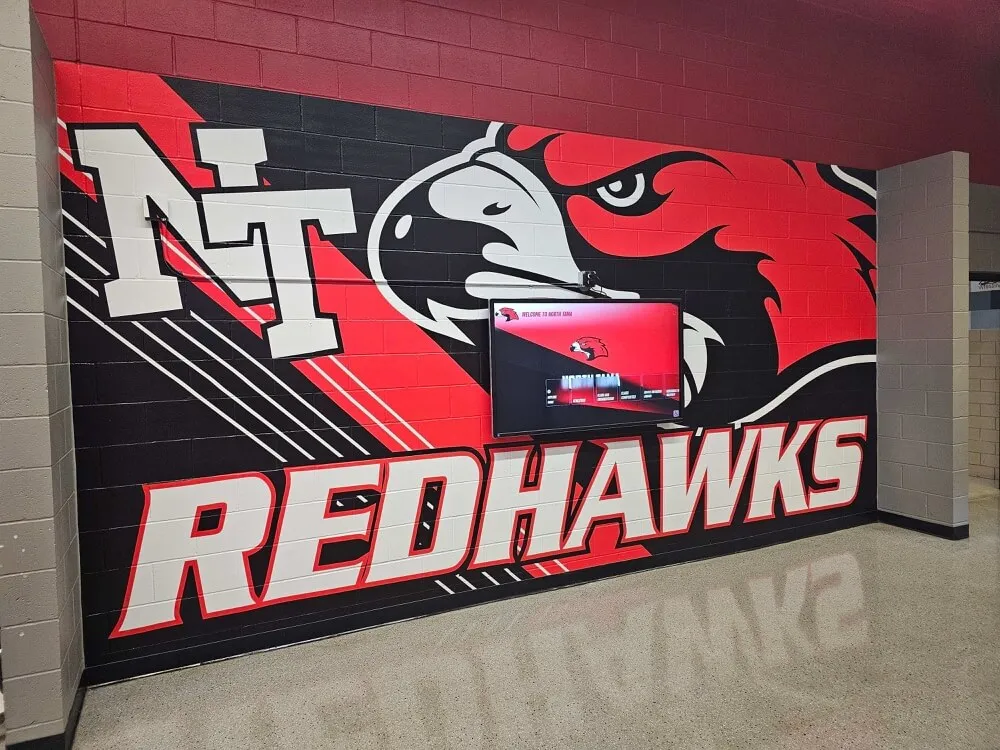
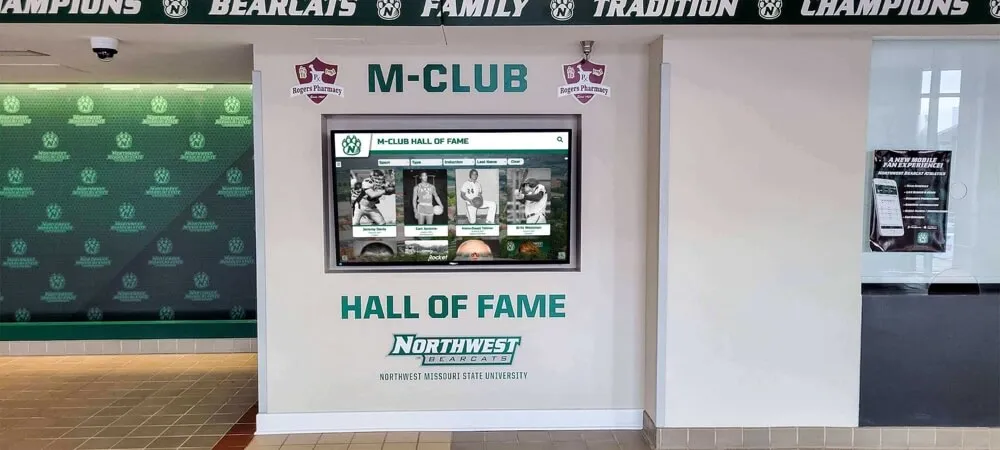
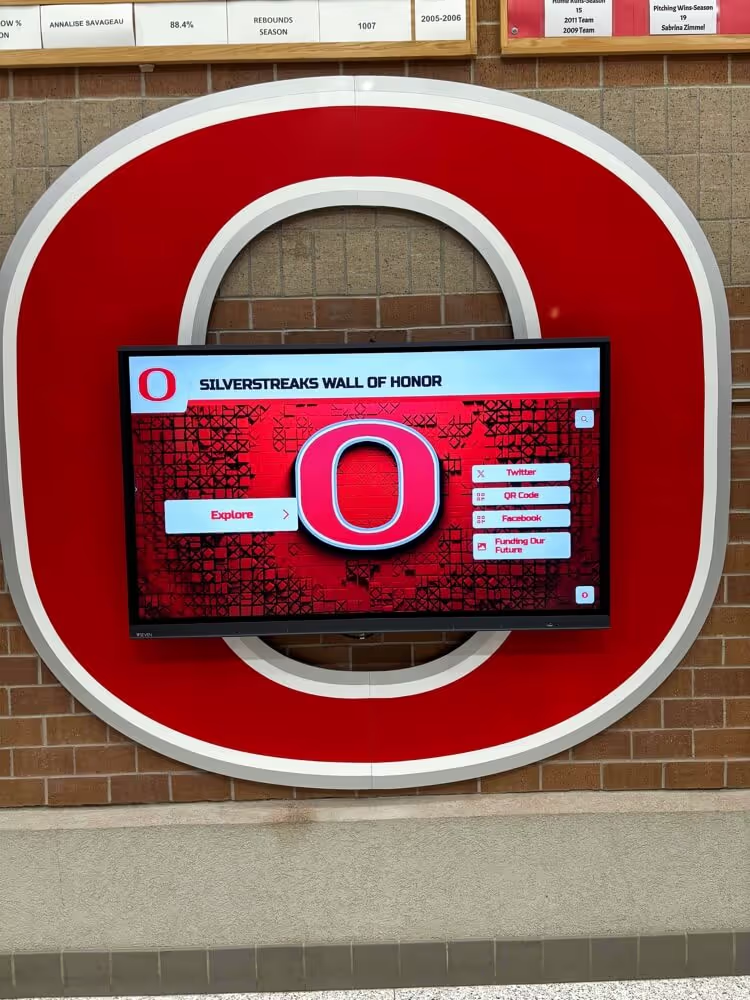
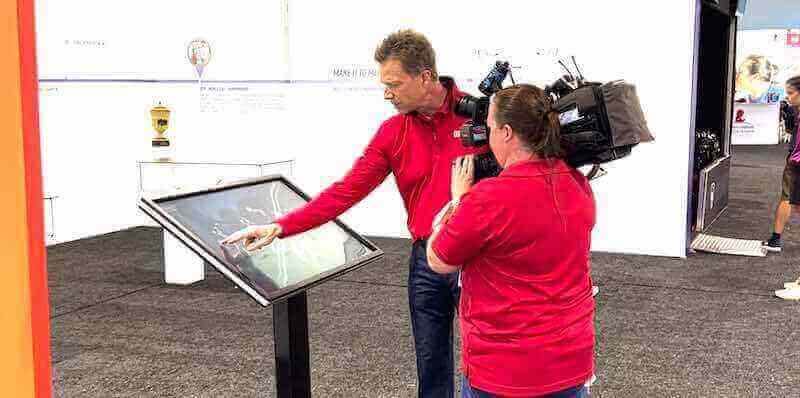
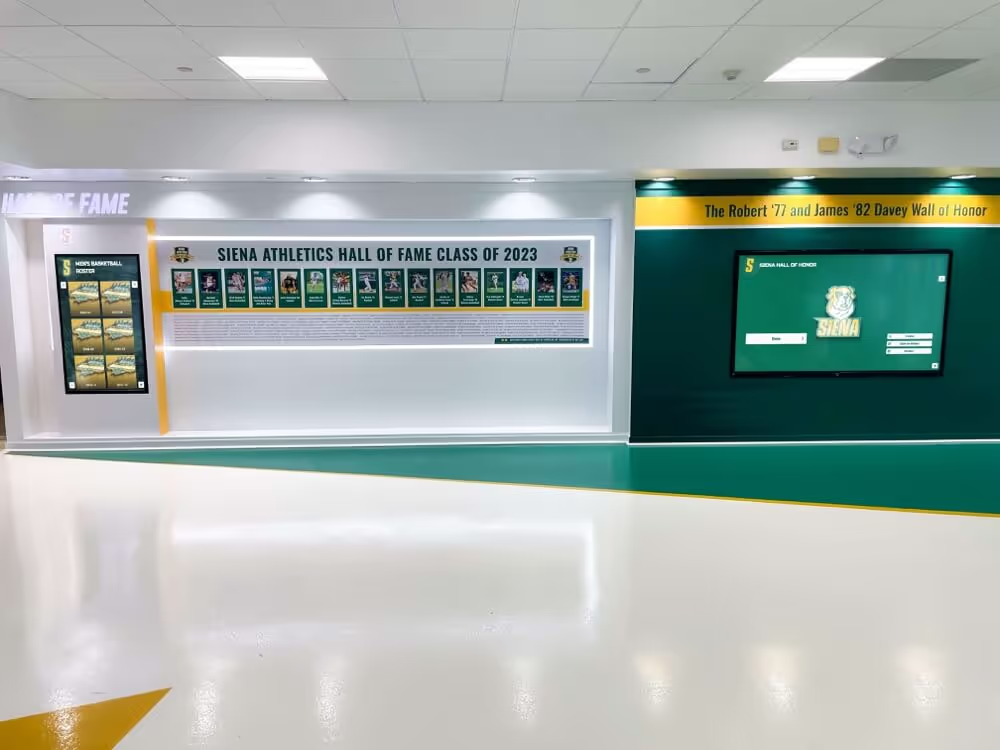
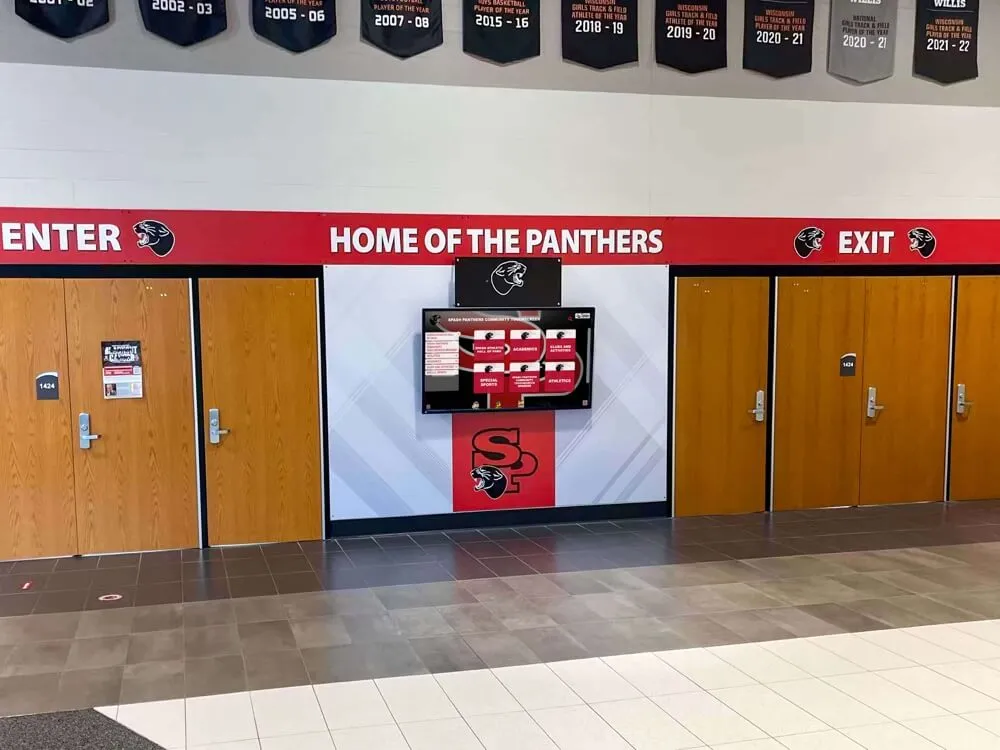
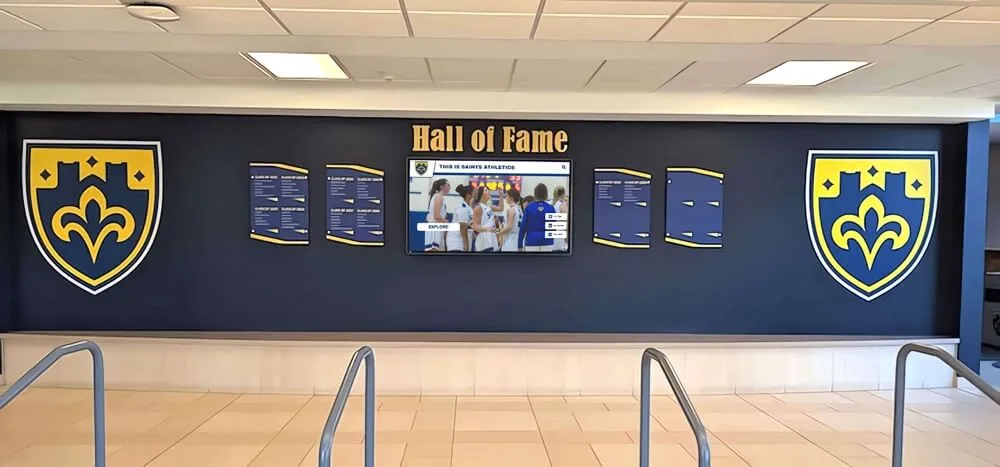
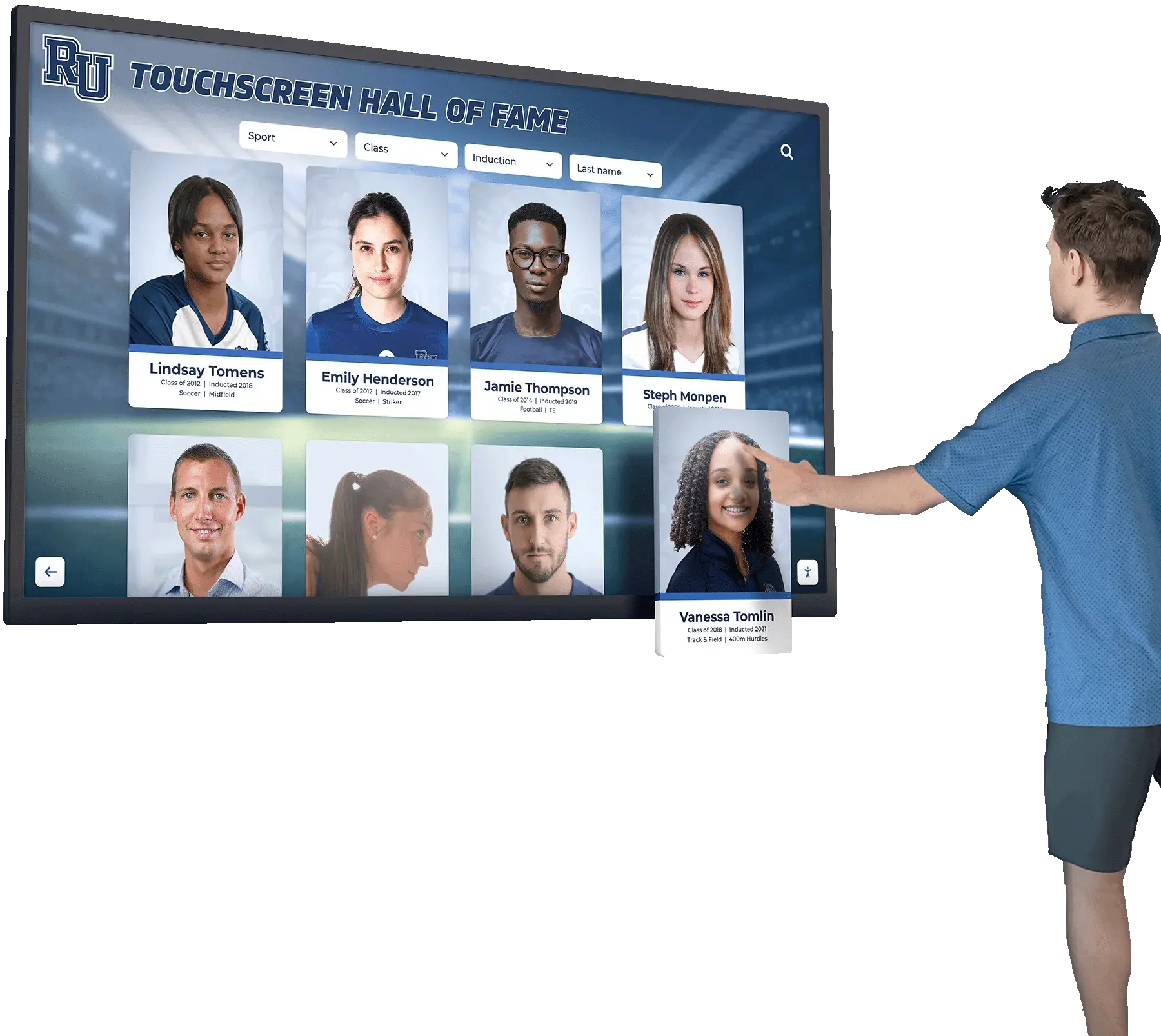
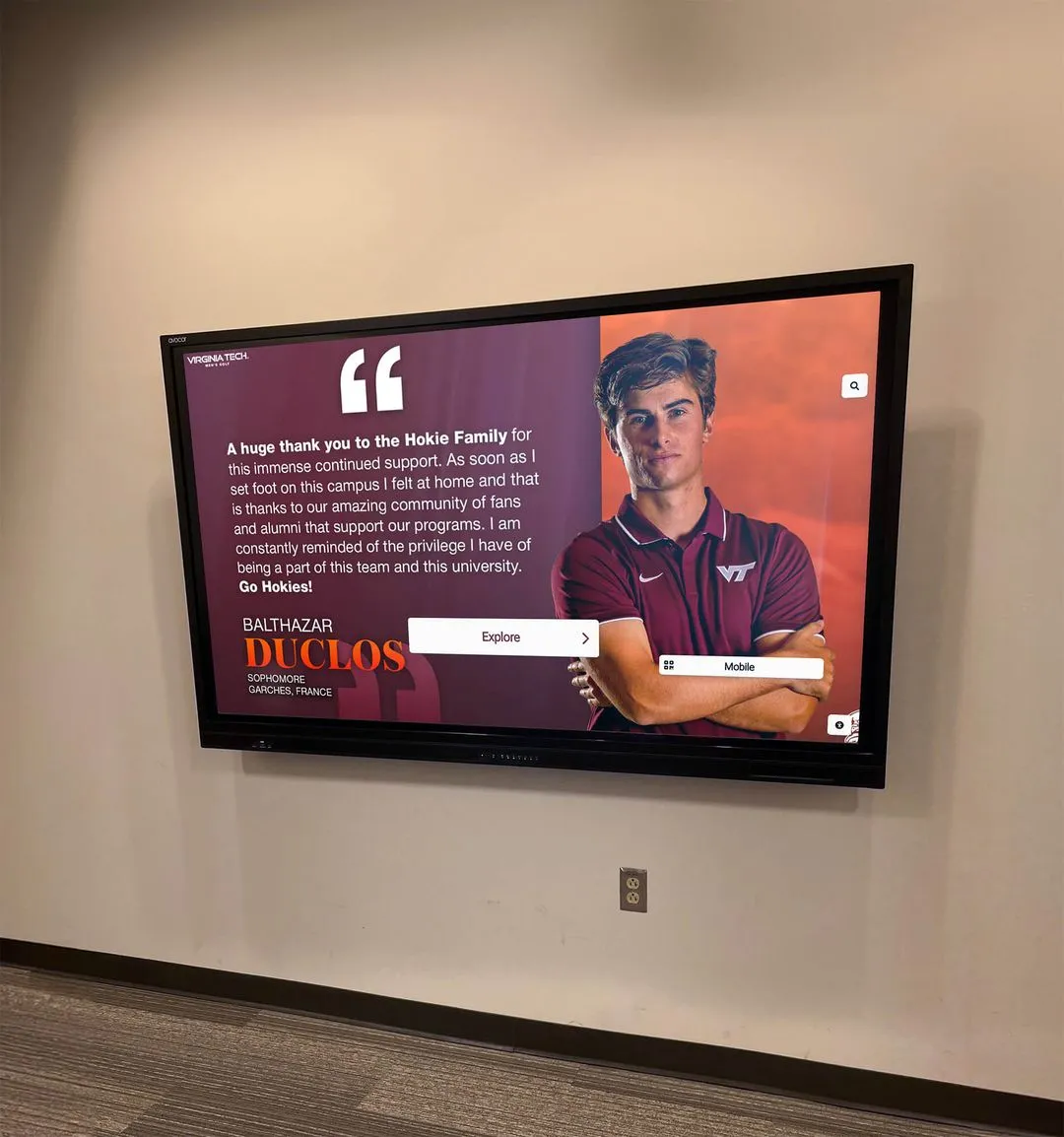
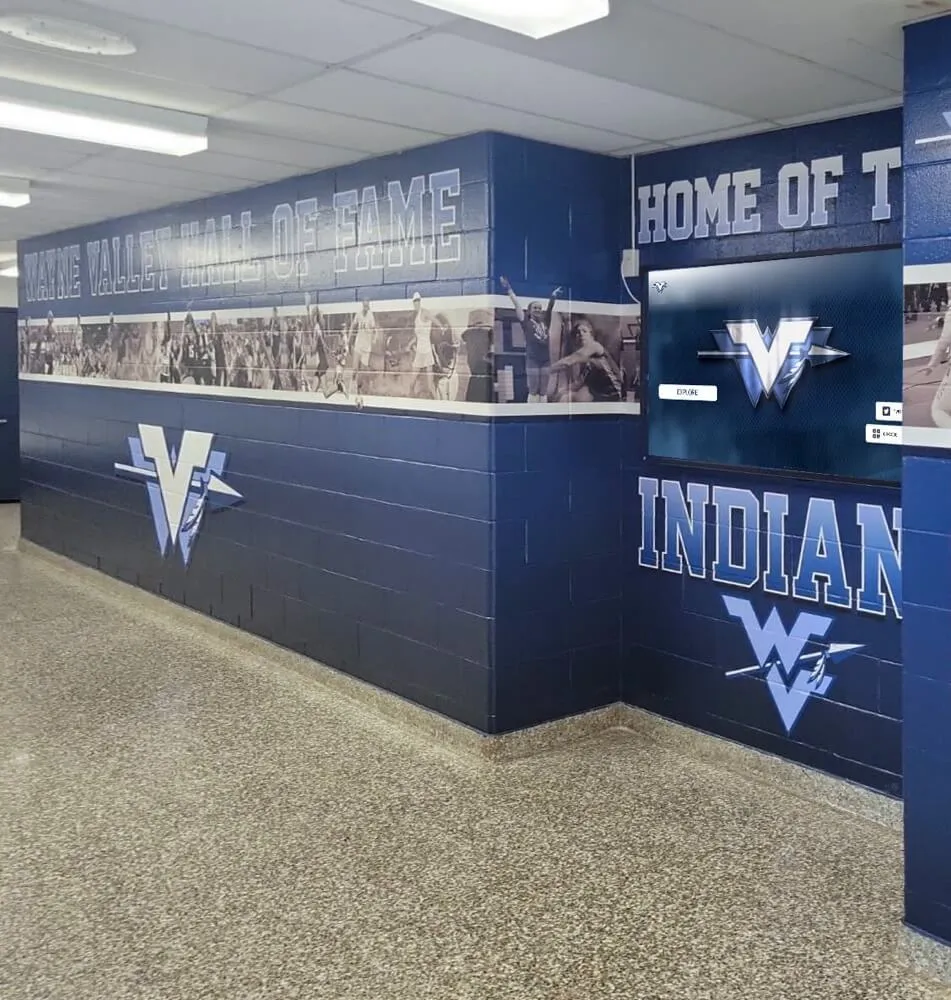
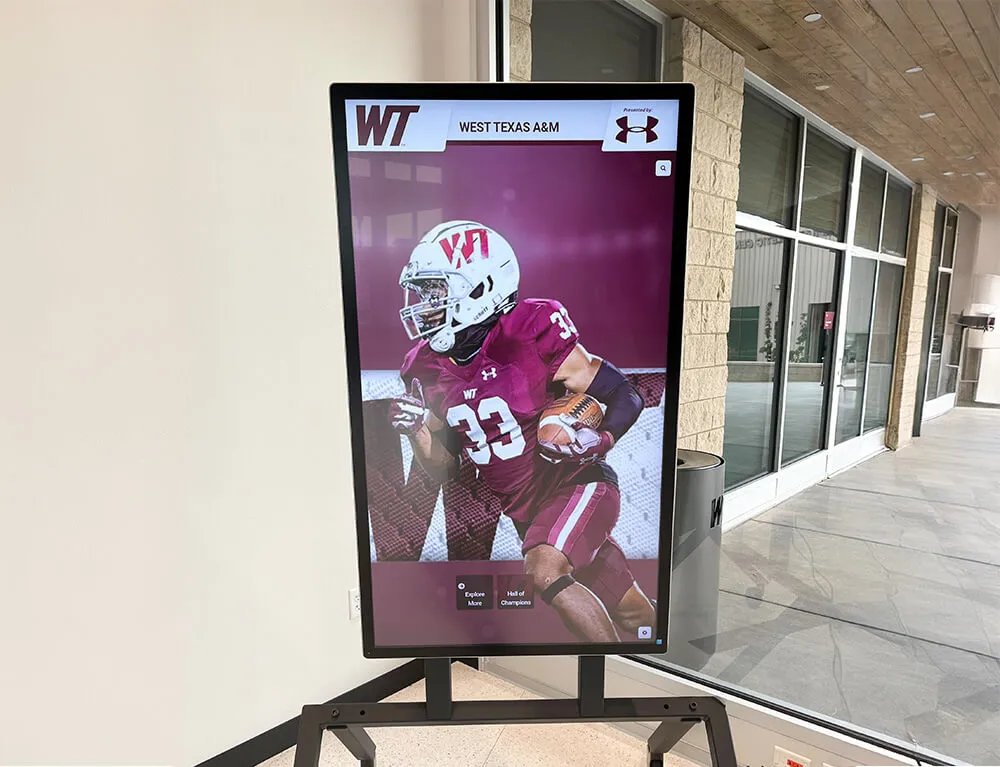
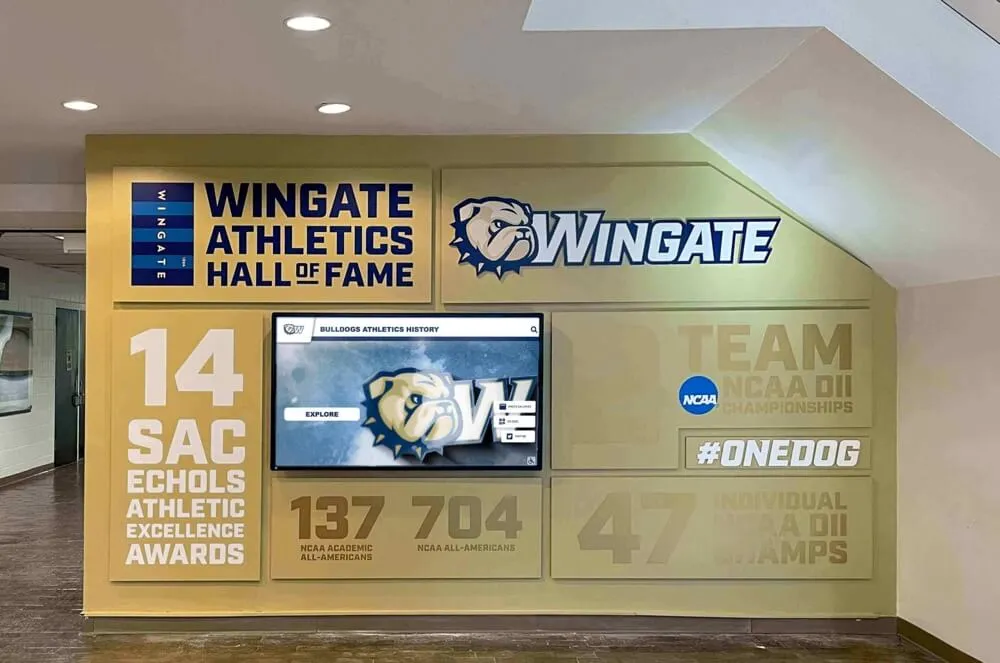
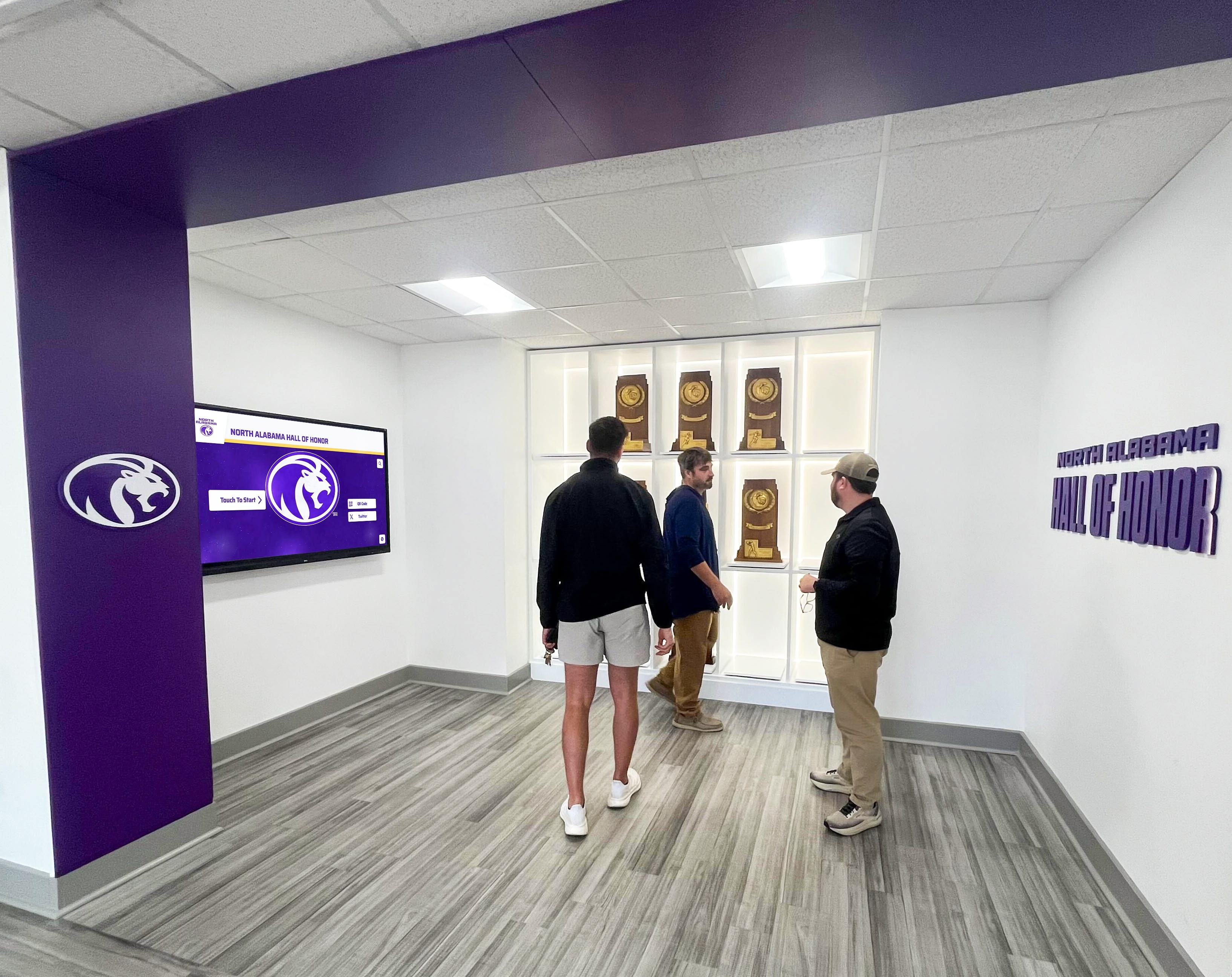
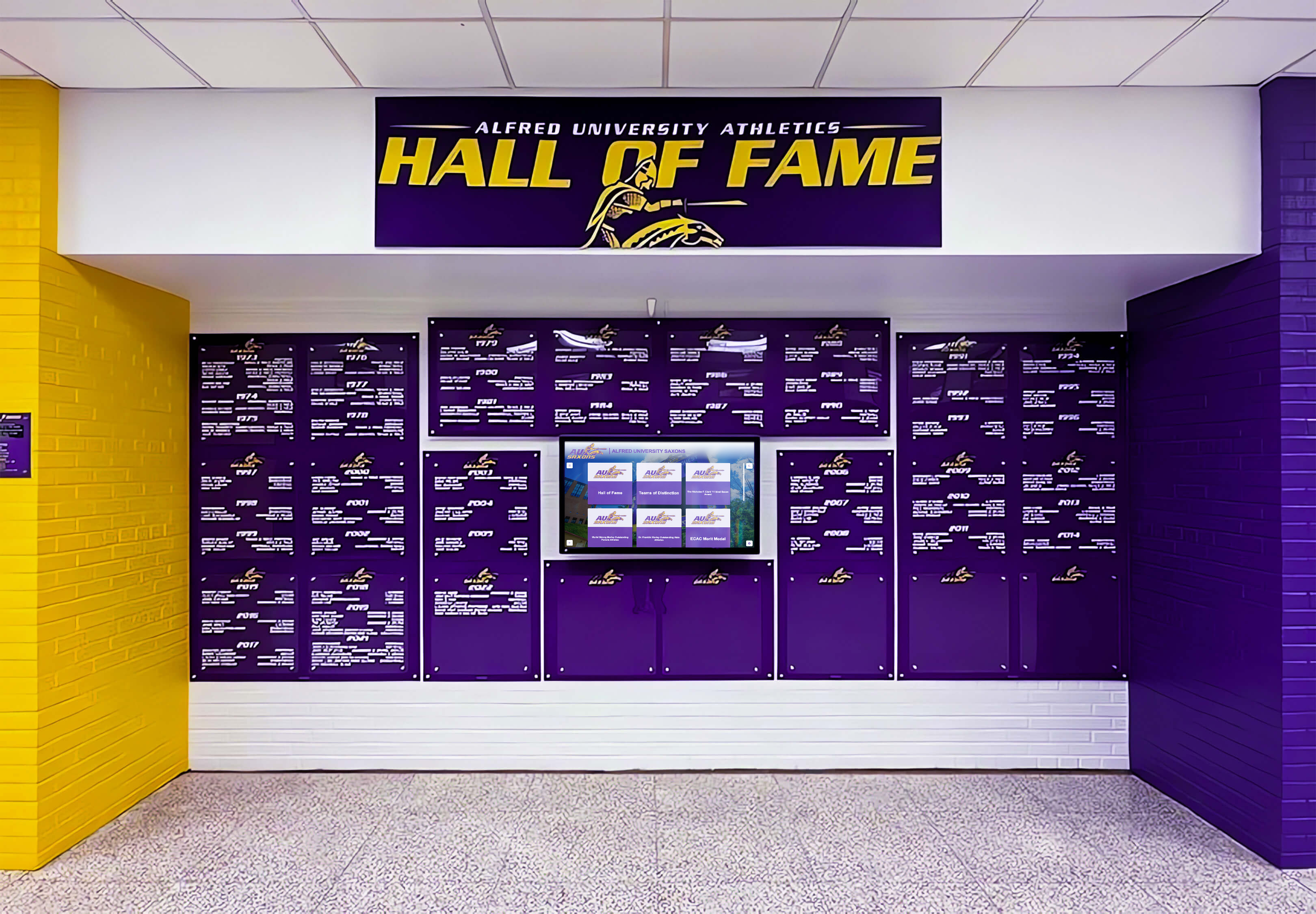
Solutions like Rocket Alumni Solutions provide platforms where organizations showcase both traditional achievement awards and personality-based recognition through interactive digital displays. These systems allow teams to feature basketball awards for youth alongside funny superlatives, track and field recognition next to personality awards, or workplace achievement honors mixed with humorous categories—all searchable by name, year, or award type.
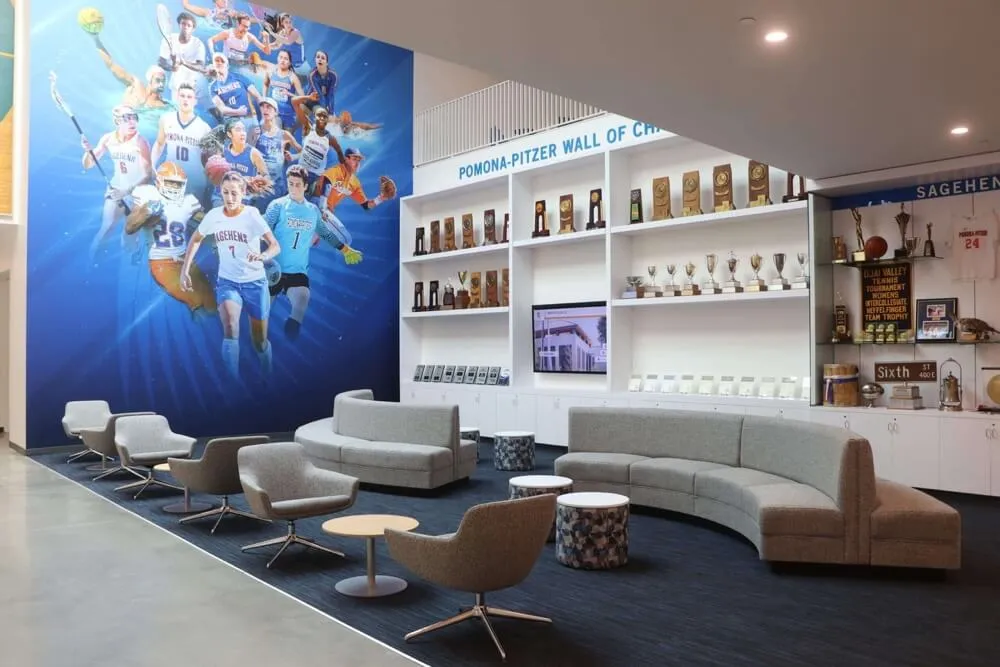
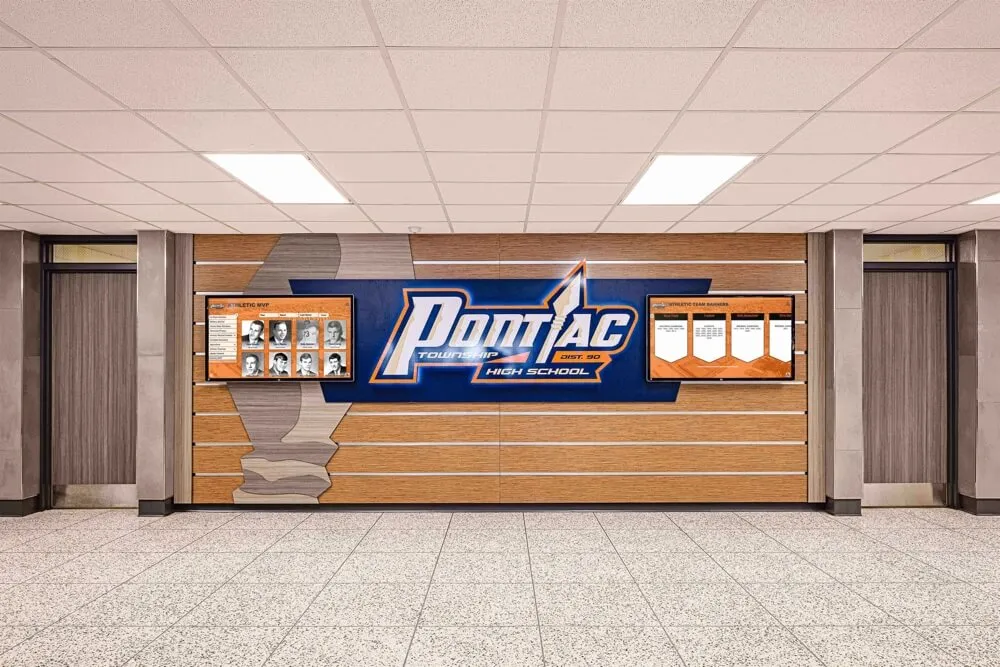
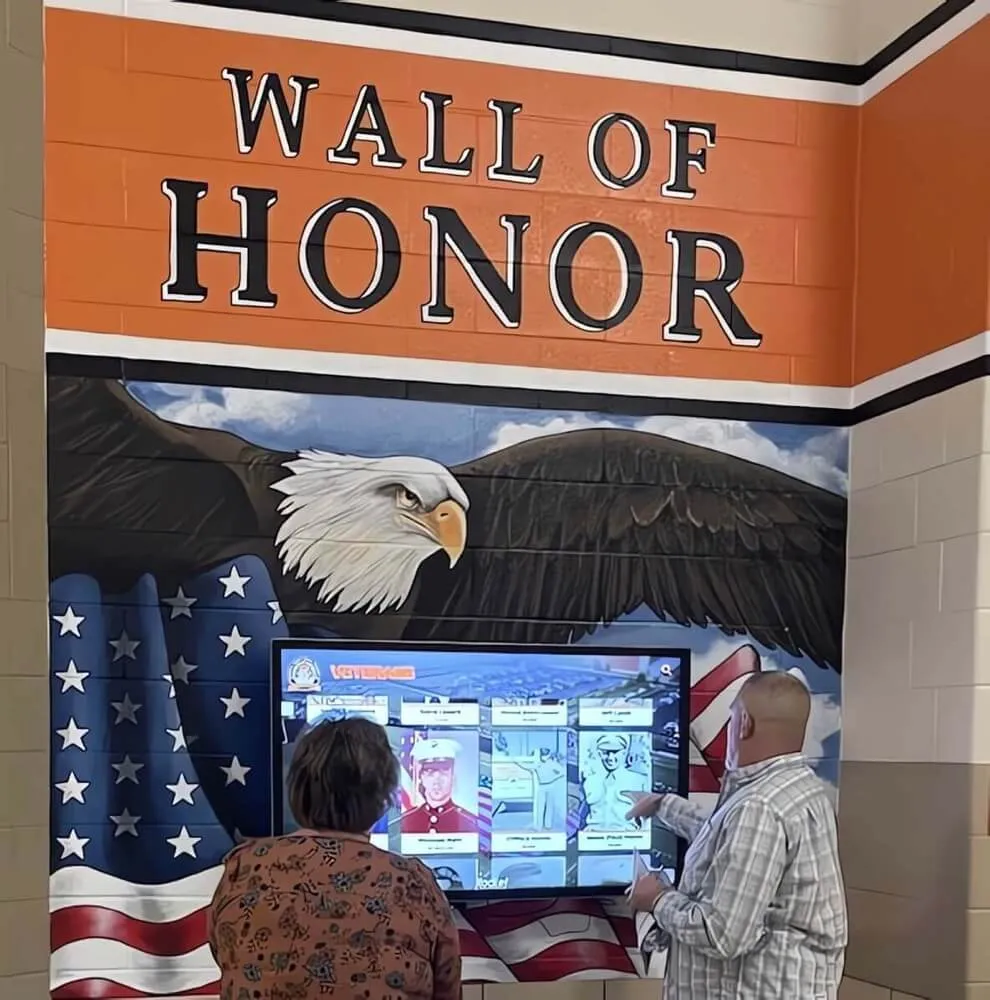
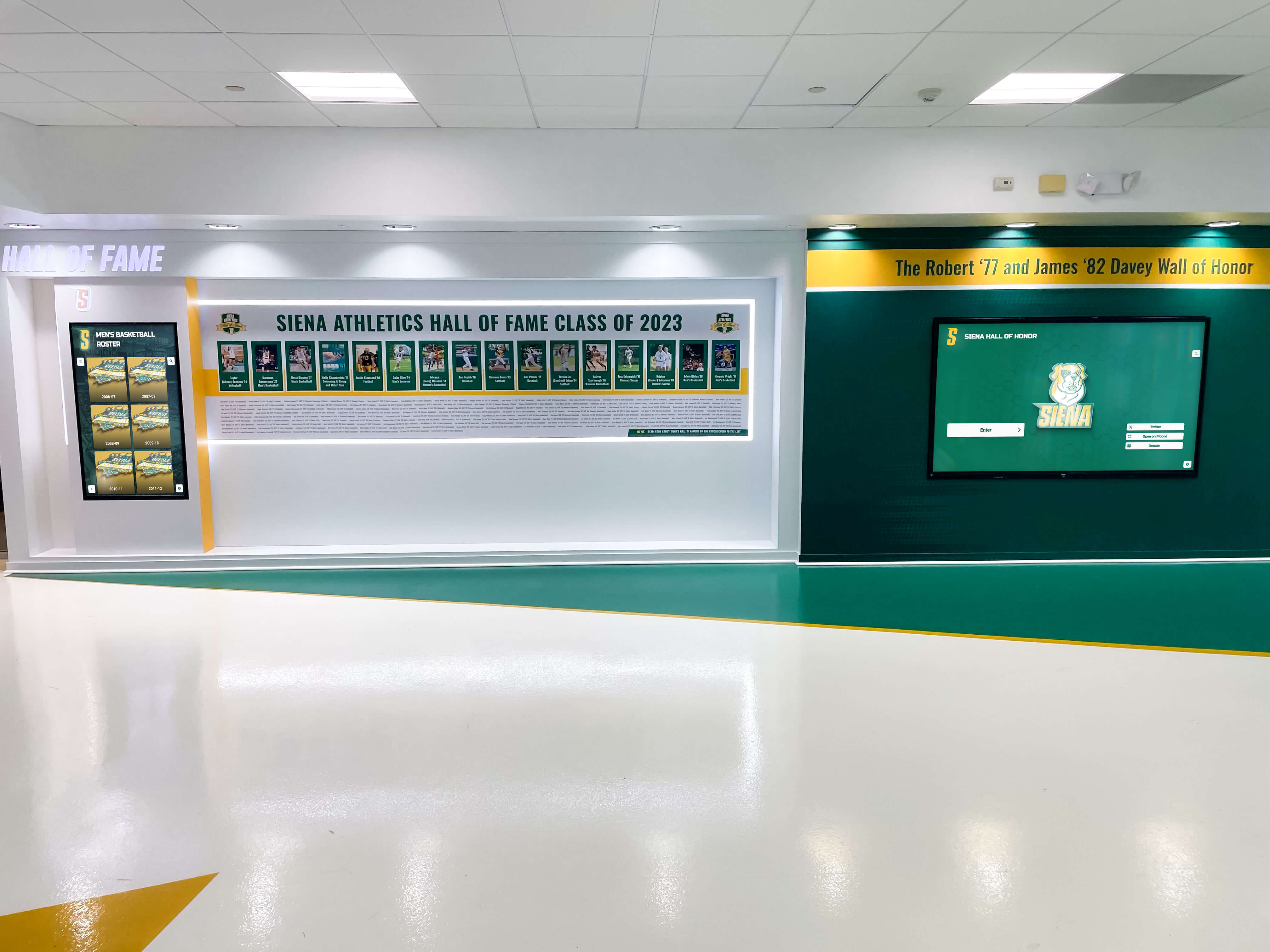
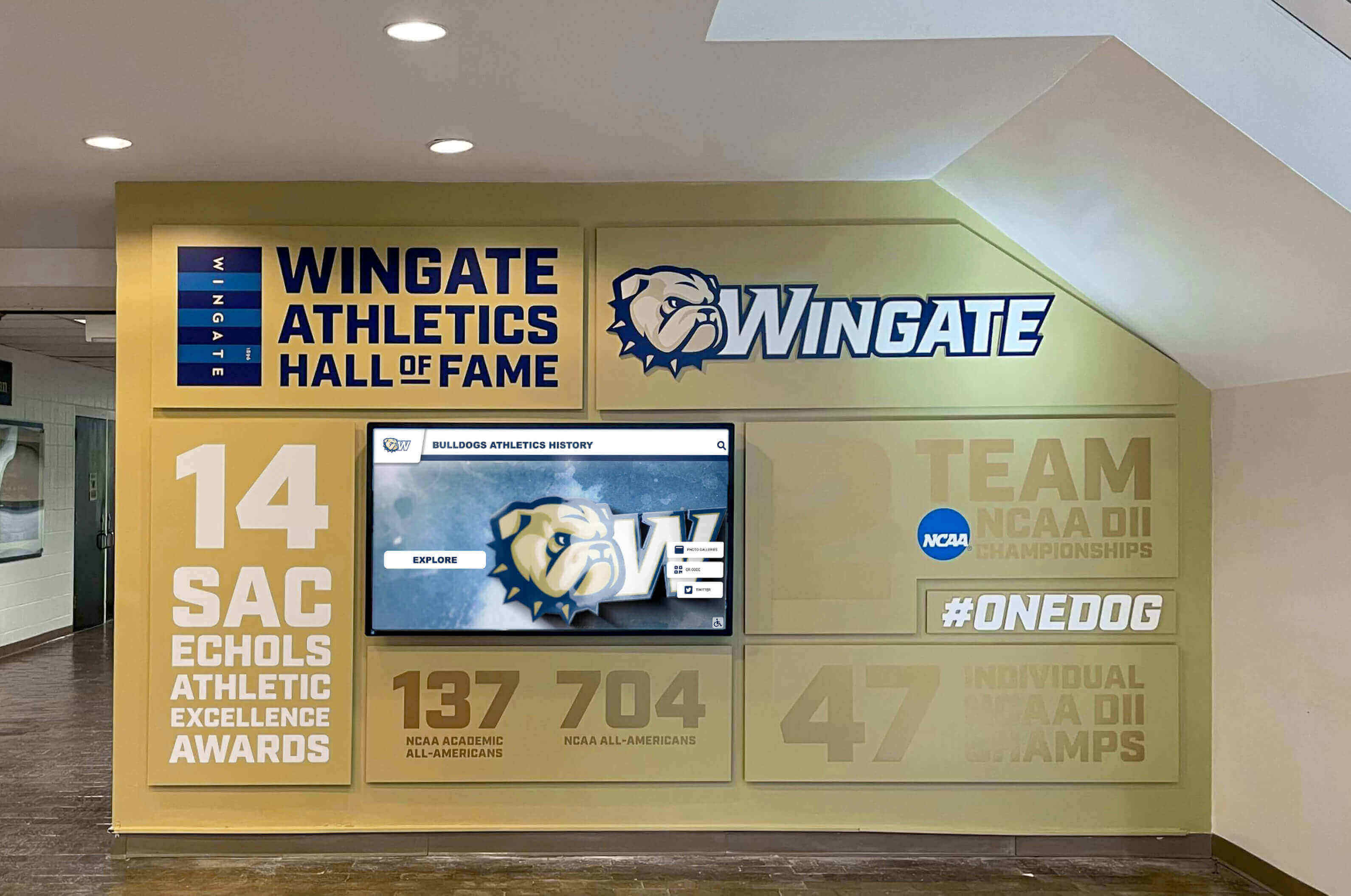
Digital recognition walls installed in team facilities, school hallways, office lobbies, or organizational spaces allow current and future members to explore complete team history including the funny awards that capture team personality and culture. These installations demonstrate comprehensive value placed on both performance achievements and the individual characteristics that make teams function effectively beyond measurable outcomes.
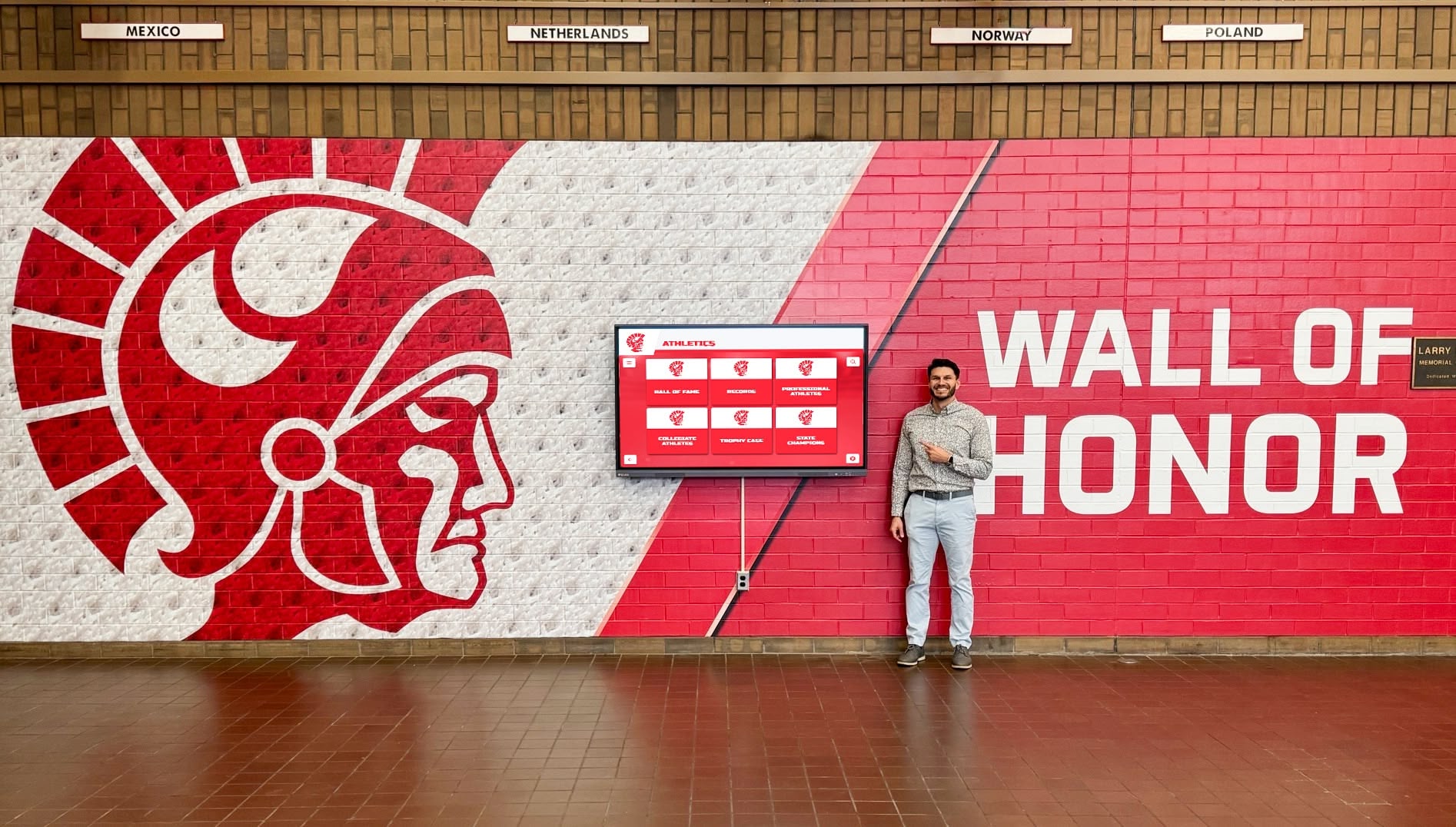
Interactive displays also solve storage challenges traditional trophies create—unlimited digital recognition doesn’t require ever-expanding physical space, yet remains permanently accessible to anyone who wants to explore team history. Alumni returning years later can search for their own names and rediscover the funny awards they received, reconnecting with memories and team relationships through technology that wasn’t available when physical trophies were the only option.
Build Traditions Around Award Categories
Transform funny awards from one-year events into ongoing team traditions:
- Maintain consistent award categories year after year
- Create expectations that certain awards will recur annually
- Build history around specific awards as different people earn them
- Reference previous winners when presenting to new recipients
- Create lineage and tradition around humorous recognition
These recurring categories become part of team identity—something new members anticipate, current members compete for (even if jokingly), and alumni remember as defining team experience elements.
Adapting Funny Awards for Different Organizational Contexts
While the principles remain consistent, implementation details vary across different team types and organizational settings:
Youth Sports Teams
For younger athletes, funny awards should:
- Emphasize positive traits rather than any negative behaviors
- Celebrate effort, enthusiasm, and personality over performance quirks
- Use age-appropriate humor parents and children both appreciate
- Avoid categories that could genuinely embarrass young people
- Balance recognition so every player receives something meaningful
Youth sports recognition increasingly incorporates personality acknowledgment alongside youth sports awards celebrating athletic achievement, helping young athletes feel valued for who they are beyond performance metrics.
High School and College Teams
For adolescent and young adult teams:
- Incorporate inside jokes and shared experiences specific to your team
- Reference social media and technology naturally
- Balance confidence-building humor with age-appropriate gentle teasing
- Include categories reflecting diverse interests beyond just athletics
- Consider how recognition appears in permanent records and displays
High school athletic recognition programs increasingly feature diverse award categories acknowledging that team success depends on many factors beyond measurable statistics.
Workplace Teams
For professional environments:
- Maintain appropriate professionalism even within humor
- Avoid categories referencing protected characteristics or sensitive topics
- Balance fun with respect for workplace culture norms
- Consider how awards reflect organizational values
- Ensure humor brings people together rather than excluding anyone
Workplace recognition balances celebrating personality with maintaining professional environments where everyone feels respected and valued for their contributions.
Volunteer Organizations and Community Groups
For non-competitive teams:
- Focus awards on service contributions and community impact
- Celebrate dedication, reliability, and personality traits that support missions
- Acknowledge the unique roles different volunteers fill
- Make recognition inclusive across age ranges and backgrounds
- Use humor to strengthen community bonds and appreciation
Volunteer recognition particularly benefits from inclusive approaches ensuring all contributors feel valued regardless of time availability, specific skills, or visible contributions.
Common Pitfalls to Avoid When Creating Funny Team Awards
Even well-intentioned humorous recognition can miss the mark. Avoid these common mistakes:
Crossing from Funny to Mean
Problem: Awards that actually mock people rather than affectionately celebrate quirks
Solution: Frame every award around positive traits, helpful behaviors, or endearing characteristics. If you wouldn’t want to receive the award yourself, don’t create it for someone else.
Making Sensitive Topics into Jokes
Problem: Creating awards around appearance, protected characteristics, genuine struggles, or personal challenges
Solution: Stick with behavioral patterns, personality traits, and shared experiences that everyone can laugh about without touching subjects that could genuinely hurt people.
Excluding People Through Inside Jokes
Problem: Awards so specific to insider knowledge that parents, administrators, new members, or others feel excluded
Solution: Provide enough context when presenting that everyone understands why the award matters, even if they weren’t present for the specific moment being referenced.
Creating Gender, Race, or Identity-Based Categories
Problem: Awards inadvertently reinforcing stereotypes or singling people out based on identity characteristics rather than behavior
Solution: Ensure award categories could theoretically apply to anyone and select winners based on actual behaviors rather than demographic characteristics.
Making Participation Feel Mandatory
Problem: Forcing funny awards on people who clearly don’t want them or feel uncomfortable with public attention
Solution: Read the room and individuals. Some people love humorous recognition; others genuinely prefer serious acknowledgment only. Respect these differences.
Forgetting to Balance with Serious Recognition
Problem: Programs weighted so heavily toward humor that genuine achievements feel diminished or less valued
Solution: Maintain clear prioritization of serious performance recognition while using humor to supplement rather than replace meaningful acknowledgment of real accomplishments.
Creating Year-Round Recognition Culture Beyond Single Events
While end-of-year awards ceremonies provide important culminating recognition moments, the strongest team cultures incorporate ongoing acknowledgment throughout entire seasons, semesters, or years.
Weekly or Monthly Recognition Moments
Create regular recognition opportunities:
- Weekly team meetings highlighting different members
- Monthly award rotations featuring changing categories
- Social media spotlights celebrating different people regularly
- Team newsletters or communications including recognition sections
- Regular acknowledgment preventing all recognition from concentrating at year-end
This consistent attention maintains motivation and demonstrates ongoing appreciation rather than recognition feeling like afterthought at conclusion of team time together.
Peer Recognition Systems
Empower team members to recognize each other:
- Allow teammates to nominate each other for funny award categories
- Create systems where team members vote on award recipients
- Establish peer recognition processes where anyone can acknowledge others
- Build democratic approaches ensuring recognition reflects team perspective
- Enable team ownership of recognition rather than only leader-driven acknowledgment
Peer recognition often carries special meaning because it comes from those who truly understand daily experiences, inside jokes, and personality contributions leadership might not fully observe.
Document Recognition Throughout Team Journeys
Capture recognition as it happens rather than only at formal ceremonies:
- Take photos and videos of recognition moments
- Share immediate acknowledgment through team platforms
- Create ongoing documentation of who receives recognition and why
- Build recognition histories that new members can explore
- Make recognition accessible beyond those present for specific moments
This documentation creates comprehensive records of how teams valued both achievement and personality throughout their time together.
Ready to create recognition displays that honor both achievement and personality? Rocket Alumni Solutions provides interactive digital platforms that showcase the complete story of your team, organization, or school—featuring traditional achievement awards alongside funny superlatives, personality recognition, and humorous categories that capture your unique culture. Our touchscreen displays feature unlimited profiles, searchable databases, custom award categories, and remote content management that makes updating recognition as simple as sending an email. Transform how you celebrate both accomplishments and the personalities that make your team special through technology designed specifically for comprehensive recognition that honors everyone’s contributions. Contact us to explore how digital recognition displays can preserve your team’s complete legacy while creating accessible showcases current and future members will explore for years.