



Annual gala fundraiser events represent the cornerstone of private school advancement programs—signature celebrations that unite communities, honor exceptional achievement, recognize generous donors, and generate critical scholarship funding that opens doors for deserving students. These carefully orchestrated evenings create moments when school families, faculty, alumni, and community supporters gather to celebrate institutional excellence while demonstrating tangible commitment to educational mission through their philanthropy.
Yet the impact of gala fundraisers often ends when guests depart. Award recipients receive recognition during the event but then fade from institutional memory. Donors whose contributions fund transformational scholarships see their names in printed programs that quickly become buried in desk drawers. Event content—photographs, honoree stories, program details, donor lists—disappears after the evening concludes, losing the opportunity to inspire future giving or engage prospective families who never attended the event.
According to event planning research, galas generate approximately 90% of annual donations for many schools and nonprofits. With such significant fundraising impact concentrated in single events, maximizing both immediate and long-term value from these galas becomes essential for sustainable advancement programs.
This comprehensive guide explores strategies for planning annual school gala fundraisers that create meaningful recognition experiences during events while building lasting digital archives that extend impact far beyond the celebration itself. Whether your school hosts established galas or plans to launch new signature fundraising events, these frameworks provide approaches for maximizing donor engagement, honoring achievement appropriately, and creating recognition systems that serve your community for years to come.

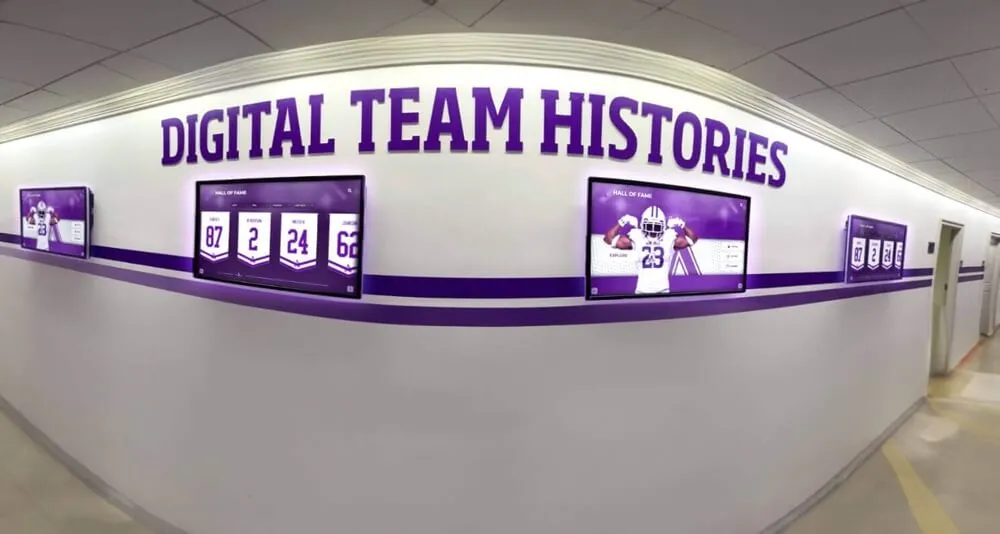
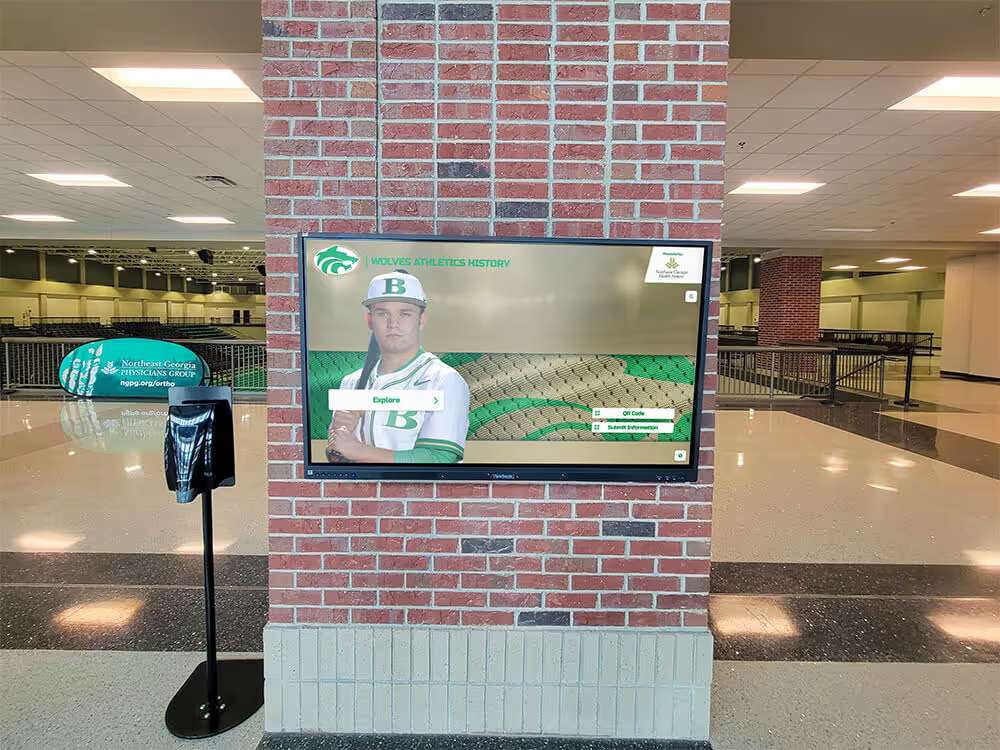
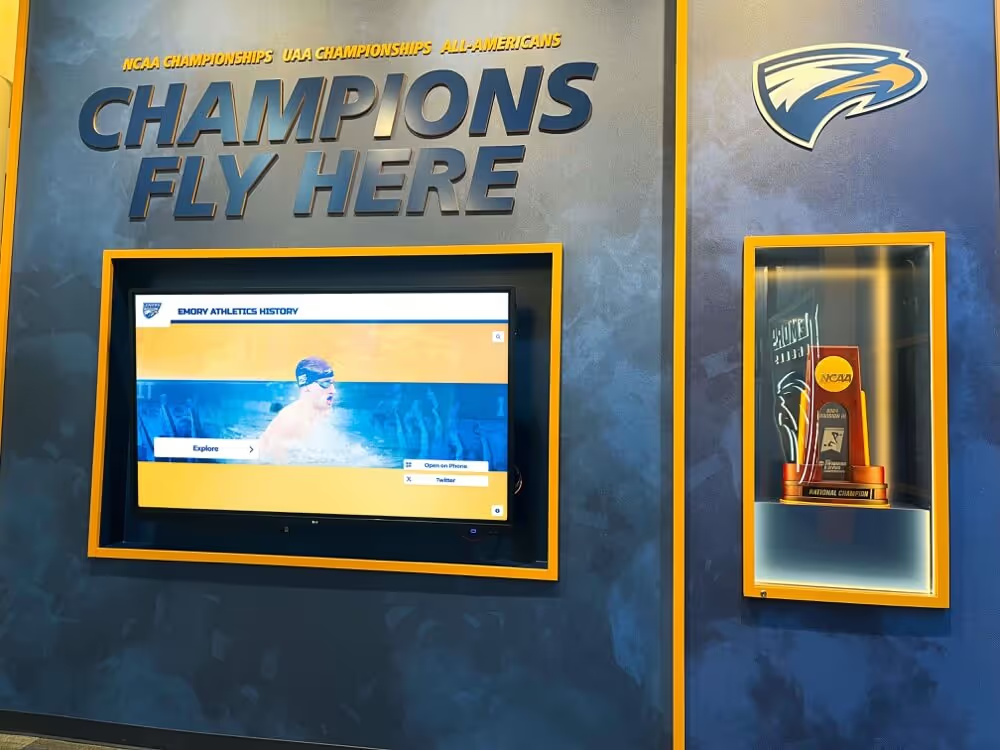
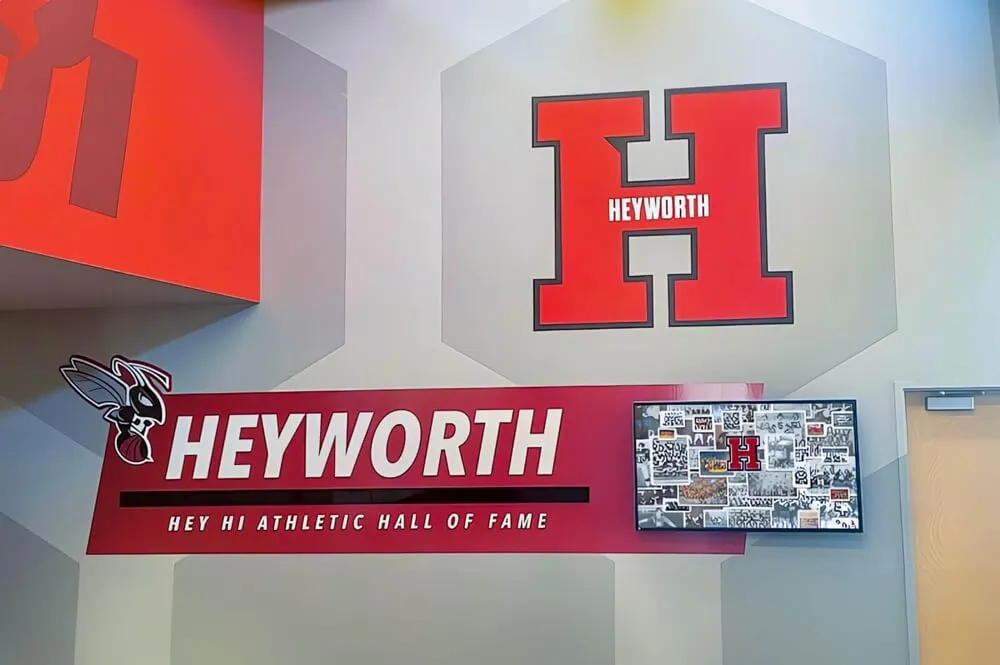
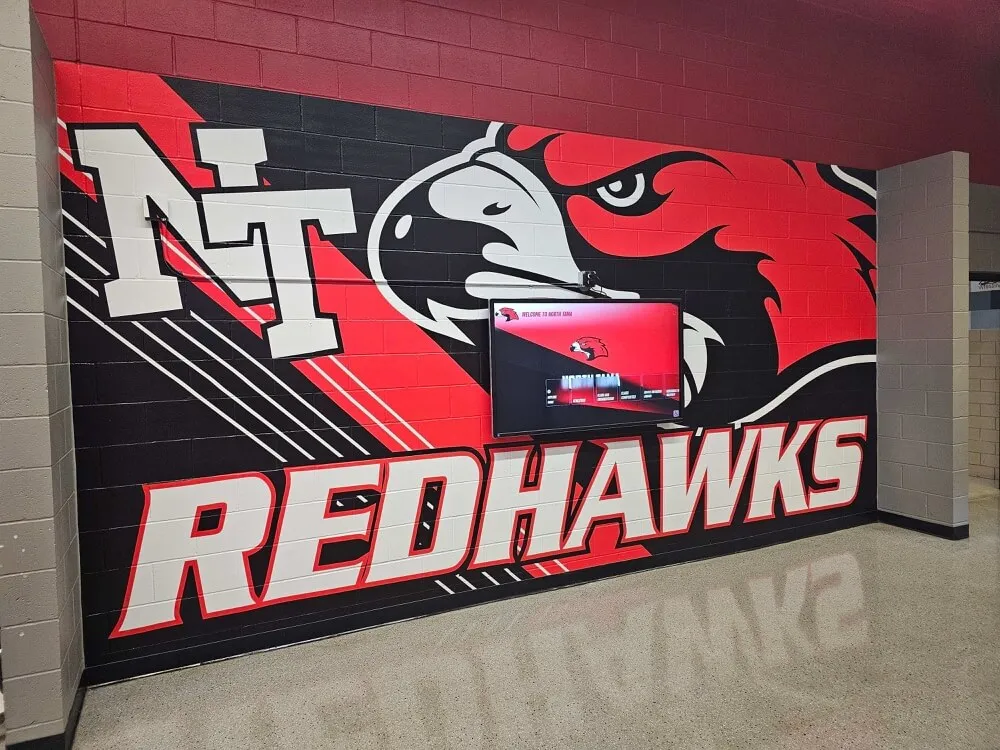
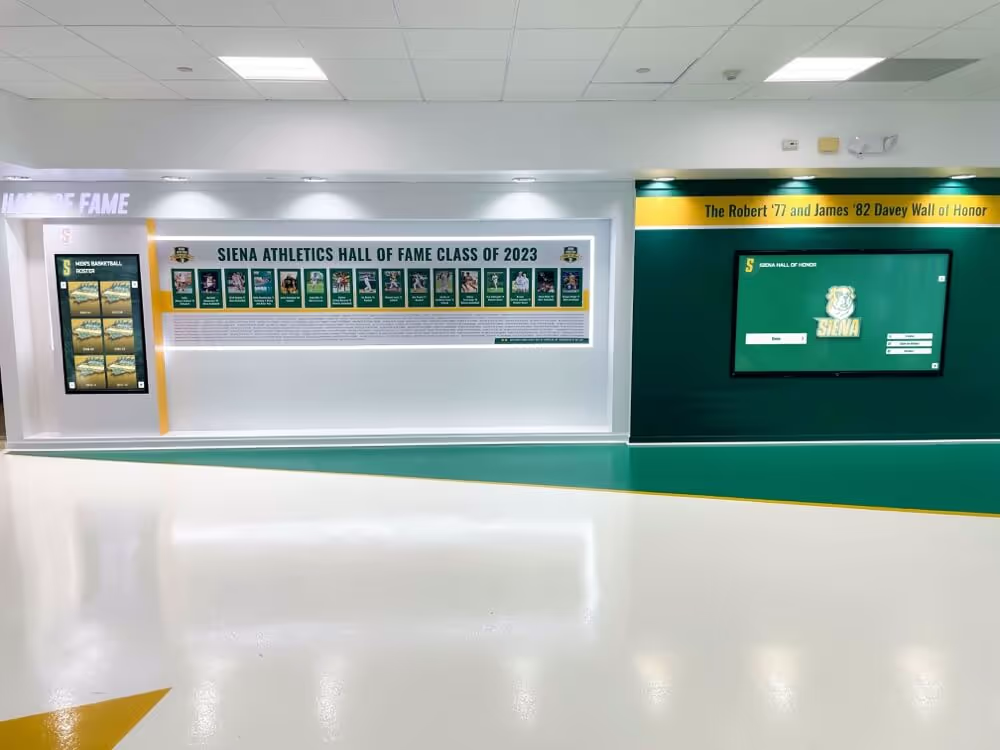
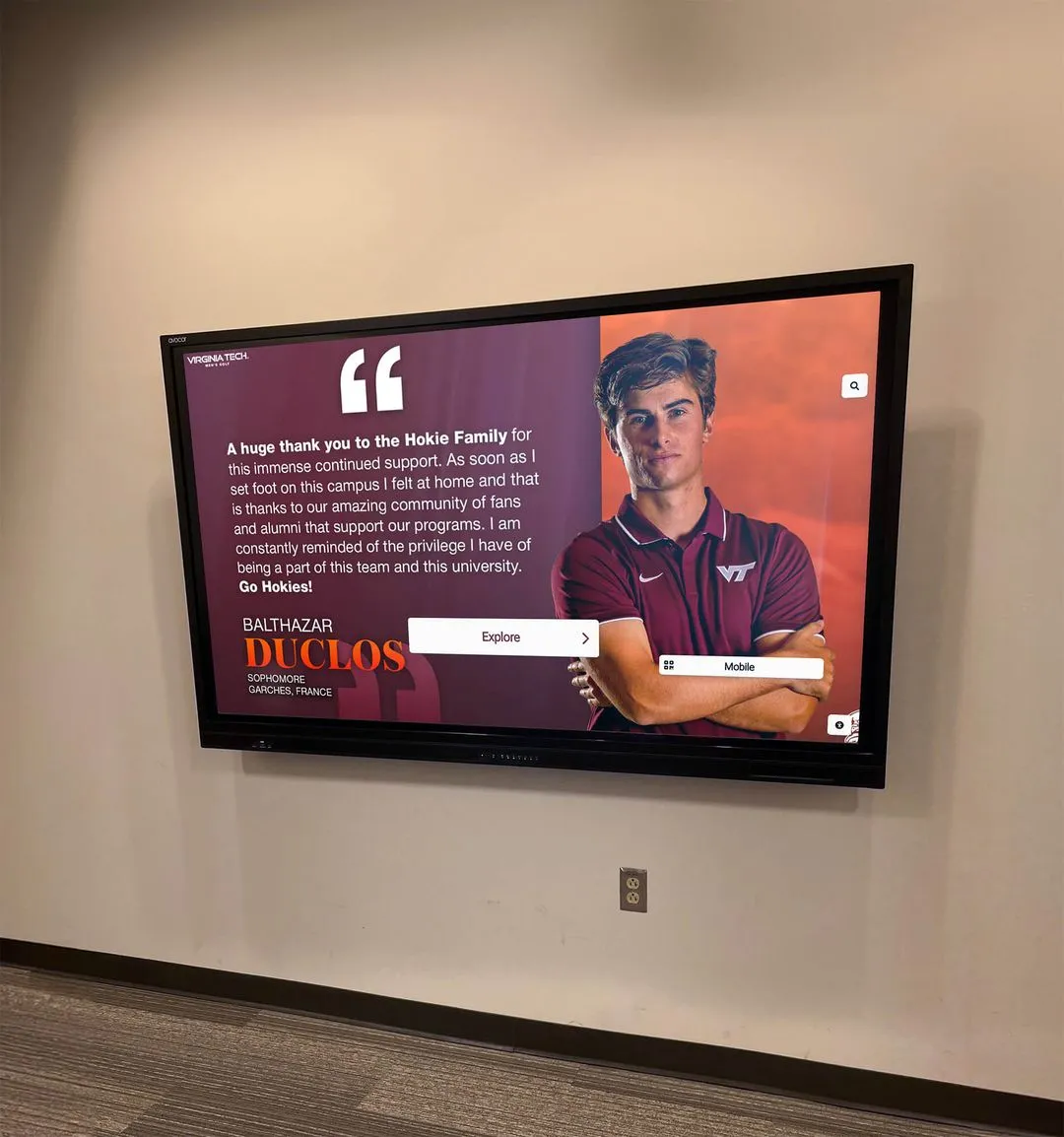
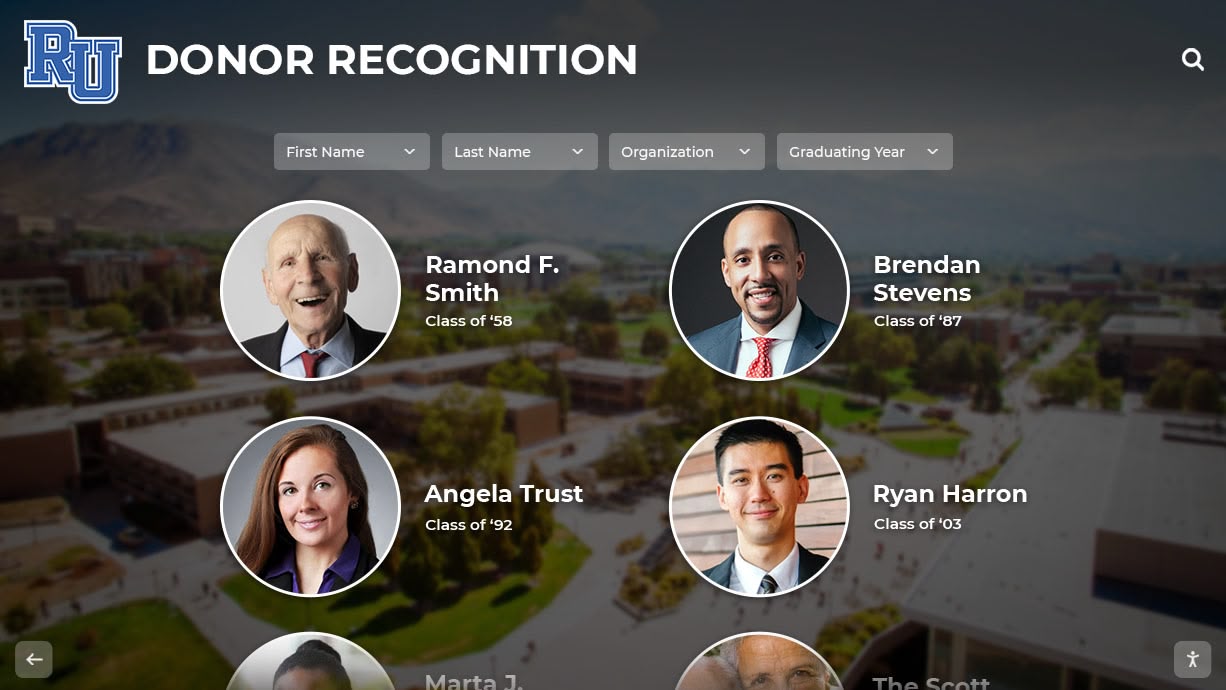
Modern recognition displays preserve gala content and celebrate donors year-round, extending event impact indefinitely
Understanding Annual School Gala Fundraisers: Purpose and Impact
Before exploring recognition strategies, understanding what makes school gala fundraisers uniquely valuable helps advancement teams design events and follow-up systems that maximize both immediate fundraising success and long-term relationship building.
The Multi-Dimensional Purpose of School Galas
Annual gala fundraisers serve interconnected objectives that distinguish them from typical school events:
Scholarship Fundraising and Mission Advancement
Most private school galas exist primarily to generate scholarship funding that expands access to education for students who might not otherwise afford tuition. These fundraising goals typically encompass:
- Direct scholarship support funding need-based or merit-based awards
- Capital improvements that enhance educational facilities and programs
- Program endowments creating sustainable funding for specific initiatives
- Faculty development investments strengthening instructional excellence
- Technology and innovation funding keeping schools competitive and current
According to fundraising research, private schools can raise substantial sums through strategic gala events. For example, fundraising platforms report that well-executed school galas often bring in hundreds of donors and significant total contributions, with some events raising over $200,000 in a single evening.
Community Building and School Pride
Beyond fundraising, galas create opportunities for relationship building:
- Current families connect with each other and faculty outside classroom contexts
- Alumni reconnect with institutions and classmates from their own school years
- Prospective families experience school culture and community strength
- Board members and volunteers receive recognition for service contributions
- Local community leaders strengthen connections to school missions
These relationship-building functions generate value extending far beyond single-event fundraising totals, creating networks that support schools for decades.
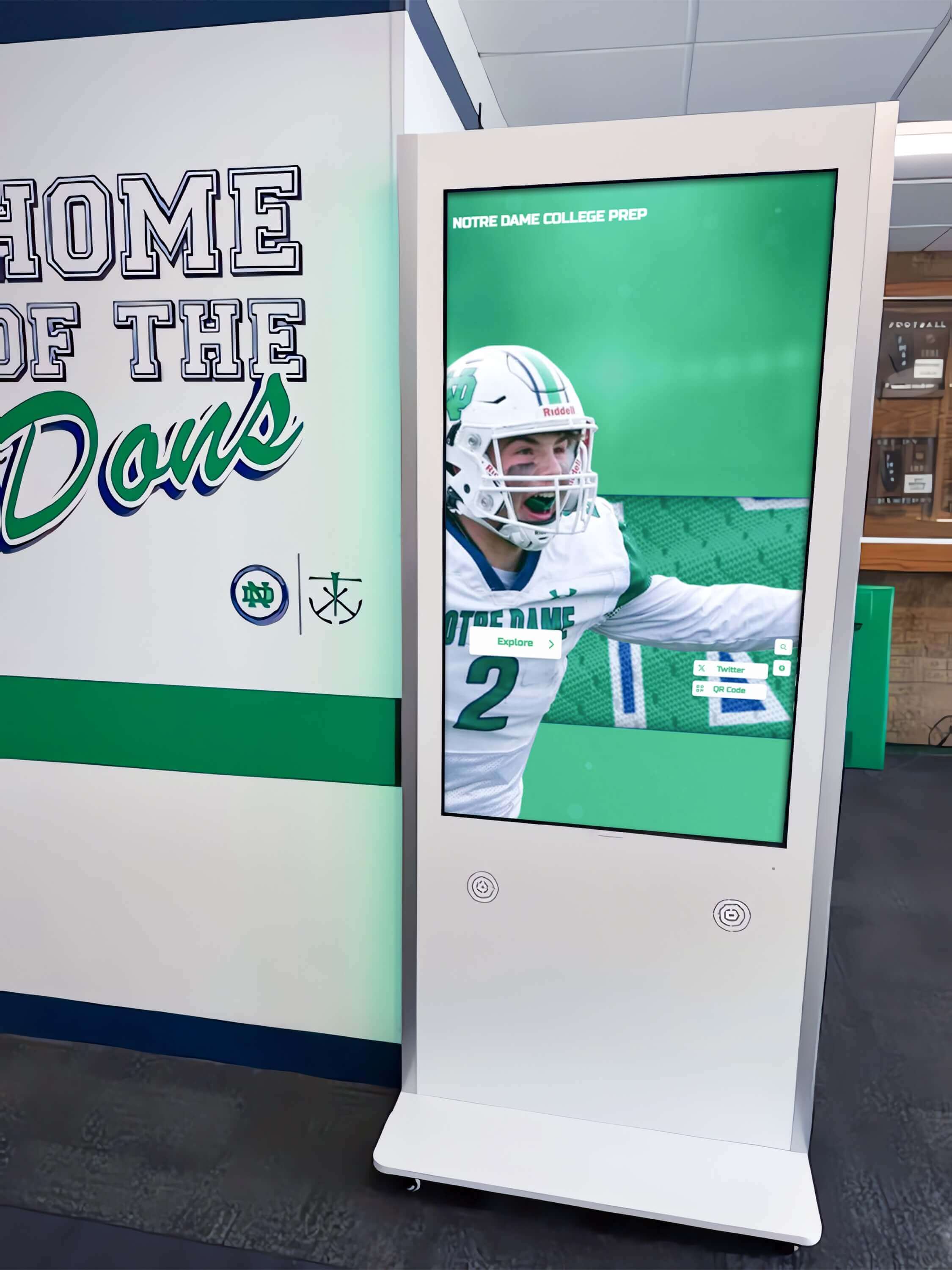
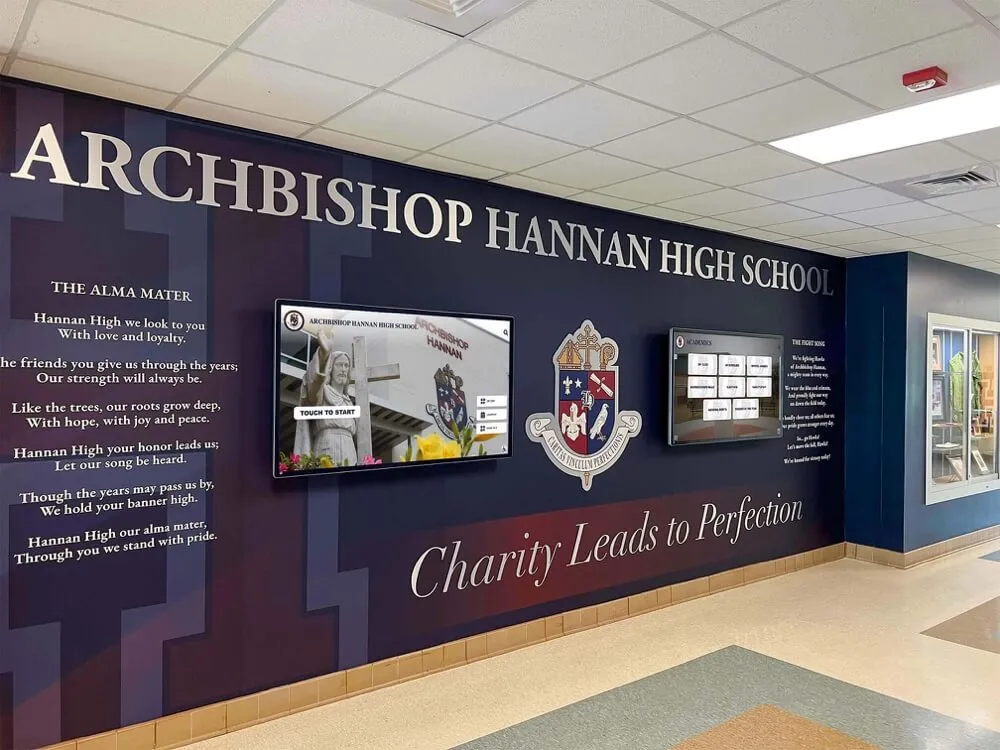
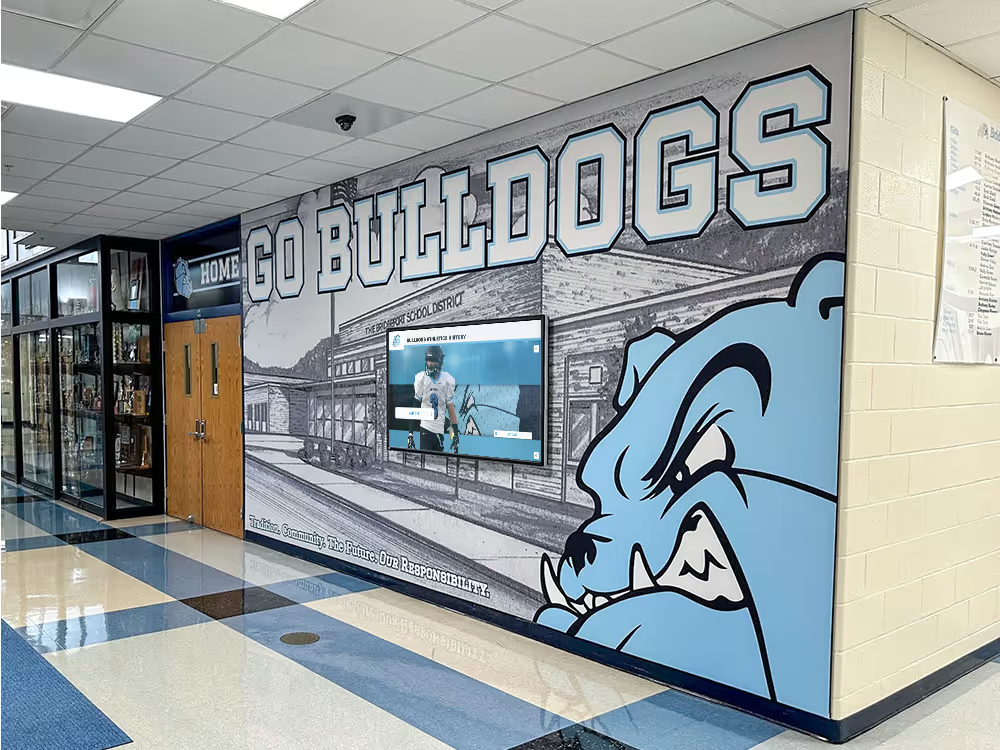
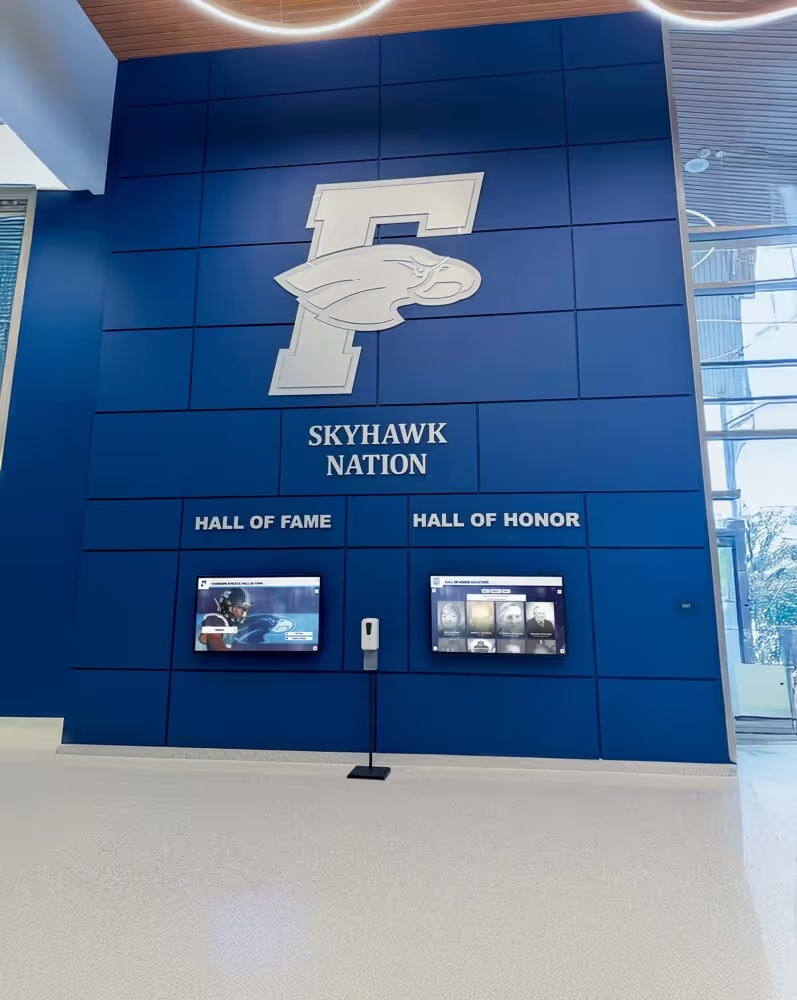
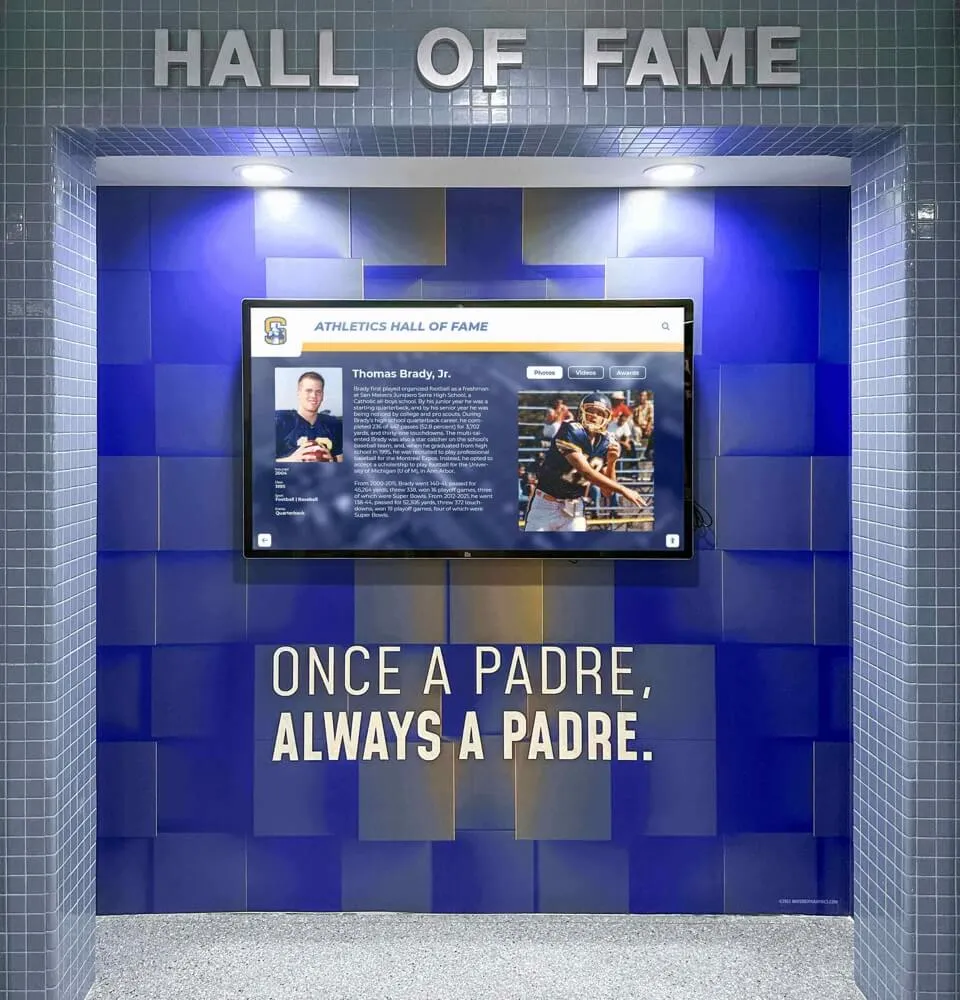
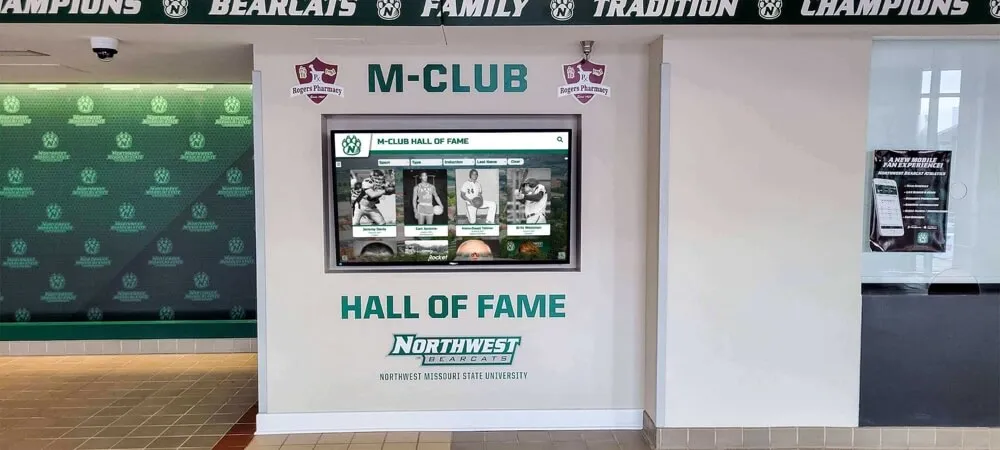
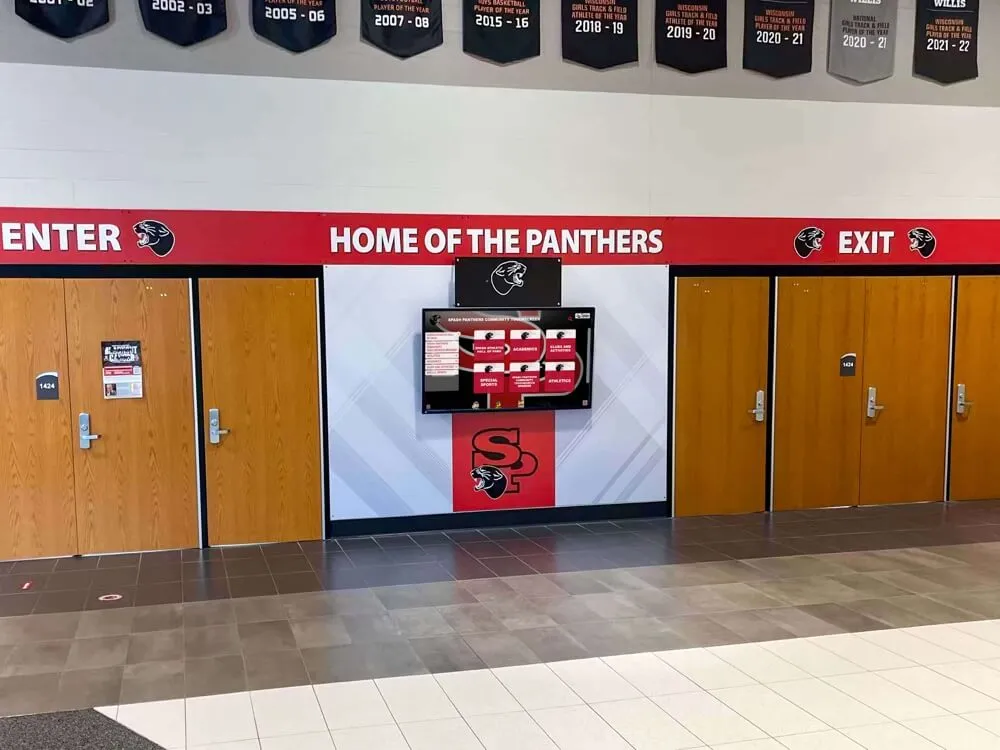
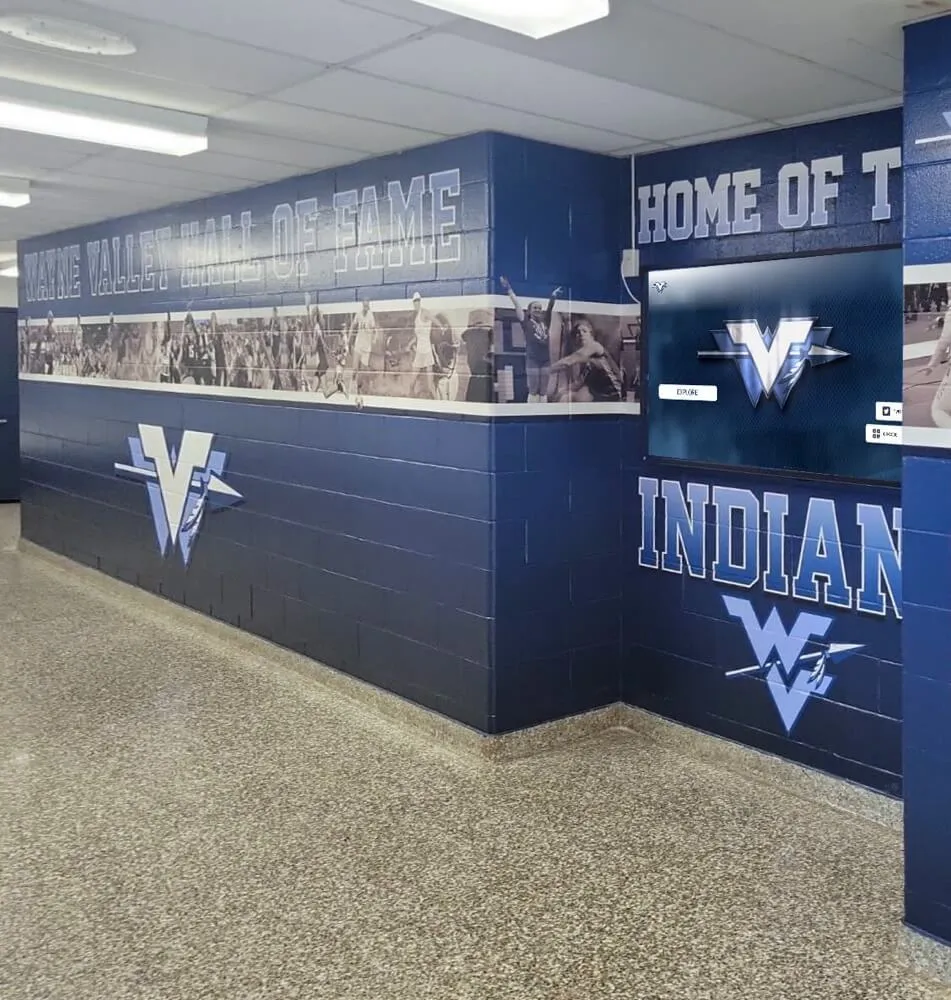
Digital displays create engaging recognition experiences that showcase school excellence
Recognition and Celebration of Excellence
Annual galas provide ideal platforms for honoring achievement across multiple dimensions:
- Outstanding students receiving academic, artistic, athletic, or leadership recognition
- Distinguished alumni whose professional or personal achievements reflect school values
- Exceptional faculty and staff whose dedication creates transformative educational experiences
- Generous donors whose philanthropy makes institutional excellence possible
- Award winners from previous years whose continued success validates school impact
This recognition function elevates galas from fundraising transactions to mission celebrations, reinforcing the values and outcomes that attract philanthropic support.
The Challenge of Ephemeral Recognition
Despite their importance, traditional gala recognition approaches suffer from significant limitations:
Limited Event Attendance
Even highly successful galas reach only a fraction of school communities. Many families cannot attend due to scheduling conflicts, childcare challenges, distance from campus, or financial constraints related to ticket costs. Faculty and staff often work the events rather than experiencing them as guests. Alumni beyond local areas rarely participate. This limited attendance means most community members never experience recognition moments or hear honoree stories that could inspire their own giving or engagement.
Fleeting Recognition Moments
Award presentations during galas typically last just minutes. Honorees receive brief recognition, perhaps with short speeches or video presentations, then events move forward to next program elements. Printed programs list donor names but provide minimal context about giving motivations, impact stories, or donor relationships with schools. Attendees experience recognition moments in passing, rarely retaining detailed information about who gave what or which accomplishments earned recognition.
Lost Event Content and Institutional Memory
After galas conclude, most event content disappears from institutional consciousness:
- Printed programs get recycled or stored in boxes where no one accesses them
- Award winner biographies and accomplishments fade from memory
- Donor recognition lists remain locked in point-in-time documents
- Event photography and videography sit unused in digital storage
- Program details about entertainment, speakers, and activities become inaccessible
This lost content represents missed opportunities for ongoing engagement, prospective family marketing, alumni communication, and donor stewardship that could compound gala value exponentially.
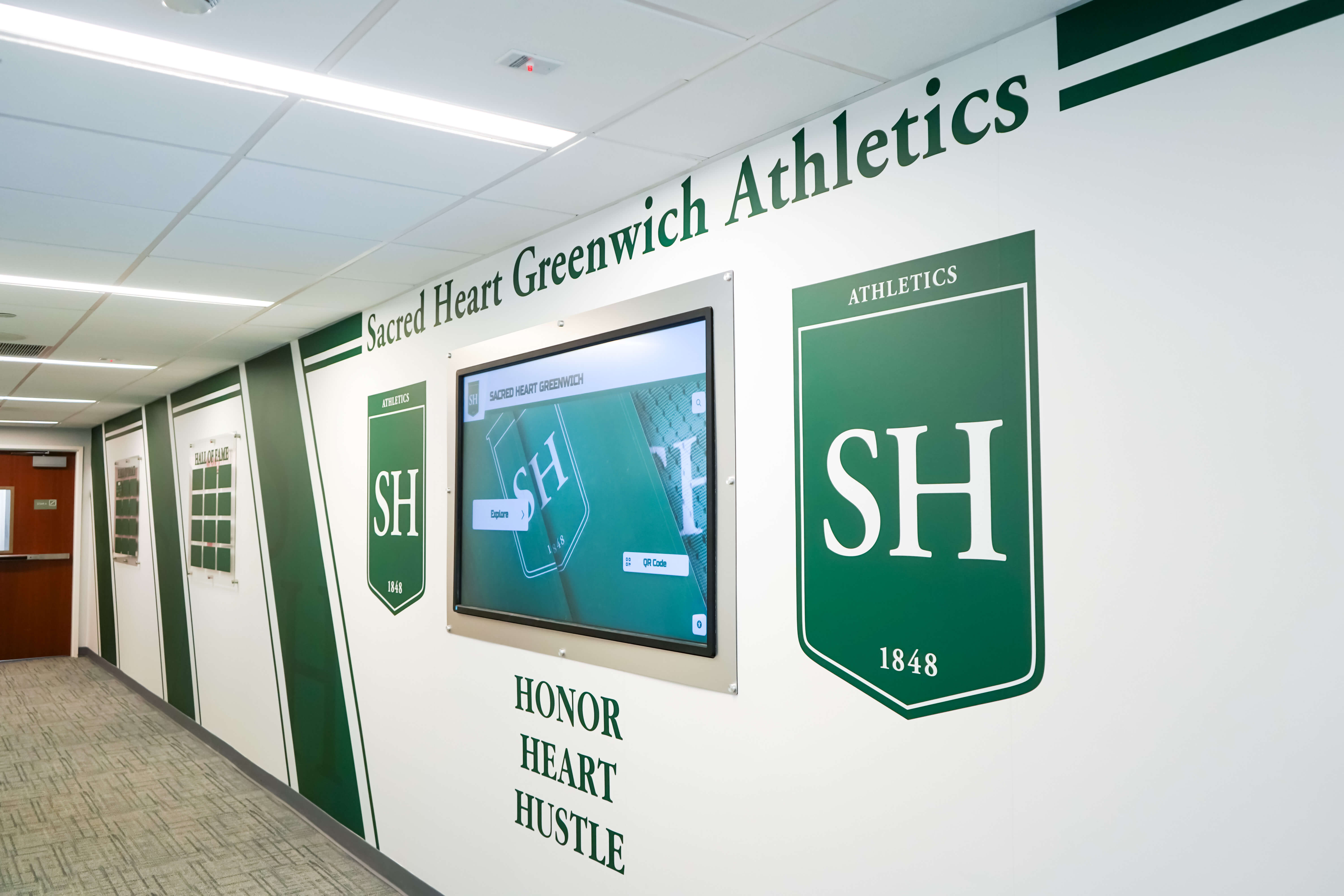
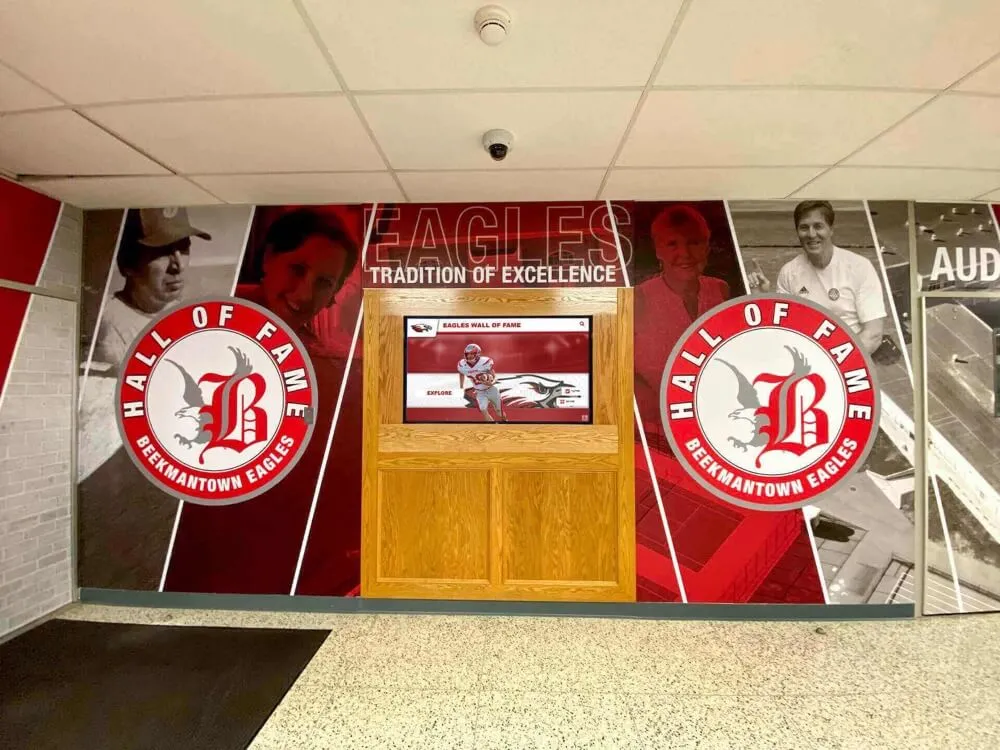
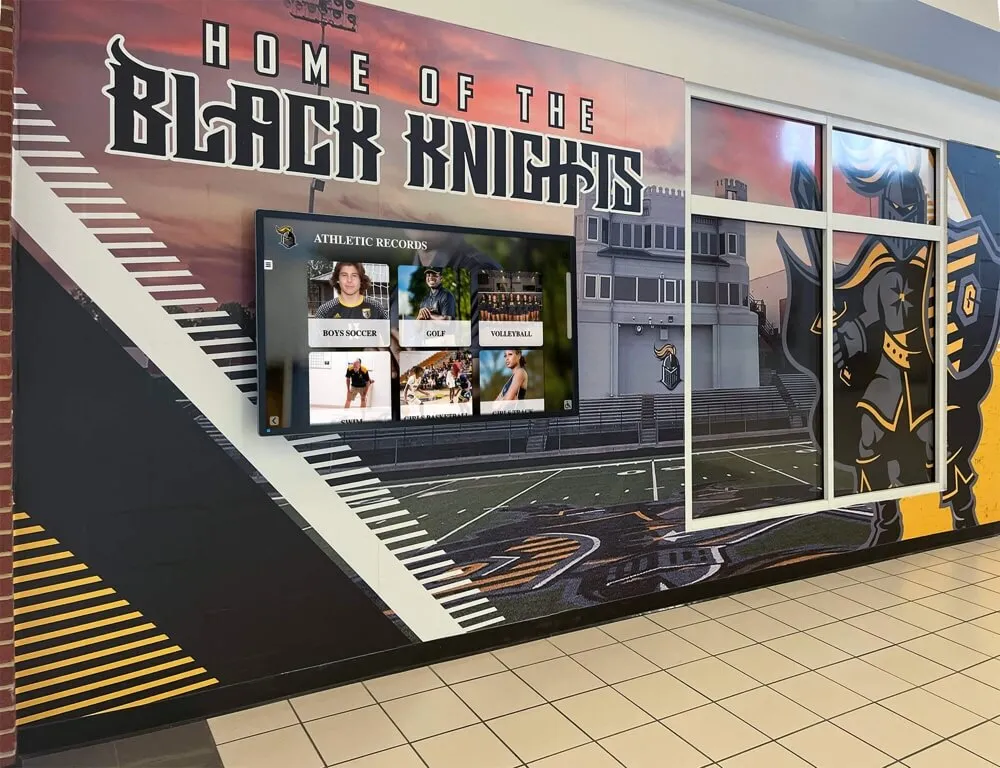
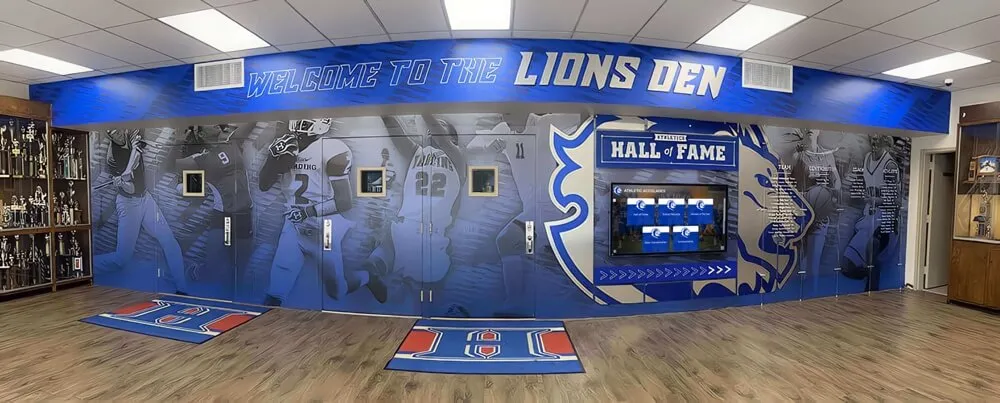
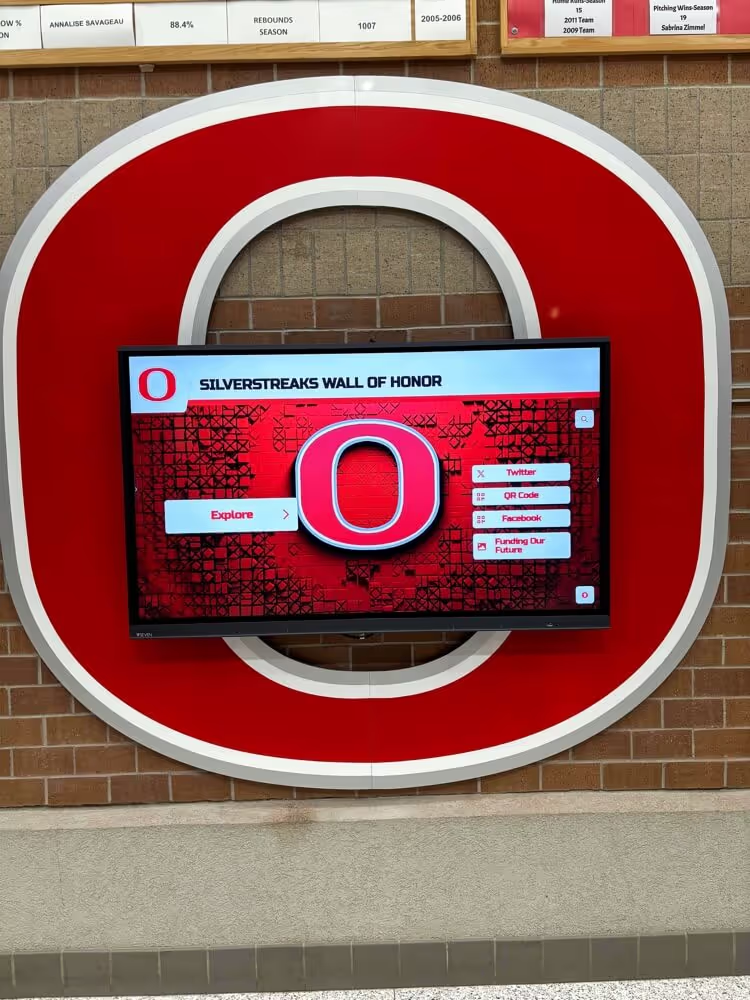
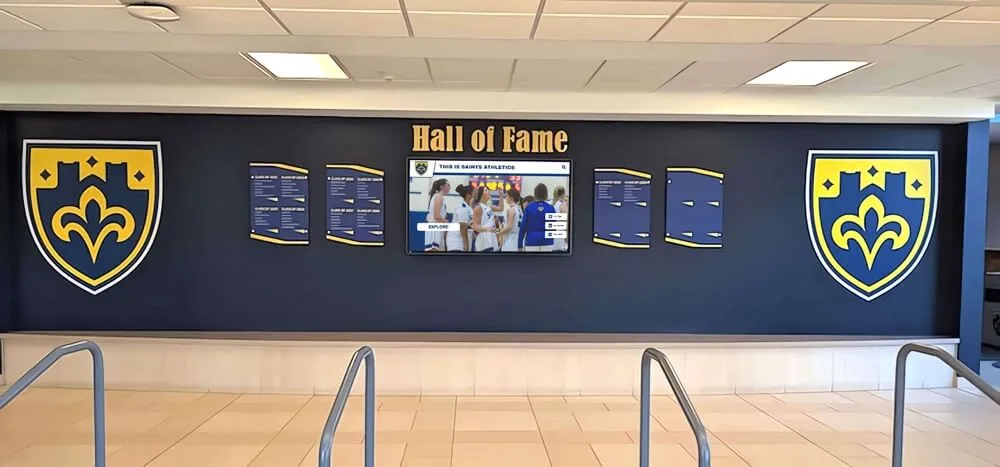
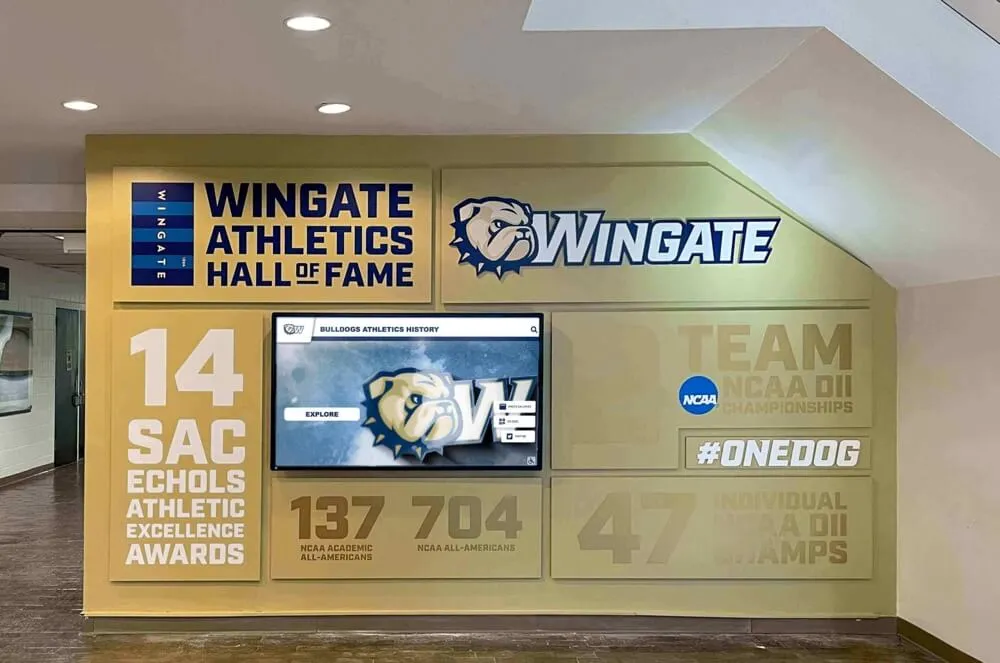
Traditional recognition displays often lack capacity to showcase the full scope of gala honorees and donors
Strategic Gala Planning: Maximizing Fundraising and Recognition Impact
Successful school galas require thoughtful planning that balances event experience, fundraising effectiveness, and recognition approaches that extend value beyond single evenings.
Establishing Gala Objectives and Success Metrics
Before diving into event logistics, advancement teams should define clear objectives guiding planning decisions:
Fundraising Goals and Gift Structures
Determine realistic fundraising targets based on community capacity, previous results, and strategic needs:
- Primary scholarship or project funding goals for event proceeds
- Sponsorship revenue targets from businesses and major donors
- Ticket sales projections based on anticipated attendance
- Auction or giving activities generating additional revenue
- Multi-year pledges that compound single-event impact
Many schools establish tiered sponsorship levels that create recognition opportunities while generating advance revenue. For example, schools might offer Bronze sponsorship at $1,000 providing complimentary admission for eight guests, social media promotion, and event print recognition, with higher tiers offering additional visibility and benefits.
Recognition and Engagement Objectives
Beyond fundraising totals, define recognition and relationship goals:
- Number and types of award recipients to be honored during event
- Donor recognition approaches for gala contributors at various levels
- Opportunities for honorees and donors to share stories and impact
- Follow-up recognition extending beyond event evening
- Archive approaches preserving event content for ongoing access
Clear objectives ensure planning teams make decisions aligned with both immediate event success and long-term relationship building that sustains advancement programs.
Designing Recognition Moments Within Events
Gala programming should incorporate meaningful recognition experiences that honor achievement without overwhelming event flow:
Award Presentation Formats
Consider recognition approaches that balance celebration with engagement:
Individual Award Presentations: Feature 3-5 major award recipients with substantial recognition including video profiles, speeches, or panel discussions that allow audiences to understand full scope of accomplishments and school impact. These deep-dive recognitions create memorable moments while educating attendees about school excellence.
Group Recognition Segments: Honor larger cohorts like all scholarship recipients, distinguished alumni classes, or major donor societies through grouped acknowledgment. Display names on screens, invite groups to stand for applause, or create visual presentations showcasing collective impact without individual extended recognition.
Interactive Recognition Displays: Utilize screens or kiosks throughout event venues where attendees can explore comprehensive information about all honorees, previous year award winners, and donor contributions at their own pace without extending program length. This approach allows interested attendees to engage deeply while maintaining efficient event pacing.
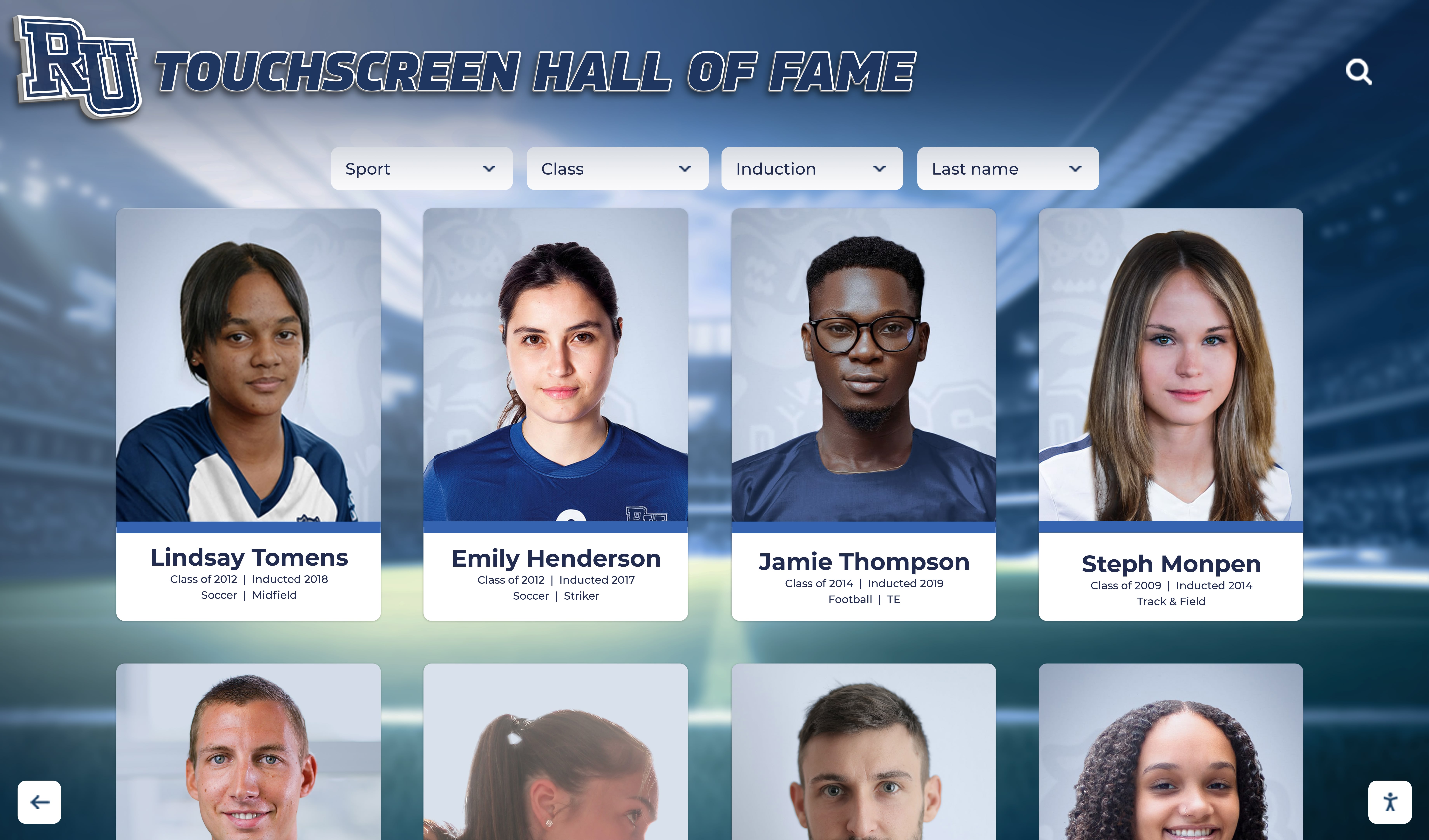
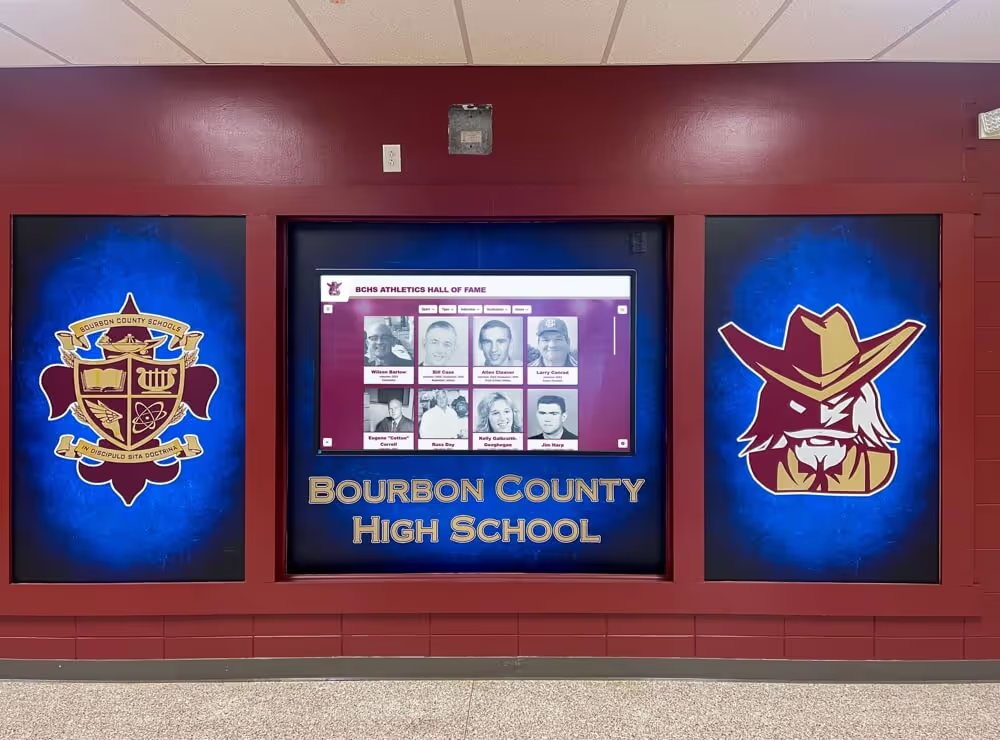
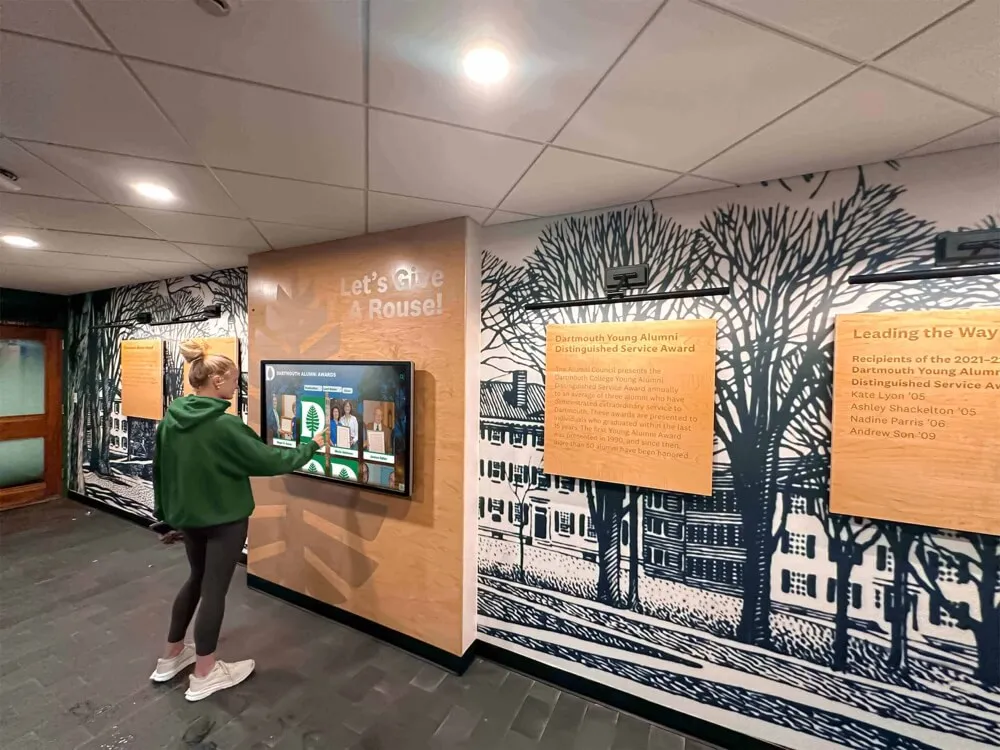
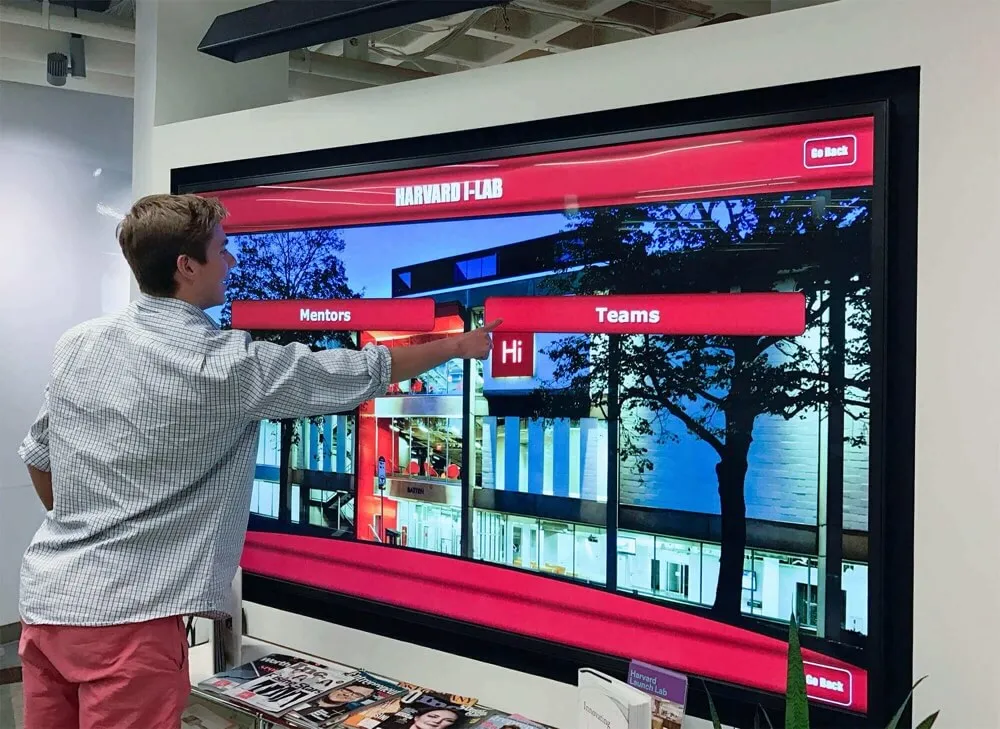
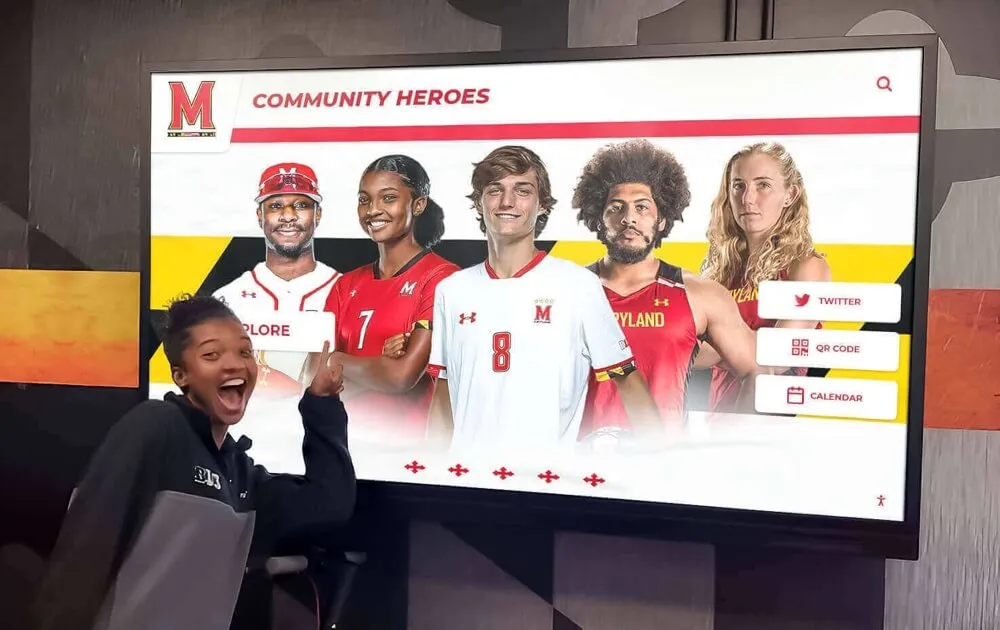
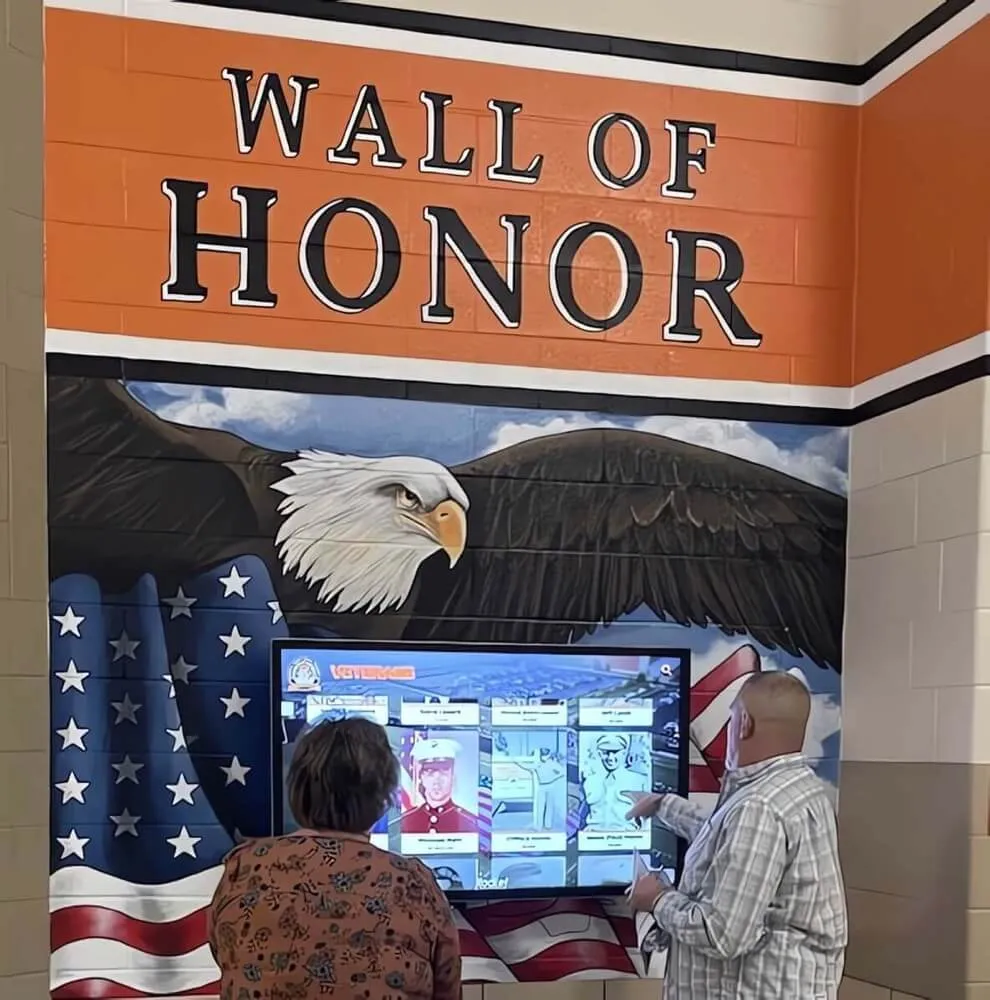
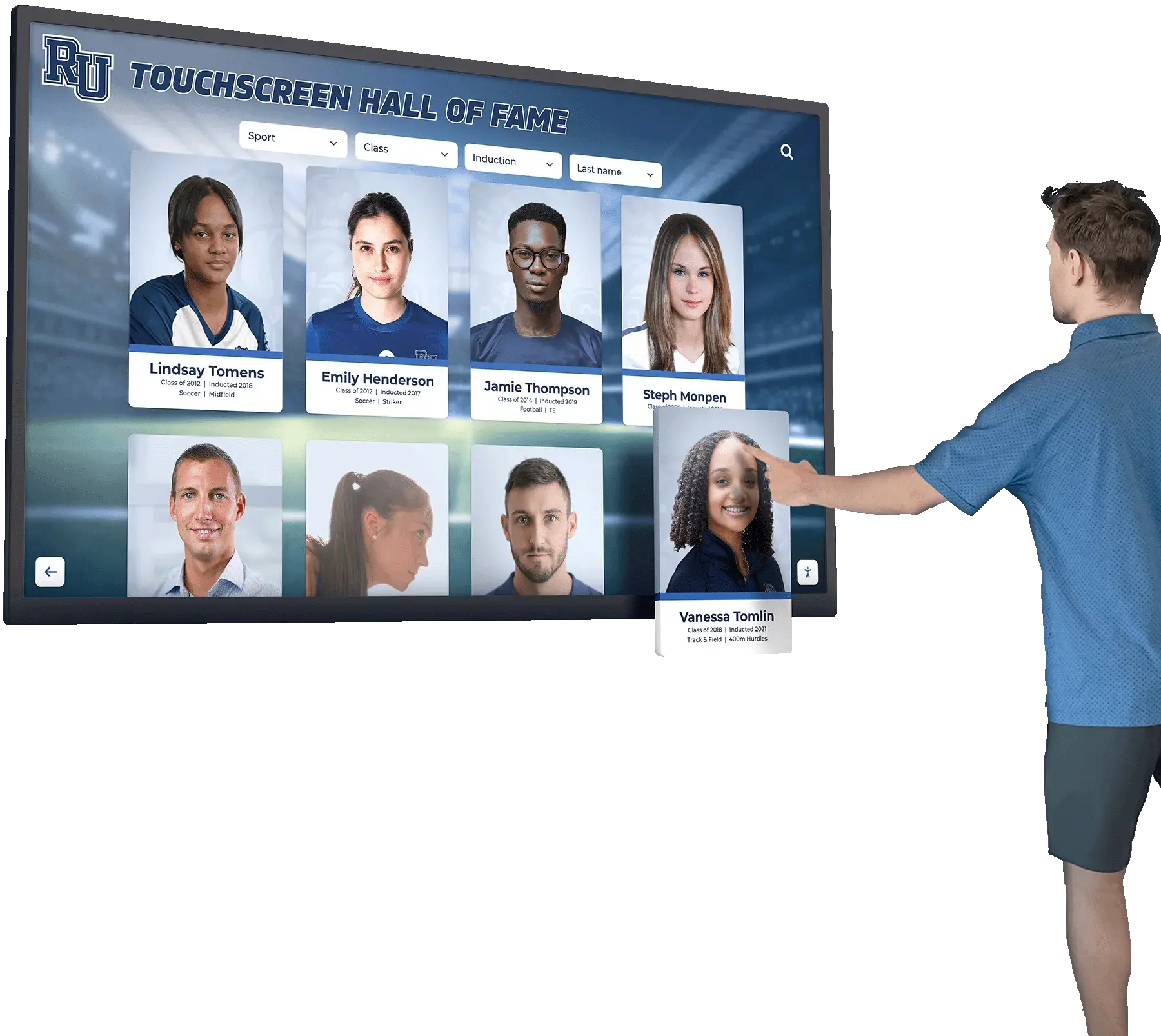
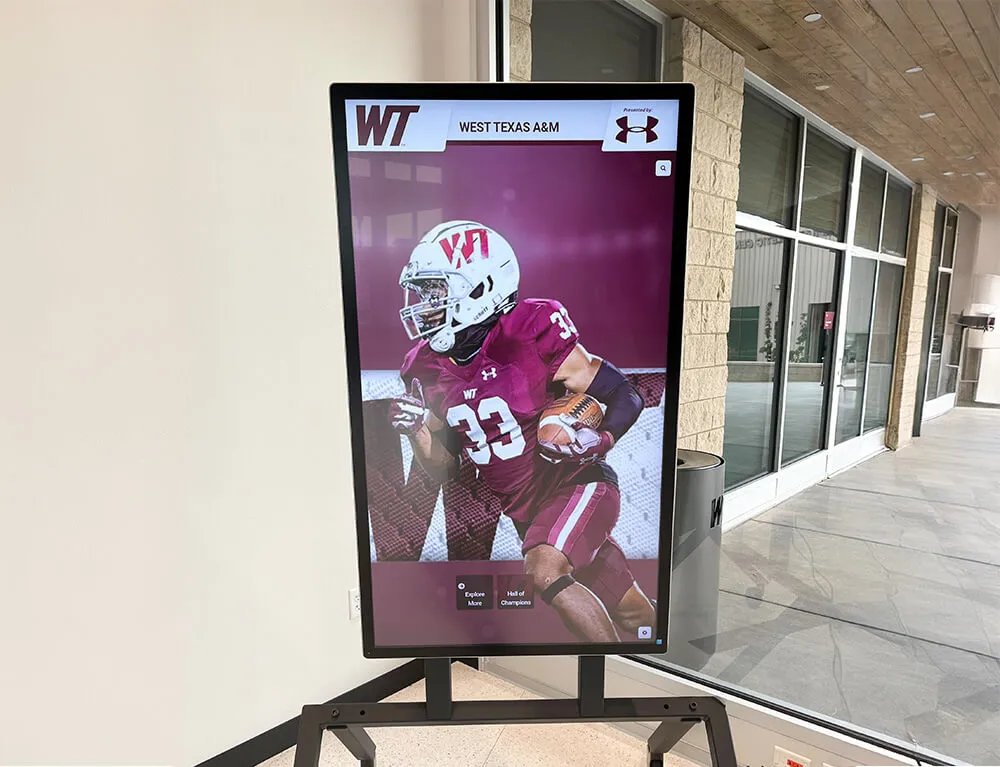
Interactive displays allow event attendees to explore honoree profiles and donor recognition at their own pace
Donor Recognition During Events
Acknowledging gala donors appropriately creates motivation for continued support:
Public Acknowledgment Approaches
- Project donor names on screens during events with giving level designations
- Dedicate program segments to spotlighting top sponsors and major donors
- Invite audience applause for donor cohorts at different giving levels
- Share brief testimonials from donors explaining giving motivations
- Provide donors with special seating, reception access, or other tangible recognition
Research from fundraising experts indicates that thoughtful donor recognition strategies involve actively acknowledging contributions by highlighting specific impacts, which helps donors feel appreciated and motivated to continue supporting institutional missions.
Printed Program Recognition
Event programs should provide comprehensive donor recognition including:
- Tiered donor lists organized by giving levels with clear naming
- Sponsor acknowledgment with logos or enhanced visibility
- Memorial and honor gift recognition with dedication information
- Multi-year or cumulative giving recognition for sustained supporters
- Clear designation information showing where contributions are directed
These programs become keepsakes attendees retain, extending recognition visibility beyond event evenings while providing donors with tangible acknowledgment they can share with family and colleagues.
Building Digital Archives: Extending Gala Impact Beyond Single Events
While in-person gala experiences create immediate value, digital recognition systems transform single-event impact into lasting engagement opportunities that serve communities for years.
The Case for Digital Gala Archives
Creating permanent digital records of gala events, award recipients, and donors generates multiple benefits that justify modest investment required:
Perpetual Donor Recognition and Stewardship
Rather than limiting donor recognition to single evening programs, digital archives provide ongoing acknowledgment:
- Donors receive year-round visibility on recognition displays installed in high-traffic school locations
- Contributions from multiple years accumulate, showcasing sustained generosity patterns
- Major donors can be featured with extended profiles, giving stories, and impact testimonials
- Recognition updates happen immediately as new gifts arrive without physical modification costs
- Donor families visiting campus see their recognition displayed prominently regardless of when they visit
This perpetual recognition creates stewardship value far exceeding event-night acknowledgment alone. According to donor retention research, lack of recognition ranks among the top five reasons donors stop giving, making ongoing acknowledgment essential for retention. Platforms like Rocket Alumni Solutions enable schools to maintain current, engaging donor recognition that strengthens relationships between galas.
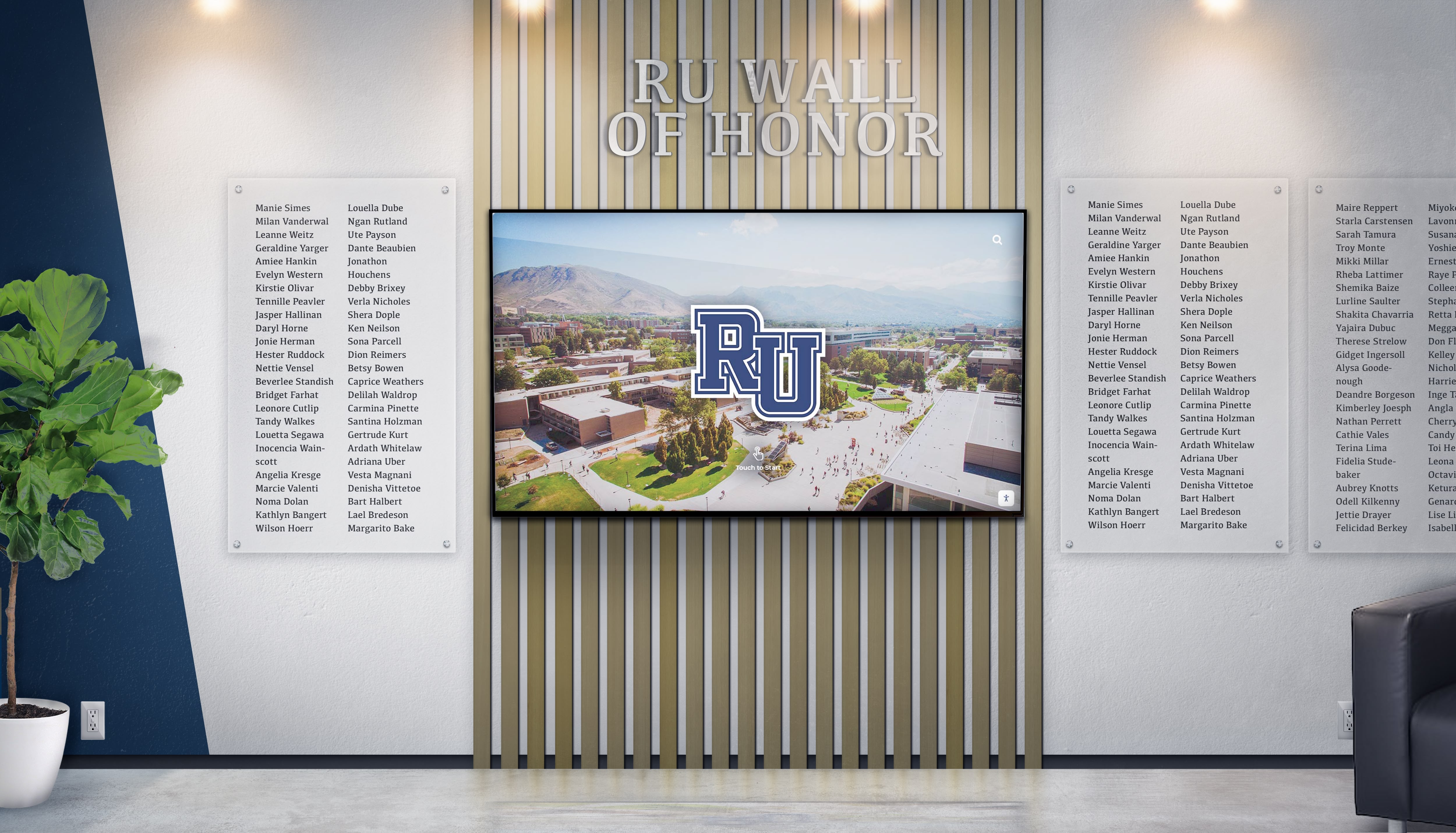
Permanent digital donor walls honor gala contributors year-round while maintaining flexibility to add new donors seamlessly
Comprehensive Award Winner Showcase
Digital systems solve the challenge of honoring both current and historical award recipients:
Current Year Spotlight: Feature this year’s gala award winners prominently with detailed biographies, accomplishments, photographs, and videos that provide far more context than brief event presentations allow. Prospective families, current students, and community members can explore honoree stories at their own pace.
Historical Award Archive: Maintain searchable databases of all previous award recipients extending back decades. Community members can discover which distinguished alumni received recognition, view progression of award programs over time, and see patterns of excellence that define institutional character.
Updated Honoree Information: As award recipients achieve subsequent accomplishments, update their profiles to showcase continued success that validates school impact. For example, student award winners from five years ago might now have graduated from prestigious universities, launched successful careers, or made their own philanthropic contributions—stories that demonstrate lasting school influence.
Explore comprehensive approaches to academic recognition programs that celebrate diverse achievements beyond single award ceremonies.
Event Program and History Archiving
Beyond individual recognition, digital systems preserve complete event histories:
Archived Gala Programs
Upload and display complete programs from every annual gala including:
- Full event agendas with speakers, entertainment, and activities
- Complete donor lists showing all contributors at all levels
- Sponsor recognition with logos and acknowledgment
- Award winner biographies and accomplishment summaries
- Photography and videography from events
- Program themes, venues, and special features from each year
These archived programs become valuable institutional history resources while allowing community members who couldn’t attend events to experience content and understand philanthropic participation patterns.
Event Evolution Documentation
Digital archives showcase how gala programs evolve over time:
- Track total attendance, funds raised, and donor participation across years
- Document changing program formats, themes, and recognition approaches
- Showcase venue selections and event design evolution
- Preserve keynote speeches or entertainment highlights
- Demonstrate growing community support and fundraising success
This historical perspective reinforces institutional momentum while celebrating long-term supporters who have participated across multiple years.
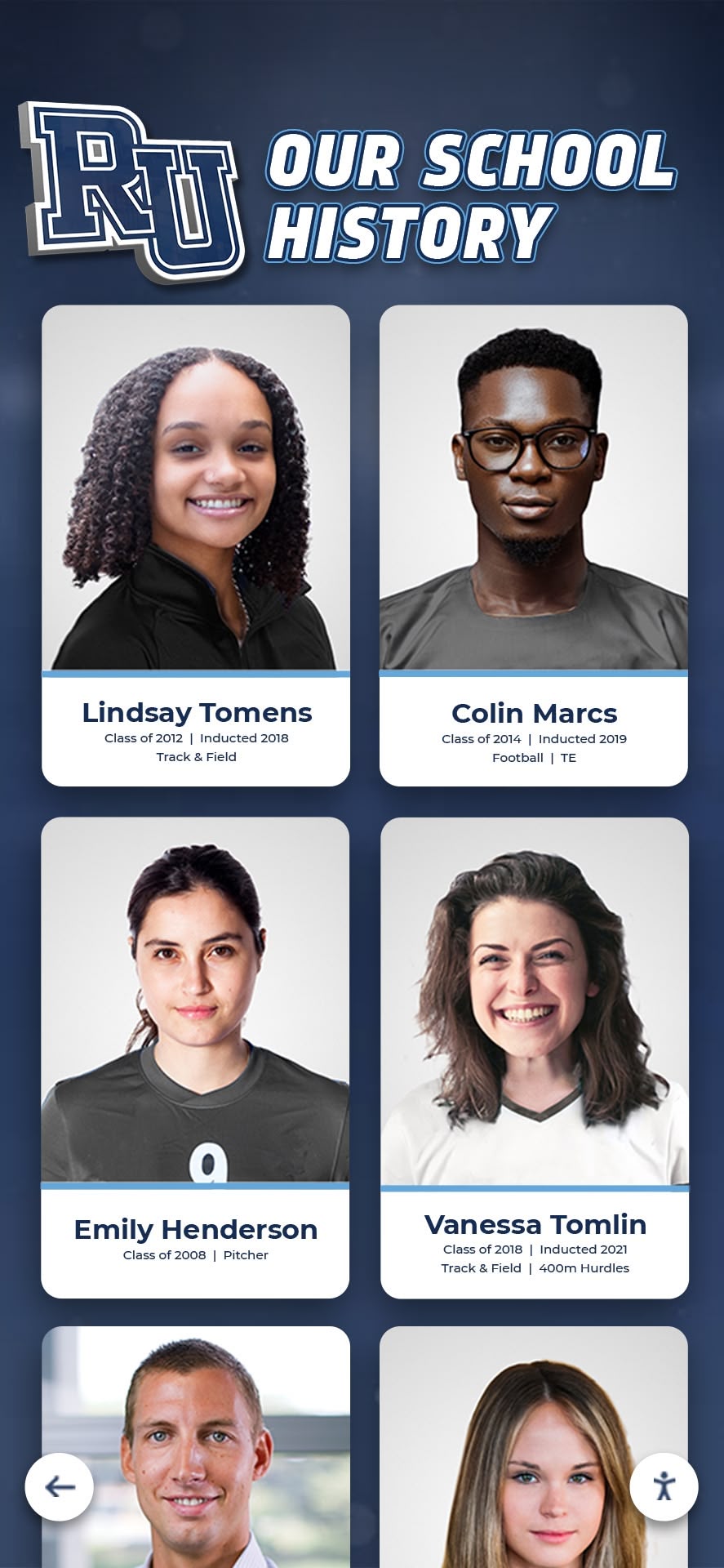
Digital archives preserve comprehensive event histories with individual profiles accessible through intuitive interfaces
Technical Implementation: How Digital Gala Archives Work
Understanding technical capabilities helps schools design systems meeting specific needs:
Touchscreen Display Hardware
Modern recognition systems typically utilize commercial-grade touchscreen displays installed in high-traffic locations:
- Lobby areas where prospective families and visitors first enter campuses
- Development office spaces where donors and advancement professionals interact
- Alumni gathering areas connecting past graduates with current communities
- Event spaces where ceremonies, receptions, and programs regularly occur
- Athletic facilities, performing arts centers, or academic buildings showcasing relevant achievements
Display sizes typically range from 43-inch screens suitable for individual interaction to 75-inch or larger installations creating impressive visual impact. Touchscreen capabilities enable intuitive exploration allowing users to browse content at their own pace. Learn more about selecting appropriate touchscreen display hardware for educational environments.
Cloud-Based Content Management
Back-end management systems provide authorized staff with simple interfaces for updating recognition content:
- Add new donors immediately after receiving gala contributions
- Update donor giving levels as cumulative contributions increase
- Upload new award winner profiles with photos, bios, and accomplishments
- Archive complete event programs and supporting materials
- Schedule content updates to go live at specific dates
- Manage multiple displays from single administrative dashboard
These cloud-based systems eliminate need for technical expertise, allowing advancement staff to maintain current recognition without involving IT departments for routine updates. Explore comprehensive digital donor wall technology that simplifies content management.
Search and Browse Functionality
User-facing interfaces should provide multiple access paths:
- Search donors by name, year, giving level, or designation
- Browse award winners by category, year, or accomplishment type
- Filter gala programs by date, theme, or fundraising goal
- View donor giving histories across multiple years
- Access related content like impact stories or scholarship recipient profiles
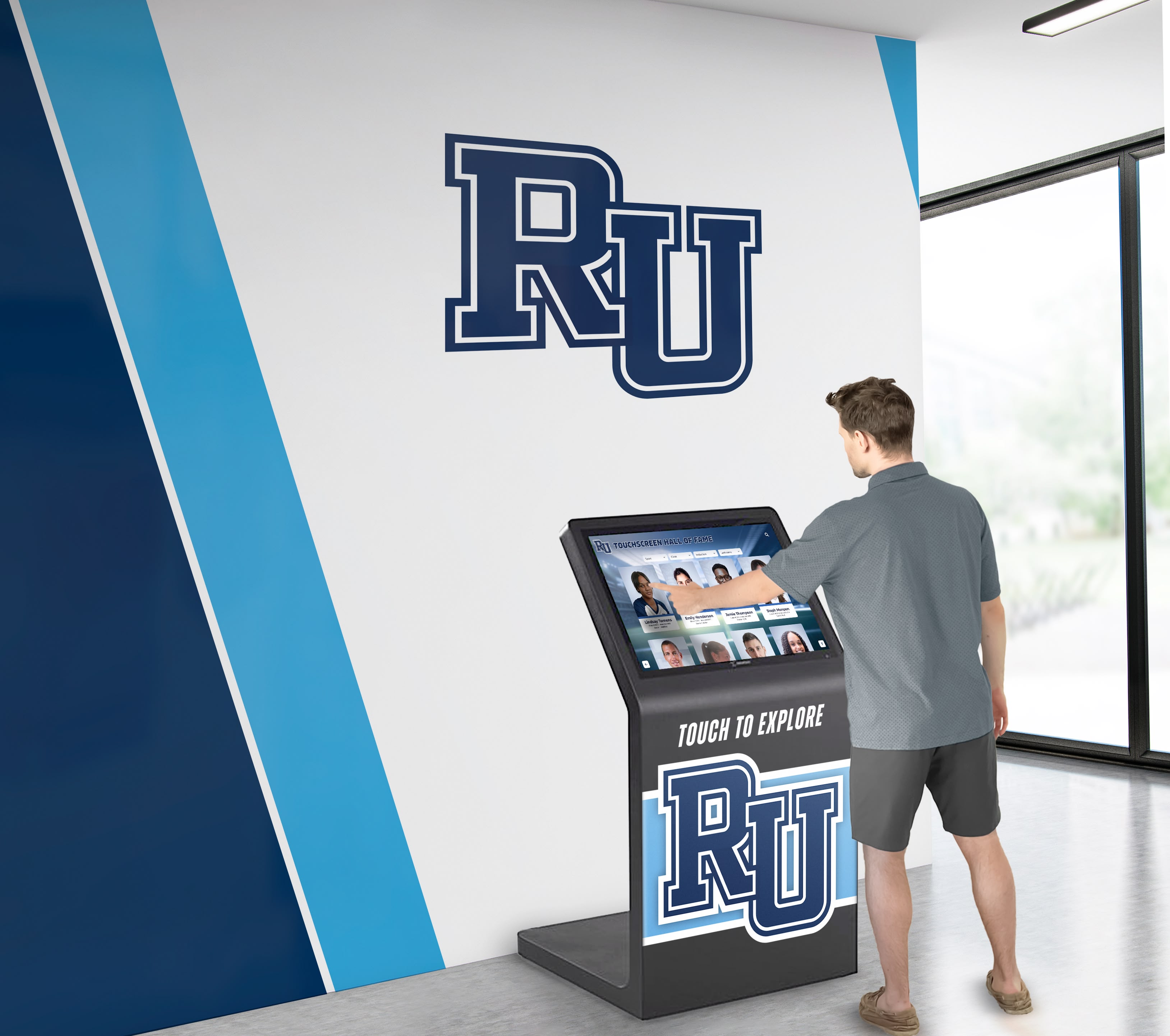
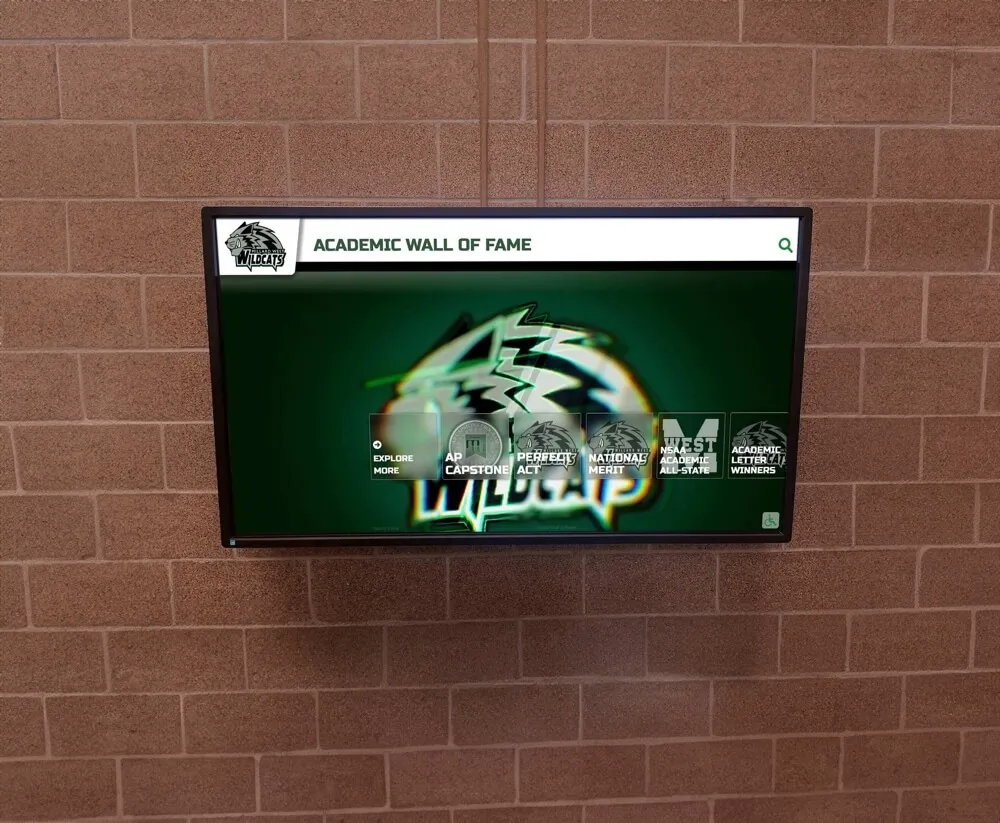
Intuitive interfaces make exploring gala content easy for visitors of all ages and technical comfort levels
Integration with Existing Systems
Recognition platforms should connect with other school technology:
- Import donor data from advancement databases or giving platforms
- Export recognition reports for stewardship communications
- Link to websites where broader communities access content remotely
- Connect with digital signage systems for announcement integration
- Coordinate with event registration platforms for attendee tracking
These integrations reduce duplicate data entry while ensuring consistency across all donor communication and recognition touchpoints.
Recognition Content Strategy: What to Include in Digital Gala Archives
Maximizing digital archive value requires thoughtful content curation that serves multiple audiences and purposes.
Donor Recognition Content Components
Comprehensive donor recognition extends beyond simple name lists:
Essential Donor Information
- Full donor names as they prefer to be recognized
- Giving level designations or cumulative contribution totals
- Years of gala participation showing sustained support
- Special designations like legacy societies, leadership circles, or founding donors
- Memorial or honor gift information including dedications
Enhanced Donor Profiles
For major donors willing to be featured more prominently:
- Photographs of donors or families
- Brief biographies or connection stories to schools
- Testimonials explaining giving motivations and school impact
- Information about scholarship recipients or programs their gifts support
- Legacy stories about multi-generational family giving patterns
These enhanced profiles transform donor walls from directory listings to engagement content that inspires others by demonstrating diverse motivations for supporting school missions.
Donor Impact Storytelling
Connect donor recognition to tangible outcomes:
- Profile scholarship recipients whose education was funded by gala proceeds
- Showcase program enhancements or facilities improvements donors made possible
- Share student testimonials thanking donors for creating opportunities
- Document how donated funds translate to educational experiences
- Quantify collective impact (e.g., “Gala donors have funded 247 scholarships since 2010”)
Research on donor recognition consistently shows that connecting giving to impact strengthens donor relationships and motivates continued support. Solutions like those from Rocket Alumni Solutions enable schools to integrate impact storytelling seamlessly with donor recognition displays.
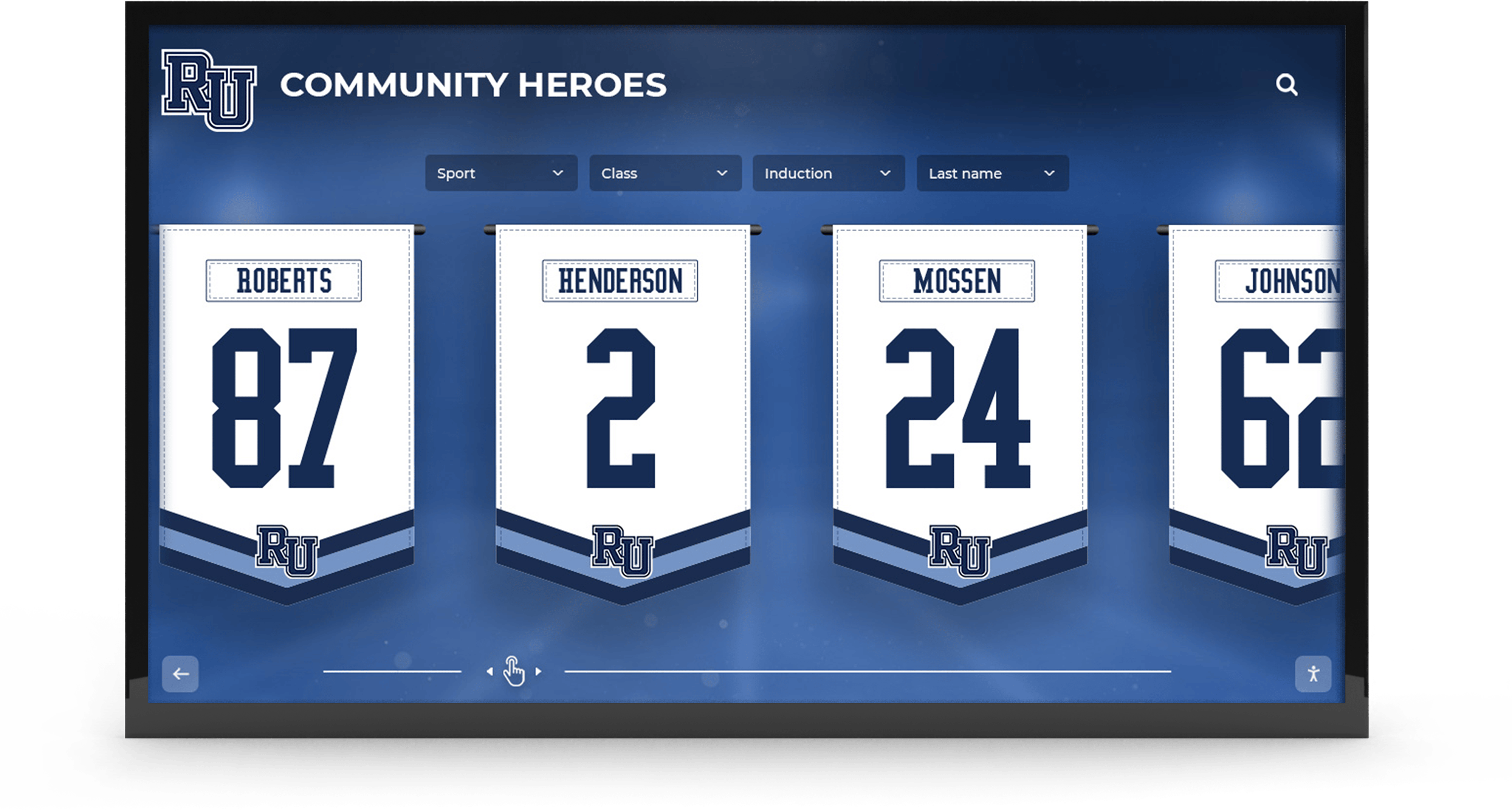
Recognition displays can combine donor acknowledgment with impact stories and program highlights
Award Winner Recognition Content
Annual gala award recipients deserve comprehensive recognition showcasing full scope of achievements:
Core Award Information
- Award category and title with explanation of significance
- Year awarded and gala event where recognition occurred
- Selection criteria and nomination/selection process description
- Previous recipients of same award showing prestigious company
- Any monetary awards, scholarships, or tangible recognition included
Recipient Profiles
- Professional photographs of award winners
- Comprehensive biographies highlighting educational background, career accomplishments, community service, and personal achievements
- Specific examples of excellence that merited award recognition
- Quotes from recipients about school impact on their development
- Information about families, classmates, or mentors who influenced success
Multimedia Content
- Video speeches or acceptance remarks from award ceremonies
- Photographs from recognition events showing celebration moments
- Interview content exploring recipient stories in greater depth
- Performance clips for artistic or athletic achievement recognition
- Project presentations or work samples for academic awards
This rich multimedia content creates engaging recognition experiences far exceeding brief gala presentations while providing ongoing visibility for years after awards are presented. Learn about highlighting notable individuals in ways that inspire current students and strengthen community pride.
Event Program Archives
Preserving complete event programs creates valuable institutional history:
Program Content Elements
- Complete event schedules with timing and activity descriptions
- Speaker and entertainment information with biographies
- Menu details for seated dinners or reception offerings
- Venue information with photographs of event spaces
- Auction items with values and winning bidders (if appropriate)
- Attendance figures and fundraising results summary
Visual Documentation
- Professional event photography capturing moments throughout evenings
- Video recordings of key program elements
- Decor and design documentation showing themes and aesthetics
- Program covers and printed material designs
- Table settings, centerpieces, and venue decoration details
Participation Recognition
- Planning committee members and volunteer contributors
- Event sponsors and their specific support areas
- Entertainment or speaker contributions
- In-kind donation providers
- Staff members whose work made events possible
Comprehensive program archives serve multiple purposes including stewardship communication with donors who couldn’t attend, marketing content for promoting future galas, and institutional history documentation preserving philanthropic culture.
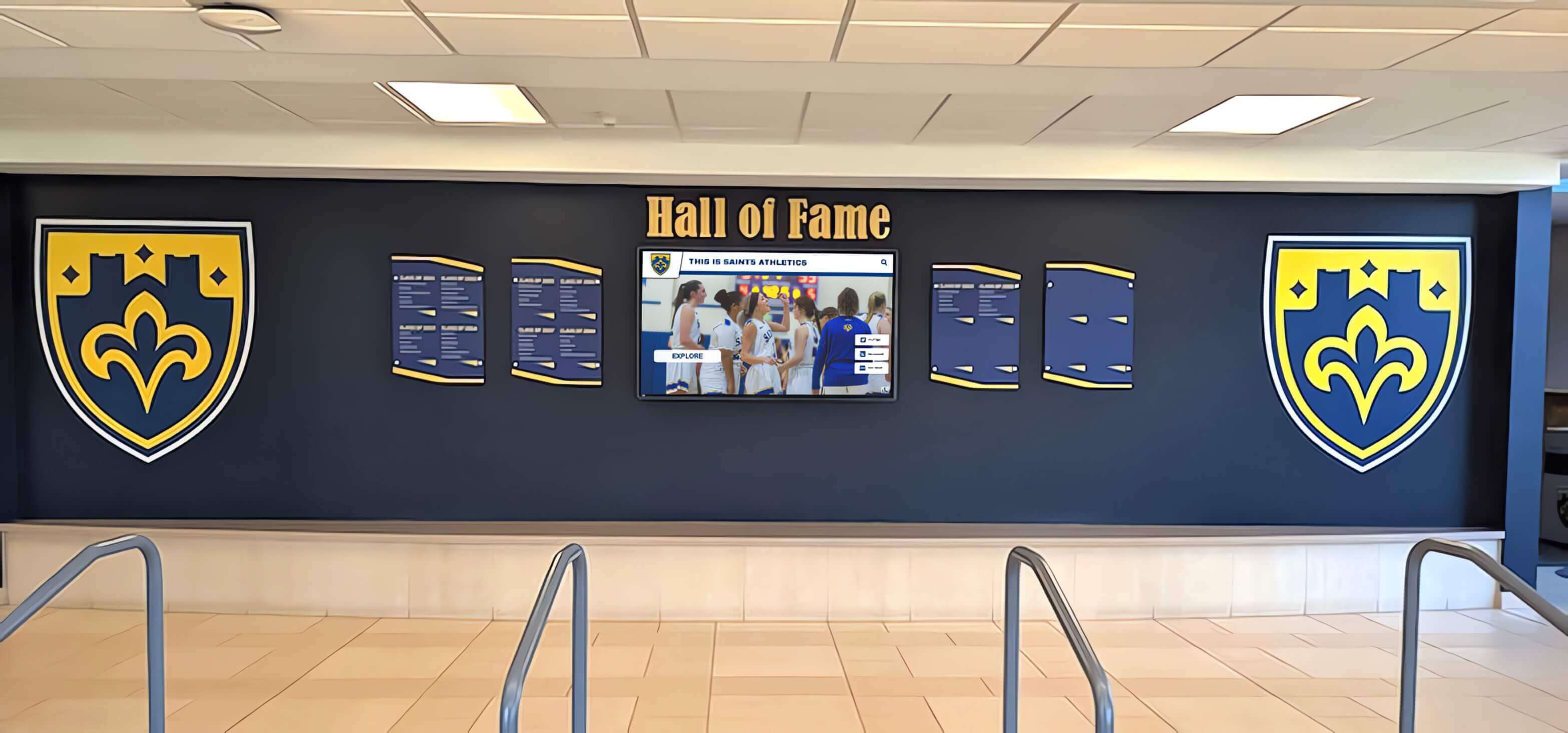
Comprehensive recognition systems integrate current gala content with broader school history and achievement displays
Maximizing Gala Impact Through Integrated Recognition Systems
The most effective school recognition approaches integrate gala content with broader advancement and community engagement initiatives.
Connecting Galas to Overall Donor Recognition Programs
Annual galas should function as signature moments within comprehensive year-round recognition systems:
Multi-Channel Recognition Strategy
Coordinate gala recognition with other acknowledgment approaches:
- Digital displays providing perpetual visibility in physical campus spaces
- Website donor recognition pages accessible to global communities
- Annual reports featuring major donors with extended profiles
- Social media spotlights celebrating donors throughout years
- Personal stewardship communications from leadership
- Exclusive donor events and experiences throughout years
This multi-channel approach ensures donors experience recognition beyond single gala evenings while maintaining consistent messaging about giving impact and institutional gratitude. Explore comprehensive donor recognition strategies that integrate digital and traditional approaches.
Cumulative Giving Recognition
Digital systems enable sophisticated recognition approaches:
- Track and display total lifetime giving across all years and campaigns
- Recognize milestone giving levels as donors reach significant cumulative totals
- Showcase sustained support patterns for donors participating in multiple galas
- Create legacy society designations for extraordinary long-term philanthropy
- Update donor recognition levels automatically as giving increases
These cumulative approaches reward sustained generosity rather than focusing solely on single-year contributions, encouraging long-term donor relationships essential for advancement success.
Integration With Broader School Recognition Initiatives
Gala donor and award winner recognition should connect with other school recognition programs:
Comprehensive Achievement Celebration
Digital recognition systems can showcase diverse forms of excellence:
- Academic achievements like honor rolls, scholarships, and special awards
- Athletic accomplishments including championships, records, and distinguished performers
- Artistic recognition for theatre, music, visual arts, and creative achievements
- Leadership and service awards for student government, community service, and character
- Alumni achievements demonstrating long-term school impact
Integrating gala recognition with these broader achievement displays creates comprehensive celebration of school excellence while demonstrating how donor generosity enables all forms of student success. Learn about comprehensive school recognition approaches that celebrate diverse achievements.
Historical Context and Tradition
Connect current gala recognition to institutional history:
- Showcase evolution of fundraising programs over decades
- Document founding donors whose early gifts established institutions
- Preserve historical photographs, yearbooks, and memorabilia
- Create timelines showing major institutional milestones
- Celebrate anniversary years and significant achievement markers
This historical context reinforces institutional stability and tradition while honoring those whose past generosity created current excellence. Explore approaches for displaying school history that strengthen community connections.
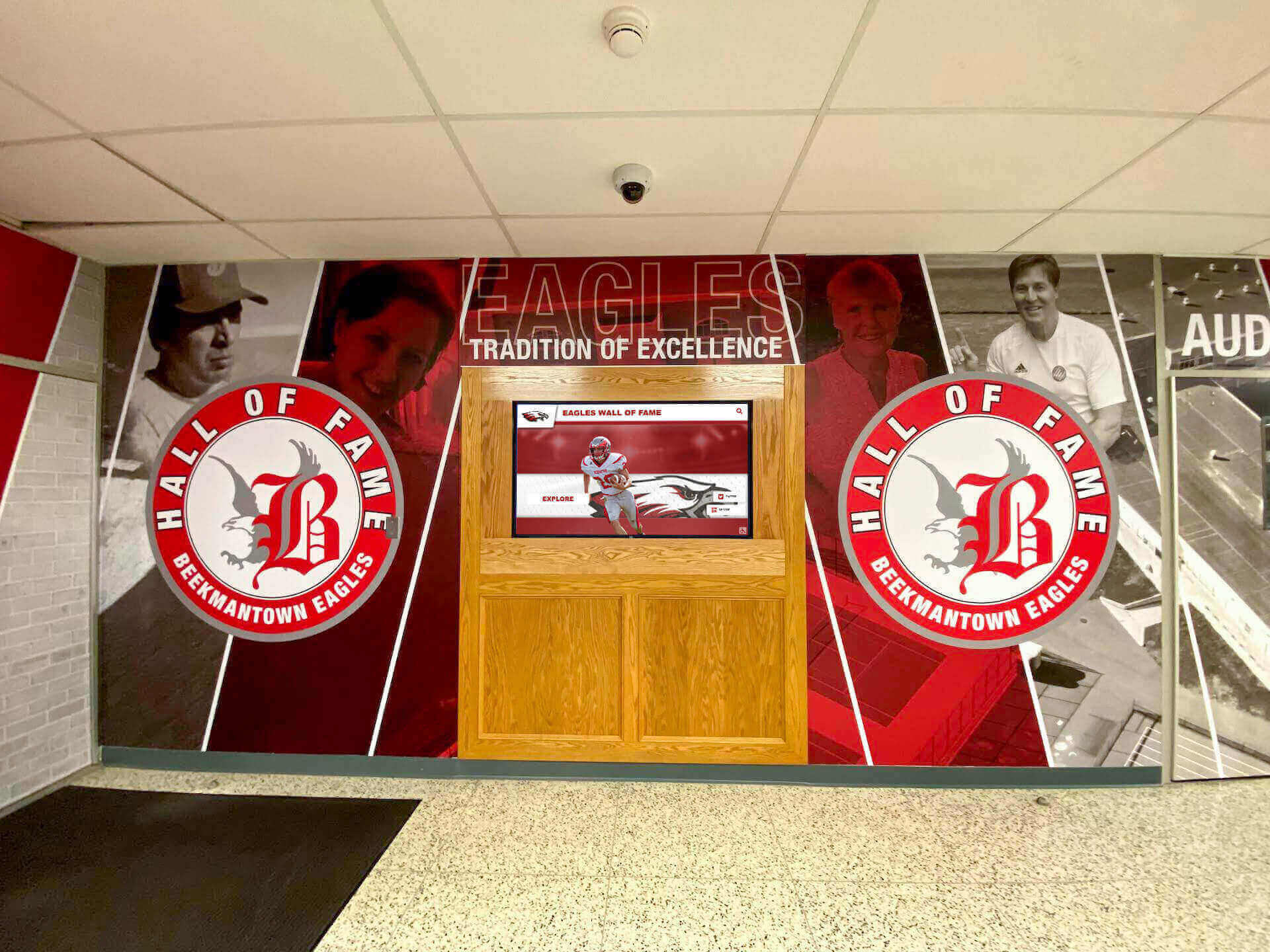
Integrated recognition systems connect current gala donors and honorees with broader institutional history and tradition
Prospective Family and Marketing Applications
Digital gala archives serve important marketing functions:
Advancement Tour Integration
When prospective families visit campuses, recognition displays demonstrate:
- Strong community support and philanthropic culture
- Commitment to making education accessible through scholarships
- Excellence of students, faculty, and alumni communities
- Investment in facilities, programs, and continuous improvement
- Long-term institutional stability and strategic vision
Development staff can specifically reference recognition displays during tours, allowing families to explore achievement and donor content firsthand while understanding philanthropic expectations and culture.
Digital Marketing Content
Gala content provides rich material for marketing initiatives:
- Social media posts celebrating current honorees and donors
- Website content showcasing award programs and achievement
- Email campaigns to alumni highlighting distinguished classmates
- Video content for prospective family communications
- Annual reports and publications featuring donor impact stories
This content marketing extends gala visibility to audiences who never attend physical events while demonstrating institutional excellence and community engagement to prospective constituents.
Implementation Planning: Launching Digital Gala Recognition Systems
Schools considering digital recognition approaches should follow structured implementation processes ensuring successful launches.
Needs Assessment and Goal Setting
Begin by defining specific objectives for recognition systems:
Primary Use Cases
- What recognition content needs to be displayed? (donors, award winners, programs, etc.)
- Who are primary audiences? (current families, prospective families, donors, alumni, etc.)
- Where will displays be installed? (lobbies, development offices, event spaces, etc.)
- What content management capabilities are required? (who updates, how frequently, etc.)
- How does this connect to broader advancement and communication strategies?
Success Metrics
Define how you’ll measure recognition program effectiveness:
- Donor retention rates among recognized contributors
- Increase in multi-year gala participation
- Prospective family feedback during admissions processes
- Staff satisfaction with content management simplicity
- Community engagement metrics like display interactions or website visits
Clear objectives guide vendor selection, content development, and ongoing system optimization.
Content Planning and Development
Successful recognition systems require substantial content preparation:
Content Audit and Collection
- Compile donor lists from current and previous galas with giving levels
- Gather award winner information including biographies and photos
- Collect archived gala programs and event documentation
- Identify available photography, video, and multimedia assets
- Document recognition policies and naming conventions
Content Creation Priorities
Determine what new content development is required:
- Professional photography of major donors or award recipients
- Written profiles and biographies for featured individuals
- Video testimonials or impact stories
- Graphic design for visual appeal and brand consistency
- Copy writing for descriptions, captions, and explanations
Many schools partner with full-service providers that handle content development as part of implementation, significantly reducing internal workload.
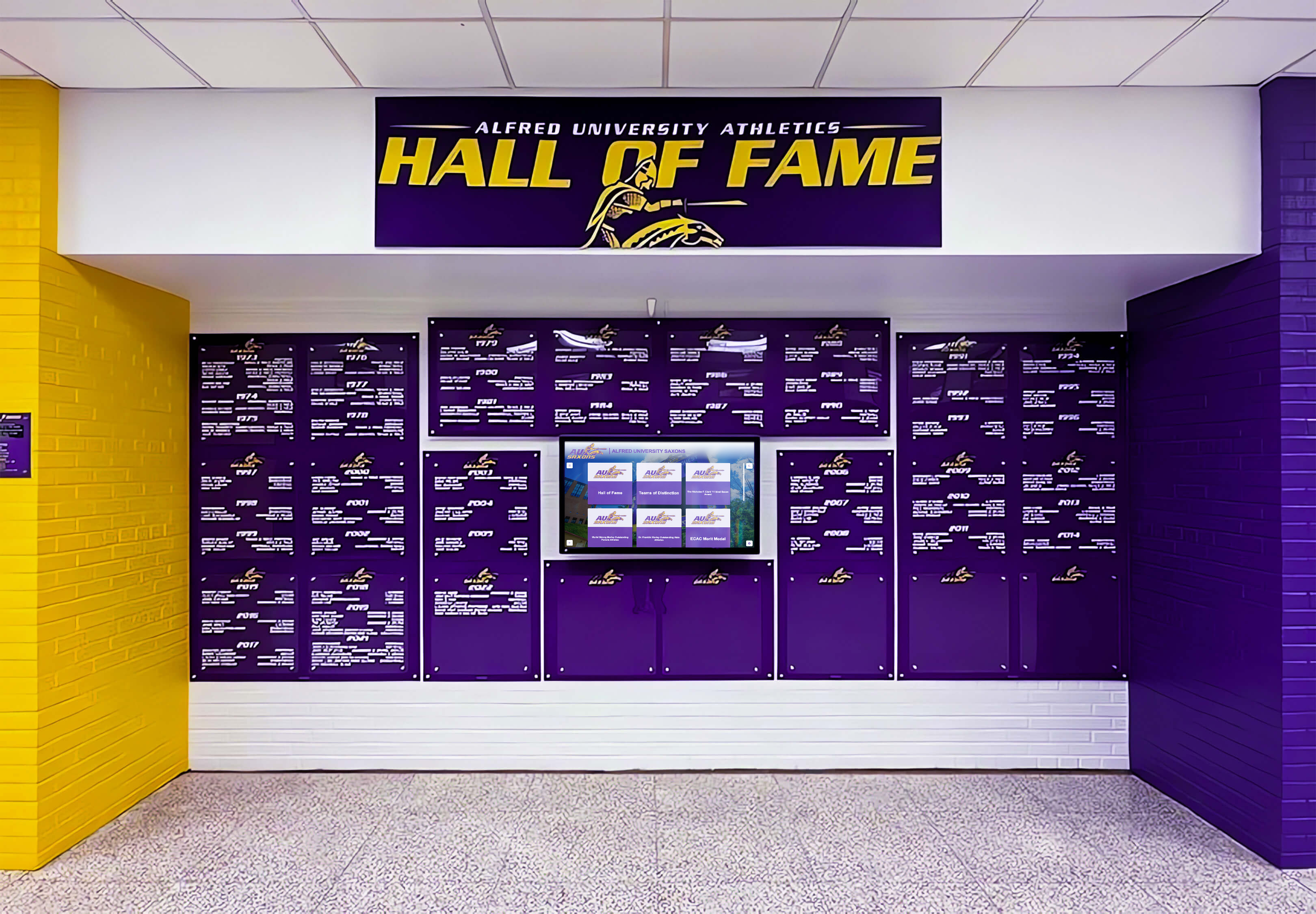
Professional implementation ensures recognition displays reflect institutional brand while showcasing content effectively
Technology Selection and Implementation
Choosing appropriate recognition platforms requires evaluating capabilities:
Core Platform Requirements
- Intuitive content management system for non-technical administrators
- Flexible display capabilities accommodating diverse content types
- Search and browse functionality enabling easy content discovery
- Scalability supporting content growth over time
- Cloud-based architecture eliminating on-site server requirements
- Responsive customer support for troubleshooting and optimization
Display Hardware Considerations
- Commercial-grade touchscreens designed for continuous operation
- Screen sizes appropriate for installation locations and viewing distances
- Mounting options (wall-mounted, floor kiosks, countertop, etc.)
- Aesthetic design aligning with institutional environments
- Accessibility features supporting users with diverse abilities
Explore comprehensive touchscreen software solutions designed specifically for schools and educational institutions.
Implementation Support
Consider what level of support vendors provide:
- Installation services for hardware mounting and configuration
- Content migration assistance transferring historical data
- Training for staff who will manage ongoing updates
- Design services creating visually appealing layouts
- Ongoing technical support and system maintenance
Full-service providers like Rocket Alumni Solutions handle complete implementation including hardware installation, content development, staff training, and ongoing support, allowing schools to launch sophisticated recognition systems without requiring internal technical expertise.
Ongoing Management: Sustaining Recognition Programs Long-Term
After initial implementation, successful recognition systems require ongoing attention ensuring they remain current, engaging, and valuable.
Content Update Schedules
Establish regular content maintenance rhythms:
Post-Gala Updates
- Add all new donors within days of event conclusion
- Upload award winner profiles and ceremony photos/videos
- Archive complete event programs and supporting materials
- Update cumulative giving totals for returning donors
- Feature current year honorees prominently on displays
Quarterly Review Cycles
- Verify all displayed content remains accurate and current
- Add any donors whose contributions arrived between galas
- Update honoree information as recipients achieve new accomplishments
- Refresh featured content highlighting different donors or stories
- Review analytics identifying which content generates most engagement
Annual Major Updates
- Comprehensive content audit ensuring accuracy across all profiles
- Strategic refresh of visual design maintaining contemporary appeal
- Expansion of content categories as recognition programs evolve
- Technology updates ensuring optimal performance
- Policy review confirming recognition approaches remain aligned with institutional values
Measuring Recognition Program Success
Track metrics demonstrating recognition system value:
Fundraising Impact Indicators
- Donor retention rates comparing recognized versus non-recognized donors
- Average gift increases among donors featured in recognition displays
- Multi-year giving participation showing sustained engagement
- New donor acquisition influenced by recognition visibility
- Major gift solicitation success rates referencing recognition opportunities
Engagement Metrics
- Display interaction counts showing how frequently content is accessed
- Most viewed profiles or categories indicating audience interests
- Average session durations revealing content engagement levels
- Website donor recognition page traffic
- Social media engagement with donor and honoree content
Qualitative Feedback
- Donor testimonials about recognition experience
- Prospective family comments during admissions processes
- Staff observations about community response
- Award winner satisfaction with visibility and celebration
- Volunteer feedback from event planning committees
This combination of quantitative and qualitative assessment demonstrates recognition program ROI while identifying optimization opportunities.
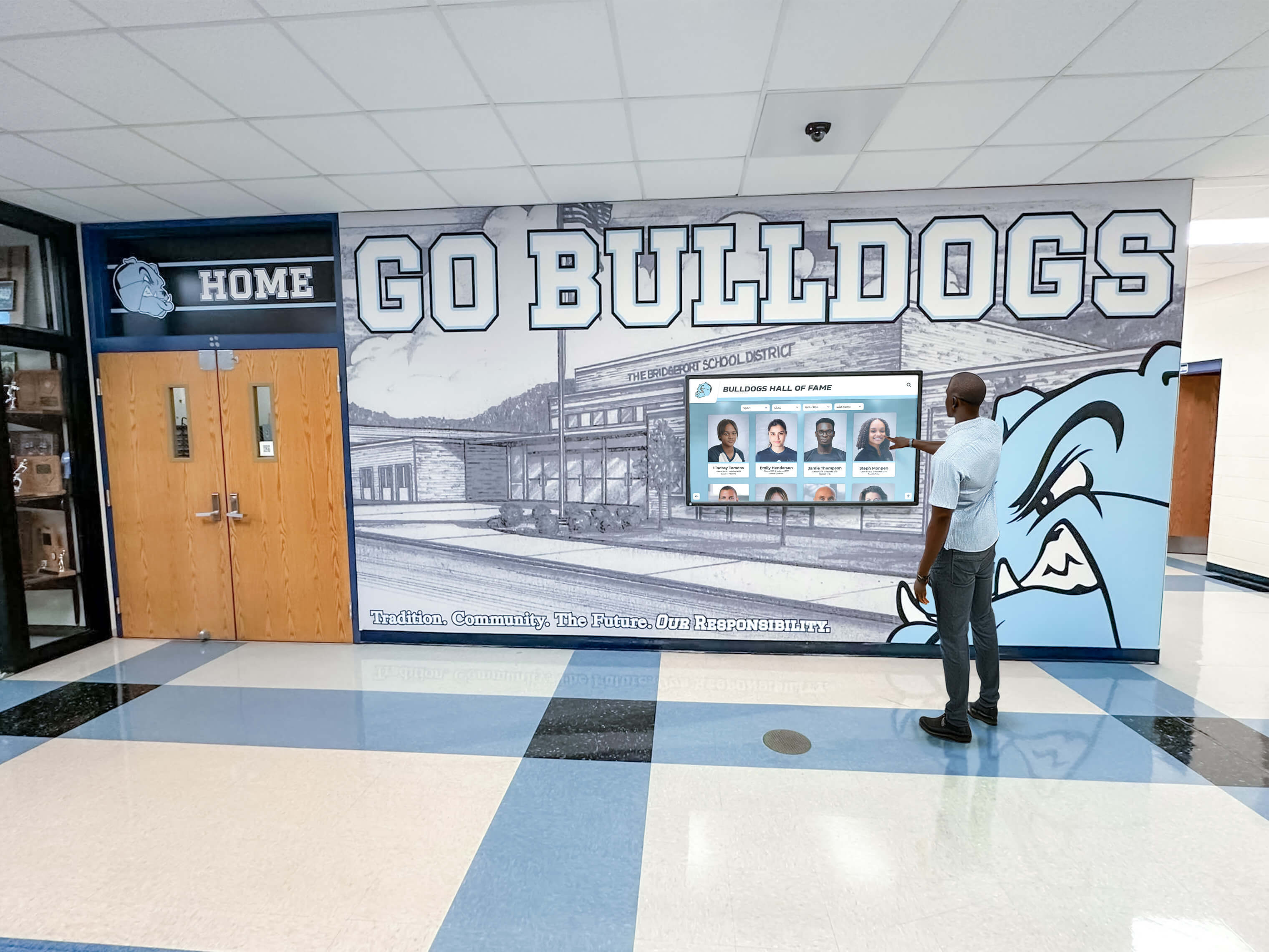
Regular content updates and engagement monitoring ensure recognition displays remain valuable community resources
Best Practices for School Gala Fundraiser Recognition
Learning from successful programs helps schools avoid common pitfalls while maximizing recognition impact.
Respect Donor Preferences and Privacy
Not all donors want public recognition:
Flexible Recognition Options
- Offer donors choice between public recognition and anonymous giving
- Provide multiple recognition name formats (individuals, families, businesses)
- Allow donors to specify recognition preferences during giving processes
- Respect requests to remove or modify recognition at any time
- Create private recognition options for major donors who prefer discretion
Anonymous Giving Acknowledgment
- Recognize cumulative totals from anonymous donors without identifying individuals
- Celebrate anonymously funded scholarships or programs
- Include “anonymous donors” in giving level categories
- Acknowledge value of all gifts regardless of recognition preferences
Respecting donor preferences builds trust while honoring diverse motivations for supporting school missions. Explore donor recognition approaches that balance visibility with privacy preferences.
Maintain Recognition Equity and Inclusivity
Recognition systems should honor diverse contributions:
Multi-Level Recognition
- Celebrate donors at all giving levels, not only major contributors
- Recognize volunteer time and in-kind contributions alongside financial gifts
- Honor sustained modest giving equally with occasional large gifts
- Acknowledge first-time donors with special designation
- Feature diverse donor demographics in highlighted profiles
Comprehensive Achievement Recognition
- Honor diverse award categories beyond traditional academic or athletic recognition
- Celebrate students, alumni, faculty, staff, and community members
- Recognize contributions across all school programs and departments
- Include achievement dimensions like service, character, and citizenship
- Feature recipients representing full diversity of school communities
This inclusive approach creates cultures where all forms of contribution and excellence receive appropriate celebration.
Balance Permanence With Flexibility
Recognition systems should accommodate evolution:
Adaptable Recognition Structures
Digital systems provide flexibility traditional walls cannot match:
- Add unlimited new donors and honorees without space constraints
- Update giving levels and cumulative totals as relationships deepen
- Modify recognition categories as programs evolve
- Remove or archive content no longer relevant
- Reorganize information presentation based on usage patterns
Long-Term Recognition Planning
Consider how recognition will function across decades:
- Establish policies for recognition duration (perpetual versus time-limited)
- Plan for content migration when technology platforms change
- Document recognition commitments made to donors
- Create archive strategies for historical content
- Maintain institutional memory about recognition decisions and rationale
Balancing immediate recognition needs with long-term sustainability ensures systems remain valuable for generations.
Taking Action: Next Steps for Your School Gala Recognition
Schools ready to enhance annual gala fundraiser recognition can begin with concrete planning steps.
Immediate Planning Actions
Start moving toward enhanced recognition systems:
Audit Current Recognition Approaches: Document how your school currently recognizes gala donors and award winners, identifying gaps, limitations, and opportunities for improvement.
Define Recognition Objectives: Clarify specific goals for recognition programs including fundraising impact, donor stewardship, award winner celebration, and community engagement outcomes you want to achieve.
Assess Available Content: Inventory existing donor lists, award winner information, gala programs, photography, and other content that could be incorporated into recognition systems.
Identify Key Stakeholders: Engage development staff, event planning committees, communications teams, and school leadership in recognition planning to ensure alignment.
Research Recognition Solutions: Explore digital recognition platforms designed for educational institutions, comparing capabilities, pricing, implementation support, and customer references.
Exploring Digital Recognition Platforms
When evaluating recognition technology providers, consider:
Essential Questions for Vendors
- What content types does your platform support? (donors, honorees, programs, multimedia, etc.)
- How difficult is content management for non-technical staff?
- What implementation support do you provide? (installation, content migration, training, etc.)
- How does pricing work? (upfront, subscription, per-display, etc.)
- Can you provide references from similar schools?
- What accessibility features ensure inclusive user experiences?
- How do you handle ongoing support and system updates?
Solution Evaluation Criteria
- Alignment with your specific use cases and objectives
- Total cost of ownership including implementation and ongoing fees
- Quality and comprehensiveness of implementation support
- Customer satisfaction among existing school clients
- Platform scalability supporting long-term growth
- Integration capabilities with existing school systems
Organizations seeking comprehensive donor recognition solutions should consider Rocket Alumni Solutions, which specializes in digital recognition displays for schools and educational institutions, offering full-service implementation including hardware installation, content development, staff training, and ongoing support.
Building Your Recognition Program
Rather than attempting comprehensive recognition launches, consider phased approaches:
Phase 1: Current Year Focus
- Implement digital donor wall featuring current gala contributors
- Feature this year’s award winners with comprehensive profiles
- Archive current gala program and event content
- Train staff on content management platform
- Gather feedback from initial users
Phase 2: Historical Expansion
- Add donors from previous 3-5 years of galas
- Include historical award winners from recent years
- Expand content with impact stories and testimonials
- Integrate recognition with broader school achievement displays
- Develop marketing content leveraging recognition platform
Phase 3: Comprehensive Archives
- Incorporate complete historical donor records
- Add all past award winners with available information
- Archive all historical gala programs
- Create comprehensive search and browse capabilities
- Develop sophisticated recognition analytics
This phased approach creates immediate value while building toward comprehensive recognition systems over time without overwhelming implementation teams.
Conclusion: Building Lasting Gala Fundraiser Impact
Annual school gala fundraisers represent extraordinary opportunities—signature events where communities unite to celebrate excellence, honor generosity, and demonstrate commitment to educational missions through transformational philanthropy. Yet too often, the impact of these carefully planned celebrations ends when guests depart, with recognition moments fading into memory and event content disappearing into storage.
Digital recognition systems transform this dynamic, extending gala impact indefinitely by preserving donor acknowledgment, celebrating award winners year-round, archiving complete event histories, and creating engagement opportunities that serve communities long after celebrations conclude. These systems honor the significant effort required to plan successful galas by maximizing return on that investment through perpetual visibility and ongoing relationship building.
Schools implementing comprehensive recognition approaches discover multiple benefits: improved donor retention as supporters experience ongoing acknowledgment, enhanced prospective family marketing as achievement and philanthropy become visible, strengthened community pride as excellence receives sustained celebration, and more efficient advancement operations as recognition updates happen digitally without physical modification costs.
As you plan your school’s next annual gala fundraiser, consider how digital recognition can amplify impact, honor contributors appropriately, and build advancement programs that sustain educational excellence for generations to come.
Ready to Transform Your School Gala Recognition?
Rocket Alumni Solutions specializes in digital recognition displays designed specifically for schools, helping institutions celebrate gala donors, honor award winners, and preserve event histories through engaging touchscreen experiences. Our full-service approach handles everything from hardware installation to content development to ongoing support, allowing your advancement team to focus on building donor relationships rather than managing technology.
Discover how solutions like Rocket Alumni Solutions can help your school maximize annual gala fundraiser impact through recognition systems that celebrate generosity and achievement long after events conclude. Contact Rocket Alumni Solutions to explore how digital recognition can strengthen your school’s advancement program and donor stewardship initiatives.
You can also schedule a consultation to discuss your specific gala recognition needs and see demonstrations of how interactive displays transform donor and honoree celebration.