Gatorade Player of the Year awards represent some of the highest honors attainable for high school athletes across the nation. These prestigious accolades celebrate outstanding athletic performance, academic achievement, and exemplary character, recognizing students who excel both on the field and in their communities. When a student receives this distinction, schools rightfully celebrate with banners, trophy displays, and public recognition honoring the achievement.
Yet many athletic departments face a common challenge once these honored students graduate. Physical banners accumulate in gyms with limited wall space, trophies compete for increasingly crowded display cases, and years later, the stories behind these achievements fade from institutional memory. The temptation to remove older recognition to make room for newer honorees creates an uncomfortable dilemma—how do you honor current achievements without diminishing the legacy of past athletic excellence?
This comprehensive guide explores how athletic departments can celebrate Gatorade Player of the Year recipients appropriately while preserving their accomplishments permanently through modern digital recognition solutions that maintain legacy, save space, and ensure these elite achievements receive the lasting honor they deserve.
Gatorade Player of the Year recognition matters far beyond the immediate celebration. These awards signal athletic excellence recognized at national levels, inspire current student-athletes pursuing similar achievements, strengthen school reputation for athletic programs, and create lasting pride for families and communities celebrating local success. When schools implement comprehensive recognition strategies, they honor individual accomplishment while building institutional culture that values sustained excellence across graduating classes.

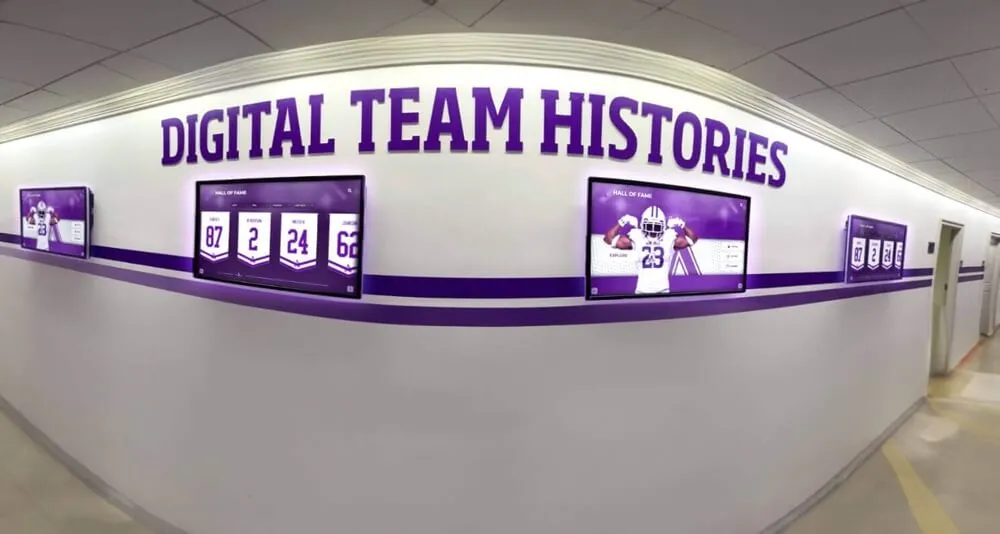
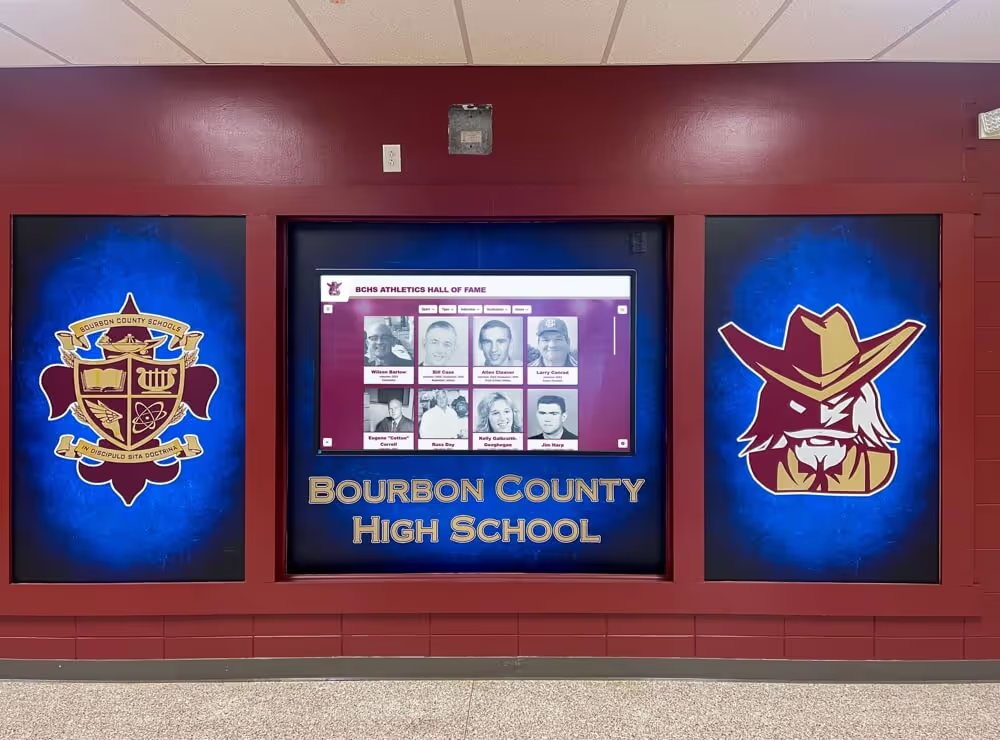
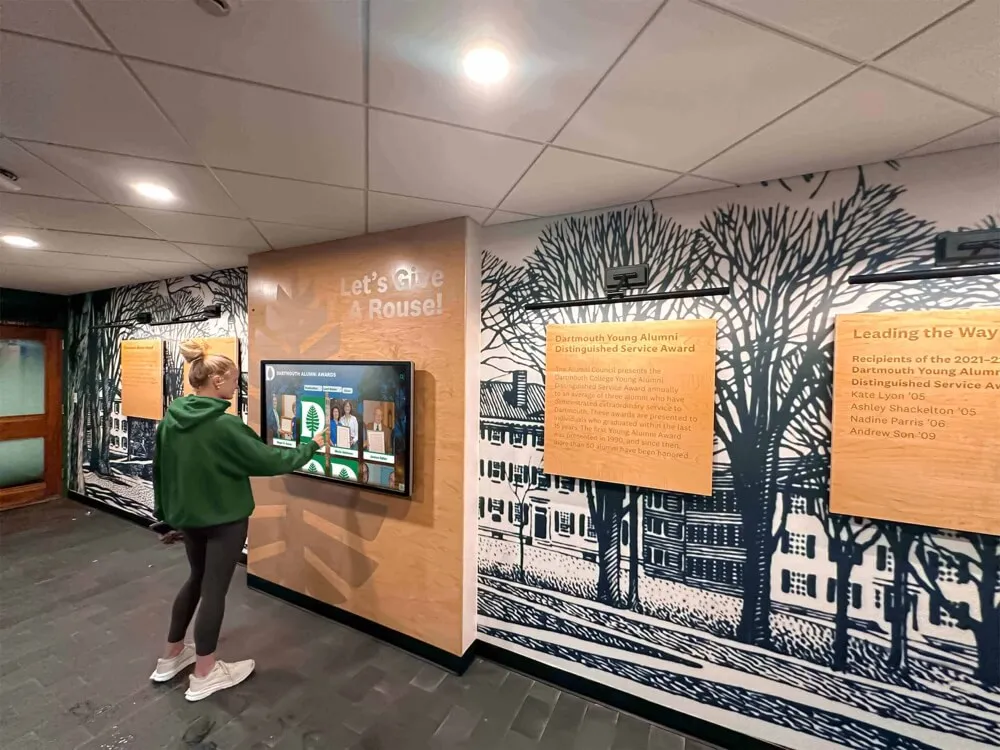
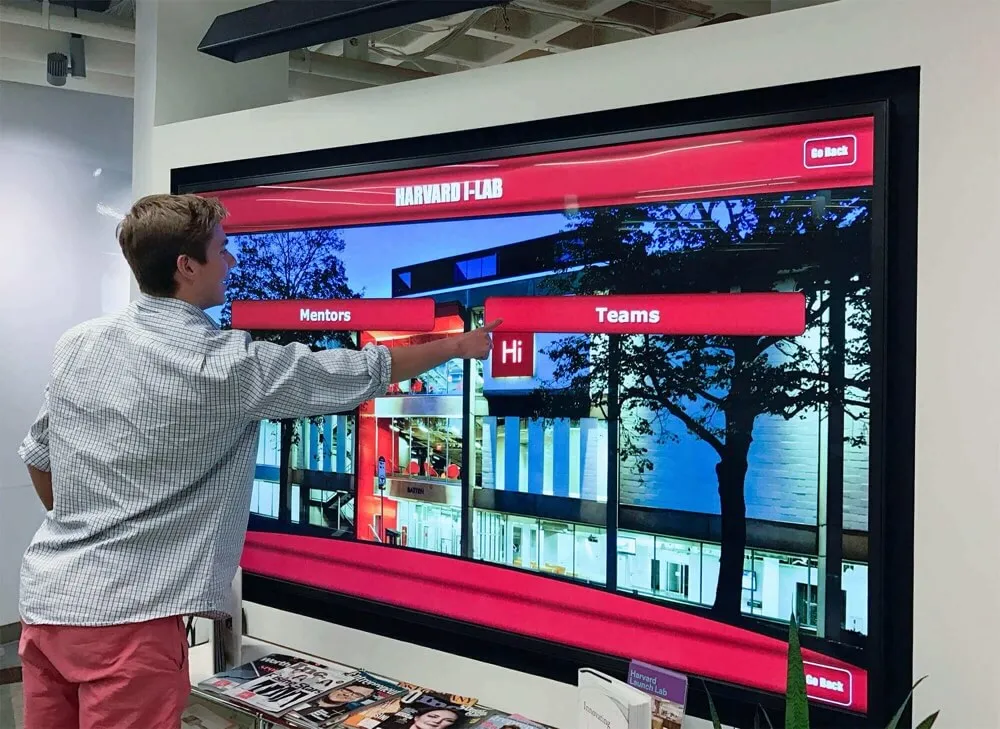
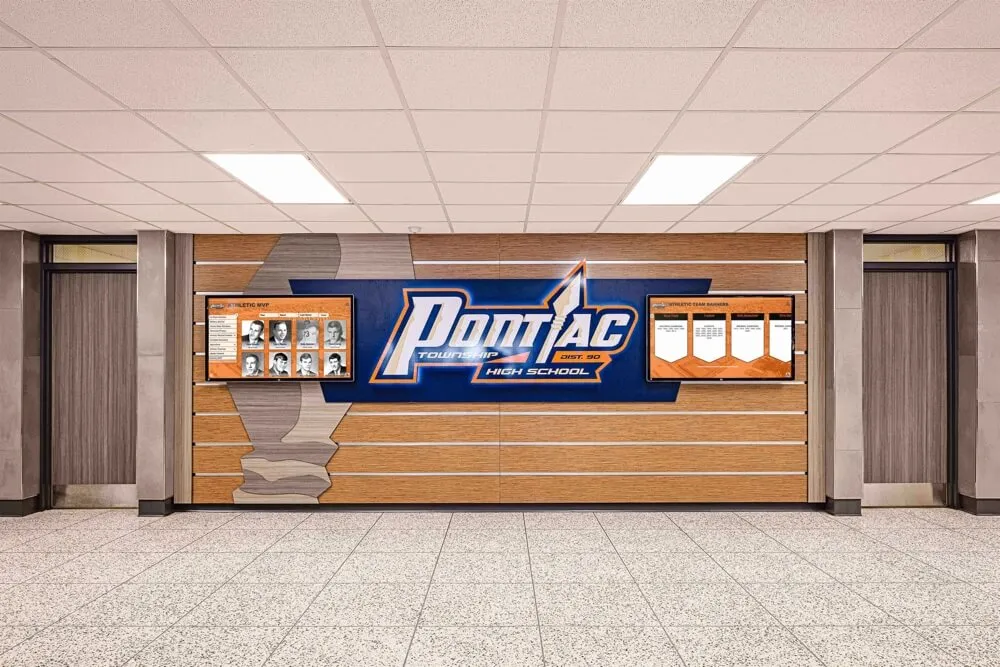
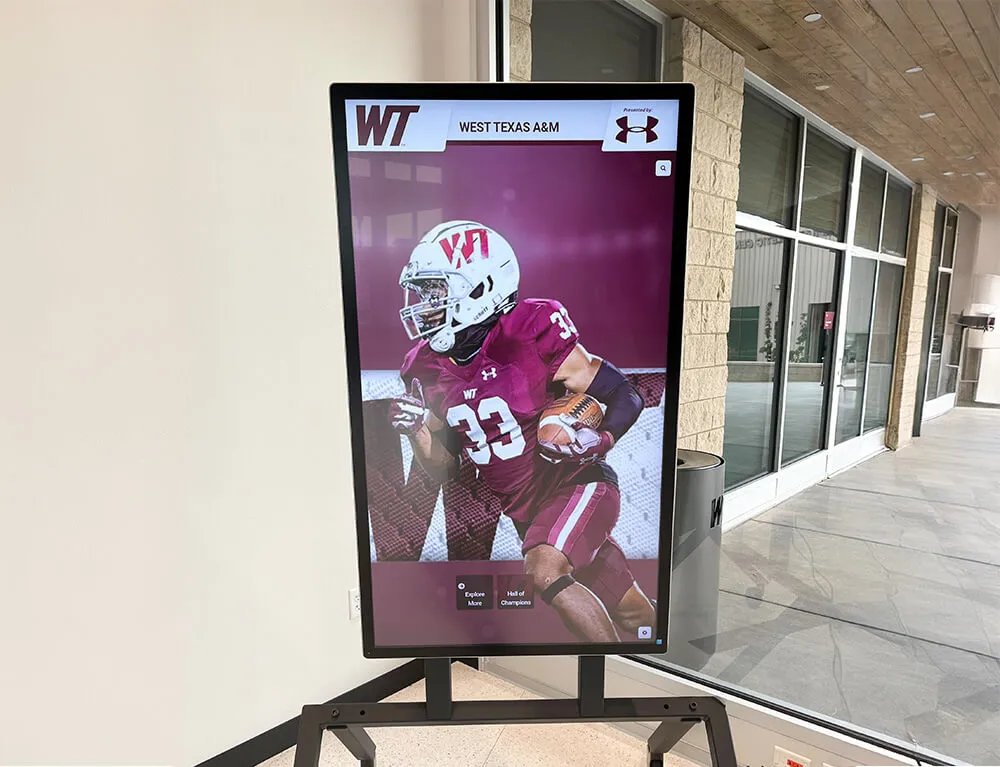
Modern digital recognition systems provide permanent archival solutions for preserving elite athletic achievements like Gatorade Player of the Year awards
Understanding Gatorade Player of the Year Awards
Before developing recognition strategies, athletic departments benefit from understanding what these prestigious honors represent and why they merit permanent preservation.
The Significance of Gatorade Player of the Year Recognition
Gatorade Player of the Year awards recognize exceptional high school athletes who demonstrate excellence across multiple dimensions beyond pure athletic performance.
Athletic Excellence Standards
Recipients achieve outstanding competitive performance within their sports through exceptional statistics and on-field accomplishments, leadership roles on championship teams, consistent excellence throughout high school careers, and competitive success against top regional and state opponents.
These athletic standards alone place recipients among elite performers within their sports and geographic regions.
Academic Achievement Requirements
Award recipients demonstrate commitment to education alongside athletic excellence through strong grade point averages and academic records, enrollment in rigorous coursework demonstrating intellectual engagement, balancing demanding athletic and academic schedules successfully, and plans for continued education at collegiate levels.
This academic component distinguishes these awards from purely athletic honors by recognizing complete student-athletes who excel in classrooms as well as competition.
Character and Community Involvement
Beyond performance metrics, recipients exemplify positive character through community service and volunteer involvement, leadership within school environments, positive influence on teammates and peers, demonstration of sportsmanship and integrity, and representation of school and community values.
These character elements ensure recognition celebrates young people worthy of emulation rather than simply rewarding athletic talent divorced from broader personal development.

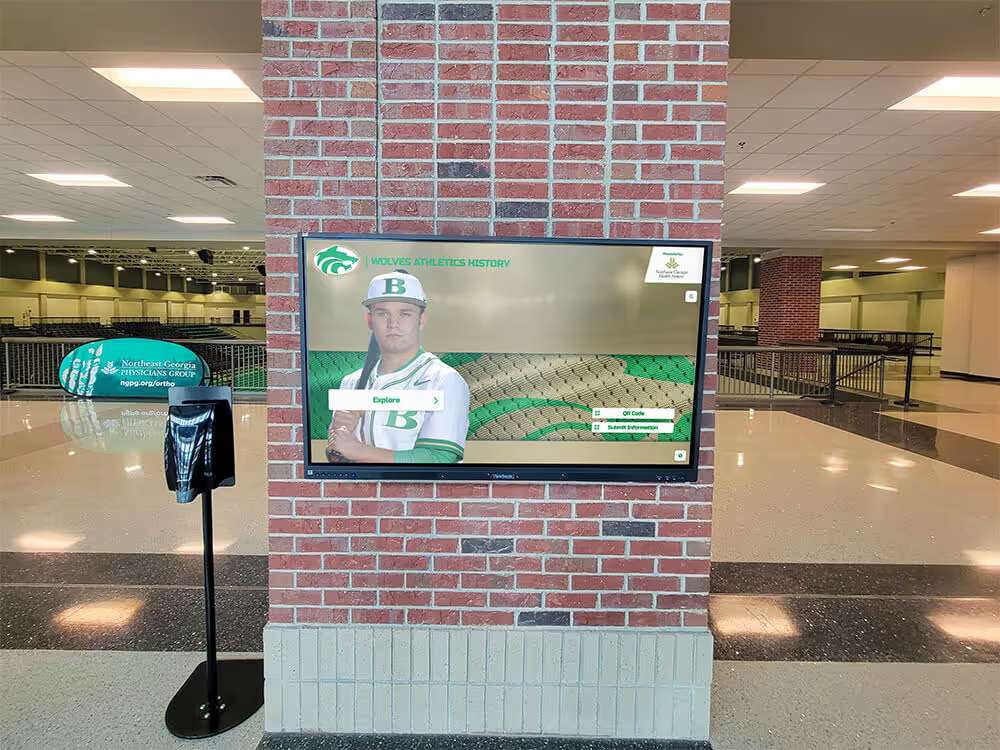
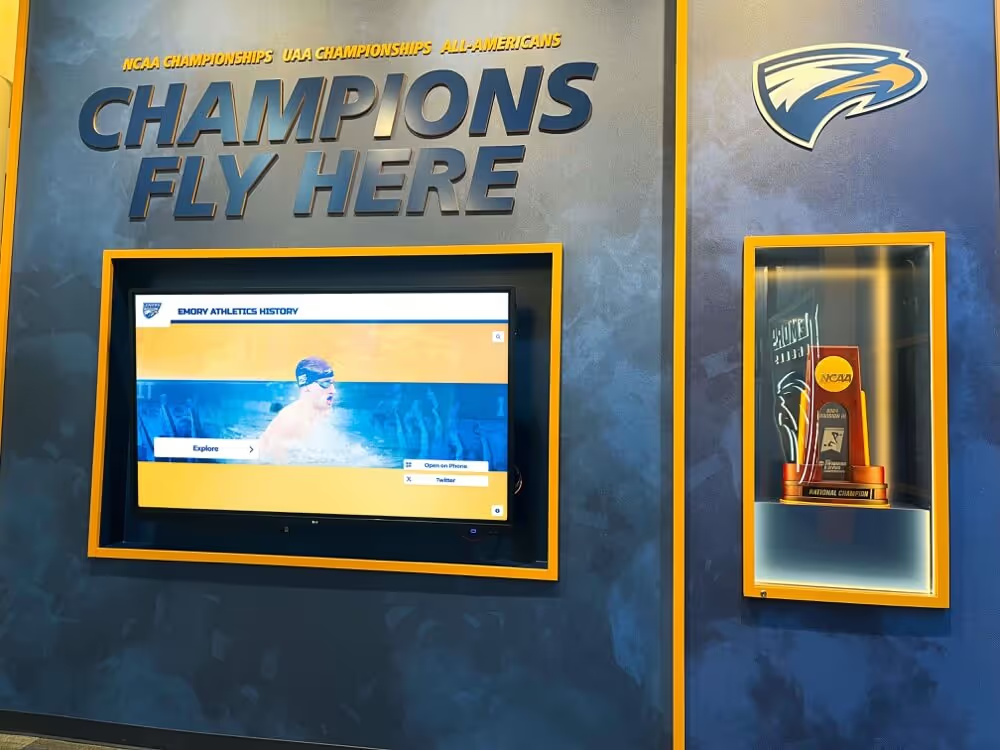
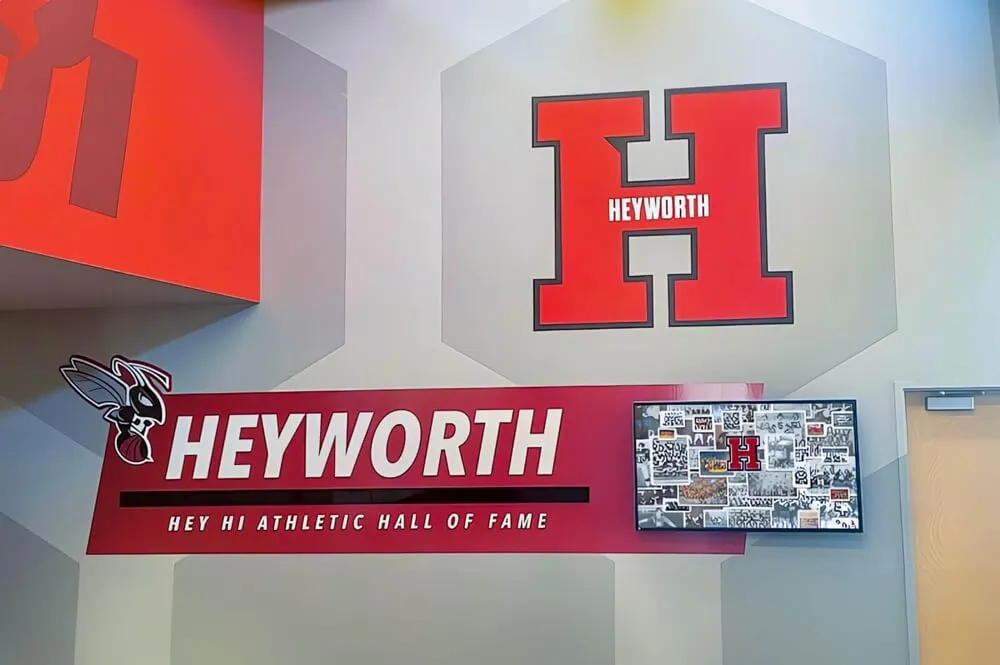
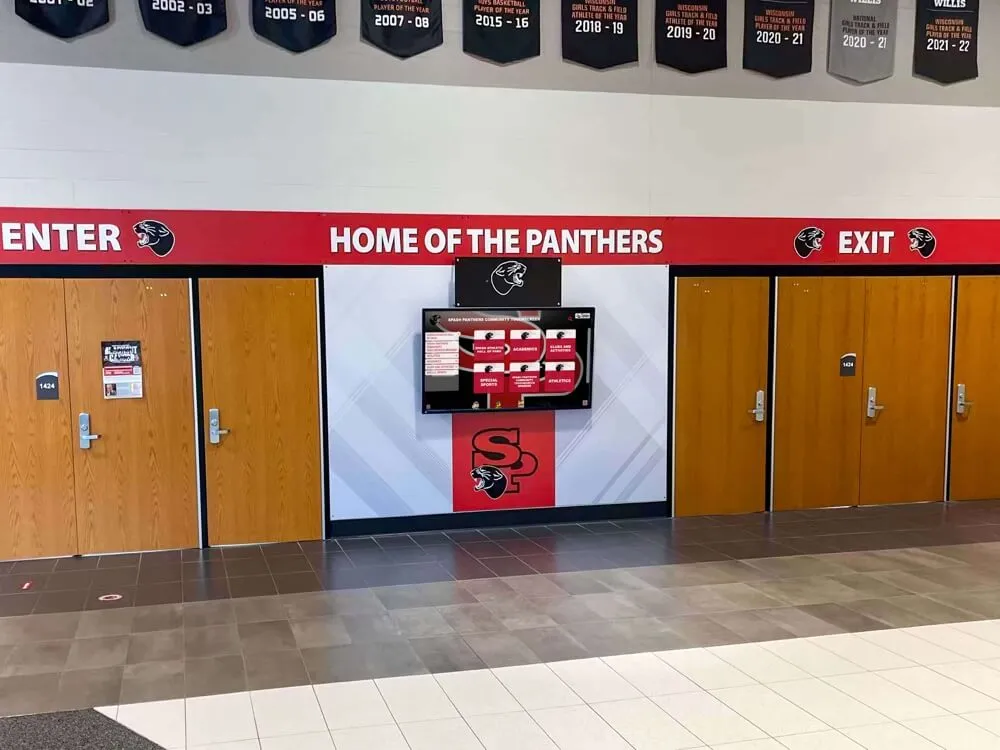
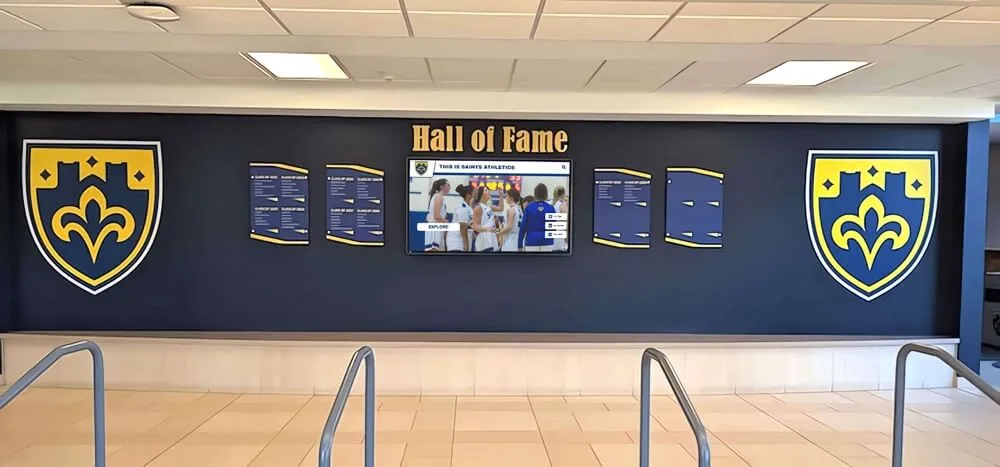
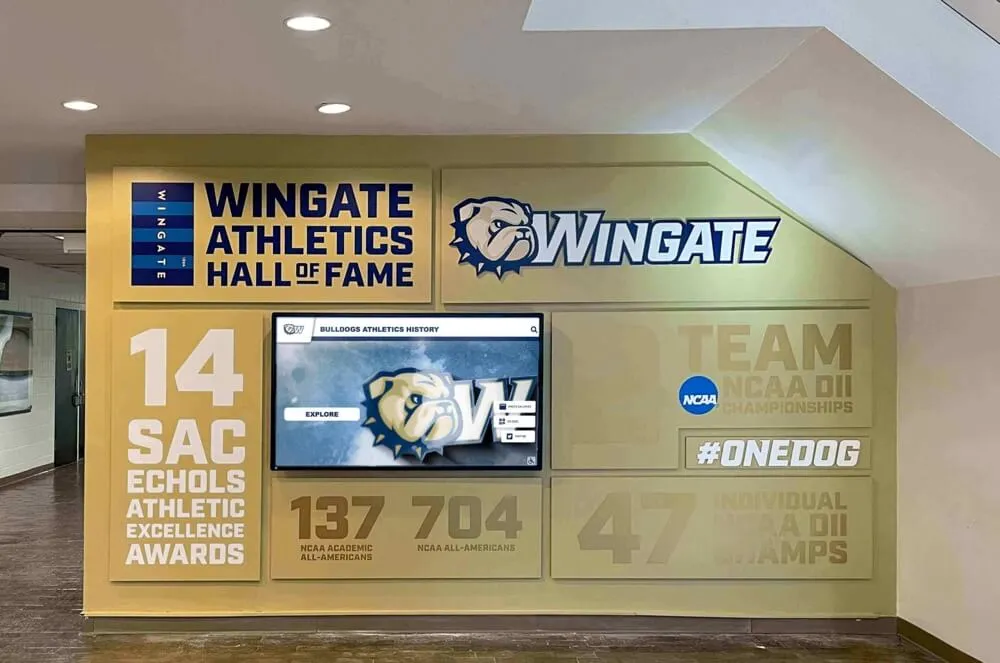
Comprehensive athletic recognition displays celebrate diverse achievements including prestigious awards like Gatorade Player of the Year honors
Sports and Categories
Gatorade Player of the Year awards span multiple sports across both genders, creating recognition opportunities for diverse athletic programs.
Schools may produce recipients across sports including football, basketball (boys and girls), soccer (boys and girls), baseball and softball, volleyball, track and field, cross country, swimming, and other competitive athletics depending on sport offerings and regional recognition programs.
This breadth means athletic departments potentially recognize multiple recipients across different years and sports, creating diverse recognition needs spanning various programs and graduating classes.
Traditional Recognition Approaches and Their Limitations
Most schools employ conventional methods for honoring Gatorade Player of the Year recipients that work initially but create challenges over time.
Championship Banners and Wall Displays
Athletic departments commonly hang banners in gymnasiums or field houses celebrating major achievements including Gatorade Player of the Year honors.
Initial Impact and Visibility
New banners create immediate visual impact through prominent placement in high-traffic athletic facilities, visible celebration during competitions and community events, tangible recognition families and athletes appreciate, and demonstration of program excellence to visitors and opponents.
These banners serve legitimate recognition purposes when first displayed, providing public celebration of exceptional achievement.
Space Constraints Over Time
As years pass and additional achievements accumulate, banner displays face inherent limitations including finite wall space in gymnasiums and athletic facilities, visual clutter when too many banners compete for attention, difficult decisions about which achievements merit continued display, and removal or relegation of older banners to storage or disposal.
Schools with long athletic traditions and sustained excellence face particularly acute space pressures as decades of achievement exceed available recognition space.
Degradation and Maintenance Challenges
Physical banners deteriorate over time through fading from sunlight exposure in facilities with windows, dust accumulation requiring periodic cleaning, tears or damage from facility use, and general wear reducing professional appearance over years.
Eventually, even carefully maintained banners reach conditions where continued display diminishes rather than enhances recognition.
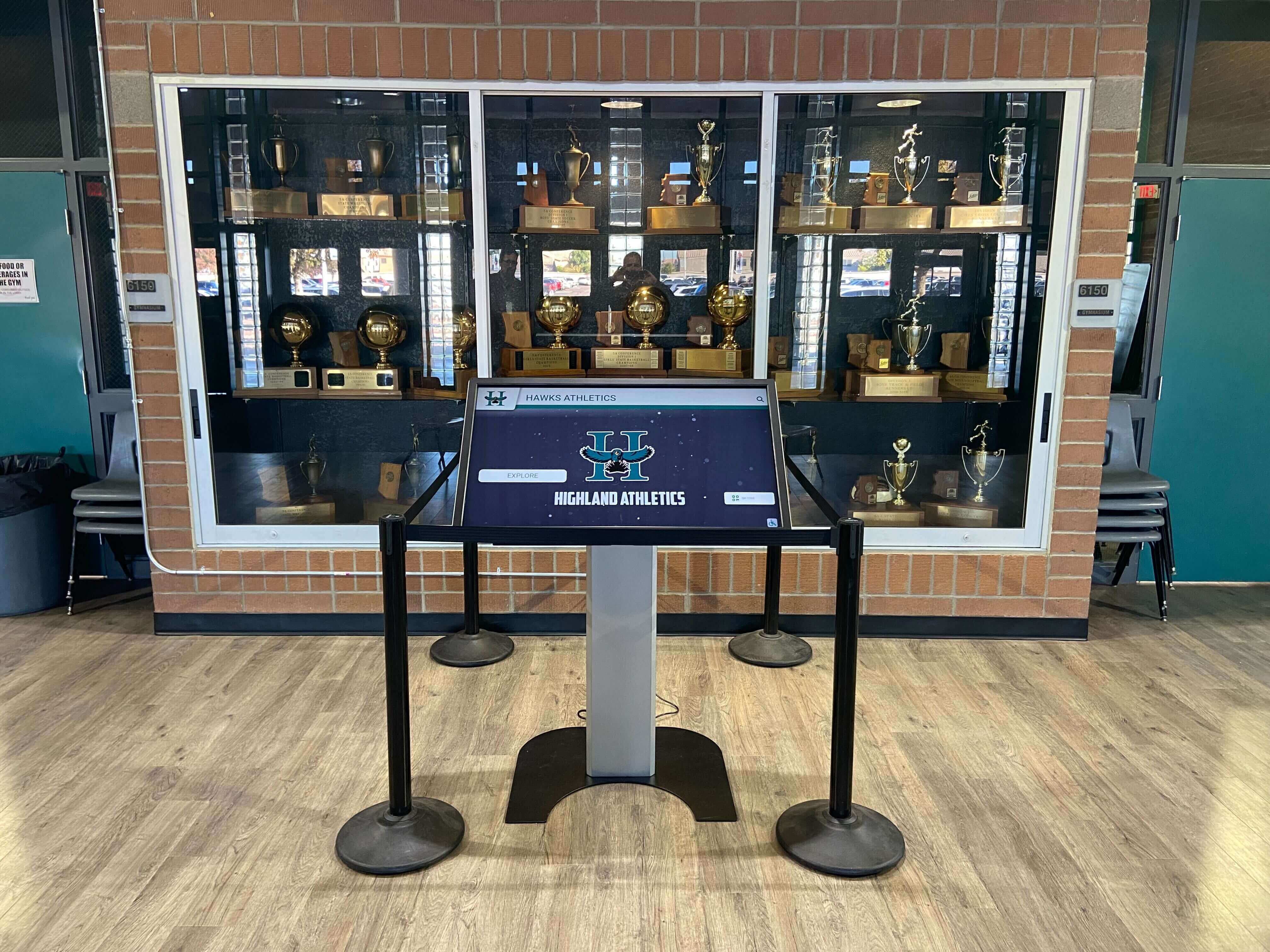
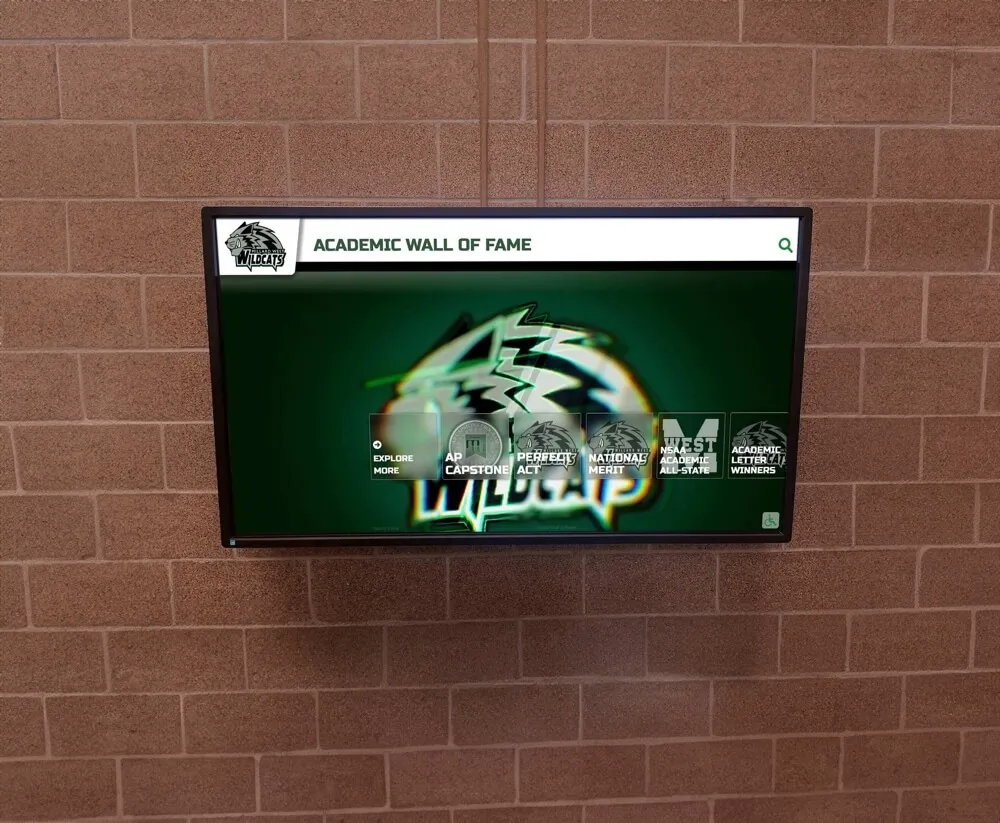
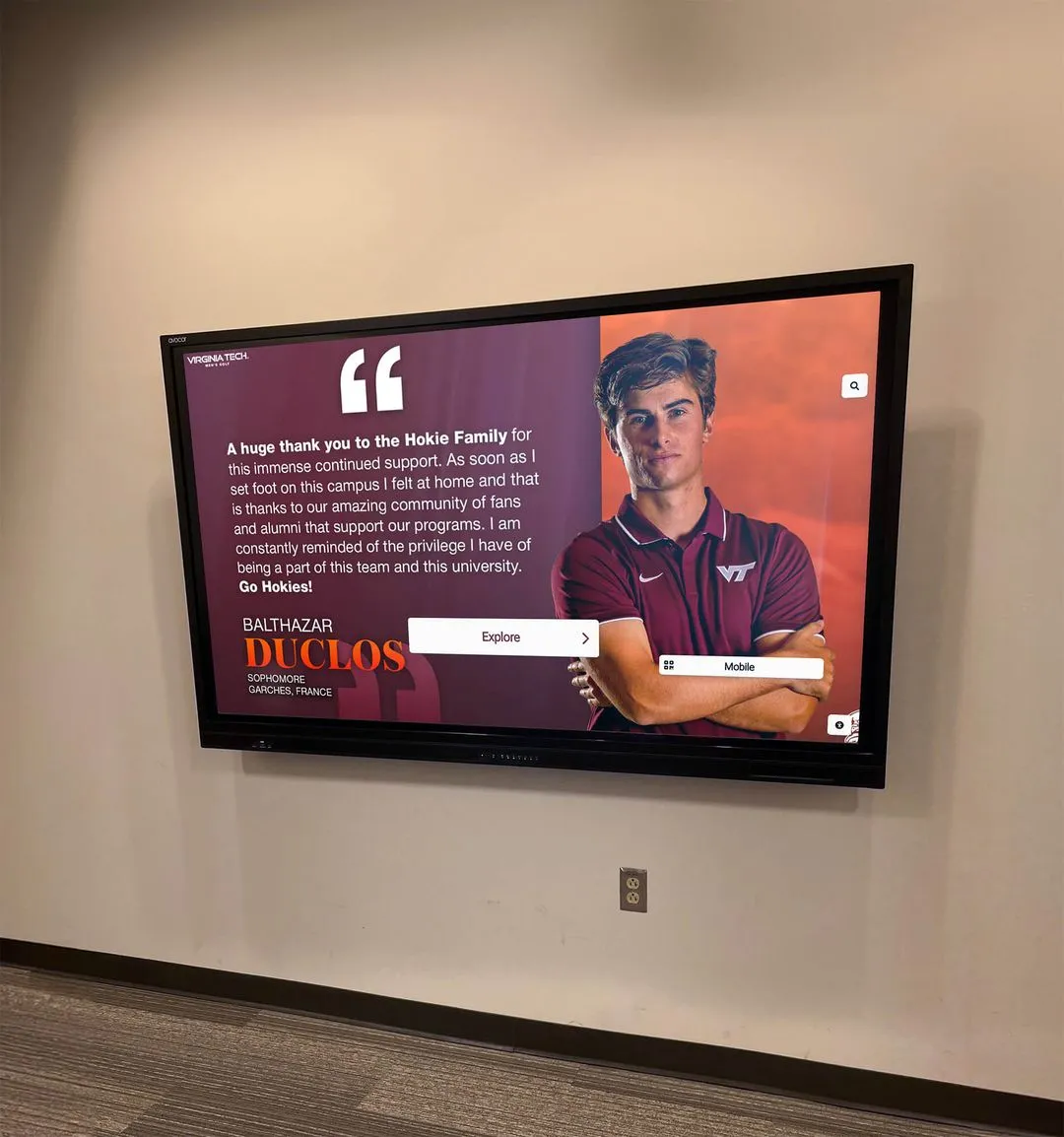
Trophy cases incorporate interactive displays that preserve award histories while accommodating ongoing achievement recognition
Trophy Cases and Physical Display
Trophy cases provide another common recognition method, displaying physical awards received by institutions or individual athletes.
Display Benefits
Trophy cases offer tangible recognition through actual physical awards visible to school communities, centralized location showcasing athletic program success, traditional approach families and alumni recognize and appreciate, and prestigious display in high-traffic areas like main lobbies or athletic facilities.
Well-maintained trophy cases contribute to school pride and athletic culture when properly curated and displayed.
Capacity and Organization Issues
Trophy cases share banner space limitations through finite shelf space constraining recognition capacity, overcrowding reducing individual award visibility, difficult decisions about which awards merit continued display, and inadequate space for contextual information explaining award significance.
Large trophies consume disproportionate space compared to their informational value, forcing prioritization of physical size over achievement significance.
Security and Preservation Concerns
Physical trophies present practical challenges including theft or vandalism risks with unlocked cases, dust accumulation and tarnishing requiring maintenance, breakage risks from cabinet access or facility activity, and limited options for sharing recognition beyond physical case location.
These practical concerns often lead athletic departments to maintain locked cases that prevent close examination while creating ongoing maintenance obligations.
Program and Wall Plaque Recognition
Some schools create permanent wall plaques or mounted displays recognizing award recipients within athletic facilities or school buildings.
Permanence Advantages
Fixed wall recognition provides lasting acknowledgment through permanent installation resistant to casual removal, professional appearance when well-designed and maintained, traditional approach with historical precedent, and concentrated recognition of specific achievement categories.
These installations signal institutional commitment to permanent honor for recognized achievements.
Inflexibility Limitations
Wall plaques create long-term constraints including permanent space consumption limiting flexibility, inability to easily update or expand recognition, mounting and installation costs for each addition, and visual inconsistency as recognition is added over time with different designs or materials.
Schools implementing wall plaques must carefully consider long-term implications since removal typically requires wall repair and repainting—a significant commitment for recognition that may evolve over time.
The Storage Dilemma: What Happens After Graduation
The challenge many athletic departments face isn’t initial recognition—it’s what happens as years pass and honored students graduate.
The Pressure to Remove Recognition
Athletic departments face multiple pressures encouraging removal of older recognition to accommodate newer achievements.
Space Scarcity
Limited physical space in athletic facilities creates zero-sum decisions where adding new recognition requires removing existing displays. Gymnasiums have finite wall space for banners, trophy cases cannot expand indefinitely, and hallway plaques eventually consume all available wall surface.
This scarcity forces uncomfortable decisions between honoring new achievements and preserving historical recognition.
Contemporary Relevance Focus
Some administrators prioritize current over historical recognition, arguing that student bodies want to celebrate recent achievements and teammates rather than honors from before their enrollment, community members attend events to support current students rather than remember graduates, recruiting prospective athletes requires showcasing recent program success, and facilities should focus on inspiring current participants.
While these arguments contain logic, they risk suggesting past achievements become irrelevant once students graduate—an implication that diminishes honor’s permanence.
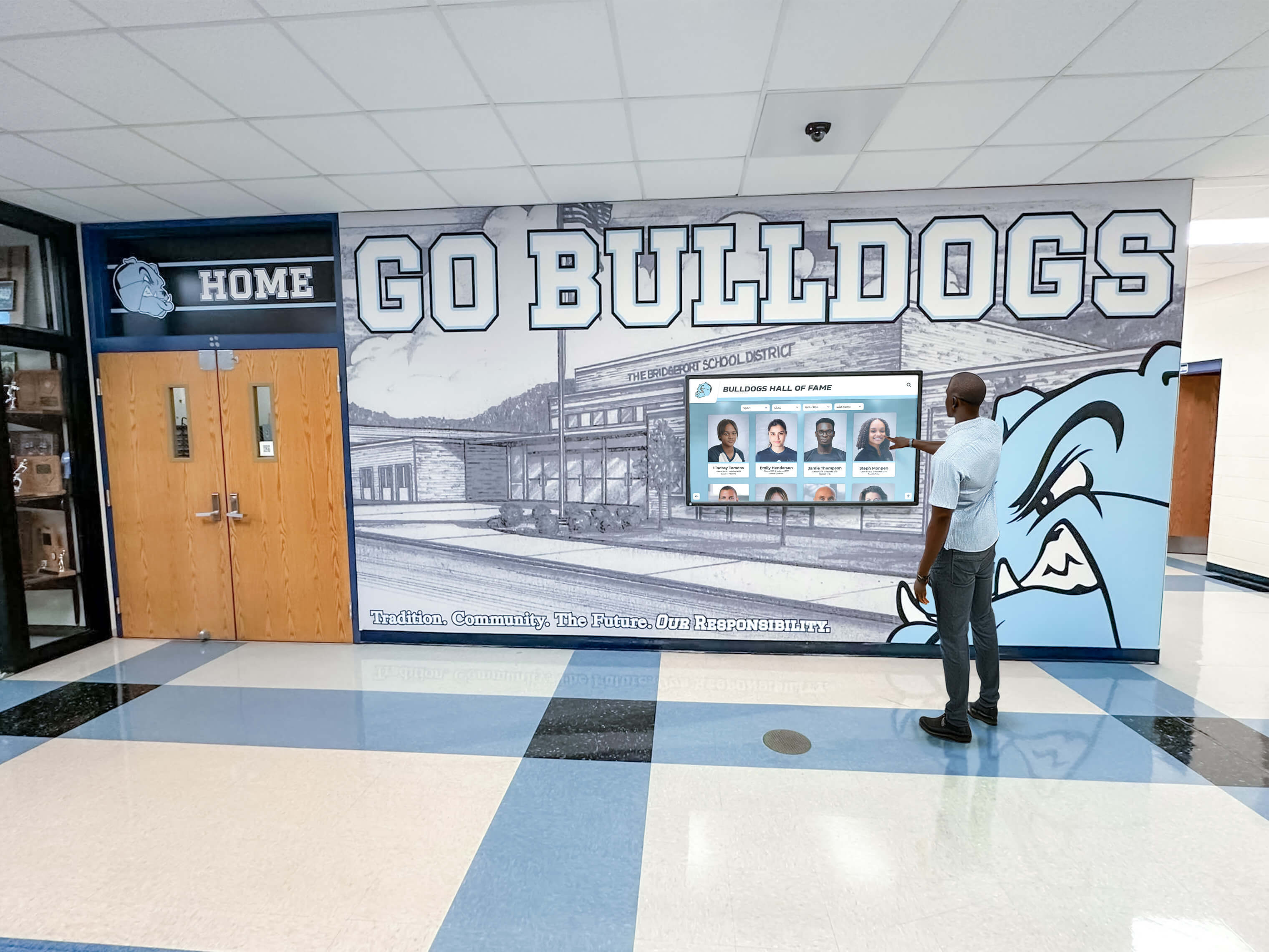
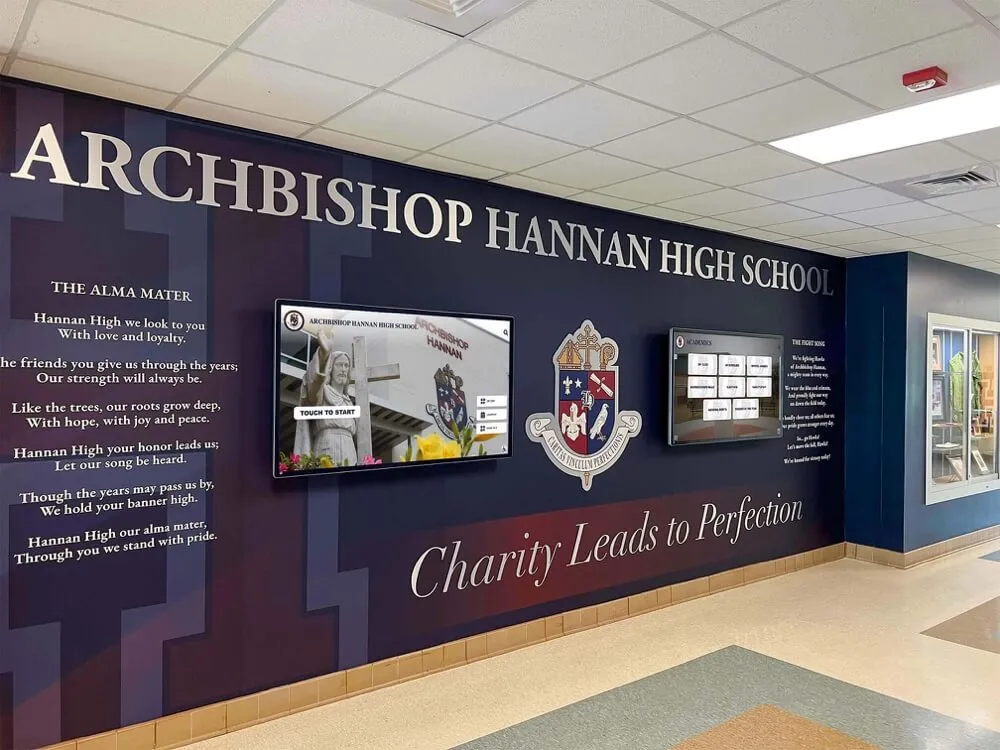
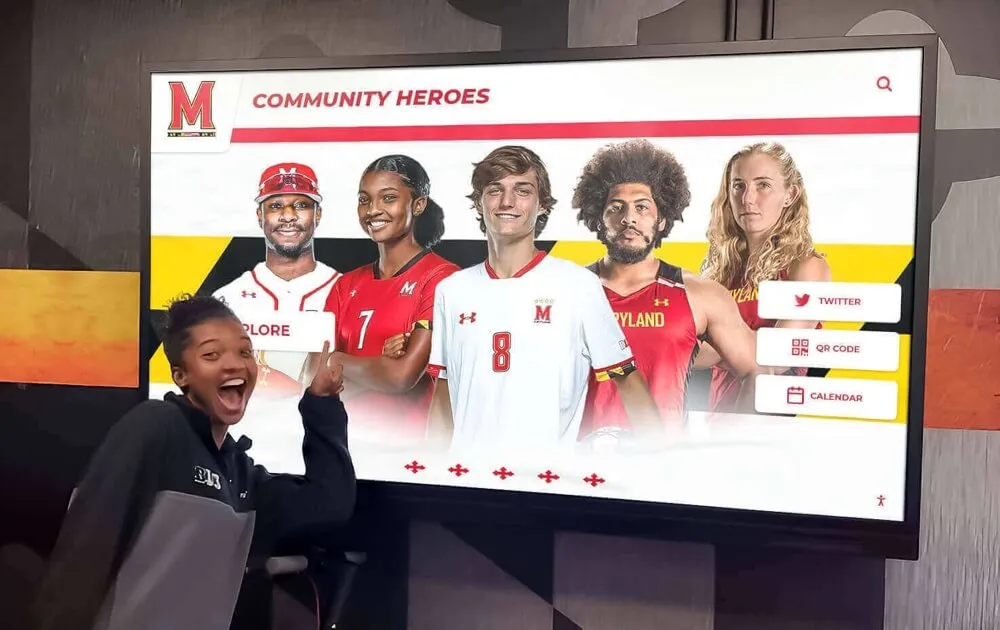
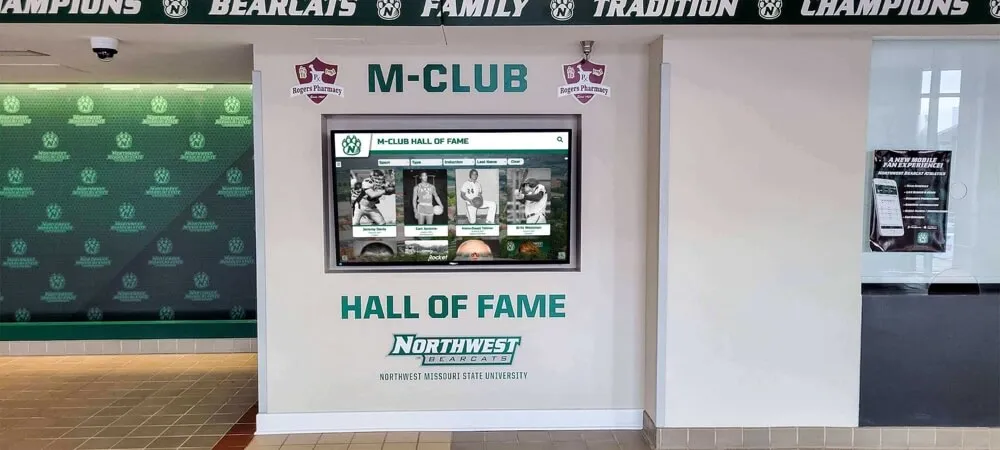
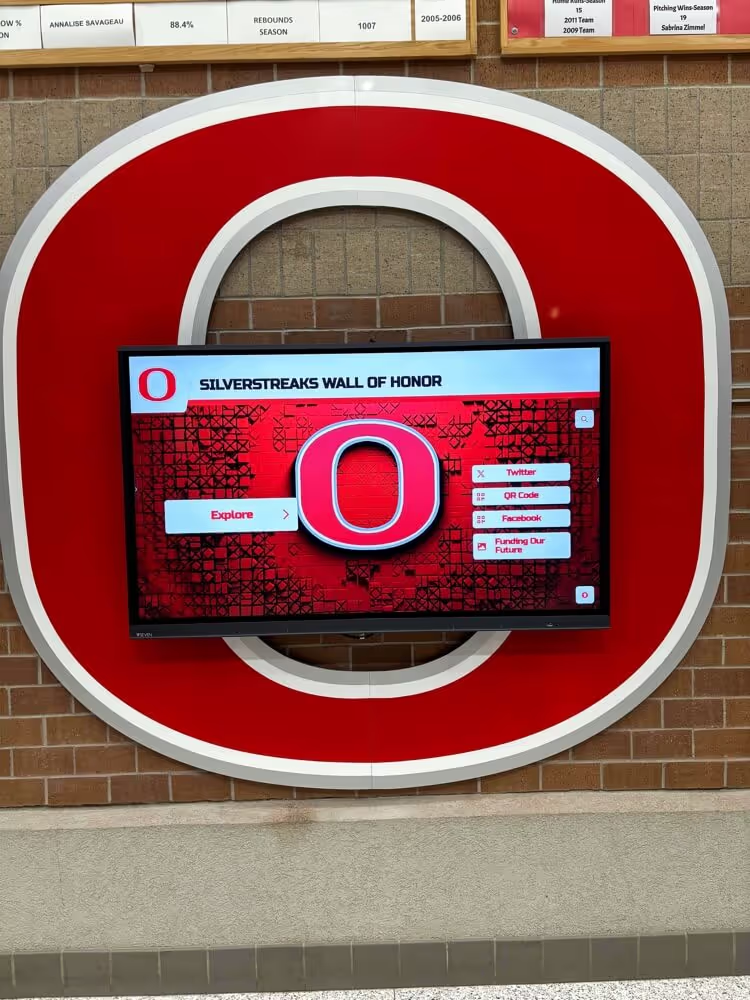
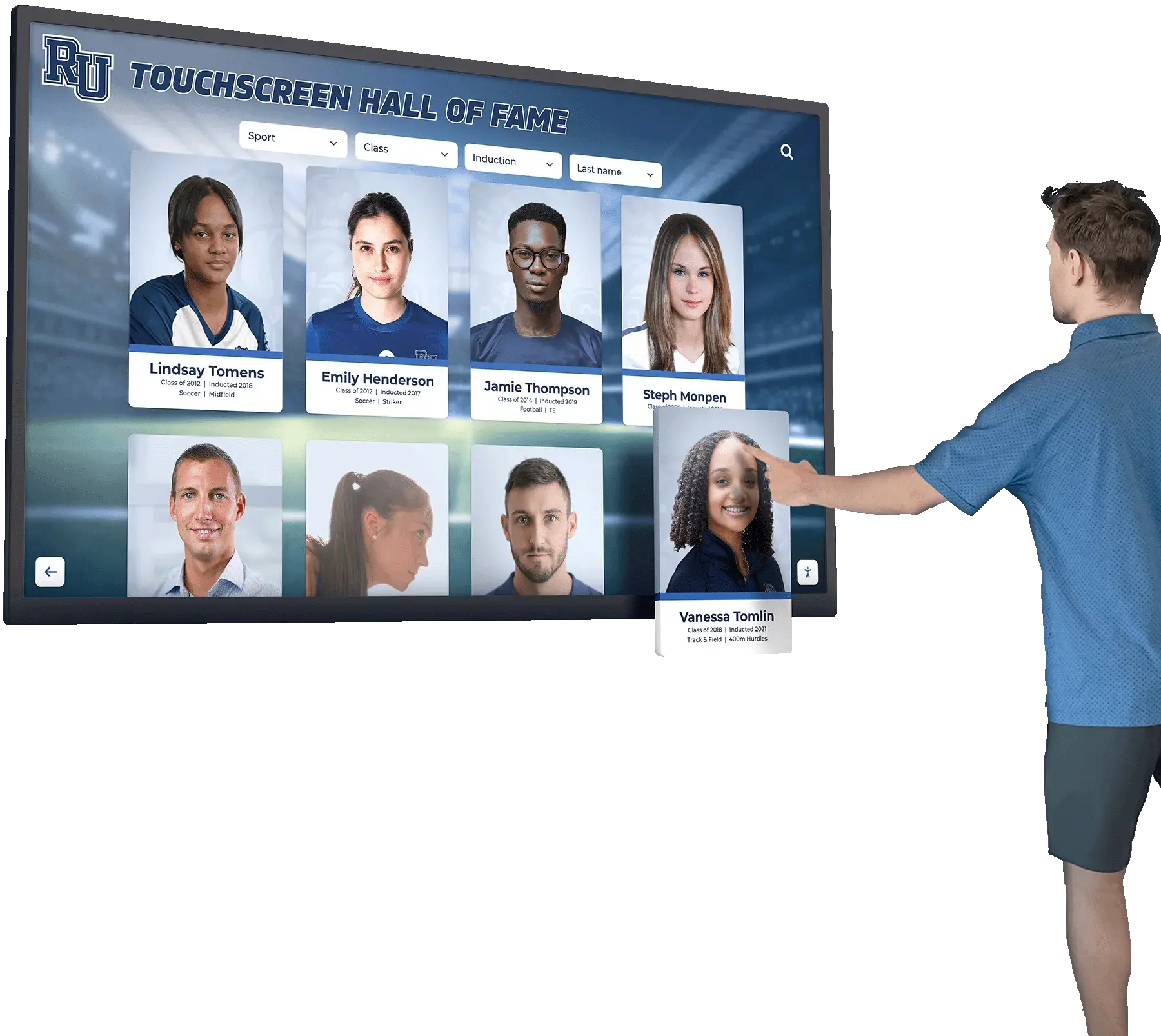
Interactive digital displays enable exploration of athletic achievements across multiple years without physical space constraints
The Cost of Discarding Athletic Legacy
Removing recognition creates tangible losses beyond immediate practical benefits.
Erasing Institutional History
Athletic programs build reputations through sustained excellence over years and decades, not isolated contemporary achievements. Removing older recognition eliminates visual documentation of program trajectory and tradition, prevents current students from understanding standards they’re continuing, diminishes appreciation for coaches and administrators who built program foundations, and suggests achievement only matters during current enrollment.
Schools with rich athletic traditions risk severing connections to history that distinguishes their programs from newer institutions.
Broken Promises to Alumni
Recognition at the time of achievement creates implicit commitments to permanent honor. Removing banners or awards years later communicates that institutional recognition proves temporary rather than lasting, disappoints alumni who believed their achievements merited enduring acknowledgment, damages relationships with former athletes and families, and undermines trust in current recognition since today’s honorees may similarly see removal in future years.
These broken commitments create practical consequences when schools seek alumni engagement, donations, or volunteer support from constituencies who feel their contributions were eventually dismissed.
Lost Inspiration and Context
Historical recognition serves educational purposes for current students by demonstrating achievement standards across program history, inspiring younger athletes by showcasing paths to excellence, providing context for current accomplishments within program trajectory, and creating connections between current teams and successful alumni who may mentor or support programs.
Removing this historical context diminishes opportunities for current students to benefit from institutional memory and legacy.
Modern Solutions: Digital Recognition and Permanent Archives
Digital recognition technology provides athletic departments with alternatives that preserve legacy while accommodating ongoing achievement celebration.
Digital Recognition Display Systems
Interactive touchscreen displays and digital recognition platforms offer comprehensive solutions to traditional recognition limitations.
Unlimited Recognition Capacity
Digital systems eliminate space constraints through unlimited athlete profiles without physical display space consumption, comprehensive recognition across all sports and achievement categories, accommodation of detailed biographical information and career statistics, and integration of photos, videos, and multimedia content enriching recognition.
Solutions like Rocket Alumni Solutions enable schools to recognize unlimited athletes across decades of achievement without making impossible prioritization decisions about which accomplishments merit continued display.
Enhanced Storytelling Through Multimedia
Digital recognition moves beyond names and dates to tell complete achievement stories including high-resolution photos documenting athletic careers, video highlights showcasing competitive excellence, career statistics and achievement timelines, personal reflections from athletes about their experiences, and coach testimonials contextualizing achievements within program history.
This rich storytelling creates recognition depth impossible with banners or trophy cases while engaging visitors more effectively than static displays.
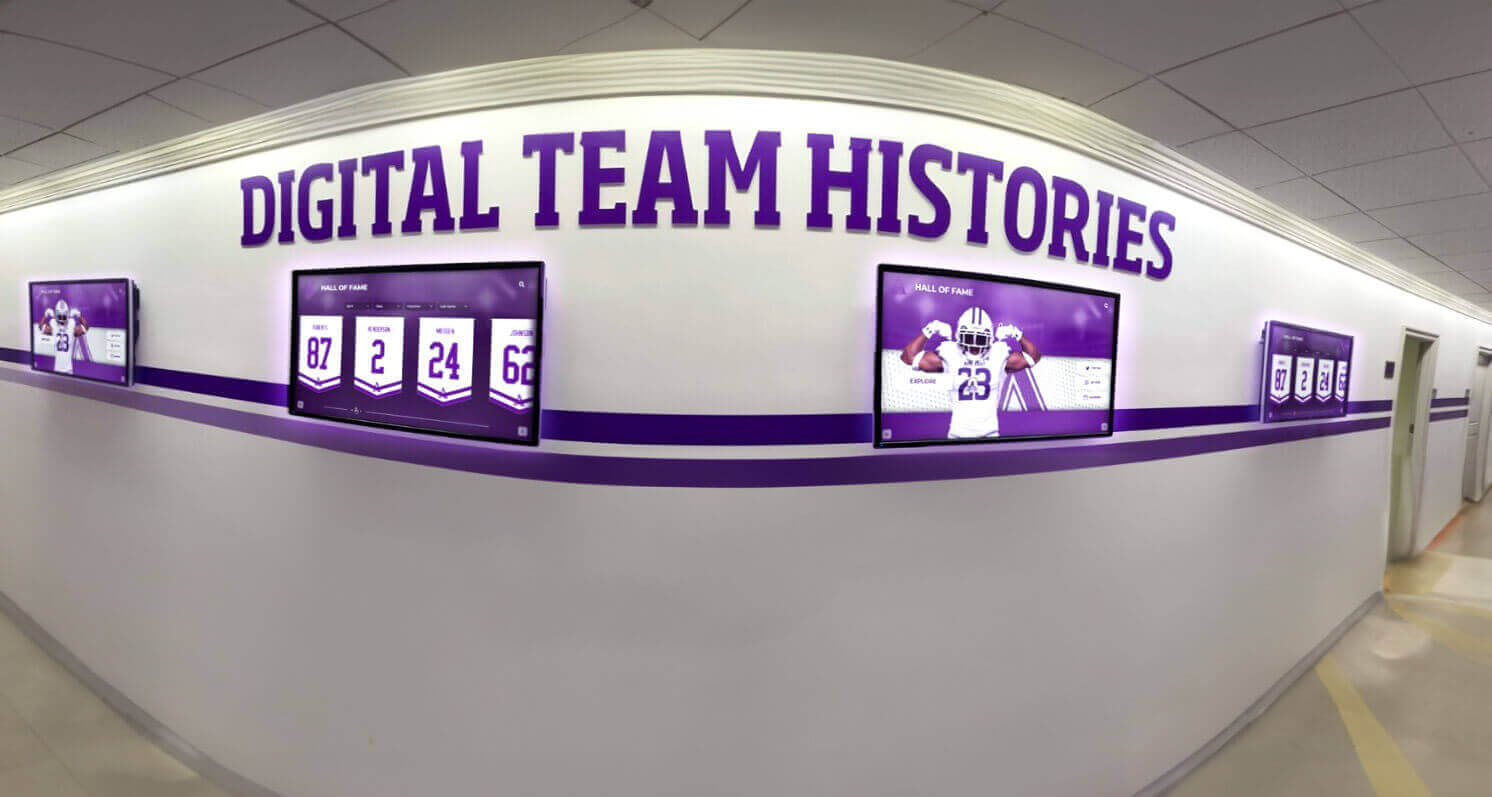
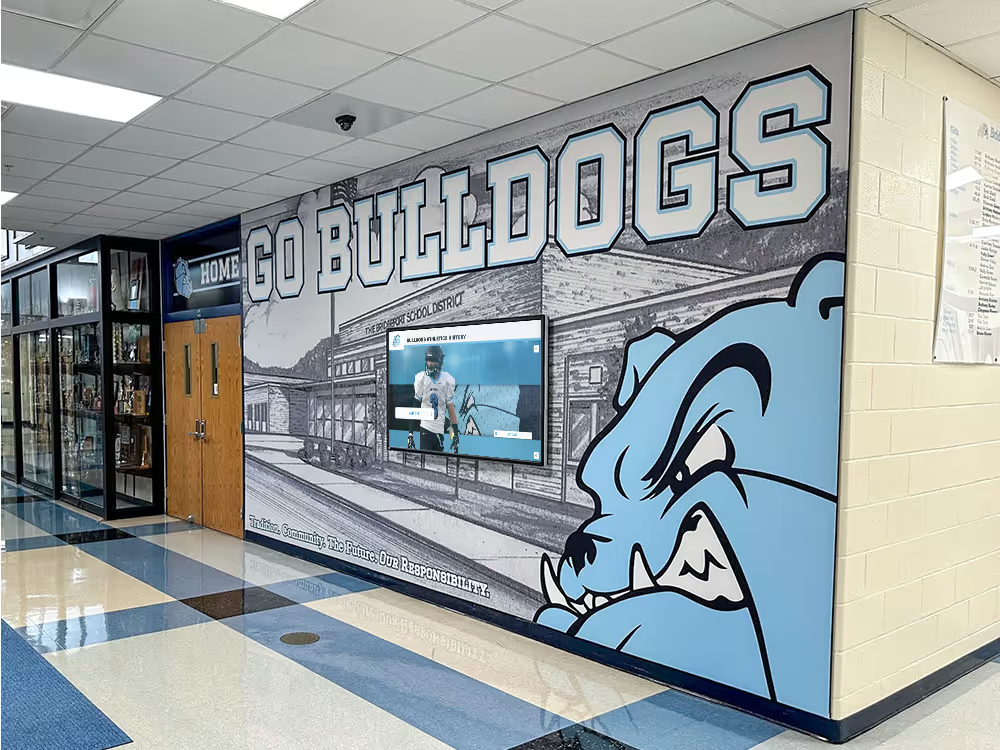
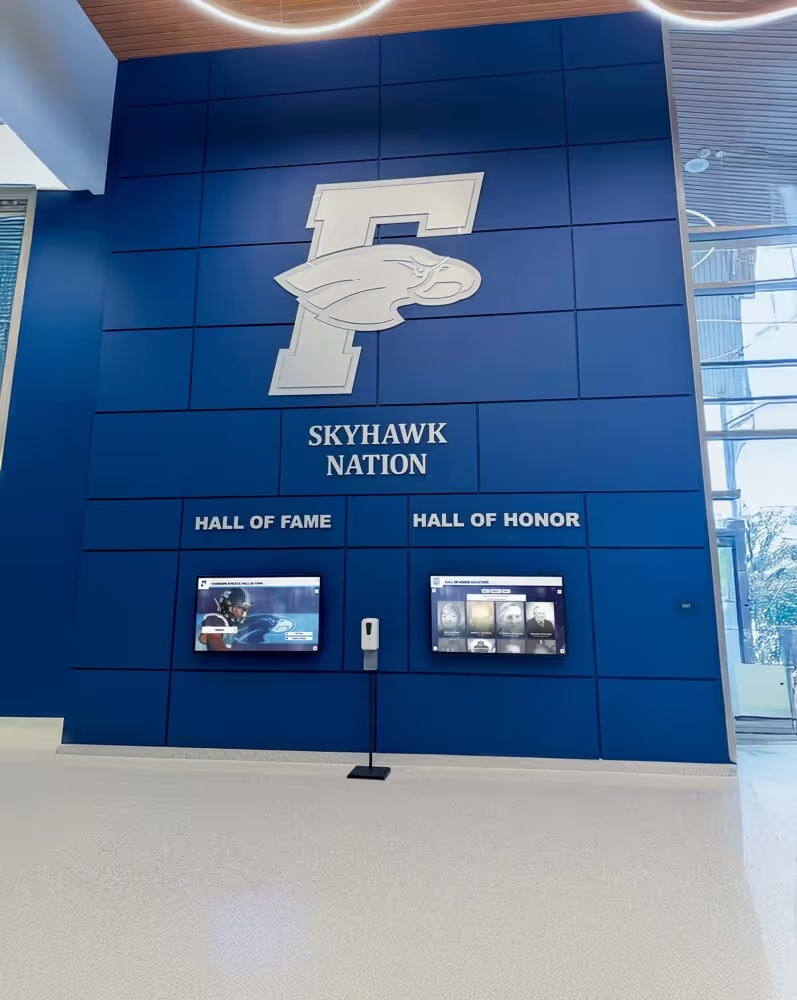
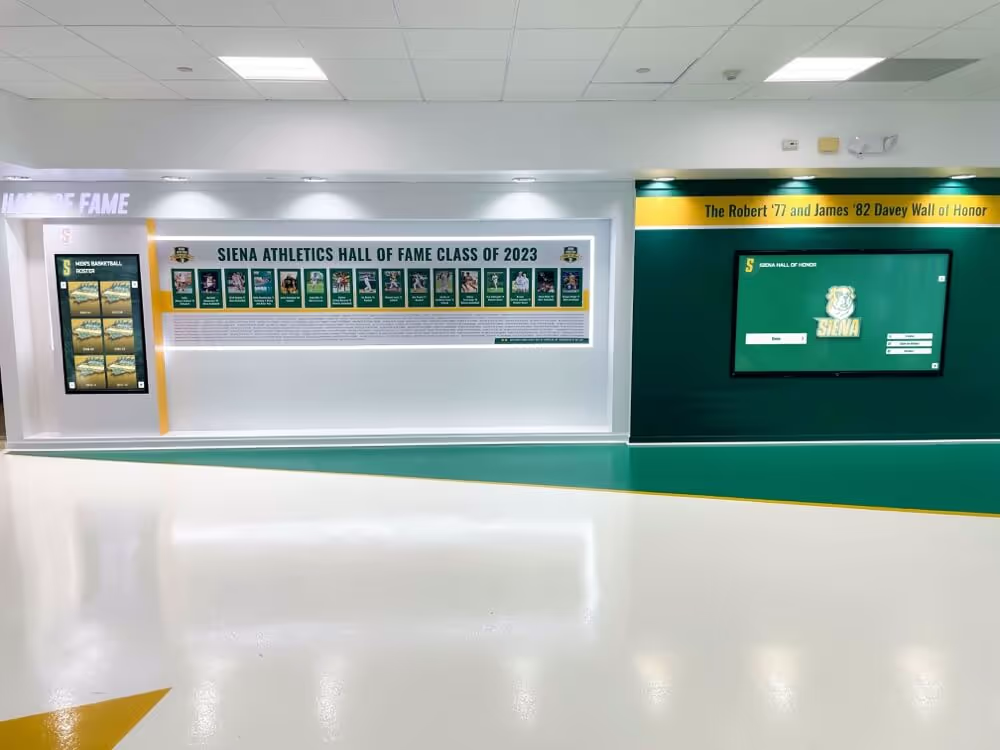
Multi-display installations create comprehensive athletic recognition environments celebrating achievements across sports and years
Searchable and Explorable Archives
Interactive digital platforms enable active exploration rather than passive viewing through searchable databases finding specific athletes, years, or sports, filtering by achievement type or sport category, statistical comparisons across athletes and eras, and intuitive browsing encouraging discovery of program history.
These features make recognition more accessible and engaging than traditional displays where information depends on physical proximity and visual scanning.
Easy Updates and Additions
Digital systems simplify ongoing recognition management through remote content updates without facility access, consistent recognition formats for all honorees, simple addition of new achievements as they occur, and periodic updates adding career information for alumni.
Athletic departments can maintain recognition currency without ongoing installation costs, facility disruption, or design challenges ensuring visual consistency.
Complementary Physical and Digital Recognition
Digital recognition doesn’t require eliminating traditional approaches—hybrid strategies provide optimal solutions.
Strategic Physical Recognition for Recent Achievements
Schools can maintain physical banners or displays for current and recent honorees (perhaps the most recent five years) while archiving older recognition digitally. This approach provides immediate physical celebration families appreciate while ensuring permanent digital preservation prevents legacy loss.
Rotating physical displays maintain fresh, uncluttered appearances while digital archives preserve complete institutional memory.
Physical Displays Directing to Digital Archives
Athletic departments can install prominent physical signage indicating comprehensive recognition exists in digital formats accessible through touchscreen displays or school websites. This signage explains recognition philosophy (celebrating both current and historical achievement) while directing visitors to complete archives.
Well-designed digital athletic recognition systems integrate seamlessly with existing trophy cases and banner displays rather than completely replacing traditional approaches.
Coordinated Recognition Ceremonies
Schools can maintain traditional physical recognition ceremonies for new recipients while simultaneously adding honorees to digital archives during the same events. This coordination ensures families receive tangible recognition moments while digital platforms provide permanent, accessible documentation.
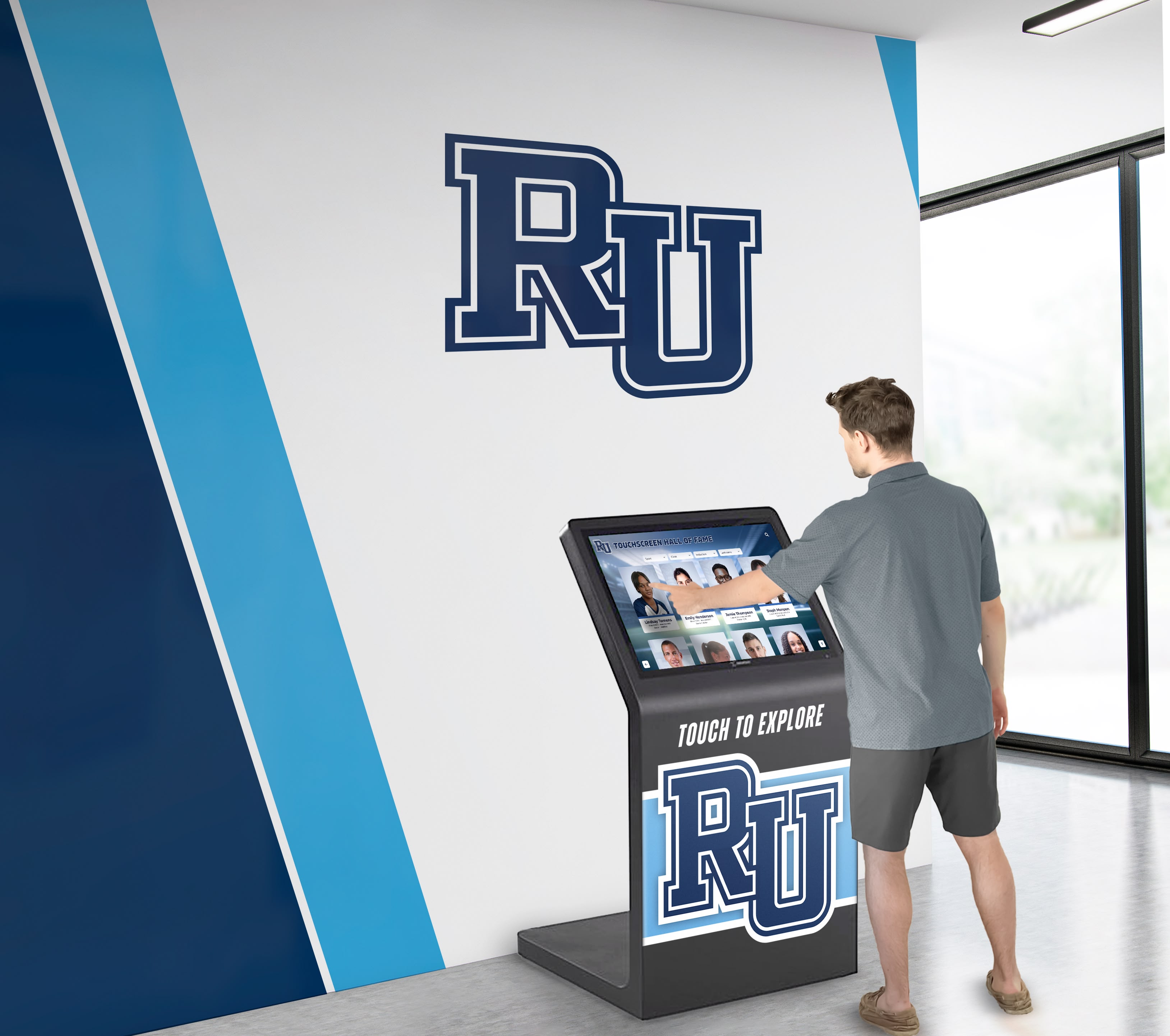
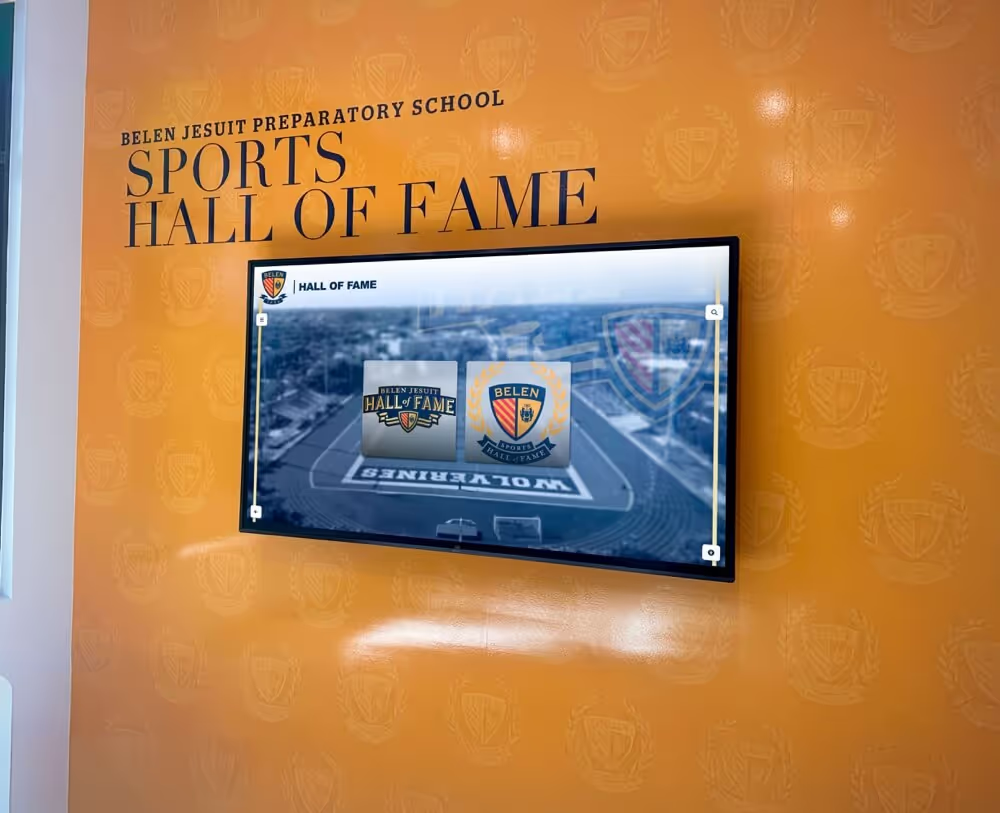
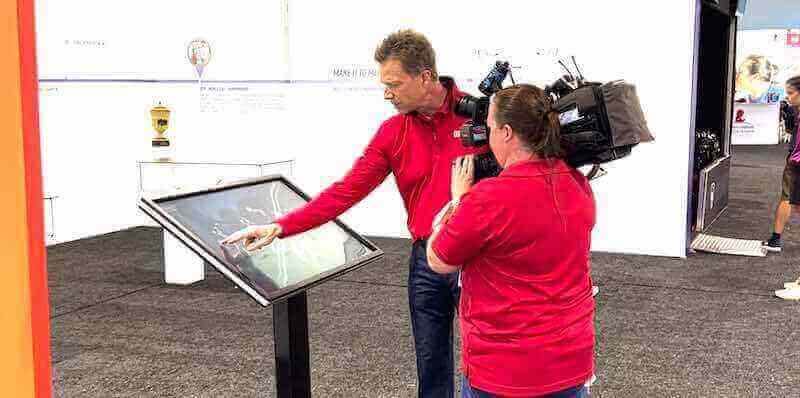
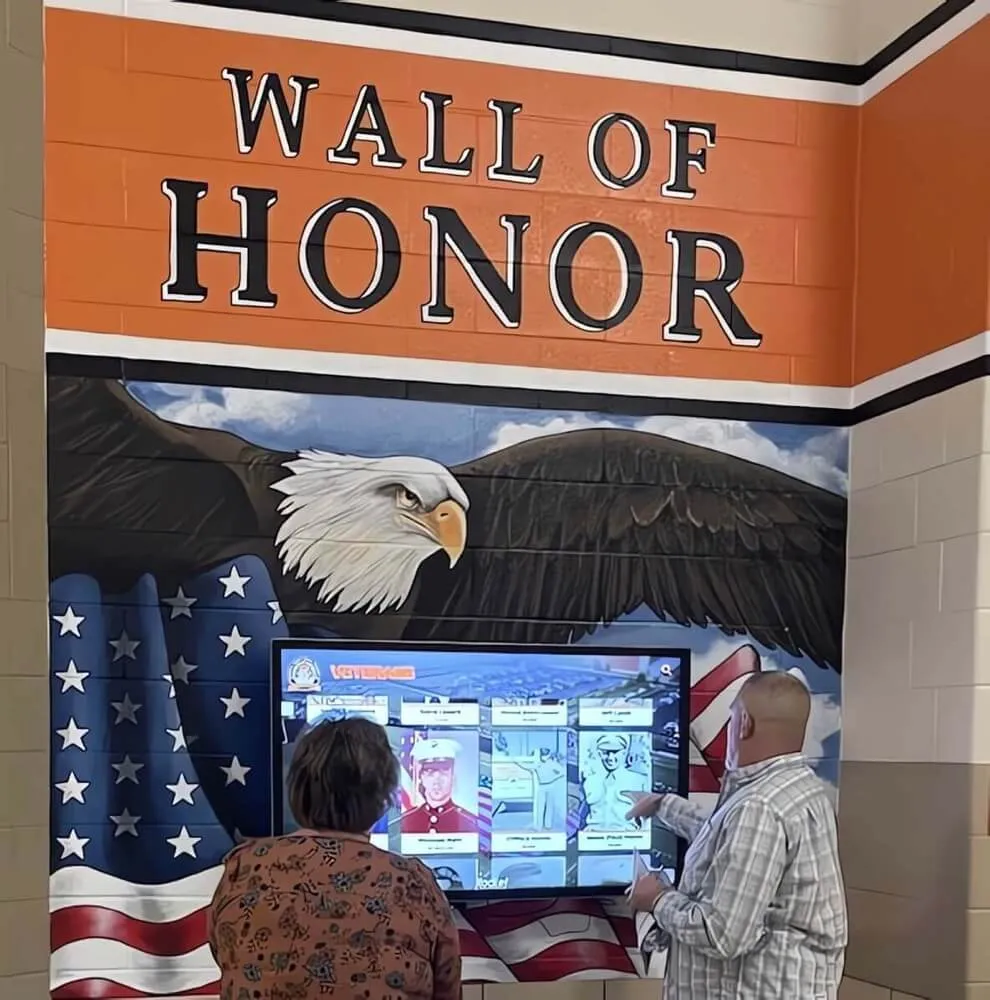
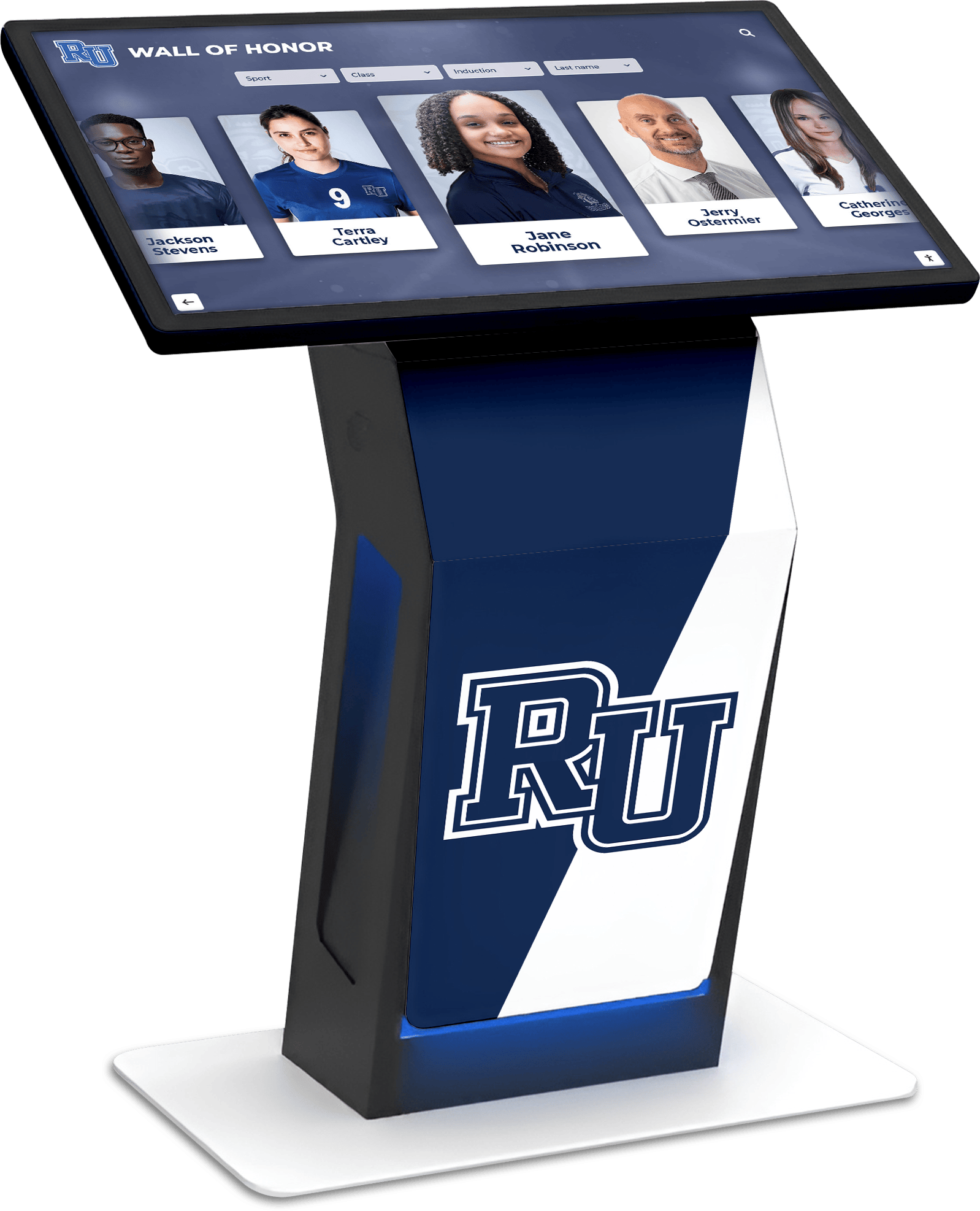
User-friendly touchscreen interfaces enable visitors of all ages to explore athletic recognition and discover program history
Implementing Comprehensive Gatorade Player of the Year Recognition
Athletic departments ready to establish lasting recognition for award recipients should follow systematic implementation approaches ensuring comprehensive, sustainable programs.
Content Collection and Profile Development
Begin by gathering comprehensive information about all Gatorade Player of the Year recipients throughout school history.
Historical Research and Documentation
Identify all award recipients through athletic department records and archives, school yearbooks documenting awards and achievements, newspaper archives covering award announcements, alumni outreach requesting information, and state or regional athletic association records.
This historical research may reveal recipients from decades past whose recognition disappeared as physical displays evolved.
Biographical Information Gathering
Create comprehensive athlete profiles through athletic statistics and career achievements, sport and award year, high school career highlights and milestones, college continuation information, current career or professional information for alumni, and photos documenting athletic careers.
Contact alumni or families when institutional records prove incomplete—many former athletes eagerly provide information and photos when schools demonstrate commitment to preserving their legacy.
Coach and Teammate Testimonials
Enrich profiles with contextual perspectives through coach reflections about athlete contributions and character, teammate testimonials about leadership and influence, descriptions of defining moments or signature performances, and explanations of award significance within program history.
These qualitative elements transform simple achievement lists into meaningful narratives honoring complete individuals rather than reducing recognition to statistical achievements.
Display Placement and Integration
Strategic placement ensures recognition displays serve both stewardship and inspiration purposes effectively.
High-Traffic Location Selection
Install recognition displays in areas maximizing visibility including main athletic facility lobbies or entrances, hallways connecting gymnasiums to other facilities, near trophy cases or other athletic recognition areas, and locations where teams gather before competitions.
Prominent placement demonstrates institutional commitment to honoring achievement while maximizing opportunities for current athletes, families, and visitors to explore recognition content.
Integration with Existing Recognition
Design comprehensive recognition environments combining digital archives with traditional physical displays, coordinated visual design creating cohesive recognition areas, complementary content across physical and digital elements, and wayfinding elements directing visitors between different recognition formats.
Thoughtful integration creates recognition spaces greater than the sum of individual elements.
Accessibility Considerations
Ensure all community members can access recognition through ADA-compliant touchscreen mounting heights, wheelchair-accessible placement with adequate clearance, intuitive interfaces accommodating various technological comfort levels, and sufficient lighting without screen glare.
Inclusive design ensures recognition serves entire school communities rather than excluding visitors with mobility limitations or technological unfamiliarity.
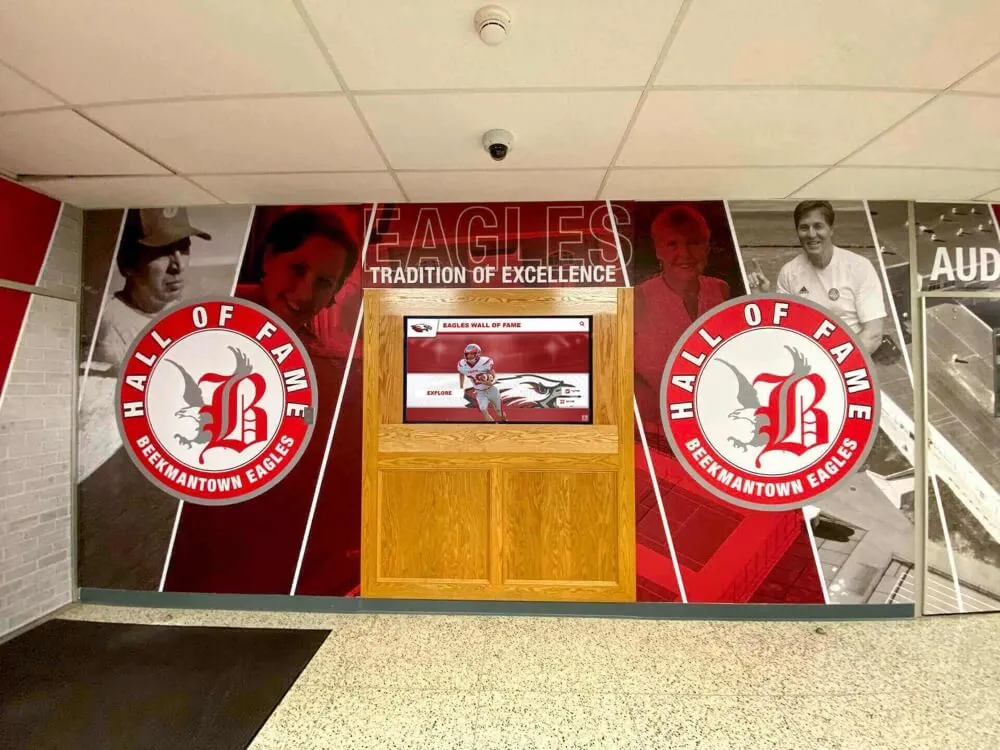
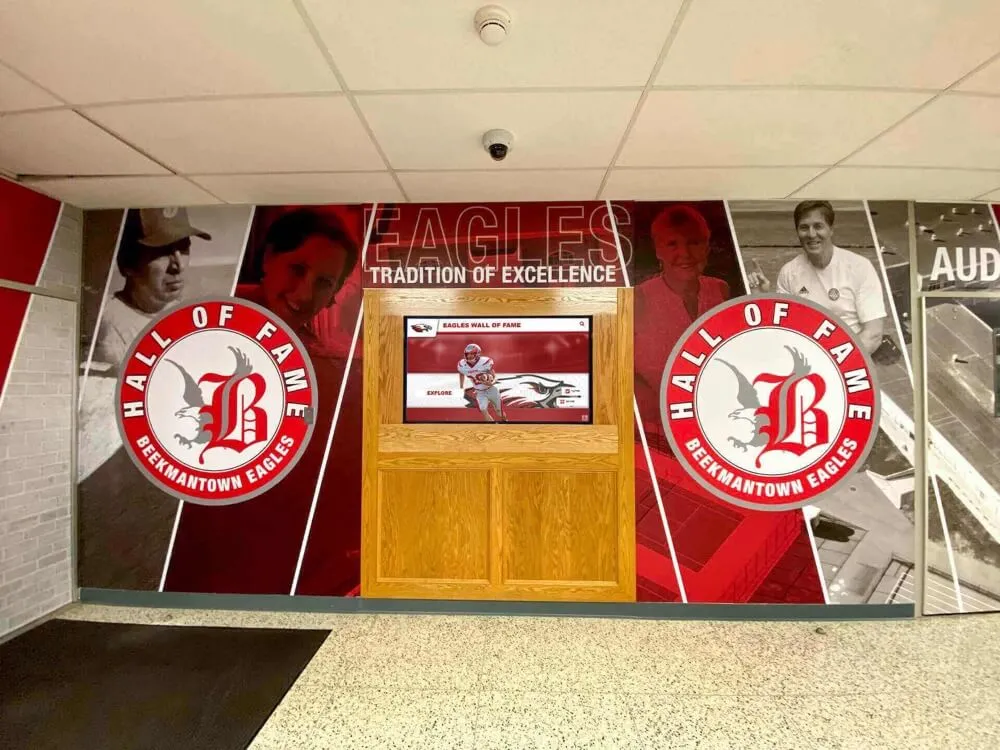
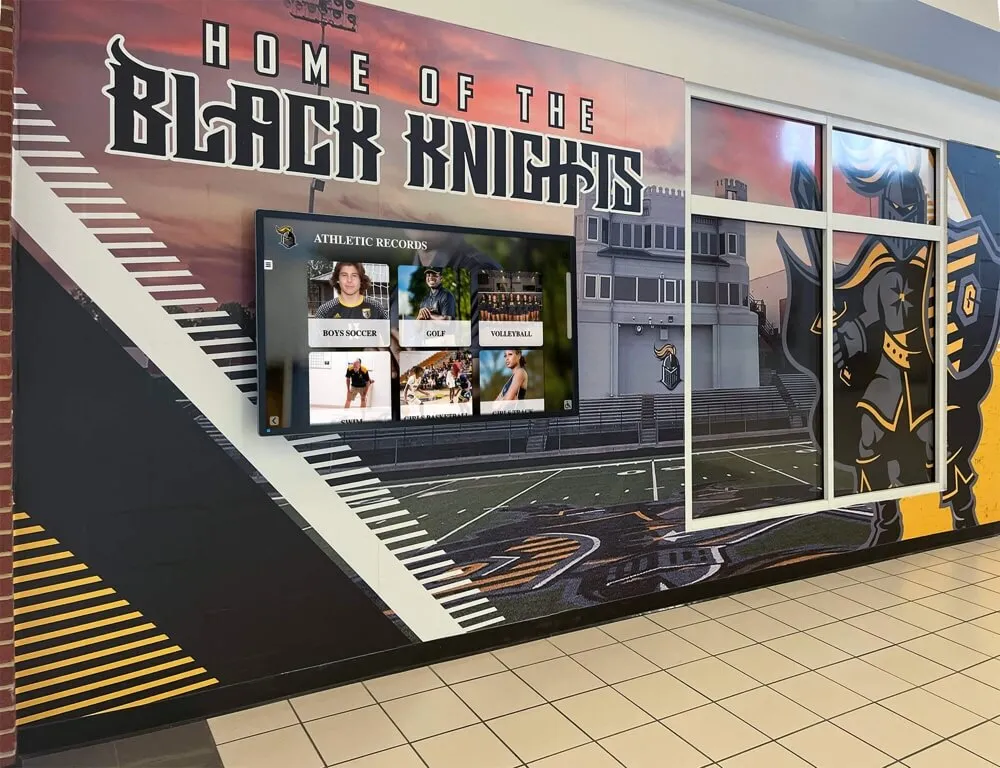
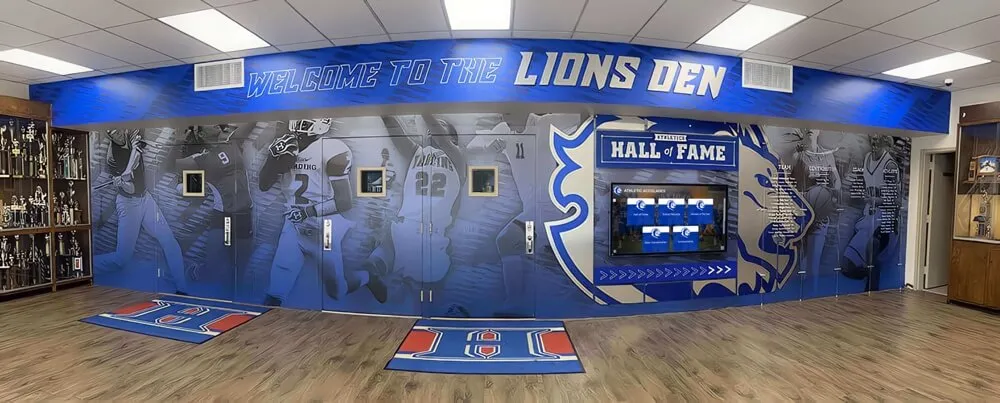
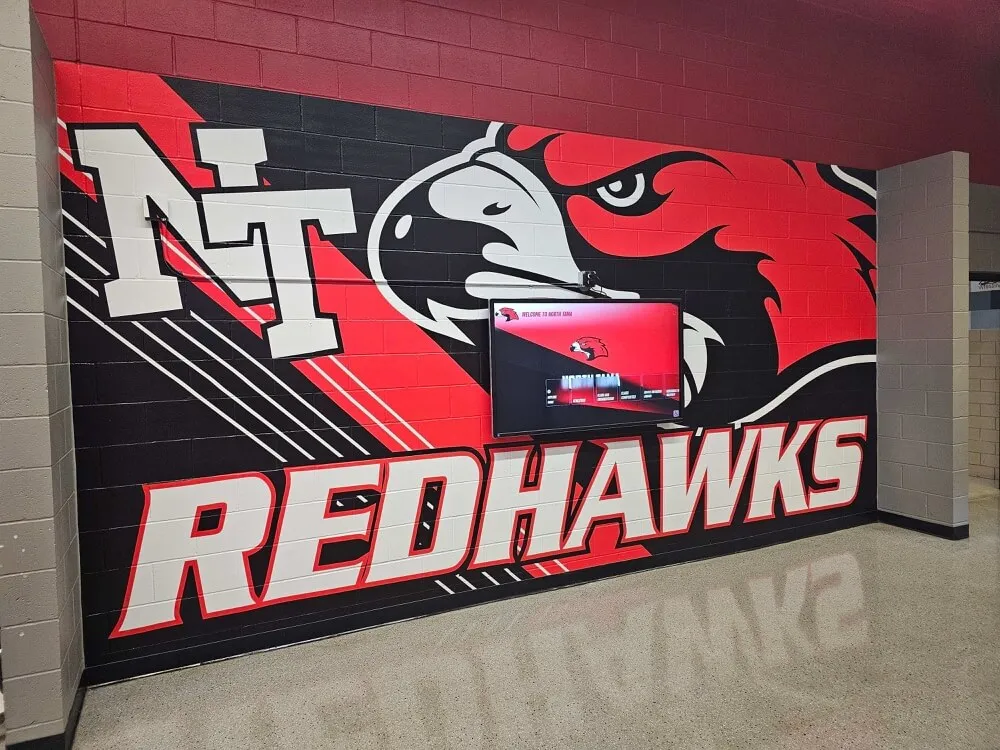
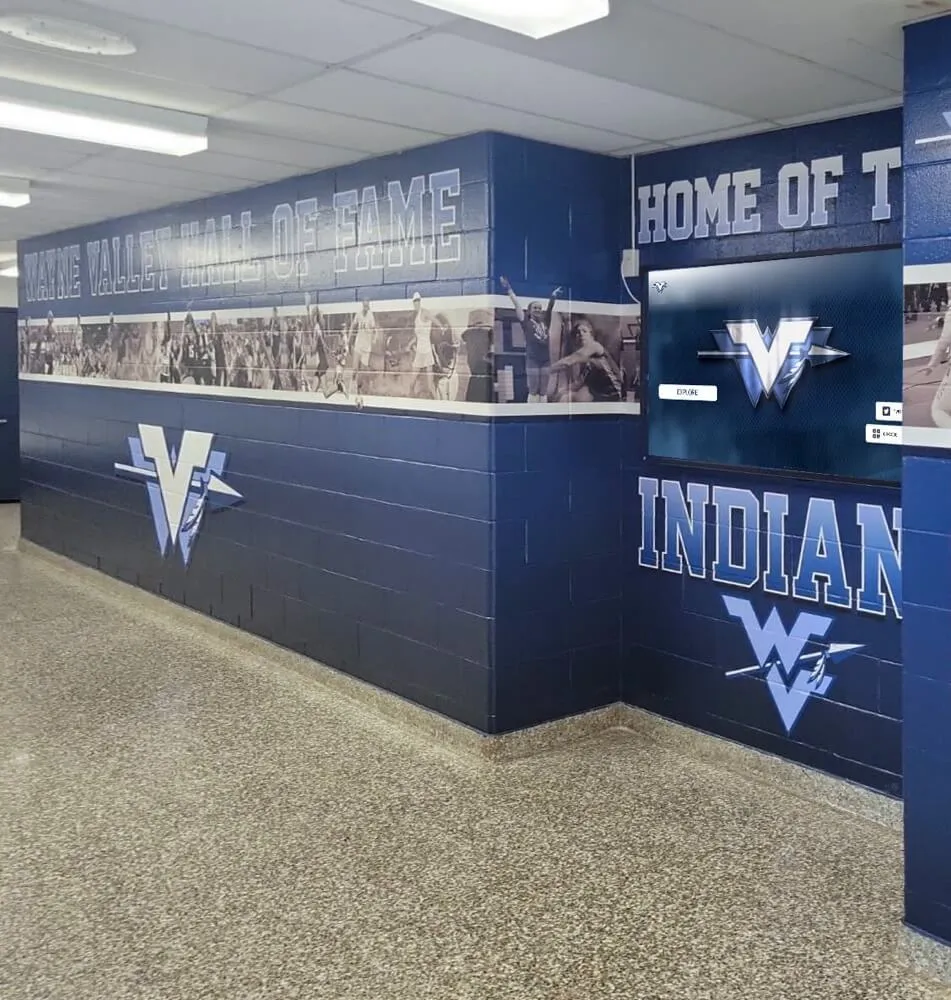
Branded recognition installations integrate school identity while celebrating athletic excellence across multiple achievement categories
Ongoing Recognition Maintenance and Updates
Sustainable recognition requires systematic maintenance ensuring current, accurate content over time.
Annual Content Reviews
Schedule regular recognition audits including verification of current information accuracy, addition of new award recipients, updates about alumni careers or achievements, correction of errors or incomplete information, and enhancement of older profiles with newly discovered photos or information.
Regular maintenance demonstrates ongoing institutional commitment to recognition rather than treating displays as static installations receiving minimal attention after initial implementation.
Alumni Engagement and Career Updates
Strengthen recognition by maintaining connections with honored alumni through periodic outreach requesting career updates, invitation to recognition ceremonies honoring new recipients, opportunities to mentor current student-athletes, and involvement in program fundraising or support activities.
These ongoing connections transform one-time recognition into lasting relationships while enriching profiles with information about life after high school athletics.
Recognition Ceremony Integration
Coordinate new recipient announcements with recognition system updates through live updates during award ceremonies or celebrations, immediate profile activation when awards are announced, printed materials directing families to digital recognition, and social media promotion connecting physical ceremonies to permanent digital archives.
This coordination ensures seamless integration between momentary celebration and permanent preservation.
Benefits Beyond Individual Recognition
Comprehensive recognition programs deliver advantages extending beyond honoring individual award recipients.
Strengthening Athletic Program Culture
Visible recognition of excellence shapes program culture and participant expectations.
Setting Excellence Standards
Documented achievement history establishes clear program standards through demonstration of consistent elite performance over years, illustration of paths to excellence through honoree career trajectories, inspiration for current athletes pursuing similar recognition, and accountability for maintaining standards established by predecessors.
Current athletes competing in environments celebrating historical excellence understand expectations and traditions they’re inheriting.
Building Program Reputation
Comprehensive recognition documentation showcases program quality through visible demonstration of sustained success over time, evidence of athlete development producing elite performers, proof of program values producing well-rounded student-athletes, and differentiation from schools lacking comparable achievement documentation.
Strong programs recruit talented athletes partly through demonstrating cultures of excellence visible in comprehensive recognition.
Connecting Alumni to Current Programs
Recognition preservation maintains bonds between graduated and current athletes through shared program traditions and achievement standards, opportunities for mentorship and guidance relationships, continued alumni pride in program success, and basis for alumni engagement and financial support.
Schools maintaining strong alumni connections benefit from volunteer coaching, financial contributions, recruiting networks, and intangible support strengthening programs in countless ways.
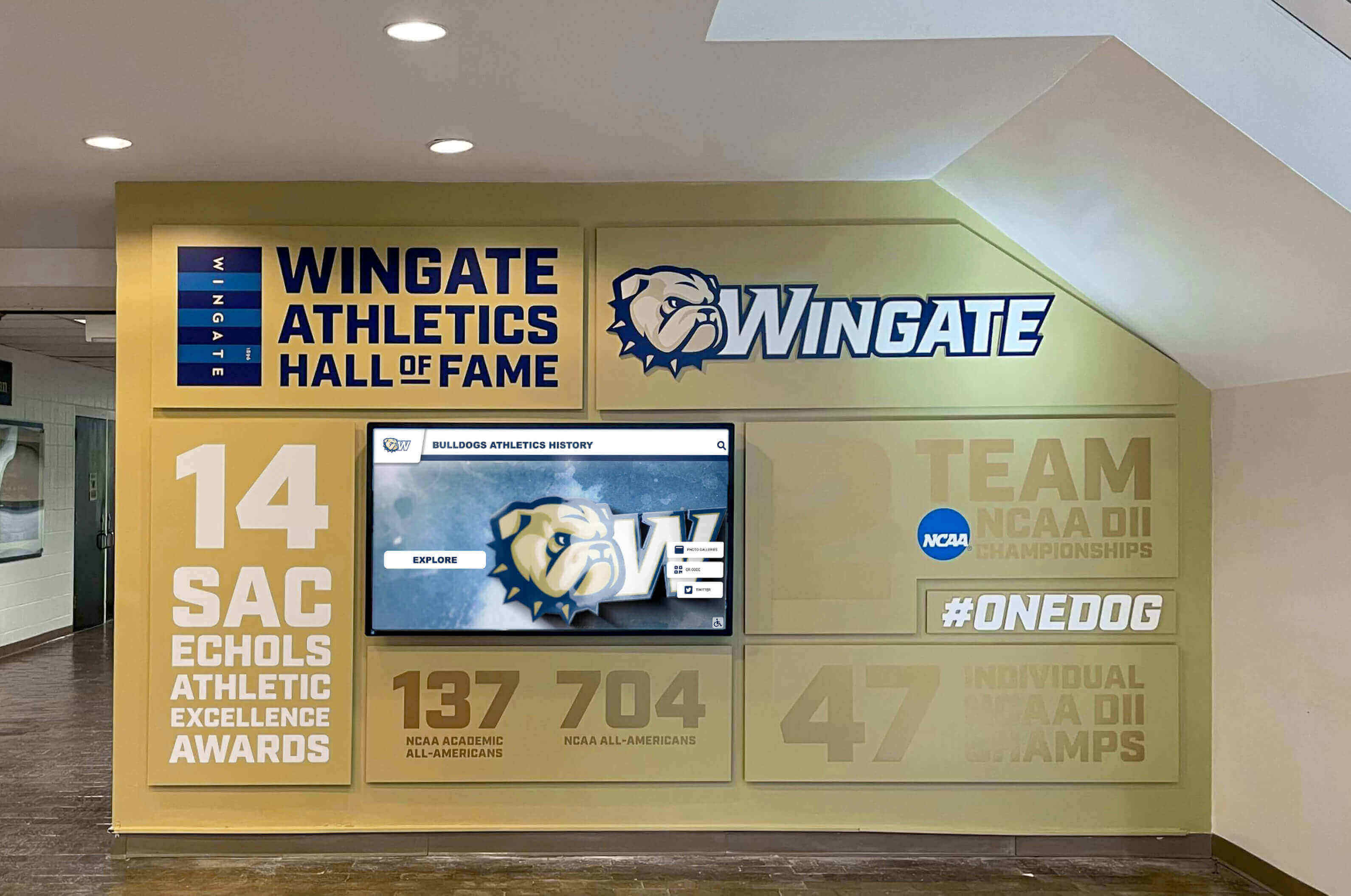
Professional recognition installations create memorable impression points celebrating athletic programs and institutional identity
Supporting Recruiting and Admissions
Athletic recognition serves practical recruiting purposes for competitive programs.
Demonstrating Program Excellence to Prospects
Comprehensive recognition documentation helps recruit talented student-athletes through visual evidence of program success and elite athlete development, demonstration of institutional commitment to honoring athletes appropriately, proof that excellence receives lasting recognition beyond graduation, and showcase of positive program culture and values.
Prospective athletes and families evaluating program options value environments demonstrating sustained excellence and athlete appreciation.
Showcasing Academic and Character Standards
Recognition highlighting academic achievement and character alongside athletic performance communicates program values to prospective families emphasizing complete student-athlete development beyond sport specialization, appropriate balance between athletics and academics, positive character and citizenship expectations, and preparation for life after competitive athletics.
These messages resonate with families prioritizing education and personal development over narrow athletic focus.
Community Engagement and School Pride
Athletic recognition extends beyond athlete and family benefits to strengthen broader community connections.
Celebrating Local Achievement
Gatorade Player of the Year recognition represents community achievement beyond individual accomplishment through celebration of local talent and development, demonstration of effective school programming and coaching, positive publicity highlighting community positively, and sources of collective pride for residents.
Communities invested in school success take pride in elite recognition bringing positive attention to local institutions.
Creating Historical Records
Comprehensive recognition preservation serves archival purposes through documentation of local athletic history, preservation of community memory across generations, creation of primary source material for historical research, and maintenance of institutional knowledge surviving staff turnover.
These historical records carry value beyond immediate recognition purposes by preserving community heritage that might otherwise disappear as memories fade and participants move away.
Addressing Common Implementation Concerns
Athletic departments considering digital recognition often raise predictable questions about costs, complexity, and appropriateness.
Budget and Financial Considerations
Cost concerns understandably influence recognition system decisions for schools managing limited budgets.
Initial Investment and Long-Term Value
Digital recognition involves upfront costs for hardware, software, and content development that typically exceed single banner or plaque expenses. However, long-term analysis reveals favorable economics through elimination of ongoing physical display purchases, reduced maintenance and replacement costs, unlimited recognition capacity preventing capacity-driven spending, and multi-purpose platforms serving various recognition needs beyond single achievement categories.
Athletic departments should evaluate total cost over ten-year periods rather than comparing initial expenses to single traditional recognition items.
Phased Implementation Options
Schools concerned about immediate costs can implement recognition gradually through initial focus on most prestigious awards like Gatorade Player of the Year, expansion to other achievement categories as budgets allow, starting with recent honorees and adding historical profiles over time, and basic displays enhanced with additional features in later years.
Phased approaches make digital recognition accessible to schools unable to implement comprehensive systems immediately.
Fundraising and Donor Opportunities
Recognition system implementation creates natural fundraising opportunities through naming opportunities for recognition displays or systems, alumni donations funding recognition preserving their achievements, booster club support for athletic facility improvements, and corporate sponsorships from businesses supporting athletics.
Many schools find recognition systems partially or fully funded by supporters who value preserving athletic legacy and program excellence.
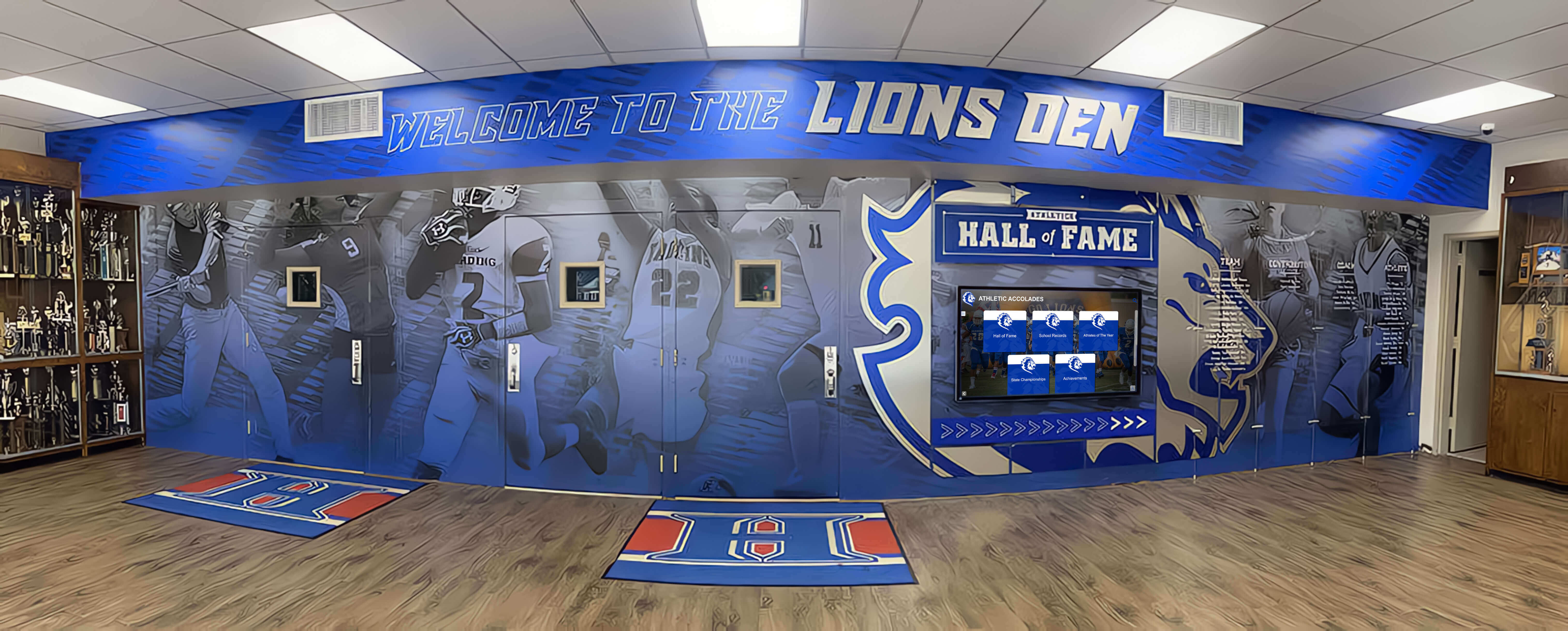
Comprehensive recognition environments combine digital displays with traditional trophy cases creating complete athletic celebration spaces
Technical Complexity and Maintenance
Some athletic directors worry about technical challenges managing digital systems beyond their expertise.
User-Friendly Content Management
Modern recognition platforms provide intuitive management through web-based interfaces requiring no specialized technical knowledge, drag-and-drop content builders simplifying profile creation, standardized templates ensuring consistent recognition formats, and automatic backups protecting content from accidental loss.
Athletic directors or office staff can manage content independently without ongoing IT support or vendor dependence for routine updates.
Reliable Hardware and Support
Quality systems minimize technical complications through commercial-grade components designed for continuous operation, professional installation ensuring proper configuration, remote monitoring identifying issues proactively, and comprehensive support addressing problems quickly when they occur.
Schools should evaluate vendor support quality alongside platform features when selecting recognition systems—responsive support proves crucial for long-term satisfaction.
Content Development Assistance
Reputable providers assist with initial content development through profile templates and formatting guidance, photo editing and optimization services, historical research support when records prove incomplete, and training ensuring staff comfort managing systems independently.
This implementation support reduces internal workload while ensuring professional-quality recognition from launch.
Balancing Tradition and Innovation
Some athletic directors or alumni worry that digital recognition abandons valued traditions.
Complementing Rather Than Replacing Tradition
Digital recognition enhances rather than eliminates traditional approaches through preservation of physical banners and trophies for recent achievements, digital archives extending rather than replacing physical displays, maintenance of recognition ceremonies and celebrations, and modern tools supporting timeless values of honoring excellence.
Thoughtful implementation respects tradition while solving practical problems physical displays alone cannot address.
Honoring Past While Serving Future
Digital recognition serves both historical preservation and contemporary communication through comprehensive archives honoring all award recipients equitably, modern presentation formats engaging current students effectively, multimedia storytelling impossible with traditional displays, and flexible platforms adapting to future needs without replacing physical infrastructure.
Schools implementing digital recognition demonstrate commitment to both preserving legacy and serving current communities effectively.
Conclusion: Preserving Excellence for Generations
Gatorade Player of the Year awards represent exceptional achievement meriting recognition extending far beyond graduation ceremonies or immediate celebration. These prestigious honors acknowledge athletic excellence, academic commitment, and exemplary character worthy of permanent institutional memory rather than temporary display subject to removal when space constraints or changing priorities emerge.
Athletic departments facing physical display limitations no longer must choose between honoring current achievements and preserving historical legacy. Modern digital recognition platforms provide unlimited capacity for comprehensive recognition telling complete athlete stories through multimedia content, maintaining accessible archives serving current and future communities, and preserving institutional memory surviving staff turnover and facility renovations.
By implementing systematic recognition strategies combining thoughtful physical displays with permanent digital archives, schools honor Gatorade Player of the Year recipients appropriately while building athletic program cultures celebrating sustained excellence across generations. These comprehensive approaches demonstrate institutional commitment to values of recognition, legacy preservation, and honoring achievement with permanence reflecting its significance.
Don’t discard athletic legacy simply because students graduated and wall space disappeared. Archive recognition digitally with solutions designed specifically for preserving achievement while serving current communities effectively. The students who earned these prestigious honors deserve recognition lasting as long as institutions they represented—permanent celebration reflecting permanent achievement.
Ready to preserve your Gatorade Player of the Year legacy? Explore how Rocket Alumni Solutions can help your athletic department implement comprehensive digital recognition systems that celebrate elite achievement while preserving institutional history for years to come.