Golf Tournament Fundraiser: How to Plan a Successful Charity Golf Event for Your School
Golf tournament fundraisers consistently rank among the most profitable events booster clubs and athletic departments can organize, regularly generating $25,000-$75,000 or more in net revenue from a single day. The combination of corporate sponsorship opportunities, individual participation fees, auction components, and community engagement creates multiple revenue streams that few other fundraising approaches can match.
Yet many schools struggle with their first golf tournament or see disappointing returns from poorly planned events. Common challenges include insufficient sponsorship cultivation resulting in empty holes, volunteer burnout from excessive workload, logistical complications causing participant frustration, and lack of systematic donor recognition that could convert one-time golfers into annual supporters.
The difference between a marginally successful golf fundraiser and a transformational annual event lies in strategic planning, efficient execution, and relationship building that extends far beyond tournament day. Schools treating golf tournaments as isolated events miss opportunities to cultivate corporate partnerships, engage alumni networks, and build recognition systems that inspire sustained multi-year support.
This comprehensive guide walks you through every phase of planning and executing a successful golf tournament fundraiser for your school, from initial concept development through post-event stewardship. Whether you’re organizing your first tournament or looking to optimize an established annual event, these proven strategies will help you maximize revenue while minimizing volunteer strain and creating memorable experiences that participants eagerly anticipate year after year.
Successful golf tournament fundraisers require balancing immediate revenue generation with long-term relationship cultivation, managing complex logistics efficiently, creating value for corporate sponsors and individual participants alike, and building recognition systems that celebrate supporters while inspiring continued engagement with your school programs.

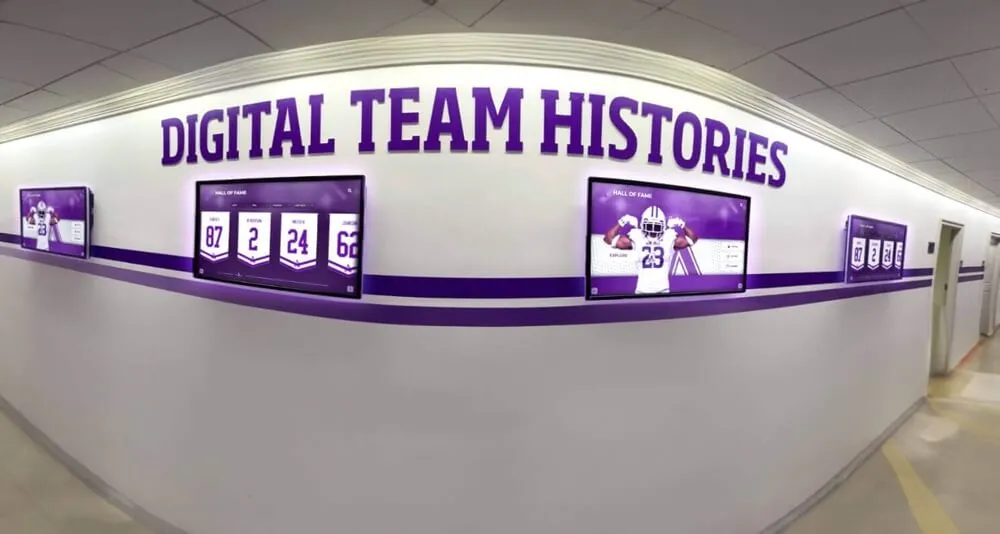
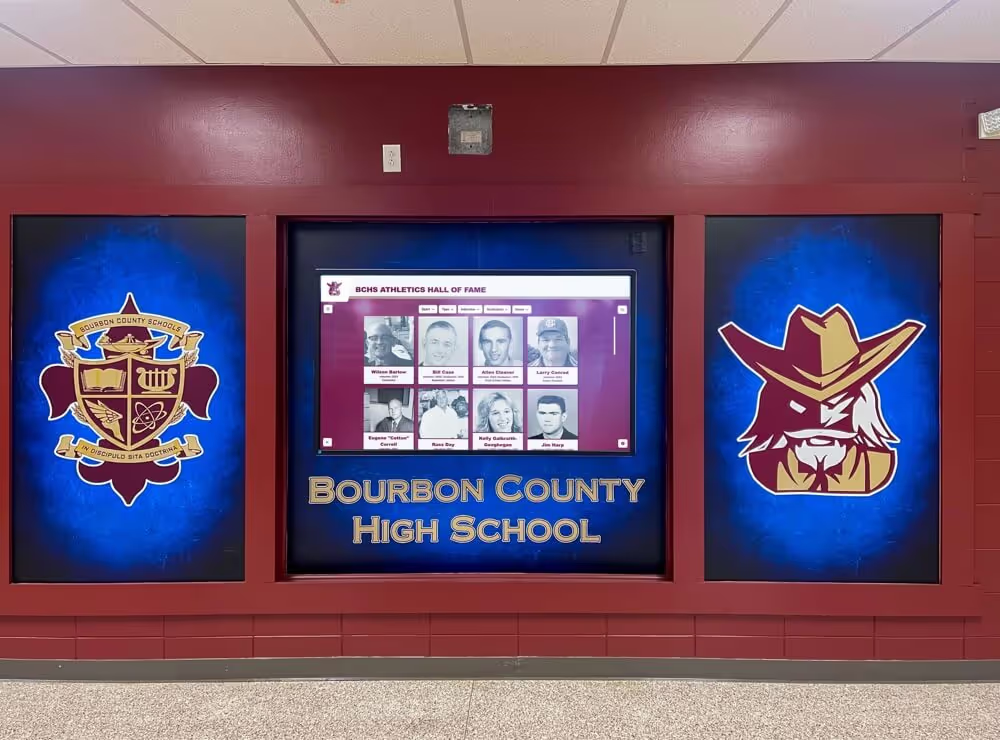
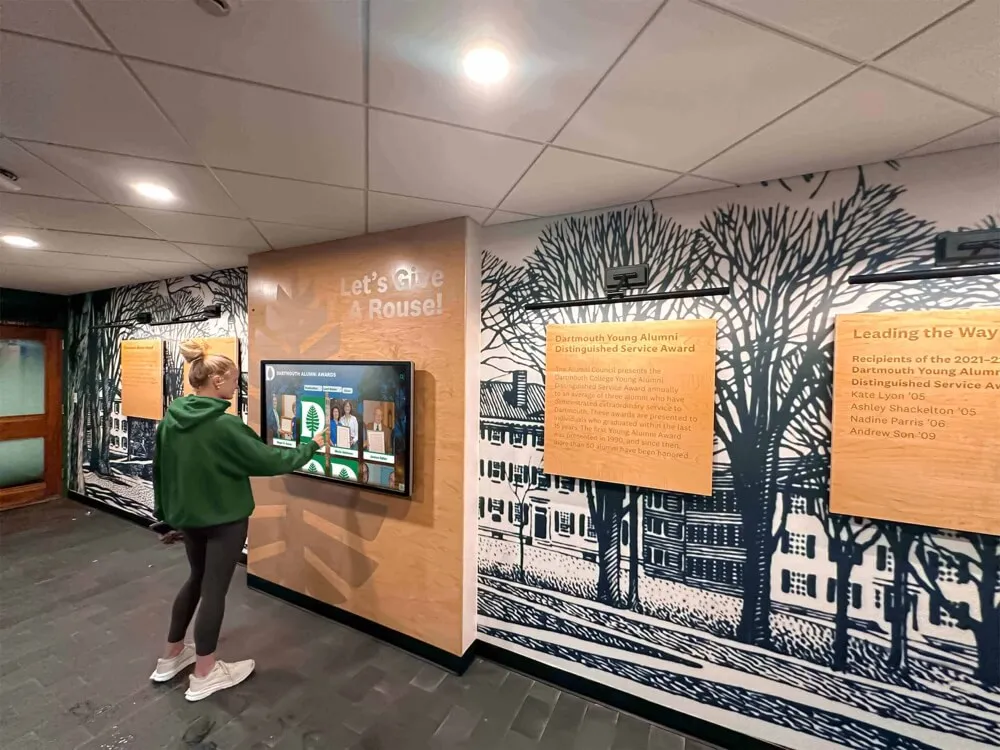
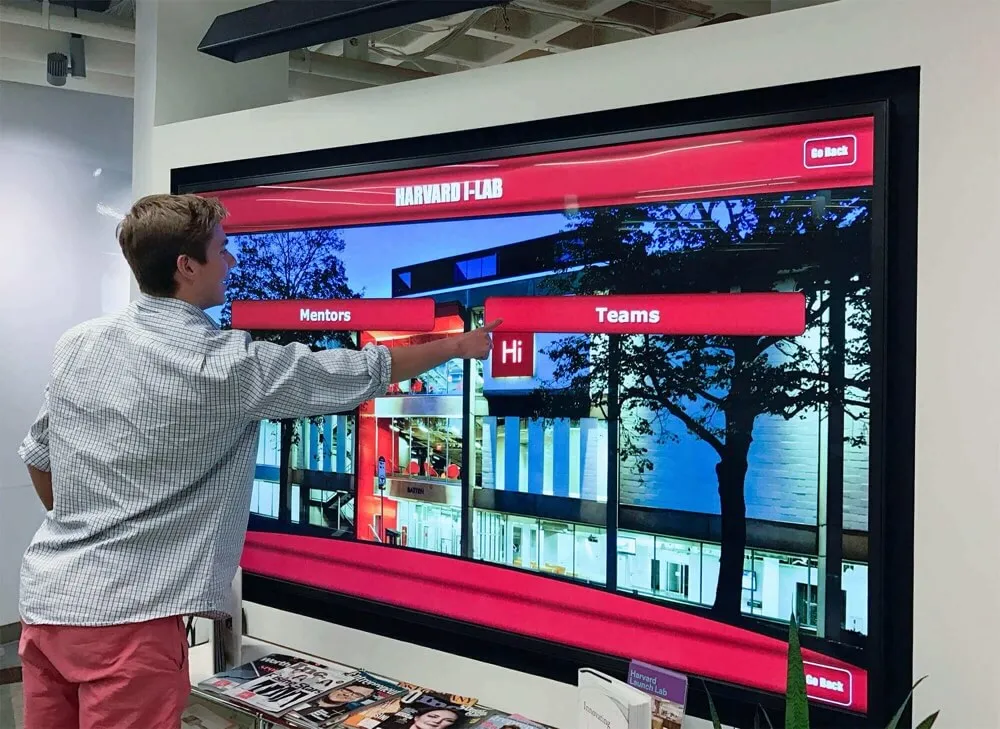
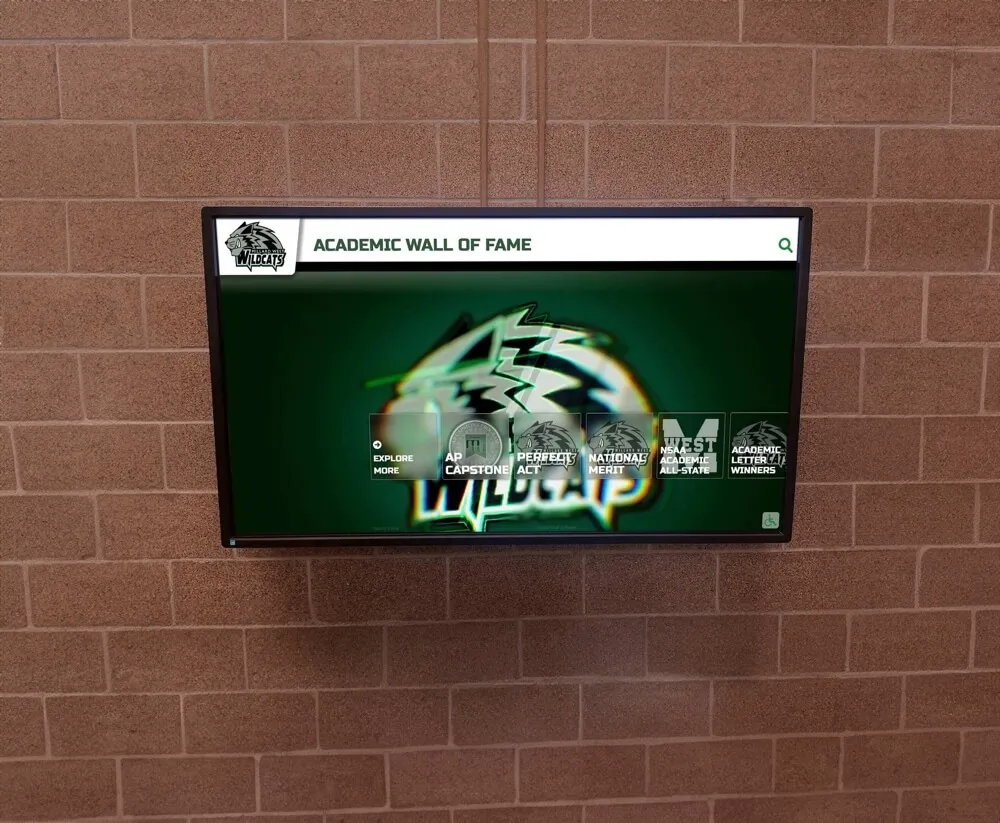
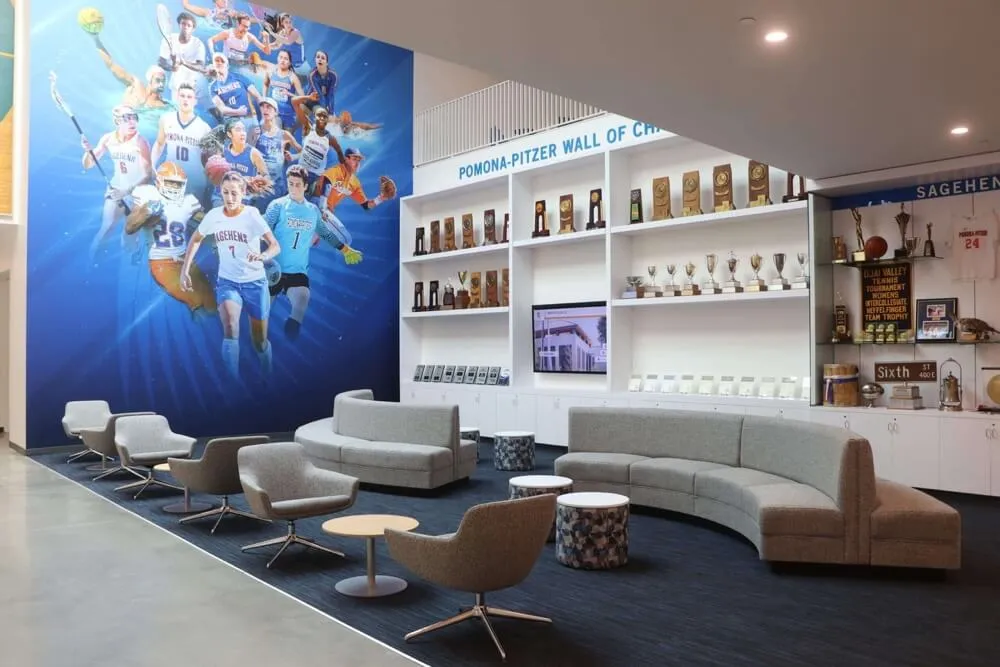
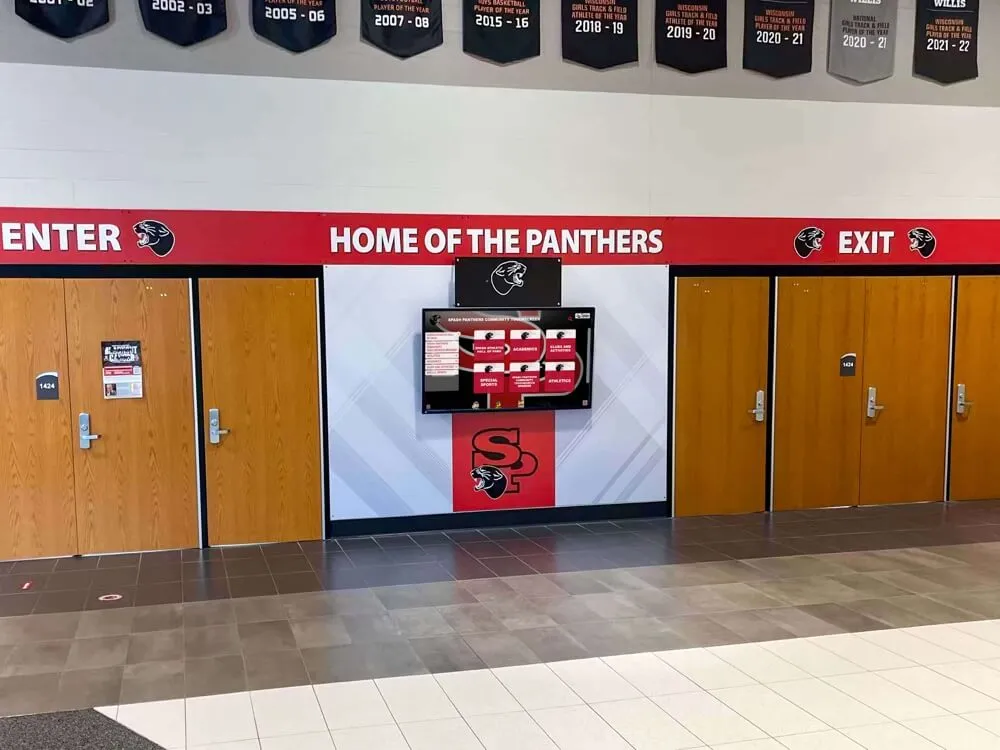
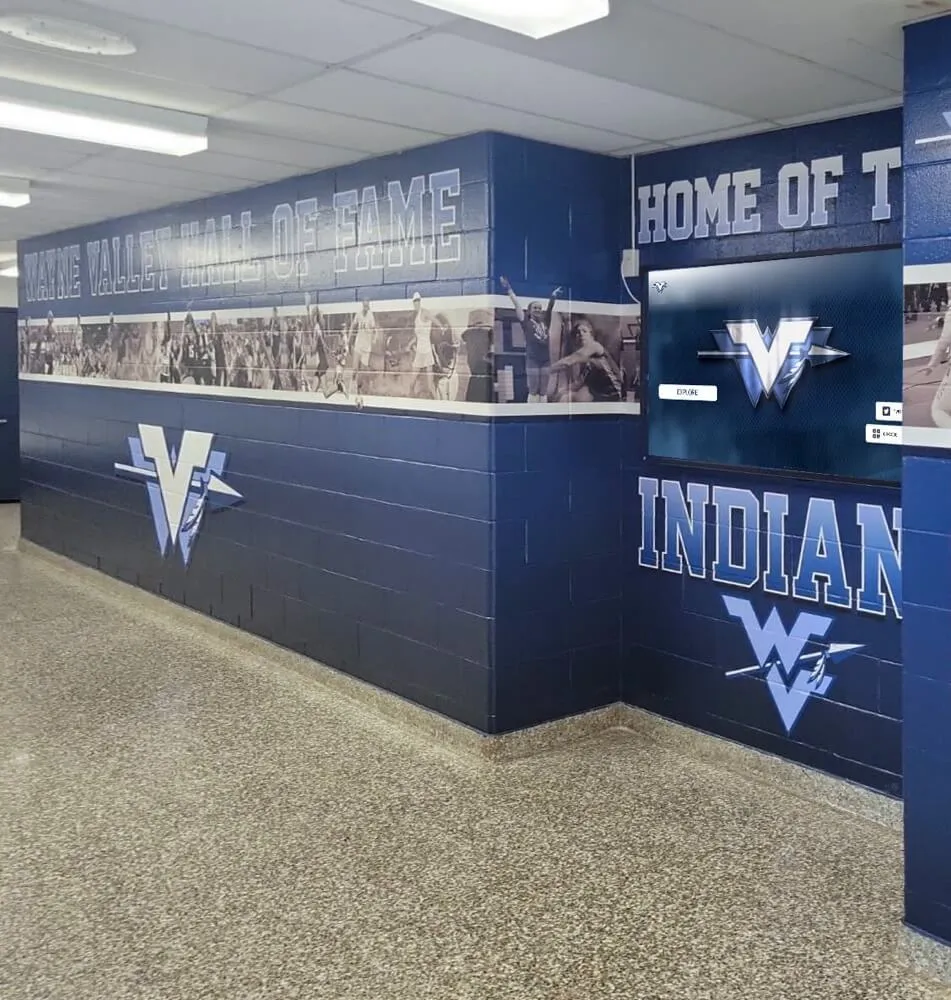
Successful fundraising events enable facility improvements and recognition displays that celebrate community support for school programs
Tournament Format Selection: Choosing the Right Structure
The tournament format you select dramatically impacts accessibility, pace of play, participant enjoyment, and ultimately your fundraising potential.
Four-Person Scramble: The Gold Standard for Fundraising
The scramble format dominates charity golf tournaments for compelling reasons:
Accessibility for All Skill Levels
Scrambles enable mixed-ability foursomes where all players hit from each position, the team selects the best shot, all players hit from that location, and the process continues until completing each hole. This format allows beginners to contribute without slowing play or feeling embarrassed while still challenging skilled golfers through competitive team scoring.
Schools with diverse potential participant bases—mixing avid golfers with occasional players, parents with community business leaders, young alumni with older donors—benefit enormously from scramble accessibility ensuring everyone enjoys the experience regardless of individual skill level.
Faster Pace of Play
Scrambles typically complete 18 holes in 4.5-5 hours compared to 5.5-6+ hours for individual stroke play formats. Faster play matters significantly when you’re coordinating 144+ participants, managing meal timing, and preventing participant fatigue that dampens enthusiasm for post-round auctions and raffles.
Enhanced Social Experience
The collaborative team format encourages conversation, strategy discussion, and camaraderie building throughout the round. Participants spend more time interacting and less time searching for individual wayward shots, creating superior networking and relationship-building opportunities that strengthen connections to your school.
Flexible Handicapping Options
Modify competition fairness through various scramble adaptations including requiring minimum shot usage from each player (two drives per person), limiting better player contributions on specific holes, applying team handicaps calculated from individual indexes, and creating multiple flight divisions by skill level.
Alternative Tournament Formats
While scrambles dominate, certain communities or objectives might benefit from alternative structures:
Best Ball Format
Each player completes the hole individually with the team recording the lowest score. Best ball maintains more individual accountability than scrambles while still providing team dynamics. This format works well for more golf-experienced participant bases where pure scramble scoring might feel too casual.
Modified Alternate Shot
Teams alternate shots on each hole in various configurations. This format speeds play while maintaining challenge but can frustrate less experienced golfers struggling with pressure to perform on individual shots.
Texas Scramble Variations
After selecting the best drive, players rotate hitting approach shots, putts, etc. These hybrids balance scramble accessibility with increased individual participation requirements.
For most school fundraising tournaments, especially those prioritizing maximum participation and accessibility, the classic four-person scramble format remains the optimal choice balancing enjoyment, pace, and broad appeal.
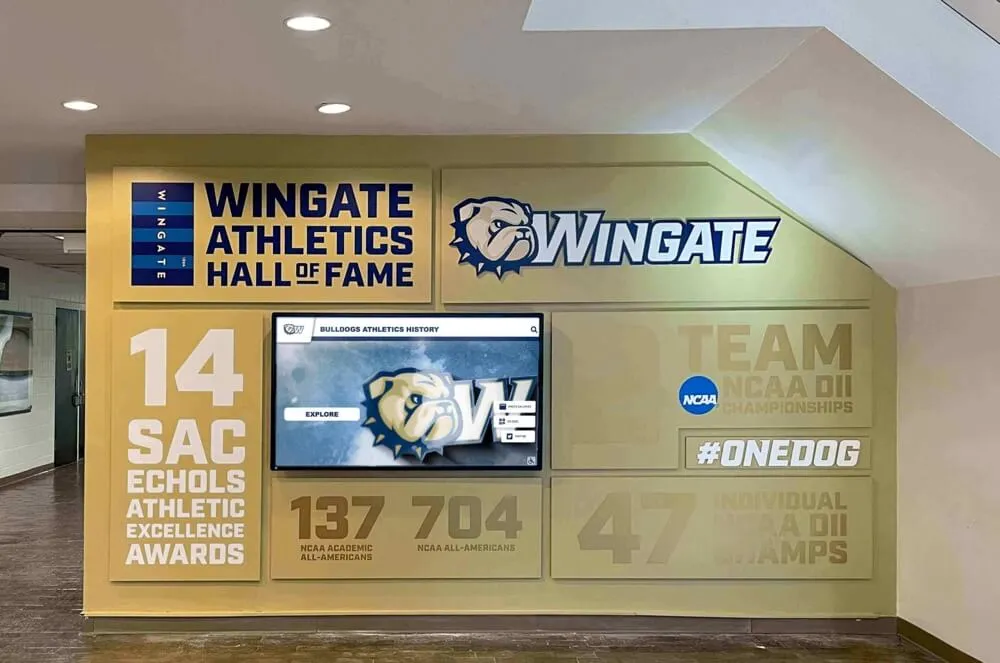
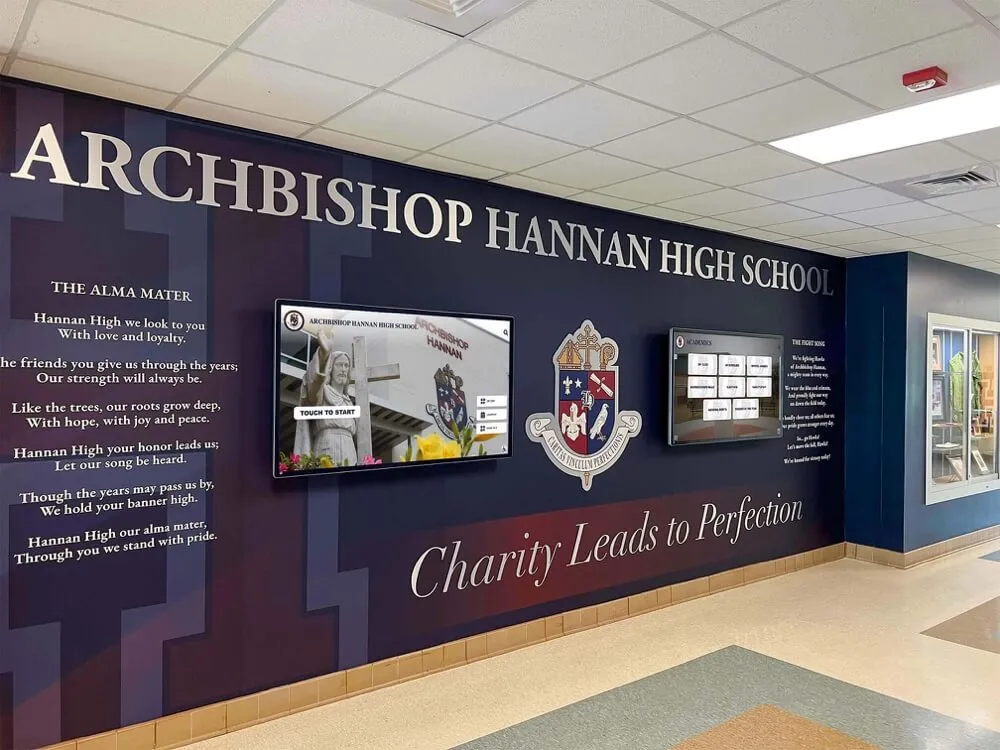
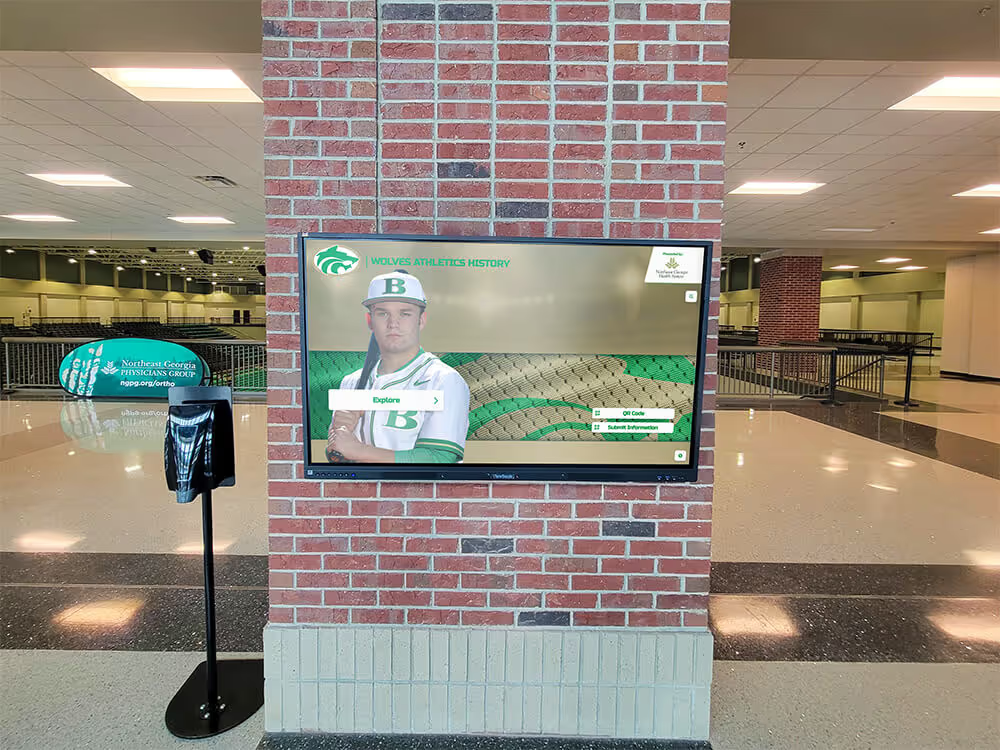
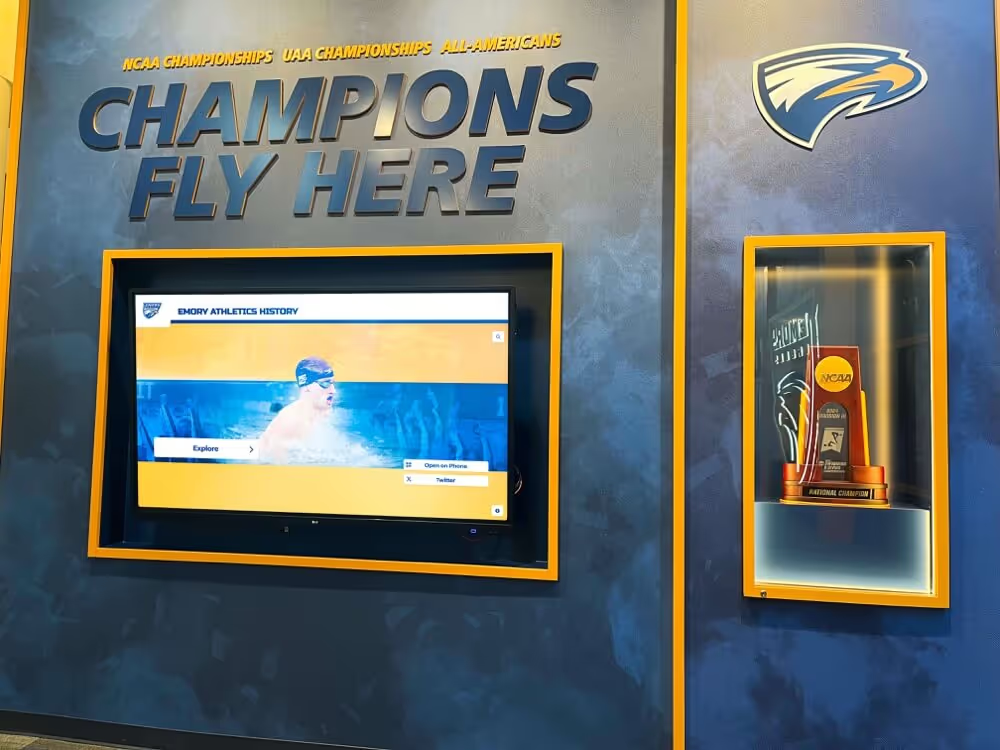
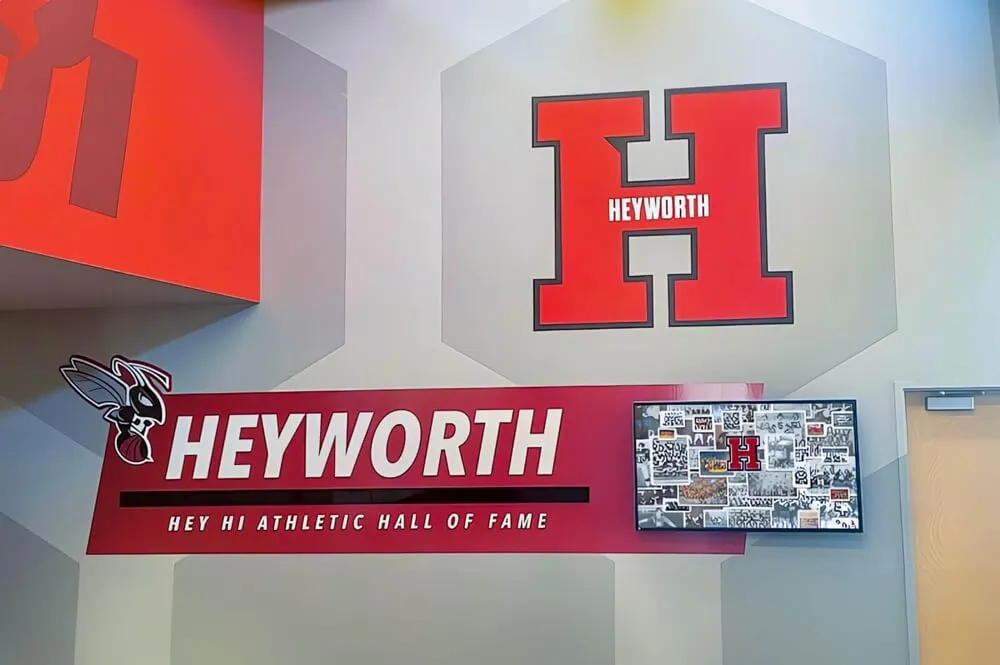
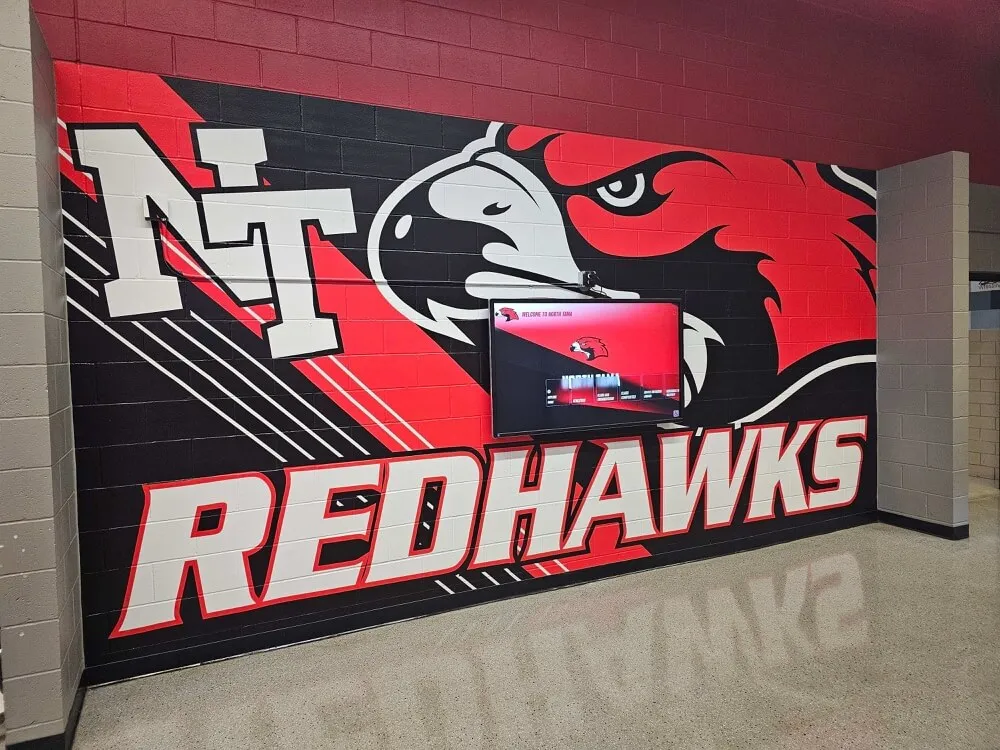
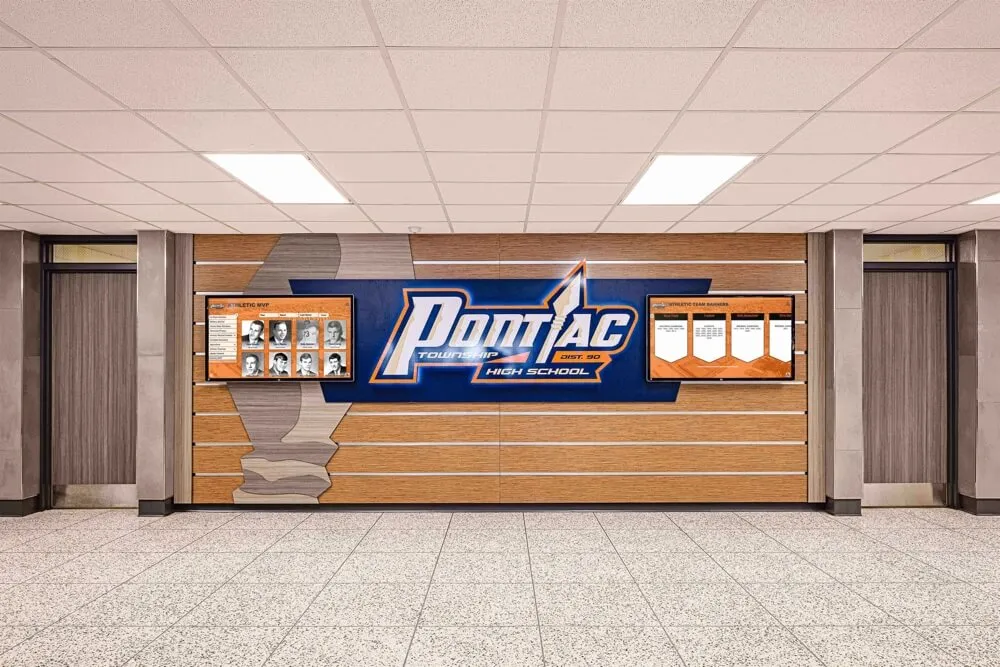
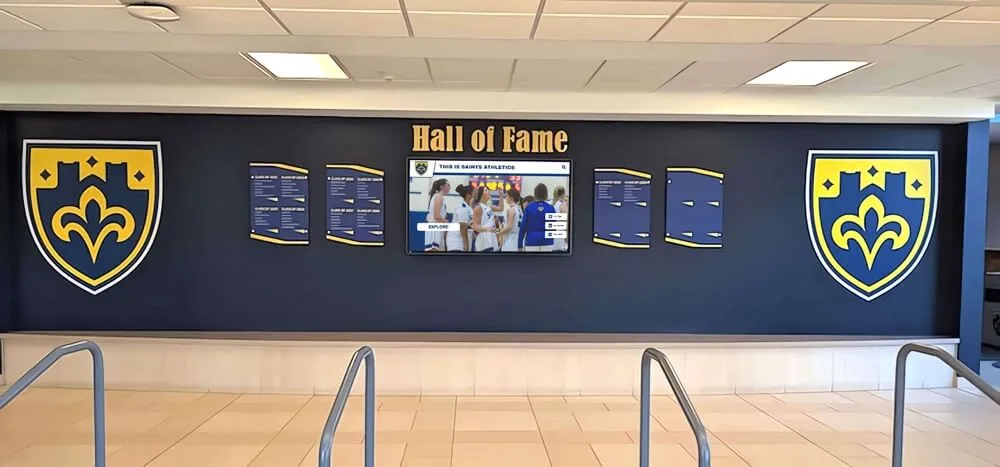
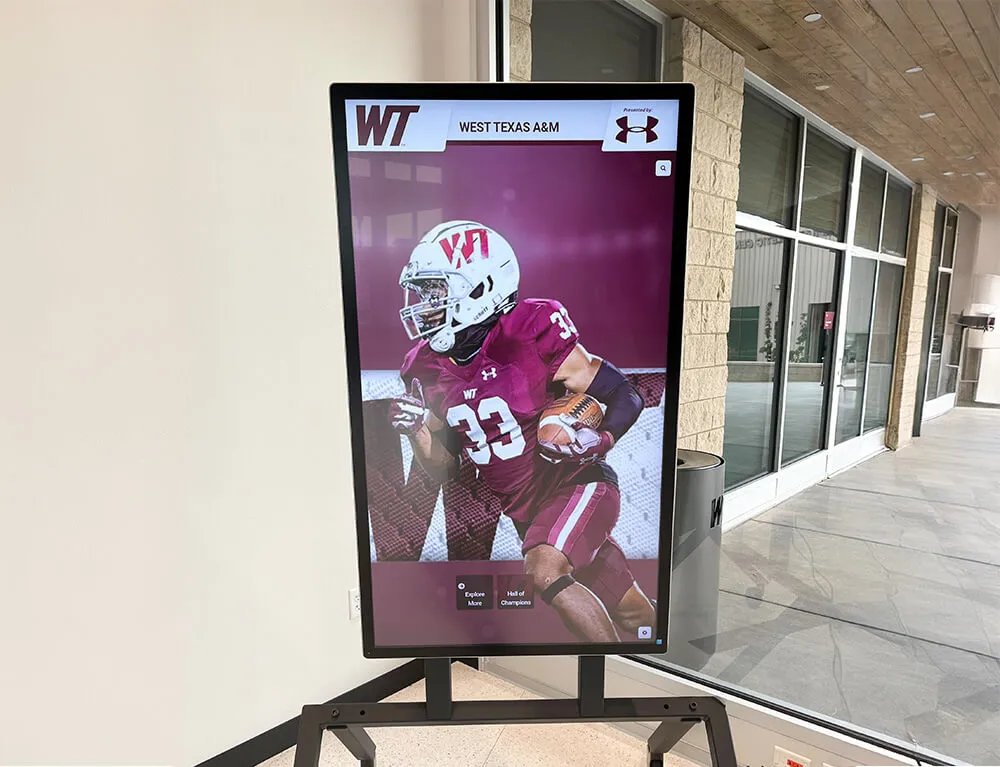
Tournament proceeds fund recognition programs celebrating athletic achievements and honoring community supporters
Venue Selection and Partnership Negotiation
Strategic golf course partnerships dramatically reduce organizational burden while maintaining strong profitability.
Evaluating Potential Venues
Assess golf courses using criteria that balance quality, logistics, and economics:
Facility Quality and Reputation
Select courses offering well-maintained conditions creating positive participant experiences, clubhouse facilities adequate for registration and post-round gatherings, pro shop and cart capabilities supporting large tournaments, food and beverage services matching your event needs, and reputation within the community that reflects positively on your school.
Venue quality directly impacts participant satisfaction and willingness to return annually. Mediocre courses might offer cheaper rates but risk dampening enthusiasm and reducing future participation.
Capacity and Logistics
Verify courses can accommodate your target participant numbers (typically 72-144 players in shotgun format), provide adequate parking for all participants arriving simultaneously, offer shotgun start capabilities enabling all groups to begin together, and schedule flexibility for your preferred date and backup options.
Most fundraising tournaments utilize shotgun starts where all foursomes begin simultaneously on different holes, completing rounds efficiently and enabling synchronized post-tournament activities.
Geographic Accessibility
Choose locations convenient for your primary participant demographics. Courses requiring 45+ minute drives from your school or major corporate sponsor locations reduce participation significantly compared to venues within 20-30 minute access.
Nonprofit Pricing and Partnership Willingness
Evaluate courses offering charity tournament packages including discounted green fees ($40-$70 per player versus $80-$150 standard rates), included cart rentals, complimentary range balls for pre-tournament warm-up, meal packages at reduced pricing, and tournament coordination assistance from golf professionals.
Negotiating Tournament Packages
Secure comprehensive packages maximizing value while minimizing costs:
All-Inclusive Pricing Models
Request package pricing covering green fees, cart rentals, driving range access, basic meal service (typically lunch or dinner), beverage service (beer, soft drinks, water), and tournament coordination assistance.
Package deals typically provide better value than itemized component pricing while simplifying budgeting and reducing invoice management complexity.
Revenue-Sharing Structures
Some courses offer alternative arrangements where rather than charging fixed fees, the venue receives a percentage of total tournament revenue (typically 30-40%) including entry fees, sponsorships, and auction proceeds. This model aligns venue interests with fundraising success and can be advantageous when you’re confident in achieving substantial total revenue.
Multi-Year Partnership Agreements
Negotiate long-term relationships offering rate stability, preferential date reservations, enhanced services reflecting partnership deepening, and joint promotional opportunities.
Establishing annual tournament traditions at consistent venues builds participant familiarity, simplifies planning through established relationships, and creates institutional memory reducing organizational burden for successive planning committees.
Value-Add Negotiations
Beyond pricing, request additional benefits including complimentary foursome entries for auction donations, hole-in-one contest sponsorship facilitation, promotional assistance through course marketing channels, sponsor signage display permissions, and professional photography services.
Explore how schools create engaging fundraising events that build community support.
Sponsorship Development: Maximizing Corporate Support
Corporate sponsorships typically generate 40-60% of total golf tournament revenue, making systematic sponsorship cultivation essential for maximizing proceeds.
Creating Tiered Sponsorship Packages
Professional sponsorship structures establish clear value propositions at multiple investment levels:
Title Sponsor Level ($10,000-$25,000)
Premium partnership offering exclusive title sponsor designation (the “Smith Family Foundation Golf Classic”), prominent logo placement on all tournament materials and communications, recognition in all media and promotional activities, dedicated social media campaigns throughout tournament promotion, VIP foursome entry and premium hospitality, exclusive hole sponsorship at signature hole (typically 18th), and permanent recognition on school donor walls or digital displays.
Title sponsorships appeal to established businesses or philanthropic families seeking maximum visibility and sustained brand association with your school and community.
Platinum Sponsor Level ($5,000-$9,999)
Major partnership benefits including prominent logo placement on marketing materials, premium hole sponsorship locations, foursome entry included, VIP reception access, social media acknowledgment throughout campaign, program book full-page advertisement, and donor recognition wall inclusion.
Gold Sponsor Level ($2,500-$4,999)
Substantial partnership including hole sponsorship, twosome entry, logo placement on select materials, program book half-page advertisement, social media mentions, and donor recognition.
Silver Sponsor Level ($1,000-$2,499)
Accessible partnership offering hole sponsorship, logo recognition in program book, website sponsor listing, and donor acknowledgment.
Hole Sponsor Level ($500-$999)
Entry-level opportunity including signage at designated hole, program book listing, and basic recognition.
Multi-tier structures ensure sponsorship opportunities exist at various price points, enabling broad business participation while reserving premium benefits for major commitments.
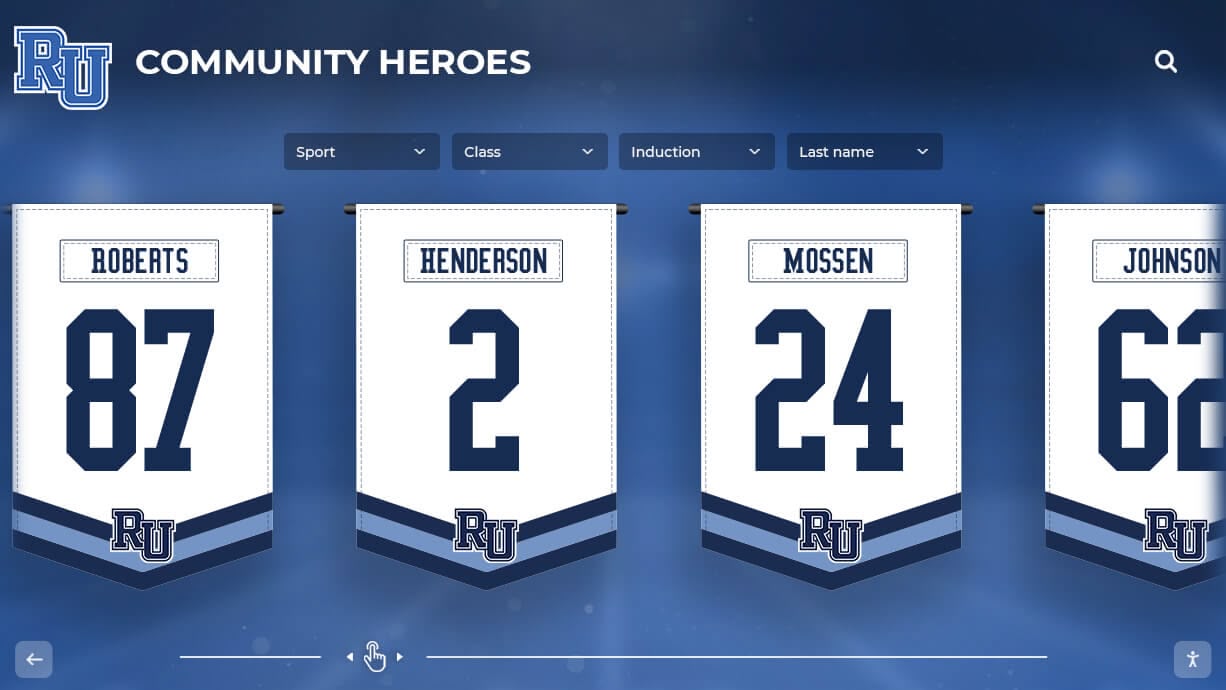
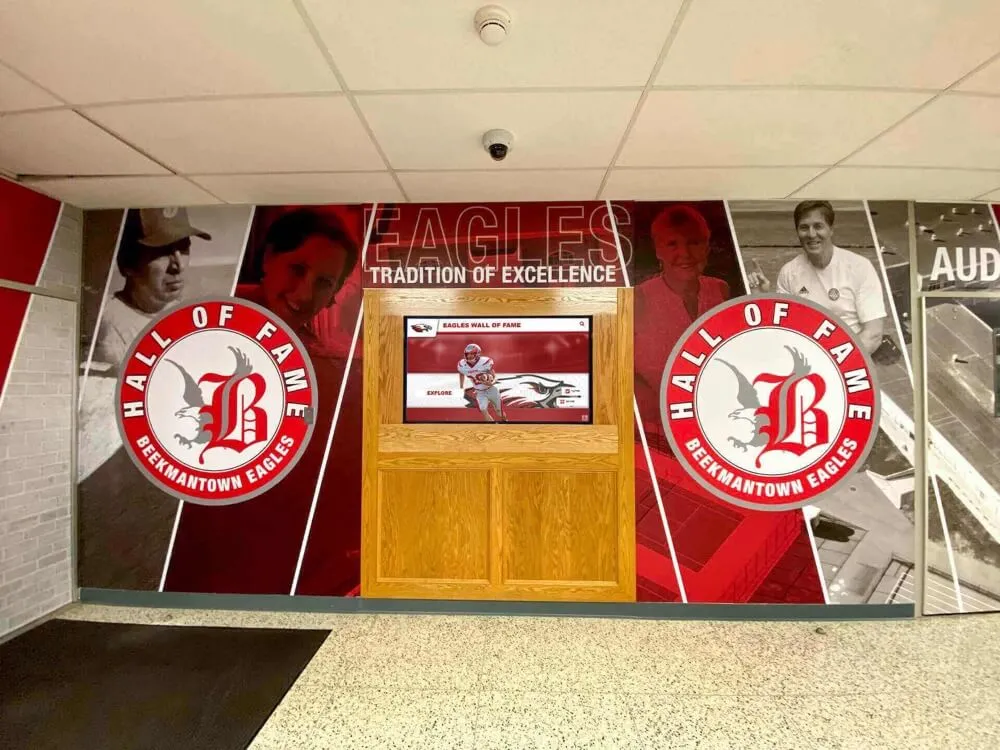
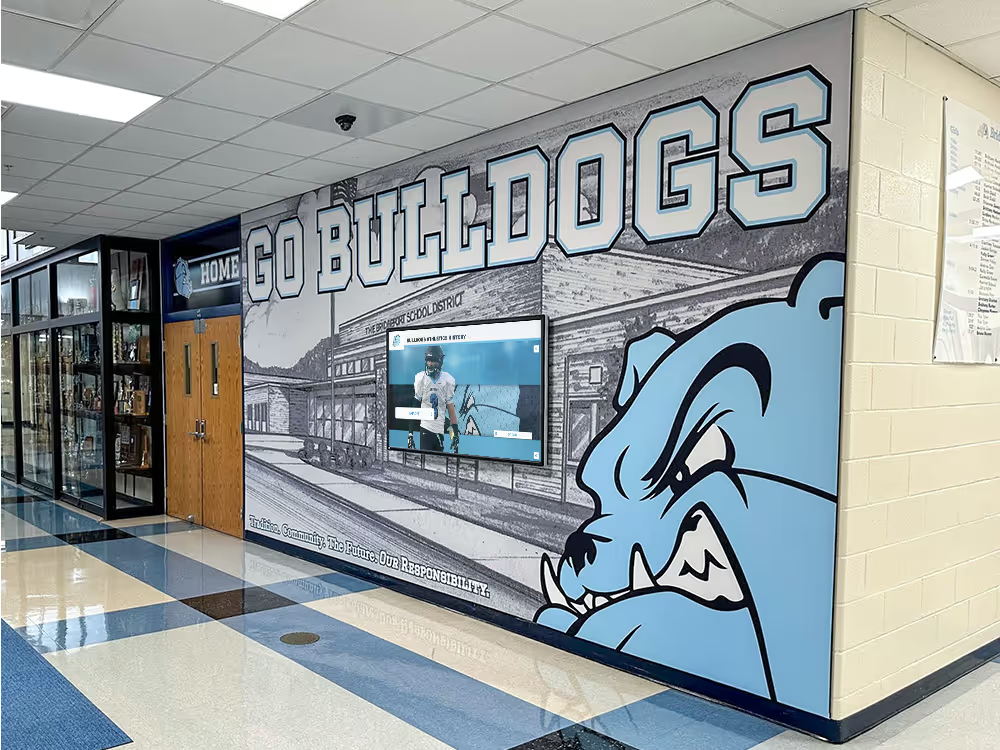
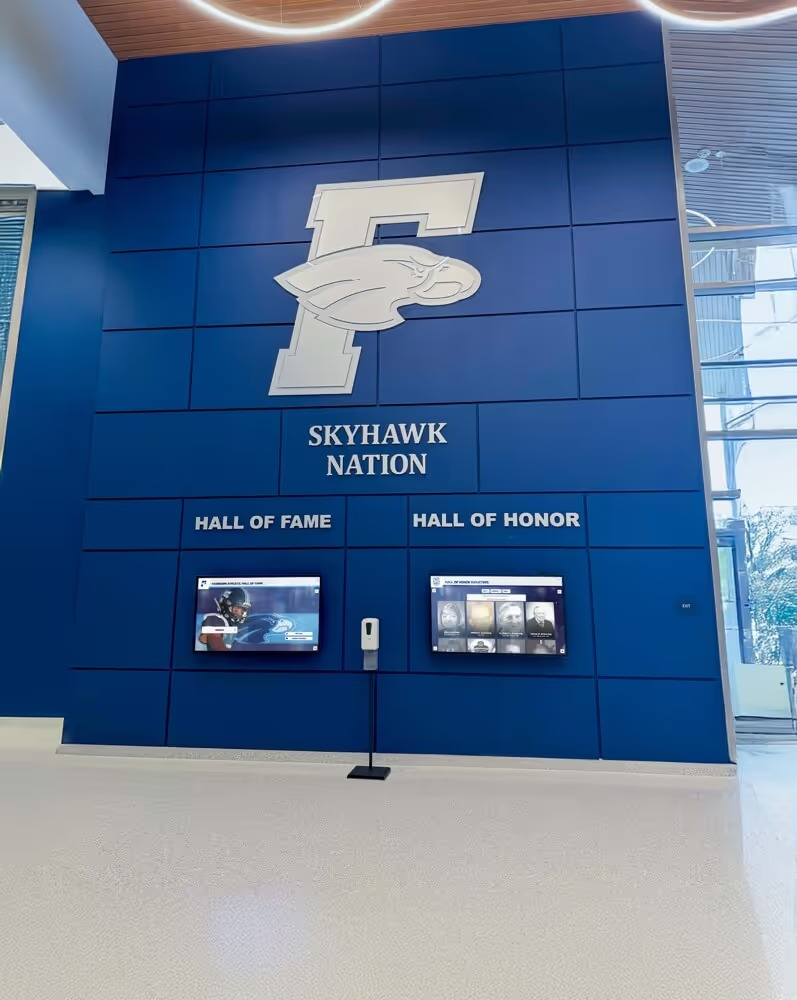
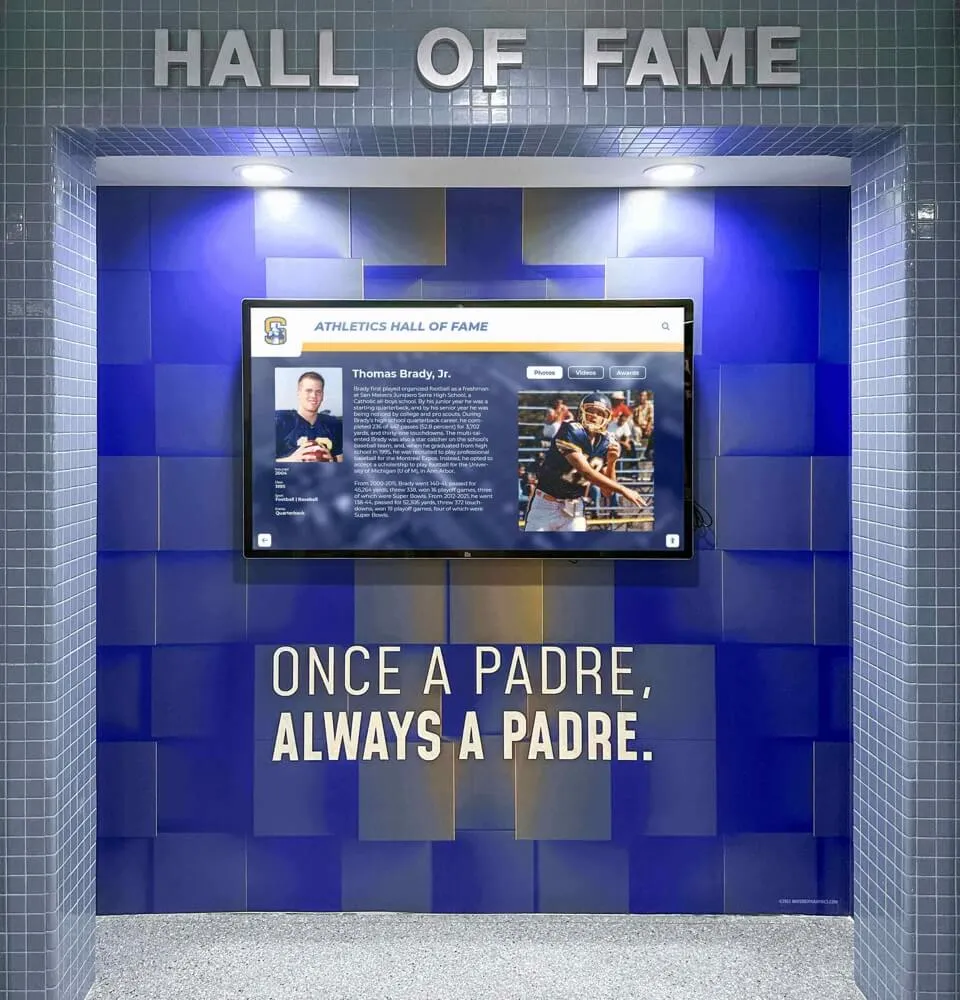
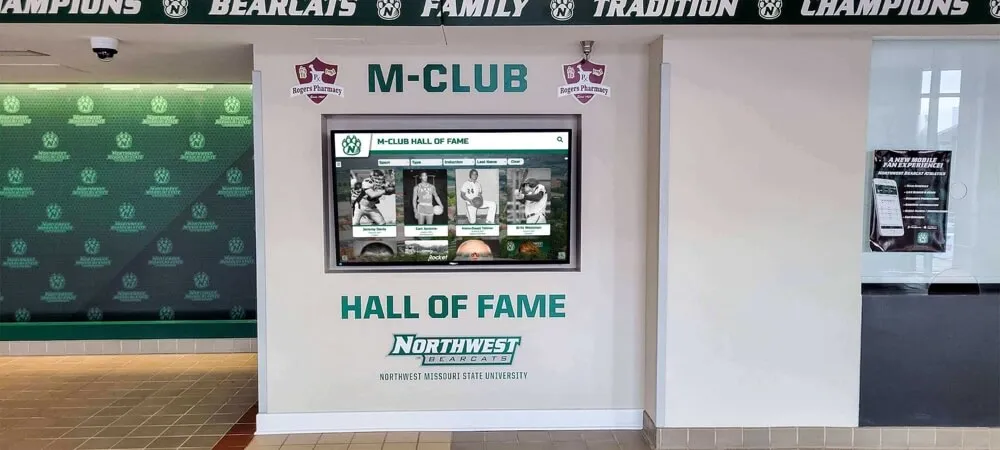
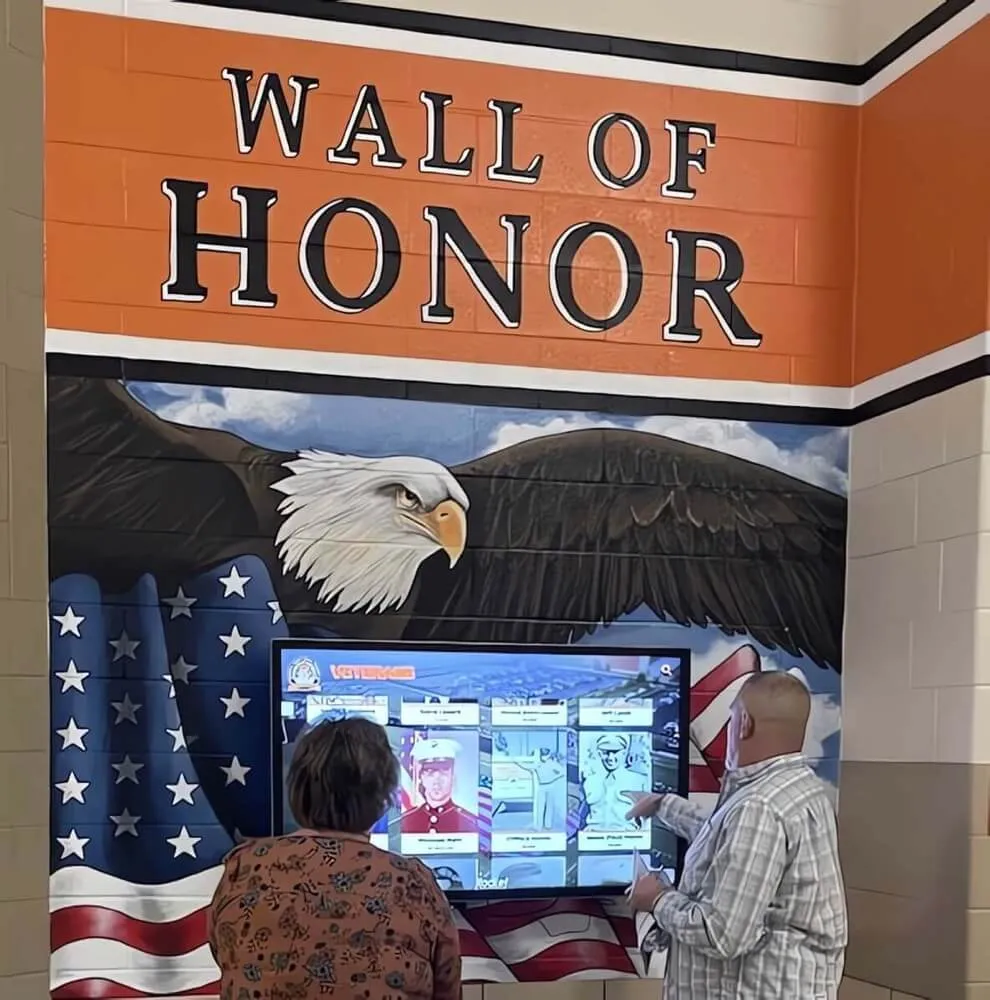
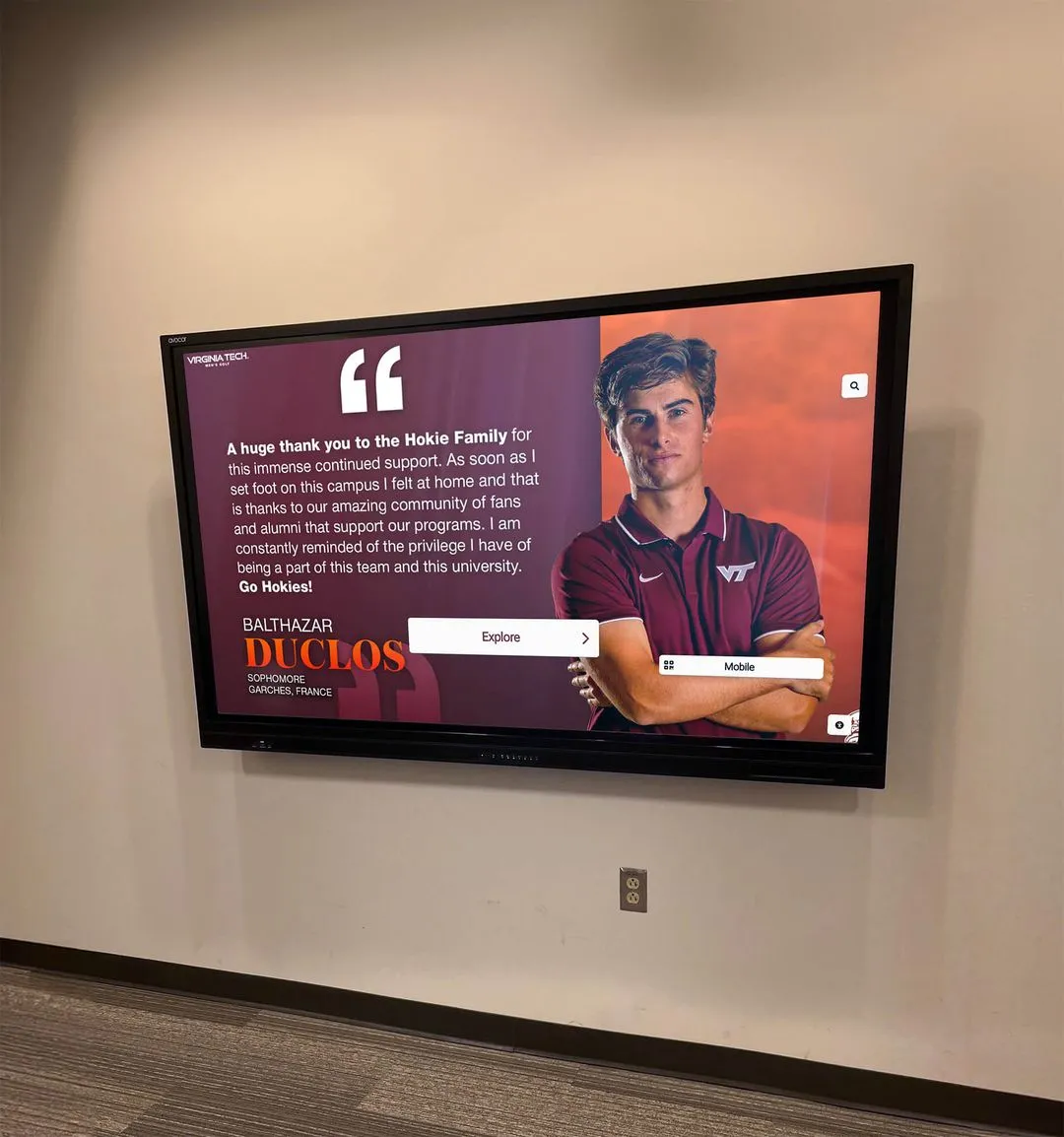
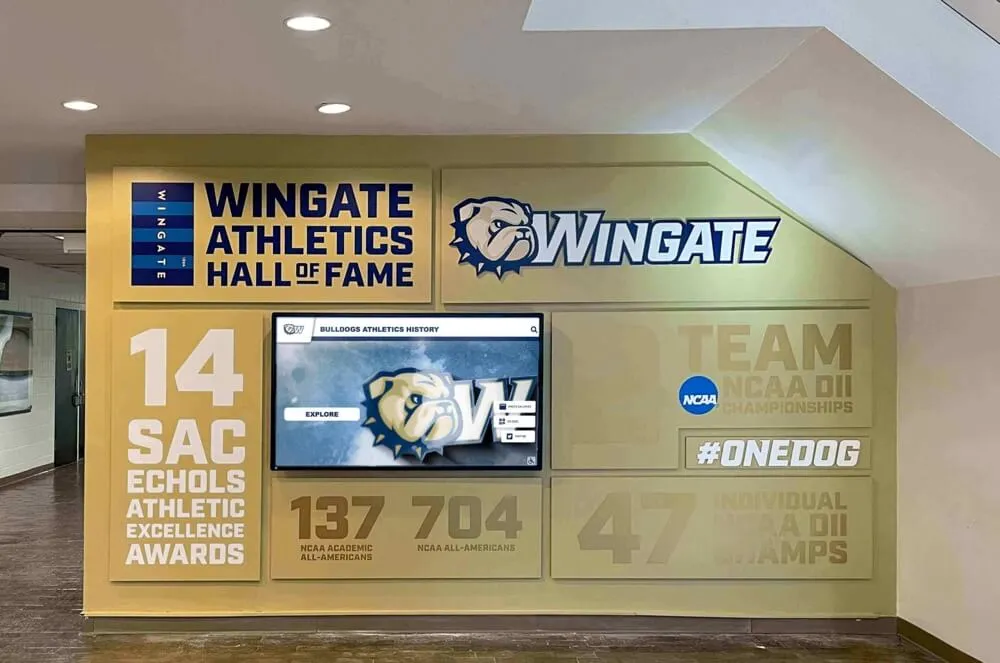
Sponsor recognition celebrates business partners supporting school athletic programs and events
Prospecting and Solicitation Strategies
Systematic sponsor recruitment maximizes corporate participation:
Identifying Potential Sponsors
Build prospect lists from businesses frequented by school families, companies with community involvement histories, employers of school parents and alumni, past school event sponsors, golf course existing corporate clients, industry categories aligning with school values (healthcare, education, professional services, family-owned businesses), and competitors of confirmed sponsors.
Personalized Solicitation Approaches
Successful sponsor recruitment requires personal outreach rather than mass appeals. Prioritize face-to-face meetings for major sponsor prospects, personalized letters or emails referencing specific business-school connections, phone calls from respected community leaders or school administrators, alumni network activation for alumni-owned businesses, and peer-to-peer solicitation where current sponsors recruit business associates.
Generic sponsor request letters achieve 5-10% conversion rates while personalized solicitation with specific relationship connections yields 30-50% success rates for qualified prospects.
Creating Compelling Sponsor Proposals
Professional packages should include clear benefit descriptions by sponsorship level, participant demographic information (typically affluent professionals and business leaders), previous tournament success metrics demonstrating credibility, competitor sponsor lists showing peer business participation, customization options for unique business needs, multi-year partnership incentives, and deadlines creating urgency.
Emphasizing Authentic Value
Help sponsors understand genuine marketing benefits beyond charitable goodwill including demographic access to affluent households, positive brand association with education and youth development, community visibility across multiple touchpoints, relationship building with potential customers, employee engagement opportunities, and differentiation from competitors.
Sponsorship Fulfillment and Stewardship
Delivering promised benefits and cultivating relationships ensures annual renewal:
Systematic Benefit Delivery
Create checklists ensuring all promised sponsor benefits are fulfilled including signage placement verification with photos, promotional material logo inclusion, social media mentions as scheduled, program book advertisement confirmation, hospitality services delivery, and recognition wall updates.
Document fulfillment photographically, providing sponsors proof of recognition received that validates their investment.
Post-Tournament Stewardship
Maintain relationships through personalized thank-you communications within one week, impact reports demonstrating what sponsorship accomplished (total raised, specific programs funded), photos of sponsor recognition and event highlights, renewal invitations with multi-year incentives, and ongoing relationship cultivation through periodic updates about programs their support enables.
According to nonprofit sponsorship research, sponsors receiving regular communication and relationship cultivation renew at 75-85% rates compared to 40-50% for those experiencing purely transactional relationships without ongoing stewardship.
Discover effective booster club management tools that streamline sponsorship tracking and donor recognition.
Revenue Optimization: Beyond Entry Fees
While foursome entry fees provide foundational revenue, strategic supplemental income streams often generate 30-50% of total tournament proceeds.
Auction and Raffle Programs
Well-executed auctions dramatically increase tournament profitability:
Silent Auction Development
Curate 30-50 items generating bidding enthusiasm including golf experiences (rounds at exclusive private courses, golf lessons with professionals, equipment packages), vacation and travel packages (weekend getaways, airline tickets, hotel stays), restaurant and entertainment certificates, themed gift baskets, sports memorabilia and autographed items, and high-value items from major sponsors.
Focus auction inventory on items with broad appeal and perceived value exceeding minimum bids by 3-5x to generate competitive bidding.
Live Auction Strategy
Reserve 5-10 premium items for live auction during post-round dinner including exclusive experiences (celebrity golf outings, VIP event access), significant travel packages, unique one-of-a-kind opportunities, major sponsor donations, and items with compelling stories creating emotional bidding.
Hire professional auctioneers or recruit charismatic volunteers skilled in generating excitement and competitive bidding. Live auctions with experienced auctioneers typically generate 25-40% higher proceeds than amateur-led events.
Raffle Programs
Offer entry-level participation through cash raffles (50/50 drawings), prize raffles for golf equipment or experiences, multi-ticket purchase incentives ($20 for one, $50 for three), and opportunity drawings for luxury items.
Raffles enable broad participation from golfers and non-golfing supporters alike, generating additional revenue while creating excitement throughout the event.
Mobile Bidding Platforms
Consider digital auction platforms enabling smartphone bidding throughout the tournament, extending bidding windows beyond post-round gatherings, sending outbid notifications encouraging competitive bidding, simplifying checkout and payment collection, and providing real-time revenue tracking.
Platforms like Handbid, OneCause, or Greater Giving typically increase total auction proceeds 15-30% compared to traditional paper bidding through extended participation windows and competitive notification features.
Skills Contests and Add-On Activities
Creative competitions provide additional revenue opportunities:
Hole-in-One Contests
Partner with insurance companies or car dealerships offering hole-in-one prizes on par-3 holes. Participants purchase contest entries ($10-$25 per person) for chances to win vehicles, cash prizes, or golf trips. Insurance coverage costs 10-20% of total contest revenue with carriers assuming prize payout risk.
Putting Contests
Pre-tournament putting competitions charging entry fees ($10-$20) with cash or prize payouts to winners generate $500-$2,000 in net revenue while creating pre-round excitement.
Longest Drive and Closest-to-Pin Competitions
Designated holes featuring skill contests with sponsor prizes encourage competitive play while providing additional sponsor recognition opportunities. Consider charging optional contest entry fees beyond basic foursome participation.
Mulligans and Game Enhancements
Sell mulligan packages (4-6 do-over shots for $20-$50) enabling participants to improve scores while generating revenue. Some tournaments offer “string” (participants purchase length of string they can use to reduce putting distances) or other creative game modifications.
Live Entertainment and Activities
Beverage cart sponsorships with roaming sales, food stations at turn (after hole 9), on-course photo opportunities with professional photographers, trick shot performers at specific holes, and interactive sponsor activation stations enhance experiences while creating revenue opportunities.
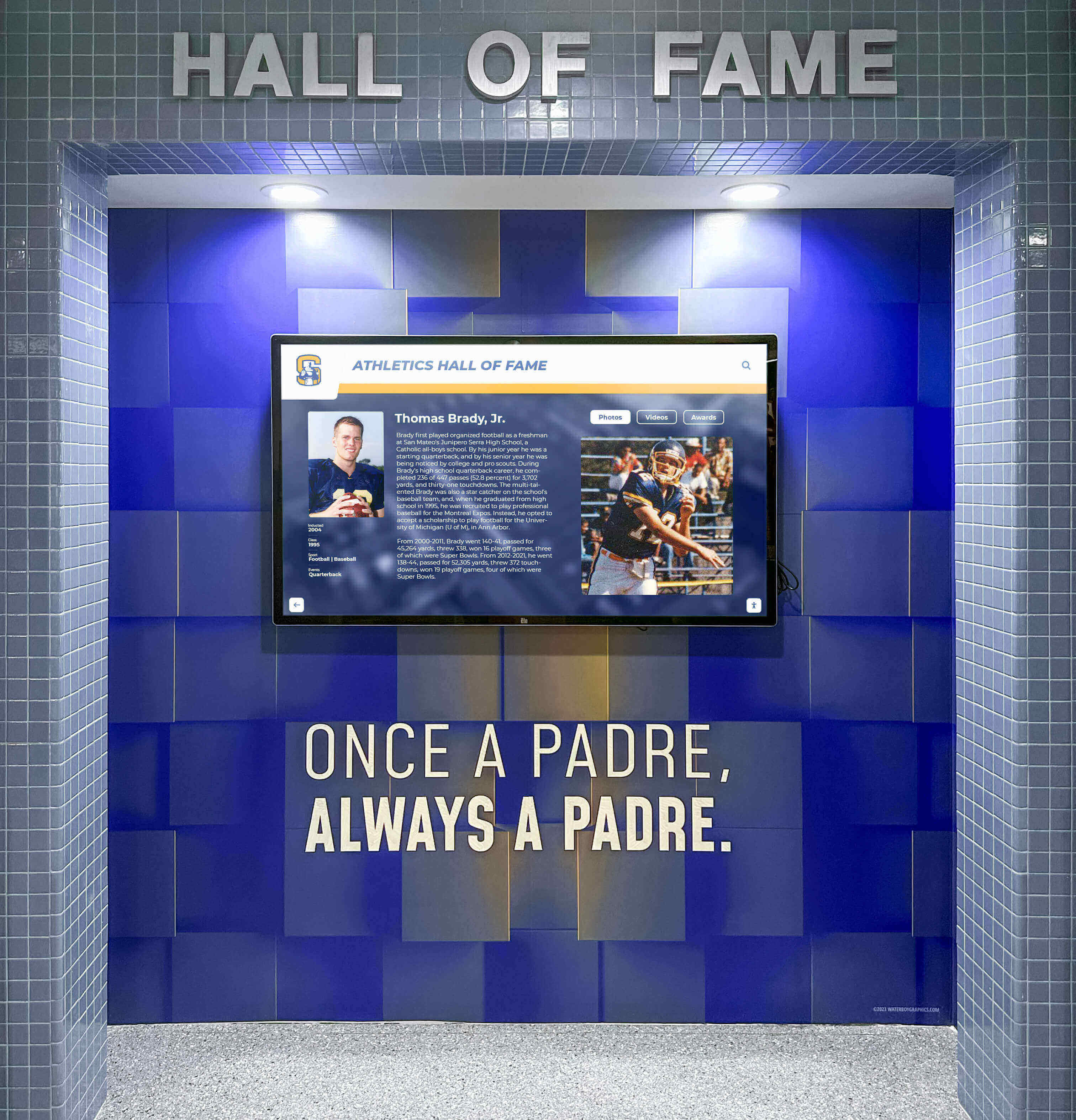
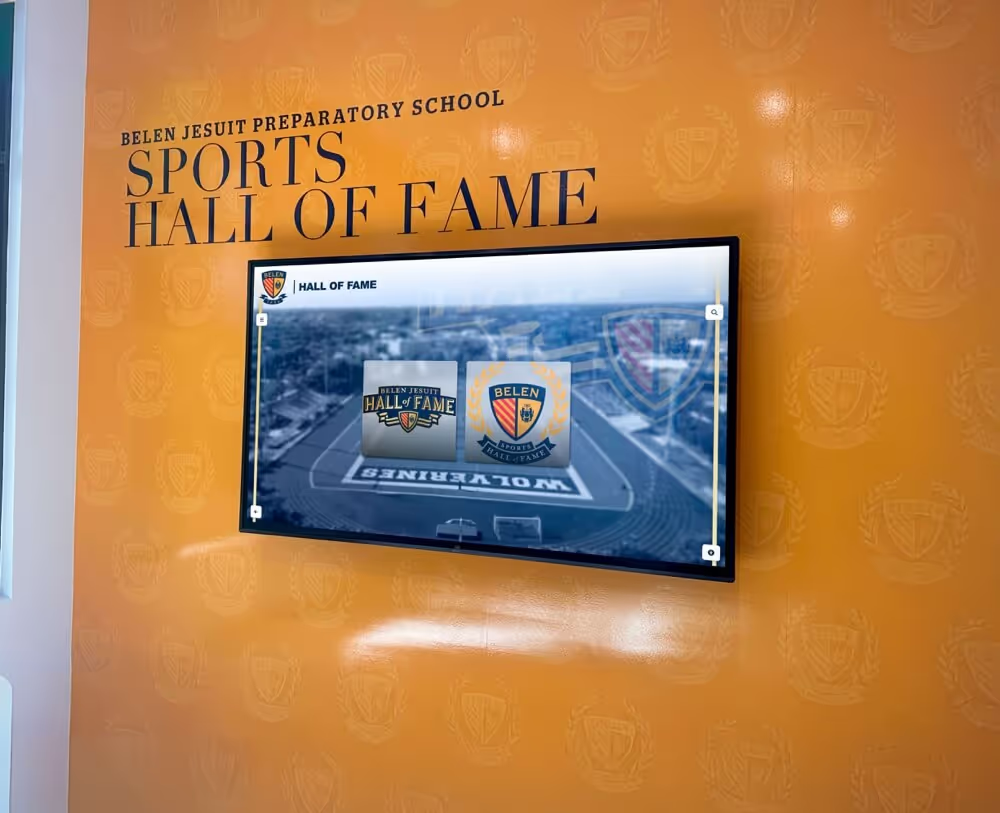
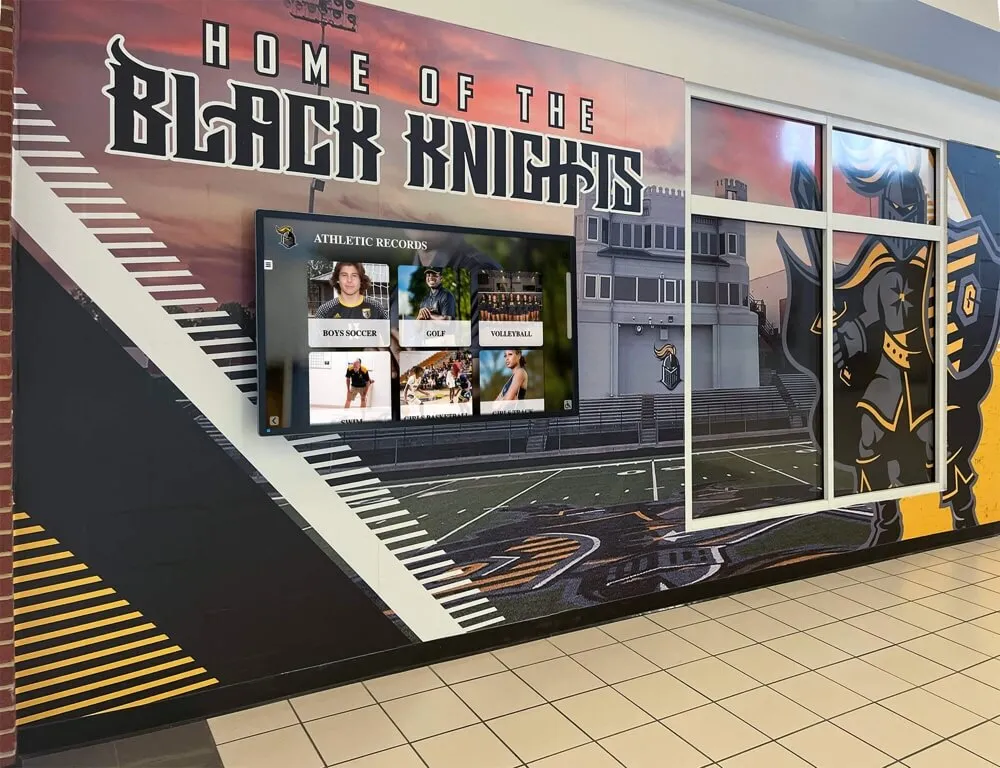
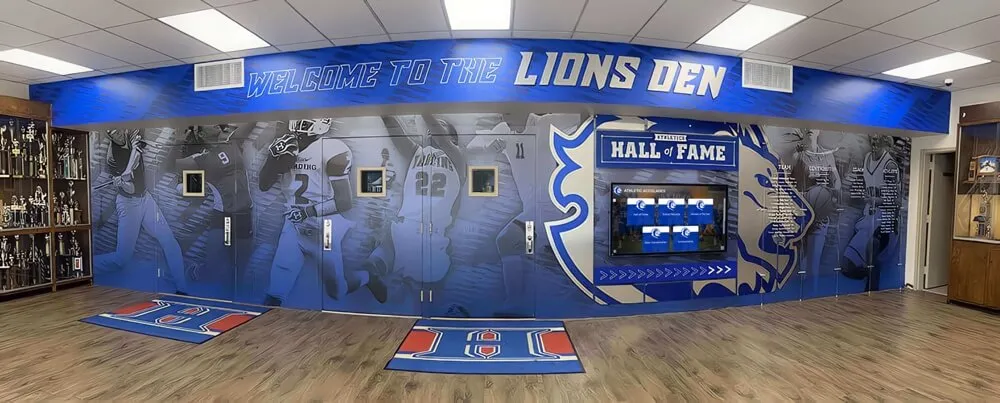
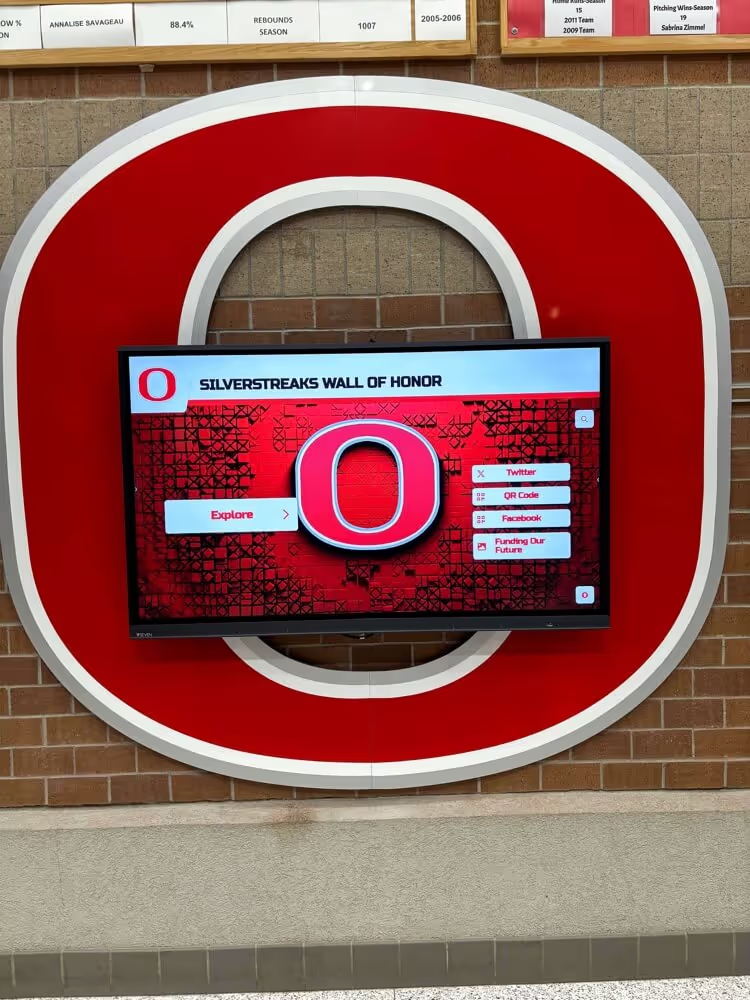
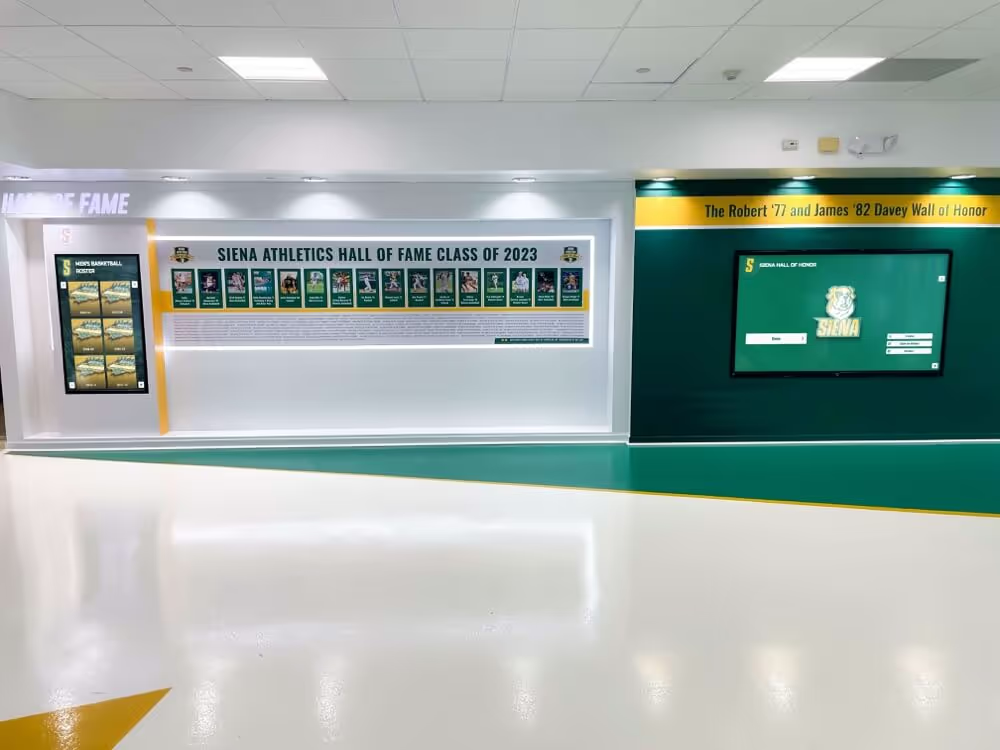
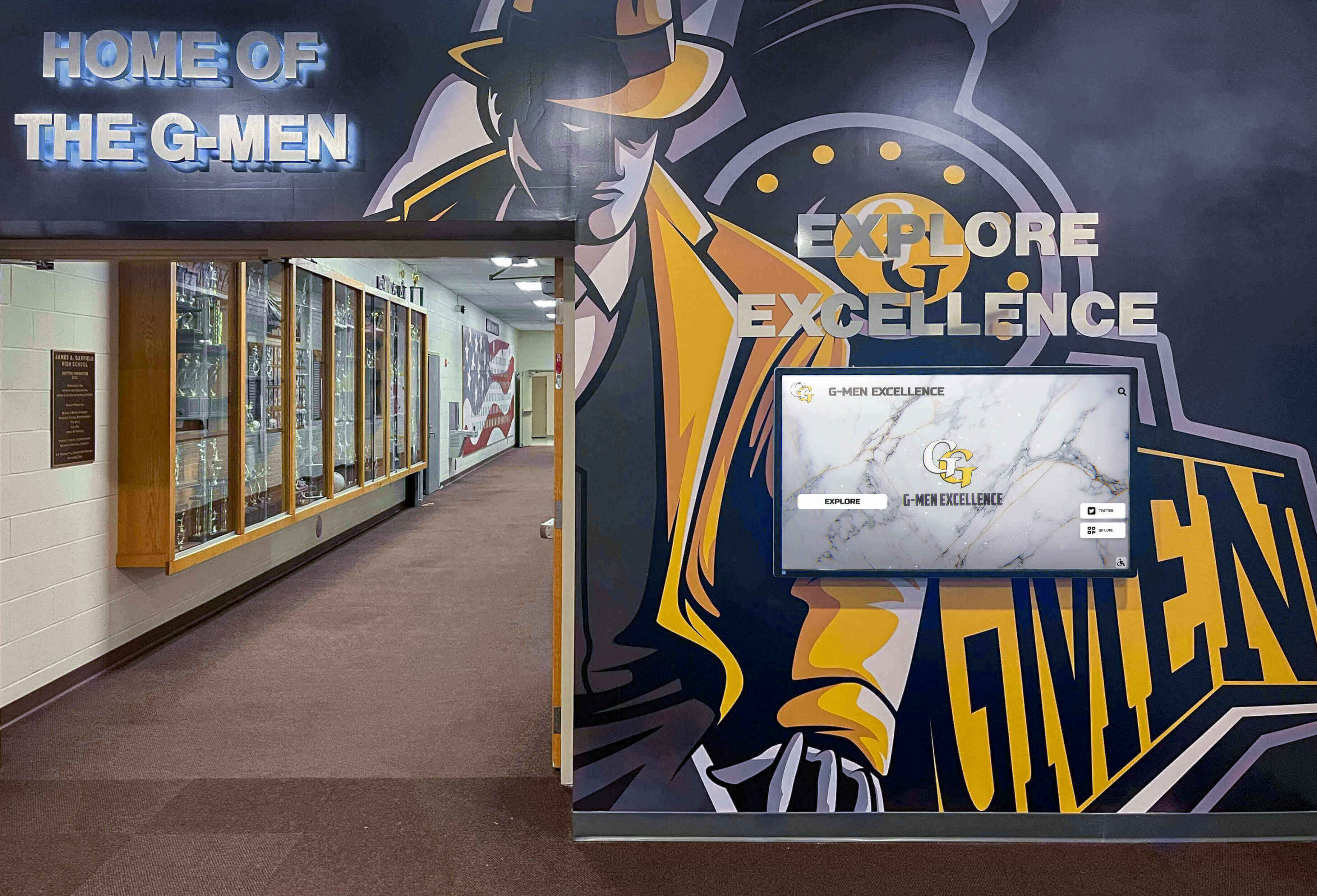
Tournament fundraising supports recognition displays honoring athletic excellence and community supporters
Logistics and Operations Management
Efficient organization prevents volunteer burnout while ensuring smooth participant experiences:
Pre-Tournament Planning Essentials
Systematic preparation months in advance prevents last-minute scrambling:
Timeline Development
Establish planning milestones including 6+ months before: venue selection, date confirmation, core committee formation; 4-5 months before: sponsorship package creation, major sponsor solicitation launch, save-the-date announcements; 2-3 months before: participant registration opening, auction item procurement, volunteer recruitment; 1 month before: registration closing, pairing and flight assignments, final sponsor fulfillment; 1 week before: weather contingency finalization, supply acquisition, volunteer briefings.
Committee Structure and Role Definition
Distribute workload through defined leadership positions including tournament chair providing overall coordination, sponsorship chair managing corporate relationships, registration coordinator handling participant administration, auction chair overseeing procurement and management, volunteer coordinator recruiting and organizing helpers, communications lead managing promotional activities, and finance lead tracking budget and revenue.
Clear role definition prevents overlap, ensures accountability, and reduces individual volunteer burden through appropriate delegation.
Registration and Payment Systems
Implement professional registration processes using online registration platforms (EventBrite, Golf Genius, specialized tournament software), multiple payment options (credit cards, checks, online transfers), team and individual registration capabilities, early-bird pricing incentives encouraging prompt registration, and automated confirmation and communication.
Online systems dramatically reduce manual administration while providing real-time participation tracking enabling proactive adjustments.
Tournament Day Operations
Smooth execution creates positive participant experiences:
Volunteer Deployment and Training
Organize support teams for registration and check-in (2-3 people), scoring management (2 people), auction setup and monitoring (3-4 people), hole sponsors and contest monitoring (1 per designated hole), food service coordination (2-3 people), photography and social media (1-2 people), and post-round dinner and awards coordination (3-4 people).
Brief volunteers thoroughly on specific responsibilities, timing expectations, and problem escalation procedures.
Participant Communication
Provide clear information through pre-tournament email including schedule, check-in time, dress code, team assignments, contest opportunities, post-round activities, and inclement weather procedures.
Morning announcements cover format rules, scoring procedures, pace of play expectations, contest locations, safety guidelines, and appreciation for sponsors and volunteers.
Scoring and Competition Management
Determine scoring methodology (honor system with team scorekeepers, official scoring at checkpoints, mobile app scoring) and prize categories (overall winners, flight winners, gender-specific divisions, skills contest winners).
Many tournaments award prizes to top 20-30% of teams ensuring broad recognition while maintaining competitive interest.
Weather Contingency Planning
Develop backup plans addressing minor delays (temporary shelter, adjusted schedule), significant weather requiring format modification (9-hole tournament, alternate activities), and complete cancellation scenarios (rain date options, refund policies, sponsor obligation fulfillment).
Communicate weather policies clearly in advance, managing participant expectations and reducing disappointment from potential modifications.
Understanding end-of-season recognition programs helps integrate tournament celebrations with broader appreciation strategies.
Donor Recognition and Engagement
Strategic recognition transforms one-time tournament participants into sustained annual supporters:
Tournament-Specific Recognition
Celebrate participation and support throughout the event:
Visible Sponsor Acknowledgment
Prominent recognition through hole signage at all sponsored locations, banner displays at registration and dining areas, program book featuring all sponsor logos and descriptions, verbal acknowledgments during announcements and awards, social media posts before, during, and after tournament, and professional photography documenting sponsor participation.
Document all sponsor recognition photographically, creating post-tournament reports demonstrating the visibility and value sponsors received.
Participant Appreciation
Thank attendees through welcome gifts or swag bags, personalized scorecards and team photos, awards and prizes for various categories, recognition of special milestones (company anniversary tournaments, individual participation streaks), and post-tournament thank-you communications.
Create experiences where participants feel genuinely appreciated rather than simply processed as fundraising sources.
Volunteer Recognition
Honor helpers through pre-tournament breakfast or lunch, appreciation gifts or tournament merchandise, public acknowledgment during events, social media features, and post-event thank-you gatherings.
Volunteer burnout represents the primary threat to annual tournament sustainability. Protecting and appreciating volunteers through reasonable workload and visible appreciation ensures reliable operations year after year.
Long-Term Supporter Development
Build relationships extending beyond single tournament attendance:
Digital Recognition Systems
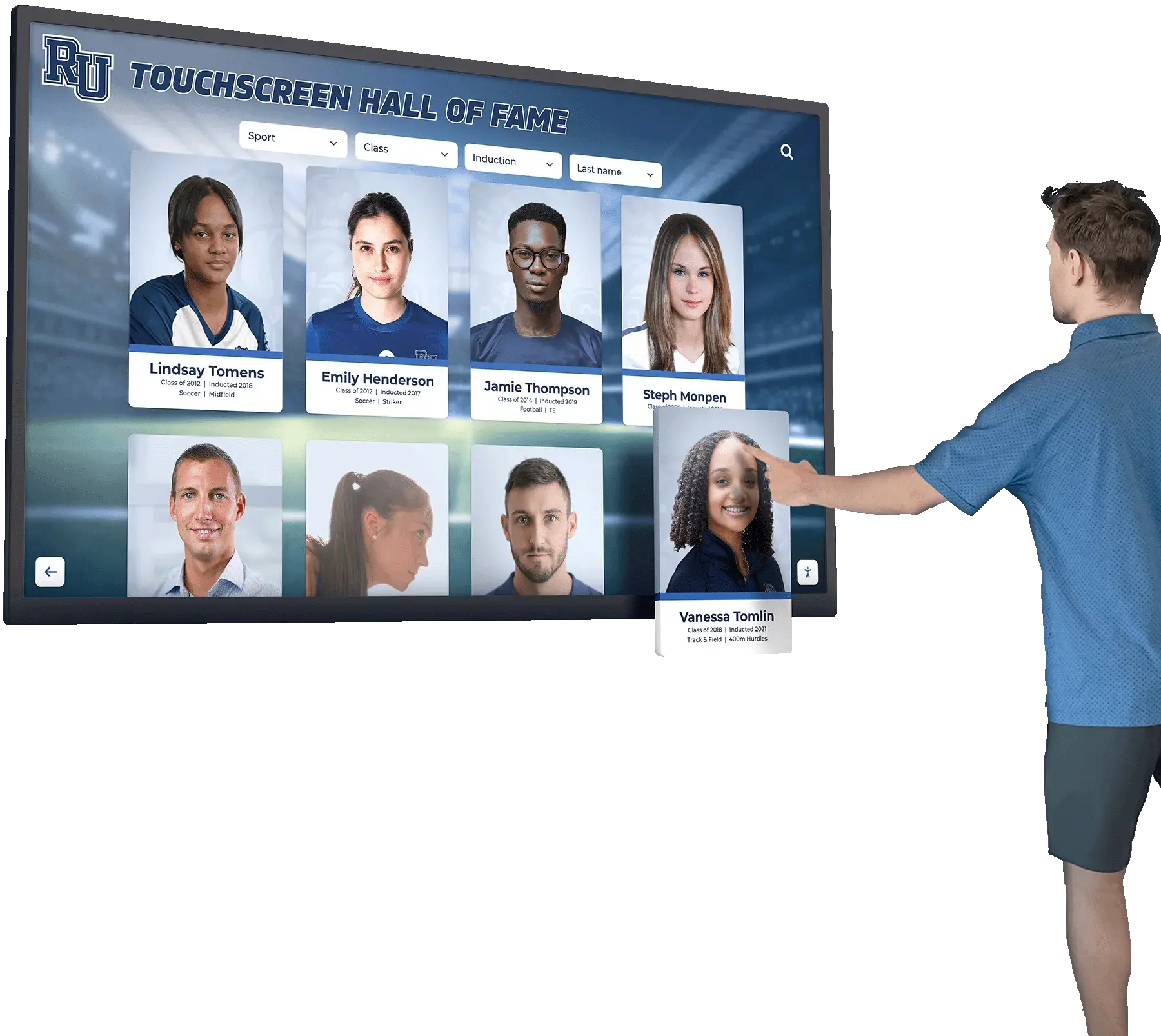
Implement permanent acknowledgment through digital donor walls displaying all tournament sponsors and major contributors, searchable displays enabling supporter discovery, multimedia content featuring stories and impact, real-time updates adding new supporters immediately, and campaign progress visualization.
Solutions like Rocket Alumni Solutions provide digital recognition platforms specifically designed for schools, enabling comprehensive donor acknowledgment impossible with traditional static plaques limited by physical space constraints.
These systems typically achieve cost parity with traditional donor walls within 3-5 years while providing unlimited capacity, effortless updates, and enhanced functionality that strengthens relationships and inspires increased giving through superior acknowledgment.
Hybrid Recognition Approaches
Combine permanent physical recognition for major multi-year sponsors with comprehensive digital displays accommodating all supporters, naming opportunities for specific tournament elements (the “Smith Family Par 3 Challenge”), and commemorative displays in school facilities.
Learn about comprehensive donor recognition wall solutions for schools and athletic programs.
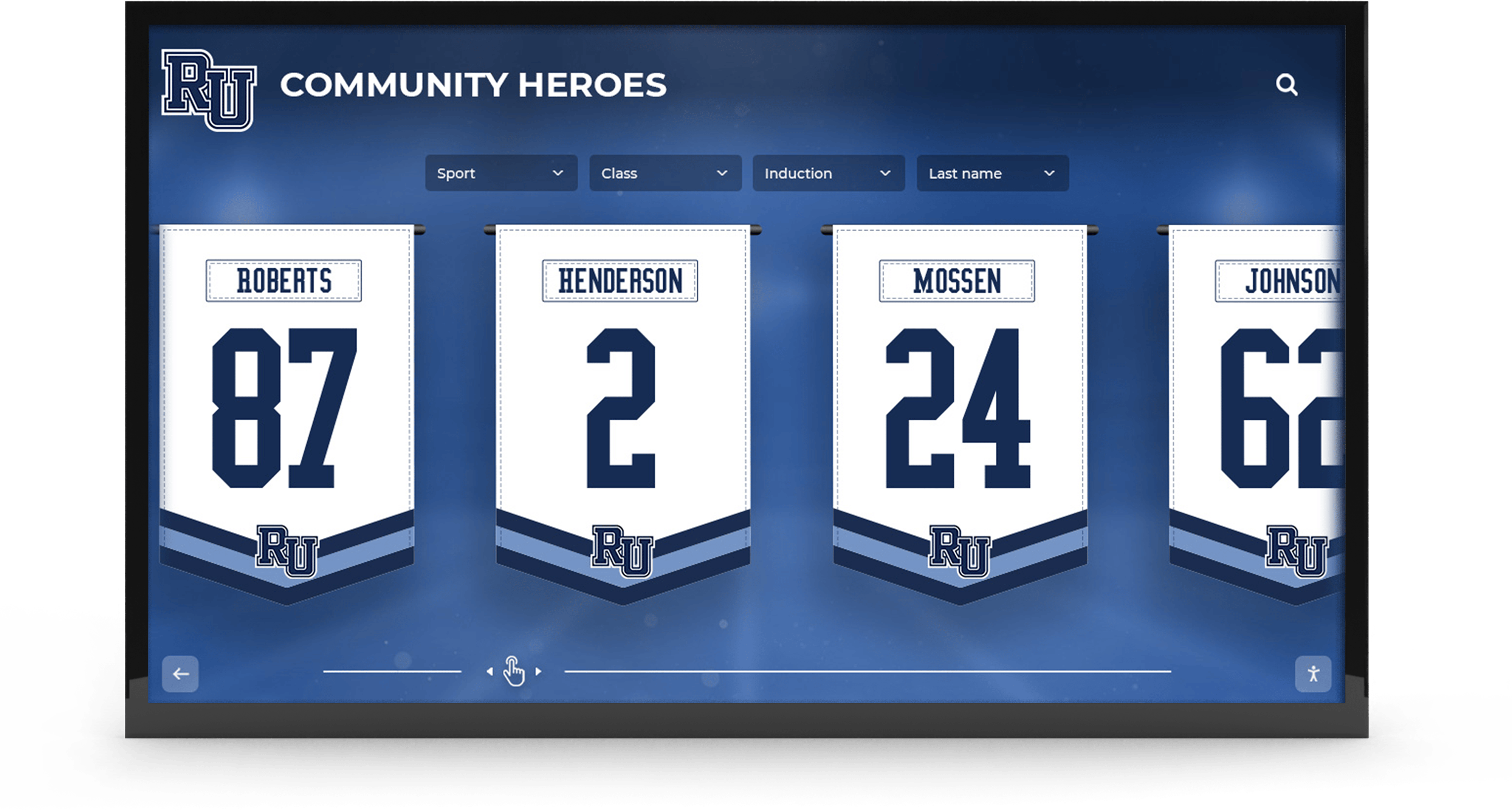
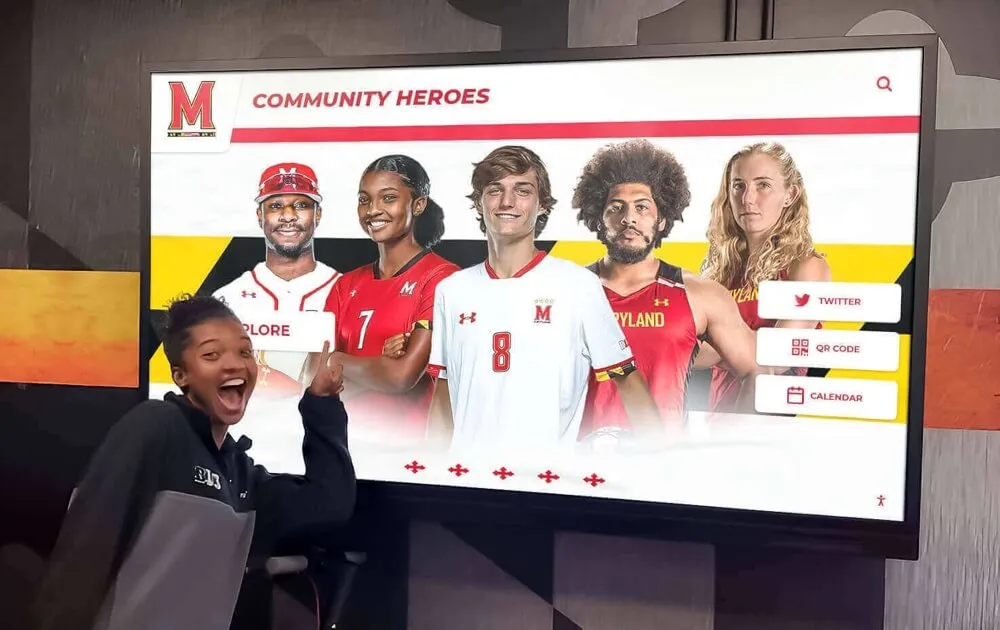
Permanent recognition celebrates tournament supporters as community heroes enabling program excellence
Impact Communication and Stewardship
Maintain connections through regular updates:
Post-Tournament Reporting
Within 2-3 weeks, share comprehensive impact communications including total funds raised, participant and sponsor numbers, photos from the event, specific programs or needs the proceeds will fund, stories about students or programs benefiting from support, and preliminary plans for next year’s tournament.
Donors who see tangible evidence of their contributions’ impact give again at significantly higher rates than those receiving only generic thank-you messages.
Year-Round Engagement
Sustain relationships through quarterly updates about programs funded by tournament proceeds, milestone announcements when specific goals are achieved (new equipment purchased, facility improvements completed), invitation to other school events maintaining connection, and early renewal solicitation for subsequent year’s tournament.
Personal Major Sponsor Stewardship
Enhanced engagement for significant supporters including personal thank-you calls from school leadership, behind-the-scenes tours showing tangible results of their sponsorship, special recognition at school events beyond the golf tournament, involvement in program advisory roles, and regular personal updates beyond mass communications.
Title sponsors and platinum-level supporters investing $5,000+ deserve personalized attention proportionate to their extraordinary commitment.
Explore outdoor recognition displays honoring major tournament sponsors and donors.
Marketing and Promotion Strategies
Comprehensive outreach maximizes participation and sponsorship:
Multi-Channel Promotional Campaigns
Systematic marketing across diverse platforms:
Digital Marketing
Online promotion through school website feature pages dedicated to tournament, email campaigns to parent database and alumni lists, social media countdown campaigns and engagement posts, sponsor spotlight features building excitement, online registration platform integration, and targeted digital advertising for corporate sponsor recruitment.
Create shareable content encouraging participants and sponsors to promote through their networks, exponentially expanding reach beyond your direct communication channels.
Traditional Outreach
Established marketing approaches including direct mail invitations to proven supporter lists, local newspaper press releases and advertisements, radio spots on community stations, flyers and posters at school facilities and local businesses, and promotional announcements at school athletic events and gatherings.
Network Activation
Leverage personal connections through booster club member peer-to-peer recruitment, athletic department coach and staff promotion, school administration outreach to business contacts, alumni association database access and communication, and participant forwarding to business associates and friends.
Personal invitations from respected community members dramatically outperform impersonal mass marketing for both participant recruitment and sponsor solicitation.
Creating Compelling Tournament Narratives
Effective messaging emphasizes impact and community:
Story-Based Promotion
Frame tournaments around compelling purposes including specific funding needs (new team equipment, facility improvements, scholarship funds), student-athlete success stories demonstrating program impact, program milestones and achievements made possible by past support, and community pride in athletic excellence.
Donors respond more generously to specific, tangible needs where they understand exactly what contributions fund rather than generic operating support without clear outcome connections.
Social Proof and Momentum Building
Generate excitement through participation announcements as teams register, sponsor recognition as partnerships are secured, fundraising progress updates creating urgency, countdown campaigns building anticipation, and past success highlighting previous tournament impact.
Demonstrating growing participation and support creates momentum encouraging additional registration and sponsorship as supporters want to be part of successful community traditions.
Discover how schools create memorable recognition celebrations honoring supporters and achievements.
Budget Management and Financial Planning
Strategic financial management maximizes net proceeds:
Expense Categories and Cost Control
Typical golf tournament budget allocations:
Venue and Course Costs (30-45% of gross revenue)
Largest expense category including green fees and cart rentals, meal service (lunch or dinner), beverage service, range balls and practice facilities, and tournament coordination fees.
Nonprofit package negotiations significantly impact this expense ratio. Well-negotiated deals might represent 30% of gross revenue while poorly structured agreements consume 50%+ of total income.
Prizes and Awards (5-10% of gross revenue)
Competition recognition including team prizes for multiple flights, individual skill contest awards, participation gifts or tournament swag, and sponsor-donated items reducing cash outlays.
Seek donated prizes from sponsors and businesses whenever possible, reducing cash expenses while providing recognition opportunities for donors.
Marketing and Promotion (3-8% of gross revenue)
Outreach investments including online registration platform fees, printed materials and signage, digital advertising, photography services, and communication expenses.
Auction and Entertainment Costs (10-20% of auction gross)
Fundraising expenses including auction item procurement costs, raffle prize purchases or donations, mobile bidding platform fees (if used), and entertainment or activities.
Minimize auction expenses by securing donated items rather than purchasing inventory. Well-curated donated auction packages generate profit margins of 90%+ compared to 40-60% for purchased items.
Administrative and Miscellaneous (5-10% of gross revenue)
Additional costs including insurance and permits, volunteer expenses and appreciation, payment processing fees, contingency reserves, and miscellaneous operational needs.
Revenue Projections and Target Setting
Establish realistic goals based on participant and sponsor numbers:
Entry Fee Revenue Model
Calculate baseline income: 36 teams × $600 entry fee = $21,600; 32 teams × $800 entry fee = $25,600
Higher entry fees work best for exclusive events targeting affluent demographics while lower pricing encourages broader participation. Most school tournaments find optimal pricing between $500-$800 per foursome ($125-$200 per player).
Sponsorship Revenue Targets
Comprehensive sponsorship including 1 title sponsor at $15,000; 3 platinum sponsors at $6,000 ($18,000 total); 6 gold sponsors at $3,000 ($18,000 total); 10 silver sponsors at $1,500 ($15,000 total); and 18 hole sponsors at $750 ($13,500 total) generates $79,500 in total sponsorship revenue.
Supplemental Revenue Streams
Additional income from silent auction ($8,000-$15,000), live auction ($5,000-$12,000), raffles and contests ($2,000-$5,000), mulligan sales ($1,000-$2,000), and beverage cart or add-ons ($500-$1,500) adds $16,500-$35,500.
Total Revenue and Net Proceeds
Combined revenue streams: Entry fees $21,600 + Sponsorships $79,500 + Supplemental $25,000 = $126,100 gross revenue
Less expenses at approximately 50% of gross = $63,050 in costs
Net proceeds: approximately $63,000
Well-executed tournaments with strong sponsorship cultivation and auction programs regularly achieve 50-60% net margins while less optimized events might net only 30-40% of gross revenue.
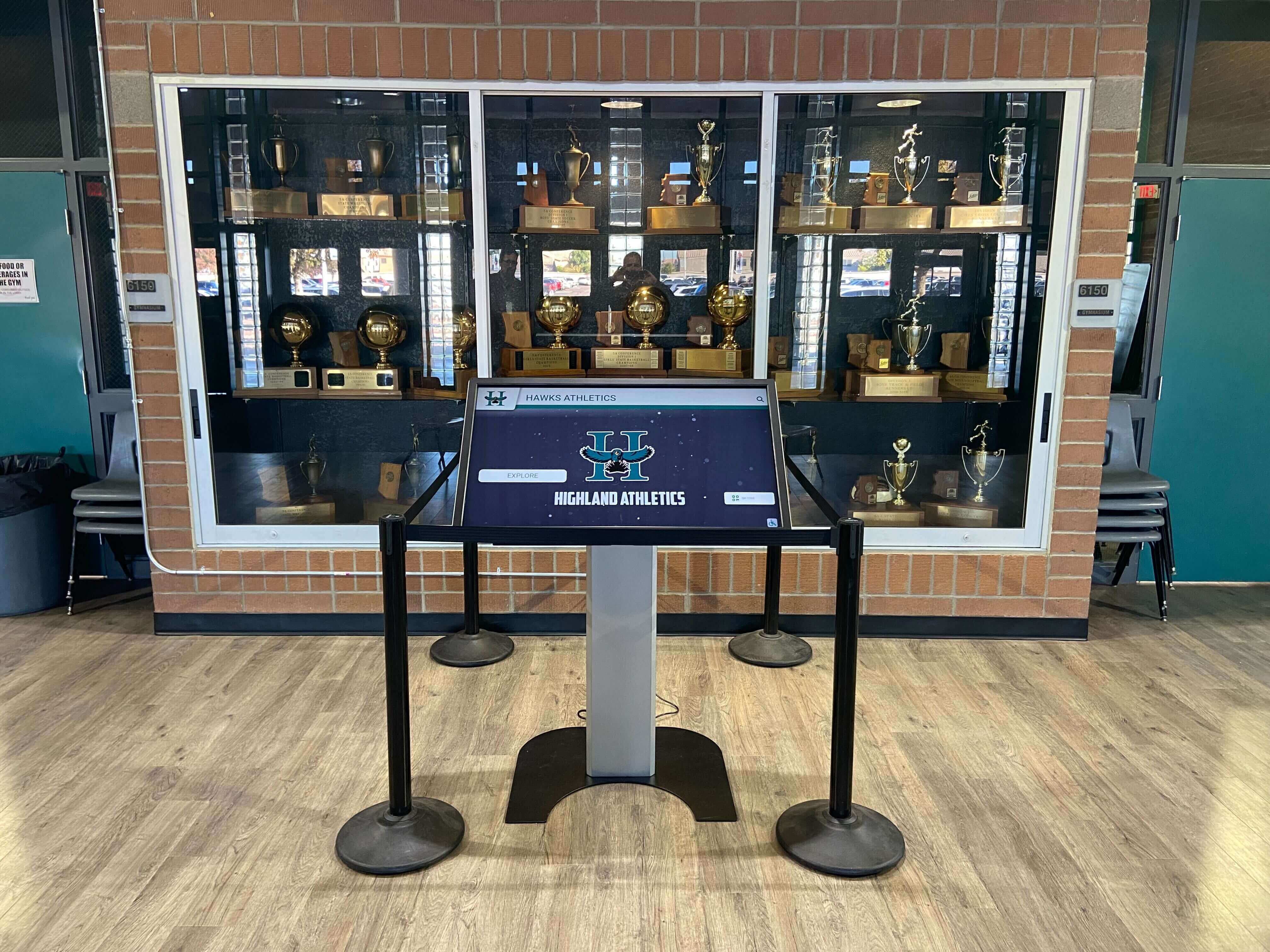
Tournament proceeds enable comprehensive recognition systems celebrating achievements and honoring supporters
Post-Tournament Follow-Up and Continuous Improvement
Strategic post-event activities ensure sustained success:
Immediate Post-Tournament Actions
Complete essential follow-up promptly:
Financial Reconciliation
Within one week, finalize accounting including all revenue totals by category, complete expense documentation, outstanding payment collection, sponsor invoice payment, and preliminary net proceeds calculation.
Transparent financial reporting builds credibility with sponsors and supporters while enabling accurate impact communication.
Thank-You Communications
Within two weeks, send personalized appreciation to all sponsors with impact summaries and recognition documentation, all participants thanking them for support, all volunteers honoring their essential contributions, auction donors acknowledging their generosity, and in-kind supporters recognizing non-financial contributions.
Prompt, personalized gratitude significantly improves renewal likelihood for subsequent tournaments.
Impact Reporting
Within 3-4 weeks, share comprehensive results including total funds raised, participation numbers, sponsor recognition, event photos and highlights, specific funding allocations (equipment purchased, programs supported), student-athlete impact stories, and preliminary next-year announcements.
Evaluation and Optimization
Systematic assessment drives continuous improvement:
Performance Metrics Analysis
Track critical indicators including total gross revenue and net proceeds, revenue by source category (fees, sponsorships, auctions, etc.), average team entry fee and total per-team revenue, sponsor acquisition and renewal rates, expense ratio and cost per dollar raised, participant satisfaction scores, volunteer engagement and retention, and comparison to previous years and peer benchmarks.
Stakeholder Feedback Collection
Gather input through post-tournament participant surveys, sponsor debriefings soliciting improvement suggestions, volunteer feedback sessions, committee retrospectives, and informal conversations with key supporters.
Donors, participants, and volunteers often provide valuable insights about format preferences, timing considerations, and new opportunities that internal planning perspectives miss.
Documentation and Institutional Memory
Preserve knowledge through planning timeline and checklist documentation, sponsor and donor database maintenance, successful solicitation approach documentation, vendor and contact information compilation, budget templates and financial models, and lessons learned summaries.
Comprehensive documentation dramatically reduces planning burden for successive years while preserving institutional knowledge surviving committee turnover.
Building Annual Traditions
Transform one-time events into anticipated community gatherings:
Consistent Timing and Venue
Establish predictability through same seasonal timing annually (early fall, late spring), consistent golf course partnerships, recognizable event branding and naming, and familiar format elements participants anticipate.
Annual consistency builds tradition where participants block calendars in advance and sponsors budget for recurring partnerships.
Legacy Recognition Programs
Honor sustained support through cumulative giving acknowledgment, consecutive participation recognition, founding sponsor celebration, milestone tournament celebrations (5th annual, 10th annual), and hall of fame or legacy society induction for long-time supporters.
Understand comprehensive digital recognition platforms celebrating tournament supporters.
Community Integration
Deepen connections through alignment with homecoming or other school traditions, integration with broader fundraising campaigns, student-athlete participation and recognition, family-friendly pre-tournament or concurrent activities, and year-round engagement maintaining momentum.
Most successful fundraising tournaments evolve into broader community celebrations where golf represents one element of comprehensive school engagement rather than isolated annual fundraising events.
Common Challenges and Solutions
Anticipate obstacles and implement preventive strategies:
Weather and Environmental Risks
Unpredictable conditions threaten outdoor events:
Comprehensive Insurance Coverage
Secure event cancellation insurance protecting against complete weather cancellations, weather-related reduced participation, and other unforeseen circumstances.
Insurance costs (typically 1-3% of total budget) provide essential protection against catastrophic revenue loss from cancellation or major disruption.
Flexible Scheduling and Format
Build resilience through confirmed rain date options, format modification plans (9 holes instead of 18), indoor alternative programming, and clear communication of weather policies.
Weather-Resistant Revenue Diversification
Reduce vulnerability through advance payment requirements ensuring revenue even if cancellation occurs, sponsor benefits fulfilled regardless of whether tournament proceeds, online auction components continuing despite weather, and virtual participation options enabling remote engagement.
Sponsor Fatigue and Competition
Multiple charitable tournaments compete for limited corporate support:
Differentiation and Unique Value
Stand out through exclusive category rights limiting sponsor competition, creative recognition and activation opportunities, demographic positioning emphasizing participant quality over quantity, impact storytelling demonstrating tangible outcomes, and personal relationship cultivation beyond transactional solicitation.
Multi-Year Partnership Development
Reduce annual solicitation burden through three to five-year commitments providing budget predictability, relationship deepening across multiple years, exclusive benefits for long-term partners, and first refusal rights preventing sponsor loss.
Sponsor Value Maximization
Justify continued investment through comprehensive benefit delivery, regular communication and relationship cultivation, impact reporting demonstrating community visibility achieved, activation opportunities enabling direct customer engagement, and creative partnership expansion beyond basic logo placement.
Volunteer Recruitment and Retention
Excessive workload causes volunteer burnout threatening sustainability:
Right-Sizing Volunteer Needs
Minimize burden through golf course partnership services reducing coordination requirements, technology and automation streamlining administration, efficient role definition preventing overstaffing, reasonable shift lengths (2-3 hours maximum), and clear backup plans preventing single points of failure.
Volunteer Appreciation and Recognition
Inspire sustained engagement through genuine gratitude and acknowledgment, meals and hospitality during event service, branded appreciation gifts, social media and public recognition, and exclusive volunteer appreciation events.
Succession Planning and Leadership Development
Ensure continuity through co-chair structures enabling knowledge transfer, documented procedures and institutional memory, gradual responsibility transition for new leaders, and cultivation of next-generation tournament committees.
Discover effective hall of fame recognition tools celebrating tournament legacy.
Conclusion: Building Sustainable Tournament Success
Golf tournament fundraisers represent one of the most lucrative single-day fundraising opportunities available to schools, booster clubs, and athletic departments when executed with strategic planning, comprehensive sponsorship development, efficient operations management, and genuine commitment to donor recognition and relationship building. The difference between mediocre tournaments generating modest proceeds and transformational annual events raising $50,000-$75,000+ lies not in format or venue but in systematic approach to every element from sponsor cultivation through post-event stewardship.
This comprehensive guide has explored proven strategies across all phases of tournament planning and execution including selecting accessible formats that maximize participation and enjoyment, securing venue partnerships that reduce costs while maintaining quality, developing tiered sponsorship packages creating opportunities at multiple investment levels, optimizing revenue through auctions, contests, and creative add-on activities, managing logistics efficiently protecting volunteer capacity, implementing recognition systems that inspire sustained annual support, promoting effectively through multi-channel marketing, controlling expenses while maximizing net proceeds, and building continuous improvement systems that strengthen tournaments year after year.
Strategic Implementation Priorities
Schools planning their first golf tournament or seeking to optimize established events should focus on early venue partnership negotiations securing favorable pricing and services, comprehensive sponsorship cultivation beginning 4-6 months in advance, systematic volunteer recruitment with clear role definition, professional registration and communication systems, auction development maximizing donated item procurement, participant experience optimization ensuring enjoyment and return likelihood, comprehensive donor recognition celebrating all supporters appropriately, and post-tournament evaluation driving continuous improvement.
The Recognition-Fundraising Connection
Strategic donor and sponsor recognition directly improves fundraising outcomes through higher renewal rates among acknowledged supporters, increased giving levels from visibly celebrated contributors, peer inspiration as community members observe recognition, enhanced school reputation attracting new supporters, and volunteer recruitment as appreciation demonstrates organizational values.
Schools investing in comprehensive recognition—whether through digital donor walls like those provided by Rocket Alumni Solutions or hybrid approaches combining physical and digital elements—consistently report fundraising improvements exceeding recognition program costs within 2-3 years through enhanced retention, upgraded sponsorship packages, and new donor acquisition inspired by visible appreciation cultures.
Building Championship-Caliber Community Support
The most successful golf tournament fundraisers extend far beyond single-day events to become anticipated annual traditions where participants block calendars in advance, sponsors budget for recurring partnerships, volunteers return year after year, and broader communities celebrate school athletic programs through joyful gathering and generous support. These tournaments succeed because organizers treat them not as isolated fundraising campaigns but as relationship-building opportunities creating sustained engagement with programs, meaningful recognition of supporters, and visible demonstration of community pride in student-athlete achievement and school excellence.
Your student-athletes deserve programs providing competitive experiences, quality equipment, skilled coaching, necessary resources, and excellent facilities. Successful golf tournament fundraisers make those experiences possible while building community pride and engagement extending far beyond individual seasons or graduating classes. With strategic planning, efficient execution, comprehensive recognition, and authentic commitment to supporter relationships, your golf tournament can become a signature annual tradition generating substantial revenue while celebrating the community commitment that makes athletic excellence possible.
Ready to enhance your golf tournament fundraising through strategic recognition that inspires sustained sponsor and donor support? Discover how comprehensive digital recognition solutions transform donor appreciation from simple acknowledgment to powerful relationship-building tools that strengthen fundraising outcomes while celebrating the community commitment making athletic programs and successful tournaments possible.