Delivering a graduation speech—whether as valedictorian, class representative, principal, or guest speaker—ranks among life’s most intimidating public speaking challenges. You’re addressing graduates at a pivotal life transition, speaking to families who’ve invested years supporting their students’ success, and creating what should be a memorable moment in a ceremony people will reference for decades. The pressure to deliver something meaningful, inspiring, and appropriate feels enormous, especially when you’re staring at a blank page wondering where to begin.
Most graduation speech anxiety stems not from public speaking itself but from structural uncertainty. Without clear framework, even accomplished speakers struggle determining what to include, how to organize ideas, what length feels appropriate, and how to balance celebration with inspiration while avoiding clichés that make audiences mentally check out. The difference between forgettable speeches graduates endure and memorable addresses they actually appreciate lies not in eloquence or humor but in solid structural foundations supporting authentic, relevant content.
This comprehensive guide provides tested graduation speech outlines, templates, and frameworks helping students, administrators, and guest speakers craft addresses that genuinely resonate with graduation audiences. Whether delivering a three-minute student speech or fifteen-minute keynote address, these strategic structures transform blank-page paralysis into confident preparation.

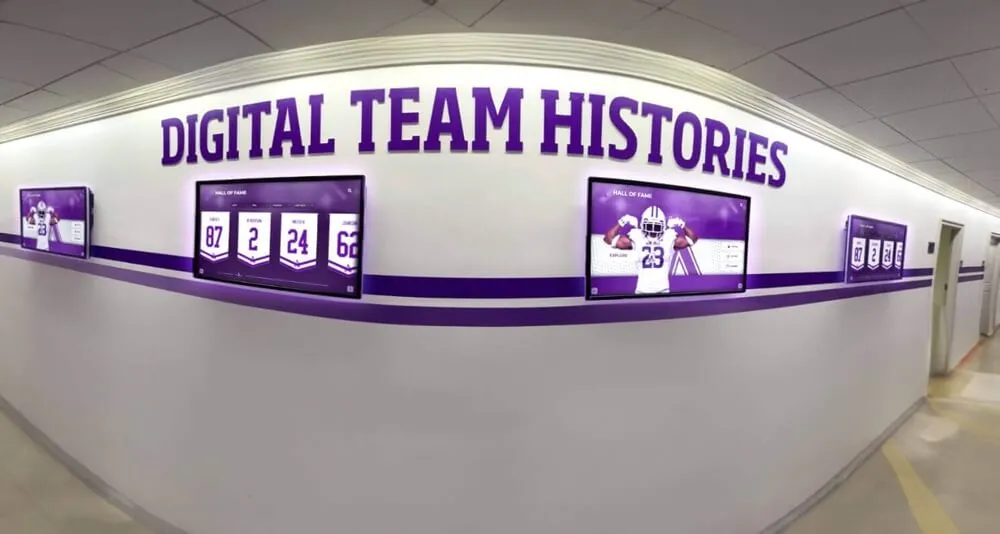
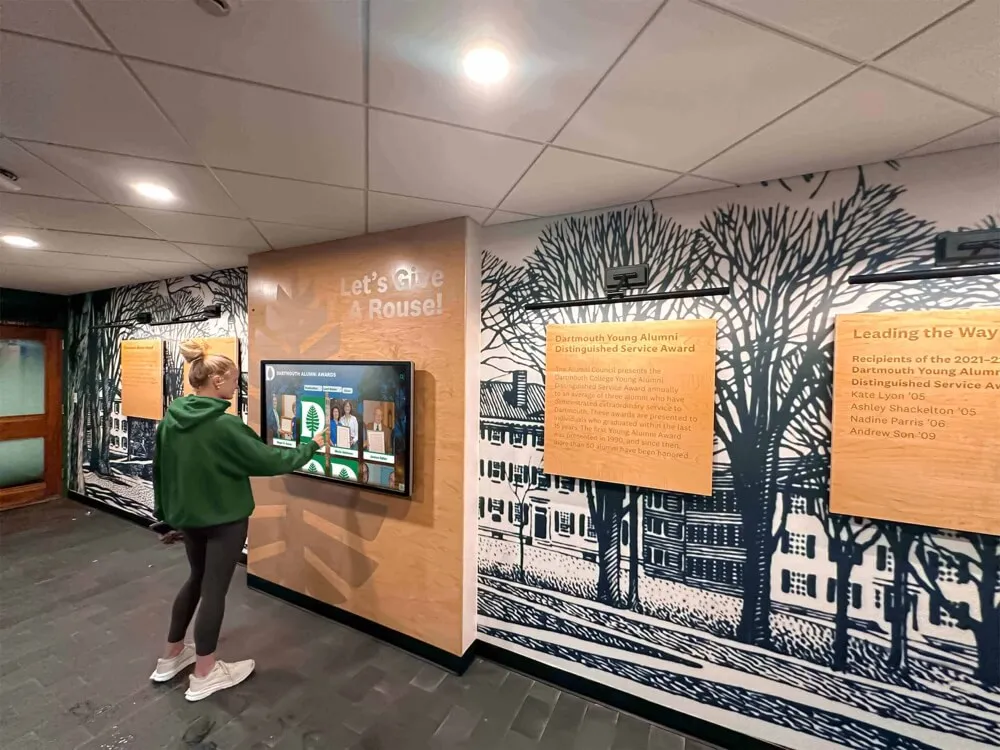
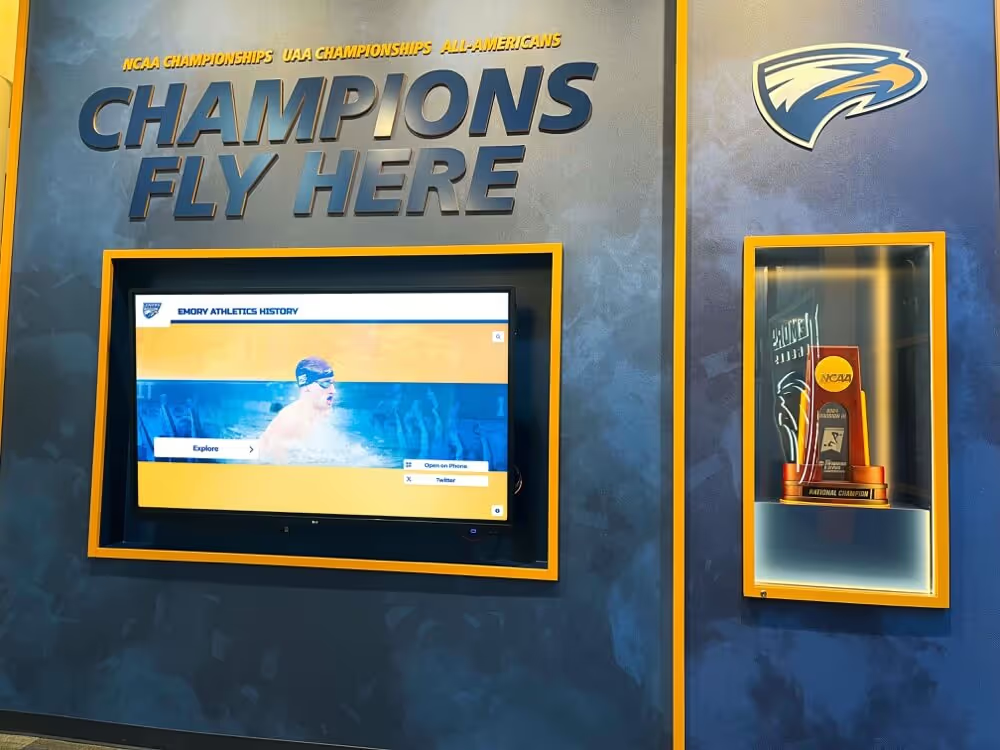
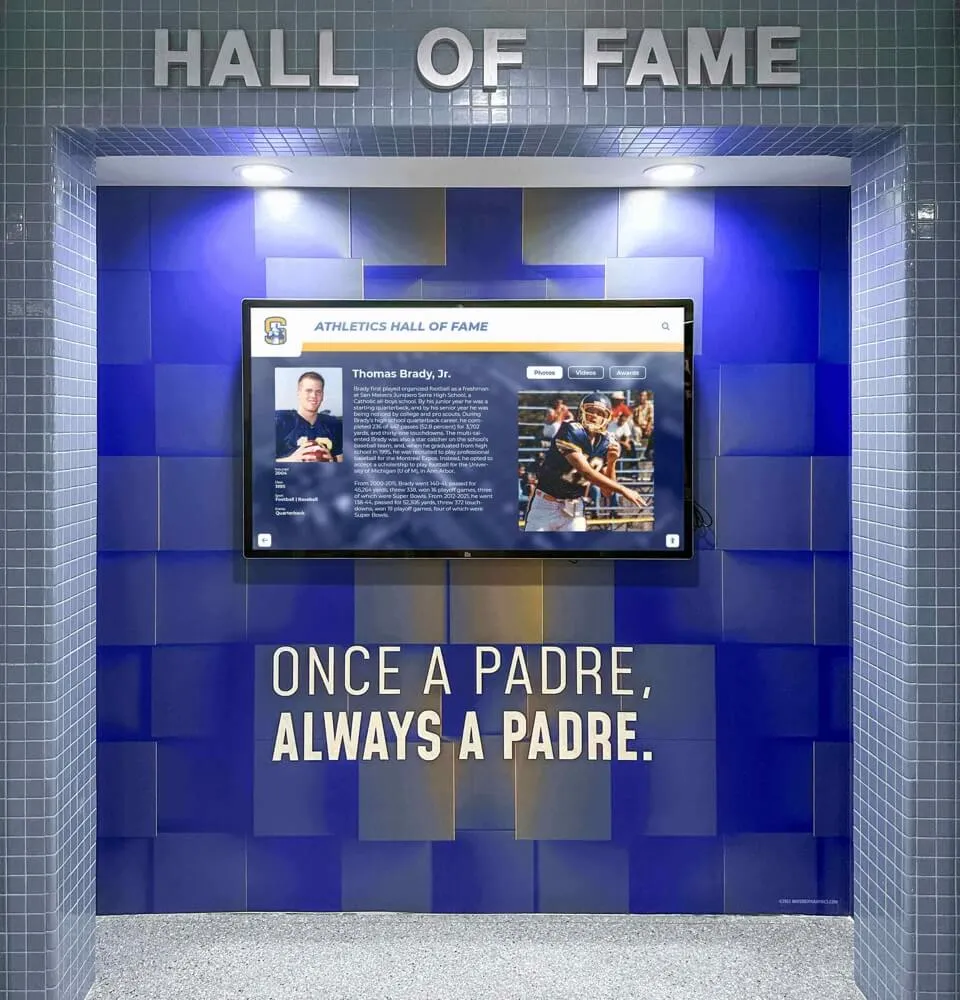
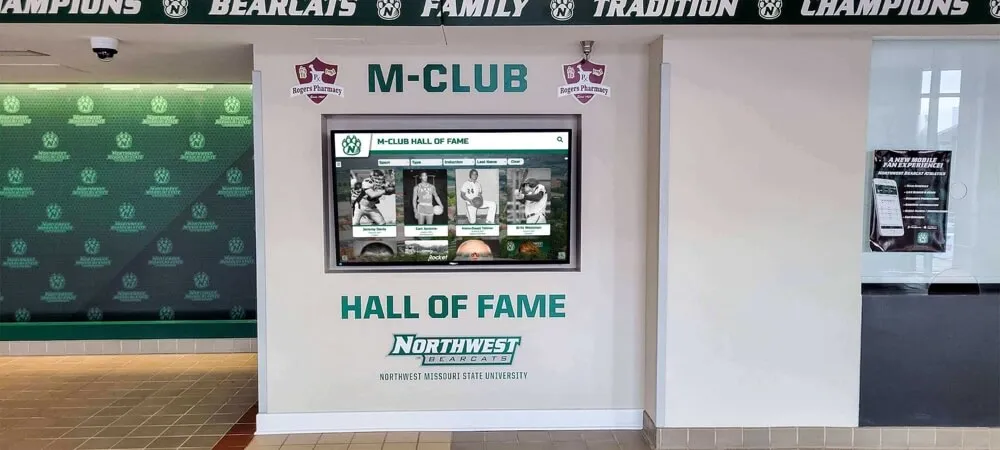
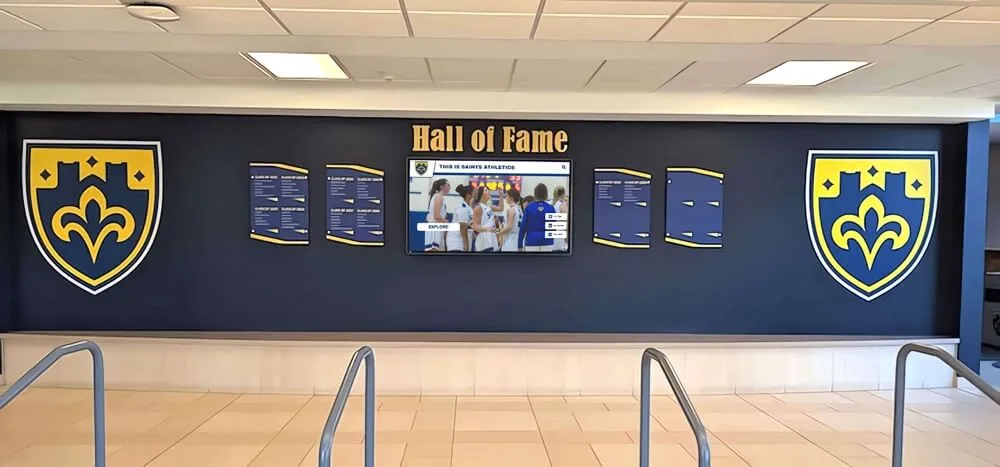
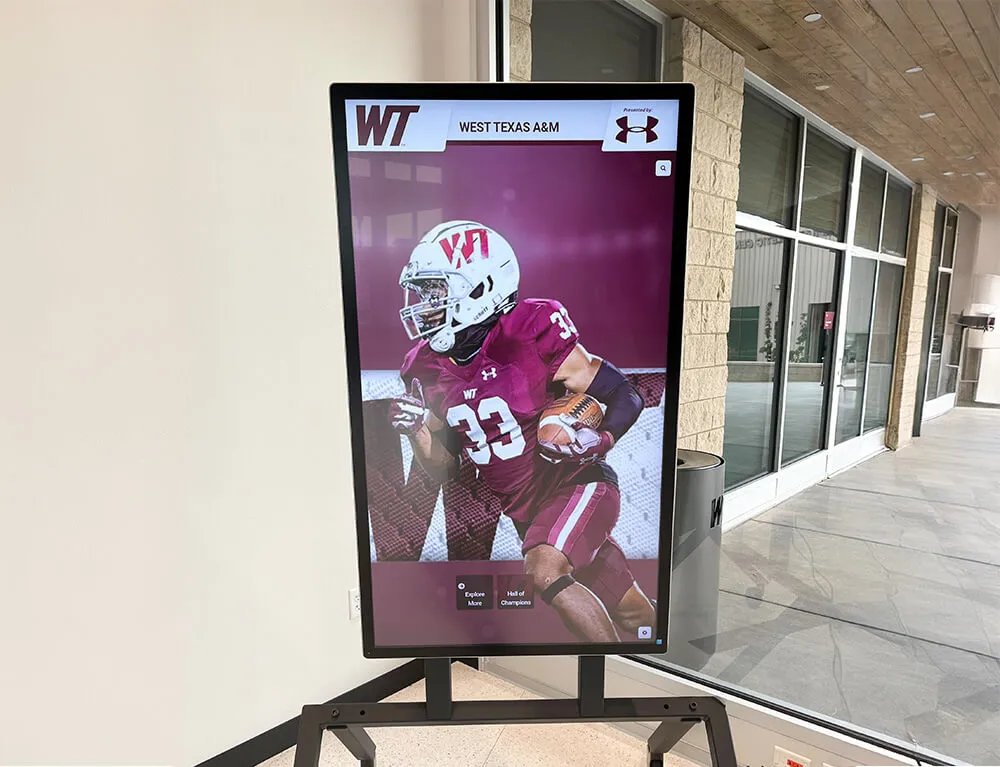
Modern recognition systems preserve graduation messages and honoree information beyond ceremony moments, extending celebration impact indefinitely
Understanding Your Graduation Speech Purpose
Before exploring specific outlines, clarifying your speech’s fundamental purpose shapes every subsequent content decision.
The Multi-Layered Objectives of Graduation Addresses
Effective graduation speeches accomplish several interconnected goals simultaneously:
Honor Graduate Achievement
Your primary responsibility involves celebrating graduating students appropriately—acknowledging their academic accomplishments, recognizing effort and perseverance, validating the significance of reaching this milestone, and creating memorable recognition moments they’ll reference throughout lives.
This celebratory function requires genuine acknowledgment rather than generic praise. Graduates immediately detect whether speakers understand their actual experience or are delivering boilerplate remarks applicable to any graduating class anywhere.
Inspire Future Success
Beyond celebrating past achievement, graduation speeches should motivate continued excellence by painting aspirational visions of graduates’ potential, providing actionable wisdom applicable to next chapters, sharing perspectives that reframe challenges as opportunities, and instilling confidence graduates carry forward.
Inspiration without condescension proves challenging—graduates respond to authentic encouragement recognizing their agency while patronizing “follow your dreams” platitudes fall flat.
Acknowledge Supporting Communities
Comprehensive graduation recognition extends beyond students alone to honor families who provided support and sacrifice, educators who invested time and expertise, community members who contributed resources or opportunities, and institutional supporters whose philanthropy enabled educational quality.
This community acknowledgment demonstrates that achievement never occurs in isolation while expressing gratitude that strengthens relationships during natural transition moments when institutional connections risk weakening.
Understanding how donor recognition programs create lasting visibility for institutional supporters helps speakers appropriately acknowledge contributions during ceremonies.
Create Ceremony Significance
Your speech contributes to overall ceremony atmosphere and significance. Effective addresses enhance celebration gravity while maintaining appropriate joy, provide connective tissue between ceremony segments, and establish tone influencing how audiences experience entire events.
This ceremonial function means speeches serve purposes beyond just information delivery—they create shared emotional experiences transforming procedural requirements into meaningful rituals.
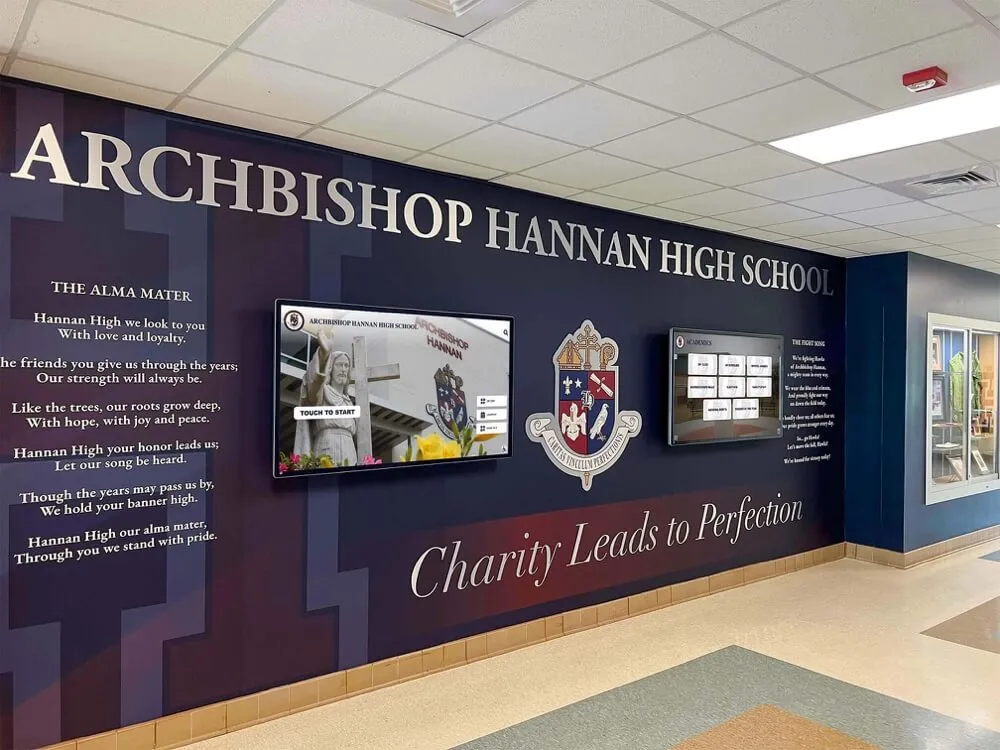
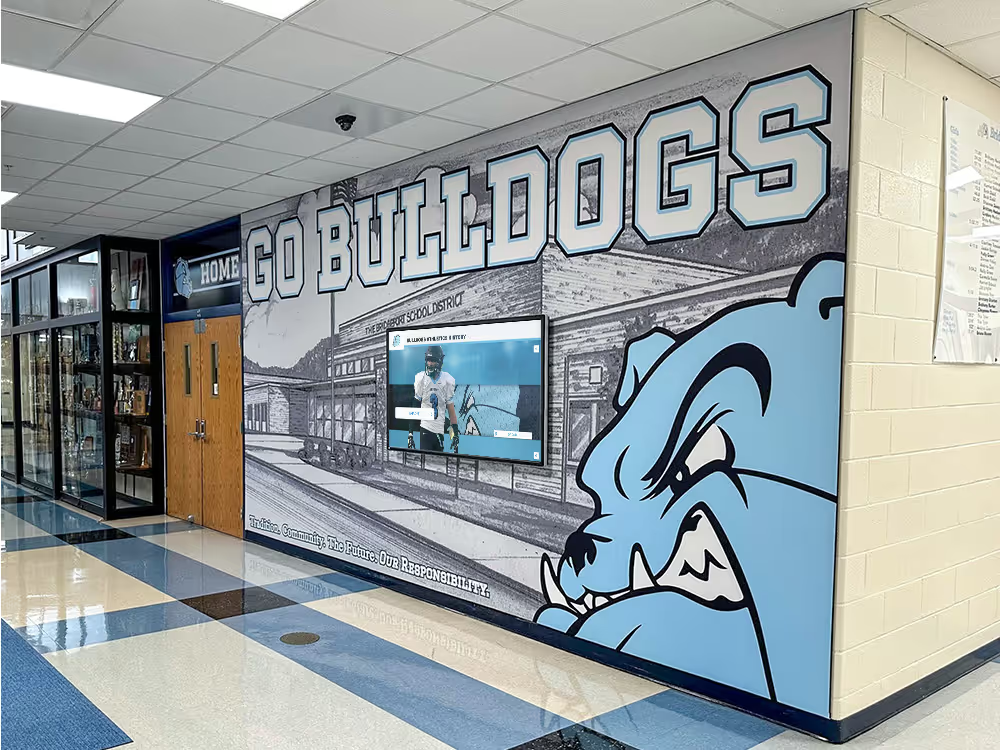
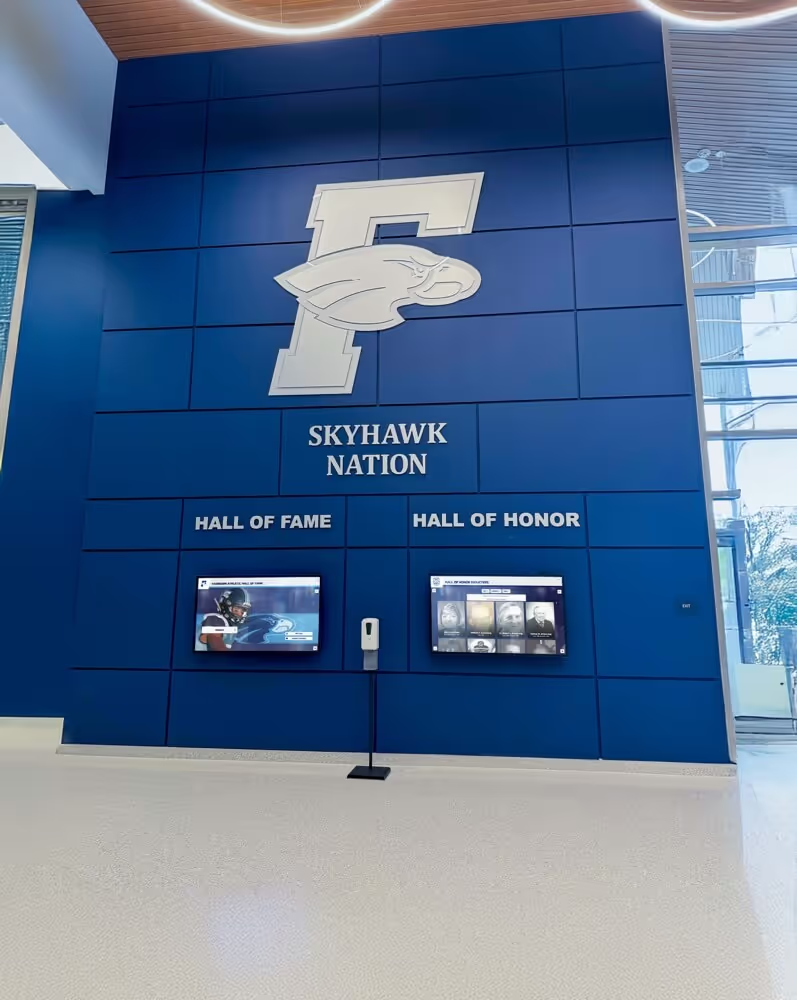
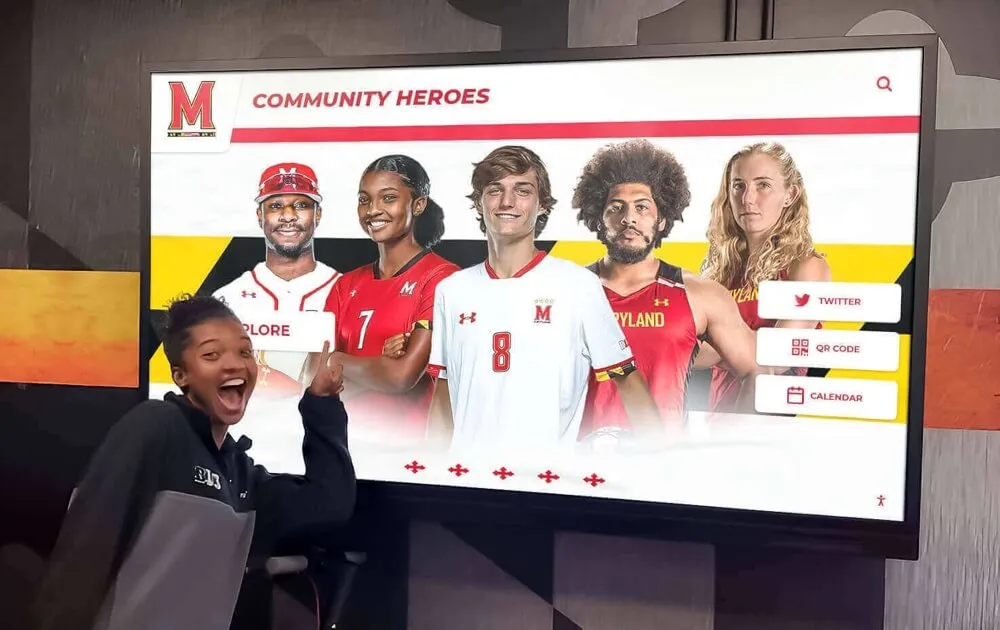
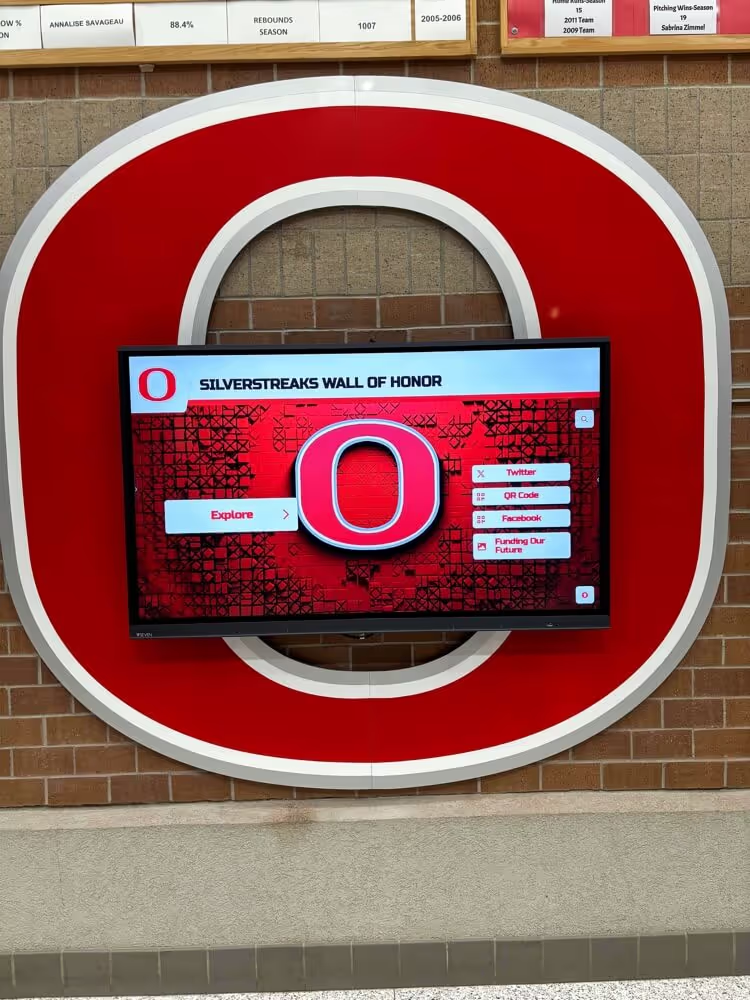
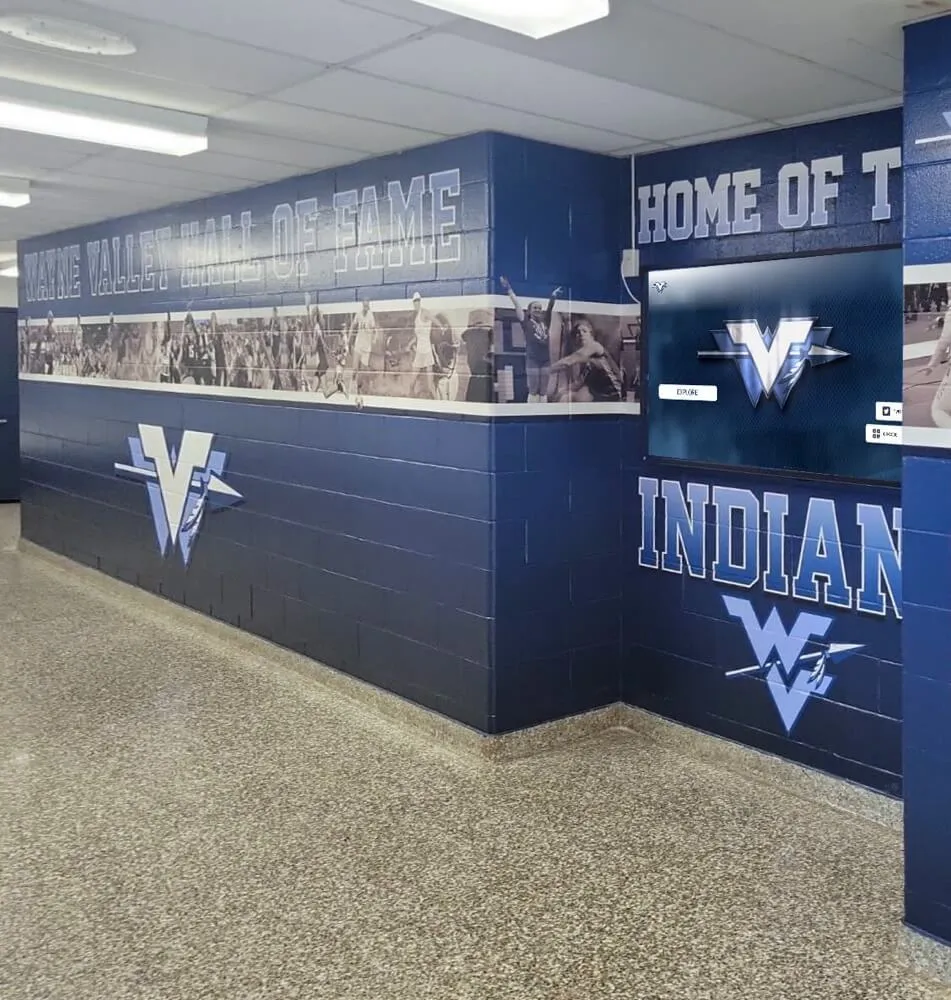
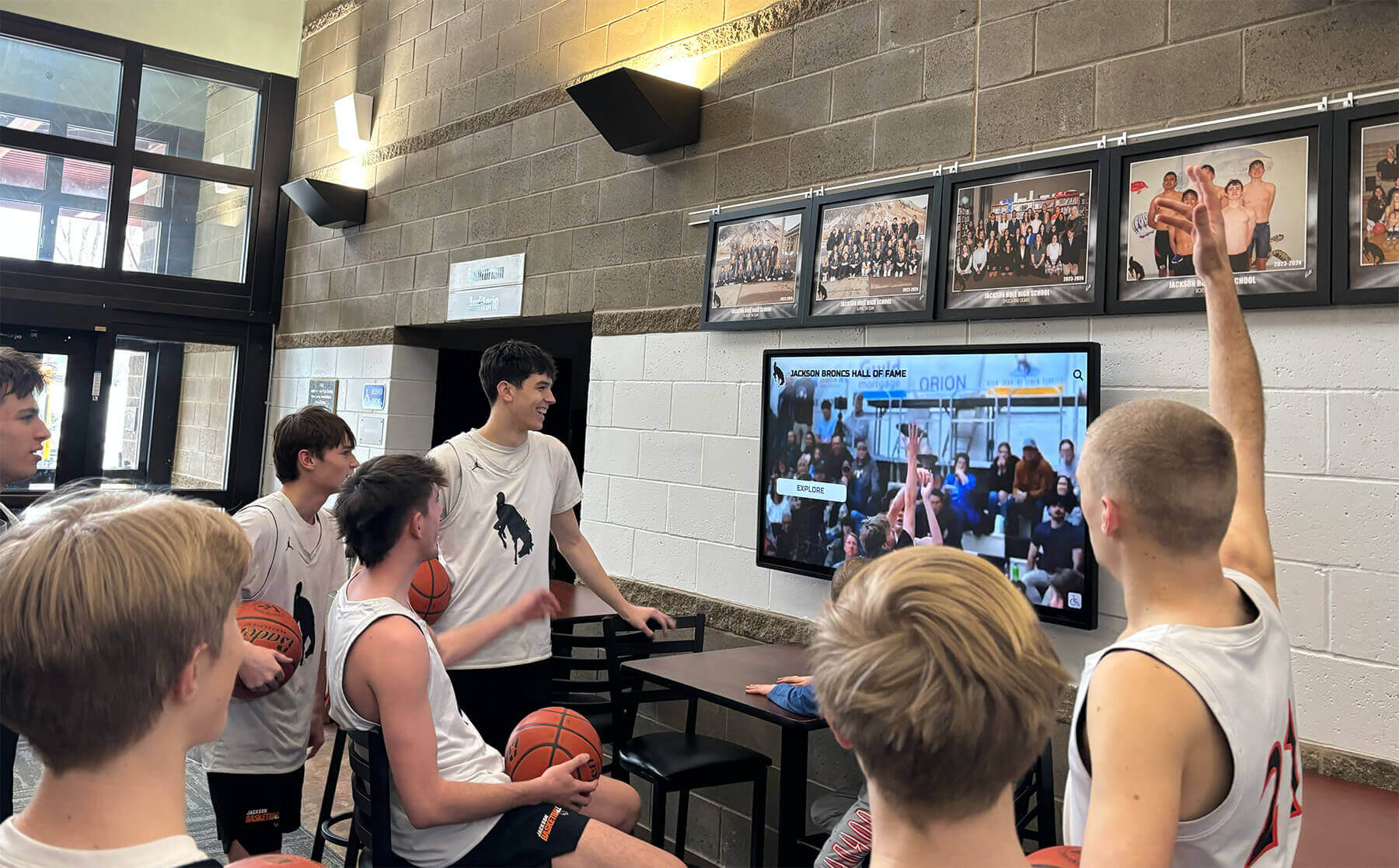
Permanent recognition installations extend graduation speech themes into daily school environments where students encounter them regularly
Tailoring Approach to Speaker Role
Different speaker roles necessitate different emphases and approaches:
Student Speakers (Valedictorian/Representative)
Student graduation speeches work best when they authentically reflect peer perspective rather than attempting to sound like adult administrators. Effective student addresses share personal experience and growth, acknowledge classmate relationships and shared memories, speak to peers as equals rather than lecturing, balance humor with appropriate seriousness, and express gratitude while looking forward optimistically.
Student speakers should resist pressure to deliver profound philosophical insights—peers respond more powerfully to authentic peer perspective than forced wisdom.
School Administrators (Principal/Superintendent)
Administrative speakers balance institutional perspective with personal connection. Strong administrator addresses acknowledge graduates’ specific accomplishments and character, connect class to school history and tradition, express pride in graduates while challenging continued excellence, recognize families and staff who enabled success, and articulate institutional values graduates embody.
Administrators should leverage institutional knowledge while avoiding speeches feeling like reports or policy statements rather than personal addresses to graduates they know.
Guest Speakers (Alumni/Community Leaders)
External speakers provide outside perspective and broader life context. Effective guest addresses share relevant personal experience connecting to graduate situations, offer practical wisdom from post-graduation experience, acknowledge community pride in graduates, inspire through example rather than prescription, and demonstrate understanding of local context rather than generic platitudes.
Guest speakers should research their audience thoroughly—nothing undermines speeches faster than demonstrating unfamiliarity with institution, community, or graduates being addressed.
The Core Three-Part Speech Structure
Regardless of speaker role or specific content, nearly all effective graduation speeches follow this proven three-part structure:
Part 1: The Opening Hook (10-15% of speech)
Your opening 30-60 seconds determines whether audiences genuinely listen or mentally disengage while physically present.
Effective Opening Techniques
Surprising Statement or Statistic
Begin with unexpected information capturing attention through surprise. Examples include counterintuitive data about graduate futures, little-known historical facts about graduation traditions, or revealing statistics about the graduating class itself.
Example opening: “A hundred years ago, fewer than 10% of Americans graduated high school. Today, you’re among the 85% who achieve this milestone—which means graduation is simultaneously more common and more necessary than ever. Your diploma opens doors, but so does everyone else’s. The question isn’t whether you graduated, but what you’ll do with that foundation.”
This opening immediately establishes stakes and forward focus rather than just celebration.
Compelling Question
Pose thought-provoking question audiences actually consider rather than rhetorical questions requiring no thought.
Example opening: “How many of you actually remember your first day of freshman year? Most people say they do, but what you remember is probably the story you’ve told yourself about that day, not the actual experience. Today will be like that—you’ll remember the story you create about this moment more than the moment itself. So what story will you tell?”
This opening engages audiences actively while establishing speech’s thematic focus on narrative and meaning-making.
Vivid Scene or Story
Drop audiences into specific moment through descriptive narrative creating immediate engagement.
Example opening: “Four years ago, some of you walked into this school for the first time feeling terrified. Others arrived cocky, certain they had everything figured out. Most were somewhere in between—nervous but excited, uncertain but hopeful. Whatever you felt that first day, you were wrong about what the next four years would actually be like. Everyone is. And you’ll be wrong about what comes next too—which is exactly as it should be.”
This opening creates immediate connection through shared memory while establishing expectation-versus-reality theme.
Exploring class reunion planning strategies reveals how effective storytelling creates memorable shared experiences.
What to Avoid in Openings
- Generic greetings: “Good evening, graduates, families, and distinguished guests…”
- Dictionary definitions: “Webster’s Dictionary defines success as…”
- Apologies: “I’ll try to keep this brief…” or “I’m not a professional speaker…”
- Overly formal language disconnected from natural speaking voice
- Inside jokes only 5% of audience understands
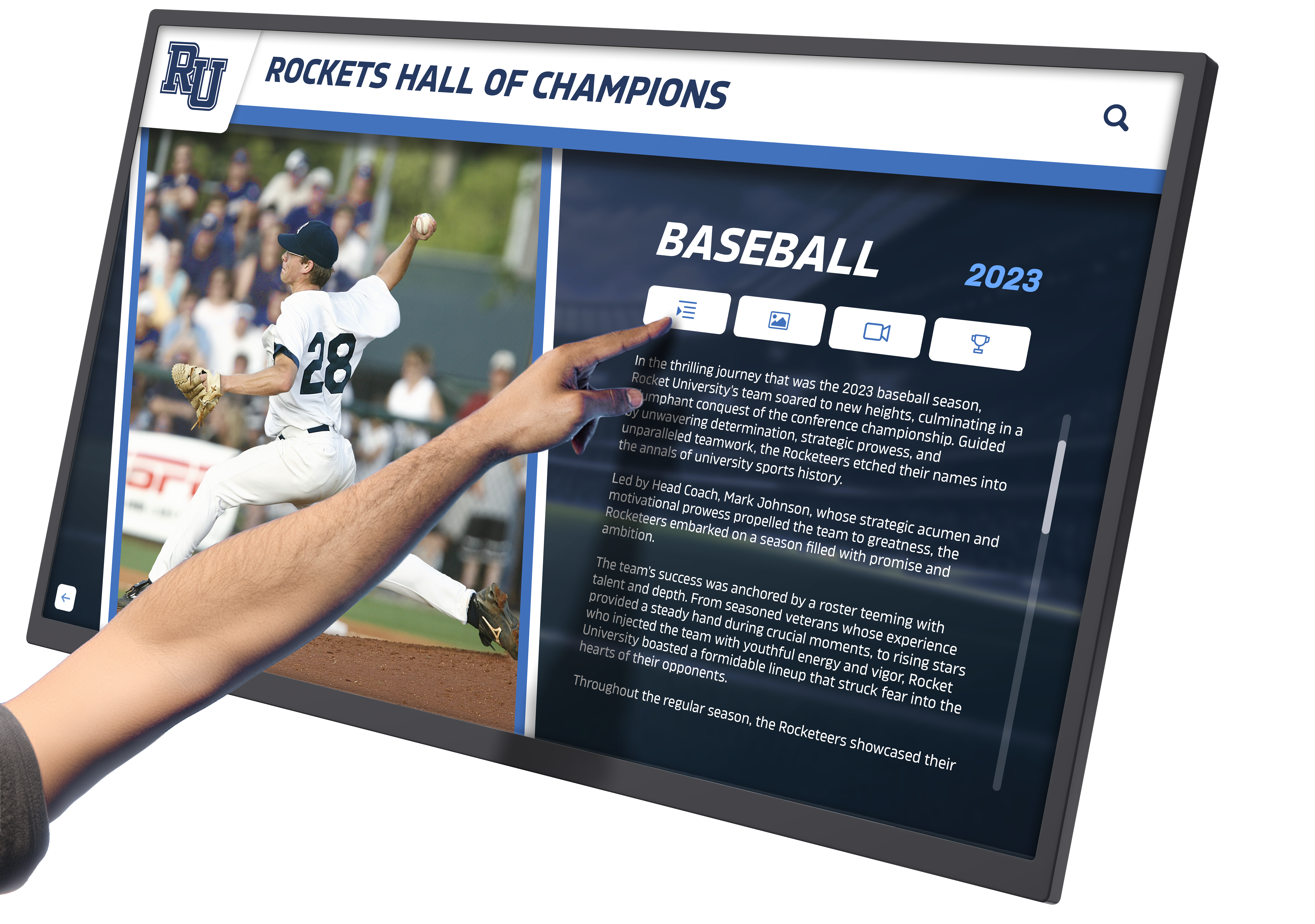
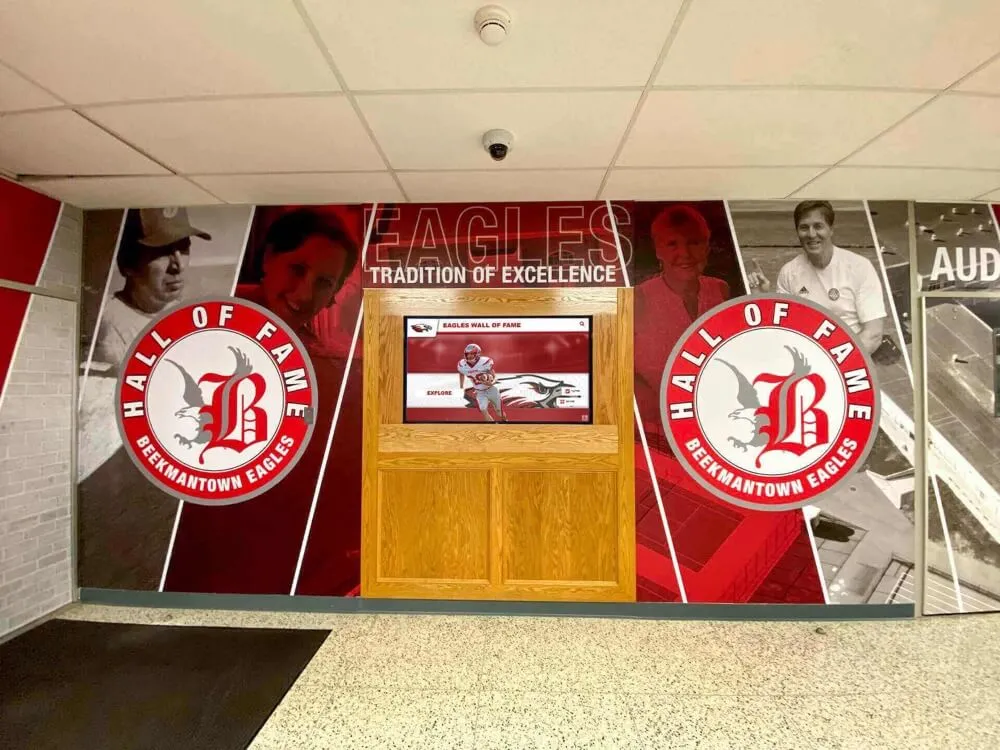
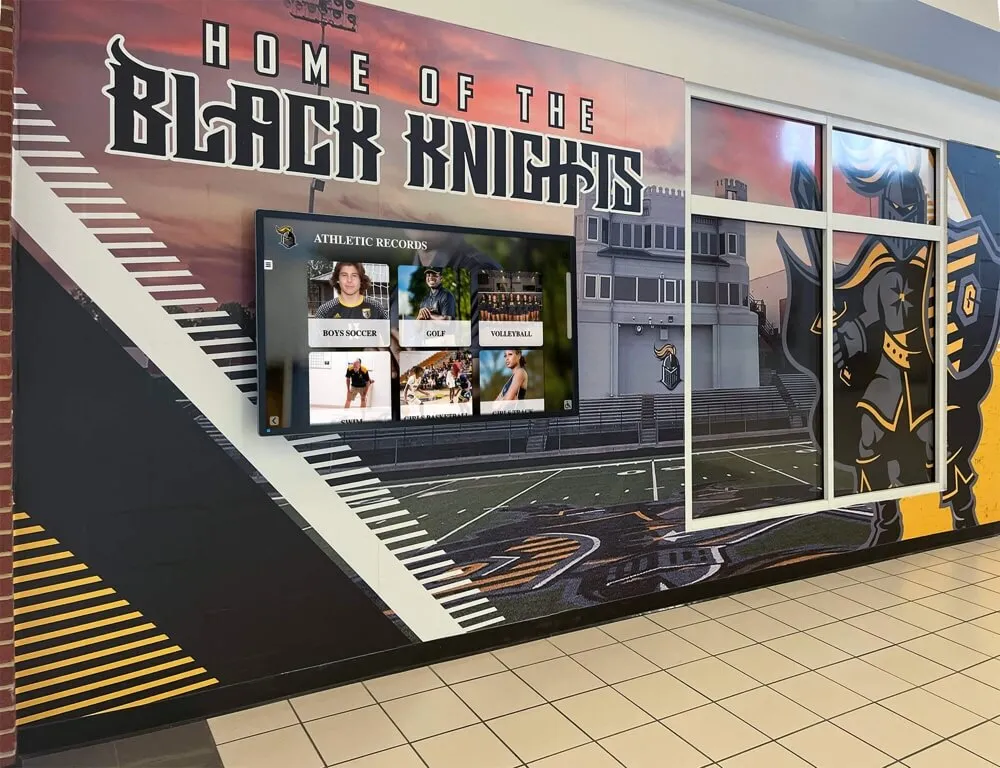
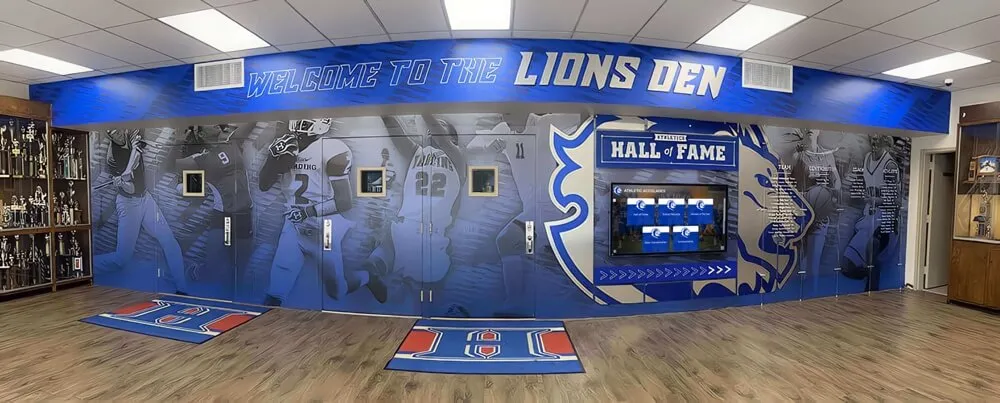
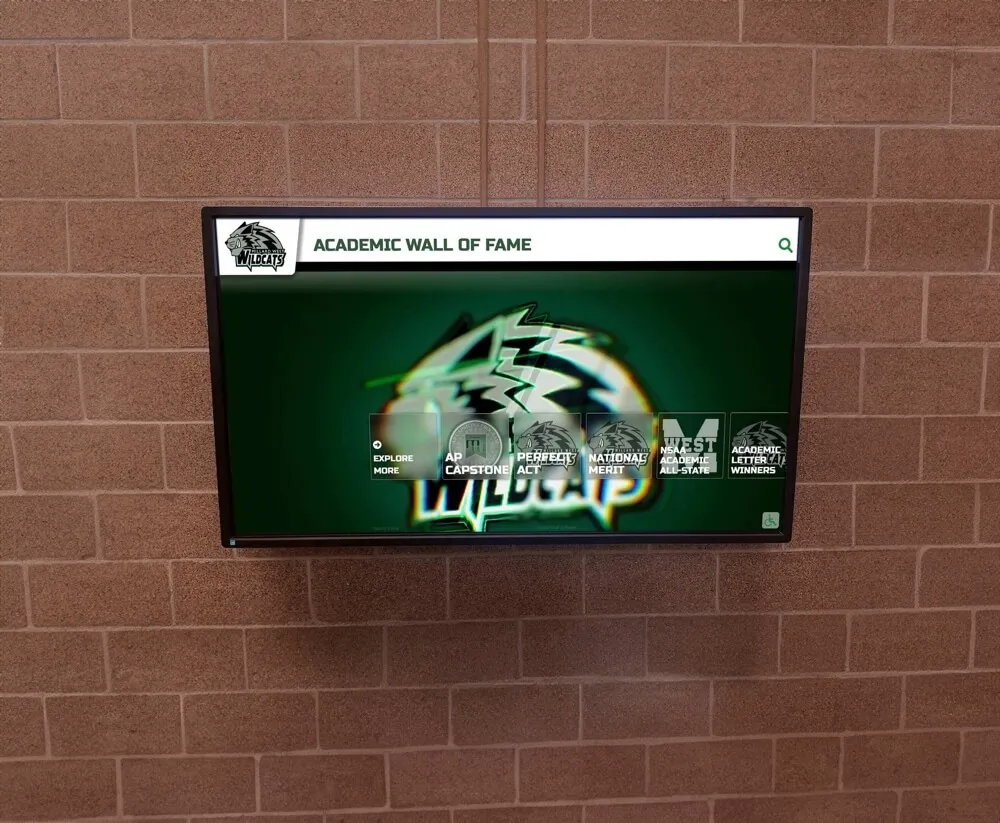
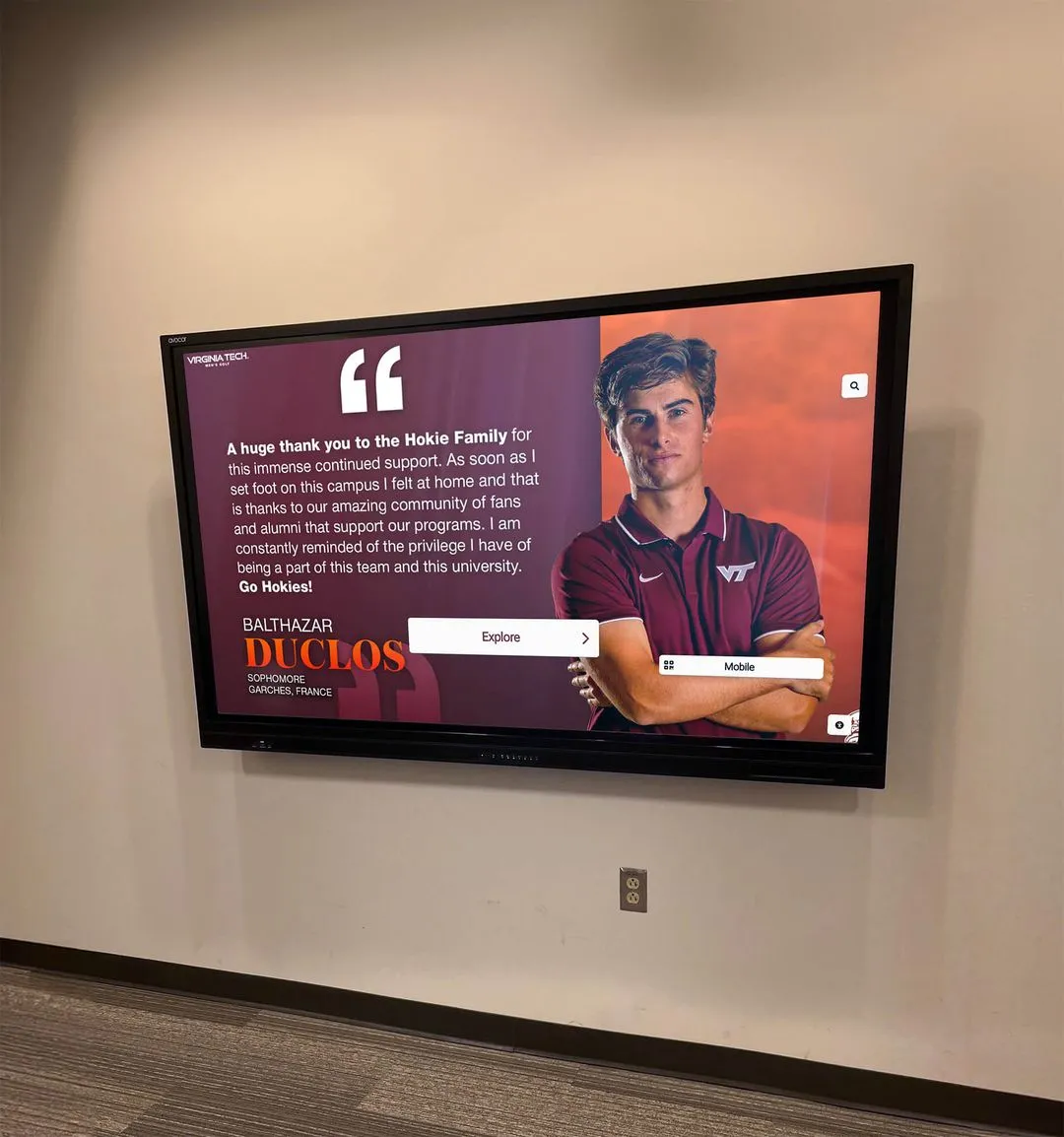
Digital recognition systems enable comprehensive storytelling about graduates and supporters that ceremonies alone cannot accommodate
Part 2: The Body Content (70-80% of speech)
Your speech body develops central message through organized content that maintains engagement while building toward conclusion.
The Three-Story Framework
One highly effective body structure uses three brief narratives illustrating your central theme:
Story 1: Personal Experience
Share relevant personal anecdote connecting to graduates’ situation—your own graduation memory, transition challenge you faced, or learning moment relevant to their journey. Keep stories concise (2-3 minutes maximum) with clear point connecting to graduates.
Story 2: Graduate Example
Highlight specific graduate, class experience, or school story demonstrating your theme. This grounds abstract ideas in concrete reality familiar to audience while personalizing your address to this specific graduating class rather than generic platitudes.
Story 3: Broader Perspective
Offer wider-context story—historical example, cultural reference, or universal experience—that elevates your theme beyond just this graduation to timeless wisdom.
Connecting Stories to Theme
After each story, explicitly state the lesson or insight it illustrates rather than assuming audiences draw intended connections. Transitions like “What this experience taught me…” or “The lesson here for your next chapter is…” ensure clarity.
The Problem-Solution Framework
Alternative body structure identifies challenge graduates face and explores approaches to addressing it:
Present the Challenge
Articulate specific difficulty graduating students will encounter—competitive college environment, career uncertainty in rapidly changing economy, maintaining relationships during geographic dispersion, or sustaining motivation absent external structure.
Make challenges concrete through examples rather than abstract description. Audiences engage with specific scenarios they can visualize rather than generic difficulties.
Share Responses or Solutions
Offer practical approaches to challenge you’ve identified. Solutions should be actionable rather than vague (“work hard,” “believe in yourself”) and acknowledge complexity rather than suggesting simple answers to difficult problems.
Illustrate Through Example
Support proposed approaches with specific examples showing how they work in practice—your own experience applying wisdom you’re sharing, observed examples from others, or research-based evidence about effective strategies.
Explore how academic recognition programs reinforce challenges and solutions discussed in graduation addresses.
The Past-Present-Future Framework
This chronological structure traces graduate journey:
Past: Where You’ve Been
Acknowledge the journey completing—challenges faced, growth achieved, relationships formed, and lessons learned. Be specific to this class and institution rather than generic references to “the high school experience.”
Present: Where You Are Now
Examine this transition moment—what completion represents, mixed emotions graduates likely feel, significance of this achievement, and readiness for what comes next despite natural nervousness.
Future: Where You’re Going
Look ahead to next chapters—opportunities awaiting, challenges they’ll encounter, capabilities they’ve developed for success, and vision for their potential impact. Balance realistic acknowledgment of difficulties with genuine confidence in their preparation.
Part 3: The Conclusion (10-15% of speech)
Strong conclusions provide clear takeaway and memorable final impression.
Effective Conclusion Elements
Synthesize Your Message
Explicitly state your central point if not already crystal clear. Audiences should leave understanding exactly what you wanted them to remember.
Issue Clear Challenge or Encouragement
Conclude with specific call to action or guiding principle graduates can carry forward. Vague encouragement like “do your best” lacks power—specific, actionable guidance resonates.
Example: “So here’s what I’m asking: When you face inevitable moments of doubt, uncertainty, or failure in the months ahead—and you will—remember that feeling uncomfortable means you’re growing, not failing. Lean into that discomfort rather than retreating to comfort zones. That’s where real learning happens.”
Create Circular Closure
If your opening used question, story, or reference, return to it in conclusion providing satisfying closure. This technique creates cohesion while demonstrating intentional speech structure.
End With Memorable Final Sentence
Your final sentence should be carefully crafted statement audiences remember. Short, powerful declarations work better than trailing off or introducing new ideas.
Example closings:
- “Congratulations, graduates. Go prove we’re right to be proud of you.”
- “Your education is complete. Your education is just beginning. Both are true.”
- “The world needs what you have to offer. Don’t make it wait too long.”
Avoid These Conclusion Mistakes
- Introducing new topics rather than synthesizing existing content
- Thanking people (do this before speech begins, not in conclusion)
- Apologizing for speech length or quality
- Ending with weak phrases like “I guess that’s all I wanted to say”
- Multiple false endings where you seem finished then continue
Detailed Graduation Speech Outline Templates
These fill-in-the-blank templates provide specific structures for different speech types and lengths.
Template 1: The Growth and Transformation Speech (8-12 minutes)
I. Opening: Then vs. Now Comparison (1-2 minutes)
Start with vivid description of graduates’ arrival at school—what they were like, what they knew, their capabilities and limitations. Use specific, humorous details making description recognizable to graduates and families.
Example framework:
When you arrived here [X years ago], you [specific observable characteristics].
Some of you [memorable detail about subset of class].
Most of you [relatable common experience].
But look at you now. [Contrast with current capabilities/maturity].
II. Story 1: Specific Growth Example (2-3 minutes)
Share concrete story illustrating how graduates transformed—challenging class project, school event, crisis the class navigated, or individual student story (with permission) demonstrating growth.
Elements to include:
- Initial challenge or difficulty
- How graduates/students responded
- What growth or learning occurred
- Why this matters for their futures
III. Story 2: What Growth Required (2-3 minutes)
Acknowledge that growth wasn’t automatic or easy. Discuss what transformation required—effort, vulnerability, resilience, support from others, or willingness to fail and try again.
Framework:
Transformation didn't happen automatically. It required:
1. [First requirement] - [brief example]
2. [Second requirement] - [brief example]
3. [Third requirement] - [brief example]
IV. Story 3: Why This Growth Matters Now (2-3 minutes)
Connect past growth to future challenges. Explain how capacity for transformation they’ve demonstrated will serve them in college, career, relationships, and life challenges ahead.
Example approach: “The same capacity that allowed you to [specific past transformation] will enable you to [future challenge]. You’ve proven you can [capability developed]. That matters because [explanation of future relevance].”
V. Conclusion: The Transformation Continues (1-2 minutes)
Acknowledge that today’s graduation isn’t endpoint but milestone in ongoing transformation. Challenge graduates to continue embracing growth even when uncomfortable.
Closing framework:
You've become [description of who they are now].
But you're not finished becoming.
[Specific challenge or encouragement for continued growth]
[Memorable final sentence]
Understanding how digital yearbook systems preserve transformation stories helps institutions celebrate growth comprehensively.
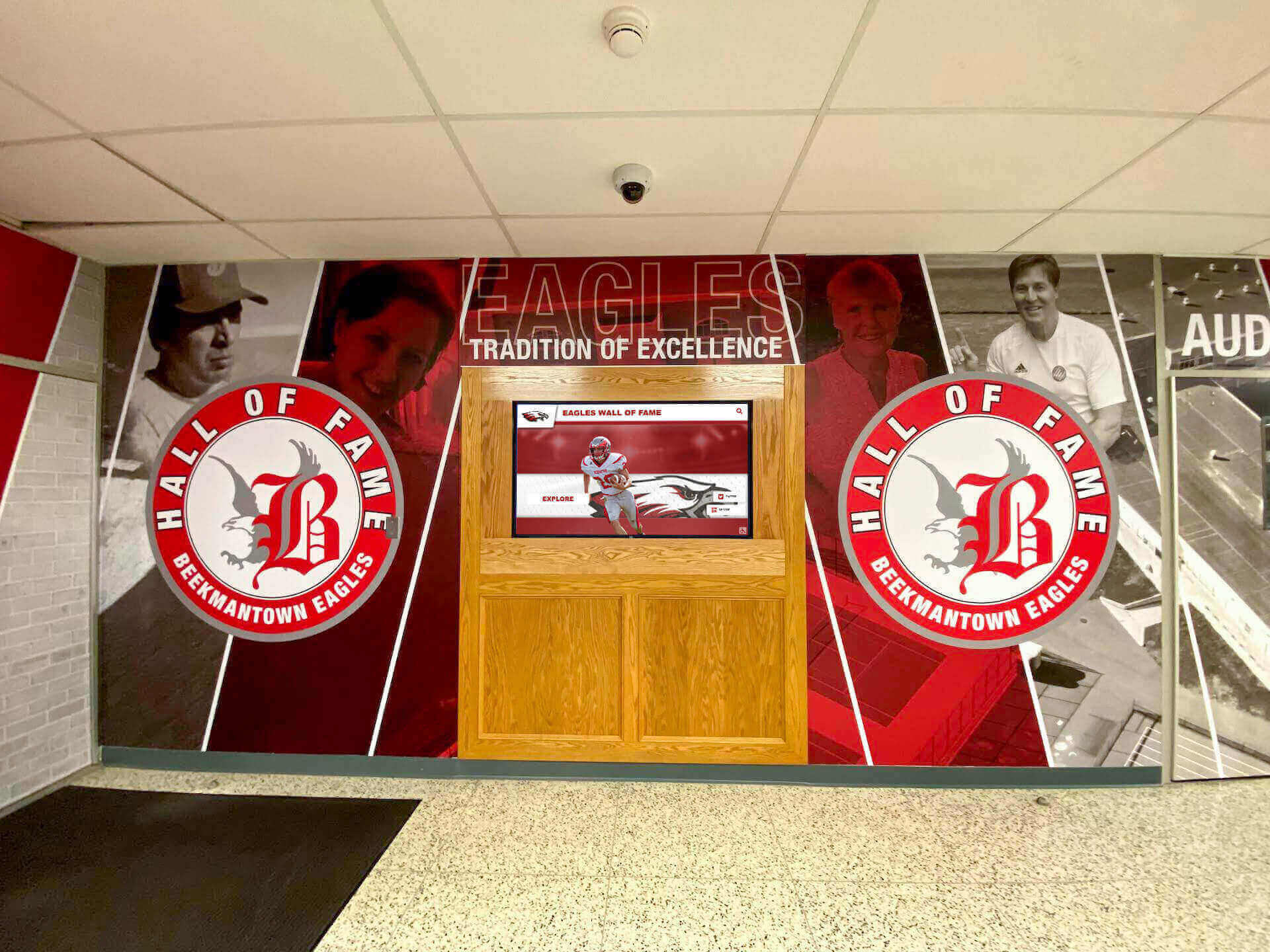
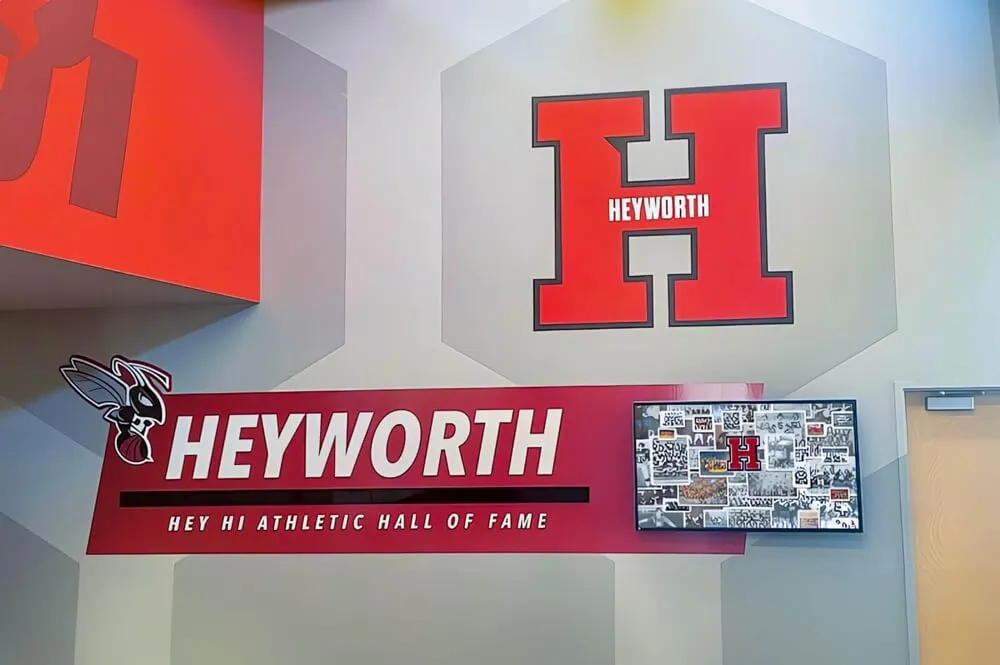
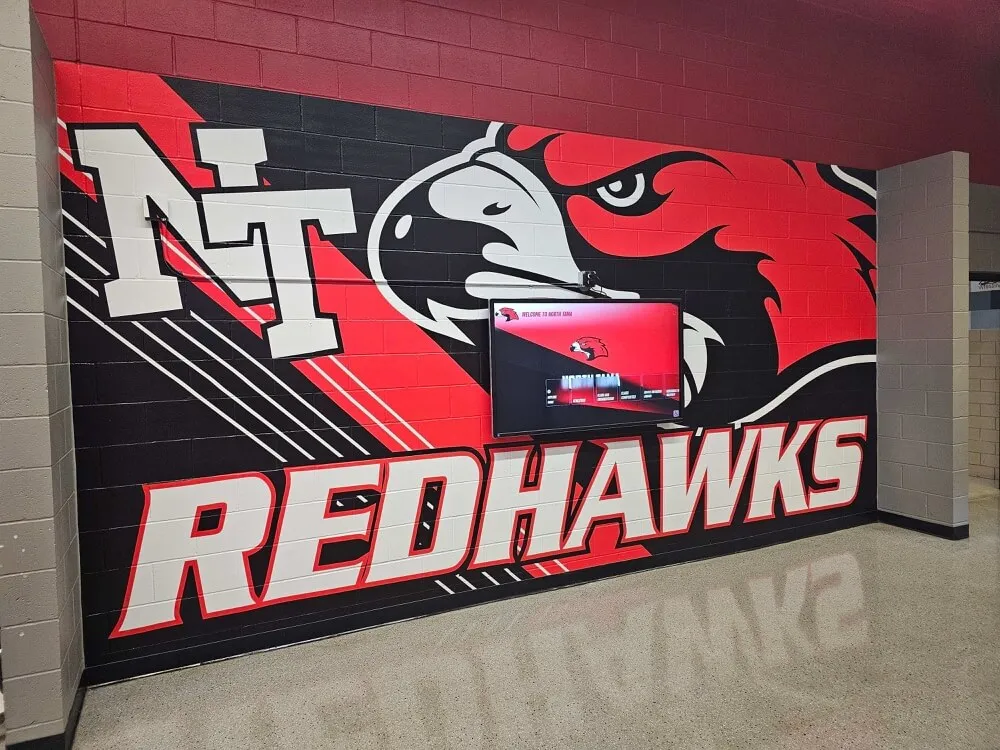
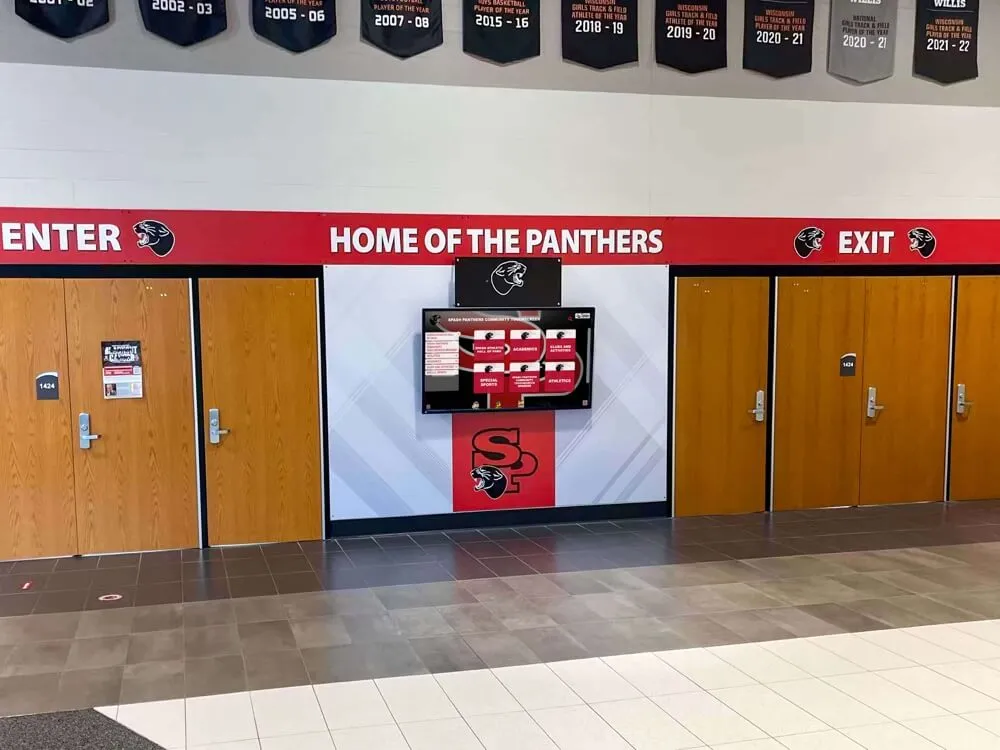
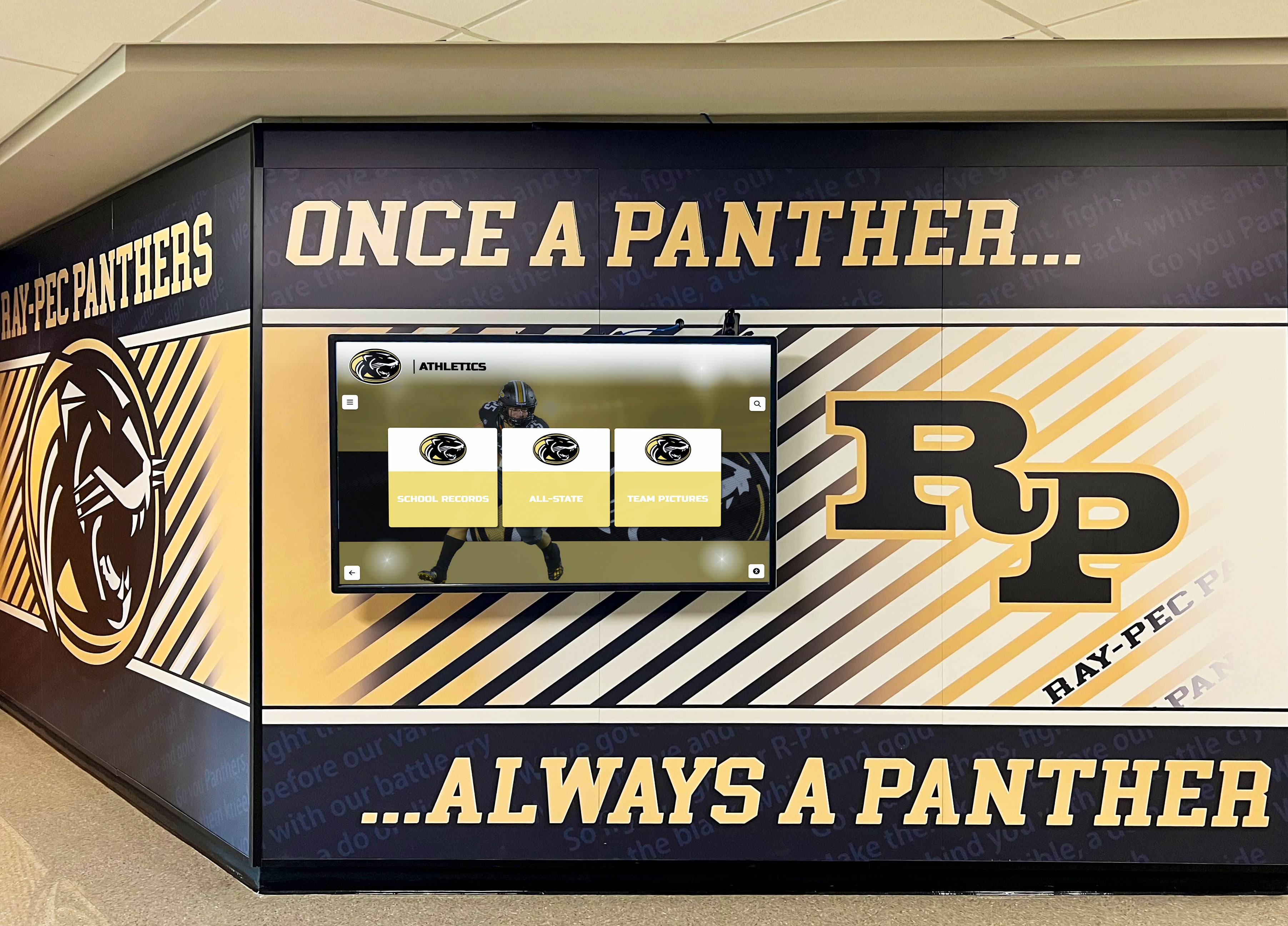
School entrance displays featuring graduation year recognition create welcoming environments celebrating achievement for all visitors
Template 2: The Gratitude and Community Speech (6-10 minutes)
I. Opening: Success Requires Support (1 minute)
Begin with assertion that no one succeeds alone. Establish that graduation represents collective achievement rather than just individual accomplishment.
Example opening: “Look around this room. Behind every graduate sitting here today stands an entire team of people who made this moment possible. Today we celebrate not just individual achievement but the communities that enabled it.”
II. Acknowledging Families (2-3 minutes)
Speak directly to families in audience, thanking them specifically for concrete contributions—transportation, homework help, emotional support during struggles, attendance at countless events, and sacrifices made enabling student success.
Framework:
To the families here today:
Thank you for [specific contribution type 1]
Thank you for [specific contribution type 2]
Thank you for [specific contribution type 3]
[Brief story illustrating family impact]
III. Recognizing Educators (2-3 minutes)
Honor teachers, administrators, counselors, and staff who invested in graduate success beyond job requirements. Share specific examples of educator impact.
Consider including:
- Teacher who stayed late for extra help
- Counselor who believed in struggling student
- Coach who taught life lessons alongside sport skills
- Staff member whose daily presence made school feel welcoming
IV. Acknowledging Donors and Supporters (1-2 minutes)
Recognize community members, alumni, and institutional supporters whose contributions enabled educational quality and opportunities graduates experienced.
Example framework: “This education was possible because [name institutional supporters if appropriate] invested in this school’s mission. Alumni who remember their own graduation days choose to give back so current students receive similar opportunities. Community members who may never meet you personally believe in your potential and support programs enriching your education. That investment deserves recognition and gratitude.”
Learn about donor recognition best practices for appropriately acknowledging supporters during ceremonies.
V. Charge to Graduates (1-2 minutes)
Challenge graduates to pay forward the support they received—thank specific people who helped them, support others as they were supported, and remember that future success should include giving back to communities and individuals who enabled their achievement.
Conclusion framework:
As you leave here today, do three things:
1. [Specific gratitude action]
2. [Specific pay-it-forward commitment]
3. [Specific remembrance practice]
[Memorable closing sentence about community and contribution]
Template 3: The Challenge and Readiness Speech (8-12 minutes)
I. Opening: The Challenge Ahead (1-2 minutes)
Begin by acknowledging that graduates face uncertain, challenging future—competitive environment, rapidly changing world, complex problems requiring solutions. Establish that this isn’t discouragement but realistic acknowledgment.
Example opening: “I could tell you the future will be easy. That would be comfortable. It would also be false. The truth is harder and more important: the world you’re entering is complex, uncertain, and demanding. And you’re ready for it.”
II. Specific Challenge 1: [Choose relevant challenge] (2-3 minutes)
Identify concrete challenge graduates will face—maintaining motivation absent external structure, navigating increased independence and responsibility, handling failure and rejection, or sustaining relationships during geographic dispersion.
Framework for each challenge:
Here's what you'll face: [specific scenario description]
This is difficult because: [explanation of why it's hard]
You're ready because: [specific capabilities they've developed]
Practical approach: [actionable strategy for addressing challenge]
III. Specific Challenge 2: [Choose relevant challenge] (2-3 minutes)
Address second major challenge using same framework as above. Challenges should feel relevant and specific rather than generic difficulties applicable to anyone.
IV. The Resources You Have (2-3 minutes)
Detail specific capabilities, experiences, relationships, and resources graduates possess for addressing challenges discussed.
Elements to include:
- Specific skills developed through coursework or activities
- Resilience demonstrated navigating past difficulties
- Relationship networks they can rely on
- Institutional support extending beyond graduation
- Personal qualities they’ve developed
V. Conclusion: Confidence Earned Through Preparation (1-2 minutes)
Express genuine confidence in graduate readiness based on specific evidence rather than empty encouragement. Issue final challenge for approaching future courageously.
Closing framework:
You're not ready because I say so.
You're ready because [specific evidence 1]
You're ready because [specific evidence 2]
You're ready because [specific evidence 3]
Now go prove it.
[Powerful final sentence]
Template 4: The Student Speaker Address (3-5 minutes)
Student speeches should be shorter than adult addresses while maintaining substance.
I. Opening: Shared Memory or Experience (30 seconds)
Begin with specific reference classmates recognize—memorable class event, inside joke, shared struggle, or common experience. This immediately establishes peer perspective and connection.
Example: “Remember freshman orientation when [specific memorable moment]? That feels like both yesterday and a lifetime ago. Because in important ways, we’re not those uncertain freshmen anymore.”
II. What We’ve Learned Together (1-2 minutes)
Share 2-3 concrete lessons learned through shared high school experience. Make these specific rather than generic platitudes.
Framework:
We learned that [lesson 1 with brief example]
We learned that [lesson 2 with brief example]
We learned that [lesson 3 with brief example]
III. Gratitude (30-60 seconds)
Briefly thank families, teachers, and supporters. Keep gratitude section concise since adults will likely address this more extensively in their remarks.
IV. Looking Forward Together (1 minute)
Acknowledge mixed emotions about leaving—excitement, nervousness, sadness, hope. Address classmates directly about maintaining connections while embracing change.
V. Final Challenge to Classmates (30 seconds)
Conclude with specific encouragement or challenge relevant to your class and moment.
Example closings:
- “We survived [shared challenging experience]. We can handle what comes next.”
- “Whatever happens next, remember we became who we are together.”
- “Let’s make sure our stories don’t end here. They’re just beginning.”

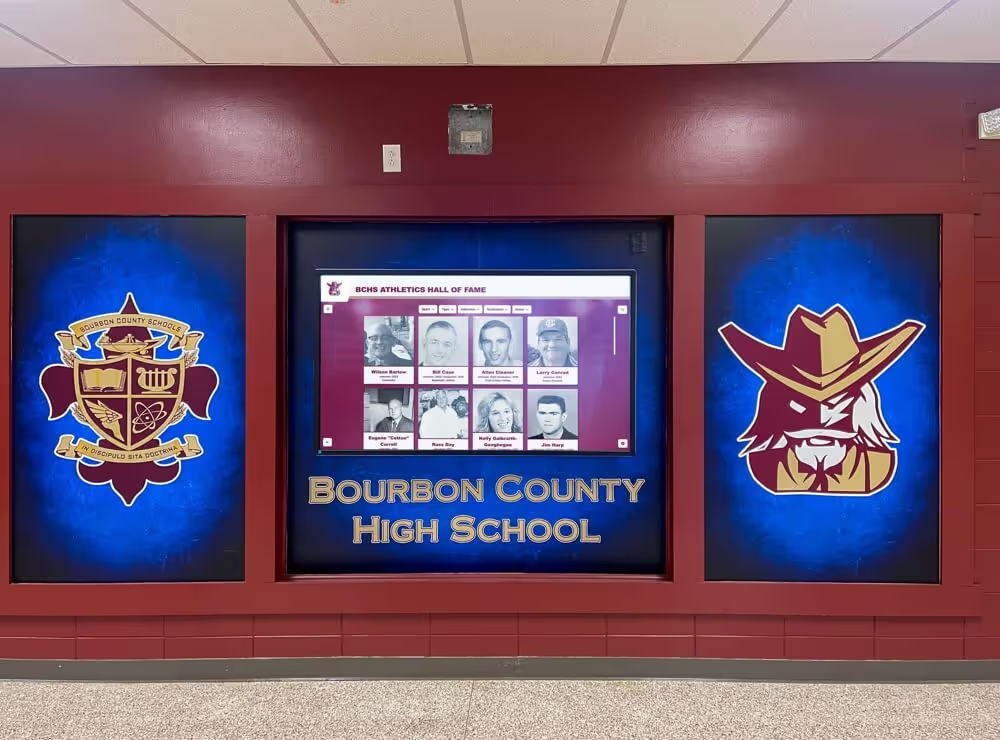
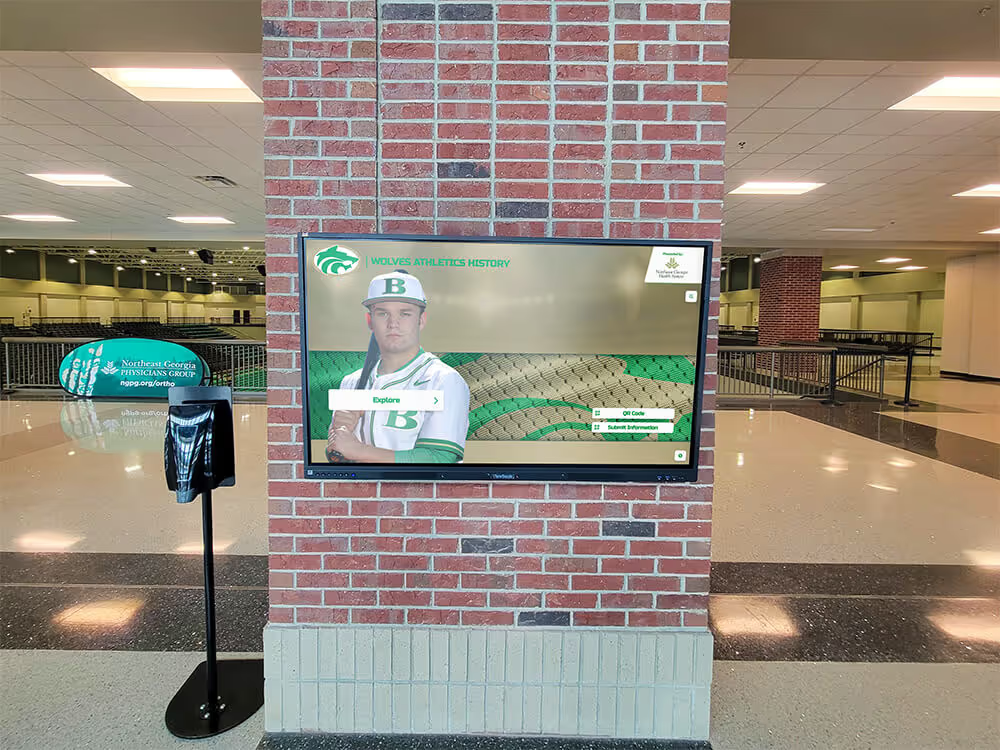
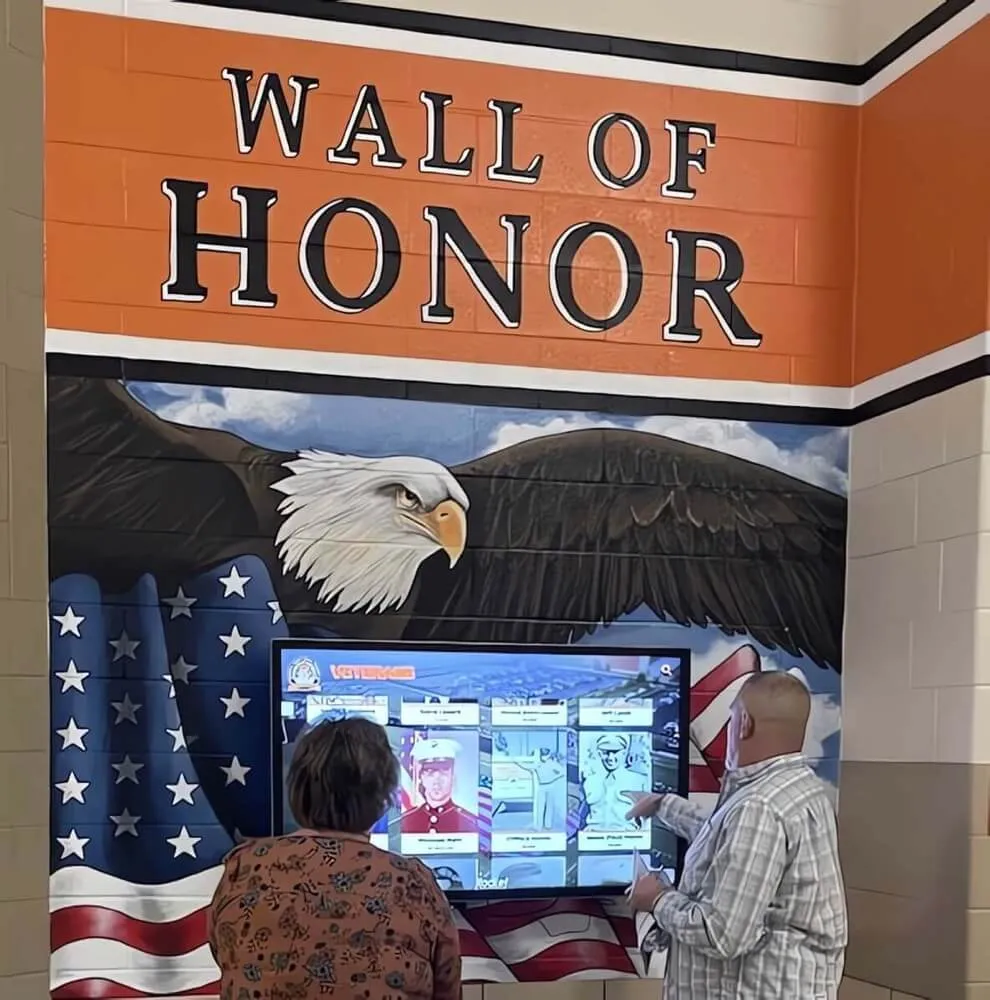
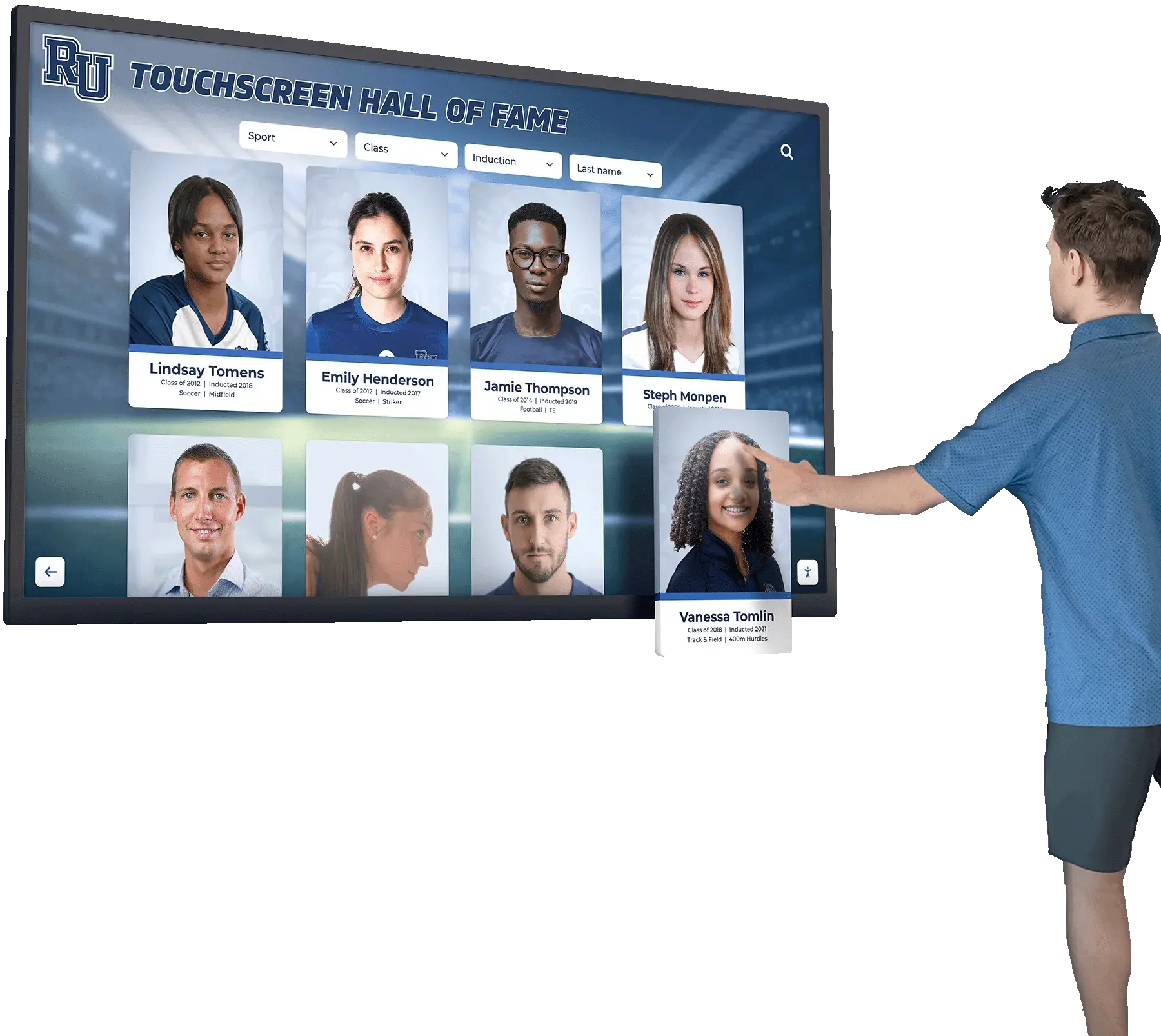
Interactive recognition kiosks enable exploring individual graduate profiles and achievements beyond brief ceremony acknowledgments
Writing and Delivery Best Practices
Strong structure alone doesn’t guarantee effective speeches—execution matters enormously.
Writing Process Strategies
Start Early and Iterate
Begin drafting at least 3-4 weeks before ceremony. Write rough first draft quickly without self-editing, let it sit for several days, then revise extensively. Multiple revision cycles produce significantly better results than single-draft approaches.
Read Aloud Repeatedly
Speeches are heard, not read. Text that looks fine on page may sound awkward spoken. Read your draft aloud multiple times, marking phrases that feel unnatural or are difficult to articulate. Revise based on how speech sounds, not just how it reads.
Seek Honest Feedback
Share drafts with trusted colleagues, friends, or family members asking for critical feedback. Specifically request identification of confusing sections, boring segments, inappropriate content, or areas needing development. Genuine critique proves more valuable than encouragement.
Cut Ruthlessly
Most speeches improve by cutting 20-30% of initial content. Shorter speeches respecting audience time are appreciated far more than longer addresses including every thought you could share. When in doubt, remove content rather than adding more.
Time Yourself Accurately
Practice delivering complete speech while timing it. Reading silently takes much less time than speaking aloud—expect spoken delivery requiring nearly twice the time of silent reading. Adjust length based on actual speaking time, not estimated time or word count.
Delivery Technique Fundamentals
Master Your Material Without Memorizing
Memorization makes delivery feel stiff while inviting disaster if you lose place. Instead, internalize speech structure and key points while maintaining flexibility in exact wording. Use minimal notes with structure outline and key phrases rather than full script you’re tempted to read.
Establish Eye Contact Across Venue
Look at actual audience members throughout speech, not above their heads or at fixed spot. Scan entire venue ensuring all sections feel included rather than concentrating attention on one area. Eye contact creates connection and engagement.
Use Natural Gestures and Movement
Allow your body to move naturally as it would in passionate conversation. Avoid forced theatrical gestures, but don’t remain rigidly still either. Natural movement conveys authenticity and engagement.
Vary Vocal Pace and Volume
Monotone delivery kills engagement regardless of content quality. Slow down for important points requiring emphasis, speed up slightly during lighter moments, use strategic pauses creating anticipation, and modulate volume to maintain interest. Record yourself to identify monotonous delivery patterns.
Embrace Appropriate Emotion
Graduation speeches should convey genuine emotion—pride, hope, confidence, even appropriate solemnity. Emotional authenticity creates connection while attempting to suppress all emotion makes speeches feel cold and detached. If particular content moves you emotionally, let that show rather than suppressing it.
Prepare for Technical Difficulties
Assume microphones may fail, slides may not display, or other technical problems may occur. Ensure you can deliver effectively without any technology. Have paper backup notes even if planning to use teleprompter. Practice recovery strategies for common disruptions.
Explore how school recognition events create comprehensive celebration experiences beyond ceremony speeches.
Common Graduation Speech Mistakes to Avoid
Understanding typical errors helps speakers avoid undermining otherwise strong addresses.
Content Mistakes
Cliché Overload
Graduation speeches suffer from overuse of tired phrases everyone has heard countless times: “follow your dreams,” “the future is yours,” “anything is possible,” “today is the first day of the rest of your life.” While these contain truth, their overuse creates instant disengagement.
Solution: Find fresh language expressing genuine sentiments. If you must use familiar phrase, acknowledge its cliché status while explaining why it matters: “I know ‘follow your dreams’ sounds like meaningless advice, but here’s what it actually means in practice…”
Excessive Nostalgia
While acknowledging past matters, speeches dwelling exclusively on “remember when” without forward focus fail to serve graduates facing future transitions.
Solution: Balance reflection on past with substantial attention to future. Memories should illuminate lessons applicable forward rather than just indulging nostalgia.
Generic Content Lacking Specificity
Speeches applicable to any graduating class anywhere feel hollow. References to “these challenging times” or “your bright futures” without specific details demonstrate disconnect from actual audience.
Solution: Include specific references to this class, institution, community, or time period that wouldn’t apply elsewhere. Specificity creates authenticity and relevance.
Lecturing Rather Than Inspiring
Long lists of “shoulds” and “musts” feel like final homework assignment rather than inspirational send-off.
Solution: Inspire through vision and possibility rather than obligation and prescription. Challenge rather than command. Encourage rather than demand.
Inappropriate Length
Graduation speeches exceeding 15 minutes test even engaged audiences. Student speakers should aim for 3-5 minutes, administrators for 8-12 minutes, and keynote speakers for 12-15 minutes maximum.
Solution: Edit ruthlessly respecting that shorter speeches earn appreciation while longer addresses create restlessness regardless of quality.
Delivery Mistakes
Reading Verbatim From Script
Nothing disengages audiences faster than watching someone read without looking up or connecting with listeners.
Solution: Know your content well enough to maintain frequent eye contact. Use notes for structure and key phrases, not word-for-word scripts you’re tempted to read.
Ignoring Audience Reaction
Speakers locked into prepared remarks miss opportunities to acknowledge audience response or adjust pacing based on engagement levels.
Solution: Remain aware of audience energy. If joke falls flat, acknowledge it and move on. If content resonates powerfully, allow moment to land before continuing.
Inappropriate Formality Level
Excessively formal language feels disconnected from natural speech while overly casual approach may seem disrespectful of ceremony significance.
Solution: Speak in your natural voice elevated slightly for occasion. Imagine having important conversation with people you respect rather than delivering stiff formal address or casual chat.
Poor Microphone Technique
Standing too far from microphone, holding it incorrectly, or allowing it to create feedback undermines delivery quality.
Solution: Test microphone before ceremony. Maintain consistent distance. Speak naturally rather than shouting into microphone or speaking too softly.
Extending Graduation Recognition Beyond Ceremony Speeches
While powerful speeches create memorable ceremony moments, comprehensive recognition extends celebration beyond single events through permanent systems ensuring graduates receive ongoing acknowledgment.
The Limitations of One-Time Recognition
Traditional graduation ceremonies face inherent constraints:
Ephemeral Impact
Speeches last just minutes. After ceremonies conclude, recognition exists only in attendees’ memories and recordings few people access regularly. Graduation content lacks ongoing visibility inspiring future students or maintaining graduate connections.
Limited Information Capacity
Ceremonies can’t comprehensively recognize each graduate’s unique accomplishments, interests, contributions, and achievements. Time constraints mean most graduates receive minimal individual acknowledgment regardless of ceremony quality.
Restricted Audience Access
Only ceremony attendees experience graduation speeches and recognition. Extended family unable to travel, community members who couldn’t attend, and future students who might benefit from seeing graduate examples have no access to ceremony content.
Permanent Digital Recognition Solutions
Modern platforms address ceremony limitations while extending recognition value:
Comprehensive Graduate Profiles
Digital systems preserve detailed information about each graduate including professional photographs, academic achievements and honors, extracurricular involvement and leadership roles, awards and special recognition received, college plans or future directions, and personal statements or reflections about their experience.
This comprehensive documentation ensures every graduate receives substantial individual recognition that ceremony time constraints prevent.
Searchable Historical Archives
Digital recognition creates searchable databases of all graduates extending back decades enabling anyone to find specific graduates, browse by graduation year, discover recognition recipients, view graduating class statistics, and explore institutional history through graduate stories.
Multimedia Ceremony Content
Beyond static profiles, systems can incorporate graduation ceremony videos and speeches, class photo collections, video messages from faculty, highlights of graduation activities, and special moments from ceremony days.
This multimedia content preserves ceremony experiences for ongoing access rather than allowing them to disappear into storage.
Remote Access and Sharing
Web-based platforms extend recognition beyond physical campus displays enabling families to share graduate profiles with extended relatives, graduates to access their own profiles permanently, prospective students to research school culture, alumni to reconnect with graduating class information decades later, and community members to celebrate institutional excellence.
Donor Recognition Integration
Digital systems can appropriately acknowledge institutional supporters whose philanthropy enabled educational quality graduates experienced. Recognition displays can feature scholarship donors whose generosity made education accessible, facility donors whose contributions enhanced learning environments, program supporters whose investments enabled opportunities, and alumni contributors who give back supporting future generations.
This integrated recognition ensures graduation celebrations appropriately acknowledge the community support enabling student success while maintaining focus on graduate achievement.
Understanding comprehensive donor wall solutions helps institutions create recognition experiences honoring both students and supporters.
Solutions like Rocket Alumni Solutions specialize in digital recognition platforms that transform graduation ceremonies into permanent, accessible celebrations. Their comprehensive systems combine professional touchscreen hardware, intuitive content management, engaging user interfaces, and ongoing support enabling schools to honor every graduate appropriately while maintaining recognition programs that strengthen culture and inspire excellence.
Sample Speech Excerpts and Analysis
Examining effective speech segments illustrates principles discussed throughout this guide.
Example 1: Student Opening (Growth Theme)
“Four years ago, I walked into this building convinced I knew exactly who I was and what I wanted. I was wrong about almost everything. So was everyone else in this room, even if they won’t admit it. We thought we understood friendship. We thought we knew what hard work meant. We thought we’d figured out who we were. And high school’s greatest gift was proving us wrong—not cruelly, but necessarily. Because who we thought we were at fourteen couldn’t become who we needed to be at eighteen. Thank you to everyone who pushed us past who we were toward who we’re becoming.”
Why This Works:
- Opens with confession creating authenticity and relatability
- Acknowledges universal experience without claiming unique insight
- Reframes being wrong as positive growth rather than failure
- Expresses gratitude while establishing forward focus
- Uses inclusive language (“we,” “us”) establishing peer perspective
Example 2: Administrator Middle Section (Community Theme)
“I want the families in this room to understand something important. Yes, your graduate worked hard. Yes, they earned this diploma through their own effort. But they didn’t do it alone. You provided countless rides to early morning practices and late evening events. You helped with homework even when you didn’t understand the assignment. You listened to teenage drama and stress you couldn’t fix but could witness. You attended games, performances, and competitions where your primary role was simply being there. You made sacrifices—financial, professional, personal—that your children may not fully appreciate for another decade. But we see it. Your graduates will recognize it eventually. And today, we honor it explicitly. Thank you for the investment you made in these young people and this institution.”
Why This Works:
- Directly addresses specific audience segment
- Acknowledges specific, concrete contributions rather than generic support
- Names unseen labor and sacrifice families provided
- Validates that recognition may feel delayed but remains meaningful
- Expresses institutional gratitude creating positive relationship during transition moment
Example 3: Guest Speaker Conclusion (Challenge Theme)
“So here’s my charge to you as you leave here today. When you encounter your first major setback—and you will—don’t ask ‘Why is this happening to me?’ Ask ‘What is this teaching me?’ When you face the inevitable moment when you’re surrounded by people who seem more talented, better prepared, or naturally gifted in ways you’re not—and you will—don’t let comparison paralyze you. Remember that you bring something no one else in that room has: your specific combination of experiences, perspectives, and values formed right here. That’s not inspiration-poster sentiment. That’s strategic advantage. Use it. And when someone offers you opportunity that terrifies you because you don’t feel ready—say yes anyway. Because you’ll never feel ready. The feeling you’re waiting for doesn’t come. You become ready by saying yes and then figuring it out. I’ve watched you do exactly that for four years. Keep doing it. Congratulations, graduates. We’re proud of who you are and excited about who you’re becoming.”
Why This Works:
- Provides three specific, actionable pieces of guidance
- Acknowledges real challenges without sugarcoating
- Reframes difficulties as opportunities for practice
- References graduate’s demonstrated capabilities as evidence for confidence
- Ends with clear, memorable encouragement
- Maintains perfect length for conclusion (under 90 seconds when spoken)
Taking Action: Preparing Your Graduation Speech
Speakers ready to develop graduation addresses can follow this systematic preparation approach:
Immediate Preparation Steps
Define Your Core Message
Before writing anything, clarify the single most important idea you want graduates to remember. Complete this sentence: “When graduates think back on this speech in ten years, I want them to remember that…”
Your answer becomes your north star guiding all content decisions. Everything you include should support or illustrate this core message.
Research Your Audience
Gather specific information about graduating class including:
- Significant events or experiences this class shared
- Notable achievements or challenges the class faced
- Specific graduates whose stories illustrate points you want to make (obtain permission for specific references)
- Inside references or memories classmates would recognize
- Cultural references appropriate for their generation and context
Select Appropriate Template
Choose outline template from this guide that best matches your speaker role, time allocation, and message objective. Use template as structural foundation while customizing content to your specific situation.
Draft, Revise, Practice
Follow systematic writing process:
- Complete rough first draft in single session without self-editing
- Let draft sit 2-3 days before first revision
- Read aloud and revise based on how speech sounds
- Seek feedback from trusted reviewers
- Revise again based on feedback
- Practice delivering complete speech multiple times
- Time actual spoken delivery and adjust length as needed
- Practice until comfortable with content and structure
Day-of-Ceremony Reminders
Arrive Early
Give yourself time to familiarize with venue, test technology, and mentally prepare without rushing.
Connect With Graduates Beforehand
If possible, greet graduates before ceremony begins. This personal connection makes speaking to them feel like addressing people you know rather than anonymous audience.
Remember Your Purpose
You’re not there to demonstrate eloquence or showcase intelligence. You’re there to honor graduates appropriately, inspire continued excellence, and contribute to meaningful ceremony experience. That purpose supersedes everything else.
Trust Your Preparation
If you’ve followed systematic preparation process, trust that work. Nervousness is normal, but preparation enables you to channel nervous energy into genuine enthusiasm and engagement.
Conclusion: Creating Graduation Speeches That Matter
Graduation speeches represent rare opportunities—moments when communities pause to celebrate achievement, honor effort, and inspire continued excellence during significant life transitions. Effective addresses can genuinely impact graduate trajectories by providing wisdom exactly when needed, creating memorable moments referenced throughout lives, strengthening institutional culture around excellence celebration, and building connection between institutions and graduates during natural transition moments.
Yet speech impact depends less on eloquence or sophistication than on solid structural foundations supporting authentic, relevant content that genuinely serves graduating audiences rather than showcasing speakers.
The outline templates and frameworks explored throughout this guide provide tested structures helping speakers at all experience levels—from nervous student valedictorians delivering first major speeches to veteran administrators addressing their fortieth graduating class—craft addresses that resonate with audiences, respect graduates’ intelligence and experience, balance celebration with challenge, and maintain appropriate length and pacing.
Beyond ceremony day itself, forward-thinking institutions recognize that comprehensive graduation recognition extends beyond speech moments to include permanent recognition systems preserving graduate achievements, donor acknowledgment honoring supporters who enabled educational quality, and multimedia content capturing ceremony significance for ongoing access rather than allowing recognition to disappear after applause quiets.
Extend Graduation Recognition Beyond Ceremony Speeches
Discover how modern digital recognition solutions preserve graduation content permanently while creating engaging experiences celebrating every graduate and acknowledging institutional supporters whose investment enables educational excellence.
Explore Recognition SolutionsAs you prepare your graduation speech, remember that graduates respond most powerfully to authentic addresses demonstrating you understand their actual experience, acknowledge both celebration and realistic challenge, provide actionable wisdom they can apply immediately, and respect their time and intelligence through tight, purposeful content.
The difference between forgettable speeches audiences endure and memorable addresses they genuinely appreciate lies not in sophisticated vocabulary or profound philosophical insights but in solid structure, authentic connection, specific content, and appropriate length that together create moments graduates reference years later.
Your graduating class has invested countless hours earning the diploma they’ll receive. They’ve navigated academic challenges, social complexity, personal growth, and developmental transitions that brought them to this moment. They deserve graduation recognition that honors those commitments meaningfully—including speeches that respect their intelligence while inspiring continued excellence throughout their next chapters.
With systematic preparation following proven frameworks, authentic delivery connecting genuinely with audiences, and integration with permanent recognition systems extending ceremony impact indefinitely, you create graduation experiences that transform perfunctory requirements into genuine celebrations that strengthen communities while launching graduates confidently toward their futures.