Graduating with honors represents one of the most prestigious academic distinctions students can earn, signaling exceptional academic performance and dedication throughout their educational journey. For many students and families, understanding what graduation with honors truly means—and more importantly, how to achieve it—can feel overwhelming amid conflicting information about GPA requirements, honor distinctions, and what these achievements actually mean for future opportunities.
The stakes are real. Honor distinctions appear on diplomas, transcripts, and graduation programs. They factor into college admissions decisions, scholarship awards, and graduate school applications. They demonstrate sustained academic excellence rather than isolated high performance. Yet despite their importance, many students discover honor requirements too late in their academic careers to take advantage of these opportunities, or worse, misunderstand the criteria and fall short of distinctions they could have earned with proper planning.
This comprehensive guide clarifies exactly what graduation with honors means across educational levels, breaks down specific GPA requirements and honor distinctions, provides actionable strategies for achieving honors, and explains how schools can properly recognize and celebrate students earning these prestigious academic distinctions.

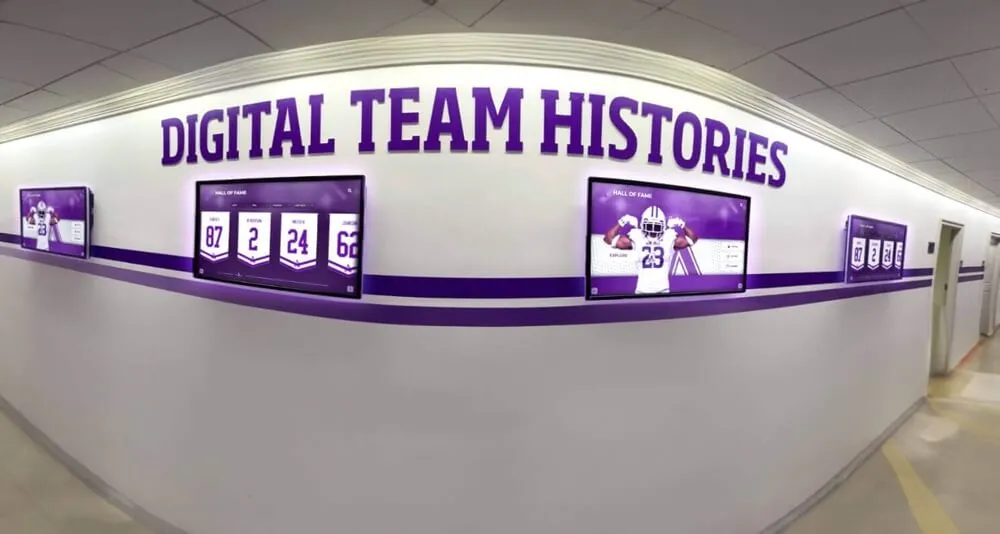
Schools increasingly celebrate honor graduates through permanent recognition displays that preserve academic excellence
Understanding Graduation With Honors: What It Means
Before exploring how to achieve honors, students need clear understanding of what this distinction actually represents and why it matters.
Defining Honor Graduation
Graduation with honors (sometimes called graduation honors, Latin honors, or academic honors) refers to academic distinctions awarded to students who achieve specified grade point averages or meet other academic excellence criteria during their educational program. These honors typically appear on diplomas, official transcripts, graduation programs, and school recognition systems.
Key Characteristics of Honor Recognition
Honor distinctions share several defining features across educational institutions:
Cumulative Achievement: Unlike Dean’s List or semester honors recognizing single-term performance, graduation honors reflect sustained academic excellence across the entire educational program—typically four years for high school or college undergraduate degrees.
Clear GPA Thresholds: Most honor systems establish specific GPA cutoffs determining honor levels, providing transparent standards students can work toward throughout their academic careers.
Permanent Documentation: Graduation honors become permanent parts of academic records, appearing on diplomas and transcripts indefinitely rather than temporary recognitions that fade after graduation.
Limited Accessibility: Unlike participation recognition given to all students, graduation honors remain selective distinctions earned by only top-performing students who meet demanding academic standards.
This selectivity creates meaningful value—when colleges, employers, or graduate programs see honor distinctions, they recognize genuine academic accomplishment rather than inflated credentials everyone receives.

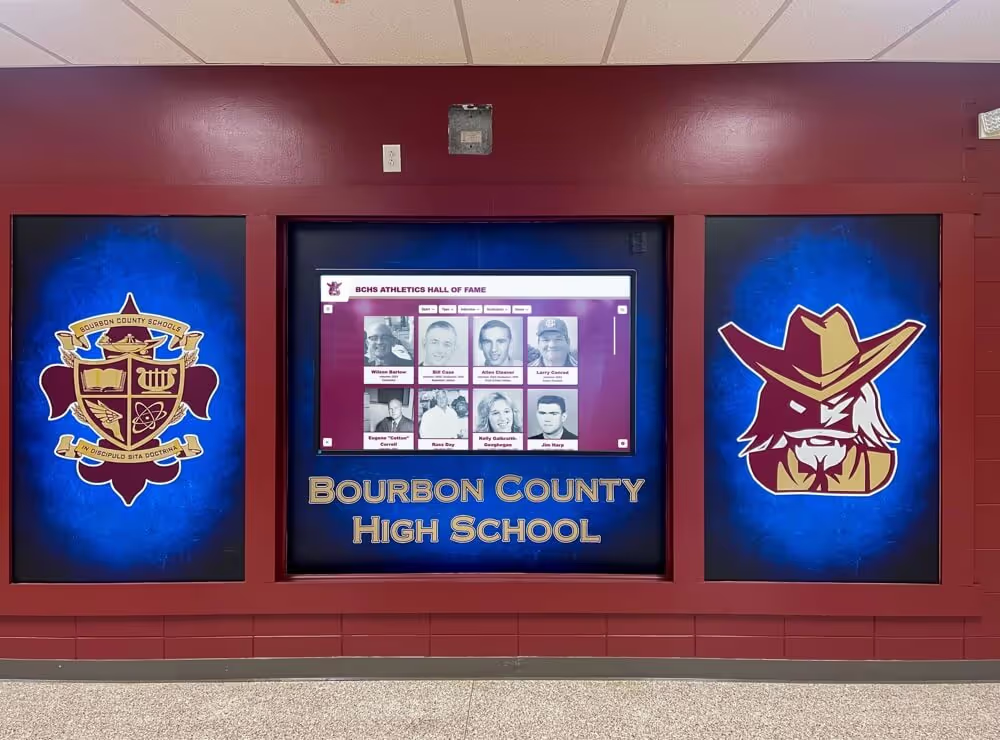
Modern recognition systems celebrate individual honor graduates with detailed achievement profiles
Why Graduation Honors Matter
Students sometimes question whether pursuing honor distinctions justifies the additional effort required. Understanding the concrete benefits helps clarify this value:
College Admissions Advantage
High school students graduating with honors gain meaningful advantages in competitive college admissions processes:
- Honor distinctions signal academic capability and work ethic to admissions committees
- GPA requirements for honors typically exceed minimum admission standards at selective colleges
- Honor status often corresponds with strong standardized test scores and rigorous course selection
- Latin honors appear prominently on applications, providing immediate positive impression
Scholarship Opportunities
Many merit-based scholarships establish minimum GPA requirements aligned with honor thresholds:
- Institutional scholarships often require GPAs qualifying for honor consideration
- Private scholarships frequently use honor distinctions as initial screening criteria
- Maintaining college honors status enables scholarship renewal across multiple years
- Graduate school fellowships commonly establish honor graduation as eligibility requirement
Understanding National Honor Society scholarship programs reveals how academic honor recognition connects to financial opportunities.
Career and Graduate School Benefits
Honor distinctions create advantages extending beyond undergraduate education:
- Graduate programs often establish minimum GPA requirements corresponding to honor levels
- Professional programs (law, medicine, business) value sustained undergraduate excellence
- Employers in competitive fields use honors as screening criteria for entry-level positions
- Honor society membership stemming from graduation honors provides networking opportunities
Personal Achievement Recognition
Beyond external benefits, graduation honors provide internal validation:
- Tangible acknowledgment of years of sustained academic effort
- Permanent documentation of academic capability and achievement
- Source of personal pride and family celebration
- Motivation for continued excellence in future educational pursuits
High School vs. College Honors
Graduation honors function differently across educational levels, though underlying principles remain consistent:
High School Honor Systems
Most high schools award graduation honors based primarily on cumulative GPA:
- Many schools use straightforward GPA thresholds (3.5 for honors, 3.75 for high honors, etc.)
- Some institutions calculate honors using weighted GPAs recognizing advanced coursework
- Honor distinctions appear on diplomas and during graduation ceremonies
- Recognition often includes special honor cords, stoles, or medals worn at commencement

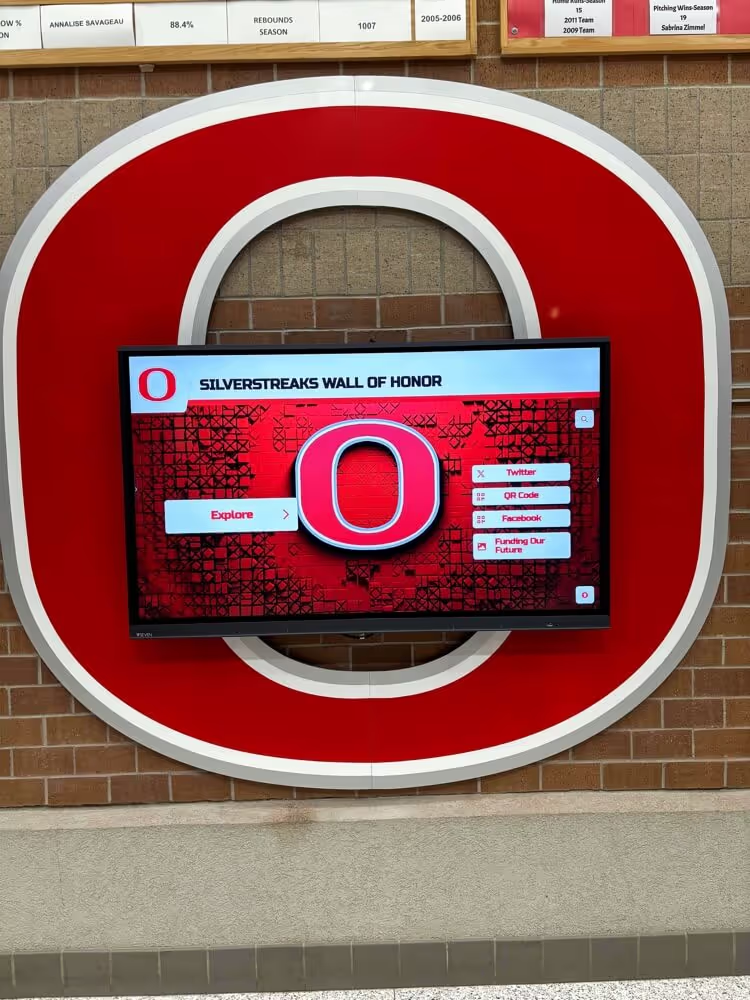
Comprehensive recognition walls celebrate honor graduates alongside broader school achievements
College and University Honors
Higher education institutions typically use Latin honor designations with more complex criteria:
- Three-tiered system of cum laude, magna cum laude, and summa cum laude
- GPA requirements vary significantly between institutions
- Some schools add thesis or capstone project requirements beyond pure GPA
- Honor percentages may be limited (top 10%, 5%, etc.) rather than absolute GPA cutoffs
Understanding these differences helps students navigate honor requirements appropriately at each educational level.
Types of Graduation Honor Distinctions
Different honor levels recognize varying degrees of academic excellence, creating tiered recognition matching achievement levels.
High School Graduation Honors
While specific terminology varies, most high schools implement multi-tiered honor systems:
Common High School Honor Levels
Honors (Basic Level)
- Typical requirement: 3.5-3.74 cumulative GPA
- Recognizes strong academic performance with primarily A and B grades
- Usually represents approximately 15-25% of graduating class
- Creates achievable honor goal for students demonstrating consistent effort
High Honors (Middle Level)
- Typical requirement: 3.75-3.89 cumulative GPA
- Acknowledges excellent academic achievement with mostly A grades
- Generally earned by approximately 10-15% of graduating class
- Signals exceptional but not perfect academic performance
Highest Honors (Top Level)
- Typical requirement: 3.9-4.0 cumulative GPA
- Reserved for outstanding academic excellence with virtually all A grades
- Typically achieved by top 5-10% of graduating class
- Represents sustained near-perfect academic performance
Valedictorian and Salutatorian
Beyond tiered honors, many high schools designate top graduates:
Valedictorian Recognition
- Student(s) graduating with absolute highest GPA in graduating class
- Typically delivers graduation speech as top academic honor
- Receives special recognition during commencement ceremonies
- May earn additional scholarships specifically for valedictorians
Understanding how schools honor valedictorians versus salutatorians clarifies these distinctive top academic positions.
Salutatorian Recognition
- Student graduating with second-highest GPA in class
- Often delivers “salutation” or welcome speech at graduation
- Receives special honor second only to valedictorian
- Represents exceptional academic achievement throughout high school

Interactive kiosks enable exploration of honor graduates and their achievements
College and University Latin Honors
Most colleges and universities use Latin honor terminology with three distinct levels:
Cum Laude (With Honors)
The entry-level college honor distinction:
- Typical requirement: 3.5-3.7 cumulative GPA (varies by institution)
- Represents approximately top 20-30% of graduating class at many schools
- Demonstrates solid academic achievement throughout undergraduate career
- Appears on diploma and transcripts as “cum laude”
Magna Cum Laude (With Great Honors)
The intermediate college honor level:
- Typical requirement: 3.7-3.85 cumulative GPA (varies by institution)
- Generally earned by approximately top 10-15% of graduating class
- Signals exceptional undergraduate academic performance
- Appears on credentials as “magna cum laude”
Summa Cum Laude (With Highest Honors)
The pinnacle college honor distinction:
- Typical requirement: 3.85-4.0 cumulative GPA (varies by institution)
- Reserved for top 1-5% of graduating class at most institutions
- Represents sustained outstanding excellence throughout college
- Designated on documents as “summa cum laude”
Important Variations
Students should understand that Latin honor requirements vary significantly:
- Elite institutions often use percentage-based honors (top 5%, 10%, etc.) rather than absolute GPAs
- Some schools establish higher GPA thresholds reflecting grade inflation
- Certain programs add departmental honors requiring theses or comprehensive exams
- Professional schools may use different honor systems entirely
Always verify specific requirements at your institution rather than assuming standards match national norms.
Departmental and Program-Specific Honors
Beyond general graduation honors, many institutions offer specialized recognition:
Departmental Honors
Students majoring in specific disciplines may earn departmental honors through:
- Higher GPA requirements in major coursework (often 3.7-3.8 minimum)
- Completion of honors thesis or capstone research project
- Oral defense of research before department faculty
- Additional coursework in honors seminars or independent study
Departmental honors complement general graduation honors, allowing students to demonstrate specialized excellence alongside overall academic achievement.
Honors Programs and Colleges
Many universities maintain separate honors programs with distinct requirements:
- Admission to honors program typically requires strong initial academic credentials
- Completion requires honors coursework throughout undergraduate career
- May include thesis, comprehensive exam, or capstone project
- Graduates receive designation like “University Honors” in addition to Latin honors
These program-specific honors recognize sustained participation in enhanced academic experiences beyond standard curricula.
GPA Requirements for Graduation Honors
Understanding specific GPA thresholds helps students set concrete goals and monitor progress toward honor distinctions.
Calculating Your Cumulative GPA
Before examining honor requirements, students must understand GPA calculation:
Basic GPA Calculation
Grade point average represents the average of all grades across all courses:
- A grades = 4.0 points
- B grades = 3.0 points
- C grades = 2.0 points
- D grades = 1.0 points
- F grades = 0 points
Total grade points divided by total credit hours equals cumulative GPA.
Weighted vs. Unweighted GPA
Many high schools calculate two separate GPAs:
Unweighted GPA: All courses count equally regardless of difficulty, with 4.0 representing the maximum possible GPA.
Weighted GPA: Advanced courses (AP, IB, Honors) receive bonus points, allowing GPAs above 4.0. Common weighting systems add 0.5 or 1.0 points to advanced course grades.
Students must understand which GPA type their school uses for honor calculations, as this significantly affects requirements and achievement.
High School Honor GPA Requirements
While specific requirements vary by institution, common high school honor thresholds include:
Typical Unweighted GPA Requirements
- Honors: 3.50-3.74 (A-/B+ average)
- High Honors: 3.75-3.89 (A- average)
- Highest Honors: 3.90-4.0 (A average)
Typical Weighted GPA Requirements
- Honors: 4.0-4.24
- High Honors: 4.25-4.49
- Highest Honors: 4.5+
These thresholds ensure honor distinctions require sustained excellence while remaining achievable through consistent effort.
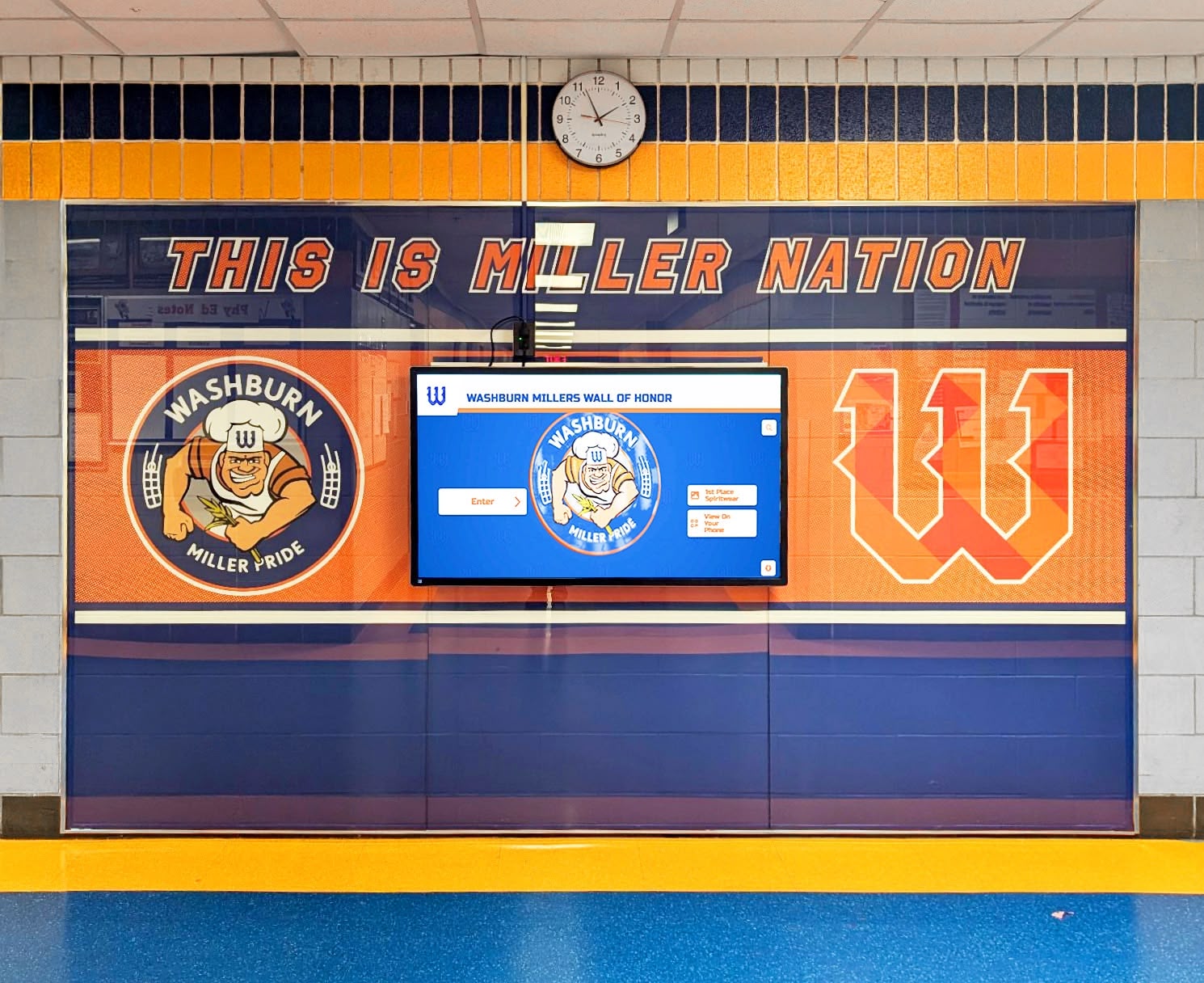
Strategic hallway placement ensures daily visibility for honor graduate recognition
College Honor GPA Requirements
University Latin honor requirements demonstrate more variability than high school systems:
Common College GPA Thresholds
At many institutions:
- Cum Laude: 3.50-3.69
- Magna Cum Laude: 3.70-3.89
- Summa Cum Laude: 3.90-4.0
Institutional Variations
However, requirements differ substantially across college types:
Elite Private Universities: Often use top percentage cutoffs (summa = top 2-3%, magna = next 5-8%, cum laude = next 12-15%) rather than absolute GPAs, recognizing competitive environments and grade deflation.
Public Universities: More commonly use fixed GPA thresholds providing clear standards, though specific requirements range from 3.3 to 3.7 for cum laude across different institutions.
Liberal Arts Colleges: May combine GPA requirements with qualitative factors like thesis quality, comprehensive exam performance, or faculty recommendations.
Students should verify exact requirements in their institution’s academic catalog or registrar’s office rather than assuming standards.
Weighted Course Considerations
The impact of advanced coursework on honor eligibility varies:
High Schools Using Weighted GPAs
Schools calculating weighted GPAs for honors create incentives for rigorous coursework:
- Students taking AP, IB, or honors courses receive GPA boosts
- Higher honor thresholds account for weighting in requirements
- Students can achieve honors while earning some B grades in advanced courses
- System rewards intellectual challenge-taking alongside achievement
High Schools Using Unweighted GPAs
Institutions using unweighted calculations for honors face different dynamics:
- Students must maintain nearly perfect grades for highest honors regardless of course difficulty
- Some schools provide separate recognition for advanced coursework completion
- System potentially discourages rigorous course selection if students fear grade impacts
- Clear standard applies equally across all course types
Understanding your school’s approach informs strategic academic planning.
Strategies for Achieving Graduation Honors
Earning honor distinctions requires sustained excellence and strategic planning throughout your academic career.
Academic Planning and Course Selection
Thoughtful planning maximizes honor achievement potential:
Start Strong
Early academic performance substantially impacts cumulative GPAs:
- Freshman grades carry equal weight to senior grades in cumulative calculations
- Strong early performance creates cushion absorbing occasional difficulties later
- Establishing excellent study habits early creates foundation for sustained success
- Building academic confidence freshman year motivates continued excellence
Students sometimes underestimate freshman year importance, assuming later grades can compensate for weak starts. Mathematics reveals the challenge: recovering from 3.0 freshman GPA to overall 3.75 for high honors requires multiple semesters of 4.0 performance—extraordinarily difficult to achieve and sustain.
Strategic Course Selection
Balance rigor with realistic performance expectations:
- Challenge yourself with advanced courses when appropriate for your skill level
- Understand whether your school uses weighted or unweighted GPAs for honors
- Consider whether B in AP course impacts honors chances differently than A in standard course
- Build schedule allowing adequate time for thorough preparation across all subjects
- Avoid overcommitting to excessive activities undermining academic focus
The goal isn’t maximum course rigor at any cost, but rather optimal balance enabling sustained high performance in appropriately challenging curriculum.

Modern recognition systems make exploring honor requirements and achievements intuitive
Monitor Progress Consistently
Regular GPA monitoring enables course corrections:
- Calculate cumulative GPA after each grading period
- Identify specific GPA needed in remaining courses to achieve honor goals
- Recognize when current trajectory will or won’t reach honor thresholds
- Adjust effort or course selection when performance trends concern you
- Seek support immediately when grades slip rather than hoping for improvement
Many students discover honor eligibility issues too late to address them effectively. Consistent monitoring creates opportunities for timely intervention.
Academic Excellence Best Practices
Beyond strategic planning, specific practices support sustained high performance:
Develop Effective Study Systems
Successful honor students typically:
- Maintain organized systems tracking assignments, tests, and long-term projects
- Use calendars or planners preventing last-minute crisis studying
- Create regular study schedules rather than inconsistent cramming approaches
- Develop subject-specific study strategies matching course material types
- Review and refine study approaches when methods prove ineffective
Understanding concepts thoroughly rather than surface-level memorization creates foundation for sustained excellence across multiple courses and years.
Engage Actively in Learning
High achievement requires genuine engagement beyond passive attendance:
- Ask questions when concepts remain unclear
- Participate actively in class discussions and activities
- Complete readings and assignments thoroughly rather than superficially
- Connect new material to previously learned concepts
- Seek understanding rather than just correct answers
Students pursuing honors should view education as genuine learning opportunity rather than obstacle course to navigate with minimum effort.
Leverage Available Resources
Take advantage of academic support resources:
- Attend teacher office hours when needing clarification or additional help
- Utilize tutoring services for subjects presenting challenges
- Form study groups with motivated peers pursuing similar academic goals
- Engage with academic advisors for course planning and strategy guidance
- Access supplementary learning resources including online tutorials and textbooks
Successful students recognize that seeking help demonstrates intelligence and commitment rather than weakness or inadequacy.
Maintain Academic Integrity
Honor distinctions require genuine achievement:
- Complete all work independently following academic honesty policies
- Properly cite sources in research papers and projects
- Avoid shortcuts that undermine authentic learning
- Understand that academic dishonesty jeopardizes honor eligibility
- Recognize that earned honors carry meaning precisely because they represent real accomplishment
Schools increasingly incorporate honor code adherence into graduation honor eligibility, disqualifying students with integrity violations regardless of GPA achievement.
Balance and Sustainability
Sustaining honor-level performance across multiple years requires healthy balance:
Avoid Burnout
Excessive academic focus creates risks:
- Maintain reasonable sleep schedules supporting cognitive function
- Include physical activity and exercise supporting overall health
- Preserve time for social connections and relationships
- Engage in hobbies and interests beyond academics
- Recognize signs of excessive stress and adjust accordingly
Paradoxically, students sacrificing all life balance for academics often perform worse than peers maintaining healthier equilibrium.
Strategic Priority Setting
Not every assignment warrants maximum effort:
- Identify high-stakes assessments justifying substantial time investment
- Recognize diminishing returns of perfectionistic approaches to minor assignments
- Maintain perspective about relative importance of different courses and grades
- Accept that occasional B grades don’t preclude honor achievement
- Focus energy where it creates greatest academic impact
Efficient students achieving honors work intelligently rather than merely working excessively.
Long-Term Perspective
View honor pursuit as marathon rather than sprint:
- Establish sustainable study patterns maintainable across years
- Recognize that consistency matters more than occasional heroic efforts
- Accept that every student faces challenging courses or difficult semesters
- Focus on trends and trajectories rather than obsessing over individual grades
- Maintain motivation by celebrating progress toward long-term goals
Students maintaining multi-year honor-level performance consistently report that sustainable approaches proved more effective than intense but unsustainable efforts.
Recognition Systems for Honor Graduates
Schools should celebrate graduation honor achievements prominently, creating motivation for current students while honoring graduate accomplishments.
Traditional Honor Recognition Methods
Most schools implement basic honor graduate acknowledgment:
Graduation Ceremony Recognition
Standard commencement honor recognition includes:
- Printed distinction on graduation programs identifying honor graduates
- Verbal announcement of honor status when graduates cross stage
- Special cords, stoles, or medals worn by honor graduates during ceremony
- Designated seating sections for honor graduates at some institutions
- Special reception or recognition event for honor graduates and families
These traditional approaches provide important milestone acknowledgment but face inherent limitations.
Diploma and Transcript Notation
Permanent documentation ensures lasting recognition:
- Honor distinction printed directly on diploma document
- Notation on official transcripts viewable by colleges, employers, and graduate schools
- Permanent record preserving achievement throughout graduate’s life
- Documentation used in scholarship applications, job searches, and graduate admissions
This permanent recording creates ongoing value extending far beyond graduation day.

Comprehensive recognition walls combine traditional and digital elements celebrating honor graduates
Modern Digital Recognition Systems
Contemporary schools increasingly implement enhanced honor recognition through digital platforms:
Permanent Digital Honor Archives
Solutions like Rocket Alumni Solutions enable comprehensive honor graduate recognition:
- Unlimited capacity showcasing every honor graduate throughout school history
- Rich individual profiles featuring photos, achievements, post-graduation paths
- Searchable databases allowing anyone to explore honor graduate information
- Filtering capabilities by graduation year, honor level, or other criteria
- Integration with broader school recognition systems celebrating diverse achievements
Unlike physical displays limited by space constraints, digital systems preserve complete honor graduate records indefinitely without choosing whose recognition to remove when space fills.
Interactive Exploration Features
Modern recognition platforms create engagement impossible with static displays:
- Touchscreen interfaces inviting students to explore honor requirements and achievers
- Success stories showing honor graduates’ subsequent college and career accomplishments
- Statistics demonstrating honor achievement trends and school academic culture
- Inspiration for current students seeing concrete examples of peer excellence
- Alumni engagement enabling graduates to revisit their honor recognition
Students naturally gravitate toward interactive displays during school days, creating repeated exposure to honor achievement that motivates academic excellence.
Web-Based Accessibility
Digital recognition extends beyond physical campus:
- Online platforms accessible from anywhere enabling families to share honors broadly
- Social media integration allowing honor graduates to celebrate achievements
- Mobile-responsive designs ensuring accessibility across all devices
- Alumni access letting graduates worldwide revisit their honor recognition
- Prospective family viewing demonstrating school academic culture and excellence
This extended reach amplifies recognition impact exponentially compared to displays accessible only to campus visitors.
Explore comprehensive student awards recognition approaches that celebrate honor graduates alongside diverse achievements.
Creating Honor Recognition Culture
Beyond recognition systems, schools should build cultures celebrating academic excellence:
Visible Honor Requirements
Make honor criteria transparent and accessible:
- Publish clear GPA requirements and honor calculation methods
- Provide tools enabling students to calculate current GPA and honor eligibility
- Share honor graduate statistics demonstrating achievement accessibility
- Celebrate honor achievers throughout school year, not just at graduation
- Connect honor recognition to concrete benefits like scholarships and opportunities
When students understand exactly what honor achievement requires and see peers succeeding, honors become motivating goals rather than mysterious distinctions only exceptional students achieve.
Academic Excellence Programming
Integrate honor emphasis throughout educational programs:
- Academic achievement assemblies featuring honor students sharing strategies
- Study skills workshops helping students develop excellence capabilities
- Peer tutoring programs connecting honor students with peers seeking improvement
- Academic mentorship pairing honor achievers with younger students
- Recognition displays showcasing honor graduates in prominent school locations
Learn more about academic recognition programs that celebrate graduation honors and academic achievement effectively.
Balanced Recognition Philosophy
Celebrate honors while maintaining healthy perspectives:
- Recognize that honor distinctions represent one measure of success among many
- Celebrate academic improvement and growth alongside absolute achievement
- Acknowledge character, citizenship, and contribution alongside GPA
- Ensure students understand self-worth extends beyond academic performance
- Prevent honors from becoming exclusive achievement overshadowing other excellence
Schools creating positive academic cultures recognize honors appropriately without allowing achievement obsession that undermines student wellbeing.

Strategic placement and engaging content encourage students to explore honor achievements regularly
Special Considerations and Common Questions
Students and families frequently have specific questions about graduation honor details:
Transfer Student Honor Eligibility
Students transferring between institutions face unique considerations:
High School Transfers
Most high schools calculate honors using only grades earned at the graduating institution:
- Transfer credits typically count toward graduation requirements but not honor GPA calculations
- Students transferring mid-high-school may have limited opportunity to achieve top honors
- Some schools make exceptions for students attending multiple schools within same district
- Verify specific policies at your school rather than assuming standard approach
College Transfers
Universities vary in transfer credit treatment for Latin honors:
- Many institutions calculate honors using only courses completed at the degree-granting school
- Some schools include transfer credits in honor GPA calculations
- Minimum credit hour requirements at graduating institution often apply (typically 60+ semester hours)
- Community college transfer students should verify honor eligibility early
Transfer students should understand honor calculation policies immediately to plan accordingly.
Grade Exclusions and Calculations
Students wonder whether all grades count toward honor GPAs:
Courses Typically Included
- All academic courses in core subjects
- Elective courses contributing to graduation requirements
- Summer school courses taken at the home institution
- Repeated courses (usually using highest grade achieved)
Courses Sometimes Excluded
- Pass/fail courses without letter grades
- Courses taken at other institutions (varies by school)
- Physical education or health courses at some schools
- Audit courses not taken for credit
Verify your institution’s specific policies, as significant variation exists across schools.
Honor Rescission
Can honors be revoked after conferral?
Academic Integrity Violations
Schools may rescind honors for:
- Academic dishonesty discovered after graduation
- Falsified transcripts or credentials
- Significant post-graduation grade changes affecting GPA
Post-Graduation Grade Changes
Occasionally professors submit grade corrections after graduation affecting GPAs and honor status. Most institutions establish deadlines limiting post-graduation changes, but students should understand possibility exists.
Multiple Majors and Honor Calculation
Students pursuing multiple degrees wonder about honor implications:
Double Majors
Students completing two majors within single degree typically receive one honor designation based on overall GPA across all coursework.
Dual Degrees
Students earning separate degrees may receive distinct honor designations for each degree based on relevant coursework, though policies vary substantially across institutions.
Improving GPA for Honor Eligibility
Students approaching graduation below honor thresholds sometimes explore options:
Grade Improvement Strategies
- Taking additional courses after meeting minimum graduation requirements to boost cumulative GPA
- Retaking courses where permitted and using higher grades in calculations
- Completing summer courses before graduation conferral
- Appealing to exceptions committees when very close to thresholds
Students should understand institutional policies and deadlines well before graduation to pursue viable strategies when appropriate.
Conclusion: The Value of Graduation Honors
Graduation with honors represents meaningful recognition of sustained academic excellence throughout your educational journey. These distinctions—whether high school honors levels or college Latin honors—provide concrete acknowledgment of commitment, capability, and achievement that extends beyond graduation through permanent transcript and diploma documentation.
For students pursuing honors, understanding specific requirements, implementing strategic academic planning, developing effective learning practices, and maintaining sustainable balance creates foundations for success. Honors remain achievable for students who commit to consistent excellence while understanding that genuine achievement requires authentic learning rather than grade obsession at any cost.
For educators and institutions, creating systems that properly recognize and celebrate honor graduates builds academic cultures motivating excellence across student populations. Modern digital recognition platforms enable comprehensive honor graduate celebration impossible with traditional approaches limited by space constraints and static displays, preserving institutional academic legacy while inspiring current students through visible demonstration of peer achievement.
Celebrate Your Honor Graduates With Lasting Recognition
Discover how modern digital recognition solutions can help you honor every graduating student who achieves academic excellence, creating inspiration for future students while preserving your school's tradition of academic achievement.
Explore Recognition SolutionsWhether you’re a student working toward honor distinctions, a family supporting an honor candidate, or an educator building recognition systems, understanding what graduation with honors truly means—and how to achieve and celebrate these distinctions appropriately—ensures that academic excellence receives the prominence and celebration it deserves.
The path to graduation honors requires commitment, consistency, and strategic planning, but the achievement provides lasting value extending throughout educational and professional careers. Every honor graduate demonstrates that sustained excellence remains attainable for students willing to invest genuine effort in authentic learning, while every school recognizing these graduates prominently reinforces institutional commitment to academic achievement that defines educational excellence.
Ready to learn more about celebrating academic achievement? Explore additional resources on graduation party planning, kindergarten graduation celebrations, or comprehensive digital recognition display solutions that preserve honor graduate achievements permanently while inspiring continued academic excellence throughout your educational community.