A Complete Guide to Digital Donor Recognition Walls: Design, Software, Costs, and Real Examples
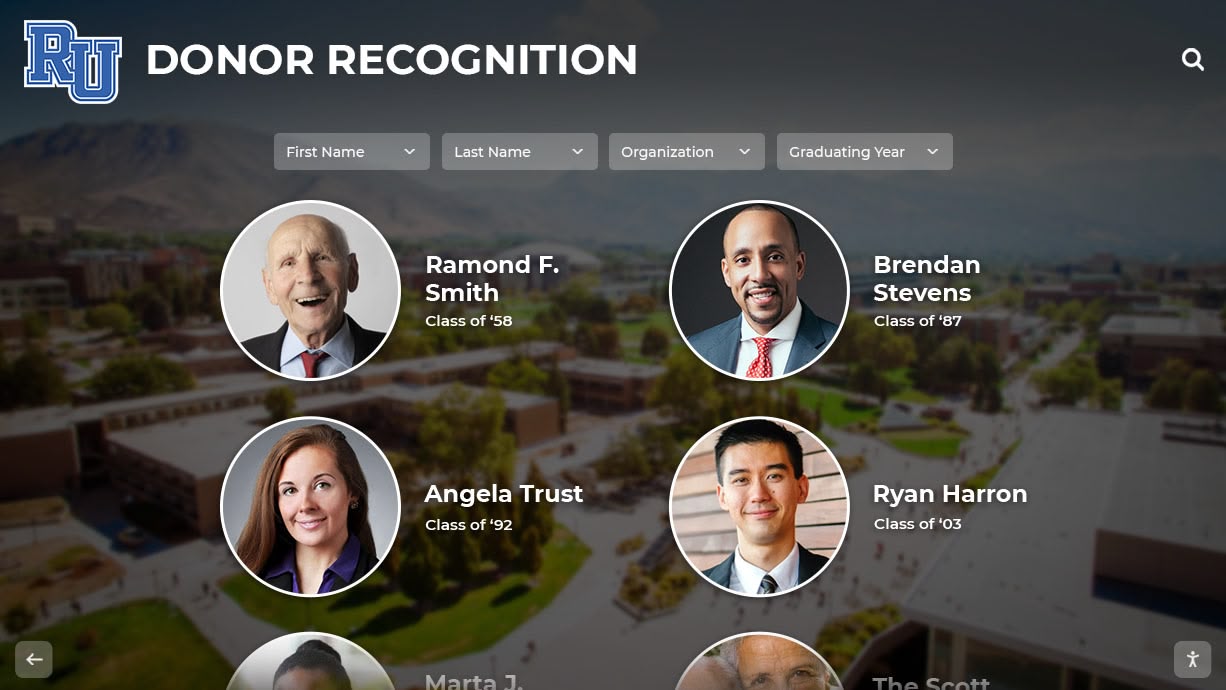
Digital donor recognition walls represent a transformative approach to honoring supporters, combining the permanence of traditional donor acknowledgment with the flexibility and engagement capabilities of modern technology. These interactive displays enable organizations to recognize unlimited donors, update content instantly, showcase multimedia tributes, and create memorable experiences that inspire continued giving far beyond what static plaques can achieve.
Traditional donor walls face persistent challenges that limit their effectiveness: limited physical space restricts how many donors you can recognize, adding names requires expensive re-engraving or new plaques, static displays lack visual impact in modern environments, and fixed content cannot adapt to evolving campaigns or donor preferences. Organizations discover too late that their beautiful bronze plaques have run out of space, that correcting a misspelled name costs hundreds of dollars, or that younger donors expect more engaging recognition than their names etched on metal.
This comprehensive guide explores how digital donor recognition walls solve these challenges while providing practical frameworks for design, technology selection, budgeting, implementation, and long-term management. Whether you’re planning your first digital donor wall or considering upgrading existing recognition systems, this guide provides the evidence-based strategies you need to honor supporters effectively while supporting your fundraising mission.
Digital donor recognition represents more than replacing plaques with screens—it fundamentally reimagines how organizations acknowledge support, creating dynamic recognition experiences that celebrate donors’ stories, values, and impact while providing unlimited capacity, instant updates, and powerful tools for inspiring future giving. Organizations that thoughtfully implement digital donor walls report increased donor satisfaction, enhanced fundraising outcomes, and recognition systems that remain relevant and effective for decades rather than becoming obsolete within years.

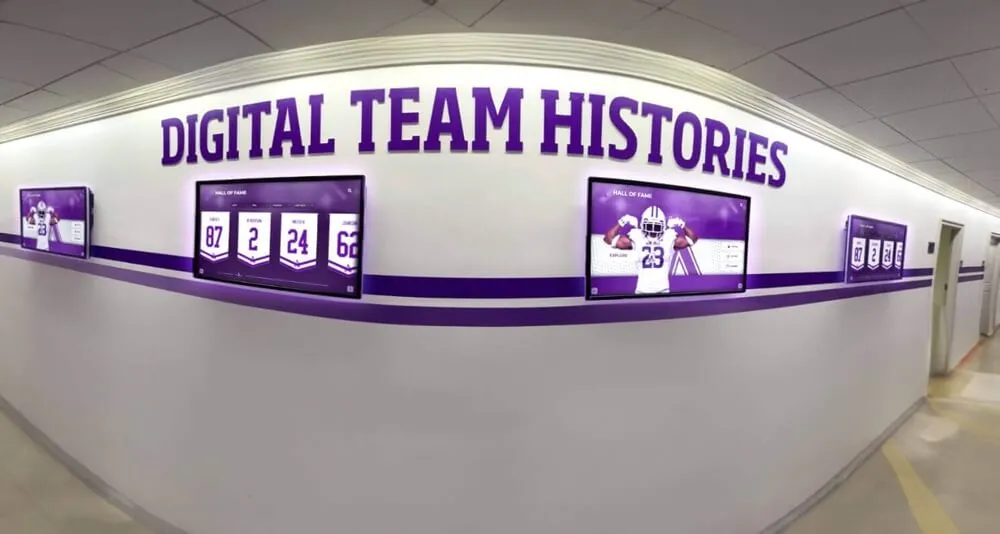
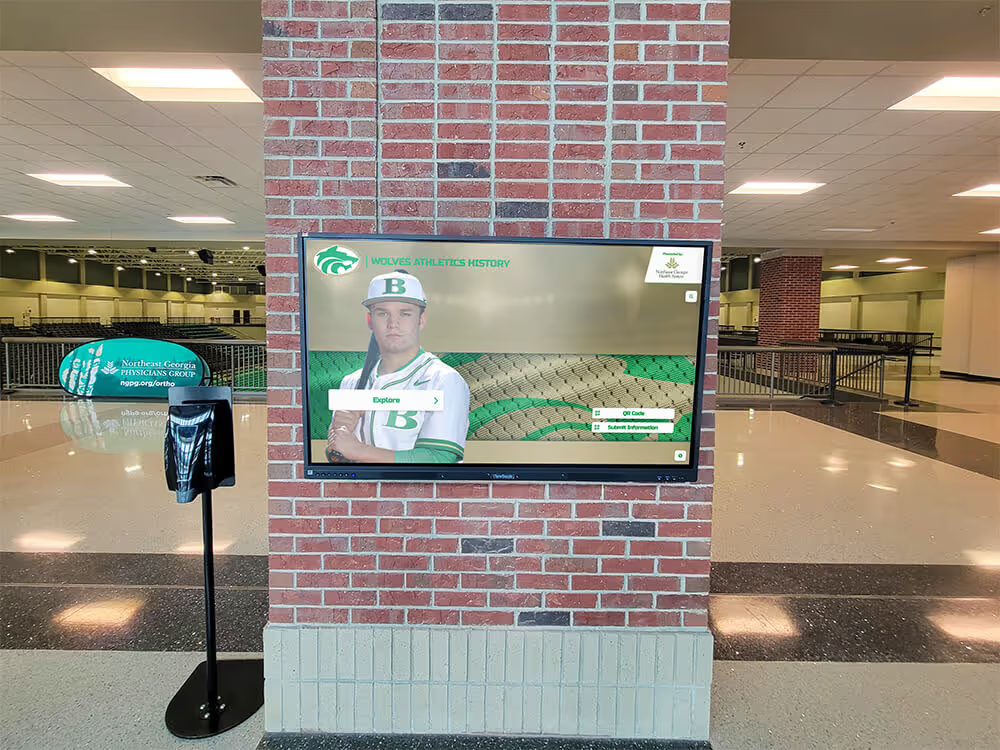
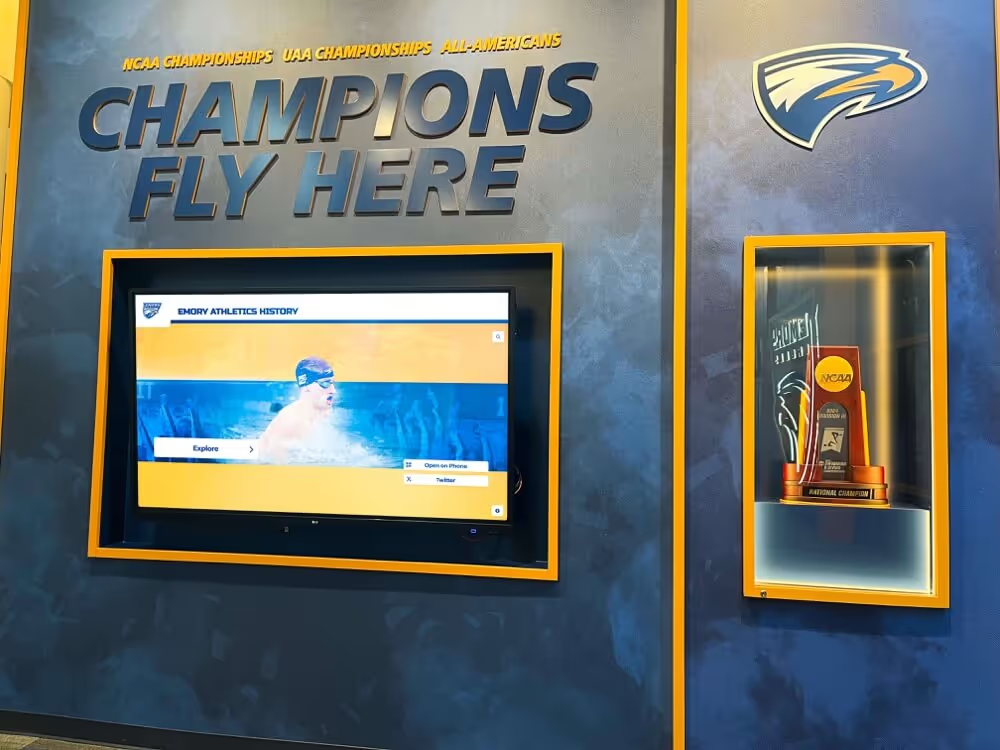
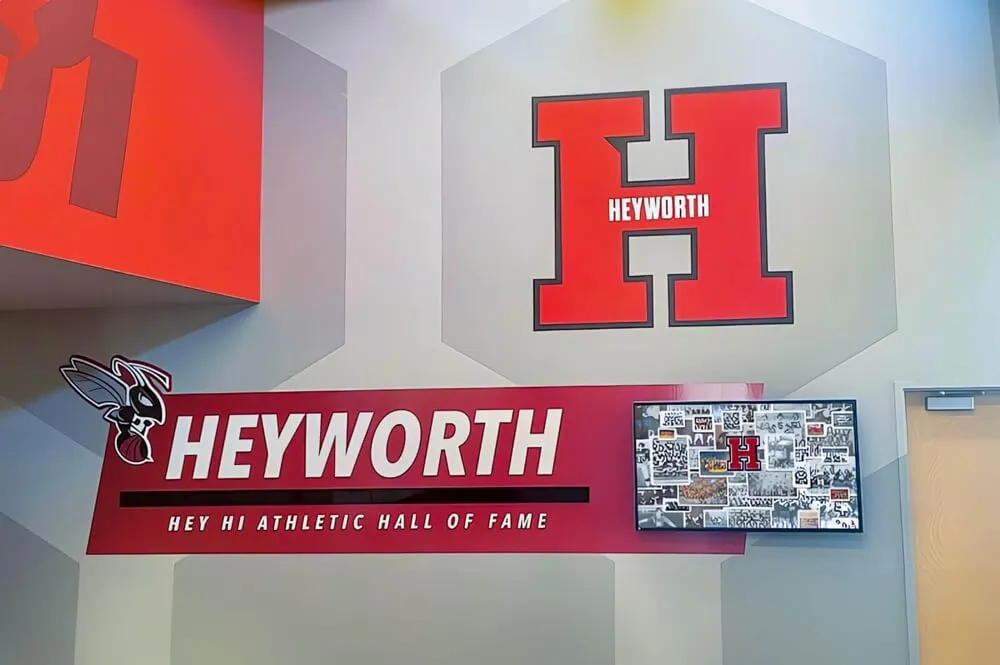
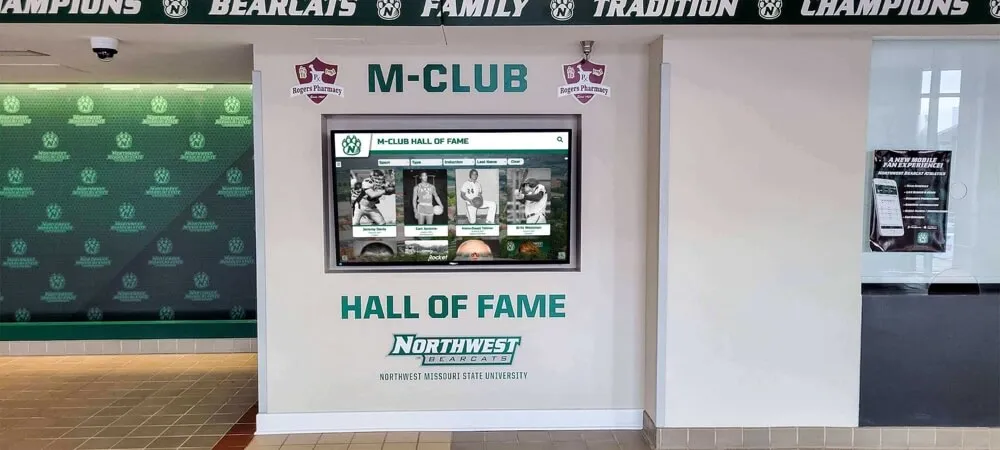
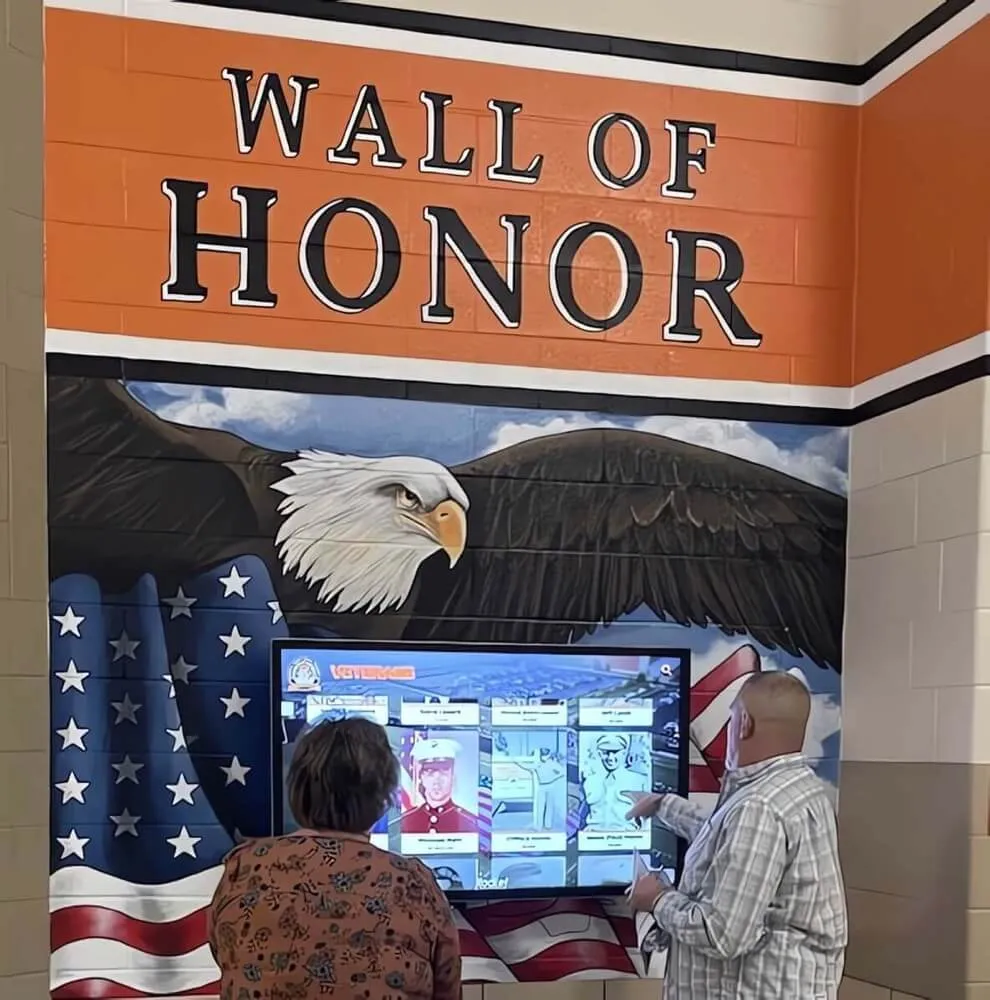
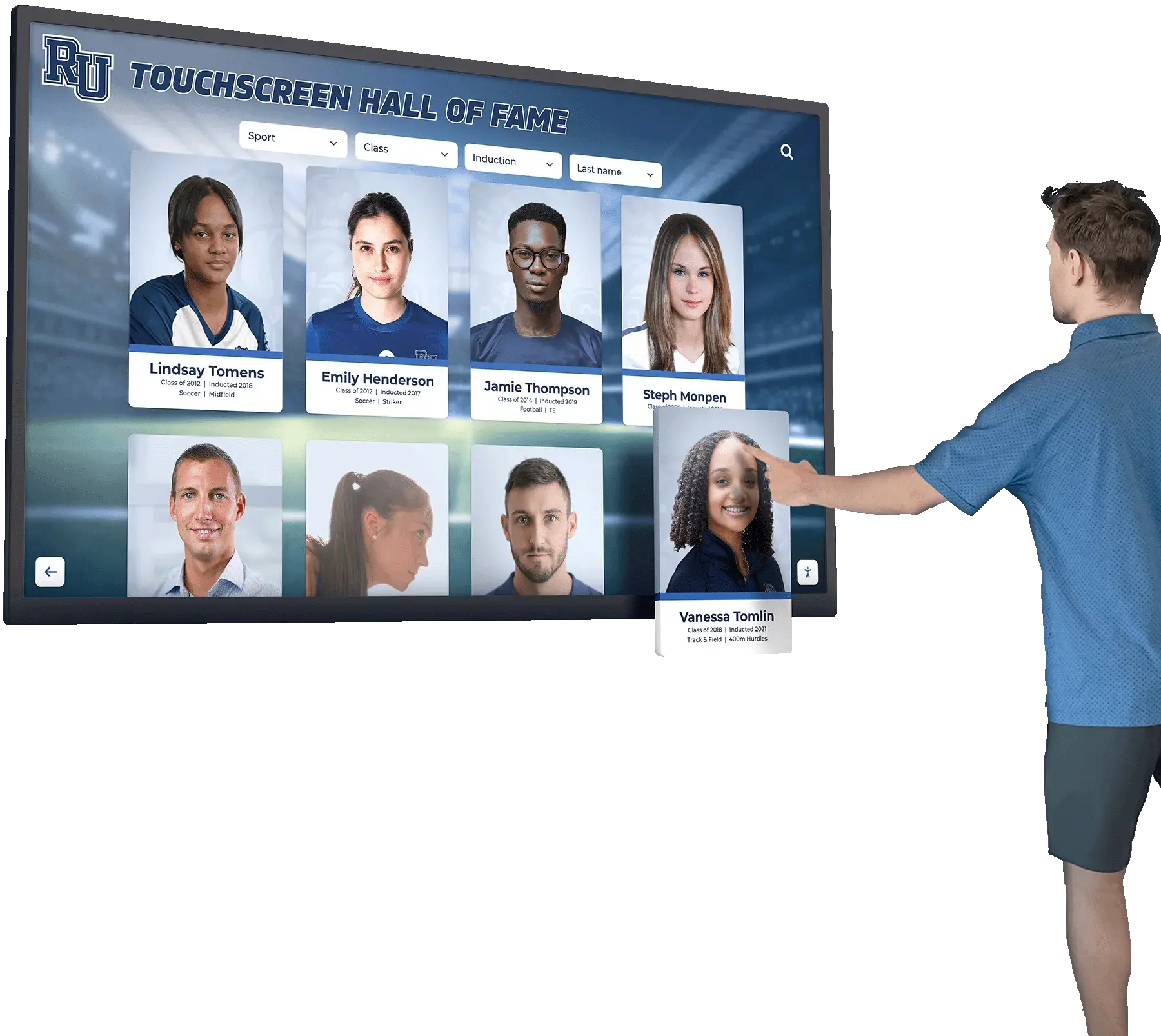
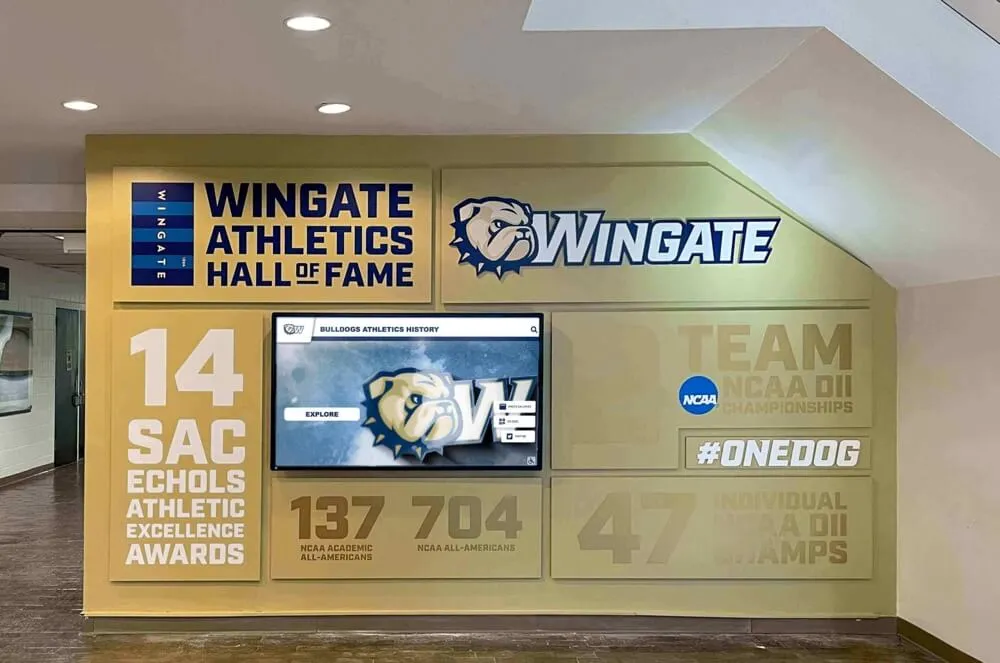
Digital donor walls create engaging recognition experiences while providing unlimited capacity and instant updates
What Are Digital Donor Recognition Walls and How They Work
Understanding digital donor wall technology, capabilities, and applications helps organizations make informed decisions about whether this approach fits their recognition needs and institutional culture.
Defining Digital Donor Recognition Systems
Digital donor walls use electronic displays—typically large touchscreen monitors or video walls—to showcase donor names, giving levels, testimonials, and multimedia content honoring supporters:
Core Components
Modern digital donor recognition systems integrate several key elements. Interactive touchscreen displays ranging from 32 to 98 inches or larger create the visual interface donors and visitors experience. Content management software enables staff to add donors, update information, organize giving levels, and modify designs without technical expertise. Cloud-based infrastructure ensures content syncs across multiple displays while enabling remote management from any internet-connected device. Mounting systems and architectural integration ensure displays complement rather than clash with facility aesthetics.
How Digital Donor Walls Function
Organizations using digital donor recognition walls maintain donor databases within content management platforms, organizing supporters by giving levels, campaigns, funds, or other relevant categories. The software generates visually appealing displays featuring donor names, photographs, video testimonials, impact statements, and organizational messaging. Content appears on physical touchscreen displays installed in lobbies, hallways, or other high-traffic locations. Visitors can browse donor listings, search for specific names, watch video tributes, or learn about giving opportunities through intuitive touch interfaces.
Display Modes and Interaction Types
Digital donor walls typically operate in two primary modes. Attract mode displays rotating donor recognition content when no one actively interacts with the screen, showcasing different giving levels, featuring highlighted donors, or displaying campaign information and impact statistics. This passive mode ensures recognition remains visible even without user interaction.
Interactive mode activates when visitors touch the screen, enabling them to search for donors alphabetically or by giving level, view detailed donor profiles including photographs and testimonials, explore campaign information and giving opportunities, and navigate between different recognition categories or time periods.
This dual functionality ensures digital donor walls both passively honor supporters through continuous display while enabling deeper engagement for interested visitors.
Key Differences from Traditional Donor Recognition
Digital donor walls offer distinct advantages over conventional plaques, though understanding trade-offs helps organizations choose appropriate solutions:
Unlimited Capacity vs. Fixed Space
Perhaps the most significant advantage digital systems provide is virtually unlimited recognition capacity. Traditional donor walls fill up, forcing organizations to either stop accepting smaller gifts, remove older donors to make room for new ones, or install additional physical walls consuming valuable architectural space.
Digital displays recognize thousands of donors within the same footprint as traditional walls recognizing hundreds. As campaigns grow, organizations simply add donors to their databases rather than commissioning expensive new plaques or expansions.
Instant Updates vs. Slow, Expensive Changes
Traditional donor wall updates require weeks and cost hundreds or thousands of dollars for engraving new plaques, reinstalling modified sections, or correcting errors. Digital donor walls update instantly at no incremental cost—organizations can add donors immediately after gifts are received, correct errors within minutes, modify giving level assignments, or reorganize entire recognition structures with a few clicks.
This flexibility particularly benefits capital campaigns spanning multiple years where organizations want donors to see their recognition immediately rather than waiting until campaign conclusion for physical plaque installation.
Dynamic Engagement vs. Static Display
Traditional donor walls present fixed information that visitors glance at briefly before moving on. Digital displays create opportunities for deeper engagement through donor video testimonials sharing why they support the organization, photo galleries showing campaign impacts, interactive features enabling visitors to search for specific donors or browse giving levels, and rotating content ensuring displays remain fresh and interesting even for frequent facility visitors.
Organizations report that digital donor walls attract significantly more attention and engagement than traditional plaques, particularly from younger visitors who expect interactive digital experiences.
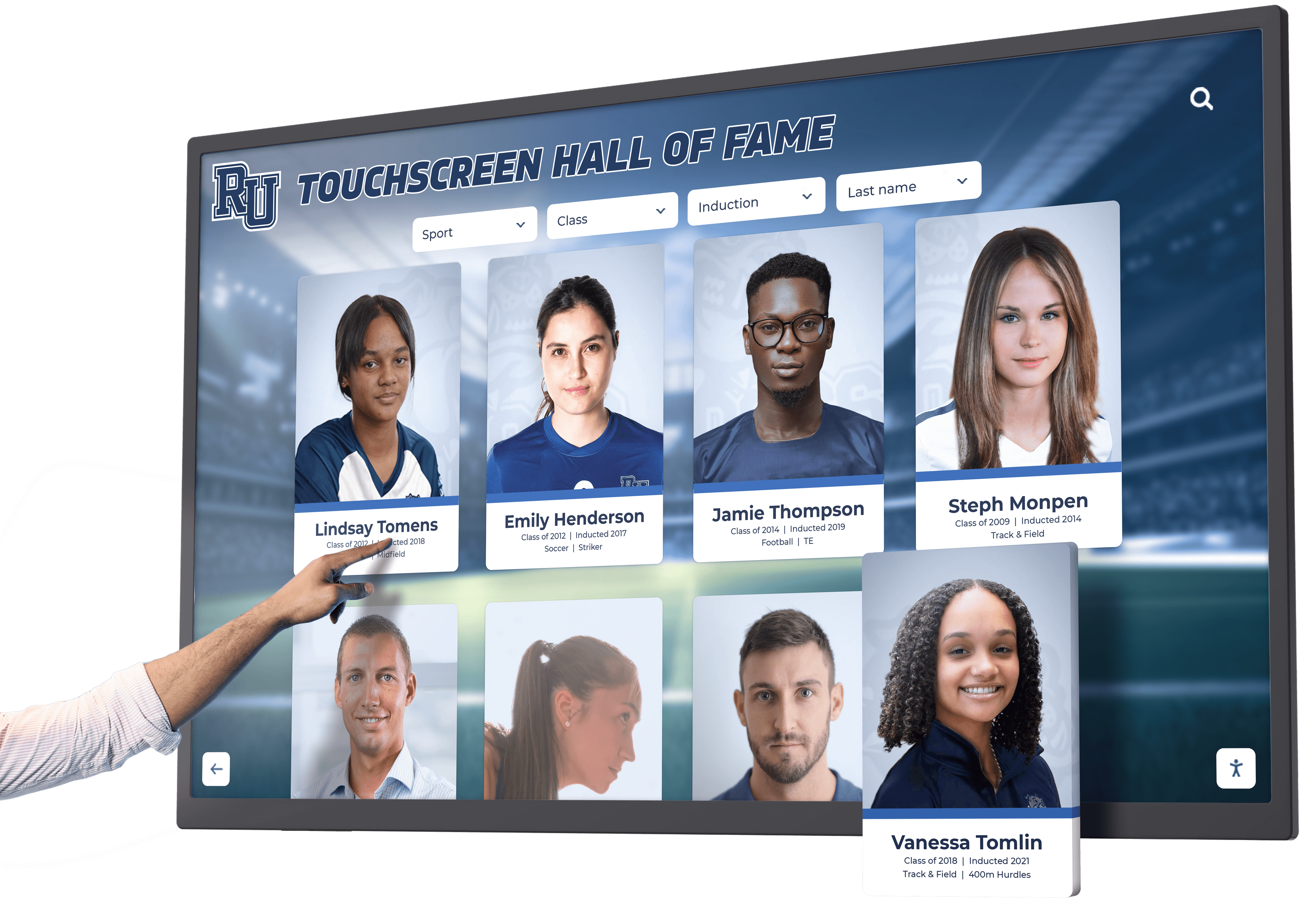
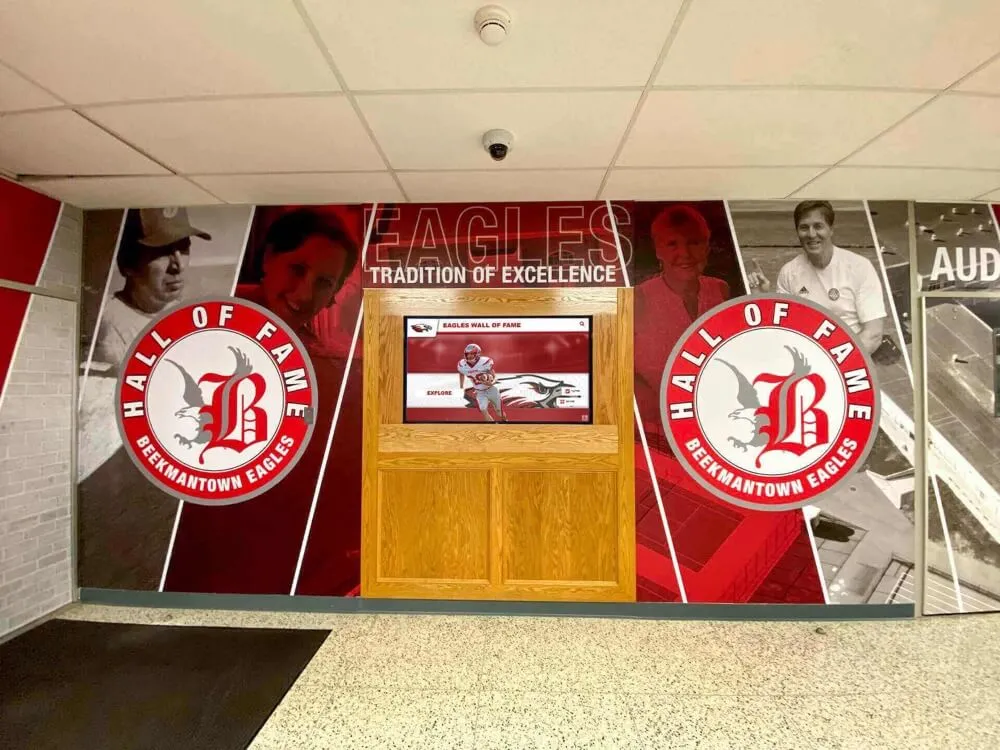
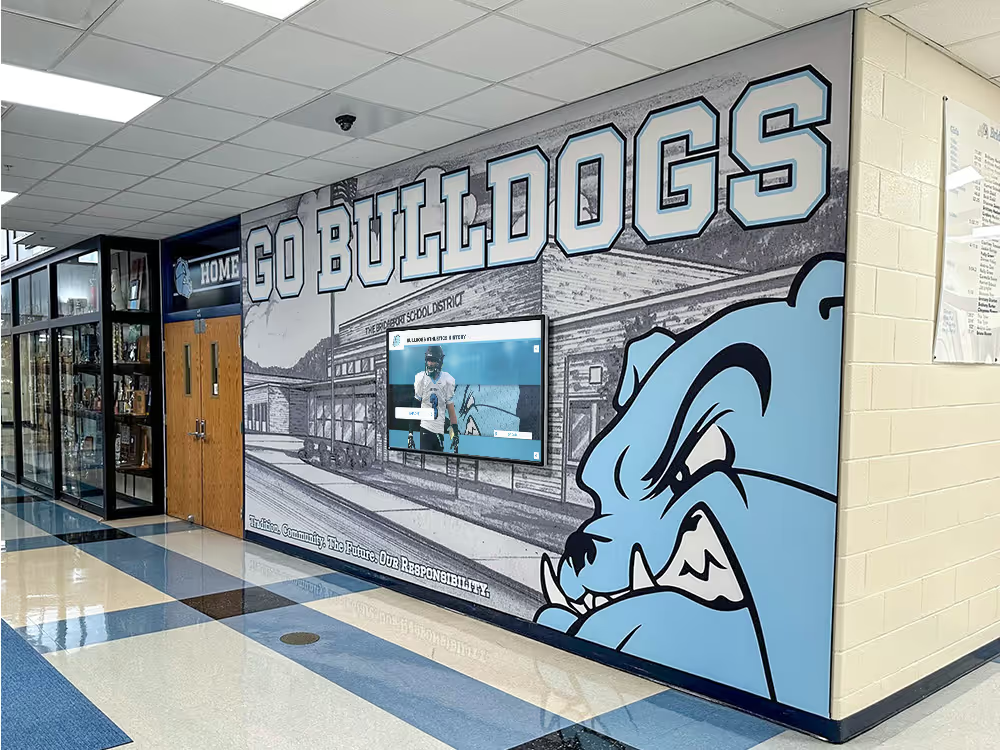
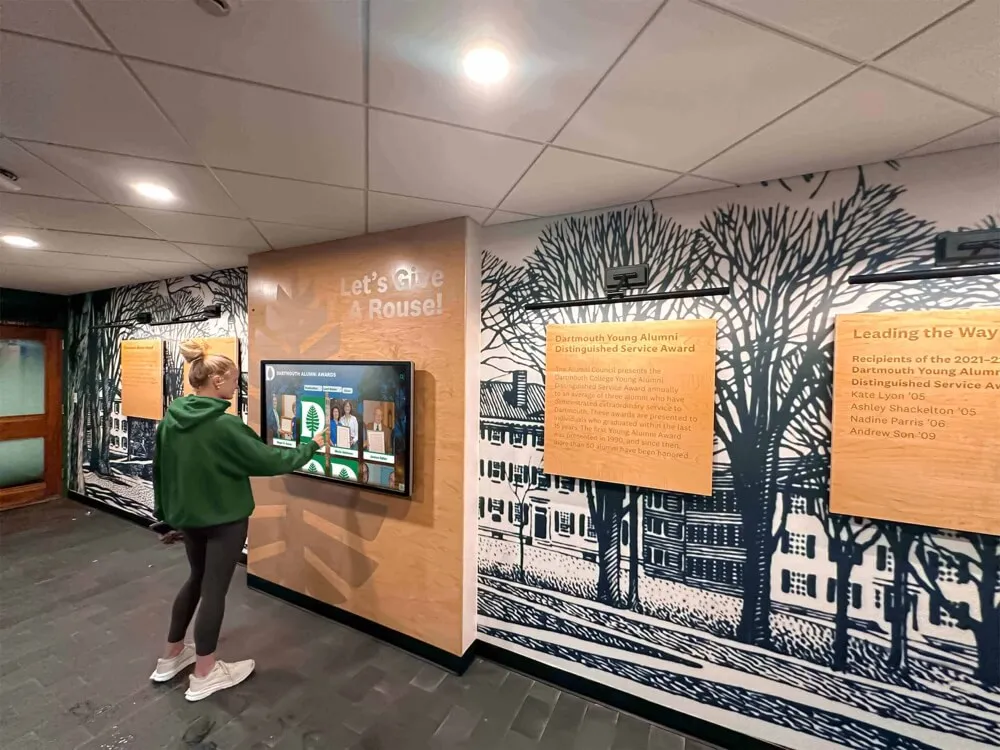
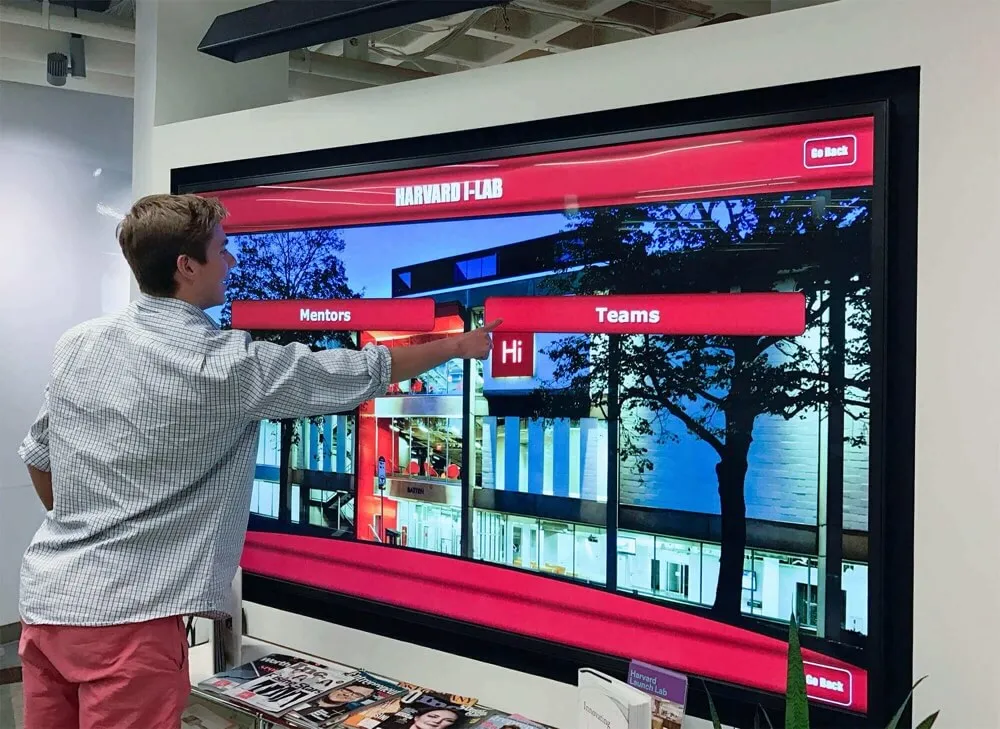
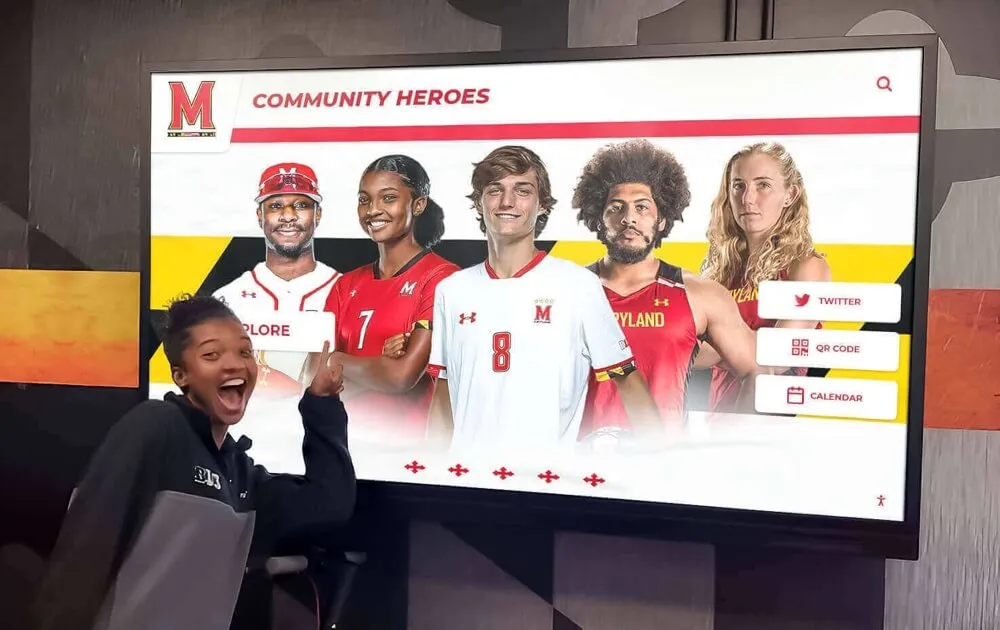
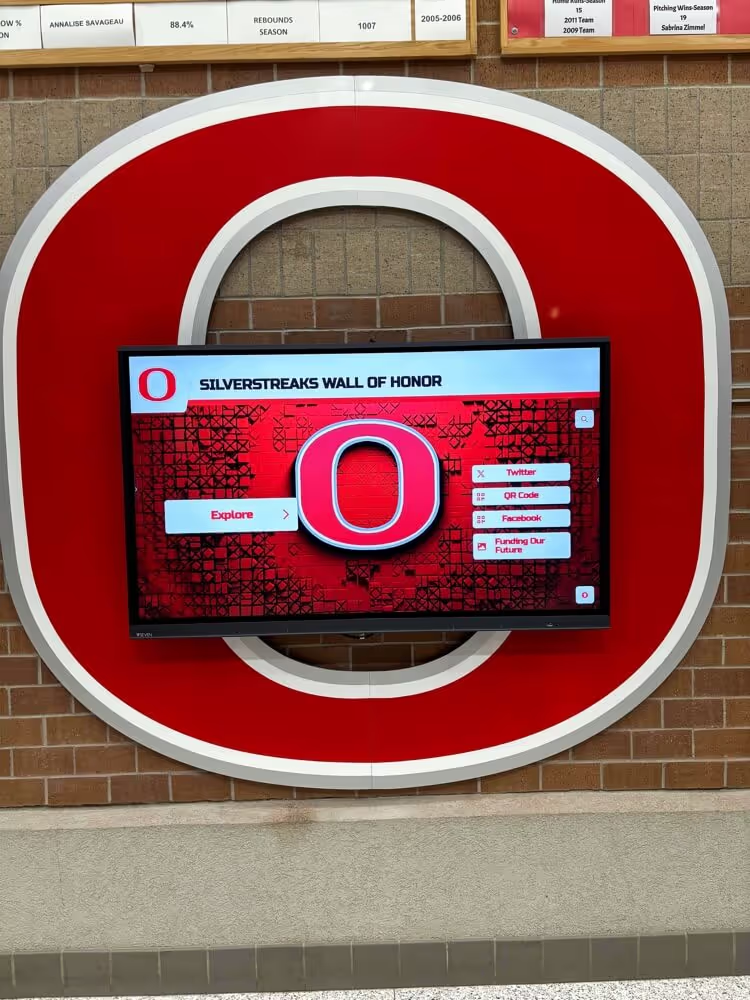
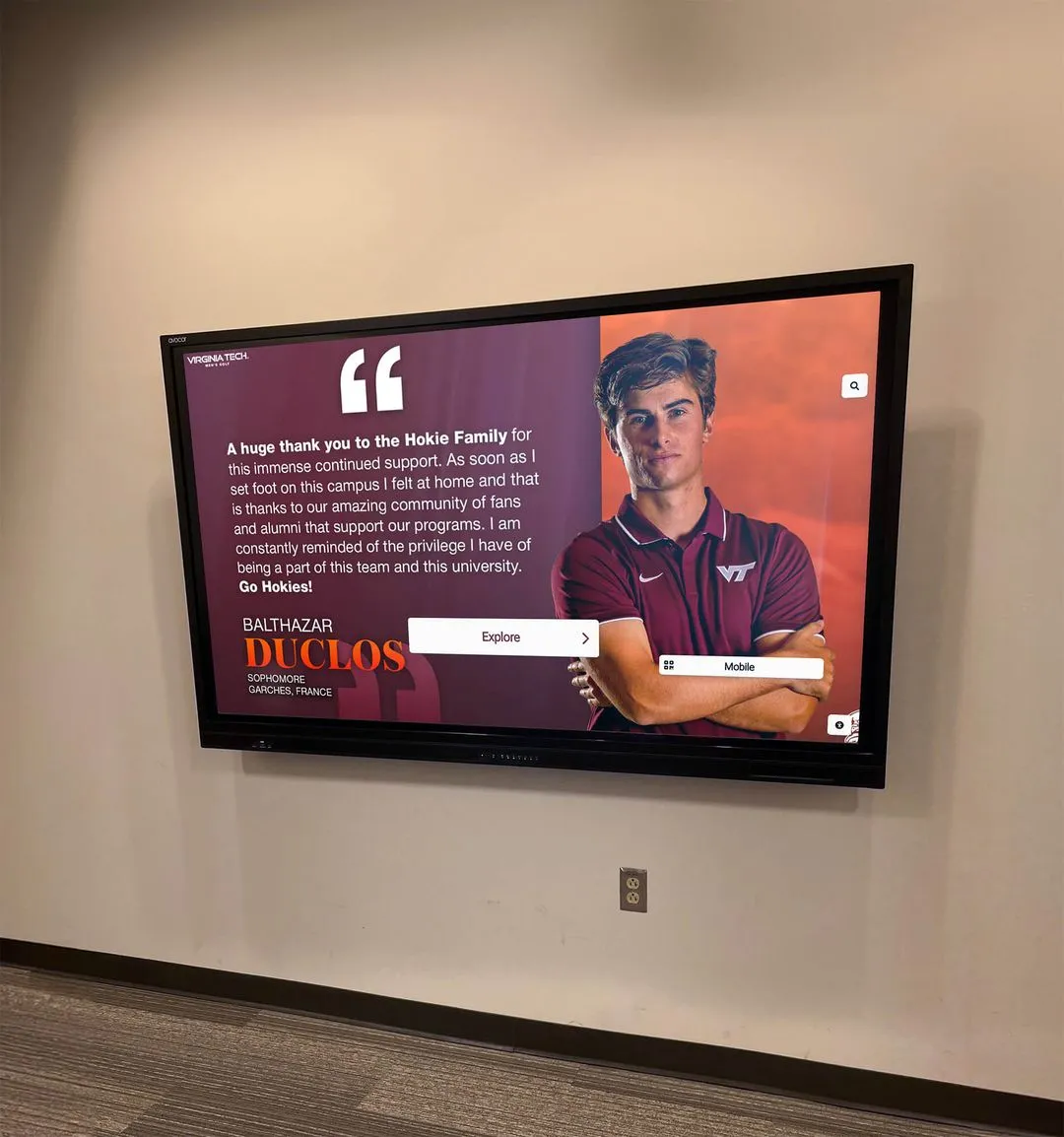
Touchscreen interactivity creates memorable donor recognition experiences while enabling powerful search and exploration capabilities
Flexible Messaging vs. Fixed Content
Digital systems enable organizations to modify recognition messaging, visual designs, and organizational approaches as institutional needs evolve. You can highlight specific campaigns during active fundraising periods, temporarily feature major gift announcements, adjust giving level categories without physical reinstallation, or completely redesign visual aesthetics to match facility renovations or rebranding initiatives.
Traditional walls offer none of this flexibility—once installed, their content and appearance remain fixed for decades regardless of changing needs.
Environmental Storytelling
Digital donor walls excel at communicating organizational impact through before-and-after photographs showing facilities built through donor support, videos featuring beneficiaries describing how donations changed their lives, data visualizations illustrating campaign progress and community impact, and integrated messaging connecting donor recognition with mission advancement.
This contextual storytelling helps donors understand their contributions’ significance while inspiring additional support from visitors who witness the tangible results of philanthropic investment.
Benefits and Advantages of Digital Donor Recognition
Beyond addressing traditional donor wall limitations, digital recognition systems provide strategic advantages supporting broader fundraising and institutional objectives.
Fundraising and Development Benefits
Inspiring Future Gifts Through Social Proof
Visible donor recognition creates powerful social proof encouraging additional giving. When visitors see hundreds or thousands of community members supporting an organization, they receive implicit permission and encouragement to contribute themselves. Digital donor walls amplify this effect by making recognition more prominent, engaging, and memorable than static plaques.
Organizations can strategically highlight giving opportunities within donor recognition displays, creating seamless connections between honoring existing supporters and inspiring new contributions. Integrated calls-to-action enable visitors to initiate gifts directly from recognition displays, reducing friction between inspiration and action.
Supporting Multi-Campaign Recognition
Organizations rarely conduct just one fundraising initiative—they simultaneously pursue annual giving, capital campaigns, endowment building, and special projects. Digital donor walls easily accommodate multiple concurrent campaigns through tabbed interfaces enabling visitors to explore different campaign recognitions, filtered views showing supporters of specific initiatives, or integrated displays honoring donors who support multiple causes.
This multi-campaign capability prevents organizations from needing separate physical walls for each fundraising initiative while enabling comprehensive recognition that honors donors’ full philanthropic relationships with organizations.
Enabling Tiered Recognition Updates
Major donors often increase their giving over time, moving from one recognition level to higher tiers as their capacity and commitment grow. Digital systems make these transitions seamless—simply update the donor’s record to reflect new giving level and their recognition immediately appears in the appropriate category without expensive re-engraving or plaque replacement.
This flexibility encourages upgrade gifts by ensuring donors immediately receive enhanced recognition rather than waiting months or years for physical updates.
Facilitating Matching Gift Visibility
Matching gift campaigns leverage major donors’ commitments to inspire additional giving from broader supporter bases. Digital donor walls can prominently feature matching gift opportunities, show real-time progress toward matching thresholds, celebrate when matching goals are achieved, and recognize both challenge donors and those who responded to matches.
This dynamic recognition supports fundraising strategies that traditional static walls cannot accommodate effectively.
Practical and Operational Advantages
Eliminating Spelling Errors and Listing Mistakes
Traditional donor walls require extreme vigilance during engraving because correcting errors costs hundreds of dollars and takes weeks. Organizations often discover mistakes only after installation when correction becomes prohibitively expensive. Digital displays make error correction instant and free—simply edit the entry and the corrected version appears immediately.
This flexibility reduces stress during data entry while ensuring donor recognition remains accurate and professional regardless of inevitable human errors during initial input.
Accommodating Donor Preferences and Privacy
Some donors prefer anonymous recognition while others want specific name formats, family recognition structures, or organizational affiliations displayed. Digital systems easily accommodate these preferences including anonymous donor placeholders that honor gifts without naming individuals, flexible name formats reflecting exactly how donors wish to be recognized, business or foundation names with representative individuals listed, and memorial or tribute designations honoring loved ones.
Traditional walls struggle with these nuances due to space constraints and engraving limitations.
Supporting Legacy and Memorial Giving
Digital donor walls enable organizations to create rich legacy tributes through donor photographs and biographical information, video testimonials recorded before donors pass away, memorial statements honoring deceased supporters’ values and impact, and family histories showing multi-generational philanthropic commitment.
These enhanced tributes create meaningful recognition that honors donors’ full stories rather than reducing them to names and dollar amounts on plaques.
Improving Accessibility and Inclusivity
Digital displays can incorporate accessibility features that traditional walls cannot provide including large text options for visually impaired visitors, audio descriptions for donors who cannot read screens, multiple language support for diverse communities, and searchable interfaces enabling visitors with mobility challenges to explore recognition without walking along extensive wall installations.
Organizations committed to inclusive recognition find digital systems far superior to traditional approaches that present accessibility barriers for many community members.
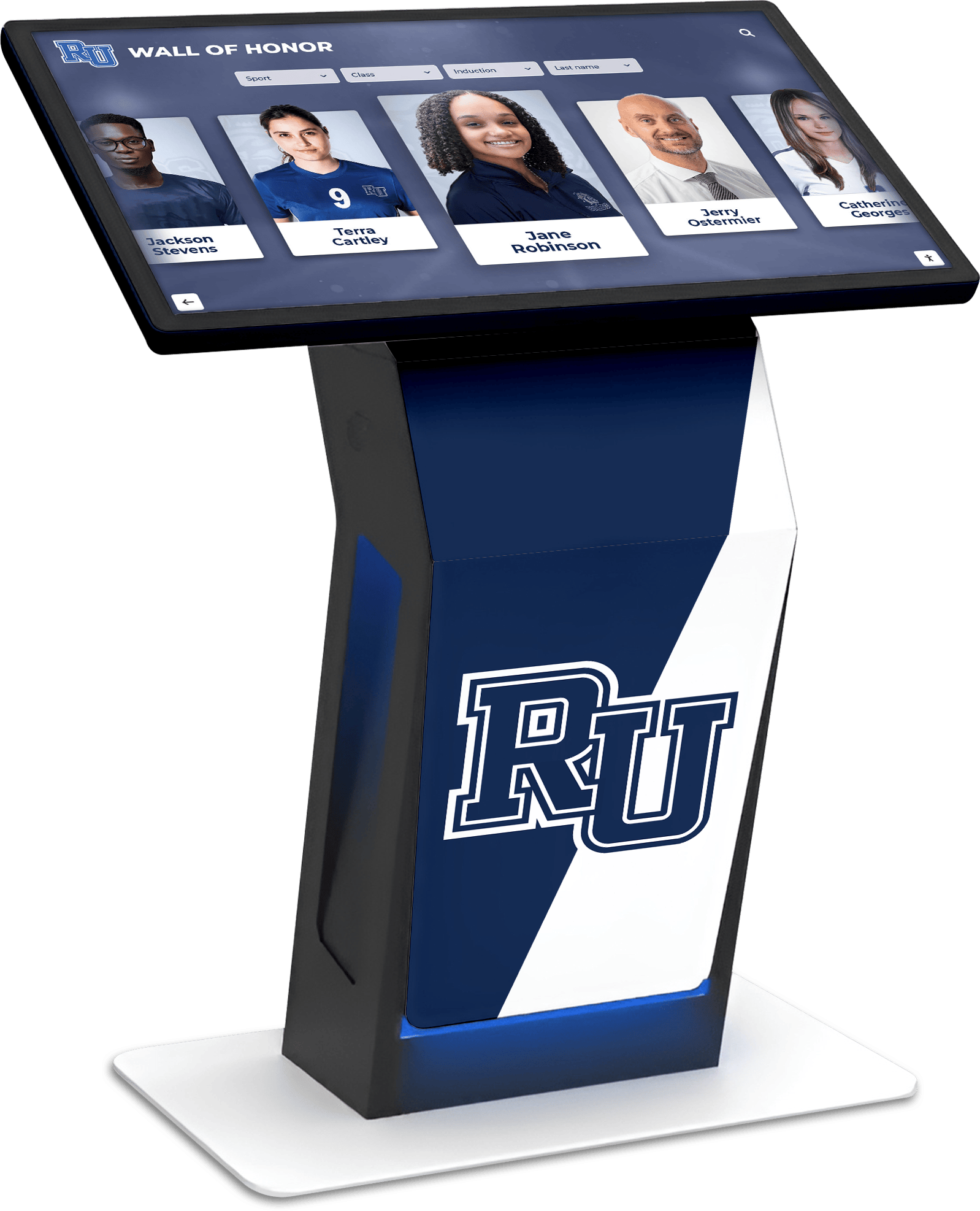
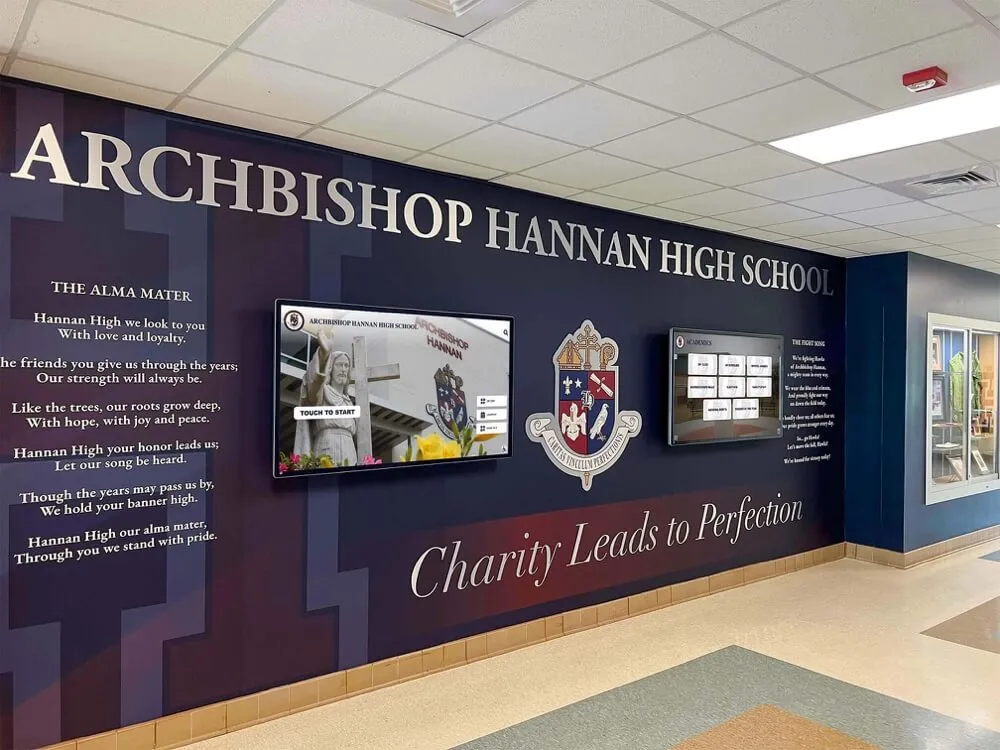
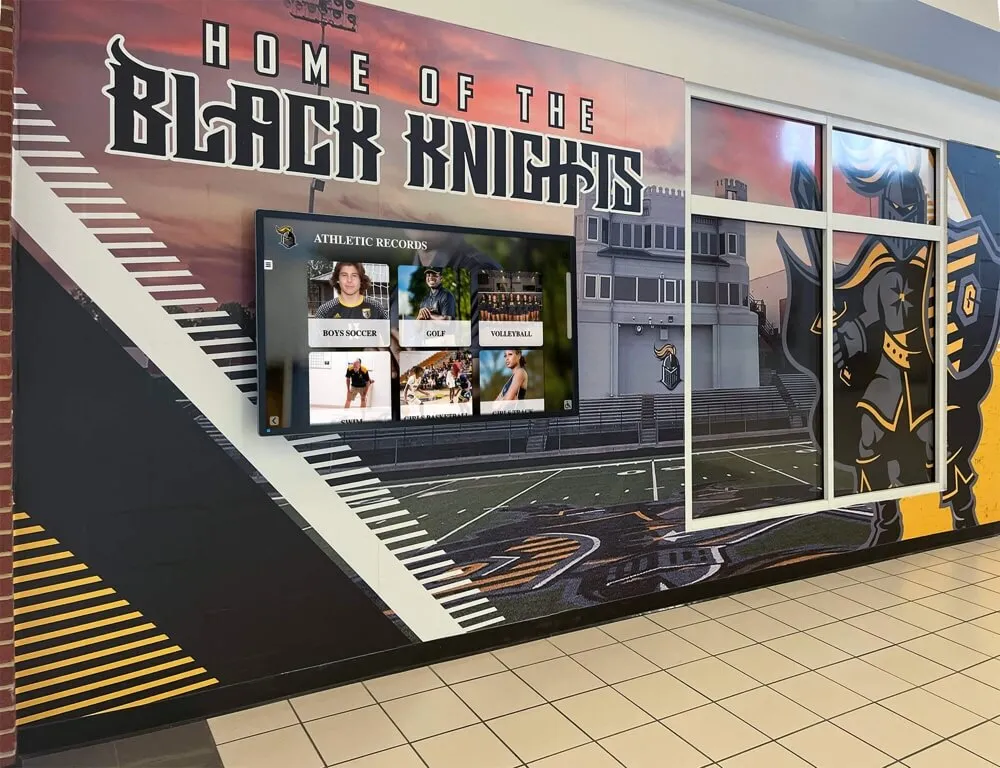
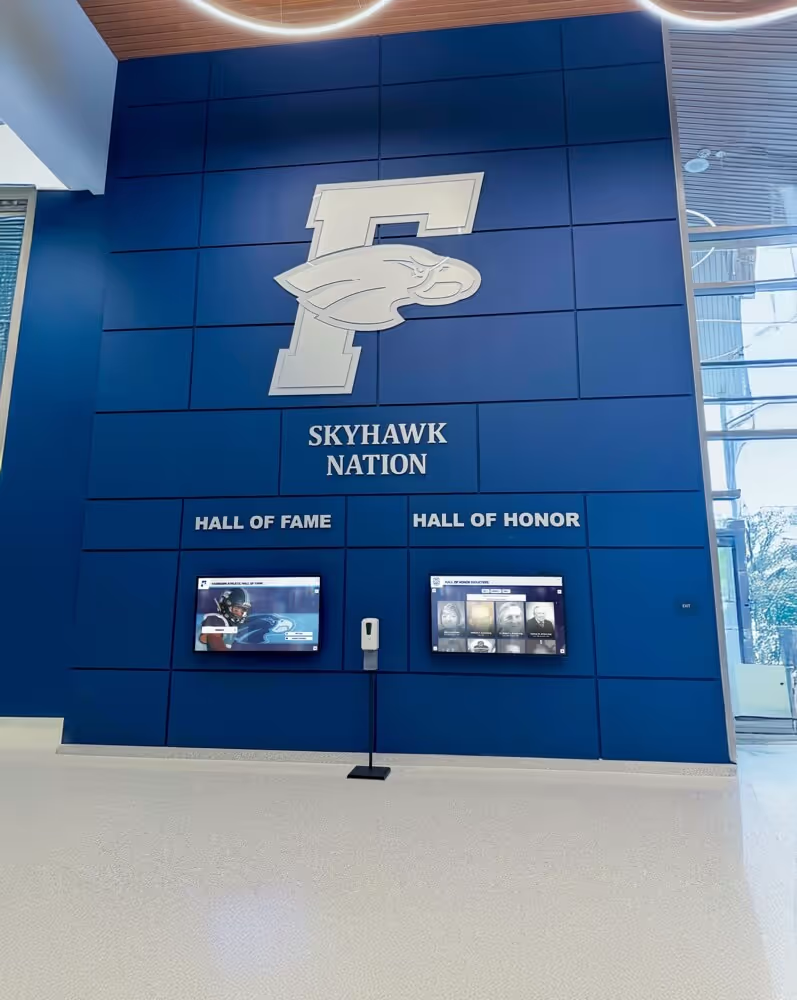
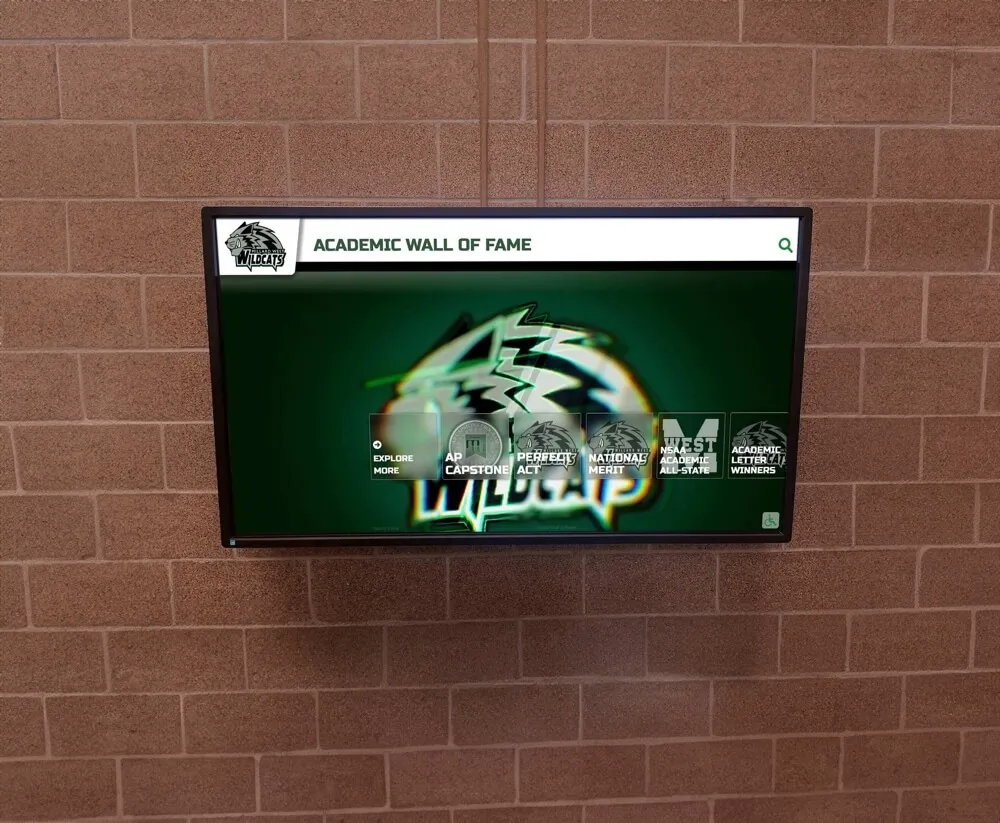
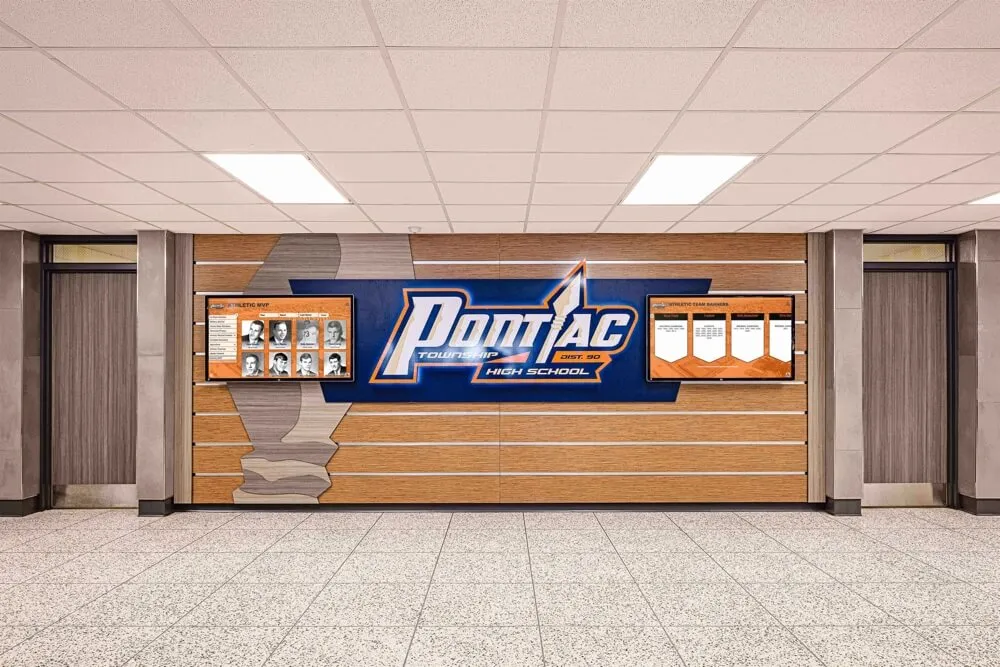
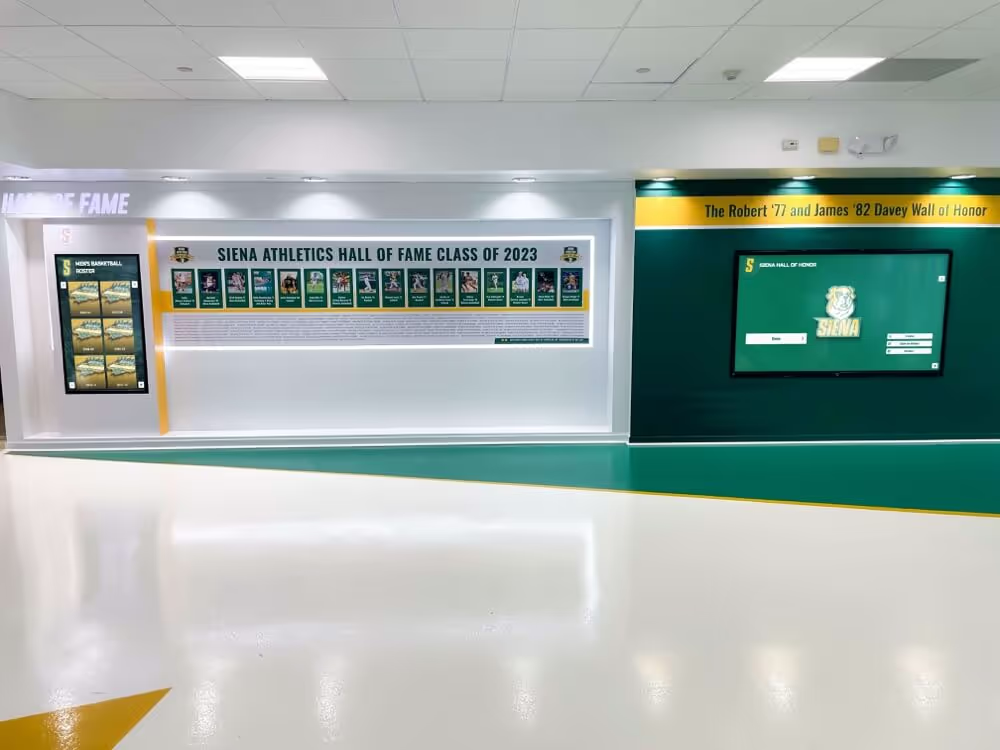
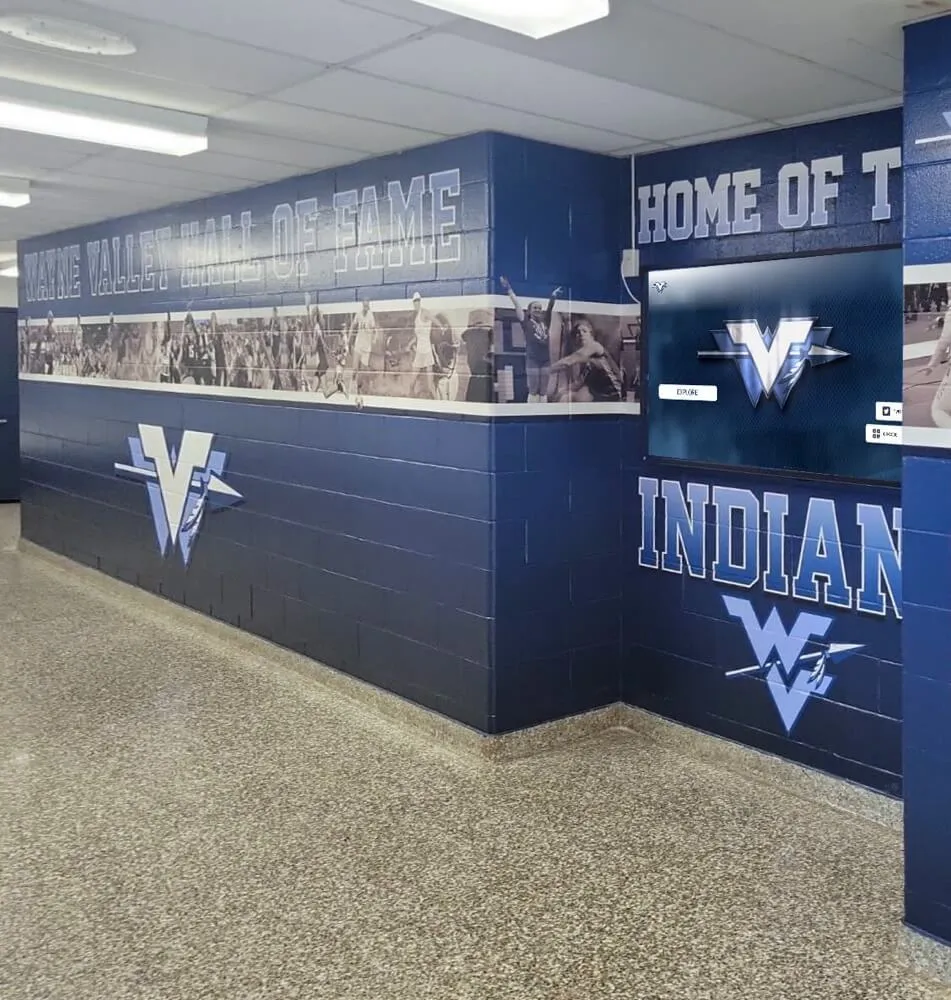
Professional digital donor recognition systems integrate seamlessly with architectural environments while providing powerful functionality
Long-Term Value and Sustainability
Future-Proof Recognition Systems
Traditional donor walls become outdated as architectural styles evolve, campaigns conclude, or organizational needs change. Digital systems remain current through software updates introducing new features and capabilities, content refreshes keeping displays visually contemporary, design modifications reflecting evolved branding, and technology upgrades replacing displays without losing content investments.
This adaptability protects long-term recognition investments by ensuring systems remain effective for decades rather than becoming obsolete within years.
Reduced Long-Term Costs
While digital donor walls typically require larger initial investments than basic traditional walls, their long-term cost profiles often prove more favorable. Organizations avoid ongoing engraving and installation costs for new donors, expensive corrections and modifications, space expansion as donor lists grow, and complete replacement when walls fill up or become outdated.
After initial investment, digital donor wall maintenance costs remain minimal—primarily electricity consumption and occasional software updates—making total cost of ownership competitive with traditional approaches over 10-20 year timeframes.
Environmental Considerations
Digital donor walls offer environmental advantages over traditional approaches by eliminating metal or acrylic plaque manufacturing, reducing shipping and installation impacts, preventing waste from replaced or discarded obsolete plaques, and enabling paperless donor management workflows.
Organizations with sustainability commitments find digital recognition aligns better with environmental values than traditional manufacturing-intensive approaches.
Design Principles for Effective Digital Donor Walls
Creating digital donor recognition that honors supporters appropriately while achieving institutional objectives requires thoughtful design balancing aesthetics, functionality, and donor psychology.
Visual Design and User Experience
Recognition Hierarchy and Giving Levels
Effective donor recognition visually differentiates giving levels so major donors receive appropriate prominence while ensuring all supporters feel valued. Digital displays typically organize donors into tiered categories like leadership circle, major donors, benefactors, patrons, and friends, with visual design elements including larger display areas or featured positions for highest giving levels, distinctive colors, typography, or graphical treatments distinguishing tiers, photographs or enhanced profiles for major donors, and balanced layouts ensuring all recognition remains dignified regardless of giving level.
Organizations should establish giving level structures reflecting fundraising strategies while ensuring tier differentials inspire upgrade gifts without creating perceptions that smaller donors receive insufficient recognition.
Color Psychology and Branding Integration
Digital donor wall design should align with organizational branding while leveraging color psychology to create appropriate emotional resonance. Sophisticated color palettes convey professionalism and permanence, warm tones create welcoming and appreciative atmospheres, institutional colors reinforce organizational identity, and sufficient contrast ensures readability for visitors with visual impairments.
Avoid garish or trendy color schemes that might appear dated quickly—digital donor walls should communicate timelessness despite their technological nature.
Typography and Readability
Donor names and information must be clearly readable from typical viewing distances, requiring appropriate font sizes for various display zones and reading distances, clean, professional typefaces conveying institutional credibility, sufficient contrast between text and backgrounds, and consistent typographic hierarchy guiding attention appropriately.
Text that’s too small frustrates visitors while excessively large typography wastes screen real estate—testing designs with actual users at intended viewing distances ensures optimal readability.
Animation and Motion Design
Digital displays enable animated transitions and motion that draw attention, but excessive movement can appear distracting or unprofessional. Effective animation uses subtle transitions between donor listings or screens, gentle attention-drawing effects in attract mode, smooth scrolling for long donor lists, and purposeful motion that enhances rather than detracts from recognition dignity.
Remember that donor recognition serves a serious institutional purpose—animation should enhance communication rather than creating the impression of entertainment or frivolity.
Content Strategy and Information Architecture
Balancing Recognition with Mission Communication
While donor walls primarily honor supporters, they also provide opportunities to communicate organizational mission and impact. Effective digital donor walls integrate donor recognition prominently while including campaign information explaining what donors funded, impact statistics demonstrating results achieved, beneficiary testimonials connecting donations to outcomes, and organizational messaging reinforcing values and mission.
This balanced approach ensures recognition serves fundraising objectives by inspiring future giving rather than simply acknowledging past support.
Search and Navigation Design
Visitors should easily find specific donors or browse recognition categories through intuitive navigation including alphabetical search enabling quick donor location, giving level filtering showing supporters within specific tiers, campaign or fund filters for multi-initiative recognition, time period selections for historical campaign archives, and clear visual indicators showing current position within navigation structures.
Confusing navigation frustrates visitors and diminishes recognition effectiveness—testing interfaces with diverse users prevents usability problems.
Managing Large Donor Databases
Organizations with thousands of donors need thoughtful information architecture preventing overwhelming displays. Effective strategies include paginated listings showing manageable donor groups, search-driven discovery rather than browsing extremely long lists, featured donor rotations highlighting different supporters, and summary statistics providing context about overall community support without listing every individual simultaneously.
Similar approaches are used in interactive kiosk solutions for visitor experiences across various institutional settings.
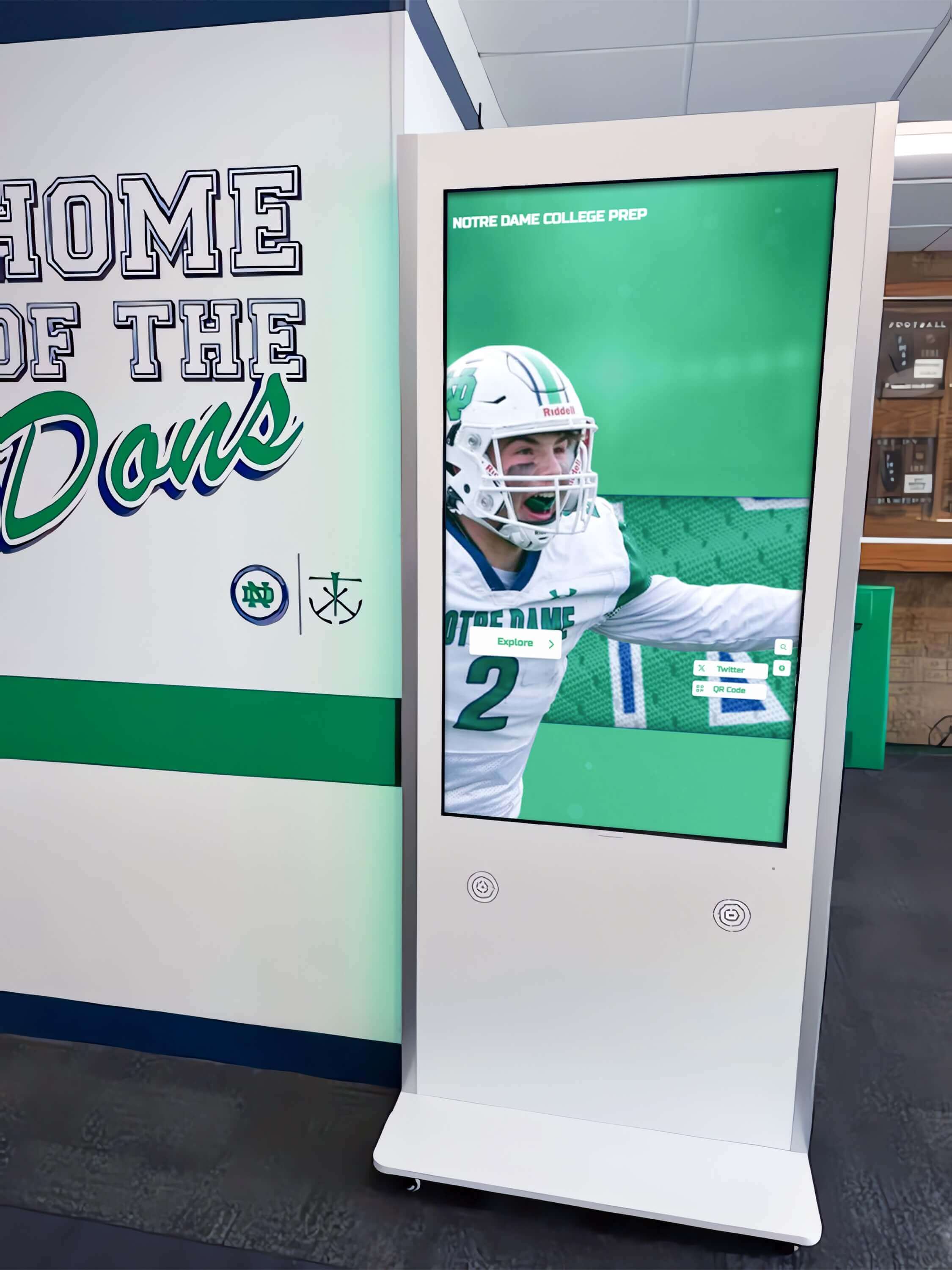
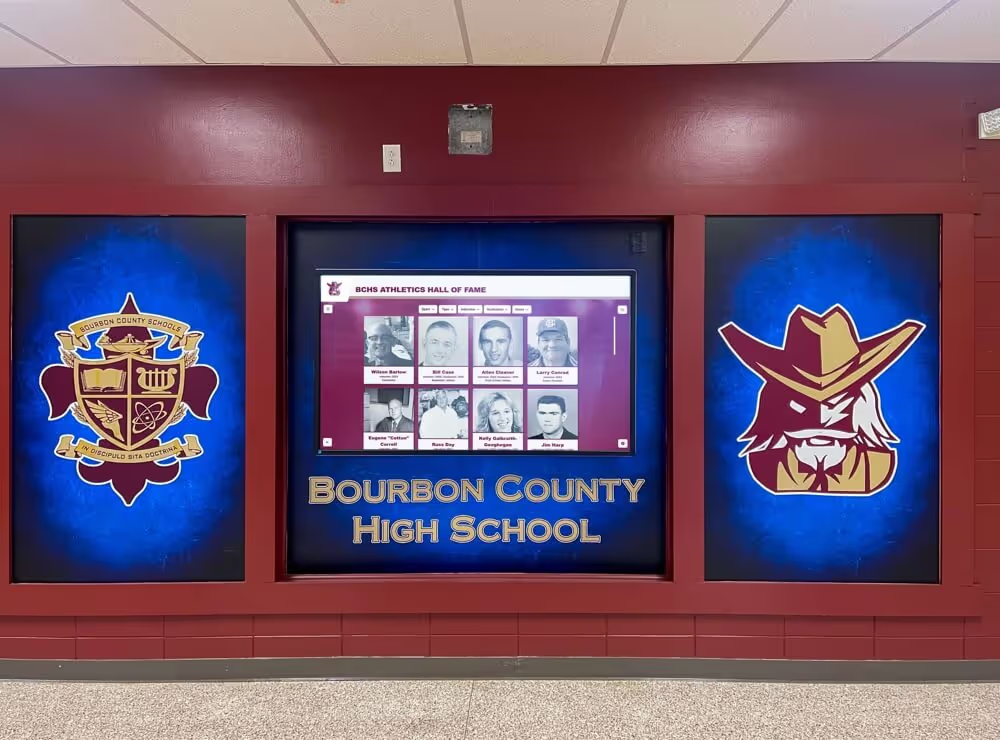
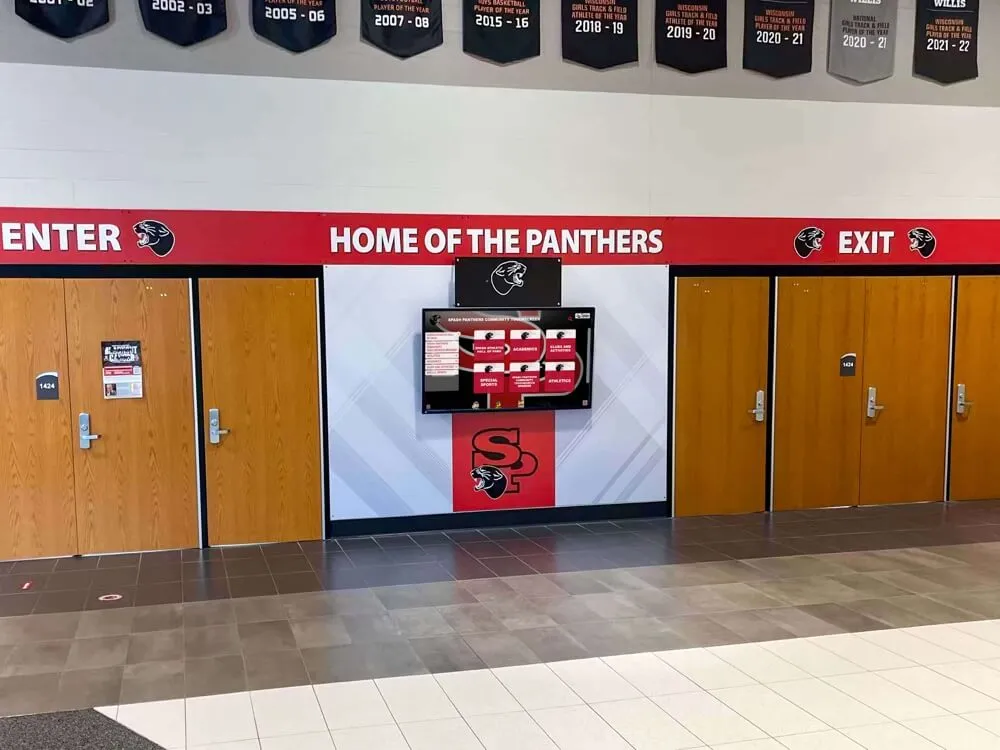
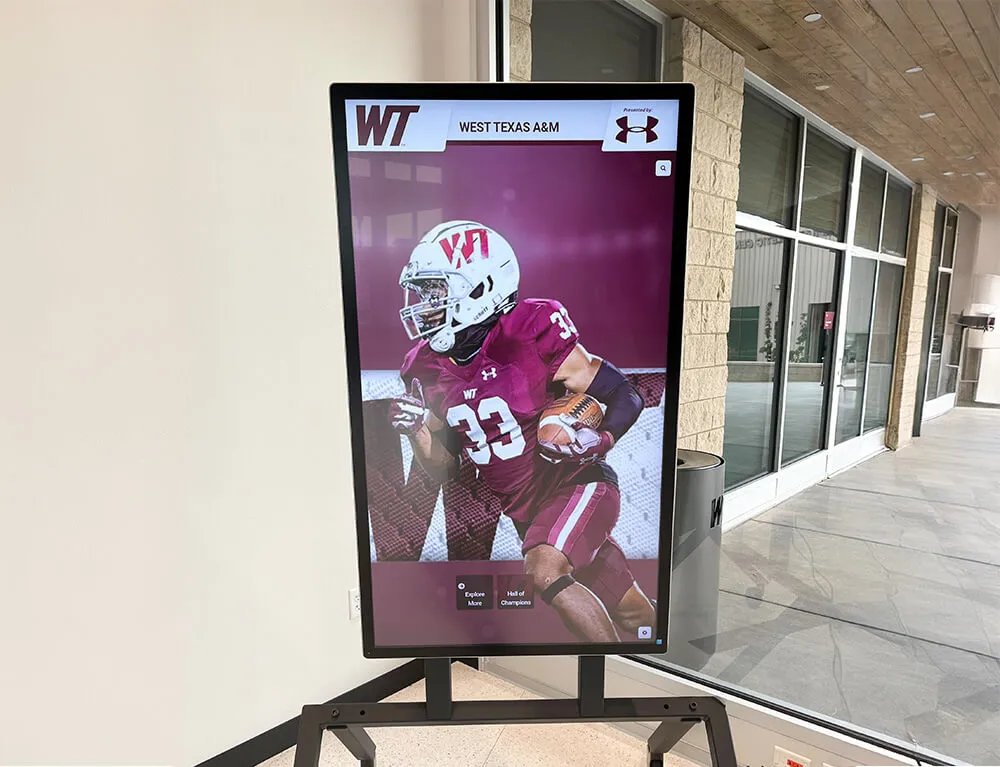
Strategic placement in high-traffic areas ensures digital donor recognition receives maximum visibility while honoring supporters effectively
Multimedia Integration and Rich Content
Donor Photography and Portraits
Including donor photographs transforms abstract names into human connections, creating more meaningful recognition. Considerations include maintaining consistent photographic style across all donor images, ensuring appropriate image resolution preventing pixelation on large displays, obtaining proper permissions for photograph usage, and providing dignity and professionalism in all photographic representation.
Some organizations include donor photographs only at highest giving levels while others extend this enhancement across all recognition tiers—decisions should reflect organizational culture and donor preferences.
Video Testimonials and Donor Stories
Video content creates powerful emotional connections by enabling donors to explain their philanthropic motivations, describe how organizations impacted their lives or communities, share advice encouraging others to contribute, and express gratitude for opportunities to make a difference.
Quality video production matters significantly—poorly produced testimonials can diminish rather than enhance recognition. Organizations should invest in professional videography or establish clear quality standards for any video content included in donor recognition.
Impact Visualization and Campaign Information
Digital donor walls provide excellent platforms for communicating campaign results through before-and-after imagery showing facilities built or renovated, infographics illustrating beneficiaries served or outcomes achieved, progress indicators tracking toward campaign goals, and temporal comparisons demonstrating organizational growth enabled by philanthropic support.
This impact communication helps donors understand their contributions’ significance while inspiring additional support from visitors who witness tangible results.
Interactive Features and Engagement
Advanced digital donor walls can include interactive elements beyond basic search and navigation such as virtual tours of facilities donors helped build, donation opportunities enabling visitors to contribute directly, social media integration encouraging donors to share recognition, and QR code generation for mobile visitors to access additional content.
These enhanced features create more engaging experiences while serving fundraising objectives, though organizations should ensure interactive elements complement rather than overshadow fundamental donor recognition.
Digital Donor Wall Software and Technology Options
Selecting appropriate technology platforms and display hardware ensures digital donor recognition systems meet organizational needs while remaining maintainable long-term.
Software Platforms and Content Management Systems
Purpose-Built Donor Recognition Software
Specialized digital donor wall platforms provide tools specifically designed for recognition applications including donor database management with giving level categorization, template-based design systems enabling professional aesthetics without graphic design expertise, automated content generation pulling information from donor records, multi-display management for organizations with multiple recognition installations, and reporting and analytics tracking donor wall usage and engagement.
Purpose-built platforms typically offer faster implementation and better recognition-specific functionality than generic solutions, though they may cost more than adapting general digital signage software.
Digital Signage Platforms Adapted for Recognition
General digital signage content management systems can support donor recognition applications through custom content development. While more flexible than purpose-built solutions, they typically require more technical expertise for setup and management, lack donor-specific features like automated giving level organization, and may prove more complex than necessary for straightforward recognition needs.
Organizations with existing digital signage infrastructure might leverage those investments for donor recognition, achieving economies of scale across multiple display applications.
Custom Development vs. Commercial Solutions
Some organizations consider custom software development for unique requirements or integration with existing systems. Custom development provides maximum flexibility and control, enables deep integration with fundraising databases, and can create distinctive recognition experiences unavailable through commercial platforms.
However, custom development typically costs significantly more than commercial solutions, requires ongoing developer support for maintenance and updates, and creates dependency on specific technical resources who may leave organizations over time.
Most organizations find commercial donor recognition platforms provide better long-term value than custom development unless extraordinary requirements justify custom approaches.
Cloud-Based vs. On-Premise Systems
Modern donor recognition software typically operates on cloud-based architecture rather than on-premise server installations, providing remote management from any internet-connected device, automatic backups and disaster recovery, simplified software updates and feature additions, multi-location management for organizations with distributed facilities, and reduced internal IT infrastructure requirements.
Cloud platforms generally provide better long-term value than on-premise systems despite requiring ongoing subscription fees rather than one-time license purchases.
Display Hardware and Technology Specifications
Screen Size and Resolution Considerations
Digital donor wall effectiveness depends significantly on appropriate display sizing for intended spaces and viewing distances. Small installations in intimate spaces might use single 43-55 inch displays, medium installations in standard lobbies typically employ 65-75 inch screens, and large installations in expansive atriums or public spaces might use 85-98 inch displays or multiple-screen video walls.
Resolution matters equally—4K (3840x2160) displays have become standard for professional installations, providing sufficient pixel density that text and images appear crisp and professional at typical viewing distances. Lower resolution displays may appear pixelated or unprofessional, diminishing rather than enhancing donor recognition.
Touchscreen vs. Non-Interactive Displays
Organizations must decide whether displays should support touch interaction or function as passive screens. Touchscreen capabilities enable donor search and exploration, interactive campaign information, engagement tracking and analytics, and direct donation opportunities.
However, touchscreens cost more than standard displays, require more frequent cleaning due to fingerprints, and can experience higher failure rates than passive screens. Some organizations implement hybrid approaches with primary passive displays supplemented by smaller touchscreen kiosks for visitors desiring interactive exploration.
Commercial vs. Consumer Display Technology
Digital donor walls require commercial-grade displays engineered for continuous operation rather than consumer televisions designed for intermittent residential use. Commercial displays provide ratings for 16-24 hour daily operation versus 8-10 hours for consumer screens, significantly longer warranties (typically 3-5 years versus 1 year), more durable components designed for high-use environments, and professional appearance without consumer television branding.
While commercial displays cost more than consumer equivalents, they provide essential reliability for institutional applications where display failures create recognition gaps and require expensive service calls.
Mounting and Installation Requirements
Professional installation ensures displays integrate seamlessly with architectural environments through proper mounting that aligns with facility aesthetics, cable management concealing wires and connections, appropriate height and angle for viewing and accessibility, and secure installation preventing theft or vandalism.
Installation costs vary significantly based on architectural complexity, electrical requirements, networking infrastructure needs, and whether mounting surfaces require reinforcement for heavy displays.
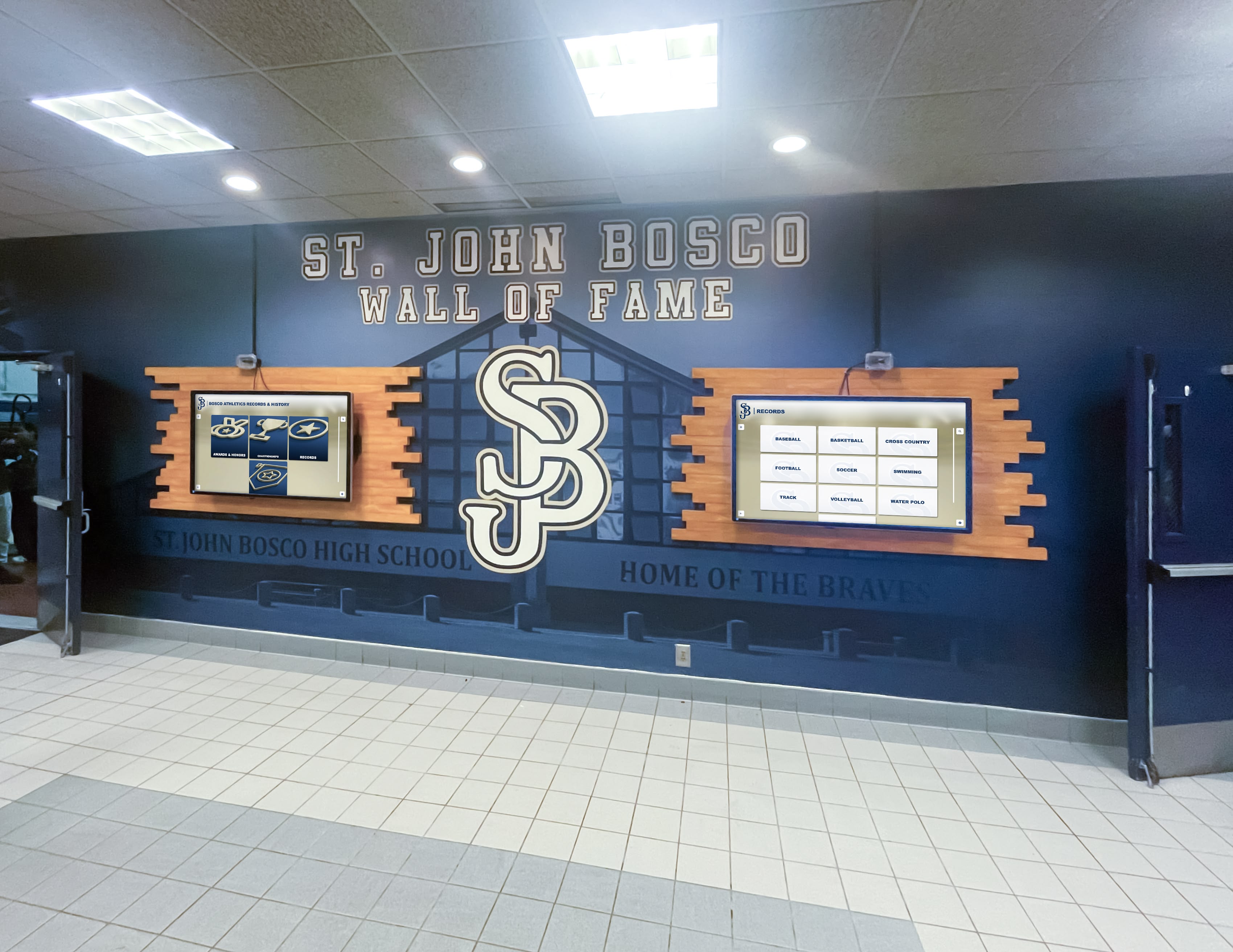
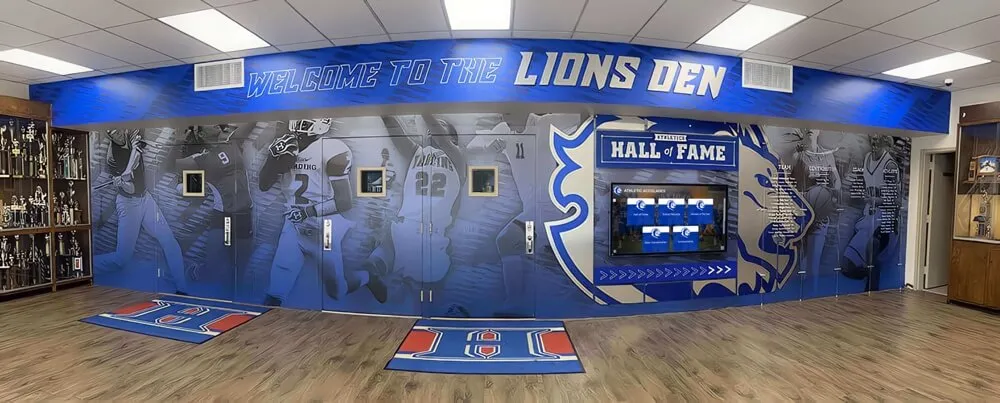
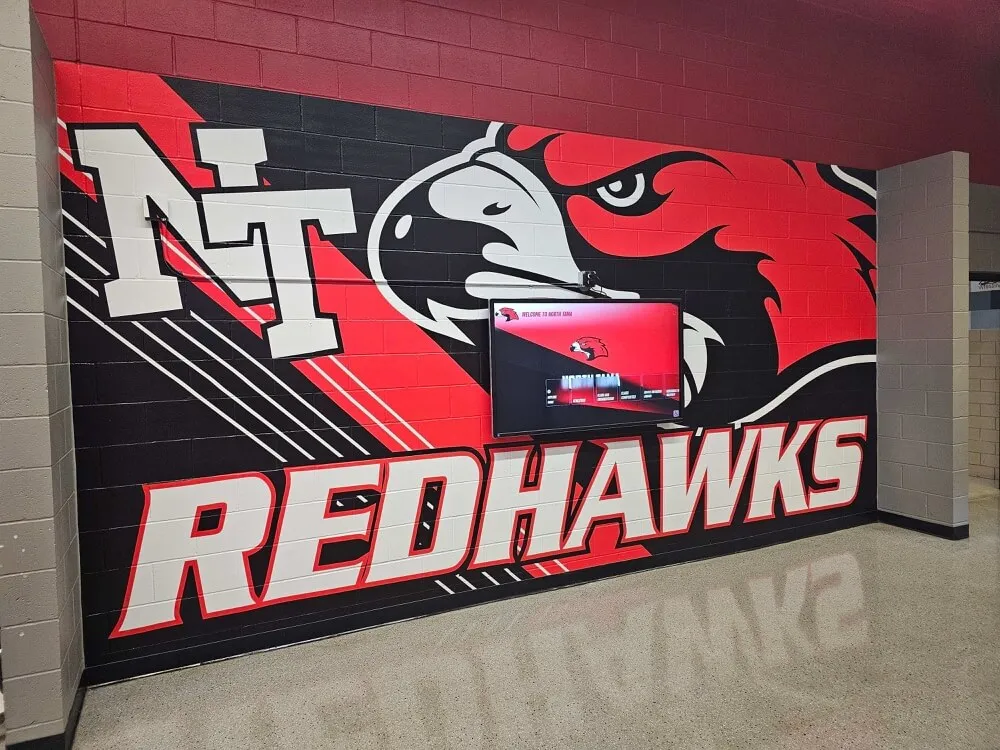
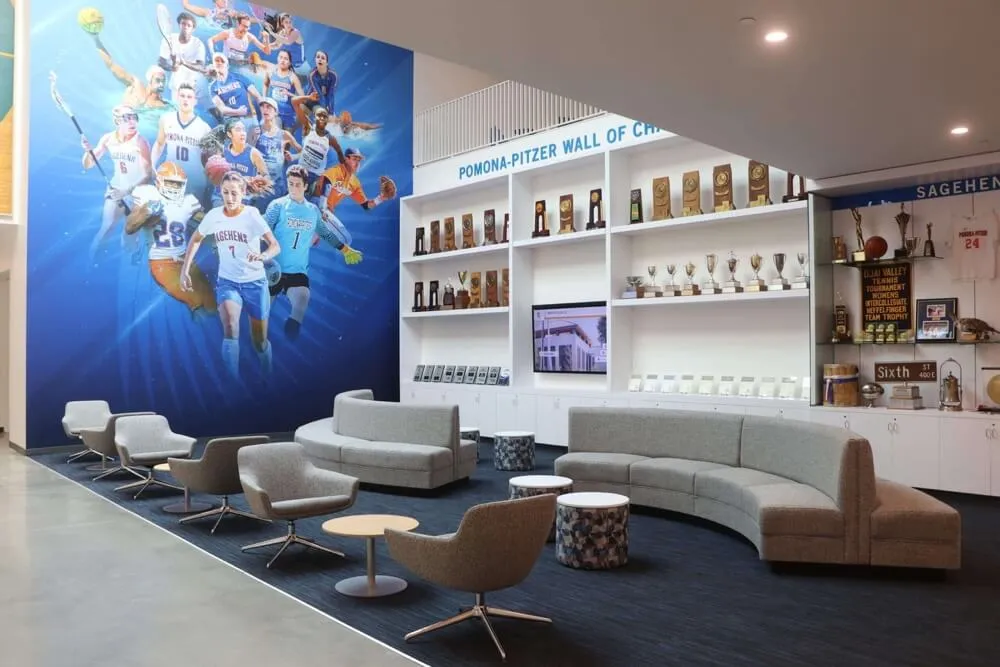
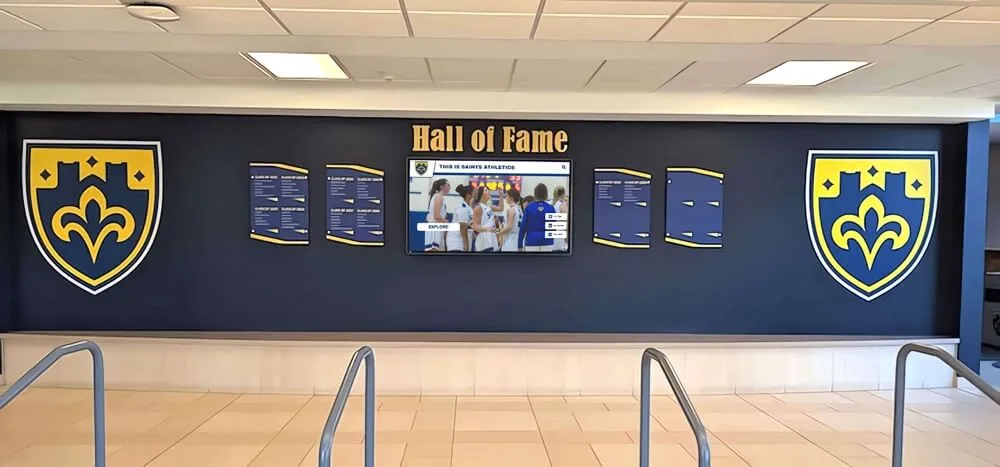
Digital displays integrate with architectural design creating comprehensive recognition environments
Infrastructure and Connectivity Requirements
Network and Internet Connectivity
Cloud-based donor recognition systems require reliable internet connectivity for content management and updates. Ethernet connections provide most reliable performance and should be standard for fixed installations, though Wi-Fi connectivity works adequately if networks provide strong, stable signals at display locations.
Organizations should ensure network security policies allow necessary traffic to donor wall software platforms while maintaining appropriate cybersecurity protections.
Power and Electrical Considerations
Digital displays require dedicated electrical circuits, particularly for large or multiple-screen installations. Electrical planning should include appropriate circuit capacity for display power consumption, accessible outlets avoiding visible extension cords, surge protection preventing damage from power fluctuations, and consideration of annual operating costs from continuous display operation.
Large displays can consume 200-400 watts during operation—while not enormous, organizations should factor electricity costs into long-term ownership calculations.
Content Update Workflows
Organizations need clear processes for keeping donor recognition current including responsibility assignments for data entry and content management, approval workflows ensuring accuracy before public display, update schedules for adding new donors, and error reporting procedures enabling quick correction when issues are identified.
Without clear workflows, digital donor walls can become outdated as quickly as traditional plaques, negating their primary advantages.
Cost Analysis and Budget Planning
Understanding comprehensive costs enables appropriate budget development and vendor selection for digital donor recognition projects.
Initial Investment Costs
Hardware Expenses
Digital donor wall hardware costs vary significantly based on display size, technology specifications, and quantity. Professional-grade 55-inch touchscreen displays suitable for smaller installations typically cost $3,000-$6,000, mid-size 65-75 inch touchscreens for standard applications run $5,000-$10,000, and large 85-98 inch displays or multi-screen video walls range from $12,000-$40,000+ depending on configuration.
These prices include commercial-grade displays with appropriate specifications but not installation, mounting hardware, or content management software.
Software and Licensing Costs
Purpose-built donor recognition software typically charges through subscription models or one-time license fees. Annual subscription plans generally cost $1,200-$5,000 per year depending on features and display quantity, while perpetual licenses might range from $5,000-$15,000 upfront plus ongoing maintenance fees of 15-20% annually.
Cloud-based platforms almost universally use subscription models while on-premise systems more commonly offer perpetual licensing options.
Design and Content Development
Professional design services for donor wall visual aesthetics, user interface design, and initial content setup typically cost $2,000-$8,000 depending on customization complexity. Organizations with strong internal design capabilities might reduce or eliminate these costs, while those requiring extensive customization or premium aesthetics should expect higher investment.
Initial data migration transferring donor information into new systems requires staff time or consulting services, particularly for organizations with large existing donor databases or complex gift histories.
Installation and Integration
Professional installation including mounting hardware, electrical work, network connectivity, display configuration, software setup, and staff training typically costs $2,000-$8,000 for single-display installations and $5,000-$20,000+ for complex multi-display or video wall configurations.
Installation complexity depends heavily on facility characteristics—straightforward wall mounting in locations with existing electrical and network infrastructure costs far less than installations requiring significant electrical work, network extension, or architectural integration.
Total Initial Investment Ranges
Comprehensive digital donor wall projects typically require total initial investments within these general ranges:
- Small installation (single 55" display, basic software): $8,000-$15,000
- Medium installation (65-75" display, professional software and design): $15,000-$30,000
- Large installation (85"+ display or multi-screen, custom design): $30,000-$75,000+
- Premium installation (video wall, advanced features, architectural integration): $75,000-$150,000+
These ranges provide general guidance—specific projects may fall outside these parameters based on unique requirements or organizational contexts.
Ongoing Operating Costs
Software Subscription and Maintenance
Cloud-based donor recognition platforms typically charge annual subscriptions from $1,200-$5,000 depending on features, display quantity, and support levels. Organizations using perpetual software licenses generally pay annual maintenance fees of 15-20% of original license cost for updates and support.
Electricity Consumption
Digital displays operating continuously consume electricity that, while not enormous, contributes to long-term costs. A 65-inch commercial display consuming 250 watts operating 16 hours daily costs approximately $100-$150 annually depending on local electricity rates. Organizations should budget $75-$300 annually for electricity depending on display size and operating hours.
Content Updates and Management
Organizations typically handle donor recognition updates with existing development or communications staff, requiring no incremental costs beyond internal time. However, some institutions hire specialized support for complex updates, ongoing design refreshments, or video content production, potentially costing $1,000-$5,000 annually depending on activity levels.
Hardware Maintenance and Replacement
Commercial displays with 3-5 year warranties typically require minimal maintenance during warranty periods. Extended warranties beyond standard coverage cost approximately 10-15% of display purchase price annually.
Display replacement becomes necessary after 7-10 years as screens fail or technology advances make replacements advantageous. Organizations should budget for eventual display replacement in long-term capital planning.
Total Annual Operating Costs
Comprehensive ongoing costs for typical digital donor wall installations range from $1,500-$6,000 annually including software subscriptions or maintenance, electricity consumption, content management, and extended warranty or replacement reserves.
Understanding accessibility requirements for digital recognition systems can be enhanced by reviewing WCAG 2.2 AA compliance for digital recognition displays.
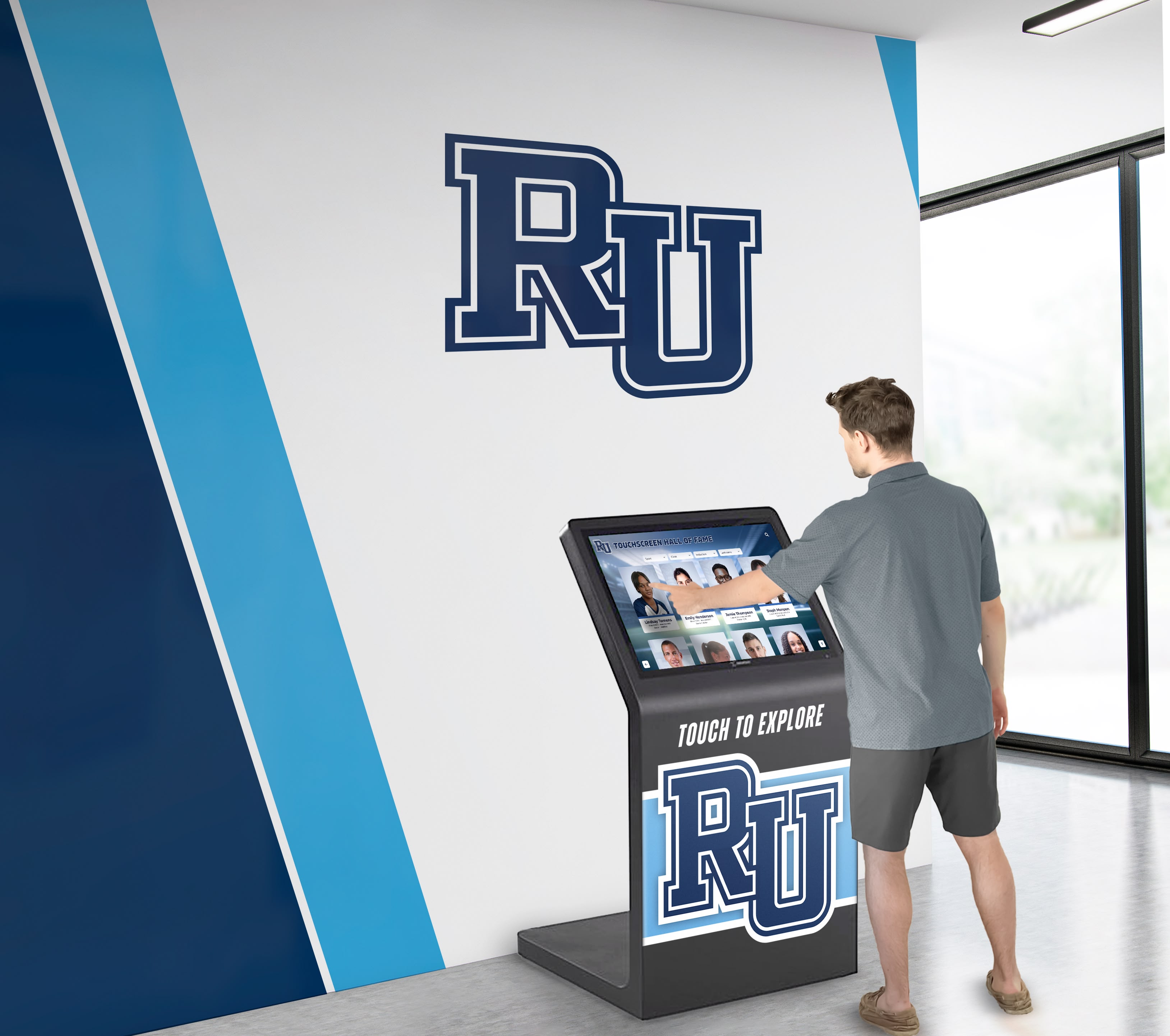
Professional digital donor recognition systems provide long-term value through unlimited capacity and instant updates
Cost Comparison with Traditional Donor Walls
Initial Cost Comparison
High-quality traditional donor walls with engraved plaques typically cost $150-$400 per donor depending on materials, design complexity, and quantity. A traditional wall recognizing 200 donors might cost $30,000-$80,000 for materials, design, and installation—comparable to mid-range digital donor wall systems.
However, traditional walls provide fixed capacity while digital systems accommodate unlimited donors, fundamentally changing long-term cost dynamics.
Long-Term Cost Comparison
Traditional donor walls incur significant ongoing costs including $150-$300 per new donor for plaque engraving and installation, $200-$500 for correcting errors or updating existing plaques, and $20,000-$100,000+ for wall expansions when capacity is exhausted.
Organizations adding 50 donors annually spend $7,500-$15,000 yearly on traditional wall updates—more than typical digital donor wall annual operating costs while accommodating far fewer new donors.
Over 10-year periods, digital donor walls typically provide better value than traditional approaches for organizations with active fundraising programs, while traditional walls may prove more economical for institutions with minimal ongoing donor additions.
Return on Investment Considerations
Beyond direct cost comparisons, digital donor walls provide fundraising value through enhanced donor satisfaction and retention, increased visitor engagement inspiring new giving, flexibility supporting multiple campaigns simultaneously, immediate recognition encouraging faster giving decisions, and modern appearance appealing to younger donor demographics.
While difficult to quantify precisely, these strategic advantages often justify digital donor wall investments even when direct cost comparisons appear neutral.
Implementation Planning and Project Management
Successful digital donor wall projects require thoughtful planning, stakeholder coordination, and systematic execution ensuring systems meet organizational needs while honoring donors appropriately.
Needs Assessment and Requirements Definition
Clarifying Recognition Objectives
Begin by articulating what you hope to accomplish through digital donor recognition including which campaigns or giving programs require recognition, how many donors need acknowledgment currently and projected over 5-10 years, whether recognition will be campaign-specific or comprehensive, what level of detail should appear for different donor tiers, and how donor recognition integrates with broader fundraising strategies.
Clear objectives prevent purchasing systems that exceed actual needs or prove insufficient for intended purposes.
Stakeholder Input and Buy-In
Engage constituencies who should inform planning including development staff who manage donor relationships and understand recognition expectations, institutional leadership who set strategic priorities and allocate budgets, major donors whose perspectives about recognition carry weight, facilities staff who manage building systems and installation logistics, and IT teams who support network infrastructure and system integration.
Broad engagement ensures digital donor walls serve diverse needs while building ownership supporting long-term success.
Space Assessment and Location Selection
Survey facilities identifying appropriate locations for digital donor wall installations considering visibility to intended audiences, architectural compatibility and installation feasibility, electrical and network infrastructure availability, lighting conditions affecting display visibility, security preventing vandalism or theft, and accessibility ensuring all visitors can engage with recognition.
Prime locations typically include main building entrances and lobbies, adjacent to named spaces donors funded, high-traffic hallways or gathering spaces, or adjacent to development offices where prospect tours naturally occur.
Organizations implementing comprehensive recognition systems might review examples of digital wall mount displays for nonprofits to understand various implementation approaches.
Vendor Selection and Procurement
Developing Requirements Specifications
Create clear requirements documents describing donor recognition needs including donor database size and growth projections, required software features and functionality, display hardware specifications and quantity, installation services and timeline expectations, training and ongoing support requirements, and budget parameters.
Detailed requirements enable meaningful vendor comparisons while ensuring all proposals address actual needs rather than varying assumptions.
Evaluating Donor Recognition Solutions
Assess potential vendors and platforms considering relevant experience with educational institutions, nonprofits, or similar organizations, portfolio demonstrating design and technical capabilities, references from clients with comparable recognition needs, software features and usability, hardware quality and commercial specifications, implementation methodology and project management, ongoing support and maintenance offerings, and total cost of ownership over expected system lifespan.
Request demonstrations with sample donor data showing how systems would function for your specific use case rather than generic examples.
Contract Considerations
Agreements should clearly specify deliverables including hardware specifications, software features and licensing terms, design services and revision processes, installation scope and timeline, training and documentation, warranty coverage and support terms, data ownership and portability, and payment terms and milestones.
Clear contracts prevent misunderstandings while establishing accountability ensuring vendors deliver promised capabilities and services.
Project Execution and Timeline Management
Typical Implementation Timeline
Digital donor wall projects typically follow these approximate timelines:
- Planning and Requirements (4-8 weeks): Needs assessment, stakeholder engagement, location selection, and requirements definition
- Vendor Selection (4-6 weeks): RFP development, proposal evaluation, vendor demonstrations, and contract negotiation
- Design Development (4-8 weeks): Visual design concepts, content structure planning, database preparation, and design approval
- Production and Installation (4-8 weeks): Display procurement, software configuration, content development, site preparation, and installation
- Training and Launch (2-4 weeks): Staff training, content finalization, testing, and public unveiling
Total project duration: 4-8 months from initial planning through public launch for typical installations. Complex projects involving multiple displays, extensive architectural integration, or significant custom development may require longer timelines.
Phased Implementation Approaches
Organizations can reduce initial investment and complexity through phased implementations starting with pilot installations in high-priority locations, expanding to additional displays as budgets allow, migrating campaign-by-campaign to digital recognition, or beginning with basic functionality before adding advanced features.
Phased approaches enable organizations to validate technology selection and gain operational experience before committing to comprehensive deployments.
Quality Control and Testing
Maintain oversight at key milestones including design proof review and approval, software configuration verification with sample data, pre-installation hardware testing, installation quality inspection, content accuracy verification, and user acceptance testing before public launch.
Early problem identification enables correction before projects reach stages where changes become expensive or impossible.
Comparing Digital Donor Walls with Traditional Recognition
Understanding when digital approaches provide optimal solutions versus situations where traditional recognition remains appropriate helps organizations make informed technology decisions.
When Digital Donor Walls Excel
Digital donor recognition proves particularly advantageous in several scenarios:
Active, Growing Fundraising Programs
Organizations conducting ongoing capital campaigns, expanding annual giving programs, or pursuing comprehensive community fundraising benefit enormously from unlimited digital capacity and instant updates. Traditional walls fill quickly and become obsolete while digital systems grow effortlessly with donor bases.
Multiple Concurrent Campaigns
Institutions simultaneously pursuing building projects, endowment campaigns, program funds, and annual giving struggle to accommodate multiple recognition needs with physical walls without installing numerous separate installations. Digital systems elegantly manage multi-campaign recognition through tabbed interfaces or filtering capabilities.
Younger Donor Demographics
Organizations serving primarily younger supporters—universities with recent alumni, hospitals in growing communities, arts organizations attracting millennial patrons—find digital recognition resonates better than traditional plaques with audiences expecting contemporary, interactive experiences.
Limited Physical Space
Facilities with constrained lobby or hallway space cannot accommodate large traditional donor walls. Digital displays provide comprehensive recognition within minimal footprints, often recognizing thousands of donors using less space than traditional walls acknowledging hundreds.
Desire for Storytelling and Impact Communication
Organizations wanting to communicate campaign results, share donor testimonials, or create emotional connections beyond simple name listings find digital platforms far superior to static plaques for these storytelling objectives.
When Traditional Donor Walls Remain Appropriate
Despite digital advantages, traditional recognition remains optimal in certain contexts:
Historic or Period Architecture
Facilities with significant architectural heritage, historic preservation requirements, or traditional design aesthetics may find electronic displays clash with existing environments. Traditional materials like bronze, stone, or wood often integrate more harmoniously with period architecture.
Permanent, Unchanging Recognition
Organizations completing one-time capital campaigns with no plans for future fundraising might find traditional donor walls provide appropriate permanence without ongoing technology management requirements.
Limited Technical Support
Small organizations without technical expertise for managing digital systems or reliable IT support may find traditional approaches more manageable despite higher per-donor costs. Digital systems require minimal but non-zero technical capability for ongoing management.
Donor Preference for Traditional Approaches
Major donors funding facilities may strongly prefer traditional recognition reflecting personal aesthetic preferences or perceptions about permanence and prestige. In these cases, donor preferences should guide recognition decisions regardless of general advantages digital systems provide.
Budget Constraints for Small Donor Lists
Organizations recognizing fewer than 50-100 donors with no growth projections may find traditional plaques cost less than digital alternatives while fully serving recognition needs. Digital systems’ advantages emerge primarily as donor quantities grow.
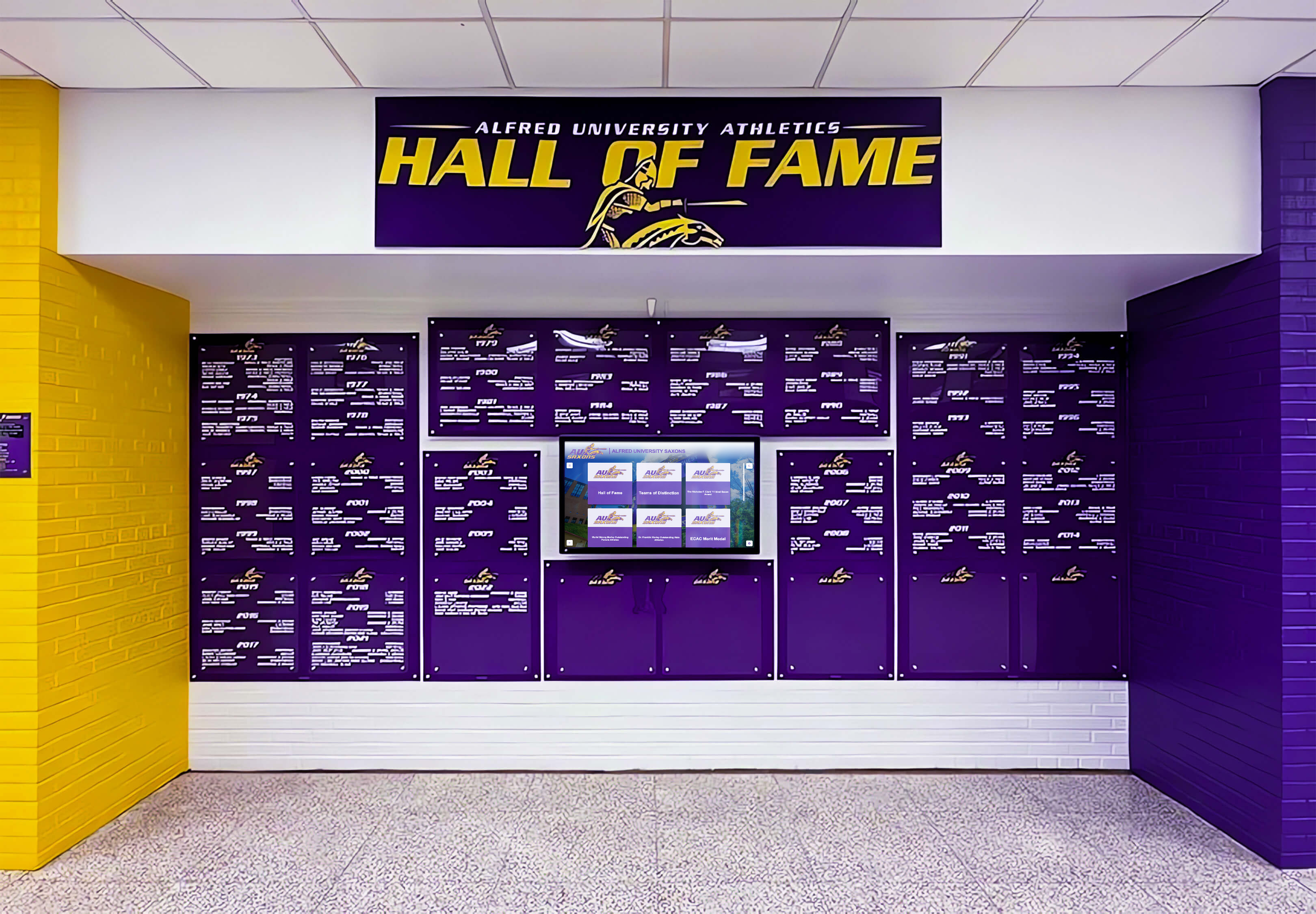
Digital recognition systems adapt to various architectural environments and institutional branding requirements
Hybrid Approaches Combining Digital and Traditional Recognition
Many organizations implement hybrid recognition strategies capturing advantages from both approaches:
Tiered Recognition Models
Major donors at highest giving levels receive traditional plaques or naming opportunities providing tangible, permanent recognition they value while broader donor bases appear on digital displays offering unlimited capacity and flexibility.
This tiered approach honors major gifts with traditional prestige while managing growing supporter communities efficiently through digital technology.
Complementary Installation Strategies
Organizations might install traditional donor walls celebrating historical campaigns or founding benefactors while implementing digital systems for ongoing recognition of current supporters. This approach honors institutional heritage through permanent traditional recognition while embracing modern technology for contemporary needs.
Integrated Design Approaches
Sophisticated installations integrate digital displays within larger architectural recognition environments featuring traditional materials, creating cohesive aesthetic experiences. For example, elegant stone or wood frames surrounding digital screens combine traditional craftsmanship with modern functionality.
Similar integrated approaches appear in digital hall of fame designs where organizations combine various recognition elements.
Best Practices and Success Strategies
Organizations achieving optimal results with digital donor recognition follow proven strategies ensuring systems meet both donor expectations and institutional objectives.
Content Management and Maintenance Best Practices
Establishing Update Workflows
Create clear processes ensuring donor recognition remains current including designated staff responsible for content management, approval procedures verifying accuracy before public display, regular schedules for adding new donors, and monitoring systems detecting errors requiring correction.
Without systematic workflows, even sophisticated digital systems can become outdated as organizations fail to leverage their update capabilities.
Data Quality and Accuracy Standards
Maintain high standards for donor information including verification procedures confirming name spelling and preferred formats, giving level calculations including cumulative giving across campaigns, privacy preference compliance respecting donor wishes, and memorial or tribute designation accuracy.
Errors in donor recognition damage relationships—data quality deserves the same attention with digital systems as with traditional plaques where mistakes cost hundreds to correct.
Regular Content Refreshment
Even though digital systems enable instant updates, stale designs and unchanged content create negative impressions. Organizations should regularly refresh visual designs and layouts every 1-2 years, rotate featured donor testimonials and stories, update impact statistics and campaign information, and add new interactive features or capabilities as software evolves.
This ongoing evolution demonstrates that digital recognition remains actively managed and valued rather than installed and forgotten.
Backup and Disaster Recovery
Protect donor recognition investments through regular data backups preventing loss, cloud-based systems providing automatic redundancy, documented processes enabling system restoration, and vendor support for recovering from failures.
While cloud platforms generally provide robust disaster recovery, organizations should understand backup procedures and test restoration processes rather than discovering vulnerabilities during actual failures.
Donor Communication and Change Management
Introducing Digital Recognition to Donors
When transitioning from traditional to digital recognition or implementing first-time digital approaches, proactive donor communication prevents confusion or concerns including explaining rationale and benefits of digital approaches, providing preview opportunities before public launch, addressing questions about permanence and technology reliability, and emphasizing that digital recognition enhances rather than diminishes donor honor.
Some donors, particularly older supporters, may initially express skepticism about digital recognition—thoughtful communication addressing concerns usually overcomes resistance as donors experience actual systems.
Involving Donors in Content Development
Engaging donors in recognition content creation builds investment and enthusiasm through invitations to submit photographs for profiles, opportunities to record video testimonials, options to provide biographical information or personal statements, and input on memorial or tribute language honoring loved ones.
This participation creates more meaningful recognition while strengthening donor relationships through personalized engagement.
Recognition Unveiling and Celebration
Digital donor wall launches provide excellent stewardship opportunities through dedication ceremonies celebrating donors and recognition installation, guided tours demonstrating features and interactive capabilities, media coverage amplifying recognition visibility, and social media campaigns sharing recognition with broader communities.
These celebrations honor existing donors while inspiring future support through visible recognition modeling.
Maximizing Fundraising Impact
Integrating Recognition with Solicitation
Digital donor walls should support ongoing fundraising through visible giving opportunity information adjacent to recognition, QR codes or touchscreen links enabling direct donations, campaign progress indicators showing needs and opportunities, and testimonials explaining why donors support organizations and encouraging others to join.
Recognition that inspires future giving provides greater long-term value than displays solely honoring past support.
Leveraging Recognition in Prospect Cultivation
Development officers should actively use digital donor walls during prospect tours and meetings by demonstrating search capabilities finding mutual connections, showing prospects their recognition at various giving levels, displaying impact information relevant to prospect interests, and creating personal connection between prospects and existing supporters.
Digital donor walls serve as powerful cultivation tools when development teams strategically integrate them into relationship-building processes.
Tracking Recognition ROI
While challenging to measure precisely, organizations should attempt to assess digital donor recognition effectiveness through donor satisfaction surveys including recognition questions, upgrade gift correlation analysis, prospect visit feedback and conversion rates, and comparison of giving patterns before and after digital implementation.
This data informs ongoing optimization while demonstrating recognition value to institutional leadership considering investment renewals or expansions.
Effective recognition strategies align with broader approaches explored in guides about nonprofit donor recognition displays that inspire continued giving.
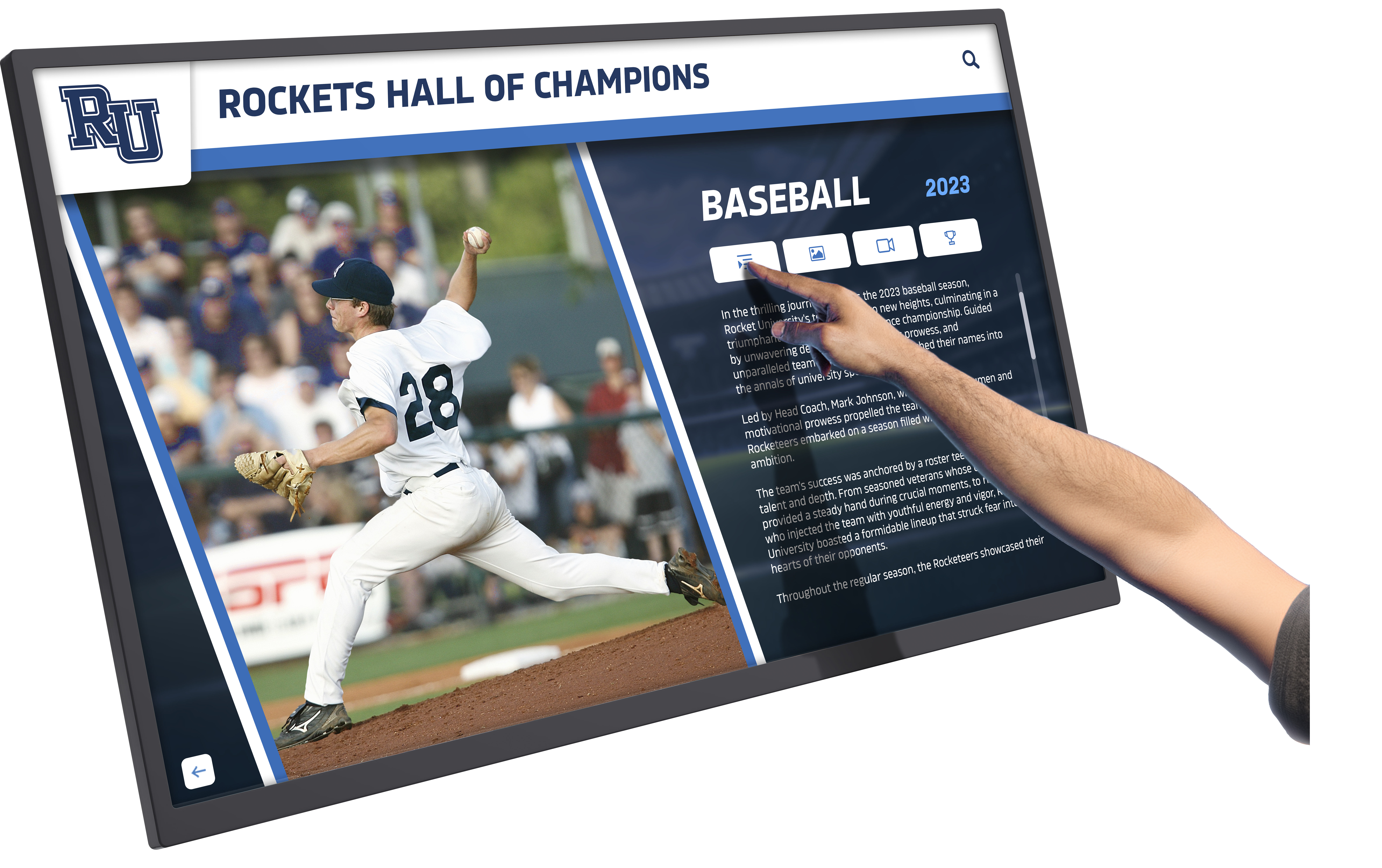
Interactive engagement creates memorable recognition experiences while providing donors with enhanced visibility and honor
Accessibility and Inclusive Design
Universal Design Principles
Digital donor walls should accommodate diverse visitor abilities through text sizing options supporting various visual capabilities, color contrast meeting accessibility standards, audio alternatives for visual information, touch targets sized appropriately for motor skill variations, and display heights accessible to seated visitors or those with mobility challenges.
Inclusive design ensures recognition welcomes all community members regardless of physical abilities.
Language and Cultural Considerations
Organizations serving diverse communities should consider multilingual support for donor recognition interfaces, culturally appropriate design aesthetics and imagery, inclusive language respecting various backgrounds and identities, and sensitivity to naming conventions across different cultures.
Recognition that honors diversity strengthens community while demonstrating institutional values around inclusion and equity.
Privacy and Donor Preferences
Respect individual preferences regarding recognition visibility through anonymous donor options, name format customization, visibility controls for donors preferring limited public display, and easy processes for updating preferences as donor wishes evolve.
Flexible privacy options ensure all donors feel comfortable with recognition approaches while maximizing willingness to support organizations.
Future Trends in Digital Donor Recognition
Understanding emerging technologies and evolving donor expectations helps organizations make forward-looking recognition investments that remain relevant as landscapes change.
Emerging Technologies and Capabilities
Augmented Reality Integration
Advanced digital donor walls may soon incorporate augmented reality features enabling smartphone users to unlock additional content by pointing devices at displays, creating virtual building tours showing what donors funded, or experiencing 3D architectural renderings of future projects.
While still emerging, AR integration could dramatically enhance engagement and storytelling capabilities beyond what current flat-screen technologies provide.
Artificial Intelligence and Personalization
AI-powered recognition systems might eventually provide facial recognition identifying donors and displaying personalized welcome messages, predictive analytics suggesting giving opportunities based on donor interests, natural language interfaces enabling conversational exploration of recognition content, and automated content generation creating donor profiles from database information.
These advanced capabilities remain largely conceptual but could emerge as AI technologies mature and become more accessible.
Mobile Integration and Remote Access
Future donor recognition will likely provide stronger mobile connections through dedicated apps enabling remote recognition exploration, QR codes connecting physical displays to expanded mobile content, social media integration encouraging sharing and engagement, and virtual recognition experiences for online donors unable to visit facilities.
This mobile-physical integration bridges geographical barriers while meeting expectations for omnichannel engagement.
Enhanced Analytics and Donor Intelligence
More sophisticated recognition systems may track engagement patterns revealing which donor stories generate most interest, optimal content refresh schedules, correlation between recognition visibility and giving upgrades, and visitor demographics and engagement duration.
These analytics inform recognition optimization while demonstrating value to institutional leadership.
Evolving Donor Expectations and Preferences
Generational Shifts
Younger donors increasingly expect digital engagement as baseline rather than enhancement, immediate recognition rather than delayed acknowledgment, interactive experiences beyond passive displays, and social sharing capabilities amplifying recognition visibility.
Organizations must evolve recognition approaches meeting these expectations or risk diminishing effectiveness with emerging donor demographics.
Impact Communication Emphasis
Contemporary donors often prioritize understanding impact over receiving recognition, creating opportunities for digital donor walls to emphasize results achieved through philanthropic support, beneficiary stories demonstrating gift effects, data visualization showing outcomes and metrics, and connections between individual donations and collective community impact.
Recognition that communicates impact often resonates more powerfully with modern donors than simple name displays.
Sustainability and Environmental Consciousness
Environmentally conscious donors may favor digital recognition over traditional approaches due to reduced manufacturing and material consumption, energy-efficient modern display technology, and paperless donor management workflows.
Organizations can highlight sustainability advantages when communicating about digital recognition approaches to donors who value environmental responsibility.
Conclusion: Creating Meaningful Digital Donor Recognition
Digital donor recognition walls represent powerful tools for honoring supporters while providing flexibility, capacity, and engagement capabilities that traditional approaches cannot match. When thoughtfully designed, professionally implemented, and actively managed, these systems create lasting value for donors, development programs, and institutions by ensuring every supporter receives appropriate recognition regardless of fundraising growth, enabling instant updates eliminating expensive delays and errors, communicating impact and organizational mission alongside donor acknowledgment, creating engaging experiences that inspire future giving, and adapting to evolving needs and technologies over decades of service.
The strategies explored in this comprehensive guide provide frameworks for successful digital donor wall implementation spanning needs assessment and technology selection, design principles and user experience optimization, cost analysis and budget planning, project management and vendor selection, content strategy and ongoing maintenance, and integration with broader fundraising and stewardship programs.
Organizations considering digital donor recognition should begin by clearly articulating recognition objectives and stakeholder requirements, evaluating whether digital approaches align with institutional culture and donor preferences, developing realistic budgets accounting for both initial investment and ongoing costs, engaging vendors with relevant experience and proven capabilities, and planning phased implementations that manage risk while demonstrating value.
Digital donor walls work best when organizations view them not as technology projects but as strategic recognition investments serving fundraising missions and donor relationships. The most successful implementations focus first on honoring supporters meaningfully, then leverage technology capabilities to enhance rather than replace traditional recognition values of gratitude, permanence, and community building.
Transform Your Donor Recognition with Digital Solutions
Discover how modern digital donor recognition walls can help you honor supporters effectively while providing unlimited capacity, instant updates, and powerful tools for inspiring continued giving. Explore comprehensive solutions combining elegant design with advanced technology.
Explore Digital Recognition SolutionsWhether you’re implementing your first digital donor wall or upgrading existing recognition systems, the fundamental goal remains constant: honoring supporters in ways that reflect their generosity’s significance while inspiring others to join philanthropic communities making differences in mission areas you serve. Digital technology provides unprecedented tools for achieving these objectives—organizations that thoughtfully leverage these capabilities position themselves for fundraising success in an increasingly digital world while maintaining timeless values of gratitude, stewardship, and community that define effective philanthropy.
The future of donor recognition will increasingly embrace digital approaches as technologies improve, costs decrease, and donor expectations evolve. Organizations investing in digital recognition today position themselves at the forefront of this evolution while creating recognition systems that remain relevant, effective, and inspiring for decades to come. Begin planning your digital donor recognition implementation today, and create lasting tributes that honor your supporters’ generosity while supporting your mission advancement for generations ahead.