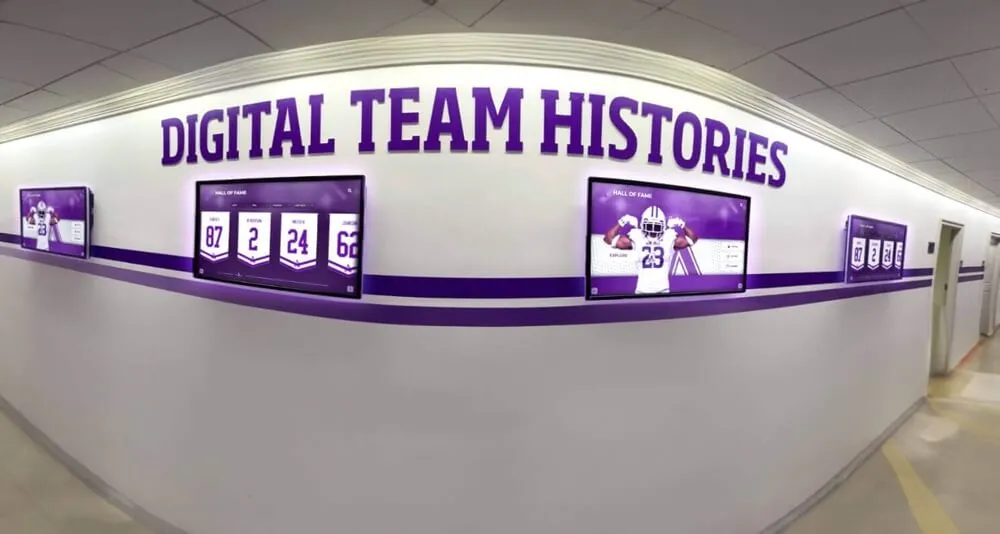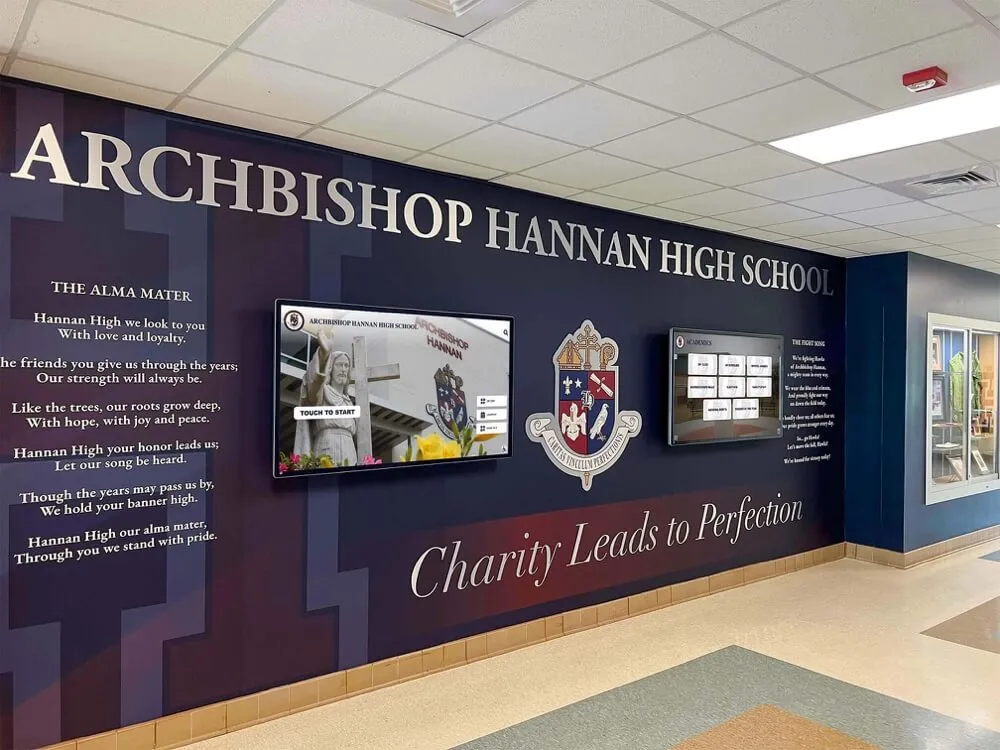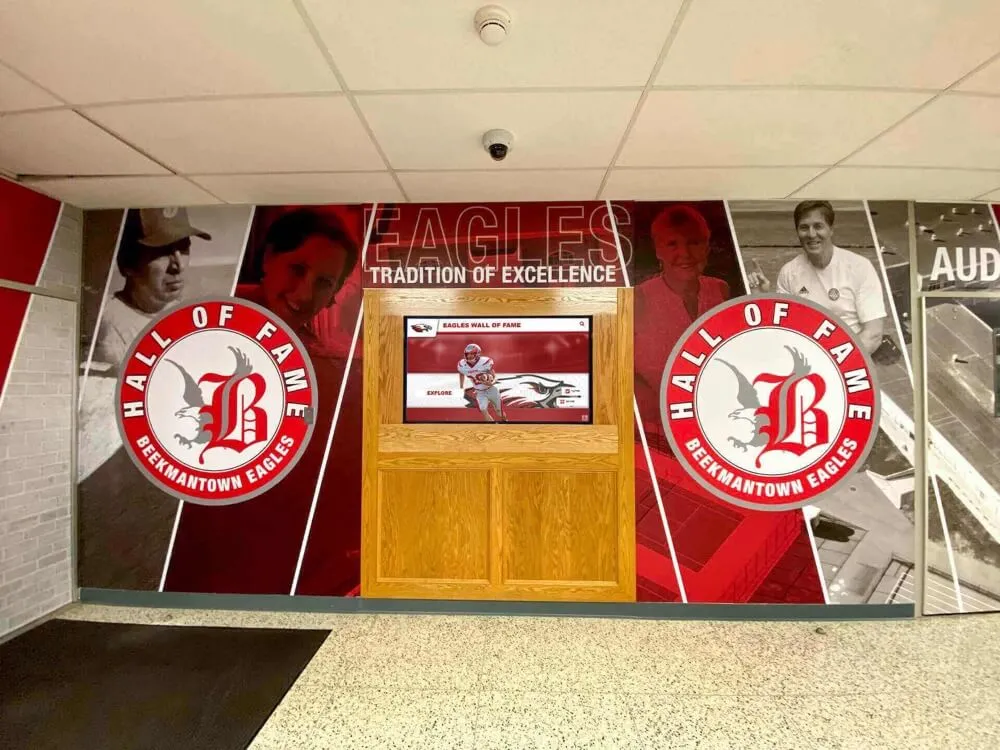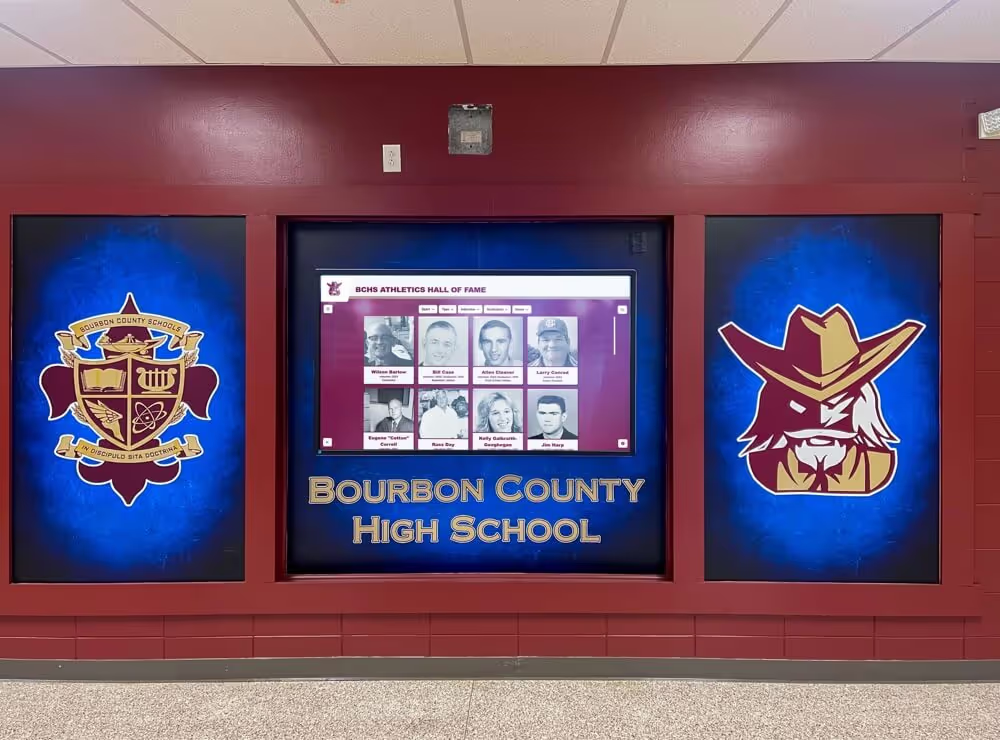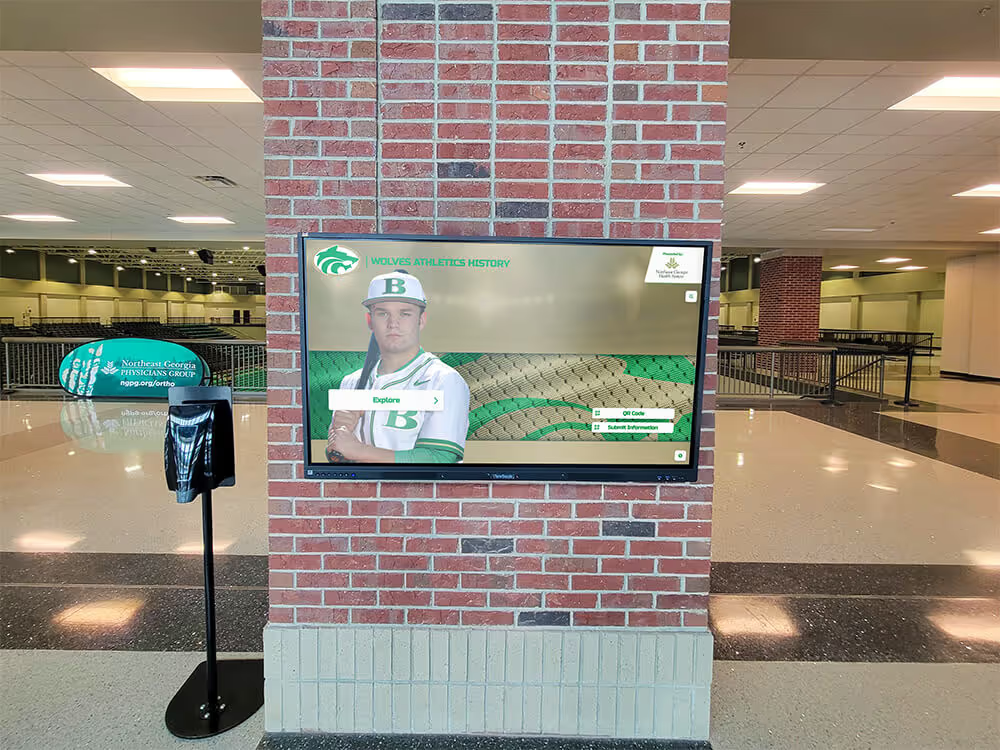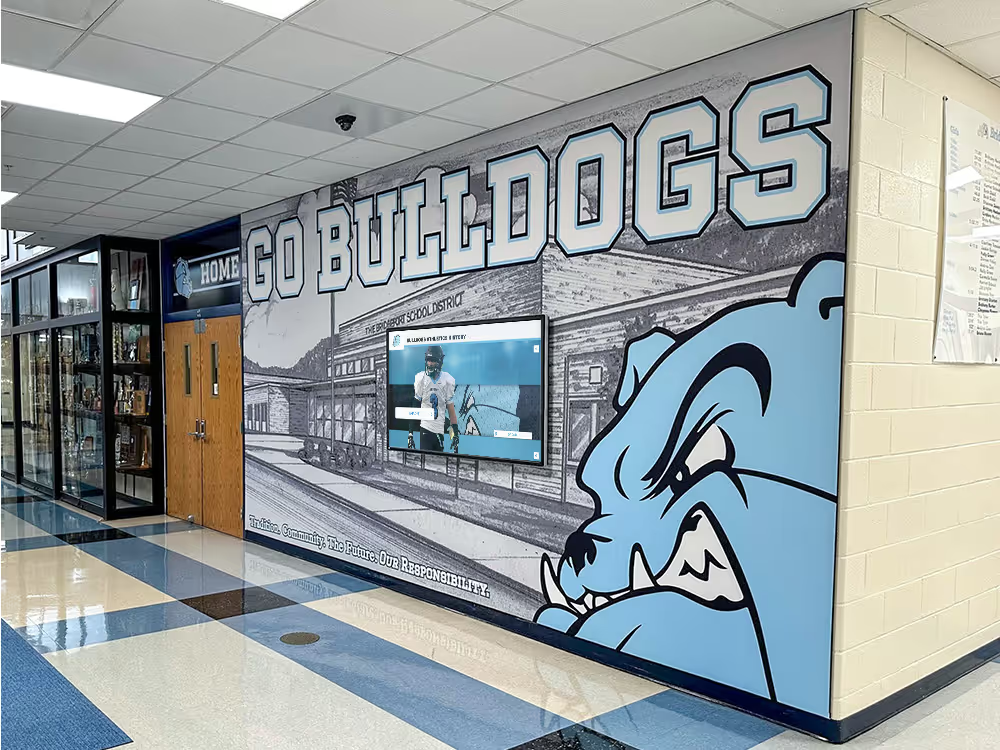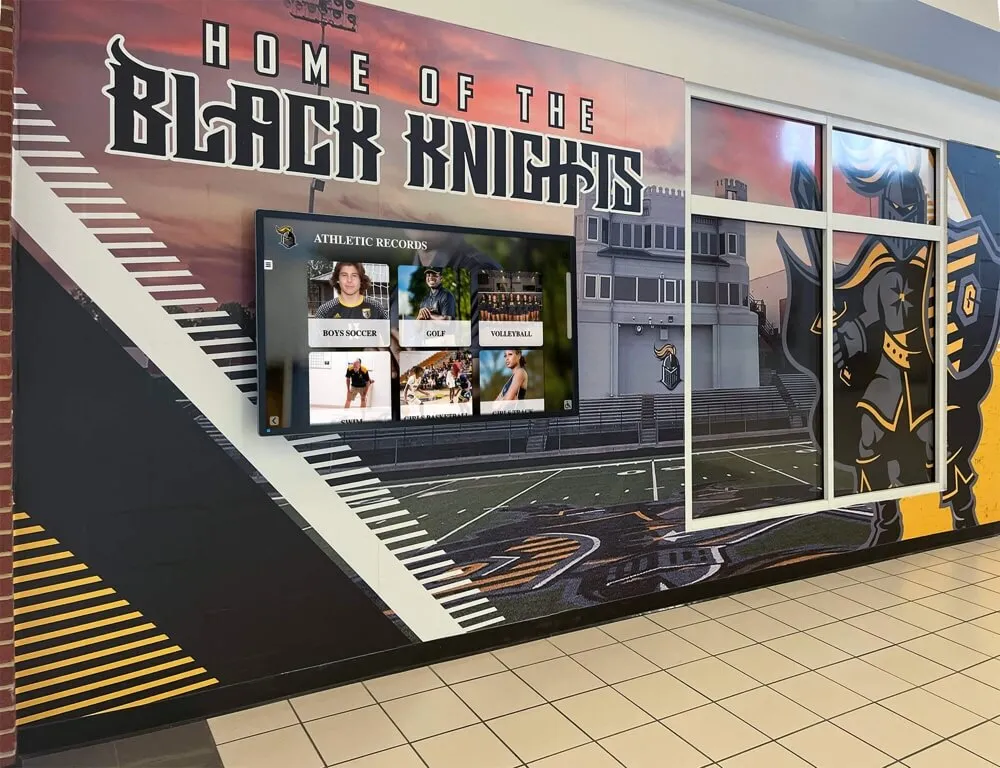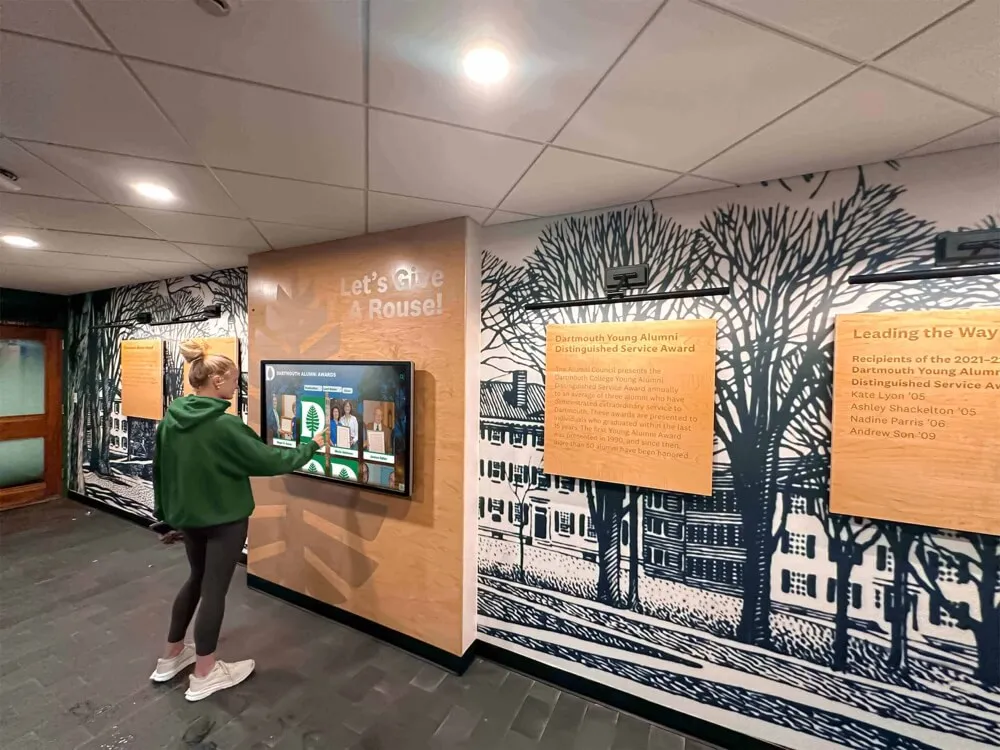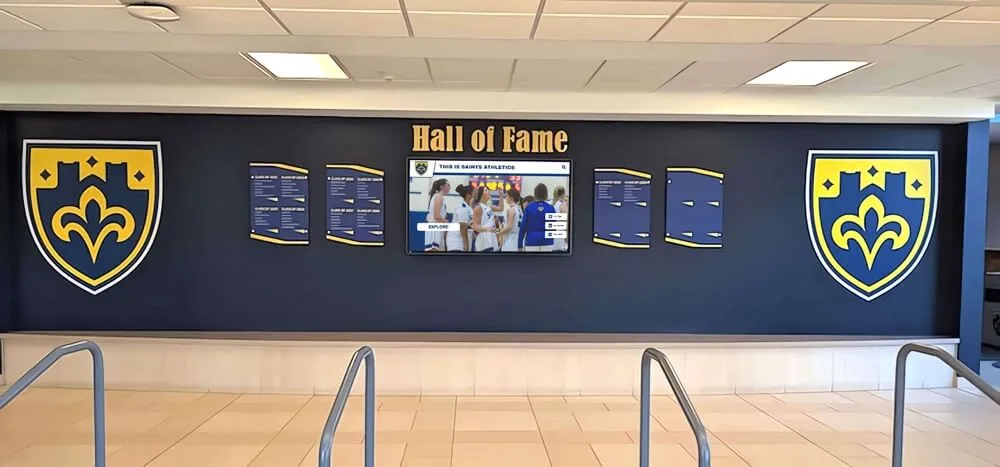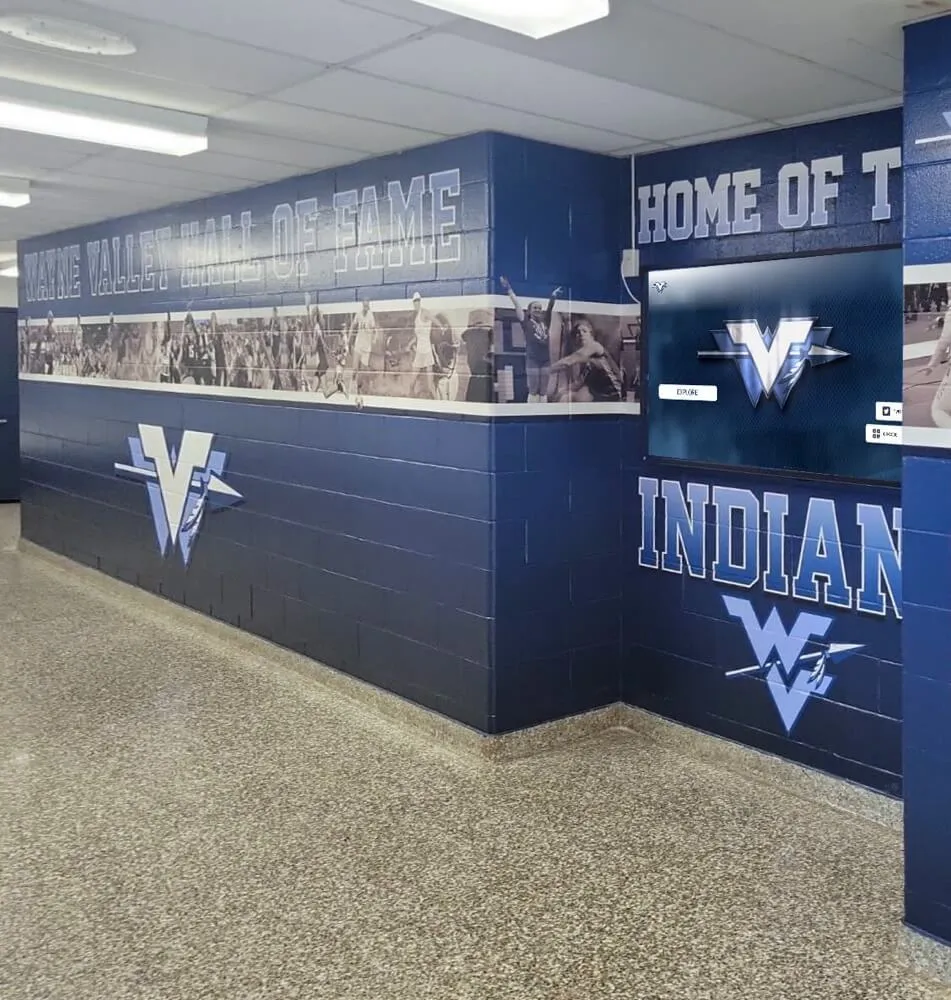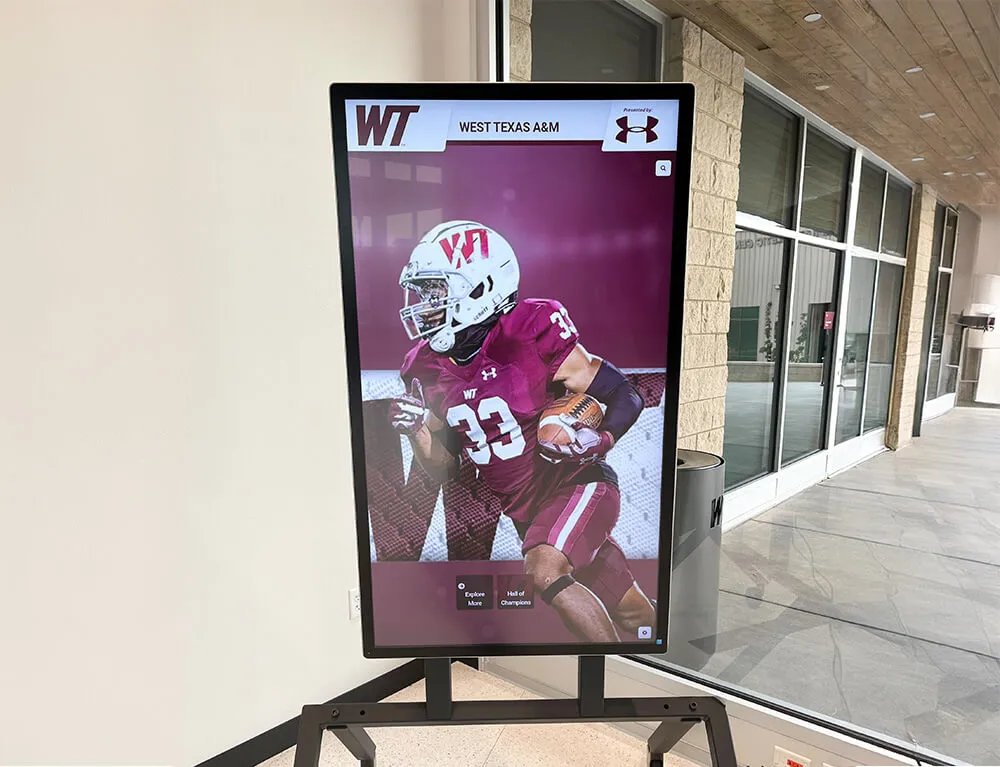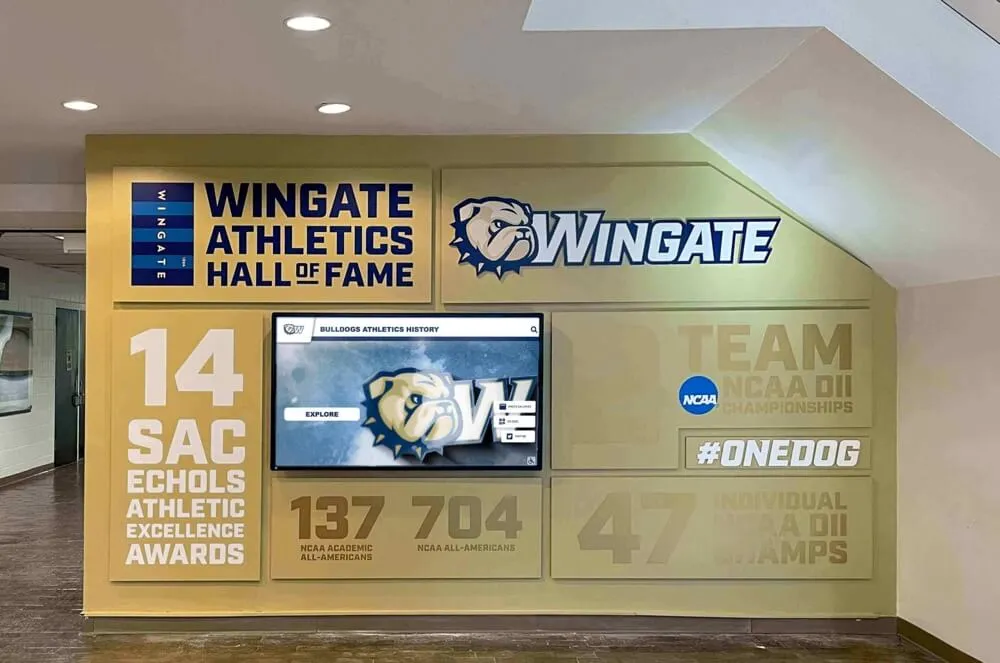
Creating a hall of fame requires schools to answer two fundamental questions: who deserves recognition, and how should that recognition be displayed? The selection process shapes your program’s credibility, fairness, and long-term sustainability, while the display method determines whether inductees receive static acknowledgment or dynamic, engaging storytelling that inspires current students.
Schools implementing hall of fame programs face distinct challenges. Selection committees must balance objective achievement metrics with subjective qualities like character and leadership. Nomination processes need clear documentation requirements without becoming administratively burdensome. Display solutions must accommodate growing rosters while remaining accessible and engaging. Most importantly, recognition frameworks must reflect institutional values while honoring diverse contributions across athletics, academics, arts, and community service.
Understanding Hall of Fame Selection Frameworks
Hall of fame selection begins with clearly defined eligibility requirements that establish baseline qualifications before nominations reach selection committees. These requirements typically address timing, affiliation, and contribution thresholds that ensure only qualified candidates enter consideration.
Eligibility Requirements Schools Commonly Implement
Time-Based Eligibility Windows
Most schools establish waiting periods between a candidate’s final year of participation and hall of fame eligibility. Common frameworks include:
- Five-year minimum for athletic programs (allows career trajectory evaluation)
- Three-year minimum for academic achievement programs
- Ten-year minimum for coaching and staff recognition
- No waiting period for posthumous nominations in extenuating circumstances
These windows serve multiple purposes. They allow selection committees to evaluate sustained impact beyond immediate achievements, ensure sufficient career development has occurred to assess lasting contributions, and create natural nomination cycles that prevent overwhelming committee workloads during any single selection year.
Affiliation and Participation Requirements
Schools define specific relationships that qualify individuals for consideration:
- Student-athletes must have completed full eligibility in their sport
- Academic inductees must have graduated from the institution
- Coaches and staff must have served minimum terms (typically 5-10 years)
- Team nominations require championship-level achievement
- Special contributor categories address non-traditional roles
Performance Thresholds and Achievement Standards
Establishing concrete achievement benchmarks helps selection committees apply consistent standards across nomination years and prevents subjective bias from dominating selection decisions.
Quantifiable Athletic Achievement Criteria
Schools often establish measurable standards that demonstrate exceptional performance:
- State championship participation or medals
- All-conference, all-region, or all-state selections
- School records in individual or team categories
- College athletic participation or professional achievement
- Individual tournament championships or MVP awards
These quantifiable standards work best when paired with contextual evaluation. A 1,000-point basketball scorer from an era when the three-point line didn’t exist shouldn’t be compared directly to modern scoring records without adjustment. Selection committees must evaluate achievements within their competitive context.
Character and Leadership Qualifications
Beyond statistical achievement, most selection frameworks incorporate subjective qualities that reflect institutional values:
- Demonstrated leadership within teams or student body
- Sportsmanship recognition or awards
- Academic achievement while competing
- Community service or civic engagement
- Positive representation of institutional values
- Mentorship of younger students or athletes
Digital recognition displays from solutions like Rocket Alumni Solutions allow schools to highlight these character dimensions through photos, quotes, and biographical content that traditional plaques cannot accommodate.
The Nomination and Selection Process
Structured nomination procedures ensure qualified candidates receive consideration while managing administrative overhead that could overwhelm selection committees or school staff.
Opening Nomination Windows Strategically
Schools typically establish annual or biennial nomination periods with specific submission deadlines. Annual selections maintain momentum and regular recognition opportunities, while biennial cycles reduce administrative burden and allow larger induction classes that create more impactful ceremonies.
Nomination Form Requirements
Effective nomination packages include standardized information that selection committees need for informed evaluation:
- Complete biographical information (graduation year, participation years, achievements)
- Detailed achievement summary with dates and supporting documentation
- Letters of recommendation (typically 2-3 from coaches, teachers, or community members)
- Statistical records or performance documentation
- Photographs for display purposes
- Nominee contact information (when possible)
Clear submission guidelines reduce administrative follow-up while ensuring committees receive complete information for evaluation. Schools often maintain online nomination portals that standardize data collection and preserve nomination records for future reference.
Composition of Selection Committees
Committee composition significantly impacts selection fairness, credibility, and institutional alignment. Most effective committees include diverse representation that balances various stakeholder perspectives.
Recommended Committee Structures
- Athletic director or program administrator (ensures institutional alignment)
- Current coaching staff representative (provides competitive context)
- Alumni representative (maintains historical perspective)
- Community member (offers external objectivity)
- School administrator (addresses policy compliance)
- Previous inductee (understands recognition standards)
Committee terms typically rotate on staggered schedules (three-year terms with one-third rotating annually) to maintain institutional knowledge while incorporating fresh perspectives. Most schools establish 5-7 member committees as optimal sizes—large enough for diverse viewpoints without becoming unwieldy for scheduling and decision-making.
Evaluation and Voting Procedures
Structured evaluation processes help committees make defensible decisions while managing potential conflicts of interest or bias.
Multi-Stage Review Frameworks
- Initial Screening: Administrative staff verify eligibility requirements before nominations reach committees
- Preliminary Review: Committee members receive nomination packages weeks before meetings to allow thorough evaluation
- Committee Discussion: Structured meeting time allows presentation of each candidate’s qualifications
- Conflict Declaration: Committee members recuse themselves from discussions when personal relationships create bias
- Voting Process: Most schools require supermajority (two-thirds or three-fourths) approval rather than simple majority to ensure consensus
Schools establishing new hall of fame programs often implement larger inaugural classes that recognize historical achievements, followed by smaller annual classes (typically 1-5 inductees) that maintain manageable recognition scales.
Digital Display Solutions for Hall of Fame Recognition
Once selection committees identify inductees, schools must determine how to showcase these achievements in ways that honor recipients while inspiring current students. This decision increasingly involves choosing between traditional static displays and modern digital solutions.
Limitations of Traditional Physical Displays
Traditional hall of fame recognition typically involves brass plaques, engraved panels, or printed displays mounted in prominent school locations. These solutions present several challenges that compound over time:
Space Constraints and Scalability Issues
Physical displays consume wall space that eventually becomes scarce. Schools with decades of athletic tradition find gymnasium lobbies filled with plaques that leave no room for future inductees. This forces difficult decisions—remove older inductees to make room, find new locations with less visibility, or halt recognition entirely.
One Midwest high school with a 75-year athletic program had inducted 200+ individuals across various sports. Their trophy case hallway displayed plaques on every available surface. When the selection committee chose five new inductees, facilities staff had no room to install new plaques without removing existing recognition—a politically sensitive decision that led the school to explore digital alternatives.
Maintenance and Update Challenges
Static displays require physical modification for any content update. Correcting engraving errors, updating biographical information when inductees achieve new accomplishments, or adding photographs demands physical removal and reinstallation. These updates carry significant costs that often result in outdated information remaining permanently displayed.
Limited Storytelling Capability
Brass plaques typically show names, years, and basic achievements—nothing more. They cannot convey the personal stories, game highlights, or character qualities that made inductees exceptional. Visitors walk past displays without engaging or learning the compelling narratives behind the names.
Advantages of Digital Recognition Displays
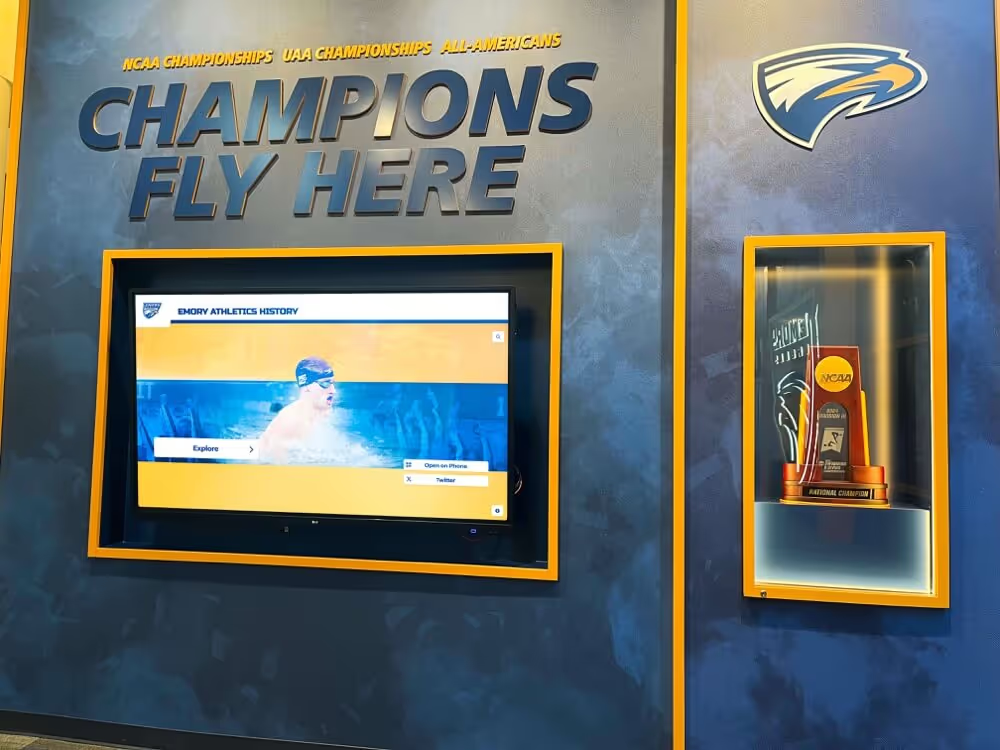
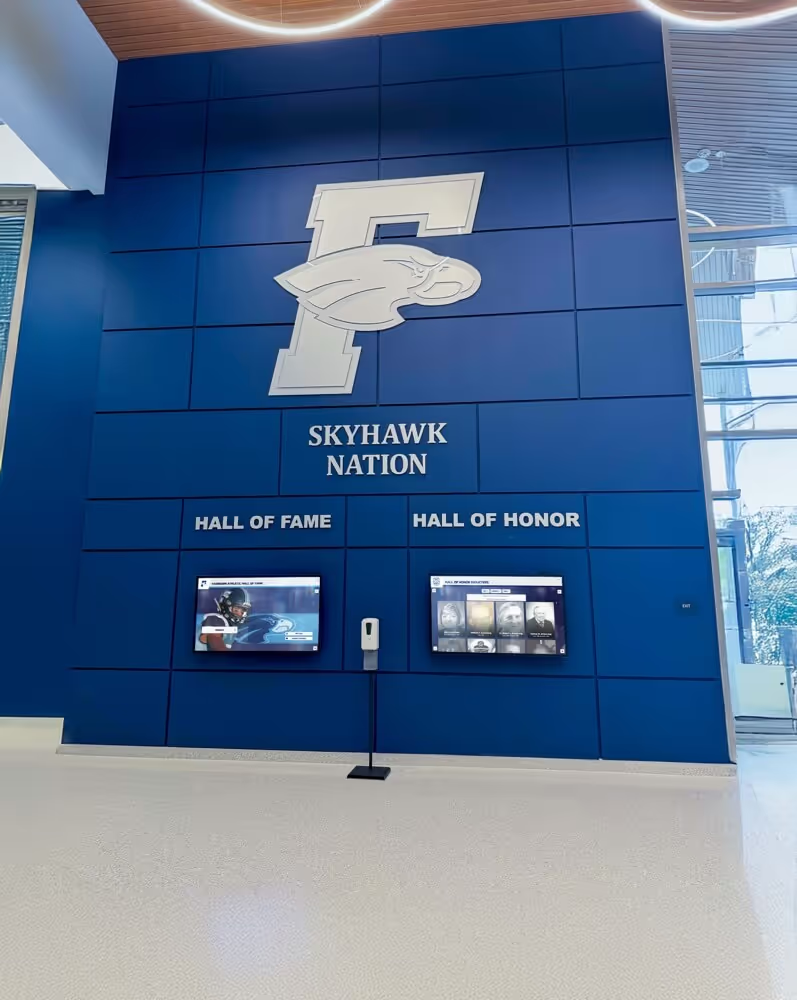
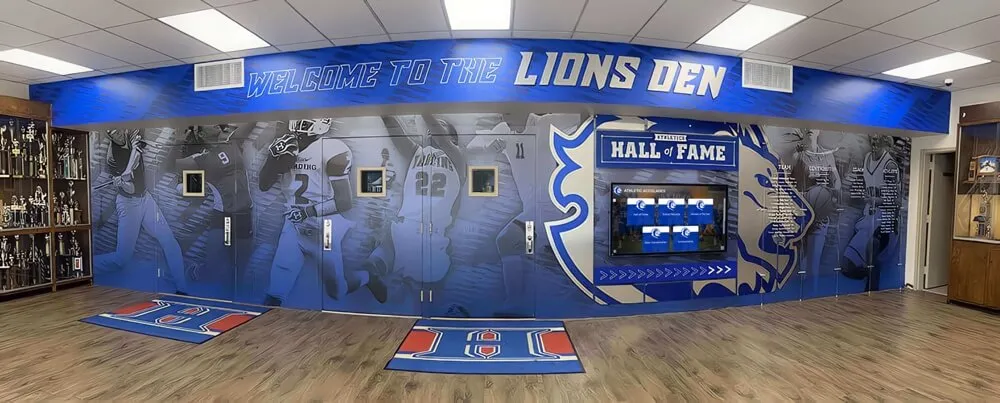
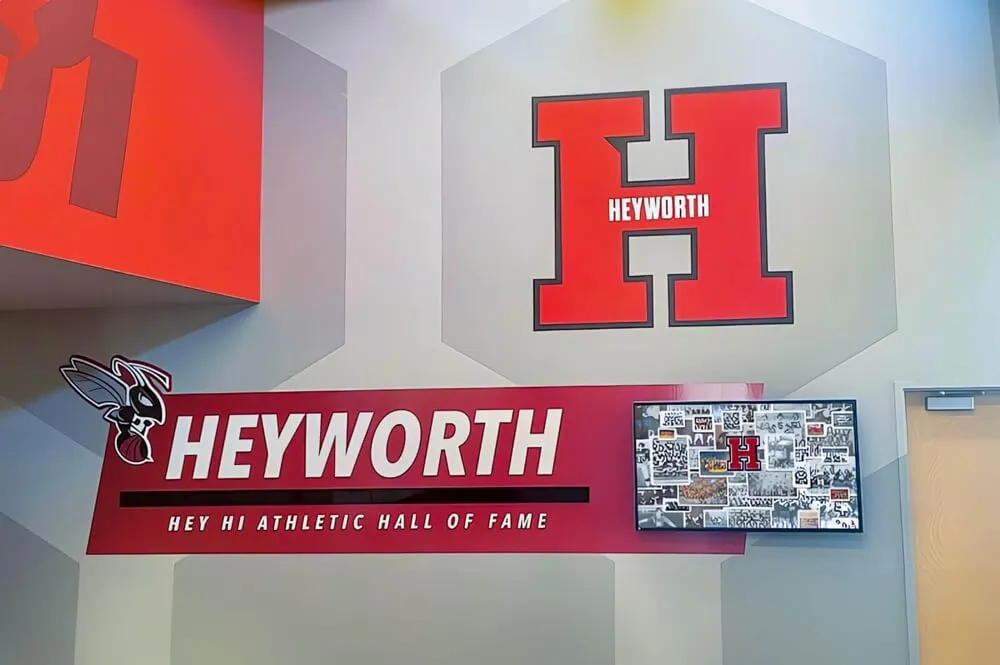
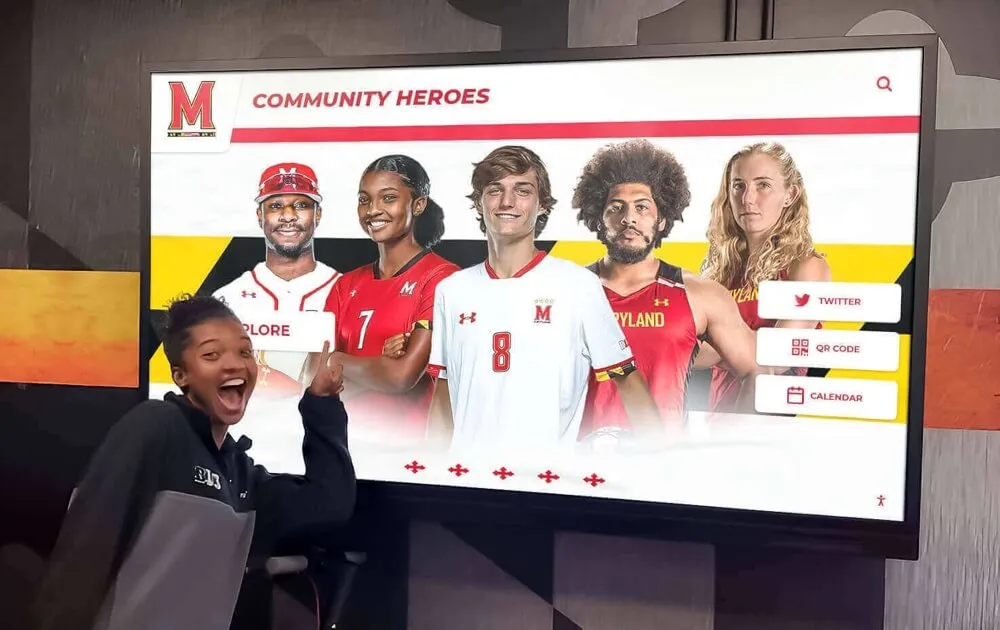
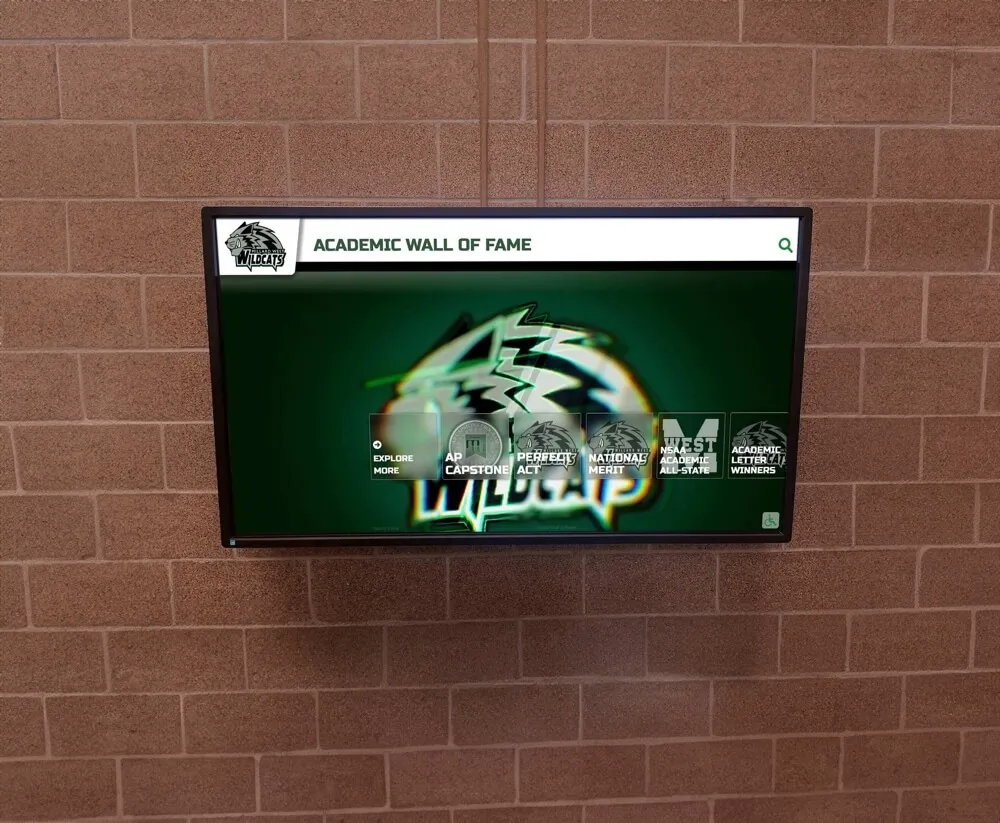
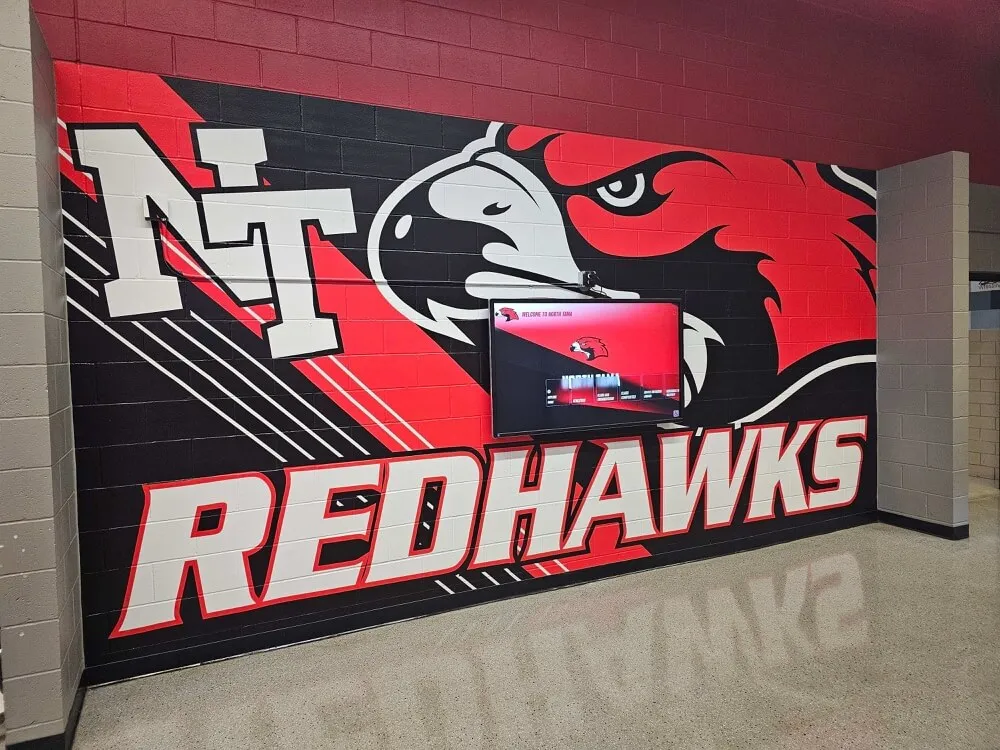
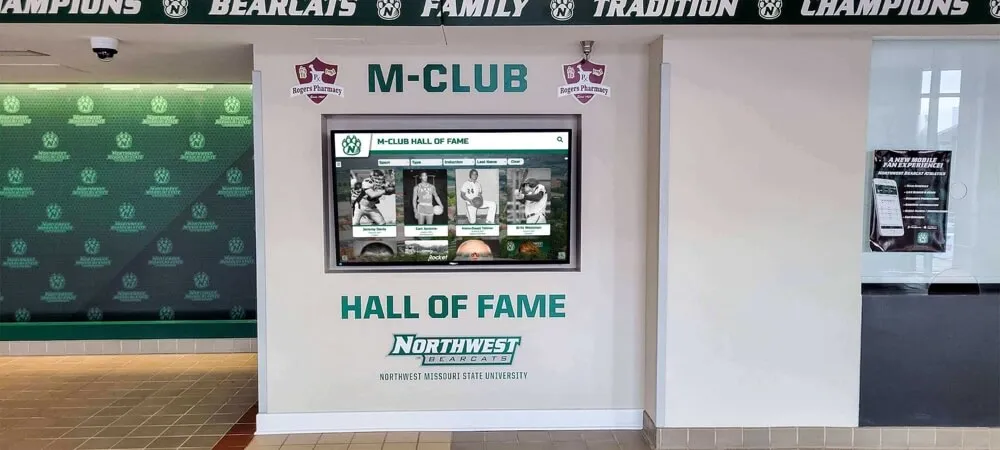
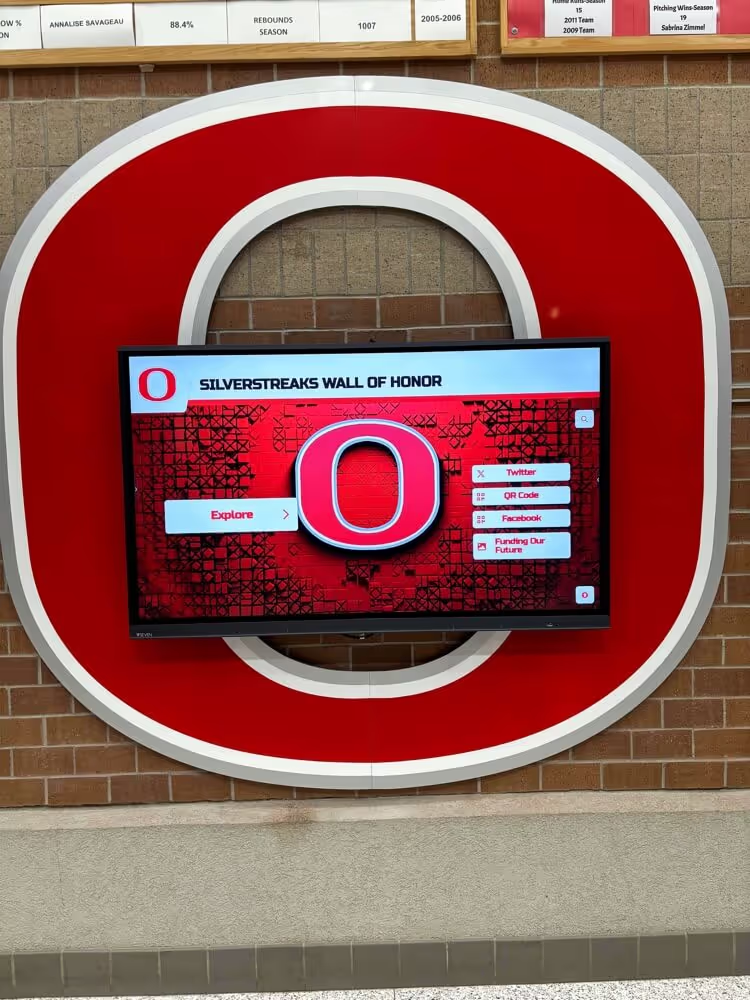
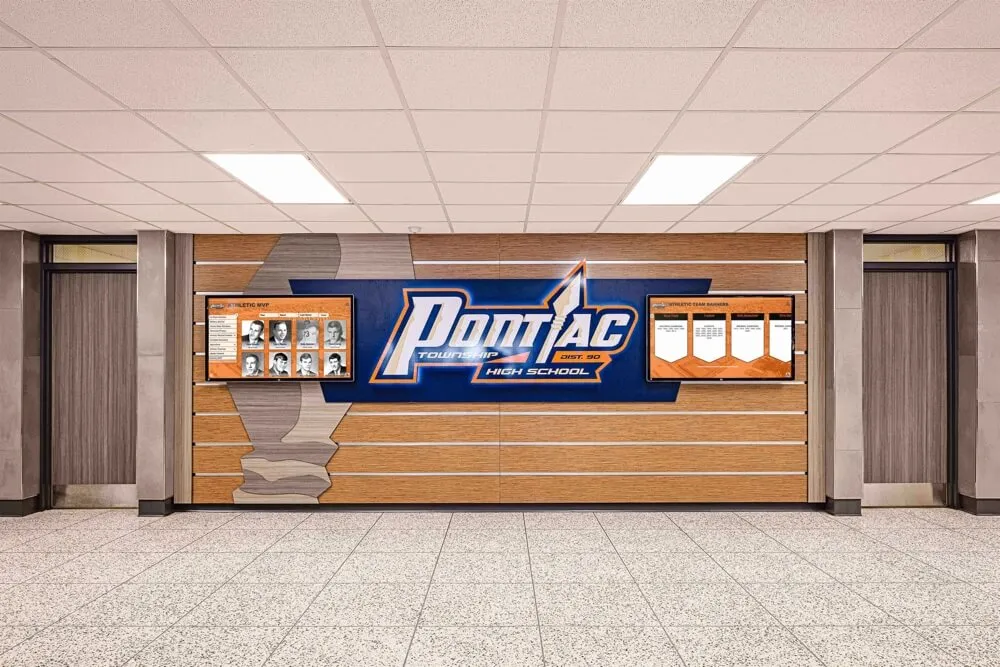
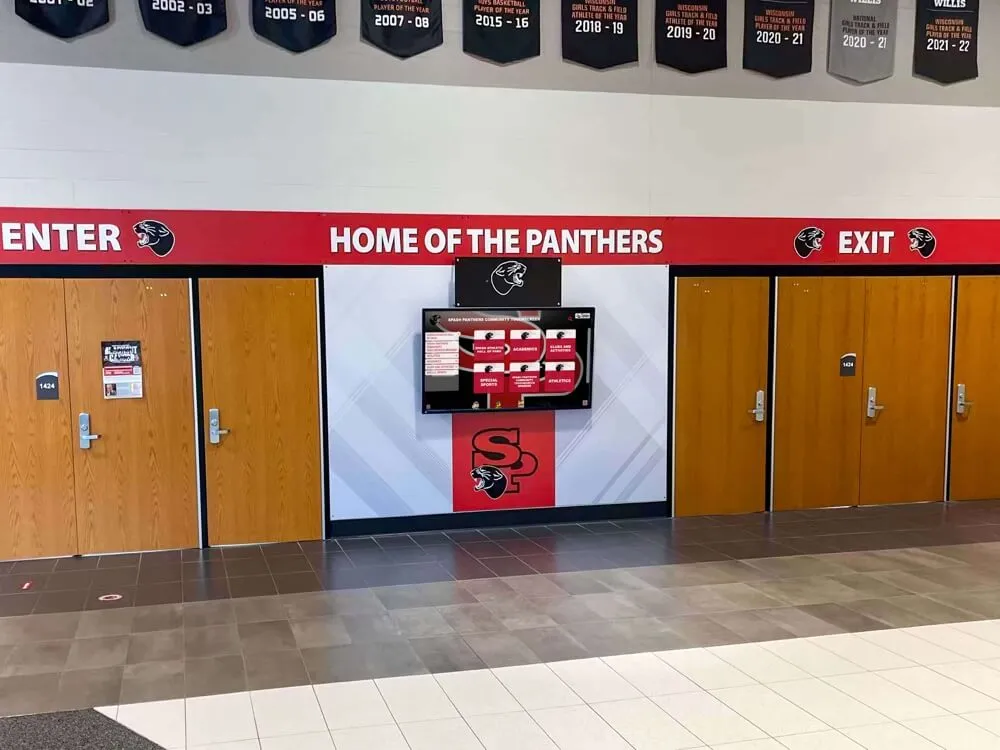
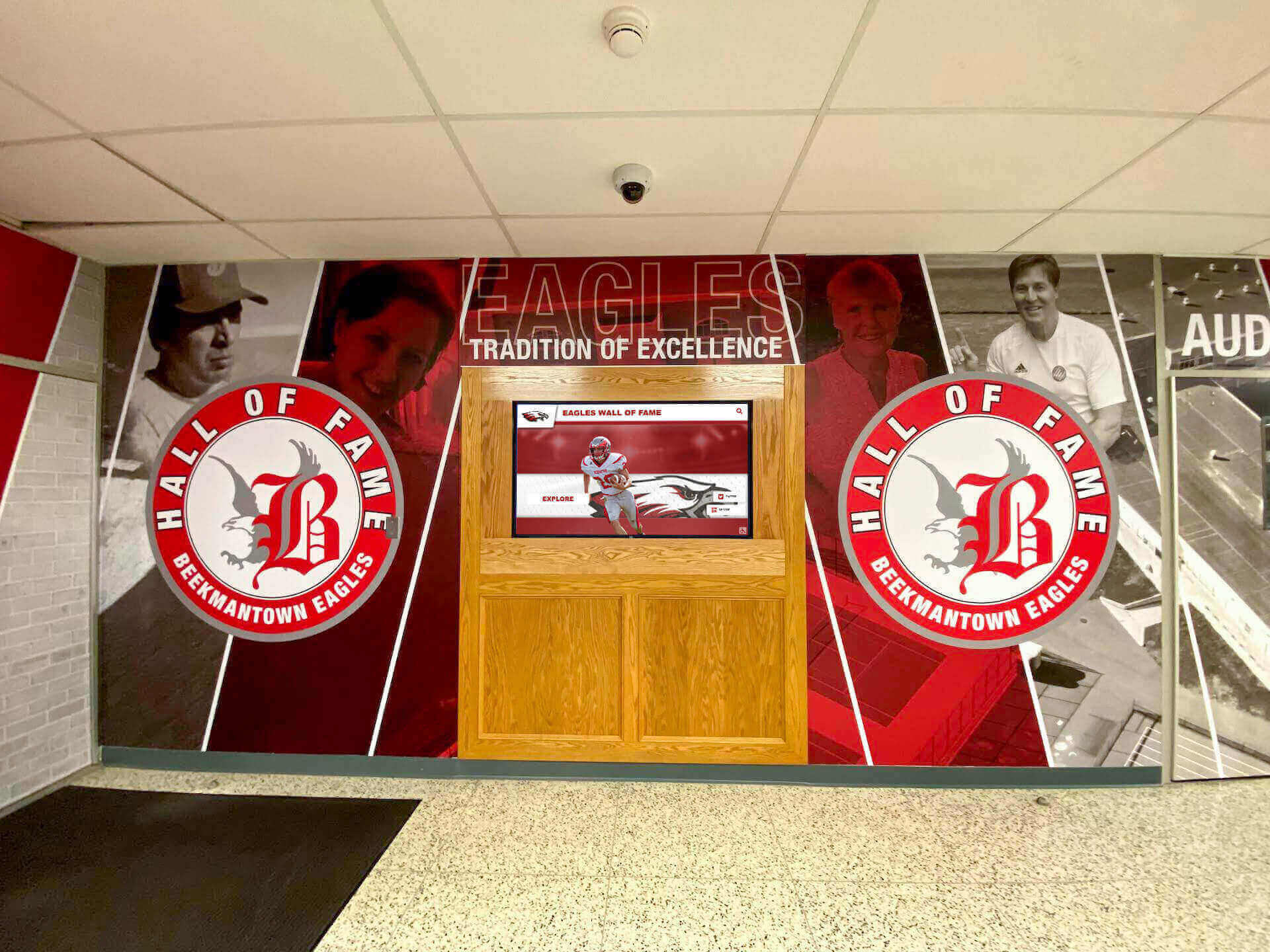
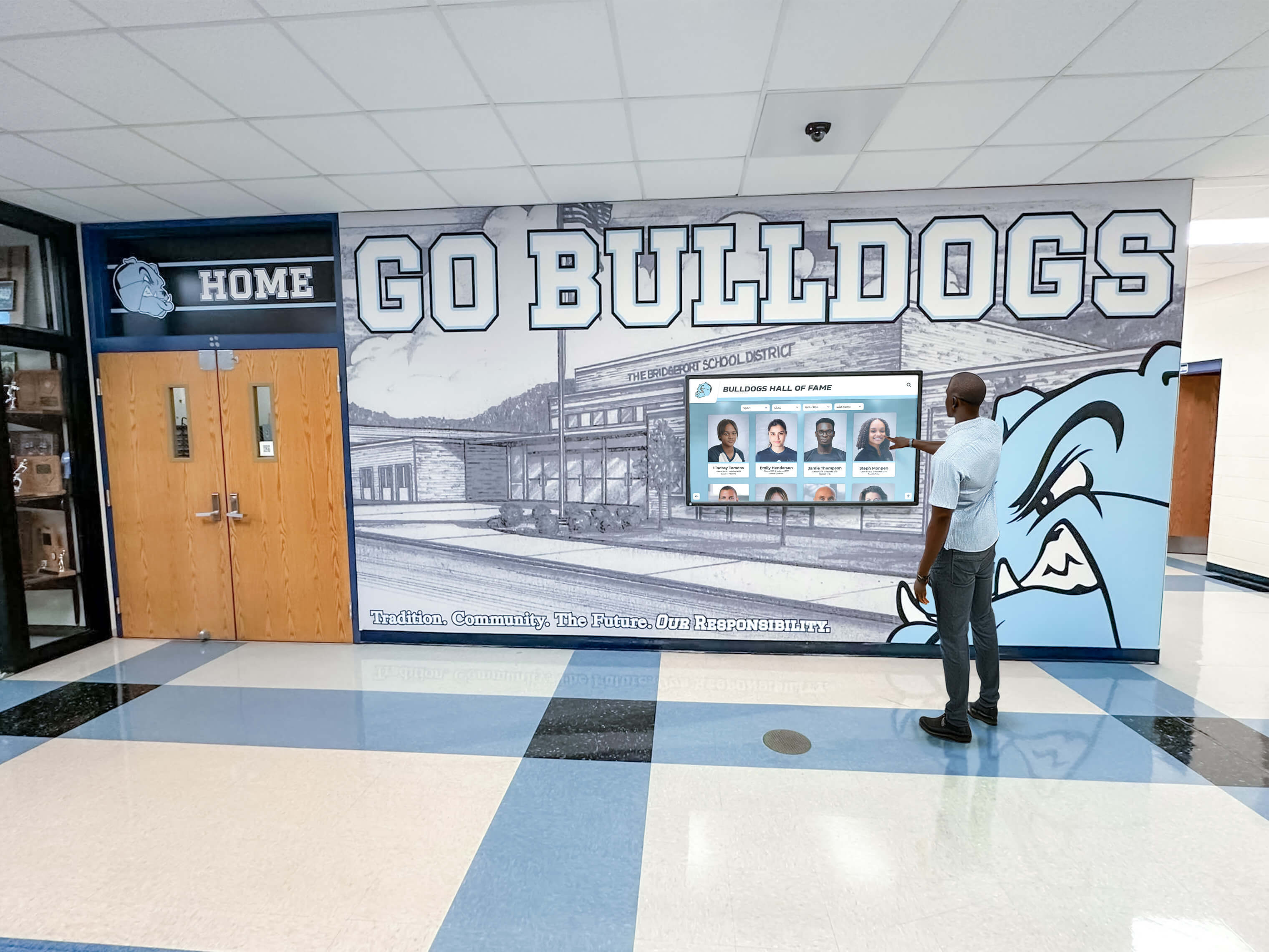
Digital displays address traditional limitations while adding capabilities that enhance recognition impact. Modern touchscreen systems allow unlimited inductee capacity, rich multimedia content, and regular updates without physical modification.
Unlimited Growth Capacity
Digital systems eliminate space constraints entirely. Schools can induct new classes annually without removing previous recipients or finding additional wall space. Systems like Rocket Alumni Solutions’ digital platforms accommodate thousands of inductees with consistent presentation quality regardless of roster size.
This unlimited capacity fundamentally changes selection committee dynamics. When space is finite, committees often feel pressure to limit induction class sizes or maintain restrictive selection standards. Digital displays remove these artificial constraints, allowing committees to recognize every deserving candidate without resource limitations affecting decisions.
Rich Multimedia Storytelling
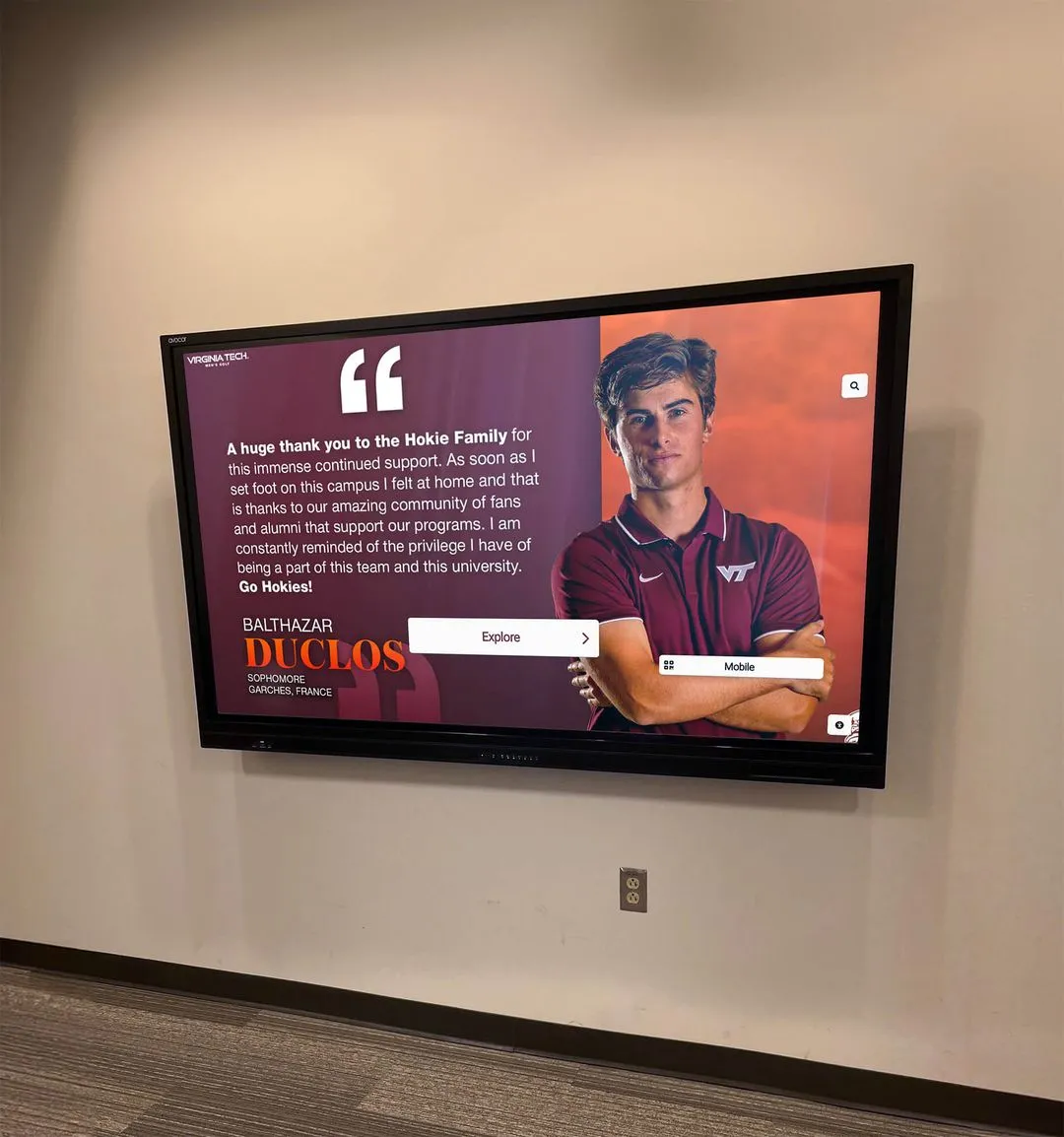
Digital platforms transform recognition from simple name listings into engaging biographical presentations that capture inductees’ full stories:
- High-resolution photographs from competitive years and current life
- Video highlights of championship performances or significant achievements
- Audio interviews with inductees reflecting on their experiences
- Career statistics and achievement timelines
- Quotes from coaches, teammates, or family members
- Post-graduation accomplishments and professional achievements
This multimedia approach particularly benefits academic recognition programs where numerical achievements alone don’t convey intellectual contribution or scholarly impact.
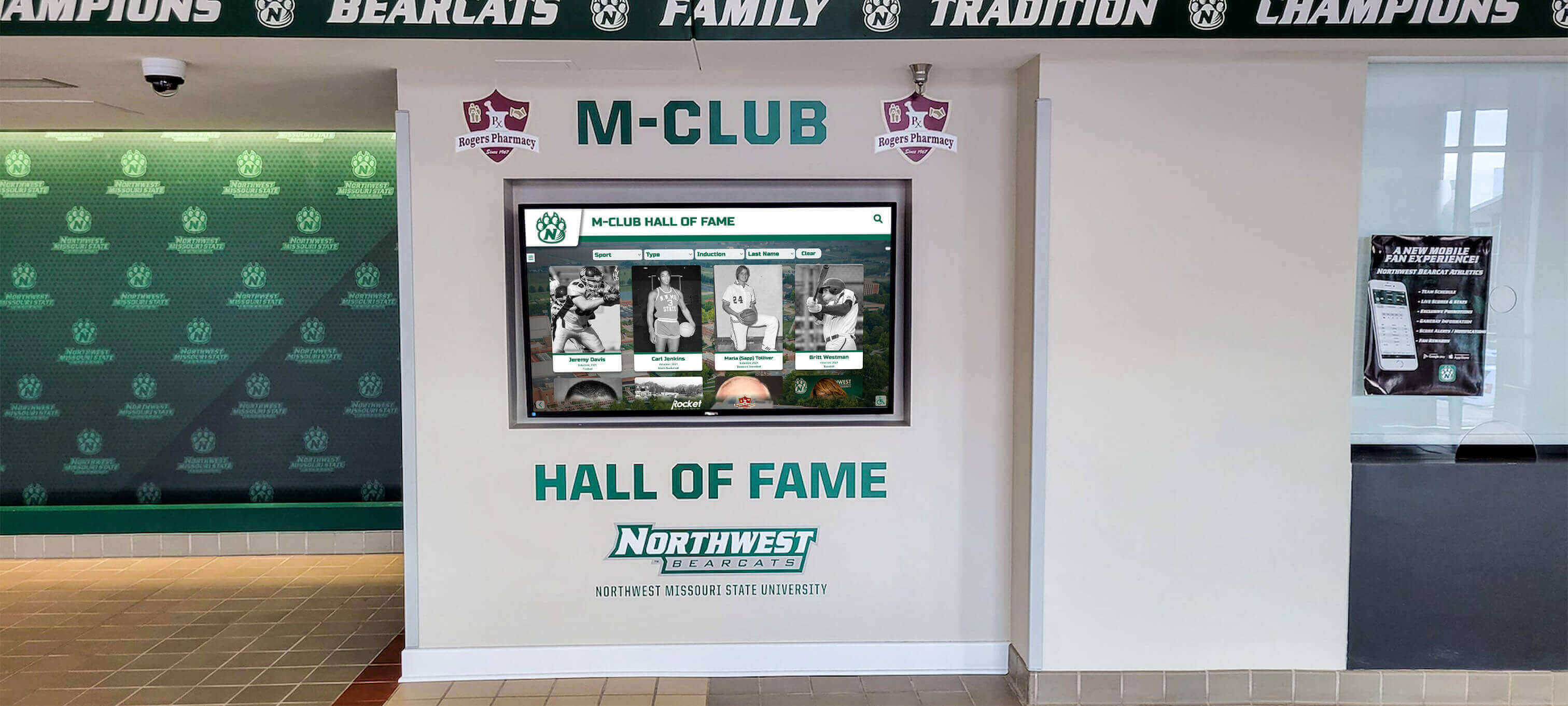
Interactive Search and Filtering
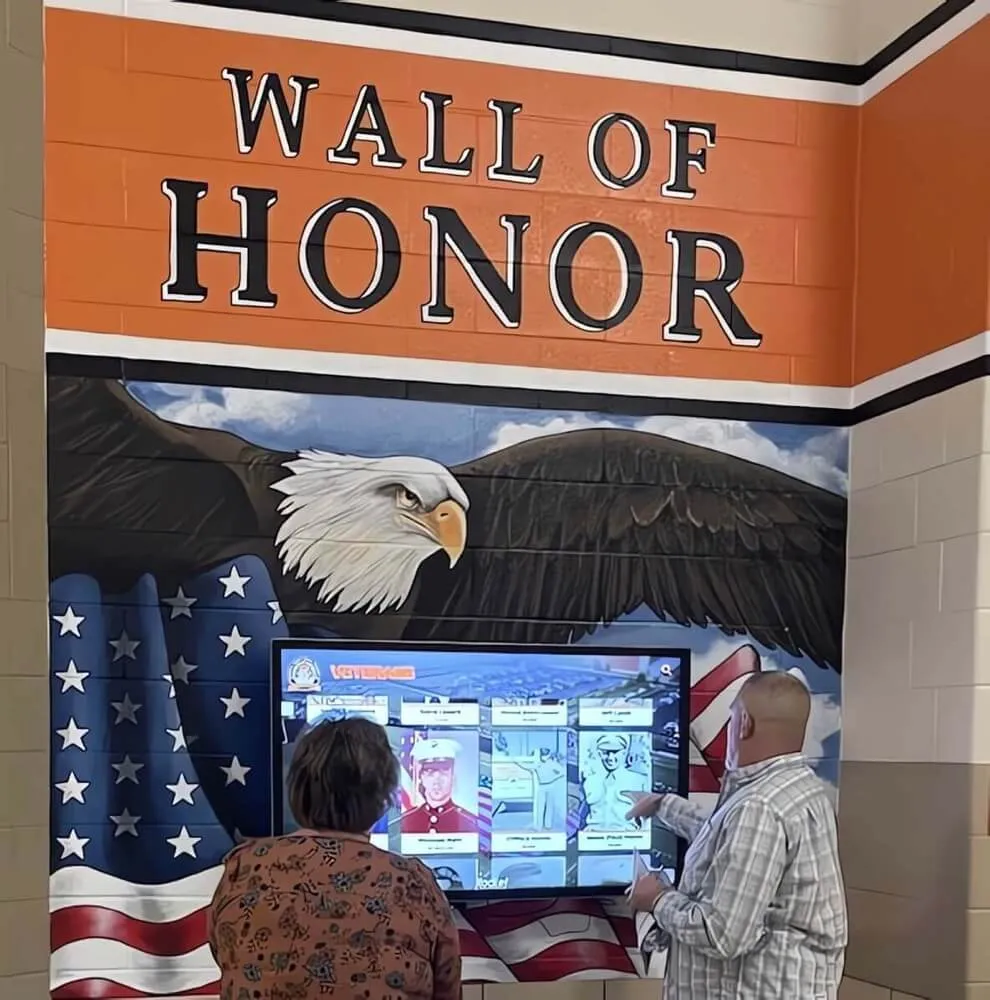
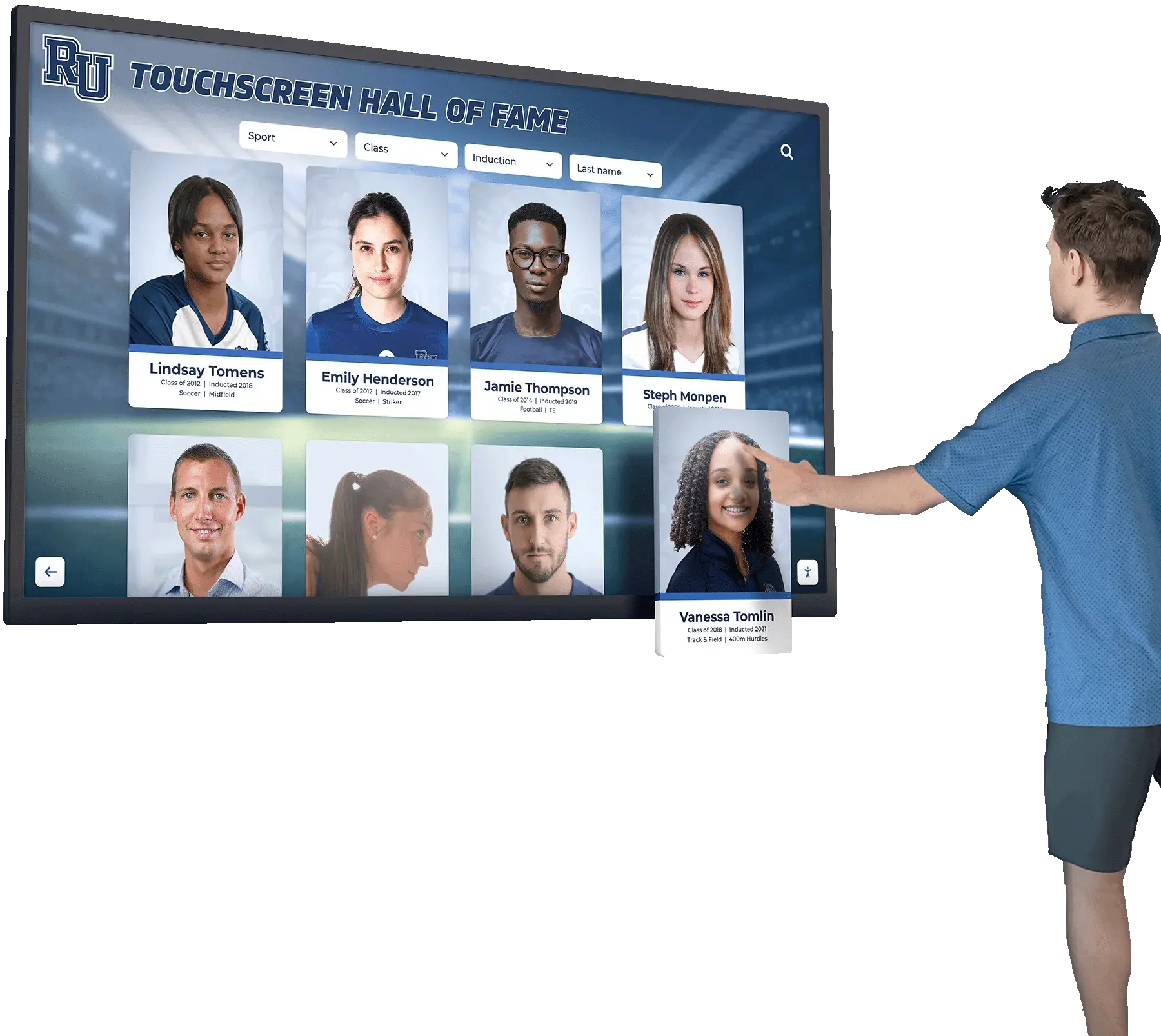
Touchscreen interfaces allow visitors to explore inductee rosters in multiple ways:
- Search by name, graduation year, or sport
- Filter by achievement type or recognition category
- Browse chronologically or by induction class
- Compare statistical achievements across eras
- Share profiles digitally with family and community
This interactivity creates engagement that static displays cannot achieve. Alumni visiting schools can locate their former teammates, current students can discover program history, and families can share inductee profiles on social media.

Content Management and Update Workflows
Digital recognition requires ongoing content management, but modern platforms streamline these workflows to minimize administrative burden.
Remote Content Updates
Cloud-based management systems allow authorized staff to update displays from any location without physical access to hardware. Athletics directors can add new inductees during summer months, correct biographical details when alumni provide updated information, or refresh featured content during school breaks—all without touching physical hardware.
Template-Based Content Creation
Effective digital platforms provide structured templates that ensure consistent formatting across all inductees while simplifying content creation. Staff complete forms with standardized fields (name, graduation year, achievements, photographs) rather than designing layouts from scratch. This standardization creates professional appearance while reducing the time investment required for each new inductee.
Version Control and Historical Records
Digital systems maintain complete records of content changes, allowing administrators to track what information was displayed when, who made modifications, and why updates occurred. This documentation proves valuable when questions arise about displayed information or when schools need to reference historical presentation for anniversary celebrations or reunion events.
Implementing Selection Criteria Documentation
Clear documentation ensures selection processes remain consistent across committee membership changes and provides transparency that builds stakeholder confidence in hall of fame program integrity.
Creating Selection Criteria Documents
Written criteria documents should address:
- Eligibility Requirements: Specific qualifications candidates must meet before consideration
- Evaluation Standards: Achievement benchmarks and character qualities committees assess
- Nomination Procedures: Submission requirements, deadlines, and supporting documentation
- Committee Composition: Member qualifications, term lengths, and rotation schedules
- Selection Process: Meeting schedules, discussion protocols, and voting procedures
- Conflict of Interest Policies: Recusal requirements and bias management
- Appeals Procedures: Mechanisms for addressing selection disputes
- Display Protocols: How and where inductees will be recognized
These documents typically range from 5-15 pages and should be reviewed annually by committees to ensure continued relevance and fairness.
Communicating Selection Standards
Transparency about selection criteria serves multiple purposes. It helps potential nominators understand what qualifications committees value, allows candidates to assess their own readiness for nomination, and builds community confidence that selections result from fair, consistent evaluation rather than favoritism or politics.
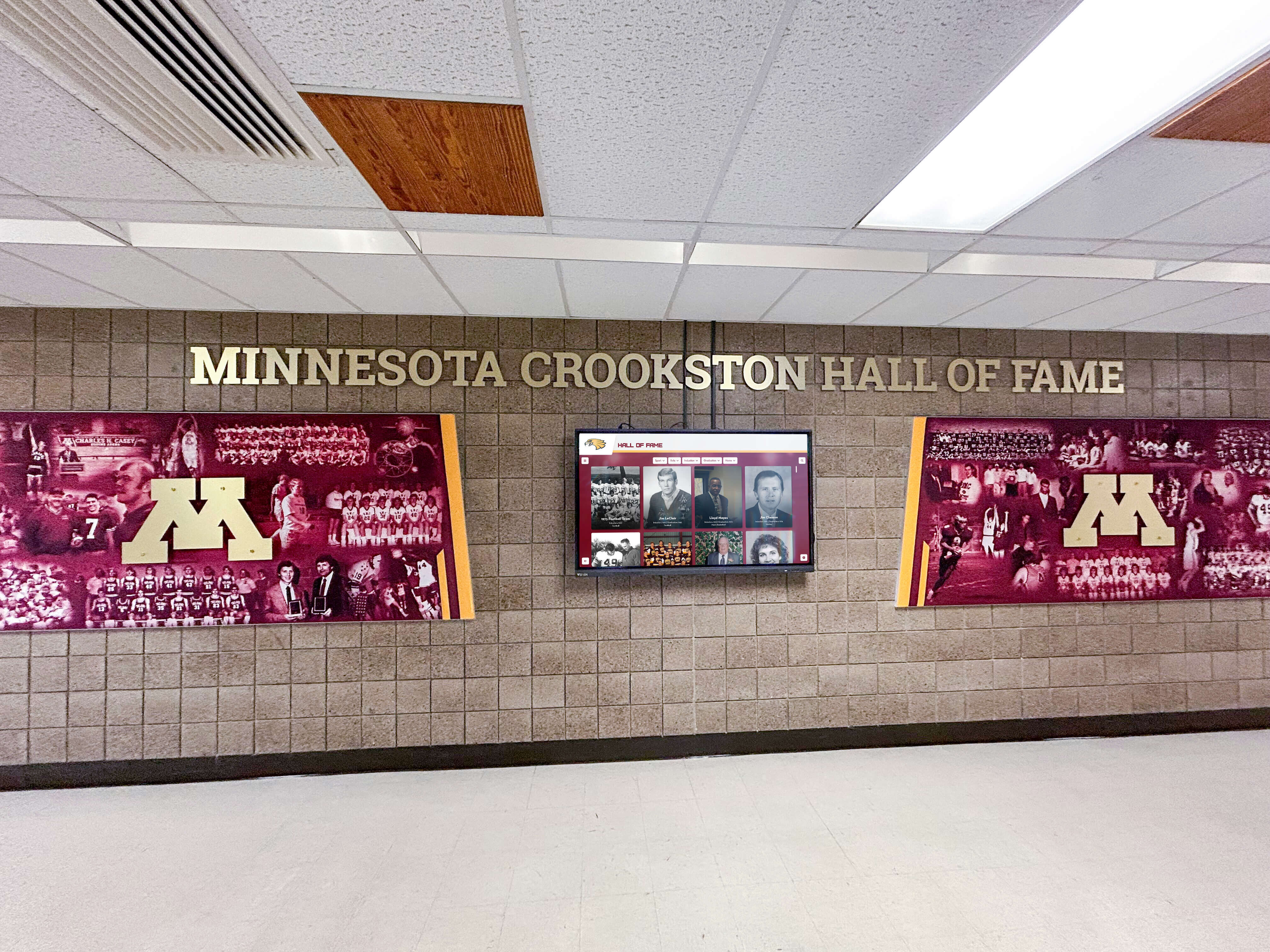
Schools typically publish criteria documents on athletics department websites, include them in alumni communications, and reference them during induction ceremonies. Some institutions create dedicated hall of fame sections on school websites that present current inductees alongside selection information.
Special Considerations for Different Recognition Categories
While most hall of fame programs focus on athletic achievement, many schools expand recognition to honor excellence in academics, arts, community service, and institutional leadership. Each category requires adapted selection criteria that reflect appropriate achievement standards.
Academic Halls of Fame
Academic recognition programs often struggle with achievement standardization because intellectual contributions vary dramatically across disciplines. A valedictorian’s straight-A transcript represents different achievement than a researcher’s significant publication or an artist’s creative innovation.
Effective academic hall of fame criteria often include:
- Minimum GPA thresholds (typically 3.75-4.0)
- Valedictorian or salutatorian designation
- National academic competition achievement (National Merit, science olympiad, debate championships)
- Published research or creative works
- Prestigious scholarship recipients (Rhodes, Fulbright, etc.)
- Post-graduation professional achievement in academic or research fields
Arts and Performance Recognition
Recognizing excellence in music, theater, visual arts, and other creative disciplines requires different evaluation frameworks than athletic or academic achievement.
Selection criteria often include:
- State or national performance competition placement
- All-state music ensemble participation
- Lead roles in major theatrical productions
- Juried art exhibition participation or awards
- Professional performance or creative career achievement
- Contributions to building program infrastructure or reputation
Community Service and Leadership
Some schools establish halls of fame specifically for community impact, civic leadership, and service excellence. These programs honor individuals whose contributions transcend competitive achievement.
Recognition criteria typically address:
- Documented service hours (often 500+ hours during high school years)
- Leadership positions in community organizations
- Founding or leading school service initiatives
- Long-term mentorship of younger students
- Post-graduation continued community engagement
- Measurable impact of service projects
Digital displays prove particularly valuable for these categories because they can showcase project photographs, community impact metrics, and testimonials from beneficiaries—content that static plaques cannot present.
Sustaining Hall of Fame Programs Long-Term
Creating selection criteria and implementing display solutions represent only the beginning of sustainable hall of fame programs. Long-term success requires ongoing attention to committee vitality, nomination pipeline management, and recognition ceremony quality.
Maintaining Selection Committee Engagement
Committee member burnout poses significant risks to program sustainability. When committees meet irregularly, lack clear processes, or face administrative barriers to effective decision-making, member engagement declines and program quality suffers.
Schools maintain committee effectiveness through:
- Defined meeting schedules established annually in advance
- Staff support for administrative tasks (nomination processing, document preparation, meeting logistics)
- Recognition of committee service as valued institutional contribution
- Regular review and refinement of selection processes based on committee feedback
Building Nomination Pipelines
Programs decline when nomination pipelines dry up—when deserving candidates don’t receive nominations despite clear eligibility. Schools address this challenge by:
- Actively soliciting nominations from coaches, teachers, and alumni during designated periods
- Maintaining historical achievement records that identify eligible candidates
- Reminding community members of nomination deadlines through multiple communication channels
- Simplifying nomination procedures to reduce submission barriers
Creating Meaningful Induction Ceremonies
Recognition ceremonies transform hall of fame selection from administrative process into celebrated institutional tradition. Effective ceremonies include:
- Dedicated event time (not squeezed into another gathering)
- Biographical presentations that highlight inductee stories
- Opportunities for inductees to address attendees
- Family and supporter recognition
- First viewing of updated digital displays
Planning Your School’s Hall of Fame Program
Schools considering new hall of fame programs or revising existing recognition should follow systematic implementation approaches that address selection, display, and sustainability dimensions simultaneously.
Year One Implementation Timeline
Months 1-3: Foundation Building
- Form development committee representing key stakeholders
- Research other schools’ selection criteria and processes
- Draft eligibility requirements, evaluation standards, and nomination procedures
- Determine recognition categories (athletics only vs. broader inclusion)
Months 4-6: Infrastructure Development
- Finalize and publish selection criteria documentation
- Recruit and confirm selection committee members
- Establish nomination procedures and forms
- Evaluate display options (traditional vs. digital)
Months 7-9: Inaugural Selection Process
- Open nomination period with active solicitation
- Process nominations and verify eligibility
- Conduct selection committee meetings and voting
- Determine inaugural class size and composition
Months 10-12: Recognition Implementation
- Create inductee biographical content
- Install or configure display systems
- Plan and execute induction ceremony
- Establish ongoing nomination and selection schedule
Display Technology Selection Considerations
Schools evaluating digital recognition options should assess platforms based on several criteria:
- Content capacity: Can the system accommodate projected program growth for decades?
- Update accessibility: Do authorized staff have intuitive tools for content management?
- Multimedia support: Does the platform present photos, videos, and biographical content effectively?
- Search functionality: Can visitors easily locate specific inductees or filter by category?
- Hardware reliability: Will displays operate consistently in school environments with minimal technical support?
- Integration capability: Can the system connect with existing databases or websites?
- Accessibility compliance: Does the interface meet ADA standards for visitors with disabilities?
Digital recognition platforms designed specifically for schools address these considerations with education-focused features and support structures.
Addressing Common Hall of Fame Challenges
Even well-planned programs encounter challenges that require thoughtful problem-solving and sometimes criteria refinement.
Managing Controversial Nominations
Occasionally, nomination candidates have complex histories that include both significant achievement and problematic behavior. Selection committees must determine whether past misconduct disqualifies otherwise qualified candidates.
Most schools establish policies addressing:
- Criminal convictions or serious policy violations that result in automatic disqualification
- Lesser infractions evaluated case-by-case based on severity, context, and rehabilitation
- Time factors (how long ago incidents occurred)
- Whether the individual takes responsibility and demonstrates growth
- The potential message inducting the candidate sends to current students
These policies should be established proactively rather than reactively when controversial nominations arise.
Balancing Recent vs. Historical Inductees
New programs often focus inaugural classes on recent, well-documented candidates while overlooking historical figures whose achievements occurred before comprehensive record-keeping. This creates imbalanced recognition that undervalues program history.
Addressing this challenge requires:
- Dedicated research into historical achievement records
- Active outreach to long-time community members who remember earlier eras
- Establishing minimum representation targets for each decade of program history
- Creating special recognition categories for pioneers who built program foundations
Maintaining Display Content Accuracy
Even with careful vetting, biographical information sometimes contains errors discovered after inductees are recognized. Digital displays provide significant advantages here—corrections require simple content updates rather than physical plaque replacement.
Schools should establish procedures for:
- Accepting and verifying correction requests from inductees or family members
- Regular content audits to identify outdated information
- Version control that documents what was displayed when
- Communication protocols for notifying inductees when their profiles are updated
Moving Forward with Recognition Excellence
Creating hall of fame programs that honor achievement fairly while inspiring future generations requires careful attention to selection criteria, nomination procedures, committee composition, and display solutions. Schools that invest in thoughtful framework development create recognition traditions that celebrate excellence for decades.
Digital recognition displays transform hall of fame programs from static name listings into dynamic storytelling platforms that engage visitors, preserve institutional history, and provide unlimited capacity for future growth. When paired with fair, transparent selection processes, these systems create recognition experiences that honor inductees while inspiring current students to pursue their own paths to excellence.
Ready to explore how digital recognition can transform your school’s hall of fame? Talk to our team to discuss selection criteria frameworks, display implementation strategies, and content management approaches that fit your institution’s unique needs and recognition goals.