Finding the right words when someone experiences loss represents one of the most difficult yet important communication challenges we face. Whether you’re a school administrator drafting a message about a beloved teacher, a nonprofit leader honoring a dedicated volunteer, a colleague reaching out to a grieving coworker, or simply a friend trying to provide comfort—the pressure to express sympathy appropriately while avoiding clichés or causing unintentional hurt feels overwhelming.
Yet the most meaningful condolence messages don’t require poetic eloquence or perfectly crafted prose. Heartfelt sympathy expressions work because they’re genuine, specific, and demonstrate that you truly see the person’s pain while honoring the individual who has passed. The challenge lies not in finding elaborate language, but in communicating authentic care, offering appropriate support, and choosing words that bring comfort rather than additional burden.
This comprehensive guide provides frameworks for writing heartfelt condolence messages across various contexts—from personal notes to organizational communications, memorial tributes to professional sympathy expressions—along with specific examples, common mistakes to avoid, and guidance for creating lasting memorial recognition that honors those who have made significant impacts on your communities.
When loss touches your school, organization, or personal community, how you respond matters deeply. Thoughtful condolence messages provide comfort to grieving individuals, demonstrate organizational values and care, create lasting records honoring those who have passed, and establish environments where grief receives appropriate acknowledgment and support.

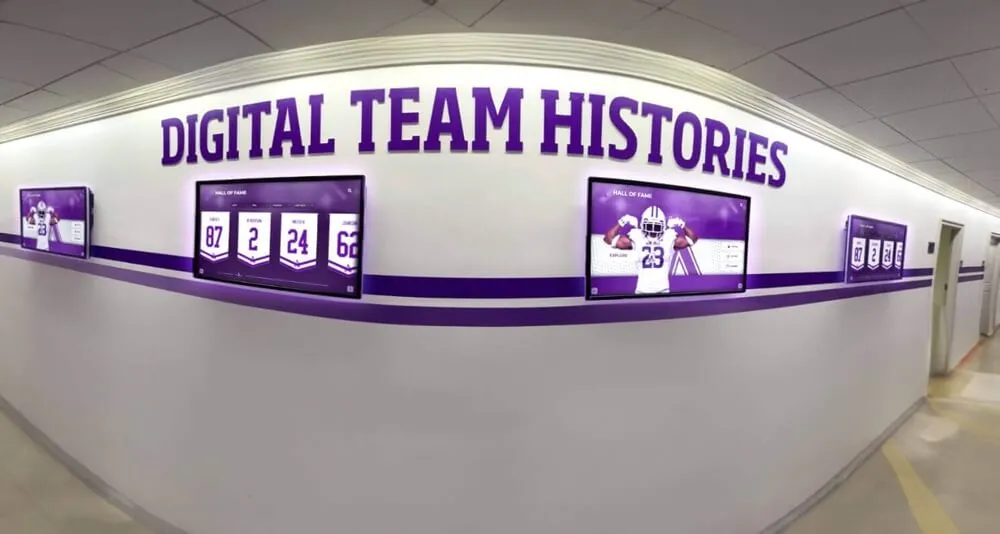
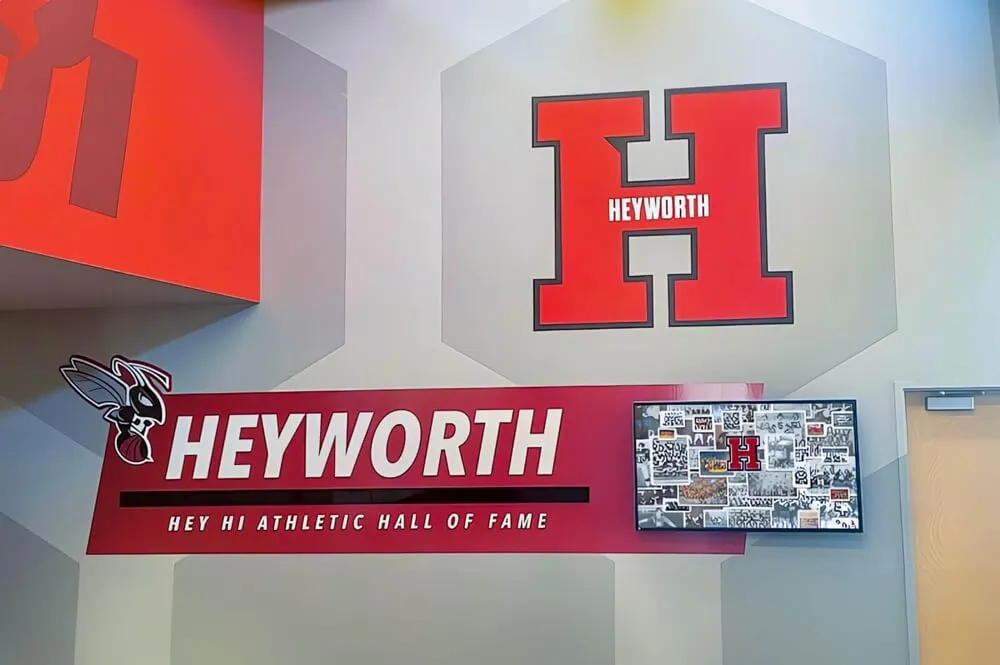
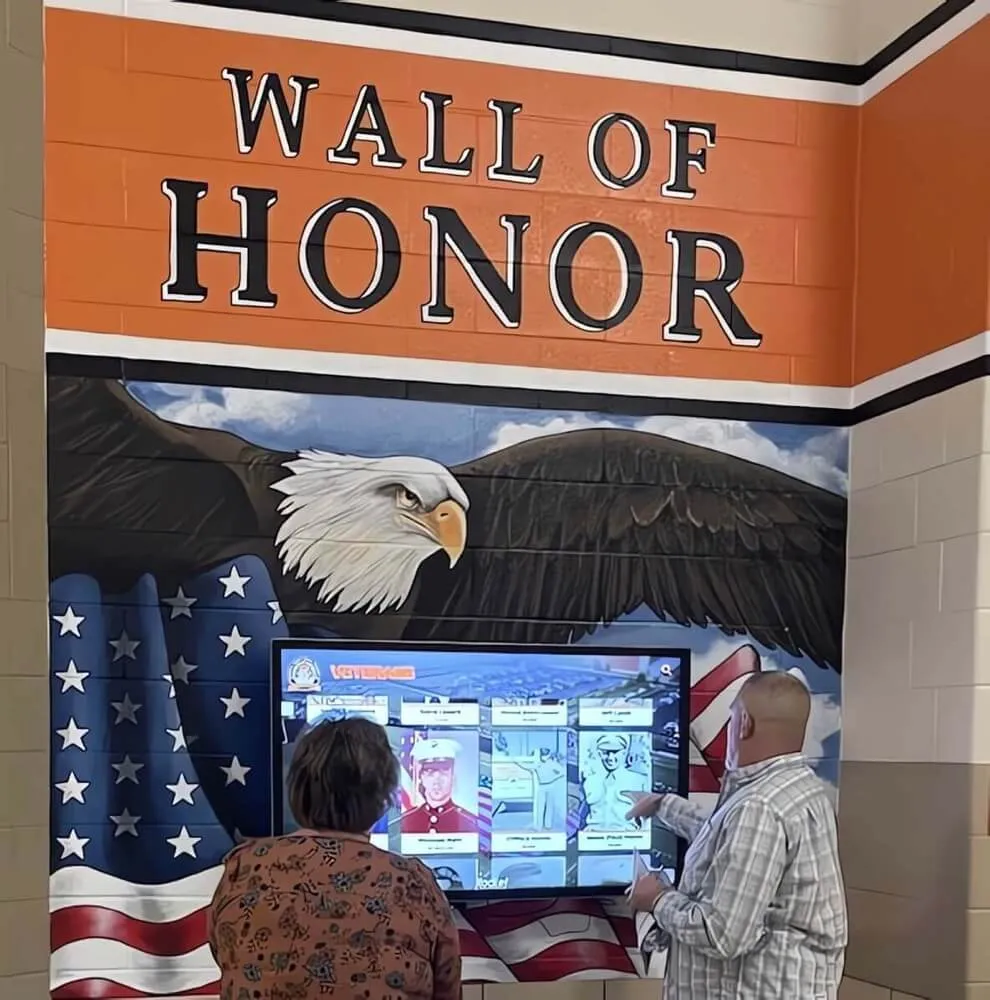
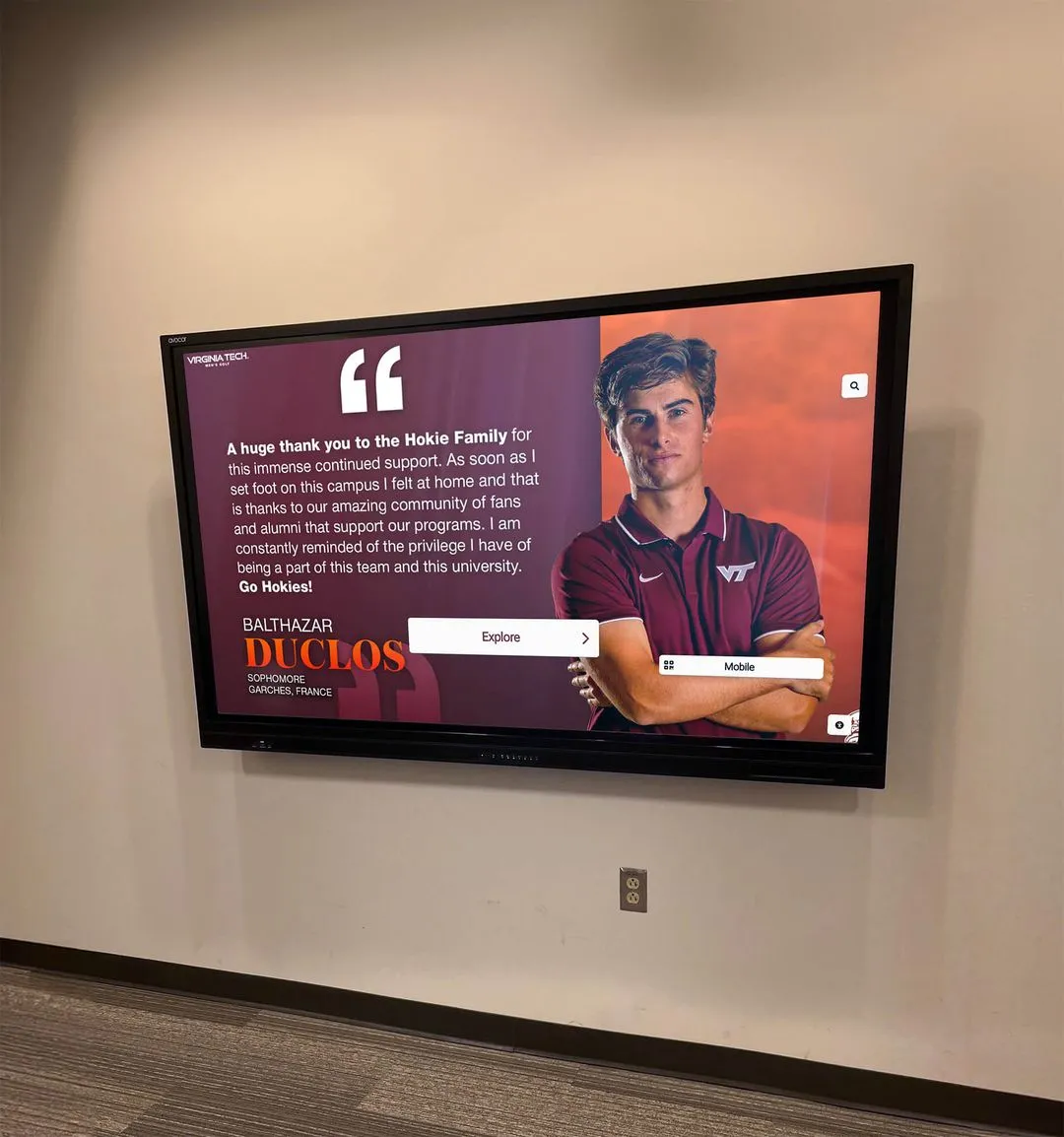
Permanent memorial displays create lasting tributes that honor community members and preserve their legacies
Understanding the Purpose of Condolence Messages
Before exploring specific templates and examples, understanding what makes sympathy expressions meaningful helps you craft messages that genuinely comfort those experiencing loss.
Why Condolence Messages Matter
Acknowledging Pain and Loss
Heartfelt condolence messages serve essential functions in grief support by acknowledging that loss has occurred and pain is real, validating emotions and grief experiences, demonstrating that the person and their loss matter, breaking isolation grief often creates, and offering human connection during difficult times.
According to grief counseling research, knowing others acknowledge and care about your loss provides significant comfort during bereavement. Even simple expressions of sympathy remind grieving individuals they’re not alone in their pain.
Honoring the Deceased
Effective sympathy messages go beyond acknowledging the survivor’s pain to celebrate the person who has passed. Recognition should reflect specific qualities and contributions, share meaningful memories and impact, validate the significance of their life, provide comfort through celebrating legacy, and create language families can return to for solace.
Generic condolences that could apply to anyone miss opportunities to honor what made someone special. Specific, personalized messages demonstrate you truly knew and valued the individual.
Building Community Support
Condolence messages create collective support networks by encouraging others to reach out and help, establishing appropriate organizational responses, modeling compassionate communication, creating shared language for discussing loss, and building cultures where grief receives appropriate acknowledgment.
Schools and organizations that excel at sympathy communication create environments where loss is handled with dignity, care, and appropriate recognition—strengthening community bonds even during difficult circumstances.

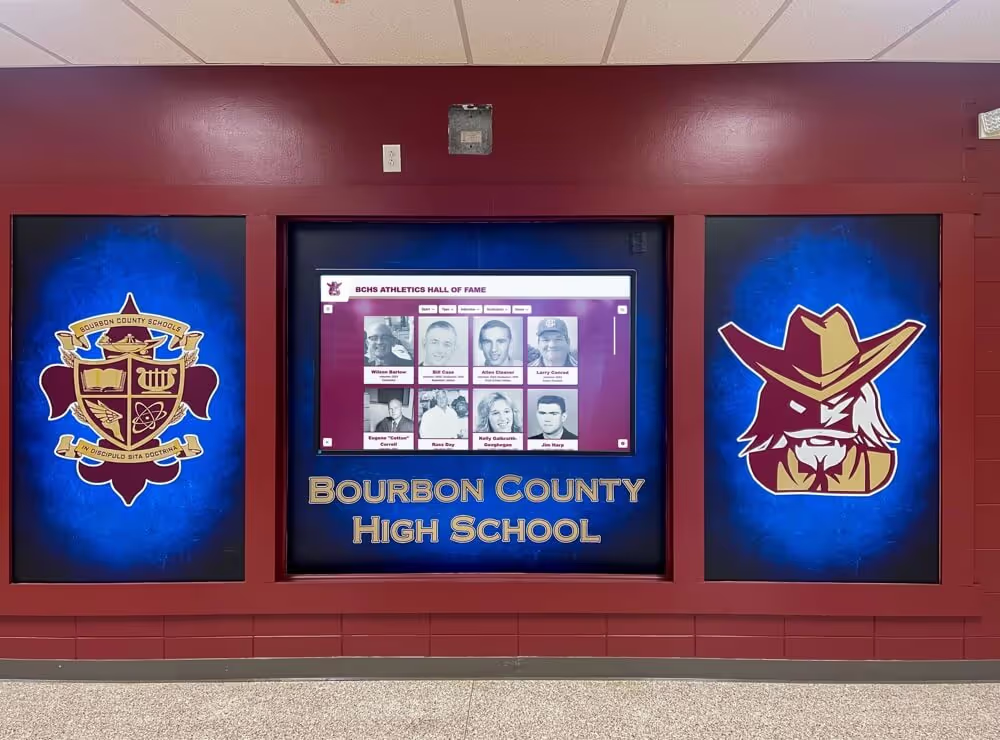
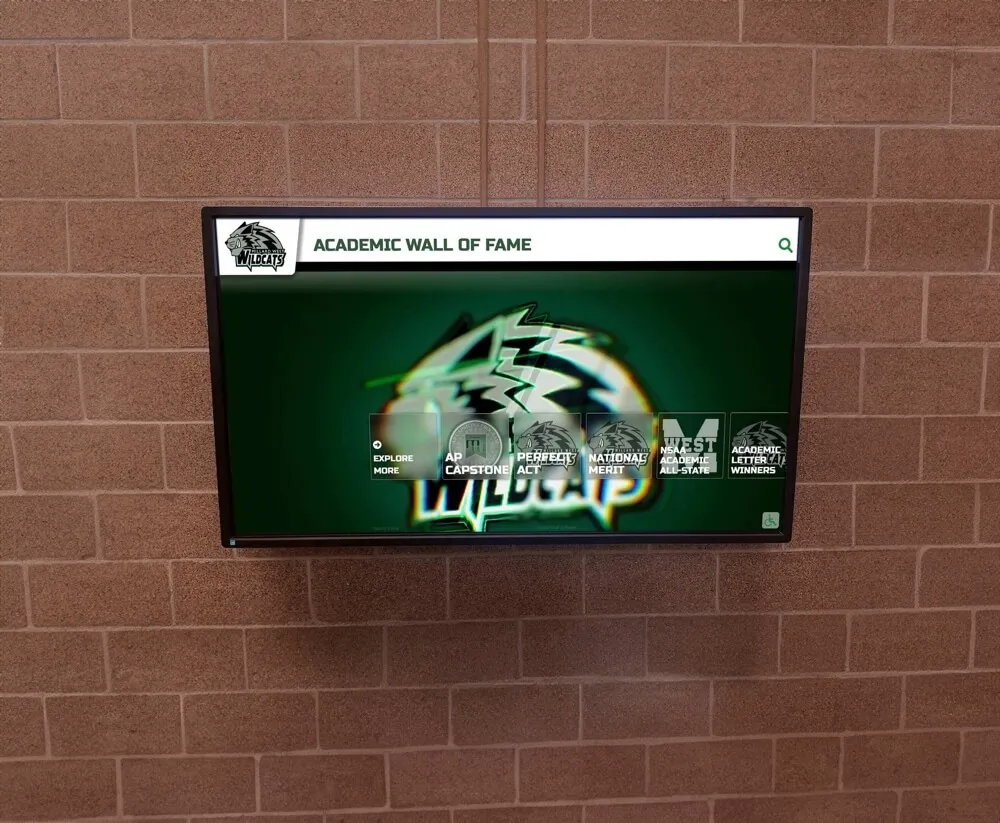
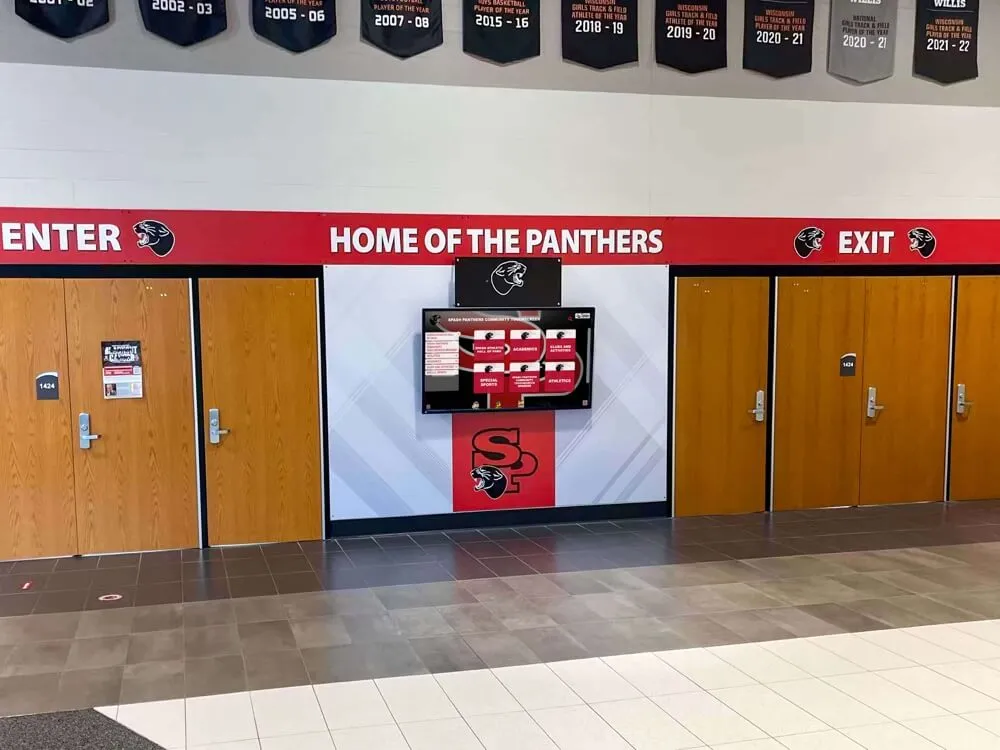
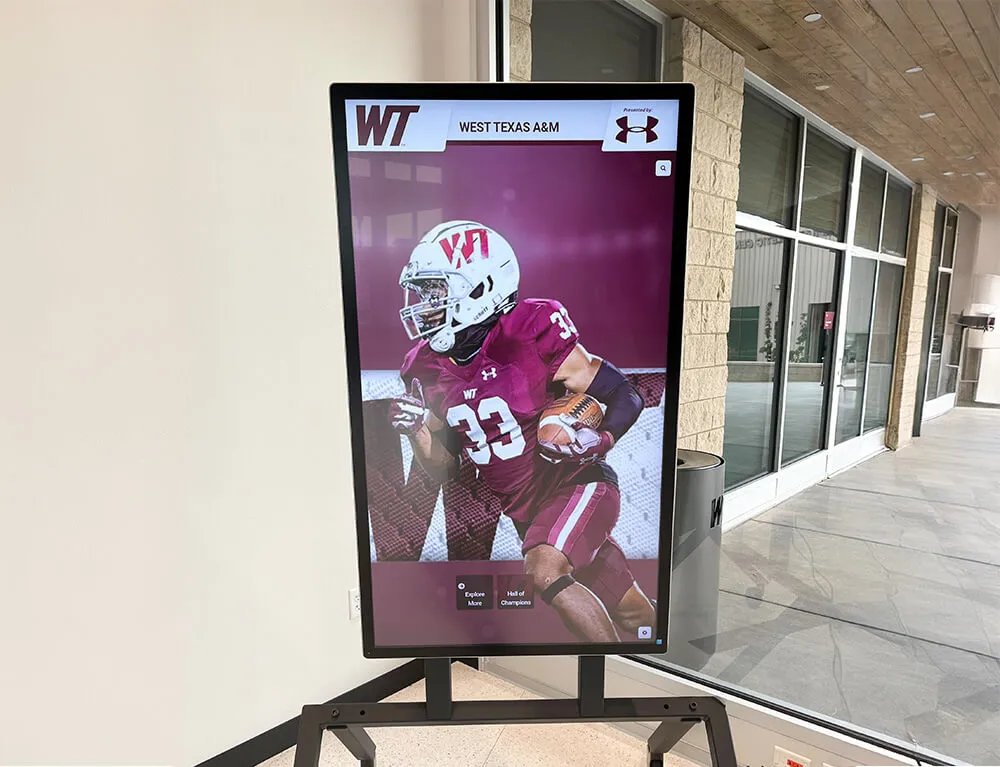
Modern memorial displays allow communities to share stories and preserve memories interactively
The Difference Between Good and Harmful Condolence Messages
Not all sympathy expressions provide equal comfort. Understanding what helps versus what hurts guides appropriate message crafting.
What Makes Condolence Messages Helpful
Effective sympathy messages share essential characteristics including genuine emotion and authentic care, specific acknowledgment of the person who died, appropriate tone matching the relationship and context, concrete offers of support when feasible, and respect for the griever’s beliefs and grieving process.
These elements combine to create messages that comfort rather than burden, honor rather than generalize, and support rather than inadvertently wound.
Common Condolence Mistakes to Avoid
Well-intentioned sympathy expressions sometimes cause harm through these common errors:
- Minimizing loss: Phrases like “at least they’re in a better place” or “everything happens for a reason” can feel dismissive rather than comforting
- Making comparisons: “I know exactly how you feel” presumes understanding another’s unique grief experience
- Offering unwanted advice: Telling someone how they should grieve or what they should do next
- Using religious language inappropriately: Assuming religious beliefs or using faith-based comfort with those who may not share those beliefs
- Focusing on your own feelings: Centering your sadness rather than the griever’s experience
- Avoiding the topic: Ignoring loss entirely because you don’t know what to say
Many find it helpful to explore staff appreciation ideas that can be adapted to honor faculty and team members who have passed, creating meaningful recognition during difficult times.
Essential Elements of Heartfelt Condolence Messages
Effective sympathy messages incorporate specific components that provide genuine comfort.
Start with Sincere Acknowledgment
Begin your condolence message by directly acknowledging the loss:
Effective Opening Statements
- “I was deeply saddened to learn of [Name]’s passing”
- “My heart aches for you and your family during this difficult time”
- “I am so sorry for the loss of your [relationship]”
- “There are no words adequate to express the sorrow we feel about [Name]’s death”
- “Please accept my heartfelt condolences on the loss of [Name]”
These openings accomplish essential goals—they name the loss directly, express genuine emotion, focus on the griever’s experience, and establish appropriate tone from the beginning.
Share Specific Memories or Qualities
The most meaningful portion of condolence messages includes specific, personal recognition:
Personal Condolence Examples
“I’ll always remember how [Name] would light up the staff room every morning with her infectious laugh and genuine interest in everyone’s weekend. She made even mundane Monday mornings feel special.”
“[Name]’s dedication to our debate team transformed dozens of students’ lives. The patience he showed working with nervous freshmen, helping them find their voices—that legacy continues in every student he mentored.”
“During our capital campaign, [Name]’s strategic thinking and unwavering optimism kept our team moving forward through challenges. Her belief that we could achieve the impossible inspired everyone around her.”
These specific examples accomplish what generic platitudes cannot—they demonstrate you truly knew the individual, provide comfort by celebrating authentic qualities, give families language honoring their loved one, create permanent records of impact and contributions, and validate the significance of the person’s life.

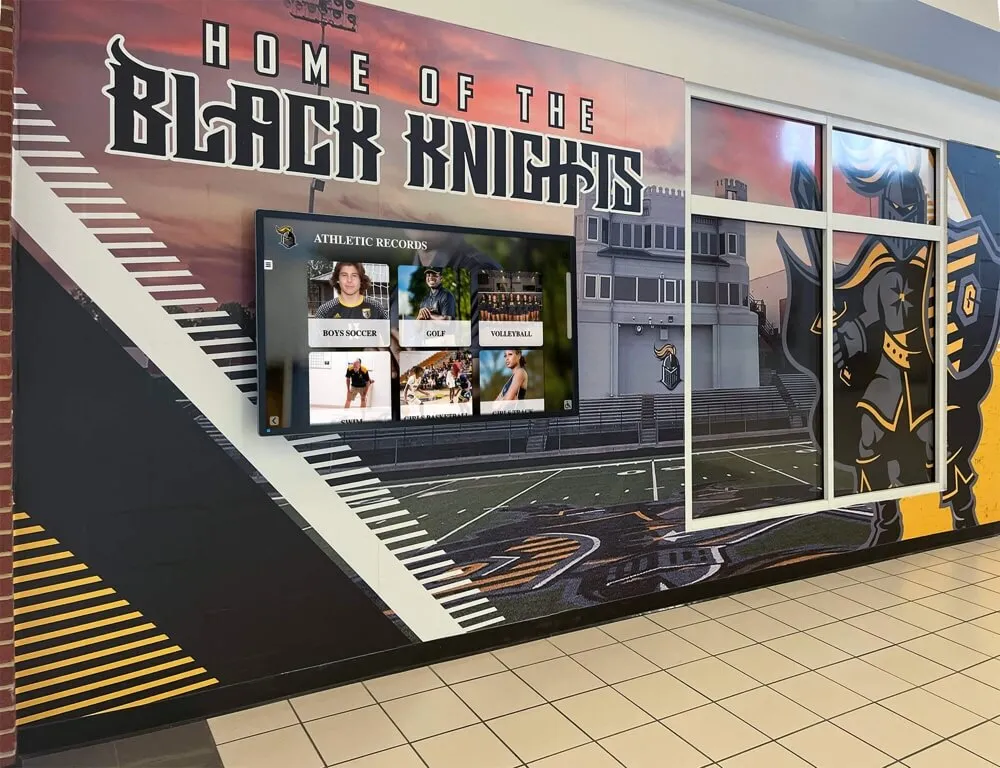
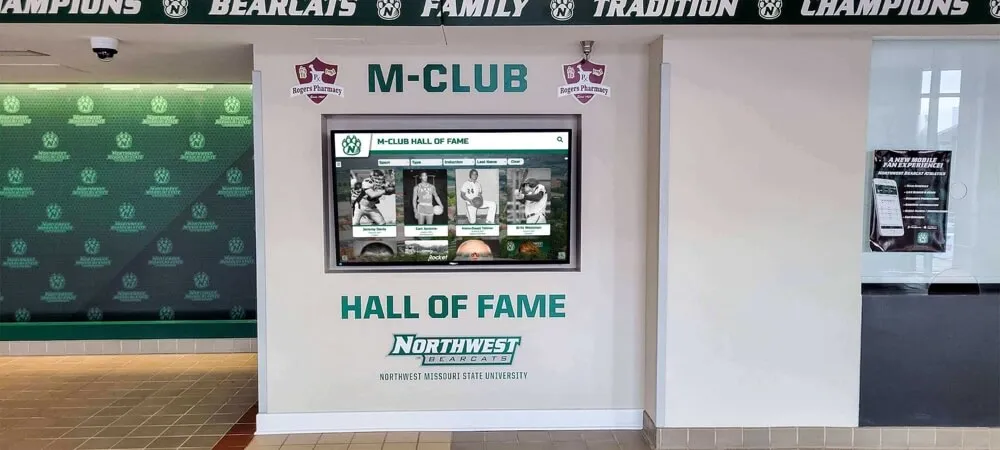
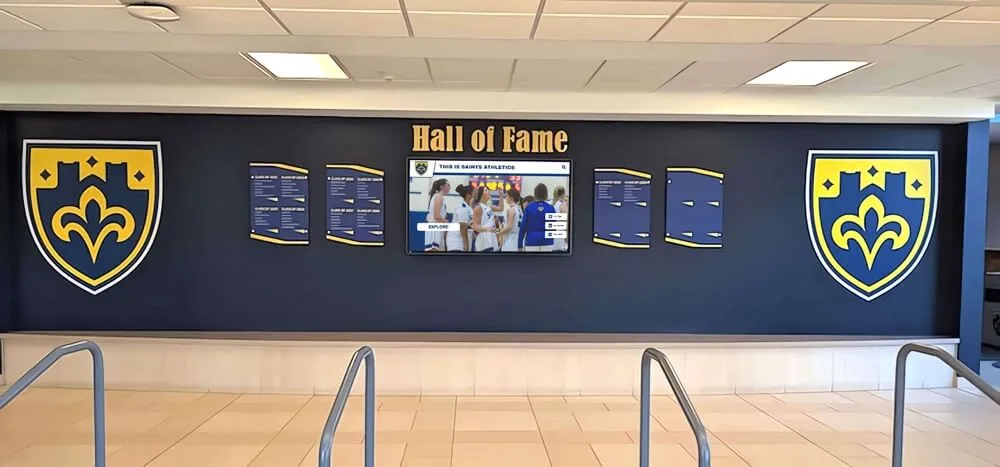
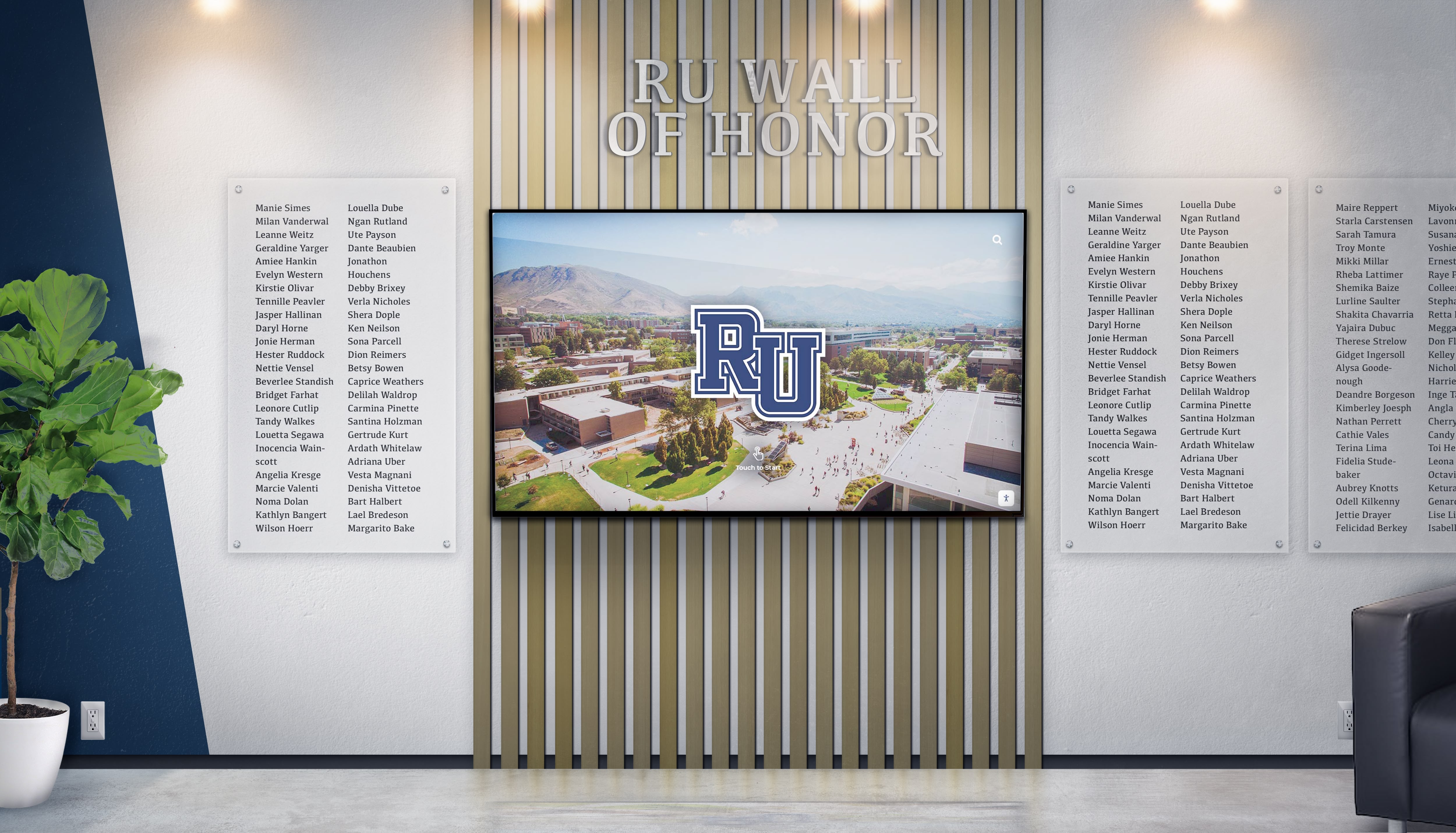
Memorial walls provide spaces for communities to honor those who have made lasting impacts
Offer Appropriate Support
Condolence messages should include genuine offers of help when you’re positioned to provide it:
Meaningful Support Offers
- “I’d be honored to help coordinate meals for your family over the next few weeks”
- “Please let me know if you need coverage for any of your upcoming responsibilities”
- “I’m available to listen whenever you need to talk, day or night”
- “Our team has set up a memorial fund to support the scholarship in [Name]’s honor”
- “If it would be helpful, I’m happy to assist with any administrative matters during this time”
Effective support offers are specific rather than vague, within your actual capacity to fulfill, respectful of boundaries and preferences, focused on practical needs, and offered without expectation or obligation.
Avoid vague statements like “let me know if you need anything”—grieving individuals rarely reach out with specific requests. Instead, offer concrete help you can genuinely provide.
Heartfelt Condolence Message Templates by Context
Different situations require appropriately tailored sympathy expressions.
Personal Condolence Messages
For the Loss of a Parent
“Dear [Name],
I am so deeply sorry for the loss of your mother. The stories you’ve shared over the years painted a picture of someone who was not only a wonderful parent but an extraordinary person who shaped who you’ve become. Her wisdom, strength, and unconditional love live on through you and the values she instilled.
Please know that you and your family are in my thoughts during this incredibly difficult time. If you need anything—someone to listen, help with arrangements, or just a quiet presence—I’m here.
With heartfelt sympathy, [Your Name]”
For the Loss of a Spouse or Partner
“Dear [Name],
My heart is broken for you. [Spouse Name] was a remarkable person whose kindness, humor, and warmth touched everyone fortunate enough to know them. The partnership you shared was beautiful to witness, and I know the depth of this loss is immeasurable.
I’m thinking of you constantly and am here for whatever you need—practical help, company, or simply space to grieve. Your love story and the life you built together remains an inspiration.
With deepest sympathy and love, [Your Name]”
For the Loss of a Child
“Dear [Name],
No words can adequately express the sorrow I feel for the loss of [Child’s Name]. [He/She/They] brought so much joy and light into this world during [his/her/their] time here. The impact [Child’s Name] made on everyone who knew [him/her/them] will never be forgotten.
I am holding you and your family close in my heart and prayers during this unimaginable time. Please know that you don’t have to carry this burden alone.
With profound sympathy, [Your Name]”
Professional Condolence Messages
From Supervisor to Employee
“Dear [Employee Name],
I was deeply saddened to learn of your [relationship]’s passing. Please accept my sincere condolences on behalf of the entire [Department/Team] during this difficult time.
I want you to know that we fully support you taking whatever time you need to grieve and be with family. Please don’t hesitate to reach out if there’s anything we can do to support you professionally or personally during this period.
You and your family are in our thoughts.
Sincerely, [Your Name]”
From Colleague to Colleague
“Dear [Name],
I was heartbroken to hear about your loss. [Deceased Name] clearly meant the world to you, and I know this is an incredibly painful time.
Please know that your work family is here to support you however we can. We’ve arranged coverage for your projects, so please focus entirely on yourself and your family right now. When you’re ready to return, we’ll be here—and if you need to talk or just need company, I’m always available.
Thinking of you, [Your Name]”
Organizational Condolence Communications
School or Institution Announcement
“Dear [School/Organization] Community,
It is with profound sadness that we share the passing of [Name], our beloved [position/role], who served our community with distinction for [number] years.
[Name] embodied the values we hold dear—[specific qualities such as dedication, compassion, innovation]. [His/Her/Their] impact can be seen in [specific contributions: students mentored, programs developed, initiatives led]. The legacy [Name] leaves through [specific lasting impact] will continue enriching our community for generations.
We extend our deepest condolences to [Name]’s family, friends, and all who had the privilege of knowing and working with [him/her/them]. Information regarding memorial services will be shared as it becomes available.
During this difficult time, our counseling staff is available to support any community members who need assistance processing this loss.
With deepest sympathy, [Leadership Name/Team]”
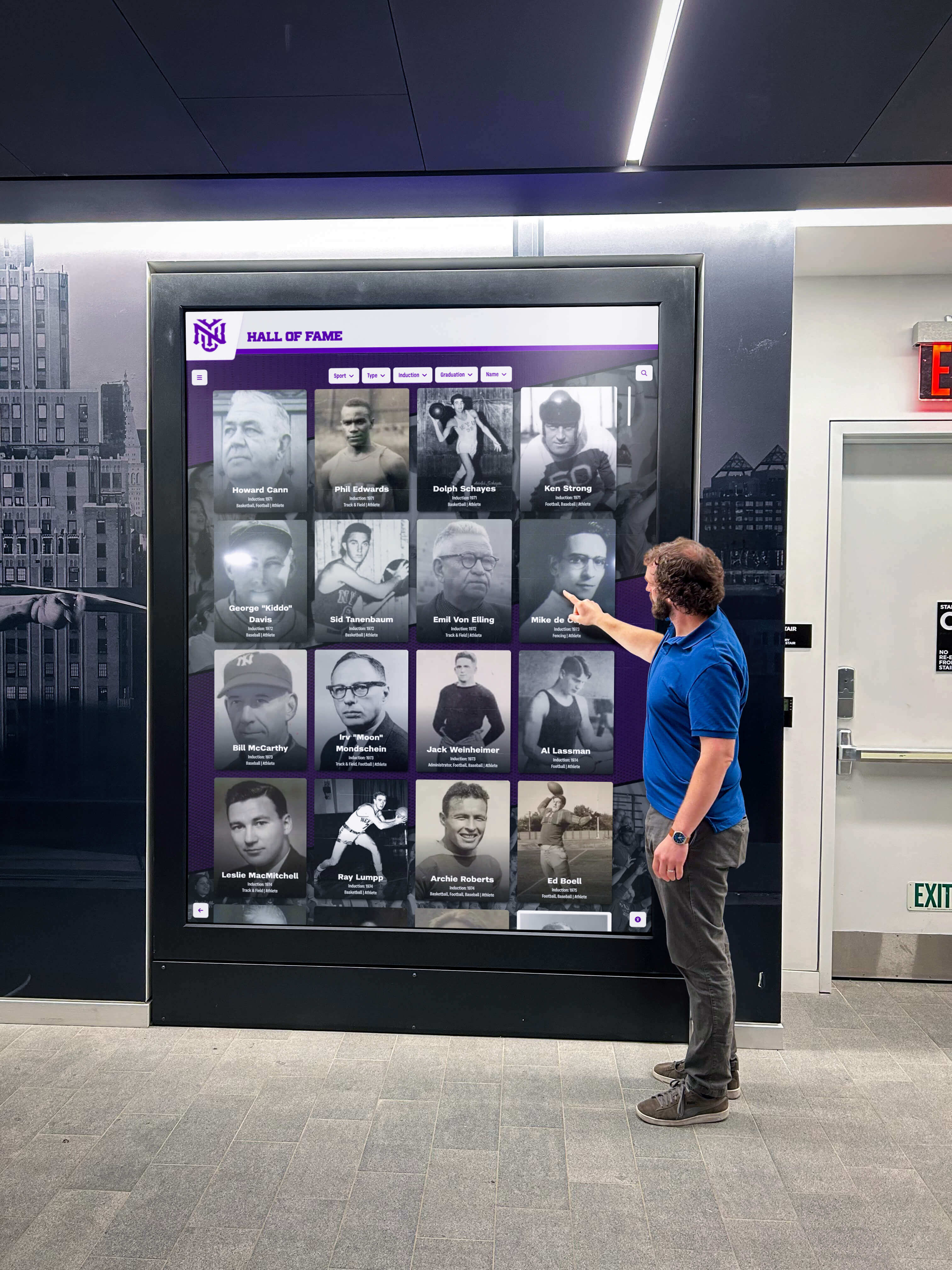
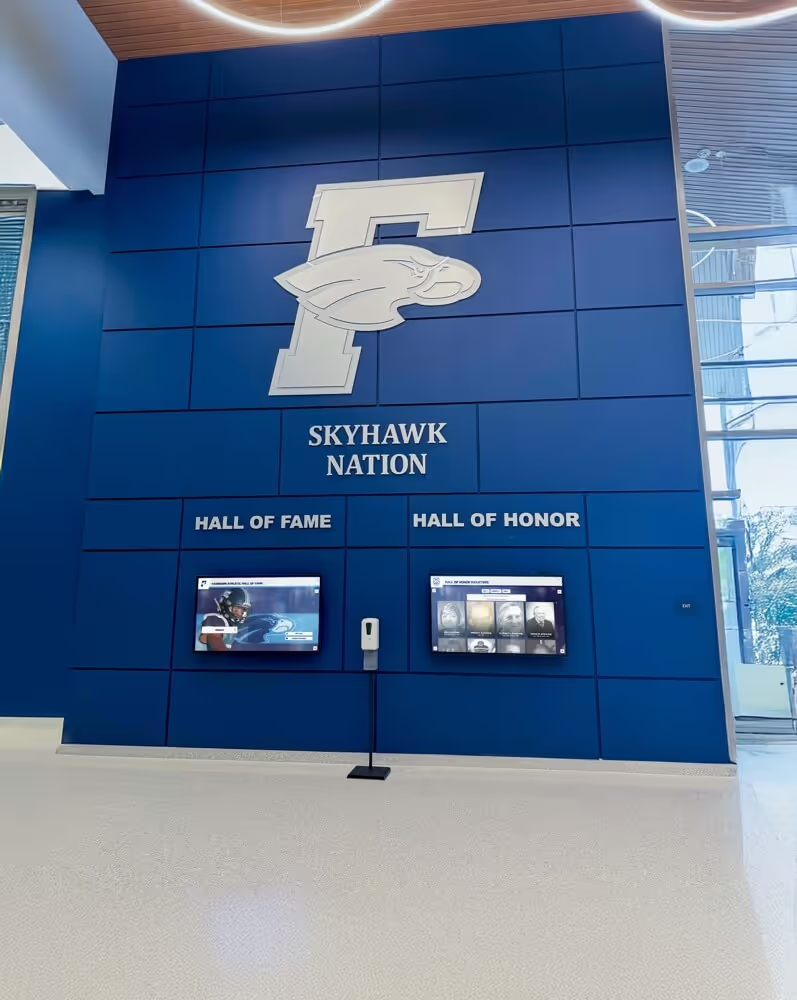
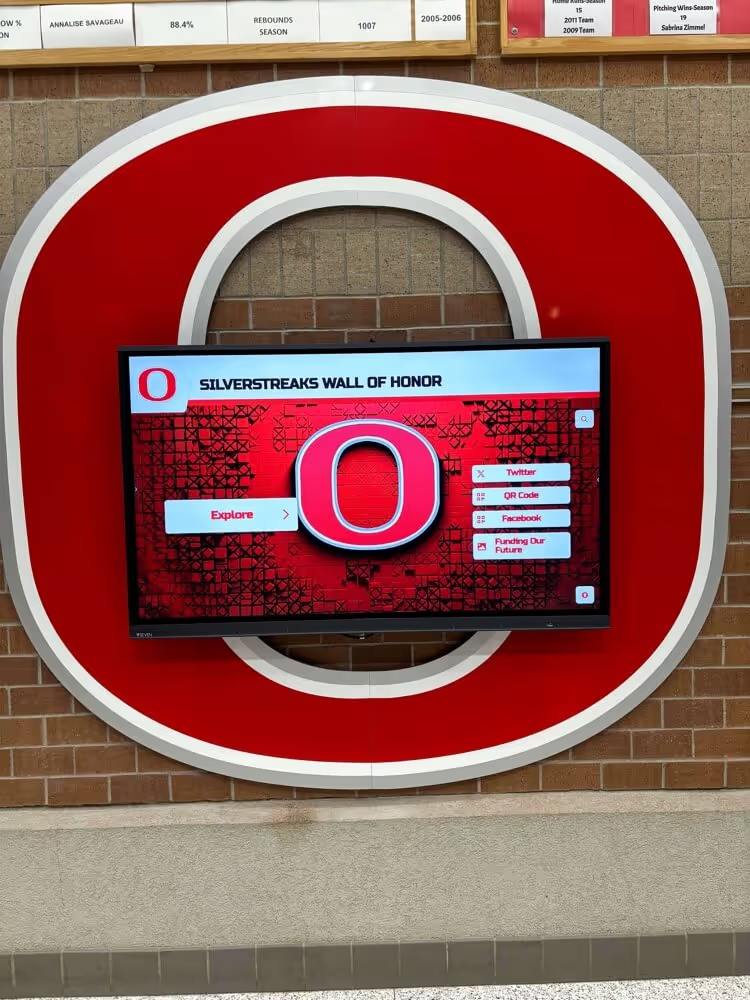
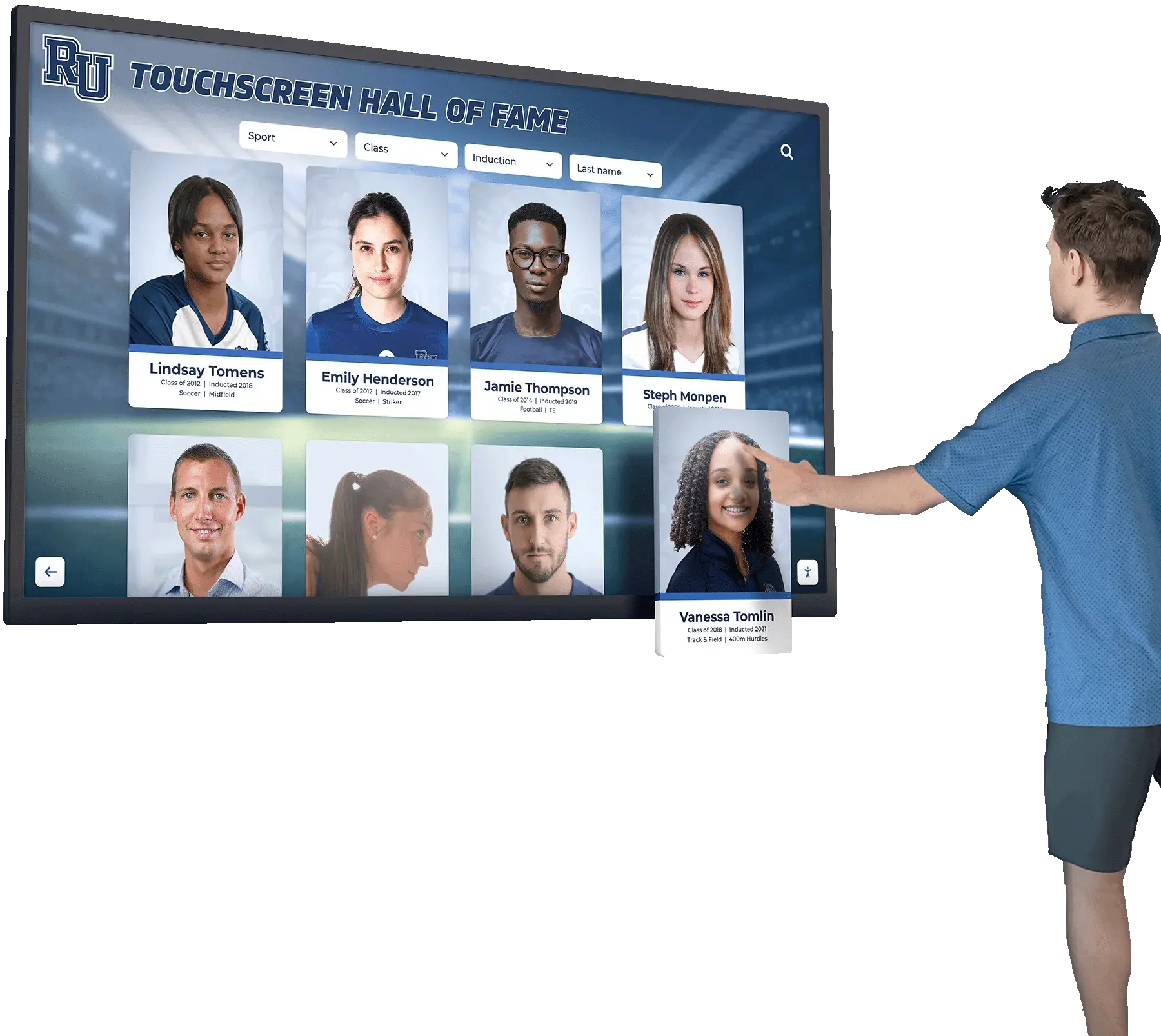
Interactive displays allow visitors to explore comprehensive tributes and share their own memories
Donor or Volunteer Memorial Recognition
“Dear [Organization] Family,
We are heartbroken to share the news of [Name]’s passing. As one of our most dedicated [donors/volunteers], [Name] transformed our organization through [specific contributions].
[Name]’s commitment to [specific cause or mission area] stemmed from [his/her/their] deep belief that [mission-related value]. Over [time period], [Name] [specific accomplishments or contributions], touching countless lives through [his/her/their] generosity and dedication.
To honor [Name]’s legacy, we will be [specific memorial action: establishing fund, dedicating space, creating annual recognition]. We welcome those who wish to contribute memorial gifts to [designation] in [his/her/their] memory.
Our thoughts are with [Name]’s family and all who knew and loved [him/her/them].
With gratitude and sympathy, [Organization Leadership]”
Organizations looking to create permanent memorial recognition can explore solutions like digital memorial displays that honor fallen heroes and community members with dignity and comprehensive tribute content.
Writing Condolence Messages for Specific Cultural and Religious Contexts
Appropriate sympathy expressions honor diverse beliefs and traditions.
Cultural Considerations in Condolence Messages
Different cultural backgrounds approach death, mourning, and sympathy expressions distinctly:
General Cultural Awareness Guidelines
- Research cultural customs regarding death and mourning before crafting messages
- Avoid assumptions about religious beliefs or afterlife concepts
- Respect varying timeframes for grief and mourning periods
- Understand cultural preferences regarding privacy versus community support
- Consider whether the culture emphasizes celebrating life versus mourning death
- Be aware of cultural taboos regarding death discussion or imagery
When uncertain about appropriate cultural expressions, simple, heartfelt acknowledgment of loss remains universally appropriate. Phrases like “I am so sorry for your loss” and “My thoughts are with you and your family” transcend most cultural boundaries.
Religious Condolence Message Considerations
Christian Condolence Messages
Christian sympathy expressions often incorporate faith elements:
“Dear [Name],
I was deeply saddened to learn of [Deceased Name]’s passing. What a beautiful life [he/she] lived in service to God and others. [His/Her] faith, compassion, and unwavering love touched so many lives.
While we grieve this profound loss, we find comfort knowing [Deceased Name] is now at peace in God’s presence. May you feel God’s loving arms around you during this difficult time, and may your cherished memories bring comfort and hope.
You remain in my prayers, [Your Name]”
Jewish Condolence Messages
Jewish sympathy expressions traditionally include the phrase “May their memory be a blessing”:
“Dear [Name],
I am so sorry for the loss of your [relationship]. [Deceased Name] was a remarkable person whose impact on our community will be felt for generations. [His/Her] dedication to [specific values or contributions] exemplified the highest ideals of our tradition.
May [Deceased Name]’s memory be a blessing to you and your family. May you be comforted among the mourners of Zion and Jerusalem.
With deepest sympathy, [Your Name]”
Islamic Condolence Messages
Islamic sympathy expressions often include traditional phrases like “Inna lillahi wa inna ilayhi raji’un” (To Allah we belong and to Him we return):
“Dear [Name],
Inna lillahi wa inna ilayhi raji’un. I was heartbroken to learn of [Deceased Name]’s passing. [He/She] was a person of great faith, kindness, and integrity whose life exemplified the best of our community.
May Allah grant [Deceased Name] Jannah and give you and your family strength and patience during this difficult time. Please know that you are in my thoughts and prayers.
With heartfelt condolences, [Your Name]”
Non-Religious or Secular Condolence Messages
For those without religious affiliation or when beliefs are unknown, focus on universal human experiences:
“Dear [Name],
I am so deeply sorry for your loss. [Deceased Name] made such a profound difference in this world through [specific contributions or qualities]. The love, wisdom, and kindness [he/she] shared will continue touching lives for years to come.
I hope you find comfort in your memories and in knowing how much [Deceased Name] meant to so many people. Please let me know if there’s anything I can do to support you during this difficult time.
With sincere sympathy, [Your Name]”

Schools create permanent memorial recognition honoring coaches, teachers, and community members who shaped their institutions
Creating Lasting Memorial Recognition Beyond Condolence Messages
While immediate sympathy expressions provide important comfort, lasting memorial recognition ensures those who have passed remain part of organizational memory and culture.
Permanent Memorial Tributes in Schools and Organizations
Traditional Memorial Approaches
Many institutions honor deceased community members through:
- Memorial plaques in lobbies or dedicated spaces
- Named scholarships or awards
- Dedicated rooms, buildings, or outdoor areas
- Annual memorial events or moments of silence
- Memorial gardens or tree plantings
- Physical donor walls with engraved names
While these traditional approaches provide meaningful recognition, they often face significant limitations including space constraints limiting how many individuals can be honored, expensive updates required to add new names or information, static displays that can’t evolve as communities grow, limited capacity to share comprehensive stories and impact, and difficulty maintaining relevance for future generations who didn’t know individuals personally.
Modern Digital Memorial Solutions
Interactive Memorial Displays
Digital recognition systems address traditional limitations while creating more engaging memorial experiences:
- Unlimited capacity: Single displays can honor hundreds of individuals without physical space constraints
- Rich storytelling: Include photos, videos, biographical content, and personal stories
- Easy updates: Add new memorial tributes or update existing content remotely without physical modifications
- Interactive exploration: Visitors can search by name, time period, contribution type, or other categories
- Perpetual accessibility: Memorial content remains accessible indefinitely without degradation
- Multimedia integration: Incorporate video tributes, audio recordings, and comprehensive photo galleries
Solutions like Rocket Alumni Solutions provide schools, universities, nonprofits, and organizations with touchscreen memorial displays that create dignified, comprehensive recognition for community members who have passed while allowing families and friends to explore complete tributes that preserve legacies for future generations.
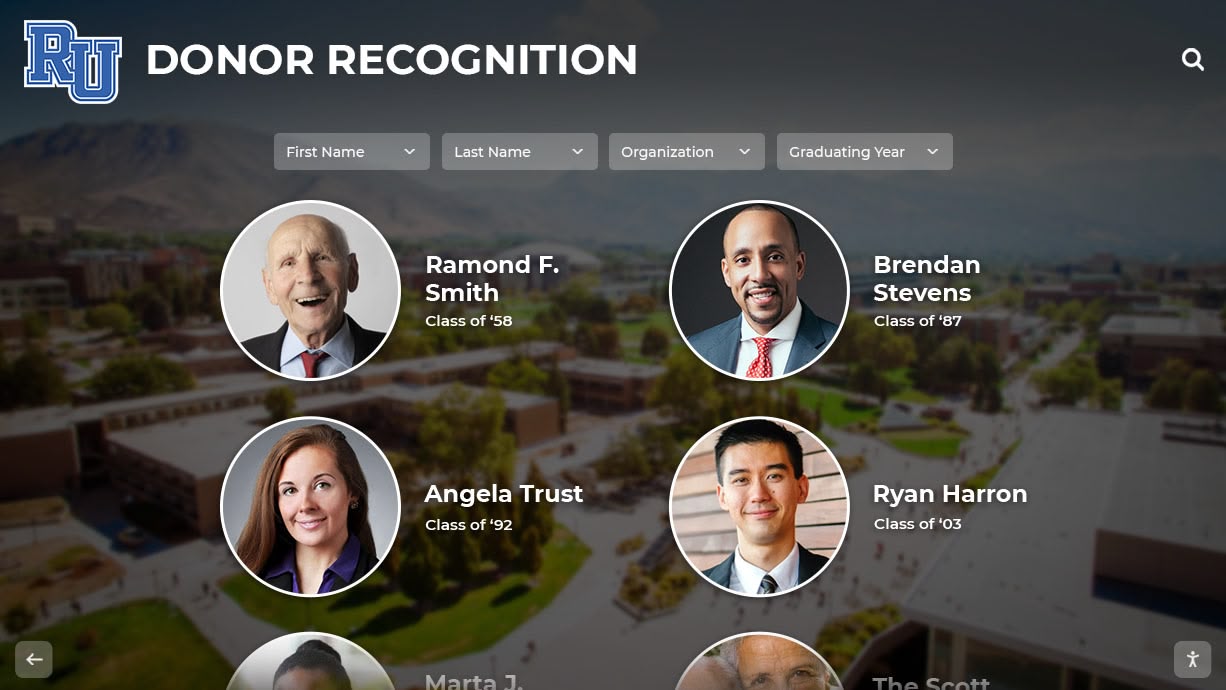
Digital memorial systems allow comprehensive biographical content, photo galleries, and tribute stories
Benefits for Schools and Educational Institutions
Schools using digital memorial recognition can honor deceased students, faculty members, staff, alumni, benefactors, and community supporters through centralized, accessible tributes. These systems allow administrators to quickly add memorial content when loss occurs, provide comprehensive information beyond what physical plaques accommodate, create spaces where students and community members can learn about institutional history, and demonstrate organizational values around honoring those who shaped the community.
Many schools integrate memorial recognition with their broader community recognition programs, creating comprehensive displays that celebrate both current achievements and honor those who are no longer with us.
Benefits for Nonprofits and Community Organizations
Nonprofit organizations benefit from digital memorial systems that honor major donors whose estate gifts continue supporting missions, volunteers who dedicated decades to organizational service, board members and founders who established institutions, program participants whose lives were transformed, and community partners who made lasting impacts.
These memorial tributes serve dual purposes—providing comfort to families and communities while inspiring current supporters by demonstrating how organizational recognition honors lasting legacies.
Organizations can explore donor recognition strategies that incorporate both traditional and digital memorial approaches.
Combining Immediate Sympathy with Lasting Recognition
The most effective memorial approaches combine immediate, heartfelt condolence messages with long-term recognition:
Integrated Memorial Strategy
- Immediate response: Send personal, heartfelt condolence message to family and close connections
- Community notification: Share appropriate organizational announcement acknowledging loss
- Short-term support: Provide concrete assistance during funeral/memorial planning and immediate aftermath
- Memorial service participation: Attend services, contribute to memorial funds, or participate in remembrance events
- Permanent recognition: Create lasting tribute through scholarship, memorial display, or dedicated space
- Ongoing remembrance: Include individual in annual memorial events, anniversary acknowledgments, or institutional history
This comprehensive approach ensures immediate comfort combines with lasting legacy preservation.
Special Circumstances: Condolence Messages for Complex Situations
Some losses require particularly thoughtful sympathy expressions.
Sudden or Tragic Loss
When death occurs unexpectedly or tragically:
“Dear [Name],
I am stunned and heartbroken by the news of [Deceased Name]’s passing. There are no words that can adequately express the shock and sorrow I feel. [Deceased Name]’s vibrant spirit, [specific qualities], and the joy [he/she] brought to every interaction made such an impact on everyone who knew [him/her].
This loss is unimaginable, and I want you to know that you don’t have to face it alone. I’m here for whatever you need—practical help, someone to listen, or just quiet presence. Please don’t hesitate to reach out, day or night.
Holding you close in thought and heart, [Your Name]”
Loss After Long Illness
When death follows extended illness:
“Dear [Name],
My heart goes out to you during this difficult time. While [Deceased Name]’s passing may have brought an end to [his/her] suffering, I know that doesn’t diminish the profound loss you’re experiencing. The care, devotion, and love you showed throughout [his/her] illness demonstrated the beautiful bond you shared.
Please know that you did everything possible to provide comfort and support. I hope you can find some peace in knowing [Deceased Name] was surrounded by love until the very end.
I’m thinking of you and am here whenever you need support, [Your Name]”
Death by Suicide
This particularly sensitive situation requires careful, compassionate language:
“Dear [Name],
I am so deeply sorry for the loss of [Deceased Name]. This is an unimaginable tragedy, and my heart aches for you and your family. Please know that there is no judgment, only compassion and support for what you’re going through.
[Deceased Name] was a person who touched lives in meaningful ways through [specific positive qualities or contributions]. That impact and those memories remain true regardless of how [his/her] story ended.
If you need someone to talk to or any kind of support, please reach out. You don’t have to go through this alone.
With deepest sympathy and care, [Your Name]”
Important note: Avoid language suggesting the death was a choice or using phrases like “committed suicide” (which carries judgment). Instead, use “died by suicide” or “took his/her own life.”
Multiple or Compounded Losses
When someone experiences additional losses while still grieving:
“Dear [Name],
Learning of [Deceased Name]’s passing has left me heartbroken for you, especially knowing you’re still grieving [previous loss]. The weight of compounded grief is immense, and I cannot imagine the pain you’re carrying right now.
Please know that there is no timeline for grief, and you are allowed to feel however you feel. I’m here to support you in any way I can, whether that’s practical help, emotional support, or simply being present.
You are in my thoughts constantly, [Your Name]”
Schools and organizations can develop community support strategies that help members navigate grief while maintaining connection and support.
Tips for Writing Your Own Heartfelt Condolence Messages
When crafting original sympathy expressions, these practical guidelines help:
Before You Write
Consider Your Relationship
The nature of your relationship with the grieving person and the deceased shapes appropriate tone, length, and content:
- Close personal relationship: More emotional, longer message, specific memories
- Professional relationship: Respectful, supportive, appropriate formality
- Acquaintance: Brief, sincere, acknowledging without presuming intimacy
- Organizational representative: Formal but warm, focused on institutional respect
Gather Specific Information
Personalized messages require knowing:
- Correct name spelling and preferred name format
- Nature of relationship (parent, spouse, child, friend, etc.)
- Circumstances of death (if appropriate and publicly known)
- Deceased individual’s qualities, contributions, or impact
- Family’s cultural or religious traditions (if known)
- Appropriate ways to offer support
While You Write
Be Authentic
Write in your natural voice rather than trying to sound overly formal or poetic. Genuine emotion expressed simply often provides more comfort than elaborate language that feels forced or artificial.
Use Concrete Details
Replace generic statements with specific observations:
- Instead of: “She was a great person”
- Write: “Her ability to make every student feel seen and valued transformed our classroom community”
Avoid Clichés and Platitudes
Common phrases that often feel empty or harmful:
- “Everything happens for a reason”
- “They’re in a better place now”
- “At least they lived a long life”
- “Time heals all wounds”
- “I know exactly how you feel”
- “God needed another angel”
Keep the Focus Appropriate
Center the message on the grieving person’s experience and the deceased individual’s legacy rather than your own feelings or experiences.
After You Write
Review for Unintentional Hurt
Before sending, check that your message:
- Doesn’t minimize or dismiss grief
- Avoids religious assumptions
- Refrains from offering explanations for why death occurred
- Doesn’t compare grief experiences
- Contains no grammatical errors or name misspellings
Consider Timing and Delivery Method
Handwritten notes provide special meaning for personal relationships, but email or text may be appropriate for professional contexts or when timely response matters more than formality. The best delivery method depends on your relationship, urgency, and recipient preferences.
Follow Through on Support Offers
Only offer help you’re genuinely prepared to provide, then follow through consistently. Grieving individuals rarely reach out requesting specific assistance, so concrete actions matter more than vague availability statements.
Creating a Culture of Compassionate Communication
Organizations that handle loss well integrate compassionate condolence practices into their broader culture.
Developing Organizational Condolence Protocols
Establish Clear Guidelines
Create institutional protocols addressing:
- Who communicates loss to various constituencies (staff, students, families, broader community)
- Approved message templates for different scenarios
- Timeline for communications and announcements
- Procedures for memorial recognition or services
- Support resources available for grieving community members
- Flag protocols, moments of silence, or other institutional acknowledgments
Train Leadership and Communications Staff
Ensure those responsible for condolence communications understand cultural sensitivity and religious diversity, appropriate language for different loss circumstances, available support resources, memorial recognition options, and crisis communication protocols for tragic or sudden loss.
Provide Staff Resources
Support employees who need to write condolence messages through template libraries for various scenarios, guidelines for appropriate sympathy expressions, cultural and religious resource guides, and consultation support from HR or communications teams.
Organizations can integrate memorial protocols with their broader recognition programs, ensuring those who have passed receive the same thoughtful acknowledgment as those being celebrated for current achievements.
Supporting Grieving Community Members
Immediate Support
When community members experience loss:
- Send prompt, heartfelt condolence message
- Provide information about counseling or grief support resources
- Offer practical assistance (work coverage, meal coordination, etc.)
- Respect privacy while demonstrating care
- Follow up beyond immediate aftermath
Ongoing Recognition
Create cultures where loss receives ongoing acknowledgment through:
- Annual memorial events or moments of remembrance
- Permanent memorial displays or recognition spaces
- Named awards or scholarships honoring deceased members
- Anniversary acknowledgments for significant losses
- Integration of memorial content into institutional history
Grief-Informed Policies
Implement organizational policies that support grieving members including adequate bereavement leave, flexible return-to-work arrangements, access to counseling services, modified responsibilities during acute grief periods, and acknowledgment that grief doesn’t follow predictable timelines.
Schools implementing comprehensive recognition strategies create environments where both celebration and memorialization receive appropriate attention and care.
Conclusion: The Lasting Impact of Heartfelt Sympathy
Writing heartfelt condolence messages represents one of the most important yet challenging communication responsibilities we undertake. Whether you’re reaching out to a grieving friend, crafting organizational announcements about community loss, or creating permanent memorial recognition, the words you choose and the care you demonstrate create lasting impact.
The most meaningful sympathy expressions share common elements: they acknowledge loss directly and compassionately, honor the unique individual who has passed through specific details and memories, offer appropriate support matched to relationships and contexts, respect cultural and religious diversity, and avoid clichés or platitudes that diminish genuine grief.
Beyond immediate condolence messages, creating lasting memorial recognition ensures those who have shaped our communities—beloved teachers, dedicated volunteers, generous donors, inspiring leaders—remain part of our organizational stories and cultural memory. Digital recognition systems provide schools, nonprofits, and organizations with tools to honor these legacies comprehensively while providing comfort to families and inspiration to current community members.
When loss touches your community, respond with genuine compassion, specific acknowledgment, appropriate support, and commitment to ensuring those who have passed are never forgotten. These actions—immediate sympathy combined with lasting recognition—create cultures where every life is valued, every loss is acknowledged, and every legacy is preserved with dignity and care.
Ready to create lasting memorial recognition for your school or organization? Explore how Rocket Alumni Solutions provides touchscreen memorial displays that honor community members with comprehensive tributes, photo galleries, and interactive content that preserves legacies for generations. Request a consultation to discover how digital memorial recognition can transform how your institution honors those who have made lasting impacts on your community.