High school alumni carry decades of loyalty, nostalgia, and community pride—yet most development offices treat them as an afterthought compared to current parents and corporate sponsors. That’s a missed opportunity. Reunions create rare windows when graduates are emotionally primed to give: they’re standing in the halls where they made their closest friendships, watching the same games that shaped their identity, and feeling the pull to ensure future students receive the same experience.
This guide gives your advancement team the frameworks, messaging templates, and recognition strategies to convert reunion energy into lasting donor relationships.
Successful high school alumni fundraising ideas share a common thread: they link the act of giving to a tangible sense of legacy. When alumni understand that their donation funds the scholarship a first-generation student depends on, or that their name appears on a recognition wall every graduate will walk past for the next thirty years, the decision to give moves from obligation to pride.
The strategies below are organized around the reunion calendar—the moment when alumni engagement peaks—while extending into year-round stewardship so reunion-inspired gifts become the foundation of sustained annual support.

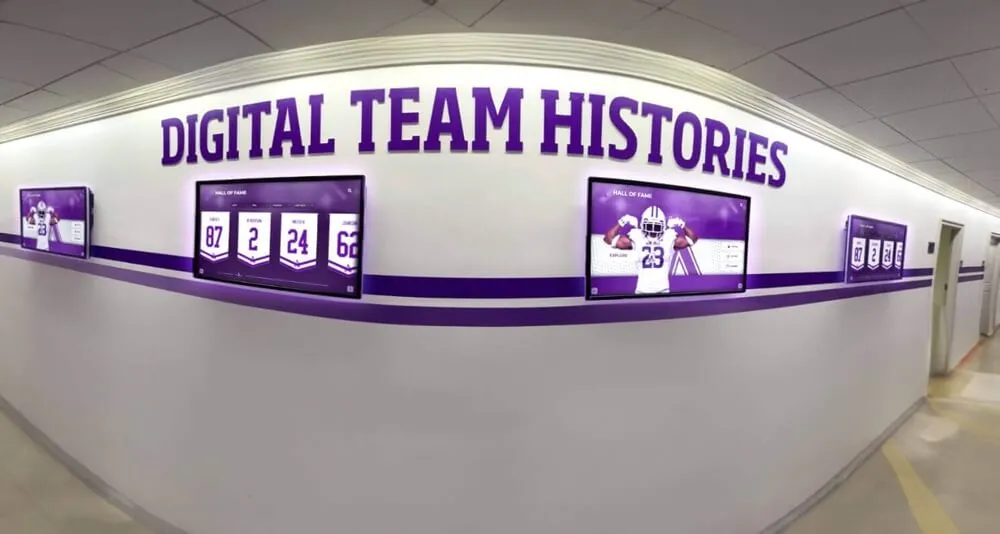
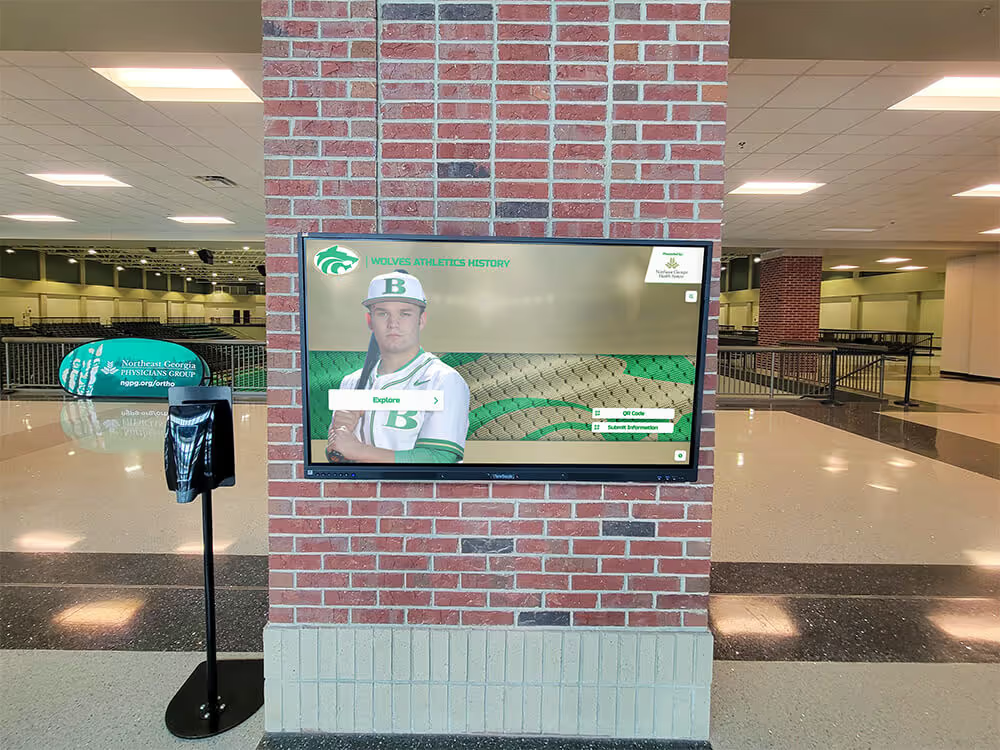
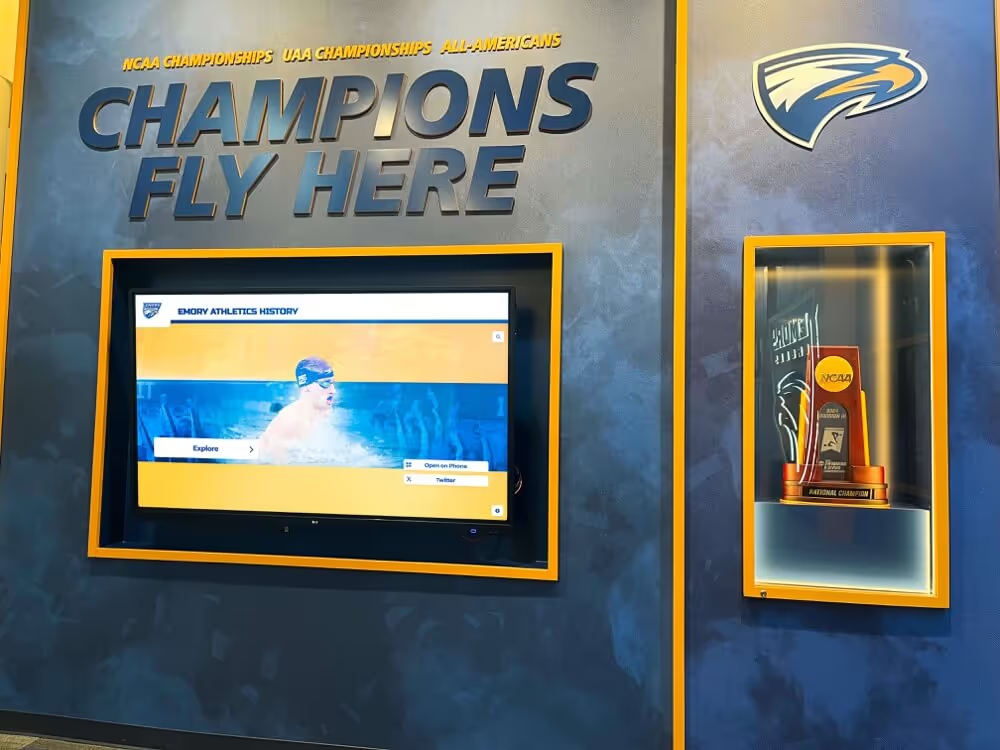
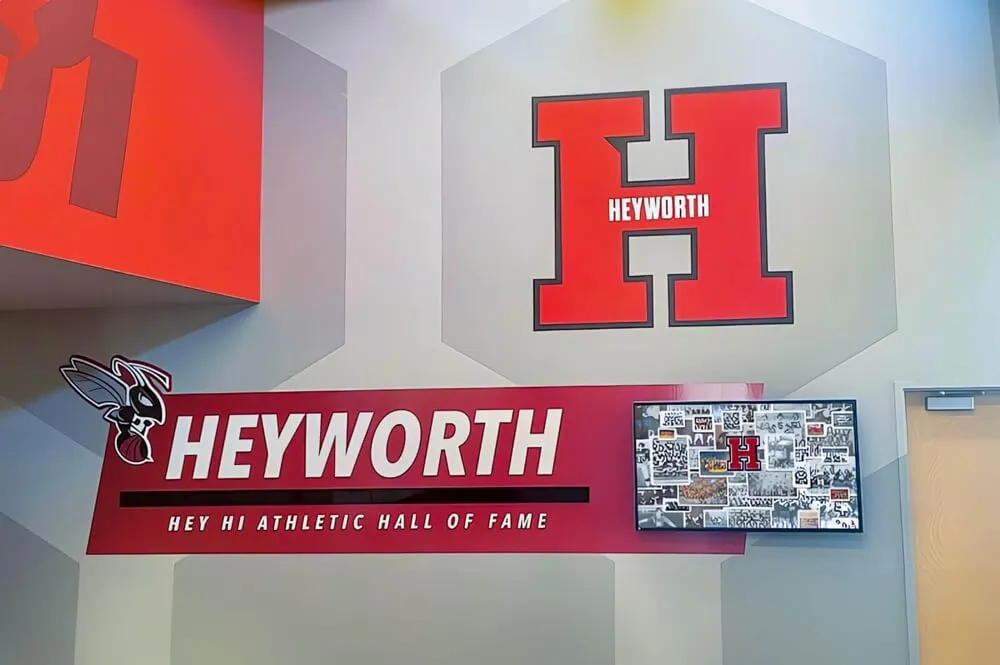
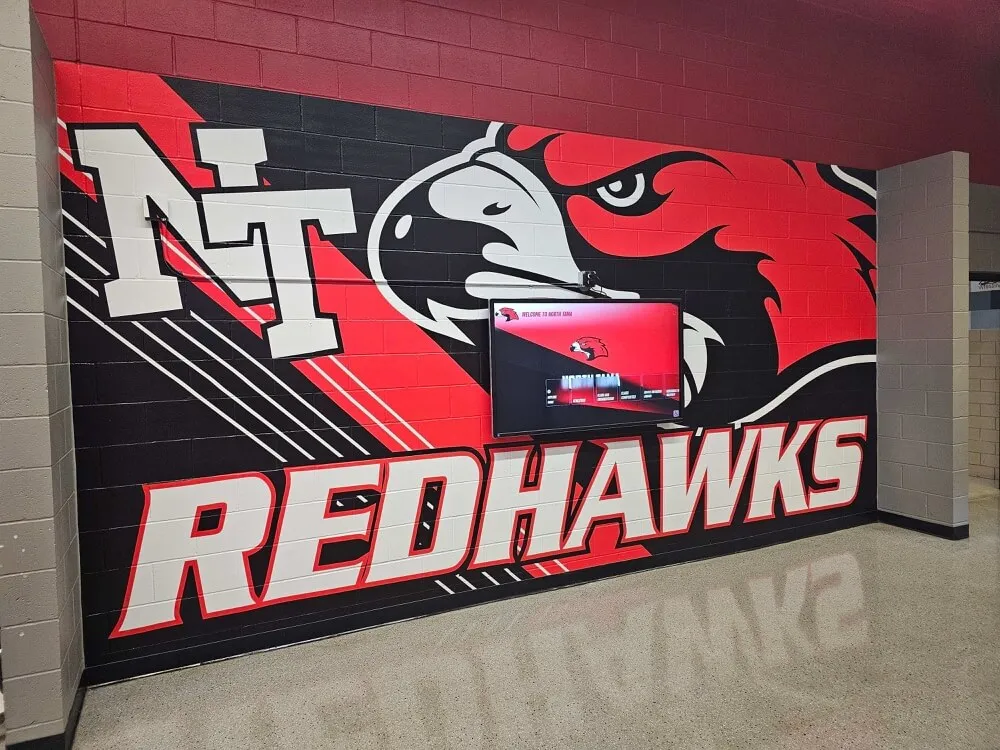
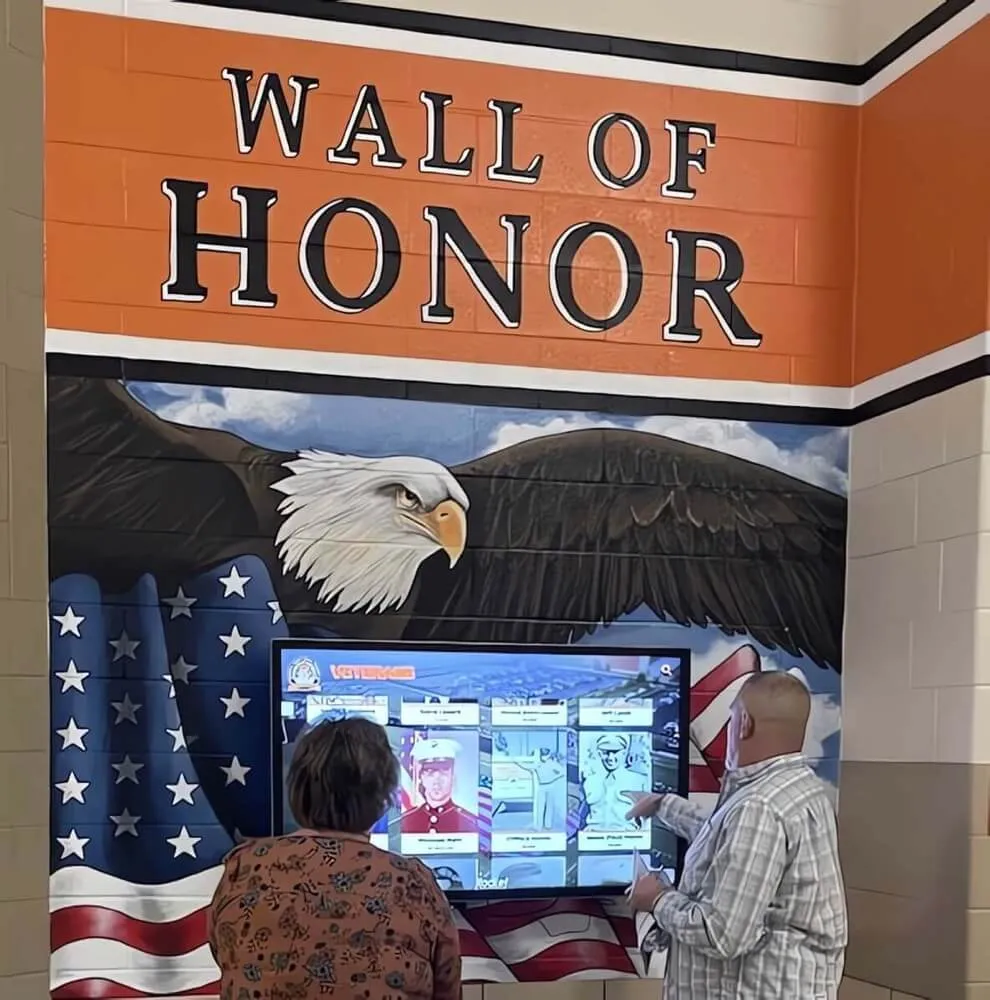
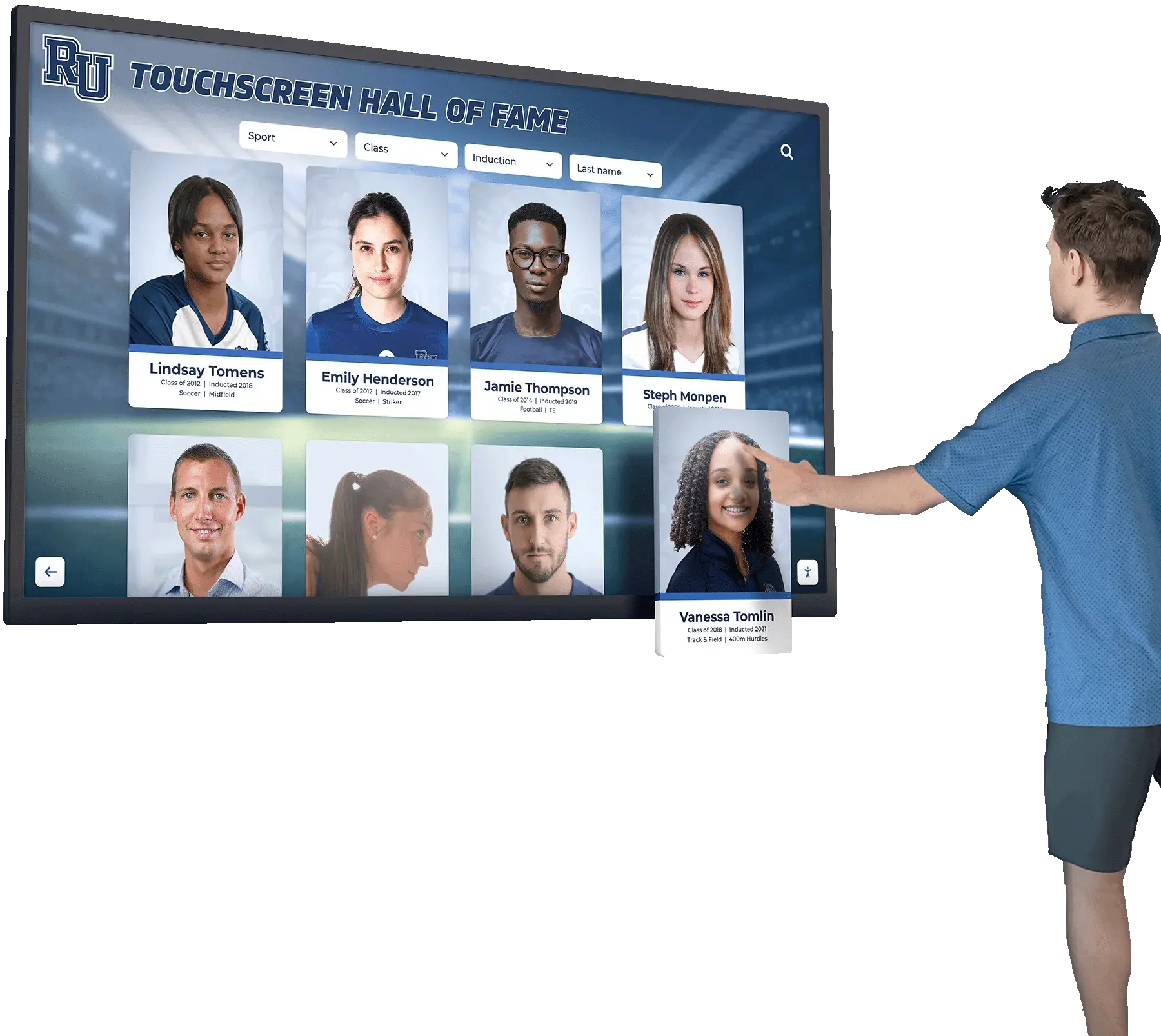
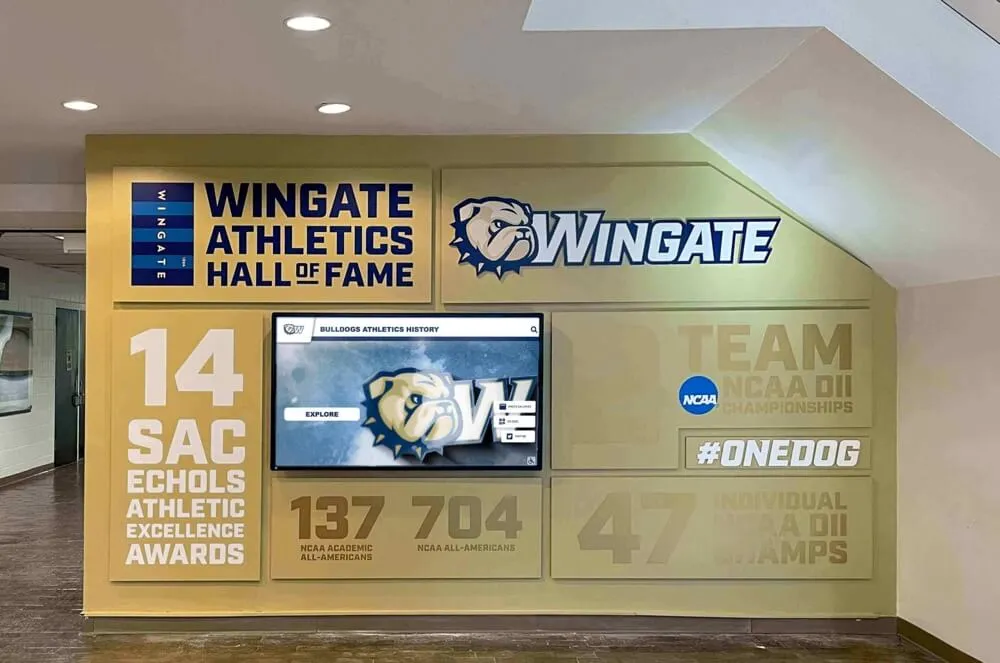
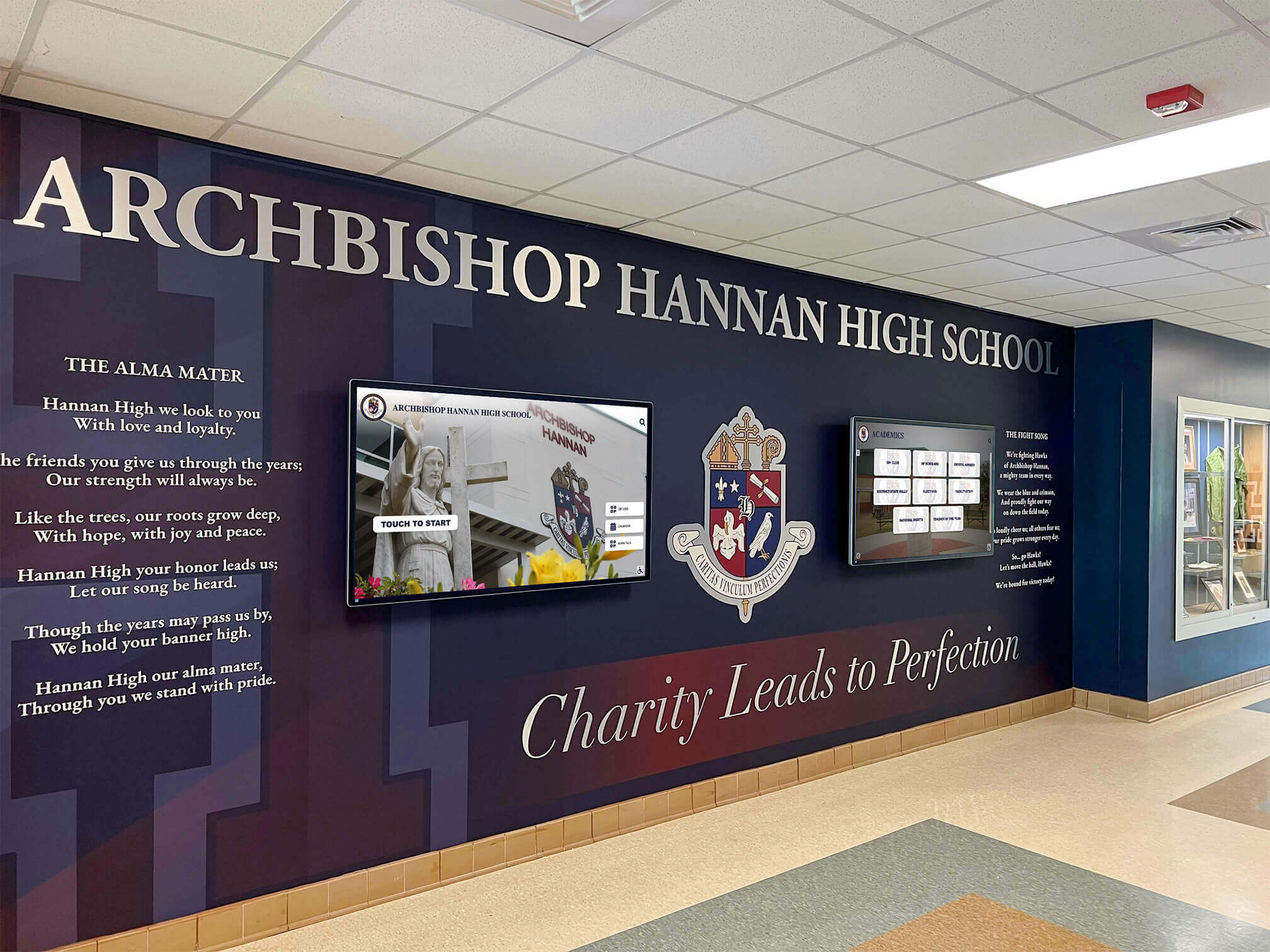
A welcoming lobby that honors school history creates an immediate emotional connection for returning alumni—and a natural moment to introduce giving opportunities
Why Reunions Are Your Most Powerful Fundraising Moment
Alumni relations research consistently shows that giving propensity spikes during milestone reunion years—typically the 5th, 10th, 25th, and 50th anniversaries. Three factors combine to create this effect:
Emotional activation. Returning to campus triggers vivid, positive memories that override the distance graduates normally feel from their alma mater. Nostalgia lowers resistance to asking and increases generosity.
Peer accountability. Reunions expose alumni to what their classmates are doing—professionally and philanthropically. Visible giving by respected peers creates positive social pressure that subtle direct mail can never replicate.
Narrative readiness. By reunion time, most alumni have achieved enough career and life stability to think about legacy. They’re ready to hear a story about impact rather than a transactional pitch about institutional need.
Your job is to have compelling giving opportunities ready when those three conditions align.
Core High School Alumni Fundraising Ideas
1. Class Reunion Challenge Campaigns
The class giving challenge turns reunion energy into friendly competition. Structure it simply:
- Set a participation goal (percentage of classmates who give) rather than a dollar goal—this removes the awkward dynamic of comparing gift sizes
- Recruit two or three well-networked classmates as challenge co-chairs who personally recruit peers
- Set a matching gift deadline timed to the reunion weekend so latecomers feel urgency
- Announce real-time progress at the reunion event itself using a visible thermometer display
Even a class of 200 reaching 30% participation at an average gift of $150 generates $9,000—enough to fund a meaningful scholarship or equipment purchase. More importantly, it establishes a participation habit that compounds across future reunion cycles.
2. Legacy Scholarship Programs
Named scholarships are among the most emotionally resonant giving vehicles available to high school development offices. They create a permanent, living tribute that alumni can point to with pride for decades.
How to structure a class scholarship:
- Set a minimum endowment threshold that generates a meaningful annual award (typically $25,000–$50,000 in endowed principal to produce $1,000–$2,000 annually)
- Allow contributions to accumulate over multiple reunion cycles with class-specific progress tracking displayed at events and in newsletters
- Recognize all contributors—not just major donors—on the scholarship description page and any recognition display featuring the award
For classes that can’t reach full endowment immediately, offer a current-use class fund that awards smaller annual grants while the endowment builds. This keeps donors engaged and the fund active.
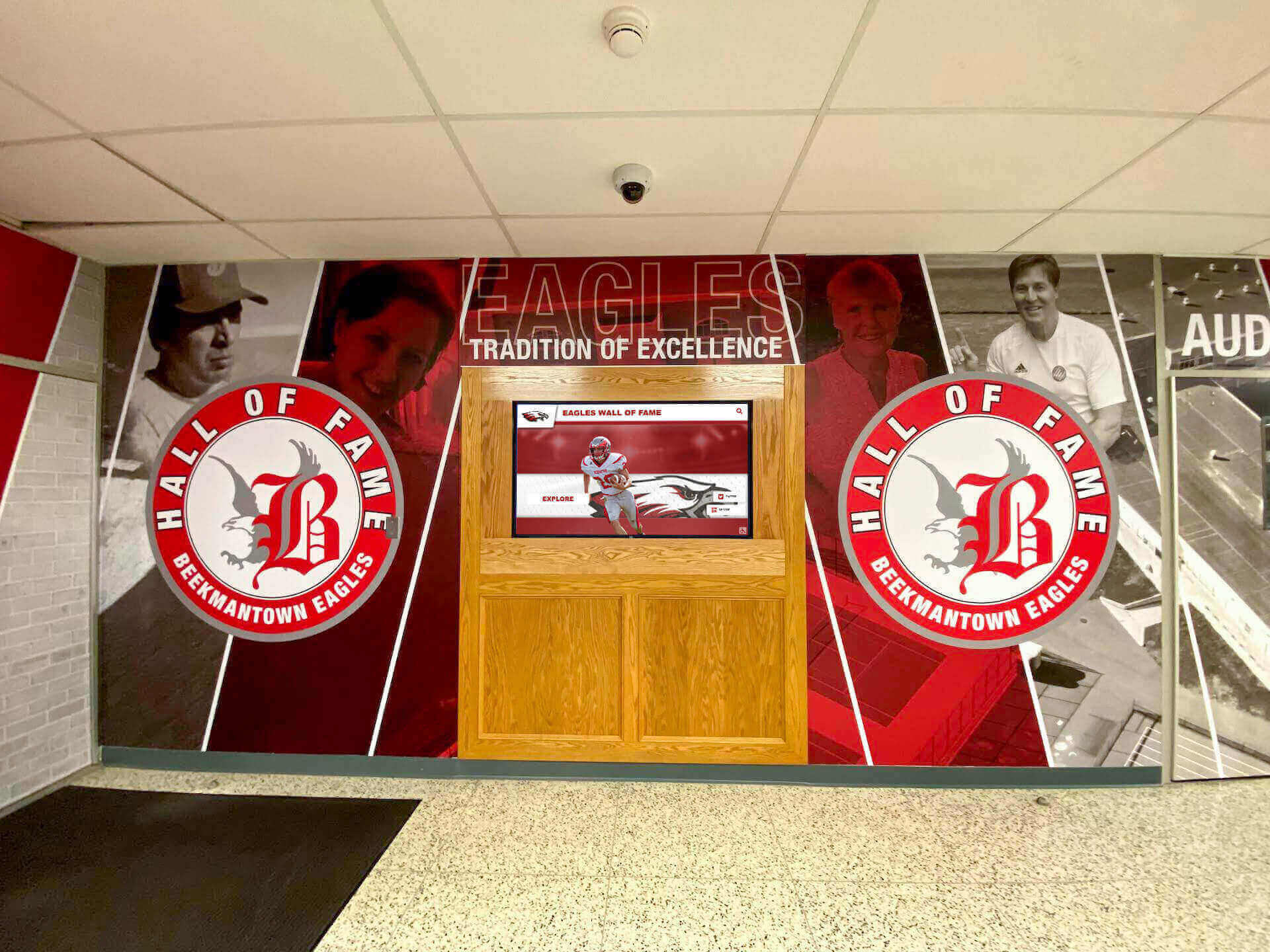
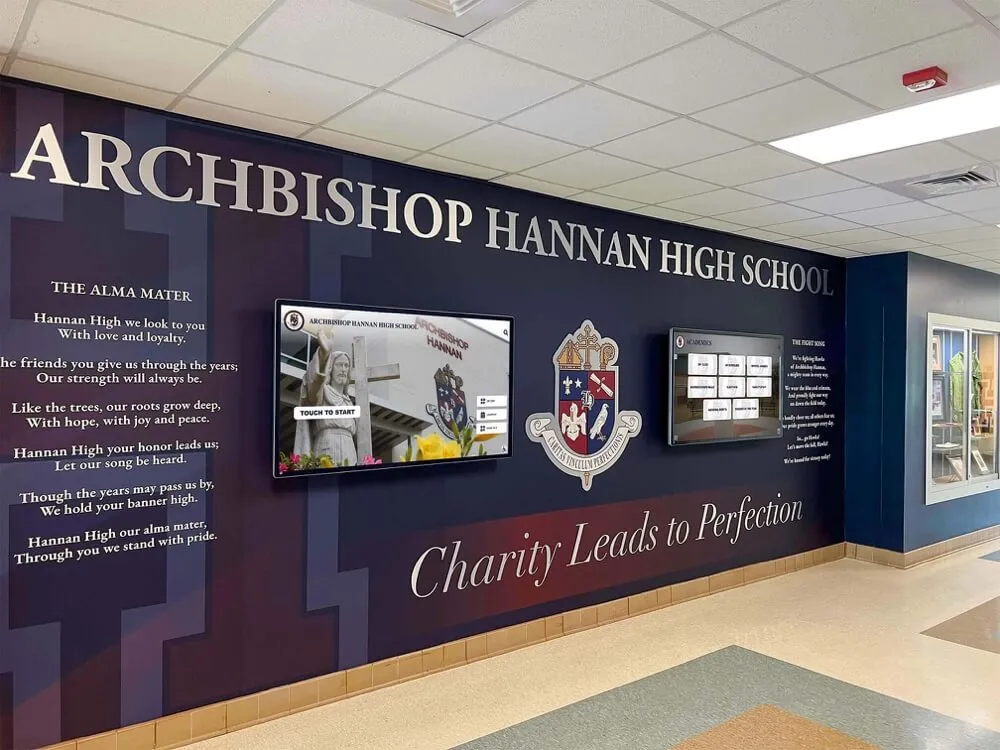
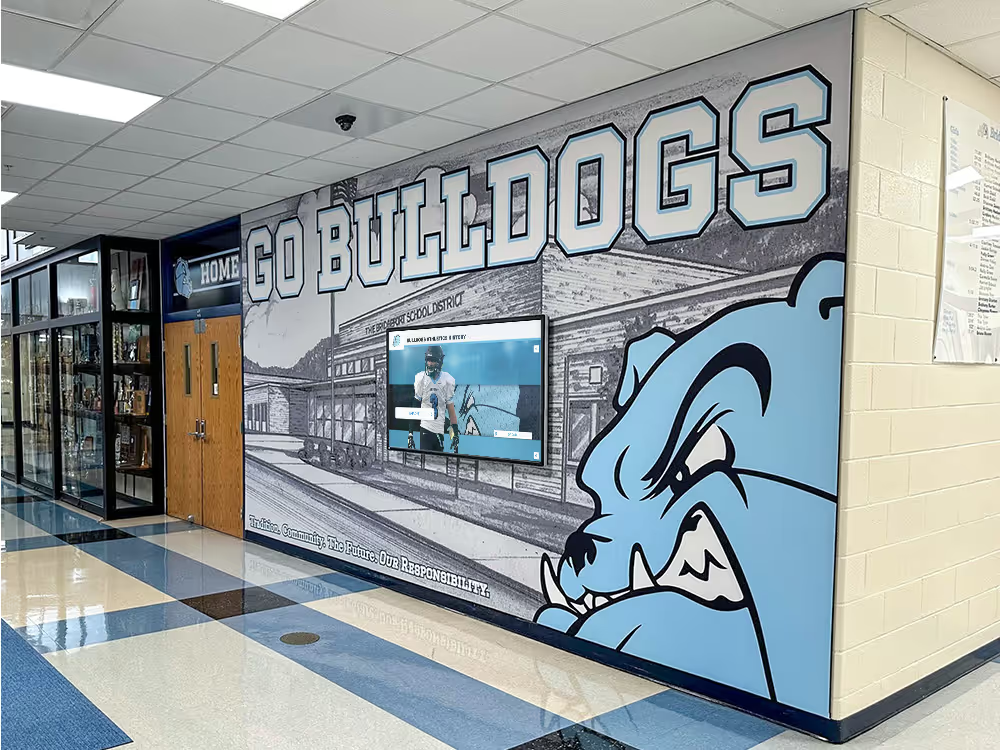
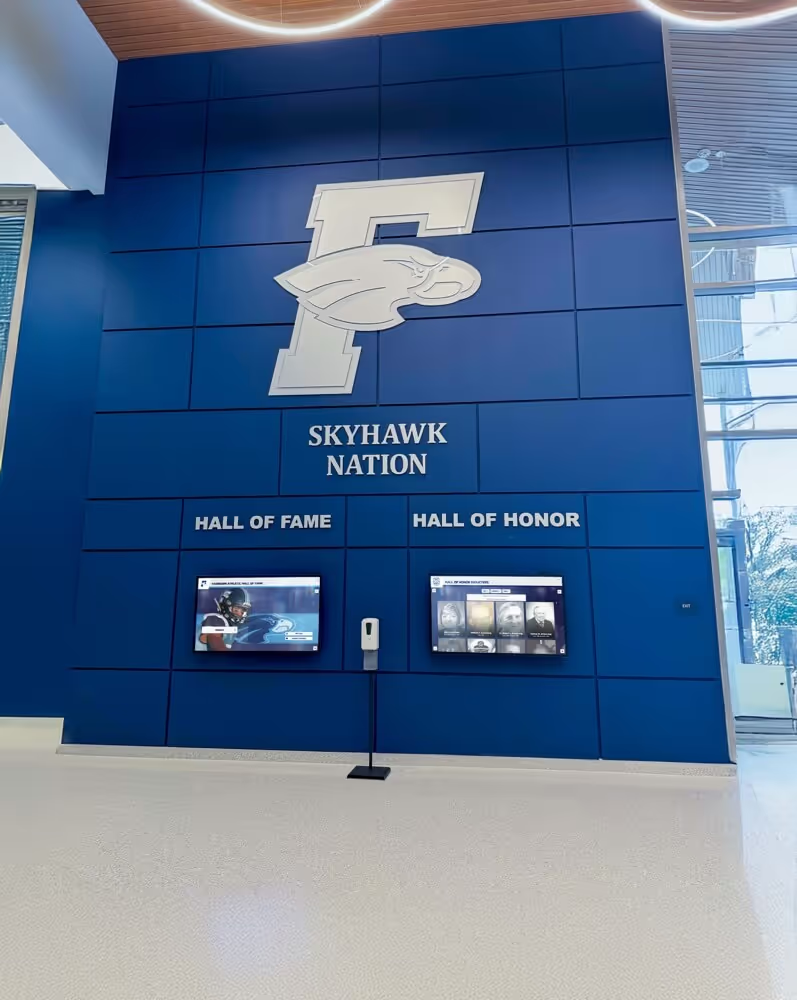
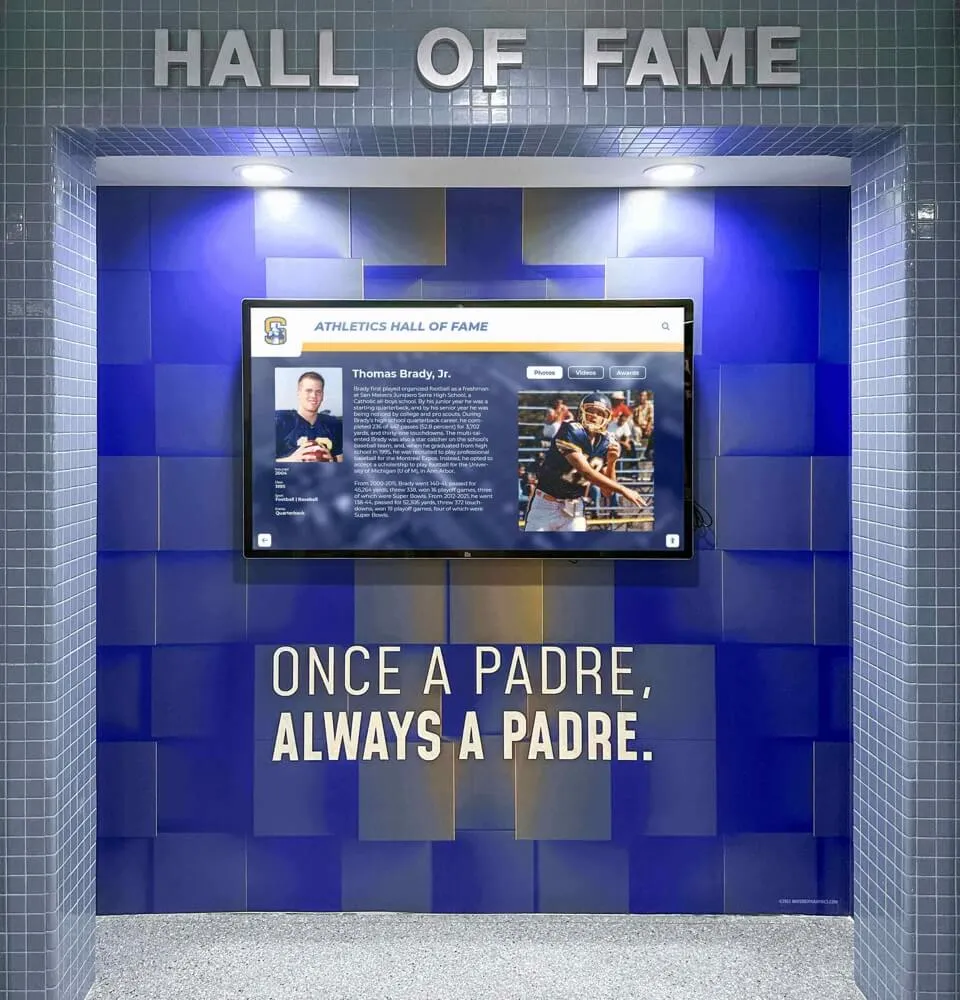
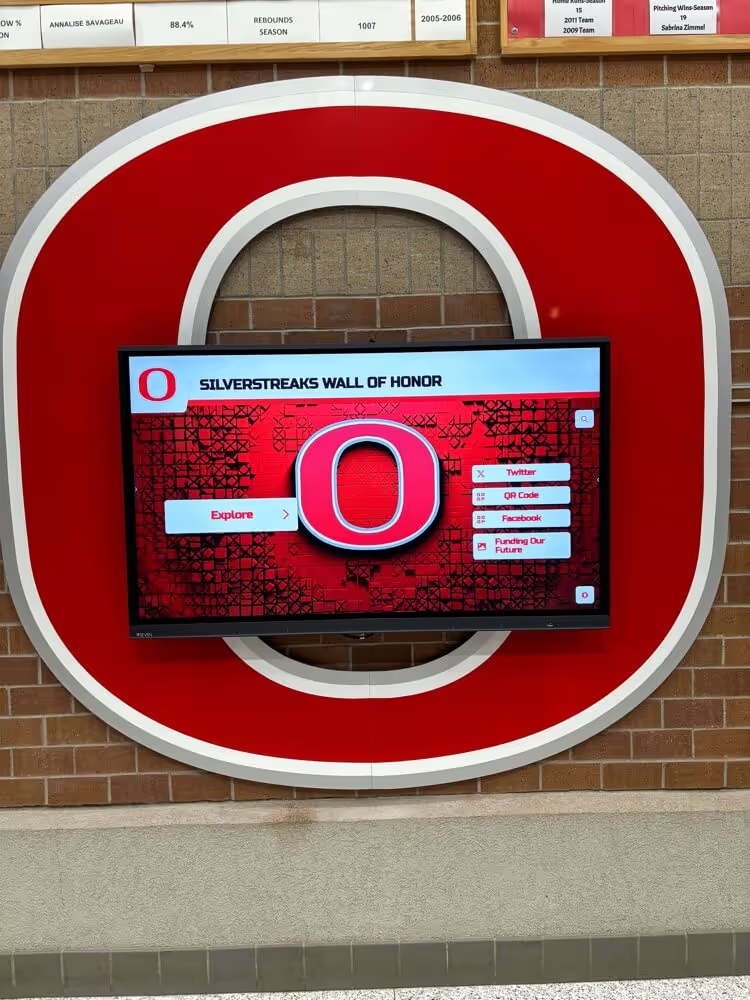
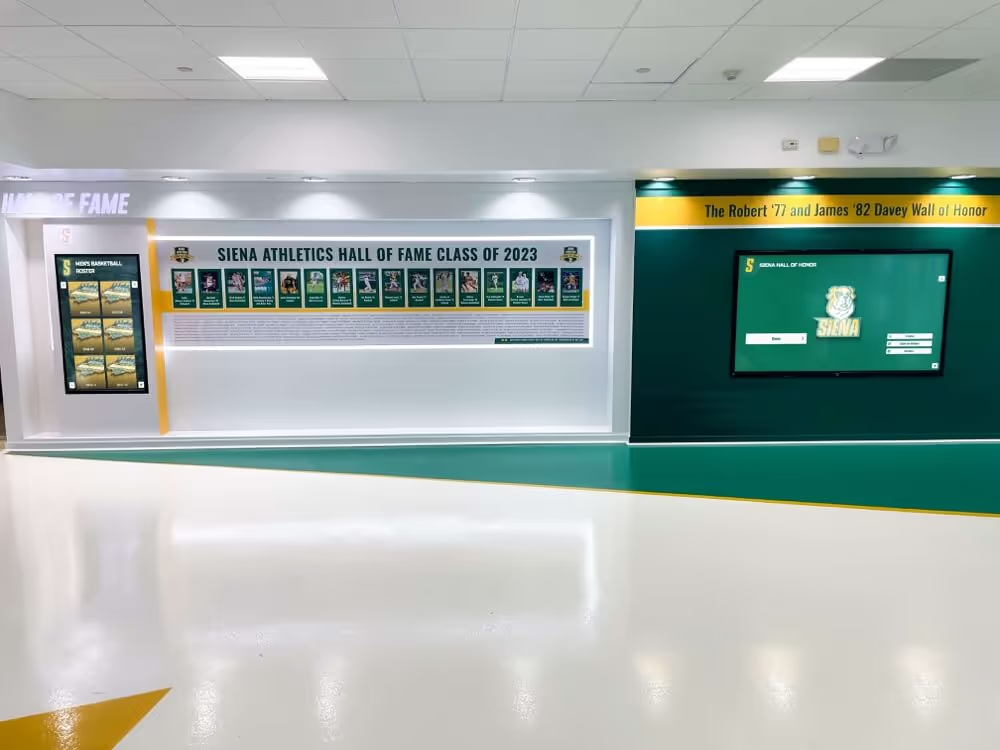
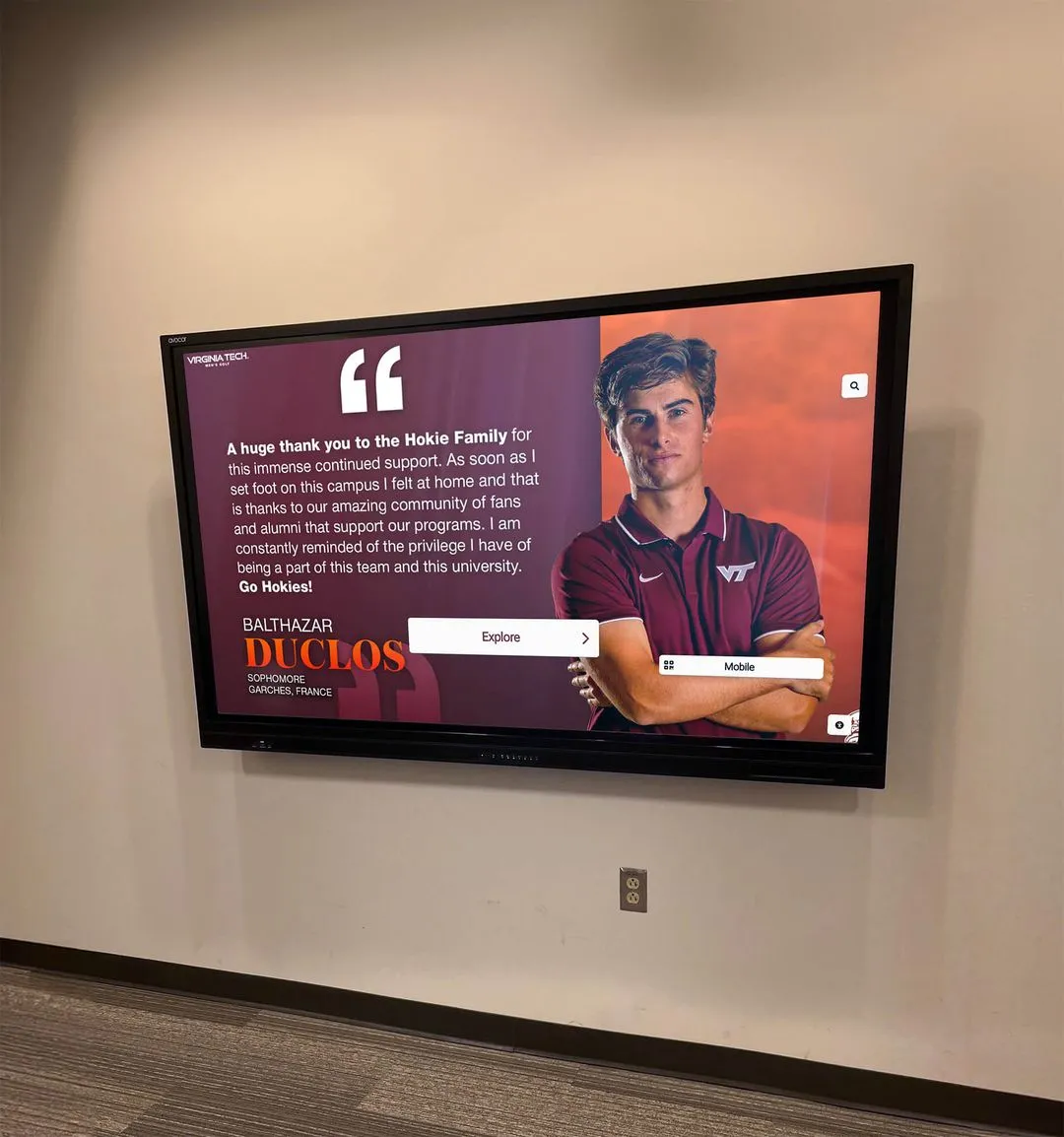
Permanent recognition installations remind every student, parent, and visitor that alumni generosity built the program they enjoy today
3. Recognition-Driven Giving: Naming the Wall
One of the most underused high school alumni fundraising ideas is the donor recognition wall tied directly to reunion giving. The psychological principle is simple: people give more when they know their name will appear publicly in a place they care about.
Effective recognition walls for high school alumni programs share several traits:
- Tiered naming structures that acknowledge every gift level, not just transformational donors
- Digital capacity so the wall never runs out of space as new donors join across reunion cycles
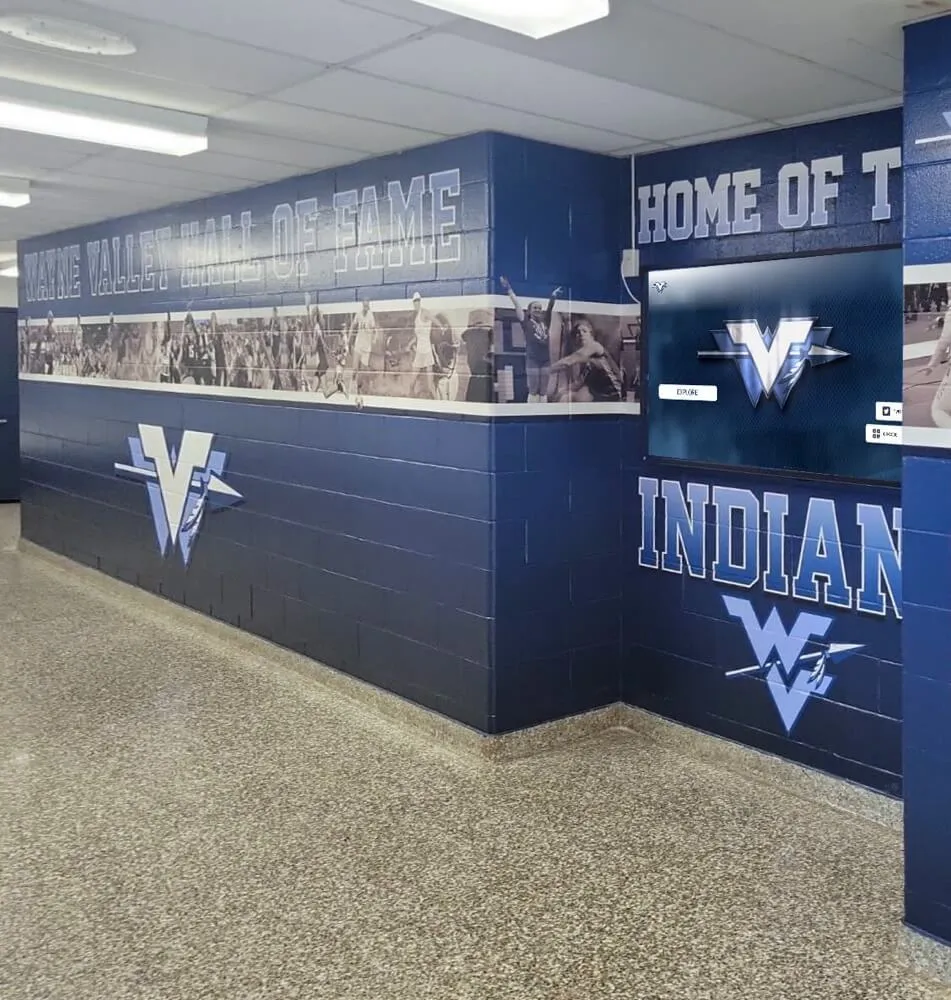
- High-traffic placement in lobbies, hallways, or athletic facilities where alumni, current students, and families encounter them regularly
Donor recognition wall design has evolved far beyond engraved plaques. Modern digital displays allow your advancement team to add new donors instantly, display campaign progress in real time, and rotate rich content—photos, messages, giving milestones—that static walls can never achieve.
Purpose-built platforms for schools combine unlimited donor capacity with ADA-compliant interfaces and remote content management that keep displays fresh without requiring IT support—ensuring your recognition wall remains accurate and engaging year after year.
4. Annual Alumni Giving Days
A dedicated alumni giving day—modeled on the university “#GivingTuesday” or institutional “Day of Giving” format—creates a recurring annual touchpoint that builds giving habits outside of reunion cycles.
Best practices for high school alumni giving days:
- Choose a meaningful date: homecoming weekend, the founding date of the school, or a milestone graduation anniversary
- Launch with a challenge grant: a major donor or local business pledges a matching amount for every gift received that day, amplifying both revenue and momentum
- Activate social proof via social media: ask alumni to share why they give using a school-specific hashtag, turning personal messages into peer-to-peer recruitment
- Segment your outreach: first-time donors receive different messaging than multi-year contributors or lapsed alumni
Donor stewardship ideas that emphasize consistent year-round communication—not just around giving days—dramatically improve retention from one annual campaign to the next.
5. Reunion Gala and Signature Event Fundraising
A well-executed reunion gala combines celebration with fundraising in a format alumni genuinely want to attend. The key is designing the event so giving feels like participation in a celebration rather than payment for access.
Revenue streams for reunion gala events:
- Ticket pricing above cost: structure ticket prices to include a charitable component, acknowledging this transparently in event communications
- Live fund-a-need appeal: a brief, emotionally compelling presentation at the event’s emotional peak asking attendees to raise paddles for a specific project
- Silent and live auctions: curated items with strong alumni appeal—memorabilia from championship seasons, experiences with legendary coaches, naming opportunities for specific spaces
- Table sponsorships: local businesses and major alumni donors purchase table packages that include recognition in event materials and on-stage acknowledgment
Learn how thoughtful fundraising gala planning integrates donor recognition into the event experience itself, making honorees feel celebrated rather than just solicited.
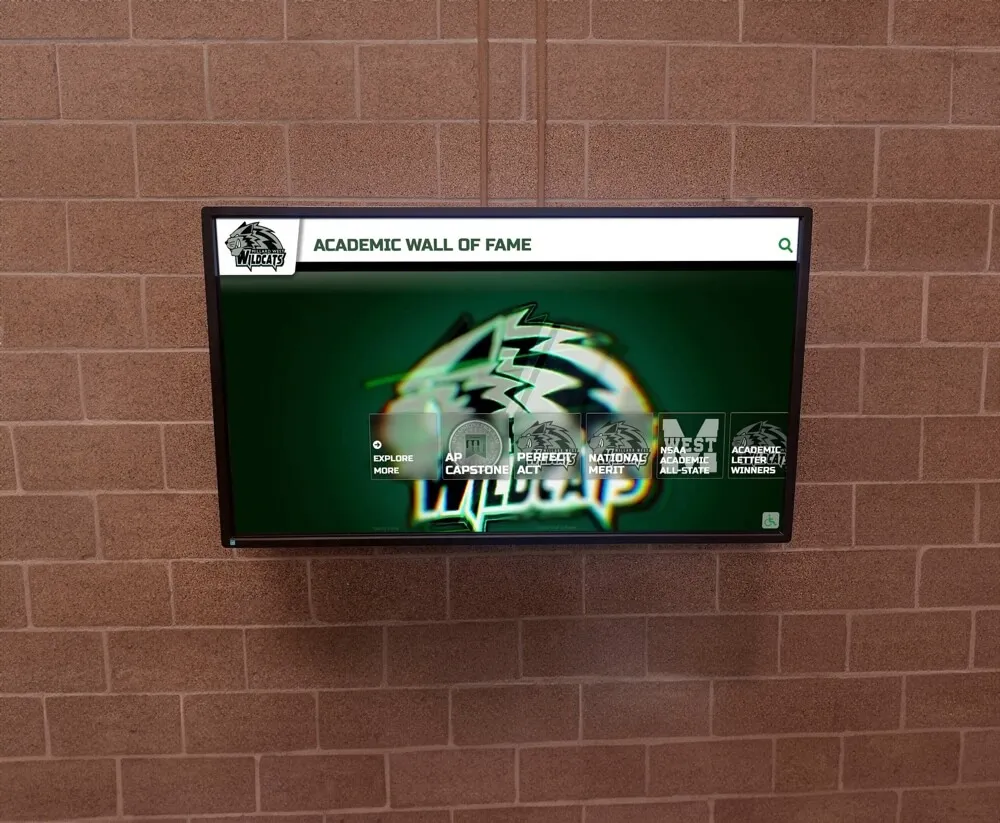
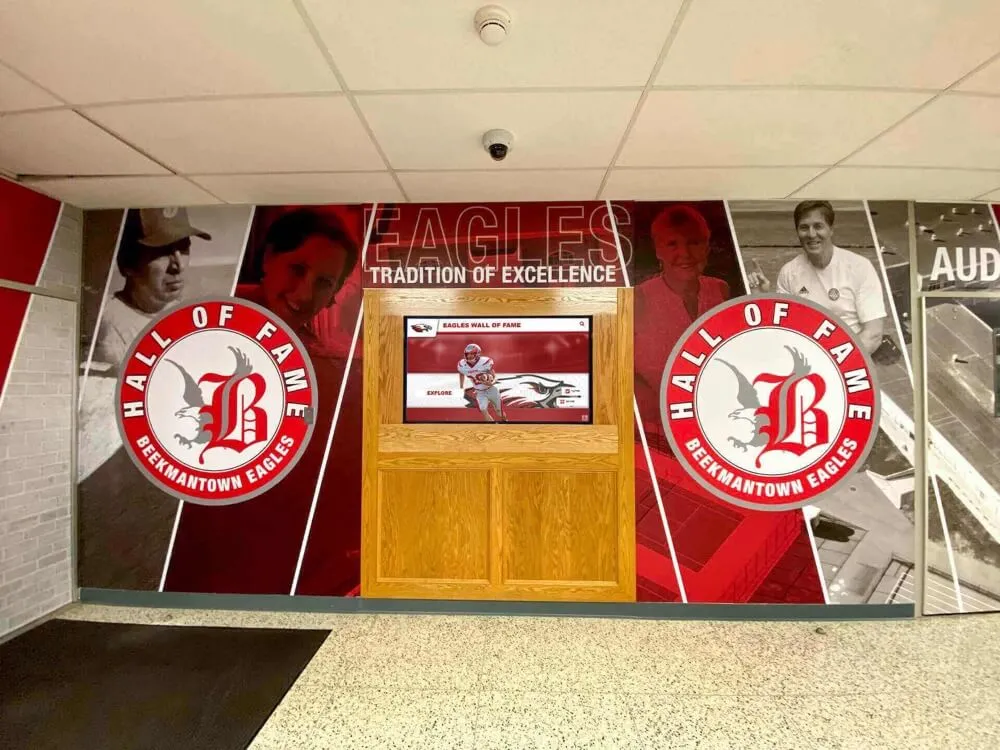
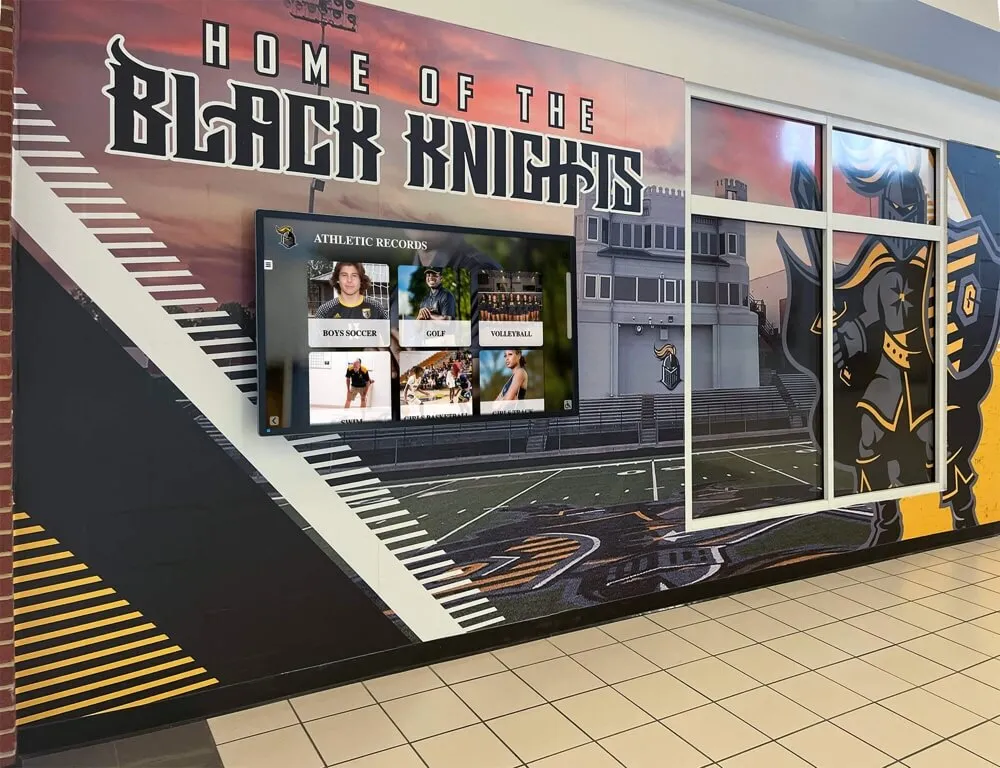
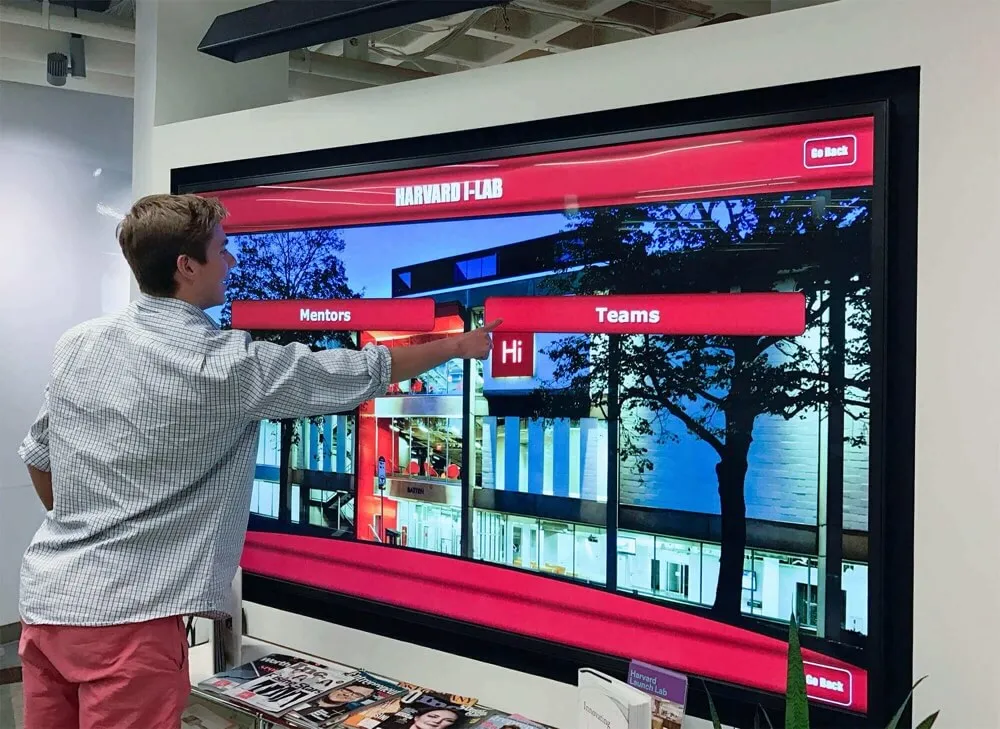
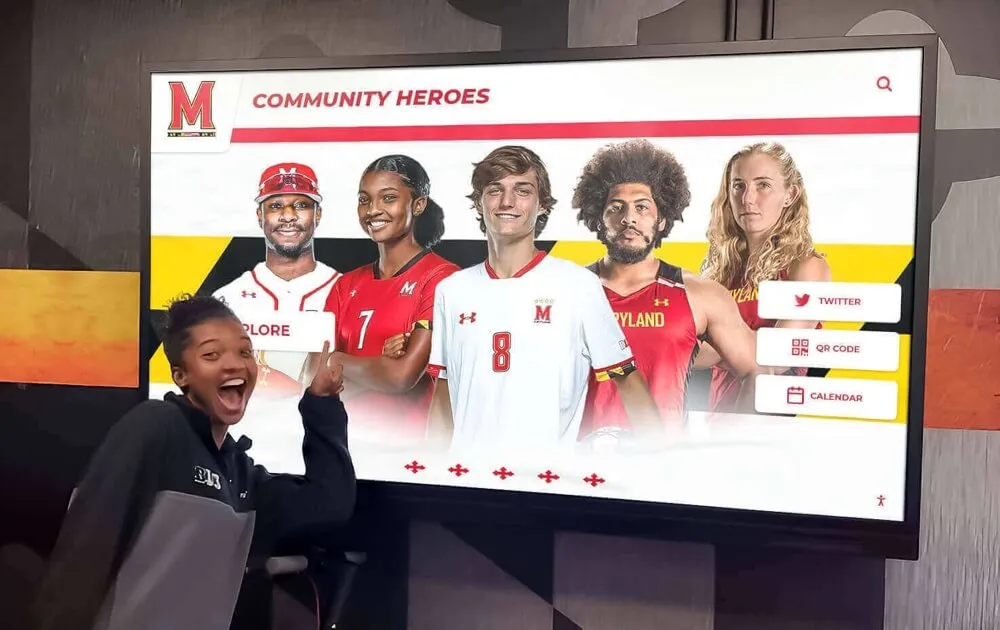
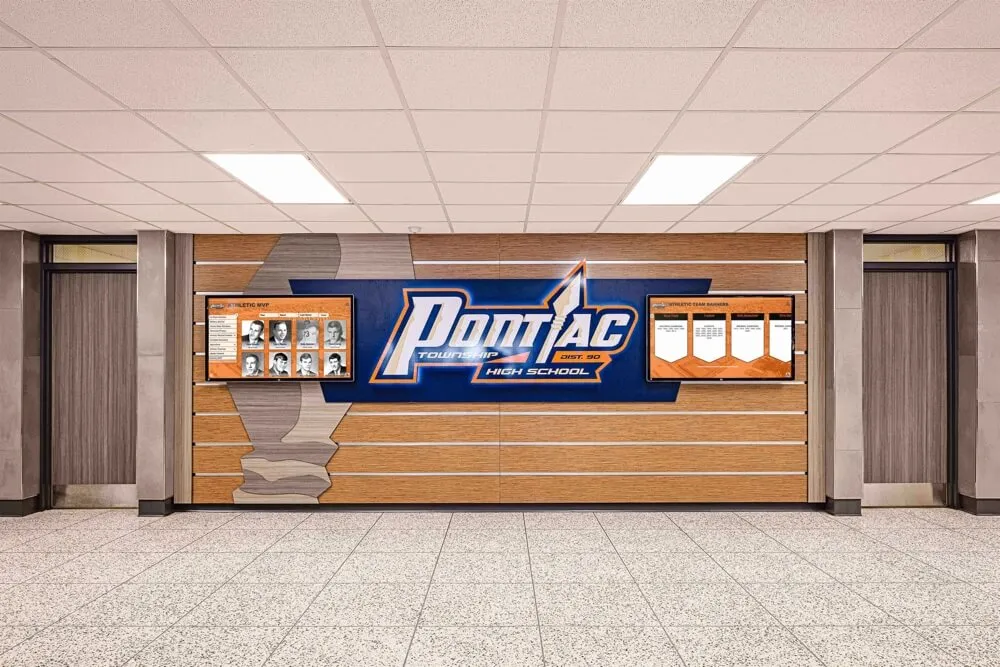
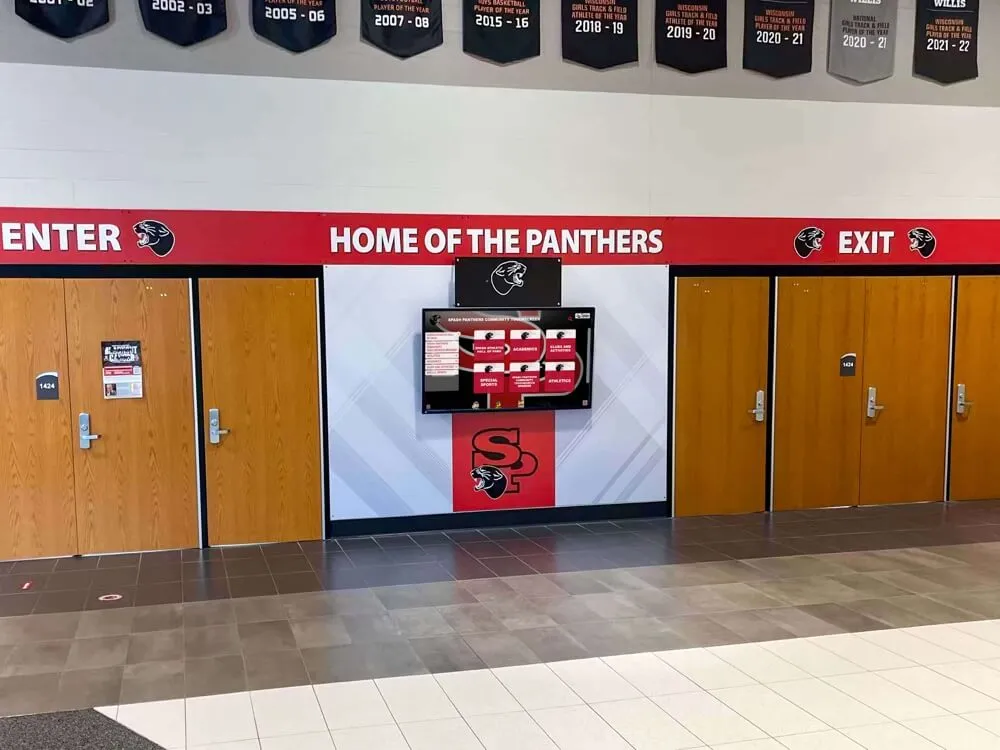
Digital recognition displays installed in high-traffic hallways ensure donors see their names celebrated every time they return to campus—and every time current students pass by
6. Peer-to-Peer Alumni Fundraising
Personal solicitation from trusted peers consistently outperforms institutional outreach. Peer-to-peer campaigns formalize this dynamic by training and equipping alumni volunteers to fundraise within their own class networks.
How to structure an alumni peer-to-peer campaign:
- Identify 3–5 class connectors per reunion cohort—people with broad networks and genuine enthusiasm for the school
- Provide each with a personal fundraising page, a sample message library, and a modest individual goal ($1,000–$3,000 depending on class size)
- Offer meaningful volunteer recognition—a named spot in event programs, a behind-the-scenes campus tour, personal acknowledgment from school leadership
- Track and celebrate progress publicly so volunteers feel the momentum of their work
High school alumni display installations that prominently feature peer fundraising leaders alongside major donors reinforce the message that relationship-building is as valued as gift size.
7. Naming Opportunities for Facilities and Programs
Capital campaigns and facility improvements create premium naming opportunities that generate transformational gifts from alumni who want a permanent, visible legacy.
Effective naming opportunity frameworks include:
- Tiered naming by space significance: headline facility names ($500,000+), individual rooms ($25,000–$100,000), equipment or program designations ($5,000–$25,000)
- Time-limited recognition: offering naming rights for a defined period (15–25 years) rather than perpetuity can lower the gift threshold while still feeling prestigious
- Digital integration: including named spaces in touchscreen recognition displays so the story behind each gift is accessible to every visitor, not just those who read a plaque while passing
Donor recognition signage best practices recommend pairing every physical naming installation with a digital component that lets donors share their impact story—turning a static plaque into a living testament to the relationship between donor and school.
8. Digital and Virtual Giving for Geographically Dispersed Alumni
Many high school alumni have long since moved away from the communities where they grew up. Digital giving infrastructure ensures geography never becomes a barrier to participation.
Essential digital components for high school alumni fundraising:
- Mobile-optimized giving pages with suggested amounts tied to specific impact statements
- Virtual donor wall access so alumni anywhere can see recognition displays updated in real time
- Video impact stories distributed via email and social media that bring the school’s current mission to life for distant graduates
- Interactive touchscreen design principles applied to virtual donor walls allow online visitors to explore recognition content, search for classmates, and feel the same sense of community presence as in-person visitors
Digital signage solutions for schools increasingly bridge the gap between on-campus recognition and online alumni engagement, allowing schools to maintain a unified recognition experience across physical and digital touchpoints.
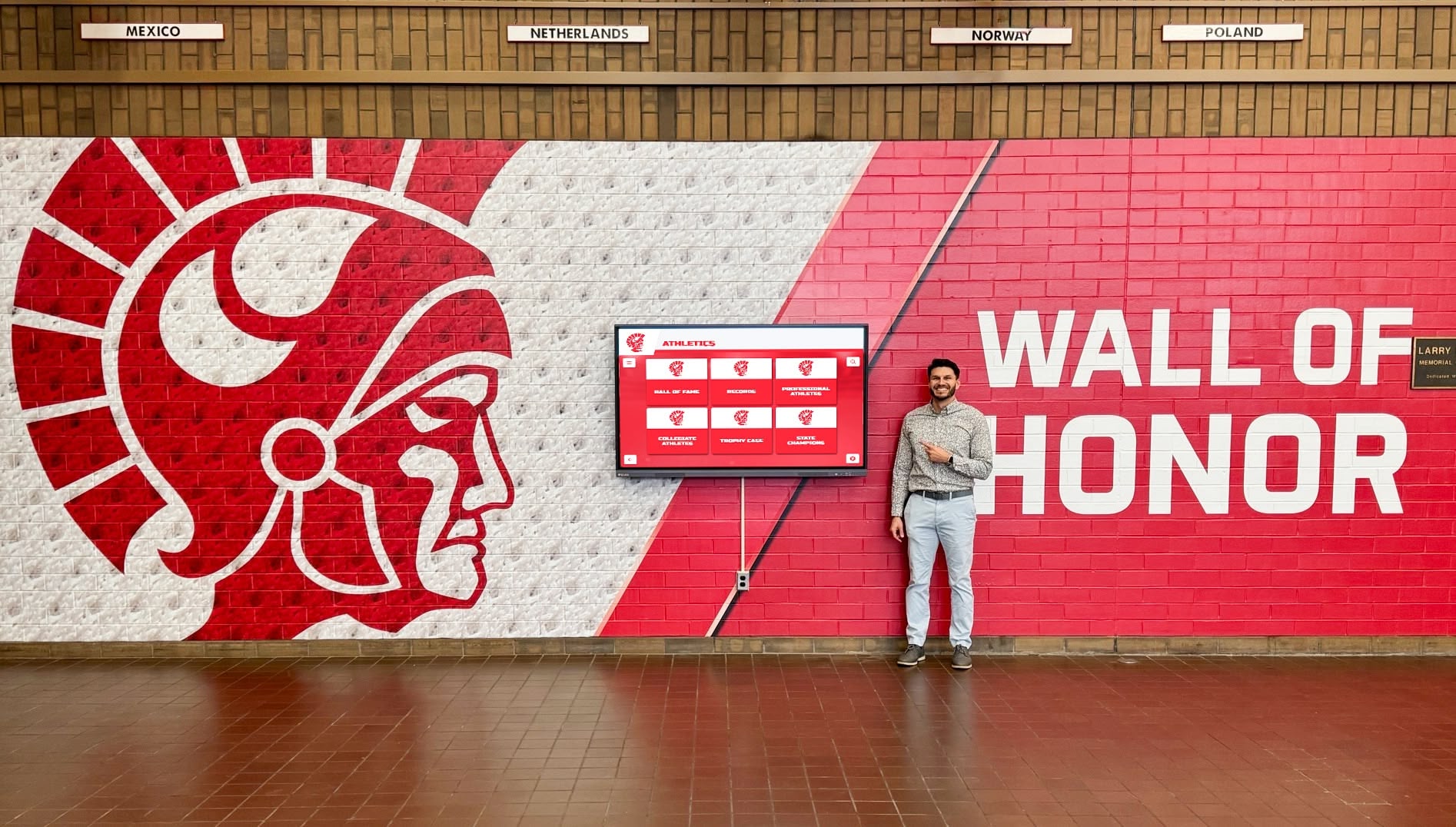
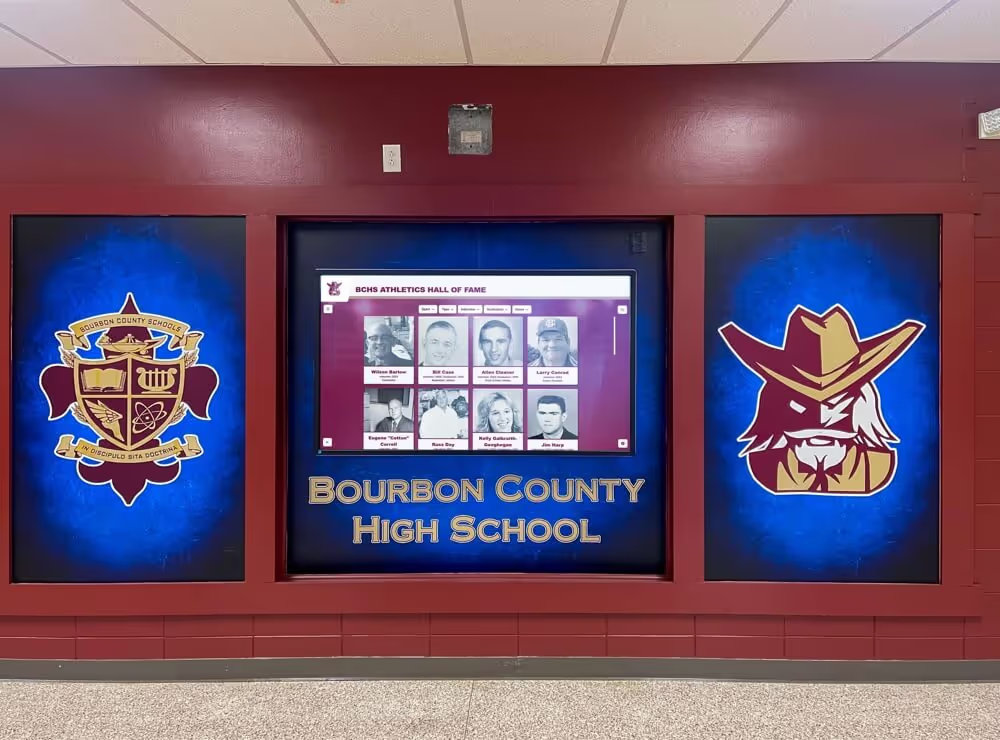
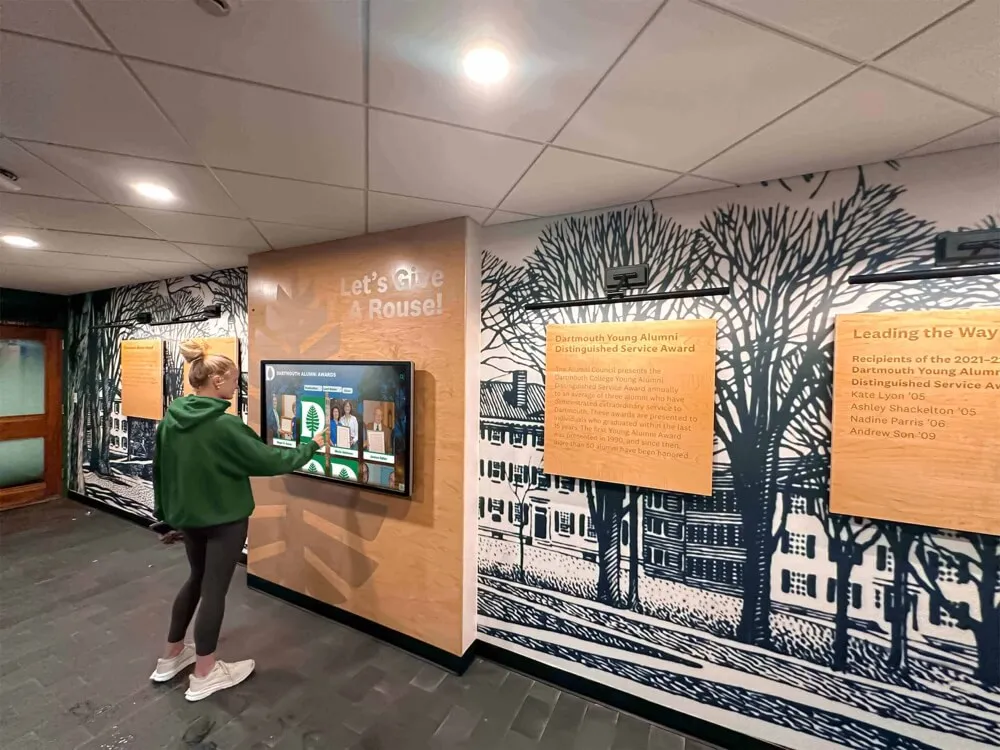
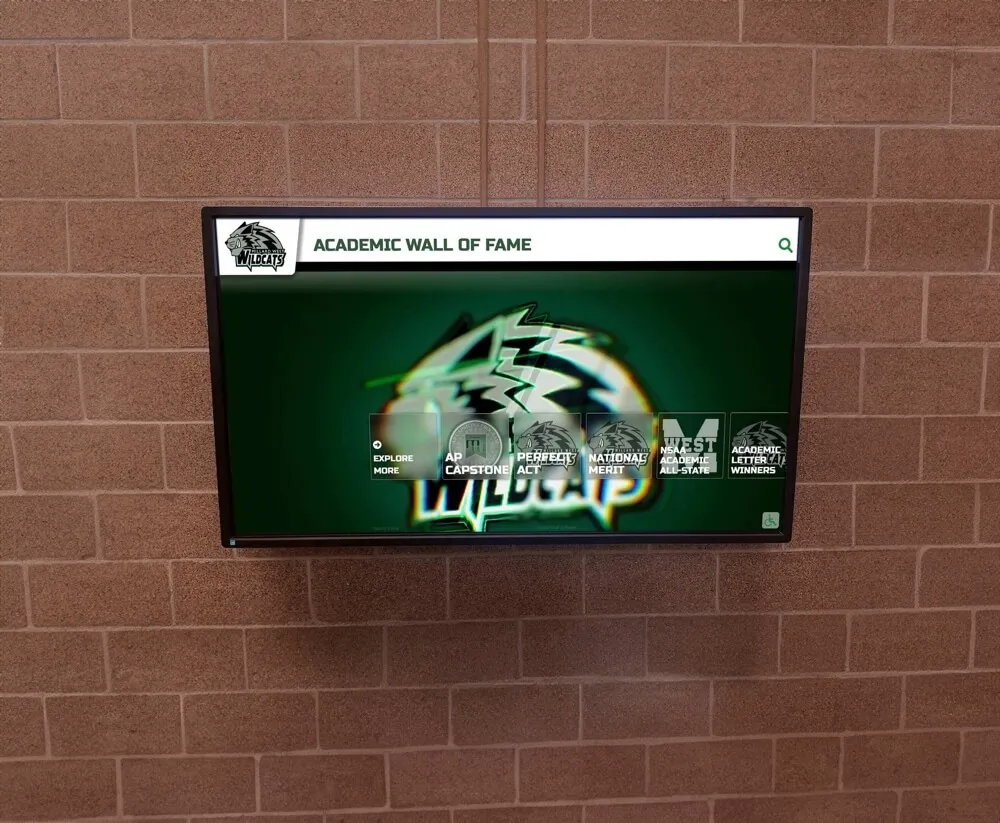
When alumni return to campus for reunions, prominent recognition displays immediately reinforce that giving is celebrated and lasting—not transactional
Donor Recognition: The Engine Behind Sustained Alumni Giving
Every high school alumni fundraising idea in this guide depends on one underlying principle: recognition sustains relationships that produce repeat gifts.
Donors who feel genuinely celebrated—not merely thanked—give again. They upgrade their gifts. They recruit peer donors. They become the volunteers who run your next reunion campaign. Recognition is not a reward given after fundraising succeeds; it is the infrastructure that makes fundraising succeed in the first place.
Recognition program best practices recommend building tiered structures that honor every gift level meaningfully rather than reserving public recognition for only the largest contributors. A first-time gift of $100 deserves a response that makes the donor feel their generosity mattered—because it did.
Sample Alumni Donor Recognition Tier Matrix
The following framework can be adapted for your school’s specific naming conventions and giving thresholds:
╔═══════════════════════════════════════════════════════════════════════════╗
║         HIGH SCHOOL ALUMNI DONOR RECOGNITION TIER FRAMEWORK              ║
╠══════════════════╦════════════════════╦══════════════════════════════════╣
║ Society Name     ║ Annual Gift Range  ║ Recognition Benefits             ║
╠══════════════════╬════════════════════╬══════════════════════════════════╣
║ Friends          ║ $1 – $249          ║ Donor roll in annual report;     ║
║                  ║                    ║ personalized thank-you letter;   ║
║                  ║                    ║ e-newsletter with impact update  ║
╠══════════════════╬════════════════════╬══════════════════════════════════╣
║ Alumni Circle    ║ $250 – $999        ║ All above + digital donor wall   ║
║                  ║                    ║ listing; reunion event priority  ║
║                  ║                    ║ registration; handwritten note   ║
║                  ║                    ║ from principal or AD             ║
╠══════════════════╬════════════════════╬══════════════════════════════════╣
║ Legacy Society   ║ $1,000 – $4,999    ║ All above + named recognition    ║
║                  ║                    ║ in event programs; VIP reunion   ║
║                  ║                    ║ reception invitation; personal   ║
║                  ║                    ║ call from school leadership      ║
╠══════════════════╬════════════════════╬══════════════════════════════════╣
║ Founders Circle  ║ $5,000 – $24,999   ║ All above + named space or fund  ║
║                  ║                    ║ opportunity; featured profile on ║
║                  ║                    ║ donor wall; annual impact report ║
║                  ║                    ║ specific to their gift use       ║
╠══════════════════╬════════════════════╬══════════════════════════════════╣
║ Heritage Patron  ║ $25,000+           ║ All above + facility or program  ║
║                  ║                    ║ naming rights; permanent digital ║
║                  ║                    ║ profile on recognition display;  ║
║                  ║                    ║ seat on alumni advisory council  ║
╚══════════════════╩════════════════════╩══════════════════════════════════╝

NOTES FOR CUSTOMIZATION:
• Adjust thresholds to match your school's donor pyramid distribution
• "Named space" opportunities should be catalogued separately with specific
  minimum gift levels for each physical or programmatic space
• Review and update annually; communicate tier structure in all solicitations
• Cumulative lifetime giving tracks toward tier upgrades to reward loyalty
Alumni Reunion Outreach Email Template
Use or adapt this template for pre-reunion fundraising outreach. Personalize the bracketed fields before sending.
Subject: [First Name], your class is making history—and we want you in it

Dear [First Name],

[Year] marks [X] years since you walked out of [School Name] for the last time.
A lot has changed—and a lot hasn't.

The [mascot] still takes the field every Friday night. Students still compete
in [notable program]. And the hallways where you made your closest friendships
still echo with the same energy you remember.

This reunion, your class has the opportunity to leave something behind that
will outlast all of us: the [Class of Year] [Scholarship/Fund Name].

Every gift—no matter the size—moves us closer to our goal of [$X] by
[reunion date]. Donors at every level will be recognized on our new alumni
honor wall, which will be unveiled during the reunion weekend.

[GIVE NOW BUTTON → link to giving page]

If you have questions or want to discuss a gift at any level, I'd be glad
to speak with you personally.

With gratitude,

[Your Name]
[Title], [School Name] Alumni Relations
[Phone] | [Email]

P.S. Matching gifts are available through many employers—check whether your
company doubles alumni donations at [matching gift verification URL].
Stewardship: Keeping Reunion Donors Engaged Year-Round
A reunion gift made in a moment of nostalgic generosity can easily fade into a one-time transaction if your stewardship doesn’t maintain the relationship. Build a 12-month communication calendar that keeps alumni connected to their gift’s impact long after the reunion concludes:
- 30 days post-reunion: personalized impact letter describing what their gift will fund
- 6 months post-reunion: mid-year update with photos, program outcomes, or scholarship recipient news (anonymized appropriately)
- 11 months post-reunion: renewal ask framed around what this year’s gift will add to last year’s impact
- Reunion anniversary: milestone card or video acknowledging the anniversary of their gift
Donor thank-you letter examples for nonprofits and schools provide proven language for stewardship communications that feel personal rather than templated, even when managing hundreds of donor relationships.
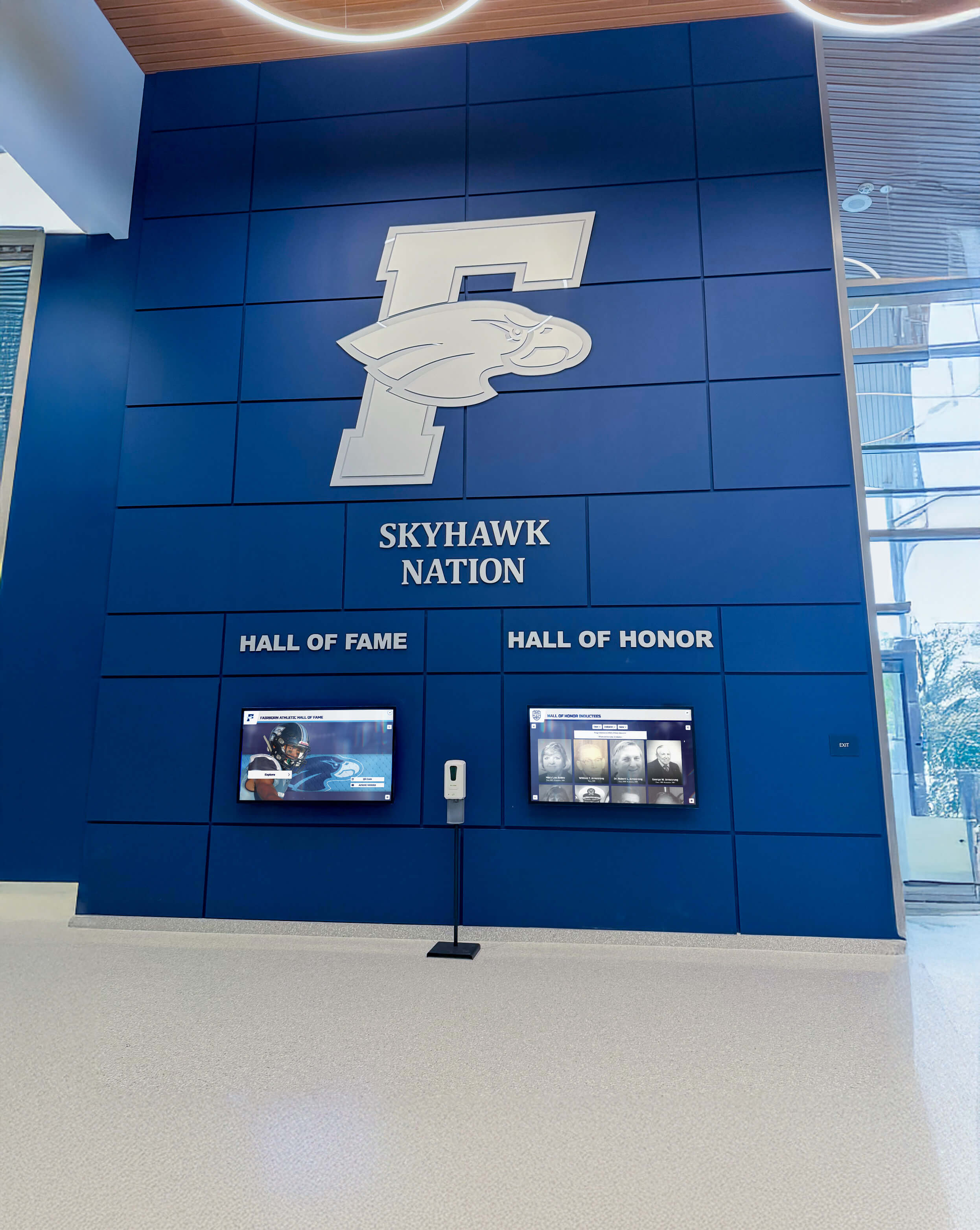
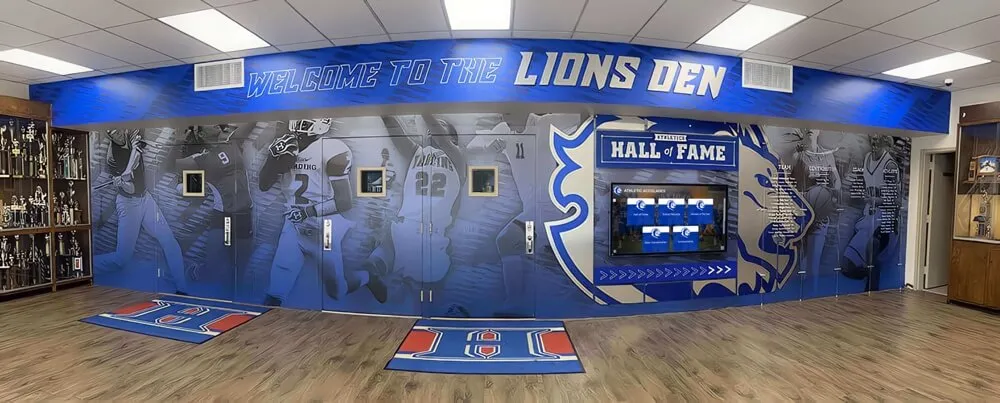
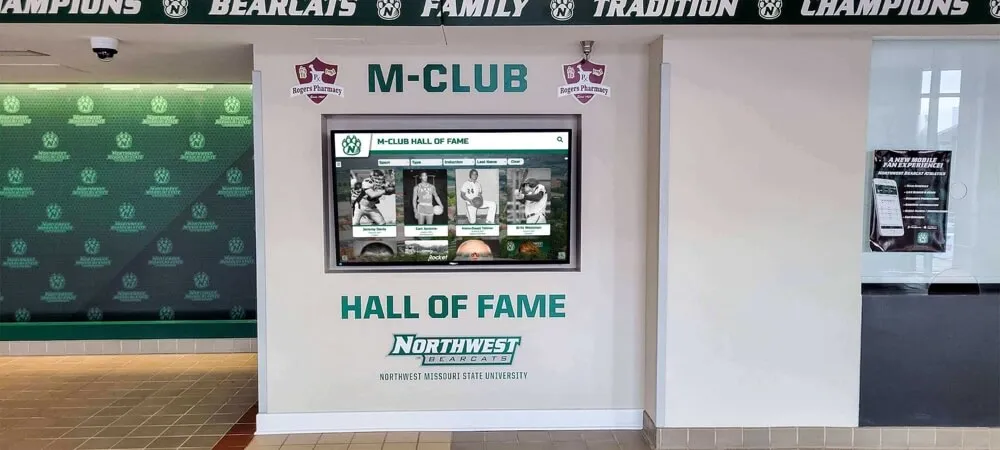
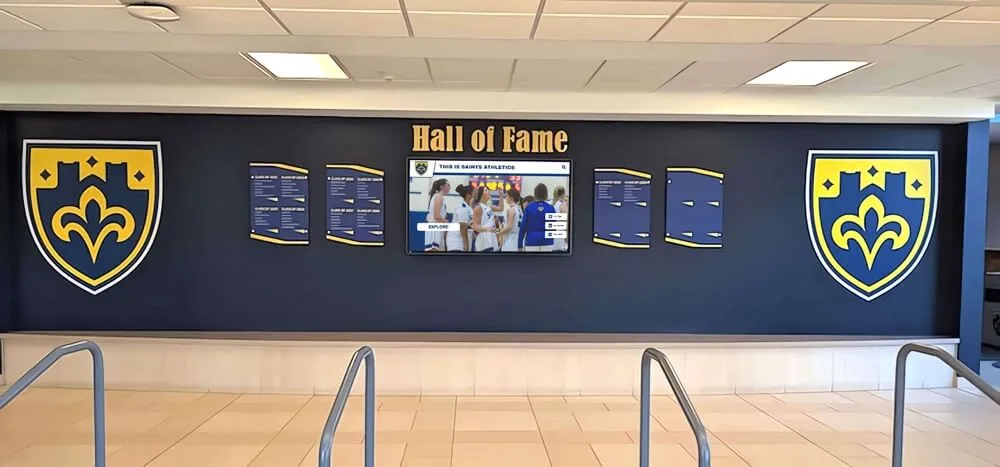
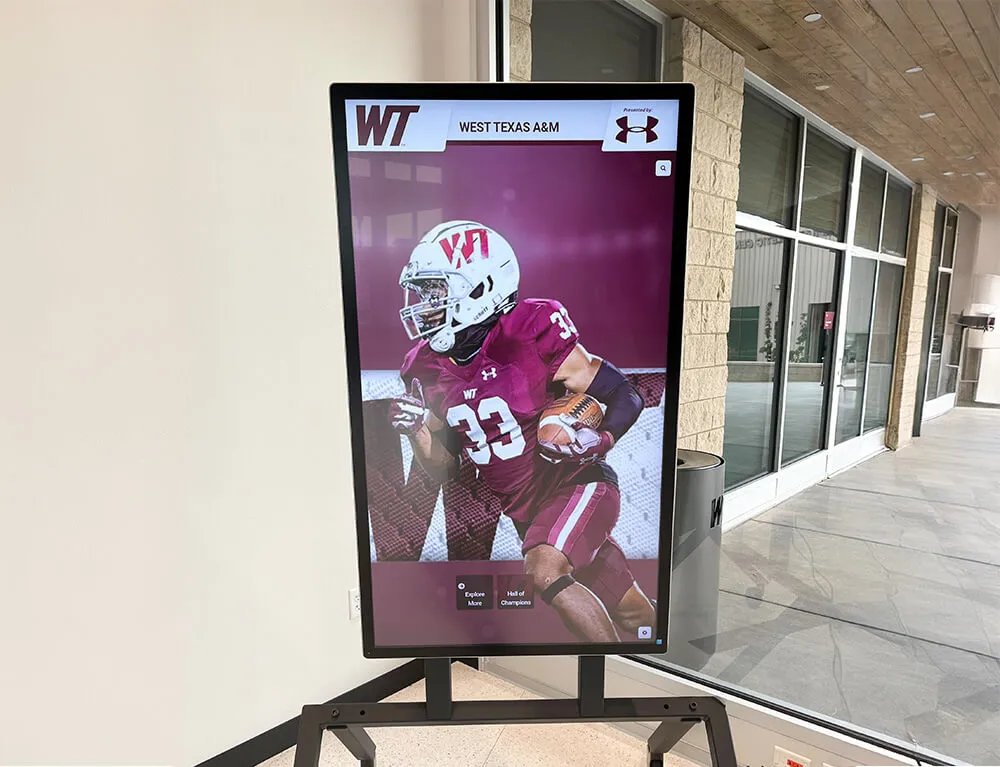
A well-designed hall of fame or honor wall becomes the anchor of your physical recognition program—and a destination that draws alumni back to campus year after year
Integrating Recognition Technology with Alumni Fundraising
The most ambitious high school alumni fundraising programs are moving beyond static recognition toward dynamic, interactive displays that serve multiple purposes simultaneously: celebrating donors, honoring athletic and academic achievement, preserving institutional history, and inspiring current students.
Interactive touchscreen platforms—like those offered through Rocket Alumni Solutions—allow schools to present a unified recognition experience where alumni donors, hall of fame honorees, scholarship recipients, and championship teams coexist in a single, searchable digital environment.
A digital hall of fame and donor wall serving dual purposes multiplies the return on your recognition investment: every alumni visitor who searches for a former teammate also sees donor society names and campaign progress, reinforcing giving as a community norm rather than an exceptional act.
When alumni return for a reunion and find their names—or the names of beloved classmates and mentors—on a beautifully designed digital display in the school’s main lobby, the emotional impact is immediate and lasting. That experience is the strongest possible argument for giving again.
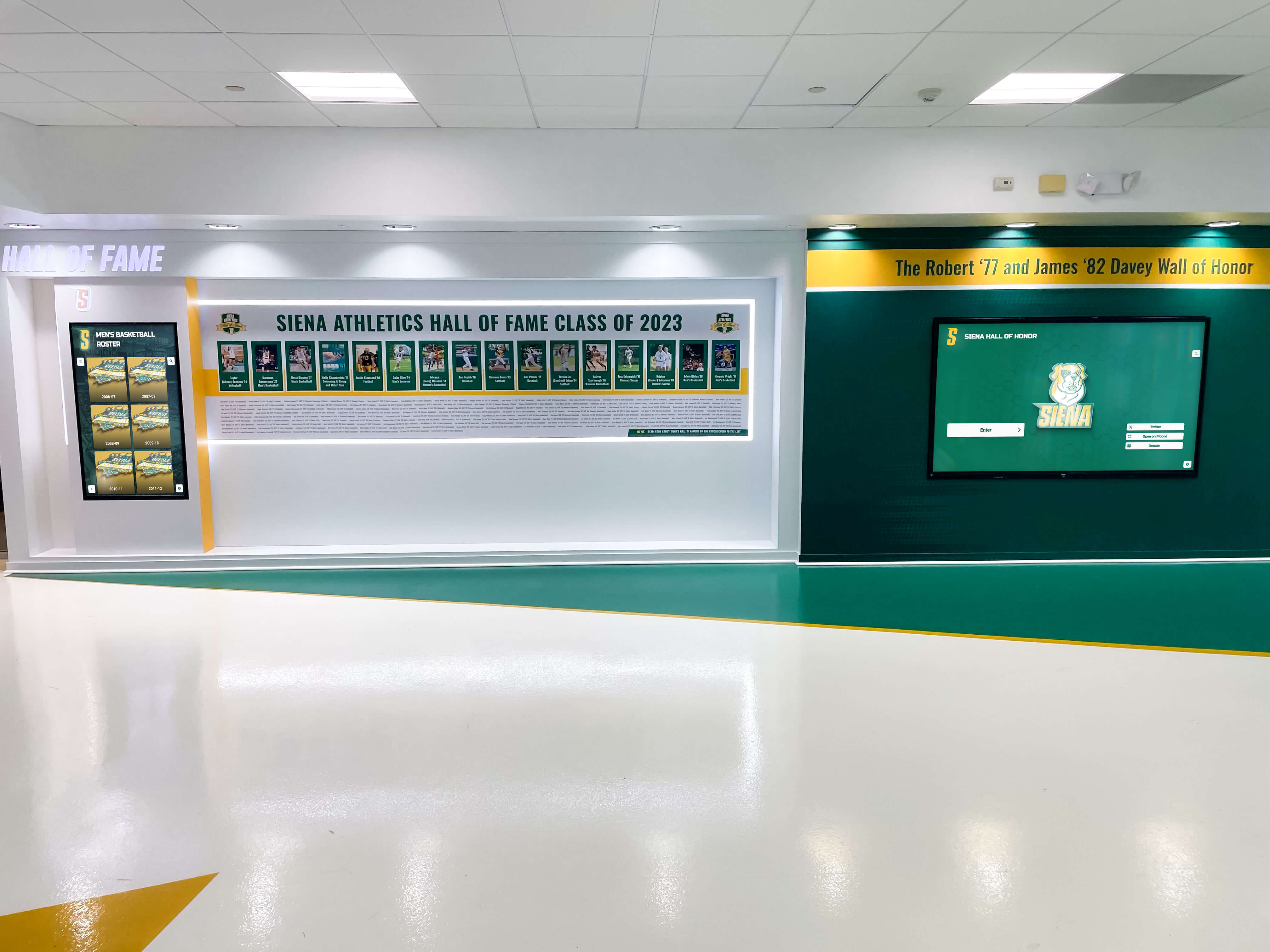
Well-executed recognition displays serve as both a fundraising tool and a permanent monument to the alumni community's collective generosity
Building a Reunion Fundraising Roadmap
Successful high school alumni fundraising doesn’t happen by accident. It requires planning that begins 12–18 months before each major reunion cycle and builds on documented lessons from previous campaigns.
12 months out: Identify reunion co-chairs; audit your alumni database for updated contact information; review previous reunion giving results; set participation and revenue goals.
9 months out: Design (or update) your recognition tier structure; brief potential major donors individually; plan event format and fundraising elements.
6 months out: Launch pre-reunion communications; activate peer-to-peer campaign chairs; open giving page and begin tracking participation.
3 months out: Announce matching gift deadlines and progress; intensify peer outreach; finalize event recognition elements (wall updates, program listings, on-stage moments).
Reunion weekend: Execute fund-a-need appeal; unveil recognition display updates; personally thank significant donors; capture testimonials for post-event stewardship.
30 days post-reunion: Send impact communications; close campaign; update recognition displays; document results for future planning.
Ready to build a donor recognition program that turns reunion energy into lasting alumni relationships? Rocket Alumni Solutions provides interactive digital donor walls and alumni recognition platforms purpose-built for schools—with unlimited donor capacity, ADA-compliant displays, campaign progress visualization, and remote content management your advancement team can update from anywhere. Whether you’re launching your first formal alumni giving program or upgrading an existing recognition infrastructure, our platforms give returning graduates the visible, lasting tribute their loyalty deserves. Contact us to request a DonorsWall walkthrough and see how the right recognition technology transforms your next reunion into the starting point of a lifelong donor relationship.