Athletics equity represents one of the most critical yet often overlooked challenges facing high school athletic directors, administrators, and development professionals today. While football teams enjoy prime-time Friday night games with packed bleachers and professional-grade video production, volleyball players compete in near-empty gyms. Basketball receives multiple pages in yearbooks and school websites, while swimming teams struggle to get a single photo published. Wrestling garners extensive local media coverage, while track athletes wonder if anyone even knows their names.
Intent: Evaluate and Demonstrate—This comprehensive checklist helps athletic directors, school administrators, and booster organizations assess whether all sports programs receive equitable recognition, resources, and visibility. Beyond legal Title IX compliance, true athletics equity ensures every student-athlete feels valued, every program receives appropriate support, and every coach has resources to build excellence regardless of whether their sport generates revenue or fills stadiums.
When schools systematically evaluate athletics equity across recognition, funding, facilities, media coverage, and community support, they create environments where all athletes thrive. This guide provides practical frameworks for identifying visibility gaps, actionable strategies for addressing imbalances, and modern solutions—including digital recognition displays—that eliminate traditional constraints forcing impossible prioritization decisions about which sports receive acknowledgment.
Athletic directors face constant pressure to showcase high-profile sports that generate revenue, attract media attention, and fill stands on game nights. Yet those same pressures can inadvertently create environments where less visible sports—cross country, swimming, tennis, golf, softball, lacrosse, soccer, and others—become afterthoughts in recognition systems, booster support structures, and institutional celebrations of achievement.

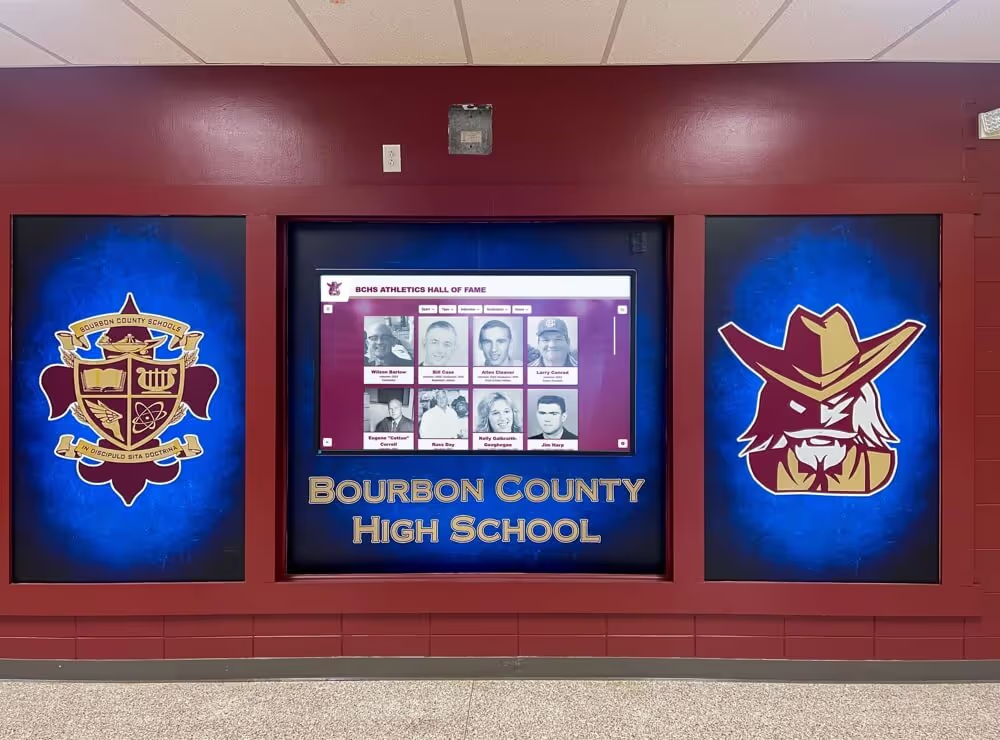
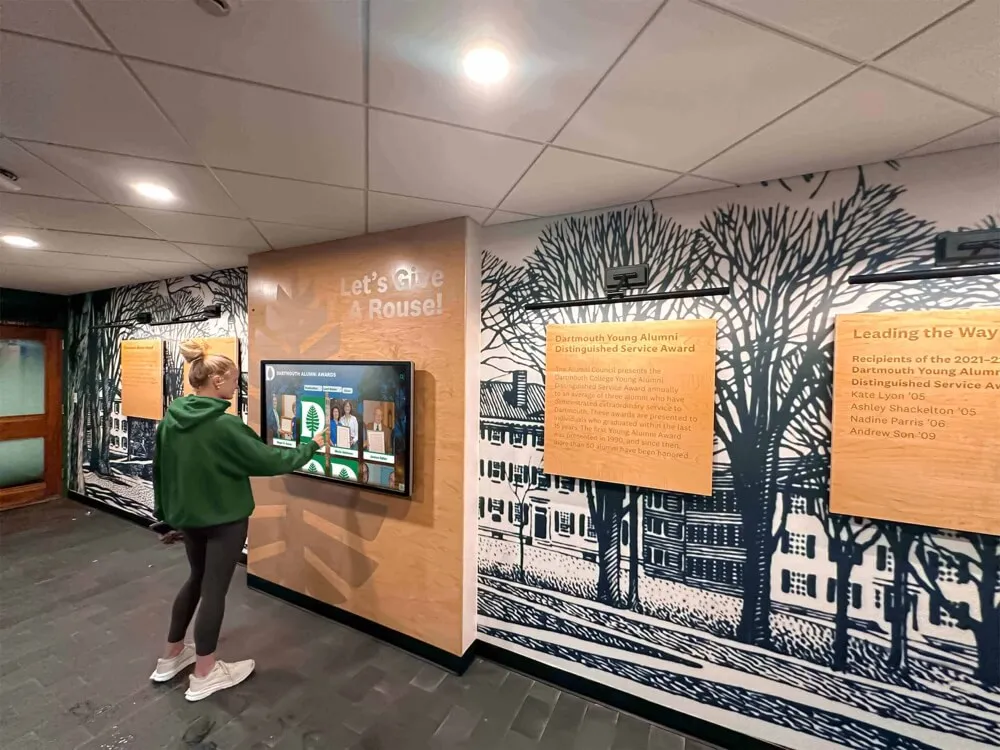
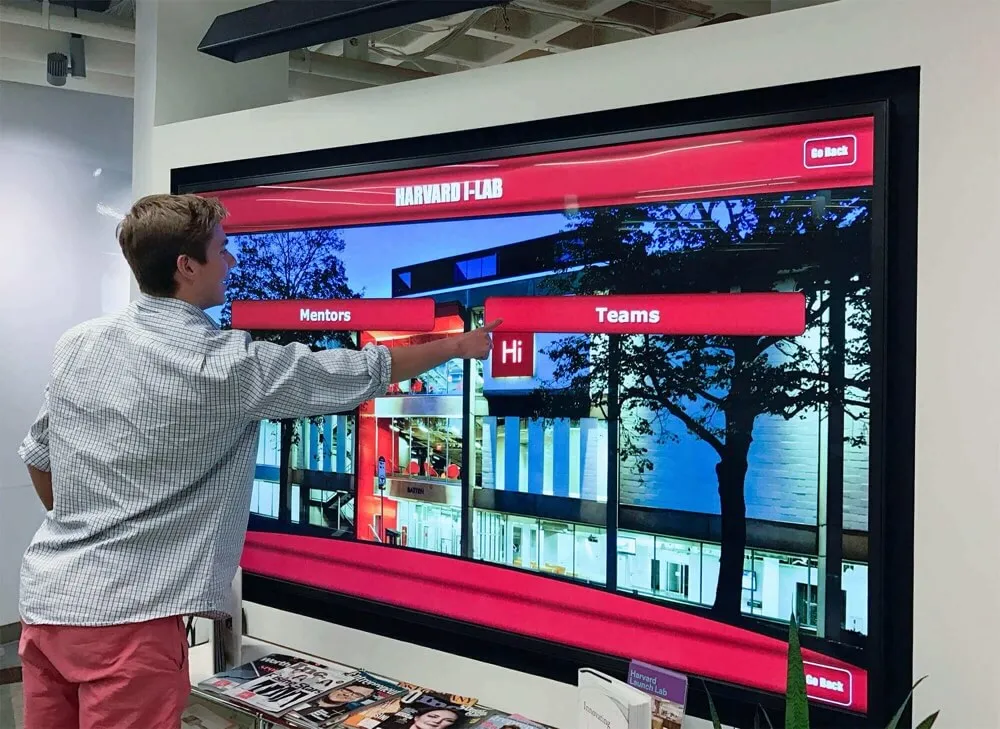
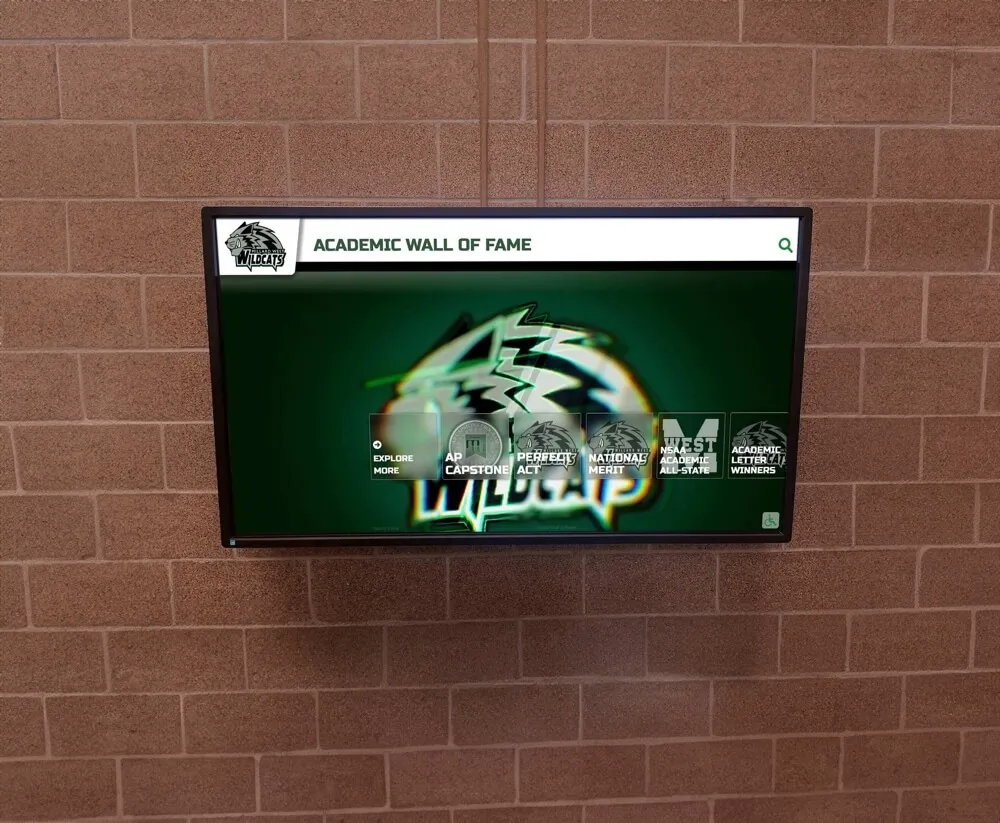
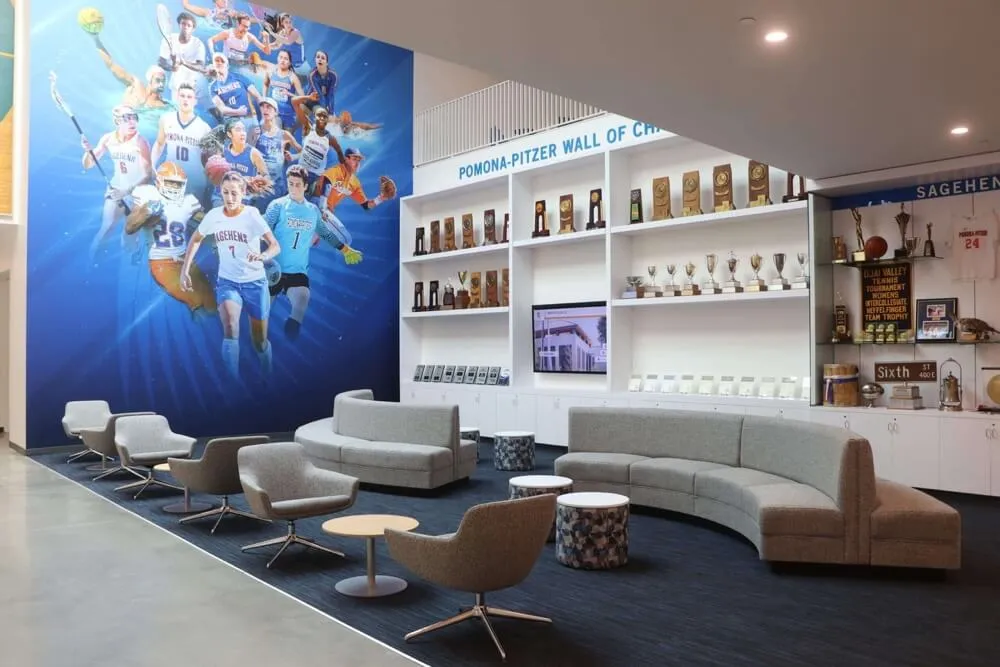
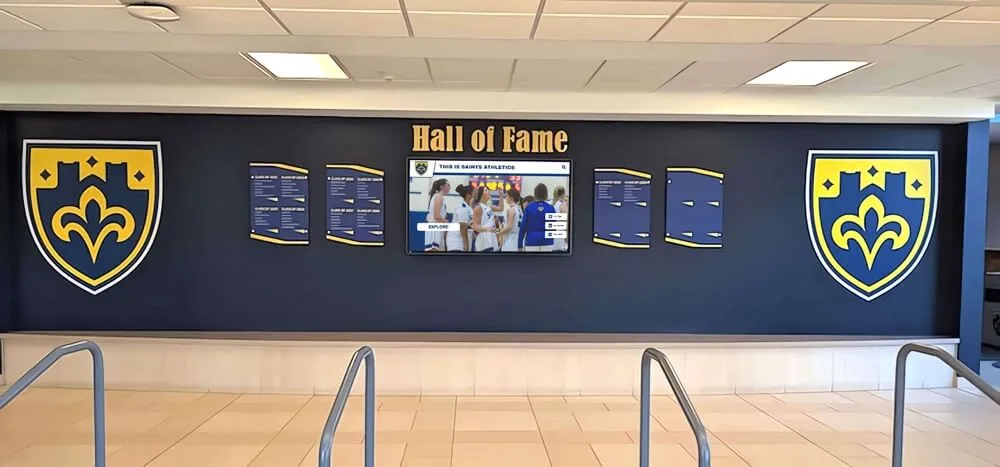
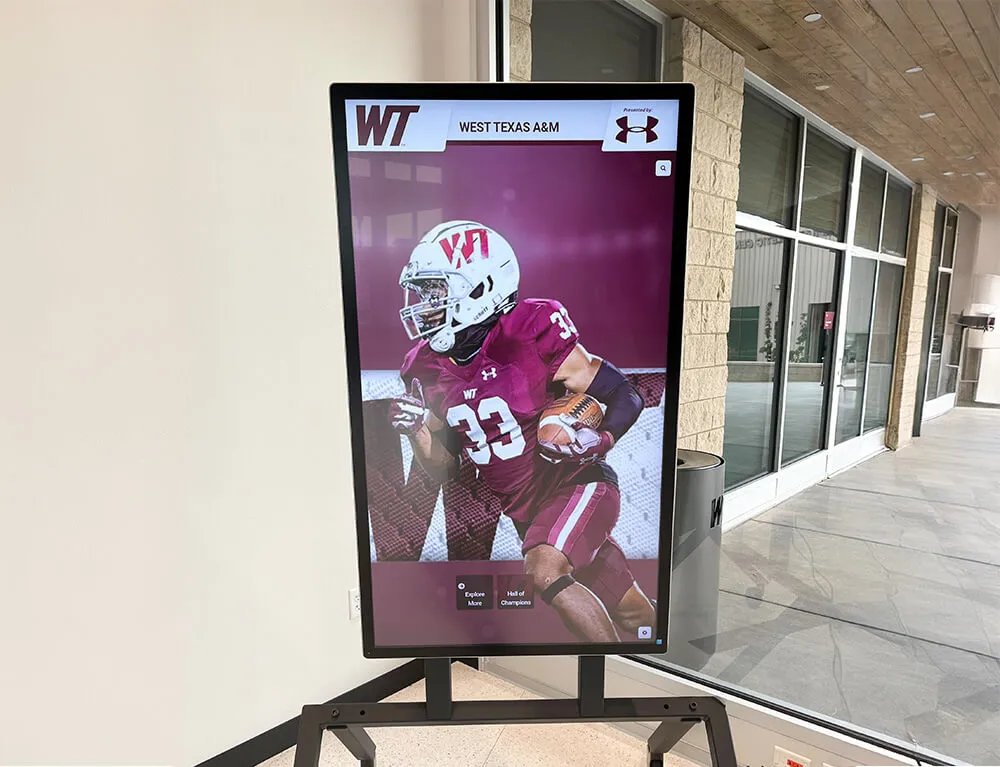
Comprehensive athletic recognition systems celebrate achievements across all sports programs, not just high-profile revenue sports
Understanding Athletics Equity: Beyond Title IX Compliance
Before implementing equity assessment frameworks, athletic departments need clear understanding of what genuine athletics equity requires and how it extends beyond minimum federal compliance standards.
What Athletics Equity Actually Means
True athletics equity encompasses systematic fairness across multiple dimensions that together determine whether all student-athletes receive appropriate support and recognition.
Recognition and Visibility Equity
Every sport deserves proportional representation across institutional recognition channels through trophy case representation matching achievement levels rather than sport popularity, yearbook coverage reflecting program success and participation numbers, website prominence providing equal digital real estate for all teams, social media celebration acknowledging accomplishments across all sports equally, and hall of fame induction considering athletes from all programs fairly.
When schools unconsciously allocate recognition based on tradition, revenue, or attendance rather than achievement and participation, they send powerful messages to student-athletes about whose contributions matter and whose excellence receives acknowledgment.
Resource and Funding Equity
Financial resources should align with program needs rather than simply rewarding popular sports through coaching staff compensation reflecting comparable responsibilities and qualifications, equipment budgets adequate for safety and competitive excellence, travel funding enabling teams to reach competitive events, facility access providing equitable practice and competition spaces, and support services including training, nutrition, and academic support available to all programs.
According to research from the National Federation of State High School Associations (NFHS), participation in high school sports reached over 7.8 million students across the United States in recent years, representing diverse interests across more than 30 different sports. Yet funding and resource allocation rarely reflects this diversity proportionally.
Media Coverage and Communication Equity
Schools control significant communication channels that shape community perception through announcements celebrating achievements across all sports, promotional materials featuring diverse athletic programs, game streaming and recording distributed fairly, press release distribution highlighting accomplishments beyond high-profile sports, and photography coverage documenting all programs professionally.
When athletic departments systematically photograph football games with professional equipment while asking parents to submit smartphone photos of track meets, they communicate institutional priorities that affect athlete morale, community perception, and program prestige.

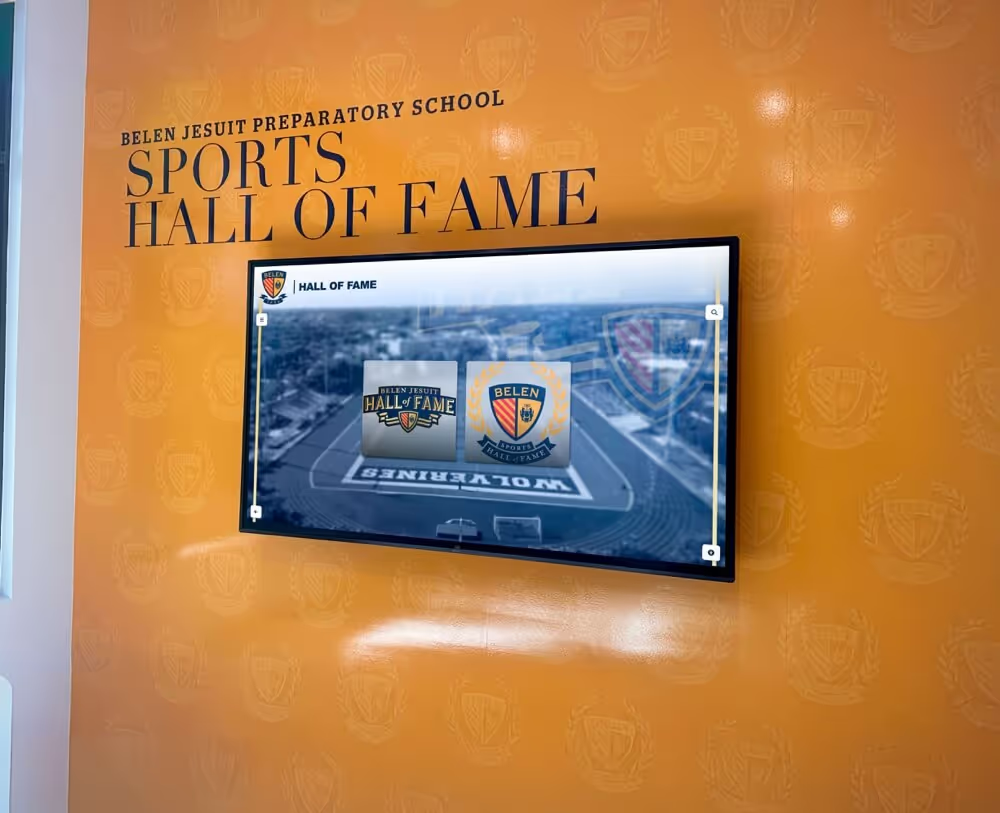
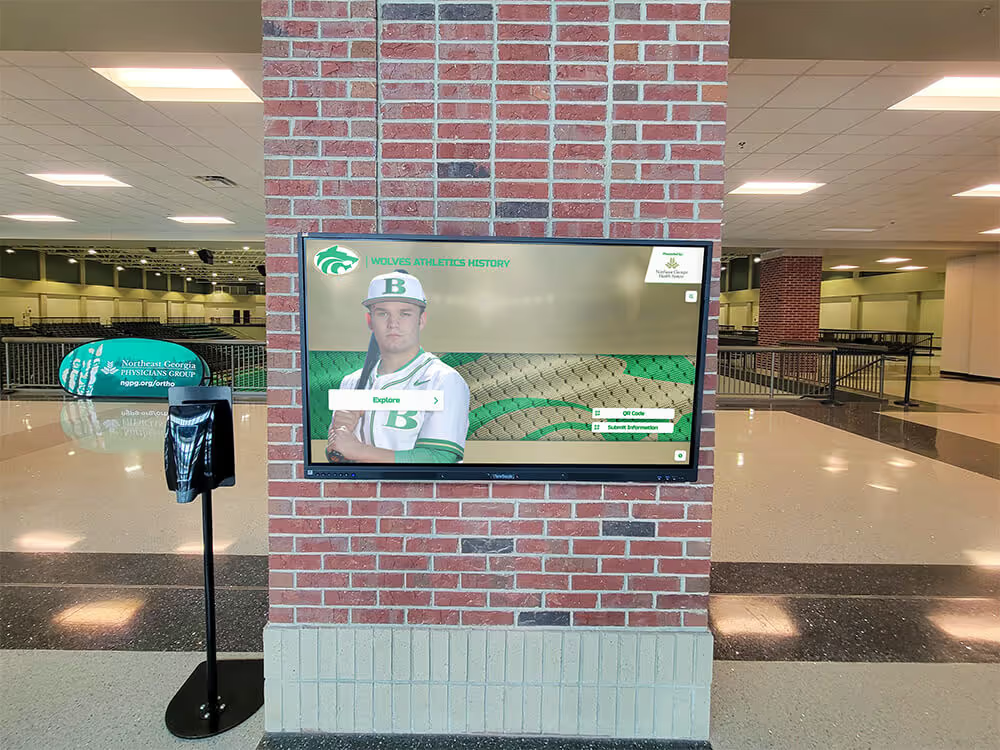
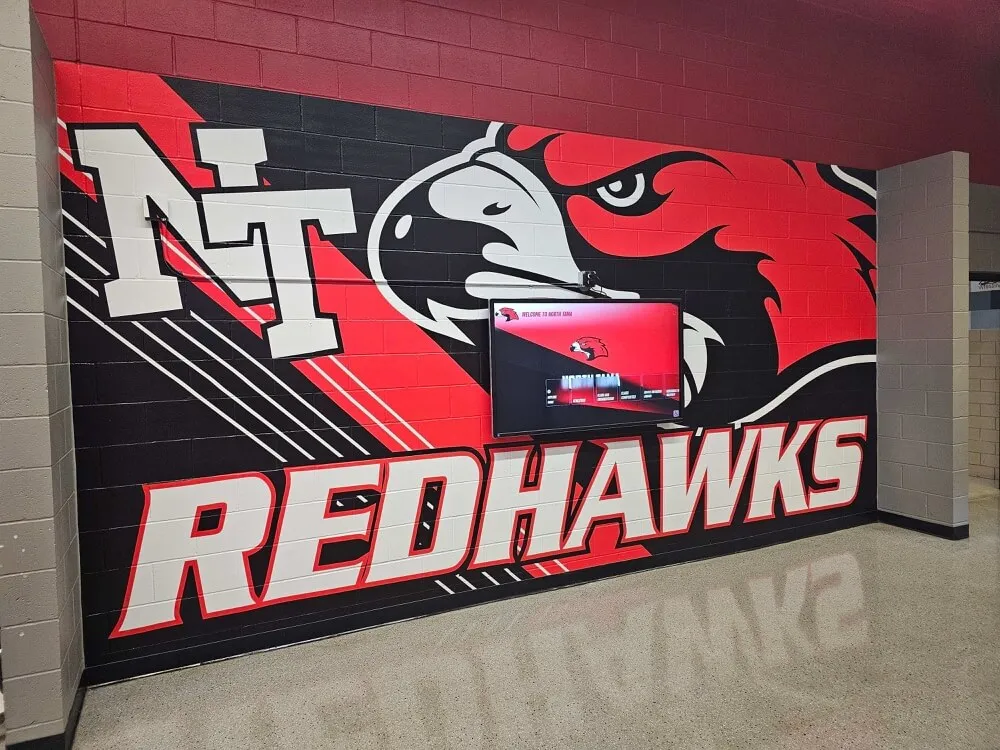
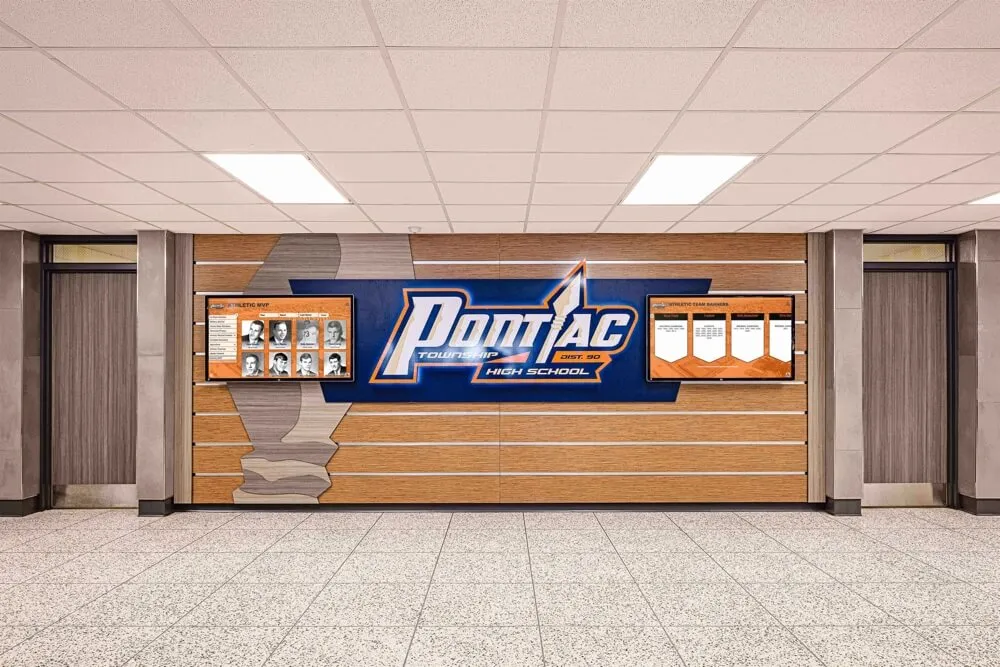
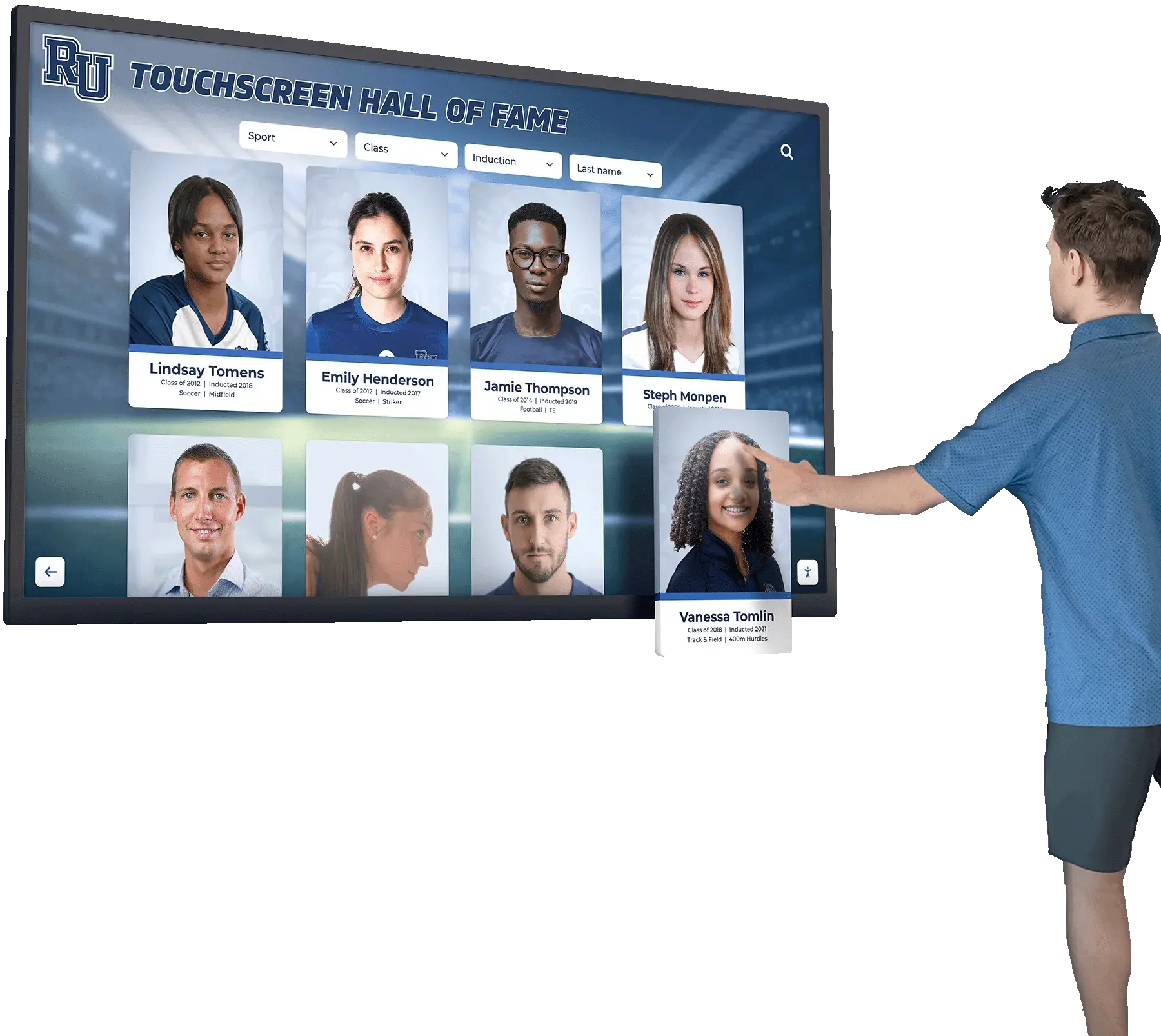
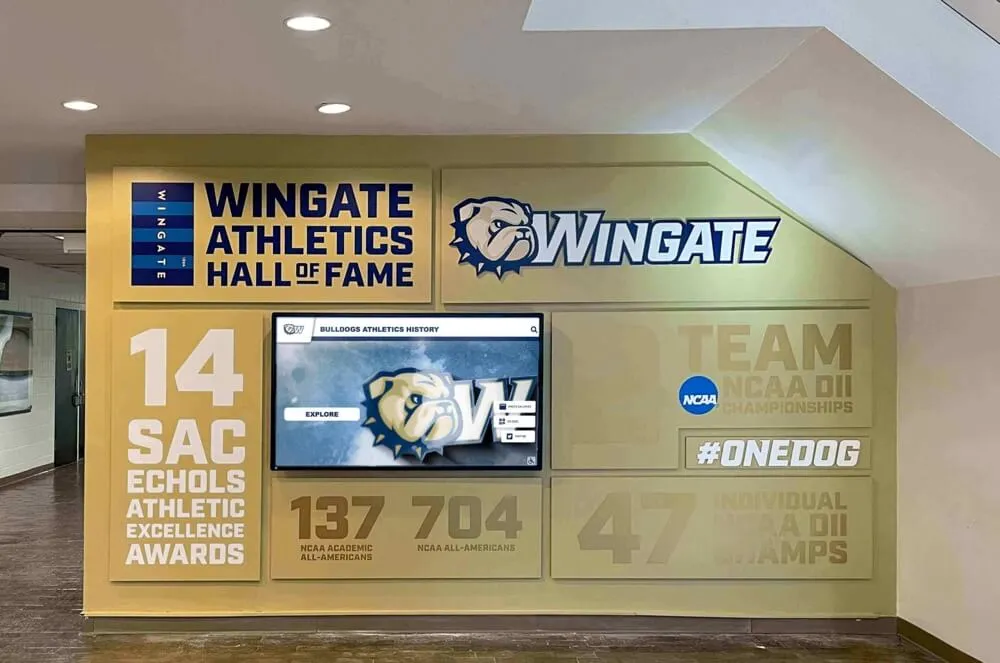
Modern recognition displays enable schools to celebrate athletic achievement across all programs without space constraints limiting visibility
Why Athletics Equity Matters Beyond Legal Requirements
Title IX established minimum participation and resource requirements for gender equity in athletic programs. Yet true athletics equity extends far beyond legal compliance to create cultures where all athletes thrive.
Student Athlete Development and Retention
Students who feel their sport receives secondary treatment often experience negative effects on motivation, commitment, identity development, academic engagement, and future athletic participation. When schools celebrate some programs while treating others as afterthoughts, they risk losing talented athletes who might otherwise continue competing through high school and beyond.
Research from youth sports organizations indicates that feeling undervalued represents one of the primary reasons athletes quit competitive sports during middle and high school years. Recognition equity directly impacts retention and program health across less visible sports.
College Recruitment and Athletic Opportunities
College coaches recruiting across all sports divisions need comprehensive documentation of athlete achievement through statistical records and performance documentation, game film and competition video, recognition and honors received, team success and competitive context, and coach recommendations and institutional support.
When schools fail to document achievements, maintain records, or provide visibility for less prominent sports, they disadvantage student-athletes seeking college athletic opportunities in those programs regardless of individual talent and achievement.
Community Engagement and Donor Support
Booster organizations and athletic donors increasingly value comprehensive programs serving diverse student populations. Schools demonstrating commitment to all sports often find enhanced community support, increased booster participation, stronger alumni engagement from non-revenue sport athletes, improved institutional reputation, and family loyalty spanning multiple children and sports.
Parents of volleyball players, swimmers, and tennis athletes donate generously when they see their children’s programs receive equitable treatment and recognition alongside traditional revenue sports.
Overcoming Traditional Recognition Constraints
Many equity challenges stem from physical and logistical constraints that traditionally limited athletic recognition.
Physical Space Limitations
Traditional trophy cases and recognition walls face inevitable capacity constraints forcing athletic directors to make difficult prioritization decisions about which sports receive visibility and how many achievements can be celebrated before space runs out.
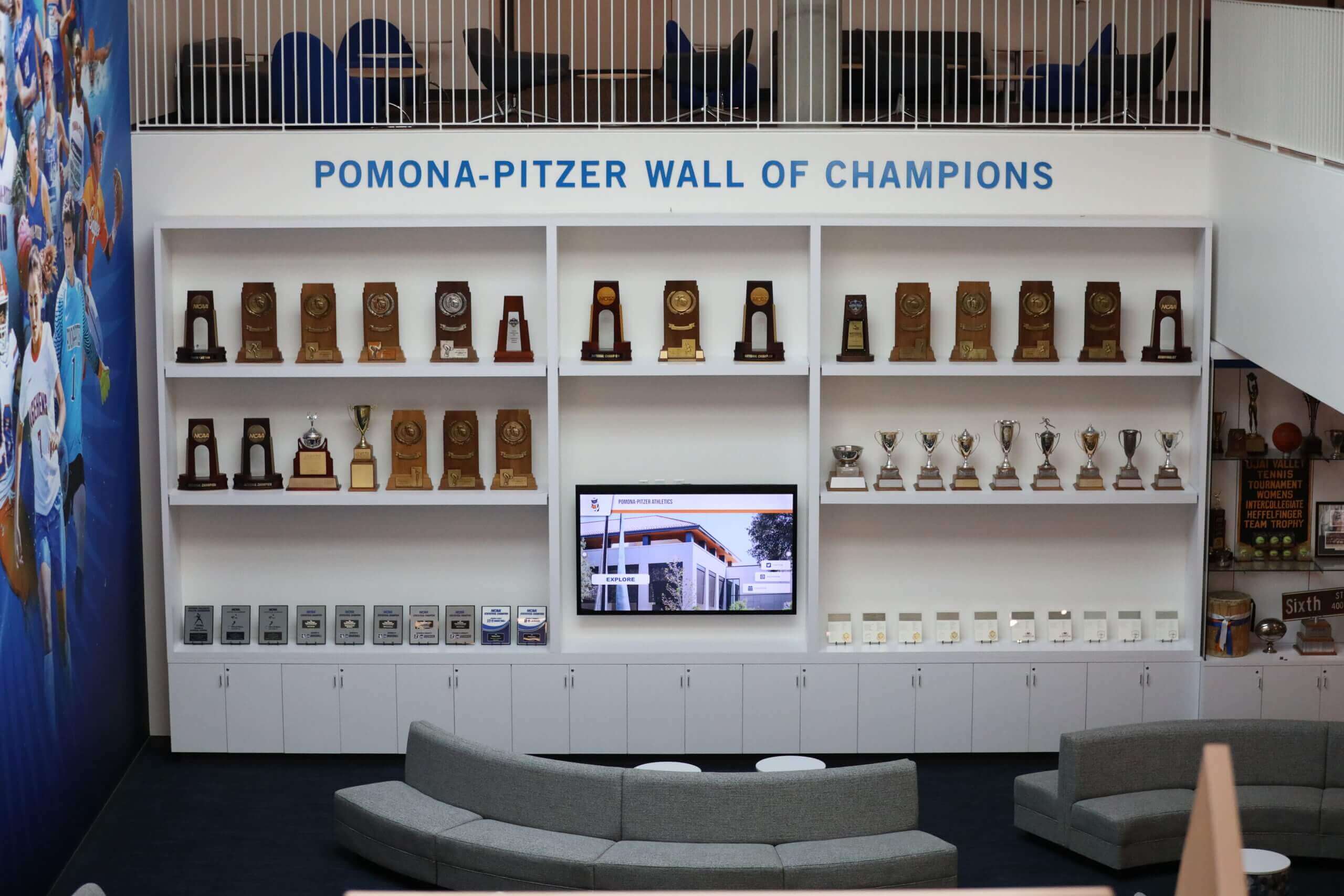
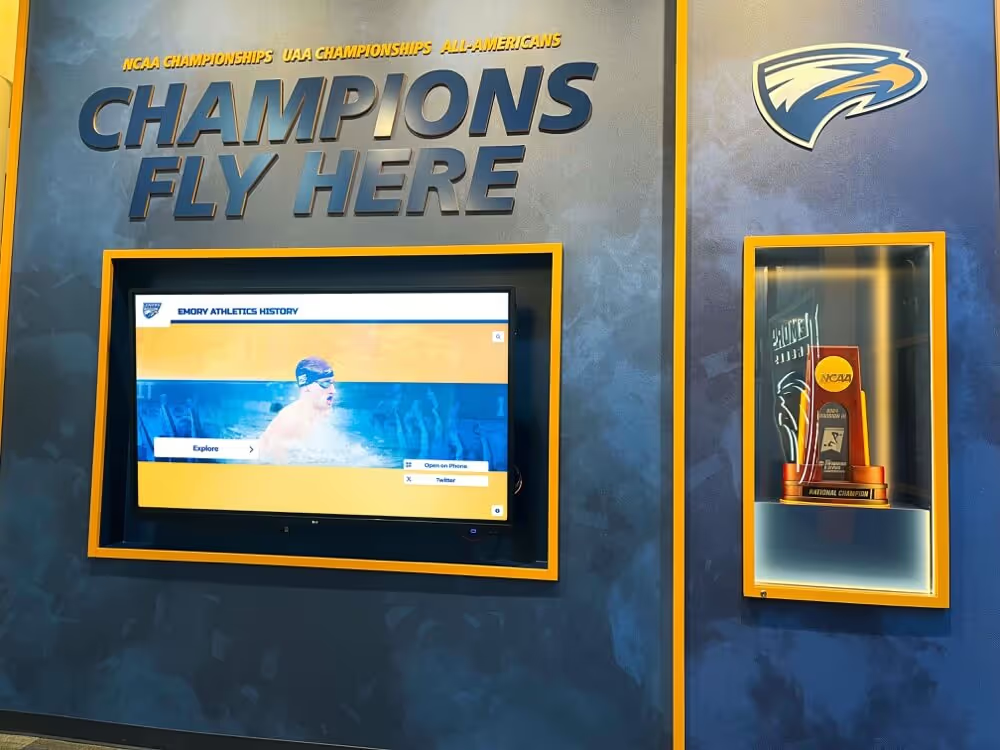
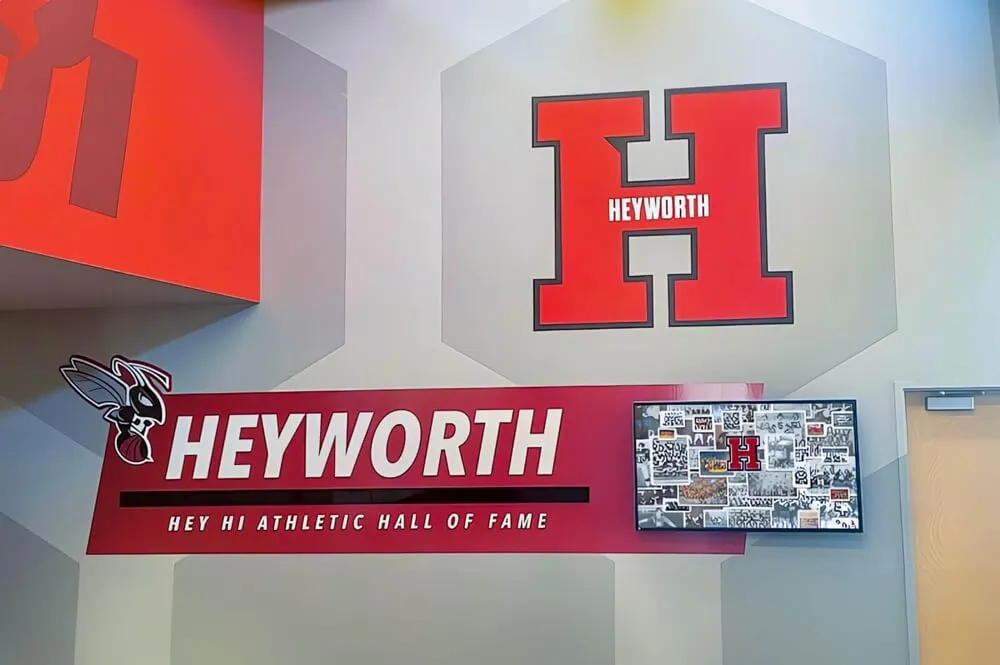
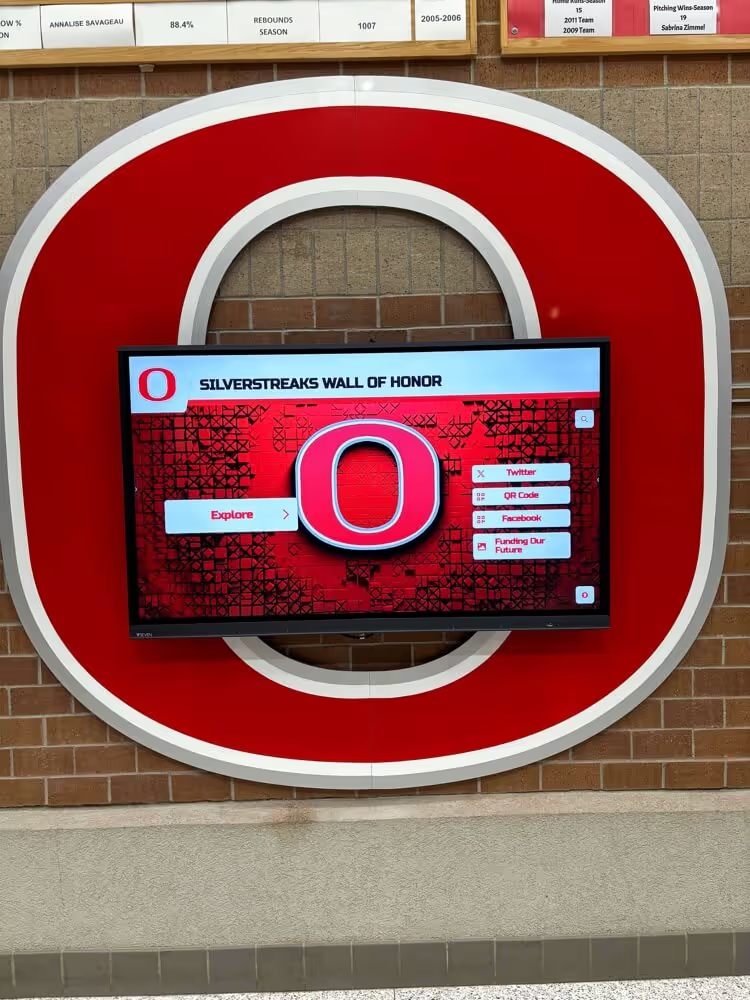
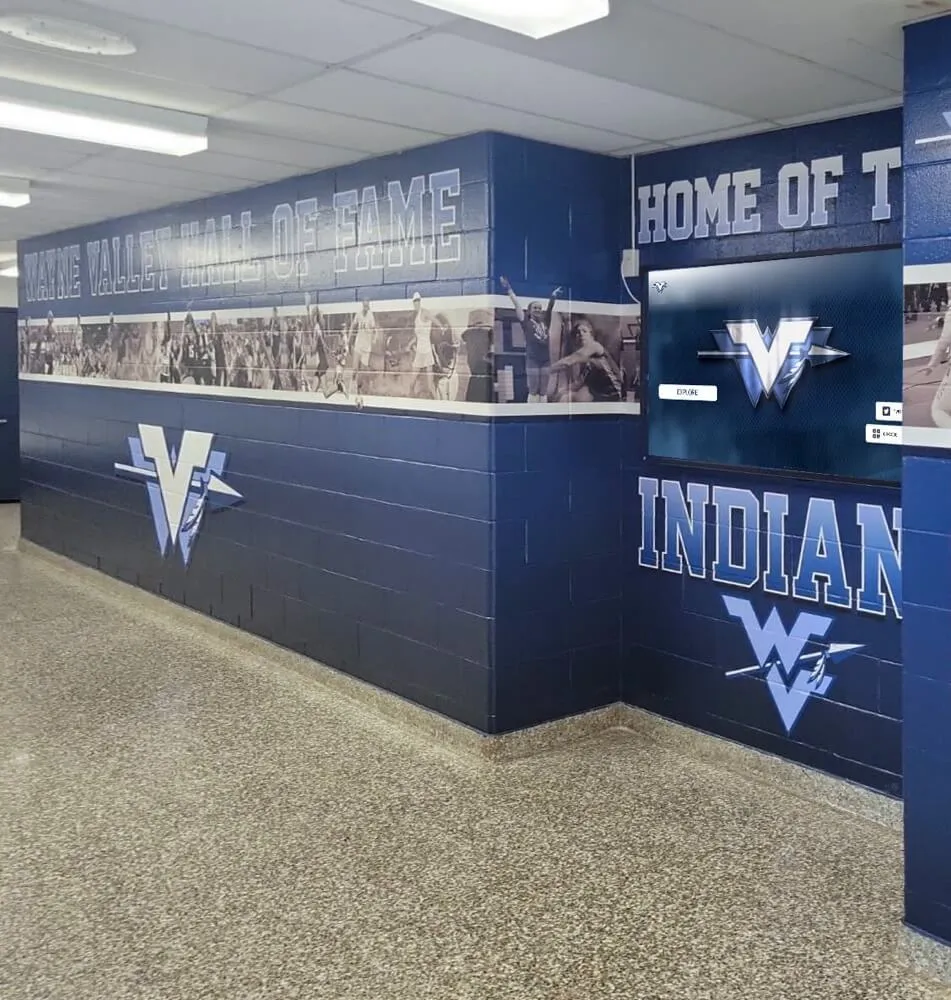
Integrated recognition combining physical trophies with digital displays creates comprehensive celebration environments
Maintenance and Update Challenges
Keeping recognition current requires ongoing effort—engraving new plaques, updating boards, printing programs, and maintaining displays. Budget and time constraints often mean less visible sports receive slower updates or no recognition additions for years while high-profile programs receive immediate acknowledgment.
Cost and Scalability Issues
Traditional recognition approaches require physical materials, professional engraving, installation labor, and ongoing maintenance. These recurring costs force prioritization that typically favors established, high-profile programs over smaller or newer sports.
Solutions like digital athletic recognition displays eliminate these traditional constraints through unlimited virtual capacity, remote content updates requiring no physical access or engraving, scalable platforms accommodating growth without facility modifications, and cost structures that don’t force prioritization between sports.
The High School Athletics Equity Checklist: Comprehensive Assessment Framework
Use this systematic checklist to evaluate whether your athletic program provides equitable recognition, resources, and support across all sports.
Recognition and Visibility Equity Assessment
Evaluate how your school showcases athletic achievement across different sports and whether visibility reflects achievement rather than popularity.
Trophy Case and Physical Recognition
Assess representation across all sports programs:
- Physical space allocated proportionally to program size and achievement levels
- All sports appear in trophy cases and recognition displays
- Recent achievements for all programs receive timely display
- Historical recognition preserved for all sports, not just tradition programs
- Championship recognition equally prominent regardless of sport
- Individual achievement acknowledgment consistent across programs
- Team photos current and professionally presented for all sports
- Coaching recognition includes all programs fairly
Physical recognition remains important for athletes passing displays daily and families visiting campuses for events. Fair representation creates inclusive environments where all athletes see themselves celebrated.
Yearbook and Publication Coverage
Review how printed materials represent different athletic programs:
- Yearbook page allocation reflects participation and achievement
- Photo quality consistent across all sports programs
- Action photography captures competition for all teams
- Individual athlete features distributed across diverse sports
- Team accomplishments documented comprehensively
- Coaching profiles include all program leaders
- Historical sections represent diverse athletic offerings
- Media guides produced for all competitive programs
Many schools unconsciously allocate yearbook space based on tradition rather than current program size or success, perpetuating historical biases that disadvantage emerging or less traditional sports.
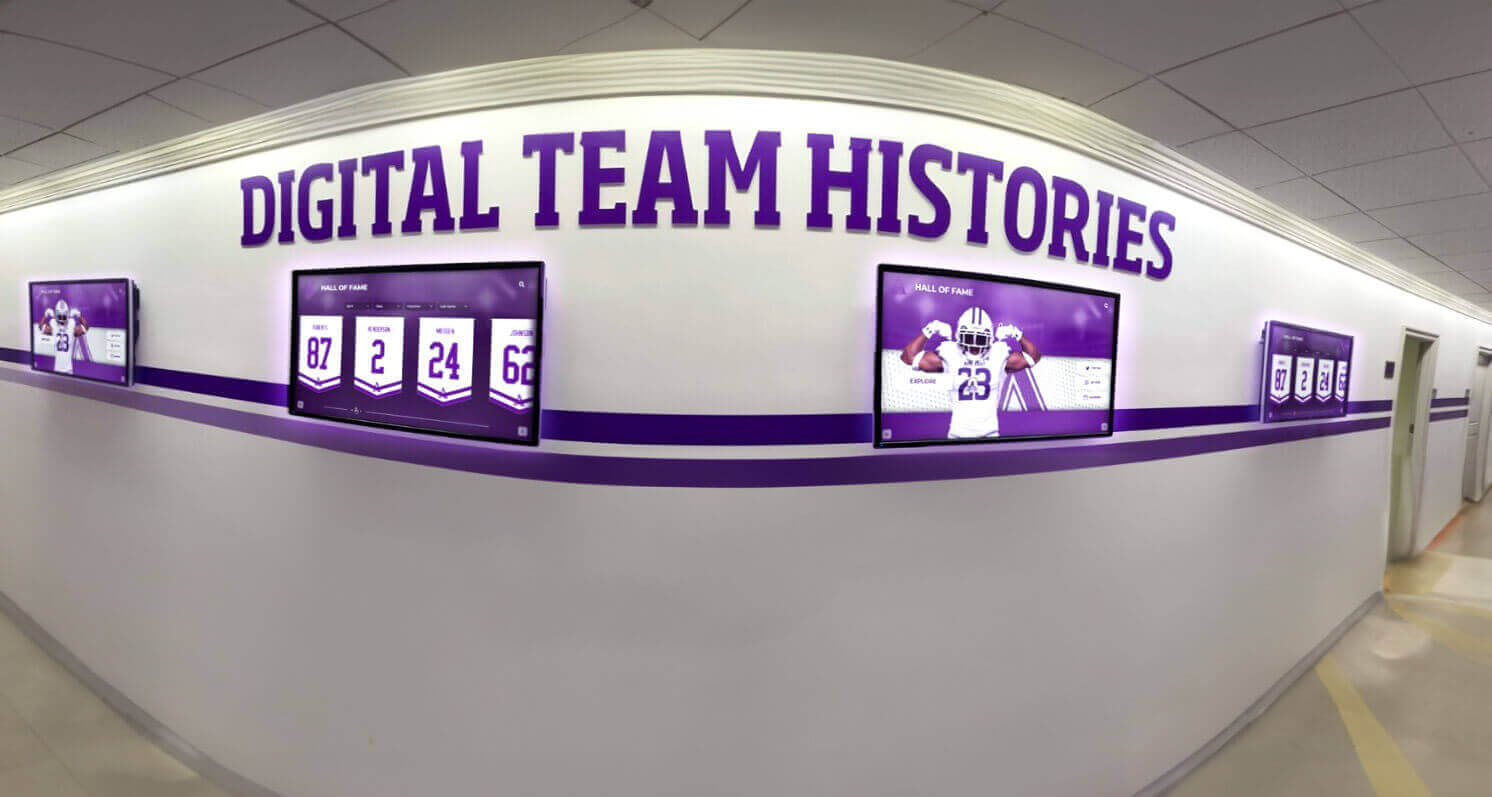
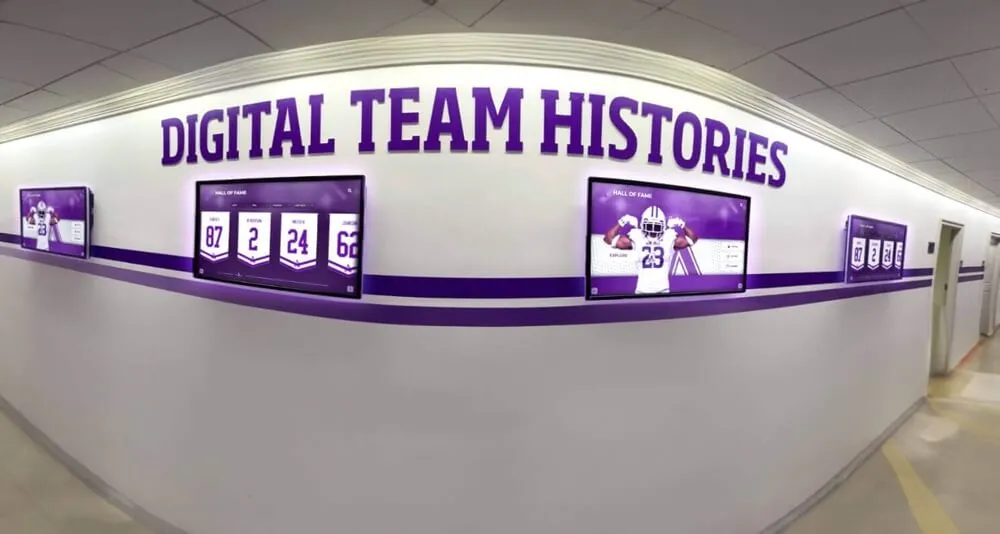
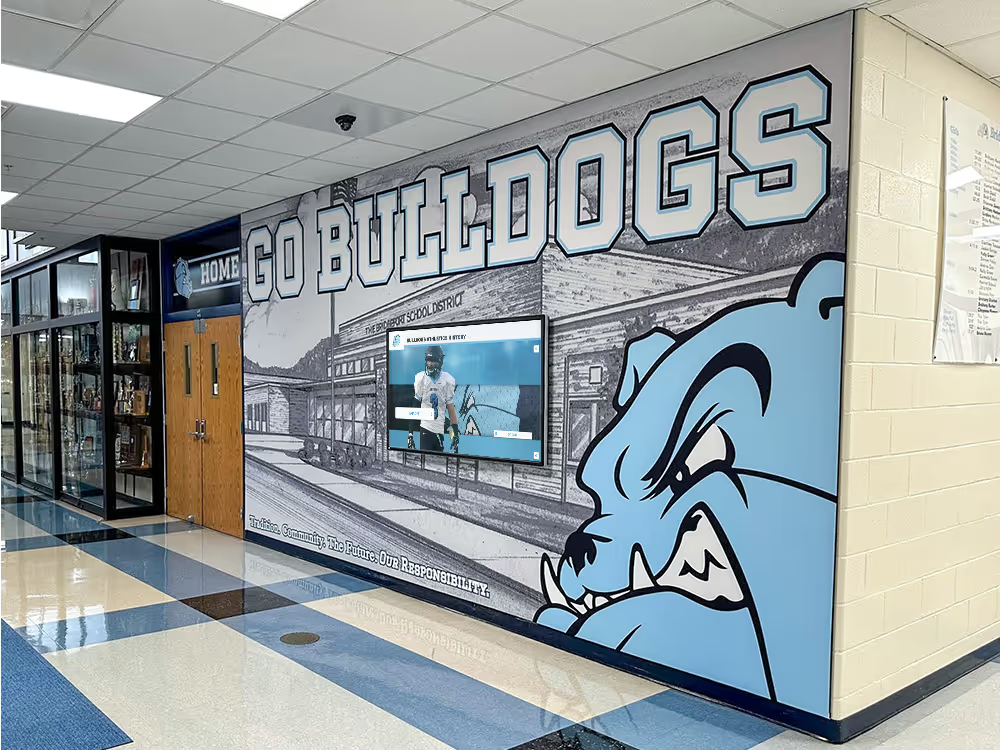
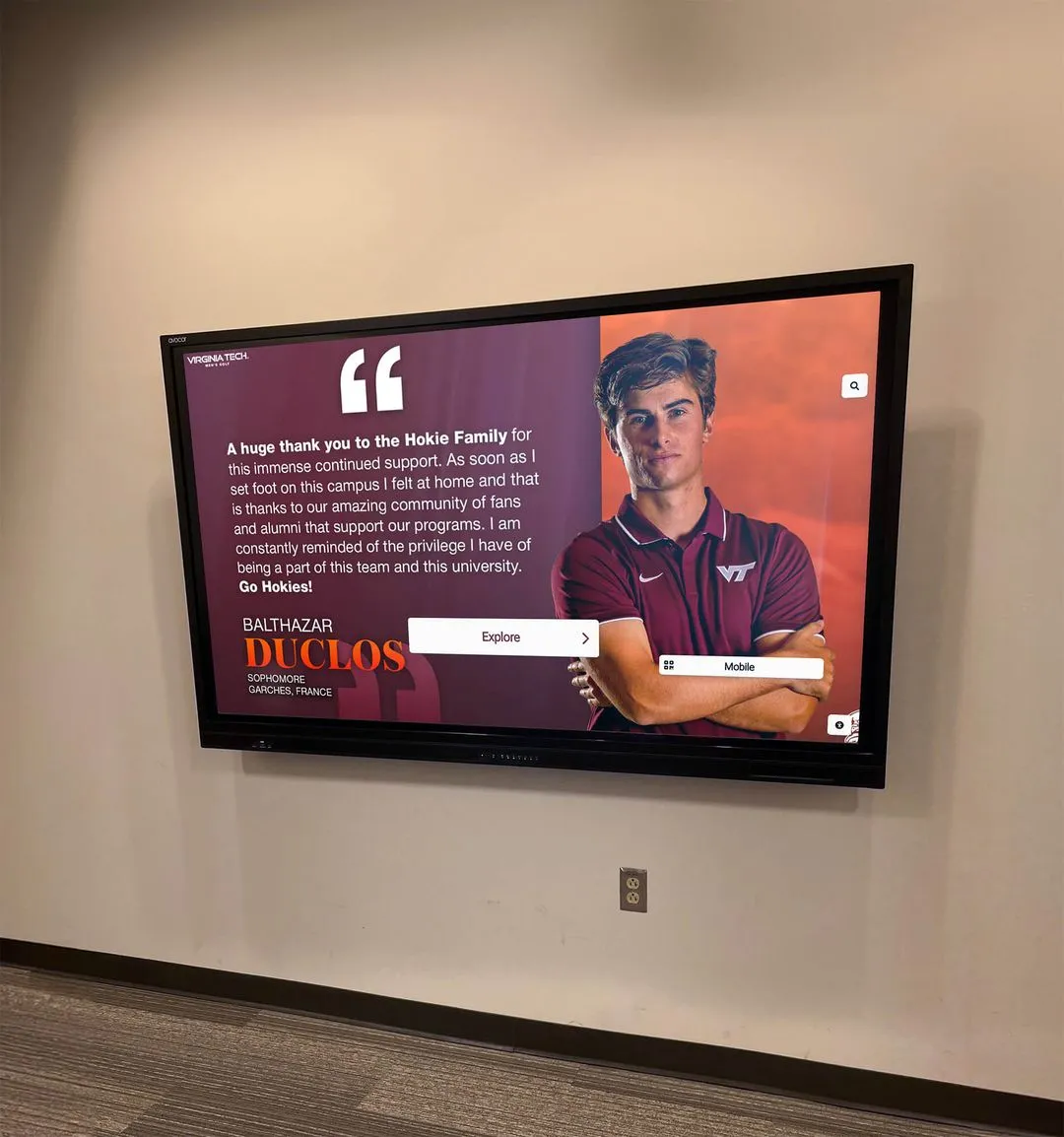
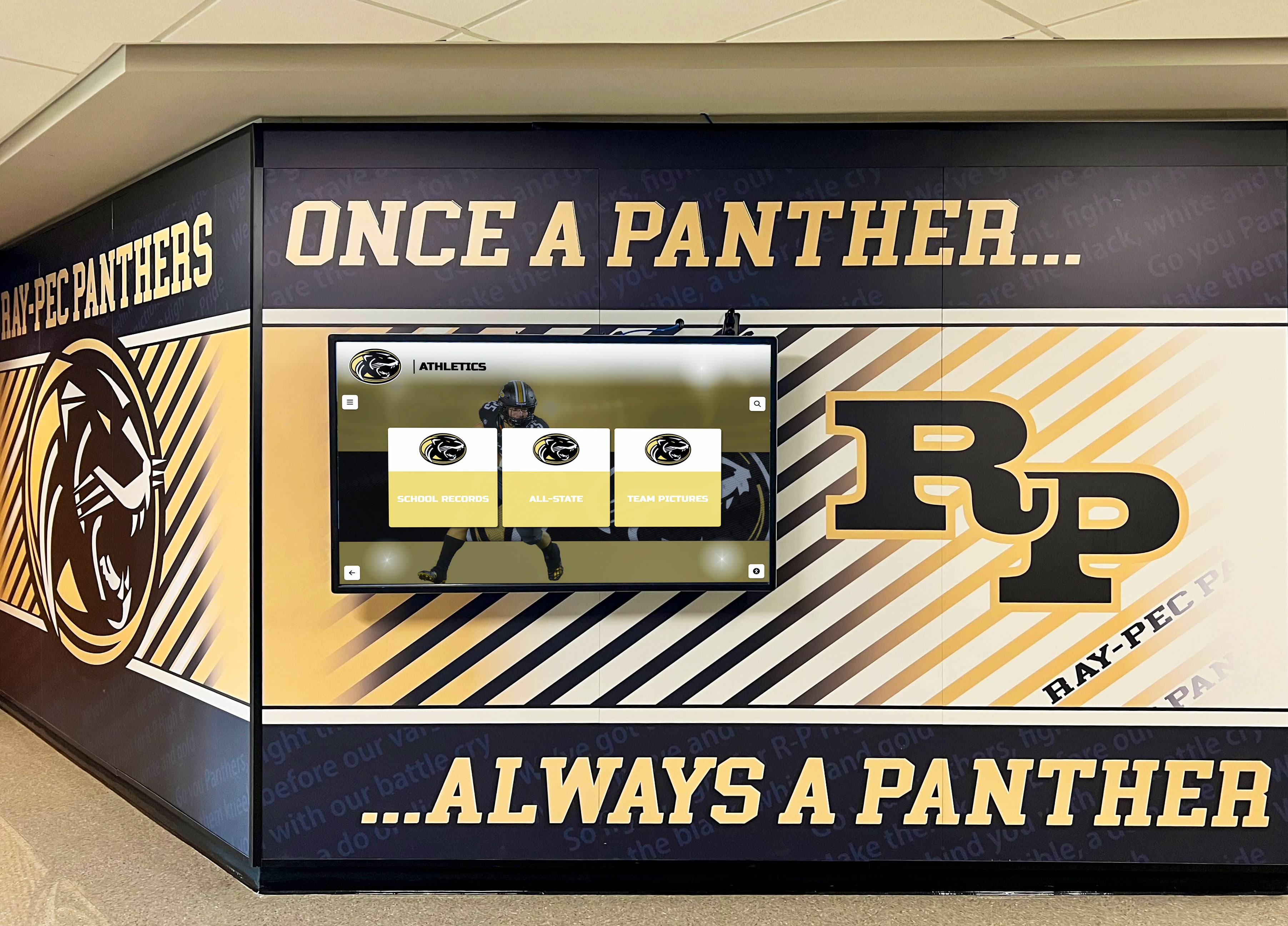
Digital displays enable schools to showcase comprehensive team histories across all athletic programs simultaneously
Website and Digital Presence
Audit online athletic department representation:
- All sports receive equivalent homepage presence
- Individual team pages comparably developed and maintained
- Season schedules published promptly for all programs
- Results and statistics updated consistently across sports
- Roster and athlete profiles available for all teams
- Photo galleries represent all sports with similar quantity and quality
- News and achievement announcements distributed fairly
- Historical information accessible for all programs
- Streaming or recorded competitions available equitably
- Social media coverage balanced across sports
Website analytics often reveal significant disparities in content volume, update frequency, and production quality between high-profile and less visible sports. Regular audits help ensure equitable digital presence.
Social Media Recognition
Evaluate representation across institutional social media channels:
- Achievement posts celebrate all sports proportionally
- Game day promotion occurs for all teams
- Athlete spotlights feature diverse sports
- Championship and milestone recognition consistent
- Photo quality comparable across programs
- Engagement efforts (comments, responses) equitable
- Live updates during competition distributed fairly
- Recruiting recognition acknowledges all programs
- Alumni athlete features include diverse sports
Schools should track social media posts by sport quarterly to identify unconscious biases toward traditional programs and ensure equitable celebration of achievement across all teams.
Hall of Fame and Historical Recognition
Assess whether institutional athletic history honors diverse programs:
- Hall of fame induction criteria sport-neutral
- Induction selections represent diverse sports proportionally
- Historical athletic recognition preserves all program achievements
- Record boards document accomplishments across all sports
- All-time great athletes recognized across programs
- Coaching legends include leaders from diverse sports
- Championship recognition comprehensive across all teams
- Digital access enables exploration of all program histories
- Anniversary celebrations include all sports
Traditional halls of fame often skew heavily toward football, basketball, and baseball while underrepresenting athletes who excelled in swimming, track, wrestling, cross country, golf, tennis, and other less visible sports despite comparable achievement levels.
Resource and Support Equity Assessment
Evaluate whether all programs receive resources necessary for competitive excellence and athlete development.
Coaching and Staffing
Compare coaching support across athletic programs:
- Coaching compensation reflects comparable experience and responsibilities
- Assistant coach allocation proportional to team size
- Coaching professional development available to all programs
- Administrative support distributed equitably
- Volunteer coach training and supervision consistent
- Coaching stability and retention supported across sports
- Performance expectations and evaluation consistent
- Recognition and appreciation for coaching extend to all programs
When schools provide full-time coaches, multiple assistants, and professional development for some sports while expecting equal results from part-time coaches working alone in other programs, they create systematic disadvantages affecting program quality and athlete development.
Facility Access and Quality
Audit practice and competition facility allocations:
- Practice facility access proportional to team needs
- Competition venues appropriate for sport requirements
- Facility maintenance standards consistent across programs
- Scheduling priority distributed fairly among sports
- Locker room and team space allocation equitable
- Equipment storage adequate for all programs
- Facility improvements benefit diverse sports
- Competition hosting capabilities available to all teams
Many schools provide pristine football fields and basketball courts while swimming programs share aging facilities with physical education classes and track athletes practice on deteriorating surfaces. Facility equity requires systematic assessment and improvement planning.
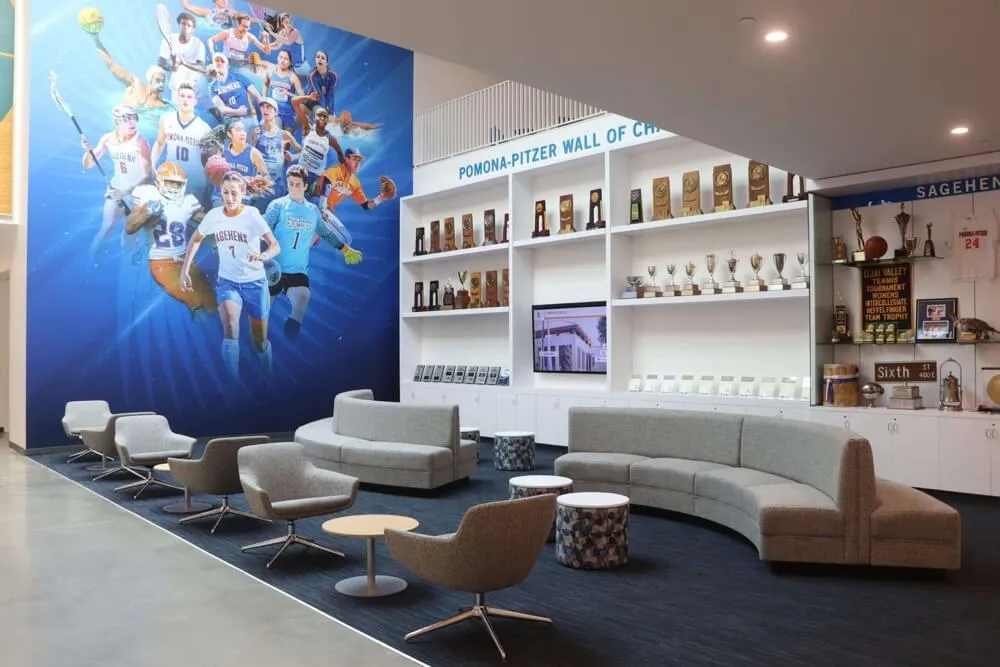
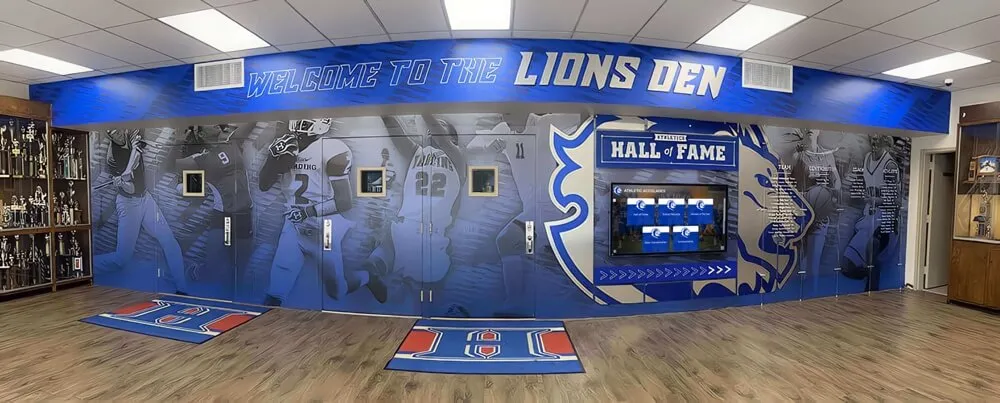
Dedicated athletic spaces should celebrate diverse programs through comprehensive recognition displays and equitable facility allocation
Equipment and Uniform Quality
Compare equipment resources across sports:
- Equipment budgets reflect sport-specific needs and safety requirements
- Replacement schedules ensure adequate equipment for all programs
- Uniform quality and branding consistent across teams
- Safety equipment meets current standards for all sports
- Training equipment adequate for athlete development
- Technology resources (timing, video, stats) distributed fairly
- Specialized equipment needs accommodated appropriately
- Equipment maintenance and repair equitable
Schools sometimes provide new uniforms and premium equipment for revenue sports annually while expecting other programs to use outdated or inadequate equipment for multiple years, creating visible disparities that affect athlete pride and safety.
Travel and Competition Opportunities
Evaluate access to competitive experiences:
- Transportation quality consistent for all teams
- Travel schedules enable participation in appropriate competition
- Tournament and invitational attendance equitable
- Meal and accommodation standards comparable
- Travel squad sizes appropriate for sport requirements
- Out-of-season competition access fair across programs
- College showcase and recruiting event participation supported
- Travel safety and supervision equivalent
When some teams travel on charter buses to distant competitions while others carpool because district transportation isn’t available, schools create inequities that affect competitive opportunities and college recruitment visibility.
Athletic Training and Support Services
Assess whether all athletes receive comparable support:
- Athletic training coverage available to all programs
- Injury prevention and treatment equitable
- Strength and conditioning access distributed fairly
- Nutrition education and support comprehensive
- Academic support services available to all athletes
- Mental performance resources accessible across sports
- Physical therapy and rehabilitation equitable
- Performance testing and monitoring comparable
High-profile programs sometimes receive dedicated athletic trainers at all practices and competitions while less visible sports must schedule appointments or go without immediate injury evaluation and treatment, creating safety and liability concerns alongside equity issues.
Media Coverage and Community Engagement Equity
Evaluate whether all programs receive appropriate promotion, coverage, and community support.
School Communication and Promotion
Assess institutional communication equity:
- Morning announcements recognize all sports achievements
- Email communications celebrate diverse programs
- Promotional posters and signage represent all teams
- Event calendars prominently feature all sports
- Competition reminders distributed for all programs
- Parent and family communications consistent
- Alumni engagement includes all sports
- Community partnerships benefit diverse programs
Schools often announce football and basketball games extensively while assuming families of athletes in other sports will independently track schedules and results without institutional promotion creating community awareness and attendance.
Local Media Relations
Evaluate external media coverage facilitation:
- Press releases distributed for all sports
- Media interviews facilitated across programs
- Statistics and information provided to media for all teams
- Photography access coordinated for all sports
- Media day participation includes diverse programs
- Feature story pitching represents all sports
- Championship and milestone promotion comprehensive
- Historical information accessible to media for all programs
Athletic departments can significantly influence local media coverage by proactively providing information, facilitating interviews, and pitching stories about less covered sports rather than assuming media will independently seek stories beyond traditional football and basketball coverage.
Booster Organization and Fundraising Support
Audit how fundraising and booster resources benefit programs:
- Booster organization structure includes all sports
- Fundraising revenue distribution aligned with program needs
- Donor recognition acknowledges support for all sports
- Sport-specific booster clubs operate under equitable policies
- Capital campaign priorities include diverse facility needs
- Scholarship and award opportunities available across programs
- Volunteer recruitment and coordination comprehensive
- Financial transparency ensures equitable resource distribution
Some schools operate football and basketball boosters that raise substantial funds exclusively benefiting those programs while other sports receive minimal booster support, creating resource disparities that compound over time and affect competitive positioning.
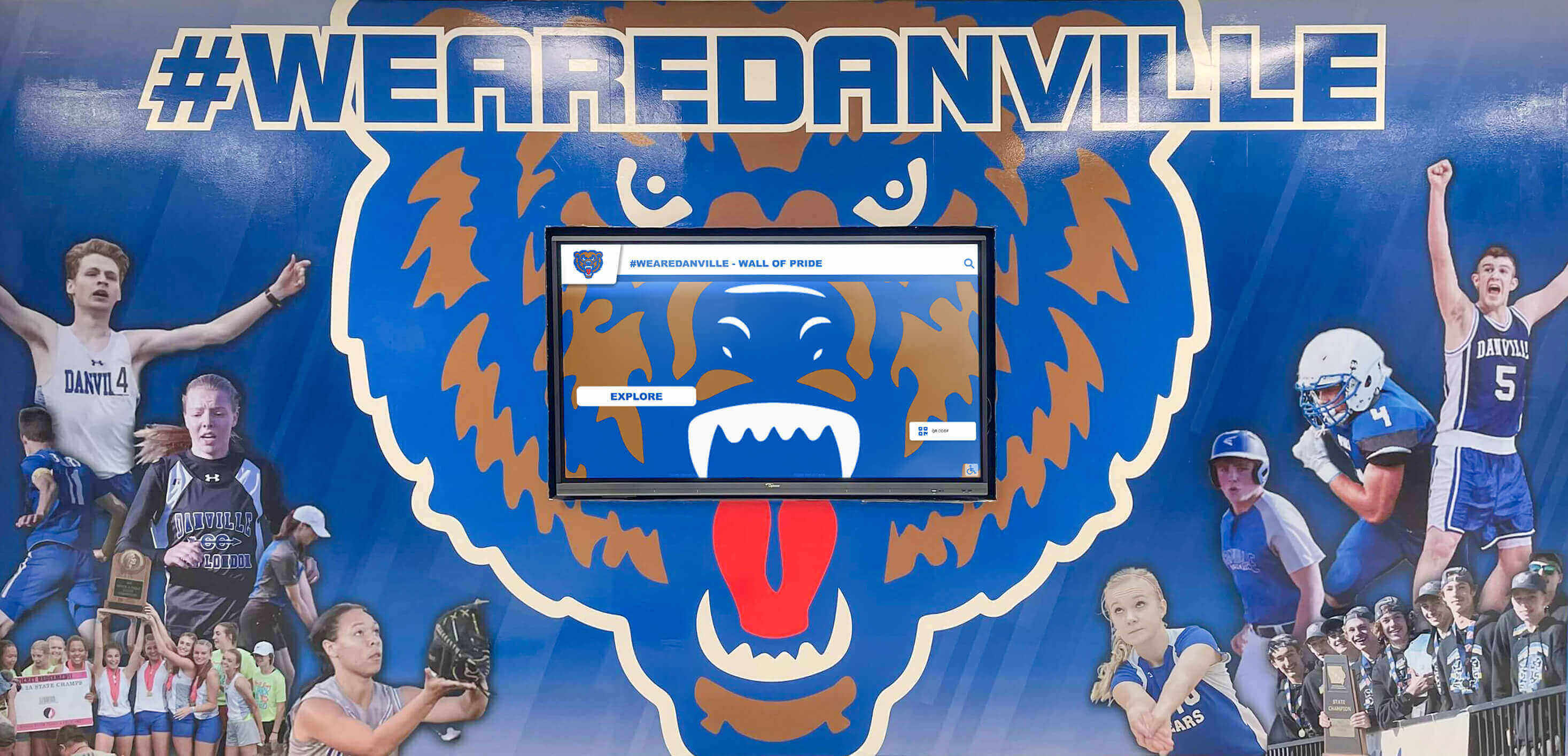
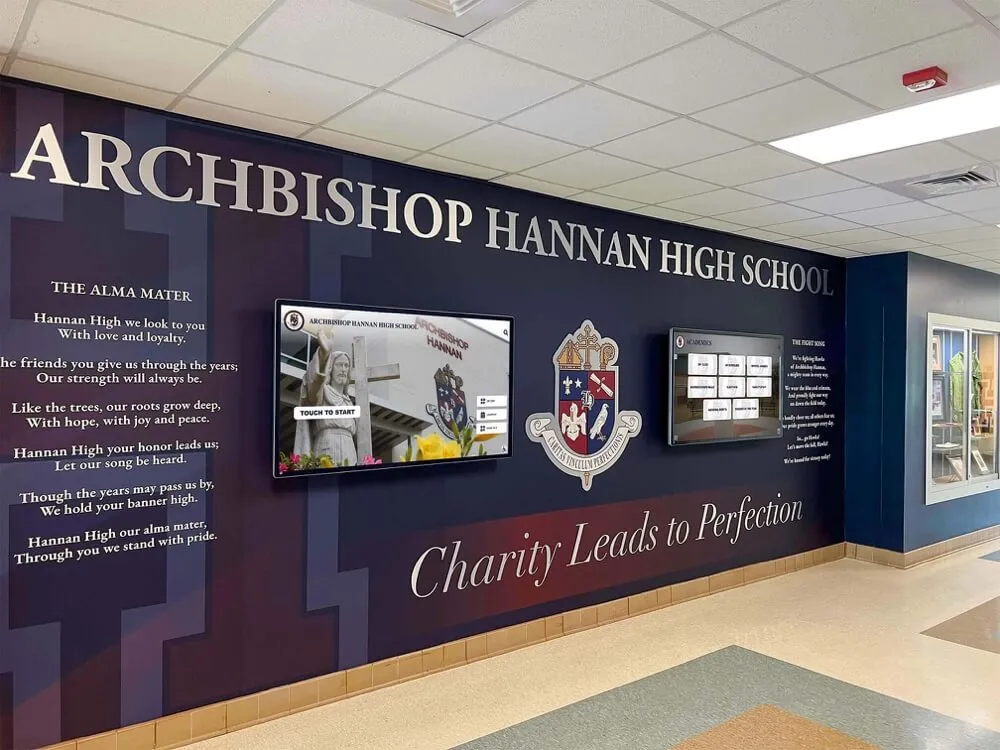
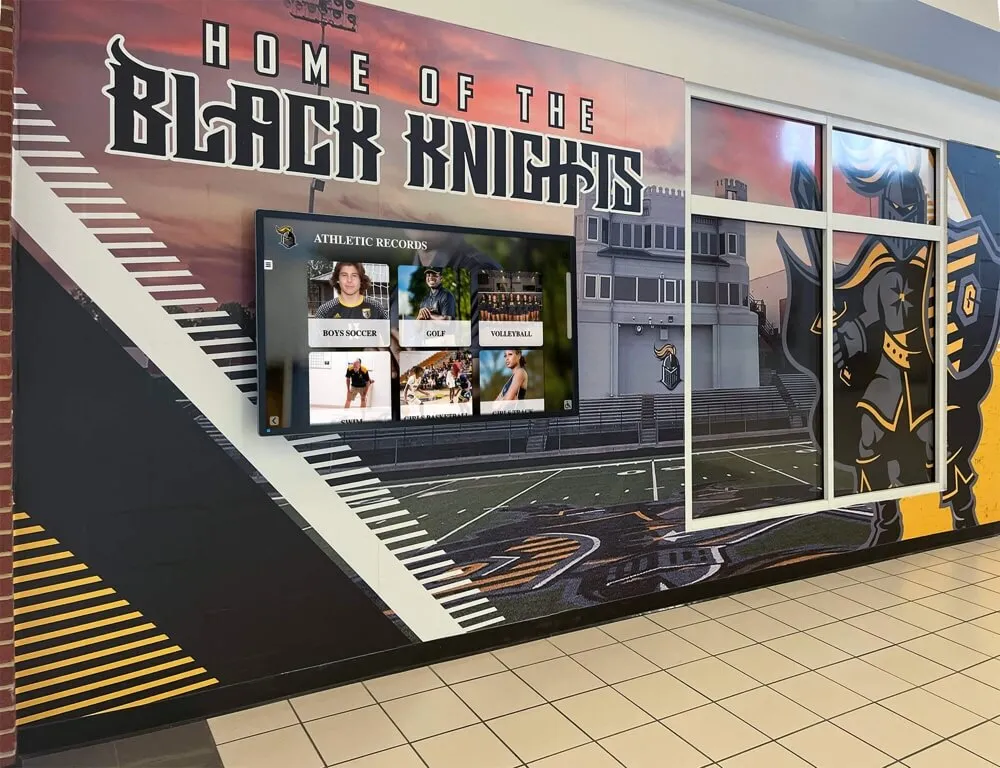
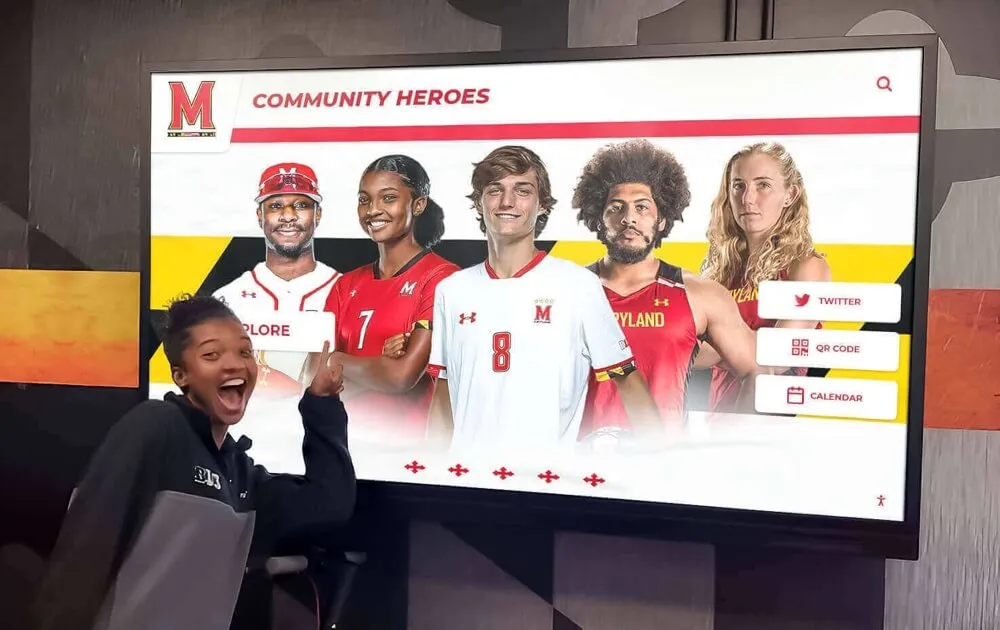
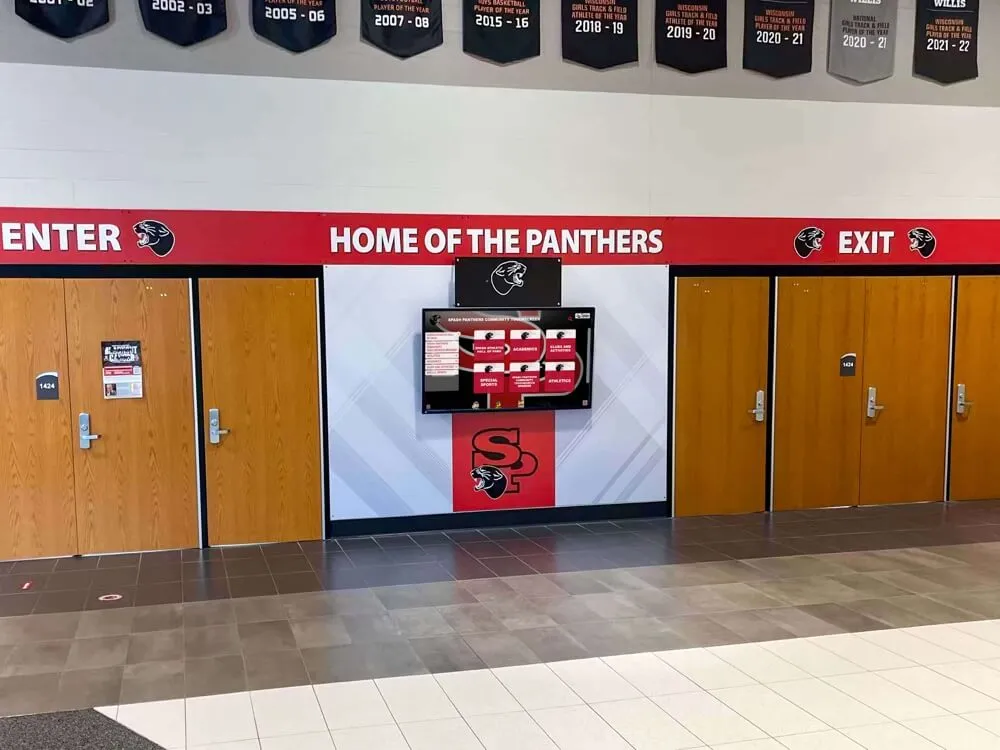
Comprehensive athletic recognition integrates traditional physical elements with modern digital displays celebrating all sports programs
Game Day Experience and Attendance
Compare spectator experience across sports:
- Competition scheduling considers spectator accessibility
- Facility presentation comparable across sports
- Announcer quality and preparation consistent
- Music and entertainment appropriate for all sports
- Concessions and amenities available equitably
- Streaming or recording quality comparable
- Spirit squad and band presence distributed fairly
- Senior night and recognition events held for all programs
- Championship celebration events honor all sports
Schools sometimes provide elaborate game day productions for football and basketball while other sports compete in near silence with minimal spectator amenities, creating disparate experiences that affect athlete pride and family satisfaction.
Addressing Athletics Equity Challenges: Practical Implementation Strategies
Identifying equity gaps represents the first step—addressing them requires systematic strategies, resource allocation, and cultural commitment from athletic departments and school leadership.
Creating Equitable Recognition Systems
Modern solutions eliminate traditional constraints that forced prioritization between sports.
Digital Recognition Display Implementation
Solutions like Rocket Alumni Solutions transform athletic recognition through interactive displays that overcome space limitations:
Unlimited Recognition Capacity Across All Sports
Digital platforms eliminate trophy case constraints through unlimited athlete profiles across all sports and achievement levels, comprehensive team history documentation regardless of sport popularity, championship recognition without physical space requirements, individual milestone celebration for athletes in all programs, and historical preservation maintaining decades of achievement permanently accessible.
A single touchscreen display can showcase recognition that would require dozens of traditional trophy cases, enabling schools to celebrate athletes across all sports comprehensively rather than choosing which programs receive visibility based on physical constraints.
Dynamic Content Management Supporting All Programs
Cloud-based management systems enable equitable recognition through remote updates requiring no physical access or engraving, bulk import capabilities handling historical data efficiently, scheduled publishing enabling timely recognition across all sports, standardized templates ensuring consistent professional presentation, and role-based permissions allowing appropriate staff access.
These management features ensure coaches or athletic staff can add recognition for swimming state qualifiers, cross country runners, and tennis players just as easily as updating football or basketball achievements, eliminating administrative barriers that often disadvantage less visible sports.
Searchable Databases and Interactive Exploration
Digital systems create engagement impossible with static displays through search functionality enabling visitors to find specific athletes regardless of sport, filtering by program, year, achievement type, and other criteria, detailed profiles telling complete athlete stories beyond simple statistics, photo galleries documenting competition across all sports, and video integration showcasing athletic excellence comprehensively.
These interactive features ensure athletes in less visible sports receive equivalent digital recognition that family, friends, and college recruiters can easily access and explore.
Web Integration Extending Recognition Reach
Beyond physical displays, web-connected recognition extends visibility through mobile-responsive displays accessible from any device, shareable profile links athletes can distribute to college coaches, integration with athletic department websites, social media connectivity amplifying recognition, and permanent accessibility ensuring recognition remains available indefinitely.
This extended reach proves particularly valuable for less visible sports whose competitions rarely attract large in-person crowds but whose achievements deserve celebration extending beyond school hallways.
Systematic Assessment and Improvement Processes
Addressing equity requires ongoing evaluation and adjustment rather than one-time interventions.
Annual Equity Audits
Conduct comprehensive annual assessments using this checklist across all equity dimensions, document findings identifying specific disparities and improvement opportunities, prioritize interventions based on impact and feasibility, allocate resources addressing identified gaps, and track progress measuring improvement over time.
Regular audits demonstrate institutional commitment to equity while ensuring improvements receive sustained attention rather than depending on individual advocacy from coaches or parents of underserved sports.
Stakeholder Input and Feedback Mechanisms
Gather perspectives from diverse voices through athlete surveys assessing perceived equity across programs, coaching input identifying resource needs and challenges, parent feedback about communication and recognition, administrator evaluation of program health across sports, and community perception measuring awareness and support for diverse programs.
Systematic feedback collection ensures equity assessment reflects actual experiences rather than assumptions about what athletes, coaches, and families value or how resources are perceived.
Data-Driven Resource Allocation
Use objective criteria for distribution decisions through participation numbers informing resource needs, achievement levels recognizing program success, safety requirements ensuring adequate equipment, competitive context understanding sport-specific needs, and historical investment patterns identifying and correcting accumulated disparities.
When resource allocation decisions rely on transparent criteria applied consistently rather than tradition or subjective assessments of sport importance, schools create defensible equity frameworks that stand up to scrutiny from all stakeholders.
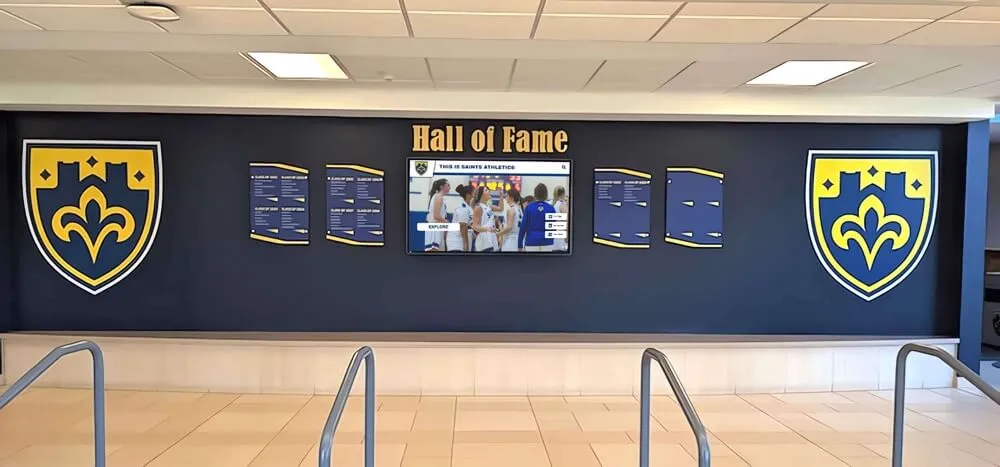
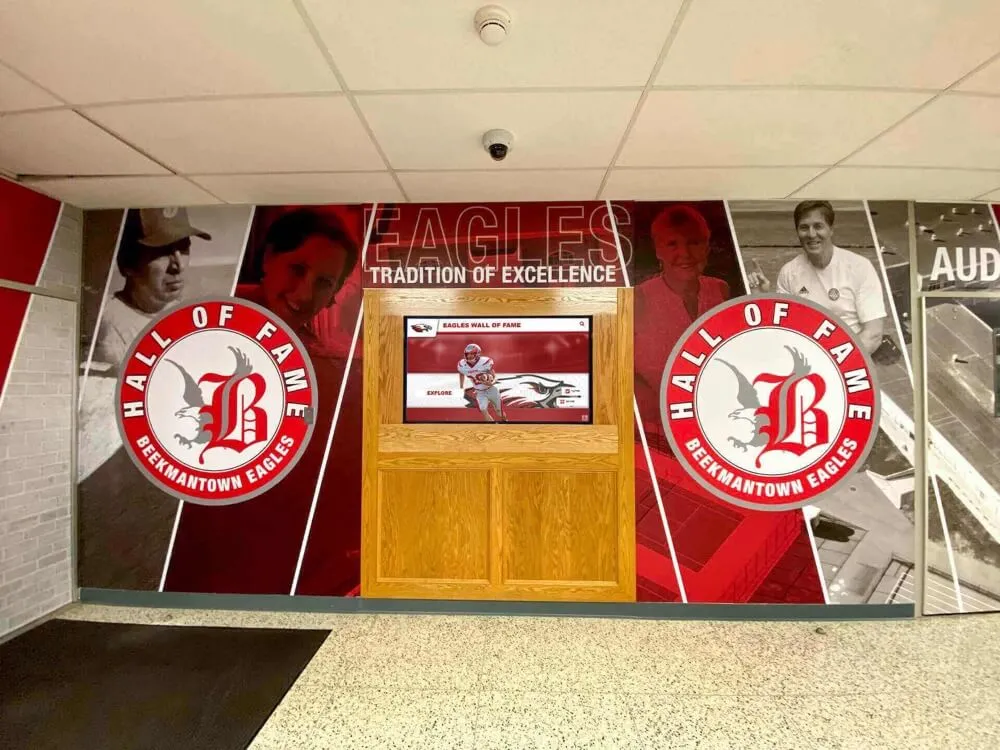
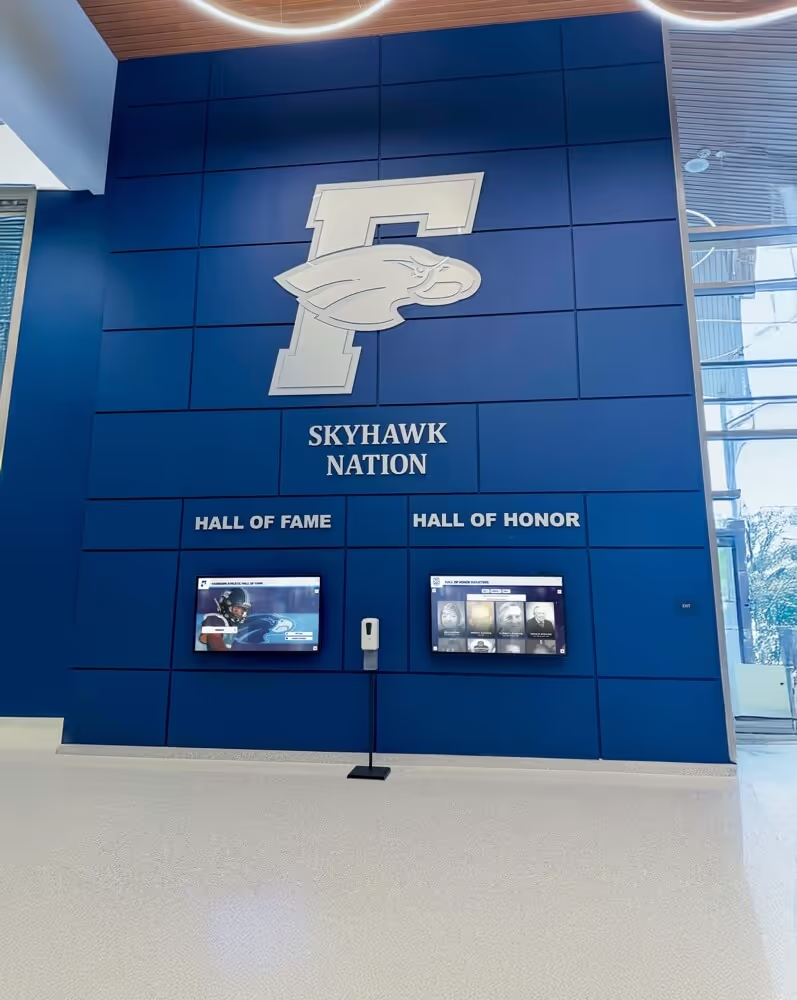
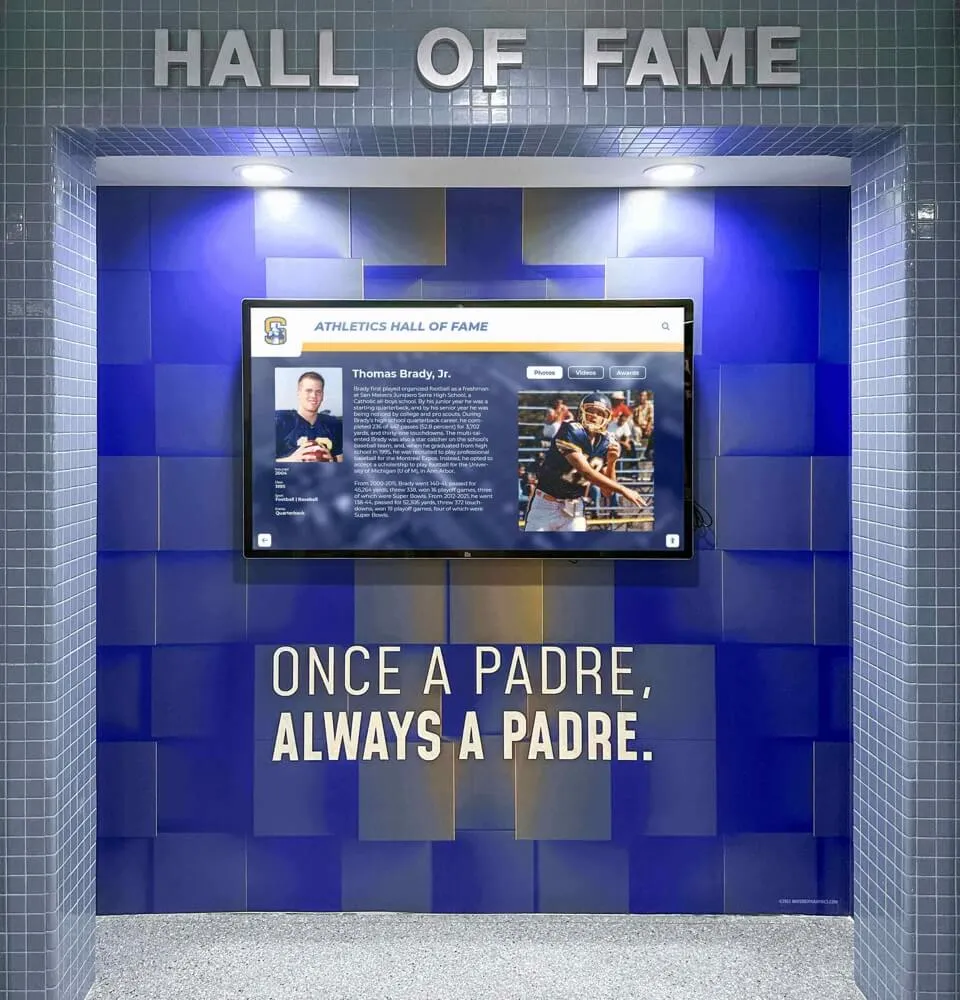
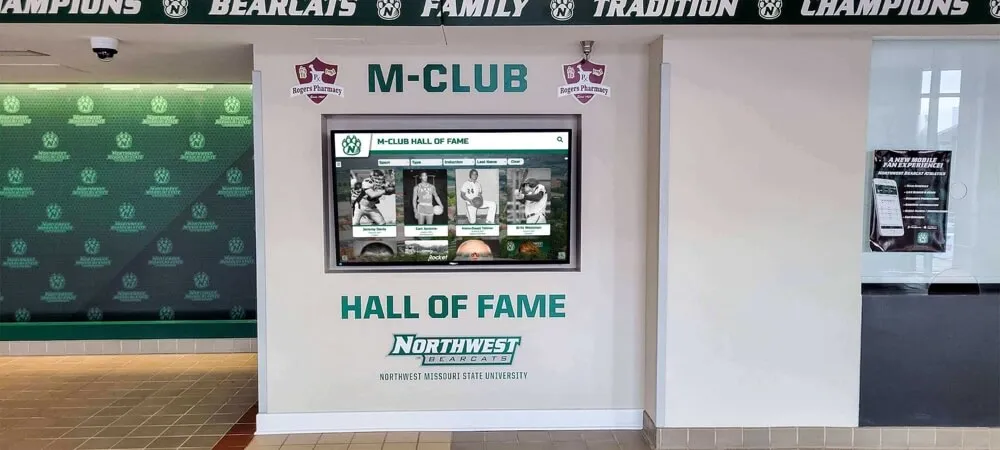
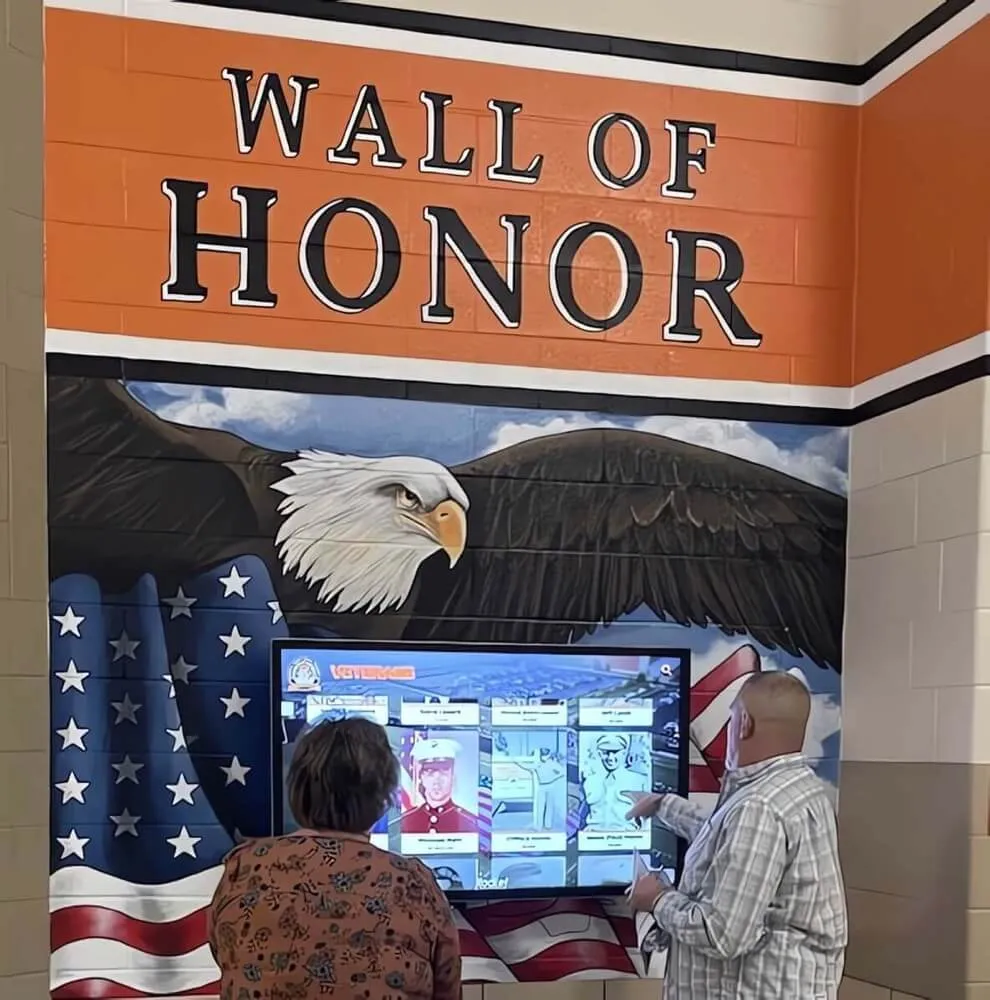
Comprehensive hall of fame displays should honor athletes from all sports programs based on achievement rather than sport popularity
Policy Development and Institutional Commitment
Formalize equity commitments through written policies establishing equity principles and expectations, recognition standards ensuring consistent treatment across sports, resource allocation frameworks providing transparent distribution criteria, communication protocols requiring equitable coverage, and accountability measures holding leadership responsible for equity outcomes.
Written policies transform equity from aspirational values into operational requirements that survive leadership transitions and resist unconscious biases that perpetuate historical disparities.
Modern Solutions for Equitable Athletic Recognition
Technology enables recognition approaches impossible with traditional physical displays limited by space and maintenance constraints.
Comprehensive Digital Recognition Platforms
Solutions like Rocket Alumni Solutions provide purpose-built platforms designed specifically for educational athletic recognition:
All-Sport Recognition Features
Purpose-built systems accommodate diverse athletic programs through sport-specific templates optimizing presentation for different competition formats, statistical integration relevant to each program, achievement categories appropriate for different sports, team and individual recognition supporting both focuses, and multimedia capabilities showcasing diverse athletic excellence.
Generic digital signage platforms adapted for recognition often lack features necessary for comprehensive athletic celebration across diverse sports, while purpose-built solutions anticipate the specific needs of tennis players, swimmers, wrestlers, and golfers alongside traditional team sports.
Equitable Content Management Workflows
Administrative features support fair recognition across programs through standardized update processes ensuring consistent timelines, bulk import tools handling multiple sports efficiently, template libraries enabling professional presentation without design expertise, automated publishing maintaining current recognition, and dashboard analytics revealing recognition distribution patterns.
When updating recognition for track athletes requires the same simple workflow as adding football highlights, schools eliminate administrative barriers that often result in some sports receiving slower or less frequent recognition updates.
Integration with Existing Systems
Modern platforms connect with comprehensive athletic technology through roster management systems synchronizing athlete information, statistics platforms pulling performance data automatically, website integration extending recognition beyond physical displays, social media connections amplifying celebration, and communication tools coordinating recognition announcements.
These integrations reduce manual work required to maintain equitable recognition while ensuring information consistency across platforms and reducing likelihood that some sports fall behind due to administrative capacity constraints.
Cost-Effective Equity Solutions
Schools concerned about recognition system costs should consider long-term value propositions.
Eliminating Recurring Physical Recognition Costs
Digital recognition eliminates ongoing expenses including engraving costs for new plaques and updates, physical trophy case expansion as space fills, reinstallation expenses when recognition grows, maintenance and cleaning of physical displays, and replacement costs when traditional recognition deteriorates.
While initial investment in digital systems may exceed traditional plaque costs, elimination of recurring physical recognition expenses creates favorable cost comparisons over typical 5-10 year equipment lifecycles.
Scalability Without Additional Investment
Digital platforms accommodate program growth through unlimited capacity supporting expanding programs, new sport addition without facility modifications, historical preservation requiring no additional space, recognition category expansion without reinstallation, and multi-display coordination enabling campus-wide recognition.
Schools adding lacrosse programs, esports teams, or other emerging sports can incorporate new program recognition immediately without physical space constraints or additional capital investment beyond initial display installation.
Operational Efficiency and Time Savings
Remote content management reduces staff time through elimination of physical access requirements, no coordination with engraving services, instant publishing without installation delays, bulk update capabilities handling multiple programs efficiently, and template-based workflows requiring minimal design time.
Athletic staff report 80-90% reduction in time spent maintaining recognition after implementing digital systems compared to traditional approaches requiring physical updates, engraving coordination, and facility access—time redirected to athlete development and program improvement.
Building Institutional Commitment to Athletics Equity
Sustained equity requires cultural commitment extending beyond individual athletic directors to include school leadership, boards, boosters, and community stakeholders.
Leadership and Governance
Ensure equity accountability at highest organizational levels:
Board and Administrative Oversight
School boards and administrative leadership should establish equity as strategic priority, review equity assessment data regularly, allocate resources addressing documented disparities, hold athletic directors accountable for equity outcomes, and communicate institutional commitment to all stakeholders.
When equity receives board-level attention and appears in administrative evaluation criteria, it transforms from aspirational value to operational requirement driving systematic improvement.
Athletic Director Responsibilities
Athletic directors must champion equity through comprehensive assessment using systematic frameworks, transparent communication about equity challenges and progress, resource advocacy securing necessary funding for all programs, policy development formalizing equity commitments, and cultural leadership creating environments valuing all athletes and sports.
The athletic director’s commitment to equity often determines whether schools achieve genuine fairness or maintain historical patterns privileging traditional programs.
Coaching Leadership and Advocacy
Coaches play critical roles through cross-sport collaboration supporting peers across programs, athlete education teaching equity values, parent communication managing expectations and building understanding, program advocacy articulating needs systematically, and recognition of peers celebrating coaching excellence across all sports.
When coaches from high-profile sports actively support equity initiatives and celebrate achievements across all programs, they create peer pressure and cultural norms that accelerate progress toward genuine fairness.
Community Engagement and Support
Extend equity commitment beyond athletic department to broader community:
Booster Organization Structure
Organize booster support equitably through unified structures serving all sports, transparent fundraising showing revenue and distribution, needs-based allocation supporting programs proportionally, comprehensive volunteer recruitment across sports, and recognition programs celebrating donors supporting all programs.
When booster organizations operate transparently with equity commitments embedded in governance, they reduce risk of concentrated fundraising benefiting only high-profile programs while others struggle with minimal support.
Family and Alumni Engagement
Build broad stakeholder support through alumni athlete networking across diverse sports, family communication explaining equity initiatives and progress, advocacy training helping supporters promote all programs, event planning ensuring all sports receive celebration, and feedback mechanisms gathering diverse perspectives.
Parents of athletes in less visible sports often become powerful equity advocates when provided with data, organized effectively, and given productive channels for engagement beyond complaints about perceived unfairness.
Media Relations and Storytelling
Proactively shape coverage through comprehensive press outreach promoting all sports, story development highlighting less covered programs, media education explaining equity initiatives, photography provision ensuring visual documentation quality, and strategic narrative framing positioning equity as institutional strength.
Local media often cover high-profile sports simply because those programs provide ready information, interviews, and photography while other sports require more reporter initiative. Athletic departments can significantly influence coverage balance by reducing friction for journalists seeking stories about less visible programs.
Conclusion: Creating Athletic Environments Where All Athletes Thrive
Athletics equity represents far more than legal compliance checkbox or public relations position—it embodies fundamental commitments to valuing all students, celebrating diverse forms of excellence, and creating environments where athletes across all sports feel equally important to school community and institutional identity.
The comprehensive checklist provided in this guide enables athletic directors, school administrators, and athletic department staff to systematically evaluate equity across recognition, resources, media coverage, and community support. From trophy case representation to coaching compensation to social media coverage to booster organization structure, true equity requires attention to multiple dimensions simultaneously rather than isolated interventions that address individual complaints without changing underlying systems.
Transform Athletic Recognition Across All Sports
Discover how digital recognition solutions from Rocket Alumni Solutions can help your athletic department celebrate achievements across all sports programs without space constraints, maintenance challenges, or budget limitations forcing impossible prioritization decisions.
Request Athletic Recognition ConsultationModern solutions—particularly digital recognition displays—eliminate traditional constraints that forced athletic directors to choose which sports received visibility based on physical space limitations, maintenance capacity, or update costs. When single touchscreen displays can showcase unlimited athletes across all programs with remote updates requiring no engraving or physical access, schools can genuinely celebrate comprehensive achievement rather than perpetuating historical biases toward traditional revenue sports.
Yet technology alone doesn’t create equity—it enables the systemic commitment to fairness that must come from athletic leadership, school administration, boards, boosters, and broader community stakeholders. Regular assessment using comprehensive frameworks like this checklist, transparent resource allocation based on objective criteria, inclusive communication celebrating diverse programs, and accountability measures ensuring sustained attention all prove essential for transforming aspirational equity values into operational realities affecting daily athlete experiences.
Every student who commits to athletic competition—whether they’re offensive linemen protecting quarterbacks under Friday night lights or distance runners racing in near-empty parks on Saturday mornings—deserves recognition commensurate with their dedication, achievement, and contribution to school athletic tradition. When schools systematically evaluate and address equity gaps, they create cultures where all athletes thrive and every program receives support necessary for competitive excellence and athlete development.
Begin by conducting comprehensive equity assessment using this checklist to identify specific disparities in your athletic program. Document findings, prioritize interventions, allocate resources addressing documented gaps, and commit to regular evaluation ensuring sustained progress. Whether addressing trophy case imbalances, expanding digital recognition to celebrate all sports comprehensively, restructuring booster organizations to support diverse programs, or improving media coverage across all teams, every equity improvement strengthens your athletic program and enriches experiences for all student-athletes.
Athletics equity isn’t about diminishing high-profile programs—it’s about elevating all sports to receive appropriate recognition, resources, and support enabling every athlete to develop excellence, pursue college opportunities, and create lifelong connections to sport and school community. Start your equity assessment today and commit to creating athletic environments where visibility, resources, and celebration extend to all sports and all athletes regardless of whether they compete on prime-time Friday nights or quiet weekday afternoons.
Ready to implement comprehensive athletic recognition celebrating all sports equally? Explore digital athletic recognition solutions, discover equitable resource allocation frameworks, learn about comprehensive recognition display systems, or schedule a consultation with Rocket Alumni Solutions to discuss how modern recognition platforms can help your athletic department achieve genuine equity across all sports programs.