Winter nights across America transform gymnasiums into roaring cauldrons of community pride when high school basketball playoffs begin. From packed small-town gyms where entire communities pack bleachers to state-of-the-art facilities hosting championship games, the high school basketball playoffs represent the pinnacle of interscholastic competition. More than 18,000 high schools nationwide field basketball programs, with playoff systems varying dramatically from state to state in format, tradition, and championship structure.
Understanding these diverse playoff systems helps athletic directors, coaches, and school administrators navigate their state’s unique championship path while properly celebrating the achievements that make playoff runs memorable. Whether your program competes in Alaska’s unique travel-intensive format or California’s sprawling multi-division system, playoff qualification creates opportunities to honor athletic excellence deserving permanent recognition.
This comprehensive state-by-state guide explores high school basketball playoff structures nationwide, examines regional variations and championship traditions, and demonstrates how schools effectively celebrate tournament achievements through recognition systems that inspire current athletes while honoring past excellence.

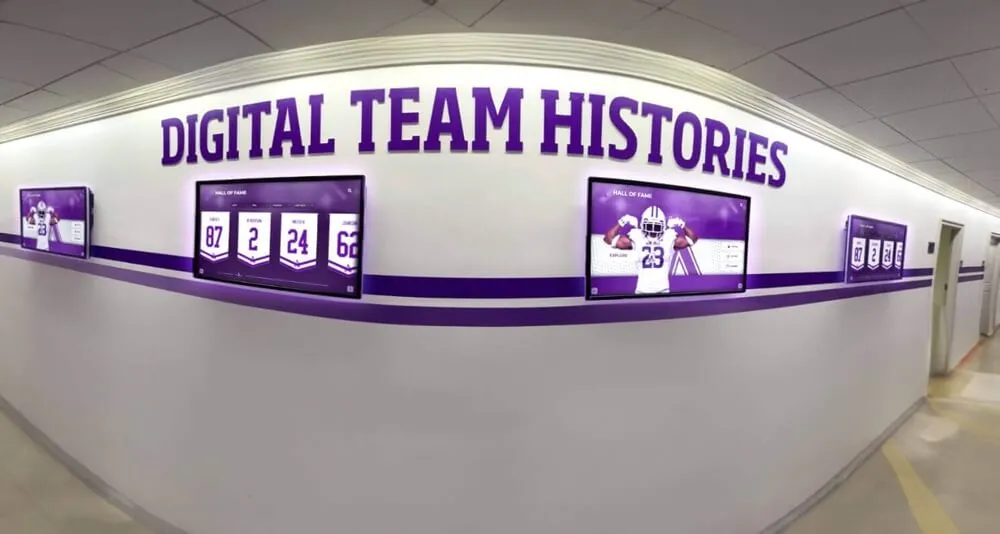
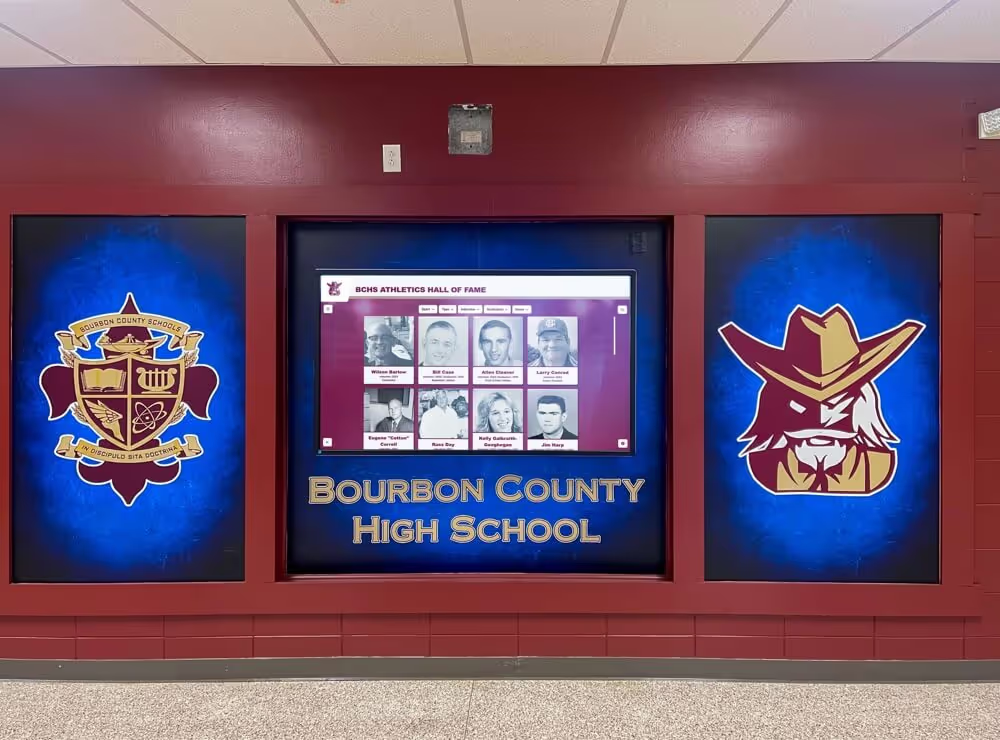
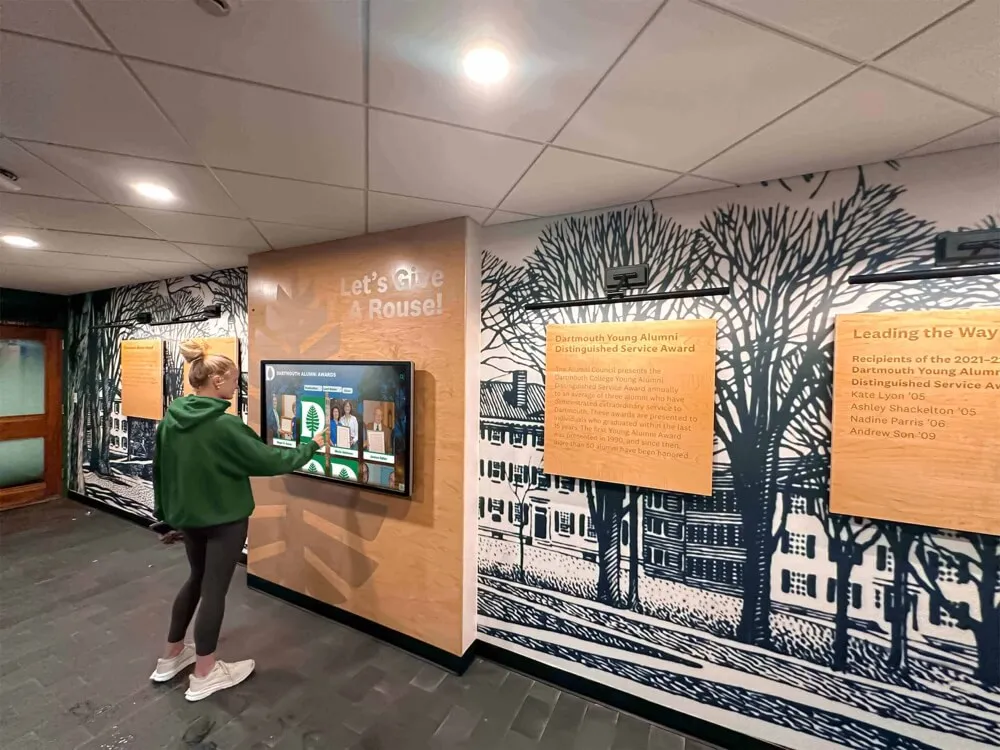
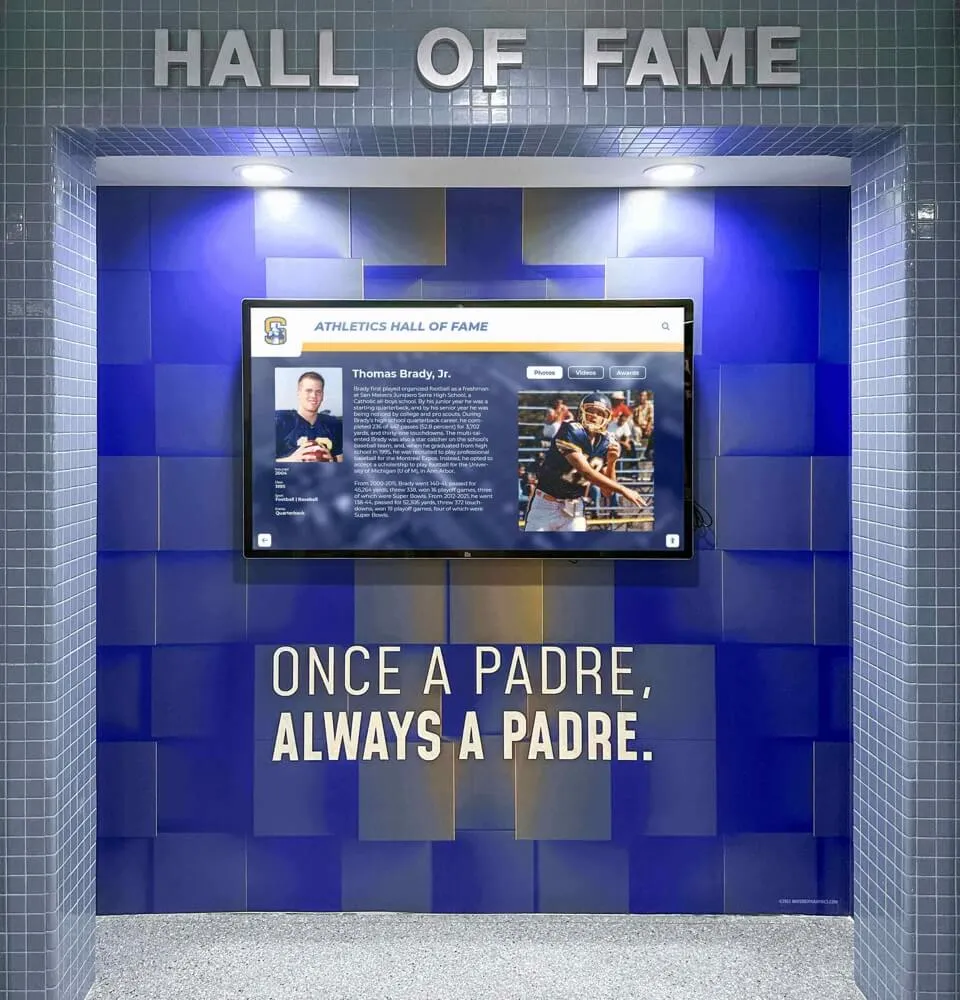
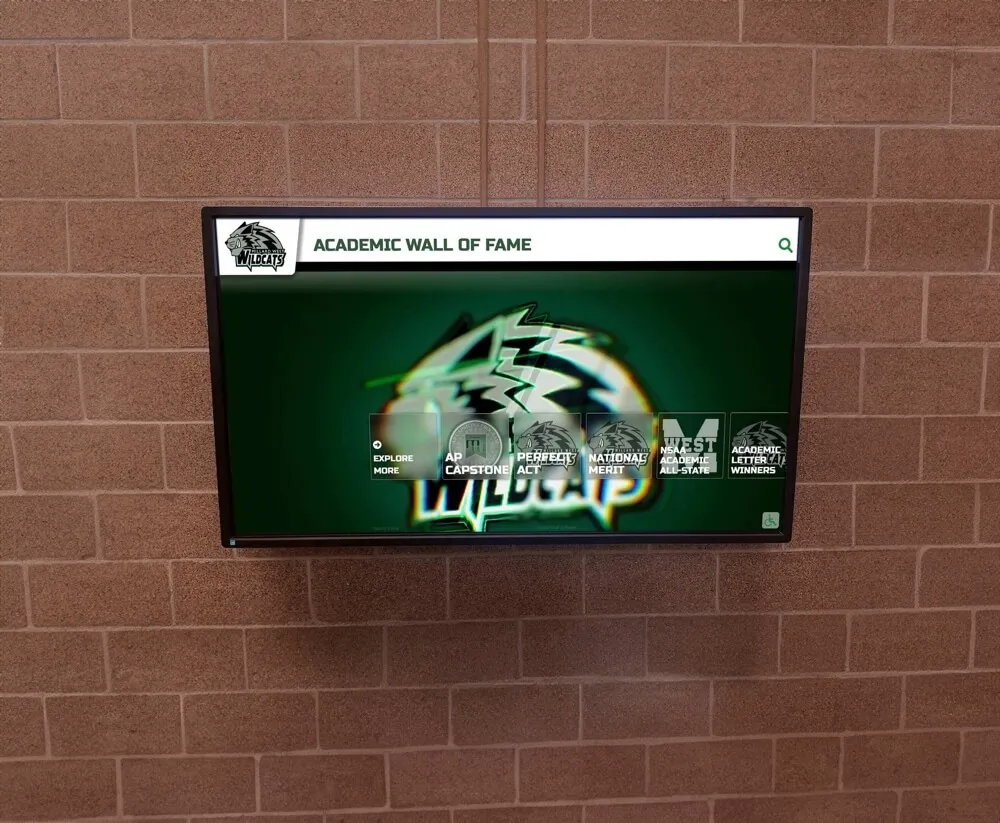
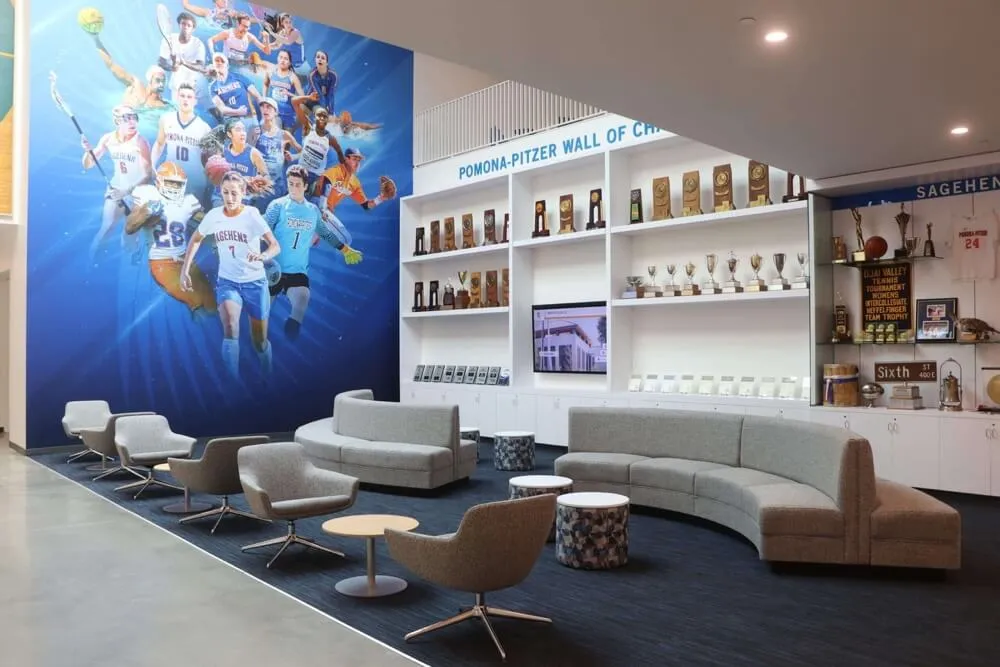
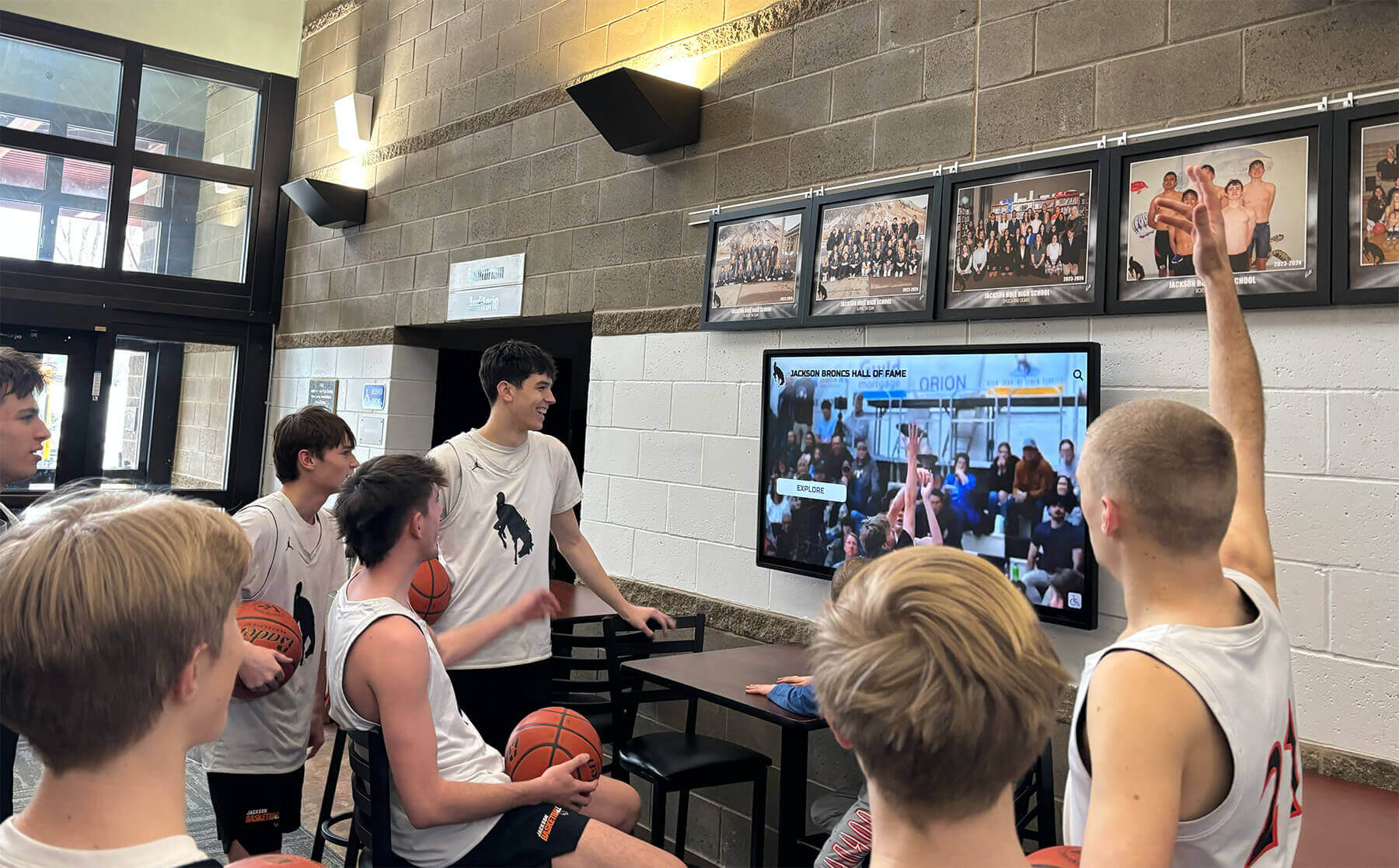
Modern recognition displays engage student-athletes by showcasing playoff achievements and championship moments throughout tournament runs
Understanding High School Basketball Playoff Systems Nationwide
High school basketball playoffs vary significantly across the United States, reflecting different philosophies about competitive equity, geographic challenges, and state traditions. Some states send nearly every team to playoffs through open tournament systems, while others maintain restrictive qualification criteria limiting playoff access to top conference performers.
Open Tournament vs. Qualifying Systems
States employ two fundamental approaches to playoff qualification, each creating distinct competitive environments with different recognition implications.
Open Tournament States
Several states including Indiana with its famous single-class tournament (until 1997) and current multi-class system invite all teams to playoffs regardless of regular-season records. These open formats create Hoosiers-style magic where small schools theoretically can defeat larger opponents, though classification systems introduced in most states have moderated this cinderella potential.
Open tournaments emphasize that every team earns opportunities to compete for championships, creating inclusive playoff cultures where qualification itself doesn’t carry special significance. However, advancing beyond early rounds or winning conference championships before tournaments gains importance as recognition milestones in these systems.
Qualifying Tournament States
Most states require teams to qualify for playoffs through regular-season performance—typically finishing among top conference teams or achieving minimum win totals. These qualification systems make playoff appearances themselves significant achievements worth celebrating, particularly for developing programs establishing competitive credibility.
Qualifying systems create clear regular-season stakes where every conference game matters for playoff positioning. This format emphasizes that playoff qualification represents earned achievement rather than universal participation, making tournament appearances meaningful recognition milestones for programs and individual athletes.
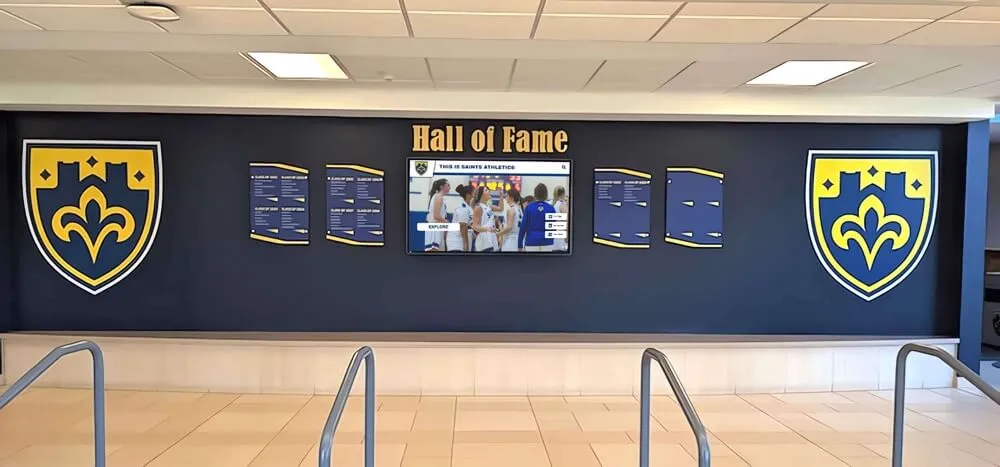
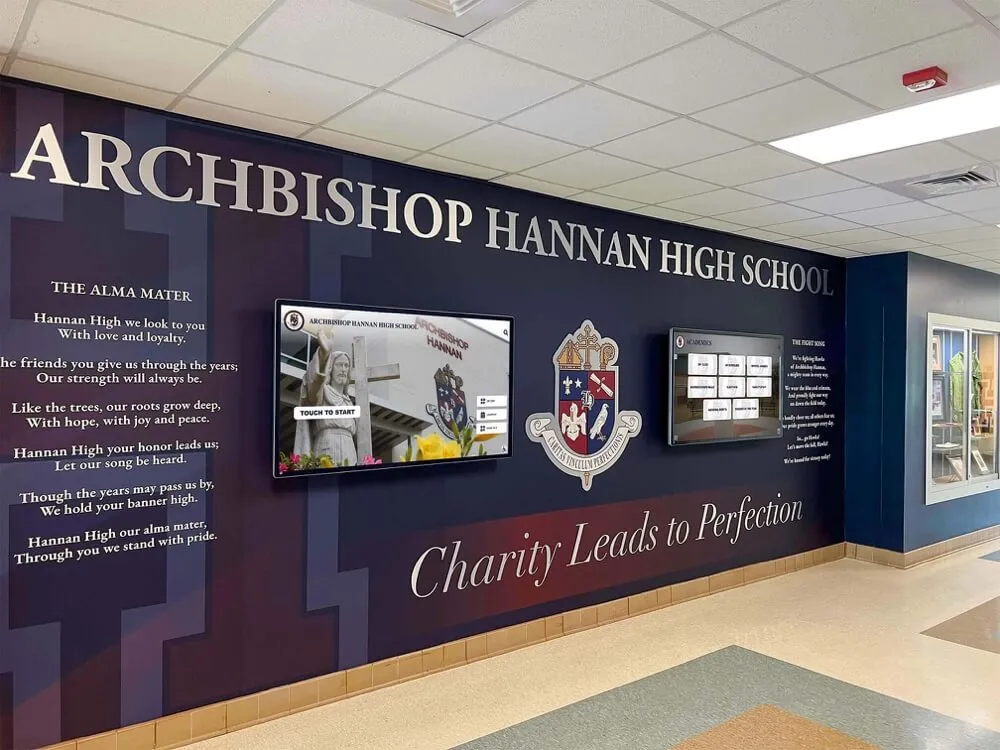
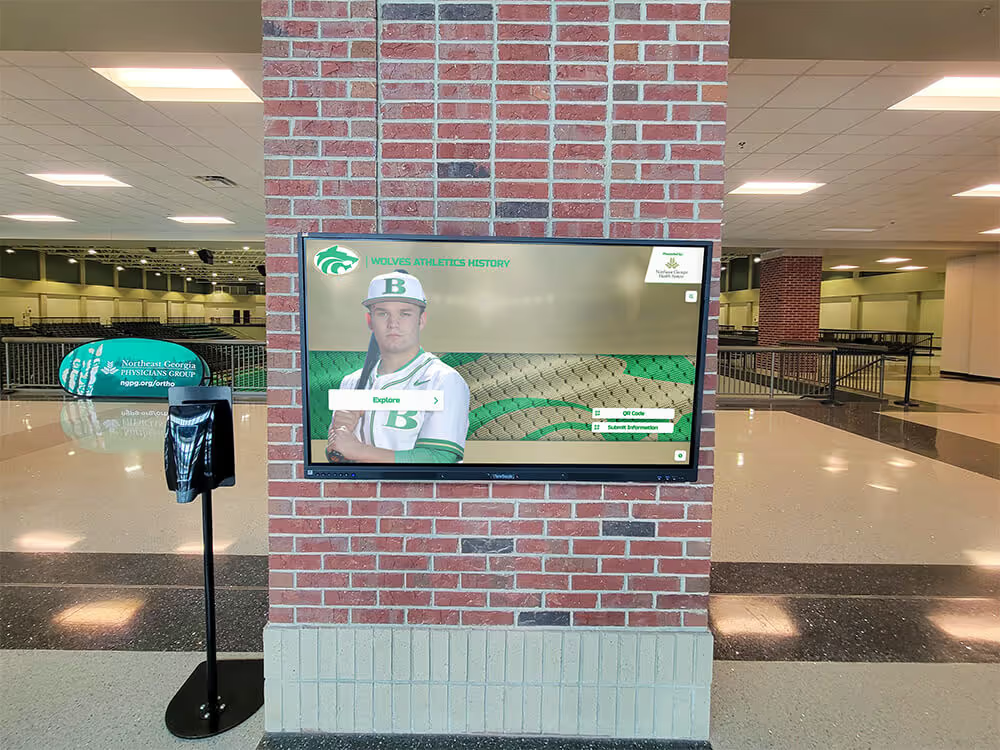
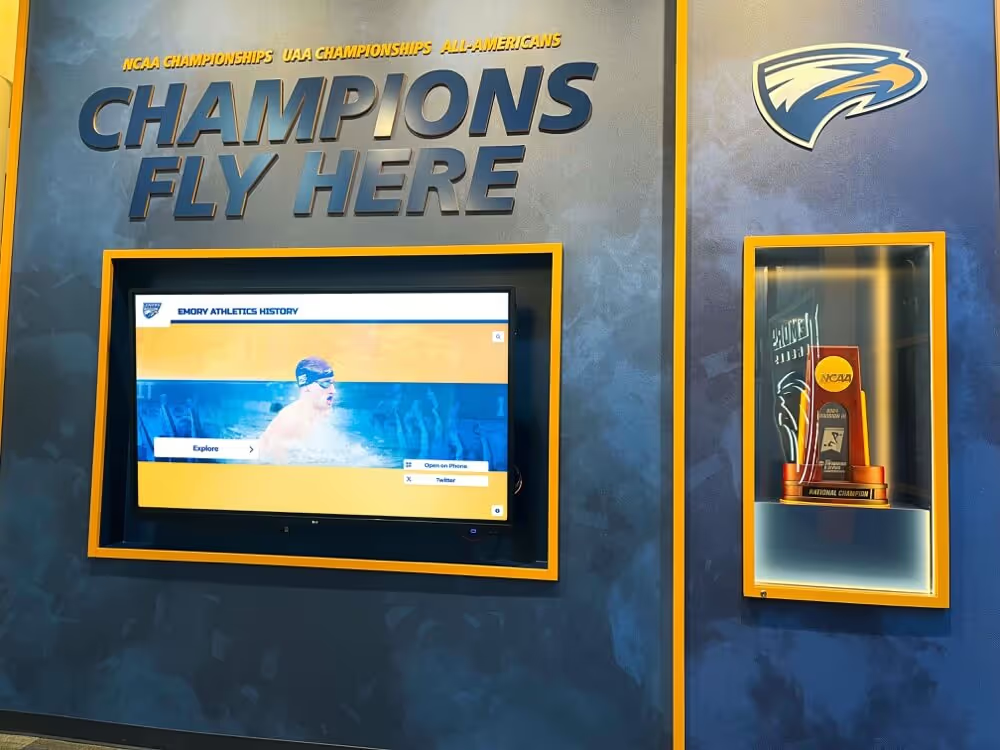
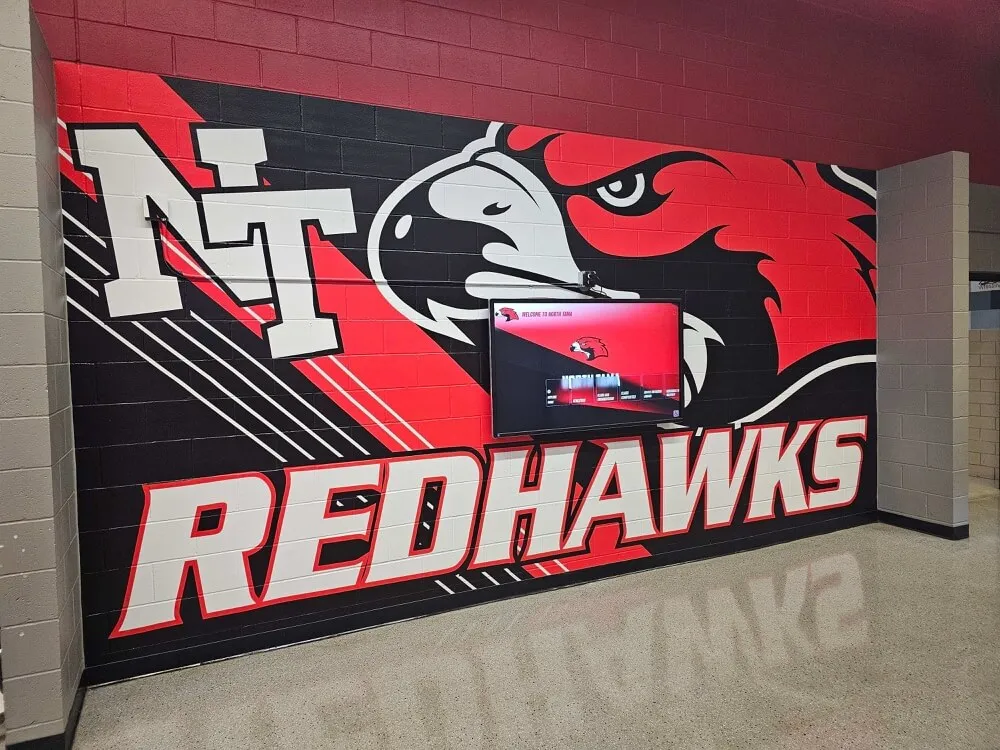
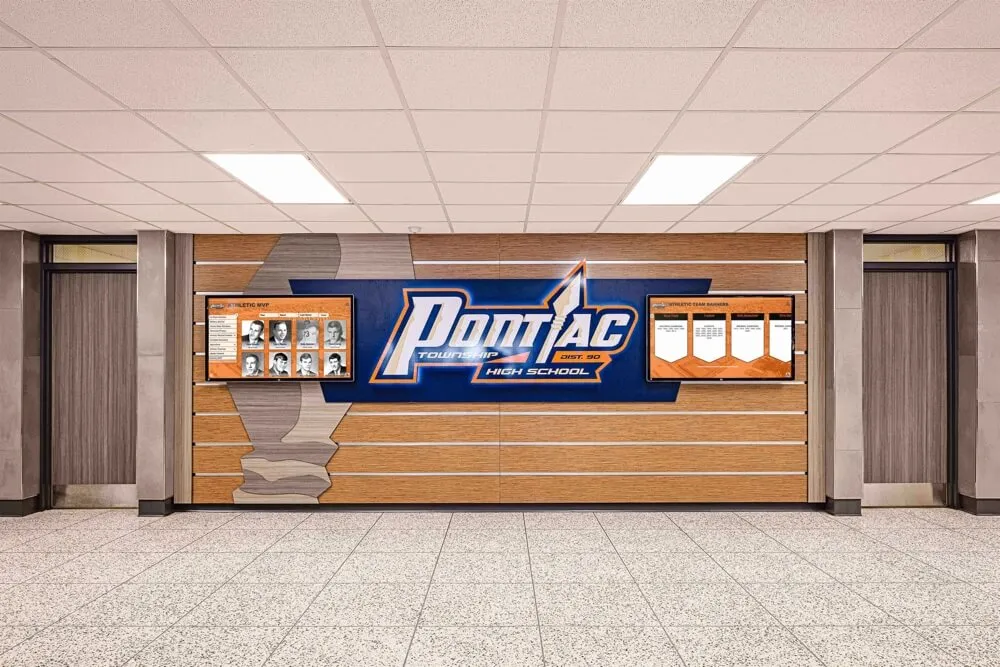
Comprehensive athletic recognition walls honor playoff achievements alongside championships and individual excellence
Classification and Division Structures
Nearly all states classify schools by enrollment size, creating competitive equity where schools face opponents with similar resources and student populations. Classification systems range from two-class structures in smaller states to California’s elaborate multi-division system accommodating the nation’s most diverse high school landscape.
Small-State Classification Models
States with smaller populations typically employ 2-4 classifications. Wyoming, for example, uses four classes (4A, 3A, 2A, 1A) providing appropriate competitive divisions while maintaining traditional rivalries that transcend classification boundaries. These simpler structures create clear championship paths where schools understand exactly which teams they must defeat to win state titles.
Large-State Division Systems
States like California, Texas, and Florida employ complex classification structures accommodating hundreds of schools. California uses a combination of enrollment-based divisions and competitive equity principles, while Texas operates through the University Interscholastic League with six conferences (6A through 1A) plus separate private school divisions.
These elaborate systems ensure competitive fairness while requiring sophisticated recognition approaches documenting which division or conference championships programs won during different eras. Digital recognition systems prove particularly valuable in large-state contexts where championship histories span multiple classification realignments.
Regional Tournaments and State Championship Formats
Most states employ multi-stage playoff systems progressing from district or regional tournaments through sectional, quarterfinal, and semifinal rounds before state championship games. These structures balance competitive integrity with practical considerations about travel, scheduling, and facility availability.
District and Regional Tournaments
Initial playoff rounds typically occur at neutral sites or host schools, with multiple games played over concentrated timeframes creating tournament atmospheres. These regional competitions build intensity as teams advance, with each round presenting increasingly difficult competition and higher stakes.
Successful regional tournament runs deserve recognition even when teams don’t advance to state finals. Programs can celebrate district championships, regional finalist appearances, or historical first-time playoff victories through comprehensive recognition systems documenting these significant program milestones.
State Tournament Finals
Championship rounds typically occur at premier venues—university arenas, civic centers, or dedicated high school tournament facilities. These neutral site championships create equitable environments where neither finalist enjoys home-court advantage, with titles determined by performance under championship pressure.
State tournament atmospheres become electric, with bands, cheerleaders, and passionate fan bases creating memorable experiences. Schools should document these championship environments through comprehensive photography and video, preserving memories that feed digital recognition platforms showcasing tournament experiences for future students.
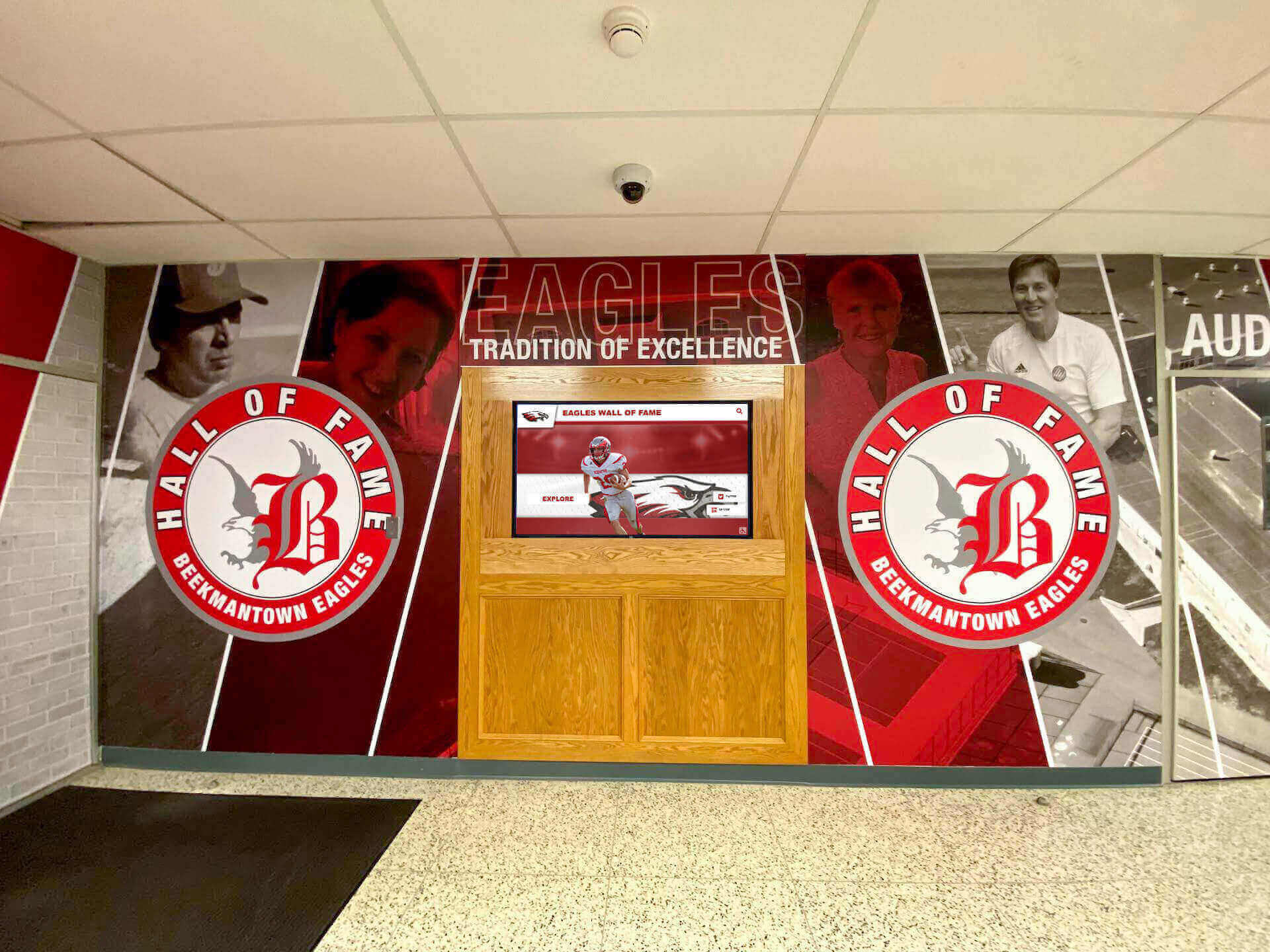
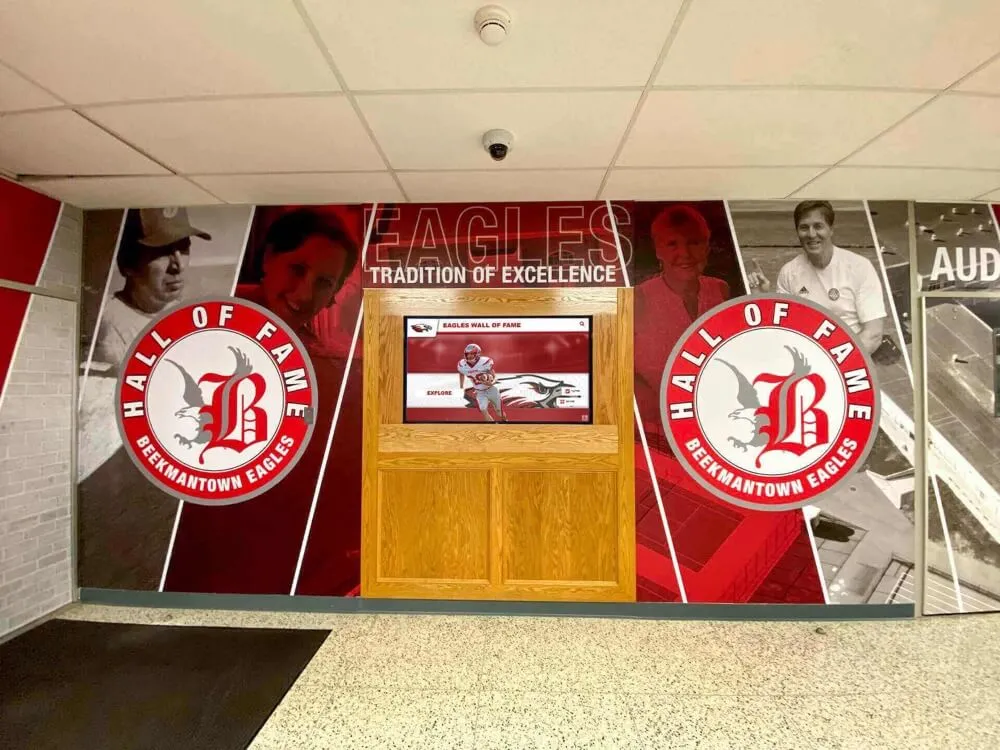
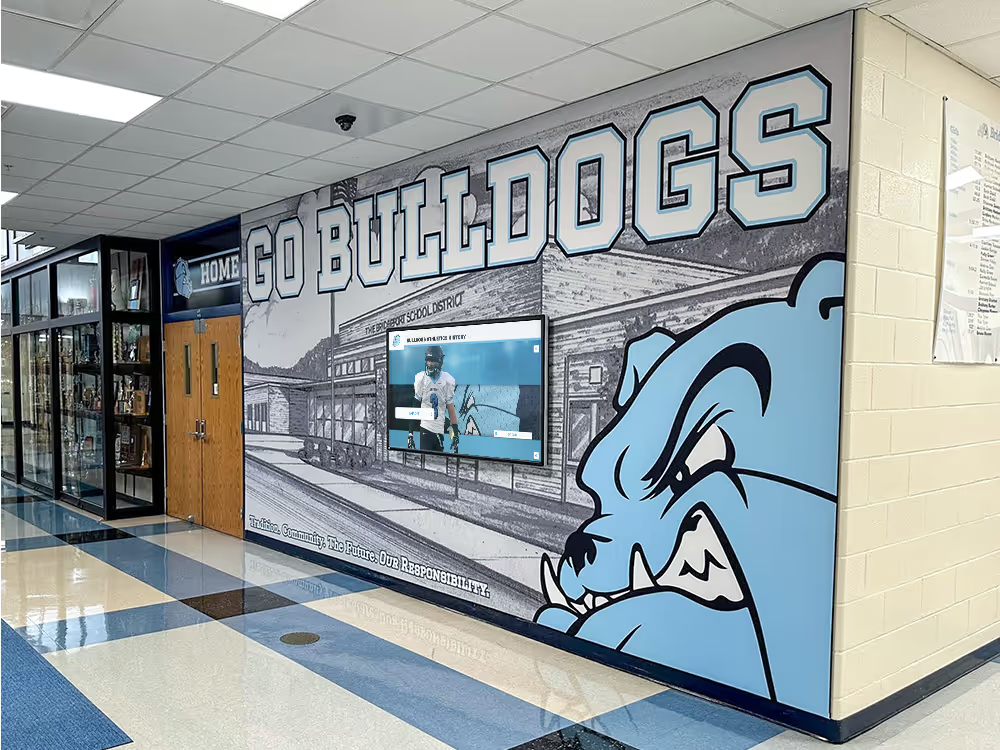
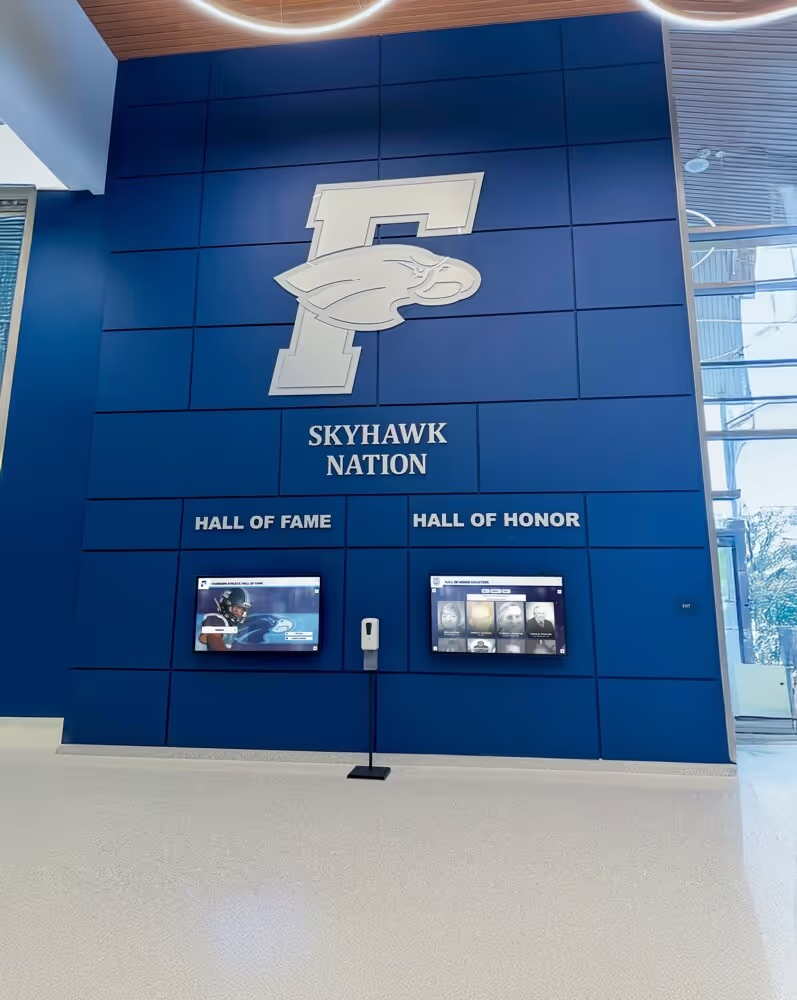
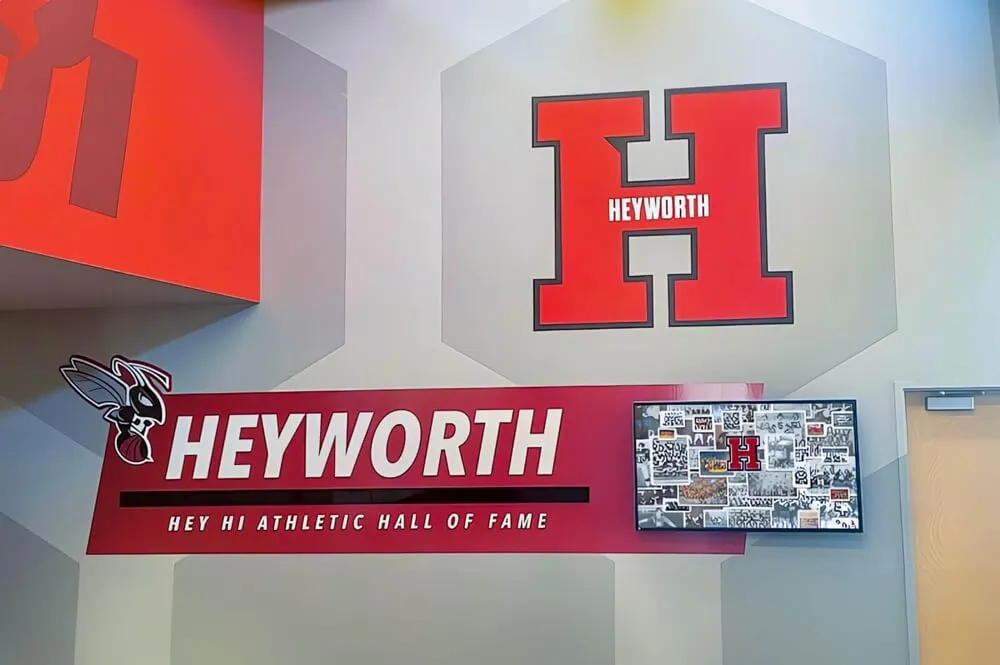
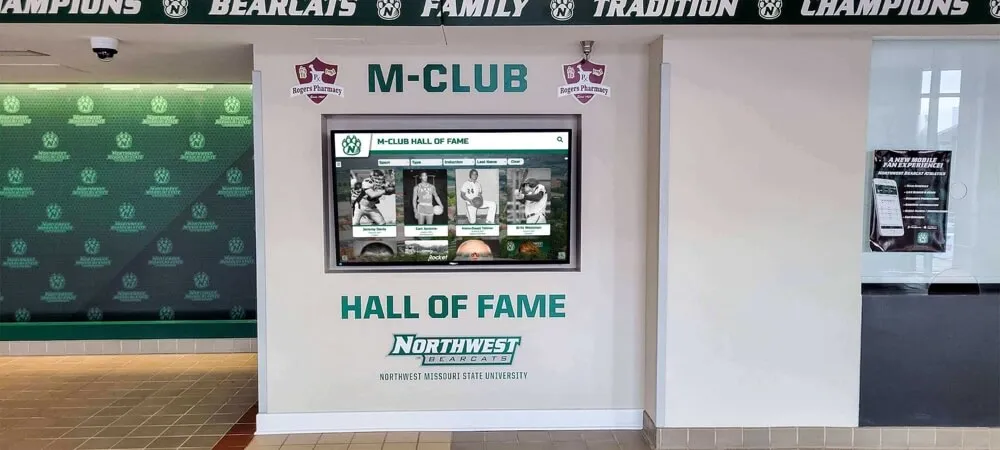
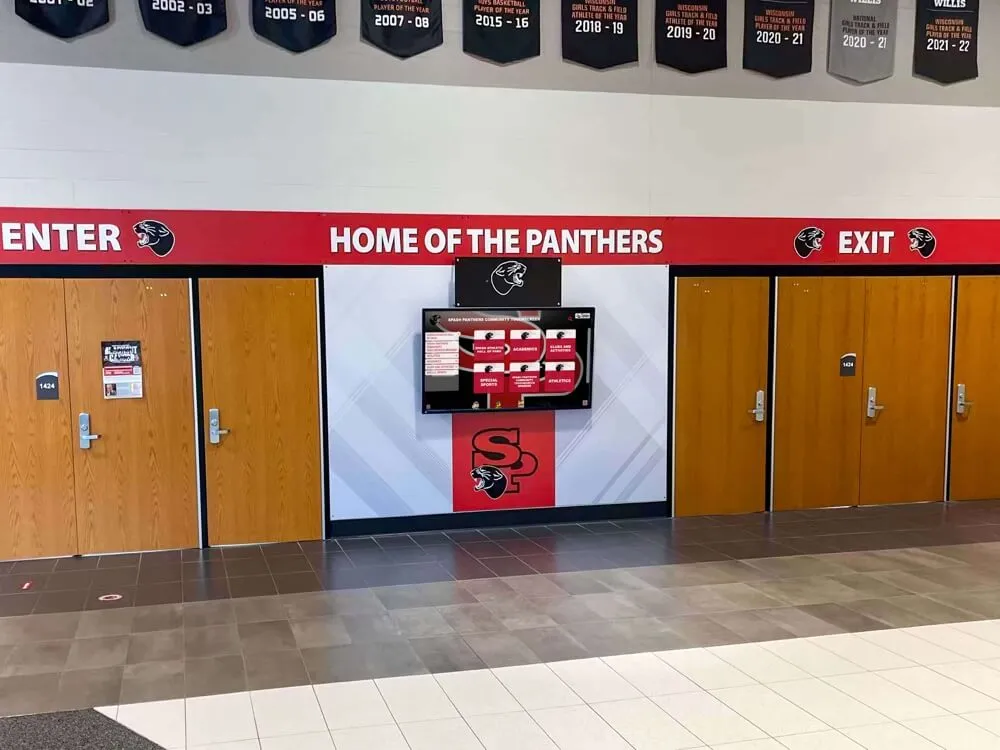
School entrance displays featuring athletic recognition create welcoming environments celebrating basketball program excellence
Regional Playoff Variations: Northeast and Mid-Atlantic States
Northeastern states developed distinct playoff traditions reflecting dense populations, strong conference systems, and historic basketball cultures where tournament traditions date back decades.
New York State Basketball Playoffs
New York’s elaborate playoff system accommodates over 800 schools through six classifications (AA, A, B, C, D, and recently added Class AAA in some sections). The state divides into 11 sections conducting separate tournaments, with section champions advancing to state semifinals and finals typically held at university or civic center venues.
Section championships carry tremendous significance in New York basketball culture, often rivaling state championships in prestige given the intense competition within populous sections like Section V (Rochester) or Section II (Albany). Schools properly recognize section titles as major achievements alongside state championship pursuits.
New York’s “Federation Tournament” historically invited champions from different state associations (public schools, Catholic schools, private schools) to compete for mythical “state” championships, though this format has evolved. Understanding which championship your program won becomes important for accurate historical recognition.
Pennsylvania PIAA Playoffs
The Pennsylvania Interscholastic Athletic Association (PIAA) conducts playoffs through district qualifiers feeding into state tournaments across six classifications. Districts vary dramatically in competitive depth—District 12 (Philadelphia) and District 1 (southeastern PA) feature intense competition where playoff qualification itself represents significant achievement.
Pennsylvania schools should recognize both district championship success and state tournament advancement. The PIAA championships culminate at the Giant Center in Hershey, creating memorable “Sweet 16” atmospheres where four days of championship basketball crown state champions across all classifications simultaneously.
Programs with histories spanning PIAA’s various classification eras benefit from digital recognition systems that contextually explain championship achievements within their appropriate competitive divisions rather than creating confusion about different-era titles.
Massachusetts State Tournament
Massachusetts conducts basketball tournaments through the Massachusetts Interscholastic Athletic Association (MIAA), with tournament seeding determined by complex power rating formulas considering opponent strength and margin of victory within limits. This sophisticated seeding system attempts to match teams appropriately regardless of regular-season records.
The MIAA tournament concludes at venues like TD Garden (Boston) for large-school championships or Springfield’s MassMutual Center, creating aspirational goals for programs. Massachusetts schools benefit from recognizing both conference championships (where traditional rivalries dominate) and state tournament success through comprehensive recognition.
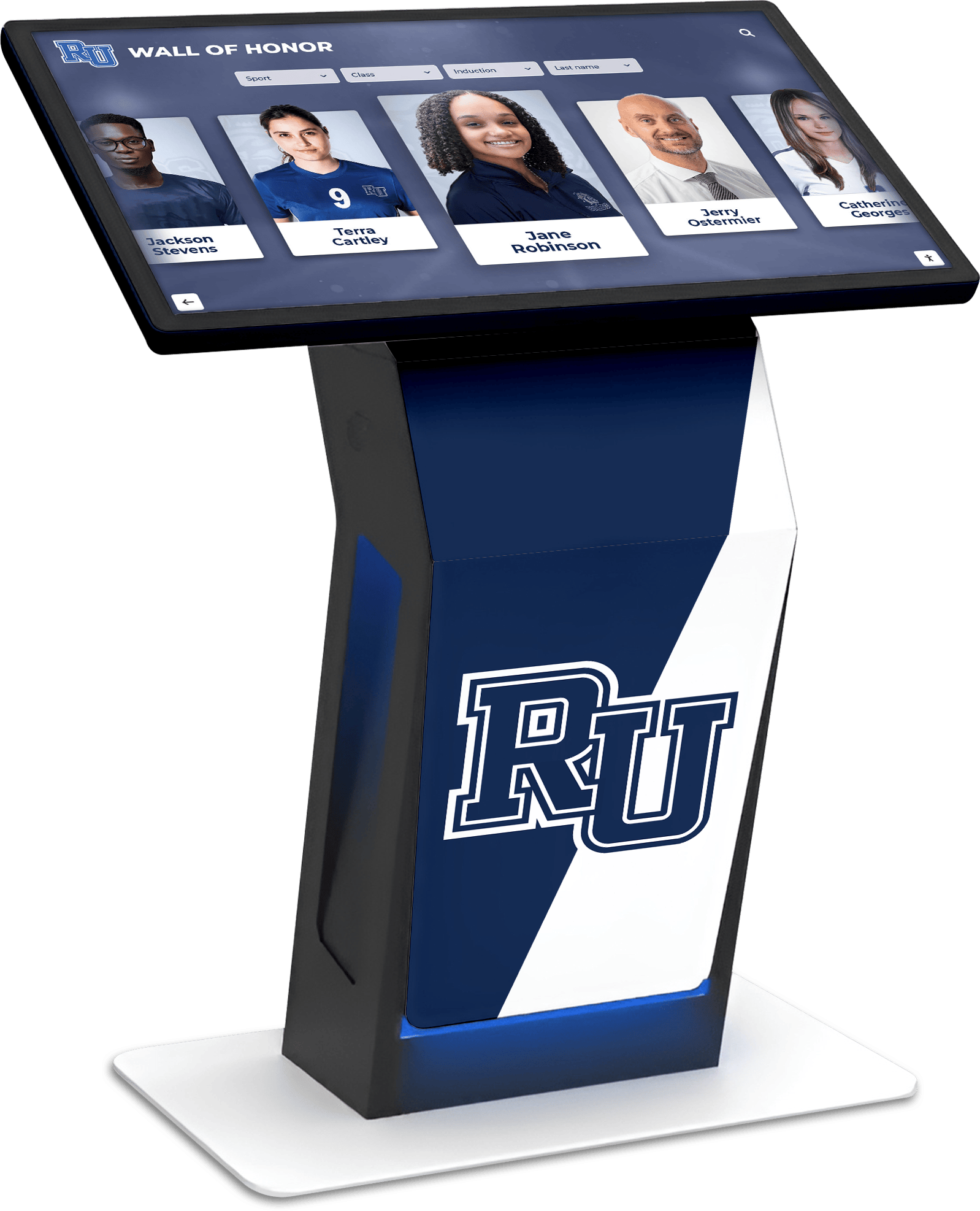
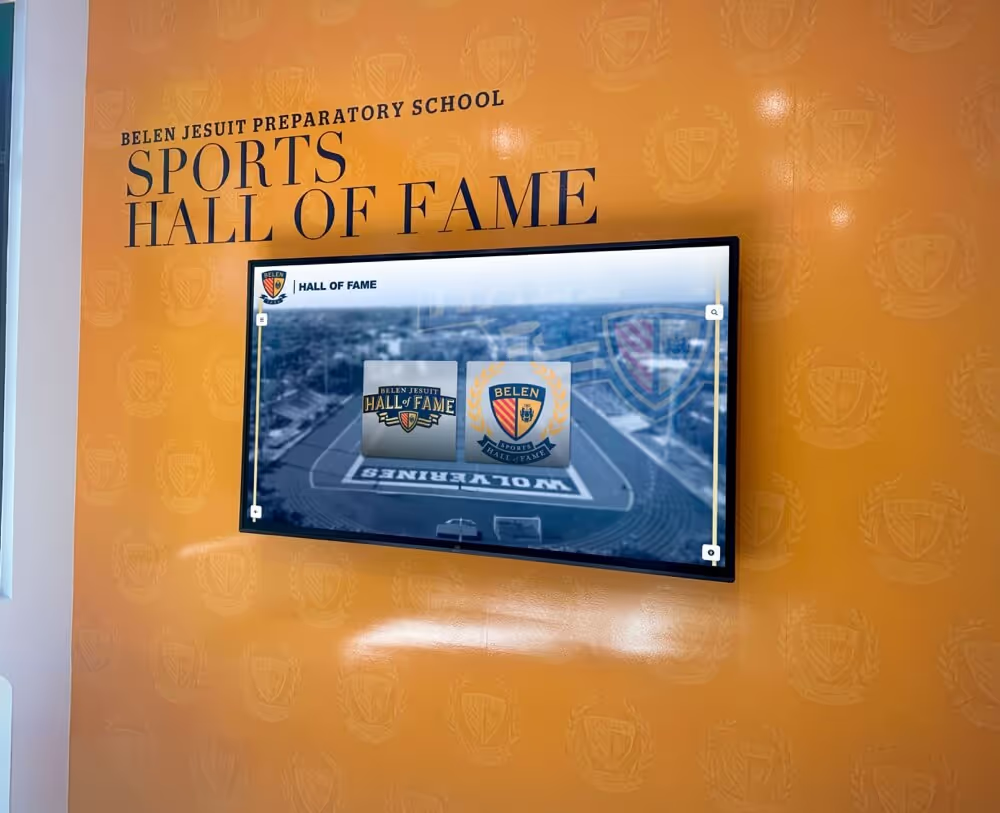
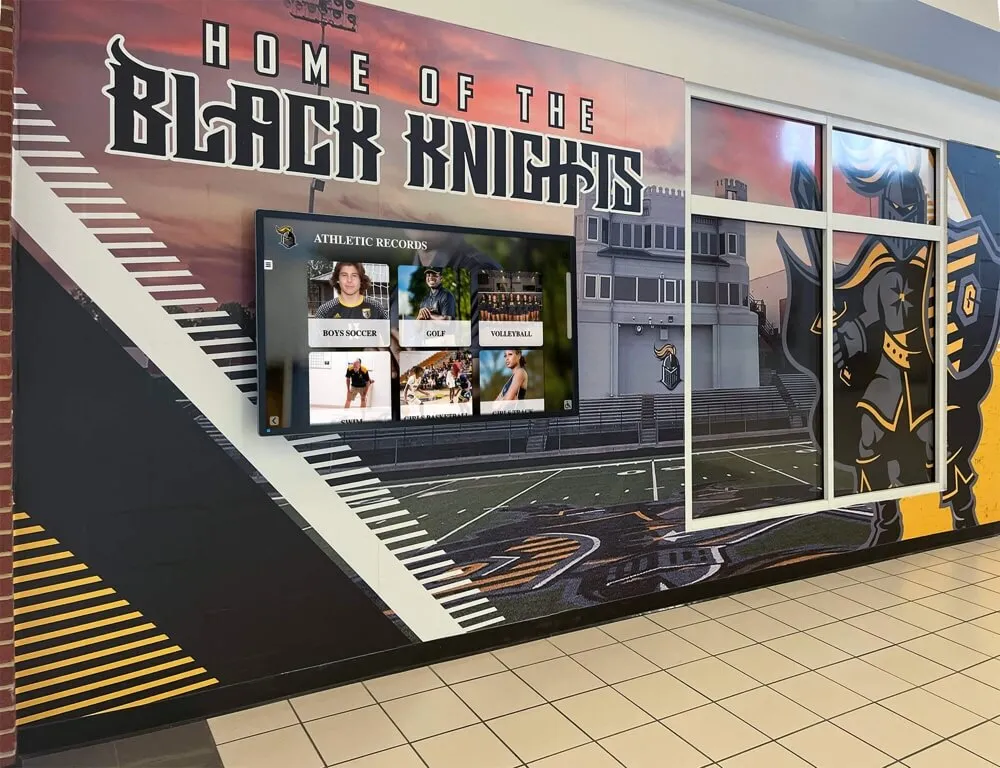
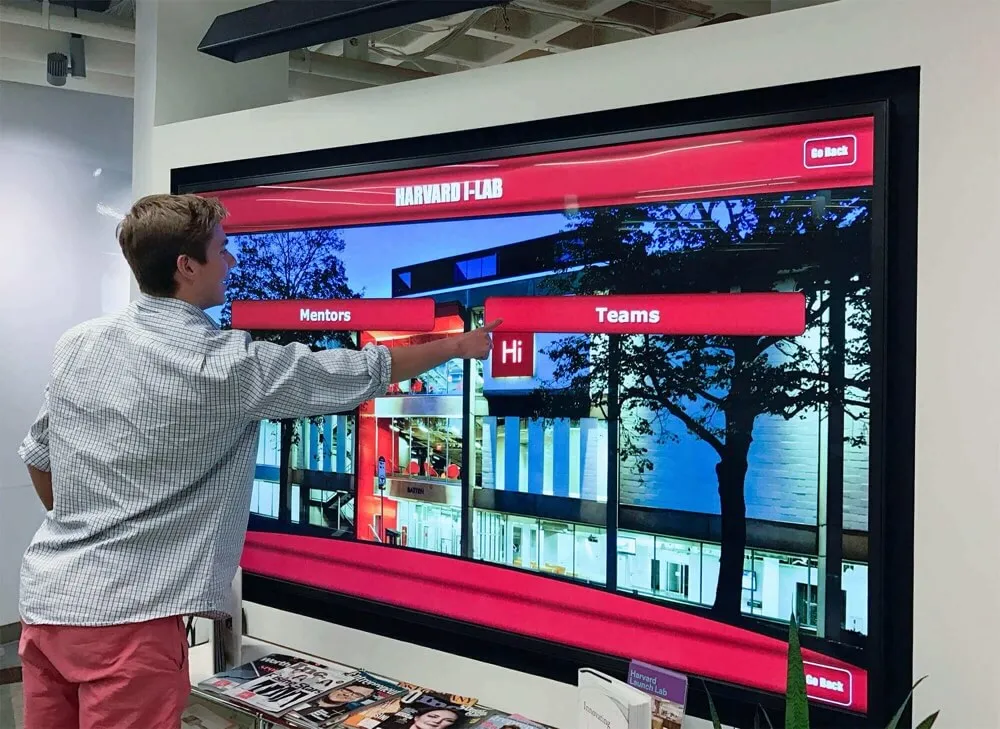
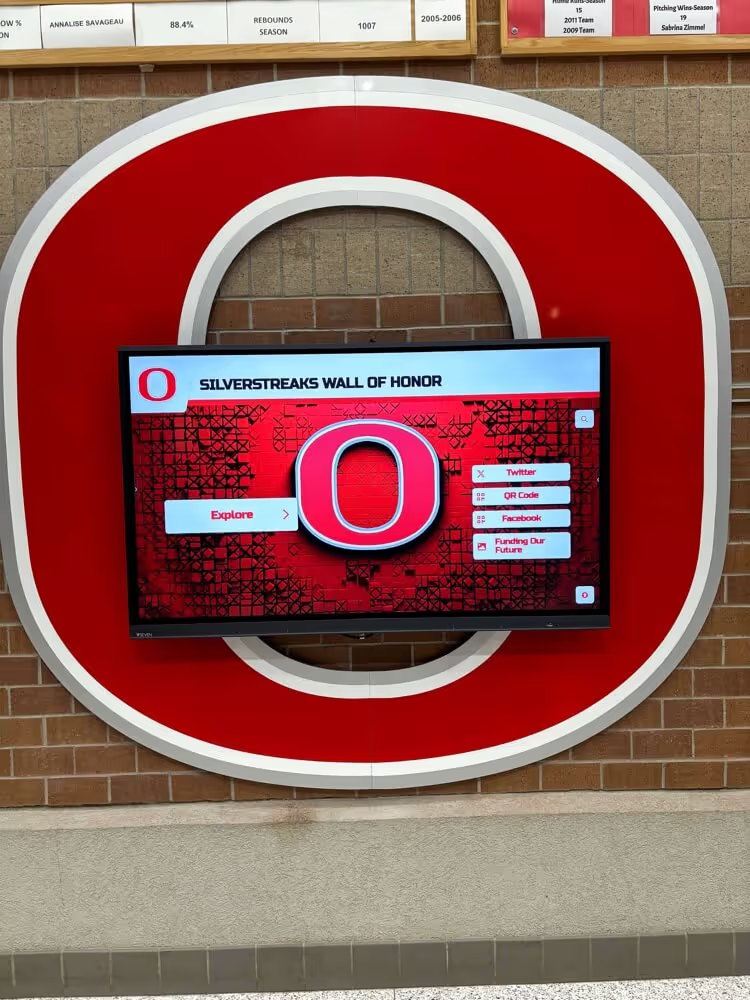
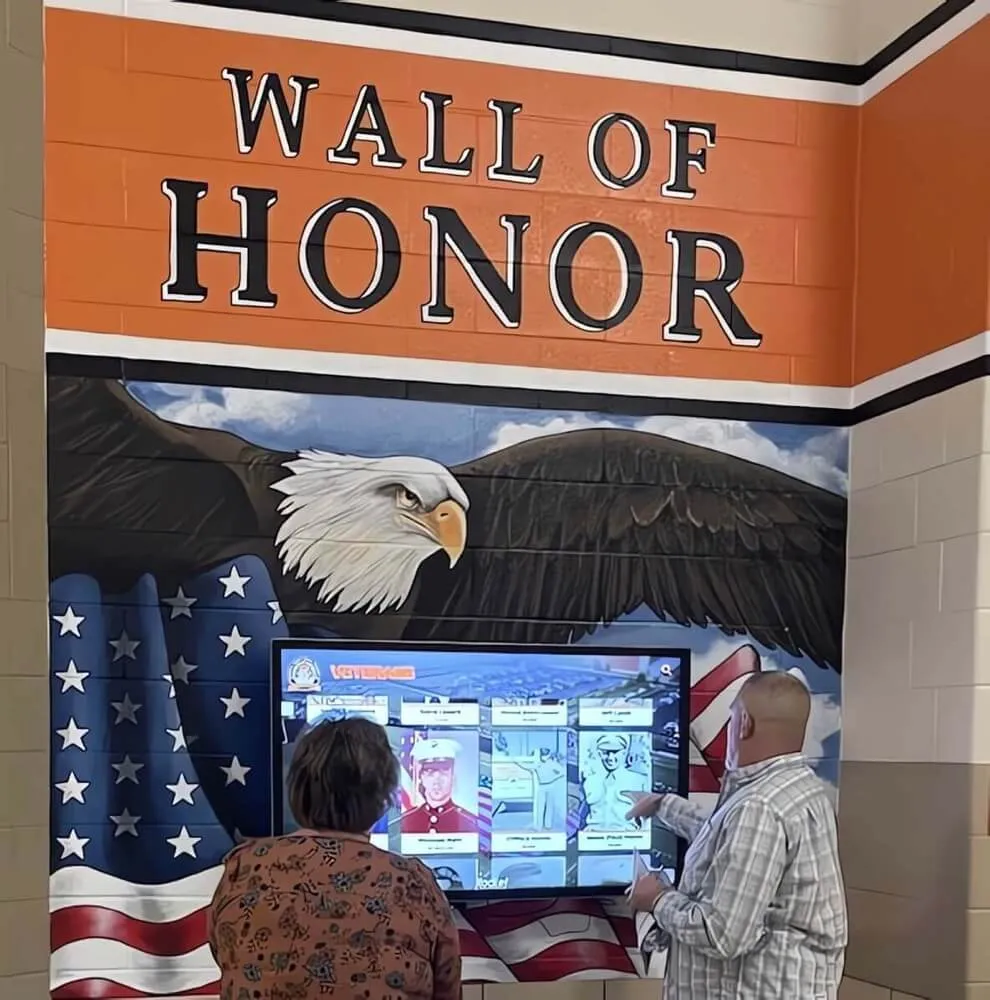
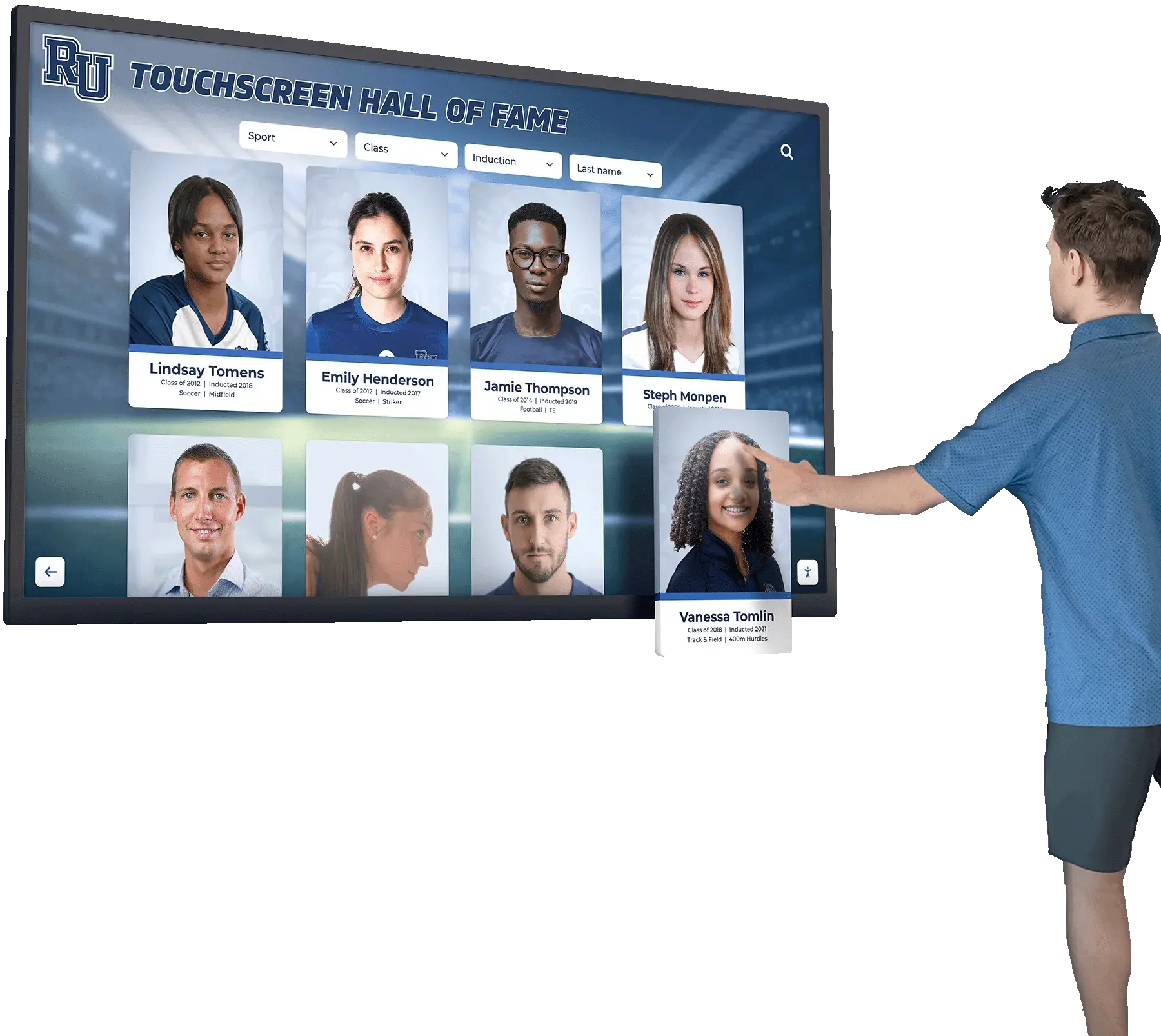
Interactive displays allow students and visitors to explore playoff achievements and championship histories in engaging formats
Midwest Basketball Playoff Traditions
Midwestern states developed basketball cultures where the sport occupies central positions in community identity, with playoff traditions reflecting this cultural importance.
Indiana Basketball Tournament
Indiana maintains perhaps America’s most storied basketball tradition, where “Hoosier Hysteria” reaches its peak during tournament season. The state originally conducted single-class tournaments until 1997, creating legendary David-versus-Goliath matchups immortalized in the film Hoosiers. Current four-class tournaments (4A, 3A, 2A, A) maintain tournament intensity while providing more championship opportunities.
Indiana’s sectional, regional, semi-state, and state finals progression creates systematic advancement where each level carries historical significance. Schools properly honor all tournament advancement milestones—sectional championships hold deep community meaning, particularly in small towns where these titles represent rare competitive peaks.
Indiana schools benefit from recognition systems acknowledging both single-class era achievements (pre-1997) and multi-class championships, maintaining historical context about what different tournament runs meant within their competitive environments. Understanding how schools showcase athletic achievement helps Indiana programs honor their rich tournament traditions appropriately.
Illinois State Basketball Tournament
Illinois high school basketball culminates in legendary March tournaments where passionate fan bases fill large university arenas. The Illinois High School Association (IHSA) conducts tournaments through four classes (1A, 2A, 3A, 4A), with state finals held at university venues including the University of Illinois or Illinois State University.
Regional and sectional tournaments create intense competition where programs battle for advancement. Illinois’s strong conference systems mean conference championships carry great significance alongside state tournament success—effective recognition systems celebrate both achievements appropriately.
Illinois tournament traditions include dedicated radio coverage, extensive local media attention, and community celebrations when teams advance deep into playoffs. Schools should document these community connections through recognition showcasing not just team achievements but the broader cultural impact playoff runs create.
Ohio Basketball Tournaments
The Ohio High School Athletic Association (OHSAA) conducts basketball tournaments through seven divisions based on enrollment, with tournaments progressing from sectional through district, regional, and state semifinals/finals. Championship games occur at university venues like Ohio State’s Value City Arena or the University of Dayton Arena.
Ohio’s division system ensures competitive equity while maintaining traditional rivalries that transcend divisional boundaries. Schools recognize both divisional tournament success and historical achievements from earlier classification eras through comprehensive recognition documenting program evolution across different competitive structures.
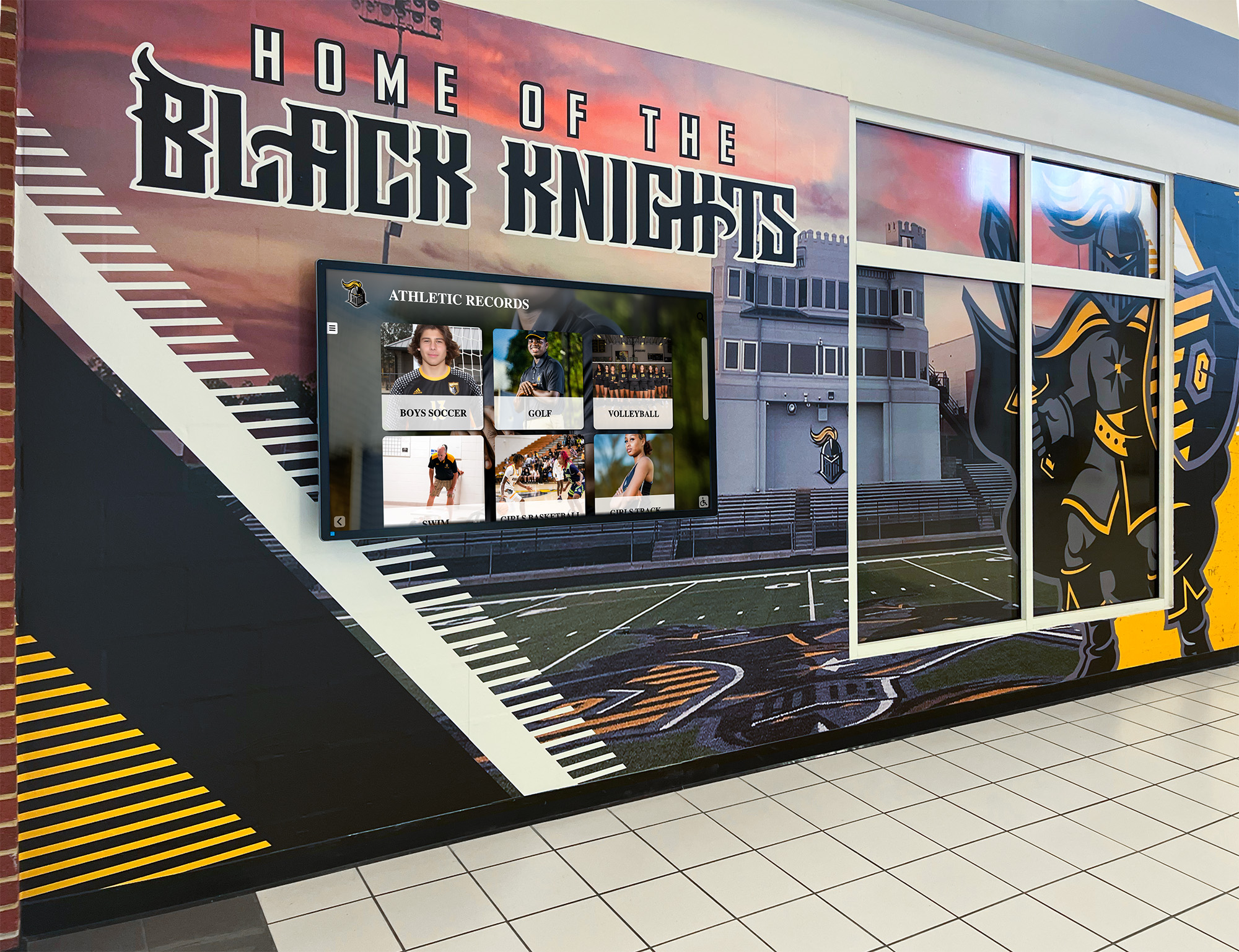
Hallway displays featuring championship records keep playoff achievements visible to current students throughout the school year
Southern State Basketball Playoffs
Southern states feature diverse playoff systems ranging from football-centric states where basketball receives less attention to basketball-passionate states with rich tournament traditions.
North Carolina Basketball Championships
North Carolina operates basketball tournaments through the North Carolina High School Athletic Association (NCHSAA) across four classifications (1A, 2A, 3A, 4A). The state’s basketball tradition runs deep, with legendary programs producing numerous college and professional players.
Conference tournament championships hold special significance in North Carolina, where these pre-state-tournament events carry prestigious histories. State tournaments progress through regional rounds before championship games at venues like the Dean Smith Center or other university facilities.
North Carolina schools benefit from recognizing both regular-season excellence (conference titles), tournament championships (conference tournaments), and state playoff advancement through multi-layered recognition systems celebrating all competitive achievement dimensions.
Kentucky State Tournament
Kentucky basketball holds legendary status where the state tournament represents a cultural phenomenon. The Kentucky High School Athletic Association (KHSAA) conducts Sweet 16 tournaments at Rupp Arena in Lexington, creating extraordinary atmospheres where attendance regularly exceeds 10,000 for championship sessions.
Kentucky employs a unique district-regional-state format where teams must win district tournaments to advance. This qualification system makes district championship itself a significant achievement worth permanent recognition. Regional tournaments then determine which teams reach the coveted Sweet 16 state finals.
The state tournament spans a full week, with all participating teams staying in Lexington and participating in related activities beyond just games. This immersive experience creates powerful memories deserving documentation through comprehensive recognition showcasing not just game results but the complete tournament experience.
Texas UIL Basketball Playoffs
Texas operates through the University Interscholastic League (UIL) with six conferences (6A through 1A) conducting separate tournaments. The state’s geographic size necessitates regional tournaments before state finals, which occur at the Alamodome in San Antonio or other major venues.
Texas playoff brackets accommodate hundreds of schools, with advancement through bi-district, area, regional quarterfinal, regional semifinal, regional final, and state semifinal rounds before championship games. This extensive tournament structure means deep playoff runs represent sustained excellence over multiple weeks.
Texas schools should recognize significant tournament advancement milestones beyond just state championships—reaching regional tournaments or state semifinal appearances represent major achievements in the highly competitive Texas basketball landscape. Digital recognition solutions enable comprehensive documentation of these multi-round tournament runs.
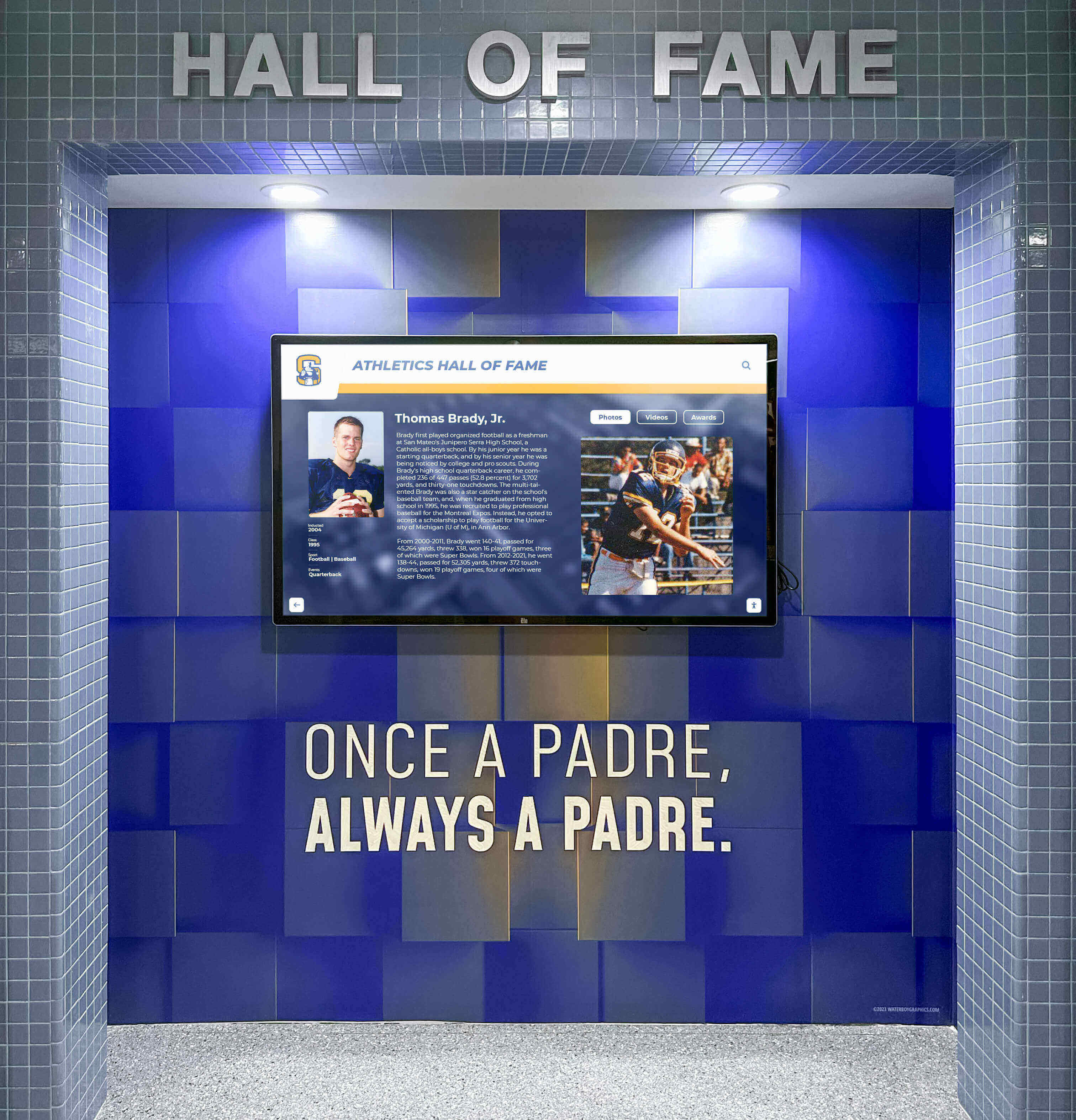
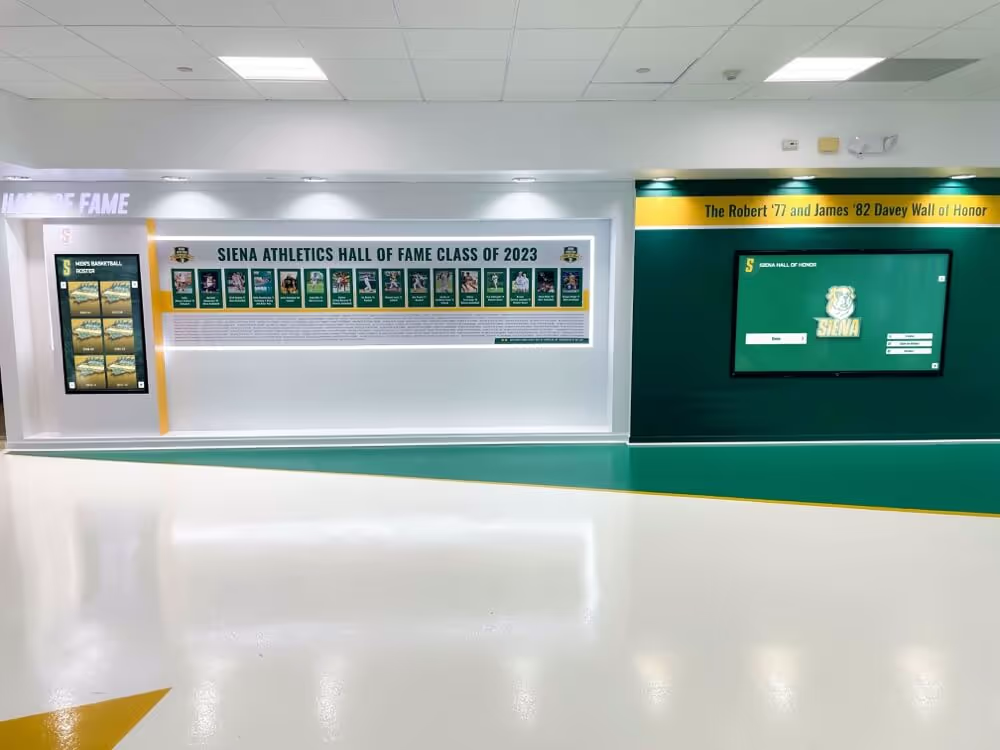
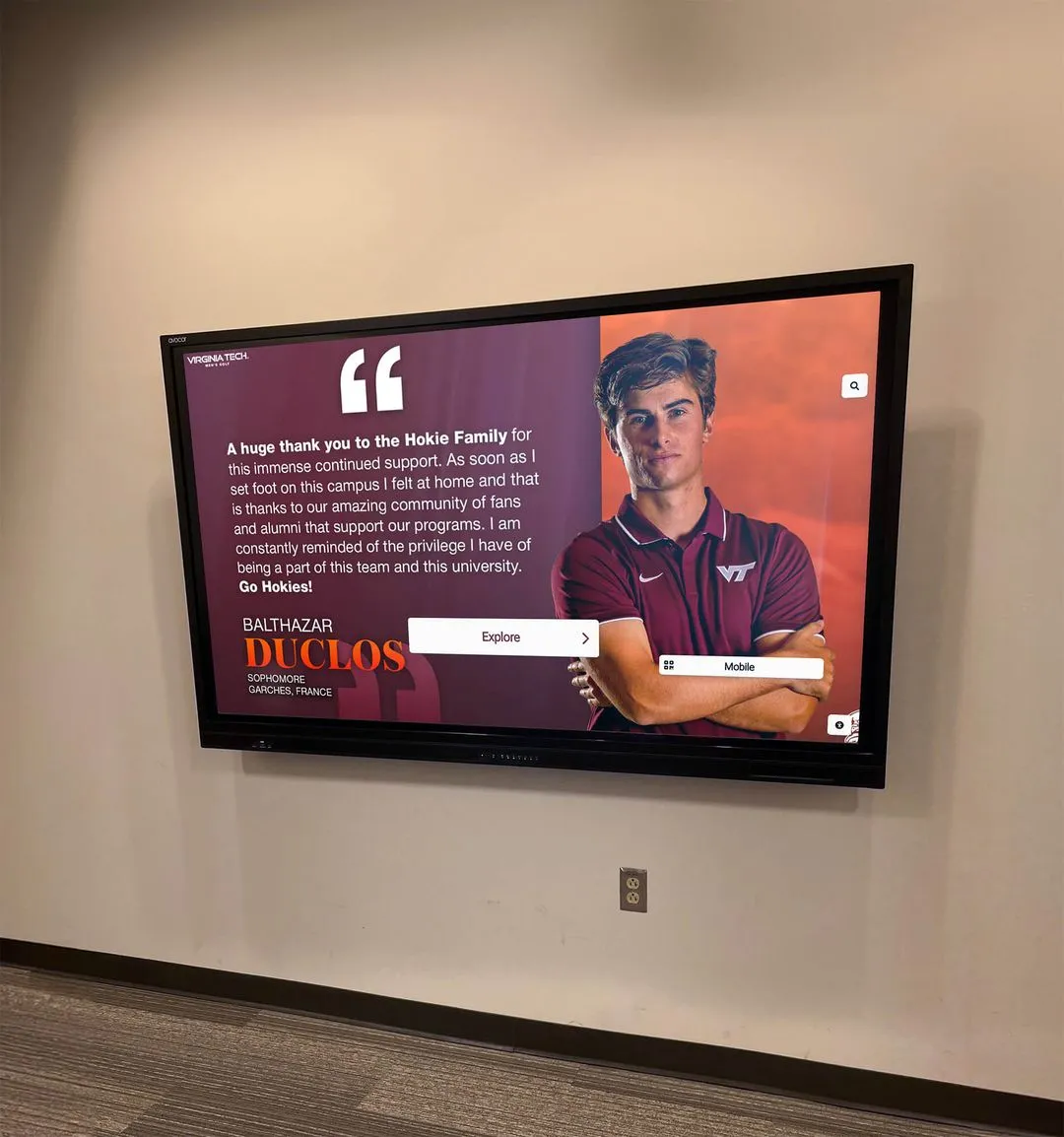
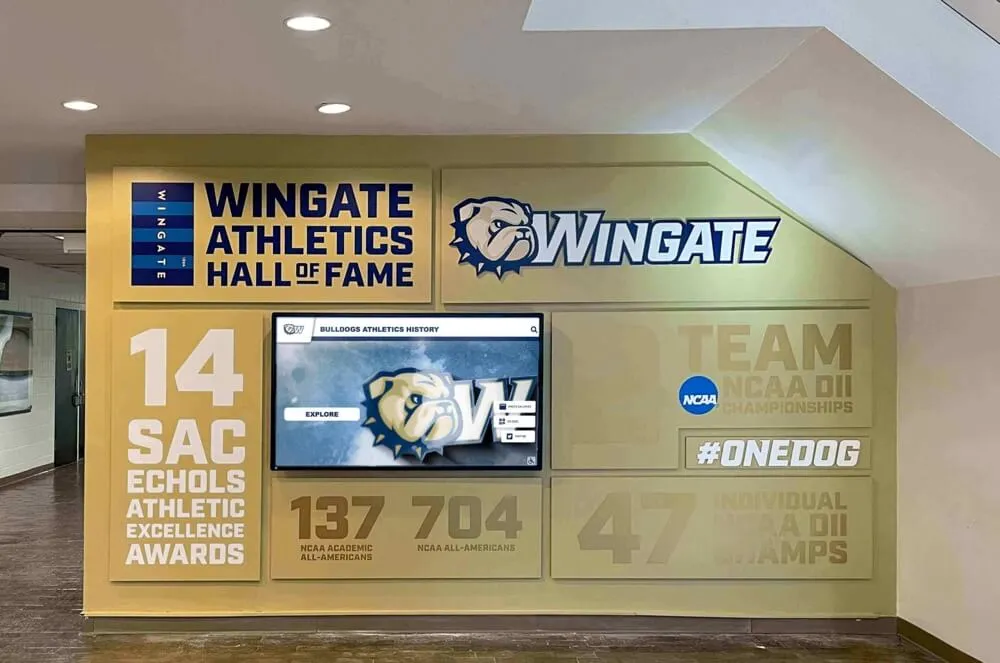
Wall-mounted displays provide championship recognition integrating seamlessly with facility aesthetics while offering unlimited content capacity
Western States Basketball Tournament Formats
Western states face unique geographic challenges creating distinctive playoff structures accommodating vast distances and varied school populations.
California State Basketball Championships
California conducts basketball championships through the California Interscholastic Federation (CIF), with ten sections operating semi-autonomous playoffs before state championship tournaments. This federated structure reflects California’s size and diversity, with sections like Southern Section or North Coast Section conducting elaborate division tournaments.
California employs both enrollment-based divisions and competitive equity adjustments attempting to create balanced playoff brackets. Schools can win section championships across multiple divisions (Open, Division I through V), with state championships then contested among section winners.
This complex structure requires careful recognition articulation—schools should specify which division and section championships they won, as competitive contexts vary dramatically across divisions. Digital recognition systems excel at providing this contextual clarity while celebrating achievements appropriately within their competitive frameworks.
Oregon State Playoffs
The Oregon School Activities Association (OSAA) conducts basketball tournaments across six classifications (6A through 1A). State championships conclude at university venues, typically University of Portland’s Chiles Center or other regional facilities.
Oregon’s classification system based on enrollment creates clearly defined competitive divisions where championship paths are transparent. Schools recognize both conference championships within their leagues and state tournament advancement through playoff rounds.
Washington State Basketball
Washington conducts championships through the Washington Interscholastic Activities Association (WIAA) with classifications from 4A through 1A plus B classes. The state divides into districts conducting qualifying tournaments before regional and state tournaments at sites like the Tacoma Dome or Yakima Valley SunDome.
The district tournament format creates multiple achievement milestones—district championships, regional advancement, and state tournament appearances all deserve recognition as significant program accomplishments. Schools effectively document these achievements through comprehensive athletic recognition showcasing tournament progression across multiple rounds.
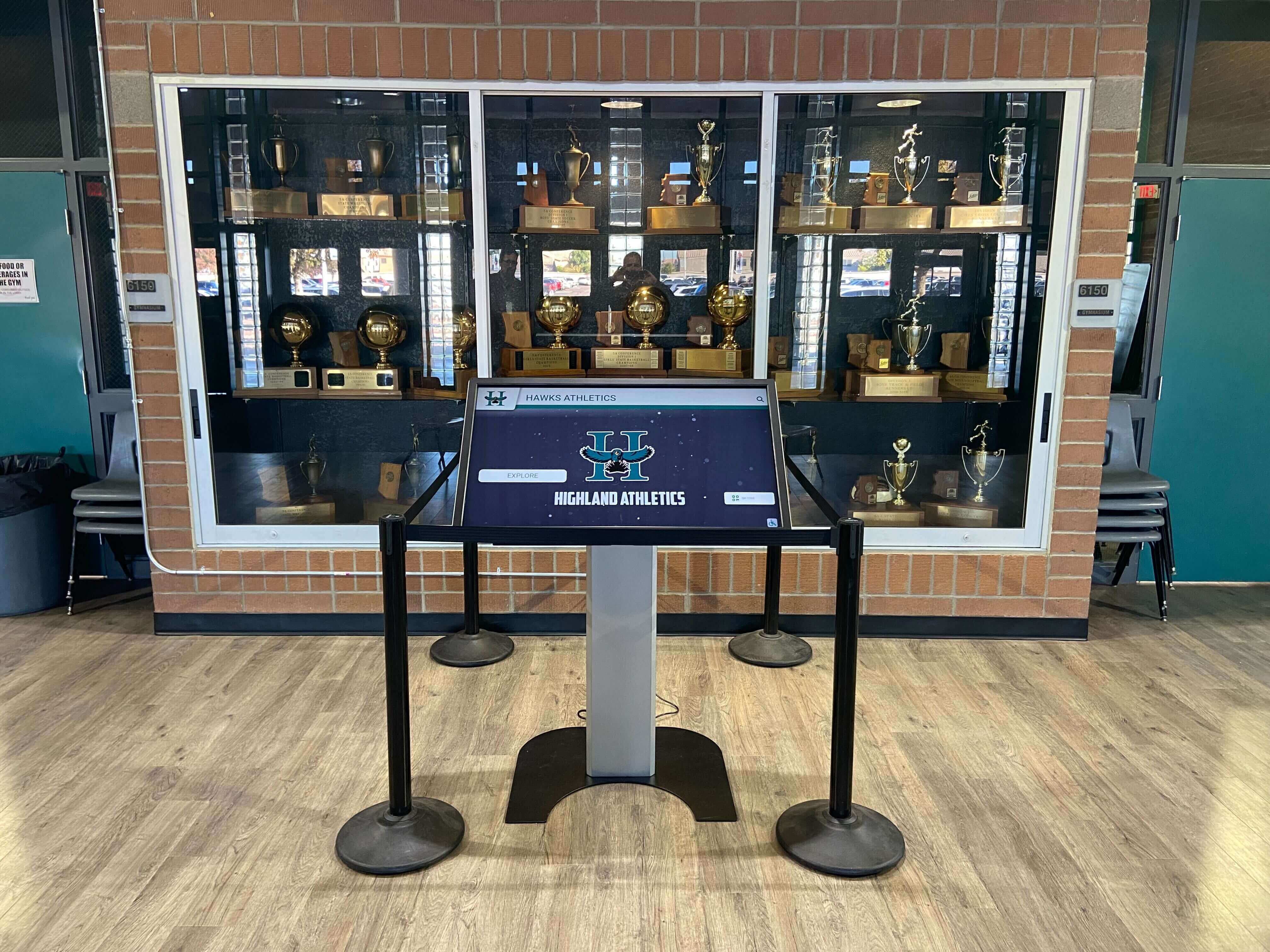
Modern trophy cases integrate digital displays allowing unlimited recognition capacity while maintaining traditional aesthetic values
Unique State Tournament Traditions and Formats
Several states maintain distinctive playoff traditions reflecting unique basketball cultures and historical practices.
Alaska School Activities Association
Alaska faces extraordinary geographic challenges where tournament travel can require flights spanning hundreds of miles. The state conducts classification tournaments (1A through 4A) typically at centralized locations like Anchorage, where participating schools travel from remote communities across the vast state.
This travel-intensive format makes tournament qualification particularly significant, as reaching state tournaments involves substantial financial and logistical commitments. Small-town programs that qualify for state tournaments deserve special recognition for this achievement, as tournament appearance alone represents overcoming geographical barriers many Lower 48 schools don’t face.
Hawaii Interscholastic Athletic Association
Hawaii conducts state basketball championships where inter-island rivalries create intense competition. The state tournament brings together Oahu, Maui, Big Island, and Kauai champions for final championship rounds, with travel between islands adding unique dimensions to tournament logistics.
Hawaii’s tournament traditions reflect the islands’ distinctive basketball culture, where the sport enjoys passionate following. Championship achievements deserve recognition acknowledging the inter-island competitive context that makes these tournaments special.
Montana State Basketball
Montana employs unique cooperative team rules allowing small schools to combine programs, creating additional competitive opportunities while maintaining viable basketball programs in rural areas. The Montana High School Association (MHSA) conducts tournaments across four classes with divisional tournaments determining state tournament qualifiers.
Montana’s small-town basketball culture creates intense community investment in tournament runs. Schools should recognize divisional championships as significant achievements alongside state tournament success, documenting these accomplishments through recognition systems celebrating the community connections making Montana basketball special.
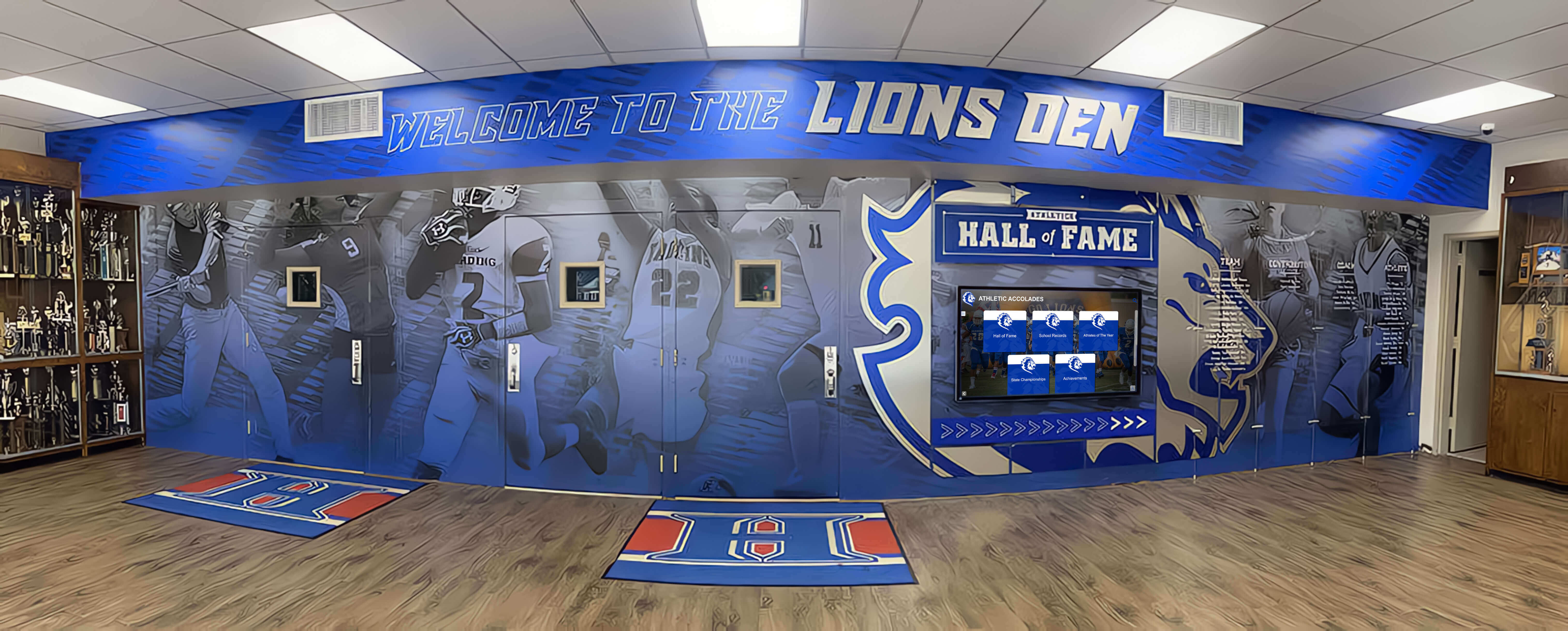
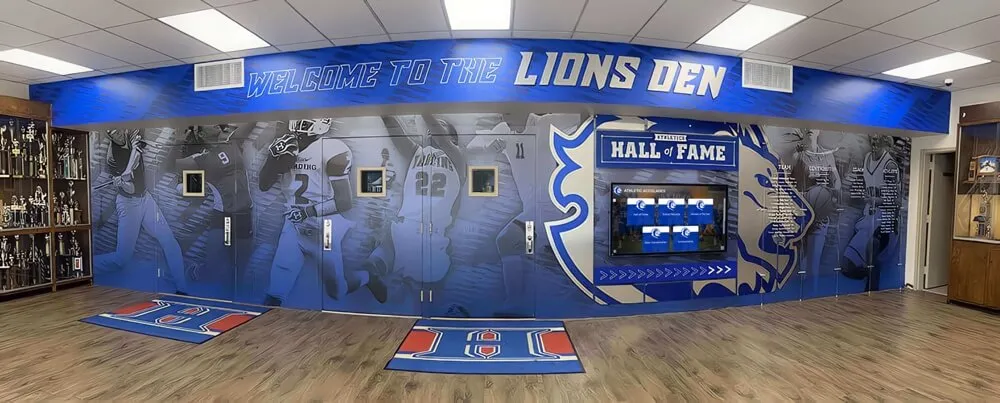
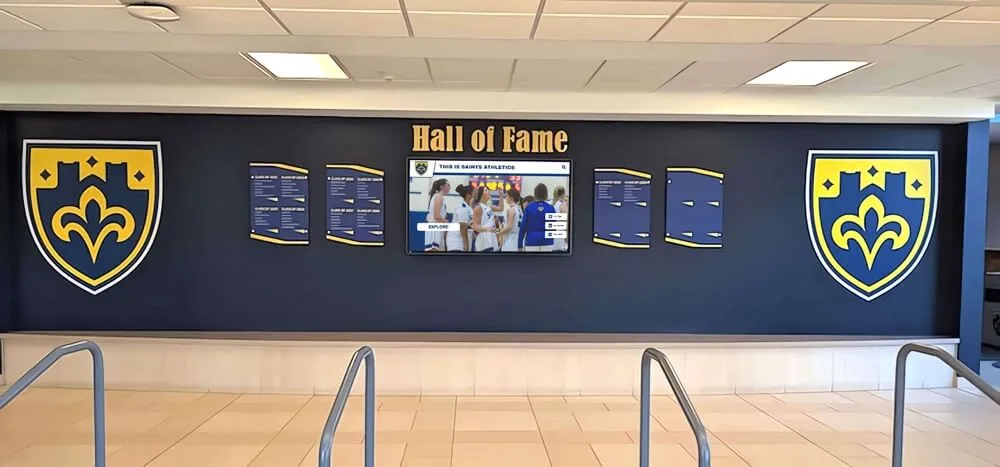
Comprehensive lobby displays combine traditional trophy cases with modern recognition elements celebrating championship traditions
Celebrating Playoff Achievements Through Permanent Recognition
Schools that systematically recognize playoff achievements create lasting motivation for current athletes while honoring the dedication championship runs require.
Championship Team Recognition Strategies
When schools advance deep into playoffs or win championships, comprehensive recognition preserves these accomplishments for future generations. Effective tournament recognition includes detailed team rosters with player and coach names, tournament bracket progression showing each victory, individual statistical leaders from tournament games, championship game documentation through photos and summaries, and contextual information about competitive significance.
Traditional recognition through banners faces capacity limitations as programs accumulate tournament achievements. Schools increasingly adopt digital recognition solutions enabling unlimited championship documentation without physical space constraints while providing richer storytelling capabilities than static banners allow.
Individual Player Tournament Recognition
Beyond team acknowledgment, schools honor individual tournament excellence through all-tournament team selections, tournament MVP recognition, statistical achievement documentation, clutch performance acknowledgment, and career tournament achievement tracking for multi-year contributors.
Modern recognition platforms enable schools to create individual player profiles documenting their complete tournament careers—how many playoff games they played, cumulative statistics across tournaments, memorable performances, and ultimate team success. This comprehensive individual recognition creates aspirational models for current players while appropriately honoring past excellence.
Programs developing systematic recognition approaches benefit from understanding how student achievement displays can showcase tournament accomplishments alongside regular-season achievements, creating complete athletic documentation.
Documenting Tournament Runs and Championship Moments
Championship seasons create stories deserving comprehensive documentation beyond simple win-loss records. Effective tournament documentation includes tournament bracket progression showing each matchup, game-by-game summaries with scores and key performances, championship celebration photography and video, community reaction and support documentation, and historical context about what the tournament run meant for the program.
This rich documentation feeds digital recognition platforms, enabling future students to experience tournament runs vicariously through multimedia presentations. Schools can showcase not just that they won district championships but how they did it—the dramatic overtime victory in semifinals, the clutch free throws in championship games, the fan support that created home-court atmosphere even at neutral sites.
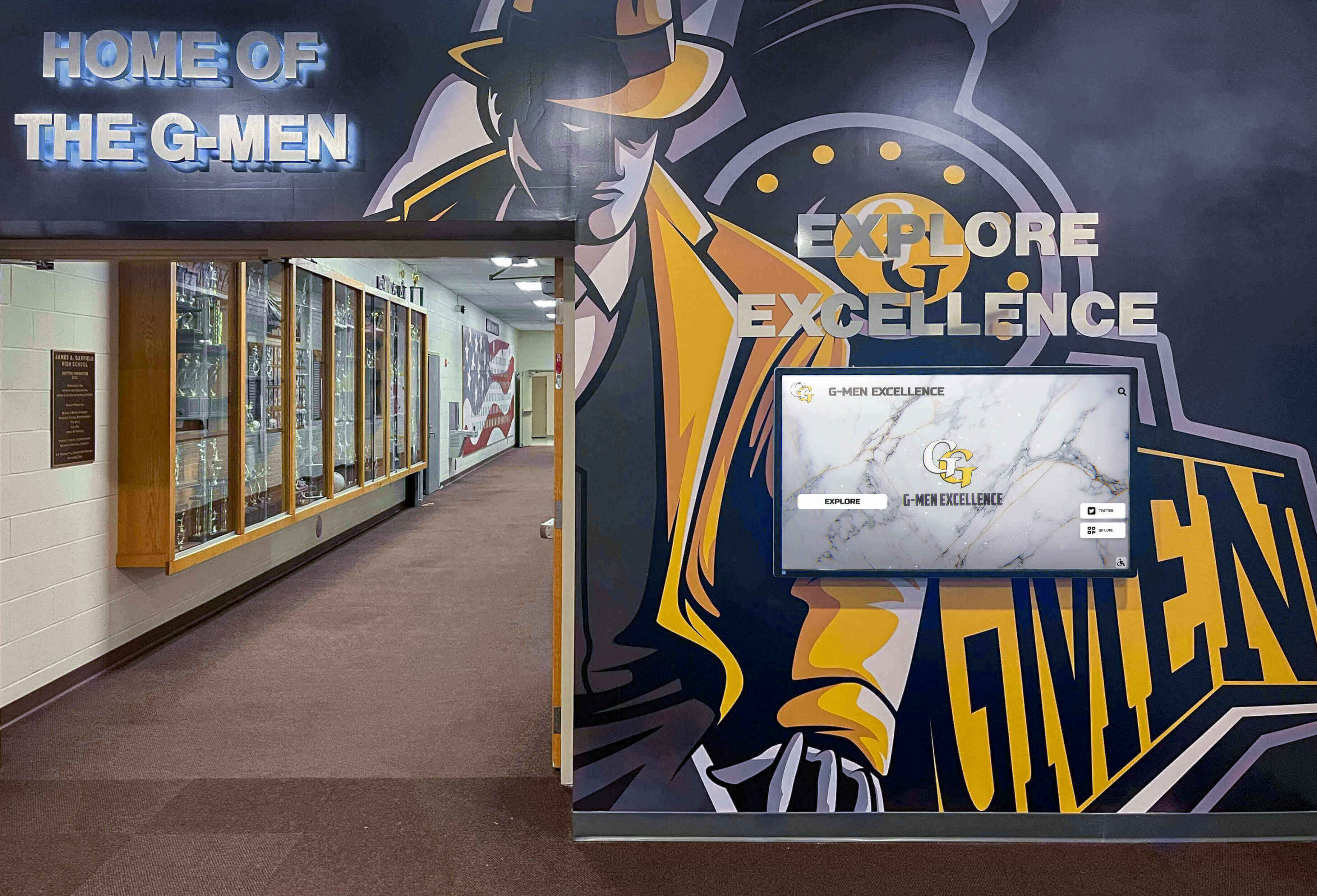
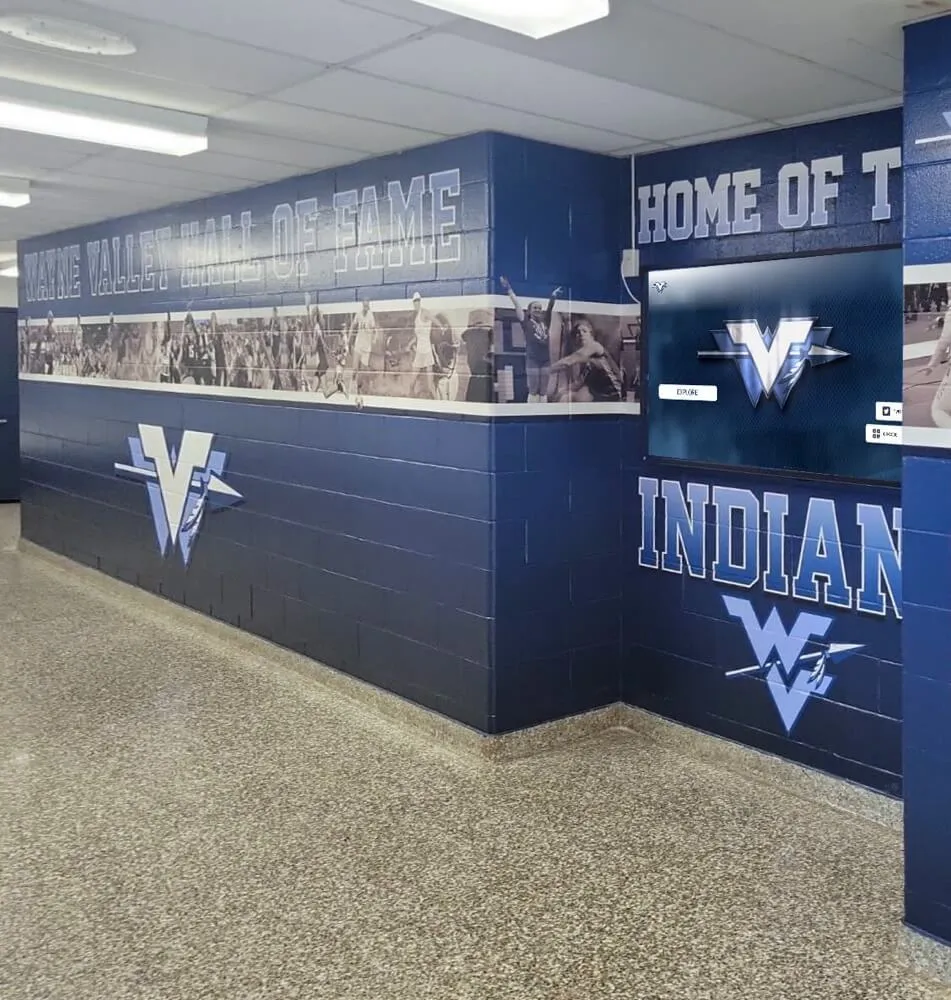
Hallway displays combining murals, digital screens, and trophy cases create comprehensive recognition environments
Modern Technology for Tournament Recognition
Athletic directors increasingly leverage technology to celebrate playoff achievements comprehensively while managing recognition efficiently across multiple sports and seasons.
Digital Recognition System Benefits for Tournament Programs
Traditional recognition approaches using physical plaques and banners face inherent limitations—limited capacity, expensive updates, static presentation, and space constraints. Digital recognition systems solve these challenges through unlimited capacity for documenting all tournament teams across program history, immediate updates as tournaments progress, multimedia integration featuring game videos and photos, searchable databases allowing exploration by player, season, or achievement type, and remote accessibility extending recognition beyond physical campus.
Solutions like Rocket Alumni Solutions provide comprehensive platforms designed specifically for educational athletic recognition, enabling schools to showcase every tournament team, honor all-tournament selections, preserve championship memories through multimedia, and create engaging recognition experiences inspiring current student-athletes.
Real-Time Tournament Updates and Live Recognition
During active tournament runs, schools can leverage digital recognition for real-time engagement including live score updates during tournament games, next-game information and opponent scouting, tournament bracket progression showing advancement paths, player spotlight profiles featuring tournament performers, and historical comparisons showing how current runs compare to past tournament teams.
This real-time capability creates engagement throughout tournament runs, building school pride and community support as teams advance. Digital displays in school lobbies become community gathering points where stakeholders check tournament progress and celebrate advancement.
Integration with Social Media and Community Engagement
Tournament recognition extends beyond campus through integrated approaches combining on-campus digital displays, social media content featuring the same recognition themes, website integration allowing remote access to tournament information, mobile-friendly platforms enabling family sharing, and email updates keeping broader school communities informed.
This multi-channel approach ensures tournament recognition reaches all stakeholders—students see hallway displays, parents follow social media updates, alumni access web-based recognition platforms, and broader communities engage through multiple touchpoints. Coordinated recognition strategies maximize tournament achievement visibility while building sustained athletic program support.
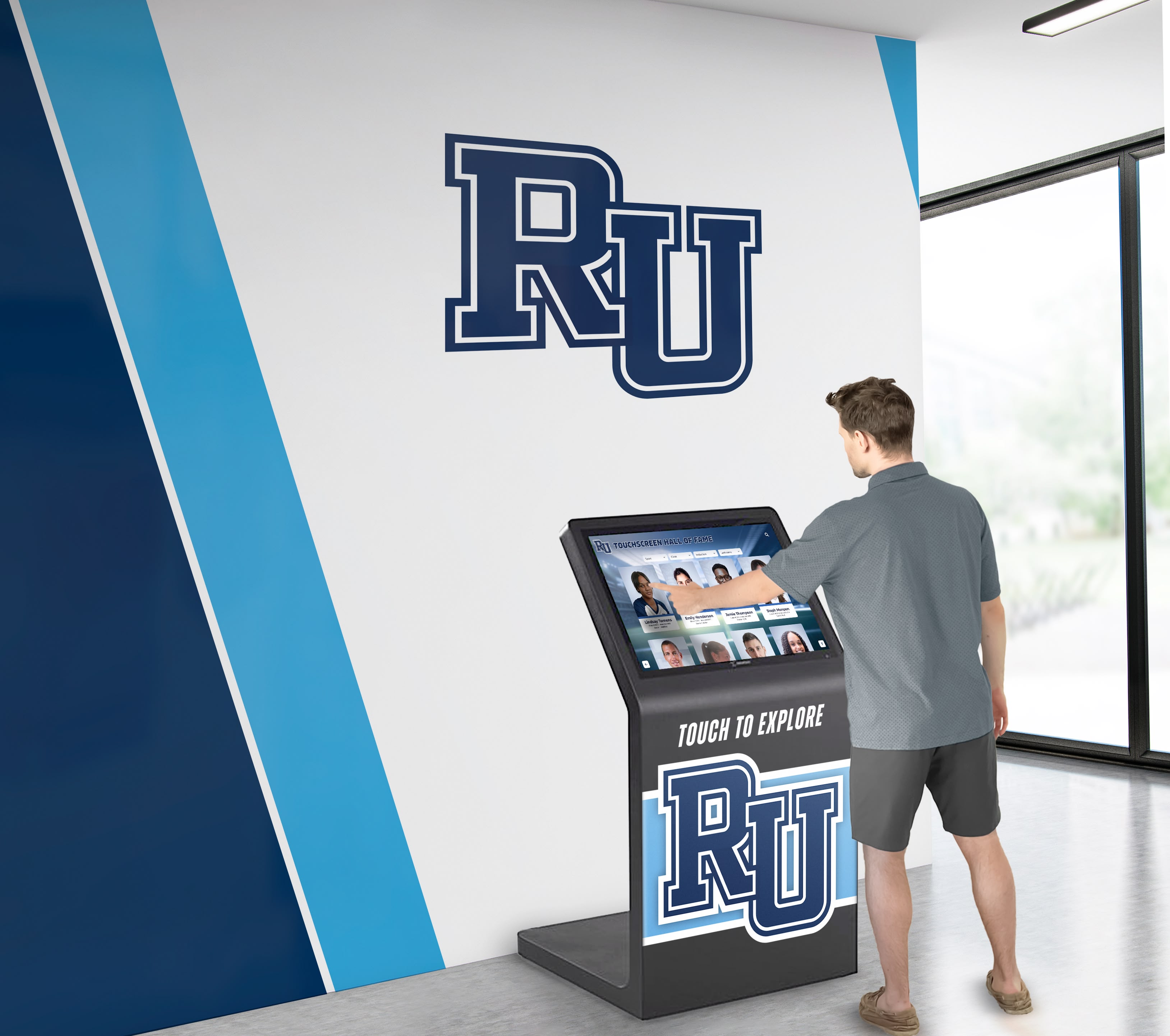
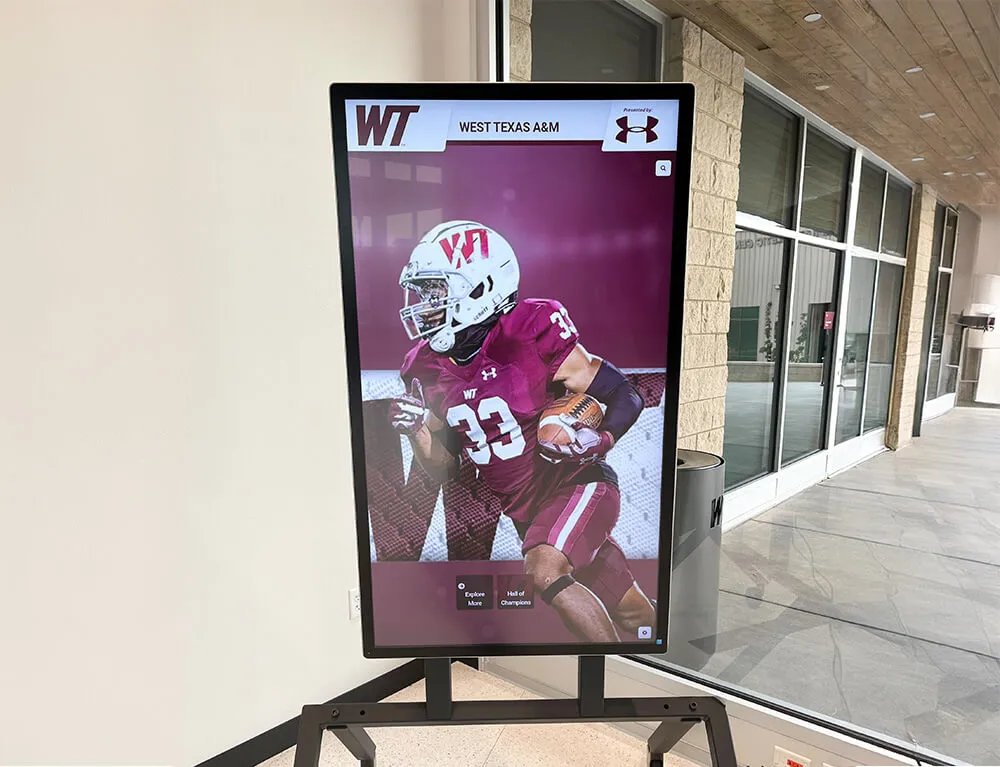
Interactive kiosks in high-traffic lobby areas keep tournament achievements accessible and engaging throughout the year
Building Tournament Recognition Programs
Schools developing comprehensive tournament recognition should approach these systems strategically, ensuring recognition aligns with program values and creates lasting impact.
Establishing Recognition Criteria and Standards
Effective tournament recognition programs begin by defining which achievements merit recognition including state championship teams, state finalist teams, state semifinalist appearances, conference or district tournament championships, regional championship qualification, and individual all-tournament honors. Clear criteria ensure recognition maintains meaning while celebrating genuine achievement appropriately.
Programs should document these recognition standards, communicating what athletes must accomplish to receive permanent recognition. This transparency creates aspirational goals while ensuring recognition processes appear fair and merit-based.
Developing Historical Tournament Documentation
Many programs lack comprehensive historical records of tournament achievements from earlier eras. Building complete recognition systems may require historical research including yearbook review documenting tournament teams and results, newspaper archives providing game details and tournament coverage, alumni outreach gathering memories and photographs from past tournaments, and historical society resources preserving community sports documentation.
This historical research enables comprehensive recognition spanning entire program histories rather than only recent seasons. Complete historical documentation strengthens program traditions while ensuring all tournament achievements receive appropriate acknowledgment regardless of when they occurred.
Schools developing historical recognition often discover forgotten achievements—unexpected tournament runs, individual performances, or championship teams not adequately celebrated when they occurred. Digital platforms make correcting these historical oversights practical by accommodating unlimited retrospective content.
Launching Recognition Programs with Community Engagement
New recognition systems deserve proper launches building excitement while demonstrating institutional commitment to honoring athletic excellence. Effective launch strategies include unveiling events with former tournament teams invited, dedication ceremonies featuring athletic director and principal remarks, student engagement activities teaching tournament history, media coverage generating community awareness, and alumni outreach encouraging historical contribution and photograph sharing.
Well-executed launches create momentum carrying forward as recognition systems become established aspects of athletic program culture. Initial excitement helps build habits of updating recognition regularly and maintaining system vitality across administrative transitions.
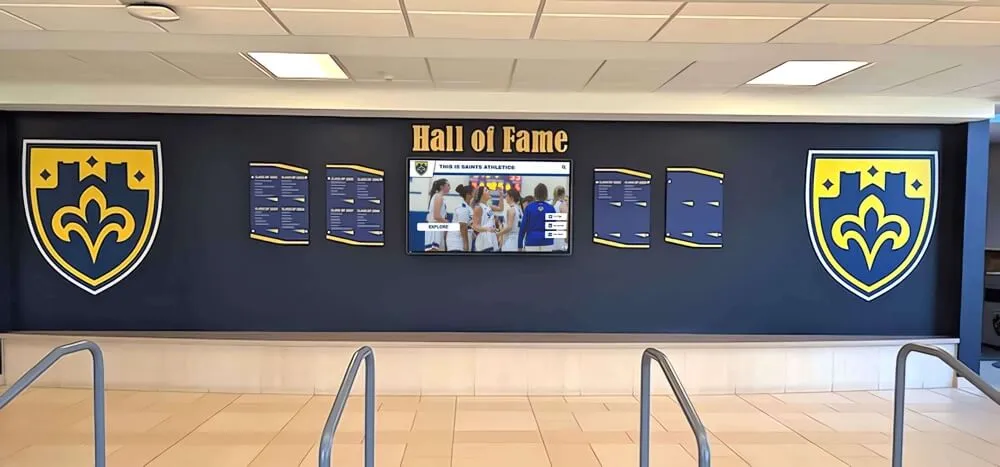
Combined traditional and digital recognition provides aesthetic appeal while offering practical advantages of unlimited capacity
Regional Playoff Considerations and Championship Cultures
Different regions developed distinct basketball cultures affecting how tournaments are conducted, celebrated, and remembered.
Small-Town Tournament Traditions
In rural communities across America, high school basketball tournaments represent major social events where entire towns shut down to travel hours supporting their teams. These small-town traditions create tournament experiences different from suburban or urban contexts.
Schools from small communities should recognize the unique cultural significance their tournament runs carry—these achievements represent not just athletic success but community unification events transcending sports. Recognition systems should capture this broader cultural impact through documentation including community celebration photographs, local business support acknowledgment, fan attendance documentation, and alumni engagement stories showing how tournaments connected dispersed communities.
Urban and Suburban Tournament Environments
Metropolitan area tournaments create different dynamics where multiple schools compete for championships, media coverage intensifies, and larger student populations create deep talent pools. Urban tournament success often requires defeating numerous quality opponents across multiple rounds.
These environments merit recognition approaches emphasizing competitive excellence required to succeed in deep playoff fields. Schools can document strength of tournament schedule, quality opponent victories, and statistical performance against elite competition, providing context making championship runs impressive to audiences unfamiliar with specific competitive landscapes.
Private School vs. Public School Dynamics
Some states maintain separate tournament structures for public and private schools, while others integrate all schools within unified classification systems. Private school tournament success sometimes faces different perception challenges, with public school advocates questioning competitive equity.
Recognition systems should provide factual context about tournament competitive structures without defensiveness. Document which classification, division, or tournament structure championships occurred within, allowing achievements to speak for themselves while acknowledging the specific competitive environment where success occurred.
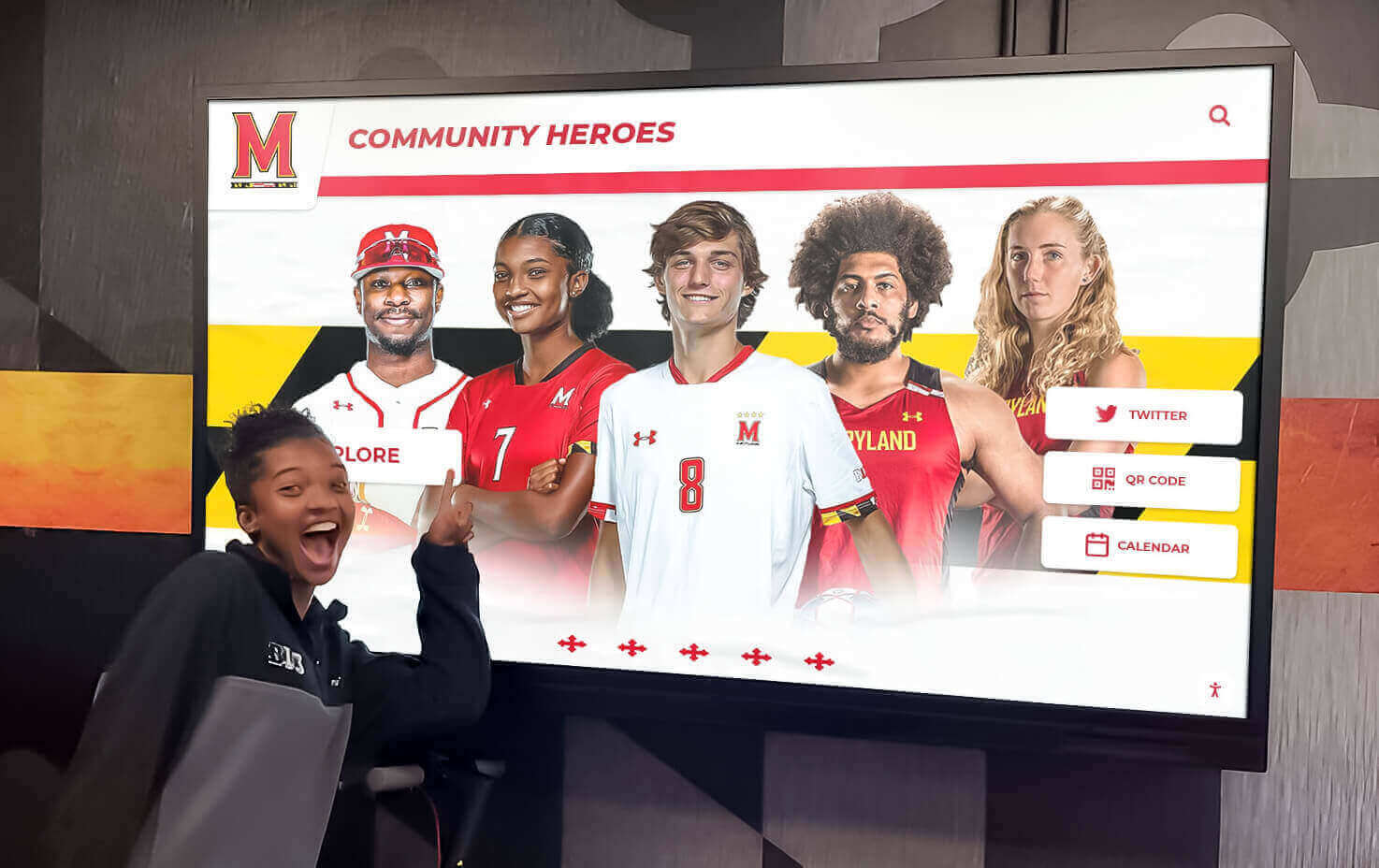
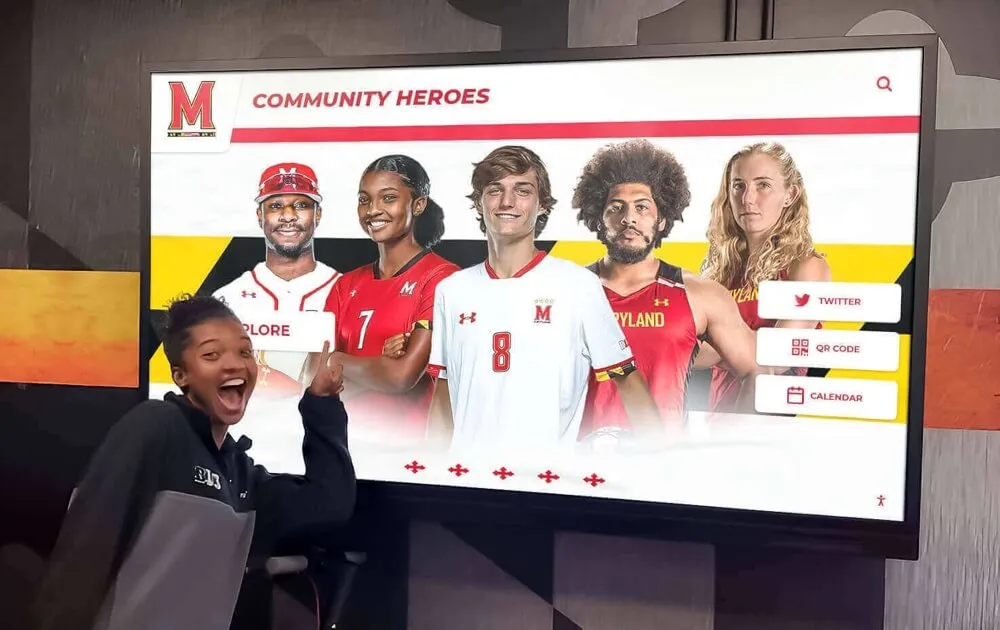
Engaging displays capture student attention, keeping basketball achievements visible and relevant to current school populations
Supporting Tournament Programs Through Recognition-Driven Culture
Championship basketball programs benefit from recognition cultures where playoff excellence is expected, celebrated, and perpetuated across generations.
Building Tradition Through Consistent Recognition
Programs recognized for tournament success develop traditions where playoff achievement becomes part of institutional identity. Building these traditions requires consistent recognition practices including immediately updating recognition after tournament runs conclude, systematically documenting all tournament achievements, maintaining high-quality recognition standards, connecting current athletes to past tournament teams, and building rituals around recognition that create ceremonial importance.
These consistent practices transform tournament success from isolated achievements into ongoing traditions inspiring future athletes while strengthening program identity. When current players walk past displays honoring past tournament teams daily, they viscerally understand the standards they’re maintaining and traditions they’re continuing.
Inspiring Current Athletes Through Historical Tournament Recognition
Effective recognition systems create powerful motivation when current athletes can explore detailed information about past tournament runs. Digital platforms make this exploration engaging through interactive features allowing students to filter recognition by their graduation year, search for family members who played historically, explore tournament matchups from past seasons, watch historical game footage when available, and compare current team performance against historical benchmarks.
This interactive engagement transforms passive recognition into active learning experiences where athletes develop deep appreciation for program traditions while feeling personal connections to tournament excellence spanning decades.
Alumni Engagement Through Tournament Recognition
Tournament recognition creates natural touchpoints for alumni engagement, as former players maintain deep emotional connections to their playoff experiences. Schools leverage tournament recognition for alumni relationship building through reunion invitations to recognition unveiling events, digital platforms allowing remote recognition access, social media featuring throwback tournament content, fundraising appeals connected to recognition enhancements, and naming opportunities within comprehensive recognition systems.
These alumni engagement strategies build financial support for athletics while maintaining emotional connections between graduates and their schools. Understanding how alumni engagement programs leverage recognition strategically helps schools maximize tournament achievement value beyond immediate season celebration.
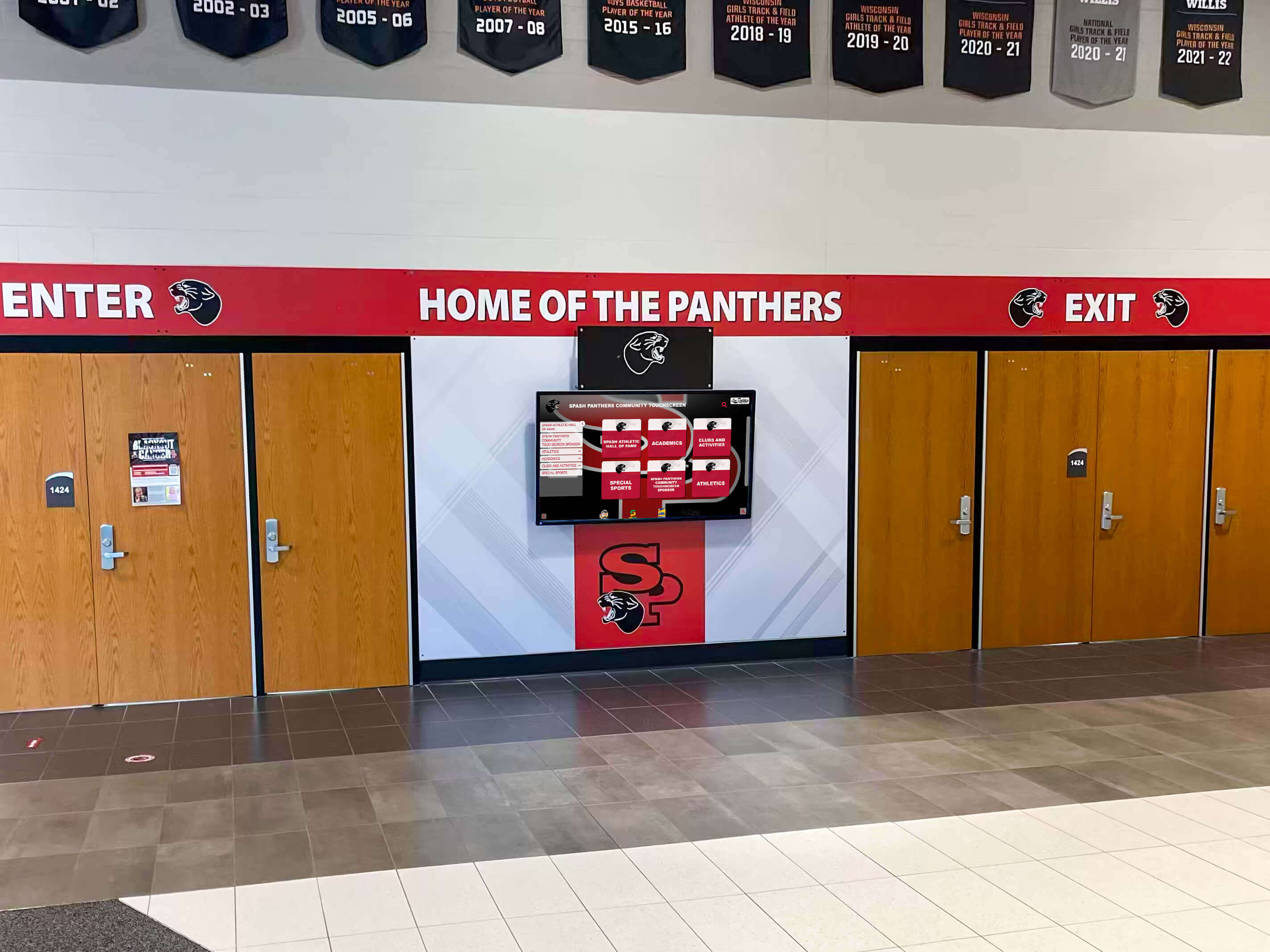
Entrance displays featuring tournament achievements create impressive first impressions for visitors while reinforcing pride for students
Tournament Recognition Program Investment Planning
Schools considering enhanced tournament recognition should approach these decisions strategically, evaluating options aligning with program needs, budget parameters, and long-term vision.
Assessing Current Recognition Limitations
Begin planning by evaluating existing recognition systems and their shortcomings including capacity constraints limiting how many tournament teams can be displayed, update difficulties requiring expensive and slow engraving processes, presentation limitations providing minimal context beyond team names and years, engagement problems with static displays students ignore, and maintenance challenges with aging physical installations.
This honest assessment clarifies whether incremental improvements to existing systems suffice or whether comprehensive modernization better serves long-term program needs. Many schools discover that accumulated limitations of traditional approaches justify investment in digital solutions offering superior capabilities.
Comparing Recognition System Costs and Value
Athletic directors should compare recognition approaches across total cost of ownership dimensions including initial investment requirements, ongoing maintenance and update costs, cost per team or individual recognized, engagement quality and recognition effectiveness, longevity and system obsolescence considerations, and flexibility adapting to changing recognition needs.
Digital recognition systems typically demonstrate superior value over multi-year periods despite potentially higher initial investments. Traditional approaches require recurring engraving expenses every season, while digital systems eliminate these costs entirely while providing dramatically enhanced recognition capabilities.
Implementation Planning for Recognition Enhancements
Successful recognition system implementation requires systematic planning including content development for historical tournament documentation, stakeholder engagement ensuring buy-in from coaches and administration, technical planning for digital systems including network infrastructure and display placement, budget development and approval processes, and timeline coordination launching recognition at strategic moments.
Schools typically invest 10-16 weeks implementing comprehensive digital recognition systems depending on historical content development scope and decision-making timelines. Traditional installations may occur faster but lack future flexibility requiring complete replacement for enhancement rather than simple content updates.
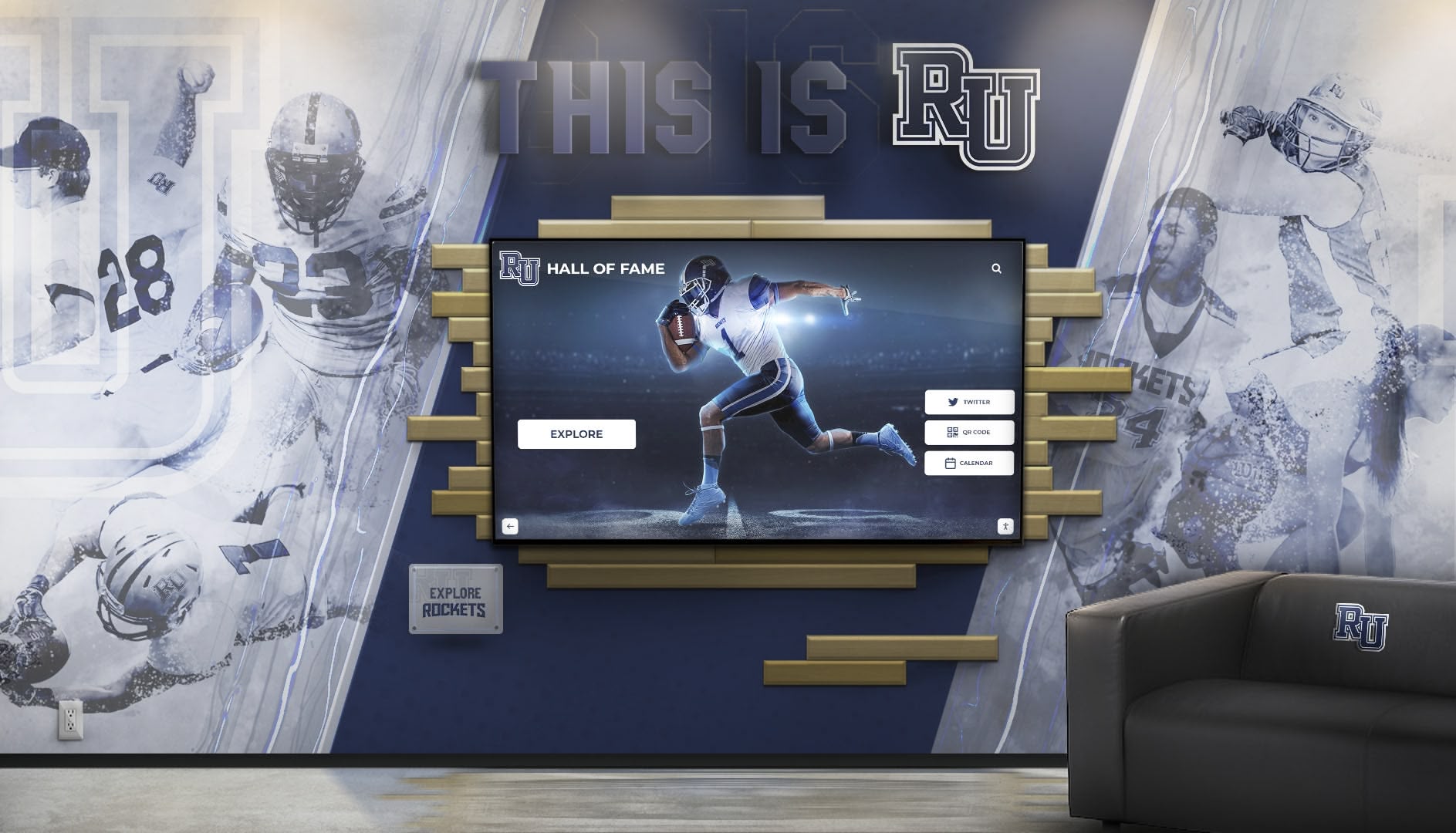
Multi-sport recognition displays celebrate basketball achievements alongside football and other programs, showcasing comprehensive athletic excellence
End-of-Season Tournament Recognition Events
Beyond permanent recognition installations, schools create meaningful tournament celebration through dedicated events honoring playoff achievements and individual excellence.
Basketball Banquet and Awards Programs
Traditional basketball banquets provide opportunities to celebrate tournament runs while recognizing individual achievement through awards programs honoring team MVPs, all-tournament performers, statistical leaders, senior contributions, coaching excellence, and special recognition categories.
These events create ceremonial importance around tournament success, allowing extended celebration beyond immediate post-game moments. Effective banquets include season highlight videos featuring tournament games, coach remarks providing insider perspectives on tournament runs, senior recognition honoring graduating contributions, and recognition program previews showing how achievements will be preserved permanently.
Senior Night and Playoff Performer Recognition
Schools traditionally honor senior basketball players during regular-season finales, but playoff teams often extend these celebrations or conduct additional recognition events. Senior recognition should include tournament contribution acknowledgment, post-season honor announcement, college commitment recognition when applicable, and permanent recognition program inclusion.
Senior night planning that incorporates tournament context creates especially meaningful celebrations when teams conclude seasons with deep playoff runs, as senior recognition occurs against backdrop of tournament success these athletes helped create.
Community Celebration Events for Championship Teams
Championship teams deserve broader community celebration beyond school-based recognition. Effective community celebrations include city or town council recognition, parade or rally events allowing community participation, local business celebration and support acknowledgment, media recognition through newspapers and local television, and permanent marker installation at schools or community facilities.
These community celebrations acknowledge that championship basketball transcends school boundaries, representing entire communities. Documentation of these celebrations feeds recognition systems, showing future athletes how their communities celebrate tournament excellence.
Conclusion: Honoring Basketball Excellence Through Comprehensive Tournament Recognition
High school basketball playoffs represent pinnacle achievements in interscholastic athletics, with tournament structures varying dramatically across America’s fifty states. From Alaska’s travel-intensive competitions to California’s sprawling multi-division system, from Indiana’s storied Hoosier Hysteria traditions to Kentucky’s legendary Sweet 16 at Rupp Arena, basketball tournaments create defining moments in high school athletic careers.
Schools that effectively recognize playoff achievements through comprehensive, sustainable recognition systems honor the dedication of student-athletes, coaches, and communities while inspiring future excellence. Tournament success deserves recognition matching its significance—not just through immediate celebration but through permanent documentation ensuring these achievements inspire generations of future basketball players.
The state-by-state variations, recognition strategies, and implementation approaches explored in this guide provide frameworks schools nationwide can adapt to their unique circumstances. Whether your program competes in open tournament formats or must battle for playoff qualification, whether you pursue championships in large-school classifications or small-school divisions, tournament achievements deserve recognition systems that truly celebrate the championship pursuit making high school basketball special.
Modern recognition technology eliminates traditional barriers that prevented comprehensive tournament acknowledgment. Digital platforms enable schools to showcase every playoff team regardless of how deep into tournaments they advanced, recognize all tournament performers without space constraints, preserve championship memories through multimedia documentation, and create searchable databases accessible to current students and alumni worldwide.
As high school basketball continues evolving with new champions emerging and traditional powers maintaining excellence, recognition systems must adapt to capture this ongoing achievement. Digital solutions provide the flexibility and capacity required for dynamic tournament recognition that grows with programs rather than becoming outdated as new achievements accumulate.
For athletic directors, coaches, and administrators seeking to honor playoff excellence appropriately, the path forward involves evaluating current recognition limitations, exploring modern solutions that eliminate capacity and cost constraints, and implementing systems that truly celebrate the tournament traditions making high school basketball integral to American sports culture. Your playoff achievements deserve recognition worthy of the dedication required to compete for championships—make those accomplishments permanently visible through recognition systems designed for comprehensive, sustainable tournament celebration.
Ready to transform how your school celebrates basketball tournament excellence? Explore how Rocket Alumni Solutions helps schools nationwide honor playoff achievements, preserve championship memories, and build recognition systems that inspire current athletes while celebrating past excellence through engaging digital displays designed specifically for educational athletic recognition.