High school booster clubs face a persistent challenge that goes far deeper than simply raising money: how do you build sustainable community support that extends beyond the parents of current athletes? Too many booster clubs experience the exhausting cycle of aggressive fundraising drives followed by donor fatigue, volunteer burnout, and declining participation as families graduate out of programs.
The most successful high school booster clubs recognize a fundamental truth—fundraising that builds genuine community connections creates self-sustaining support systems that outlast any single graduating class. When booster clubs focus on relationship building rather than transactional asks, they transform supporters from reluctant check-writers into enthusiastic community advocates who remain engaged long after their own children hang up their jerseys.
This comprehensive guide explores high school booster club fundraising ideas specifically designed to strengthen community bonds while generating sustainable revenue. Unlike traditional fundraising approaches that treat supporters as ATMs to be tapped repeatedly, these community-centered strategies create giving opportunities that feel rewarding, build visible connections between contributions and impact, and establish recognition systems that inspire continued generosity across multiple sport seasons.
Community-building fundraising requires reframing how booster clubs approach supporter relationships: shifting from short-term revenue extraction to long-term relationship cultivation, creating visible acknowledgment that celebrates every contribution level, connecting individual gifts to tangible program outcomes, and building inclusive communities where supporting student-athletes feels like participating in something meaningful rather than fulfilling an obligation.

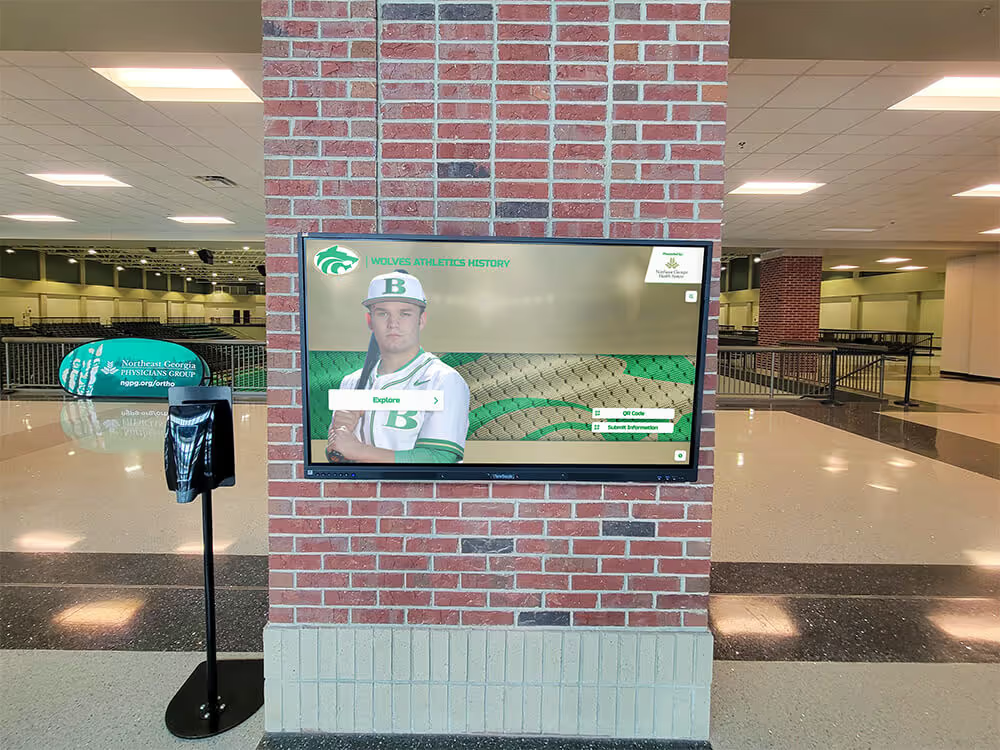
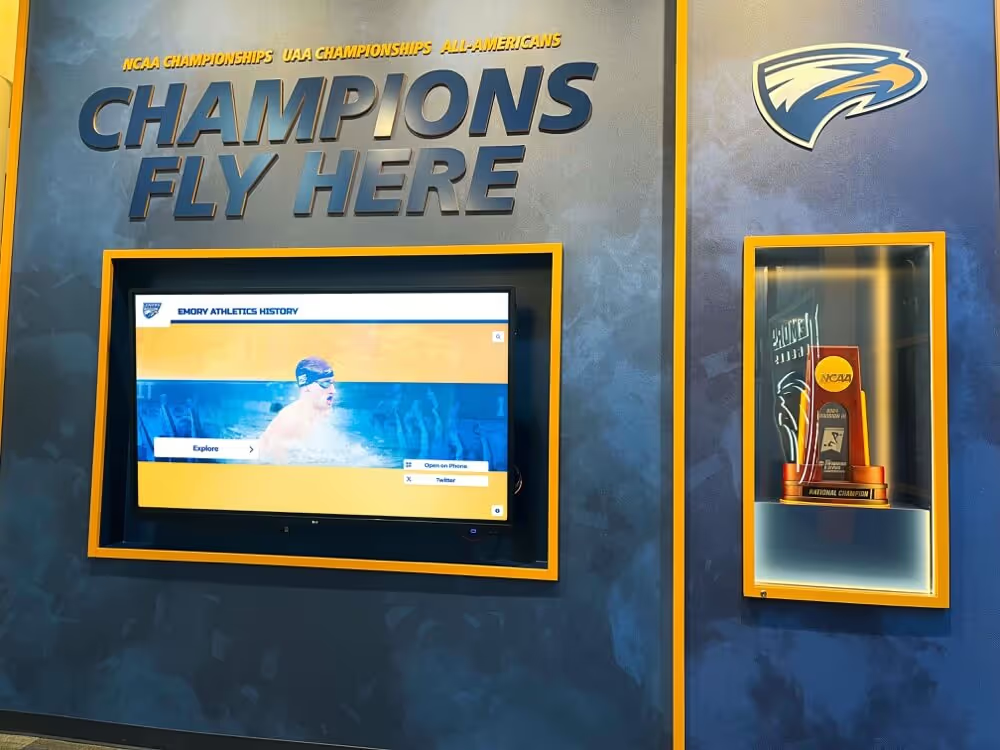
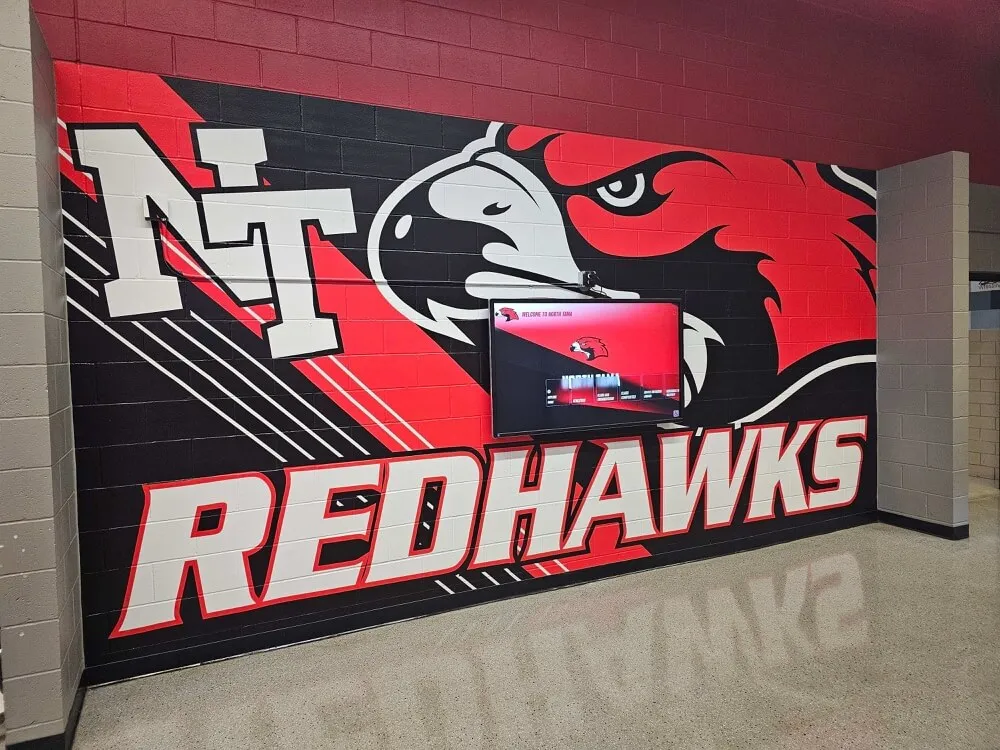
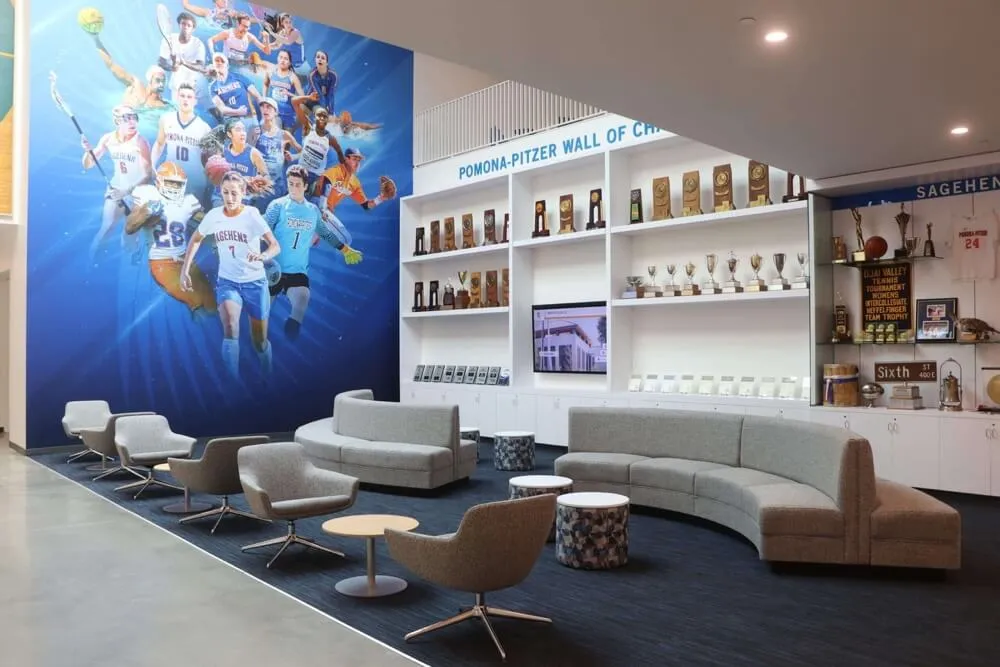
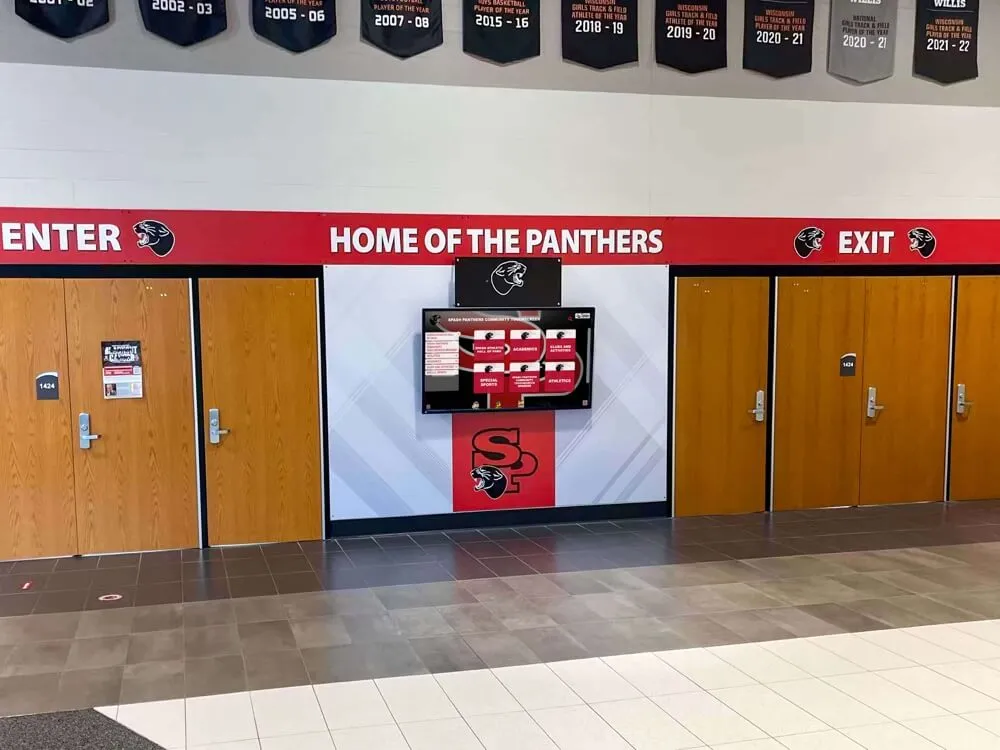
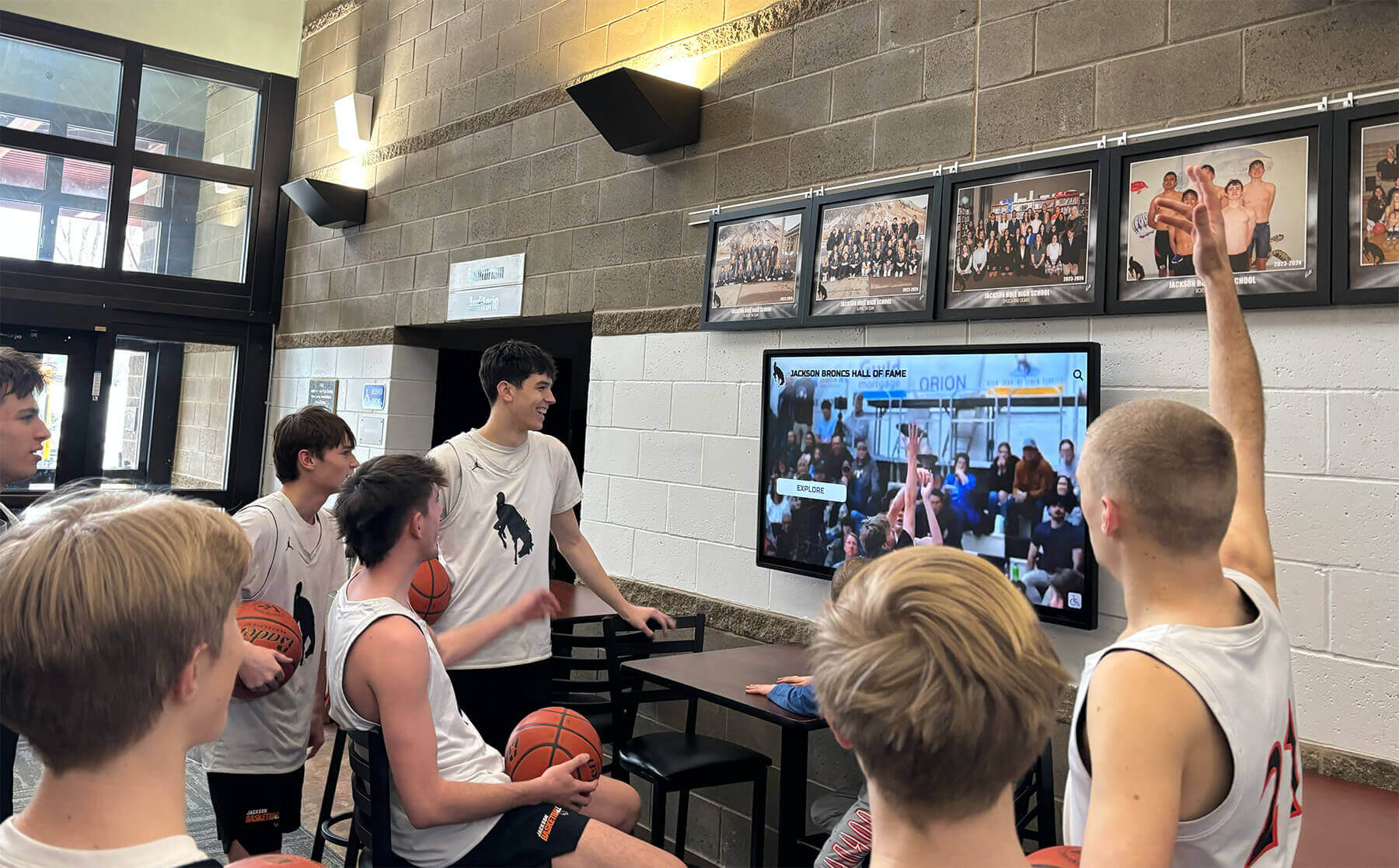
Community-centered fundraising creates spaces where families, athletes, and supporters connect around shared pride in program success
Understanding Community-Centered Fundraising for High School Booster Clubs
Before exploring specific fundraising strategies, understanding what distinguishes community-building approaches from traditional transactional fundraising helps booster clubs design initiatives aligned with long-term sustainability objectives.
The Community-Building Fundraising Philosophy
Community-centered fundraising operates on fundamentally different principles than traditional approaches:
Relationship Investment Over Transaction Execution
Traditional booster club fundraising often treats supporters as revenue sources to be approached with asks, thanked perfunctorily, then approached again when needs arise. Community-building fundraising views supporters as valued community members whose connection to programs matters as much as their financial contributions. This philosophy prioritizes sustained engagement over maximizing individual gift amounts, values all contribution types from volunteer hours to modest donations equally, creates continuous communication rather than contact only during fundraising drives, and builds recognition systems celebrating every supporter visibly.
Organizations embracing community-building approaches often discover that average gift sizes increase naturally as donors feel genuinely valued rather than perpetually solicited. When supporters experience meaningful connection to programs and appropriate acknowledgment of their participation, giving becomes something they want to do rather than feel obligated to provide.
Inclusive Participation Rather Than Elite Focus
Many booster clubs inadvertently create hierarchical structures where major donors receive disproportionate attention while modest contributors feel invisible or undervalued. Community-building fundraising intentionally creates inclusive environments where families contributing $50 receive genuine appreciation alongside those giving $5,000, volunteer hours supporting concession operations warrant equal celebration to financial gifts, in-kind donations and service contributions receive systematic acknowledgment, and every community member feels their support matters regardless of amount.
This inclusive approach doesn’t diminish appropriate recognition for major donors—it ensures comprehensive acknowledgment that builds broad community ownership of program success rather than creating insider/outsider dynamics that limit participation.
Visible Impact Connections
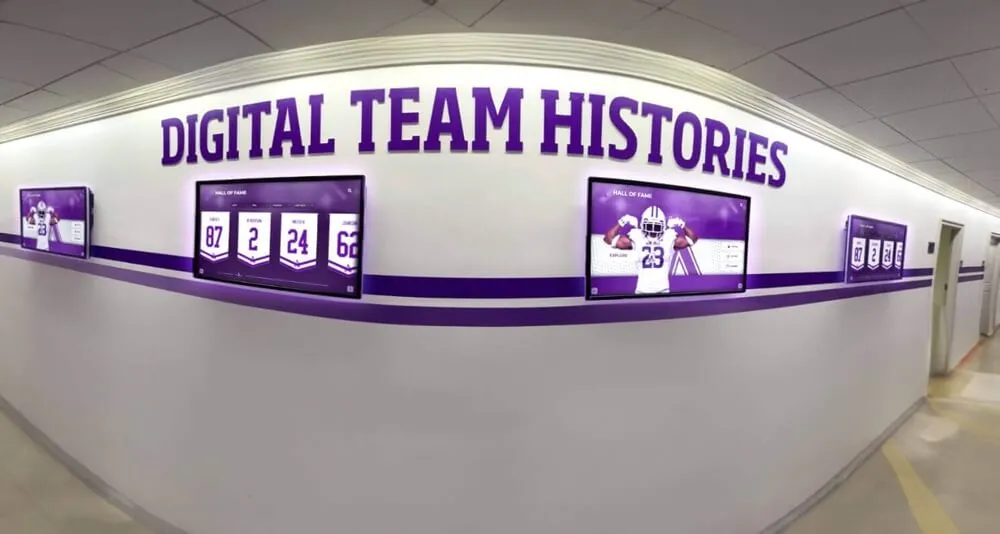
Supporters remain engaged when they clearly understand what their contributions accomplish. Community-building fundraising systematically connects gifts to tangible outcomes including specific equipment purchases or facility improvements, athlete success stories enabled by donor generosity, competitive opportunities created through community support, and program growth directly attributable to sustained giving. Solutions like Rocket Alumni Solutions enable booster clubs to showcase these impact connections through digital displays that celebrate both donors and the program achievements their generosity makes possible.
Learn how 5K fundraising events create community gathering opportunities while generating sustainable revenue.
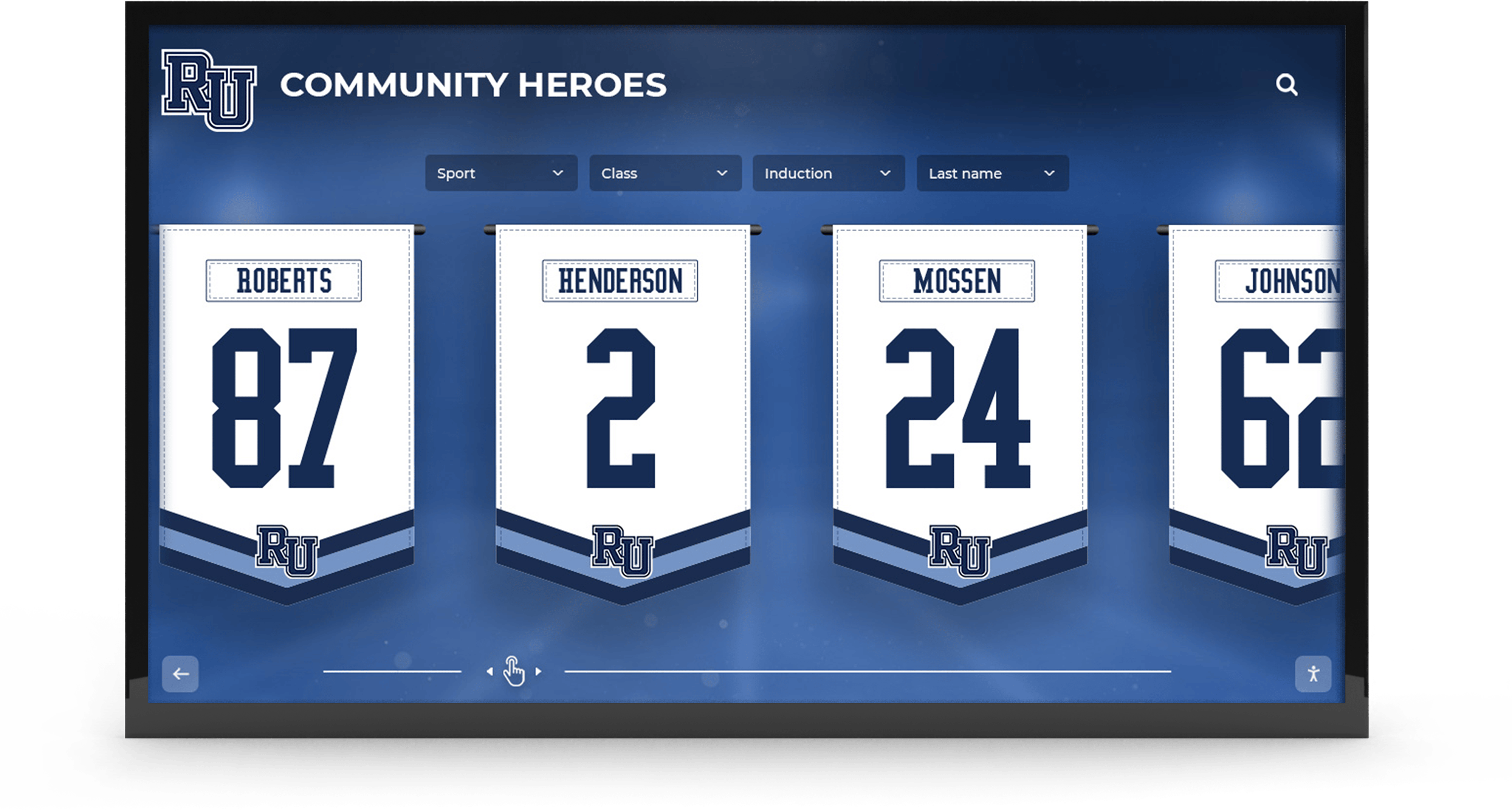
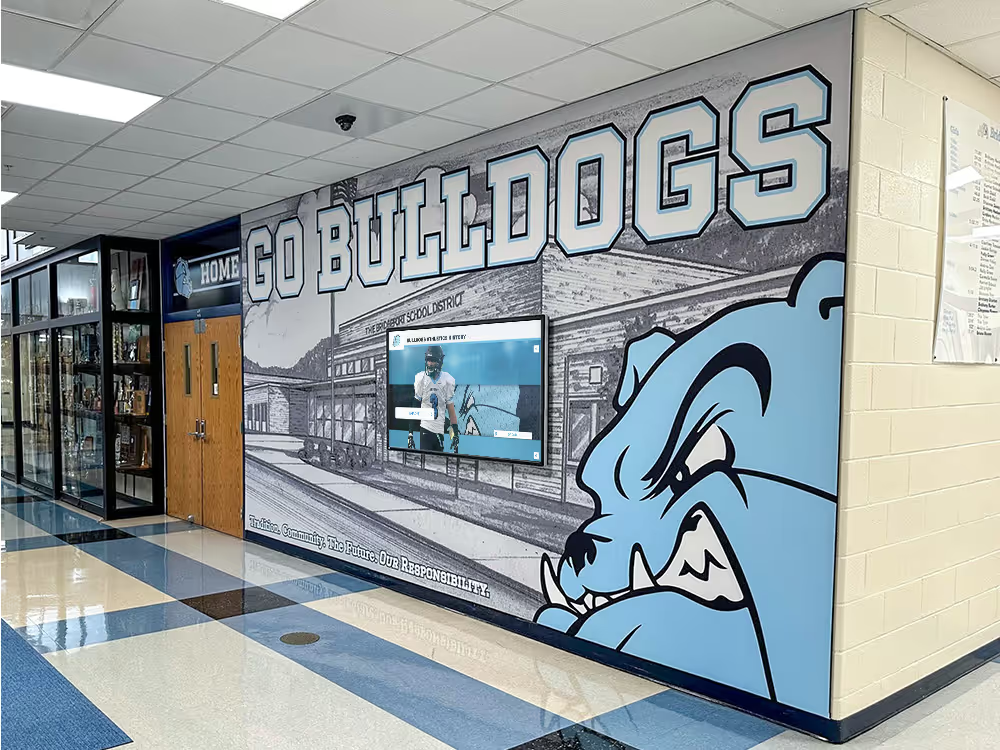
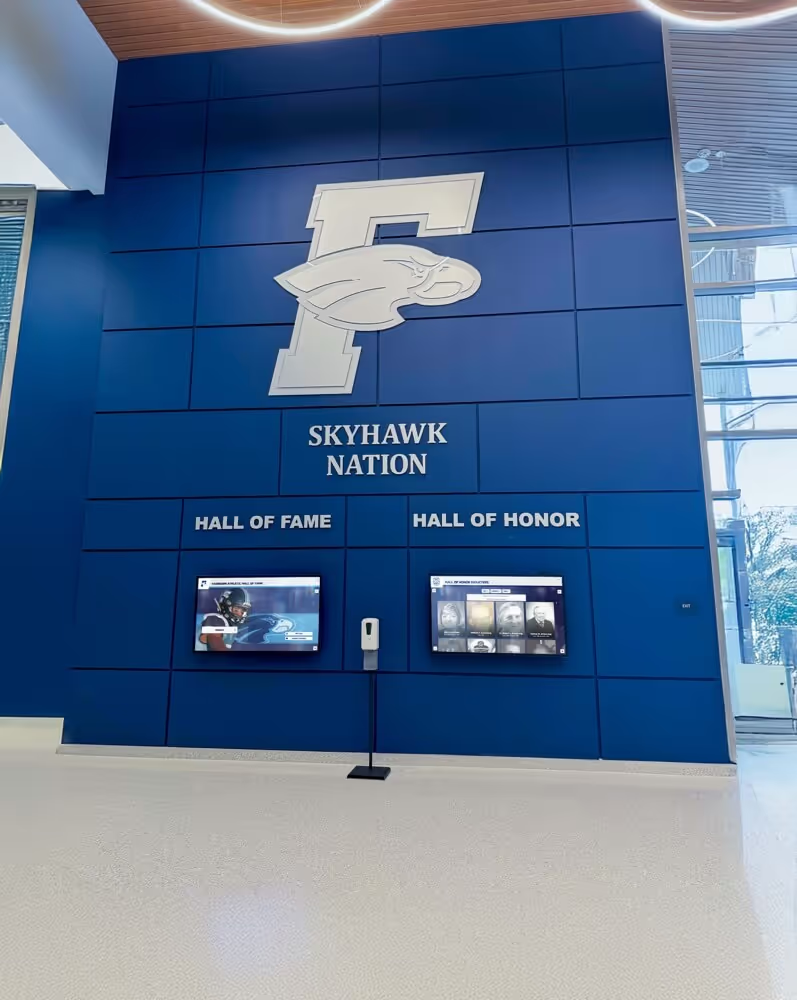
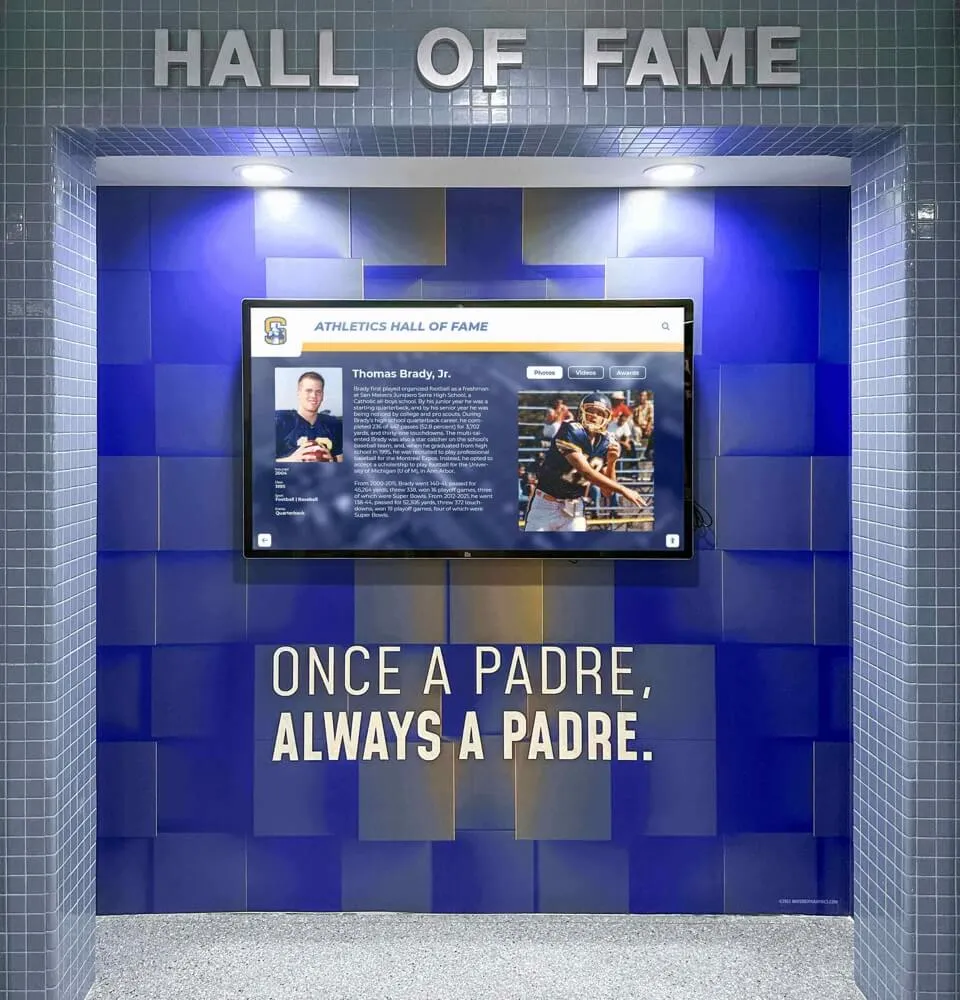
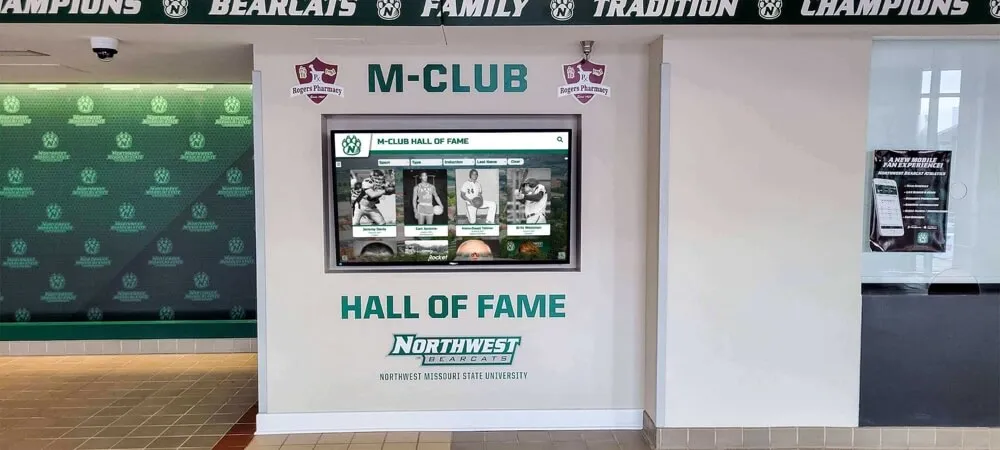
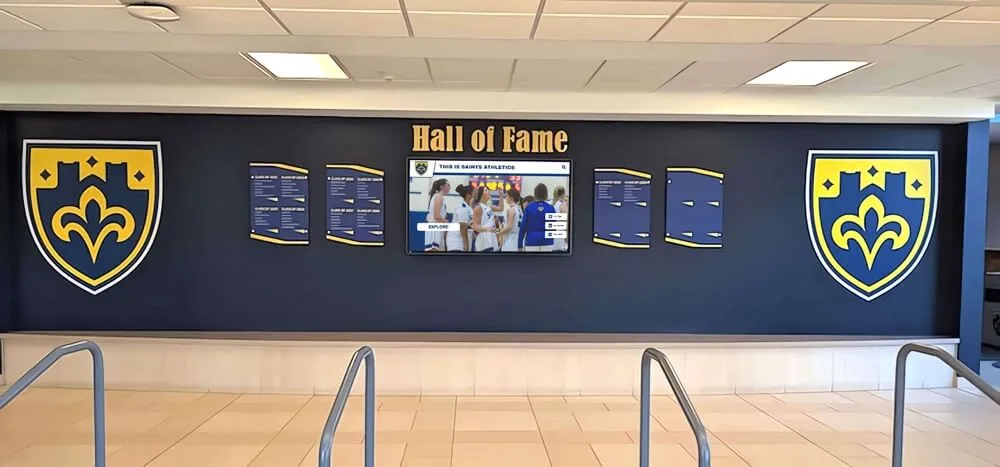
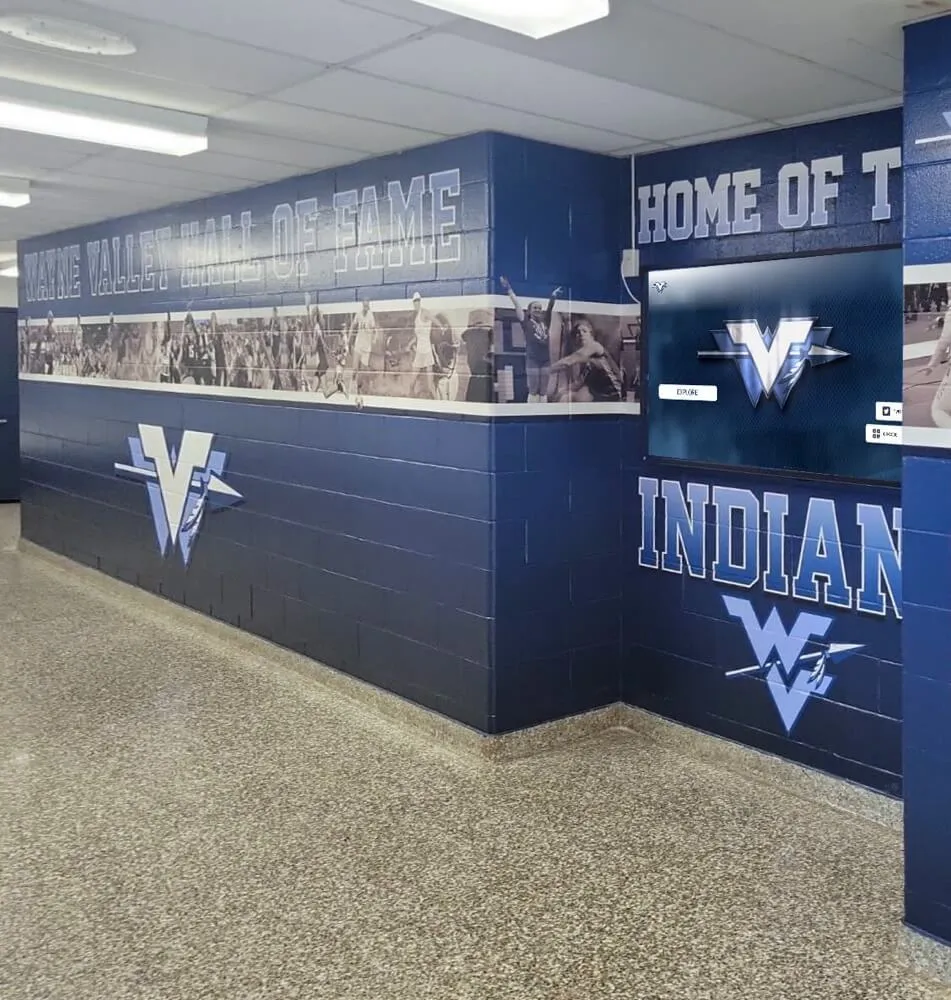
Visible recognition systems celebrate community support while inspiring continued engagement across sport seasons
The Volunteer Sustainability Challenge
High school booster clubs operate almost entirely through volunteer labor, creating unique challenges for fundraising sustainability:
Preventing Volunteer Burnout
Traditional high-intensity fundraising approaches often exhaust volunteers through constant event planning and coordination, relentless solicitation asking the same people repeatedly, complex initiatives requiring specialized skills, time commitments that conflict with work and family obligations, and insufficient recognition for volunteer service. Community-building fundraising prioritizes volunteer capacity protection through work-efficient initiatives requiring modest coordination, technology automation reducing manual effort, reasonable time expectations respecting volunteer constraints, and systematic volunteer appreciation ensuring service feels rewarding rather than burdensome.
Booster clubs that protect volunteer capacity through sustainable fundraising approaches maintain stable operations across leadership transitions that typically occur every 2-3 years as student enrollment patterns shift.
Creating Systems That Survive Leadership Changes
Most high school booster club volunteers serve relatively brief periods corresponding to their children’s participation years, creating perpetual leadership turnover that threatens institutional memory and operational continuity. Community-building fundraising emphasizes documented systems and procedures requiring minimal training for new volunteers, technology platforms enabling remote management without facility access, clear role definitions with reasonable scope, multi-year strategic plans preventing reactive decision-making, and recognition for outgoing leaders who built sustainable foundations.
Digital recognition and communication platforms particularly support leadership transitions by centralizing information in cloud-based systems accessible to new volunteers rather than residing in departed leaders’ email accounts or personal files.
Discover how starting a booster club with strong foundational structures creates sustainable operations.
Community-Building Fundraising Events: Creating Shared Experiences
Well-designed events generate revenue while strengthening community bonds through shared experiences celebrating athletic programs.
Annual Signature Events That Build Tradition
Establishing signature annual events creates community traditions families anticipate and prioritize:
End-of-Season Celebration Banquets
Athletic banquets serve dual purposes as recognition events and fundraising opportunities when structured strategically. These celebrations strengthen community while generating revenue through ticket sales covering meals with modest profit margins ($35-60 per person), silent auctions featuring 30-60 donated items from businesses and families, program book advertising and sponsorships ($100-1,500 per placement), commemorative video presentations that can be sponsored ($500-2,000), and raffles or prize drawings with donated prizes.
Successful banquets balance celebration with fundraising, ensuring athletes receive meaningful recognition while parents and community supporters participate in giving opportunities that feel appropriate to festive occasions rather than aggressive solicitation during family celebrations.
Seasonal Community Festivals
Fall and spring festivals capitalize on natural community gathering traditions while supporting athletic programs. These multi-faceted events combine family entertainment with fundraising through food vendor sales with booster club percentage agreements, carnival games and activity booths ($3-10 per participation), team merchandise and spirit wear sales, business sponsor tents providing community exposure, inflatable attractions or entertainment with admission fees, and 50/50 raffles throughout the event.
Festivals work particularly well for building broader community engagement beyond current athlete families by creating inclusive events where attendance supports programs without requiring athletic affiliation. Local families attend for entertainment and community connection while incidentally supporting booster club missions.
Athletic Program Showcases
Pre-season showcases introduce teams to communities while generating early-season revenue through admission fees for community preview events ($5-15 per family), team photo packages purchased by families, sponsor recognition during presentations, concession sales during exhibitions, and commitment campaigns where attendees pledge support for upcoming seasons.
These showcase events build excitement for upcoming seasons while enabling businesses and families to connect support directly to specific teams and athletes they’ll follow throughout competitive seasons.

Recognition events that celebrate athletic achievement create natural fundraising opportunities when supporters feel emotionally connected to program success
Low-Intensity, High-Impact Community Events
Not every fundraising event requires massive volunteer coordination. Strategic lower-effort initiatives protect volunteer capacity while maintaining revenue:
Spirit Nights at Local Businesses
Restaurant and business partnership events generate revenue through minimal coordination: local restaurants donate 15-25% of sales during designated times, families attend knowing purchases support programs, businesses gain customer traffic during slower periods, social media promotion requires minimal effort, and monthly rotation creates recurring revenue without repetitive event planning.
Spirit nights particularly appeal to time-strapped families who want to support programs but cannot attend elaborate fundraising events. Grabbing dinner at a local restaurant feels effortless while incidentally benefiting booster clubs.
Movie Nights and Outdoor Screenings
Stadium or parking lot movie screenings create community gatherings with modest setup requirements. Simple projection equipment rentals ($200-400), admission fees covering costs plus profit margins ($5-10 per person), concession sales generating high-margin revenue, sponsor recognition before films, and family-friendly atmosphere requiring limited supervision create profitable events that feel more like community service than fundraising initiatives.
Athletic Skills Camps and Clinics
Leveraging coach expertise creates revenue while building program connections. Weekend or summer camp programs with registration fees ($75-200 per participant), team merchandise sales to camp participants, coaching staff compensation creating coach buy-in, athlete volunteer opportunities building program culture, and age-appropriate instruction serving youth communities create win-win scenarios where community families gain valuable athletic instruction while supporting high school programs.
Explore how pep rally activities build school spirit while strengthening community connections to athletic programs.
Business Partnership Programs: Building Mutual Community Benefit
Strategic business partnerships create reliable revenue while providing genuine value to local companies seeking community visibility.
Structured Sponsorship Programs With Clear Value Propositions
Professional sponsorship packages establish transparent mutual benefits for businesses and booster clubs:
Tiered Sponsorship Structures
Well-designed sponsorship levels create accessible entry points and aspirational premium opportunities. Championship Level sponsorships ($5,000-10,000) offer exclusive title sponsor designation, premier logo placement across all materials, recognition at every athletic event throughout seasons, dedicated social media campaigns featuring business, VIP hospitality and complimentary event access, and permanent recognition on facility signage or donor displays.
All-Conference Level partnerships ($2,500-4,999) provide substantial logo visibility on promotional materials, recognition signage at home competitions, program book premium advertisement placement, regular social media acknowledgment, complimentary tickets to select events, and appreciation recognition at signature events.
Team Sponsor Level support ($1,000-2,499) includes program book recognition, website sponsor listings with links, banner displays at athletic facilities, periodic social media mentions, and general admission tickets to signature events.
This tiered structure ensures sponsorship opportunities exist for businesses of all sizes while creating clear distinctions justifying premium investment levels for companies seeking maximum visibility.
Multi-Year Commitments and Relationship Development
Encouraging sustained partnerships benefits both parties through reduced annual sales workload for volunteers, budget predictability for program planning, relationship depth impossible with single-year transactions, sponsor rate stability protecting against inflation, and first refusal rights for level upgrades or additional opportunities.
Many successful booster clubs offer modest discounts (5-10%) for three-year sponsorship commitments, creating win-win arrangements where businesses gain price certainty while booster clubs secure reliable multi-year revenue reducing perpetual fundraising pressure.
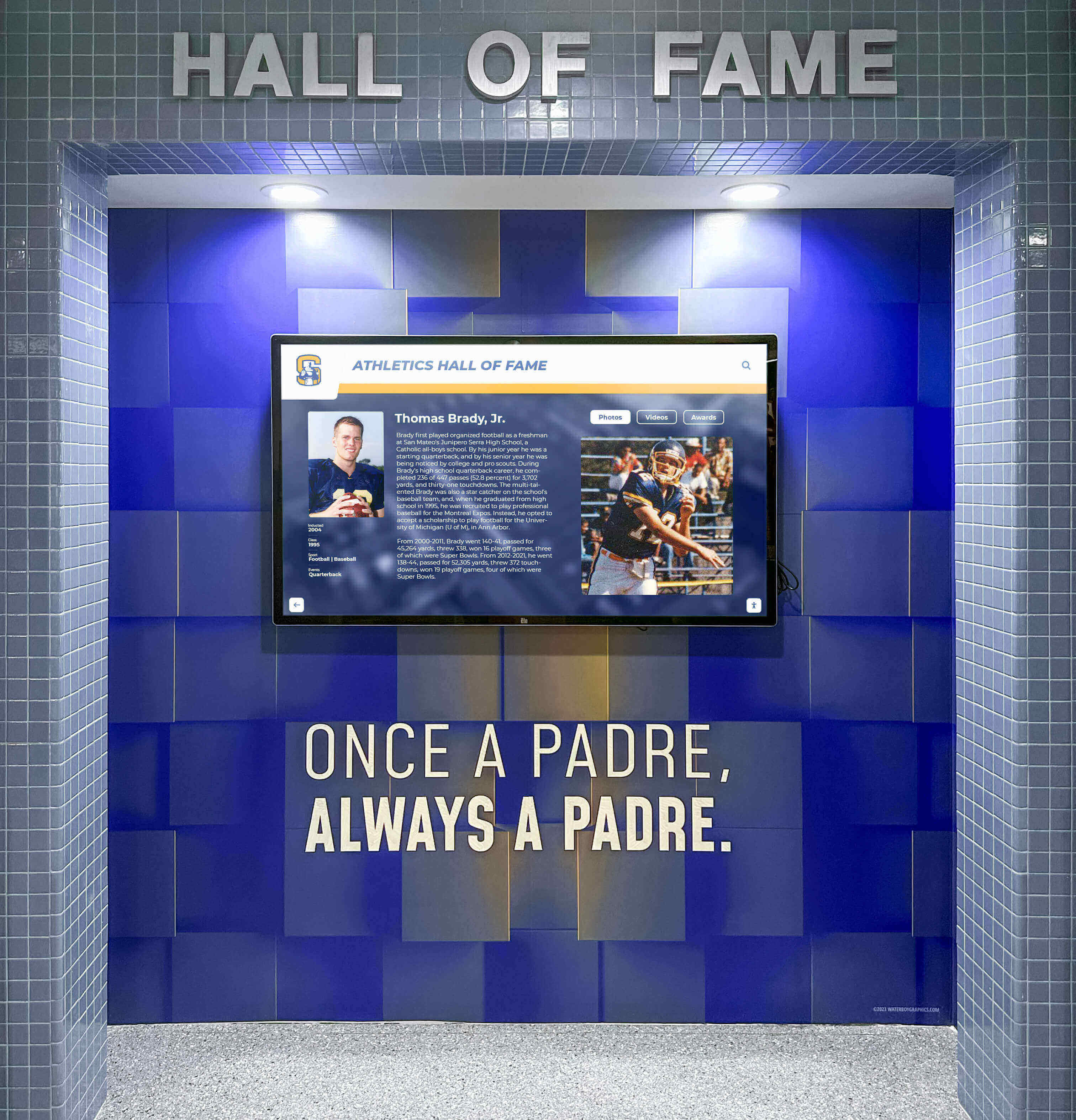
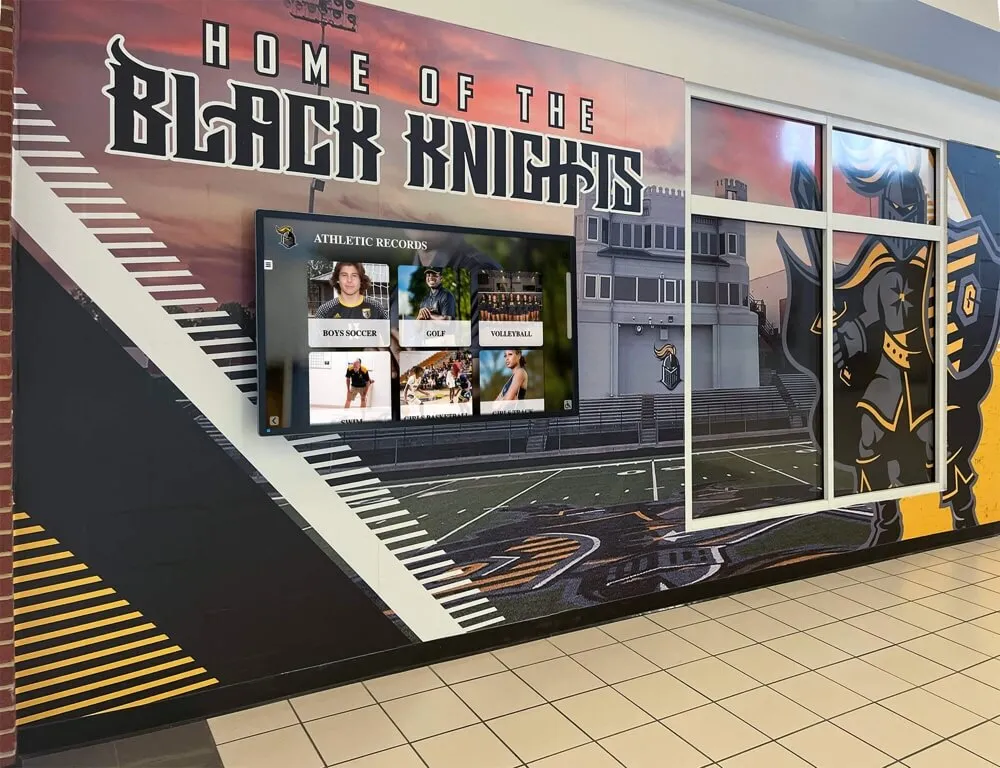
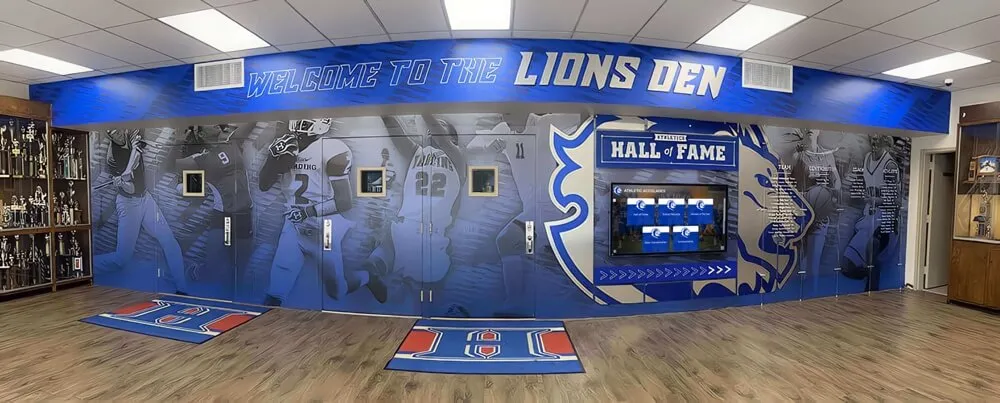
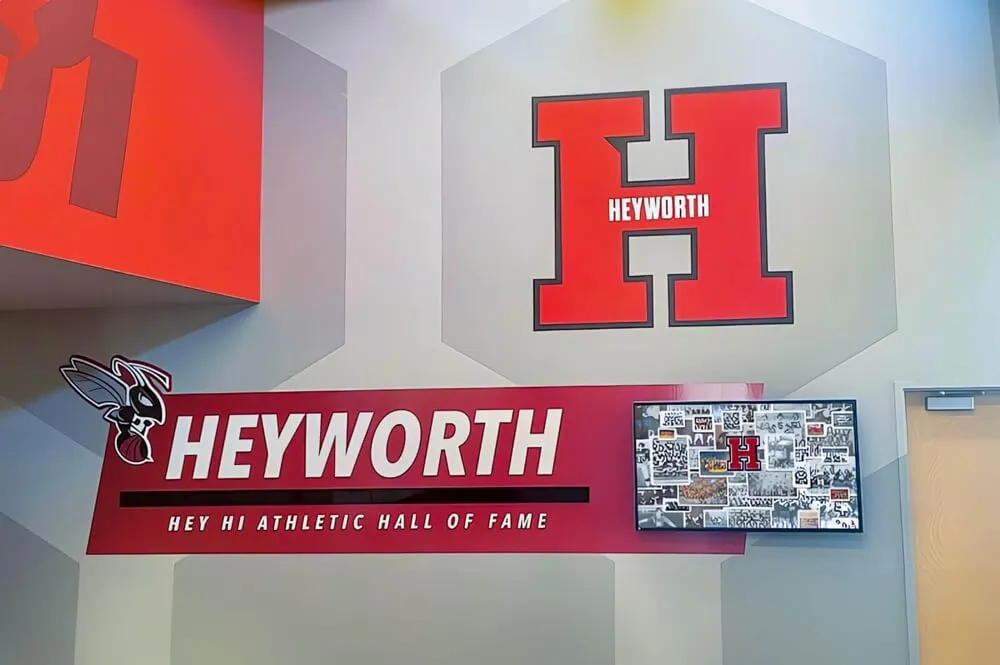
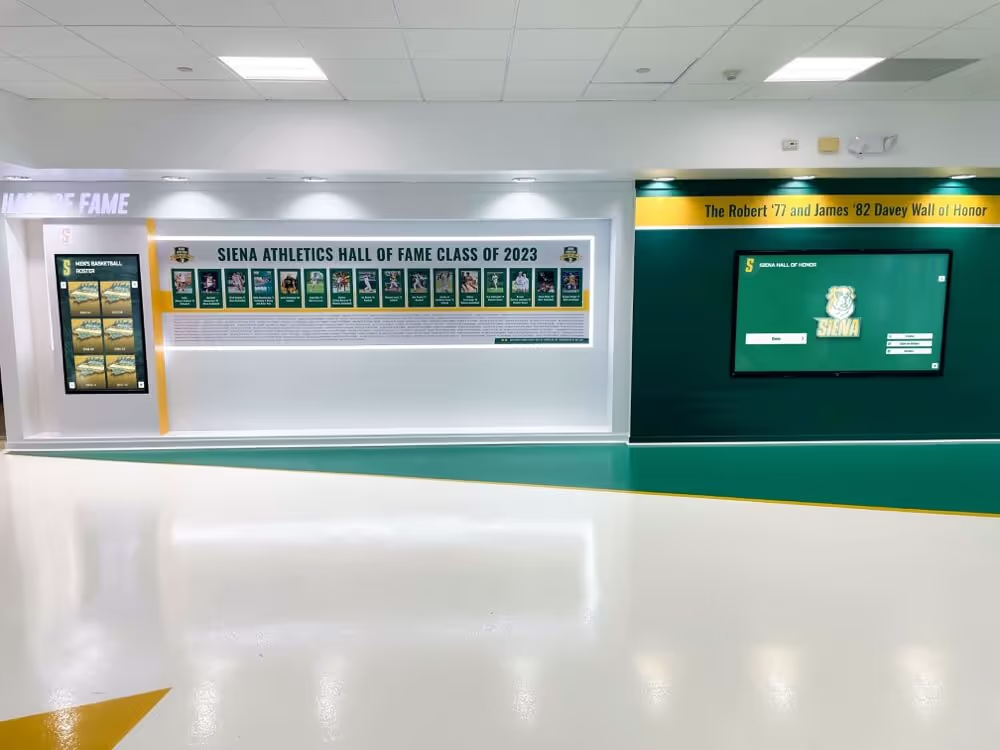
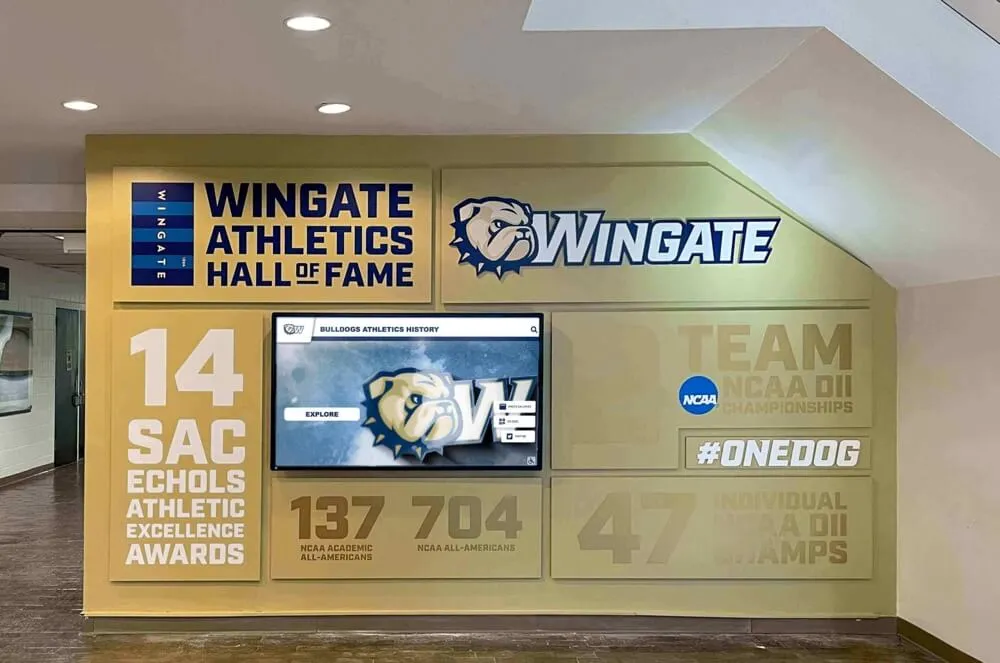
Permanent recognition displays in athletic facilities create lasting visibility for business sponsors while celebrating community support
Creating Genuine Value for Business Sponsors
Effective sponsorships provide businesses authentic marketing value beyond charitable goodwill:
Demographic Alignment and Market Access
Help sponsors reach target audiences by articulating demographic profiles of athletic event attendees, geographic concentration of community supporters, purchasing patterns of families engaged with programs, positive brand associations with youth athletics and education, and differentiation opportunities from competitors lacking community visibility.
Business sponsors increasingly expect clear value propositions demonstrating return on sponsorship investment rather than viewing support as purely charitable. Booster clubs that articulate genuine marketing value secure larger, more sustained commitments than those relying solely on community goodwill appeals.
Activation Opportunities Beyond Logo Placement
Enable sponsors to engage directly with communities through promotional booth space at events and competitions, product sampling or demonstration opportunities, sponsored contests or activities engaging participants, hospitality areas for client entertainment and relationship building, and exclusive sponsor appreciation events recognizing partnerships.
Active engagement creates substantially more value for sponsors than passive logo recognition, justifying premium investment while strengthening business-booster club relationships through collaborative partnership rather than transactional exchange.
Digital Recognition and Extended Reach
Modern sponsorship packages extend beyond physical event presence to include website placement with direct business links, social media features with business tags and handles, email newsletter recognition reaching broad subscriber bases, mobile app sponsorships when applicable, and digital content sponsorships across platforms.
Digital recognition particularly appeals to businesses serving markets beyond immediate school communities, as online visibility extends geographic reach far beyond physical event attendance. Solutions like digital recognition displays enable year-round sponsor visibility in athletic facilities while showcasing community partnerships that inspire additional business participation.
Alumni-Owned Business Cultivation
Program alumni who own local businesses represent particularly promising sponsor prospects given their personal connections to programs:
Alumni Business Identification and Outreach
Systematic alumni business cultivation includes alumni database development identifying business owners, special alumni sponsor categories recognizing program connections, reunion events creating alumni engagement opportunities, program history documentation alumni value, and legacy messaging connecting past and current program excellence.
Alumni business owners often feel special affinity for programs they participated in decades earlier, making them particularly receptive to sponsorship opportunities framed as giving back to programs that shaped their experiences. Their sponsorship simultaneously supports current athletes and reconnects them personally to valued memories.
Product Sales and Merchandise Programs: Building Pride Through Tangible Support
Strategic product initiatives generate revenue while strengthening program visibility and community pride.
Spirit Wear and Team Merchandise
Team merchandise creates revenue while building program visibility throughout communities:
Online Spirit Wear Stores
Partnering with apparel companies offering online stores eliminates traditional inventory challenges. Families order customized merchandise directly, companies handle production and fulfillment, booster clubs receive profit percentages (15-30% typically), no upfront capital investment required, extended sales windows capture year-round purchases, and personalization options increase perceived value enabling premium pricing.
Online stores particularly benefit booster clubs by eliminating inventory storage, size availability limitations, upfront financial risk, and volunteer labor for order processing and distribution. Digital platforms enable always-available ordering that captures purchases throughout seasons rather than limiting sales to brief ordering windows.
Event-Based Limited Edition Items
Create urgency through time-limited availability including senior night commemorative apparel, championship or playoff celebration merchandise, rivalry game special edition items, milestone celebration products (program anniversaries, facility dedications), and seasonal holiday-themed spirit wear.
Limited availability drives immediate purchases from families wanting commemorative items while creating collectible appeal that increases perceived value and profit margins significantly compared to standard merchandise offered continuously.
Personalized Fan Gear
Higher-margin customized products including personalized jerseys with athlete names and numbers ($40-75), custom lawn signs celebrating individual athletes ($25-45), car window decals and bumper stickers ($5-15), commemorative photo frames or plaques ($30-80), and customized team blankets or accessories ($35-65).
Personalization dramatically increases willingness to pay premium prices. Families gladly spend $60 on personalized jerseys featuring their child’s information versus $25 for generic team shirts, significantly improving per-unit profit despite higher production costs.
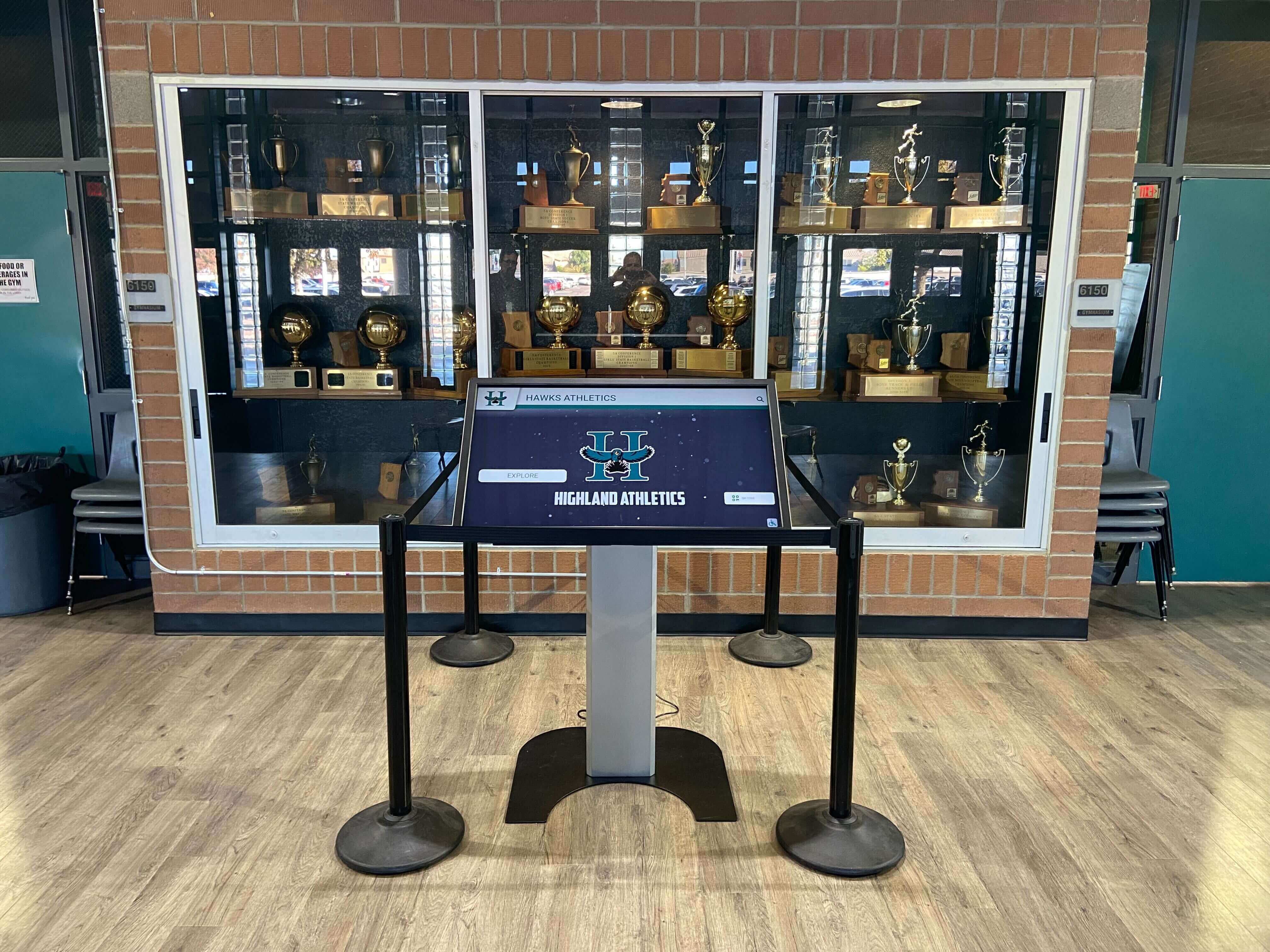
Merchandise programs complement recognition systems creating comprehensive celebration of athletic programs and community supporters
Traditional Product Fundraisers With Modern Twists
Time-tested product sales remain effective when optimized for efficiency:
High-Profit Food and Specialty Items
Partner with established fundraising companies handling logistics: gourmet cookie dough with $6-12 profit per unit, frozen meal packages with $8-15 profit margins, specialty popcorn and snacks with $5-10 profit per item, premium coffee and beverages with $5-12 profit per package, and seasonal treats aligned with holidays ($8-16 profit per unit).
Choose partners providing online ordering options, direct shipping to customers when possible, minimal volunteer distribution requirements, and consolidated payment processing simplifying administration for time-constrained volunteers.
Community Discount Card Programs
Annual discount card sales offering 10-30 local business savings create sustained value for purchasers. Cards priced at $15-25 with 50-80% profit margins, 12-month validity encouraging repeated use, 20-40 participating businesses providing genuine value, mobile app versions reducing production costs, and easy renewal campaigns in subsequent years create recurring revenue streams requiring annual business relationship maintenance but minimal event coordination.
Discount cards work particularly well in communities with strong local business concentrations where families actually modify shopping patterns to support programs while saving money through participating business discounts.
Digital Fundraising and Online Engagement: Reducing Volunteer Burden
Modern technology platforms enable fundraising approaches dramatically reducing volunteer workload while expanding donor reach.
Crowdfunding and Peer-to-Peer Campaigns
Digital fundraising platforms simplify contribution processes while leveraging family networks:
Athlete-Led Fundraising Campaigns
Modern peer-to-peer platforms like Snap! Raise, 99Pledges, or GoFundMe enable athletes to solicit support from personal networks. Each student athlete receives personalized fundraising page, social media sharing tools amplifying reach, real-time progress tracking creating momentum, friendly competition between teams motivating participation, automated tax receipts simplifying administration, and direct deposit fundraising proceeds eliminating check processing.
Peer-to-peer campaigns particularly appeal to younger donor demographics who engage naturally with digital giving. Extended family members, family friends, and distant relatives willingly support individual athletes through online platforms in ways they rarely would for impersonal booster club solicitations.
Campaign Storytelling and Impact Visualization
Effective crowdfunding campaigns feature specific funding goals and uses (new uniforms: $18,000), athlete testimonials about program impact, photo and video content creating emotional connections, progress thermometers showing campaign momentum, and donor recognition celebrating all contribution levels.
Campaigns connecting donations to tangible outcomes significantly outperform generic fundraising requests. When supporters understand exactly what contributions fund and see visual proof of community participation, they give more generously and feel greater satisfaction from participation.
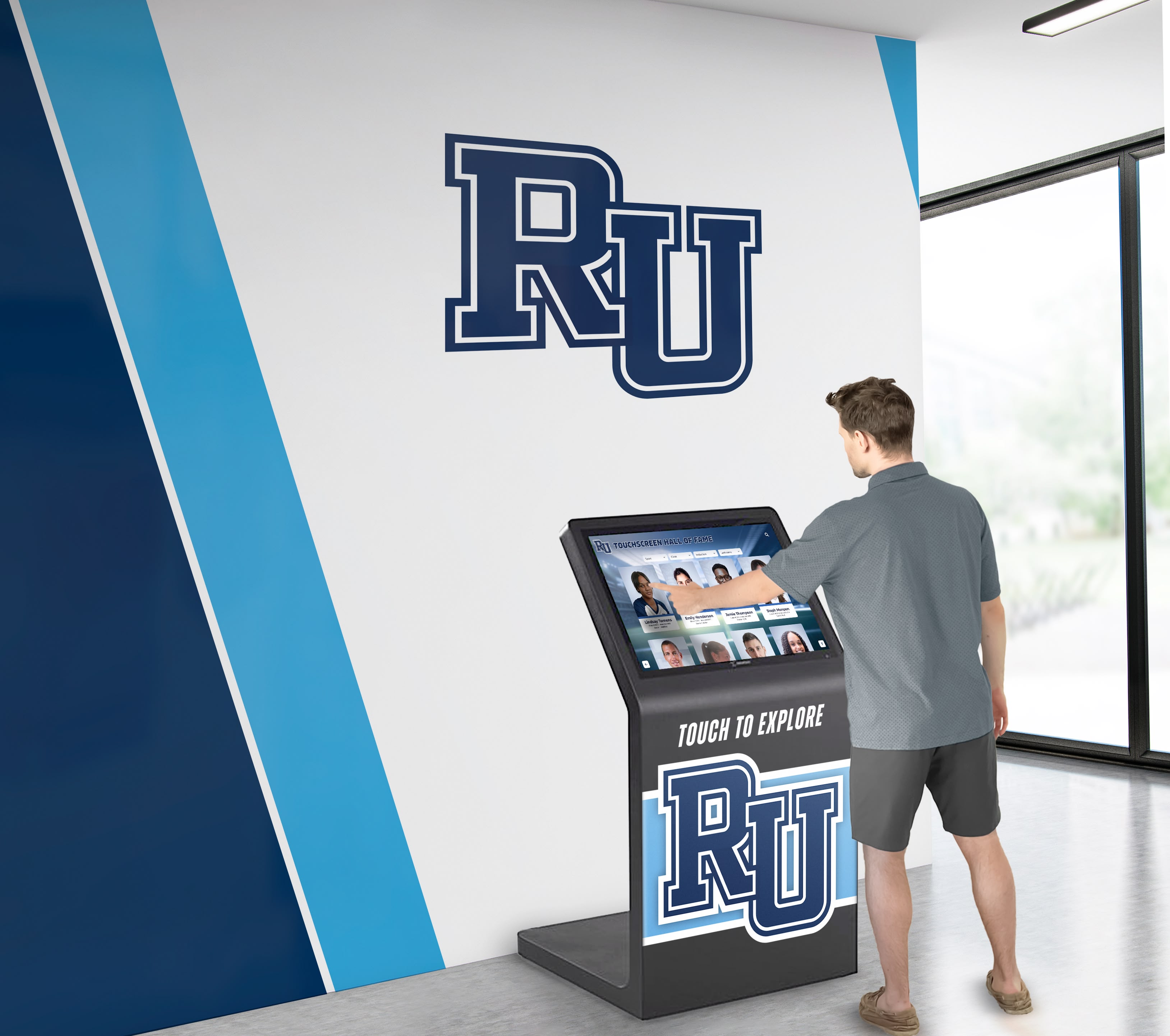
Digital platforms enable year-round engagement connecting supporters to programs they fund while simplifying volunteer administration
Email and Social Media Community Building
Strategic digital communication cultivates donor relationships while promoting fundraising:
Year-Round Engagement Communication
Systematic digital outreach beyond fundraising asks including pre-season excitement and team introductions, weekly competition results and athlete spotlights, behind-the-scenes content about practices and preparation, coach interviews and program insights, volunteer appreciation celebrating service, and off-season program updates maintaining connection.
Booster clubs that communicate regularly about programs rather than only when soliciting support build authentic community engagement. When families feel connected to programs through consistent communication, they respond more generously when fundraising needs arise because giving feels like supporting valued communities rather than responding to impersonal solicitation.
Segmented Messaging for Different Audiences
Targeted communications for specific groups including current parent communications, alumni athlete outreach reconnecting past participants, business sponsor stewardship and appreciation, grandparent and extended family updates, and community supporter cultivation beyond immediate families.
Segmentation enables relevant messaging resonating with specific audiences rather than generic appeals attempting to speak simultaneously to everyone. Alumni athletes care about different program aspects than current parents or community supporters, requiring tailored communication acknowledging those distinctions.
Impact Storytelling and Transparency
Regular communications demonstrating contribution impact through specific equipment purchases funded by donors, facility improvements made possible through community generosity, athlete success stories enabled by program resources, competitive achievements attributable to supporter investment, and financial transparency showing responsible resource stewardship.
Impact storytelling that connects donations to tangible outcomes strengthens donor relationships and motivates continued support. Supporters who clearly see what their contributions accomplish give repeatedly and increasingly across seasons.
Explore digital signage content strategies for engaging communities through visual displays.
Donor Recognition Systems: The Foundation of Sustained Community Support
Strategic recognition transforms one-time contributors into long-term community supporters invested in program success.
Creating Comprehensive Recognition Programs
Systematic acknowledgment structures honor all contribution types while inspiring continued giving:
Tiered Giving Levels With Clear Benefits
Establish recognition structures including Legacy Circle ($10,000+ lifetime or $5,000+ annual) with premier permanent recognition, Gold Champion ($2,500-4,999) with prominent acknowledgment and special benefits, Silver Supporter ($1,000-2,499) with program listing and appreciation, Bronze Contributor ($500-999) with comprehensive acknowledgment, Team Booster ($100-499) with inclusive recognition, and Volunteer Honor Roll recognizing substantial service contributions.
Visible level distinctions create aspirational giving where current supporters increase contributions to reach higher recognition categories, particularly in close-knit communities where donors observe peer giving patterns and experience motivation to maintain comparable participation.
Inclusive Recognition Acknowledging All Contribution Types
Comprehensive systems honor financial contributions, volunteer hours valued at $25-30/hour for recognition purposes, in-kind donations at fair market value, combined giving credit (financial plus volunteer plus in-kind), and family recognition combining multiple household contributions.
Recognition systems acknowledging diverse contribution types build inclusive cultures where all support forms receive appropriate celebration rather than creating hierarchies privileging only financial giving while marginalizing equally essential volunteer service.
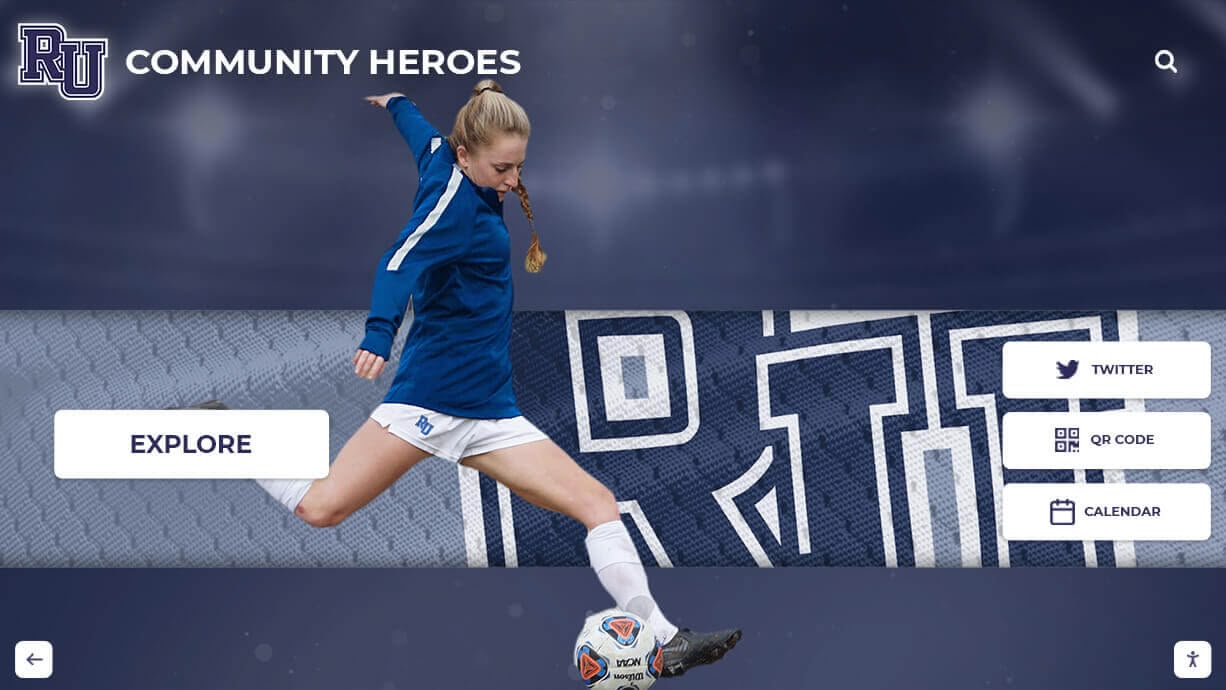
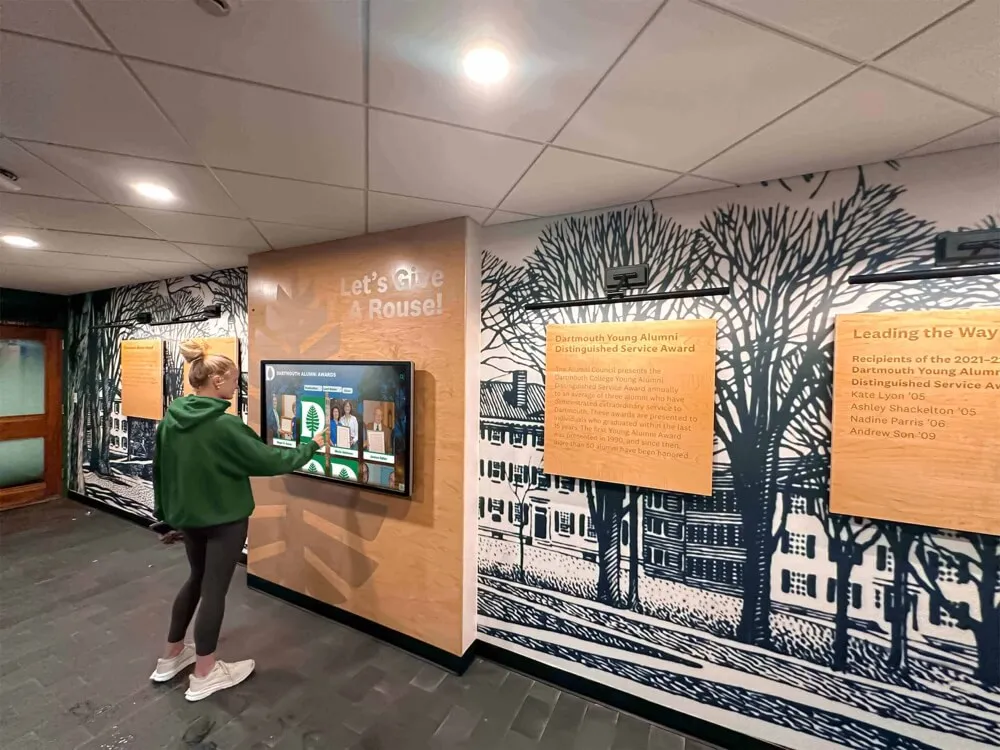
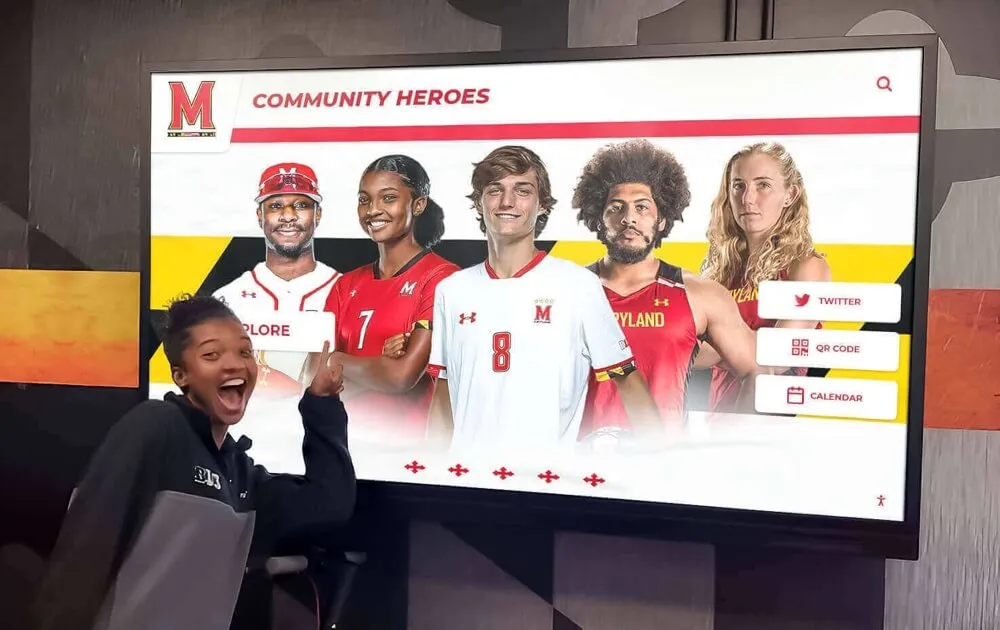
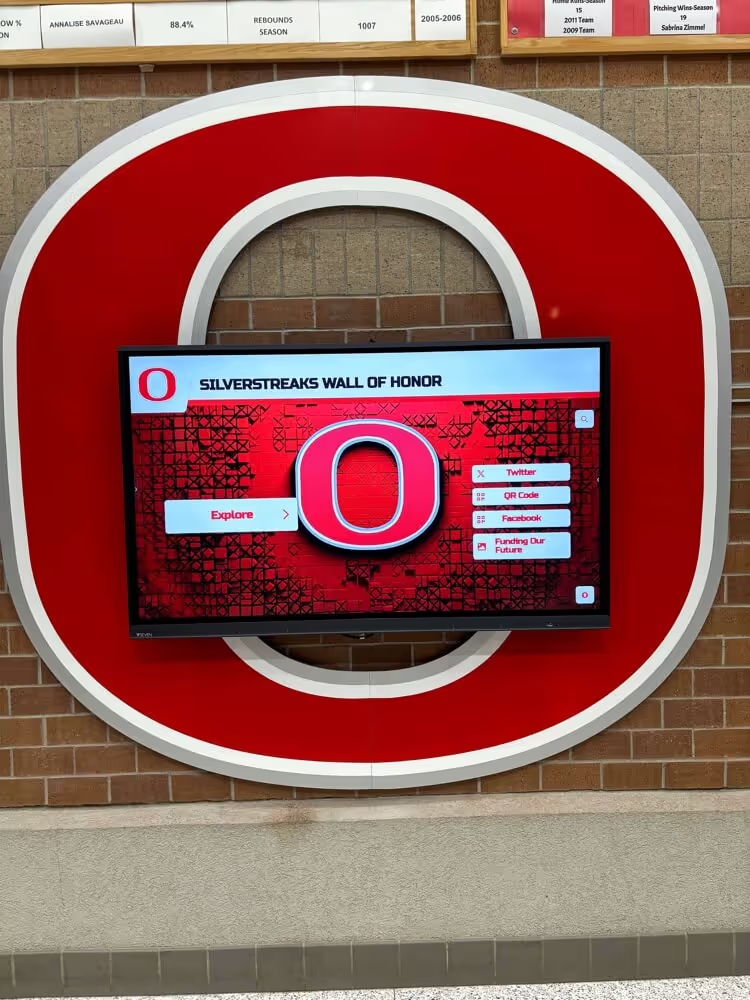
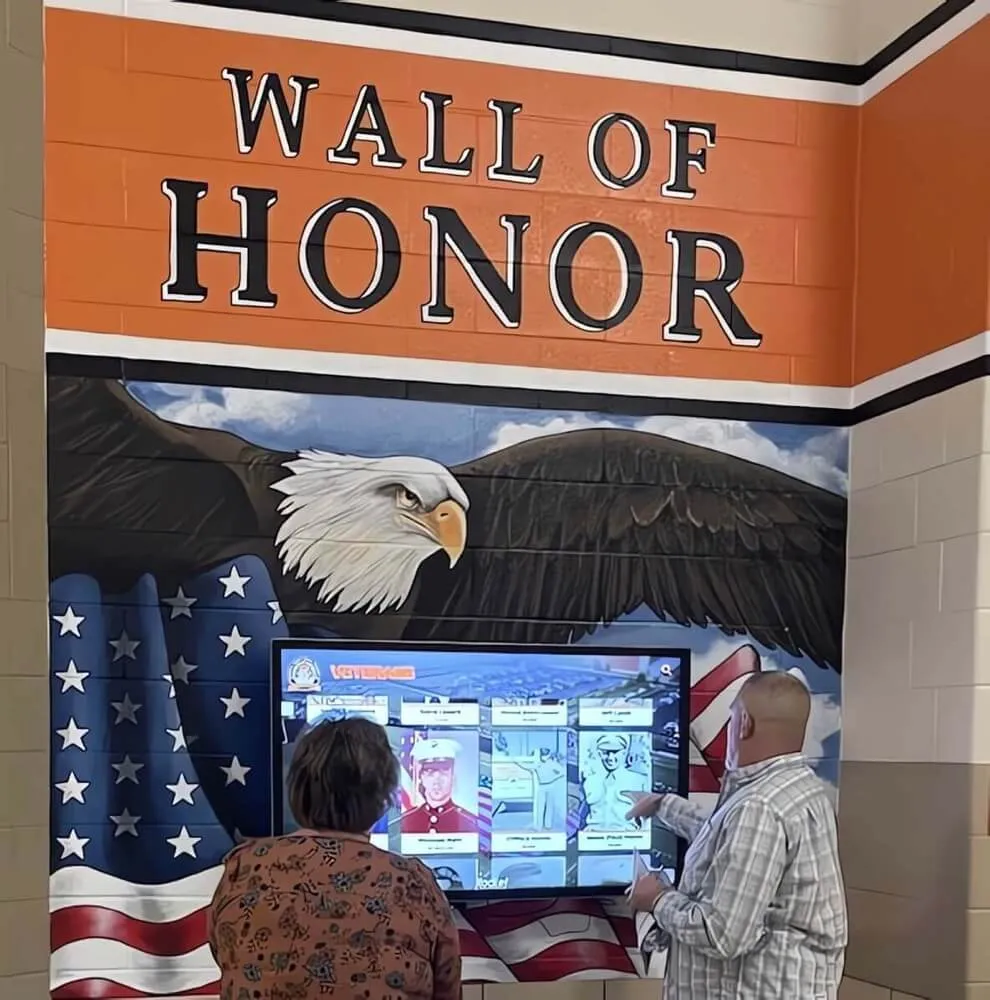
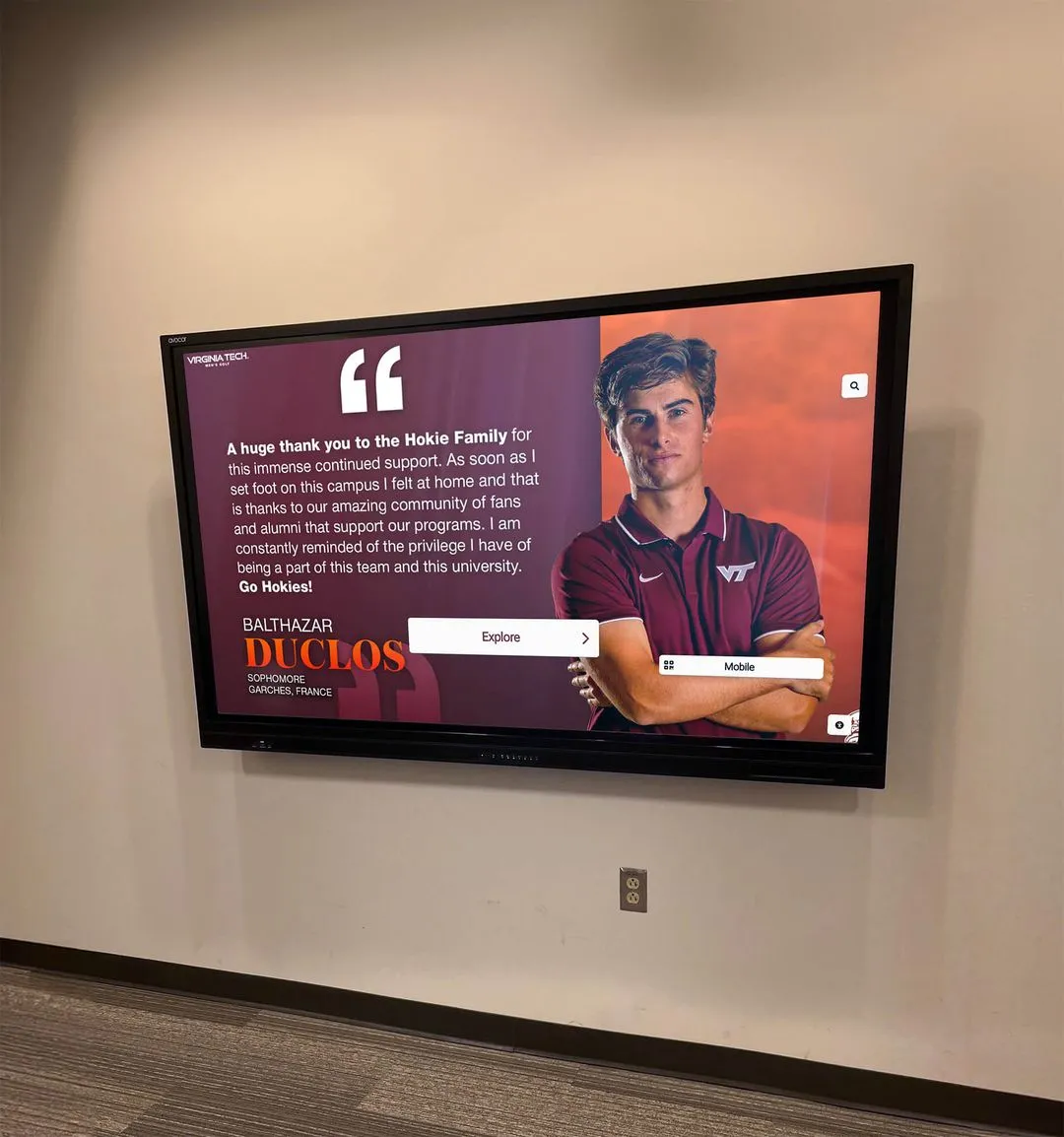
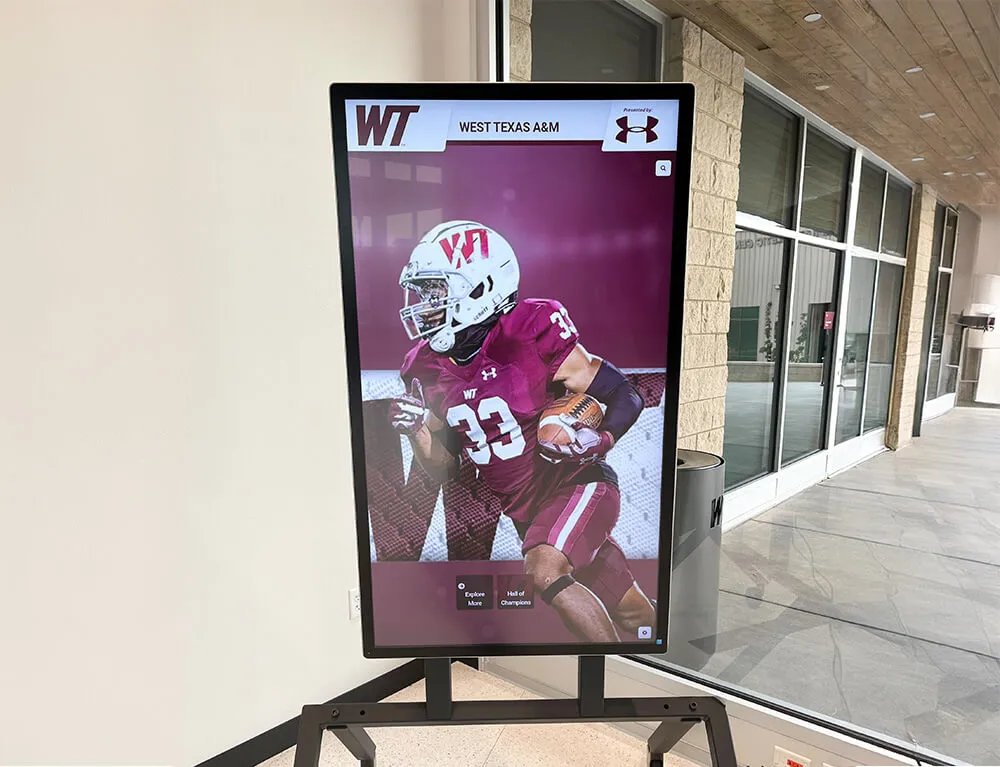
Recognition systems that celebrate community heroes inspire continued support while building visible pride in athletic program excellence
Digital Recognition Displays: Unlimited Capacity and Engagement
Modern digital systems overcome traditional recognition limitations:
Interactive Digital Donor Walls
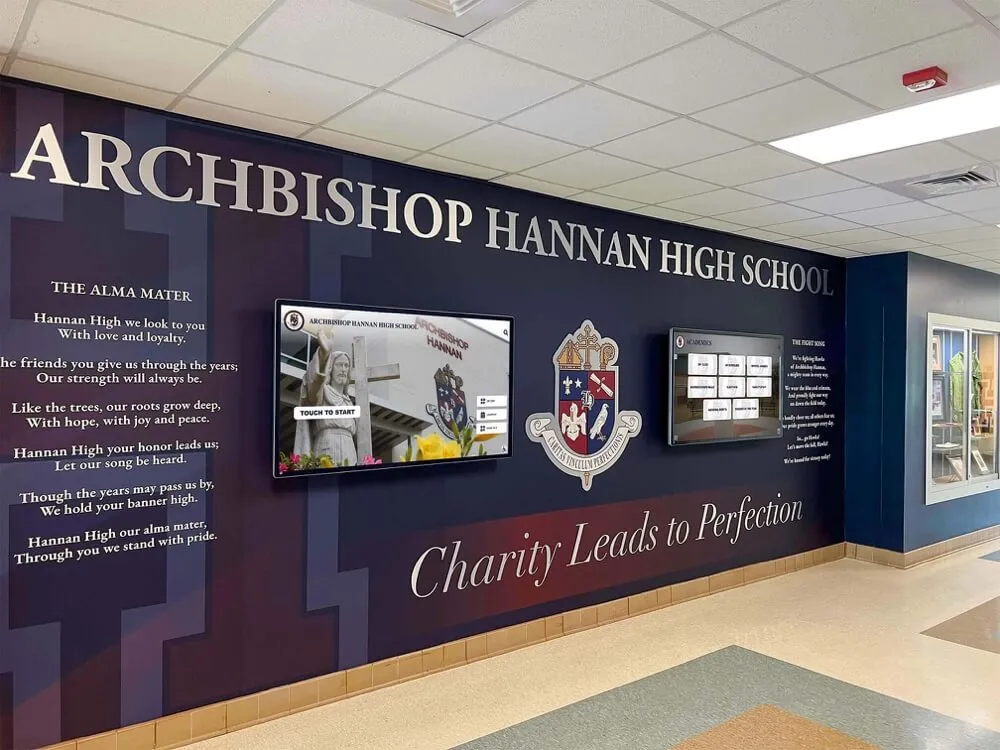
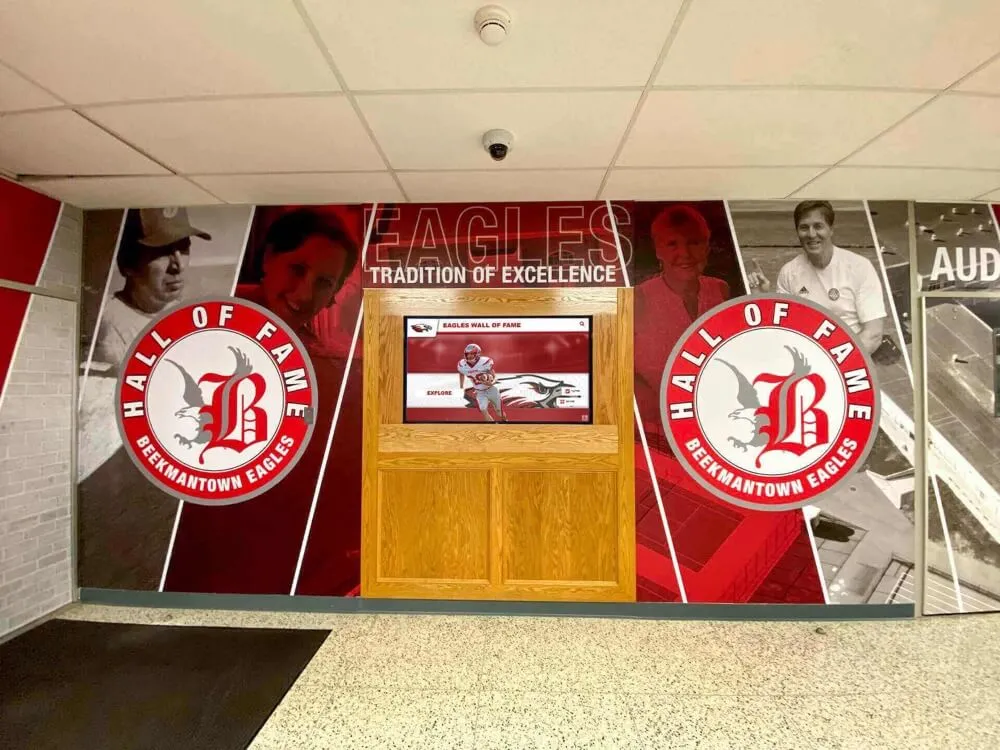
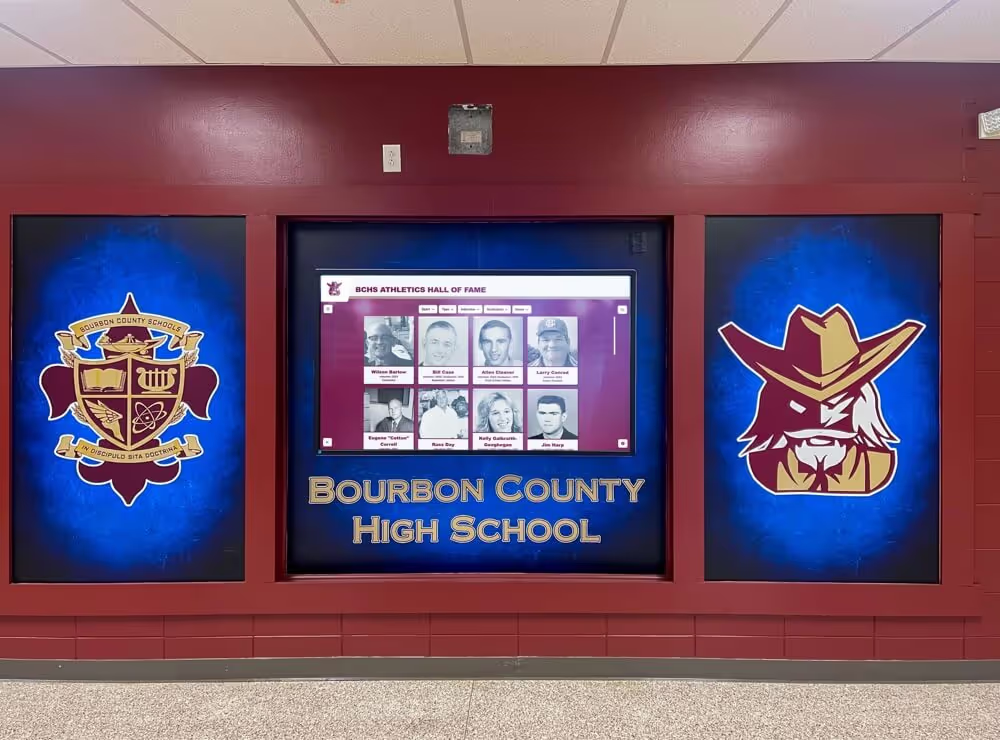
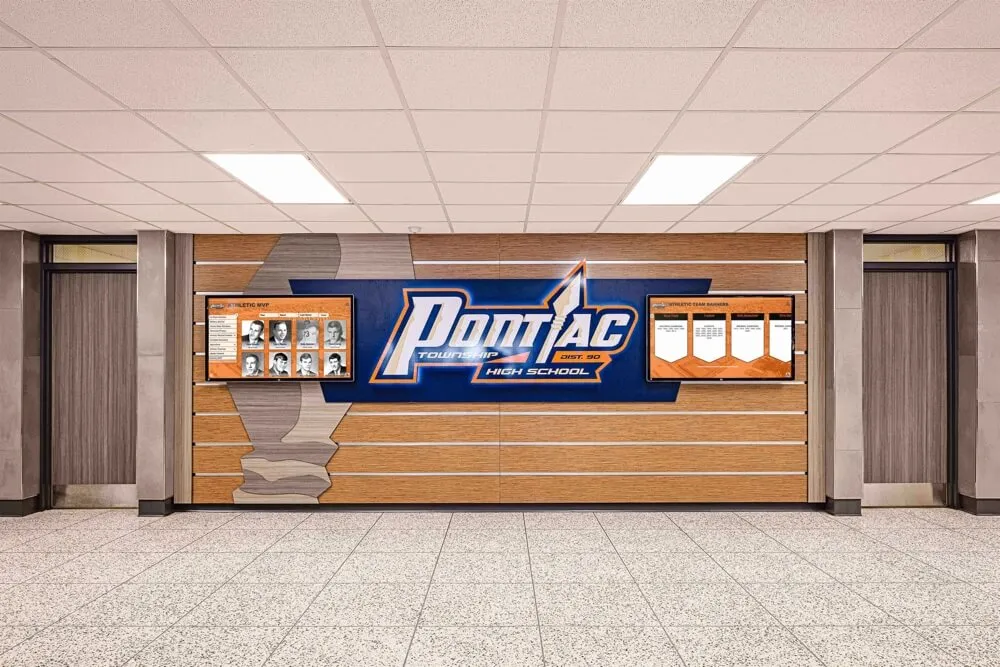
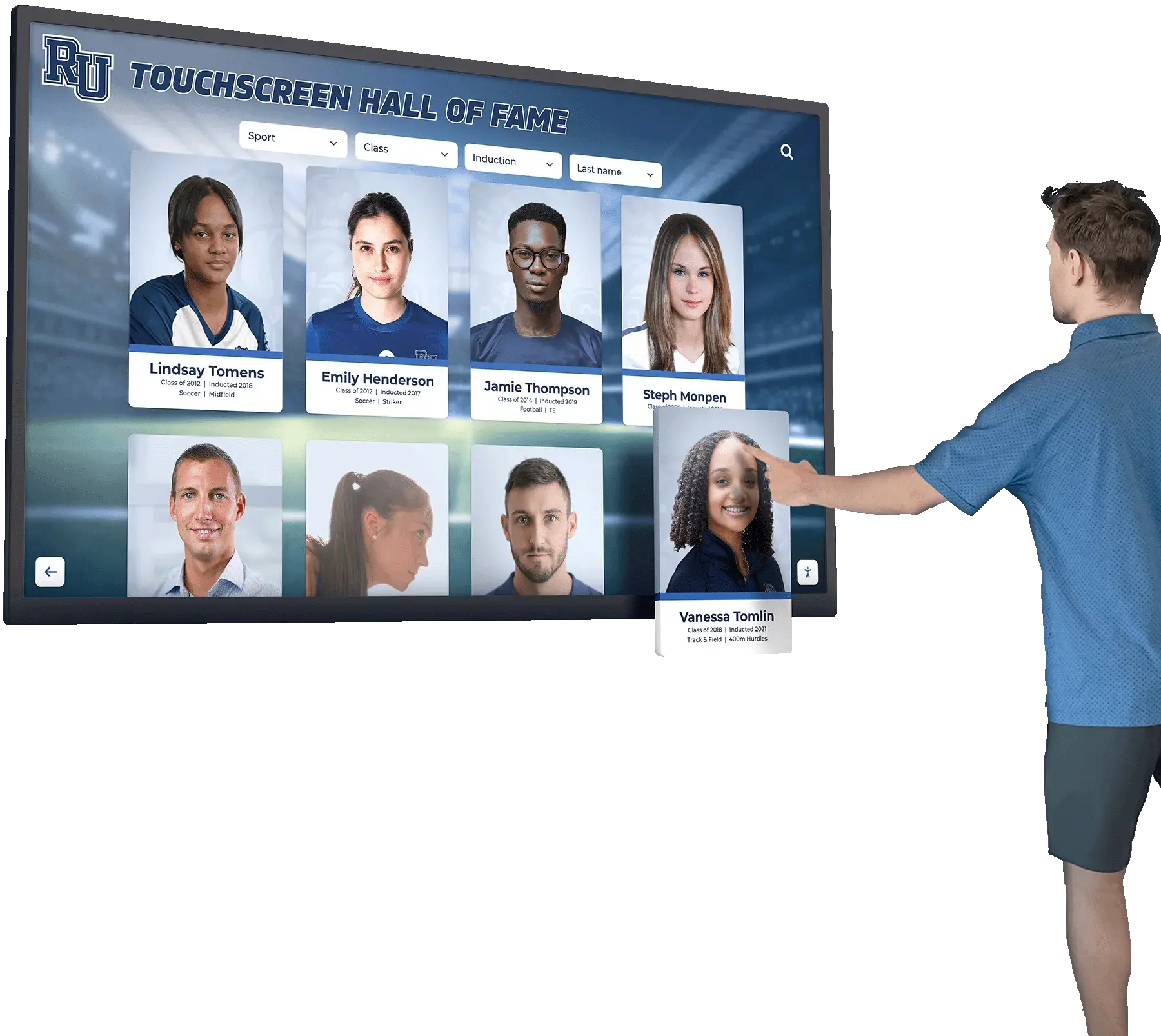
Comprehensive recognition platforms like Rocket Alumni Solutions provide unlimited donor capacity without physical space constraints, real-time updates adding new supporters immediately, multimedia content featuring donor stories and testimonials, searchable displays enabling easy donor discovery, campaign progress visualization creating momentum, professional appearance matching facility quality, and remote content management requiring no technical expertise.
Digital recognition systems typically achieve cost parity with traditional donor walls within 3-5 years while providing unlimited capacity, effortless updates, and enhanced functionality impossible with static plaques limited by physical space. Organizations implementing digital recognition report 30-50% improvement in donor retention rates as comprehensive acknowledgment strengthens relationships.
Year-Round Visibility and Community Engagement
Digital displays installed in athletic facility lobbies, gymnasiums, or stadium entrances provide constant visibility celebrating supporters. High-traffic placement where all visitors pass, attractive visual design drawing attention, interactive functionality encouraging exploration, regular content updates maintaining freshness, and integration with achievement displays connecting support to outcomes create recognition systems that actively strengthen community bonds rather than functioning as static acknowledgment hidden in back corridors.
Strategic placement communicates that booster clubs genuinely value community support and consider donor acknowledgment an important institutional priority deserving prominent visibility. Prime facility locations for recognition displays inspire additional giving through social proof as community members observe peer participation.
Hybrid Recognition Approaches
Many booster clubs implement combined systems leveraging advantages of both traditional and digital recognition. Major donors at Legacy Circle or Gold Champion levels receive permanent architectural recognition through engraved plaques, naming signage, or commemorative installations providing prestige and permanence transformational gifts deserve. Digital systems accommodate all additional supporters without space limitations through searchable databases and rotating acknowledgment ensuring comprehensive inclusion impossible with space-constrained physical displays.
Hybrid approaches satisfy diverse recognition preferences while creating sustainable systems that scale as programs grow and donor bases expand across multiple sport seasons and graduating classes.
Learn about donor recognition wall strategies that inspire sustained community giving.
Building Multi-Year Giving Programs: Creating Sustainable Support
Community-centered fundraising prioritizes sustained relationships over single-year transactions.
Recurring Giving and Pledge Programs
Systematic approaches that cultivate multi-year support:
Monthly Giving Programs
Automated monthly contributions create sustainable revenue streams through accessible giving levels ($25-150 monthly), credit card or bank draft automation, annual communication about cumulative impact, recognition at annual total rather than monthly increments, and easy upgrade options as financial capacity improves.
Monthly giving particularly appeals to families who prefer steady modest contributions over large lump-sum payments. A family contributing $50 monthly provides $600 annually—often more than they would commit in single gifts—while experiencing giving as manageable rather than burdensome.
Multi-Year Pledge Commitments
Encouraging extended commitments through three-year pledge programs ($1,500 annual for three years totaling $4,500), annual payment schedule flexibility, recognition at total pledge amount immediately, first opportunity for upgraded giving levels, and cultivation for pledge renewal or increase after completion.
Multi-year pledges provide budget predictability for booster clubs while enabling families to make larger cumulative commitments than possible in single years. Recognition at total pledge amount rather than annual installments honors supporter generosity proportionately while inspiring similar commitments from peers.
Alumni Athlete Engagement Programs
Systematic cultivation of program graduates including alumni database development with contact information, special alumni recognition categories or giving societies, reunion events creating alumni engagement opportunities, program history documentation alumni value, and career milestone giving campaigns (graduation, career achievements, life events).
Alumni athletes often remain emotionally connected to programs for decades after graduation. Systematic cultivation transforms this latent affinity into sustained financial support that expands donor bases far beyond current athlete families while creating giving patterns continuing across entire adult lifetimes.
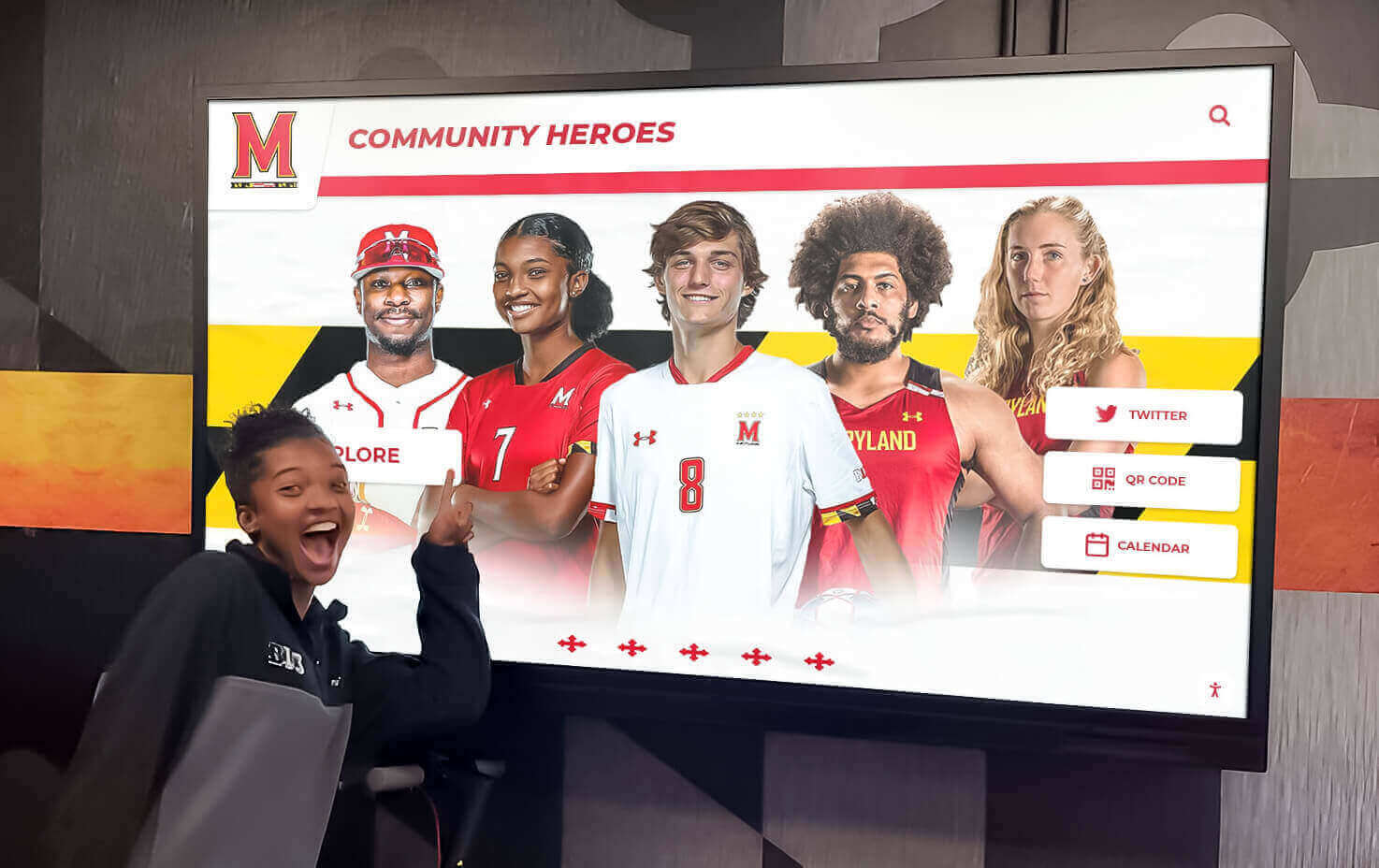
Recognition systems that engage both current athletes and alumni supporters create multi-generational community investment in program excellence
Stewardship and Impact Reporting
Sustained giving requires ongoing relationship cultivation beyond initial acknowledgment:
Regular Impact Communication
Keep donors connected through quarterly impact updates demonstrating contribution accomplishments, season highlight communications celebrating achievements, annual reports showcasing financial stewardship, athlete success stories enabled by community support, and facility improvement documentation showing donor-funded enhancements.
Donors who receive regular communication about program impact and tangible evidence of contribution outcomes give repeatedly at higher rates and larger amounts than those receiving only perfunctory thank-you letters followed by silence until next solicitation.
Personalized Major Donor Engagement
Enhanced stewardship for significant supporters including personal thank-you calls from coaches or athletic directors, facility tours showing donor-funded improvements, recognition at competitions and signature events, involvement in program planning or advisory roles, and regular updates beyond mass communications.
Major donors investing $5,000+ annually or cumulatively deserve personalized attention proportionate to their extraordinary commitment. Enhanced stewardship strengthens relationships while demonstrating organizational appreciation matching contribution significance.
Donor Feedback and Community Input
Inviting supporter participation in program decisions through periodic surveys about priorities and preferences, focus groups with major supporters about program vision, informal conversations at athletic events, suggestion systems welcoming donor ideas, and advisory committees including key supporters.
Supporters who feel their input matters and genuinely influences programs develop ownership mentalities transforming them from outside funders to inside stakeholders invested personally in program success beyond their own children’s participation.
Discover how team celebration ideas strengthen community connections to athletic programs.
Strategic Planning and Diversification: Building Sustainable Booster Clubs
Long-term success requires systematic approaches balancing multiple revenue streams and protecting volunteer capacity.
Revenue Diversification and Risk Management
Reducing financial vulnerability through varied income sources:
Balanced Fundraising Portfolios
Successful high school booster clubs typically generate revenue through multiple channels including annual individual giving (30-40% of total revenue), business sponsorships (25-35%), signature events (15-25%), concessions and game day sales (10-15%), product sales and merchandise (5-10%), and grants or alternative sources (5-10%).
Diversification prevents overreliance on single revenue sources that might fail or decline. When signature events get cancelled due to weather, business sponsorships provide stability. When individual giving plateaus, merchandise sales offset declines. Multiple revenue streams collectively supporting budgets create resilience individual programs lack.
Multi-Year Strategic Planning
Developing 3-5 year fundraising roadmaps including revenue growth targets and milestone planning, capital campaign planning for major facility needs, sponsor acquisition and renewal schedules, event calendar development preventing volunteer overload, recognition program enhancement strategies, and leadership succession planning.
Strategic planning prevents reactive fundraising where booster clubs perpetually scramble meeting immediate needs without building sustainable long-term systems. Organizations planning multiple years ahead create predictable operations surviving leadership transitions that challenge volunteer-led organizations.
Work-Efficient Fundraising and Volunteer Protection
Prioritizing approaches offering favorable volunteer time investment returns:
Return on Volunteer Hours Calculation
Evaluate fundraising efficiency through dollars raised per volunteer hour invested, not just total revenue generated. A complex event generating $50,000 but requiring 600 volunteer hours produces $83 per volunteer hour. A streamlined sponsorship program generating $40,000 with 80 volunteer hours produces $500 per volunteer hour—far more efficient despite lower total revenue.
Calculate efficiency ratios systematically, prioritizing high-return initiatives while eliminating or simplifying low-efficiency activities consuming disproportionate volunteer capacity relative to revenue generated. Volunteer capacity represents booster clubs’ most precious and limited resource requiring careful stewardship.
Technology Leverage and Automation
Invest in tools reducing manual work including online donation and registration platforms, email marketing automation and scheduling, social media content calendars and scheduling tools, digital recognition systems with cloud-based management, and inventory tracking for merchandise and concessions.
Technology investments saving dozens of volunteer hours monthly justify costs through volunteer retention and burnout prevention that ensures operational sustainability. Many booster clubs hesitate at technology costs without calculating volunteer time value—yet preventing single volunteer leader resignation through better tools saves immeasurable institutional knowledge and relationship continuity.
Documented Procedures and Knowledge Transfer
Creating sustainable operations through written procedures for all major activities, role descriptions with realistic time expectations, comprehensive orientation for new volunteers, digital file organization accessible to leadership transitions, and overlapping leadership terms ensuring knowledge transfer.
Documentation protects against common booster club challenges where critical operational knowledge resides solely in individual memories, creating crises when volunteer leaders change. Systematic documentation enables new volunteers to assume roles confidently rather than recreating procedures from scratch through painful trial and error.
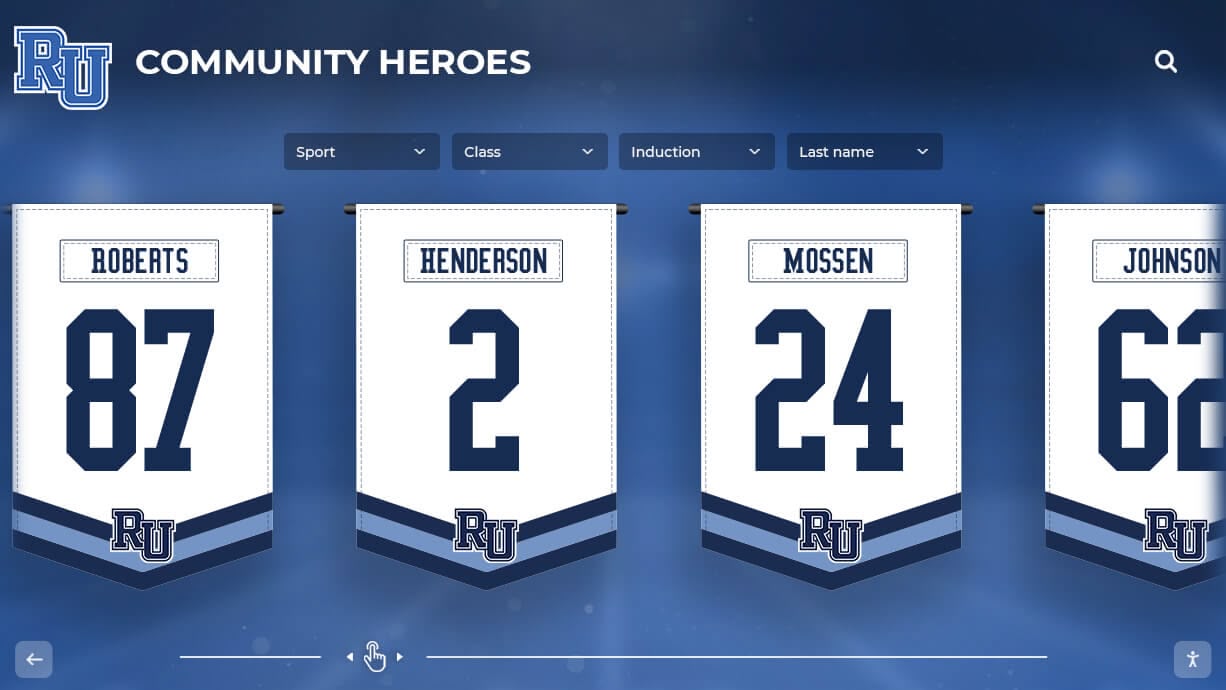
Successful booster clubs build systems celebrating community heroes while protecting volunteer capacity through strategic planning and technology leverage
Conclusion: Building Communities That Sustain Athletic Excellence
High school booster club fundraising that prioritizes community building over transactional revenue extraction creates self-sustaining support systems ensuring programs provide excellent experiences for student-athletes across generations. When booster clubs invest thoughtful planning, genuine relationship cultivation, comprehensive recognition, and sustained communication in fundraising approaches, they transform supporters from reluctant check-writers into enthusiastic community advocates who remain engaged long after their own children graduate.
The community-centered strategies explored throughout this guide provide frameworks for fundraising that balances multiple objectives including generating sufficient revenue meeting program needs, building diverse income streams reducing financial vulnerability, protecting volunteer capacity ensuring operational sustainability, engaging broader communities beyond current athlete families, recognizing supporters comprehensively inspiring continued giving, and demonstrating tangible impact connecting contributions to outcomes.
Strategic Implementation Priorities
Organizations seeking fundraising improvements should begin with current state assessment identifying strengths and gaps, diversification planning reducing overreliance on single revenue sources, recognition program establishment or enhancement, volunteer workload analysis and protection strategies, technology integration reducing manual effort and improving efficiency, and measurement systems enabling data-driven continuous improvement.
The Recognition-Community Connection
Strategic donor recognition directly strengthens community bonds while improving fundraising outcomes. Comprehensive acknowledgment celebrating every supporter regardless of amount creates inclusive cultures where participation feels rewarding rather than obligatory. Visible recognition inspires peer giving through social proof while honoring existing supporters appropriately. Impact storytelling connecting gifts to outcomes strengthens emotional investment in program success.
Booster clubs investing in comprehensive recognition—whether through digital donor walls specifically designed for athletic programs or hybrid approaches combining physical and digital elements—consistently report improved fundraising results, enhanced donor retention, and stronger community connections that exceed recognition program costs within 2-3 years.
Building Lasting Program Legacies
The most successful high school booster clubs view fundraising as community building rather than revenue generation. They create compelling giving opportunities that feel rewarding, celebrate supporters visibly and meaningfully throughout facilities and communications, demonstrate concrete impact connecting gifts to athlete success, communicate regularly about programs supporters fund, and build genuine communities where supporting student-athletes feels personally fulfilling rather than obligatory.
Your student-athletes deserve programs providing excellent competitive experiences, proper equipment, quality facilities, necessary travel, and skilled coaching. Community-centered fundraising makes those experiences possible while building lasting pride in athletic excellence that extends far beyond individual seasons, student enrollments, or volunteer leadership tenures. With strategic planning, diversified approaches, appropriate technology, genuine commitment to supporter relationships, and comprehensive recognition, your high school booster club can create fundraising systems ensuring long-term program success while building communities that celebrate both athletic achievement and the generous supporters who make excellence possible.
Ready to strengthen your high school booster club fundraising through community-building recognition that transforms supporters into lasting program advocates? Discover how digital recognition solutions help high school booster clubs celebrate every supporter while building the sustainable community engagement that ensures athletic programs thrive for generations.