High School Booster Club Fundraising Ideas: Proven Strategies to Support Your Athletes
High school booster clubs face a unique challenge: funding competitive athletic programs in an era of tightening school budgets while competing for attention and donations with countless other worthy causes. Parents juggle demanding work schedules alongside their students’ academic and extracurricular commitments, leaving limited time and energy for traditional volunteer-intensive fundraising efforts like car washes and bake sales.
Meanwhile, the financial demands on high school athletic programs continue growing. Quality uniforms now cost $150-300 per athlete. Tournament travel expenses easily reach thousands of dollars. Facility improvements require substantial capital investments. New equipment standards emerge regularly, creating ongoing replacement needs. Traditional fundraising approaches—the same tired concession stands, product catalogs, and donation letters—struggle to generate the revenue modern programs require.
The most successful high school booster clubs have moved beyond outdated fundraising models to embrace strategic, community-focused approaches that generate substantial revenue while building lasting relationships with supporters. These organizations understand that effective fundraising isn’t about working harder with the same old tactics—it’s about working smarter with proven strategies designed specifically for the high school environment.
This comprehensive guide explores high school booster club fundraising ideas proven to generate significant revenue while respecting volunteer capacity, building authentic community connections, and creating sustainable support systems that endure beyond any single season or graduating class. Whether your booster club supports football, basketball, multiple sports, or comprehensive athletic departments, these tested frameworks provide practical pathways to funding excellence while strengthening your program’s position within your community.
Successful high school fundraising requires understanding your unique audience—working parents with limited discretionary time, local businesses seeking community visibility, alumni with nostalgic connections to programs, and community members who value youth development even without direct family involvement. By tailoring fundraising strategies to these specific stakeholder groups, high school booster clubs build diverse revenue streams that provide financial stability while engaging broader community support.

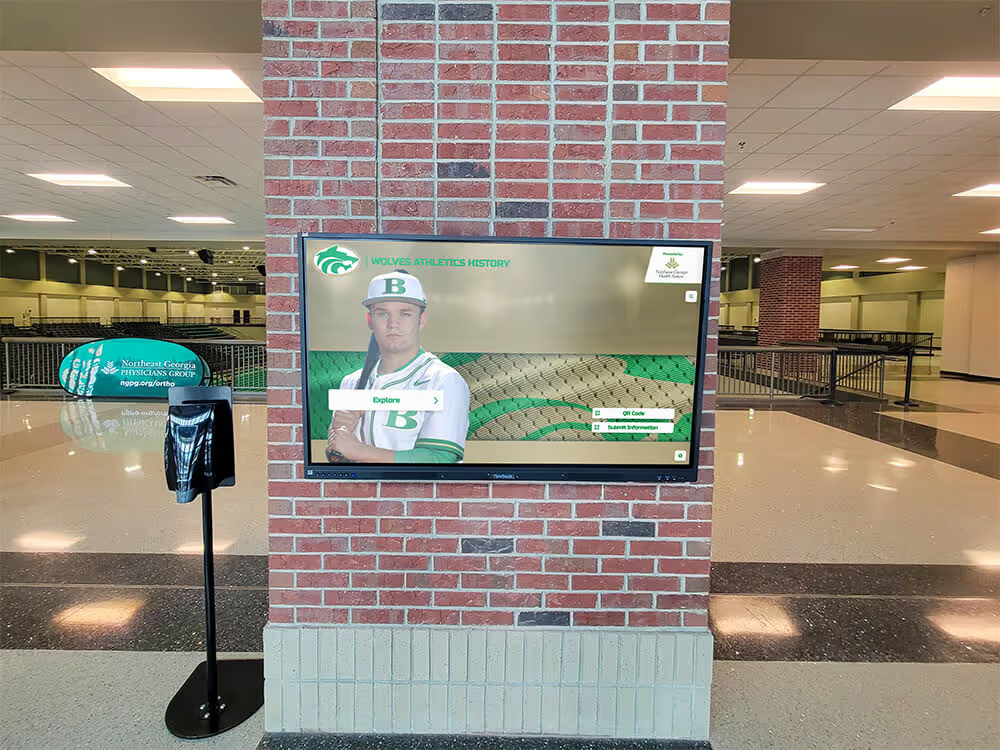
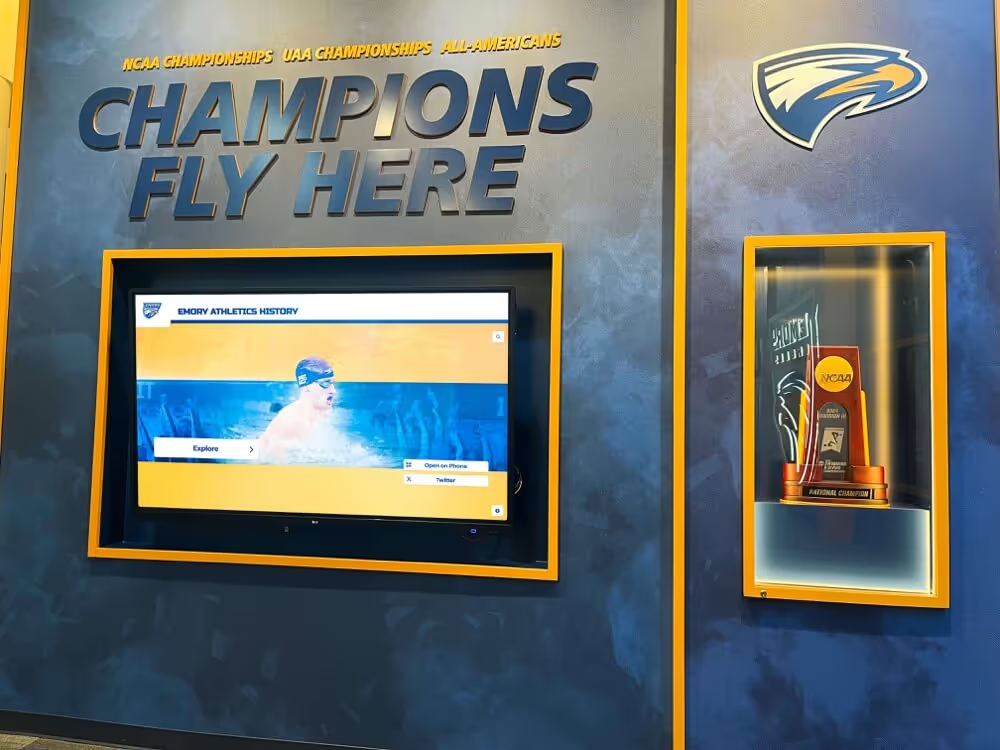
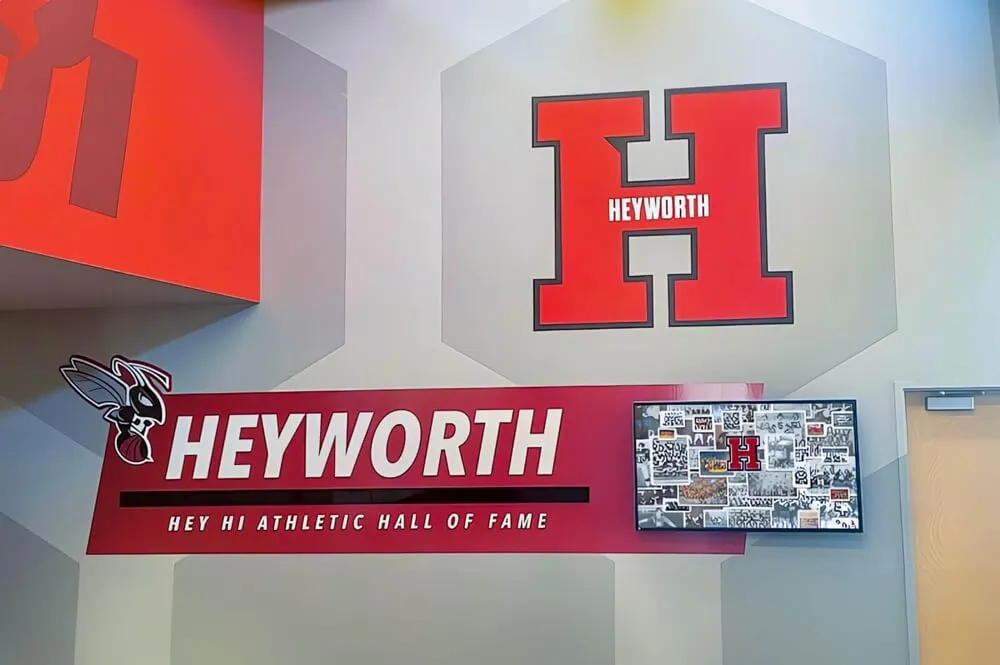
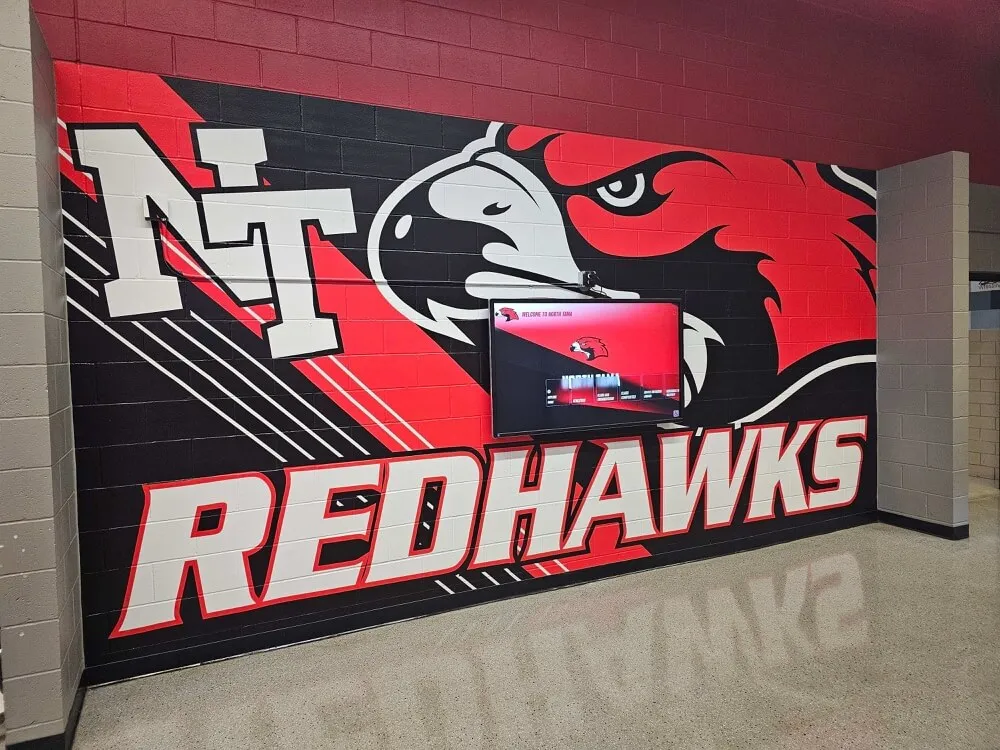
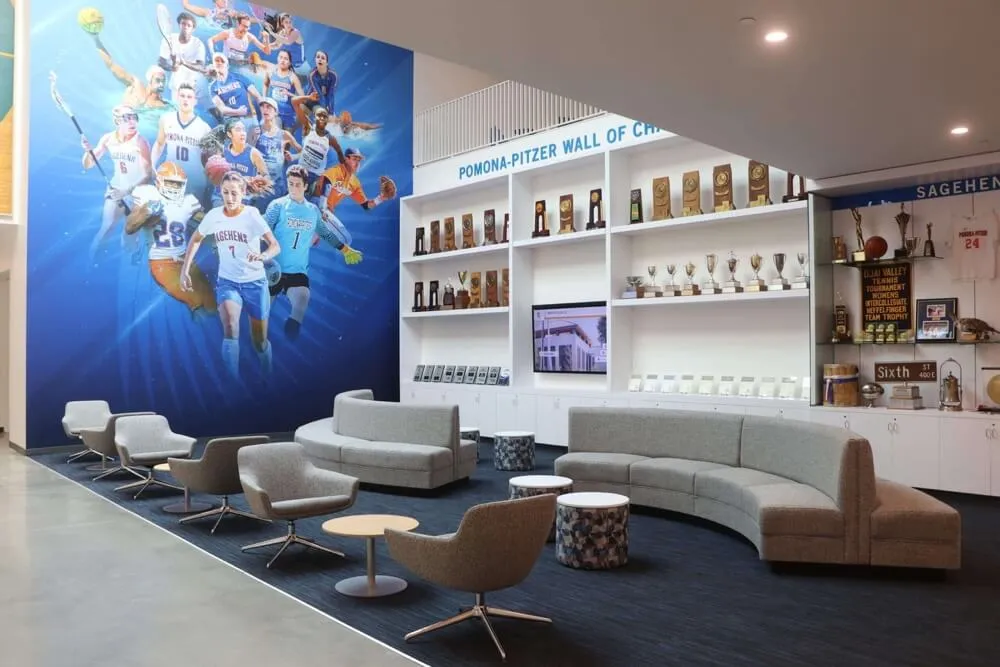
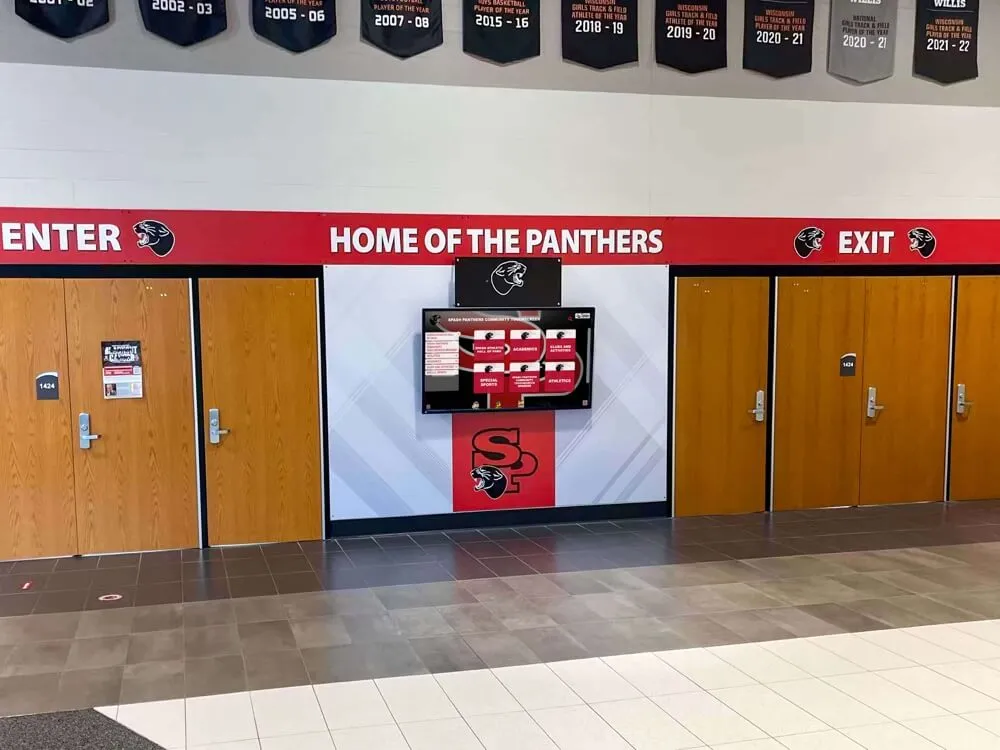
Modern high school athletic programs blend tradition with innovation to engage students and supporters
Understanding High School Fundraising Dynamics
Before exploring specific strategies, recognizing what makes high school fundraising distinct helps booster clubs design approaches aligned with their unique environment and stakeholder needs.
The High School Advantage: Natural Community Connections
High school athletics occupy special positions in communities that smart fundraisers leverage strategically:
Geographic Concentration and Local Pride
Unlike college programs drawing from national audiences or youth leagues serving transient populations, high school athletics represent specific communities with established identities and traditions. Friday night football games, rivalry competitions, and championship runs become shared experiences that unite neighborhoods and towns, creating emotional connections fundraisers can cultivate.
Successful high school booster clubs activate this geographic pride by positioning athletic support as community investment rather than narrow parental obligation. When business sponsors recognize that supporting high school athletics builds their local brand visibility, when alumni understand their contributions maintain traditions they cherished, and when community members see how programs benefit neighborhood youth, fundraising expands beyond current parents to encompass broader stakeholder groups.
Multi-Year Relationship Building Opportunities
Parents typically engage with youth league booster clubs for 2-4 seasons before children age out. College athletic fundraising often focuses on alumni who maintain distant relationships with programs. High school booster clubs occupy a sweet spot—4-6 years of consistent parent engagement spanning multiple seasons and often multiple children, enabling relationship cultivation impossible in shorter timeframes.
This extended engagement window allows sophisticated cultivation strategies where first-year parents begin with modest concession stand volunteering, grow into regular donors by sophomore year, accept committee leadership positions as juniors, and ultimately join advisory boards or make major gifts as seniors. Smart booster clubs design intentional engagement pathways moving supporters through deepening involvement levels rather than treating all families identically regardless of tenure.
Feeder System Integration and Long-Term Cultivation
Strategic high school booster clubs recognize their potential supporter base extends far beyond current high school families to include middle school and even elementary families whose children will eventually join programs. Early engagement through youth camps, middle school recognition programs, and feeder league partnerships builds relationships years before families require solicitation, creating natural giving pipelines.
When middle school families already feel connected to high school programs they aspire to join, when youth league parents understand what high school excellence requires, and when younger siblings grow up admiring high school athletes, fundraising transitions from cold solicitation to warm relationship extension.
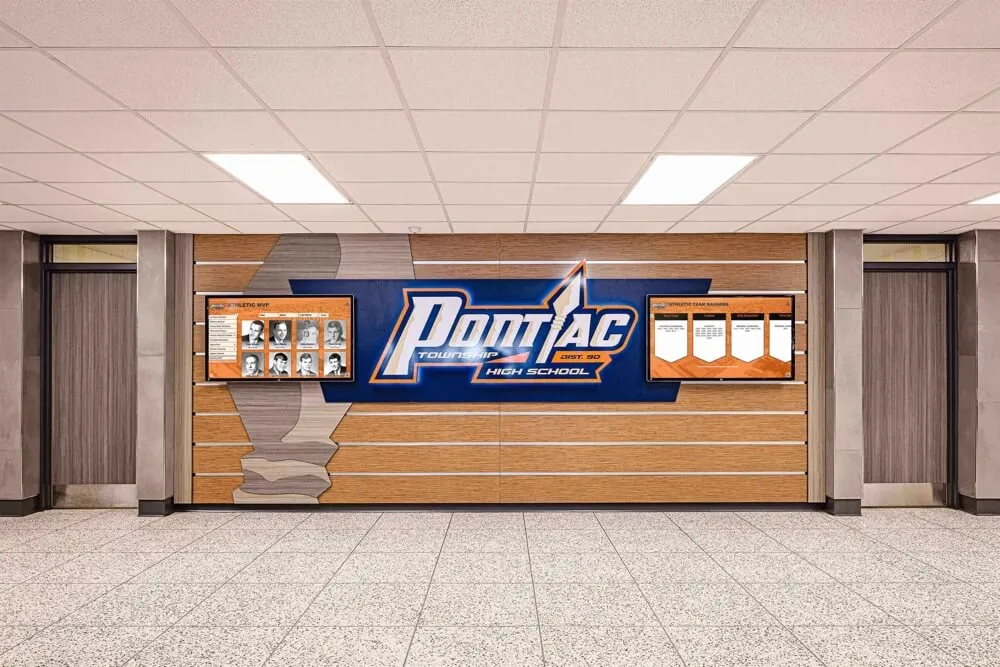
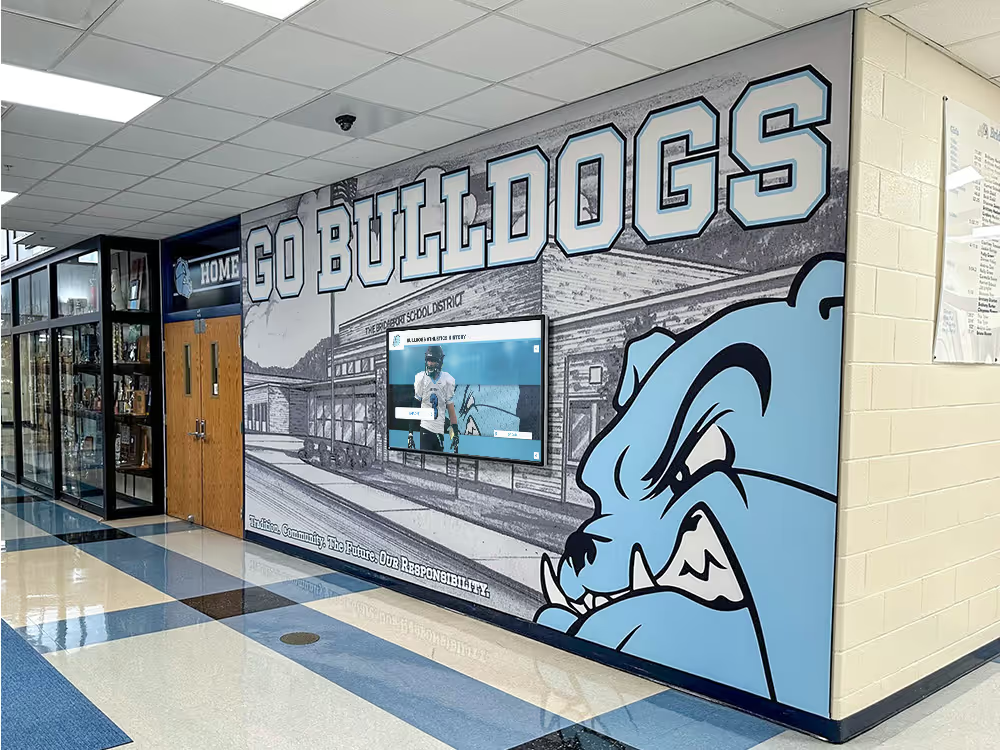
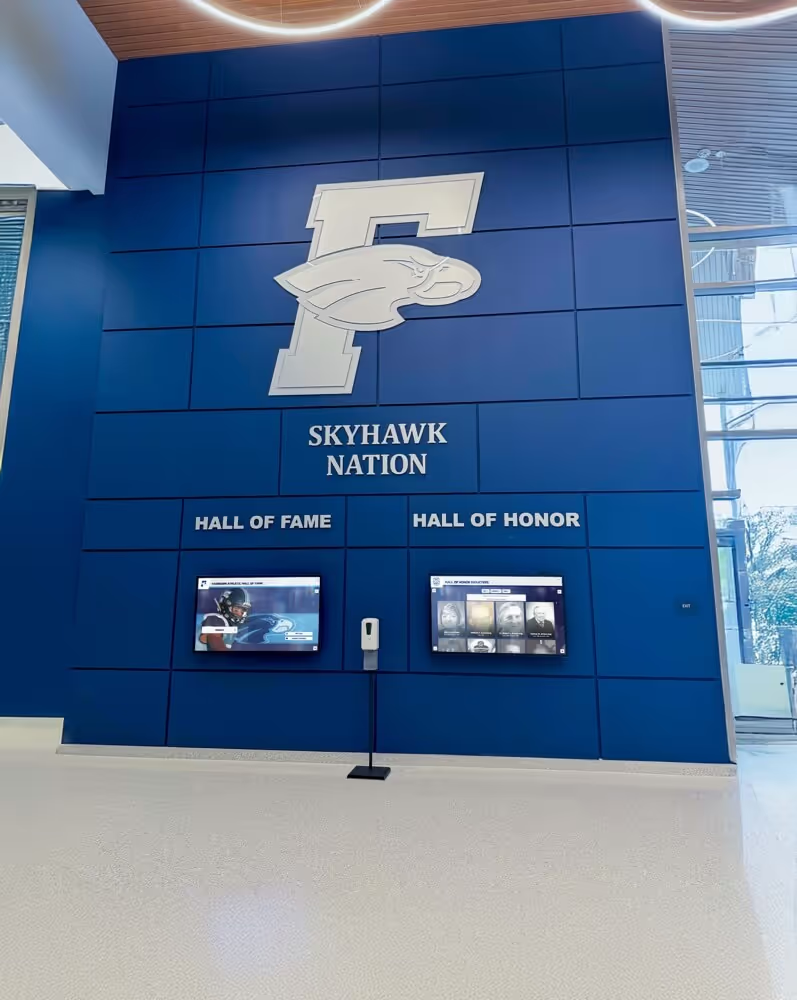
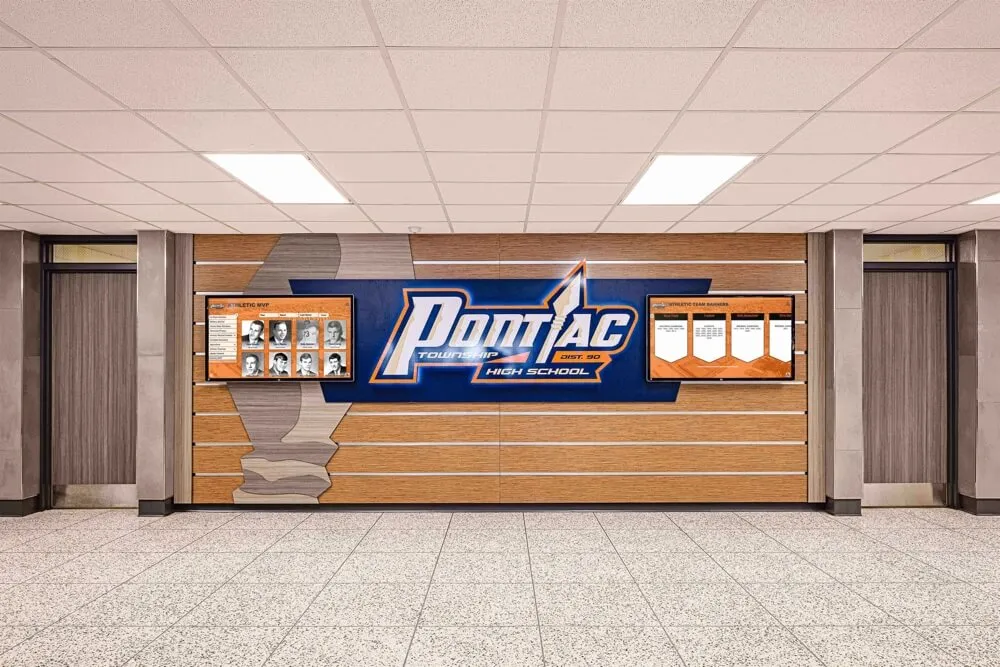
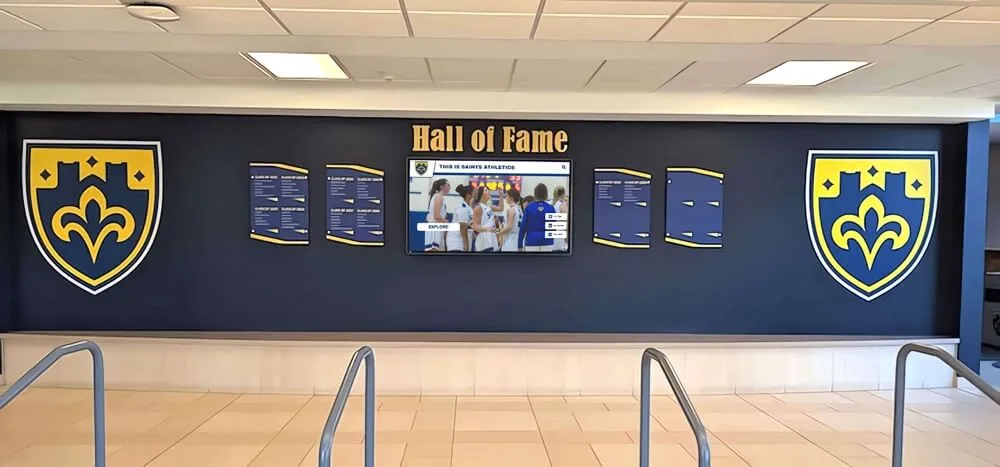
High school athletic facilities showcase tradition and excellence while celebrating community support
The High School Challenge: Limited Resources and Volunteer Capacity
Understanding constraints helps booster clubs design realistic approaches:
Working Parent Volunteer Limitations
Most high school parents maintain full-time employment while managing household responsibilities alongside their students’ demanding academic and activity schedules. Unlike retired supporters with flexible schedules or college alumni with professional fundraising staff, high school booster clubs typically rely on time-constrained volunteers juggling multiple competing priorities.
Effective fundraising strategies recognize these limitations by emphasizing efficiency over volunteer intensity. Digital giving platforms requiring minimal ongoing administration, automated sponsorship renewal systems, outsourced product fundraisers, and streamlined event formats that maximize revenue while minimizing volunteer hours all acknowledge modern family realities.
Budget Consciousness in Family Giving
High school families simultaneously manage college savings, current tuition if attending private schools, activity fees across multiple children, and standard household expenses. Unlike affluent college alumni with established careers or retirees with accumulated wealth, high school families often operate within tight budgets limiting their giving capacity.
Understanding these financial constraints, successful booster clubs create diverse giving opportunities at multiple price points—from $25 contributions any family can manage to $5,000+ major gifts for those with capacity. They emphasize cumulative impact over individual gift size, celebrating how many $50 donations collectively fund significant needs. They also develop creative in-kind contribution options, volunteer hour recognition, and skill-based support opportunities that enable meaningful engagement regardless of financial capacity.
Competition for Family Attention and Resources
High school students rarely participate in athletics alone—they also engage in music, theater, academic clubs, service organizations, and social activities. Each program often operates its own fundraising efforts, creating donor fatigue when families face constant solicitation across multiple fronts.
Strategic booster clubs differentiate their appeals through compelling impact storytelling that connects contributions to specific athlete outcomes, convenient digital giving options that minimize friction, appropriate solicitation frequency that avoids overwhelming supporters, and recognition programs that make contributors feel valued rather than merely targeted for funds.
Proven High School Booster Club Fundraising Strategies
The following approaches consistently generate substantial revenue for high school athletic programs while building sustainable community support.
Digital-First Fundraising: Meeting Supporters Where They Are
Modern high school families live digital lives—working remotely, shopping online, managing finances through apps, and coordinating schedules via smartphones. Effective fundraising mirrors these patterns.
Comprehensive Online Giving Platforms
Professional digital donation systems dramatically improve fundraising results compared to traditional cash-and-check approaches. Essential platform features include mobile-optimized donation pages accessible from any device, multiple payment options (credit cards, digital wallets, bank transfers), recurring giving capabilities for sustained monthly support, tribute and memorial gift options, employer matching gift integration, instant tax receipt automation, and social sharing functionality.
Organizations implementing robust online giving typically report 30-50% increases in average gift sizes as donors give more generously via credit cards than cash, alongside improved donor retention through convenient recurring gift options. Initial platform costs ($500-2,000 annually depending on features and transaction volumes) pay for themselves within months through increased revenue and reduced administrative workload.
Strategic Email Marketing Campaigns
Email remains remarkably effective for high school fundraising when executed strategically rather than as sporadic, generic appeals. Successful email programs include welcome series introducing new families to programs and giving opportunities, seasonal appeals aligned with sport calendars (pre-season kickoff, championship drives, end-of-year impact reports), segmented messaging for different audiences (current parents, alumni, business sponsors, lapsed donors), impact storytelling featuring specific athlete achievements and program needs, and automated acknowledgment sequences thanking donors and demonstrating appreciation.
The key involves treating email as ongoing relationship cultivation rather than episodic asking. Organizations that communicate regularly—monthly or bi-monthly—with genuine updates about programs, athlete achievements, and community impact build familiarity and trust that translate to improved giving when solicitation occurs.
Discover how trophy case displays can showcase the achievements your fundraising makes possible.
Social Media Fundraising Integration
High school communities naturally congregate on social platforms where students, parents, and supporters share updates, celebrate achievements, and build community connections. Smart fundraising meets supporters in these existing spaces rather than demanding they visit separate websites or attend in-person events.
Effective social fundraising includes Facebook fundraiser campaigns tied to specific needs or milestones, Instagram story highlights featuring donor impact and recognition, peer-to-peer sharing campaigns where athletes and families amplify appeals through personal networks, live-stream event fundraising during games or competitions, and challenge campaigns creating viral momentum around specific goals.
Social fundraising works particularly well for younger donor demographics (millennial and Gen-Z parents) who engage more naturally with digital giving integrated into platforms they already use daily. It also extends geographic reach to distant alumni and supporters who maintain connections to programs through social media even when unable to attend events.
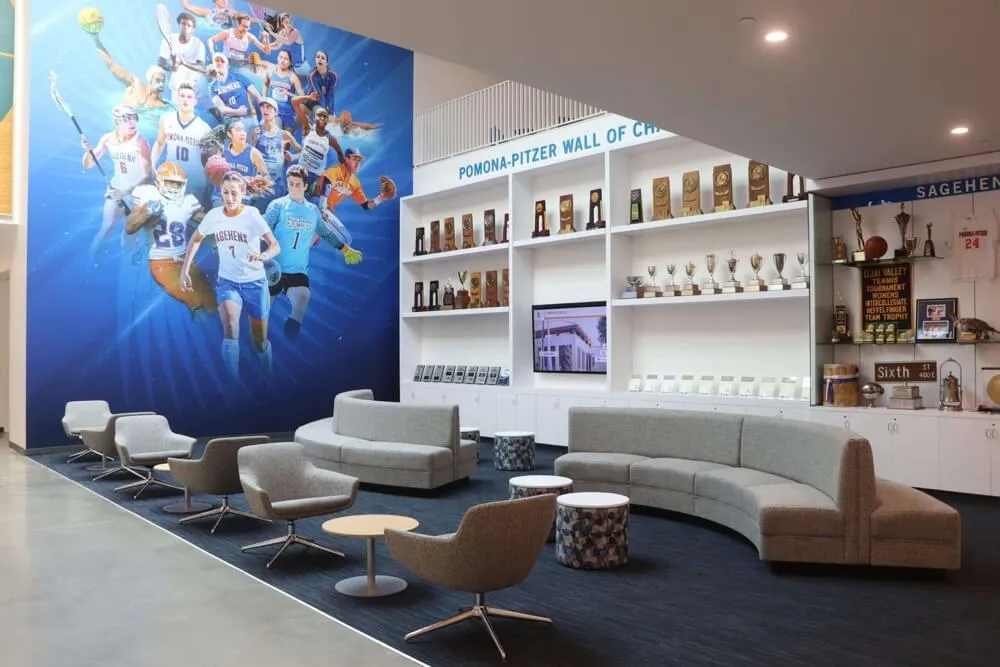
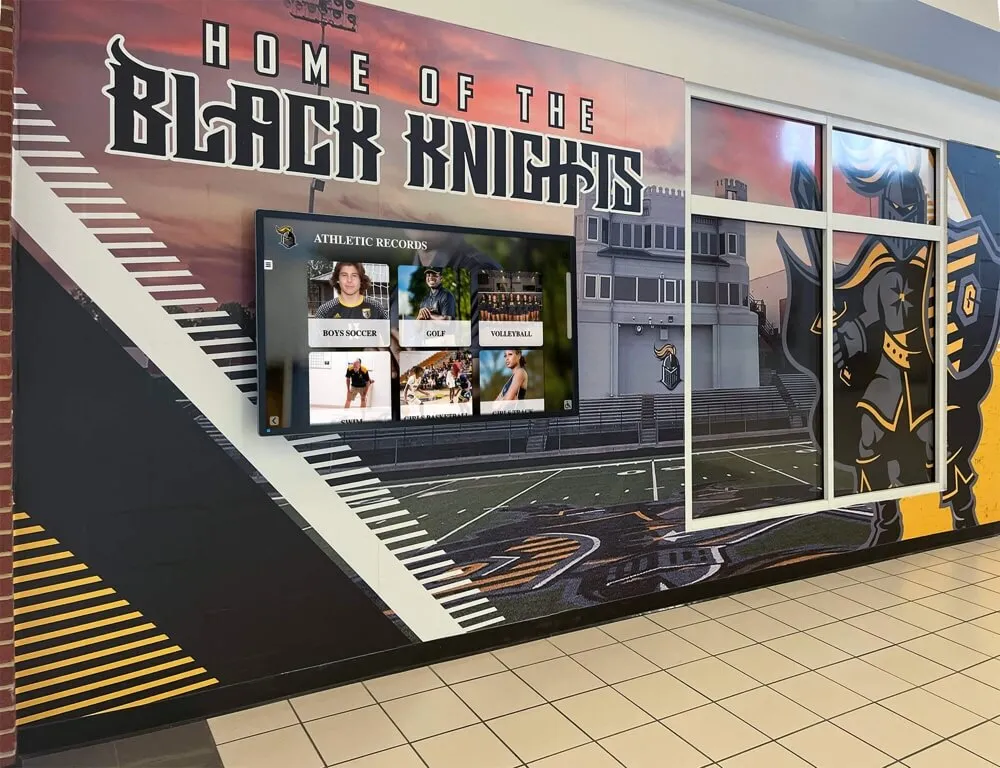
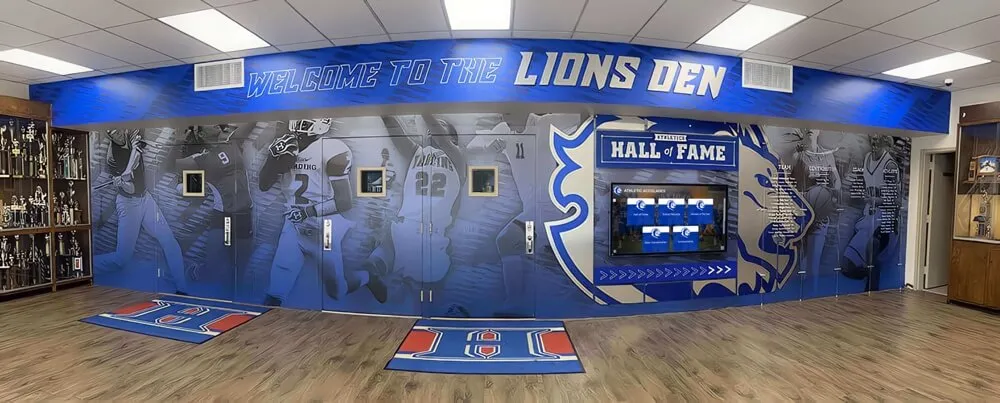
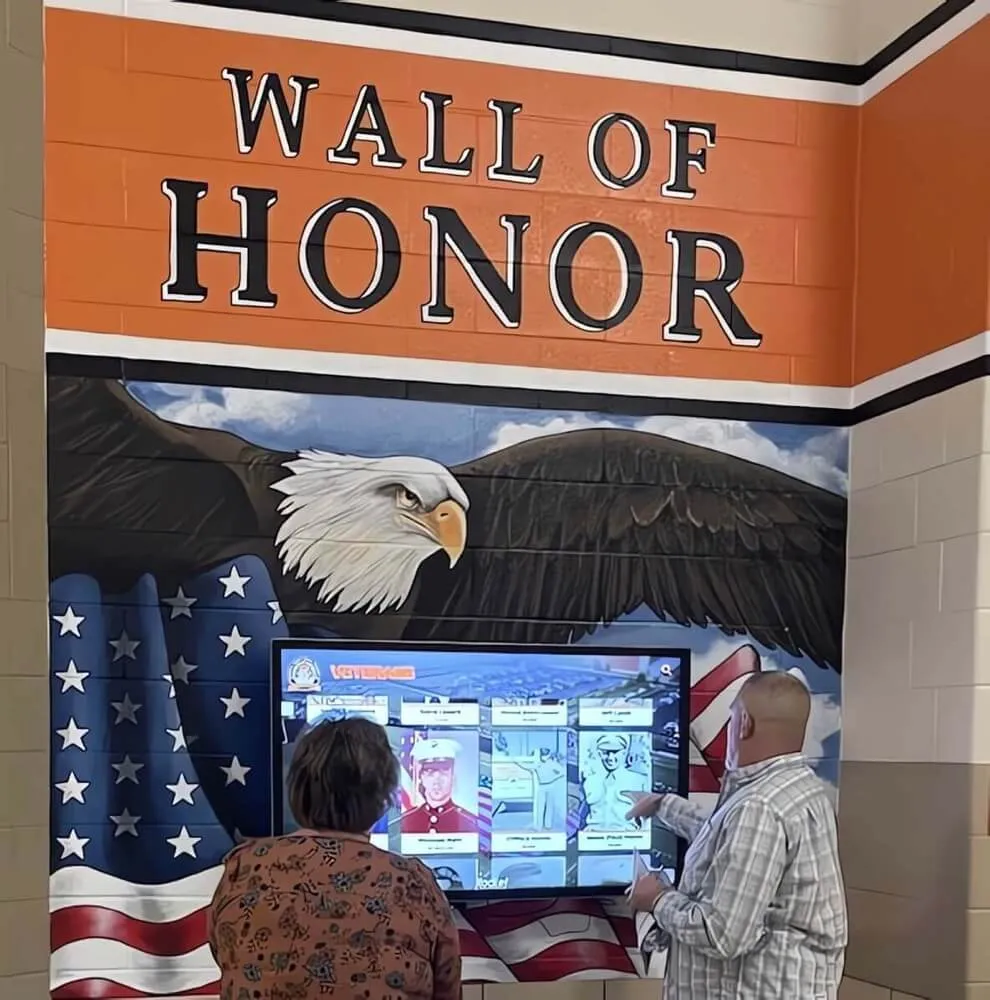
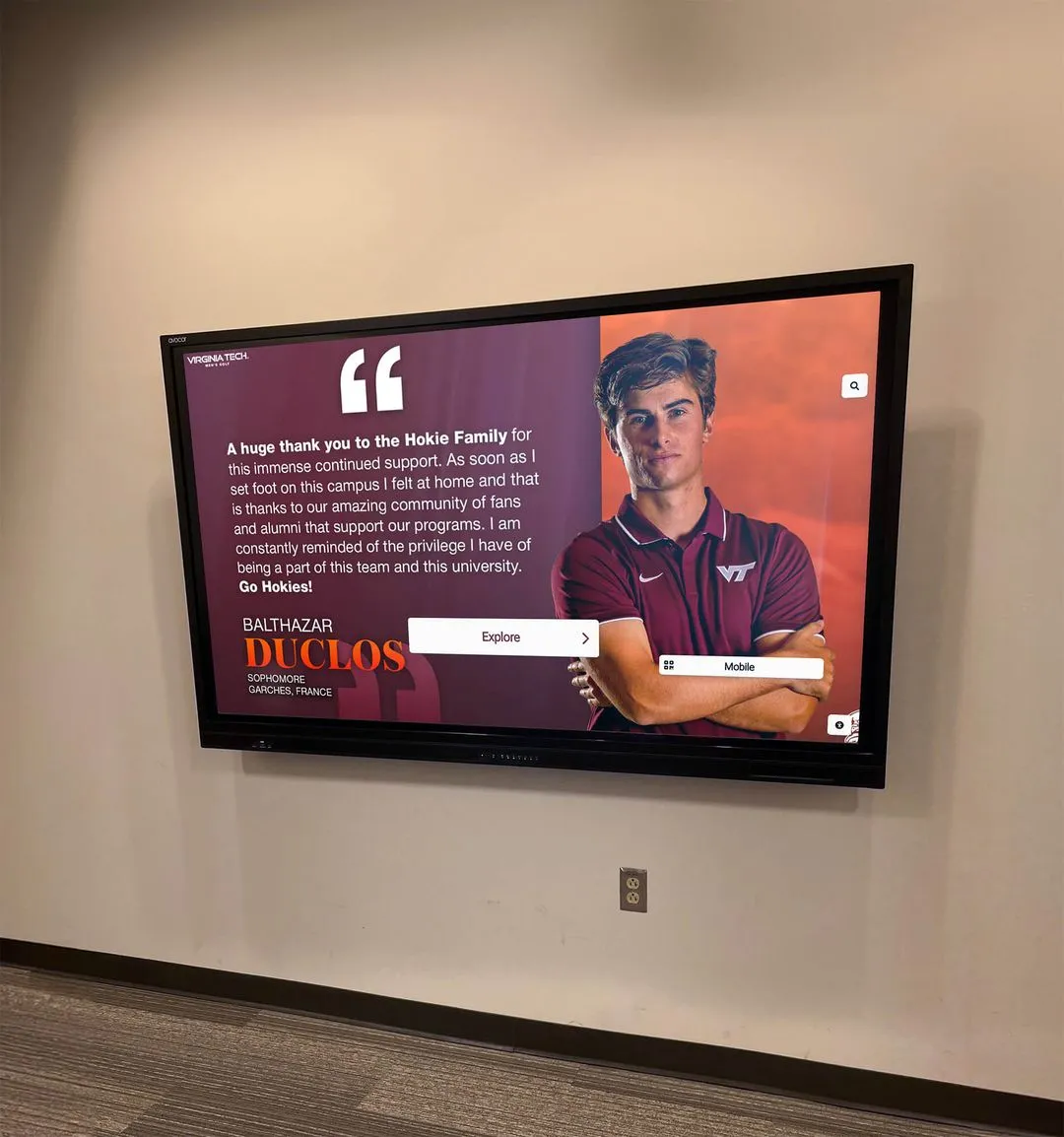
Modern athletic facilities create inspiring environments that honor achievement while motivating future excellence
Corporate Sponsorship Programs Designed for High Schools
Local business sponsorships provide substantial, reliable revenue while creating community partnerships that extend beyond financial transactions.
Developing High School-Specific Sponsorship Packages
Generic sponsorship tiers fail to resonate with local businesses seeking specific community benefits. Effective high school packages offer tangible value tailored to small and mid-sized businesses:
Community Visibility Packages ($1,000-$5,000)
Designed for local businesses serving geographic markets, these partnerships emphasize community presence through facility signage visible at all home events, recognition on digital displays and scoreboards, program book advertisements reaching family audiences, social media acknowledgment connecting businesses with community pride, and website sponsor listings with business profile features.
Local restaurants, medical practices, retail stores, real estate agencies, and service providers value this sustained community visibility that associates their brands with youth development and athletic excellence.
Premium Partnership Packages ($5,000-$15,000)
Reserved for businesses seeking maximum exposure and deeper relationships, premium sponsorships include title sponsor designation for specific sports or events, exclusive category rights preventing competitor recognition, VIP hospitality opportunities for client entertainment, naming rights for facilities, equipment, or programs, and collaborative marketing campaigns co-promoting businesses and athletics.
Regional businesses, established professional practices, and companies seeking differentiation from competitors find premium packages attractive for the brand elevation and relationship access they provide.
Activation and Sampling Opportunities
Beyond passive recognition, allow sponsors to engage directly with audiences through promotional booth space at high-traffic events, product sampling opportunities reaching family demographics, sponsored activities or contests, hospitality areas for client and employee entertainment, and exclusive sponsor events building personal business relationships.
Active engagement opportunities create value beyond signage, particularly appealing to consumer-facing businesses seeking direct customer acquisition rather than just brand awareness.
Learn about innovative hall of fame recognition tools that can honor your sponsors and supporters.
Building Long-Term Sponsor Relationships
The most valuable sponsorships extend across multiple years, providing budget predictability for booster clubs while deepening business relationships:
Encourage sustained partnerships through multi-year agreements with rate locks protecting against annual increases, automatic renewal options with opt-out rather than requiring annual re-commitment, first refusal rights for partnership upgrades or new opportunities, and relationship cultivation beyond transactional engagement including regular impact updates, personal facility tours, and advisory role invitations.
Three-year sponsorship commitments at $3,000 annually ($9,000 total) provide more value than uncertain year-to-year renewals requiring constant reselling. They also reduce volunteer workload by shifting focus from constant acquisition to thoughtful stewardship of existing partnerships.
Event-Based Fundraising Optimized for High School Communities
Strategic events generate substantial revenue while creating memorable community experiences that strengthen program connections.
The High School Athletic Banquet: Dual-Purpose Excellence
Annual sports banquets represent unique opportunities where recognition celebrations and fundraising naturally intersect:
Banquet Revenue Optimization
Beyond covering meal costs through ticket sales ($40-75 per person), maximize revenue through silent auction components featuring 30-60 items with broad appeal (sports memorabilia, local experiences, donated services), program book advertising from businesses, families, and well-wishers ($100-$1,500 per ad placement), live appeal moments where compelling needs receive direct solicitation, and raffle drawings for high-value items.
Well-executed banquet auctions generate $15,000-$40,000 in net revenue while simultaneously recognizing athletes, celebrating achievements, honoring supporters, and building community pride. This dual-purpose nature makes banquets particularly valuable high school fundraising investments.
Creating Auction Success
Auction profitability depends heavily on procurement quality and presentation. Successful approaches include procurement committees starting outreach 3-4 months before events, personal solicitation of businesses and community members rather than impersonal letters, specific item requests based on donor capacity and business offerings, themed basket creation from multiple small donations, and professional auction management platforms streamlining bidding and checkout.
Organizations report that procurement represents the single most important factor determining auction revenue. Invest volunteer energy in securing compelling items rather than elaborate event logistics that add cost without improving fundraising results.
Explore creative student awards ideas that make recognition banquets more meaningful.
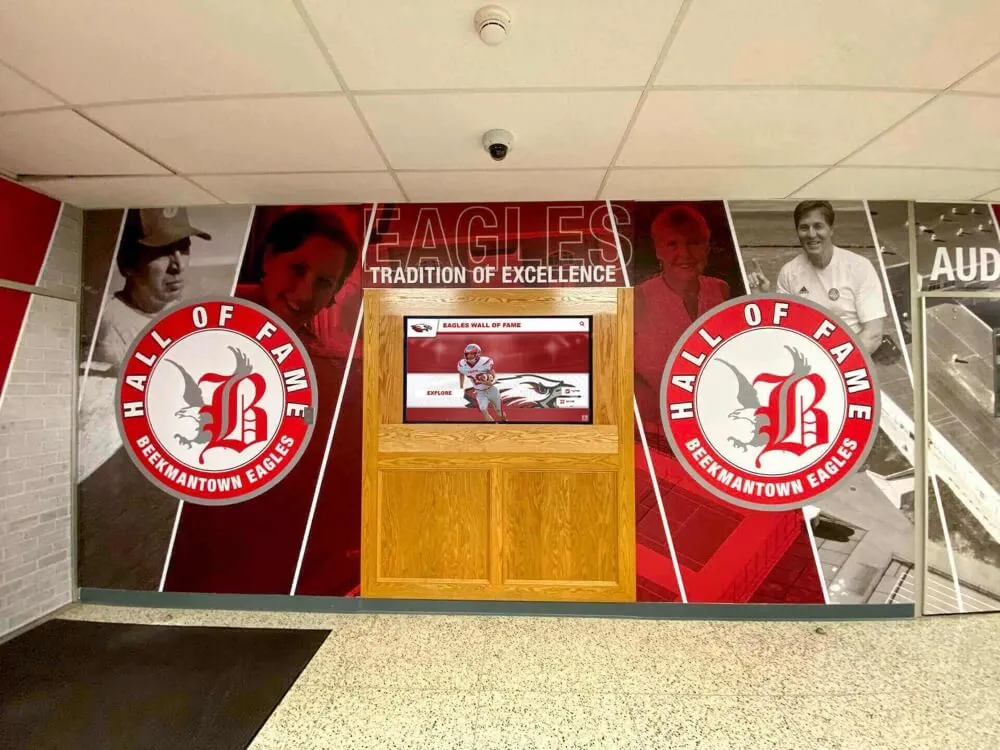
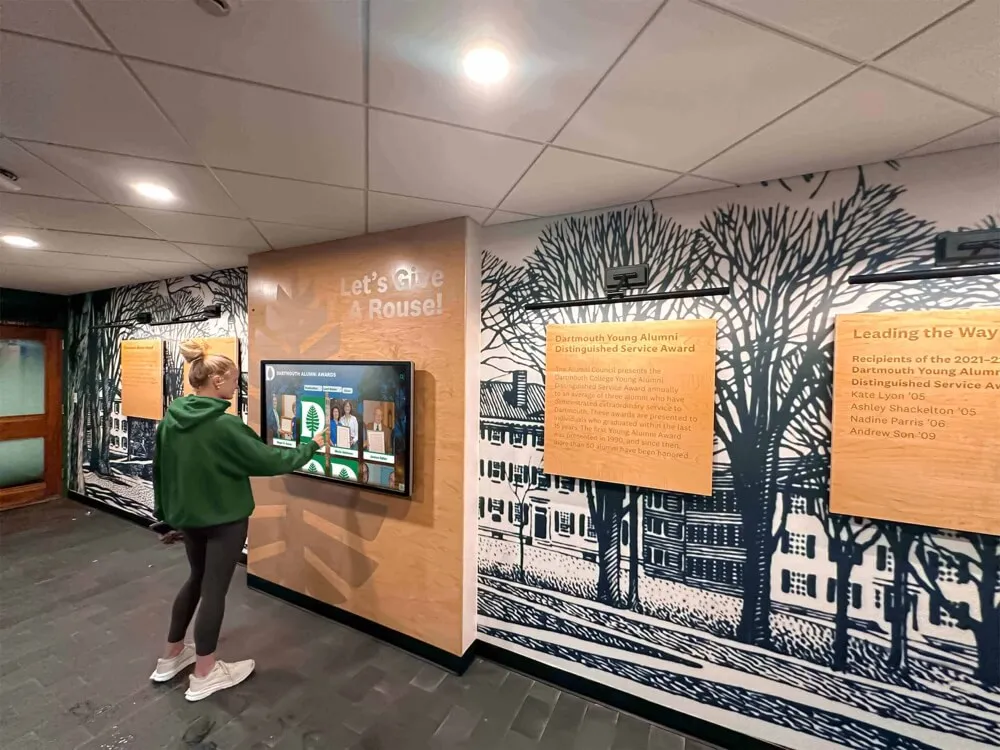
Permanent recognition displays celebrate excellence while inspiring continued community support
Golf Tournaments: High-Revenue Community Builders
Golf tournaments consistently rank among the highest-revenue high school booster club fundraisers when properly structured:
Tournament Revenue Maximization
Generate substantial income through multiple streams including team entry fees ($500-$800 per foursome covering golf, meals, and tournament costs), hole sponsorships ($250-$1,000 each with 18 holes providing $4,500-$18,000), corporate title sponsorships ($5,000-$15,000 for maximum visibility), skills competition fees (putting contests, closest-to-pin, longest drive), beverage cart sponsorships ($1,000-$3,000), and silent auctions during post-round meals.
Championship-level 18-hole tournaments with 36 teams generate $30,000-$70,000 in net revenue when sponsorship cultivation and competitive auction procurement receive proper attention.
Reducing Volunteer Burden Through Partnerships
Golf course partnerships offering fundraising packages minimize workload while maintaining profitability. Seek courses providing discounted green fees for charitable events, included meals or beverage packages, tournament coordination and setup assistance, professional scoring and leaderboard management, and promotional support to their membership.
Professional tournament management handles logistics, allowing volunteer committees to focus exclusively on sponsorship cultivation and participant recruitment—the activities directly driving revenue rather than operational details.
Alternative Tournament Models for Different Communities
If golf doesn’t suit your demographics or season, consider bowling tournaments with parallel sponsorship structures requiring less time commitment, pickleball tournaments leveraging the sport’s explosive growth, 5K run/walk events combining entry fees with pledge-based fundraising, cornhole tournaments with minimal setup and broad appeal, or esports competitions engaging younger demographics often overlooked by traditional fundraising.
The key involves selecting activities matching your community’s interests and demographics while providing multiple sponsorship opportunities beyond just participant fees.
Seasonal Community Festivals and Themed Events
Community-wide events create festive atmospheres that build program visibility while generating revenue through multiple small streams:
Fall homecoming festivals combining pre-game tailgates with family activities generate income through food and beverage sales, spirit wear merchandise, carnival games and inflatables ($3-5 per activity), 50/50 raffles, vendor booth rentals, and parking fees. These events build casual entry points for community members without deep athletic connections while maintaining year-round program visibility.
Holiday events including photos with Santa, seasonal craft fairs, holiday movie nights, and winter carnivals maintain community engagement during off-seasons while generating modest supplemental revenue through participation fees and concessions.
Product Sales Strategies That Minimize Volunteer Burden
Strategic product fundraisers generate reliable revenue while outsourcing logistics to minimize volunteer workload:
Online Spirit Wear Stores: The Modern Merchandise Model
Traditional spirit wear sales required volunteers to collect orders, manage inventory, coordinate sizing, process payments, and distribute merchandise—substantial work for modest returns. Modern online stores transform this model entirely.
Partner with apparel companies offering online team stores where families shop directly from custom-branded storefronts, all production and fulfillment happens automatically, booster clubs receive profit percentages (15-30%) without inventory investment, extended sales windows capture purchases throughout the year rather than just pre-season, and personalized items (player names, numbers) become available without custom order minimums.
Online stores eliminate nearly all volunteer labor while often generating superior revenue compared to traditional sales. Organizations report $8,000-$25,000 in annual spirit wear revenue from properly promoted online stores versus $3,000-$8,000 from traditional order-form approaches requiring substantially more volunteer effort.
Premium and Personalized Merchandise
Higher-margin products justify premium pricing that improves fundraising returns. Effective options include personalized fan gear featuring student-athlete names and numbers, custom yard signs celebrating specific players, framed team photos with individual player options, commemorative championship or senior year items, engraved awards or recognition pieces, and limited-edition milestone merchandise.
Personalization and exclusivity enable premium pricing improving profit margins from typical 20-30% on standard merchandise to 40-60% on custom items, dramatically improving fundraising efficiency even when overall sales volumes remain constant.
Outsourced Food and Product Fundraisers
Established fundraising companies manage logistics for popular campaigns including cookie dough sales generating $6-12 profit per unit, frozen meal programs earning $8-15 per unit, gourmet popcorn or snack items providing $5-10 profit per unit, coffee or specialty beverage sales earning $5-12 per unit, and discount card programs offering 50-80% profit margins.
These companies handle production, order processing, payment collection, and delivery coordination while booster clubs focus exclusively on promotion—distributing order forms, encouraging participation, and collecting completed forms. For time-constrained volunteers, this division of labor proves vastly more sustainable than managing entire operations internally.
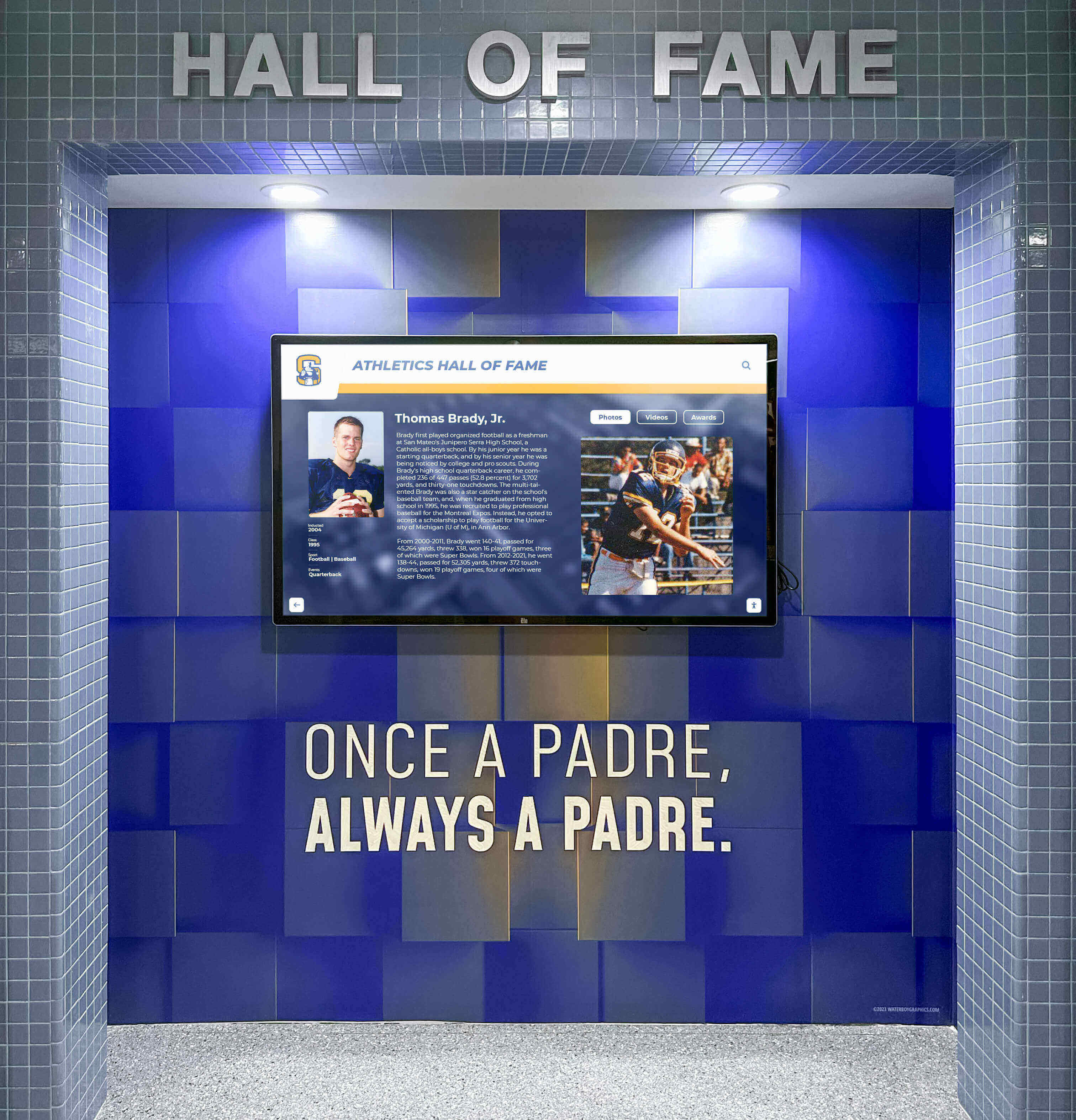
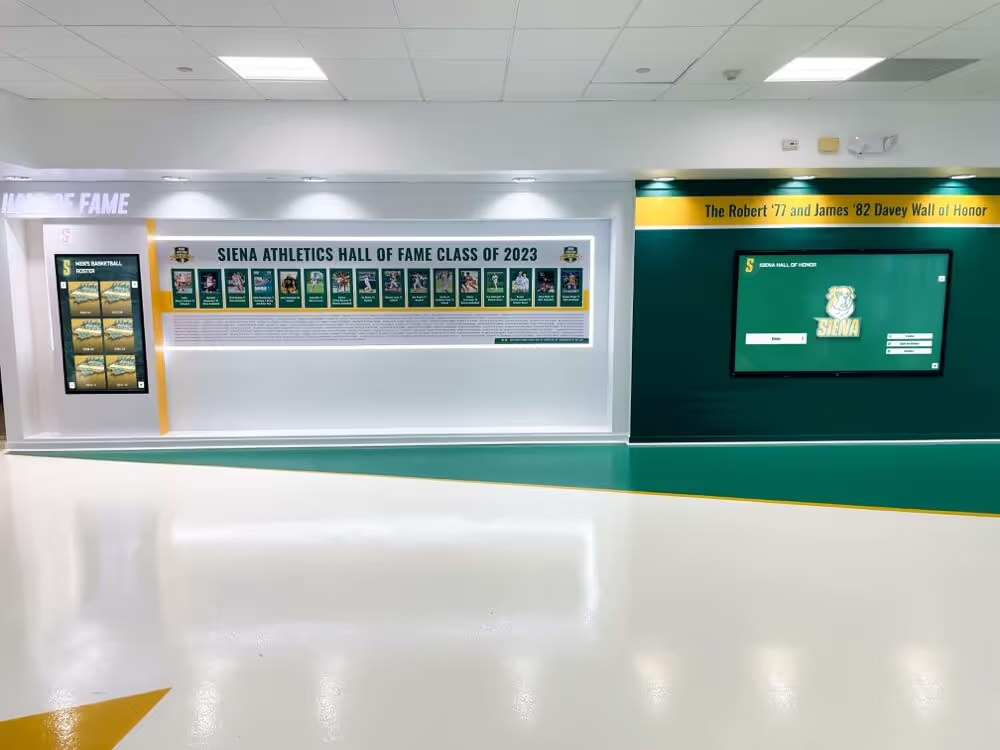
Digital recognition systems create year-round visibility for achievements and supporter contributions
Alumni Engagement and Legacy Giving
Former athletes represent valuable supporter populations often overlooked in high school fundraising:
Developing Alumni Networks and Communication Channels
Most high school booster clubs maintain minimal alumni connection beyond informal networks. Systematic alumni engagement builds valuable supporter pipelines:
Create alumni databases through social media group establishment (Facebook, LinkedIn), athletic department record compilation, reunion event attendance lists, and volunteer alumni network coordinators. Communicate regularly through alumni-specific email newsletters, social media content featuring throwback photos and memories, milestone reunion announcements, and hall of fame nomination opportunities.
When alumni feel consistently connected to programs through regular communication rather than sporadic solicitation, they respond more generously to fundraising appeals while volunteering as mentors, speakers, and program ambassadors.
Alumni Giving Programs Designed for Different Life Stages
Recent graduates (1-10 years) typically have limited financial capacity but strong program connections. Engage them through small recurring gifts ($10-25 monthly), volunteer coaching or mentoring opportunities, social event participation reconnecting them with programs, and young alumni leadership roles on booster boards.
Mid-career alumni (10-30 years) often possess increased financial capacity and established community positions. Cultivate them through major gift solicitation for specific needs, business sponsorship opportunities, reunion giving campaigns, capital campaign leadership, and endowment or planned giving conversations.
Retired alumni (30+ years) may have accumulated wealth and desire meaningful legacy opportunities. Engage them through transformational gift discussions for facility naming or major programs, planned giving and estate planning conversations, hall of fame establishment or enhancement, and emeritus advisory roles maintaining connection to programs.
Learn how Division III athletics programs create recognition systems that engage alumni and supporters.
Hall of Fame Programs as Fundraising and Engagement Tools
Athletic hall of fame programs serve multiple strategic purposes—honoring achievement, building program tradition, engaging alumni, and creating fundraising opportunities:
Establish formal selection processes with clear criteria and nomination procedures, annual induction ceremonies bringing alumni back to campus, fundraising components through sponsorships, ticket sales, or auctions, and permanent recognition displays showcasing inductees year-round.
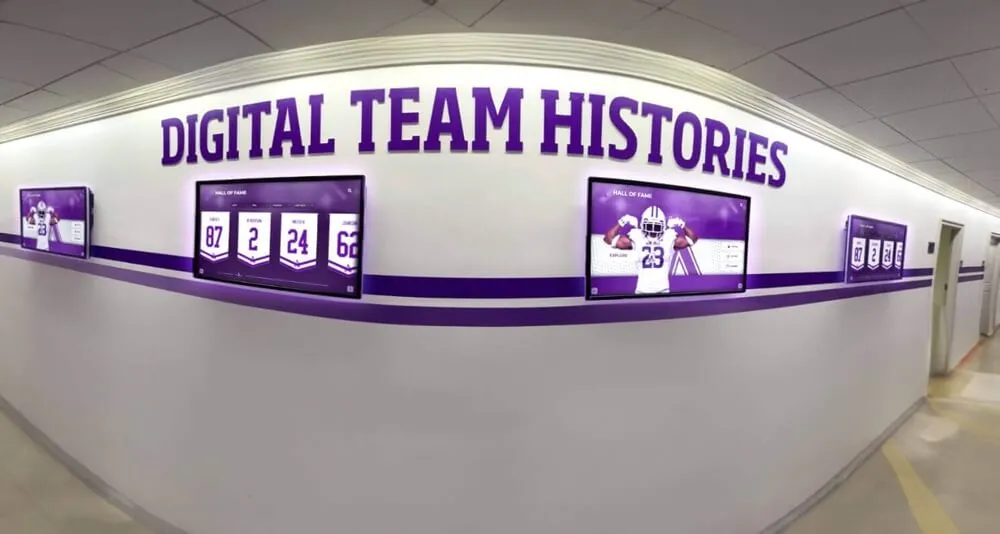
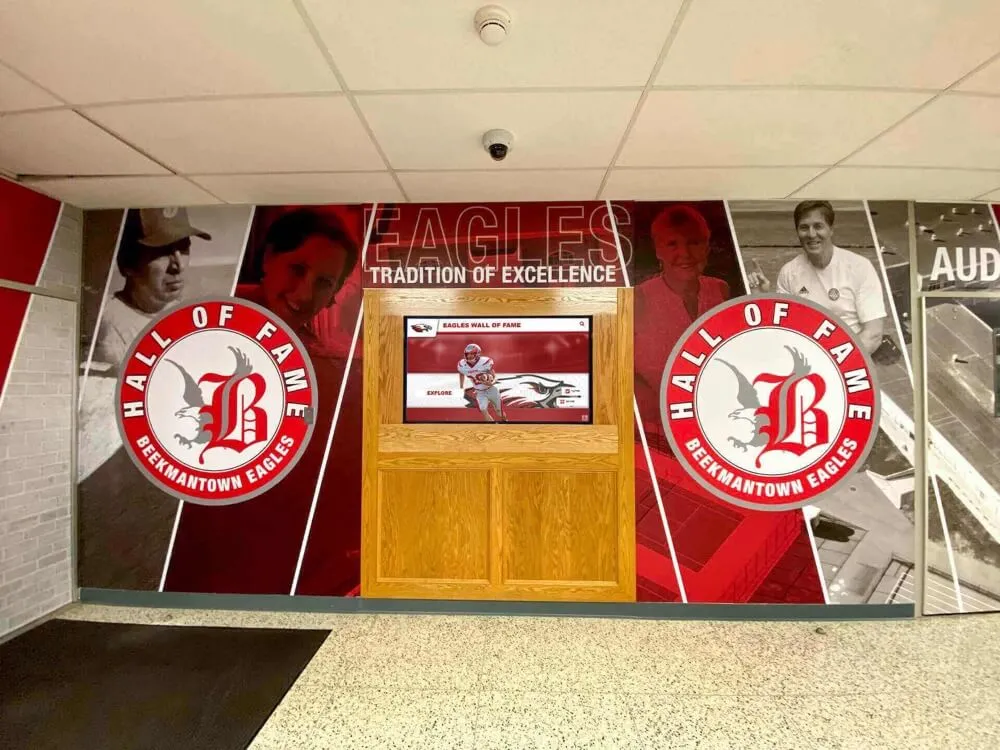
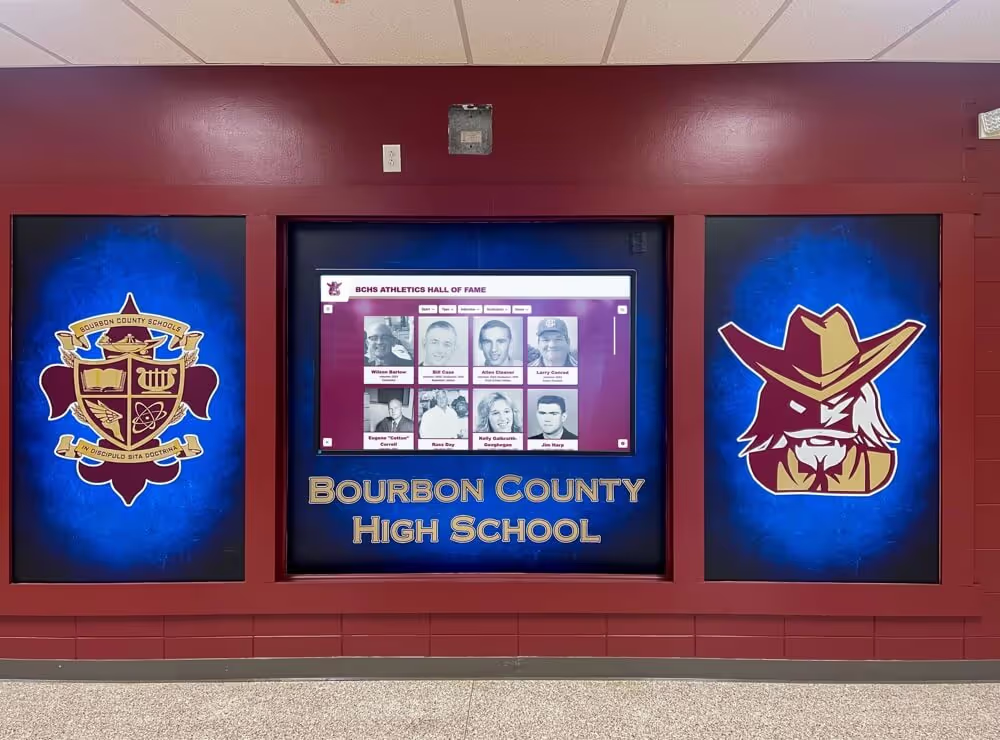
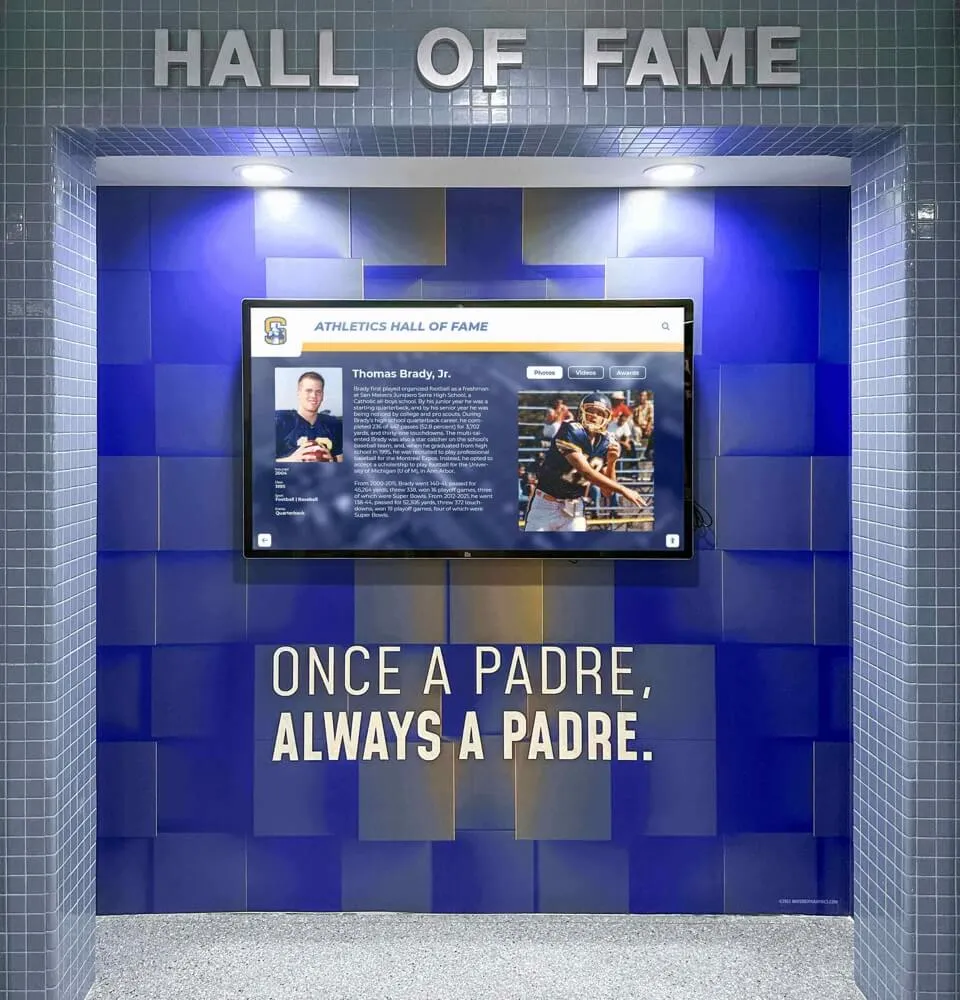
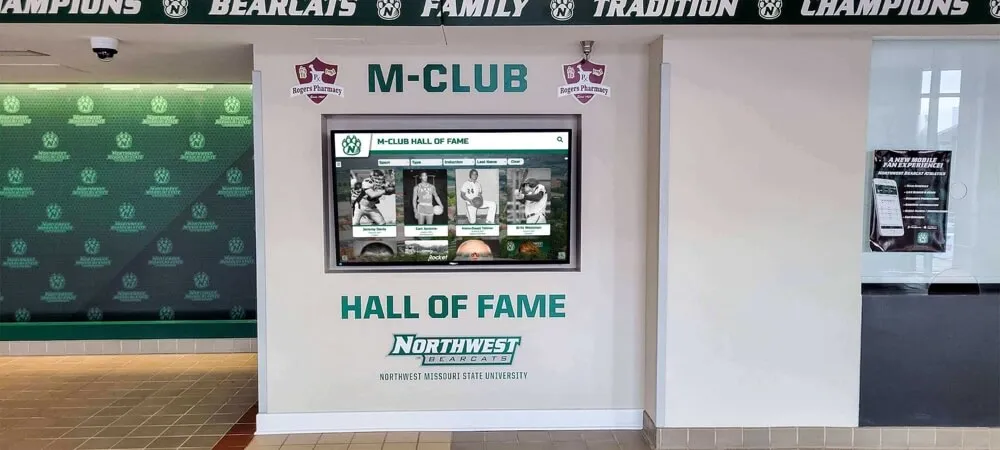
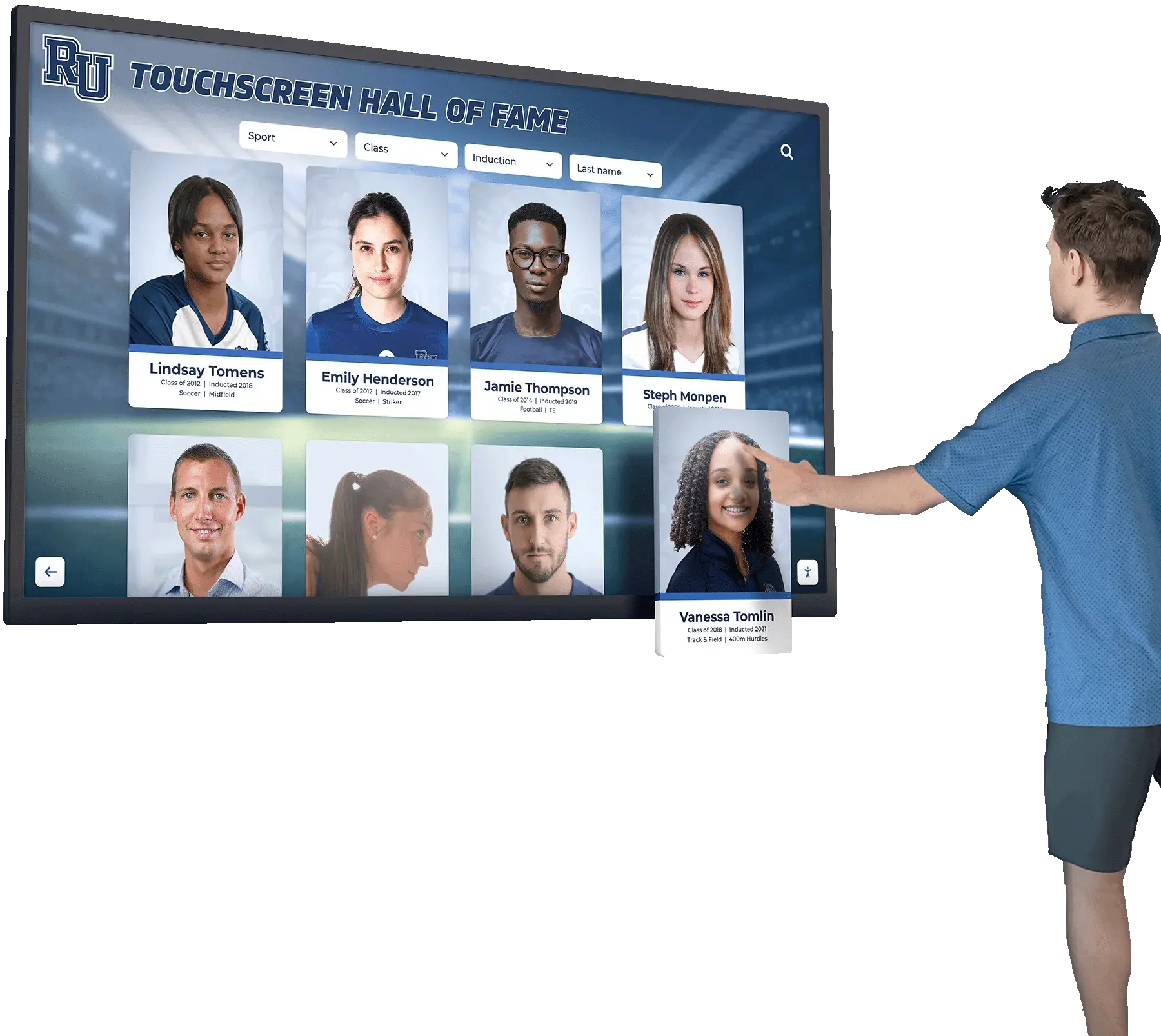
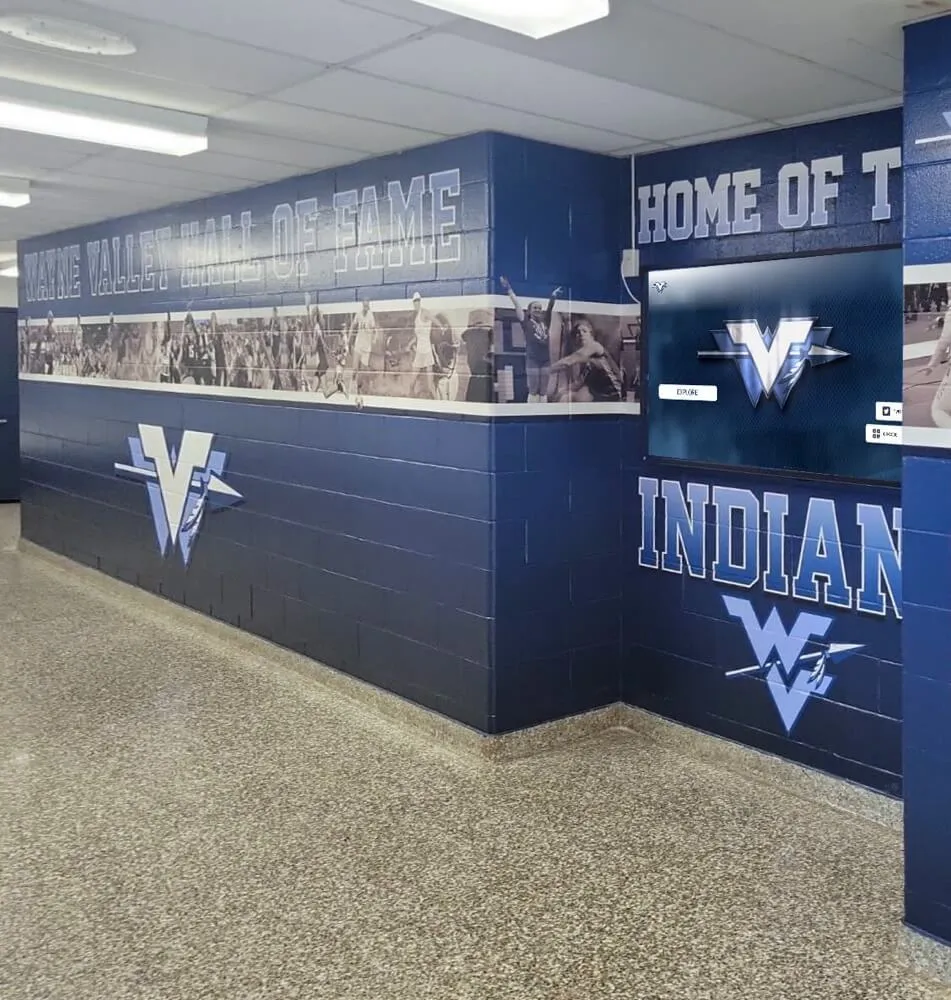
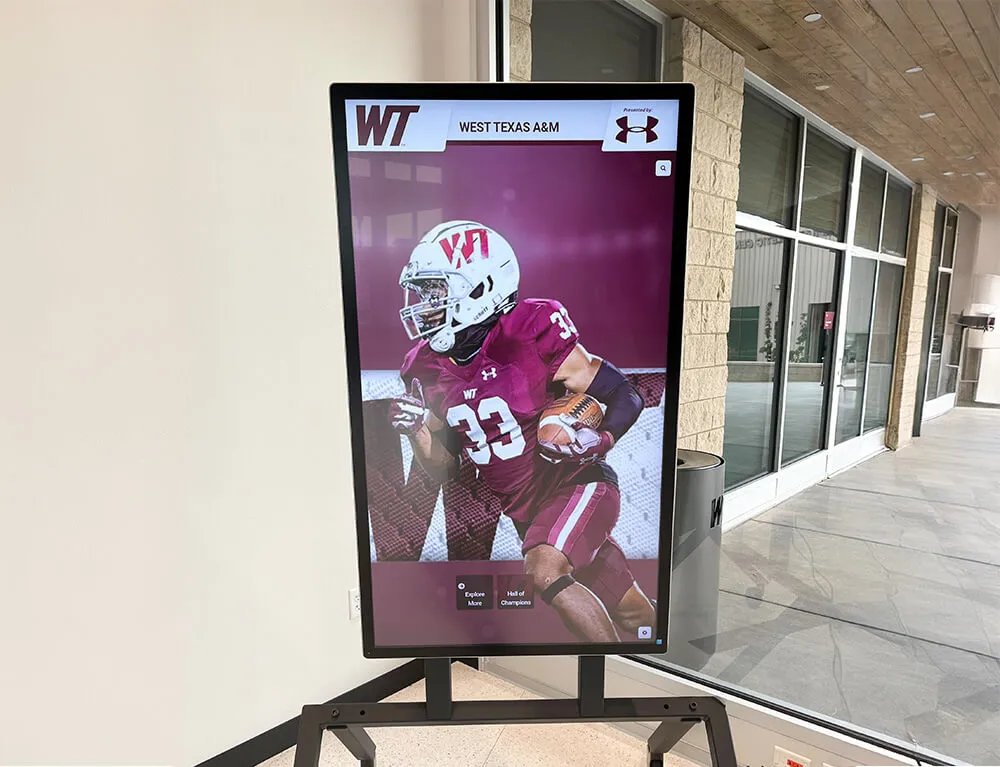
Modern digital hall of fame displays overcome traditional limitations by accommodating unlimited inductees without physical space constraints, featuring multimedia content including photos, videos, career statistics, and personal narratives, enabling easy content updates as new inductees join, and providing searchable interfaces allowing visitors to explore history interactively.
Organizations implementing comprehensive hall of fame programs report improved alumni engagement, strengthened program identity and tradition, increased giving from honored inductees and their families, and enhanced community pride in program excellence.
Direct Appeal and Major Gift Cultivation
While events and product sales generate valuable revenue, direct solicitation often proves most efficient:
Annual Direct Contribution Campaigns
Well-crafted written appeals generate substantial revenue with minimal volunteer investment. Effective annual campaigns include compelling case statements articulating specific program needs and funding gaps, multi-tier suggested giving levels ($100, $250, $500, $1,000+) with benefits clearly described, easy response mechanisms through online giving links and return envelopes, recognition program descriptions explaining how contributions will be acknowledged, and impact reporting demonstrating what previous gifts accomplished.
Organizations conducting systematic annual appeals—typically mailed in early fall as seasons begin—generate $15,000-$60,000 annually depending on family base size and cultivation sophistication, often with just 15-30% participation rates. Improving participation by even 5-10% through better messaging, clearer recognition, and stronger impact reporting substantially increases revenue.
Major Gift Identification and Cultivation
Every high school community contains individuals and families with capacity and inclination for transformational gifts—$5,000, $10,000, $25,000+ contributions funding specific needs or creating endowments. Yet most booster clubs never systematically identify or cultivate these prospects.
Successful major gift approaches include prospect identification through wealth indicators (executive positions, business ownership, real estate holdings, prior giving patterns), relationship cultivation through personal facility tours, leadership advisory roles, exclusive events for major donor prospects, and recognition opportunities, specific project proposals aligned with donor interests and capacities, and multi-year pledge options making larger commitments manageable.
Even small high school booster clubs typically secure 2-5 major gifts annually when they implement intentional cultivation rather than waiting for supporters to self-identify through unsolicited contributions.
Discover how modernizing traditional halls of fame creates opportunities to recognize major donors while honoring athletic achievement.
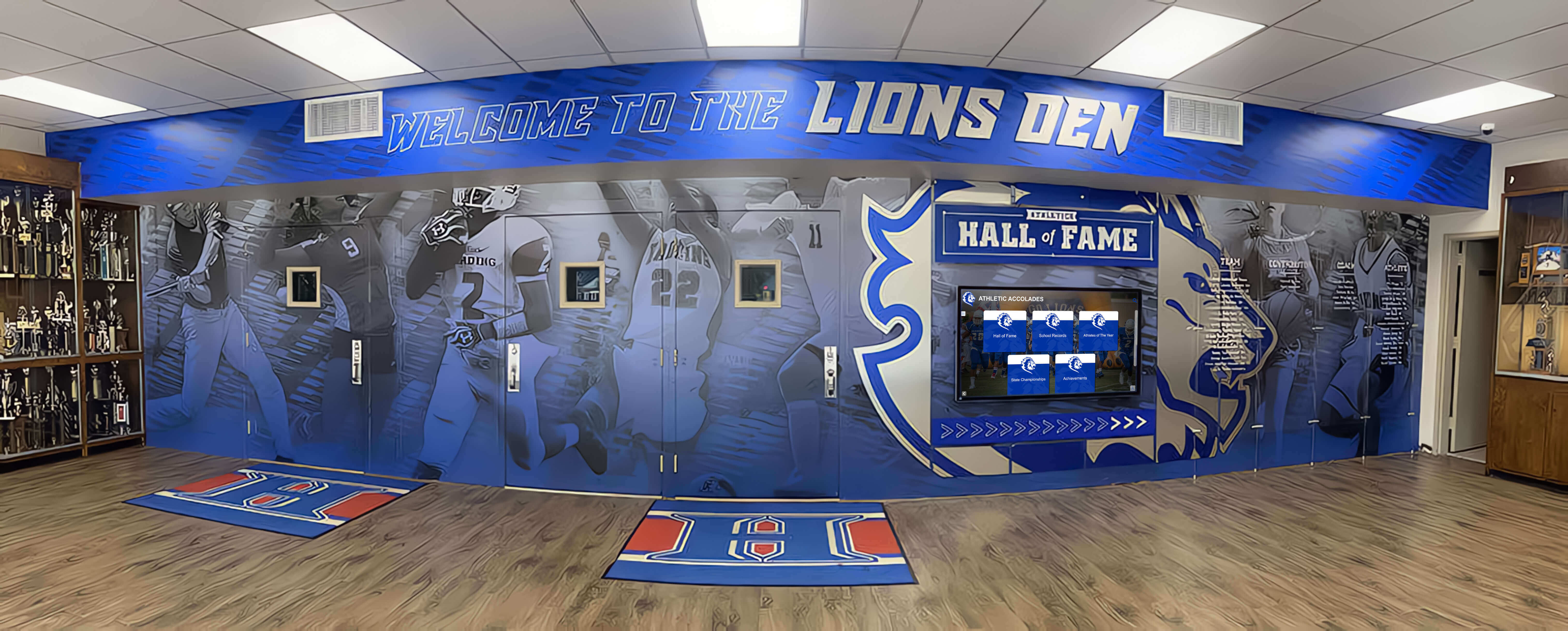
Celebrating tradition while building community support creates sustainable athletic program excellence
Recognition Systems That Drive Sustained Giving
Strategic donor recognition transforms one-time contributors into long-term supporters while inspiring additional giving from prospective donors who observe how organizations honor commitment.
Developing Comprehensive Recognition Programs
Systematic acknowledgment structures honor diverse contribution types while creating aspirational giving pathways:
Tiered Recognition Levels
Establish clear giving categories including Supporter ($100-$499), Bronze ($500-$999), Silver ($1,000-$2,499), Gold ($2,500-$4,999), Platinum ($5,000-$9,999), and Legacy ($10,000+) levels. Visible tier distinctions create aspirational dynamics where current donors increase contributions to reach higher recognition categories, particularly in close-knit high school communities where peer giving patterns influence individual decisions.
Differentiated benefits by level including donor wall placement with tier designation, recognition in programs and publications proportionate to giving level, social media acknowledgment, special event invitations for higher tiers, commemorative items or certificates, and naming opportunities for transformational gifts.
Multi-Year Cumulative Recognition
Recognize both annual and cumulative lifetime giving to honor sustained supporters who may not make large single gifts but demonstrate extraordinary commitment through consistent contributions. Track cumulative totals enabling donors to progress through recognition tiers across multiple years even when annual gifts remain modest.
Parents who contribute $500 annually for four years during their student’s high school career should receive $2,000 cumulative recognition demonstrating appreciation for sustained commitment rather than being categorized only by their most recent annual gift.
Volunteer and In-Kind Contribution Acknowledgment
Comprehensive recognition systems value all contribution forms—not just financial gifts. Acknowledge volunteer service through hour tracking and valuation ($25-30/hour for recognition equivalency), combined giving credit merging financial contributions with volunteer service valuation, in-kind donation recognition for equipment, services, or products, and dedicated volunteer appreciation events.
When families without financial capacity see their volunteer contributions recognized alongside monetary gifts, they remain engaged as valued community members rather than feeling marginalized as unable to participate meaningfully.
Modern Digital Recognition Solutions
Traditional donor walls face inherent limitations—finite physical space constraining the number of donors acknowledged, expensive updates required as new supporters contribute, static presentation formats providing minimal information, and inflexibility preventing content modifications without physical reconstruction.
Digital recognition displays overcome these constraints entirely while often achieving cost parity with traditional approaches:
Interactive Digital Donor Walls
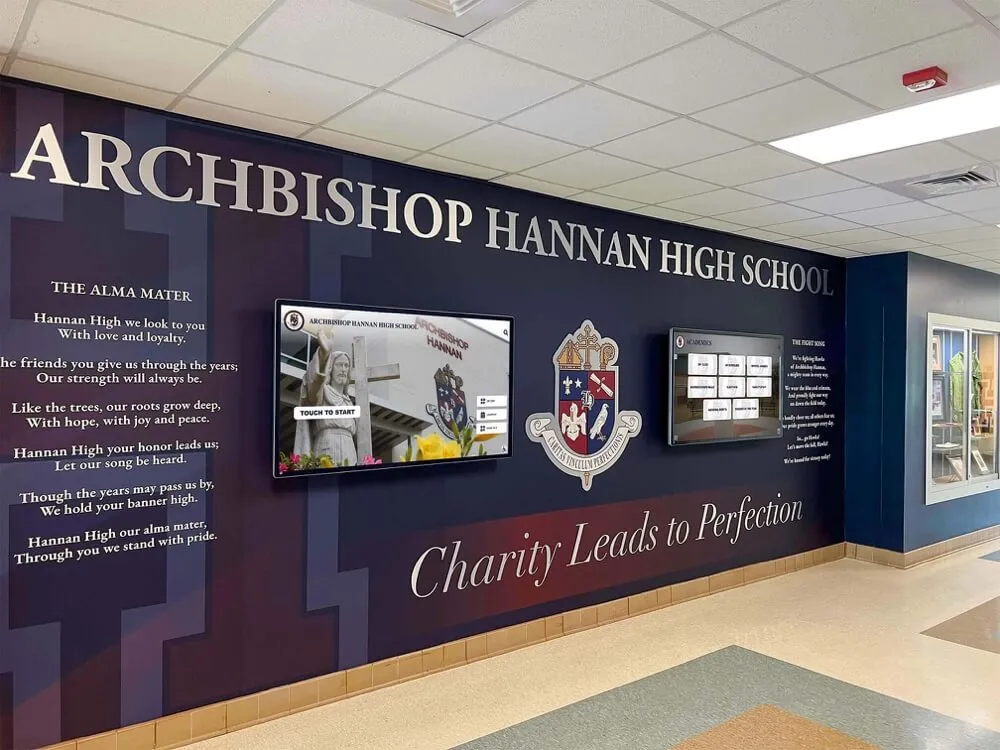
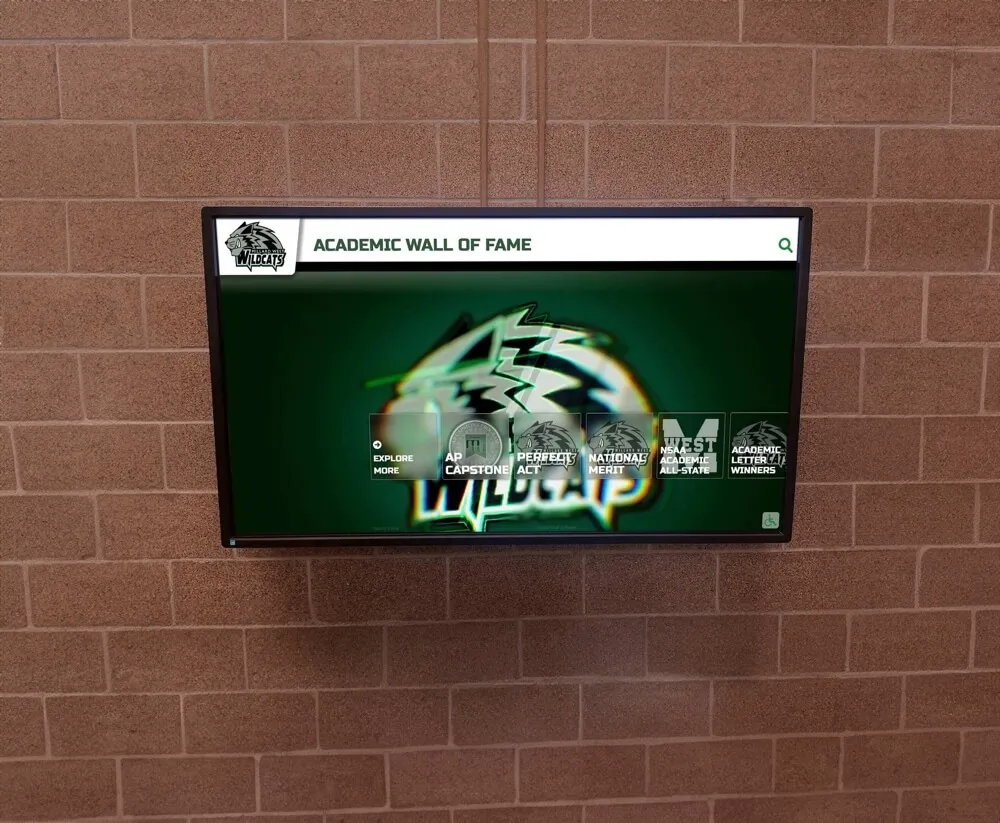
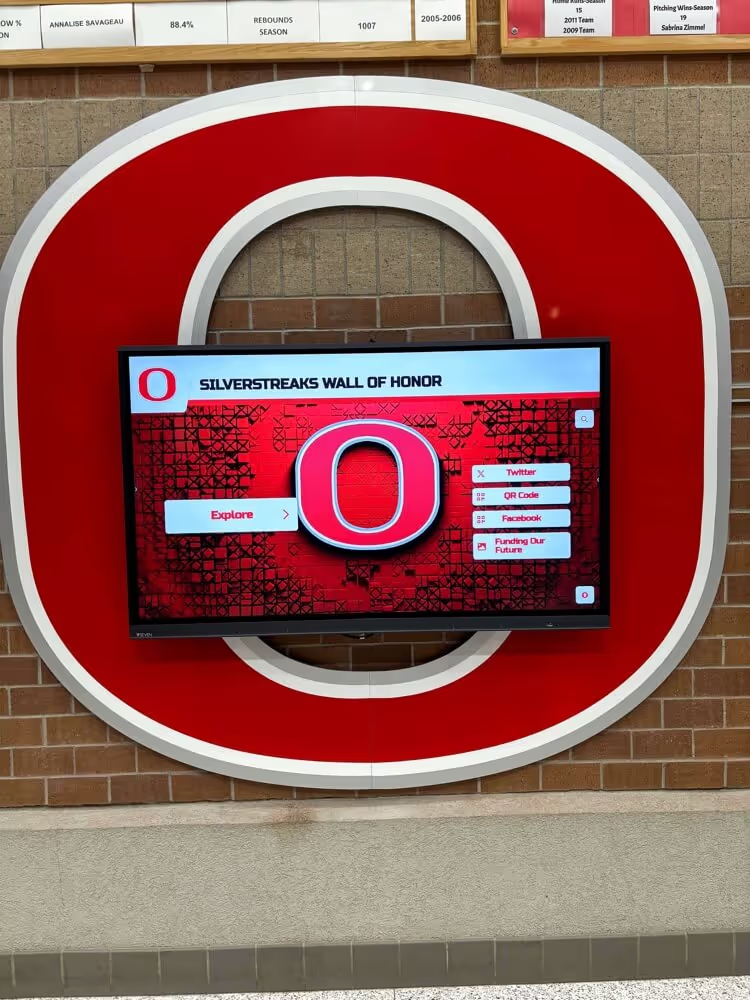
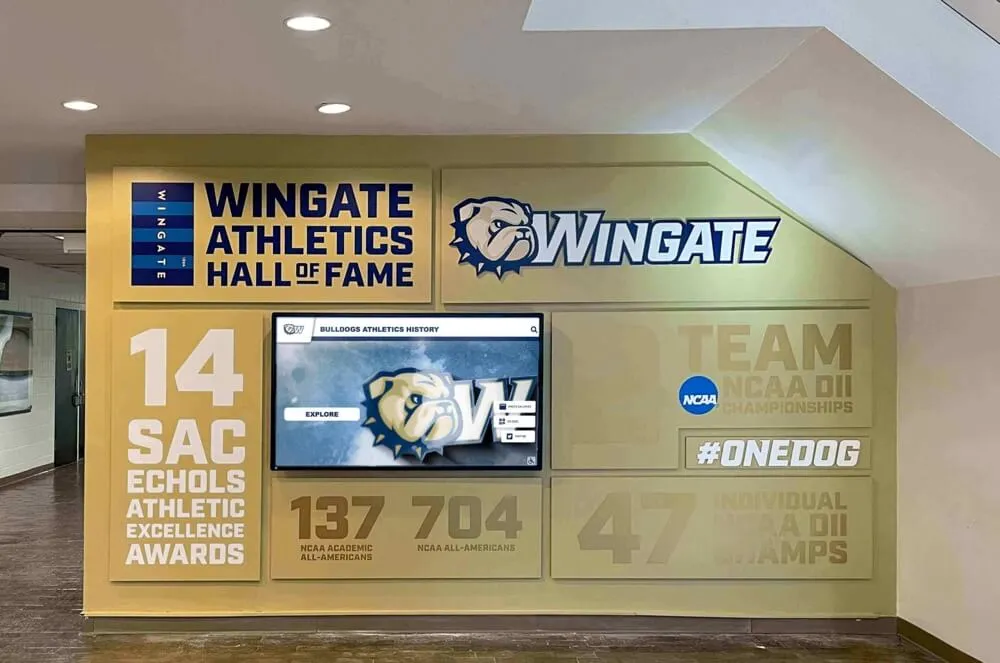
Comprehensive touchscreen displays enable unlimited donor capacity without physical space limitations, real-time content updates immediately reflecting new contributions, multimedia presentations featuring donor photos, videos, and personal narratives, searchable interfaces allowing visitors to find specific supporters easily, campaign progress visualization showing community support growth, integration with giving platforms enabling direct donation from displays, and professional presentation quality matching facility standards.
Organizations implementing digital recognition report improved donor satisfaction, increased giving from recognized supporters, enhanced fundraising results as prospects observe comprehensive acknowledgment programs, and reduced long-term costs compared to traditional plaques requiring periodic replacement and expansion.
Explore comprehensive donor recognition display solutions designed specifically for schools and athletic programs.
Hybrid Recognition Approaches
Combine traditional and digital elements to honor major donors with premium physical recognition while ensuring comprehensive acknowledgment of all supporters:
Permanent named plaques or bricks for transformational gifts ($5,000+), digital displays accommodating all additional contributors without space limitations, facility naming opportunities for major capital gifts, and rotating spotlight features highlighting different supporter stories regularly.
Hybrid systems provide major donors the prestigious permanent physical recognition their exceptional generosity deserves while enabling unlimited community-wide acknowledgment through scalable digital platforms.
Recognition and Stewardship Communication
Acknowledgment extends beyond initial donor wall placement to ongoing relationship cultivation:
Prompt and Personalized Thank You Communications
Immediate acknowledgment within 48 hours of gift receipt including personalized email confirmations with tax receipt information, hand-written thank you notes for gifts exceeding thresholds (typically $250+), phone calls from coaches or athletic directors for major gifts ($1,000+), and social media public acknowledgment when donors grant permission.
Prompt, personalized acknowledgment demonstrates genuine appreciation while reinforcing positive feelings that encourage future giving.
Regular Impact Reporting and Program Updates
Maintain ongoing communication demonstrating how contributions fund tangible outcomes including quarterly impact newsletters featuring recent accomplishments enabled by community support, season highlight communications celebrating achievements, annual reports showcasing financial stewardship and program results, specific project completion announcements when campaigns reach goals, and athlete success stories connecting support to individual outcomes.
Donors who regularly see evidence of their contributions’ impact give again at higher rates and larger amounts than those receiving only generic thank-you messages without subsequent connection.
Exclusive Stewardship Events and Experiences
Create special recognition opportunities for major supporters including facility tours showcasing donor-funded improvements, meet-and-greet events with coaches and athletes, preview presentations of upcoming season plans, championship game or tournament VIP experiences, and advisory council roles providing input on program direction.
Exclusive experiences make major donors feel genuinely valued as program partners rather than merely financial resources, cultivating relationships that inspire sustained commitment extending across multiple years and often multiple family generations.
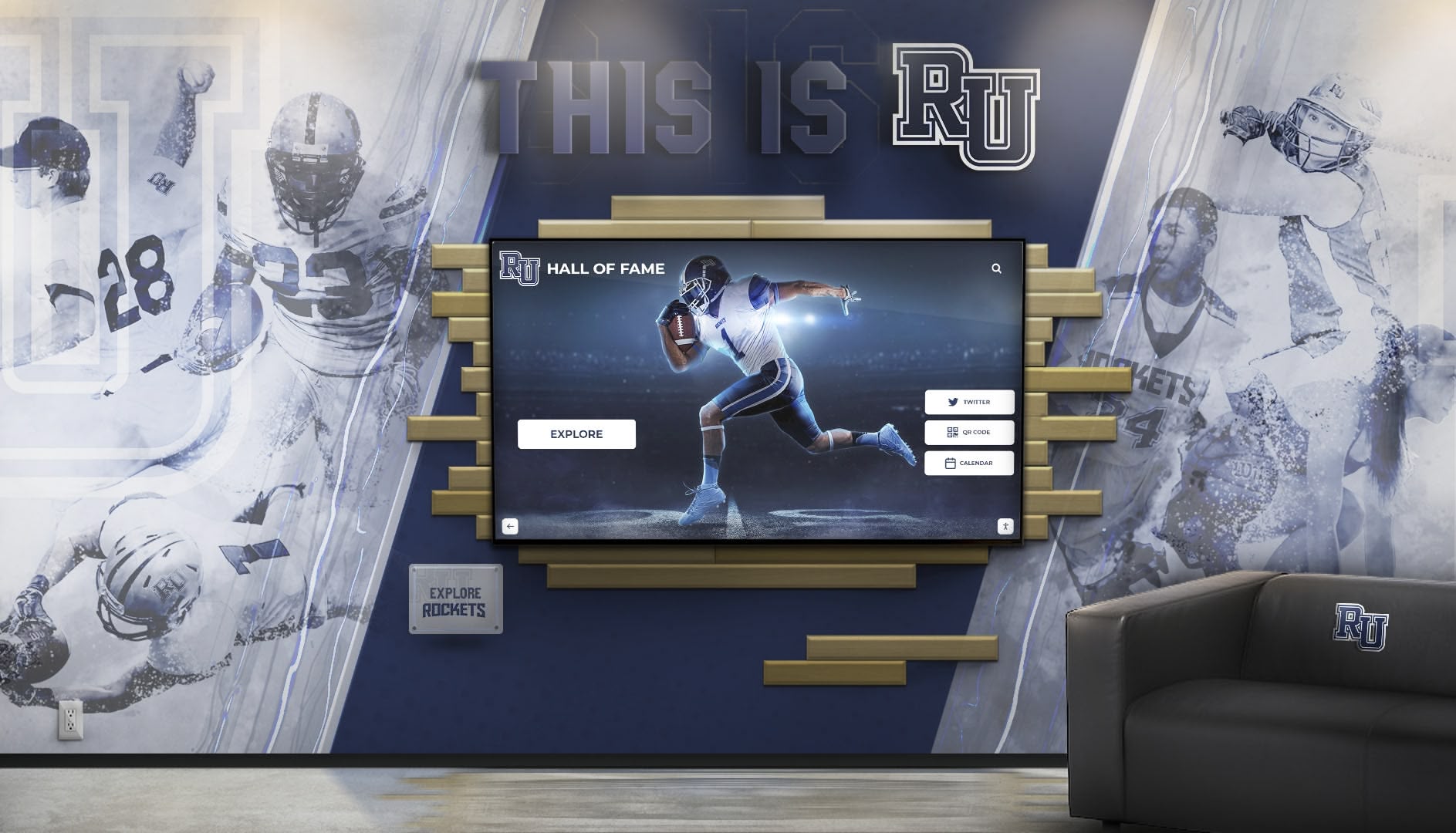
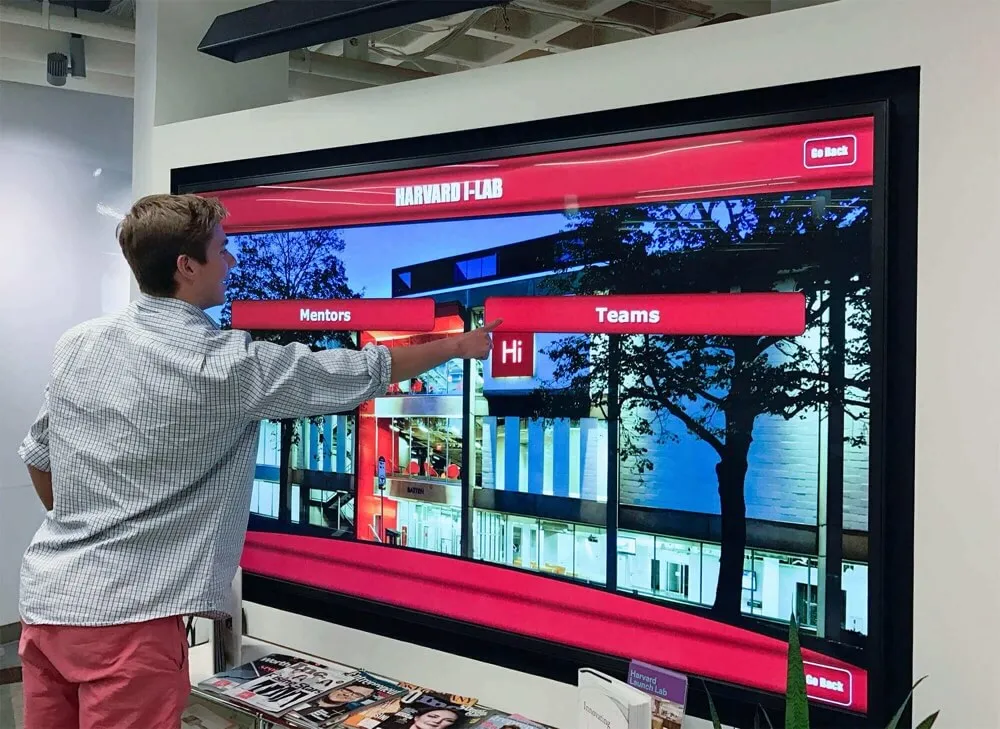
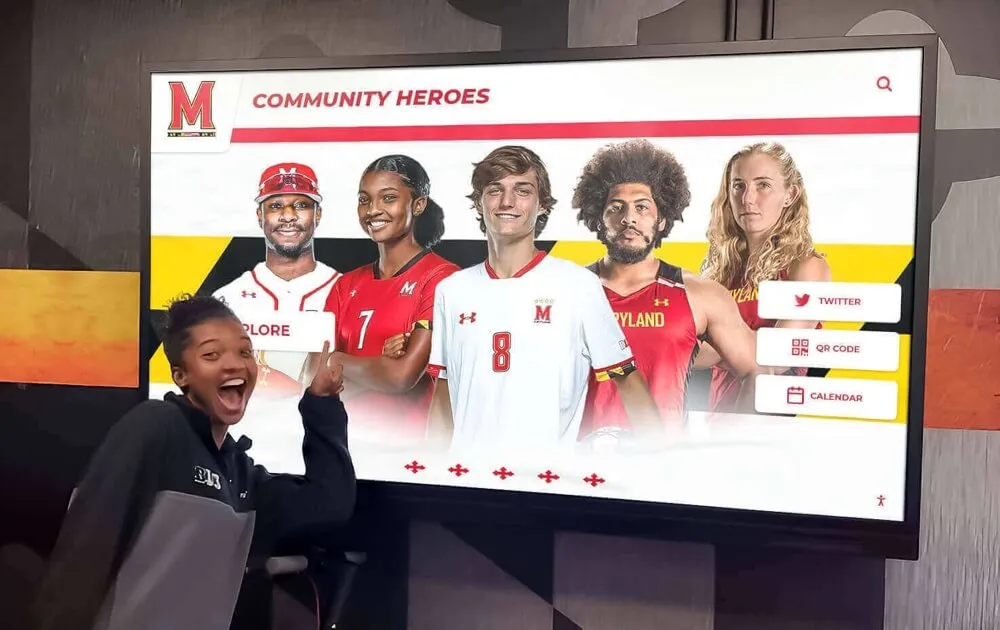
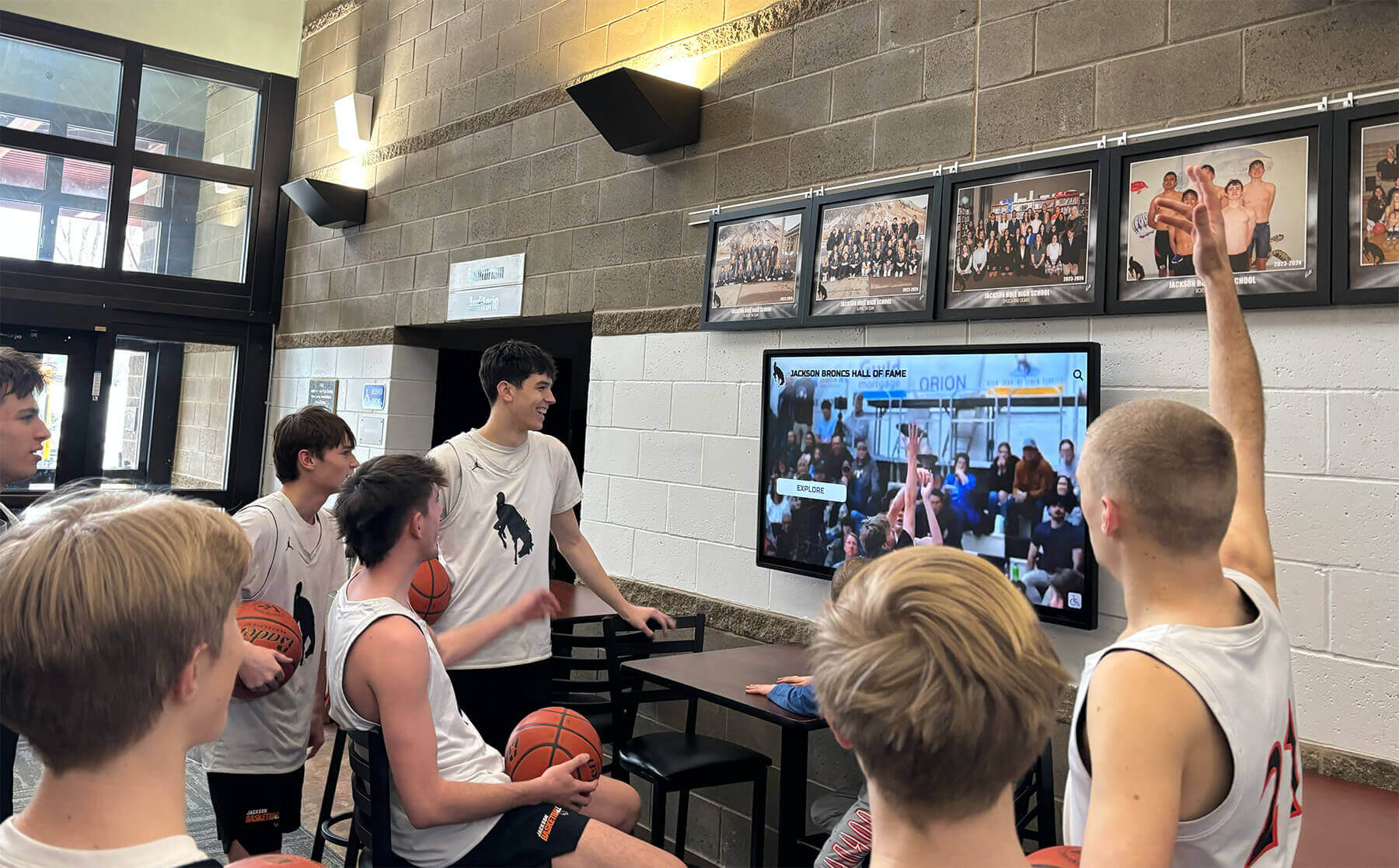
Modern recognition technology creates engaging experiences that celebrate both athletic achievement and community support
Building Sustainable High School Booster Club Fundraising
The most successful high school booster clubs view fundraising as comprehensive relationship-building systems rather than episodic revenue campaigns. They design multi-year strategies that balance immediate needs with long-term sustainability, protect volunteer capacity while maximizing results, engage diverse stakeholder groups beyond just current parents, and create recognition programs that transform supporters into passionate advocates.
Strategic Planning and Diversification
Sustainable fundraising requires intentional planning across multiple years:
Developing Balanced Revenue Portfolios
Reduce financial vulnerability through diversified income including annual individual giving (30-40% of total revenue), corporate sponsorships (25-35%), special events (15-25%), concessions and game day revenue (10-15%), and product sales and other sources (5-10%).
Diversification prevents overreliance on single approaches that might fail or decline. When varied strategies collectively support budgets, individual program variations create manageable challenges rather than catastrophic shortfalls.
Creating Three-Year Fundraising Roadmaps
Strategic plans spanning multiple years include revenue growth targets with specific milestones, capital campaign planning for major facility needs or equipment purchases, sponsor acquisition and renewal schedules, event calendar development preventing volunteer overload, recognition program enhancements, and volunteer leadership succession planning.
Multi-year planning enables proactive strategy rather than reactive scrambling to meet immediate needs without building sustainable long-term systems.
Protecting Volunteer Capacity
Sustainability requires designing approaches that respect volunteer limitations:
Prioritizing Return on Volunteer Investment
Calculate fundraising efficiency through net dollars raised per volunteer hour invested, not just total revenue. A sponsorship program generating $35,000 with 100 volunteer hours ($350/hour) proves more efficient than a car wash generating $2,500 requiring 75 volunteer hours ($33/hour).
Systematically evaluate all activities against efficiency metrics, eliminating or outsourcing low-return approaches while doubling down on high-efficiency strategies. This analytical approach often reveals that traditional high-effort, low-return activities persist through habit rather than strategic value.
Leveraging Technology and Automation
Digital tools dramatically reduce manual workload including online donation and payment processing platforms, email marketing automation systems, social media scheduling and management tools, inventory and sales tracking software, and cloud-based content and communication management.
Technology investments saving dozens of monthly volunteer hours justify costs through improved volunteer retention, reduced burnout, and enhanced organizational sustainability enabling consistent execution across leadership transitions.
Measuring Performance and Continuous Improvement
Data-driven approaches improve results systematically:
Tracking Key Fundraising Metrics
Monitor critical indicators including total revenue by source category, average gift size trends over time, donor retention rates year-over-year, cost per dollar raised by activity type, volunteer hours invested by program, new donor acquisition numbers, and sponsor renewal rates.
Regular metric review enables identifying underperforming programs requiring adjustment or elimination while expanding investment in most effective approaches generating superior returns.
Implementing Systematic Feedback Collection
Gather stakeholder input through post-event surveys assessing satisfaction and improvement opportunities, donor exit interviews when support lapses understanding decision factors, periodic focus groups with major supporters exploring preferences and ideas, and informal conversations at athletic events building relationships while gathering insights.
Supporters often provide valuable perspectives about recognition preferences, communication frequency, event formats, and untapped fundraising opportunities that internal viewpoints miss. Systematic feedback gathering ensures decision-making incorporates diverse stakeholder perspectives rather than just volunteer leadership assumptions.
Explore how schools are using modern recognition technology to engage communities and celebrate achievements.
Conclusion: Creating High School Fundraising Excellence
High school booster club fundraising success requires far more than executing isolated campaigns or copying approaches other organizations employ—it demands building comprehensive systems specifically designed for your community’s unique characteristics, stakeholder composition, and program needs. The most effective high school booster clubs understand that sustainable fundraising balances multiple objectives simultaneously: generating sufficient revenue to meet program needs, building diverse income streams reducing vulnerability, protecting volunteer capacity ensuring long-term sustainability, engaging broader communities beyond current parents, recognizing supporters inspiring continued giving, and demonstrating tangible impact connecting contributions to athlete outcomes.
The proven strategies explored throughout this guide provide frameworks for high school booster clubs at any stage of development. Organizations just establishing fundraising operations should begin with accessible digital giving platforms, modest sponsorship programs, and efficient product fundraisers building foundation revenue. Established programs can layer sophisticated approaches including major gift cultivation, alumni engagement systems, comprehensive recognition programs, and strategic events generating substantial returns.
Regardless of current sophistication, every high school booster club can improve fundraising results by implementing systematic approaches rather than ad hoc efforts, leveraging technology reducing volunteer burden while improving efficiency, developing comprehensive recognition honoring all supporters appropriately, cultivating diverse stakeholder groups beyond just current families, and measuring performance enabling data-driven continuous improvement.
Your student-athletes deserve excellent competitive experiences, quality equipment, skilled coaching, necessary travel, and facilities enabling them to perform their best. Strategic, sustainable fundraising makes those experiences possible while building community pride in athletic excellence that extends far beyond any single season or graduating class. With intentional planning, diversified approaches, appropriate technology, genuine commitment to supporter relationships, and recognition systems that celebrate community investment, your high school booster club can create fundraising excellence ensuring long-term program success.
Transform Your Recognition and Fundraising Impact
Ready to enhance your high school booster club fundraising through comprehensive recognition that inspires sustained community support? Rocket Alumni Solutions provides interactive digital recognition displays designed specifically for high school athletic programs, enabling comprehensive donor acknowledgment, hall of fame showcases, current team rosters, achievement celebrations, and program storytelling through engaging touchscreen experiences that complement your fundraising strategies while maintaining year-round visibility in your facilities. Discover how modern recognition technology transforms supporter appreciation from simple acknowledgment to powerful relationship-building tools that strengthen fundraising outcomes.