End of year awards ceremonies represent one of the most anticipated and meaningful events in the high school calendar. These celebrations honor student achievement across academic, athletic, artistic, and character dimensions while creating lasting memories for graduates and returning students. Thoughtfully designed award programs recognize excellence and growth, motivate continued achievement, and reinforce the values that define school communities.
Yet many schools struggle to create end of year recognition that truly resonates. Award ceremonies can feel rushed, generic, or focused only on traditional metrics that overlook diverse contributions. Recognition often remains limited to those attending ceremonies, disappearing after applause fades rather than creating lasting visibility. Meanwhile, students achieving significant growth from different starting points go unnoticed, and accomplishments in specialized areas receive less attention than conventional achievements.
This comprehensive guide explores evidence-based strategies for planning and executing high school end of year awards programs that celebrate diverse achievements, engage students and families, and create lasting impact throughout your school community.
Effective end of year recognition extends beyond identifying top performers in traditional categories. It creates systematic approaches acknowledging excellence across multiple dimensions while ensuring recognition opportunities exist for students at all achievement levels. Schools excelling at end of year awards create events where every graduate feels celebrated while returning students feel inspired to pursue similar recognition.

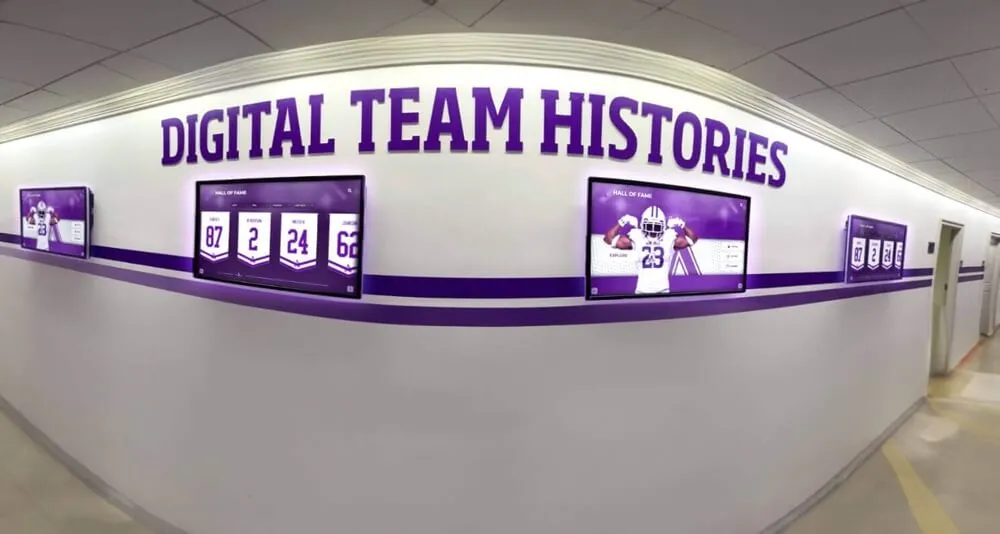
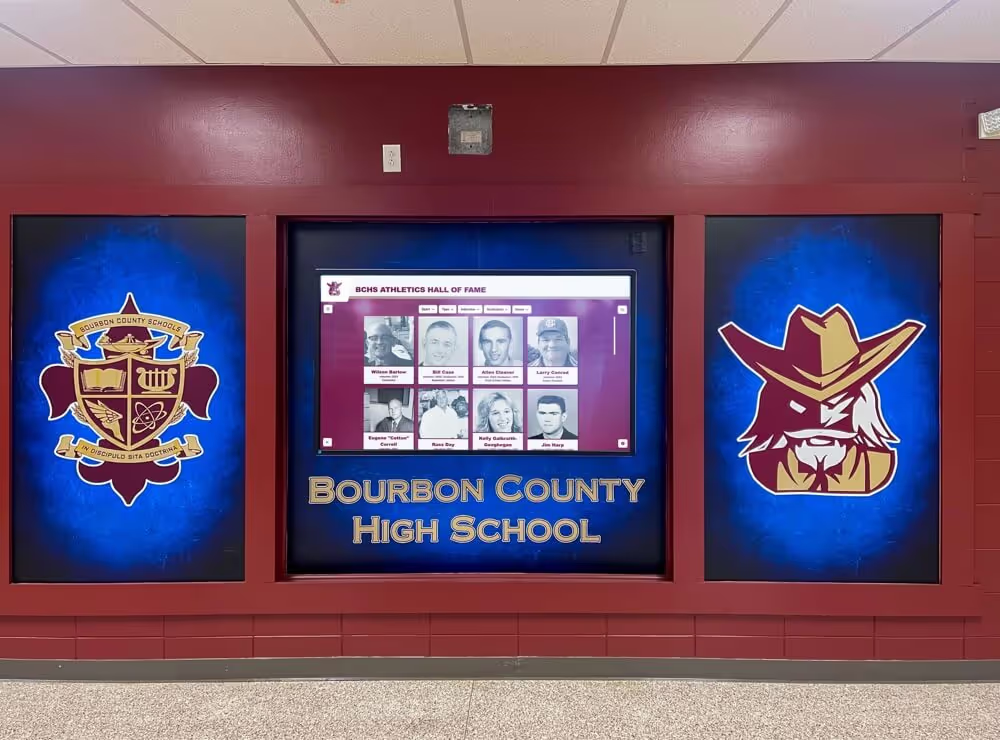
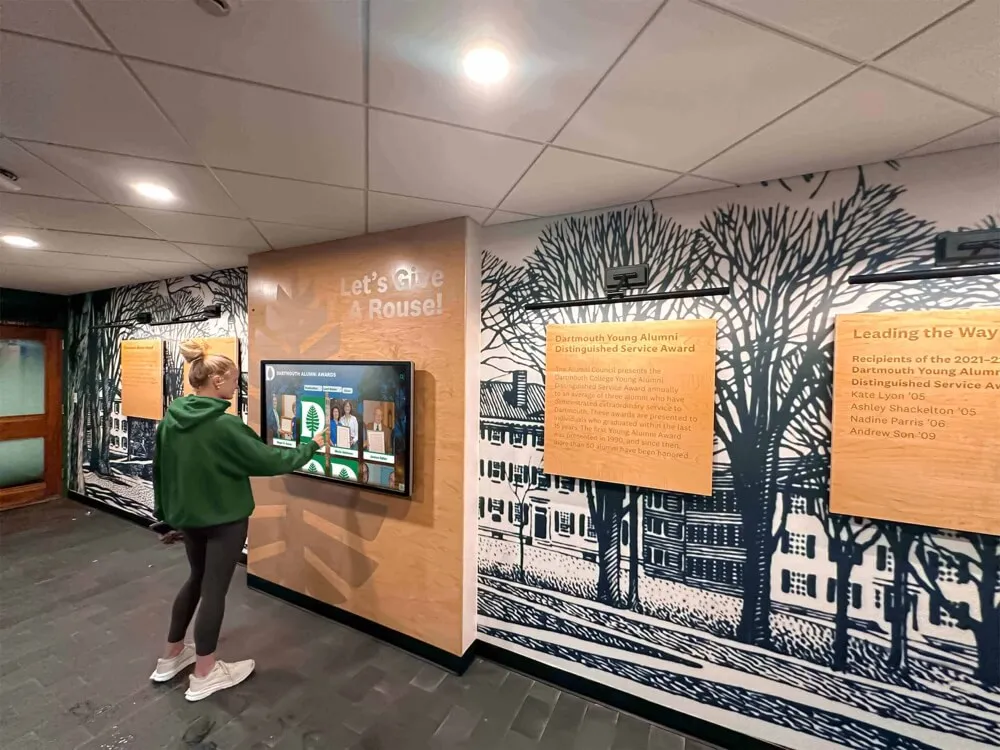
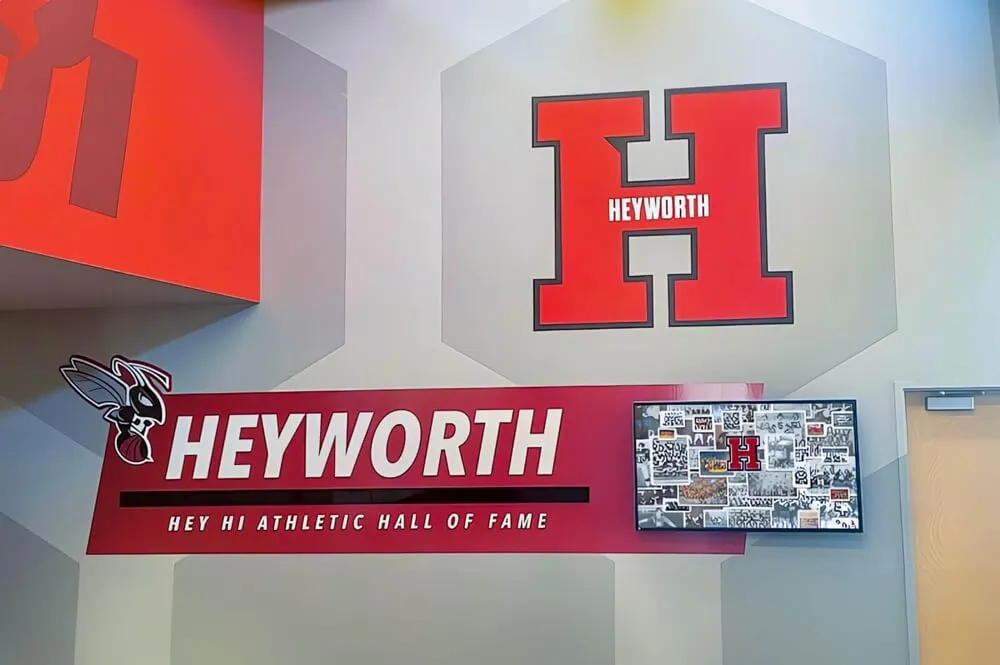
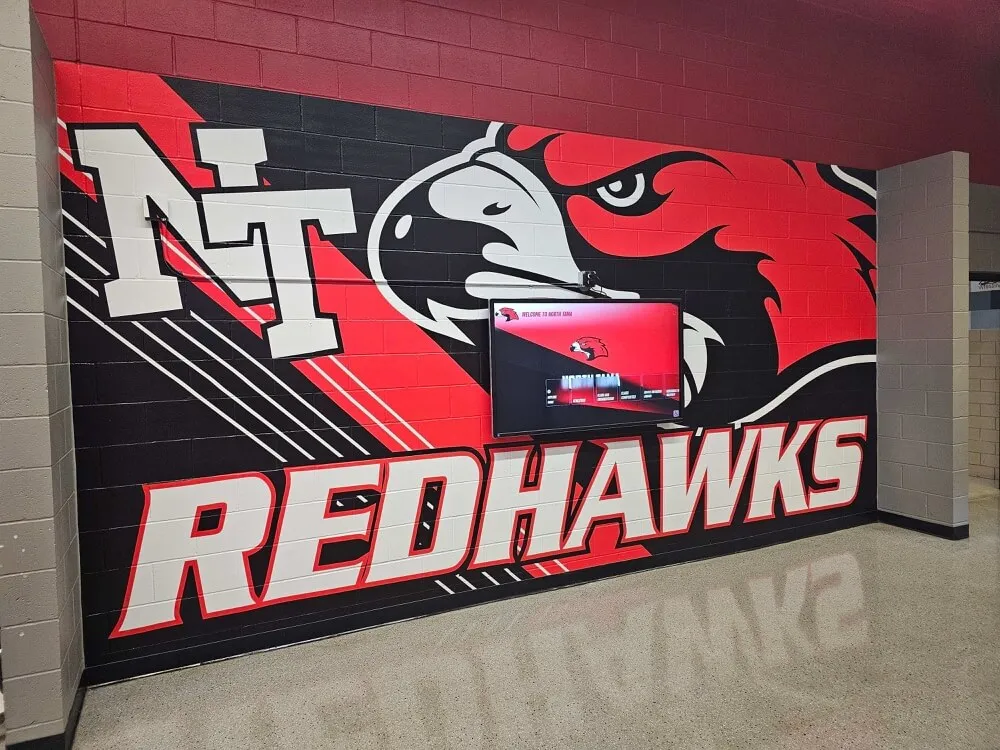
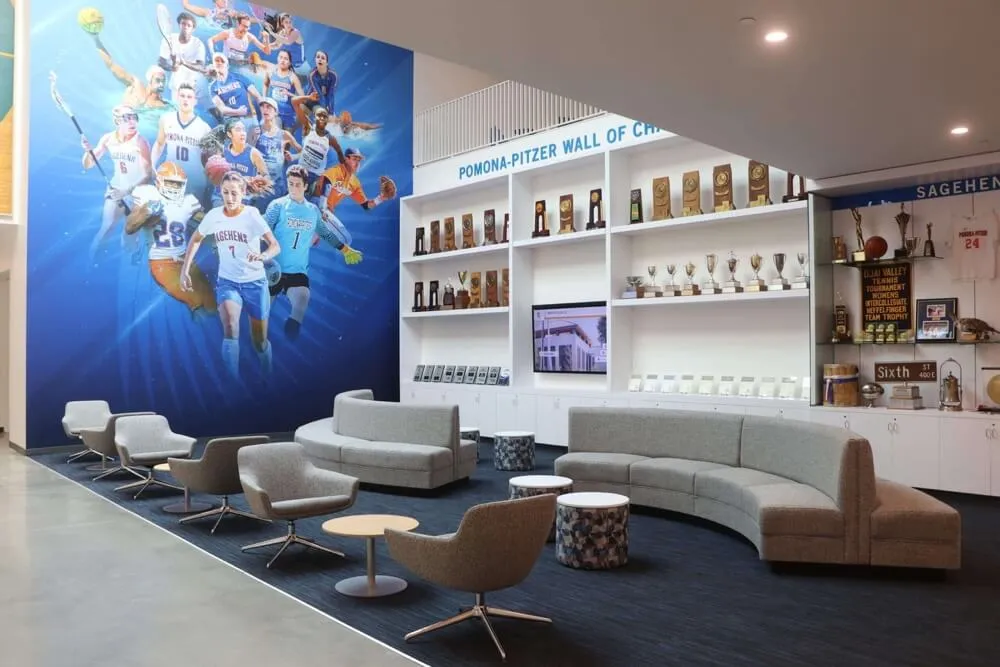
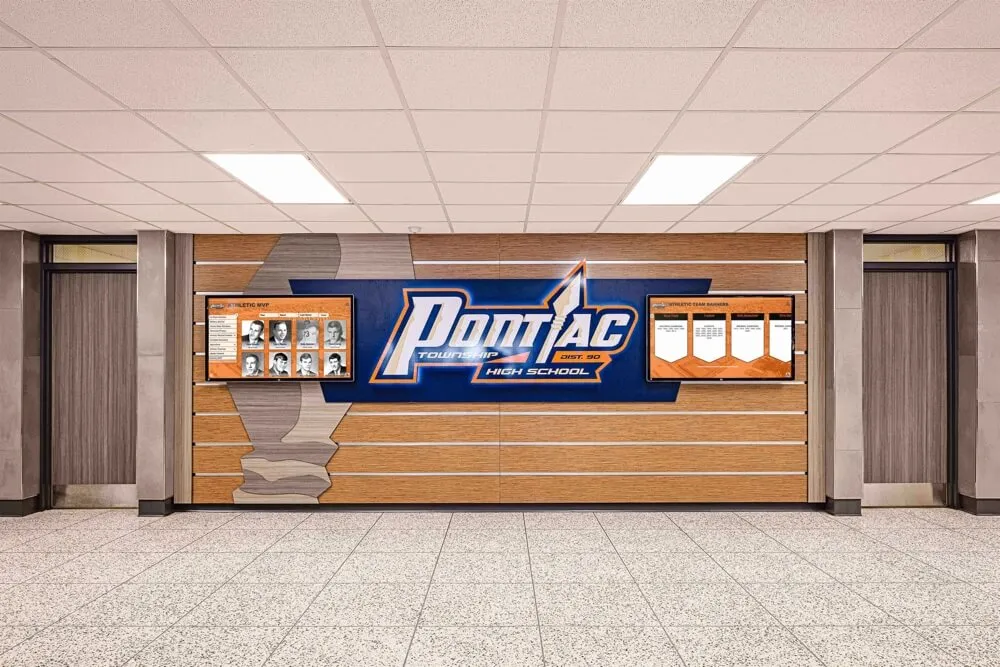
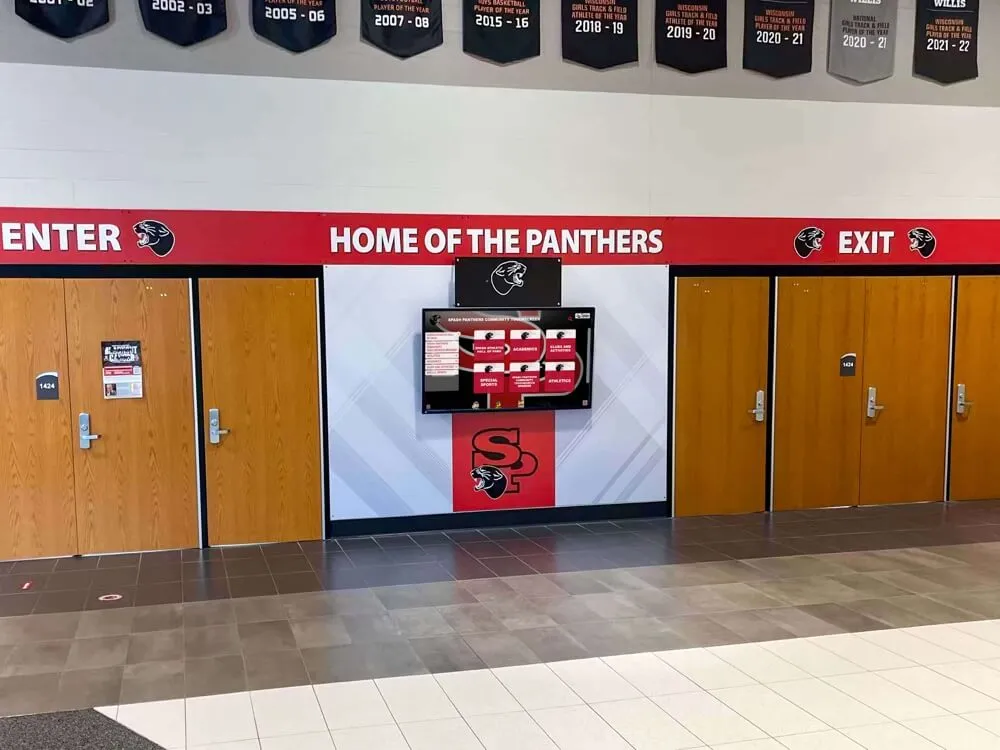
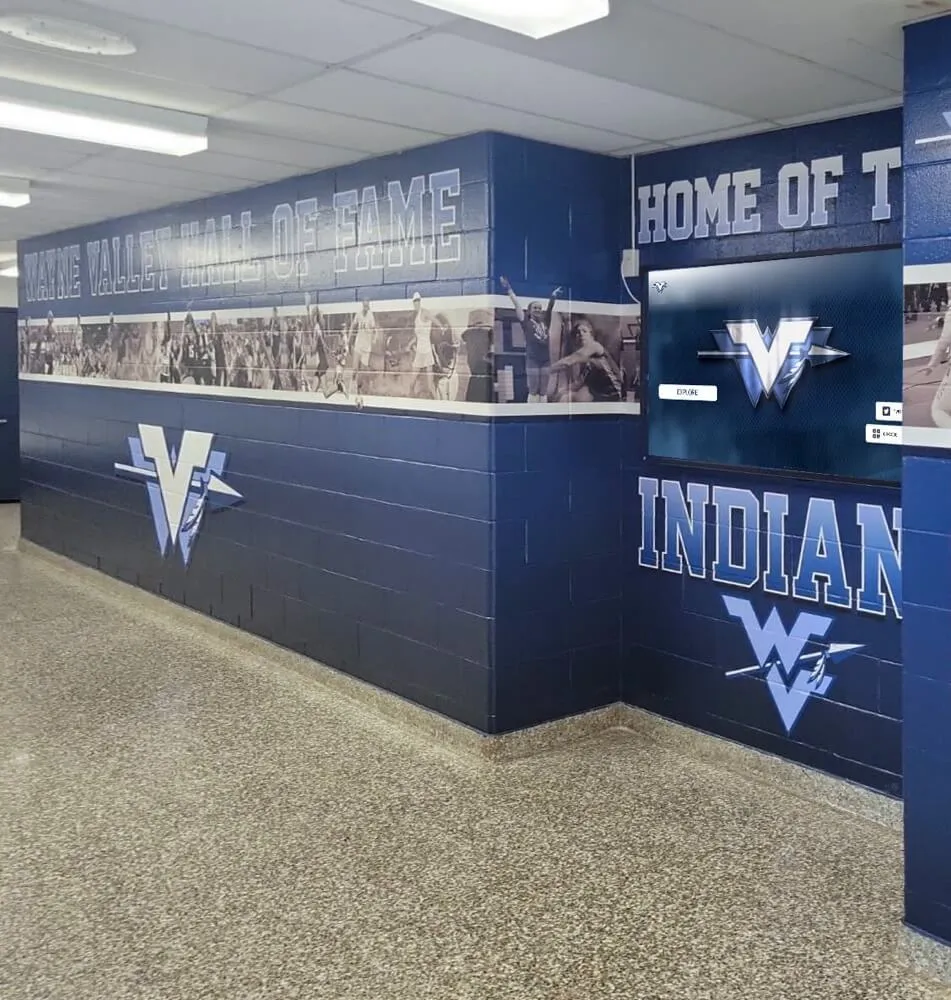
Modern recognition displays preserve end of year awards information beyond ceremonies, creating lasting visibility
Understanding High School End of Year Awards: Purpose and Impact
Before exploring specific award categories and ceremony structures, understanding what effective end of year recognition should accomplish helps schools design programs serving multiple stakeholders while creating meaningful experiences.
The Multi-Dimensional Purpose of End of Year Awards
Well-designed end of year award programs serve interconnected objectives distinguishing memorable celebrations from perfunctory events:
Celebrating Individual Achievement and Growth
End of year awards provide formal recognition for students’ accomplishments throughout the academic year. Whether honoring valedictorians maintaining perfect grades or students demonstrating dramatic improvement from challenging starting points, these awards validate effort and excellence while creating memorable milestones students carry forward. This individual celebration requires personalization showing schools understand what each recipient accomplished rather than generic acknowledgment.
Reinforcing Institutional Values and Priorities
Awards communicate what schools value through systematic recognition. When institutions honor not just academic performance but also character, service, leadership, creativity, and perseverance, they demonstrate commitment to developing well-rounded individuals. Recognition categories and emphasis signal priorities to current students, incoming classes, and broader communities. Schools can explore comprehensive approaches in academic recognition programs that celebrate excellence.
Motivating Continued Excellence
Beyond honoring current recipients, end of year awards inspire returning students by demonstrating achievable excellence, showcasing diverse paths to recognition, and creating aspirational models peers can emulate. When underclassmen attend ceremonies seeing juniors and seniors celebrated, they internalize that meaningful accomplishment receives genuine acknowledgment.
Creating Memorable Milestone Experiences
For graduating seniors, end of year awards represent culminating recognition of high school careers. These ceremonies create final shared experiences with classmates, teachers, and families before graduation, contributing to senior year memories students treasure throughout lives. Well-executed recognition provides closure and celebration simultaneously.
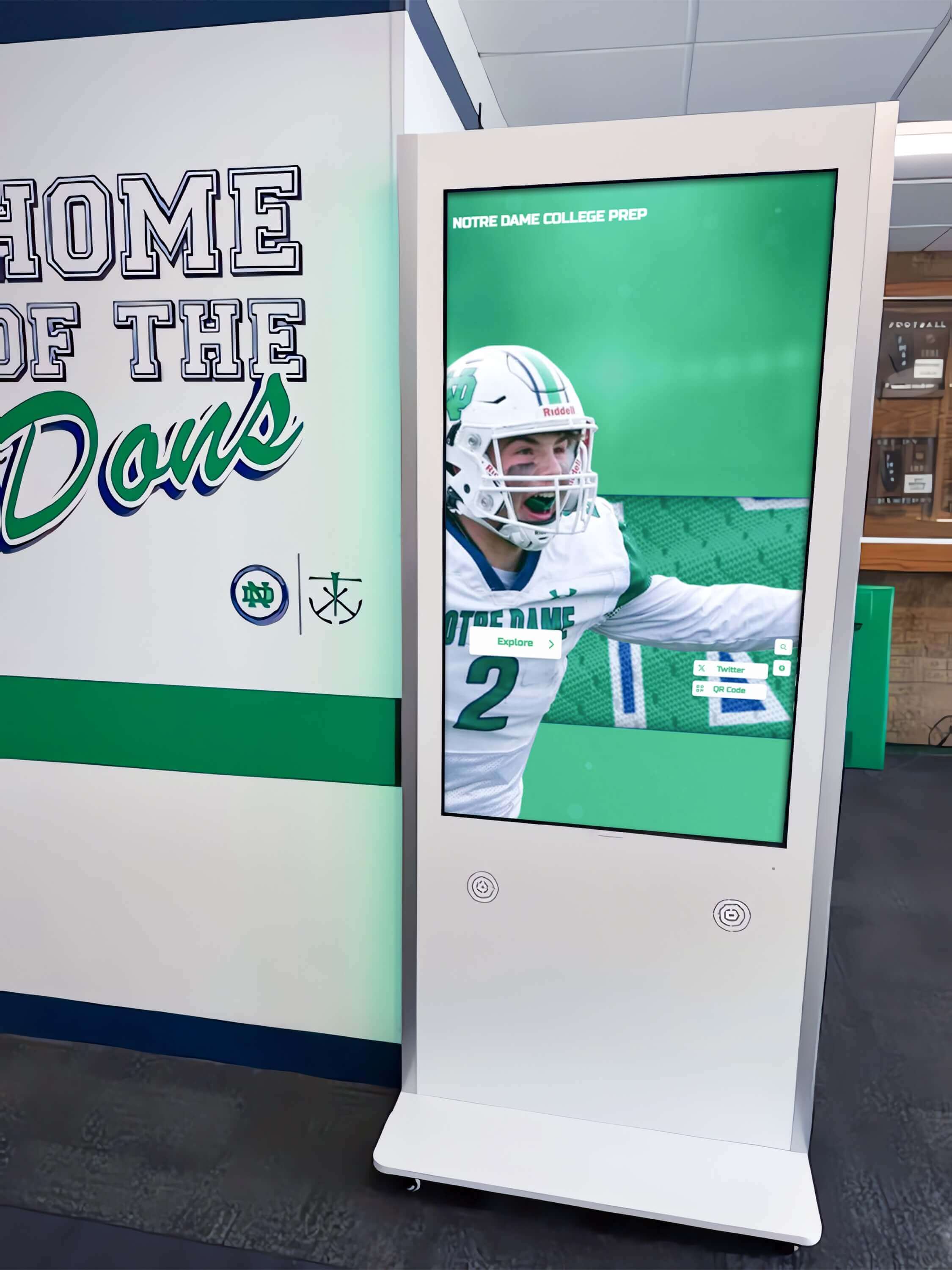
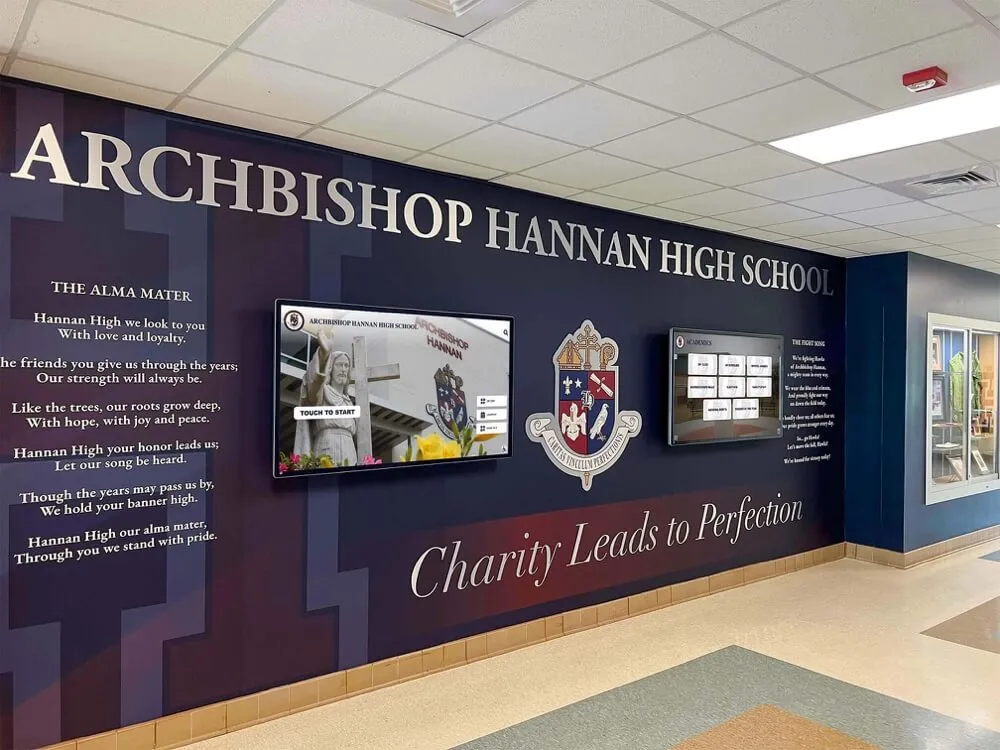
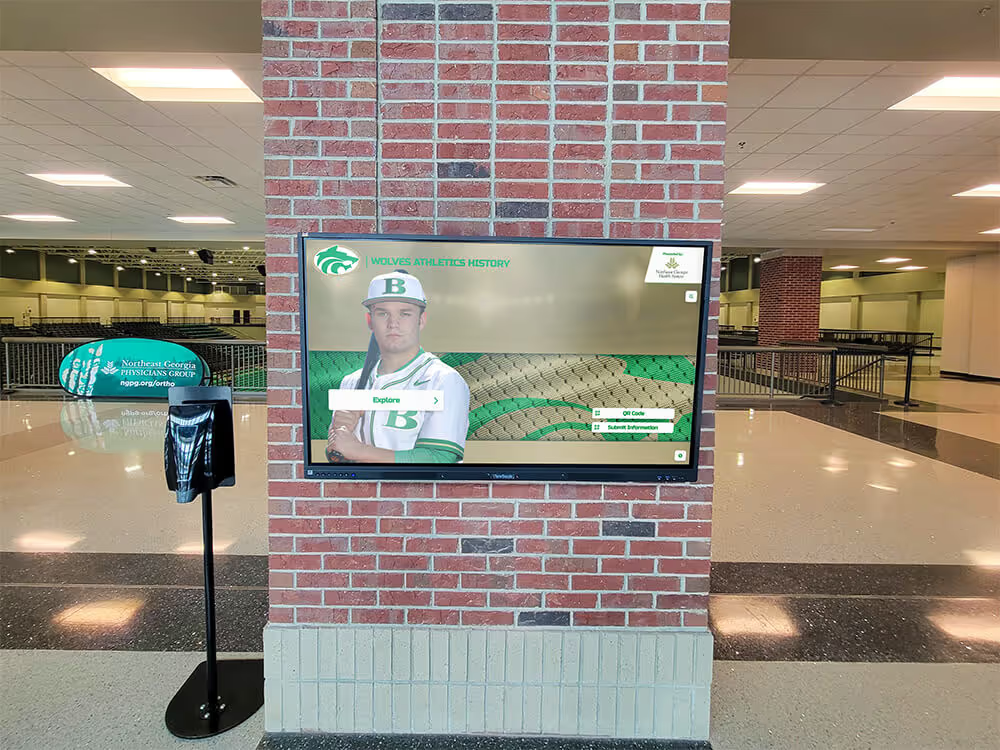
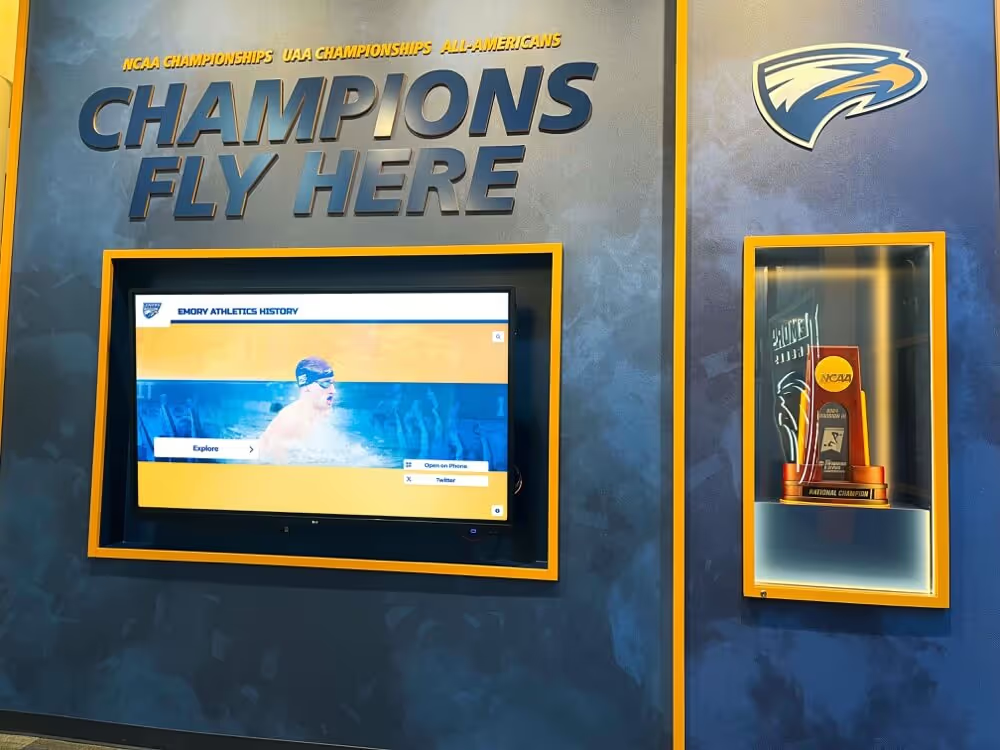
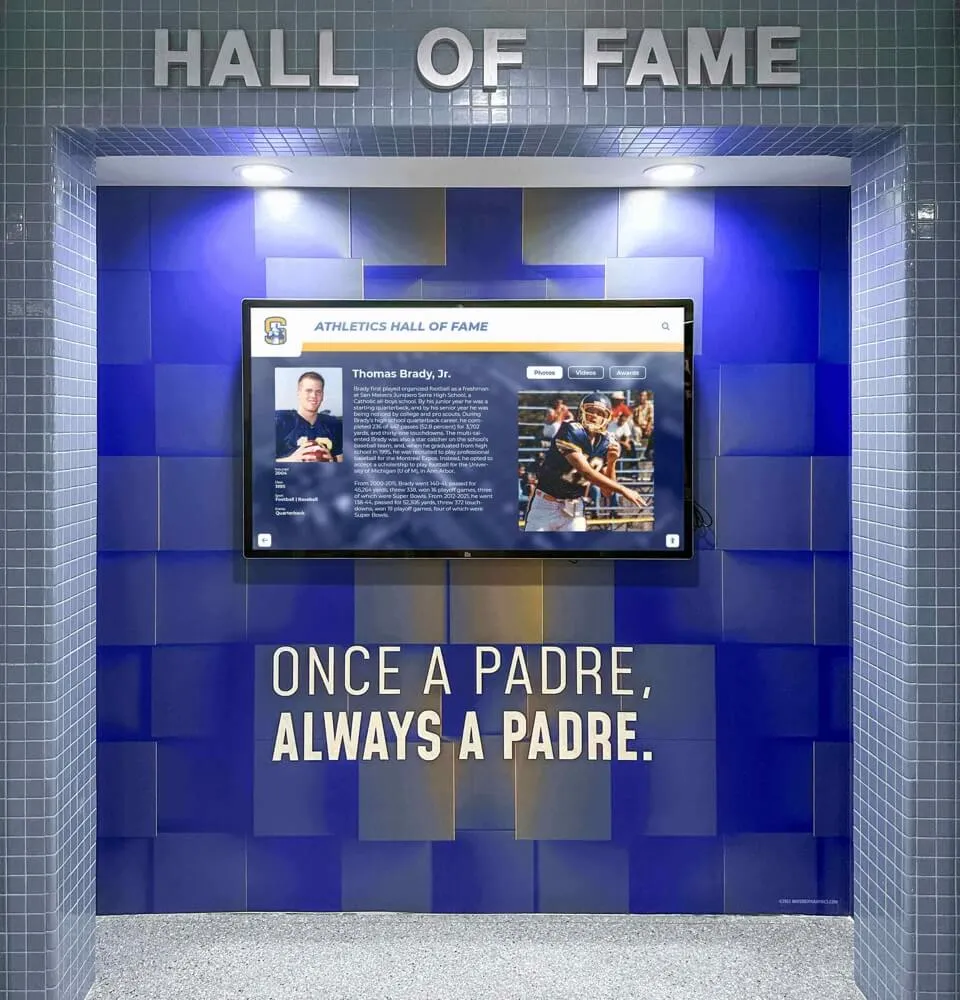
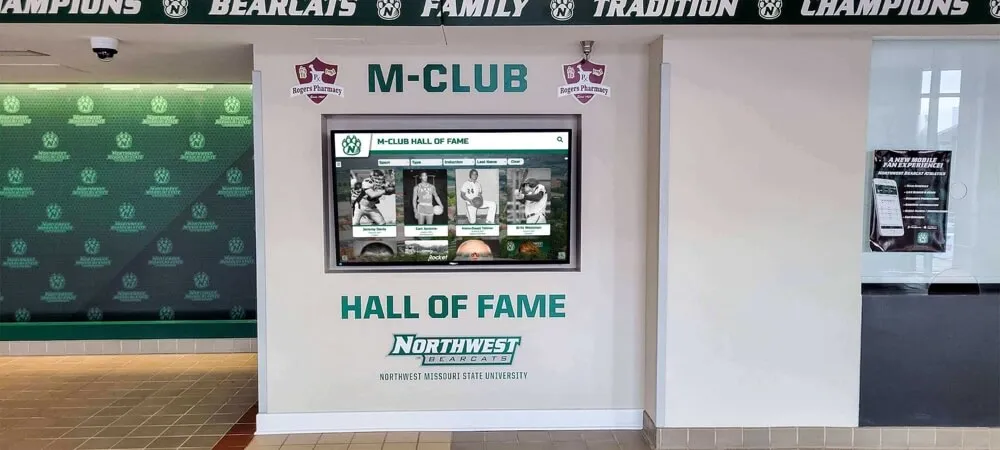
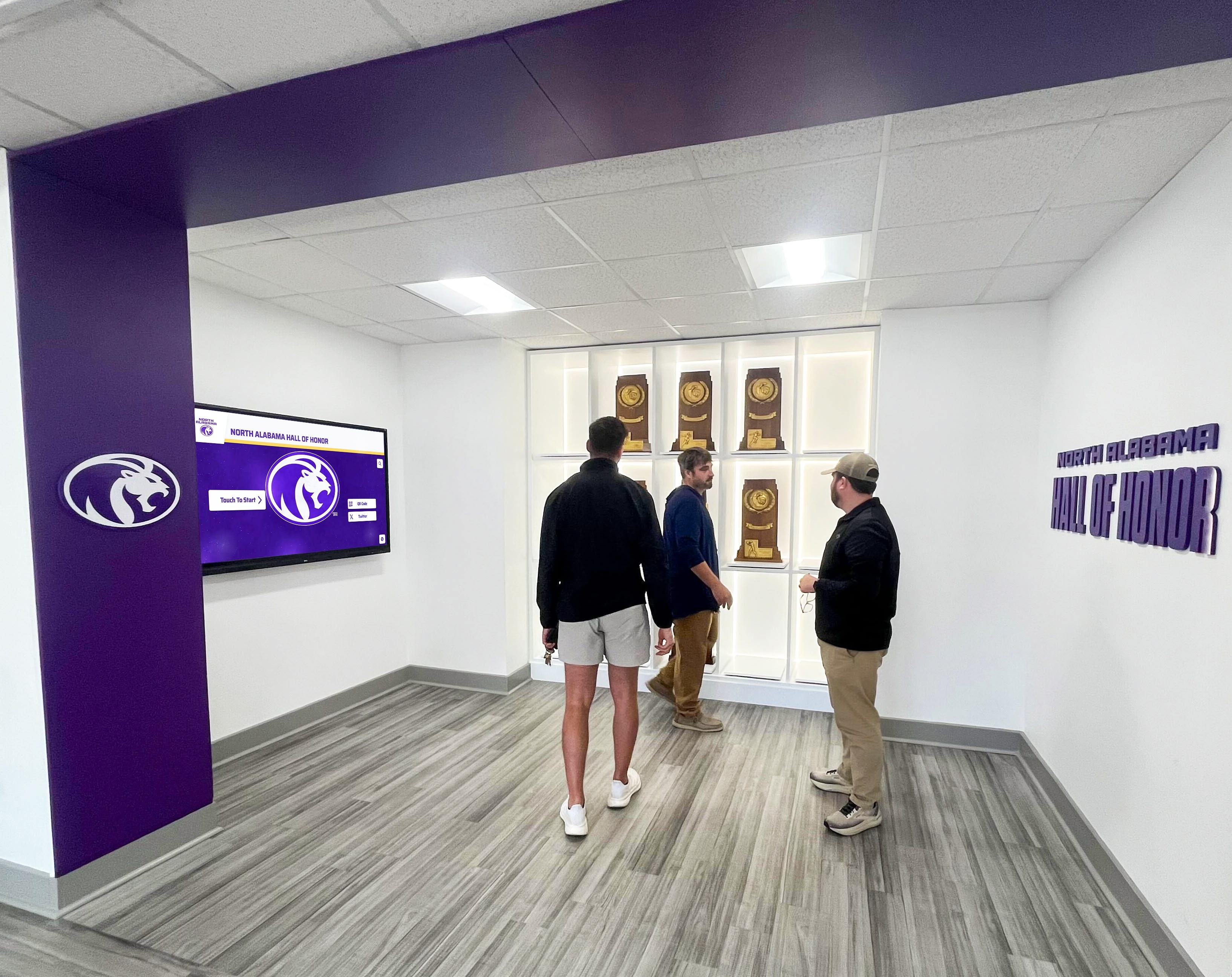
Strategic display placement ensures award recognition remains visible beyond ceremonies
Engaging Families and Building Community
End of year award ceremonies bring families, faculty, and community members together celebrating collective student success. Parents attend witnessing not just their own children’s recognition but broader patterns of excellence throughout schools. These shared experiences strengthen school-family partnerships while building community pride.
The Challenge of Comprehensive Recognition
Despite their importance, end of year award programs face significant challenges:
Limited Time and Attention
Cramming recognition for hundreds of students across dozens of categories into single ceremonies creates pacing problems. Individual acknowledgment for every deserving student becomes impractical, forcing either lengthy programs testing attendee patience or abbreviated recognition feeling perfunctory.
Balancing Tradition and Inclusivity
Schools balance preserving prestigious traditional awards with creating recognition opportunities for diverse achievement types. How do you honor valedictorians appropriately while also celebrating students who overcame significant obstacles achieving passing grades? This balance requires thoughtful program design.
Sustainability After Ceremonies
Most end of year recognition disappears after events conclude. Printed programs get recycled, honoree information remains locked in point-in-time documents, and only those attending ceremonies experience recognition. This limited sustainability represents missed opportunities for ongoing acknowledgment and inspiration.
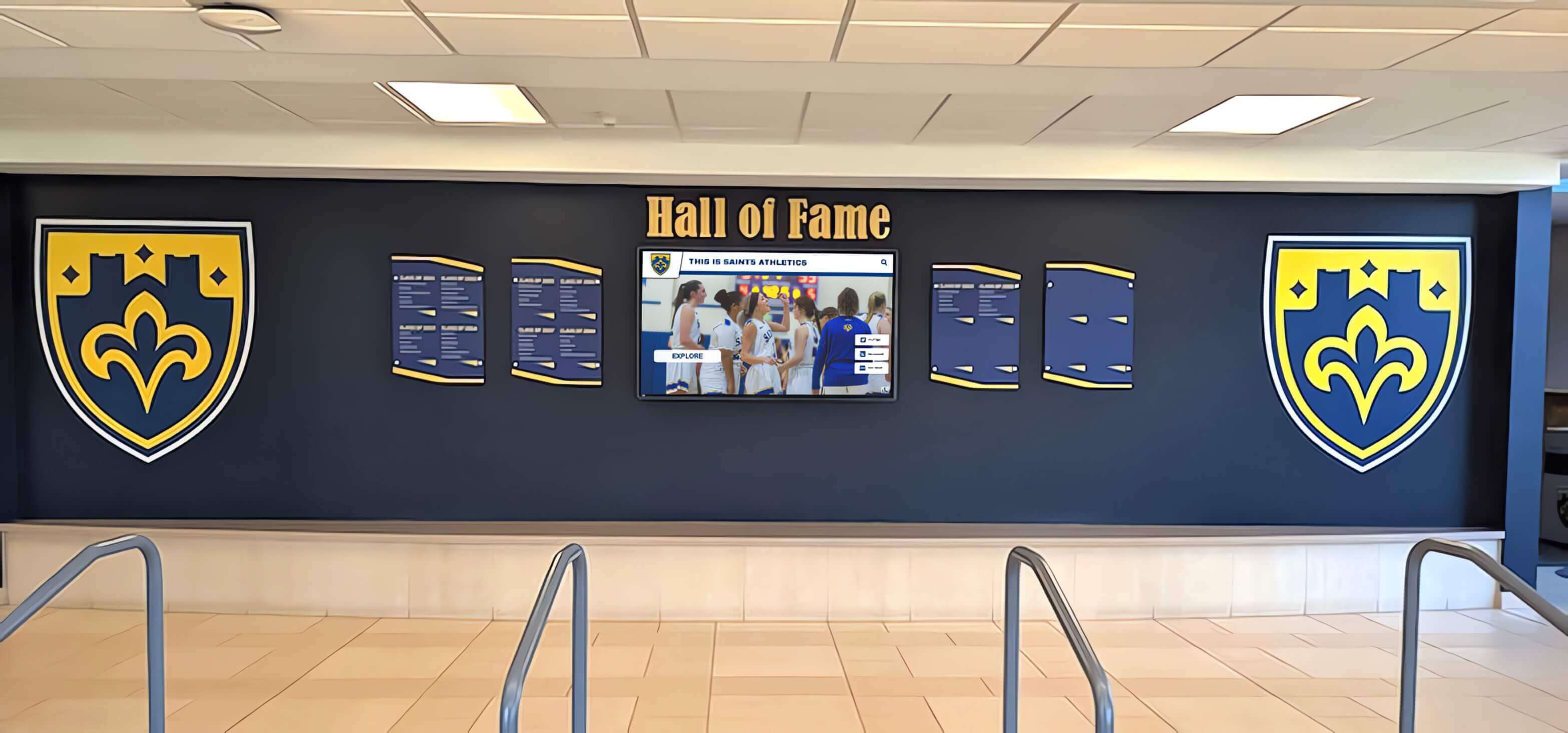
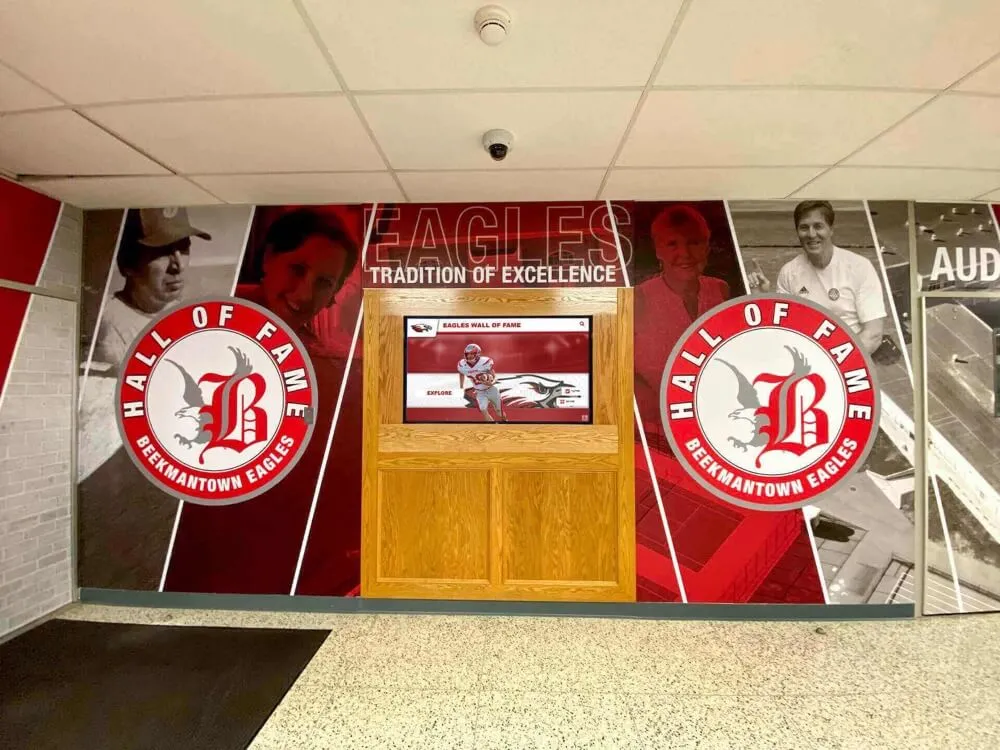
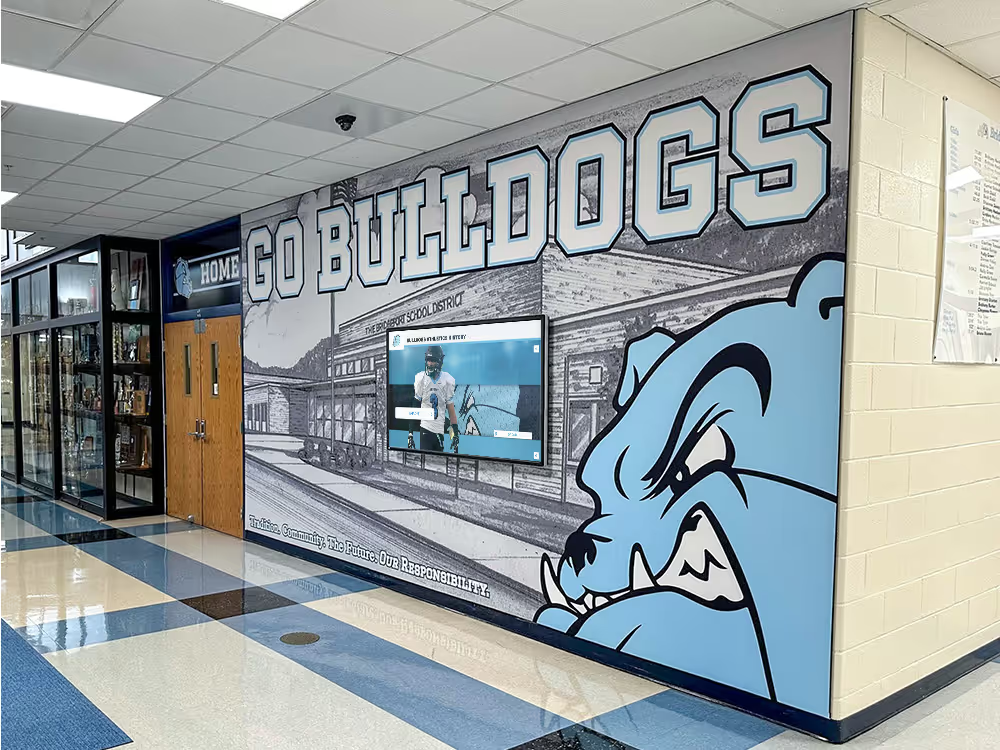
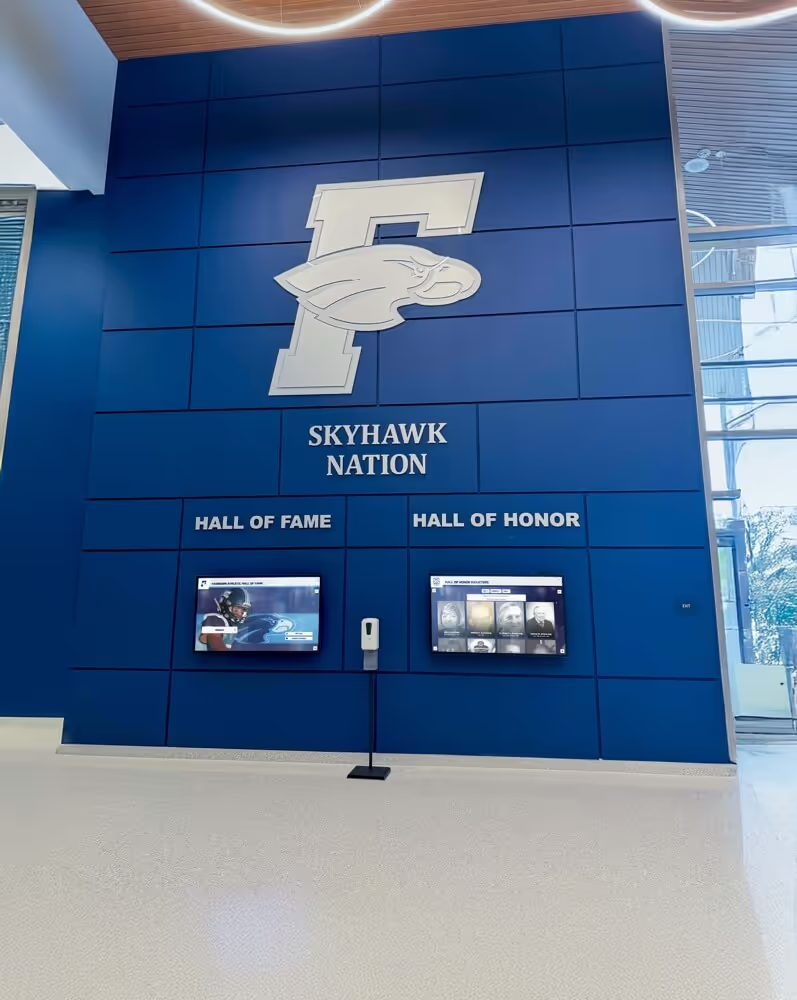
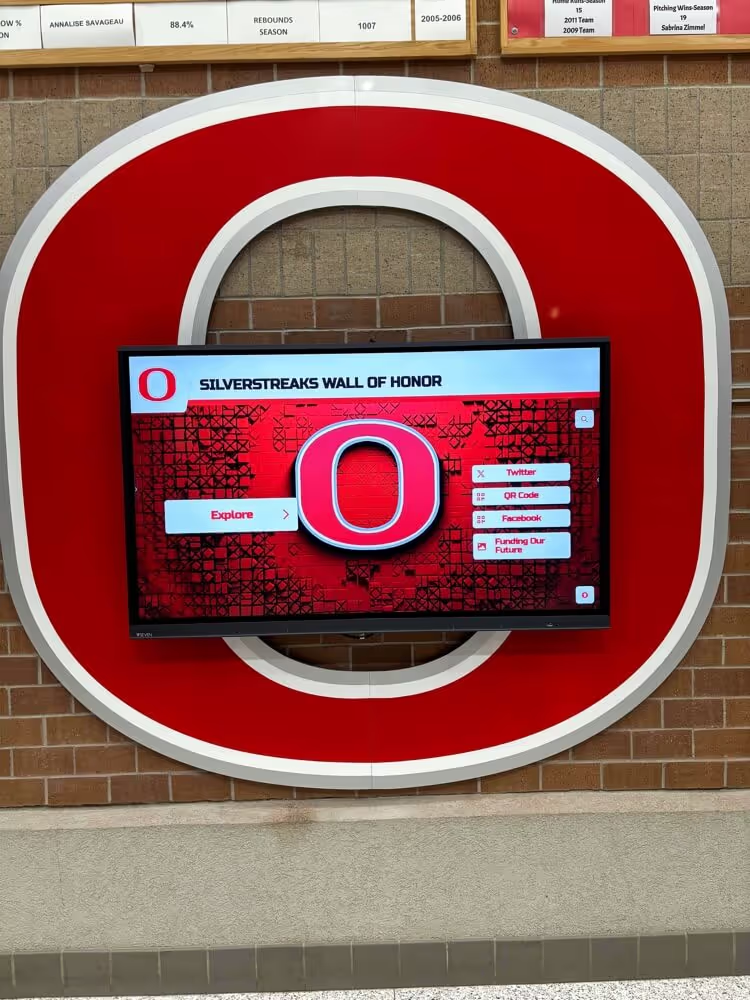
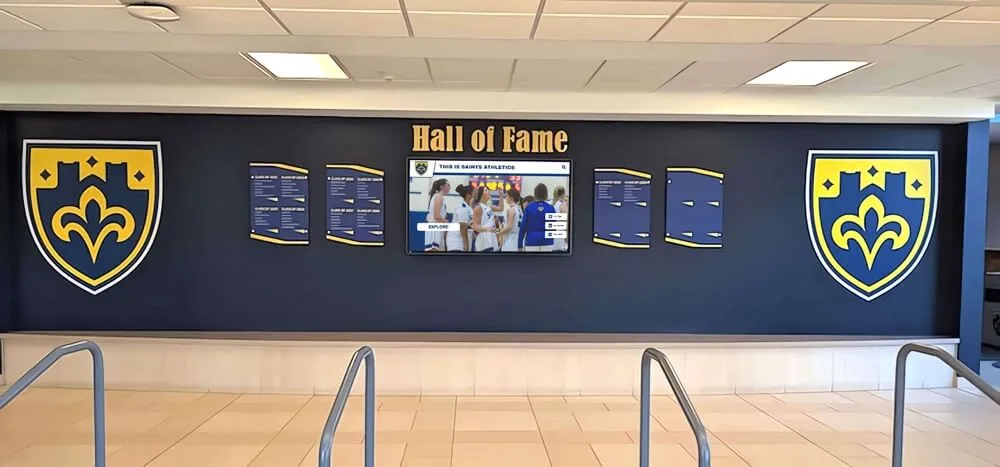
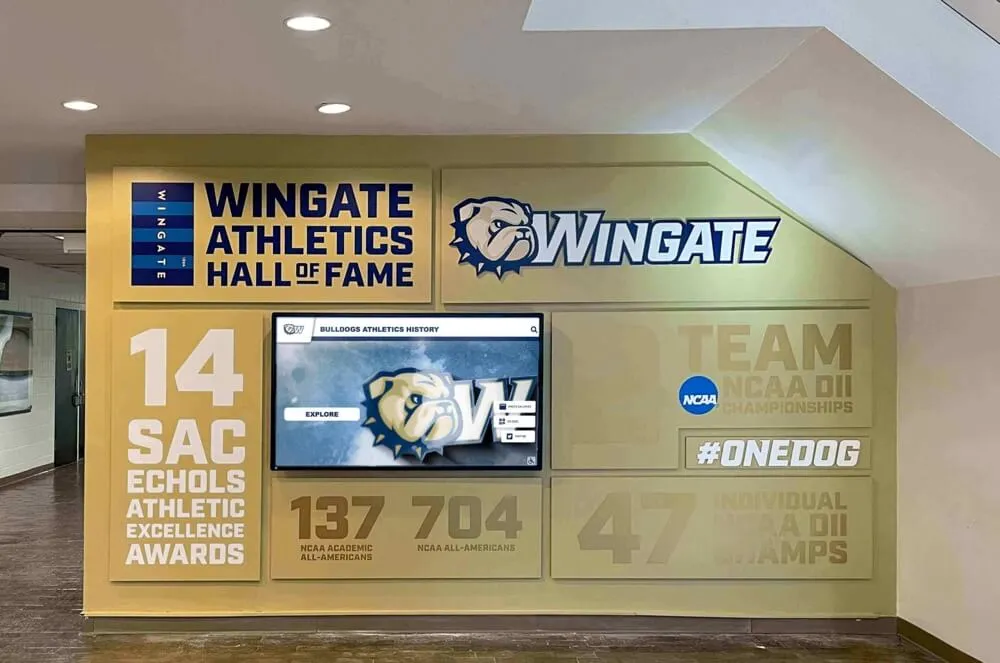
Integrated systems honor end of year award recipients alongside historical honorees
Essential High School End of Year Award Categories
Comprehensive recognition programs include diverse award categories ensuring multiple pathways to acknowledgment.
Academic Excellence Awards
Academic recognition forms the foundation of most end of year programs:
Highest Achievement Recognition
- Valedictorian and Salutatorian: Honoring students with highest cumulative GPAs across high school careers
- Subject-Specific Excellence: Top performers in individual disciplines (mathematics, science, English, history, world languages, arts)
- Advanced Placement Recognition: Students completing most AP courses or achieving highest exam scores
- Honor Society Leadership: Acknowledging National Honor Society, subject-specific honor societies, and academic organization leaders
Academic Progress and Growth Awards
- Most Improved Student: Recognizing dramatic GPA improvement or academic trajectory changes
- Perseverance in Learning: Students overcoming learning challenges or obstacles while maintaining progress
- Academic Comeback: Recognition for students recovering from academic setbacks
- Rising Scholar: Underclassmen showing exceptional academic momentum
Specialized Academic Recognition
- Perfect Attendance: Students maintaining complete attendance records
- Research Excellence: Recognition for independent research projects, science fair achievements, or scholarly presentations
- ACT/SAT Achievement: Students scoring in top percentiles or achieving perfect scores, similar to ACT 30 club recognition
- National Merit Recognition: Scholars, finalists, and commended students receiving acknowledgment, as detailed in National Merit Scholar recognition guides
Learn about comprehensive approaches in honor roll digital recognition programs.
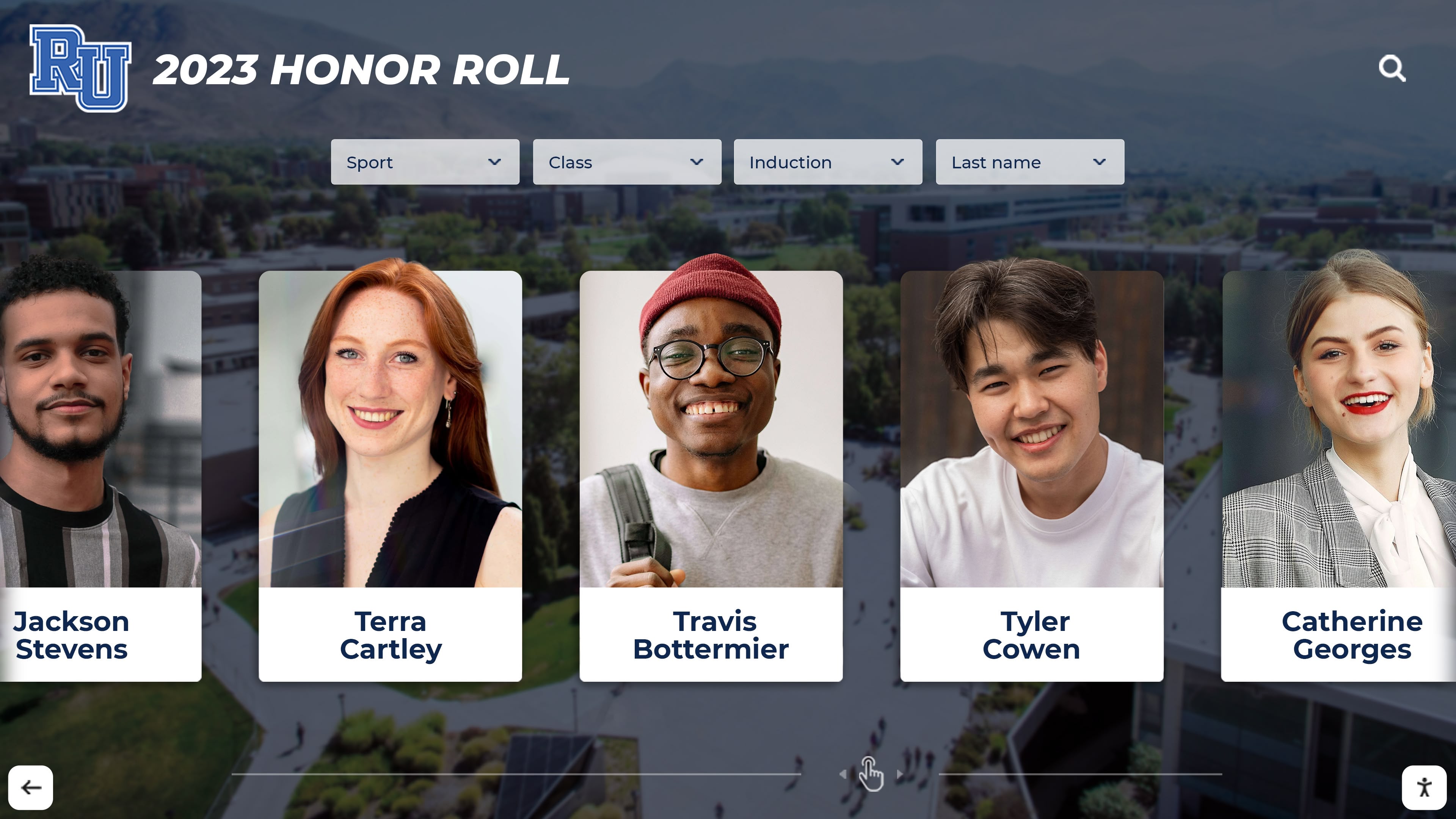
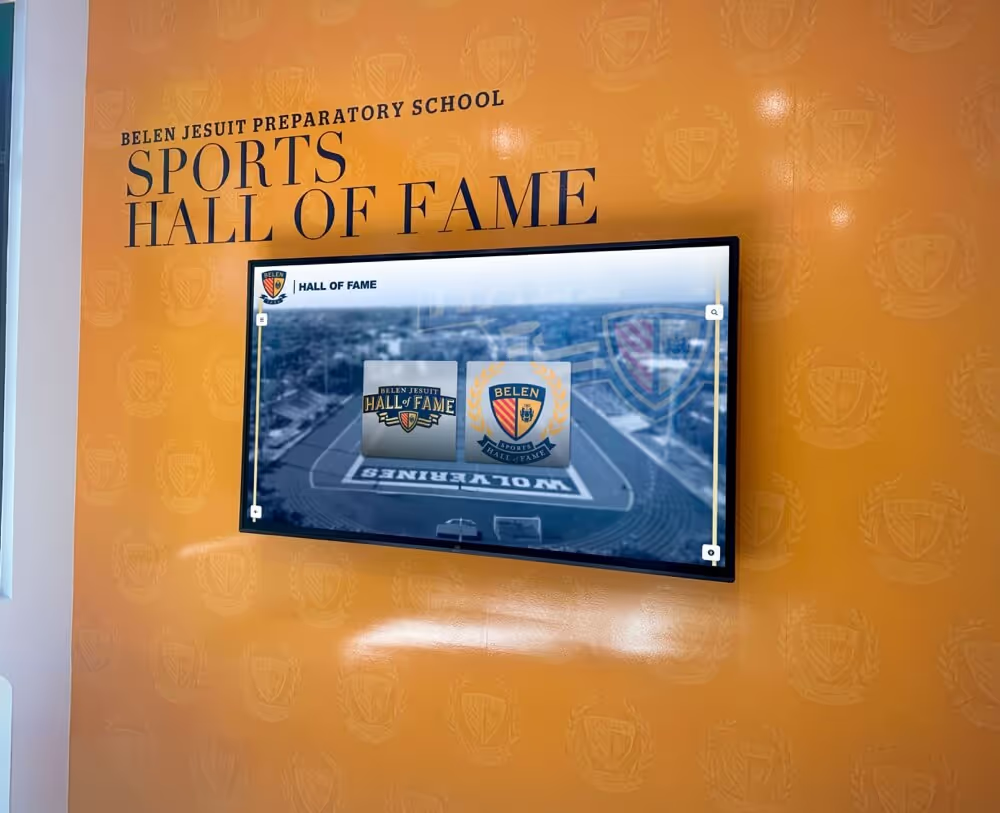
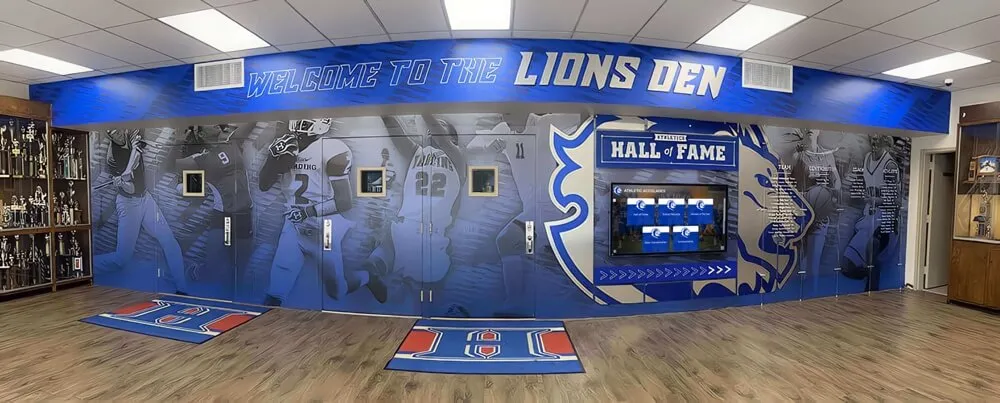
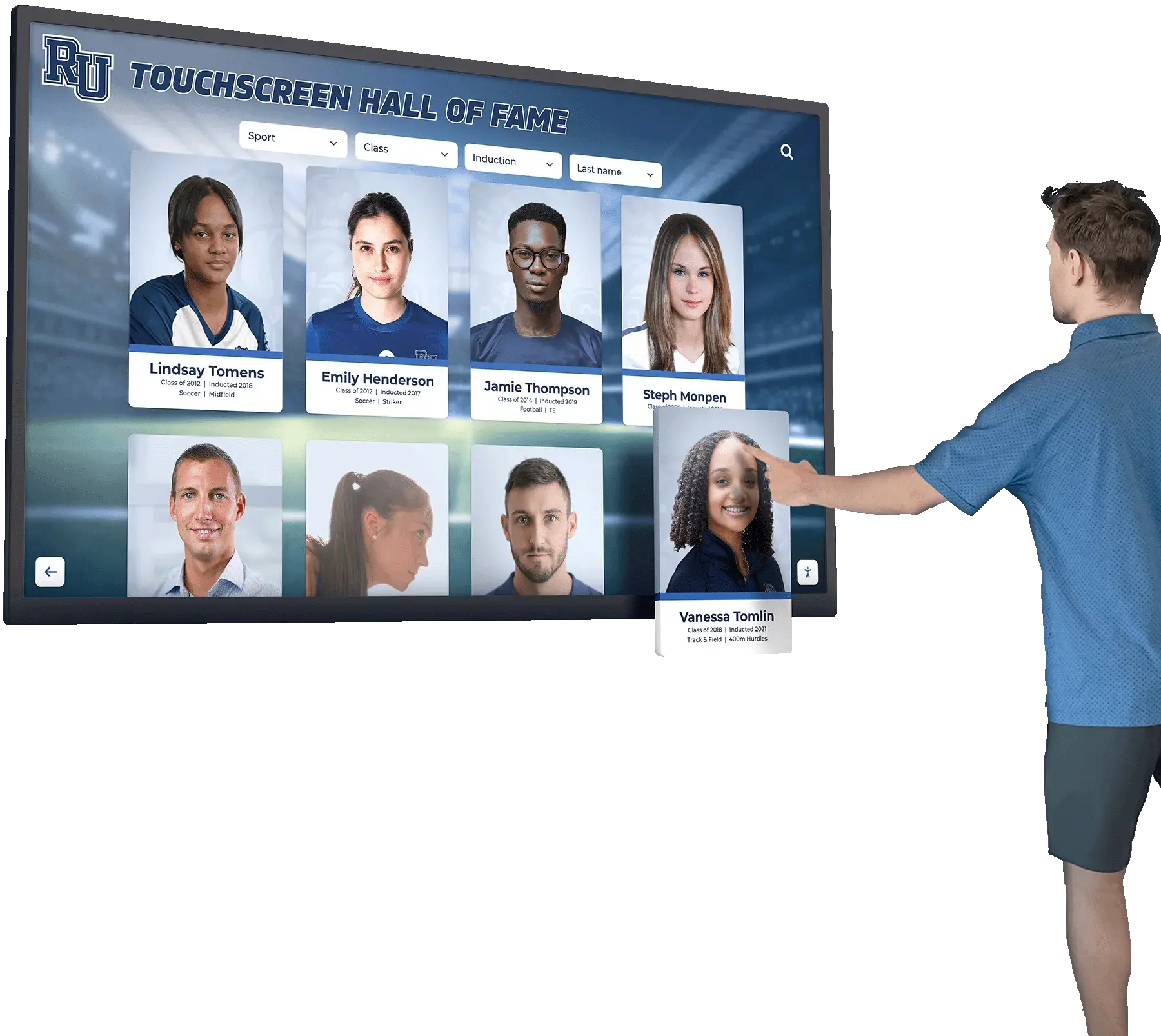
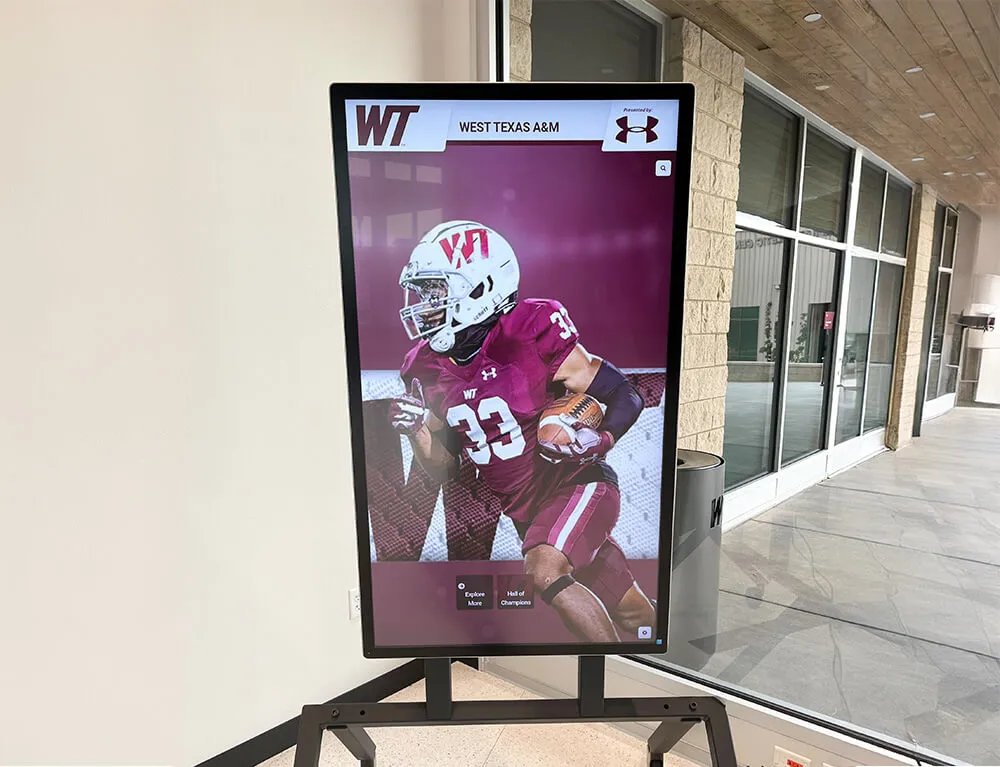
Individual recognition profiles celebrate specific achievements and award details
Athletic Achievement Awards
Athletic recognition celebrates competitive excellence and character:
Sport-Specific Excellence
- Team MVP Awards: Most valuable players across all athletic programs
- All-Conference and All-State Recognition: Students achieving regional and state-level honors
- Single-Season Records: Athletes breaking school records in specific sports
- Career Statistical Leaders: Four-year statistical achievements across athletic careers
- State Championship Contributors: Recognition for students contributing to championship teams, as explored in state championships display guides
Character and Sportsmanship
- Coaches’ Award: Recognition from coaching staff for dedication beyond statistics
- Sportsmanship Award: Students exemplifying competitive integrity
- Team Leadership Award: Captains and leaders elevating entire programs
- Unsung Hero: Recognition for athletes providing essential support without statistical recognition
Athletic-Academic Excellence
- Scholar-Athlete Awards: Students combining athletic participation with academic excellence
- Academic All-American Recognition: National-level scholar-athlete acknowledgment, detailed in Academic All-Americans displays
- Four-Year Participation: Students completing four years in athletic programs
- Multi-Sport Athletes: Recognition for students excelling across multiple sports
Schools should consider comprehensive athletic recognition systems preserving achievements permanently.
Performing and Visual Arts Awards
Arts recognition celebrates creative excellence:
Music Recognition
- All-State Musicians: Students selected for state-level ensembles
- Superior Solo/Ensemble Ratings: Individual and group performance excellence
- Music Leadership: Section leaders, drum majors, and ensemble officers
- Music Scholarship Recipients: Students earning college scholarships for musical talent
Theatre and Drama
- Lead Performance Recognition: Outstanding actors in productions
- Technical Theatre Excellence: Set design, lighting, sound, and backstage leadership
- Theatre Leadership: Student directors, producers, and production managers
- Thespian Society Honors: Recognition within International Thespian Society frameworks, with displays similar to theatre wall of honor guides
Visual Arts Achievement
- Art Competition Awards: Recognition for juried show participation and awards
- Portfolio Excellence: Students developing exceptional artistic portfolios
- Art Scholarship Recipients: College scholarship recognition
- Public Art Contributions: Students creating murals, sculptures, or installations enhancing school environments, as shown in art class gallery displays
Career and Technical Education Awards
CTE recognition honors practical skills and professional preparation:
Technical Skill Excellence
- Industry Certification Achievement: Students completing professional certifications
- SkillsUSA Competition Recognition: State and national competition achievements
- FBLA/DECA Leadership: Business organization leadership and competition success, similar to FBLA awards recognition
- FFA Achievements: Agricultural education excellence and leadership
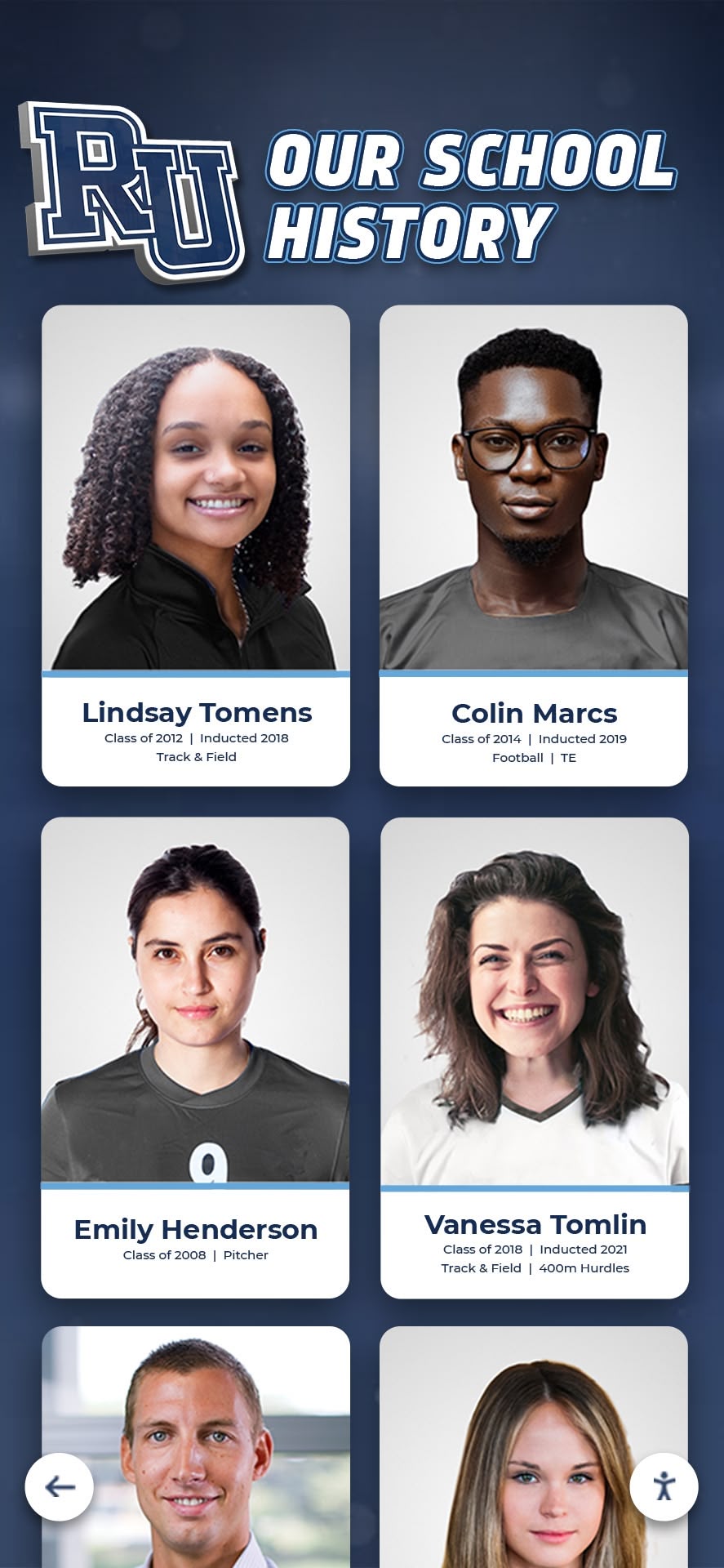
Recognition systems document complete award histories across academic careers
Work-Based Learning Recognition
- Internship Excellence: Outstanding performance in work-based placements
- Apprenticeship Completion: Recognition for students completing registered apprenticeships
- Entrepreneurship Awards: Student business ventures and innovations
- Project-Based Learning: Excellence in applied learning projects
Learn about comprehensive CTE recognition in CTE program digital displays.
Character and Service Awards
Recognition beyond academics and activities honors personal qualities:
Community Service Recognition
- Service Hours Achievement: Students completing significant volunteer commitments
- Community Impact Awards: Recognition for projects creating measurable positive change
- Service Organization Leadership: Key Club, Interact, and service club leaders
- Long-Term Service Commitment: Multi-year sustained community engagement
Character and Leadership
- Student Government Leadership: Officers demonstrating exceptional leadership
- Peer Leadership Recognition: Students mentoring and supporting classmates, as detailed in peer leadership spotlights
- School Spirit Award: Students exemplifying enthusiasm and pride
- Positive Influence Award: Recognition for students creating positive school culture
Special Recognition
- Overcoming Adversity: Students achieving despite significant personal challenges
- Courage and Resilience: Recognition for students facing and overcoming difficulties
- Citizenship Award: Students embodying democratic values and civic engagement
- Teacher Appreciation: Students nominated by faculty for positive impact
Planning Effective End of Year Award Ceremonies
Successful ceremonies require careful planning, thoughtful structure, and attention to detail.
Timeline and Planning Process
3-4 Months Before Ceremony
Begin planning early ensuring sufficient time for award selection, communication, and content development:
- Establish Ceremony Date and Venue: Reserve appropriate space considering anticipated attendance
- Form Planning Committee: Assemble cross-functional team including administrators, teachers, counselors, and student representatives
- Define Award Categories: Finalize which awards will be presented at ceremony versus recognized through other channels
- Establish Selection Criteria: Document clear criteria and selection processes for each award
- Create Nomination Process: Develop systems for faculty, staff, and students to nominate candidates
2 Months Before Ceremony
Execute award selection and begin recipient communication:
- Conduct Award Selection: Complete evaluation and selection for all award categories
- Notify Recipients: Provide advance notice allowing students to invite families and prepare remarks
- Develop Recognition Content: Write detailed citations explaining what each recipient accomplished
- Create Ceremony Script: Develop program flow, presenter remarks, and transition elements
- Design Printed Materials: Produce programs providing keepsakes families retain
1 Month Before Ceremony
Finalize ceremony details and manage logistics:
- Confirm Presenter Participation: Verify faculty, administrators, and special guests can attend
- Rehearse Timing: Test program duration ensuring reasonable length
- Produce Multimedia Content: Create video presentations or photo slideshows
- Coordinate Technical Requirements: Arrange audiovisual equipment, lighting, and staging
- Manage Communication: Send family invitations, provide ceremony details, arrange special accommodations
Week of Ceremony
Complete final preparations:
- Conduct Technical Rehearsals: Test all equipment and presentations
- Brief Presenters: Provide guidance to everyone participating
- Arrange Setup: Coordinate venue preparation and decoration
- Prepare Recognition Materials: Organize certificates, awards, and presentation materials
- Confirm Attendance: Verify honoree and presenter participation
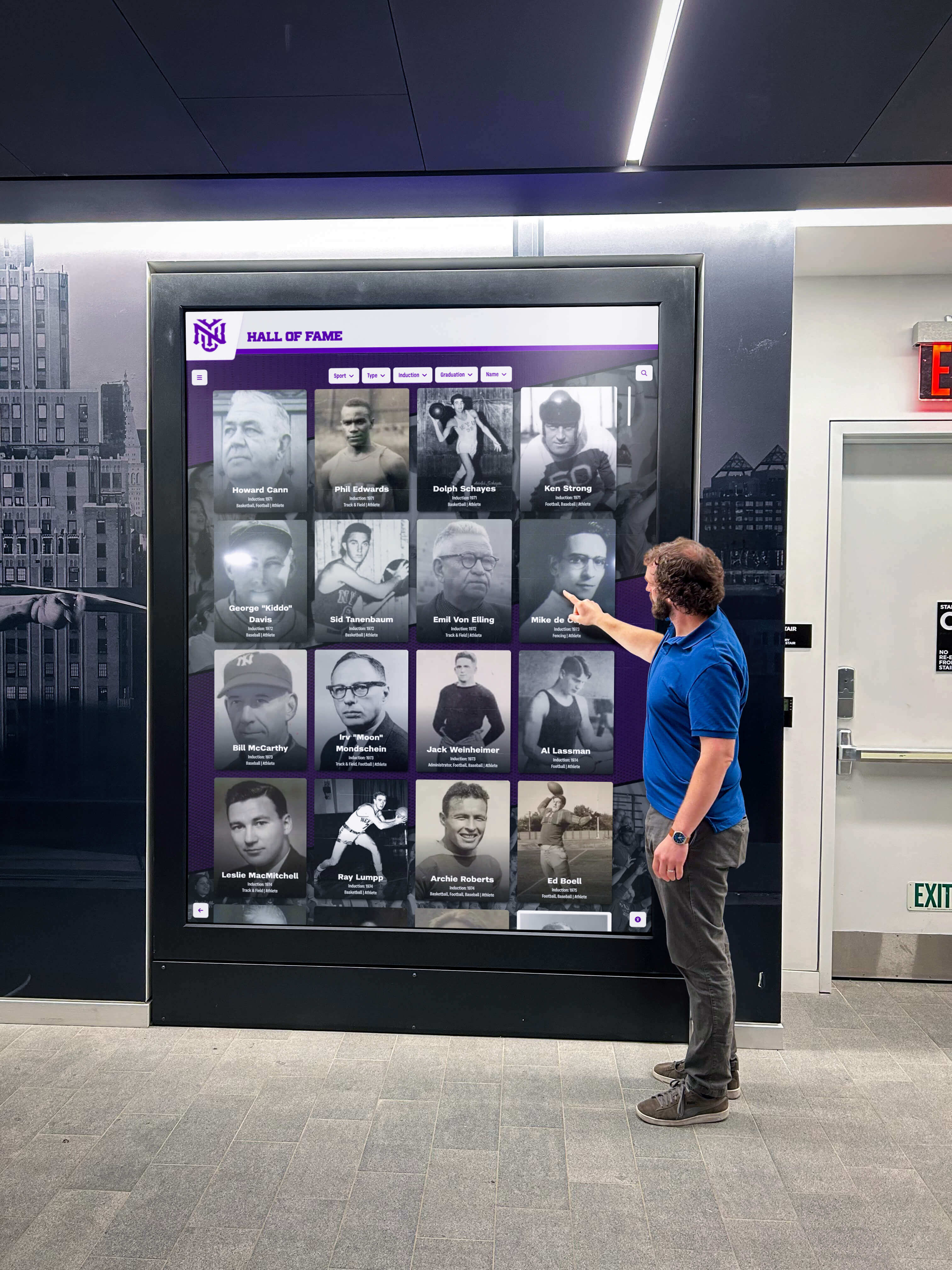
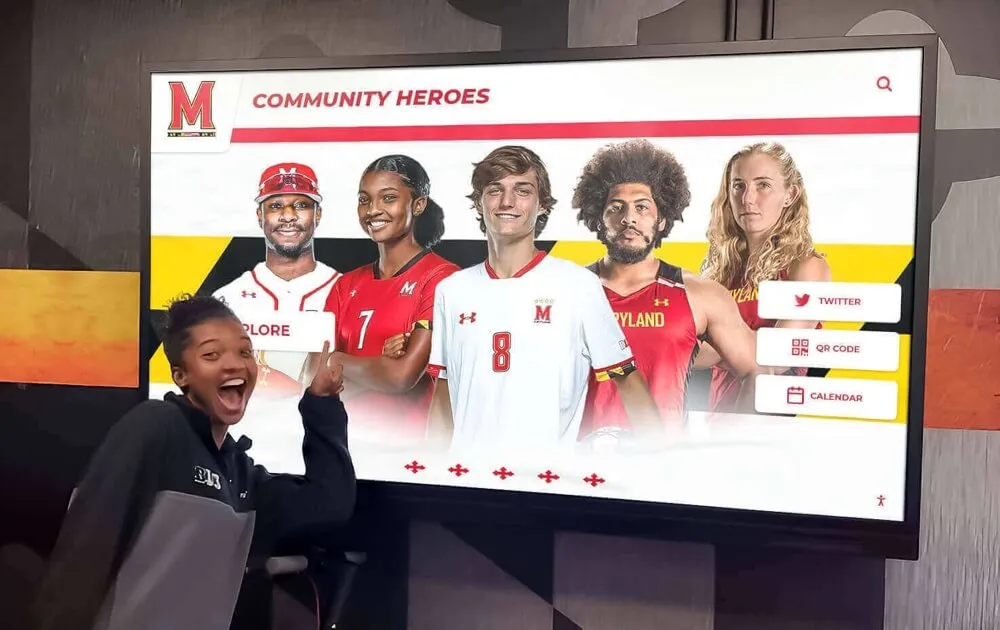
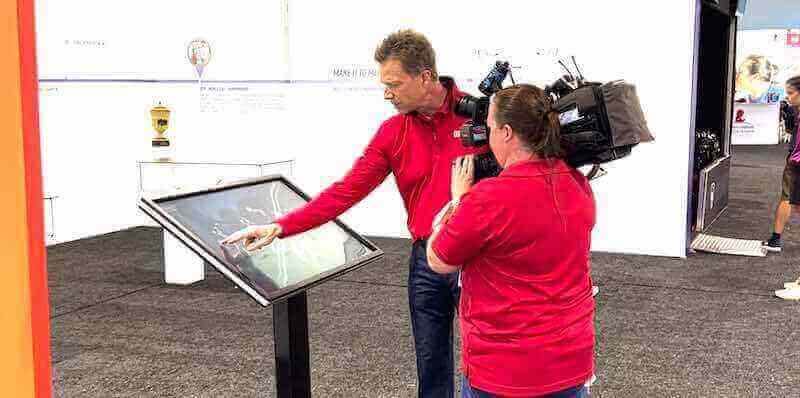
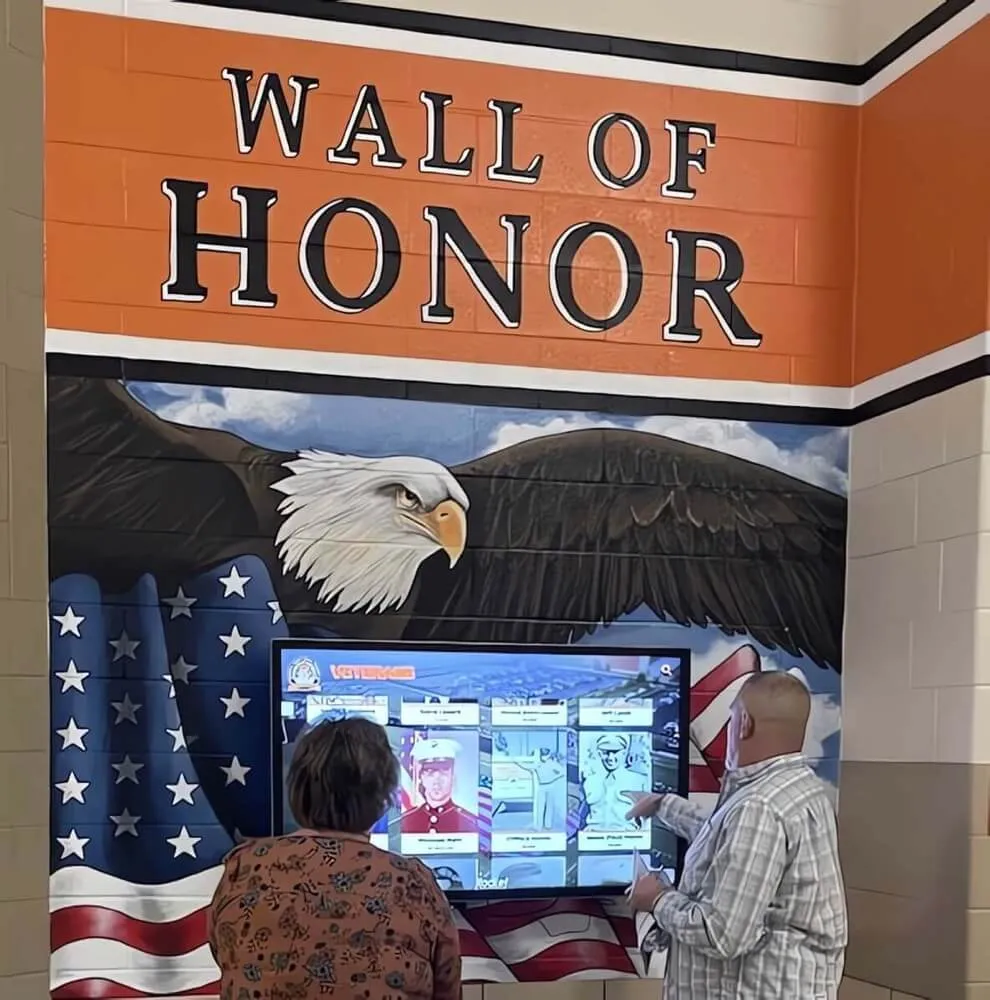
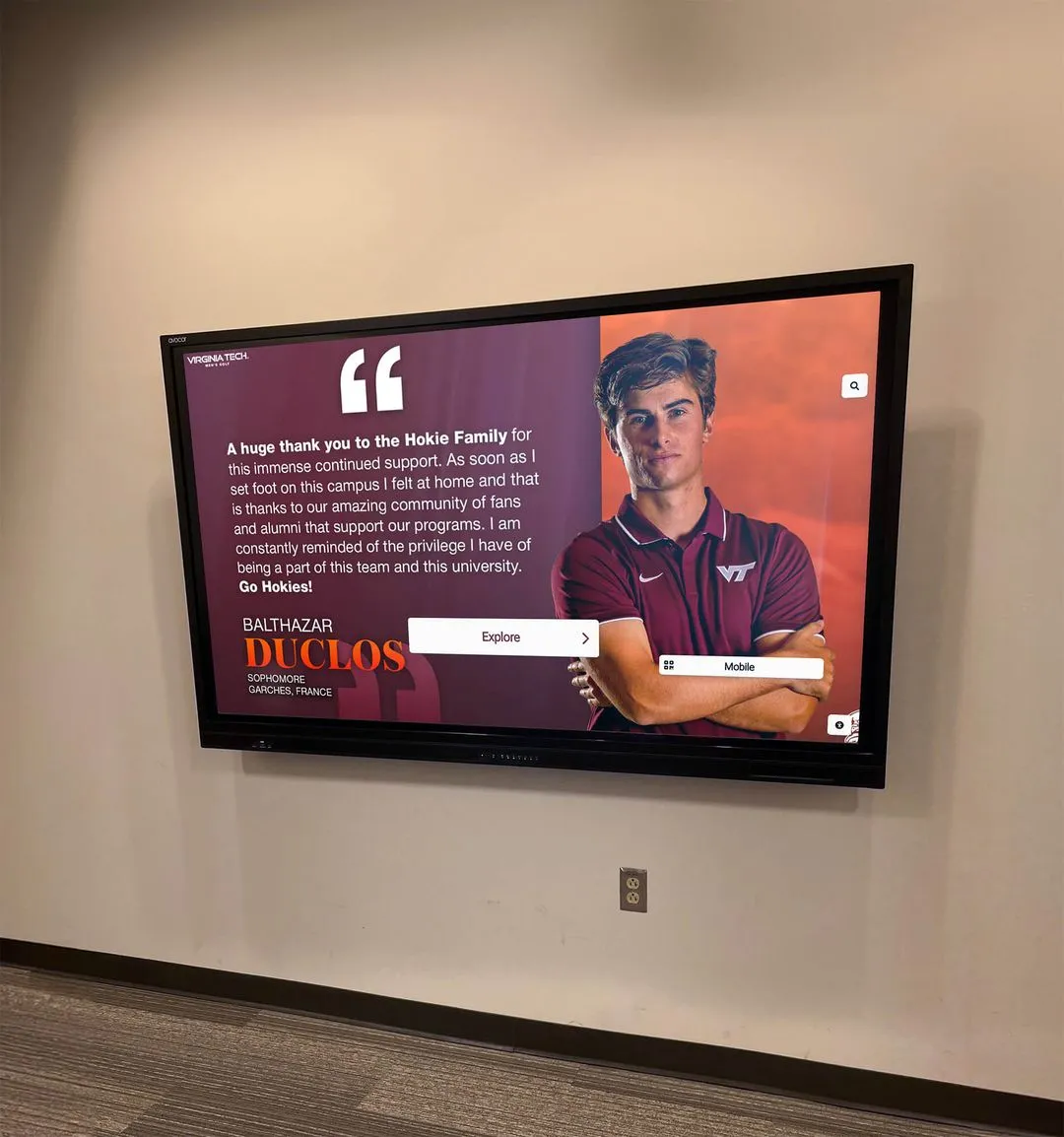
Interactive displays enable families to explore award details during and after ceremonies
Ceremony Structure and Format
Effective Program Design
Create engaging, reasonably-paced ceremonies through thoughtful structure:
Opening and Context Setting (10-15 minutes)
- Welcome from administration or student government
- Acknowledgment of ceremony significance
- Recognition of families, faculty, and supporters attending
- Overview of award categories being presented
Award Presentation Segments (60-75 minutes)
- Grouped presentations by award type maintaining flow
- Brief category explanations establishing context
- Detailed citations for individual recipients
- Recipient acknowledgment and photography
- Strategic pacing preventing monotony
Supporting Content (10-15 minutes distributed)
- Video presentations showcasing school year highlights
- Musical performances or entertainment interludes
- Special recognition of faculty or staff
- Student speaker reflections on accomplishments
Closing (5-10 minutes)
- Summary remarks emphasizing shared achievement
- Inspiration for returning students
- Thanks to ceremony supporters
- Reception or celebration invitation
Total ceremony duration should not exceed 90-120 minutes maximum, requiring disciplined curation.
Alternative Ceremony Formats
Consider variations accommodating different needs:
Multiple Specialized Ceremonies
- Separate academic, athletic, arts, and service recognition events
- Smaller, focused programs enabling deeper acknowledgment
- Better pacing and engagement through shorter durations
- Multiple opportunities for family attendance
Grade-Level Recognition
- Senior-specific comprehensive recognition
- Underclassmen award ceremonies emphasizing continued growth
- Graduation-integrated senior award presentations
- Quarter or semester recognition events throughout year
Hybrid Digital-Physical Events
- Live-streamed ceremonies enabling remote attendance
- Archived video providing ongoing access
- Digital programs with enhanced content and interactivity
- Social media integration encouraging real-time sharing
Schools can explore approaches similar to end of year banquet displays for comprehensive recognition.
Personalizing Recognition
Generic acknowledgment undermines ceremony impact. Personalization demonstrates genuine understanding:
Detailed Achievement Citations
Move beyond reading names and titles by crafting specific descriptions:
Rather than: “Sarah Chen receives the Science Excellence Award”
Write: “Sarah Chen demonstrates exceptional scientific curiosity and rigorous methodology. Throughout this year, Sarah conducted independent research on water quality in local streams, presenting findings to the city council that influenced new environmental policies. Her AP Chemistry research project earned state science fair recognition, and she mentored middle school students in STEM programs while maintaining a 4.0 GPA in advanced science courses.”
These detailed citations require preparation but create meaningful moments where honorees hear specific accomplishments acknowledged.
Visual and Multimedia Recognition
Enhance acknowledgment through professional presentation:
- Display recipient photographs during presentations
- Create video profiles featuring student interviews and accomplishment footage
- Showcase achievement documentation like competition results, publications, or project photos
- Incorporate testimonials from teachers, coaches, or peers
Recognition Keepsakes
Provide tangible recognition materials:
- Professional certificates suitable for framing
- Engraved medals, plaques, or trophies for major awards
- Custom recognition items reflecting award categories
- School cords, stoles, or other graduation regalia for major achievements
- Digital award badges for social media and resume inclusion
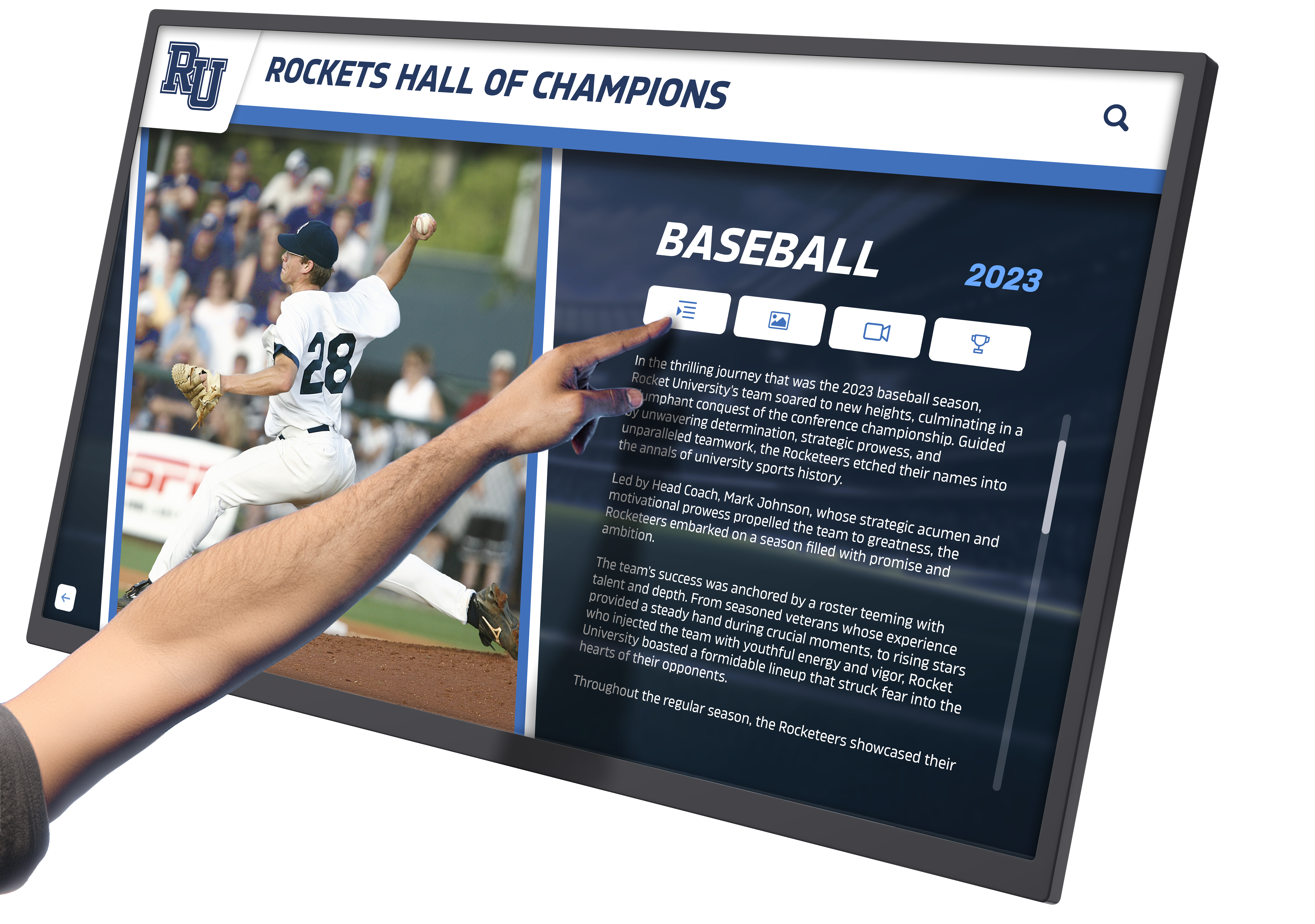
Interactive displays enable detailed exploration of award histories and recipient profiles
Building Permanent Recognition Systems Beyond Ceremonies
While ceremonies create immediate impact, permanent recognition systems extend value indefinitely.
The Case for Digital Recognition Archives
Creating permanent records of award recipients generates multiple benefits:
Perpetual Visibility
Rather than limiting recognition to ceremony moments, digital systems provide year-round acknowledgment through displays installed in high-traffic locations. Award recipients receive ongoing visibility when students, prospective families, or visitors encounter recognition displays. This perpetual acknowledgment creates sustained value far exceeding ceremony-night recognition alone.
Historical Achievement Archives
Digital platforms enable maintaining searchable databases of all award recipients extending back decades. Community members can discover who received recognition historically, view achievement progression over time, and see excellence patterns defining school character. Schools can implement comprehensive digital archives for preserving history.
Enhanced Content and Storytelling
Digital recognition overcomes space limitations of traditional plaques, enabling rich multimedia content including detailed biographies, achievement descriptions, photographs, videos, and impact stories bringing accomplishments to life. Recipients receive comprehensive recognition showcasing full scope of achievements.
Unlimited Capacity
Physical space constraints force schools to choose whose accomplishments receive visibility. Digital systems showcase unlimited students across all award categories without space limitations, ensuring comprehensive recognition for all deserving recipients.
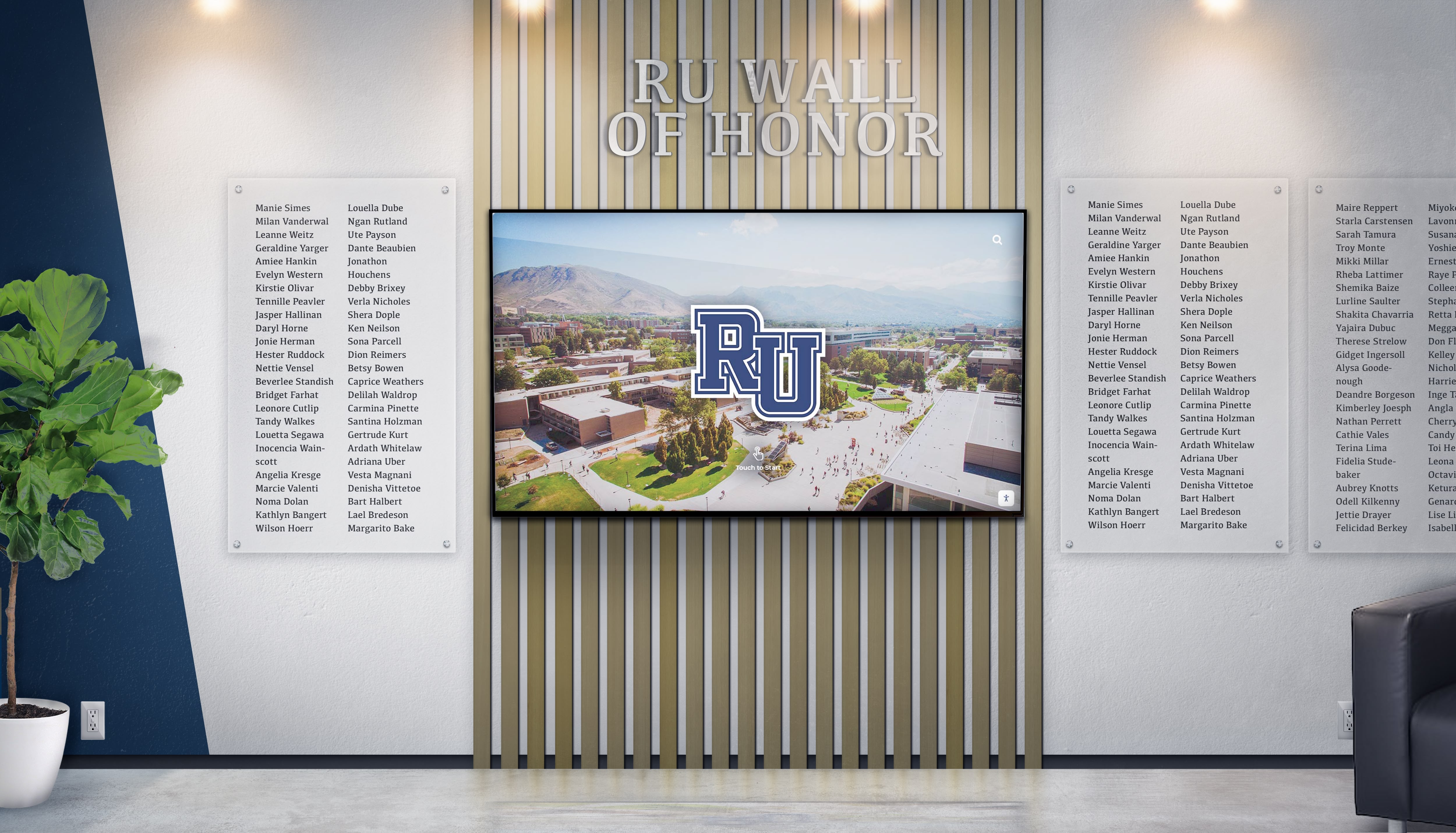
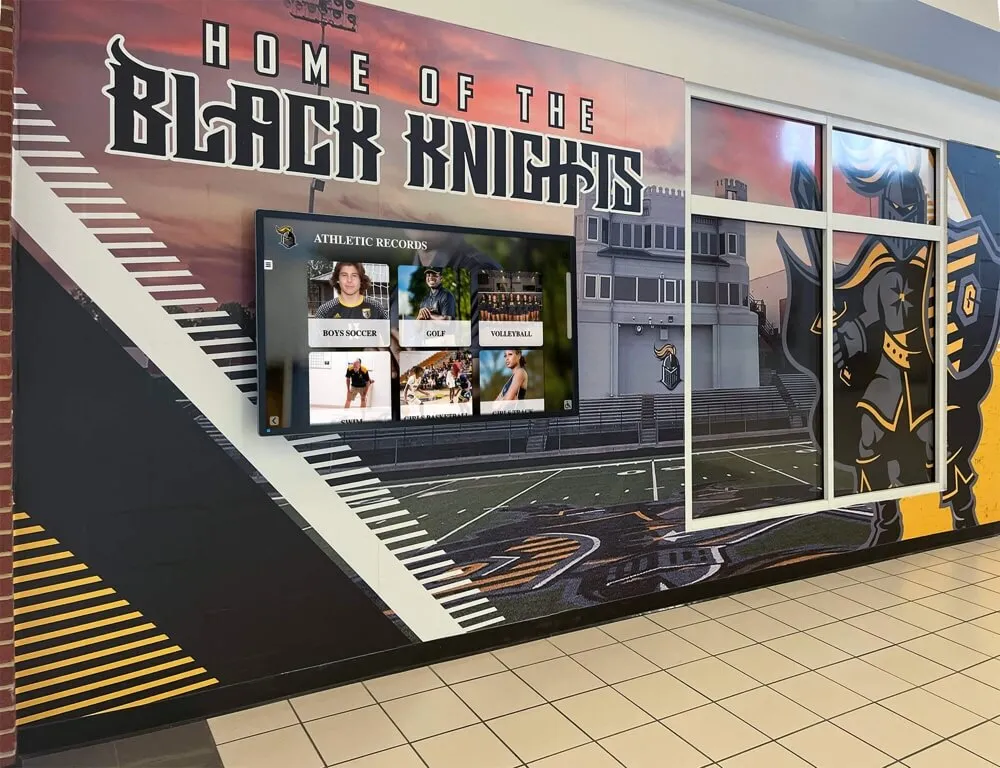
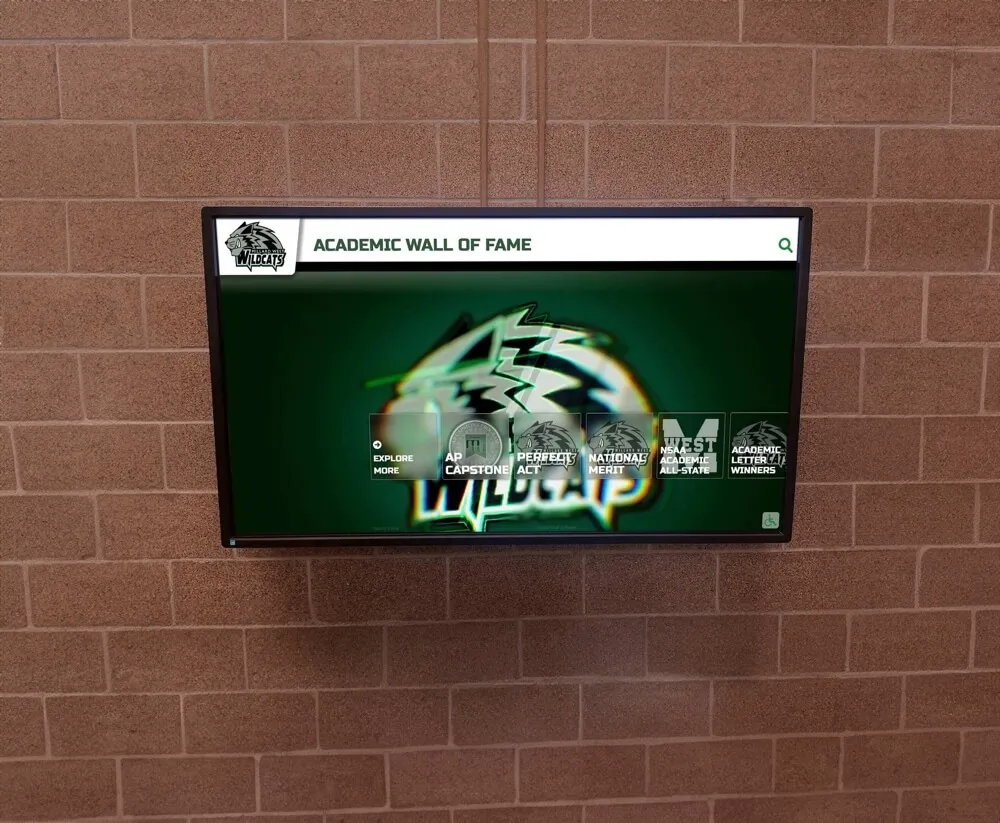
Digital walls provide unlimited capacity for honoring award recipients without physical constraints
Technical Implementation
Understanding digital recognition platforms helps schools design effective solutions:
Display Hardware and Placement
Modern recognition systems utilize commercial-grade touchscreen displays installed strategically:
- Main lobbies: First impression locations visitors encounter
- Student gathering spaces: High-traffic areas ensuring regular visibility
- Academic wings: Hallway installations near relevant departments
- Athletic facilities: Gym lobbies celebrating competitive excellence
- Performing arts centers: Recognition in creative program spaces
Display sizes typically range from 43-inch screens for individual interaction to 65-inch or larger installations creating impressive visual impact. Touchscreen capabilities enable intuitive exploration.
Cloud-Based Content Management
Back-end systems provide simple interfaces for maintaining recognition content:
- Remote updates from any internet-connected device
- Bulk import capabilities for adding ceremony recipients
- Scheduled publishing automation
- Role-based permissions enabling appropriate access
- Simple drag-and-drop interfaces requiring no technical expertise
Solutions like Rocket Alumni Solutions provide comprehensive digital recognition systems combining professional hardware with intuitive content management.
Search and Browse Functionality
User-facing interfaces should enable multiple exploration methods:
- Search by student name
- Filter by award category or year
- Browse chronologically through ceremony years
- View featured recipients or recent additions
- Access related content like award criteria
Learn about comprehensive platform capabilities in best platforms for building recognition systems.
Integration with Broader Recognition Initiatives
End of year awards should connect with comprehensive recognition programs:
Multi-Dimensional Achievement Celebration
Digital platforms showcase diverse recognition including academic honors, athletic achievements, artistic excellence, service awards, leadership recognition, and alumni accomplishments. This comprehensive approach demonstrates that schools value excellence across all dimensions.
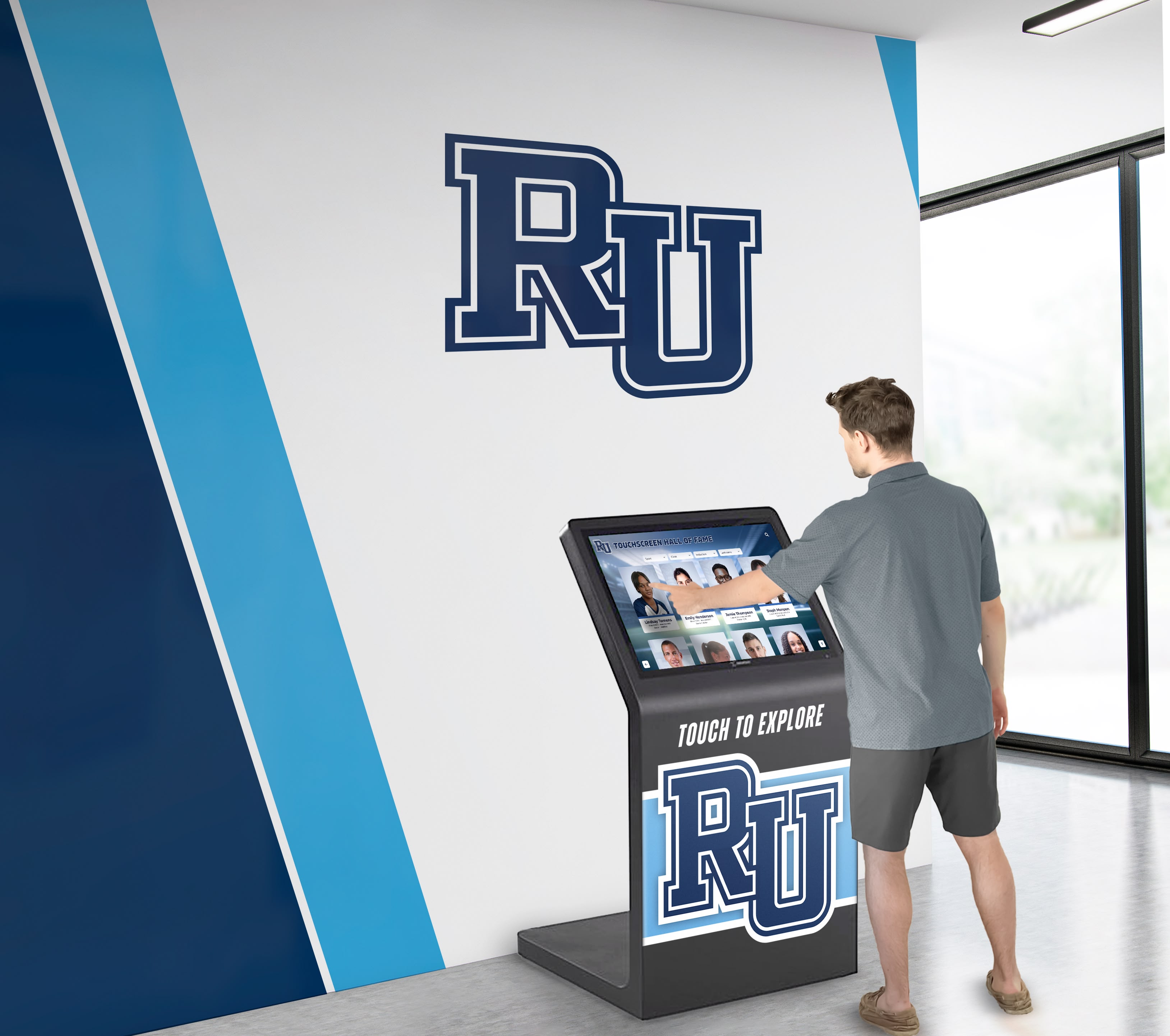
Well-implemented systems become valued resources extending ceremony impact year-round
Historical Context and Tradition
Connect current recipients with institutional history by showcasing award program evolution, featuring distinguished past recipients, preserving ceremony photographs and memorabilia, and creating timelines showing achievement milestones. Explore approaches in preserving school history through digital recognition.
Ensuring Equity and Inclusivity in Awards Programs
Effective programs ensure recognition opportunities exist for students across all backgrounds and achievement levels.
Creating Multiple Pathways to Recognition
Diverse Achievement Dimensions
Expand beyond traditional metrics ensuring varied pathways:
- Absolute Achievement: Top performance in standardized metrics
- Growth and Improvement: Progress from individual starting points
- Effort and Persistence: Work ethic regardless of outcome
- Character and Values: Personal qualities beyond measurable achievement
- Specialized Talents: Recognition for diverse skill types
Balanced Category Distribution
Analyze recognition patterns ensuring equitable distribution:
- Track which students receive multiple awards versus no recognition
- Monitor demographic patterns in award recipients
- Assess whether recognition opportunities exist across student populations
- Adjust categories ensuring broader inclusion
Transparent Selection Processes
Build trust through clear, consistent criteria:
- Document specific standards for each award
- Explain selection committees and decision processes
- Provide rubrics showing how recipients are evaluated
- Communicate nomination procedures clearly
- Maintain consistency across years
Accessibility Considerations
Recognition programs should accommodate diverse needs:
Physical Accessibility
- Ceremony venues with wheelchair accessibility and assistive listening technology
- Digital displays at ADA-compliant mounting heights
- Alternative recognition formats for students unable to attend ceremonies
Communication Accessibility
- Multilingual programs and communications for diverse communities
- Materials in accessible formats for families with visual impairments
- Clear communication timelines providing adequate planning time
Financial Accessibility
- Recognition requiring no fees or purchases
- School-provided ceremony attire or materials
- No premium recognition levels requiring payment
- Transportation support for families needing assistance
Learn about comprehensive accessibility in digital wall of fame accessibility guides.
Communicating Award Recognition Effectively
Recognition impact depends on systematic, multi-channel communication.
Internal Communication Strategies
Daily Recognition Touchpoints
- Morning announcement highlights of recent awards
- Digital signage rotating award recipient features
- Classroom acknowledgment and celebration
- Hallway display updates showcasing honorees
Regular Recognition Communications
- Weekly family updates about upcoming awards
- Monthly newsletter features highlighting recipients
- Social media posts celebrating achievements
- School newspaper and media coverage
External Community Engagement
Media Partnership Strategies
- Local newspaper recognition announcements
- Community media features
- Regional publication submissions
- Online community platform sharing
Alumni Connection Programs
Award recognition creates alumni engagement opportunities through profiles showcasing award legacy, historical achievement archives, alumni speaker programs linking recognition to career success, and mentorship connections. Discover approaches in alumni networking board strategies.
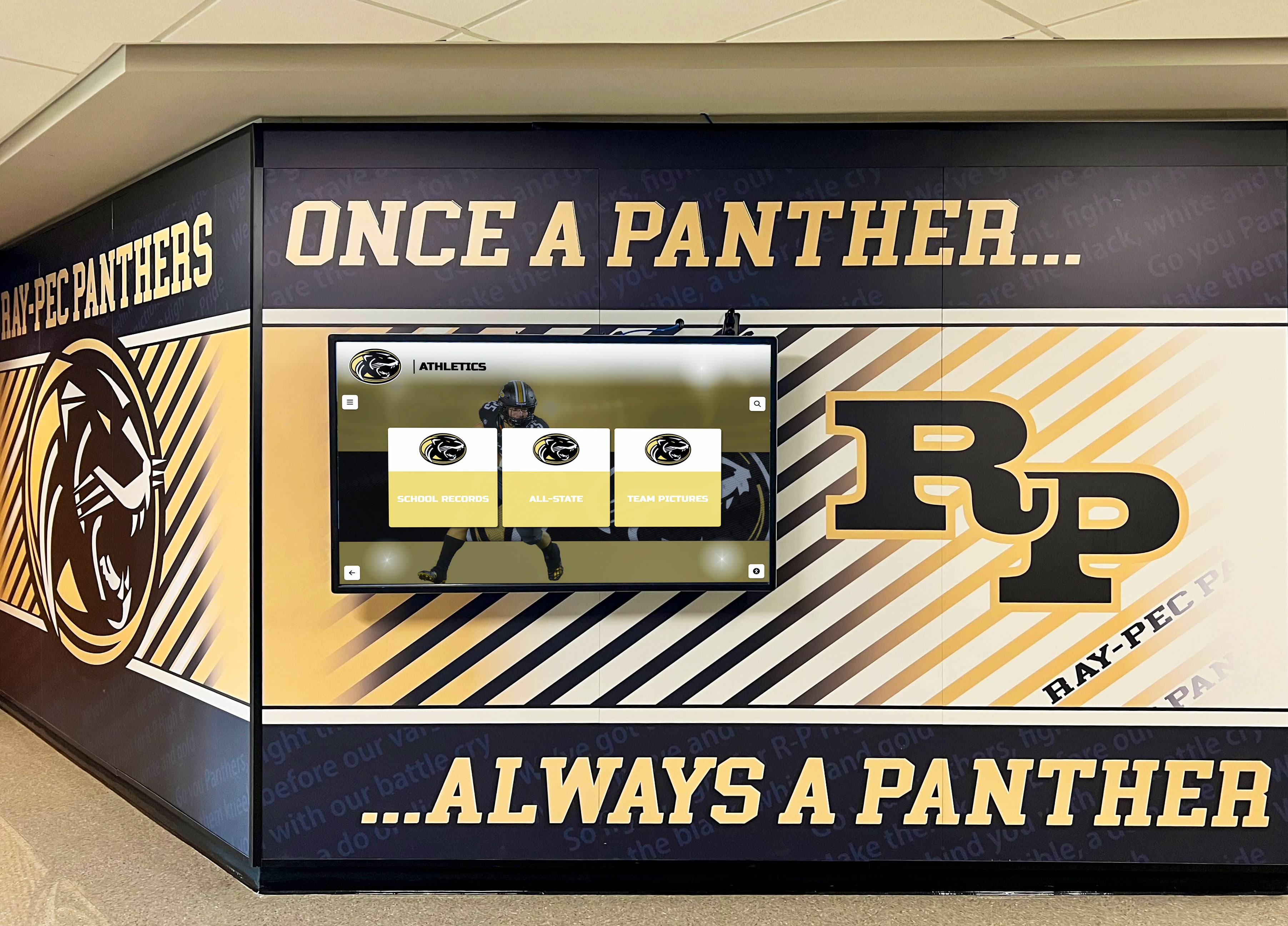
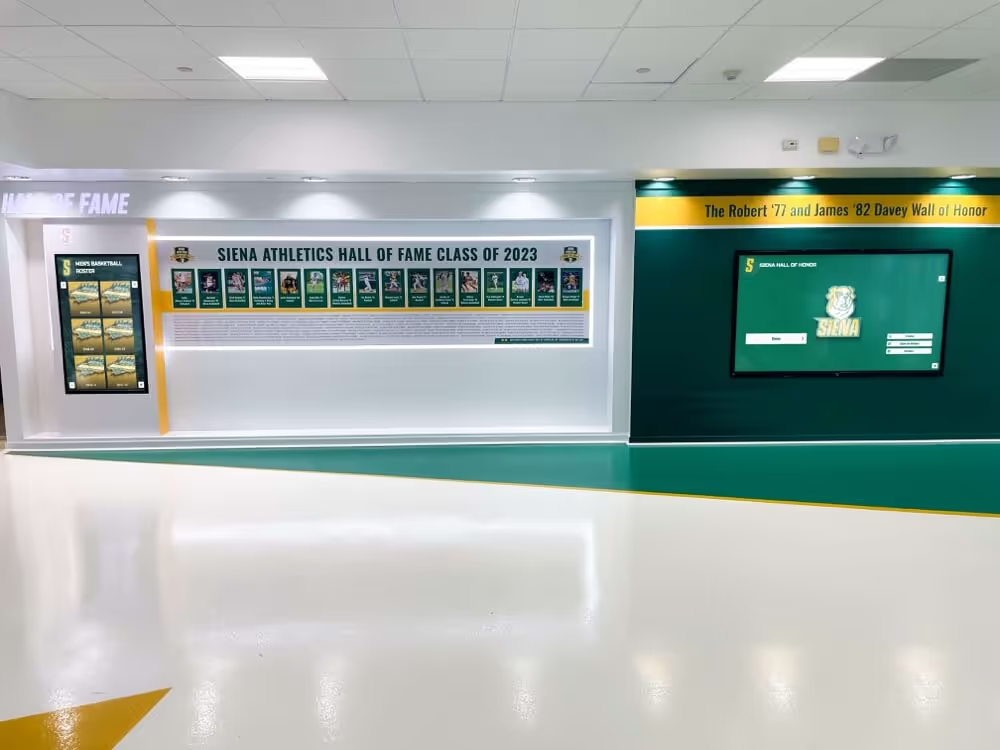
Permanent installations ensure award recipients receive ongoing visibility beyond ceremonies
Special Senior Recognition Programs
Graduating seniors deserve comprehensive acknowledgment of complete high school achievements.
Senior-Specific Award Categories
Academic Career Recognition
- Four-year cumulative GPA honors
- Most rigorous curriculum completion
- Advanced Placement/IB diploma achievement
- Career academic improvement trajectory
Four-Year Contribution Awards
- Four-year athletic participation
- Multi-year club leadership
- Sustained service organization involvement
- Long-term mentorship or tutoring contributions
Senior Class Recognition
- Class president and officer acknowledgment
- Senior gift committee recognition
- Graduation planning committee appreciation
- Prom and senior activity leadership
College and Career Recognition
College Commitment Celebrations
Acknowledge post-graduation plans through recognition programs:
- College signing day ceremonies
- Military enlistment recognition
- Career placement acknowledgment
- Gap year or alternative path celebration
Schools can implement comprehensive college commitment displays showcasing post-graduation plans.
Scholarship Recognition
Celebrate financial achievements:
- Total scholarship dollars earned by class
- Individual significant scholarship recipients
- School-specific scholarship award presentations
- Outside scholarship acknowledgment
Senior Legacy Recognition
Graduating Class Contributions
Honor collective achievements:
- Class community service hours totals
- Athletic championships won during senior year
- Arts performances and productions
- Academic competition achievements
- Fundraising and school improvement contributions
Learn about comprehensive senior recognition in senior day celebration guides.
Common Mistakes to Avoid
Learning from typical missteps helps schools design more effective recognition:
Planning and Execution Pitfalls
Excessive Ceremony Length
Ceremonies extending beyond two hours test even enthusiastic attendees’ patience. Respect audience time through disciplined curation, efficient transitions, and strategic grouping when appropriate.
Generic, Impersonal Recognition
Reading lists of names with minimal context creates forgettable acknowledgment. Invest effort in personalized citations and specific achievement descriptions communicating genuine understanding of what each recipient accomplished.
Last-Minute Planning
Beginning ceremony planning weeks before events creates rushed, lower-quality experiences. Start planning months ahead allowing sufficient time for thoughtful selection, content development, and coordination.
Inadequate Technical Preparation
Technical failures undermine professionalism. Test all equipment thoroughly, provide backup systems for critical technology, and conduct full technical rehearsals.
Recognition Content Issues
Inaccurate Information
Errors in names, achievement descriptions, or biographical details embarrass schools while disrespecting recipients. Implement rigorous verification processes ensuring accuracy before distribution or presentation.
Inequitable Recognition
Perception that certain recipients receive preferential treatment creates dissatisfaction. Establish consistent standards ensuring all honorees within categories receive equivalent acknowledgment quality.
Focusing Only on Traditional Achievements
Limiting recognition to conventional academic and athletic categories overlooks diverse excellence types. Ensure recognition opportunities exist across varied achievement dimensions.
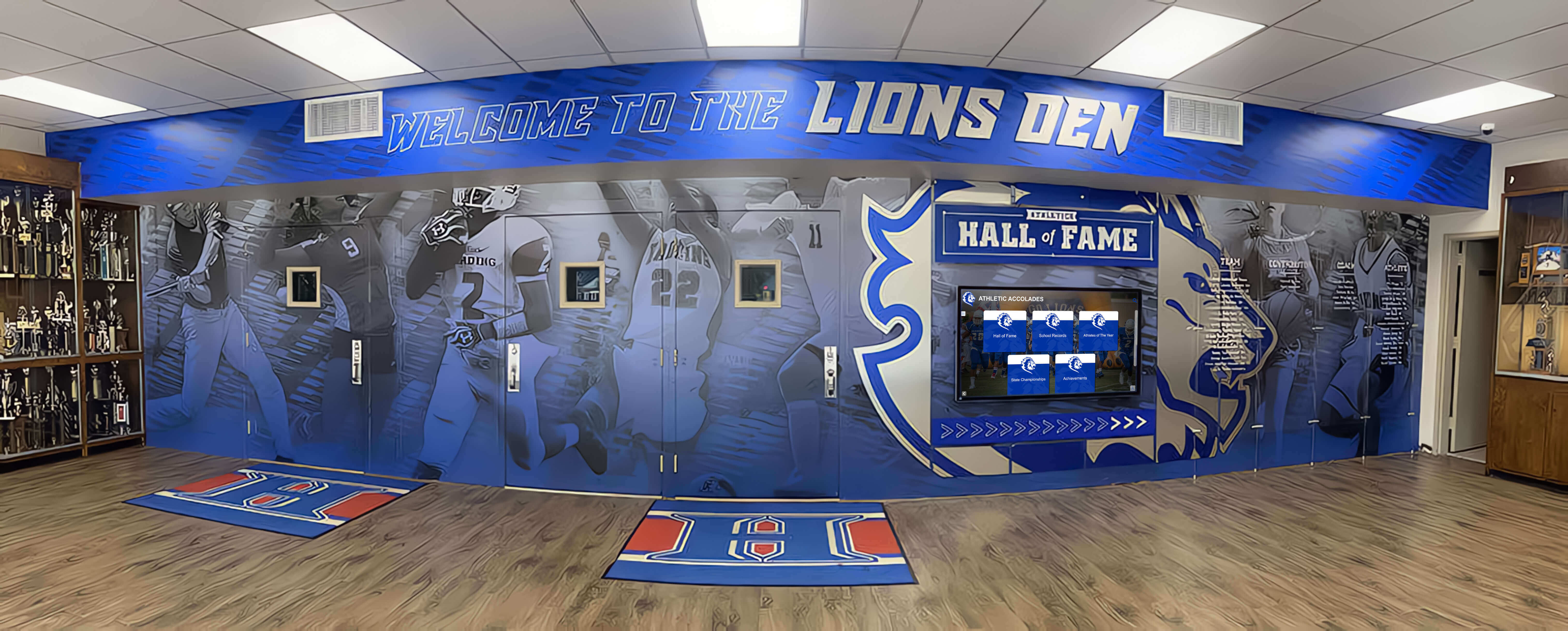
Comprehensive recognition spaces combine ceremony content with broader achievement celebration
Taking Action: Next Steps for Your Awards Program
Schools ready to enhance end of year recognition can begin with concrete planning steps.
Immediate Planning Actions
Audit Current Recognition Approaches
Document how your school currently conducts end of year awards, identifying strengths worth preserving, limitations creating problems, opportunities for enhancement, and stakeholder feedback about effectiveness.
Define Recognition Objectives
Clarify specific goals including honoree satisfaction, attendee engagement, community building, equity in recognition distribution, and permanent visibility. Clear objectives focus planning efforts.
Research Recognition Solutions
Explore digital recognition platforms designed for preserving ceremony content and enabling permanent accessibility. Compare capabilities, implementation requirements, pricing structures, and customer satisfaction among providers serving similar schools.
Exploring Permanent Recognition Systems
When evaluating recognition technology, consider essential questions:
- What content types does the platform support?
- How intuitive is content management for staff?
- What implementation support is provided?
- Can the system accommodate growth as programs expand?
- What accessibility features ensure inclusive experiences?
Organizations seeking comprehensive recognition solutions should consider Rocket Alumni Solutions, which specializes in digital recognition displays helping schools celebrate achievement through engaging touchscreen experiences. Their approach handles hardware installation, content development, staff training, and ongoing support.
Building Recognition Culture
Start Small and Expand
Rather than attempting comprehensive transformation, implement focused enhancements to current ceremonies while planning long-term recognition system development. Quick wins might include improving recipient citations, adding multimedia elements, or enhancing printed programs.
Engage Stakeholders
Involve ceremony recipients, attendees, planning committee members, and school leadership in recognition enhancement discussions. Their perspectives reveal what works currently, what improvements would add value, and what traditions merit preservation.
Measure and Refine
Establish feedback mechanisms capturing honoree satisfaction, attendee experience, and objective metrics like attendance rates or recognition distribution patterns. Use data to continuously improve ceremonies and recognition systems.
Learn about comprehensive recognition approaches in digital recognition wall implementations.
Conclusion: Creating Recognition That Matters
End of year awards represent powerful opportunities when schools pause to celebrate achievement, honor excellence, and inspire continued success. Yet too often, these carefully orchestrated events create only fleeting impact, with recognition moments fading after applause quiets and honoree information disappearing rather than remaining accessible.
By implementing creative ceremony ideas that engage attendees, personalize recognition for each honoree, and extend impact beyond single events through permanent digital systems, schools transform award programs from perfunctory obligations into meaningful celebrations building culture, strengthening community, and creating lasting value.
The strategies explored in this guide provide frameworks for honoring achievement appropriately—from thoughtful ceremony design respecting attendee time while celebrating recipients meaningfully, to permanent recognition systems ensuring today’s honorees receive visibility for years to come. Whether recognizing academic excellence, athletic achievement, artistic accomplishment, or character development, these approaches demonstrate that genuine appreciation requires both memorable celebration and sustained acknowledgment.
Transform Your End of Year Recognition Program
Discover how modern digital recognition solutions can help you celebrate every achievement and preserve award information permanently while creating engaging experiences for your entire school community.
Book a demoAs you plan your school’s next end of year awards ceremony, consider how both immediate event experience and permanent recognition systems can work together to honor excellence comprehensively while building recognition culture valuing and celebrating achievement across all dimensions.
Start where you are with enhancements you can implement for upcoming ceremonies—improving honoree citations, adding multimedia elements, enhancing program materials—then systematically build toward comprehensive recognition systems serving your community for generations. Every achievement receiving thoughtful, sustained recognition reinforces that excellence matters while inspiring others to pursue similar accomplishment.
Your award recipients’ achievements represent countless hours of dedication, sacrifice, and excellence. They deserve recognition honoring those commitments meaningfully while extending celebration beyond single ceremony moments to create lasting visibility inspiring future generations. With thoughtful planning, creative ceremony design, and solutions like Rocket Alumni Solutions, you can create award programs that transform perfunctory acknowledgment into genuine celebration that matters.