Every successful high school gymnasium serves as far more than a functional space for physical education classes and athletic competitions. These facilities represent the heart of school athletic programs, creating environments where student-athletes develop competitive skills, teams build championship traditions, and entire school communities gather to celebrate excellence. The most inspiring gymnasium designs balance practical athletic requirements with recognition elements that honor achievement, preserve program history, and motivate current competitors to pursue their highest potential.
School administrators and athletic directors face complex decisions when designing or renovating gymnasium facilities. How do you create spaces that accommodate multiple sports while maintaining competition standards? What recognition elements effectively celebrate both historical achievements and current success? How can design choices strengthen school pride and create home-court advantage? Where do traditional trophy displays meet modern digital recognition systems that preserve unlimited program history?
This comprehensive guide provides practical frameworks for high school gymnasium design that creates inspiring athletic environments, incorporates meaningful recognition elements, supports diverse program needs, and builds facilities serving schools effectively for decades.
Athletic facilities profoundly influence program success, student-athlete development, and school community pride. Well-designed gymnasiums provide more than regulation courts and seating—they create destinations that celebrate athletic tradition, inspire competitive excellence, and demonstrate institutional commitment to comprehensive student development through athletics.

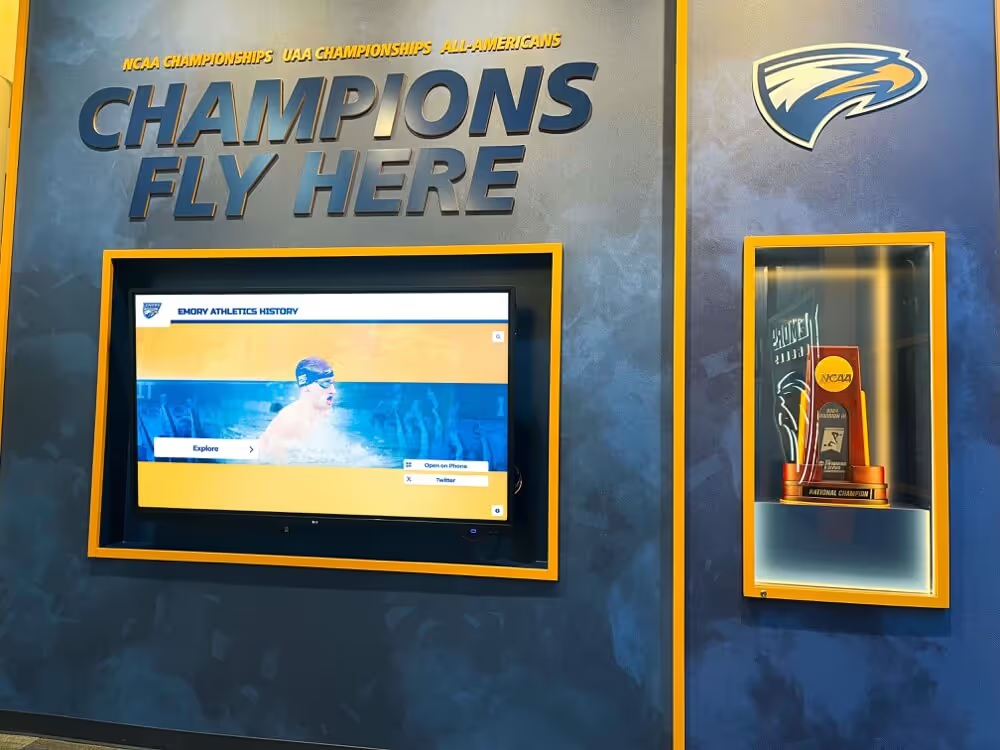
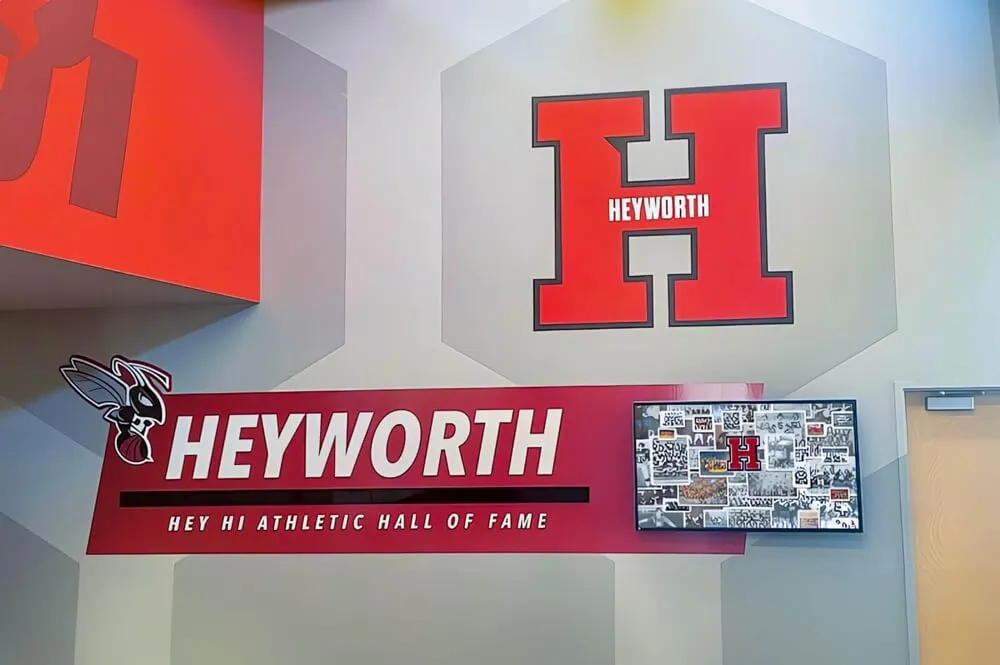
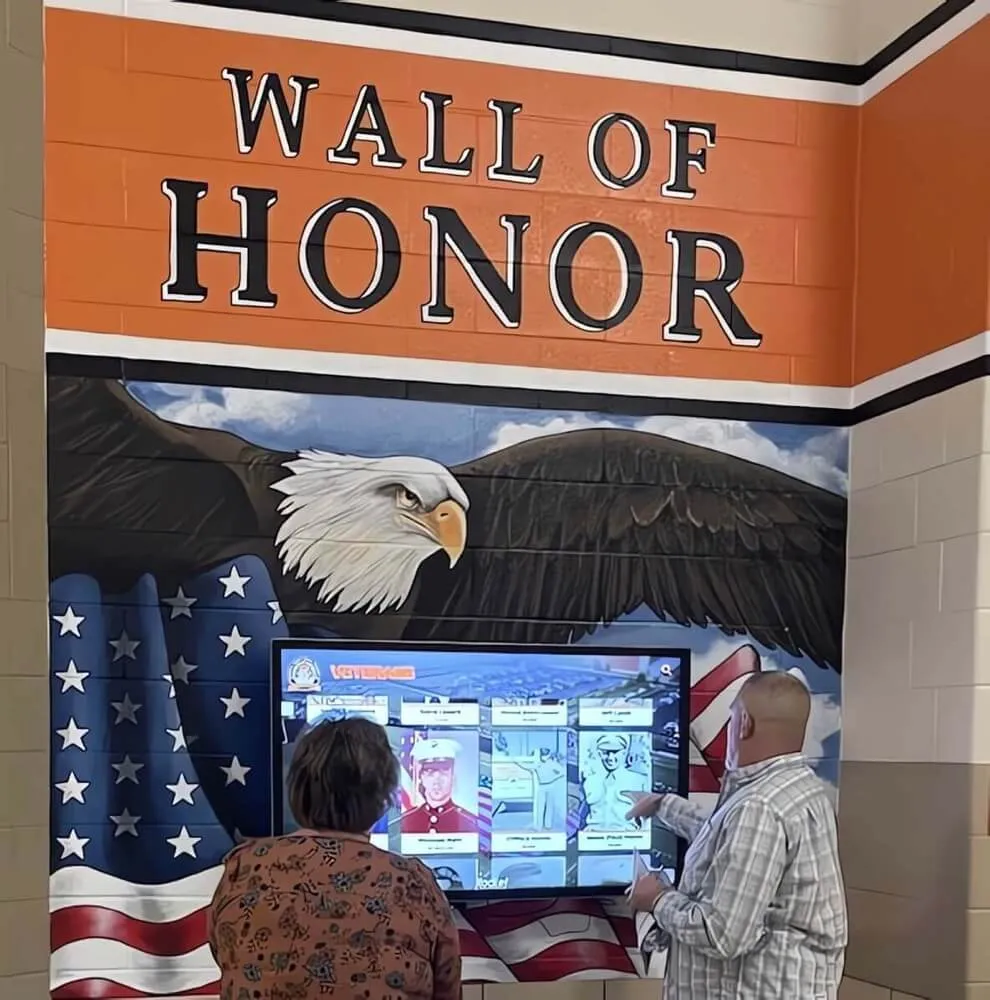
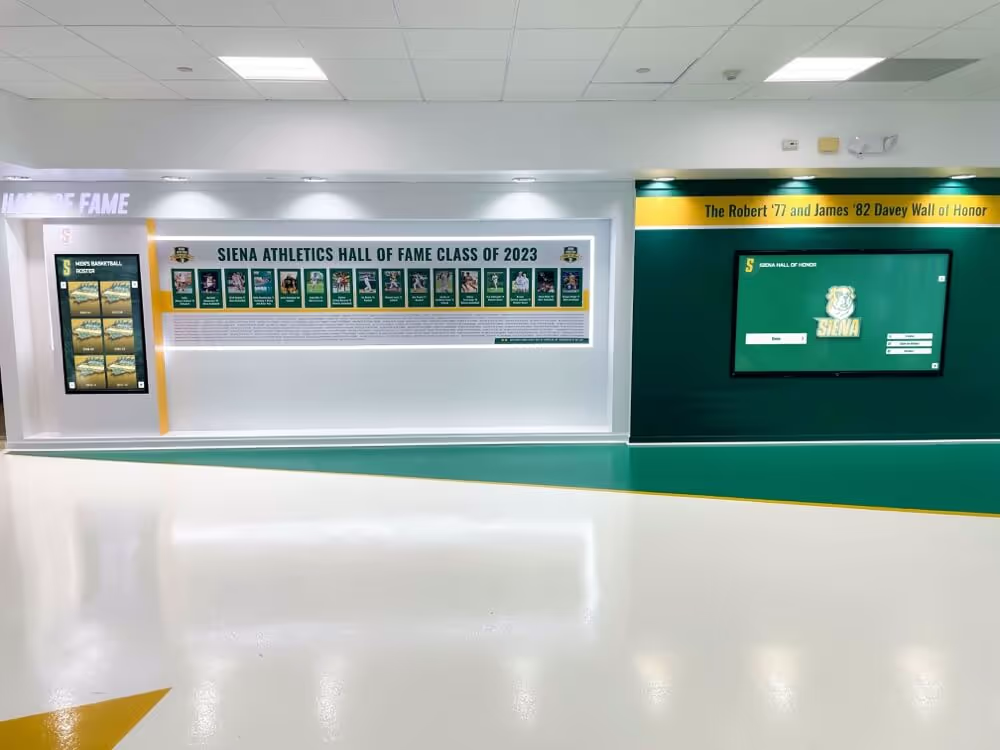
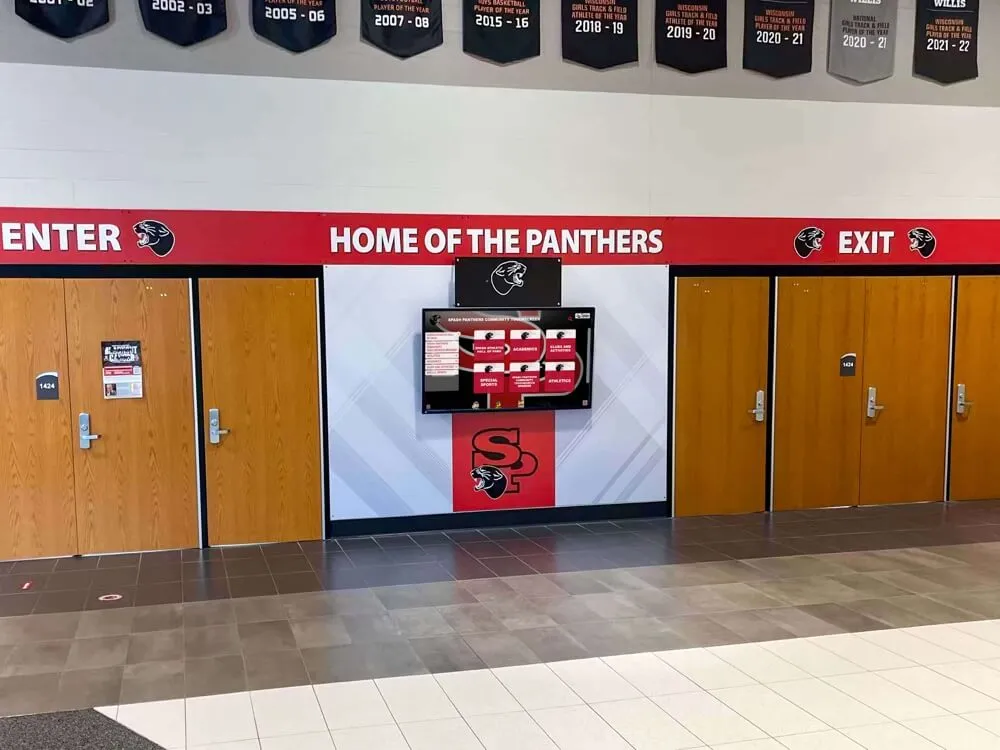
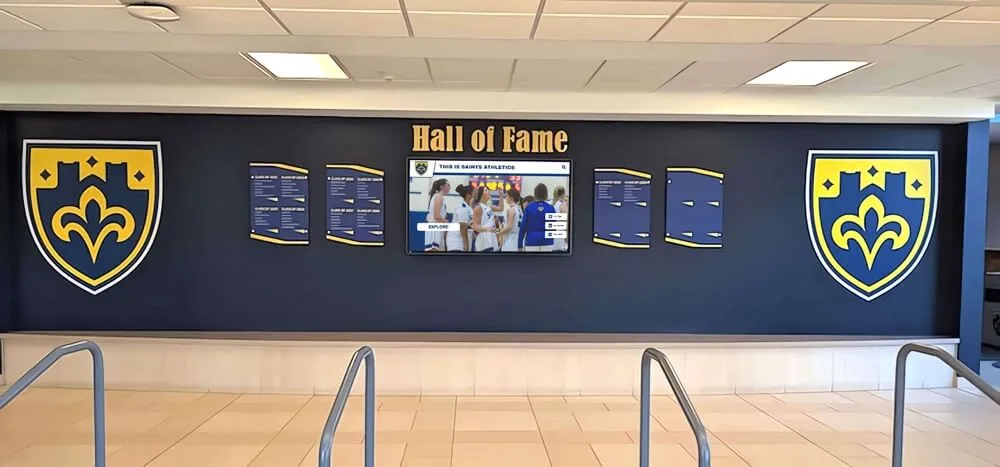
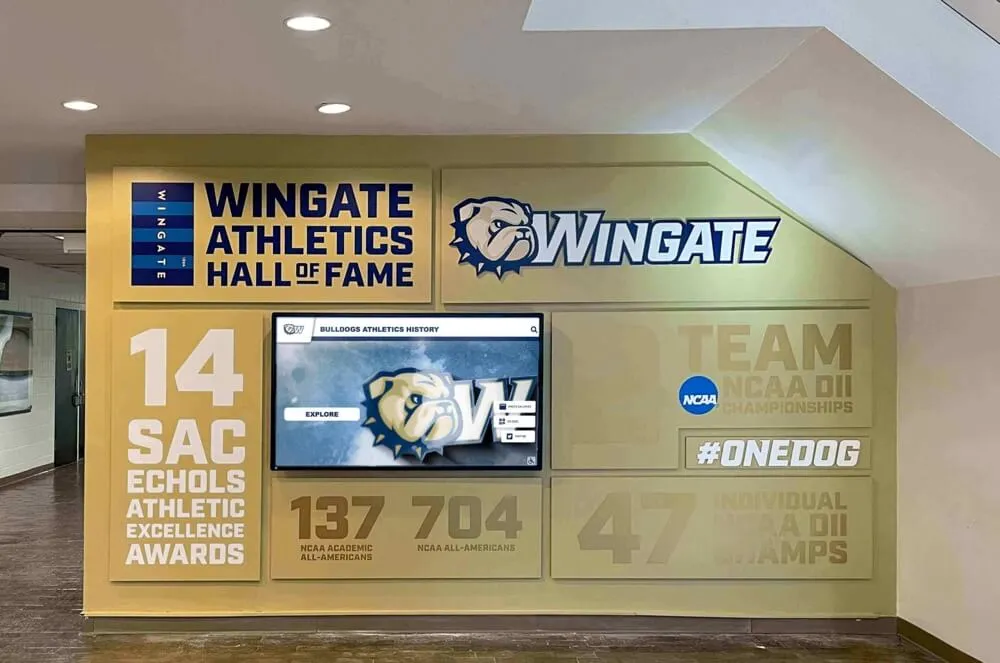
Modern gymnasium design integrates recognition displays that celebrate athletic excellence and preserve program history
Understanding High School Gymnasium Design Fundamentals
Before exploring specific design elements, administrators need clarity about core gymnasium functions and how facilities support comprehensive athletic program objectives.
Primary Functions of High School Gymnasiums
Successful athletic facilities serve multiple interconnected purposes within educational institutions.
Competition and Practice Venues
Gymnasiums provide dedicated spaces for competitive athletics through regulation courts accommodating basketball, volleyball, and wrestling, practice facilities enabling daily team training and skill development, multi-sport flexibility allowing diverse athletic programs to share facilities, spectator areas creating home-court advantage and community gathering spaces, and officials’ areas meeting competition requirements for scoring tables and press boxes.
These core athletic functions establish baseline facility requirements while influencing most design decisions from floor dimensions to ceiling heights.
Physical Education and Wellness Spaces
Beyond competitive athletics, gymnasiums support comprehensive health education through physical education class instruction spaces, fitness and wellness areas promoting lifelong health habits, recreational activity opportunities serving broader student populations, adaptive physical education programs, and community wellness initiatives extending school resources beyond student populations.
This dual purpose creates design considerations balancing competition specifications with educational flexibility and inclusive access.
Community Gathering and School Culture Centers
Gymnasiums frequently serve as central community spaces through school assembly and convocation venues, celebration events including honors ceremonies and recognition programs, community event hosting extending facility utility, alumni gatherings and reunion events, and emergency shelter capabilities serving broader community needs.
These expanded functions influence design decisions around seating capacity, acoustic treatments, technology infrastructure, and accessibility features beyond baseline athletic requirements.
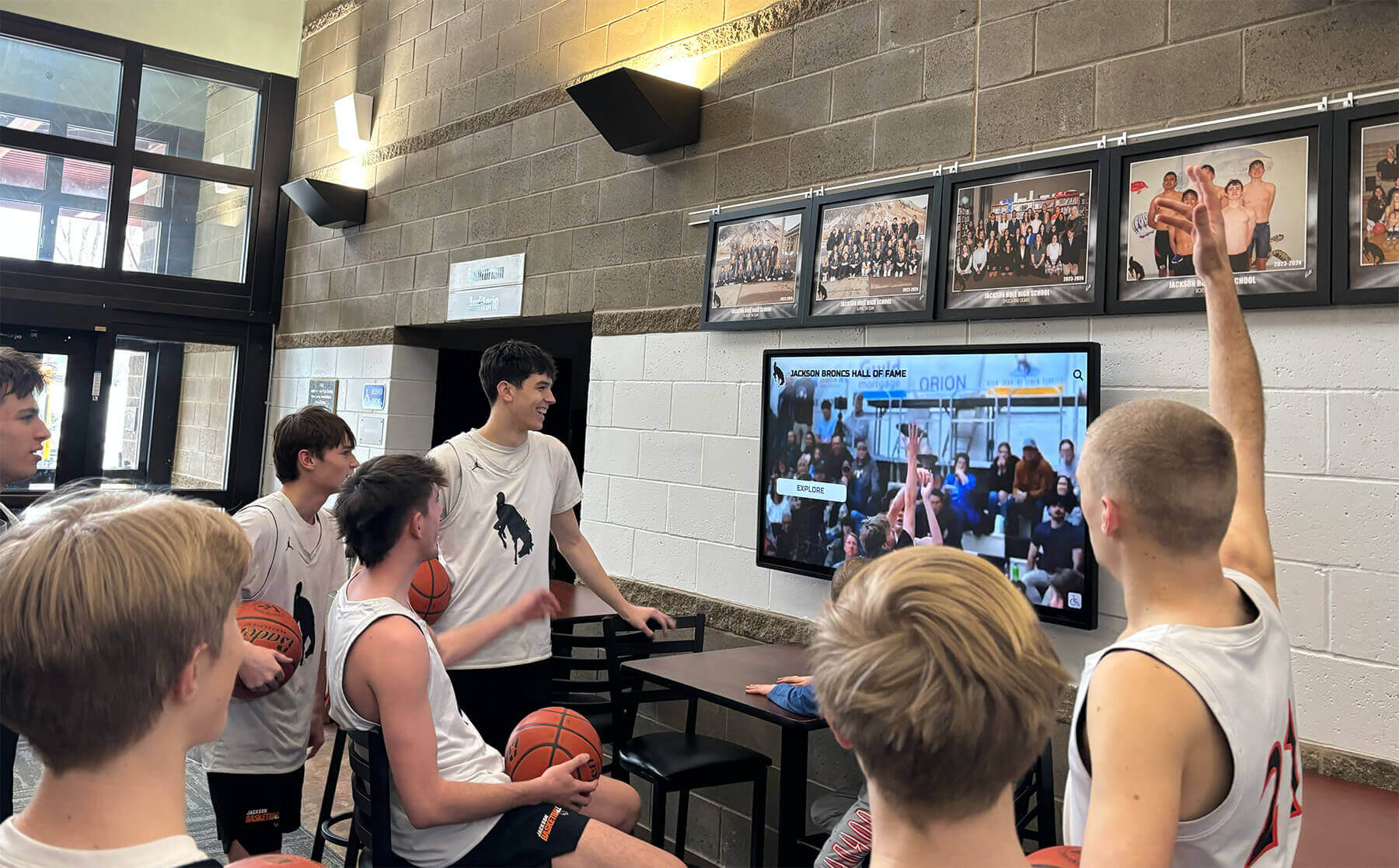
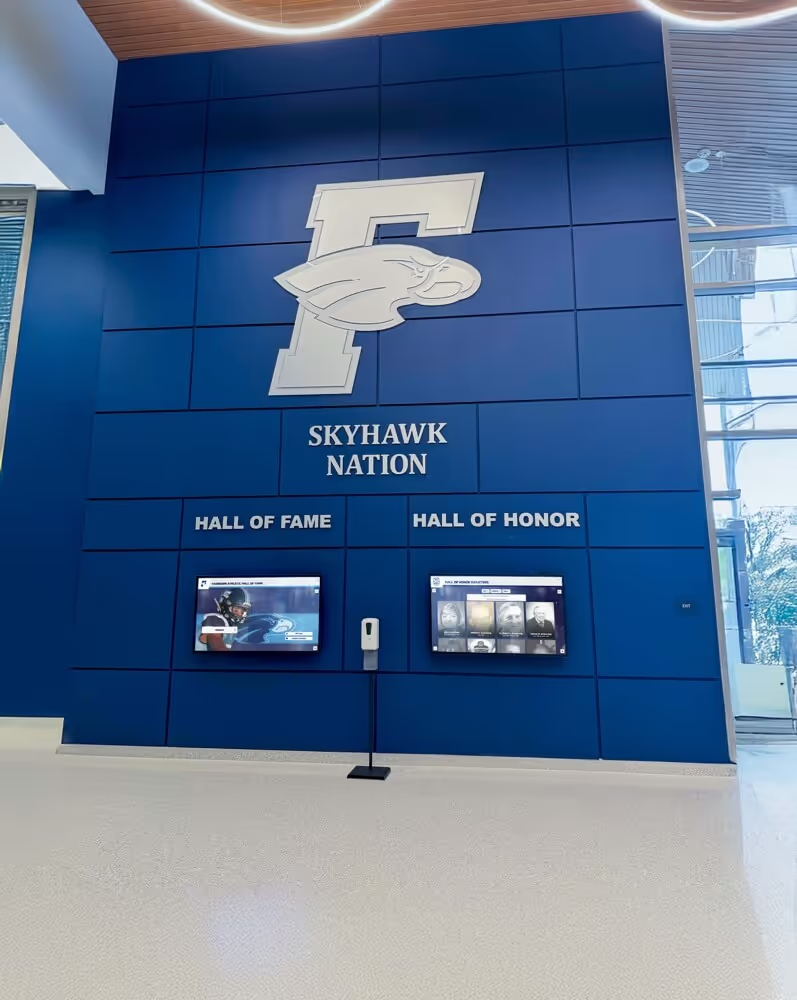
Strategic recognition displays near practice and competition venues inspire daily excellence and strengthen athlete connection to program tradition
Design Considerations Affecting Program Success
Multiple factors influence how effectively gymnasiums serve athletic program goals.
Functional Athletic Requirements
Regulation specifications establish fundamental parameters through basketball court dimensions meeting state athletic association standards, volleyball court configurations with appropriate clearances, wrestling room requirements including proper ventilation and mat storage, ceiling height minimums ensuring adequate space for gameplay, and lighting standards supporting both practice and competition needs.
These non-negotiable athletic requirements form the foundation upon which all other design elements build.
Safety and Accessibility Standards
Modern facilities must meet comprehensive safety codes including ADA compliance ensuring universal access, emergency egress meeting capacity and distance requirements, impact-resistant materials protecting athletes and spectators, proper ventilation maintaining air quality during events, and injury prevention considerations from court surfaces to wall padding.
Safety standards affect material selection, spatial planning, and budget allocations throughout gymnasium design projects.
Budget Realities and Construction Costs
Financial constraints influence design possibilities through new construction versus renovation cost comparisons, square footage limitations affecting capacity and flexibility, material selection balancing durability with budget restrictions, technology infrastructure investments supporting modern amenities, and lifecycle costs considering long-term maintenance and operations.
Effective design maximizes athletic functionality and inspiration within realistic budget parameters rather than pursuing ideal solutions that exceed available resources.
Space Planning and Layout Considerations
Thoughtful spatial organization ensures gymnasiums effectively serve diverse athletic and community needs.
Primary Athletic Space Requirements
Core gymnasium areas must accommodate regulation athletic activities.
Main Court Dimensions and Clearances
Basketball serves as the primary court sport for most gymnasiums, requiring 84-foot by 50-foot regulation playing surface, 10-foot clear space beyond court boundaries, minimum 22-foot ceiling height (25+ feet preferred), proper lighting for competition, and hardwood or synthetic playing surface meeting competition standards.
These dimensions establish minimum facility footprint while ceiling heights represent significant cost factors in construction budgets.
Multi-Sport Flexibility and Dividers
Schools benefit from facilities accommodating multiple simultaneous activities through floor striping for basketball, volleyball, and badminton, movable volleyball standards and net systems, divider curtains creating separate practice spaces, wrestling mat storage and installation areas, and spectator bleacher configurations supporting varied seating needs.
Multi-sport flexibility maximizes facility utilization while supporting programs with limited access to dedicated single-sport venues.
Practice and Auxiliary Gym Spaces
Larger programs benefit from auxiliary facilities including smaller practice gyms enabling simultaneous team training, fitness and conditioning rooms supporting strength development, wrestling rooms with proper ventilation and mat storage, gymnastics and cheerleading practice areas, and martial arts or dance studio spaces.
These auxiliary spaces relieve pressure on main gymnasiums while providing specialized training environments for diverse athletic programs.
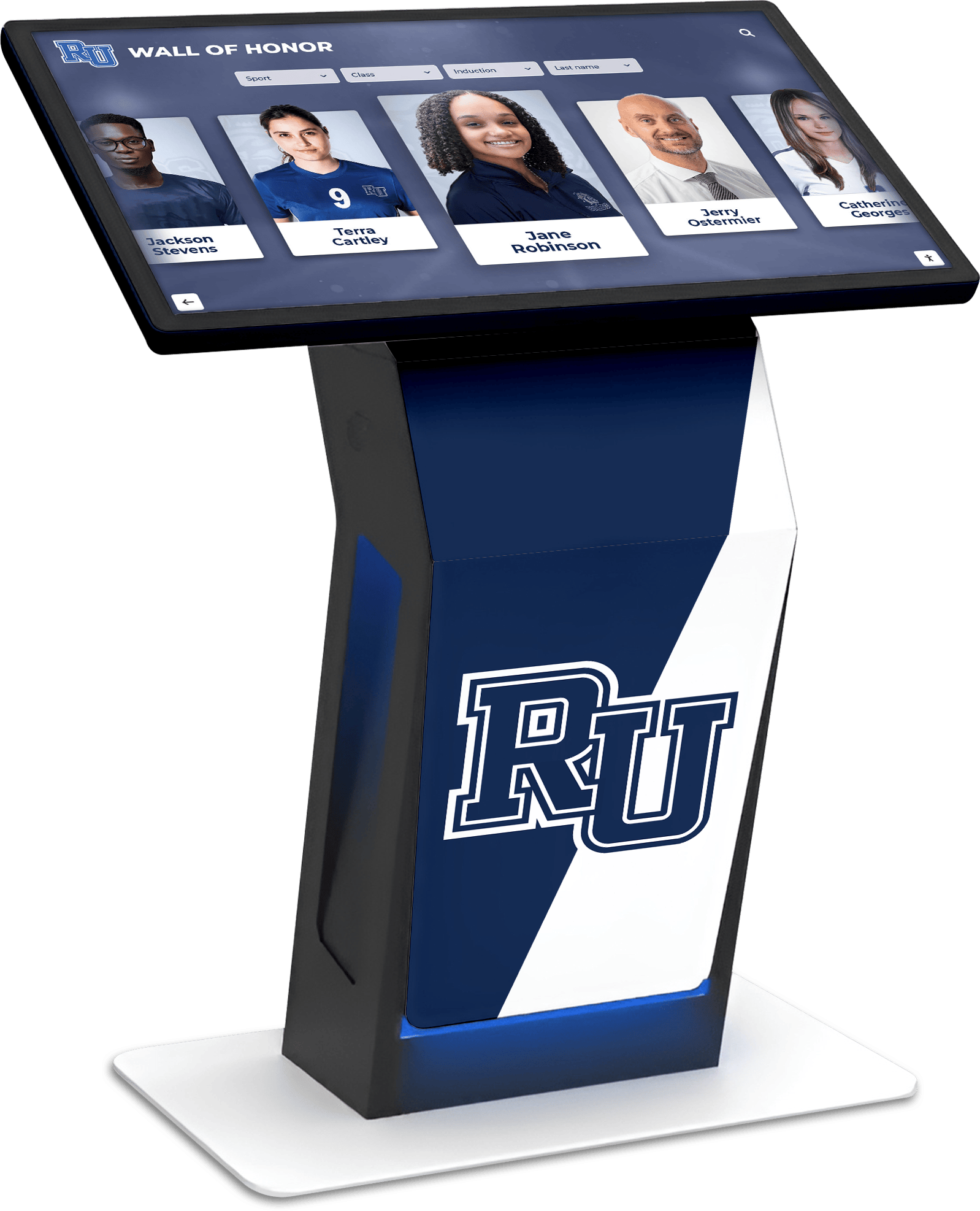
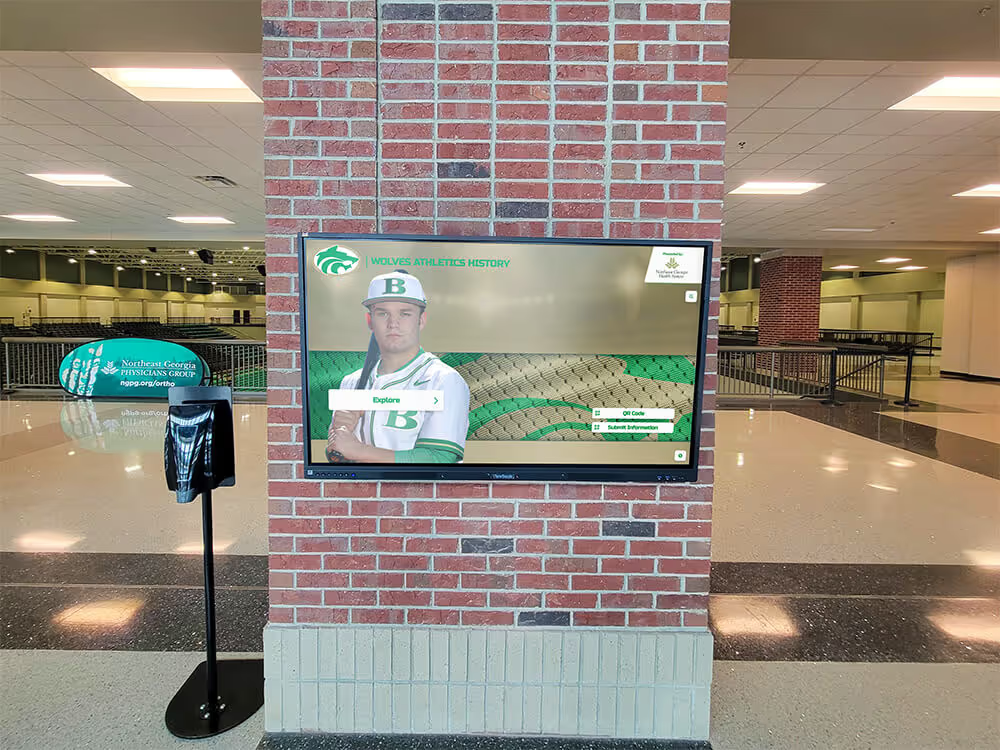
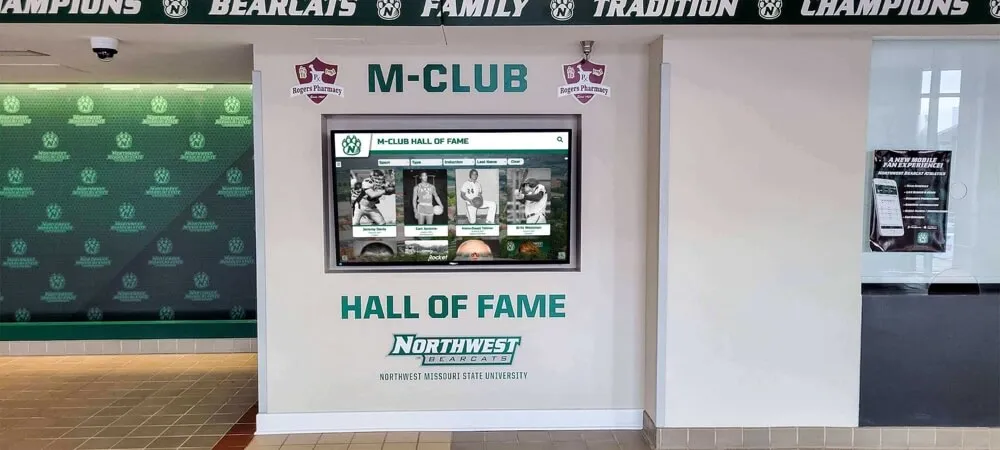
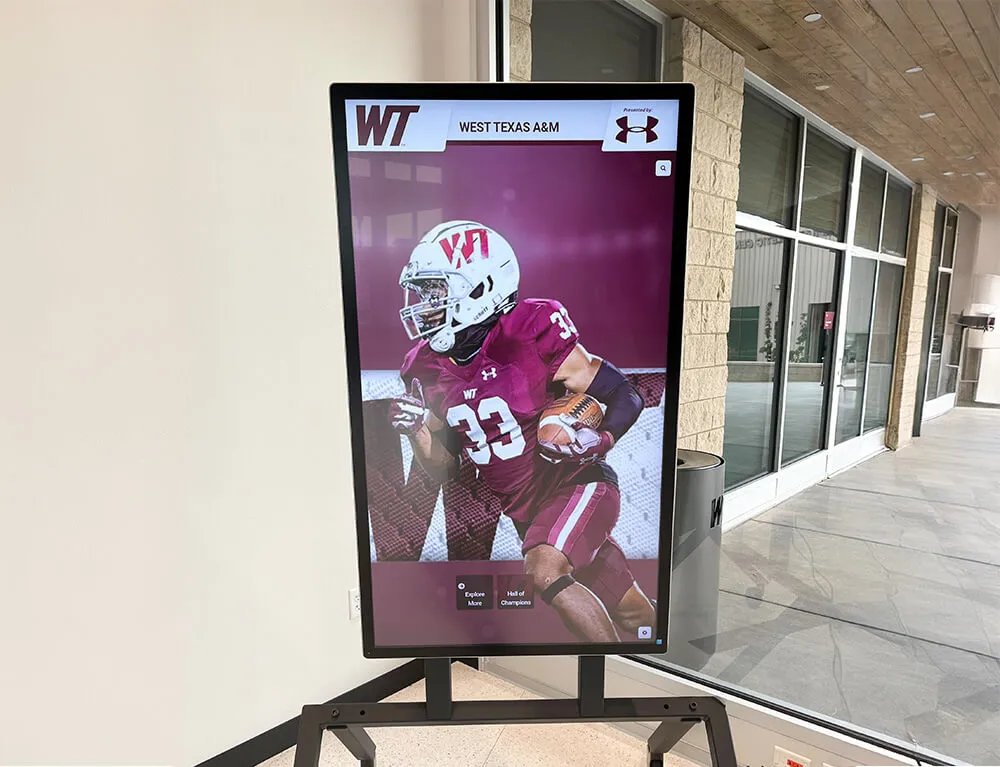
Freestanding recognition kiosks provide flexible placement options in gymnasium lobbies and high-traffic areas
Support Spaces and Amenities
Quality athletic facilities require comprehensive support areas beyond primary courts.
Locker Room and Team Areas
Student-athlete spaces significantly affect program culture through properly sized locker rooms for home and visiting teams, secure storage for equipment and personal belongings, shower and bathroom facilities meeting capacity needs, team meeting rooms supporting pre-game preparation, and coaching office spaces enabling program administration.
Quality locker room environments demonstrate respect for student-athletes while providing functional spaces supporting team development and competitive preparation.
Spectator and Community Spaces
Public areas affect community engagement and event atmosphere through bleacher seating with appropriate capacity and sightlines, concession areas supporting event operations and booster fundraising, public restroom facilities meeting peak demand, main entrance lobbies creating welcoming arrival experiences, and trophy display and recognition areas celebrating program achievements.
Thoughtful spectator spaces transform gymnasiums from functional athletic venues into community destinations that enhance school pride and create memorable event experiences.
Athletic Training and Medical Spaces
Athlete health and safety require dedicated facilities including athletic training rooms with appropriate equipment and supplies, ice machines and treatment areas, secure medication and equipment storage, proper ventilation and sanitation systems, and convenient access from courts and practice areas.
Athletic training facilities demonstrate institutional commitment to student-athlete welfare while meeting safety and liability standards essential for comprehensive athletic programs.
Recognition and Trophy Display Integration
Celebrating athletic achievement represents a critical gymnasium design element that strengthens program culture and inspires excellence.
Traditional Recognition Approaches
Conventional display methods remain relevant for many schools.
Championship Banners and Pennants
Suspended banners create dramatic visual impact through prominent display of state championships and conference titles, all-state athlete recognition, retired numbers honoring exceptional careers, playoff appearance banners, and milestone achievement celebrations.
Banner displays provide high-visibility recognition but face space limitations as programs mature and championship successes accumulate over decades. Learn about creative alternatives to traditional gym banners that solve space constraints.
Physical Trophy Cases and Display Cabinets
Lobby trophy cases serve recognition functions through team championship trophies and hardware, individual athlete awards and plaques, game ball displays from significant victories, photographic documentation of achievements, and memorabilia from program history.
Trophy cases provide tangible recognition but require regular maintenance, face finite capacity limitations, and offer no interactive engagement capabilities for younger digitally-native audiences.
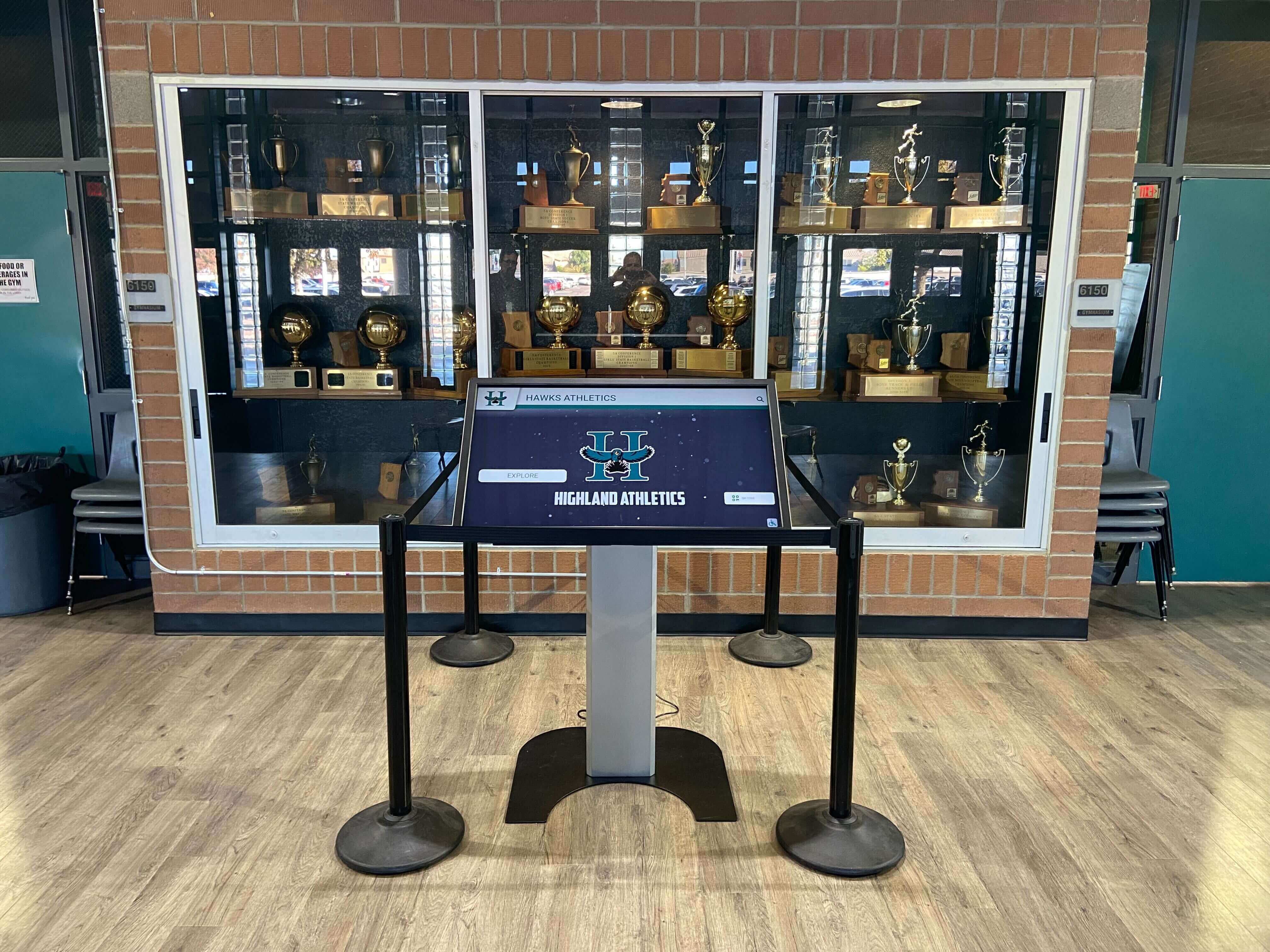
Hybrid approaches combine traditional trophy displays with digital recognition systems for comprehensive athletic celebration
Digital Recognition Systems for Unlimited History
Modern technology addresses traditional display limitations while enhancing recognition impact.
Interactive Touchscreen Displays
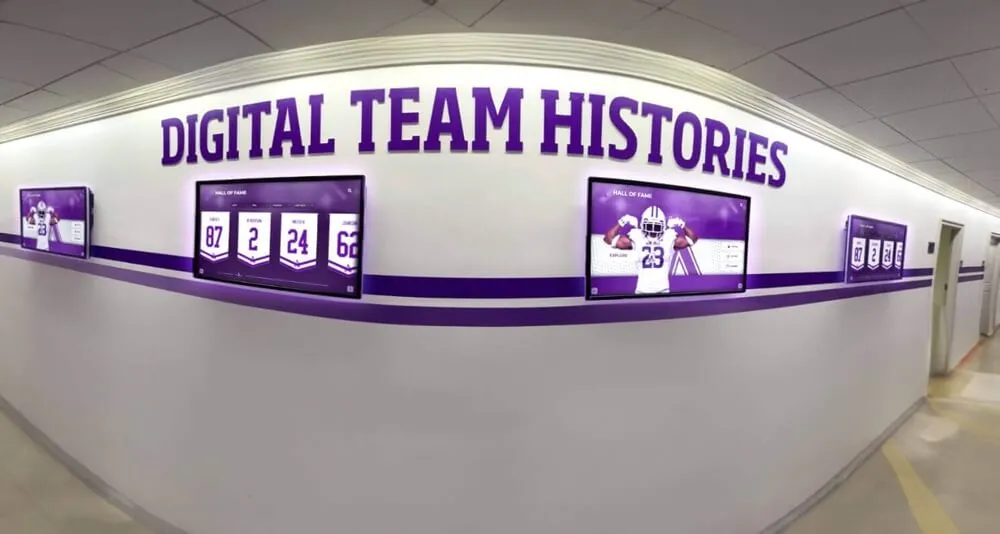
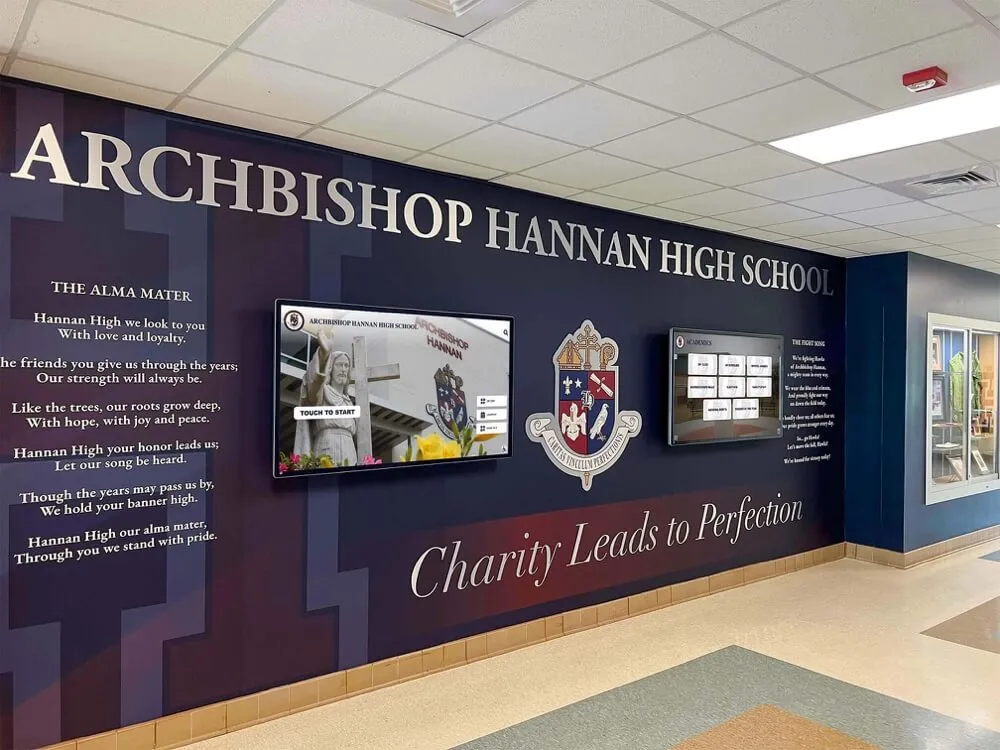
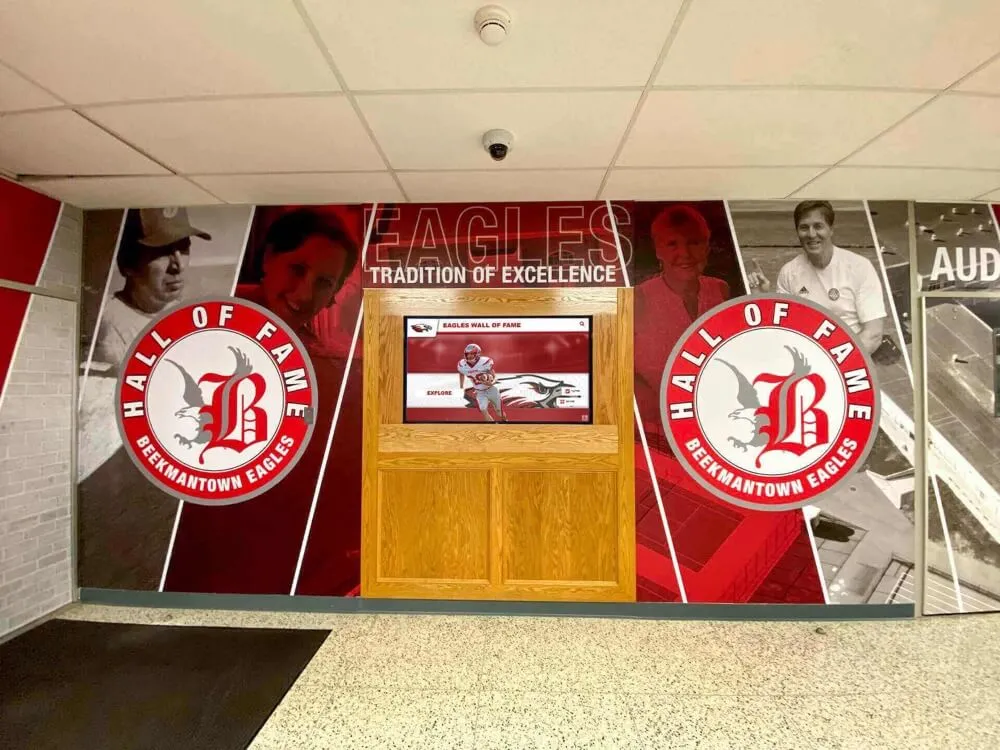
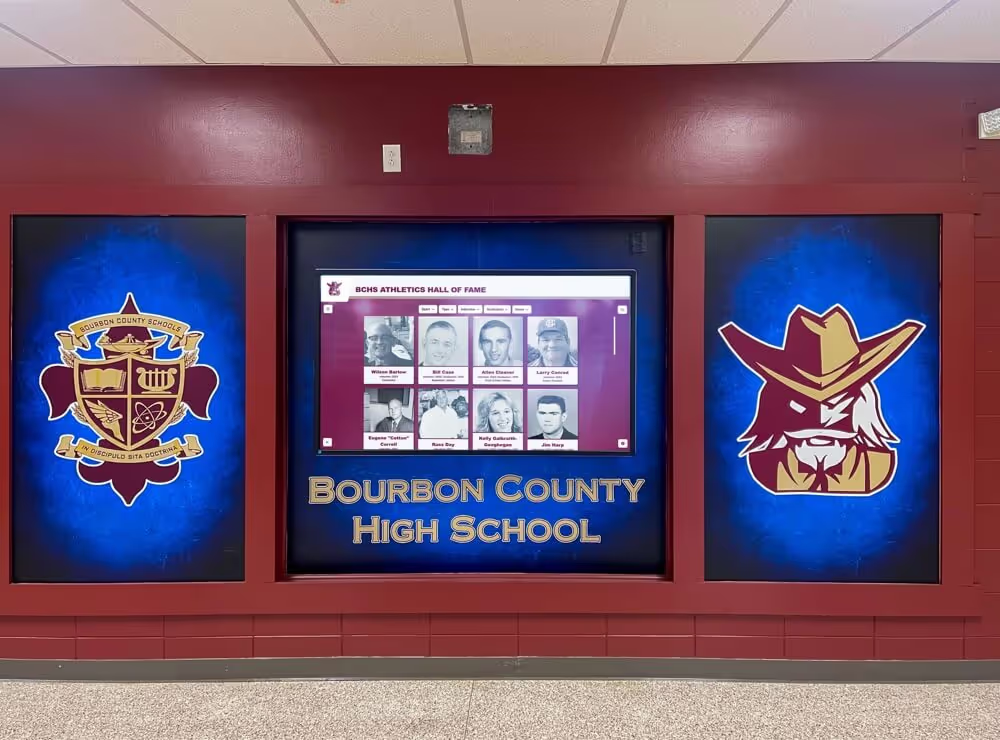
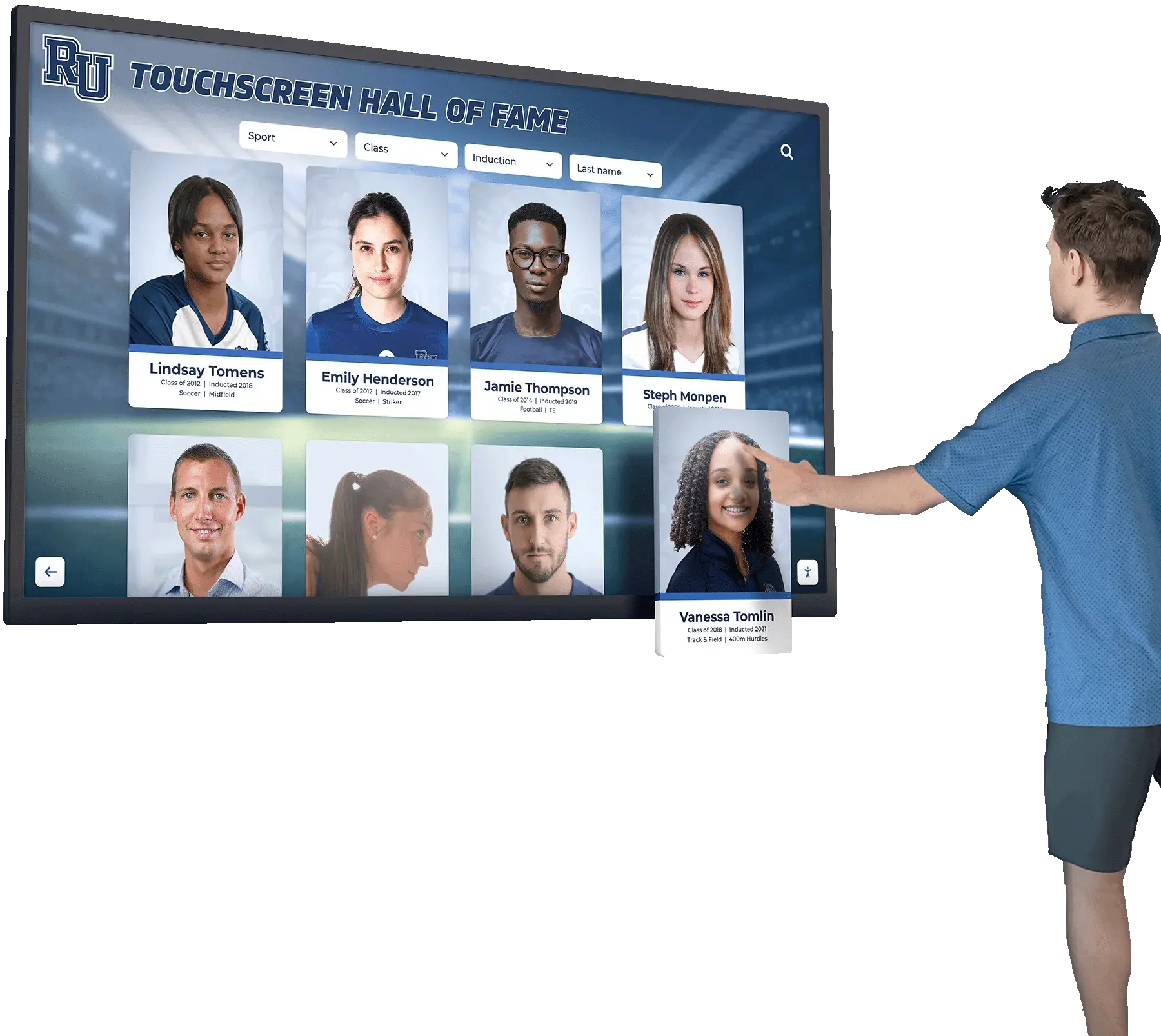
Digital recognition platforms provide comprehensive capabilities including unlimited athlete and team profile capacity, searchable databases enabling instant achievement discovery, detailed statistical records and performance data, photo galleries documenting program history, and video highlight integration bringing achievements to life.
A single touchscreen display can showcase recognition requiring dozens of traditional plaque walls, making comprehensive historical preservation achievable regardless of program age or success volume. Explore specialized applications in touchscreen displays for high school gym lobbies.
Wall-Mounted Recognition Screens
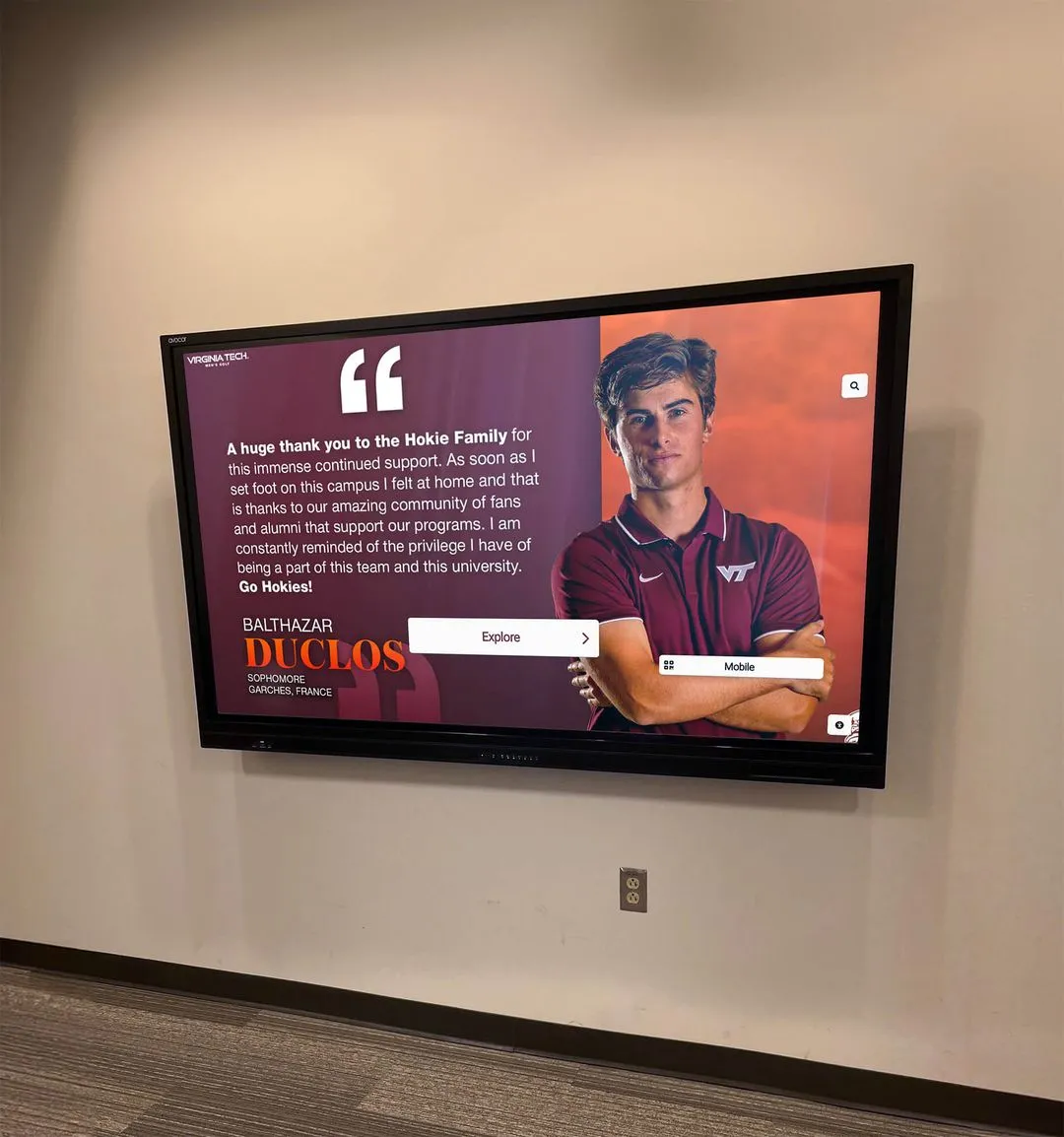
Large-format digital displays provide passive recognition capabilities through rotating athlete and team profiles, current season schedules and results, historical timeline presentations, upcoming event information, and recognition ceremony broadcasts.
Wall-mounted screens integrate seamlessly with gymnasium architecture while providing dynamic content that remains current and engaging compared to static physical displays.
Cloud-Based Content Management
Digital recognition systems simplify administrative maintenance through remote updates from any internet-connected device, no specialized technical skills required, scheduled publishing coordinating with recognition ceremonies, bulk import for historical data entry, and role-based permissions enabling appropriate staff access.
Schools implementing digital recognition report 85-90% reduction in administrative time maintaining athletic displays compared to traditional physical recognition requiring manual updates for each addition.
Web and Mobile Accessibility
Recognition impact extends beyond physical facilities through mobile-responsive web displays accessible globally, shareable athlete profile URLs, integration with athletic department websites, social media connectivity amplifying recognition, and alumni access regardless of physical campus proximity.
This extended reach proves particularly valuable for geographically dispersed alumni communities and families unable to regularly attend campus events. Solutions like Rocket Alumni Solutions provide purpose-built platforms designed specifically for educational athletic recognition.
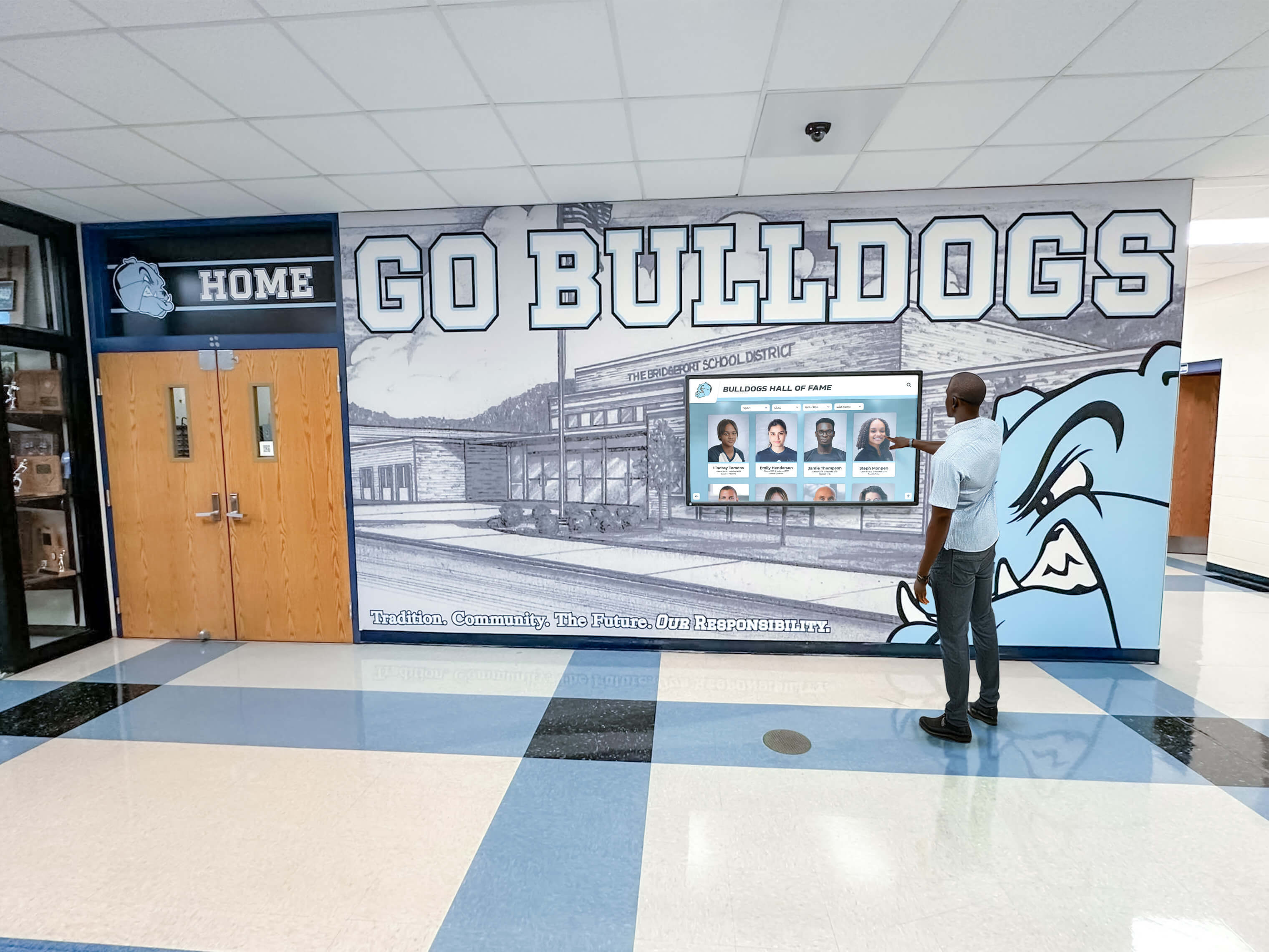
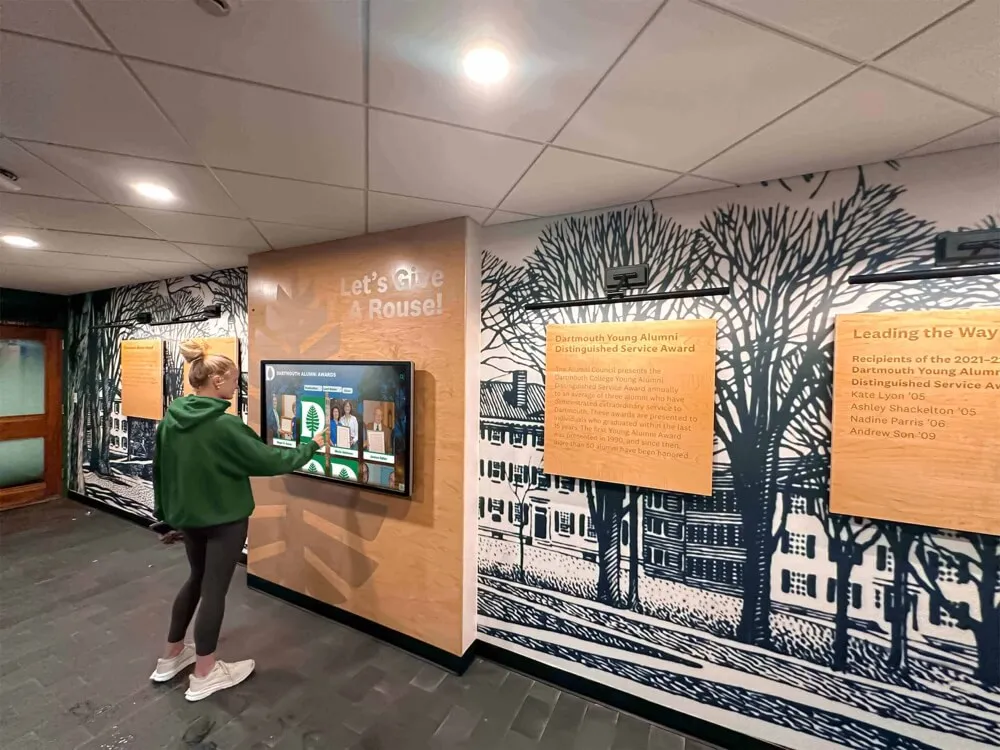
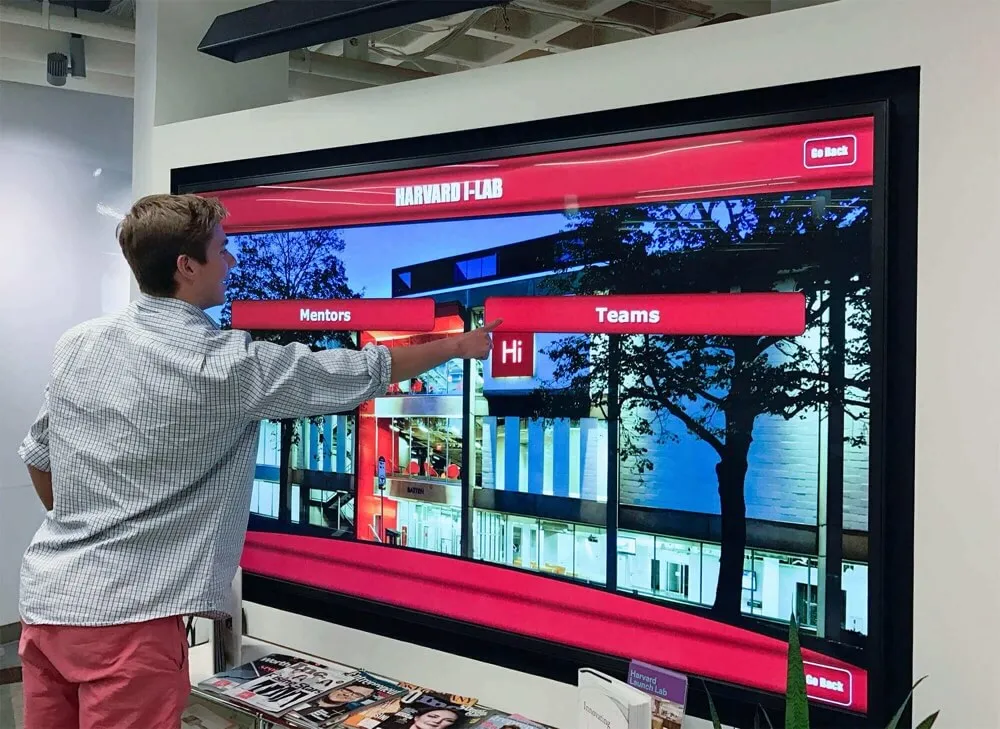
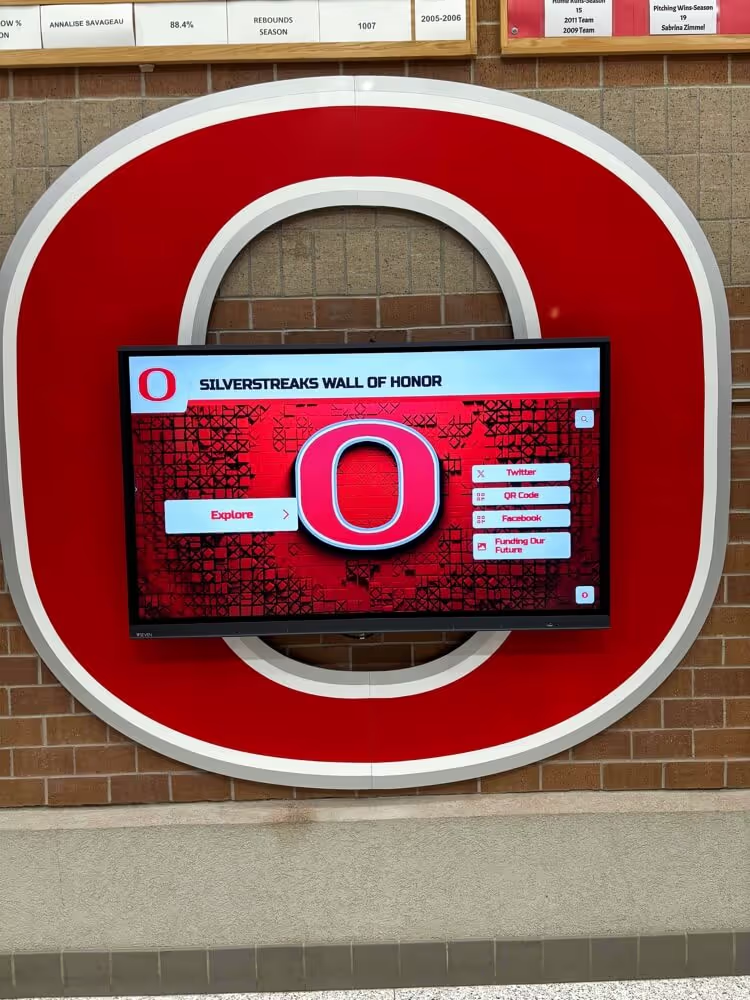
User-friendly interfaces enable students to independently explore athletic history and discover achievement stories
Strategic Recognition Placement
Display location significantly affects recognition impact and visibility.
Main Gymnasium Lobby Areas
Primary entrances offer maximum visibility through positioning where all visitors pass during entry, visible from street and parking areas, creating impressive arrival experiences, accessible during school hours for student engagement, and serving as natural gathering spaces.
Lobby recognition establishes immediate impression about institutional athletic values while ensuring maximum community exposure to achievement celebration.
Corridor and Hallway Integration
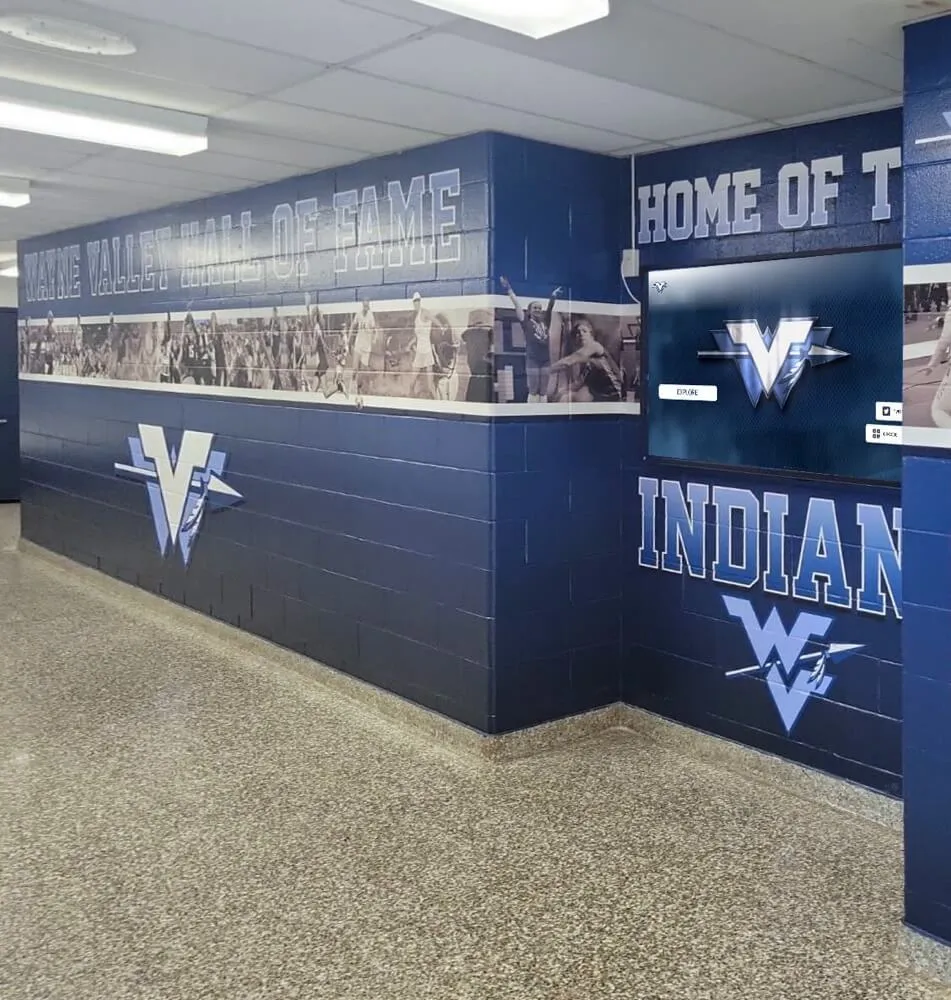
Strategic hallway placement extends recognition reach through locations connecting athletic facilities to broader school, positioning near locker rooms where athletes see daily, integration with existing wall murals and branding, coordinated displays creating recognition corridors, and accessibility during school hours beyond event times.
Hallway recognition ensures current athletes regularly engage with program tradition and achievement standards while building school pride throughout campus.
Court-Side and Spectator Areas
In-facility recognition creates home-court advantage through visible athlete profiles from spectator seating, real-time game statistics and recognition, timeout and halftime content opportunities, visiting team awareness of program tradition, and integration with scoreboard and video systems.
Court-side recognition demonstrates program excellence to competitors and officials while inspiring current athletes performing in spaces celebrating those who came before.
Modern Amenities and Technology Integration
Contemporary gymnasium design incorporates technology supporting athletics, education, and community engagement.
Athletic Technology Infrastructure
Competition and training technology enhance program capabilities.
Video and Statistical Systems
Modern facilities incorporate comprehensive video capabilities through camera systems capturing practices and competitions, instant replay and game film for coaching analysis, livestreaming enabling remote viewing, statistical capture and analysis tools, and integration with athletic recognition displays.
Video systems serve both competitive improvement and recognition functions while expanding program visibility beyond physical attendance limitations.
Sound and Announcement Systems
Quality audio infrastructure affects atmosphere and functionality through clear announcement capabilities reaching all areas, music playback supporting warmups and events, microphone systems for ceremonies and recognition, audio for livestream broadcasts, and integration with fire alarm and emergency systems.
Professional audio systems create appropriate event atmosphere while supporting communication needs during competitions, assemblies, and community events.
Lighting Control and Flexibility
Advanced lighting systems provide operational advantages through competition-level illumination meeting standards, practice mode settings reducing energy consumption, dimming capabilities for ceremonies and events, emergency lighting meeting safety codes, and centralized control simplifying operations.
Quality lighting affects both athletic performance and visual aesthetics while representing significant energy costs over facility lifetimes.

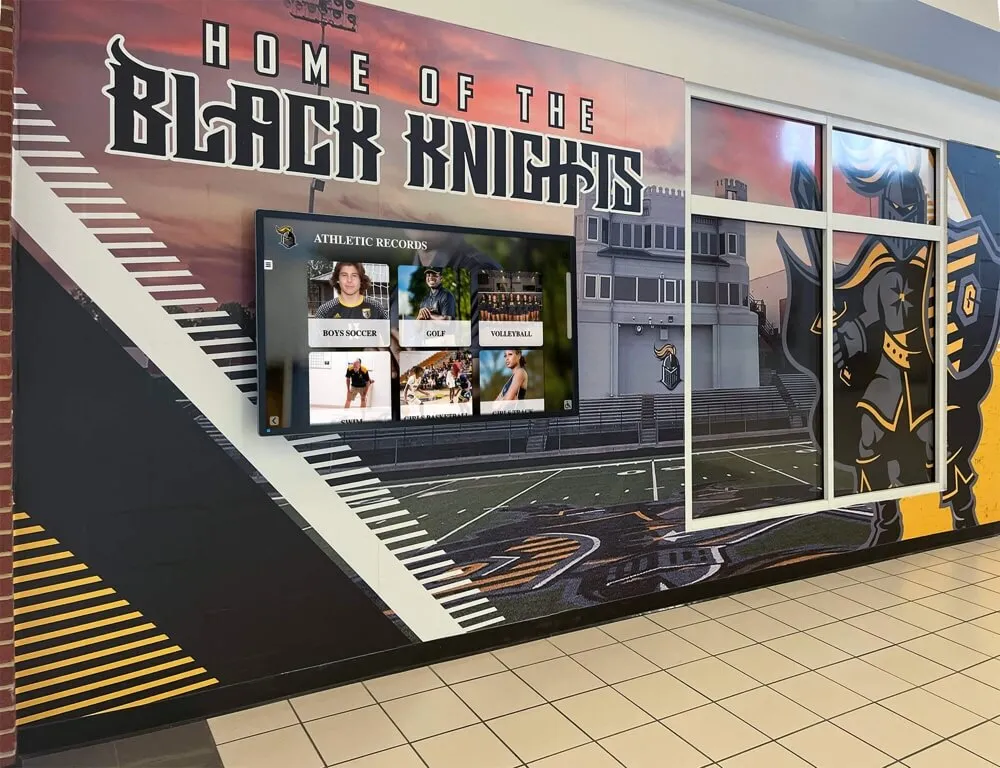
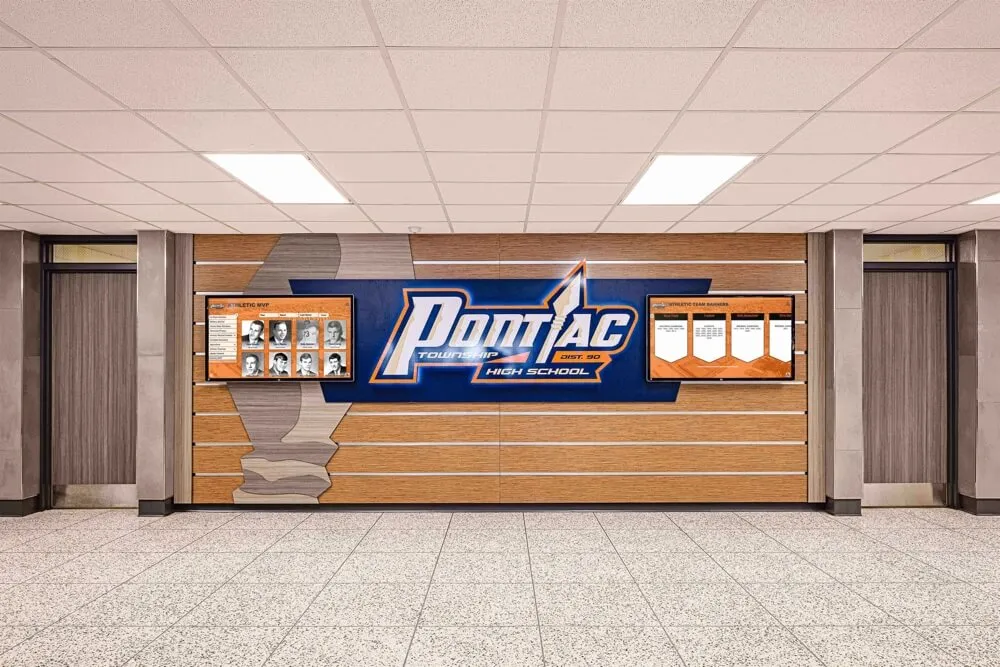
Professional recognition installations integrate institutional branding and create branded athletic celebration environments
Communication and Information Systems
Technology supports community engagement and operational efficiency.
Digital Signage Networks
Coordinated display systems provide communication capabilities through main lobby information displays, directional wayfinding signage, event schedules and calendars, emergency alert capabilities, and integration with school-wide digital signage.
Digital signage networks extend beyond athletic recognition to support comprehensive facility communication needs while maintaining visual consistency throughout buildings.
Network Infrastructure and Connectivity
Robust data networks enable modern capabilities through WiFi access for staff, athletes, and spectators, wired connectivity for scoreboard and display systems, streaming video bandwidth requirements, security system connectivity, and capacity for future technology expansion.
Network infrastructure represents critical but often underestimated facility requirements affecting both current operations and future technology adoption.
Control and Automation Systems
Integrated building systems simplify operations through centralized lighting and HVAC control, automated scheduling reducing manual intervention, remote monitoring and diagnostics, energy management optimization, and simplified staff training and operations.
Automation systems reduce operational costs while enabling smaller staff to effectively manage complex facilities.
Branding and School Identity Integration
Visual design elements strengthen school pride and create distinctive athletic environments.
Color Schemes and Material Selections
Consistent application of school identity creates cohesive athletic spaces.
School Colors and Mascot Imagery
Athletic facilities should prominently incorporate institutional identity through dominant use of official school colors, mascot imagery and logos, consistent typographic standards, branded wayfinding and signage, and coordinated material and finish selections.
Comprehensive branding creates distinctive home environments that strengthen school pride while communicating athletic program identity to visitors and competitors.
Floor Designs and Court Surfaces
Playing surfaces offer prime branding opportunities through center court logo installations, sideline and baseline branding, school name and mascot integration, conference or league logos when appropriate, and specialized designs for rivalry games or special events.
Floor branding creates dramatic visual impact while ensuring school identity remains prominent during all competitions and events.
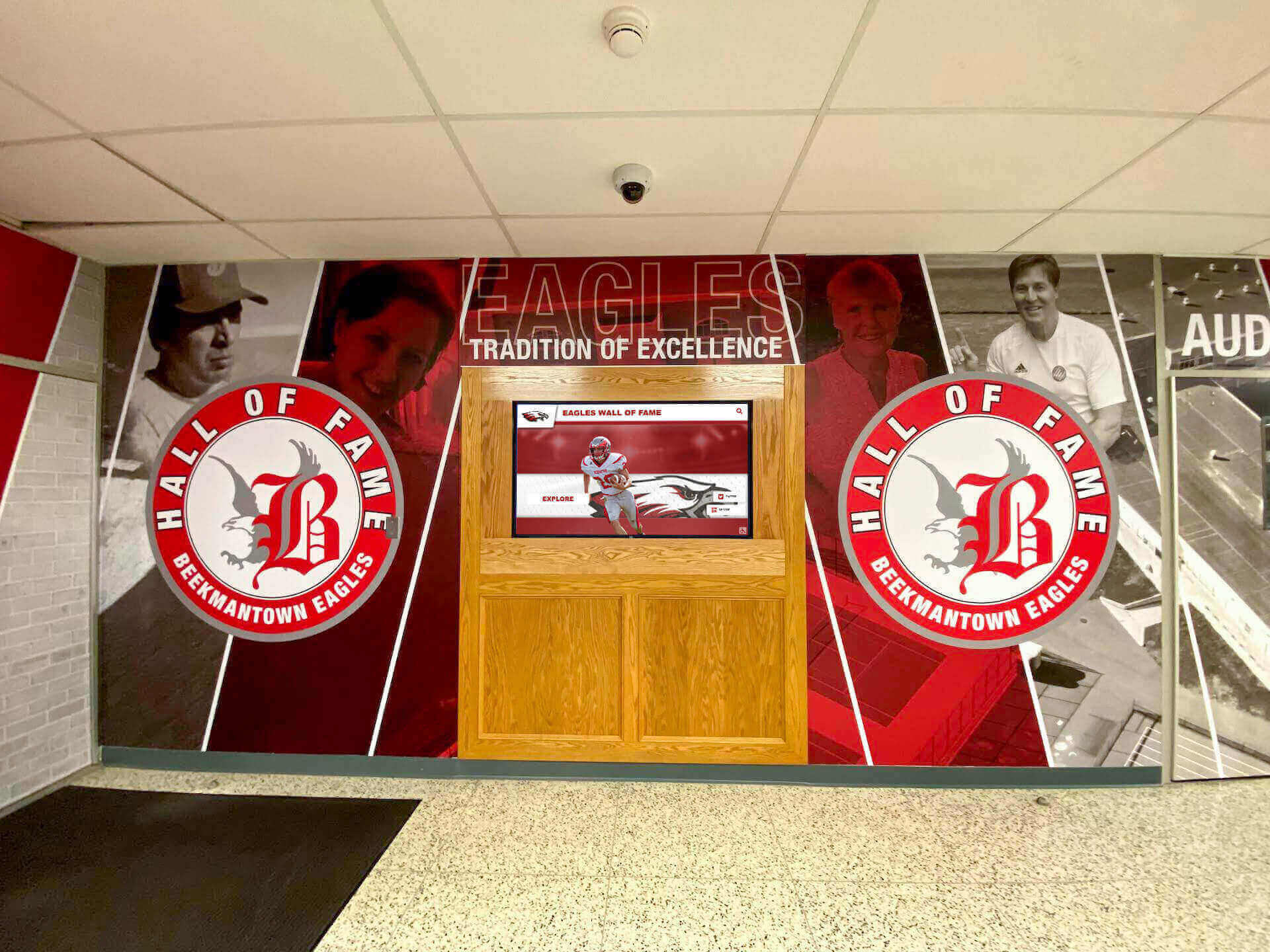
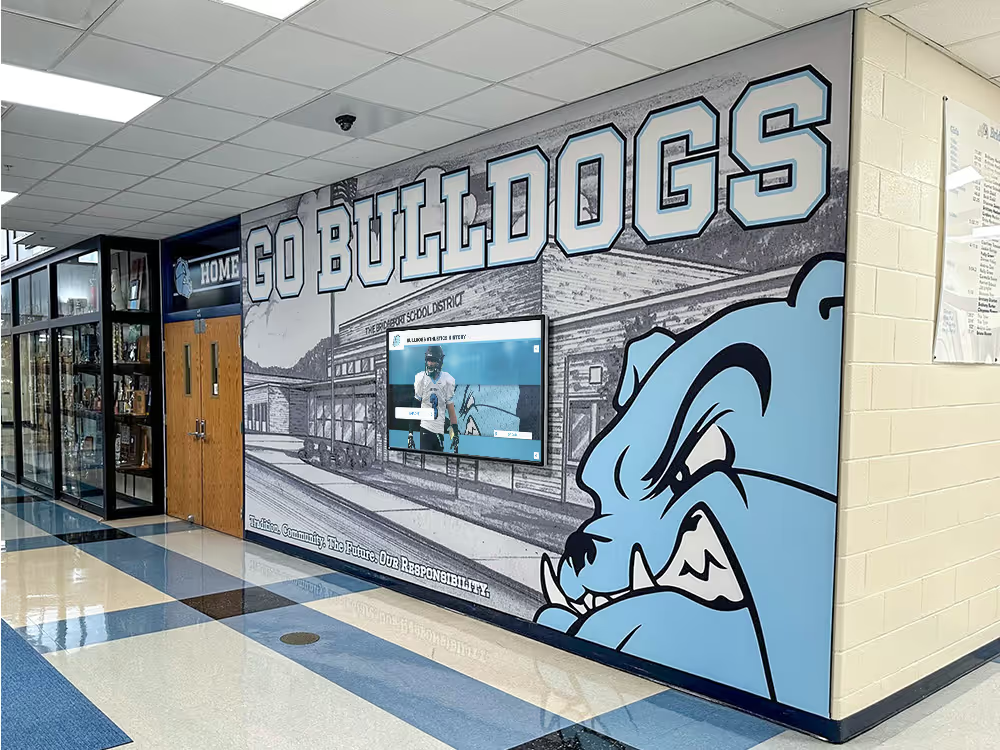
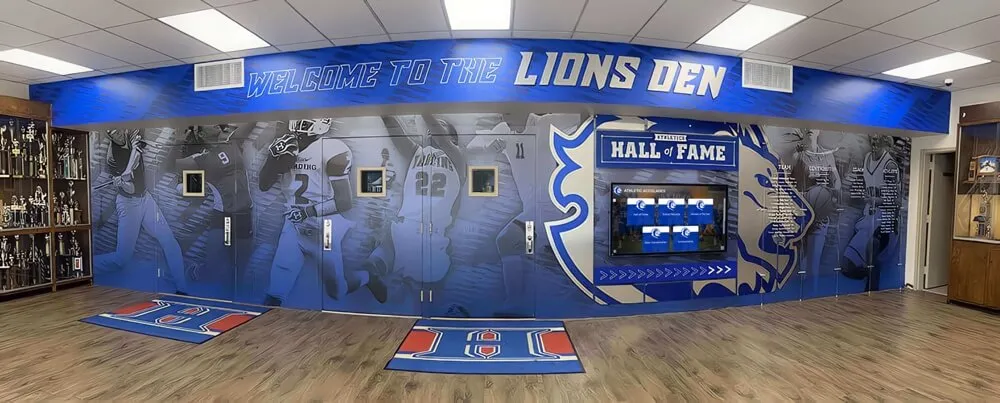
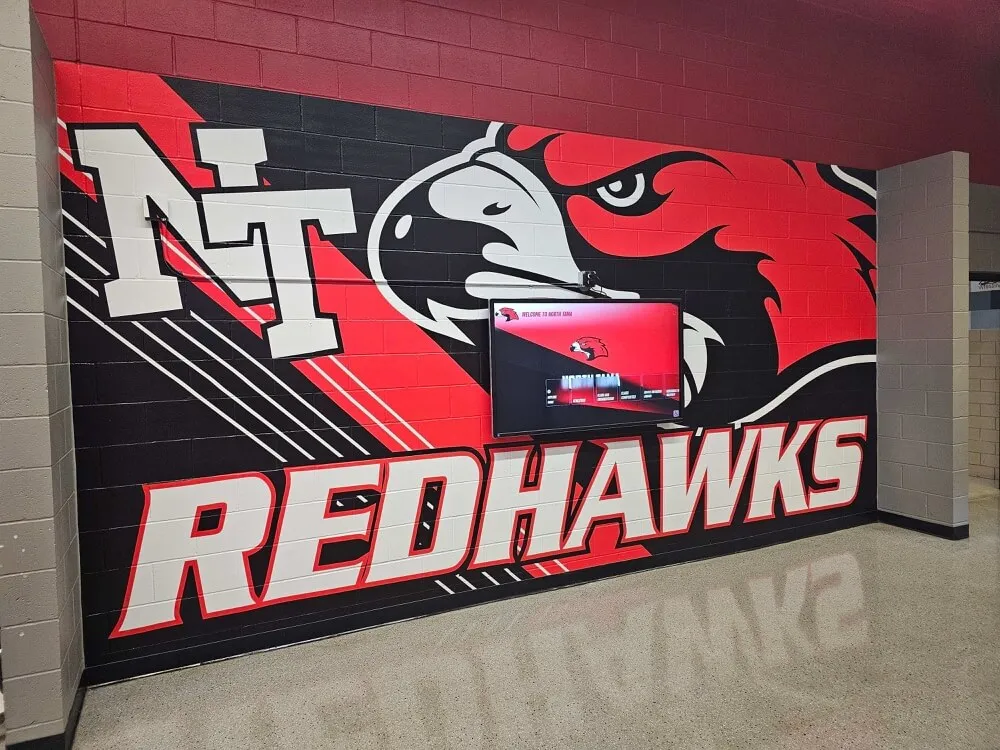
Comprehensive branded environments integrate murals, digital displays, and architectural elements creating memorable athletic spaces
Wall Treatments and Graphic Elements
Vertical surfaces extend branding opportunities through large-scale wall murals and graphics, dimensional lettering and logos, inspirational messaging and team values, padding and safety equipment in school colors, and integrated recognition displays coordinating with overall aesthetic.
Wall treatments transform functional spaces into distinctive athletic environments that differentiate facilities while reinforcing institutional identity.
Creating Home-Court Advantage
Thoughtful design creates competitive advantages for home teams.
Intimidation Through Excellence Display
Visible achievement celebration affects competitor psychology through prominent championship banners and recognition, comprehensive historical success documentation, retired number displays honoring legends, record boards showing program standards, and all-state athlete recognition.
Visiting teams entering facilities filled with home team achievement evidence face subtle psychological disadvantage while home athletes gain confidence from visible program tradition.
Atmosphere and Fan Experience
Design elements affecting spectator engagement create energy advantages including student section placement and size, acoustic properties amplifying crowd noise, sightline optimization maximizing intimacy, appropriate seating capacity preventing empty appearance, and spectator amenities supporting extended attendance.
Engaged, passionate home crowds represent significant competitive advantages that facility design can either enable or limit through thoughtful attention to fan experience.
Sustainability and Operational Efficiency
Long-term facility success requires design supporting environmental responsibility and operational sustainability.
Energy Efficiency and Environmental Design
Sustainable approaches reduce operational costs while meeting environmental standards.
HVAC Systems and Climate Control
Heating and cooling represent major operational expenses requiring efficient systems through high-efficiency equipment and controls, demand-based ventilation optimizing air quality and energy, zoning enabling separate control of spaces, heat recovery systems capturing waste energy, and smart scheduling coordinating with facility usage.
HVAC investments significantly affect long-term operational costs making efficiency a financial priority beyond environmental considerations.
LED Lighting and Controls
Lighting technology advances provide efficiency opportunities through LED fixtures reducing energy consumption 50-70%, occupancy sensors preventing waste in unoccupied spaces, daylight harvesting utilizing natural light, dimming capabilities matching needs to conditions, and competition-grade illumination at lower operational costs.
LED investments typically achieve payback within 3-5 years through energy savings while providing superior lighting quality and reduced maintenance compared to traditional systems.
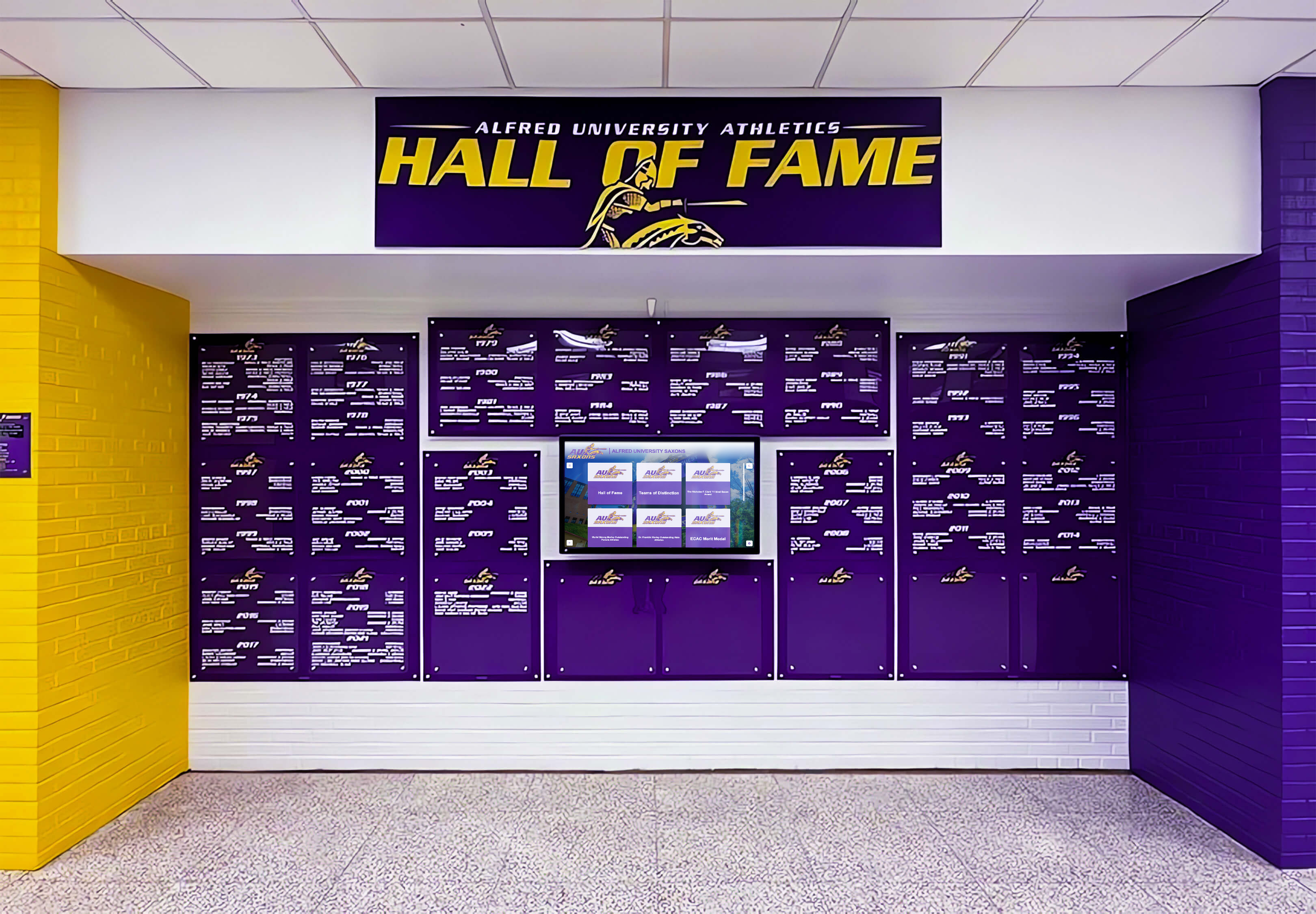
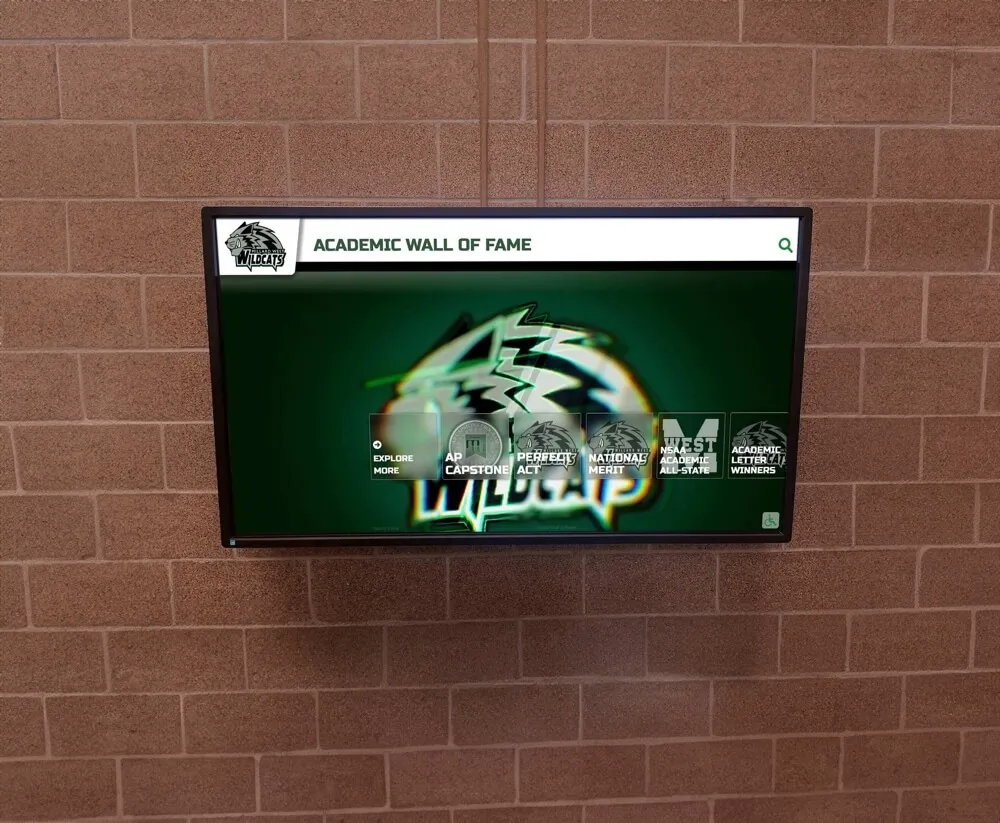
Digital recognition displays integrate seamlessly with gymnasium architecture while celebrating program achievements
Renewable Energy and Solar Integration
Forward-thinking facilities incorporate renewable generation through rooftop solar installations offsetting operational costs, solar parking canopies serving dual purposes, geothermal systems for heating and cooling, battery storage supporting peak demand management, and grid integration selling excess generation.
Renewable energy investments require significant upfront capital but provide long-term operational savings while demonstrating environmental commitment to school communities.
Maintenance and Lifecycle Considerations
Sustainable facilities balance initial costs with long-term maintenance requirements.
Durable Material Selection
Appropriate materials reduce replacement frequency through commercial-grade flooring systems designed for athletic use, impact-resistant wall protection, moisture-resistant materials preventing damage, easily cleanable surfaces simplifying maintenance, and warranty coverage protecting long-term investments.
Quality materials cost more initially but prove more economical over facility lifetimes through reduced replacement frequency and lower maintenance requirements.
Maintenance Access and Design
Thoughtful design simplifies ongoing maintenance through accessible mechanical equipment placement, sufficient storage for maintenance equipment and supplies, wall and ceiling access panels, adequate electrical capacity for future needs, and straightforward replacement procedures for wear items.
Maintenance-friendly design reduces long-term operational costs while extending effective facility lifetimes.
Renovation vs. New Construction Decisions
Schools face strategic choices between updating existing facilities and building new gymnasiums.
When Renovation Makes Sense
Existing facility updates offer advantages in specific situations.
Renovation Advantages and Considerations
Updating existing gymnasiums provides benefits including lower total cost compared to new construction, faster project timelines with less disruption, preservation of functional spaces requiring limited updates, ability to modernize systems and technology, and renovation of historically significant or iconic facilities.
However, renovation faces limitations from existing structural and spatial constraints, costs approaching new construction when changes are extensive, disruption to programs during work, and inability to address fundamental layout or capacity problems.
Comprehensive assessment determines whether renovation achieves programmatic goals within budget constraints or whether new construction better serves long-term needs.
New Construction Opportunities
Purpose-built facilities avoid existing building limitations.
Benefits of Ground-Up Design
New gymnasiums enable optimal design through proper sizing meeting program needs, ideal spatial relationships and layouts, modern systems and infrastructure from start, comprehensive accessibility and safety standards, and multi-generational facility planning.
New construction costs more initially but creates purpose-built facilities serving programs effectively for 50+ years compared to renovations working within existing building constraints.

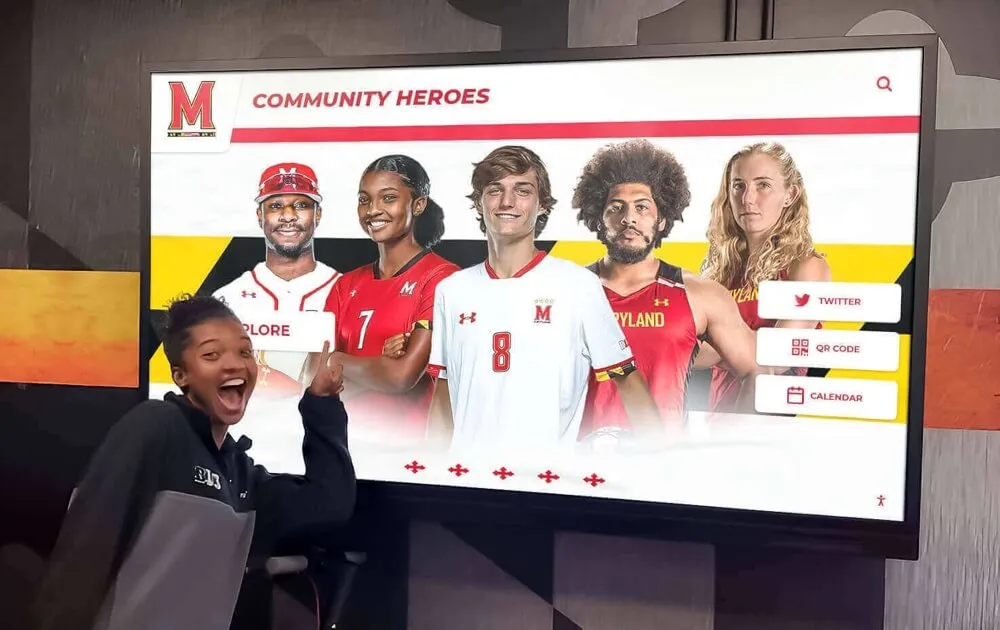
Intuitive touchscreen interfaces enable visitors to explore athlete profiles and program achievements independently
Site Selection and Campus Integration
New facilities require thoughtful positioning within school campuses through adequate site size accommodating building and parking, convenient access from school buildings and public roads, visibility showcasing facilities to community, outdoor athletic facility integration, and future expansion space.
Site selection significantly affects construction costs, operational convenience, and community engagement with athletic programs.
Specialized Recognition: Sport-Specific Approaches
Different sports have unique recognition traditions and display opportunities.
Basketball and Volleyball Recognition
Court sports share gymnasium space and recognition approaches.
Championship and Record Recognition
Basketball and volleyball programs typically celebrate state championships and tournament appearances, conference titles and regular season success, career 1,000-point scorers and statistical milestones, all-state and all-conference selections, and retired numbers honoring exceptional athletes.
Digital recognition systems enable comprehensive documentation of basketball records and achievements that exceed traditional banner capacity.
Wrestling Program Recognition
Wrestling rooms and gymnasium spaces showcase sport-specific achievements.
Wrestling-Specific Recognition Elements
Wrestling programs celebrate state qualifiers and place-winners, career win milestones and records, team state championships, individual state champions by weight class, and creative wrestling awards and recognition.
Wrestling recognition often appears in dedicated wrestling rooms or gymnasium auxiliary spaces rather than main courts.
Multi-Sport Athlete Recognition
Comprehensive programs celebrate diverse athletic participation.
Recognizing Multi-Sport Excellence
Athletic departments should acknowledge athletes excelling across multiple sports, varsity letter accumulation across sports, seasonal transition from fall to winter to spring athletics, family legacy of multi-sport participation, and balanced recognition across all athletic programs.
Digital systems enable comprehensive multi-sport recognition impossible with space-limited traditional displays that force prioritization decisions favoring high-profile sports.
Accessibility and Universal Design
Modern gymnasiums must serve all community members regardless of ability.
ADA Compliance and Beyond
Accessible design ensures inclusive athletic facilities.
Essential Accessibility Features
Compliant facilities incorporate wheelchair-accessible seating with companion spaces, accessible routes connecting all facility areas, properly designed parking and building entrances, accessible restrooms meeting capacity requirements, and assistive listening systems for hearing impaired.
Accessibility represents both legal requirement and ethical imperative ensuring athletic facilities serve complete school communities.
Universal Design Principles
Beyond minimum compliance, universal design creates facilities naturally accommodating diverse users through wide doorways and corridors benefiting all users, lever door handles instead of knobs, visual and tactile wayfinding elements, appropriate lighting and contrast supporting visual accessibility, and flexible spaces accommodating varied abilities and needs.
Universal design creates better facilities for everyone rather than minimum accommodation approaches treating accessibility as afterthought.
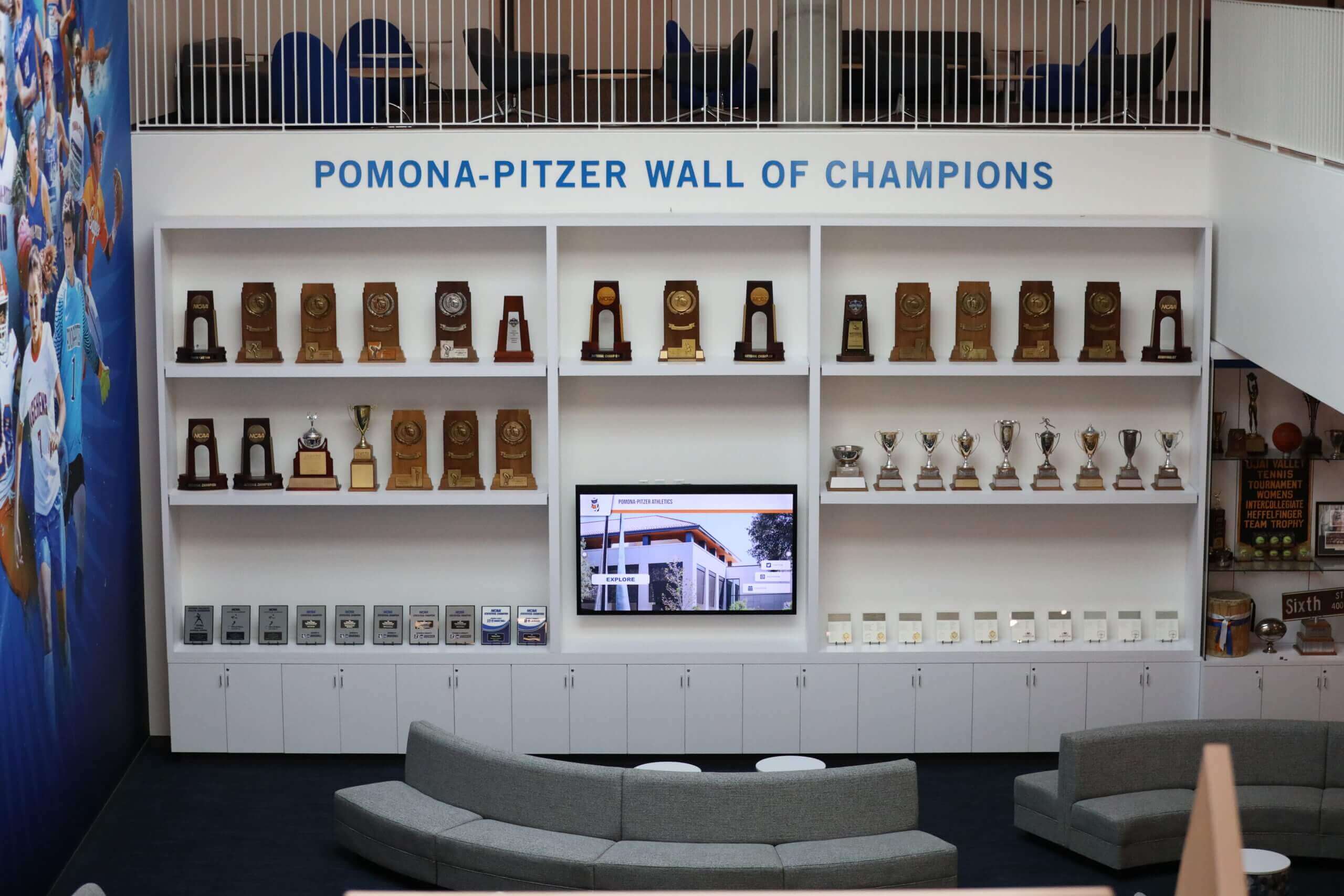
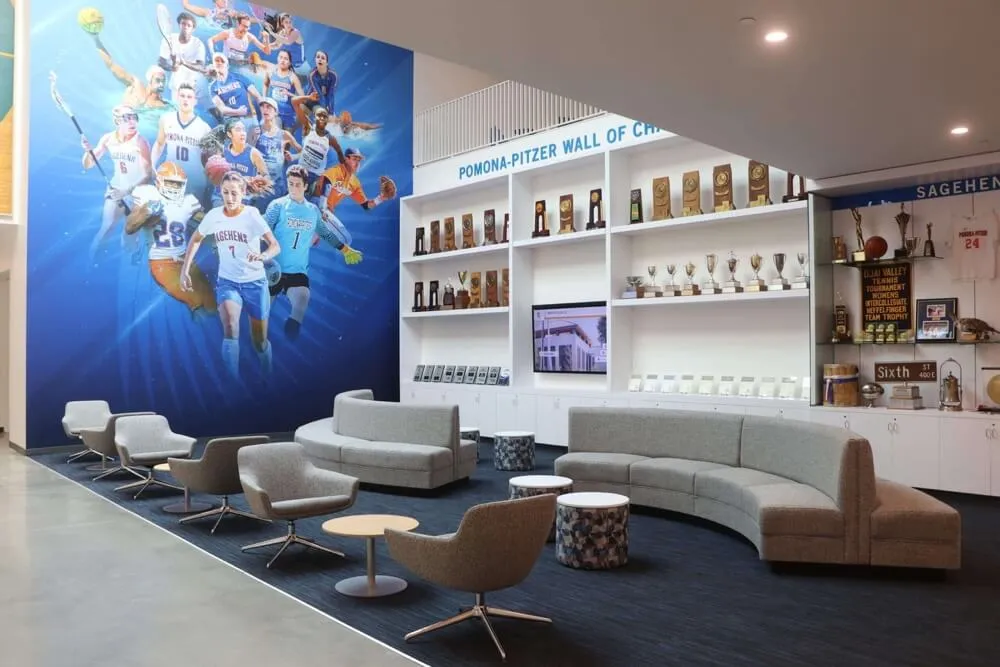
Recognition spaces combining displays with comfortable seating create destinations where students explore athletic heritage
Planning Process and Stakeholder Engagement
Successful gymnasium projects require systematic planning and broad constituent involvement.
Project Planning Fundamentals
Comprehensive planning prevents costly mistakes and ensures facilities meet diverse needs.
Needs Assessment and Programming
Begin projects with thorough evaluation including current facility limitations and problems, program requirements across all sports, community event and assembly needs, enrollment projections and capacity planning, technology infrastructure requirements, and budget development and funding strategies.
Comprehensive programming establishes clear requirements guiding design decisions throughout projects while ensuring facilities serve identified needs rather than generic templates.
Stakeholder Input and Communication
Involve key constituencies throughout planning including athletic directors and coaching staff, physical education teachers, school administrators and board members, student-athlete representatives, parent and booster organization leaders, community members and taxpayers, and facility operations staff.
Broad engagement ensures facilities serve diverse needs while building community support essential for funding and long-term program success.
Design and Construction Process
Systematic project execution ensures quality outcomes on schedule and budget.
Architect and Builder Selection
Choose design and construction teams through experience with educational athletic facilities, portfolio of comparable gymnasium projects, understanding of state athletic association standards, collaborative design processes incorporating stakeholder input, and realistic budget and schedule commitments.
Experienced educational design professionals understand unique requirements of high school gymnasiums compared to commercial athletic facilities or higher education projects.
Project Management and Oversight
Successful projects require active management through regular design review and decision-making, budget monitoring and cost control, schedule tracking and timeline management, quality assurance during construction, and community communication about progress and changes.
Administrative oversight throughout design and construction prevents problems while ensuring completed facilities match approved plans and serve intended purposes.
Funding and Budget Development
Realistic financial planning enables successful gymnasium projects.
Construction Cost Factors
Multiple variables affect total project investment.
Primary Cost Drivers
Gymnasium costs vary based on building size and square footage, site conditions and preparation requirements, structural system and construction type, finish quality and material selections, technology infrastructure investments, and geographic location affecting labor and material costs.
New gymnasium construction typically ranges from $300-500+ per square foot depending on these factors, with comprehensive facilities including auxiliary spaces potentially exceeding $10-15 million for larger schools.
Recognition System Investment
Budget separately for recognition infrastructure including traditional banner hanging systems, trophy case millwork and installation, digital recognition displays and content management platforms, initial content development and historical data migration, and ongoing digital platform subscriptions.
Digital recognition typically requires $15,000-50,000 initial investment depending on display quantity and specifications, with annual platform subscriptions of $2,000-8,000 supporting unlimited content and recognition capacity.

Stadium and arena installations bring recognition to competition venues where athletes train and compete daily
Funding Strategies and Sources
Schools employ diverse approaches to finance gymnasium projects.
Traditional Funding Mechanisms
Common funding sources include school bond referendums approved by voters, state facility improvement programs, capital reserve fund allocations, borrowing and municipal financing, and general operating budget allocations.
Major gymnasium projects typically require bond financing or state funding rather than operating budget resources given multi-million dollar costs.
Development and Private Fundraising
Supplement public funding through naming rights for facilities or specific spaces, donor campaigns targeting alumni and community members, booster club fundraising and contributions, corporate partnerships with local businesses, and memorial opportunities honoring individuals.
Private fundraising often supports enhancement features, recognition systems, and technology infrastructure exceeding baseline functional facility requirements.
Conclusion: Creating Athletic Facilities That Inspire Excellence
High school gymnasium design represents significant opportunities for schools to create athletic facilities that serve functional competition requirements while inspiring excellence, celebrating achievement, and strengthening school community pride. Successful projects balance practical athletic needs with recognition elements, modern amenities, and design choices that create distinctive home environments demonstrating institutional commitment to comprehensive student development through athletics.
The frameworks explored in this guide provide administrators and design teams with systematic approaches to gymnasium projects that serve diverse objectives including accommodating multiple sports and physical education programs, celebrating athletic achievement through meaningful recognition, incorporating modern technology supporting competition and engagement, creating accessible facilities serving all community members, and building sustainable facilities operating efficiently across decades.
Transform Your Athletic Recognition
Discover how modern digital recognition solutions can help you celebrate athletic excellence, preserve complete program history, and create inspiring gymnasium environments that motivate current athletes through engaging displays designed specifically for educational athletics.
Explore Recognition SolutionsWhether planning new gymnasium construction, renovating existing facilities, or enhancing recognition elements within current spaces, begin with comprehensive needs assessment understanding diverse stakeholder requirements, realistic budget development accounting for initial construction and ongoing operations, thoughtful recognition strategy celebrating achievements across all sports and eras, technology planning supporting current needs with flexibility for future evolution, and community engagement building support essential for funding and long-term program success.
With systematic planning, appropriate design professionals, and commitment to creating inspiring athletic environments, high school gymnasiums can serve as central facilities that strengthen athletic programs, celebrate student-athlete excellence, preserve institutional tradition, and create community gathering spaces serving schools effectively for generations. The investment in quality athletic facilities pays dividends through enhanced program success, increased student engagement, strengthened school pride, and demonstrated commitment to comprehensive student development through competitive athletics and physical education.
Ready to enhance your athletic facilities? Explore comprehensive approaches to showcasing athletic achievements, discover digital recognition systems for athletic facilities, or learn about athletic director resources for choosing recognition providers that support your gymnasium design goals and celebrate the student-athletes, coaches, and programs advancing your athletic traditions.