Intent: Demonstrate
High school reunion display boards create the visual foundation that transforms ordinary gatherings into meaningful celebrations of shared history and lasting connections. When reunion committees thoughtfully design displays showcasing class memories, achievements, and shared experiences, they create environments where nostalgia flourishes, conversations spark naturally, and classmates reconnect around the people, places, and moments that defined their formative years together.
Yet many reunion planning committees struggle with display approaches that truly engage attendees. Display boards often default to scattered yearbook pages taped to poster boards, photocopied images losing visual impact, or static arrangements that attendees glance at briefly before moving on. Meanwhile, powerful stories waiting within graduating classes—career achievements, family milestones, community contributions, and personal journeys—remain invisible because committees lack effective frameworks for capturing and celebrating them.
This comprehensive guide explores proven strategies for creating high school reunion display boards that honor shared history, inspire meaningful conversations, celebrate diverse achievements, and create memorable experiences strengthening the bonds formed during those crucial high school years.
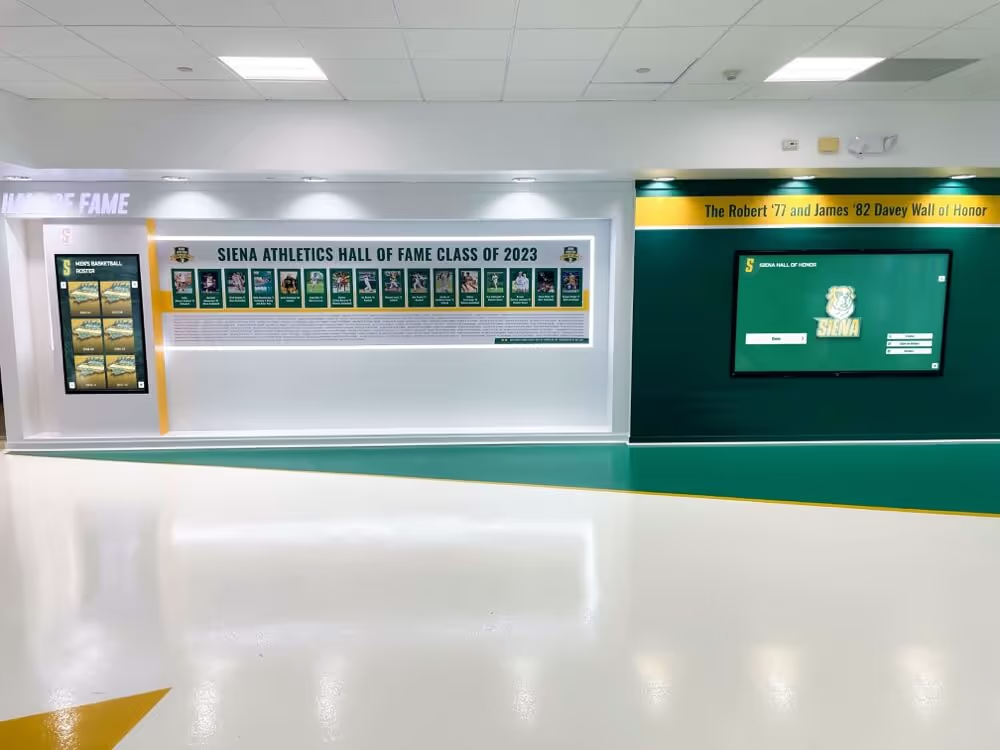
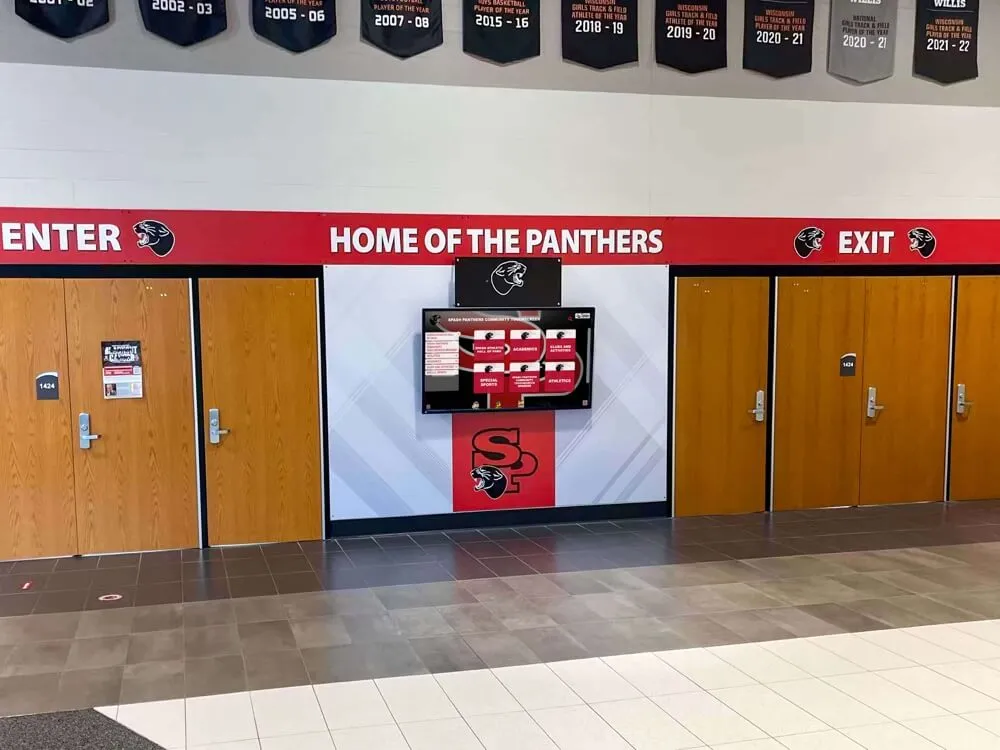
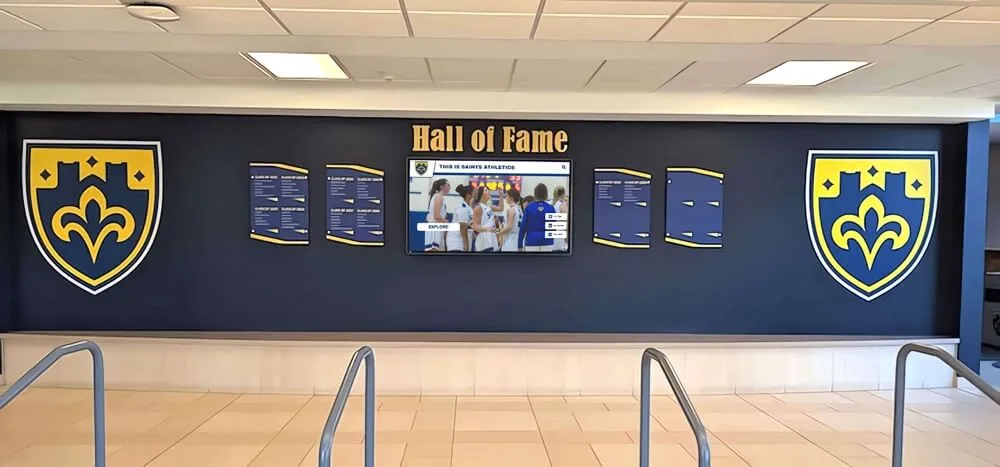
Effective reunion displays extend beyond simply showing old yearbook photos—they create immersive experiences that transport attendees back to shared moments while celebrating how far the class has come since graduation. Organizations and schools that excel at reunion programming create systematic approaches where history becomes visible, achievements receive recognition, and every attendee finds connections to their personal high school experience within thoughtfully curated displays.

Well-designed reunion displays celebrate shared history while honoring individual journeys since graduation
Why High School Reunion Display Boards Matter
Understanding the role displays play in reunion success helps committees invest appropriate resources in creating engaging visual experiences that strengthen event impact.
Creating Connection Through Shared Memory
Reunion displays serve as conversation catalysts that break down the awkwardness many attendees feel when reconnecting with classmates they haven’t seen in years, decades, or even since graduation day:
Memory Activation Visual displays trigger memories that might otherwise remain dormant during reunion events. When attendees encounter photographs from shared experiences—homecoming games, school plays, senior trips, classroom moments—these images activate neural pathways connected to those experiences, making memories more accessible and conversations more natural.
According to research on memory and nostalgia, visual cues significantly improve recall of autobiographical memories, particularly those associated with emotionally significant life periods like high school years. Display boards leveraging this phenomenon create environments where shared experiences become conversation starters enabling classmates to reconnect through reminiscence.
Social Facilitation Display boards create natural gathering points where small groups form organically around shared interests and memories. Rather than forcing structured activities, effective displays enable self-directed exploration allowing attendees to navigate reunion spaces at their own pace while discovering connection opportunities with classmates who share similar memories or interests.
Identity Reconnection High school represents a formative identity period for most people. Reunion displays acknowledging who attendees were during those years—athletes, musicians, student leaders, class clowns, honor students—validate those identities while celebrating growth and change. This dual recognition of continuity and transformation creates powerful emotional experiences strengthening bonds between classmates.
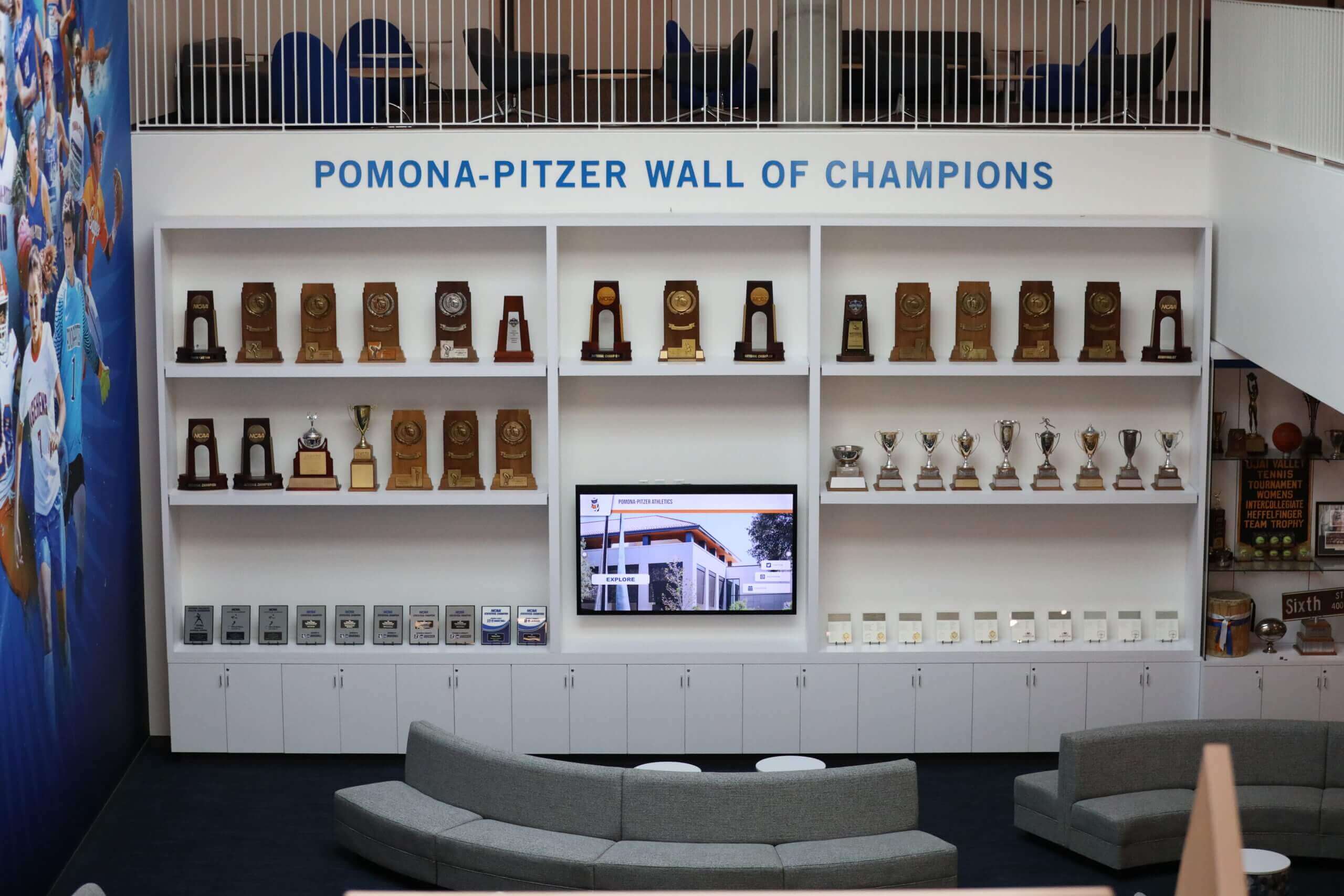
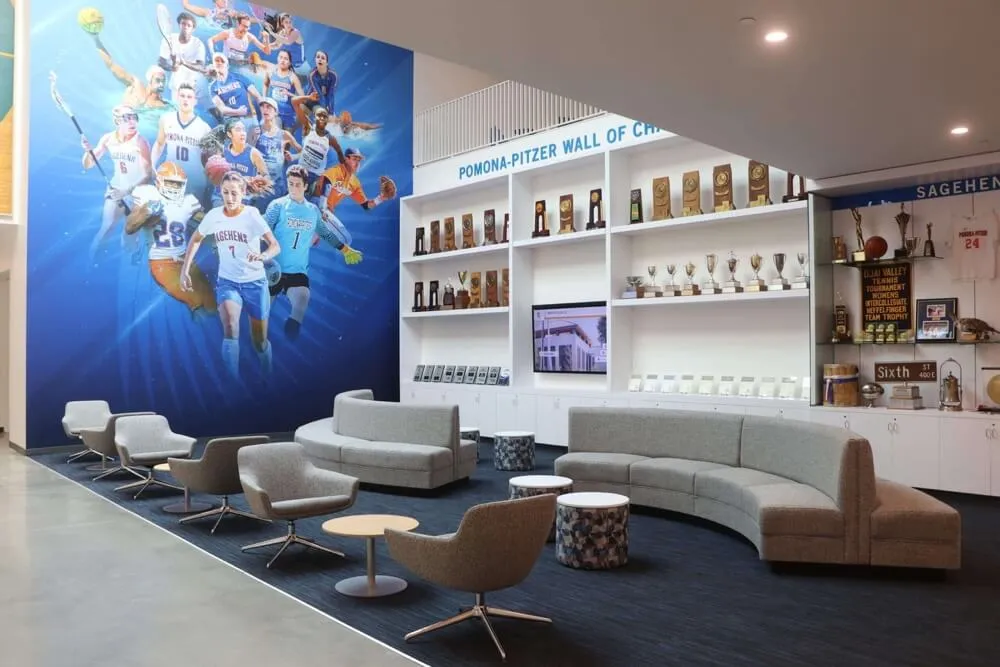
Creating inviting spaces around reunion displays encourages lingering and deeper conversations among classmates
Recognizing Achievement and Growth
Beyond nostalgia, reunion displays celebrate the diverse paths classmates have taken since graduation:
Career and Professional Recognition Acknowledging professional achievements, career milestones, advanced degrees, business leadership, military service, and career changes demonstrates respect for the varied paths classmates have followed. Recognition displays honoring these accomplishments—without creating uncomfortable hierarchies—celebrate the collective success of graduating classes.
Community Contribution Celebration Many classmates have made significant impacts through volunteer work, civic leadership, nonprofit service, community organizing, youth mentorship, and charitable giving. Reunion displays highlighting these contributions honor values beyond professional achievement while inspiring continued community engagement.
Personal Milestone Acknowledgment Family formations, personal accomplishments, challenges overcome, creative pursuits, athletic achievements, and travel experiences represent meaningful aspects of classmates’ lives since graduation. Displays creating space for diverse milestone celebration ensure all attendees find aspects of their journeys represented and valued.
Learn about comprehensive recognition approaches in alumni recognition programs that celebrate diverse achievements and maintain ongoing engagement.
Building Ongoing Alumni Engagement
Reunion displays lay groundwork for sustained connections extending beyond single events:
Demonstrating Institutional Investment Schools investing resources in quality reunion displays signal that they value alumni relationships and consider graduating classes integral to institutional identity. This demonstrated commitment encourages reciprocal alumni investment in schools through donations, volunteering, student mentoring, and advocacy.
Creating Shareable Content Visually appealing, well-designed displays become content that attendees photograph and share on social media, extending reunion reach to classmates who couldn’t attend while creating anticipation for future gatherings. This organic promotion strengthens class cohesion and reunion attendance over time.
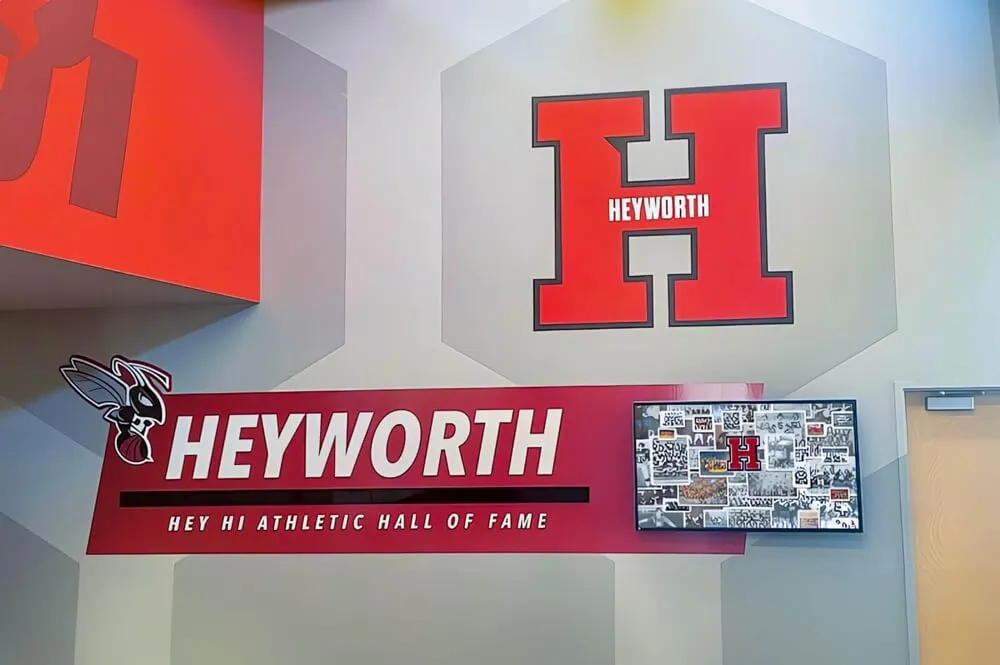
Establishing Recognition Precedent Successful reunion displays create frameworks for ongoing alumni recognition programs beyond periodic reunions. Schools can leverage reunion display strategies for permanent installations celebrating graduating classes, creating year-round visibility for alumni accomplishments and sustained connections with institutional communities.
Explore ongoing engagement strategies in high school wall of fame programs that extend recognition beyond single events.
Planning High School Reunion Display Boards: Essential Preparation
Successful reunion displays require systematic planning beginning months before reunion dates.
Forming Display Planning Committees
Dedicated committees ensure display quality while distributing workload:
Committee Structure Assemble teams of 3-5 volunteers with complementary skills including creative design sensibility, organizational project management capability, digital skills for content creation, historical knowledge about class and school, and connections enabling outreach to dispersed classmates.
Effective committees meet regularly—monthly in early planning stages, weekly as reunions approach—maintaining momentum while making decisions efficiently.
Role Definition and Assignment Clear responsibilities prevent duplication and gaps:
- Content coordinator gathering photos, stories, and information
- Design lead creating visual concepts and layouts
- Production manager handling printing, mounting, and physical creation
- Historical researcher verifying facts, dates, and identifications
- Technology coordinator managing digital displays if applicable
- Social media liaison promoting displays and gathering content
Timeline Development Successful committees work backward from reunion dates establishing deadlines:
- 6 months prior: Finalize display concepts and content needs
- 5 months prior: Begin content gathering from classmates
- 4 months prior: Complete design layouts and material selection
- 3 months prior: Finalize content selection and organization
- 2 months prior: Complete production and mounting
- 1 month prior: Install and test displays at venues
- Reunion week: Final adjustments and enhancement additions
This structured timeline prevents last-minute stress while ensuring quality outcomes.
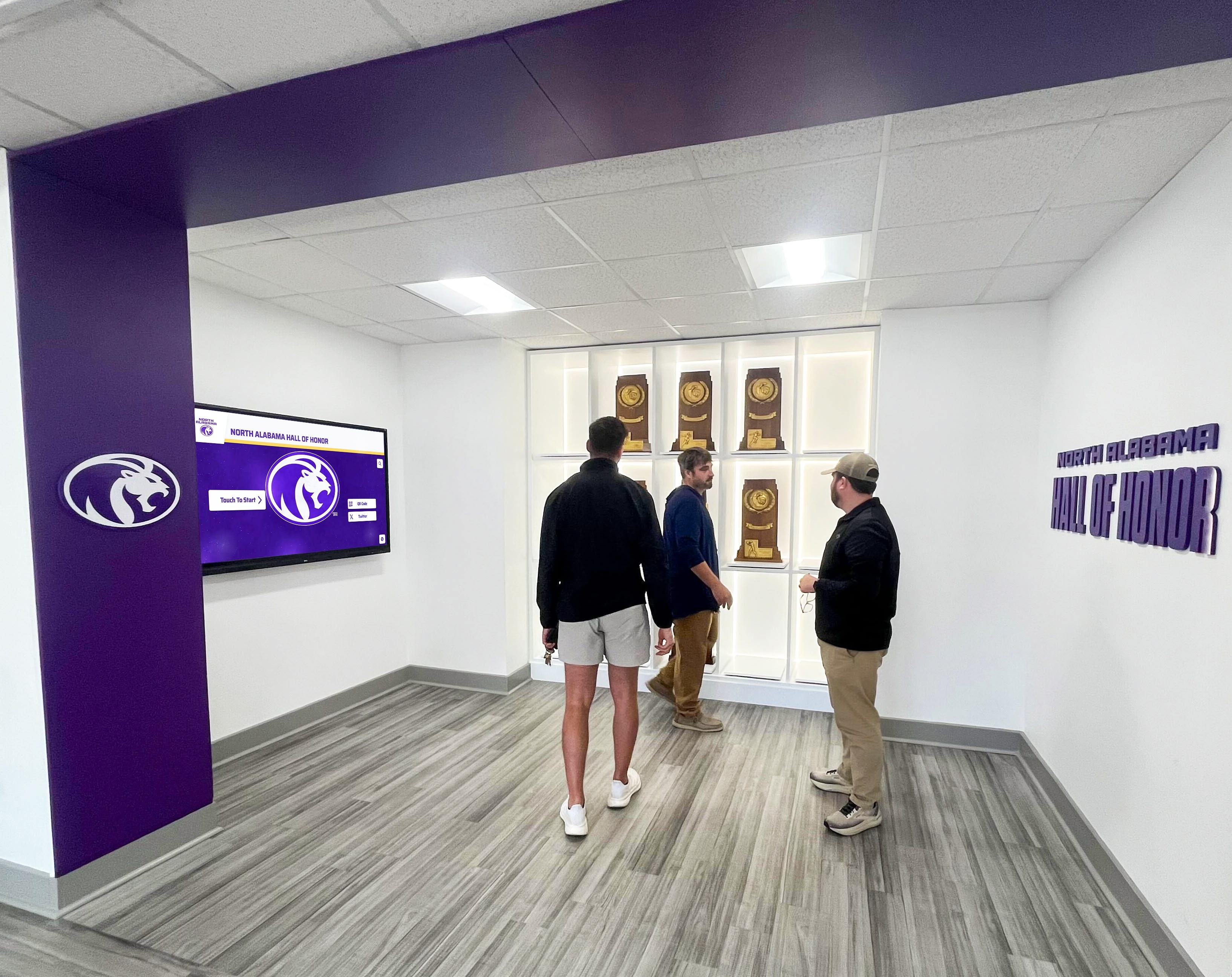
Collaborative planning teams ensure reunion displays reflect diverse perspectives and shared class experiences
Content Gathering and Organization
Comprehensive content collection creates rich display possibilities:
Yearbook and Archival Materials
- Original yearbooks from graduation year and preceding years
- School newspapers and newsletters from attendance period
- Athletic program records and achievement documentation
- Performing arts programs and production photographs
- Academic competition results and honor roll lists
- Graduation programs and commencement addresses
- School handbooks and policy documents providing historical context
Personal Contributions from Classmates Solicit materials from all classmates through multiple channels:
- Personal photographs from school events and daily life
- Memorabilia like ticket stubs, programs, and passes
- Written memories and favorite stories
- Updates about post-graduation journeys
- Current photographs for “then and now” comparisons
- Permission releases for using submitted materials
Create simple online submission forms through Google Forms, Class Creator, or reunion planning platforms enabling easy digital contributions.
School and Community Resources
- School archives and historical collections
- Local library historical photograph collections
- Newspaper archives from relevant time periods
- Sports hall of fame records if applicable
- Community historical societies
- Alumni office resources at schools with formal programs
Permission and Rights Management Document permission to use all submitted materials, especially photographs including identifiable individuals. Simple release forms protect committees from legal issues while respecting privacy preferences of classmates who may prefer not to appear in displays.
Budget Development and Resource Allocation
Realistic budgets prevent financial stress while enabling quality displays:
Traditional Display Board Budget Components
- Foam core, poster board, or display panel materials: $50-$200
- Photo printing and reproduction services: $100-$500
- Mounting adhesives, tape, and hanging supplies: $30-$100
- Decorative materials and embellishments: $50-$200
- Protective coverings for weather or handling protection: $30-$100
- Frames or stands for professional presentation: $100-$500
- Transportation and logistics: $50-$200
Total traditional display budget typically ranges $400-$2,000 depending on scale and quality expectations.
Digital Display Budget Considerations Modern technology enables alternatives to traditional poster boards:
- Large display monitor or TV rental: $200-$800 for event duration
- Digital frame or slideshow display purchase: $150-$600
- Content creation software subscriptions: $0-$50 monthly
- Professional design services if needed: $200-$1,000
- Technical support for setup and operation: $100-$500
Digital approaches often provide better value for money by enabling unlimited content display without physical space constraints, easy updates accommodating late contributions, and professional appearance difficult to achieve with poster boards.
Fundraising Strategies Offset display costs through:
- Including display funding in reunion registration fees
- Soliciting class giving designated for reunion expenses
- Seeking school or alumni association support
- Approaching local businesses for sponsorships
- Running pre-reunion fundraising campaigns
- Repurposing materials from previous reunion events
Transparent communication about budget needs and fundraising goals increases classmate willingness to contribute financially toward meaningful displays.
Creative High School Reunion Display Board Ideas
Diverse display approaches ensure comprehensive class history celebration while engaging attendees with varied interests.
Memory Lane Timeline Displays
Chronological presentations create narrative structure:
Four-Year Journey Format Create separate display sections for each high school year—freshman through senior—showcasing how class evolved:
- Freshman year orientation and adjustment experiences
- Sophomore year confidence building and involvement growth
- Junior year leadership emergence and college preparation
- Senior year celebrations and transition to post-graduation life
This structure acknowledges growth and change rather than treating high school as single static period.
Month-by-Month Highlights For milestone reunion years like 25th or 50th, create timeline covering entire period since graduation with major world events, cultural moments, technology evolution, graduating class milestones, and “where we were when” shared experiences.
This approach contextualizes class journey within broader historical framework while acknowledging shared generational experiences.
Decade-by-Decade Progress Organize displays showing class evolution through decades since graduation including career launches in first decade, family formations in second decade, career peaks in third decade, empty nest transitions in fourth decade, and retirement adventures in fifth decade and beyond.
This life-stage approach honors common patterns while celebrating diverse individual paths.
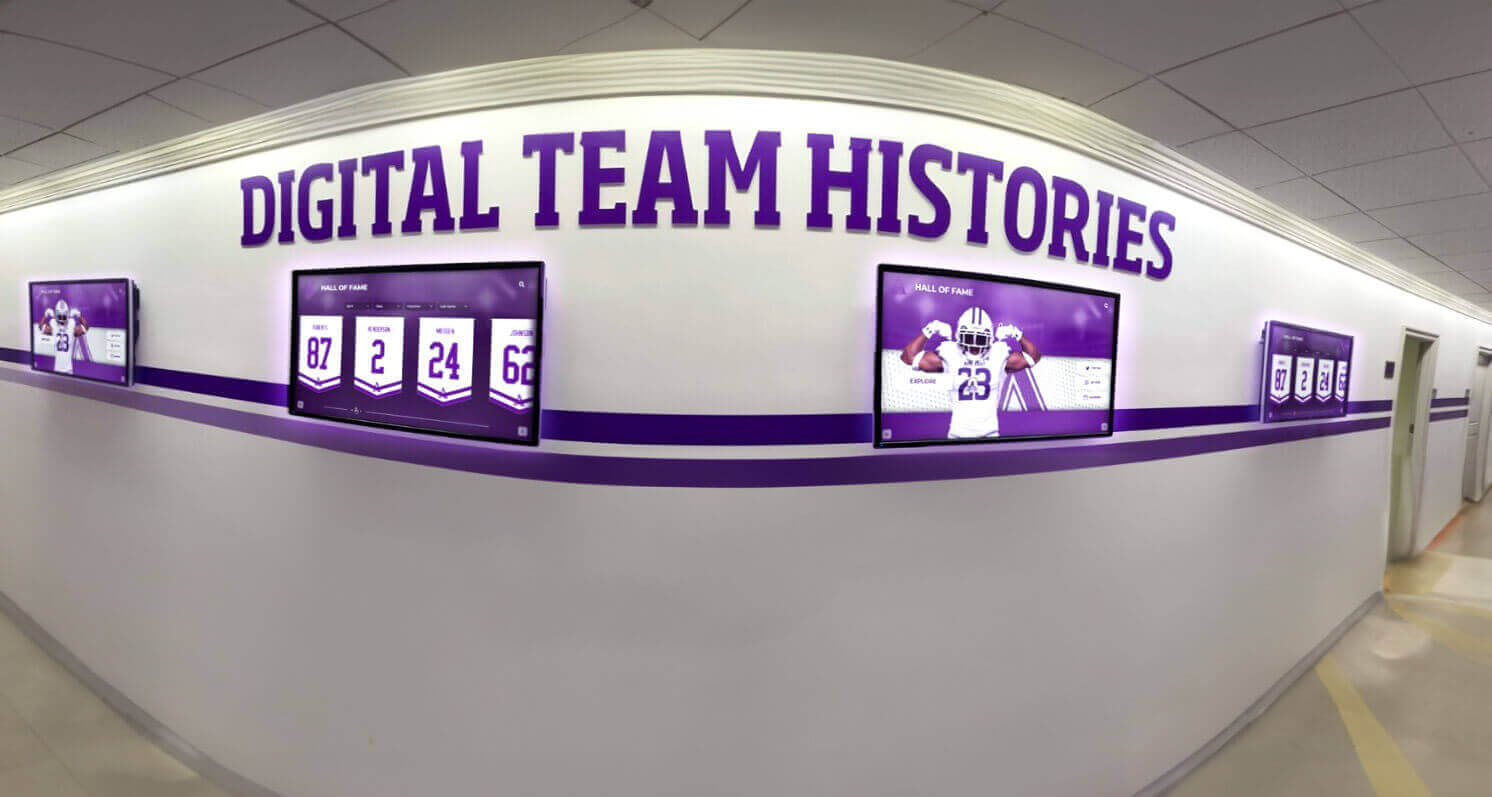
Timeline displays create narrative structure helping attendees understand shared class journey
Then and Now Comparison Displays
Side-by-side presentations create powerful visual impact:
Individual Portrait Comparisons Display yearbook photos alongside current photographs for as many classmates as possible, creating grid formats enabling easy comparison or interactive flip-book approaches revealing transformations.
Solicit current photos well in advance of reunions, providing guidelines about framing, background, and image quality ensuring consistency. Create tactful approaches for classmates who may feel self-conscious about aging or appearance changes.
Group Recreation Photographs Identify iconic group photos from high school years—sports teams, clubs, student government, theater casts—and recreate them at reunions with same individuals in similar poses. Display original and recreation side-by-side, celebrating continuity and change simultaneously.
Campus Then and Now If reunions occur at or near schools, create comparison displays showing how campus facilities have changed since graduation including renovated buildings, new construction, updated athletic facilities, technology integration, and landscaping evolution.
This approach helps attendees understand current school realities while validating their memories of different institutional eras.
Achievement and Milestone Recognition
Celebration displays honor diverse success:
Career Spotlight Displays Create professional recognition showcasing classmates’ career paths:
- Military service across all branches
- Medical professionals including doctors, nurses, and researchers
- Educators teaching at all levels
- Legal professionals and judges
- Business leaders and entrepreneurs
- Public servants in elected and appointed positions
- Artists, performers, and creative professionals
- Scientists, engineers, and technical experts
Organize by field rather than perceived prestige, ensuring equal recognition across all careers.
Community Impact Recognition Highlight classmates’ civic contributions including nonprofit board service, volunteer coaching and youth mentorship, community organizing and activism, charitable foundation leadership, religious institution involvement, and local government participation.
This recognition honors values beyond professional achievement while inspiring continued community engagement among attendees.
Personal Milestone Celebrations Acknowledge life achievements including marriage and family formation, advanced degrees and continuing education, athletic accomplishments and competitions, creative works and publications, travel adventures and cultural experiences, and challenges overcome with resilience.
Create inclusive categories ensuring diverse life paths receive recognition and validation.
Explore comprehensive recognition frameworks in academic recognition programs that celebrate varied achievement types.
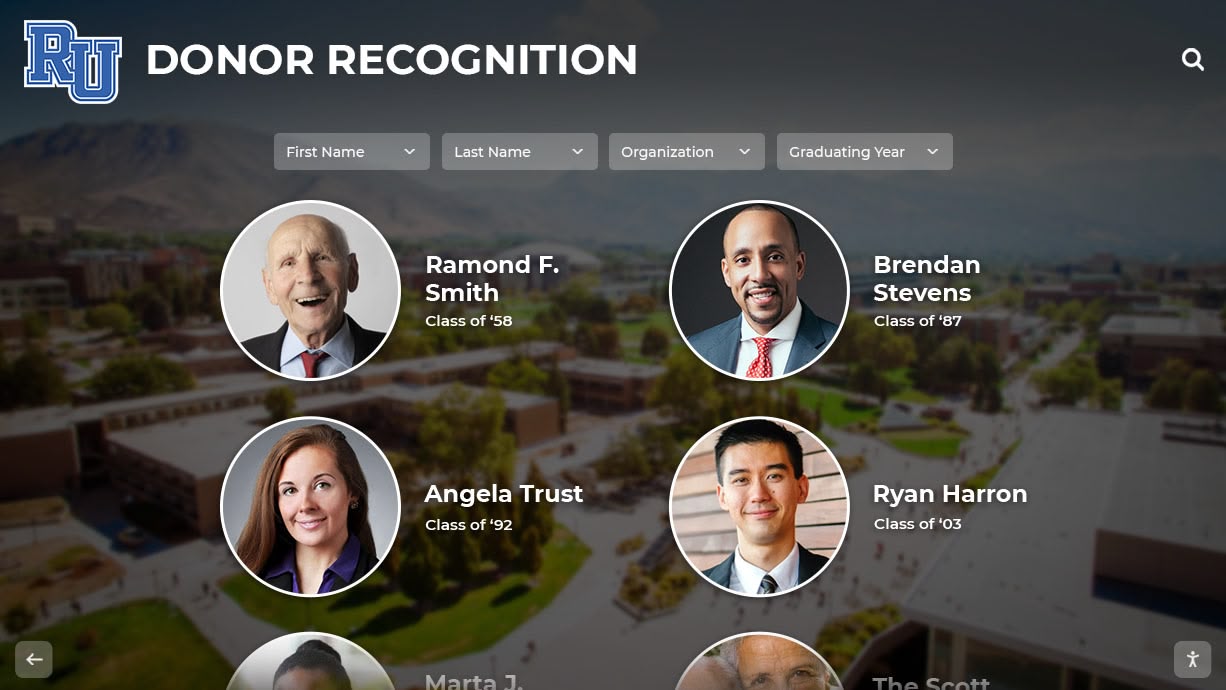
Recognition displays celebrating diverse achievements ensure all classmates feel valued and acknowledged
Memory and Tribute Sections
Honoring complete class experience includes acknowledging loss:
Remembrance Displays for Deceased Classmates Create respectful tribute sections honoring classmates no longer living:
- Individual remembrance cards with photos and brief biographies
- Collective memorial display listing all deceased classmates
- Memory book where attendees can share remembrances
- Memorial candle or symbolic element during reunion program
- Information about memorial scholarship funds if established
Coordinate with families when possible, respecting privacy wishes while ensuring deceased classmates remain part of class history.
Teacher and Faculty Appreciation Acknowledge educators who shaped class experiences through displays featuring favorite teacher photographs and names, memorable quotes and classroom moments, retired teachers invited as reunion guests, and tributes to deceased faculty members who influenced graduating classes.
Many classmates form lasting relationships with impactful teachers. Creating space for this recognition honors education’s transformative role.
Shared Experience Preservation Document collective memories through:
- “Remember when…” compilation of submitted stories
- Favorite class traditions and rituals
- Legendary school events from attendance era
- Cherished hangout locations and local establishments
- Class inside jokes and shared references
- Senior pranks and memorable moments
These displays validate shared experience creating immediate connection points among attendees.
Interactive and Participatory Displays
Engagement increases when attendees contribute:
Memory Wall Additions Provide materials enabling attendees to add memories during reunions:
- Sticky notes for sharing favorite memories
- Markers for adding to collaborative timeline
- Photo booth creating new memories for display
- Contribution box for items to include in time capsule
- Guest book where attendees document reunion experiences
This interactive element creates activity during potentially awkward early reunion moments while generating content for future reunion displays.
Prediction and Time Capsule Reveals If class created predictions or time capsules at graduation, create displays revealing these materials and comparing predictions with reality. Show original predictions alongside actual outcomes, celebrating accuracy and laughing at misses.
Social Media Integration Displays Create hashtags for reunion events and display live social media feeds showing attendee posts, enabling remote classmate participation, and extending reunion visibility beyond physical venues. QR codes connecting to digital content, online photo galleries, and reunion video compilations enable physical-digital integration.
Learn about interactive technology in digital recognition displays that enhance engagement and participation.
Modern Technology Solutions for Reunion Displays
Digital alternatives overcome traditional poster board limitations while providing superior flexibility and engagement.
Digital Slideshow and Presentation Displays
Electronic displays enable unlimited content presentation:
Large Monitor Displays Rent or borrow large screen TVs or monitors for reunion venues, creating continuously running slideshows featuring:
- Yearbook page compilations showing every classmate
- Submitted photographs from classmates and archives
- Then and now comparison sequences
- Career achievement highlights and updates
- Message videos from classmates unable to attend
- Historical context including news and culture from school years
Slideshow Creation Tools User-friendly platforms simplify digital display creation:
- Google Slides offering cloud collaboration and easy sharing
- Microsoft PowerPoint with advanced design capabilities
- Canva providing templates and design assistance
- iMovie and Adobe Spark for video compilation
- Specialized reunion slideshow software with built-in features
- Photo organization tools auto-creating chronological displays
Set slideshows to auto-advance every 10-15 seconds, ensuring all content displays throughout reunions without manual intervention.
Audio Integration Enhance slideshows with period-appropriate music from graduating year and school years, creating powerful nostalgia while complementing visual content. Ensure venue sound systems accommodate audio displays without overwhelming conversation.
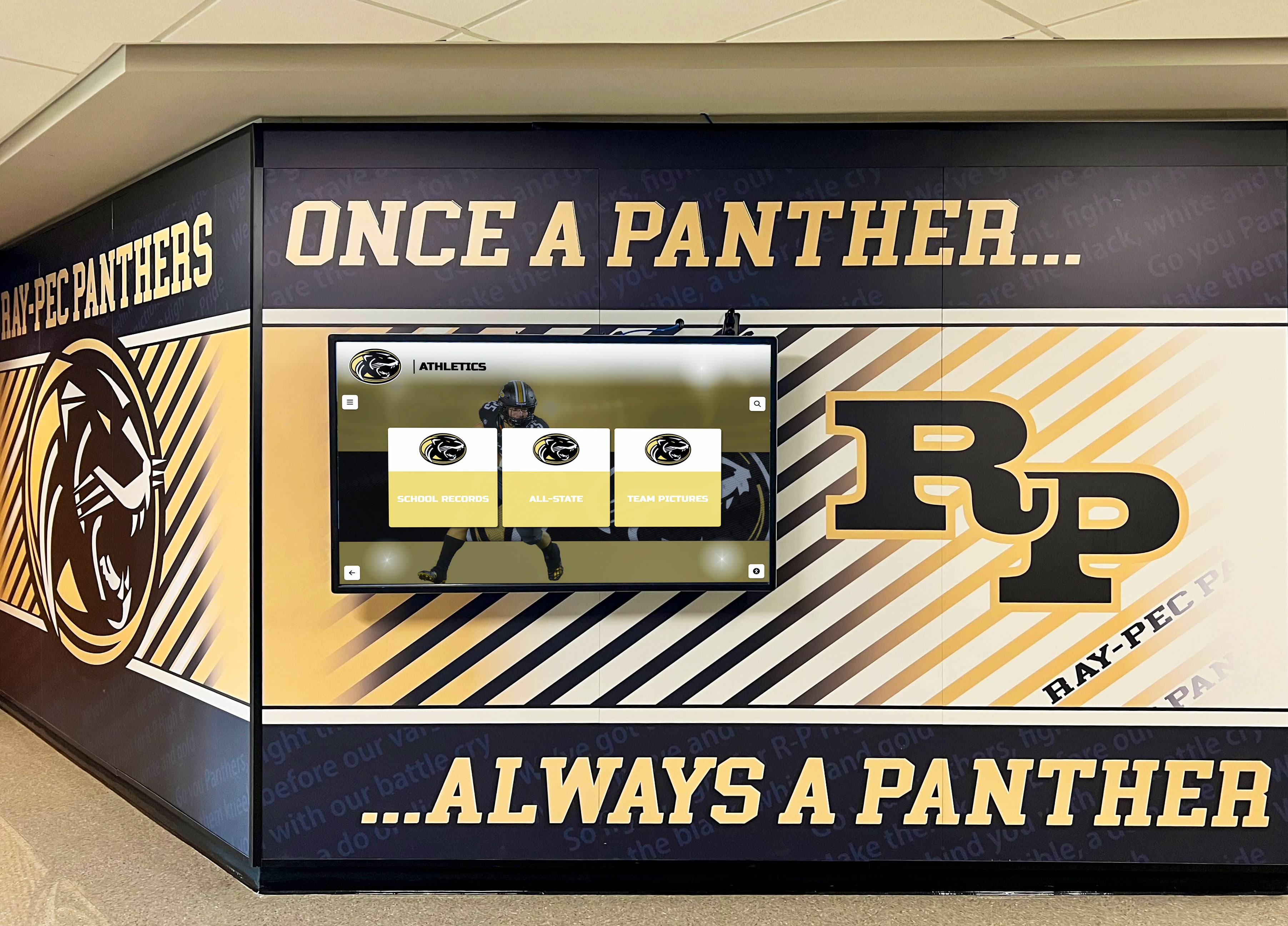
Digital displays provide unlimited content capacity without physical space constraints of traditional poster boards
Interactive Touchscreen Recognition Systems
Professional solutions transform reunion displays into engaging experiences:
Comprehensive Digital Display Platforms
Solutions like Rocket Alumni Solutions provide sophisticated alternatives to traditional poster board displays, creating professional recognition experiences that reunion committees operating independently cannot easily replicate:
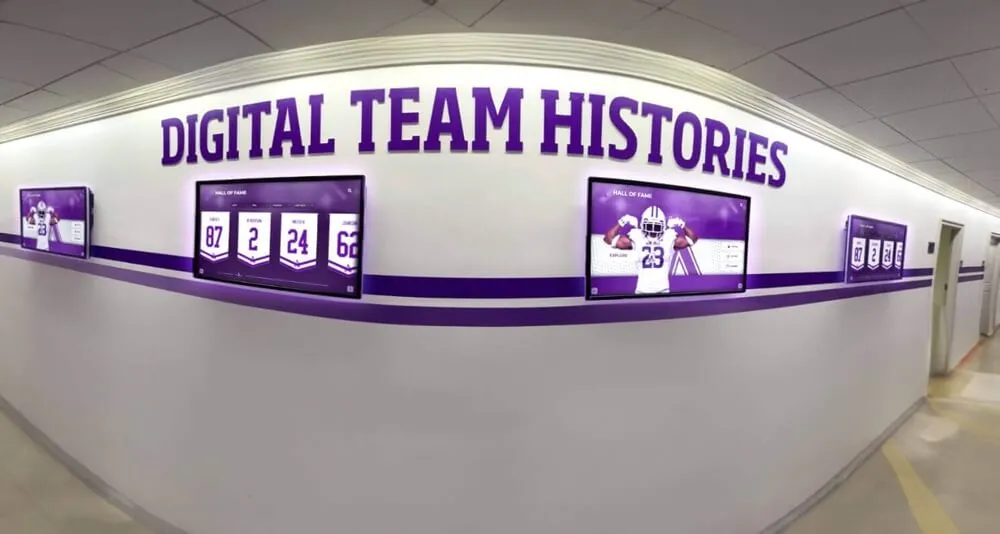
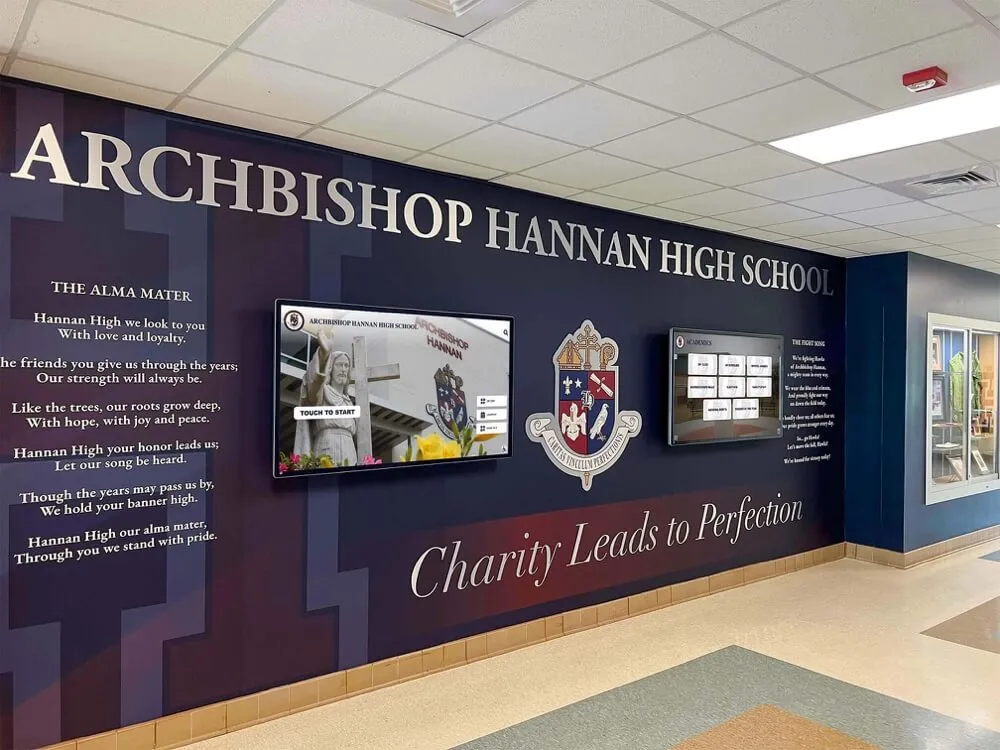
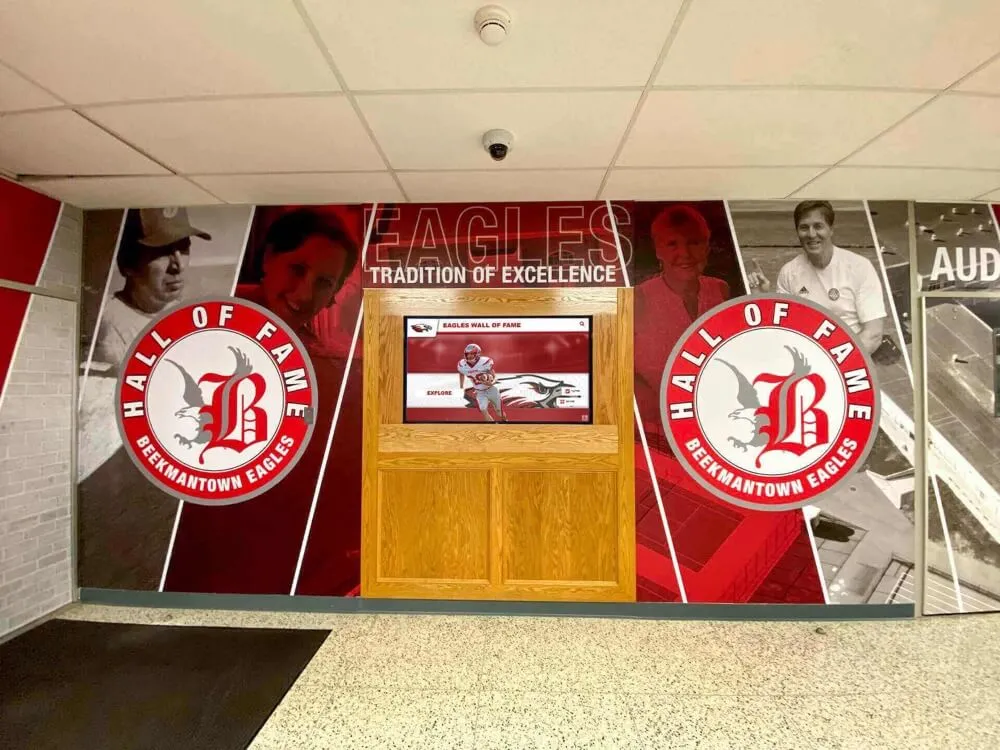
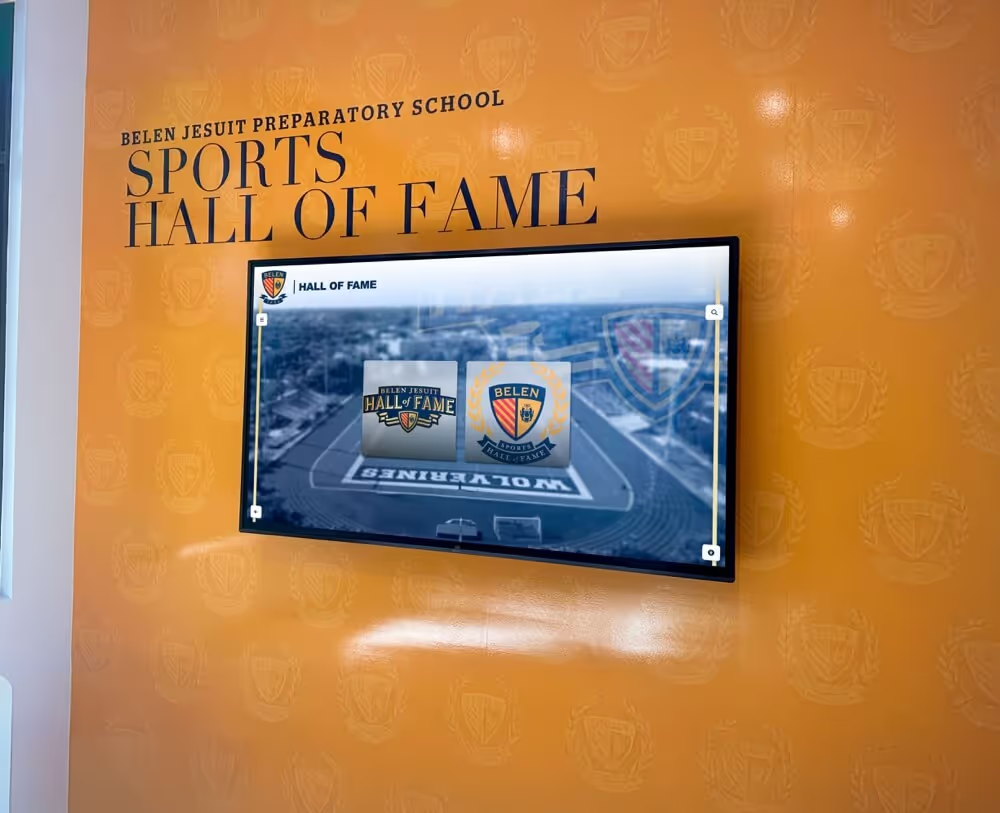
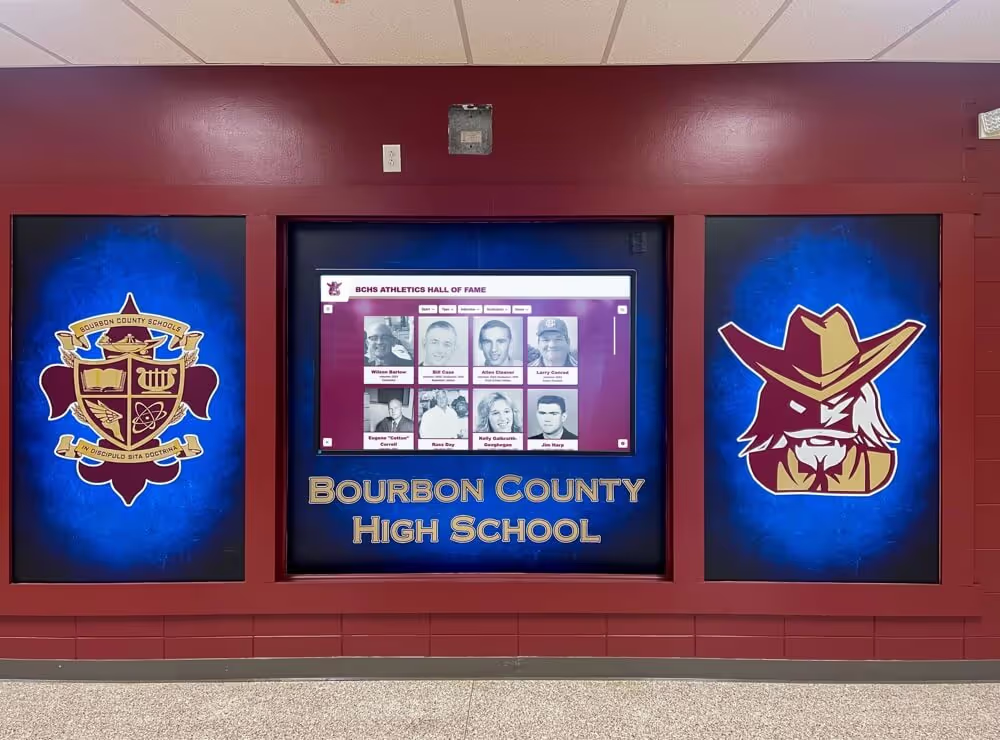
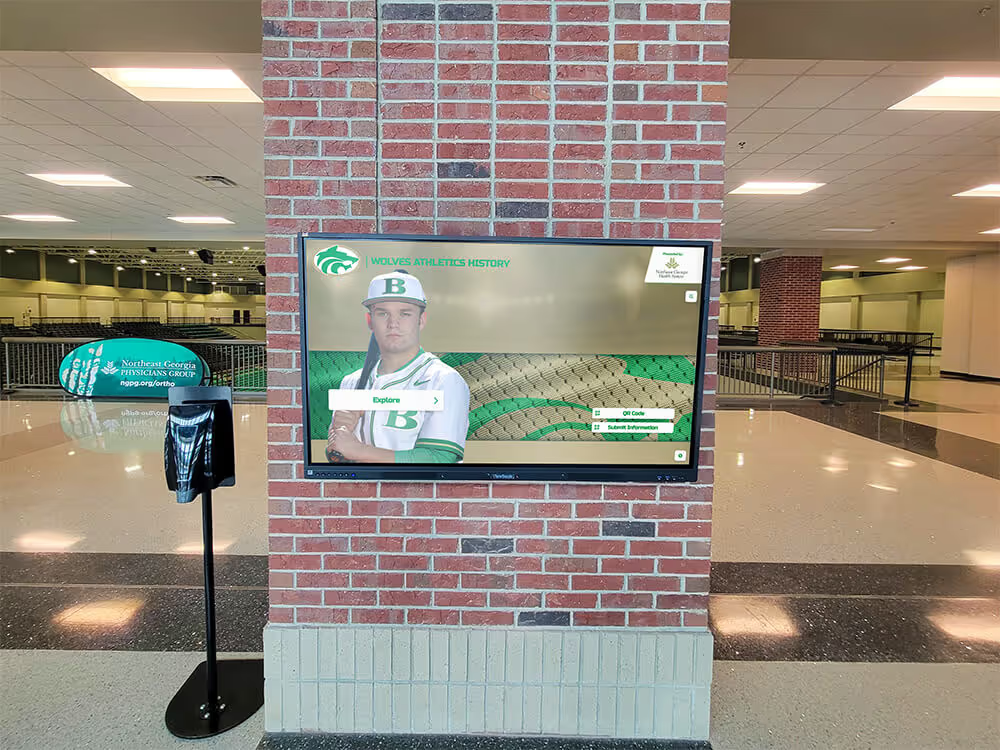
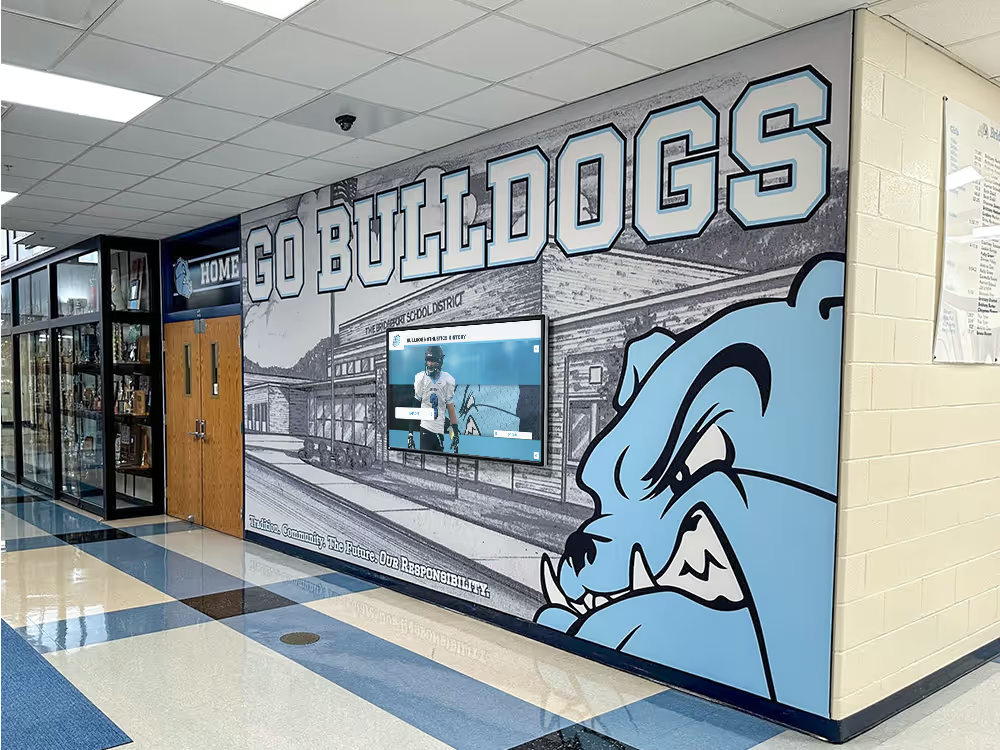
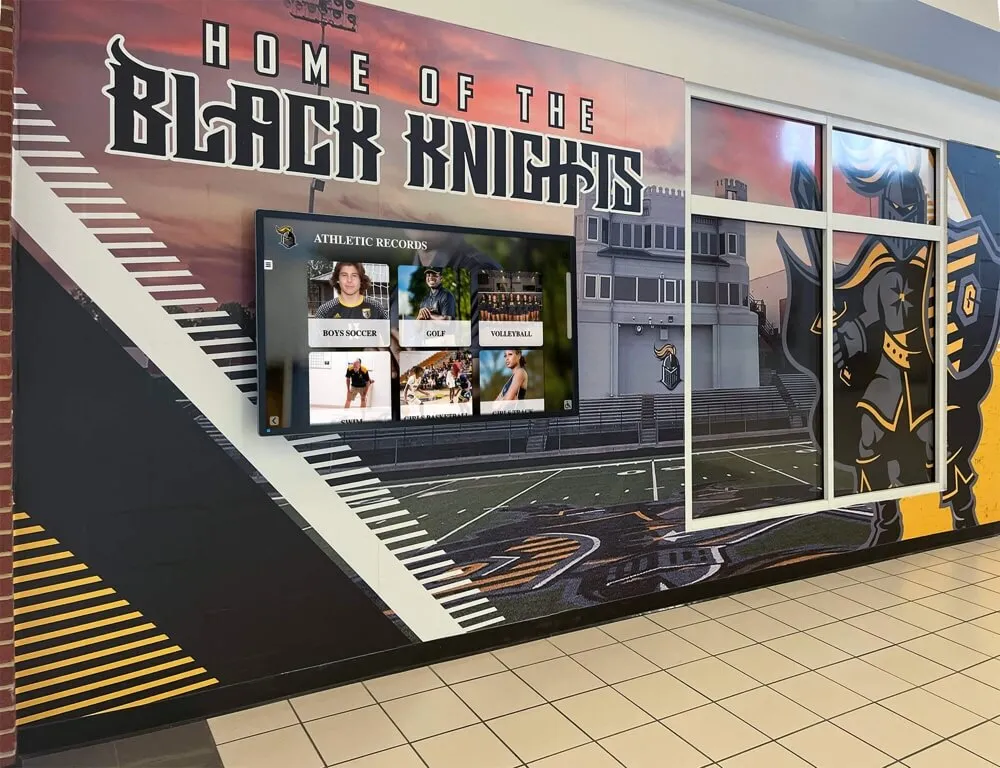
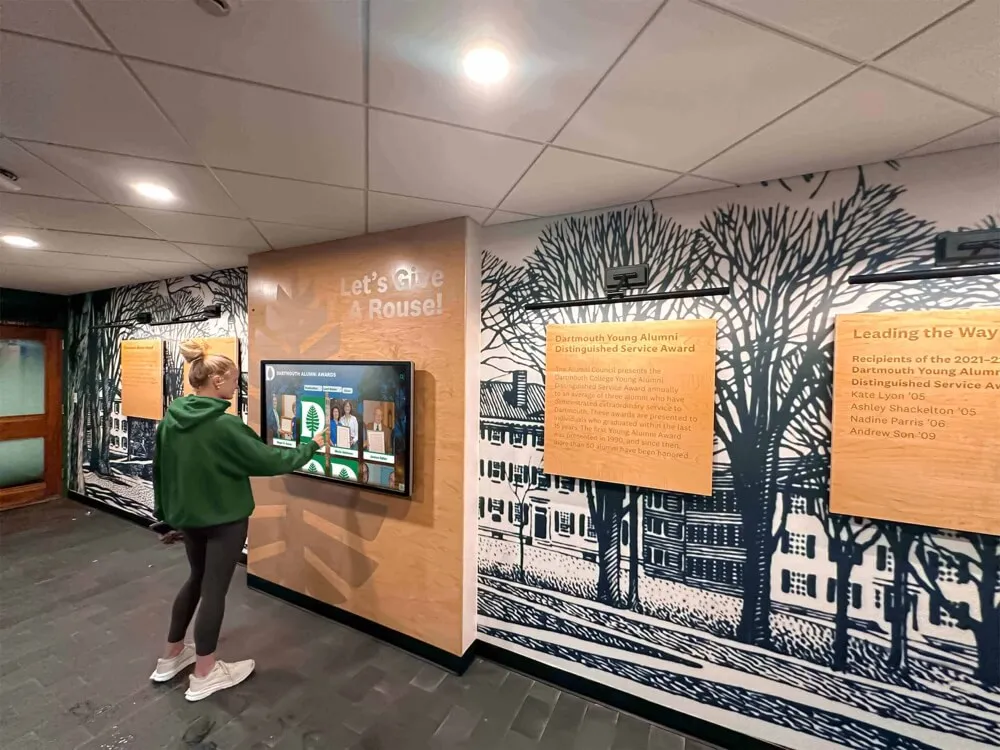
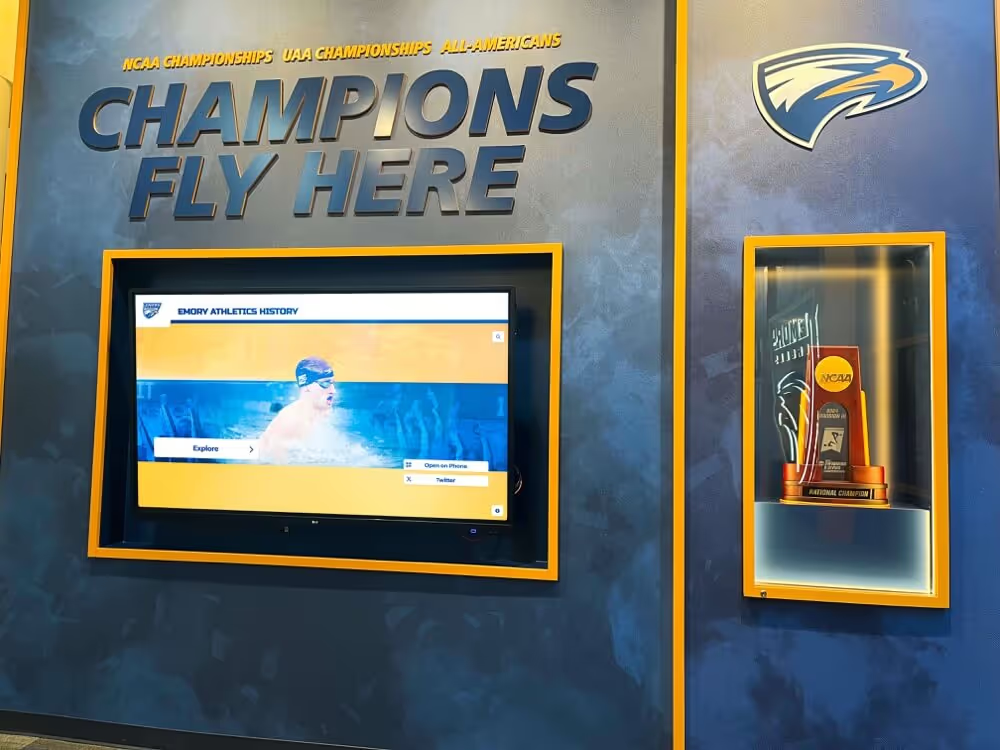
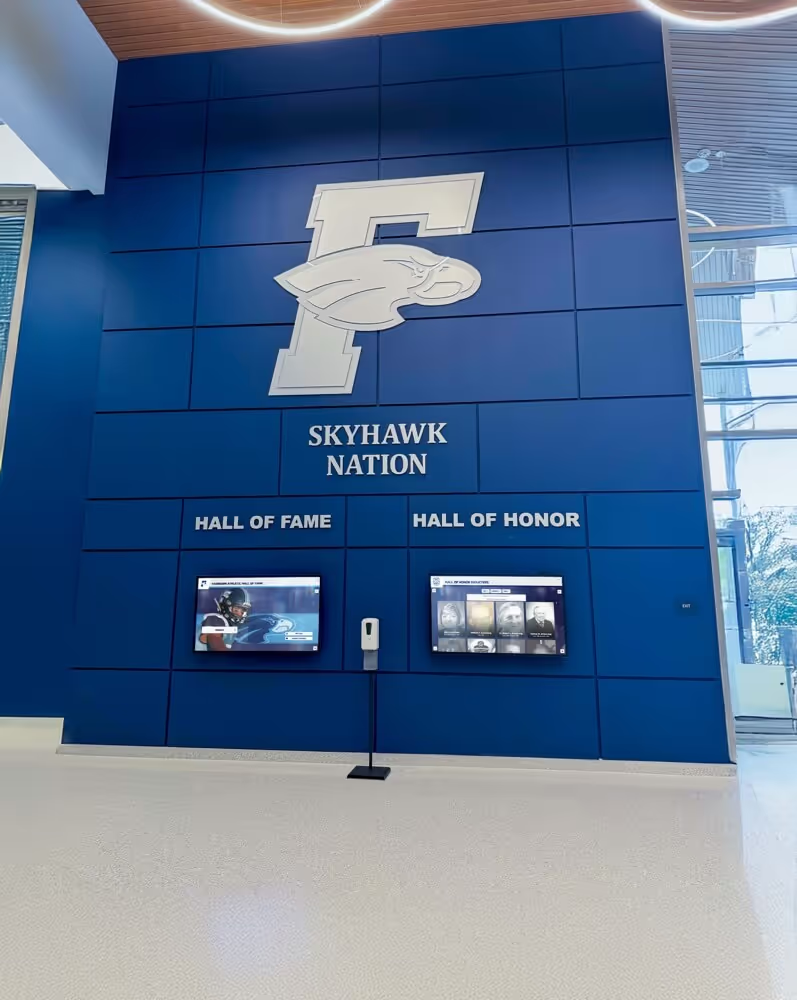
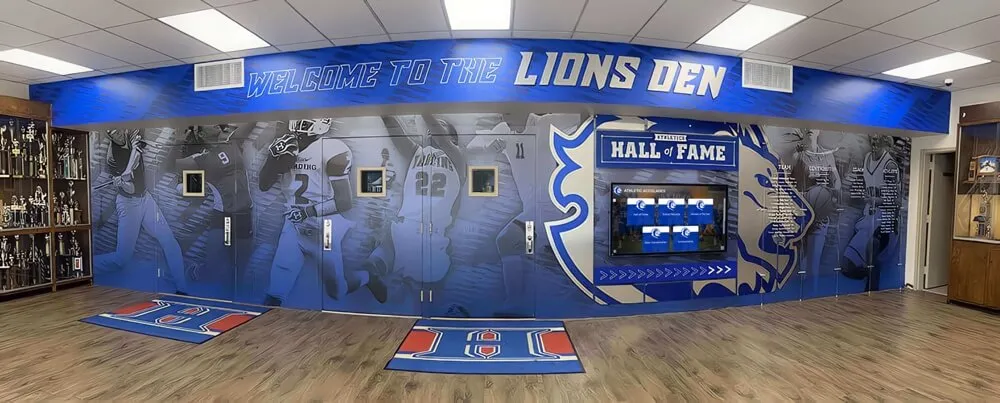
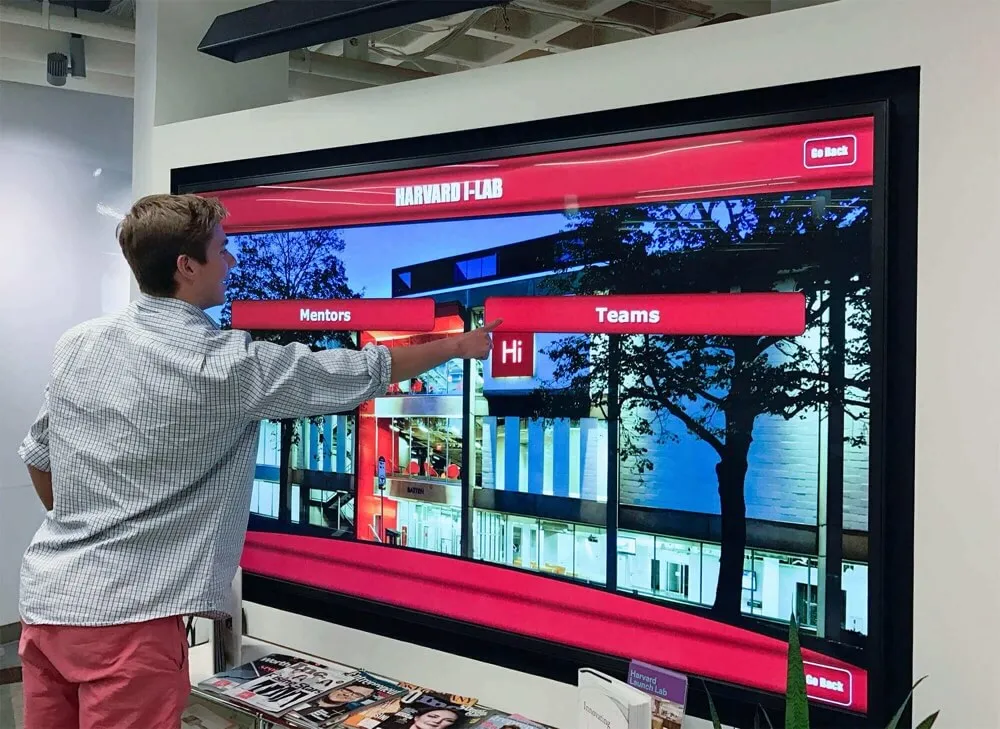
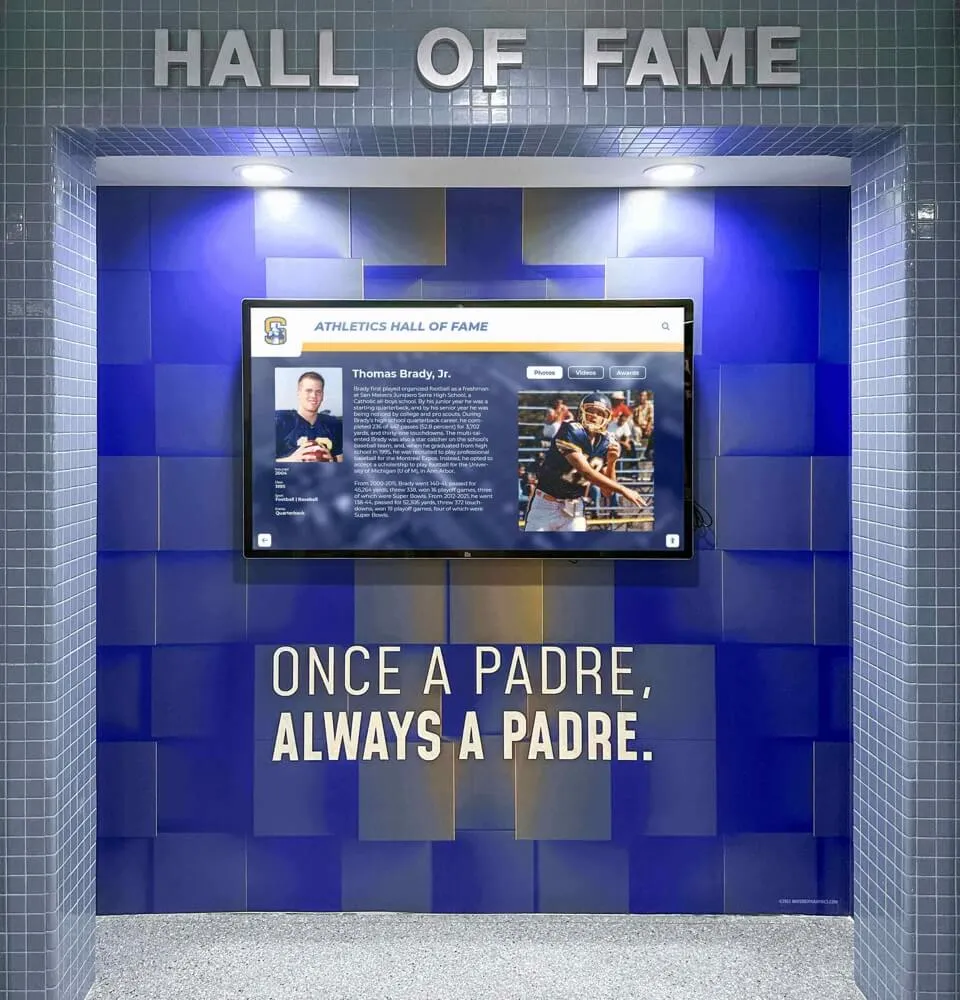
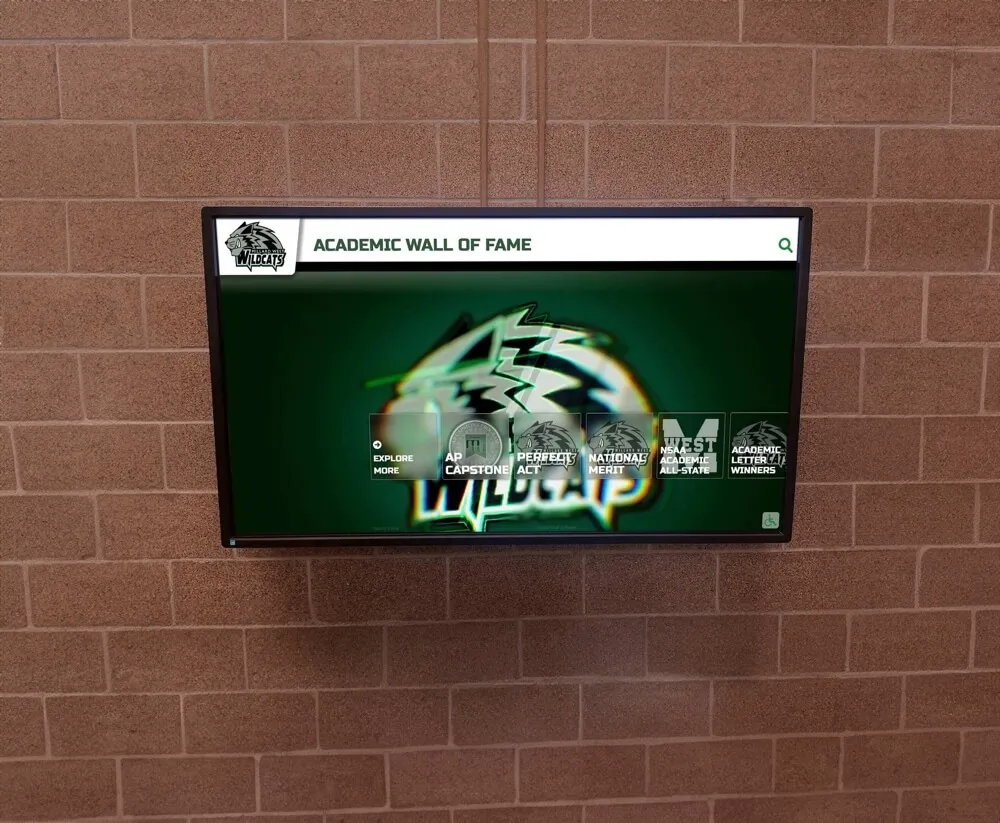
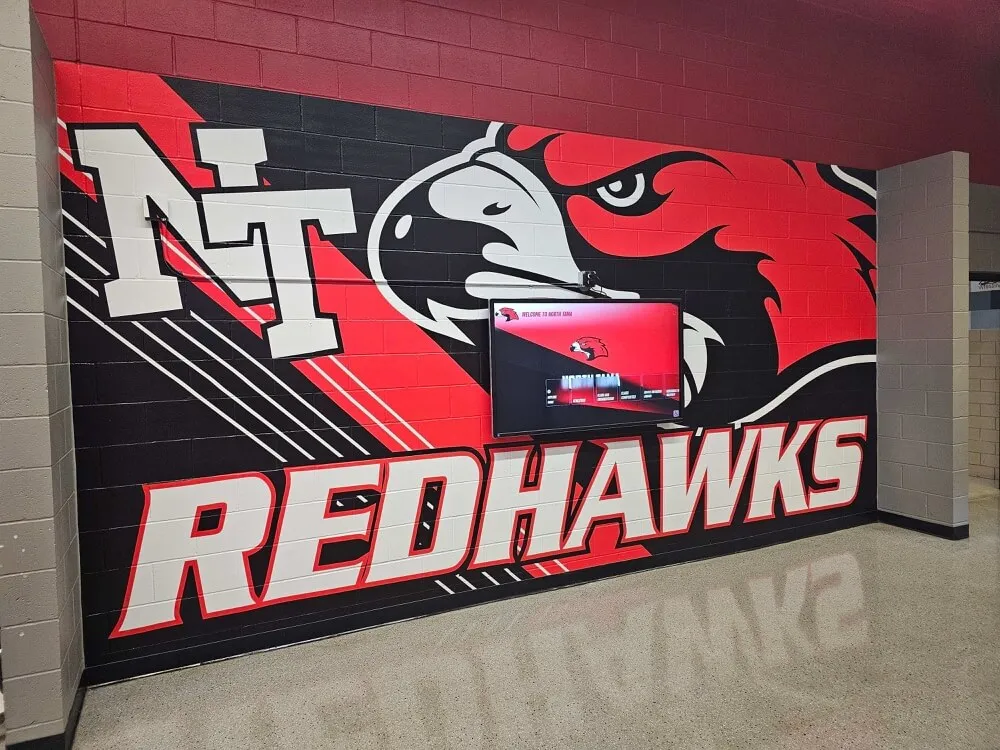
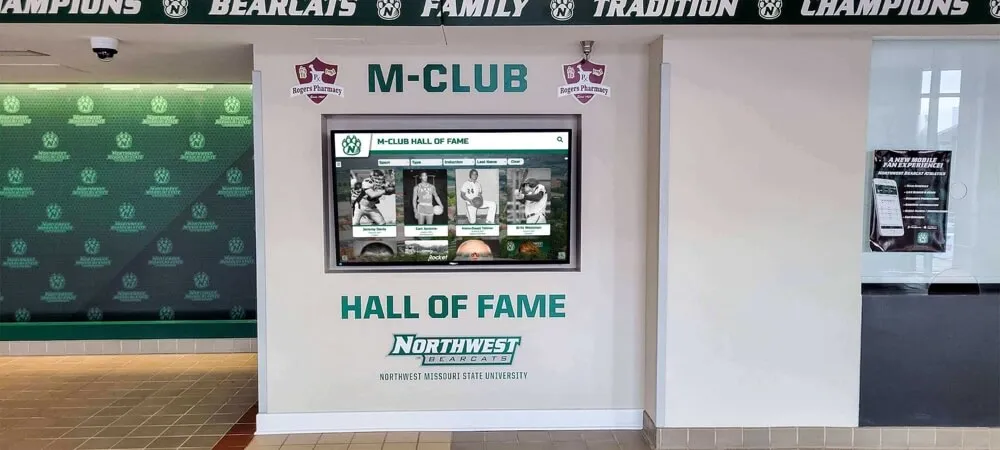
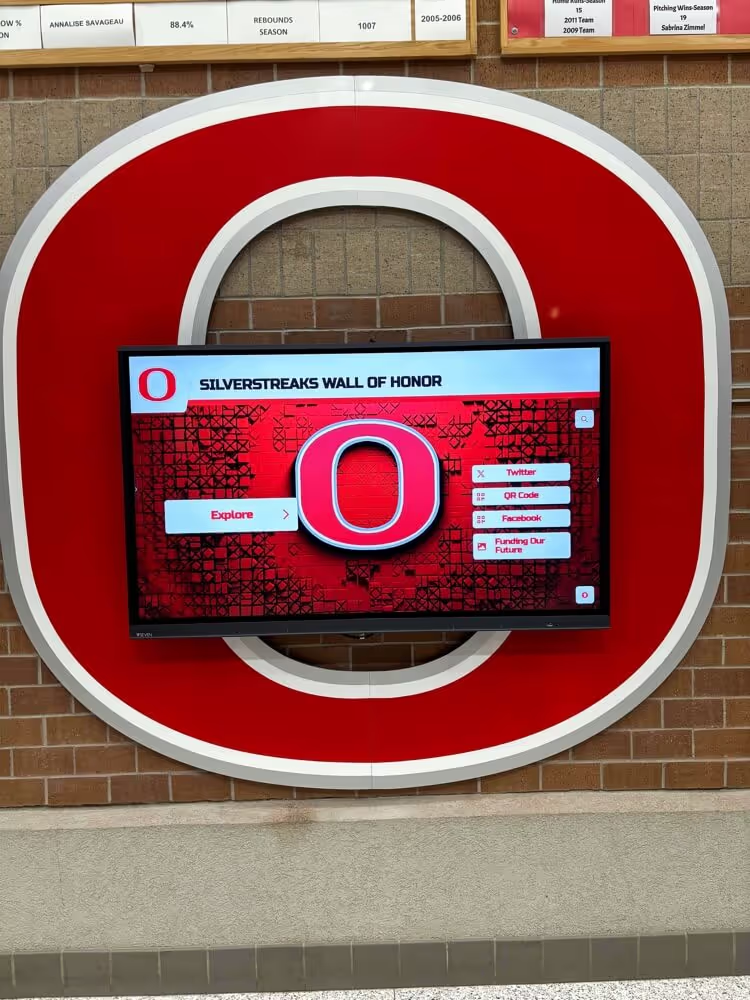
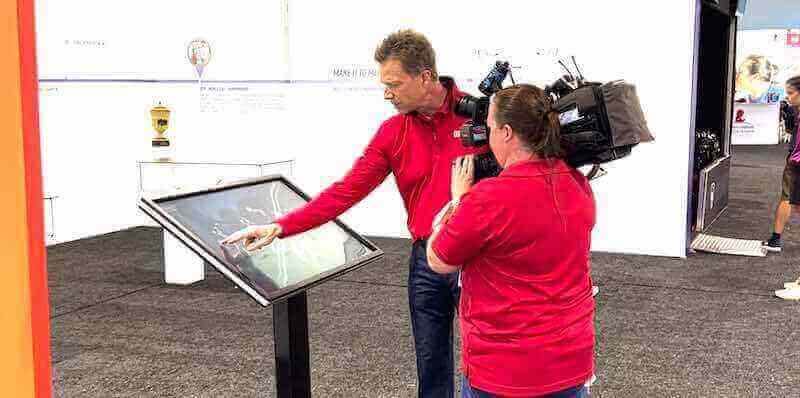
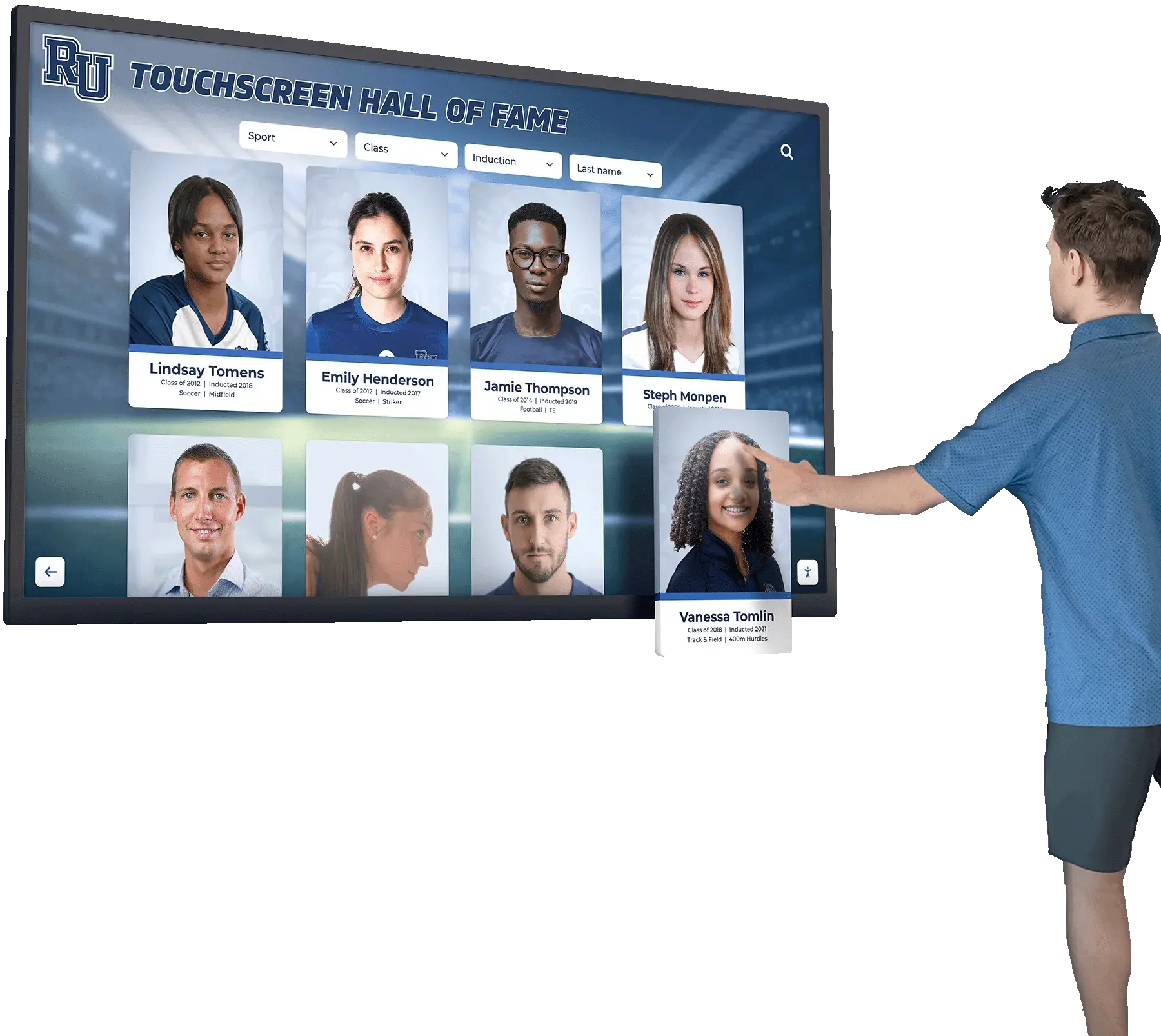
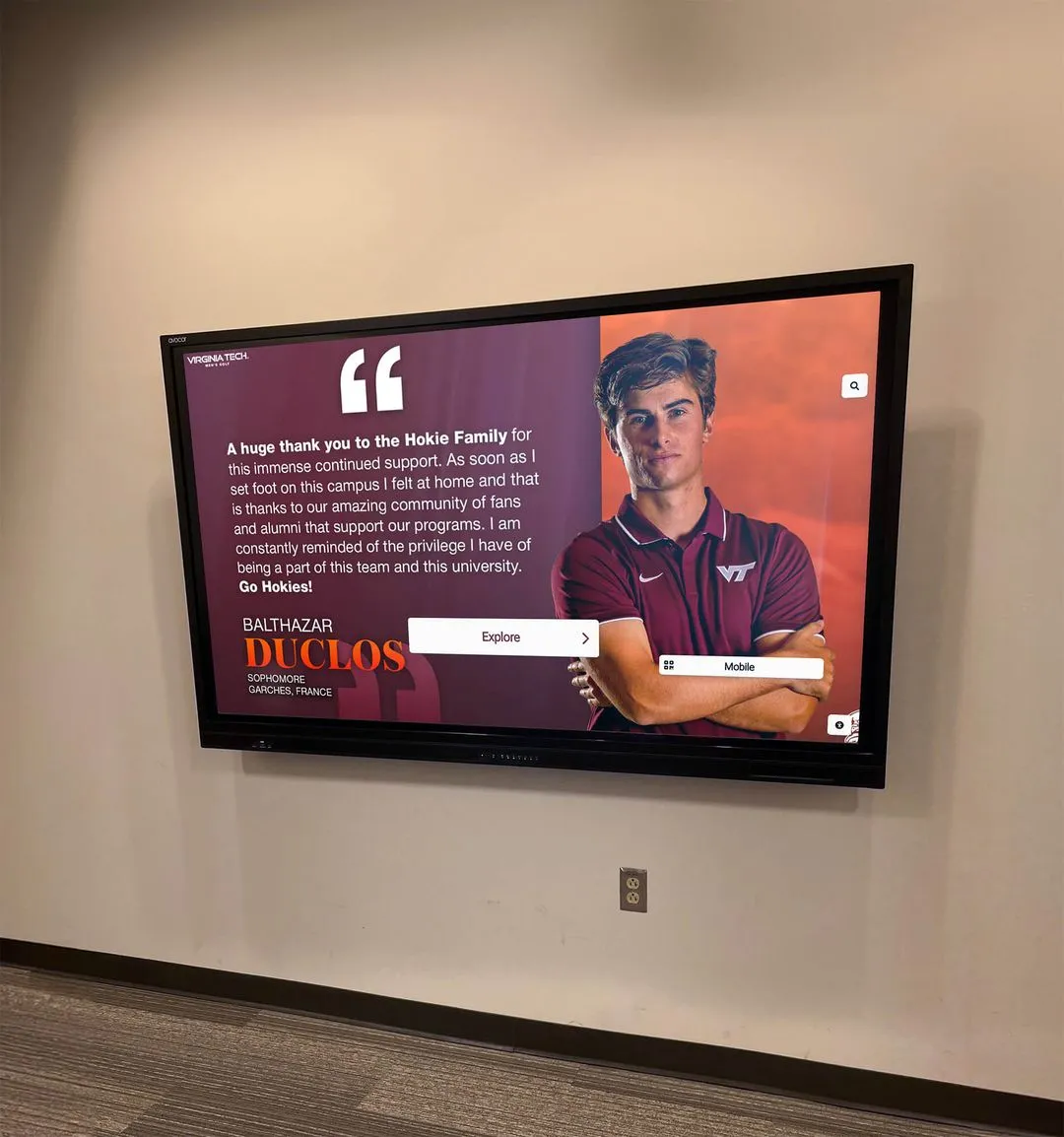
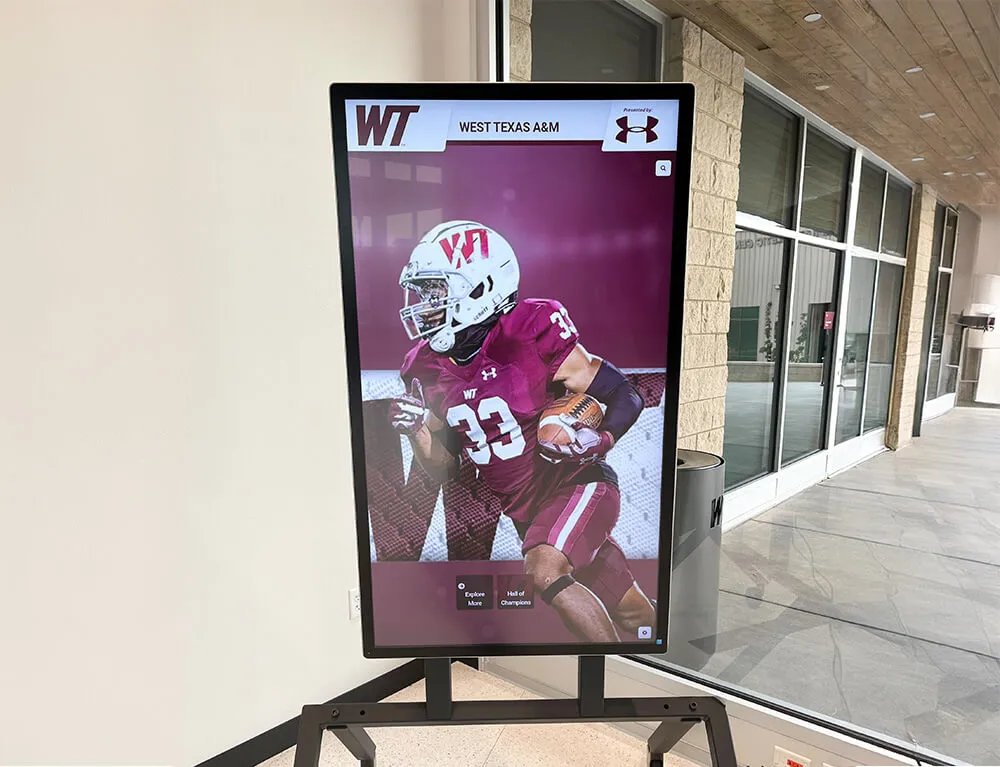
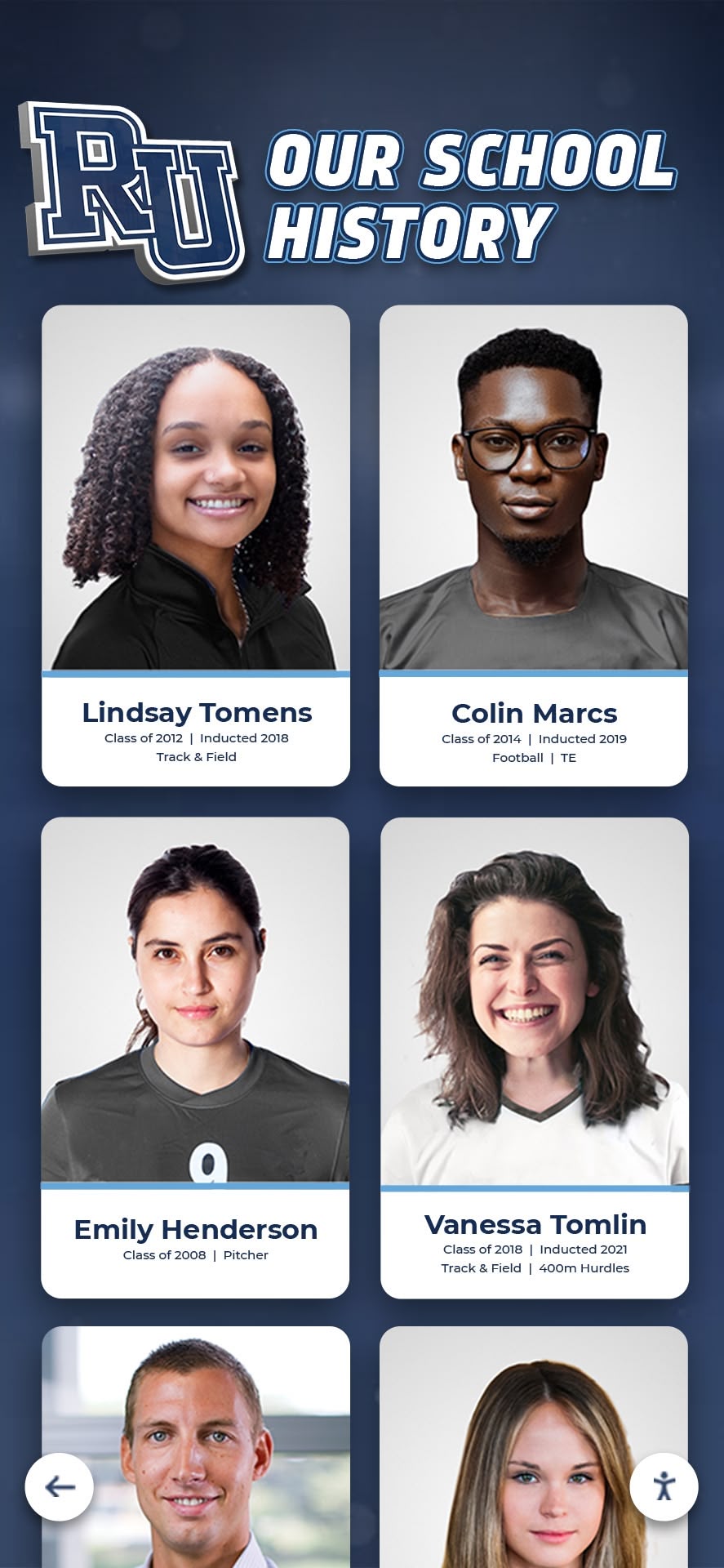
Unlimited Content Capacity Traditional poster boards face inevitable space constraints forcing committees to choose which photographs, memories, and recognitions receive visibility. A single 55" touchscreen display can showcase unlimited classmates, photographs, stories, and achievements through searchable, organized interfaces enabling comprehensive class representation impossible with physical displays.
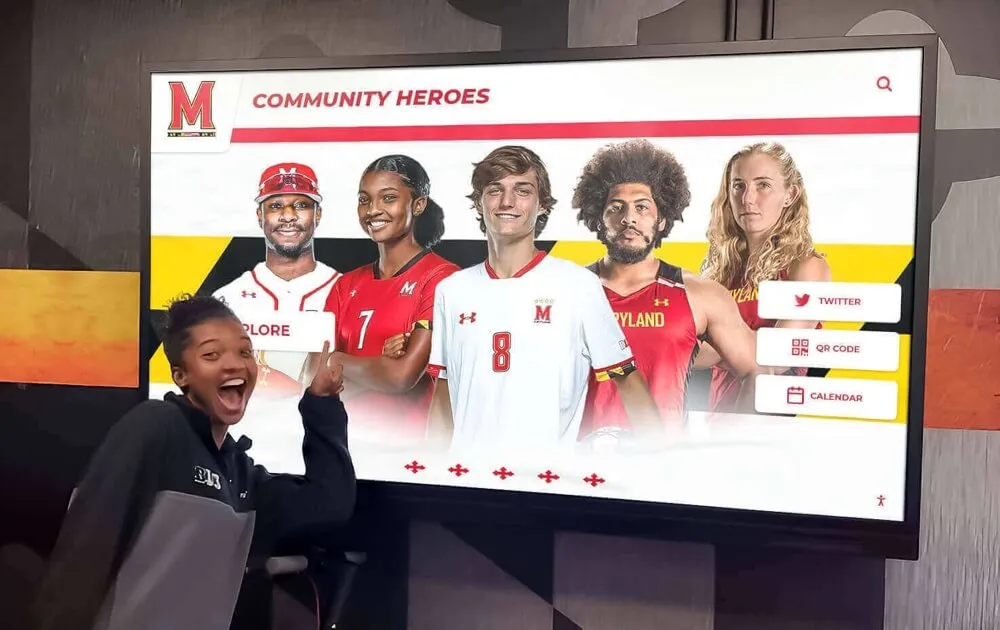
Intuitive Interactive Exploration Rather than static viewing, touchscreen displays enable attendees to:
- Search by name finding specific classmates instantly
- Filter by activities, sports, clubs, and organizations
- Explore detailed individual profiles with multiple photos
- View then-and-now photo comparisons side-by-side
- Read submitted updates and biographical information
- Discover classmates sharing similar interests or experiences
- Access career information and achievements
- Watch video messages from classmates
This self-directed exploration creates engagement lasting throughout reunions rather than brief glances at static boards.
Professional Appearance and Presentation Digital displays provide polished, professional aesthetics difficult to achieve with poster boards, tape, and printed photos. Consistent templates, professional design frameworks, and high-resolution content create impressive visual impact while honoring graduating classes appropriately.
Easy Content Updates and Additions Cloud-based management enables committees to update content up until reunion moments, adding late photo submissions, incorporating last-minute classmate information, and correcting errors without reprinting or remounting physical displays. Content additions during reunions accommodate real-time contributions from attendees.
Multi-Reunion Value Unlike single-use poster boards, professional displays provide value across multiple reunions. Content archives preserve all historical materials, enabling committees to reference past reunion displays when planning future events, building comprehensive class histories spanning decades, and creating continuity across reunion gatherings.
Web Integration and Remote Access Modern digital platforms extend beyond physical displays to include web-accessible versions enabling classmates unable to attend reunions to explore content remotely, mobile-responsive design ensuring smartphone access from anywhere, social sharing capabilities allowing digital celebration, and integration with class websites and social media groups.
This extended reach transforms displays from single-event installations to ongoing class resources maintaining year-round engagement.
Learn about professional display solutions in digital hall of fame systems that adapt effectively to reunion applications.
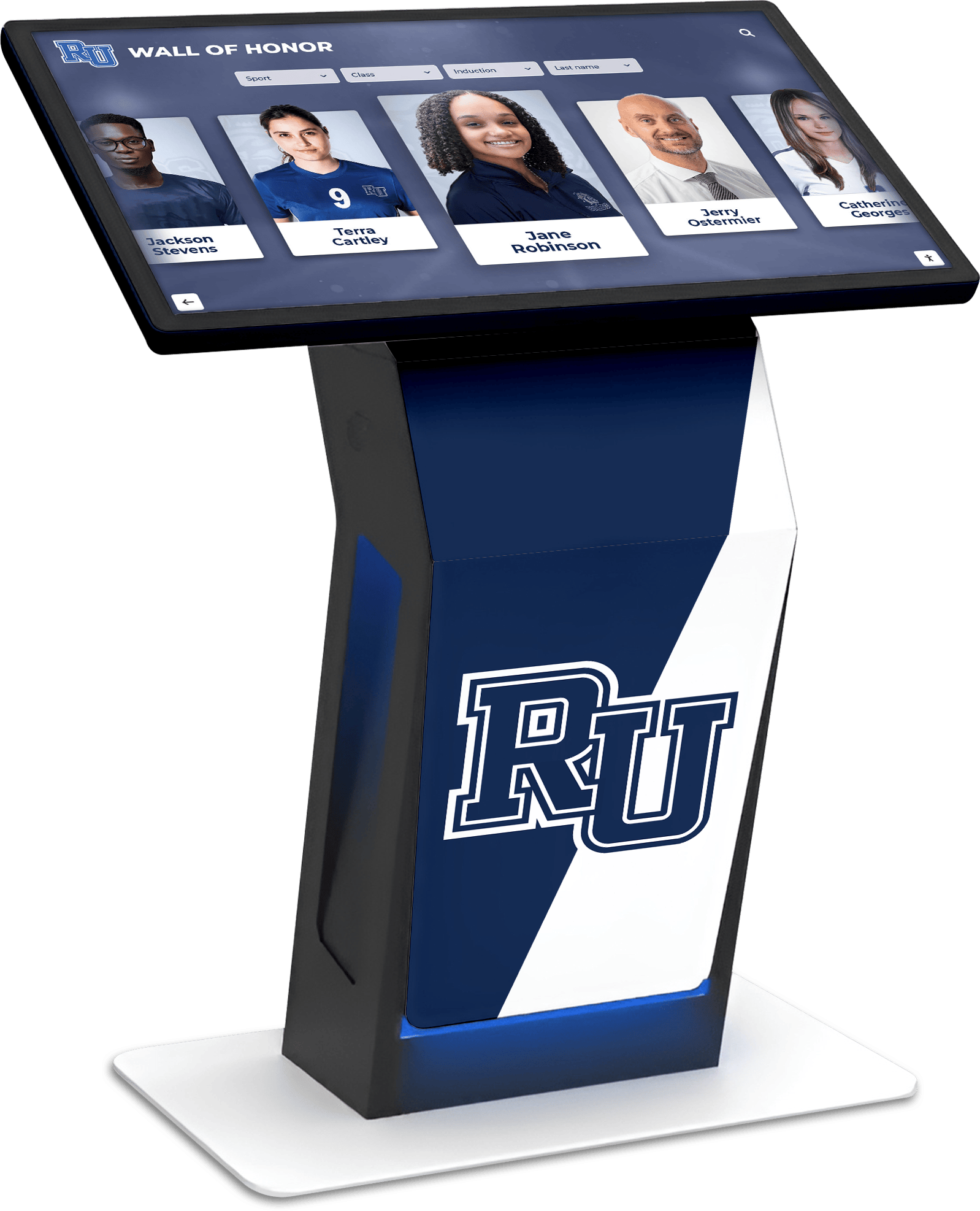
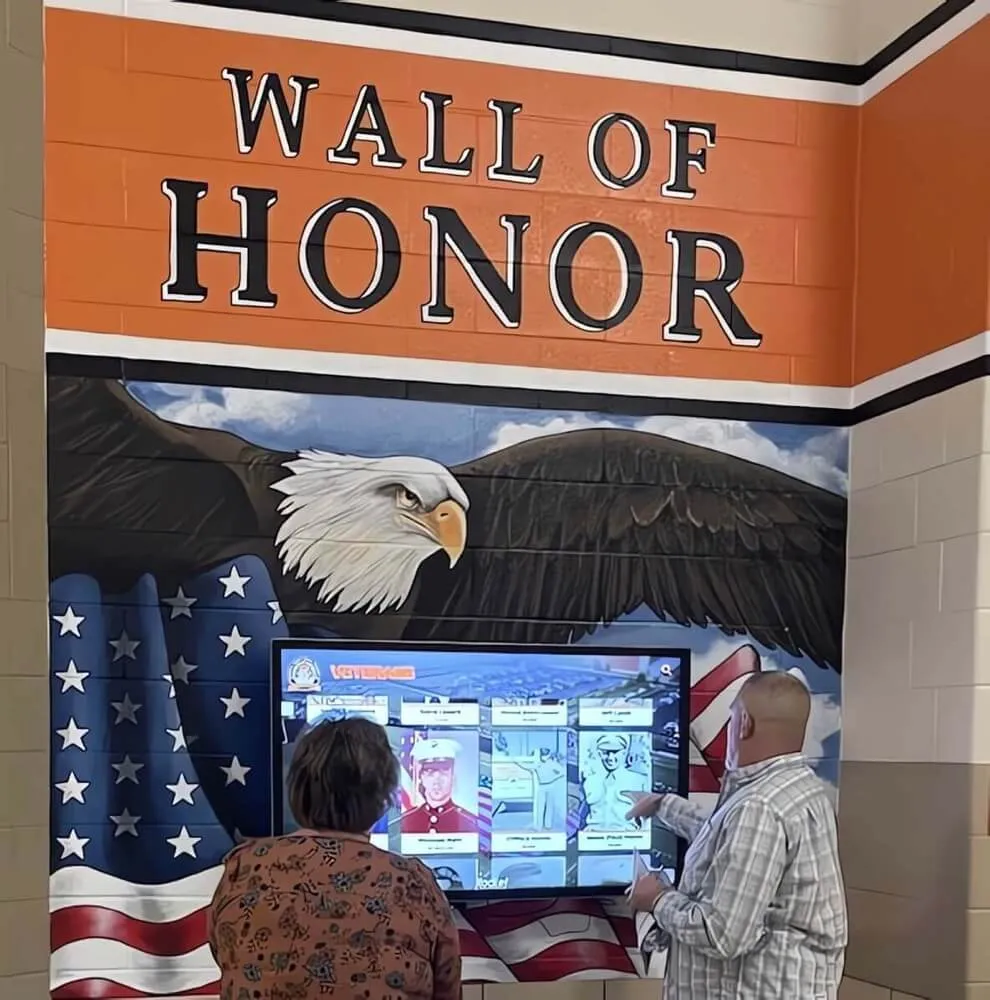
Interactive touchscreen systems enable self-directed exploration and deep engagement with class history and classmate achievements
Hybrid Approaches Combining Traditional and Digital
Leverage strengths of both methods:
Physical Displays with Digital Enhancement Create traditional poster board displays for key content—timeline overview, deceased classmate memorials, teacher tributes—while using digital displays for comprehensive photograph galleries, individual classmate profiles, and interactive elements requiring frequent content updates or searches.
This hybrid approach provides familiar physical displays while overcoming their limitations through digital supplementation.
QR Code Connections Add QR codes to physical displays connecting to:
- Online photo galleries with hundreds of images
- Video content and messages too long for display boards
- Interactive maps showing where classmates live
- Donation pages for class gifts or memorial funds
- Reunion photo upload portals for adding event pictures
- Future reunion information and registration
This physical-digital bridge extends display content beyond venue space constraints while maintaining simplicity for less tech-savvy attendees.
Social Media Integration Boards Create physical displays showing reunion hashtags, social media handles, and instructions for digital participation, while projecting live social media feeds on monitors enabling real-time viewing of attendee posts and remote classmate participation.
Display Design Best Practices and Tips
Thoughtful design ensures reunion displays achieve maximum impact:
Visual Design Principles
Effective displays balance multiple design considerations:
Hierarchy and Organization
- Create clear visual hierarchy guiding attention to most important content
- Group related materials logically ensuring intuitive navigation
- Use size, color, and placement to indicate relative importance
- Provide clear labels and headers identifying display sections
- Maintain consistent design vocabulary across all displays
- Create white space preventing overwhelming visual clutter
Color and Branding
- Incorporate school colors creating immediate institutional connection
- Use consistent color schemes unifying multiple displays
- Ensure adequate contrast for readability across distances
- Consider venue lighting when selecting background colors
- Integrate graduating year branding reinforcing class identity
- Balance visual interest with professional restraint
Typography and Readability
- Select legible fonts readable from reasonable distances
- Use appropriate font sizes ensuring visibility (minimum 18pt for body text on posters)
- Limit font variety preventing visual chaos (2-3 fonts maximum)
- Ensure sufficient contrast between text and backgrounds
- Avoid all-caps except for short headings
- Left-align body text for easier reading
Photography and Image Quality
- Use highest resolution images available preventing pixelation
- Crop and frame photos strategically highlighting subjects
- Maintain consistent photo sizing within display sections
- Identify people in group photos with captions or labels
- Ensure adequate lighting and exposure for visibility
- Consider black-and-white conversion unifying diverse photo sources
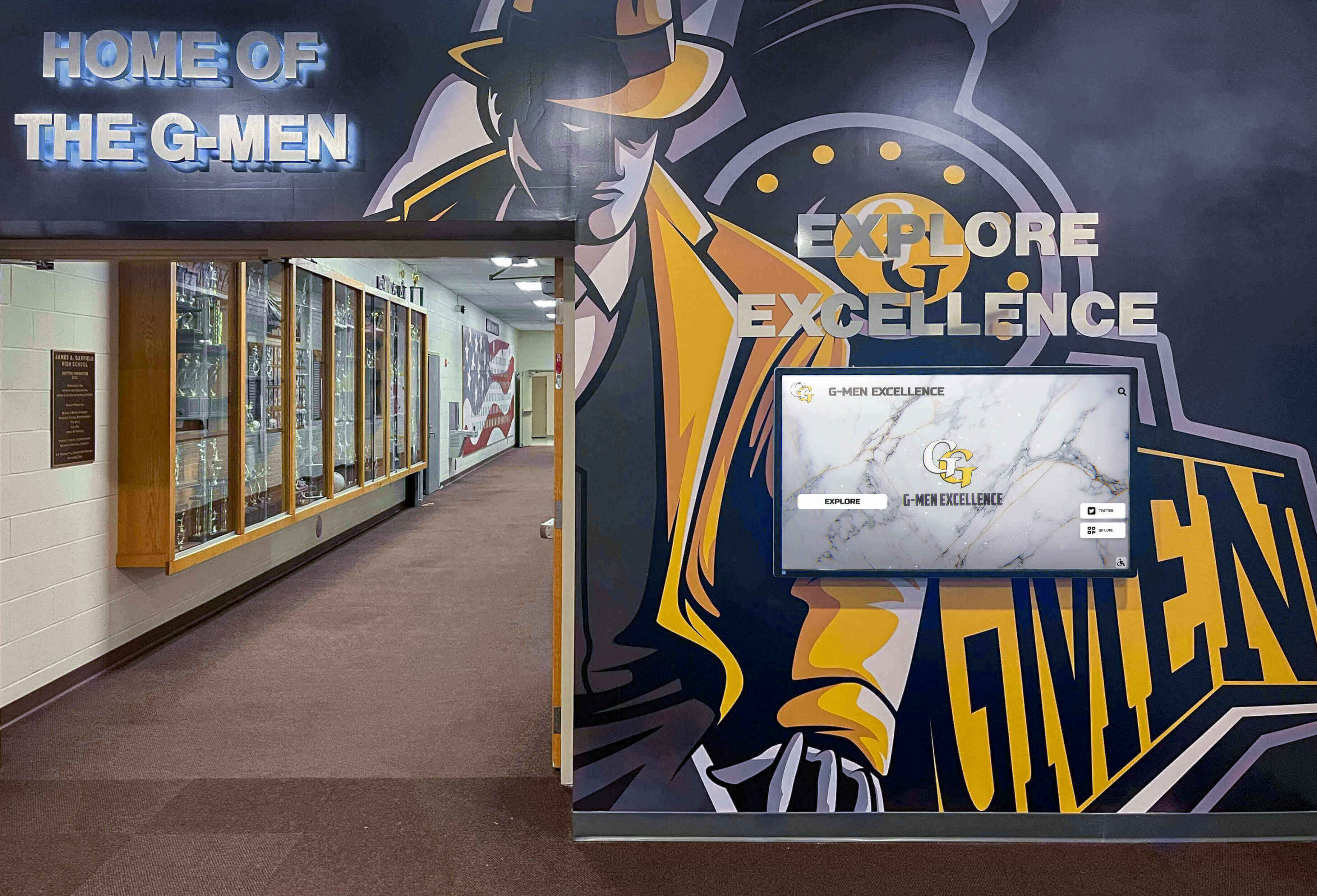
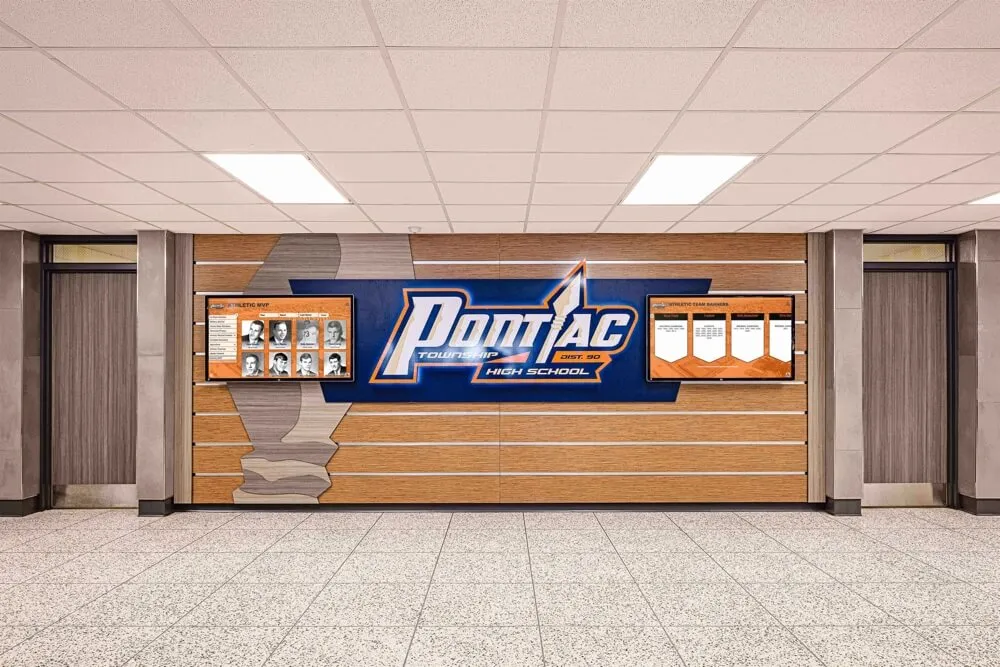
Professional design creates visual impact while honoring graduating class with polished, attractive presentations
Physical Display Construction
Quality execution ensures displays look professional:
Material Selection Choose durable, attractive materials appropriate for venue conditions:
- Foam core board for lightweight, rigid backing
- Poster board for budget-friendly, temporary displays
- Corrugated plastic for durable, weather-resistant outdoor use
- Fabric panels for upscale appearance and easy transport
- Easels or display stands eliminating wall-mounting requirements
- Protective covers if displays may encounter weather or handling
Mounting and Assembly
- Use appropriate adhesives for chosen materials (spray mount, glue stick, double-sided tape)
- Test mounting techniques on sample materials before final assembly
- Create sturdy support structures preventing sagging or warping
- Plan transportation accommodating display size and fragility
- Consider modular design enabling easier transport and storage
- Build displays flat for easier packing and setup
Venue Considerations
- Visit reunion venues before creating displays, assessing available space, lighting conditions, wall mounting capabilities, table or easel needs, power availability for digital displays, and traffic flow patterns
- Create display sizes appropriate for available space
- Ensure displays don’t block emergency exits or create safety hazards
- Coordinate with venue staff regarding mounting hardware and restrictions
Content Quality and Accuracy
Attention to detail prevents embarrassment:
Fact Checking
- Verify names, dates, and details before finalizing displays
- Cross-reference multiple sources for historical information
- Confirm identifications in photographs with multiple classmates
- Check spelling of all names using official records when possible
- Validate achievement information with classmates when feasible
- Correct errors immediately when discovered
Inclusion and Representation
- Ensure diverse classmate representation across displays
- Include attendees and non-attendees equally
- Represent varied interests, activities, and friend groups
- Balance athletic, academic, artistic, and social content
- Acknowledge all socioeconomic and cultural backgrounds
- Create categories ensuring everyone finds representation
Sensitivity and Appropriateness
- Avoid potentially embarrassing photographs or information
- Respect privacy preferences about personal information sharing
- Handle sensitive topics like deceased classmates with appropriate reverence
- Exclude content involving illegal activities or inappropriate behavior
- Consider how content might affect classmates with difficult high school experiences
- Review displays with diverse committee members before display
Learn about inclusive recognition in community showcase programs that celebrate diverse contributions and backgrounds.
Special Considerations for Milestone Reunions
Different reunion years require tailored approaches:
10-Year Reunions
Recent graduates have different needs:
Career Launch Focus Many classmates are establishing careers, completing advanced education, or making early professional moves. Display career updates prominently while acknowledging diverse paths including continued education, career exploration, military service, family focus, and entrepreneurial ventures.
Social Media Integration Ten-year reunion attendees typically engage heavily with social media. Leverage platforms for content gathering, during-event engagement, and post-reunion connection maintenance through dedicated reunion hashtags, Instagram-friendly display design, shareable content creation, and live social media feed displays.
Memory Freshness High school memories remain relatively fresh at ten years. Focus displays on “remember when” content, inside jokes, and specific shared experiences rather than broad historical context.
25-Year and 30-Year Reunions
Mid-career classmates appreciate different content:
Life Journey Acknowledgment At 25-30 years post-graduation, classmates have experienced significant life milestones including established careers and potential career changes, family formations with children now approaching or in college, geographic relocations for opportunities or lifestyle, significant accomplishments warranting recognition, and life challenges overcome with resilience.
Display content should honor these varied journeys while maintaining inclusive tone ensuring all life paths receive validation.
Historical Context Integration Quarter-century provides rich historical context. Create displays showing world events, technology evolution, cultural shifts, political changes, and generational experiences shared by graduating classes, contextualizing class journey within broader historical narrative.
Next Generation Presence Many 25-30 year reunion attendees bring families including spouses and children. Consider family-friendly display content and formats enabling younger generations to understand parents’ high school experiences while maintaining appropriate adult reunion atmosphere.
50-Year and Beyond Reunions
Senior reunions require special approaches:
Memory Support Older attendees benefit from extensive labeling, clear identification, large text for easy reading, abundant context and details, and memory aids helping classmates recall names and relationships.
Health and Accessibility Physical limitations may affect older attendees. Ensure displays are viewable from seated positions, placed in accessible locations without stairs, readable with adequate lighting and contrast, and stable preventing tripping hazards from easels or wires.
Mortality Acknowledgment By 50-year reunions, classes have typically lost 20-30% or more of members. Create substantial, respectful memorial displays honoring deceased classmates, acknowledging mortality without creating morbid atmosphere, and celebrating lives fully lived since graduation.
Legacy Focus Long view enables reflection on collective class impact including careers spent in service, families raised and legacy created, communities strengthened through involvement, institutions built and sustained, and values passed to next generations.
Displays can celebrate collective impact alongside individual achievements, honoring graduating class contributions to broader society.
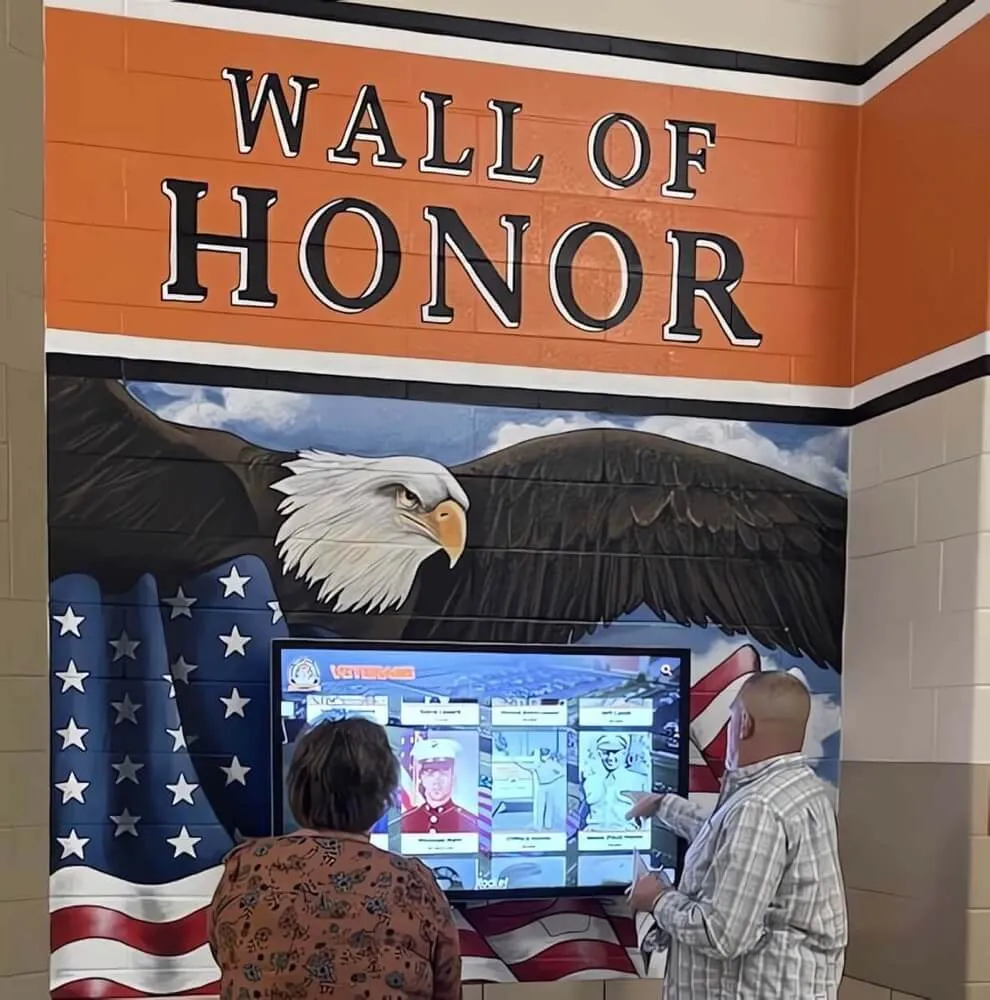
Milestone reunion displays honor both shared history and individual journeys across decades since graduation
Budget-Friendly Display Alternatives
Limited resources need not prevent effective displays:
DIY Display Creation
Hands-on approaches minimize costs:
Home Printing and Assembly Print photographs on home printers using photo paper for quality results, create layouts using free design software like Canva or Google Slides, mount images with budget-friendly materials from craft stores, and assemble displays during committee work sessions distributing labor.
While time-intensive, DIY approaches enable quality results with minimal financial investment when committees have dedicated volunteers.
Borrowed and Repurposed Materials Reduce costs by borrowing display boards and easels from schools or libraries, using leftover materials from past reunions or other events, repurposing poster frames from discount stores, leveraging committee members’ existing supplies, and requesting donation of printing and materials from local businesses.
Community Resource Utilization Many communities offer free or low-cost resources including library meeting rooms with display equipment, school facilities and materials access, local business sponsorship and printing donations, alumni association support and funding, and volunteer expertise from classmates with design or printing skills.
Prioritizing High-Impact Elements
Strategic focus maximizes limited budgets:
Core Display Investment When resources are constrained, focus on:
- Single high-quality timeline display with comprehensive class history
- Memorial section honoring deceased classmates with dignity
- Then-and-now photo display creating immediate visual impact
- Interactive elements encouraging participation and contribution
- Quality materials for most visible displays in high-traffic areas
Digital Content as Budget Solution A single large monitor displaying slideshow content often costs less than extensive printed displays while providing superior content capacity, easy updates without reprinting, professional appearance, and reusability across multiple reunions.
Budget-conscious committees should seriously consider digital approaches as cost-effective alternatives to traditional poster boards.
Crowdfunding and Class Fundraising Offset display costs through transparent fundraising explaining budget needs, soliciting small contributions from all classmates, offering recognition for donors supporting displays, positioning displays as class gift to reunions, and building display costs into reunion registration fees.
Most classmates willingly contribute modest amounts when they understand how funds enhance reunion experiences.
From Reunion to Permanent Recognition
Leverage reunion momentum for lasting alumni engagement:
Converting Temporary Displays to Permanent Installations
Reunions can catalyze permanent recognition:
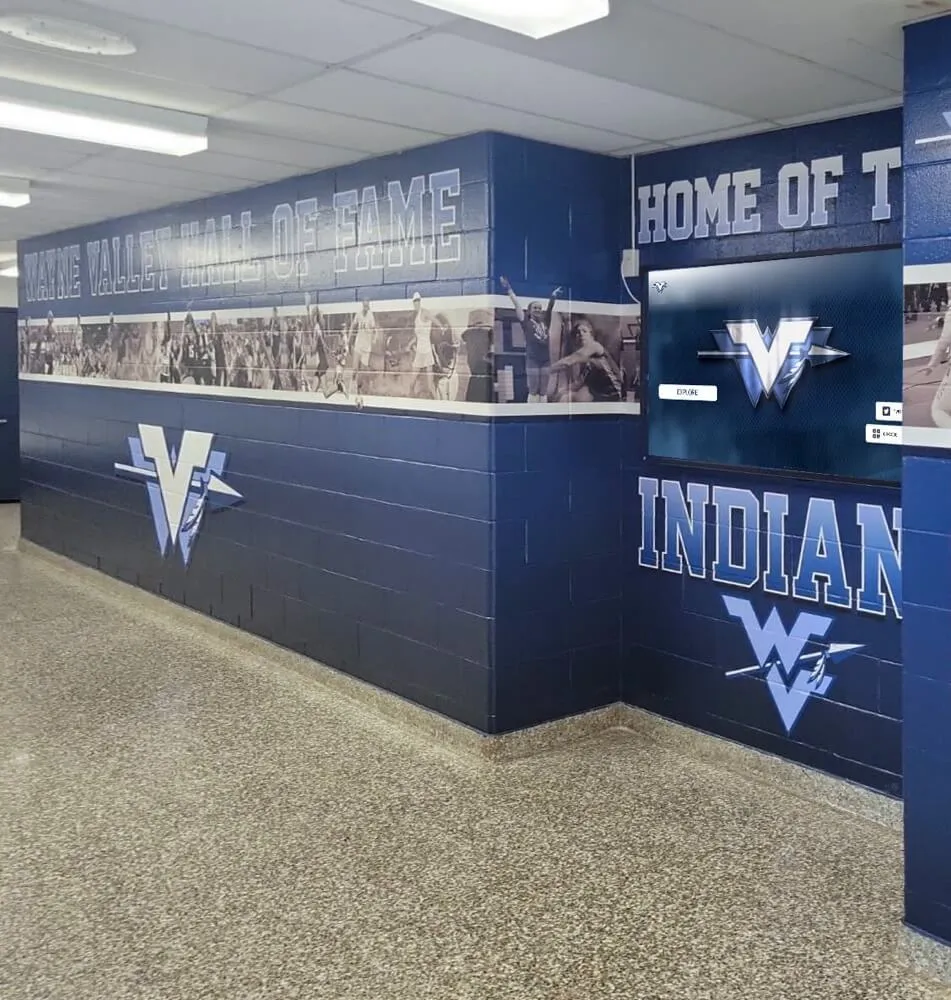
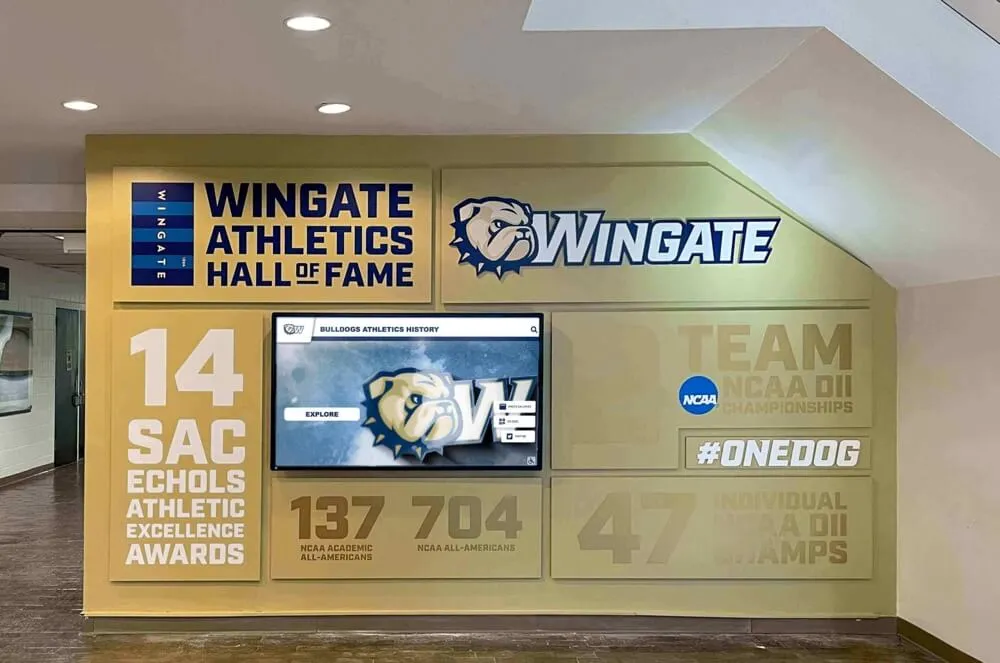
Proposing Permanent Recognition Systems Use successful reunion displays to demonstrate value of permanent alumni recognition installations at schools. Present proposals to administrators highlighting how permanent displays strengthen alumni relations, create fundraising opportunities, provide student inspiration, honor school history and traditions, and enhance campus environments.
Schools increasingly recognize that alumni recognition programs strengthen institutional identity while supporting advancement goals.
Graduating Class Legacy Projects Transform reunion energy into permanent class gifts including digital recognition displays honoring graduating classes, scholarship funds supporting future students, facility improvements or equipment purchases, archived material digitization preserving history, and permanent memorial spaces for deceased classmates.
These legacy projects create ongoing connection between graduating classes and institutions while providing recognition extending far beyond single reunion events.
Ongoing Content Contribution Establish processes enabling continued content submission beyond reunions through online portals for classmate updates, annual update campaigns gathering new information, milestone recognition for significant achievements, and evolving displays reflecting current class accomplishments rather than freezing recognition at reunion moments.
Explore permanent recognition in school history preservation programs that maintain ongoing alumni engagement and institutional connection.
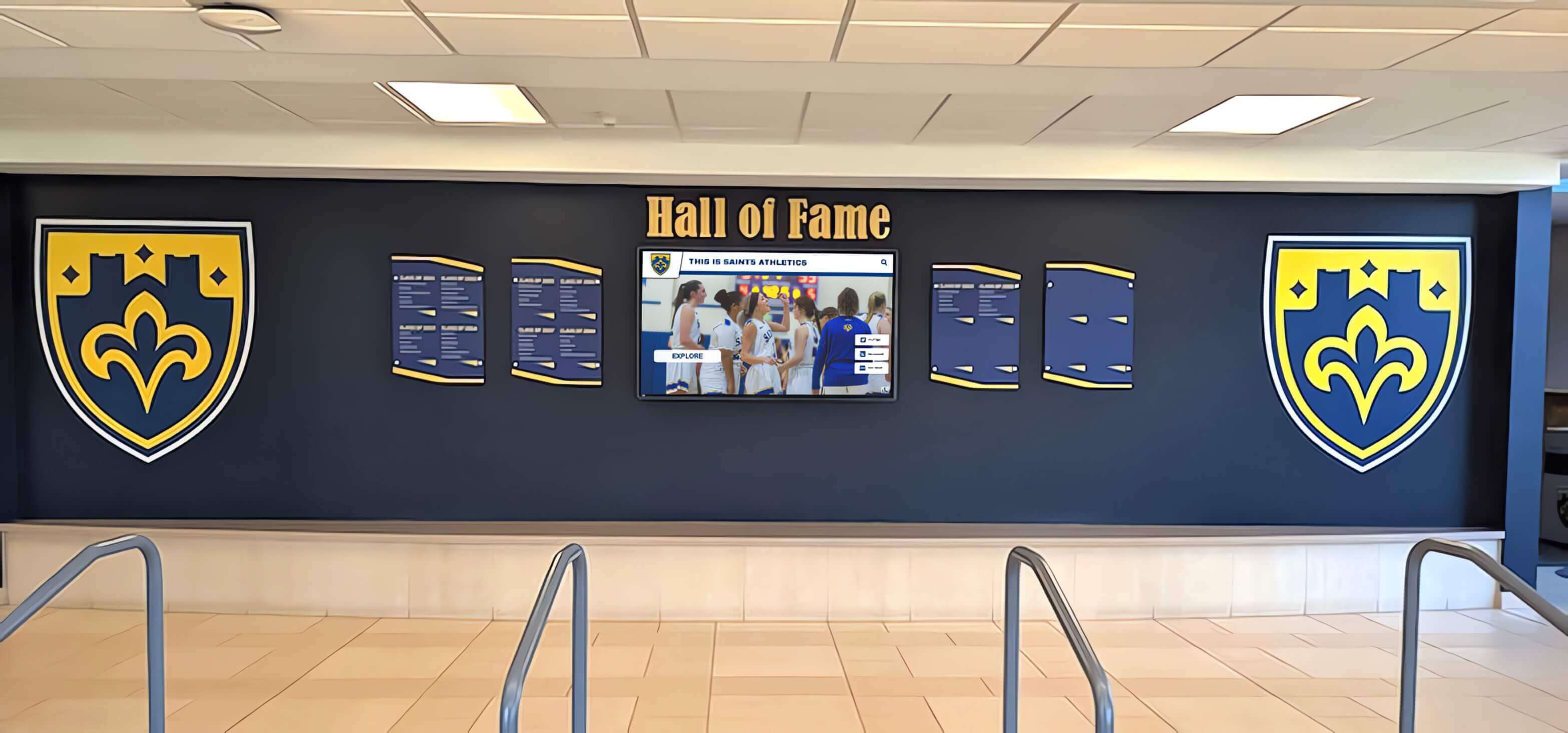
Permanent recognition installations extend reunion momentum into year-round alumni celebration and engagement
Digital Archives and Ongoing Engagement
Preserve reunion content for future use:
Digital Content Preservation After reunions, systematically archive all gathered materials including scanned photographs and documents, digital submissions from classmates, slideshow and presentation files, attendance lists and contact information, and video recordings of reunion programs.
Store materials in accessible locations like Google Drive, Dropbox, or class websites, ensuring future reunion committees can access and build upon previous work.
Online Class Communities Maintain momentum through dedicated online spaces including private Facebook groups for ongoing conversation, class websites hosting archived reunion materials, email distribution lists for periodic updates, WhatsApp or GroupMe for informal communication, and professional networking groups connecting classmates.
Regular communication between reunions strengthens relationships while simplifying outreach for future reunion planning.
Rolling Content Updates Between reunions, periodically share classmate updates, career milestones and achievements, family announcements and celebrations, in memoriam notices for deceased classmates, and historical photographs and memories generating ongoing engagement and maintaining class cohesion across years between reunion gatherings.
Conclusion: Creating Reunion Experiences That Strengthen Lasting Bonds
High school reunion display boards represent far more than decorated poster boards showing old photographs—they create environments where shared history becomes visible, individual journeys receive recognition, meaningful connections form naturally, and graduating classes celebrate both who they were and who they’ve become in years since walking across graduation stages.
The strategies explored in this guide provide comprehensive frameworks for reunion display creation that serves multiple purposes including honoring shared high school experiences connecting all classmates, celebrating diverse paths and achievements since graduation, creating conversation catalysts enabling natural reconnection, building foundations for ongoing alumni engagement, and demonstrating that every classmate matters regardless of high school social hierarchy or post-graduation circumstances.
Transform Your Reunion Experience with Professional Recognition
Discover how modern digital recognition solutions can elevate your high school reunion displays beyond traditional poster boards, creating engaging, professional experiences that celebrate your entire graduating class.
Explore Recognition SolutionsFrom Temporary Events to Lasting Impact
While reunion display boards serve immediate event needs, thoughtful committees can leverage their work to create lasting value including proposing permanent school recognition installations, establishing ongoing class communication and engagement, preserving historical materials for future generations, building frameworks for continued classmate updates and recognition, and demonstrating how alumni recognition strengthens institutional communities.
Reunions represent opportunities to strengthen not just classmate bonds but also connections between graduating classes and the schools that shaped formative years. When schools invest in quality recognition—whether temporary reunion displays or permanent installations—they signal that alumni relationships matter and graduating classes remain integral to institutional identity.
The Technology Opportunity
Traditional poster board approaches served reunion needs adequately for decades, but modern technology offers superior alternatives committees should seriously consider. Digital recognition displays overcome physical space constraints enabling comprehensive classmate inclusion, provide professional appearance difficult to achieve with poster boards, enable easy content updates accommodating late submissions and changes, create interactive experiences generating deeper engagement, offer reusability across multiple reunion gatherings, and extend reach through web integration connecting remote classmates.
Solutions like Rocket Alumni Solutions provide turnkey digital recognition platforms designed specifically for educational institutions, offering capabilities individual reunion committees cannot easily replicate while providing value extending far beyond single events. These professional systems create recognition experiences honoring graduating classes appropriately while building frameworks for sustained alumni engagement.
Starting Where You Are
Not every reunion committee can implement comprehensive digital recognition systems or create elaborate display installations. Start with approaches matching available resources—simple photo collages, basic timelines, memory walls—then systematically expand as capabilities grow and class members understand value of quality reunion experiences.
The most important element isn’t display sophistication—it’s the genuine commitment to honoring shared history and celebrating every classmate’s journey since graduation. When committees approach reunion displays with this purpose-driven mindset, they create meaningful experiences strengthening bonds formed during those formative high school years regardless of budget constraints or technical limitations.
Your graduating class shares unique history and collective experiences deserving thoughtful celebration. With systematic planning, creative thinking, and appropriate resource investment, you can create reunion displays that transport classmates back to shared moments while honoring the diverse paths you’ve traveled in years since graduation.
Ready to begin planning your reunion displays? Explore high school class reunion planning guides or learn about permanent alumni recognition systems that extend reunion impact throughout school communities.