School consolidation—the merging of two or more school districts or individual schools into a single administrative unit—has shaped American education for over a century. From the early 1900s when over 200,000 one-room schoolhouses dotted the rural landscape to today’s large, consolidated districts serving thousands of students, this ongoing reform movement has fundamentally transformed how communities deliver educational services.
Yet consolidation involves far more than administrative efficiency and economies of scale. When schools merge, communities face profound questions about preserving institutional memory, maintaining traditions, honoring past donors and supporters, and creating unified identities that respect multiple legacies. Districts that navigate these challenges successfully build stronger institutions, while those that neglect historical preservation and recognition often struggle with community resistance and fractured relationships.
This comprehensive guide explores the history of school consolidation in the United States, examines current trends and challenges, and provides frameworks for preserving institutional legacy, recognizing supporters from merged schools, and building cohesive communities after consolidation.
School consolidation represents one of the most significant and enduring reforms in American education. Understanding this history provides essential context for modern districts facing merger decisions or working to preserve traditions from previously consolidated schools.

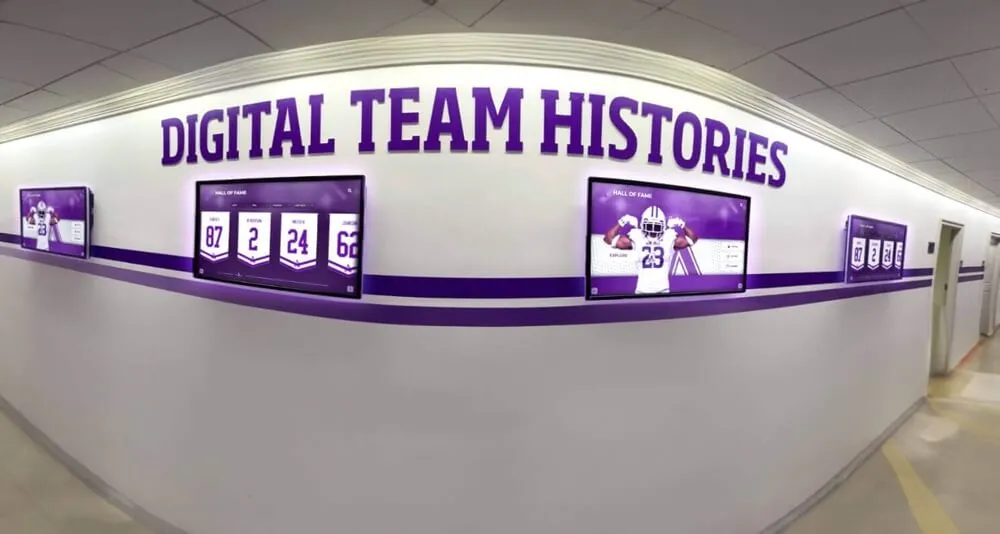
Preserving school history and honoring alumni from merged institutions maintains community connections across generations
The Early Era of School Consolidation: 1900-1950
School consolidation emerged during the Progressive Era as reformers sought to modernize rural education and provide students with educational opportunities comparable to urban counterparts.
The One-Room Schoolhouse Decline
At the turn of the 20th century, the United States had approximately 212,000 school districts, most operating single one-room schoolhouses serving local rural communities. These small schools faced significant challenges including limited curriculum offerings with single teachers instructing all grade levels simultaneously, inadequate funding from small tax bases, isolation from educational innovations and professional development, difficulty attracting and retaining qualified teachers, and limited resources for books, supplies, and equipment.
Educational reformers argued that consolidating these small districts into larger units could provide students with better facilities, specialized teachers for different subjects and grade levels, expanded curriculum including sciences, languages, and vocational education, improved resources and equipment, and more efficient use of taxpayer funds.
Early Consolidation Movement
The first wave of school consolidation began in the 1910s-1920s, accelerated by several factors including improved rural transportation making it feasible for students to travel to centralized schools, automobile and school bus development enabling broader consolidation, state legislation encouraging or mandating consolidation, and philanthropic support from organizations like the General Education Board promoting consolidated schools.
State governments played active roles through legislation establishing minimum district sizes, providing financial incentives for voluntary consolidation, creating county-level administrative structures, and in some cases, mandating consolidation for districts below certain thresholds.
By 1930, the number of school districts had declined to approximately 130,000, representing a 40% reduction in just three decades. This consolidation particularly affected rural areas where geographic isolation had previously made small neighborhood schools the only feasible option.

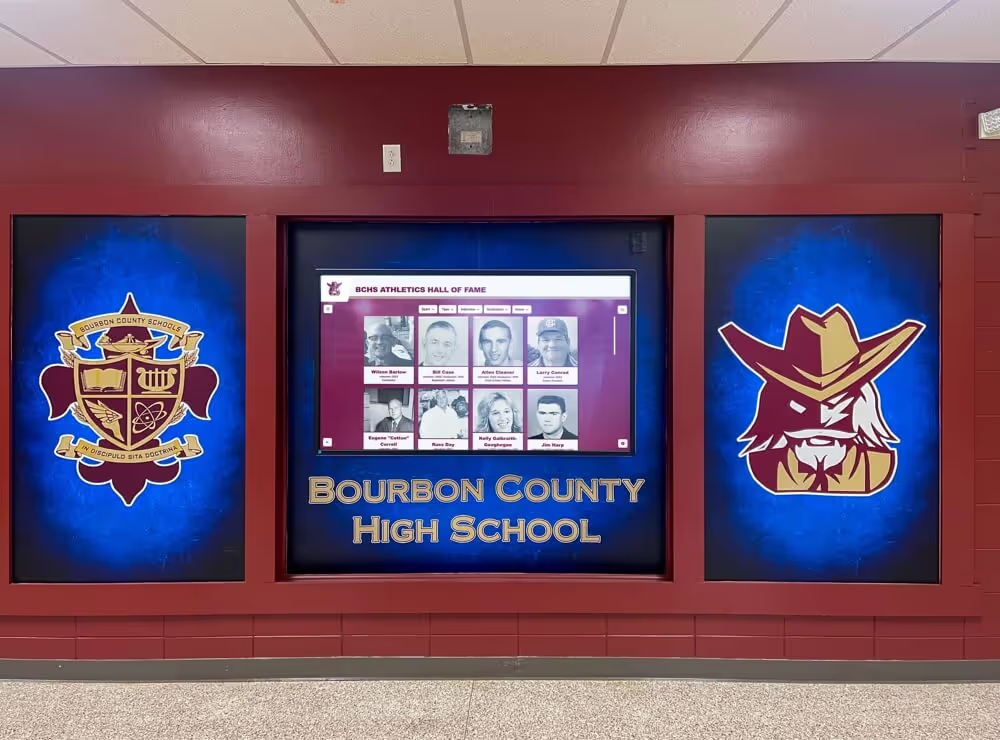
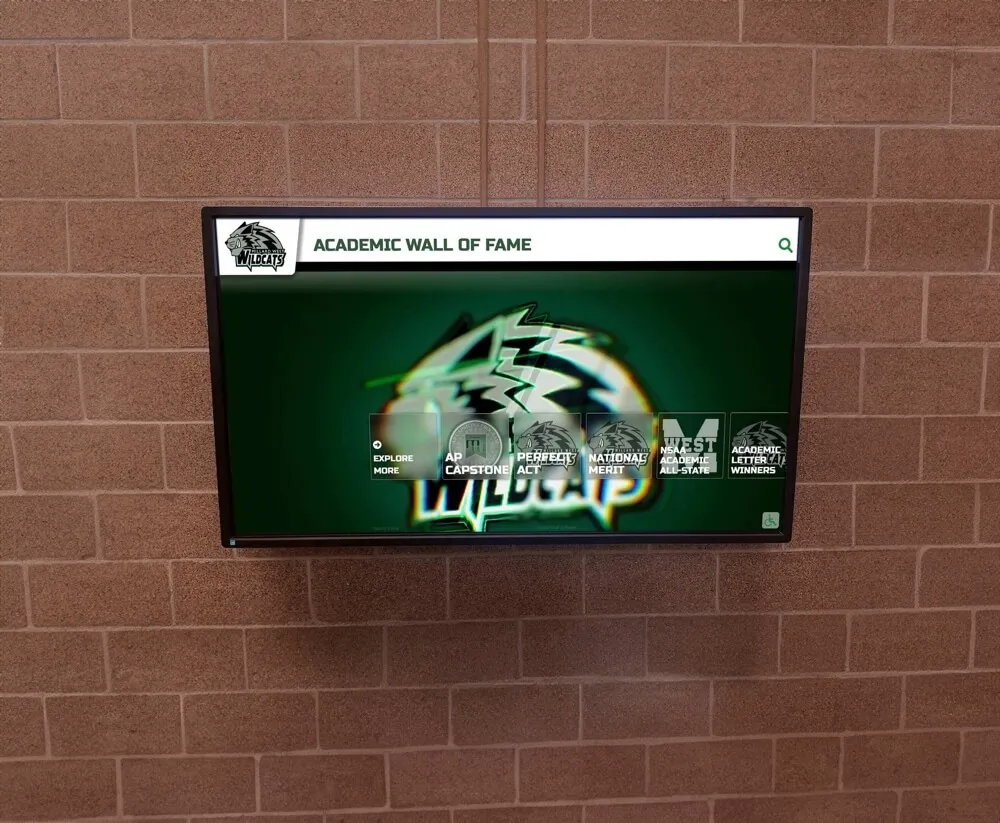
Modern schools preserve historical identity while incorporating contemporary recognition systems
Community Resistance and Cultural Impact
School consolidation met significant resistance from rural communities who viewed local schools as cultural anchors and sources of community identity. Common objections included loss of community gathering spaces and civic centers, concern about children traveling long distances to unfamiliar schools, fear that consolidated schools would ignore local needs and values, economic impact on communities losing their schools, and erosion of neighborhood identity and tradition.
Many rural residents had attended the same schools as their parents and grandparents, creating deep emotional connections that transcended educational policy considerations. The closure of a community school often represented broader anxieties about rural decline and loss of local control.
Despite resistance, consolidation continued throughout the 1930s-1940s, driven by economic pressures from the Great Depression and World War II, which created teacher shortages that made small schools increasingly impractical.
Post-War Consolidation Acceleration: 1950-1980
The decades following World War II witnessed the most intensive period of school consolidation in American history.
Dramatic District Reduction
Between 1950 and 1980, the number of school districts in the United States declined from approximately 83,700 to just 15,987—an 81% reduction in just three decades. This consolidation transformed the educational landscape through closure of thousands of small rural schools, creation of regional high schools serving multiple communities, county-wide consolidation eliminating township-level districts, and emergence of suburban districts consolidating multiple smaller municipalities.
State governments accelerated consolidation through various mechanisms including minimum district size requirements, transportation funding formulas favoring larger districts, capital improvement grants available only to consolidated districts, and in some states, forced consolidation of districts below minimum enrollment thresholds.
Educational Rationale and Efficiency Arguments
Proponents emphasized several benefits of larger consolidated districts including comprehensive high school programs offering advanced courses, specialized instruction with dedicated teachers for each subject area, expanded extracurricular activities including athletics, arts, and clubs, improved facilities with science laboratories, libraries, and gymnasia, and administrative efficiency reducing per-pupil costs.
Research from this era suggested that schools with at least 300-400 students could achieve economies of scale while still maintaining manageable class sizes and personal attention. Many states adopted policies encouraging districts to reach these thresholds through consolidation.
The expansion of school busing made consolidation increasingly practical, as improved transportation networks enabled students to travel 30-60 minutes to centralized schools. By 1970, approximately 50% of American students rode school buses, compared to just 10% in 1930.

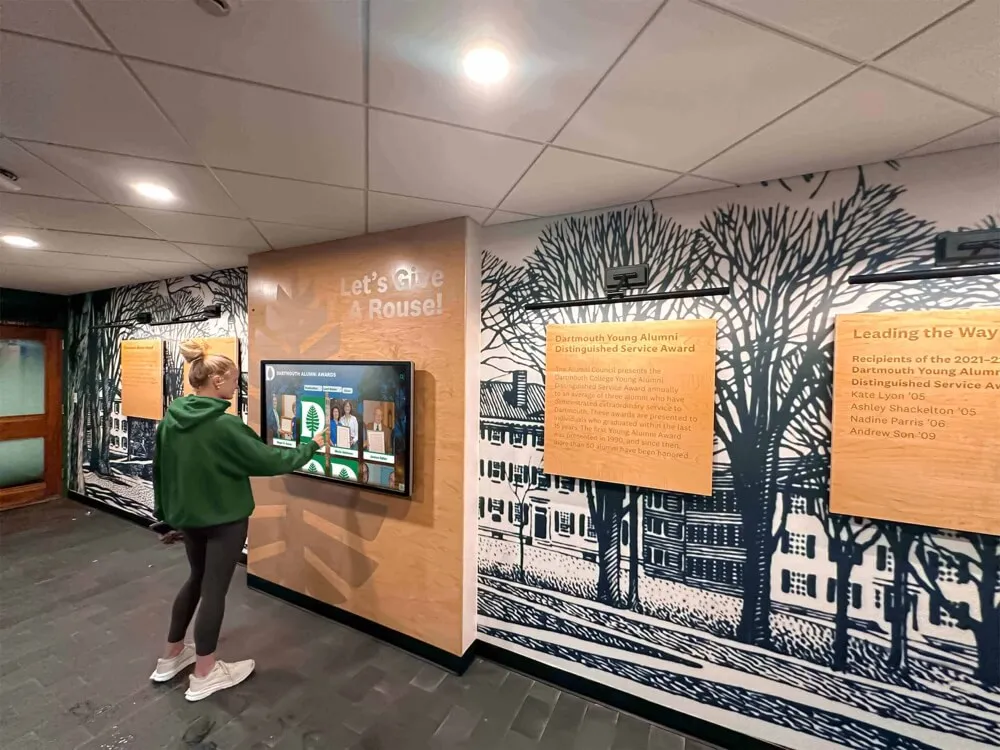
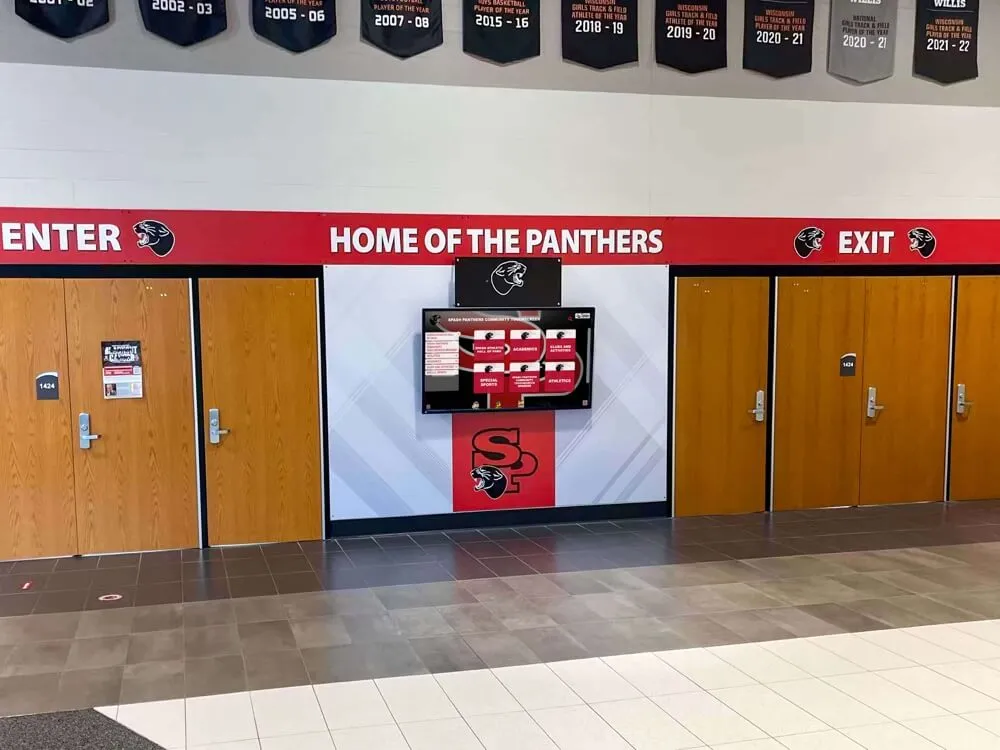
Consolidated schools balance traditions from multiple institutions through integrated recognition systems
Cultural Preservation Challenges Emerge
As consolidation accelerated, communities began experiencing the loss of institutional memory and tradition. Merged schools faced difficult questions about which school colors, mascots, and traditions to preserve, how to honor alumni and supporters from closed schools, where to display trophies, plaques, and historical materials from multiple institutions, how to create unified identity without alienating supporters of previous schools, and maintaining community connections when physical school buildings were demolished or repurposed.
Districts that handled these transitions thoughtfully created stronger unified communities, while those that ignored historical preservation often faced ongoing resentment and fractured relationships affecting fundraising, volunteer participation, and community support for decades.
Contemporary Consolidation: 1980-Present
School consolidation continues today, though at a slower pace than the mid-20th century peak, driven by different factors and facing unique challenges.
Current Consolidation Trends
The number of school districts declined from 15,987 in 1980 to approximately 13,500 in 2026, representing continued consolidation albeit at a much slower rate. Contemporary drivers include declining enrollment in rural areas due to population shifts, financial pressures as smaller districts struggle with rising costs, state budget constraints encouraging efficiency, facility aging requiring major capital investments small districts cannot afford, and teacher recruitment challenges as specialized staff become harder to attract to small districts.
Recent consolidation activity has concentrated in particular regions including rural Midwest and Great Plains states experiencing population decline, New England states with historically fragmented district structures, and some Southern states pursuing county-wide consolidation.
Several states have implemented policies either encouraging or mandating consolidation in recent years. For example, Vermont has incentivized consolidation through additional state funding, while Maine passed legislation encouraging regional school units combining multiple small districts.
Financial Realities Driving Modern Consolidation
Small school districts face increasingly challenging financial circumstances including rising special education costs that disproportionately burden small districts, teacher salary competition with larger districts, technology infrastructure requirements demanding significant capital investment, transportation costs for dispersed rural populations, and facility maintenance and renovation expenses for aging buildings.
State funding formulas often disadvantage small districts by allocating resources on per-pupil basis without accounting for fixed costs, making it financially difficult to maintain comprehensive programs with limited enrollment. When districts serve fewer than 200-300 students, per-pupil costs can exceed larger district costs by 50-100%.
These financial pressures create situations where consolidation becomes not a policy preference but a financial necessity for communities unable to sustain independent operations.

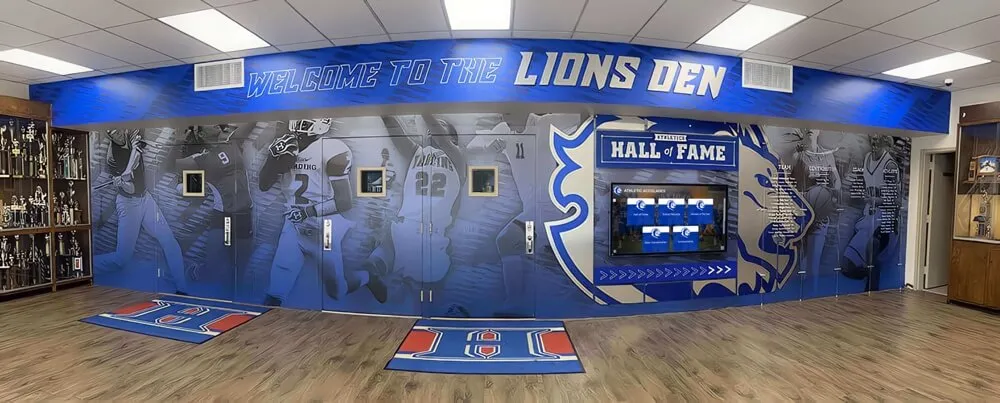
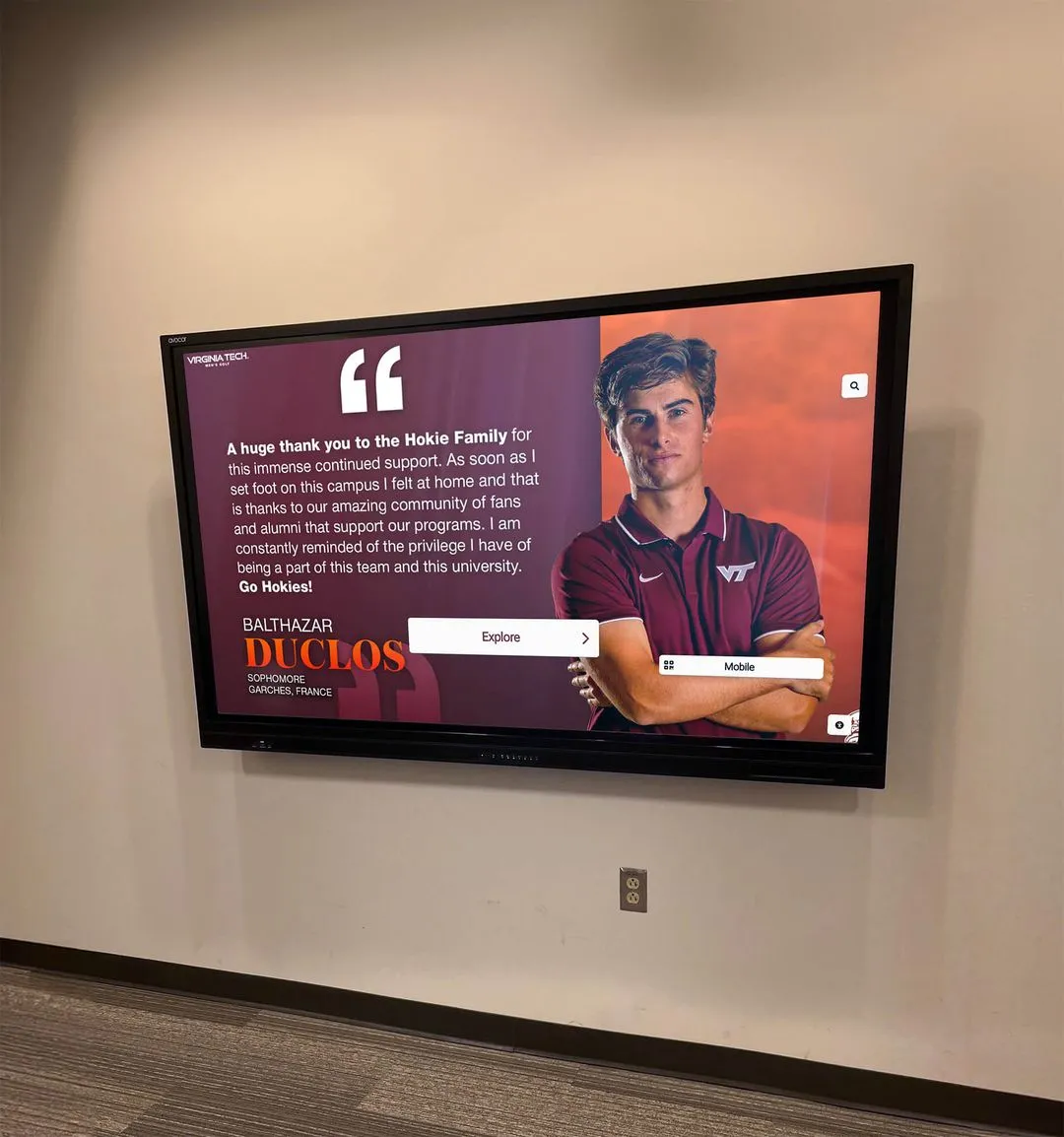
Interactive systems enable comprehensive historical preservation across merged institutions
Academic and Social Considerations
Research on consolidation outcomes presents mixed findings regarding both academic and social effects. Some studies suggest benefits including expanded course offerings providing students with more educational options, increased extracurricular opportunities, exposure to diverse peers and perspectives, and improved facilities and resources.
However, other research identifies potential drawbacks including reduced personal attention and relationships with staff, longer transportation times affecting student wellbeing and family schedules, loss of community engagement and local control, and disruption to established support systems and routines.
The relationship between district size and student outcomes appears to be non-linear, with both very small and very large districts facing challenges compared to moderate-sized institutions. Optimal district size likely varies based on context, population density, and community characteristics rather than following universal formulas.
Preserving Institutional Memory and Legacy After Consolidation
When schools merge, districts must thoughtfully address how to preserve and honor the histories, traditions, and supporters of previously independent institutions. Success in these areas significantly impacts community acceptance and long-term consolidation effectiveness.
Common Consolidation Transition Challenges
Merged districts frequently struggle with several recurring issues including mascot and school color conflicts requiring decisions about which tradition to preserve, competition between communities for facility location and resource allocation, alumni associations from closed schools losing connection to district, donor recognition from previous schools becoming obscured or lost, trophy cases and historical displays lacking space for multiple institutions’ materials, and fractured identity as communities maintain allegiance to previous schools rather than embracing unified district.
These challenges persist for years or even decades when districts fail to address them proactively during transition planning. Communities remember perceived slights and inequities long after consolidation occurs, affecting fundraising, volunteer engagement, and community support.

Visual integration of symbols from merged schools demonstrates respect for multiple traditions
Frameworks for Historical Preservation
Successful consolidated districts implement systematic approaches to preserve institutional memory including comprehensive historical documentation projects archiving photographs, yearbooks, records, and materials from all predecessor schools, permanent recognition spaces honoring each institution’s legacy appropriately, digital archives providing accessible historical information to alumni and community, integrated athletic and academic recognition systems celebrating achievements across all institutions, and ongoing connection with alumni associations maintaining relationships with graduates from closed schools.
Digital recognition displays provide particularly effective solutions for consolidated districts because they eliminate physical space constraints that force difficult choices about whose history receives visibility. Single interactive systems can comprehensively showcase multiple institutions’ traditions, achievements, and recognition without the limitations of traditional trophy cases or plaques.
Creating Unified Identity While Respecting Legacy
The most successful consolidations create new unified identities that explicitly incorporate and honor traditions from all predecessor schools rather than selecting one institution’s identity and expecting others to abandon their heritage. Effective approaches include new mascots, colors, or names incorporating elements from all merged schools, permanent visual recognition of previous institutions through logos, displays, or naming, integrated traditions combining ceremonies, events, or customs from multiple schools, balanced facility naming honoring all communities in consolidated district, and inclusive historical narratives that celebrate the complete institutional story rather than privileging one predecessor.
When districts demonstrate genuine respect for all traditions through tangible actions rather than merely symbolic gestures, communities develop shared identity and commitment to unified institutions.
Donor Recognition Challenges in Consolidated Districts
School consolidation creates particular challenges for recognizing and maintaining relationships with donors who supported previous institutions. Addressing these effectively is critical for sustaining philanthropic culture and building advancement capacity in merged districts.
The Consolidation Donor Recognition Dilemma
When schools consolidate, existing donor recognition often becomes problematic including physical donor walls at closed schools becoming inaccessible or lost, naming opportunities at consolidated facilities failing to honor previous commitments, donors from different institutions competing for recognition at merged school, limited space preventing comprehensive recognition of all supporters across institutions, and fractured advancement operations as separate booster clubs and foundations struggle with unified structure.
Districts that neglect these issues often experience significant fundraising challenges including donor alienation as supporters feel forgotten or disrespected, discontinued giving from historically loyal supporters, resistance to unified advancement as communities maintain separate fundraising, competition between communities rather than cooperation toward district goals, and loss of institutional knowledge about donor relationships and history.
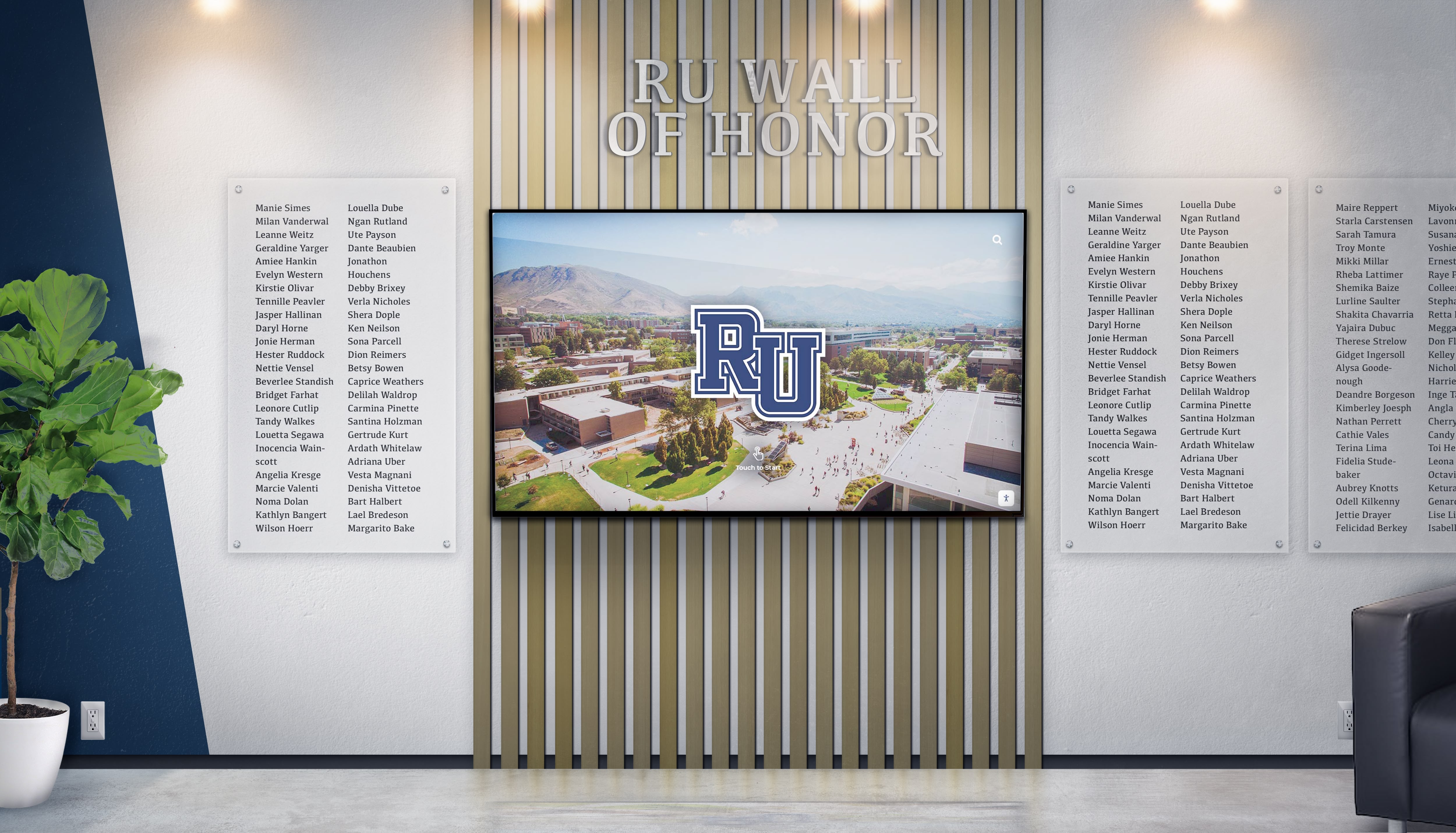
Hybrid recognition systems honor traditional donors while providing flexibility for ongoing recognition
Digital Solutions for Consolidated District Recognition
Modern digital donor recognition platforms provide ideal solutions for consolidated districts facing the challenge of honoring supporters from multiple predecessor institutions while building unified advancement programs.
Solutions like Rocket Alumni Solutions enable districts to overcome traditional limitations through unlimited recognition capacity accommodating donors from all merged schools without space constraints, searchable databases allowing visitors to find specific donors from any institution, comprehensive historical preservation connecting current recognition to complete institutional legacy, flexible content organization displaying recognition by school, time period, giving level, or other criteria, and unified platform supporting district-wide advancement while honoring specific institutional traditions.
These systems eliminate the difficult choices physical donor walls force districts to make about whose recognition receives visibility, enabling genuine inclusion of all supporters regardless of which predecessor school they supported.
Integrated Stewardship Approaches
Beyond recognition displays, consolidated districts should implement comprehensive stewardship addressing donors across all institutions including unified donor database integrating records from all predecessor schools, segmented communication respecting donors’ connection to specific institutions, recognition events celebrating supporters from all communities within district, planned giving programs connecting with alumni from closed schools, and capital campaigns explicitly addressing needs across all facilities and programs.
Donor recognition strategies that acknowledge the emotional connections supporters maintain with specific schools while building commitment to unified districts create stronger overall advancement programs and better financial outcomes than approaches demanding immediate allegiance transfer.
Building Community Support for Consolidation
The success of school consolidation ultimately depends on community acceptance and support. Districts that invest in thoughtful transition processes achieve better outcomes than those focused solely on administrative mechanics.
Essential Community Engagement Strategies
Research on successful school consolidation consistently identifies several critical community engagement practices including early, transparent communication about consolidation rationale and process, meaningful stakeholder involvement in transition planning decisions, explicit attention to preserving traditions and honoring institutional history, sensitivity to emotional and cultural dimensions beyond administrative considerations, and ongoing communication after consolidation demonstrating respect for concerns.
Districts that treat consolidation purely as technical administrative change without addressing community relationships often face ongoing resistance affecting long-term success, while those investing in deliberate community-building create stronger unified institutions.

Creating welcoming spaces celebrating shared history builds community in consolidated districts
Transition Planning Best Practices
Effective consolidation transitions typically include several key elements including transition committees with representatives from all affected communities, comprehensive historical preservation initiatives beginning before consolidation, integrated identity development involving stakeholders from all institutions, facility planning addressing needs and concerns across communities, communication strategies maintaining connection with alumni and supporters, and recognition approaches honoring contributions from all predecessor schools.
The timeline for these activities should begin 12-18 months before operational consolidation, providing adequate time for thoughtful planning rather than rushed decisions that create lasting problems.
Celebrating Unified Success
Following consolidation, districts should create regular opportunities to celebrate unified accomplishments and build shared identity including recognition ceremonies honoring achievements across all district schools, historical exhibits rotating through facilities sharing complete institutional story, community events bringing together residents from all areas within district, athletic and academic competitions building unified school spirit, and ongoing communication emphasizing unified mission and shared values.
Building school pride in consolidated districts requires explicit attention to creating new shared traditions while maintaining meaningful connections to institutional heritage.
Technology’s Role in Preserving Consolidated School History
Modern technology provides unprecedented capabilities for preserving and sharing institutional history from consolidated schools, overcoming many traditional limitations.
Digital Archiving and Accessibility
Digital platforms enable comprehensive historical preservation including high-resolution digitization of photographs, yearbooks, and documents, searchable databases making historical materials accessible to alumni worldwide, multimedia collections incorporating video, audio, and interactive content, cloud-based storage ensuring long-term preservation and accessibility, and collaborative platforms enabling alumni to contribute materials and memories.
Districts can create digital archives preserving complete histories from all predecessor institutions without physical space constraints that previously forced selective preservation. These comprehensive systems enable alumni engagement across all generations and communities within consolidated districts.

Interactive historical displays engage visitors while comprehensively preserving institutional memory
Interactive Recognition Systems
Touchscreen kiosks and digital displays transform how consolidated districts present historical information and recognition through intuitive navigation enabling exploration of specific schools, time periods, or individuals, rich multimedia profiles telling detailed stories impossible with traditional plaques, unlimited capacity accommodating complete recognition across all institutions, easy content updates maintaining accuracy and adding materials over time, and engagement analytics showing which content resonates with visitors.
These systems enable visitors to explore their own school’s history while also discovering traditions and achievements from other institutions within consolidated districts, building appreciation for complete shared heritage.
Virtual Community Building
Digital platforms facilitate ongoing connection with alumni and supporters from consolidated schools including online alumni communities organized by graduation year and institution, virtual events bringing together graduates from all predecessor schools, digital yearbooks and reunion planning tools, fundraising platforms supporting unified advancement while allowing targeted giving, and communication systems maintaining relationships across dispersed alumni populations.
Technology enables consolidated districts to maintain meaningful connections with alumni from closed schools who might otherwise lose engagement when physical buildings are demolished or repurposed. Modern interactive recognition systems provide engaging ways to celebrate complete institutional heritage.
Case Study Insights: Lessons from Consolidation Experience
While this guide does not include specific case studies, decades of consolidation experience across thousands of districts provide clear patterns regarding successful approaches.
Critical Success Factors
Districts that navigate consolidation successfully share common characteristics including early and sustained investment in historical preservation and recognition, genuine respect for traditions from all predecessor institutions reflected through tangible actions, unified identity development that incorporates rather than replaces previous institutional heritage, comprehensive donor and alumni engagement maintaining relationships across all communities, and transparent communication acknowledging challenges while emphasizing shared opportunities.
These factors transcend specific district contexts, applying whether consolidation involves rural districts combining to achieve minimum size thresholds, suburban districts merging to improve efficiency, or urban systems reorganizing administrative structures.
Common Mistakes to Avoid
Conversely, consolidations that struggle often share characteristic mistakes including treating consolidation as purely administrative process without addressing emotional and cultural dimensions, privileging one predecessor institution’s traditions while expecting others to abandon their heritage, neglecting donor recognition and alumni relationships from closed schools, making rushed decisions about mascots, colors, or other symbolic issues without adequate stakeholder input, and failing to preserve historical materials leading to permanent loss of institutional memory.
These mistakes create lasting problems affecting community support, fundraising success, and overall institutional culture for years or decades after consolidation occurs.
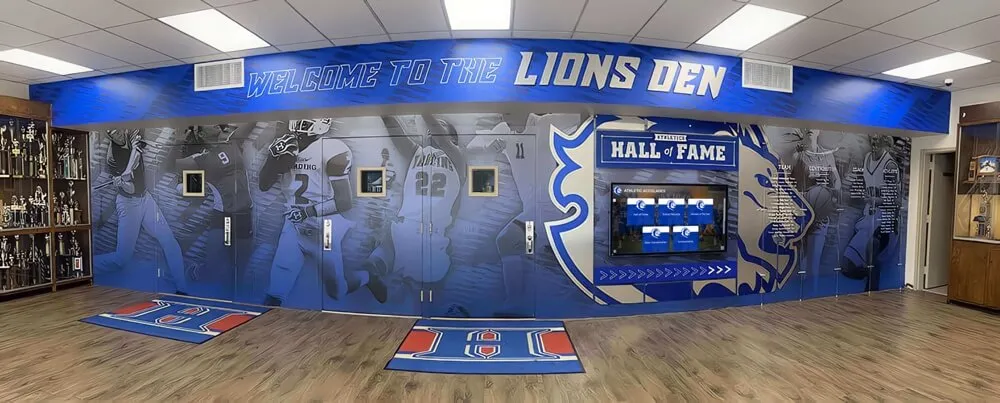
Visual celebration of complete institutional history builds pride in consolidated districts
Long-Term Perspective
Successful consolidation requires understanding that building unified institutional identity and community acceptance takes years, not months. Districts should expect 3-5 years minimum for communities to develop genuine shared identity and commitment to consolidated institutions, ongoing attention to preserving and celebrating history from all predecessor schools, continued sensitivity to community concerns about equity and representation, and sustained investment in donor relationships and advancement across all communities.
Districts that maintain this long-term perspective and demonstrate consistent commitment to honoring all institutional traditions achieve stronger outcomes than those expecting rapid transformation or treating consolidation as one-time event rather than ongoing process.
Policy Considerations and Future Consolidation Trends
Understanding broader policy contexts and likely future trends helps districts prepare for potential consolidation and its implications.
Current State Policy Approaches
States take varied approaches to school consolidation ranging from mandates requiring minimum district sizes to voluntary incentives encouraging but not requiring consolidation. Recent policy trends include incentive-based approaches offering additional funding or capital support for voluntary consolidation, regional service delivery requiring small districts to collaborate while maintaining independence, consolidation studies commissioned by legislatures examining optimal district configurations, and minimum enrollment thresholds below which districts face state intervention or forced consolidation.
These policies reflect ongoing tension between efficiency arguments favoring larger districts and local control values supporting community-based schools, with different states balancing these considerations differently based on political culture and practical circumstances.
Likely Future Consolidation Pressures
Several factors suggest school consolidation will continue in coming decades including ongoing rural population decline in many regions creating enrollment challenges, persistent financial pressures as costs rise faster than available revenues, teacher recruitment difficulties particularly affecting small districts in specialized subjects, and facility aging requiring capital investments small districts cannot afford without consolidation.
However, consolidation may proceed more slowly than mid-20th century peak, with communities increasingly resistant to losing local schools and some research questioning whether expected efficiency benefits consistently materialize.
Alternative Models and Approaches
Some districts are exploring alternatives to traditional consolidation including shared services agreements where independent districts contract for specific functions, regional educational cooperatives providing specialized services across multiple districts, school choice models enabling enrollment across district boundaries without formal consolidation, and technology-enabled instruction expanding course offerings without requiring larger schools.
These alternatives may address some consolidation drivers while preserving local control and community identity, though they also introduce different challenges and limitations.
Conclusion: Honoring Legacy While Building Unified Future
School consolidation has fundamentally transformed American education over the past century, creating larger, more comprehensive districts while challenging communities to preserve institutional memory and tradition. As this history demonstrates, the most successful consolidations balance efficiency and educational quality with genuine respect for community heritage and institutional legacy.
When districts invest thoughtfully in historical preservation, donor recognition, and community engagement during consolidation transitions, they build stronger unified institutions where all stakeholders feel valued and connected. When they neglect these dimensions, treating consolidation as purely administrative process, they often face ongoing resistance, fractured relationships, and diminished community support affecting educational and fundraising outcomes for decades.
Modern technology provides unprecedented opportunities to address traditional consolidation challenges through digital platforms that enable comprehensive historical preservation without space constraints, recognition systems honoring supporters from all predecessor institutions, interactive displays engaging visitors with complete institutional stories, and virtual communities maintaining alumni connections across dispersed populations.
Preserve Your School's Complete History
Discover how modern digital recognition solutions help consolidated districts honor traditions, recognize donors, and build unified communities while maintaining connections to institutional heritage.
Explore SolutionsDistricts facing current or potential future consolidation should begin planning early for transition processes that address emotional and cultural dimensions alongside administrative mechanics. This includes establishing historical preservation initiatives before consolidation occurs, creating inclusive planning processes involving stakeholders from all affected communities, developing integrated recognition systems honoring supporters from all institutions, and maintaining ongoing communication demonstrating genuine commitment to preserving institutional heritage.
The challenges of school consolidation are real and significant, affecting communities’ sense of identity and connection to educational institutions. However, with thoughtful planning, appropriate technology, and sustained commitment to honoring complete institutional legacy, districts can create stronger unified schools that build on rather than erase the rich traditions and histories they inherit from predecessor institutions.
Your consolidated district’s supporters deserve recognition and connection regardless of which previous school they attended or supported. With strategic planning, modern digital recognition platforms, and genuine commitment to preserving history, you can create systems that honor every tradition while building the unified identity essential for long-term institutional success.
Ready to explore how technology can help your consolidated district preserve history, recognize donors, and build community? Learn more about school history preservation strategies and donor recognition approaches that celebrate complete institutional legacy.