Walk into any Texas high school during homecoming week and you’ll witness an extraordinary sight: students draped in elaborate homecoming mums—massive ribbon creations adorned with bells, trinkets, lights, and enough school spirit to fill a football stadium. What began nearly a century ago as a simple chrysanthemum corsage has evolved into one of America’s most distinctive high school traditions, transforming from modest flower gifts into elaborate works of wearable art that can weigh several pounds and cost hundreds of dollars.
Yet outside Texas and neighboring states, many Americans have never encountered homecoming mums. This uniquely regional tradition reflects deeper cultural values around school pride, community identity, and the ritualized celebration of youth milestones. Understanding the history of homecoming mums reveals how local customs evolve, how communities express belonging through shared practices, and how traditions adapt while maintaining their essential spirit across generations.
This comprehensive guide explores the fascinating evolution of homecoming mums from their 1930s origins through today’s elaborate creations, examining how a simple flower tradition became an iconic cultural phenomenon that celebrates school spirit, honors relationships, and creates lasting memories for students across the American South.
Homecoming mums represent more than decorative accessories—they embody school pride, commemorate relationships, mark important milestones, and create shared cultural experiences that bind communities together. Schools that honor traditions like homecoming create environments where students feel connected to institutional history while building their own memories that will last long after graduation.

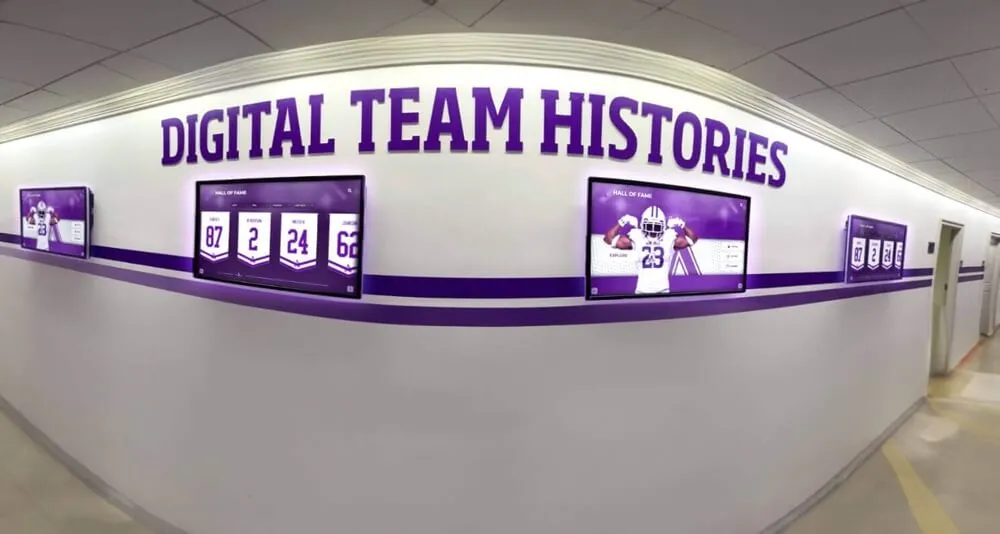
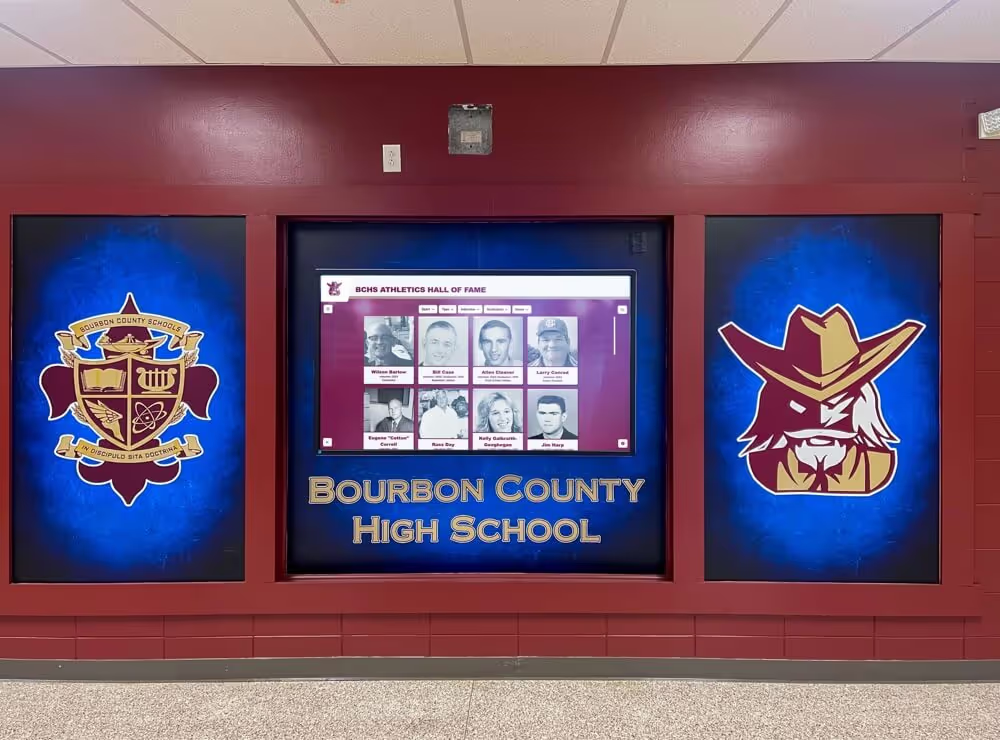
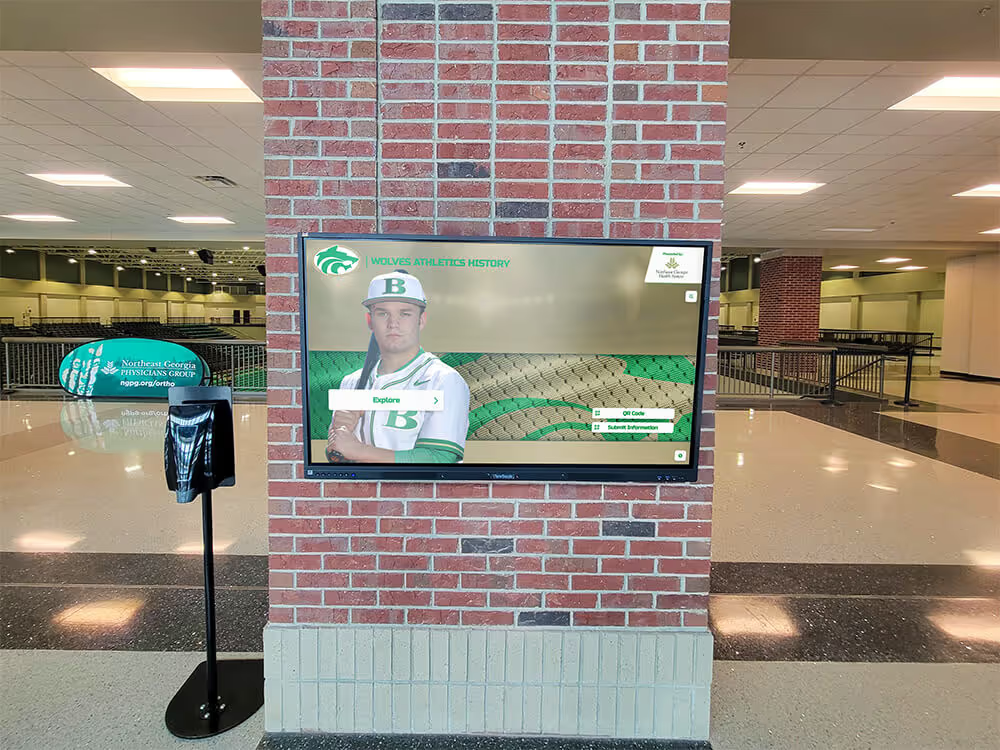
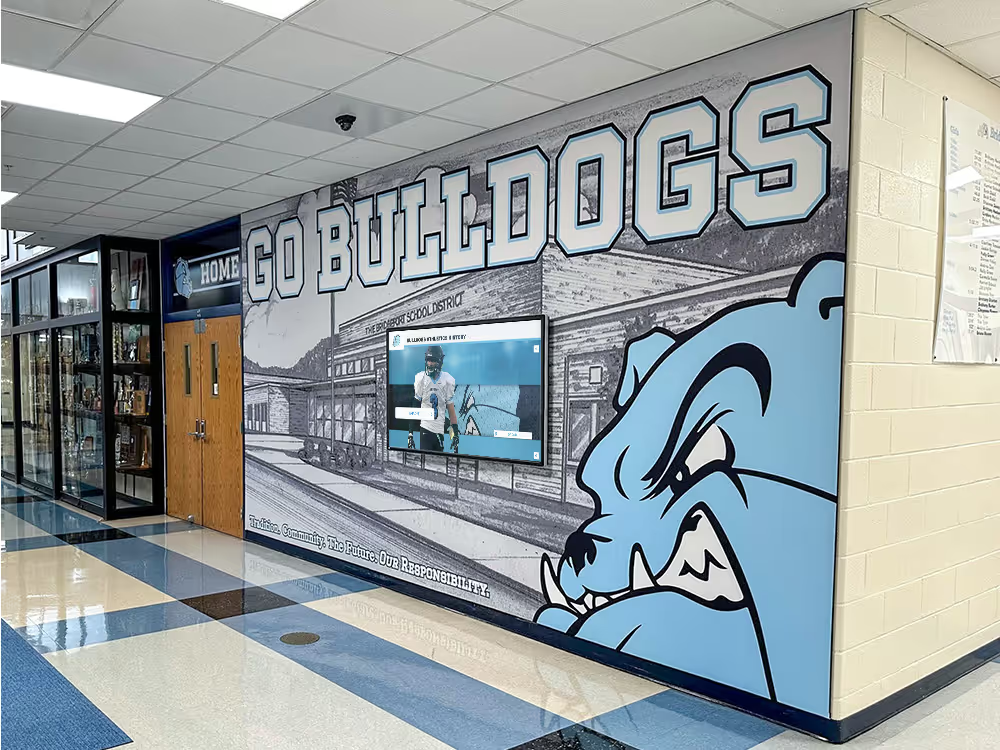
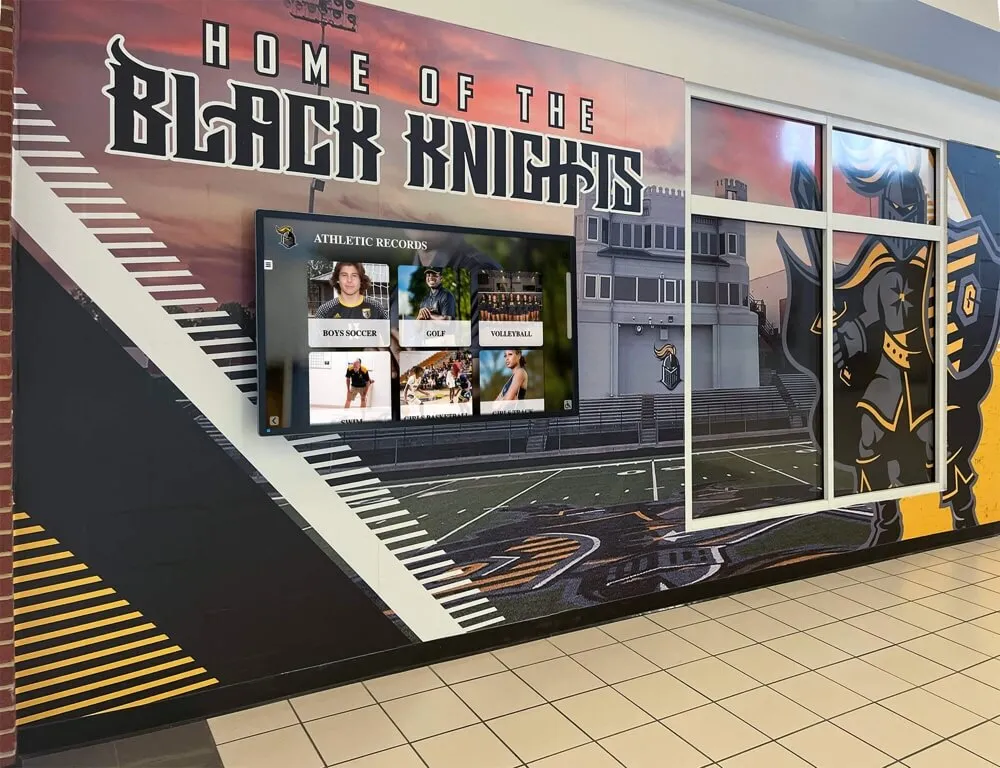
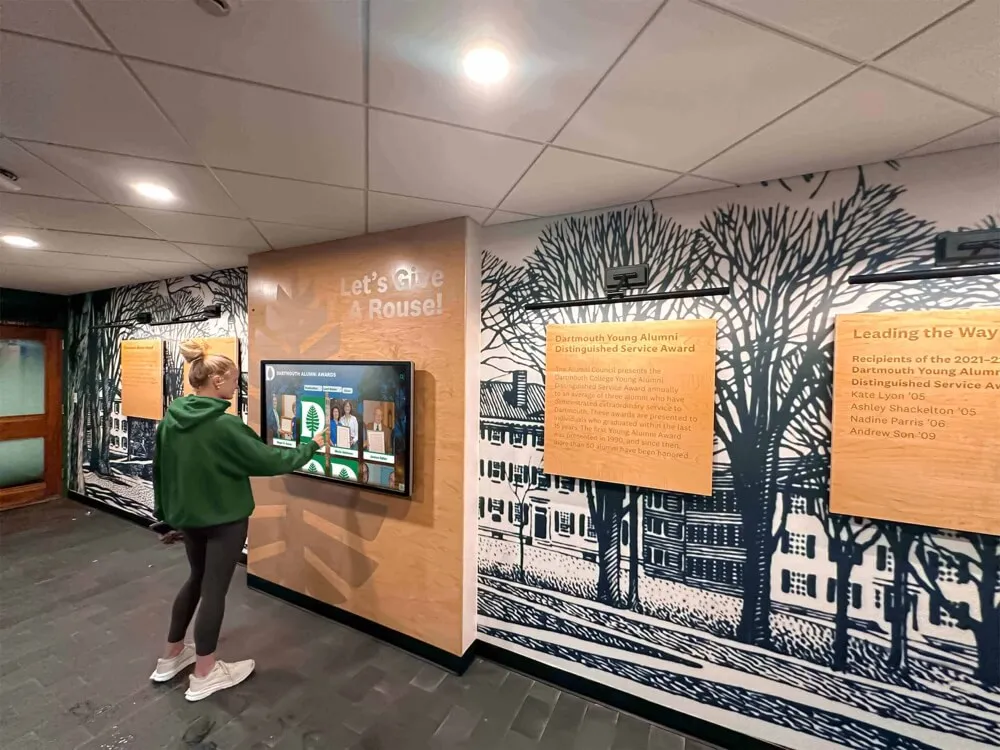
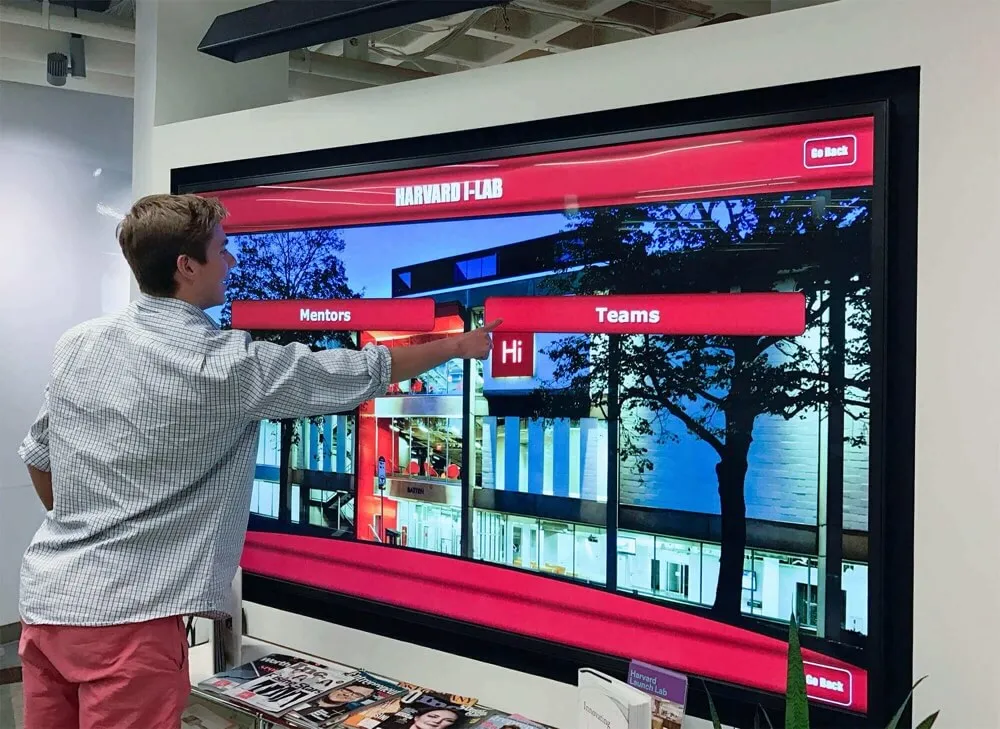
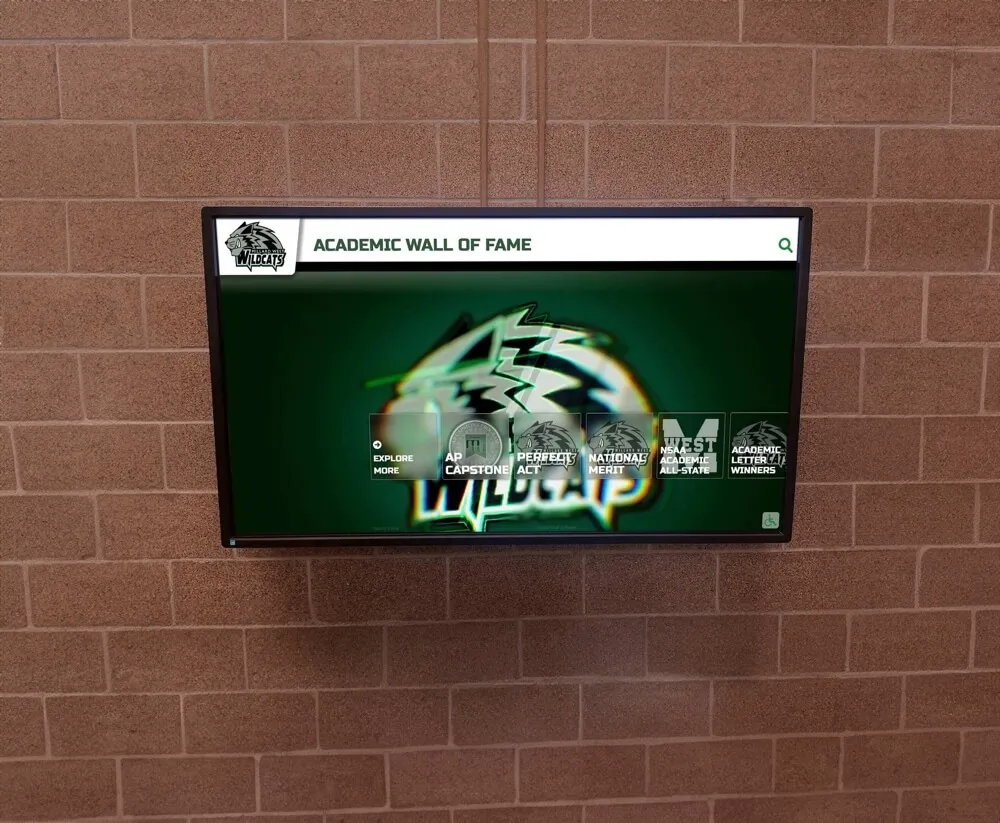
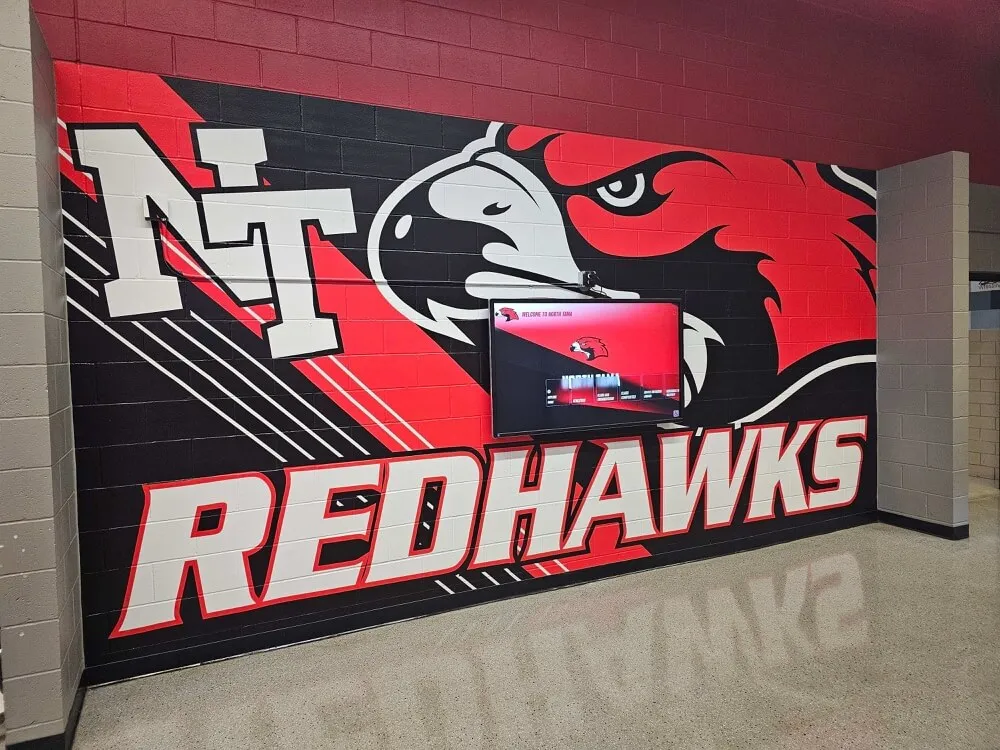
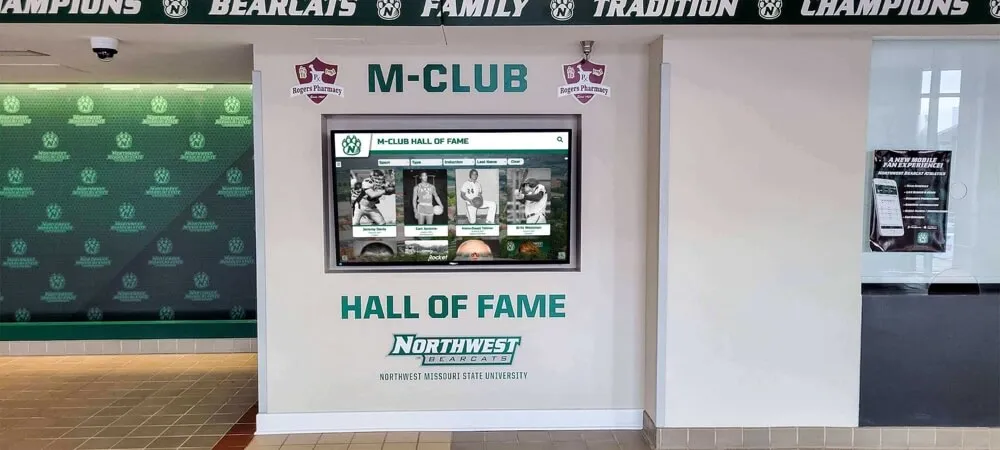
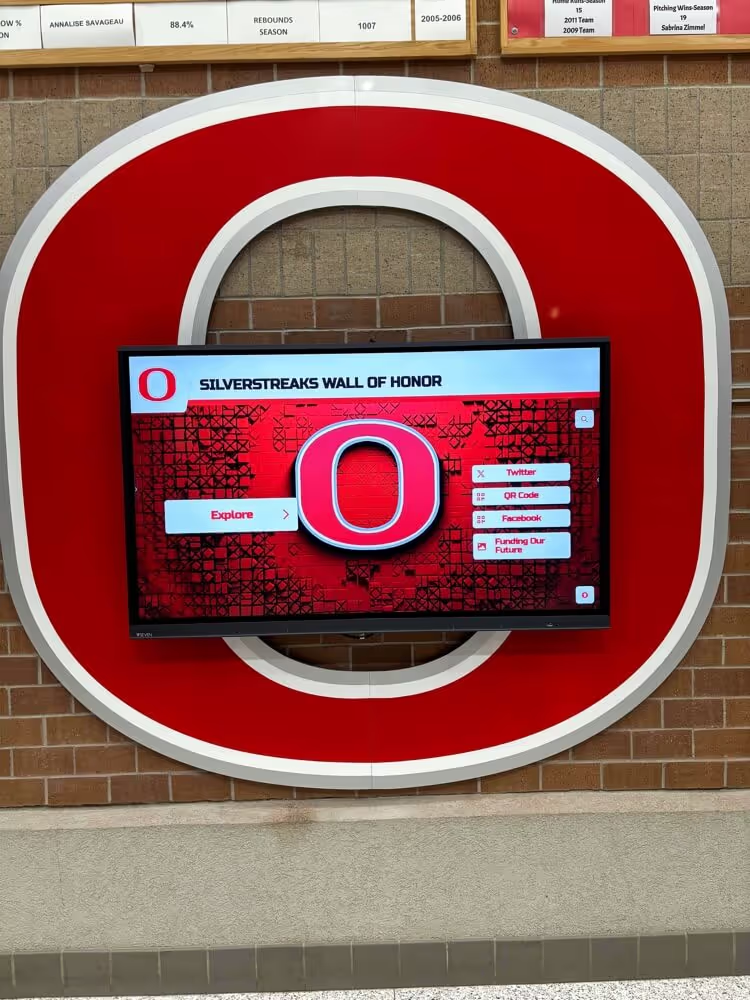
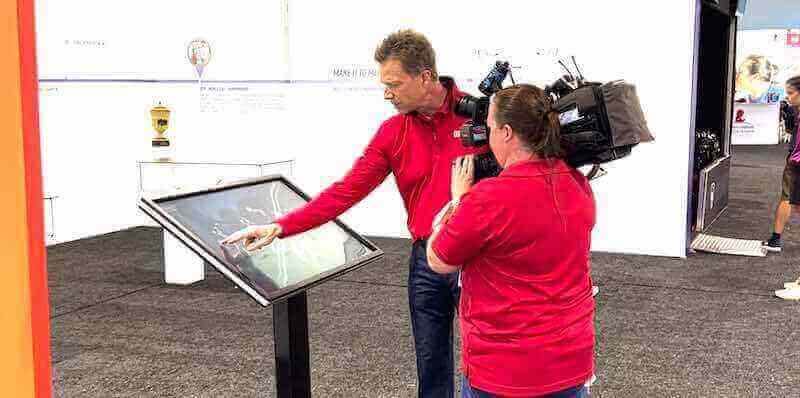
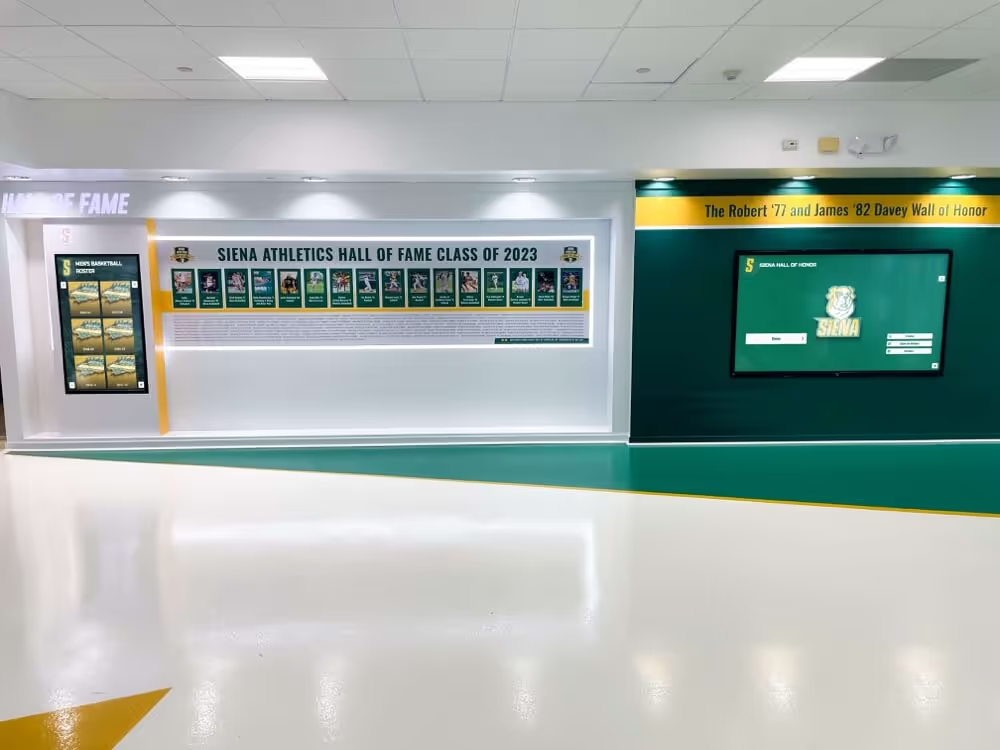
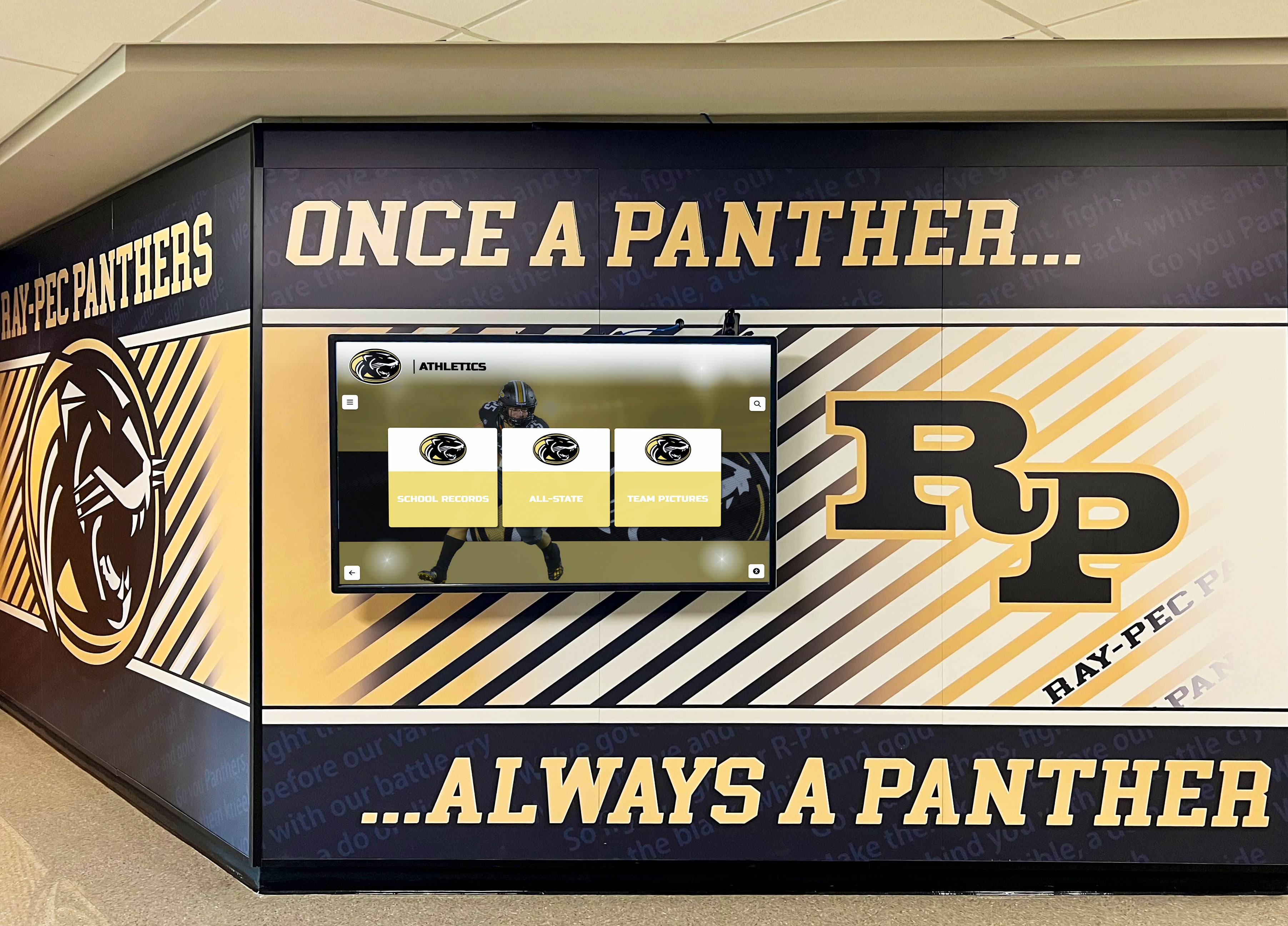
Modern schools celebrate traditions and school spirit through both time-honored customs and contemporary recognition displays
The Origins: 1930s Texas High Schools and Chrysanthemums
The history of homecoming mums begins in the 1930s across Texas high schools, where the tradition emerged from the broader American homecoming celebration customs that were gaining popularity in schools and universities nationwide.
The Birth of a Texas Tradition
During the 1930s and 1940s, homecoming celebrations centered around football games welcoming alumni back to campus. The tradition of giving flowers—particularly to homecoming queens and their courts—was already established at colleges and universities. Texas high schools adapted this practice with their own regional twist.
Early Homecoming Flower Customs
- Male students gave female dates chrysanthemum corsages for homecoming dances
- Chrysanthemums bloomed naturally during fall football season in Texas
- “Mum” became the shortened name for these chrysanthemum corsages
- Single fresh flowers were pinned to dresses or worn on wrists
- White and yellow chrysanthemums were most common initially
- The gesture symbolized courtship, school spirit, and special occasion recognition
The choice of chrysanthemums made practical sense—these hardy flowers bloomed during October and November when homecoming typically occurred, they were affordable for high school students, and they could withstand several hours of wear during games and dances.
Why Texas? Regional Culture and School Pride
Several cultural factors explain why homecoming mums took particular root in Texas rather than becoming widespread nationally during this early period:
Texas School Culture Characteristics
- Deep community investment in high school football programs
- Strong regional identity and pride in local customs
- Close-knit small-town communities where schools served as social centers
- Friday night football as central community gathering events
- Emphasis on visible displays of school spirit and loyalty
- Cultural tradition of hospitality and gift-giving gestures
Texas communities viewed high schools as institutions worthy of significant celebration and investment. Friday night football games weren’t merely sporting events—they were community rituals bringing together multiple generations. Homecoming represented the pinnacle of these celebrations, warranting special recognition through traditions like mums.
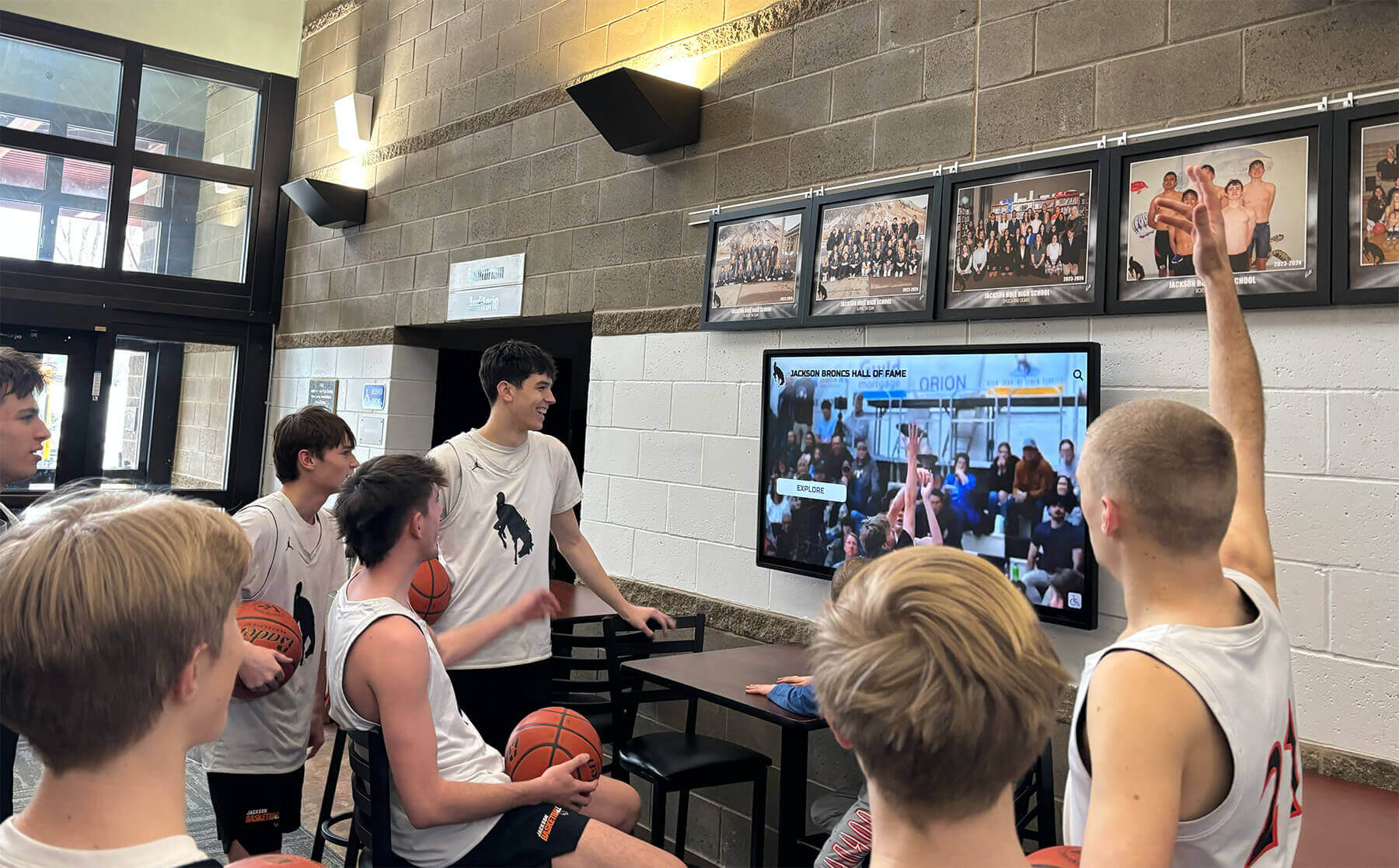
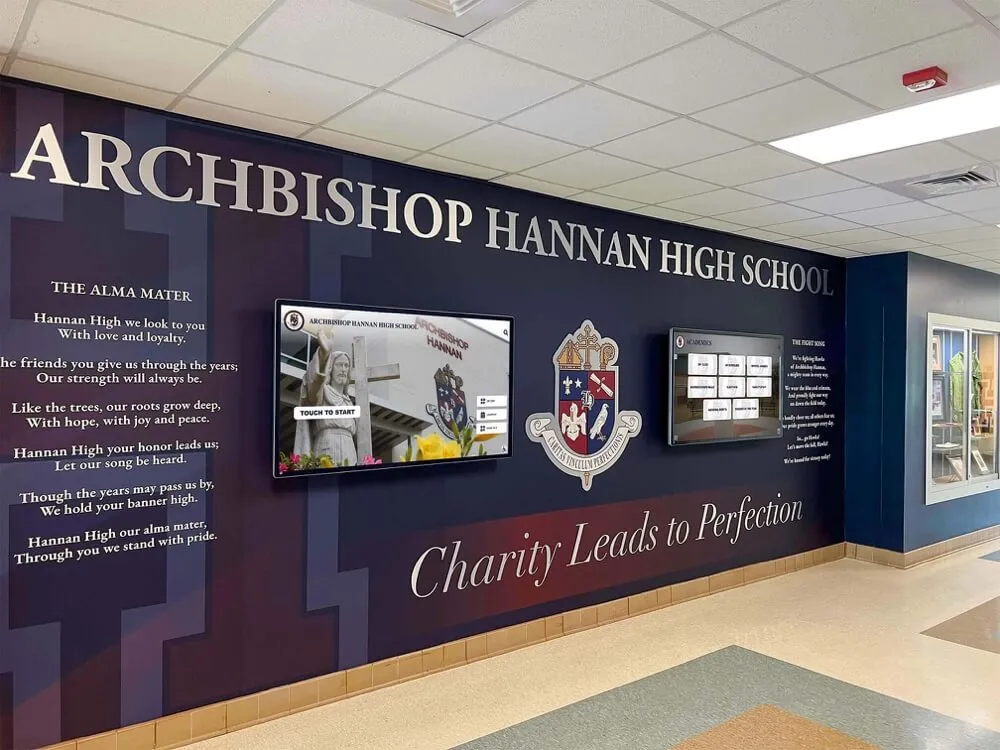
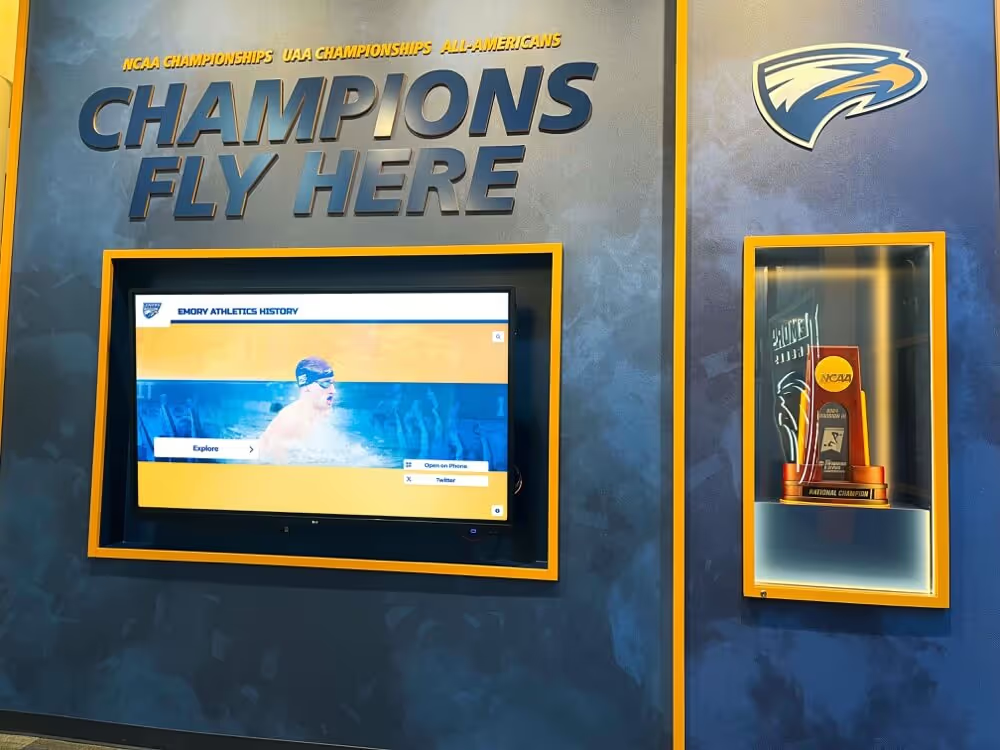
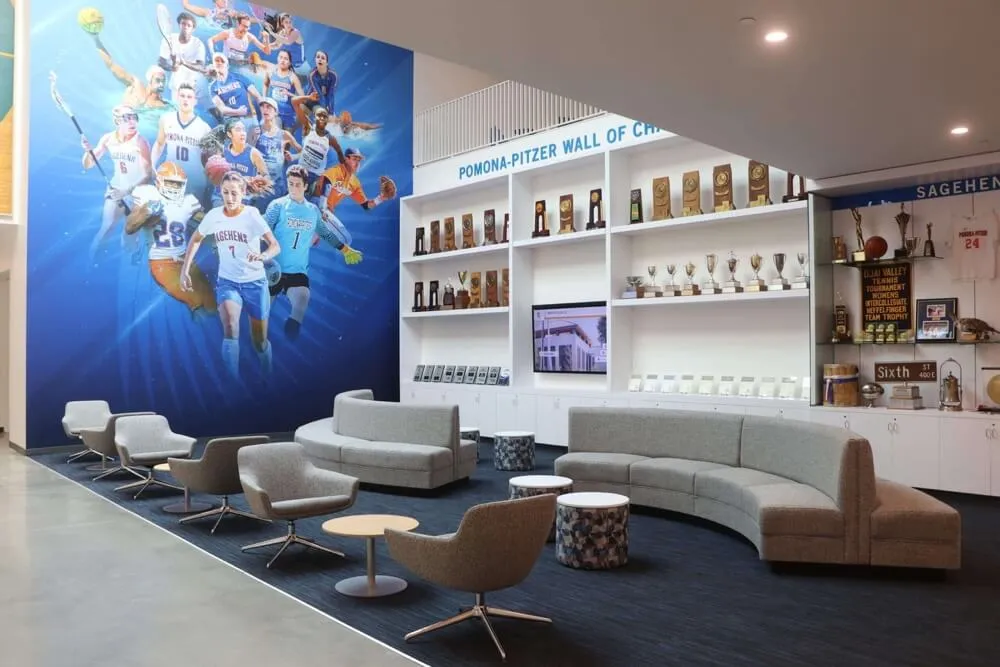
School traditions create shared experiences that connect students to their school community and institutional history
Evolution Through the Decades: From Simple to Spectacular
The transformation of homecoming mums from simple corsages to elaborate creations occurred gradually across several decades, with each generation adding new elements that reflected changing aesthetics and cultural values.
1950s-1960s: Adding Ribbons and School Colors
Post-World War II prosperity enabled families to invest more in special occasions. Homecoming mums began incorporating additional decorative elements beyond the basic flower.
1950s-1960s Innovations
- Ribbon streamers in school colors added to corsages
- Small bells attached to ribbons creating sound and movement
- Artificial mums replacing fresh flowers for durability
- School names and graduation years printed on ribbons
- Pin-on backing allowing wear on dresses or sweaters
- Matching “garters” for male students to wear on arms
The shift from fresh to artificial flowers proved significant—it allowed mums to be preserved as keepsakes rather than wilting after the event. Students began saving their homecoming mums as tangible memories of special nights and relationships.
Learn more about how schools preserve and celebrate traditions through digital yearbook archives that complement physical keepsakes.
1970s-1980s: Bigger, Bolder, and More Personalized
The 1970s and 1980s saw homecoming mums explode in size and complexity as the tradition spread beyond initial Texas communities and became increasingly elaborate.
Growing Size and Complexity
- Multiple mum flowers clustered together (double, triple, or more)
- Ribbon lengths extending several feet down from the corsage
- Cowbells and larger decorative bells becoming standard
- Trinkets and charms representing student interests and activities
- Stuffed animals, particularly school mascots, attached to mums
- Braided ribbons creating textured, layered appearances
- LED lights and battery-operated elements for nighttime visibility
This era established the competitive aspect of homecoming mums—students began comparing whose mum was largest, most elaborate, or most creative. What started as simple romantic gestures evolved into displays of both affection and school spirit that could be seen across crowded gymnasiums and football stadiums.
1990s-2000s: Craftsmanship and Customization
As homecoming mums became central to the tradition, specialized businesses emerged to create increasingly sophisticated designs. This commercialization paradoxically both standardized certain elements while enabling greater customization.
Professional Mum-Making Industry
- Dedicated mum shops and boutiques opening in Texas communities
- Catalog ordering allowing selection from hundreds of design options
- Custom orders incorporating specific colors, names, inside jokes, and memories
- Layered ribbon techniques creating dimensional depth
- Themed mums reflecting student interests (sports, band, academic clubs)
- Premium materials including metallic ribbons, rhinestones, and specialty fabrics
- Senior mums becoming especially elaborate to mark final homecoming celebrations
The tradition also formalized gift exchange customs—dating couples exchanged mums and garters, friend groups coordinated matching designs, and the size and expense of mums sometimes signaled relationship seriousness.
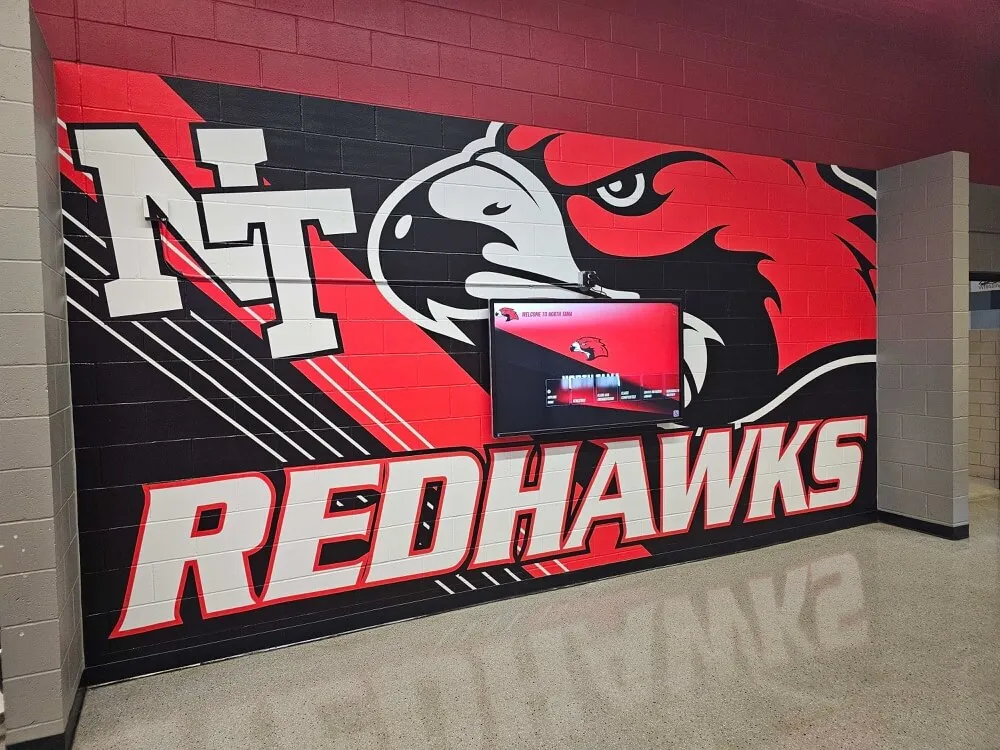
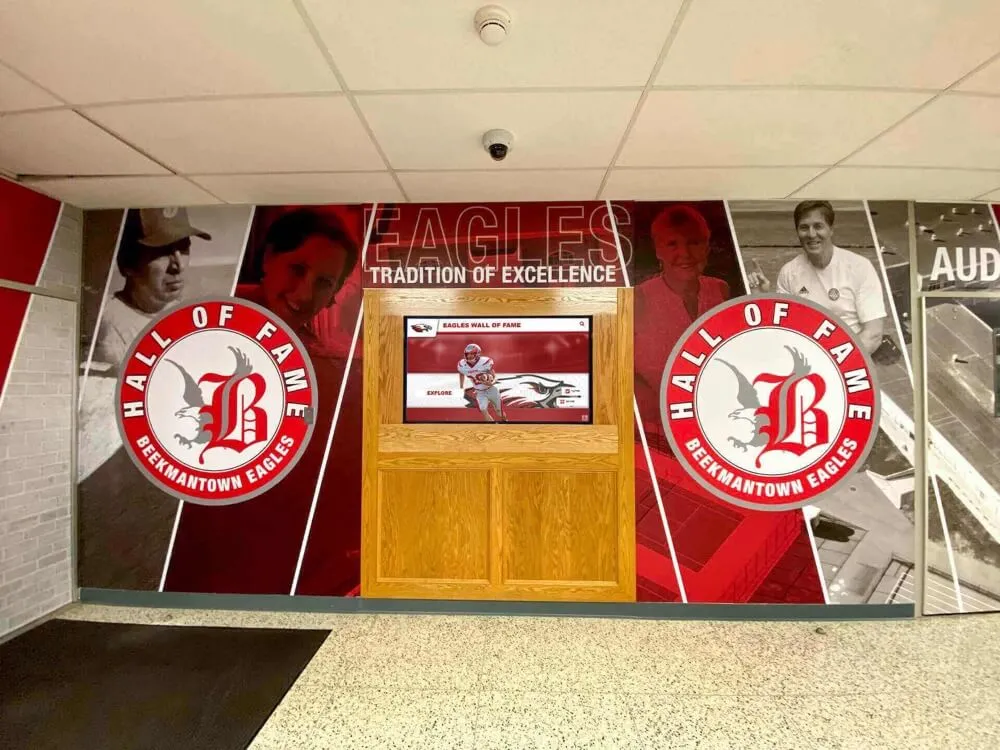
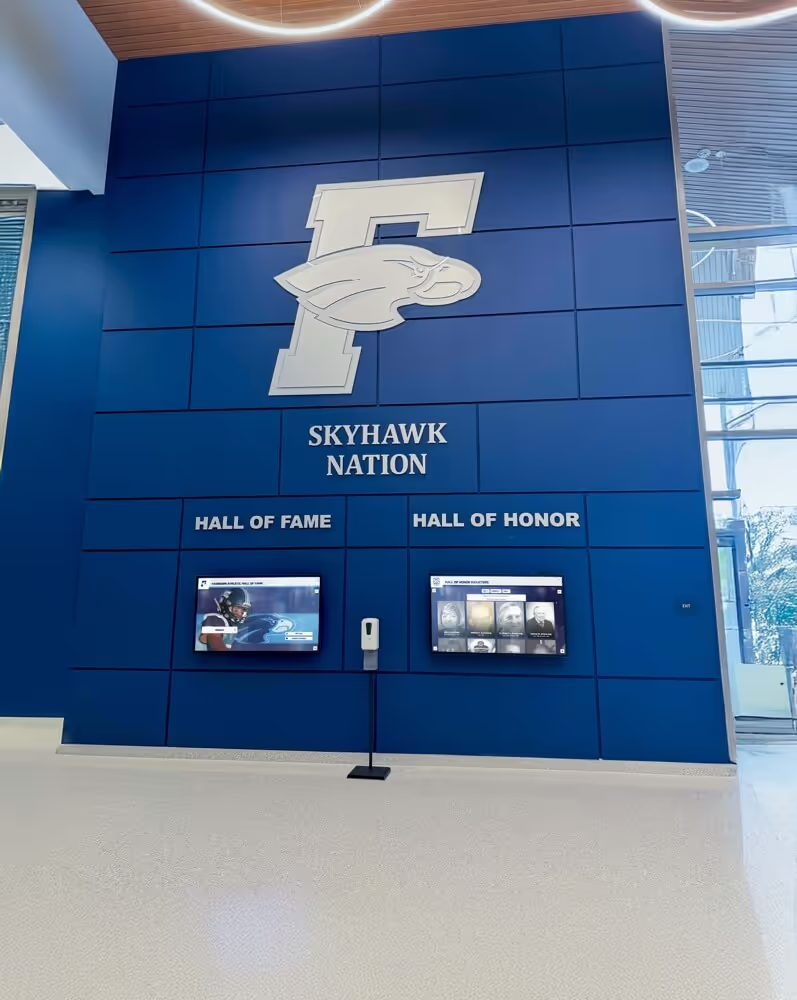
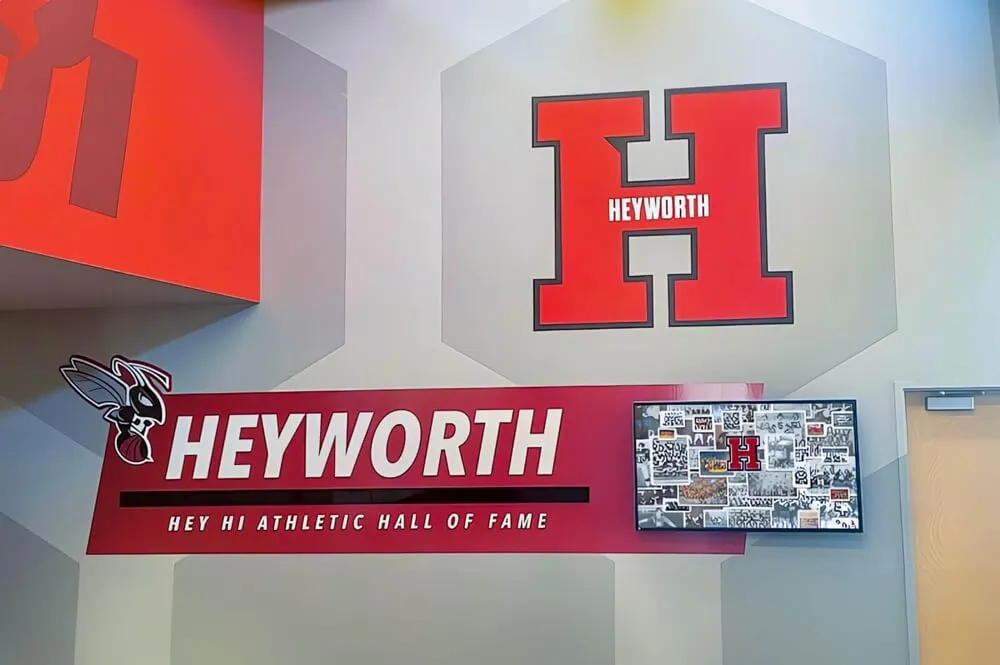
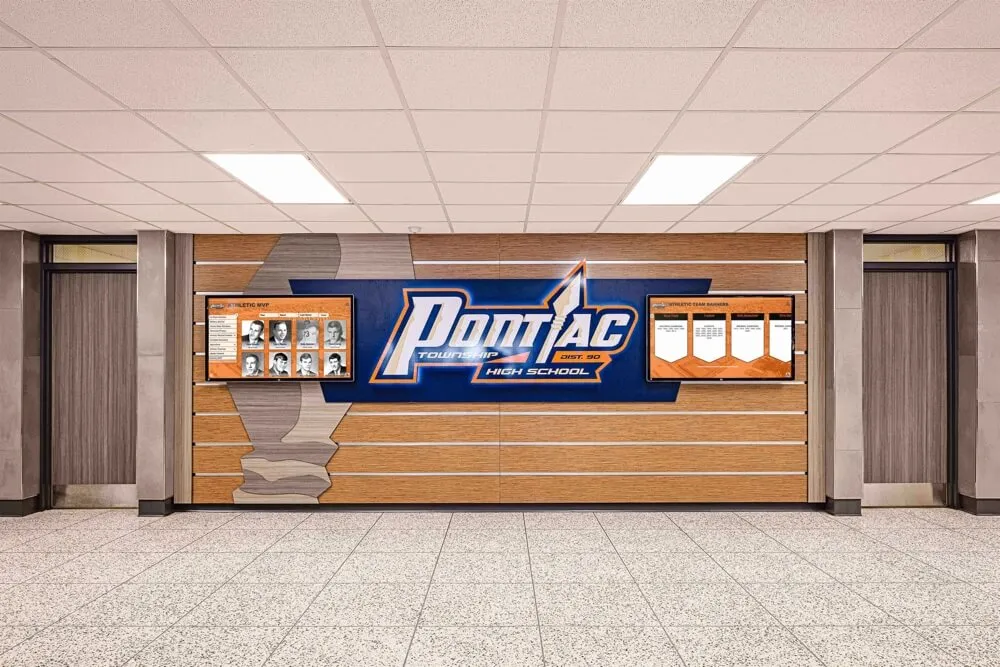
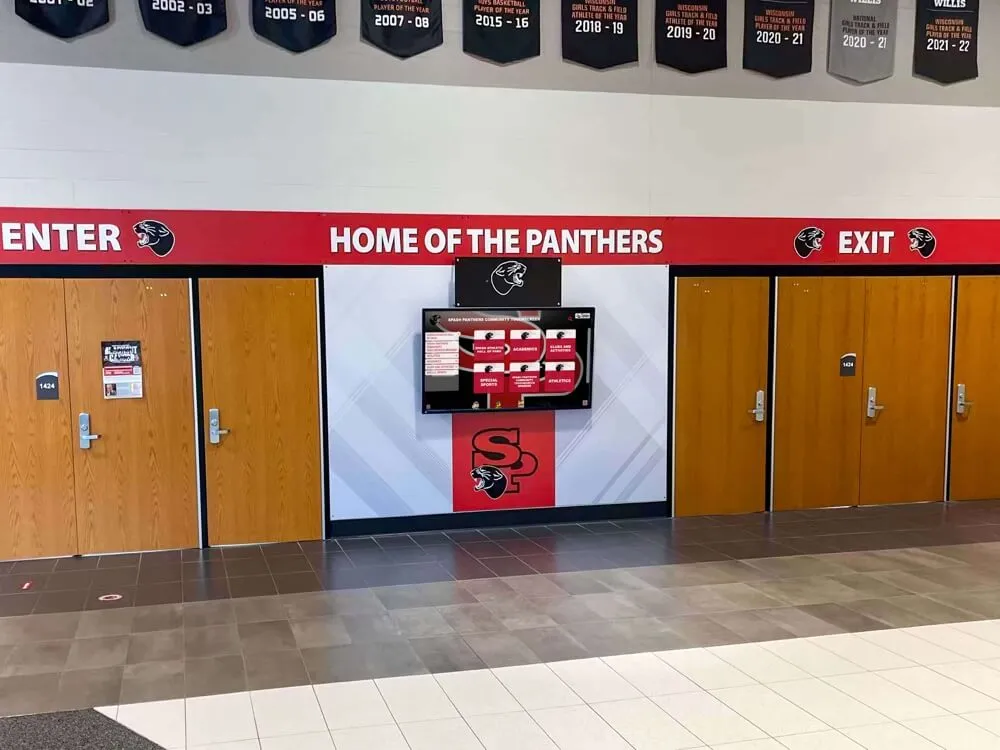
Schools express pride and tradition through both physical displays and evolving customs that bring communities together
Modern Homecoming Mums: 2010s to Present
Contemporary homecoming mums represent the culmination of decades of evolution, with today’s creations incorporating technology, sustainability considerations, and social media influence while maintaining connection to traditional roots.
Today’s Mum Characteristics
Modern homecoming mums showcase remarkable creativity, craftsmanship, and personalization reflecting individual student identities and relationships.
Contemporary Mum Features
- Multiple layers creating three-dimensional cascading effects
- Weights ranging from one to five or more pounds for large designs
- Costs from $50 for basic designs to $300+ for elaborate senior mums
- Ribbon lengths extending three to six feet or more
- Integrated LED lights, fiber optics, or battery-powered elements
- Personalized photo ribbons featuring couples or friend groups
- Activity-specific trinkets representing sports, arts, academics, clubs
- School logo elements and mascot representations
- Coordinated color schemes matching dates’ outfits or school colors
- QR codes linking to social media profiles or video messages
Senior mums particularly showcase maximum creativity as students mark their final high school homecoming. These often incorporate years of accumulated school memories, inside jokes with friends, and symbolic elements representing the transition from high school to post-graduation plans.
The Male Counterpart: Homecoming Garters
While girls wear elaborate mums, male students receive corresponding garters worn around the upper arm like armbands.
Garter Characteristics
- Smaller scale than mums but incorporating similar design elements
- Ribbons, bells, trinkets, and personalization matching mum designs
- Worn on bicep, secured with elastic or Velcro backing
- Coordinating colors and themes with partner’s mum
- Ranging from simple single-ribbon designs to elaborate multi-layered versions
- Senior garters often including graduation year and future plans
The pairing of mums and garters reflects the tradition’s romantic courtship origins while adapting to modern dating customs and friend group exchanges.
Social Media’s Impact on Mum Culture
Instagram, TikTok, and Pinterest have significantly influenced modern homecoming mum trends, spreading design ideas while documenting the tradition for broader audiences.
Social Media Influence
- “Mum reveal” videos showing reaction to receiving elaborate designs
- DIY mum-making tutorials sharing techniques and money-saving approaches
- Trending design elements spreading rapidly across schools and regions
- Competition for most creative, largest, or most unique mums
- Documentation of the tradition introducing it to audiences outside Texas
- Inspiration galleries enabling easier customization planning
- Online mum-making supply shops expanding access to materials
Social platforms have democratized design knowledge while simultaneously increasing expectations for elaborateness as students compare their mums to those seen online.
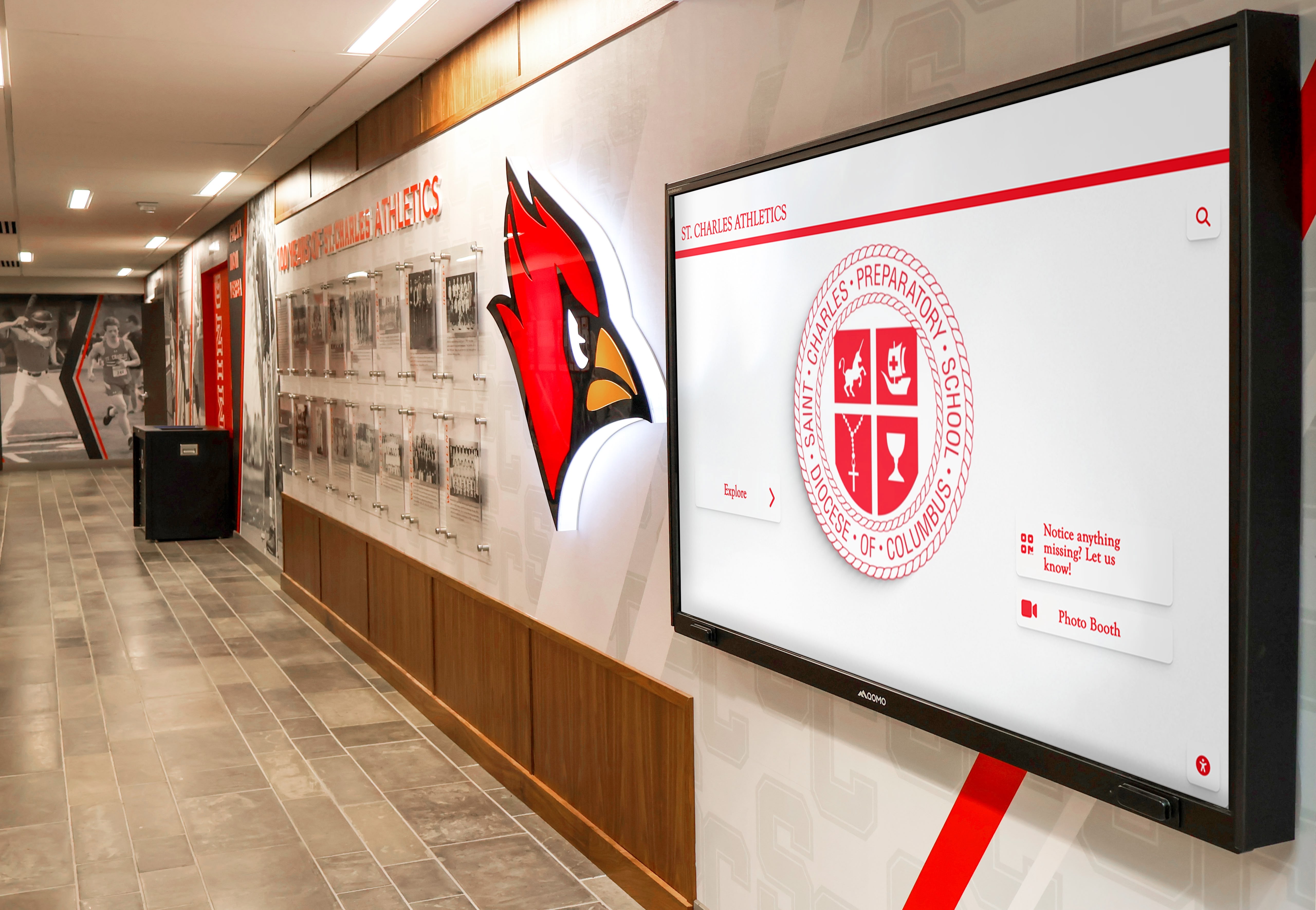
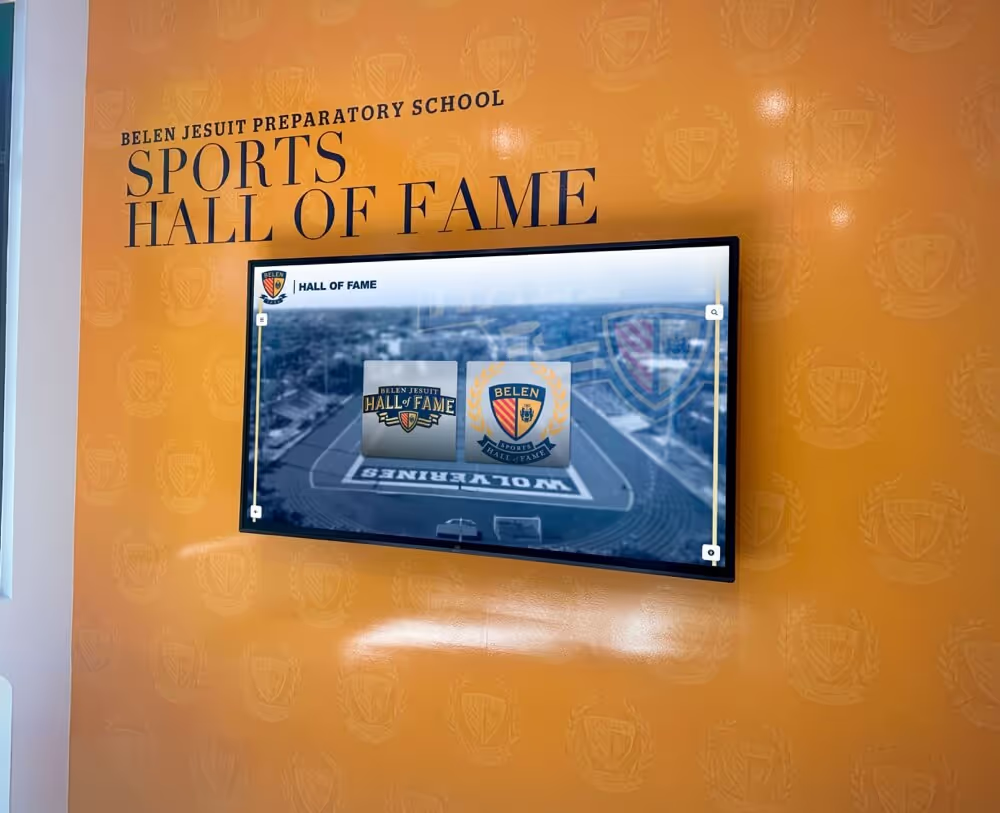
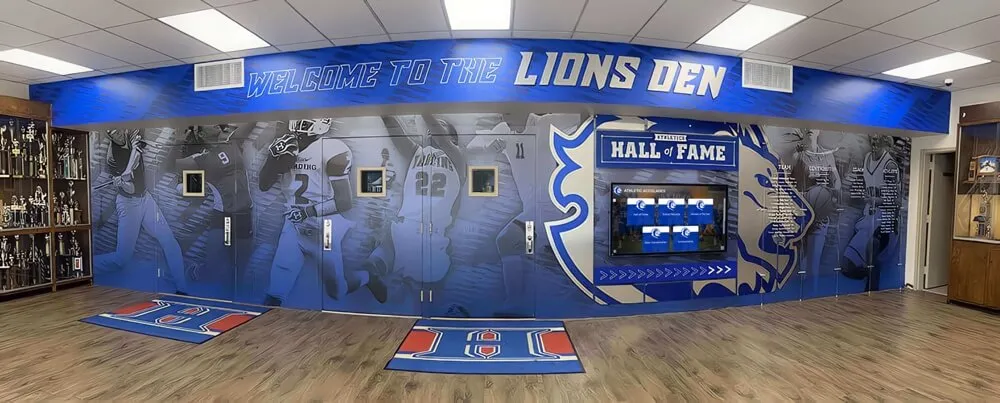
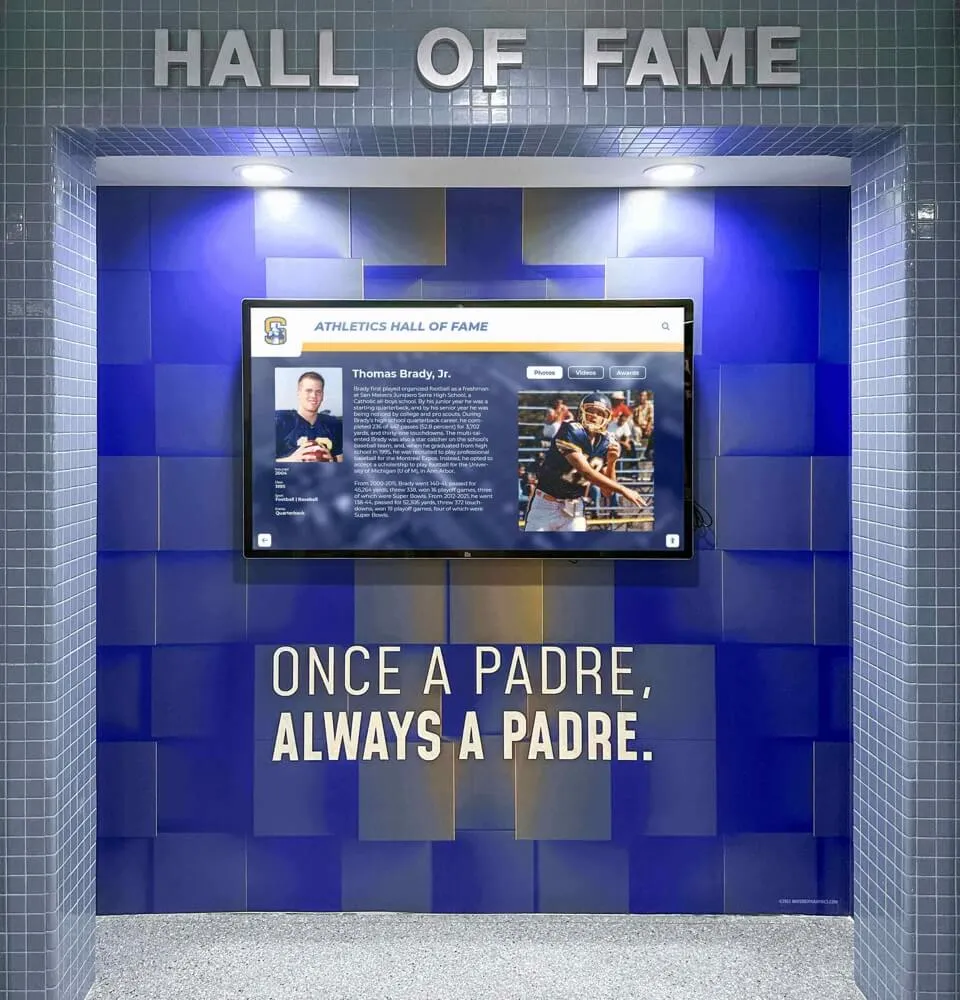
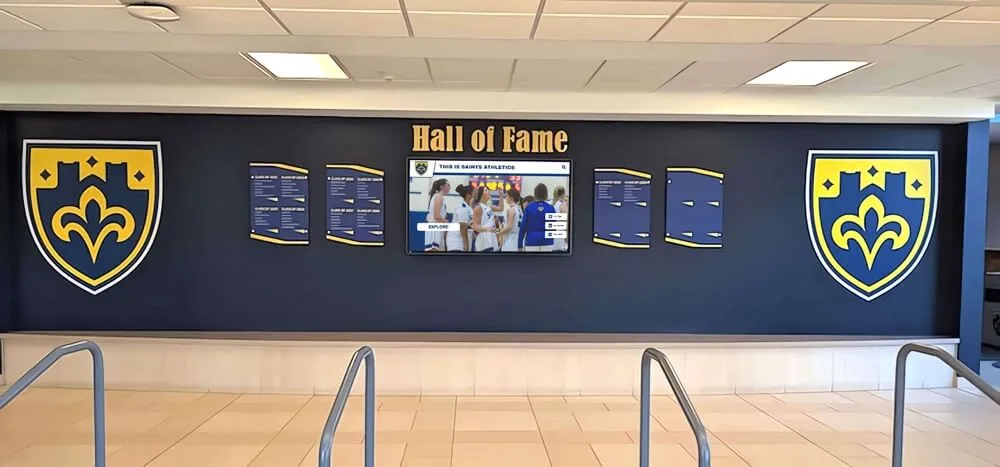
Schools celebrate identity and pride through mascots, colors, and traditions that create lasting community bonds
Regional Spread: How the Tradition Moved Beyond Texas
While homecoming mums remain most firmly rooted in Texas, the tradition has gradually spread to neighboring states and selected communities elsewhere, adapting to local contexts while maintaining core elements.
Geographic Distribution Today
The homecoming mum tradition shows distinct geographic patterns based on cultural proximity to Texas and the strength of local high school football traditions.
Primary Regions
- Texas: Universal tradition across virtually all high schools statewide
- Oklahoma: Strong adoption especially in southern regions near Texas border
- Louisiana: Growing presence particularly in East Texas-adjacent areas
- Arkansas: Scattered adoption in schools with strong Texas cultural connections
- Mississippi: Limited presence primarily in western communities
- New Mexico: Adoption in eastern regions culturally connected to Texas
Outside these areas, homecoming mums remain relatively unknown. Even within states where the tradition exists, it’s often concentrated in specific regions or school districts rather than being universally practiced.
Cultural Factors in Regional Adoption
Several factors determine whether communities outside Texas adopt homecoming mum traditions:
Adoption Predictors
- Proximity to Texas and cultural exchange with Texas communities
- Strength of high school football culture and Friday night game attendance
- Community size (small towns more likely to adopt than large cities outside core regions)
- Migration patterns bringing Texas families to new areas
- Existence of other elaborate homecoming traditions competing for attention
- Economic factors affecting affordability of expensive customs
- School administration support for the tradition
Schools create lasting traditions when they intentionally cultivate practices that strengthen community bonds and provide students with meaningful shared experiences to carry into adulthood.
Explore how digital recognition displays help preserve school memories and traditions for future generations.
Why the Tradition Hasn’t Spread Nationally
Despite social media exposure, homecoming mums remain primarily regional rather than becoming a nationwide high school tradition. Several factors explain this geographic limitation.
Barriers to National Adoption
- Strong existing homecoming traditions in other regions (East Coast corsage customs, Midwest homecoming parade traditions)
- High cost creating barriers to entry for entire school populations
- Perceived regional specificity making adoption feel inauthentic
- Practical concerns about elaborate designs during school days and activities
- Climate differences affecting comfort wearing large fabric-heavy accessories
- Cultural differences in how communities express school spirit
- Competitive alternative traditions occupying the same cultural space
Traditions gain meaning through longevity and community investment. Communities with established homecoming customs have less incentive to adopt new practices, while those without Texas cultural connections may view mums as borrowed rather than organic traditions.
The Meaning Behind the Mums: Cultural Significance
Beyond their visual spectacle, homecoming mums carry deep cultural significance relating to identity, belonging, relationships, and community values.
Symbols of School Pride and Identity
Homecoming mums serve as wearable declarations of school loyalty and community membership.
Identity Expression
- School colors and mascots displayed prominently
- Student activities and achievements represented through trinkets
- Graduation year marking place in school history and peer cohort
- Size and elaborateness demonstrating investment in school community
- Wearing mums publicly during school day showing pride in tradition
- Coordinated designs within friend groups reinforcing social bonds
Students wearing homecoming mums literally embody their school identity, making internal feelings of pride and belonging externally visible to peers, teachers, and community members.
Just as mums celebrate school identity, modern schools also use digital displays to showcase achievements that inspire current students while honoring school legacy.
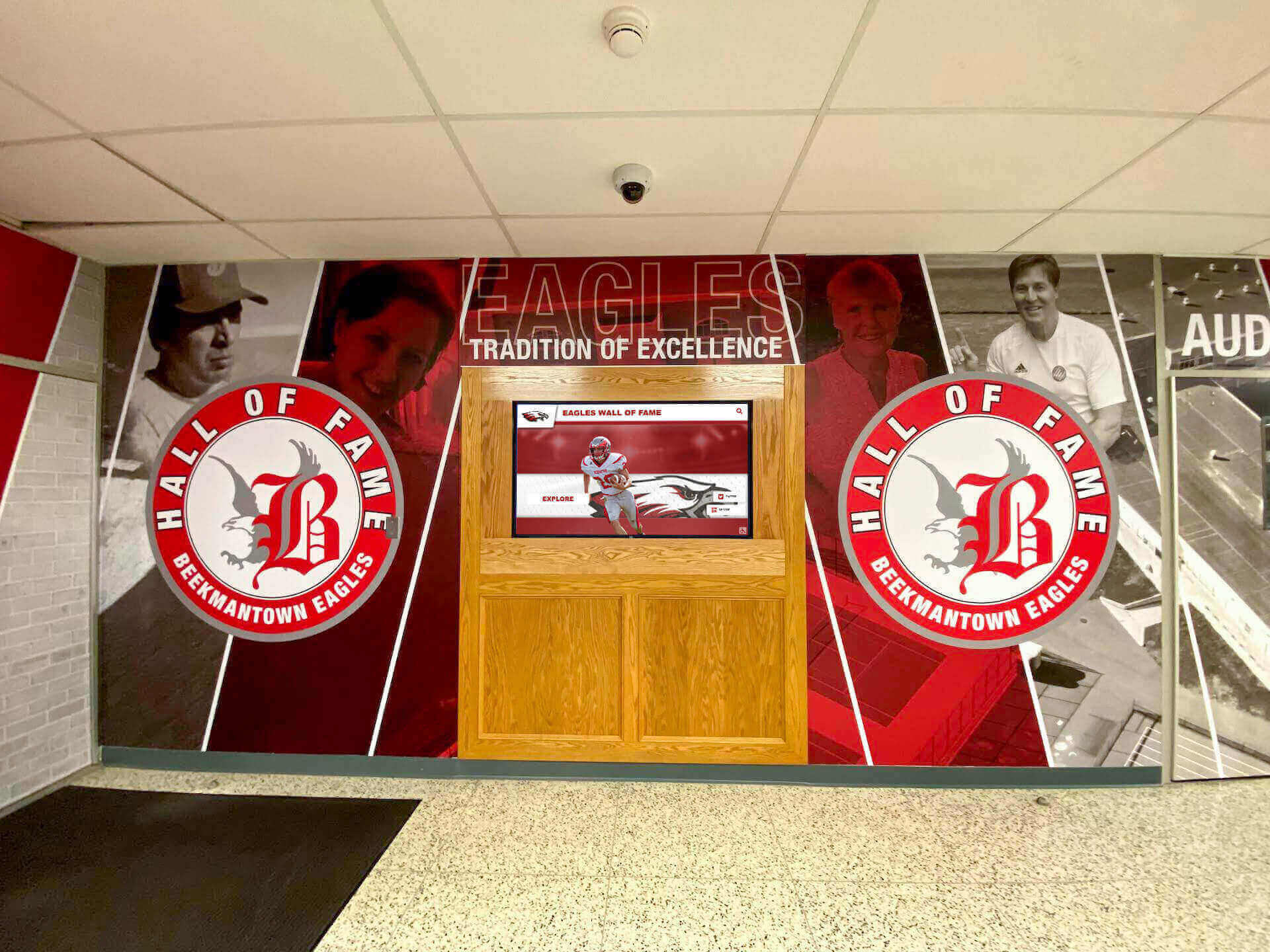
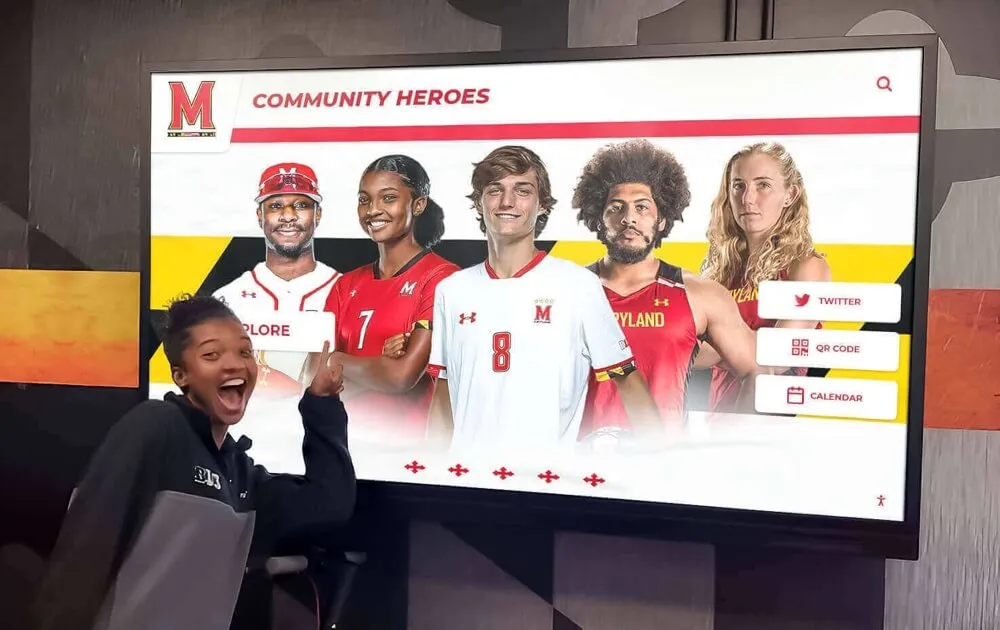
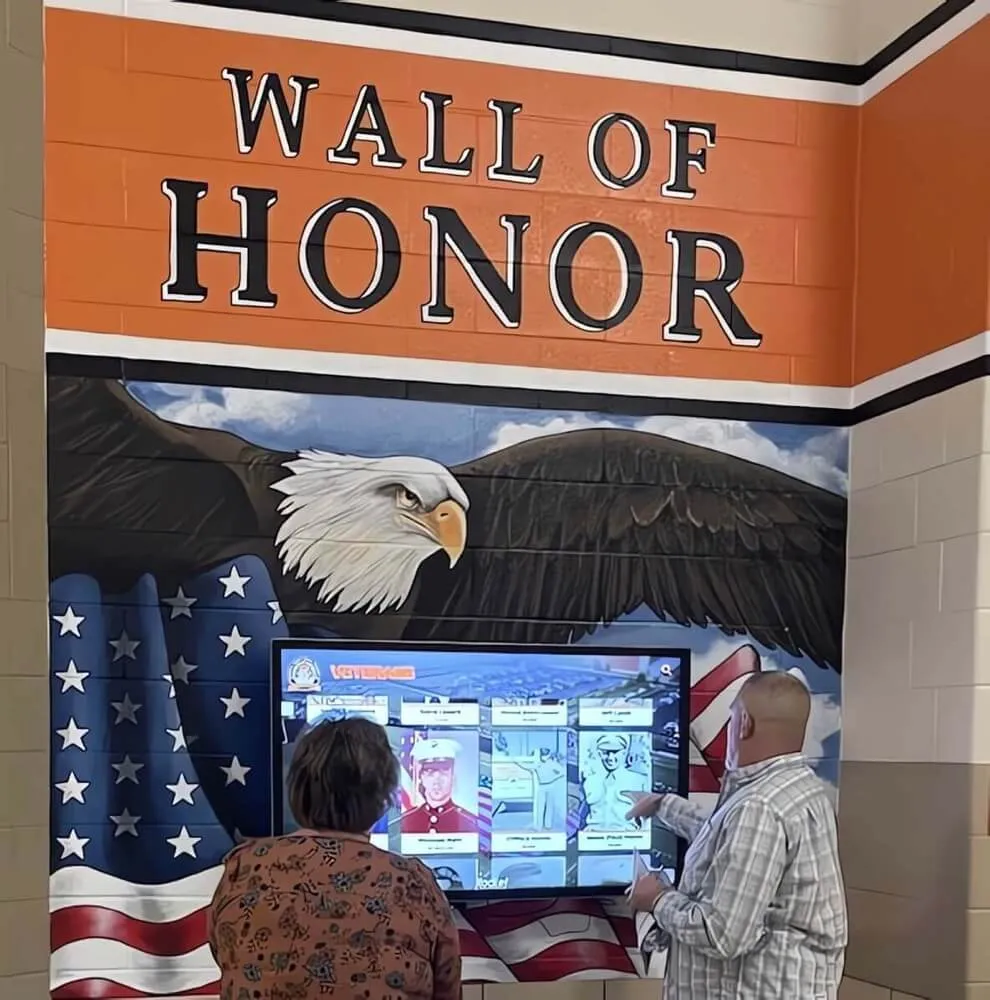
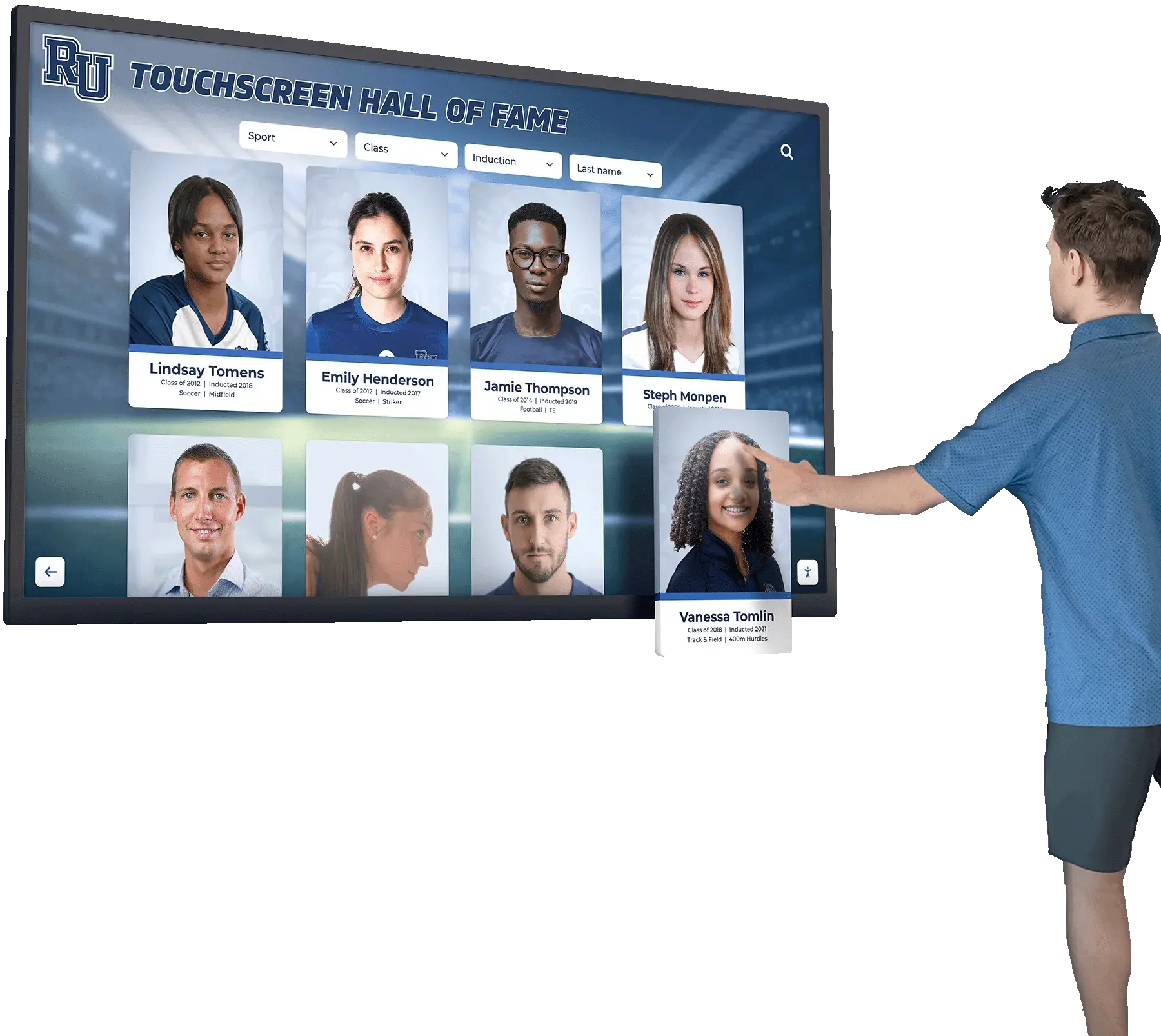
Recognition displays honor student achievements while reinforcing the traditions and values that define school communities
Markers of Relationships and Social Status
The exchange of homecoming mums carries social meaning beyond simple gift-giving, signaling relationship status, friend group membership, and social standing within school hierarchies.
Social Significance
- Receiving an elaborate mum indicates valued relationship status
- Couples coordinate matching designs symbolizing partnership
- Friend groups create matching mums establishing group identity
- Students making their own mums participate regardless of dating status
- Size and expense sometimes (controversially) signal relationship seriousness
- Parents, relatives, or self-purchased mums ensuring universal participation
- Exchange timing and presentation creating ritualized courtship moments
Schools navigate the balance between celebrating the tradition while ensuring students without dates or resources don’t feel excluded from homecoming festivities.
Rites of Passage and Memory-Making
Homecoming mums mark significant moments in adolescent development, particularly for seniors experiencing their final high school homecoming.
Milestone Recognition
- First homecoming mum marking entry into high school social traditions
- Senior year mums incorporating accumulated high school memories
- Preserved mums becoming tangible artifacts of formative experiences
- Photographs with mums documenting adolescent relationships and friendships
- Stories about who gave mums and what they included becoming lasting memories
- Tradition participation creating shared generational experiences
- Connection to parents’ and grandparents’ high school experiences in same communities
The physical object becomes a memory vessel—years later, seeing a preserved homecoming mum triggers recollections of relationships, feelings, and moments that defined the high school experience.
Making Homecoming Mums: DIY vs. Professional Creation
As homecoming mums have become increasingly elaborate, students and families face decisions about whether to create mums themselves or purchase professionally made designs.
DIY Mum-Making: Process and Benefits
Many families choose to make homecoming mums at home, viewing the creation process as part of the tradition itself.
DIY Advantages
- Significant cost savings compared to professional mums ($30-80 vs. $150-300+)
- Complete creative control over design and personalization
- Activity for parents and students to do together
- Pride in handcrafted creation
- Ability to incorporate truly unique or meaningful elements
- Learning crafting skills that can be applied to future mums or other projects
DIY Challenges
- Time investment of several hours to create elaborate designs
- Learning curve for techniques like ribbon braiding and trinket attachment
- Acquiring supplies requiring trips to multiple stores or online ordering
- Design limitations based on available materials and skills
- Risk of homemade appearance compared to professional quality
Craft stores and online retailers now stock extensive homecoming mum supplies, making DIY creation more accessible than previous generations when families improvised with general craft materials.
Professional Mum Shops: Customization and Convenience
Established mum-making businesses offer expertise, materials access, and time savings, though at premium prices.
Professional Creation Benefits
- Expert craftsmanship producing polished, durable results
- Access to specialty materials and techniques
- Time savings for busy families
- Catalog designs eliminating need to conceptualize from scratch
- Custom order options incorporating specific requests
- Consultation services helping translate ideas into finished products
- Guaranteed delivery by homecoming date
Professional Creation Considerations
- Higher cost reflecting materials and labor
- Need to order several weeks in advance during busy season
- Less personal involvement in creation process
- Potential for designs resembling others from same shop
- Premium charges for rush orders or extensive customization
Many communities have dedicated mum shops operating year-round but reaching peak business during homecoming season, with some shops creating hundreds of mums during September and October.
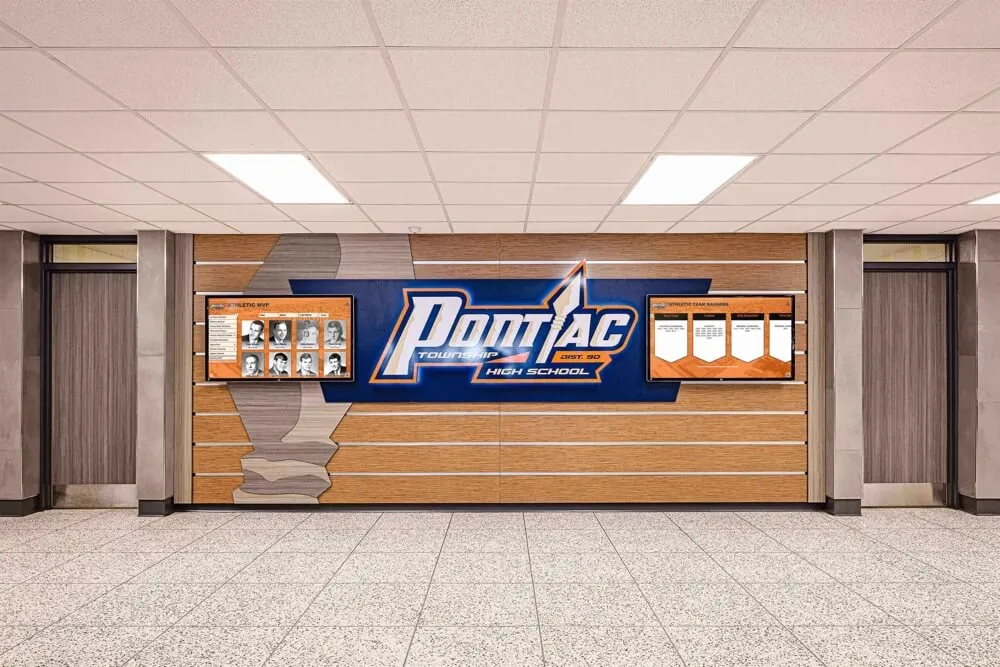
Schools honor student accomplishments through both temporary traditions like homecoming and permanent recognition displays celebrating lasting achievements
Contemporary Debates and Evolving Traditions
Like many longstanding customs, homecoming mums face contemporary questions about inclusivity, sustainability, cost, and cultural appropriateness.
Cost and Economic Accessibility Concerns
The escalating expense of elaborate homecoming mums has raised questions about economic equity and student inclusion.
Financial Considerations
- Average costs ranging from $100-250 for typical mums, $300+ for premium senior mums
- Additional costs for garters, friend group coordination, and multiple mums
- Financial pressure on families struggling to afford participation
- Competitive escalation where “adequate” designs become increasingly expensive
- Schools implementing mum exchanges or funds helping students afford participation
- Some families spending comparable amounts to formal dance tickets and attire
Communities address cost barriers through various approaches including school-sponsored mum-making workshops providing materials, fundraising efforts helping students afford mums, encouragement of DIY creation and simpler designs, and cultural shifts emphasizing creativity over expense.
Sustainability and Environmental Impact
The materials and disposal of homecoming mums raise environmental questions as sustainability consciousness grows.
Environmental Considerations
- Polyester ribbons, plastic trinkets, and non-biodegradable materials
- Single-use nature despite preservation attempts
- Waste generation from elaborate designs discarded after homecoming
- Storage challenges leading to eventual disposal even when initially saved
- Environmental footprint of manufacturing and shipping supplies
- Alternative approaches using sustainable materials or rental programs
Some schools and students explore eco-friendly alternatives such as reusable components that can be dismantled and repurposed, natural or biodegradable materials, digital elements replacing physical trinkets, donation programs giving used mums new life, or minimalist designs reducing material consumption.
Inclusion, Gender Norms, and Evolving Customs
Traditional homecoming mum customs reflect gender norms and relationship assumptions that don’t accommodate all students’ identities and experiences.
Inclusion Considerations
- Traditional boy-gives-mum, girl-gives-garter assumes heterosexual dating
- LGBTQ+ students navigating customs designed around binary gender roles
- Single students or those not interested in dating feeling excluded
- Friend group exchanges becoming more common than romantic couple exchanges
- Gender-neutral mum designs accommodating diverse student identities
- Schools emphasizing choice in participation rather than assumption
Progressive schools recognize tradition flexibility—what matters is celebrating school spirit and student relationships however students choose to define them, not rigidly maintaining customs that exclude parts of the student body.
Understanding how schools can honor traditions while remaining inclusive parallels broader institutional decisions about recognition practices that celebrate diverse student achievements.
Homecoming Mums and School Spirit Beyond Homecoming
While homecoming mums reach their apex during homecoming week, the tradition connects to broader school culture and recognition practices that build community throughout the year.
Creating Lasting School Pride
Homecoming mums represent one element of comprehensive school culture that celebrates student participation, achievement, and belonging.
Building School Community
- Visible traditions creating shared experiences across graduating classes
- Rituals marking important moments in students’ educational journeys
- Opportunities for students to express individual identity within school context
- Memories and stories that bind alumni to institutions throughout lives
- Practices that differentiate your school from others creating unique identity
- Investment in traditions signaling that student experience matters
Schools that excel at building community recognize that traditions like homecoming mums work alongside other recognition practices to create environments where students feel valued, connected, and proud of their school identity.
Balancing Temporary and Permanent Recognition
Homecoming mums last a week; school pride lasts a lifetime. Modern schools complement temporary traditions with permanent recognition that honors student achievements year-round.
Comprehensive Recognition Approaches
- Annual traditions like homecoming creating cyclical celebration opportunities
- Permanent displays showcasing school history and achievement legacy
- Digital platforms allowing continuous updates as students accomplish new goals
- Physical spaces dedicated to honoring donors, alumni, and student success
- Flexible systems accommodating evolving programs and achievements
- Integration of historical traditions with contemporary recognition methods
Organizations like Rocket Alumni Solutions help schools create comprehensive recognition systems through interactive touchscreen displays that celebrate student achievements, honor traditions, showcase school history, and engage current students while preserving institutional memory.
These digital solutions complement traditions like homecoming by providing year-round visibility for accomplishments while allowing easy content updates as new students add to school legacy.
Learn more about comprehensive approaches to school recognition and student engagement that build vibrant school culture.
Homecoming Mums in Popular Culture and Media
The homecoming mum tradition has gained increasing media attention and popular culture recognition, particularly as social media exposes broader audiences to this regional custom.
Media Coverage and National Awareness
National media outlets periodically feature homecoming mums as examples of distinctive regional American customs.
Media Representation
- News features explaining the tradition to non-Texas audiences
- Viral social media posts showcasing particularly elaborate designs
- Documentary segments exploring Texas high school culture
- National publications profiling the mum-making industry
- Television shows and films set in Texas including mum references
- YouTube tutorials teaching mum-making techniques to national audiences
This coverage oscillates between celebrating the tradition’s creativity and community importance versus portraying it as quirky regional excess. Texas participants often express frustration when outsiders focus on expense and size rather than understanding cultural meaning.
Economic Impact of Homecoming Mum Industry
The homecoming mum tradition supports a significant regional economy during the fall season.
Economic Footprint
- Dedicated mum shops operating as seasonal or year-round businesses
- Craft store sales spikes during homecoming season
- Online retailers specializing in mum supplies and components
- Employment for designers, assemblers, and retail staff
- Supplemental income for individuals creating custom mums from home
- Supply chain for ribbons, trinkets, flowers, and specialty components
For some small Texas communities, homecoming mum businesses represent meaningful local economic activity, creating jobs and supporting entrepreneurship.
The Future of Homecoming Mums
As the tradition enters its tenth decade, questions arise about how homecoming mums will continue evolving while maintaining connection to their origins.
Emerging Trends and Innovations
Contemporary mum creators incorporate new technologies and materials reflecting current culture.
Innovation Directions
- Smart technology integration including app-connected LED displays
- Eco-friendly materials responding to sustainability concerns
- 3D-printed custom components creating unique design elements
- QR codes linking to digital content, videos, or photo galleries
- Augmented reality features activated by smartphone scanning
- Minimalist aesthetic movements countering escalating elaborateness
- Rental and reuse programs reducing waste and cost
Younger generations bring fresh perspectives to established traditions, often finding ways to honor essence while adapting forms to align with contemporary values.
Preserving Tradition While Allowing Evolution
The homecoming mum tradition’s longevity stems partly from its flexibility—core elements remain while specific expressions change with each generation.
Tradition Stewardship
- Maintaining connections to origins (chrysanthemums, school colors, homecoming context)
- Allowing creative freedom in execution and personalization
- Welcoming new participants regardless of background or gender identity
- Addressing legitimate concerns about cost, sustainability, and inclusion
- Resisting pressure to abandon traditions due to temporary challenges
- Teaching younger students why traditions matter and how they connect generations
Communities successfully preserving traditions balance respect for history with openness to evolution, understanding that living customs adapt while dead ones ossify.
Schools seeking to honor diverse traditions while creating inclusive recognition systems can explore modern approaches to celebrating student achievements that complement existing customs.
Connecting Tradition to Institutional Identity
The history of homecoming mums illustrates how schools create meaning through shared customs that bind communities across generations while giving students tangible ways to express belonging and pride.
Why School Traditions Matter
Traditions like homecoming mums serve important purposes in adolescent development and community formation.
Tradition Functions
- Creating shared experiences that bond students to peers and institutions
- Providing ritualized ways to mark important life passages
- Offering opportunities for creative self-expression within community contexts
- Building memories and stories that define the high school experience
- Connecting current students to alumni through multi-generational practices
- Differentiating institutions and creating unique community identity
- Giving students ownership over aspects of their educational experience
Schools with strong traditions—whether homecoming mums, specific athletic rivalries, unique graduation customs, or distinctive community service programs—create powerful institutional cultures where students feel part of something larger than themselves.
Building Recognition Culture Year-Round
While homecoming represents one peak moment, exceptional schools create cultures of recognition celebrating students throughout the year.
Comprehensive Recognition Elements
- Multiple opportunities for students to be seen and celebrated
- Diverse forms of achievement receiving equivalent honor
- Physical and digital spaces dedicated to showcasing accomplishments
- Regular updates ensuring recognition remains current and relevant
- Inclusive practices ensuring all students experience being valued
- Parent and community visibility into student achievements
- Alumni connections demonstrating how current students continue school legacy
Modern recognition platforms enable schools to honor tradition while providing flexible, updatable systems that grow with student accomplishments. Digital recognition displays celebrate both temporary achievements and lasting legacies, creating comprehensive school culture environments.
Conclusion: The Enduring Appeal of Homecoming Traditions
The history of homecoming mums—from simple 1930s corsages to today’s elaborate multi-pound creations—demonstrates how communities create meaning through shared customs that celebrate identity, mark important moments, and bind people together across generations. What began as a modest flower tradition in Texas high schools has evolved into a distinctive cultural phenomenon that continues adapting while maintaining its essential spirit of school pride, relationship recognition, and community celebration.
Whether your school participates in the homecoming mum tradition or creates meaning through different customs, what matters is intentionally cultivating practices that help students feel connected to their school community, honored for their contributions, and proud of the traditions they’re building together. The most successful schools recognize that tradition and innovation work together—honoring what came before while remaining open to how each new generation makes customs their own.
Beyond temporary celebrations like homecoming week, schools create lasting impact through comprehensive recognition systems that honor students year-round, preserve institutional history, celebrate diverse achievements, and engage the entire school community in shared pride and purpose.
Ready to create comprehensive recognition experiences that complement your school traditions? Rocket Alumni Solutions provides interactive digital displays that showcase student achievements, preserve school history, and build vibrant cultures of recognition that inspire students today while honoring the legacies they’ll create tomorrow. Contact our team to discover how modern recognition platforms can enhance your school’s tradition of celebrating excellence.