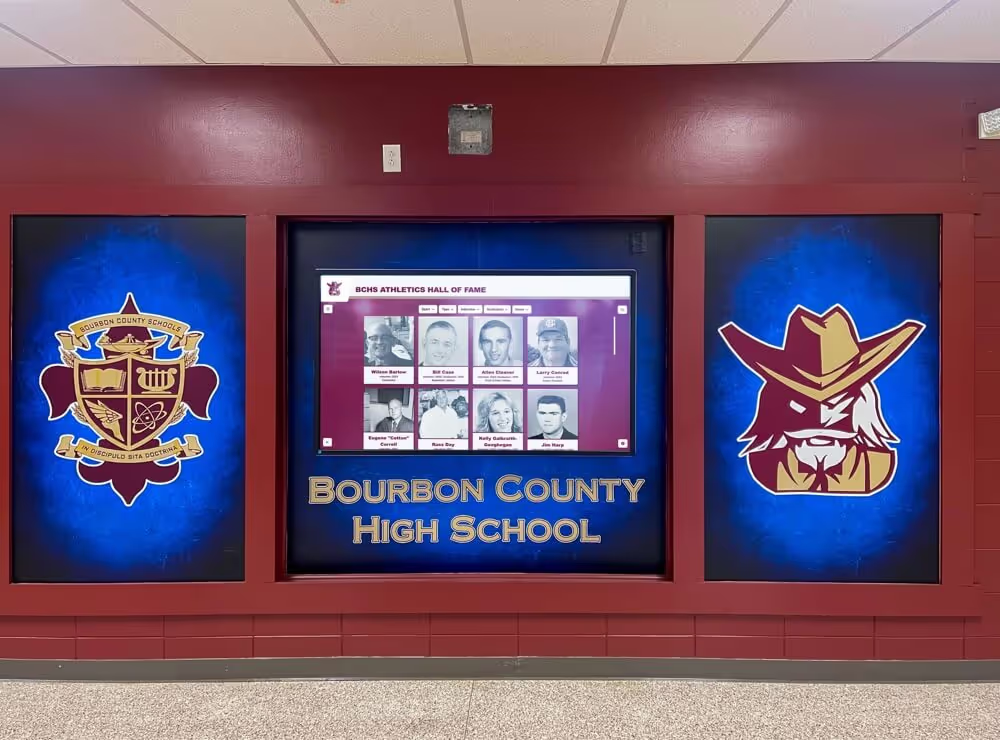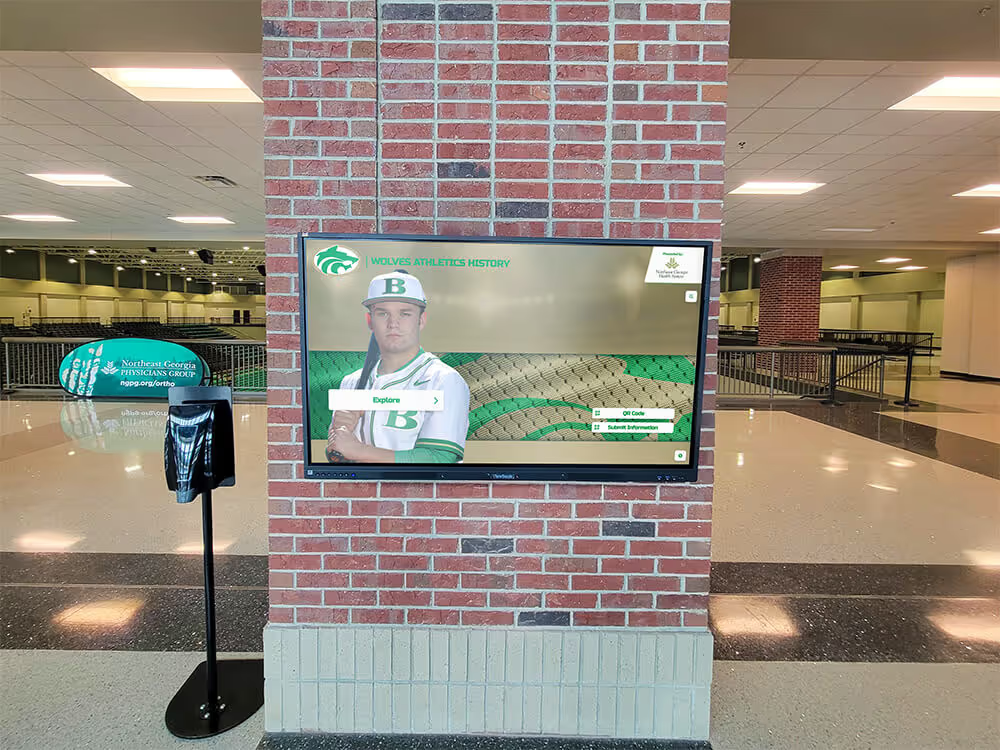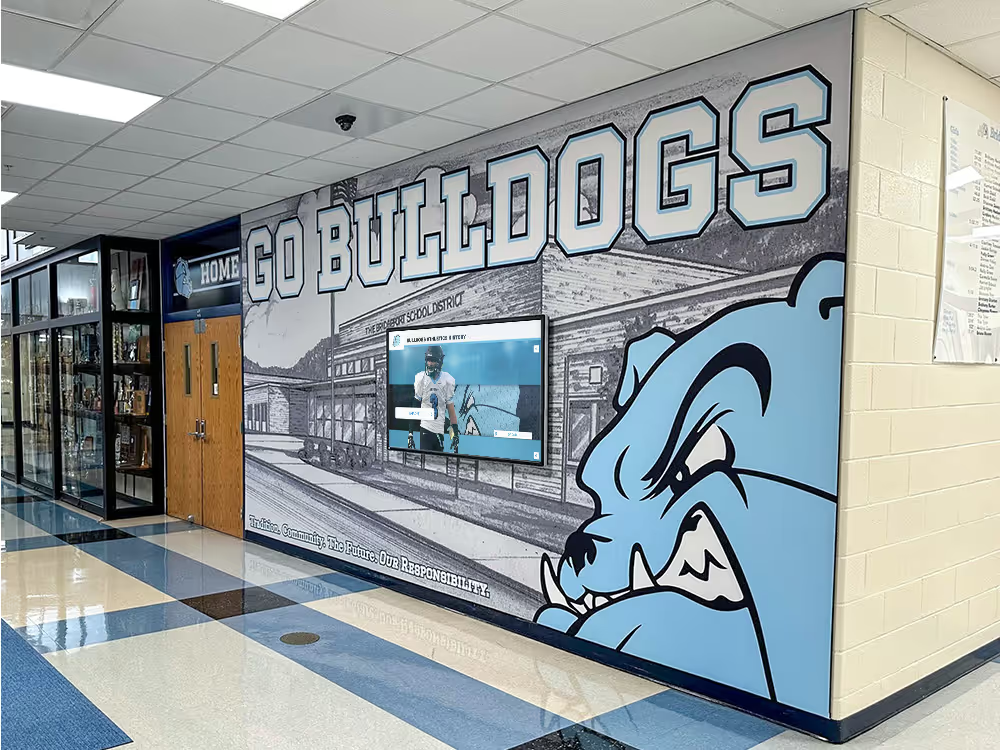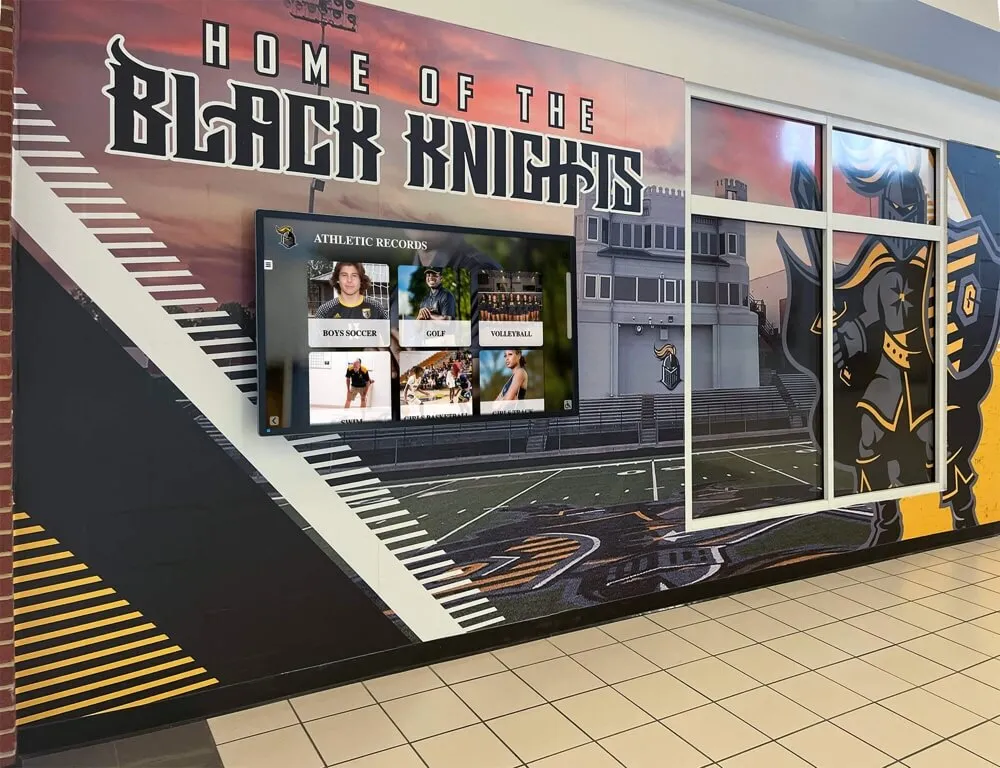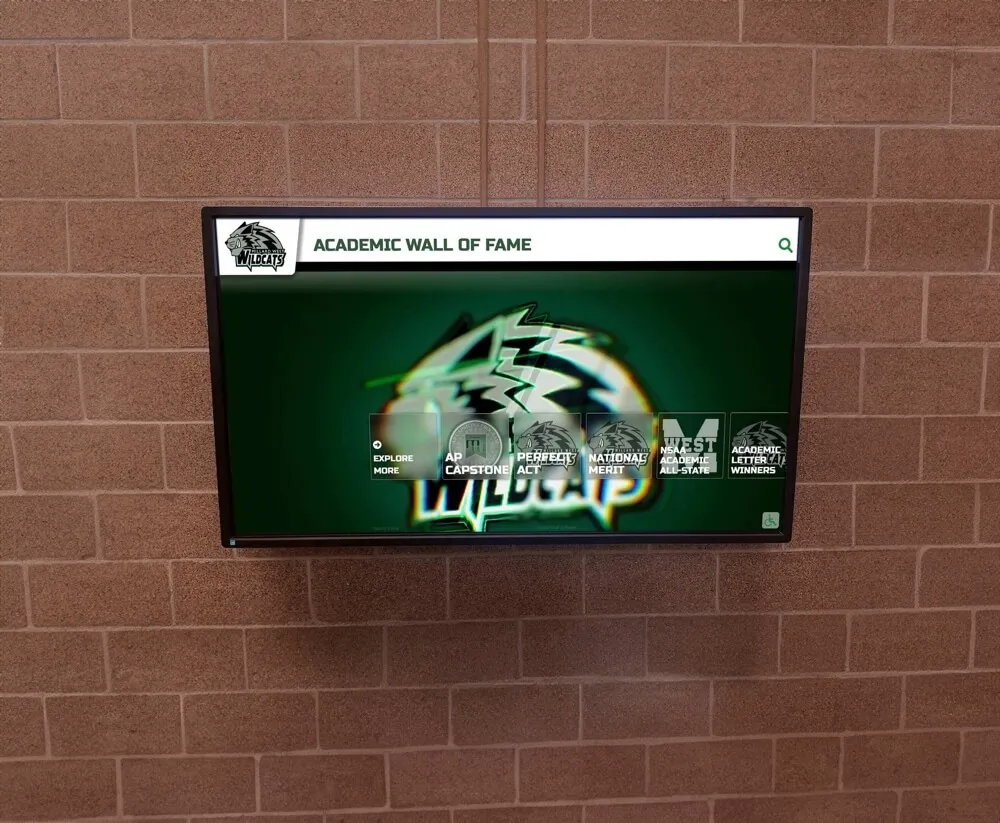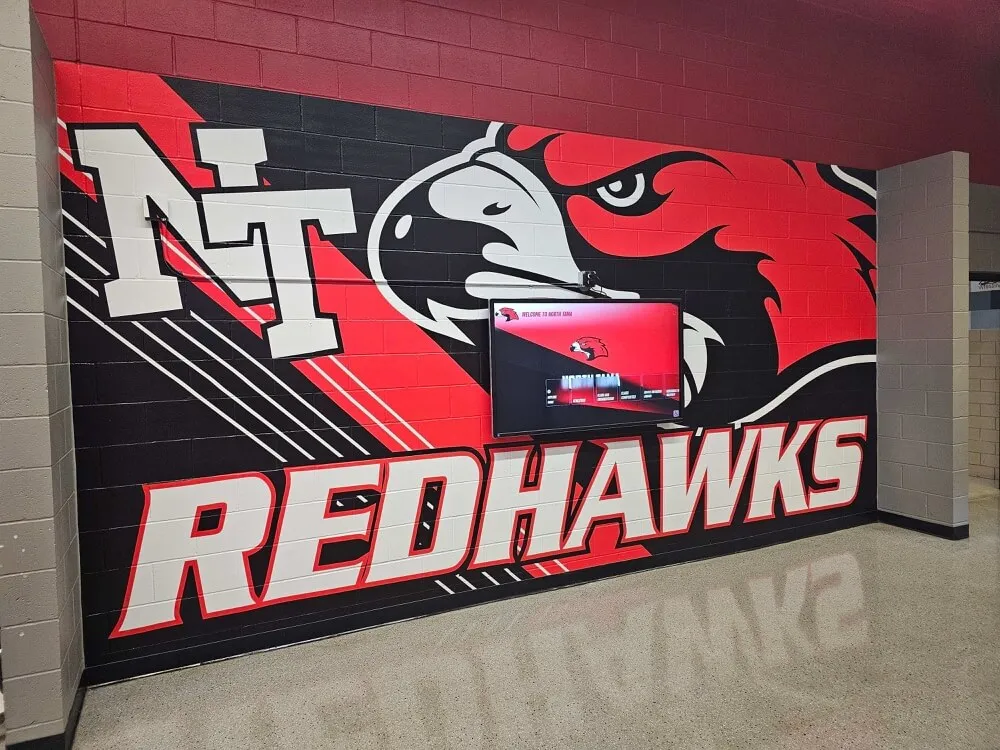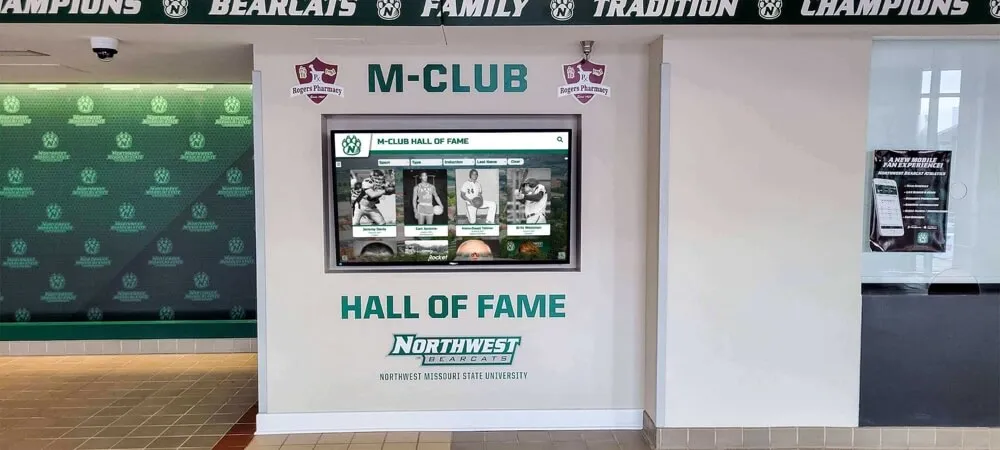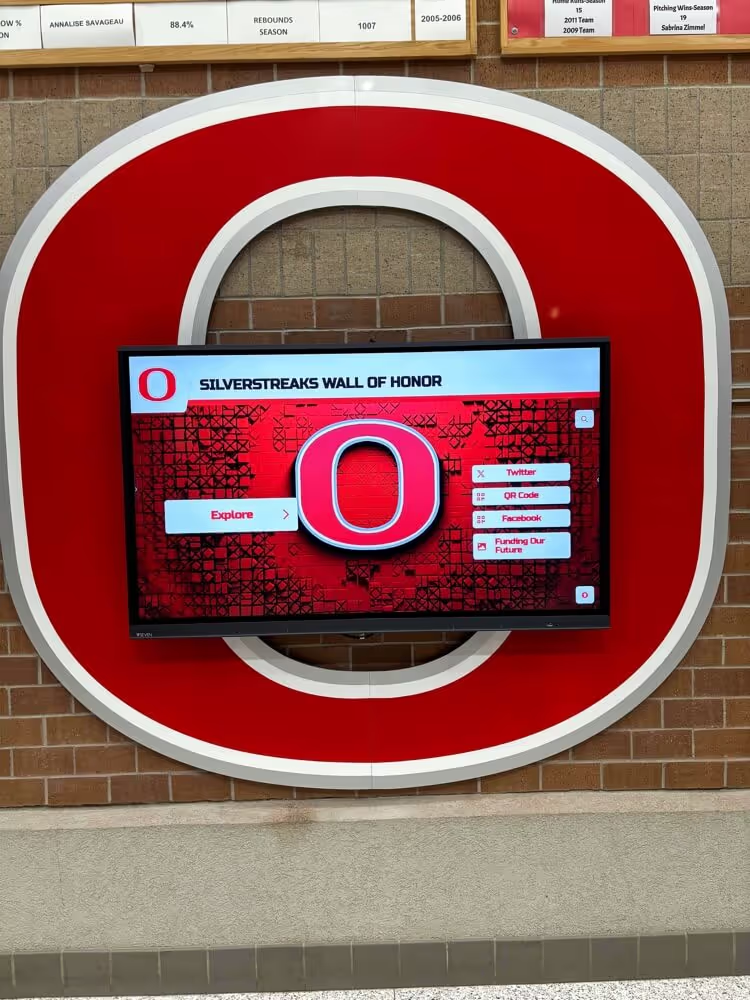




Hockey rink touchscreen displays recognizing past teams represent a transformative approach to celebrating championship history and preserving program legacy in ways traditional banners and plaques simply cannot match. Interactive digital installations positioned in arena lobbies, concourses, and gathering spaces enable comprehensive documentation of every championship team, season roster, memorable game, and player achievement—creating engagement opportunities that inspire current athletes while honoring the generations who built program tradition.
Traditional championship recognition at hockey facilities typically consists of banners hung from arena rafters acknowledging title years, static plaques listing names without context or storytelling, trophy cases with limited space forcing difficult preservation decisions, and paper archives few ever access or explore. While these approaches provide basic acknowledgment, they fail to capture team stories, preserve detailed rosters and statistics, accommodate unlimited historical teams, or create interactive experiences connecting past success to present programs.
This comprehensive guide explores how hockey programs implement interactive touchscreen displays to transform past team recognition, the specific features that make digital displays effective for celebrating championship history at hockey facilities, content strategies for documenting team achievements and preserving player legacies, approaches for connecting historical success to current program culture, and how modern recognition technology creates engagement that honors tradition while inspiring future championship pursuits.
Effective past team recognition extends beyond simple championship acknowledgment—it creates systematic documentation preserving complete program history, celebrates individual players and coaches within team contexts, demonstrates sustained excellence across generations, and builds cultures where current teams understand they compete within proud traditions worth continuing. Hockey programs implementing interactive touchscreen displays for historical team recognition report increased awareness of program legacy, enhanced alumni engagement, stronger current team motivation, improved recruiting through demonstrated tradition, and preserved institutional memory that might otherwise fade as years pass.

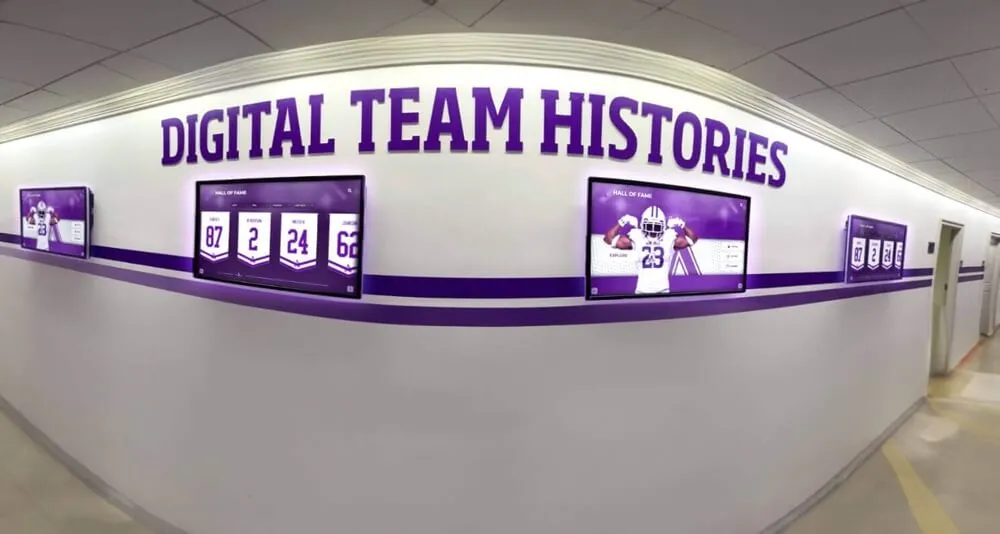
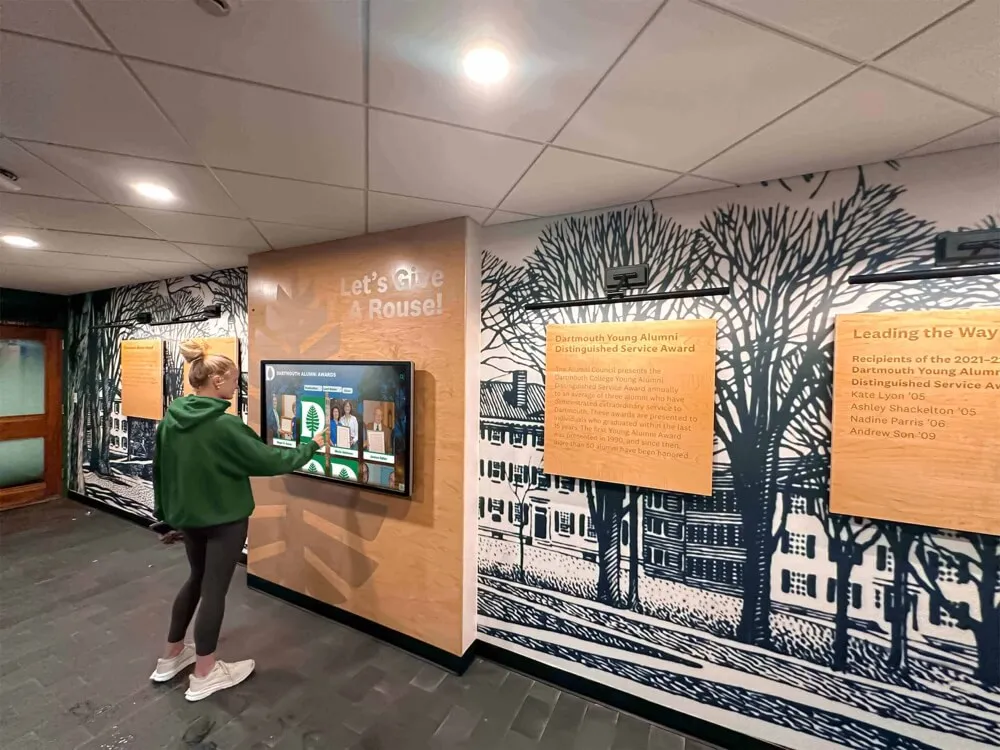
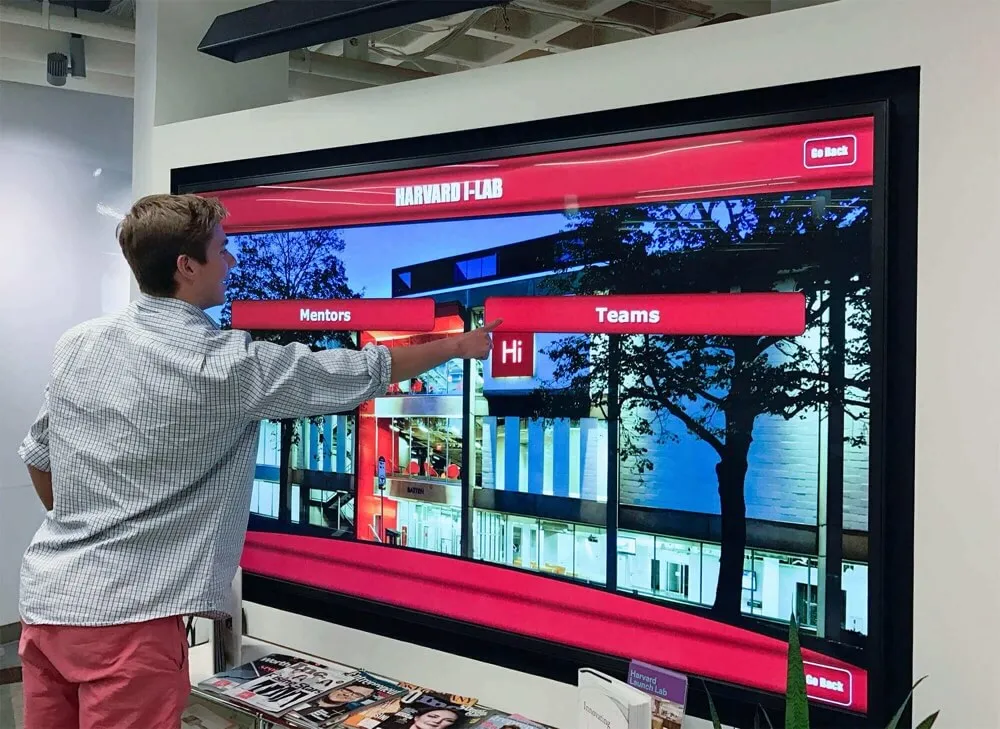
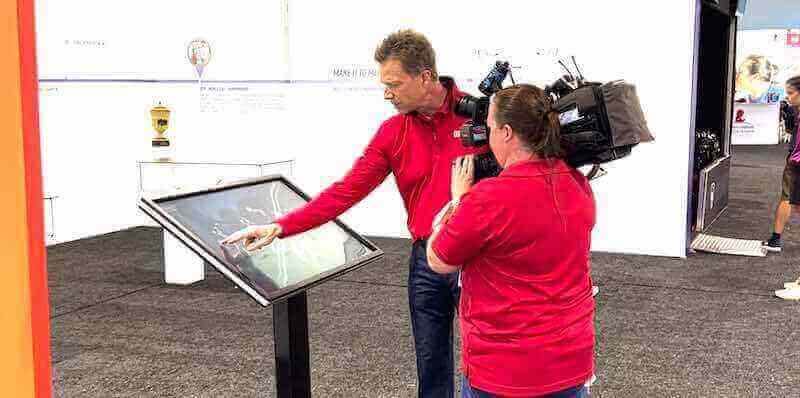
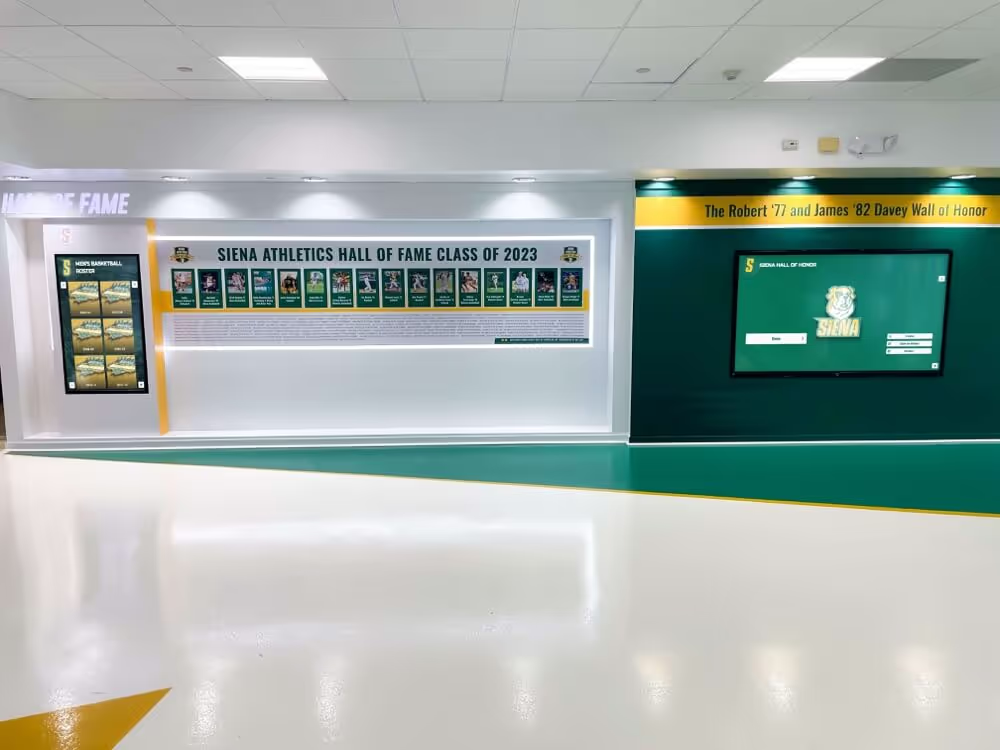
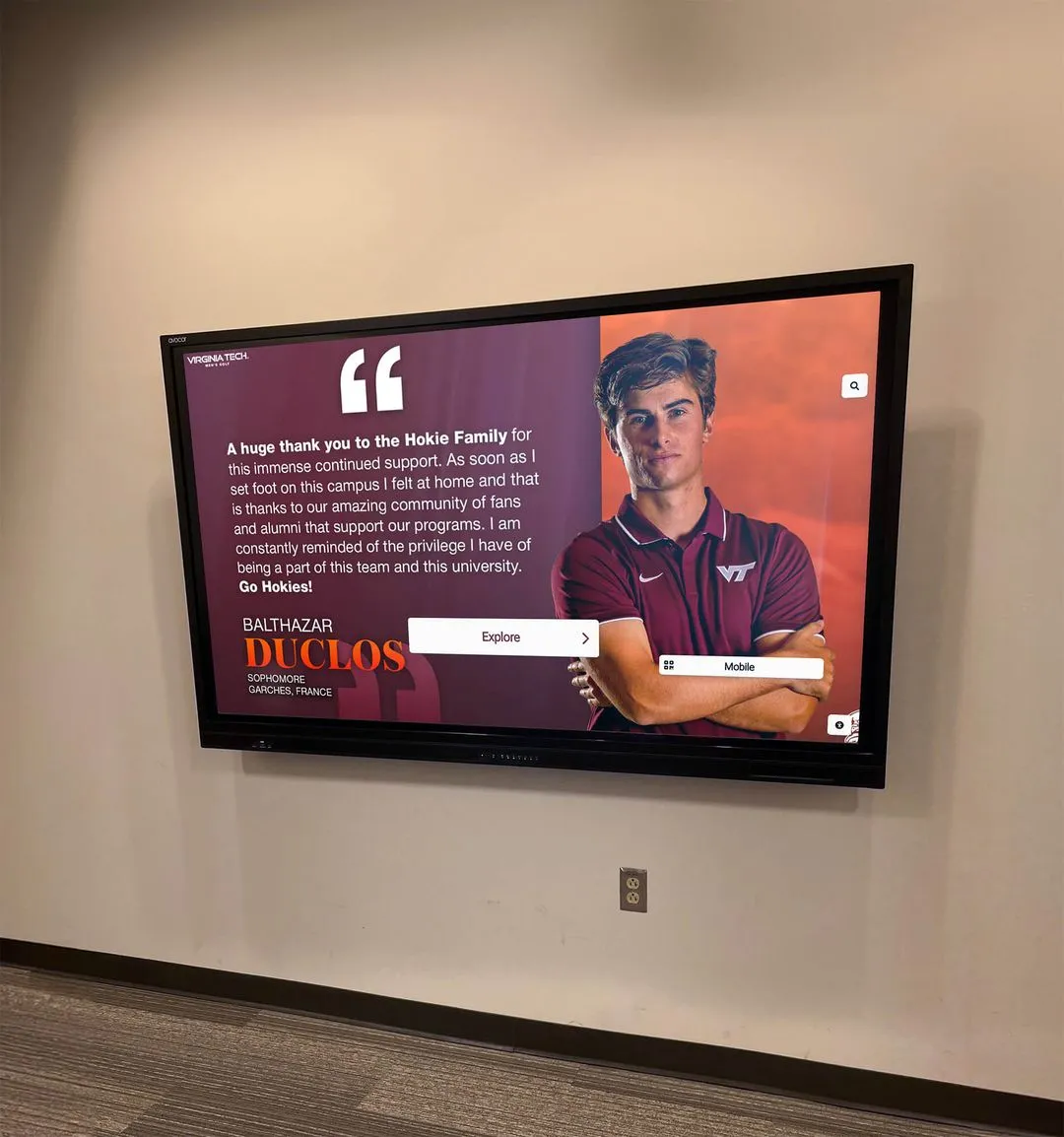
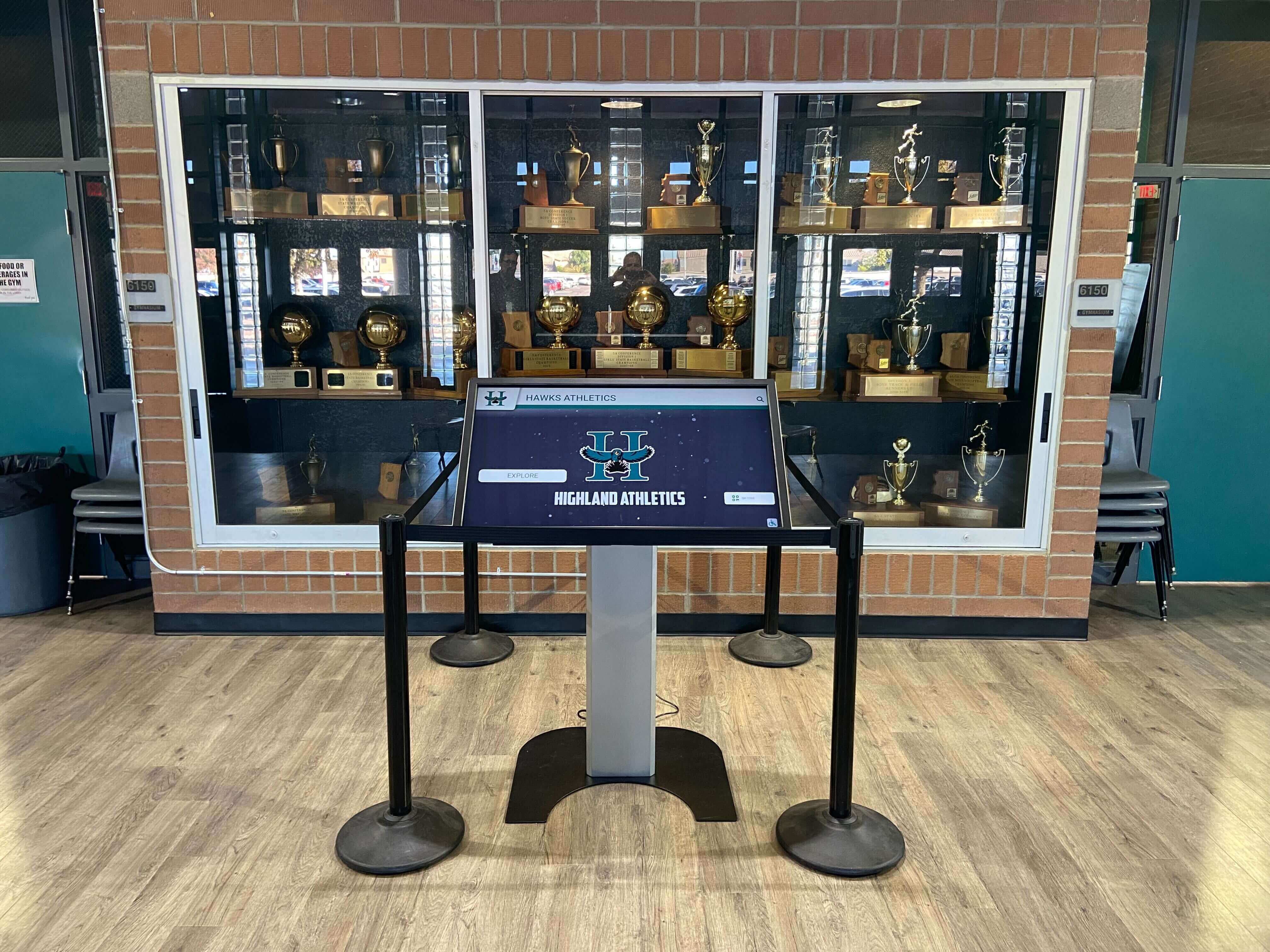
Modern touchscreen displays preserve championship team history while creating interactive exploration impossible with traditional recognition
Understanding Hockey Team Recognition Challenges
Before exploring digital solutions, understanding the specific challenges hockey programs face when recognizing past teams helps organizations appreciate why traditional approaches prove inadequate and why interactive touchscreen displays offer compelling alternatives.
Traditional Recognition Limitations at Hockey Facilities
Hockey programs attempting to honor championship teams and historical rosters encounter systematic challenges that limit comprehensive recognition regardless of facilities and resources.
Physical Space Constraints
Arena rafters accommodate limited championship banners before creating visual clutter or running out of suitable mounting locations. High ceilings make reading detailed information impossible from spectator vantage points, rendering banners effective only for acknowledging championship years rather than telling team stories. Trophy cases fill quickly as programs accumulate decades of achievements, forcing difficult decisions about which teams receive prominent display versus relegated to storage or disposal. Wall space in lobbies and concourses gets claimed by advertising, concessions, and operational signage, leaving minimal area for comprehensive team recognition.
According to facilities management research, the average hockey arena has display space for 15-25 championship banners before reaching practical limits, creating particular challenges for programs with rich traditions spanning decades or centuries of competition.
Limited Information Capacity
Championship banners typically include only year and title designation without team rosters, season records, memorable games, or player achievements. Static plaques accommodate brief text summaries but lack capacity for comprehensive documentation including complete rosters, statistics, photographs, or contextual information about competitive landscape and season narratives. Physical limitations prevent multimedia documentation through video highlights, audio coach interviews, or interactive statistics exploration that would bring historical teams to life for contemporary audiences.
Deterioration and Maintenance Issues
Physical recognition elements degrade over time through dust accumulation on banners and plaques, fabric banner fading and wear requiring periodic replacement, moisture and temperature fluctuations in arena environments damaging materials, and accidental damage during facility maintenance or renovations. These deterioration factors create ongoing expense while diminishing visual quality that reflects poorly on honored teams and overall program presentation.
Accessibility and Discovery Problems
Traditional recognition assumes viewers know what they’re seeking, with no search functionality enabling families to find specific relatives who competed decades ago, no filtering allowing exploration of championships in particular eras or divisions, no contextual information explaining what made specific teams exceptional, and no connection to broader program history showing how individual championships fit within sustained tradition.
Learn about comprehensive team recognition approaches that celebrate championship history while preserving institutional memory.
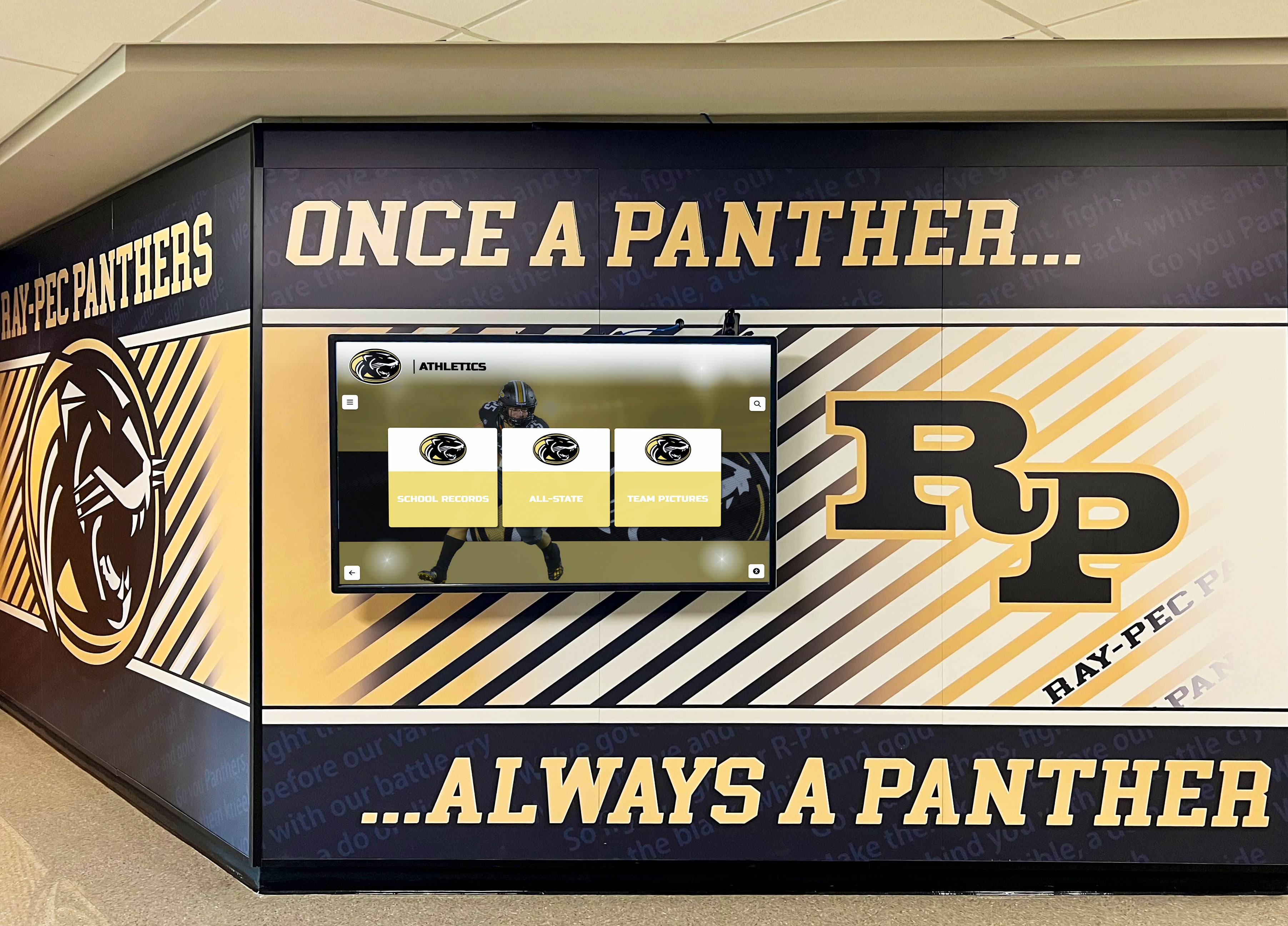
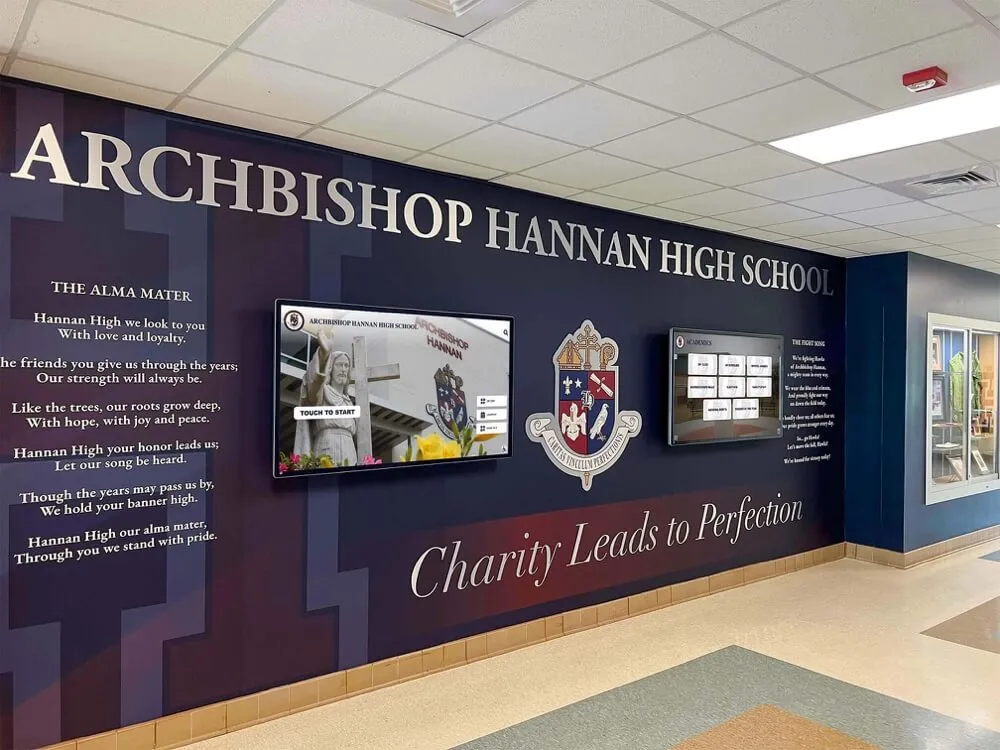
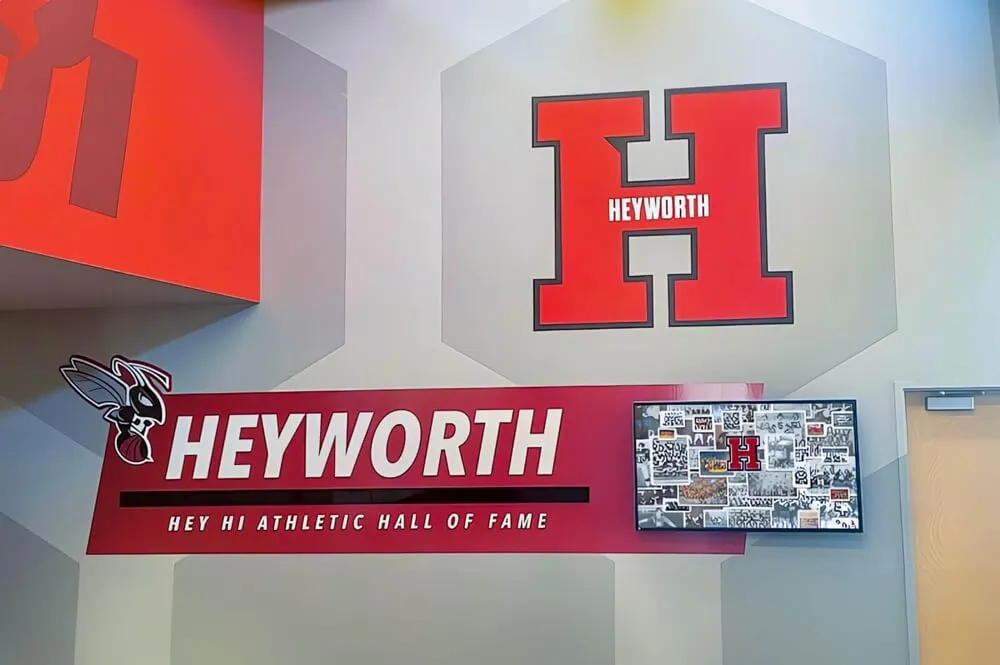
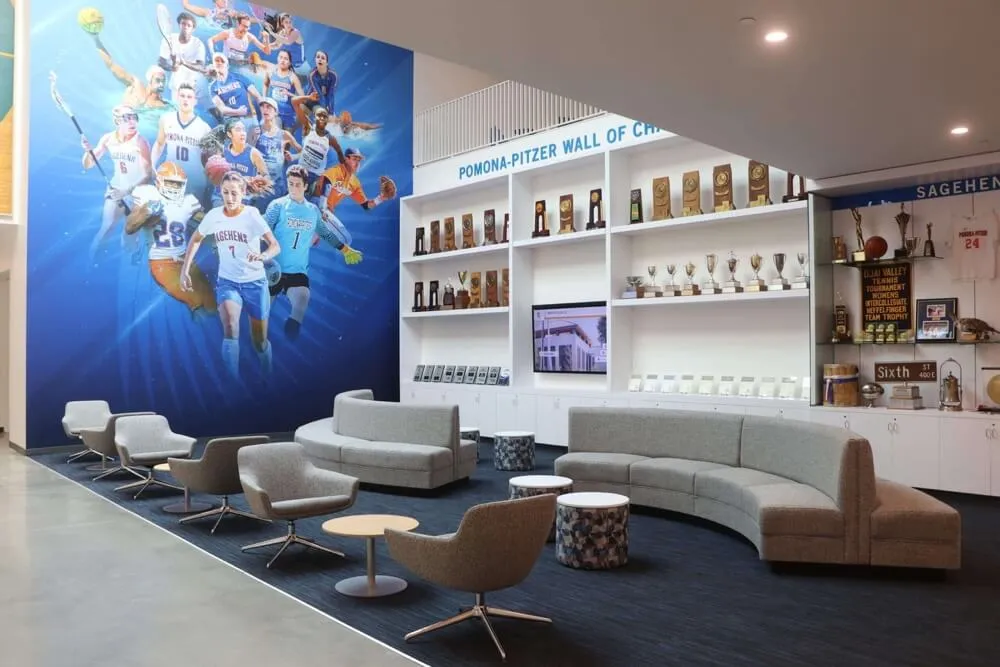
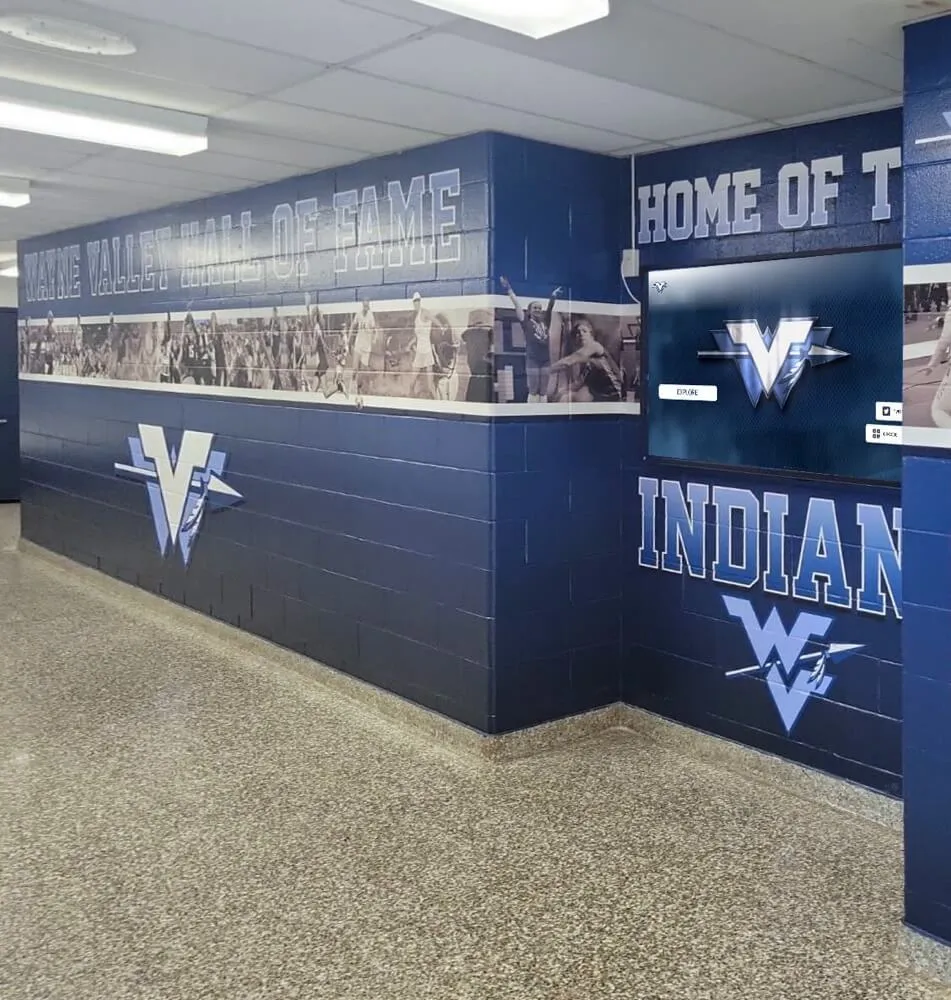
Strategic integration combines traditional aesthetic elements with digital capabilities preserving unlimited team history
Why Past Team Recognition Matters for Hockey Programs
Comprehensive historical team recognition serves crucial functions beyond honoring past athletes, directly impacting current program culture and future competitive success.
Program Culture and Identity
Teams competing within proud traditions perform differently than those lacking historical context or institutional memory. When current players understand championship teams who preceded them—specific athletes who wore their jersey numbers, season narratives demonstrating program expectations, and sustained excellence across generations—they develop stronger connections to program identity and elevated motivation to maintain standards. Visible recognition creates tangible reminders that current athletes compete within legacies worth preserving and extending.
Research from athletic departments indicates that programs with comprehensive historical recognition report measurably stronger team culture, with athletes expressing greater pride in program affiliation and higher willingness to persevere through challenging seasons or competitive difficulties.
Alumni Engagement and Support
Former players remain emotionally connected to programs years and decades after graduation when their achievements receive ongoing recognition and preservation. Alumni who see their teams documented comprehensively through interactive displays develop stronger relationships with current programs, translating to financial support through donations, volunteer engagement as coaches or mentors, attendance at games and events, and advocacy within communities promoting program reputation. Recognition demonstrates institutional appreciation for alumni contributions, building goodwill essential for long-term program sustainability.
Recruiting Competitive Advantages
Prospective players and families evaluate programs partially through demonstrated tradition and championship history. Facilities showcasing comprehensive past team recognition through interactive displays create powerful impressions during recruiting visits, demonstrating sustained excellence across generations, systematic approach to preserving player legacies, investment in program tradition and culture, and likelihood that current recruits will receive comparable recognition for their future achievements.
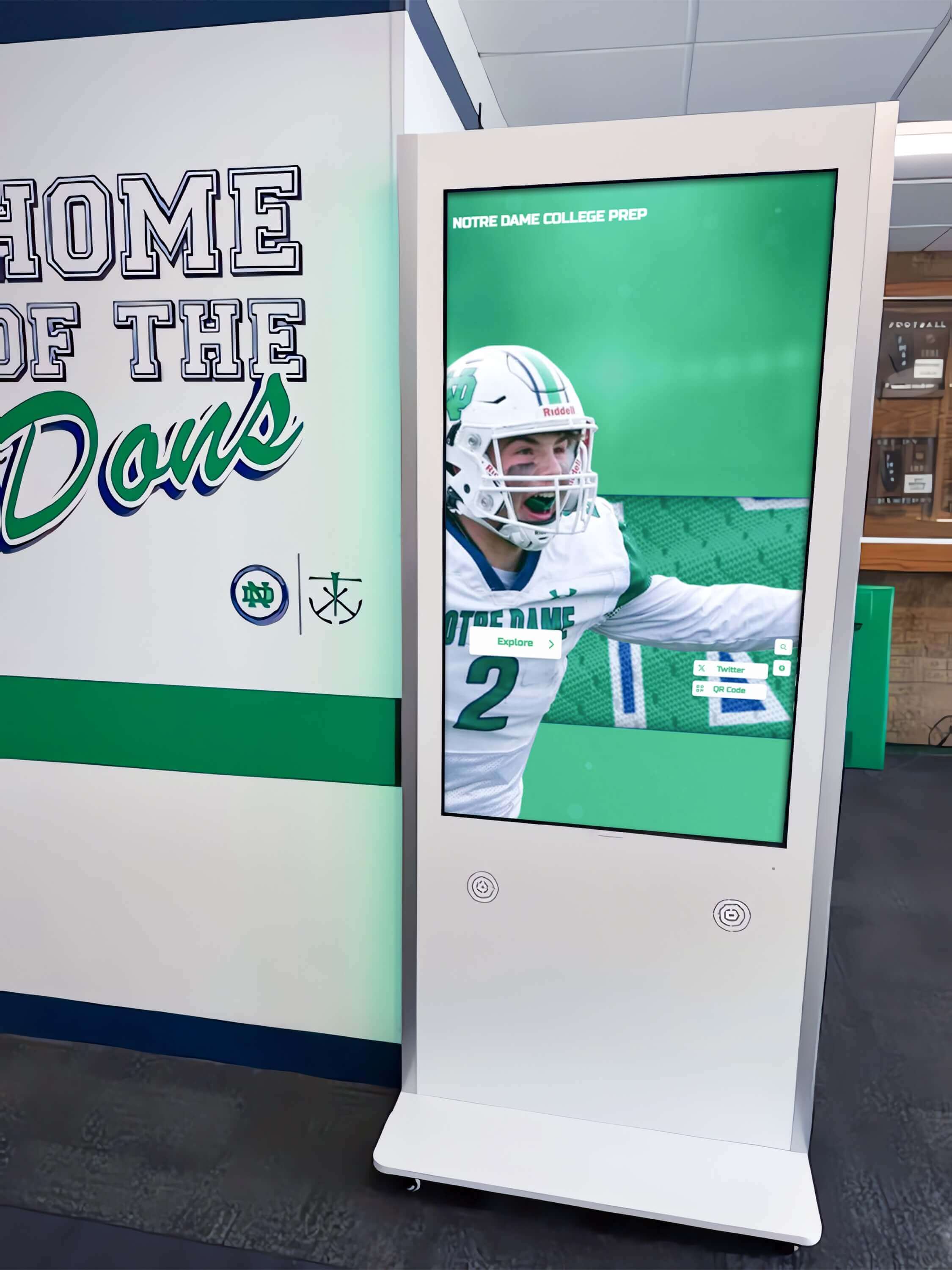
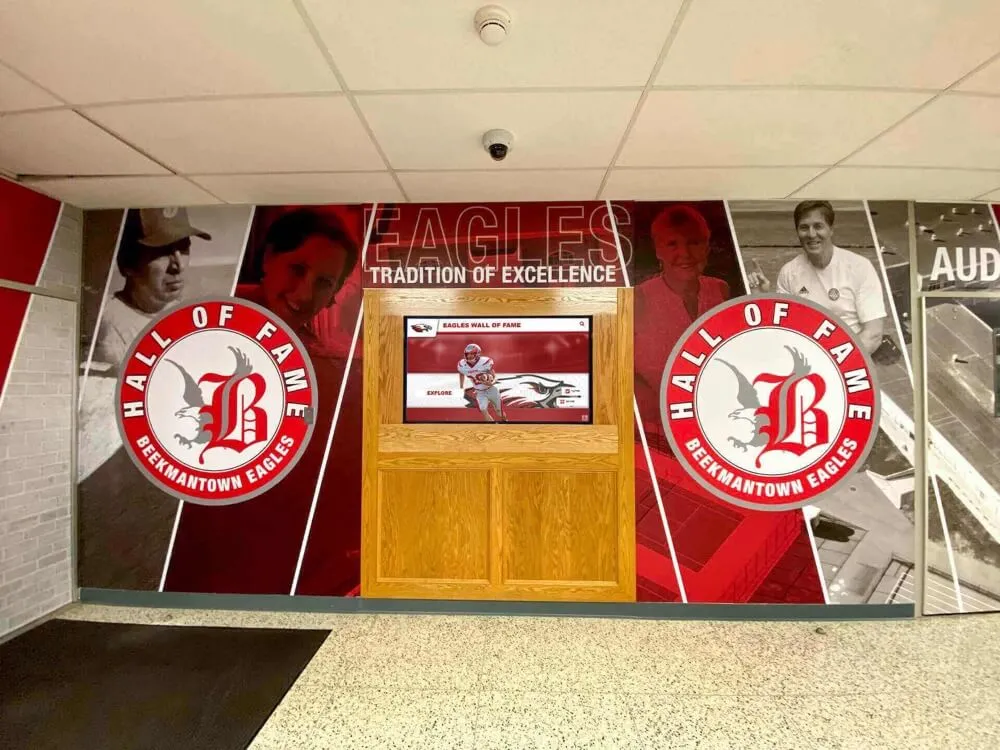
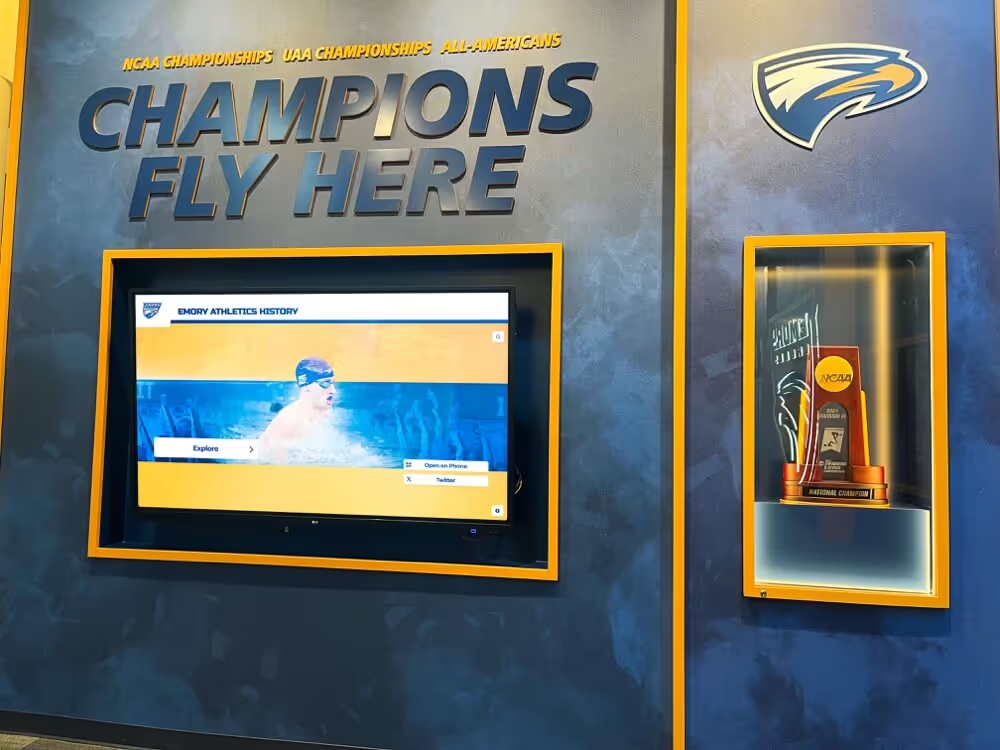
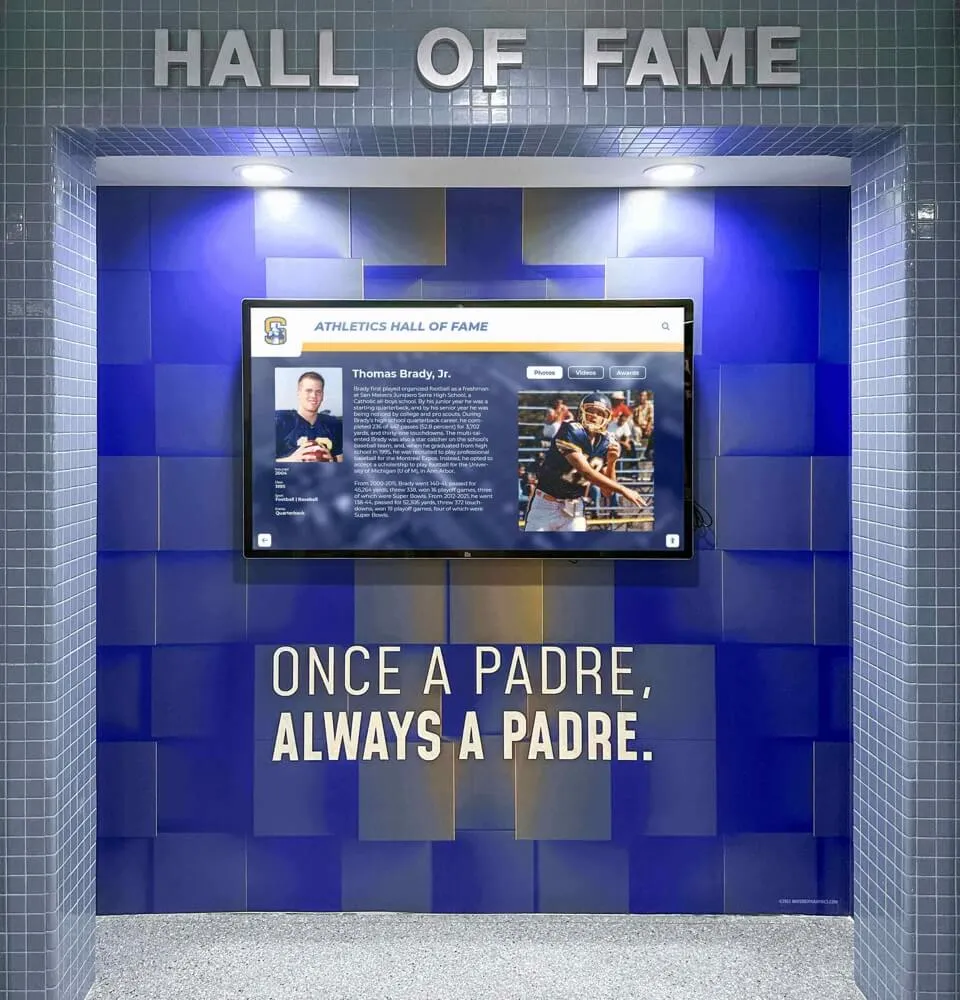
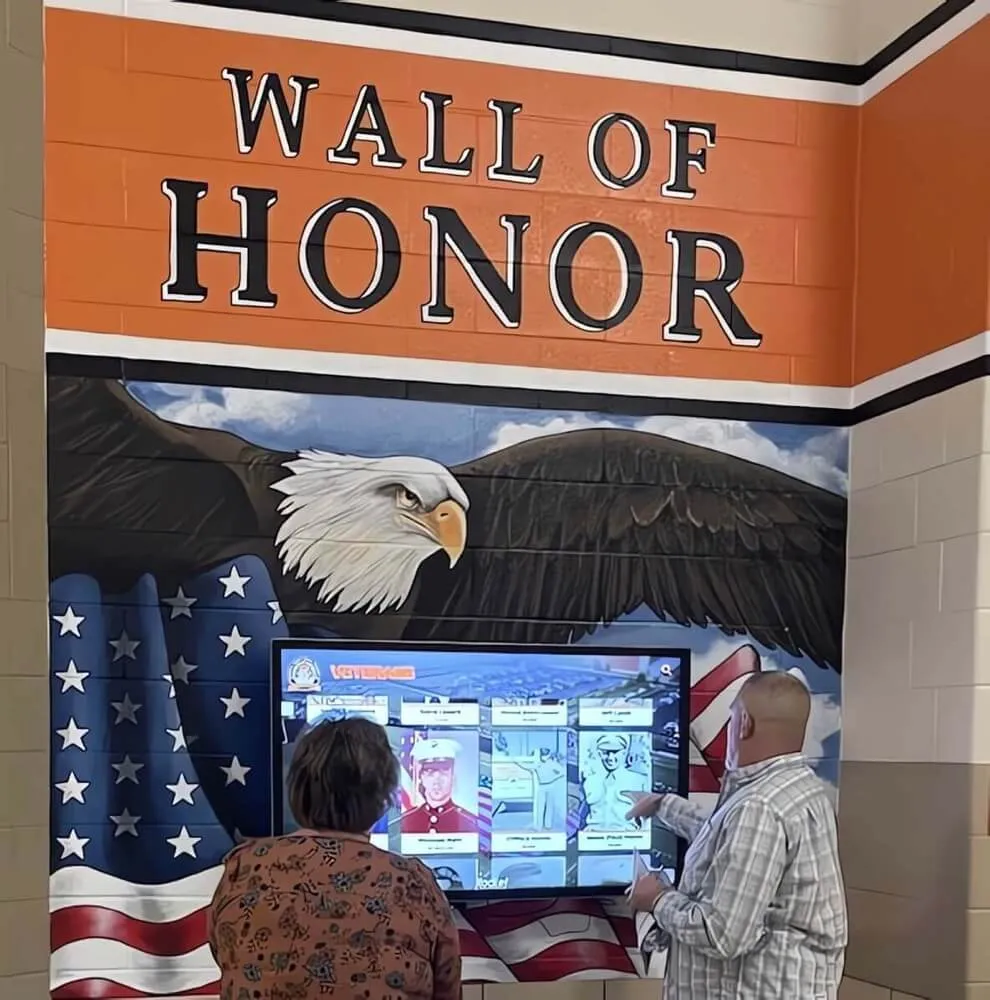
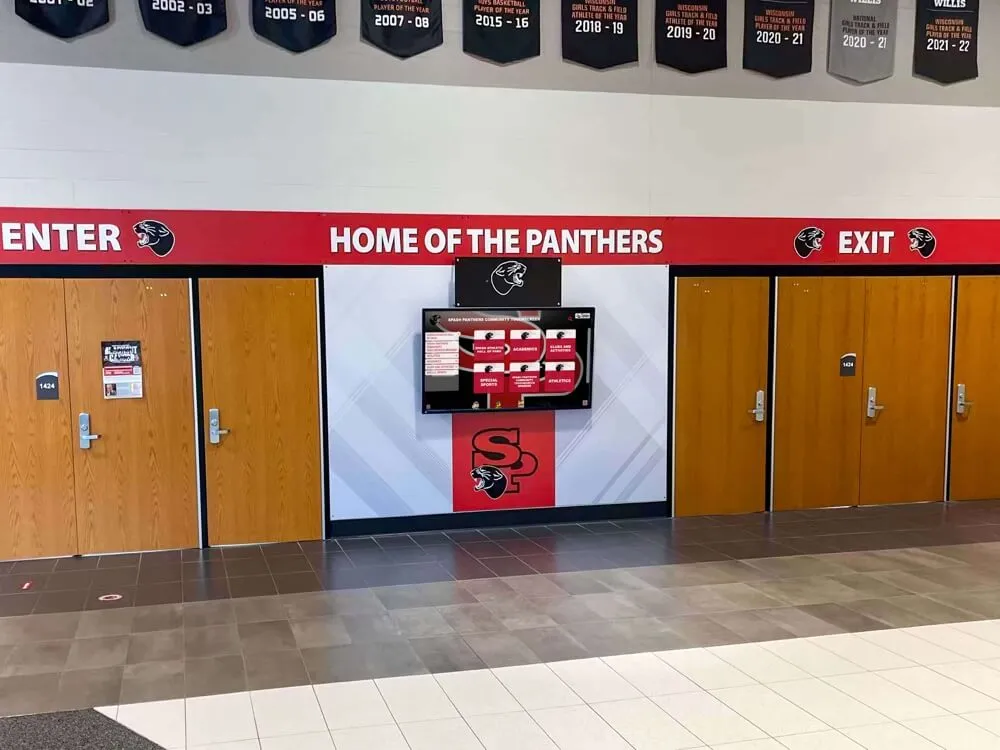
Prominent installations create destination recognition experiences that recruit prospects remember long after facility tours
Institutional Memory Preservation
Organizations lose historical knowledge as personnel change and memories fade without systematic documentation. Coaches retire or move to other programs taking institutional knowledge with them, longtime staff members depart leaving gaps in organizational memory, physical records deteriorate or get discarded during facility renovations, and eyewitness accounts of memorable seasons fade as participants age. Digital recognition systems create permanent archives preserving program history regardless of personnel transitions, ensuring future generations access comprehensive documentation of championship teams and foundational program builders.
Explore strategies for preserving athletic program history through systematic documentation and recognition.
Interactive Touchscreen Display Technology for Hockey Facilities
Modern digital display technology enables recognition approaches impossible through traditional methods, creating engaging, comprehensive systems specifically valuable for hockey team documentation.
Components of Effective Hockey Recognition Systems
Professional interactive touchscreen installations combine specialized hardware and software creating seamless past team recognition experiences.
Commercial-Grade Display Hardware
Effective hockey facility displays utilize commercial touchscreen systems engineered for demanding public environments rather than consumer electronics. Professional installations feature enhanced durability withstanding continuous public interaction and occasional accidental impacts, commercial-grade components rated for 50,000-100,000 operating hours supporting continuous daily operation, high brightness levels (350-700 nits) ensuring visibility in well-lit arena concourses and lobbies, responsive capacitive touch technology supporting intuitive multi-touch gestures, thermal management preventing overheating in enclosed installations, and tamper-resistant enclosures protecting components from vandalism or theft in public spaces.
Display sizes for hockey facilities typically range from 43 to 75 inches depending on installation location and expected viewing distances, with 55-inch displays proving most popular for arena lobbies and 43-inch models working well for hallway installations where space remains limited.
Purpose-Built Recognition Software Platforms
Generic digital signage software lacks specialized features needed for comprehensive team recognition and historical documentation. Purpose-built platforms designed specifically for athletic recognition provide hockey-specific capabilities including unlimited team profile capacity accommodating complete program history across decades, comprehensive season documentation with rosters, records, statistics, and achievements, searchable databases enabling instant access to specific teams, players, or championship years, photo gallery management displaying unlimited historical images, video integration supporting highlight reels and documentary content, timeline navigation allowing chronological exploration of program history, and customizable templates maintaining visual consistency across all content.
Cloud-Based Content Management Systems
Modern recognition platforms leverage cloud technology enabling administrators to update content remotely from any internet-connected device without requiring physical access to display hardware. Cloud-based approaches provide immediate updates reflecting new information or corrections within minutes, scheduled publishing allowing automated content refreshes aligned with anniversaries or special events, role-based permissions enabling appropriate staff access to update different content sections, automatic backup protecting against data loss from hardware failure, multi-location management when programs deploy displays across multiple facility areas, and usage analytics demonstrating engagement and popular content.
Solutions like Rocket Alumni Solutions provide comprehensive cloud-based platforms specifically designed for athletic recognition with proven implementations across hockey facilities nationwide, combining powerful capabilities with user-friendly administration requiring minimal technical expertise.
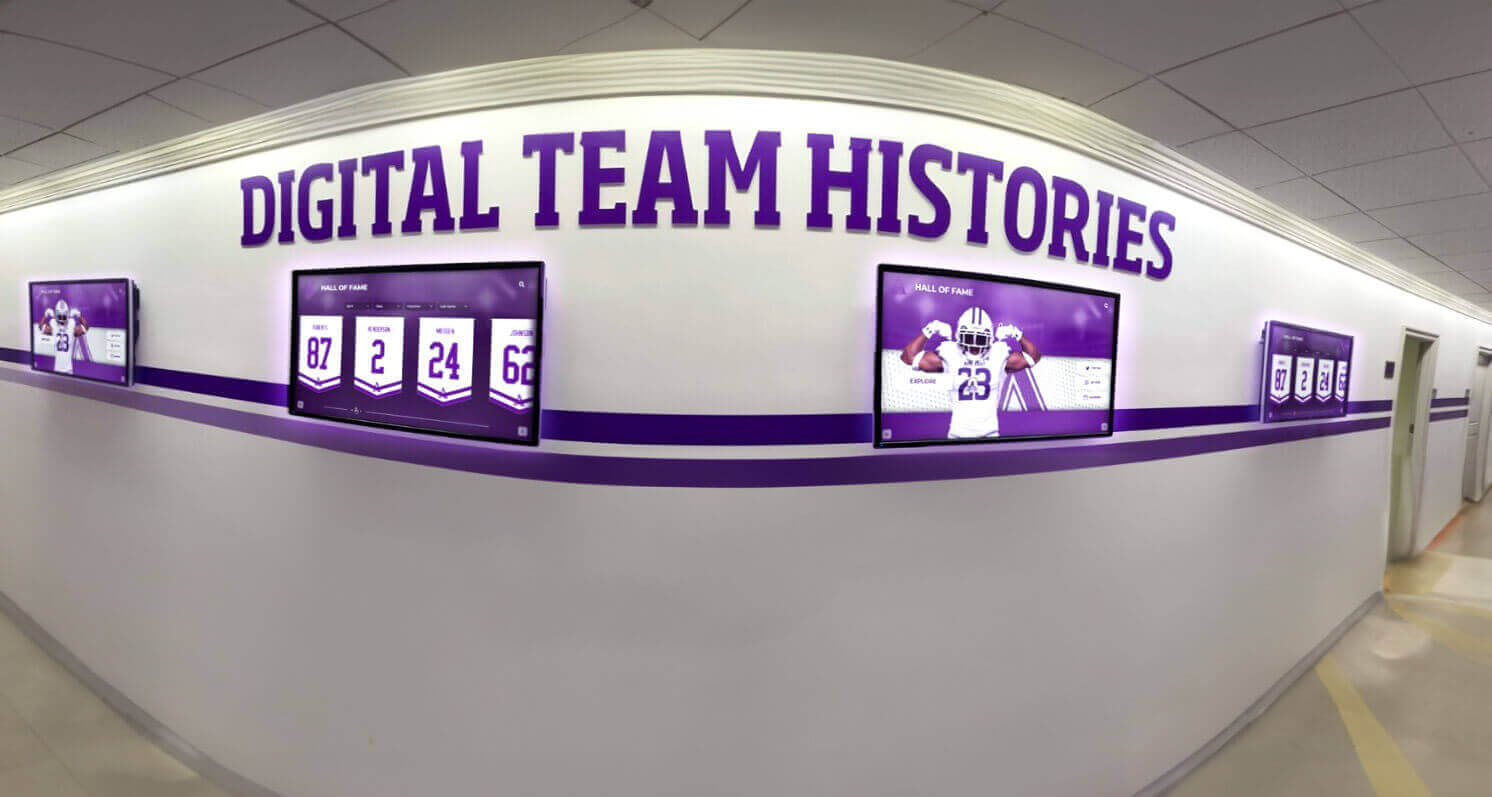
Network installations enable comprehensive recognition across multiple facility locations from unified management systems
Hockey Facility Installation Strategies
Strategic placement maximizes recognition impact while accommodating arena architectural constraints and traffic patterns.
Arena Lobby and Main Entrance Installations
Hockey facility main lobbies represent ideal locations for interactive team recognition displays as all spectators, families, and visitors pass through these spaces entering and exiting arenas. Lobby installations create natural gathering points where people arrive early before games and linger after competitions, providing extended interaction opportunities. Prominent lobby placement demonstrates institutional priority for team recognition while creating positive first impressions for recruiting visits, alumni returns, and community events.
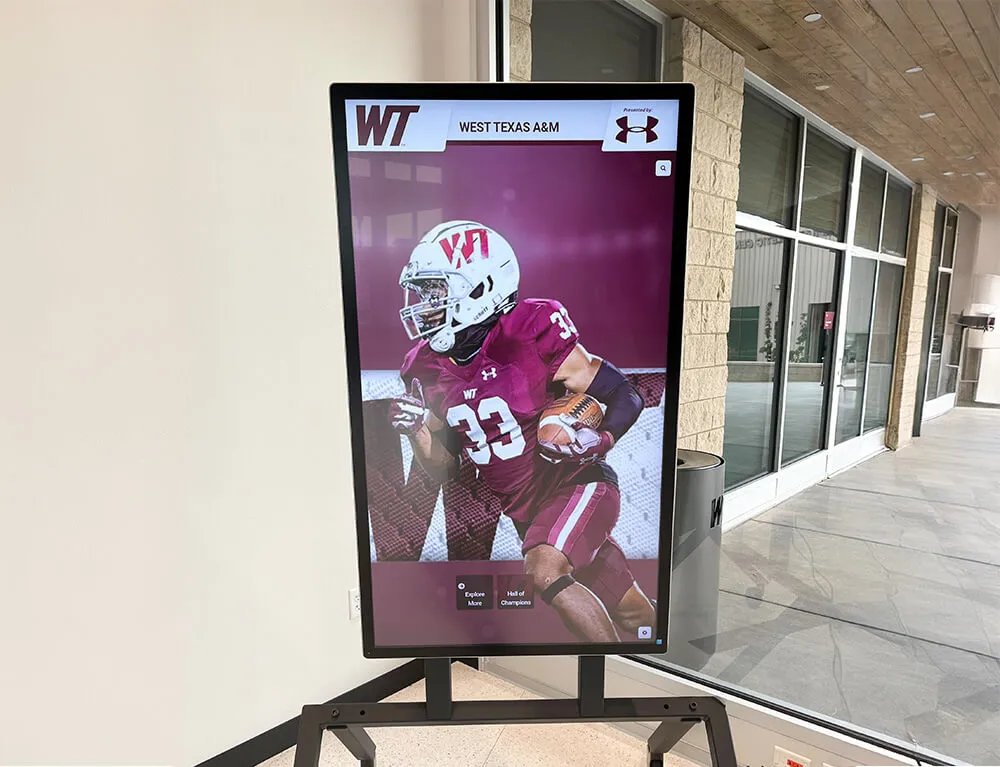
Freestanding kiosks work particularly well in lobby settings, creating prominent standalone installations that draw attention through professional appearance and strategic positioning. Kiosk installations offer flexibility for facilities where wall mounting proves difficult due to glass curtain walls, limited permanent wall space, or architectural constraints.
Concourse and Spectator Area Integration
Arena concourses surrounding playing surfaces offer high-traffic locations where spectators pass multiple times during events. Concourse installations capture attention during pre-game arrivals, intermission breaks, and post-game departures, transforming transition time into meaningful engagement with team history. Wall-mounted displays work effectively in concourses, creating space-efficient installations that avoid obstructing traffic flow in areas where circulation space remains at premium.
Some programs position displays near concession stands or restrooms, creating engagement opportunities during natural gathering or waiting periods when spectators have time to explore interactive content.
Locker Room and Team-Only Areas
In addition to public displays, some programs install recognition systems in locker rooms or team-only areas creating private engagement opportunities for current athletes. Team area installations enable daily reinforcement of program tradition, provide pre-game inspiration through championship team history, support coach teaching using historical examples, and create intimate connections between current players and predecessors who achieved excellence in program jerseys.
Multi-Location Networks Across Facilities
Comprehensive programs implement connected display networks across multiple facility locations including main lobby centerpiece displays showcasing complete championship history, concourse installations featuring decade-specific or achievement-category content, team area displays focusing on motivational content and tradition, and school main building installations when rinks remain off main campus connecting hockey recognition to broader institutional celebration.
Centralized management platforms enable coordinated content across all installation locations while customizing presentations appropriate for each display’s specific context and audience.
Discover approaches to athletic facility recognition installation that maximize engagement while respecting architectural and operational constraints.
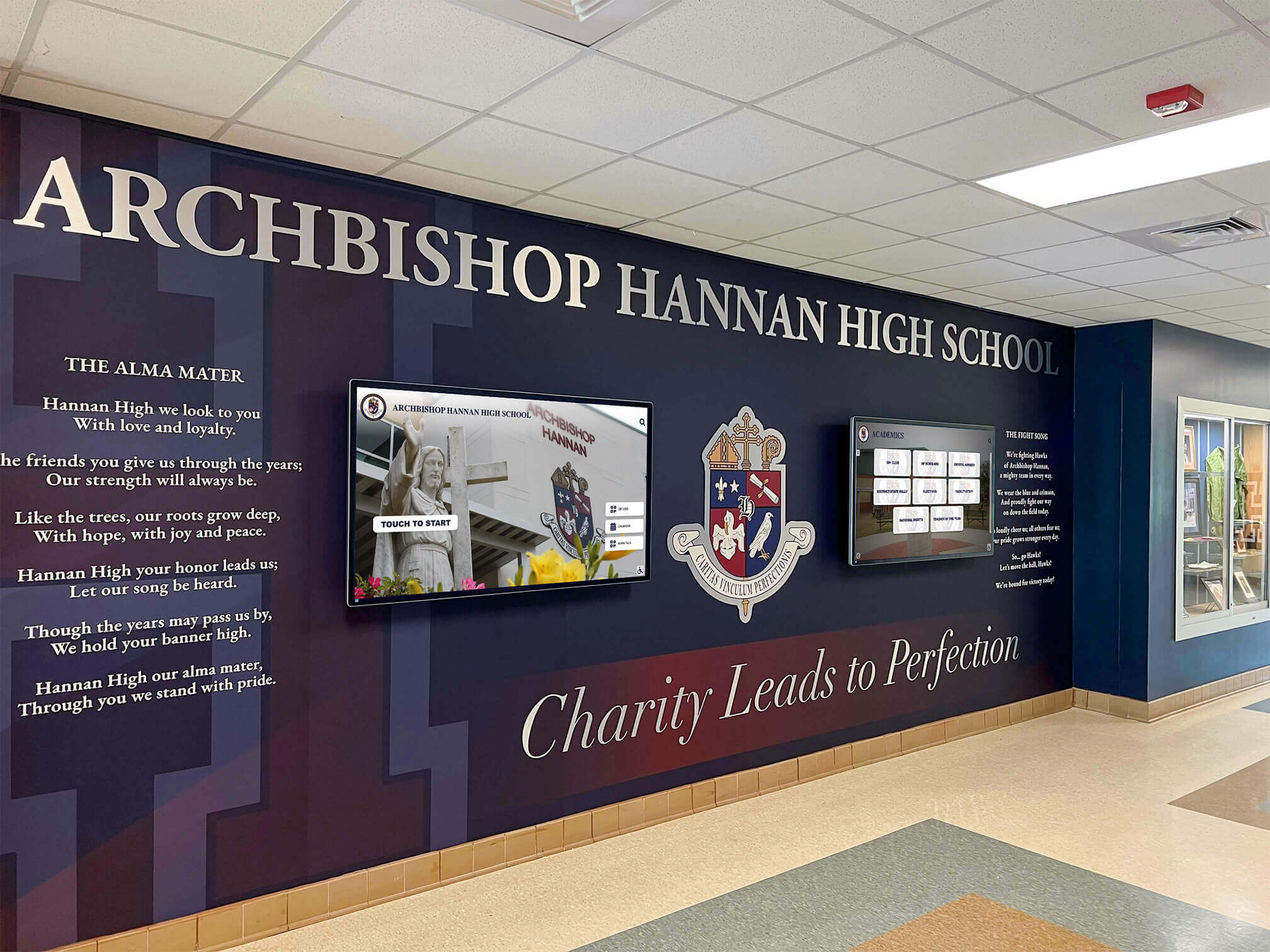
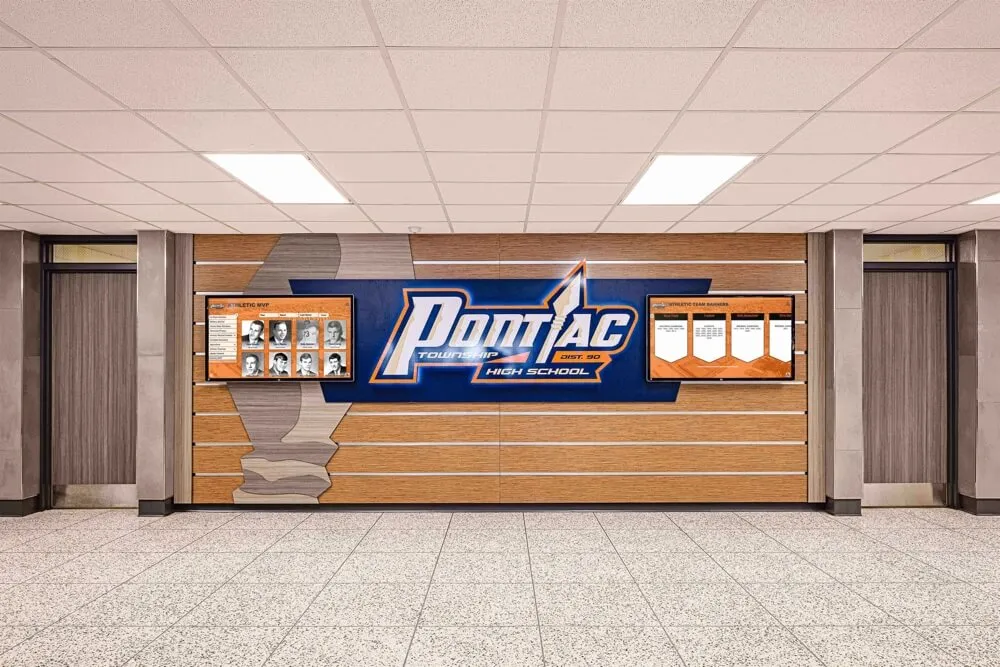
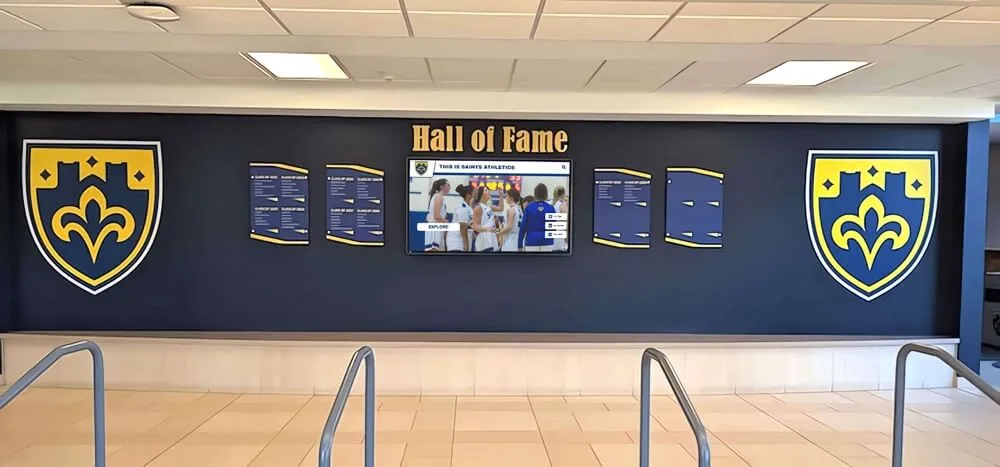
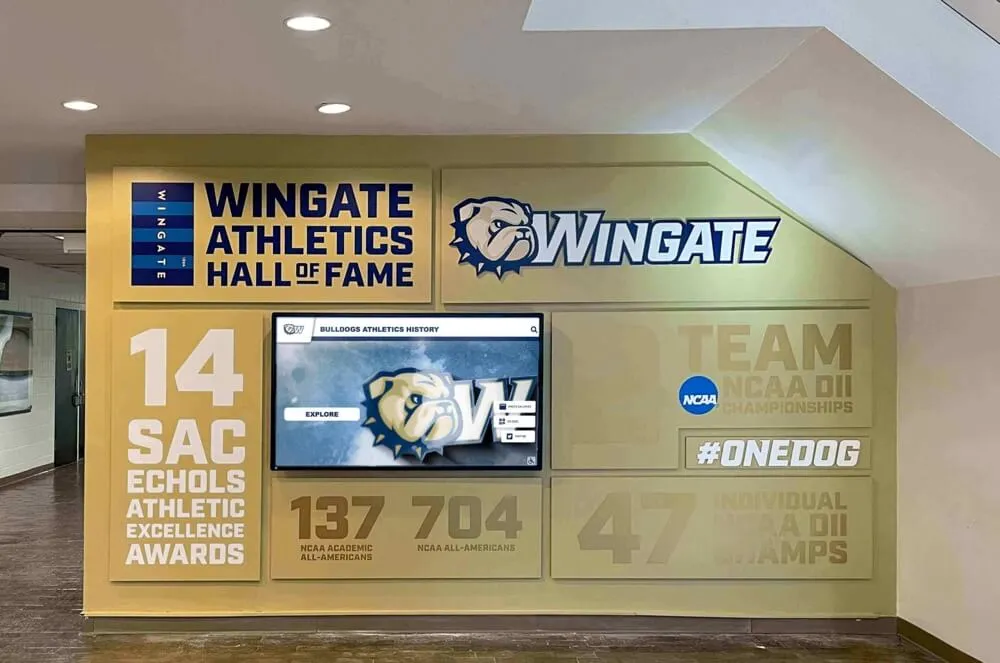
Integrated installations combine digital displays with traditional design elements creating cohesive recognition experiences
Content Strategies for Past Hockey Team Recognition
Technology provides platforms, but thoughtful content creates meaningful recognition experiences that genuinely honor championship teams while preserving program history.
Comprehensive Team Profile Development
Effective team documentation extends beyond basic championship acknowledgment to comprehensive profiles celebrating specific seasons and rosters.
Essential Team Profile Elements
Complete team profiles should include championship designation and year prominently displayed, full season record including regular season, playoff, and tournament results, complete roster with player names, jersey numbers, and positions listed, coaching staff recognition including head coach and assistants, team photograph preferably in championship context, season statistical leaders in goals, assists, points, and goaltending, championship game or series details and results, and brief season narrative explaining championship journey.
Contextual Season Information
Beyond basic facts, provide context enriching understanding including conference or division competitive level, notable opponents and rivalry games, regular season achievements and milestones, playoff path and elimination rounds, championship game venue and attendance, and comparison to program historical context showing how team fits within tradition.
Individual Player Recognition Within Team Context
While focusing on collective team achievement, acknowledge individual contributions through position-specific recognition of standout performers, championship game hero identification, season award winners and statistical leaders, players who continued to collegiate or professional hockey, multi-year contributors who appeared on multiple championship teams, and career statistics for players whose achievements spanned multiple seasons with program.
This comprehensive documentation creates recognition that honors team achievement while preserving individual player legacies that families value decades after championships concluded.
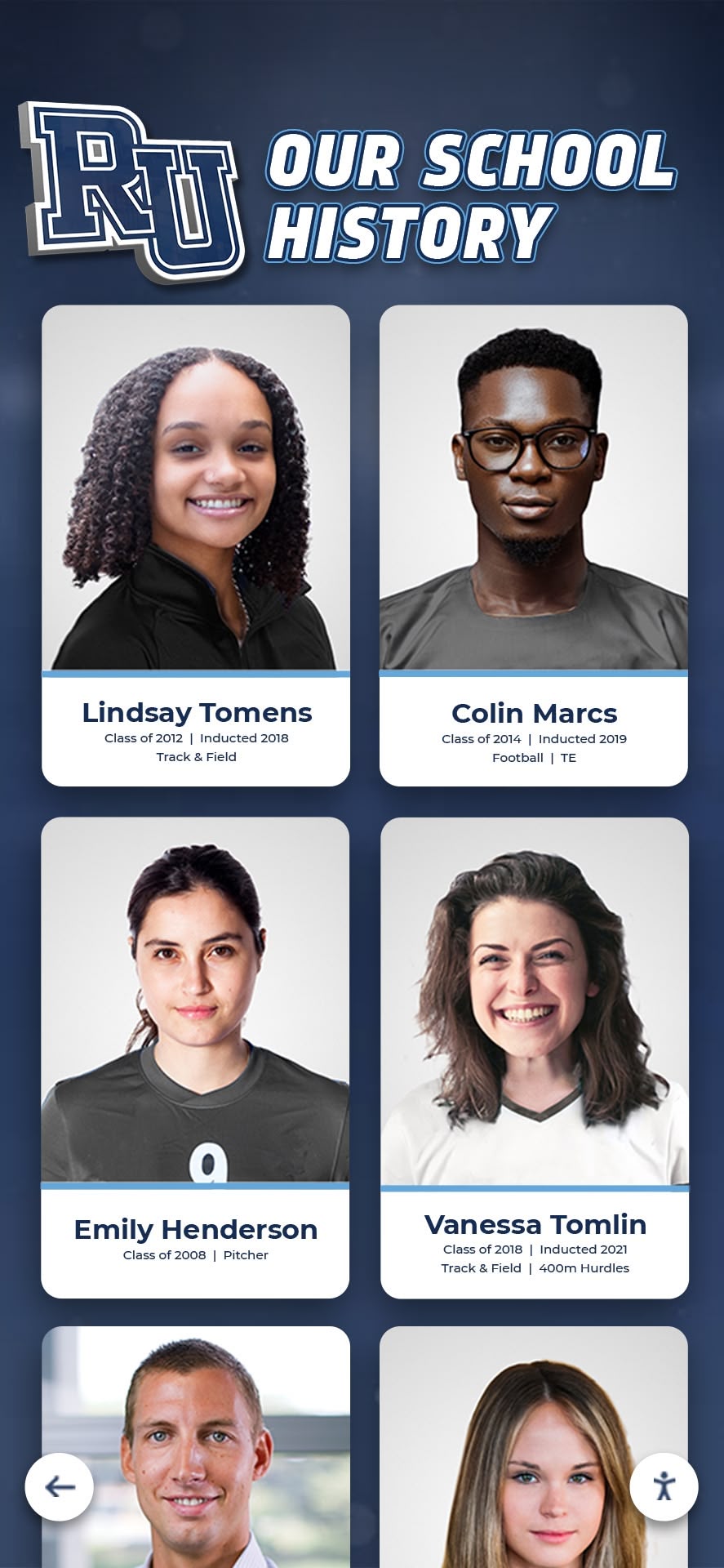
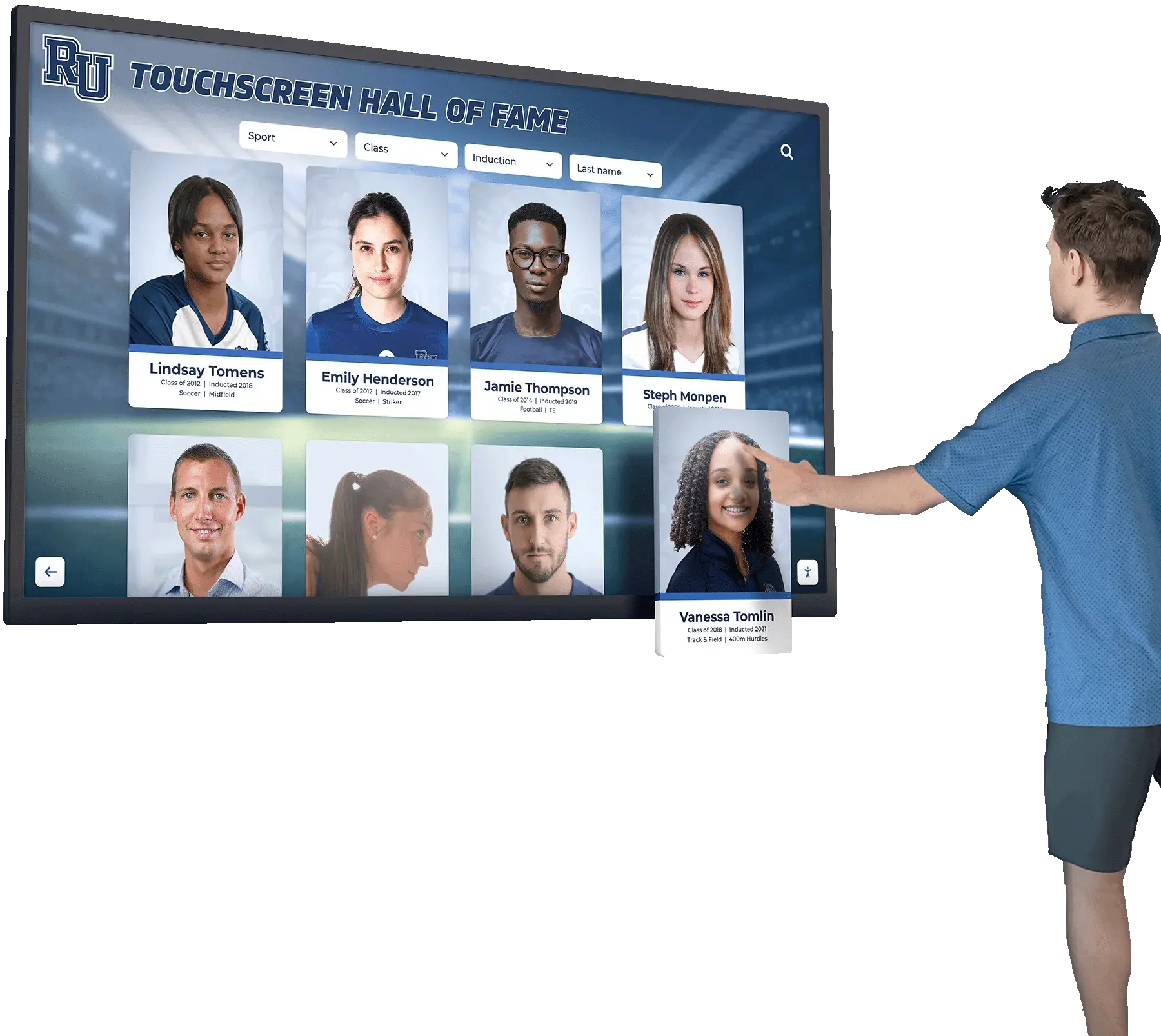
Professional layouts celebrate individual players within team contexts preserving personal legacies alongside collective success
Multimedia Content Integration
Digital displays enable rich multimedia documentation impossible with traditional static recognition.
Historical Photography
Comprehensive photo galleries bring championship teams to life through team photographs in formal and celebration contexts, action shots from games showing players competing, trophy presentation and celebration images, coach recognition and leadership documentation, facility and venue photographs providing historical context, and newspaper clippings and period media coverage.
For older championship teams predating digital photography, programs should scan and digitize historical prints, yearbook pages, newspaper archives, personal collections from alumni and families, and facility archives preserving institutional history.
Video Highlight Integration
When video exists, incorporate multimedia elements including championship game highlights showing key moments, coach and player interviews from championship seasons, local media coverage and news reports, championship celebration and community reception footage, and documentary-style retrospectives created for anniversaries.
Video content creates emotional connections impossible through still images alone while providing authentic voices and perspectives from championship participants.
Statistical Documentation and Records
Comprehensive statistics provide objective documentation including complete season statistics for team and individuals, game-by-game results and scoring summaries, playoff brackets and elimination round documentation, records set during championship seasons, and comparative analysis showing historical significance within program context.
Statistical depth appeals to analytically-minded audiences while creating comprehensive archives supporting research and future historical projects.
Learn about effective championship team documentation that preserves accomplishment details future generations will value.
Timeline-Based Historical Navigation
Chronological organization creates intuitive navigation through decades of championship tradition.
Era-Based Organization
Structure content by time period including decade groupings (1960s championships, 1970s championships, etc.), coaching era categories when specific coaches led multiple championship teams, facility era documentation when programs competed in different arenas, and competitive classification periods when divisions or leagues changed over time.
Era organization helps visitors understand program evolution across generations while providing historical context for championship achievements.
Championship Dynasty Documentation
Programs experiencing sustained excellence should highlight dynastic periods through multi-year championship run documentation, roster continuity across consecutive title seasons, coach and program philosophy analysis, statistical dominance documentation, and legacy impact on current program culture.
Dynasty recognition celebrates sustained excellence while demonstrating program capability for consistent championship-level performance.
Milestone and Anniversary Features
Leverage significant anniversaries for enhanced content including 25th, 50th, or greater anniversary retrospectives for championship teams, reunions and current team connections when anniversary celebrations occur, where-are-they-now updates on championship team members, and documentary-style content reflecting on championship significance.
Anniversary content creates natural opportunities for alumni engagement and community celebration while refreshing recognition displays with timely relevance.
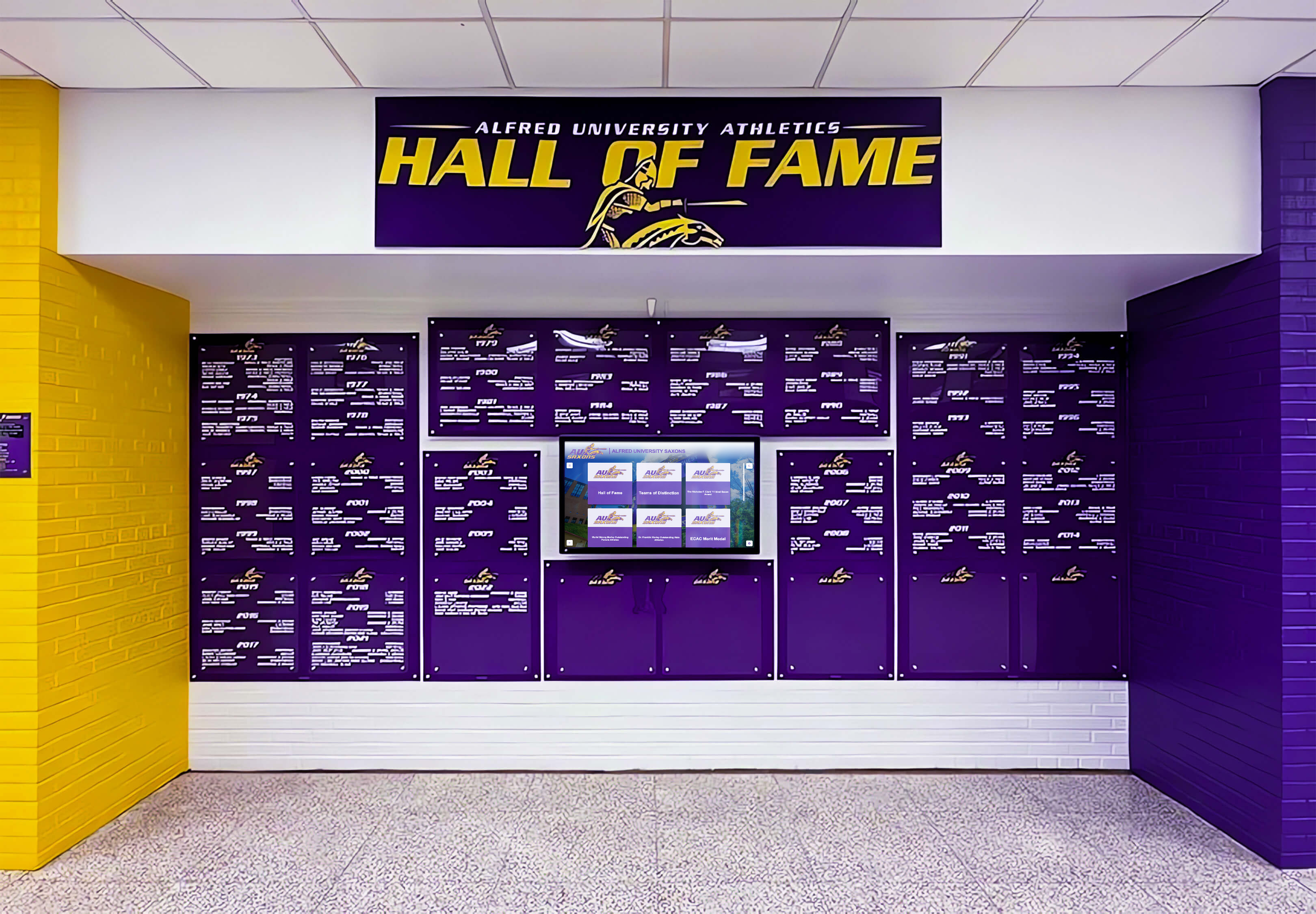
Comprehensive installations celebrate decades of championship tradition through organized chronological presentation
Connecting Past Team Recognition to Current Program Culture
Strategic programs leverage historical team recognition for broader program development including cultural inspiration, current team motivation, and recruiting enhancement.
Building Championship Culture Through Historical Connection
Establishing Excellence as Program Standard
Comprehensive championship documentation creates expectations influencing current team mindset including demonstrating that championships represent program norm rather than anomalies, showing that teams from various eras achieved excellence using different approaches, illustrating that championship teams often overcame adversity during seasons, and emphasizing that current players compete within tradition expecting championship pursuit.
Coaches can reference historical teams during teaching moments, drawing parallels between current situations and similar challenges championship predecessors overcame, creating tangible connections between past success and present opportunity.
Jersey Number Legacy Programs
Connect current players to historical predecessors through jersey number legacy documentation including profiles of notable players who wore specific numbers throughout program history, statistical comparison between current players and historical number predecessors, tradition documentation when certain numbers carry special program significance, and formal number retirement recognition when applicable for extraordinary players.
Current athletes often express enhanced pride when learning about accomplished players who previously wore their jersey numbers, creating personal investment in maintaining standards those predecessors established.
Championship Team Mentorship Connections
Leverage recognition displays to facilitate connections between championship alumni and current teams through organized reunions bringing championship teams back to facilities, mentorship programs pairing championship alumni with current position groups, pre-game address opportunities allowing championship players to inspire current teams, and alumni attendance at significant games with recognition through displays.
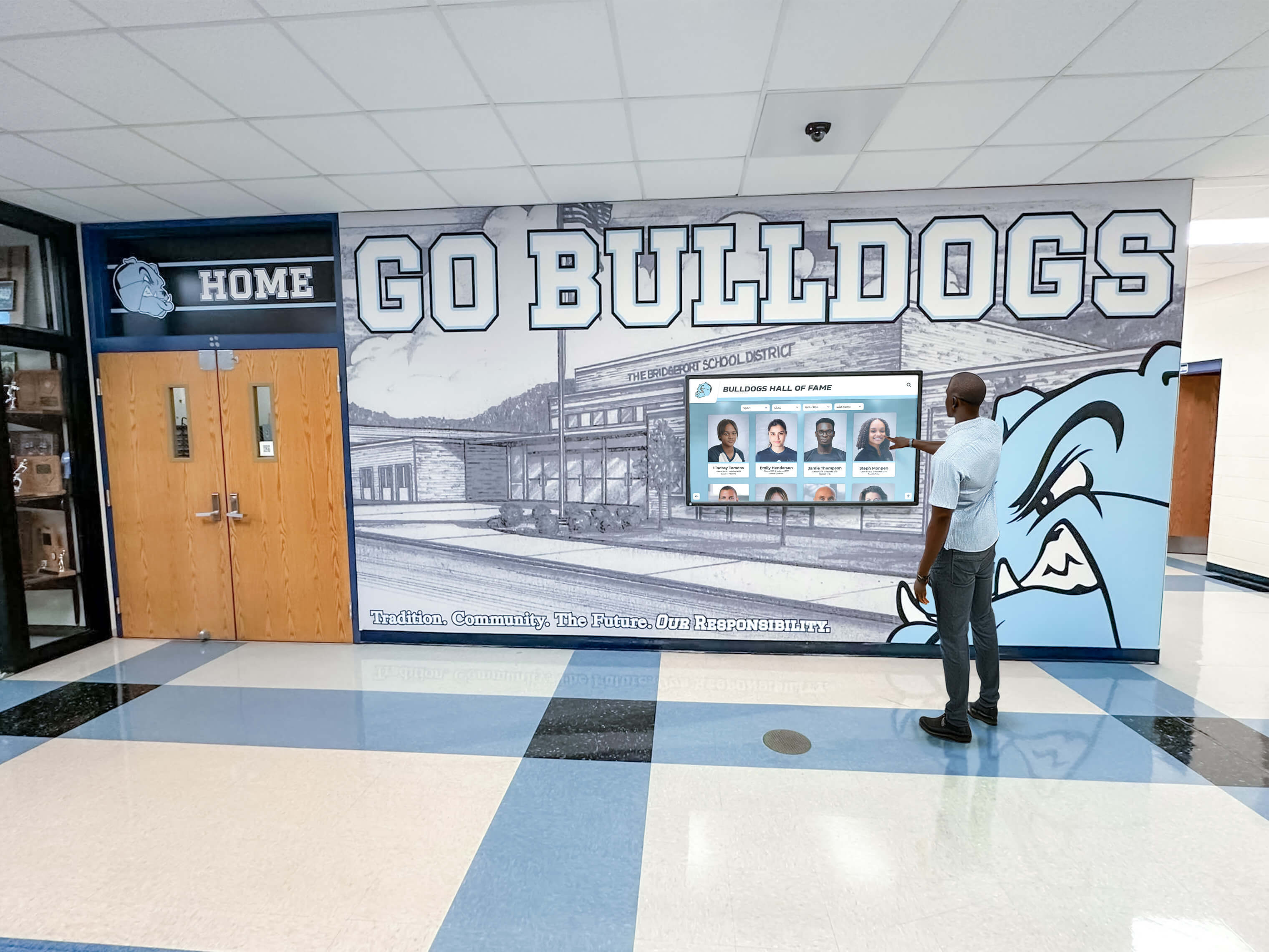
Interactive displays facilitate conversations between generations connecting championship alumni with current athletes
These personal connections transform abstract historical recognition into meaningful relationships between past and present program participants, creating mentorship opportunities that strengthen program culture while honoring championship team members through ongoing engagement.
Explore strategies for connecting alumni with current programs through recognition systems facilitating multigenerational relationships.
Pre-Game and Motivational Integration
Strategic content scheduling leverages recognition displays for team motivation and game-day atmosphere enhancement.
Pre-Game Historical Inspiration
Display content specifically designed for pre-game environments including countdown to face-off with relevant historical team highlights, anniversary recognition when games occur on significant championship dates, opponent-specific content when facing teams championship predecessors defeated, and motivational quotes from championship coaches and players.
This strategic content programming creates atmospheric environments reminding current teams of tradition they represent when taking ice.
Championship Anniversary Celebrations
Plan special recognition for significant championship anniversaries through reunion events bringing championship teams to facilities, ceremony recognition during current games, special display content featuring anniversary team extensively, alumni interviews reflecting on championship season and program impact, and current team acknowledgment of championship team attendance.
Anniversary celebrations create community events strengthening alumni engagement while connecting past championships to present program culture.
Tradition Visualization for Current Teams
Help current players visualize joining championship tradition through digital projection showing current roster alongside historical championship teams, statistical comparison between current season and championship team seasons at similar points, motivational content specifically targeting current team challenges or upcoming competitions, and championship pathway documentation showing steps previous teams took en route to titles.
This forward-looking use of historical recognition helps current athletes envision themselves achieving comparable success, transforming past team celebration into present team motivation.

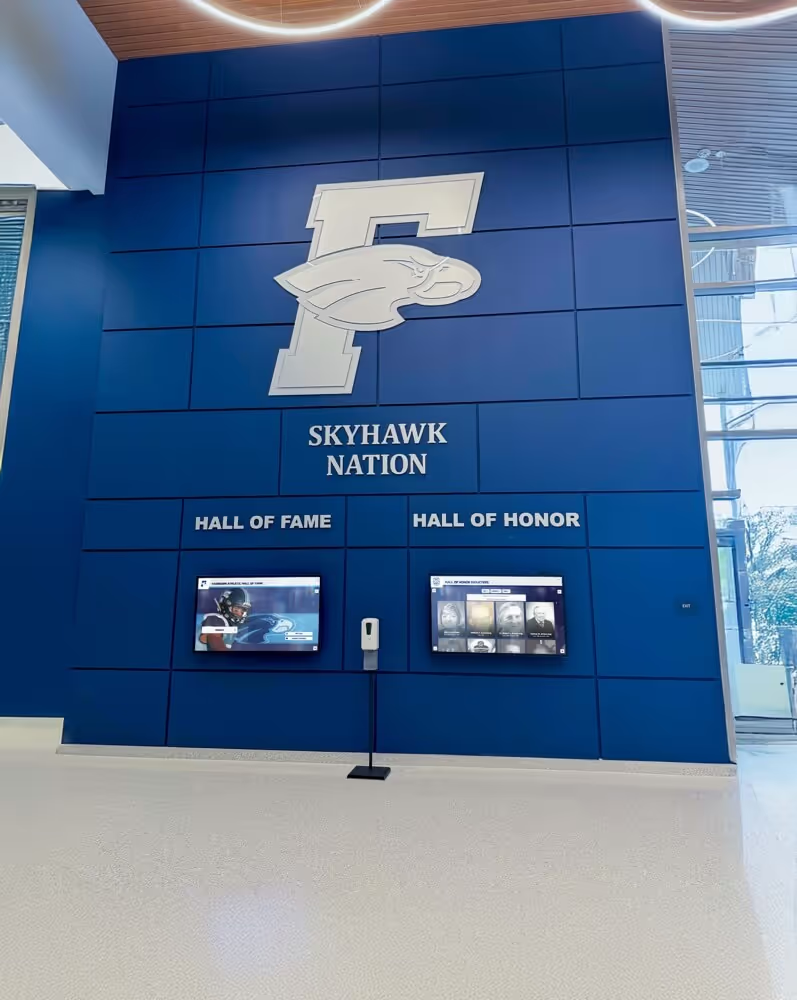
Large-scale installations create dramatic recognition centerpieces celebrating sustained championship excellence
Implementation Strategies and Best Practices
Moving from concept to operational recognition system requires systematic planning addressing content development, technology selection, installation logistics, and sustainable operations.
Historical Content Research and Development
Archive Research and Documentation
Comprehensive past team recognition requires systematic historical research including facility archive review identifying existing documentation, yearbook research providing team photographs and rosters, newspaper archive searches locating game coverage and championship reporting, athletic department records research finding official statistics and results, and alumni network outreach gathering personal photographs and memories.
Many programs discover significant historical documentation scattered across multiple sources requiring coordination to create comprehensive archives supporting digital recognition displays.
Alumni Engagement in Content Development
Championship team members represent invaluable resources for content creation through survey distribution gathering basic information and statistics, interview sessions capturing season memories and stories, photograph collection requesting personal image sharing, fact verification ensuring roster and achievement accuracy, and ongoing relationship building for future content updates and anniversary celebrations.
Alumni appreciate opportunities to contribute to program historical preservation, typically responding enthusiastically to requests for information and materials about their championship seasons.
Phased Content Implementation Approach
Rather than attempting immediate comprehensive documentation across all championship teams, many programs adopt phased approaches including initial focus on most recent 10-20 years where documentation remains most readily available, subsequent phases systematically addressing earlier decades, prioritization of championship teams over runner-up or successful but non-championship seasons, and gradual expansion as resources allow and community interest develops.
Phased implementation enables programs to launch recognition displays within reasonable timeframes while establishing sustainable processes for ongoing expansion and refinement.
Learn about systematic approaches to historical athletic documentation that preserve program legacy comprehensively.
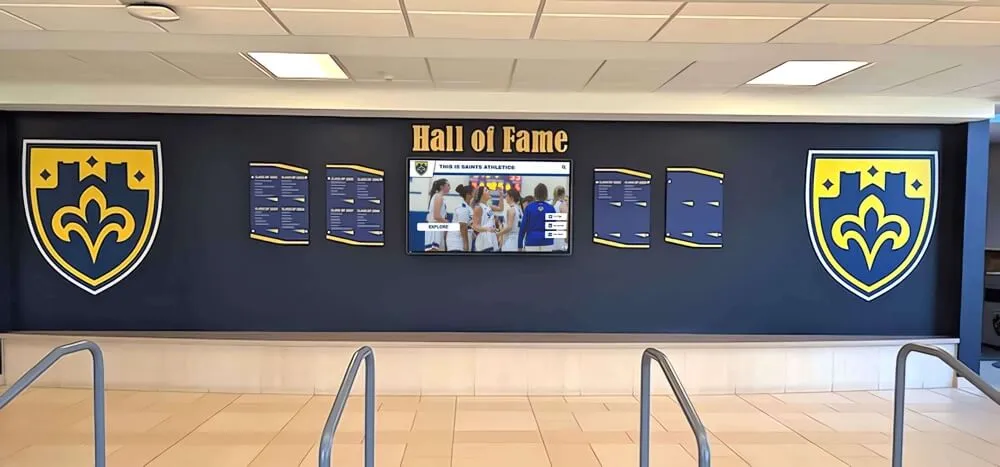
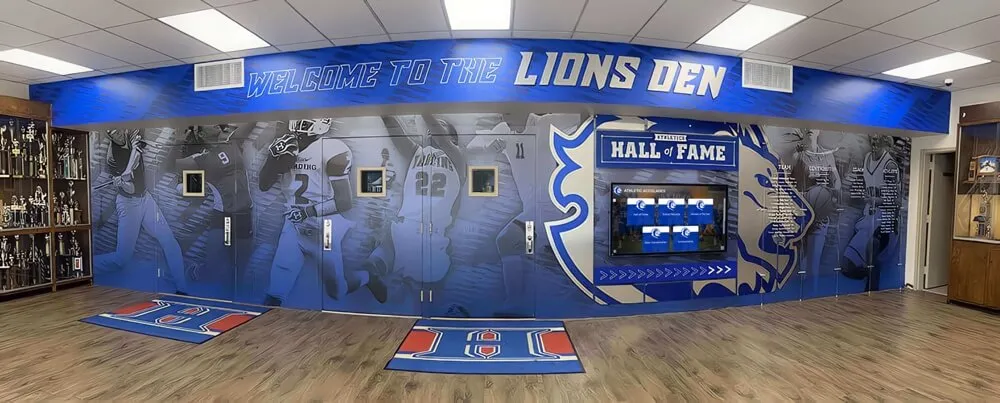
Hybrid installations respect traditional recognition aesthetics while adding digital capabilities preserving unlimited content
Technology Selection and Vendor Evaluation
Platform Capability Assessment
Evaluate recognition display solutions against criteria including unlimited or very generous content capacity accommodating complete program history, intuitive navigation enabling visitors to explore without instruction, comprehensive multimedia support for photographs, videos, and diverse content types, powerful search and filtering functionality enabling instant information access, timeline and chronological navigation supporting historical exploration, professional appearance and customization matching facility aesthetics, mobile and web integration extending recognition beyond physical displays, and analytics demonstrating engagement and usage patterns.
Hockey-Specific Considerations
Assess whether platforms accommodate hockey-particular needs including multi-decade documentation spanning program history, roster management for championship teams across various eras, hockey-specific statistics and achievement categories, integration of championship banners and physical recognition elements, tournament and playoff bracket visualization capabilities, and facility history documentation when programs competed in different arenas.
Vendor Support and Implementation Services
Evaluate solution providers based on athletic program experience and references, professional installation services ensuring quality implementation, training and onboarding support for content administrators, historical content development assistance, responsive technical support understanding facility environments, long-term platform viability and product development roadmap, and educational institution pricing recognizing budget constraints.
Solutions like Rocket Alumni Solutions provide comprehensive platforms specifically designed for athletic recognition with extensive experience implementing past team documentation systems across hockey facilities nationwide, combining powerful technology with services supporting successful content development and sustainable long-term operations.
Installation Planning and Professional Implementation
Location Selection and Mounting Strategies
Choose display placement based on traffic patterns ensuring maximum visibility, adequate viewing distances for screen sizes selected, appropriate lighting without direct screen glare, structural support for mounting hardware or kiosk placement, reliable network connectivity and power access, and security considerations protecting technology in public environments.
Professional site assessment identifies optimal locations while addressing technical requirements ensuring reliable operation.
Design Integration with Facility Aesthetics
Recognition displays should complement rather than conflict with facility design through color schemes matching institutional or team branding, mounting solutions respecting architectural features, surrounding design elements like banners or murals creating cohesive aesthetic, lighting that highlights installations without creating glare, and professional appearance reflecting program quality and institutional standards.
Thoughtful design integration ensures recognition displays enhance rather than detract from overall facility presentation.
Soft Launch and Refinement
Before formal unveiling, conduct testing period including staff preview gathering feedback on content and functionality, limited public access identifying navigation or technical issues, alumni review by championship team members verifying accuracy, content refinement addressing errors or gaps discovered, and phased publicity building anticipation for formal launch.
Soft launches identify problems before high-profile unveilings while building excitement through gradual awareness development.
Extending Recognition Impact Through Web Integration
Physical displays gain enhanced value when integrated with web-accessible platforms extending recognition beyond facility locations.
Online Past Team Archives
Remote Access Benefits
Web platforms amplify recognition impact through alumni access to championship team information regardless of geographic location, family research enabling relatives to explore championships decades after occurrence, historical research support for media, authors, and academic projects, social media sharing expanding championship team visibility, mobile accessibility ensuring convenient exploration from any device, and permanent archive preserving program history accessible indefinitely.
Enhanced Digital Content Capabilities
Online platforms enable features impossible through physical displays including downloadable media allowing personal collection of team photographs, comment features enabling alumni to share memories and stories when appropriate, advanced search supporting complex queries across multiple dimensions, team comparison tools showing statistics across championship teams and eras, and timeline visualization presenting program history through interactive graphics.
Learn about comprehensive approaches to digital athletic recognition that extend beyond physical facility installations.
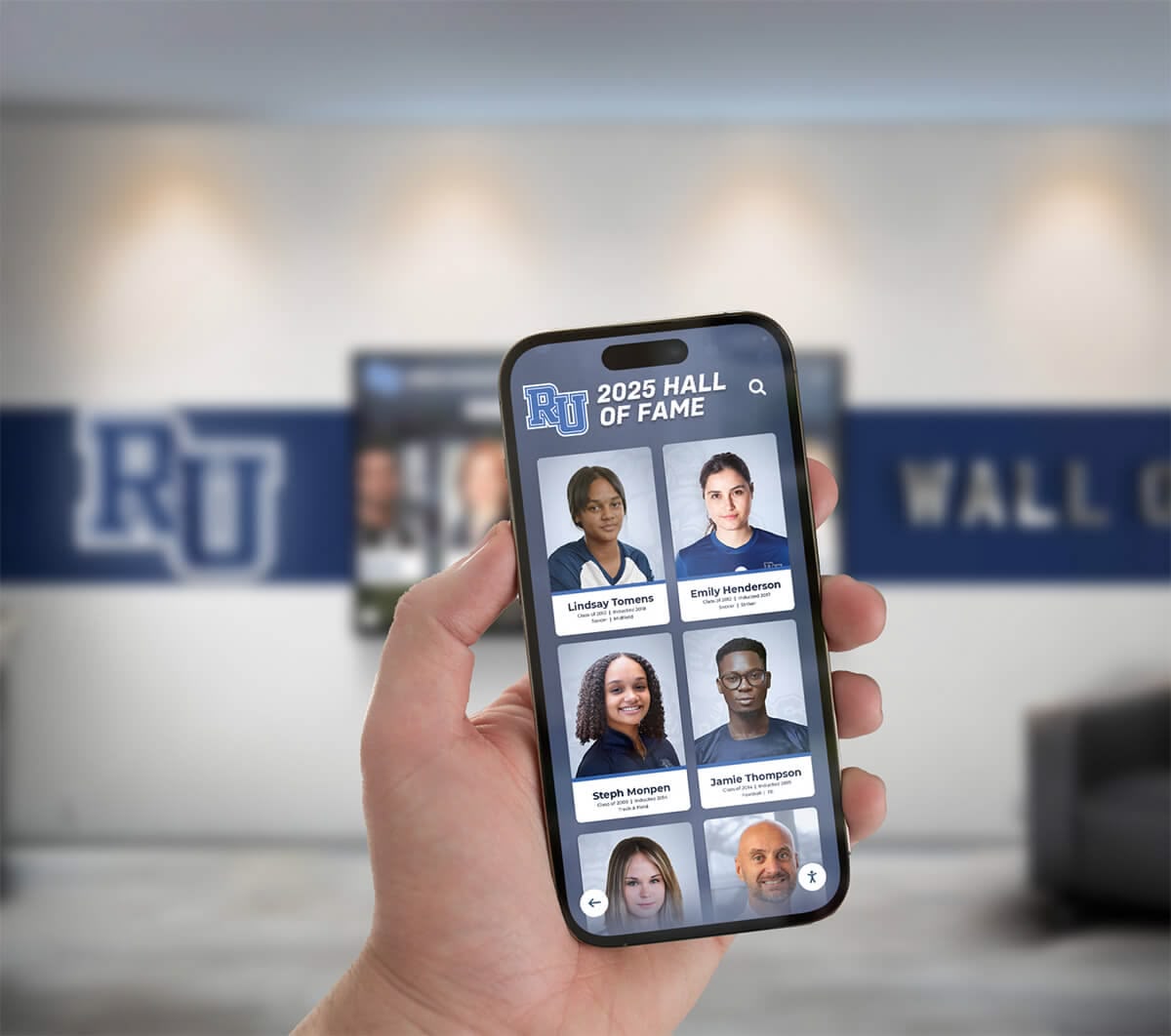
Mobile-responsive platforms extend past team recognition access beyond physical facility locations
Social Media Integration and Digital Storytelling
Championship Anniversary Content Campaigns
Leverage championship anniversaries for social media engagement including countdown series leading to anniversary dates, player spotlight posts featuring championship team members, historical photograph sharing from championship seasons, where-are-they-now updates on championship team members, video compilation creation and sharing, and community engagement inviting followers to share memories and connections.
Historical Content Programming
Maintain consistent social media presence highlighting program history through throwback Thursday or equivalent regular features, this-day-in-history posts acknowledging championship games or milestones, championship team spotlight series systematically covering historical teams, comparison content connecting historical championships to current team progress, and alumni interview series featuring championship team members.
User-Generated Content Solicitation
Encourage community contribution to historical documentation through photograph sharing requests from alumni and families, memory collection inviting stories about championship seasons or players, memorabilia documentation when community members possess historical program items, alumni reunion content from organized events, and family heritage documentation when multiple generations participated in programs.
This community-generated content enriches recognition displays while building engagement and shared ownership of program history preservation.
Measuring Recognition Program Success and ROI
Regular assessment ensures past team recognition displays achieve intended goals and provide value justifying investment.
Quantitative Success Metrics
Engagement and Usage Data
Track program effectiveness through display interaction counts and session durations, content viewing patterns showing popular teams or eras, search query analysis revealing information people seek, peak usage times informing content scheduling decisions, and comparison to baseline engagement before installation.
Modern platforms provide comprehensive analytics dashboards demonstrating how visitors interact with recognition content, supporting data-driven optimization.
Alumni Engagement Indicators
Monitor recognition impact on alumni relationships through facility visit frequency by championship team members, reunion attendance for organized championship team events, donation patterns from championship team alumni, volunteer participation in coaching or mentoring roles, social media engagement with historical content sharing, and survey responses assessing alumni satisfaction with recognition.
Community and Recruiting Outcomes
Assess broader program benefits including prospective player feedback during recruiting visits, facility tour feedback mentioning recognition displays, community awareness survey results, media coverage quantity and quality, program ranking or competitive reputation trends, and overall program culture survey results from current teams.
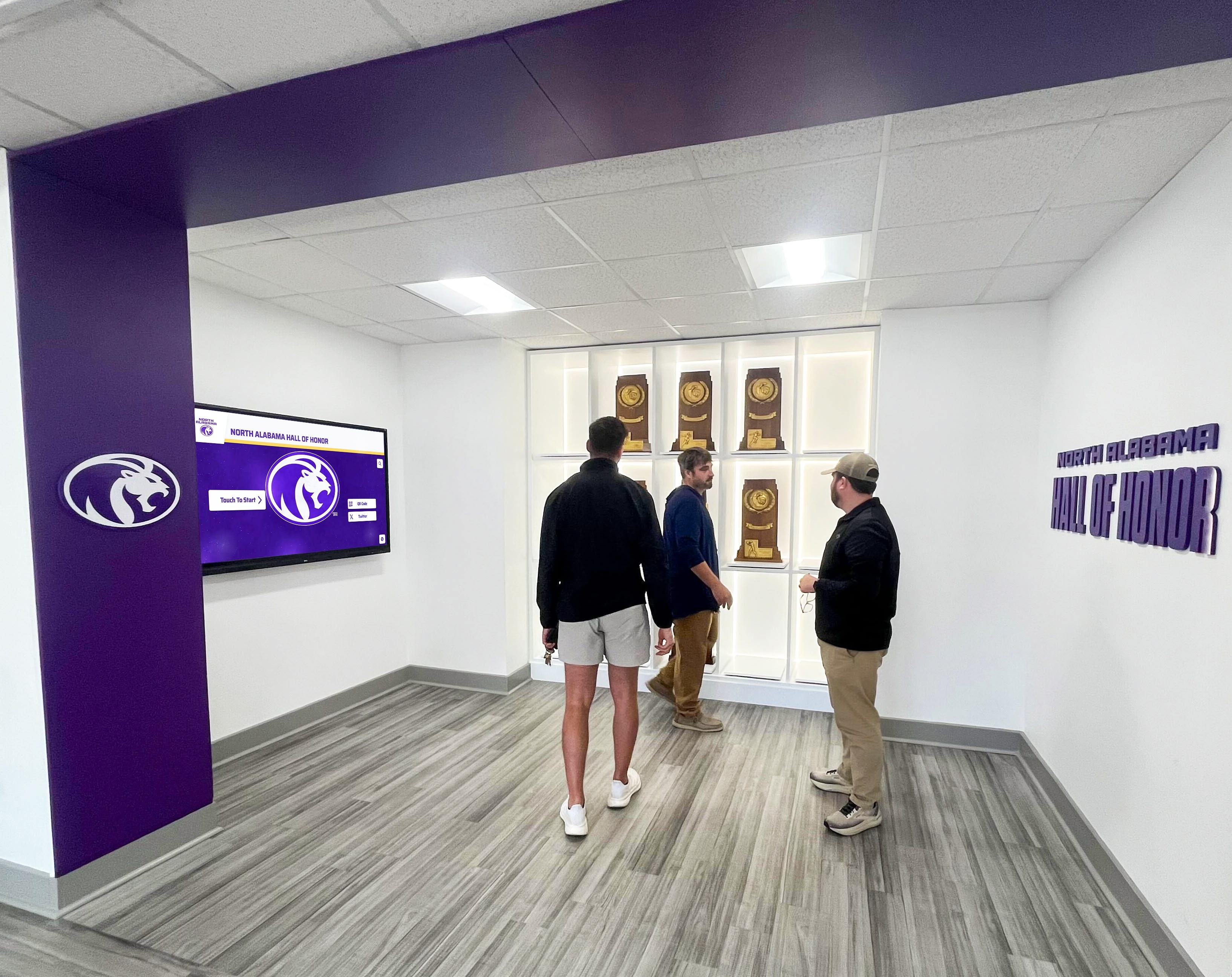
Successful installations create gathering spaces where communities celebrate program tradition together
Qualitative Assessment Approaches
Stakeholder Feedback Collection
Gather perspectives through alumni surveys and interviews about recognition satisfaction and program connection, current player feedback on how historical recognition affects team culture and motivation, family impressions from spectators and visitors, coaching staff assessment of recognition impact on program culture and recruiting, and facility staff observations about visitor engagement and comments.
Cultural Impact Observations
Monitor less quantifiable effects including current team attitude toward program tradition and history, alumni connection strength and ongoing engagement, community pride and program support demonstrations, facility atmosphere and visitor experience quality, and institutional memory preservation and accessibility.
Return on Investment Evaluation
Assess value relative to investment through fundraising impact from enhanced alumni engagement, recruiting advantages versus competitor programs, reduced risk of historical documentation loss, enhanced program reputation and community standing, and alumni satisfaction improvements supporting long-term relationships.
While challenging to quantify precisely, programs consistently report that comprehensive past team recognition delivers substantial value through strengthened culture, enhanced relationships, and preserved institutional memory that would be difficult or impossible to recreate if allowed to fade.
Preserve Your Hockey Program's Championship Legacy
Discover how Rocket Alumni Solutions creates engaging interactive displays specifically designed for hockey facilities. Our platforms celebrate championship teams, preserve complete program history, and create recognition experiences connecting past excellence to present competition and future achievement.
Explore Hockey Recognition SolutionsSpecialized Hockey Recognition Features and Capabilities
Understanding hockey-specific recognition needs ensures displays effectively honor championship teams within sport contexts.
Championship and Tournament Documentation
Playoff Bracket Visualization
Interactive playoff bracket displays show championship team paths through elimination rounds, opponent information and series results, game-by-game scoring and statistics, venue locations for road games, attendance figures and atmosphere documentation, and advancement celebration photographs and stories.
Bracket visualization helps visitors understand competitive journey required for championship success.
Championship Game Deep Dives
Comprehensive championship game documentation includes complete box scores with all statistics, goal-by-goal scoring summary with timestamps, goaltender performance and save statistics, penalty details and special teams performance, three stars and standout player recognition, facility and attendance information, newspaper coverage and media reaction, and championship celebration photographs and video.
This detailed documentation preserves memories of defining moments championship team members cherish decades later.
Tournament History When Applicable
For programs competing in championship tournaments, document complete tournament experience including round-by-round results and advancement, tournament host venue and location, all-tournament team selections, tournament records and statistical leaders, championship game victory and celebration, and tournament tradition within program context.
Position-Specific and Statistical Recognition
Positional Excellence Documentation
Recognize outstanding players by position across championship teams including forward line combinations and scoring production, defensive pairings and shutdown performance, goaltender statistics and save percentages, special teams personnel and effectiveness, and career statistics for multi-year contributors.
Position-specific recognition appeals to knowledgeable hockey audiences while preserving technical accomplishments specialists achieved.
All-Time Records and Milestones
Document program records across championship teams including single-season team records for goals, wins, shutouts, and other categories, career records spanning multiple seasons, championship game records and standout performances, longest winning streaks and undefeated runs, and comparison to provincial, state, or national standards.
Record documentation provides objective benchmarks demonstrating championship team excellence.
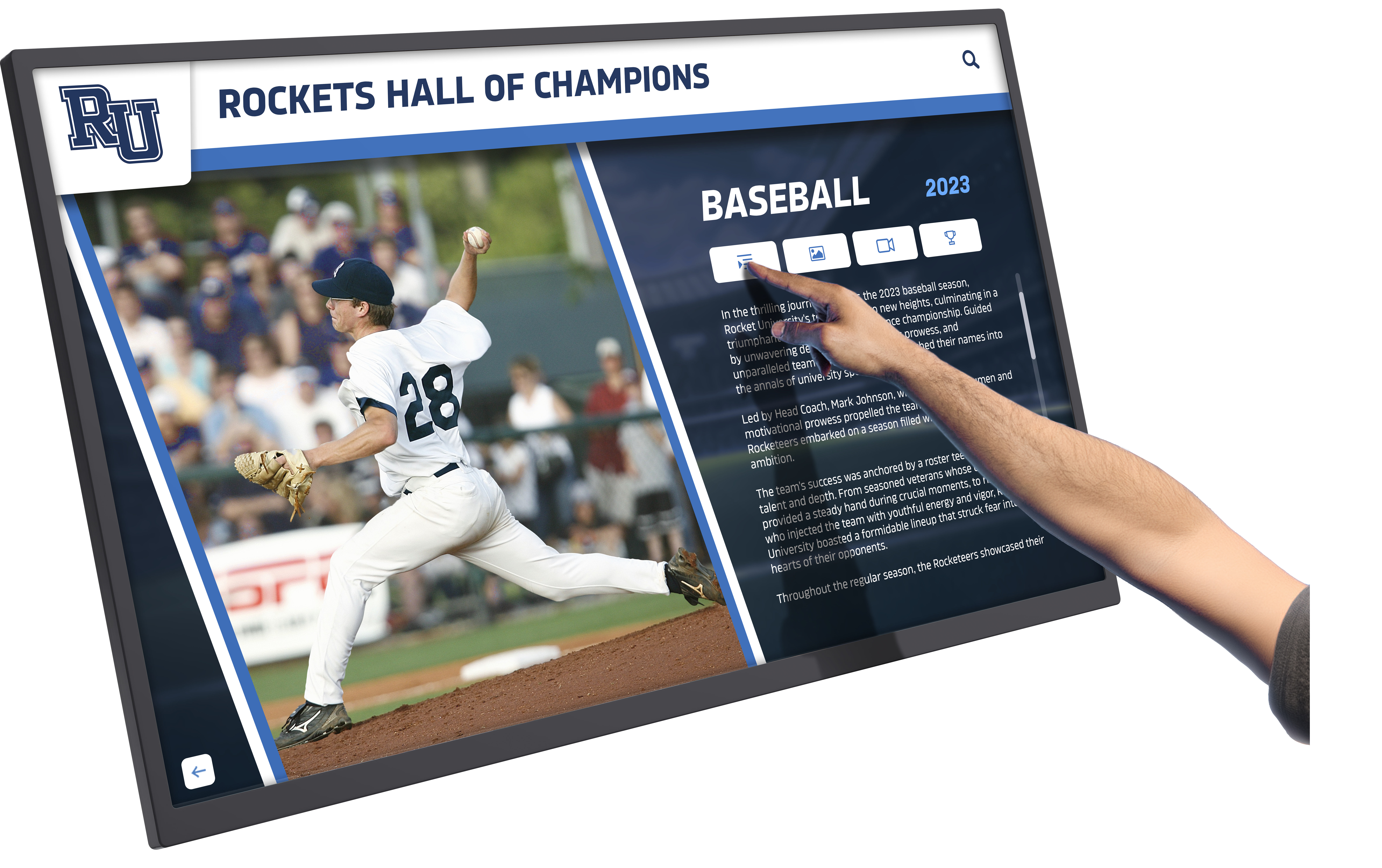
Detailed player profiles within team contexts preserve individual legacies while celebrating collective success
Coaching Legacy and Staff Recognition
Head Coach Career Documentation
Honor coaches who led championship teams through career statistics including wins, championships, and tenure length, coaching philosophy and program-building approach, player development success and advancement, program culture and tradition establishment, facility improvements and resource development, and post-coaching career and continuing connection to program.
Comprehensive coach recognition acknowledges that championship teams reflect leadership excellence as much as player talent.
Assistant Coach and Staff Contributions
Recognize complete championship team leadership including assistant coaches with specific responsibilities noted, trainer and equipment staff supporting player performance, volunteer coaches and community contributors, administrative staff enabling program operation, and family members supporting player and coach participation.
Complete staff recognition demonstrates that championships require comprehensive team efforts extending beyond players alone.
Learn about comprehensive athletic staff recognition that honors all contributors to championship success.
Conclusion: Building Program Legacy Through Championship Team Recognition
Interactive touchscreen displays at hockey rinks recognizing past teams represent strategic investments in program culture, alumni relationships, and institutional memory preservation that honors championship achievements while inspiring current and future teams to pursue comparable excellence. When hockey programs systematically celebrate past teams through comprehensive digital recognition, they create systems that preserve complete championship documentation impossible through traditional approaches, engage alumni maintaining connections decades after competitive careers ended, inspire current athletes competing within proud traditions, demonstrate sustained excellence to prospective players and families, and build institutional memory surviving personnel changes and generational transitions.
The strategies explored in this guide provide comprehensive frameworks for implementing past team recognition that creates lasting impact extending far beyond simple championship acknowledgment. From selecting appropriate technology and strategic installation locations to developing meaningful team profiles and comprehensive historical documentation to connecting past success to present program culture and future competitive pursuits, these approaches transform championship recognition from minimal banner acknowledgment into substantive celebration woven throughout program identity and facility environments.
Core Principles for Successful Championship Team Recognition
Outstanding programs share essential characteristics including comprehensive documentation preserving complete team information rather than basic championship acknowledgment, systematic research gathering historical information across multiple sources, multimedia richness creating engaging experiences beyond text-only displays, accessible navigation enabling visitors to explore without specialized knowledge, connection to present demonstrating relevance beyond historical interest, alumni engagement involving championship team members in recognition development, physical display quality reflecting championship team excellence, and sustained commitment ensuring recognition remains priority across leadership changes.
Implementation Pathway for Hockey Programs
Programs beginning or enhancing championship team recognition should assess current approaches identifying gaps and preservation opportunities, establish clear objectives aligned with program values and culture, form planning teams including coaches, alumni, historians, and administrators, conduct historical research systematically gathering team documentation, select appropriate technology matching requirements and facility contexts, develop comprehensive content documenting championships systematically, implement professional installation ensuring quality and reliability, launch formally creating awareness and celebrating completion, evaluate continuously using engagement data and stakeholder feedback, and expand systematically adding historical teams and enriching existing content.
Long-Term Program Benefits
Comprehensive championship team recognition delivers sustained value through enhanced program culture connecting current teams to tradition, strengthened alumni relationships maintaining engagement across generations, preserved institutional memory surviving personnel transitions, competitive recruiting advantages demonstrating sustained excellence, community pride and support celebrating program achievements, coach retention and satisfaction honoring career accomplishments, inspiration provision motivating current teams through visible predecessors, and legacy preservation ensuring future generations access complete program history.
Your championship teams achieved excellence through dedication, sacrifice, teamwork, and competitive determination. Their accomplishments deserve recognition proportional to their achievement—not minimal banner acknowledgment but comprehensive celebration through interactive touchscreen displays creating lasting visibility, preservation, and engagement. When every championship team receives appropriate documentation regardless of how many decades have passed, programs build cultures where excellence becomes expected, tradition gets preserved systematically, and all participants feel genuinely valued for contributions toward sustained competitive success.
Ready to transform how your program honors championship teams? Explore comprehensive hockey recognition platforms specifically designed for preserving team history, discover interactive display solutions that celebrate championships across decades, or learn about building athletic program culture through systematic recognition honoring all teams contributing to sustained tradition.