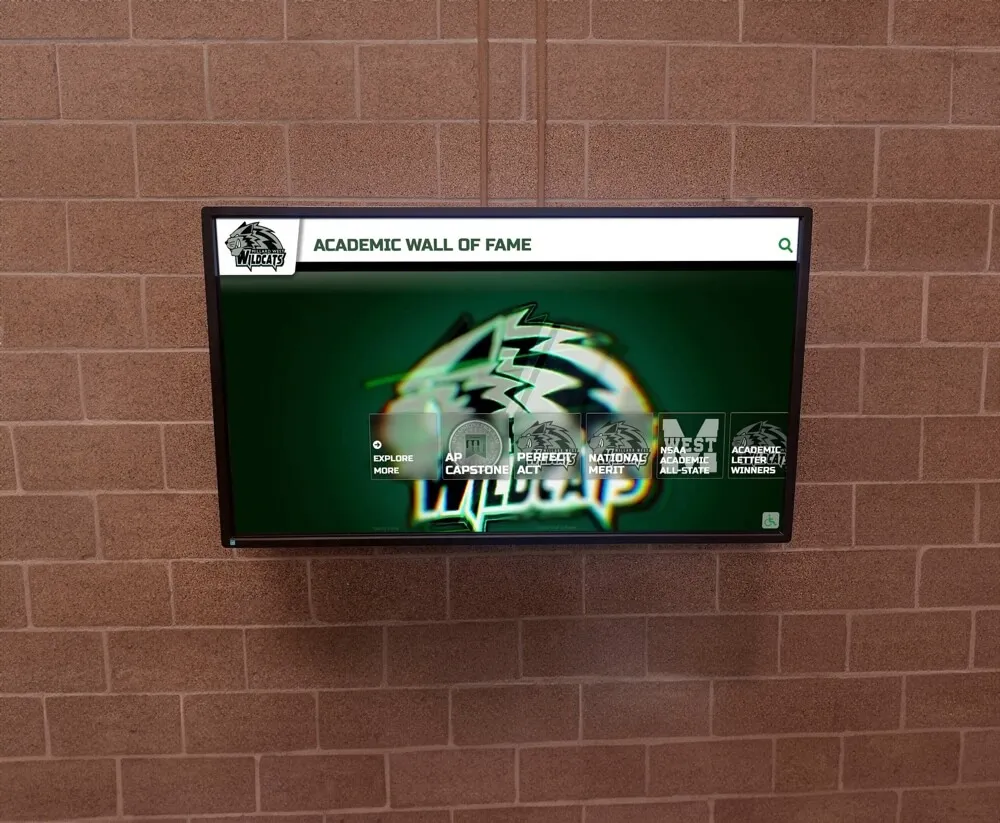
Honor roll digital recognition represents a transformative approach to celebrating academic excellence in modern schools, replacing outdated bulletin boards and space-limited plaques with dynamic, interactive systems that honor every achievement. When schools implement comprehensive digital recognition platforms, they create lasting visibility for student accomplishments, inspire academic motivation across all grade levels, and build cultures where intellectual success receives celebration equal to achievements in athletics and other domains.
Yet many schools continue struggling with recognition methods that diminish honor roll achievements. Traditional bulletin boards display only current marking periods before running out of space, static plaques require expensive updates that accommodate just recent years, and printed lists lose visibility within days. Meanwhile, honor roll students who demonstrated sustained academic effort deserve recognition reflecting the significance of their accomplishments through permanent, accessible, and engaging celebration.
This comprehensive guide explores how digital recognition technology transforms honor roll programs, examining interactive platform capabilities, implementation strategies, content development approaches, and best practices for creating systems that genuinely motivate academic excellence while celebrating student achievement across all marking periods and years.
Effective honor roll digital recognition serves multiple essential purposes—it provides unlimited acknowledgment capacity across generations without space constraints, creates interactive experiences engaging students through exploration and discovery, extends recognition reach beyond physical campuses through web connectivity, simplifies content management through intuitive cloud-based systems, and demonstrates institutional commitment to academic excellence through professional, modern platforms that honor scholarly achievement appropriately.

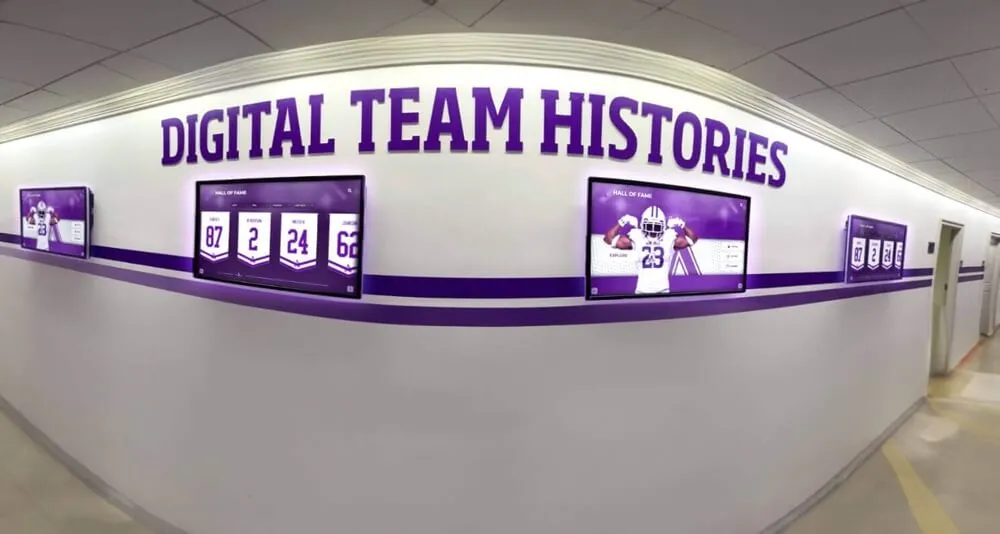
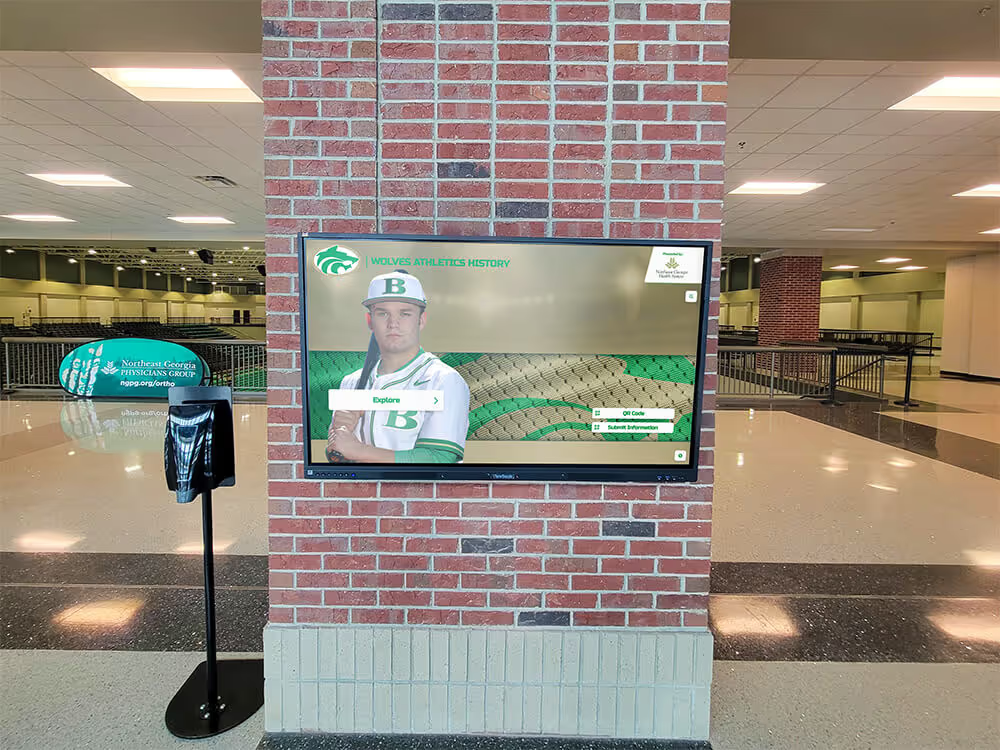
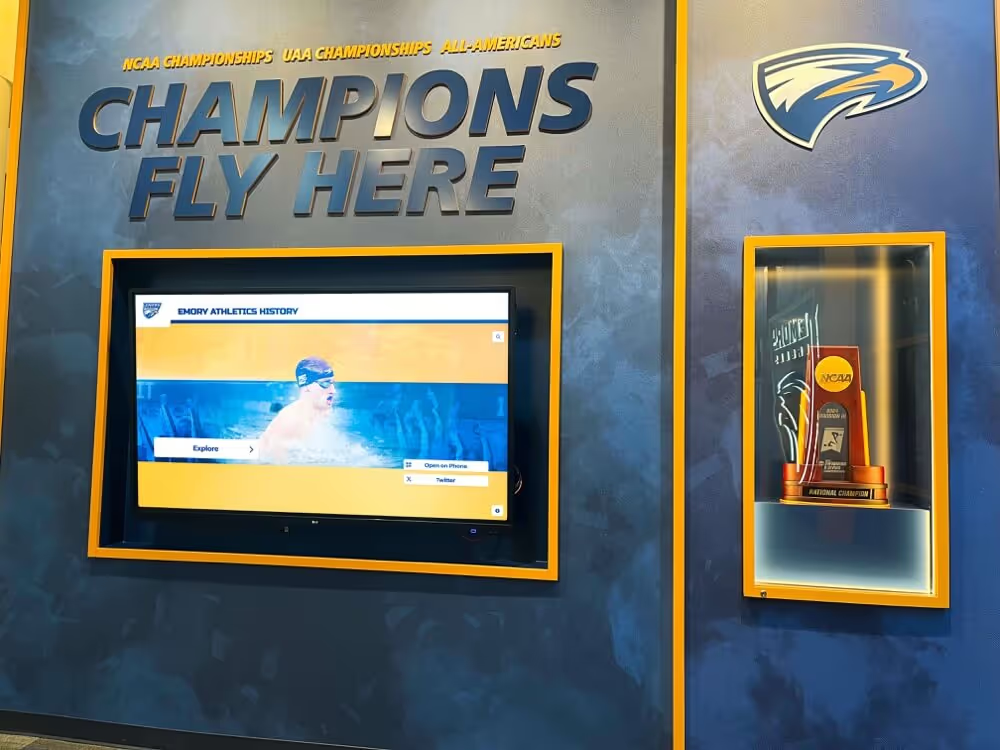
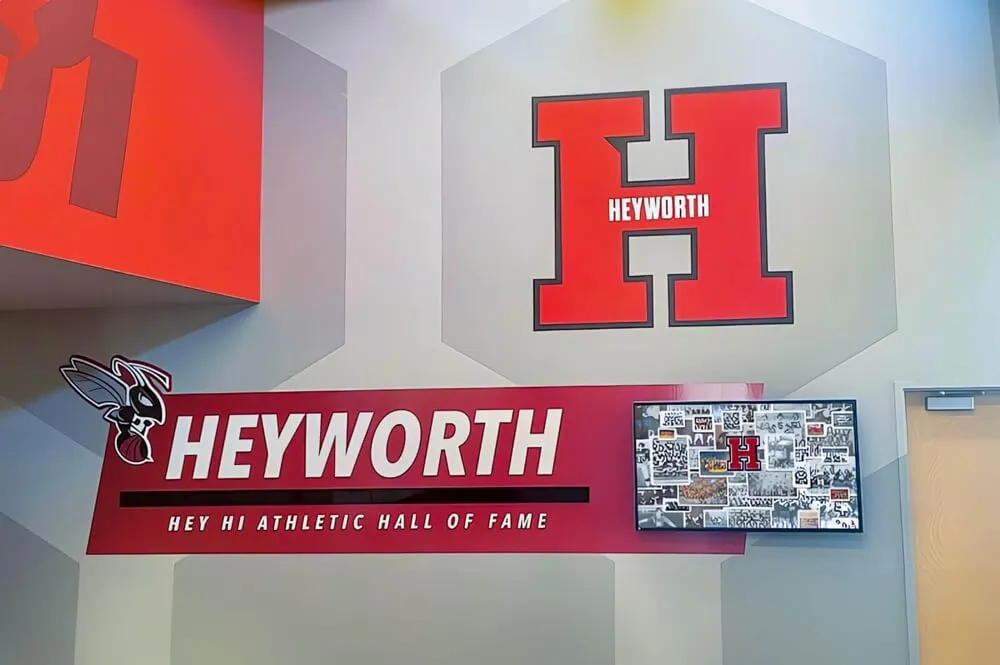
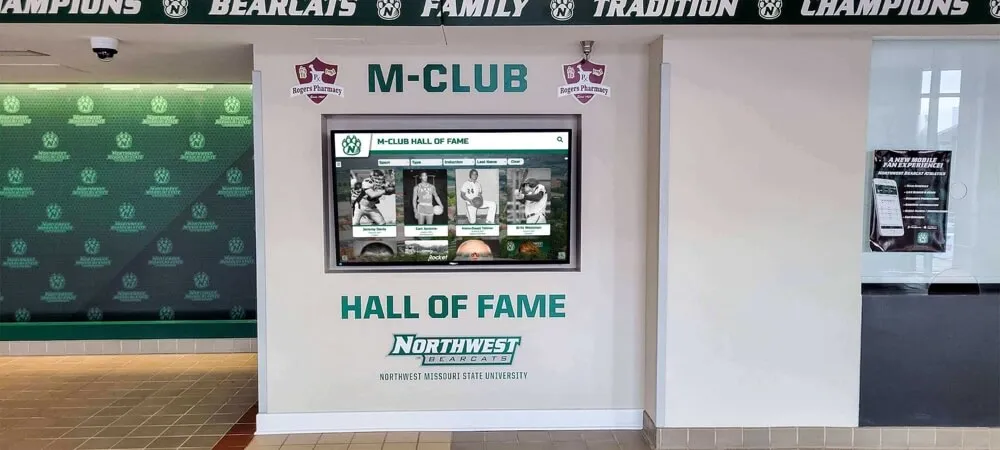
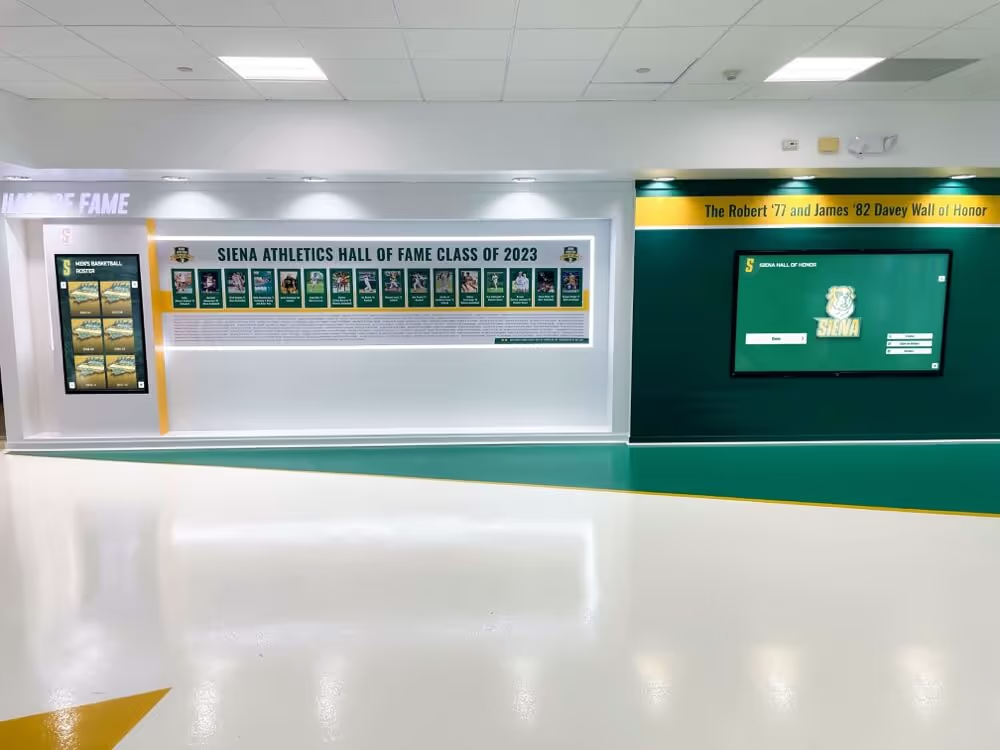
Digital recognition displays make honor roll achievements visible and celebrated throughout the school community year-round
Understanding Honor Roll Digital Recognition Systems
Before implementing digital recognition, schools must understand how modern systems differ fundamentally from traditional approaches and why this technology represents such a significant advancement.
The Evolution from Traditional to Digital Recognition
Traditional Honor Roll Limitations
Schools have recognized honor roll achievers through various traditional methods for decades:
Bulletin Board Displays: Posted lists showing current marking period honor roll students face severe constraints including limited space accommodating only recent achievers, manual updates requiring printing and posting each quarter, static presentation that becomes invisible as students pass daily, no interactivity preventing exploration or searching, and exclusion of photos or achievement details beyond names.
Physical Plaques: Permanent engraved recognition systems struggle with capacity limits accommodating 50-100 names before filling, update costs of $10-25 per engraved name creating budget barriers, error permanence requiring expensive replacement when mistakes occur, and limited information typically showing only names without context.
Printed Certificates: Individual recognition provides tangible items students keep but offers minimal public visibility motivating broader student populations, with recognition impact limited to recipients rather than creating aspirational examples.
According to research from educational organizations, traditional recognition methods reach only the students directly honored, missing opportunities to motivate the broader student population through visible, accessible achievement celebration.
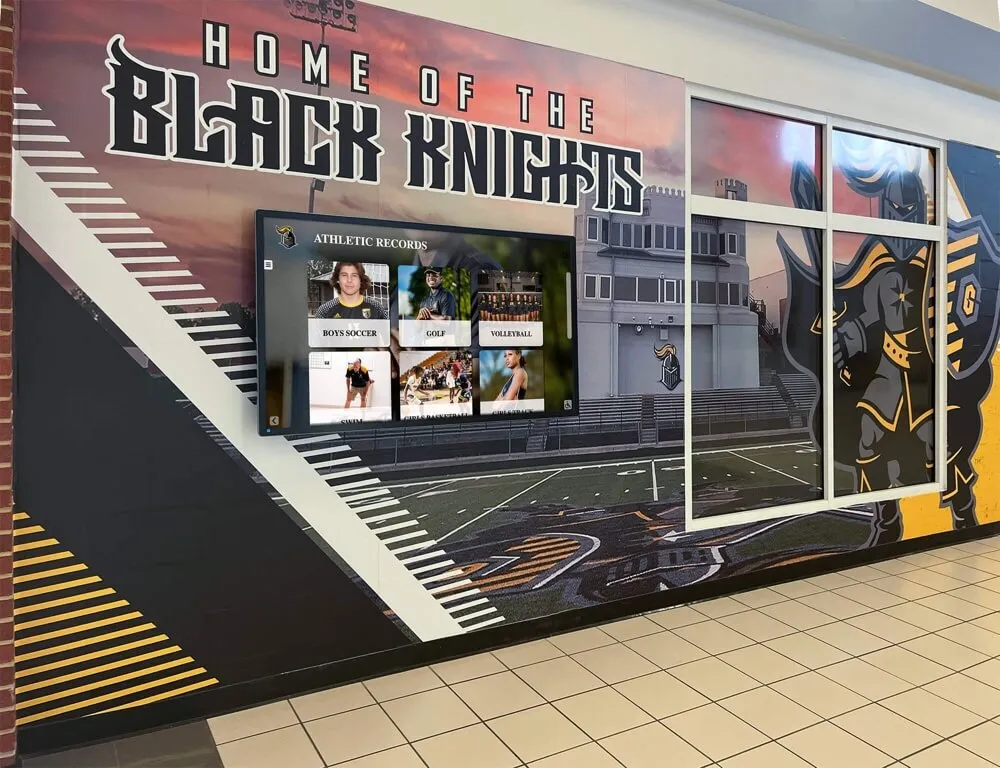
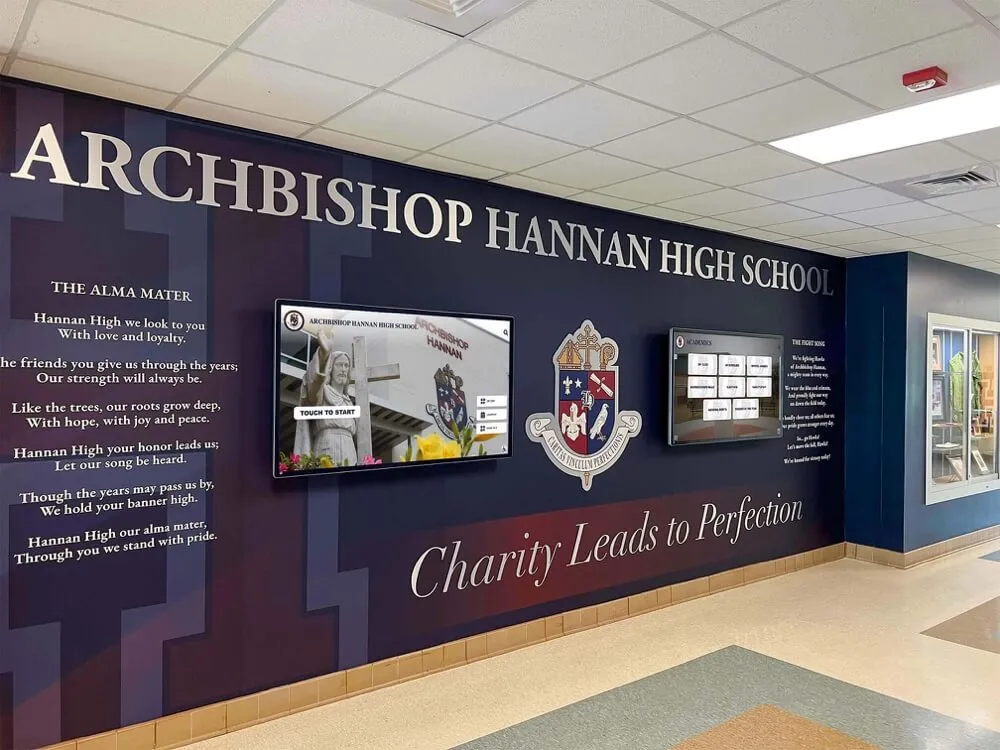
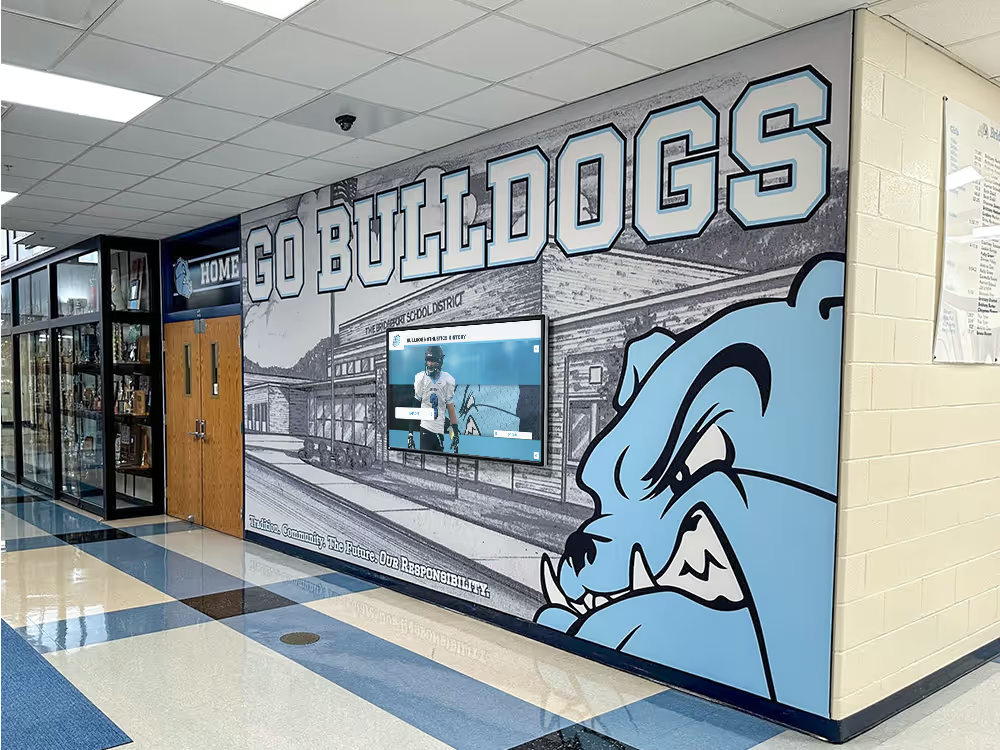
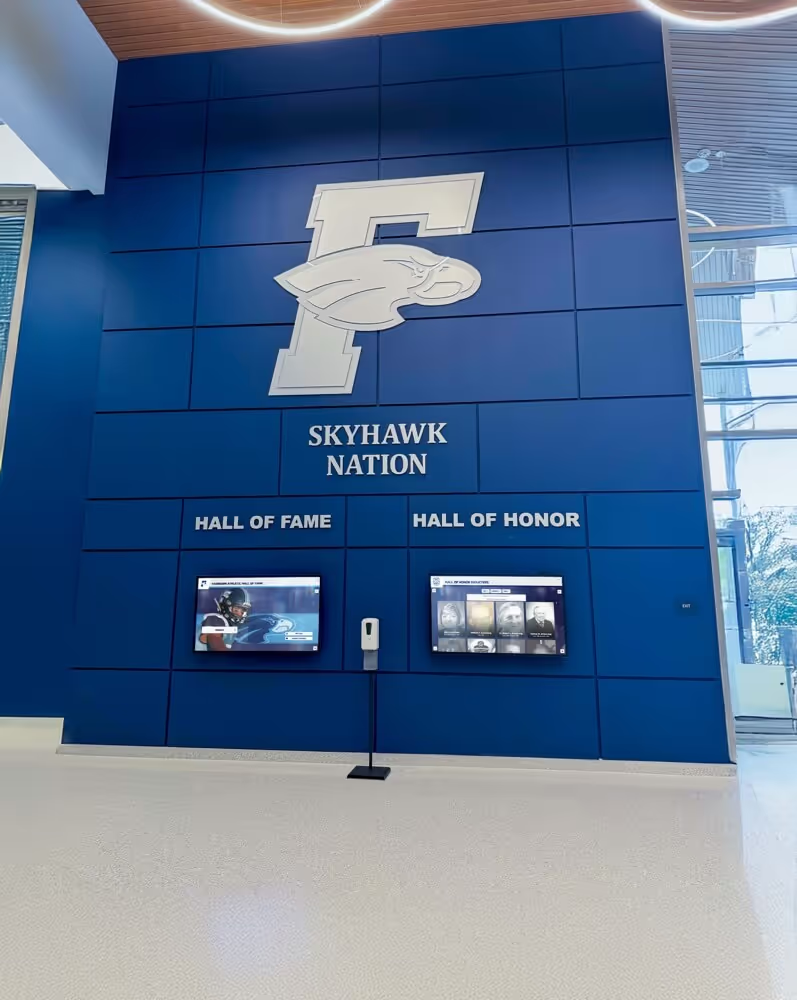
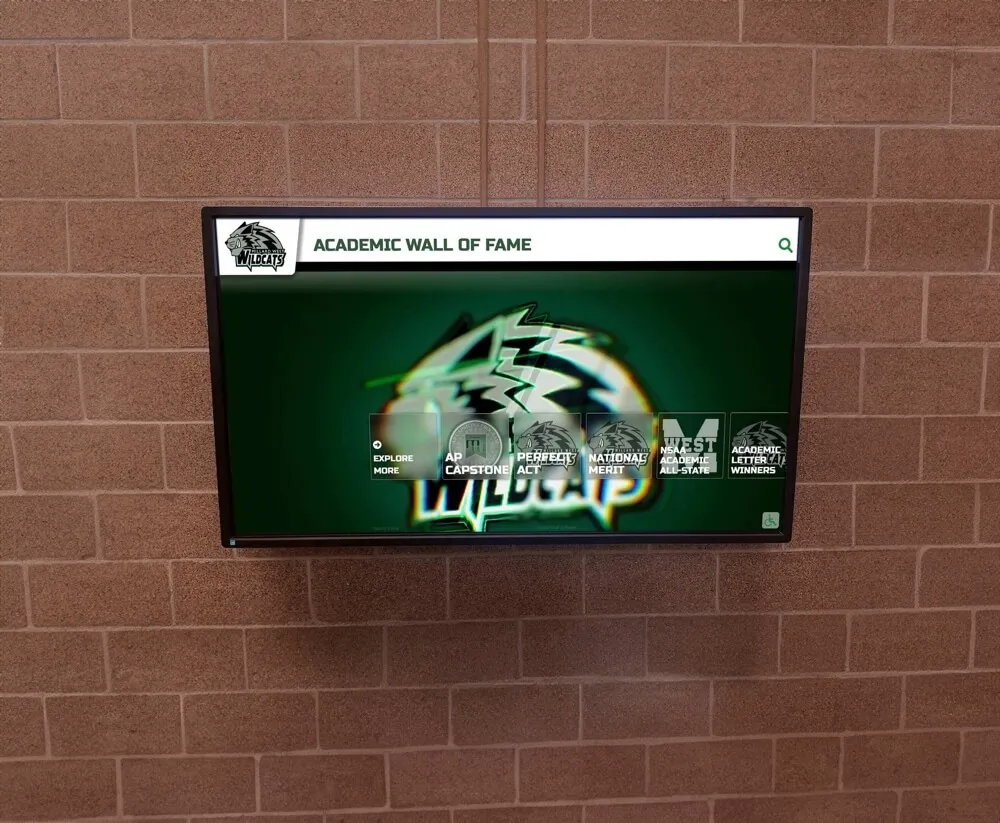
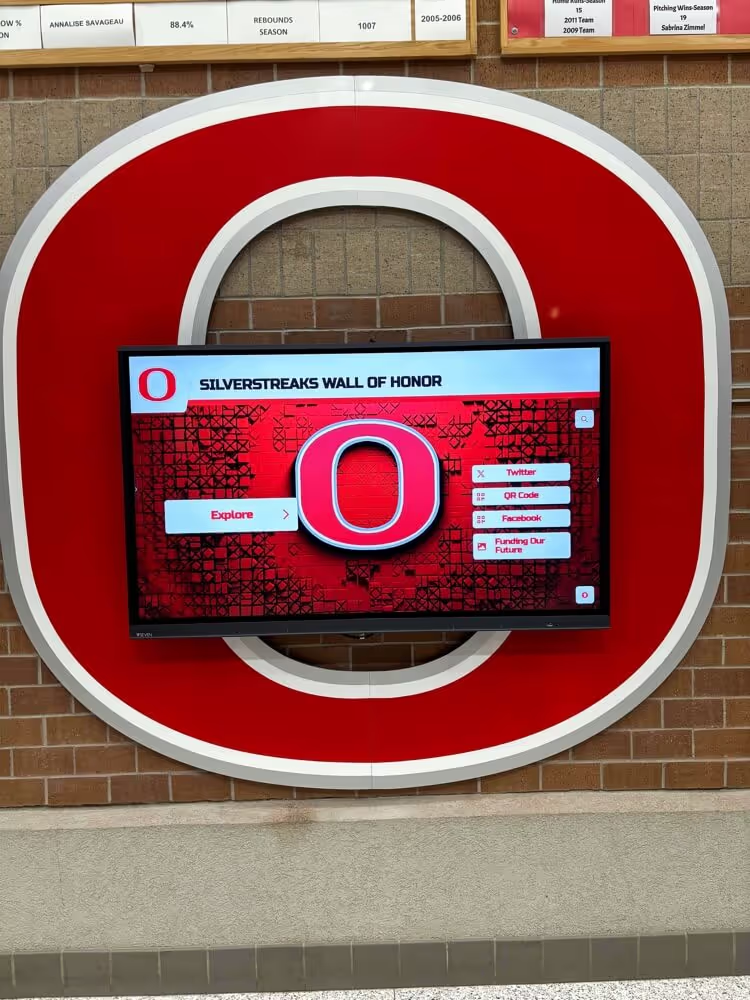
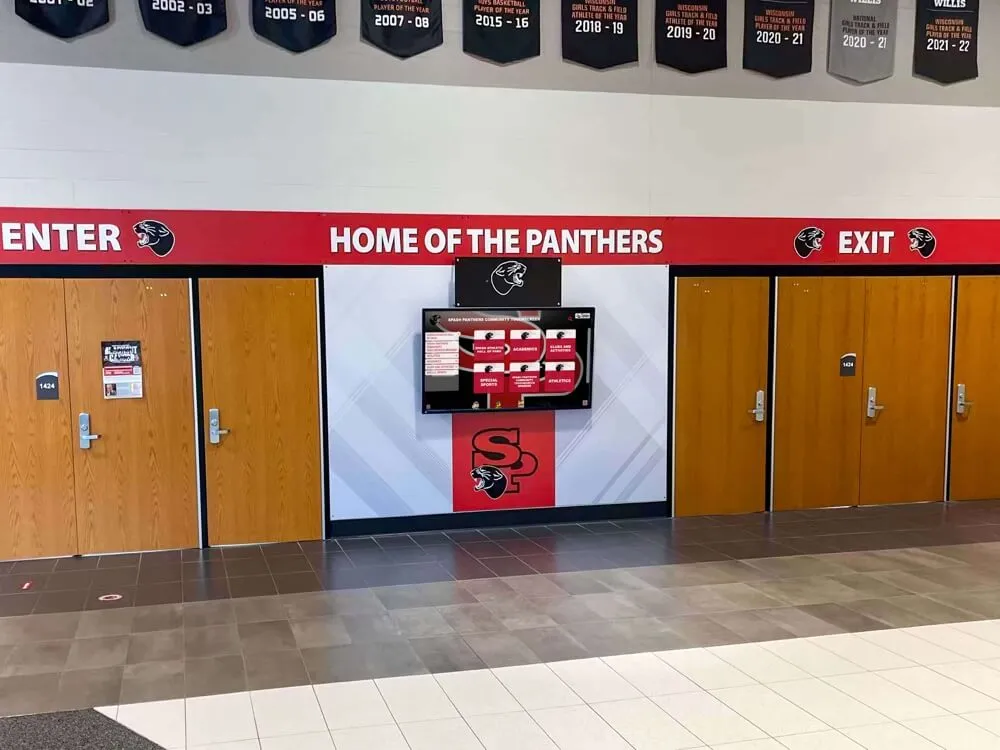
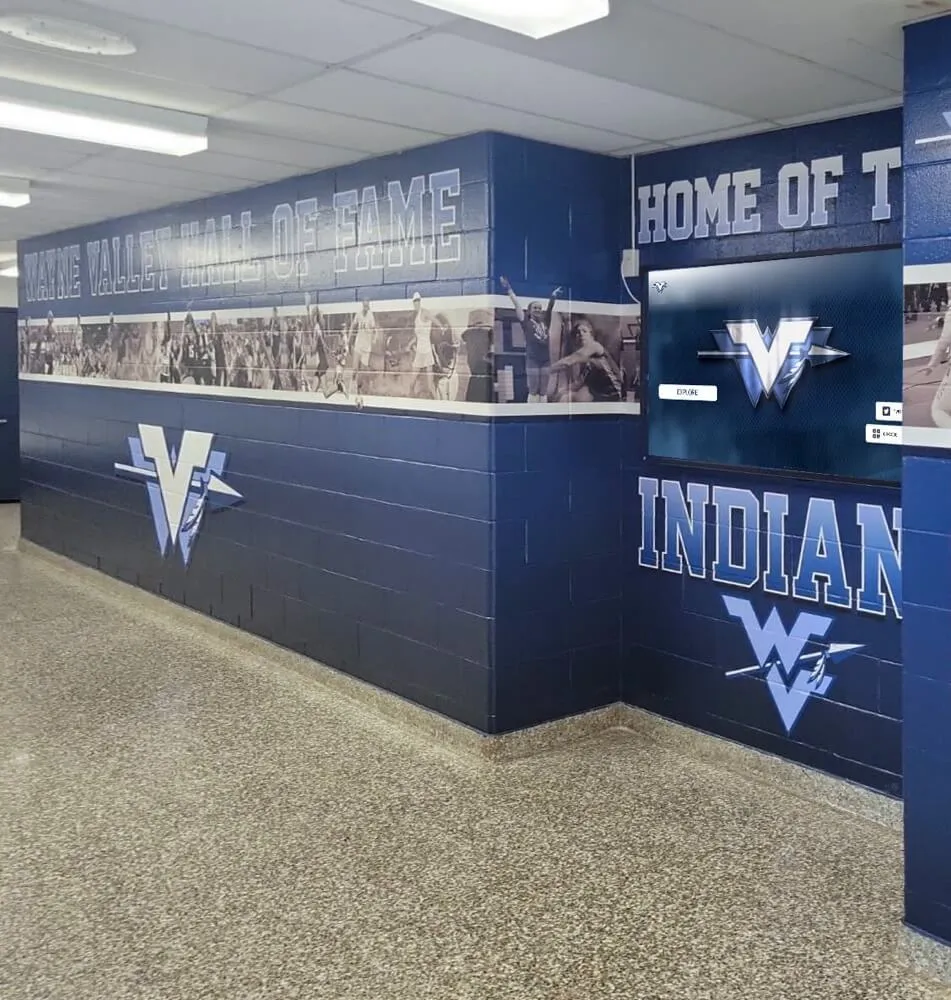
Contemporary schools integrate digital recognition systems seamlessly into their hallway environments
Core Capabilities of Digital Honor Roll Systems
Unlimited Recognition Capacity
Perhaps the most transformative advantage—digital platforms accommodate unlimited honor roll recipients across all marking periods, semesters, and years without space constraints.
Solutions like Rocket Alumni Solutions enable schools to recognize every honor roll achiever from current year back through decades of institutional history, maintain complete historical archives preserving achievement records permanently, accommodate program growth without purchasing additional displays, ensure no student’s achievement gets removed to make room for new honorees, and create comprehensive institutional records surviving building renovations and administrative transitions.
A single digital display can showcase tens of thousands of honor roll achievements spanning generations—recognition capacity traditional approaches simply cannot match.
Rich Multimedia Student Profiles
Digital platforms transform recognition from bare name lists into compelling profiles celebrating achievement comprehensively:
Professional photography creates visual recognition that name lists cannot provide, with students naturally wanting to see themselves and friends. Achievement context includes detailed information showing honor roll level (high honors, honors, honorable mention), marking period or semester recognized, GPA or grade details when appropriate, and progression demonstrating sustained achievement across multiple periods.
Personal narratives feature student quotes about study strategies, favorite subjects, or what honor roll achievement means to them, creating relatable content inspiring younger students. Additional achievements connect to other recognition including athletic honors, artistic accomplishments, service awards, and leadership positions, demonstrating well-rounded excellence.
This rich content creates meaningful recognition honoring students appropriately while providing context helping others understand paths to honor roll success.
Explore comprehensive academic recognition programs that celebrate diverse student achievements alongside honor roll designations.
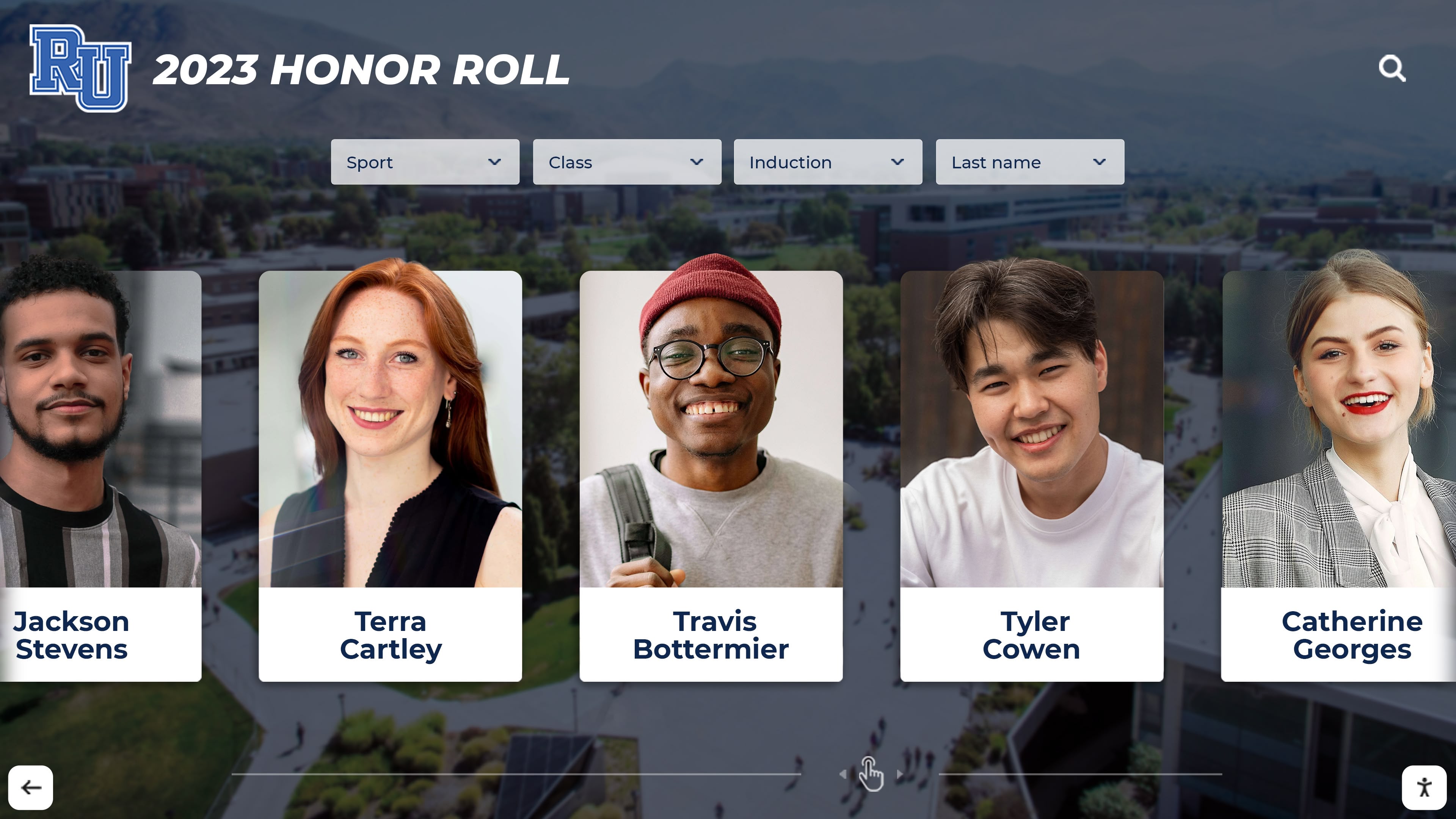
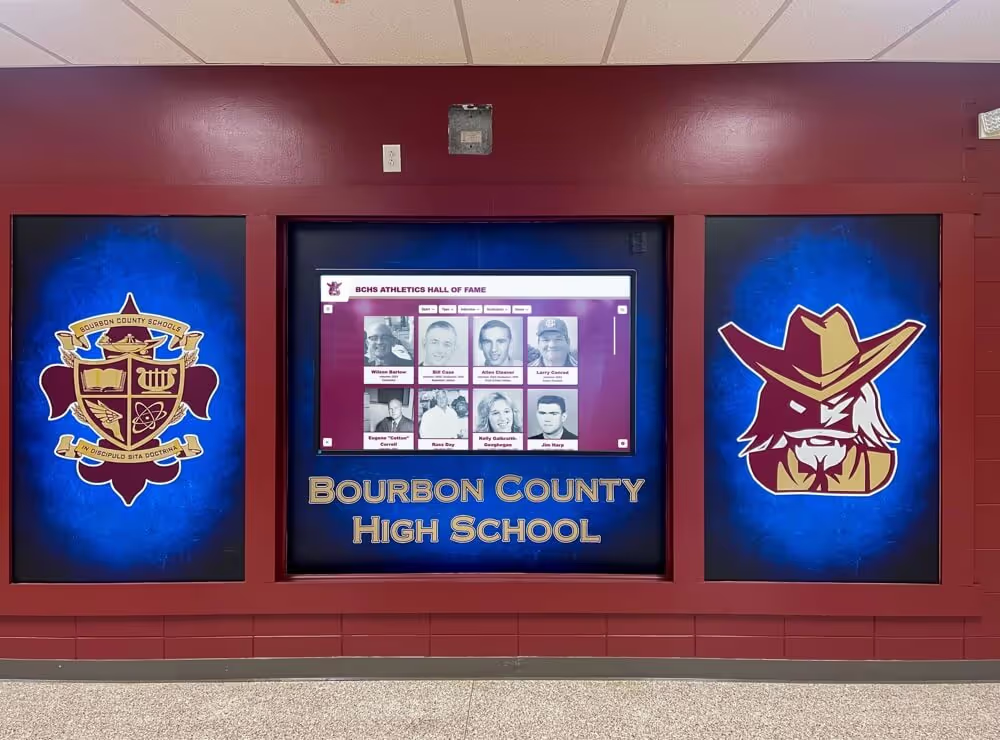
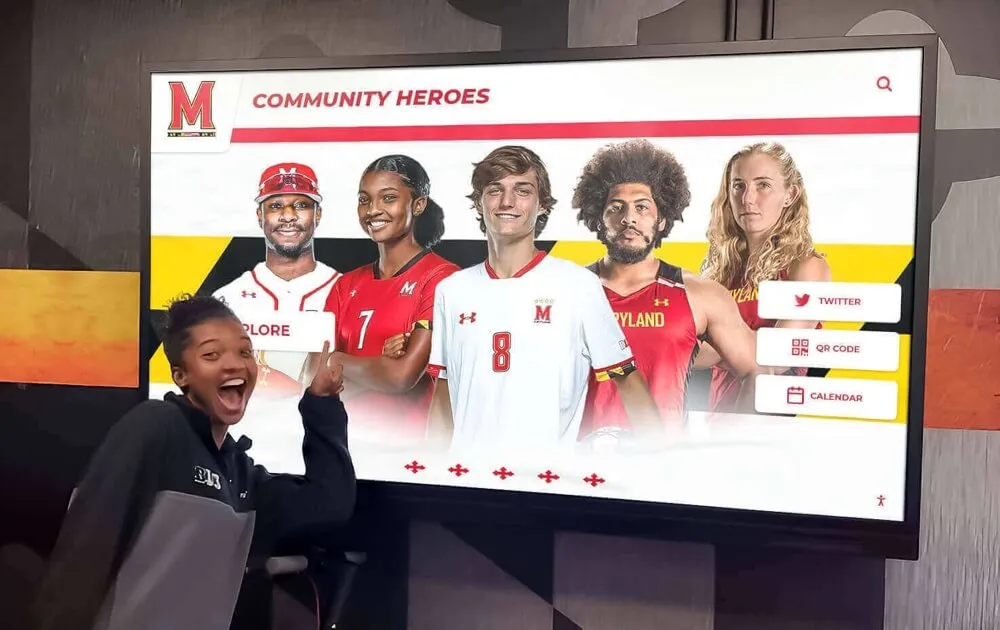
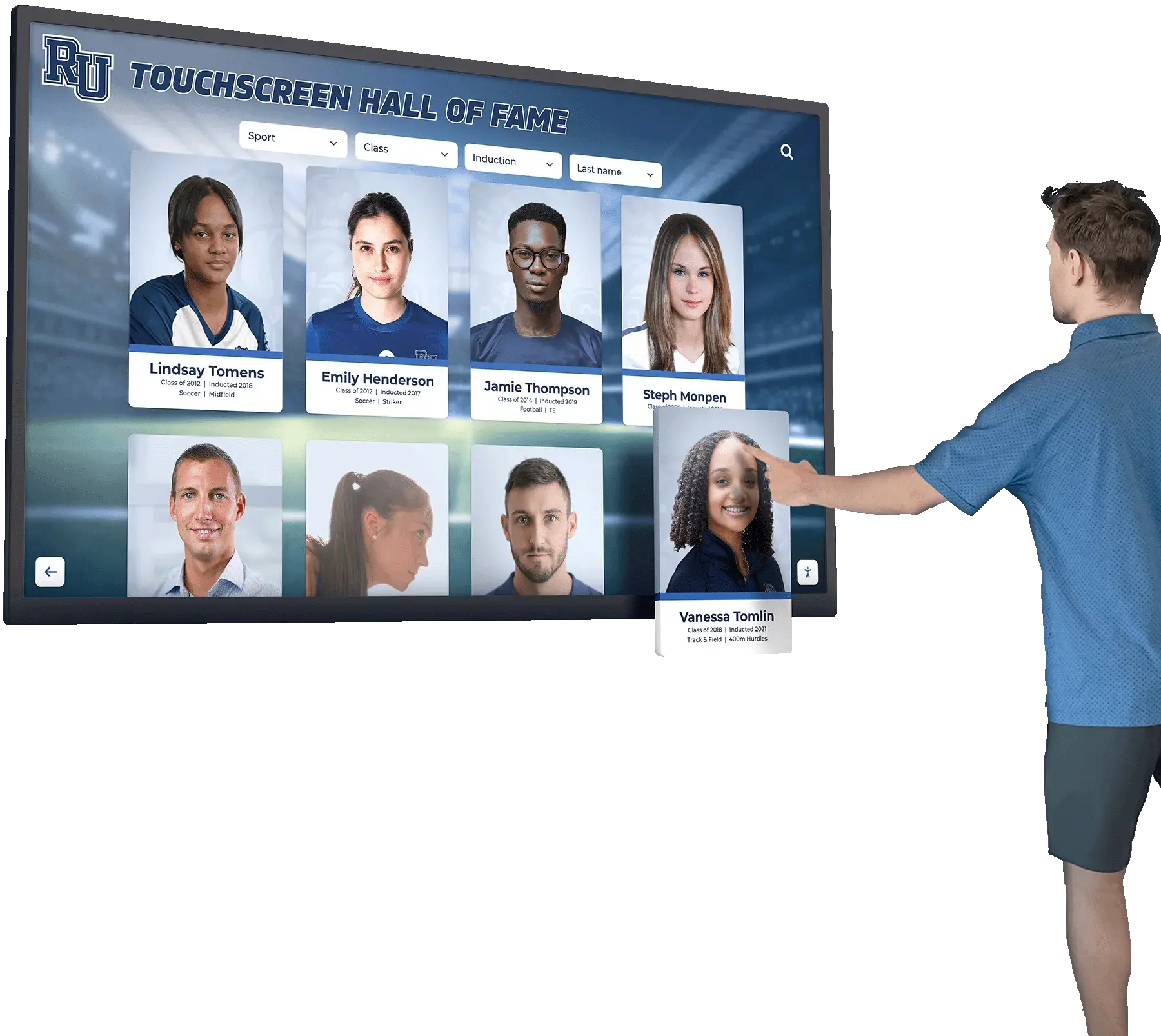
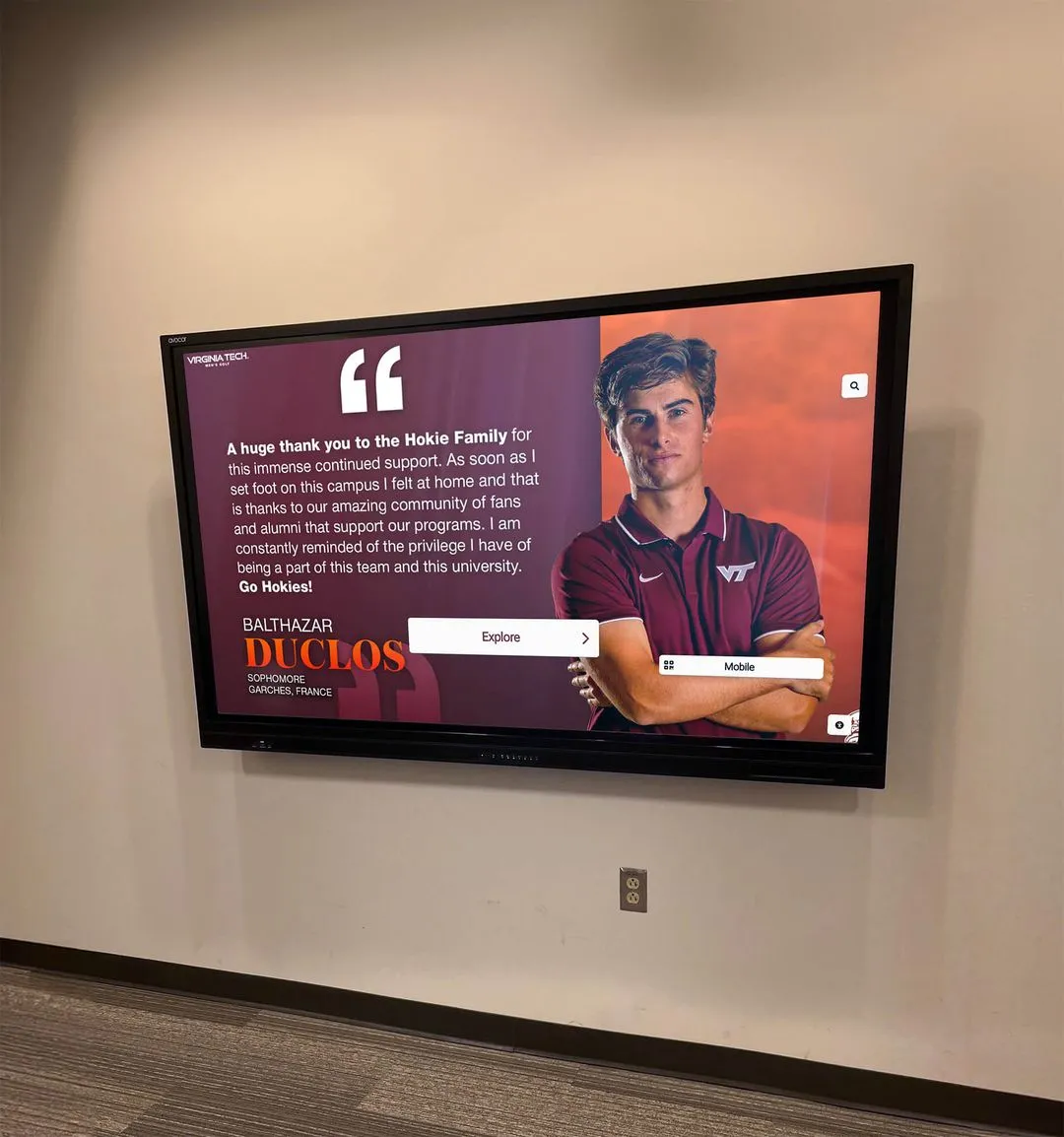
Digital profiles celebrate individual honor roll achievements with photos and comprehensive accomplishment details
Interactive Exploration Features
Touchscreen technology creates engagement impossible with static displays:
Search functionality enables students, families, and visitors to instantly find specific honor roll achievers across all years and marking periods. This feature alone drives tremendous engagement—students naturally want to find themselves, friends, siblings, and role models.
Advanced filtering allows users to display results by graduation year, marking period, honor roll level, or grade level. Browse and discovery features create exploration experiences where students encounter classmates’ achievements, learn about honor roll history, and connect with academic tradition.
Statistics and trends display aggregate data showing honor roll achievement rates over time, honor roll level distribution, or characteristics of high honors students, creating additional engagement while demonstrating program impact.
These interactive features transform recognition from passive viewing into active engagement, dramatically increasing time students spend exploring honor roll content and internalizing messages about academic excellence.
Learn about interactive touchscreen displays that celebrate achievements across academic, athletic, and community domains.
Benefits of Digital Honor Roll Recognition
Understanding the full range of benefits helps schools appreciate why digital recognition represents strategic investment in student motivation and institutional culture.
Student Motivation and Achievement Impact
Increased Academic Performance
Schools implementing prominent digital honor roll recognition report meaningful achievement increases. When recognition becomes visible and celebrated systematically, students naturally increase effort pursuing acknowledgment.
Research indicates that schools utilizing digital honor roll services report significant upticks in student motivation and morale, attributed to the visibility and accessibility of achievements. Recognition for completing challenging courses motivates more students to persist through difficult coursework rather than dropping to easier alternatives.
Broader Motivational Reach
Digital recognition motivates beyond just current honor roll students. When all students regularly encounter visible honor roll displays during passing periods, lunch, and school events, recognition creates aspirational goals for students currently working toward honor roll achievement.
Interactive features enabling students to explore honor roll achievers, filter by marking period, and discover classmates’ accomplishments create repeated exposure to academic excellence as valued and celebrated, helping counter anti-intellectual peer pressure that sometimes discourages academic effort.
Goal Setting and Progress Tracking
Digital systems can display student progression across multiple marking periods, showing honor roll achievement journey over time. This visibility helps students set academic goals, track progress toward honor roll qualification, and celebrate sustained achievement patterns spanning entire academic careers.
Administrative Efficiency Benefits
Time Savings
Schools report 50-80% reduction in time spent maintaining honor roll recognition after implementing digital systems. Cloud-based management eliminates printing, posting, and removing bulletin board lists quarterly. Bulk import tools enable adding entire honor roll lists simultaneously rather than individual entry.
Remote access allows updates from any internet-connected device without physically accessing displays. Automated archiving preserves historical records without manual filing systems.
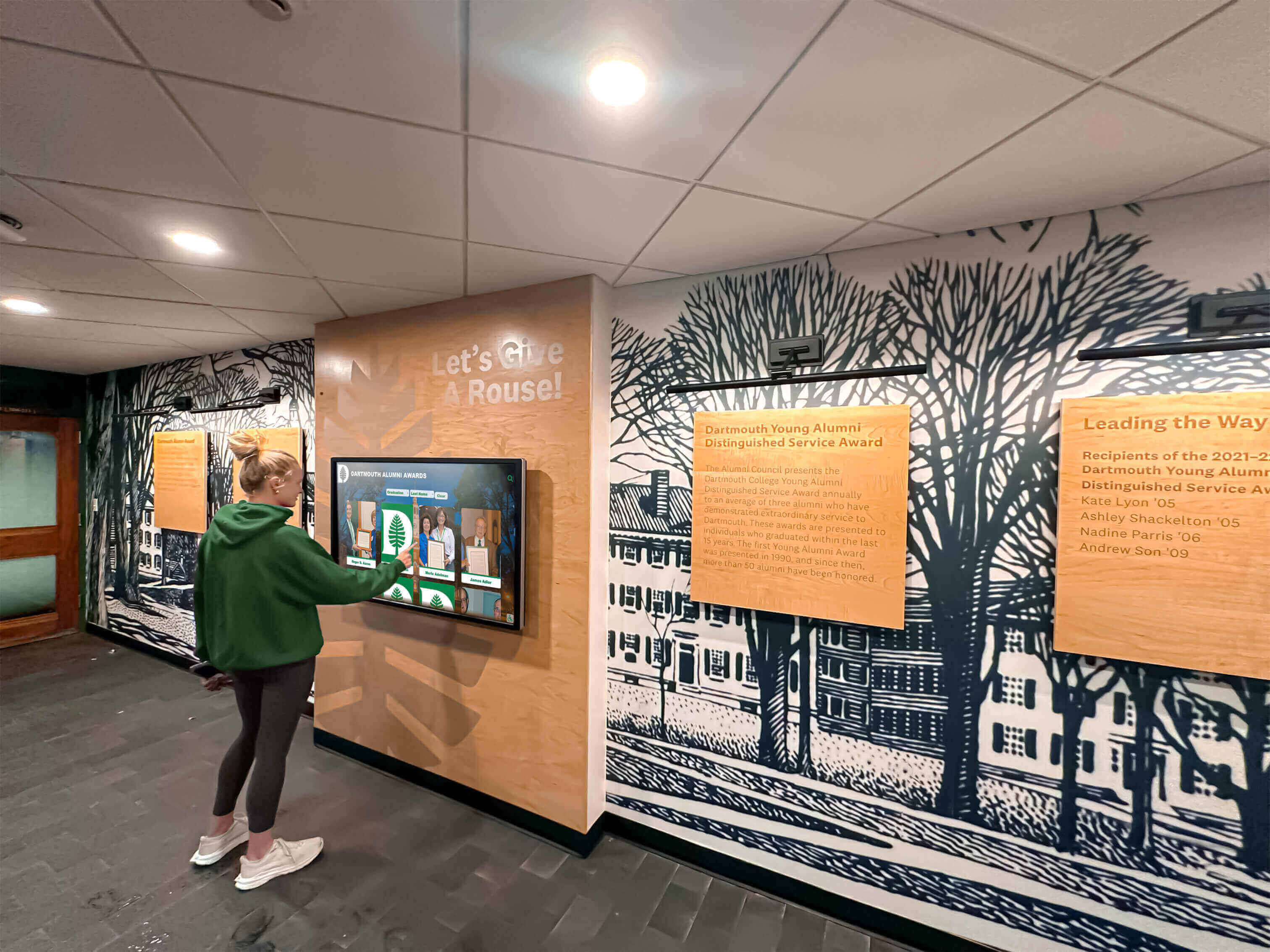
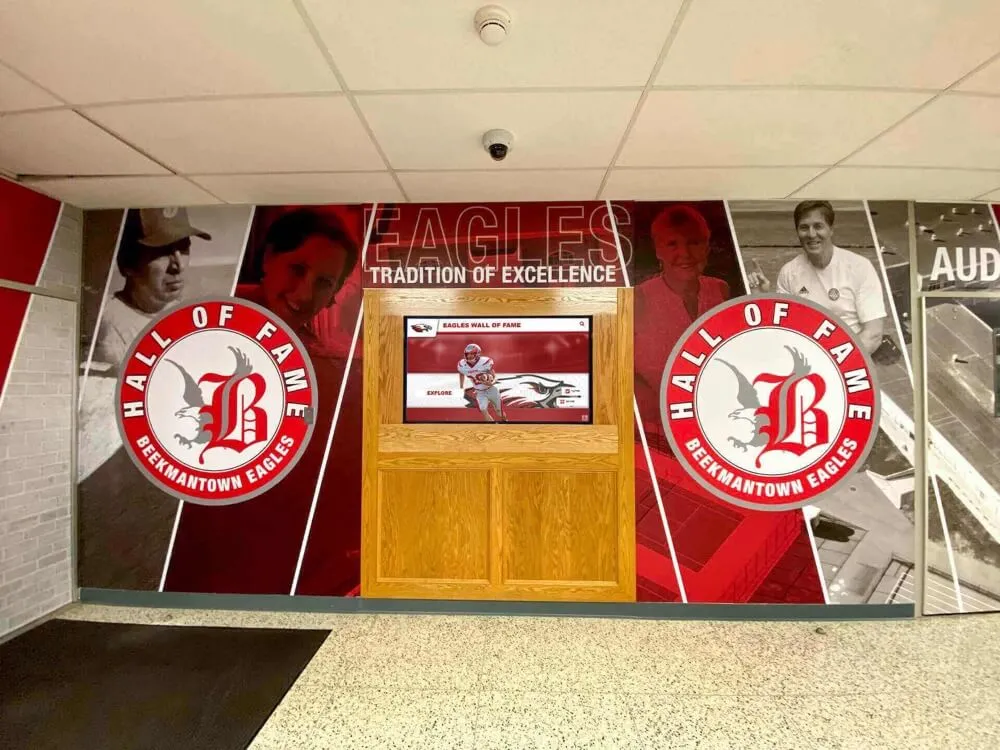
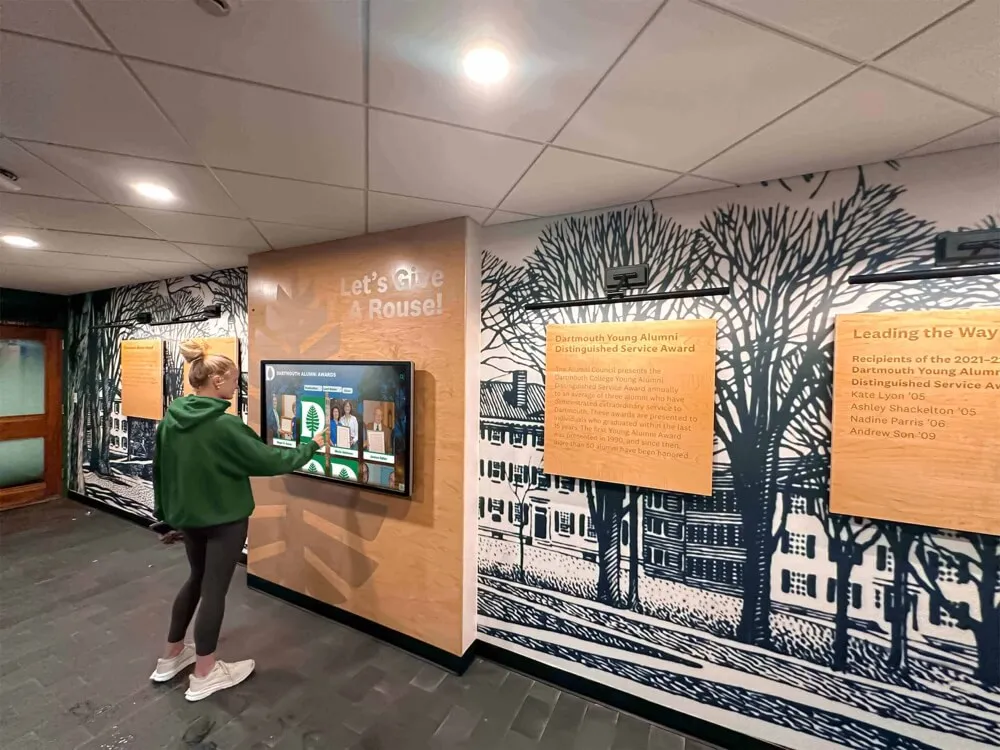
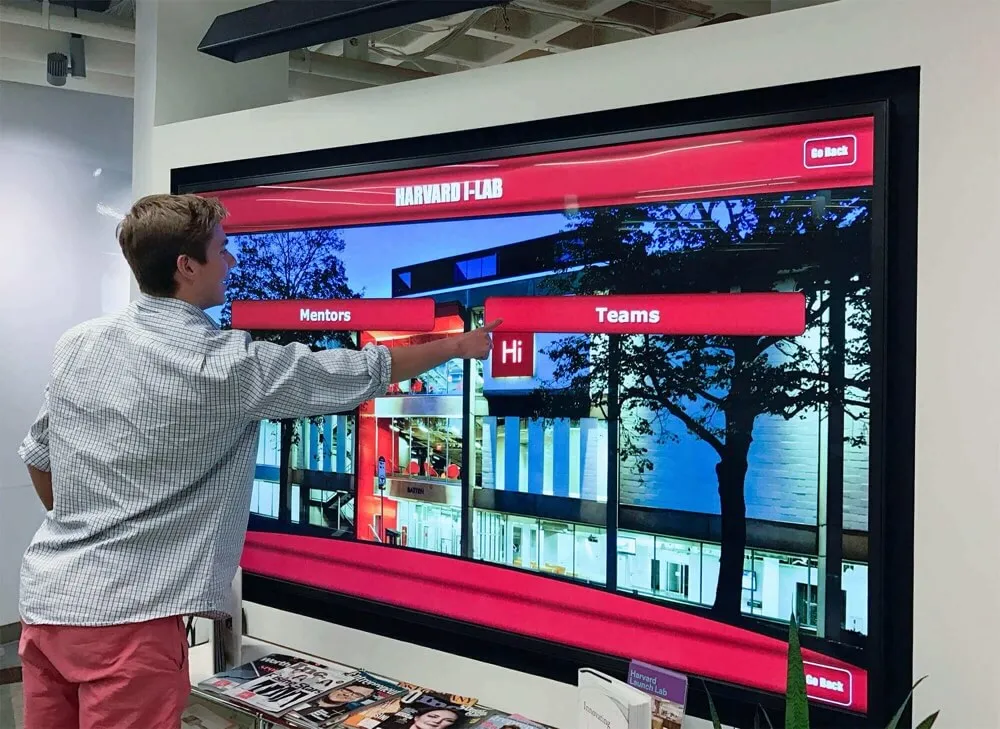
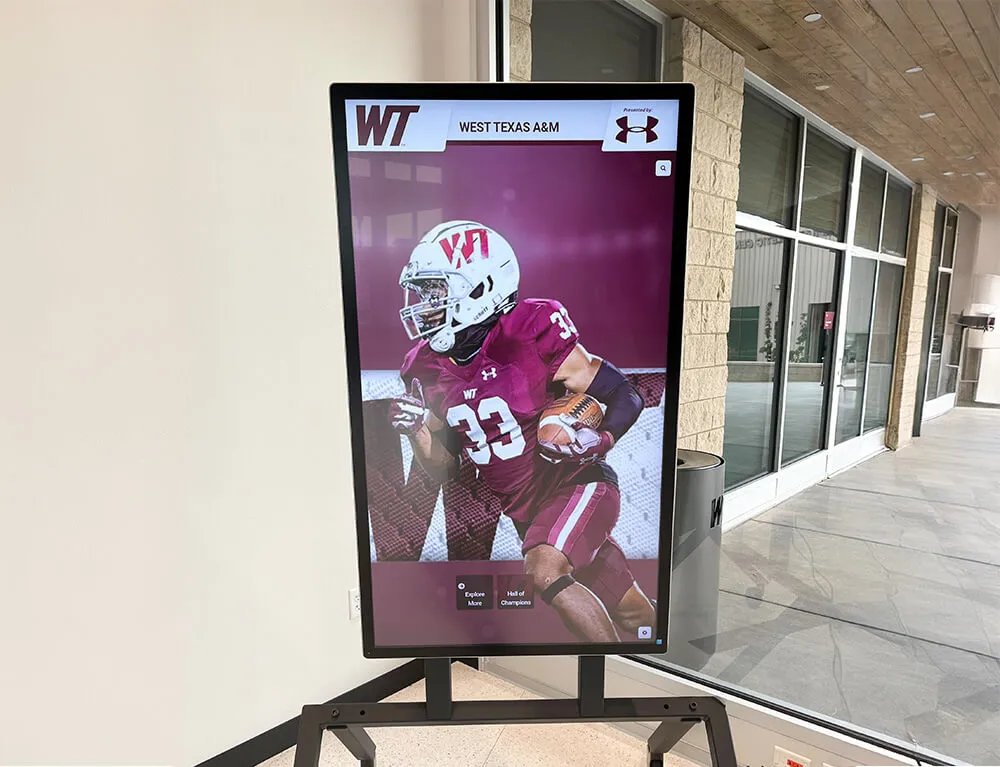
Intuitive touchscreen interfaces encourage student exploration of honor roll achievements during unstructured time
Accuracy and Updates
Digital systems eliminate transcription errors that occur when manually copying names from lists to bulletin boards or engraving orders. Edit capabilities enable immediate corrections without expensive plaque replacement. Real-time updates ensure recognition appears promptly after each marking period without lag time.
Scalability
As honor roll programs grow or recognition criteria expand, digital systems accommodate increased volume without additional display purchases. Schools can add historical honor roll data progressively without space limitations constraining archive development.
Discover digital recognition display solutions that streamline honor roll management while enhancing visibility.
Family and Community Engagement
Extended Accessibility
Web-connected digital recognition platforms extend honor roll celebration far beyond campus visitors during school hours. Parents, grandparents, extended family, and community members can view honor roll achievements from anywhere, at any time, through mobile-responsive web platforms.
Social media integration enables students to share honor roll recognition directly from profiles, amplifying celebration reach throughout family and community networks. Alumni worldwide can revisit their own honor roll achievements, maintaining connections to institutional academic traditions across generations.
Enhanced Communication
Automated notification systems can alert families when students achieve honor roll recognition, creating immediate celebration opportunities. Schools can generate social media posts featuring honor roll achievers systematically, maintaining consistent academic achievement visibility in community communications.
Newsletter integration ensures honor roll accomplishments receive regular feature in family communications, reinforcing institutional commitment to academic excellence celebration.
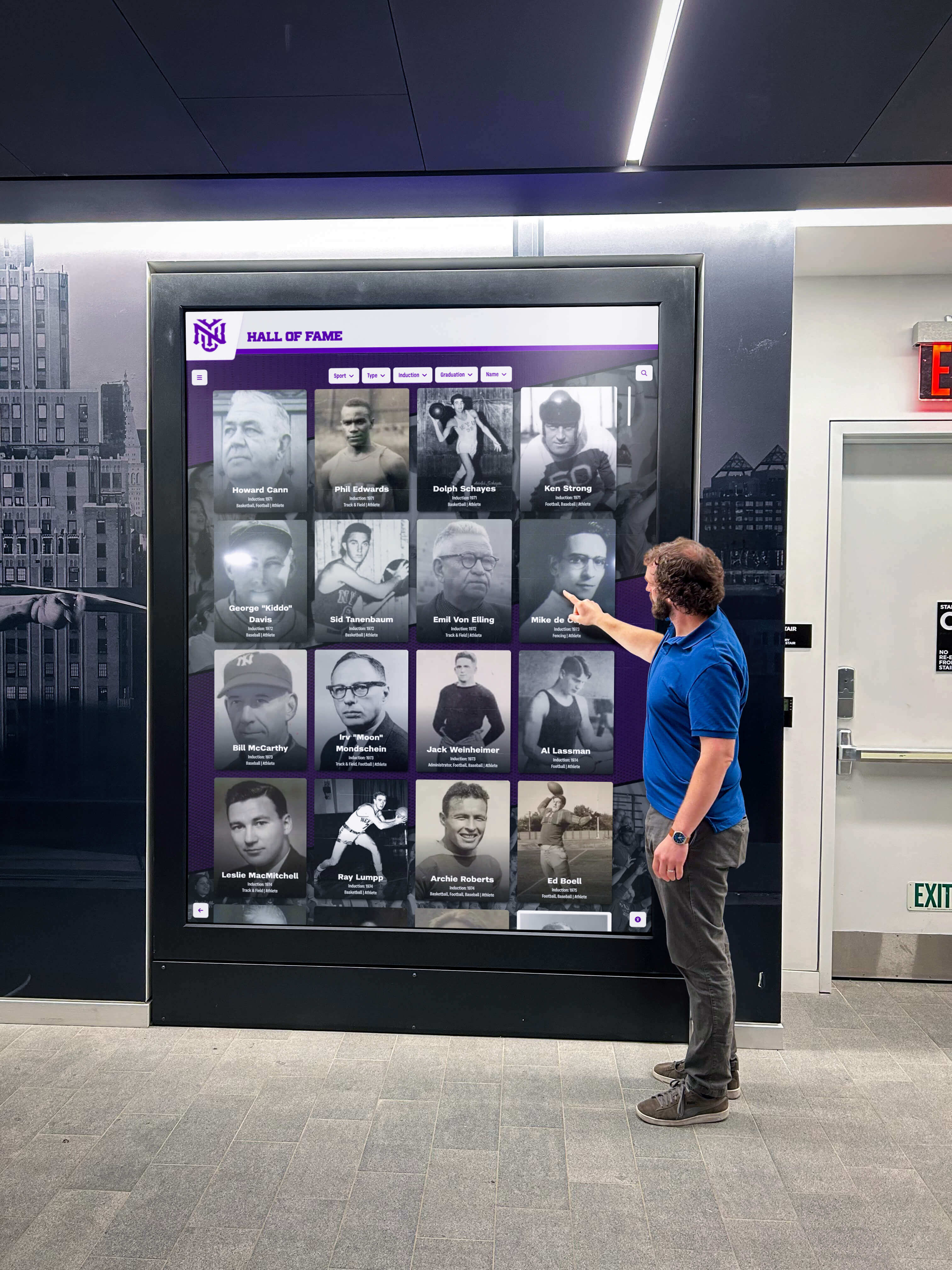
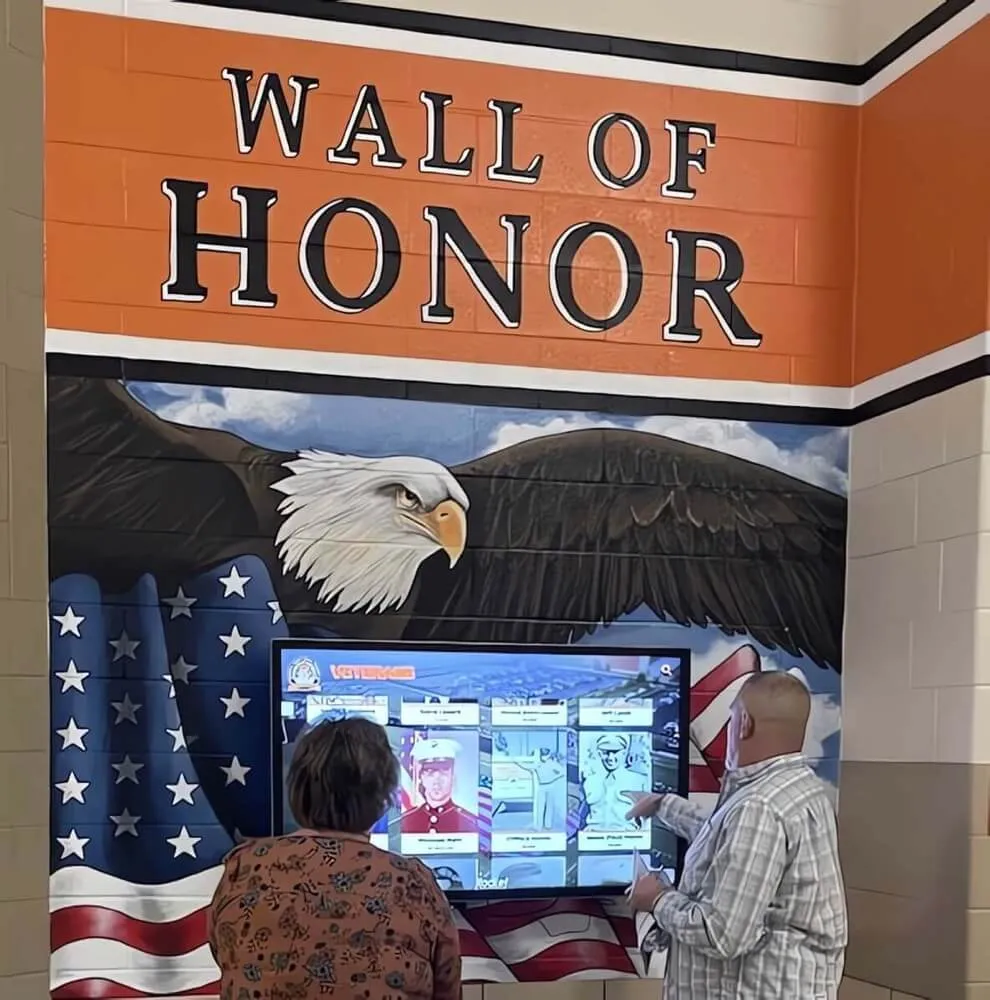
Accessible displays enable families and visitors to explore honor roll achievements during campus visits
Institutional Culture and Identity
Academic Excellence Visibility
Prominent digital honor roll displays in main entrances, cafeterias, and high-traffic hallways send clear messages about institutional values. When prospective families tour campuses, visible academic recognition demonstrates school commitment to intellectual achievement equal to athletic accomplishment.
Professional, modern recognition systems communicate institutional investment in celebrating student success appropriately. Multiple recognition displays throughout buildings ensure academic excellence remains visible rather than relegated to single bulletin board easily overlooked.
Alumni Connection and Legacy
Comprehensive historical honor roll archives create powerful alumni connections. Graduates returning for reunions or events explore touchscreen displays finding themselves and classmates, creating emotional bonds to institutions. Multi-generational recognition highlights family legacy when parents and children both achieve honor roll status.
Alumni success stories connected to honor roll achievement demonstrate long-term value of academic excellence, helping current students understand recognition significance beyond immediate acknowledgment.
Learn about outstanding students honor wall implementation with strategies for creating impactful recognition throughout school buildings.
Implementation Strategies for Digital Honor Roll Systems
Successful implementation requires thoughtful planning addressing technology selection, placement strategies, content development, and sustainable management processes.
Planning and Needs Assessment
Defining Recognition Goals
Schools should clarify specific objectives before selecting systems:
- Motivate increased student achievement and honor roll pursuit
- Provide comprehensive recognition honoring all honor roll students across history
- Create visible academic culture demonstrating institutional priorities
- Engage families and community in academic achievement celebration
- Streamline administrative processes maintaining honor roll recognition
- Support college admissions and scholarship applications with documented achievement
Clear goals guide technology selection and implementation approaches ensuring alignment with educational mission.
Assessing Current Recognition Programs
Evaluate existing honor roll recognition identifying strengths, limitations, and improvement opportunities:
- Current recognition methods and their effectiveness
- Historical honor roll data available for archive development
- Space and infrastructure for display placement
- Staff capacity for content development and maintenance
- Budget availability for initial investment and ongoing costs
- Stakeholder priorities through surveys or focus groups
This assessment establishes baseline and informs realistic implementation planning.
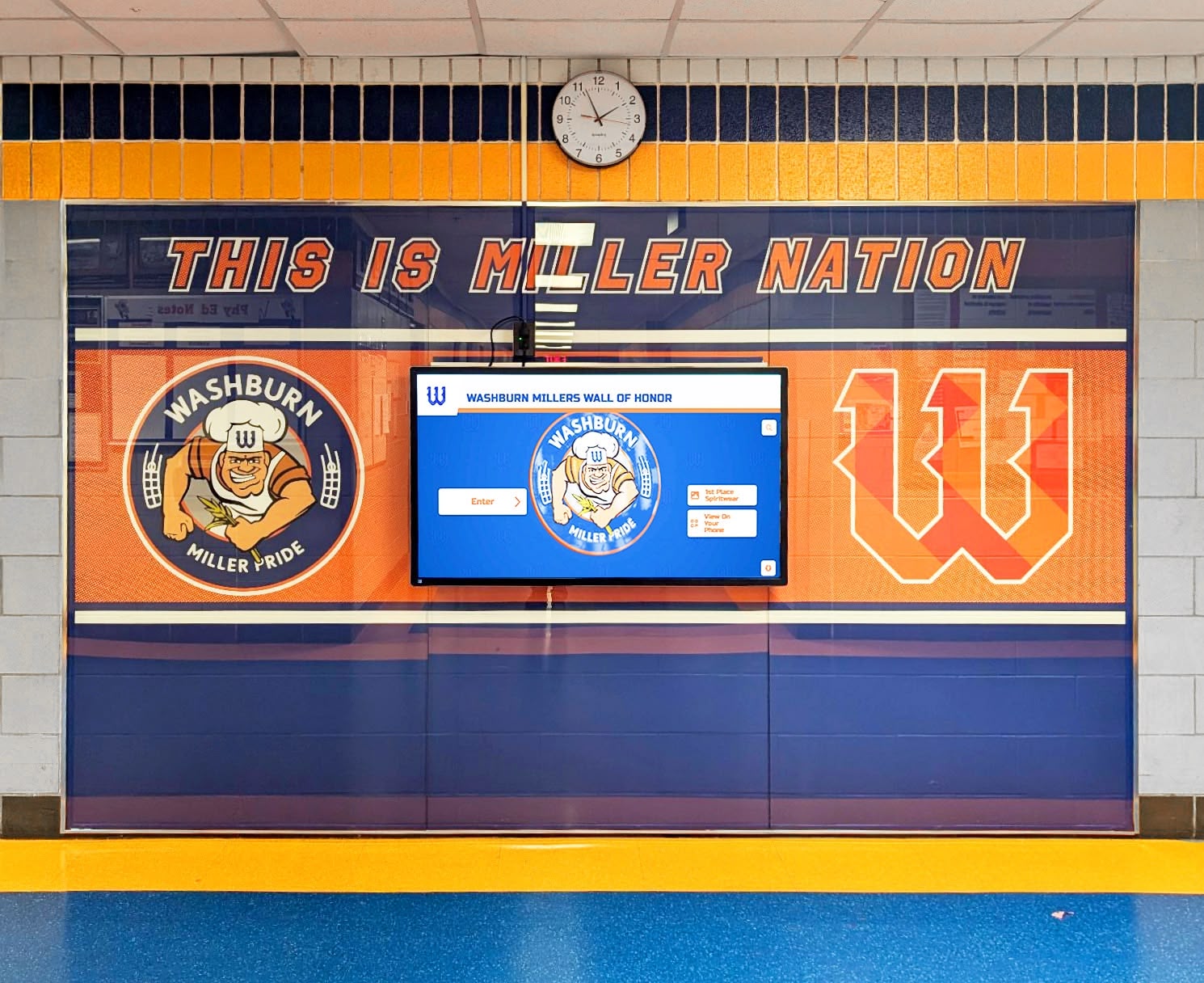
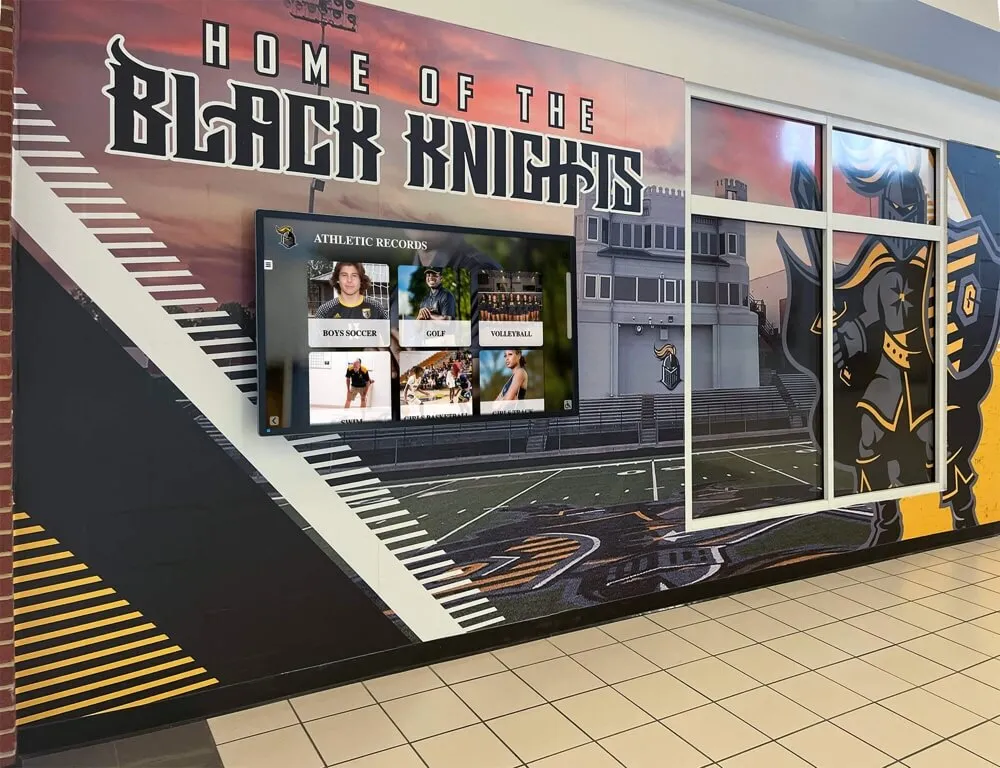
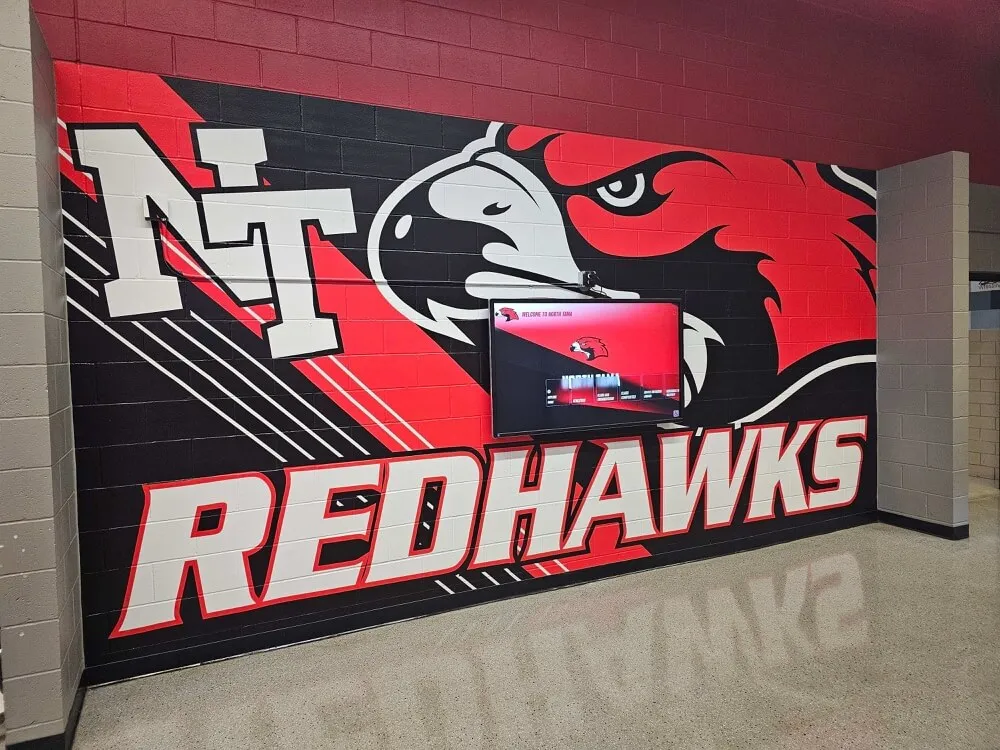
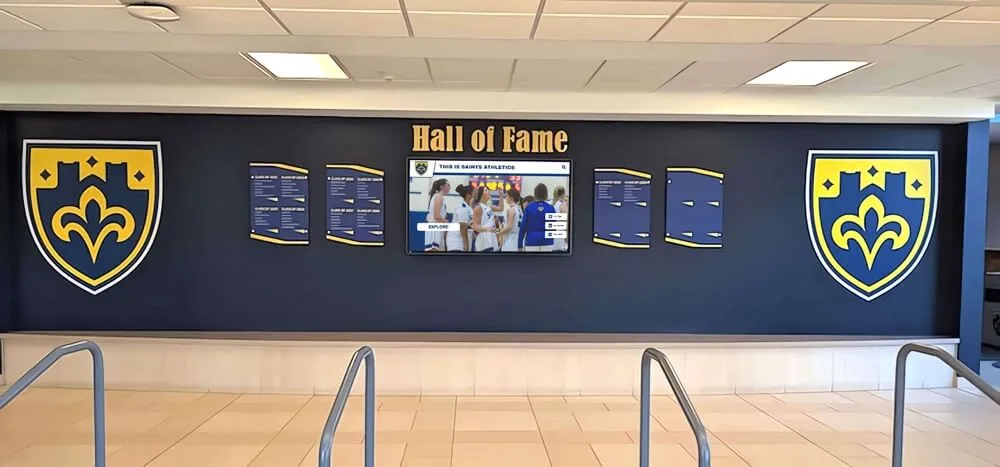
Strategic placement in main hallways ensures maximum visibility and student engagement with honor roll displays
Technology Selection Considerations
Purpose-Built Recognition Platforms
Schools should evaluate platforms designed specifically for educational recognition rather than generic digital signage systems lacking features essential for comprehensive honor roll celebration.
Solutions like Rocket Alumni Solutions provide capabilities purpose-built for academic achievement including intuitive content management with visual editors enabling staff to create and update honor roll content without technical expertise, honor roll-specific features with pre-configured templates for honor roll levels and marking period organization, robust search and filter tools enabling instant exploration, multi-category recognition integrating honor roll with other achievements, analytics tracking engagement and effectiveness, and scalability accommodating growth without performance degradation.
Hardware Requirements
Commercial-grade touchscreen displays designed for high-traffic educational environments prove essential:
Display sizes typically range from 43 to 75 inches depending on location and viewing distance. Commercial durability features industrial-grade components for continuous operation across 180+ school days annually. Optical or infrared touch technology provides reliable, responsive interaction without pressure-sensitive screens degrading with heavy use.
Wall-mounted installations save floor space while ensuring security. Floor kiosks provide flexibility in locations without suitable walls. Network connectivity through wired ethernet ensures reliable updates and web access.
Explore best touchscreens for schools comparing hardware options and implementation approaches.
Software Platform Evaluation
Request demonstrations comparing platforms side-by-side, focusing specifically on honor roll use cases:
- Ease of content creation and updates for non-technical staff
- Student information system integration enabling automated honor roll imports
- Bulk import tools for historical data entry efficiency
- Photo management capabilities for student image association
- Permission management controlling content access appropriately
- Backup and archiving protecting institutional records
- Analytics demonstrating engagement and program effectiveness
Schools should prioritize platforms offering comprehensive features while maintaining intuitive interfaces staff can manage confidently.
Optimal Placement Strategies
High-Traffic Location Selection
Strategic placement maximizes honor roll recognition impact and student engagement:
Main Entrances and Lobbies: Displays greet prospective families touring campuses, demonstrating academic excellence immediately. Visitors understand school values scholarly achievement. Students, staff, and families pass daily creating repeated exposure.
Cafeterias and Student Commons: Cafeteria placement creates maximum student engagement during lunch periods with captive audiences having time to explore interactively. Natural gathering spaces where students cluster encourage casual exploration and discussion.
Guidance and Academic Areas: Honor roll displays near guidance offices serve specific functions during college counseling meetings, academic planning conversations, and visits from college representatives.
Libraries and Study Spaces: Library placement reinforces connections between scholarly environments and academic recognition, with students in academic mindset encountering honor roll achievement.
Multiple locations throughout buildings ensure comprehensive visibility rather than single recognition point easily missed.
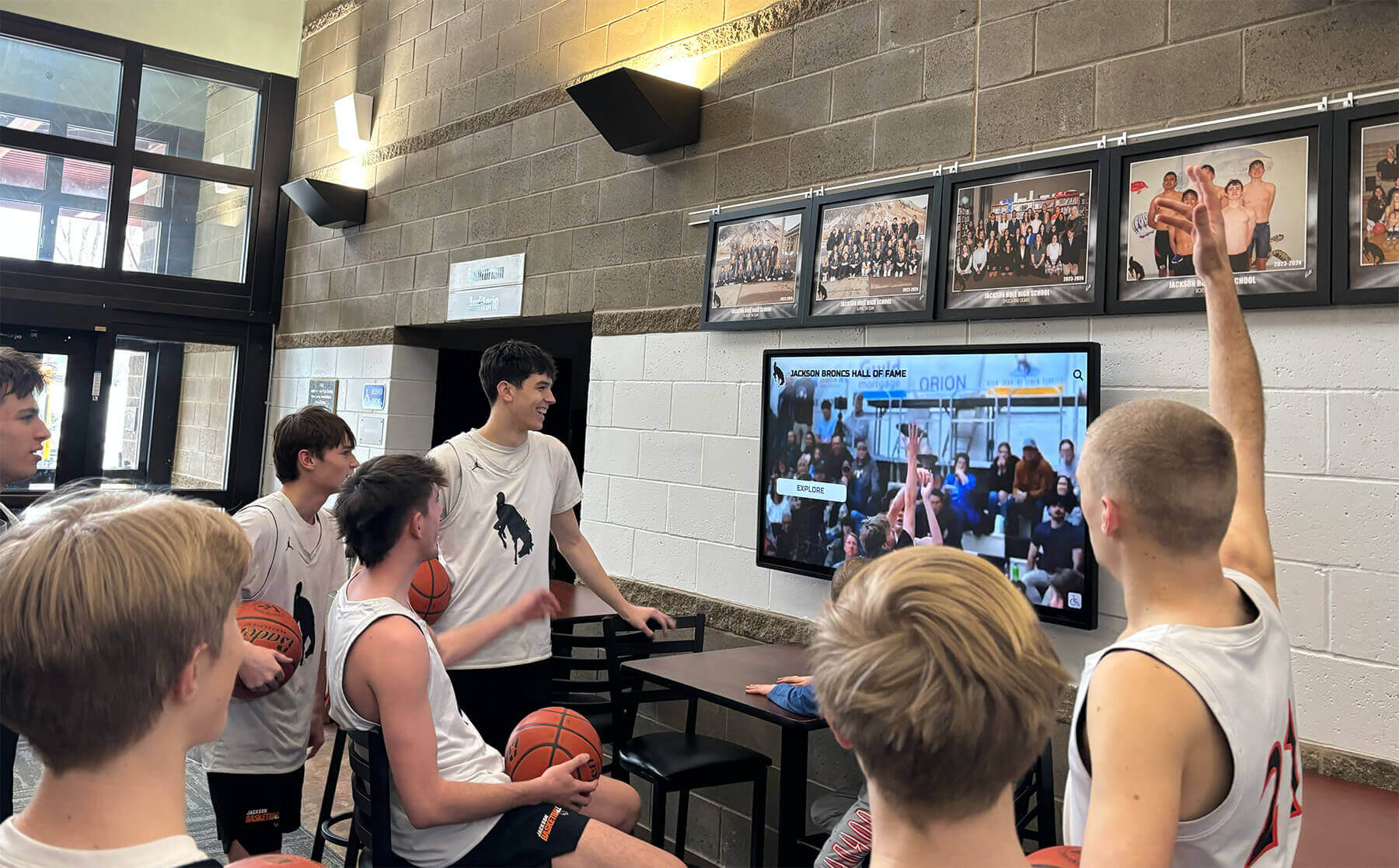
Engaging digital displays naturally attract student attention during passing periods and unstructured time
Content Development Best Practices
Essential Information Elements
Effective honor roll profiles balance comprehensive recognition with manageable content development:
Universal elements include student full name, professional photo, graduation year and grade level, honor roll level achieved, marking period or semester recognized, and recognition date creating permanent timestamp.
Enhanced elements when available include GPA or grade details if policy permits public sharing, pattern showing honor roll consistency across periods, academic strengths or favorite subjects, study strategies or tips for peers, personal achievement quotes, additional recognitions earned concurrently, and future goals or college aspirations.
Privacy considerations should guide decisions about sensitive data. Schools must balance transparency with concerns about unhealthy competition or student discomfort with public performance metrics.
Historical Data Development
Schools with decades of honor roll tradition should systematically build historical recognition:
Source materials include school yearbooks often listing honor roll achievers, archived certificates from guidance files, previous bulletin board lists preserved in photos, school newspaper archives, physical plaques showing historical names, alumni association records, and senior awards night programs.
Phased approaches prove practical: Phase 1 enters recent 3-5 years providing immediate comprehensive recognition; Phase 2 adds milestone anniversary classes creating historical connections; Phase 3 continues systematic addition during summer or slow periods; Phase 4 invites alumni to submit achievements from their eras, crowdsourcing historical data while building engagement.
This approach creates immediate value while working toward comprehensive archives over time.
Learn about National Honor Society digital recognition celebrating academic excellence and character development.
Integrating Honor Roll Recognition with Broader Academic Programs
The most effective digital recognition systems don’t exist in isolation but connect honor roll acknowledgment to comprehensive academic celebration.
Multi-Dimensional Achievement Recognition
Academic Competition and Contest Success
Digital platforms can integrate honor roll recognition with broader academic achievements:
- Science Olympiad medals and team accomplishments
- Mathematics competition success and problem-solving awards
- Robotics competition participation and victories
- History Day and geography competition recognition
- Spelling bee and writing contest achievements
- Debate tournament success and forensics honors
These accomplishments demonstrate application of academic knowledge in competitive contexts, complementing classroom-based honor roll recognition.
Explore STEM projects and engineering competition recognition approaches for celebrating technical excellence.
Advanced Coursework Recognition
Students earning Advanced Placement Scholar designations, International Baccalaureate diplomas, or college-level dual enrollment credits deserve prominent recognition alongside honor roll achievement. Schools should integrate these prestigious accomplishments creating comprehensive platforms celebrating well-rounded academic excellence.
Significant standardized test accomplishments—high SAT/ACT scores, National Merit recognition, PSAT achievement—complement honor roll by demonstrating college-readiness alongside classroom success.
Subject-Specific Academic Awards
Honor roll recognizes overall GPA achievement; complementary subject-specific recognition acknowledges depth of mastery in particular disciplines. English, mathematics, science, social studies, world languages, and other departments can each recognize outstanding students, celebrating specialized excellence alongside general academic achievement.

Intuitive interfaces enable easy navigation through comprehensive student achievement profiles
Creating Multi-Tiered Recognition Structures
Honor Roll Level Differentiation
Effective programs establish clear distinction between recognition tiers:
High Honors/Highest Honors: Typically 3.75-4.0 GPA or all A grades, recognizing exceptional academic performance and providing highest level of institutional acknowledgment.
Honor Roll/Honors: Typically 3.5-3.74 GPA or mostly A’s with some B’s, acknowledging strong academic achievement creating recognition accessible beyond perfect students.
Honorable Mention/Merit Roll: Typically 3.0-3.49 GPA or B average, ensuring students demonstrating solid academic performance receive acknowledgment while motivating pursuit of higher honor roll levels.
This tiered structure provides recognition opportunities at multiple achievement levels while maintaining meaningful distinction between categories.
Frequency and Timing
Schools typically calculate honor roll on regular schedules:
Quarterly recognition every marking period provides frequent acknowledgment and multiple opportunities throughout school years. Semester recognition twice yearly reduces administrative burden while maintaining regular opportunities. Annual recognition at year end offers cumulative achievement acknowledgment.
Many schools implement multiple periods—quarterly announcement with semester ceremonies—balancing frequent acknowledgment with ceremonial celebration.
Discover comprehensive academic honor roll recognition strategies that celebrate diverse achievements.
Ceremonial Recognition Complementing Digital Displays
Digital recognition platforms complement rather than replace ceremonial acknowledgment:
Quarterly Honor Roll Assemblies: Brief celebrations acknowledging current marking period achievers while directing students to explore comprehensive recognition on displays. Digital systems become permanent record of ceremony moments.
Honor Roll Certificates with Digital Connection: Printed certificates include QR codes linking to students’ digital profiles, extending individual recognition beyond physical certificate to lasting online presence.
Parent Night Celebrations: Evening events where families explore displays together, take photos with students’ digital profiles, and celebrate achievement in community settings.
Senior Recognition: Culminating ceremonies for graduating seniors showing honor roll progression across high school careers using historical display data, creating powerful narratives of sustained achievement.
Best Practices for Sustained Program Success
Beyond technology and initial implementation, certain approaches maximize program effectiveness while ensuring recognition remains meaningful and motivates genuine academic excellence.
Maintaining Content Quality and Freshness
Timely Updates
Post new honor roll lists within days of marking period close, demonstrating recognition reflects current achievement and school prioritizes timely acknowledgment. Delays diminish impact and suggest academic recognition lacks institutional priority.
Rotating Featured Content
Highlight specific honor roll achievers in featured sections rotating daily or weekly, encouraging students to check displays regularly discovering new profiles. Student spotlights with deeper profiles featuring extended narratives, study strategy details, or video interviews create premium content students anticipate.
Historical Connections
Feature honor roll achievers from previous decades or notable alumni who earned honor roll recognition, creating historical connections while maintaining content variety. During college decision season, highlight honor roll alumni’s college acceptances. At graduation, showcase senior honor roll progression across high school careers.
Regular content refreshment maintains display relevance while encouraging repeated student engagement.
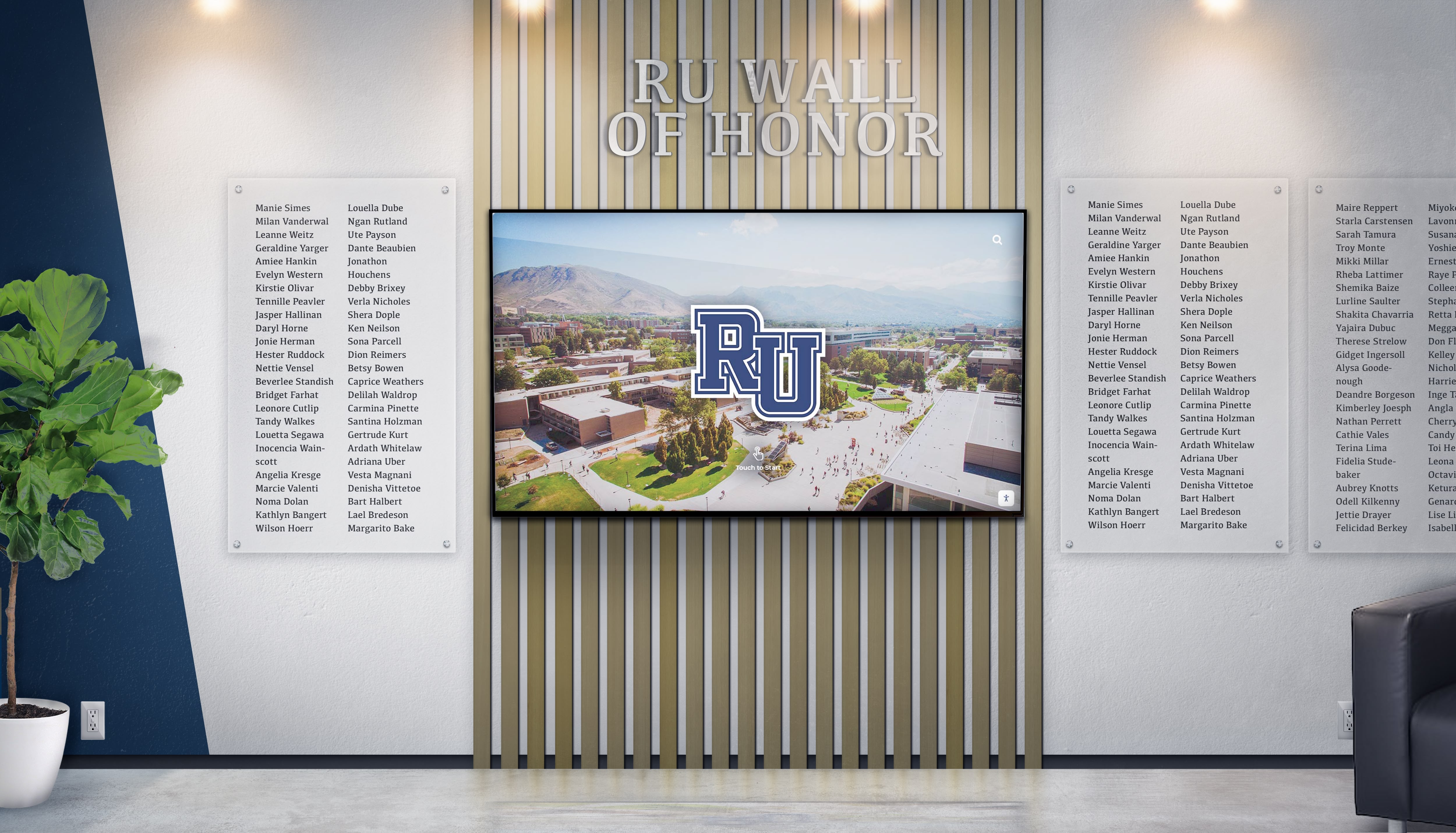
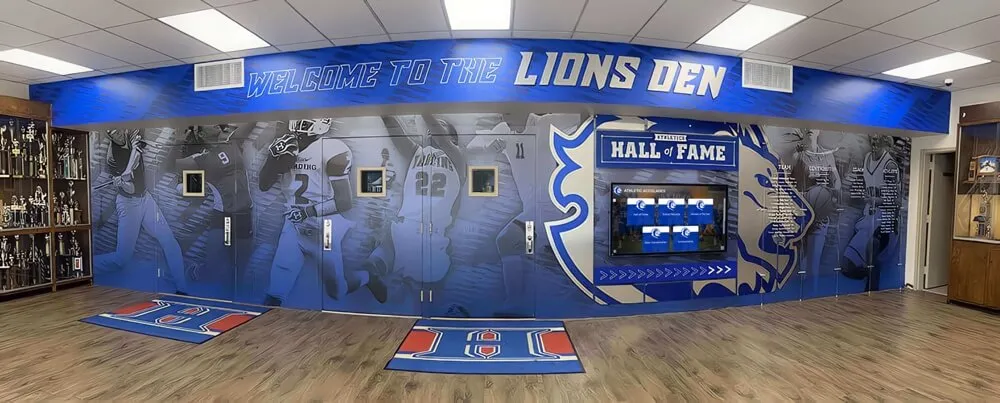
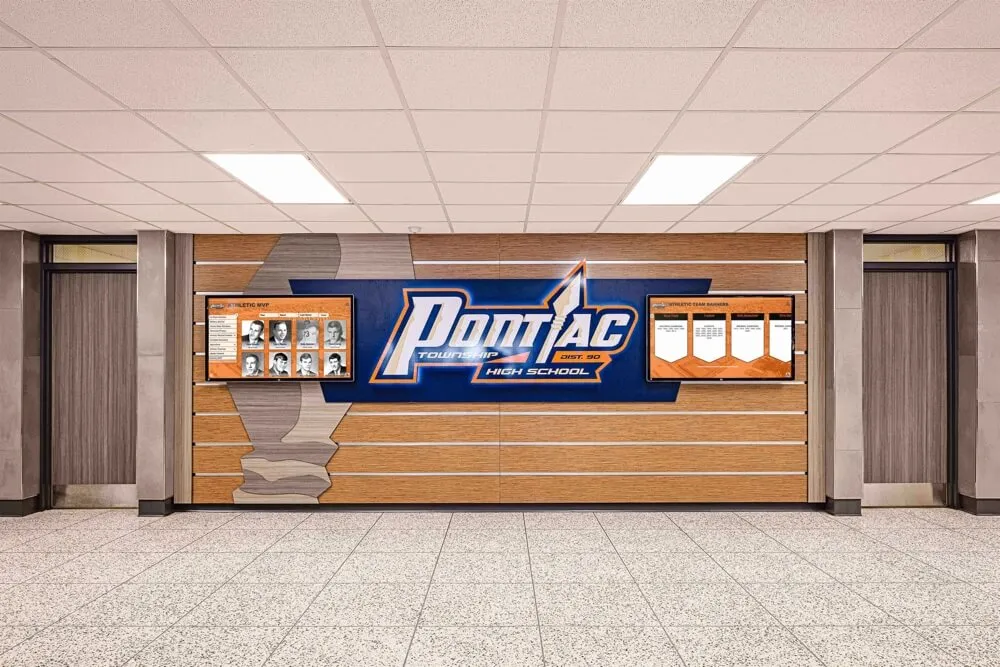
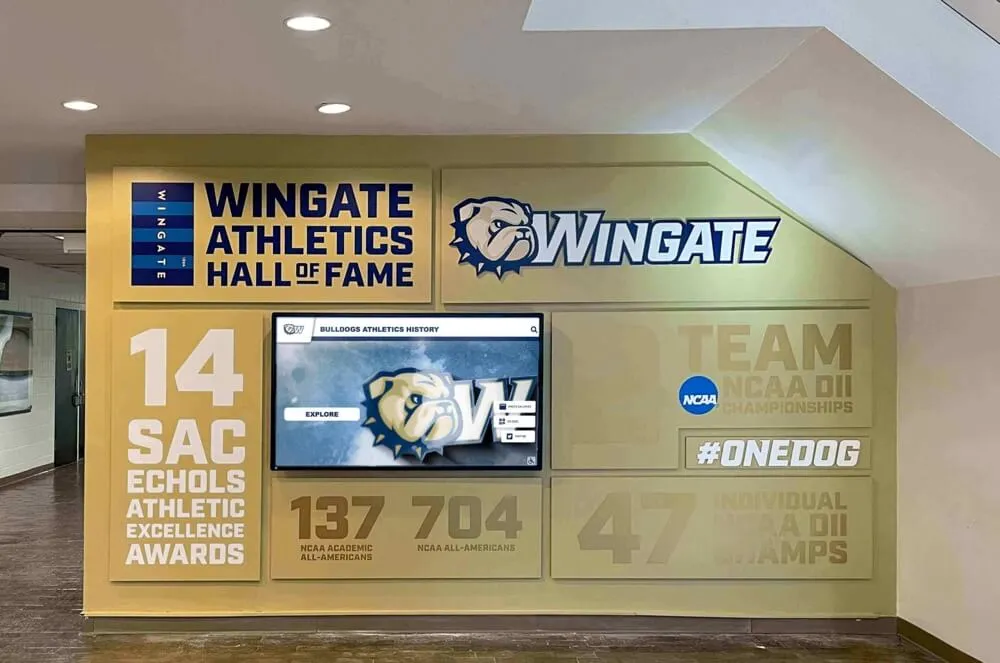
Integrated systems combine digital displays with traditional elements creating comprehensive celebration spaces
Ensuring Equity and Inclusive Recognition
Multiple Pathways to Achievement
Honor roll systems should provide recognition opportunities for students across performance levels:
Tiered honor roll levels ensure students starting from different baselines can achieve recognition through genuine effort. Improvement recognition supplements static GPA thresholds, acknowledging students showing significant grade improvement even when not yet reaching honor roll levels.
Subject-specific honors recognize excellence in particular disciplines for students whose overall GPA may not reach school-wide honor roll thresholds. Effort and growth mindset recognition acknowledges exceptional persistence through challenges, celebrating qualities supporting eventual academic success.
Demographic Representation Monitoring
Schools should regularly review honor roll demographics compared to overall student population, identifying whether recognition reaches all groups proportionally or reveals systematic disparities.
When analysis reveals gaps, strengthen academic support, tutoring, mentoring, or intervention programs addressing root causes rather than accepting unequal recognition as inevitable. Share honor roll criteria, requirements, and achievement strategies clearly with all families, ensuring information access doesn’t advantage students whose families understand systems inherently.
Learn about perfect attendance display approaches that can complement honor roll within comprehensive recognition programs.
Measuring Program Impact and Effectiveness
Quantitative Metrics
Track honor roll achievement rates over time showing whether recognition motivates increased performance. Monitor display interaction frequency and duration measuring student engagement. Analyze web platform usage demonstrating family and alumni interest.
Compare academic achievement trends between schools with robust recognition and baseline periods. Examine whether honor roll rates increase among eligible students as recognition visibility grows.
Qualitative Assessment
Student surveys about honor roll awareness, motivation, and perception provide valuable feedback. Family satisfaction with recognition comprehensiveness and visibility guides improvements. Teacher observations about academic culture and student motivation inform program adjustments.
College counselor perspective on recognition supporting applications validates program value. Alumni reflection on how honor roll recognition influenced their experience demonstrates long-term impact.
Combined quantitative and qualitative assessment provides comprehensive understanding of recognition program effectiveness while identifying improvement opportunities.
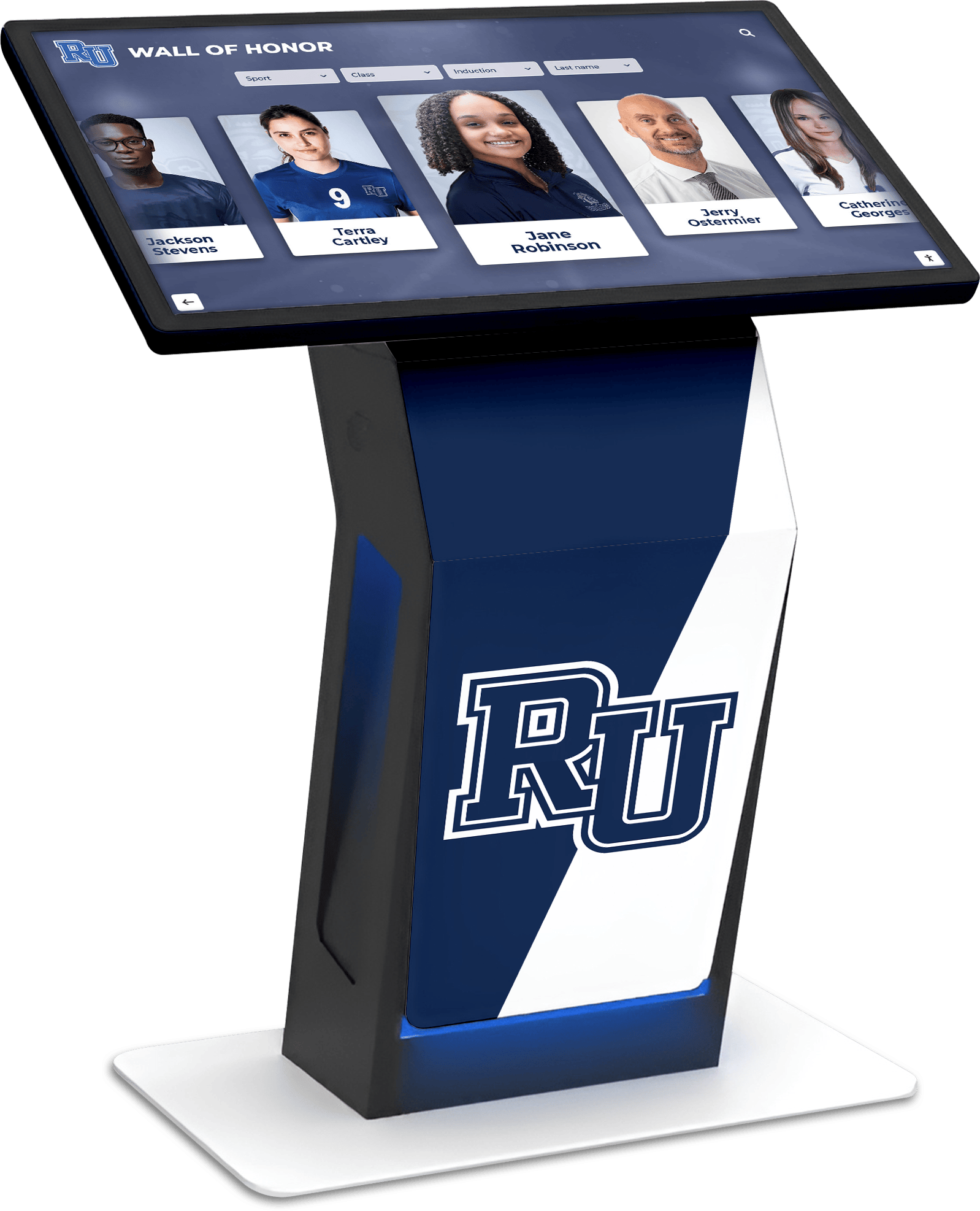
Purpose-built recognition kiosks provide comprehensive platforms for celebrating academic achievement
Overcoming Common Implementation Challenges
Schools considering digital honor roll recognition often face specific concerns about cost, complexity, and effectiveness.
Budget and Investment Considerations
Understanding Total Investment
Digital honor roll system costs vary based on scale and features:
Hardware costs for commercial-grade touchscreen displays with mounting and installation typically range $3,000-8,000 per location depending on specifications. Software platforms often charge annual subscription fees ranging $1,500-4,500 depending on student population and features. Installation and infrastructure add $500-2,000 per location depending on facility conditions.
Content development requires staff time, with schools typically budgeting 40-80 hours for comprehensive honor roll data entry covering multiple years.
Total initial investment commonly ranges $7,000-15,000 for single-display implementations including hardware, software first year, installation, and initial content development.
Value Proposition Analysis
Compared to alternatives, digital displays often provide superior long-term value:
Traditional plaques requiring replacement every 2-3 years as they fill cost $2,000-5,000 per replacement including engraving. Over ten years, plaque approaches cost $10,000-25,000 while accommodating fraction of achievers digital systems recognize.
Staff time savings of 50-80% in honor roll recognition maintenance create efficiency benefits beyond direct cost comparison. Quality commercial displays last 7-10 years with proper maintenance, amortizing initial investment across many recognition cycles.
Fundraising opportunities make honor roll displays excellent donor recognition projects. Many schools secure naming sponsorships from alumni, families, or community businesses, fully funding implementations through philanthropic support.
Explore digital wall of honor approaches that combine traditional aesthetics with modern interactive capabilities.
Privacy and Permission Management
FERPA Compliance
Honor roll lists generally constitute “directory information” which schools may disclose without consent under FERPA regulations, though families may opt out. Schools should implement permission processes allowing families to decline public recognition if desired.
Many schools collect blanket photo release permissions during enrollment covering all recognition uses. For families declining photo permissions, schools can display profiles with generic avatars while still recognizing names and achievements.
Avoid displaying information beyond achievement itself—disciplinary records, special education status, or other sensitive data should never appear in recognition contexts. Formal opt-out processes allow families to request exclusion from public honor roll recognition, respecting privacy preferences while enabling celebration for families who value visibility.
Data Security
Cloud-based systems should include appropriate security measures protecting student information from unauthorized access. Role-based permissions ensure only appropriate staff can manage honor roll content. Regular backups protect institutional records from loss.
Technical Support and Maintenance
Ongoing Management Requirements
Staff need approximately 2-4 hours per marking period updating honor roll lists, assuming streamlined processes and bulk import capabilities. Initial time investment creates efficient workflows reducing ongoing burden.
Commercial displays require minimal maintenance beyond occasional cleaning and basic troubleshooting. Cloud-based software systems require no local technical maintenance—vendors manage servers, backup, and updates remotely.
Quality recognition platform providers include implementation training, ongoing technical support, and regular system updates in subscription fees, minimizing school IT department burden.
Learn about digital hall of fame touchscreen implementation with comprehensive guidance for school environments.
Conclusion: Transforming Honor Roll Recognition for Modern Education
Digital honor roll recognition represents fundamental advancement in how schools celebrate academic excellence, moving beyond space-limited plaques and temporary bulletin boards to create permanent, interactive, and engaging acknowledgment accessible to current students, families, alumni, and broader communities. Effective digital recognition systems honor individual achievement comprehensively with rich multimedia profiles, provide unlimited capacity accommodating all honor roll achievers across decades, create interactive exploration experiences engaging students meaningfully, extend recognition reach through web connectivity, and demonstrate institutional commitment to academic excellence through professional platforms.
Schools implementing thoughtful digital honor roll programs report significant benefits including increased student motivation to achieve honor roll recognition, enhanced school culture visibly valuing academic achievement, stronger family engagement with academic programs and progress, improved college counseling documentation and application support, and preserved institutional archives celebrating scholarly tradition across generations.
Transform Your Honor Roll Recognition Program
Discover how modern digital recognition technology can help your school celebrate every honor roll achievement comprehensively while building thriving culture of academic excellence and creating lasting recognition accessible across generations.
Explore Recognition SolutionsSuccessful honor roll digital recognition requires systematic planning ensuring appropriate technology selection meeting school needs, comprehensive content development honoring achievements meaningfully, thoughtful cultural integration reinforcing academic values, sustainable management processes maintaining program effectiveness, and continuous assessment measuring impact and guiding improvements.
Whether implementing new recognition programs or enhancing existing approaches, schools combining strategic planning with purpose-built digital technology create honor roll celebration systems that genuinely motivate academic achievement across student populations, strengthen institutional culture prioritizing scholarly excellence, provide permanent recognition surviving building changes and administrative transitions, engage families and communities celebrating student accomplishment, and demonstrate that academic success receives visibility and honor equal to achievements in any other domain.
Your honor roll students demonstrate commitment to learning excellence through sustained academic effort—they deserve recognition reflecting the significance of their accomplishments through modern platforms that celebrate achievement comprehensively, remain accessible permanently, and inspire younger students pursuing academic goals. Ready to transform your honor roll recognition? Discover how Rocket Alumni Solutions creates comprehensive digital recognition platforms that celebrate academic excellence, or explore teacher of the year award approaches that can inform holistic recognition programs honoring achievement across your entire educational community.