Understanding lacrosse game timing is essential for families planning their schedules around game day, athletic directors coordinating facility use, and schools building lacrosse programs that honor the sport’s growing prominence across American high schools. Whether you’re a parent attending your first lacrosse game, a student considering joining the team, or a school administrator planning recognition for this emerging sport, knowing how long games actually last helps everyone prepare appropriately.
Lacrosse has experienced remarkable growth over the past two decades, transforming from a regional East Coast sport into a nationwide athletic phenomenon. As schools invest in lacrosse programs—building facilities, hiring coaches, and creating competitive teams—they increasingly recognize the need to celebrate lacrosse achievements alongside traditional sports like football and basketball. Understanding game structure and timing provides essential context for families and schools equally committed to supporting this dynamic sport.
This comprehensive guide answers the central question of high school lacrosse game length while exploring the broader context of lacrosse program development, recognition strategies, and how schools honor the dedication of athletes, coaches, and supporters building lacrosse traditions at their institutions.
High school lacrosse offers an exciting, fast-paced athletic experience that combines elements of basketball, soccer, and hockey into a uniquely American sport with deep historical roots and growing contemporary appeal. As lacrosse programs expand into new regions and communities, understanding game logistics becomes increasingly important for everyone involved in supporting these emerging athletic traditions.

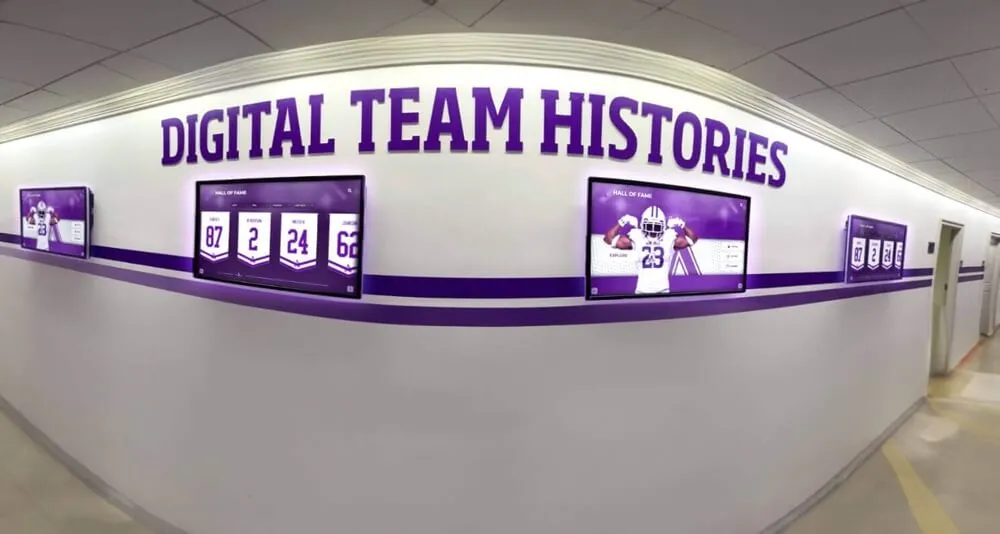
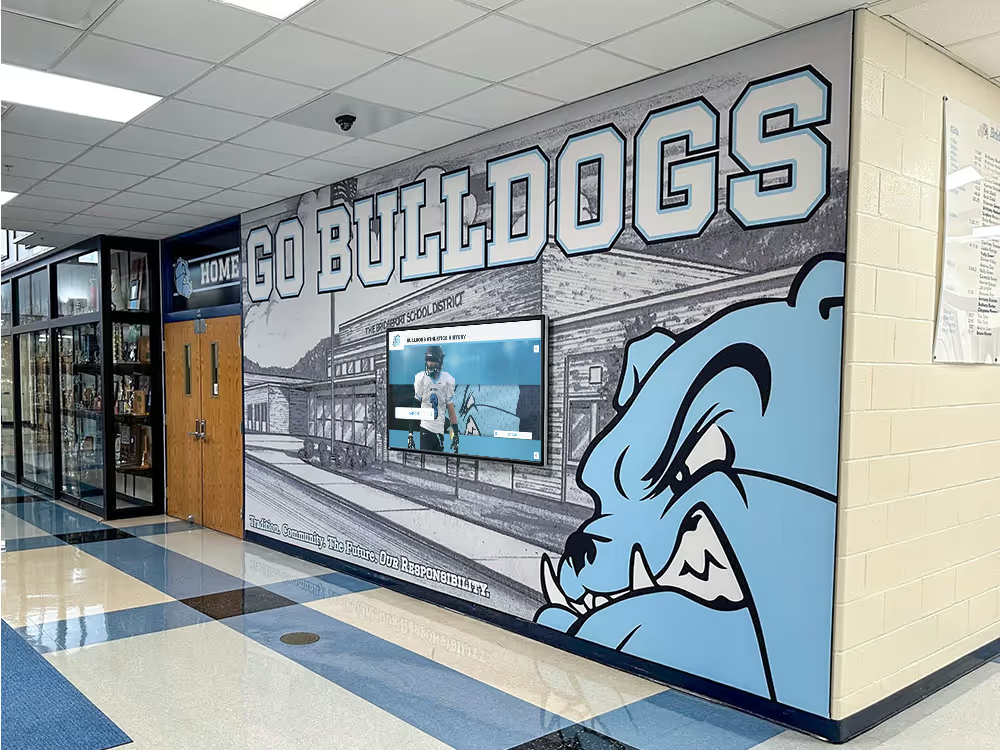
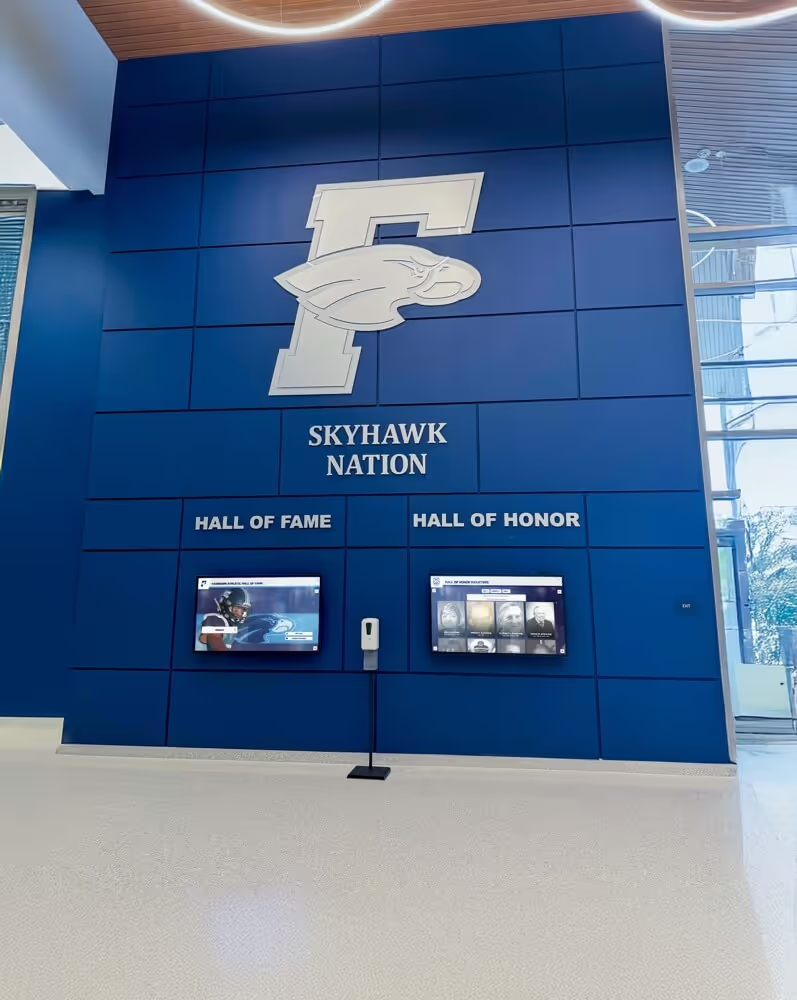
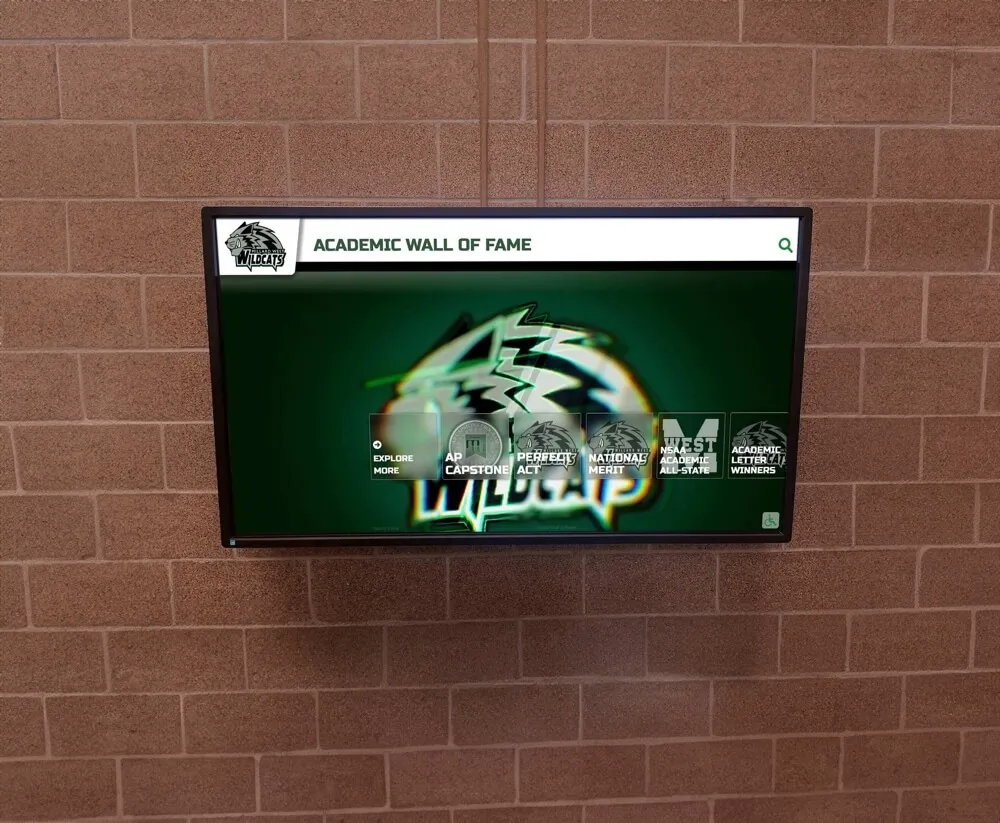
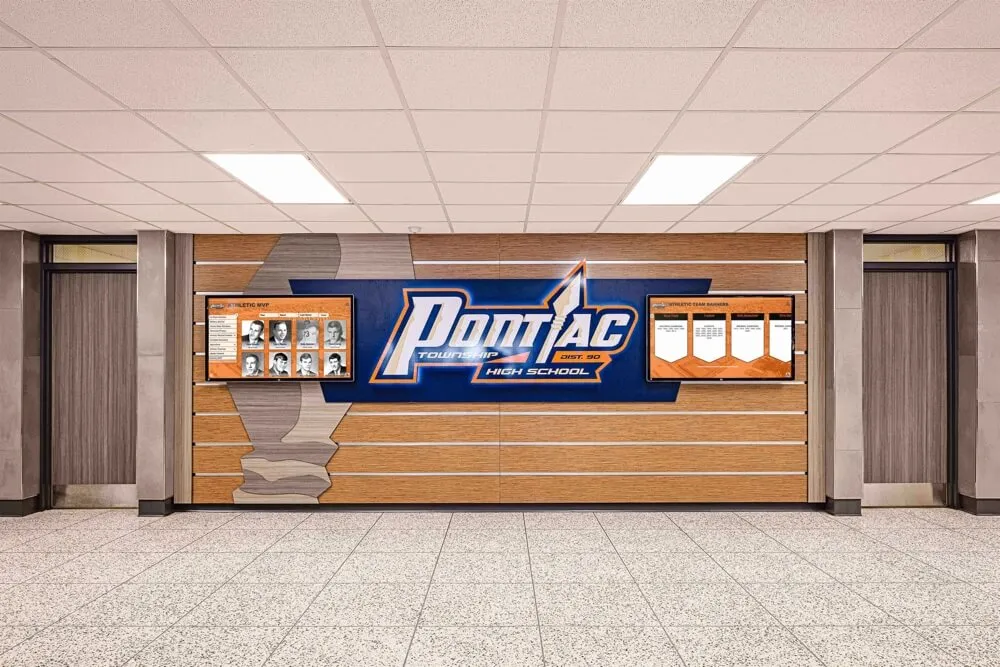
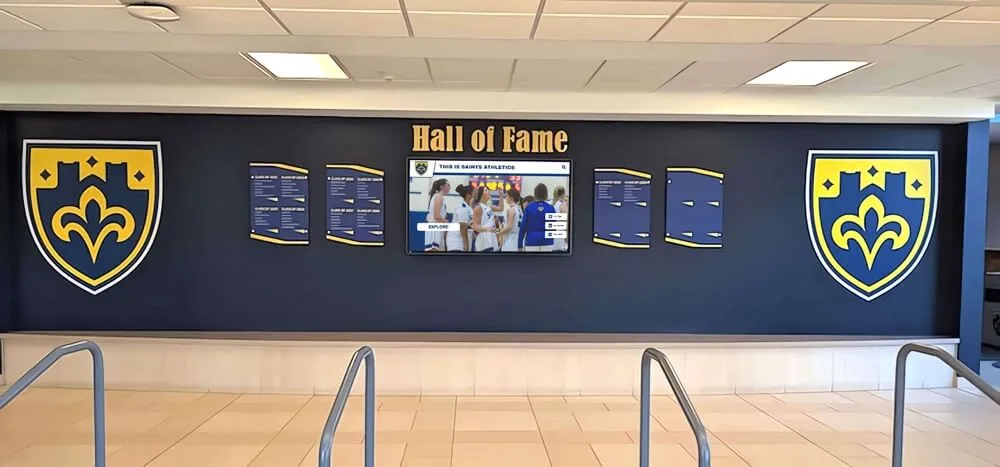
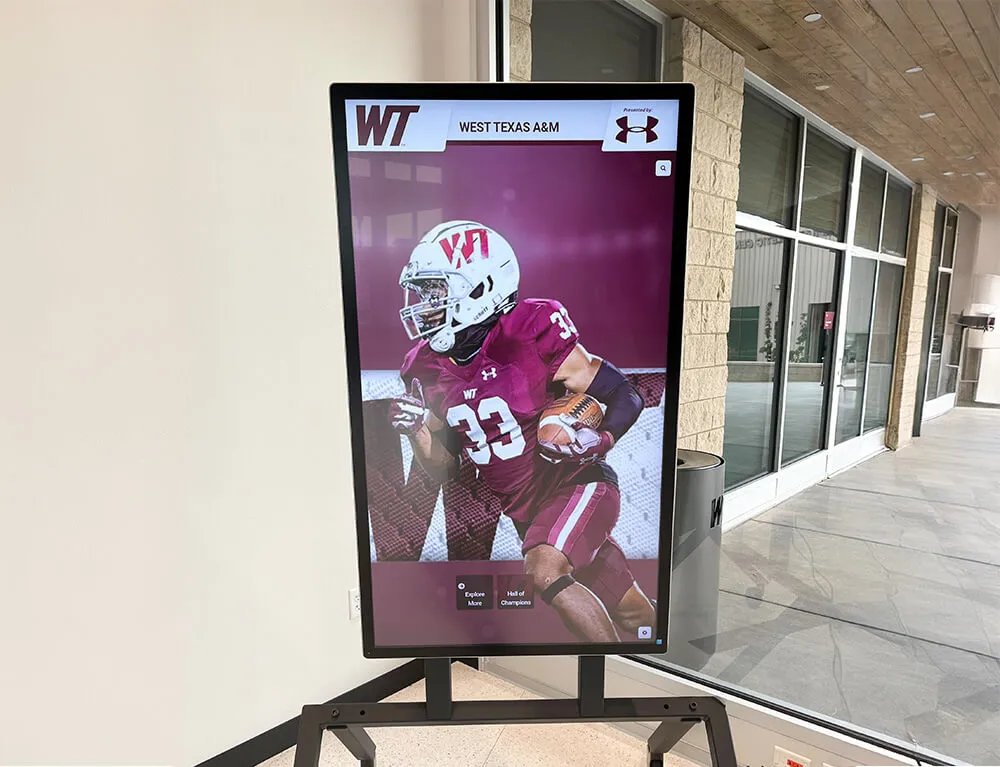
Modern recognition displays help schools celebrate lacrosse achievements and build program pride for emerging sports
The Quick Answer: High School Lacrosse Game Length
A typical high school lacrosse game lasts approximately 90 minutes to 2 hours from opening whistle to final horn, including regulation play, halftime, timeouts, and natural game stoppages. However, the actual duration depends on several factors including gender (boys vs. girls lacrosse has different rules), level of play, number of timeouts used, and whether overtime periods are required.
Standard Game Structure and Timing
High school lacrosse follows structured timing frameworks established by the National Federation of State High School Associations (NFHS), though some state associations modify rules for local preferences:
Boys High School Lacrosse Timing
- Four quarters of 12 minutes each = 48 minutes of regulation play
- Running clock that stops for timeouts, goals, penalties, and certain out-of-bounds situations
- Halftime period of 10 minutes between the second and third quarters
- Two timeouts per half for each team (typically 1 minute each)
- Clock management similar to basketball with stops and starts
Girls High School Lacrosse Timing
- Two halves of 25 minutes each = 50 minutes of regulation play
- Running clock with stops for goals, penalties, and certain situations
- Halftime period of 10 minutes between halves
- Two timeouts per half for each team
- Different clock rules reflecting different game flow and physicality standards
These fundamental structures provide the baseline for calculating total game duration, but real-world timing extends beyond pure playing time due to various factors affecting game flow.
Factors That Extend Game Duration
Several elements add to the basic playing time, creating the 90-minute to 2-hour total duration:
Pre-Game Activities and Warm-Ups
Teams typically take the field 15-20 minutes before scheduled game time for warm-up drills, shooting practice, and tactical preparation. While not technically part of game duration, families planning attendance should arrive early to see these pre-game routines and ensure they’re present for opening ceremonies or senior night recognition.
Timeouts and Team Conferences
Each team receives timeouts per half, and coaches strategically use these to rest players, discuss strategy, or slow opposing momentum. While individual timeouts last just one minute, multiple timeouts throughout games add 4-8 minutes to total duration.
Penalty Administration and Player Changes
Lacrosse involves frequent penalties requiring officials to stop play, explain infractions, adjust player counts (man-up/man-down situations), and reset face-offs. Complex penalty situations—particularly in boys lacrosse with more physical contact—can extend games by 10-15 minutes beyond pure playing time.
Halftime Break and Team Adjustments
The 10-minute halftime provides teams with coaching adjustments, rest, and hydration. Some schools extend halftime for special ceremonies, senior recognition, or youth program exhibitions, potentially adding 5-10 additional minutes.
Overtime Periods When Games Are Tied
If regulation ends with tied scores, sudden-victory overtime periods add significant time to games. Boys lacrosse typically uses 4-minute sudden-victory periods until someone scores. Girls lacrosse uses 3-minute sudden-victory periods. Close games requiring multiple overtime periods can extend total duration by 30 minutes or more beyond regulation.

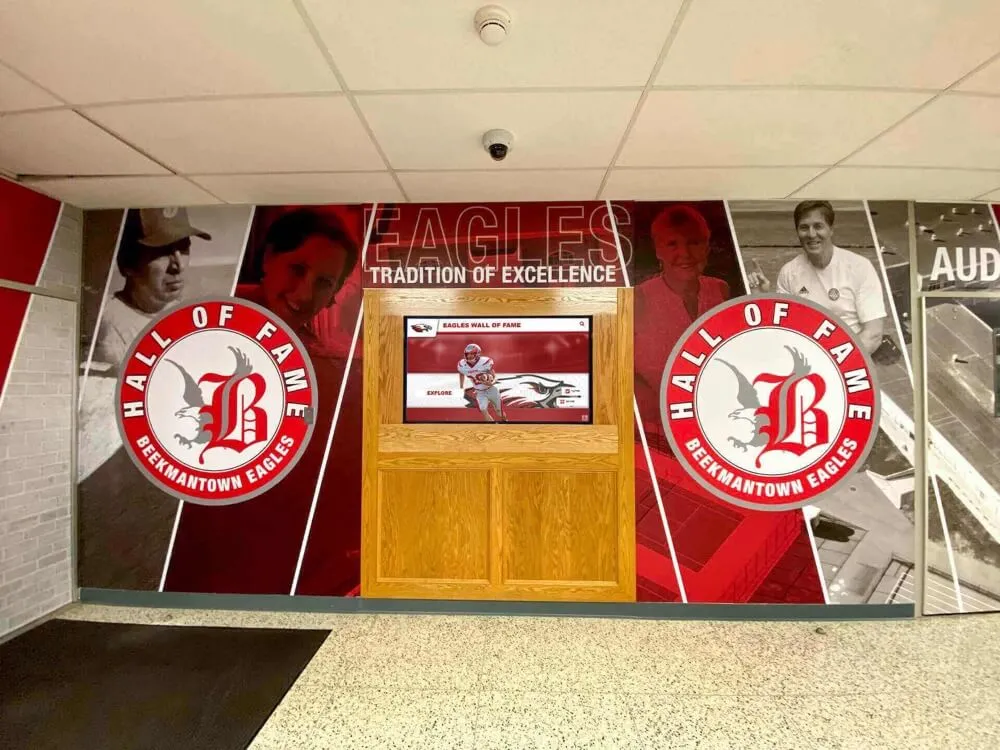
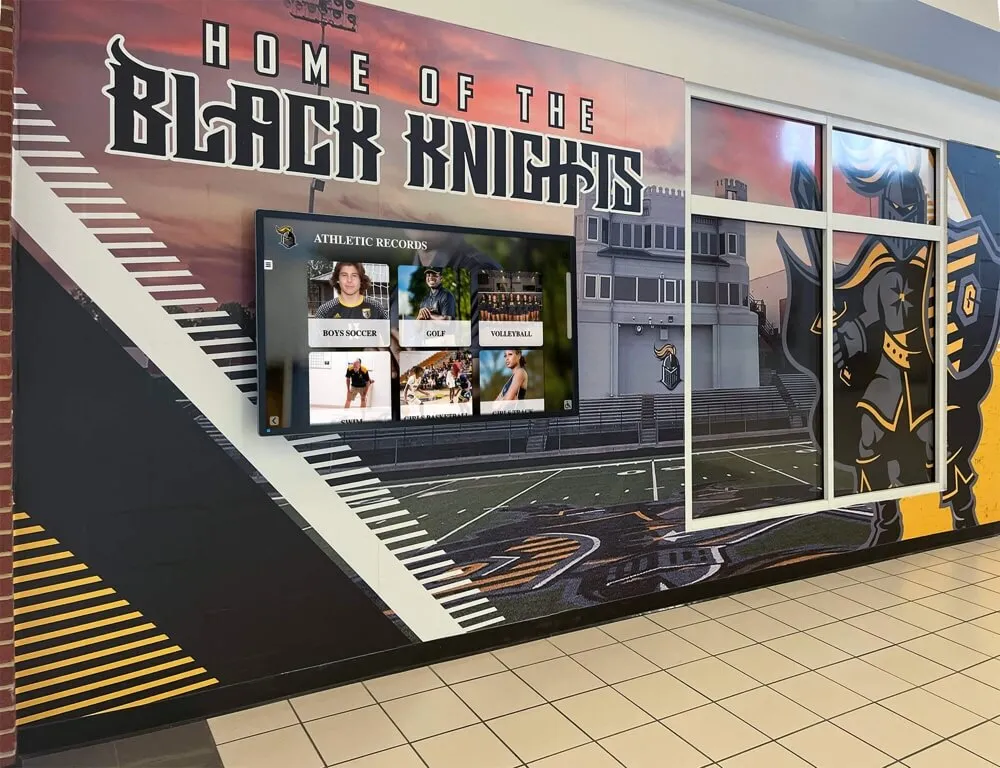
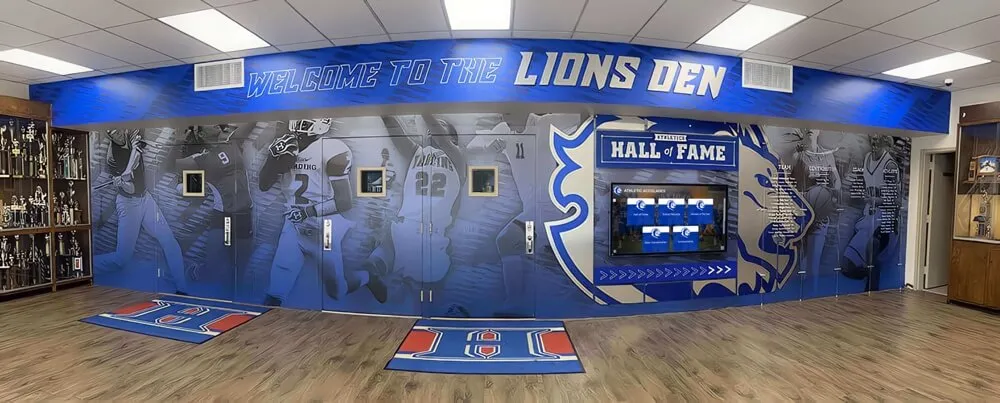
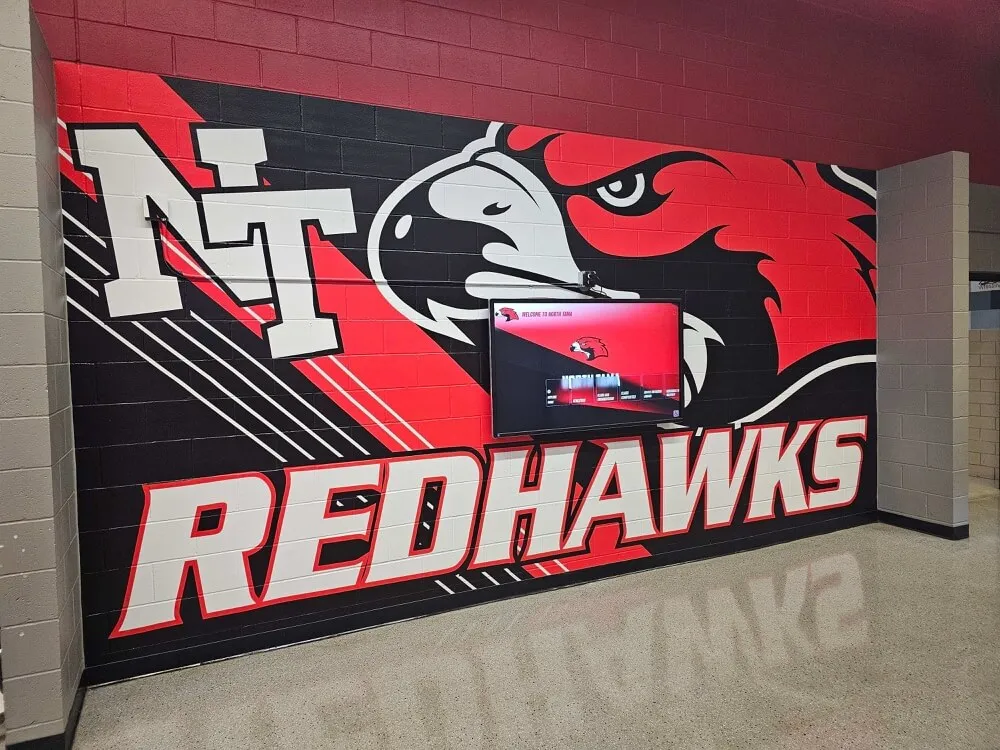
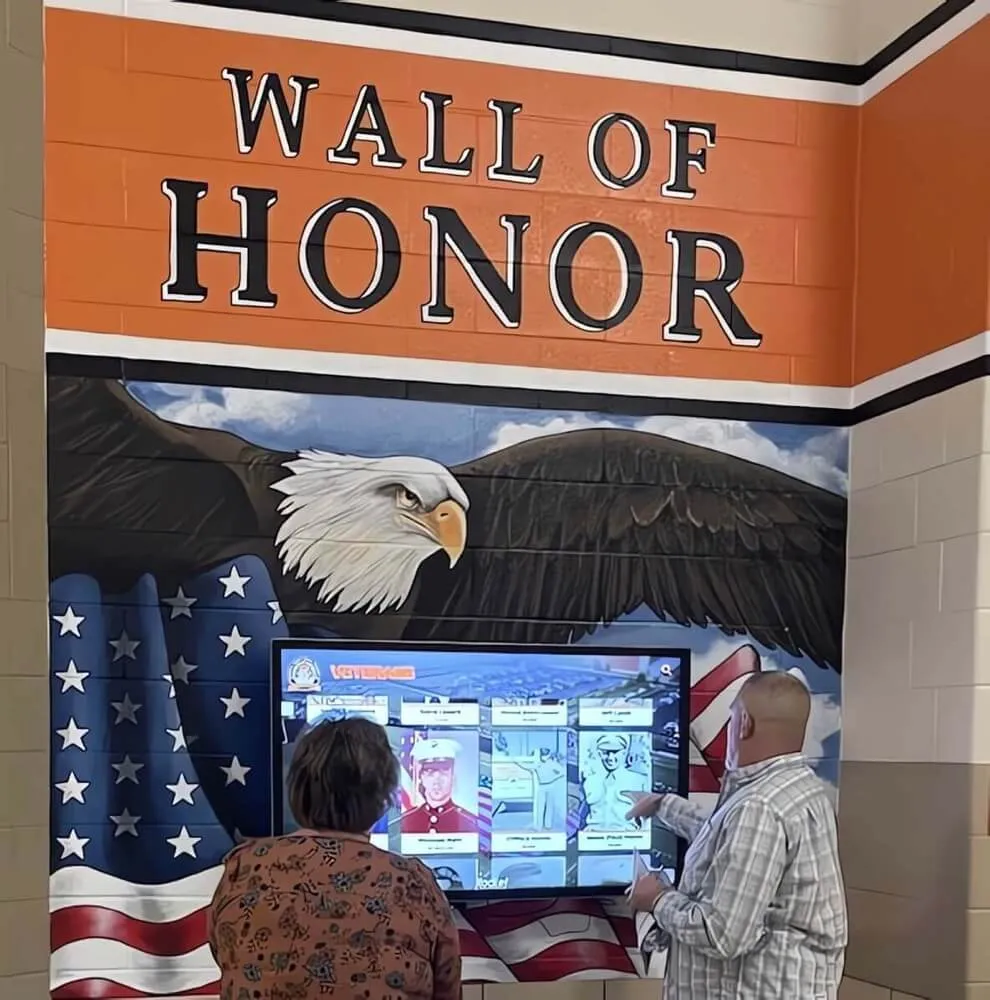
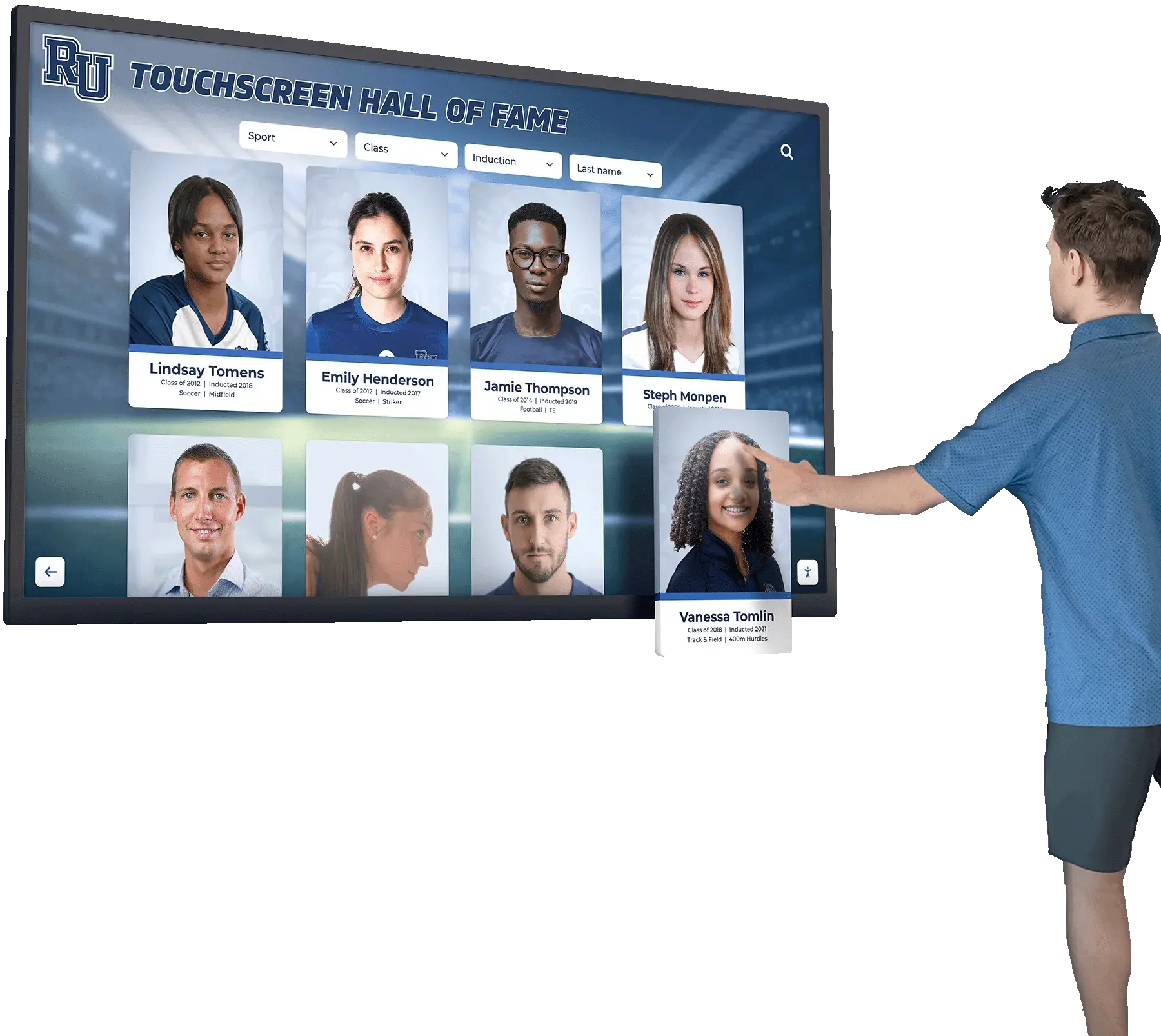
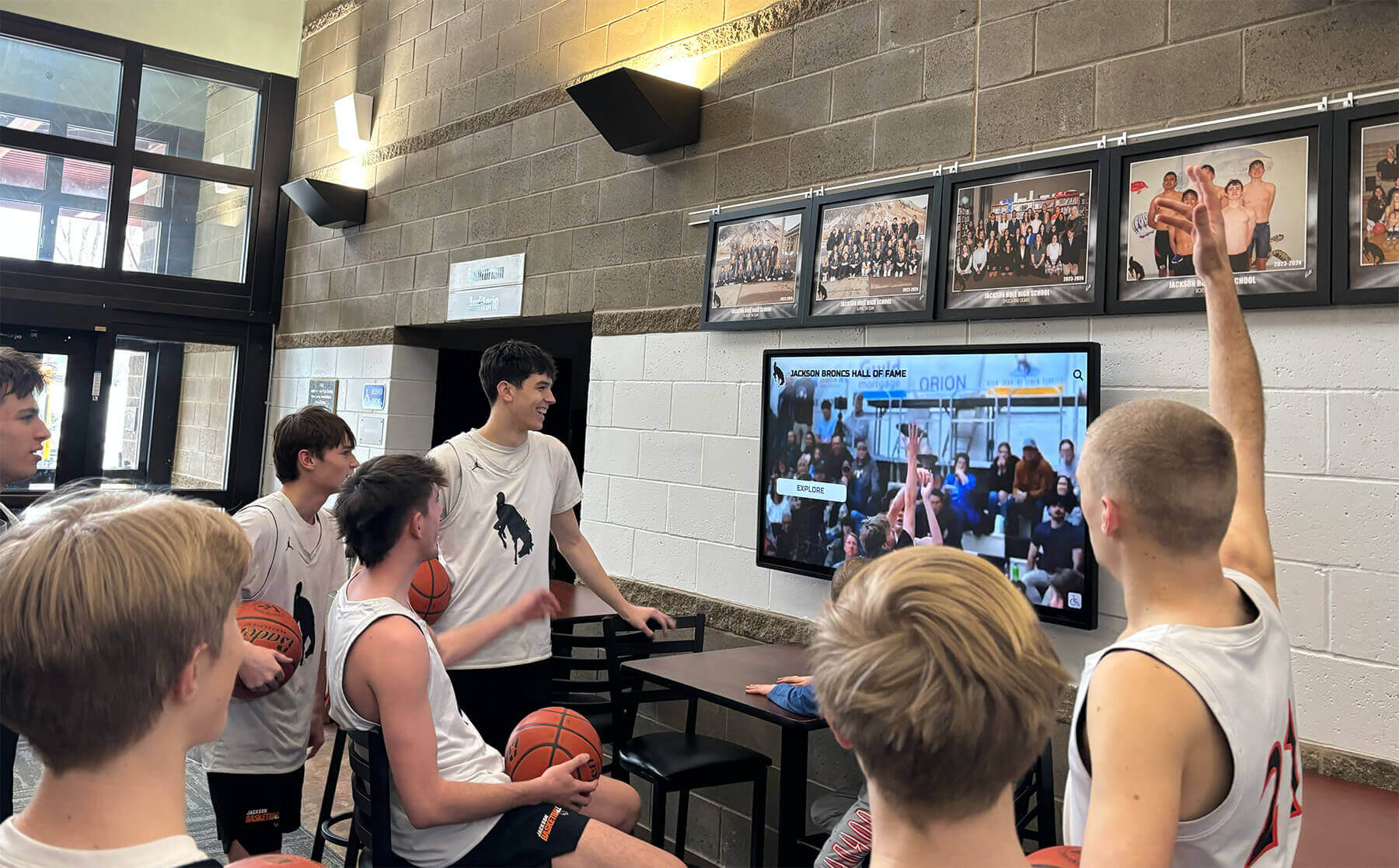
Schools celebrate lacrosse program growth through professional recognition displays honoring athletes and championship achievements
Differences Between Boys and Girls High School Lacrosse
Beyond timing differences, boys and girls lacrosse represent substantially different sports with unique rules, equipment, and game flow affecting both duration and playing style.
Boys Lacrosse: Contact and Clock Management
Boys high school lacrosse permits significant physical contact, similar to ice hockey, creating a more aggressive game with different timing characteristics:
Physical Contact and Penalty Frequency
Body checking, stick checking, and physical defensive play are legal in boys lacrosse, leading to frequent penalties including slashing, illegal body checks, and unnecessary roughness. These penalties create man-up/man-down situations requiring extensive clock management and often extend game duration beyond girls lacrosse timing.
Field Size and Player Numbers
Boys teams field 10 players (3 attackmen, 3 midfielders, 3 defensemen, 1 goalie) on a field typically measuring 110 yards by 60 yards. The larger field with more players creates different game flow compared to girls lacrosse, affecting both scoring frequency and game pace.
Equipment Requirements
Boys wear extensive protective equipment including helmets with face masks, shoulder pads, arm pads, and gloves. This equipment enables physical contact but also creates equipment-related delays when players need adjustments, repairs, or replacements during games.
Clock Stop Rules and Game Pace
Boys lacrosse stops the clock for goals, timeouts, certain penalties, and end-of-quarter situations. However, much of the game runs on a continuous clock similar to soccer, allowing games to progress relatively quickly despite frequent physical contact and face-offs after every goal.
Girls Lacrosse: Limited Contact and Continuous Flow
Girls high school lacrosse emphasizes skill, stick work, and field awareness over physical contact, creating notably different game characteristics:
Minimal Physical Contact Rules
Girls lacrosse prohibits body checking and most physical contact. Defensive players can check opponents’ sticks but cannot initiate body contact, leading to fewer penalties, less aggressive play, and often faster game flow than boys lacrosse.
Modified Protective Equipment
Girls wear protective eyewear and mouthguards but no helmets or body padding (except goalies). This lighter equipment reflects the non-contact nature of the sport and eliminates equipment-related delays common in boys games.
Draw Instead of Face-Off After Goals
Girls lacrosse uses a “draw” at centerfield after goals—two players hold sticks together while the official places the ball between them, then signals the draw. This differs from boys lacrosse face-offs and typically creates faster restarts and quicker game pace.
Free Position Opportunities
When defensive fouls occur within specific areas, attacking players receive “free position” opportunities—undefended shots from set positions. These situations stop play briefly but lead to scoring opportunities that keep games flowing and engaging for spectators.
Schools implementing athletic recognition displays often showcase both boys and girls lacrosse achievements, honoring the distinct traditions and accomplishments of each program.
Comparative Timing Summary
Understanding timing differences helps families plan attendance:
Average Boys Lacrosse Game:
- Regulation: 48 minutes (4 x 12-minute quarters)
- Halftime: 10 minutes
- Timeouts: 4-8 minutes
- Stoppages: 15-20 minutes
- Total: 85-95 minutes (approximately 1 hour 30 minutes)
Average Girls Lacrosse Game:
- Regulation: 50 minutes (2 x 25-minute halves)
- Halftime: 10 minutes
- Timeouts: 4-8 minutes
- Stoppages: 10-15 minutes
- Total: 75-85 minutes (approximately 1 hour 20 minutes)
These averages assume no overtime periods—adding sudden-victory overtime can extend games by 15-45 additional minutes depending on how quickly teams score.
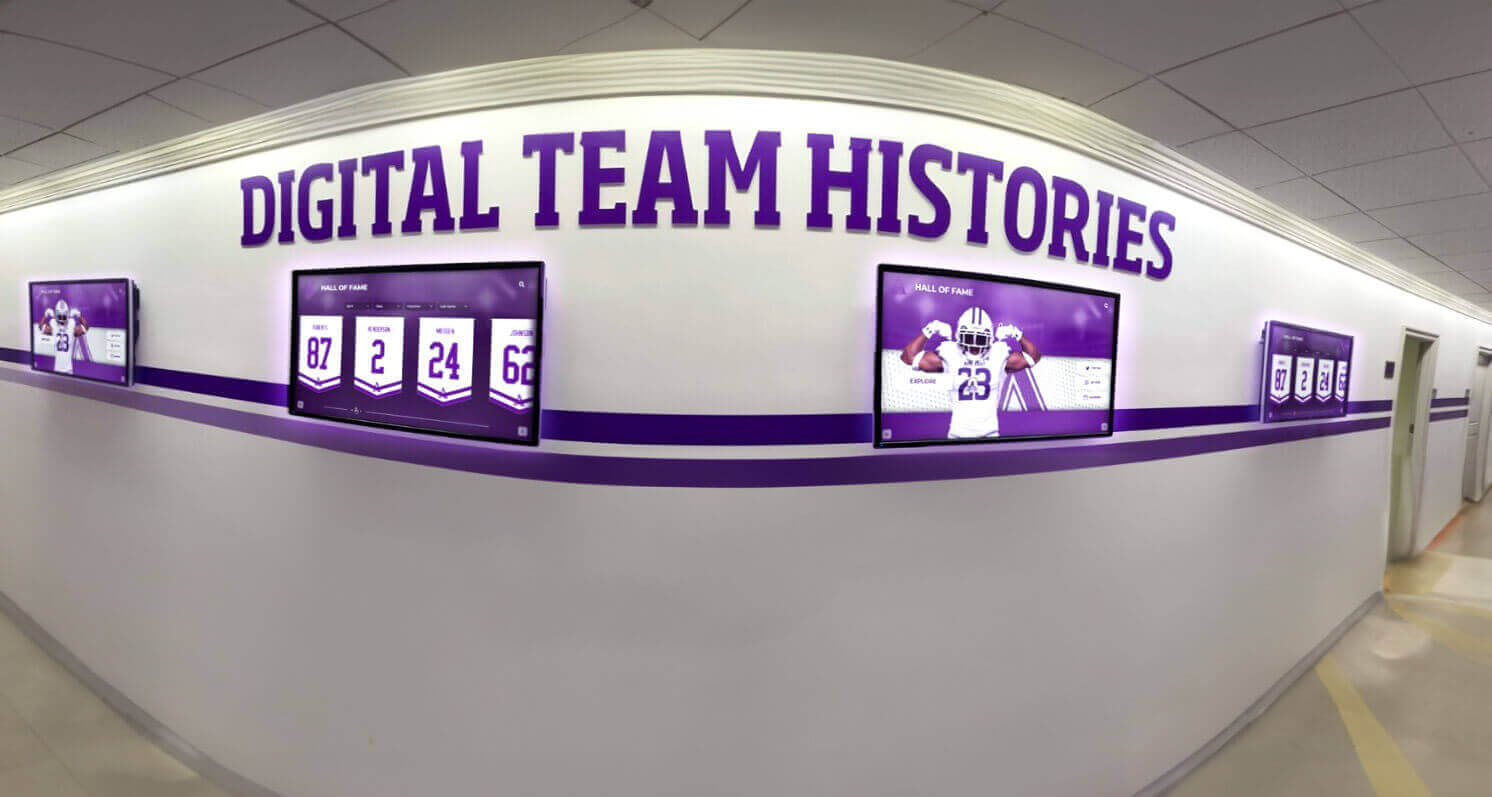
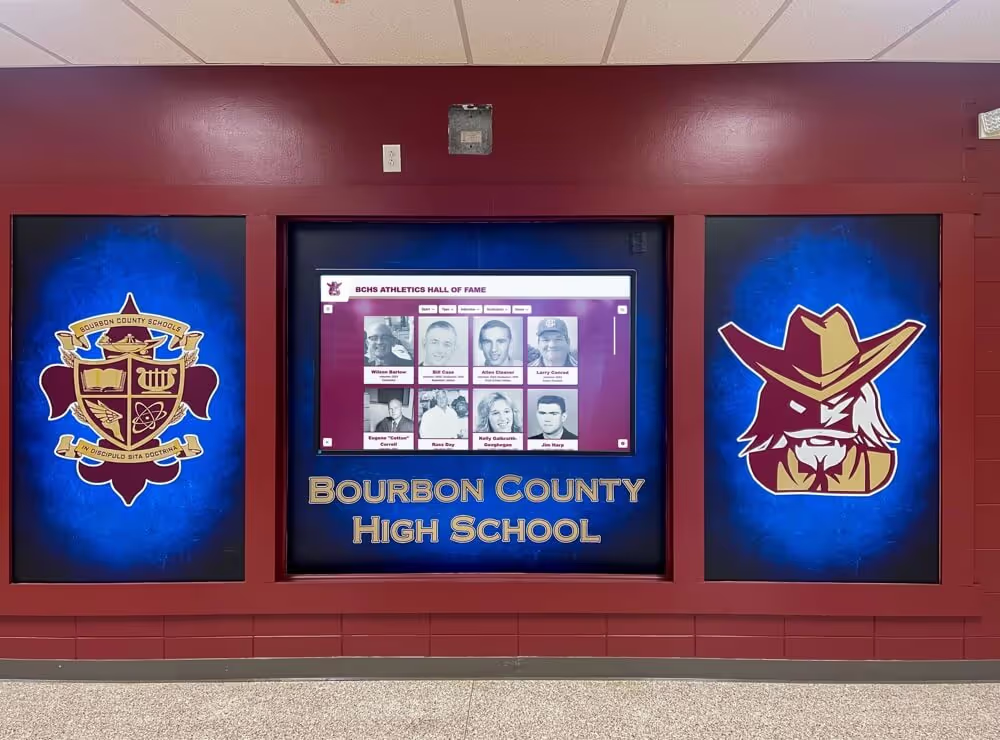
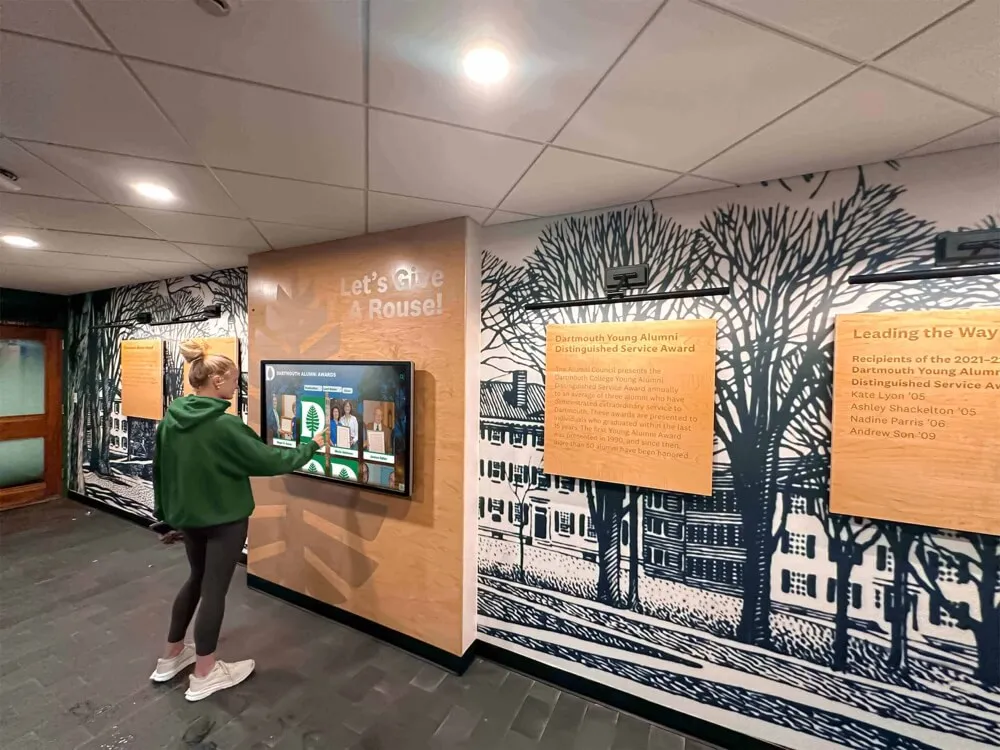
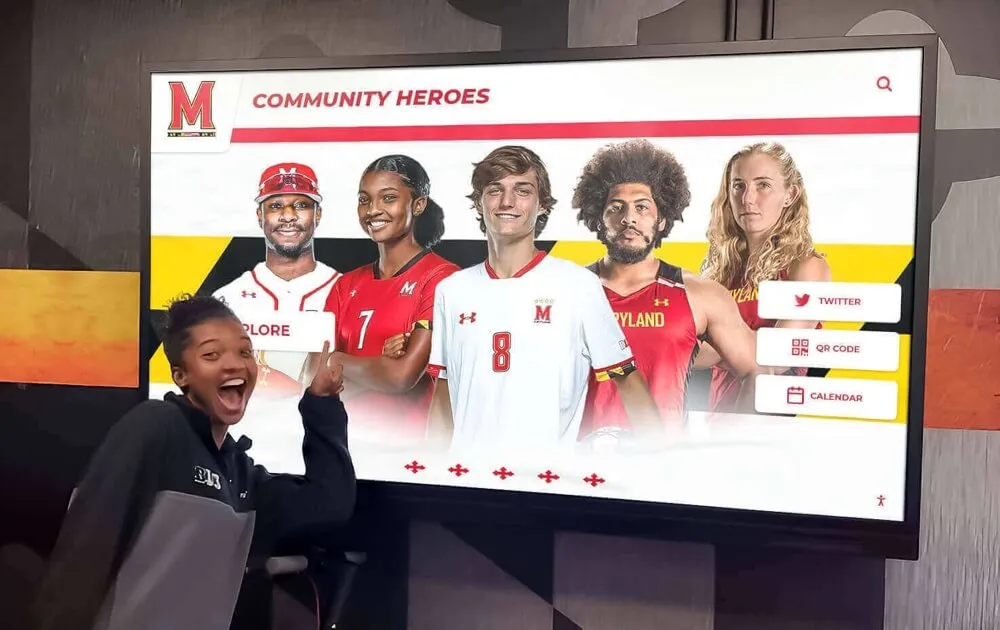
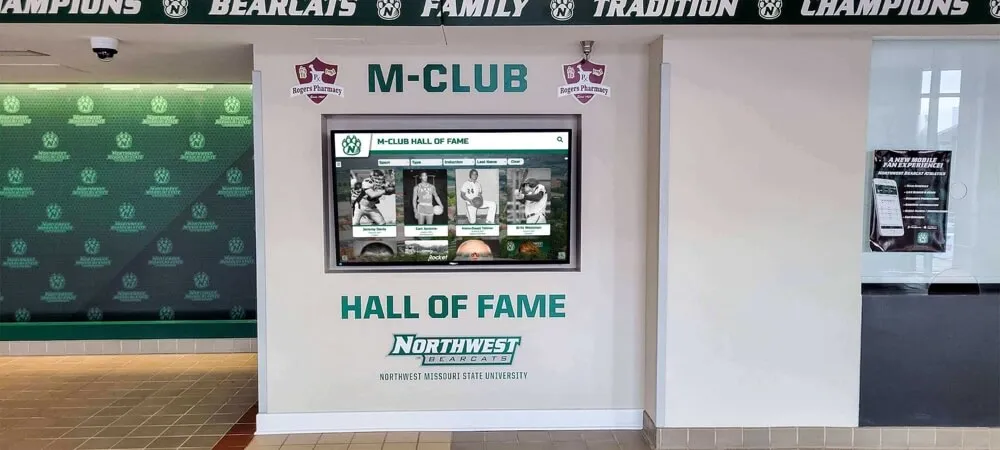
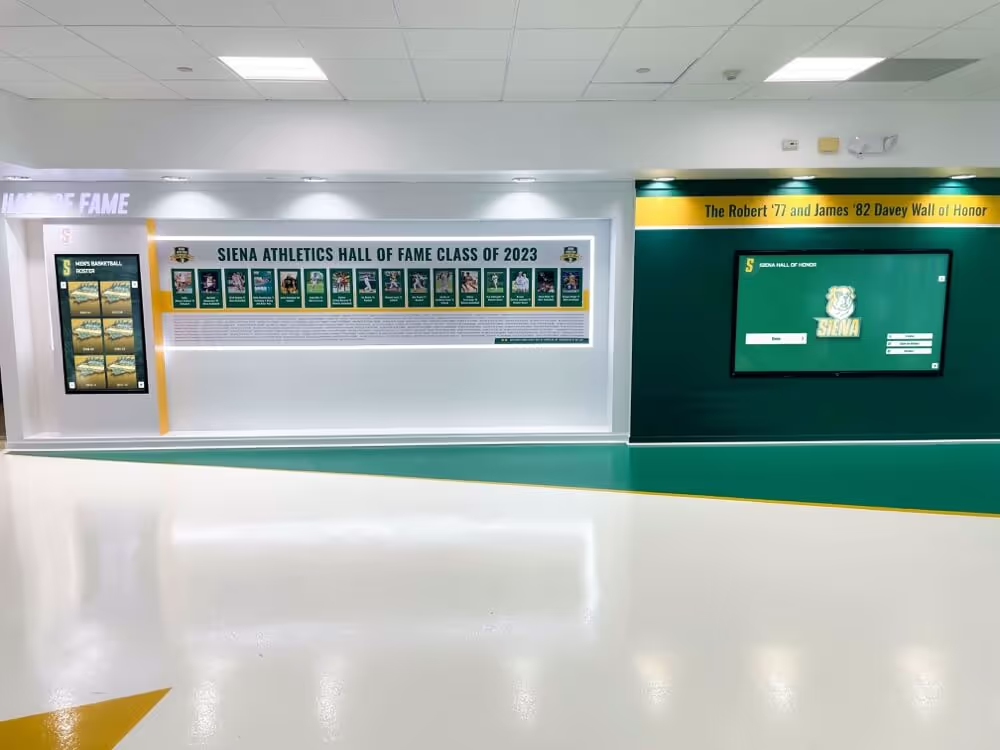
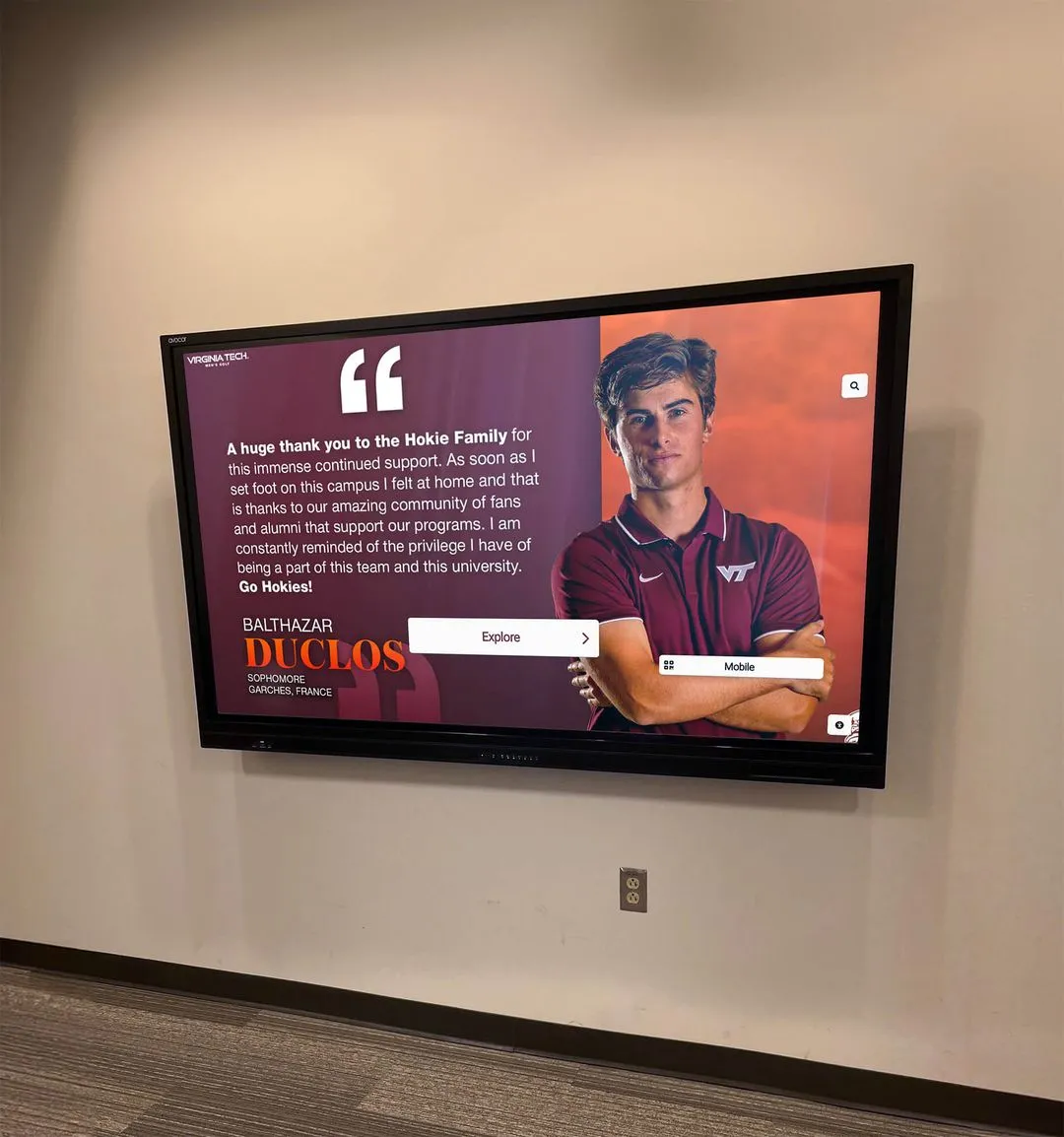
Coordinated display installations celebrate lacrosse season highlights and championship achievements throughout school facilities
Variations by Competition Level and State Associations
While NFHS provides baseline lacrosse rules, significant variations exist across different competitive levels and geographic regions:
Freshman and Junior Varsity Modifications
Many schools adjust timing for sub-varsity lacrosse competition to accommodate developing players and scheduling constraints:
Shortened Quarters or Halves
Freshman teams often play 10-minute quarters (boys) or 20-minute halves (girls) rather than full varsity timing. This reduces game duration by 15-20 minutes while still providing meaningful competitive experience for developing players.
Modified Overtime Rules
Sub-varsity games more frequently end in ties rather than continuing through multiple overtime periods. Some leagues eliminate overtime entirely or limit it to a single sudden-victory period to keep schedule predictable and manageable.
Running Clocks and Mercy Rules
When score differentials become lopsided, officials may implement continuous running clocks regardless of stoppages, helping games conclude more quickly. Some leagues establish “mercy rules” ending games early when one team builds insurmountable leads, though this varies significantly by state association and conference.
State-Specific Rule Variations
Different state high school athletic associations sometimes modify standard NFHS lacrosse rules:
California and Western States
States with newer lacrosse programs sometimes adopt modified rules to accommodate limited official availability, facility constraints, or local scheduling preferences. Some use shorter game times or adjusted overtime rules compared to traditional Eastern lacrosse states.
Maryland, Virginia, and New York
States with long lacrosse traditions sometimes maintain traditional timing structures or implement specific local rules reflecting regional playing styles and historical practices. These states often have the most developed officiating networks and established lacrosse cultures.
Tournament and Championship Formats
Playoff and championship games typically use standard timing rules to ensure consistency, but tournament organizers sometimes implement schedule-driven modifications including shortened halftimes to accommodate multiple games in single days, or guaranteed overtime periods ensuring championship games produce clear winners rather than ties.
Private School and Club Variations
Private schools and club lacrosse programs sometimes operate under different governing bodies with distinct timing rules:
US Lacrosse Youth Rules
Some school programs adopt US Lacrosse youth rules rather than NFHS standards, particularly for developmental programs. These rules sometimes feature shorter playing times, modified field dimensions, and different equipment requirements suited to younger or less experienced players.
Conference-Specific Agreements
Athletic conferences sometimes establish unified timing rules for all member schools, creating consistency within leagues even when those rules differ from state association standards. These agreements help ensure competitive balance and scheduling predictability.
Exploring spring sports recognition approaches helps schools honor lacrosse alongside other seasonal athletic programs.
Game Day Experience: What to Expect Beyond Playing Time
Understanding complete game day experience helps families and supporters plan appropriately for attending lacrosse competitions:
Pre-Game Arrival and Parking Considerations
Recommended Arrival Time
Plan to arrive 30-45 minutes before scheduled game time to secure parking, navigate to seating areas, and watch teams warm up. Popular matchups or senior night games often draw larger crowds requiring extra time for parking and seating.
Facility Locations and Seating
High school lacrosse plays on dedicated lacrosse fields when available, but many schools use multi-purpose athletic fields adapted for lacrosse. Bleacher seating varies significantly—some schools provide extensive spectator areas while others offer limited seating requiring families to bring portable chairs.
Weather Considerations
Spring lacrosse season means variable weather. Prepare for conditions ranging from cold, windy weather in March and early April to warm, sunny conditions in May. Dress in layers and bring rain gear for unpredictable spring weather patterns.
Halftime and Between-Quarter Activities
Senior Night Recognition
Schools typically honor graduating seniors during final home games with brief ceremonies at halftime or between quarters. These recognition events add 5-15 minutes to standard halftime duration while celebrating athletes’ dedication and contributions.
Youth Program Exhibitions
Some schools showcase youth lacrosse programs during halftime with brief scrimmages or skills demonstrations. These activities build enthusiasm for lacrosse while connecting youth players with high school teams they aspire to join.
Community Building Activities
Progressive lacrosse programs use game days for broader community engagement including booster club fundraising activities, program merchandise sales, alumni gatherings, and recognition of community supporters who enable program development.

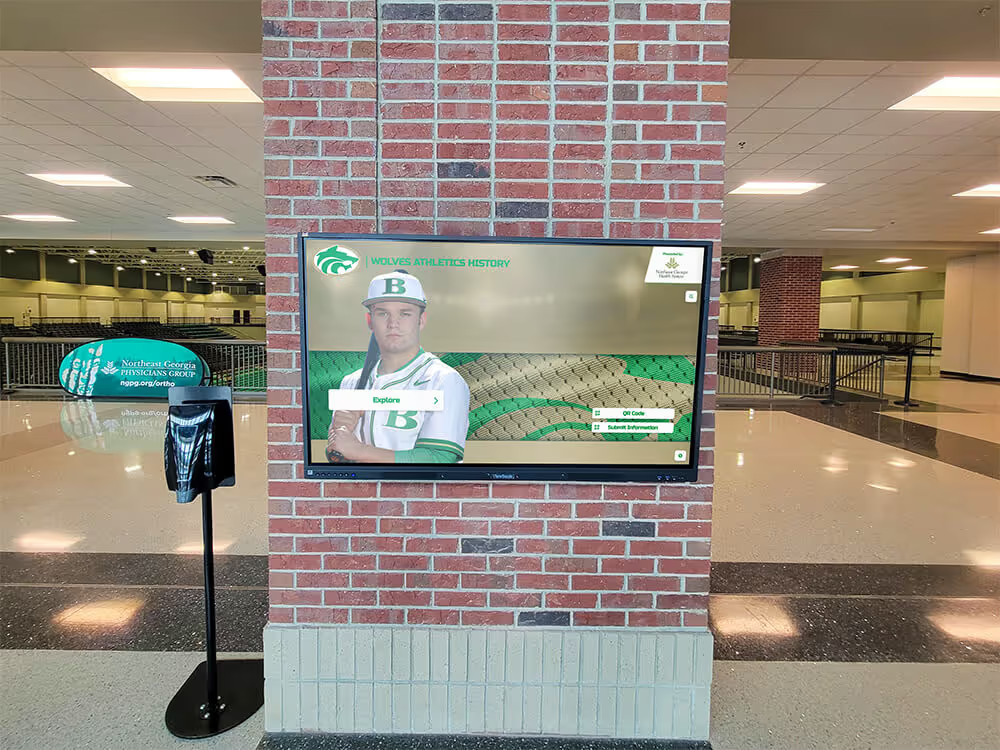
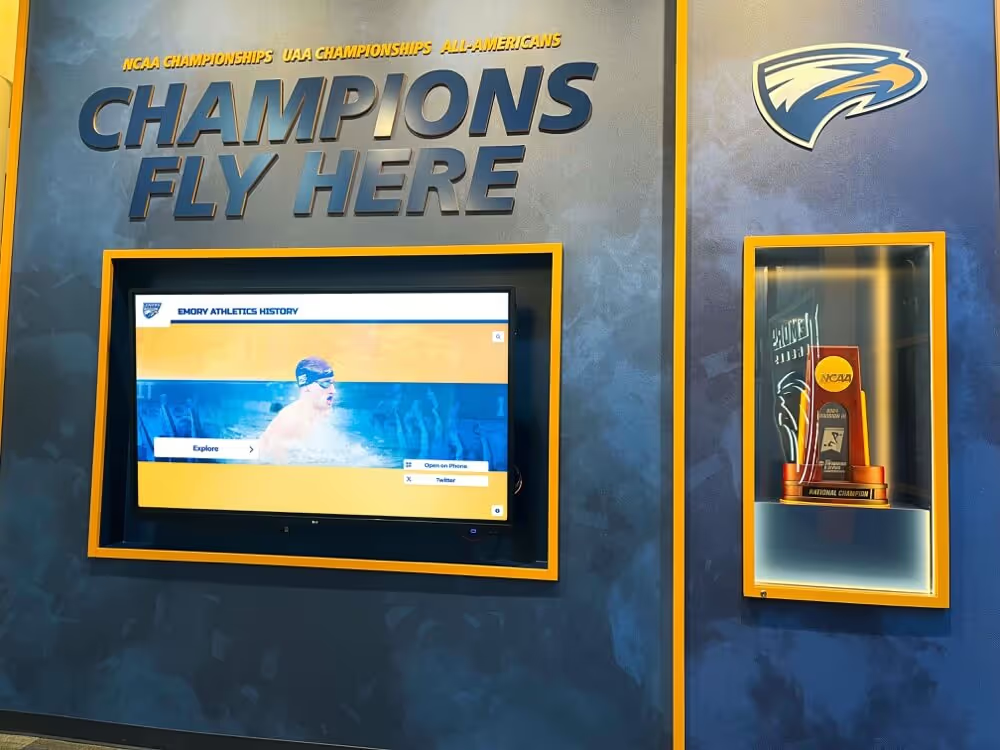
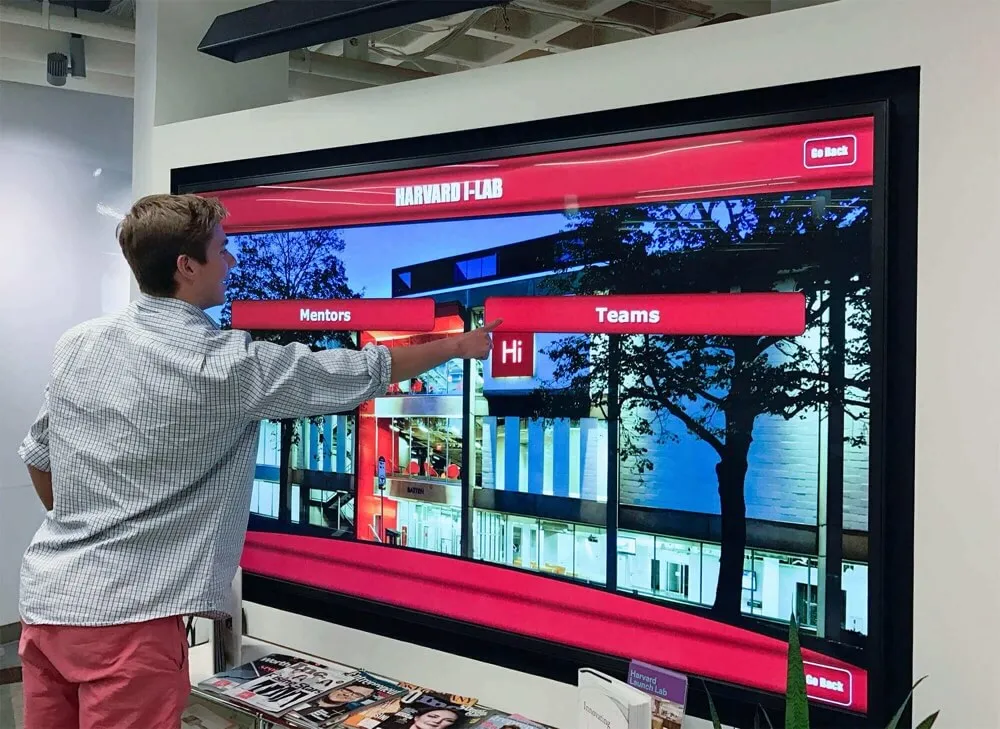
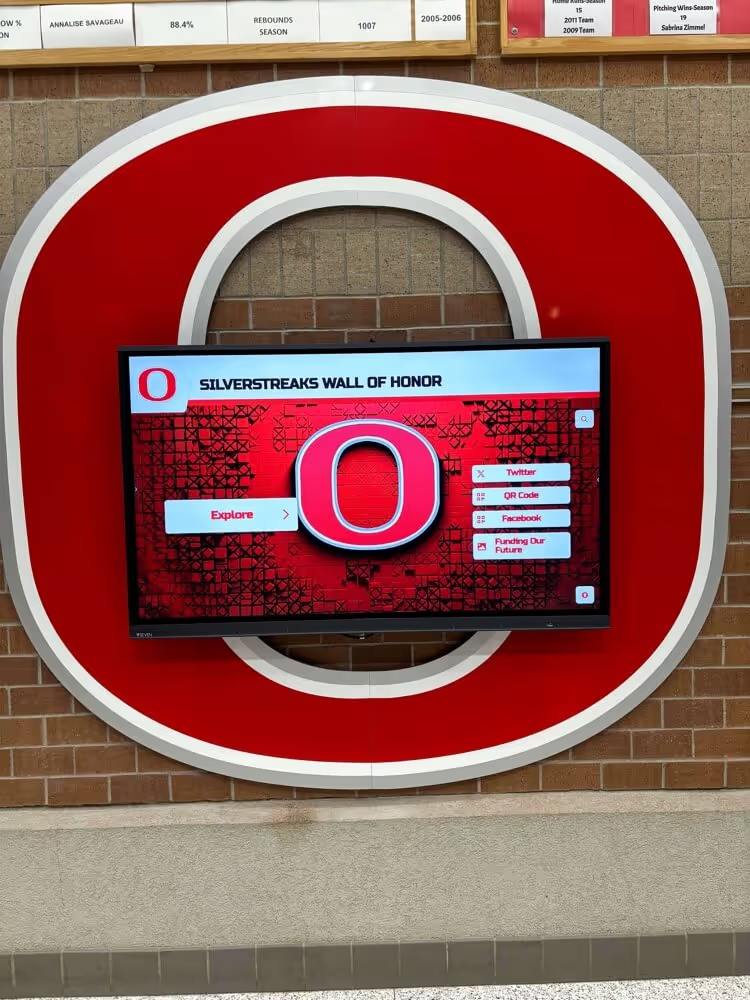
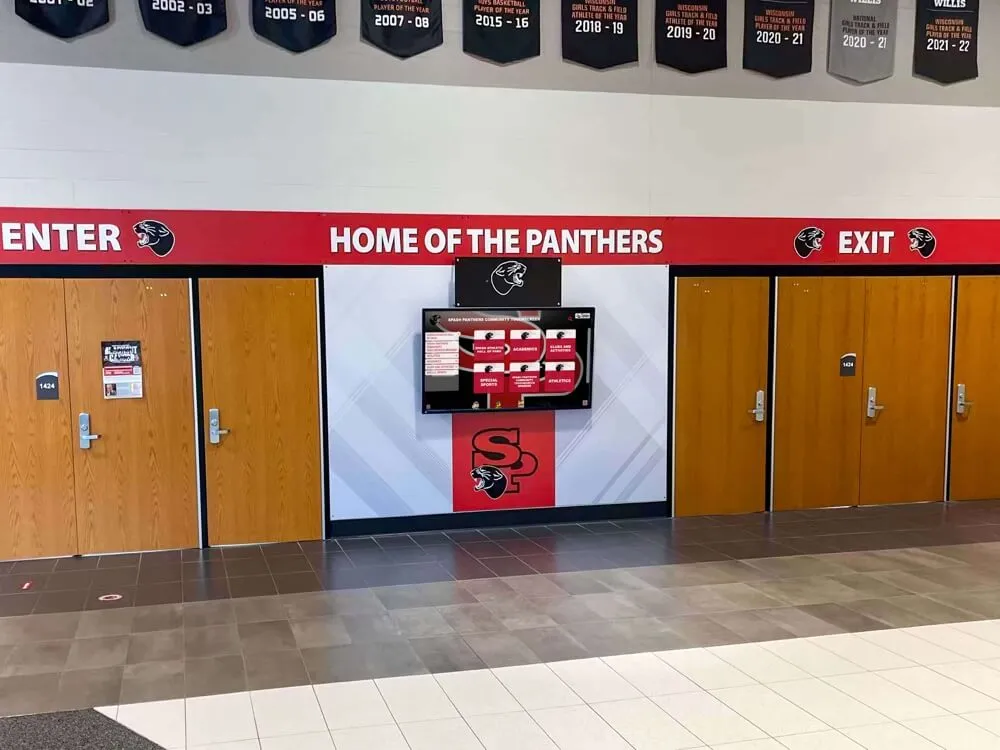
Interactive kiosks enable families to explore lacrosse player profiles and team achievements during game day visits
Post-Game Activities and Traditions
Team Meetings and Coach Debriefs
Teams typically gather briefly after games for coach comments, win-loss recognition, and schedule reminders. These meetings last 5-10 minutes and occur on the field or in nearby team areas.
Family Photos and Celebrations
Families often photograph players after games, particularly following wins or on senior night. Allow 10-15 minutes for these informal celebrations before planning departure.
Facility Clear-Out Time
Most schools require spectators to leave athletic facilities within 30 minutes after final whistle to enable field maintenance, preparation for subsequent games, or facility closure for the day.
Planning Your Schedule: Lacrosse Game Timing for Families and Schools
Understanding lacrosse game duration helps various stakeholders plan effectively around game schedules:
For Parents and Families
Weekday Game Planning
Most high school lacrosse games occur on weekday afternoons or early evenings, typically starting between 4:00 PM and 6:00 PM. A 4:30 PM start typically concludes by 6:15 PM, allowing families to attend while managing dinner schedules and evening commitments.
Weekend Tournament Schedules
Weekend lacrosse tournaments involve multiple games in single days. Teams might play two or three games with limited rest between competitions. Tournament directors typically schedule games 2.5-3 hours apart, accounting for game duration, team warm-up time, and brief breaks between contests.
Travel and Multiple-Child Logistics
Families with multiple children in different sports often juggle overlapping schedules. The 90-minute average lacrosse game duration allows reasonable planning for families managing multiple afternoon or evening activities across different children.
For Athletic Directors and Facility Managers
Facility Scheduling and Field Allocation
Athletic directors must allocate limited field space across multiple teams and sports. Understanding that lacrosse games require approximately 2 hours including setup and breakdown helps create realistic facility schedules without conflicts.
Boys and Girls Back-to-Back Scheduling
Many schools schedule boys and girls lacrosse games consecutively on same fields, typically starting girls games at 4:30 PM followed by boys games around 6:30 PM. This efficient scheduling maximizes field use while allowing families with children on both teams to attend all competitions.
Light and Weather Considerations
Spring evening games in northern regions sometimes face lighting challenges as later games extend past sunset. Understanding game duration helps athletic directors plan start times ensuring games conclude before darkness or bad weather becomes problematic.
Schools exploring comprehensive athletic achievement recognition often implement digital solutions that showcase lacrosse alongside traditional sports.
For Student-Athletes Managing Commitments
Academic Schedule Balance
Student-athletes must balance lacrosse with academic responsibilities including homework, test preparation, and extracurricular commitments. The predictable 2-hour game window helps students plan study time around athletic schedules.
Multi-Sport Athlete Considerations
Athletes participating in both spring sports (lacrosse and track, lacrosse and baseball) face scheduling challenges when competitions overlap. Understanding typical game duration helps coaches and families coordinate when athletes need to participate in multiple activities on single days.
College Recruitment and Showcase Events
Recruiting showcases and tournament games where college coaches attend sometimes run on accelerated schedules to accommodate multiple games. These events may feature slightly shortened games (10-minute quarters in boys lacrosse, 22-minute halves in girls) to enable efficient tournament operation while still showcasing player abilities.
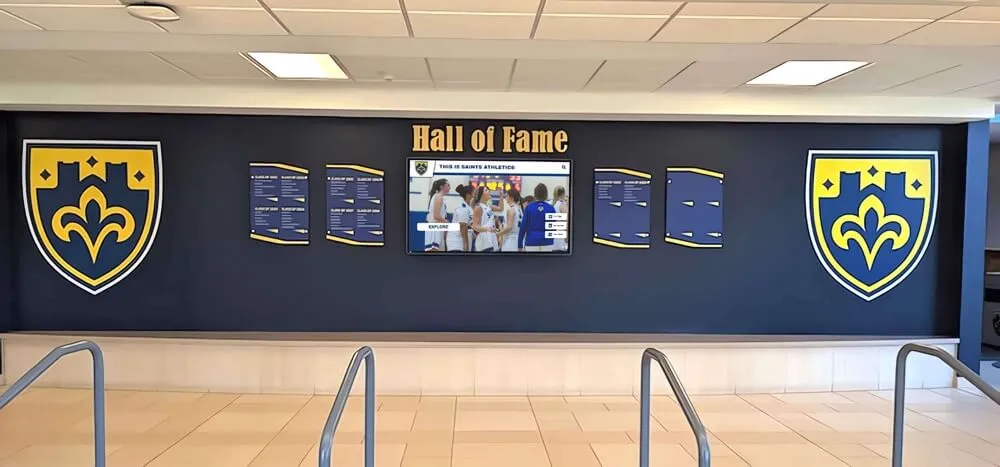
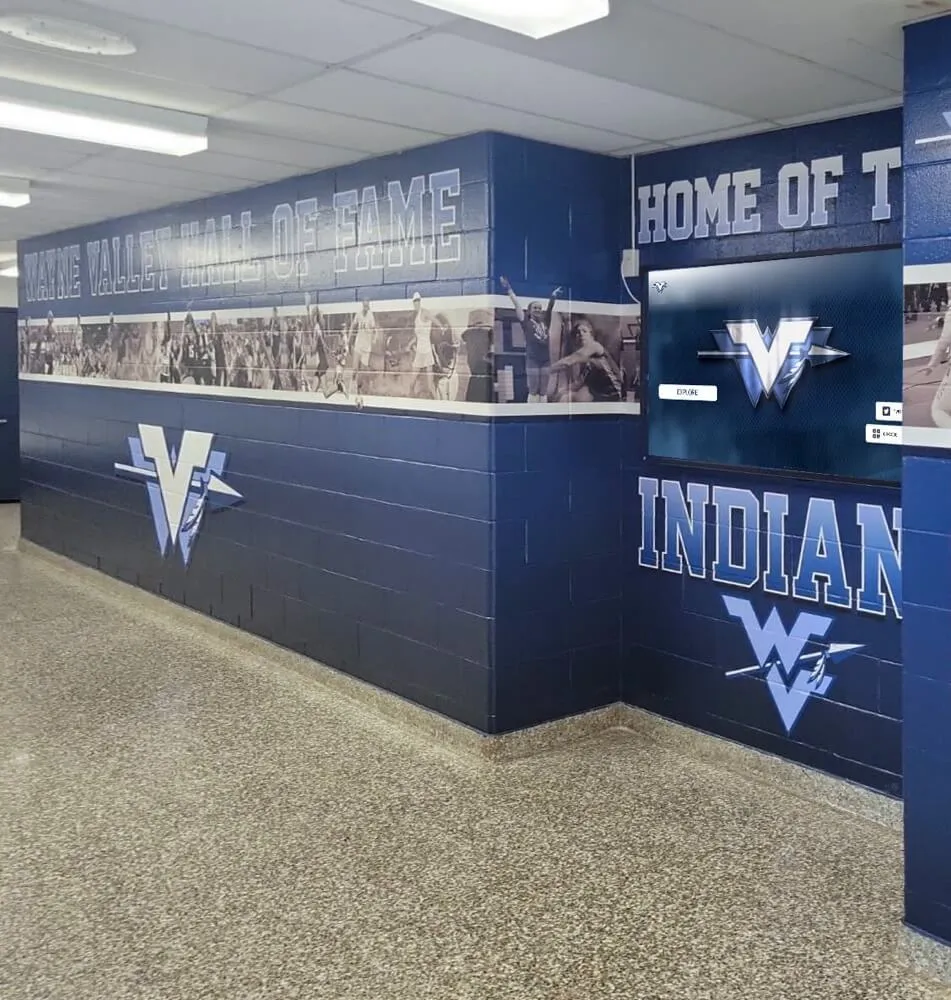
Recognition walls celebrate lacrosse traditions alongside other sports, honoring athletes who build emerging programs
Celebrating Lacrosse Achievement: Building Program Recognition
As lacrosse programs mature across American high schools, schools increasingly recognize the importance of celebrating lacrosse achievements alongside traditional sports through comprehensive recognition strategies:
The Importance of Honoring Emerging Sports
Establishing Program Legitimacy and Prestige
When schools invest in lacrosse recognition equal to football, basketball, or baseball traditions, they communicate that lacrosse represents a valued, permanent part of athletic culture rather than an experimental program. This institutional commitment attracts talented athletes, dedicated coaches, and community support essential for program sustainability.
Motivating Current Players and Recruiting Future Talent
Visible recognition of lacrosse achievements—championship banners, player profiles, statistical records, and historical documentation—inspires current team members while attracting middle school students considering high school sport participation. Recognition demonstrates that lacrosse dedication receives acknowledgment comparable to traditional sports.
Honoring Pioneer Athletes and Coaches
Early participants in new lacrosse programs deserve special recognition for building traditions from scratch. These pioneers—first teams, founding coaches, inaugural championship winners—create foundations that future generations build upon. Proper recognition honors their contributions while documenting program origins.
Traditional Recognition Approaches for Lacrosse Programs
Championship Banners and Trophy Displays
Schools celebrate lacrosse championships through gym banners, trophy case displays, and facility signage similar to other sports. These traditional recognition elements create visible reminders of competitive success while motivating current teams to add their own championship recognition.
Statistical Record Boards
Many schools maintain physical or printed record boards listing lacrosse statistical achievements including career goals leaders, single-season assist records, goalie save percentages, and team season records. These displays provide historical context while creating aspirational targets for current players.
Senior Recognition and Year-End Awards
Annual awards banquets, senior night ceremonies, and post-season recognition events honor individual achievements, team success, and graduating seniors’ contributions. These traditional celebrations remain essential but often lack lasting visibility beyond immediate participants.
Modern Digital Recognition for Lacrosse Programs
Progressive schools complement traditional recognition with digital platforms that overcome physical display limitations while creating engaging, accessible lacrosse celebration:
Unlimited Recognition Capacity Without Space Constraints
Digital recognition solutions like Rocket Alumni Solutions enable schools to honor unlimited lacrosse players, teams, and achievements without physical space limitations that force difficult prioritization decisions. Schools can showcase every varsity player across multiple seasons, document complete team histories from program founding through present, and preserve statistical records and game highlights without physical expansion requirements.
Interactive Player Profiles and Team Histories
Modern platforms create comprehensive digital profiles for individual players featuring action photos and biographical information, complete statistical records across multiple seasons, personal achievements and awards, college commitment and post-graduation athletic careers, and integration with team rosters and season histories.
Team profiles document complete seasons including rosters with player positions and class years, season records and championship achievements, game-by-game results and statistical highlights, coach recognition and team photos, and historical context explaining significance within program evolution.
Web Accessibility and Alumni Engagement
Digital lacrosse recognition extends beyond physical campus through web-based platforms accessible to alumni nationwide, shareable individual player profile URLs, integration with school athletic department websites, social media connectivity amplifying recognition, and remote access enabling graduated players to revisit their achievements regardless of geographic location.
This accessibility proves particularly valuable for lacrosse programs recruiting players from broad geographic areas and building alumni networks across dispersed communities.
Multimedia Integration and Game Highlights
Advanced recognition systems preserve game video highlights, photo galleries from competitions and team events, championship game documentation, and recruiting videos—transforming static recognition into dynamic storytelling that brings lacrosse achievements to life for current community members and future generations exploring program history.
Schools implementing comprehensive digital recognition solutions create recognition environments that celebrate lacrosse achievements while strengthening overall school spirit and athletic culture.
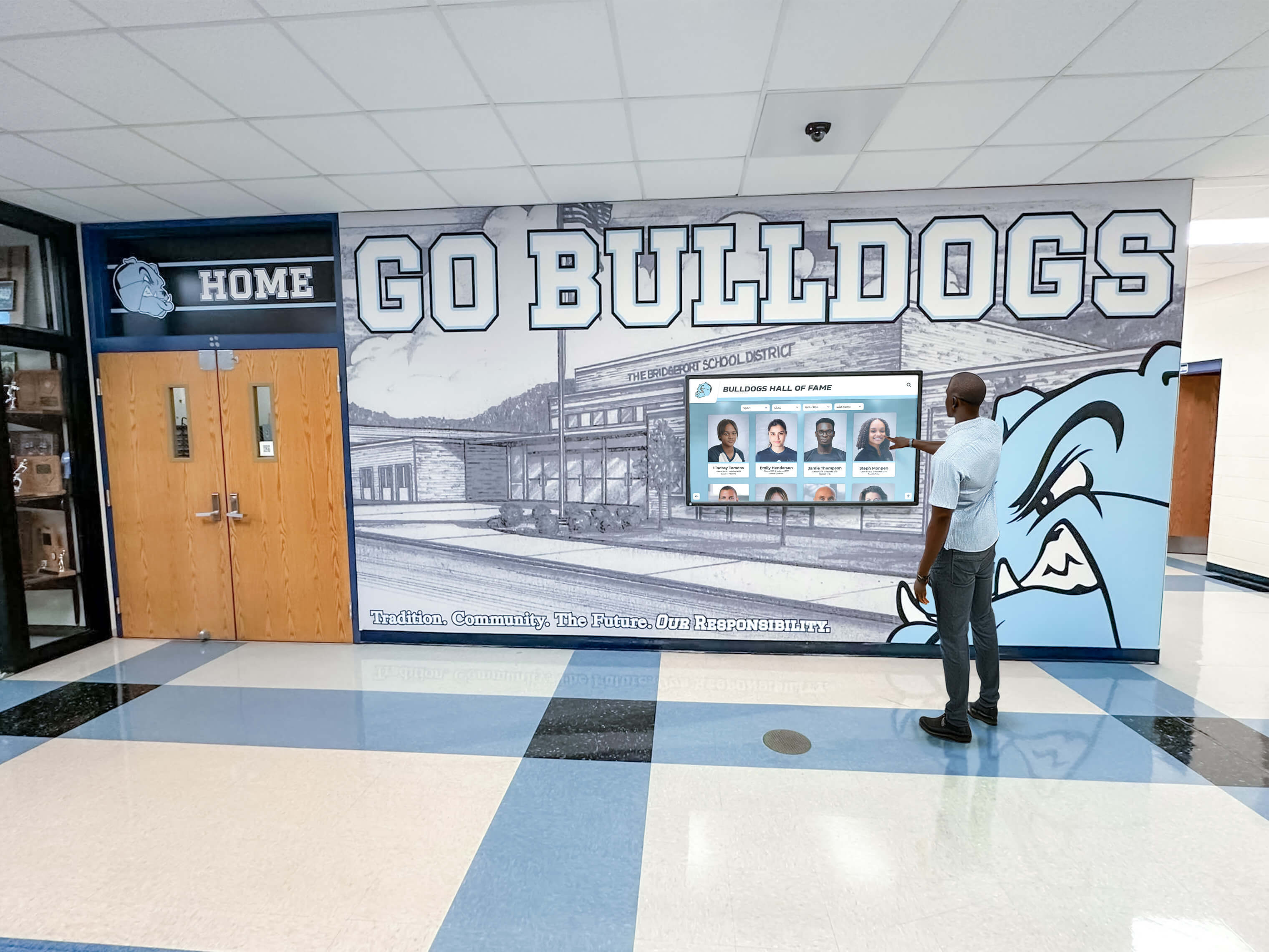
Hallway installations bring lacrosse recognition to high-traffic areas where students, families, and visitors experience program pride daily
Special Recognition Opportunities for Lacrosse Programs
Several specific recognition categories deserve particular attention in lacrosse programs:
All-Conference and All-State Recognition
High-performing lacrosse players earn all-conference and all-state recognition from athletic associations and coaching organizations. Schools should systematically document these achievements through dedicated recognition displays, individual player profile highlights, integration with statistical records, and historical tracking showing program success across multiple seasons.
Digital platforms enable schools to maintain complete databases of all-conference and all-state selections without physical space limitations, creating comprehensive records that demonstrate program quality to college recruiters, prospective students, and community supporters.
College Commitment and Signing Day Celebration
As lacrosse recruiting becomes increasingly competitive, schools celebrate student-athletes continuing athletic careers at collegiate levels through college commitment recognition displays highlighting players’ destinations, signing day ceremonies documenting commitment moments, updated player profiles connecting high school and college careers, and historical tracking showing recruiting trajectory as programs mature.
These recognition initiatives demonstrate program success in preparing athletes for next-level competition while motivating younger players to pursue college lacrosse opportunities.
Championship Teams and Historic Achievements
Championship seasons deserve comprehensive documentation preserving program milestones:
- Complete team rosters with player photos and positions
- Season records and playoff progression
- Championship game recaps and score documentation
- Coach and senior leader recognition
- Historical context explaining achievement significance
- Photo galleries and video highlights
- Comparison with previous best teams in program history
Digital recognition enables schools to provide this detailed championship documentation without physical space constraints limiting how thoroughly historic seasons are preserved.
Founding Members and Program Pioneers
Schools establishing lacrosse programs should create special recognition categories honoring founding coaches who established programs from scratch, first team members who played when programs were new, inaugural championship teams achieving first major successes, and community supporters who enabled program creation through facility funding, equipment donations, or advocacy for program establishment.
These recognition categories ensure founding contributions receive permanent acknowledgment while documenting program origins for future generations.
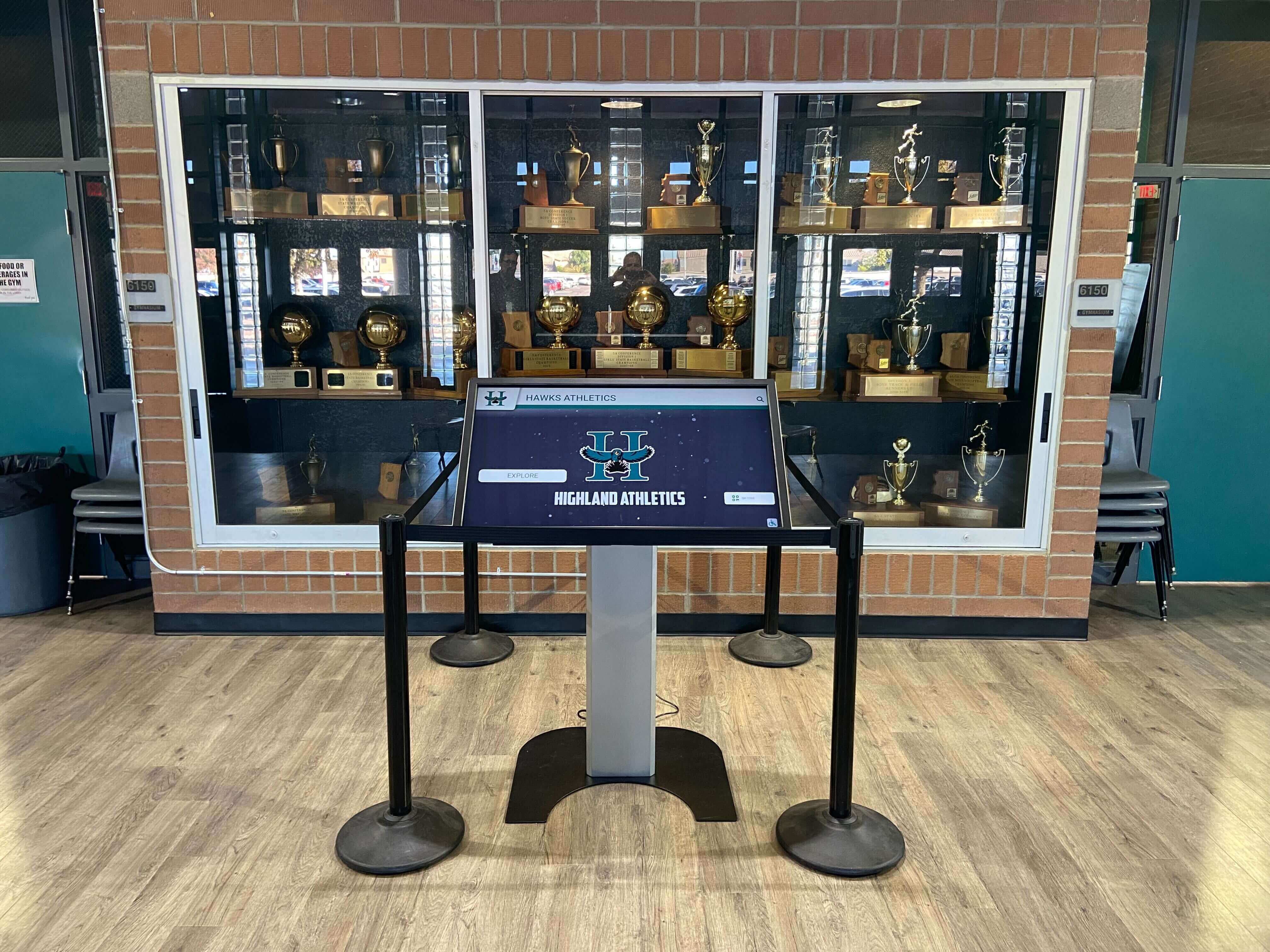
Integrated installations combine traditional trophy displays with interactive digital recognition showcasing comprehensive lacrosse program history
Lacrosse Growth Trends and Recognition Implications
Understanding lacrosse’s growth trajectory helps schools plan recognition systems that accommodate program expansion:
National Participation Growth Statistics
Lacrosse represents one of the fastest-growing youth and high school sports in America:
- High school lacrosse participation increased over 400% between 2000 and 2025
- Girls lacrosse shows particularly strong growth with programs expanding into previously non-traditional regions
- Western states like California, Colorado, and Texas show explosive lacrosse participation increases
- Youth lacrosse organizations feed growing numbers of experienced players into high school programs
This sustained growth means most lacrosse programs remain relatively young with limited historical recognition compared to century-old football or basketball traditions. Schools must balance honoring recent achievements while building recognition infrastructure accommodating decades of future program history.
Geographic Expansion Beyond Traditional Regions
Historically, lacrosse concentrated in Mid-Atlantic states (Maryland, Virginia, New York) and New England. Contemporary growth extends lacrosse nationwide:
Southern States Adoption
States like Florida, Georgia, North Carolina, and Texas have established competitive lacrosse programs across hundreds of high schools. These programs require recognition infrastructure even though lacrosse traditions are measured in years rather than decades.
Midwest and Western Expansion
Ohio, Michigan, Colorado, California, and other non-traditional lacrosse states now field competitive programs at youth and high school levels. Schools in these regions need flexible recognition approaches honoring current achievements while anticipating future program growth.
Rural and Suburban Program Development
Lacrosse historically centered in suburban communities with resources to support additional sports programs. Increasing expansion into rural areas and smaller schools creates unique recognition challenges when programs operate with limited budgets and facilities.
Implications for Recognition Infrastructure
Lacrosse’s growth patterns suggest schools should implement recognition systems that:
- Accommodate unlimited future growth rather than space-constrained physical displays forcing difficult prioritization as programs mature
- Maintain flexibility updating recognition as program emphasis shifts (varsity vs. youth programs, boys vs. girls growth patterns)
- Create comprehensive historical documentation preserving founding narratives while programs are young and founding members remain accessible
- Balance recent achievements with historical context showing program trajectory from establishment through current success
Digital recognition platforms particularly suit emerging lacrosse programs by providing unlimited capacity for future growth while enabling complete documentation of current achievements without significant upfront infrastructure investment.
Schools exploring recognition solutions for expanding athletic programs benefit from flexible platforms accommodating multiple sports through unified systems.
Common Questions About High School Lacrosse Game Timing
Families and schools frequently ask specific questions about lacrosse game duration and scheduling:
Can High School Lacrosse Games End in Ties?
Regular Season Games: Many leagues and conferences allow regular season lacrosse games to end in ties after regulation play concludes without overtime periods. This approach manages scheduling complexity when multiple games occur on same days or facilities have limited availability.
Playoff and Championship Games: Tournament and championship games almost always continue through unlimited sudden-victory overtime periods until one team scores, ensuring clear winners advance through brackets. These games can extend significantly beyond regulation timing when teams are evenly matched.
What Happens If Weather Interrupts a Lacrosse Game?
Lightning and Storm Protocols: Officials suspend lacrosse games immediately when lightning is detected within dangerous proximity (typically 8-10 miles). Games resume after 30-minute periods without lightning. If weather makes resumption impossible, athletic directors and officials determine whether suspended games are postponed, rescheduled, or declared complete based on how much playing time occurred.
Rescheduling Logistics: Suspended games typically resume from the point of suspension on the next available date, preserving scores, statistics, and clock time. Tournament games sometimes implement special rules declaring results final after specific minimum playing time thresholds.
How Long Are Lacrosse Practices Compared to Games?
High school lacrosse practices typically last 2-2.5 hours on most weekdays, longer than actual game duration. Practices include conditioning, skill development, tactical preparation, and team scrimmages—comprehensive training enabling the fast-paced play that characterizes competitive lacrosse.
Do Freshman and JV Lacrosse Games Take Less Time?
Yes, sub-varsity lacrosse games typically feature shorter quarters or halves (10-minute quarters for boys, 20-minute halves for girls) reducing total duration by 15-25 minutes compared to varsity timing. These shortened games accommodate developing players while maintaining manageable schedules for schools fielding multiple teams across different levels.
Coordinated display networks celebrate lacrosse alongside all athletic programs through unified recognition environments
Conclusion: Understanding Lacrosse Timing and Building Program Recognition
High school lacrosse games typically last 90 minutes to 2 hours including regulation play, halftime, timeouts, and natural game stoppages—a manageable duration that allows families to attend while accommodating busy schedules and multiple commitments. Understanding this timing, along with differences between boys and girls lacrosse, state rule variations, and factors affecting game duration, helps everyone involved in supporting lacrosse programs plan appropriately around game schedules.
Beyond simply knowing game length, schools investing in lacrosse programs increasingly recognize that comprehensive celebration of lacrosse achievements—through traditional displays and modern digital recognition platforms—strengthens program culture, motivates current players, and demonstrates institutional commitment to this rapidly growing sport. As lacrosse expands across American high schools, building recognition infrastructure that honors founding pioneers while accommodating decades of future growth becomes essential for programs seeking sustainable success.
Whether you’re a parent attending your first lacrosse game, an athletic director planning facility schedules, or a school administrator exploring recognition strategies for emerging sports programs, understanding lacrosse timing provides essential foundation for supporting this dynamic sport that continues reshaping American high school athletics.
Ready to celebrate your school’s lacrosse achievements? Explore how Rocket Alumni Solutions helps schools implement comprehensive digital recognition systems that honor lacrosse players, teams, and milestones through engaging displays designed specifically for growing athletic programs. Create lasting recognition that celebrates your lacrosse tradition while inspiring future generations of athletes building your program’s legacy.