Becoming an athletic director represents a career aspiration for many educators and sports professionals who want to shape comprehensive athletic programs, support student-athlete development, and lead institutions toward competitive excellence. Athletic directors serve as the administrative backbone of school and college sports programs, managing everything from budget allocation and facility oversight to coaching staff development and Title IX compliance. This multifaceted role combines passion for athletics with strategic leadership, requiring both sports knowledge and sophisticated business administration capabilities.
Yet the pathway to athletic director positions remains unclear to many aspiring sports administrators. What educational credentials do you need? How much coaching experience is required? Should you pursue a master’s degree? What skills differentiate successful athletic directors from average ones? Which intermediate positions provide the best preparation? Understanding these questions proves essential for anyone seriously considering this rewarding but demanding career path.
This comprehensive guide explores how to become an athletic director, from initial education requirements through career progression strategies, daily responsibilities, essential competencies, and professional development approaches that position you for advancement in educational athletic administration.
Athletic directors occupy unique positions within educational institutions—they’re not traditional classroom teachers, yet they directly impact student development. They’re not facility managers, yet they oversee significant physical infrastructure. They’re not coaches, yet they shape coaching philosophies and program culture. This multidimensional role requires diverse skills and experiences, making the career path to athletic director positions varied but generally following recognizable patterns.

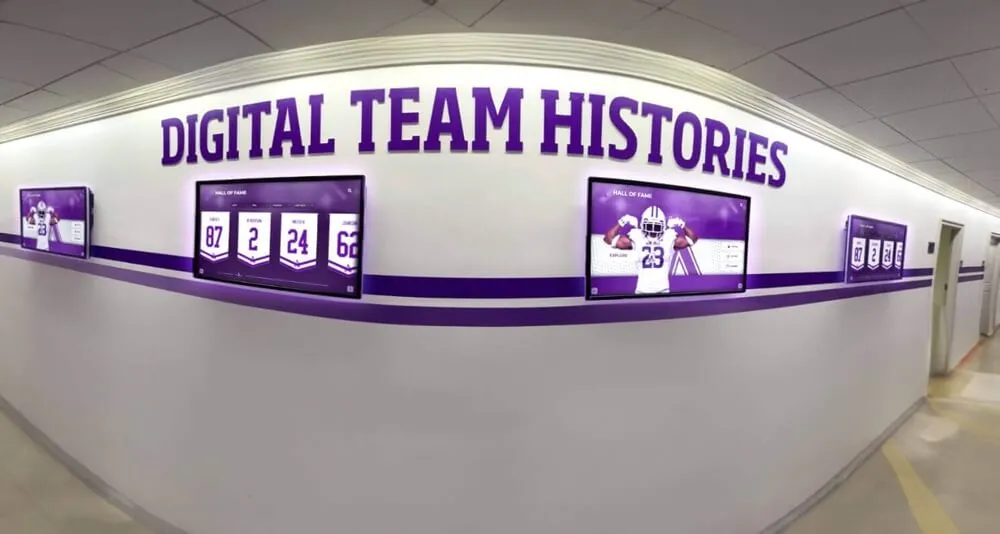
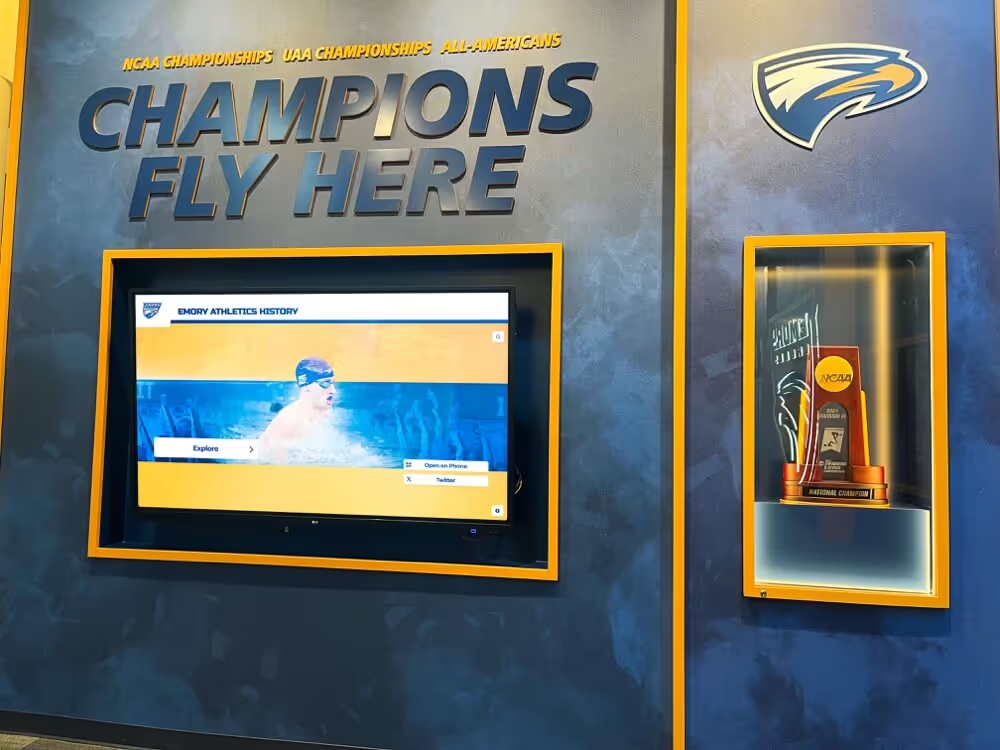
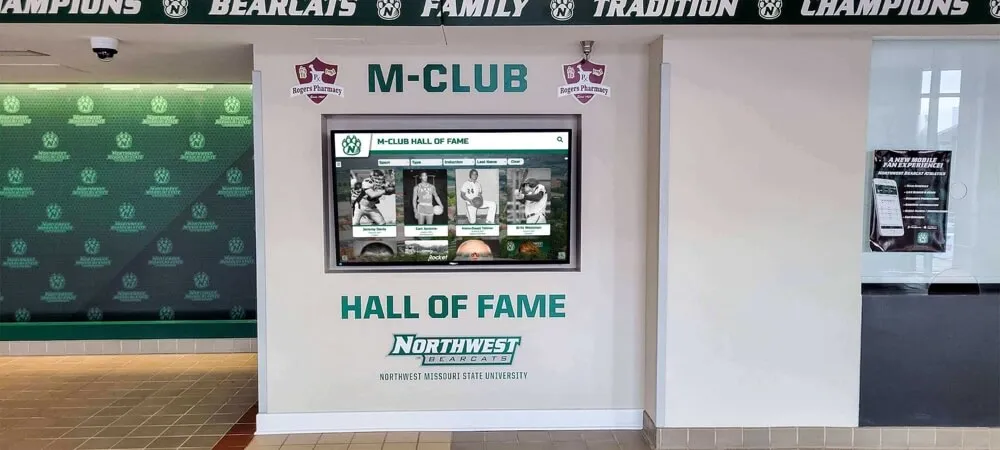
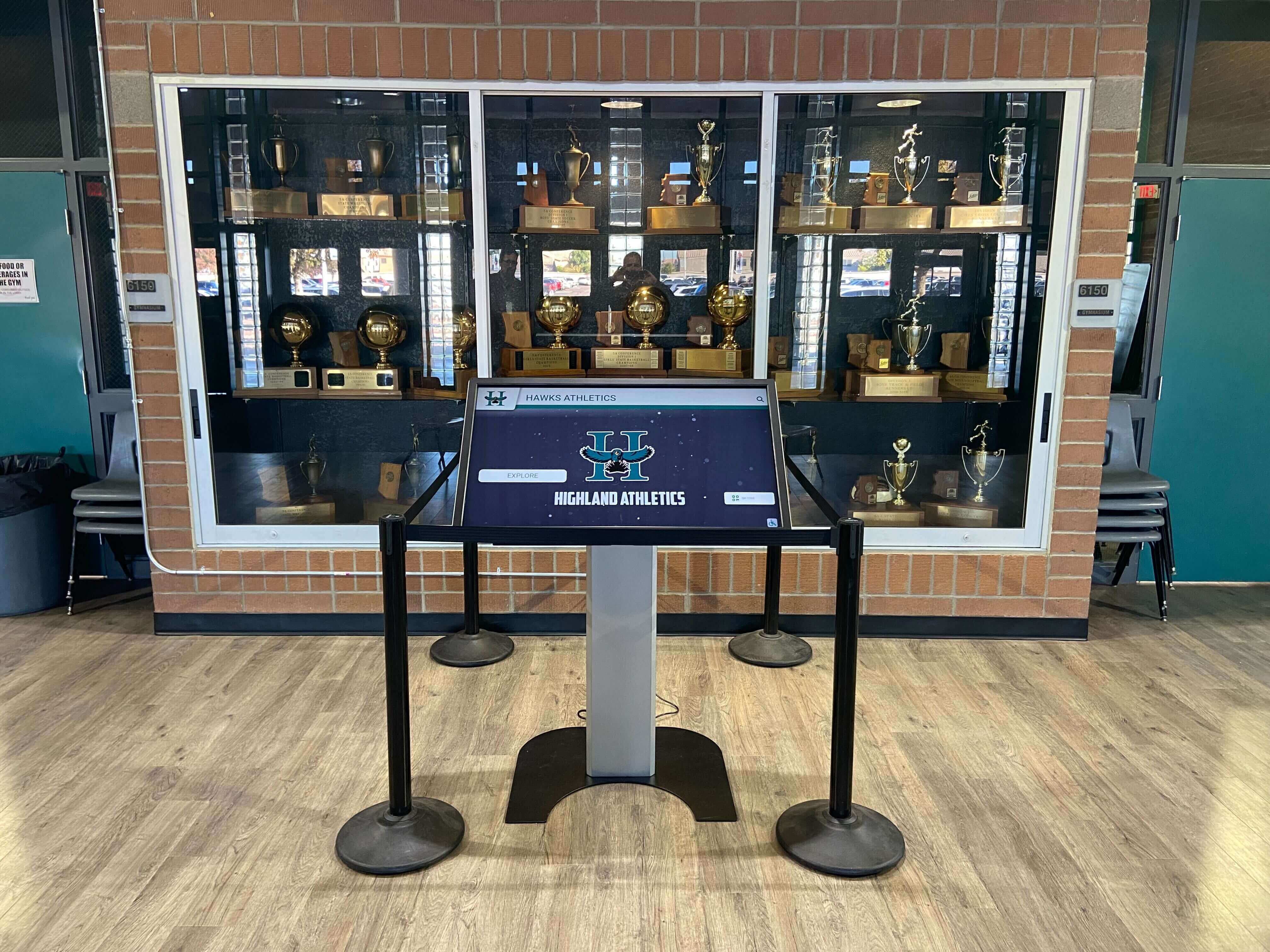
Modern athletic directors manage comprehensive recognition systems alongside traditional responsibilities, creating culture that celebrates achievement across all sports
Understanding the Athletic Director Role
Before exploring how to become an athletic director, understand what the position actually entails and why institutions value this specialized leadership role.
Core Responsibilities and Daily Functions
Athletic directors manage diverse responsibilities spanning multiple domains within educational athletics.
Program Leadership and Strategic Planning
Athletic directors provide overall vision and direction for athletic departments through comprehensive strategic planning establishing program priorities and goals, budget development and financial resource allocation across all sports, facility planning and capital improvement prioritization, program evaluation frameworks assessing effectiveness across sports, and long-range planning ensuring sustainable program development.
These strategic responsibilities require athletic directors to balance competing priorities while maintaining institutional mission alignment and ensuring all sports receive appropriate support regardless of revenue generation or competitive profile.
Staff Hiring and Supervision
Perhaps the most critical athletic director function involves building and leading coaching staffs through recruitment and hiring processes for head and assistant coaches, performance evaluation systems ensuring coaching excellence, professional development programming supporting coach growth, compensation administration and contract negotiation, and disciplinary procedures addressing performance concerns.
Quality coaching directly determines program success, making personnel decisions among the most consequential athletic director responsibilities. Successful athletic directors develop talent evaluation skills enabling identification of coaches who will positively impact student-athletes both competitively and developmentally.
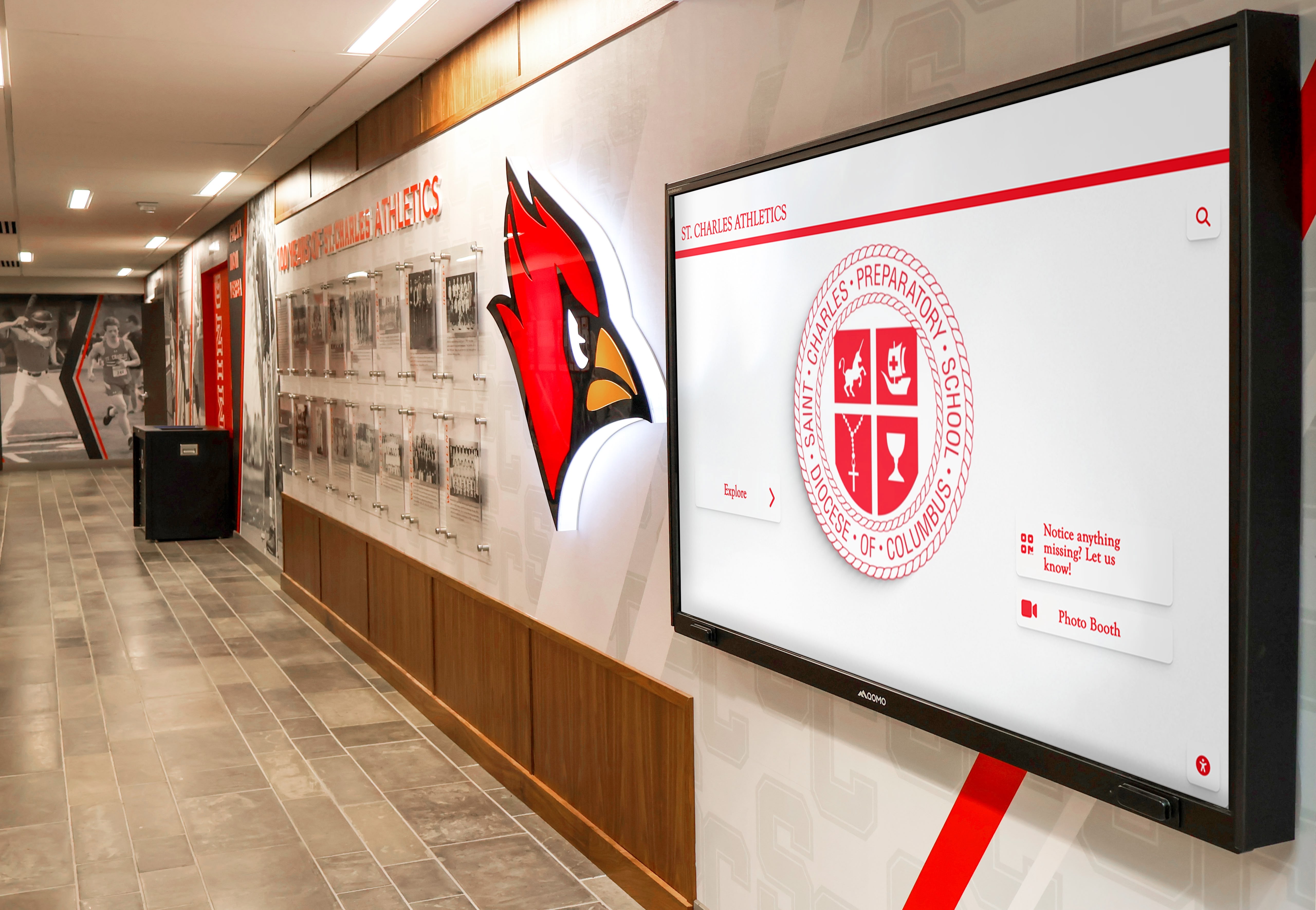
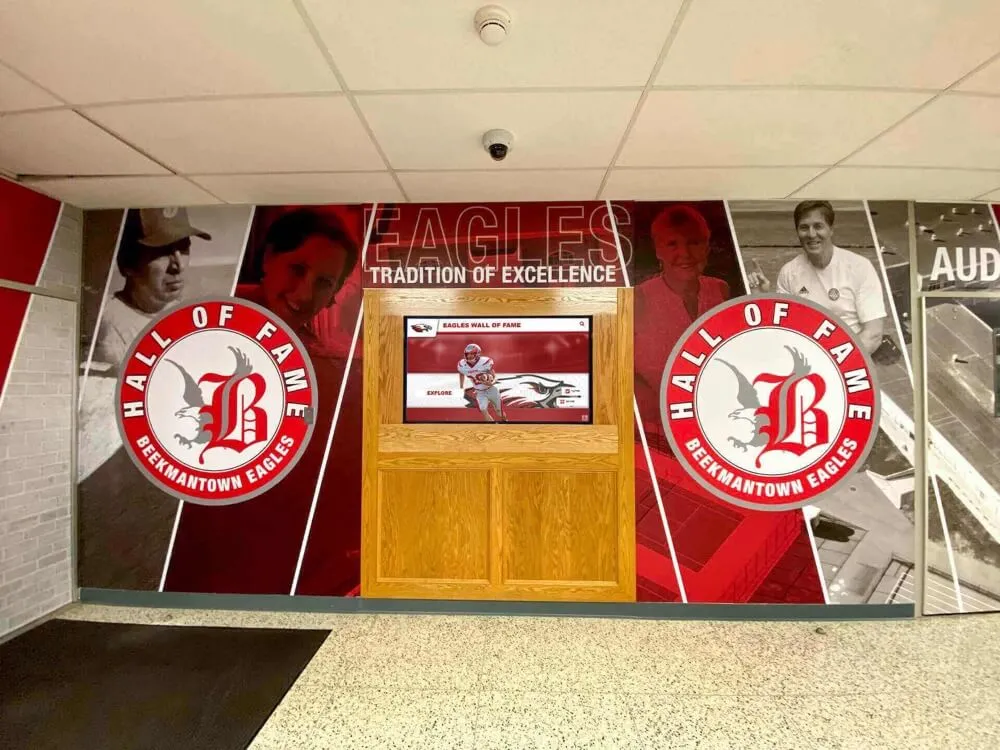
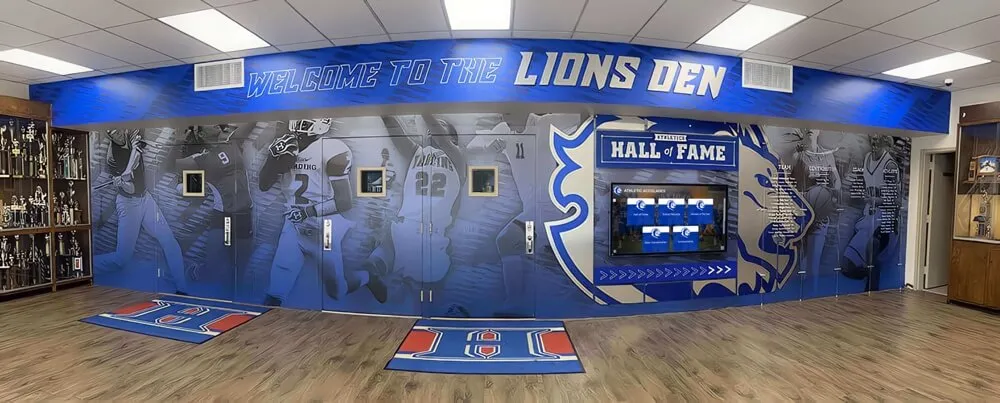
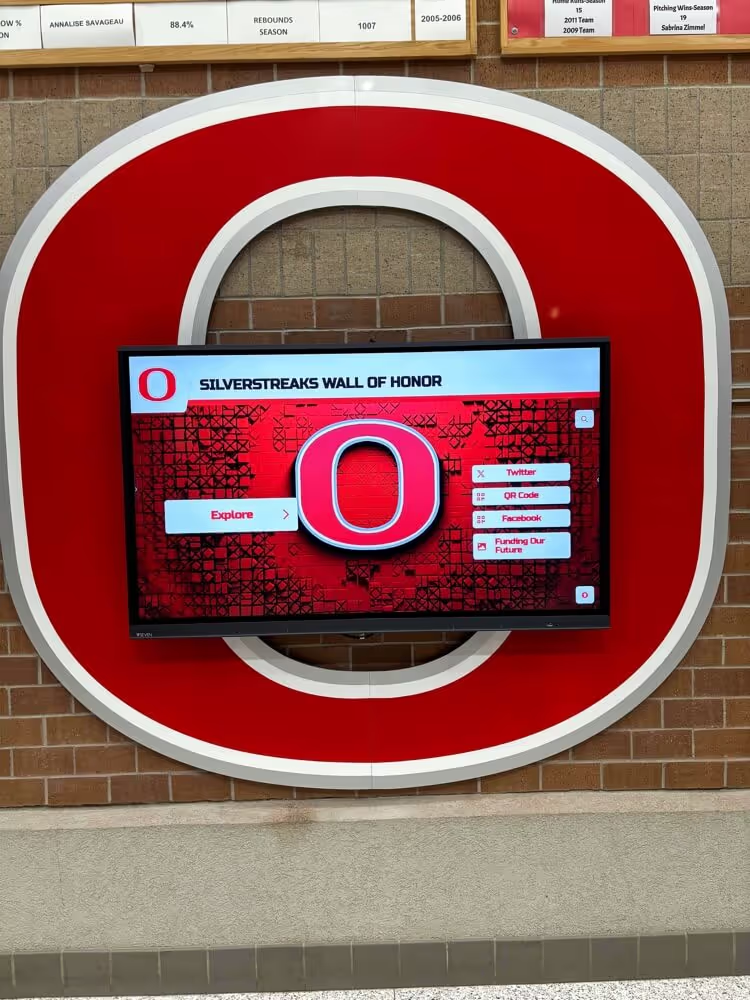
Athletic directors create environments celebrating achievement across all sports, using modern recognition solutions to showcase program excellence
Compliance and Risk Management
Athletic directors ensure programs operate within complex regulatory frameworks including Title IX gender equity compliance and reporting, state athletic association rule adherence, NCAA or NAIA regulations for college programs, eligibility verification and academic requirements, safety protocols and concussion management policies, and liability management and insurance coordination.
Compliance failures create serious institutional risk, making thorough knowledge of applicable regulations essential for athletic director success. This administrative burden has grown significantly in recent decades as regulations have become more complex and enforcement more rigorous.
Budget and Financial Administration
Financial management represents a major athletic director responsibility including annual budget development and allocation across sports, revenue generation through gate receipts and fundraising, expense monitoring and budget oversight ensuring fiscal responsibility, equipment and uniform purchasing coordination, facility maintenance budget administration, and financial reporting to institutional leadership and boards.
Many athletic programs operate with limited budgets requiring creative resource allocation ensuring all sports receive adequate support. Successful athletic directors develop business acumen enabling effective financial stewardship while advocating for resources needed to maintain competitive, safe programs.
Community and Stakeholder Engagement
Athletic directors serve as primary athletic department representatives to various constituencies through parent communication and relationship management, booster club coordination and donor cultivation, media relations and public communication, alumni engagement and relationship building, and community partnership development and maintenance.
These external relationships significantly impact program success, requiring athletic directors to possess strong interpersonal skills and political acumen navigating diverse stakeholder expectations while maintaining program integrity.
Organizational Level Variations
Athletic director responsibilities vary significantly based on educational level and institutional context.
High School Athletic Directors
Secondary school athletic directors typically manage smaller staffs but broader personal responsibilities including direct oversight of 15-25 different sports programs, frequent coaching of one or more teams in addition to administrative duties, game management responsibilities including staffing and logistics, student-athlete eligibility monitoring and academic coordination, and facility scheduling balancing athletic needs with other school activities.
Many high school athletic director positions include teaching responsibilities, requiring time management skills balancing classroom instruction with athletic administration. Smaller schools may combine athletic director duties with other administrative roles like assistant principal or activities director.

Effective athletic directors create [recognition programs](https://digitalwarming.net/blog/sport-end-of-year-awards-complete-guide/?utm_source=organic&utm_medium=seo-auto&utm_content=donorswall&utm_campaign=how-to-become-an-athletic-director&utm_term=seo) that motivate current athletes while honoring past achievements
College and University Athletic Directors
Post-secondary athletic directors focus more on strategic leadership with larger support staffs managing day-to-day operations including department-wide strategic planning and program development, major fundraising initiatives and capital campaign leadership, NCAA or NAIA compliance program oversight, extensive media relations and marketing management, conference affiliation and scheduling negotiations, and substantial budget administration often exceeding millions of dollars.
Division I athletic directors at major universities operate more like corporate CEOs managing complex enterprises with hundreds of employees and eight-figure budgets. Division III and community college athletic directors work at different scales but face similar challenges balancing competitive aspirations with resource constraints.
Professional and Amateur Sports Organization Contexts
Some athletic director-equivalent positions exist outside educational settings including youth sports organization executive director roles, amateur sports league administration, recreational facility management positions, and professional sports team business operations leadership.
These non-educational contexts involve similar skill sets but different organizational priorities and stakeholder relationships compared to school and college athletic administration.
Educational Requirements and Qualifications
Specific educational credentials and qualifications position candidates for athletic director opportunities.
Undergraduate Education Foundations
Most athletic directors begin with relevant bachelor’s degrees providing foundational knowledge.
Common Undergraduate Majors
Athletic director candidates typically complete bachelor’s degrees in physical education and health, kinesiology or exercise science, sports management or administration, business administration with sports focus, or education with teaching certification.
These undergraduate programs provide essential knowledge about human movement, pedagogical approaches, organizational management, and educational systems fundamental to athletic administration. Many programs include internship requirements providing early exposure to athletic department operations.
Teaching Certification Considerations
Many states and school districts require athletic directors to hold teaching certification and maintain teaching status, even if not actively teaching full-time. This requirement reflects the educational nature of interscholastic athletics and ensures athletic directors understand broader educational mission and institutional culture.
Prospective athletic directors should research certification requirements in their target geographic area and employment sector. Some states allow alternative pathways to athletic administration without teaching certification, particularly at the college level or in private schools.

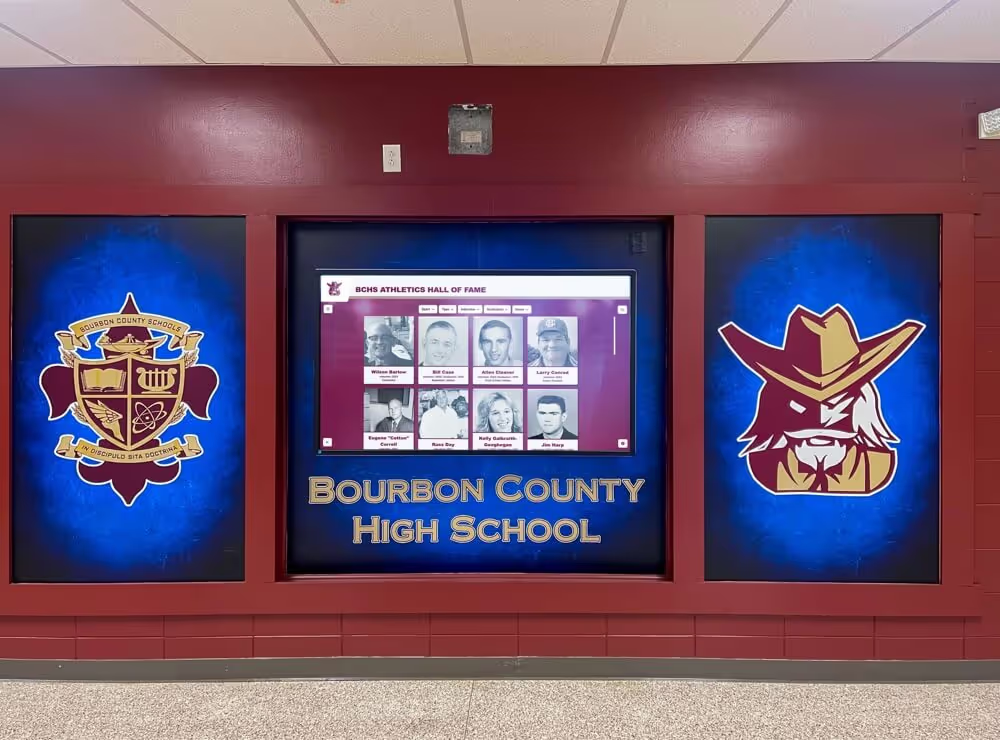
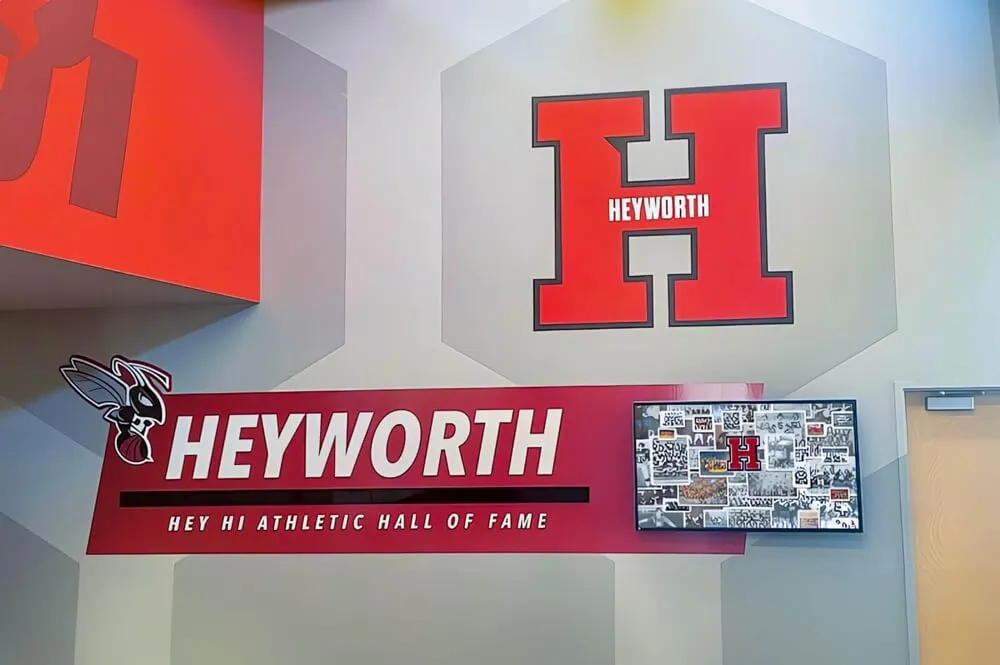
Athletic directors oversee comprehensive recognition systems celebrating program history and inspiring future achievement
Advanced Degrees and Specialized Training
Graduate education increasingly distinguishes competitive athletic director candidates.
Master’s Degree Options
Most athletic director positions, especially at competitive high schools and all college levels, require or strongly prefer master’s degrees including Master of Education (M.Ed.) in Athletic Administration, Master of Science in Sports Management, Master of Business Administration (MBA) with sports focus, Master of Education in Educational Leadership, or Master of Public Administration with athletics specialization.
These graduate programs provide advanced knowledge in budget and financial management, personnel administration and human resources, legal issues and compliance frameworks, facility planning and operations, strategic planning and organizational development, and leadership theory and application.
Many graduate sports administration programs offer flexible formats including evening courses, summer intensive sessions, and online delivery enabling working professionals to complete degrees while maintaining current positions.
Doctoral Education Considerations
While not typically required, doctoral degrees can distinguish candidates for senior athletic director positions at large universities including Ed.D. (Doctor of Education) in Educational Leadership, Ph.D. in Sports Management or Administration, or Ph.D. in Higher Education Administration.
Doctoral education provides research skills, advanced theoretical knowledge, and credentials positioning graduates for senior athletic administration roles at major universities or for faculty positions preparing future athletic administrators.
Professional Certifications and Credentials
Beyond formal degrees, specialized certifications demonstrate commitment to professional development including Certified Athletic Administrator (CAA) credential from National Interscholastic Athletic Administrators Association, National Association of Collegiate Directors of Athletics (NACDA) professional development programs, state athletic administrator associations certification programs, first aid and CPR/AED certification requirements, and concussion recognition and management training.
These credentials signal ongoing professional engagement and specialized knowledge in critical administrative domains, strengthening candidacy for athletic director positions.
Essential Skills and Competencies
Successful athletic directors develop specific skill sets distinguishing effective leaders from struggling administrators.
Leadership and Personnel Management
Athletic directors must effectively lead diverse groups toward common goals.
Coaching Staff Development
Building successful athletic programs requires identifying, recruiting, and developing quality coaches through effective interviewing techniques revealing coaching philosophy and character, onboarding processes establishing expectations and support structures, mentoring systems pairing experienced coaches with newer staff members, professional development programming enhancing coaching skills, and evaluation frameworks providing clear performance feedback.
Athletic directors who excel at coach development create sustainable program success extending beyond individual coaching tenures as organizational culture and expectations remain consistent through staff transitions.
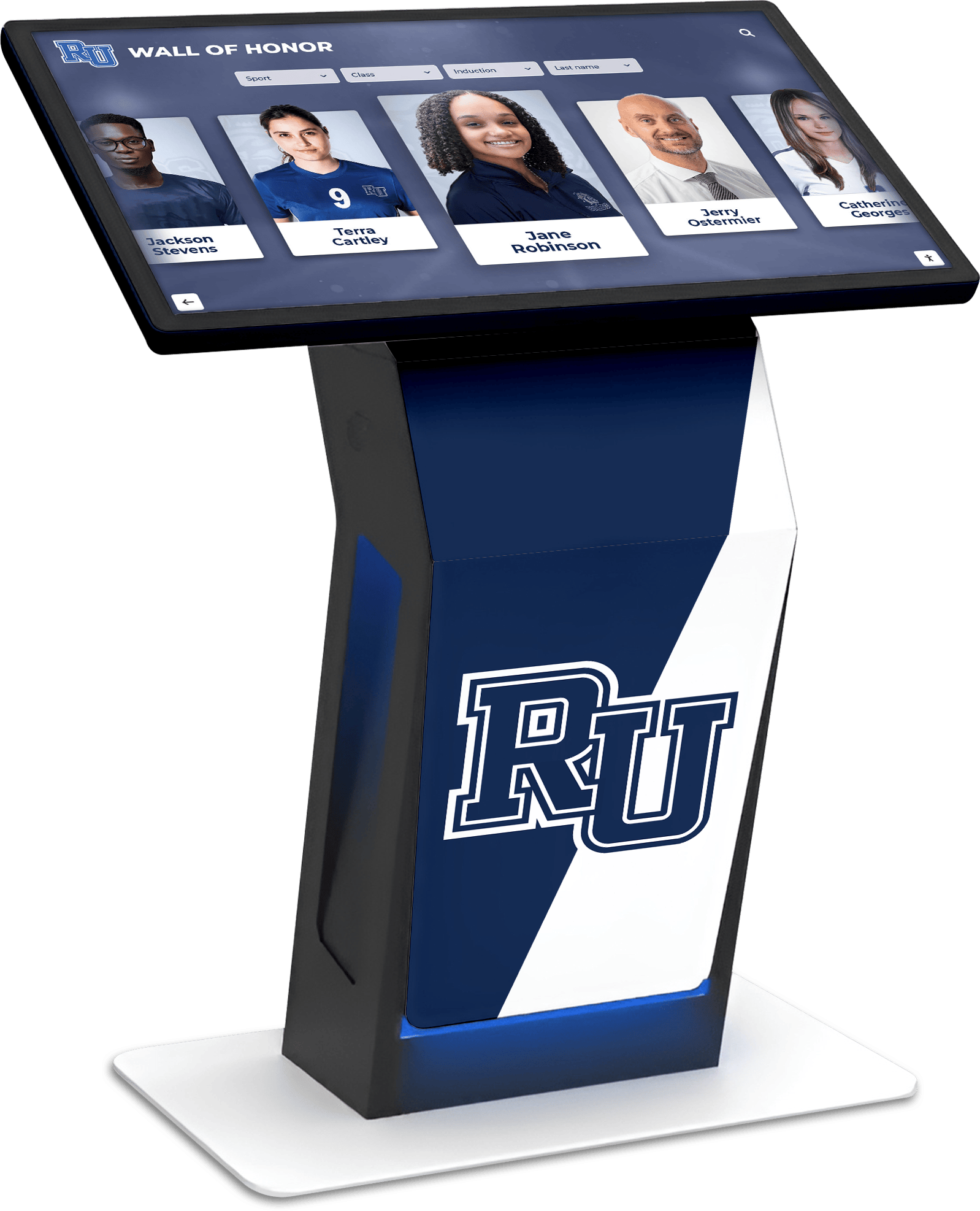
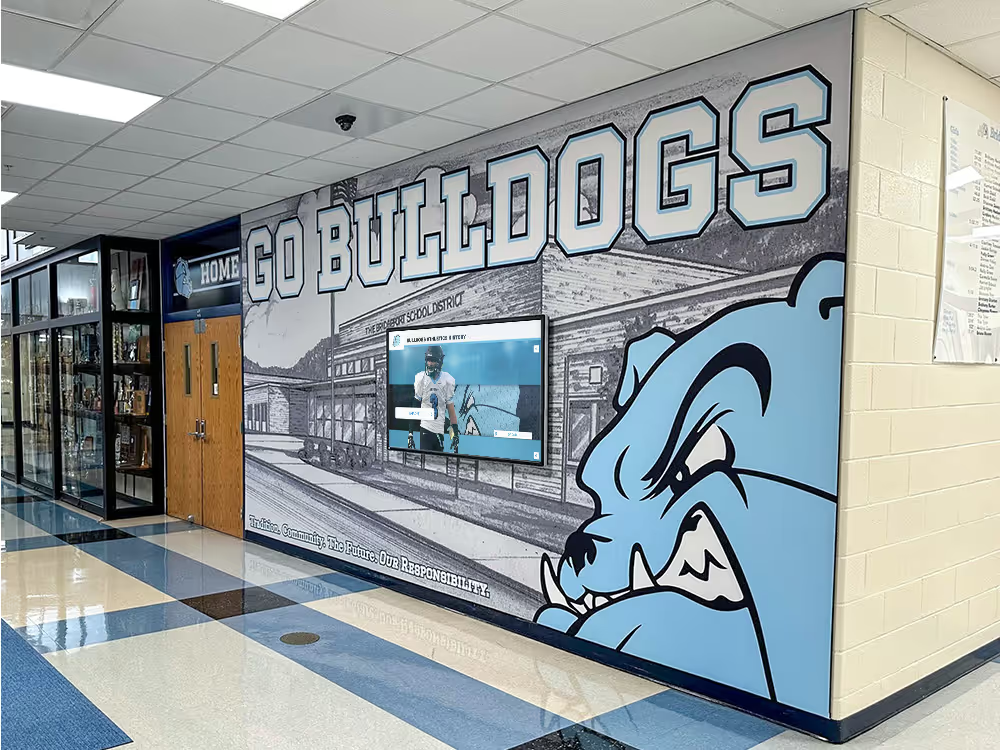
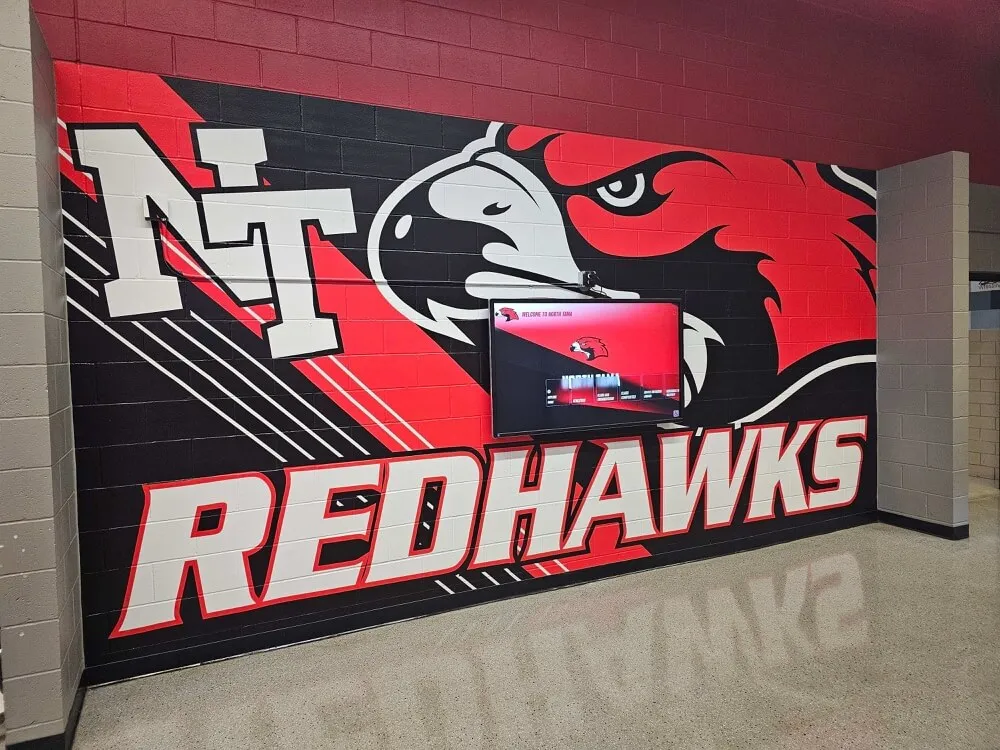
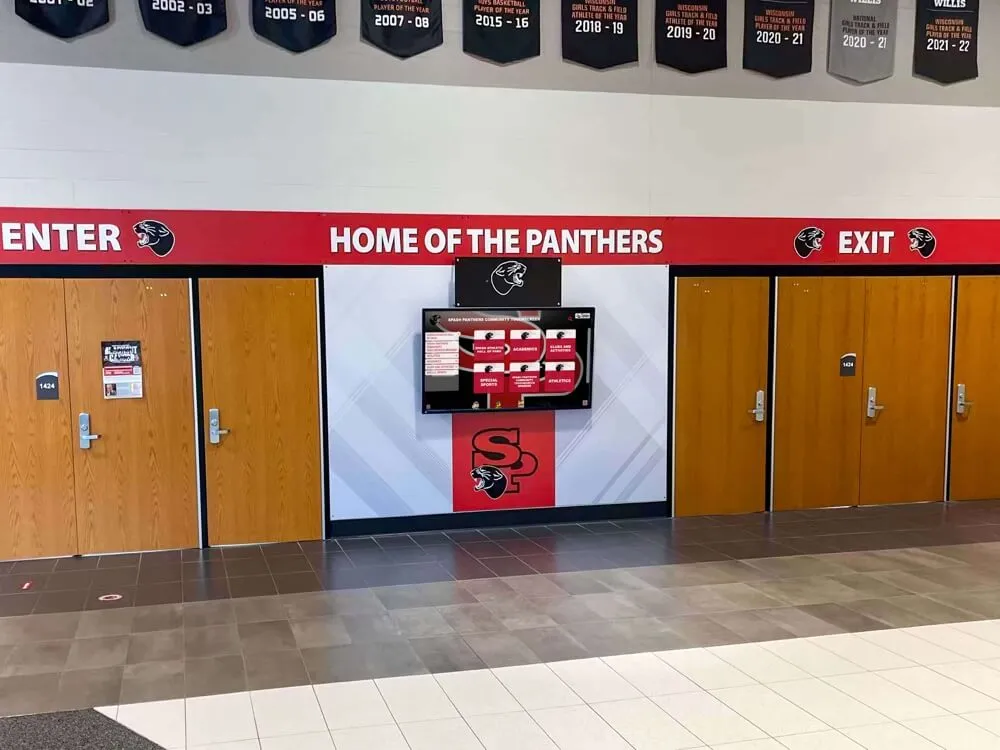
Modern athletic directors utilize technology solutions creating engaging recognition experiences for student-athletes and community members
Conflict Resolution and Problem-Solving
Athletic departments involve diverse stakeholders with competing priorities, requiring diplomatic conflict management including parent concerns about playing time or coaching decisions, coach disagreements about resource allocation or scheduling, student-athlete discipline issues requiring fair resolution, community criticism about program direction or performance, and internal staff conflicts affecting department culture.
Effective athletic directors develop emotional intelligence and communication skills enabling productive dialogue resolving conflicts while maintaining relationships and preserving program integrity.
Vision Setting and Strategic Thinking
Beyond day-to-day management, athletic directors must establish compelling vision for program development through comprehensive strategic planning processes engaging stakeholders, priority setting allocating limited resources toward highest-impact initiatives, change management implementing improvements while managing resistance, and long-term perspective balancing immediate needs with future sustainability.
This strategic orientation distinguishes athletic directors who build sustainable excellence from those merely reacting to immediate pressures without coherent direction.
Financial and Business Acumen
Athletic directors require sophisticated business skills managing complex financial operations.
Budget Development and Management
Effective financial leadership includes comprehensive budget planning forecasting all revenue and expenses, resource allocation balancing equity across sports with strategic priorities, variance analysis monitoring actual spending against budget projections, revenue generation identifying opportunities for program financial support, and financial reporting communicating fiscal status to stakeholders clearly.
Athletic directors increasingly function as business managers requiring financial literacy and strategic resource allocation skills often rivaling private sector management positions.
Fundraising and Development
Most athletic programs depend partially on fundraising requiring athletic directors to cultivate donor relationships building financial support networks, develop campaign strategies for facility improvements and program enhancements, coordinate booster club activities aligning volunteer efforts with department goals, recognize donors appropriately including through digital recognition displays celebrating contributions, and ensure financial accountability maintaining donor confidence.
Development skills prove particularly valuable as school budgets tighten and programs increasingly rely on external fundraising supplementing institutional allocations.

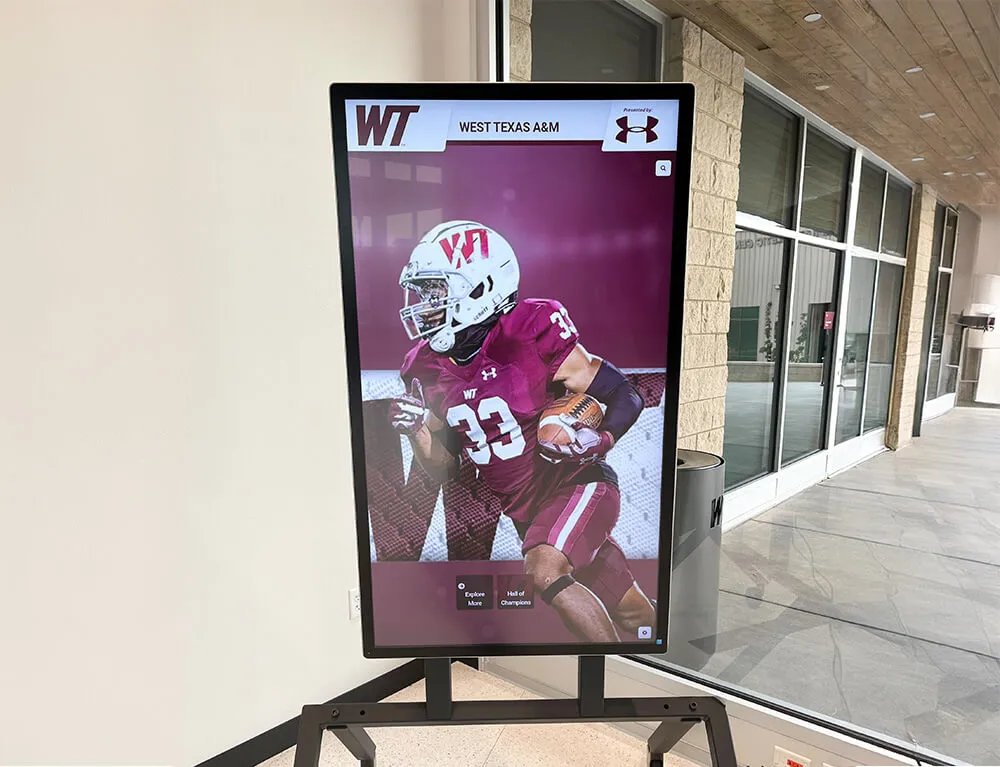
Athletic directors celebrate program history through permanent recognition displays inspiring current student-athletes toward excellence
Regulatory Knowledge and Compliance
Complex regulatory environments require athletic directors to master detailed rule frameworks.
Eligibility and Academic Standards
Student-athlete eligibility requires continuous monitoring including academic performance tracking ensuring grade and credit requirements, transfer student eligibility determination following applicable rules, age and enrollment status verification, amateur status maintenance preventing improper benefits, and documentation systems maintaining required records.
Eligibility mistakes create serious consequences including forfeitures, penalties, and potential litigation, making attention to detail and systems thinking essential athletic director competencies.
Title IX and Gender Equity Compliance
Federal law requires equitable athletic opportunities regardless of gender through proportional participation opportunities reflecting student body demographics, equivalent treatment in areas like facilities, equipment, and coaching, financial aid distribution aligned with participation rates, program expansion considering student interest and ability, and comprehensive compliance documentation demonstrating equity commitment.
Title IX compliance requires ongoing attention as courts continue interpreting requirements and plaintiffs increasingly challenge institutions they believe fail meeting equity standards. Athletic directors need thorough understanding of both letter and spirit of Title IX requirements.
Safety and Risk Management
Protecting student-athlete welfare requires comprehensive risk management including emergency action plan development and staff training, concussion protocol implementation following medical standards, heat illness prevention in appropriate sports, equipment safety standards and maintenance procedures, facility inspection and hazard identification, and insurance coverage ensuring adequate protection.
Safety failures create both ethical failures putting students at risk and legal exposure for institutions, making risk management a critical athletic director competency requiring constant vigilance.
Career Path Progression
Most athletic directors advance through predictable career stages building relevant experience and demonstrating increasing leadership capacity.
Entry-Level Positions and Initial Experience
Few people become athletic directors immediately after completing education—most build relevant experience in foundational roles.
Coaching Positions
Most athletic directors begin as coaches gaining essential experience including sport-specific knowledge and competitive understanding, athlete development skills and relationship building, practice and game management logistics, parent and community interaction experiences, and program building from grassroots development.
Coaching provides credibility with future coaching staff members who respect athletic directors with direct coaching experience understanding the challenges coaches face daily. Many successful athletic directors continue coaching early in administrative careers, transitioning to full-time administration as responsibilities expand.

Athletic directors integrate traditional program elements with [modern recognition technology](https://digital-trophy-case.com/blog/digital-signage-services-touchscreen-kiosk-multi-screen-management/?utm_source=organic&utm_medium=seo-auto&utm_content=donorswall&utm_campaign=how-to-become-an-athletic-director&utm_term=seo) creating comprehensive celebration environments
Teaching and Education Roles
For school-based athletic director positions, teaching experience proves valuable through classroom management skills transferring to athletic administration, understanding of educational mission and institutional culture, relationship development with teaching colleagues and school leadership, and student development perspectives beyond purely athletic contexts.
Many athletic directors maintain teaching assignments, particularly at smaller schools where administrative responsibilities don’t constitute full-time positions. This dual role requires exceptional time management but provides valuable connection to broader educational mission.
Assistant Athletic Director Positions
Larger athletic departments employ assistant athletic directors providing direct preparation including specific functional responsibility for compliance, facilities, or operations, exposure to athletic director decision-making and strategic planning, leadership experience with defined authority and accountability, relationship development with coaches, staff, and administrators, and mentorship from experienced athletic directors.
Assistant athletic director positions represent the most direct pathway to athletic director roles, providing hands-on experience with primary responsibilities while learning from established leaders.
Mid-Career Development and Advancement
Career progression typically involves deliberate skill development and strategic position changes.
Seeking Increasing Responsibility
Advancement requires actively pursuing expanded leadership opportunities through volunteering for additional duties beyond position requirements, serving on school or institutional committees addressing broader issues, presenting at professional conferences sharing expertise, publishing articles about athletic administration topics, and mentoring less experienced coaches and administrators.
These experiences demonstrate leadership capacity and commitment to professional growth, distinguishing candidates when athletic director positions become available.
Strategic Career Moves
Becoming an athletic director often requires geographic flexibility and strategic position transitions including willingness to relocate for advancement opportunities, accepting smaller program athletic director positions to gain experience, lateral moves to institutions with stronger athletic programs, transitions from assistant athletic director to head positions, and progression from high school to college athletics or vice versa.
Career path planning requires balancing personal circumstances with professional advancement, sometimes accepting positions that serve primarily as stepping stones toward ultimate career goals.

Successful athletic directors create [comprehensive recognition environments](https://toucharchives.org/blog/donor-recognition-examples/?utm_source=organic&utm_medium=seo-auto&utm_content=donorswall&utm_campaign=how-to-become-an-athletic-director&utm_term=seo) celebrating achievement across all sports and recognition categories
Continuous Professional Development
Career advancement requires ongoing learning through graduate education completing master’s or doctoral degrees, professional conference attendance engaging with current issues and best practices, certification programs demonstrating specialized competencies, professional reading staying current with athletic administration literature, and networking building relationships with colleagues across institutions.
Professional development demonstrates commitment to excellence while providing knowledge and skills positioning candidates for advancement opportunities.
Landing Your First Athletic Director Position
Transition to athletic director requires strategic preparation and effective job search approaches.
Building a Competitive Candidacy
Position yourself effectively through comprehensive resume highlighting relevant experience and accomplishments, reference cultivation from respected administrators and colleagues, interview preparation researching institutions and articulating leadership philosophy, portfolio development showcasing program improvements and innovations, and strategic application focusing on positions matching experience level.
First-time athletic director candidates compete against experienced administrators, requiring clear demonstration of readiness for primary leadership responsibility despite limited administrative experience.
Interview Success Strategies
Athletic director interviews typically explore multiple competency areas including leadership philosophy and approach to program development, specific experience with budgeting, compliance, and risk management, conflict resolution scenarios and problem-solving approaches, communication style and stakeholder engagement strategies, and vision for athletic program if hired.
Successful candidates demonstrate both technical knowledge and leadership capacity while conveying authentic passion for student-athlete development and program excellence.
Daily Life and Work-Life Balance Considerations
Understanding typical athletic director schedules and lifestyle helps candidates assess whether this career path aligns with personal priorities and circumstances.
Time Commitments and Schedule Realities
Athletic director positions involve demanding schedules requiring careful expectation setting.
Evening and Weekend Obligations
Athletic competitions occur primarily outside regular business hours creating significant evening and weekend commitments including attending games across all sports demonstrating support, supervising competitions ensuring proper management, representing department at community events and fundraisers, and responding to emergencies and crises regardless of timing.
Family members of athletic directors must understand these commitments, which peak during fall and winter sports seasons but continue year-round as different sports cycle through their competitive calendars.
Seasonal Workload Variations
Athletic director time demands fluctuate with seasonal patterns including heaviest periods during fall and winter competition seasons, relative breathing room during summer with planning and preparation focus, crunch times around hiring seasons and budget development, and unpredictable intensity spikes when crises or controversies emerge.
Understanding these rhythm helps athletic directors and their families plan personal activities around predictable busy periods while building in recovery time during slower seasons.

Athletic directors preserve program history and celebrate [athletic achievement](https://best-touchscreen.com/blog/soccer-awards-ideas-youth-to-varsity-recognition/?utm_source=organic&utm_medium=seo-auto&utm_content=donorswall&utm_campaign=how-to-become-an-athletic-director&utm_term=seo) through permanent recognition installations
Stress Management and Professional Sustainability
Athletic director positions involve high stress requiring deliberate self-care and boundary setting.
Common Stressors and Challenges
Athletic directors face various pressure sources including intense parent and community expectations and criticism, budget constraints limiting program resources, coach and staff performance issues requiring intervention, compliance concerns with serious consequences, competitive pressure for winning programs, and facility limitations affecting program quality.
These stressors accumulate, requiring athletic directors to develop resilience and stress management strategies preventing burnout and maintaining professional effectiveness.
Maintaining Personal Well-Being
Successful athletic directors intentionally prioritize wellness through clear boundary setting protecting personal time despite demands, physical fitness maintaining health despite sedentary administrative work, professional counseling when needed addressing stress and challenges, hobby maintenance providing mental breaks from work focus, and family prioritization preserving relationships despite time commitments.
Professional sustainability requires recognizing that athletic director effectiveness depends on personal health and well-being, not just endless work hours and constant availability.
Professional Development and Career Growth
Successful athletic directors continue developing throughout their careers, never considering their growth complete.
Professional Associations and Networking
Professional organizations provide essential resources and community.
Key Athletic Administration Associations
Join relevant professional groups including National Interscholastic Athletic Administrators Association (NIAAA) for high school athletic directors, National Association of Collegiate Directors of Athletics (NACDA) for college programs, state athletic administrator associations providing local networking, sport-specific coaching associations maintaining connection to specific sports, and National Federation of State High School Associations (NFHS) for rules and governance perspective.
These organizations provide professional development programming, networking opportunities, advocacy for athletic administration profession, and resources addressing common challenges athletic directors face.
Conference Attendance and Engagement
Maximize professional conference value through active participation in educational sessions, networking intentionally with colleagues from different institutions, presenting sessions sharing your expertise and innovations, volunteering for association committees and leadership roles, and following up on connections made during conferences.
Conferences provide rare opportunities stepping away from daily operations for focused professional learning and relationship building with colleagues who understand unique athletic director challenges.

Forward-thinking athletic directors implement [digital recognition solutions](https://digital-trophy-case.com/blog/unique-donor-wall-ideas-creative-designs-inspire-giving/?utm_source=organic&utm_medium=seo-auto&utm_content=donorswall&utm_campaign=how-to-become-an-athletic-director&utm_term=seo) celebrating comprehensive program achievement
Staying Current with Trends and Challenges
Athletic administration continually evolves requiring ongoing learning about emerging issues.
Contemporary Topics and Emerging Challenges
Stay informed about current issues including name, image, and likeness (NIL) implications for college athletics, mental health support for student-athletes becoming priority, transgender athlete inclusion and policy development, social media management and athlete personal branding, sports specialization concerns and multi-sport participation, and technology integration in training, performance, and recognition.
Understanding emerging trends enables athletic directors to lead proactively rather than reactively responding to challenges after they become crises.
Thought Leadership and Professional Contribution
Advance the profession through writing articles for professional journals, presenting at conferences and workshops, mentoring aspiring athletic directors and early-career professionals, serving on state and national athletic governance bodies, and participating in research studies about athletic administration.
These contributions give back to the profession while establishing your reputation as thoughtful leader committed to athletic administration advancement.
Technology and Modern Athletic Administration
Contemporary athletic directors must leverage technology enhancing program effectiveness and recognition.
Administrative Technology Systems
Modern athletic departments rely on specialized software platforms managing operations including scheduling software coordinating complex competition calendars, registration systems handling participation and paperwork, communication platforms reaching athletes, parents, and community, budget and financial management tools tracking resources, and compliance databases documenting required information.
Technology literacy helps athletic directors evaluate solutions, implement systems effectively, and train staff members ensuring consistent utilization.
Recognition and Engagement Technology
Athletic directors increasingly implement digital recognition systems celebrating achievement including interactive touchscreen displays showcasing athlete accomplishments, digital signage communicating schedules and highlighting achievements, mobile apps connecting athletes and families, social media strategies amplifying recognition reach, and comprehensive data systems tracking and celebrating student-athlete success.
Solutions like Rocket Alumni Solutions provide purpose-built platforms enabling athletic directors to comprehensively recognize achievements across all sports, preserving program history while celebrating current success. These systems eliminate space constraints traditional trophy cases impose while creating engaging experiences for student-athletes and community members.
Conclusion: Charting Your Path to Athletic Director Leadership
Becoming an athletic director requires strategic education, progressive experience, skill development, and unwavering commitment to student-athlete success. This comprehensive role combines passion for athletics with sophisticated leadership and business acumen, demanding both heart and head, both competitive spirit and diplomatic sensibility. Yet for those called to this profession, few careers offer comparable opportunity to positively impact student development while shaping institutional athletic culture and competitive success.
The pathway explored in this guide—from foundational coaching and teaching through assistant athletic director positions, supported by appropriate education and continuous professional development—provides proven progression toward athletic director leadership. While individual paths vary based on circumstances and opportunities, certain elements remain consistent including necessity of relevant experience building credibility and capability, importance of formal education establishing theoretical knowledge, value of mentorship learning from experienced leaders, commitment to ongoing learning throughout career, and authentic passion for student-athlete development driving decisions.
Elevate Your Athletic Program Recognition
Discover how modern digital recognition solutions help athletic directors celebrate achievement across all sports, preserve program history, and inspire current student-athletes through engaging displays that showcase what your department values most.
Explore Recognition SolutionsFor Aspiring Athletic Directors
If you’re considering athletic director career path, begin with honest self-assessment about whether role responsibilities and lifestyle demands align with your priorities, strengths, and values. Successful athletic directors typically share certain characteristics including genuine passion for student-athlete development beyond winning records, comfort with financial management and business administration, strong interpersonal skills navigating diverse stakeholder relationships, resilience managing criticism and handling pressure, and commitment to ethical leadership and compliance.
If these characteristics resonate, pursue relevant experiences building your capabilities including coaching or teaching establishing educational foundation, graduate education in athletic or educational administration, volunteer service on athletic committees or organizations, professional association membership and engagement, and mentorship relationships with experienced athletic directors.
For Current Athletic Directors
If you currently serve in athletic director role, commit to continuous improvement ensuring your effectiveness and sustainability including regular professional development through conferences and learning, technology adoption enhancing program operations and recognition, relationship investment with all stakeholder groups, wellness prioritization preventing burnout and maintaining effectiveness, and profession contribution mentoring next generation of athletic leaders.
Your work matters profoundly. Student-athletes benefit from your leadership, coaches develop under your mentorship, and institutional athletic culture reflects your vision and values. Lead with integrity, compassion, and strategic perspective—your program and profession benefit from your excellence.
The path to becoming an athletic director demands commitment, but rewards those willing to invest in this unique blend of education, athletics, and leadership. Begin where you are, pursue relevant experiences and education, build relationships with athletic administration professionals, and remain focused on student-athlete development as your north star. With persistence, strategic planning, and authentic passion, you can achieve your goal of leading athletic programs toward excellence while positively impacting countless student-athletes throughout your career.