Creating an employee recognition program from scratch can feel overwhelming. Where do you start? What criteria make sense? How much budget do you need? What technology should you use? These questions stop many organizations from implementing recognition systems that could dramatically improve engagement and retention.
The challenge isn’t just understanding why recognition matters—research consistently shows that companies with effective recognition programs experience 31% lower turnover and significantly higher engagement. The real challenge lies in translating recognition principles into practical implementation that works for your specific organization, culture, and resources.
Many well-intentioned recognition initiatives fail because they skip crucial planning steps, create criteria that don’t align with organizational goals, implement technology that staff can’t manage, or launch programs without sustainable management structures. The result? Recognition programs that start with excitement but fade within months, leaving employees more cynical than if no program existed at all.
This comprehensive implementation guide walks you through every step of creating an employee recognition program that actually works—from initial planning and stakeholder alignment through award criteria development, technology selection, launch strategy, and long-term sustainability planning.
Whether you’re building your first recognition program or revamping existing approaches that haven’t delivered desired results, this guide provides practical frameworks, decision tools, and proven strategies for creating recognition systems that employees value and organizations can sustain.

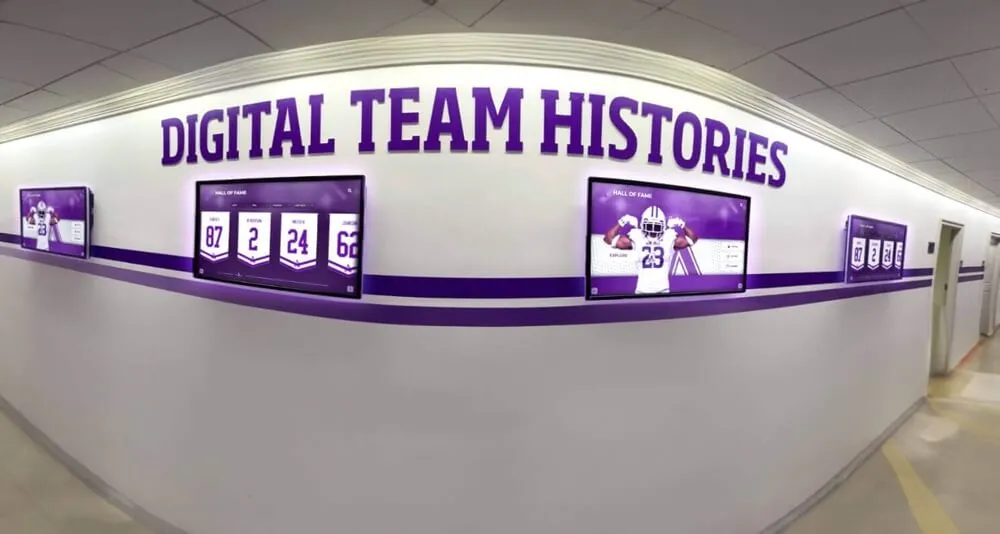
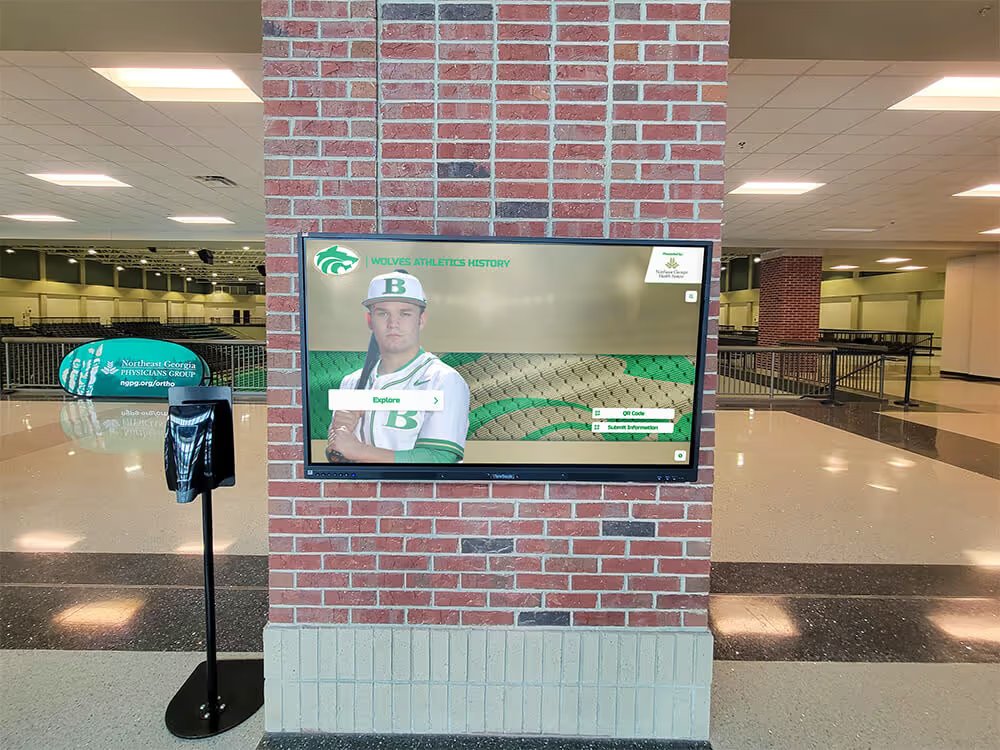
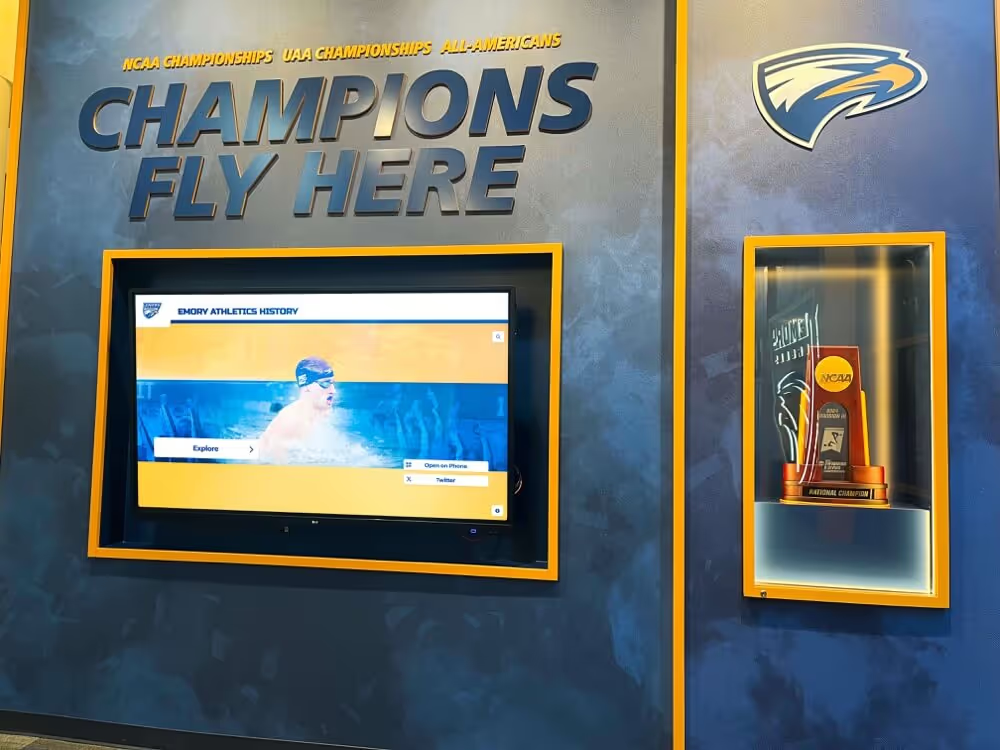
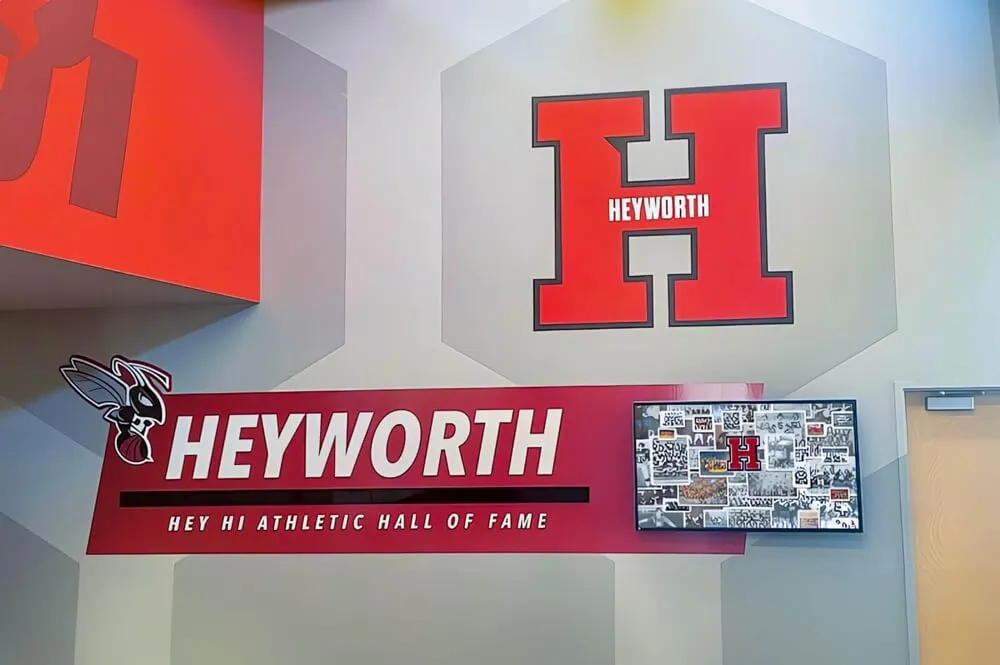
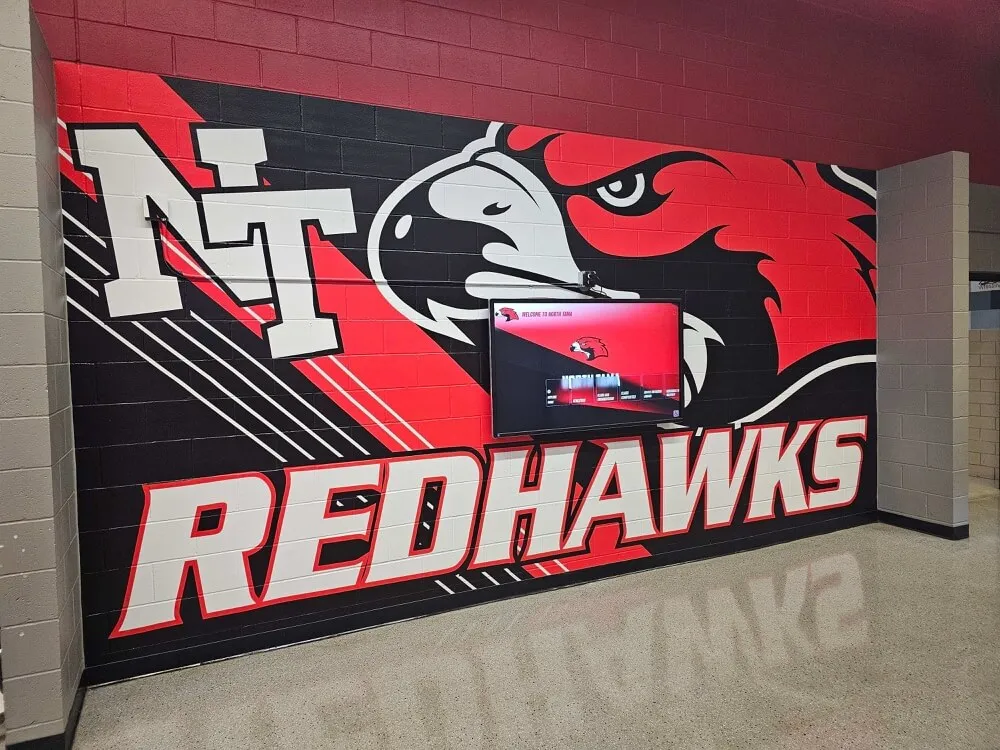
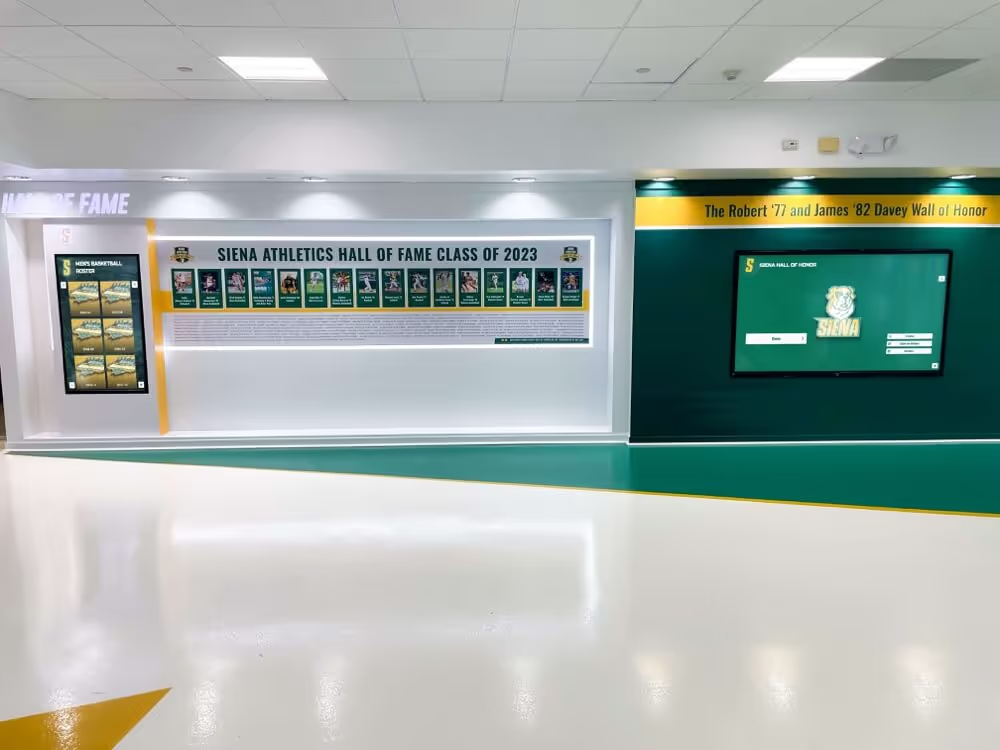
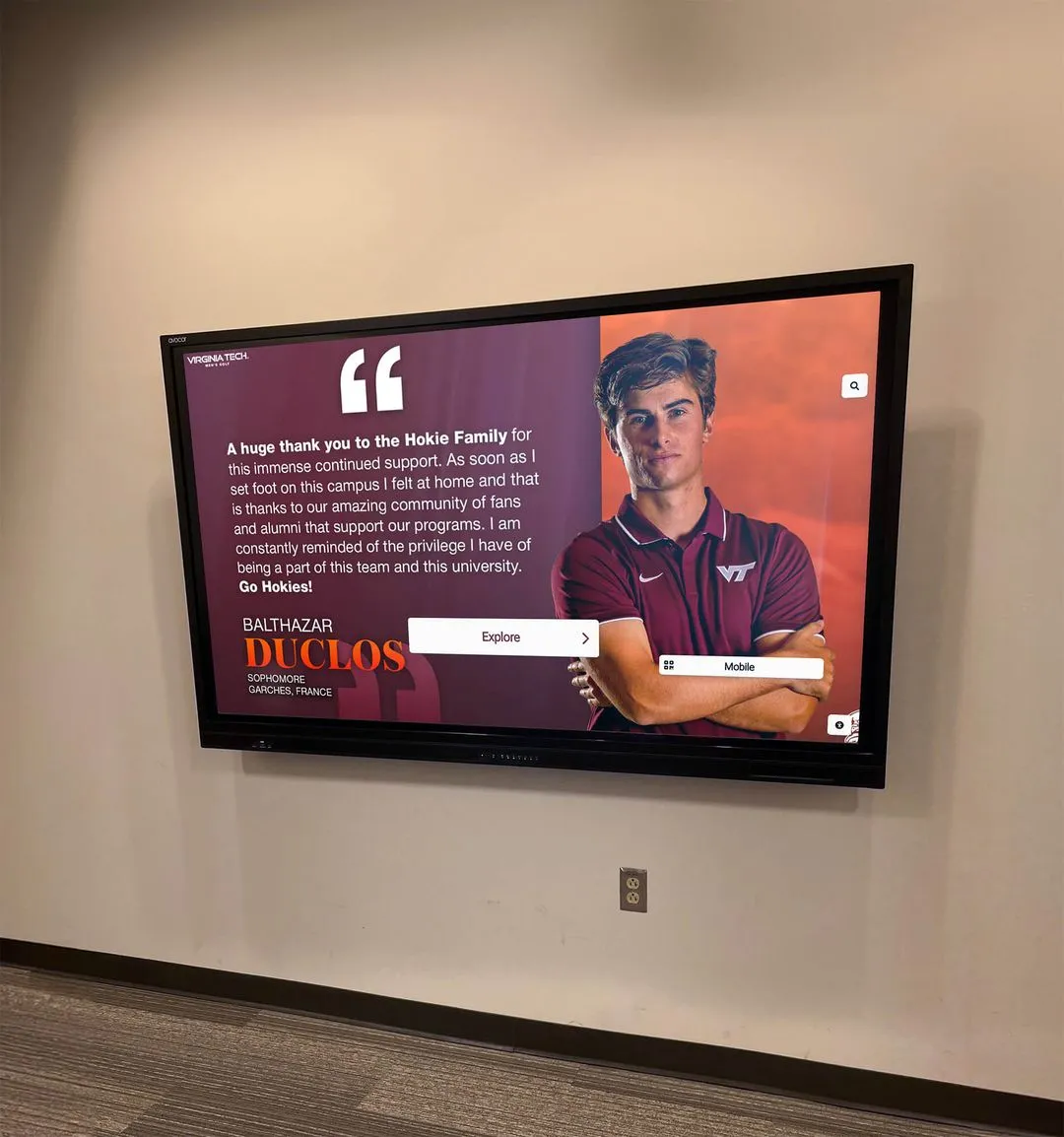
Modern recognition programs combine strategic frameworks with accessible technology to celebrate employee achievements
Phase 1: Assessment and Planning
Before designing specific recognition elements, successful programs begin with thorough assessment establishing clear objectives and understanding current state.
Conduct Recognition Readiness Assessment
Start by honestly evaluating your organization’s current recognition landscape and capacity:
Current State Analysis
- What informal recognition already happens throughout the organization?
- Do managers regularly acknowledge employee contributions?
- What formal recognition programs currently exist?
- How satisfied are employees with current recognition approaches?
- What recognition complaints or concerns have emerged?
- Which departments or teams excel at recognition versus those that struggle?
Organizational Context Evaluation
- What is your company culture and communication style?
- How distributed is your workforce (office, remote, hybrid)?
- What is organizational size and complexity?
- What budget realistically exists for recognition initiatives?
- How much staff time can dedicate to recognition program management?
- What technology infrastructure and capabilities exist?
This assessment prevents implementing recognition approaches misaligned with organizational realities, creating programs doomed to fail regardless of design quality.
Stakeholder Input Collection Gather perspectives from multiple stakeholders before designing programs:
- Employee surveys asking what recognition approaches they value most
- Manager interviews exploring recognition challenges and preferences
- Leadership discussions clarifying recognition priorities and resource availability
- HR team input on integration with existing people programs
- IT consultation regarding technology capabilities and constraints
Organizations that skip stakeholder input often create recognition programs reflecting designer preferences rather than actual needs, resulting in low adoption and minimal impact.
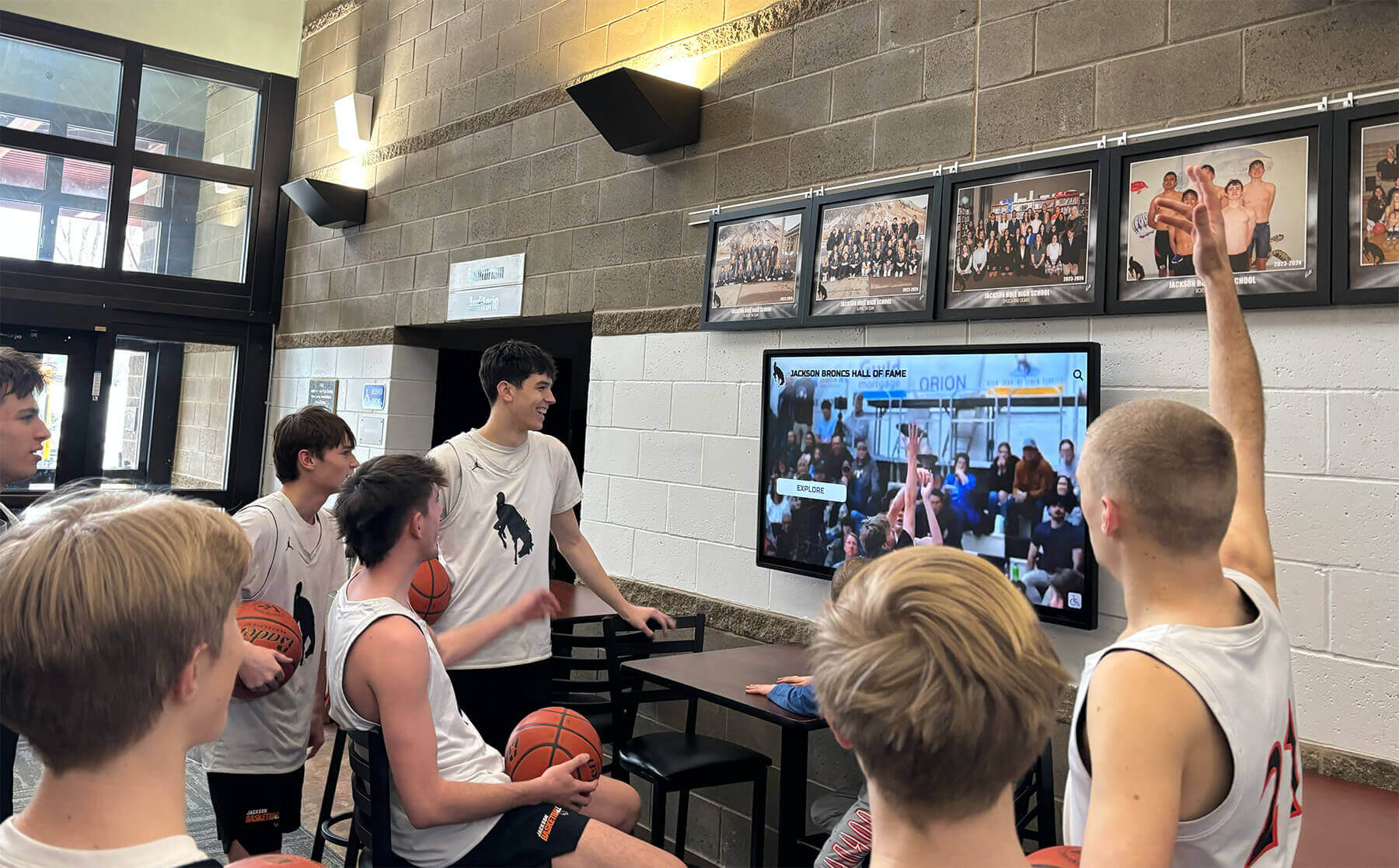
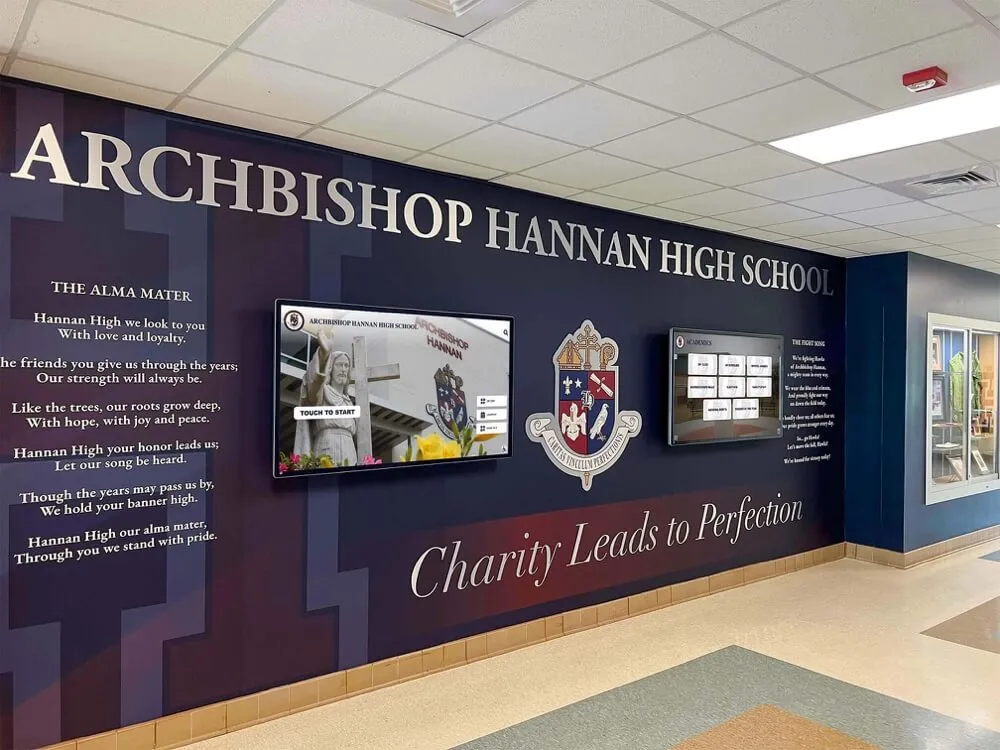
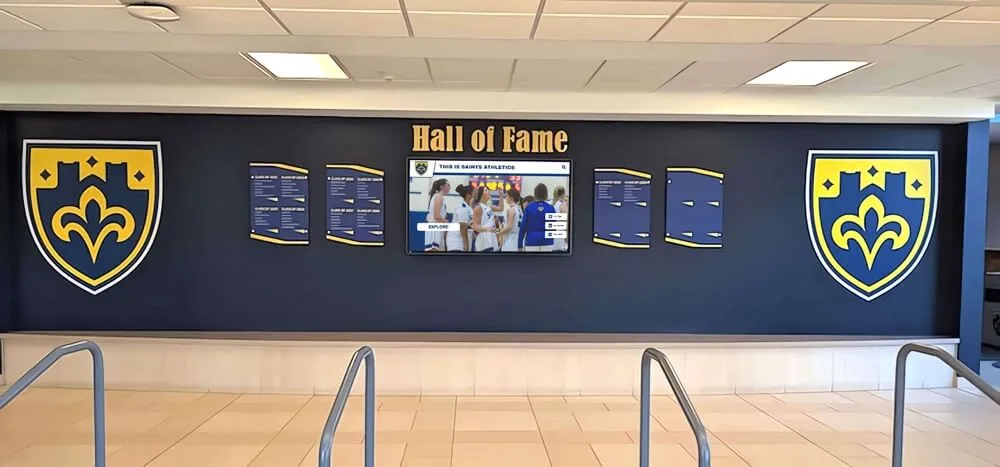
Effective recognition programs reflect actual employee preferences rather than assumed desires
Define Clear Program Objectives
Recognition programs should advance specific organizational goals rather than existing simply because “recognition is good”:
Primary Objectives Identification Select 2-4 primary objectives your recognition program should advance:
- Reduce voluntary turnover by specific percentage
- Improve employee engagement survey scores in particular dimensions
- Strengthen specific cultural values or behaviors
- Increase internal promotion and development rates
- Enhance cross-departmental collaboration
- Improve customer satisfaction through employee motivation
Success Metrics Definition For each objective, define concrete metrics demonstrating program success:
- Baseline measurement of current state
- Target improvement within specific timeframe
- Leading indicators signaling progress
- Attribution approach isolating recognition program impact
Clear objectives and metrics enable program evaluation and continuous improvement while justifying recognition investments to budget stakeholders.
Establish Recognition Philosophy and Principles
Document core principles guiding all recognition decisions:
Recognition Philosophy Elements
- Inclusivity commitment: Recognition opportunities exist for all employees regardless of role or level
- Authenticity priority: Recognition reflects genuine appreciation rather than obligatory gestures
- Timeliness importance: Recognition occurs close to achievements rather than delayed acknowledgment
- Specificity emphasis: Recognition highlights concrete contributions rather than generic praise
- Equity focus: Recognition distribution reflects actual contribution patterns rather than favoritism or bias
- Transparency standard: Recognition criteria and processes are clear and accessible to everyone
Written philosophy prevents inconsistent decisions that undermine program credibility and effectiveness. When difficult recognition questions arise, philosophy provides guidance ensuring decisions align with program values.
Phase 2: Award Structure and Criteria Development
With clear objectives and principles established, design specific recognition categories and criteria determining who receives acknowledgment and why.
Design Tiered Recognition Structure
Effective programs include multiple recognition levels ensuring appropriate acknowledgment for different achievement scales:
Tier 1: Daily and Weekly Recognition Informal, frequent appreciation for routine excellence:
- Verbal acknowledgment during team meetings
- Written thank-you notes from managers
- Peer-to-peer appreciation through accessible platforms
- Small token gifts or treats
- Public shout-outs in team communications
Implementation approach: Provide training and tools enabling managers and peers to deliver recognition rather than centralizing all acknowledgment through formal processes. Learn from approaches outlined in staff appreciation ideas that emphasize frequent, authentic appreciation.
Tier 2: Monthly and Quarterly Recognition Regular formal acknowledgment with broader visibility:
- Employee of the month programs
- Department excellence awards
- Team achievement celebrations
- Project completion recognitions
- Values-based awards highlighting cultural exemplars
Implementation approach: Establish nomination processes, selection criteria, and consistent delivery schedules ensuring predictable recognition cadence.
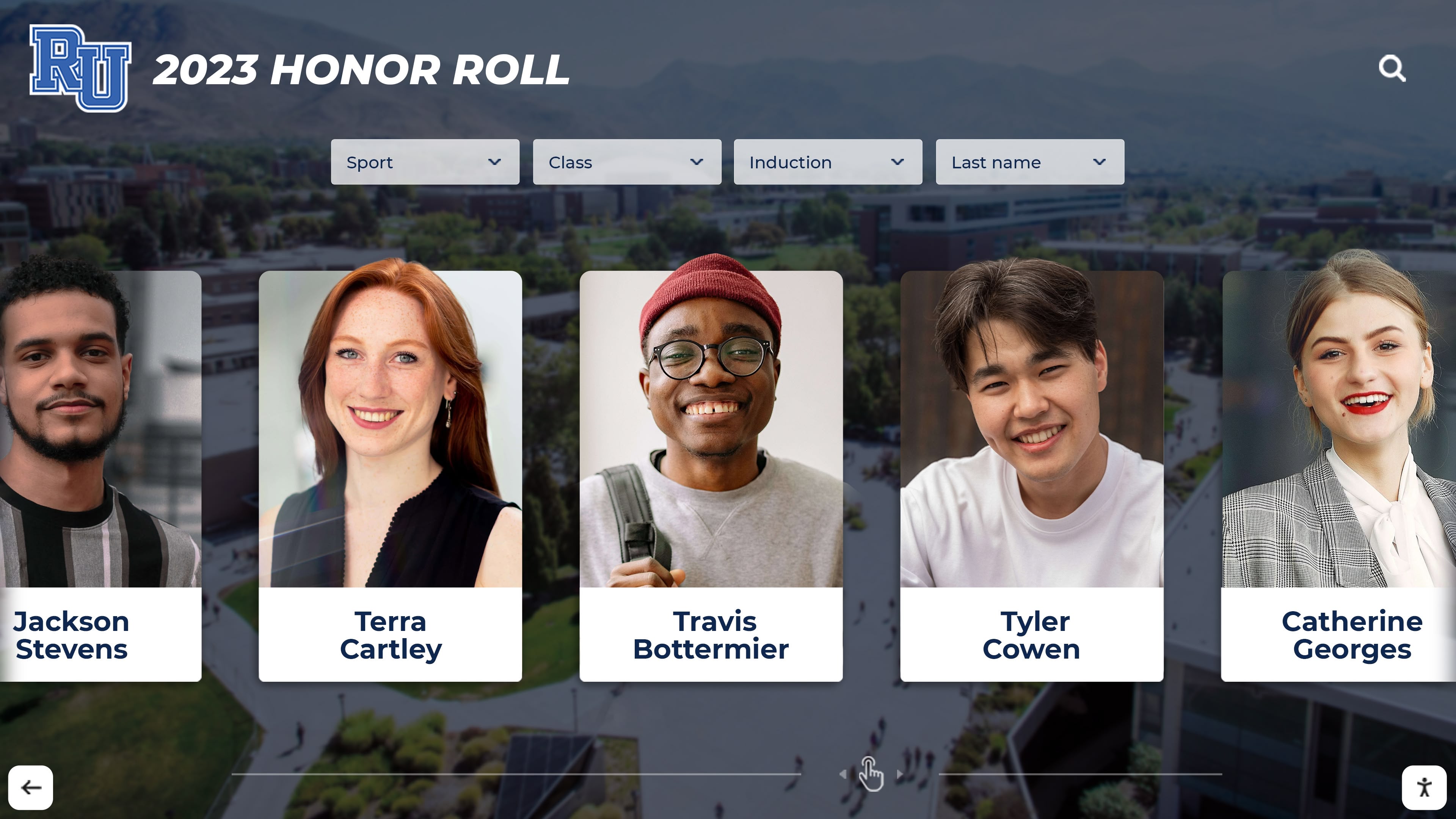
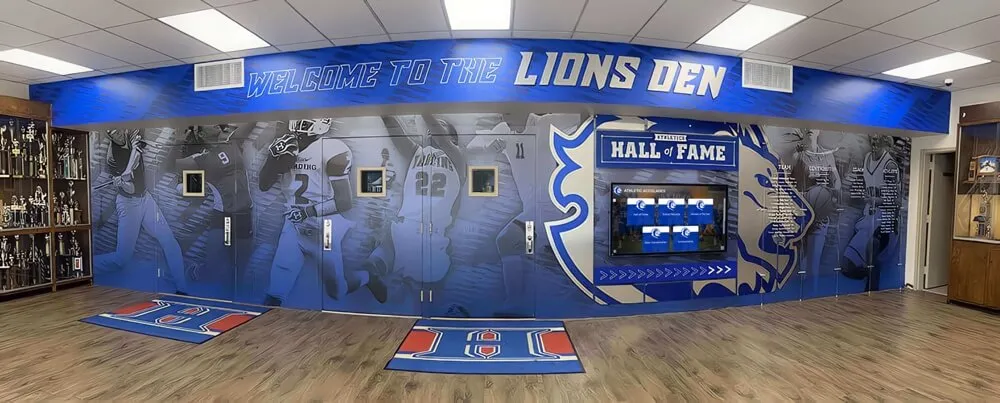
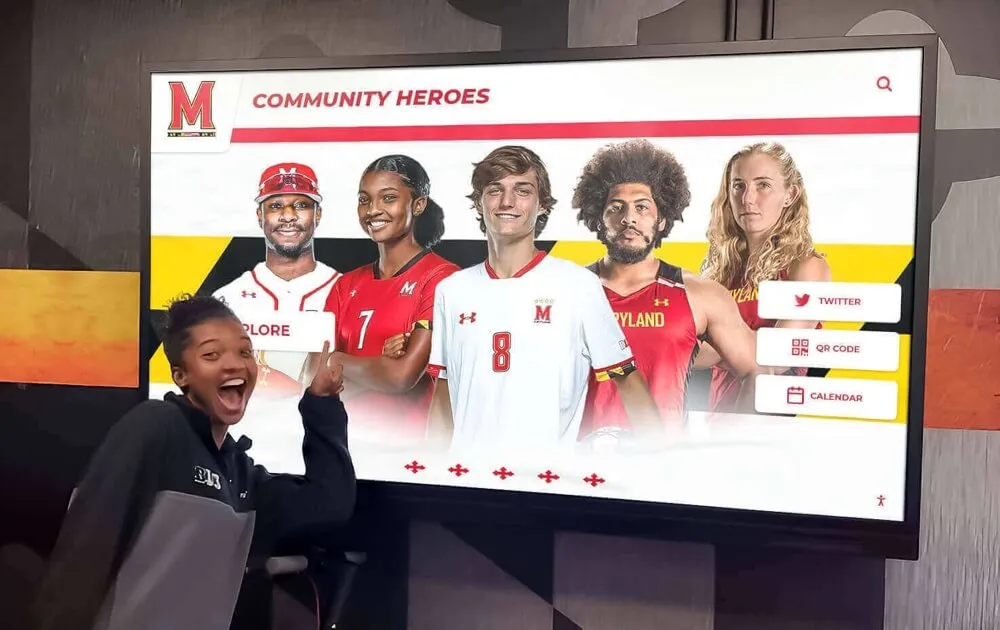
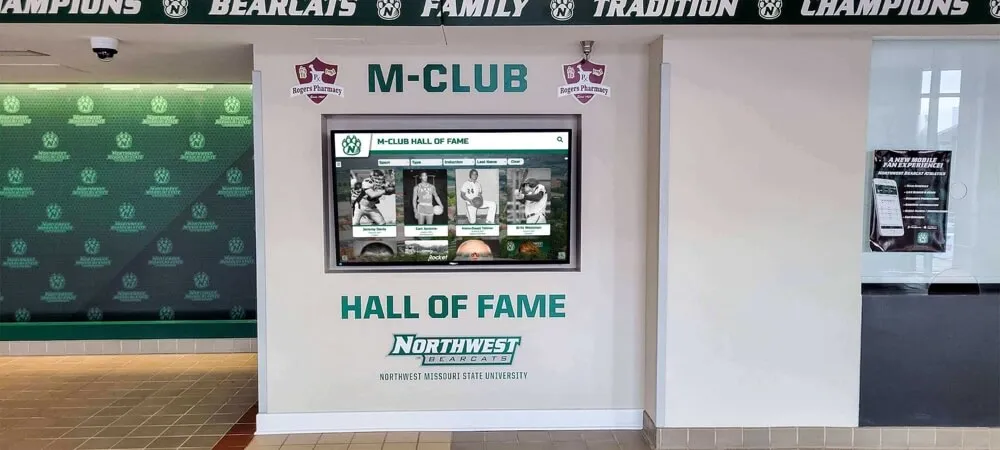
Monthly and quarterly recognition should include detailed achievement documentation beyond simple name listings
Tier 3: Annual and Career Recognition Prestigious acknowledgment for exceptional contributions:
- Annual excellence awards in multiple categories
- Innovation awards for breakthrough contributions
- Leadership recognition for developmental impact
- Service milestone celebrations (5, 10, 15+ years)
- Hall of fame inductions for legendary performers
- Lifetime achievement honors for career-long excellence
Implementation approach: Create special ceremonies, permanent visibility through digital recognition displays, and meaningful awards matching significance of honored achievements.
Develop Recognition Categories and Criteria
Design specific award categories aligned with organizational values and objectives:
Performance-Based Recognition Categories Awards acknowledging quantifiable achievements:
- Sales Excellence: Quota attainment, new client acquisition, account growth
- Quality Achievement: Defect reduction, accuracy improvements, compliance excellence
- Efficiency Innovation: Process improvements, cost savings, productivity gains
- Customer Champion: Satisfaction scores, testimonials, relationship building
- Project Excellence: On-time delivery, budget management, stakeholder satisfaction
Values-Based Recognition Categories Awards celebrating cultural contributions:
- Collaboration Award: Cross-functional partnership, teamwork, mentorship
- Innovation Champion: Creative problem-solving, breakthrough thinking, risk-taking
- Customer Obsession: Above-and-beyond service, client advocacy, relationship building
- Integrity Exemplar: Ethical decision-making, transparency, principled leadership
- Inclusion Advocate: Diversity support, belonging creation, equity advancement
Special Contribution Categories Awards for circumstantial excellence:
- Rookie of the Year: Outstanding new employee performance
- Comeback Achievement: Overcoming setbacks, resilience demonstration
- Community Service: Volunteer leadership, charitable engagement
- Wellness Champion: Health initiative leadership, team fitness motivation
- Sustainability Leader: Environmental initiatives, resource conservation
Create Clear Award Criteria
For each recognition category, develop specific, measurable criteria:
Criteria Development Framework
- What specific behaviors or outcomes qualify?
- How will achievements be measured or evaluated?
- What documentation or evidence is required?
- Who is eligible (all employees, specific roles, tenure requirements)?
- What is the nomination and selection process?
- How frequently is the award given?
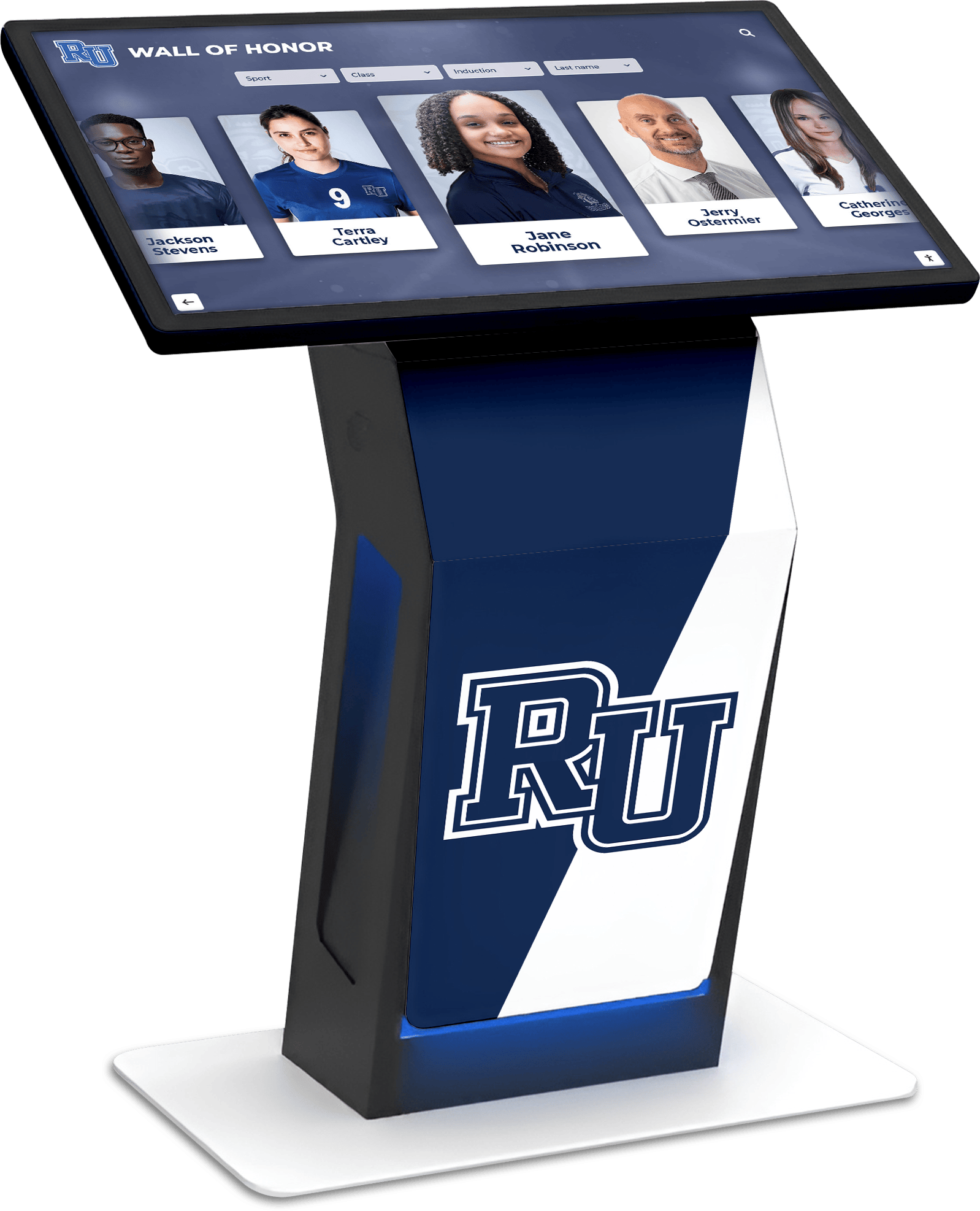
Clear criteria ensure recognition feels fair and achievable rather than arbitrary or political
Example: Customer Champion Award Criteria
- Eligibility: All customer-facing employees with minimum 6 months tenure
- Qualification: Minimum 95% customer satisfaction score over quarter
- Evidence: Three documented customer testimonials or success stories
- Additional factors: Peer nominations, manager recommendation, complexity of challenges overcome
- Frequency: Monthly with quarterly grand champion
- Selection process: Department managers review nominations, senior leadership approves final selection
Detailed criteria eliminate ambiguity and perceived favoritism that undermines program credibility.
Phase 3: Budget and Resource Planning
Sustainable recognition requires realistic budget allocation and resource commitment aligned with program ambitions.
Determine Recognition Budget
Calculate comprehensive recognition budget including all program elements:
Direct Recognition Costs
- Physical awards, plaques, trophies, certificates
- Gift cards, bonuses, or monetary recognition
- Recognition events and celebration expenses
- Technology platform licenses or subscriptions
- Marketing materials and program communications
- Recognition merchandise (pins, apparel, branded items)
Technology Investment
- Digital recognition display hardware (if implementing physical systems)
- Software platforms or content management systems
- Integration with existing HR and communication tools
- Training and implementation support
- Ongoing maintenance and technical support
Organizations implementing digital recognition solutions should budget for both initial setup and ongoing content management.
Staff Time Allocation
- Program management and coordination (typically 0.25-1.0 FTE depending on company size)
- Nomination review and selection processes
- Content creation and communication
- Event planning and execution
- Data tracking and reporting
- Training and manager support
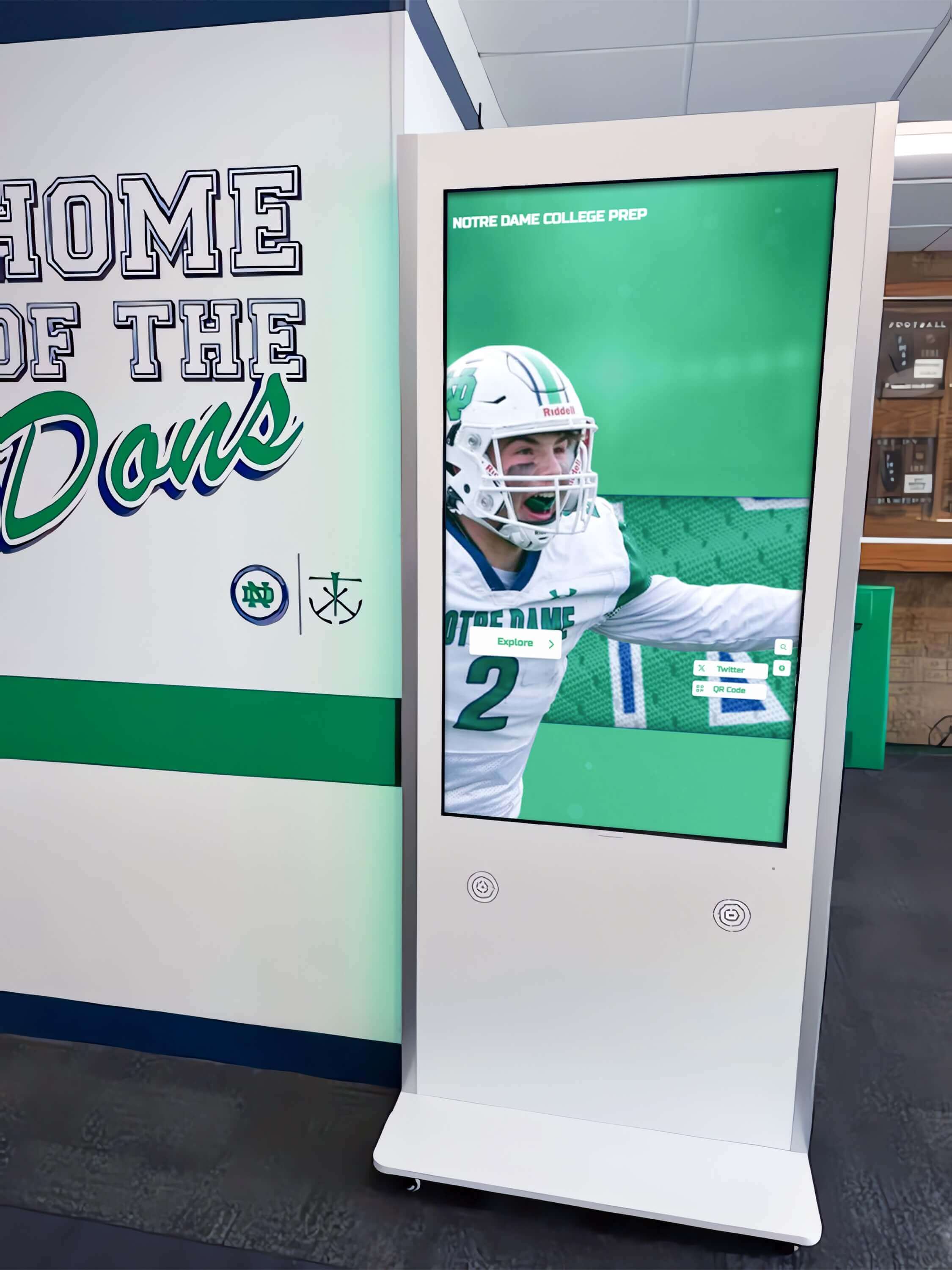
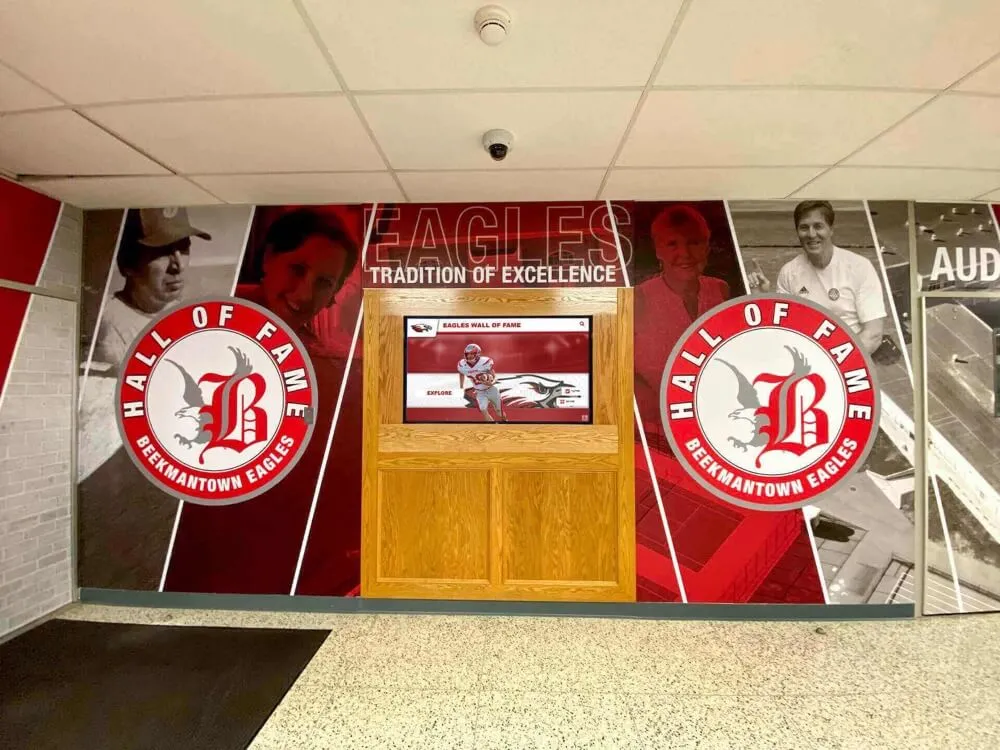
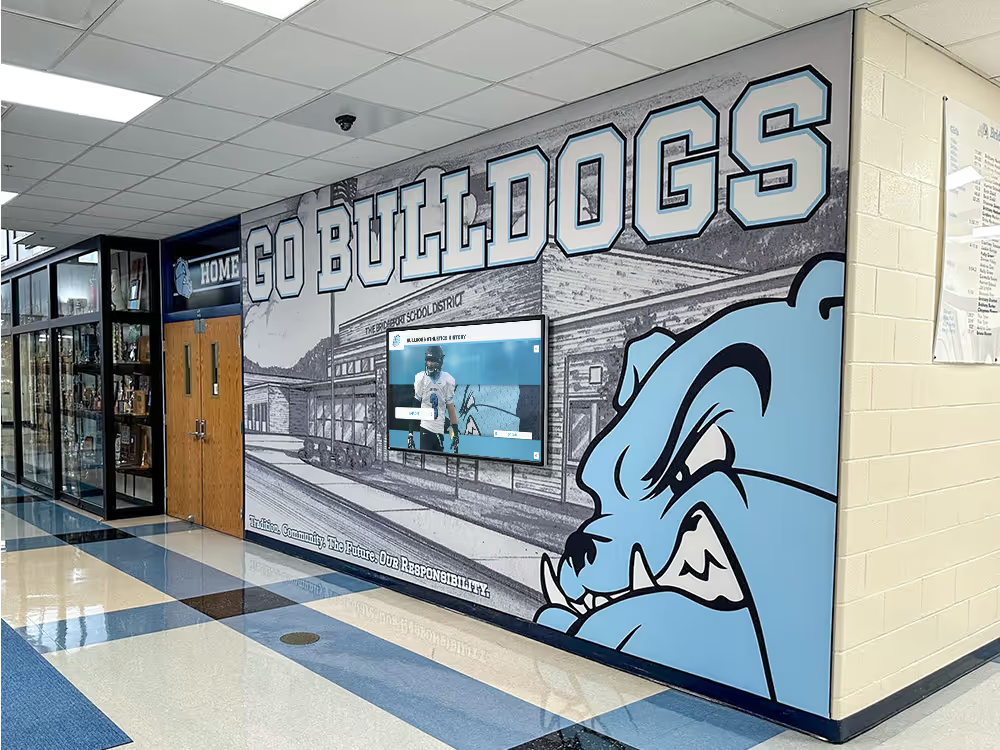
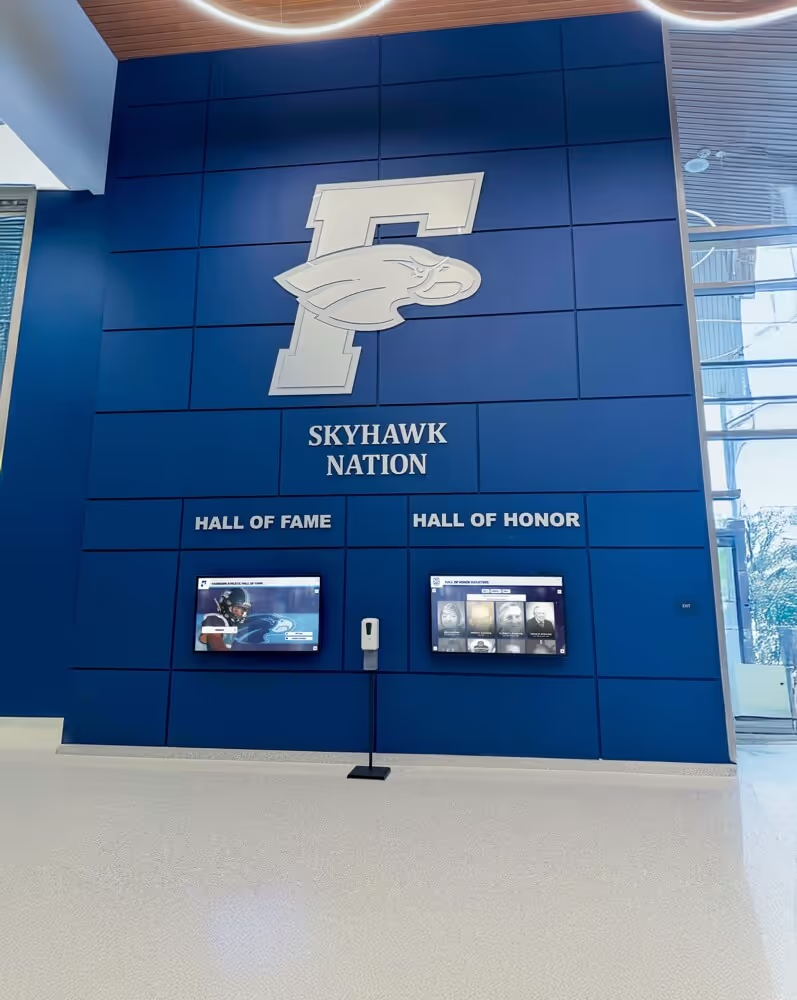
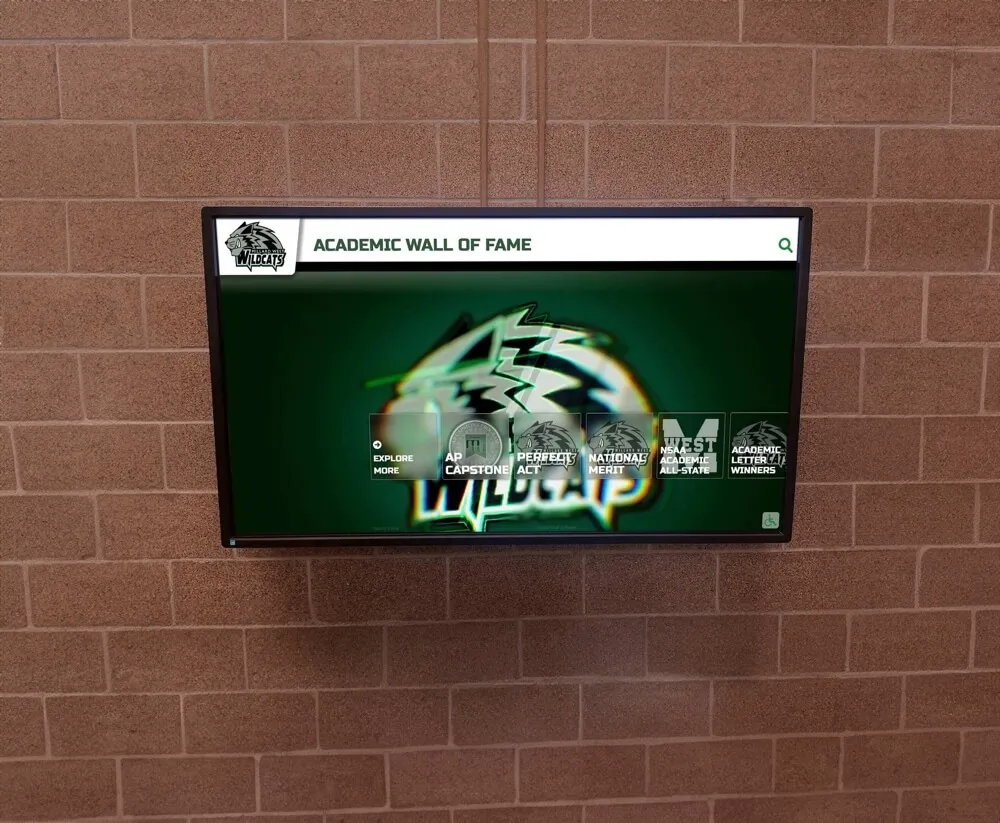
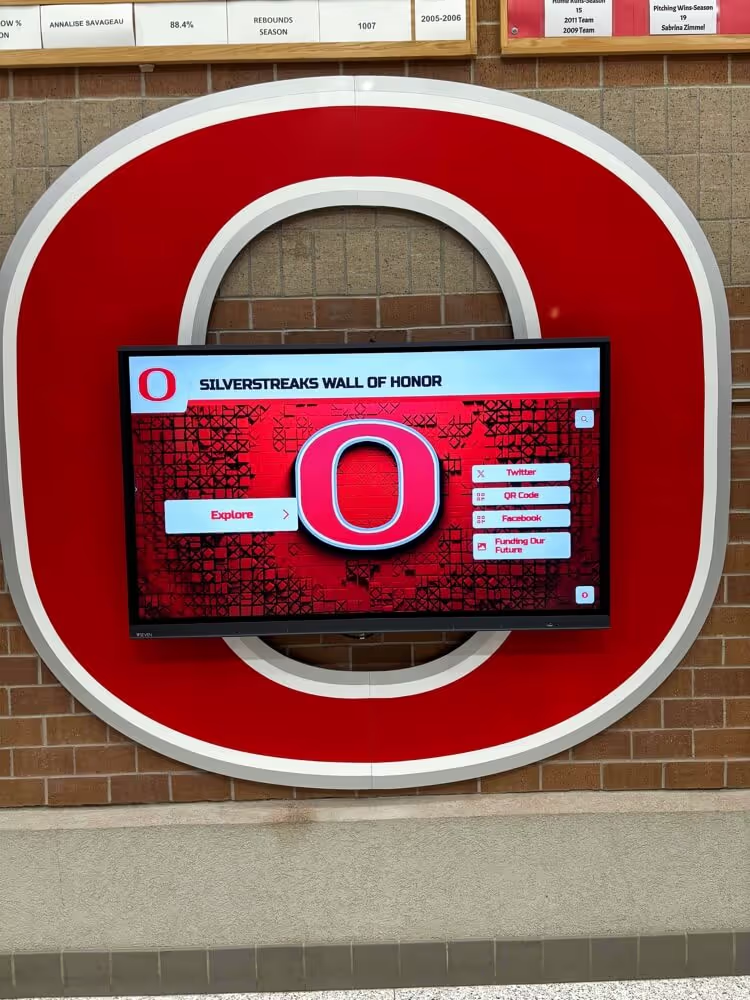
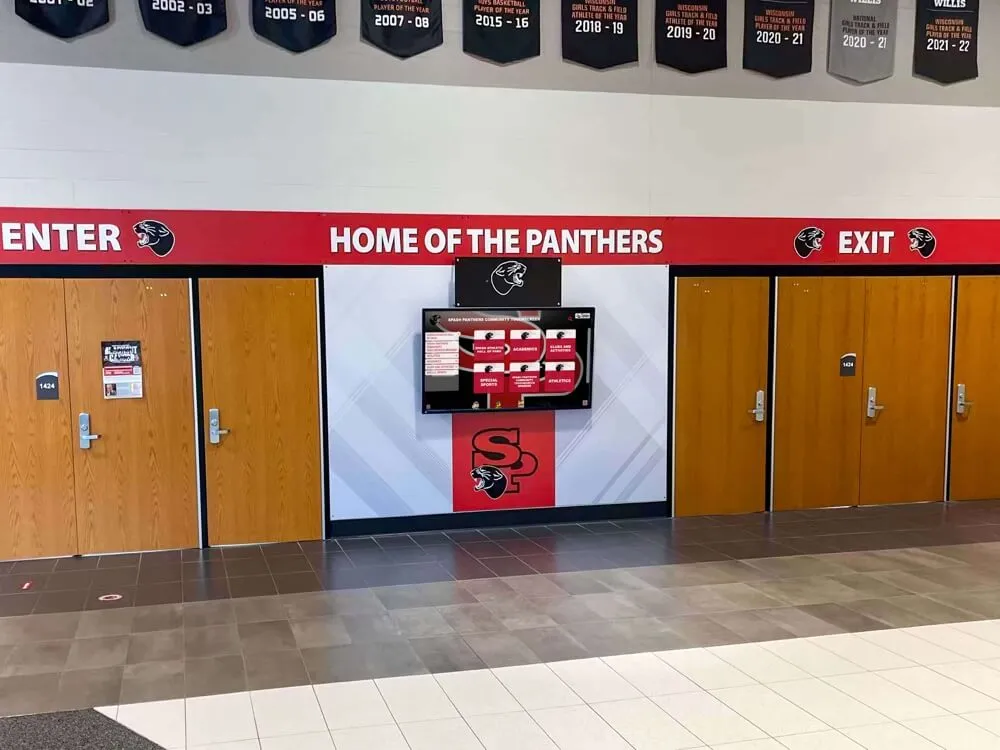
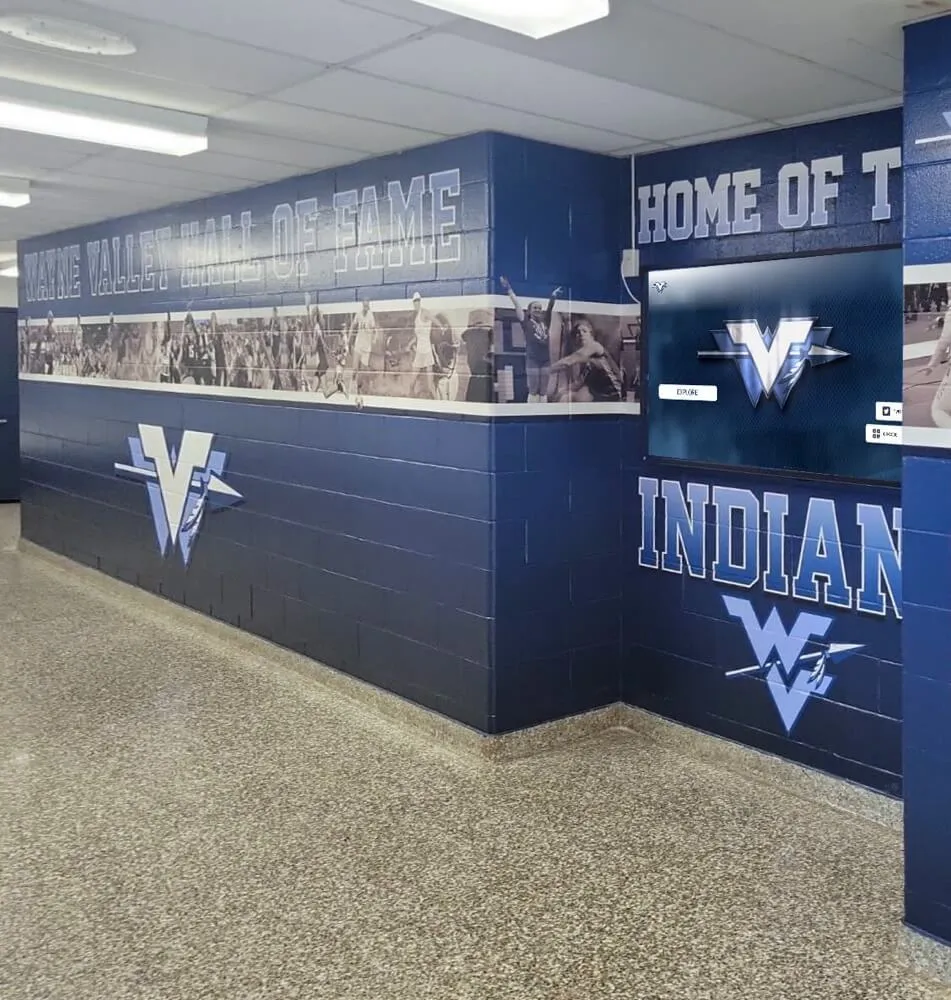
Strategic placement of recognition displays maximizes visibility without requiring additional prime real estate
Budget Benchmarks by Company Size
- 50-200 employees: $50-150 per employee annually
- 201-500 employees: $75-200 per employee annually
- 501-2,000 employees: $100-250 per employee annually
- 2,000+ employees: $125-300 per employee annually
These ranges vary dramatically based on recognition approach, award types, technology investments, and company industry and culture.
Allocate Budget Across Recognition Tiers
Distribute budget strategically across recognition levels:
Suggested Budget Allocation
Daily/Weekly Recognition (Tier 1): 15-25% of budget
- Manager training and toolkits
- Peer recognition platform
- Small gift cards or tokens
Monthly/Quarterly Recognition (Tier 2): 40-50% of budget
- Award ceremonies and events
- Recognition gifts or experiences
- Marketing and communications
- Digital display content management
Annual/Career Recognition (Tier 3): 25-35% of budget
- Premium awards and experiences
- Major celebration events
- Permanent recognition displays
- Special commemorative items
This allocation ensures frequent recognition reaches broad employee populations while preserving special significance for highest achievements.
Phase 4: Technology Selection and Integration
Modern recognition programs leverage technology for scalability, visibility, and engagement impossible with manual approaches.
Evaluate Recognition Technology Options
Consider multiple technology components supporting different program needs:
Peer-to-Peer Recognition Platforms Software enabling employees to recognize colleagues easily:
- Real-time recognition feeds visible throughout organization
- Points systems allowing recognition redemption
- Integration with Slack, Teams, or communication tools
- Social features amplifying appreciation
- Analytics tracking recognition patterns
Digital Recognition Display Systems Visual displays showcasing achievements in physical spaces:
- Touchscreen kiosks enabling interactive exploration
- Wall-mounted displays in lobbies and common areas
- Content management platforms for easy updates
- Unlimited recognition capacity without space constraints
- Multimedia storytelling through photos, videos, profiles
Solutions like Rocket Alumni Solutions provide comprehensive platforms combining recognition management with engaging display technology, eliminating physical limitations that constrain traditional approaches.
HR System Integration Connection with existing people systems:
- Employee database integration for automatic profile information
- Performance management system linkage
- Learning management system connection for development recognition
- Payroll integration for monetary recognition
- Analytics platforms for impact measurement
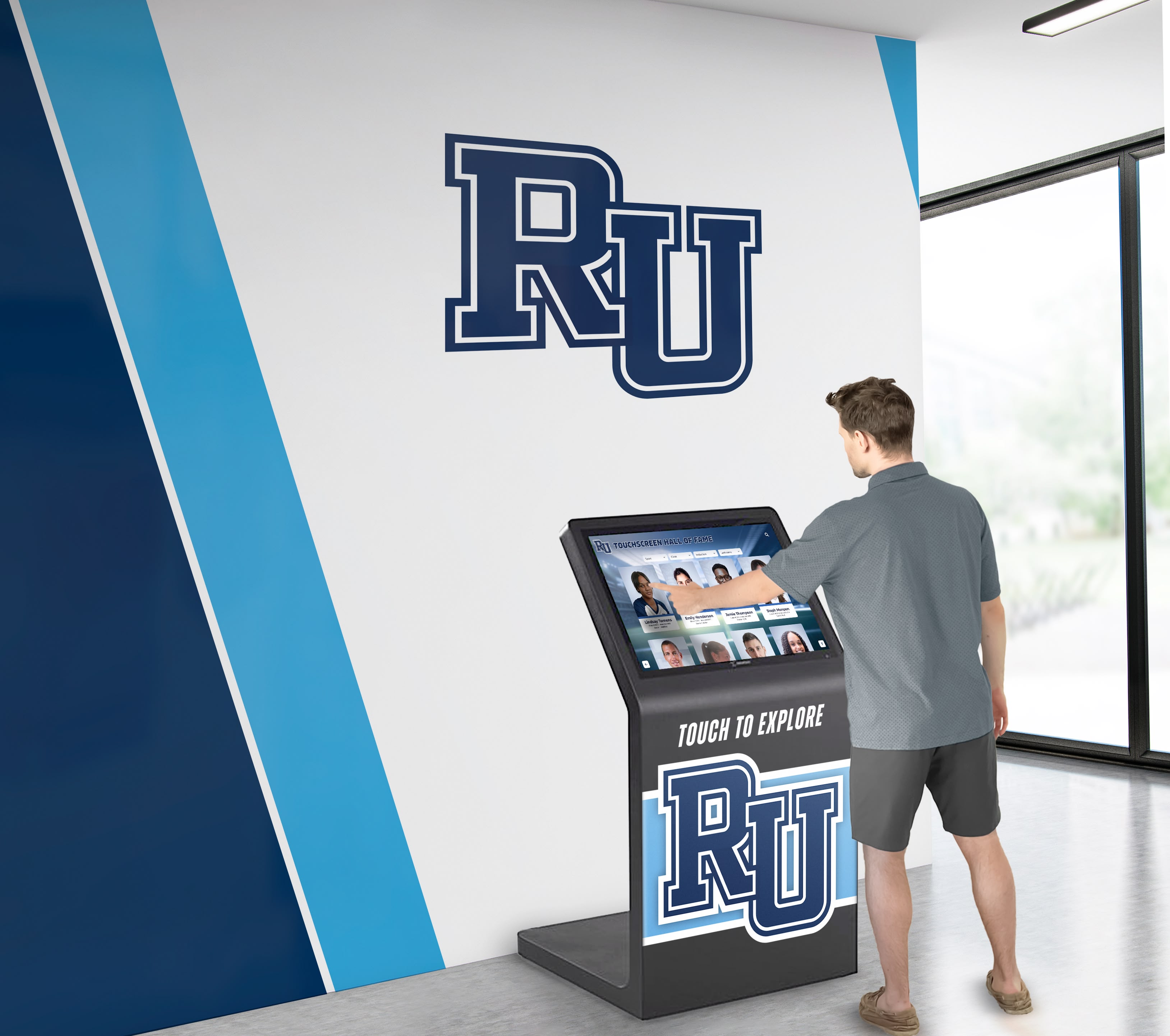
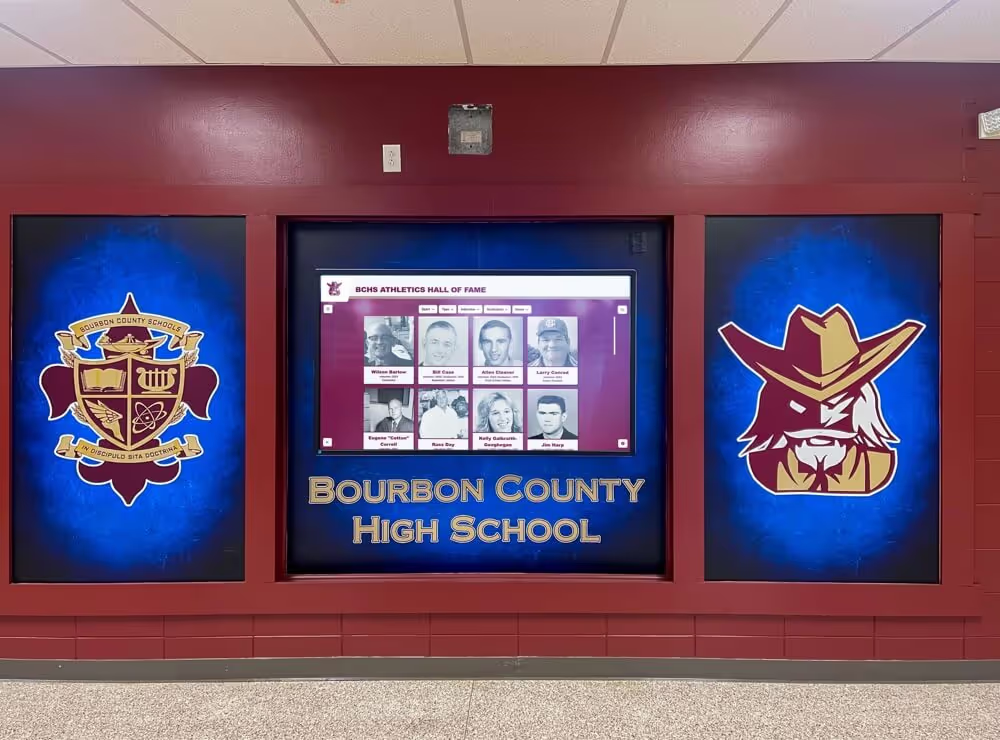
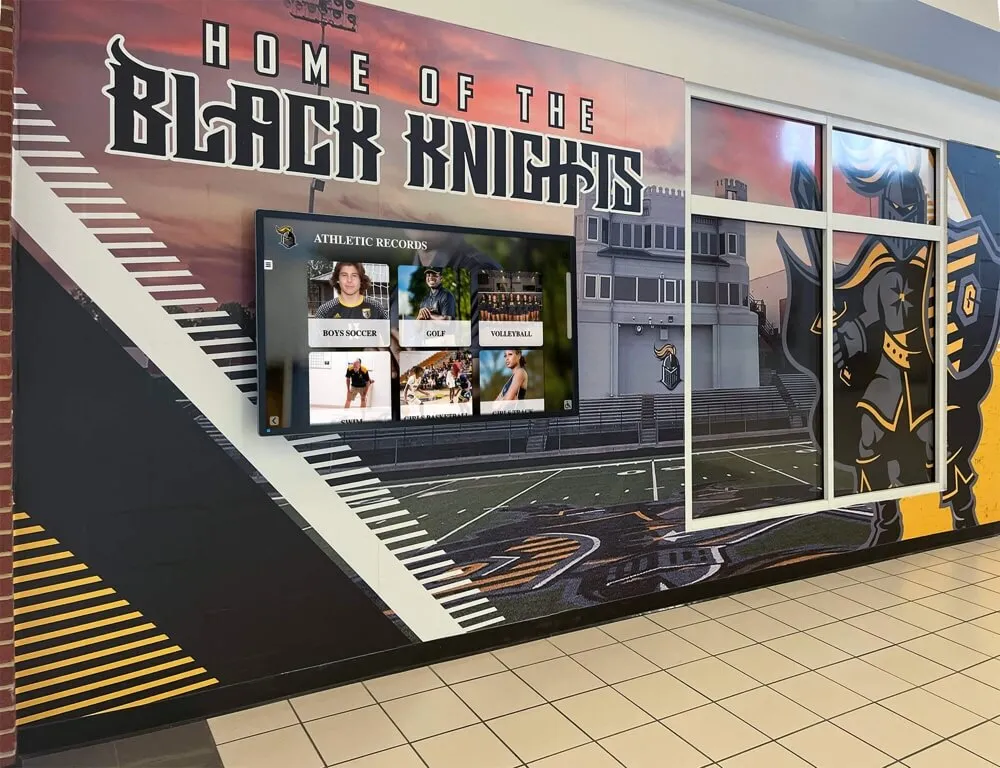
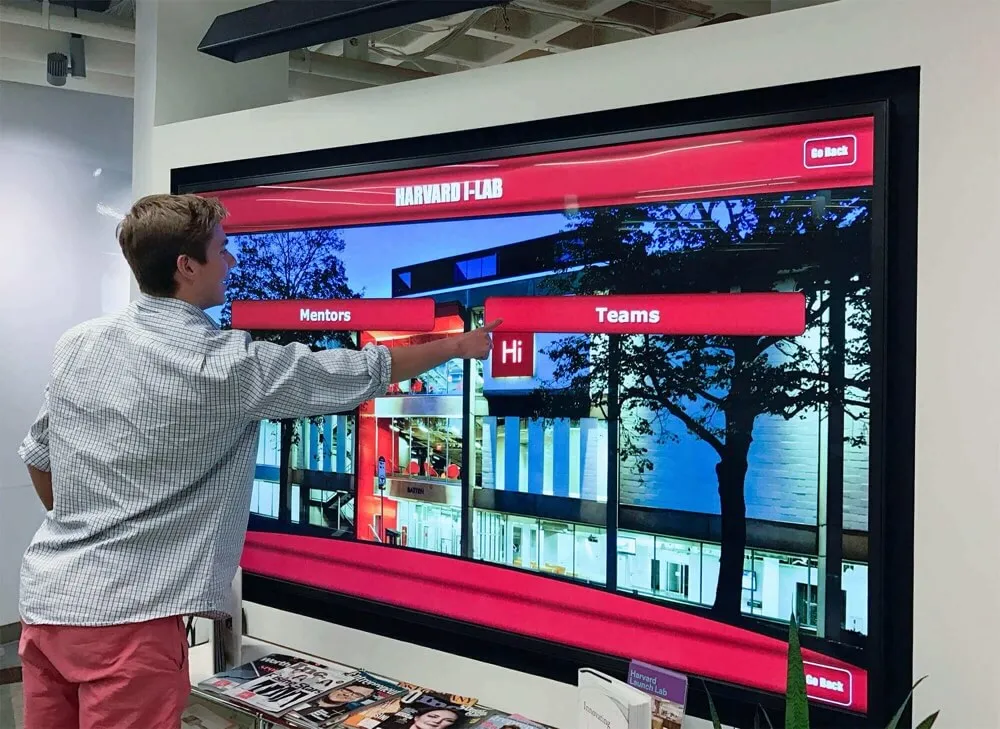
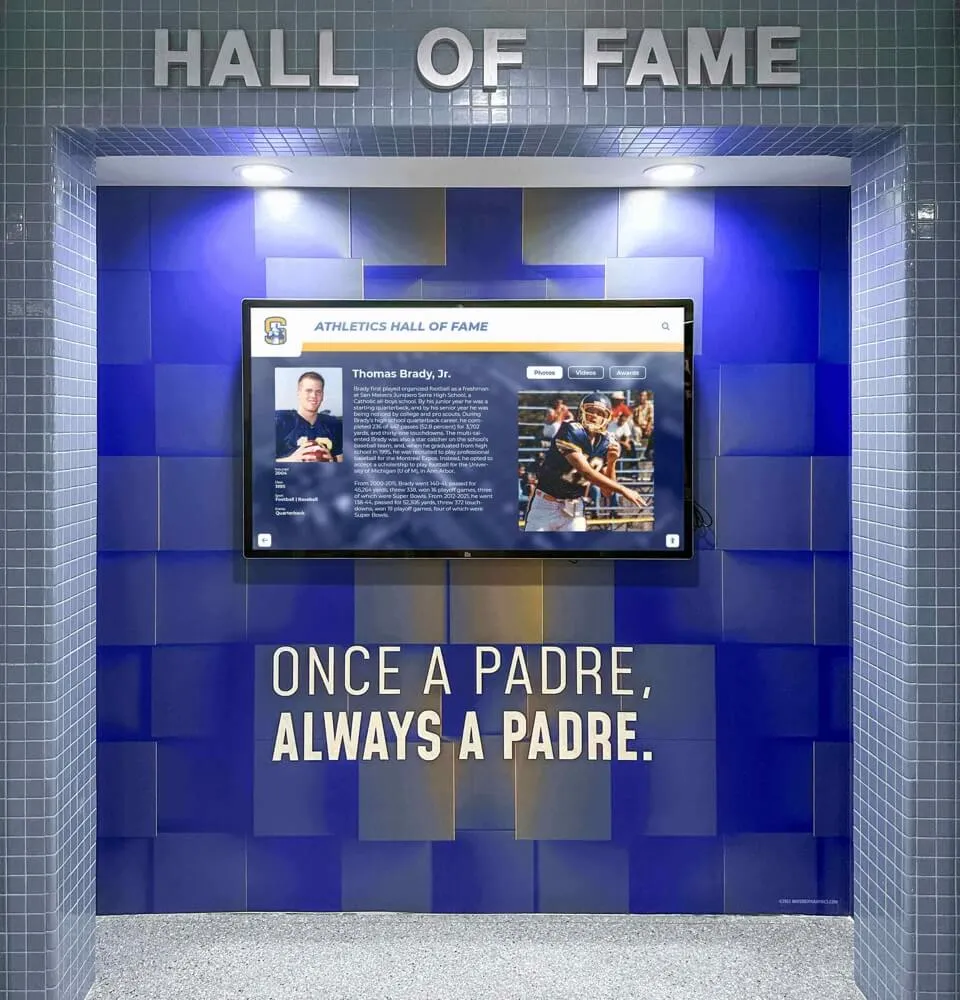
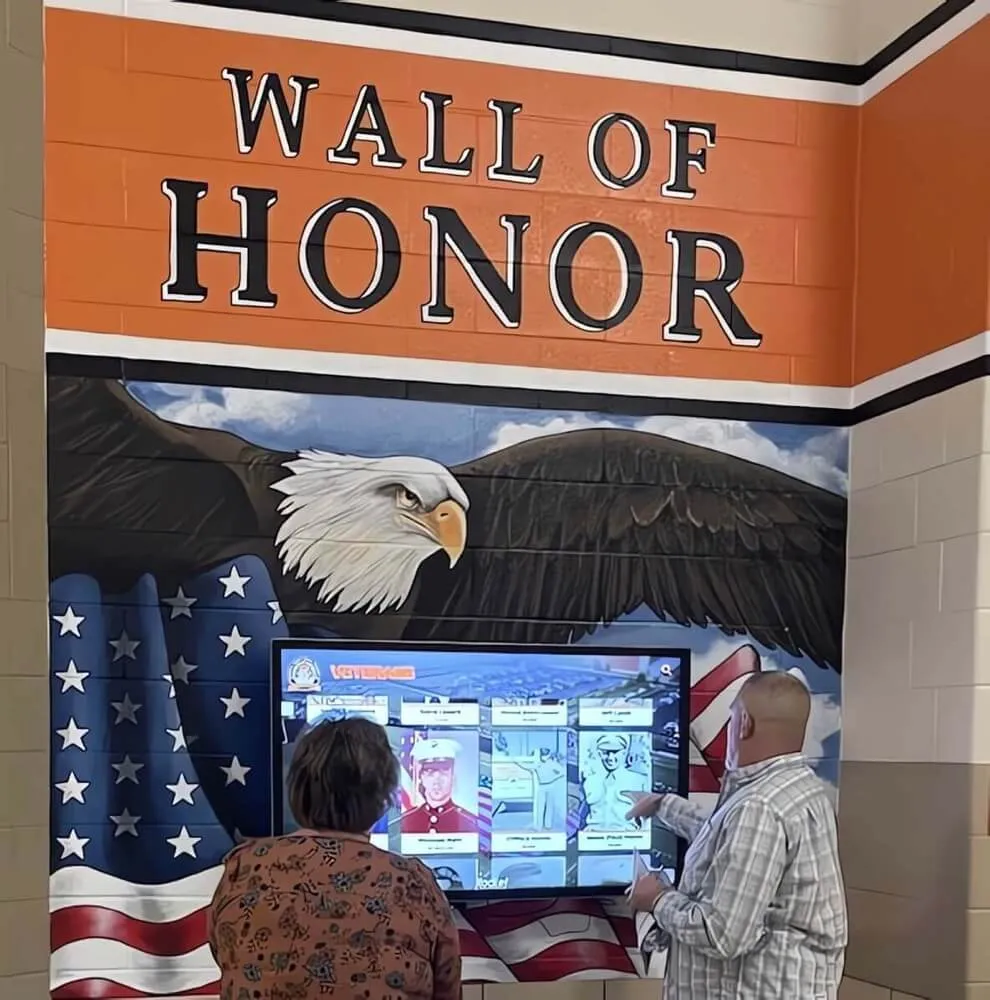
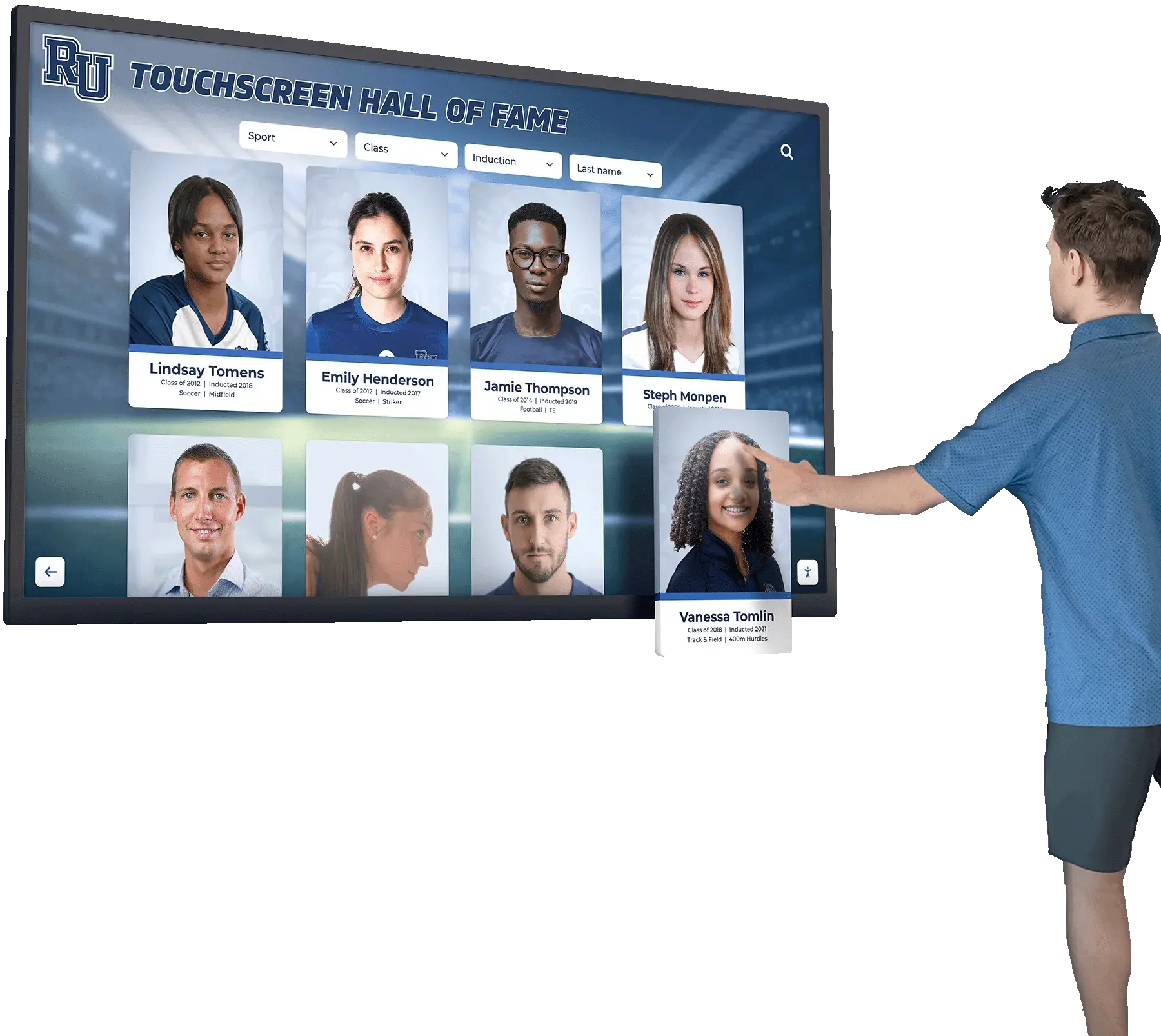
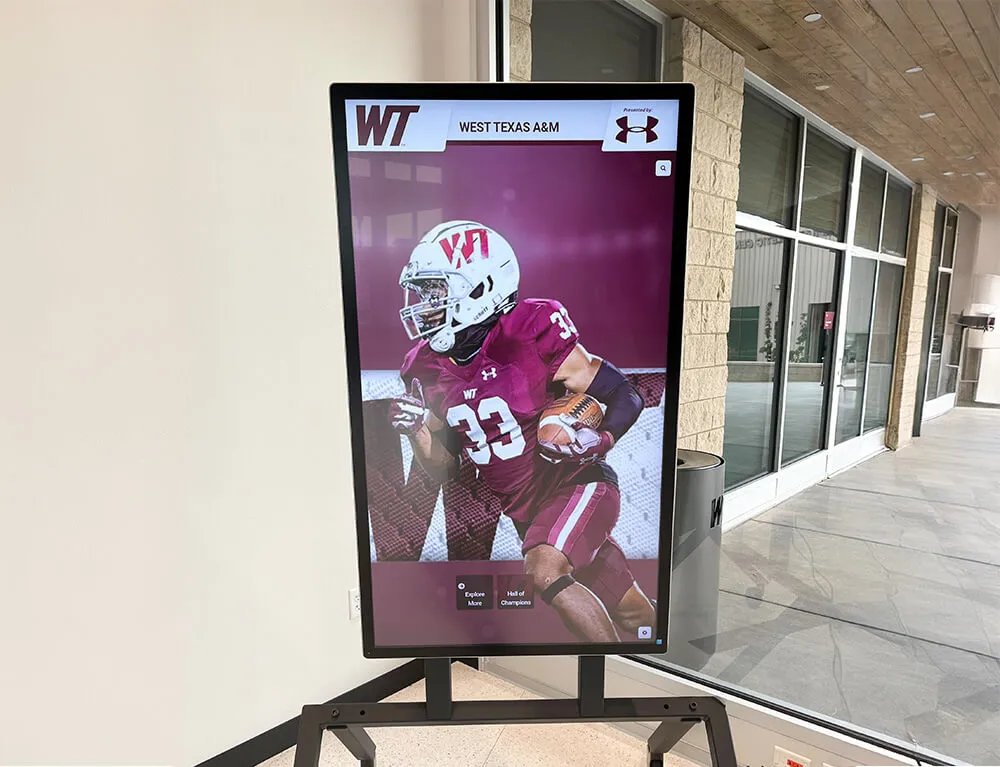
Interactive touchscreen systems create engaging recognition experiences while providing unlimited capacity for honorees
Select Digital Recognition Display Solution
If implementing physical recognition displays, evaluate options systematically:
Key Selection Criteria
- Content capacity: Can system accommodate unlimited employees or are there restrictions?
- Update ease: How simple is adding new recognition or making changes?
- Multimedia support: Can system include photos, videos, rich profiles beyond text?
- Search and filtering: Can employees easily find themselves and colleagues?
- Design flexibility: How customizable is the appearance and branding?
- Web integration: Is recognition accessible online beyond physical display?
- Management training: How much technical expertise is required?
- Support and maintenance: What ongoing assistance is provided?
- Scalability: Can system grow with organizational needs?
- Cost structure: One-time purchase versus subscription, hidden fees?
Implementation Considerations
- Display placement in high-traffic, high-visibility locations
- Hardware specifications appropriate for environment
- Network connectivity and power requirements
- ADA compliance for accessibility
- Content migration strategy for historical recognition
- Staff training and change management planning
Organizations should explore comprehensive approaches detailed in interactive kiosk solutions for recognition when evaluating display technology.
Plan Technology Rollout Strategy
Phase 1: Pilot Implementation
- Select single location or department for initial deployment
- Test technology with limited user group
- Gather feedback and identify issues
- Refine processes before broader rollout
- Create case studies demonstrating value
Phase 2: Staged Expansion
- Roll out by location, department, or employee segment
- Apply lessons learned from pilot phase
- Maintain communication about expansion timeline
- Provide localized training and support
- Monitor adoption and engagement metrics
Phase 3: Full Deployment and Optimization
- Complete organization-wide implementation
- Establish ongoing management routines
- Implement continuous improvement processes
- Scale support and training resources
- Measure program impact and ROI
Phase 5: Program Launch and Communication
Successful recognition program launch requires strategic communication, comprehensive training, and momentum-building activities creating excitement and adoption.
Develop Launch Communication Strategy
Pre-Launch Communication (4-6 weeks before)
- Executive announcement explaining program purpose and commitment
- Manager briefings on program details and expectations
- Employee teasers building anticipation and curiosity
- FAQ development addressing anticipated questions
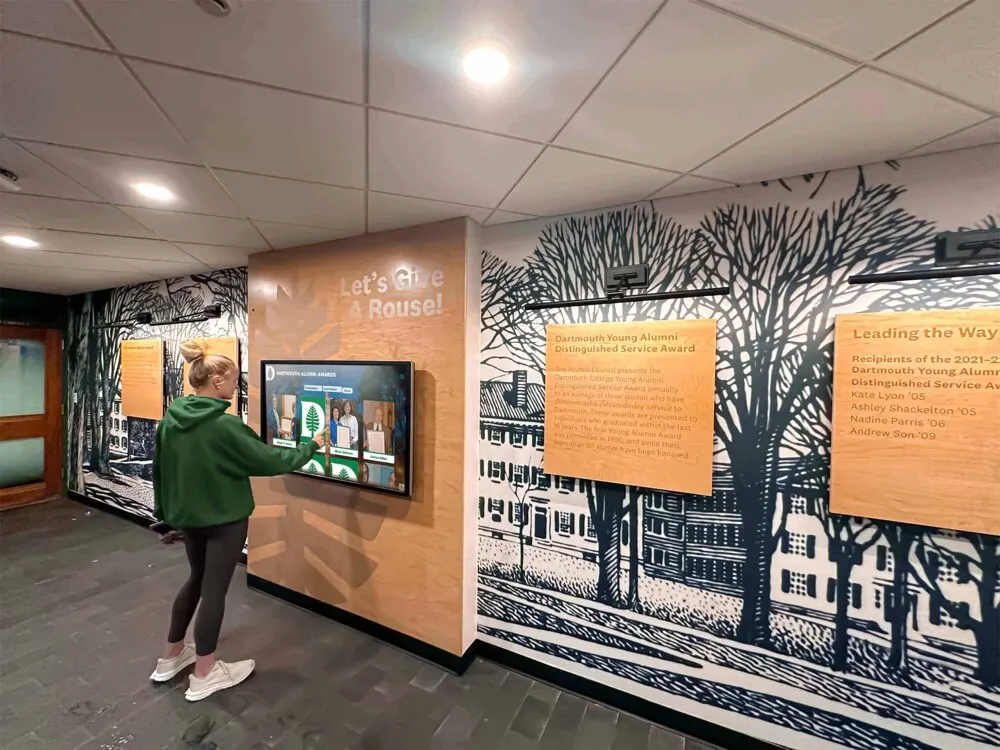
Strategic communication ensures employees understand recognition opportunities and program value
Launch Communication (Week 1-2)
- All-hands announcement with executive participation
- Detailed program guide distribution
- Video tutorials demonstrating participation
- Multiple communication channel utilization (email, intranet, meetings, posters)
- Initial recognition examples creating immediate momentum
Post-Launch Communication (Ongoing)
- Weekly recognition highlights in company communications
- Monthly program updates and success metrics
- Quarterly recognition ceremony invitations
- Recognition story features showcasing impact
- Continuous reinforcement of program value and opportunities
Train Managers and Employees
Recognition program success depends heavily on manager capability and employee understanding:
Manager Training Components
- Recognition program philosophy and objectives
- Specific recognition criteria and processes
- How to nominate employees for awards
- Delivering meaningful recognition conversations
- Using technology platforms effectively
- Addressing common recognition challenges
- Equity and inclusion in recognition decisions
- Integration with performance management
Provide managers with toolkits including recognition scripts, email templates, talking points, and quick reference guides enabling confident program participation.
Employee Training and Orientation
- Program overview and participation opportunities
- How to nominate colleagues for recognition
- Using peer-to-peer recognition platforms
- Exploring digital recognition displays
- Understanding award criteria and eligibility
- Recognition ceremony and event information
Multiple training formats accommodate different learning preferences: live sessions, recorded videos, written guides, interactive tutorials, and ongoing support resources.
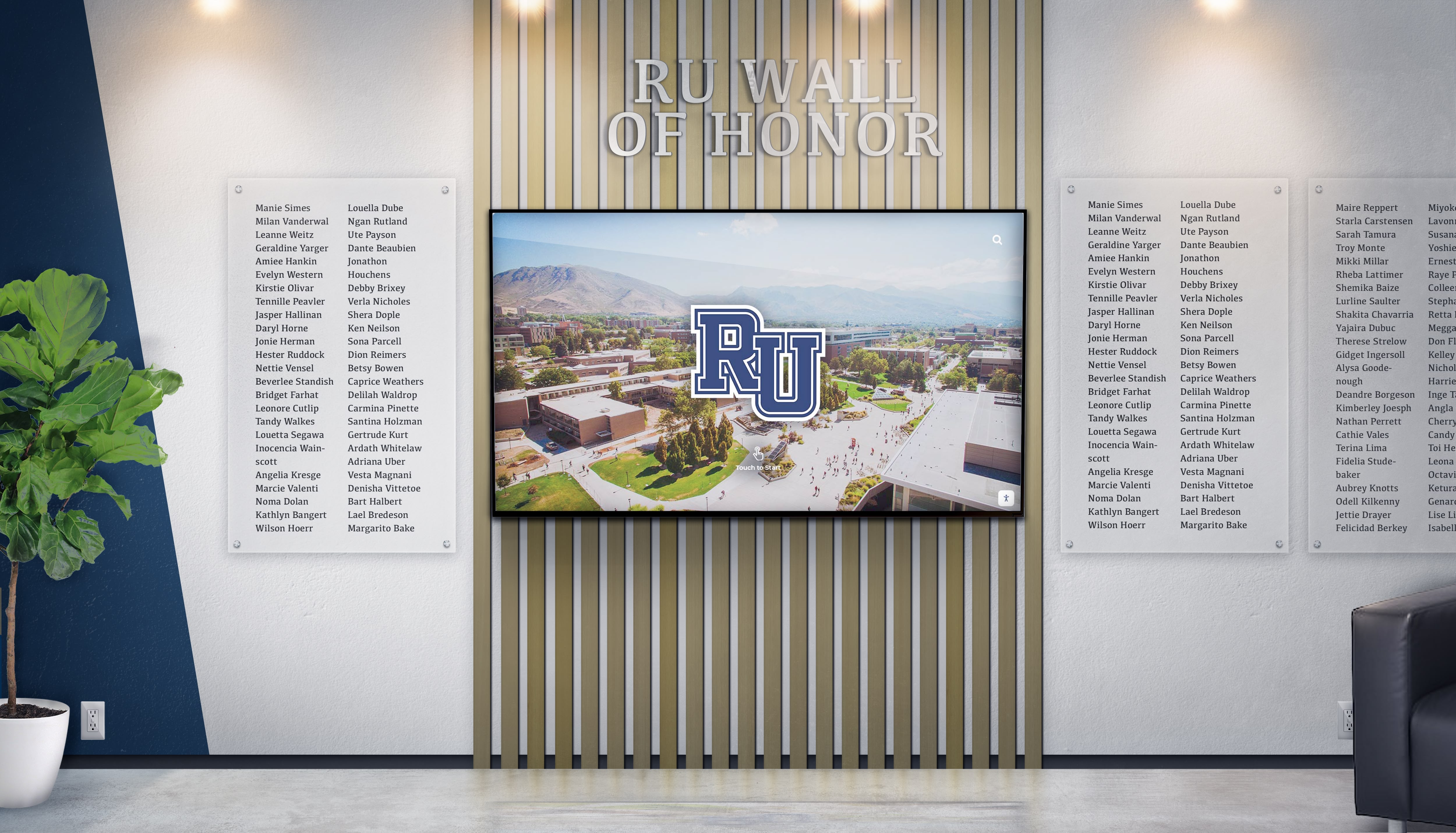
Comprehensive training ensures both managers and employees can fully leverage recognition program opportunities
Create Initial Recognition Momentum
Launch programs with immediate recognition creating excitement and demonstrating program value:
Quick Win Strategies
- Recognize existing achievements from recent months demonstrating program immediately honors contributions
- Launch with inaugural awards in all categories showing breadth of recognition opportunities
- Feature recognition stories in launch communications making program tangible and real
- Encourage peer nominations from day one creating immediate participation
- Provide manager-specific recognition quotas ensuring all teams participate
Launch Event Options
- Company-wide recognition ceremony celebrating inaugural award recipients
- Department-specific launch events with localized recognition
- Virtual recognition celebration for distributed teams
- Recognition display unveiling creating physical program landmark
- Executive participation signaling organizational commitment
Early momentum determines whether programs gain traction or fizzle, making launch execution critical to long-term success.
Phase 6: Program Management and Operations
Sustainable recognition requires clear operational processes, consistent execution, and manageable administrative burden.
Establish Recognition Processes
Document specific processes for each recognition category:
Nomination Process
- Who can nominate (self-nomination, peer, manager, customer)?
- What information must nominations include?
- Where are nominations submitted?
- What is nomination deadline and frequency?
- How are nominations acknowledged and tracked?
Review and Selection Process
- Who reviews nominations (direct manager, committee, senior leadership)?
- What criteria guide selection decisions?
- How are selection decisions documented?
- How are unsuccessful nominees notified?
- What appeals or reconsideration process exists?
Award Delivery Process
- How are recipients notified?
- What awards or gifts are provided?
- How is recognition communicated company-wide?
- What recognition display updates occur?
- What documentation is retained?
Clear processes eliminate confusion while ensuring consistent, fair recognition program operation.
Create Content Management Workflow
Digital recognition systems require regular content updates maintaining current, accurate displays:
Content Creation Responsibilities
- Who writes recognition content and employee profiles?
- What approval process ensures quality and accuracy?
- What templates or style guides maintain consistency?
- How are photos and multimedia assets sourced?
- What quality control checks occur before publishing?
Update Schedule and Cadence
- Daily: Peer recognition feed updates
- Weekly: New recognition additions
- Monthly: Feature story updates, celebration event highlights
- Quarterly: Major award ceremonies and annual recognition
- Annually: Service milestone recognition, year-end celebrations
Organizations implementing systems should review touchscreen software approaches that streamline content management through cloud-based platforms.
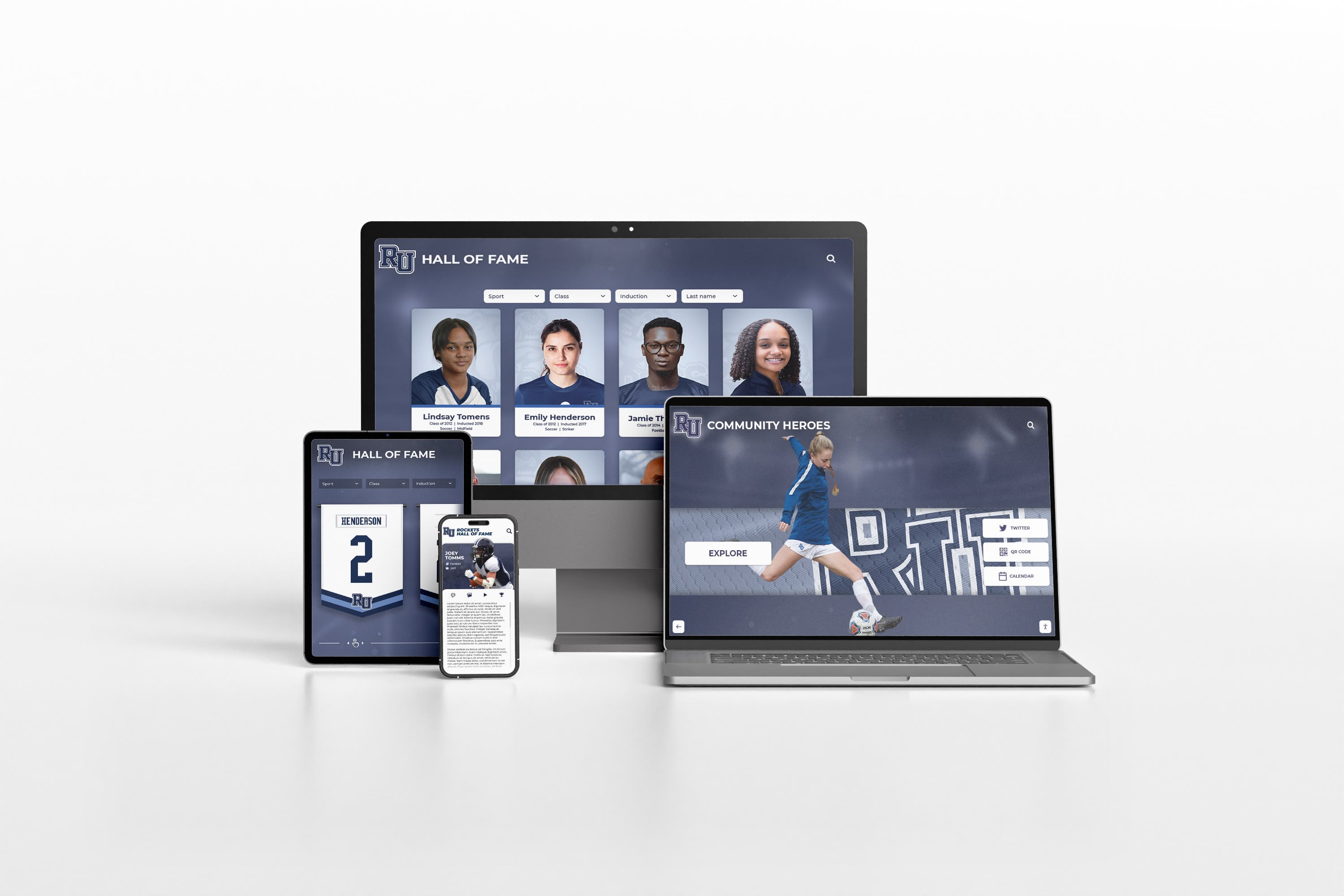
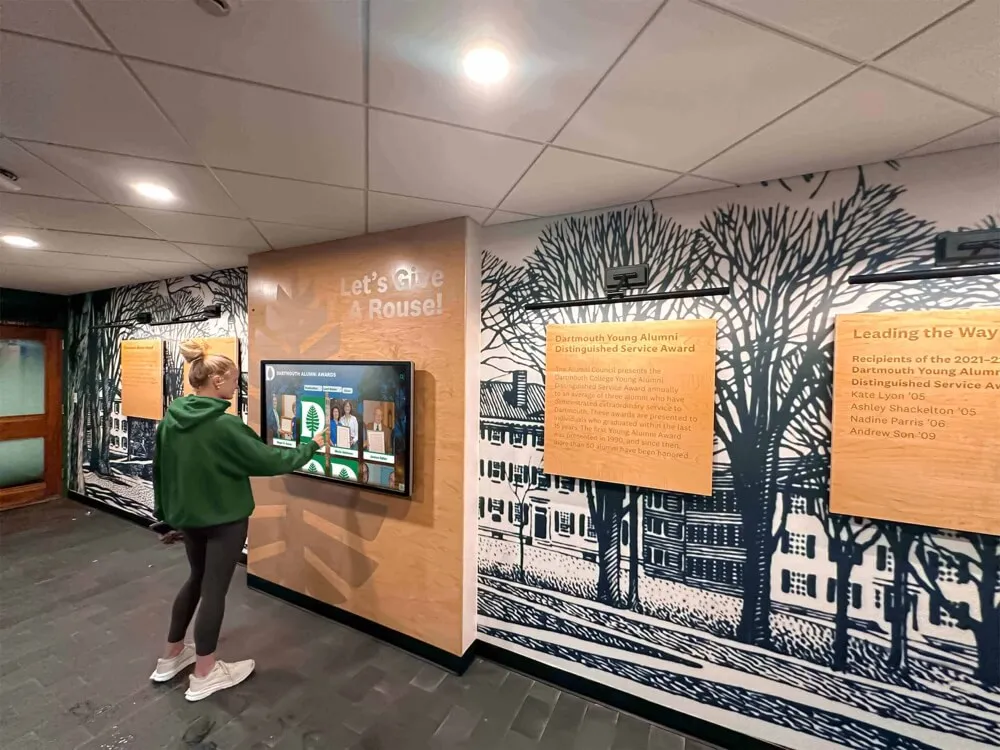
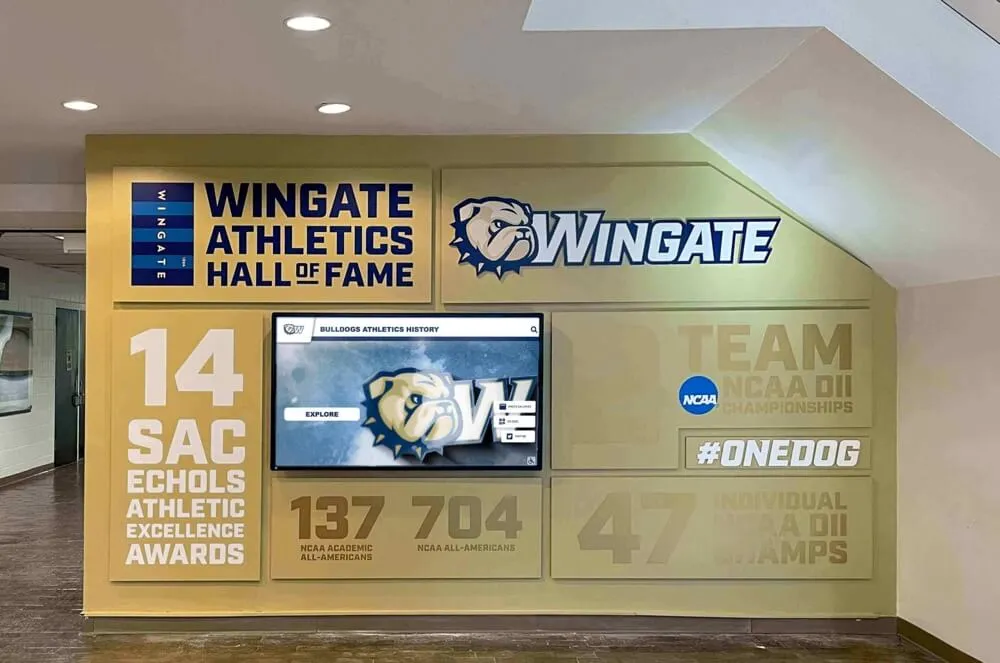
Cloud-based recognition platforms enable content management from any device, eliminating location constraints
Assign Program Ownership and Responsibilities
Primary Program Manager Role Designate single individual owning overall program success:
- Program strategy development and evolution
- Budget management and resource allocation
- Technology platform administration
- Communication planning and execution
- Training coordination and support
- Metrics tracking and reporting
- Stakeholder management and executive updates
For organizations under 500 employees, this typically requires 25-50% of one person’s time. Larger organizations may need dedicated full-time program management.
Recognition Committee Establish cross-functional committee supporting program operations:
- Nomination review for major awards
- Policy and criteria refinement recommendations
- Employee feedback collection and analysis
- Recognition event planning support
- Communication content development
- Program improvement ideation
Departmental Recognition Champions Identify recognition advocates in each department:
- Encourage team participation and nominations
- Provide local recognition program support
- Gather departmental feedback and suggestions
- Promote recognition events and opportunities
- Model recognition best practices
Distributed ownership creates sustainability while preventing program dependence on single individuals.
Phase 7: Measurement and Continuous Improvement
Regular assessment ensures programs achieve objectives while identifying improvement opportunities.
Track Recognition Program Metrics
Comprehensive measurement includes both program operations and business outcomes:
Program Participation Metrics
- Percentage of employees receiving recognition (by level, department, tenure)
- Number of nominations submitted per period
- Manager participation rate in delivering recognition
- Peer-to-peer recognition volume and frequency
- Recognition distribution equity across demographic groups
- Award category utilization patterns
Engagement Metrics
- Digital display interaction rates and session duration
- Web-based recognition platform active users
- Recognition email open and click rates
- Event attendance and participation rates
- Employee feedback survey scores
- Recognition story social sharing and amplification
Business Impact Metrics
- Employee retention rates (recognized vs. non-recognized employees)
- Employee engagement survey score trends
- Internal mobility and promotion rates
- Absenteeism and productivity indicators
- Customer satisfaction correlation analysis
- Recruitment metrics and employer brand strength
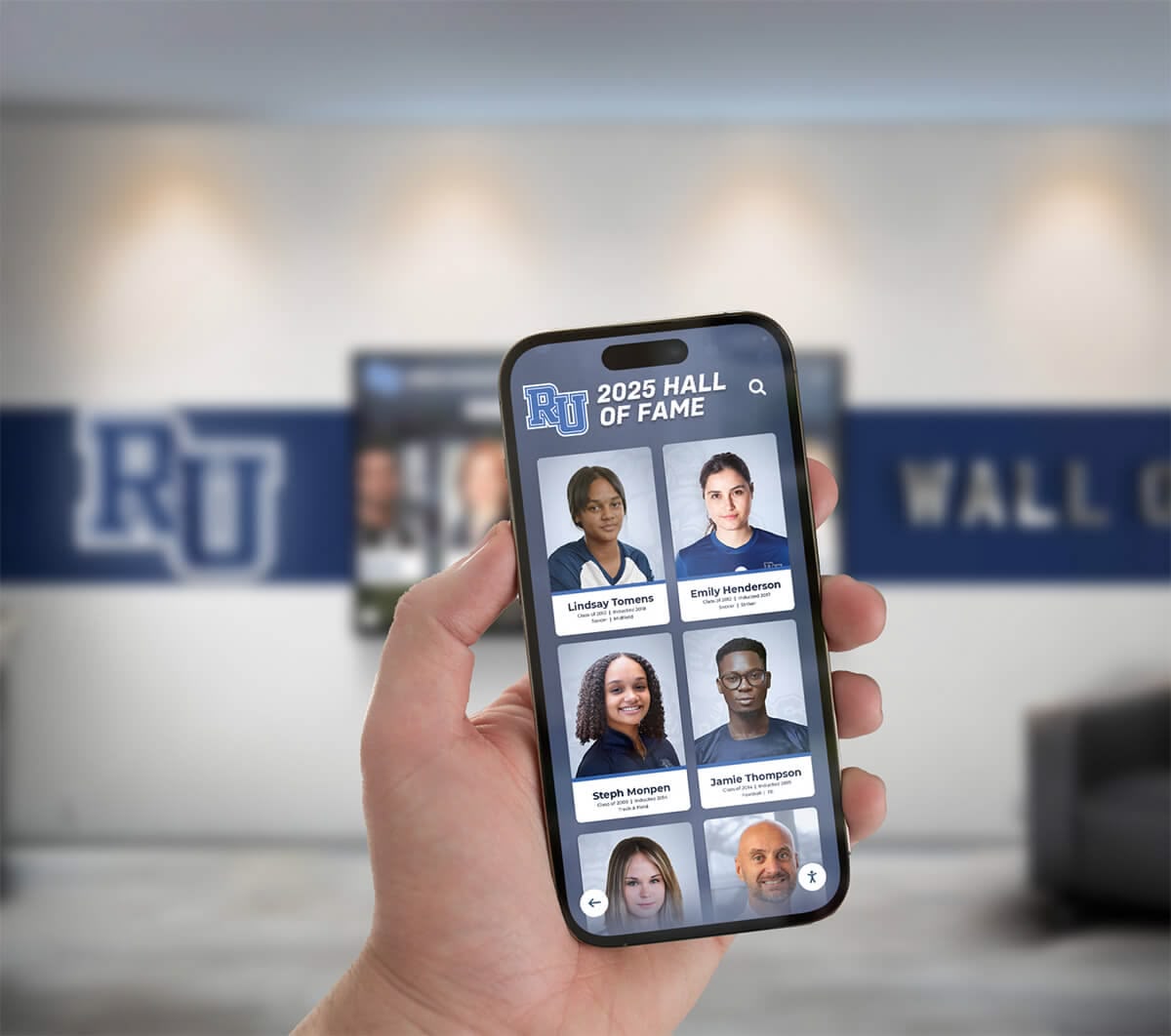
Regular metrics tracking enables data-driven program optimization and demonstrates recognition investment ROI
Gather Qualitative Feedback
Numbers tell partial stories—qualitative feedback provides essential context:
Employee Feedback Methods
- Annual program satisfaction surveys
- Focus groups exploring recognition experiences
- Exit interview questions about recognition factors
- Suggestion box for program improvements
- Recognition recipient testimonials
- Manager assessment of program effectiveness
Key Feedback Questions
- Do you feel recognition opportunities exist for people in your role?
- Is recognition criteria clear and understandable?
- Have you received meaningful recognition for your contributions?
- Do you regularly see colleagues recognized for achievements?
- What recognition approaches do you value most?
- How could the recognition program improve?
Implement Continuous Improvement Cycle
Quarterly Program Reviews
- Analyze participation and engagement metrics
- Review recognition distribution patterns identifying gaps
- Gather stakeholder feedback on program effectiveness
- Identify operational challenges and bottlenecks
- Prioritize improvement opportunities
Annual Program Assessment
- Comprehensive program evaluation against original objectives
- Business impact analysis and ROI calculation
- Benchmarking against peer organization programs
- Technology platform assessment and upgrade evaluation
- Budget review and resource reallocation
- Strategic planning for next year’s program evolution
Improvement Implementation
- Pilot program enhancements with limited deployment
- Gather feedback on proposed changes
- Refine approaches based on pilot learning
- Roll out improvements organization-wide
- Communicate changes and rationale to all stakeholders
Organizations implementing recognition displays should explore comprehensive recognition guides that provide ongoing program optimization strategies.
Common Implementation Challenges and Solutions
Anticipating common obstacles enables proactive mitigation:
Challenge 1: Limited Manager Participation
Problem: Managers don’t consistently nominate employees or deliver recognition despite training and tools.
Solutions:
- Include recognition delivery in manager performance expectations
- Provide recognition scorecards showing each manager’s participation
- Celebrate managers who excel at recognition
- Simplify nomination processes eliminating administrative burden
- Send reminder prompts before nomination deadlines
- Share recognition best practices and success stories
- Address skill gaps through additional coaching
Challenge 2: Recognition Perceived as Unfair
Problem: Employees believe recognition reflects favoritism rather than merit.
Solutions:
- Establish transparent, specific award criteria
- Use committee review rather than single-person selection
- Track and audit recognition distribution patterns
- Investigate and address legitimate bias concerns
- Communicate selection rationale when possible
- Create multiple recognition pathways ensuring diverse opportunities
- Regularly review and refine criteria based on feedback

Multiple recognition categories ensure opportunities exist for employees in all roles and functions
Challenge 3: Program Momentum Fades After Launch
Problem: Initial excitement dissipates as program becomes routine or forgotten.
Solutions:
- Maintain consistent communication about recognition program
- Regularly refresh recognition categories and award criteria
- Introduce new recognition elements creating renewed interest
- Celebrate program milestones and achievements
- Gather and act on employee feedback demonstrating responsiveness
- Update digital display content frequently preventing stagnation
- Connect recognition explicitly to business results and culture goals
Challenge 4: Technology Platform Underutilization
Problem: Digital recognition systems remain empty or stale despite investment.
Solutions:
- Simplify content management processes reducing administrative burden
- Provide regular training and support for system administrators
- Create content templates and style guides ensuring quality
- Establish regular update schedules with accountability
- Migrate historical recognition creating immediate value
- Promote display locations and engagement opportunities
- Demonstrate platform ROI justifying continued investment
Challenge 5: Remote Workers Feel Excluded
Problem: Recognition programs inadvertently favor office-based employees over remote workers.
Solutions:
- Track recognition distribution by location and work arrangement
- Ensure remote workers can access and engage with recognition platforms
- Include remote participation options for recognition events
- Train managers on recognizing distributed team members
- Highlight remote employee achievements in communications
- Use technology bridging physical distance
- Survey remote workers specifically about recognition experience
Learn about inclusive approaches through digital display accessibility guides that ensure recognition reaches all employees.
Recognition Program Launch Checklist
Use this comprehensive checklist ensuring you’ve addressed all critical implementation elements:
Planning and Design Phase
- Conducted current state recognition assessment
- Gathered stakeholder input from employees, managers, and leadership
- Defined clear program objectives and success metrics
- Documented recognition philosophy and principles
- Designed tiered recognition structure (daily, monthly, annual)
- Created specific recognition categories aligned with values and goals
- Developed detailed award criteria for each category
- Established nomination and selection processes
- Gained executive sponsorship and commitment
Budget and Resources
- Calculated comprehensive program budget including all components
- Allocated budget across recognition tiers and categories
- Secured budget approval and funding commitment
- Assigned primary program manager with appropriate time allocation
- Identified recognition committee members
- Designated departmental recognition champions
- Allocated staff time for ongoing program management
Technology and Systems
- Evaluated technology options matching organizational needs
- Selected peer recognition platform (if implementing)
- Chose digital recognition display solution (if implementing)
- Planned technology integration with existing systems
- Identified display locations and physical placement
- Arranged hardware procurement and installation
- Configured software platforms and content management
- Established technical support and maintenance plans
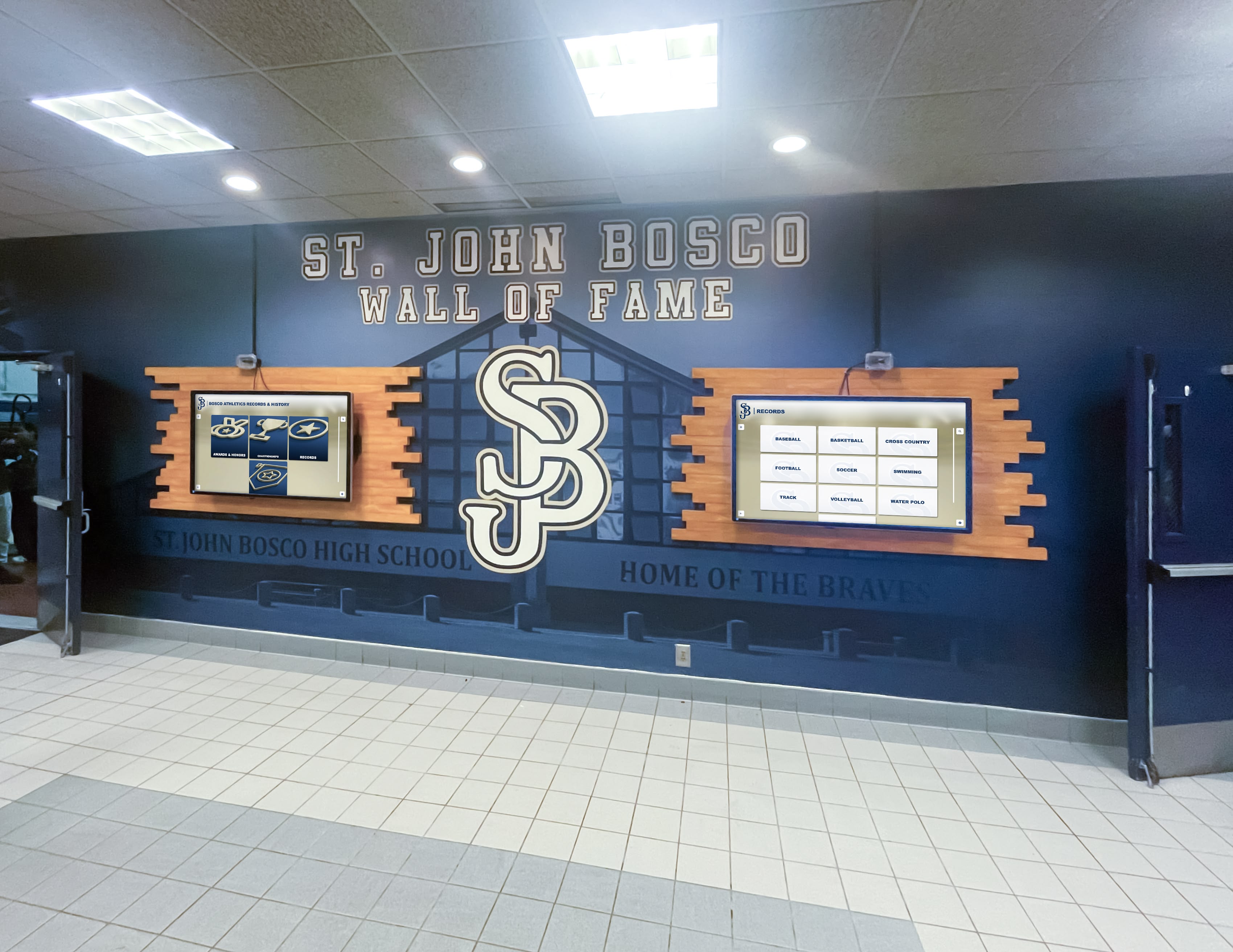
Comprehensive implementation checklists ensure no critical program elements are overlooked
Communication and Training
- Developed comprehensive launch communication plan
- Created program guide and reference materials
- Produced training content for managers and employees
- Scheduled manager training sessions
- Planned employee orientation and education
- Designed launch event or kickoff activities
- Prepared recognition templates and toolkits
- Created ongoing communication calendar
Program Operations
- Documented detailed recognition processes
- Created nomination submission systems
- Established review and selection workflows
- Developed content creation and approval processes
- Set up recognition tracking and administration tools
- Prepared recognition gifts, awards, and certificates
- Scheduled recognition ceremonies and events
- Created content update and maintenance schedules
Measurement and Improvement
- Established baseline metrics for comparison
- Set up tracking systems for program participation
- Created employee feedback collection mechanisms
- Scheduled quarterly program reviews
- Planned annual comprehensive assessment
- Identified continuous improvement processes
- Assigned measurement and reporting responsibilities
Scaling Your Recognition Program Over Time
Recognition programs should evolve as organizations grow and mature:
Year 1: Foundation and Adoption
Primary Focus: Establish core program and build participation
- Launch basic recognition categories and processes
- Focus on manager training and capability building
- Implement foundational technology
- Create recognition habit and culture
- Gather extensive feedback
- Demonstrate initial impact and ROI
Year 2-3: Expansion and Enhancement
Primary Focus: Broaden recognition scope and sophistication
- Add specialized recognition categories
- Enhance technology capabilities and features
- Introduce peer-to-peer recognition platforms
- Expand recognition events and celebrations
- Deepen integration with other HR programs
- Improve recognition personalization and impact
Year 4+: Optimization and Innovation
Primary Focus: Continuous improvement and competitive differentiation
- Leverage data and analytics for program optimization
- Introduce innovative recognition approaches
- Benchmark against industry leading practices
- Create recognition competitive advantage
- Build recognition deeply into organizational DNA
- Demonstrate sustained business impact
Organizations should explore employee recognition program evolution approaches that support long-term program maturation.
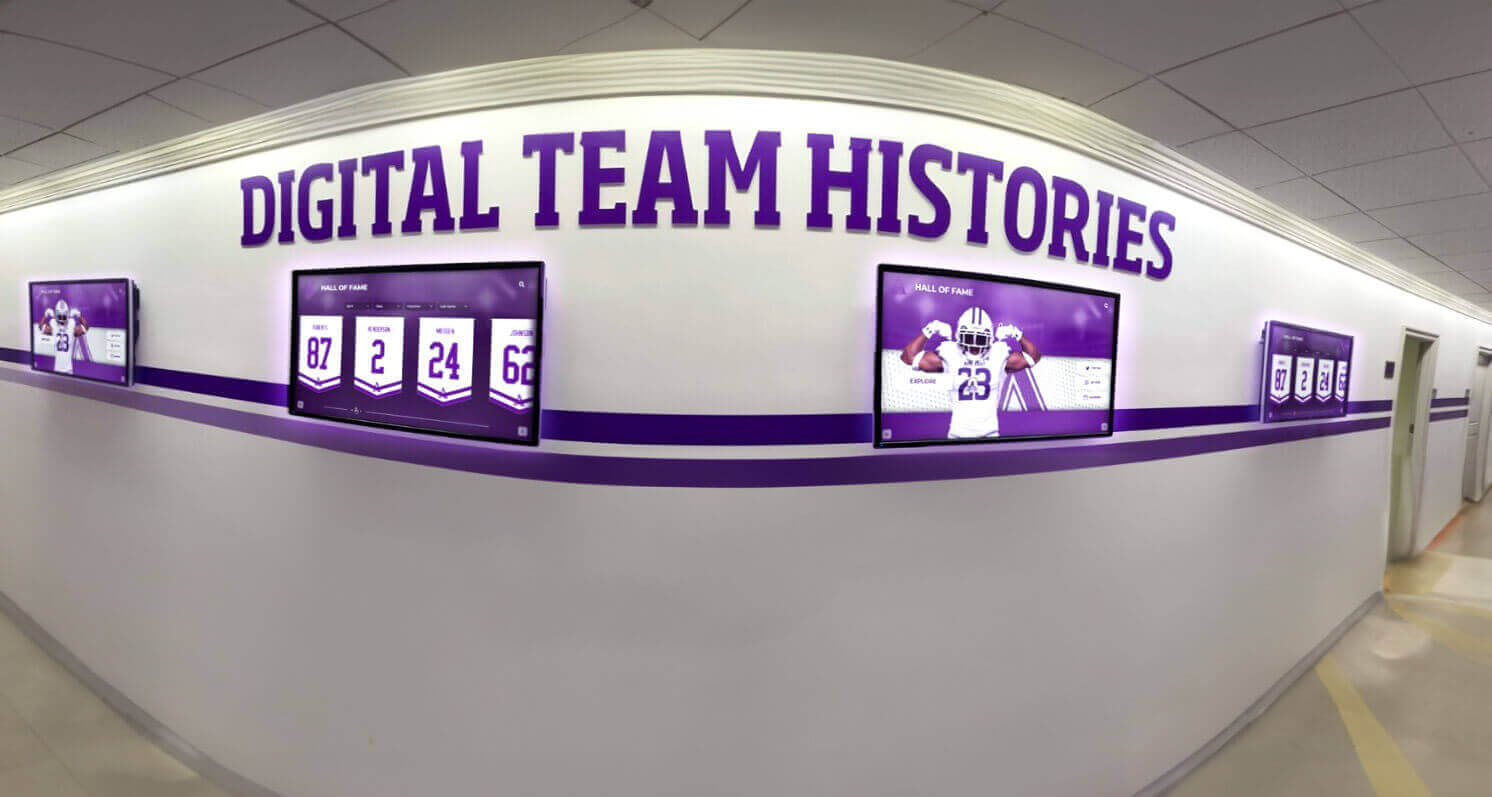
Recognition programs should evolve continuously, becoming more sophisticated and impactful over time
Conclusion: From Planning to Lasting Impact
Creating an employee recognition program that actually works requires moving beyond good intentions to systematic implementation addressing every critical success factor—from clear objective setting and criteria development through technology selection, comprehensive training, sustainable operations, and continuous improvement.
The step-by-step approach outlined in this guide provides practical frameworks for organizations at any stage of recognition program development, whether building inaugural systems or revamping existing approaches that haven’t delivered desired results. Recognition program success doesn’t depend on massive budgets or sophisticated technology—it depends on thoughtful planning, authentic commitment, consistent execution, and willingness to learn and improve.
Implementation Success Factors
The recognition programs that deliver lasting impact share common characteristics regardless of organizational size or industry. They begin with clear understanding of current state and honest assessment of organizational capabilities rather than copying approaches that work elsewhere. They establish specific, measurable objectives connected to business priorities rather than implementing recognition simply because it seems beneficial. They create award criteria reflecting actual organizational values and priorities rather than defaulting to easy-to-measure but misaligned metrics.
Successful programs match technology solutions to actual needs and capabilities rather than over-investing in sophisticated platforms staff can’t manage or under-investing in solutions that don’t scale. They launch with comprehensive communication and training ensuring broad understanding and participation rather than assuming employees will intuitively adopt new programs. They establish sustainable operational processes with clear ownership rather than depending on individual champions whose departure collapses programs.
Technology as Recognition Enabler
Modern recognition technology fundamentally transforms what’s possible in employee acknowledgment. Traditional approaches constrained by physical space, manual update requirements, and limited visibility simply cannot compete with digital platforms offering unlimited recognition capacity, simple content management, rich multimedia storytelling, and accessibility reaching all employees regardless of location.
Solutions like Rocket Alumni Solutions provide comprehensive recognition platforms combining engaging touchscreen displays with cloud-based content management, enabling organizations to celebrate unlimited employees without the constraints of traditional plaques and walls. These systems reduce administrative burden by 80-90% compared to physical recognition requiring manual updates while creating more engaging employee experiences through interactive exploration and multimedia content.
Starting Your Recognition Journey
Organizations ready to create effective recognition programs should begin with thorough assessment understanding current recognition landscape, organizational culture, resource availability, and employee preferences. This foundation enables designing programs aligned with actual contexts rather than idealized visions that prove unsustainable.
Focus initial implementation on core recognition tiers with clear criteria, manageable processes, and appropriate technology. Build momentum through early recognition creating immediate program value rather than waiting months for perfect systems. Gather continuous feedback enabling rapid adjustment and improvement rather than assuming initial designs require no modification.
Most importantly, recognize that program creation represents the beginning rather than end of recognition journey. Effective recognition requires ongoing commitment, consistent execution, regular evaluation, and willingness to evolve approaches as organizations grow and employee expectations change. The organizations that view recognition as strategic capability deserving sustained investment rather than one-time initiative achieve the engagement, retention, and performance benefits making recognition essential competitive advantage.
Ready to Create Your Recognition Program?
Discover how modern digital recognition solutions simplify implementation while maximizing employee engagement and program sustainability. Explore platforms that eliminate traditional recognition constraints while providing engaging experiences employees value.
Explore Recognition SolutionsYour employees’ contributions drive organizational success and deserve systematic celebration reflecting their importance. With the implementation frameworks, practical tools, and proven strategies outlined in this guide, you can create recognition programs that honor achievements while building the culture of appreciation where all employees thrive. The competitive advantage of companies with strong recognition programs extends far beyond reduced turnover—organizations where appreciation flows freely become magnets for top talent while retaining the high performers who drive results.
Begin your recognition program implementation today. Your employees—and your organization’s future—will benefit from the systematic appreciation they deserve.