



Intent: Define — Understanding how to digitize old yearbooks for preservation and access.
Old yearbooks represent irreplaceable archives of institutional memory—documenting generations of students, faculty achievements, championship teams, and cultural moments that shaped school communities. Yet most schools store these precious historical records in vulnerable conditions where they deteriorate slowly, face catastrophic loss risks from water damage or fire, remain accessible only to those who can physically visit archives, and become increasingly fragile as pages yellow and bindings weaken. When yearbooks exist only in physical form tucked away in basement storage or locked cabinets, their value remains trapped and inaccessible to the alumni, students, researchers, and community members who could benefit from exploring institutional heritage.
Digitizing old yearbooks transforms fragile, limited-access archives into preserved, searchable, universally accessible digital collections that honor school history while protecting irreplaceable materials. Modern digitization technology combined with strategic presentation through interactive displays and online portals enables schools to share yearbook collections with unlimited audiences, create searchable databases that alumni can explore from anywhere in the world, preserve deteriorating materials before they’re lost forever, and showcase institutional heritage in engaging ways that strengthen community connections and inspire philanthropic support.
This comprehensive guide provides step-by-step instructions for digitizing yearbook collections of any size, from planning and equipment selection through scanning workflows, metadata creation, digital preservation, and compelling presentation using solutions like Rocket Alumni Solutions that transform archived yearbooks into living heritage resources serving entire school communities.
Schools that excel at yearbook digitization create comprehensive archives where every graduating class receives equal representation, where alumni worldwide can rediscover their school years from anywhere, where students explore institutional traditions spanning decades or centuries, and where preserved digital copies protect against the inevitable deterioration or loss of physical originals.

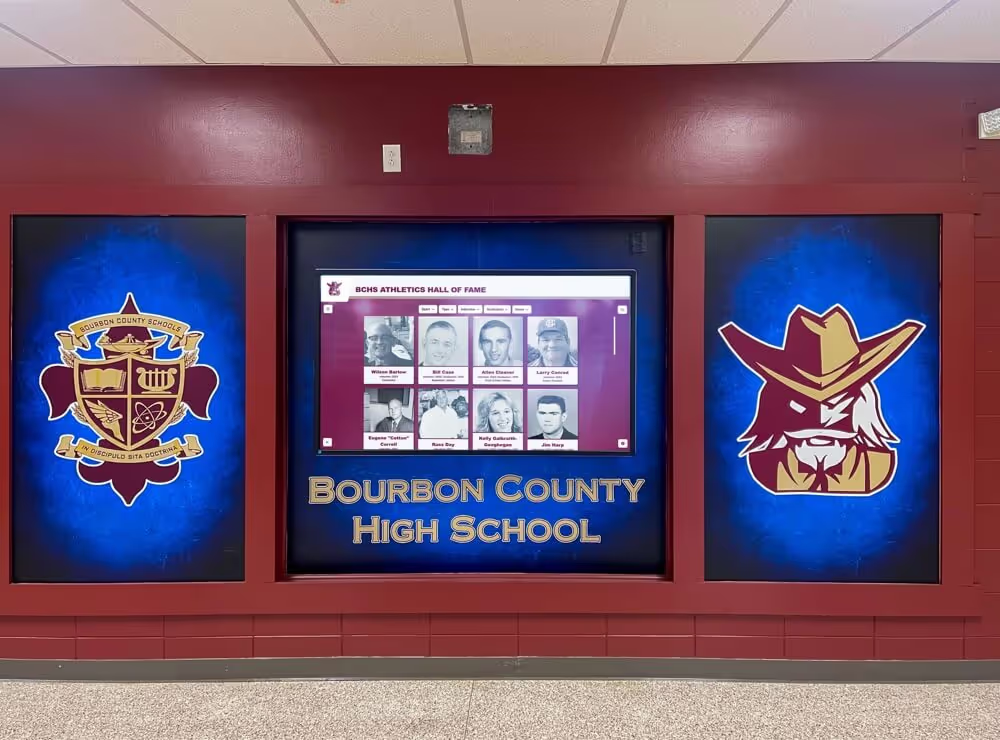
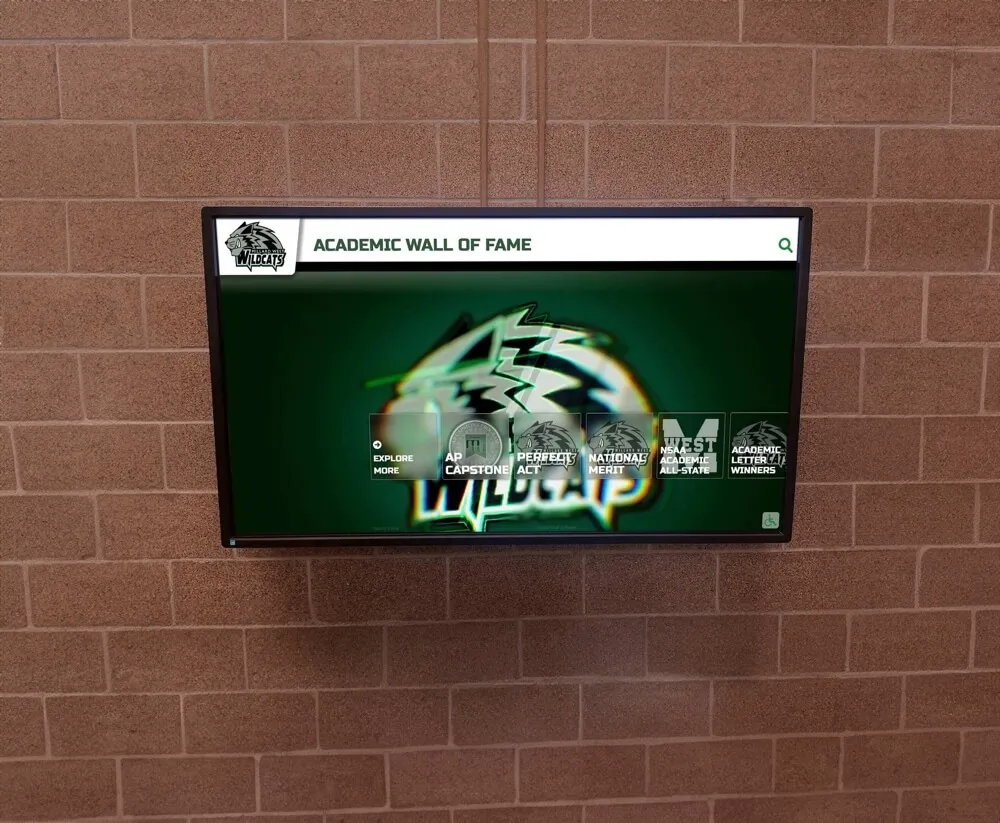
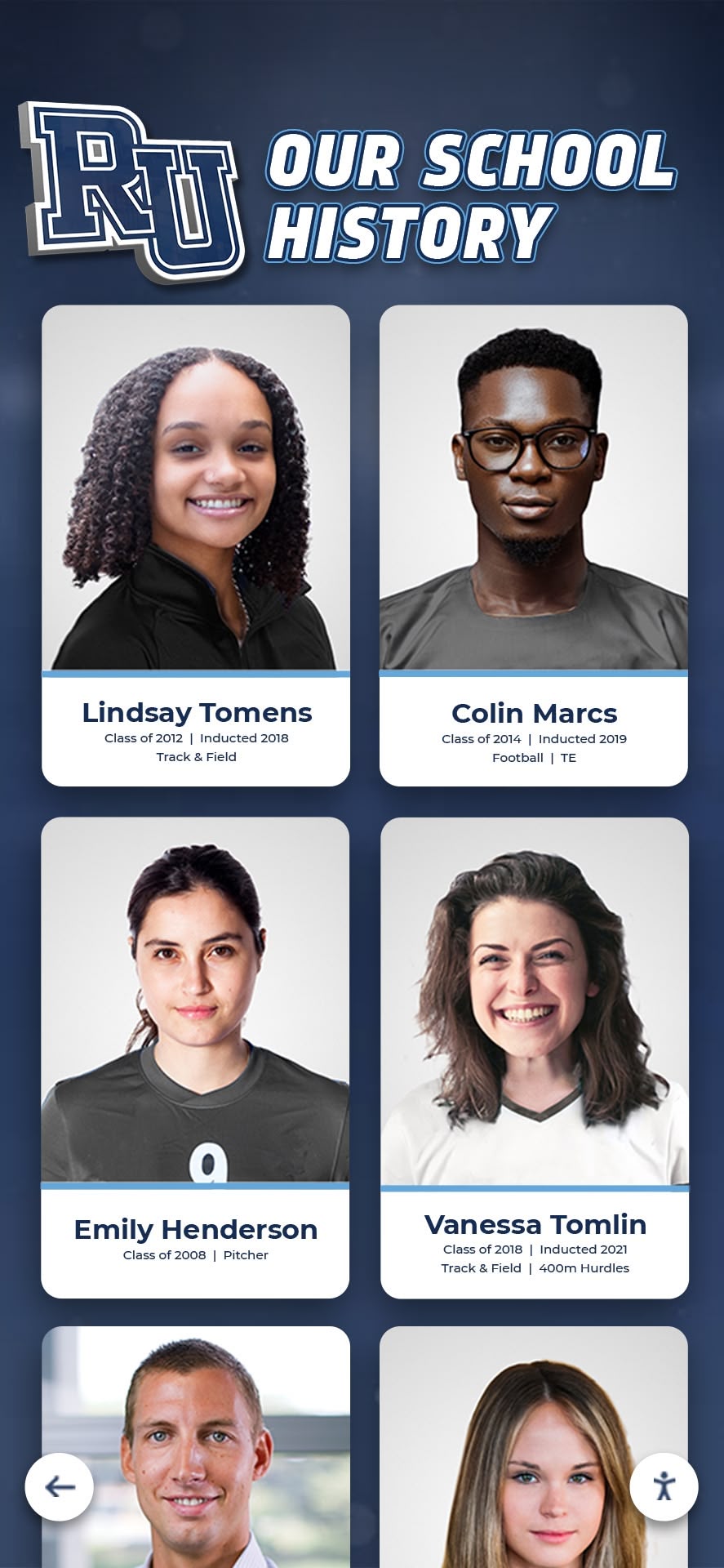
Digitized yearbook collections preserve individual faces and stories across generations of school history
Why Digitizing Old Yearbooks Matters for Schools and Communities
Understanding the strategic importance of yearbook digitization helps justify resource allocation while building stakeholder support for preservation initiatives that benefit multiple constituencies.
Preserving Irreplaceable Historical Documentation
Yearbooks constitute unique primary source materials that cannot be replaced if lost or destroyed. Unlike other school records that may have backup copies or duplicates, many yearbooks exist in only limited quantities—perhaps just a handful of copies preserved in school archives or personal collections. Once these physical copies deteriorate beyond recovery or disappear through catastrophic loss, the information they contain vanishes permanently.
Physical Deterioration Threatens All Paper Materials
Every yearbook faces ongoing deterioration regardless of storage conditions. Paper naturally yellows and becomes brittle through acid content that increases over time. Adhesives in bindings dry out and crack, causing pages to separate. Color photographs fade dramatically—yearbooks from the 1970s and 1980s often show significant color shifts where vibrant images have become washed out or discolored. Black-and-white photographs yellow as silver in emulsions oxidizes.
According to preservation standards from the Library of Congress, even yearbooks stored in climate-controlled conditions experience gradual chemical deterioration. Those kept in typical school storage—basements subject to humidity fluctuations, areas with temperature extremes, or spaces where books endure frequent handling—deteriorate considerably faster.
Catastrophic Loss Risks
Beyond gradual deterioration, physical yearbooks remain vulnerable to sudden complete losses. Flooding from burst pipes, roof leaks, or natural disasters destroys paper materials often beyond any restoration possibility. Fire eliminates entire collections instantly. Even without disasters, yearbooks disappear through facility renovations where materials get accidentally discarded, administrative transitions when collections are misplaced, or simple carelessness where irreplaceable volumes end up in dumpsters.
Schools that have experienced these losses understand the devastating permanence—once yearbooks are gone, no amount of regret or resources can recover what they documented. Digital preservation creates permanent backup copies ensuring that even if physical originals are lost, the information and images they contained remain accessible forever.
Expanding Access Beyond Physical Limitations
Physical yearbooks serve only people who can visit school facilities during limited hours to view collections in person. This fundamental access constraint means yearbooks benefit just a tiny fraction of potential audiences—missing the vast majority of alumni, students conducting research, genealogists seeking family information, local historians documenting community development, and prospective families exploring school heritage.
Worldwide Alumni Access
According to demographic data, most school alumni no longer live locally. Graduates relocate for college, careers, military service, or retirement—dispersing across the country and internationally. Traditional physical archives serve only the small percentage who remain nearby and can visit during business hours. The majority never see their yearbooks again after graduation unless they personally purchased copies decades ago.
Digital yearbook collections with online access enable alumni anywhere to rediscover their school years instantly. A graduate living overseas can explore their graduation year at 2 AM their local time. Alumni with mobility limitations who cannot easily visit campus browse comprehensive collections from home. Family members researching deceased relatives’ school experiences access materials previously unavailable to them.
This expanded access strengthens alumni connections to institutions. When schools demonstrate commitment to honoring all graduating classes by making yearbooks accessible worldwide, alumni feel valued regardless of geographic distance—strengthening the relationships that support reunion attendance, volunteer engagement, and philanthropic giving.
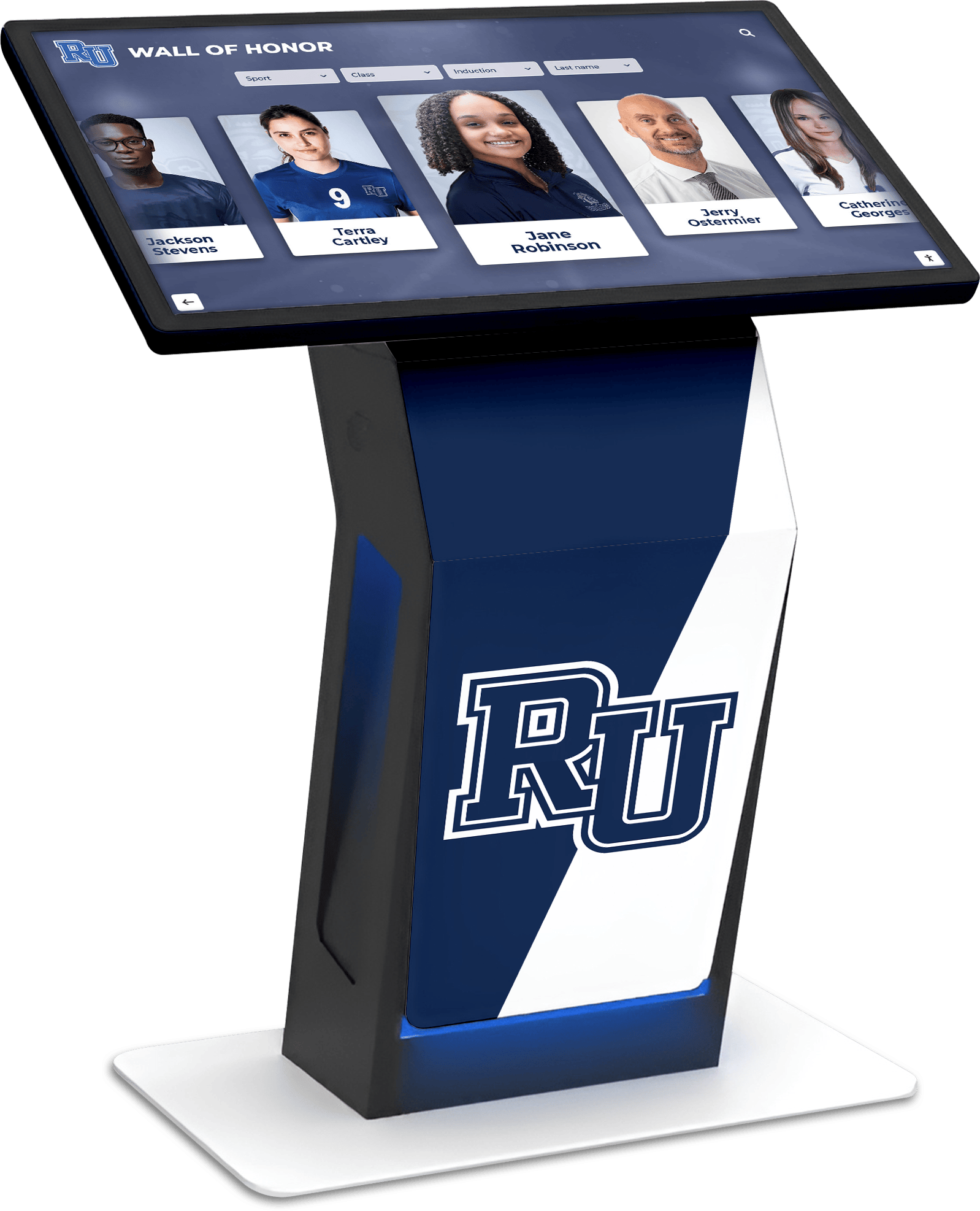
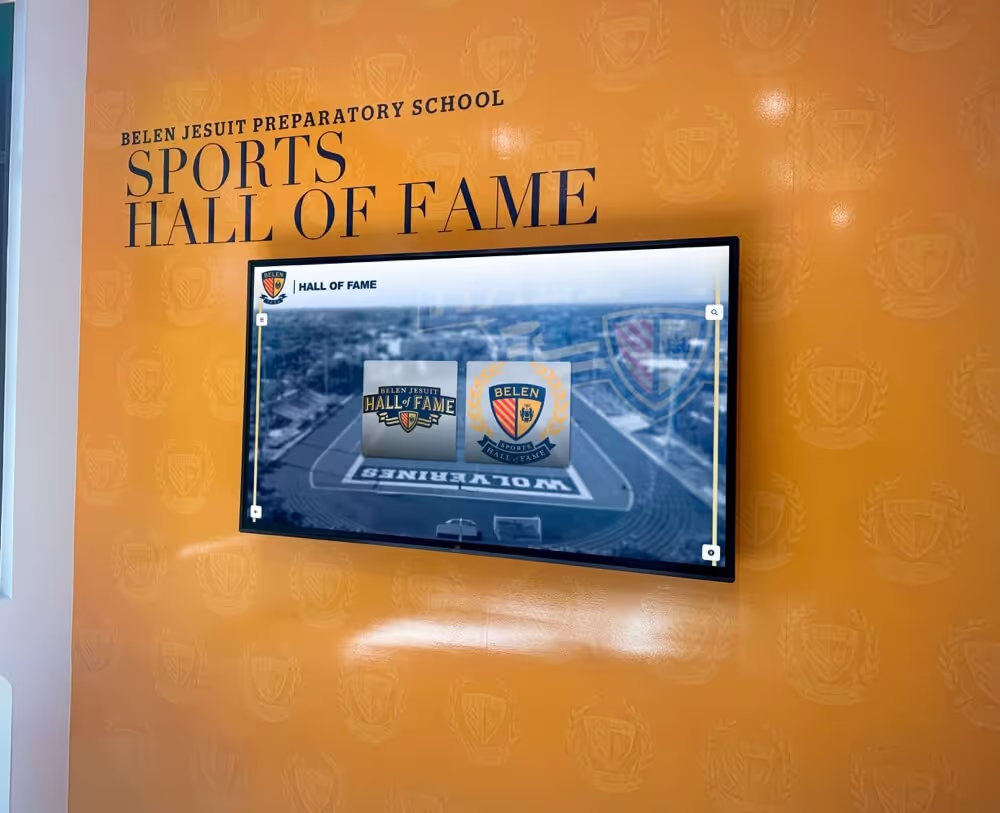
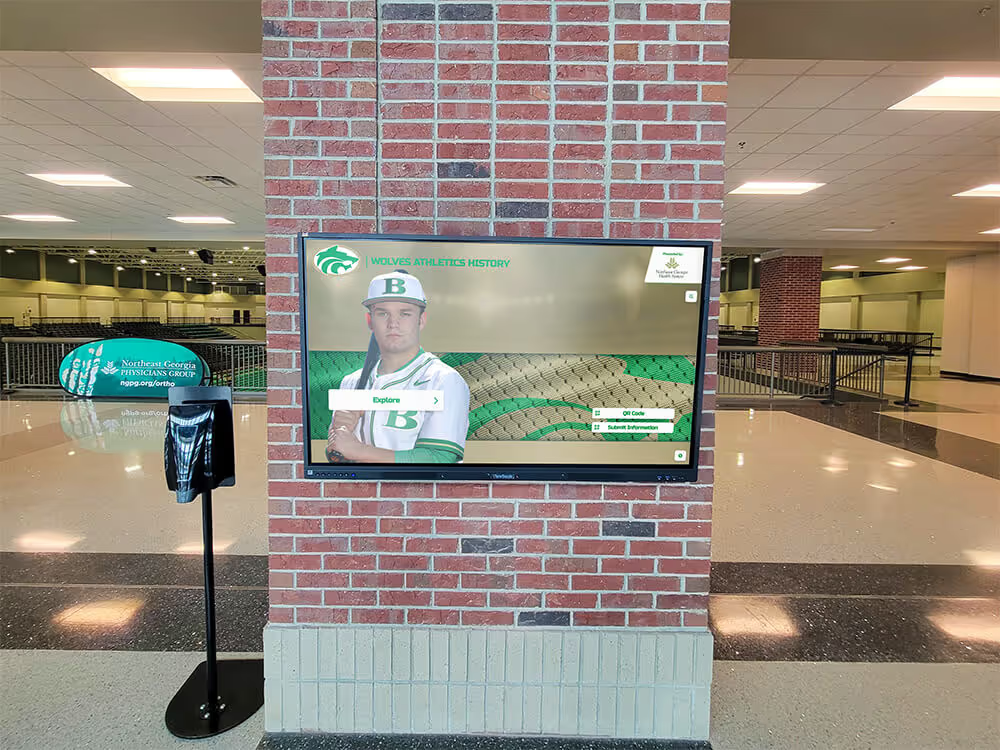
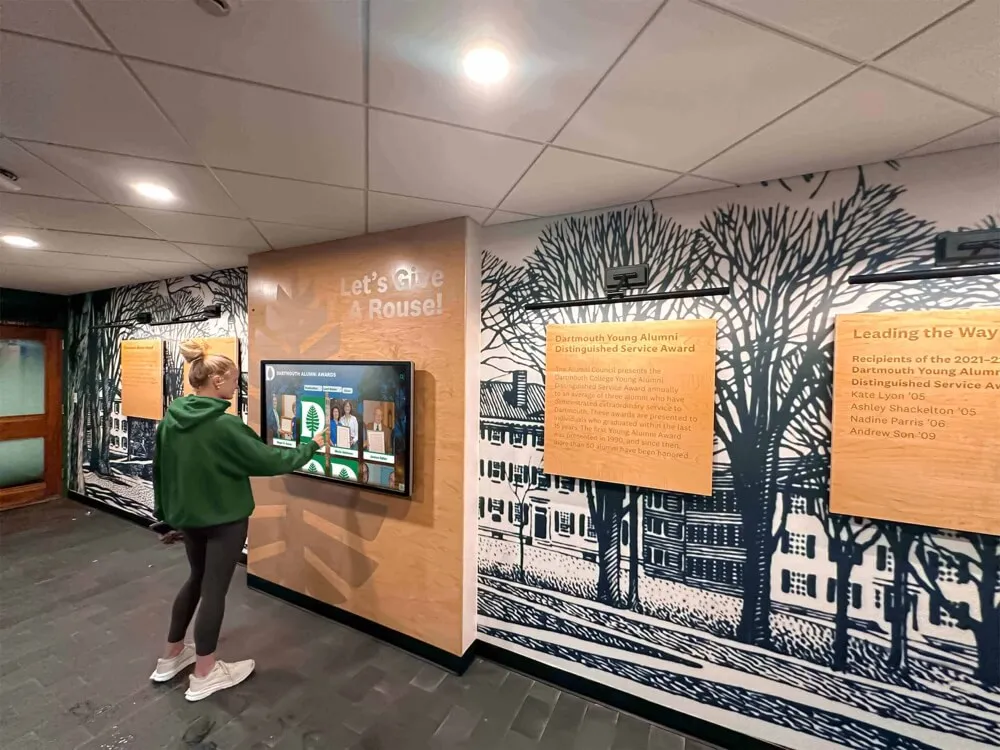
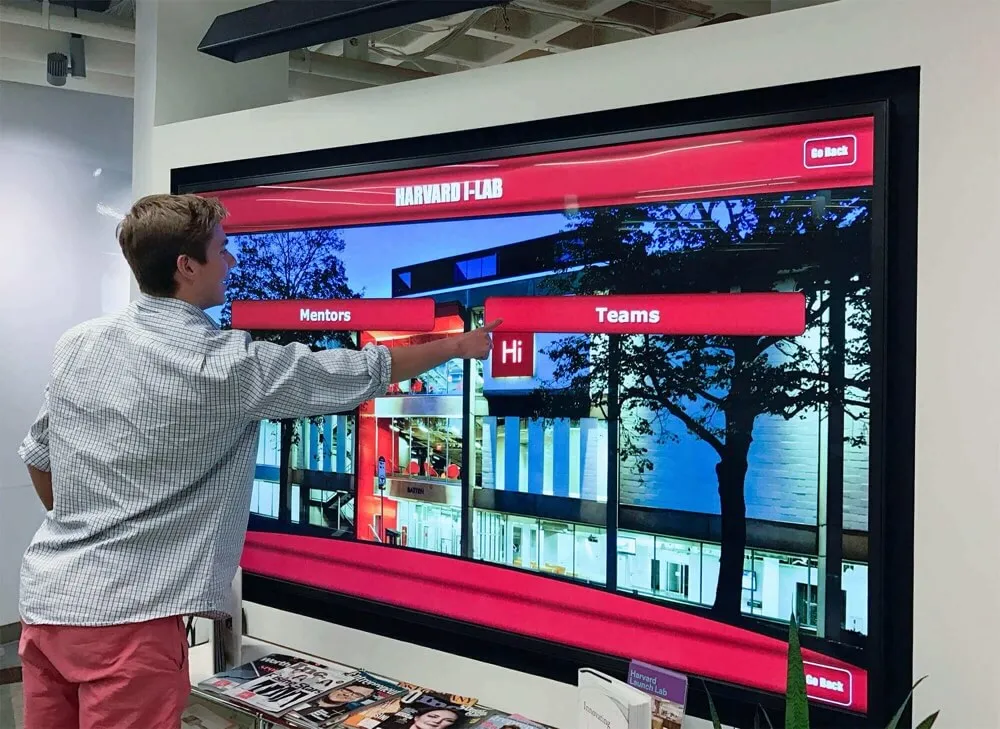
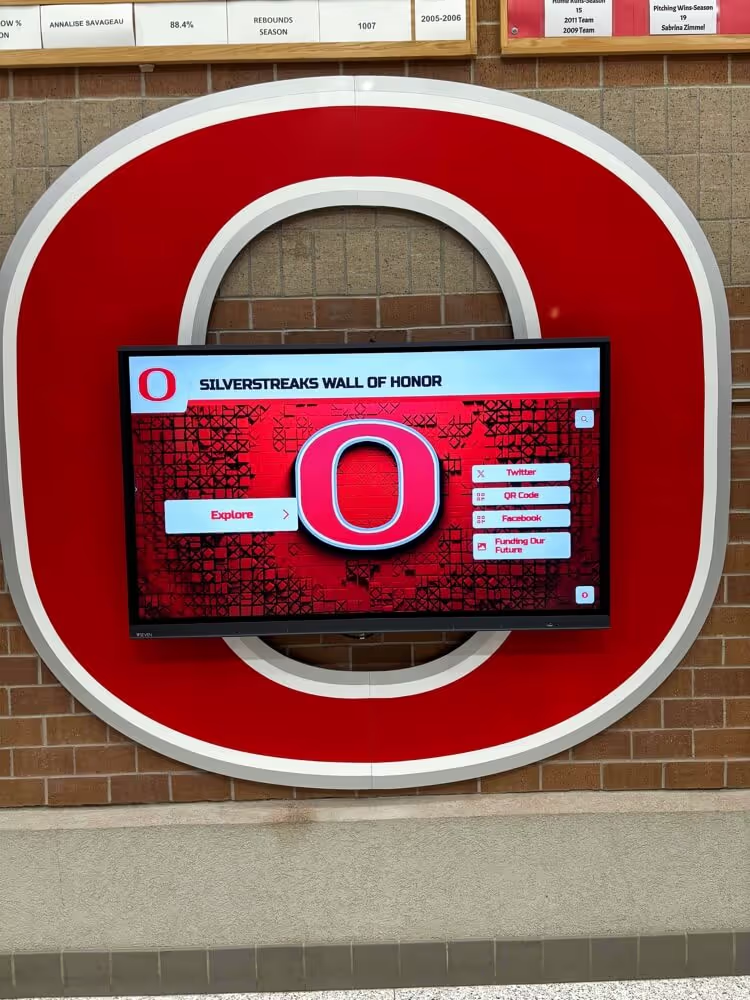
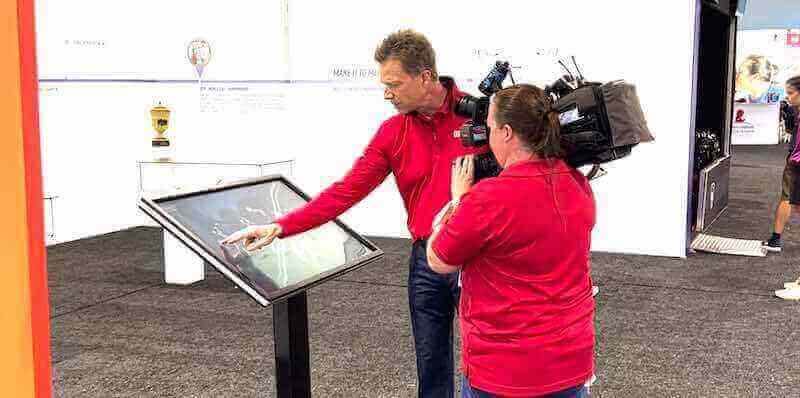
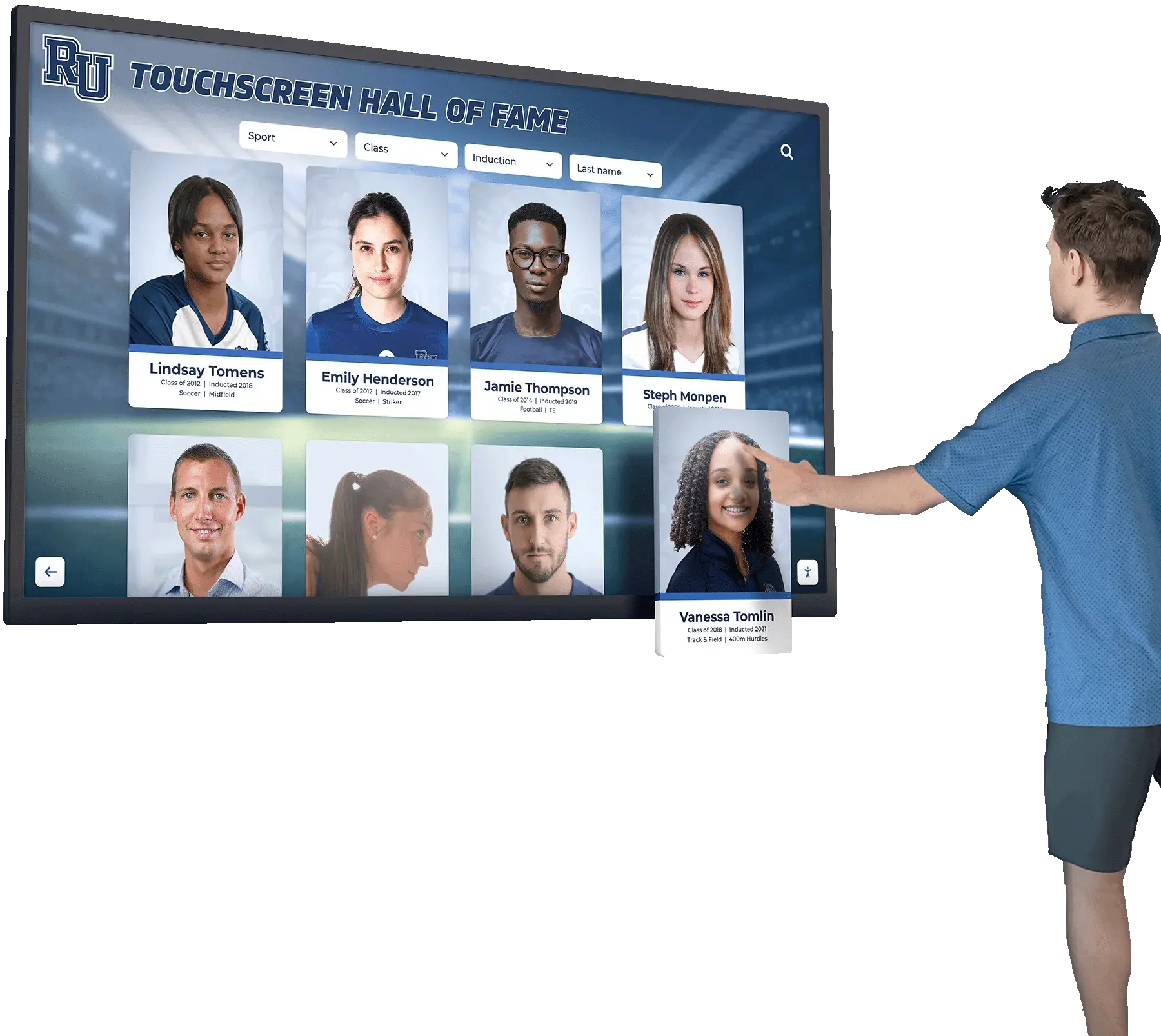
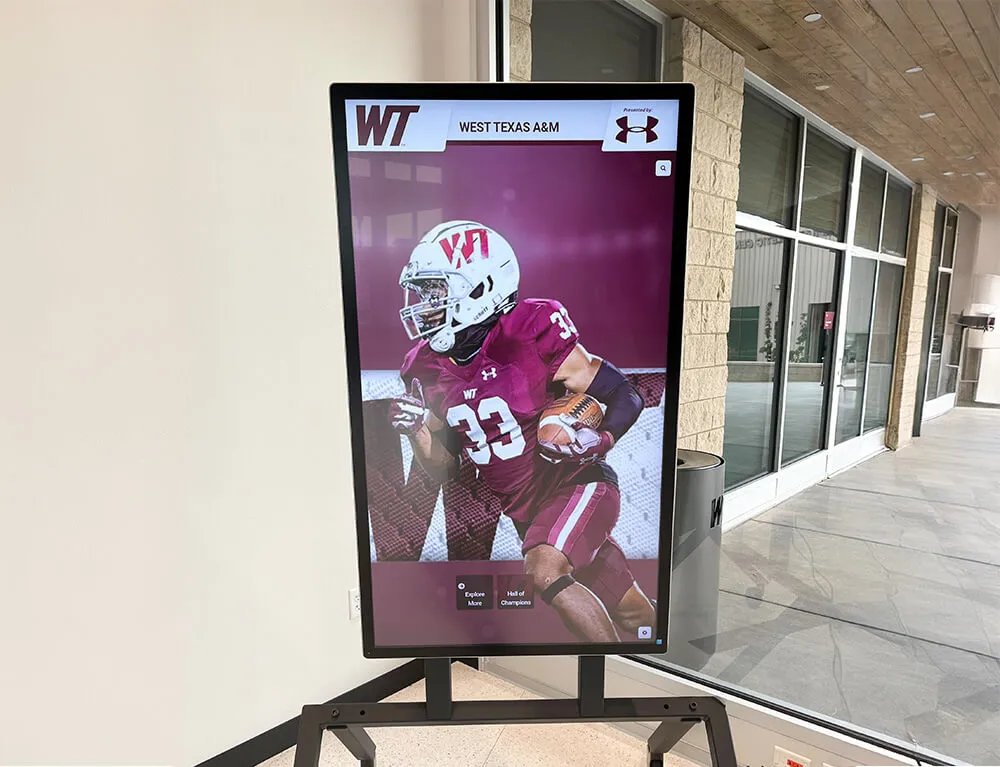
Interactive displays make yearbook archives accessible to school communities through engaging touchscreen exploration
Creating Searchable Archives That Transform Research
Physical yearbooks require page-by-page browsing to find specific individuals, events, or information—a time-consuming process that discourages exploration and limits practical research applications. Digital yearbooks with Optical Character Recognition (OCR) transform static page images into searchable text databases where users find specific names or topics instantly.
Instant Name Search Capabilities
The single most common yearbook research need involves finding specific individuals—alumni searching for themselves and classmates, genealogists seeking ancestors, journalists researching notable figures, or development staff identifying major gift prospects. With physical yearbooks, this requires examining index pages when available and manually browsing sections when indexes are incomplete or absent. For comprehensive searches across multiple graduation years, the process becomes impractically time-intensive.
OCR-enabled digital yearbooks enable instant searches across entire collections. Type a name and immediately see every yearbook page where that person appears—whether in class photos, sports teams, club activities, or candid images. What might require hours of manual browsing happens in seconds, dramatically increasing the practical research value archives provide.
Academic and Historical Research Applications
Digital searchable yearbooks serve diverse research purposes beyond simple name searches. Historians studying educational evolution analyze how curriculum offerings changed across decades by searching for course names and academic programs. Sociologists investigate demographic and cultural changes by examining activities, fashions, and social organizations documented in yearbooks. Urban planners researching facility development find documentation of buildings and infrastructure from decades past.
Students conducting local history projects benefit enormously from searchable yearbook archives. Rather than vague research directions, they can pursue specific questions—“How did participation in athletics change between the 1950s and 1990s?” or “When did our school first mention environmental programs?"—with digital archives providing concrete documentation supporting inquiry-based learning.
Explore comprehensive approaches to historical photos archive preservation that complement yearbook digitization initiatives.
Strengthening Alumni Engagement and Institutional Pride
Schools increasingly recognize that strong alumni relationships drive institutional success through volunteer engagement, mentorship programs, career networking support, and philanthropic contributions. Yet maintaining alumni connections decades after graduation presents significant challenges—particularly engaging alumni who never developed initial attachment during school years or whose connections faded over time.
Yearbook digitization provides natural engagement opportunities that work across all alumni segments. Recently graduated alumni appreciate convenient digital access rather than needing to retrieve physical yearbooks from storage. Mid-career alumni rediscovering their school years develop renewed emotional connections. Older alumni who graduated before widespread yearbook purchasing can see documentation of their school experiences for the first time in 40 or 50 years.
Development and Fundraising Benefits
Advancement professionals understand that fundraising success depends heavily on emotional connection to institutions. Major gift cultivation involves helping prospects reconnect with formative experiences and envision their role in ensuring future students receive similar transformative education.
Digitized yearbook collections provide sophisticated cultivation tools. Imagine inviting major gift prospects to explore personalized heritage pages featuring their graduation year, highlighting achievements of classmates who became distinguished professionals, and demonstrating institutional commitment to honoring all who passed through. These emotional reconnection experiences create favorable conditions for advancement conversations about sustaining traditions prospects once experienced personally.
According to nonprofit fundraising research, donors give to organizations where they feel personally connected and appropriately recognized. Yearbook archives demonstrating that schools value every graduating class and preserve institutional memory strengthen the relationships essential for sustained philanthropic support.
Learn about donor recognition approaches that integrate yearbook heritage with giving acknowledgment.
Planning Your Yearbook Digitization Project
Successful yearbook digitization requires thoughtful planning establishing clear objectives, realistic timelines, and appropriate resource allocation before scanning begins.
Assessing Your Yearbook Collection
Begin with comprehensive inventory understanding what materials exist and their condition.
Collection Inventory Process
Systematically locate all yearbooks in school possession including main administrative archives, library special collections, athletic department records, alumni office materials, and storage areas throughout facilities. Many schools discover yearbooks scattered across multiple locations—some volumes in official archives while others remain in coaches’ offices, department storage closets, or even homes of longtime staff members.
For each yearbook, document publication year, physical condition noting damage or deterioration, whether copies are complete or missing pages, binding condition and fragility, and total number of copies available. Spreadsheet inventories work well for collections of any size, creating foundation databases for tracking digitization progress.
Identifying Collection Gaps
Most schools discover their archives contain incomplete yearbook collections. Certain years may have no copies available—perhaps lost during facility moves, damaged beyond recovery in past incidents, or never accessioned into official archives. Other years might have partial copies where volumes exist but with pages missing or damaged.
Document gaps comprehensively rather than discovering them during digitization. Understanding missing years enables crowdsourcing campaigns asking alumni to loan personal copies for scanning, allows communication with peer institutions or historical societies that might possess copies, and helps set realistic expectations about what comprehensive digitized collections will include.
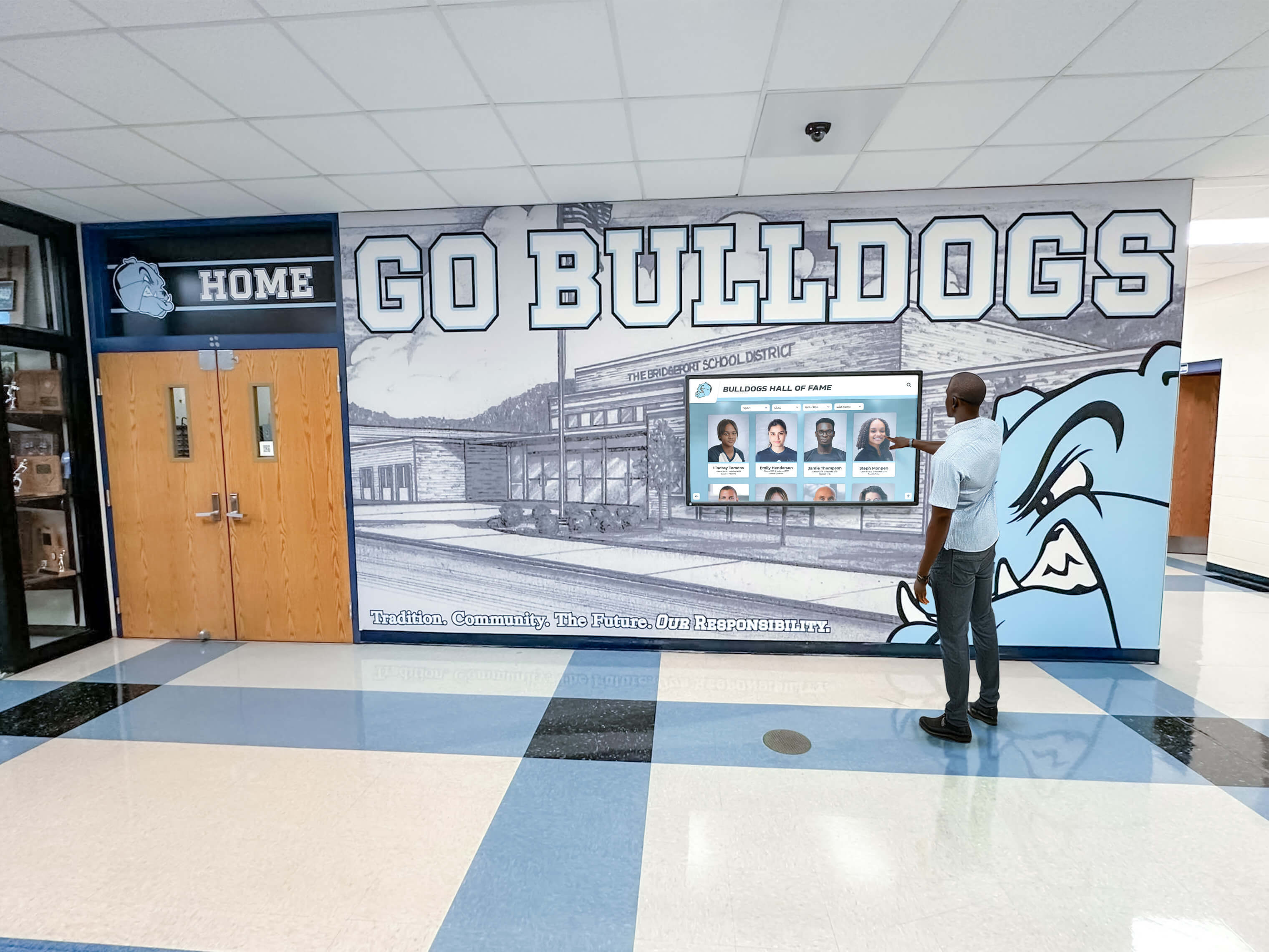
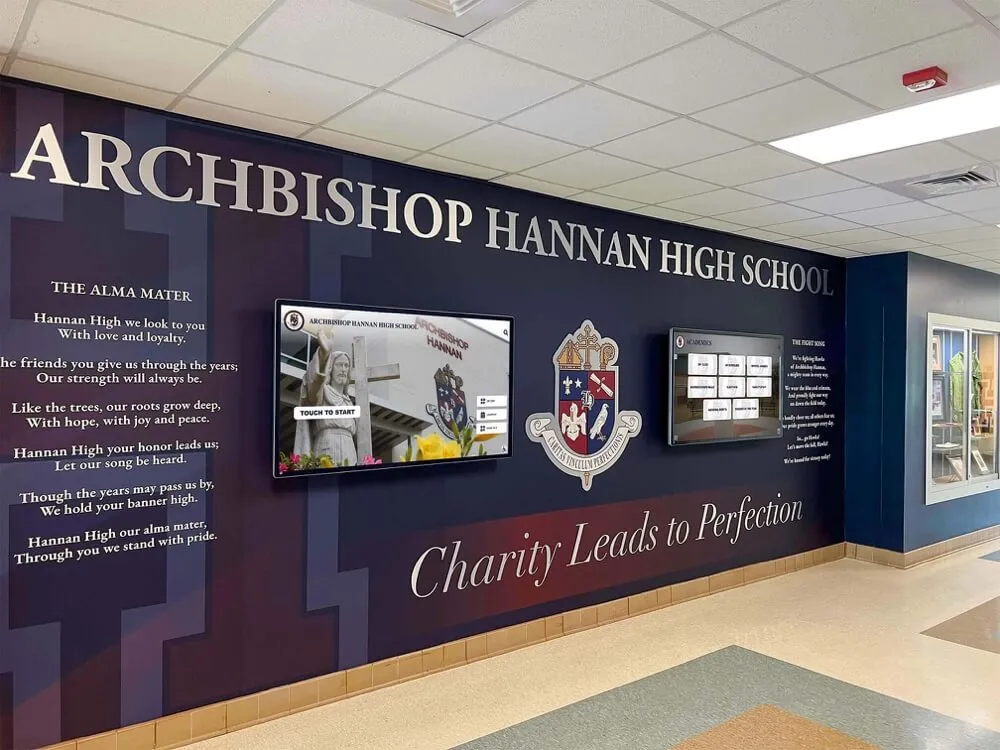
Strategic placement of interactive displays throughout facilities maximizes yearbook archive accessibility
Setting Project Scope and Priorities
Not all yearbooks warrant equal digitization priority—strategic scoping focuses resources on highest-value materials first while planning systematic comprehensive coverage.
Chronological Prioritization Strategies
Schools typically pursue one of several prioritization approaches based on specific objectives:
Oldest-First Approach: Prioritize oldest yearbooks most at risk of deterioration or loss. These volumes often hold greatest historical significance while facing most urgent preservation needs. Beginning with earliest available yearbooks protects most vulnerable materials first while creating compelling historical content.
Recent-First Approach: Start with recent decades generating strongest immediate alumni interest. More living alumni remember recent eras, creating built-in audiences for newly digitized content. This approach builds momentum and support by demonstrating immediate value before proceeding backward through time.
Gap-Filling Approach: Focus on decades currently underrepresented in digital archives or institutional recognition. If certain eras have been overlooked historically, prioritizing those yearbooks demonstrates commitment to honoring all periods equally.
Phased Implementation Benefits
Rather than attempting to digitize entire collections simultaneously, phased approaches provide several advantages. Pilot phases on limited volume counts (5-10 yearbooks) enable testing workflows and training staff before full-scale production. Initial phases generate tangible results demonstrating project value, building stakeholder support for continued investment. Systematic decade-by-decade progression creates steady progress rather than overwhelming all-at-once efforts likely to stall incomplete.
Most successful yearbook digitization initiatives span multiple years with clearly defined annual phases—perhaps targeting two decades of yearbooks each year until comprehensive historical coverage is achieved, then maintaining currency by digitizing current yearbooks annually as published.
Budget Planning and Resource Allocation
Understanding complete costs enables appropriate budget development and prevents mid-project surprises that stall progress.
DIY Digitization Costs
Schools pursuing in-house yearbook scanning require equipment and personnel investments. Quality flatbed scanners suitable for book scanning cost $300-$1,200 depending on specifications. Document scanning stands or book cradles protecting bindings range from $100-$500. Computer systems with adequate processing power and storage capacity may require upgrades costing $500-$2,000. Software for image editing and OCR processing adds $200-$1,000 for professional-grade tools or $0 for capable free alternatives like GIMP and Tesseract OCR.
Labor represents the largest DIY cost component. Professional digitization typically requires 30-90 minutes per average yearbook depending on page count, scanning resolution, and quality control procedures. A 50-yearbook collection might require 40-75 hours of skilled work—representing significant opportunity costs when diverting existing staff from other responsibilities or paying overtime wages.
Professional Service Costs
Professional yearbook digitization services typically charge $30-$150 per yearbook depending on services included. Basic scanning produces page images while comprehensive packages include high-resolution archival-quality scans, full OCR text conversion enabling search, metadata creation with publication information, secure digital delivery and storage, and physical yearbook return in original condition.
For schools with substantial collections or limited personnel capacity, professional services often prove cost-effective alternatives to DIY efforts. Calculate total DIY costs honestly including all equipment, software, skilled labor time, opportunity costs, and quality assurance—professional services frequently cost less than fully-loaded internal costs while delivering superior results through specialized expertise and industrial-grade equipment.
Hybrid Approaches
Many schools pursue hybrid strategies where recent yearbooks get digitized internally by students or volunteers as ongoing programs while historical archives receive professional digitization ensuring archival quality for most vulnerable materials. This balanced approach manages costs while building institutional capacity for sustained yearbook preservation as annual publications continue.
Learn about comprehensive digital recognition displays that showcase digitized yearbooks alongside broader heritage content.
Equipment and Technology for Yearbook Digitization
Selecting appropriate equipment and software significantly impacts digitization quality, efficiency, and long-term archive value.
Scanning Equipment Options
Different scanner types offer varying advantages for yearbook digitization projects.
Flatbed Scanners for Book Scanning
Consumer and professional flatbed scanners provide accessible, cost-effective yearbook digitization. Quality models designed for document and photo scanning deliver excellent results when used carefully with bound volumes. Key specifications include minimum 600 DPI optical resolution for detailed page capture, large scanning beds (legal-size or larger) accommodating yearbook formats, adequate depth of field for book pages that don’t lay completely flat, and automatic exposure and color correction simplifying workflow.
Recommended flatbed scanners for yearbook projects include the Epson Perfection V600 ($200-$300) offering 6400 DPI maximum resolution with good color accuracy, the Canon CanoScan LiDE 400 ($80-$120) providing compact affordable option for budget-limited projects, and the Epson Expression 12000XL ($2,000+) delivering professional-quality results for institutions prioritizing archival standards.
Overhead Book Scanners
Purpose-built overhead scanners designed specifically for book digitization offer advantages for large projects or particularly fragile yearbooks. These systems position cameras or scanning elements above books laying open on special cradles, eliminating pressure on bindings that flatbed scanning requires. V-shaped book cradles support volumes at natural opening angles, reducing stress on bindings. Glass plates optionally press gently on pages to flatten them without damaging bindings.
Professional overhead book scanners cost $3,000-$20,000+ for high-end systems but deliver superior workflow efficiency and results quality when digitizing extensive collections. Schools with substantial ongoing digitization needs or extremely valuable fragile materials may justify these investments, while most find flatbed scanners adequate for yearbook preservation.
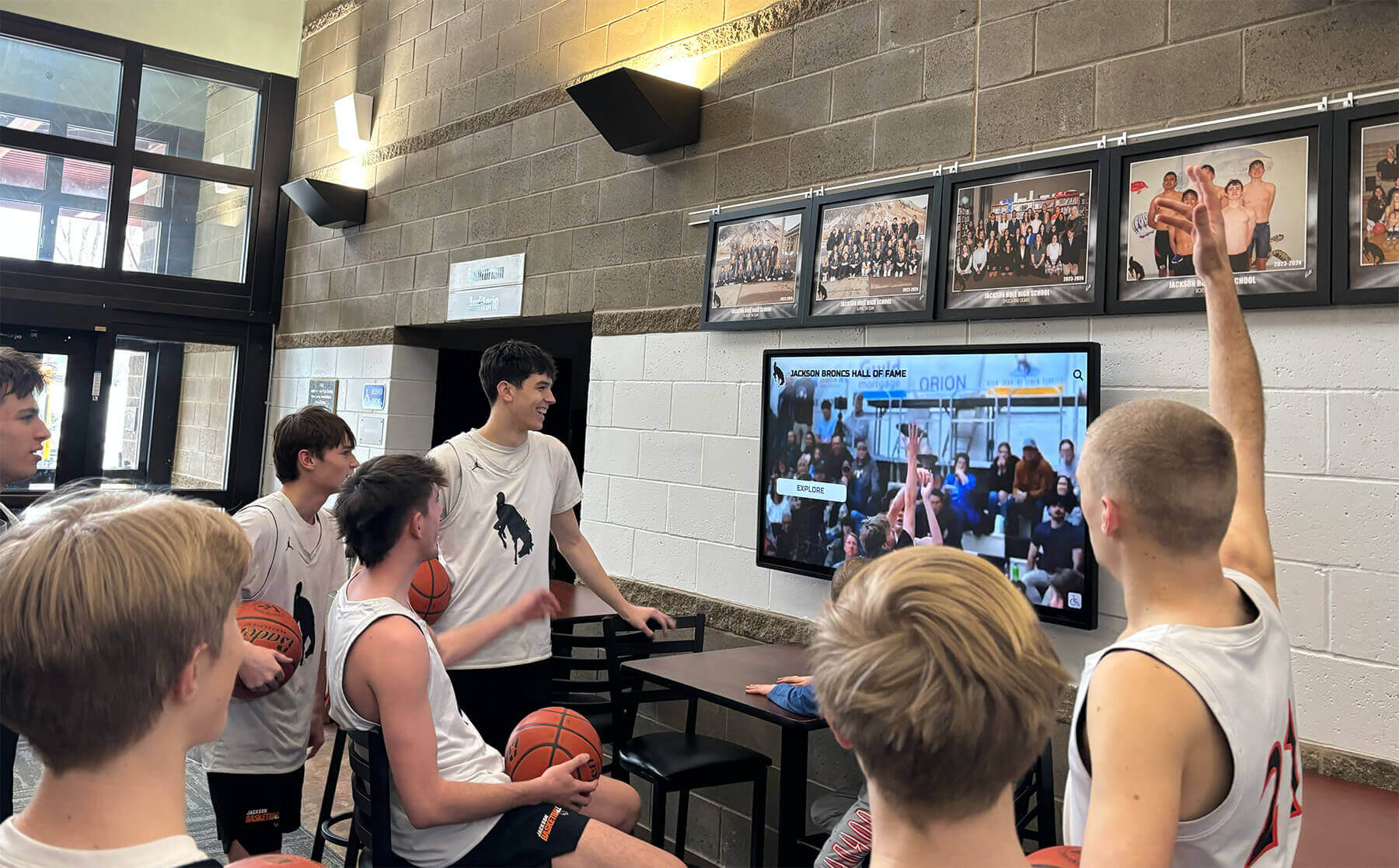
Digital yearbook displays engage students with institutional heritage in high-traffic school areas
Camera-Based Reproduction
Digital photography offers alternatives for yearbooks too fragile for scanning or when rapid capture of large quantities proves necessary. Cameras with minimum 20 megapixel sensors capture sufficient detail for quality reproduction. Copy stands or tripods ensure consistent positioning and focus across all pages. Controlled lighting from multiple angles eliminates shadows and glare while providing even illumination.
Camera reproduction works particularly well for oversized yearbooks exceeding scanner dimensions, volumes with damaged bindings that cannot be opened safely for scanning, or rapid capture where speed matters more than maximum archival quality. However, photography requires more skill for consistent professional results compared to flatbed scanning’s relative simplicity.
Software for Image Processing and OCR
Captured page images require processing to create archival masters and searchable derivatives.
Image Editing and Enhancement
Professional image editing software enables correction of common scanning issues. Adobe Photoshop ($20-50/month subscription) remains the industry standard offering comprehensive editing capabilities, batch processing for efficiency, and advanced color correction tools. GIMP (free, open-source) provides capable alternative delivering many Photoshop features without subscription costs—suitable for budget-conscious schools.
Common image enhancements for scanned yearbooks include cropping pages to remove scanner bed edges, rotation correction for pages scanned slightly askew, exposure and contrast adjustment ensuring readable text and vibrant photos, color correction addressing yellowing or fading in originals, and dust and scratch removal improving final presentation without altering content substantially.
Optical Character Recognition (OCR)
OCR software analyzes page images to identify text, converting scanned pages into searchable digital text. This transformation enables the name searches and research capabilities that make digital yearbooks dramatically more valuable than simple page images alone.
Adobe Acrobat Pro ($20-30/month) includes robust OCR functionality integrated with PDF creation, supporting batch processing of entire yearbooks. ABBYY FineReader ($200-500) offers specialized OCR capabilities with excellent accuracy for challenging source materials. Tesseract (free, open-source) provides capable OCR supporting numerous languages—suitable for schools with technical expertise to implement.
OCR accuracy varies based on original yearbook print quality and page condition. Clear modern typography in good condition may achieve 98-99% accuracy while yellowed pages with faded text or unusual fonts perform less well. Plan for quality assurance review and manual correction of OCR errors, particularly in indexes and name listings where accuracy matters most.
File Format Standards
Save archival master files preserving maximum quality for long-term preservation. TIFF (Tagged Image File Format) stores uncompressed or losslessly compressed images ideal as preservation masters. PDF/A (PDF for Archiving) creates self-contained documents embedding all fonts and images—excellent for complete yearbook files. JPEG2000 offers high-quality compression superior to standard JPEG while supporting progressive display.
For access copies enabling online viewing and download, create compressed derivatives optimized for performance. PDF with embedded OCR provides excellent user experience combining page images with searchable text. Standard JPEG images work well for individual page viewing at smaller file sizes. WebP format offers modern compression providing quality comparable to JPEG at significantly reduced file sizes—though not all older web browsers support this format.
Digital Storage and Backup Infrastructure
Comprehensive digital preservation requires redundant storage protecting against data loss from hardware failures, human errors, or catastrophic events.
The 3-2-1 Backup Strategy
Follow archival best practices maintaining at least three total copies of all digital yearbook files, stored on at least two different media types to avoid single points of failure, with at least one copy stored off-site providing geographic separation protecting against local disasters.
This simple rule ensures robust protection. If a primary hard drive fails (common occurrence), backup copies remain available. If a fire destroys school facilities along with on-site computers and backup drives, off-site copies preserve collections completely. When ransomware encrypts all accessible drives, offline backup copies remain unaffected and enable recovery.
Local Storage Solutions
Primary local storage might include network-attached storage (NAS) devices with redundant drives protecting against individual drive failures, external hard drives stored separately from scanning workstations, and workstation internal drives providing working storage during active digitization.
Periodically verify backup integrity through test restores ensuring files remain accessible and uncorrupted. Storage media degrades over time—plan to refresh backups every 3-5 years by copying to new media preventing obsolescence as technologies evolve.
Cloud Storage for Off-Site Backup
Commercial cloud storage services provide reliable off-site preservation through major platforms including Google Drive (institutional accounts), Microsoft OneDrive (educational licensing), Amazon S3 (pay-per-use storage), and Backblaze (unlimited backup services). Cloud storage eliminates concerns about hardware failures and geographical disasters while enabling worldwide access to yearbook collections.
For yearbooks containing student images and personal information, verify that storage providers offer FERPA-compliant terms and appropriate privacy protections for educational records. Most major cloud platforms support educational privacy requirements when configured properly with appropriate institutional accounts rather than personal consumer accounts.
Explore comprehensive library touchscreen displays that present digitized yearbooks in accessible research environments.
Step-by-Step Yearbook Digitization Workflow
Systematic workflows ensure consistent quality while maximizing efficiency across large yearbook collections.
Pre-Scanning Preparation
Careful preparation prevents problems and protects fragile materials.
Physical Yearbook Inspection
Before scanning each yearbook, conduct thorough examination documenting existing damage or deterioration, identifying loose or missing pages requiring special handling, noting binding condition and flexibility, checking for items tucked inside pages (loose photos, clippings, notes), and photographing covers and spines for documentation.
Clean covers and pages gently using soft brushes or compressed air to remove loose dust and debris. Avoid aggressive cleaning that might damage fragile materials. For yearbooks with significant mold, active deterioration, or severe damage, consult professional conservators before attempting scanning that might cause additional harm.
Workspace Setup
Establish dedicated scanning workspaces minimizing environmental risks. Work in clean areas away from food and drinks that could spill. Ensure adequate lighting for examining pages but avoid direct sunlight that accelerates deterioration. Maintain comfortable temperature and moderate humidity—excessively dry conditions make brittle paper more likely to crack while high humidity encourages mold growth.
Organize scanning workflows with clear staging areas for yearbooks awaiting scanning, volumes currently in process, and completed materials ready for return to storage. Labels or flags tracking scanning progress prevent confusion about which pages have been captured.
Scanning Process and Settings
Consistent technical specifications ensure uniform quality across entire collections.
Optimal Resolution Settings
Scan yearbook pages at resolutions appropriate to intended uses and preservation requirements. For standard letter and legal-size yearbook pages, 400-600 DPI provides excellent quality suitable for archival preservation, detailed viewing, and future reproduction needs. Smaller formats might warrant 600-800 DPI to capture adequate detail when pages contain dense text or numerous small photographs.
Higher resolution creates larger file sizes requiring more storage space but preserves more detail from original pages. When uncertain, err toward higher resolution—you can always create lower-resolution derivatives from high-quality masters but cannot add detail to insufficient scans.
Color Settings and Depth
Always scan in color even when digitizing older black-and-white yearbooks. Color scanning captures yellowing, foxing, and aging characteristics documenting historical condition while preserving maximum information. Use 24-bit color (8 bits per color channel) as minimum, with 48-bit color preferred for archival masters when scanners support higher bit depth.
Color scanning adds minimal file size compared to grayscale while preserving significantly more information about original yearbooks. The incremental storage cost proves worthwhile for preservation quality.
File Naming Conventions
Develop consistent naming standards enabling efficient organization and retrieval. Recommended naming structure includes: SchoolName_Yearbook_YYYY_PageNumber.tif
Example: “Lincoln_Yearbook_1975_001.tif” clearly indicates institution, material type, publication year, and page sequence. Use leading zeros for page numbers ensuring proper alphabetical file sorting (001, 002…098, 099, 100 rather than 1, 2…98, 99, 100).
Avoid spaces in file names (use underscores or hyphens instead), special characters that may cause technical issues, and excessively long names. Maintain absolutely consistent naming across entire collections—inconsistent approaches create confusion and reduce usability.
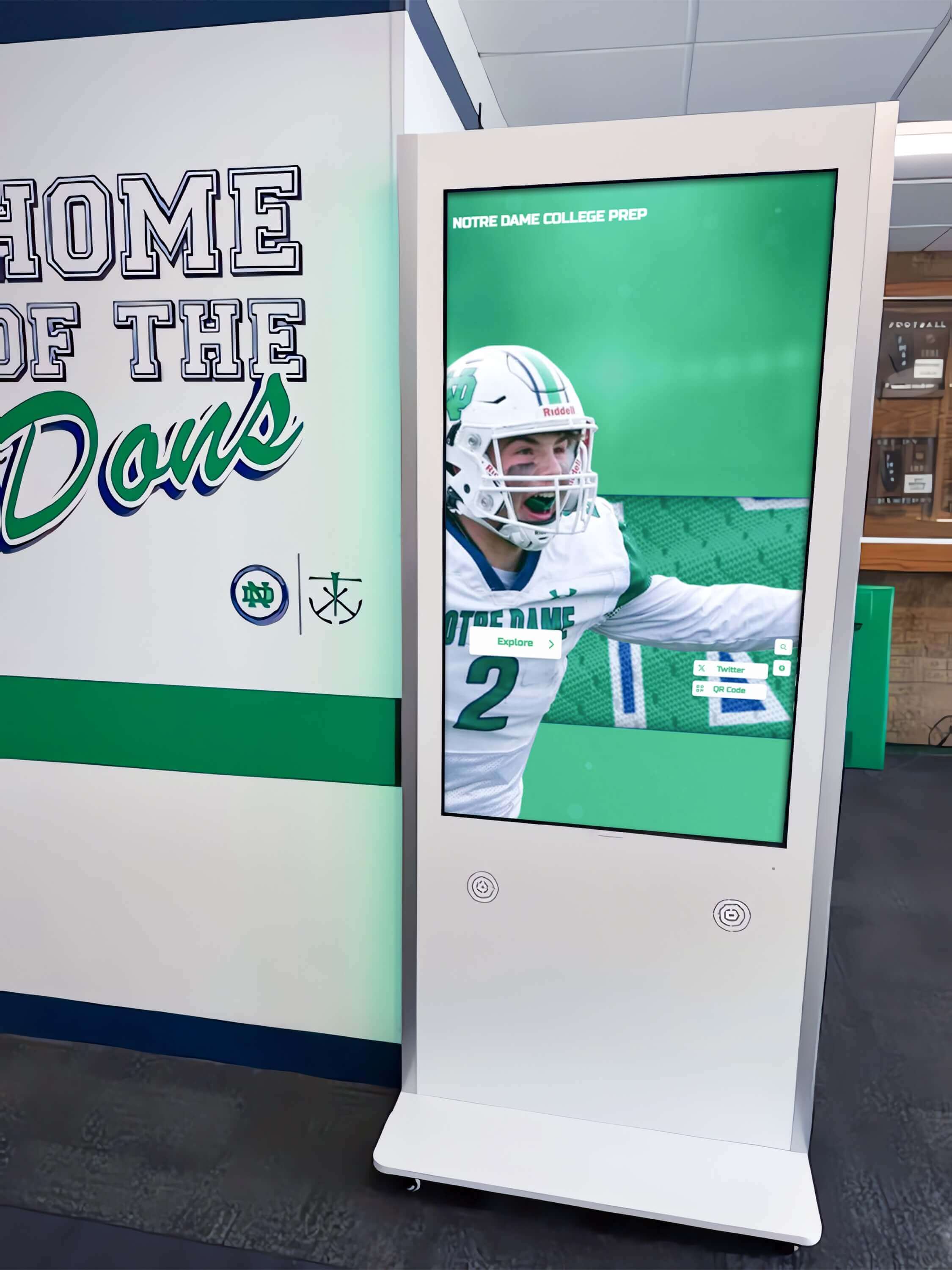
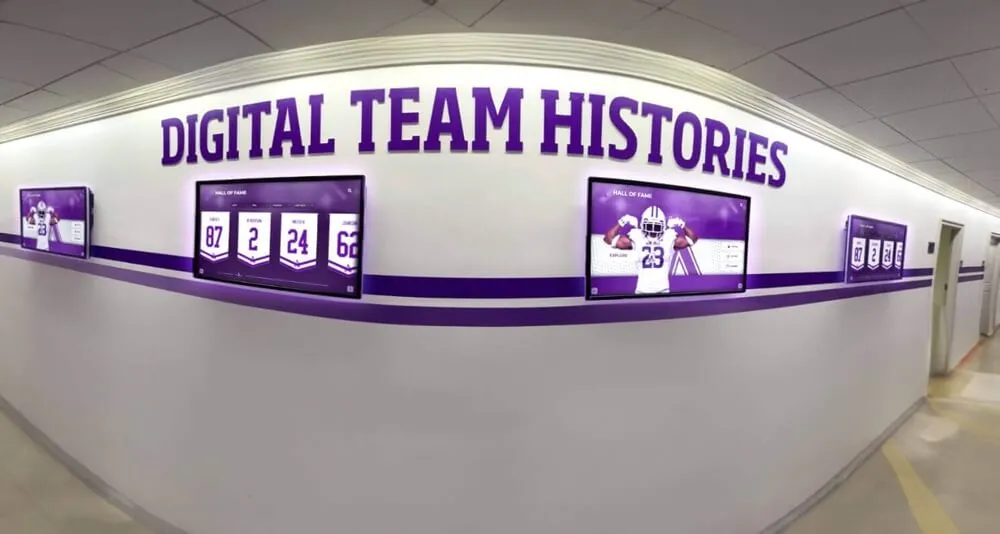
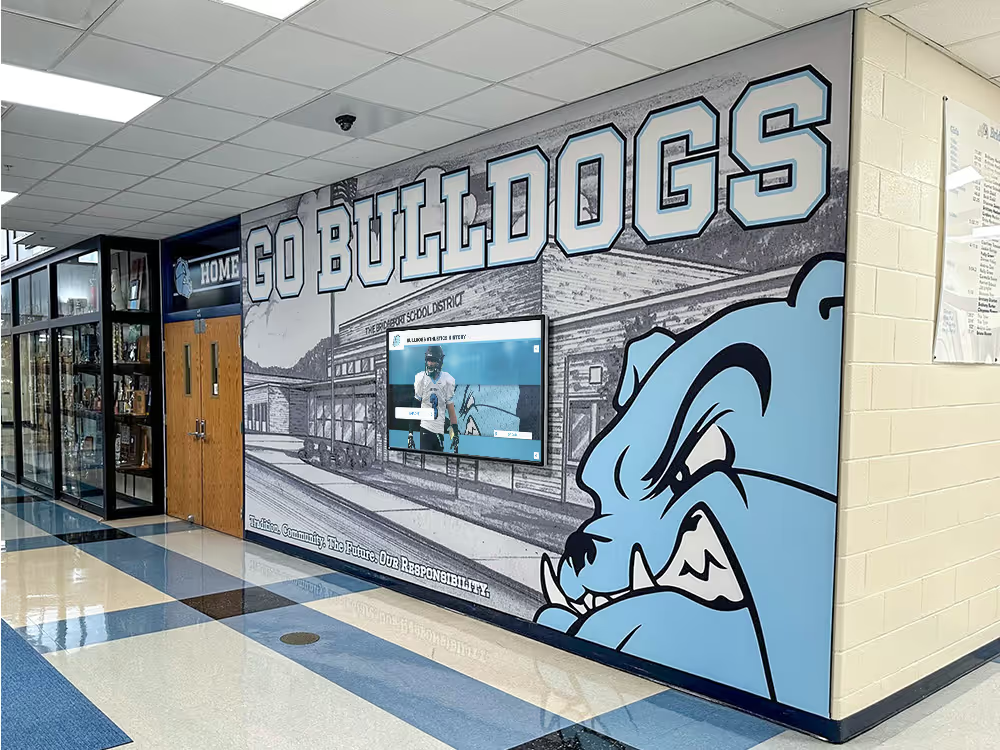
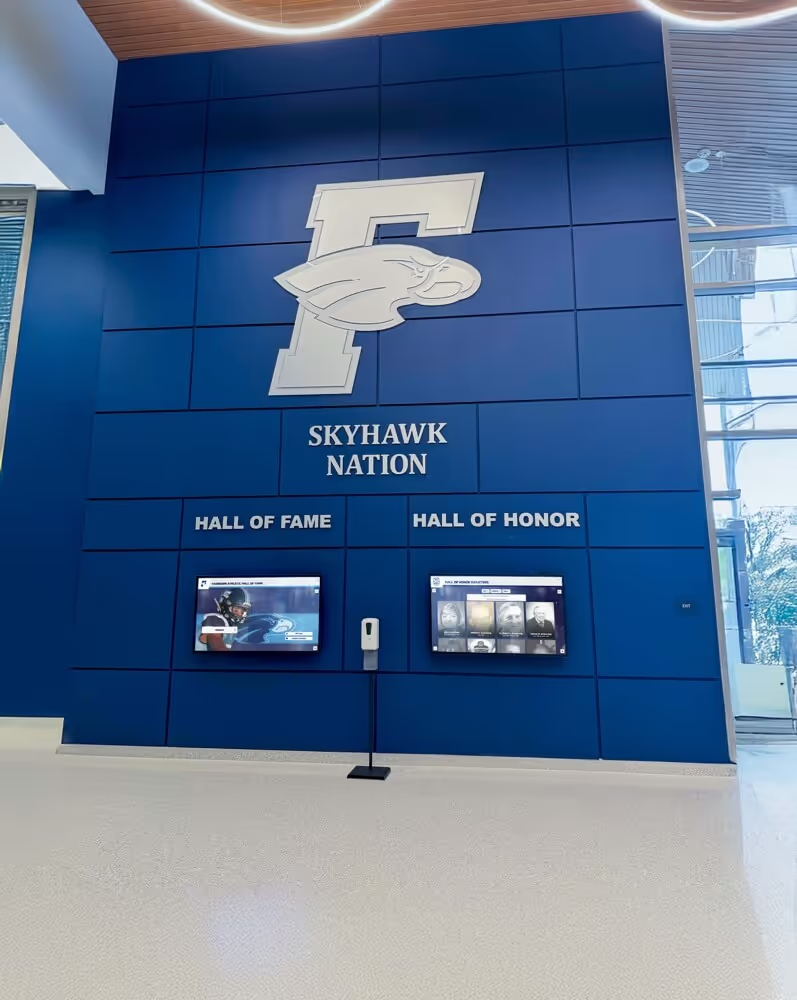
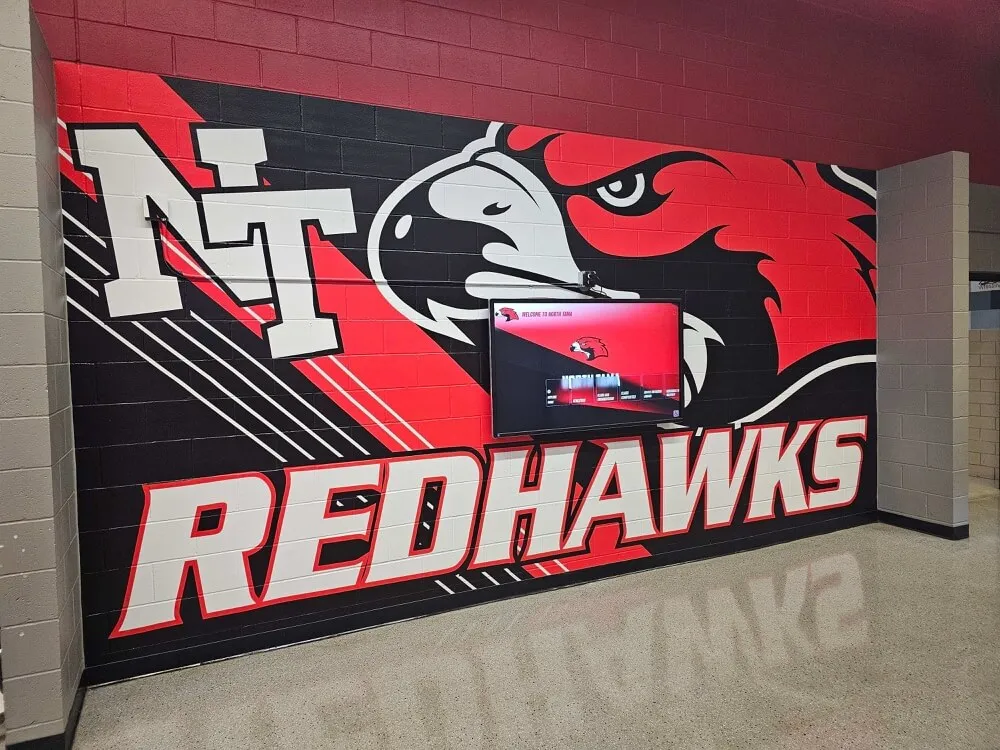
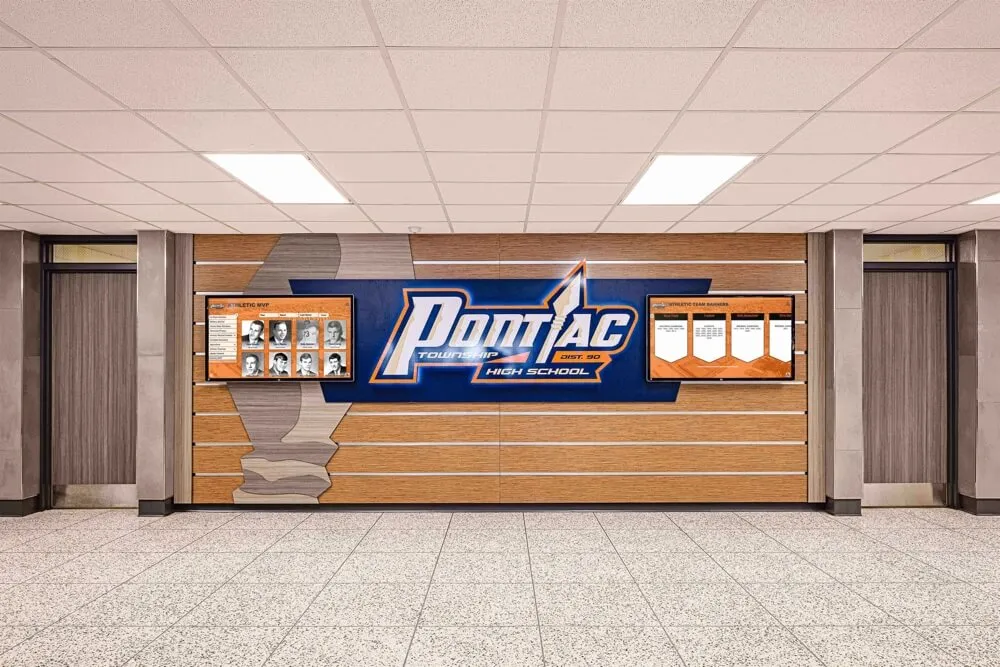
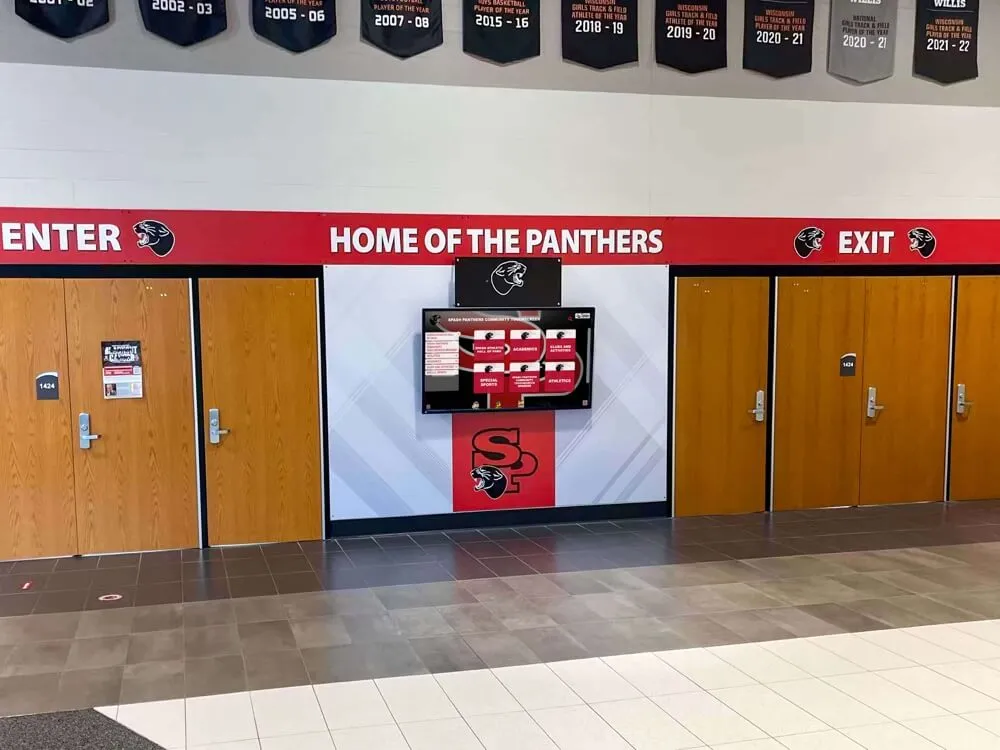
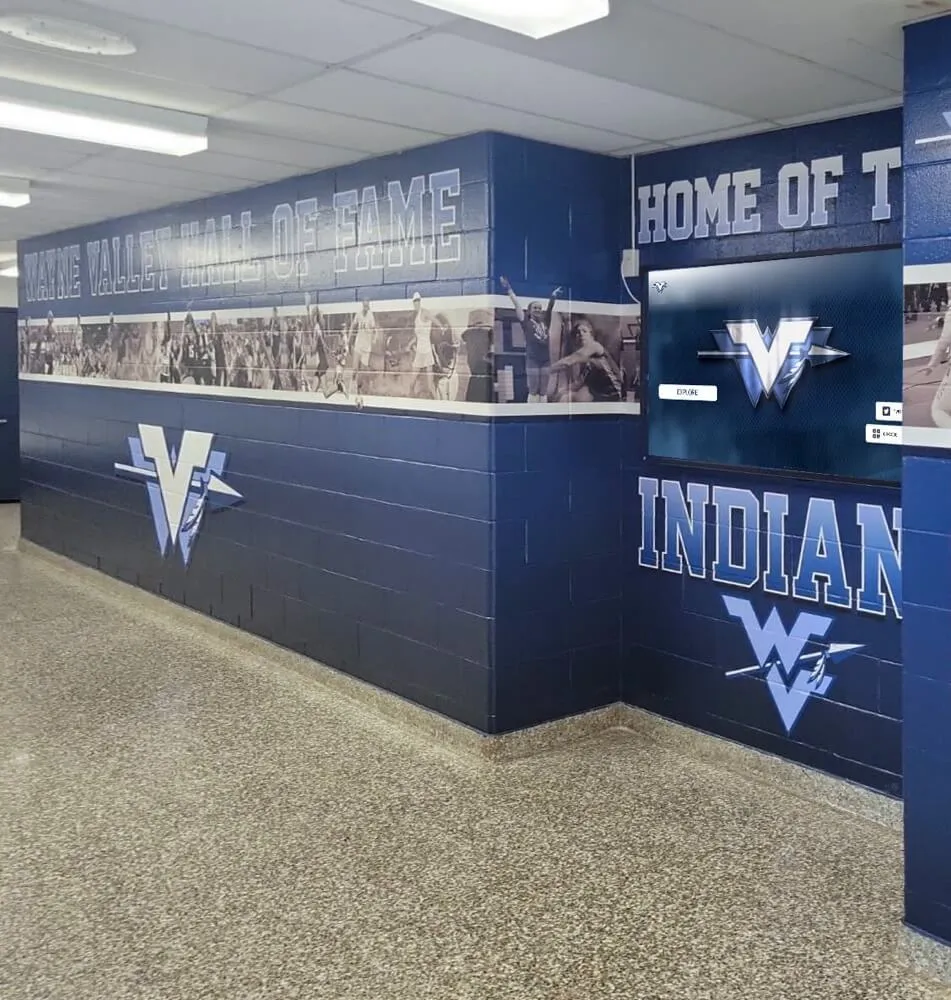
Hallway placements ensure digitized yearbooks reach daily foot traffic throughout school facilities
Quality Control and Page Verification
Systematic quality assurance prevents problems requiring time-consuming re-scanning.
Immediate Scan Review
Review each scanned page immediately while original yearbook remains accessible. Check that entire page appears in scan without cropped edges, verify adequate focus and sharpness throughout, confirm appropriate exposure without overly dark or washed-out areas, ensure colors appear accurate compared to original, and identify any streaks, spots, or scanning artifacts requiring correction.
Catching problems immediately enables quick re-scanning while yearbooks remain at scanning workstations. Discovering missing or poor-quality pages days later requires retrieving yearbooks from storage and repeating workflows—dramatically less efficient than proper quality control during initial scanning.
Completeness Verification
Confirm all pages have been scanned by comparing page counts against original yearbooks and checking for sequence gaps in numbered scans. Missing pages discovered later in projects require returning to original volumes, disrupting workflows, and risking inconsistent file organization.
Metadata Creation and Documentation
Comprehensive metadata ensures yearbooks remain properly organized, searchable, and contextualized long-term.
Essential Metadata Fields
For each digitized yearbook, document publication year, school name and location, yearbook title (often distinct from school name), total page count, publication company if identified, and physical format details (dimensions, binding type). Additional useful metadata includes identified individuals’ names when extracting from pages, graduation class year(s) represented, special themes or dedications, and known condition issues affecting scan quality.
Store metadata in spreadsheet databases, specialized digital asset management systems, or embedded within PDF files as document properties. Consistent structured metadata enables future searching across collections and provides critical context researchers need for proper historical interpretation.
Indexing Key Content
Beyond overall yearbook metadata, create indexes identifying key content locations. Document where senior portraits appear, what pages contain club and organization sections, which pages feature athletic team photos, where faculty and staff listings are found, and page numbers for special features or historical content.
Detailed indexes dramatically improve user experience by enabling direct navigation to content of interest rather than requiring page-by-page browsing through entire yearbooks. When combined with OCR full-text search, indexes provide multiple access paths accommodating different user needs and preferences.
Creating Searchable Yearbook Archives with OCR
Optical Character Recognition transforms static page images into dynamic searchable archives that multiply research value.
OCR Processing Workflow
Converting scanned pages into searchable text requires systematic processing ensuring accuracy and usability.
Pre-Processing for Optimal OCR
OCR accuracy improves significantly when page images are optimized before text recognition processing. Straighten tilted pages ensuring text runs horizontally for proper character recognition. Adjust contrast to maximize distinction between text and background—particularly important for yellowed pages where faded text provides poor contrast. Remove noise like dust spots or background texture that OCR engines might misinterpret as characters. Ensure adequate resolution—300 DPI minimum with 400-600 DPI optimal for most yearbook text.
Pre-processing adds workflow steps but dramatically improves final OCR accuracy, reducing manual correction time required for poor-quality automated text recognition.
Batch OCR Processing
Process entire yearbooks or large page groups simultaneously rather than individual pages. Batch processing improves efficiency while ensuring consistent settings across related materials. Configure OCR engines with appropriate language settings (typically English for U.S. yearbooks), layout analysis recognizing columns and text blocks, and output formats embedding searchable text with original page images.
Processing times vary based on hardware performance and software used—expect 1-3 minutes per page for quality OCR depending on computer specifications and page complexity. A 150-page yearbook might require 2-7 hours processing time—often accomplished overnight or during non-working hours to avoid tying up equipment.
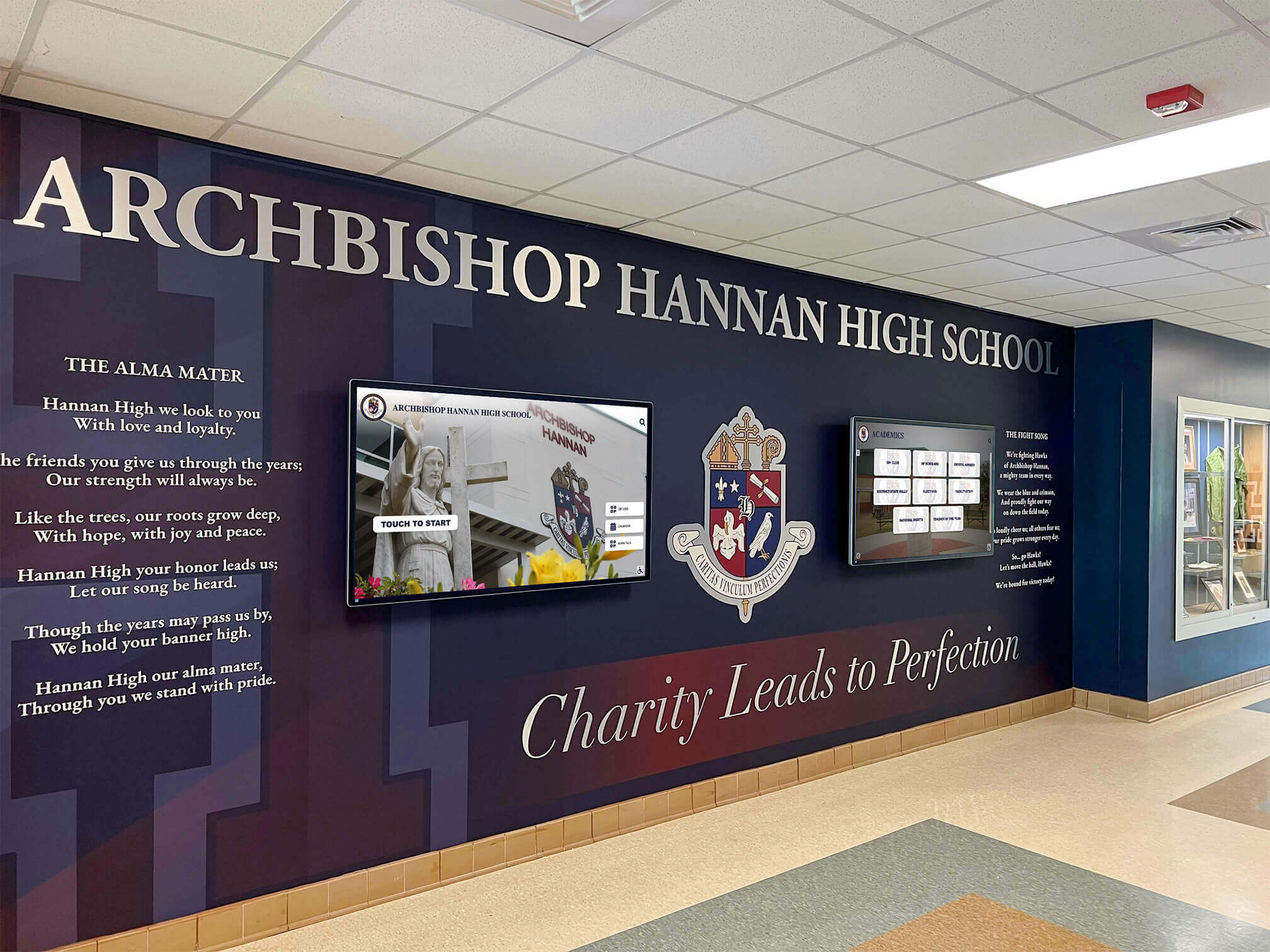
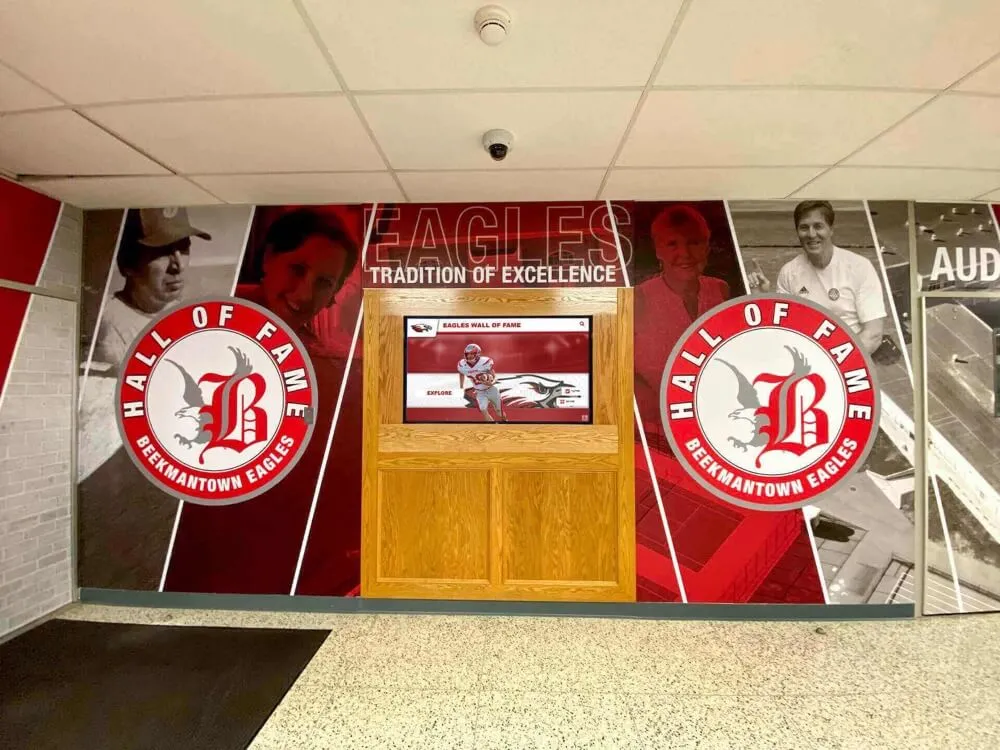
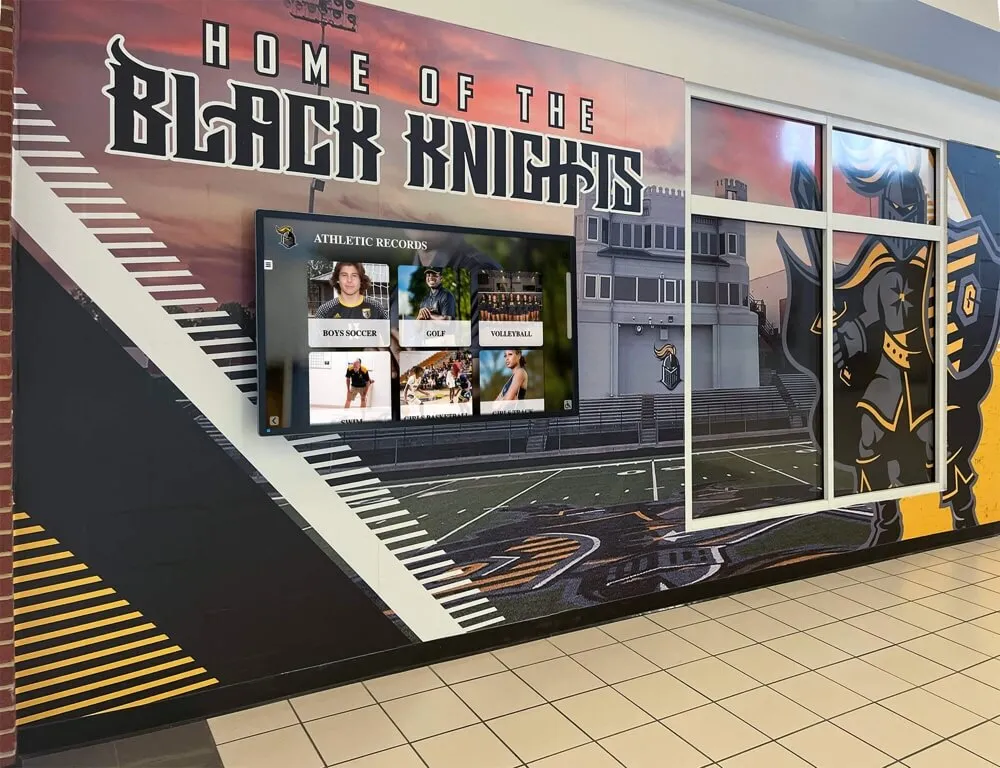
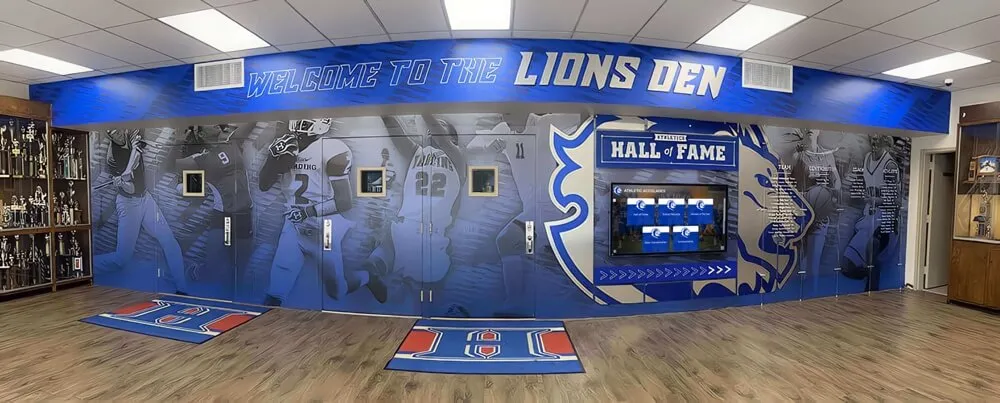
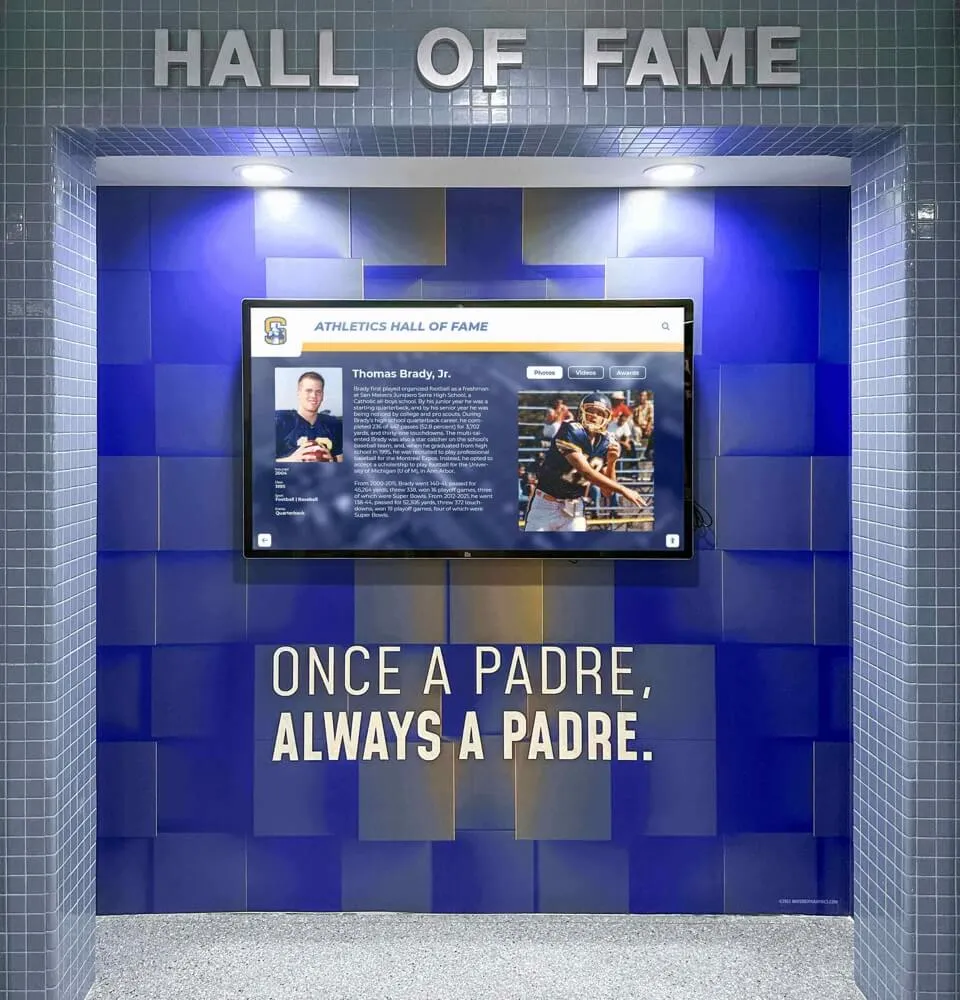
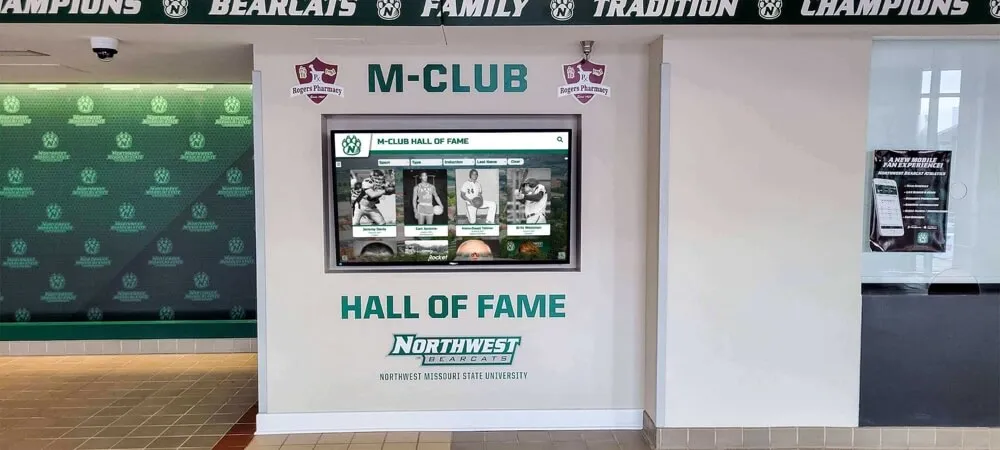
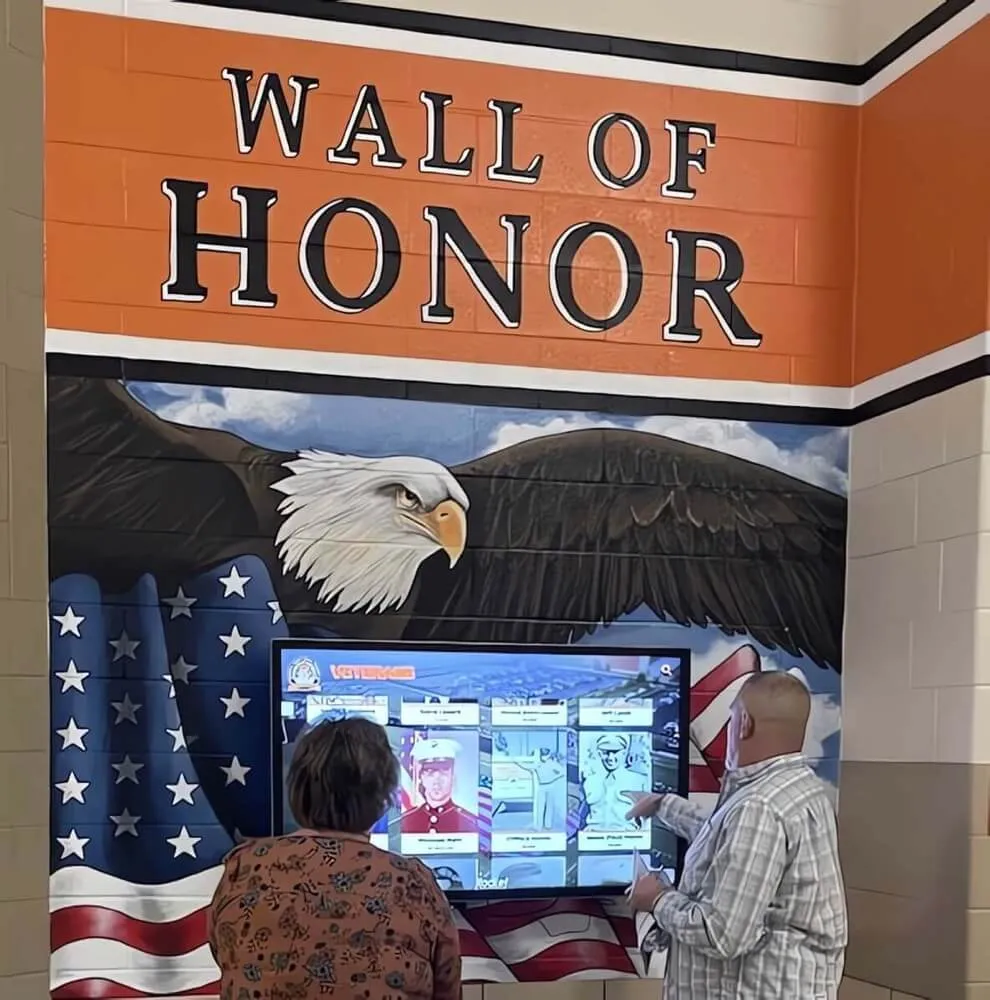
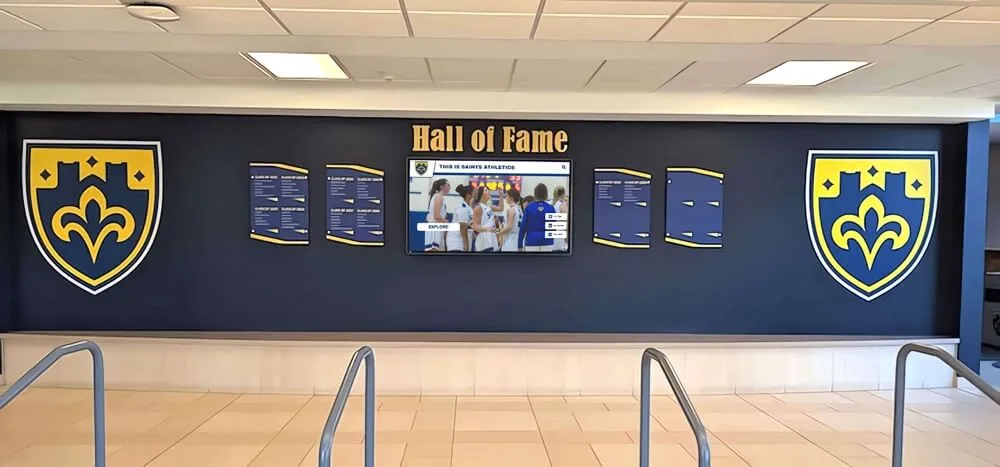
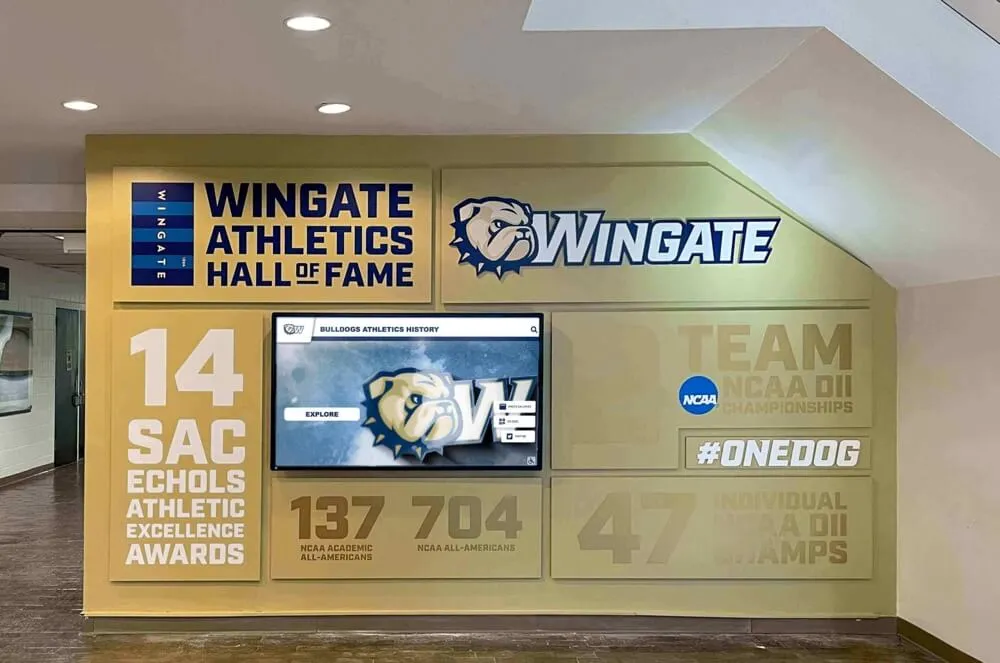
Lobby installations create impressive heritage presentations combining murals with dynamic digital yearbook content
Quality Assurance and Error Correction
OCR accuracy varies based on original print quality—systematic quality assurance ensures usable results.
Expected Accuracy Levels
Well-preserved yearbooks with clear typography may achieve 95-99% OCR accuracy—exceptional results requiring minimal correction. Older yearbooks with faded text, unusual fonts, or poor print quality might achieve only 70-85% accuracy—serviceable but requiring more extensive manual review. Severely deteriorated pages or extremely decorative fonts may prove effectively impossible for automated OCR, requiring manual transcription if searchable text is critical.
Set realistic expectations based on collection condition. Even imperfect OCR provides value by making many names and terms searchable even if some errors remain, requiring far less effort than manual transcription of all text, and enabling gradual improvement through crowdsourced corrections over time.
Manual Review and Correction
Focus correction efforts on highest-value content areas. Prioritize senior class rosters where name accuracy matters most for alumni searching, index pages directing users to specific content, and captions identifying people in photographs. Less critical areas like advertising or filler text may not warrant extensive correction given limited practical search value.
Engage student workers, volunteers, or work-study students in OCR correction workflows. This labor-intensive work suits educational employment while providing meaningful contribution to institutional heritage preservation. Establish quality standards and correction procedures ensuring consistency across multiple contributors.
Optimizing Search Functionality
Technical implementation choices significantly affect how effectively users find information in searchable yearbooks.
Full-Text Search Implementation
Make OCR-generated text fully searchable through PDF files with embedded text layers enabling keyword search in standard PDF viewers, dedicated digital archive platforms with advanced search capabilities, website integration allowing browser-based searching across all yearbooks, and mobile applications enabling smartphone and tablet searching.
Test search functionality thoroughly using varied query types—names, activities, locations, dates—ensuring results accurately reflect OCR content and surface relevant pages prominently.
Name Recognition and Authority Control
Personal names create particular searching challenges. Individuals might appear with varying name forms (Robert vs. Bob, formal vs. nicknames), married names differing from maiden names in historical yearbooks, spelling variations or errors in original yearbooks or OCR processing, and middle names sometimes included but other times omitted.
Advanced archive platforms enable name authority control where variant forms link to canonical entries. John Smith, Johnny Smith, and J. Smith all return results for the same individual when properly configured. This sophisticated functionality dramatically improves search effectiveness for alumni seeking classmates who might appear under different name variations across multiple yearbooks.
Learn about historical timeline displays that contextualize yearbook collections within broader institutional chronologies.
Presenting Digitized Yearbooks Through Interactive Displays
Preserved yearbooks provide maximum value when presented through engaging platforms that make archives accessible and inviting to entire school communities.
Interactive Touchscreen Yearbook Displays
Modern touchscreen displays transform passive yearbook viewing into engaging exploration experiences.
Features of Effective Yearbook Displays
Purpose-built interactive yearbook solutions like Rocket Alumni Solutions enable intuitive browsing through chronological timeline interfaces showing decades at a glance, searchable databases finding specific graduates or content instantly, high-resolution page viewing revealing details through pinch-to-zoom gestures, featured content rotating highlights showcasing diverse yearbooks and eras, and class reunion galleries coordinating with major reunion years.
Interactive displays accommodate unlimited yearbooks without physical space constraints traditional displays impose. Add newly digitized volumes continuously without removing existing content or requiring expensive physical installations.
Strategic Display Placement
Install interactive yearbook displays in locations maximizing visibility and engagement. School lobbies create powerful first impressions showing prospective families institutional heritage commitment. Library research areas support academic uses while providing intuitive access points for students. Alumni centers strengthen graduate connections during visits. Athletic facilities showcase sports heritage across decades through team photos and championship documentation. Reunion venues during homecoming weekends enable attendees to rediscover their eras collectively.
Multiple displays throughout facilities enable different themed presentations—recent decades in main lobbies, historical eras in heritage corridors, athletic-focused content in gymnasiums—creating comprehensive yearbook presence throughout school environments.
Content Management and Updates
Cloud-based platforms enable easy additions and updates without requiring physical access to display hardware. Upload newly digitized yearbooks from any internet-connected device, enhance existing content with improved scans or metadata, create seasonal features highlighting specific themes or eras, and showcase anniversary observances of historical milestones.
Platforms like Rocket Alumni Solutions provide intuitive interfaces requiring no technical expertise—enabling educators, librarians, or alumni coordinators to manage yearbook displays as easily as posting to social media.
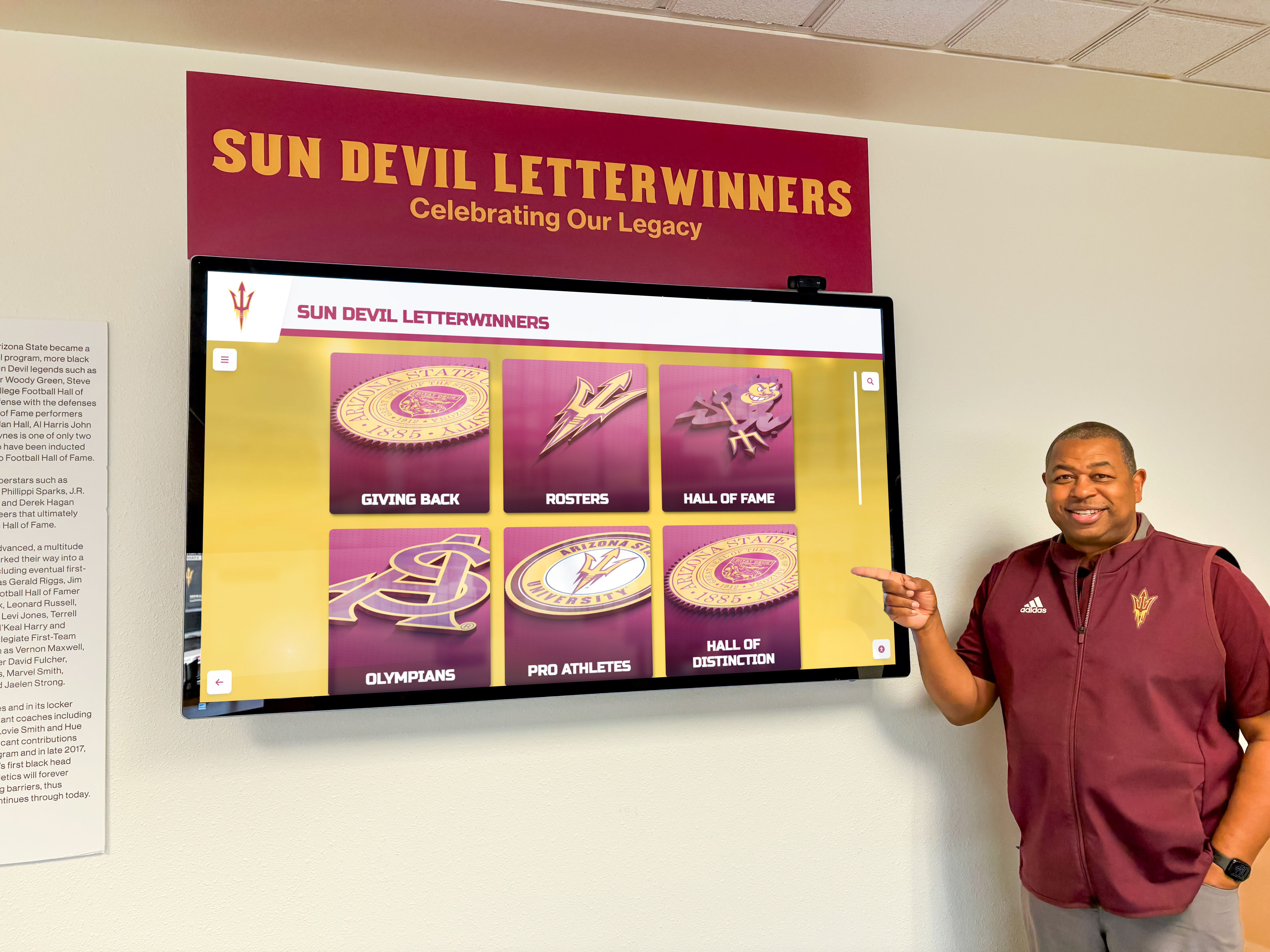
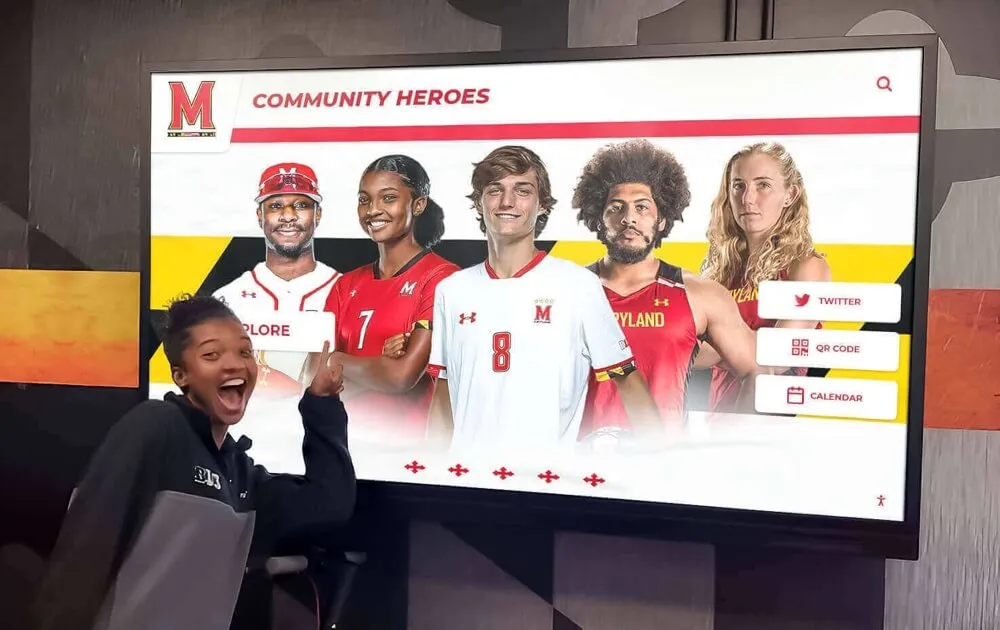
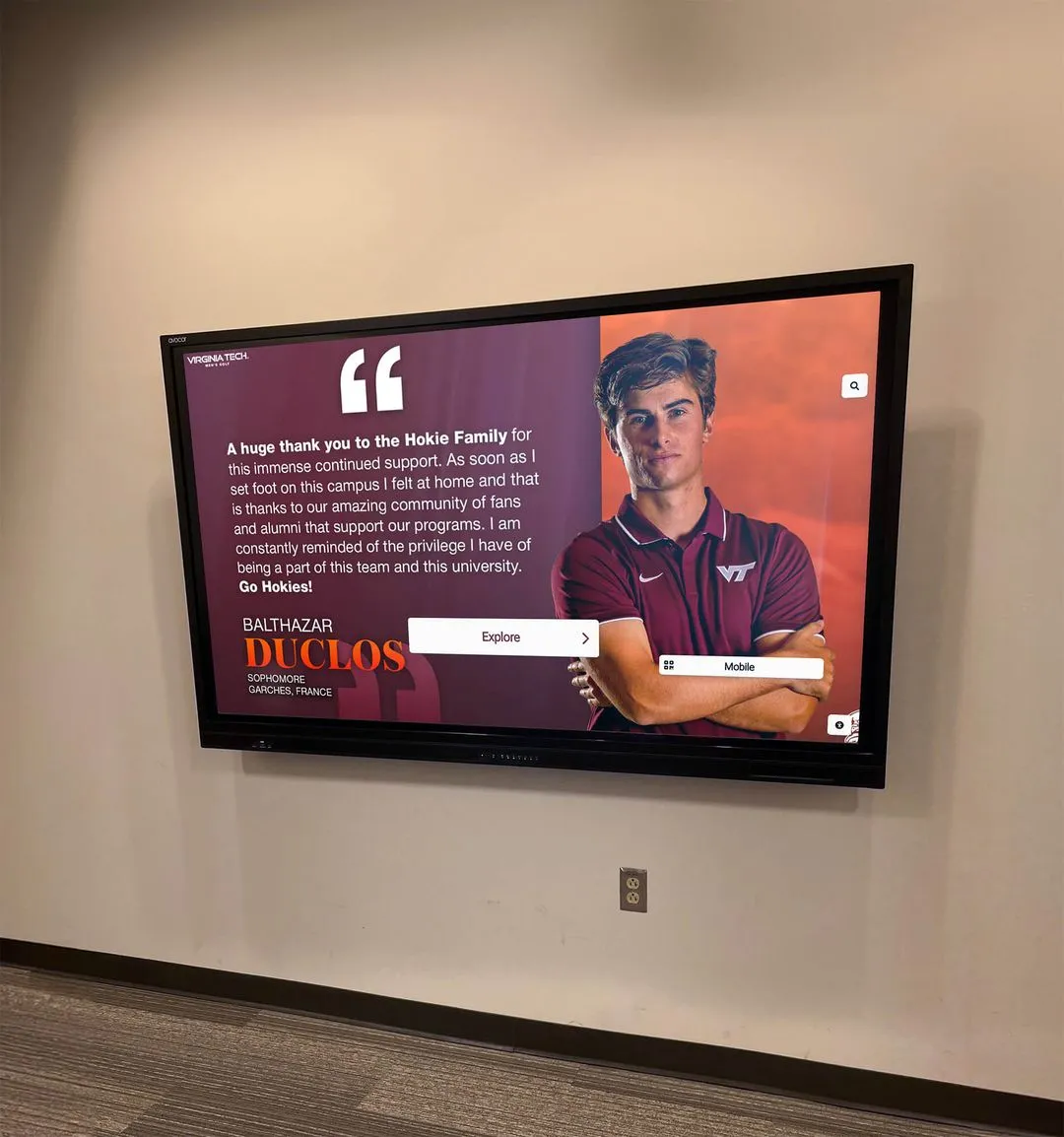
Engaging interfaces encourage exploration of yearbook archives across all age groups and technical skill levels
Online Yearbook Portals and Access
Extend yearbook archive benefits worldwide through dedicated online platforms.
Web-Based Yearbook Archives
Online heritage portals enable universal access to digitized yearbooks through searchable databases supporting name, year, and keyword queries, thumbnail gallery views enabling rapid visual browsing, full-screen page viewing with zoom capabilities, downloadable pages for personal use and research, social sharing functionality spreading heritage content across networks, and user contribution systems enabling alumni to submit identifications and memories.
Web access particularly benefits distant alumni unable to visit campus physically. International graduates explore yearbook collections from anywhere at any time. Relocated alumni maintain connections to school heritage despite geographic distance. Family members researching genealogy access materials previously unavailable unless visiting school archives personally.
Mobile-Optimized Experiences
Ensure online yearbook archives function excellently on smartphones and tablets through responsive designs automatically adapting to any screen size, touch-optimized interfaces supporting intuitive gestures, fast-loading pages appropriate for mobile data connections, and simplified navigation suitable for small screens.
According to web analytics data, the majority of internet traffic now originates from mobile devices. Yearbook archives failing to provide quality mobile experiences exclude most potential users—particularly younger alumni who primarily use smartphones for internet access.
Accessibility Considerations
Design yearbook platforms accommodating diverse user needs. Support keyboard navigation for users unable to use touchscreens or mice. Provide text alternatives for images enabling screen readers to describe content. Offer high-contrast viewing modes assisting visually impaired users. Include adjustable text sizes for reading comfort. Support multilingual interfaces when serving diverse communities.
Accessible design benefits everyone while ensuring yearbook archives reach users with disabilities who deserve equal access to institutional heritage.
Integrating Yearbooks with Broader Heritage Programs
Yearbook digitization works most effectively when integrated with comprehensive school heritage and recognition initiatives.
Combined Heritage Displays
Present yearbooks alongside complementary content including alumni achievement recognition highlighting distinguished graduates, athletic heritage featuring championship teams and records, facilities evolution showing campus development across decades, notable events documentation preserving institutional milestones, and faculty legacy recognition honoring educators who shaped generations.
Integrated presentations position yearbooks as components of comprehensive heritage narratives rather than isolated archives disconnected from broader school stories. Visitors exploring yearbooks discover related content naturally—seeing a championship team photo might lead to detailed athletic records, viewing a graduating class might surface notable alumni from that cohort, or browsing a specific decade might reveal major facilities projects completed during those years.
Anniversary and Reunion Coordination
Time yearbook feature content with institutional milestones and major alumni events. During centennial celebrations, showcase yearbooks spanning all decades illustrating institutional evolution. For major reunion weekends, prominently feature graduating classes with attendees visiting campus. At homecoming, rotate featured content weekly highlighting different eras and engaging diverse alumni generations.
Strategic content scheduling keeps yearbook displays fresh and relevant rather than becoming static presentations visitors quickly ignore through familiarity. When featured content changes regularly around meaningful themes, community members repeatedly engage with archives discovering new aspects of institutional heritage.
Explore comprehensive digital wall of honor approaches that combine yearbook content with recognition programs.
Engaging Communities Through Digitized Yearbooks
Successful yearbook archives engage stakeholders as active participants rather than passive consumers of historical content.
Crowdsourcing Identification and Storytelling
Community engagement fills information gaps in incompletely documented yearbook collections.
Photo Identification Projects
Many yearbook photos lack complete captions identifying all pictured individuals—particularly candid images from student life sections or group activity photos where only a few participants received name attribution. Systematic crowdsourcing leverages community knowledge to improve yearbook documentation.
Host public identification events where alumni review specific yearbooks attempting to name unidentified individuals, confirm or correct existing captions, and provide context about activities and events. Online identification systems enable ongoing contributions through comments on digital yearbook pages, social media posts featuring unidentified photos seeking information, structured identification forms collecting specific information systematically, and recognition programs highlighting top contributors encouraging participation.
Alumni who attended during specific eras possess irreplaceable knowledge unavailable to anyone else. A 1968 graduate immediately recognizes classmates in unlabeled photos that perplex current staff. Systematic crowdsourcing effectively harvests this distributed knowledge before it’s lost as older alumni pass away taking memories with them.
Memory Collection and Oral History
Encourage community members to share stories and memories associated with yearbook content. Written narratives describing experiences from specific years add human dimension and emotional depth. Audio recordings preserve alumni voices describing school life during their eras. Video interviews enable detailed discussions of yearbook content with visual documentation. Social media threads allow collaborative storytelling where multiple people contribute perspectives on shared experiences.
These collected stories transform yearbooks from static documentation into gateways to lived experiences. When viewers don’t just see a 1975 basketball team photo but hear players describe that championship season in their own words, yearbooks become powerful connection points between past and present.
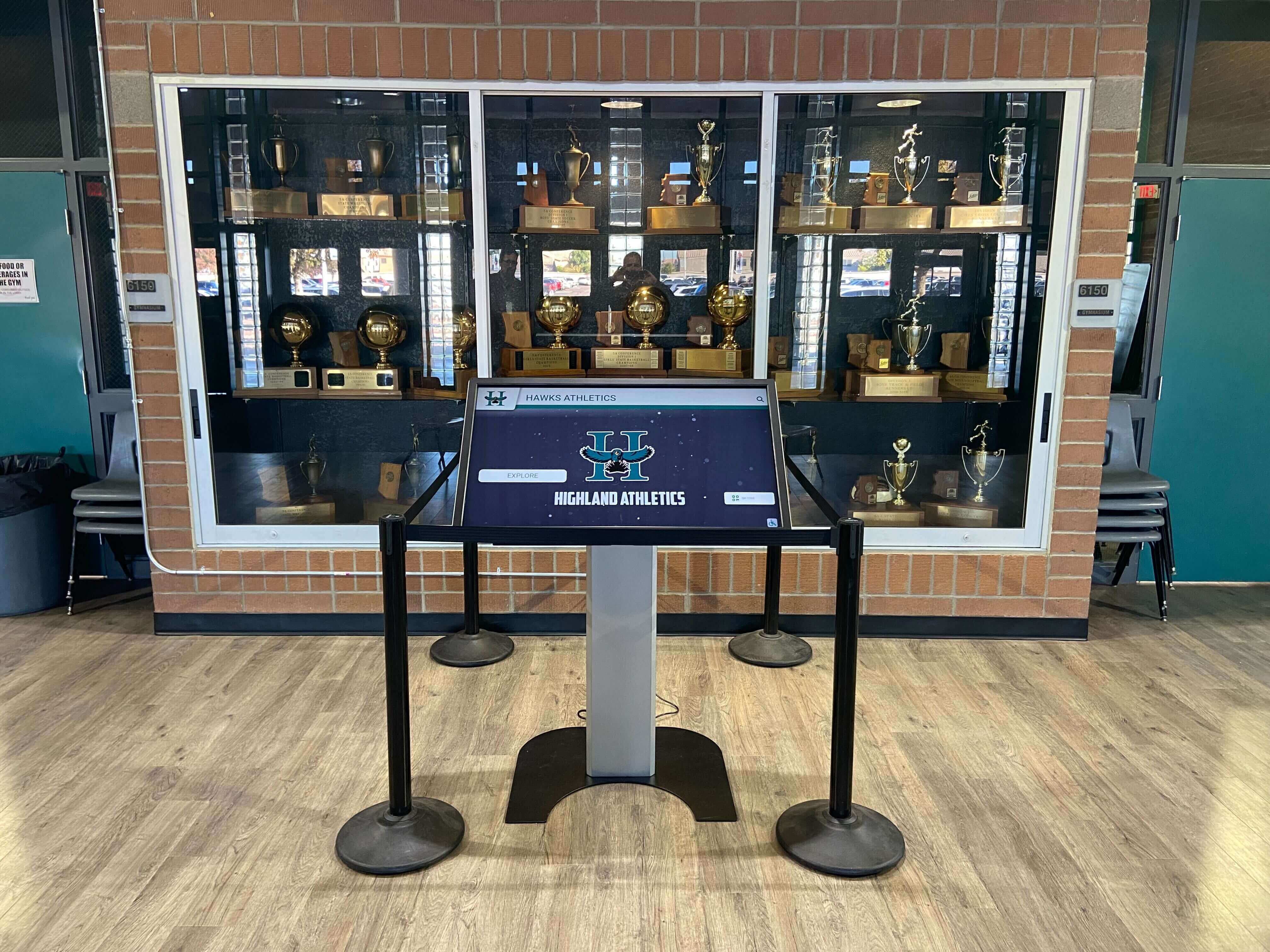
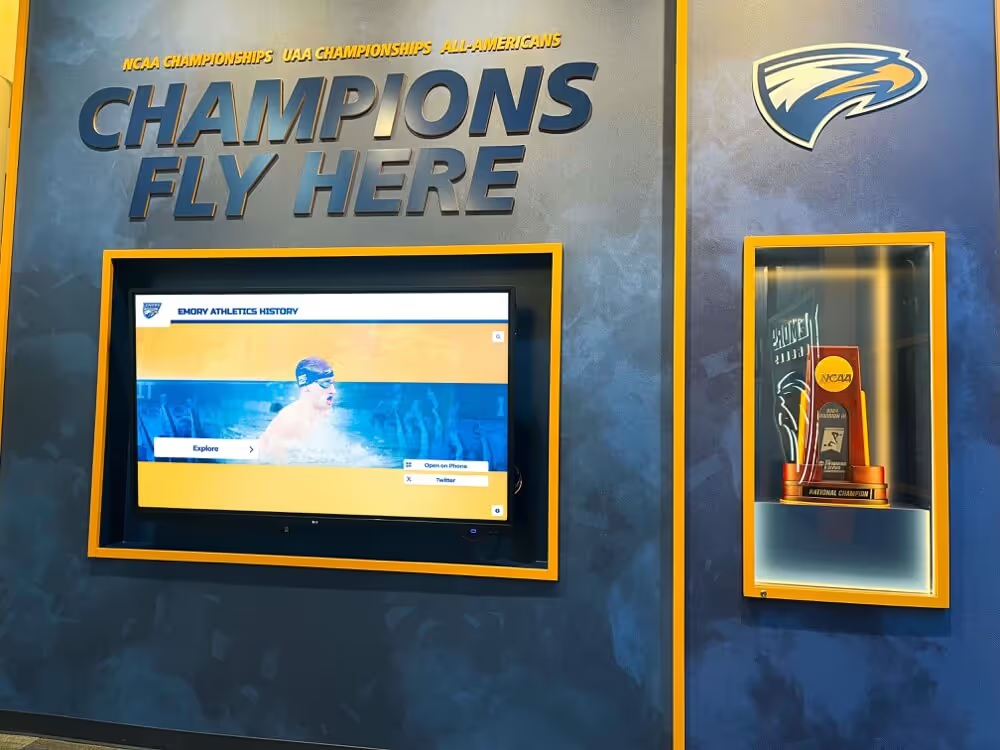
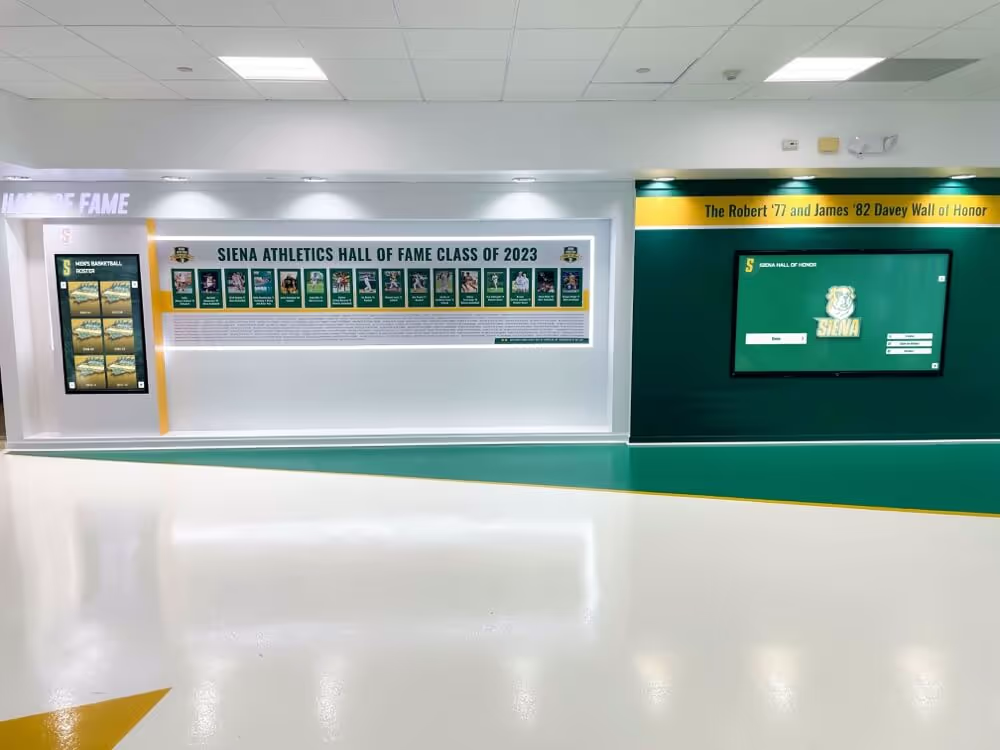
Athletic facilities benefit from integrated yearbook and trophy case displays celebrating sports heritage comprehensively
Educational Programming and Curriculum Integration
Digitized yearbooks provide rich primary source materials for instruction across disciplines.
Classroom Applications
Teachers incorporate yearbook archives into curriculum through history classes analyzing social and cultural change across decades, writing assignments researching and describing historical periods, art classes studying photographic composition and yearbook design evolution, mathematics exploring statistical trends visible in yearbook data, and sociology investigating demographic changes and social patterns.
When yearbooks become educational resources, they serve current students while generating appreciation for heritage preservation. Students who’ve explored historical yearbooks as course assignments develop personal connections to institutional traditions, understanding themselves as part of ongoing legacies rather than disconnected from school history.
Student Digitization Projects
Engage students directly in archive development through service learning programs teaching practical digitization skills, independent study projects researching specific yearbook eras or themes, technical skill development in scanning and digital asset management, oral history projects interviewing alumni about yearbook content, and work-study positions providing paid educational employment in meaningful heritage work.
Student involvement advances preservation while teaching valuable transferable skills. Participants learn historical research methods, develop technical capabilities, understand archival principles, and contribute meaningfully to institutions—creating educational experiences with lasting value beyond typical classroom assignments.
Learn about academic recognition programs that complement yearbook heritage with achievement celebration.
Alumni Engagement and Development Applications
Digitized yearbook archives strengthen alumni relationships generating increased engagement and philanthropic support.
Reunion Programming and Coordination
Time yearbook features around major reunion years by prominently showcasing specific graduation classes during reunion weekends, hosting scanning stations at reunion events collecting additional photos and memorabilia, organizing heritage tours highlighting yearbook content from attendees’ eras, and creating personalized gallery gifts as reunion commemorative materials.
Reunion attendees encountering their school years prominently featured experience powerful emotional reconnections. Many discover classmates they’d lost touch with, identify themselves in photos they’d never seen, and leave reunions with strengthened bonds to institutions—relationships that support subsequent volunteer engagement and philanthropy.
Major Gift Cultivation
Advancement professionals leverage yearbook archives in donor cultivation. Personalized heritage pages featuring prospects’ graduation years create emotional engagement during advancement conversations. Stories of distinguished alumni from specific cohorts demonstrate institutional impact on graduate trajectories. Historical campus photos enable conversations about how donor support sustains and advances traditions prospects experienced personally.
According to fundraising research, major donors give to organizations where they feel personally connected, appropriately recognized, and confident their contributions create meaningful impact. Yearbook archives demonstrating institutional commitment to honoring all who passed through strengthen the emotional foundations essential for transformational philanthropy.
Alumni Career Networking
Searchable yearbook databases enable professional networking among graduates by helping alumni identify classmates now working in fields of interest, connecting mentors with students from shared backgrounds, facilitating career advice relationships between established and early-career graduates, and building affinity groups around shared experiences and graduation years.
Schools increasingly recognize that career support represents one of highest-value services alumni desire—perhaps more than traditional homecoming events or publications. Yearbook archives enabling graduate connections provide practical networking value while demonstrating institutional commitment to lifelong alumni success.
Addressing Common Challenges in Yearbook Digitization
Schools implementing yearbook preservation encounter predictable obstacles—understanding challenges and proven solutions ensures successful completion.
Budget Constraints and Resource Limitations
Yearbook digitization competes with immediate operational needs for limited resources.
Low-Cost Implementation Strategies
Start with available resources rather than waiting for ideal circumstances. Use existing equipment including school scanners, computers, and freely available software. Leverage free cloud storage through educational Google, Microsoft, or Apple accounts providing substantial capacity. Create simple organization using folder structures rather than specialized database systems. Build collections gradually through multi-year phased approaches making annual progress without overwhelming budgets.
Volunteer and Student Labor
Recruit community assistance for suitable tasks. Retired educators and community members sort and organize yearbooks preparing for scanning. Student volunteers learn digitization skills while contributing to heritage preservation. Parent volunteers with professional expertise guide technical aspects. Alumni contribute time and talent to institutions they value. Work-study students and service learning participants gain educational experiences while advancing projects.
Volunteer engagement extends limited staff capacity while building community investment in heritage programs. Participants who’ve contributed personally develop ownership and become ambassadors promoting yearbook archives throughout communities.
Grant Funding and Donor Support
Seek external funding for yearbook digitization through local historical society grants supporting community heritage preservation, educational foundation grants for instructional resource development, corporate sponsorships from local businesses with alumni connections, and individual donors interested in heritage who might adopt specific yearbook decades for preservation.
Frame funding requests around concrete deliverables—“Sponsor digitization of yearbooks from 1970-1979 for $2,500”—enabling donors to see exactly what their contributions accomplish. Heritage preservation often appeals to donor segments different from those prioritizing facilities or academics—expanding overall philanthropic engagement.
Incomplete Collections and Missing Yearbooks
Most schools discover archives contain gaps where certain years are missing or incomplete.
Locating Missing Yearbooks
Address collection gaps systematically through crowdsourcing campaigns asking alumni to loan personal copies for scanning, outreach to peer schools or historical societies that might possess copies, searches of online used book marketplaces and auction sites, newspaper archive research potentially revealing yearbook images, and acceptance that some gaps may never be filled despite best efforts.
Alumni often retain yearbooks long after graduation. Public appeals requesting loans for professional scanning typically generate responses—particularly when schools commit to careful handling, insured shipping, and prompt return of borrowed materials. A single alumni appeal might surface 5-10 previously unavailable yearbook copies filling significant collection gaps.
Managing Incomplete Digitization
Communicate transparently about collection status. Online catalogs clearly indicate which years are available and which remain missing. Explanatory text acknowledges gaps while inviting community assistance locating missing volumes. Progress indicators show gradual collection growth over time as new yearbooks are added.
Incomplete archives still provide enormous value. A collection covering 80% of institutional history serves communities far better than no digital access at all. Perfectionism that prevents launching archives until every gap is filled denies benefits to alumni, students, and researchers who could immediately use available content.
Copyright and Privacy Considerations
Schools worry about legal implications of making historical yearbooks publicly accessible online.
Copyright Guidance for Educational Archives
Yearbook copyright typically belongs to publishing schools or the production companies contracted for printing. Most U.S. yearbooks published before 1928 are definitively in public domain, available for digitization without restriction. Yearbooks from 1928-1977 may be in public domain depending on whether copyright was properly registered and renewed—detailed research required for each volume. Yearbooks from 1978 onward remain protected for 95 years from publication under current copyright law.
However, educational institutions generally retain broad latitude for preservation and educational access to materials they created or possess, even when copyright remains active. Digitizing yearbooks published by your own institution for archival preservation and providing access to school communities typically falls within permissible fair use or institutional rights. Consult intellectual property counsel for specific guidance on your circumstances.
As practical matter, few yearbook-related copyright disputes occur when schools digitize their own publications for heritage and educational purposes. Commercial republication or profit-driven digitization raises different concerns, but nonprofit preservation for community access rarely generates problems.
Student Privacy and FERPA Compliance
Schools must consider student privacy when publishing yearbook content online. However, yearbooks constitute directory information that schools traditionally shared publicly—their original purpose involved wide public distribution. Publishing digitized versions of materials already created for public dissemination generally presents no privacy violations.
Provide straightforward opt-out processes enabling individuals to request removal of specific pages containing their images if privacy concerns exist. Most alumni appreciate yearbook access and never request removal, but responsive processes addressing reasonable concerns demonstrate appropriate institutional sensitivity.
For recently published yearbooks, ensure digitization and online access align with student directory information policies currently in effect. Historical yearbooks decades old present minimal privacy concerns given original public distribution purpose and passage of time.
Learn about privacy considerations in digital recognition applicable to yearbook accessibility decisions.
Measuring Success and Demonstrating Value
Regular assessment quantifies yearbook digitization impact and justifies continued investment.
Usage Metrics and Engagement Analytics
Track concrete indicators of archive use and community value.
Quantitative Measurements
Monitor usage statistics including online portal traffic (unique visitors, page views, session duration), interactive display interactions (number of sessions, average exploration time), search queries revealing what users seek in yearbooks, most-viewed yearbooks and pages indicating high-interest content, and download statistics showing content reuse.
Usage data demonstrates real audiences actively benefiting from digitization investments rather than archives languishing unused after completion. Growth in usage over time validates ongoing promotion and indicates expanding community awareness and adoption.
Qualitative Indicators
Document meaningful impacts through alumni testimonials about discoveries made using digital archives, faculty adoption for classroom instruction and student assignments, media coverage crediting yearbook content in local history stories, volunteer offers to assist with ongoing digitization or identification, unsolicited donations specifically supporting heritage preservation, and community appreciation expressed through multiple channels.
Qualitative feedback often proves more compelling than statistics for building stakeholder support. Single heartfelt testimonials from alumni who discovered never-before-seen photos of deceased parents’ school years can justify entire preservation programs more effectively than abstract usage metrics.
Educational Impact Assessment
Evaluate how yearbook archives serve instructional missions.
Curriculum Integration Documentation
Track educational applications including number of classes incorporating yearbook archives into lessons, student research projects utilizing digitized yearbooks, assignments requiring yearbook analysis or interpretation, and service learning or work-study positions supporting digitization.
When yearbooks become integrated educational resources rather than peripheral heritage projects, they directly support core institutional missions—strengthening justification for continued investment beyond pure community engagement value.
Student Learning Outcomes
Document skills students develop through yearbook-related projects including primary source research and analysis, digital literacy and technical skills, historical thinking and contextual understanding, archival principles and information organization, and interviewing and oral history techniques.
Heritage programs teaching transferable skills while preserving institutional memory deliver educational value justifying allocation of instructional resources and student time.
Return on Investment Calculation
Demonstrate value relative to costs across multiple benefit dimensions.
Direct Benefits Quantification
Calculate tangible returns including reduced staff time answering individual yearbook requests now handled through self-service archives, enhanced alumni engagement metrics correlating with development outcomes, improved institutional reputation and community recognition, educational value delivered to students through primary source access, and preserved heritage protecting irreplaceable assets against loss.
Alumni Relations and Fundraising Impact
While difficult to attribute directly, many schools implementing comprehensive heritage programs including yearbook digitization report improved alumni giving participation rates, increased major gift pipeline activity following heritage launches, higher reunion attendance and engagement, and enhanced volunteer involvement.
When heritage programs cost $10,000-30,000 annually but contribute to even 2-3% increases in annual giving at schools with $500,000+ development programs, the incremental fundraising alone justifies preservation investments—before accounting for educational, community, and intrinsic heritage benefits.
Technology Platform Selection for Yearbook Presentation
Choosing appropriate infrastructure shapes what yearbook archives accomplish and how effectively they serve diverse audiences.
Purpose-Built Heritage Display Solutions
Platforms designed specifically for educational heritage preservation offer significant advantages over general-purpose tools.
Specialized Platform Features
Education-focused solutions like Rocket Alumni Solutions provide intuitive interfaces requiring no technical expertise enabling non-technical staff to manage content easily, school-specific templates and organizational structures aligned with institutional needs, integrated recognition combining yearbooks with achievement documentation, unlimited storage capacity accommodating comprehensive collections, cloud-based management accessible from anywhere with internet connection, interactive display software purpose-built for touchscreen exploration, and responsive support understanding educational environments and requirements.
Purpose-built systems eliminate technical barriers enabling schools to focus on content and community rather than wrestling with complicated generic platforms designed for other contexts and requiring significant technical expertise.
Evaluation Criteria for Platform Selection
Assess yearbook display platforms considering ease of use for non-technical administrative staff, storage capacity and scalability for growing collections, search functionality and metadata support enabling effective information retrieval, display flexibility and customization options matching institutional branding, mobile responsiveness ensuring quality smartphone and tablet experiences, integration capabilities with existing school systems, total cost of ownership including storage, software, and support expenses, vendor track record and references from educational institutions, and data portability enabling migration if future platform changes become necessary.
Invest time in thorough evaluation before committing—platform selection significantly impacts long-term satisfaction and successful heritage program outcomes.
Integration with Comprehensive Recognition Programs
Yearbook archives work most effectively when integrated with broader heritage and recognition systems.
Unified Heritage Platforms
Comprehensive solutions combine multiple heritage elements including digitized yearbook collections, alumni achievement recognition highlighting distinguished graduates, athletic heritage preservation documenting sports across eras, academic excellence celebration honoring scholarly achievements, faculty and staff recognition appreciating educators across decades, and facilities history showing campus evolution through photographs and documentation.
Integrated approaches honor all dimensions of school heritage rather than treating yearbooks as isolated elements disconnected from broader institutional narratives. Visitors exploring one heritage aspect naturally discover related content—seeing themselves in yearbooks might lead to athletic achievement recognition if they played sports or academic honor rolls if they excelled scholastically.
Cross-Promotional Benefits
Unified platforms amplify each component’s individual value. Athletic heritage displays reference yearbook pages showing historic teams. Yearbook features highlight alumni who later achieved distinction. Academic recognition connects to graduation year yearbooks. This interconnection creates richer experiences than standalone implementations while encouraging repeated engagement across multiple heritage dimensions.
Explore comprehensive digital recognition displays combining yearbook archives with broader heritage programs.
Conclusion: Preserving School Heritage Through Yearbook Digitization
Digitizing old yearbooks transforms vulnerable physical archives into preserved, accessible, searchable digital collections that honor school history while protecting irreplaceable materials from deterioration and loss. Schools that excel at yearbook preservation create comprehensive digital archives where every graduating class receives appropriate representation, where worldwide alumni can explore their school years from anywhere at any time, where students discover institutional traditions connecting them to generations of predecessors, where researchers access primary source materials supporting diverse inquiries, and where preserved digital copies ensure that physical damage or disasters never result in permanent loss of precious heritage documentation.
The strategies explored in this comprehensive guide provide systematic frameworks for yearbook digitization projects of any scale—from planning and inventory through scanning workflows, OCR processing, metadata creation, digital preservation, and compelling presentation using interactive displays and online portals that make archives accessible to entire school communities and worldwide alumni audiences.
Transform Your School's Yearbook Archives
Discover how Rocket Alumni Solutions can help you digitize, preserve, and showcase your yearbook collection through interactive displays and online portals that make institutional heritage accessible to generations of alumni while protecting precious materials for the future.
Explore Yearbook SolutionsImplementation Pathway for Success
Schools beginning yearbook digitization should start by conducting comprehensive inventory establishing collection scope and condition, assessing budget and determining DIY versus professional digitization approaches, selecting appropriate equipment or service providers, establishing systematic workflows ensuring consistent quality, implementing phased digitization prioritizing highest-value materials, creating engaging presentation platforms making archives accessible, and launching community engagement initiatives building stakeholder participation and ongoing support.
This methodical approach prevents common implementation problems while ensuring digitization achieves intended goals of heritage preservation, expanded access, and strengthened community connections to institutional traditions.
The Heritage Preservation Imperative
Every year without yearbook digitization increases risks that precious heritage documentation will be permanently lost through deterioration, disasters, or simple neglect. Physical yearbooks continue aging regardless of whether preservation efforts proceed—binding adhesives weaken, pages yellow, photographs fade, and catastrophic loss risks persist every day materials remain solely in vulnerable physical form.
Modern technology makes comprehensive yearbook digitization achievable for schools of all sizes and resource levels. Professional services provide turnkey solutions requiring minimal staff involvement while delivering archival-quality results. Purpose-built presentation platforms like Rocket Alumni Solutions eliminate technical barriers to creating engaging interactive displays and online archives. DIY approaches enable schools with more limited budgets to pursue systematic preservation leveraging student labor and volunteer support.
Start Now with Available Resources
Begin yearbook preservation immediately with whatever resources currently exist—perhaps digitizing a few recent decades generating strong immediate alumni interest, scanning most vulnerable historical volumes requiring urgent preservation, or launching student-led pilot projects teaching valuable skills while making tangible progress. Then systematically expand backward through institutional history while continuously adding contemporary yearbooks, creating comprehensive archives your school community deserves and institutional heritage demands.
Every preserved yearbook page represents memories saved from loss. Every searchable name enables alumni to rediscover classmates and experiences from decades past. Every interactive display strengthens current student connections to institutional traditions. Every online portal access point serves distant alumni maintaining bonds despite geographic separation. Your school’s yearbooks deserve preservation and presentation equal to their historical significance—with thoughtful planning, appropriate technology, and sustained commitment, you can create yearbook archives that honor every era while bringing institutional heritage to life for current and future generations.
Ready to begin preserving your yearbook collection? Explore approaches to preserving school history that integrate yearbook archives, learn about consolidating class photos into unified heritage systems, or discover how Rocket Alumni Solutions provides comprehensive platforms specifically designed for educational yearbook digitization making heritage preservation achievable for schools of all sizes and budgets.