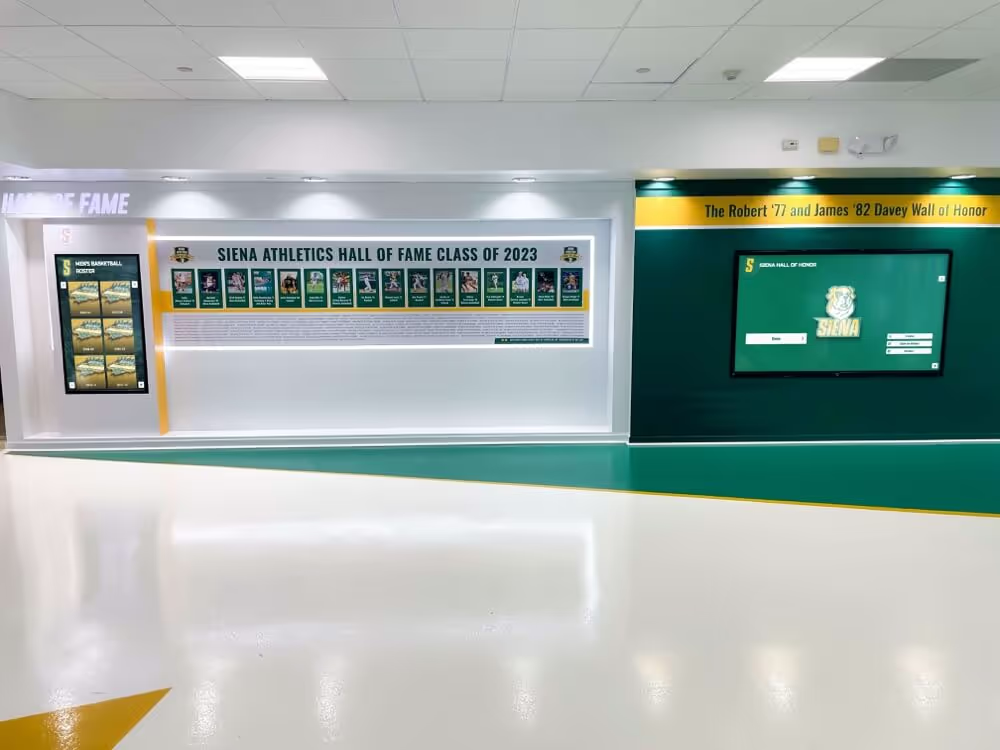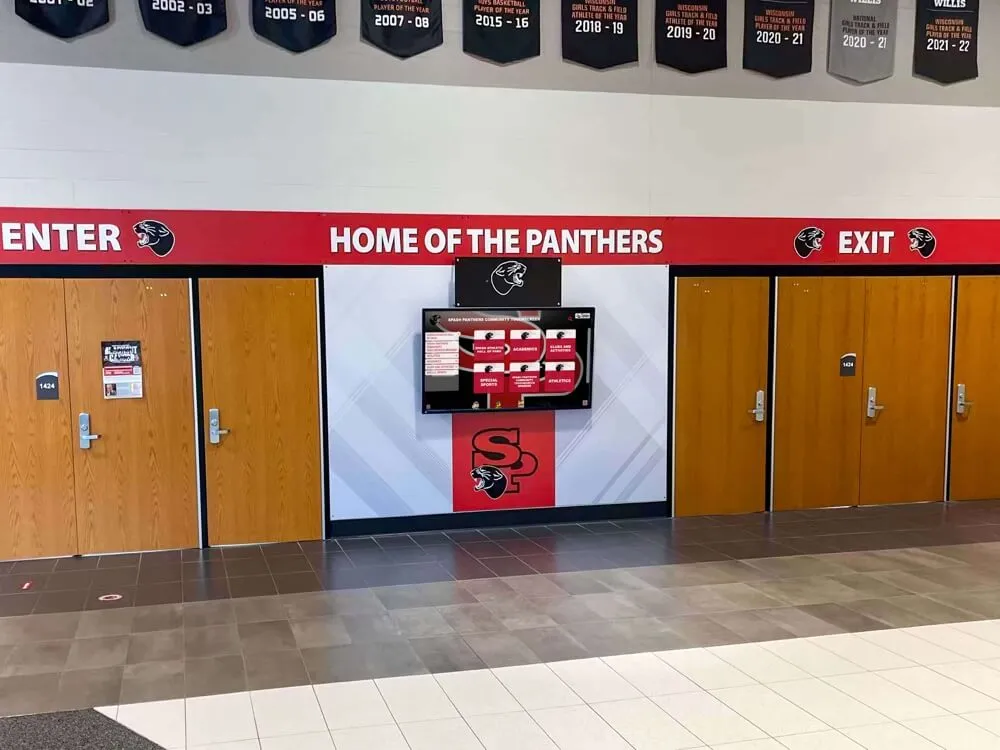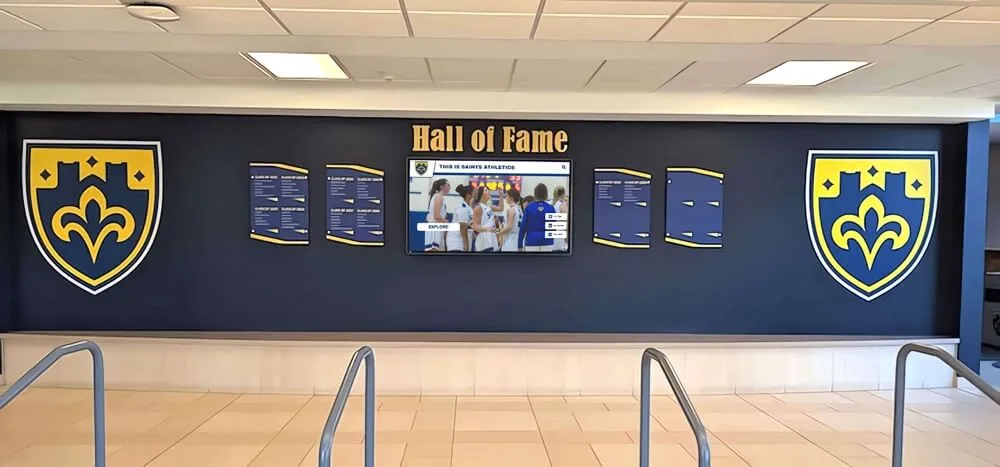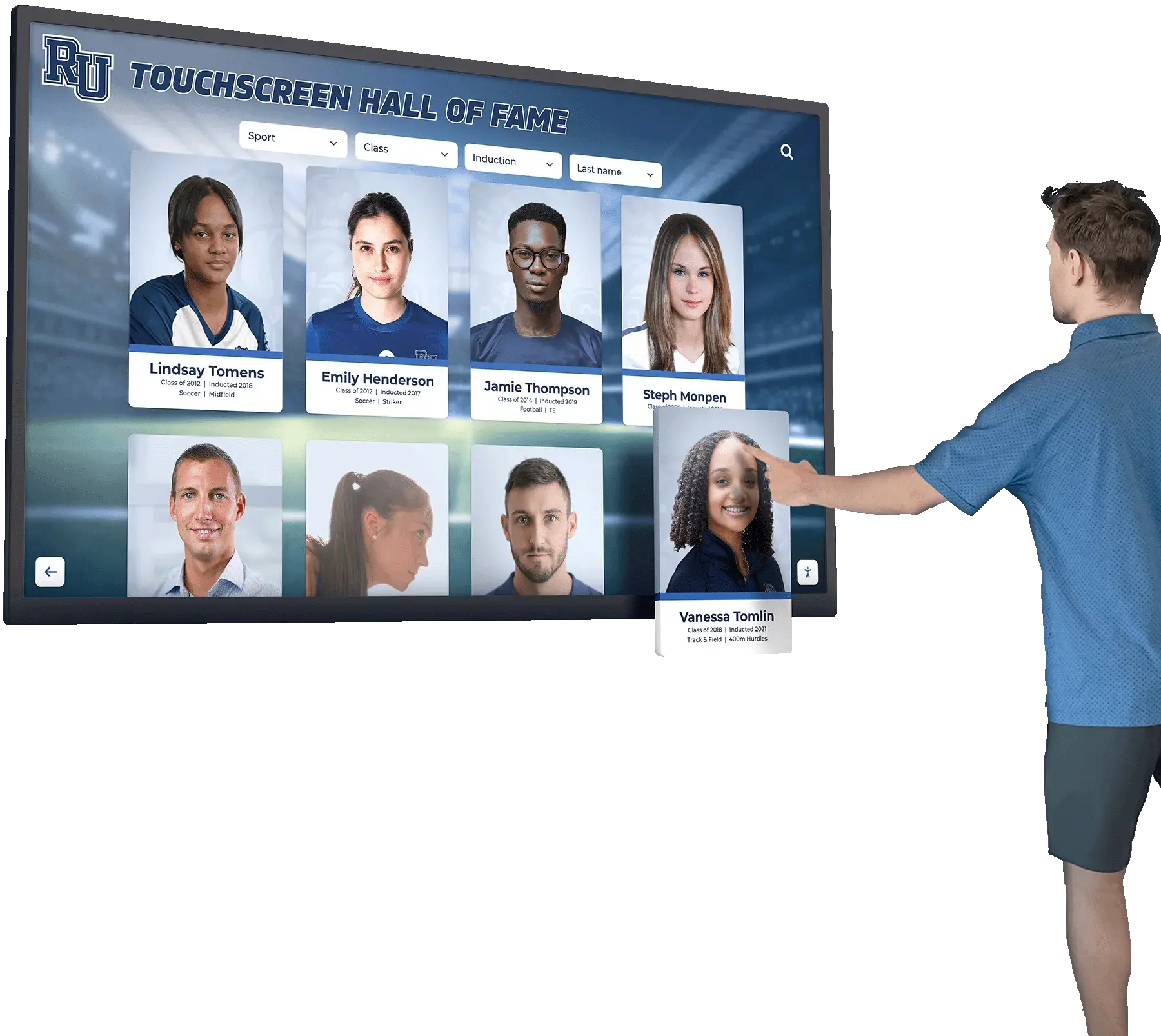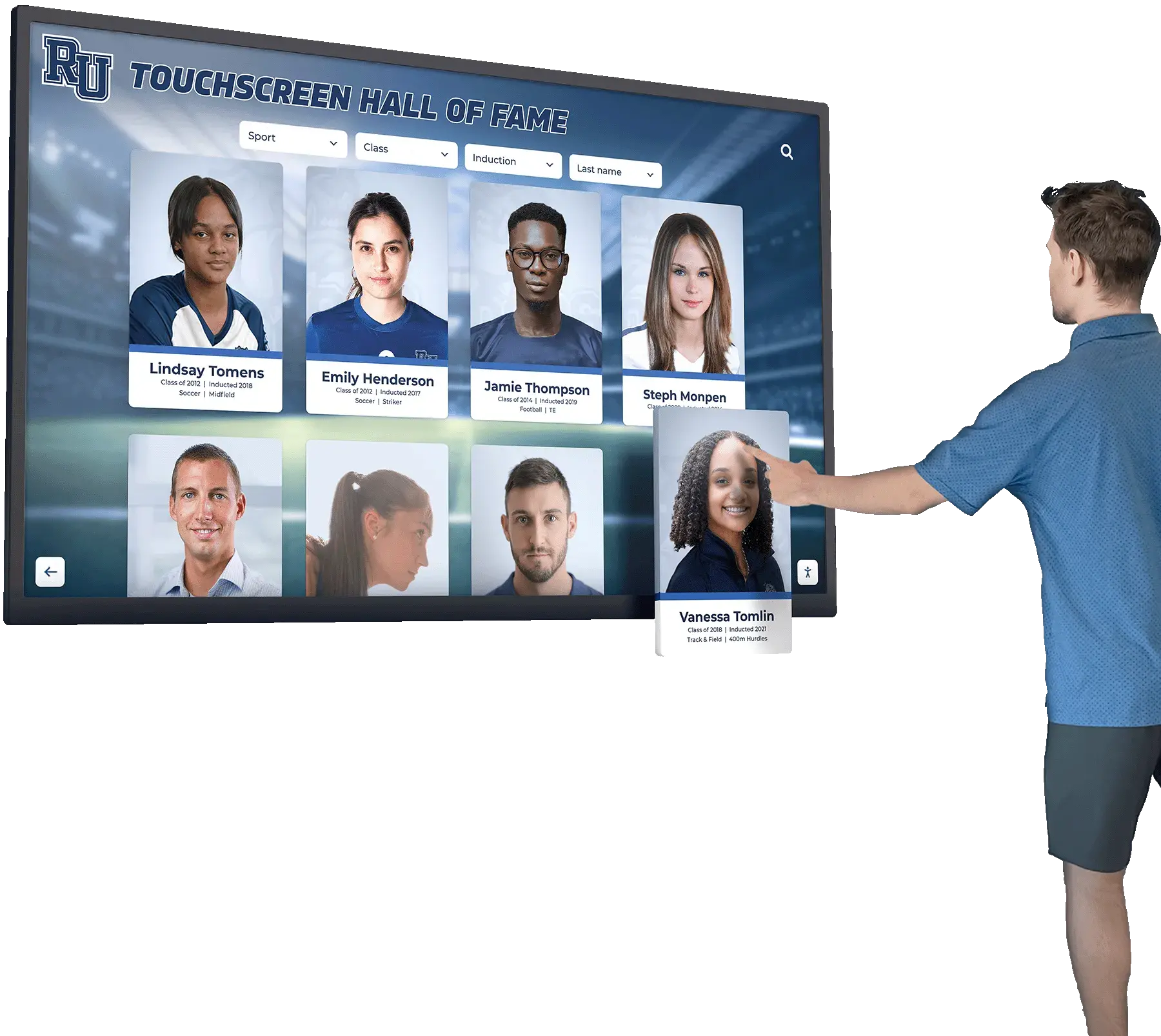
Implementing a digital wall of fame represents a significant opportunity to transform how your organization celebrates achievement, honors contributors, and preserves institutional history. Unlike traditional physical plaques and trophy cases constrained by limited wall space and static presentation, digital recognition displays offer unlimited capacity, engaging multimedia storytelling, and flexible content management that keeps recognition current and relevant for decades to come.
However, the difference between digital walls of fame that become vibrant community hubs and expensive technology that sits underutilized in hallways comes down to implementation strategy. Organizations that approach implementation systematically—involving key stakeholders early, planning content strategically, selecting appropriate technology, and establishing sustainable management workflows—create recognition displays that genuinely serve institutional missions while delivering measurable returns on investment.
This comprehensive guide provides a proven framework for effectively implementing digital walls of fame across schools, universities, nonprofit organizations, corporate environments, and community institutions. From initial planning through content development, technology selection, launch strategy, and ongoing optimization, these evidence-based approaches ensure your recognition display investment delivers lasting value rather than becoming another underutilized technology purchase.
Organizations that follow structured implementation processes are 65% more likely to complete digital recognition projects on time and within budget while achieving 40% higher user engagement rates compared to ad-hoc approaches. Understanding why systematic implementation matters and what specific steps maximize success ensures your digital wall of fame becomes a celebrated institutional asset rather than a regretted expense.

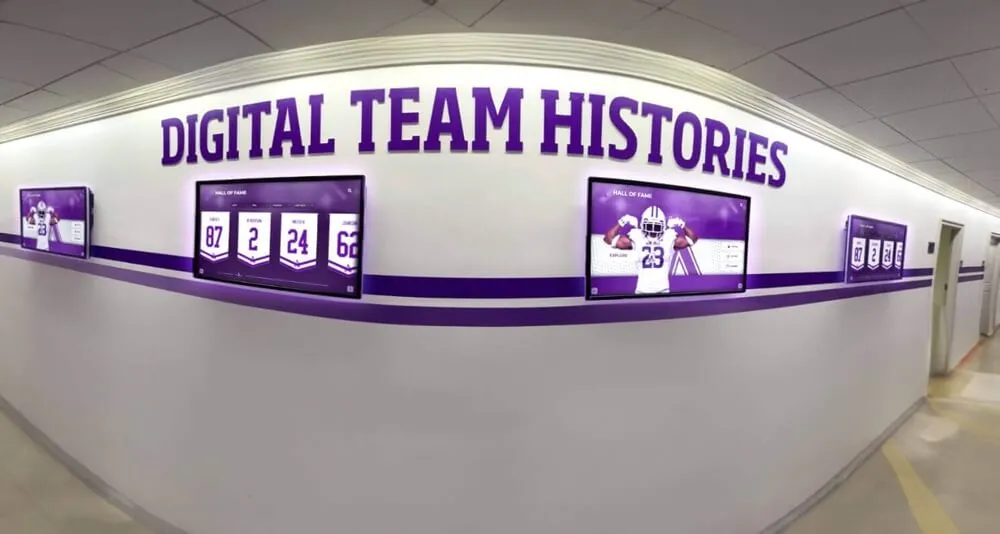
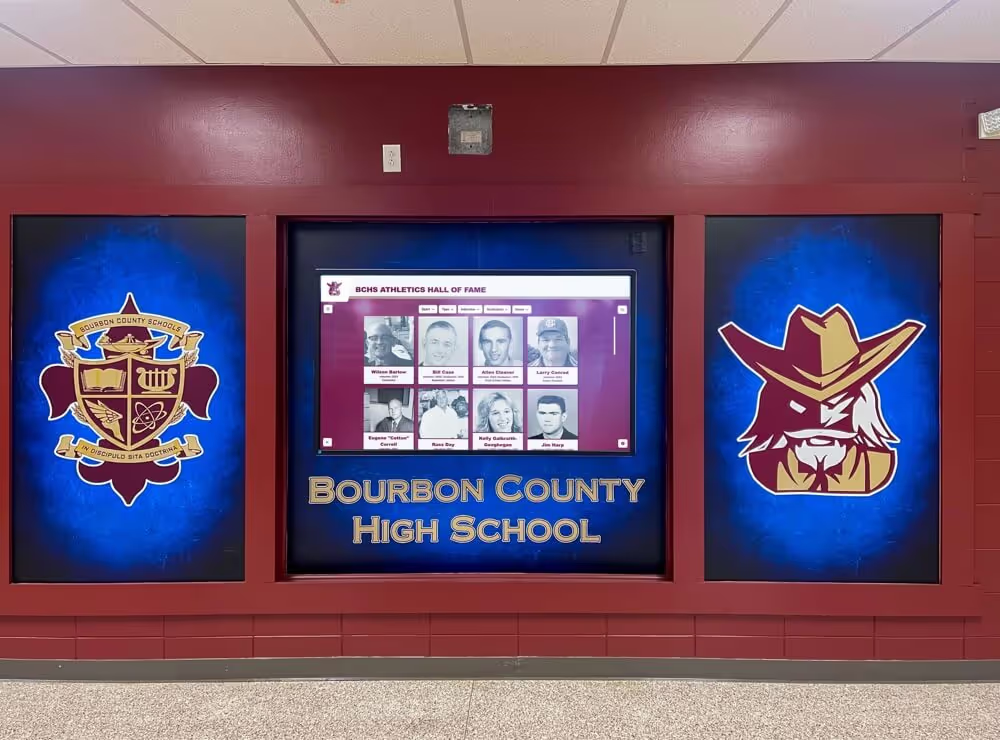
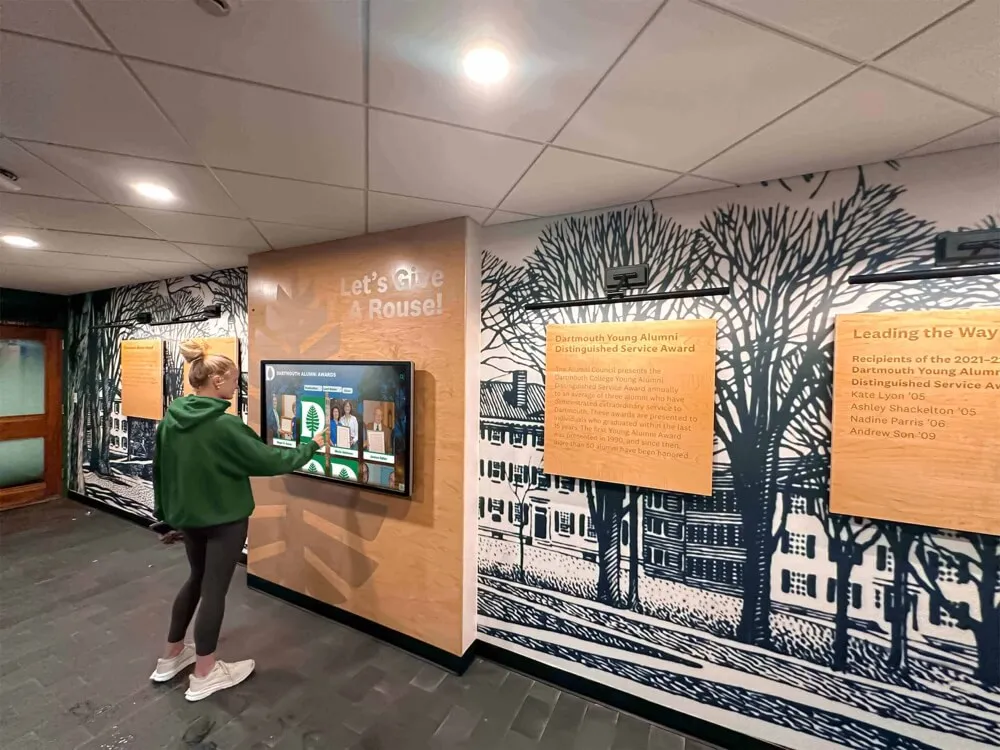
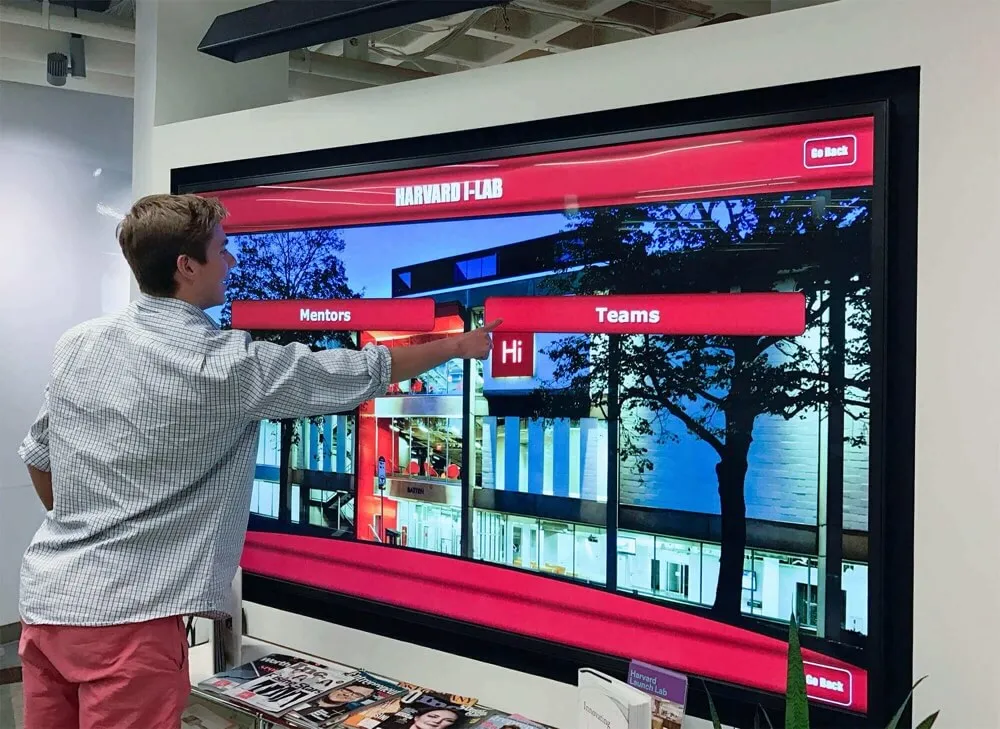
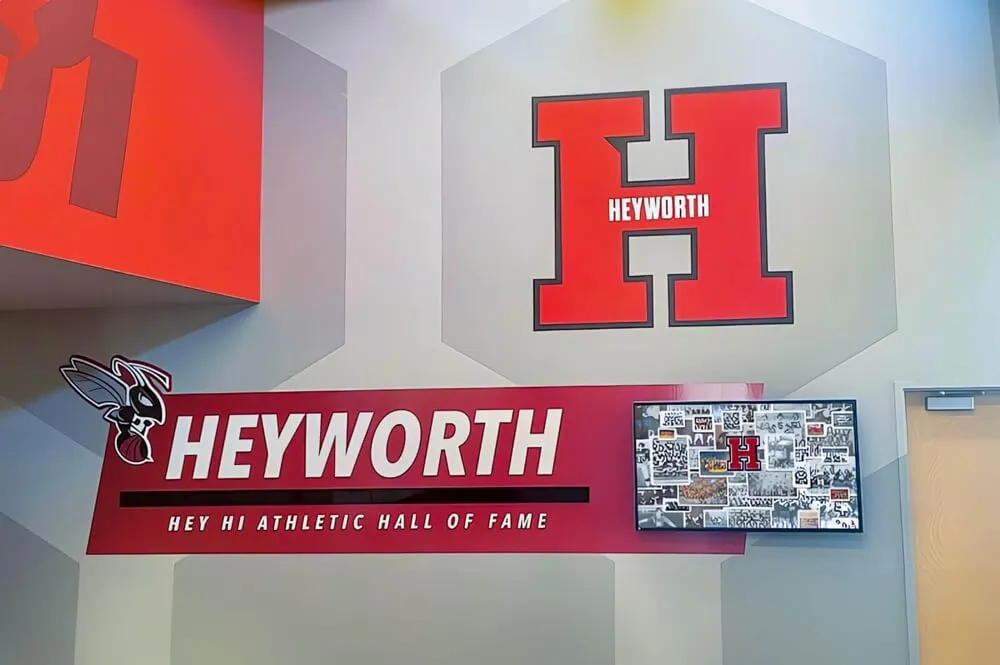
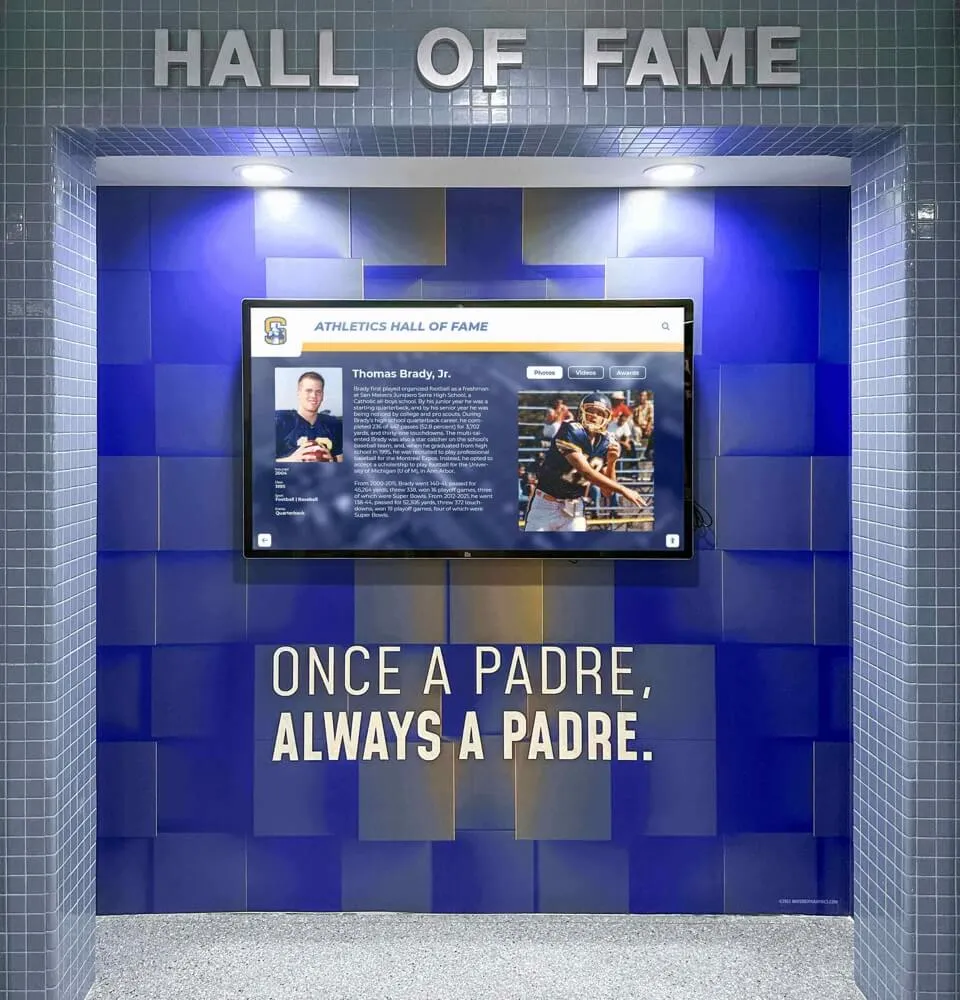
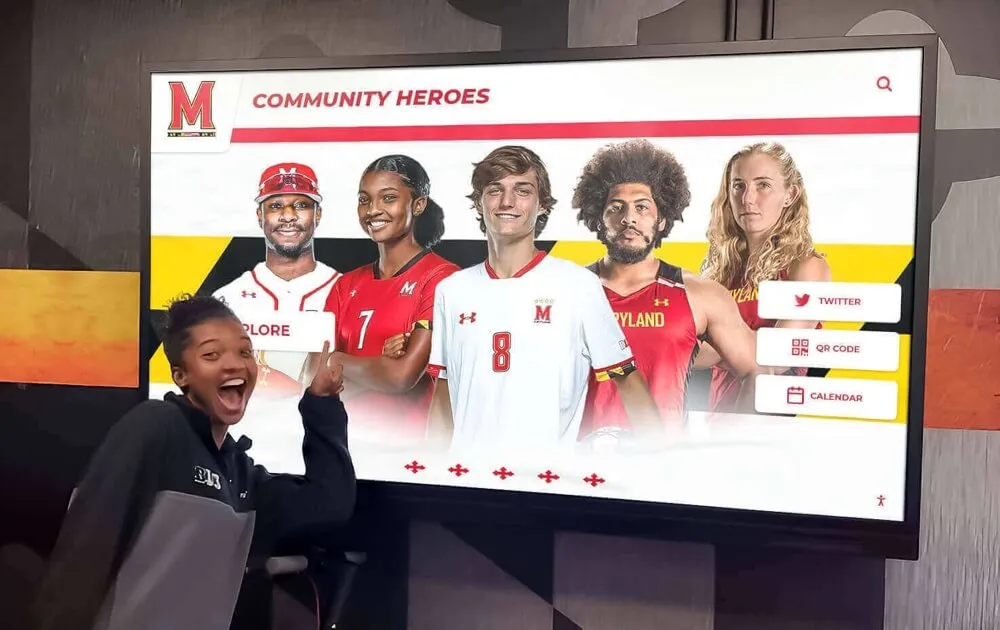
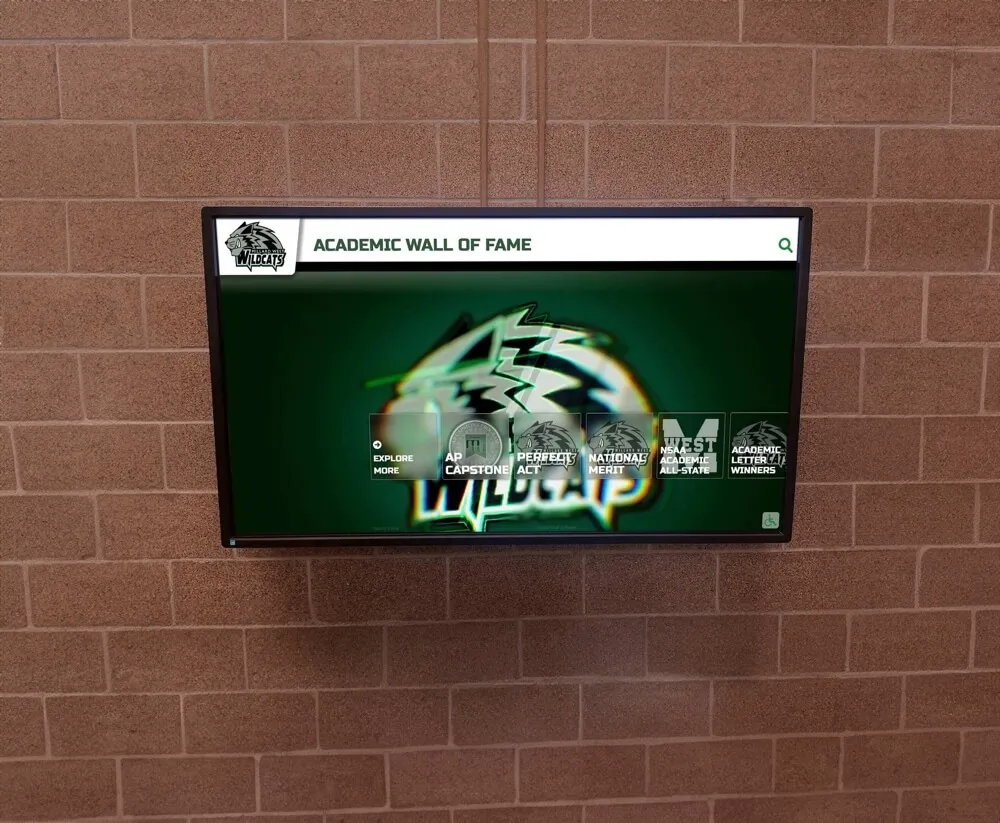
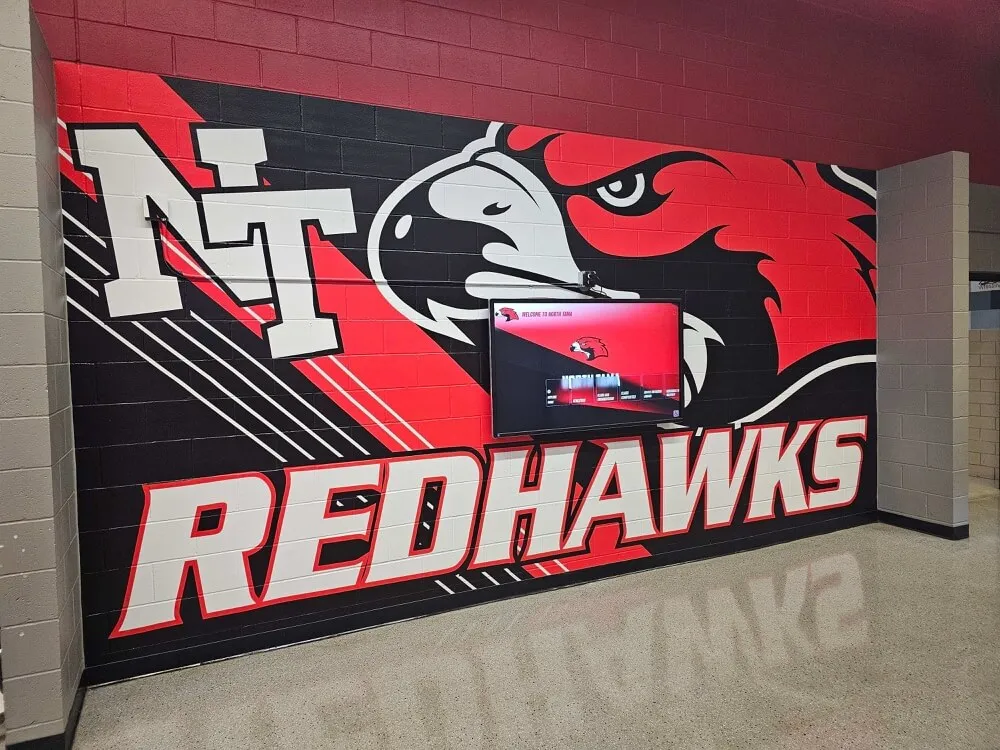
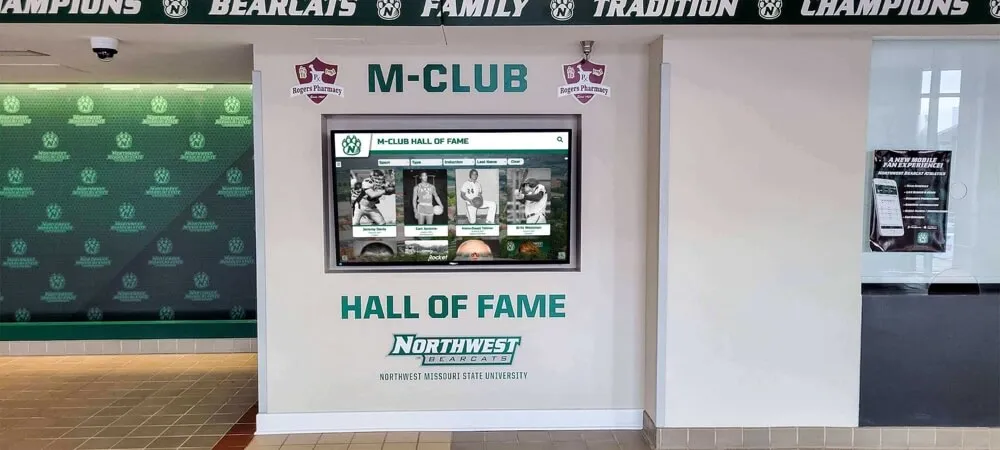
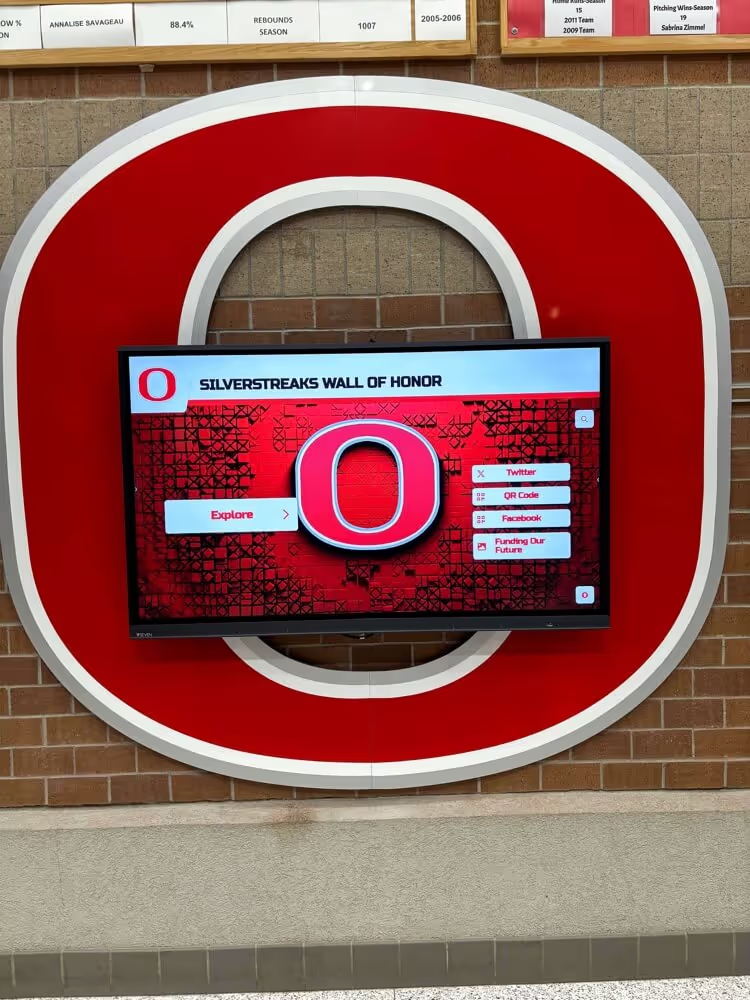
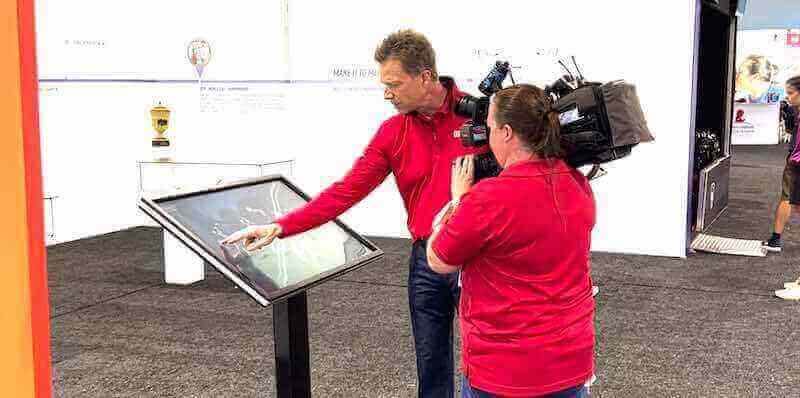
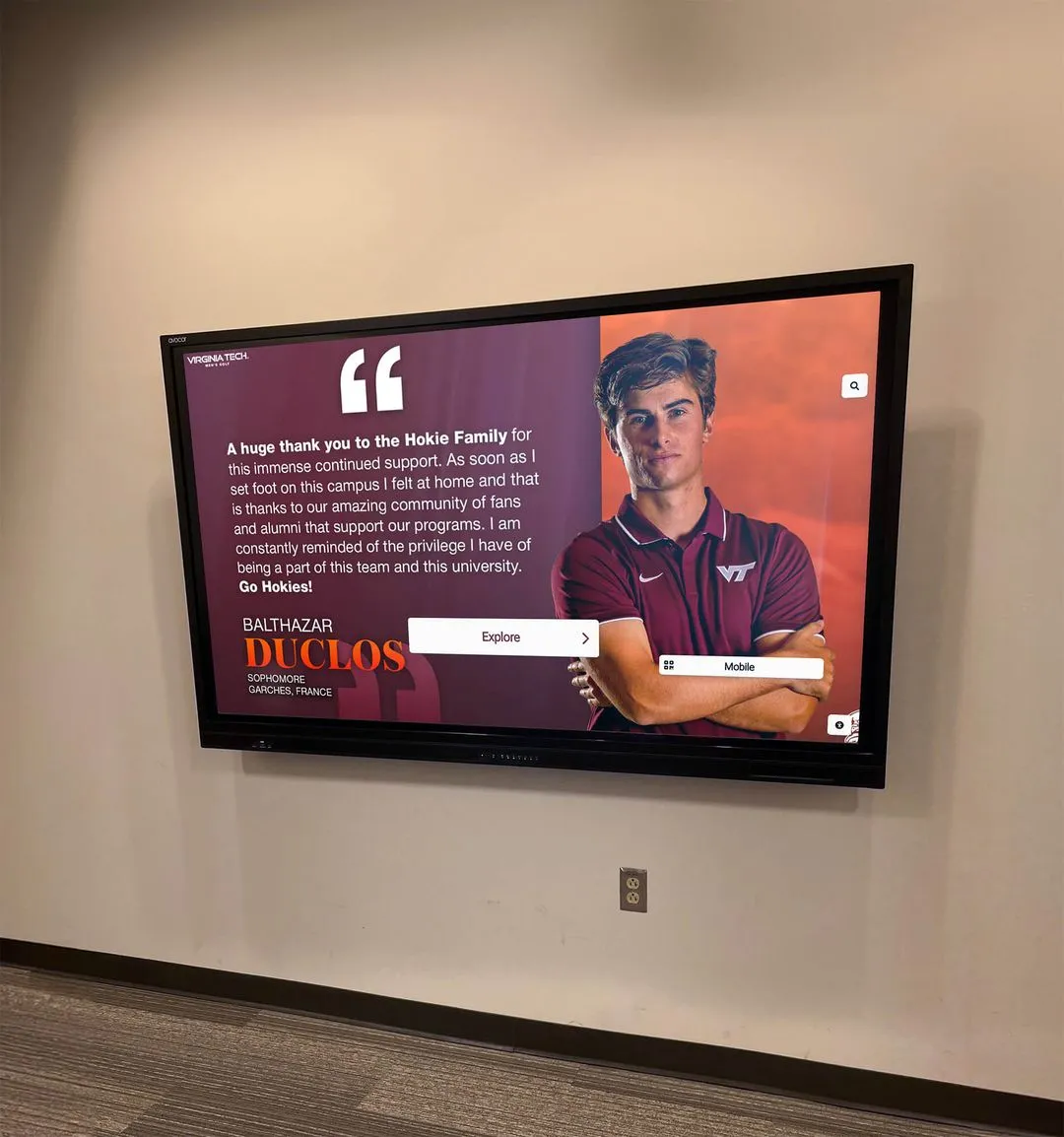
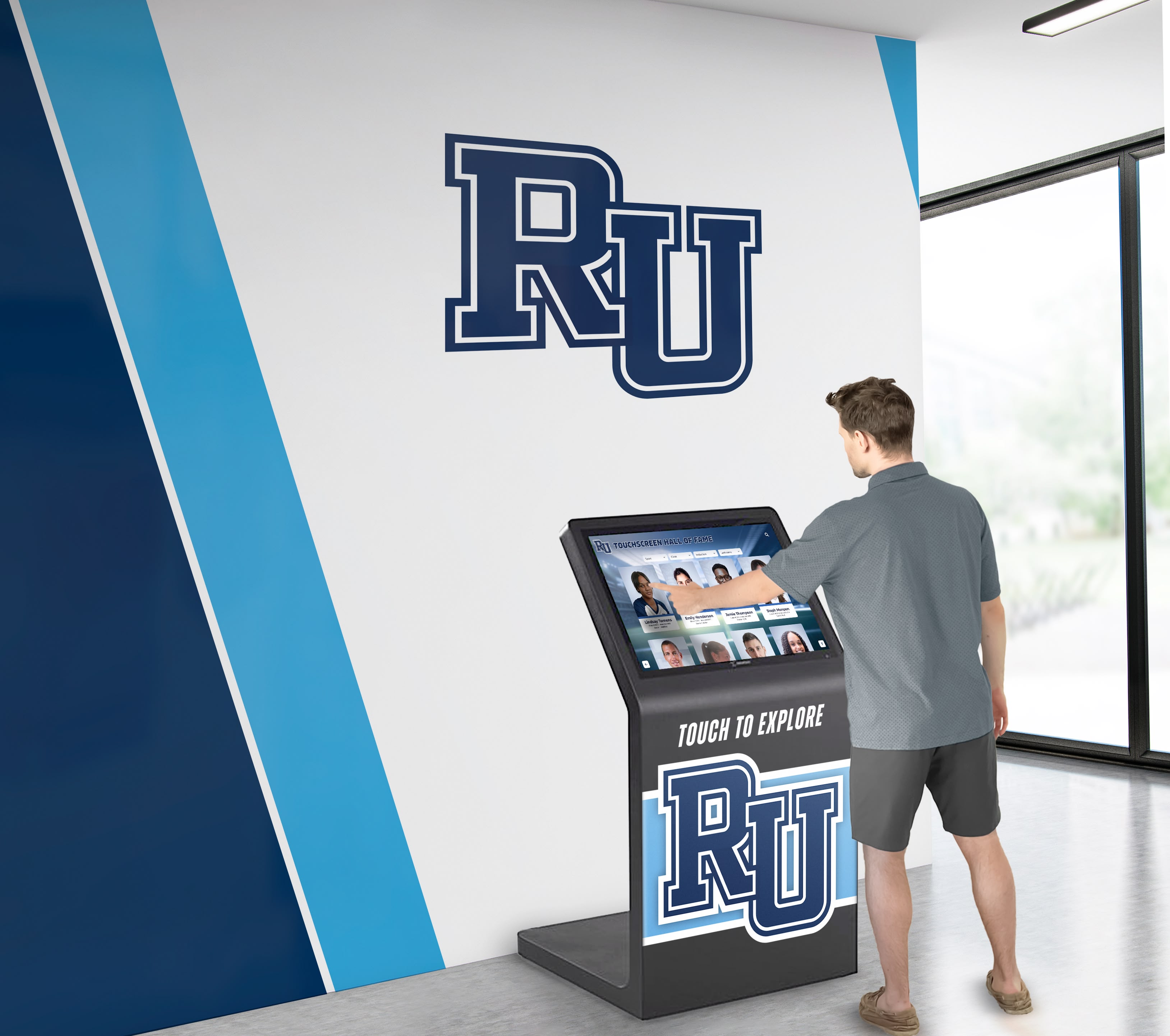
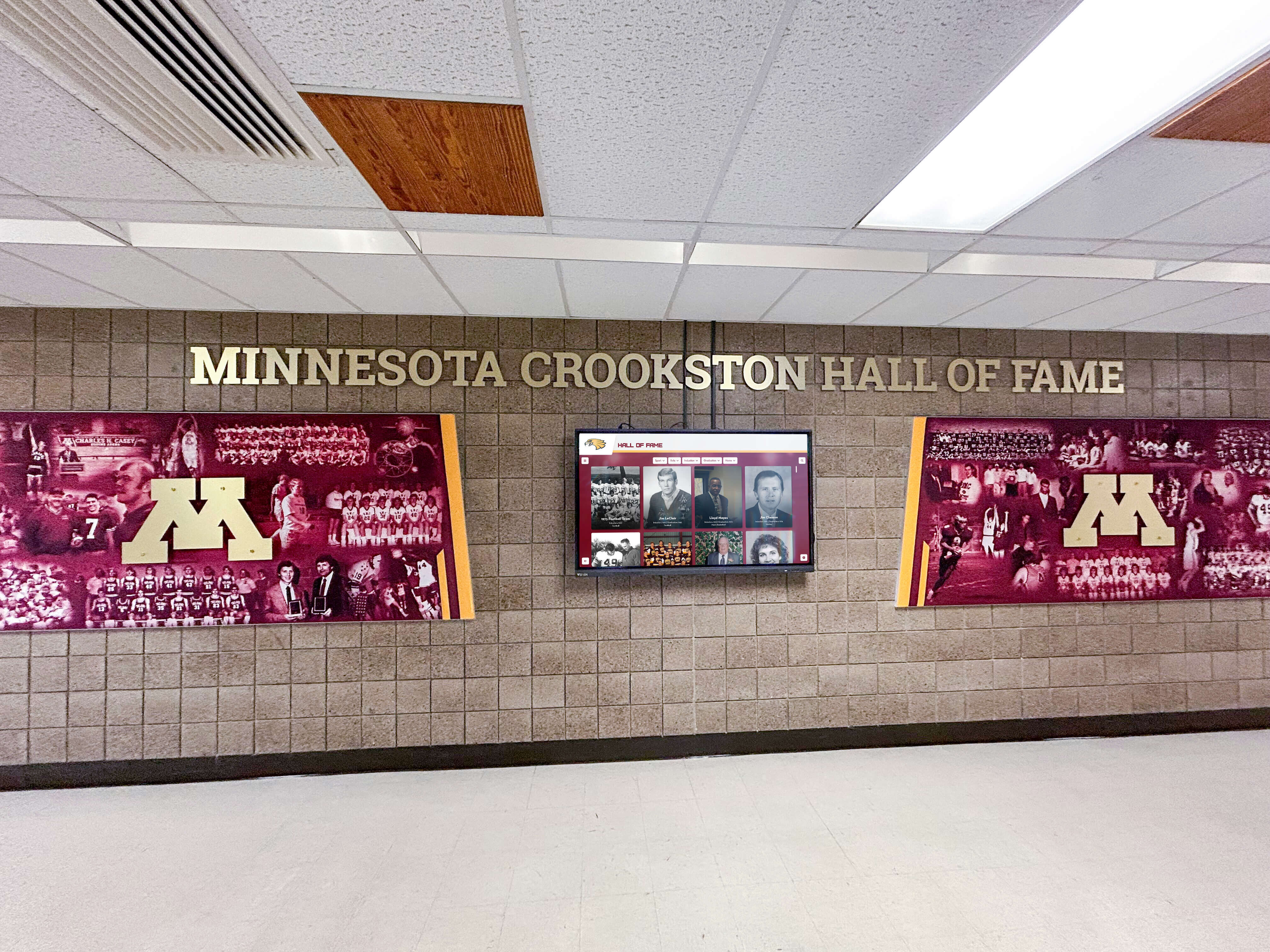
Successful digital wall of fame implementations create engaging recognition experiences that visitors actively choose to explore
Understanding Digital Wall of Fame Implementation: More Than Installing Hardware
Many organizations mistakenly view digital wall of fame implementation as primarily a technology procurement project—selecting hardware, purchasing software, and installing displays. This technology-centered perspective consistently underestimates the strategic planning, content development, and organizational change management that determine whether installations succeed or fail.
Why Implementation Strategy Matters More Than Technology Specs
The most impressive hardware and sophisticated software cannot compensate for poor implementation fundamentals. Organizations with thoughtfully planned recognition content, engaged stakeholders, and sustainable content workflows succeed with mid-range technology. Meanwhile, institutions purchasing premium hardware without addressing strategic implementation regularly experience disappointing outcomes regardless of equipment quality.
The Implementation Success Equation
Effective digital wall of fame implementations balance four interdependent elements working in concert. Strategic clarity provides defined objectives guiding appropriate decisions and success measurement. Compelling content creates the substance that makes recognition displays worth exploring. Appropriate technology delivers capabilities matching organizational needs and budget reality. Sustainable processes enable ongoing content management beyond initial enthusiasm.
Weak performance in any single area undermines overall success. Brilliant content becomes irrelevant if technology cannot present it effectively. Perfect technology sits unused if content development never occurs. Enthusiastic launches fade when no sustainable processes maintain currency after initial implementation energy dissipates.
Common Implementation Failure Patterns
Certain predictable patterns consistently lead to disappointing outcomes. Technology-first approaches that select hardware before clarifying recognition objectives often discover their chosen solutions don’t actually serve institutional needs well. Content-later thinking that launches displays with placeholder information while planning to “add content eventually” rarely achieves comprehensive coverage as initial momentum fades. Hero-dependent implementations relying on individual champions rather than sustainable processes fail when those key individuals leave organizations or move to different roles. Launch-and-abandon patterns that invest substantial effort in initial implementation without planning ongoing management watch displays gradually become outdated and irrelevant.
Understanding these failure patterns enables organizations to deliberately structure implementations avoiding common pitfalls.
Learn from schools that experienced challenges by reading about why schools regret rushing digital hall of fame software purchases without proper planning. Understanding the difference between purpose-built digital hall of fame touchscreen systems and generic digital signage helps avoid common implementation mistakes.
The ROI of Thoughtful Implementation
Systematic implementation requires more upfront effort than rushing into technology purchases, but delivers substantially better long-term outcomes across multiple dimensions.
Measurable Implementation Benefits
Organizations reporting high satisfaction with digital wall of fame implementations cite specific advantages directly attributable to thorough planning. These institutions complete projects on budget without surprise costs, launch displays with comprehensive content rather than sparse placeholders, achieve immediate user engagement rather than waiting months for adoption, and maintain active content updates years after initial installation.
Most digital hall of fame projects following structured implementation achieve full cost recovery within 18-36 months through multiple value streams. Fundraising enhancement creates stronger donor engagement through prominent recognition. Admissions and recruitment support provides compelling showcases during tours and visits. Alumni engagement strengthens connections through accessible historical content. Community pride building reinforces institutional identity and tradition. Operational efficiency eliminates maintenance of aging physical displays.
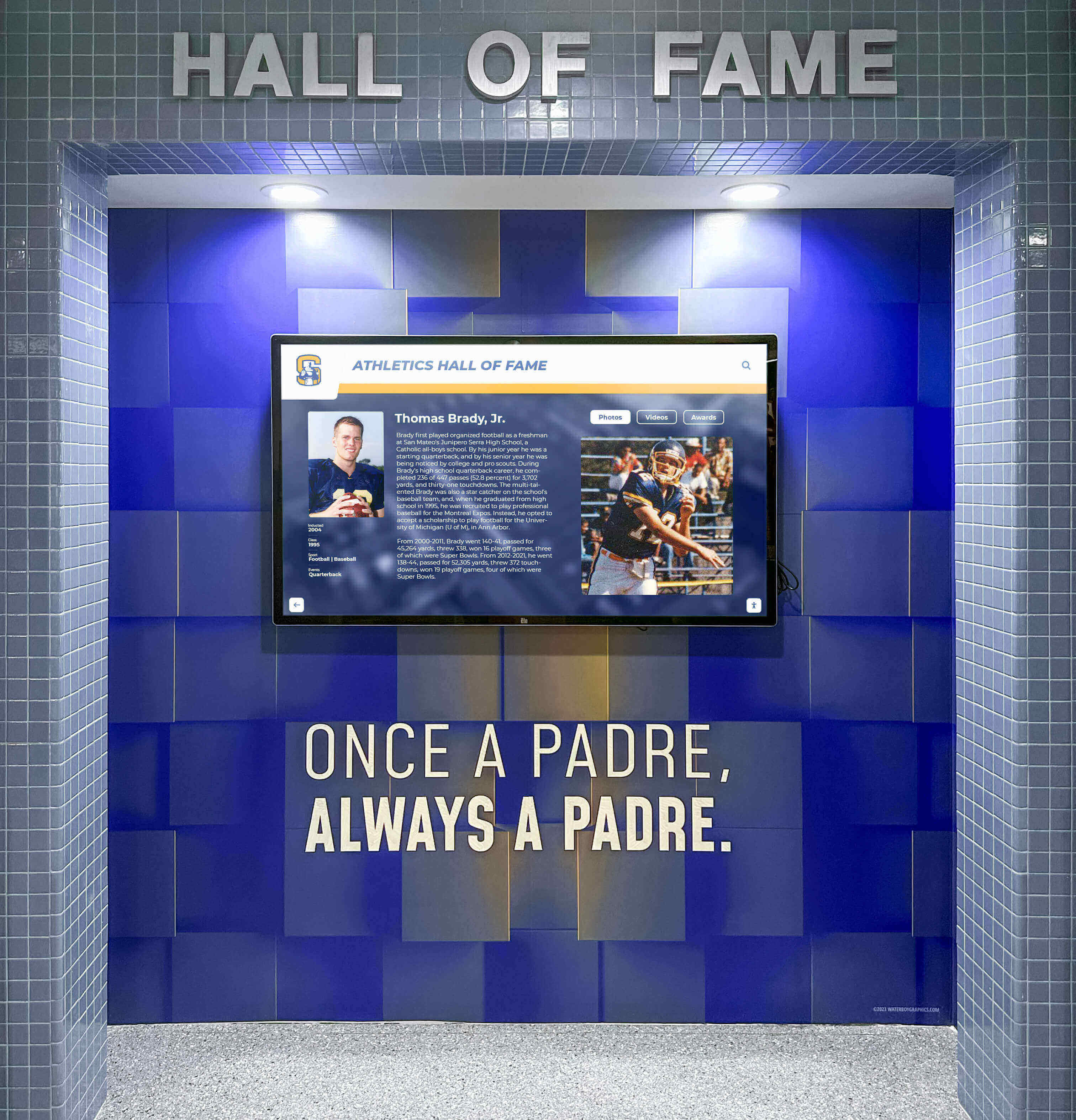
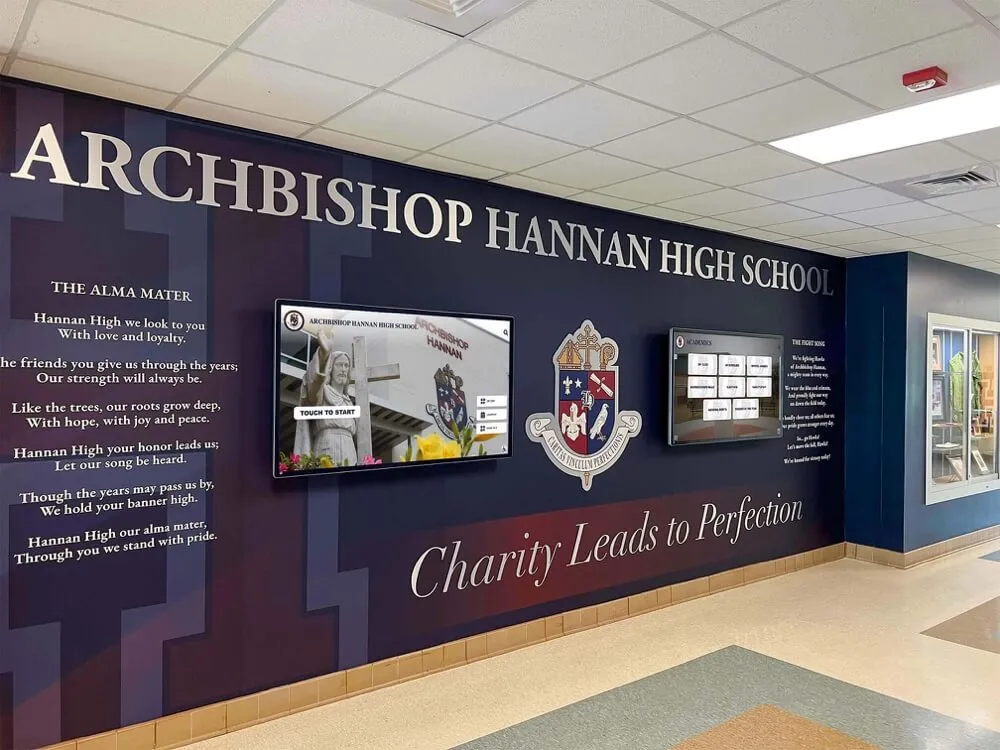
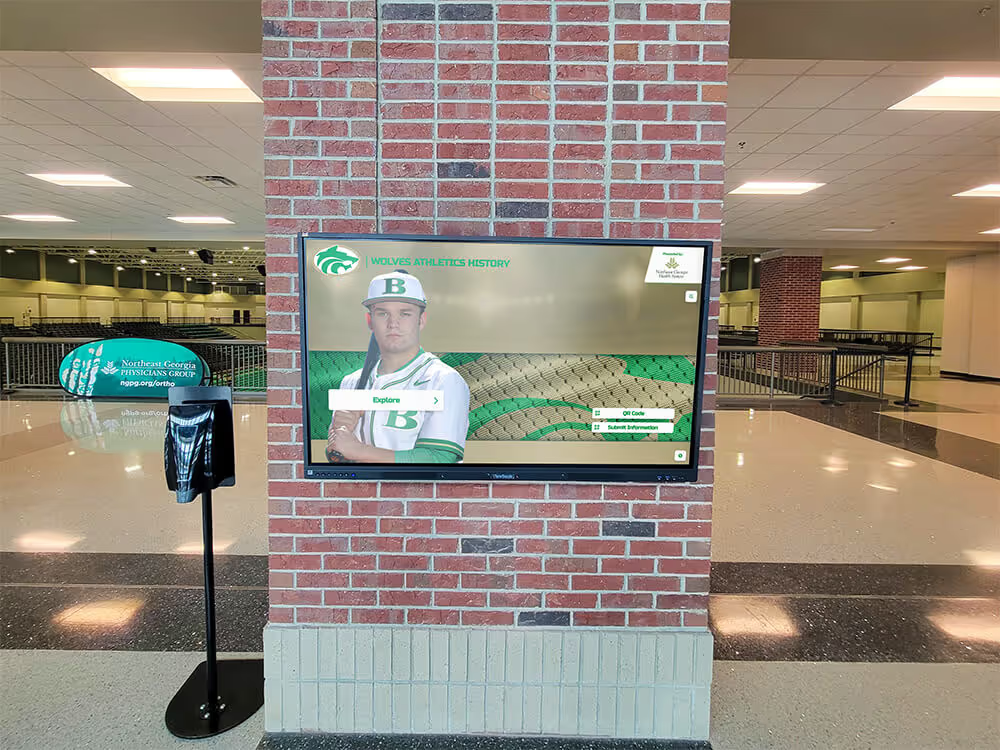
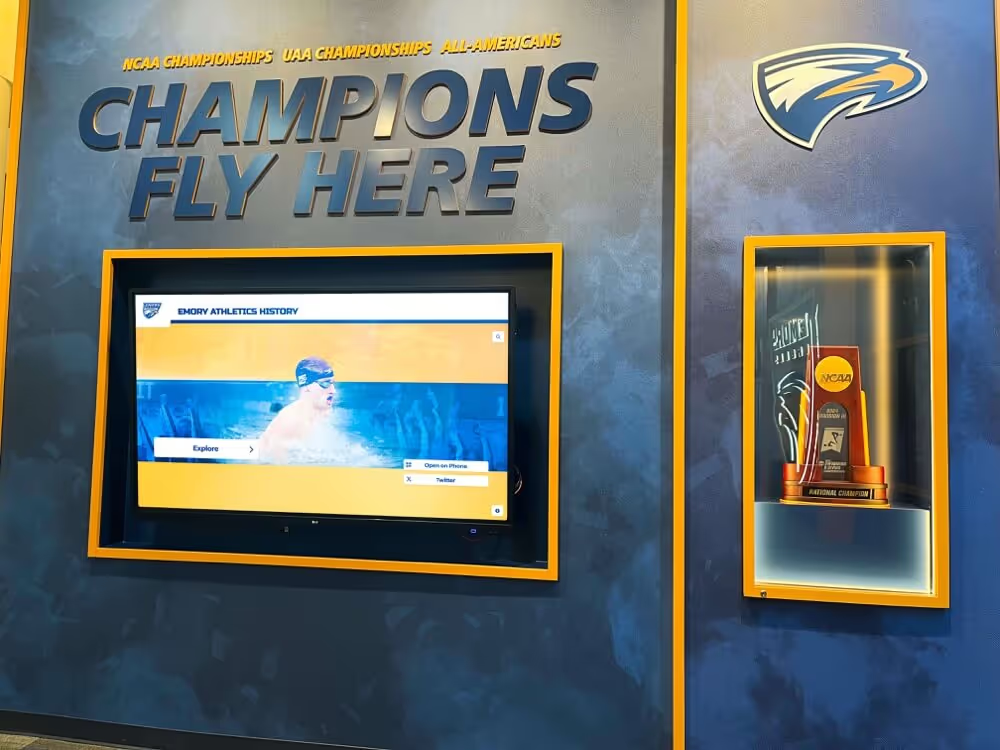
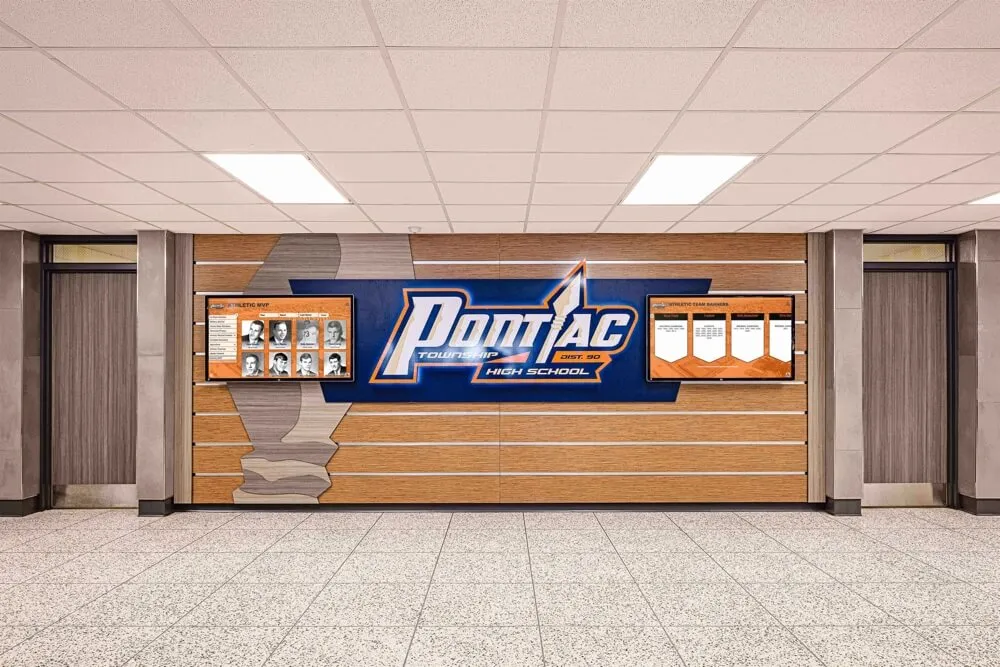
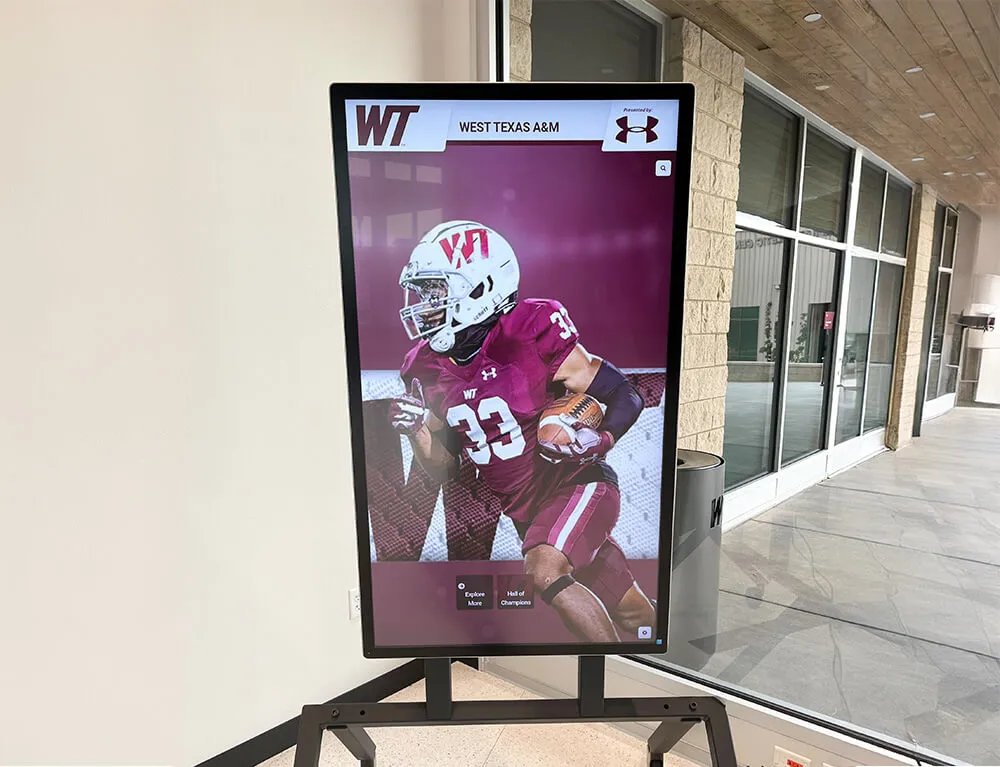
Professional recognition displays become valued institutional assets delivering ongoing benefits
Beyond Financial ROI: Mission Impact
Digital walls of fame serve deeper institutional purposes beyond financial returns. Effective implementations strengthen recognition equity by ensuring every achievement receives permanent accessible celebration rather than only recent accomplishments or those with available wall space. These displays preserve institutional memory through comprehensive historical archives otherwise lost as physical artifacts deteriorate or traditional displays degrade. They create engagement opportunities generating regular interaction with institutional history and values, building cultural reinforcement through visible celebration of behaviors and achievements organizations want to encourage.
These mission-aligned outcomes often provide more compelling justification than financial returns alone, particularly for educational institutions and nonprofit organizations where community impact outweighs profit motives.
Phase 1: Strategic Planning and Stakeholder Alignment
Successful implementation begins weeks before any technology procurement through comprehensive planning that establishes clear objectives, secures stakeholder support, and creates realistic roadmaps.
Defining Recognition Objectives and Success Criteria
The critical first question—“What do we want to accomplish with digital recognition?"—shapes every subsequent decision throughout implementation.
Articulating Clear Recognition Objectives
Effective objective-setting moves beyond vague desires for “modernizing recognition” toward specific, measurable outcomes. Consider what achievements and contributors your display will honor, including athletic championships and individual records, academic excellence and scholarly achievement, arts and performing achievement, service and leadership recognition, donor acknowledgment and fundraising support, alumni distinction and career achievement, or historical milestones and institutional evolution.
Define who will use these displays and how, including current students discovering institutional tradition, alumni reconnecting with personal and organizational history, prospective students and families exploring during recruitment, donors seeing recognition of their contributions, visitors learning about institutional identity, and community members celebrating local achievement.
Identify specific benefits you expect recognition to deliver, such as strengthening institutional pride and community connection, supporting fundraising through effective donor stewardship, enhancing recruitment by showcasing achievement culture, preserving institutional history for future generations, or creating engagement opportunities during events and tours.
Establishing Measurable Success Criteria
Transform objectives into concrete metrics enabling success evaluation. Usage metrics track visitor engagement through interaction counts, average session duration, content views per visit, and return visitor rates. Content metrics measure recognition comprehensiveness through total profiles or achievements documented, historical coverage spanning years or decades, and content freshness showing recent additions. Stakeholder satisfaction reveals perception through user surveys and feedback, staff assessments of content management ease, and leadership evaluation of institutional impact.
Clear success criteria guide technology selection, inform content development priorities, and provide accountability ensuring implementations deliver intended value rather than simply consuming budgets.
Explore comprehensive approaches to digital hall of fame content planning that align with strategic objectives. Many organizations also benefit from understanding digital wall of honor plaque strategies when planning recognition categories.
Building the Right Implementation Team
Digital wall of fame implementation requires diverse expertise and perspectives—successful projects involve stakeholders representing all relevant constituencies rather than treating recognition as single-department initiatives.
Essential Team Members and Roles
Include representation from groups who create content, use displays, or depend on recognition for institutional advancement. Athletic directors and coaches understand what sports achievements merit recognition and possess historical knowledge about championship teams and record holders. Academic administrators know honor roll criteria, scholarship recognition, and academic excellence standards. Technology staff manage hardware infrastructure, network connectivity, and technical support requirements. Advancement professionals connect recognition to fundraising strategy and donor relations. Alumni relations staff maintain graduate connections and understand historical institutional context. Facilities management handles physical installation, power requirements, and space planning. Executive leadership provides strategic guidance and ensures alignment with institutional priorities.
Stakeholder Engagement Strategy
Beyond formal team membership, successful implementations engage broader stakeholder groups through inclusive processes. Conduct surveys or focus groups gathering input from students, alumni, donors, and community members about what recognition matters most and how they would use displays. Create opportunities for coaches, faculty, and staff to contribute content about achievements they witnessed. Involve student groups in content research or digitization of historical materials. Engage alumni volunteers with institutional knowledge helping verify historical information.
This inclusive engagement builds widespread support, surfaces important content that formal planning might miss, and creates implementation momentum extending beyond core project teams.

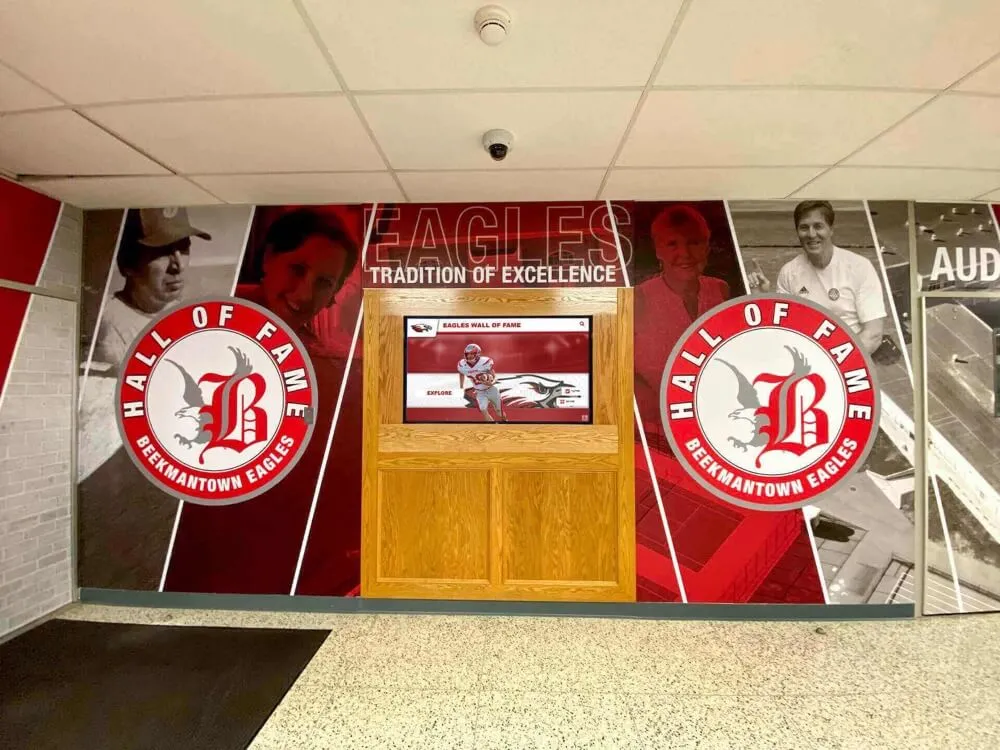
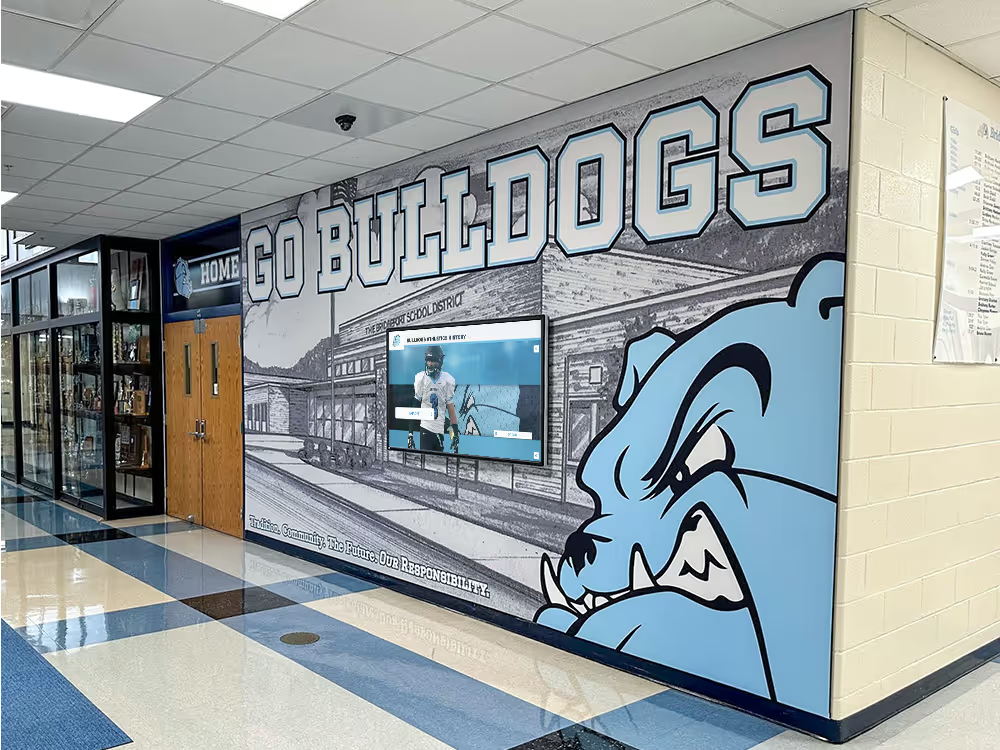
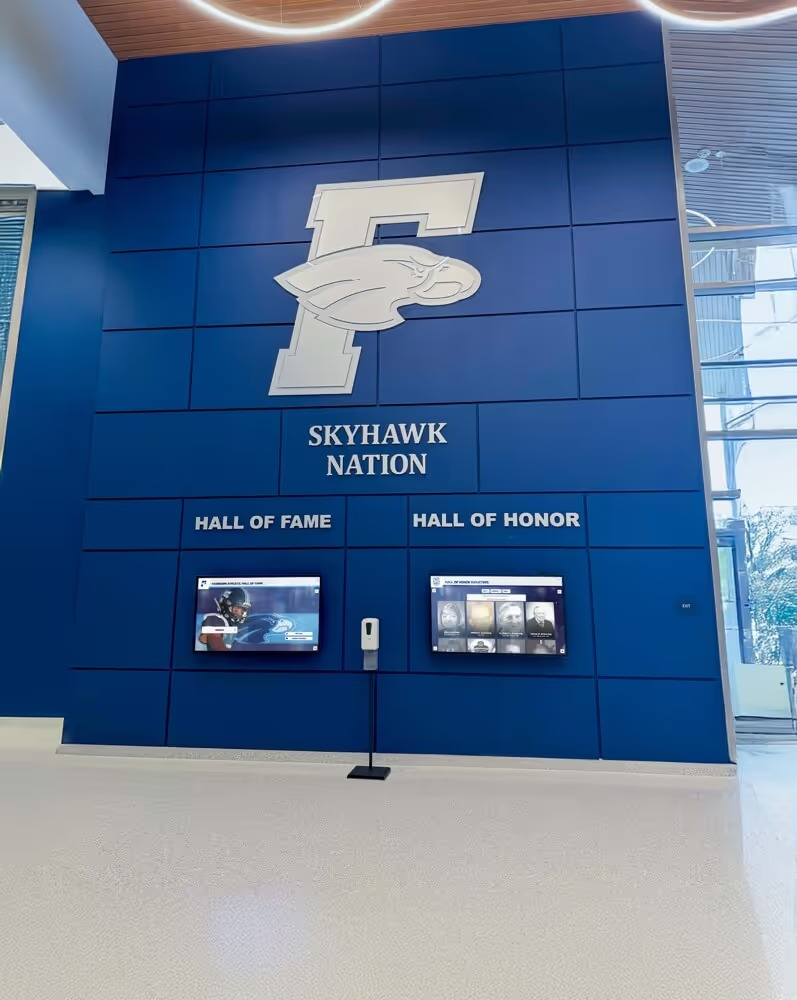
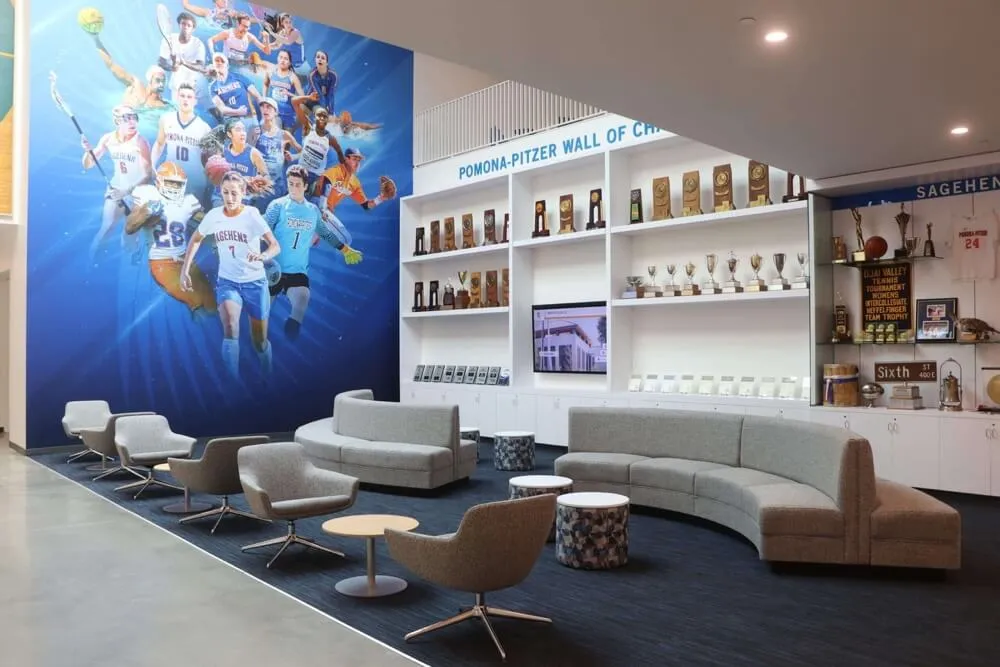
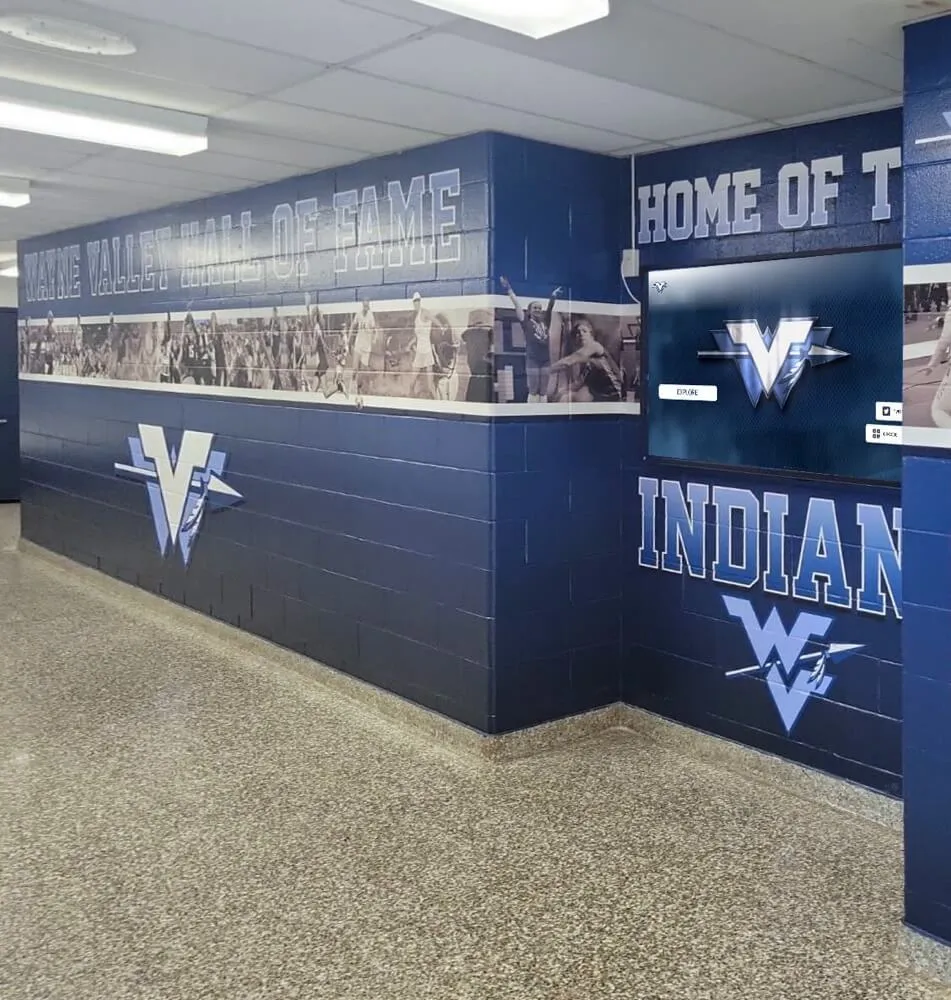
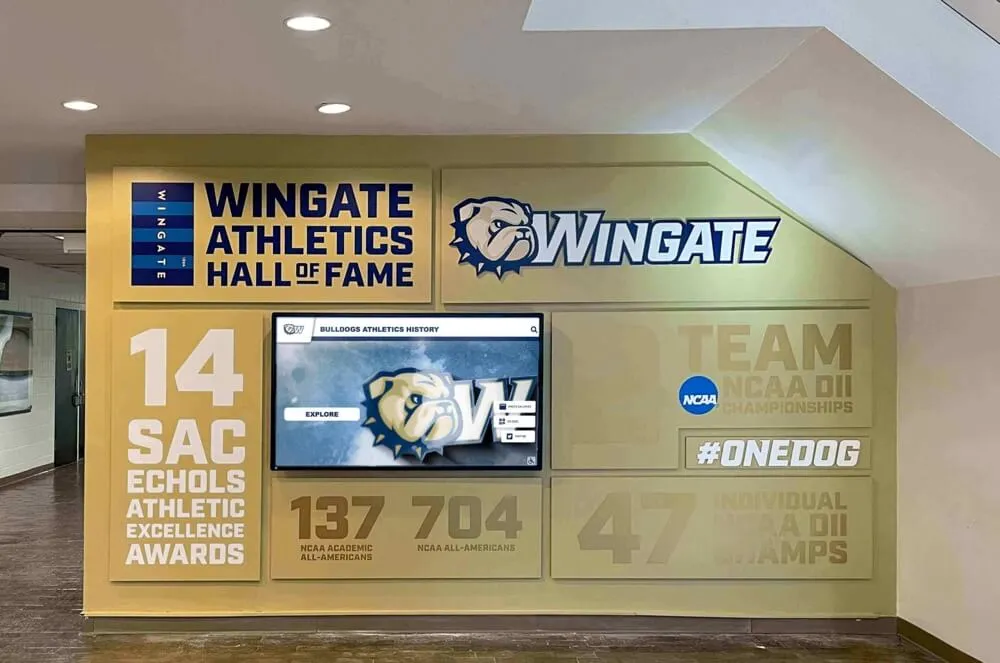
Successful implementations balance traditional recognition elements with modern digital capabilities
Creating Realistic Implementation Timelines and Budgets
Organizations consistently underestimate both time and financial requirements for comprehensive digital recognition implementations—realistic planning prevents mid-project surprises derailing success.
Typical Implementation Timeline Phases
Comprehensive implementation processes typically require 8-12 weeks from initial planning to launch, with the most time-intensive aspects being content preparation and digitization of existing materials. Strategic planning and needs assessment consume 2-3 weeks defining objectives, selecting team members, and conducting stakeholder engagement. Technology research and vendor selection require 2-3 weeks evaluating options, conducting demonstrations, and checking references. Content development and digitization typically need 4-6 weeks gathering information, digitizing photos and documents, entering content into systems, and verifying accuracy. Installation and configuration take 1-2 weeks for hardware installation, software setup, testing, and training. Launch preparation and promotion require 1 week for final content review, promotion strategy, and launch event planning.
Organizations with ambitious content goals covering decades of achievement should expect 12-16 weeks for comprehensive implementations or plan phased approaches launching with recent content while systematically expanding historical coverage over subsequent months.
Budget Components and Cost Planning
Complete budget planning accounts for all cost elements throughout implementation and ongoing operation. Hardware costs include touchscreen displays at the desired size and quality level, mounting systems including wall mounts, floor stands, or branded enclosures, and necessary accessories like protective glass, cable management, or audio equipment. Software expenses cover platform licensing or subscription fees, customization or setup costs, and ongoing subscription or maintenance fees. Content development requires staff time for research and data entry, professional photography for current content, historical photo scanning or restoration, video production if incorporating multimedia, and potentially consulting support for content strategy. Installation expenses include electrical work and network connectivity, mounting and hardware installation, and configuration and testing. Training and support encompass initial staff training, ongoing support access, and documentation or training materials.
Solutions like Rocket Alumni Solutions provide transparent pricing covering software, hardware options, and support—enabling accurate budget planning without surprise costs undermining project viability.
Most installations achieve full cost recovery within 18-36 months through multiple value streams including enhanced fundraising, reduced maintenance of physical displays, and operational efficiency gains from centralized content management.
Phase 2: Content Strategy and Development Planning
Content represents the substance making recognition displays worth exploring—thoughtful content strategy distinguishes compelling implementations from disappointing technology showcases with minimal meaningful information.
Comprehensive Content Inventory and Categorization
Before beginning content development, systematically document what achievements and individuals your recognition displays will celebrate.
Content Category Definition
Organize recognition content into logical categories matching how users think about achievement and how your organization structures programs. Athletic recognition might include championship teams organized by sport and year, individual records and statistical achievements, all-conference and all-state selections, and hall of fame inductees. Academic excellence could cover honor roll and dean’s list students, scholarship recipients, academic competition success, and distinguished alumni by field or achievement. Arts and activities recognition might celebrate theater and musical performance, debate and forensics achievement, student government and leadership, and community service acknowledgment.
For each category, estimate content volume by counting how many championship teams exist across all years you plan to cover, determining how many individual athletes or students merit profile entries, and assessing what historical achievements deserve comprehensive documentation versus simple listing.
These volume estimates reveal total content development requirements—schools covering 20 years of athletic achievement across 15 sports may need 300 team entries plus 500-1000 individual athlete profiles. Understanding scope early prevents mid-implementation surprises about workload.
Historical Research and Content Discovery
Comprehensive recognition displays require historical research uncovering achievements from decades past. Effective research strategies include reviewing old yearbooks, programs, and publications that document historical achievement, interviewing retired coaches, long-serving staff, and alumni with institutional memory, exploring school board minutes or organizational records documenting significant milestones, digitizing trophy inscriptions and plaque information from aging physical displays, and examining local newspaper archives for achievement coverage.
Assign specific research responsibilities to team members or volunteers with relevant expertise—retired coaches might research specific sports eras, long-time staff may document academic traditions, and alumni volunteers could verify graduation years and career information.
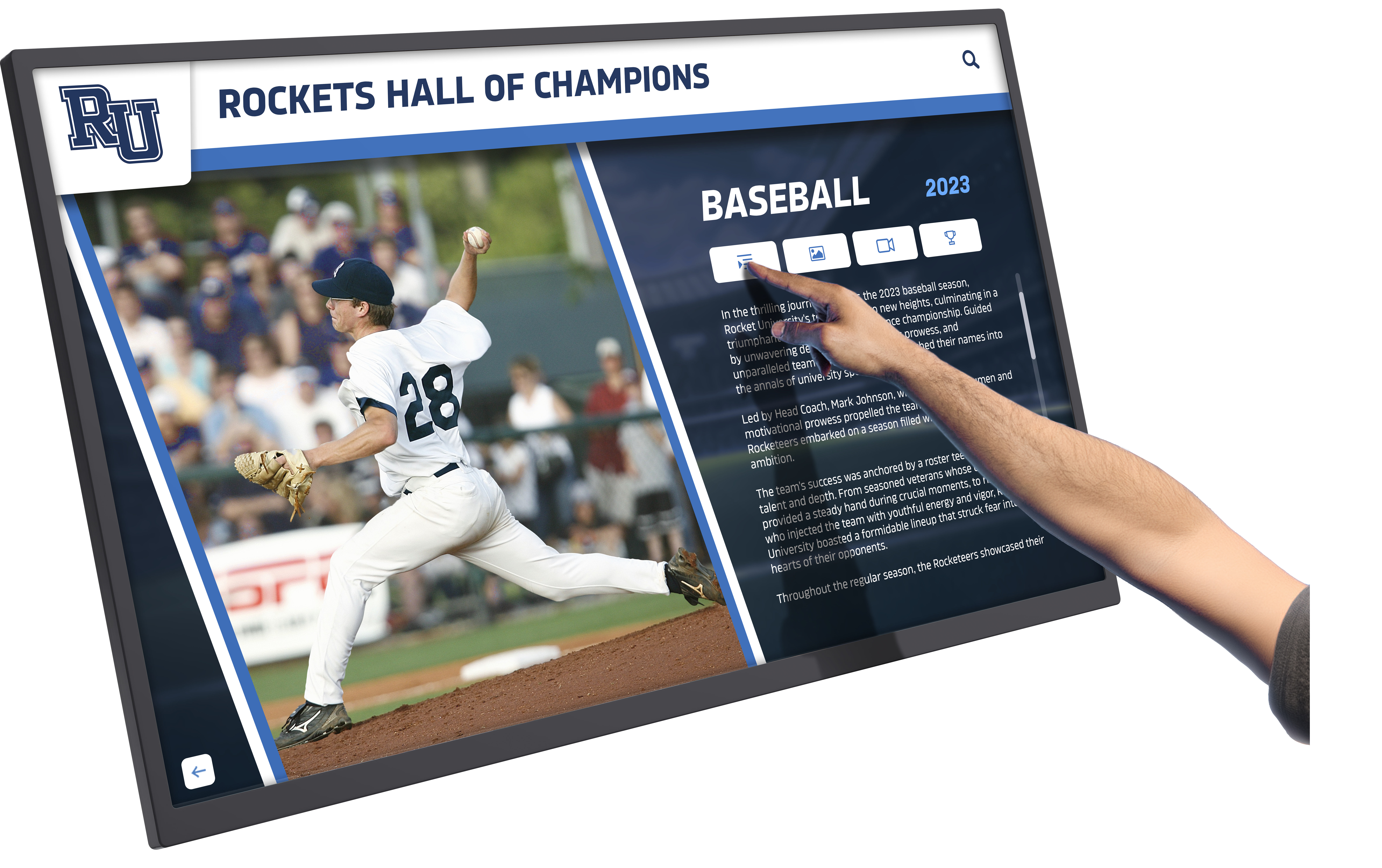
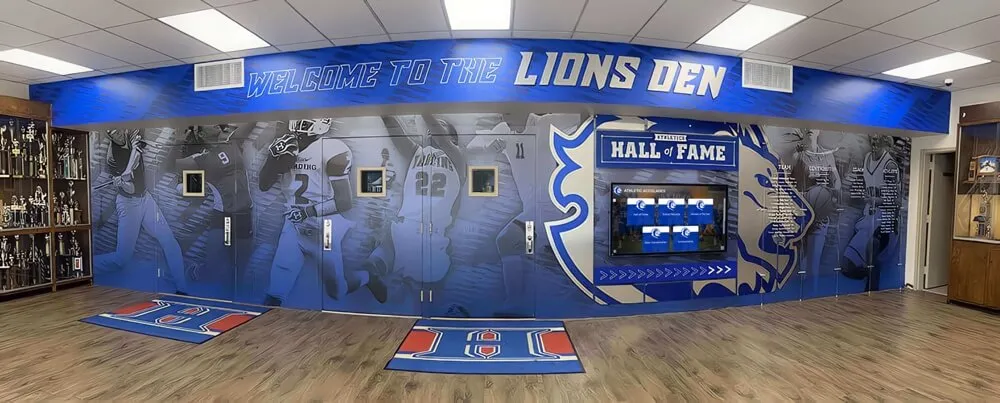
Comprehensive content research enables rich storytelling beyond simple names and dates
Budget adequate time for historical research—uncovering comprehensive documentation for 30-50 year periods typically requires 40-60 hours of dedicated research effort, longer for centennial institutions documenting complete histories.
Establishing Content Standards and Quality Guidelines
Consistent content quality ensures professional presentation honoring individuals being recognized rather than diminishing achievements through poor execution.
Photography and Visual Content Standards
Visual content quality dramatically impacts recognition effectiveness and professional appearance. Establish clear standards including minimum resolution requirements for contemporary photos (1920×1080 or higher ensures quality on large displays), acceptable formats prioritizing JPG or PNG for photos and MP4 for video, aspect ratio consistency creating visual coherence in grid layouts, and lighting and composition guidelines ensuring professional appearance.
For historical content with unavoidable quality limitations, plan restoration approaches including professional scanning services for important photographs, basic editing improving contrast and removing physical damage, and clear labeling providing context about historical sources managing visitor expectations about image quality.
Invest in professional photography for current content—recognition displays represent your institution publicly, and content quality reflects organizational values and professionalism regardless of platform technical capabilities.
Information Accuracy and Verification
Recognition content must be accurate—misspelled names, incorrect dates, or inaccurate achievement details offend those being recognized and embarrass institutions. Implement verification processes including data validation against authoritative records like official championship documentation, review by coaches or administrators familiar with achievements being documented, and opportunities for recognized individuals to review their profiles when feasible before publication.
Quality-conscious processes take additional time initially but prevent embarrassing corrections and maintain institutional credibility essential for recognition programs.
Narrative and Storytelling Standards
Beyond factual accuracy, effective recognition tells stories connecting facts to meaning. Profile entries should include contextual information about achievement significance, quotes from participants or witnesses when available, connections to institutional tradition or values, and results or impacts when relevant to accomplishments.
Rich storytelling transforms simple data listings into compelling content that engages visitors and appropriately honors those being recognized.
Learn effective approaches to displaying school history that demonstrate comprehensive content development strategies. Schools can also benefit from strategies for outstanding students honor wall displays when planning academic recognition content.
Phased Implementation Strategy for Content Development
Few organizations possess resources to develop comprehensive multi-decade content before launch—phased approaches enable earlier launches demonstrating value while spreading content development across realistic timeframes.
Phase 1: Recent and Significant Content (Weeks 1-4)
Initial launch content focuses on achievements from recent years with readily available information and significant historical highlights that establish depth and context. Recent content typically covers the past 5-10 years depending on organization size, including current or recent championship teams with easily accessible rosters and photos, honor roll and academic recognition from recent years, and distinguished alumni or donors with active institutional connections.
Significant historical highlights might include major championship teams or undefeated seasons that define institutional tradition, record holders whose achievements remain celebrated, hall of fame inductees already formally recognized, and milestone anniversaries or centennial celebrations.
This balanced approach enables launch with compelling comprehensive recent content demonstrating value while including sufficient historical depth that displays don’t appear to ignore institutional legacy.
Phase 2: Systematic Historical Expansion (Months 2-6)
After successful launch, systematically expand coverage working backward chronologically or completing specific sports or programs. Organizations might add one decade per month, complete one sport’s entire history before moving to another, or document specific eras with particular significance.
Regular content additions maintain community engagement demonstrating displays remain active and growing rather than static since installation. Publicize additions through newsletters, social media, or display promotions encouraging revisits discovering new content.
Phase 3: Comprehensive Coverage and Special Projects (Ongoing)
Eventually achieve comprehensive coverage across all planned categories and timeframes, then maintain currency through regular updates and occasional special content projects. Ongoing content work includes adding new achievements shortly after they occur, expanding existing profiles with additional photos or information, creating special collections around anniversaries or milestone events, and filling remaining historical gaps as new information emerges.
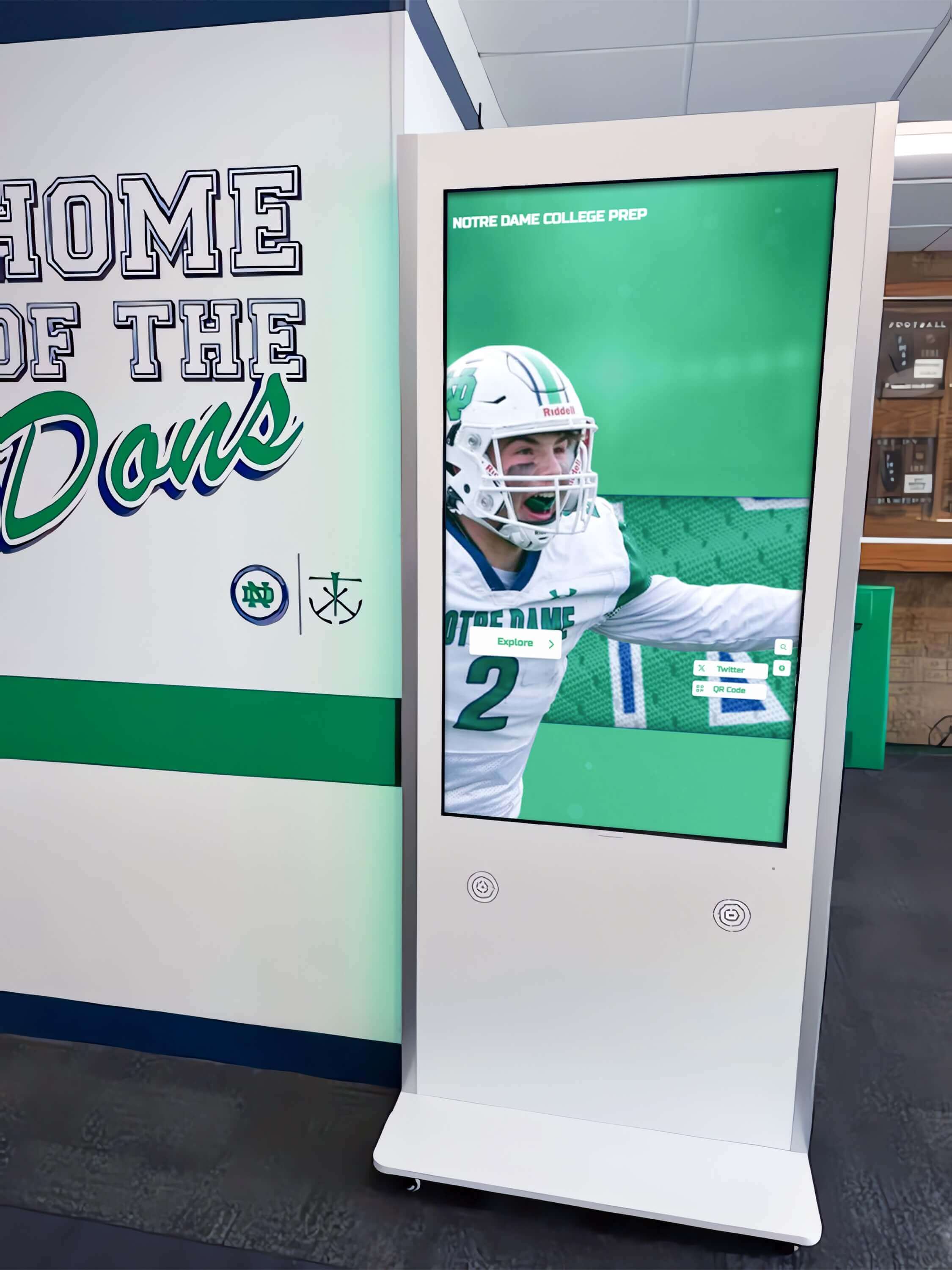
Phased content development enables earlier launches while maintaining commitment to comprehensive historical coverage
Phase 3: Technology Selection and Platform Evaluation
With clear objectives and content strategy established, technology selection focuses on finding platforms and hardware configurations appropriately matching organizational needs rather than chasing impressive but unnecessary capabilities.
Distinguishing Recognition Software from Digital Signage
The single most critical technology decision involves selecting purpose-built recognition platforms designed specifically for celebrating people and documenting achievement rather than repurposed digital signage barely adapted for interactive use.
Why Software Architecture Matters
Digital signage excels at scheduled content playback—announcements, event calendars, and promotional messages rotating on predetermined schedules. These platforms provide robust multi-screen management and reliable playback but fundamentally operate on passive viewing models where audiences watch whatever content systems present automatically.
Recognition applications require fundamentally different capabilities centered on interactive exploration including sophisticated search enabling visitors to find specific individuals by name, flexible filtering discovering content by year, sport, achievement type, or other criteria, relationship navigation connecting team rosters, related achievements, or connected individuals, and personalized exploration pathways supporting varied visitor interests and objectives.
These interactive features require database architectures, search algorithms, and user interface designs that digital signage platforms simply don’t provide because they weren’t designed for these purposes.
Evaluating Platform Capabilities
Request demonstrations addressing specific recognition use cases during vendor evaluation including finding specific individuals by name using realistic search queries, filtering content by year, program, or achievement type, viewing comprehensive individual profiles with biographical information and achievement details, exploring relationships like team rosters or related accomplishments, and managing content through adding new profiles, updating existing information, and organizing categories.
Platforms struggling with these fundamental recognition tasks reveal inadequate architectures regardless of impressive visual presentations or enthusiastic sales pitches.
Purpose-built solutions like Rocket Alumni Solutions were designed specifically for recognition applications from the ground up—providing sophisticated search, intuitive content organization, and relationship navigation as standard capabilities rather than afterthought additions to repurposed digital signage.
Explore comprehensive touchscreen software options to understand architectural differences between recognition platforms and generic digital signage.
Content Management System Evaluation
Long-term recognition success depends entirely on whether staff members actually maintaining content find systems genuinely accessible and efficient—impressive demonstrations mean nothing if content management proves too frustrating for ongoing use.
The Real Usability Test
Effective platforms enable content updates by people who describe themselves as “not technical”—the athletic directors, administrative assistants, and volunteer coordinators who actually manage recognition in most organizations. If systems require calling IT support for routine content additions, recognition displays quickly become outdated regardless of initial content quality.
During vendor evaluation, request demonstrations showing complete content addition workflows using realistic examples from your organization including adding individual profiles with biographical information and photos, creating team entries with roster information, uploading and managing multimedia content like videos or document scans, organizing content into categories matching your structure, and publishing content making it live on displays.
Time demonstrations carefully—if vendors require ten minutes to add single profiles despite expert familiarity with systems, realistic time requirements for your staff will prove substantially longer. Multiply time investments across hundreds or thousands of entries to understand true content development and maintenance costs.
Critical Content Management Features

Essential capabilities supporting efficient content management include intuitive visual interfaces using familiar patterns from common applications, bulk import options enabling content addition through spreadsheet uploads for historical content volumes, media management providing simple uploading and organizing of photos and videos, preview functionality allowing content review before publishing, autosave preventing lost work from interruptions, and role-based permissions enabling multiple staff members to contribute content with appropriate access levels.
Platforms lacking these fundamental features create ongoing frustration undermining implementation success regardless of other strengths.
User-friendly content management ensures staff can maintain displays effectively without technical expertise
Schools and organizations consistently praise Rocket Alumni Solutions for content management accessibility, noting the software is “very user friendly” and makes it “easy for any novice to create an appealing and user friendly experience”—exactly the usability level ensuring sustainable long-term content maintenance.
Hardware Configuration and Installation Planning
Software platforms provide functionality, but hardware quality and installation planning impact user experience and long-term reliability.
Display Hardware Considerations
Key hardware decisions include screen size appropriate for installation space and viewing distances (55-inch displays suit smaller spaces, 65-75 inch screens work better for large lobbies or hallways), touch technology with commercial-grade capacitive touchscreens providing responsive interaction, display resolution with 4K (3840×2160) becoming standard for large recognition displays, brightness levels appropriate for ambient lighting conditions, and commercial ratings ensuring displays withstand continuous operation rather than consumer TVs designed for residential use.
Mounting configurations include wall-mount installations providing clean integrated appearance, floor stands offering flexibility and portability, and branded enclosures creating custom appearances reinforcing organizational identity.
Consider installation context when selecting hardware—displays in high-traffic hallways need protective glass, outdoor or semi-outdoor installations require weather-resistant enclosures, and spaces with high ambient light demand high-brightness displays.
Installation Site Planning
Successful installations require thoughtful site selection and preparation including locations with natural traffic flow where visitors naturally gather or pass, adequate space for comfortable interaction without blocking hallways or doorways, appropriate electrical and network infrastructure, mounting surfaces capable of supporting display weight, and lighting conditions enabling comfortable viewing without excessive glare.
Visit proposed installation sites with facilities staff and technology teams before finalizing locations—addressing infrastructure requirements before installation prevents mid-project surprises and delays.
Explore comprehensive athletic hall of fame creation strategies that include installation planning considerations.
Phase 4: Implementation Execution and Content Development
With planning complete and technology selected, implementation execution focuses on efficient content development, system configuration, testing, and staff training.
Efficient Content Development Workflows
Content development represents the most time-intensive implementation phase—efficient workflows make the difference between completing ambitious plans and abandoning comprehensive coverage goals.
Streamlined Data Collection
Create standardized templates for each content type ensuring consistent information gathering. Templates might specify required information like names, dates, achievement descriptions, optional details like biographical information, quotes, or statistics, photo specifications, and source documentation for verification.
Distribute templates to stakeholders providing information—coaches complete templates for their sports, academic coordinators document honor roll students, and alumni relations staff gather distinguished graduate profiles. Centralized collection through shared spreadsheets or forms prevents scattered information across email chains.
Photography and Media Asset Management
Organize media assets systematically preventing chaos and duplication. Establish consistent file naming conventions including content type, individual name, and year, folder structures organizing photos by category and timeframe, resolution standards ensuring quality for display use, and backup procedures protecting irreplaceable historical images.
For historical photo digitization, consider professional scanning services for important collections—quality scanning preserves fragile originals while creating high-resolution digital files suitable for display use and long-term archiving.
Bulk Import and Template-Based Entry
Leverage platform bulk import capabilities for efficiently adding large content volumes. Prepare spreadsheets with consistent formatting matching platform requirements, import in batches by category or timeframe for quality control, review imports confirming accuracy before publishing, and supplement automated imports with individual editing for rich storytelling beyond basic data.
Bulk import can reduce content entry time by 70-80% compared to individual manual entry while maintaining accuracy and completeness.
Efficient content workflows enable comprehensive recognition coverage without overwhelming available resources
System Configuration and Customization
Platform configuration translates generic software into recognition displays reflecting your organizational identity and recognition priorities.
Visual Design and Brand Customization
Configure displays reflecting organizational identity through color schemes matching institutional branding, typography consistent with other organizational communications, logo integration at appropriate scale and placement, and display layouts emphasizing your priority content types.
Purpose-built platforms like Rocket Alumni Solutions provide flexible design systems enabling distinctive branded experiences without requiring custom development—customers praise “the flexibility of the software program” enabling customization matching institutional needs.
Content Organization and Navigation Structure
Structure information architecture matching how your community thinks about achievement including category organization by sport, academic program, or achievement type, chronological navigation enabling exploration by year or era, search configuration determining which fields visitors can search, and featured content selection highlighting priority achievements or individuals.
Test navigation structures with representative users before launch—what seems logical to planning teams may confuse actual visitors unfamiliar with organizational structure.
Search and Filter Configuration
Configure search and filtering capabilities enabling efficient content discovery through searchable fields including names, years, achievement types, programs, and custom categories, filter options for refining large result sets, suggested searches based on common queries, and relationship linking connecting team rosters, related achievements, and associated individuals.
Effective search and navigation determine whether comprehensive content collections prove useful or merely overwhelming.
Pre-Launch Testing and Quality Assurance
Thorough testing before public launch prevents embarrassing issues undermining initial impressions and engagement.
Content Accuracy Verification
Systematically review recognition content confirming accuracy before launch including name spelling verified against official records, date accuracy for achievements and biographical information, photo accuracy ensuring images match correct individuals, achievement descriptions verified by knowledgeable staff, and relationship accuracy confirming team rosters and associations.
Recruit volunteers familiar with content eras to assist verification—retired coaches, long-serving staff, and alumni can often identify errors that formal records miss.
Usability Testing with Representative Users
Observe actual users interacting with displays before launch including students unfamiliar with navigation testing intuitiveness, alumni searching for specific individuals or time periods, staff members attempting content management tasks, and visitors with varied technical comfort levels.
Usability testing consistently reveals issues invisible to planners intimately familiar with content and systems. Address significant usability problems before launch prevents poor first impressions that reduce long-term engagement.
Technical Reliability Testing
Verify technical functionality across expected usage scenarios including touchscreen responsiveness and accuracy, search functionality with varied queries, multimedia playback for videos and audio, network connectivity and performance, display timeout and return to home screen, and hardware stability over extended operation periods.
Test in actual installation environments rather than controlled labs—ambient lighting, temperature, and network conditions differ from development environments.
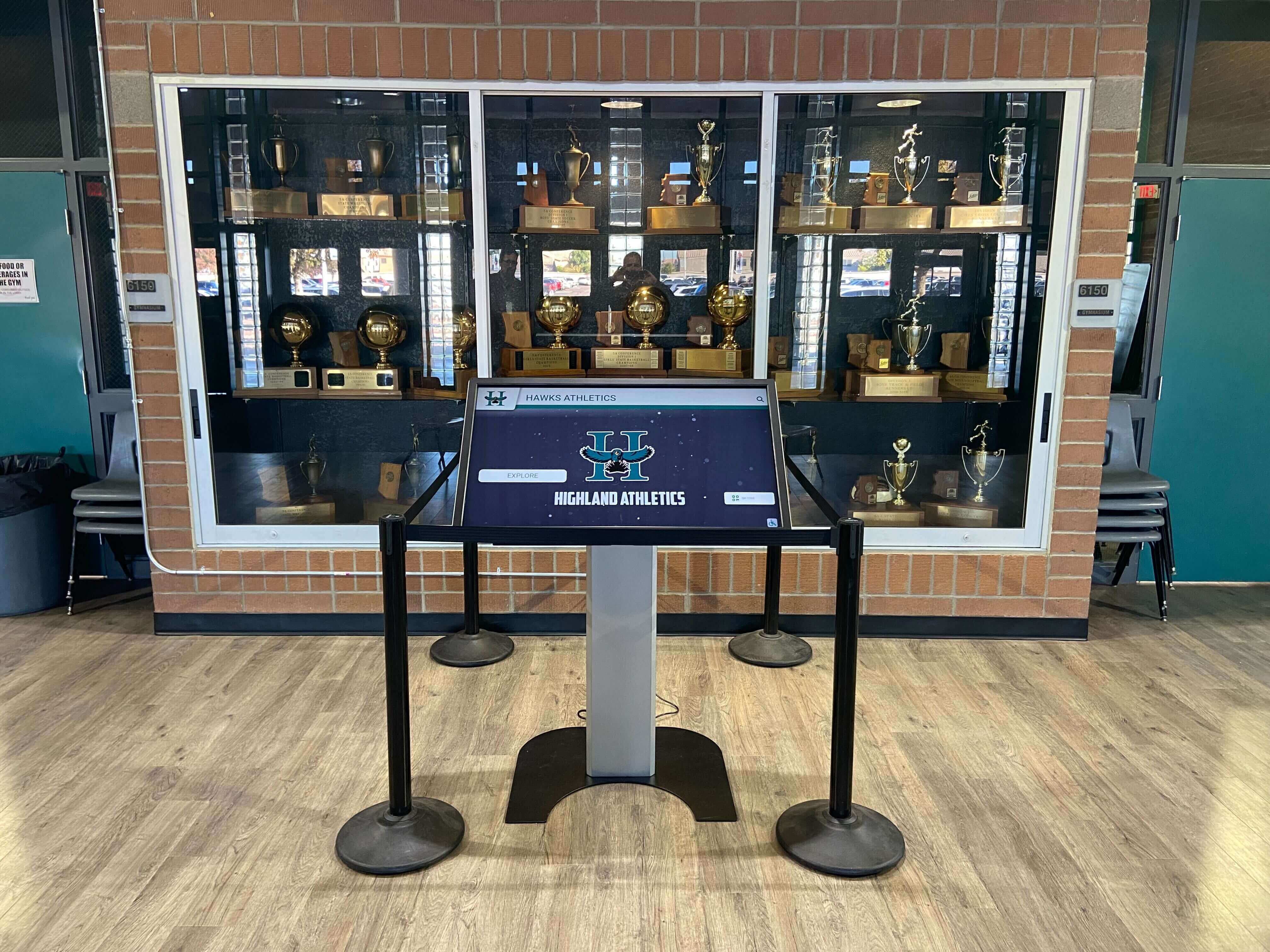
Thorough pre-launch testing ensures displays function reliably and engage users effectively from day one
Phase 5: Launch Strategy and Stakeholder Engagement
Successful launches build awareness, encourage exploration, and establish recognition displays as valued community resources rather than obscure technology installations few people know exist.
Launch Event Planning and Promotion
Strategic launch events create excitement while demonstrating display capabilities to key stakeholders.
Launch Event Components
Effective launch events might include formal dedication ceremonies recognizing sponsors or key contributors, demonstrations showcasing display capabilities and content, opportunities for attendees to explore displays discovering personal connections, recognition of newly honored individuals or achievements coinciding with launch, and media coverage generating community awareness.
Coordinate launches with existing events when possible—homecoming celebrations, alumni reunions, or annual fundraising events provide built-in audiences rather than requiring separate attendance efforts.
Multi-Channel Promotion Strategy
Generate awareness through diverse communication channels including direct email to alumni, donors, and community members, social media campaigns with photos and videos showing displays, newsletter articles in organizational publications, local media coverage highlighting new installations, website integration featuring content and inviting visits, and digital signage or posters in physical spaces directing visitors to displays.
Continue promotion beyond initial launch—regular content additions, featured profiles, and seasonal themes provide ongoing reasons to publicize displays encouraging repeat visits.
Training and Support for Content Management Staff
Launch success depends on staff confidence managing content independently—comprehensive training ensures displays remain current rather than gradually becoming outdated.
Initial Training Sessions
Provide hands-on training covering essential content management tasks including logging into content management systems, adding and editing individual profiles, uploading and managing media assets, organizing content into categories, publishing content making it live, and accessing help resources for ongoing questions.
Conduct training shortly before launch when participants will immediately apply learning rather than weeks earlier when they’ll forget before actually using systems. Record training sessions enabling future staff to access instruction when responsibilities transition.
Ongoing Support Resources
Beyond initial training, ensure staff have accessible support including comprehensive documentation or knowledge bases, video tutorials demonstrating common tasks, responsive vendor support through phone, email, or chat, and periodic refresher training as staff transition or needs evolve.
Organizations working with Rocket Alumni Solutions appreciate exceptional ongoing support—customers consistently praise responsiveness noting the team is “fast to respond and willing to go the extra mile” with “customer service that is extremely responsive.” The company’s 24/7 live chat with 15-second average response times ensures staff receive help when needed rather than waiting days for email responses.
Gathering Initial Feedback and Iteration
Launch represents beginning rather than conclusion of implementation—gathering user feedback enables continuous improvement.
Structured Feedback Collection
Systematically gather feedback from diverse stakeholder groups including brief surveys after visitor interaction, focus groups with key constituencies like students or alumni, informal feedback from staff observing public use, analytics data showing usage patterns and popular content, and monitoring social media mentions revealing public perception.
Balance quantitative metrics like usage counts with qualitative insights about what content resonates, what navigation confuses users, and what additional capabilities would enhance value.
Rapid Iteration Based on Learning
Address significant issues quickly demonstrating responsiveness and preventing poor early experiences from creating lasting negative impressions. Common early adjustments might include navigation improvements addressing confusion identified during initial use, content additions filling gaps users specifically request, search refinements improving query success rates, and visual design tweaks enhancing readability or reducing glare.
Organizations positioning displays as evolving resources continuously improving based on community input build ongoing engagement and goodwill beyond what static perfect launches achieve.
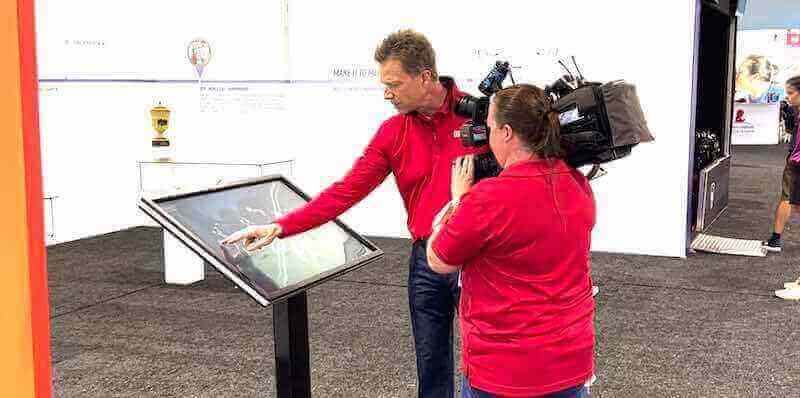
Launch events generate awareness and demonstrate recognition display capabilities to key stakeholders
Phase 6: Ongoing Management and Continuous Improvement
Long-term recognition success requires sustainable ongoing management rather than post-launch abandonment—establishing clear processes and responsibilities ensures displays remain valuable institutional assets for decades.
Sustainable Content Management Workflows
Regular content updates maintain relevance and demonstrate displays remain active rather than static installations.
Routine Content Addition Processes
Establish clear workflows for adding new achievements as they occur including responsibility assignment for each content type, update timelines ensuring timely recognition, quality review before publication, and communication notifying recognized individuals about additions.
For example, athletic directors might commit to adding championship teams within two weeks of season completion, academic coordinators update honor roll quarterly, and alumni relations staff add distinguished graduate profiles monthly.
Regular predictable updates maintain community engagement and demonstrate ongoing institutional commitment to comprehensive recognition.
Content Quality Maintenance
Beyond adding new content, maintain existing information quality through periodic audits identifying inaccurate or outdated information, photo quality improvements as better images become available, profile enrichment adding stories or additional context to basic entries, and dead link fixes ensuring external references remain functional.
Schedule annual or biannual content reviews ensuring recognition displays maintain professional standards rather than gradually degrading through benign neglect.
Seasonal and Featured Content Strategies
Maintain visitor interest through rotating featured content and seasonal themes including highlighting relevant achievements during sports seasons, recognizing anniversary milestones like 10th or 25th celebration dates, featuring individuals with timely accomplishments or news mentions, and creating special collections around institutional events or celebrations.
Dynamic featured content encourages repeat visits as regular users discover new presentations of familiar information.
Learn effective strategies for digital donor recognition that apply to ongoing content management across recognition contexts. Many organizations also find value in national honor society digital recognition displays for specific program implementations.
Analytics and Effectiveness Measurement
Regular analysis of usage patterns and engagement metrics reveals what works well and what needs improvement.
Key Performance Indicators
Track metrics aligned with original recognition objectives including total interaction counts showing overall engagement, average session duration indicating meaningful exploration versus brief touches, content views identifying popular versus ignored material, search queries revealing what visitors seek, navigation pathways showing how people explore content, and repeat visitor rates demonstrating ongoing appeal beyond novelty.
Compare metrics against success criteria established during planning—engagement meeting or exceeding targets validates implementation effectiveness while persistent underperformance indicates needed adjustments.
Usage Pattern Analysis for Continuous Improvement
Analytics reveal opportunities for enhancement including popular content types suggesting emphasis areas, ignored content categories indicating discoverability or relevance problems, common search queries showing what visitors seek, navigation dead-ends where users get stuck, and seasonal usage variations informing content and promotion timing.
Use behavioral data to inform content development priorities, navigation improvements, and featured content selection rather than relying solely on anecdotal impressions or assumptions about what visitors want.
Stakeholder Satisfaction Assessment
Beyond usage metrics, regularly assess stakeholder satisfaction through periodic surveys of students, alumni, and visitors, feedback from staff managing content, input from leadership about institutional impact, and recognition from media or external organizations.
Stakeholder satisfaction metrics reveal whether displays achieve intended mission impact beyond simply generating interaction counts.
Hardware Maintenance and Technology Evolution
Physical displays require ongoing maintenance ensuring reliable operation and positive user experiences.
Preventive Maintenance
Establish regular maintenance schedules including screen cleaning maintaining visibility and touch responsiveness, hardware inspection identifying developing issues before failures, software updates addressing security and performance, network connectivity verification, and environmental monitoring ensuring appropriate temperature and humidity.
Partner with technology staff or vendor support for systematic maintenance rather than waiting for failures creating negative user experiences.
Technology Refresh Planning
Commercial display hardware typically operates reliably for 5-7 years before requiring replacement. Plan technology refresh budgets and timelines including gradual hardware replacement before failures, software platform updates or migrations, capability enhancements like higher resolution or larger displays, and expansion to additional installations building on initial success.
Treating digital recognition as ongoing program rather than one-time purchase ensures displays remain modern and functional for decades rather than becoming dated obsolete technology after initial enthusiasm fades.
Long-term success requires ongoing content management, analytics-informed improvements, and hardware maintenance
Common Implementation Challenges and Solutions
Understanding typical obstacles enables proactive planning preventing problems from derailing implementations.
Content Development Overwhelm
Many organizations underestimate content development requirements and become overwhelmed mid-implementation.
Challenge: Teams commit to comprehensive historical coverage spanning decades but discover actual time requirements far exceed estimates, causing content development to stall before completing ambitious goals.
Solution: Implement phased content strategies launching with recent well-documented achievements while systematically expanding historical coverage post-launch. Recruit volunteer researchers including retired staff, alumni, or community members with relevant knowledge. Leverage bulk import capabilities for efficiently adding large data volumes. Set realistic expectations that comprehensive coverage develops over months or years rather than being completed before launch.
Staff Capacity and Turnover
Recognition requires ongoing content management but organizations struggle maintaining momentum as staff transition.
Challenge: Initial implementation champions move to different roles or leave organizations, and successors lack training or enthusiasm for maintaining displays, causing content to become outdated.
Solution: Distribute content management responsibilities across multiple staff members rather than depending on single individuals. Document processes clearly enabling smooth transitions when personnel change. Choose platforms with genuinely intuitive content management requiring minimal training. Establish recognition responsibilities in formal job descriptions ensuring continuity beyond individual champions.
Purpose-built platforms like Rocket Alumni Solutions address this challenge through exceptional ease of use and ongoing support—customers consistently note the software is “very user friendly” enabling “any novice to create an appealing and user friendly experience” while responsive support helps new staff quickly become proficient when responsibilities transition.
Technology Integration Challenges
Display installations sometimes encounter unexpected technical obstacles during implementation.
Challenge: Network connectivity proves inadequate for content updates or streaming media, electrical capacity requires upgrades, or mounting surfaces cannot support display weight without reinforcement.
Solution: Conduct thorough site surveys evaluating infrastructure before finalizing installation locations. Involve facilities and technology staff early in planning rather than surprising them with requirements during installation. Budget contingency reserves for addressing unexpected infrastructure needs. Select mounting locations with adequate existing infrastructure when possible.
Limited Engagement After Initial Launch
Some installations experience strong initial interest followed by declining engagement as novelty fades.
Challenge: Displays generate excitement during launch but visitor interaction gradually declines as community exhausts initial content and sees limited reason for repeat visits.
Solution: Implement regular content addition schedules maintaining freshness and giving visitors reasons to return. Rotate featured content highlighting different achievements seasonally. Promote new additions through newsletters, social media, or announcements generating awareness. Create interactive campaigns like “find yourself” challenges or historical trivia encouraging exploration. Monitor analytics identifying declining engagement early and implementing interventions before displays become ignored fixtures.
Explore strategies for creating museum-style displays that maintain long-term engagement through compelling storytelling. Organizations can also learn from old school photos digital display approaches when incorporating historical imagery.
Conclusion: Implementation Excellence Creates Lasting Recognition Value
Effectively implementing digital walls of fame requires balancing strategic planning, compelling content development, appropriate technology selection, and sustainable ongoing management. Organizations approaching implementation systematically—involving diverse stakeholders early, planning content strategically rather than hoping to “figure it out later,” selecting purpose-built recognition platforms, and establishing clear ongoing management processes—create recognition displays that genuinely serve institutional missions while delivering measurable returns on investment for decades.
The difference between digital walls of fame that become celebrated community assets and expensive technology gathering dust in hallways comes down to implementation approach rather than technology specifications or budget levels. Mid-range platforms implemented thoughtfully consistently outperform premium technology rushed into service without proper planning or sustainable management processes.
Start Your Recognition Implementation Journey
Discover how Rocket Alumni Solutions provides purpose-built digital recognition platforms designed specifically for effective implementation, backed by exceptional support ensuring your displays remain valuable assets for decades rather than becoming abandoned technology.
Schedule Implementation ConsultationYour students, alumni, donors, and community members deserve recognition systems that genuinely celebrate their achievements with the same thoughtfulness and excellence they demonstrated earning them. Taking time to plan implementations carefully, involving stakeholders comprehensively, developing quality content systematically, and establishing sustainable management processes ensures your digital wall of fame investment delivers lasting value rather than becoming another cautionary tale about rushed technology purchases.
Implementation excellence transforms digital recognition from simple technology procurement into strategic initiatives strengthening institutional pride, preserving organizational history, enhancing advancement efforts, and building deeper connections between current participants, distinguished alumni, and broader communities. The effort required for thoughtful implementation delivers exponential returns through recognition systems serving institutional missions effectively for decades while evolving continuously to meet changing needs and expectations.
Ready to begin your implementation journey? Explore additional resources including digital hall of fame software evaluation, interactive recognition display strategies, alumni recognition program development, and comprehensive recognition planning that demonstrate effective implementation approaches across diverse organizational contexts.