How to Launch an Alumni Mentorship Program That Actually Works: Complete Implementation Guide for Schools and Universities in 2026

Alumni mentorship programs represent some of the most valuable services schools and universities can provide to students and recent graduates—connecting emerging professionals with experienced alumni who offer career guidance, industry insights, and professional networks that significantly accelerate career development. When executed well, alumni mentorship programs create meaningful connections that benefit mentees through career advancement, mentors through renewed institutional engagement, and institutions through strengthened alumni relationships and demonstrated student success outcomes.
Yet most alumni mentorship initiatives fail to achieve their potential. Well-intentioned programs launch with enthusiasm but quickly struggle with poor mentor-mentee matching, inconsistent engagement, minimal structure leaving participants uncertain about expectations, and no meaningful measurement of outcomes or impact. Within months, participation dwindles, relationships fizzle without direction, and advancement teams abandon programs that consumed significant resources while delivering minimal results.
This comprehensive guide provides a proven framework for launching alumni mentorship programs that actually work—including strategic planning that aligns programs with institutional priorities, effective matching systems that create productive relationships, engagement structures that sustain participation, and measurement approaches that demonstrate value to stakeholders while continuously improving program effectiveness.
Successful alumni mentorship programs don’t happen by accident. They result from intentional design, thoughtful implementation, and ongoing refinement based on participant feedback and outcome data. Programs that thrive share common characteristics including clear objectives connected to institutional goals, structured frameworks providing guidance without being overly prescriptive, strategic matching processes that set relationships up for success, engagement strategies that maintain momentum, and systematic measurement that demonstrates impact while identifying improvement opportunities.

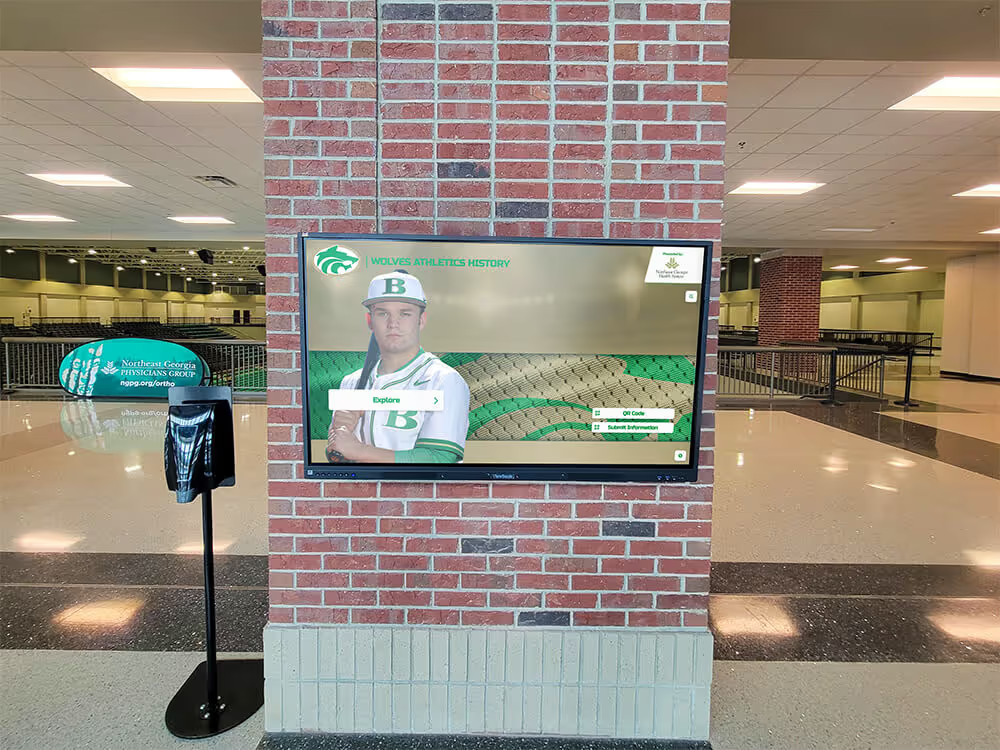
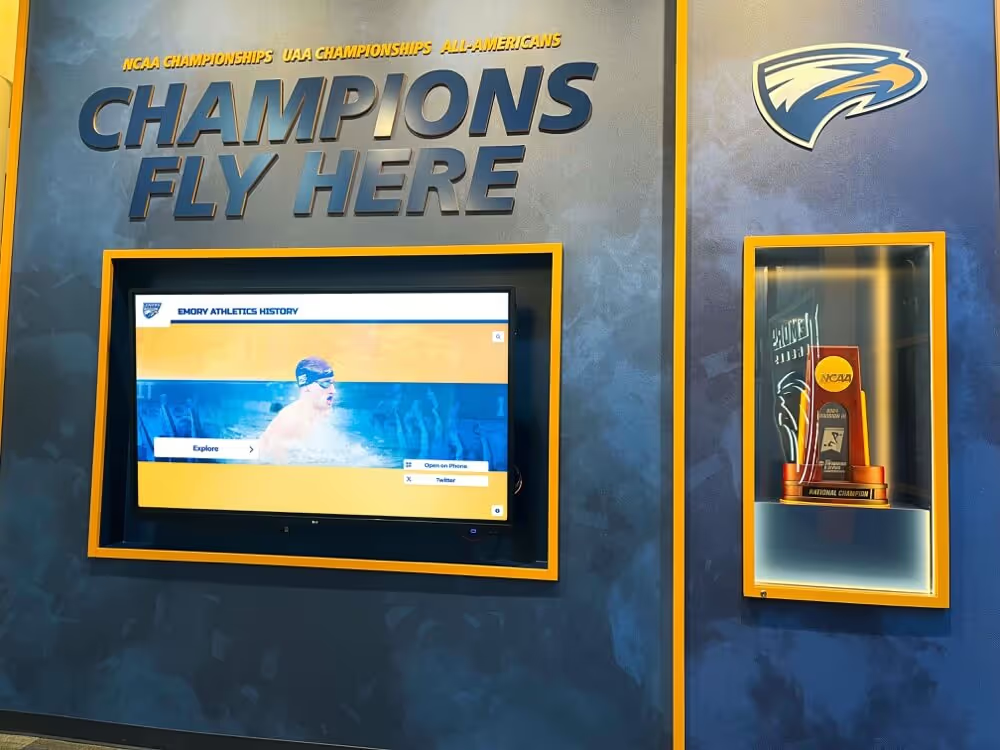
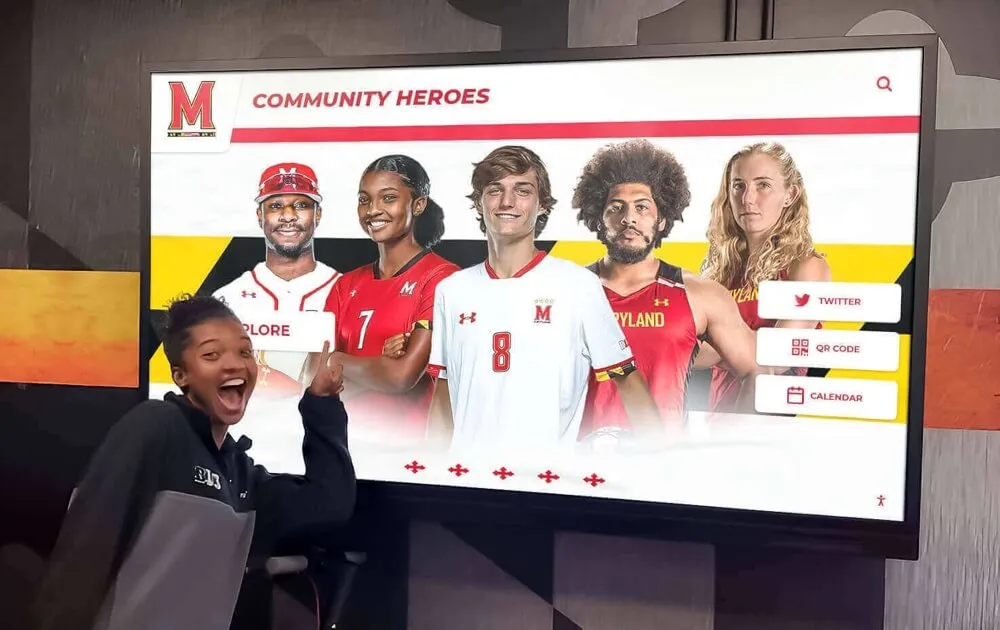
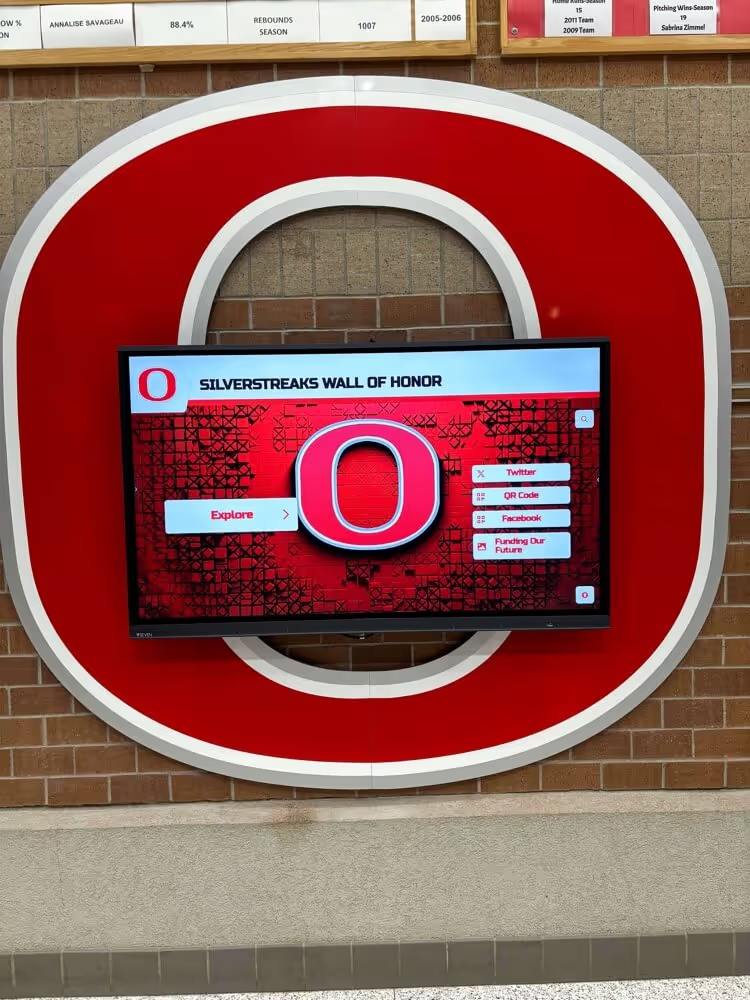
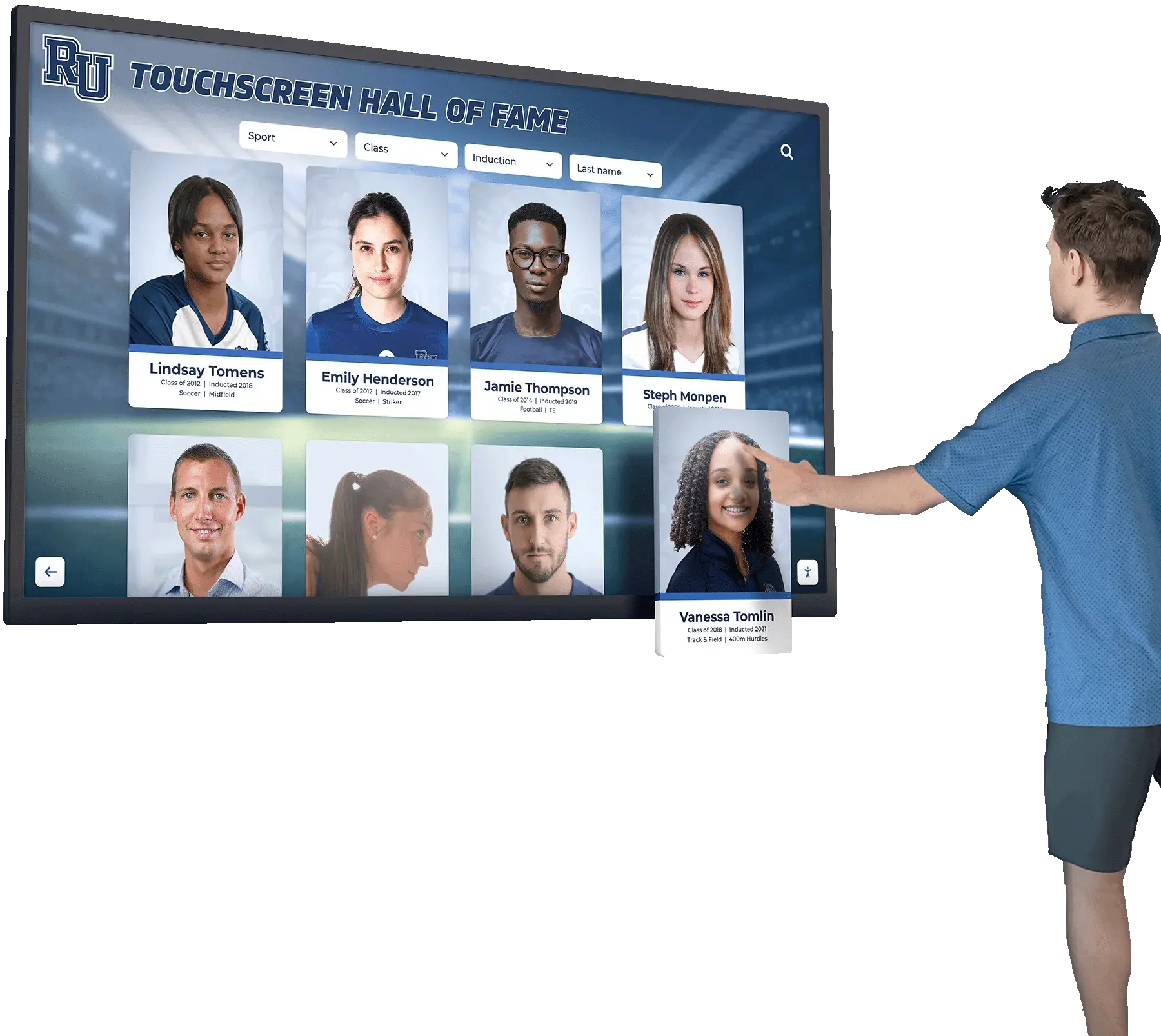
Modern technology platforms help alumni mentorship programs connect mentors and mentees effectively
Why Traditional Alumni Mentorship Programs Fail
Understanding common failure patterns helps advancement professionals avoid predictable pitfalls when launching new initiatives.
The “Build It and They Will Come” Fallacy
Many schools launch mentorship programs with minimal planning, assuming alumni will naturally volunteer as mentors and students will eagerly participate. This assumption proves incorrect when programs struggle to recruit sufficient mentors in relevant fields, attract student participation beyond initial curiosity, create matches that actually work, and maintain engagement beyond first meetings.
Without intentional recruitment strategies, structured onboarding, clear expectations, and ongoing support, programs wither regardless of good intentions. Successful programs require significant upfront planning and sustained operational effort.
Poor Matching Creates Failed Relationships
Random or convenience-based matching dooms mentorship relationships before they begin. When schools pair mentors and mentees based solely on industry category or geographic proximity without considering career stage alignment, specific interest areas and goals, communication style preferences, and availability and time commitment expectations, participants experience frustrating mismatches where conversations lack relevance, expectations diverge, and relationships feel obligatory rather than valuable.
Effective matching requires gathering detailed information from both mentors and mentees, using structured criteria to identify compatible pairs, and providing flexibility for participants to request different matches when initial pairings don’t work.
Lack of Structure Leads to Paralysis
“Here’s your mentor, good luck!” represents inadequate program design. Without clear guidance about conversation topics and goals, suggested meeting frequency and format, milestone expectations throughout relationships, and resources supporting productive discussions, even well-matched pairs struggle to maintain momentum. Mentees feel uncertain about appropriate asks, mentors lack direction for providing value, and relationships drift without purpose.
Successful programs provide sufficient structure to guide participants while remaining flexible enough to accommodate diverse relationship styles and objectives.
No Measurement Means No Improvement
Programs operating without systematic feedback collection and outcome measurement can’t demonstrate value to stakeholders or identify improvement opportunities. When advancement teams lack data on participant satisfaction and engagement, career outcomes for mentees, relationship quality indicators, and program operational efficiency, they cannot justify resource allocation, refine matching algorithms, improve support resources, or celebrate successes that generate additional participation.
Measurement systems need not be complex, but they must exist from program inception to enable continuous improvement.
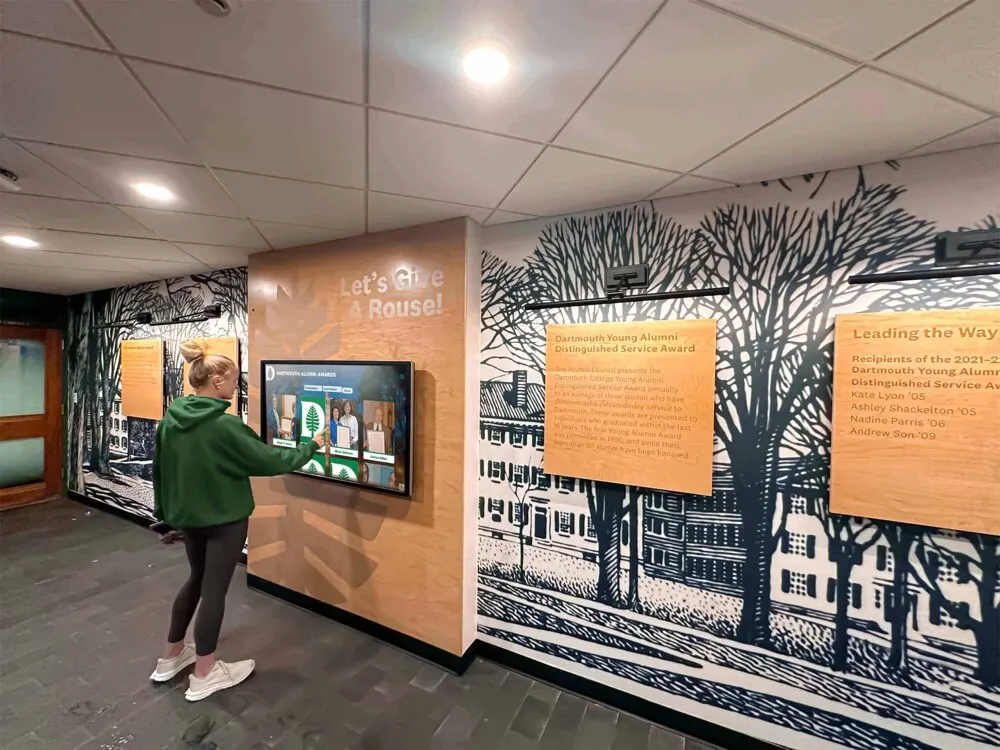
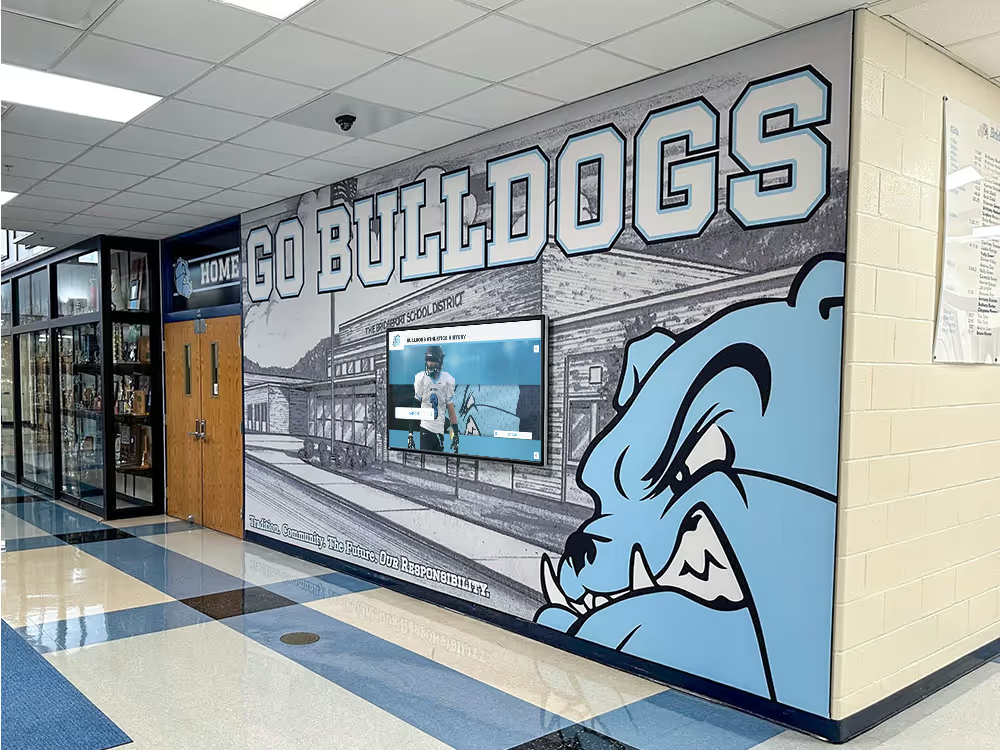
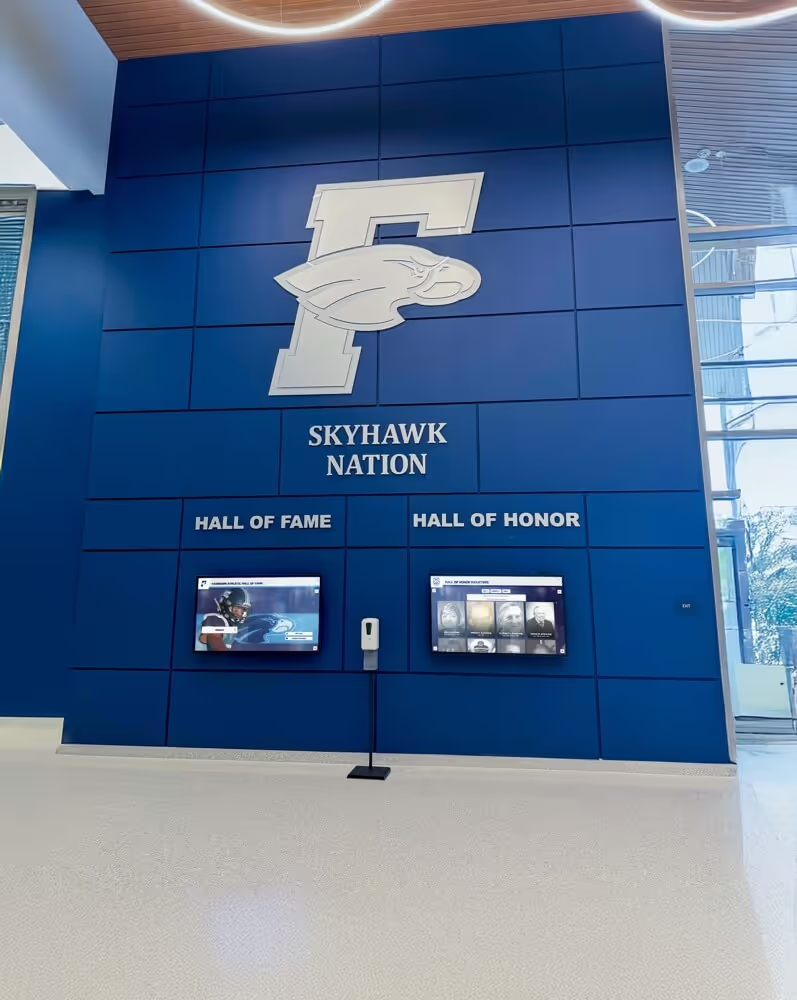
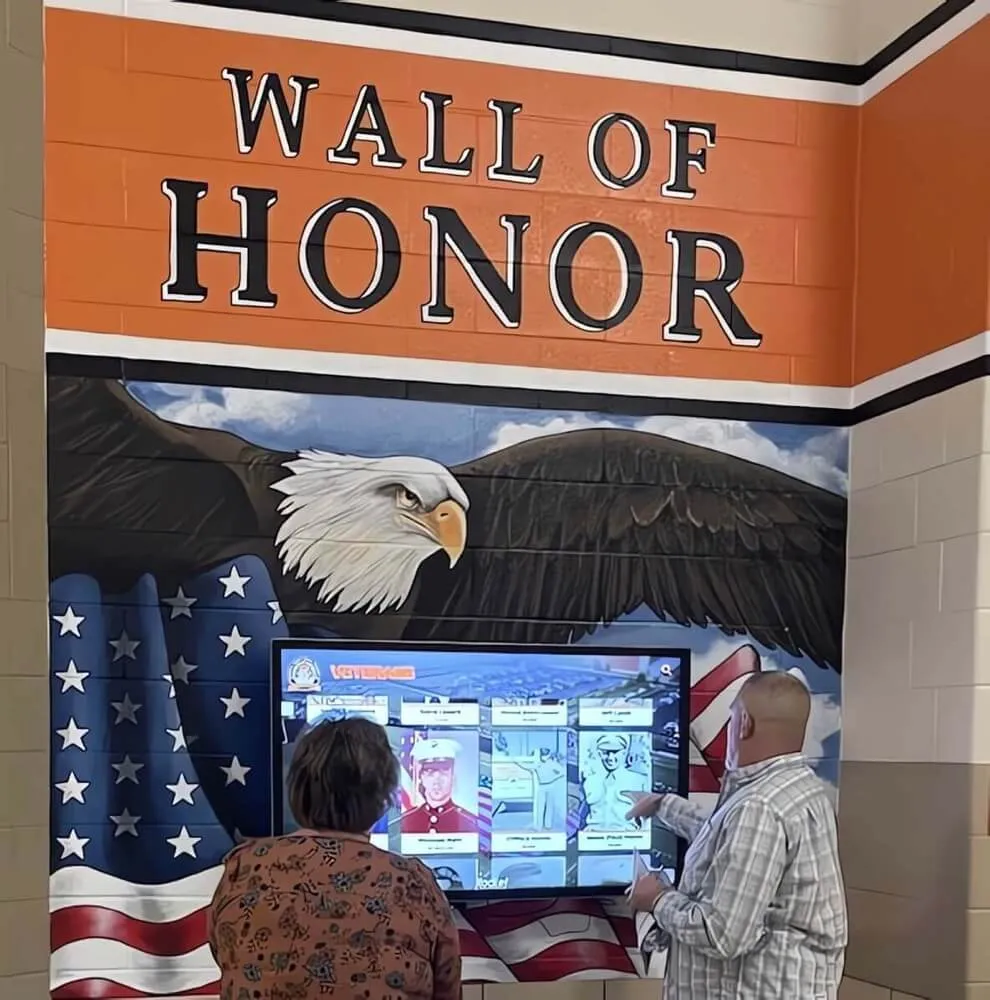
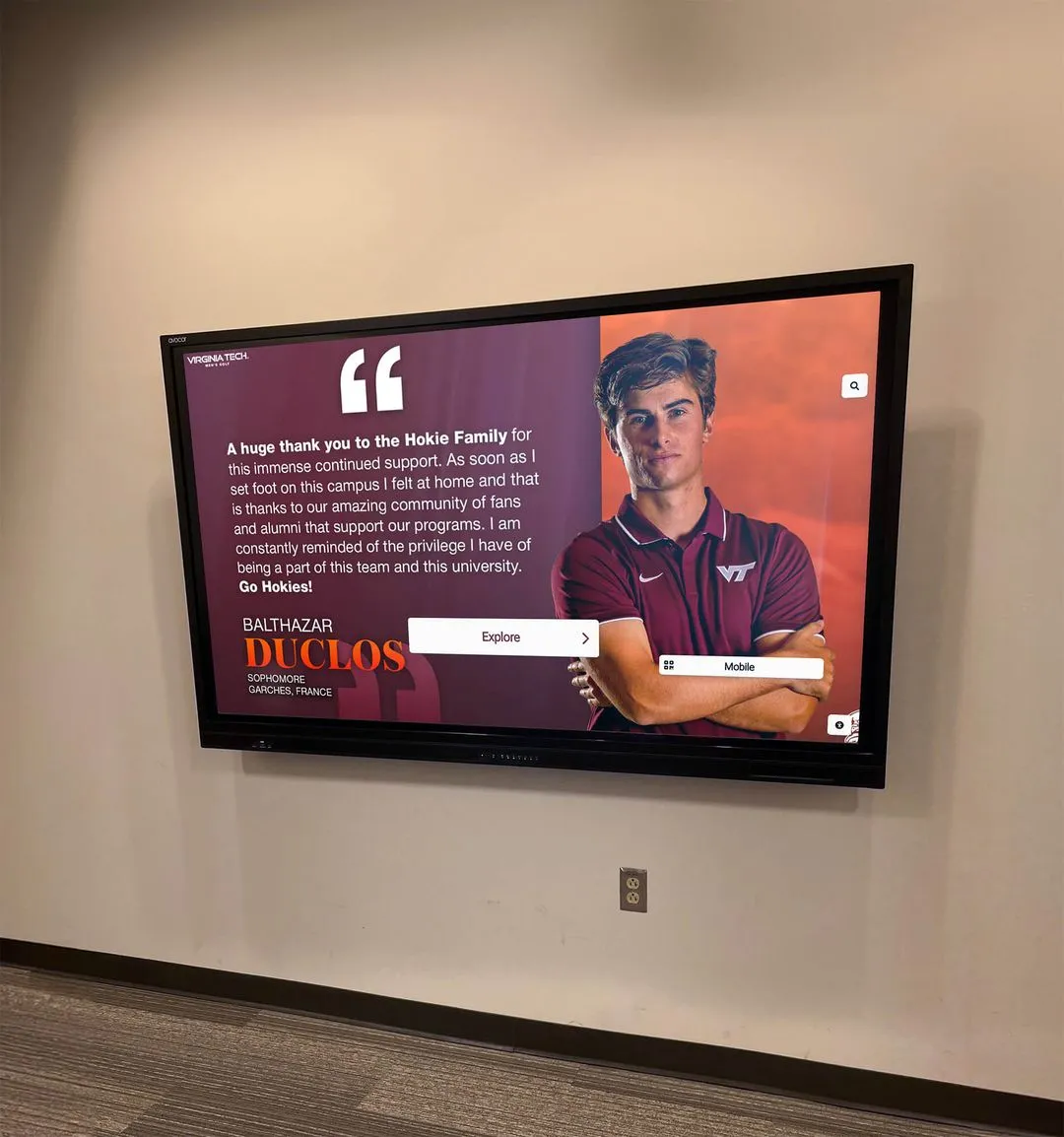
Digital platforms facilitate alumni engagement and mentorship connections
Strategic Planning: Defining Your Alumni Mentorship Program Foundation
Successful programs begin with clear strategic foundations that guide all subsequent design and operational decisions.
Establish Clear Program Objectives
Before recruiting participants or building matching systems, define what your alumni mentorship program aims to achieve. Different objectives require different program designs and resource commitments.
Common Program Objectives:
- Career Development Focus: Helping students and recent graduates navigate career decisions, develop professional skills, and access job opportunities
- Industry Exposure: Providing students with realistic perspectives on specific industries, roles, and career pathways
- Network Building: Expanding students’ professional networks beyond campus connections
- Retention and Persistence: Supporting student success and graduation through relationship-based guidance
- Alumni Engagement: Deepening alumni connection to institution through meaningful service opportunities
- Advancement Pipeline: Cultivating relationships that may lead to future philanthropy
Most programs serve multiple objectives, but clarity about primary goals shapes program design decisions including target participant populations, optimal mentor-mentee ratios, relationship duration expectations, and success metrics.
Define Target Populations and Eligibility
Determine who can participate as mentors and mentees, balancing inclusivity with program quality and operational capacity.
Mentor Eligibility Considerations:
- Graduation year requirements (typically 5+ years post-graduation for career guidance, though near-peers 2-3 years out can be valuable for specific purposes)
- Professional achievement and stability indicators
- Availability and time commitment capability
- Interest and motivation for mentoring
- Training completion requirements
- Ongoing participation expectations
Mentee Eligibility Considerations:
- Academic class standing (upperclassmen, graduate students, recent alumni)
- Academic standing requirements if applicable
- Application or nomination processes to ensure commitment
- Capacity to engage meaningfully in relationships
- Specific program focus areas (first-generation students, specific majors, career changers)
Narrower eligibility criteria enable more targeted matching and appropriate resources but limit participation scale. Broader eligibility increases reach but may dilute program quality and strain operational capacity.
Just as schools must carefully consider recognition approaches for different populations, mentorship programs require thoughtful design around participant selection and program scope. Learn about recognition best practices in school award ceremony planning.
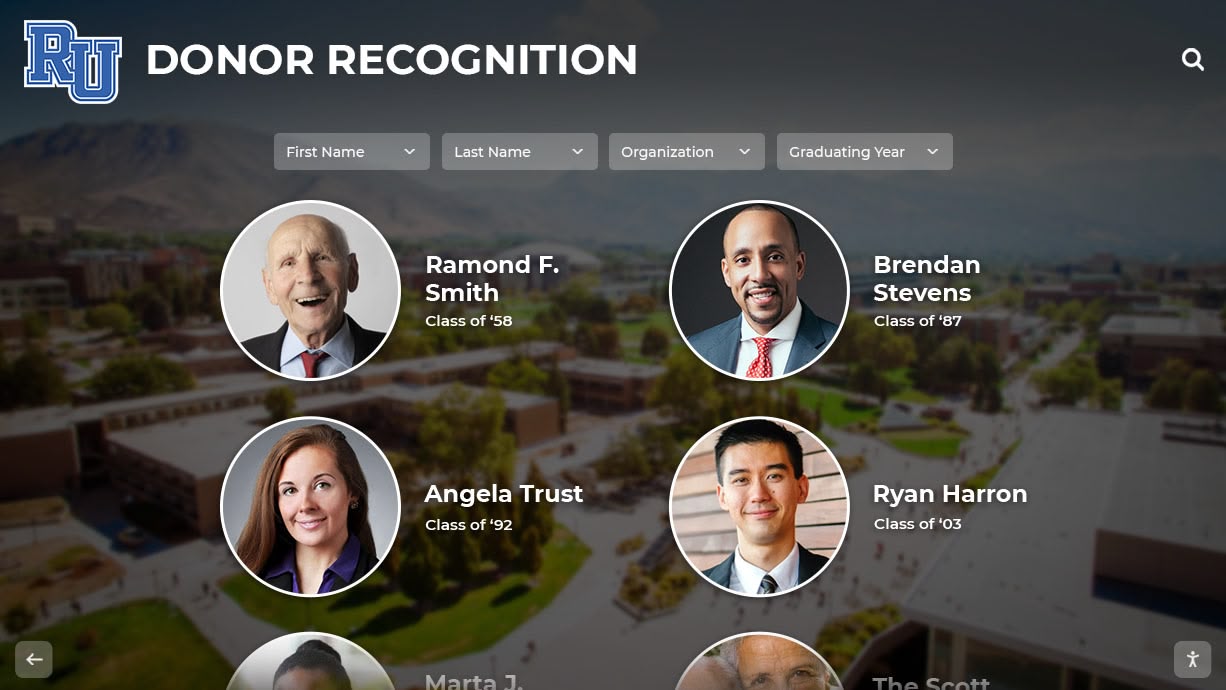
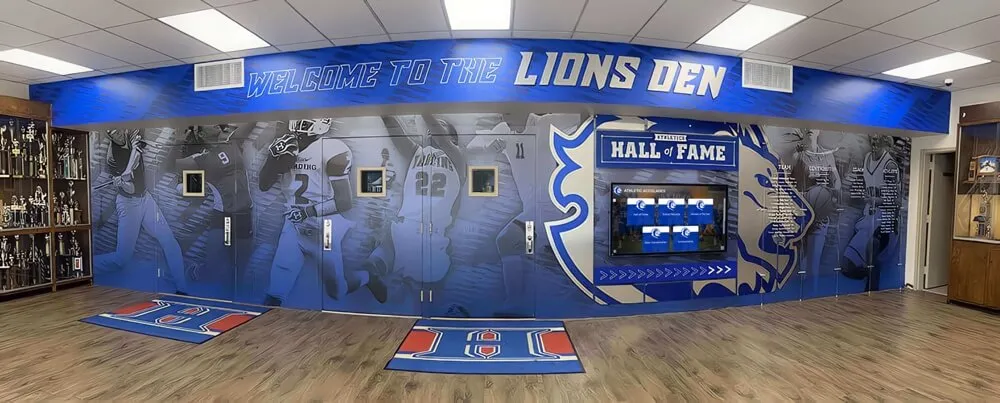
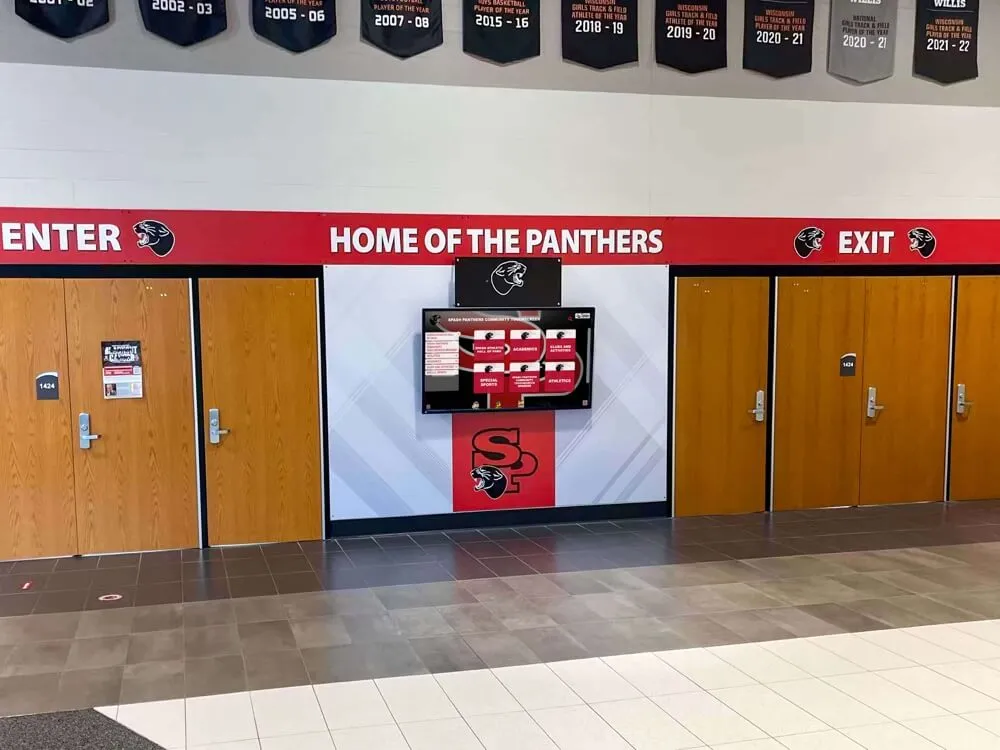
Recognizing accomplished alumni creates visibility that supports mentorship recruitment
Determine Program Structure and Duration
Define the fundamental structure of mentoring relationships including duration, intensity, and format.
Duration Options:
- Semester-Long Programs (3-4 months): Defined endpoint reduces commitment concerns but limits relationship depth
- Academic Year Programs (8-10 months): Allows meaningful relationship development while maintaining structure
- Open-Ended Ongoing Relationships: Maximum flexibility but higher dropout risk without milestones
- Project-Based Mentoring: Defined around specific goals (job search, project completion) with flexible timelines
Intensity and Format:
- Expected meeting frequency (monthly video calls, quarterly in-person meetings, ongoing email/message exchange)
- Minimum time commitment expectations for mentors
- Virtual, in-person, or hybrid relationship options
- One-on-one versus small group mentoring models
- Integration with existing programs (internships, capstone projects, career development coursework)
Structure decisions should align with program objectives and participant capacity. Career-focused programs typically require more frequent interaction than network-building initiatives. Student mentees may need more structure than alumni mentees who are further along in careers.
Resource Requirements and Operational Planning
Successful programs require sustained resource commitment beyond initial launch enthusiasm. Honest assessment of resource availability prevents overcommitment and program failure.
Staffing Requirements:
- Program coordination and administration (recruitment, matching, communication)
- Technology platform management and support
- Training development and delivery
- Participant support and problem resolution
- Assessment and reporting
- Marketing and communications
Most programs require dedicated staff time ranging from 0.25 FTE for small pilots to 1.0+ FTE for comprehensive programs serving hundreds of participants.
Technology Infrastructure:
- Participant application and profile systems
- Matching algorithm or process
- Communication and engagement tools
- Resource libraries and content management
- Survey and assessment platforms
- Reporting and analytics capabilities
Many institutions use dedicated mentorship platforms like PeopleGrove, Graduway, or Mentor Collective rather than building custom solutions. Platform costs typically range from $5,000 to $50,000 annually depending on participant volume and feature requirements.
Budget Considerations Beyond Technology:
- Staff time (salary/benefits for dedicated coordination)
- Training materials and delivery
- Marketing and recruitment campaigns
- Recognition and appreciation for participants
- Event costs if incorporating in-person gatherings
- Assessment tools and analysis
Successful programs typically allocate $50-200 per participant annually for comprehensive support beyond basic platform costs.
Building an Effective Matching System
The matching process represents the highest-leverage design decision in mentorship programs. Thoughtful matching dramatically increases relationship success rates and participant satisfaction.
Gather Rich Participant Information
Effective matching requires detailed information from both mentors and mentees extending beyond basic demographics and career fields.
Essential Mentor Profile Elements:
- Current role, organization, and industry
- Career pathway and previous roles
- Specific expertise areas and skills
- Geographic location and willingness for virtual relationships
- Preferred mentee characteristics (career stage, interests, goals)
- Availability and preferred communication methods
- Previous mentoring experience
- Motivations for participating
Essential Mentee Profile Elements:
- Current academic program or career stage
- Career interests and exploration areas
- Specific questions or challenges requiring guidance
- Geographic location and format preferences
- Learning style and communication preferences
- Goals for mentorship relationship
- Previous mentorship experience
- Background information relevant to match quality (first-generation student status, career change situation, specific identity considerations)
Collecting detailed information increases administrative burden but dramatically improves match quality. Consider using conditional logic in applications to streamline the process while gathering necessary detail.
Develop Clear Matching Criteria
Establish transparent criteria for creating matches, balancing multiple factors to optimize relationship potential.
Primary Matching Factors:
- Industry and functional area alignment (accounting mentee with accounting professional, marketing student with marketing leader)
- Career stage appropriateness (student seeking entry-level guidance matched with professional 5-10 years out rather than C-suite executive)
- Specific interest or goal alignment (mentee interested in nonprofit work matched with nonprofit professional)
- Geographic connections when relevant for networking or in-person meetings
Secondary Matching Factors:
- Alumni connection points (same major, similar extracurricular involvement, shared identity)
- Communication style and availability alignment
- Specific expertise matching specific questions
- Mentor capacity relative to mentee needs
Avoid Over-Optimization: Don’t let pursuit of perfect matches prevent good matches. Two professionals in related industries with aligned goals create valuable relationships even without identical backgrounds. Perfect demographic matching isn’t necessary and may limit opportunities for diverse perspective exposure that participants value.
Similar to how schools must balance multiple priorities when creating recognition programs, mentorship matching requires weighing various factors. Discover approaches to comprehensive recognition in National Honor Society induction ceremony planning.
Choose Matching Methodology
Determine how matches will actually be created given your participant volume and available resources.
Algorithm-Based Matching: Most mentorship platforms include matching algorithms that weight various criteria to suggest optimal pairs. Algorithms work well when participant pools are large (100+ mentors and mentees), profile information is detailed and standardized, and staff time for manual review is limited.
Advantages include scale efficiency and consistency. Disadvantages include occasional unexpected mismatches and limited accommodation of nuanced factors difficult to quantify.
Staff-Curated Matching: Advancement professionals personally review profiles and create matches based on holistic assessment. This approach works well when participant pools are smaller (under 50 pairs), unique context requires judgment, and staff capacity exists for detailed review.
Advantages include nuanced decision-making and relationship with participants. Disadvantages include time intensity and potential for unconscious bias.
Participant-Directed Matching: Mentees browse mentor profiles and request connections with preferred mentors who approve or decline requests. This approach maximizes participant agency but requires sufficient mentor supply to ensure successful matching and may disadvantage mentees with less developed networking skills.
Hybrid Approaches: Many successful programs combine methods—using algorithms to generate shortlists of compatible mentors for each mentee, then allowing staff review and refinement before presenting options to participants for final selection.
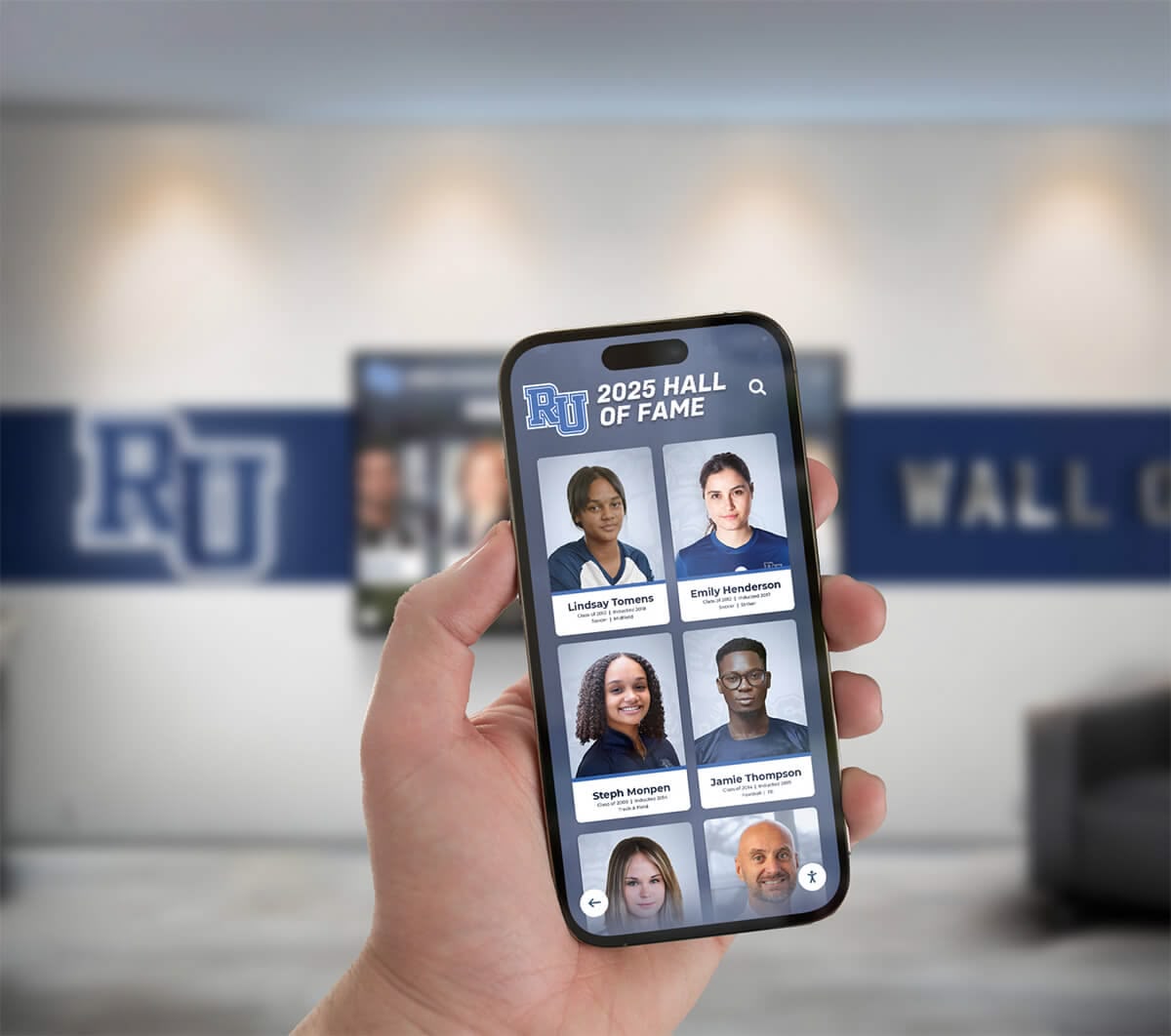
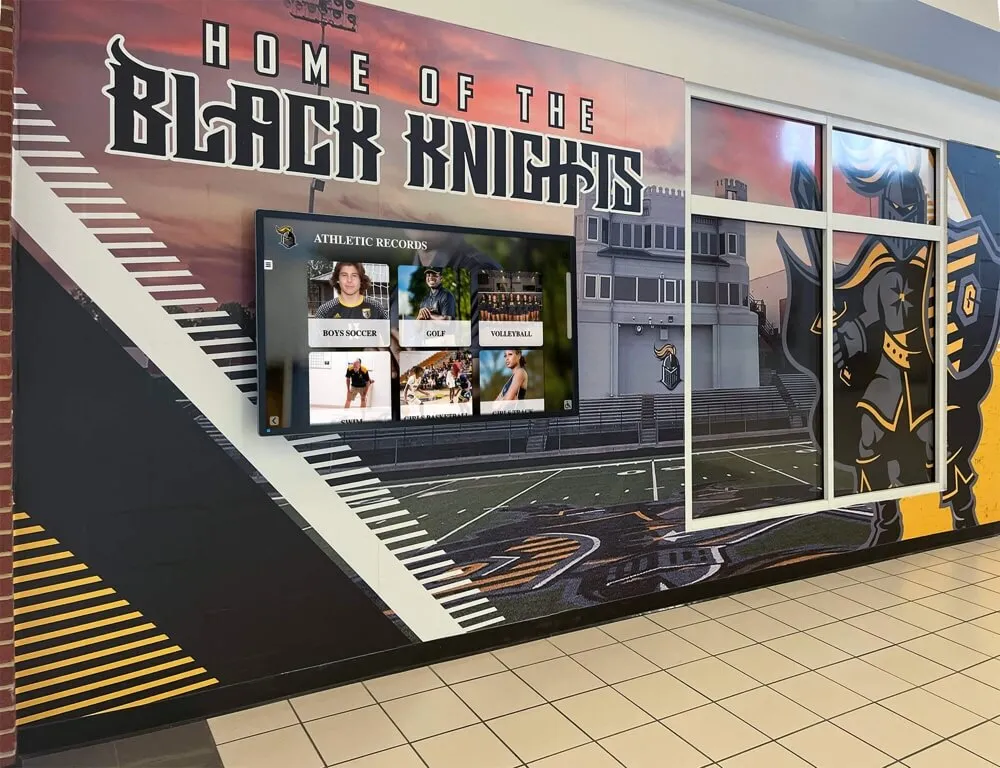
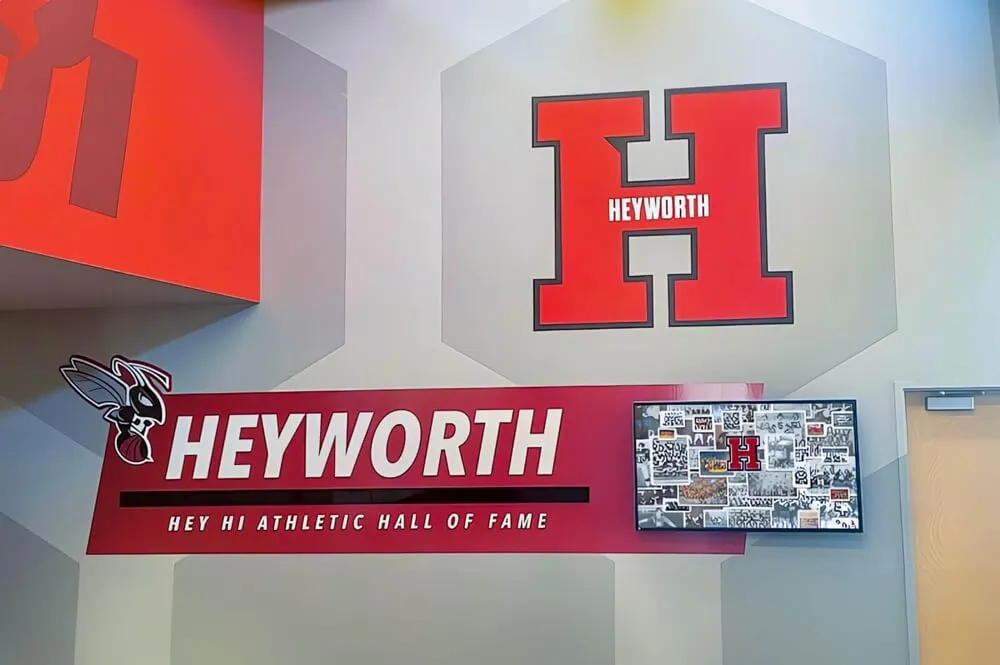
Mobile technology enables alumni to engage with programs conveniently
Launching Successfully: Recruitment, Training, and Kickoff
Strong program launch sets the foundation for sustained success through intentional recruitment, comprehensive training, and structured relationship initiation.
Mentor Recruitment Strategies
Quality mentors represent the supply-side constraint in most programs. Effective recruitment requires multi-channel approaches and compelling value propositions.
Recruitment Channels:
- Direct outreach to accomplished alumni identified through advancement research
- Promotion through alumni communications (newsletters, social media, alumni association channels)
- Leveraging board members and volunteers to recruit their networks
- Partnership with regional alumni chapters and affinity groups
- Integration with existing alumni engagement programs
- Student and recent alumni testimonials about mentorship value
Mentor Value Proposition: Effective recruitment messaging addresses why alumni should invest time in mentoring. Focus on giving back to institution and supporting next generation, staying connected to campus and institutional evolution, developing leadership and coaching skills, expanding their own networks through program connections, gaining fresh perspectives from emerging professionals, and recognition as program participants and community leaders.
Different alumni respond to different motivations. Segment messaging when possible to emphasize benefits most relevant to specific audiences.
Quality Over Quantity: Recruiting 30 engaged, prepared mentors proves more valuable than recruiting 100 mentors with tepid commitment. Set clear expectations during recruitment about time commitment requirements, relationship duration, training participation, and ongoing engagement expectations. This transparency helps self-selection while establishing program culture of commitment.
Mentee Recruitment and Selection
While mentee demand typically exceeds mentor supply, recruitment still requires intentional effort to reach students who would benefit most from mentorship.
Recruitment Strategies:
- Partnership with career services for integration with career development programming
- Faculty promotion in relevant courses and academic programs
- Campus presentations and information sessions
- Peer testimonials from previous program participants
- Targeted outreach to populations who especially benefit (first-generation students, underrepresented groups in specific fields)
- Integration with other student success initiatives
Application and Selection: Consider whether open enrollment or selective application best serves program goals. Selective processes ensure mentee commitment but may deter students who would benefit. Open enrollment maximizes access but may strain resources with unprepared participants.
Many programs use light application processes requiring students to articulate goals and questions for mentors, commitment to participation expectations, and acknowledgment of program guidelines. This ensures baseline preparation without creating excessive barriers.
Comprehensive Training for Both Mentors and Mentees
Training represents a high-impact investment that dramatically improves relationship quality and participant satisfaction. Don’t skip this critical step.
Mentor Training Topics:
- Program objectives, structure, and expectations
- Effective mentoring practices (asking questions, active listening, offering perspective without directing decisions)
- Appropriate boundaries and topics
- Communication strategies for virtual relationships
- Understanding mentee populations and common challenges
- Resources available to support relationships
- Problem scenarios and resolution processes
Mentee Training Topics:
- How to get maximum value from mentorship relationships
- Preparing for meetings and asking effective questions
- Professional communication norms
- Setting and articulating goals
- How to provide feedback and request additional support if needed
- Appreciating mentor time and maintaining relationships
Training Format Options:
- Live virtual or in-person sessions (most engaging, allows discussion)
- Recorded video modules (flexible, scalable)
- Written guides and resources (reference materials)
- Combination approaches with core content delivered virtually and supplementary resources available on-demand
Plan for 1-2 hours of training content for mentors and 30-60 minutes for mentees. More training correlates with better outcomes up to reasonable limits.
Structured Relationship Launch
Don’t simply introduce matches and hope for the best. Provide clear guidance for initial meetings and early relationship development.
First Meeting Structure: Provide suggested agendas for initial conversations including introductions and background sharing, mentee sharing of goals and questions, discussion of preferred communication methods and meeting frequency, and establishment of specific short-term objectives or topics for next conversation.
Early Relationship Milestones: Suggest specific milestones for first 30-60 days such as schedule first meeting within two weeks of match notification, complete second meeting within first month, identify 2-3 specific goals for relationship, and establish regular communication pattern.
Support and Check-Ins: Plan systematic check-ins with participants after first meetings to ensure relationships are launching well, address any concerns or mismatches early, gather feedback on training and resources, and demonstrate ongoing program support.
As schools create structured approaches for various programs, mentorship initiatives benefit from similar intentional design. Explore structured recognition approaches in assistant principal appreciation strategies.
Sustaining Engagement Throughout Program Duration
Initial enthusiasm fades without intentional engagement strategies that maintain momentum and support productive relationships throughout program duration.
Provide Ongoing Content and Resources
Regular communication with participants demonstrates program support while providing value that strengthens relationships.
Monthly Touchpoints: Send brief monthly communications to all participants including suggested conversation topics for current time of year (resume review in fall, interview preparation in winter, offer negotiation in spring), success stories from other participants, relevant career development resources, upcoming events or opportunities, and reminders of program support resources.
Resource Library: Maintain accessible collection of resources supporting common mentorship topics including career exploration tools and assessments, industry information and labor market data, resume and cover letter guides, interview preparation resources, networking strategies, graduate school exploration resources, and career transition frameworks.
Resources need not be created from scratch. Curate high-quality external resources supplemented with institution-specific content where valuable.
Facilitate Community and Connection
Individual mentorship relationships strengthen when embedded in broader program community rather than existing in isolation.
Virtual and In-Person Gatherings: Host optional events connecting program participants including panel discussions with mentor participants about career pathways, networking events mixing mentors, mentees, and alumni, skill-building workshops on relevant topics, and celebration events recognizing program participation and milestones.
Events serve multiple purposes: providing additional value, creating community, enabling mentees to expand networks beyond individual mentors, and recognizing mentor contributions.
Mentor and Mentee Communities: Consider creating spaces where mentors connect with other mentors to share experiences and strategies, and where mentees connect with other mentees for peer support. These communities might take the form of online forums, periodic peer discussion groups, or mentor/mentee-specific gatherings.
Peer communities reduce isolation, enable problem-solving, and create additional accountability for participation beyond individual relationships.

Multi-platform engagement tools help programs reach participants where they are
Monitor Engagement and Intervene Proactively
Don’t wait for participants to raise concerns. Monitor engagement indicators and intervene proactively to support struggling relationships.
Engagement Indicators to Monitor:
- Meeting frequency relative to expectations
- Communication activity within platform if applicable
- Participation in program events and resources
- Survey response rates
- Expressed satisfaction in check-ins
Early Warning Signs:
- Matches that never complete first meetings despite reminders
- Relationships where communication drops off after initial meetings
- Participant complaints about responsiveness or fit
- Consistently missed program check-ins or surveys
Intervention Strategies: When engagement indicators suggest relationships aren’t working, reach out proactively to understand barriers, offer support resources, facilitate difficult conversations if needed, and consider re-matching when relationships fundamentally aren’t working.
Early intervention prevents negative experiences that damage program reputation and reduces feelings of failure among participants.
Measuring Success and Demonstrating Impact
Systematic measurement enables program improvement, demonstrates value to stakeholders, and celebrates successes that fuel continued participation and institutional support.
Define Success Metrics Aligned with Program Objectives
Measurement should directly connect to the objectives established during program planning. Different program goals require different metrics.
Participant Satisfaction Metrics:
- Overall satisfaction ratings from mentors and mentees
- Net Promoter Score (likelihood to recommend program)
- Qualitative feedback on program value
- Willingness to continue participation or participate again
Engagement Metrics:
- Percentage of matches that complete first meetings
- Average meeting frequency
- Retention rates throughout program duration
- Participation in program events and resources
- Communication activity levels
Outcome Metrics: For career-focused programs, track:
- Job placement rates for mentees
- Time to employment for graduating students
- Career field alignment with goals
- Starting salary data
- Graduate school admission for those pursuing advanced degrees
For alumni engagement programs, track:
- Mentor retention across program years
- Progression to other volunteer leadership roles
- Giving participation and levels
- Event attendance and engagement indicators
Relationship Quality Indicators:
- Mentee reports of value gained
- Specific examples of mentor support impact
- Goal achievement reported by mentees
- Mentor reports of meaningful relationships
- Continuation of relationships beyond program duration
Implement Systematic Data Collection
Design measurement systems that efficiently gather necessary data without creating excessive burden for participants or staff.
Survey Timing:
- Post-match survey (after first meeting): verify meetings occurred, gather initial feedback, identify immediate concerns
- Mid-program survey (at halfway point): assess ongoing engagement, relationship quality, identify support needs
- End-of-program survey (at conclusion): comprehensive assessment of satisfaction, outcomes, improvements
- Long-term follow-up (6-12 months post-program): assess lasting impact, career outcomes, relationship continuation
Survey Design Principles: Keep surveys brief (5-10 minutes maximum), use mix of quantitative scales and qualitative open-ended questions, ask about specific behaviors and outcomes rather than only general impressions, include consistent questions across survey waves to enable trend analysis, and ensure mobile-friendly formats for high response rates.
Response Rate Strategies: Maximize survey response through multiple communication channels (email, text, in-platform notifications), incentives for completion when budget allows, clear explanation of how feedback improves programs, and send reminders but avoid excessive follow-up that creates annoyance.
Target 60-70% response rates through these strategies.
Analyze and Report Results
Data collection without analysis and action proves pointless. Build time into program operations for systematic review and reporting.
Regular Analysis Schedule: Review engagement data monthly to identify relationships needing support, analyze survey results within two weeks of collection windows, prepare comprehensive program reports annually, and share results with stakeholders including senior leadership, advancement colleagues, and participants.
Reporting Formats for Different Audiences:
- Senior Leadership: Brief executive summary with key metrics, outcomes, and strategic recommendations
- Advancement Team: Detailed operational report with engagement trends, participant feedback, and improvement priorities
- Mentors and Mentees: Thank you communication highlighting collective impact with selected aggregate data
- Prospective Participants: Success stories and outcomes that support recruitment
Just as schools benefit from systematic recognition approaches, mentorship programs thrive with structured measurement. Learn about recognition impact in donor thank you letter strategies.
Use Data for Continuous Improvement
The ultimate purpose of measurement is enabling program improvement. Establish processes for translating insights into action.
Create Improvement Cycle: After each program cohort, dedicate time to systematically review what worked well and should be continued, what didn’t work and should be changed, what new ideas emerged from participant feedback, and what resource constraints or opportunities affect future iterations.
Common Improvement Areas: Based on data and feedback, programs often refine matching criteria and processes to improve compatibility, training content and delivery to better prepare participants, communication frequency and content based on engagement patterns, technology platform features and usability, and event offerings based on participation and value assessments.
Share Learning: Participate in professional communities of practice around mentorship programs to learn from other institutions’ experiences. Organizations like CASE (Council for Advancement and Support of Education) facilitate knowledge sharing around alumni engagement and mentorship programs.
Scaling and Sustaining Your Alumni Mentorship Program
After establishing successful program foundations, many institutions seek to expand reach and ensure long-term sustainability.
Growth Strategies
Incremental Expansion: Rather than immediately scaling to hundreds or thousands of participants, grow thoughtfully through phased expansion piloting new segments (different schools/colleges, graduate students, young alumni), testing new features or formats before full rollout, building operational capacity alongside participant growth, and maintaining quality standards as programs scale.
Programs often begin with 20-30 pilot pairs, expand to 50-75 pairs in year two, and reach 100+ pairs by year three as systems and resources mature.
Leveraging Technology for Scale: As programs grow, technology becomes essential for managing increasing complexity. Platforms enable automated matching at scale, self-service tools reducing administrative burden, automated communications maintaining engagement without staff time, and sophisticated reporting providing insights across growing participant populations.
Investment in robust technology pays for itself through efficiency gains once programs exceed 50-75 active pairs.
Peer Mentorship Models: Consider complementing traditional alumni-student mentoring with peer mentorship connecting students with recent graduates (2-3 years out). Recent alumni often have fresh perspective on current student challenges, career launching, and early professional experiences while requiring less intensive recruitment and potentially offering greater identification for mentees.
Peer models can expand program reach while maintaining manageable mentor-to-mentee ratios.
Building Sustainable Operations
Secure Ongoing Institutional Support: Programs launched with temporary funding or one-time resources frequently struggle when initial support expires. Build sustainable funding models through demonstrating value to institutional priorities (student success, alumni engagement, advancement), integration with existing departmental budgets rather than reliance on special allocations, development of revenue models if appropriate (fees, corporate sponsorships), and cultivation of endowed program support from donors who value mentorship.
Develop Program Champions: Identify and cultivate champions who advocate for program value including senior administrators who see strategic value, faculty who integrate mentorship into academic programs, student leaders who promote participation, and alumni who credit programs with meaningful impact.
Champions provide political support, remove barriers, and celebrate successes that generate continued investment.
Create Clear Ownership and Governance: Successful programs have clear administrative homes with dedicated staff, established governance structures guiding strategic decisions, defined processes for operations and decision-making, and accountability for outcomes and continuous improvement.
Ambiguous ownership leads to neglect as priorities shift and staff turn over.
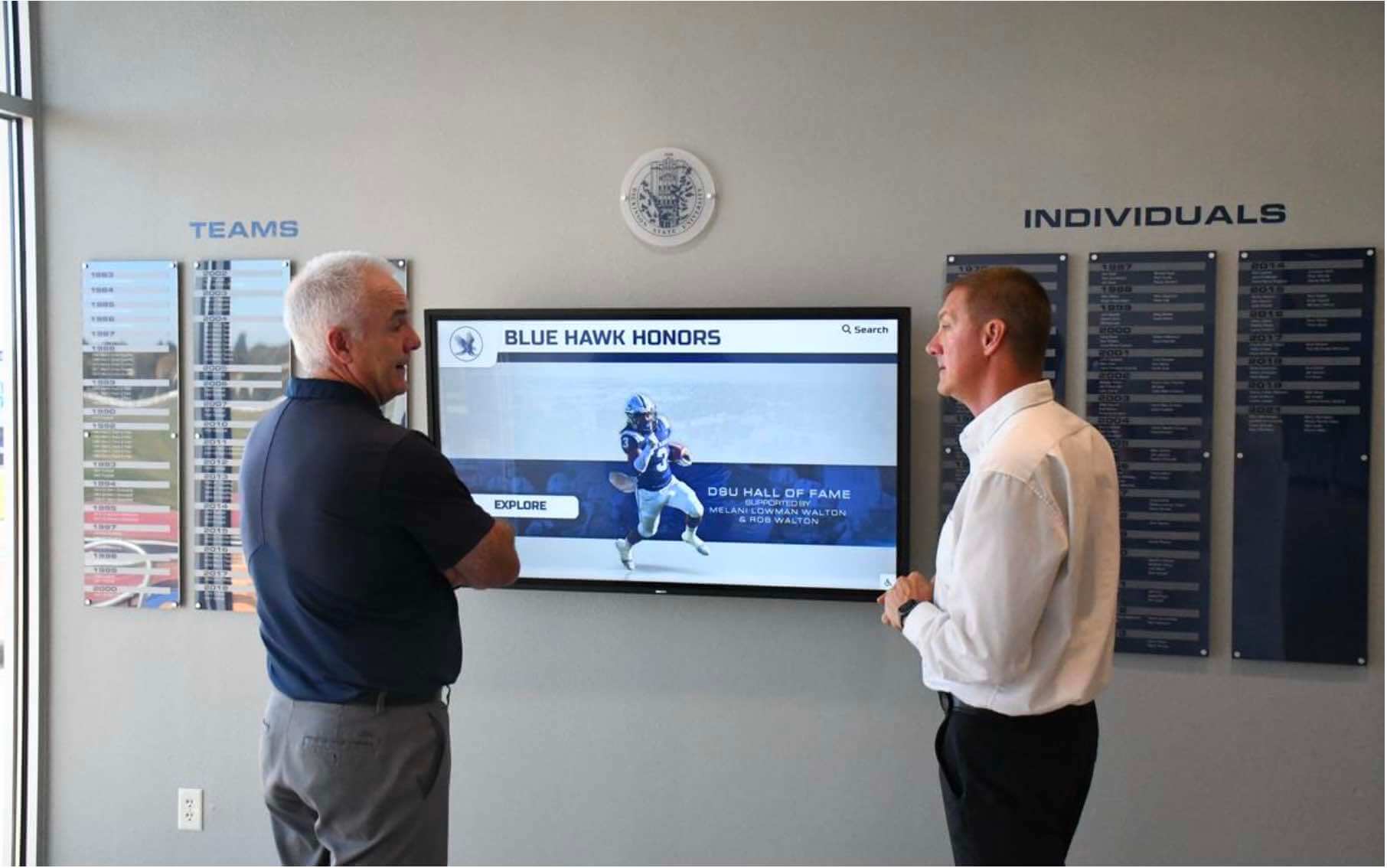
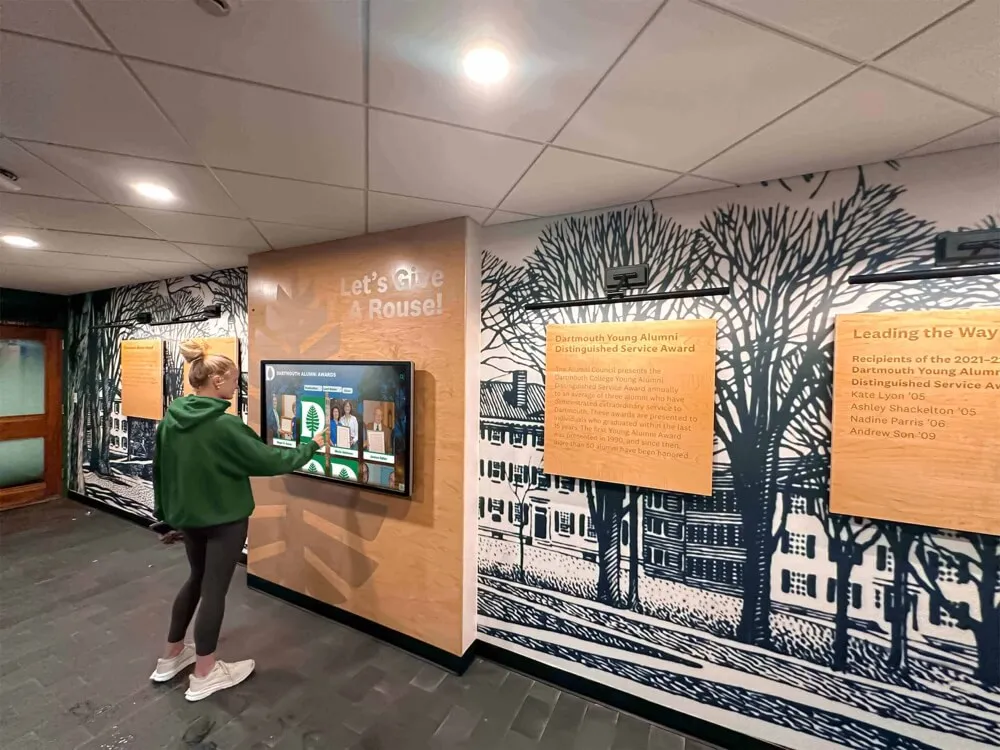
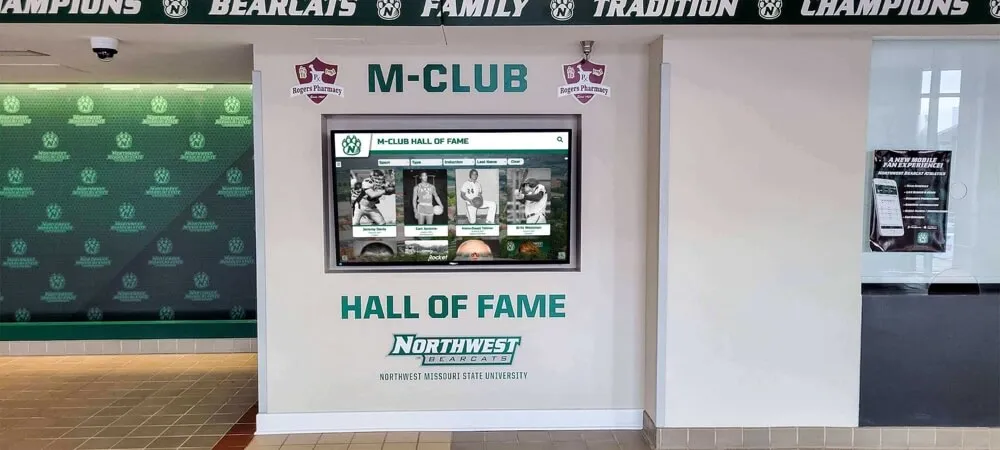
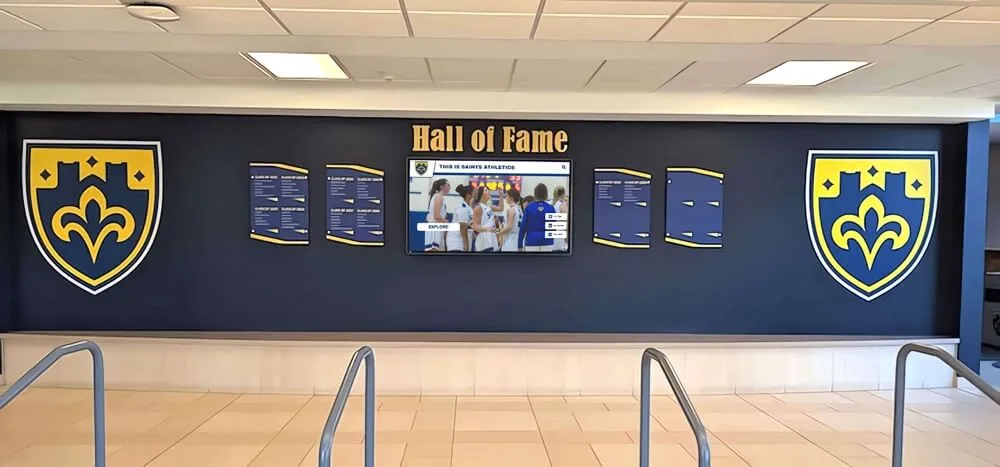
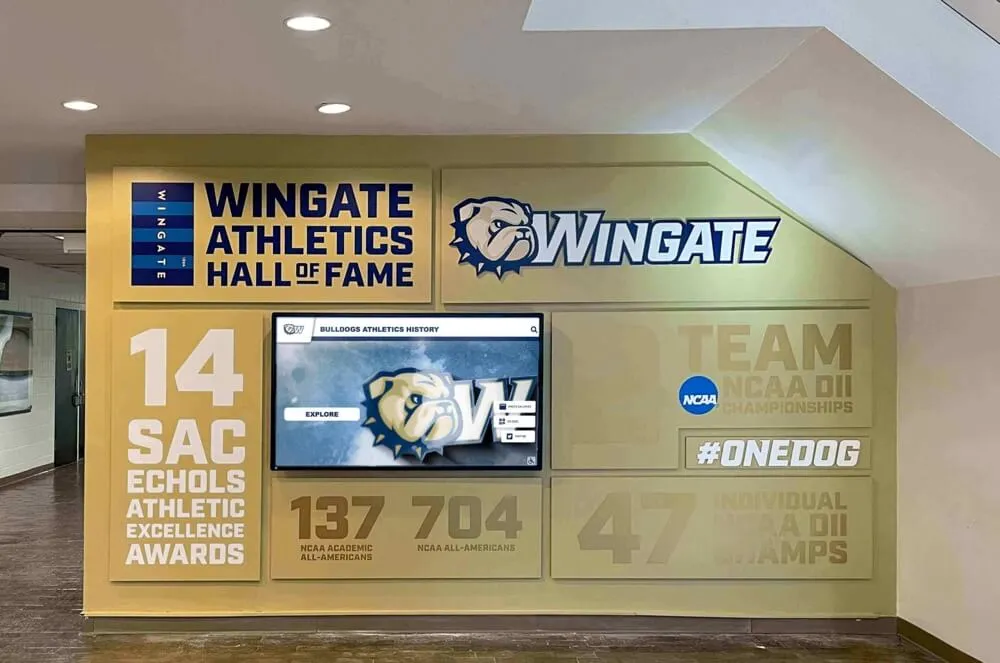
Creating spaces for alumni engagement supports mentorship and broader institutional connections
Recognizing and Celebrating Mentor Contributions
Alumni mentors volunteer valuable time and expertise. Thoughtful recognition strengthens commitment, demonstrates institutional appreciation, and supports mentor recruitment.
Recognition Strategies
Ongoing Appreciation: Regular thank-you communications acknowledging specific contributions, sharing mentee testimonials with permission about mentor impact, highlighting mentor stories in alumni publications, and publicly recognizing participation in program communications and events.
Formal Recognition: Consider establishing formal recognition for sustained mentorship including mentor awards for outstanding contributions, cumulative service recognition for multi-year participation, special designation in alumni directories, and profile features on institutional websites and publications.
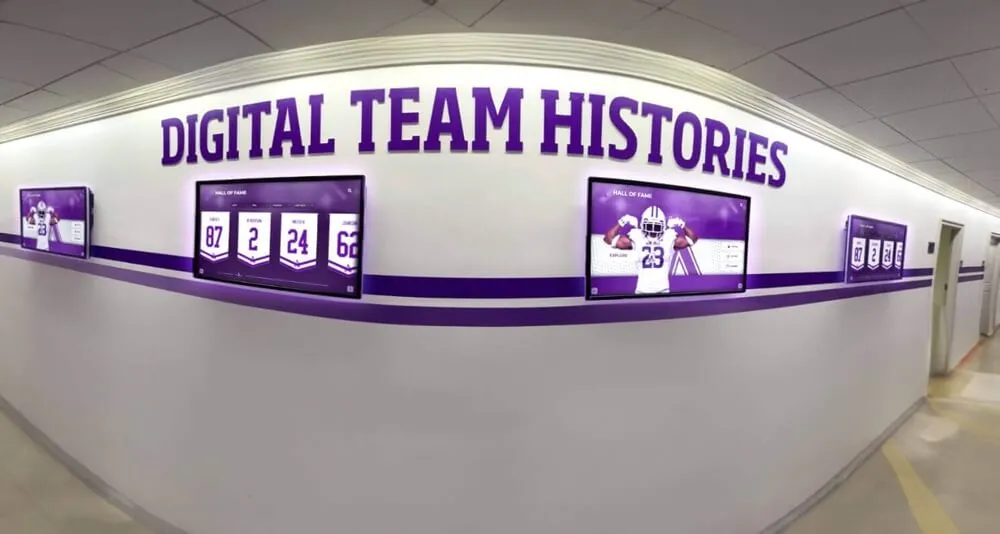
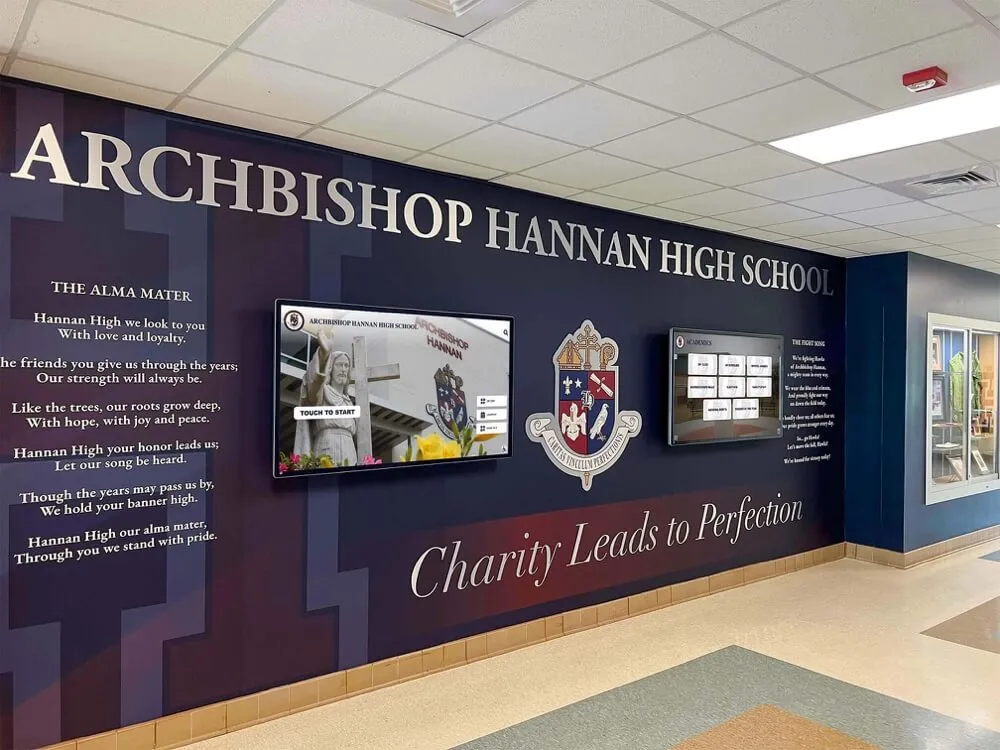
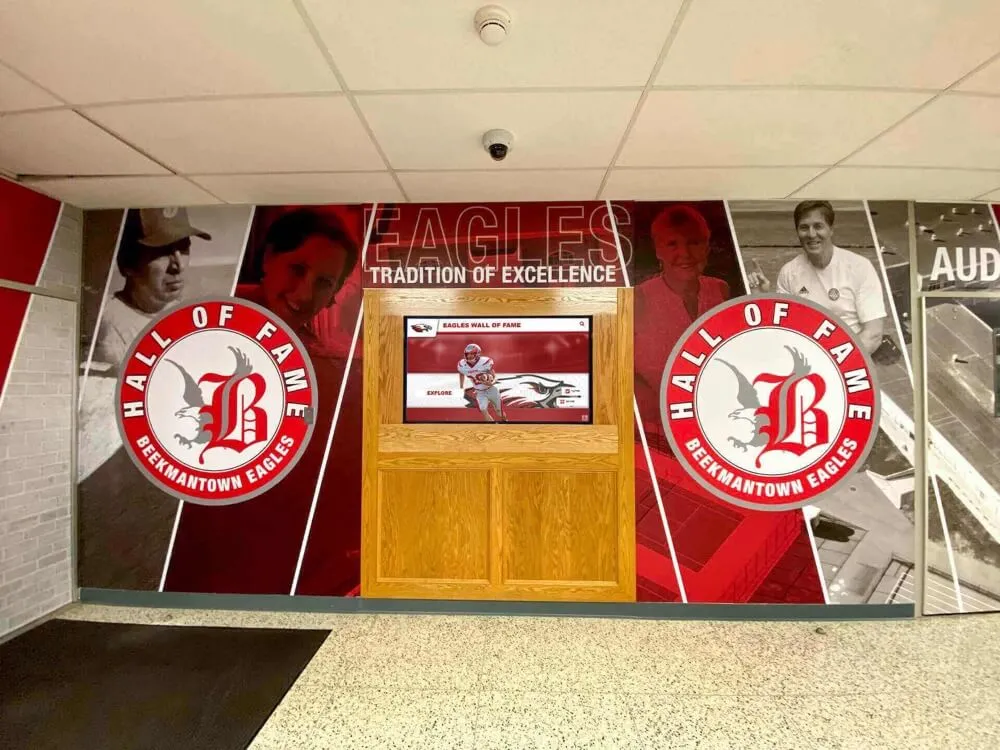
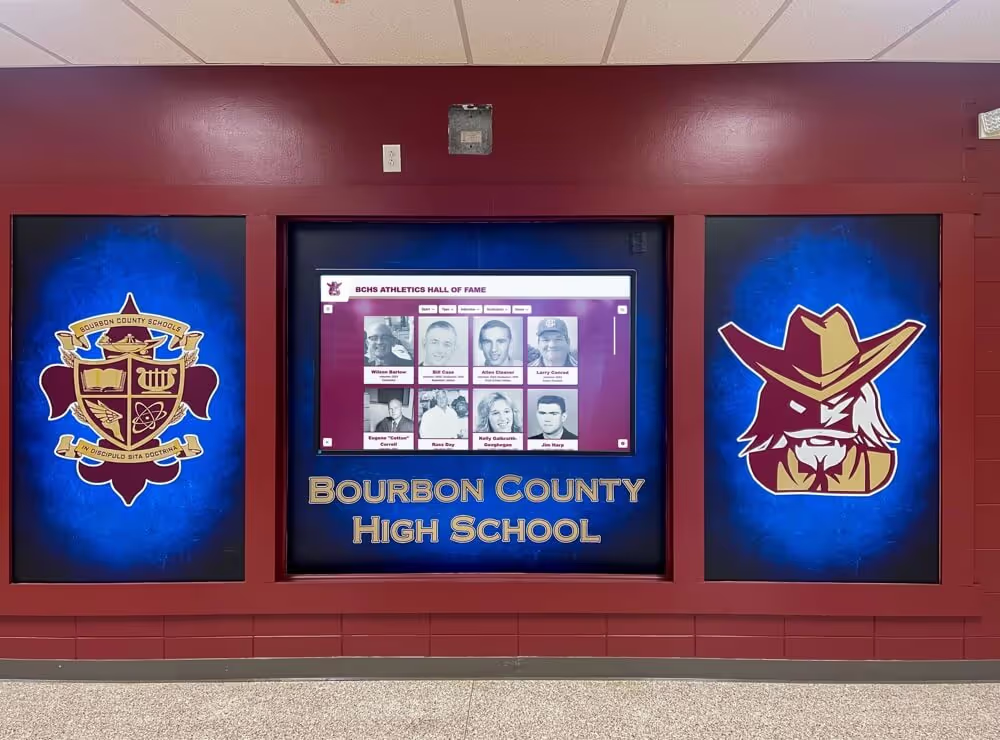
Visibility and Legacy: Many institutions create visible recognition of mentor contributions through digital honor walls showcasing program participants, mentor spotlights on program websites and displays, social media celebration of mentors during mentor appreciation periods, and inclusion in broader alumni recognition programs.
Modern recognition technologies enable schools to showcase mentor contributions alongside other forms of alumni achievement and institutional excellence. Rocket Alumni Solutions provides interactive touchscreen displays that allow institutions to celebrate mentor participation, highlight program impact, and create engaging visual recognition connecting current students with alumni who are giving back through mentorship.
Just as schools recognize athletic and academic achievement, mentor contributions deserve visible celebration that reinforces program value. Explore recognition technologies in Hall of Fame selection criteria for comprehensive approaches.
Integrate Recognition With Broader Advancement Strategy
Mentorship participation often signals alumni readiness for deeper institutional engagement. Strategically connect mentorship recognition with cultivation for volunteer leadership opportunities, advisory board membership, major gift conversations when appropriate, career services employer partnerships, and campus speaker or panel participation.
Mentorship serves as gateway engagement that builds relationships supporting broader advancement objectives. Recognize this strategic value when allocating resources and planning recognition approaches.
Technology Platforms and Tools for Alumni Mentorship Programs
Selecting appropriate technology significantly impacts program efficiency and participant experience. Consider these factors when evaluating platforms.
Essential Platform Capabilities
Participant Profile Management: Systems should enable detailed profile creation for mentors and mentees, regular profile updates without administrative intervention, privacy controls for sensitive information, and profile search and browsing capabilities when appropriate for matching methodology.
Matching Functionality: Platforms should support your chosen matching approach whether automated algorithm-based matching with customizable weighting, staff tools for manual match curation, participant-directed matching with request/approval workflows, or hybrid approaches combining multiple methods.
Communication Tools: Built-in messaging between matched pairs, email integration and notifications, video meeting scheduling and integration when offered, and resource sharing capabilities within relationships.
Engagement Features: Program-wide announcements and communications, event management and registration, resource libraries and content management, discussion forums or community spaces, and goal setting and tracking tools.
Assessment and Reporting: Integrated survey tools with customizable timing, engagement analytics and dashboards, outcome tracking capabilities, and reporting features for various stakeholder audiences.
Popular Platform Options
Dedicated Mentorship Platforms:
- PeopleGrove: Comprehensive networking and mentorship platform popular with higher education, strong matching and community features
- Mentor Collective: Focuses on structured mentorship programs with built-in curricular frameworks
- Graduway: Alumni engagement platform with mentorship modules, part of broader relationship management
- Chronus: Enterprise mentorship software used by universities and corporations
General Alumni Engagement Platforms with Mentorship Features: Many institutions use existing alumni engagement platforms that include mentorship modules. This integration provides efficiency but may offer fewer mentorship-specific features than dedicated platforms.
Custom or Light-Tech Approaches: Some smaller programs use combinations of forms, spreadsheets, and communication tools rather than integrated platforms. This approach works for small pilots (under 25 pairs) but becomes unsustainable at scale.
Integration with Other Systems
Consider how mentorship platforms integrate with existing technology ecosystem including alumni relations databases (Blackbaud, Salesforce, etc.), career services systems, student information systems for mentee eligibility verification, single sign-on for seamless user experience, and communication platforms (email systems, social media).
Strong integrations reduce administrative burden and improve participant experience while weak integrations create frustration and manual work.
Common Challenges and Solutions
Even well-designed programs encounter predictable challenges. Anticipating these issues and having response strategies ready accelerates problem resolution.
Challenge: Insufficient Mentor Recruitment
Solutions:
- Lower commitment thresholds (3-month programs instead of year-long, monthly instead of bi-weekly meetings)
- Emphasize flexibility in relationship structures
- Create tiered participation options (intensive mentorship vs. lighter career chat programs)
- Leverage satisfied mentors to recruit their networks
- Partner with employers to encourage employee participation
- Provide clear, compelling messaging about time commitment and value
Challenge: Mentees Not Taking Ownership
Some mentees treat mentors as passive resources rather than actively driving relationships.
Solutions:
- Strengthen mentee training on relationship ownership
- Provide conversation guides and meeting prep tools
- Require mentees to schedule meetings and send agendas
- Check in directly with unengaged mentees
- Make continued participation contingent on active engagement
- Share exemplar behaviors from successful mentees
Challenge: Relationships That Aren’t Working
Despite best matching efforts, some pairs don’t click or circumstances change preventing engagement.
Solutions:
- Normalize re-matching as acceptable rather than failure
- Create clear, simple processes for requesting different matches
- Coach participants through difficult conversations when appropriate
- Move quickly to create new matches when needed
- Learn from unsuccessful matches to improve future matching
- Support mentors whose mentees disengage to prevent discouragement
Challenge: Measuring Long-Term Career Outcomes
Tracking career outcomes months or years after program participation proves challenging.
Solutions:
- Collect baseline data (major, career goals, job search status) during program participation
- Establish realistic follow-up timelines (6 months, 1 year post-graduation)
- Use multiple data collection methods (surveys, LinkedIn research, alumni database updates)
- Focus on accessible indicators (employment status, field alignment) rather than only comprehensive career trajectory
- Accept reasonable response rates (40-50%) for longitudinal data rather than expecting universal follow-up
- Supplement quantitative data with qualitative success stories
Challenge: Program Fatigue and Declining Engagement
Initial enthusiasm wanes as programs mature and novelty fades.
Solutions:
- Regular program refreshment (new resources, revised training, updated technology)
- Continuous recruitment marketing to maintain visibility
- Celebration events recognizing participation and achievements
- Incorporation of participant feedback demonstrating responsiveness
- Evolution of program features based on changing needs
- Fresh leadership and champion cultivation preventing staff burnout
Discover additional program management strategies in school visitor management approaches for systematic operational frameworks.
Building Your Alumni Mentorship Program Launch Plan
Ready to launch your own program? This practical roadmap outlines key steps and typical timelines.
6-9 Months Before Launch
Strategic Planning Phase:
- Establish program objectives and success metrics
- Define target populations and eligibility criteria
- Determine program structure, duration, and matching methodology
- Secure institutional buy-in and funding commitments
- Identify technology platform and implementation timeline
- Build project team and assign responsibilities
4-6 Months Before Launch
Design and Development Phase:
- Develop detailed program policies and procedures
- Create application forms and participant profiles
- Design training content for mentors and mentees
- Develop resource library and support materials
- Build communication templates and plan
- Configure technology platform
- Design assessment and measurement tools
2-4 Months Before Launch
Recruitment and Training Phase:
- Launch mentor recruitment campaign using multiple channels
- Begin mentee recruitment through campus partners
- Process applications and build participant pools
- Schedule and deliver training for initial cohort
- Test technology platforms and troubleshoot issues
- Prepare program launch communications
Launch Month
Matching and Kickoff:
- Complete matching process for initial cohort
- Conduct match reveal and relationship launch
- Distribute first meeting guides and resources
- Schedule early check-ins with participants
- Begin regular program communications
- Monitor initial engagement and provide support
Ongoing Operations
Sustained Engagement and Assessment:
- Maintain regular communication with participants
- Monitor engagement indicators and intervene when needed
- Deliver mid-program and end-of-program surveys
- Host program events and learning opportunities
- Recognize mentor contributions
- Analyze data and refine program
- Plan for next cohort recruitment and improvements
Creating Lasting Impact Through Alumni Mentorship
Alumni mentorship programs that actually work don’t emerge from good intentions alone—they result from strategic planning, thoughtful design, systematic execution, and continuous refinement based on evidence of what works. Programs delivering genuine value to mentees, meaningful experiences for mentors, and measurable outcomes for institutions share common characteristics: clear objectives connected to real needs, well-designed matching that sets relationships up for success, sufficient structure providing guidance without constraint, intentional engagement maintaining momentum, systematic measurement demonstrating impact, and sustained institutional commitment beyond initial enthusiasm.
When executed well, alumni mentorship programs create transformational outcomes. Students gain career guidance and professional networks that accelerate success. Alumni find meaningful ways to give back while staying connected to evolving institutions. Schools demonstrate commitment to student outcomes while deepening relationships with accomplished alumni who may become future volunteers, advocates, and donors. These programs create true wins for all stakeholders when designed and implemented with care.
Ready to Launch Your Alumni Mentorship Program?
Building successful mentorship initiatives requires more than great relationships—it demands comprehensive infrastructure supporting recruitment, engagement, recognition, and sustained commitment. As you develop your program, consider how you’ll celebrate mentor contributions and showcase program impact to your community.
Rocket Alumni Solutions provides interactive digital displays that help institutions recognize alumni mentors, showcase mentorship program participation, highlight success stories that inspire future participants, and create engaging visual connections between students and accomplished alumni. Our touchscreen recognition systems integrate with advancement efforts to celebrate the diverse ways alumni contribute to institutional success.
Discover how modern recognition technology can strengthen your alumni mentorship program and engagement strategy.
Looking for more guidance on alumni engagement and institutional advancement? Explore our comprehensive resources on donor recognition, alumni relations, and community building strategies that help schools strengthen connections with their most valuable stakeholders.