Every year, talented students delay or forgo higher education because of financial barriers—not because they lack ability, but because they lack resources. Starting a scholarship fund offers individuals, families, organizations, and institutions a powerful way to remove these barriers while creating lasting educational legacies that transform lives for generations.
Yet many potential scholarship founders hesitate, uncertain about where to begin. They wonder how much money is needed to start a scholarship fund, what legal structures are required, how to create fair selection processes, and how to sustain funding over time. Questions about tax implications, administrative responsibilities, and recognition approaches add complexity to what seems like an already complicated endeavor.
The reality is that scholarship funds come in many forms—from modest annual awards funded through ongoing community support to substantial endowed scholarships generating perpetual funding through investment returns. Understanding the options available and following a structured planning process makes scholarship fund creation accessible to donors at various capacity levels while ensuring programs achieve their intended impact.
This comprehensive guide walks you through every step of starting a scholarship fund, from clarifying your mission and determining appropriate fund structures to establishing selection criteria, managing fundraising efforts, and recognizing donors whose support makes educational opportunity possible. Whether you’re an individual honoring a loved one’s memory, an organization investing in future workforce development, or an institution expanding student support, these frameworks provide tested approaches for creating scholarship programs that change lives.
Starting a scholarship fund requires balancing multiple considerations simultaneously: defining clear purpose and eligibility criteria, selecting appropriate legal and administrative structures, developing sustainable funding models, creating fair selection processes, and establishing recognition systems that inspire continued philanthropic support. Organizations and donors who excel at scholarship fund development view these programs as strategic investments in human potential rather than simple charitable giving.

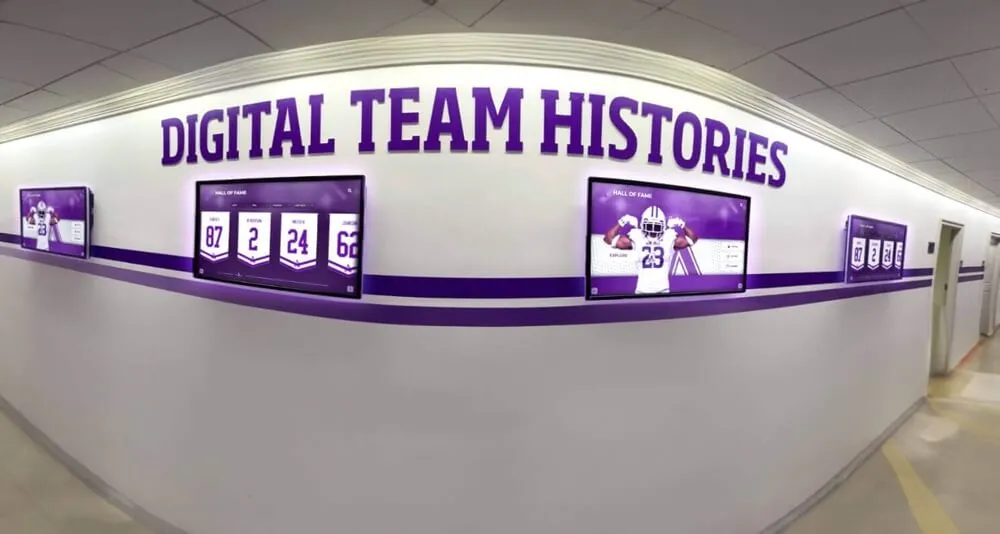
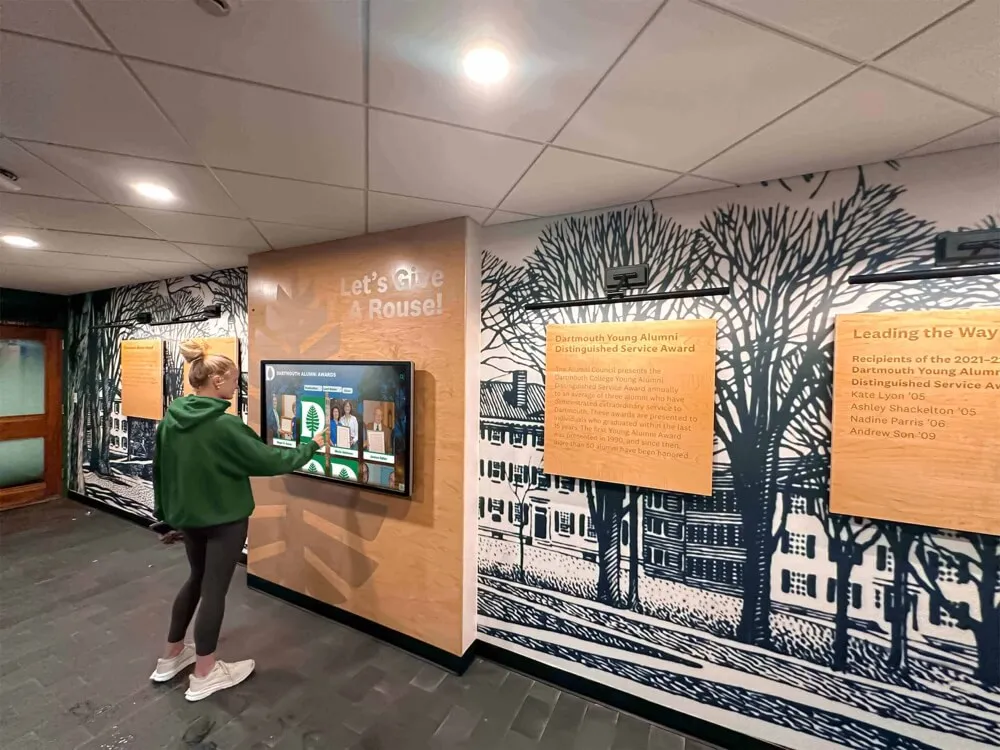
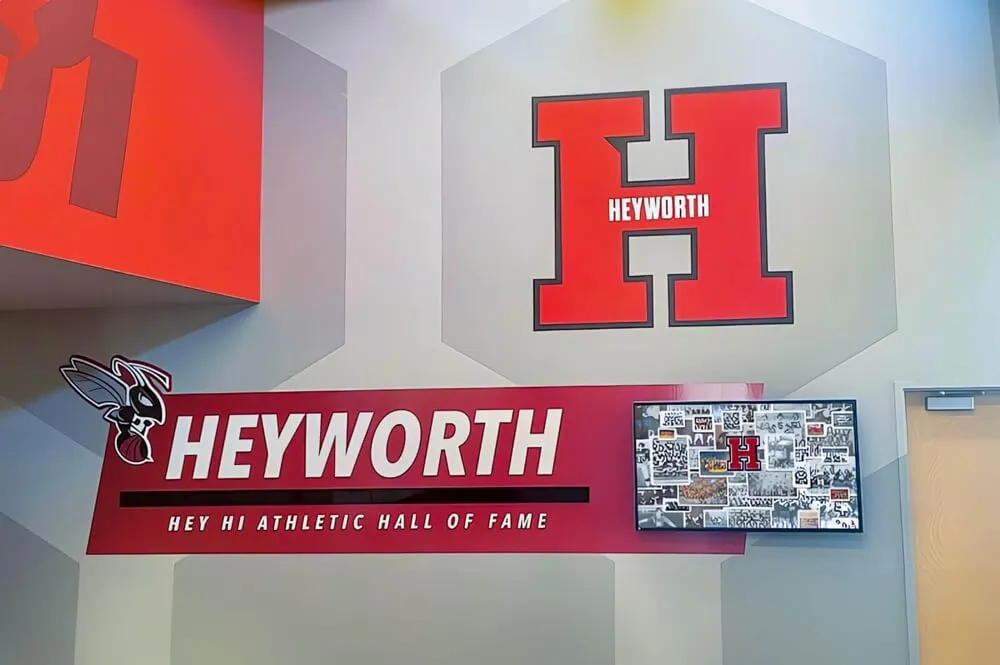
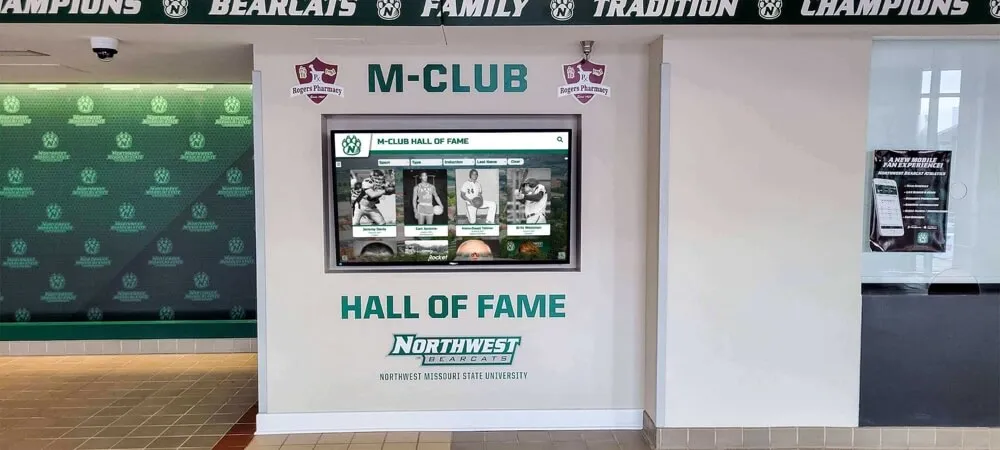
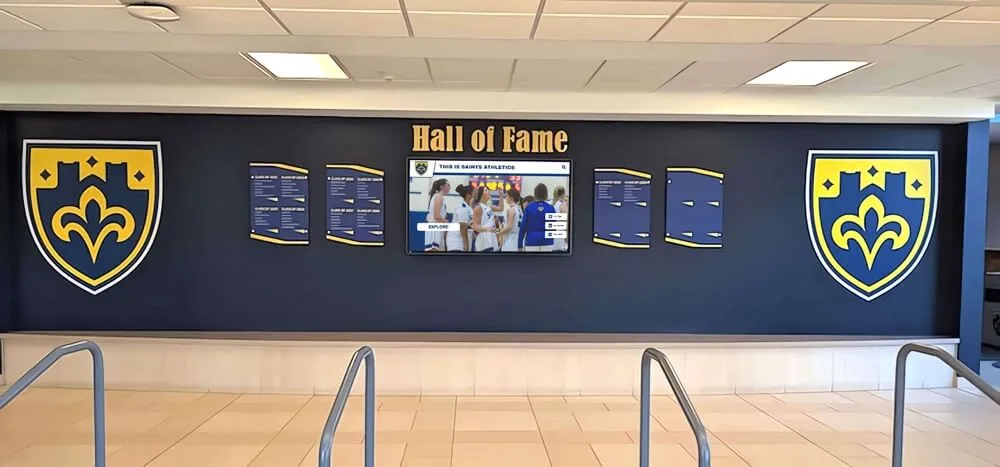
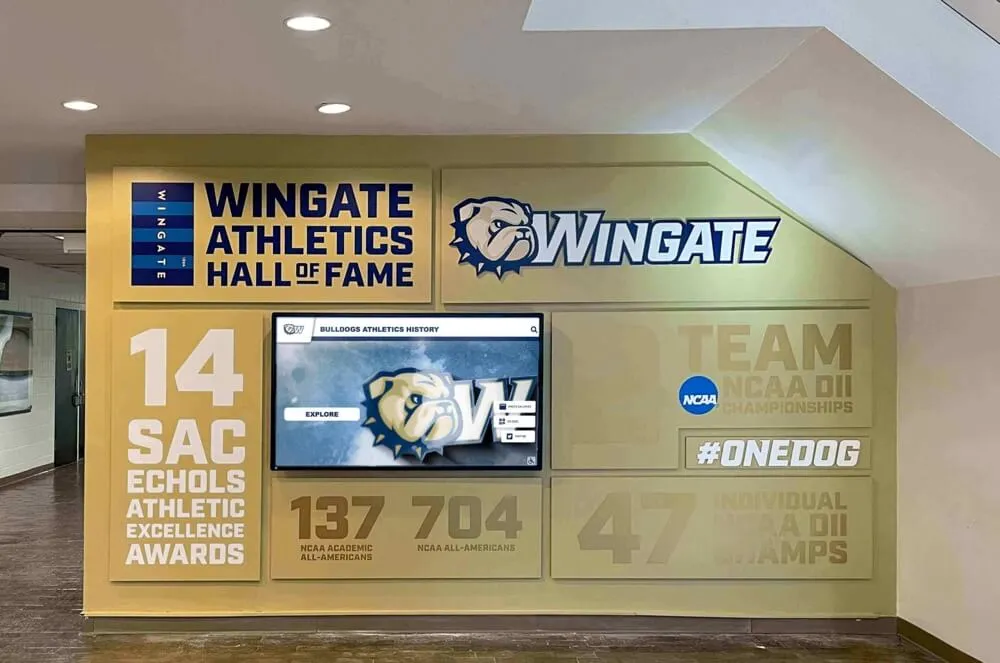
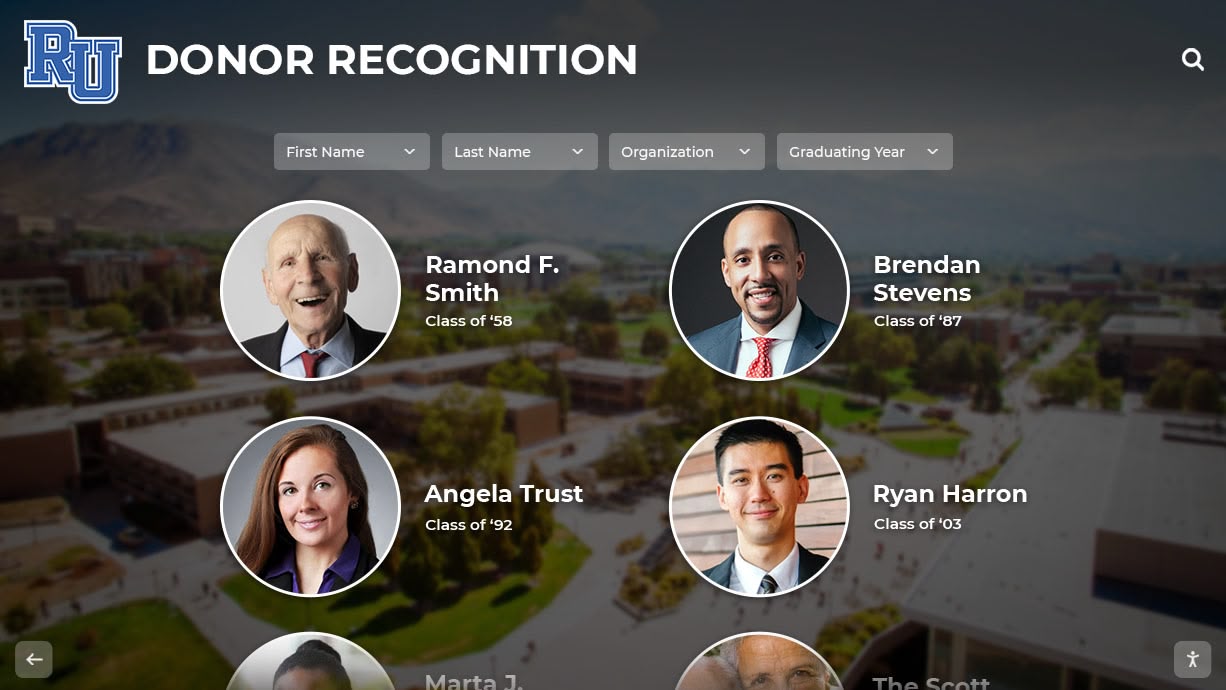
Comprehensive donor recognition systems celebrate scholarship fund supporters while inspiring continued philanthropic engagement
Understanding Scholarship Funds: Purpose, Impact, and Types
Before diving into the mechanics of establishing a scholarship fund, understanding what makes scholarship programs effective helps guide planning decisions that align with your goals and available resources.
Why Start a Scholarship Fund?
Scholarship funds serve multiple purposes beyond immediate financial assistance:
Creating Educational Access
The most direct impact of scholarship funds is removing financial barriers that prevent talented students from pursuing education. Scholarships bridge the gap between college costs and family resources, making higher education accessible to students who might otherwise:
- Forgo college entirely due to cost concerns
- Accumulate excessive student loan debt that limits post-graduation opportunities
- Work excessive hours during college, compromising academic performance and completion
- Select schools based solely on cost rather than best educational fit
- Delay graduate or professional education that advances career trajectories
Beyond individual recipients, scholarship funds contribute to educational equity by counteracting systemic disadvantages that limit opportunity based on economic circumstances rather than ability or potential.
Honoring Legacies and Values
Many scholarship funds memorialize loved ones, celebrate institutional history, or advance causes donors care deeply about. Memorial scholarships create living legacies that continue helping others long after an individual has passed, transforming grief into ongoing positive impact. Values-based scholarships advance causes like environmental stewardship, social justice, artistic expression, or community service by supporting students committed to those same principles.
Workforce and Community Development
Organizations including employers, professional associations, and community foundations establish scholarships to develop future talent pipelines, strengthen local communities, and advance specific industries or fields. These strategic scholarship programs:
- Attract talented individuals to underserved professions or geographic areas
- Build diverse, skilled workforces aligned with organizational needs
- Strengthen community connections and institutional reputation
- Address regional workforce shortages through targeted educational support
- Create pathways for first-generation college students and underrepresented populations
Strengthening Institutional Relationships
For educational institutions, scholarship funds represent more than financial aid—they build lasting relationships with donors, engage alumni in meaningful ways, and create communities of supporters invested in institutional success. Learn more about comprehensive approaches to donor recognition and engagement that strengthen these vital connections.
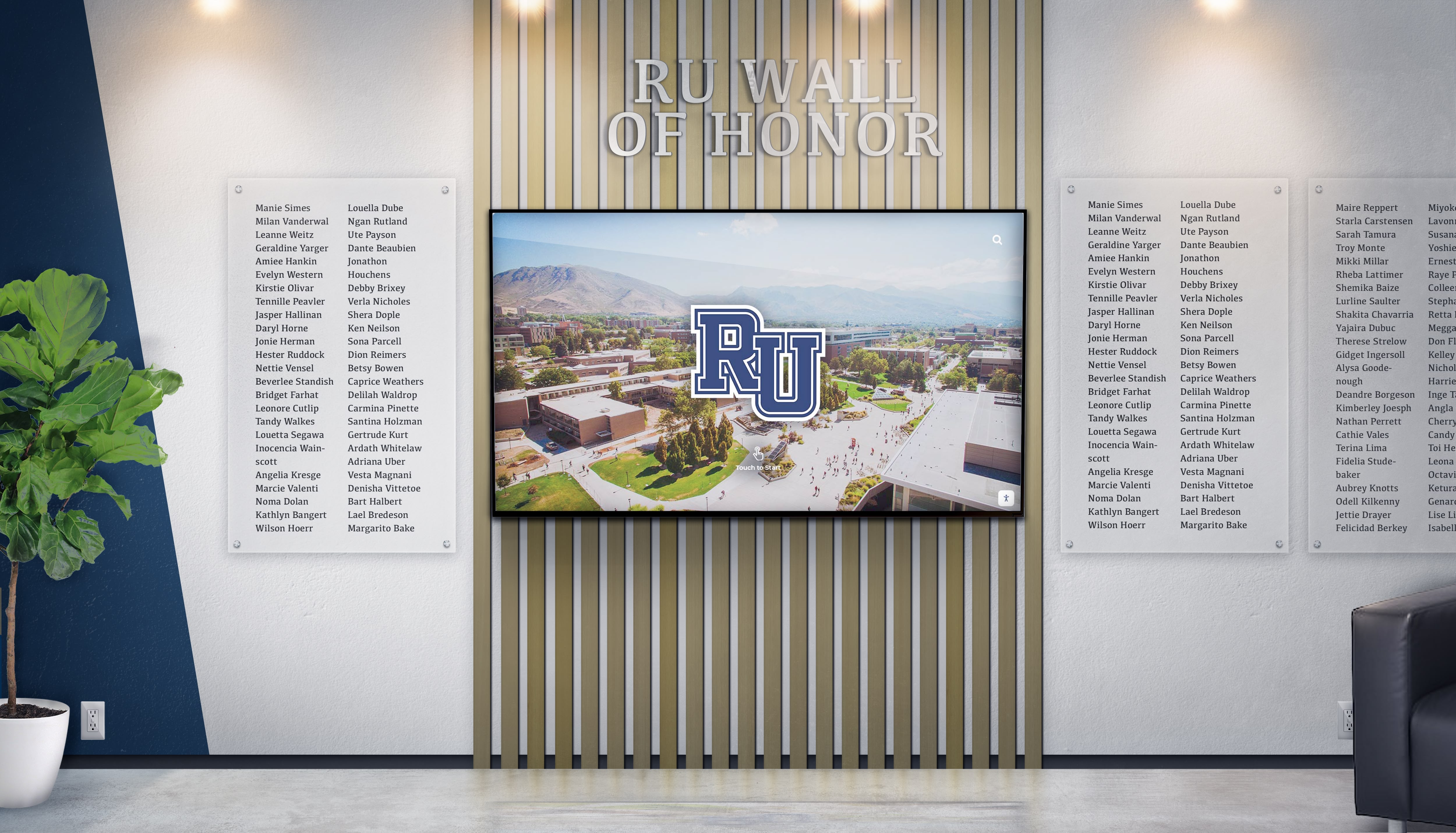
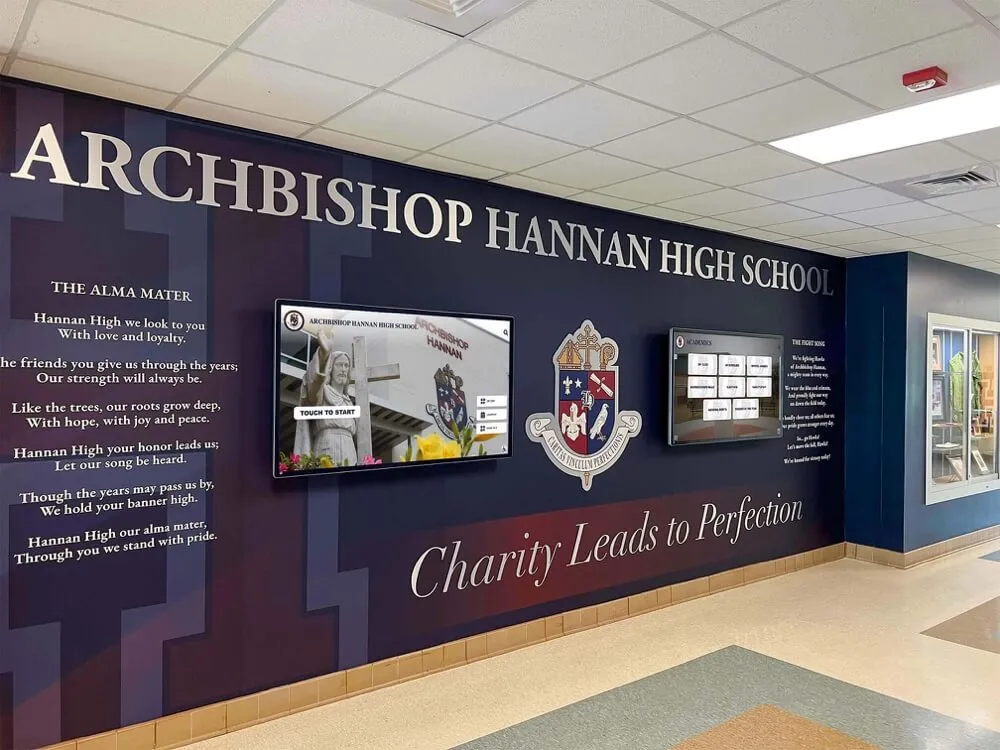
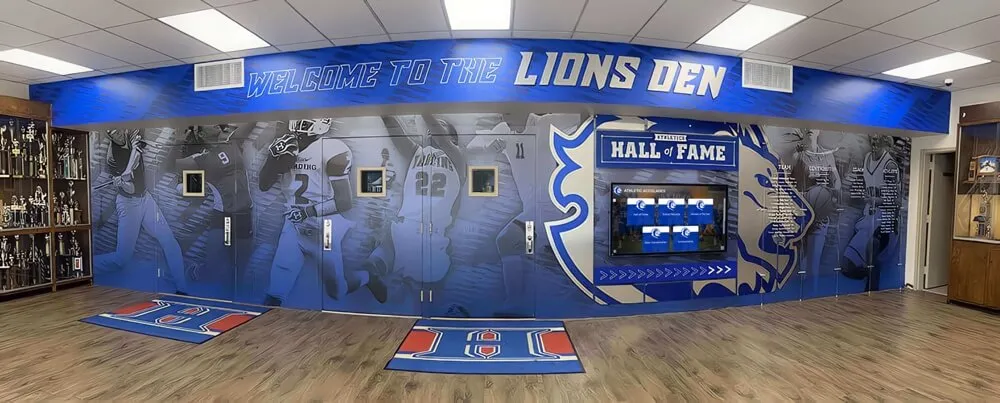
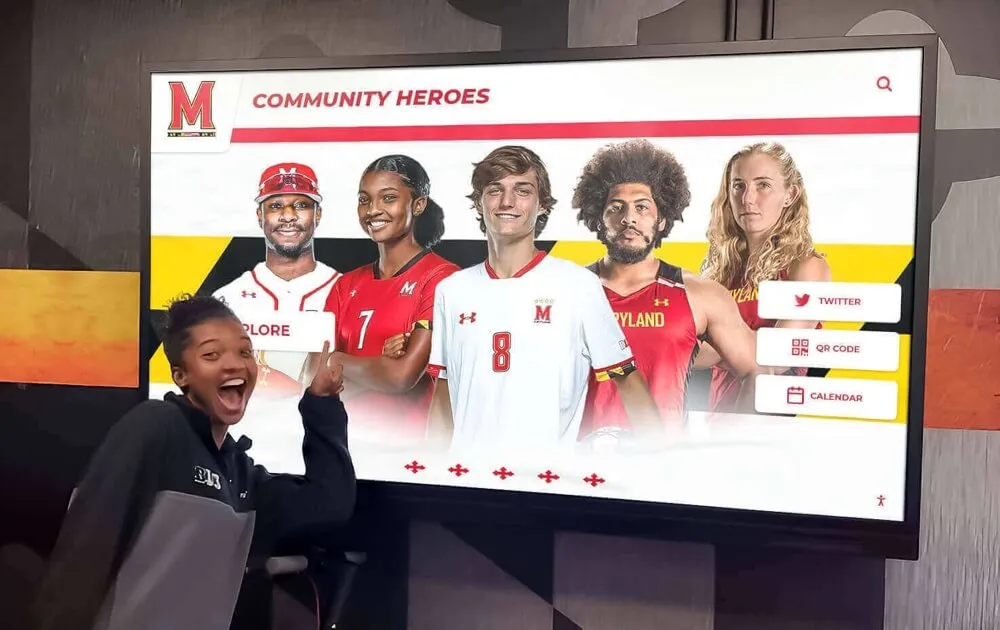
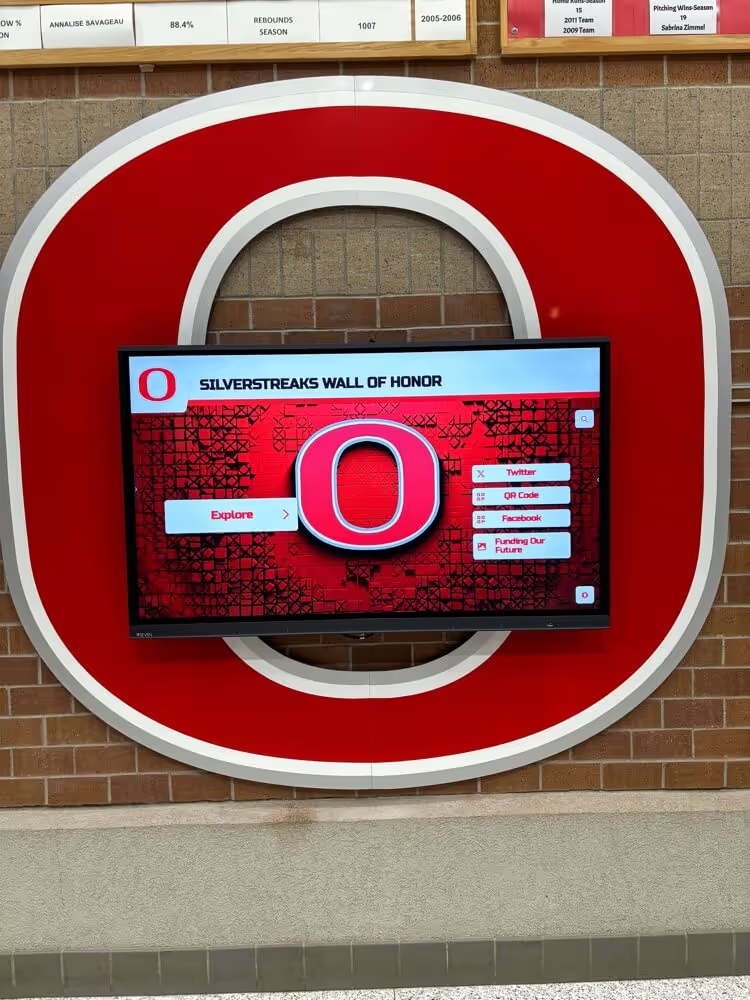
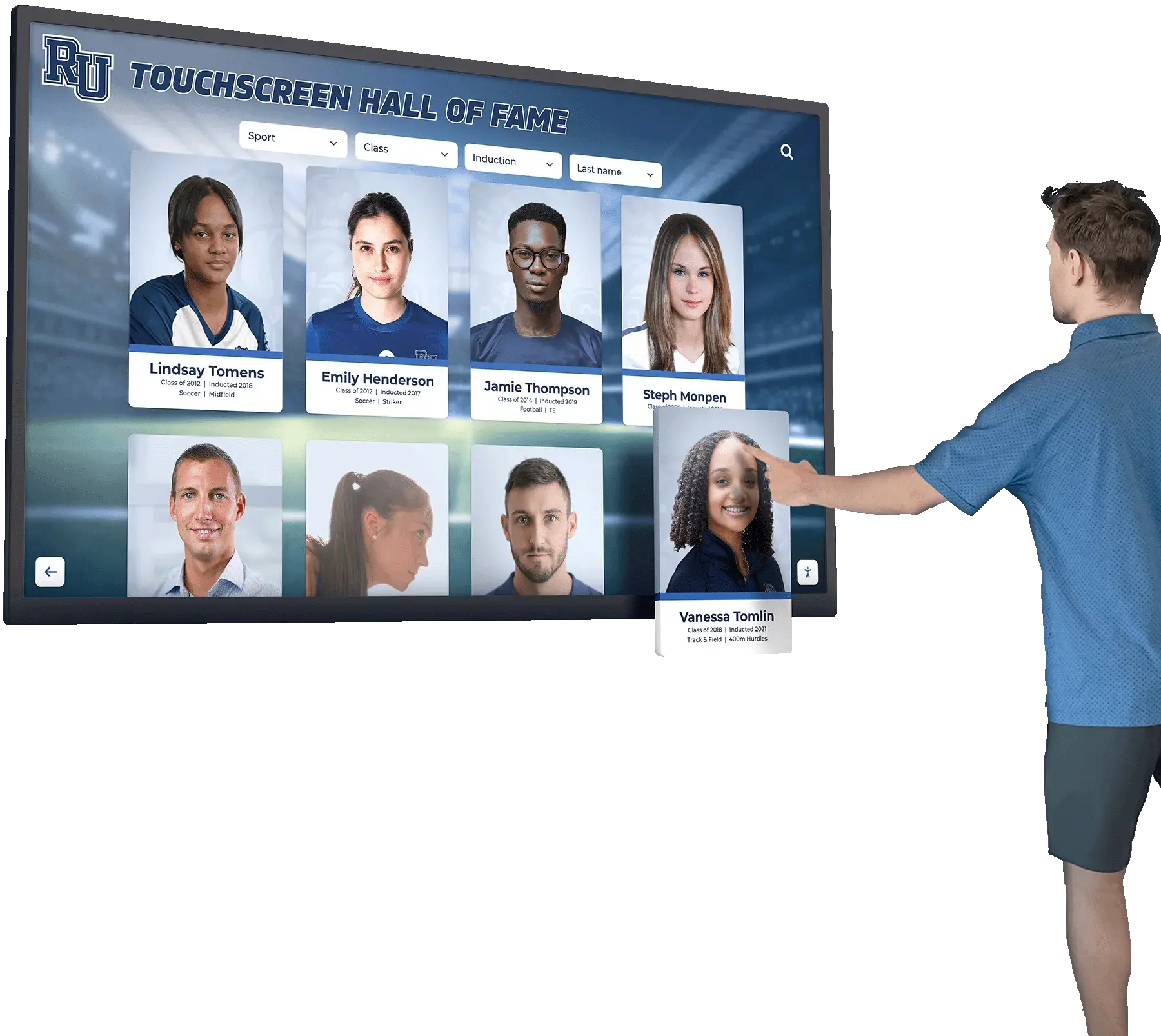
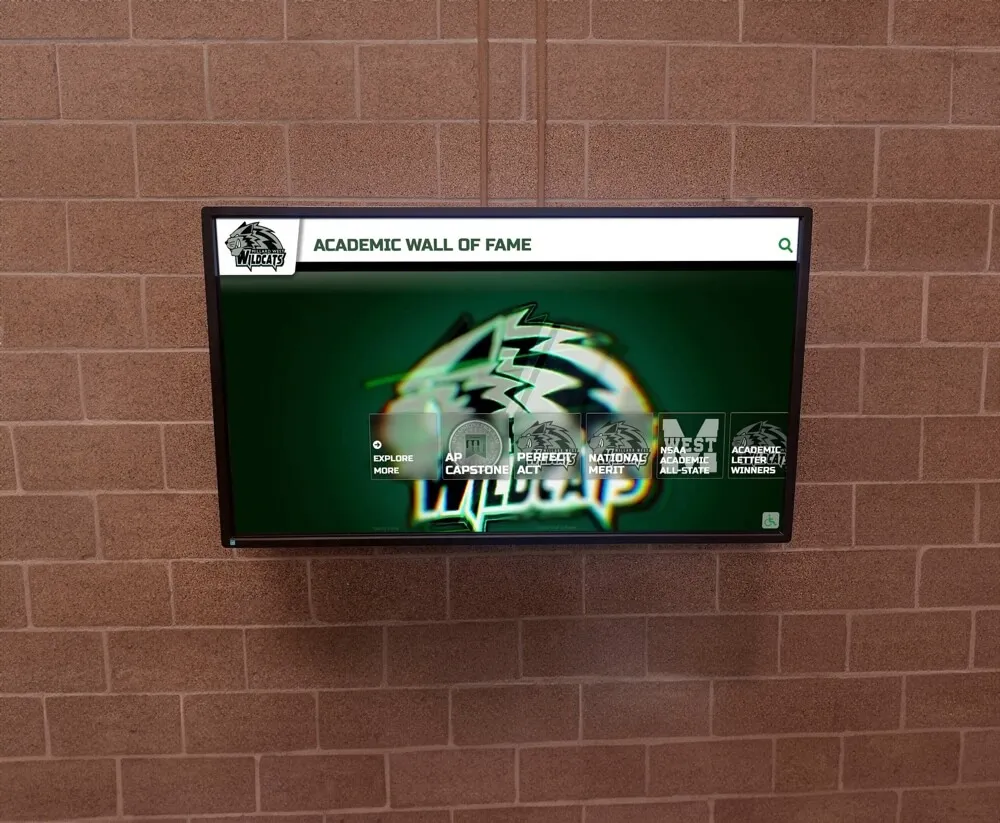
Modern recognition displays honor scholarship donors while demonstrating the ongoing impact of their generosity
Types of Scholarship Fund Structures
Understanding different scholarship models helps you select approaches aligned with your goals, resources, and timeline:
Annual Scholarships vs. Endowed Scholarships
The fundamental distinction in scholarship fund structure centers on funding approach:
Annual Scholarships are funded through current gifts, with awards distributed from recently raised funds. This approach offers:
- Lower initial funding requirements (can start with $1,000-$5,000)
- Flexibility to adjust award amounts based on funds available
- Immediate impact without waiting for investment growth
- Simpler administration without investment management requirements
- Dependence on ongoing fundraising to sustain awards over time
- Vulnerability to changing donor priorities or economic conditions
Endowed Scholarships are funded through larger initial investments, with only investment earnings distributed as awards while principal remains intact. Endowments provide:
- Perpetual funding that continues indefinitely
- Predictable annual award amounts based on spending policies
- Independence from ongoing fundraising once fully funded
- Professional investment management requirements
- Higher initial funding requirements (typically $25,000-$50,000 minimum)
- Protection against inflation through portfolio growth
Many institutions offer hybrid approaches where scholarship funds build toward endowment status, beginning with annual awards during the accumulation phase before transitioning to endowed status once reaching minimum thresholds.
For organizations considering long-term scholarship programs, understanding endowment fund structures provides essential foundation for sustainable funding approaches.
Restricted vs. Unrestricted Scholarships
Scholarship funds vary in how narrowly they define eligible recipients:
Restricted Scholarships limit eligibility based on specific criteria including:
- Academic major or field of study
- Geographic origin or residence
- Demographic characteristics
- Financial need levels
- Academic achievement thresholds
- Career aspirations or intended professions
- Extracurricular involvement or leadership
- Connection to specific organizations or communities
Restrictions ensure scholarships align with donor intent and strategic priorities while potentially limiting the number of eligible applicants in any given year.
Unrestricted or Broadly Restricted Scholarships maintain flexible eligibility, allowing institutions maximum discretion in matching available funds with student needs. These scholarships offer:
- Larger applicant pools ensuring awards are distributed annually
- Ability to address emerging needs and priorities
- Simplified selection processes with fewer eligibility hurdles
- Greater institutional flexibility in strategic financial aid allocation
- Potentially less personal connection for donors and recipients
The key is balancing specificity that reflects donor values with sufficient breadth to ensure viable applicant pools and consistent award distribution.
Step 1: Define Your Scholarship Fund’s Purpose and Goals
Successful scholarship funds begin with clarity about what you hope to achieve and whom you aim to serve.
Clarifying Your Mission and Intent
Start by articulating answers to foundational questions:
What impact do you want to create?
- Remove financial barriers for specific student populations
- Recognize and reward particular types of achievement or talent
- Support students pursuing specific fields or career paths
- Honor someone’s memory or legacy through ongoing educational support
- Build workforce capacity in specific industries or professions
- Strengthen community connections to educational institutions
- Advance equity and opportunity for underrepresented groups
Who do you want to help? Define your target recipients considering:
- Academic level (high school, undergraduate, graduate, professional)
- Field of study or major restrictions
- Geographic criteria (hometown, region, attendance at specific schools)
- Demographic characteristics (when legally permissible)
- Financial need levels
- Academic achievement or merit standards
- Leadership, service, or extracurricular involvement
- Career aspirations or intended professions
- Connection to specific organizations, employers, or communities
How much support do you want to provide? Consider realistic award levels:
- Small awards ($500-$2,500) that supplement other funding
- Moderate scholarships ($2,500-$10,000) providing substantial support
- Major scholarships ($10,000-$25,000+) covering significant education costs
- Full-tuition or full-ride scholarships eliminating financial barriers entirely
- Multi-year renewable awards vs. one-time support
- Number of recipients you aim to support annually

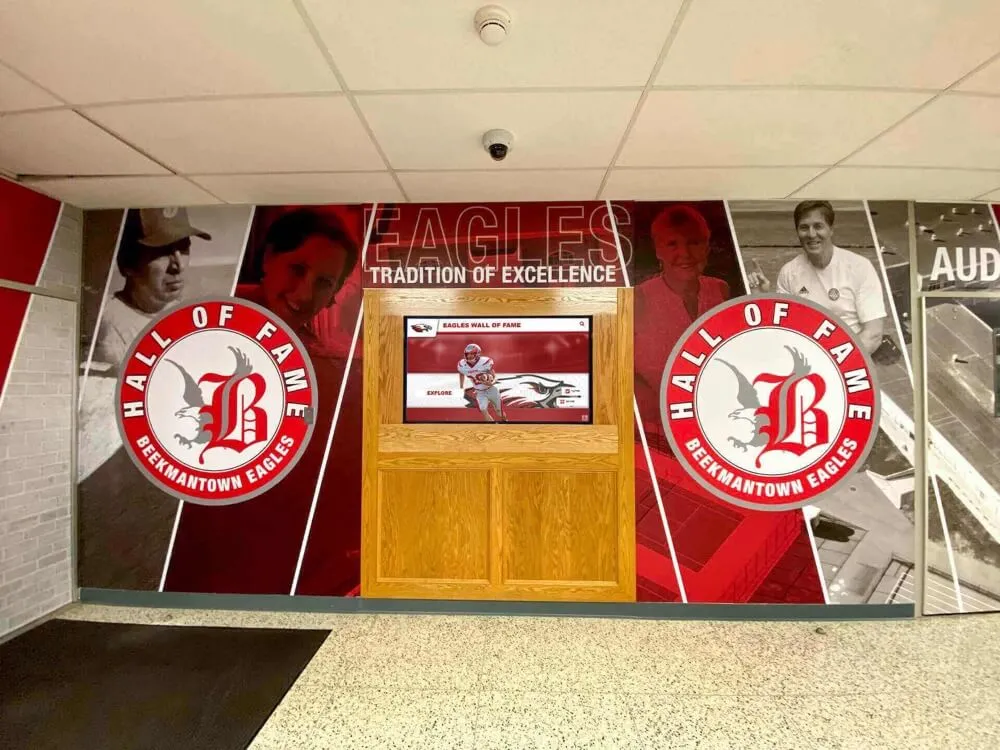
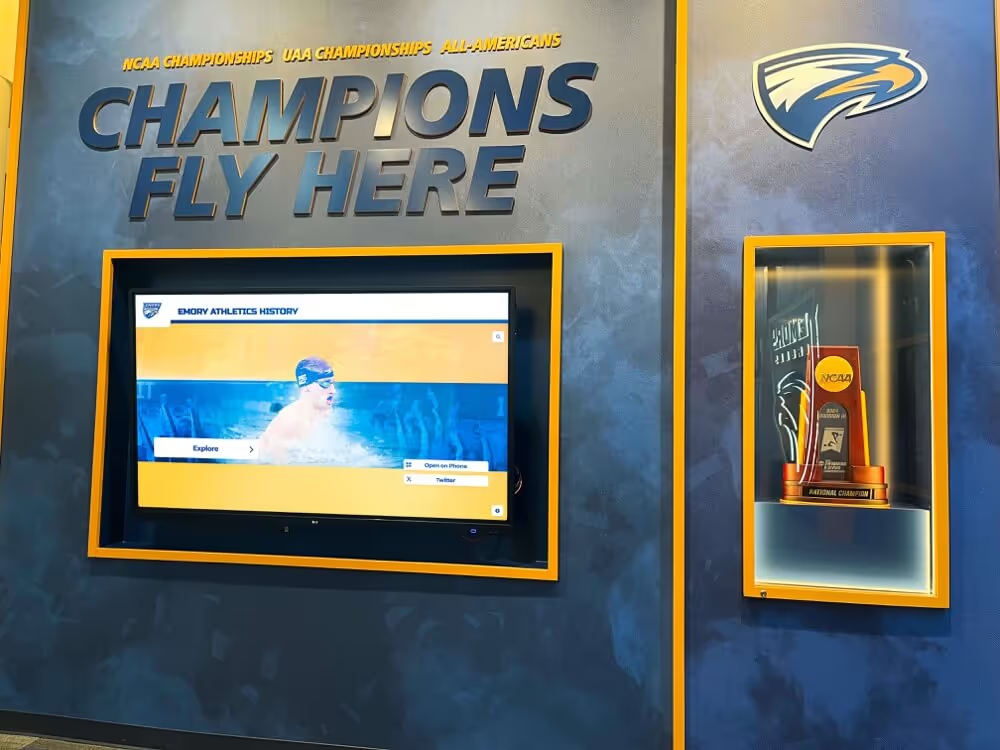
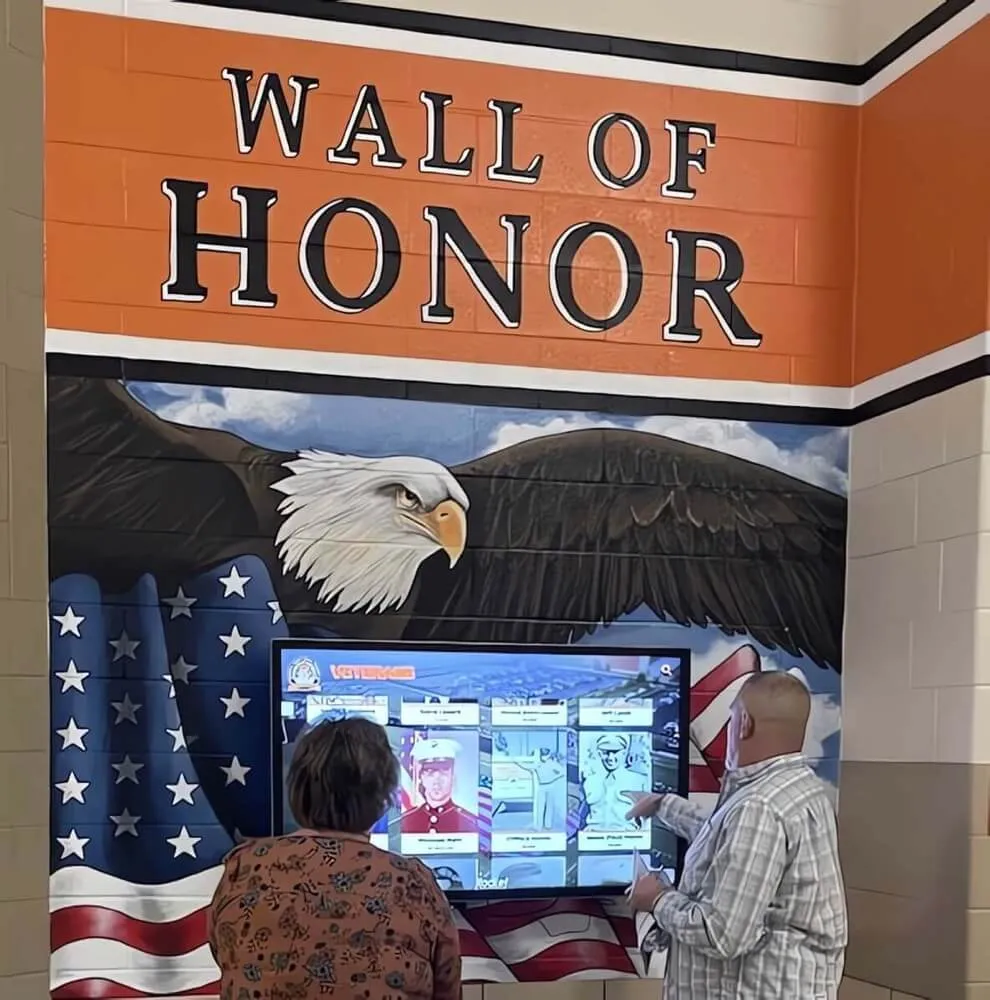
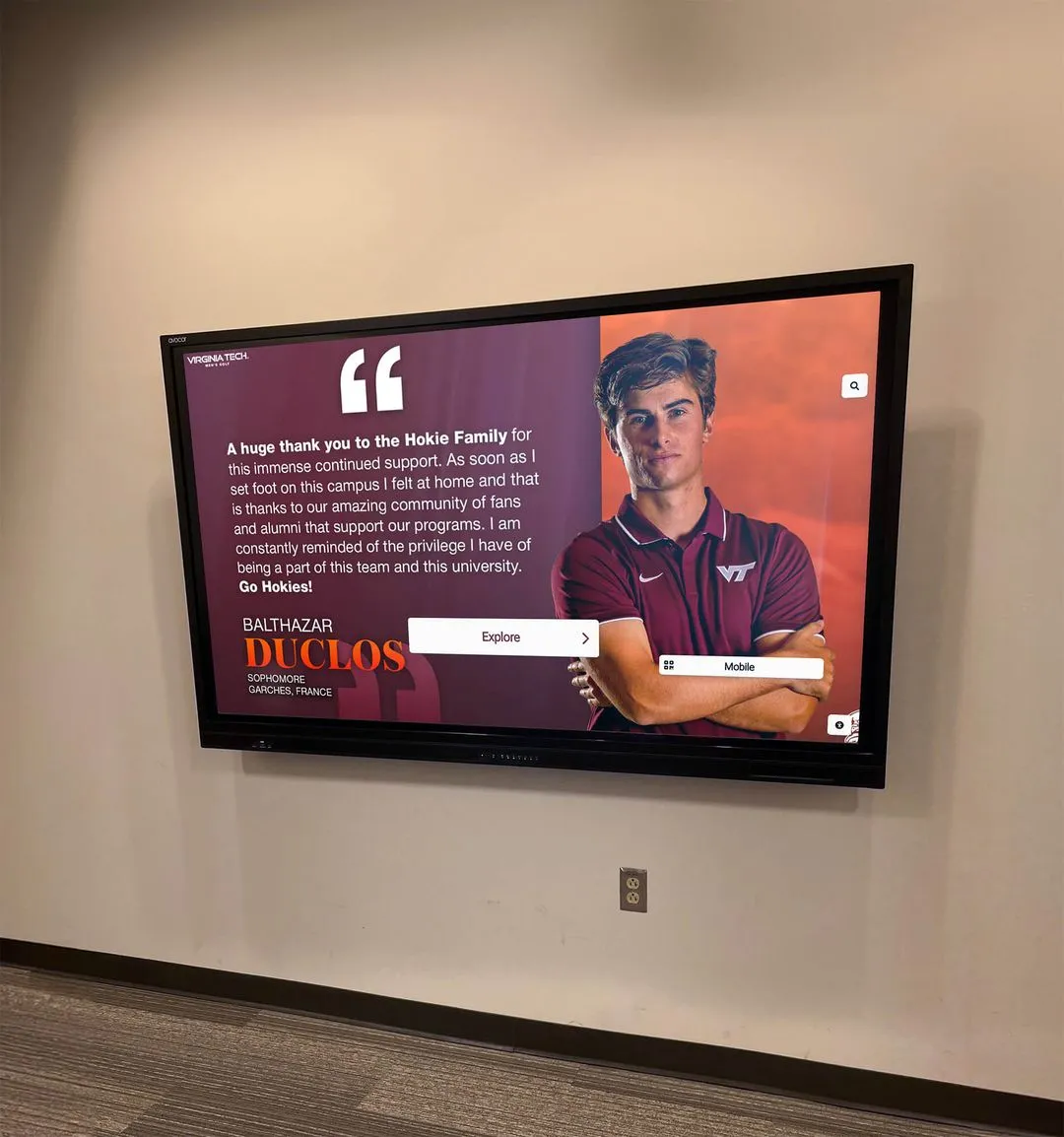
Interactive displays enable community members to explore scholarship recipients' stories and understand program impact
Establishing Selection Criteria and Values
Your scholarship’s selection criteria should reflect both practical considerations and deeper values:
Academic and Achievement Standards
Determine appropriate academic requirements:
- Minimum GPA thresholds (if merit-based)
- Standardized test score requirements or test-optional approaches
- Class rank or academic honor requirements
- Specific coursework or program participation
- Academic improvement or trajectory considerations
- Balance between rewarding past achievement and recognizing potential
Need-Based vs. Merit-Based Considerations
Clarify whether financial need factors into selection:
- Pure merit scholarships ignoring financial circumstances
- Need-based awards considering financial aid calculations
- Hybrid approaches requiring both achievement and demonstrated need
- Middle-income scholarships targeting families not qualifying for substantial need-based aid
- First-generation or access-focused scholarships removing barriers for underrepresented students
Personal Characteristics and Qualities
Beyond academics and need, consider qualities that matter to you:
- Leadership experience and potential
- Community service and civic engagement
- Overcoming adversity and resilience
- Commitment to specific causes or values
- Character traits like integrity, perseverance, or compassion
- Career goals and professional aspirations
- Demonstrated interest in scholarship focus areas
Legal and Ethical Considerations
Ensure criteria comply with applicable laws and institutional policies:
- Avoid discrimination based on protected characteristics unless legally permitted
- Understand restrictions around race-conscious scholarships
- Ensure criteria are objectively measurable when possible
- Maintain flexibility for holistic review beyond quantitative metrics
- Consult legal counsel for scholarships with unusual restrictions
- Align with institutional non-discrimination policies for school-administered funds
Step 2: Determine Your Fund Structure and Administrative Approach
How you structure and administer your scholarship fund affects sustainability, tax implications, and ongoing management requirements.
Choosing Your Administrative Partnership
Most scholarship founders partner with established organizations rather than managing funds independently:
School or University Foundation Administration
Partnering with educational institutions offers multiple advantages:
- Professional scholarship administration and student selection
- Established processes for applications, evaluation, and awards
- Investment management through institutional foundation
- Tax deductibility for donors contributing to institutional programs
- Connection between donors and recipients through institutional events
- Integration with academic recognition programs celebrating recipients
- Perpetual management ensuring fund continuation
- Reduced administrative burden for scholarship founders
Educational institutions typically require minimum funding levels (often $25,000-$50,000 for endowed scholarships, $1,000-$5,000 for annual scholarships) and charge administrative fees (typically 0.5-2% annually) covering management costs.
Community Foundation Partnerships
Local community foundations provide alternative administrative homes:
- Professional grant-making and scholarship management
- Broader geographic scope than single institutions
- Ability to support students at multiple schools
- Investment management and fiduciary oversight
- Tax advantages and simplified giving
- Connection to regional philanthropic communities
- Flexibility to evolve fund purposes over time
- Reduced donor administrative responsibilities
Community foundations typically require similar minimum funding levels and charge comparable administrative fees while offering greater flexibility than institution-specific funds.
Employer or Organization Administration
Companies and organizations may administer scholarship programs internally:
- Direct connection between employer and employee families
- Alignment with workforce development goals
- Internal selection processes reflecting organizational culture
- Potential limitations on tax deductibility
- Greater administrative burden requiring dedicated staff
- Flexibility to modify programs based on organizational needs
- Integration with employee benefits and recruitment strategies
Independent Private Foundation Creation
Substantial scholarship programs (typically $250,000+) may justify independent foundations:
- Complete control over all aspects of fund administration
- Ability to create complex, multi-faceted programs
- Potential for family involvement and governance
- Significant legal, accounting, and administrative requirements
- Ongoing compliance and reporting obligations
- Higher costs for professional management
- Greater flexibility but substantially increased complexity
For most individual donors and smaller organizations, partnering with established educational institutions or community foundations provides optimal balance of impact, tax advantages, and administrative simplicity.
Endowment vs. Annual Fund Models
The funding structure you choose affects both initial requirements and long-term sustainability:
Endowed Scholarship Fundamentals
Endowed scholarships provide perpetual funding through investment returns:
How Endowments Work
- Initial principal investment (typically $25,000-$50,000 minimum)
- Principal invested and managed by institutional foundation
- Only investment earnings distributed as scholarship awards
- Spending policies (typically 4-5% annually) determine award amounts
- Principal remains intact, preserving purchasing power over time
- Awards continue indefinitely without additional fundraising
Endowment Advantages
- Permanent legacy continuing beyond donor lifetime
- Predictable annual funding supporting planning
- Protection against inflation through investment growth
- Independence from ongoing fundraising efforts
- Prestigious permanent naming opportunities
- Multigenerational impact and family legacy creation
Endowment Considerations
- Higher initial funding requirements
- Awards begin only after fund reaches minimum threshold
- Spending policies limit annual distributions
- Less flexibility to dramatically increase award amounts
- Investment performance affects annual award levels
- Long-term commitment with limited fund purpose modifications
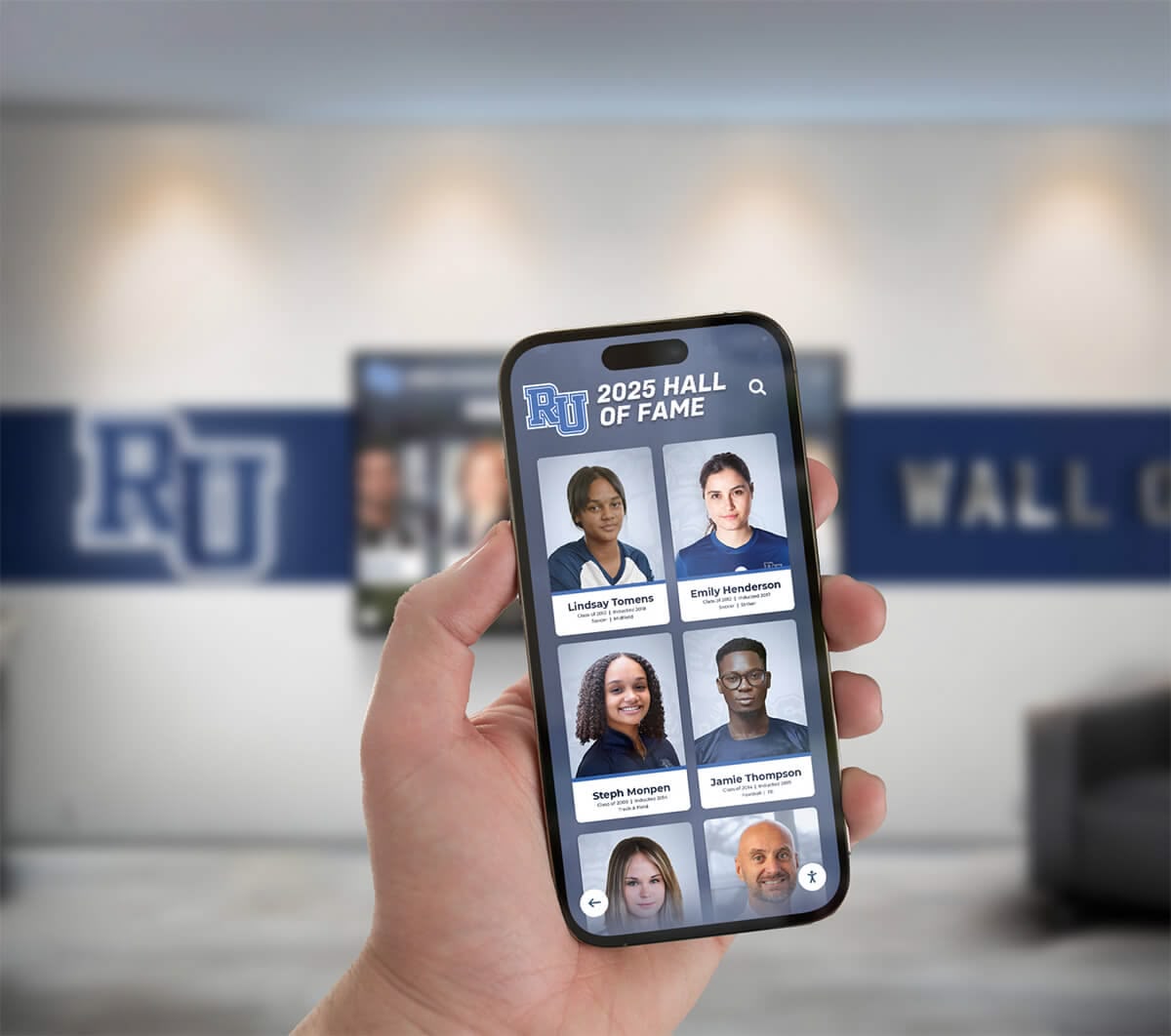
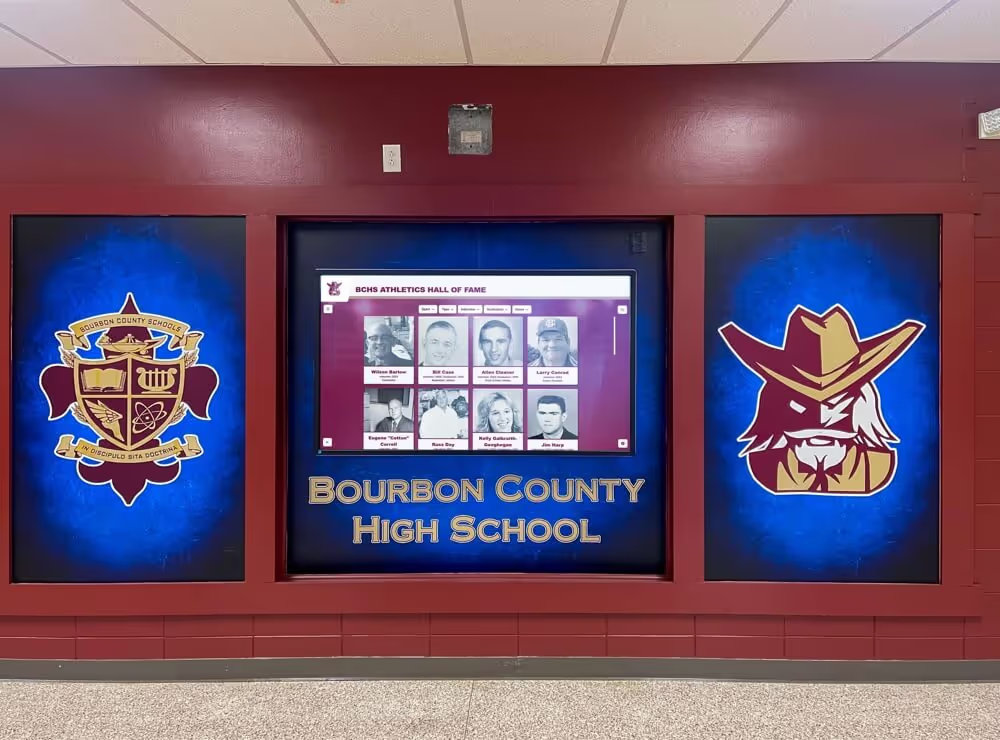
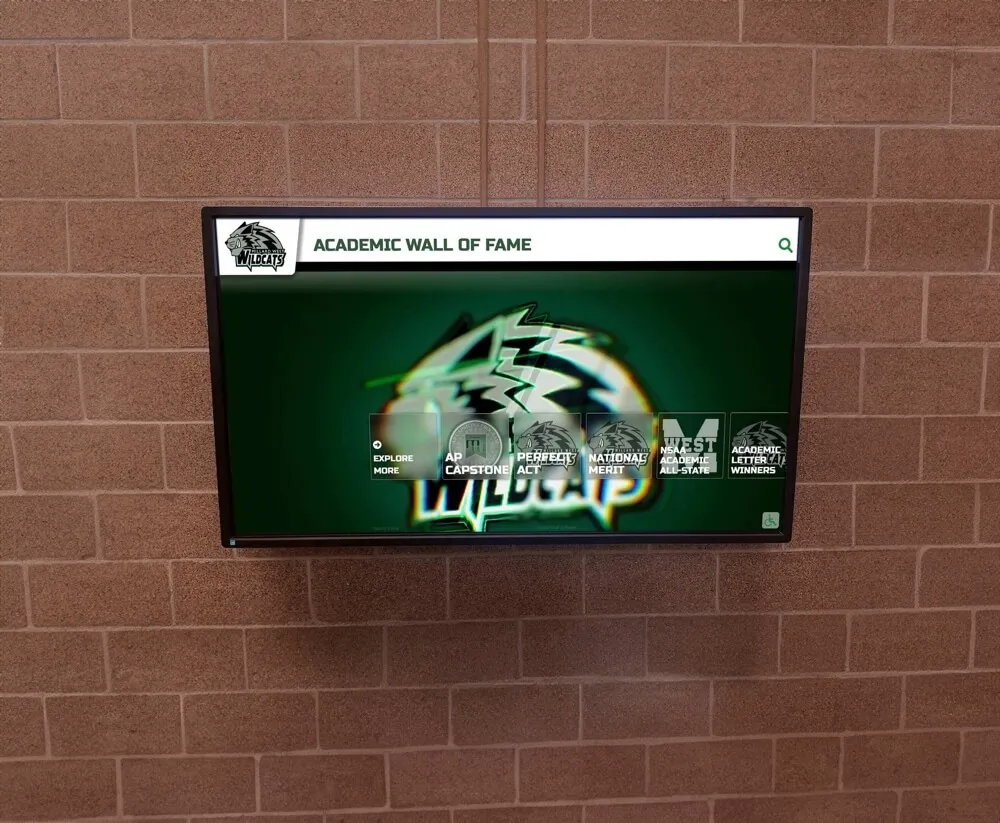
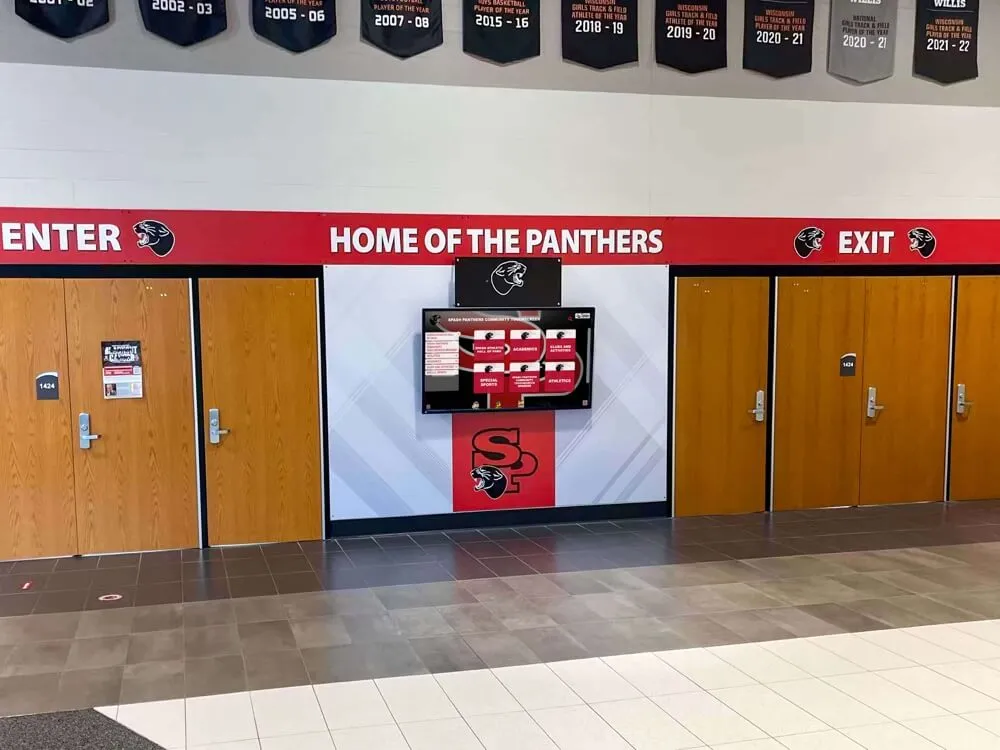
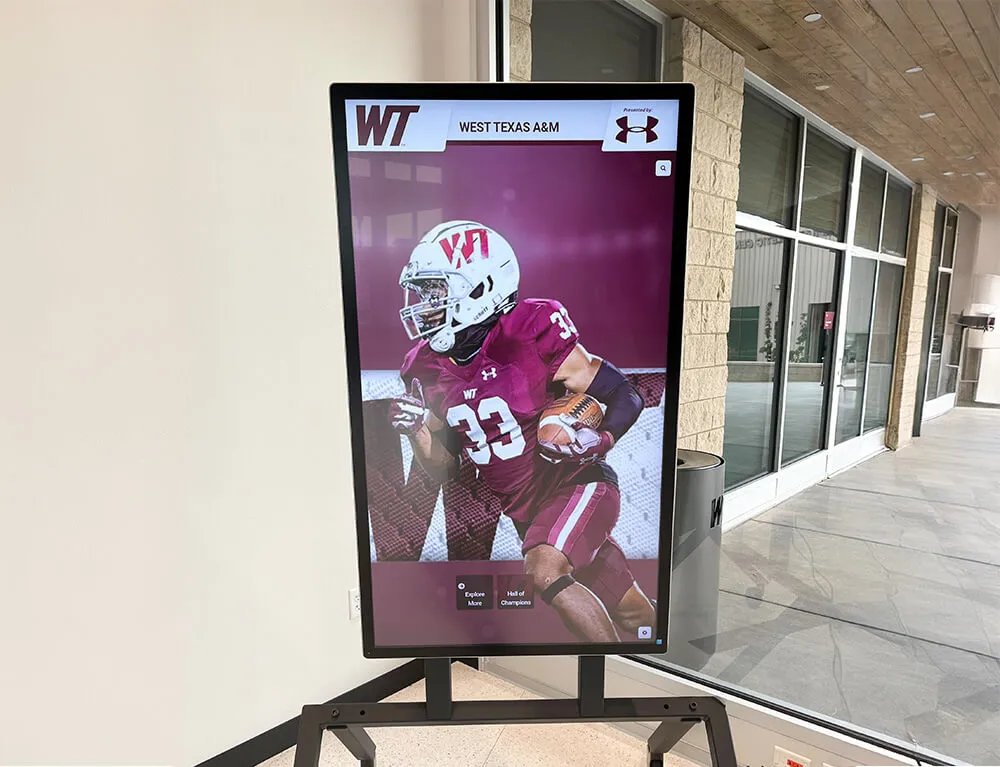
Web-accessible recognition extends scholarship donor celebration beyond physical campus locations
Annual Scholarship Approaches
Annual scholarships distribute recently raised funds directly:
How Annual Scholarships Work
- Ongoing fundraising generates scholarship support
- Contributions received each year fund that year’s awards
- Award amounts vary based on fundraising success
- No minimum threshold required to begin awarding
- Simplified administration without investment management
- Flexibility to adjust or discontinue program
Annual Scholarship Advantages
- Lower barriers to entry enabling faster launch
- Immediate impact without waiting for fund accumulation
- Award amounts can grow or shrink based on support
- Easier to modify eligibility criteria and processes
- Community engagement through ongoing fundraising
- Flexibility to respond to changing priorities
Annual Scholarship Challenges
- Dependent on continued donor engagement
- Vulnerable to economic downturns or changing priorities
- Administrative burden of ongoing fundraising
- Less predictable annual funding
- No guarantee of program continuation
- Requires sustained donor stewardship and engagement
Hybrid Build-Toward-Endowment Models
Many programs combine approaches, starting as annual scholarships while accumulating toward endowment:
- Begin awarding immediately from annual contributions
- Designate portion of gifts toward endowment principal
- Transition to fully endowed status once threshold reached
- Maintain donor engagement during accumulation phase
- Provide immediate impact while building toward perpetual funding
- Celebrate milestones as fund grows toward endowment goal
Step 3: Establish Funding Goals and Fundraising Strategies
Successful scholarship funds require clear funding targets and realistic strategies for reaching them.
Determining Required Funding Levels
Calculate funding needs based on your scholarship goals:
Annual Scholarship Funding Requirements
For non-endowed programs, annual fundraising must cover:
- Total desired scholarship awards annually
- Administrative fees (typically 5-15% of distributions)
- Recognition and stewardship expenses
- Application processing and selection costs
- Marketing and promotion expenses
- Contingency reserves for years with lower fundraising
Example: To award $10,000 annually requires raising approximately $11,000-$12,000 annually after administrative costs, plus additional funds for program support and multi-year reserves.
Endowed Scholarship Capitalization
For endowed scholarships, calculate required principal using institutional spending rates:
Calculation Formula: Required Principal = Desired Annual Award ÷ Spending Rate
Examples (assuming 4% spending rate):
- $1,000 annual scholarship requires $25,000 endowment
- $2,500 annual scholarship requires $62,500 endowment
- $5,000 annual scholarship requires $125,000 endowment
- $10,000 annual scholarship requires $250,000 endowment
Many institutions require minimum endowment thresholds (commonly $25,000-$50,000) regardless of desired award amounts, ensuring adequate investment returns after management fees.
Fundraising Strategy Development
Different funding sources and approaches suit different scholarship programs:
Individual and Family Funding
Personal wealth often seeds scholarship funds:
- Direct contributions from scholarship founders
- Estate gifts through bequests or beneficiary designations
- Life insurance policy beneficiary designations
- Appreciated asset donations (stocks, real estate) for tax advantages
- Multi-year pledge commitments building toward endowment
- Family fundraising campaigns engaging extended relatives
- Memorial gifts honoring deceased loved ones
Community and Network Fundraising
Broaden support beyond initial founders through targeted campaigns:
- Alumni networks at specific institutions
- Professional associations and industry groups
- Community organizations and civic clubs
- Employer matching gift programs
- Crowdfunding campaigns leveraging social networks
- Fundraising events including galas, auctions, or golf tournaments
- Private school fundraiser approaches that celebrate donors while building support
Corporate and Foundation Support
Organizations may provide substantial scholarship funding:
- Corporate social responsibility initiatives
- Workforce development programs supporting pipeline creation
- Community foundation grants and partnerships
- Private foundation grants aligned with mission
- Employer scholarship matching programs
- Industry association scholarship initiatives
- Business sponsorships in exchange for recognition
Creative Fundraising Approaches
Think beyond traditional solicitation:
- Tribute and memorial giving programs
- Recognition opportunities incentivizing major gifts
- Planned giving programs including charitable gift annuities
- Donor-advised fund grants from existing philanthropic vehicles
- Percentage of event proceeds or product sales
- Recurring giving programs creating sustainable annual support
- Alumni engagement events combining celebration with fundraising
Donor Recognition and Stewardship
Effective recognition inspires continued support while celebrating philanthropic impact:
Recognition Level Structures
Establish clear recognition tiers based on contribution levels:
- Founding donors providing initial major gifts
- Leadership donors making substantial multi-year commitments
- Supporting donors contributing meaningful amounts
- General recognition for all contributors regardless of amount
- Special recognition for planned gift commitments
- Volunteer recognition for those providing time and expertise
Recognition Approaches
Modern scholarship programs employ diverse recognition methods:
Traditional Recognition
- Named scholarship opportunities for major donors
- Donor honor rolls in publications and reports
- Recognition events celebrating contributors and recipients
- Physical plaques and traditional donor walls
- Scholarship naming for endowment funders
- Annual reports featuring donor impact stories
Digital Recognition Innovation
Contemporary programs leverage technology to enhance donor celebration. Solutions like Rocket Alumni Solutions provide comprehensive donor recognition displays that overcome traditional limitations:
- Interactive touchscreen displays showcasing unlimited donors
- Searchable interfaces enabling donors to find their recognition
- Multimedia content including donor testimonials and stories
- Real-time updates as new contributions are received
- Web accessibility extending recognition beyond physical locations
- Integration with fundraising campaigns and events
- Perpetual maintenance without physical updates
Donor-Recipient Connections
Create meaningful relationships between supporters and students:
- Annual receptions introducing donors and scholarship recipients
- Recipient thank-you letters to scholarship donors
- Progress updates showing academic achievements and outcomes
- Graduation announcements celebrating recipient success
- Video testimonials from recipients expressing gratitude
- Ongoing communication showing long-term impact
- Alumni connections as recipients become potential future donors
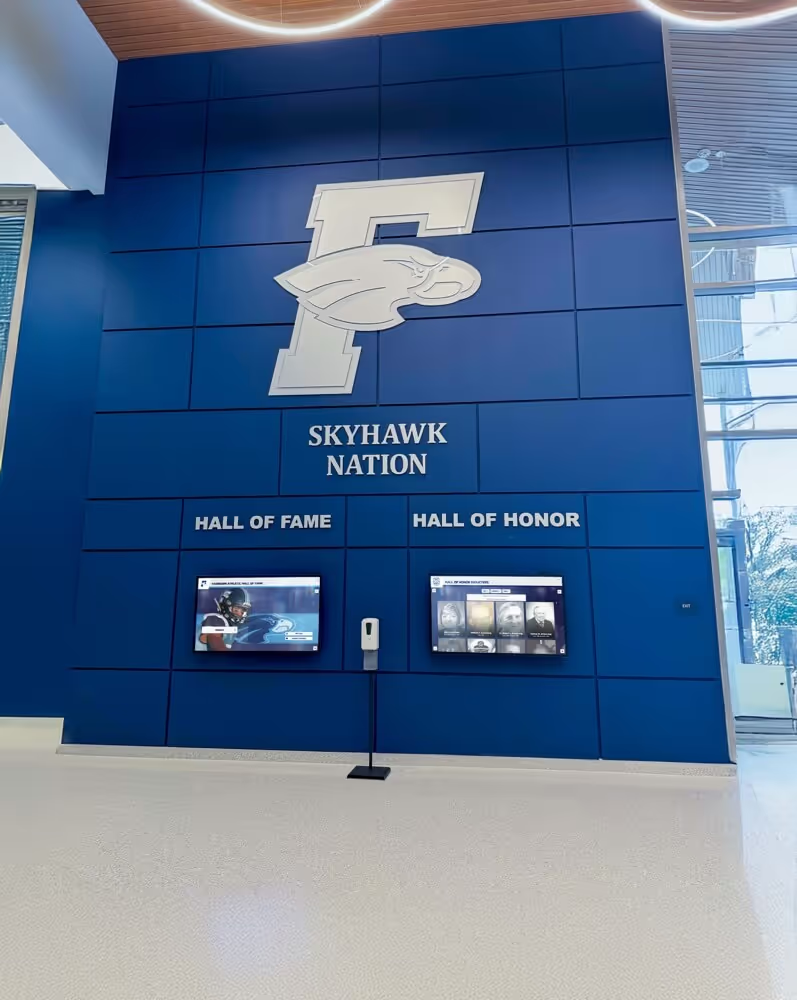
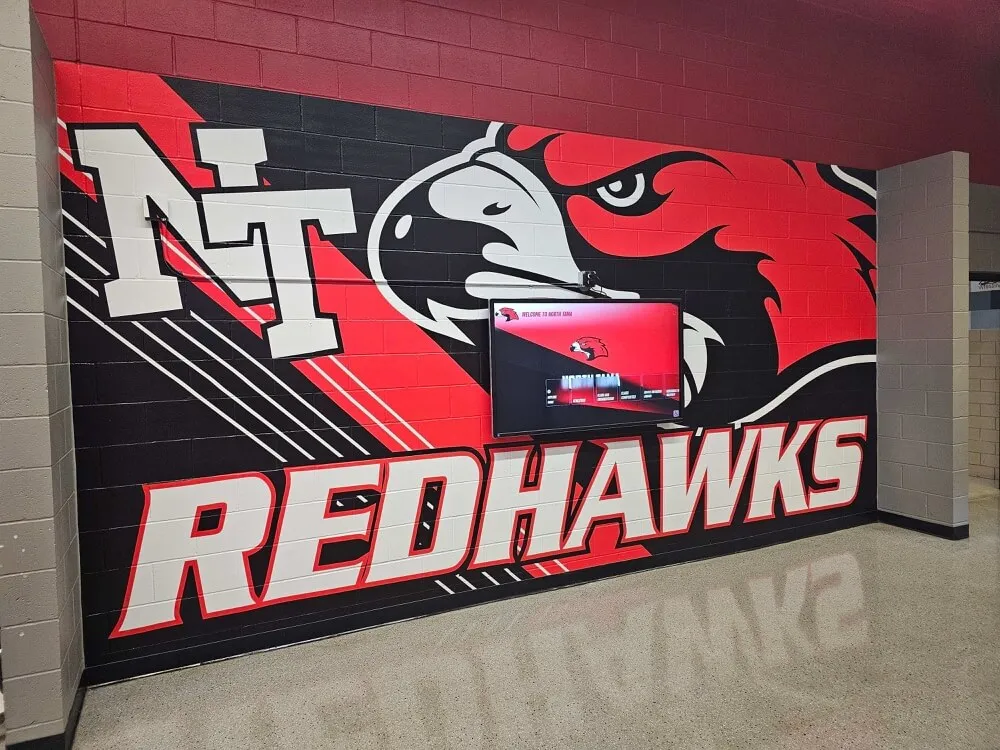
Comprehensive recognition systems celebrate both scholarship donors and recipients, demonstrating program impact
Step 4: Create Application and Selection Processes
Fair, transparent selection processes ensure scholarships reach intended recipients while maintaining donor confidence.
Application Requirements and Timeline
Design application processes balancing thoroughness with accessibility:
Standard Application Components
Most scholarship applications include:
- Demographic and enrollment information
- Academic transcripts and GPA verification
- Standardized test scores (when applicable)
- Essays or personal statements addressing specific prompts
- Letters of recommendation from teachers, counselors, or mentors
- Financial information (for need-based scholarships)
- Extracurricular activities and achievements documentation
- Community service and leadership evidence
- Career goals and future plans statements
Accessibility Considerations
Ensure application processes don’t create unnecessary barriers:
- Clear, jargon-free instructions
- Reasonable deadlines allowing adequate preparation time
- Online submission options eliminating mailing costs
- Application fee waivers for financial need cases
- Support resources for first-generation applicants
- Translation services for multilingual communities
- Technology access considerations
- Simplified processes for renewal applications
Timeline Development
Establish predictable annual schedules:
- Application availability and announcement (typically fall/winter)
- Application deadlines (spring semester for fall enrollment)
- Selection committee review period
- Award notifications (typically March-May for fall enrollment)
- Acceptance and commitment deadlines
- Award disbursement coordination with institutions
- Recipient celebration and recognition events
Selection Committee Formation
Thoughtful committee composition ensures fair, comprehensive evaluation:
Committee Membership
Effective selection committees include diverse perspectives:
- Scholarship donors or founder representatives
- Educational professionals with student evaluation expertise
- Community members reflecting scholarship values
- Alumni or previous scholarship recipients
- Diversity ensuring multiple viewpoints and minimizing bias
- Independence from applicant relationships avoiding conflicts
- Expertise in relevant fields for specialized scholarships
Selection Criteria Weighting
Establish clear scoring frameworks:
- Relative importance of GPA vs. test scores vs. essays
- Balance between achievement and financial need
- Weight given to leadership, service, and extracurriculars
- Consideration of overcoming adversity or challenges
- Alignment with scholarship mission and values
- Potential for impact and future contribution
- Holistic evaluation beyond purely quantitative metrics
Evaluation Processes
Implement systematic review ensuring fairness:
- Blind review removing identifying information initially
- Independent scoring by multiple reviewers
- Structured rubrics providing consistent evaluation
- Discussion and deliberation for finalist selections
- Documentation of selection rationale
- Appeals or reconsideration processes when appropriate
- Feedback mechanisms improving future cycles
Legal Compliance and Best Practices
Navigate regulatory requirements and maintain ethical standards:
Discrimination and Protected Classes
Understand legal parameters around selection criteria:
- Prohibition on discrimination based on protected characteristics
- Exceptions for scholarships serving specific underrepresented populations
- Gender-specific scholarships legal in most contexts
- Race-conscious scholarships requiring careful legal structuring
- Religious organization scholarships with special considerations
- Geographic restrictions generally permissible
- Field-of-study and achievement criteria broadly allowed
Privacy and Data Protection
Handle applicant information responsibly:
- Secure storage of applications and personal information
- FERPA compliance for educational records
- Clear privacy policies and data usage disclosure
- Retention policies for applications and records
- Confidentiality during selection processes
- Appropriate information sharing with scholarship administrators
- Consent for recognition and publicity
Tax Compliance
Ensure scholarship structures support tax deductibility:
- Direct payment to educational institutions when possible
- Documentation requirements for qualified educational expenses
- Reporting obligations for scholarship recipients
- Donor tax documentation for contributions
- Administrative structure maintaining tax-exempt status
- Professional tax advice for complex situations
Step 5: Launch, Award, and Sustain Your Scholarship Program
Successful scholarship programs require ongoing management extending beyond initial creation.
Program Launch and Promotion
Generate awareness and applications through strategic marketing:
Announcement Strategies
- Press releases to local and educational media
- Social media campaigns targeting potential applicants
- Partnership with high school counselors and college advisors
- Information sessions at schools and community organizations
- Website presence with clear application information
- Integration with institutional scholarship portals
- Direct outreach to organizations serving target populations
Materials Development
- Professional application packet design
- Clear, compelling program descriptions
- Donor recognition in scholarship materials
- Success stories from previous recipients
- Video content explaining program and process
- FAQ documents addressing common questions
- Multi-channel promotion across digital and traditional media
Award Disbursement and Recipient Support
Ensure smooth scholarship distribution and recipient success:
Financial Disbursement
Coordinate payment processes with educational institutions:
- Direct payment to schools rather than students when possible
- Coordination with financial aid offices
- Payment timing aligned with tuition billing
- Verification of enrollment and eligible expense usage
- Multi-year payment schedules for renewable scholarships
- Contingency plans if recipients don’t enroll or withdraw
Recipient Engagement
Support scholarship recipients beyond financial awards:
- Welcome communications explaining expectations and opportunities
- Connection to mentors or advisor networks
- Academic support resources and referrals
- Networking opportunities with donors and alumni
- Leadership development programming
- Community-building among scholarship cohorts
- Recognition through student achievement programs celebrating success
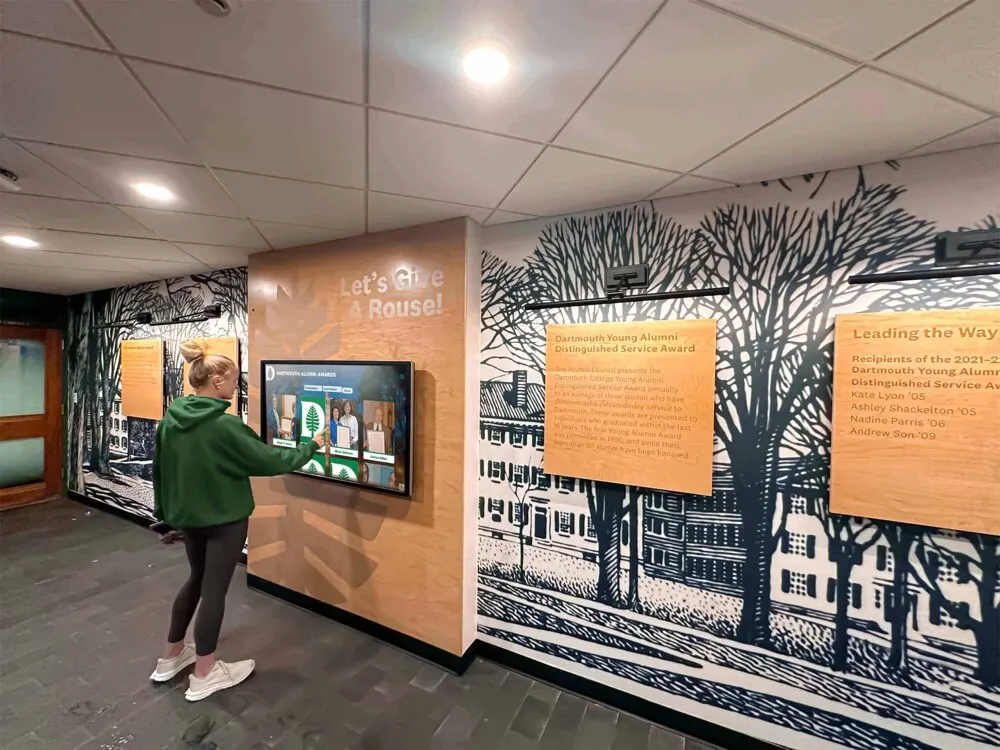
Interactive recognition systems engage students and families while showcasing scholarship program impact and opportunities
Program Evaluation and Continuous Improvement
Assess effectiveness and make data-informed enhancements:
Success Metrics
Track meaningful indicators of program impact:
- Number of applications received and applicant demographics
- Quality and diversity of applicant pool
- Scholarship acceptance and enrollment rates
- Recipient academic performance and persistence
- Graduation rates and time-to-degree
- Career outcomes and post-graduation success
- Alumni engagement and giving-back patterns
- Donor satisfaction and continued support
Feedback Collection
Gather input from key stakeholders:
- Recipient surveys about scholarship impact and experience
- Donor feedback about recognition and program satisfaction
- Selection committee insights about processes and applicants
- Institutional partner feedback on administration
- Community perspectives on program visibility and impact
- Application process feedback for improvement
- Comparative analysis with similar programs
Adaptive Management
Make evidence-based program refinements:
- Selection criteria adjustments based on outcomes
- Application process simplification removing barriers
- Award amount modifications reflecting costs and needs
- Eligibility expansion or refinement improving fit
- Recognition enhancement strengthening donor engagement
- Communication improvements increasing program awareness
- Partnership development expanding reach and resources
Special Considerations for Different Scholarship Types
Different scholarship focuses require tailored approaches:
Memorial Scholarships
Scholarships honoring deceased loved ones carry special considerations:
Capturing Legacy and Values
- Reflect personality, passions, and values of honored individual
- Involve family in criteria development and selection
- Share biographical information with recipients
- Create connections between recipients and honoree’s story
- Annual memorial events bringing together family and recipients
- Recognition preserving memory while celebrating ongoing impact
Emotional Dimensions
- Sensitive communication acknowledging loss while celebrating life
- Support for grieving family members through scholarship process
- Meaningful traditions honoring memory annually
- Evolution as family healing progresses over time
- Multi-generational family involvement possibilities
- Perpetual recognition maintaining connection across decades
Employer Scholarship Programs
Company-sponsored scholarships for employee families require specific structures:
Workforce Alignment
- Connection to talent pipeline development goals
- Industry-specific criteria supporting workforce needs
- Geographic targeting for regional recruitment
- Diversity and inclusion objectives
- Partnership with vocational and technical programs
- Return-to-work commitments or service requirements when appropriate
Tax and Legal Considerations
- Qualifying employee children for tax-advantaged treatment
- Independent selection processes maintaining objectivity
- Documentation supporting business expense deductibility
- Compliance with non-discrimination requirements
- State-specific regulations for employee benefit programs
- Professional tax counsel for complex structures
Organizations with employee scholarship programs should consider approaches similar to booster club fundraising models that engage communities while supporting specific populations.
Community-Based Scholarships
Local foundations and organizations serving specific geographic areas:
Community Connection
- Local selection committees representing community values
- Partnerships with area schools and educators
- Recognition at community events strengthening local pride
- Stories highlighting community members’ generosity
- Integration with broader community development initiatives
- Building local philanthropic culture and traditions
Sustainability Strategies
- Annual fundraising events becoming community traditions
- Planned giving programs from long-time community members
- Business sponsorships from local companies
- Recognition opportunities inspiring community support
- Volunteer engagement creating broad stakeholder investment
- Multi-organizational partnerships sharing administration
Field-Specific Scholarships
Scholarships supporting specific professions or disciplines:
Industry Partnership Development
- Professional association collaboration and co-funding
- Employer partnerships supporting pipeline development
- Internship and mentorship connections
- Career pathway support beyond financial assistance
- Recognition at industry conferences and events
- Measurable workforce impact documentation
Specialized Selection
- Evaluators with field-specific expertise
- Portfolio requirements for arts, design, or technical programs
- Demonstrated commitment to specific career paths
- Research experience or specialized skill assessment
- Professional recommendations from field practitioners
- Consideration of emerging workforce needs
Common Mistakes to Avoid When Starting a Scholarship Fund
Learning from frequent pitfalls helps scholarship founders prevent problems:
Insufficient Initial Planning
Mistake: Launching Without Clear Purpose and Structure
Many scholarship programs begin with generous intentions but inadequate planning around purpose, eligibility, structure, and sustainability. This leads to programs that struggle to identify appropriate recipients, lack sufficient funding, create administrative burdens, or drift from founder intent over time.
Solution: Invest adequate time in planning phase clarifying mission, determining appropriate structure, establishing realistic funding goals, developing clear eligibility and selection criteria, and formalizing administrative partnerships before announcing scholarship availability.
Overly Restrictive Eligibility Criteria
Mistake: Creating Criteria So Narrow That Few or No Applicants Qualify
Well-intentioned restrictions sometimes create scholarships so narrowly defined that no eligible applicants exist in typical years. Requirements combining multiple specific criteria (particular major, specific geographic origin, minimum GPA, financial need level, specific extracurricular involvement) can eliminate virtually all potential recipients.
Solution: Test eligibility criteria with institutional partners to ensure viable applicant pools. Consider tiered preferences rather than absolute requirements, allowing broader eligibility with selection preference for ideal candidates. Maintain flexibility to adjust criteria if application pools prove insufficient.
Inadequate Funding Sustainability
Mistake: Establishing Programs Without Sustainable Funding Plans
Annual scholarships launched enthusiastically sometimes falter when initial fundraising momentum fades, leaving programs unable to continue awards or forcing difficult decisions about reducing amounts or discontinuing scholarships entirely. Recipients counting on multi-year support face financial disruption when programs end unexpectedly.
Solution: Develop realistic three-to-five year funding projections before launching programs. Build reserves supporting multiple award cycles. Establish recurring revenue sources through planned giving, endowment accumulation, or committed donor bases. Consider starting with smaller awards sustainable long-term rather than larger awards difficult to maintain.
Insufficient Donor Recognition
Mistake: Failing to Adequately Recognize and Steward Scholarship Contributors
Programs focused entirely on recipient selection and award distribution sometimes neglect donor recognition and stewardship, leading to decreased engagement, reduced future giving, and missed opportunities to expand scholarship support through inspired additional contributions.
Solution: Invest in comprehensive donor recognition through multiple channels including named scholarship opportunities, public acknowledgment through plaques and publications, donor-recipient connection events, regular impact communication, digital recognition displays showcasing contributors, and expressions of gratitude from recipients and institutions. Solutions like Rocket Alumni Solutions provide comprehensive donor recognition platforms that strengthen stewardship while inspiring continued support.
Unclear Roles and Responsibilities
Mistake: Informal Administrative Arrangements Without Clear Agreements
Scholarship programs sometimes proceed with vague understandings about who handles applications, selection, disbursement, recognition, and ongoing management. This creates confusion, dropped responsibilities, and eventual program dysfunction.
Solution: Formalize roles through written agreements specifying all parties’ responsibilities, administrative fee structures, selection process authorities, communication obligations, recognition expectations, and amendment procedures. Clear documentation prevents misunderstandings and ensures smooth program operation.
Celebrating Success: Recognizing Donors and Recipients
Comprehensive recognition strengthens scholarship programs by honoring both contributors who make programs possible and recipients whose success justifies continued support.
Creating Recognition That Inspires
Effective scholarship recognition serves multiple purposes:
Honoring Donor Generosity
Contributors deserve meaningful acknowledgment proportionate to their support:
- Permanent naming opportunities for major scholarship funders
- Tiered recognition based on contribution levels
- Public acknowledgment through institutional publications
- Exclusive events connecting donors with recipients and institutional leaders
- Regular impact reporting demonstrating outcomes their gifts enabled
- Digital and physical recognition displays celebrating contributions
- Multi-generational recognition honoring families creating lasting legacies
Celebrating Recipient Achievement
Scholarship recipients equally deserve recognition:
- Award ceremonies celebrating selection and accomplishments
- Public announcements in school and community publications
- Integration with academic honor roll and achievement recognition
- Recipient profiles shared with donors and broader communities
- Success story documentation for program promotion
- Alumni recognition as former recipients achieve career success
- Opportunities to give back and support future scholars
Inspiring Future Support
Strategic recognition motivates continued and expanded philanthropy:
- Visible donor impact demonstrating meaningful outcomes
- Success stories illustrating transformation scholarship support enables
- Recognition creating aspirational giving opportunities
- Social proof encouraging others to contribute
- Community celebration building collective investment
- Naming opportunities providing legacy incentives
- Perpetual recognition through digital platforms maintaining lasting visibility
Modern Recognition Technology
Contemporary scholarship programs leverage digital innovation to enhance traditional recognition approaches while overcoming physical limitations:
Interactive Digital Recognition Displays
Solutions like Rocket Alumni Solutions transform scholarship recognition through comprehensive platforms that:
- Showcase unlimited donors without physical space constraints
- Enable searchable interfaces for finding specific contributors
- Support rich multimedia content including photos, videos, and stories
- Facilitate instant updates as new contributions are received
- Extend recognition through web accessibility beyond physical locations
- Integrate with fundraising campaigns and donor stewardship
- Maintain perpetual accuracy without physical plaque updates or engraving delays
Hybrid Recognition Approaches
Many institutions combine traditional and digital recognition:
- Premium physical plaques for major scholarship endowment donors
- Digital displays comprehensively recognizing all contributors
- Integrated systems creating cohesive recognition experience
- Traditional permanence for transformational gifts
- Digital flexibility for comprehensive inclusion
- Best-of-both-worlds approaches honoring all support levels appropriately
Celebrate Scholarship Donors Through Modern Recognition
Discover how digital recognition solutions help educational institutions and organizations honor scholarship fund contributors while inspiring continued philanthropic engagement through interactive, accessible displays that tell complete donor and recipient stories.
Explore Donor Recognition SolutionsConclusion: Creating Lasting Educational Impact Through Scholarship Funds
Starting a scholarship fund represents one of the most meaningful ways individuals, families, organizations, and institutions can create lasting positive impact. By removing financial barriers that limit educational opportunity, scholarship programs don’t just change individual lives—they transform families, strengthen communities, advance professions, and contribute to broader social mobility and economic opportunity.
The process of starting a scholarship fund, while requiring careful planning and thoughtful decision-making, is more accessible than many potential founders realize. Whether you’re establishing a modest annual scholarship beginning with a few thousand dollars or creating a substantial endowed program ensuring perpetual support, the frameworks explored in this guide provide tested approaches for scholarship development that achieves your goals while honoring your values.
Strategic Planning Foundations
Successful scholarship programs begin with clarity about purpose, realistic assessment of resources, and thoughtful selection of appropriate structures. Defining whom you want to help, what impact you hope to create, and how you’ll sustain support over time prevents the common pitfalls that undermine well-intentioned programs lacking adequate planning.
Partnership and Administration
For most scholarship founders, partnering with established educational institutions or community foundations provides optimal balance of impact, tax advantages, professional management, and administrative simplicity. These partnerships free founders to focus on fundraising and donor engagement while professionals handle selection processes, financial disbursement, compliance requirements, and ongoing program administration.
Sustainable Funding Models
Whether you choose annual scholarship models funded through ongoing contributions or endowed scholarships providing perpetual support through investment returns, aligning funding approach with your resources and timeline ensures programs can maintain commitments to recipients while honoring donor intent over years or generations.
Comprehensive Recognition
Modern scholarship programs succeed by recognizing both the donors whose generosity makes programs possible and the recipients whose achievements justify continued support. Digital recognition platforms overcome traditional space limitations while enabling rich storytelling that demonstrates impact, strengthens donor relationships, and inspires expanded philanthropic engagement.
Measurable Impact
The ultimate measure of scholarship program success isn’t dollars raised or awards distributed—it’s lives changed and potential realized. Students who complete degrees they couldn’t otherwise afford, pursue careers they’re passionate about without crushing debt burdens, and contribute to their communities and professions represent the true return on scholarship investment. Many scholarship recipients become future donors themselves, creating cycles of generosity that extend impact across generations.
Getting Started
If you’ve been considering starting a scholarship fund, the time to begin is now. Start by clarifying your purpose and goals, researching administrative partners aligned with your vision, determining realistic funding approaches, and developing the planning frameworks that ensure your scholarship program creates the lasting impact you envision.
Your decision to start a scholarship fund will change lives in ways you may never fully know—removing the financial barriers that stand between talented students and their dreams, creating opportunities that transform not just individual recipients but entire families and communities, and building legacies of generosity that inspire others to give back in their own ways.
Ready to explore how modern recognition technology can strengthen your scholarship program’s donor engagement and stewardship? Discover comprehensive digital recognition solutions that celebrate scholarship contributors while inspiring continued philanthropic support, or learn more about building comprehensive donor recognition programs that honor generosity appropriately.