Learning how to train like an athlete requires more than showing up to practice and going through the motions. True athletic excellence emerges from developing a comprehensive mindset that encompasses physical discipline, mental toughness, strategic preparation, and unwavering commitment to continuous improvement. Student athletes who understand and embrace this holistic approach don’t just perform better in their sports—they develop life skills and character attributes that serve them throughout their academic, professional, and personal journeys.
Yet many aspiring student athletes struggle to transition from recreational participation to genuine athletic excellence. They focus exclusively on physical training while neglecting mental preparation, mistake activity for productivity, confuse effort with effective strategy, and fail to develop the systematic habits that distinguish champions from participants. Without understanding how elite athletes approach training, nutrition, recovery, and mindset development, students with genuine athletic potential plateau far below their capabilities.
This comprehensive guide explores the complete framework for training like an athlete—covering mental preparation, physical conditioning, strategic development, recovery protocols, and the recognition systems that reinforce excellence while celebrating achievement at every level of athletic development.
The difference between recreational athletes and those competing at elite levels isn’t primarily talent—it’s mindset, preparation, and systematic commitment to excellence across every dimension of athletic development. Schools and programs that cultivate comprehensive student athlete cultures create environments where training like an athlete becomes the expectation rather than the exception, where achievement receives visibility through recognition systems, and where athletic development integrates seamlessly with academic and character growth.

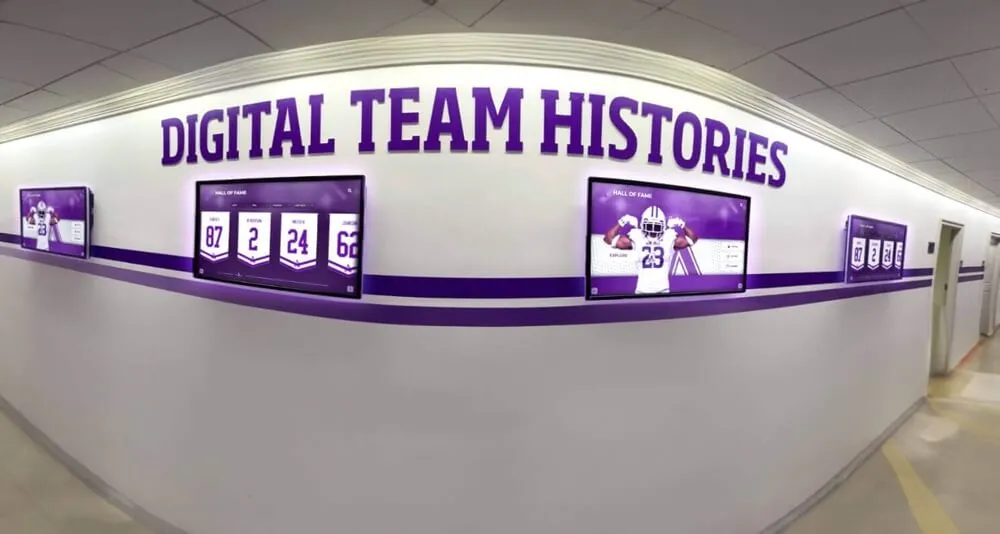
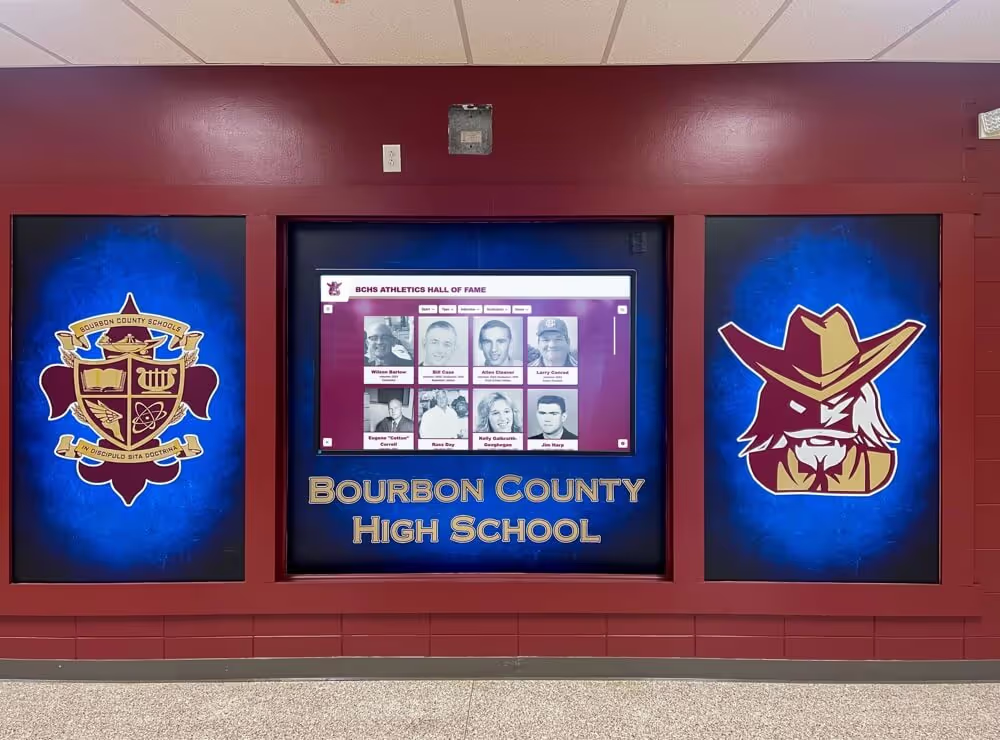
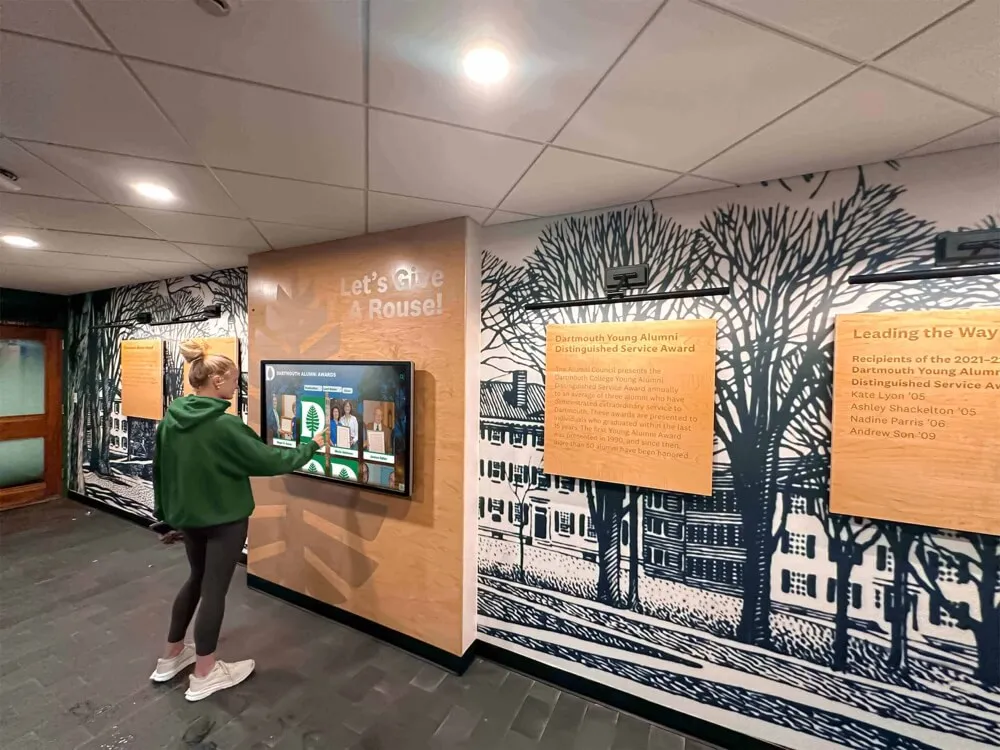
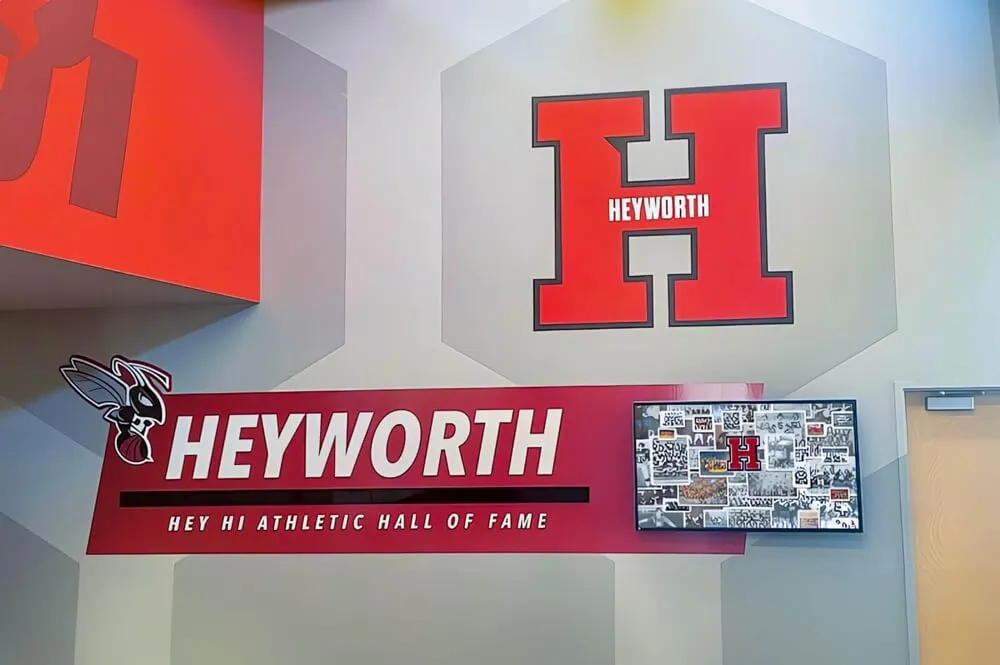
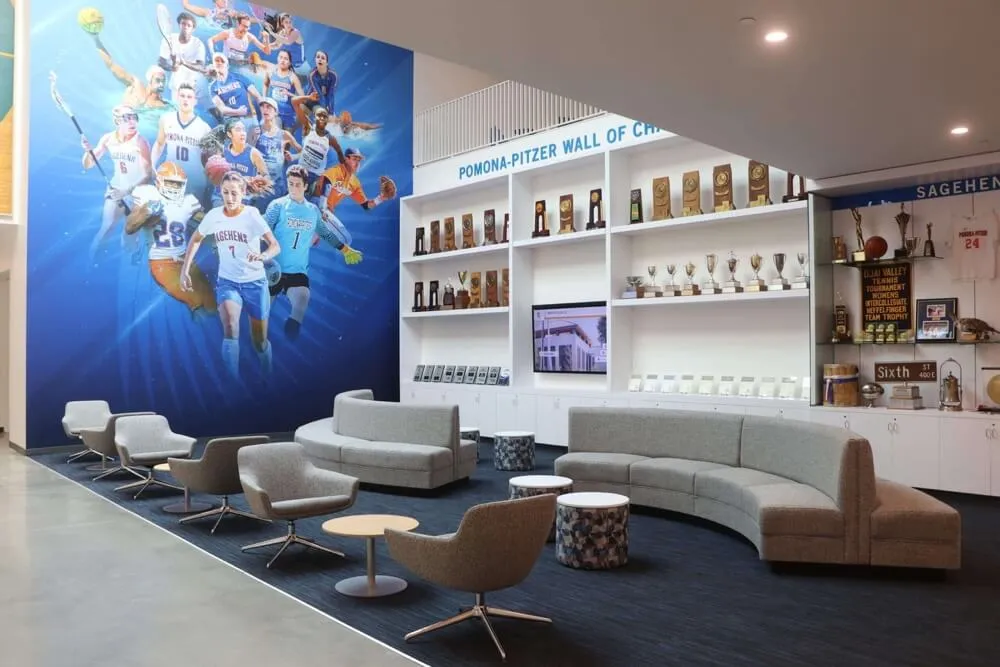
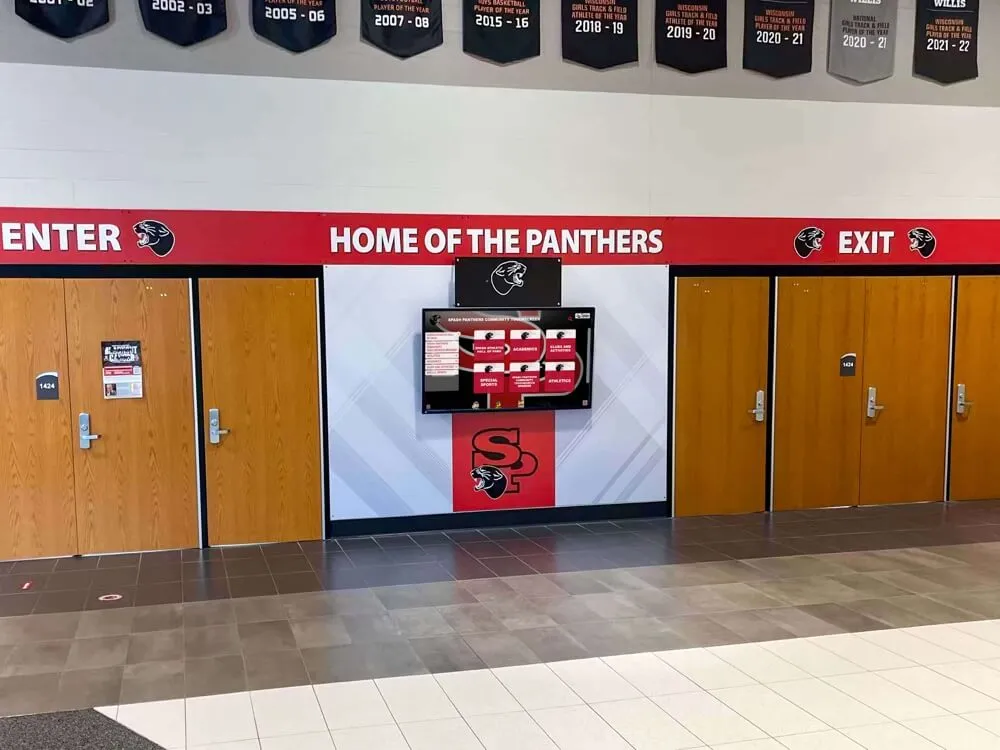
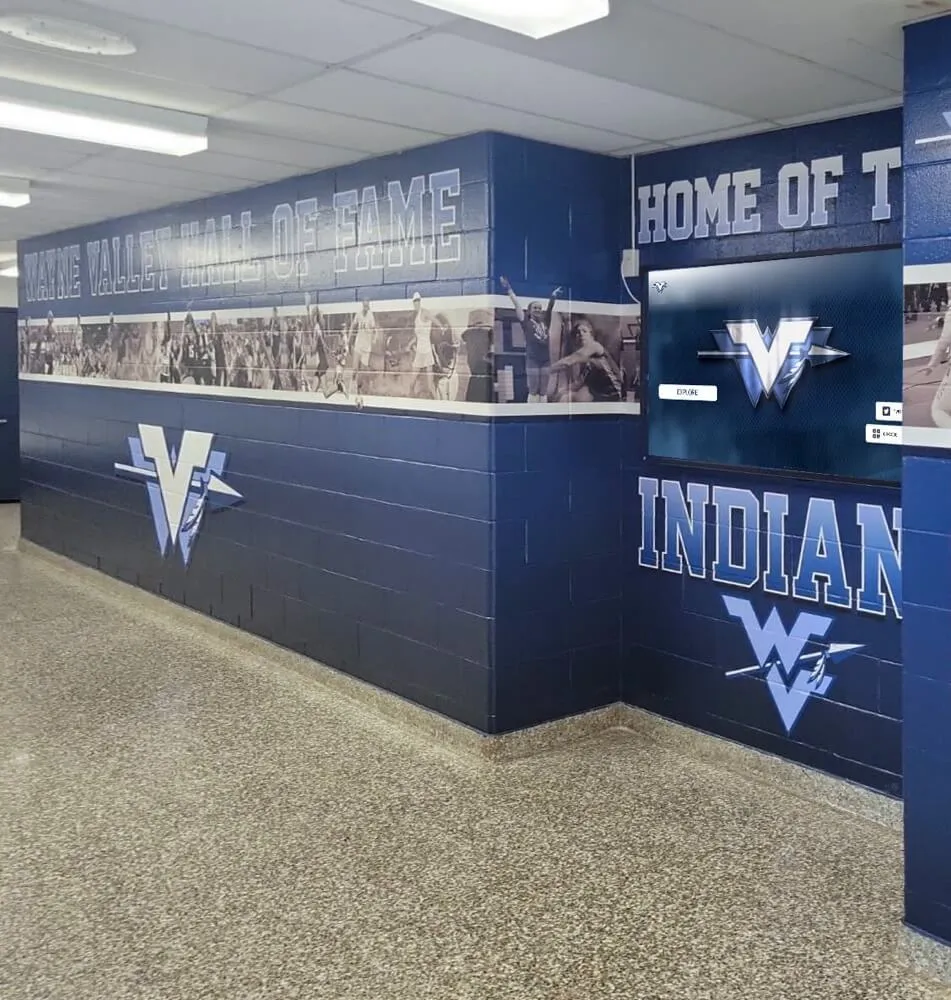
Schools that celebrate athletic excellence create cultures where training like a champion becomes the standard expectation
The Athletic Mindset: Foundation of Excellence
Understanding how to train like an athlete begins with cultivating the mental framework that separates champions from participants.
Commitment Over Convenience
Elite athletes train when they don’t feel like it, maintain discipline when motivation wanes, and prioritize long-term goals over immediate comfort:
Consistency Regardless of Circumstances
- Training occurs on schedule regardless of mood, weather, or competing priorities
- Preparation happens whether coaches are watching or not
- Dedication persists through plateaus, setbacks, and challenges
- Excellence becomes a habit rather than an occasional effort
- Commitment extends beyond official team practices to personal development
Long-Term Vision Over Short-Term Gratification
- Delayed gratification in favor of future achievement
- Daily choices aligned with long-term athletic goals
- Sacrifice of immediate pleasure for competitive advantage
- Patience through development phases and skill acquisition
- Focus on process improvement rather than immediate results
Schools developing comprehensive student athlete cultures benefit from understanding how athletic training room design supports the infrastructure necessary for serious athletic development.
Growth Mindset and Continuous Improvement
Athletes operating at the highest levels view abilities as developable rather than fixed, embrace challenges as growth opportunities, and maintain relentless focus on improvement:
Embracing Challenge and Difficulty
- Seeking opponents and competitions that push current capabilities
- Viewing mistakes as learning opportunities rather than failures
- Requesting feedback and coaching even when it feels uncomfortable
- Attempting techniques beyond current skill level to drive development
- Celebrating improvement regardless of absolute performance level
Process-Oriented Development
- Focus on controllable factors rather than outcomes
- Systematic skill development through deliberate practice
- Tracking progress through objective measures and benchmarks
- Identifying specific weaknesses requiring targeted work
- Continuous refinement even after achieving proficiency
This growth-oriented approach transforms training from obligation to opportunity, creating intrinsic motivation that sustains effort through inevitable plateaus and setbacks that accompany athletic development.
Mental Toughness and Resilience
Championship-level performance requires psychological preparation matching physical conditioning:
Pressure Performance Ability
- Maintaining composure during high-stakes competition
- Executing fundamentals when outcomes matter most
- Recovering quickly from mistakes or setbacks
- Managing anxiety and channeling nervous energy
- Performing consistently regardless of external circumstances
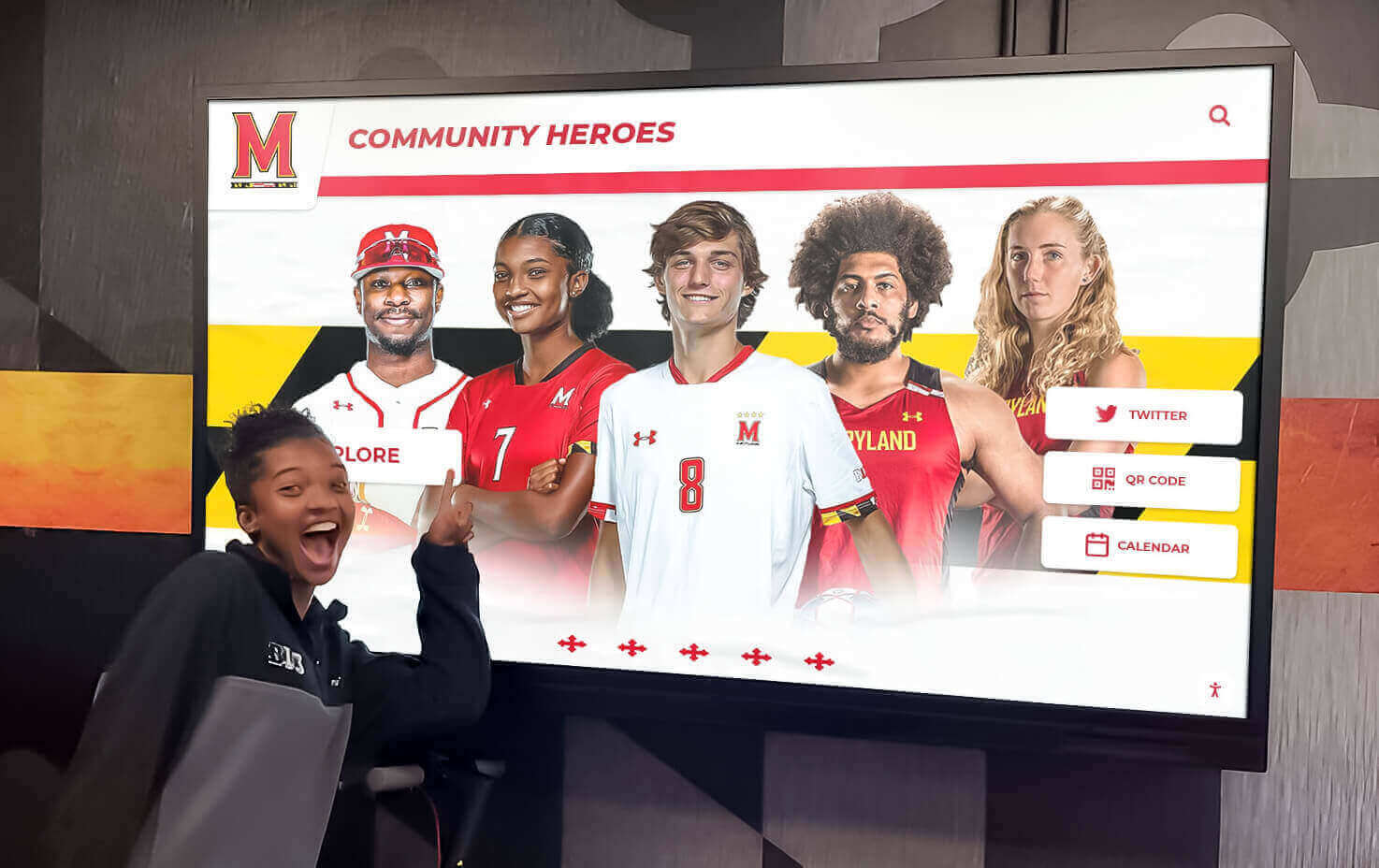
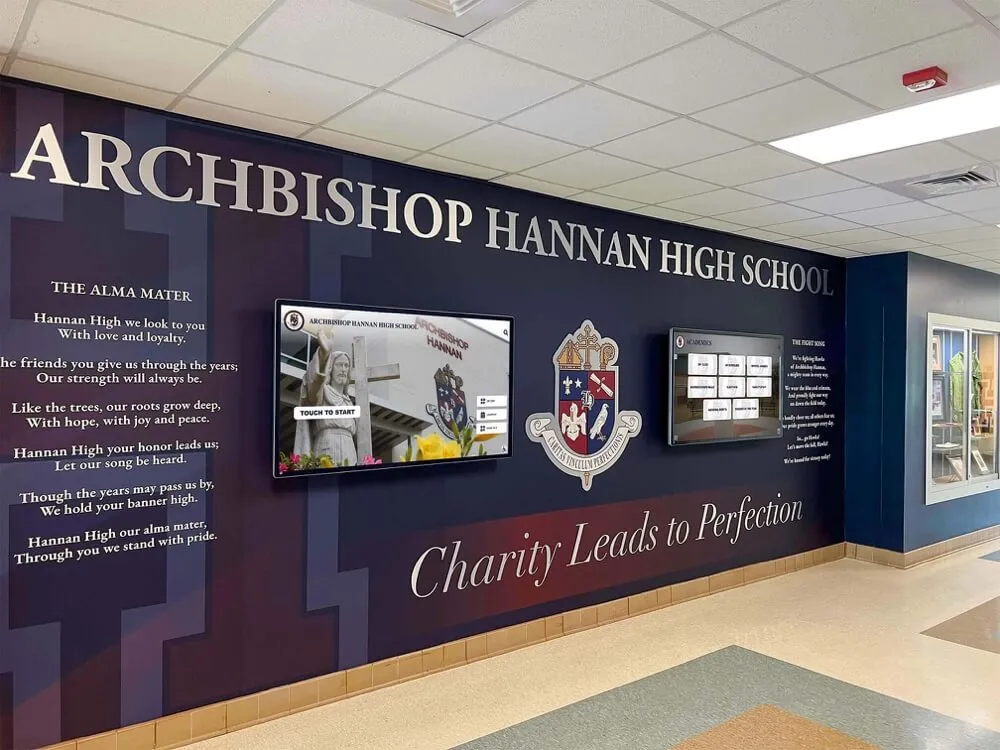
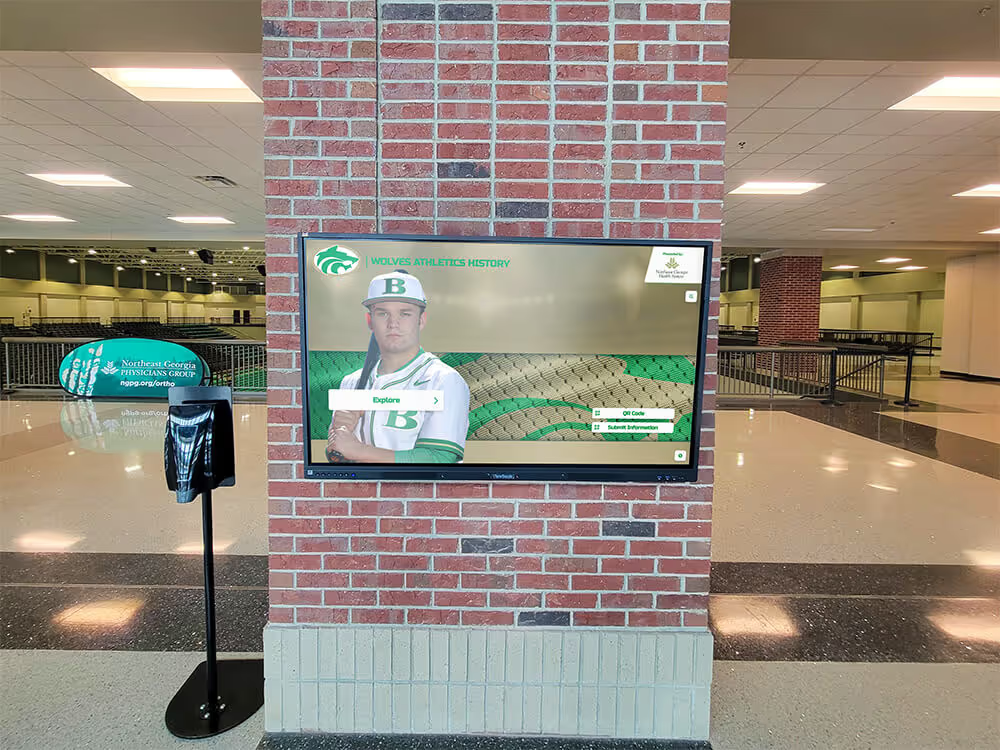
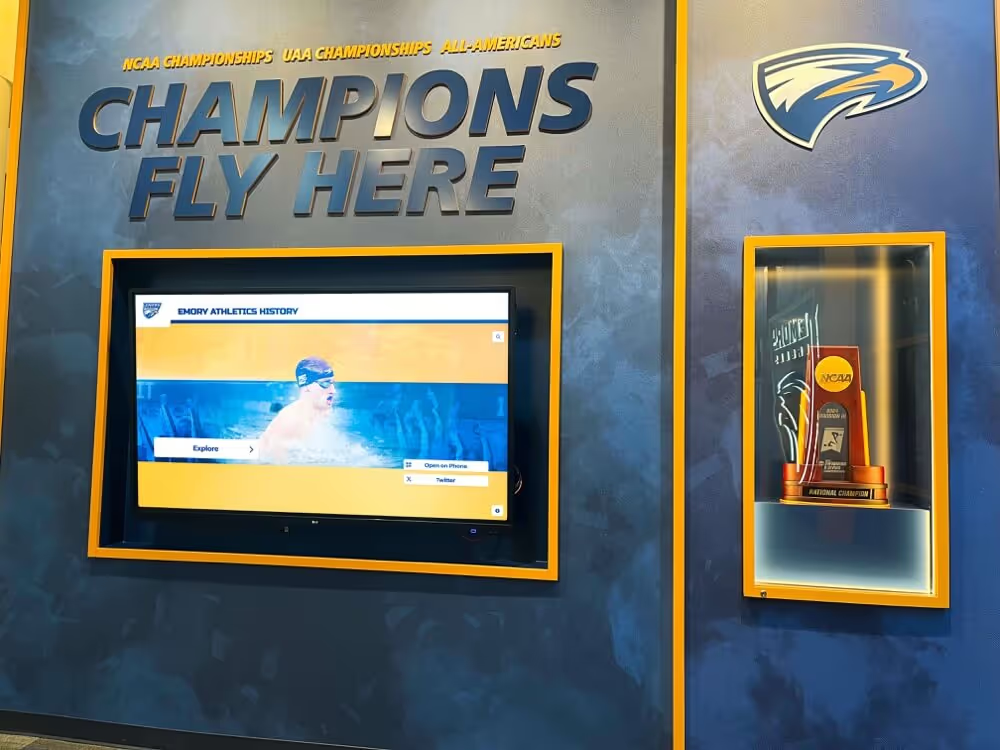
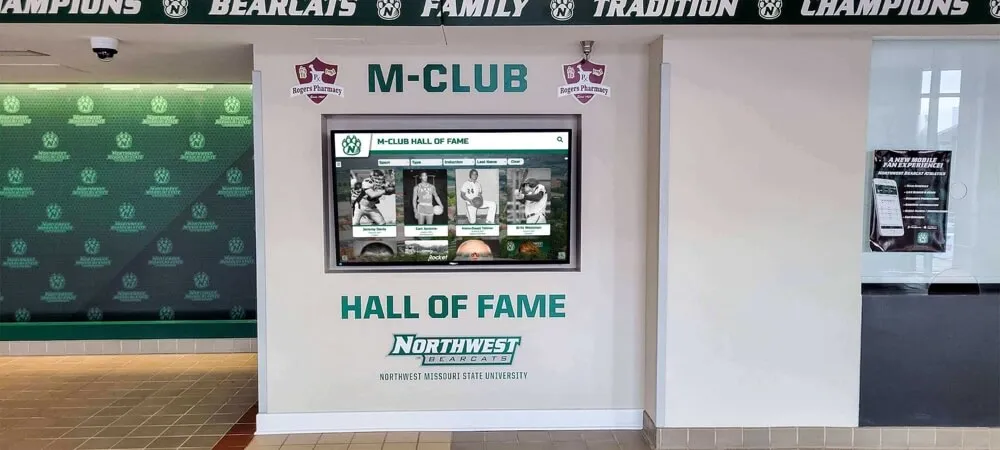
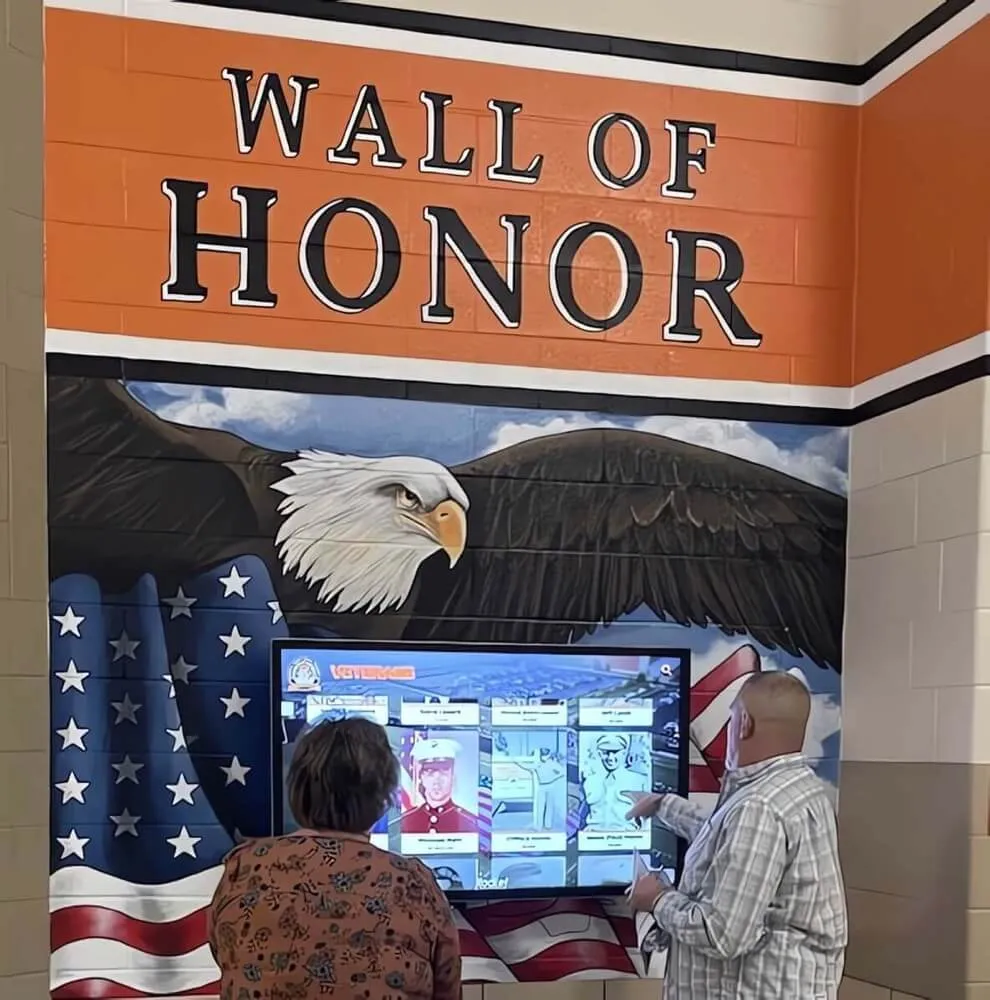
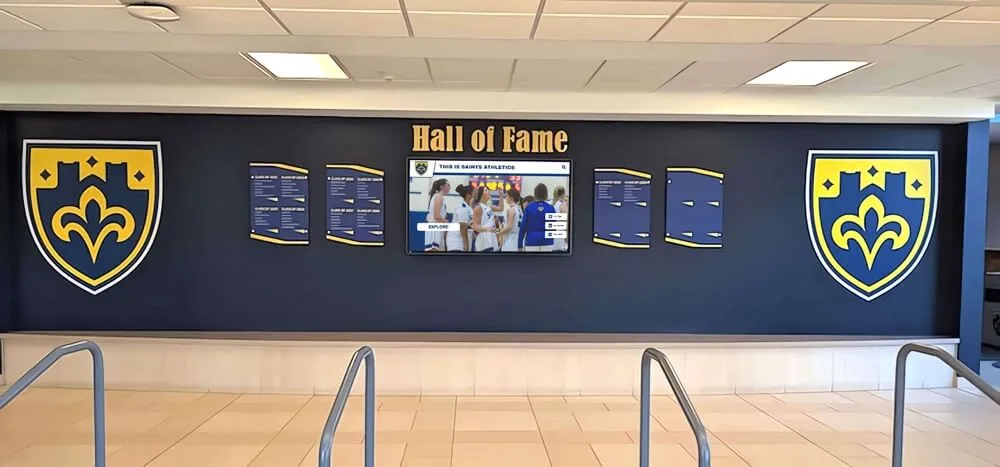
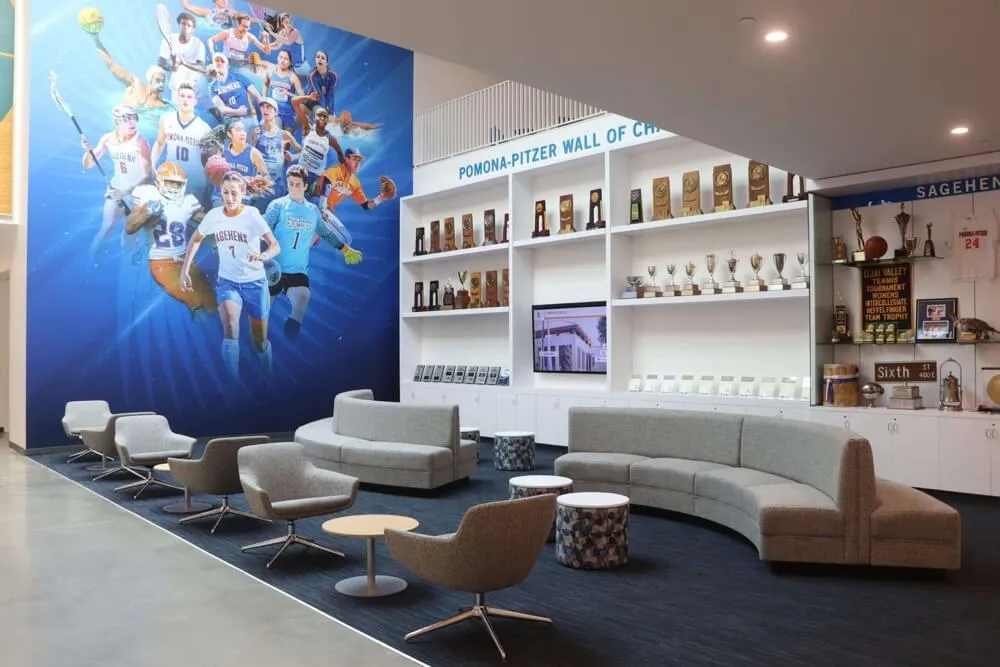
Recognition displays celebrating mental toughness and resilience reinforce these essential athletic qualities
Adversity Response Patterns
- Bouncing back from losses, injuries, or disappointments
- Maintaining positive self-talk during challenges
- Using setbacks as motivation rather than discouragement
- Supporting teammates even during personal struggles
- Demonstrating consistency through both success and failure
Visualization and Mental Preparation
- Mental rehearsal of successful performance
- Pre-competition routines establishing optimal mindset
- Focus techniques eliminating distractions
- Confidence-building self-talk and affirmations
- Scenario planning for various competitive situations
Physical Training Fundamentals
Mental preparation forms the foundation, but physical excellence requires systematic training across multiple dimensions.
Sport-Specific Skill Development
Athletic excellence begins with mastery of fundamental skills specific to your sport:
Technical Mastery Through Deliberate Practice
- Repetition of fundamental techniques until they become automatic
- Focused practice on specific weaknesses rather than comfortable strengths
- Gradual progression from basic to advanced skill variations
- Video analysis identifying technical flaws and improvement opportunities
- Coaching feedback integrated systematically into skill refinement
Progressive Skill Complexity
- Foundation establishment through fundamental movements
- Gradual addition of game-speed execution
- Integration of skills into competitive scenarios
- Pressure training simulating competition conditions
- Continuous refinement even after achieving competence
Programs celebrating athletic achievement often explore comprehensive athletic hall of fame approaches that showcase skill excellence alongside character development.
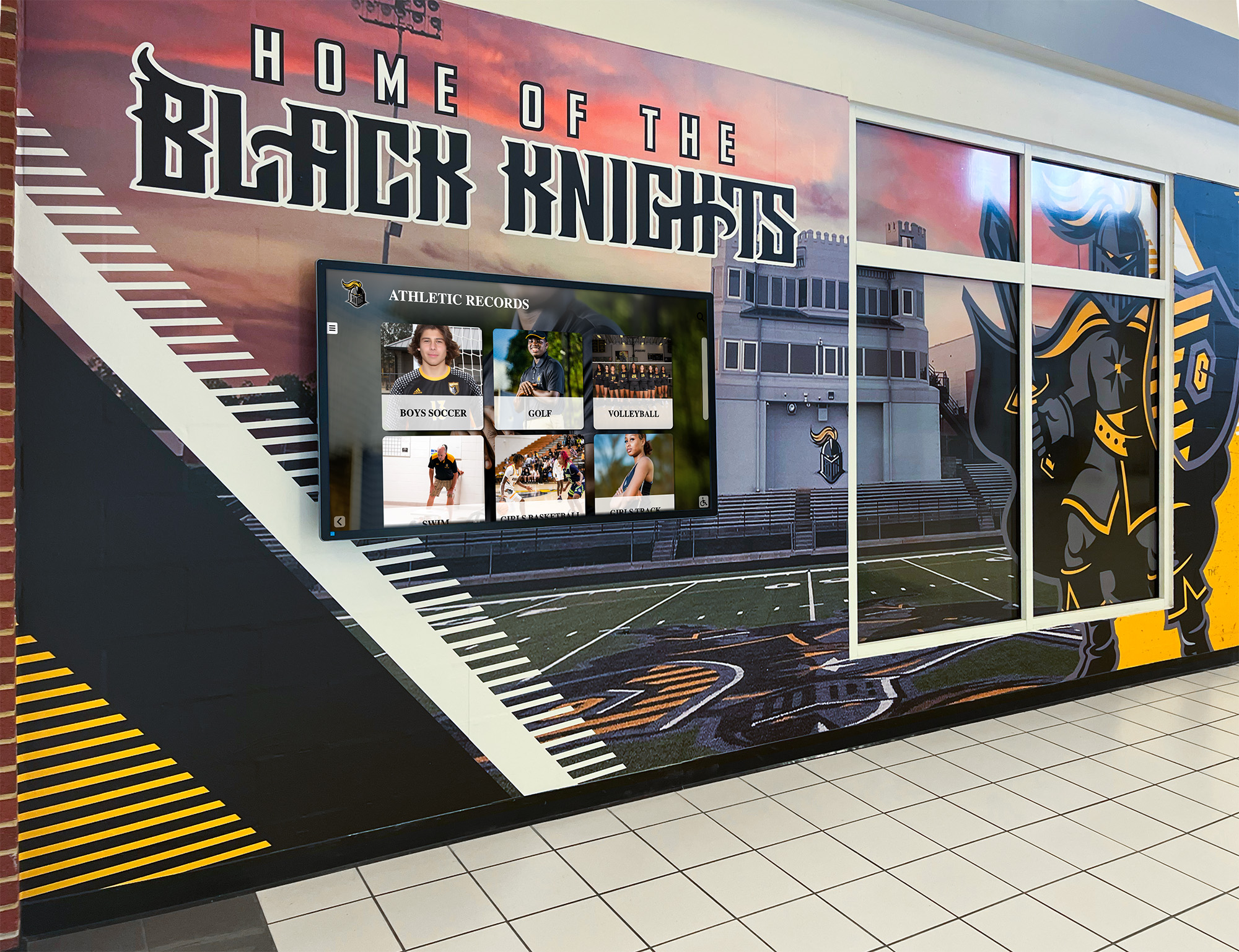
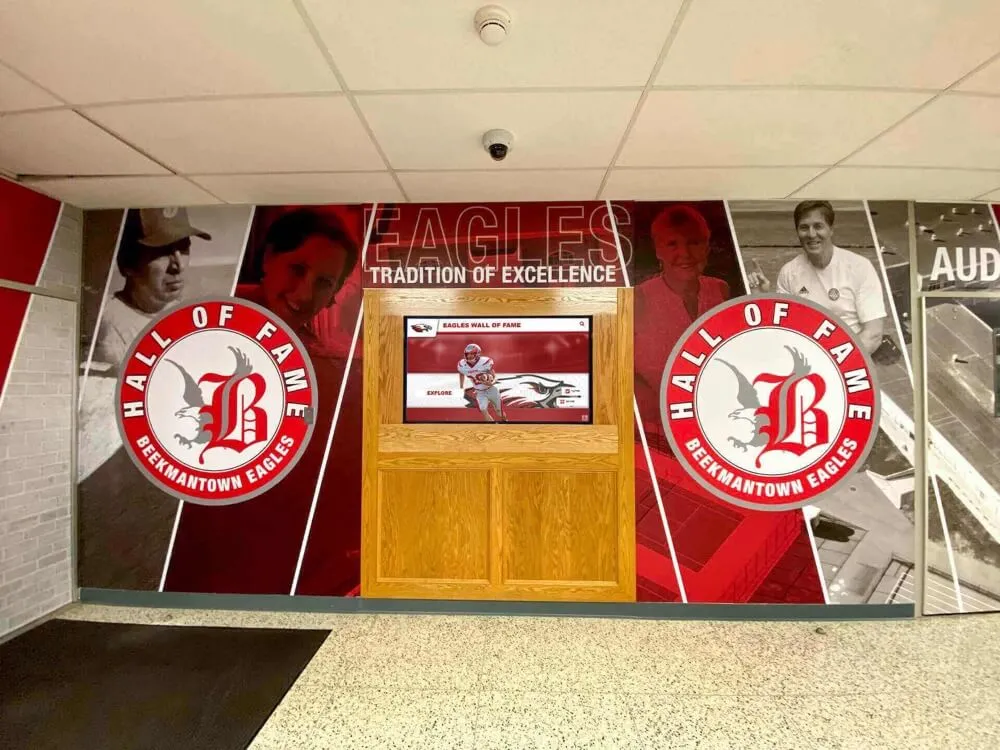
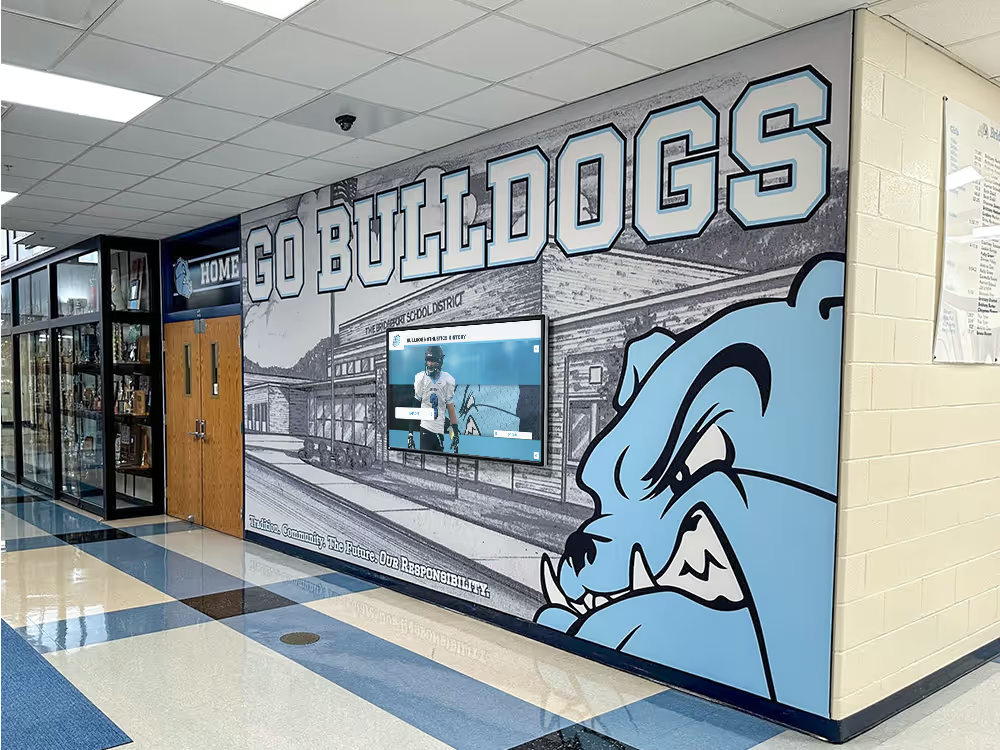
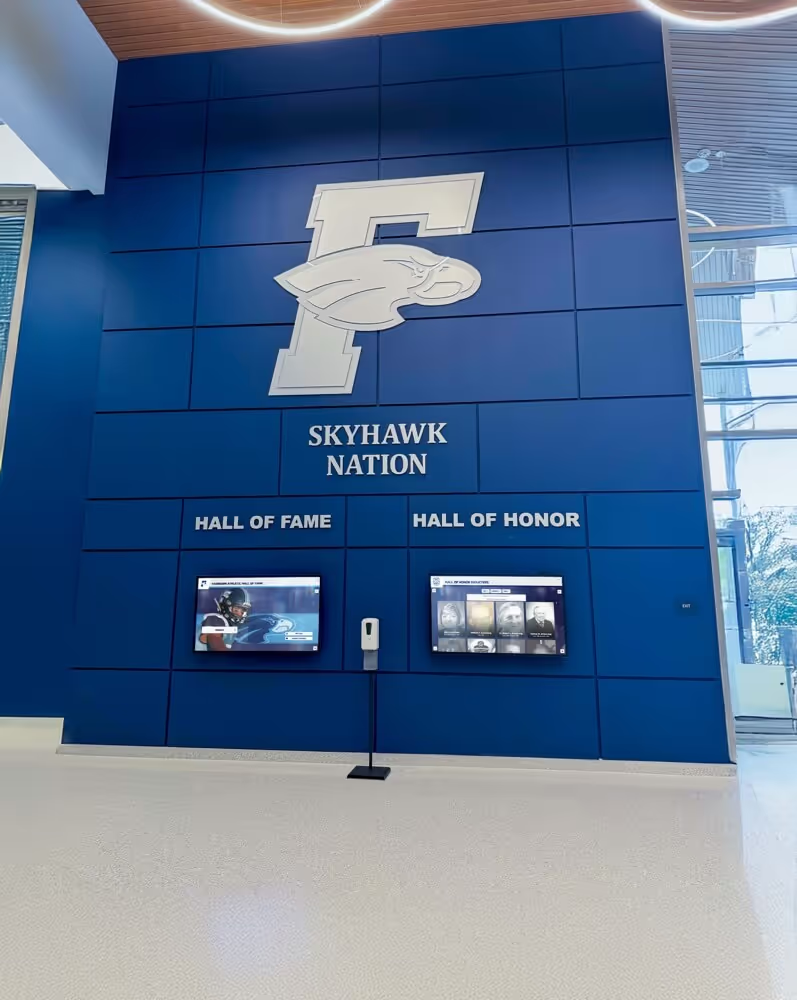
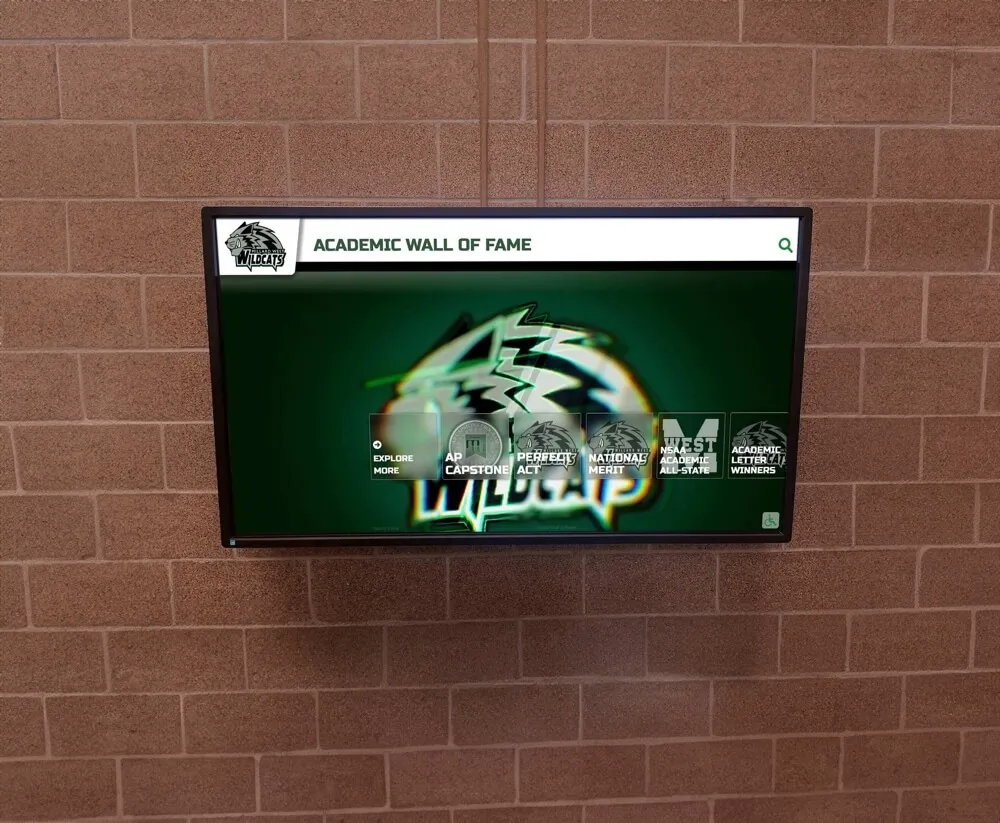
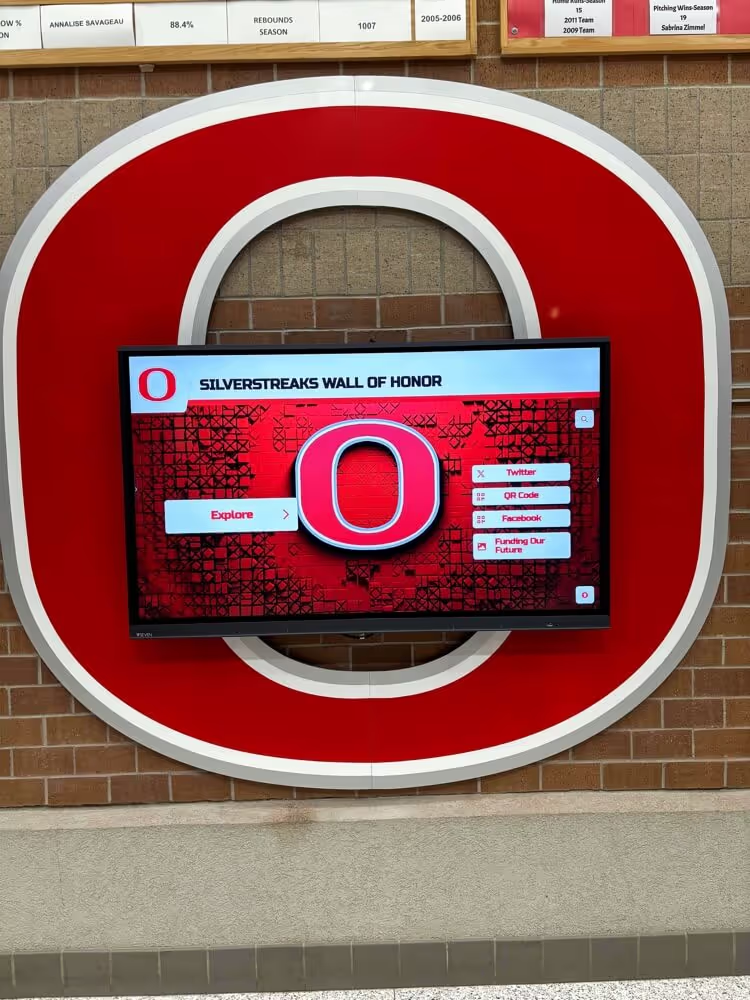
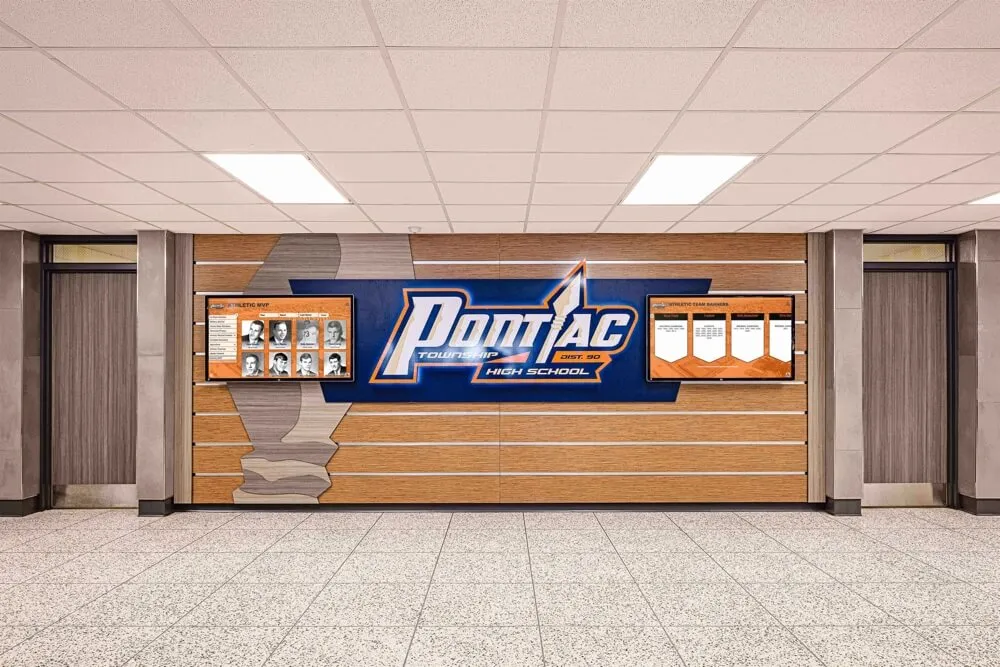
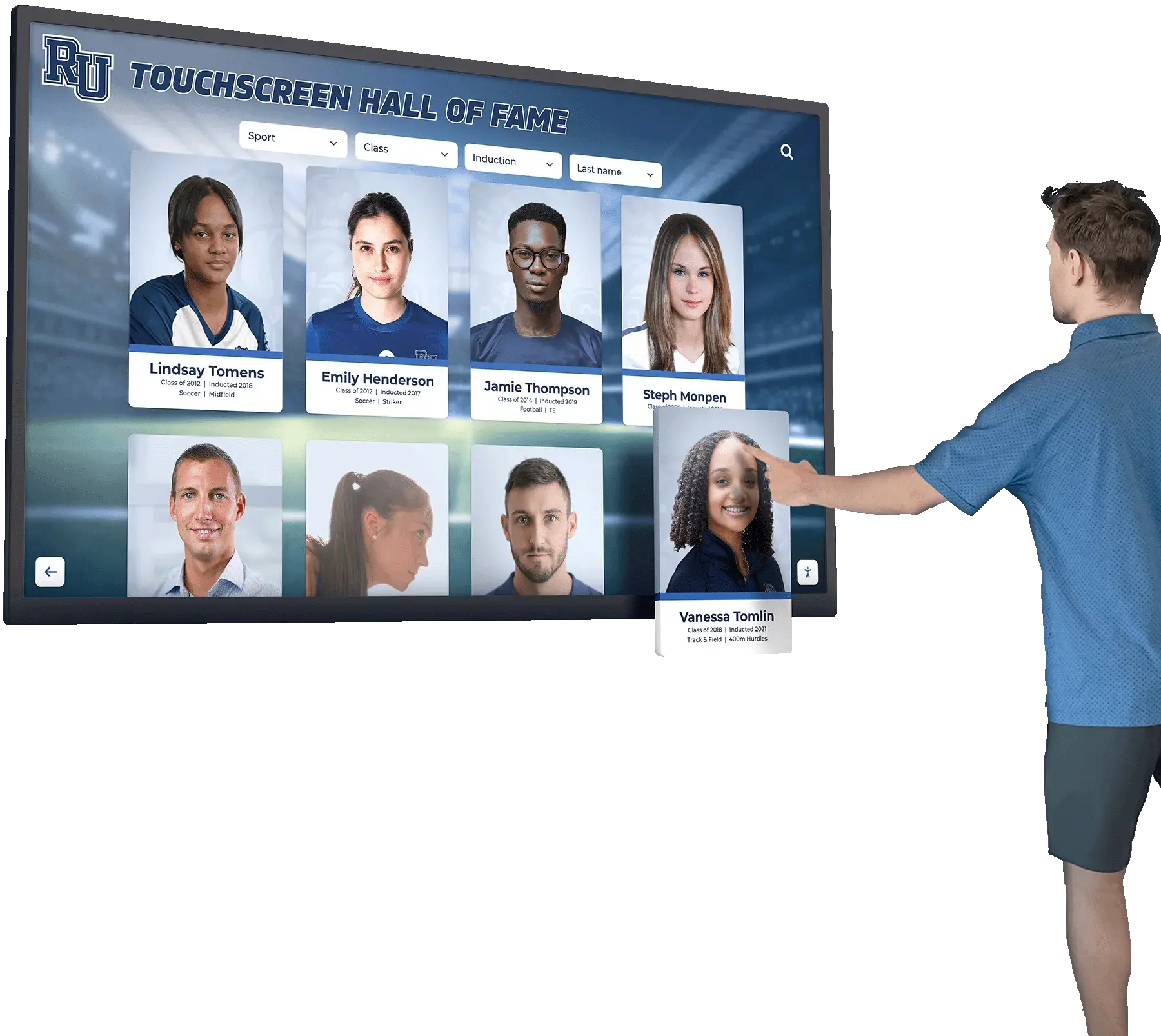
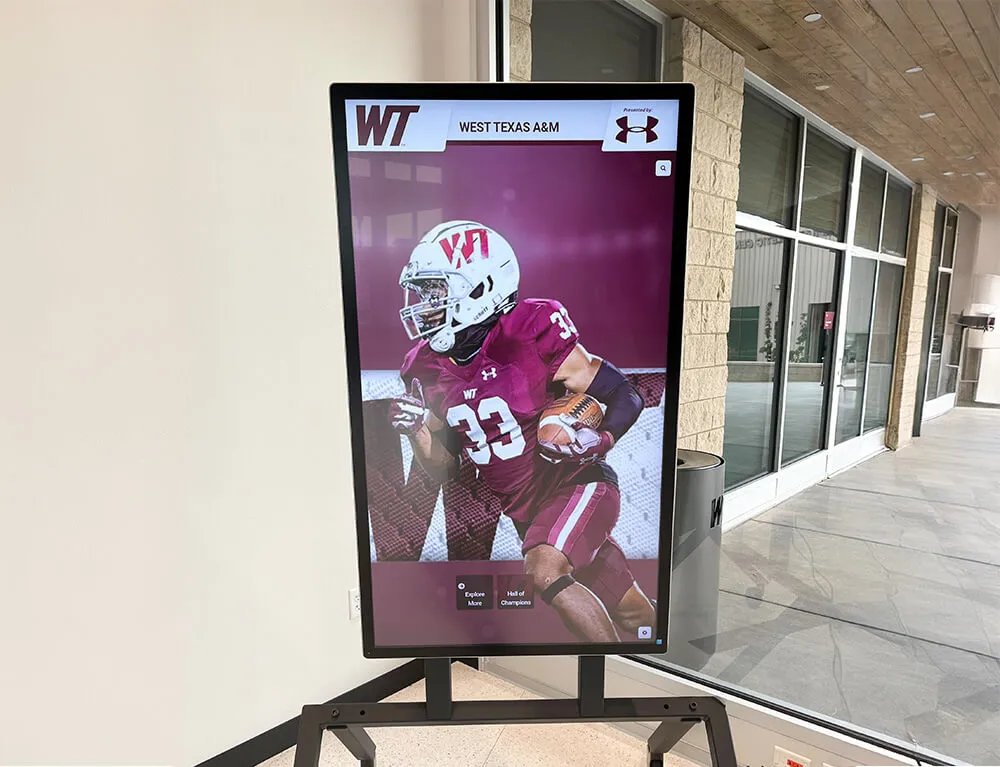
Digital record boards motivate student athletes by showcasing skill milestones and performance benchmarks worth pursuing
Strength and Conditioning Programs
Physical capabilities provide the foundation enabling skill expression during competition:
Comprehensive Strength Development
- Progressive resistance training building sport-specific strength
- Core development providing stability and power transfer
- Balanced muscle development preventing injury and imbalance
- Periodization strategies aligning strength peaks with competition seasons
- Age-appropriate programming matching developmental stages
Cardiovascular and Endurance Training
- Aerobic base development supporting sustained performance
- Sport-specific conditioning matching competition demands
- Interval training developing both capacity and recovery ability
- Gradual progression preventing overtraining while building fitness
- Cross-training approaches reducing injury while maintaining conditioning
Speed, Agility, and Plyometric Work
- Explosive power development through plyometric training
- Agility drills improving change of direction and reaction time
- Sprint mechanics enhancing acceleration and top-speed capability
- Sport-specific movement patterns practiced at game speed
- Coordination development integrating strength into athletic movement
Flexibility, Mobility, and Injury Prevention
Sustainable athletic excellence requires protecting the body from breakdown while maintaining range of motion:
Dynamic Warm-Up Protocols
- Movement preparation activating muscles before training
- Progressive intensity building from low to training speeds
- Sport-specific movement patterns integrated into warm-ups
- Mental preparation occurring simultaneously with physical readiness
- Consistency establishing routine and preventing injury
Flexibility and Mobility Work
- Regular stretching maintaining range of motion
- Mobility exercises addressing sport-specific requirements
- Recovery protocols including foam rolling and self-massage
- Yoga or similar practices supporting flexibility and body awareness
- Attention to problem areas requiring targeted flexibility work
Injury Prevention Strategies
- Proper technique preventing repetitive stress injuries
- Adequate recovery between high-intensity training sessions
- Strength balance addressing common sport-specific weaknesses
- Recognition of early warning signs preventing minor issues from becoming serious
- Communication with athletic trainers and medical staff when concerns arise
Understanding how schools design comprehensive athletic training facilities reveals the infrastructure supporting serious injury prevention and athlete development programs.
Nutrition and Fueling Athletic Performance
Training like an athlete requires fueling your body appropriately for the demands you’re placing on it.
Performance Nutrition Principles
Macronutrient Balance for Athletes
- Adequate protein supporting muscle recovery and development
- Strategic carbohydrate intake fueling training and competition
- Healthy fats supporting hormone production and overall health
- Timing of nutrient intake optimizing performance and recovery
- Individualization based on sport demands and training volume
Hydration Strategies
- Consistent fluid intake throughout the day
- Pre-training hydration establishing optimal fluid status
- During-activity hydration maintaining performance
- Post-training rehydration supporting recovery
- Monitoring hydration status through urine color and body weight
Nutrient Timing
- Pre-training meals providing sustained energy without digestive distress
- During-competition nutrition maintaining blood sugar and energy
- Post-training nutrition optimizing recovery window
- Daily eating patterns supporting training schedule
- Strategic supplementation addressing specific deficiencies when appropriate
Fueling Different Training Phases
In-Season Nutrition
- Adequate calorie intake supporting competition demands
- Recovery nutrition between games or competitions
- Pre-competition meals optimized for performance
- Weight maintenance during competitive seasons
- Strategic fueling around training and competition schedules
Off-Season Development Nutrition
- Calorie surplus supporting muscle development when appropriate
- Nutrient-dense foods supporting training volume
- Strategic nutrition supporting strength and conditioning goals
- Flexibility for skill development and position-specific needs
- Foundation building for upcoming competitive season
Recovery and Rest: The Hidden Training Component
Elite athletes understand that improvement occurs during recovery, not just during training sessions.
Sleep: The Ultimate Performance Enhancer
Sleep Requirements for Student Athletes
- 8-10 hours nightly for optimal recovery and development
- Consistent sleep schedule supporting circadian rhythm
- Sleep quality optimization through environment control
- Pre-sleep routines supporting recovery and readiness
- Understanding sleep’s role in skill consolidation and memory
Sleep Hygiene Practices
- Darkened, cool sleeping environment
- Limited screen time before bed
- Consistent bedtime and wake time routines
- Stress management supporting sleep quality
- Recognition of sleep as non-negotiable training component
Active Recovery and Regeneration
Recovery Modalities
- Light activity promoting blood flow without additional stress
- Foam rolling and self-myofascial release
- Stretching and mobility work during recovery periods
- Strategic rest days preventing overtraining
- Listening to body signals indicating recovery needs
Mental Recovery
- Breaks from sport-specific focus preventing burnout
- Stress management and relaxation techniques
- Maintenance of non-athletic interests and relationships
- Enjoyment and fun within athletic participation
- Perspective maintenance preventing unhealthy obsession
Schools celebrating comprehensive athletic development often implement sports banquet recognition acknowledging not just performance but dedication to complete athletic development.
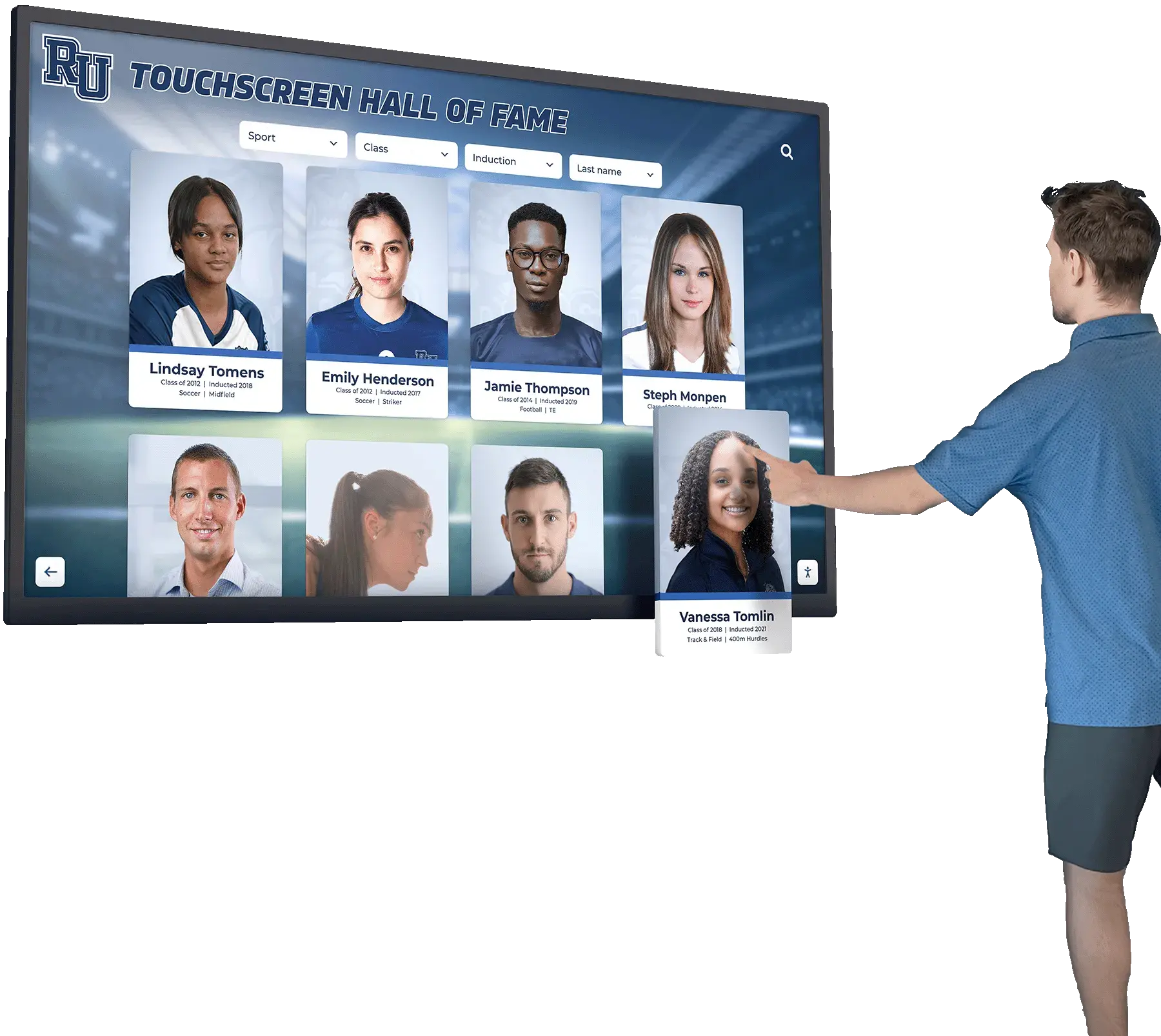
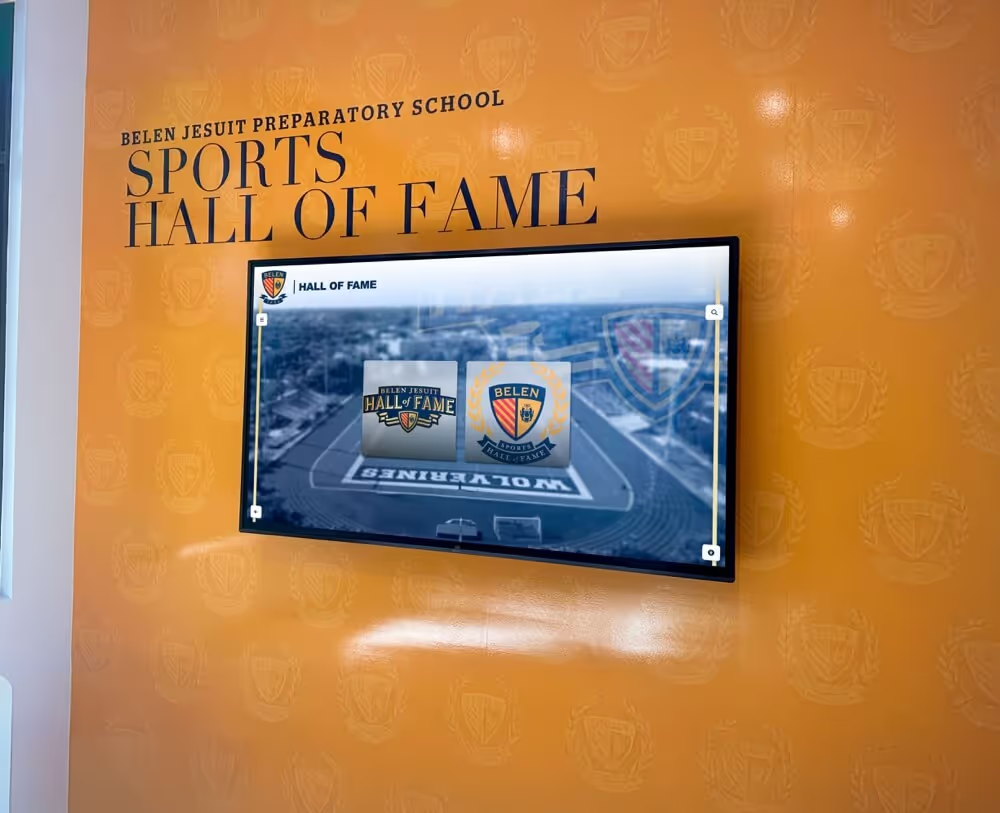
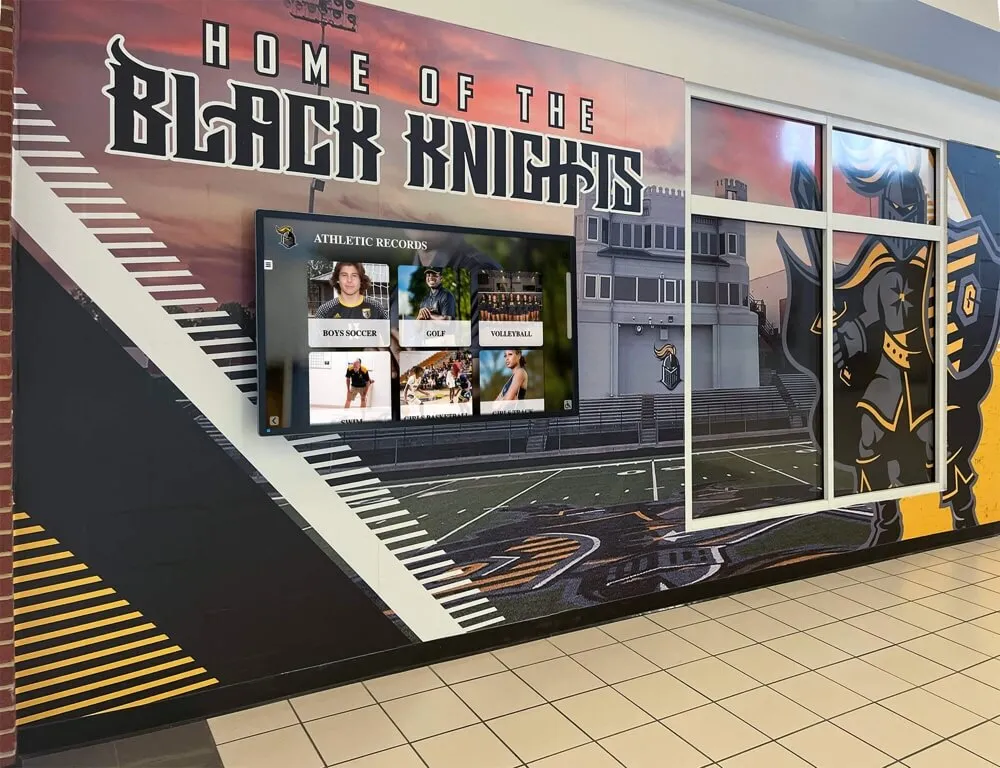
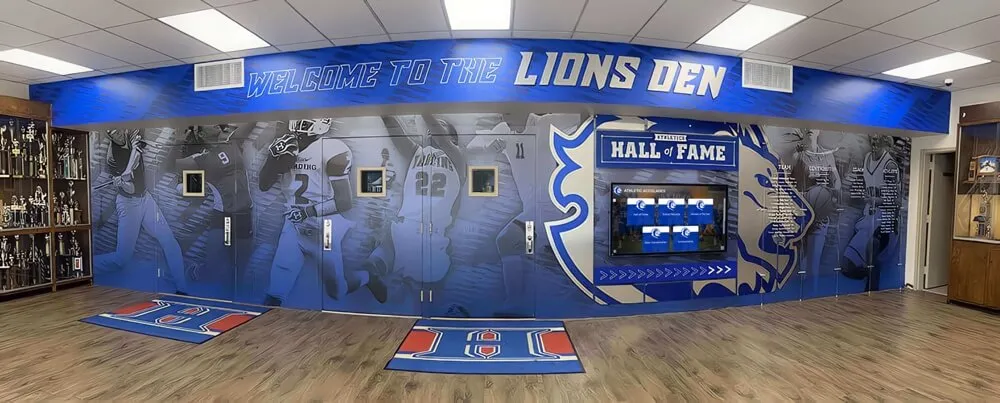
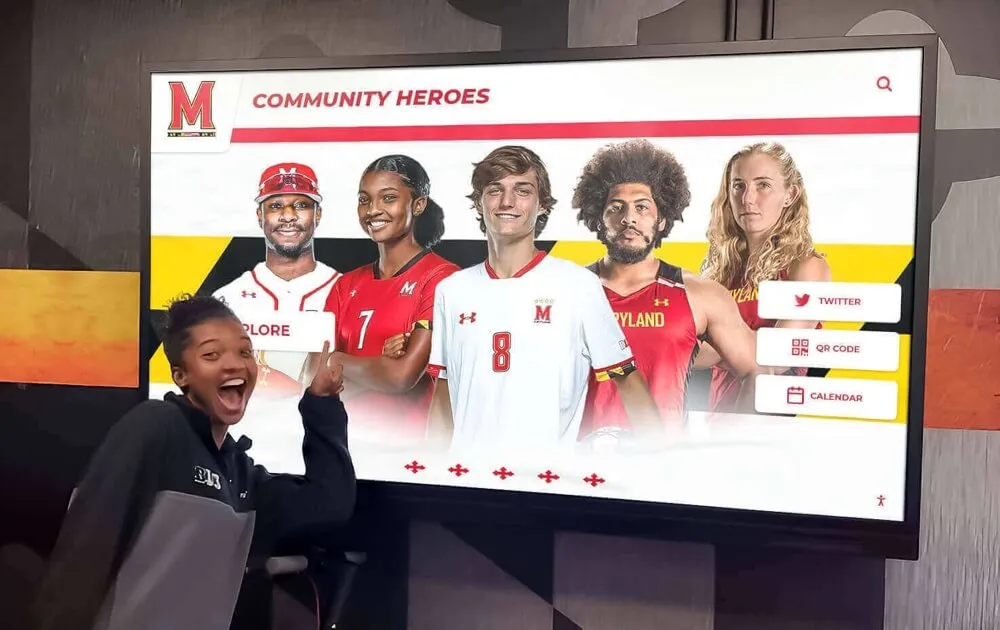
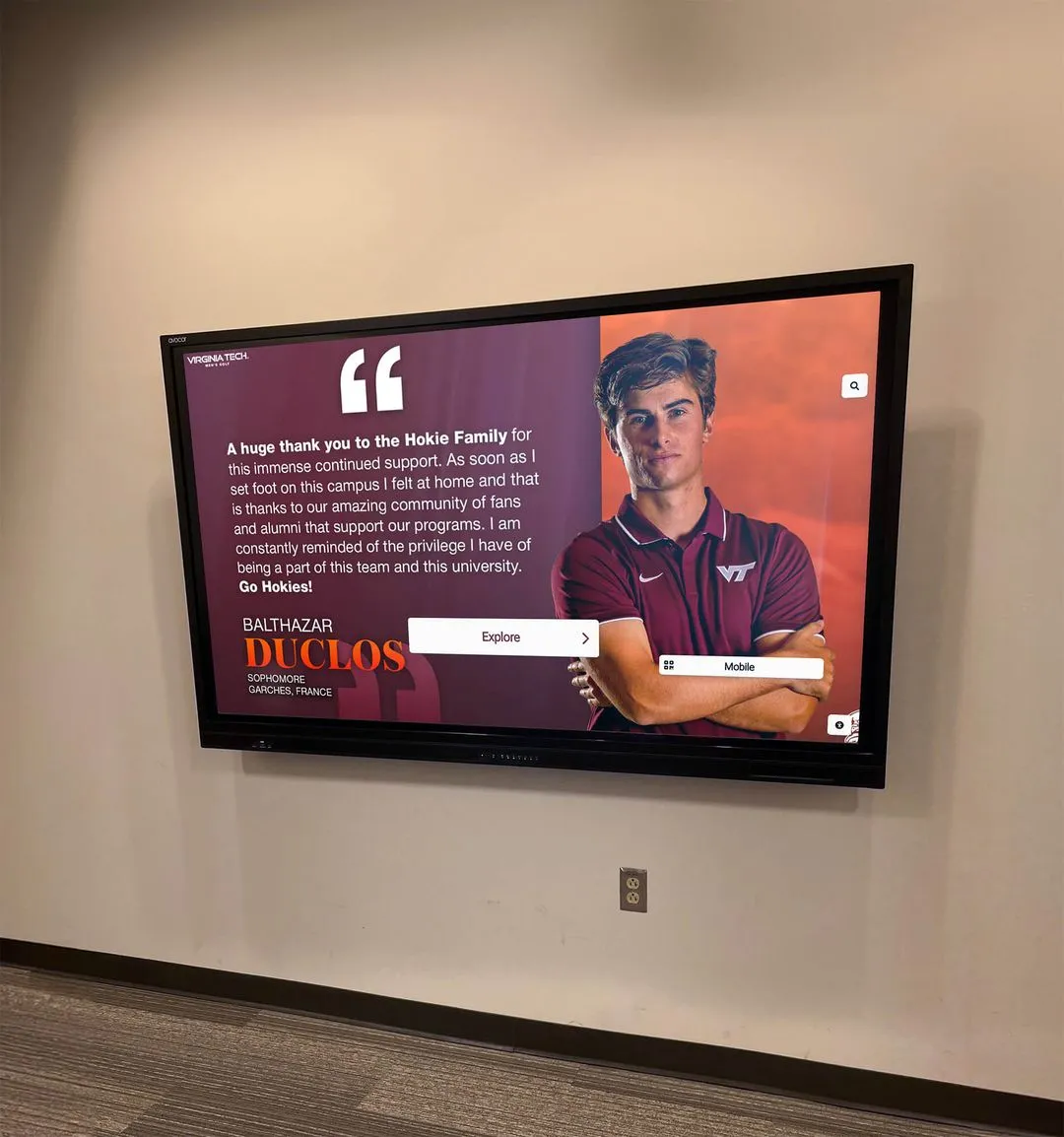
Digital recognition systems showcase complete athlete profiles highlighting training dedication alongside competitive achievement
Goal Setting and Performance Tracking
Systematic improvement requires measurable goals and objective progress tracking.
Effective Goal-Setting Framework
Long-Term Vision Goals
- Ultimate athletic aspirations providing direction
- Championship-level performance targets
- College recruitment or advanced competition objectives
- Multi-year development milestones
- Career-defining achievement ambitions
Seasonal Performance Goals
- Competition-specific targets for upcoming season
- Statistical benchmarks reflecting performance improvement
- Team contribution objectives
- Starting position or playing time goals
- Championship or tournament performance aims
Daily and Weekly Process Goals
- Training attendance and effort commitments
- Skill-specific practice objectives
- Strength and conditioning progression targets
- Recovery and nutrition adherence goals
- Academic performance maintenance ensuring eligibility
Understanding how school record boards display achievement benchmarks helps student athletes identify specific targets worth pursuing.
Performance Measurement and Analysis
Objective Performance Metrics
- Sport-specific statistics tracking performance trends
- Strength and conditioning benchmarks measuring physical development
- Skill assessments documenting technical improvement
- Video analysis revealing technical refinement needs
- Competition results providing external validation
Subjective Assessment Factors
- Coaching feedback on development and areas for improvement
- Self-assessment of effort and commitment levels
- Teammate evaluation of leadership and contribution
- Mental game and composure observations
- Character demonstration and team contribution
Progress Documentation
- Training logs recording workouts and sessions
- Performance journals reflecting on competitions and practices
- Video libraries documenting technique evolution
- Measurement tracking showing physical development
- Achievement records celebrating milestone accomplishments
Team Culture and Leadership
Individual excellence finds its fullest expression within team contexts that elevate collective performance.
Contributing to Championship Culture
Leading by Example
- Consistent demonstration of training standards
- Work ethic that inspires teammates
- Positive attitude regardless of circumstances
- Accountability to team commitments and standards
- Support for all teammates regardless of status
Vocal and Supportive Leadership
- Encouragement during difficult moments
- Constructive feedback helping teammates improve
- Celebration of others’ successes and achievements
- Communication maintaining team cohesion
- Advocacy for team needs and concerns
Championship Behaviors
- Punctuality and preparation demonstrating respect
- Attention to detail in all aspects of training
- Ownership of mistakes and commitment to improvement
- Selfless play prioritizing team success
- Representation of program values in all contexts
Programs celebrating complete athletic development often recognize leadership through team banquet celebrations acknowledging character alongside performance.
Responding to Adversity
Personal Setbacks
- Injury recovery maintaining positive mindset
- Performance slumps approached with growth perspective
- Position changes or reduced playing time handled professionally
- Personal challenges managed without excuse-making
- Resilience demonstrated through comeback efforts
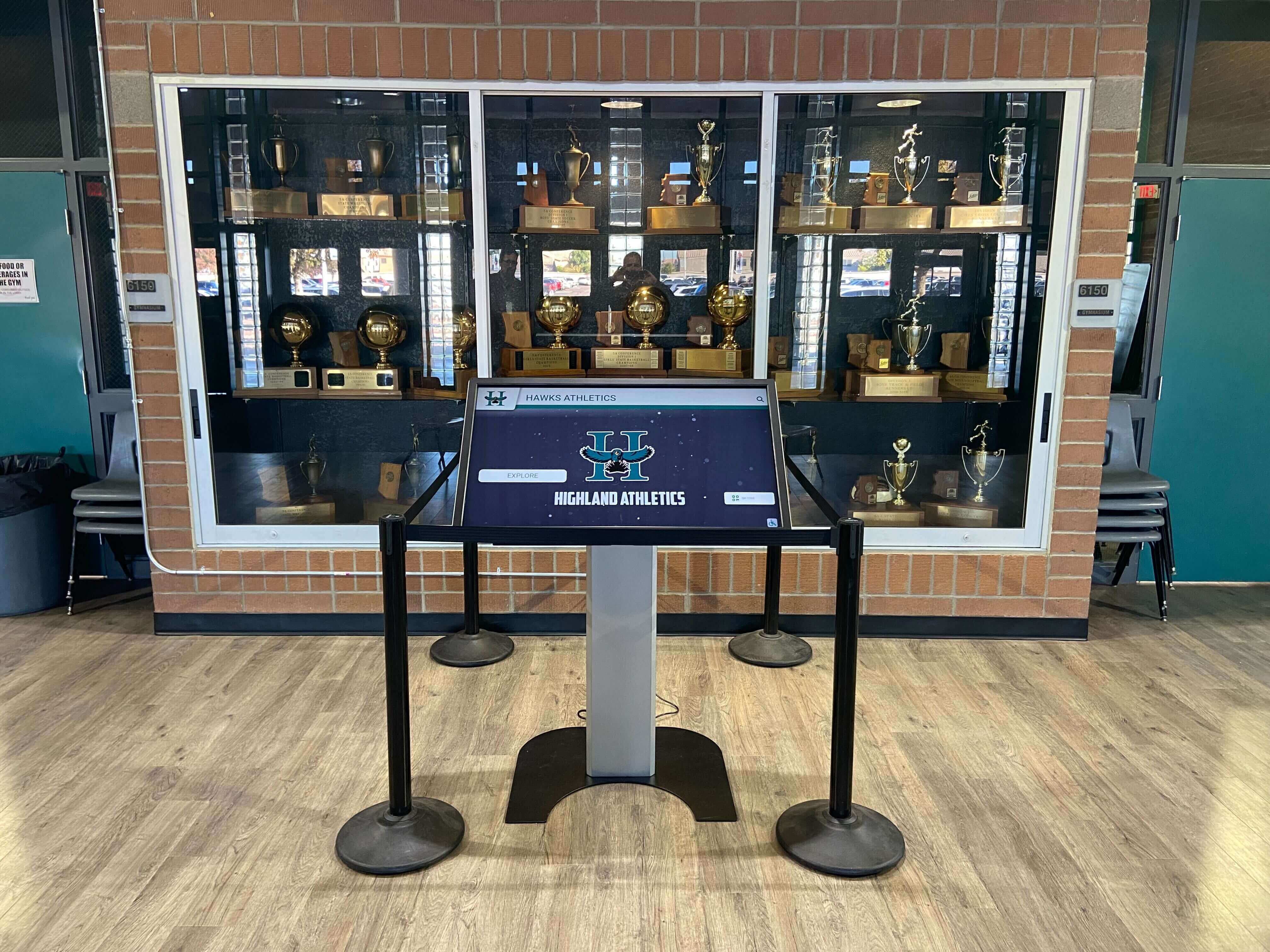
Modern recognition displays celebrate both individual achievement and team success, reinforcing complete athletic development
Team Adversity
- Maintaining belief during losing streaks
- Supporting teammates during collective struggles
- Increased effort when team needs leadership
- Positive communication preventing negativity
- Focus on controllable factors during challenges
Building Year-Round Excellence
Elite student athletes understand that championship performance requires year-round commitment rather than seasonal participation.
Off-Season Development
Skill Refinement
- Technical work on fundamental weaknesses
- Addition of new skills expanding capabilities
- Position-specific development work
- Game situation practice and decision-making
- Individual coaching and specialized instruction
Physical Development
- Strength building supporting competitive performance
- Speed and agility development
- Flexibility and mobility improvement
- Body composition optimization
- Injury rehabilitation and prevention work
Mental Preparation
- Goal setting for upcoming season
- Visualization and mental rehearsal
- Competition psychology study and application
- Leadership development and team-building
- Rest and recovery from previous season
In-Season Excellence
Practice Maximization
- Full effort in every drill and repetition
- Attention to coaching feedback and immediate application
- Support of teammates through encouragement
- Mental engagement preventing wasted practice time
- Consistent execution of fundamentals
Competition Preparation
- Scouting and opponent study
- Mental rehearsal of specific game scenarios
- Physical readiness through proper warm-up
- Nutritional preparation supporting performance
- Recovery protocols between competitions
Academic Balance
- Time management maintaining eligibility and excellence
- Communication with teachers and coaches
- Study habits supporting both academic and athletic success
- Recognition that education represents long-term priority
- Integration of athletic discipline into academic performance
Understanding how schools recognize student athlete commitment to year-round excellence reinforces these comprehensive development approaches.
Recognizing and Celebrating Athletic Excellence
Achievement deserves visibility, and recognition systems play crucial roles in reinforcing the behaviors and mindsets that produce excellence.
Multi-Dimensional Recognition
Performance-Based Recognition
- Statistical achievement celebrations
- Record-breaking performances honored permanently
- Championship and tournament success acknowledged
- All-conference, all-state, and similar honors celebrated
- Individual award recognition showcasing excellence
Programs implementing comprehensive recognition often feature milestone achievement displays that motivate current athletes while honoring past excellence.
Character and Process Recognition
- Work ethic and dedication awards
- Leadership and team contribution honors
- Most improved and growth trajectory celebration
- Sportsmanship and integrity recognition
- Academic achievement alongside athletic performance
Team Success Celebration
- Championship and competitive excellence
- Team record achievements
- Improvement and development milestones
- Cultural excellence and team cohesion
- Community impact and representation
Modern Recognition Technologies
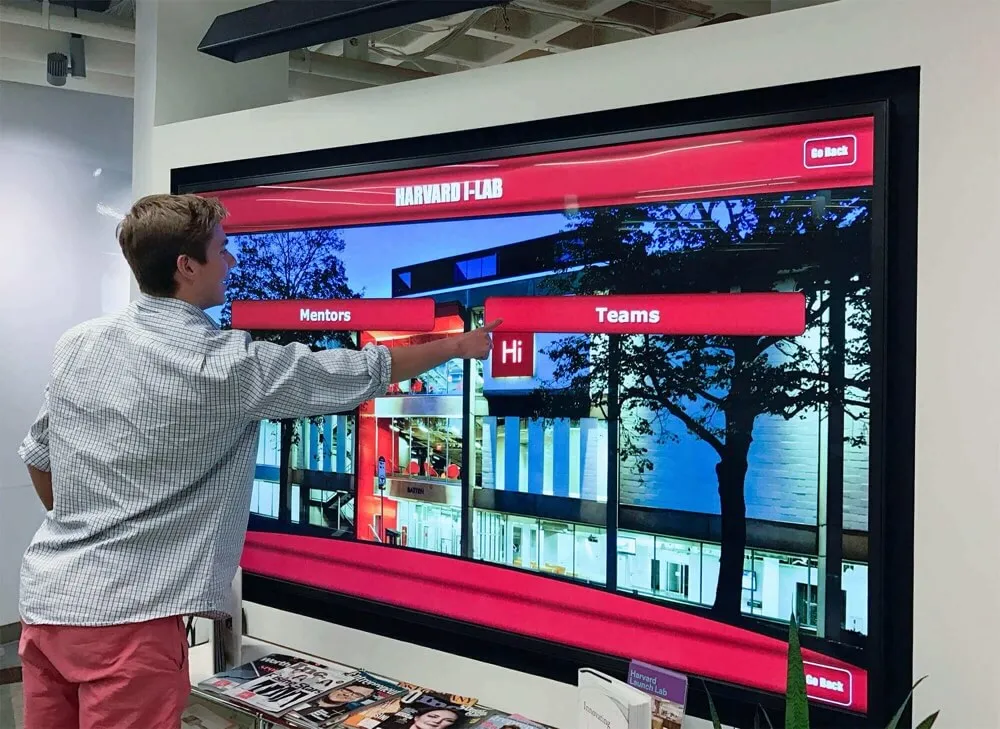
Traditional recognition approaches—static plaques, crowded trophy cases, honor roll lists—limit visibility and fail to tell complete stories of athletic excellence. Schools implementing comprehensive athlete recognition benefit from modern solutions that overcome these limitations.
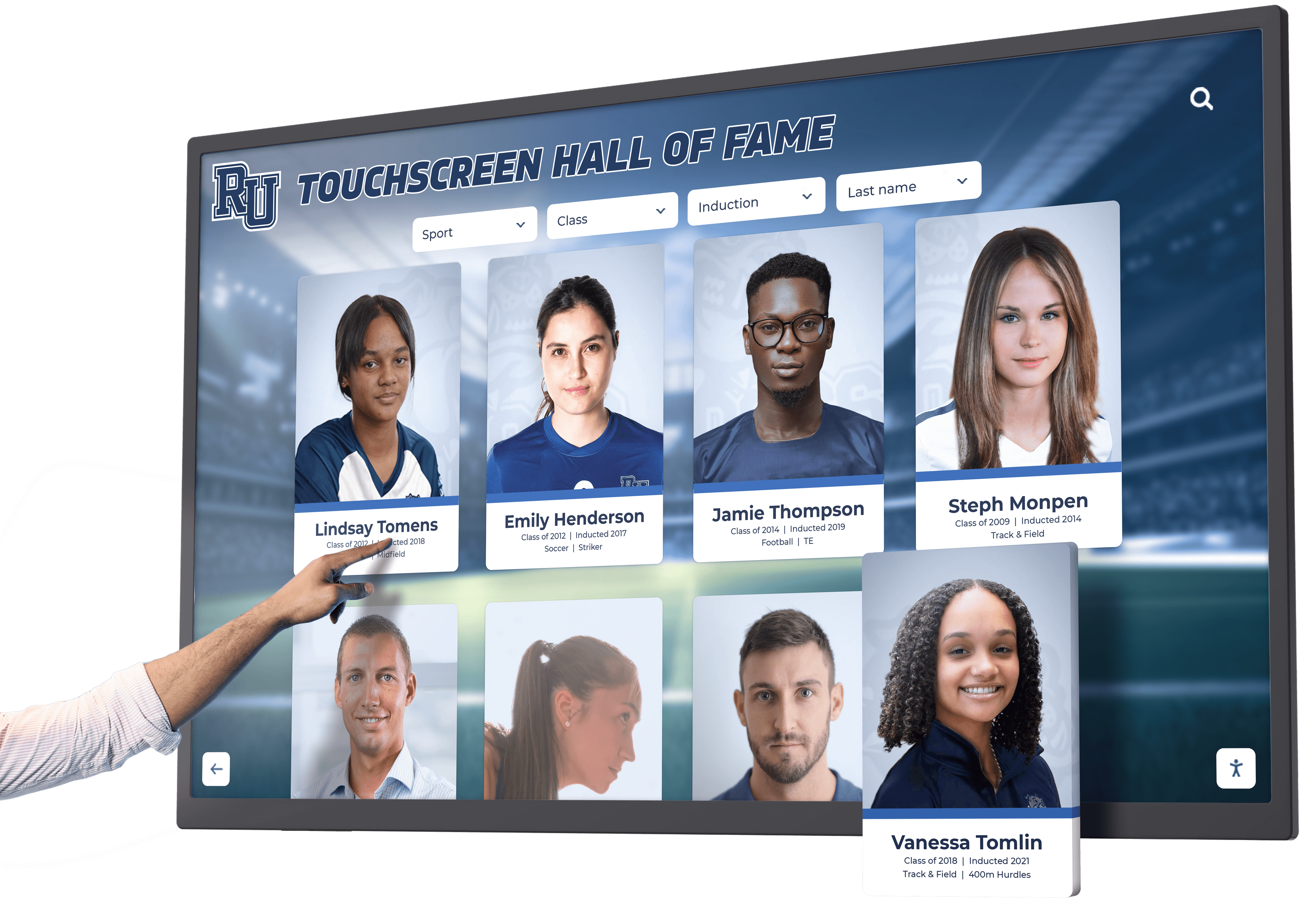
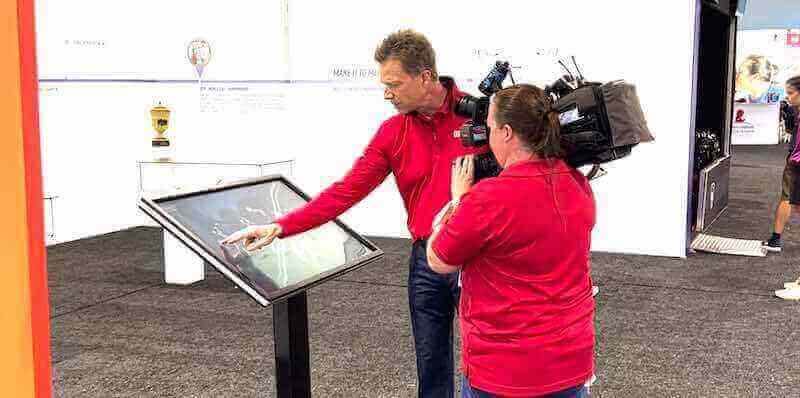
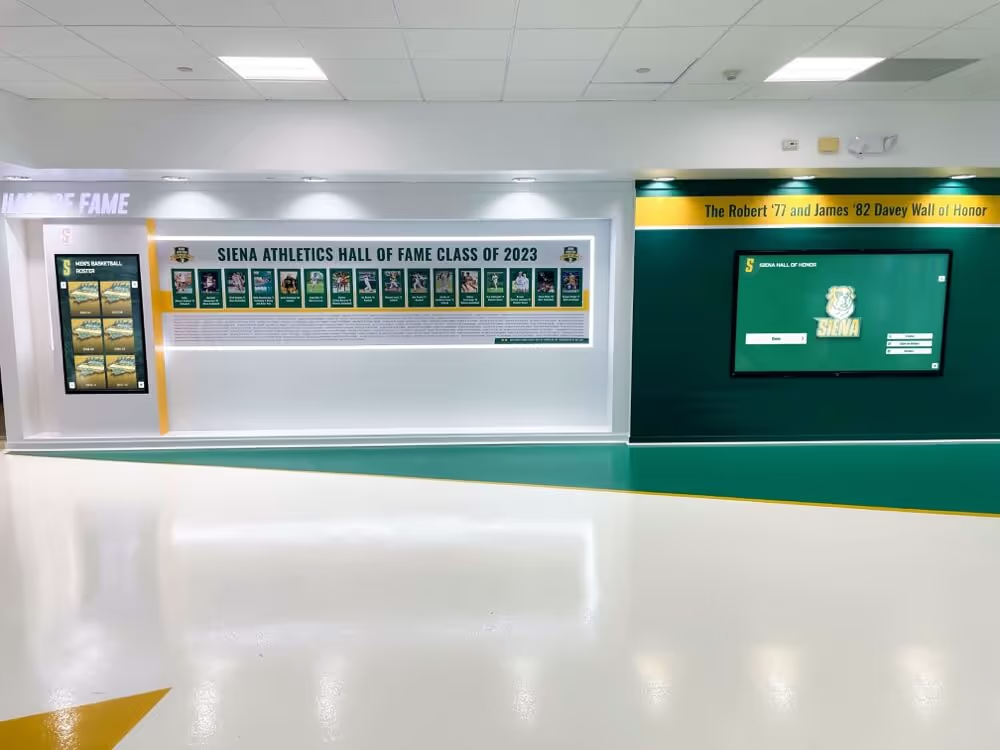
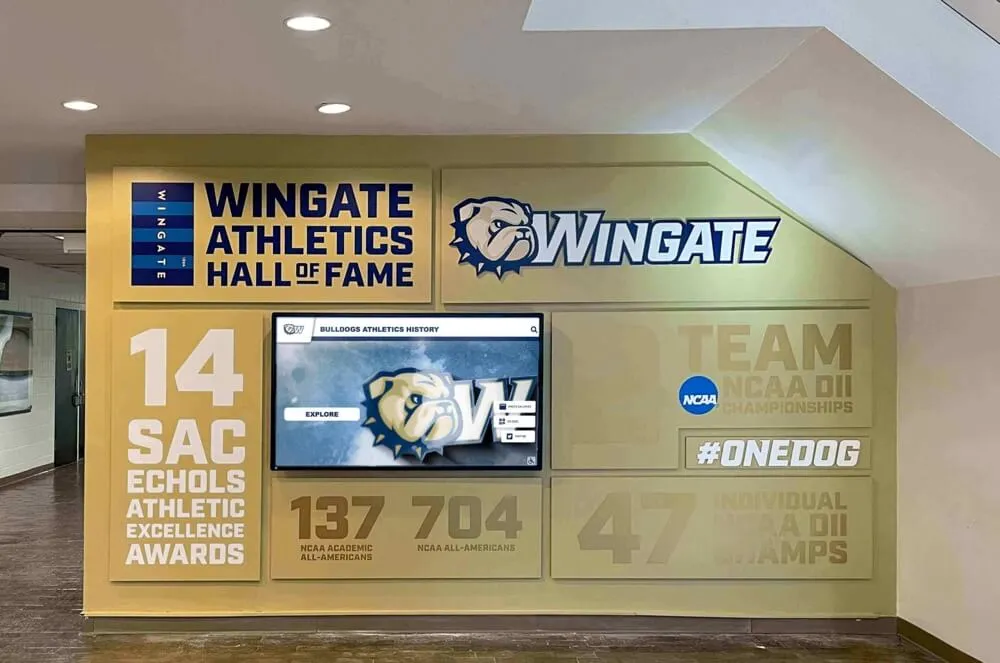
Interactive recognition displays engage students while showcasing the complete stories of athletic excellence and dedication
Digital Recognition Display Benefits
Solutions like Rocket Alumni Solutions provide athletic programs with recognition systems designed specifically for comprehensive athlete celebration:
Unlimited Recognition Capacity
- Every athlete honored across all sports and achievement levels
- Historical records preserved permanently without space constraints
- Multi-year athlete progression documented comprehensively
- Statistical achievements alongside character recognition
- Team and individual accomplishments celebrated equally
Engaging Content Presentation
- Individual athlete profiles telling complete stories
- Photo galleries documenting athletic careers
- Video highlights showcasing performance excellence
- Statistical records and milestone achievements
- Personal statements and athlete reflections
Interactive Exploration
- Search functionality finding specific athletes or achievements
- Filter capabilities organizing by sport, year, achievement type
- Timeline views showing program evolution and history
- Social sharing extending recognition beyond school walls
- Mobile accessibility enabling exploration anywhere
Simple Content Management
- Cloud-based platforms enabling remote updates
- Intuitive interfaces requiring no technical expertise
- Scheduled publishing automating recognition releases
- Role-based permissions maintaining appropriate access
- Support and training ensuring sustainable management
Understanding comprehensive basketball recognition approaches reveals how programs celebrate excellence while motivating continued development.
Life Skills Beyond Athletics
The most valuable outcomes of training like an athlete extend far beyond sports performance.
Transferable Skills Development
Discipline and Work Ethic
- Commitment to difficult tasks requiring sustained effort
- Consistency regardless of motivation or circumstances
- Delayed gratification in pursuit of long-term goals
- Time management balancing multiple priorities
- Excellence standards applied across all contexts
Goal Achievement Frameworks
- Vision setting providing direction and purpose
- Strategic planning breaking goals into actionable steps
- Progress tracking enabling course correction
- Resilience through setbacks and plateaus
- Celebration of achievement while setting new targets
Leadership and Teamwork
- Supporting others in pursuit of collective goals
- Communication skills enabling effective collaboration
- Conflict resolution maintaining team cohesion
- Recognition that individual success depends on team context
- Service mindset prioritizing contribution over recognition
Character Development
Integrity and Sportsmanship
- Ethical behavior regardless of oversight or consequences
- Respect for opponents, officials, and the game itself
- Gracious winning and losing with class
- Honesty even when mistakes could be concealed
- Representation of program and school with pride
Resilience and Mental Toughness
- Bouncing back from disappointment and failure
- Maintaining composure under pressure
- Growth mindset viewing challenges as opportunities
- Self-confidence built through preparation and achievement
- Perspective maintaining healthy relationship with competition
Accountability and Ownership
- Taking responsibility for performance and preparation
- Avoiding excuses while identifying improvement areas
- Impact recognition understanding how choices affect outcomes
- Maturity accepting consequences of decisions
- Growth through honest self-assessment
These life skills represent the most enduring legacy of athletic participation, serving student athletes throughout academic careers, professional development, and personal relationships long after competitive sports conclude.
Implementing the Athletic Mindset
Understanding how to train like an athlete requires translating knowledge into systematic action.
Starting Where You Are
Honest Assessment
- Current fitness and skill level evaluation
- Identifying specific strengths and weaknesses
- Understanding available resources and support
- Recognizing developmental timeline and realistic goals
- Commitment level assessment matching ambitions
Incremental Implementation
- Beginning with achievable changes building momentum
- Gradual addition of training components over time
- Consistency prioritized over perfection
- Celebration of progress reinforcing commitment
- Patience with development process and timeline
Creating Support Systems
Coaching and Mentorship
- Seeking guidance from knowledgeable coaches
- Learning from more experienced athletes
- Accepting feedback and implementing improvements
- Asking questions and actively learning
- Building relationships supporting development
Team and Peer Support
- Training partners maintaining accountability
- Positive influence from committed teammates
- Competition and camaraderie balancing excellence with enjoyment
- Shared standards elevating collective performance
- Mutual support through challenges and setbacks
Family and Community Support
- Communication about goals and commitments
- Assistance with logistics enabling training participation
- Encouragement during difficult periods
- Perspective maintenance preventing unhealthy obsession
- Celebration of achievement and growth
Celebrate Student Athlete Excellence
Discover how modern recognition displays honor the complete athletic journey—from training dedication to competitive achievement—creating lasting celebrations that inspire current and future student athletes.
Explore Recognition SolutionsConclusion: Excellence as a Lifestyle
Learning how to train like an athlete represents far more than adopting specific workouts or practice routines. It requires embracing a comprehensive mindset that transforms approach to preparation, performance, recovery, and continuous improvement across all dimensions of athletic development. Student athletes who cultivate this mindset don’t just perform better in their sports—they develop character attributes, work ethic, and mental toughness serving them throughout life.
The strategies explored in this guide provide frameworks for building athletic excellence through systematic attention to physical training, mental preparation, nutritional optimization, recovery prioritization, and goal-directed development. From establishing championship mindsets to implementing year-round training programs to contributing to team cultures, these approaches transform talented participants into elite competitors operating at their highest potential.
Building genuine athletic excellence requires moving beyond limiting assumptions about talent and natural ability to embrace growth-oriented approaches recognizing that championship performance emerges from systematic development and unwavering commitment. The mental toughness, discipline, resilience, and leadership developed through training like an athlete become transferable skills serving student athletes throughout academic careers, professional development, and personal relationships.
Schools and programs that celebrate this comprehensive athletic development—recognizing training dedication alongside competitive achievement, honoring character alongside performance, and showcasing complete athlete stories—create cultures where excellence becomes the expectation. Modern recognition technologies make this comprehensive celebration achievable, preserving athletic legacy permanently while inspiring current and future student athletes to embrace the complete framework of training like a champion.
Start where you are with commitments you can implement immediately—establishing consistent training schedules, setting measurable goals, prioritizing recovery and nutrition, cultivating mental toughness—then systematically expand to create the comprehensive approach your athletic ambitions deserve. Every training session approached with intention, every setback handled with resilience, and every achievement celebrated appropriately builds the excellence mindset that distinguishes champions from participants.
Your athletic journey deserves the commitment, preparation, and recognition that matches your potential. With systematic training, mental discipline, supportive environments, and appropriate celebration, you can develop the complete athletic excellence that serves you both during competitive careers and throughout the life that follows.