Writing a dedication transforms a physical object—whether a plaque, book, building, or memorial—into a lasting tribute that honors meaningful relationships, celebrates achievements, or memorializes cherished individuals. A well-crafted dedication captures the essence of why recognition matters while expressing gratitude, respect, or love in words that will endure for years or even generations.
Yet many people struggle when faced with the task of writing a dedication. The pressure to condense complex feelings into a few carefully chosen words, the desire to strike the right tone between formal and heartfelt, and the permanence of the medium all contribute to writer’s block. Whether you’re a development director crafting donor recognition language, an author dedicating your first book, a family member creating a memorial tribute, or an administrator honoring a retiring colleague, the challenge remains the same: how do you write something meaningful that will stand the test of time?
This comprehensive guide provides templates, examples, and expert strategies for writing dedications across multiple contexts—from donor recognition plaques and memorial tributes to book dedications and commemorative displays. You’ll discover proven frameworks for crafting messages that resonate emotionally while maintaining appropriate professional or personal tone, practical examples you can adapt for your specific situation, and common pitfalls to avoid that could undermine your dedication’s impact.

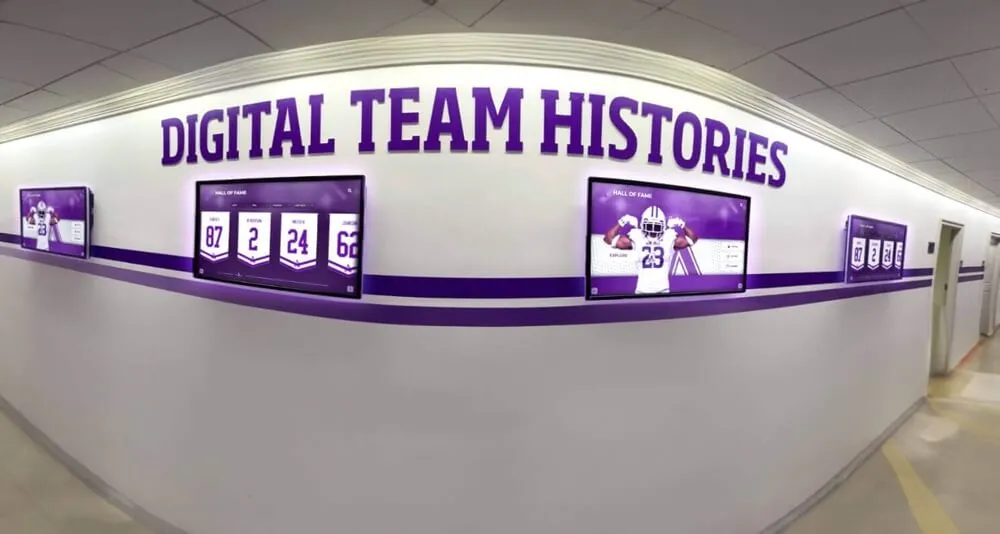
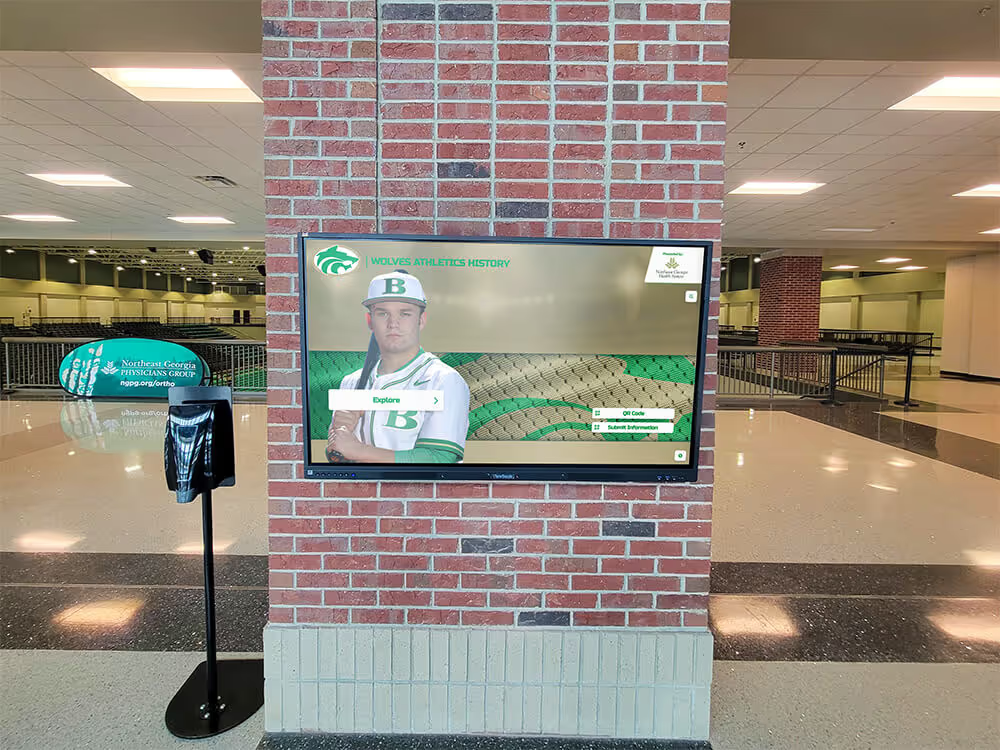
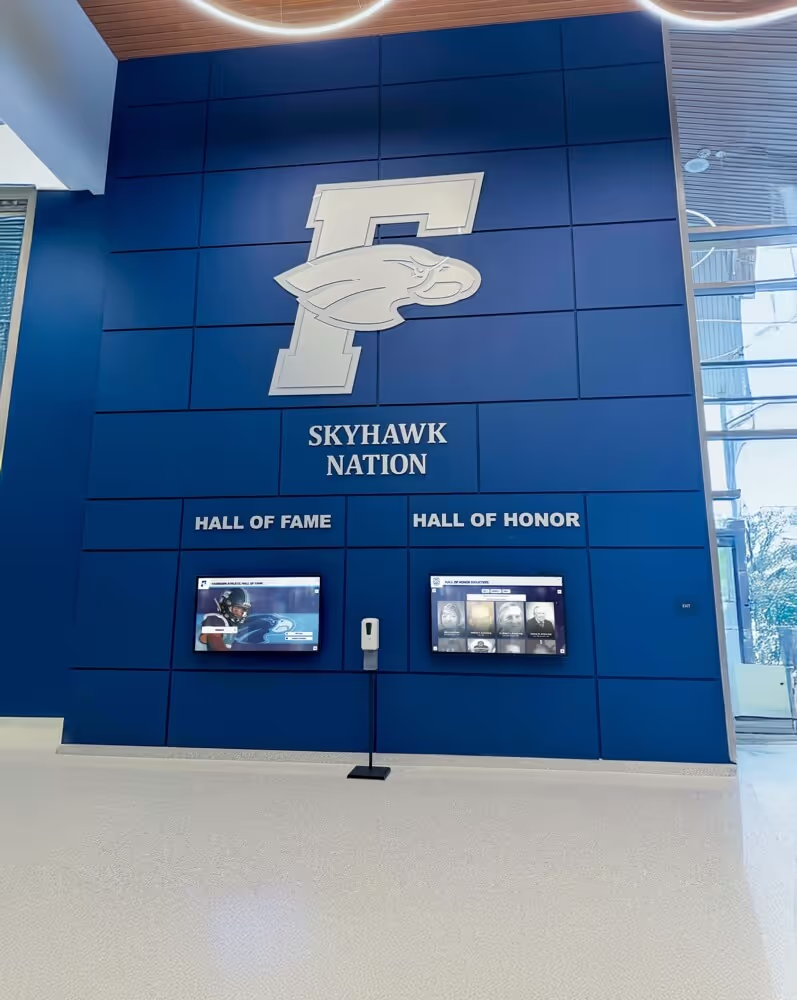
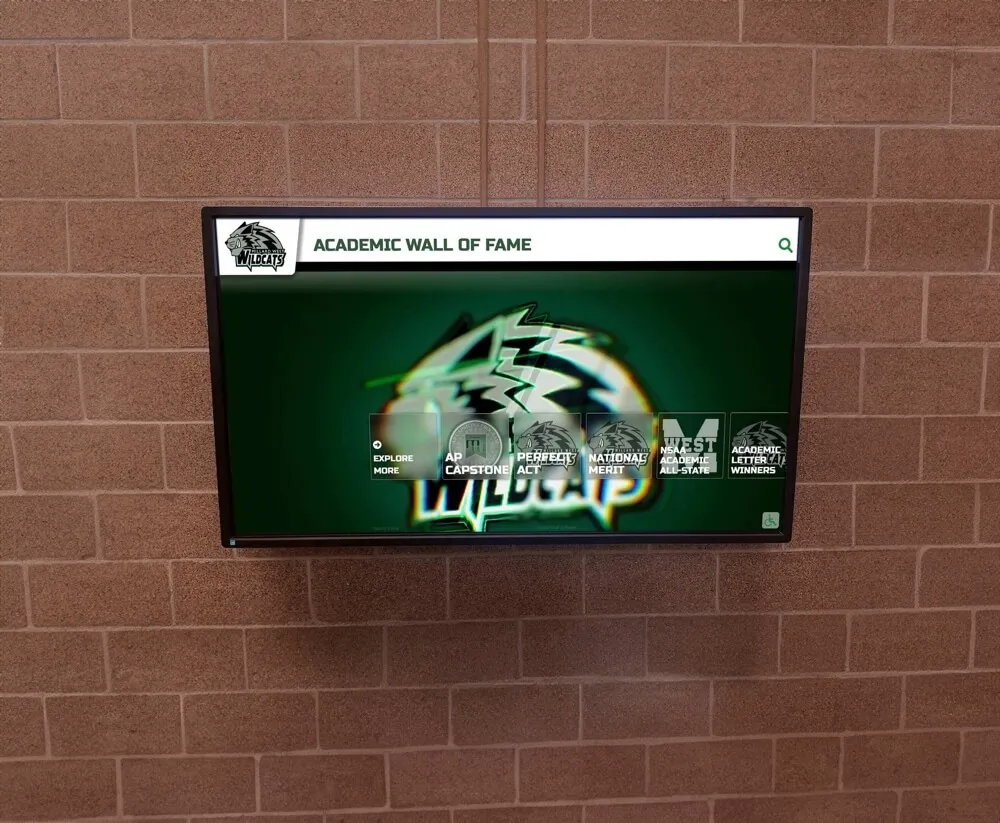
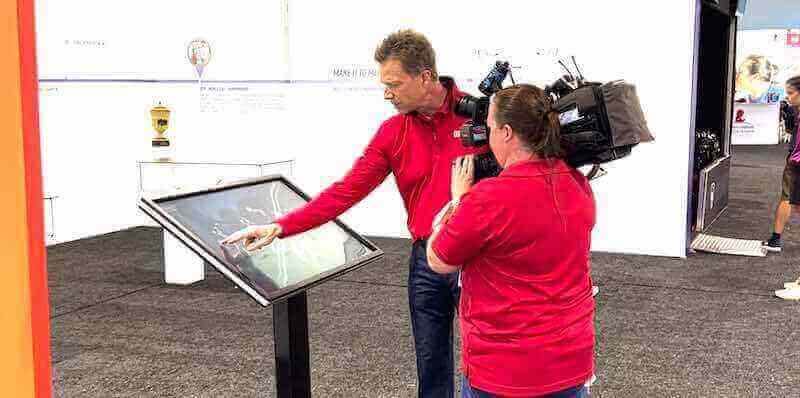
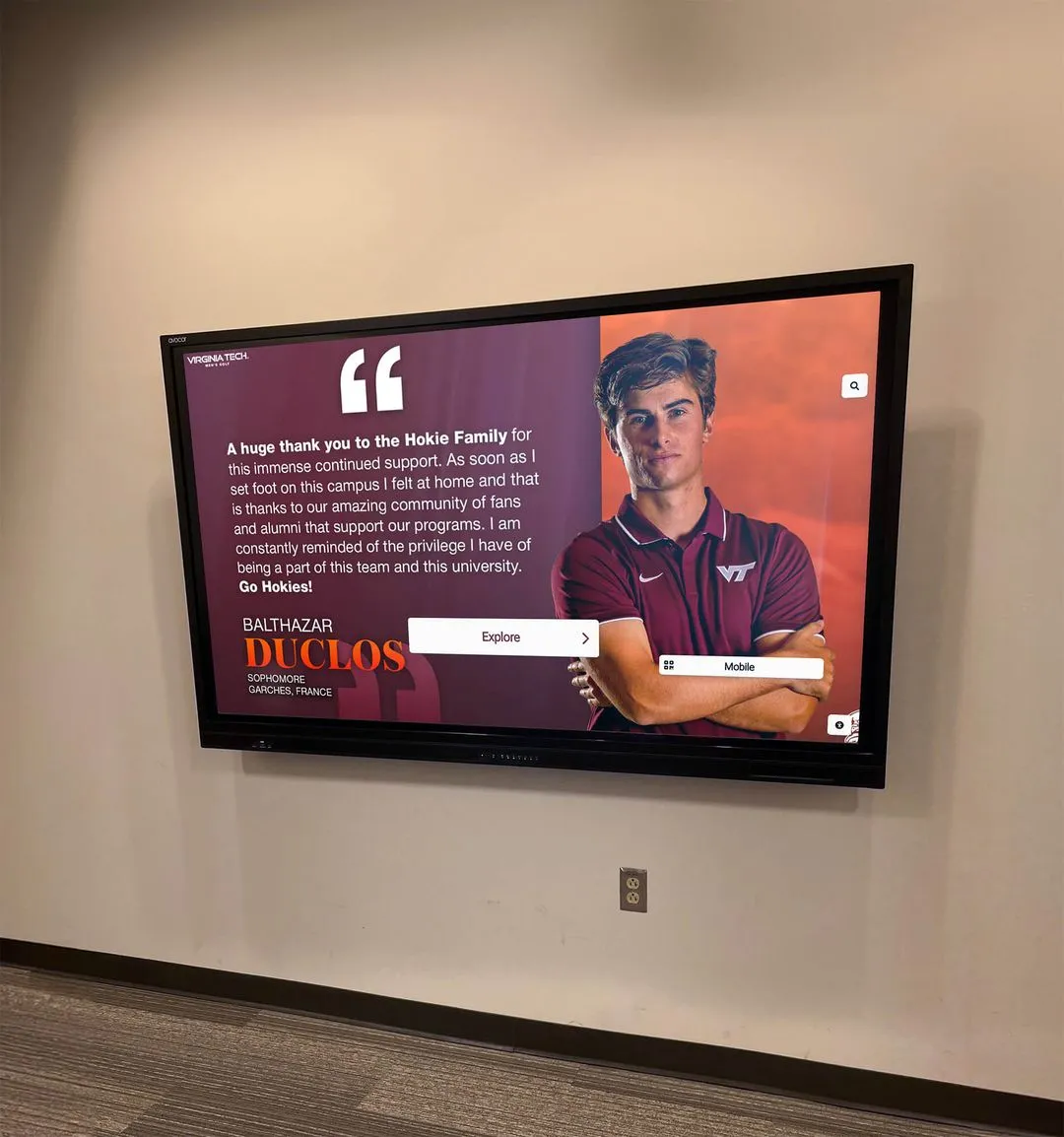
Modern recognition displays showcase dedications and donor tributes in engaging formats accessible throughout campus
Understanding the Purpose of Dedications
Before exploring specific templates and examples, it’s essential to understand what makes dedications meaningful and the different purposes they serve across various contexts.
What Is a Dedication?
Core Definition
A dedication is a formal statement attributing a work, space, object, or memorial to a specific person, group, or cause. Dedications serve both practical and emotional purposes:
- Practical: They document who funded, created, or inspired something
- Emotional: They express gratitude, honor achievements, or memorialize individuals
- Historical: They create permanent records of relationships and contributions
- Inspirational: They articulate values and aspirations that guided creation
Dedication vs. Inscription
While related, dedications differ from simple inscriptions:
- Dedications express the “why” behind recognition—the relationship, gratitude, or meaning
- Inscriptions often state basic facts—names, dates, titles, or achievements
- Effective dedications may include both elements but prioritize emotional resonance over mere documentation
Types of Dedications
Different contexts require different dedication approaches:
Donor Recognition Dedications
These honor individuals or organizations who provided financial support:
- Building or room naming dedications
- Donor wall recognition
- Scholarship fund tributes
- Capital campaign acknowledgments
- Endowment recognition
Organizations creating comprehensive donor recognition programs understand that thoughtful dedication wording strengthens donor relationships and inspires future giving.
Memorial Dedications
These commemorate individuals who have passed away:
- Memorial benches or gardens
- Commemorative plaques
- Scholarship funds in memory of loved ones
- Memorial rooms or spaces
- Tribute displays
Book Dedications
Authors dedicate works to individuals who inspired, supported, or influenced them:
- Personal dedications to family or friends
- Professional dedications to mentors or colleagues
- Thematic dedications to causes or communities
- Acknowledgment dedications recognizing support
Achievement Dedications
These celebrate accomplishments or milestones:
- Retirement recognition
- Service anniversary tributes
- Athletic or academic achievement honors
- Legacy recognition for career contributions
What Makes a Dedication Effective?
The most memorable dedications share certain characteristics:
Authenticity
Effective dedications sound genuine rather than formulaic. Even when using templates, personalizing language to reflect actual relationships and real feelings makes dedications resonate.
Appropriate Brevity
Space constraints on plaques and attention spans of readers demand concise language. The strongest dedications convey meaning efficiently without unnecessary words.
Timeless Language
Dedications should avoid overly trendy phrases or references that might feel dated years later. Classic, timeless language endures better than contemporary slang or buzzwords.
Balanced Tone
Great dedications strike the right balance for their context—formal enough for the setting but warm enough to convey genuine emotion, specific enough to feel personal but universal enough for broader audiences to appreciate.
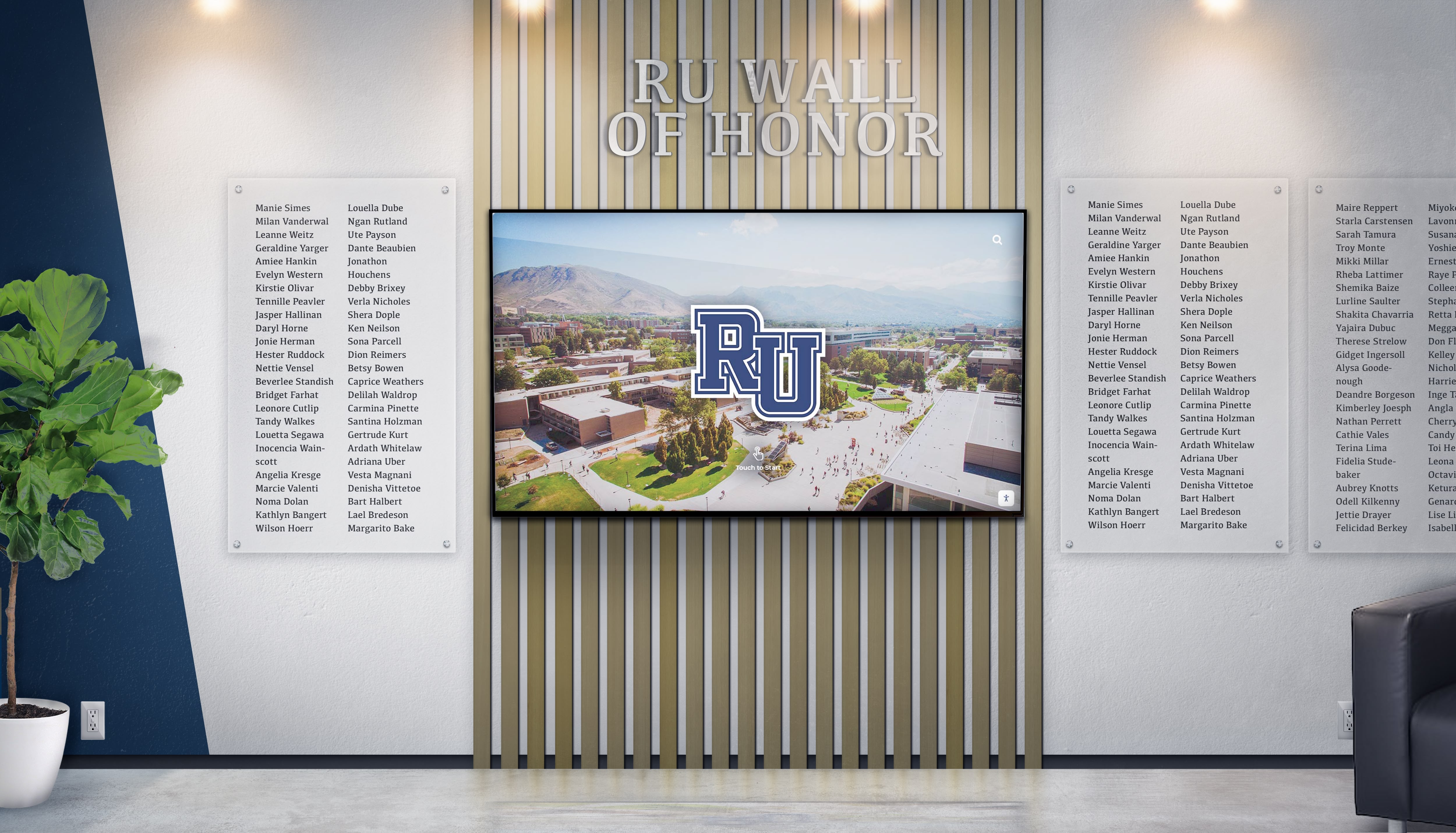
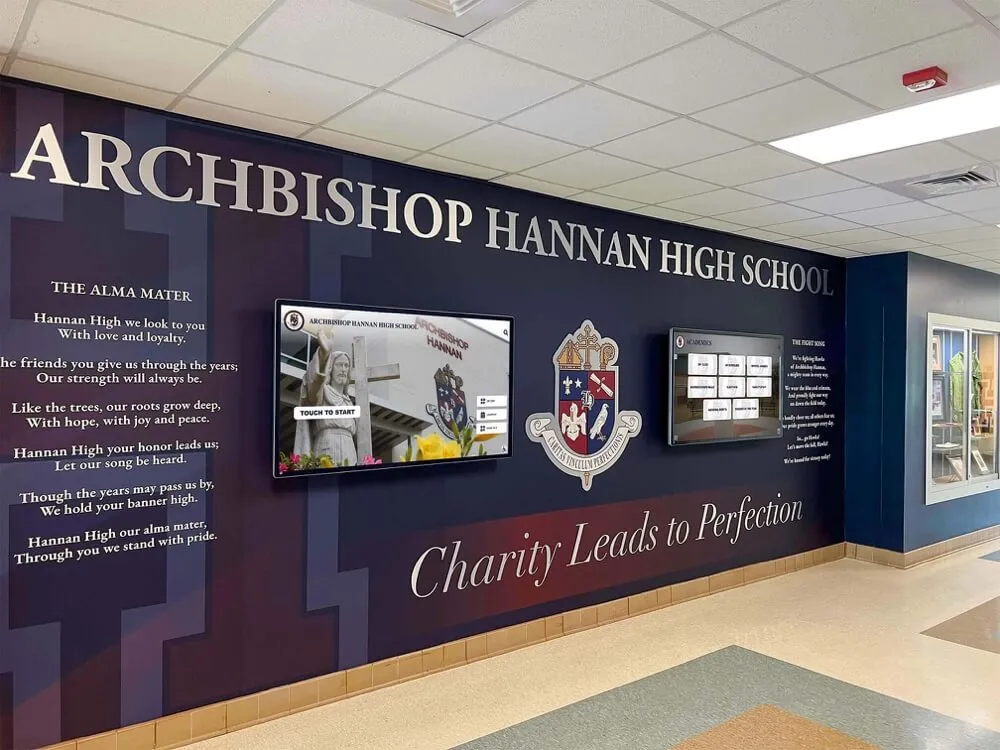
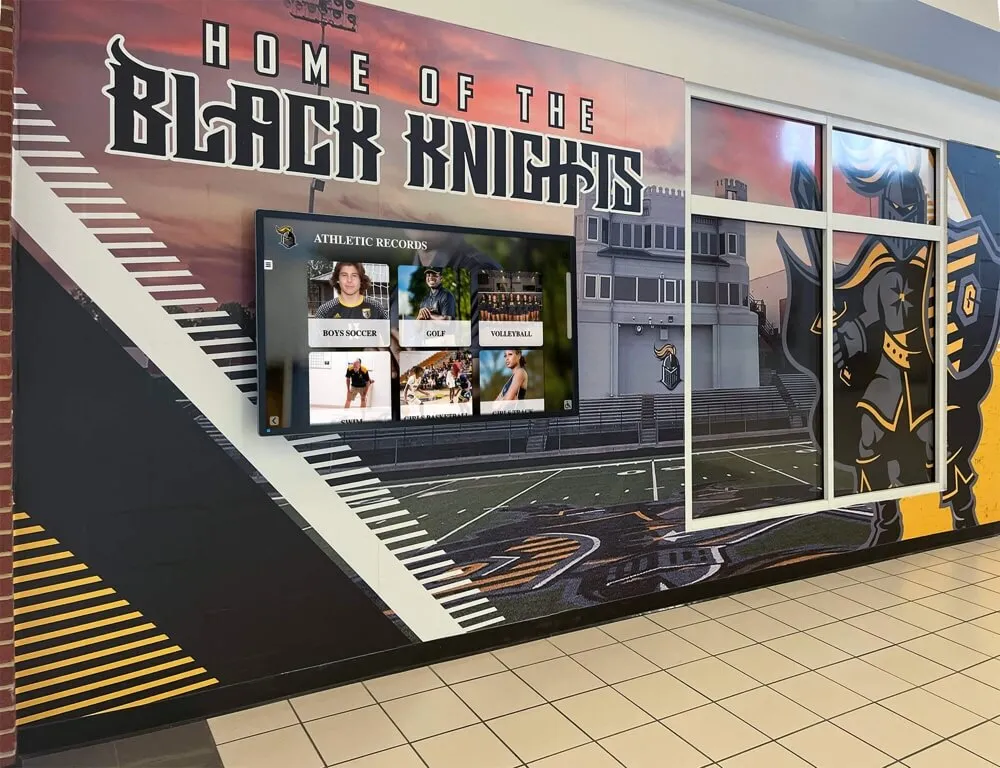
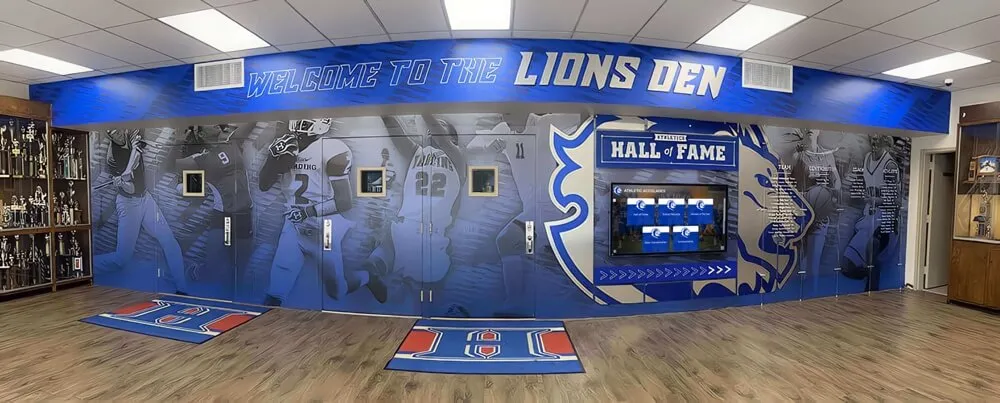
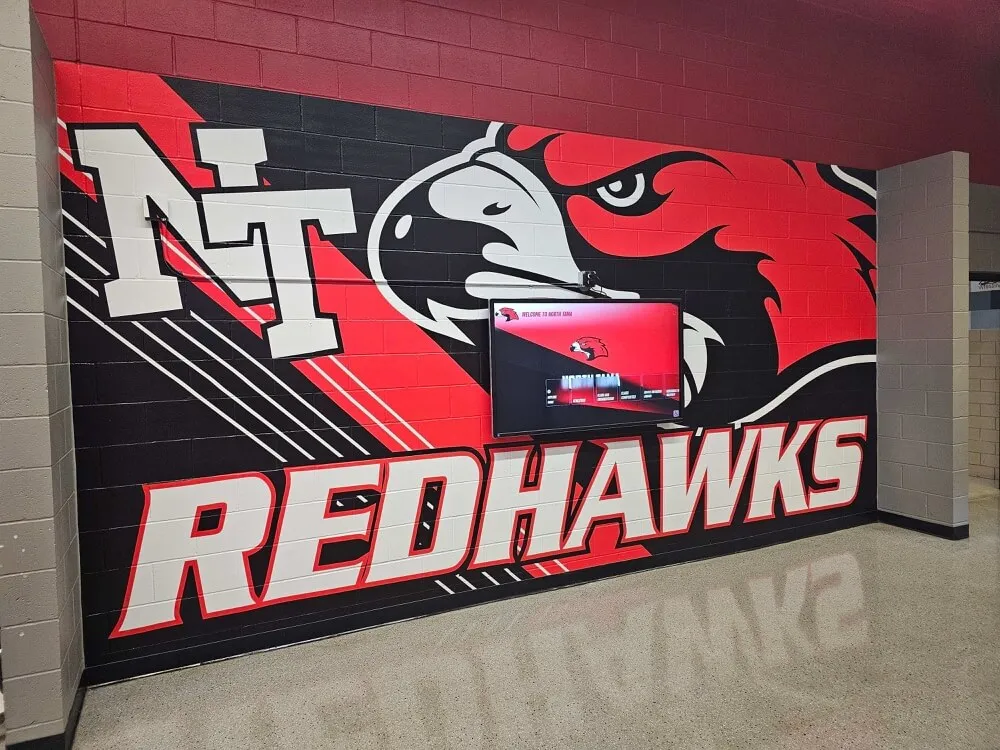
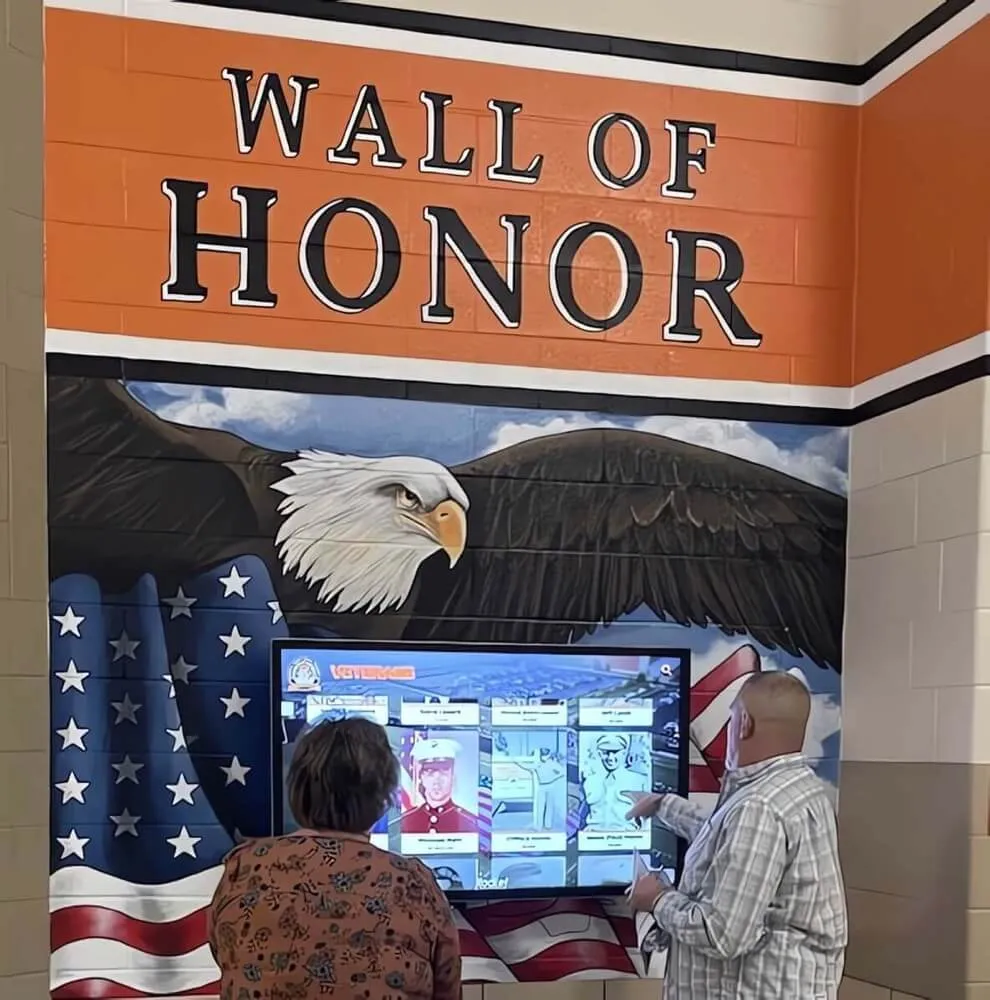
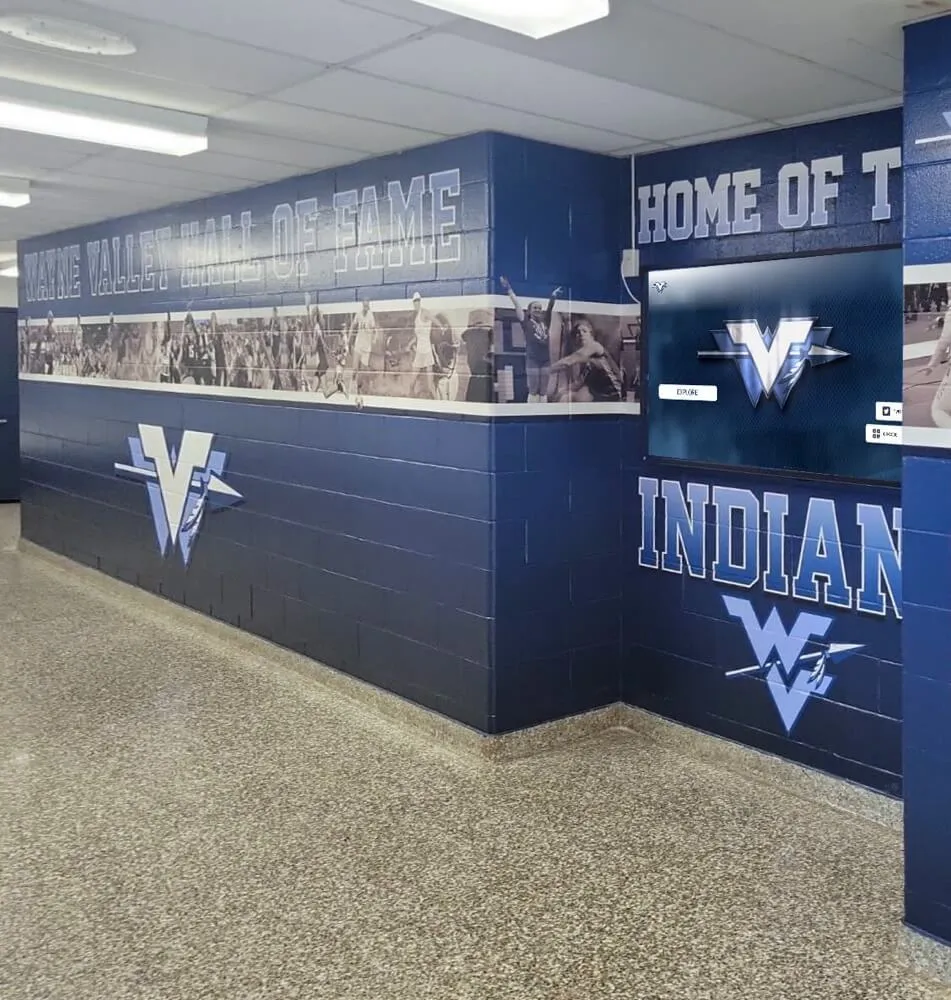
Wall of honor displays combine traditional name plaques with interactive digital content showcasing dedication messages and donor stories
Templates for Donor Recognition Dedications
Donor dedications require special attention to tone, acknowledging generosity while inspiring continued engagement. These templates provide frameworks for various donor recognition contexts.
Major Gift Building or Room Naming
Template 1: Formal Acknowledgment
[Building/Room Name]

Dedicated in recognition of the generous support of
[Donor Name/Family Name]

Whose vision and philanthropy have made this [facility/space] possible

[Year]
Template 2: Impact-Focused
[Building/Room Name]

Named in honor of [Donor Name]

Whose transformative gift ensures that generations of [students/patients/community members]
will benefit from [specific impact: education, care, programs, etc.]

With gratitude for leadership and commitment to [organization mission]

[Year]
Template 3: Legacy and Values
The [Name] [Building/Room/Hall]

Dedicated to [Donor Name]

In appreciation of extraordinary generosity and unwavering belief
in the power of [education/service/community/etc.]

This space stands as testament to a legacy of [value: compassion, excellence, innovation]
that will inspire all who enter

[Year]
Real-World Example:
The Anderson Family Learning Commons

Dedicated in honor of Robert and Margaret Anderson

Whose transformative gift creates a vibrant space where students discover,
collaborate, and innovate

With deep gratitude for your vision and generosity

2024
Organizations implementing modern digital donor recognition displays can complement physical dedication plaques with interactive content showcasing donor stories, impact metrics, and ongoing recognition updates.
Endowment and Scholarship Fund Dedications
Template 1: Scholarship Named for Donor
The [Donor Name] Scholarship Fund

Established [Year] through the generosity of [Donor Name/Family]

Supporting [student population: first-generation students, STEM majors, etc.]
in pursuit of academic excellence

Empowering dreams and transforming futures
Template 2: Memorial Scholarship
The [Name] Memorial Scholarship

Created in loving memory of [Name]
[Years of Life]

Honoring [his/her/their] passion for [field, cause, or value]
by supporting students who share [his/her/their] commitment to [specific area]

Established by [donor relationship: family, friends, colleagues]

[Year]
Template 3: Impact-Centered
[Fund Name] Endowment

Given by [Donor Name] to ensure perpetual support for [program/cause/department]

"[Optional brief quote from donor about why they give]"

Creating opportunity and excellence for generations to come

Established [Year]
Real-World Example:
The Eleanor Martinez STEM Scholarship

Established 2023 by the Martinez Family Foundation

Supporting first-generation Latina students pursuing careers in science and technology

Honoring Eleanor's lifelong commitment to expanding opportunities
for underrepresented students in STEM fields

"Education opened doors for me. This scholarship opens doors for others." — Eleanor Martinez
Donor Wall Recognition
Template 1: Giving Level Dedication
Benefactor Circle
$100,000+

[Donor Name]

With profound gratitude for visionary leadership
and exceptional generosity
Template 2: Campaign-Specific
Campaign for Excellence Donors

[Donor Name]

Champion of [organization name]
Partner in building a brighter future

Your gift makes the difference
Template 3: Multi-Year Recognition
Legacy Society

[Donor Name]
Member since [Year]

Dedicated supporter whose sustained commitment
strengthens our mission year after year
Understanding both traditional plaque options and digital recognition alternatives helps organizations create comprehensive donor recognition strategies combining permanent dedication language with updateable content.
Capital Campaign Dedications
Template 1: Campaign Completion
[Campaign Name]

Thanks to the generosity of [number] donors who contributed
$[amount] to transform our [institution/organization]

This [building/program/initiative] stands as testament to our community's
shared commitment to [mission/vision]

Campaign Leadership: [Names of major donors or campaign chairs]

[Years]
Template 2: Lead Gift Recognition
Made Possible by the Transformative Leadership of

[Lead Donor Name]

Lead Benefactor, [Campaign Name]

Whose extraordinary vision and generosity inspired our entire community
to invest in [impact area]

With deepest gratitude

[Year]
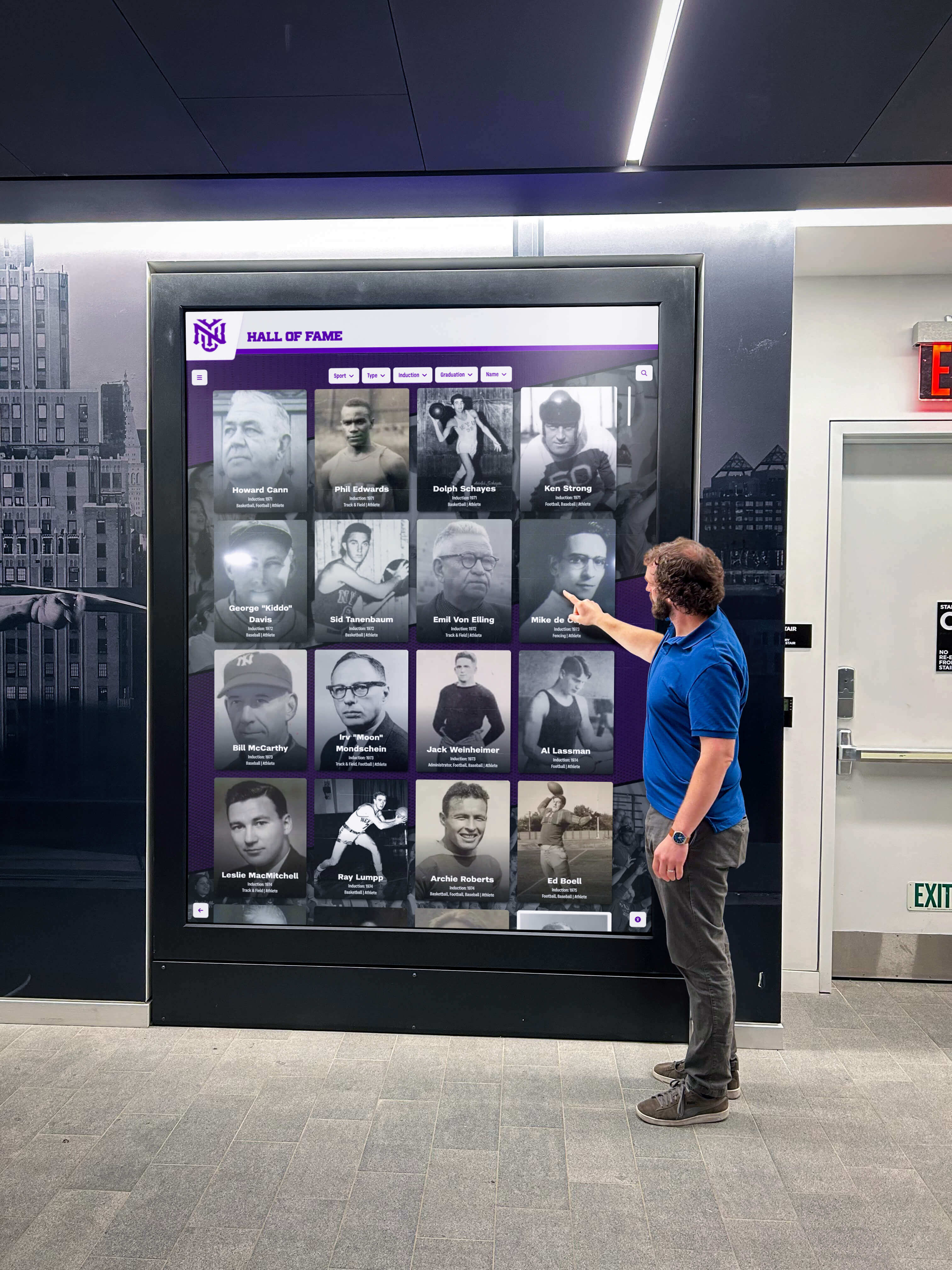
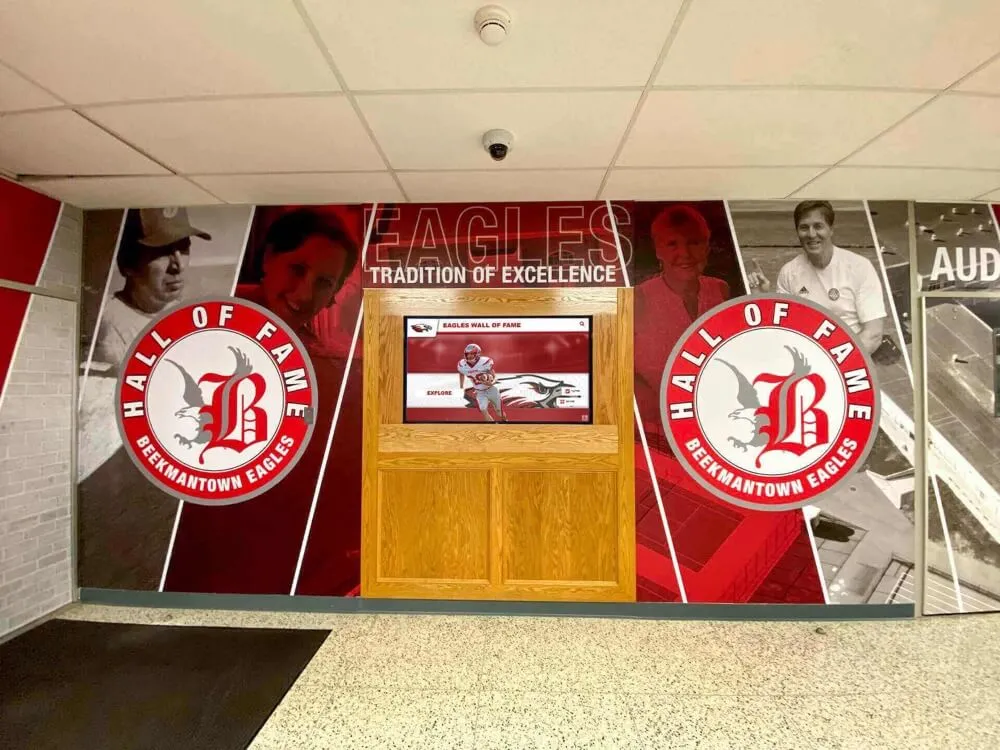
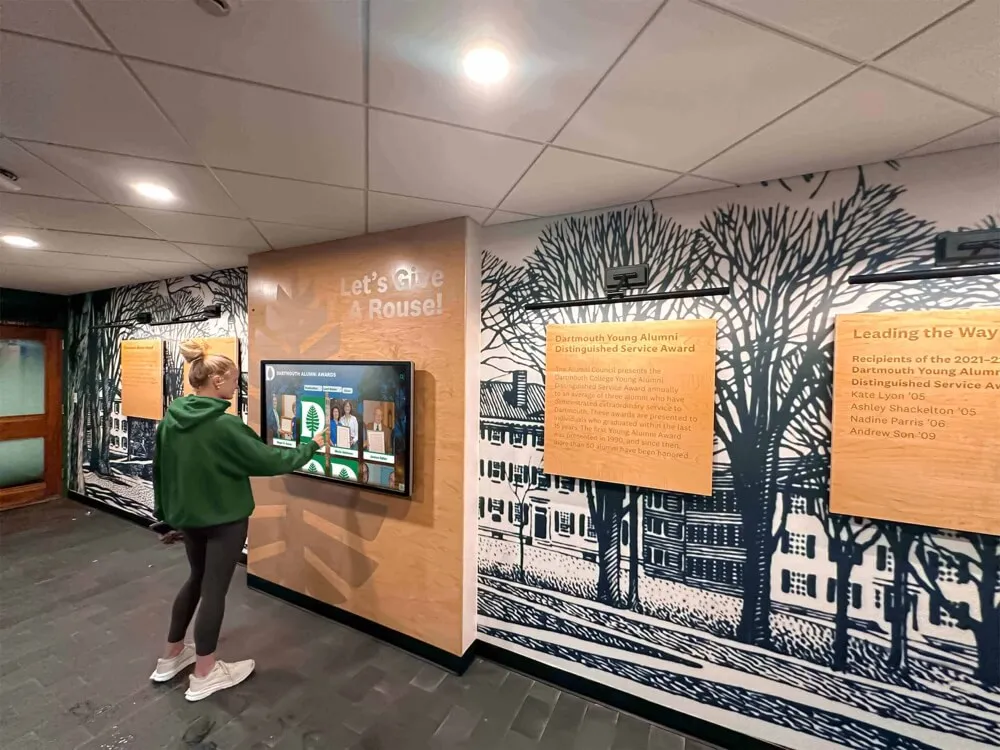
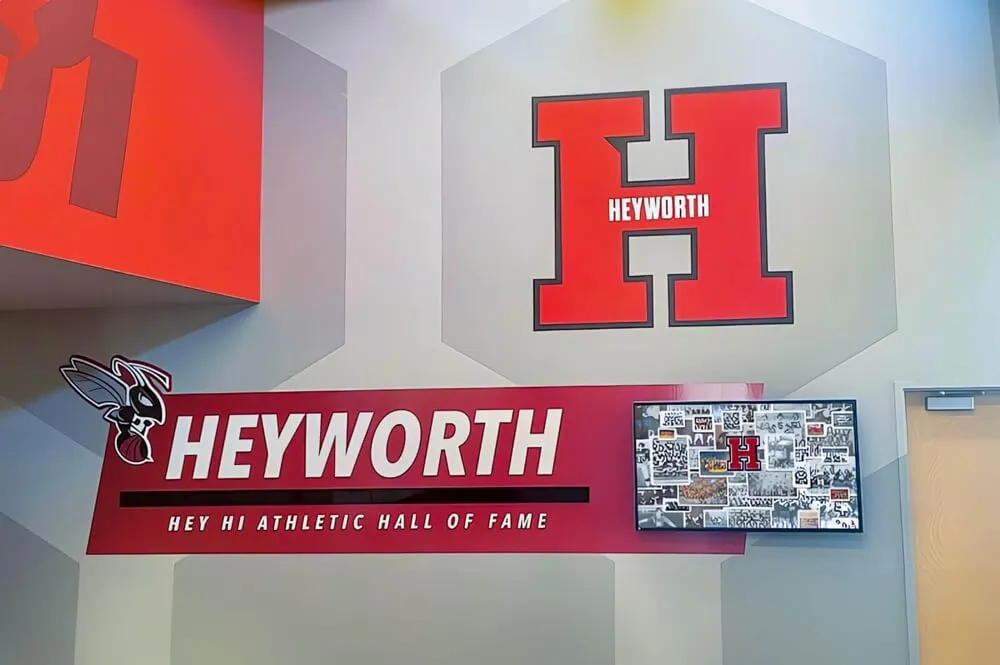
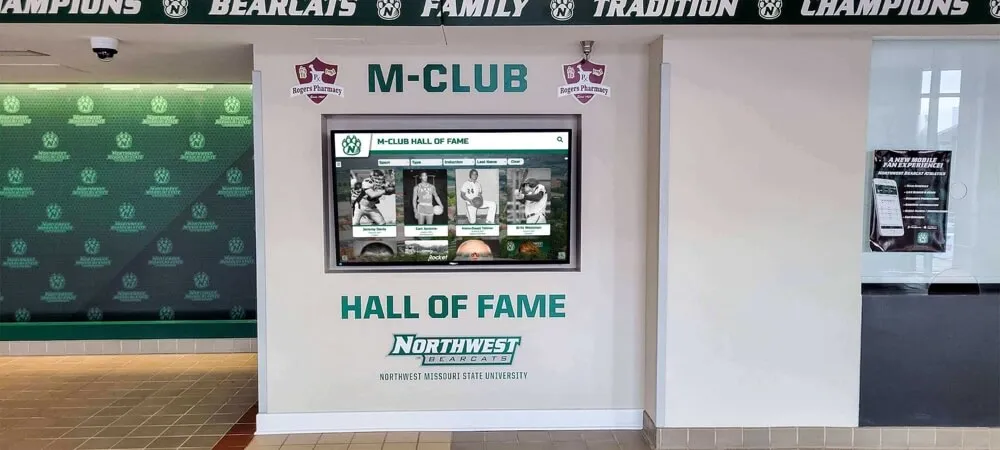
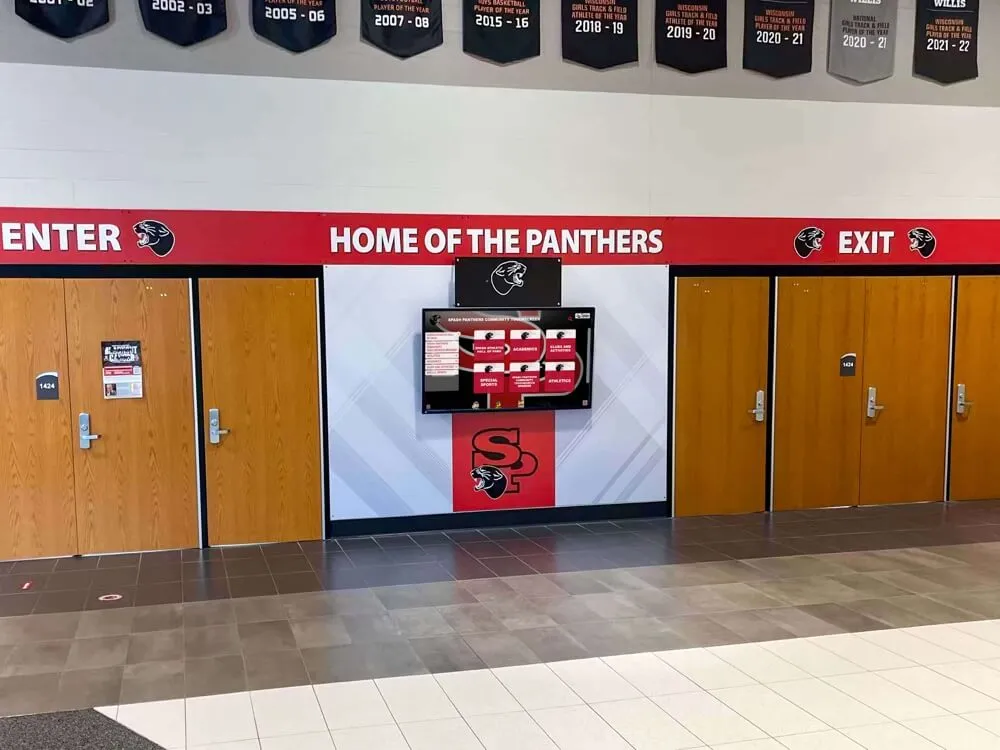
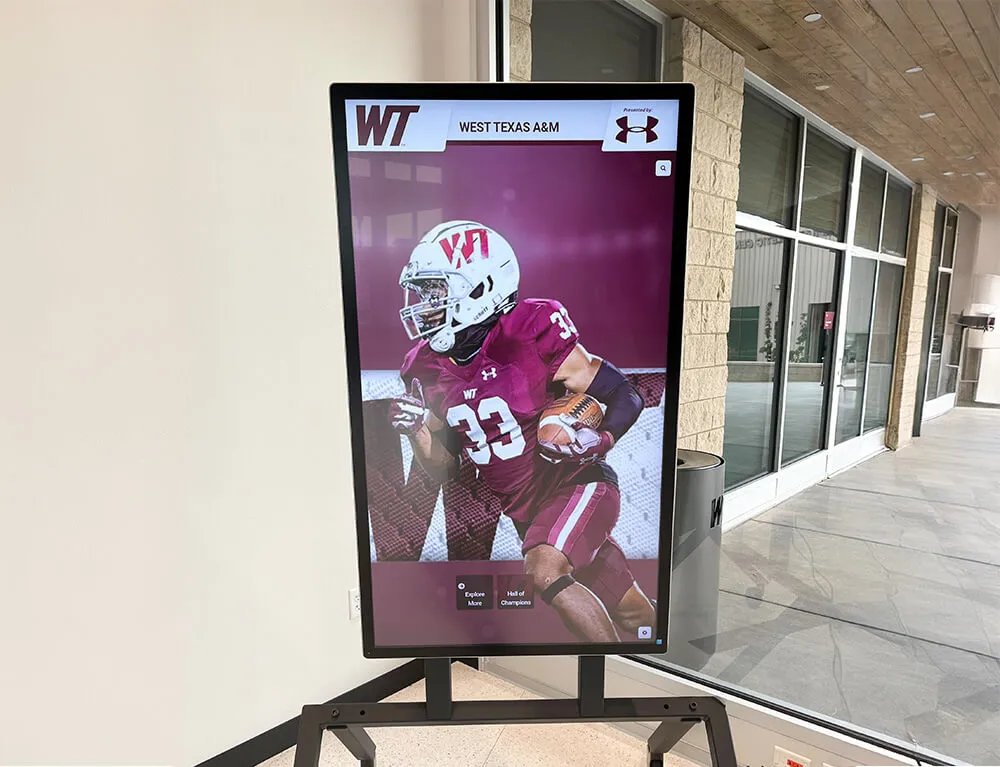
Interactive displays enable visitors to explore detailed dedication stories and donor impact beyond what traditional plaques can communicate
Templates for Memorial Dedications
Memorial dedications honor those who have passed away, requiring sensitivity, respect, and language that comforts while celebrating life and legacy.
Memorial Bench or Garden Dedications
Template 1: Simple and Serene
In Loving Memory of
[Full Name]
[Years of Life]

Forever in our hearts
Template 2: Character-Focused
This [bench/garden] is dedicated to the memory of
[Name]

Whose [kindness/wisdom/laughter/etc.] touched all who knew [him/her/them]

"[Optional meaningful quote that represents them]"

[Years of Life]
Template 3: Relationship-Centered
In Memory of
[Name]

Beloved [relationship: mother, father, friend, colleague]

Who found peace in [nature/quiet moments/this place]

May all who rest here find the same comfort

[Years of Life]
Real-World Example:
In Loving Memory of
Sarah Elizabeth Thompson
1968 - 2023

Who found joy in gardens and shared that joy with everyone she met

"The earth laughs in flowers." — Emerson

This garden blooms as a living tribute to her gentle spirit
Memorial recognition displays can incorporate comprehensive tribute elements including photos, life stories, and interactive memories that expand beyond the limitations of traditional memorial plaques.
Memorial Plaque Dedications
Template 1: Professional Memorial
In Memory of
[Full Name]
[Job Title/Role]
[Years of Service]

Dedicated colleague and cherished friend

Whose [specific quality: expertise, mentorship, dedication]
enriched this organization and all who worked alongside [him/her/them]

[Years of Life]
Template 2: Achievement-Focused Memorial
Dedicated to the Memory of
[Name]

[Brief description of major contribution or achievement]

[His/Her/Their] legacy continues to inspire and guide us

[Years of Life or Years Associated with Organization]
Template 3: Values-Based Memorial
In Grateful Memory of
[Name]

Who exemplified the values of [organization/institution]:
[Value], [Value], and [Value]

[His/Her/Their] spirit lives on in all we do

[Years of Life]
Memorial Scholarship Dedications
Template 1: Character Tribute
The [Full Name] Memorial Scholarship

Established in loving memory of [Name]
[Years of Life]

Awarded annually to students who embody [his/her/their] values of
[specific values: integrity, compassion, academic excellence, etc.]

[His/Her/Their] legacy lives on through the achievements
of scholarship recipients

Created by [Relationship: Family, Friends, etc.]
[Year Established]
Template 2: Passion-Focused
[Name] Memorial Award

Honoring the memory of [Name]
[Years of Life]

Who devoted [his/her/their] life to [field/cause/passion]

This scholarship supports students pursuing [related field/goal]
carrying forward [his/her/their] commitment to [value/mission]

"[Optional quote from or about the person]"

Established [Year]
Memorial Room or Space Dedications
Template 1: Formal Memorial Space
The [Full Name] Memorial [Room/Hall/Library]

Dedicated to the memory of
[Name]
[Years of Life]

[Position/Role/Relationship to organization]

Whose [contribution/impact] continues to benefit
this community

This space honors [his/her/their] enduring legacy

[Year]
Template 2: Reflective Memorial Space
In Memory of
[Name]

[Brief personal description: "Beloved teacher," "Devoted community leader," etc.]

"[Meaningful quote from or about the person]"

May this space serve as a place of [reflection/learning/gathering]
in the spirit [he/she/they] embodied

[Years of Life]
[Year of Dedication]

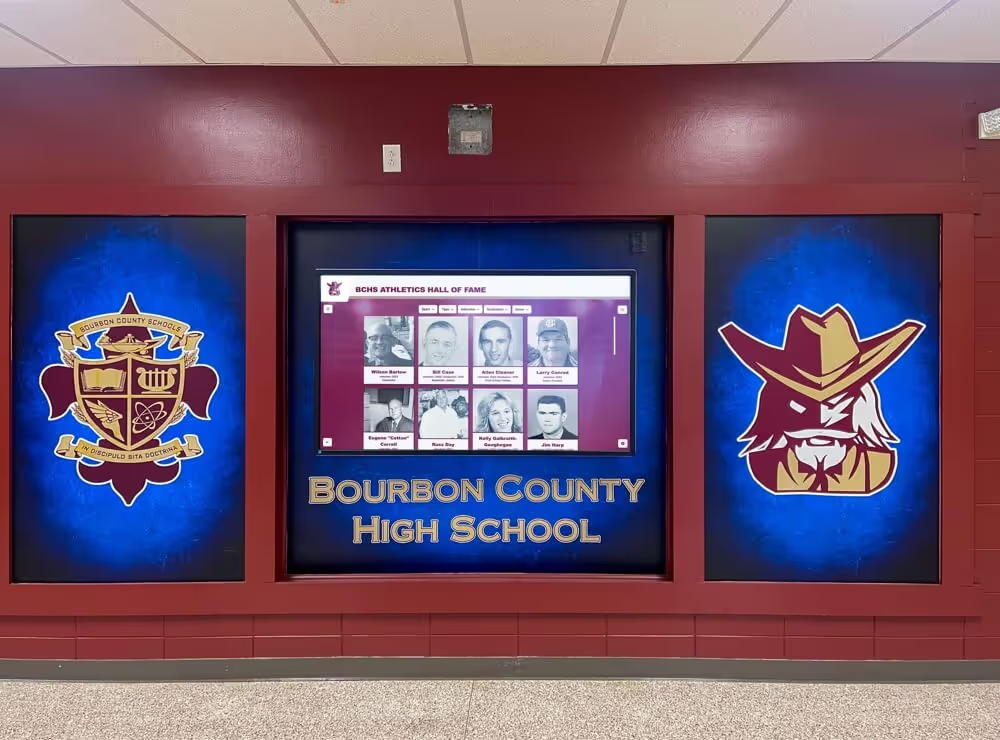
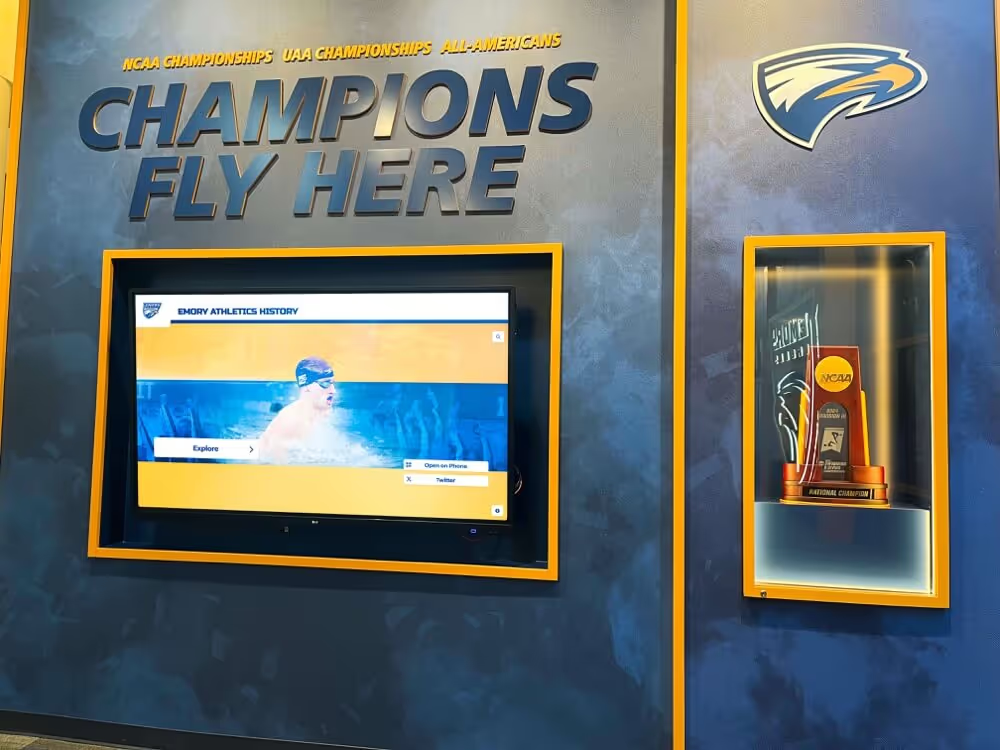
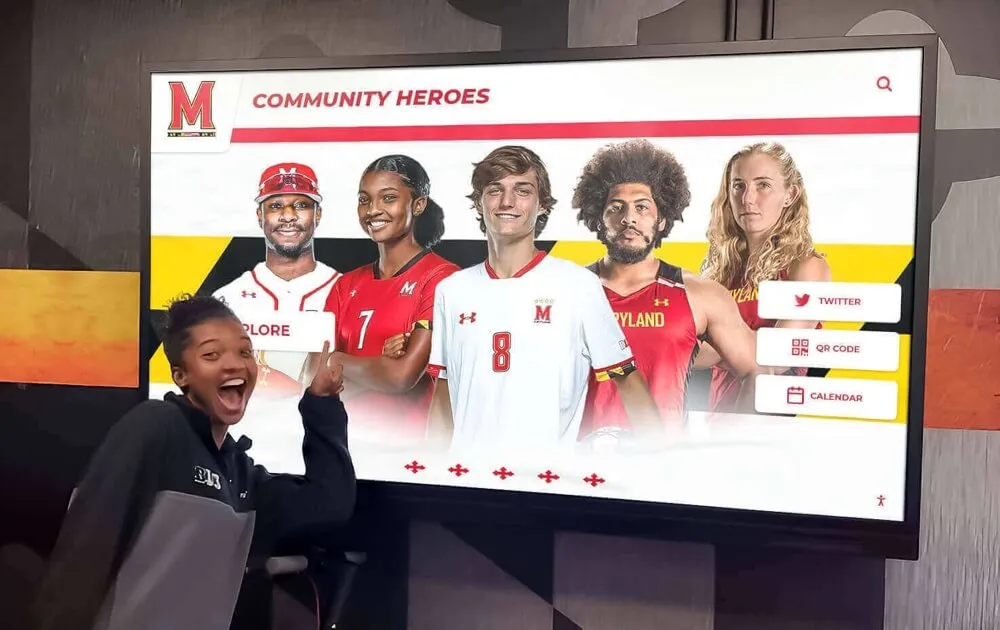
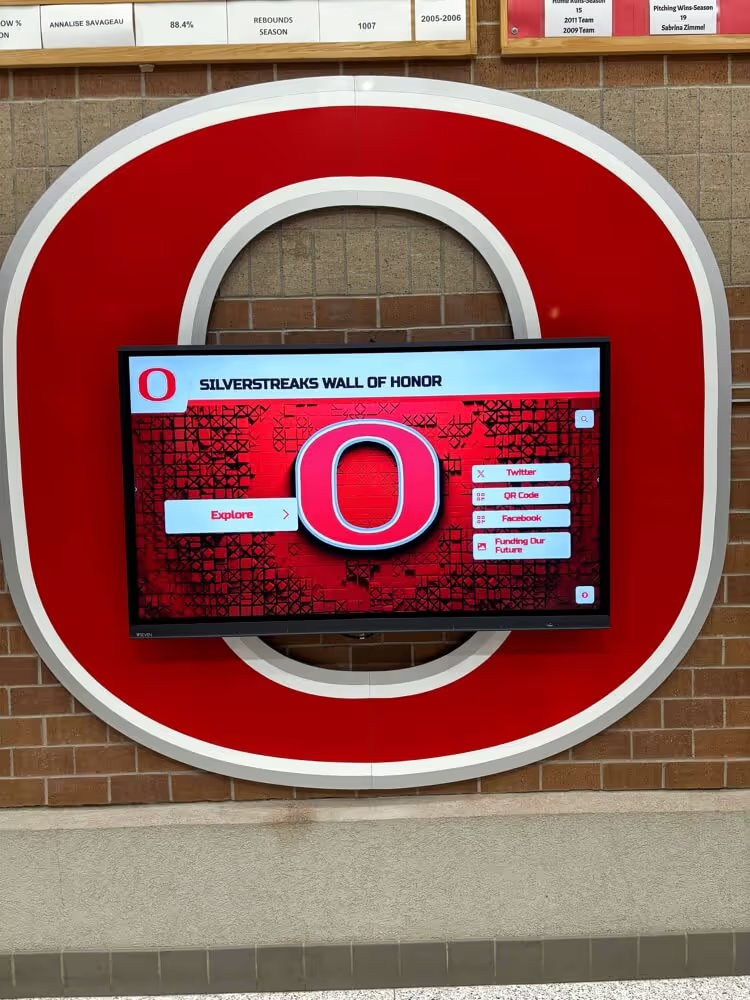
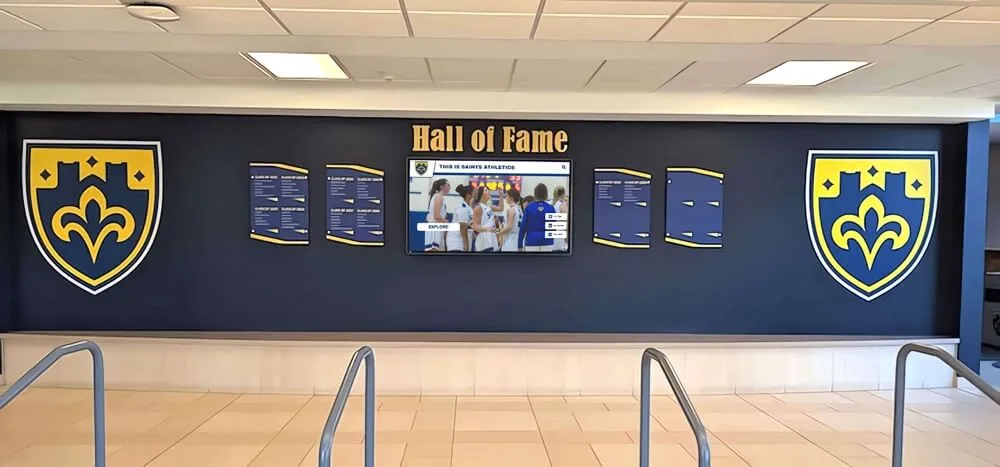
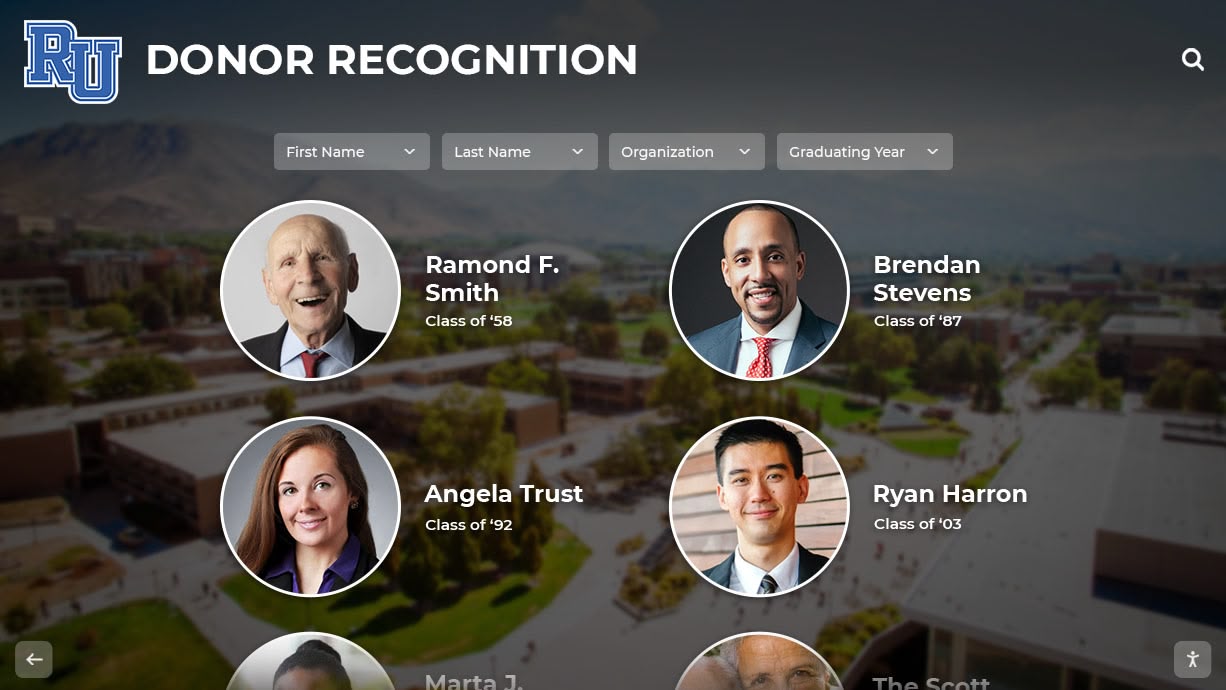
Modern recognition kiosks provide accessible platforms for sharing detailed dedication messages and honoring multiple individuals or donors
Templates for Book Dedications
Book dedications offer authors creative freedom while honoring relationships, acknowledging support, or dedicating work to causes or communities.
Personal Book Dedications
Template 1: Family Dedication
For [Name/Names]

Who believed in me before I believed in myself
Template 2: Spouse or Partner
To [Name]

My first reader, my constant supporter, my love
Template 3: Children
For [Names of Children]

May you always chase your dreams as fearlessly as you've encouraged me to chase mine
Template 4: Parent Tribute
In memory of [Name]

Who taught me that stories matter
Real-World Examples:
- “For my mother, who gave me a love of words”
- “To Alex—through every draft, every doubt, every triumph. This book exists because you believed it would.”
- “For Emma and Jack: Be brave. Be kind. Be yourselves.”
Professional Book Dedications
Template 1: Mentor Dedication
To [Name]

Whose guidance shaped not just this work, but the writer I've become
Template 2: Colleague Dedication
For [Name/Names]

Partners in pursuit of [field/knowledge/truth]

This work stands on the foundation of our collaboration
Template 3: Teacher Dedication
In gratitude to [Name]

The teacher who taught me to think, to question, and to write
Thematic or Cause-Based Dedications
Template 1: Community Dedication
For the [community name] community

Whose stories deserve to be told
Template 2: Cause Dedication
Dedicated to all those working toward [cause/goal]

May this work contribute, however small, to that vital mission
Template 3: Universal Dedication
For everyone who has ever felt [emotion/experience relevant to book's theme]

You are not alone
Creative and Unconventional Book Dedications
Authors sometimes use humor or creativity:
Humorous Examples:
- “For my family, who asked, ‘Are you done with that book yet?’ for five straight years. Yes. Finally. Yes.”
- “To coffee. We did it.”
- “For my cats, who contributed nothing but demanded everything.”
Philosophical Examples:
- “For the questions, not the answers”
- “To those who read between the lines”
- “Dedicated to the blank page, which somehow became this book”
Templates for Professional Recognition Dedications
Professional settings require dedications that balance formal recognition with genuine appreciation.
Retirement Recognition
Template 1: Formal Retirement Tribute
In Honor of [Full Name]

[Years of Service] Years of Dedicated Service

Whose professionalism, expertise, and leadership
have profoundly shaped this organization

With gratitude and best wishes for a well-deserved retirement

[Year]
Template 2: Impact-Focused Retirement
Celebrating the Career of
[Name]

[Position/Role]
[Years of Service]

Mentor, innovator, and friend

Your legacy lives on in the colleagues you've guided,
the programs you've built, and the standards you've set

Congratulations on your retirement

[Year]
Template 3: Personal Retirement Tribute
For [Name]

Who dedicated [number] years to [organization/mission]
and touched countless lives along the way

"[Brief quote from colleagues or the retiree]"

Your contributions will be felt for generations

Thank you, and best wishes for the next chapter

[Year]
Organizations creating unique donor wall concepts can apply similar dedication principles to employee recognition, service awards, and retirement tributes.
Service Anniversary Dedications
Template 1: Milestone Anniversary
Recognizing [Name]

[Number] Years of Excellence

Thank you for your unwavering commitment,
exceptional contributions, and positive impact
on our [team/organization/community]

[Year]
Template 2: Values-Based Anniversary
Celebrating [Name]

[Years] of embodying our values of
[Value], [Value], and [Value]

Your dedication inspires us all

[Year]
Leadership Recognition
Template 1: Board or Leadership Tribute
In Recognition of [Name]

[Position]
[Years of Service]

Whose vision and leadership have guided us through
[specific achievement or challenge]

With deep appreciation for your service

[Year]
Template 2: Founder or Legacy Recognition
Honoring [Name]

Founder and Visionary Leader

Who transformed an idea into [organization/program/initiative]
that continues to [impact statement]

Your legacy is our foundation

[Year Established] - [Current Year]
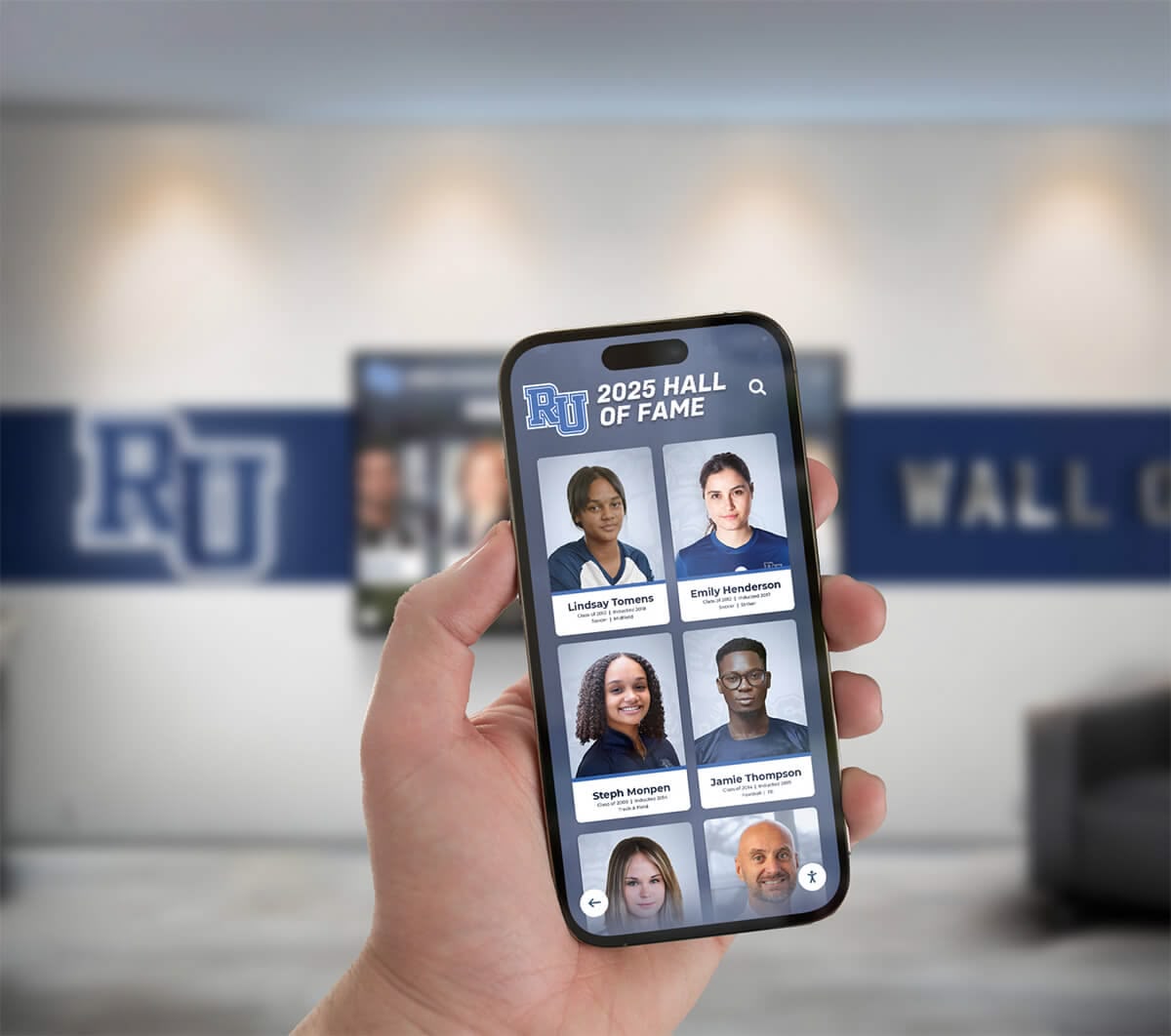
Mobile-accessible recognition platforms extend dedication messages beyond physical plaques, enabling sharing and remote viewing
Strategies for Crafting Your Own Dedications
Beyond templates, specific strategies help you create original dedications that feel authentic and meaningful.
Start With the Relationship
Identify the Core Connection
Before writing, clarify:
- What is your relationship to the person being honored?
- What specific impact did they have?
- What values or qualities defined them?
- What would you want them (or their family) to feel reading this?
Use Relationship-Specific Language
Different relationships call for different tones:
- Donors: Gratitude, impact, partnership, vision
- Memorial tributes: Comfort, celebration of life, legacy, remembrance
- Professional recognition: Respect, achievement, contribution, expertise
- Personal dedications: Love, support, inspiration, shared experiences
Balance Formality and Warmth
Assess Context Requirements
Consider:
- Where will this dedication appear? (Public building vs. private memorial vs. book)
- Who is the primary audience? (Donors, family, colleagues, general public)
- What is the organizational culture or setting? (Academic, corporate, religious, community)
- How permanent is this dedication? (Century-old building vs. annual award)
Formal Elements That Maintain Warmth
- Use full names in primary reference but first names in narrative portions
- Include dates and titles for documentation without making them the focus
- Employ traditional dedication language (“In honor of,” “Dedicated to”) while personalizing content
- Structure formally (centered text, title case) while using conversational phrasing
Warm Elements That Maintain Professionalism
- Include brief anecdotes that reveal character without being overly casual
- Use genuine language rather than corporate jargon
- Incorporate meaningful quotes that add personality
- Acknowledge emotional impact while maintaining dignity
Choose Meaningful Details
Be Specific Rather Than Generic
Generic dedications feel forgettable:
- ❌ “A generous supporter”
- ✅ “Whose annual scholarship fund has supported 47 first-generation college students over two decades”
Generic memorial language lacks impact:
- ❌ “A wonderful person”
- ✅ “Whose Saturday morning pancakes and terrible jokes brought joy to all who knew her”
Generic professional recognition feels empty:
- ❌ “An excellent employee”
- ✅ “Whose mentorship transformed dozens of junior engineers into confident leaders”
Details to Consider Including
- Specific contributions or achievements
- Characteristic phrases the person used
- Particular passions or interests
- Measurable impact when appropriate
- Qualities that defined them
- Memorable moments or stories (briefly)
Consider Length Constraints
Physical Space Limitations
Plaques have finite space:
- Standard plaques typically accommodate 50-150 words
- Memorial benches often allow 1-3 short lines
- Building dedications might include 100-200 words
- Digital displays offer more flexibility
Attention Span Considerations
Even when space allows more:
- Readers generally skim dedications
- Concise language makes greater impact
- Every word should earn its place
- Shorter dedications feel more timeless
Editing for Brevity
Remove:
- Unnecessary adjectives (“very,” “really,” “extremely”)
- Redundant phrases (“each and every,” “final outcome”)
- Filler language (“It should be noted that”)
- Overly complex sentence structures
Keep:
- Specific, meaningful details
- Emotional core of the message
- Essential facts and names
- Powerful, precise language
Test Your Dedication
Read Aloud
Hearing your dedication helps you assess:
- Does it flow naturally?
- Are there awkward phrasings?
- Is the tone appropriate?
- Does it feel genuine?
Seek Feedback
Before finalizing, show your draft to:
- Colleagues familiar with the person or context
- Family members for memorial dedications
- Development professionals for donor recognition
- People who knew the honoree in different capacities
Ask Specific Questions
Rather than “What do you think?”:
- “Does this capture [Name]’s impact accurately?”
- “Is the tone appropriate for our setting?”
- “Does any phrasing feel awkward or unclear?”
- “What’s missing that should be included?”
Respect Cultural and Religious Considerations
Religious Language
Consider whether religious references are appropriate:
- Memorial dedications often include religious language when family requests it
- Institutional dedications in secular settings typically avoid specific religious references
- Community or organizational culture guides appropriateness
- When uncertain, consult with family or appropriate stakeholders
Cultural Sensitivity
Different cultures approach dedications differently:
- Some cultures value restraint and understatement
- Others celebrate verbose, emotional tributes
- Naming conventions vary across cultures
- Symbolism and imagery carry different meanings
- Understand the cultural context before writing
Inclusive Language
Ensure your dedication:
- Uses preferred pronouns when honoring individuals
- Avoids assumptions about relationships or identities
- Respects how people wish to be remembered
- Includes rather than excludes
Organizations modernizing traditional recognition can explore digitizing existing plaque walls while preserving original dedication language and adding supplemental content.
Common Dedication Mistakes to Avoid
Certain pitfalls consistently undermine dedication effectiveness. Recognizing and avoiding these errors improves your dedication’s impact.
Overly Generic Language
The Problem
Dedications that could describe anyone feel meaningless:
- “A wonderful person who will be missed”
- “A generous supporter of our organization”
- “An exceptional leader and dedicated professional”
These phrases convey nothing specific about the actual person or their unique contributions.
The Solution
Replace generic descriptors with specific details:
- What made them wonderful? Their “Sunday dinner tradition that welcomed anyone who needed family”
- How were they generous? “Annual scholarship that has funded 23 nursing students”
- What defined their leadership? “Mentorship program that placed 40 junior employees in leadership roles”
Specific details transform generic tributes into meaningful recognition.
Clichés and Overused Phrases
The Problem
Certain phrases appear so frequently in dedications they’ve lost meaning:
- “Gone but not forgotten”
- “Forever in our hearts”
- “A life well lived”
- “An inspiration to all who knew them”
- “Making a difference”
While not necessarily wrong, these phrases feel tired and impersonal.
The Solution
When tempted to use a cliché:
- Identify what you actually mean by it
- Find specific language expressing that meaning
- Use fresh, original phrasing
Instead of “Forever in our hearts”:
- “Your Saturday morning calls, your terrible puns, and your unwavering support remain with us always”
Instead of “Making a difference”:
- “Your free tutoring program helped 200 students discover they were capable of far more than they believed”
Inappropriate Tone
The Problem
Mismatched tone undermines dedications:
- Too casual for the setting: “To Joe, the GOAT of our department”
- Too formal for the relationship: “In recognition of the maternal figure who provided biological sustenance”
- Too corporate for personal memorials: “Leveraging her skill sets to maximize family engagement outcomes”
- Too emotional for professional contexts: “The most amazing, incredible, unbelievably wonderful colleague ever”
The Solution
Match tone to:
- The setting (public building vs. private memorial)
- The relationship (professional vs. personal)
- The medium (permanent plaque vs. book dedication)
- The culture (organizational norms and expectations)
When uncertain, err slightly toward formal while maintaining warmth through specific details rather than effusive language.
Too Much Information
The Problem
Some dedications try to include everything:
- Complete biographies
- Exhaustive lists of achievements
- Detailed family trees
- Multiple lengthy quotes
- Excessive dates and credentials
The result feels more like a resume than a tribute.
The Solution
Dedications should highlight, not document comprehensively:
- Choose 1-3 most significant details
- Focus on emotional impact over complete documentation
- Remember that plaques can complement (not replace) other tributes
- Trust that less often communicates more
A dedication serves as an entry point to someone’s story, not the complete story itself.
Awkward Sentence Structure
The Problem
Complex, convoluted sentences confuse rather than honor:
- “In the event that one should wish to consider the remarkable legacy established through the generous philanthropic endeavors undertaken by…”
- Passive voice that obscures meaning: “This space was envisioned by a donor whose generosity was demonstrated through…”
- Run-on sentences attempting too much in one thought
The Solution
Use clear, direct sentence structure:
- Active voice when possible: “Dr. Sarah Chen envisioned this space” rather than “This space was envisioned by Dr. Sarah Chen”
- Short to medium sentences that express one thought clearly
- Varied sentence length for natural rhythm
- Simple, powerful language over complex constructions
Read your dedication aloud. If you stumble or need to reread it, simplify the structure.
Misspellings or Factual Errors
The Problem
Dedications are permanent—errors last forever:
- Misspelled names
- Incorrect dates
- Wrong titles or credentials
- Factual mistakes about contributions
- Typographical errors
These errors disrespect those being honored and embarrass those responsible.
The Solution
Verification protocol before finalizing:
- Verify all name spellings with multiple sources
- Confirm dates with official records
- Check titles and credentials against authoritative sources
- Have multiple people proofread
- Verify facts about contributions or achievements
- Allow time for thorough review before production
Never rely on a single source or your memory for factual information in dedications.

Digital recognition systems complement traditional dedication plaques by enabling detailed storytelling and regular content updates
Modern Approaches to Dedication Displays
While traditional plaques remain valuable, contemporary recognition solutions expand how organizations present and preserve dedication messages.
The Limitations of Traditional Plaques
Physical plaques face inherent constraints:
Space Restrictions
Traditional plaques accommodate limited text:
- Meaningful dedications often require editing to fit space
- Complex stories get reduced to names and dates
- Multiple honorees create crowded, hard-to-read plaques
- Adding new recognition requires new plaques and wall space
Static Content
Once installed, traditional plaques cannot be:
- Updated with new information about donor impact
- Enhanced with photos or multimedia
- Easily searched or filtered by viewers
- Shared digitally with remote audiences
Accessibility Limitations
Physical plaques present challenges:
- Height and placement affect readability
- Lighting conditions impact visibility
- Text size requirements for readability limit content
- No accommodation for visually impaired visitors
- No translation options for multilingual communities
Maintenance and Longevity
Over time, plaques:
- Tarnish or become difficult to read
- Require cleaning and restoration
- May become damaged or need replacement
- Create ongoing maintenance obligations
Organizations exploring commemorative plaque options benefit from understanding both traditional materials and contemporary digital alternatives.
Digital Recognition Solutions
Modern technology addresses traditional plaque limitations while preserving the dignity and permanence dedications deserve:
Expanded Content Capacity
Digital displays enable:
- Full dedication text without space constraints
- Supplemental information about impact and legacy
- Photos, videos, and multimedia content
- Multiple pages of content per honoree
- Detailed donor stories beyond basic recognition
Interactive Exploration
Touchscreen interfaces allow visitors to:
- Search for specific donors or honorees
- Filter by recognition level, year, or category
- Explore detailed profiles and stories
- View historical photos and documents
- Access dedication content in multiple languages
Dynamic Updates
Cloud-based management enables:
- Adding new honorees without hardware changes
- Updating dedication content as impact evolves
- Featuring different content during special events
- Correcting errors or updating information
- Highlighting specific donors or memorials seasonally
Enhanced Accessibility
Digital solutions provide:
- Adjustable text sizes for readability
- High-contrast display modes
- Audio description options
- Multiple language translations
- Mobile and web access for remote viewing
Measurable Engagement
Digital platforms track:
- Which dedications receive most views
- How long visitors engage with content
- Search patterns and interests
- Mobile app downloads and usage
- Remote access statistics
Solutions like Rocket Alumni Solutions specialize in digital recognition displays that combine the gravitas of traditional dedication plaques with the flexibility and engagement of modern technology, creating recognition experiences that honor donors and memorials while providing meaningful ongoing connection.
Hybrid Approaches
The most effective recognition strategies often combine traditional and digital elements:
Traditional Plaques for Permanence
Physical plaques continue to serve important functions:
- Visual anchor in physical spaces
- Tangible symbol of recognition
- Immediate visibility without technology
- Traditional aesthetic many donors prefer
- Backup should technology fail
Digital Extensions for Depth
Digital components add value:
- QR codes on plaques linking to expanded digital content
- Wall-mounted displays near plaque installations
- Mobile apps extending physical recognition digitally
- Web-based honor rolls accessible remotely
- Interactive kiosks in high-traffic areas
Complementary Strengths
This hybrid approach offers:
- Permanent traditional recognition donors expect
- Rich storytelling digital platforms enable
- Flexibility to update and expand content
- Multiple engagement points for different audiences
- Accessibility across physical and digital spaces
Organizations modernizing their recognition programs find that thoughtfully combining traditional dedication plaques with digital extensions creates comprehensive recognition honoring both heritage and innovation.
Taking Action: Writing Your Dedication
Ready to craft your dedication? These practical steps ensure a meaningful result.
Gather Essential Information
For Donor Dedications:
- Full legal name(s) as donors prefer them
- Relationship to organization or campaign
- Specific gift details (if appropriate to include)
- Impact statement describing what the gift enables
- Any donor-provided quotes or dedications
- Appropriate giving level or society name
- Year of gift or dedication
For Memorial Dedications:
- Full name and correct spelling
- Years of life (verify accuracy)
- Relationship to organization or survivors
- Key qualities, passions, or achievements
- Meaningful quotes from or about the person
- Family preferences for religious or cultural elements
- Year of dedication
For Professional Recognition:
- Full name and correct title
- Years of service or association
- Specific achievements or contributions
- Organizational values they exemplified
- Colleague or leadership quotes
- Year of recognition
Draft and Refine
Initial Draft
Start by writing more than you need:
- Get all relevant information into a rough draft
- Don’t worry about word count initially
- Include various details and phrasings
- Capture the emotional core of the dedication
Edit for Length
Then ruthlessly edit:
- Remove redundancy and filler
- Keep most meaningful specific details
- Simplify sentence structure
- Choose powerful, precise words
- Test whether every phrase earns its place
Refine for Tone
Adjust language until it:
- Matches the formality level required
- Conveys genuine emotion appropriately
- Sounds natural when read aloud
- Represents the relationship authentically
Obtain Necessary Approvals
Donor Recognition
Before finalizing:
- Confirm name spelling and preferences with donors
- Verify gift details with development records
- Obtain donor approval of dedication language when appropriate
- Secure necessary organizational leadership approvals
- Confirm installation location and timeline
Memorial Dedications
Coordinate with:
- Family members for approval and preferences
- Organizational leadership as appropriate
- Legal or risk management if required
- Facilities for installation planning
Professional Recognition
Verify with:
- Human resources for accurate employment details
- Honoree or their family when appropriate
- Organizational leadership
- Legal review for employment-related recognition
Plan Installation and Unveiling
Physical Dedication Placement
Consider:
- Visibility and traffic patterns
- Lighting conditions
- Height and accessibility
- Relationship to surrounding elements
- Durability and maintenance requirements
Dedication Ceremony
For major dedications, plan:
- Unveiling event with key stakeholders
- Remarks acknowledging contributions
- Opportunity for family or donors to participate
- Photography and documentation
- Media coverage if appropriate
Organizations implementing comprehensive recognition understand that dedication ceremonies provide opportunities to strengthen relationships with donors, honor memories meaningfully, and reinforce organizational values publicly.
Create Meaningful Recognition Experiences
Discover how modern digital recognition solutions help organizations honor donors, memorialize loved ones, and create lasting tributes that engage and inspire through powerful dedication messages and interactive storytelling.
Explore Recognition SolutionsConclusion: The Enduring Power of Thoughtful Dedications
A well-crafted dedication transforms recognition from mere acknowledgment into meaningful tribute. Whether honoring a generous donor whose vision made an initiative possible, memorializing a loved one whose legacy continues to inspire, dedicating a book to those who shaped its creation, or recognizing a colleague whose contributions strengthened an organization, the right words at the right moment create lasting impact that endures far beyond the initial unveiling.
The templates, examples, and strategies explored throughout this guide provide frameworks and inspiration, but the most powerful dedications emerge when you combine these proven structures with authentic understanding of the person, relationship, or impact being honored. Generic language and clichéd phrases may fill space on a plaque, but specific details, genuine emotion, and carefully chosen words create dedications that resonate emotionally and remain meaningful decades later.
Effective dedication writing requires balancing multiple considerations: formality and warmth, brevity and meaning, traditional language and fresh expression, individual recognition and broader context. This balance differs across contexts—donor recognition demands different language than memorial tributes, book dedications allow more creative freedom than institutional plaques, professional recognition requires different tone than personal memorials. Understanding these contextual requirements while maintaining authentic voice creates dedications that feel both appropriate and genuine.
The evolution of recognition technology expands dedication possibilities beyond traditional plaque limitations. While physical plaques continue to provide important tangible recognition, digital platforms enable richer storytelling, broader accessibility, and ongoing engagement that static text cannot achieve. Organizations implementing comprehensive recognition strategies increasingly combine traditional dedication plaques with digital extensions, creating hybrid approaches that honor heritage while embracing innovation.
As you craft your dedication—whether for a donor wall recognizing transformative philanthropy, a memorial bench honoring a cherished loved one, a book acknowledging those who made your work possible, or a retirement plaque celebrating decades of service—remember that your words create permanent legacy. Invest the time to verify facts, choose language carefully, seek appropriate feedback, and ensure every word earns its place. The result will be a dedication that truly honors its subject while creating meaningful connection for all who encounter it.
Your dedication matters because recognition matters. It strengthens donor relationships and inspires continued generosity. It comforts grieving families while celebrating lives well lived. It acknowledges contributions and validates that someone’s work mattered. It preserves institutional memory and creates historical record. Most importantly, it communicates that someone was seen, valued, and remembered—and those messages create impact that endures far beyond the words themselves.