Building meaningful connections with alumni requires more than sending newsletters—it demands engaging events that bring graduates back to campus and remind them why their alma mater matters. Yet many schools, colleges, and universities struggle to move beyond traditional homecoming weekends and class reunions, missing opportunities to create diverse programming that resonates with alumni at different life stages, career phases, and geographic locations.
The most successful alumni programs recognize that graduates have varied interests, schedules, and motivations for engagement. Some seek professional networking opportunities, while others want to give back through mentoring. Some cherish nostalgia and tradition, while younger alumni prefer fresh experiences. Effective alumni events balance these diverse needs while creating genuine value that transforms occasional attendees into lifelong engaged community members.
This comprehensive guide explores creative ideas for alumni events that strengthen institutional connections, from intimate gatherings to large-scale celebrations, from career-focused programming to social activities, and from on-campus experiences to regional chapter events that meet alumni where they live.

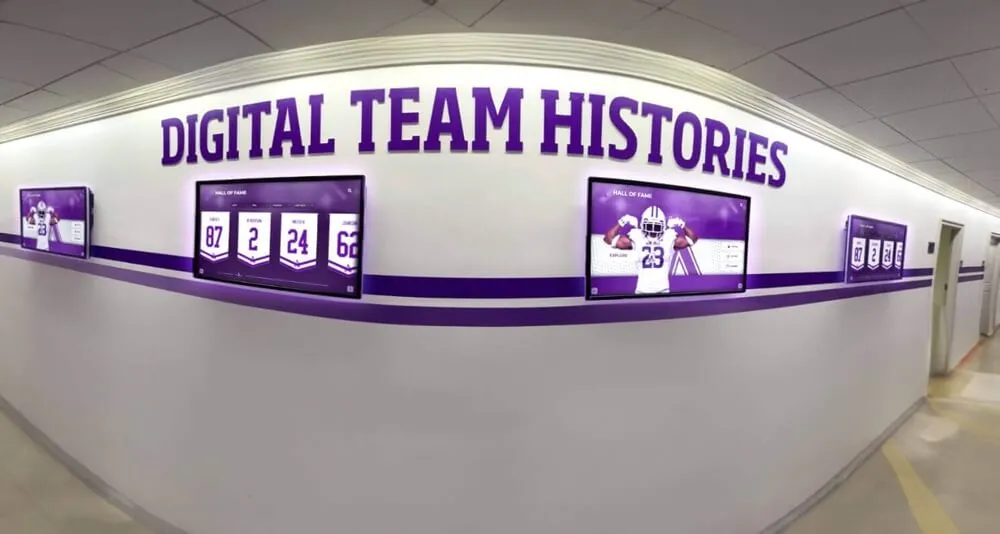
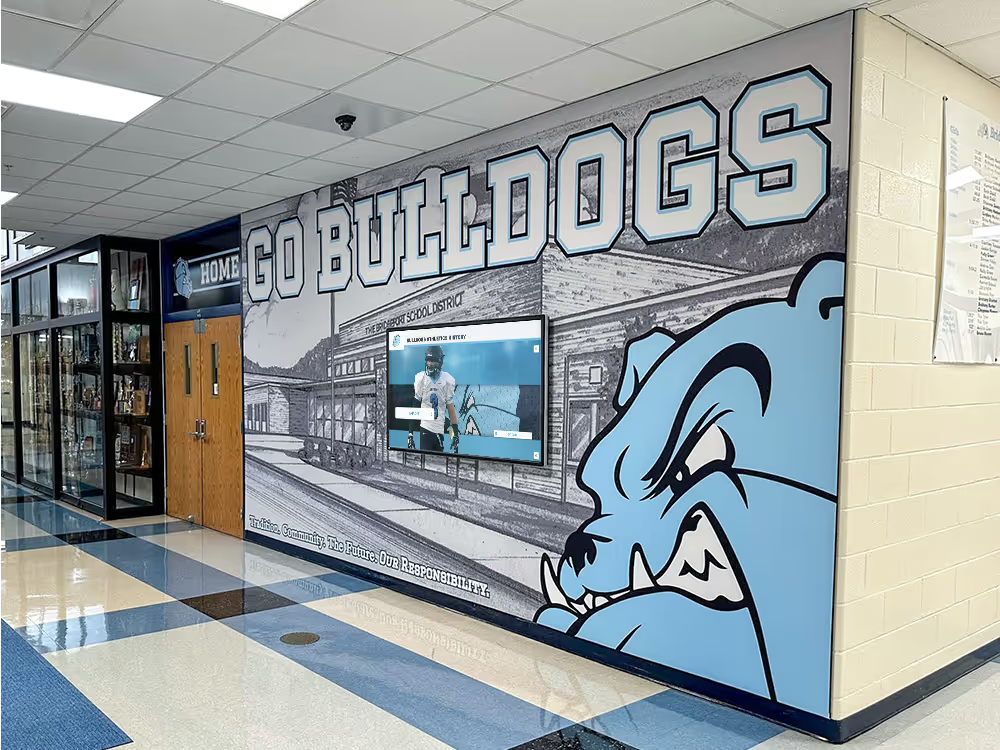
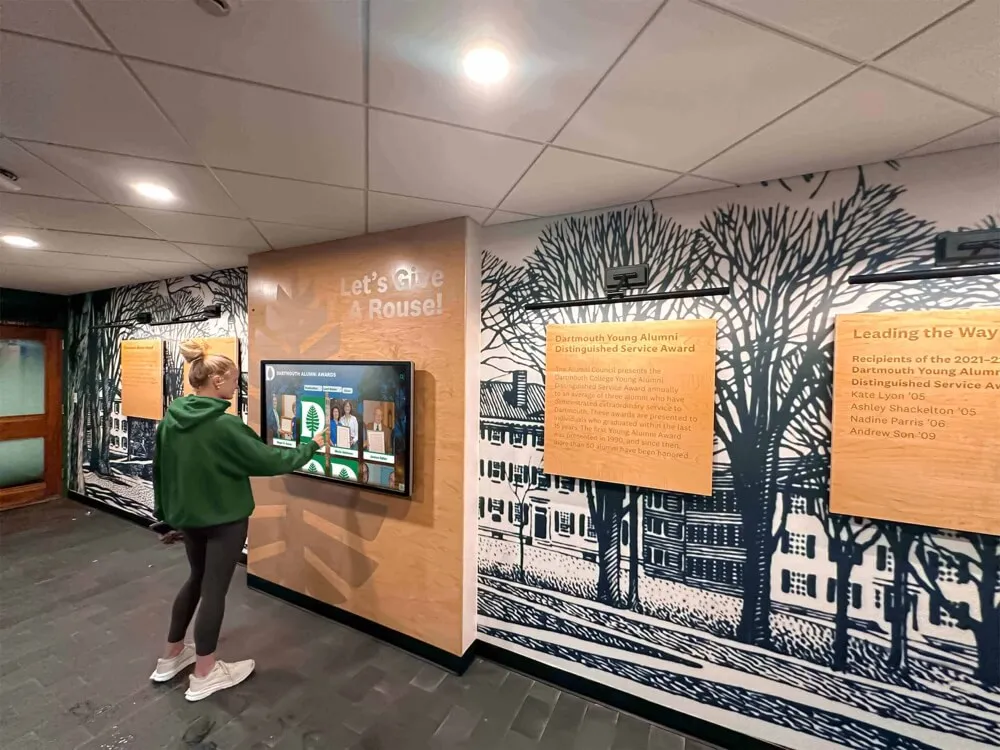
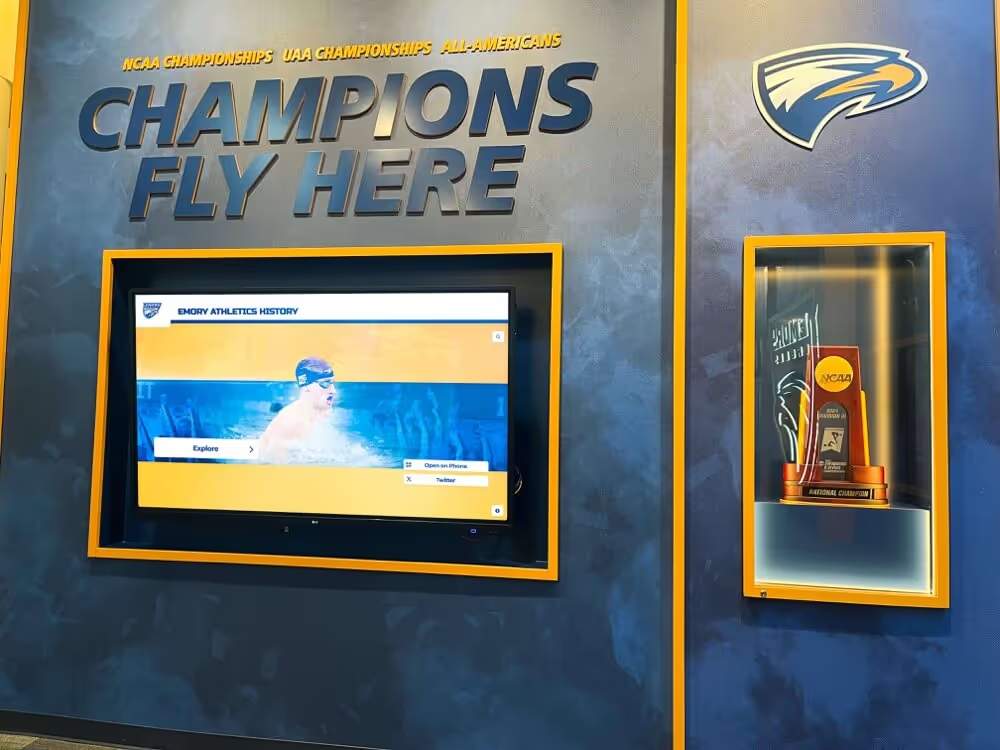
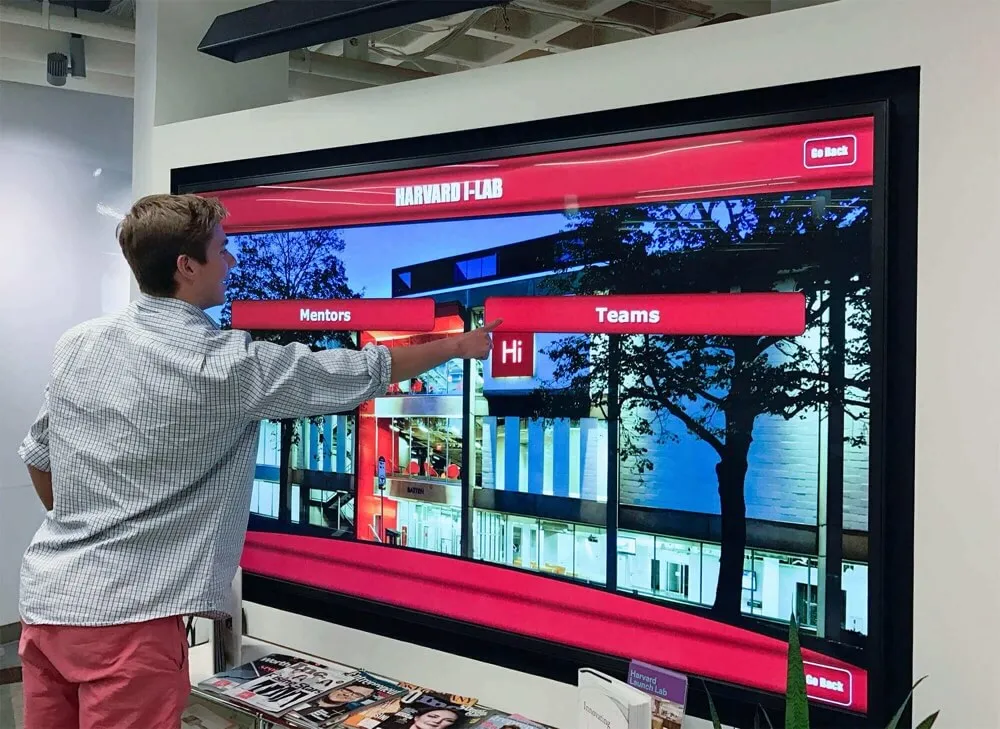
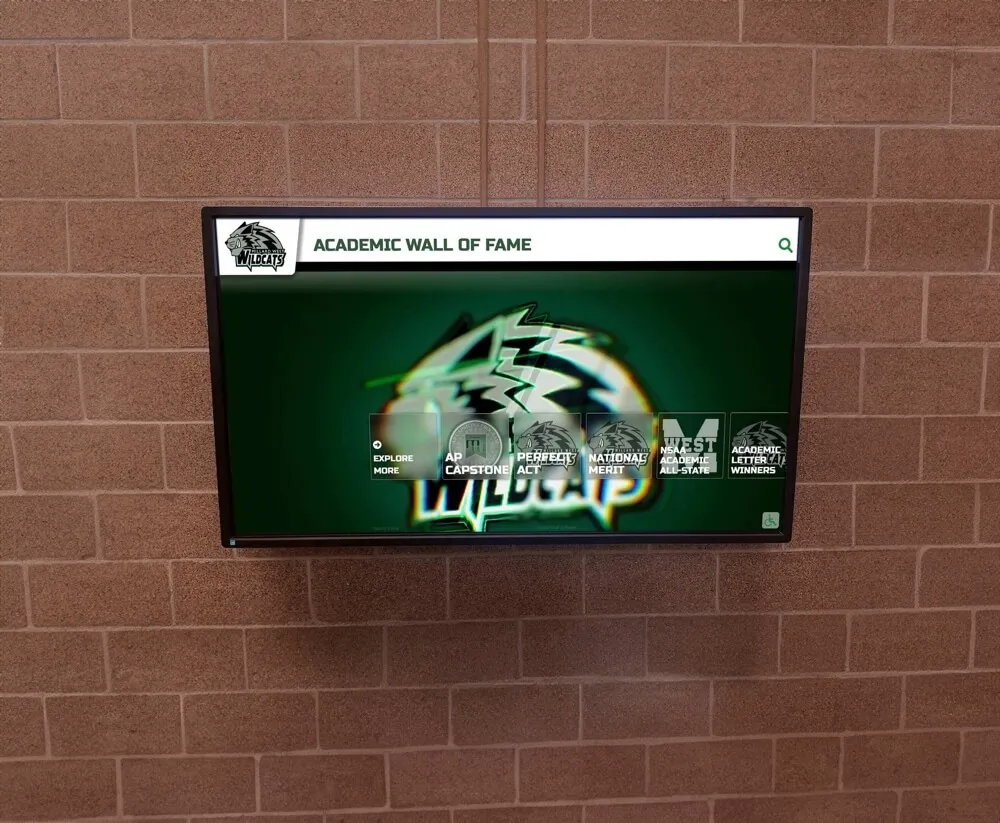
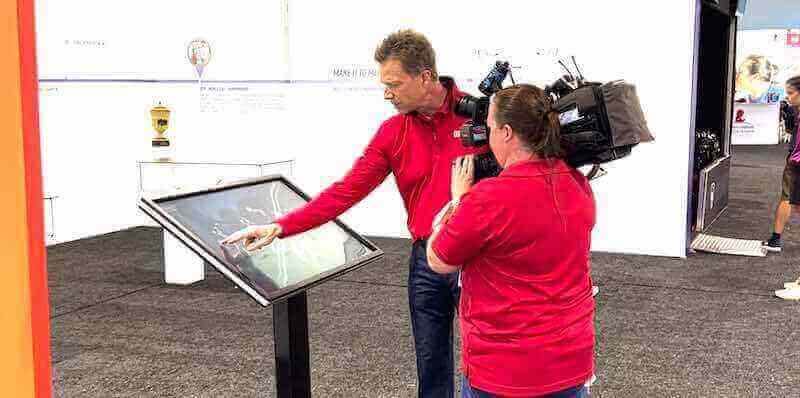
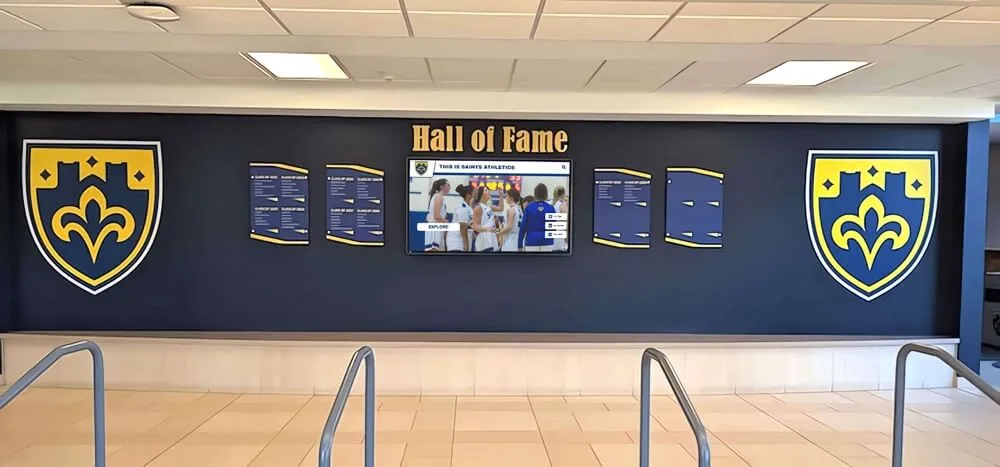
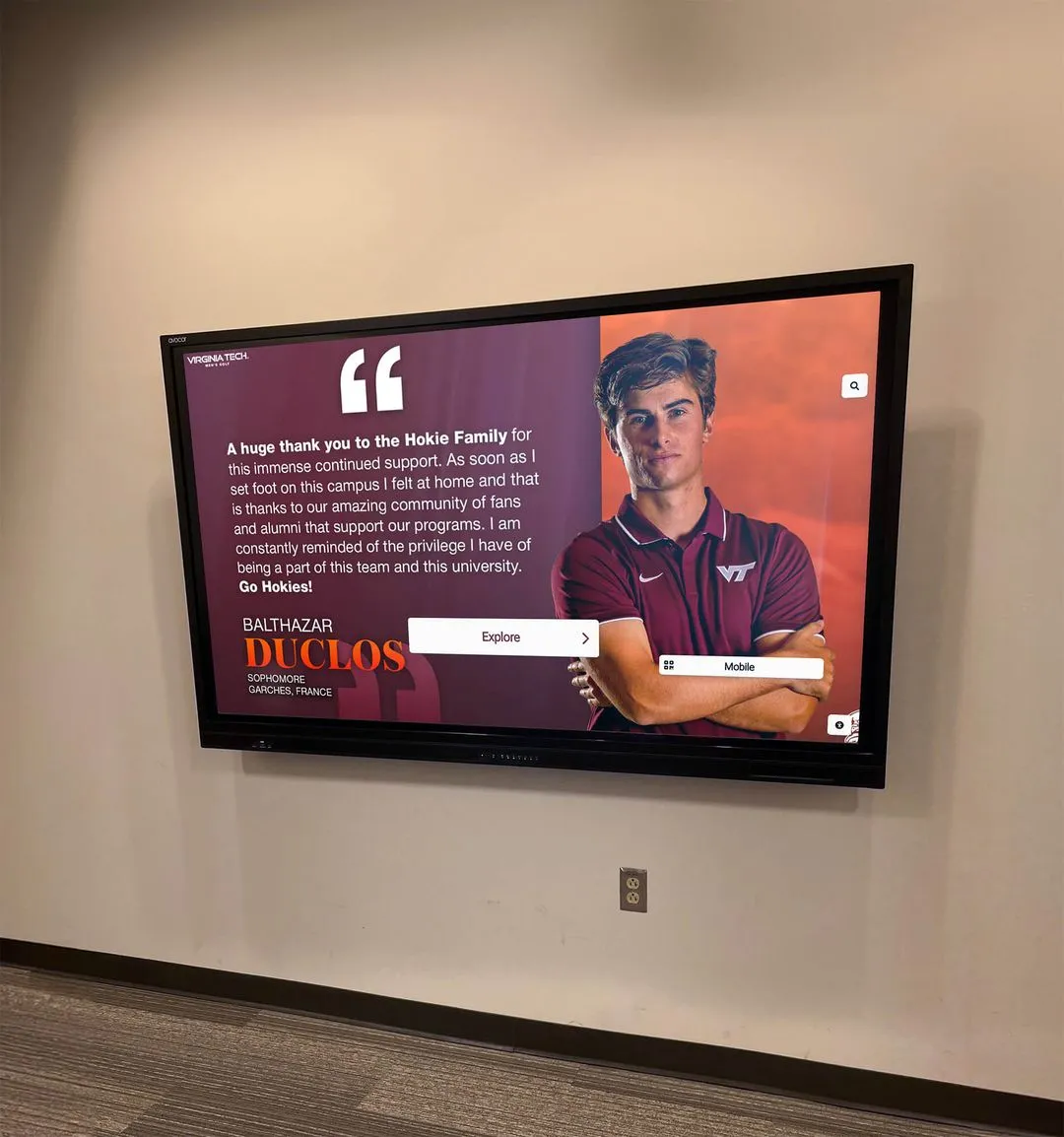
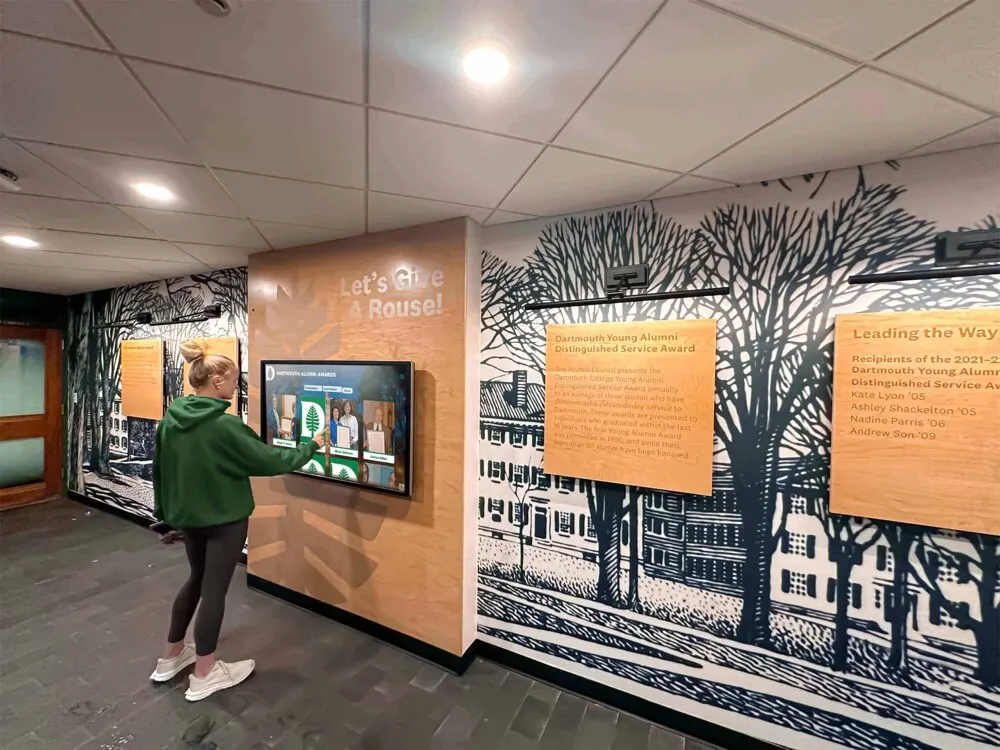
Modern interactive displays enhance alumni events by providing engaging access to institutional history, achievement archives, and connection opportunities
Understanding What Makes Alumni Events Successful
Before exploring specific event ideas, understanding the core elements that drive alumni engagement helps organizations design programming that actually achieves participation goals.
The Psychology of Alumni Engagement
Alumni maintain connections to their alma maters for reasons extending beyond institutional loyalty. Successful events tap into these deeper motivations:
Nostalgia and Shared Experience
Graduates feel emotional connections to the period when they attended school—friendships formed, identities developed, and formative experiences occurred. Events that honor shared memories and recreate beloved traditions provide psychological comfort and connection to meaningful life chapters.
Professional and Career Development
Many alumni seek networking opportunities, industry connections, career advancement resources, and professional community building. Events offering genuine career value attract busy professionals who otherwise might not prioritize institutional engagement.
Desire to Give Back
Successful alumni often feel gratitude for educational opportunities and want to support current students, share expertise, or contribute to institutional mission. Events facilitating meaningful contribution satisfy this desire while strengthening engagement.
Social Connection and Belonging
Humans crave belonging to communities larger than themselves. Alumni events provide opportunities to maintain friendships, meet fellow graduates with shared experiences, and feel part of enduring institutional community.
Common Challenges in Alumni Event Planning
Understanding obstacles helps organizations anticipate issues and design more effective programming:
Competing Priorities and Busy Schedules
Alumni balance careers, families, personal commitments, and numerous other demands on their time. Events must offer sufficient value to justify attendance against competing priorities.
Geographic Dispersion
Many institutions have alumni scattered globally, making campus-based events inaccessible to significant portions of their graduate population. Successful programs include regional chapter events and virtual options.
Generational Differences
Alumni from different decades have varying preferences, communication styles, and engagement expectations. Events designed for recent graduates may not resonate with alumni who graduated 30 years ago, and vice versa.
Limited Institutional Resources
Alumni offices often operate with constrained budgets and small staff teams. Effective event strategies balance ambitious programming with realistic resource availability, often leveraging volunteer alumni leadership.
Measuring Success and Demonstrating Value
Organizations struggle to quantify alumni engagement impact beyond simple attendance numbers. Successful programs establish clear metrics tracking relationship depth, giving patterns, volunteer participation, and student mentorship involvement that demonstrate programming effectiveness to institutional leadership.
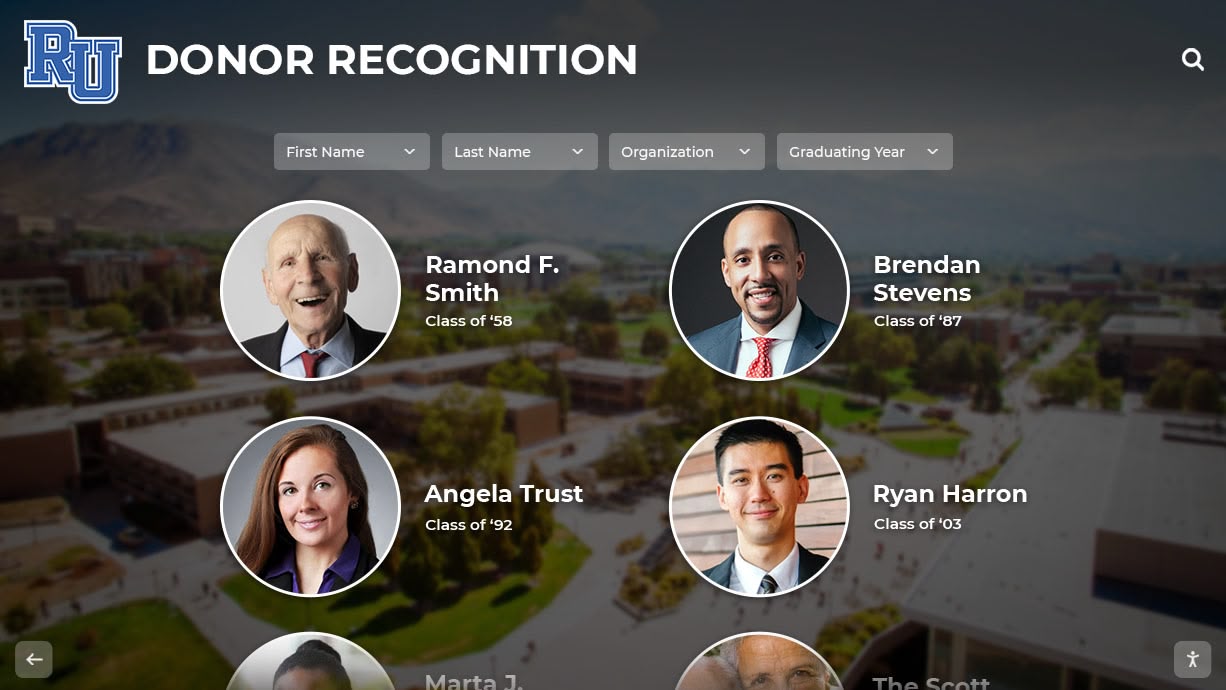
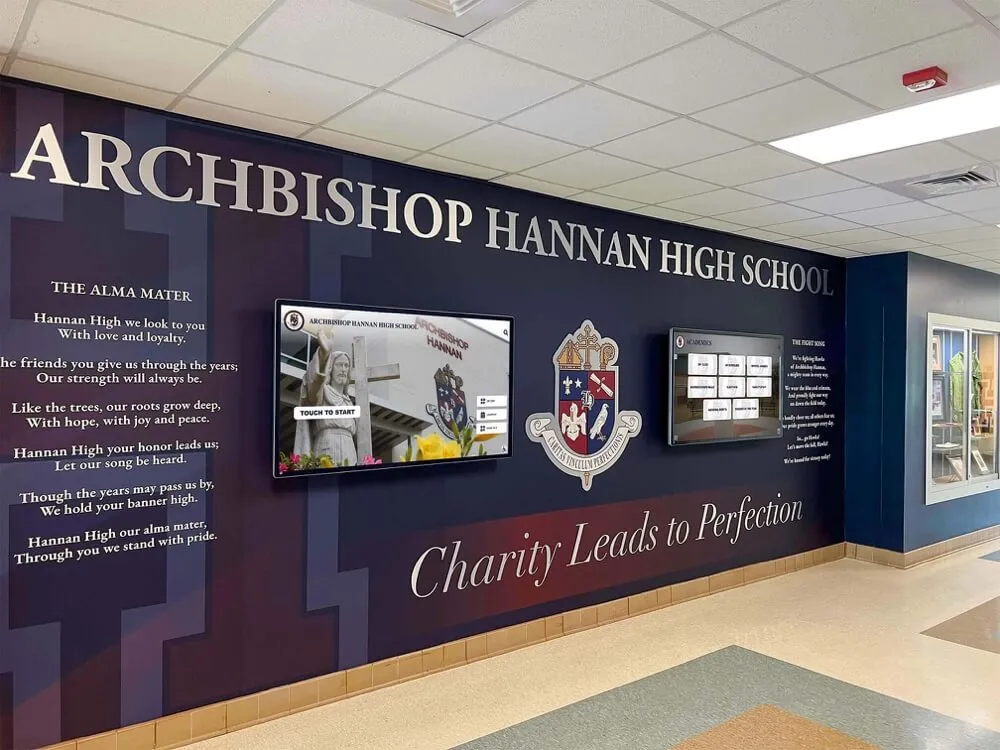
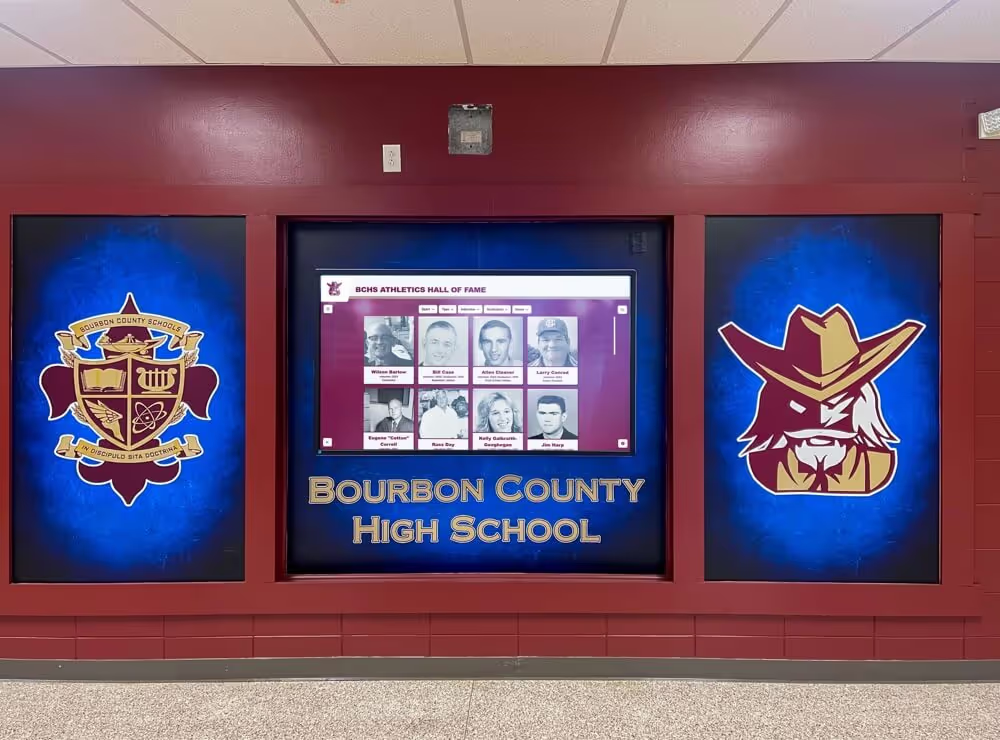
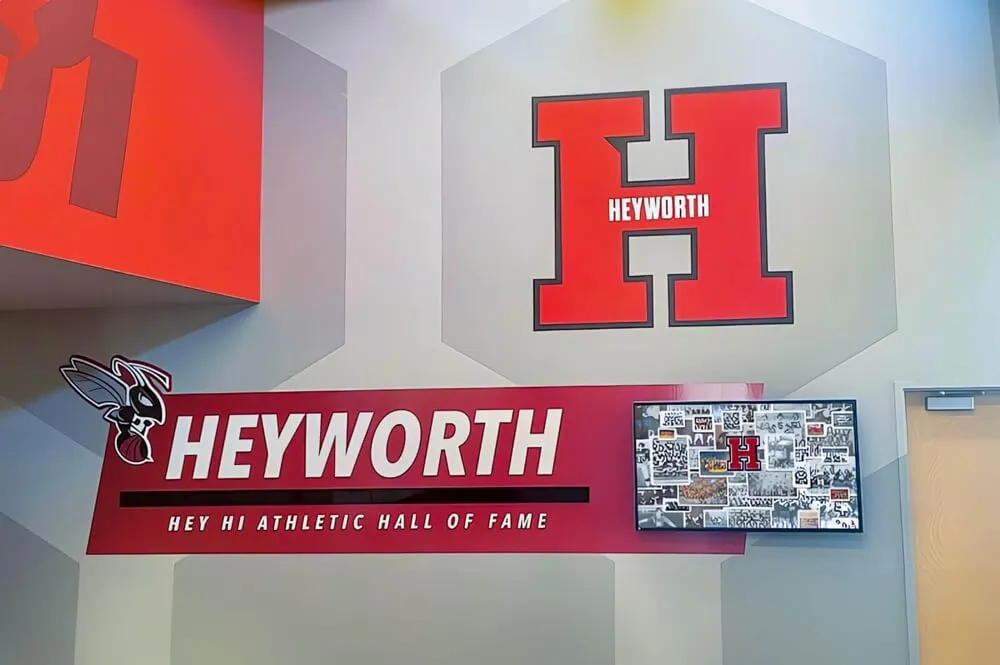
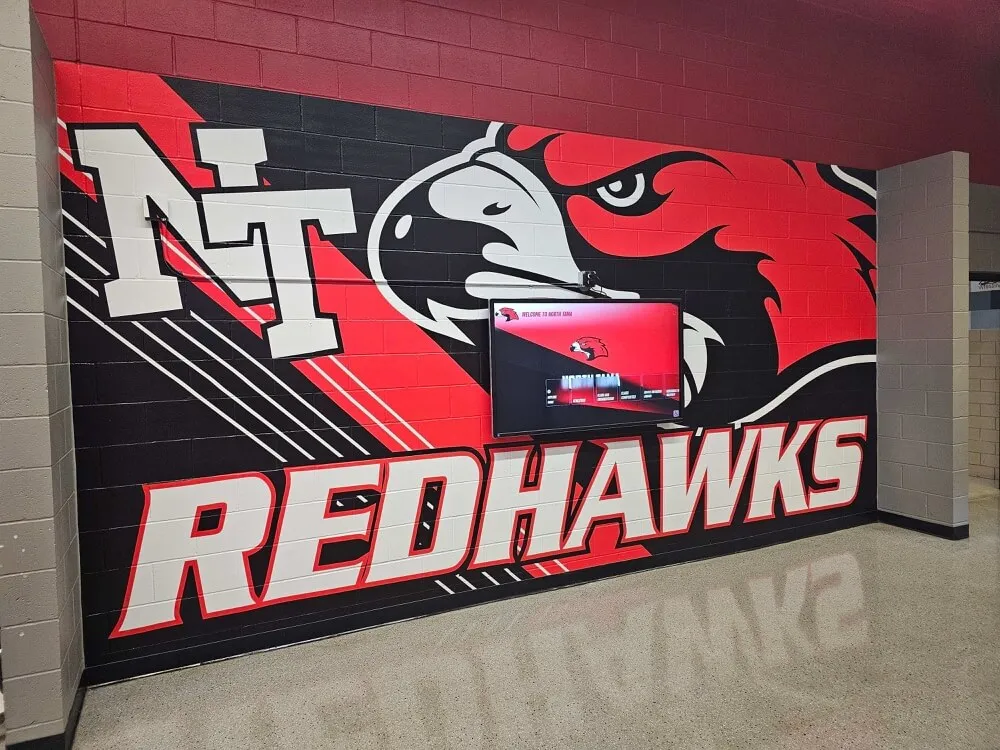
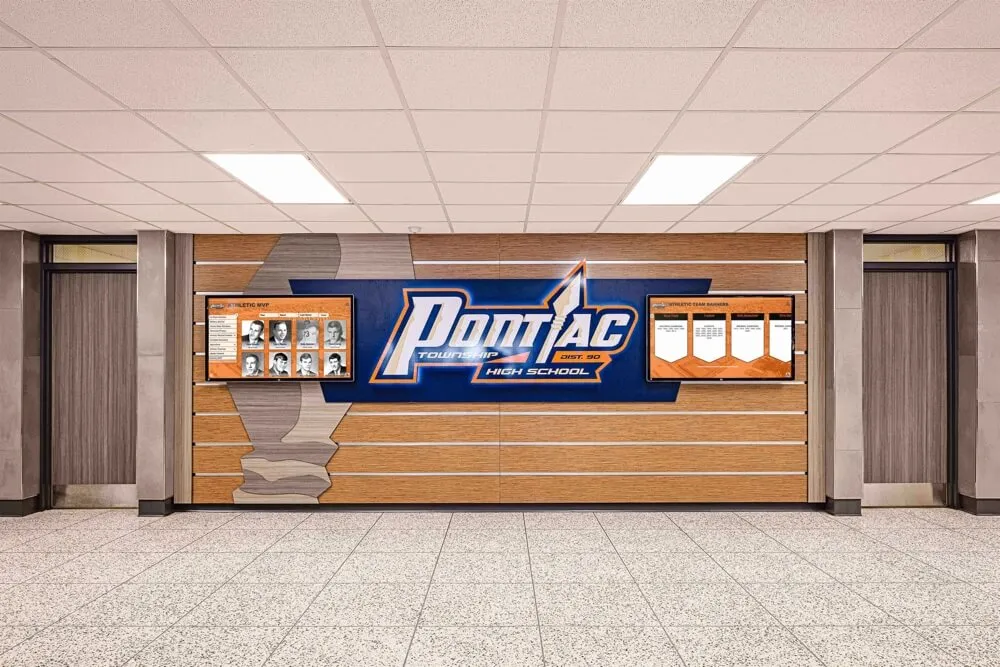
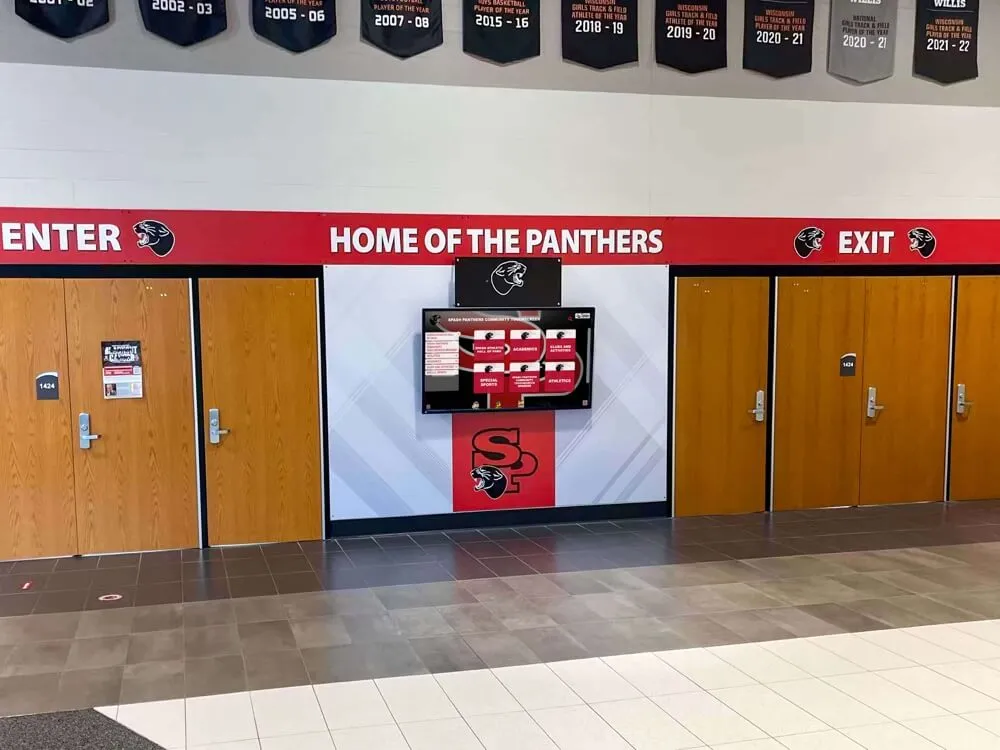
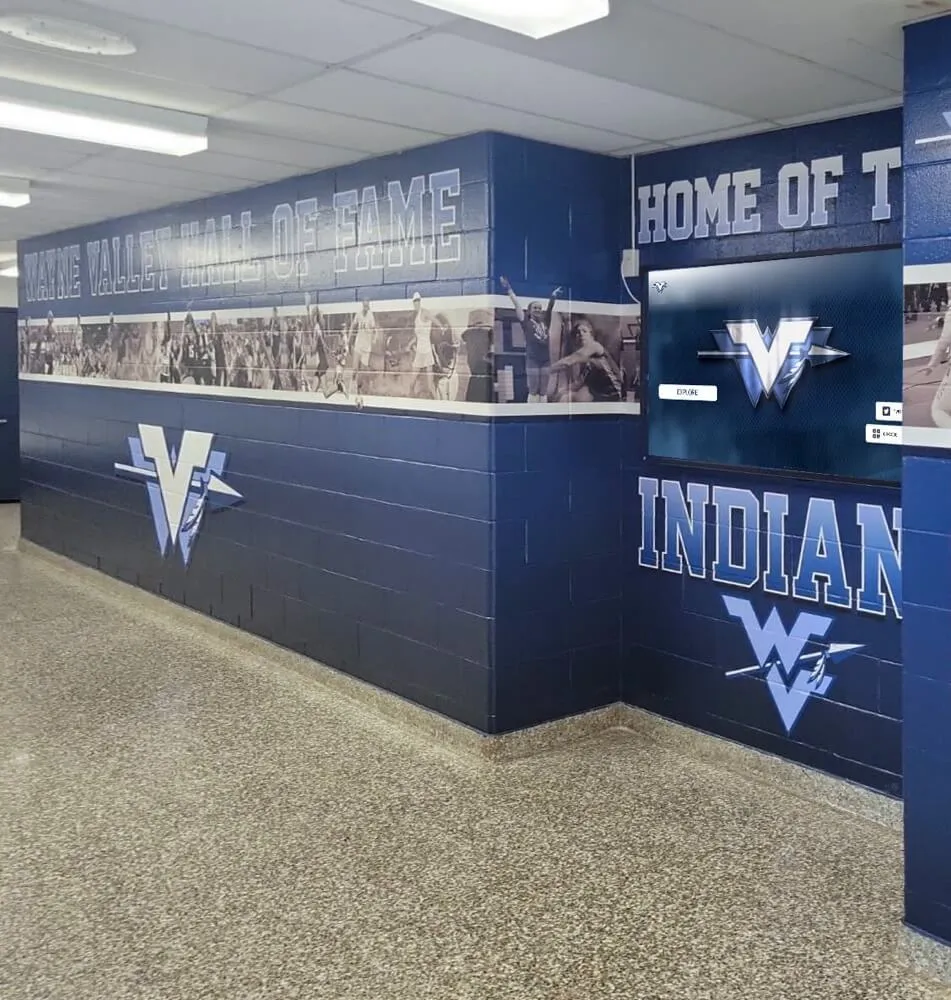
Permanent recognition displays celebrate distinguished alumni and create focal points for event gatherings and institutional storytelling
Professional Development and Career-Focused Events
Alumni seeking career advancement, professional networking, and industry connections respond enthusiastically to events offering genuine professional value rather than purely social programming.
Industry-Specific Networking Mixers
Organize networking events bringing together alumni working in specific industries, career fields, or professional sectors. These focused gatherings create valuable connections while demonstrating institutional commitment to graduates’ career success.
Event Structure and Format
Host evening receptions at professional venues convenient to business districts. Include brief structured networking activities preventing awkward mingling while facilitating meaningful connections. Consider speed networking rotations, small group discussions around industry topics, or facilitated introductions based on career interests and expertise.
Programming Elements
Feature brief presentations from distinguished alumni in the field, provide industry trend updates relevant to attendees, or facilitate panel discussions on career challenges. Keep formal programming concise, allowing substantial time for organic networking and relationship building.
Follow-Up and Connection
Create digital directories enabling attendees to connect after events. Consider establishing industry-specific LinkedIn groups or online communities maintaining connections beyond single event attendance. Solutions like Rocket Alumni Solutions enable institutions to build searchable alumni directories that facilitate ongoing professional networking throughout the year.
Career Development Workshops and Panels
Provide practical career development programming addressing challenges alumni face at various career stages. These events position institutions as valuable professional resources rather than organizations only seeking donations.
Mid-Career Advancement Series
Host workshops on negotiation skills, executive presence, leadership development, or career transition strategies. Engage successful alumni as speakers and facilitators, creating opportunities for distinguished graduates to share expertise while connecting with broader alumni community.
Industry Transition Programs
Create programming for alumni considering career changes, featuring panels of graduates who successfully transitioned between industries, workshops on transferable skills identification, and networking with alumni in target fields.
Entrepreneurship and Innovation Events
For entrepreneurial alumni, organize pitch competitions, startup mentorship programs, or innovation showcases. Connect aspiring entrepreneurs with successful alumni founders, creating mentorship relationships while demonstrating institutional support for graduate business ventures.
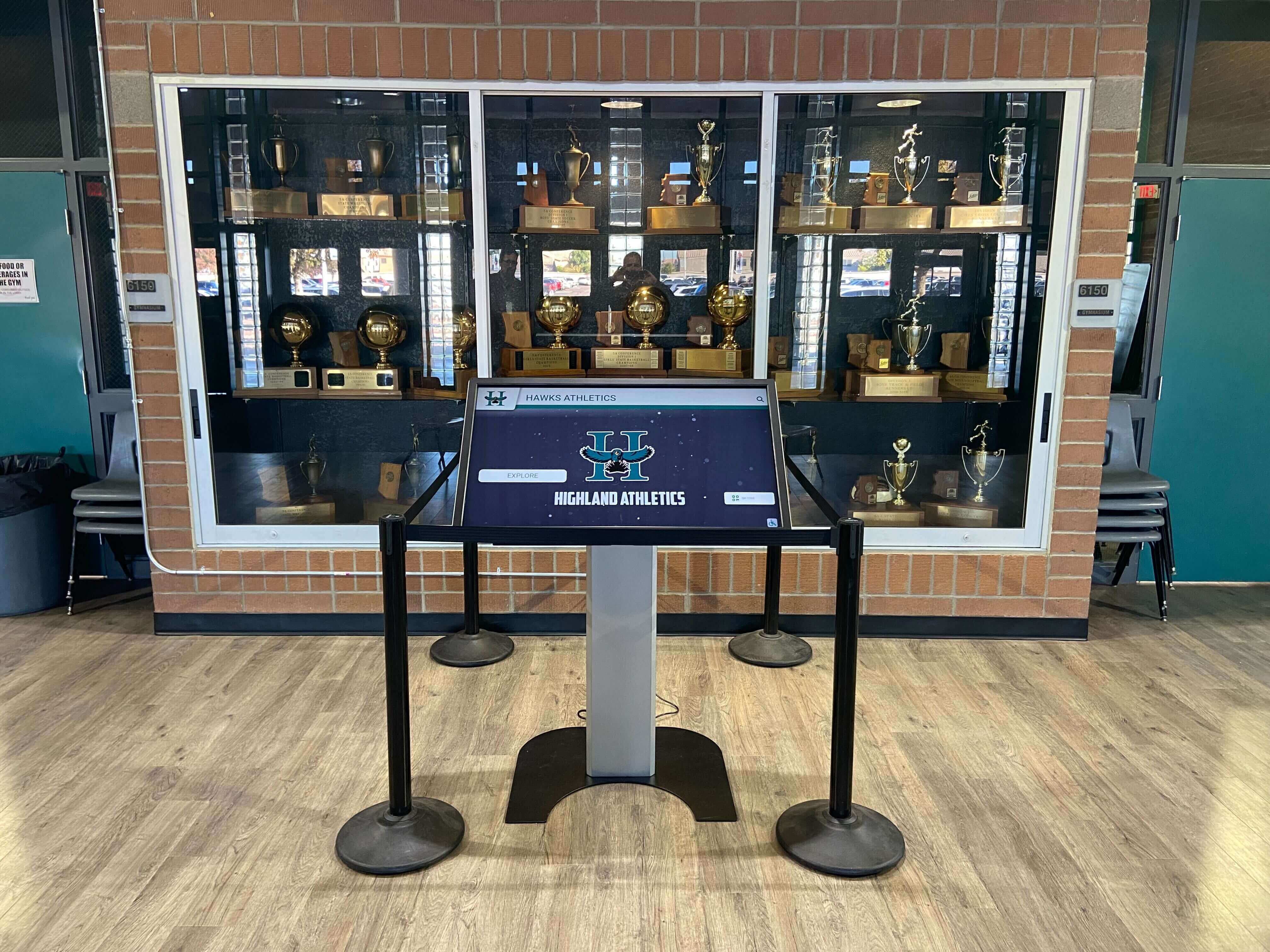
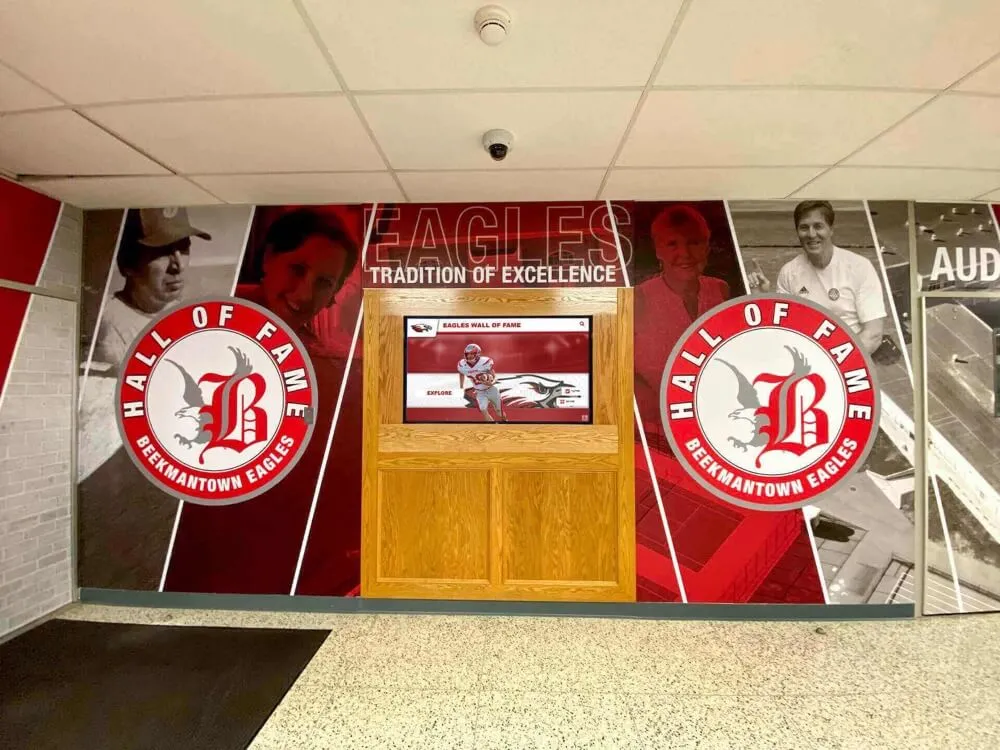
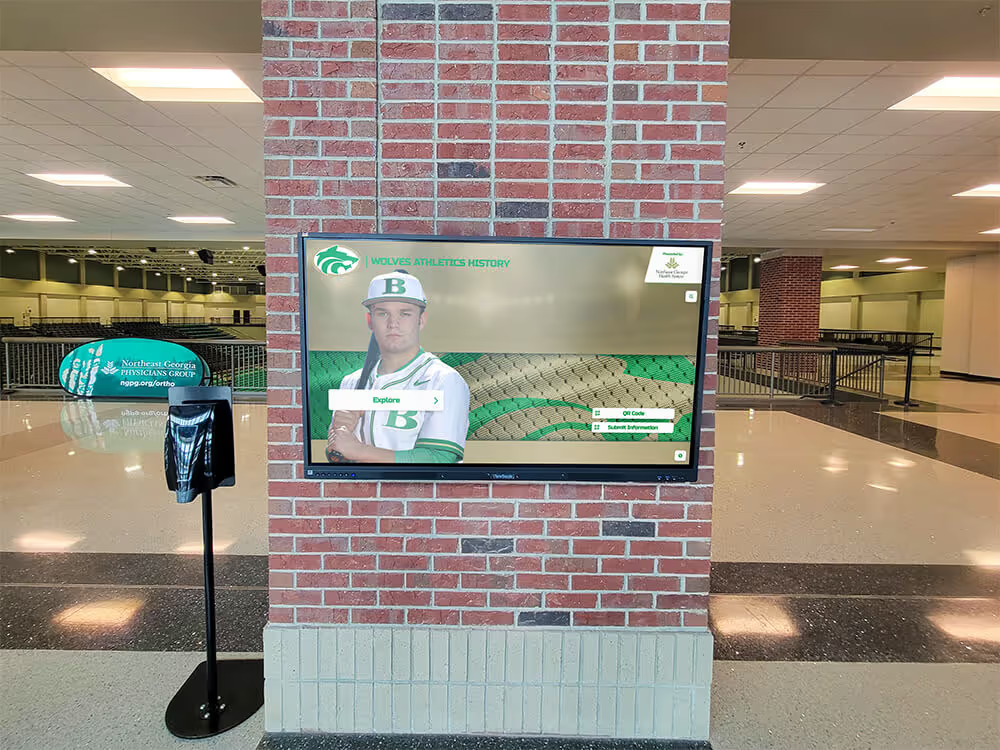
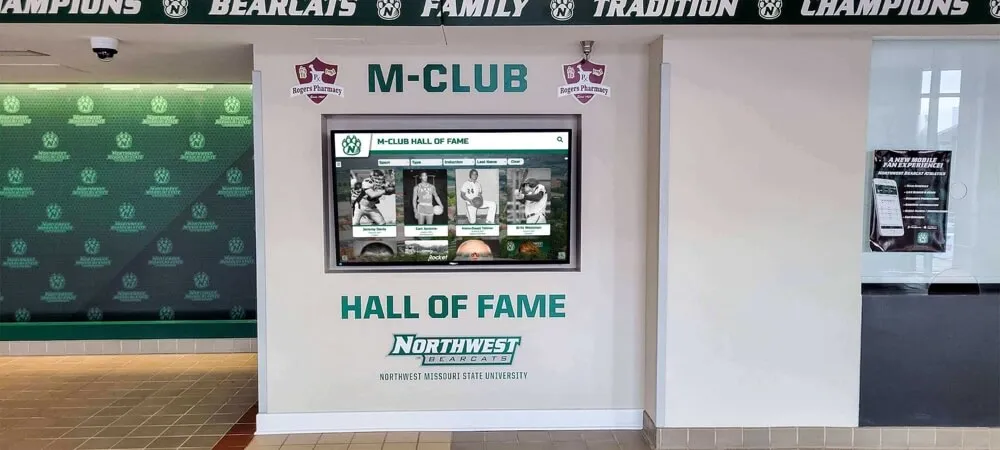
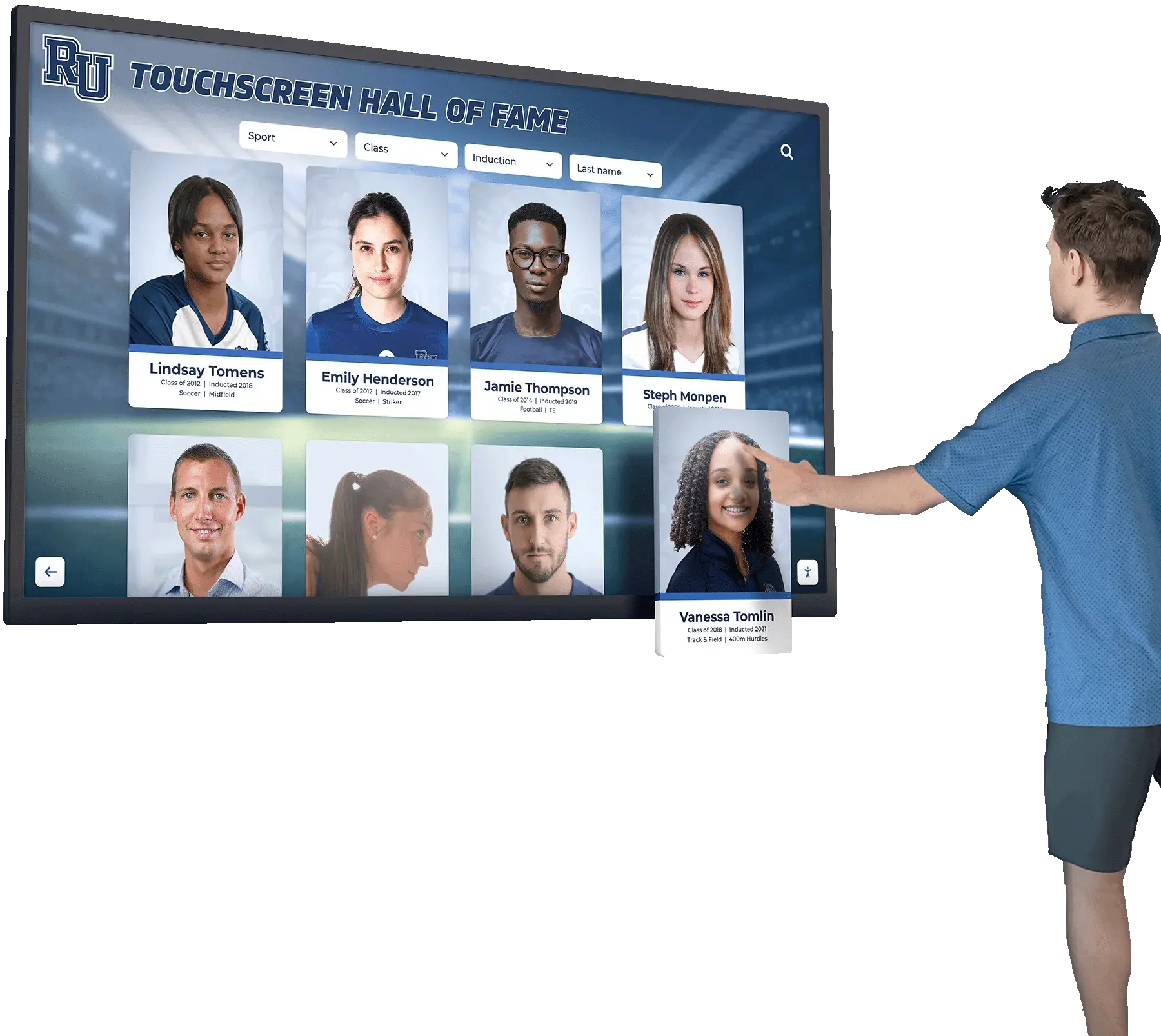
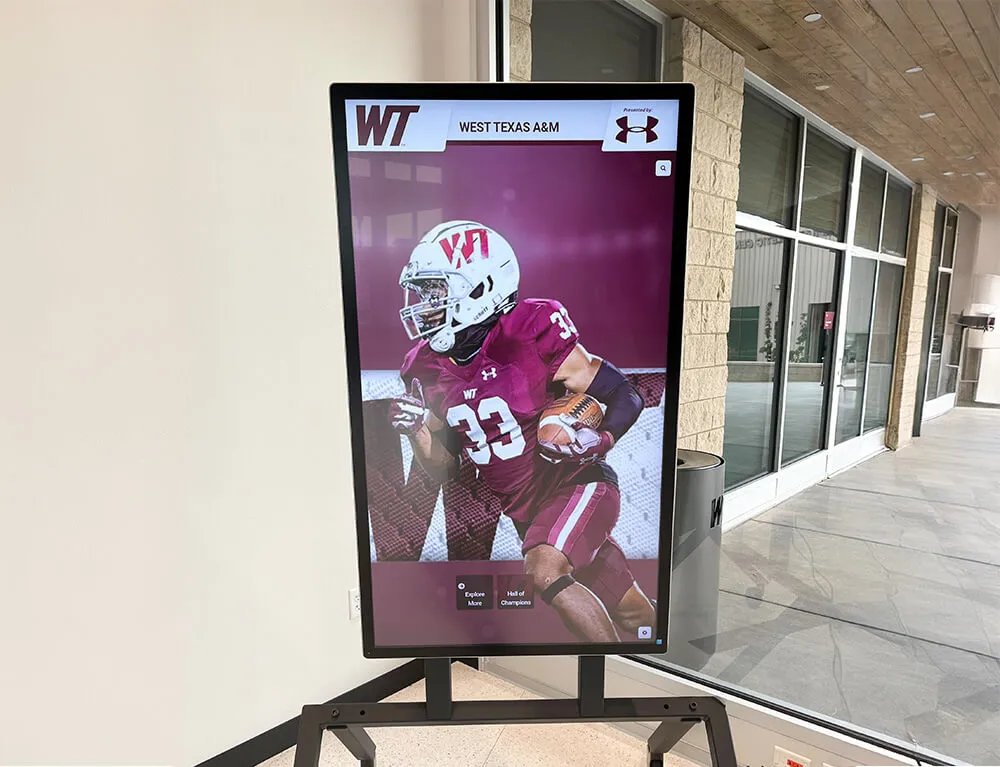
Interactive touchscreen displays at alumni events provide engaging ways for graduates to explore achievement archives and reconnect with institutional history
Mentorship Program Launch Events
Formal mentorship programs connecting experienced alumni with recent graduates create meaningful engagement opportunities for both groups. Launch events establishing these relationships set programs up for success.
Mentorship Kickoff Receptions
Host events pairing mentors and mentees, providing program orientation, establishing expectations, and facilitating initial connections. Include structured activities helping pairs identify shared interests and communication preferences. Student leadership programs benefit tremendously when alumni mentors share real-world career guidance and industry insights.
Industry-Specific Mentorship Circles
Create small group mentorship formats where one experienced alumnus mentors several early-career graduates working in similar fields. Host quarterly gatherings maintaining these relationships while building professional community among participants.
Reverse Mentorship Opportunities
Engage younger alumni as mentors for senior graduates seeking technology expertise, social media guidance, or insights into emerging industry trends. These bidirectional relationships honor expertise across generations while strengthening cross-generational connections.
Social and Community-Building Events
While professional development attracts many alumni, social programming remains essential for building genuine community and emotional institutional connections.
Reunion Weekend Programming
Traditional class reunions remain cornerstone events for many alumni programs. Successful reunion weekends balance nostalgia with fresh experiences while accommodating diverse attendee preferences.
Multi-Generational Reunion Models
Rather than hosting separate events for each graduation class, consider organizing reunions by decade or five-year clusters. This approach creates larger gatherings with critical mass for interesting programming while reducing administrative burden of coordinating numerous small events.
Campus Tours Highlighting Changes
Graduates love seeing how campuses have evolved since their time as students. Organize guided tours showcasing new facilities, academic programs, and institutional achievements. Include opportunities to visit old residence halls, favorite hangout spots, and significant campus landmarks triggering fond memories.
Reunion Traditions and Ceremonies
Create meaningful ceremonies recognizing reunion milestones—50-year reunion classes, for example, might receive special recognition or participate in symbolic passing of institutional traditions to younger generations. These rituals strengthen emotional connections while honoring lifelong institutional relationships.
Family-Friendly Activities
Many reunion attendees bring families. Include activities engaging children and spouses, from campus scavenger hunts to recreational activities to family-friendly entertainment. This approach introduces next generations to institutional community while making attendance more feasible for alumni with young children.
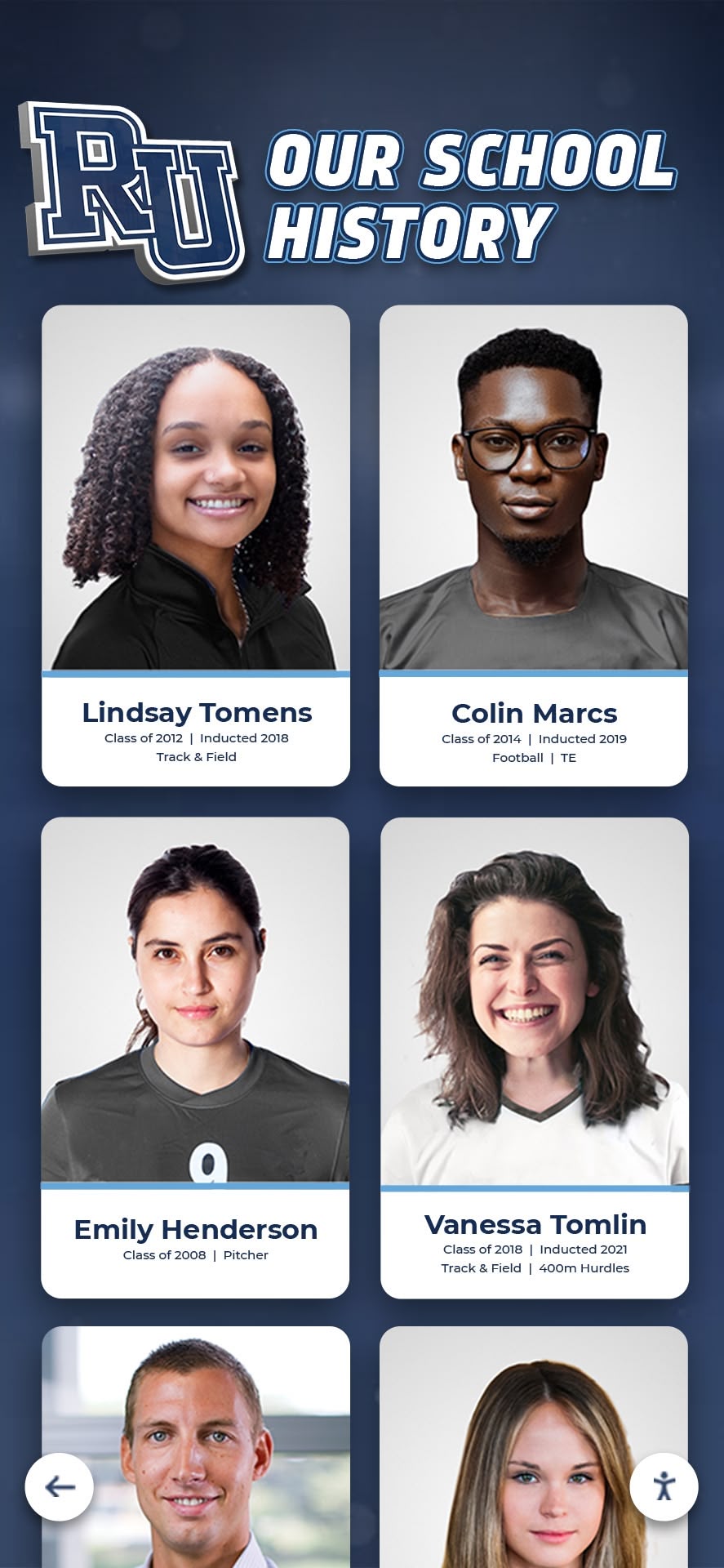
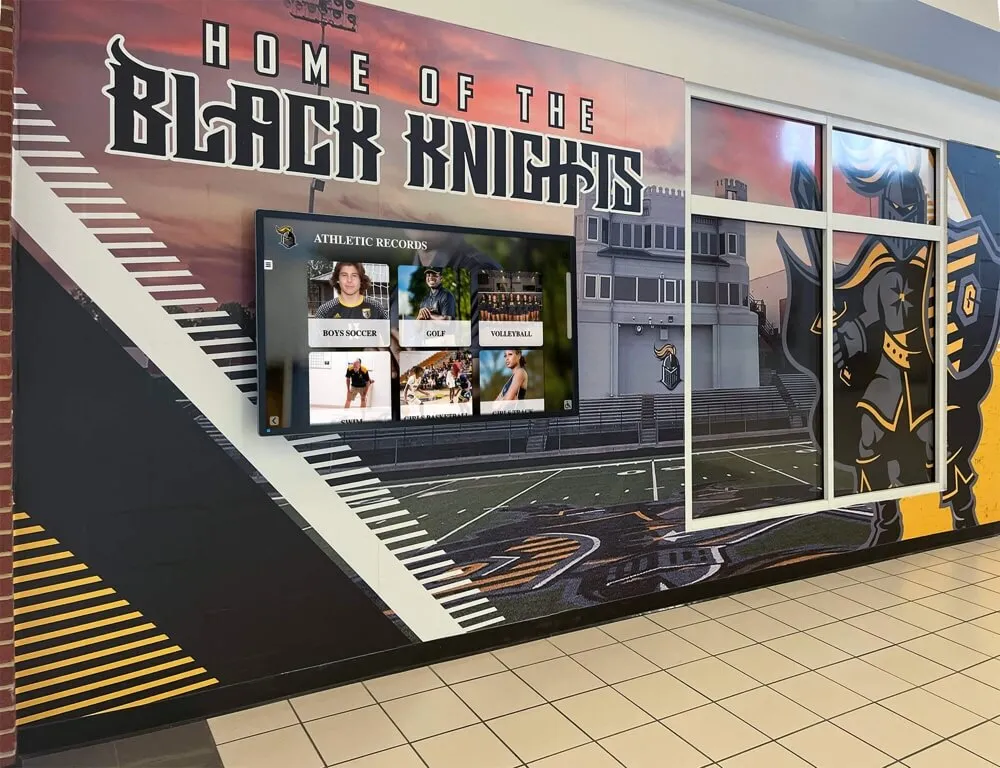
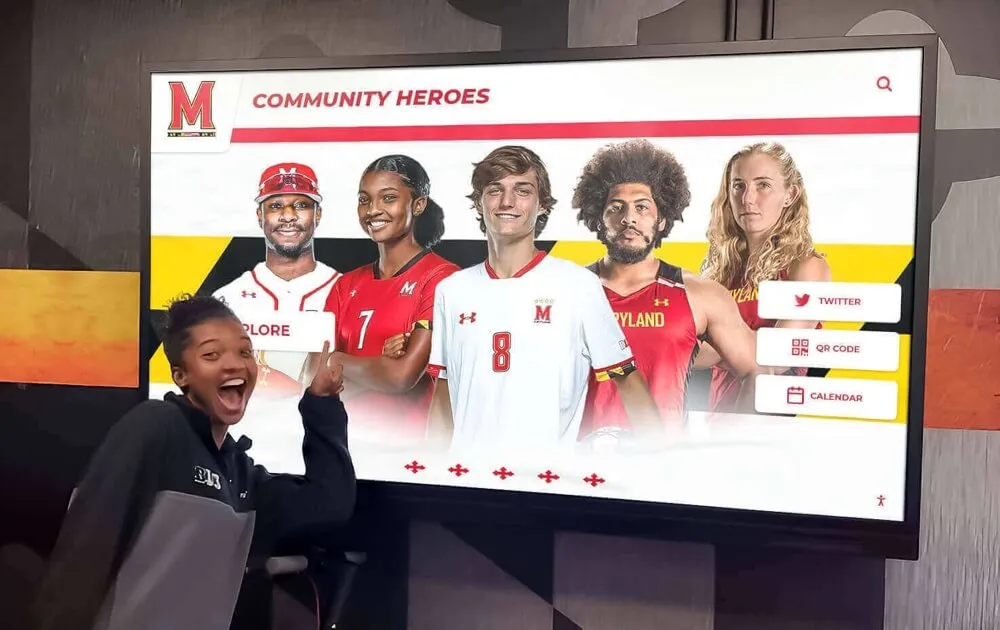
Portrait displays featuring distinguished alumni create visual celebration of institutional legacy during reunion events and gatherings
Regional Chapter Events
For geographically dispersed alumni populations, regional chapter events bring institutional connection to where graduates live rather than requiring travel back to campus.
City-Based Social Gatherings
Organize regular social gatherings in cities with significant alumni concentrations. Host happy hours at local restaurants, arrange group outings to cultural events, or organize community service projects allowing regional alumni to connect while giving back to their current communities.
Regional Professional Networking
Create regional networking events connecting alumni working in the same metropolitan areas. These gatherings serve dual purposes—building relationships between graduates while demonstrating institutional commitment to career support regardless of geographic location.
Admission Support Events
Engage regional alumni in supporting admission efforts by hosting information sessions for prospective students, interviewing applicants, or participating in admitted student receptions. These activities allow graduates to contribute meaningfully while strengthening their institutional connections.
Interest-Based Affinity Groups
Beyond geographic chapters, organize events around shared interests, identities, or experiences creating diverse entry points for alumni engagement.
Alumni Athletic Events
For athletics-focused institutions, organize alumni games allowing graduates to compete in their former sports. Host alumni basketball tournaments, golf outings, tennis round-robins, or 5K runs bringing together graduates who shared athletic experiences. Many schools maintain athletic recognition displays that celebrate both current achievements and alumni athletic legacies.
Performing Arts Alumni Events
Bring together alumni who participated in theater, music, dance, or other performing arts. Organize alumni concerts, theater productions, or recitals showcasing graduate talent while rekindling shared creative experiences. Include backstage tours of performing arts facilities and opportunities to interact with current student performers.
Greek Life and Social Organization Gatherings
For institutions with fraternities, sororities, or other social organizations, facilitate chapter-specific gatherings bringing together members across multiple graduating classes. These events strengthen both organizational and institutional loyalty while honoring important aspects of graduates’ student experiences.
Academic Department Reunions
Organize events bringing together alumni who majored in specific academic disciplines. Host department-focused lectures, research presentations, or discussions with current faculty about field developments. These gatherings appeal to graduates whose strongest institutional connections stem from academic experiences rather than social activities or athletics.
Educational and Intellectual Engagement
Alumni who valued intellectual aspects of their educational experiences respond enthusiastically to programming offering continued learning opportunities and academic engagement.
Distinguished Speaker Series
Invite prominent alumni, faculty members, or external experts to deliver lectures on topics relevant to institutional mission and alumni interests.
Alumni Achievement Lectures
Feature successful alumni sharing professional journeys, career insights, or expertise in their fields. These events simultaneously honor distinguished graduates while providing valuable content attracting broad alumni attendance. Establish lecture series recognizing the most accomplished graduates, creating prestigious honor that motivates participation.
Faculty Research Presentations
Showcase cutting-edge research conducted by institutional faculty. Present complex academic work in accessible formats allowing non-specialist audiences to understand exciting developments in various fields. These events demonstrate continued institutional excellence while reconnecting alumni with academic aspects of their educational experience.
Current Events and Trend Analysis
Host discussions on contemporary issues, industry trends, or societal developments relevant to alumni interests and institutional expertise. Create panel formats facilitating diverse perspectives and engaging dialogue rather than one-way presentations.
Continuing Education Opportunities
Provide learning opportunities allowing alumni to develop new skills, explore emerging fields, or pursue intellectual interests.
Professional Skills Workshops
Offer short-format workshops teaching practical skills valuable in contemporary workplace environments—data analysis, presentation skills, digital marketing, project management, or emerging technology competencies. Keep programming concise and immediately applicable, respecting alumni time constraints.
Personal Enrichment Classes
Beyond professional development, provide classes on topics alumni pursue for personal fulfillment—creative writing, photography, art appreciation, cooking, or wellness topics. These offerings demonstrate institutional commitment to graduates’ whole-life flourishing rather than narrowly transactional relationships.
Certificate Programs for Alumni
Develop formal continuing education certificate programs allowing alumni to gain recognized credentials in specific areas. These extended programs create sustained engagement over multiple sessions while providing genuine career value justifying time and potential fee investment.
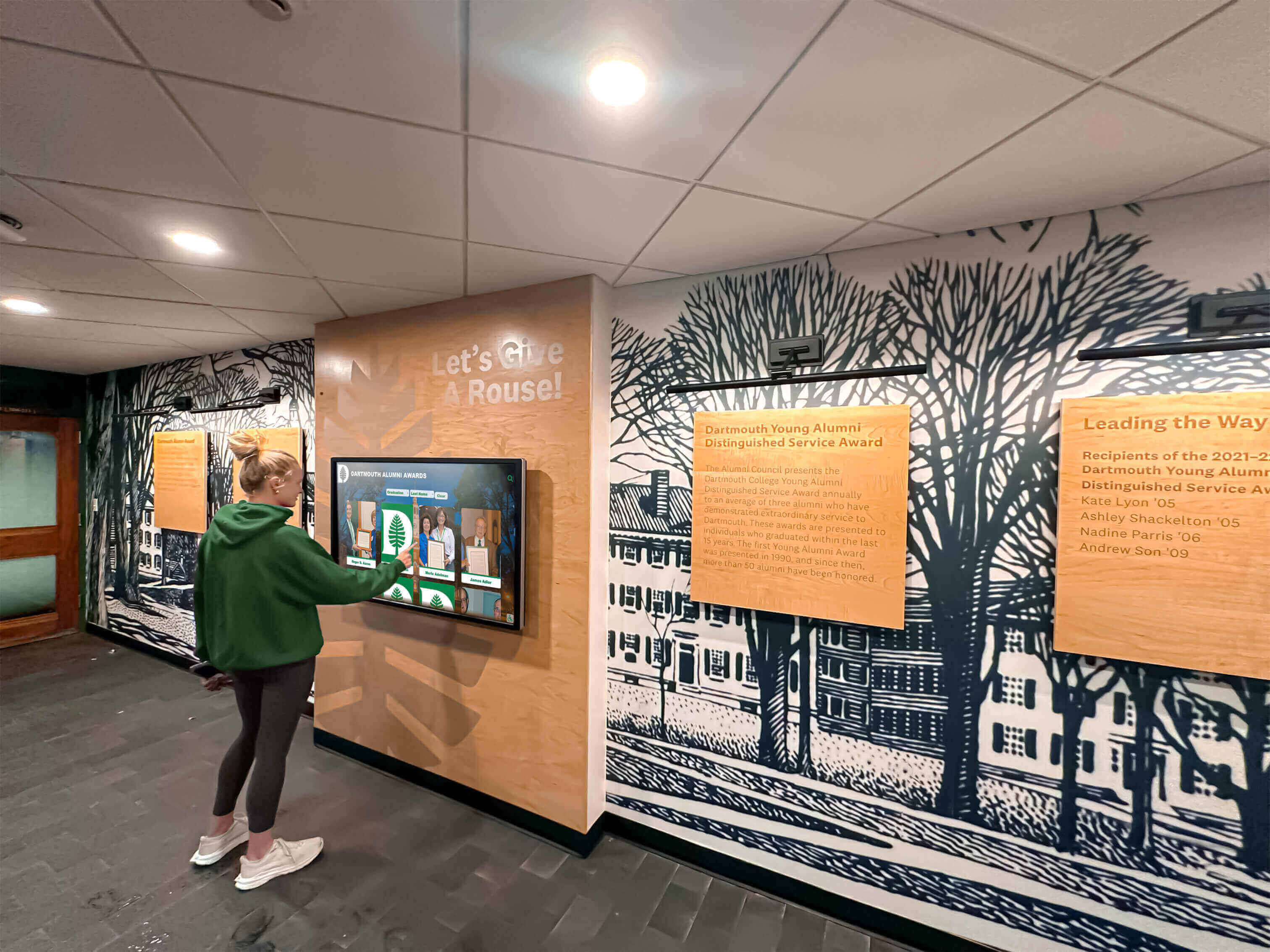
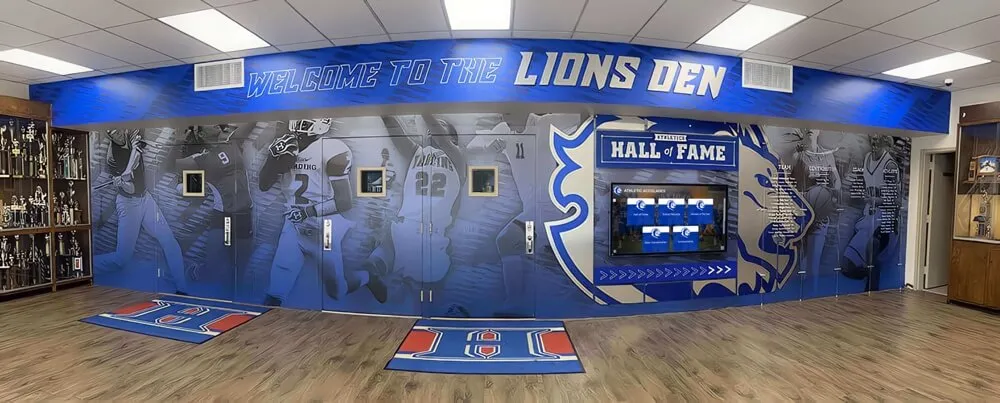
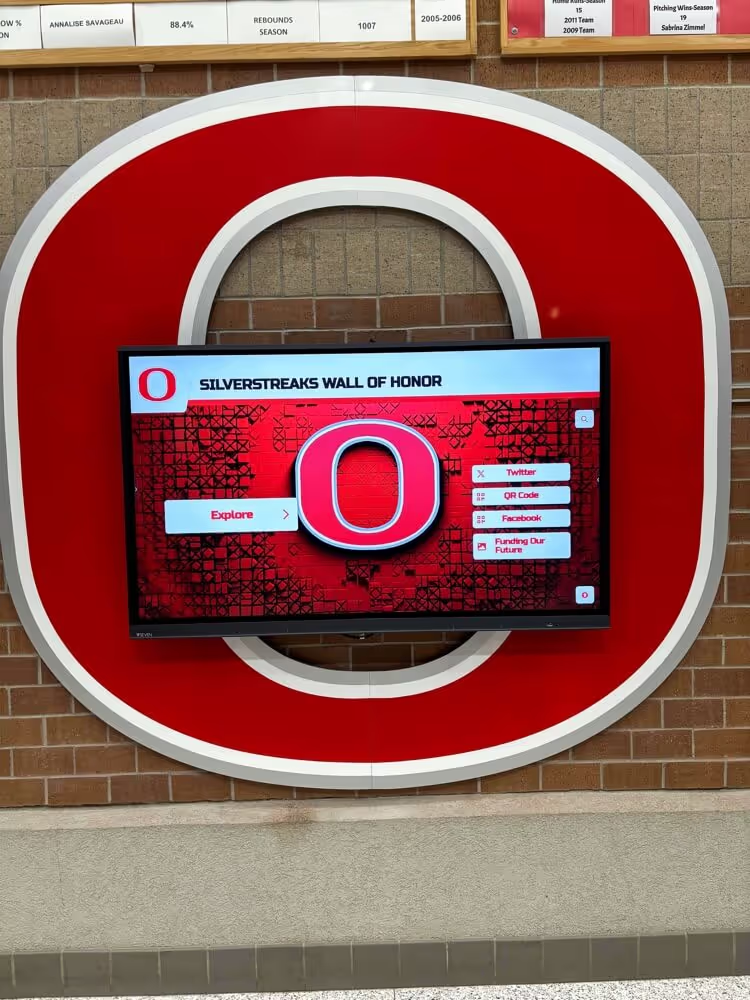
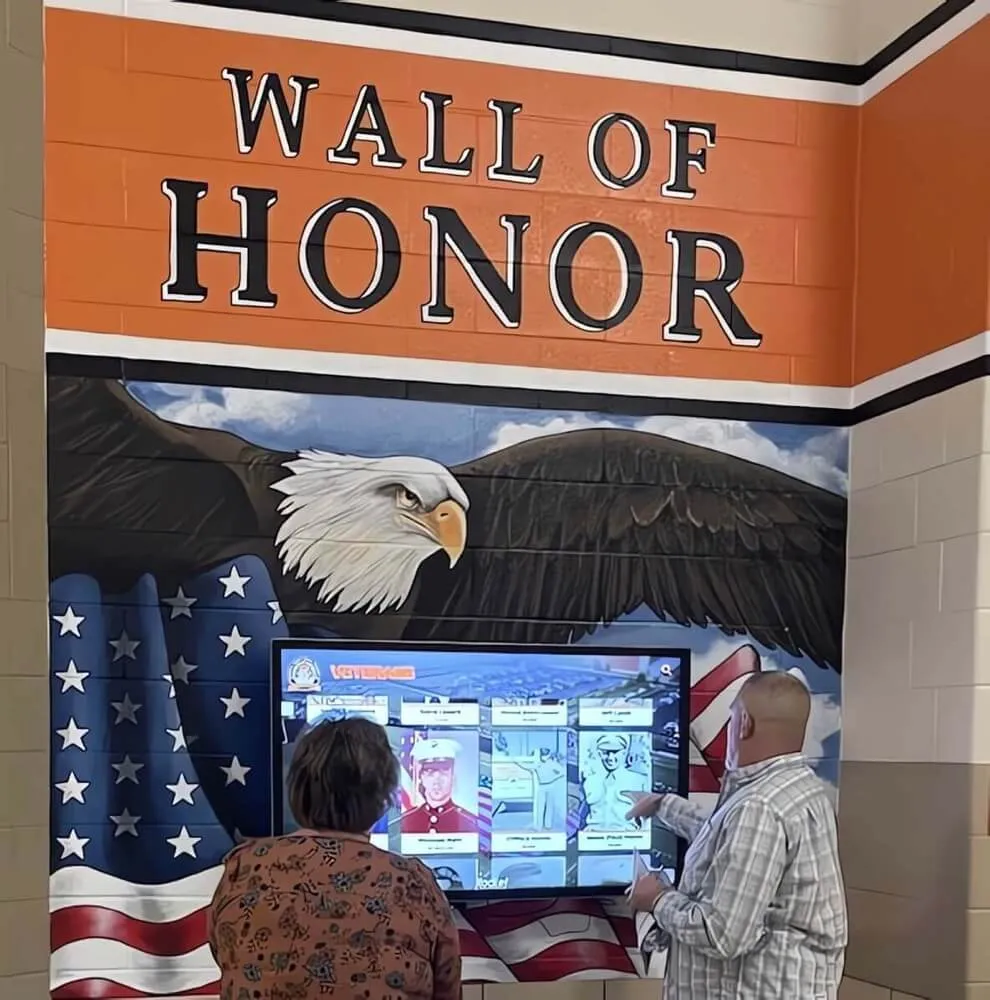
Interactive alumni displays serve as engaging focal points during campus events, allowing both current students and returning graduates to explore shared institutional heritage
Student-Alumni Connection Events
Events directly connecting current students with alumni graduates create tremendous value for both groups while strengthening alumni sense of institutional contribution.
Alumni Career Panels and Workshops
Bring alumni back to campus to share career insights, industry knowledge, and professional advice with current students preparing to launch their own careers.
Career Path Panels
Organize panels featuring alumni working in various careers within specific industries or sectors. Allow students to hear diverse perspectives on entry pathways, career progression, industry challenges, and success factors. Include substantial Q&A time enabling students to ask questions most relevant to their situations and concerns.
Resume Review and Interview Prep Sessions
Engage alumni in providing practical career preparation support—reviewing student resumes, conducting mock interviews, or offering application advice. These one-on-one or small group interactions create meaningful connection opportunities while delivering tangible student value.
Networking Skills Workshops
Many students lack confidence in professional networking contexts. Invite alumni to facilitate workshops teaching networking strategies, then create structured networking practice opportunities allowing students to develop skills in supportive environments with engaged graduates.
Shadowing and Externship Programs
Create opportunities for students to shadow alumni at their workplaces, observe professional environments, and gain practical career insights.
Day-in-the-Life Experiences
Arrange for students to spend days shadowing alumni in their professional settings. These experiences provide invaluable career exploration opportunities while allowing alumni to share expertise and workplace culture with next generations. For schools emphasizing leadership development, connecting students with alumni leaders creates powerful mentorship and role modeling.
Short-Term Externships
Organize week-long or semester-long externship opportunities allowing students extended workplace exposure. These programs benefit students through practical experience while creating sustained alumni engagement through meaningful contribution to student development.
Virtual Workplace Tours
For geographically distant alumni or pandemic-influenced contexts, create virtual workplace tour opportunities using video conferencing. Alumni can show students their professional environments, introduce colleagues, and discuss their career paths without requiring travel logistics.
Student Performance and Exhibition Showcases
Invite alumni to attend student performances, exhibitions, competitions, or presentations in their former areas of involvement.
Alumni Guest Artist Series
For performing arts programs, invite accomplished alumni to perform for current students, conduct masterclasses, or provide artistic mentorship. These events celebrate graduate achievement while inspiring current students and maintaining alumni connection to artistic programs that shaped their development.
Academic Poster Sessions and Research Showcases
Engage alumni as judges or attendees at student research presentations, senior capstone exhibitions, or academic competitions. Alumni provide valuable external perspectives while demonstrating continued interest in institutional academic excellence.
Athletic Event Alumni Celebrations
Beyond hosting alumni games, create special alumni celebration nights at current student athletic competitions. Recognize distinguished former athletes during halftime ceremonies, organize pre-game receptions, or facilitate opportunities for current athletes to meet accomplished predecessors in their sports.
Recognition and Celebration Events
Events specifically honoring alumni achievements strengthen engagement while demonstrating that institutions value graduates’ contributions and successes beyond their student years.
Distinguished Alumni Awards
Formal recognition programs honoring exceptional alumni create prestigious celebrations attracting broad participation while elevating institutional reputation through association with accomplished graduates.
Selection Process and Criteria
Establish transparent nomination and selection processes identifying alumni who have achieved exceptional professional success, made significant contributions to their communities, demonstrated exemplary leadership, or brought distinction to their alma maters through notable accomplishments. Consider creating multiple award categories recognizing diverse achievement types—professional excellence, community service, creative achievement, young alumni leadership, or lifetime contribution.
Awards Gala or Ceremony
Host elegant evening events celebrating award recipients. Include formal recognition ceremonies with tributes describing honorees’ accomplishments, opportunities for recipients to address attendees, and receptions facilitating networking and celebration. These galas serve as premier institutional events attracting alumni, donors, faculty, and community leaders.
Permanent Recognition Displays
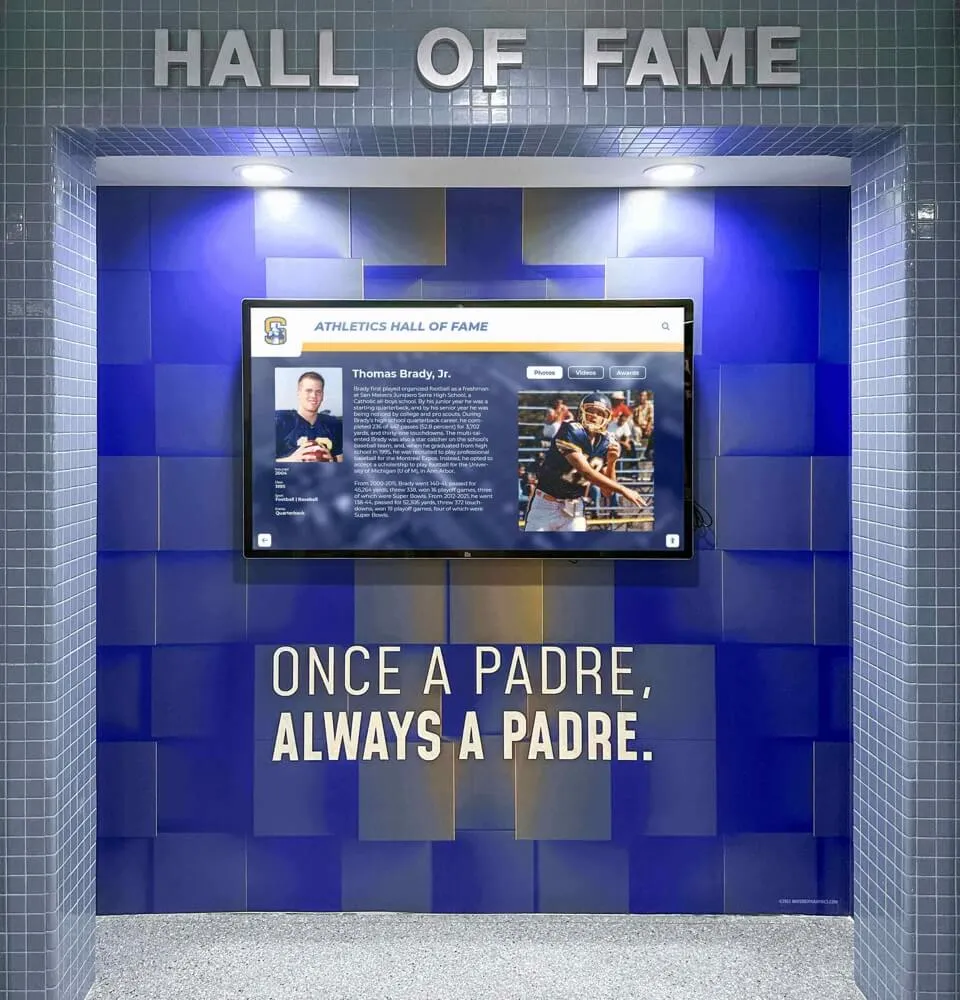
Create lasting tributes to distinguished alumni through permanent displays showcasing award recipients and their accomplishments. Digital recognition solutions like those from Rocket Alumni Solutions allow institutions to create dynamic, searchable alumni achievement archives that preserve honoree stories while providing engaging access to institutional legacy. These displays serve as year-round celebration of graduate excellence while creating focal points for future alumni events and campus tours.
Milestone Anniversary Celebrations
Honor significant institutional anniversaries by bringing together alumni who share historical connections to milestone moments.
Founding Anniversary Events
Celebrate institutional founding anniversaries with events bringing together alumni spanning decades. Include historical presentations, archival displays, and storytelling opportunities allowing different generations to share their institutional experiences and perspectives on how alma maters have evolved.
Program or Facility Dedication Ceremonies
When opening new facilities, launching academic programs, or achieving institutional milestones, engage alumni in dedication ceremonies. These events create opportunities for graduates to witness institutional progress while feeling connected to ongoing development and future directions.
Historical Reunion Gatherings
Organize special reunions for alumni who experienced significant historical moments together—championship teams, historic performances, or institutional challenges successfully navigated. These focused gatherings honor shared experiences while preserving institutional memory.
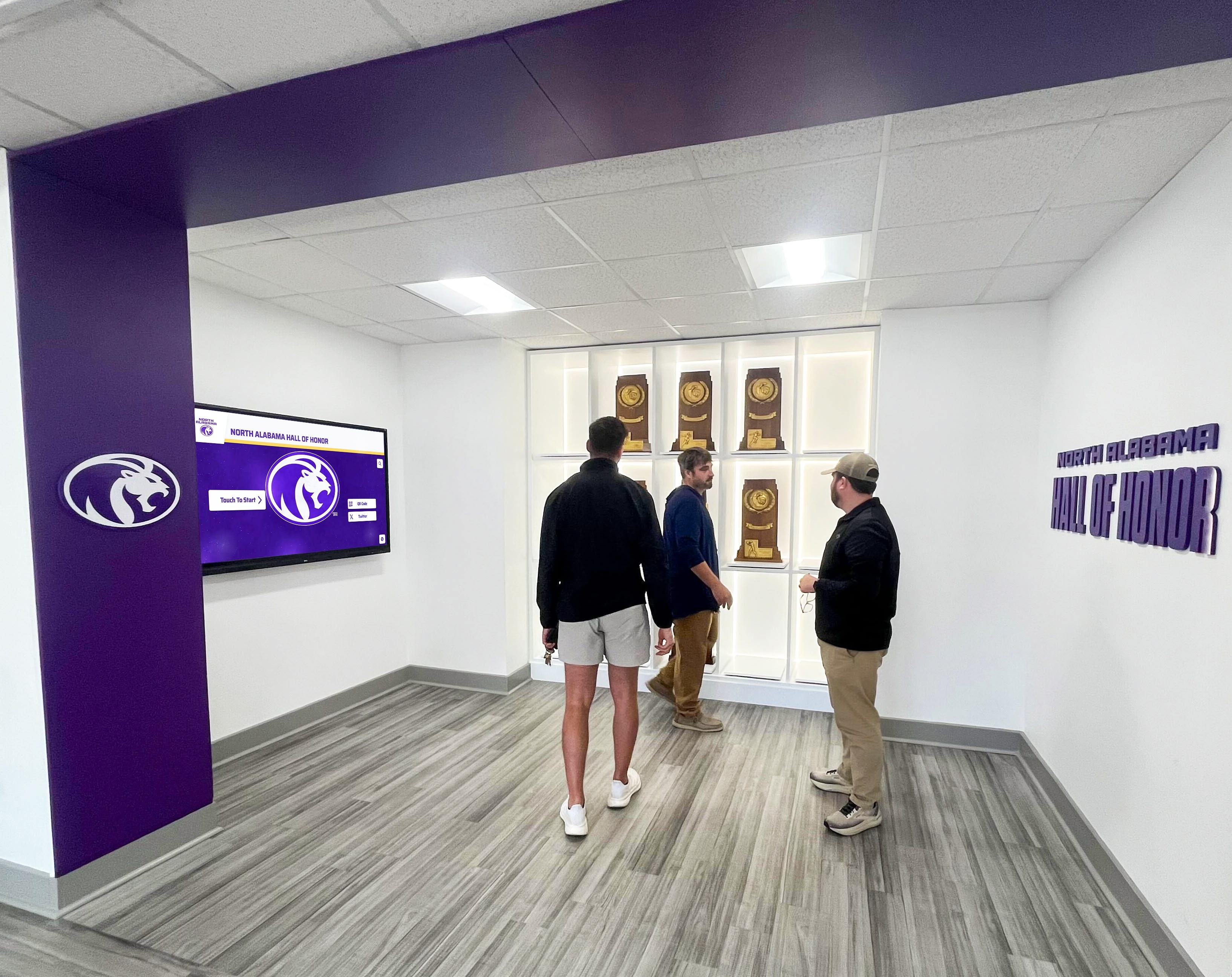
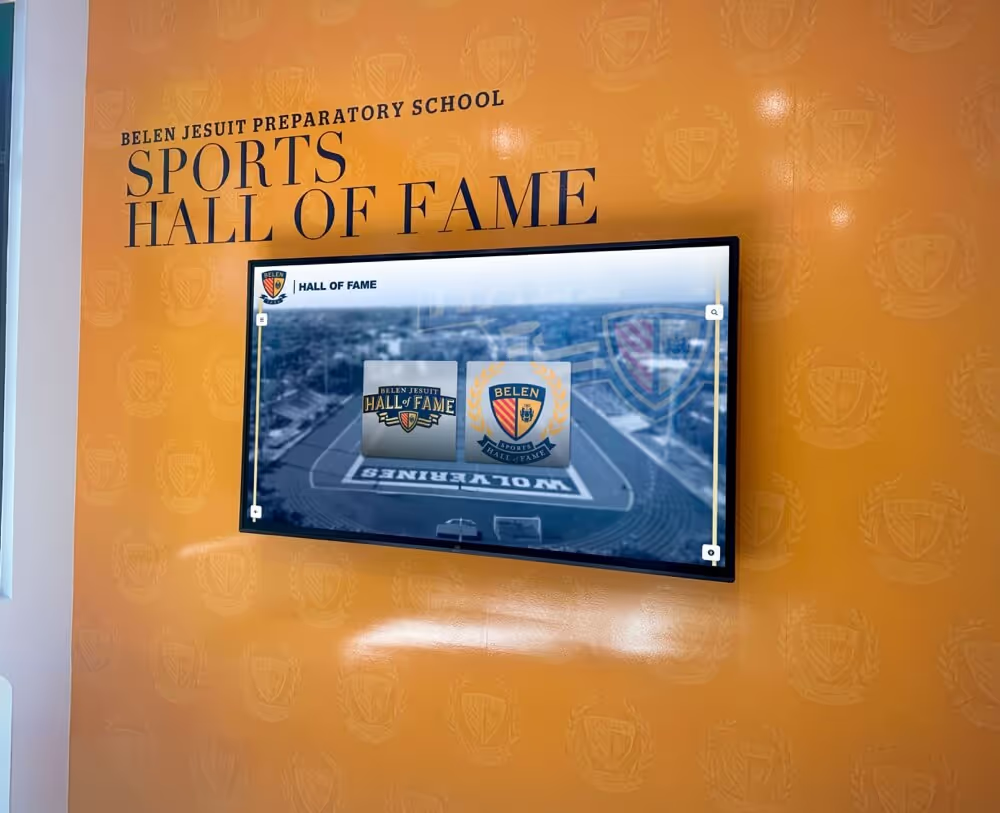
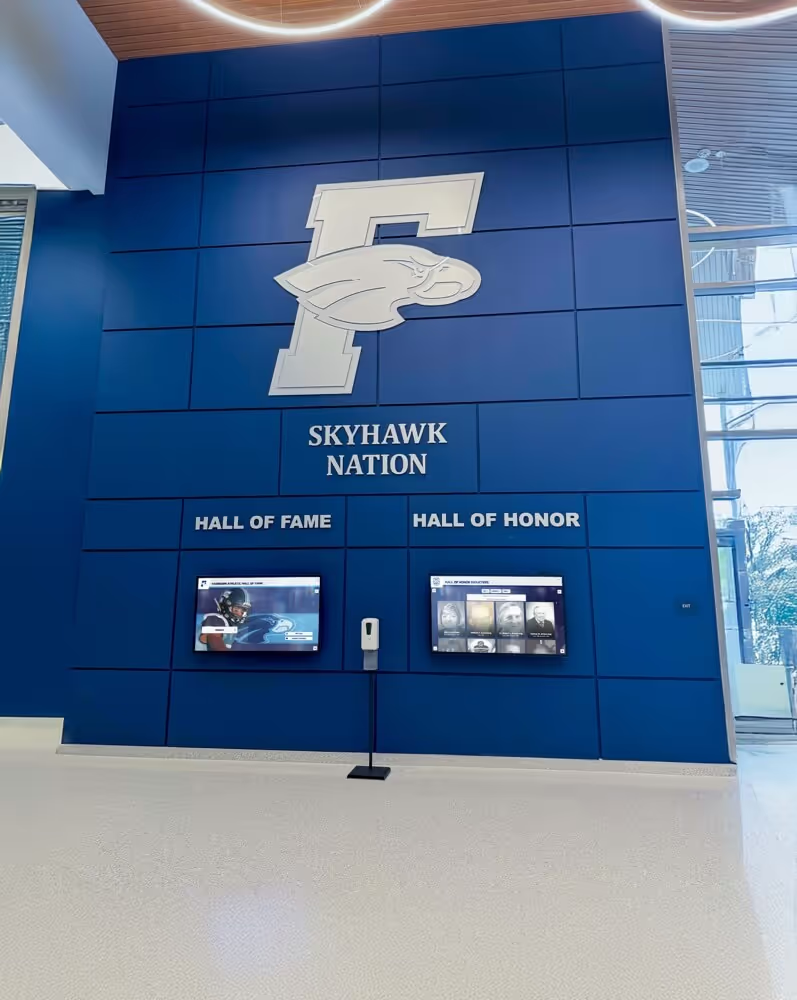
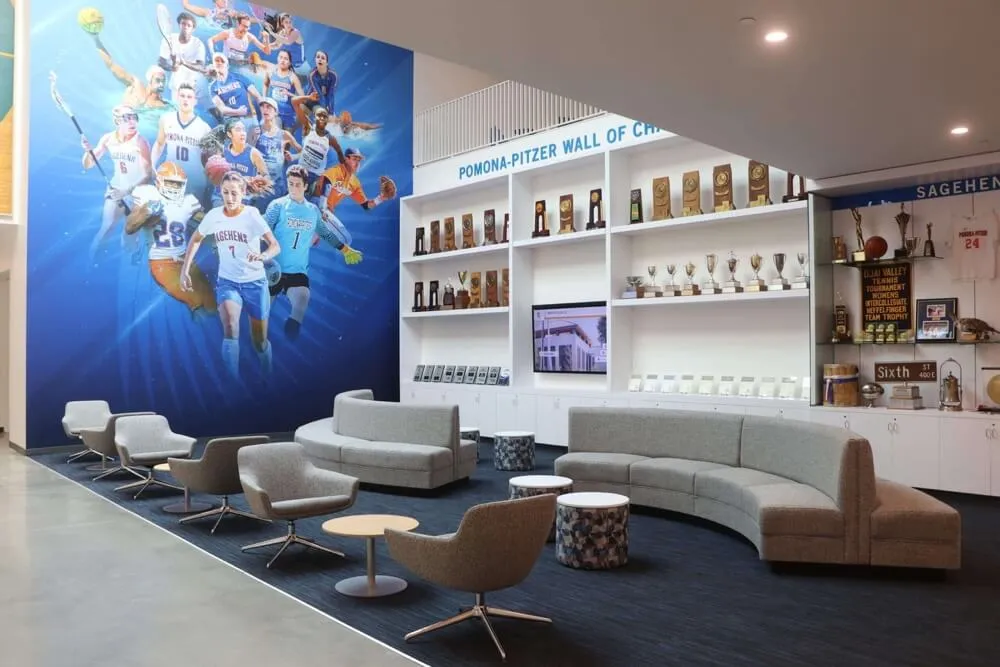
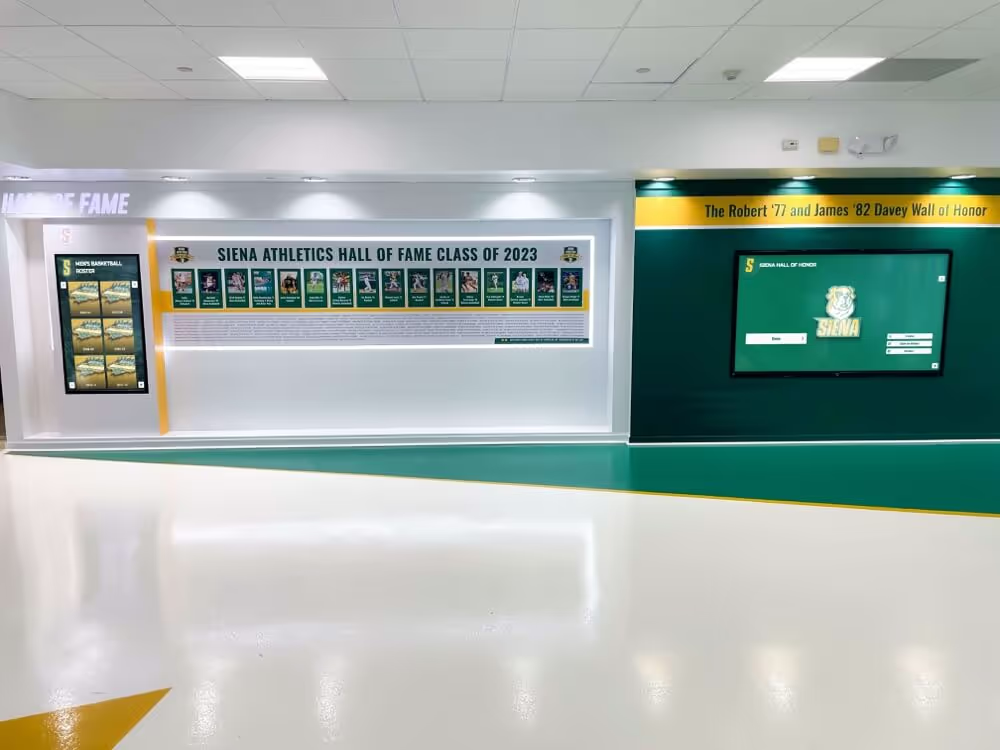
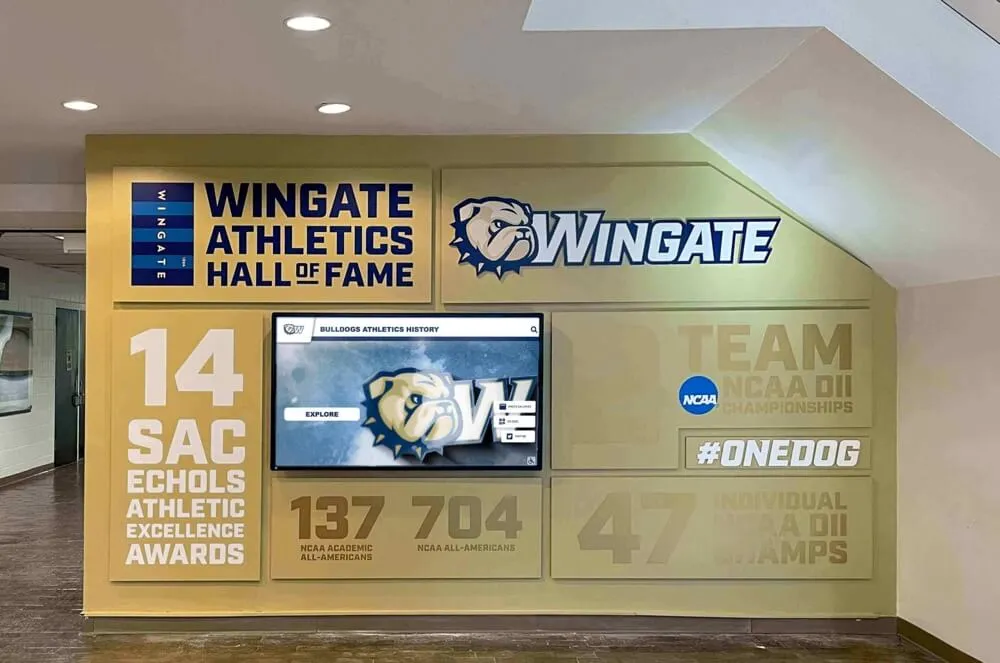
Modern hall of fame displays create impressive venues for alumni recognition events while providing interactive exploration of institutional achievement history
Virtual and Hybrid Event Opportunities
Geographic dispersion, busy schedules, and contemporary technology create opportunities for virtual programming complementing traditional in-person events.
Online Networking and Professional Development
Digital platforms enable career-focused programming accessible to geographically dispersed alumni populations.
Virtual Industry Forums
Host online panels, webinars, or roundtable discussions bringing together alumni working in specific industries regardless of location. These virtual gatherings create networking opportunities spanning continents while accommodating busy schedules through recordings for those unable to attend live sessions.
Online Mentorship Platforms
Establish digital mentorship platforms enabling mentor-mentee matching, communication, and relationship maintenance without geographic constraints. Supplement online interaction with periodic virtual group sessions bringing together multiple mentorship pairs for shared learning and community building.
Career Development Webinar Series
Offer monthly webinar programming on professional development topics—leadership skills, work-life integration, career transition strategies, or industry trend analysis. Record sessions for on-demand access, maximizing value for time-constrained alumni who appreciate content but cannot attend scheduled events.
Digital Social and Community Events
Beyond professional programming, virtual events can facilitate social connection and community building.
Virtual Reunion Gatherings
For alumni unable to travel to campus reunions, host supplementary virtual reunion events. Include facilitated storytelling sessions where classmates share favorite memories, virtual campus tours showcasing current facilities, or online trivia competitions testing knowledge of institutional history and shared experiences.
Online Interest-Based Communities
Create digital communities around shared interests—alumni book clubs, fitness challenges, cooking groups, or hobby-based forums. These ongoing communities facilitate sustained engagement between periodic events while building relationships among alumni who might never meet in person due to geographic distance.
Live-Streamed Campus Events
Make select campus events accessible to distant alumni through live streaming—major lectures, athletic competitions, performing arts events, or institutional ceremonies. This approach includes geographically dispersed alumni in campus life while demonstrating continued welcome and connection.
Hybrid Event Models
Combine in-person and virtual elements, maximizing accessibility while preserving benefits of face-to-face interaction.
Simultaneous Campus and Regional Gatherings
Host signature events simultaneously at campus and regional chapter locations. Connect venues through video technology, allowing all locations to participate in keynote presentations while enabling localized networking and community building. This approach creates sense of unified institutional community spanning geography.
Virtual Preview Sessions for Campus Events
For major campus events, host virtual preview or follow-up sessions extending participation. Offer online Q&A sessions with speakers after campus lectures, virtual backstage tours following performing arts events, or online discussions of topics addressed at campus conferences.
Practical Implementation Strategies
Moving from event ideas to successful execution requires attention to planning details, communication approaches, and continuous improvement.
Event Planning and Logistics
Start with Clear Objectives
Define specific goals for each event—networking, fundraising, student connection, community building, or recognition. Clear objectives guide planning decisions and enable meaningful success measurement beyond simple attendance numbers.
Form Planning Committees
Engage volunteer alumni in event planning committees. These groups provide valuable input on programming preferences while building investment in event success through direct involvement. Planning participation itself becomes form of engagement strengthening institutional relationships.
Choose Appropriate Venues and Timing
Select venues matching event objectives and attendee expectations—professional settings for networking events, nostalgic campus locations for reunion gatherings, accessible community venues for regional events. Schedule events at times maximizing attendance for target audiences—evening programming for working professionals, weekend events for family-inclusive gatherings, or seasonal timing aligned with meaningful institutional traditions.
Marketing and Communication
Multi-Channel Promotional Strategies
Promote events through email, social media, alumni publications, and personal outreach from volunteer leaders. Segment messaging for different alumni populations—recent graduates respond to different communication styles and platforms than alumni who graduated decades ago.
Emphasize Value Proposition
Clearly communicate what attendees will gain from participation—networking opportunities, professional development, reconnection with classmates, contribution to student success, or intellectual stimulation. Busy alumni need compelling reasons to prioritize institutional events over competing demands.
Create Registration Urgency
While avoiding manipulative scarcity tactics, provide legitimate reasons for early registration—limited venue capacity, early-bird pricing, or planning requirements necessitating confirmed attendance numbers. Make registration processes simple and mobile-friendly.
Measuring Success and Continuous Improvement
Track Meaningful Metrics
Beyond attendance numbers, measure metrics indicating engagement depth—repeat attendance rates, volunteer recruitment, student connections facilitated, or donor conversion among event participants. Successful events should strengthen relationships, not just generate single interactions.
Gather Attendee Feedback
Survey participants to understand satisfaction, gather programming suggestions, and identify unmet needs. Act on feedback in subsequent event planning, demonstrating that alumni input genuinely influences institutional decisions.
Calculate Return on Investment
Assess whether events justify resource investment by tracking outcomes—donations generated, volunteers recruited, student mentorships established, or professional connections facilitated. Use this data to refine event strategies, scaling successful programs while discontinuing activities that fail to achieve objectives despite good-faith efforts.
Creating Lasting Impact Through Alumni Events
The most successful alumni engagement programs recognize that events serve as touchpoints in longer-term relationship building rather than standalone transactions. Each gathering should strengthen connections, provide genuine value, and create momentum toward deeper institutional involvement—whether through volunteering, giving, student mentorship, or sustained community participation.
Effective event programming balances tradition with innovation, honors institutional heritage while embracing contemporary preferences, and creates diverse engagement opportunities allowing different alumni to connect in ways matching their interests, availability, and motivations. By thoughtfully designing events that genuinely serve graduate needs while advancing institutional missions, schools build vibrant alumni communities that benefit current students, strengthen institutional reputation, and create lasting impact extending far beyond commencement ceremonies.
Ready to create engaging alumni spaces and recognition displays that enhance your event programming? Rocket Alumni Solutions provides dynamic digital recognition systems that showcase distinguished graduates, preserve institutional history, and create interactive focal points for alumni gatherings. Our solutions transform traditional static displays into engaging experiences that strengthen connections and celebrate your alumni community’s achievements. Contact us today to learn how we can support your alumni engagement goals.