Winter nights in Illinois gymnasiums echo with the intensity of high school wrestling—a sport demanding discipline, technical excellence, and mental toughness in equal measure. The Illinois high school wrestling season culminates each February at the IHSA State Tournament, where the state’s top wrestlers compete for individual and team championships that define careers and establish lasting program legacies throughout the Prairie State.
Illinois has cultivated one of the nation’s strongest high school wrestling traditions, producing Olympic champions, NCAA titlists, and professional competitors while fostering a culture where wrestling programs serve as cornerstones of athletic identity in communities from Chicago suburbs to rural farming towns. The IHSA State Tournament represents the pinnacle of this competitive excellence—a three-day championship event where preparation meets opportunity and where individual achievement combines with team success in wrestling’s unique competitive framework.
This comprehensive guide explores Illinois high school wrestling’s championship landscape—from IHSA State Tournament format and qualification processes to weight class competition structures, championship traditions, and how successful programs honor wrestling achievement through recognition systems that preserve individual excellence, celebrate team accomplishments, and inspire future generations of wrestlers throughout Illinois.
Wrestling’s individual nature creates unique recognition challenges and opportunities. Unlike team sports where championships center on collective achievement, wrestling demands acknowledging both individual state qualifiers and champions while celebrating team scores that determine dual meet outcomes and tournament standings. Schools with strong wrestling traditions develop comprehensive recognition systems honoring this complexity—preserving individual wrestler accomplishments alongside team success that reflects program depth and coaching excellence.

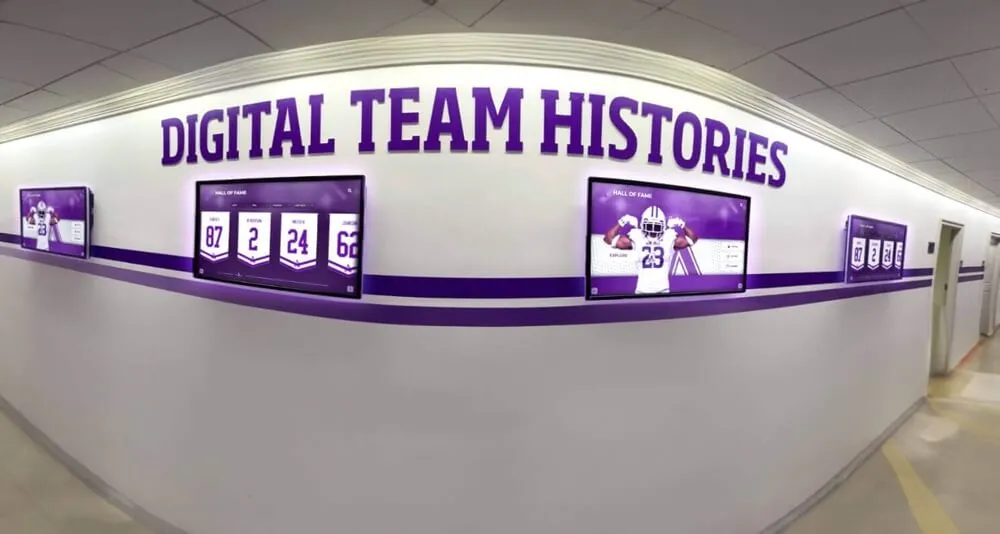
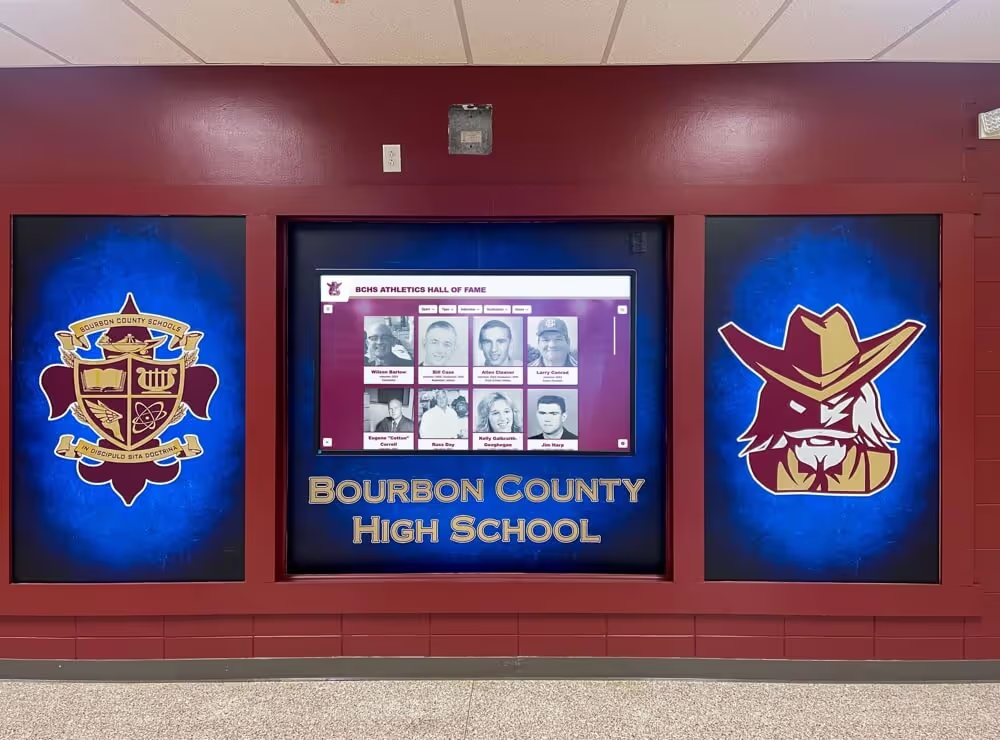
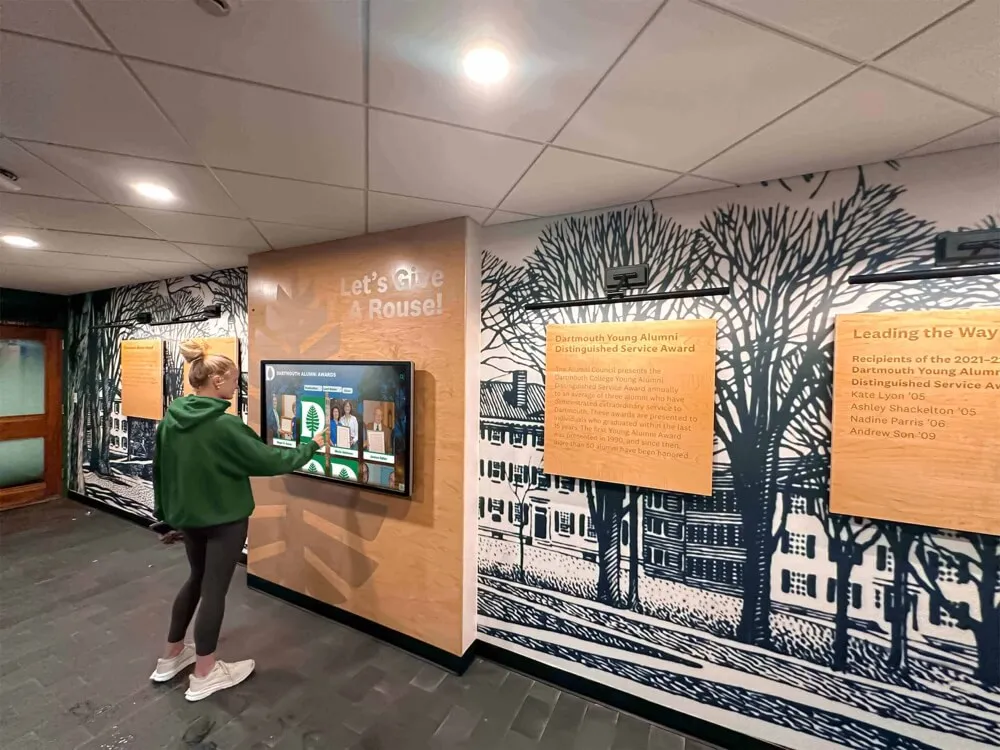
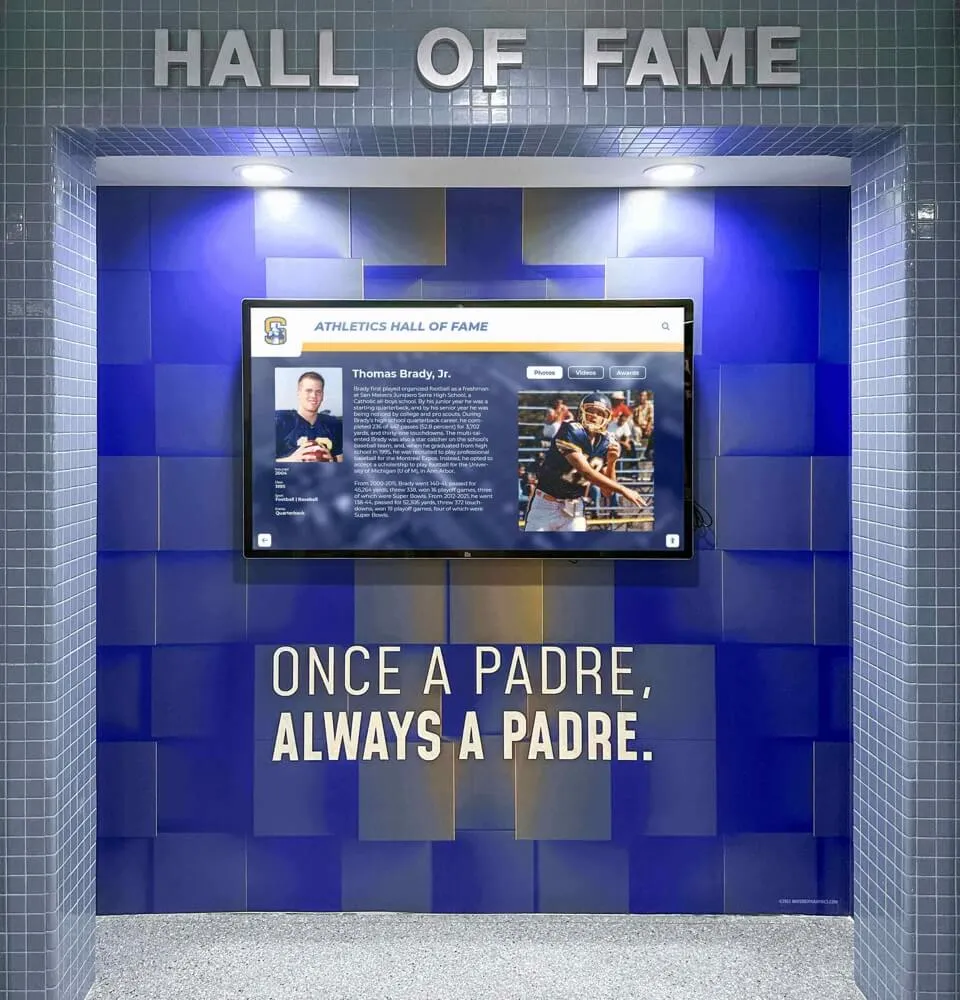
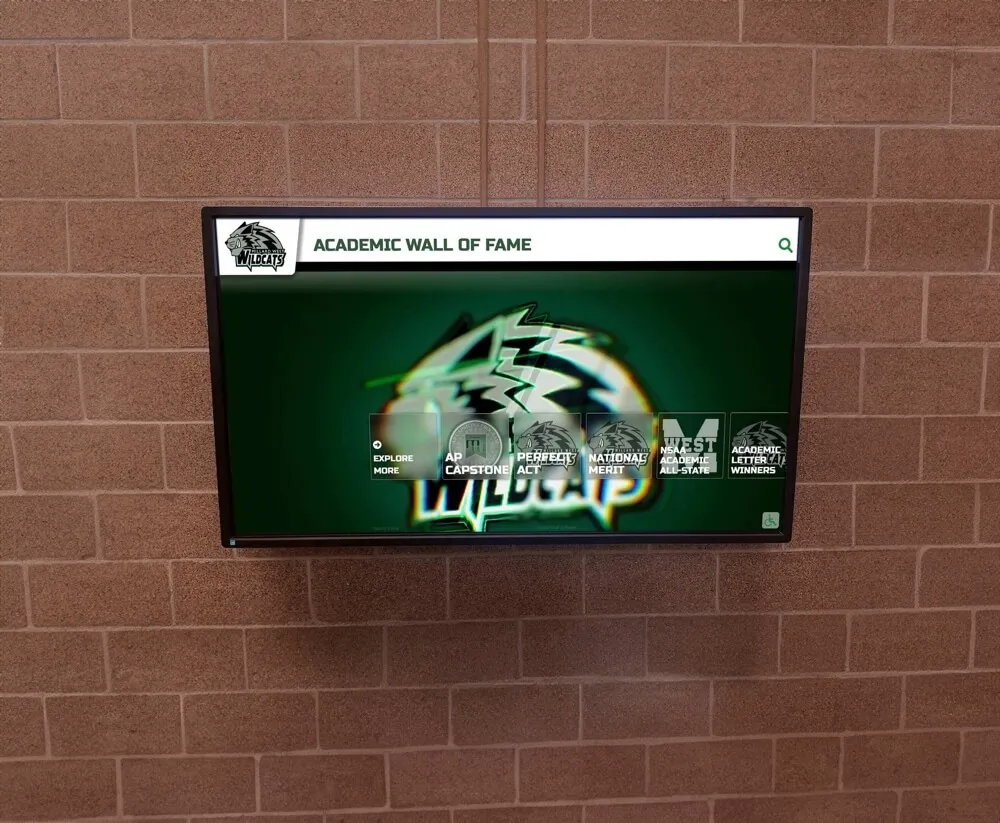
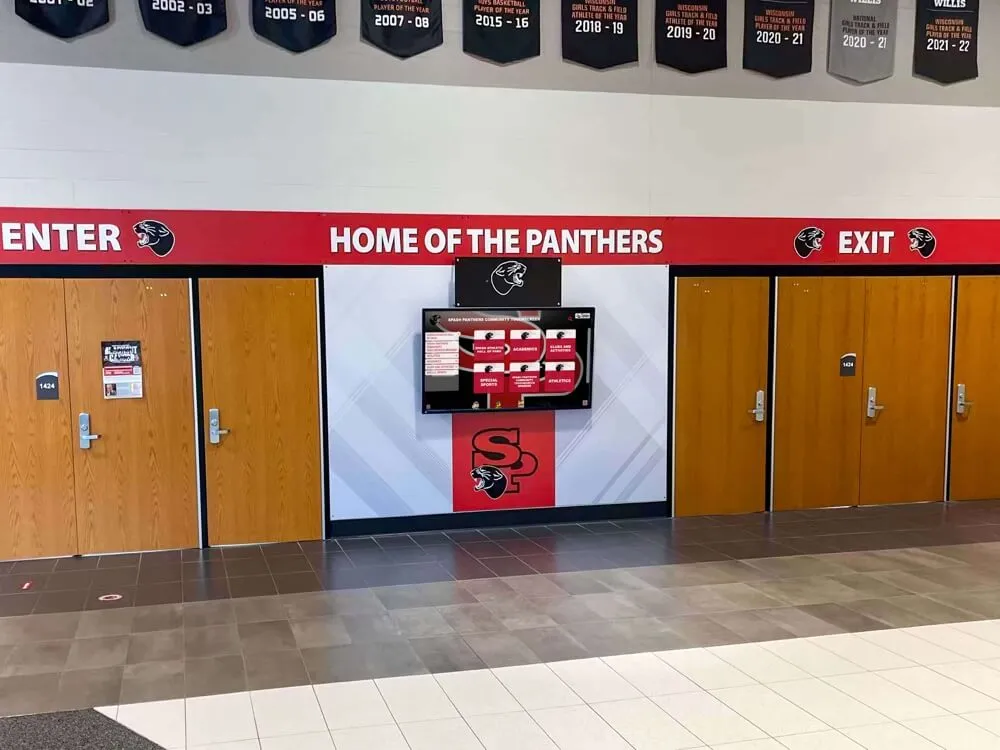
Illinois schools create dedicated athletic recognition corridors celebrating wrestling achievements alongside other sports, with digital displays enabling comprehensive individual and team acknowledgment
Understanding IHSA State Tournament Structure
The Illinois High School Athletic Association (IHSA) organizes wrestling competition through a systematic tournament structure that provides clear pathways from season-opening matches through state championship finals in February.
Tournament Classification System
The IHSA divides wrestling into three classifications based on school enrollment, creating competitive balance while ensuring schools compete against similarly-sized institutions.
Class 1A Wrestling
Illinois’s smallest wrestling programs compete in Class 1A, typically representing schools with enrollments under 600 students. These programs often serve rural communities and smaller towns where wrestling provides critical athletic opportunities and community identity. Class 1A wrestling showcases fundamental technique and coaching excellence, with programs building success through sustained commitment rather than simply drawing from large talent pools.
Traditional Class 1A powers include programs from communities where wrestling represents central athletic traditions, with multi-generational participation creating deep program culture. These schools demonstrate that championship success doesn’t require massive enrollment—proper coaching, dedicated athletes, and systematic program development enable competitive excellence regardless of school size.
Class 2A Wrestling
Mid-sized schools typically ranging from 600-1,200 students compete in Class 2A, creating a competitive middle ground between smallest programs and large suburban powers. Class 2A features diverse programs from county seat communities, mid-sized suburbs, and regional population centers throughout Illinois.
Many Class 2A programs demonstrate exceptional balance between academic commitment and athletic excellence, producing wrestlers who succeed at both state tournament competition and college recruitment while maintaining the individual attention smaller program sizes enable. Discover approaches for academic recognition programs that honor scholar-athletes excelling in demanding sports like wrestling.
Class 3A Wrestling
Illinois’s largest wrestling programs compete in Class 3A, representing schools with enrollments typically exceeding 1,200 students concentrated primarily in Chicago metropolitan area suburbs and larger cities. Class 3A wrestling features intense competition with programs fielding complete lineups at all 14 weight classes and developing exceptional roster depth that enables sustained excellence across multiple seasons.
Large program advantages include extensive coaching staffs with position-specific expertise, year-round training facilities enabling off-season development, established youth wrestling pipelines feeding high school programs, and resources supporting comprehensive strength and conditioning that complement technical skill development essential for championship-level competition.
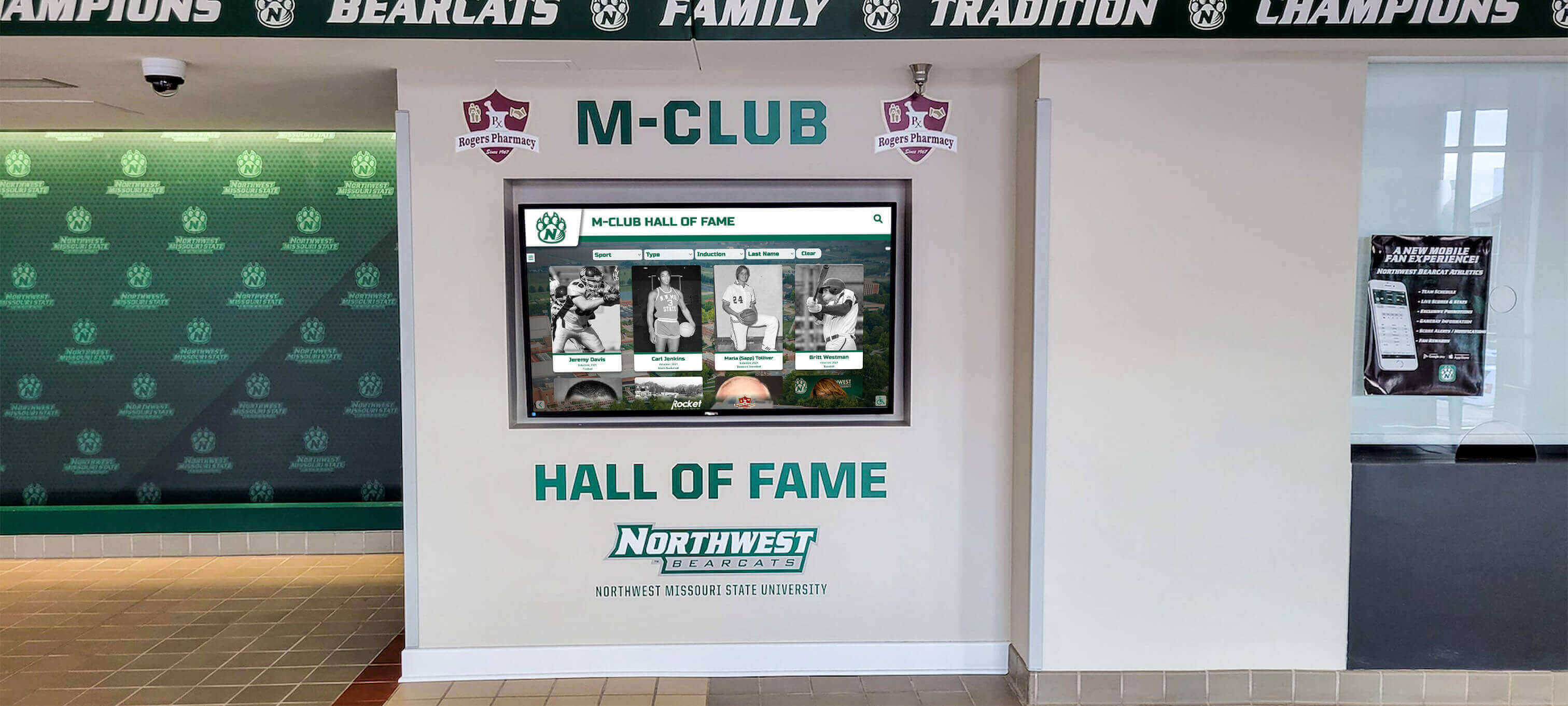
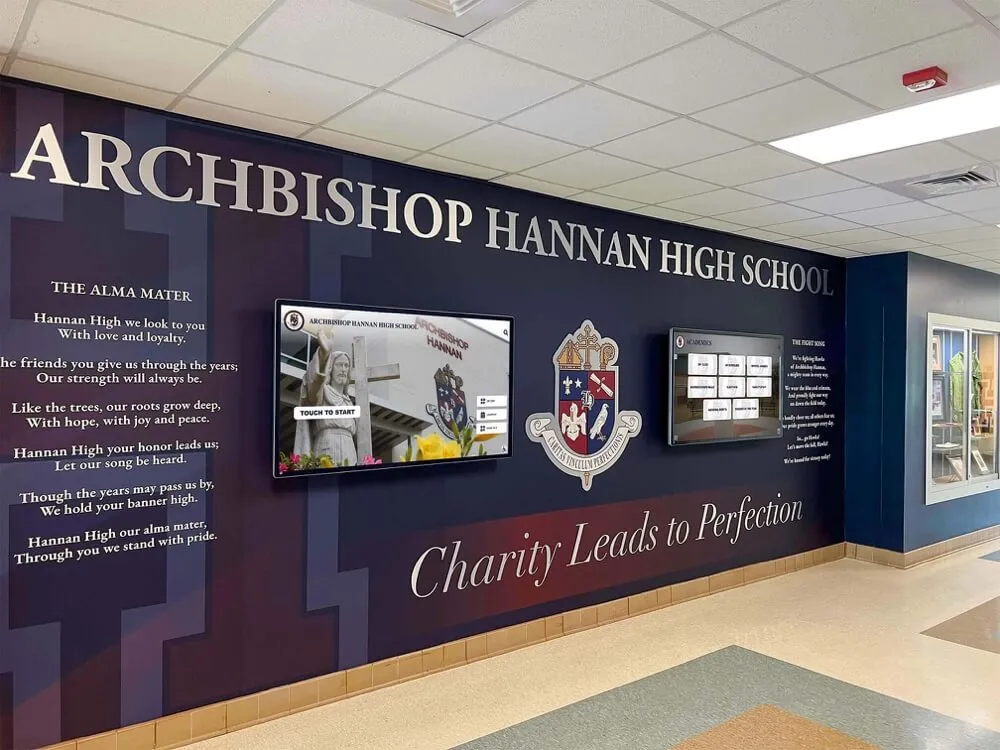
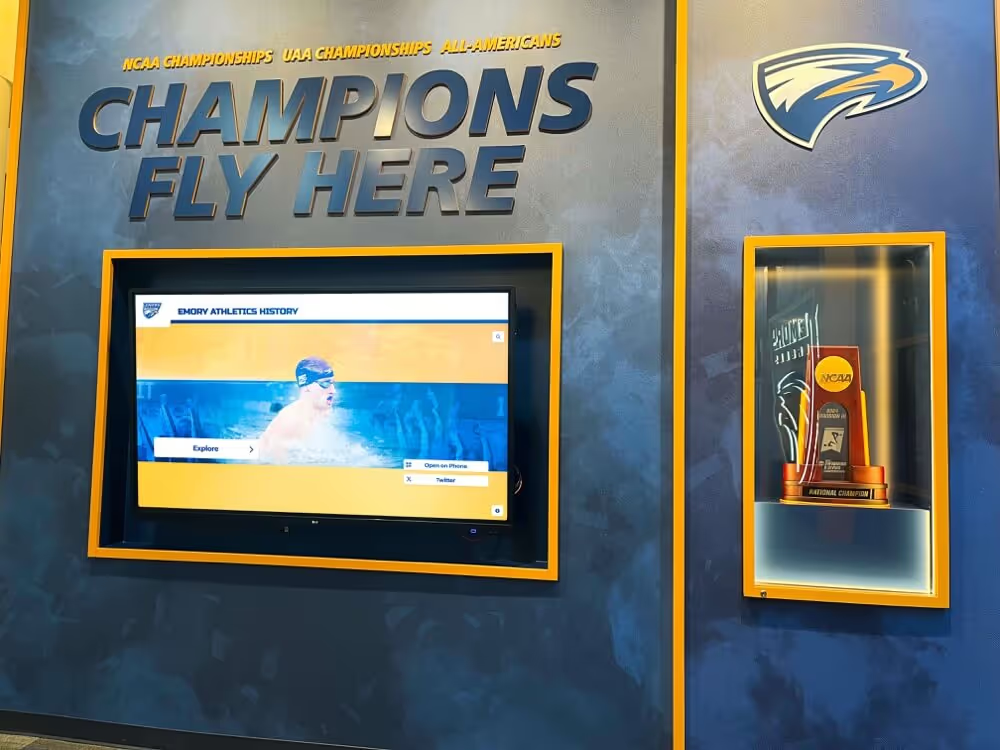
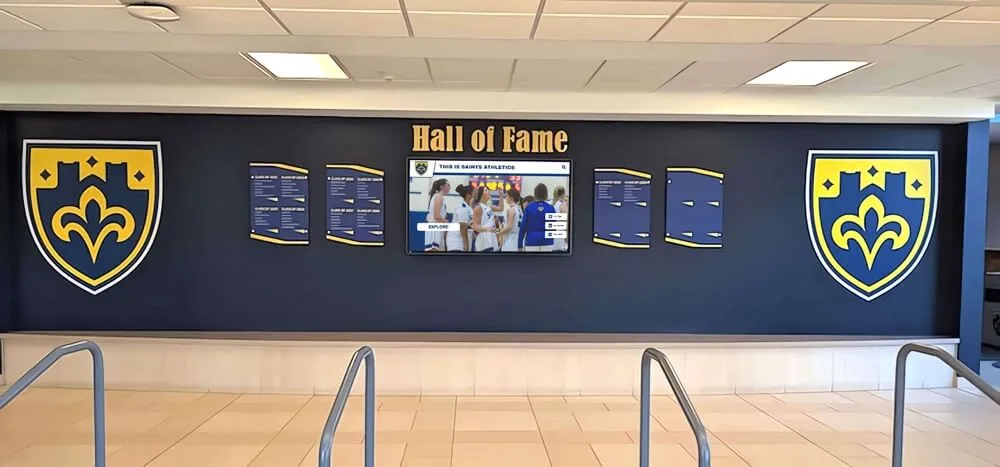
Successful wrestling programs integrate individual achievement recognition within broader athletic halls of fame, celebrating state qualifiers and champions alongside accomplishments in other sports
Weight Class Competition Format
Wrestling’s weight class structure creates 14 championship competitions within each classification, with individual and team dimensions requiring distinct recognition approaches.
The 14 Weight Classes
IHSA wrestling competition occurs across standardized weight classes: 106 pounds, 113 pounds, 120 pounds, 126 pounds, 132 pounds, 138 pounds, 145 pounds, 152 pounds, 160 pounds, 170 pounds, 182 pounds, 195 pounds, 220 pounds, and 285 pounds (heavyweight).
This weight class structure ensures wrestlers compete against opponents of similar size and physical development, creating fair competition while enabling athletes across the complete size spectrum to pursue individual championships. Weight classes also create strategic lineup considerations for coaches maximizing team point accumulation by positioning wrestlers at optimal weight classes balancing individual success probability against team scoring needs.
Individual and Team Scoring Dynamics
Wrestling tournaments simultaneously crown individual weight class champions while calculating team scores based on wrestler performance across all weight classes. Points accumulate through match victories, with bonus points for dominant wins including technical falls, major decisions, and pins. This dual scoring creates unique competitive dynamics where individual wrestlers compete for personal championships while contributing to team success through match outcomes.
Recognition systems must honor both dimensions—celebrating individual state champions and high-place finishers while acknowledging team trophy winners and program point totals reflecting roster depth and overall competitive excellence.
IHSA State Tournament Qualification Process
Reaching the IHSA State Tournament requires navigating a systematic qualification structure beginning with regular season competition and progressing through increasingly selective tournaments.
Regional Tournament Competition
The qualification journey begins with regional tournaments typically held the first weekend of February.
Regional Structure and Seeding
Illinois divides into regional tournament sites with approximately 12-16 schools competing at each regional location. Wrestlers are seeded based on season records and head-to-head results, with seeding significantly affecting qualification paths as higher seeds receive favorable bracket positions and potentially easier early-round matchups.
Regional competition intensity varies by location—some regionals feature multiple state-caliber wrestlers at single weight classes, while others provide clearer advancement pathways for wrestlers competing in less competitive geographic areas. This geographical variation affects qualification difficulty, with wrestlers in Chicago suburbs often facing more challenging regional competition than wrestlers in downstate regions with fewer participating schools.
Regional Qualification Standards
Top finishers at each weight class advance from regionals to sectional tournaments. Typically, the top four wrestlers at each weight class qualify for sectionals, though specific advancement numbers can vary by regional size and tournament structure. Wrestlers failing to place in top four see their seasons end at regionals, making these tournaments high-stakes competitions where single matches determine season continuation or conclusion.
Coaches emphasize regional preparation through strategic rest, weight management ensuring wrestlers compete at optimal classes, and tactical preparation for specific anticipated opponents based on seeding and bracket positioning.
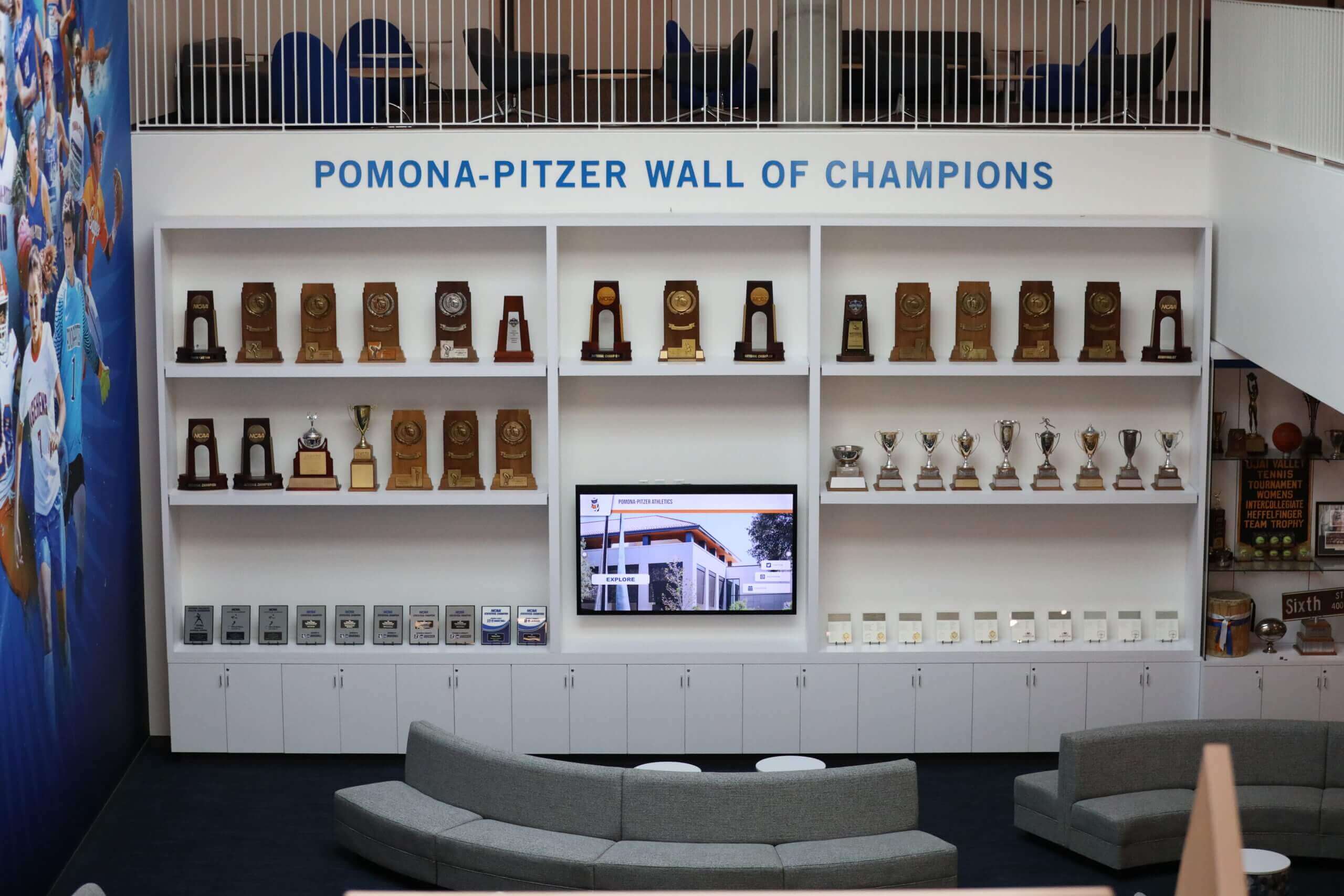
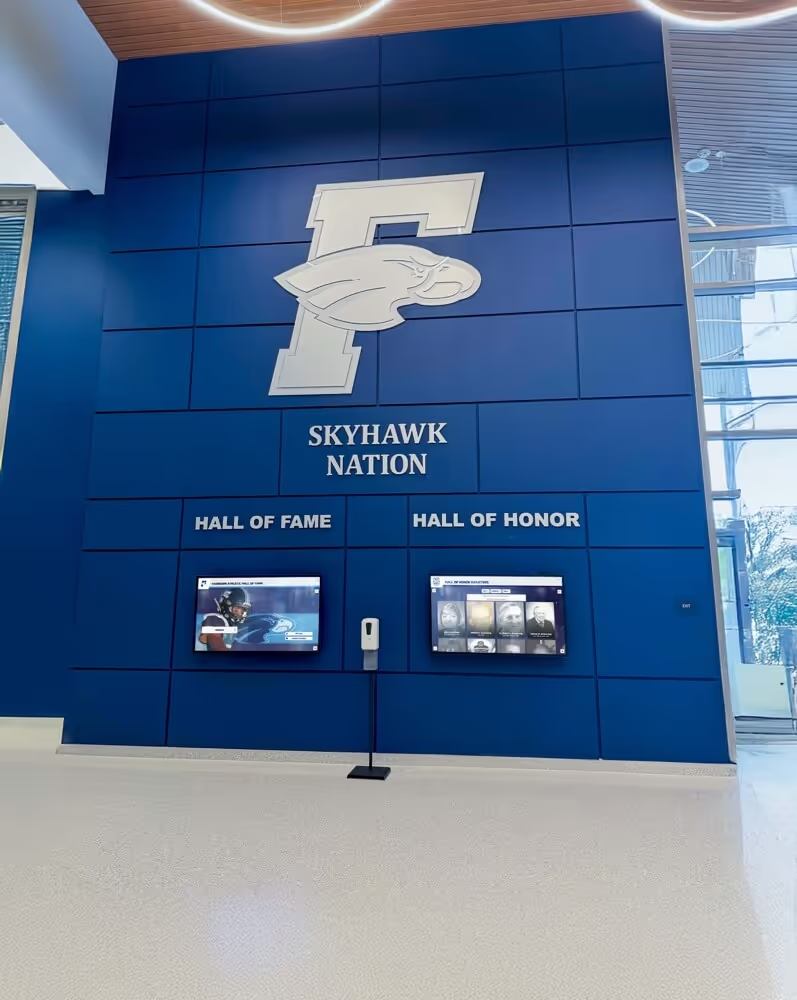
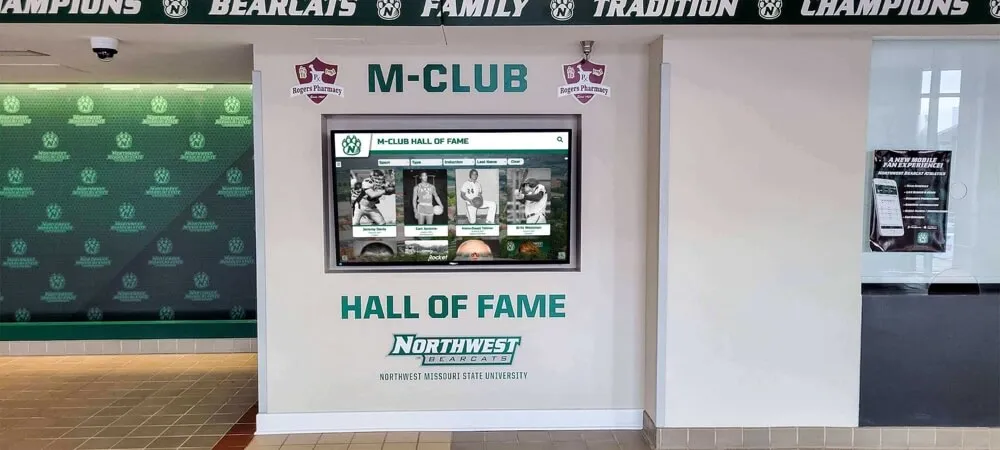
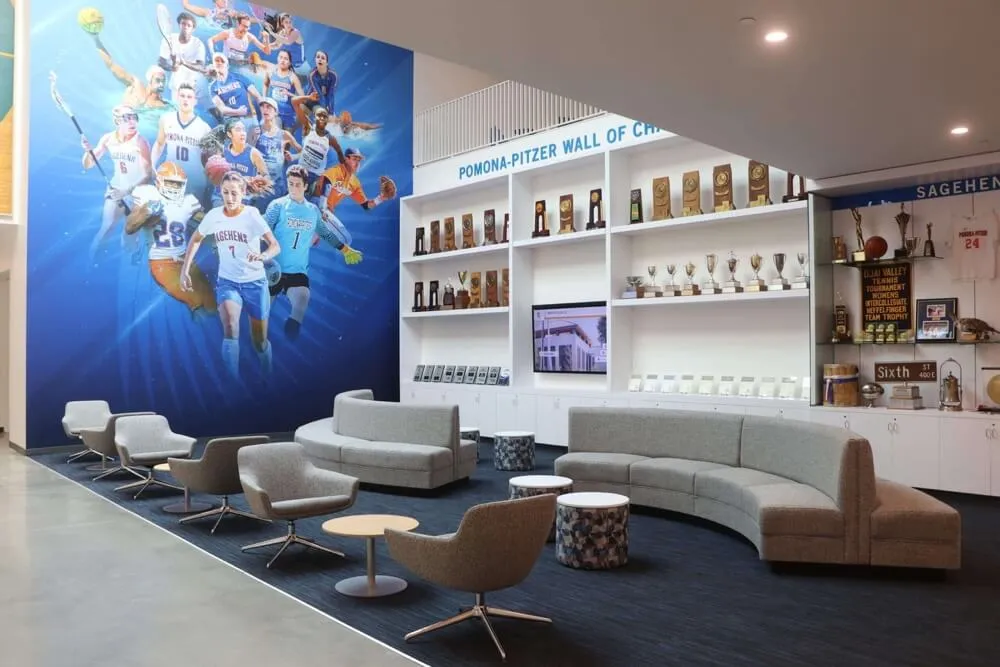
Schools create dedicated athletic spaces combining trophy displays with comfortable areas where wrestlers and visitors explore program history and championship traditions
Sectional Tournament Advancement
Sectional tournaments, held the following weekend after regionals, further narrow the field toward state tournament qualification.
Sectional Competition Intensity
Sectional tournaments combine top regional finishers from multiple regional sites, creating concentrated competition featuring many of each weight class’s strongest wrestlers. Match intensity increases significantly at sectionals as wrestlers compete not just for tournament placement but for coveted state tournament berths determining season continuation.
Sectional championship matches often preview potential state tournament finals, with top-seeded wrestlers frequently battling throughout sectional competition before meeting again at state tournaments. This repeated competition creates compelling rivalries while providing coaches and wrestlers valuable experience against opponents they’ll likely face again during championship weekend.
State Tournament Qualification
The top wrestlers from each sectional tournament qualify for the IHSA State Tournament. Exact qualification numbers vary by classification—typically the top four or five place-finishers at each weight class advance to state competition depending on sectional size and overall state tournament field structure.
State tournament qualification represents significant achievement regardless of eventual state performance. Many Illinois wrestlers conclude careers as sectional place-finishers who fell just short of state qualification—recognition systems should acknowledge these near-qualifiers whose achievement levels exceeded the vast majority of high school wrestlers while falling narrowly short of championship event participation.
Championship Weekend at State Tournament
The IHSA State Tournament, traditionally held at the University of Illinois’s State Farm Center in Champaign, represents the culmination of the Illinois wrestling season.
Three-Day Championship Format
State tournament competition spans three days, typically Thursday through Saturday in mid-February. Opening rounds on Thursday and Friday progressively narrow fields toward championship finals on Saturday evening. This extended format creates festival atmosphere with hotels filled with wrestling families, restaurants catering to weight-conscious athletes, and the university campus transformed into wrestling central for Illinois’s competitive community.
The three-day structure allows wrestlers multiple matches even after initial losses, with consolation brackets providing opportunities for place finishes and podium recognition despite failing to reach championship finals. Most wrestlers compete in 4-5 matches across tournament weekend, with finalists wrestling up to six times depending on paths through winner and consolation brackets.
Championship Finals and Awards
Saturday evening championship finals represent the tournament’s pinnacle, with capacity crowds watching 14 weight class title matches in each classification. Championships are wrestled in ascending weight order, building intensity as finals progress toward heavyweight championships concluding tournament competition.
Individual champions receive medals and championship plaques, while top-eight finishers at each weight class earn placement medals and all-state recognition. Team champions receive trophies recognizing point accumulation across all weight classes, with team awards honoring roster depth and overall program excellence beyond simply individual championship performance.
Explore comprehensive approaches for wrestling awards and recognition that celebrate individual excellence alongside team achievement throughout wrestling programs.

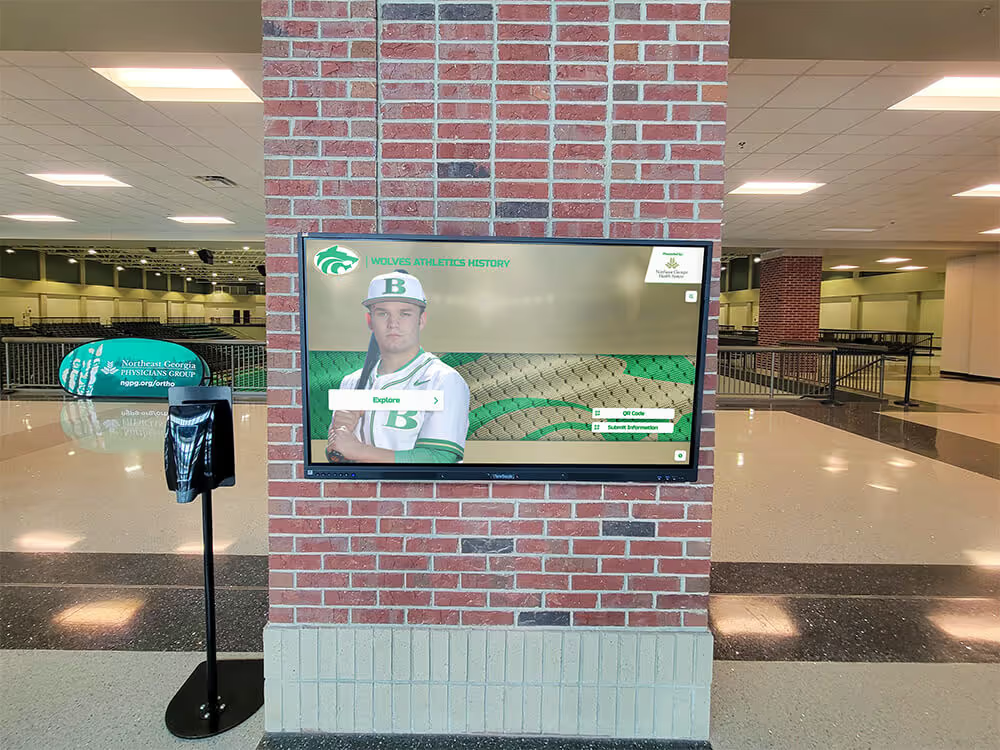
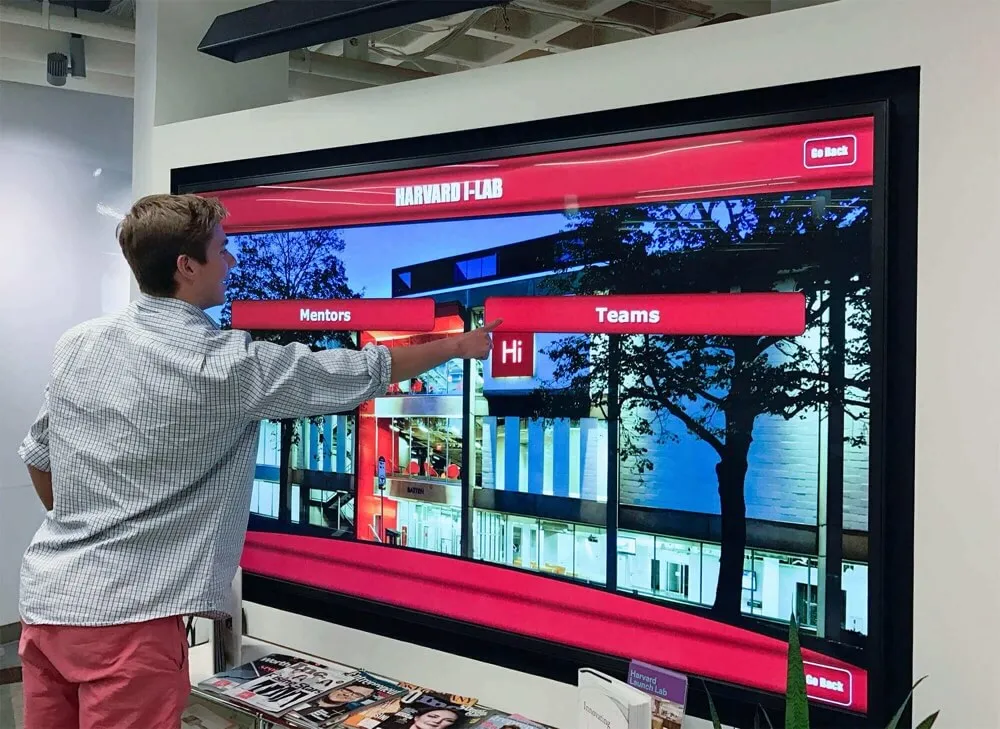
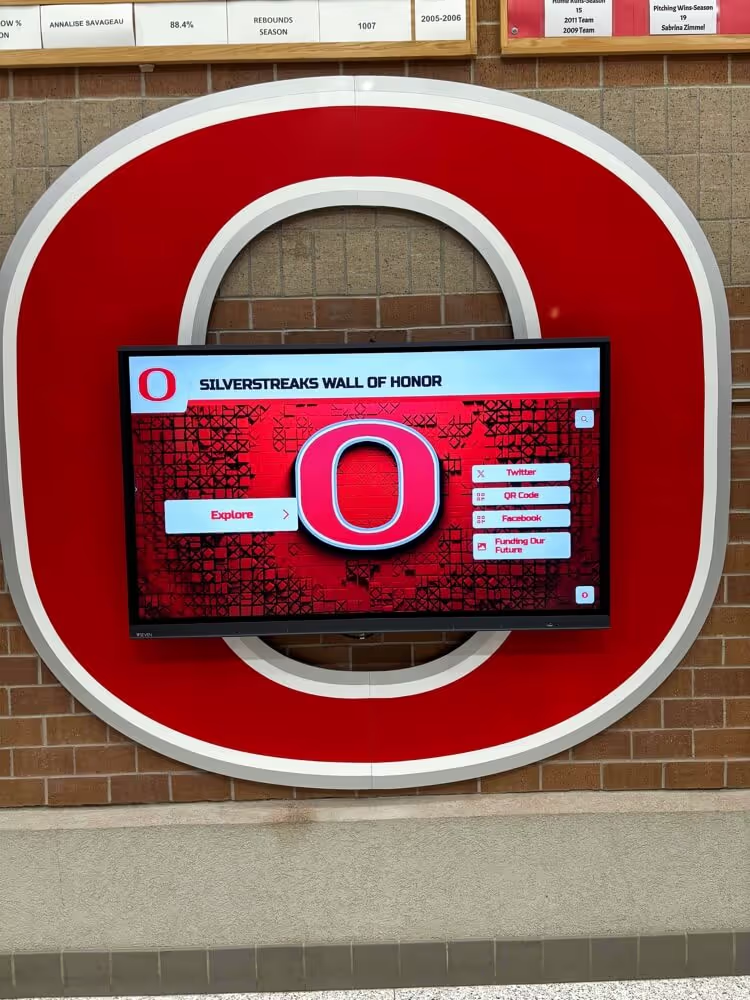
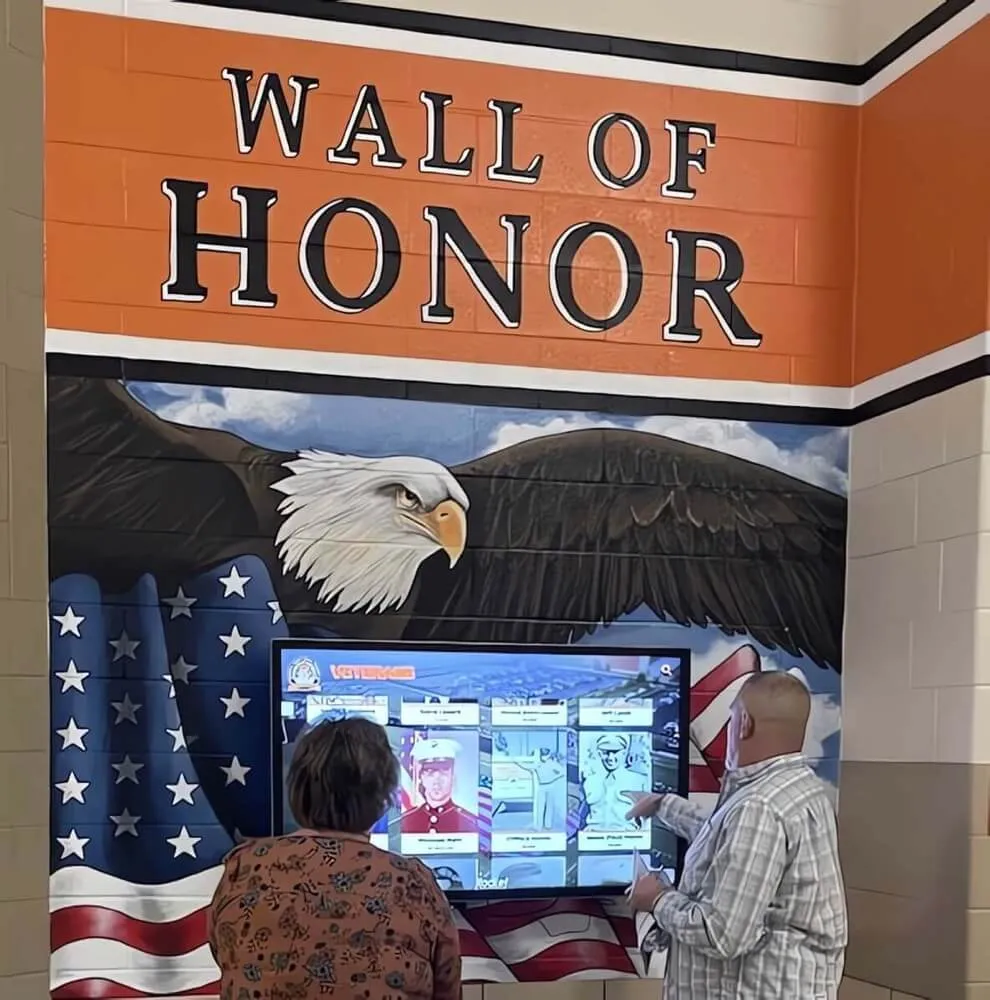
Interactive touchscreen systems enable wrestling programs to showcase complete career statistics, match records, and championship achievements for individual wrestlers through engaging digital interfaces
Notable Illinois Wrestling Programs and Championship Traditions
Certain Illinois wrestling programs have established dynasty-level excellence spanning decades, creating models that other programs study while building their own competitive cultures.
Historic Wrestling Powers
Illinois wrestling history features legendary programs demonstrating sustained championship success.
Montini Catholic Wrestling Dynasty
Montini Catholic of Lombard represents perhaps Illinois’s most dominant modern wrestling dynasty, winning multiple consecutive Class 2A state team championships through exceptional coaching, comprehensive program development, and systematic approach to wrestler recruitment and development. Montini’s success demonstrates how mid-sized programs can achieve national-caliber excellence through total commitment to wrestling culture, year-round training emphasis, and strategic roster development.
The program has produced numerous individual state champions and All-Americans, with many wrestlers continuing competitive careers at NCAA Division I programs. Montini’s sustained success provides inspiration for programs seeking to build championship cultures through systematic approaches rather than depending on occasional exceptional athlete groups.
Oak Park-River Forest Wrestling Tradition
Oak Park-River Forest (OPRF) exemplifies large school wrestling excellence, consistently fielding complete lineups with competitive wrestlers at most weight classes. The program’s success stems from strong youth wrestling infrastructure feeding high school program, excellent facilities supporting training, and coaching continuity enabling consistent program philosophy across multiple generations of wrestlers.
OPRF regularly places multiple individual state champions while competing for team trophies, demonstrating roster depth characteristic of championship-caliber large school programs where success requires excellence across most or all 14 weight classes rather than depending on few dominant individuals.
Downstate Wrestling Excellence
Beyond Chicago suburbs, numerous downstate programs demonstrate wrestling excellence including Washington, Metamora, Geneseo, and other communities where wrestling represents core athletic identity. These programs often feature remarkable consistency, appearing at state tournaments regularly across multiple decades through coaching stability, community support, and youth program development creating sustained talent pipelines.
Downstate programs demonstrate that geography doesn’t determine wrestling success—proper coaching, dedicated athletes, and supportive communities enable competitive excellence regardless of population density or proximity to urban wrestling hotbeds. Learn about state wrestling tournament recognition approaches that honor program traditions across Illinois’s diverse geographic regions.
Individual Wrestling Legends
Illinois high school wrestling has produced remarkable individual athletes whose careers define excellence standards.
Multiple-Time State Champions
Four-time state champions represent wrestling’s pinnacle achievement—winning titles at four different weight classes across high school careers. These rare accomplishments require sustained excellence, weight management enabling competition across advancing classes as athletes mature physically, and competitive dominance maintained despite increasing target status as reputations grow.
Illinois has produced numerous four-time champions who went on to NCAA championships and international competition, establishing themselves as wrestling legends whose achievements inspire current high school wrestlers throughout the state. Recognition systems should prominently feature these elite athletes while providing appropriate context explaining achievement rarity and difficulty.
Record-Breaking Careers
Beyond state championships, certain wrestlers establish career records for total victories, consecutive wins, pin accumulation, or other statistical milestones demonstrating sustained excellence. These records provide objective achievement measures enabling comparison across different eras while honoring wrestlers who may not have won state titles but demonstrated exceptional competitive longevity and consistency.
Programs should track and recognize career statistical milestones systematically, ensuring record-holders receive appropriate permanent acknowledgment alongside state champions whose tournament success creates more visible achievement narratives.
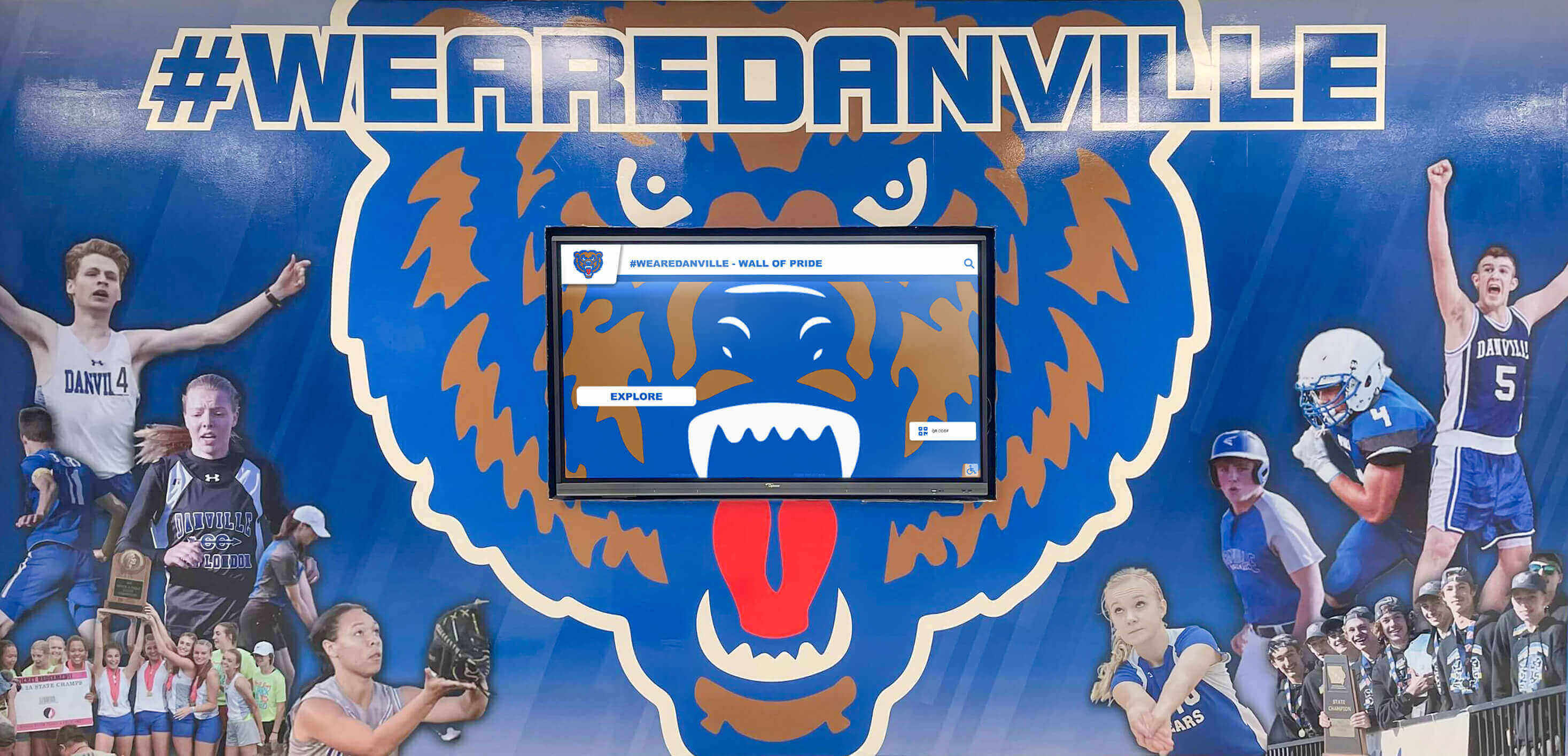
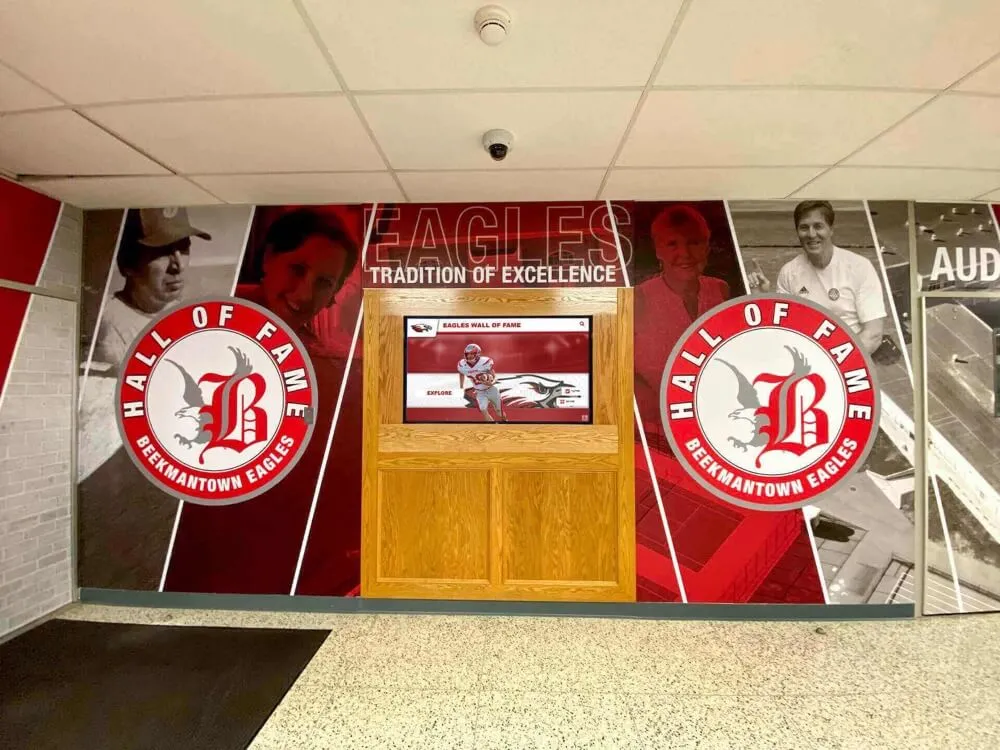
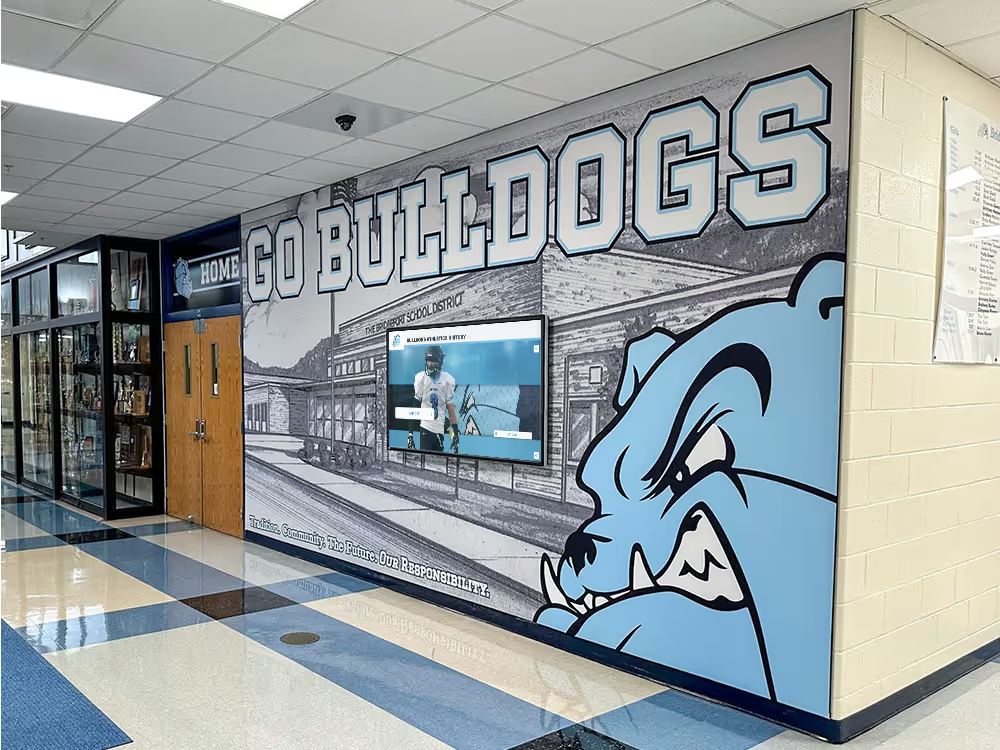
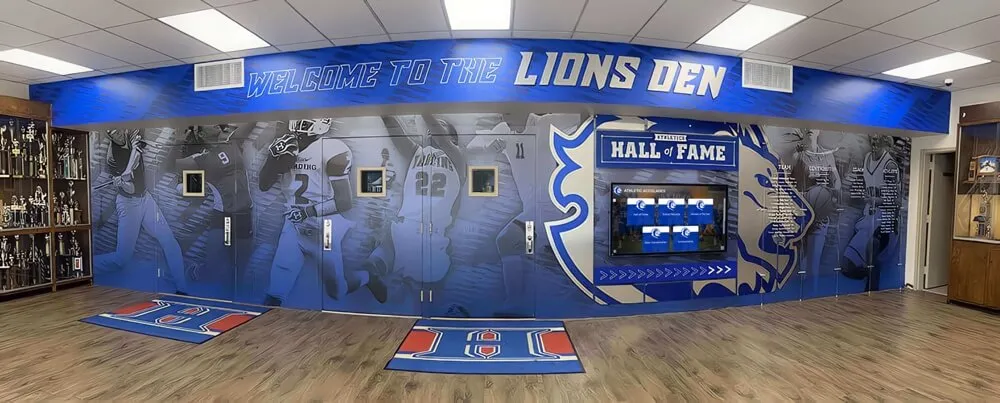
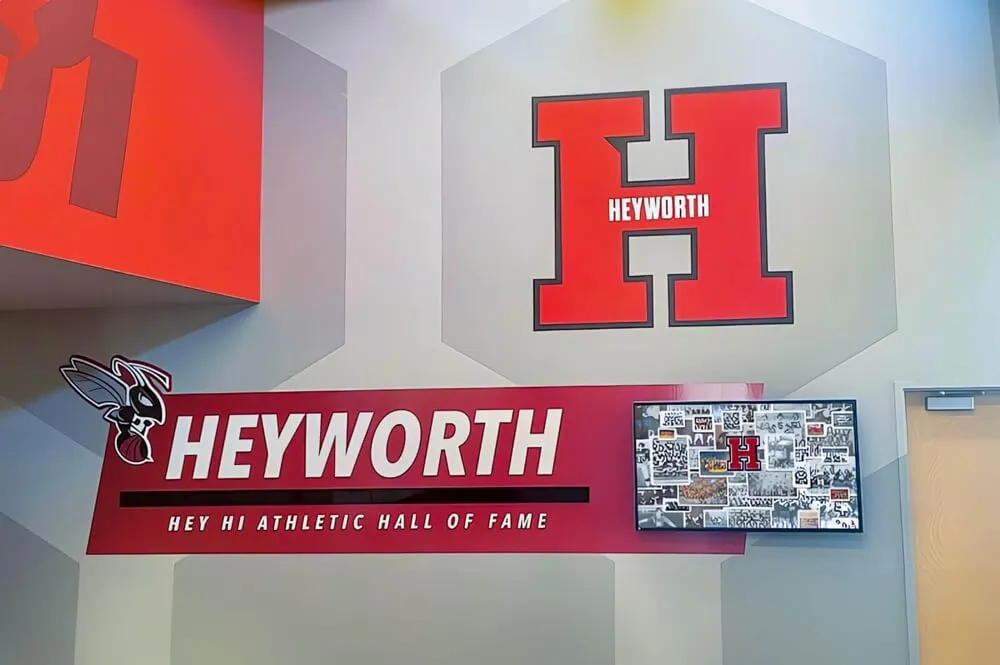
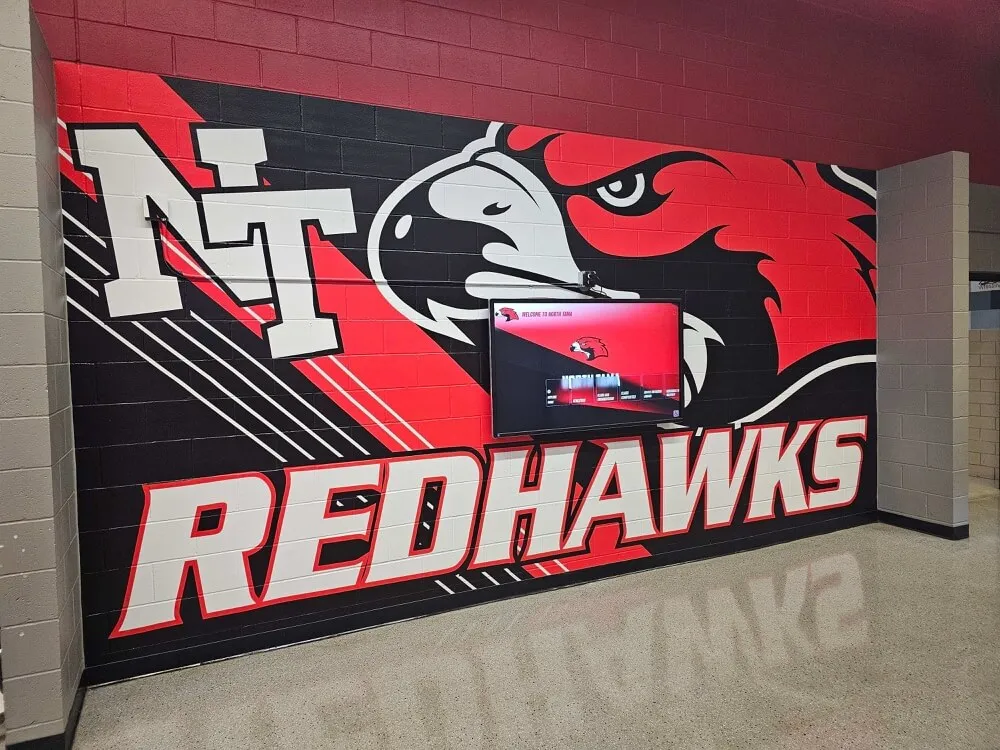
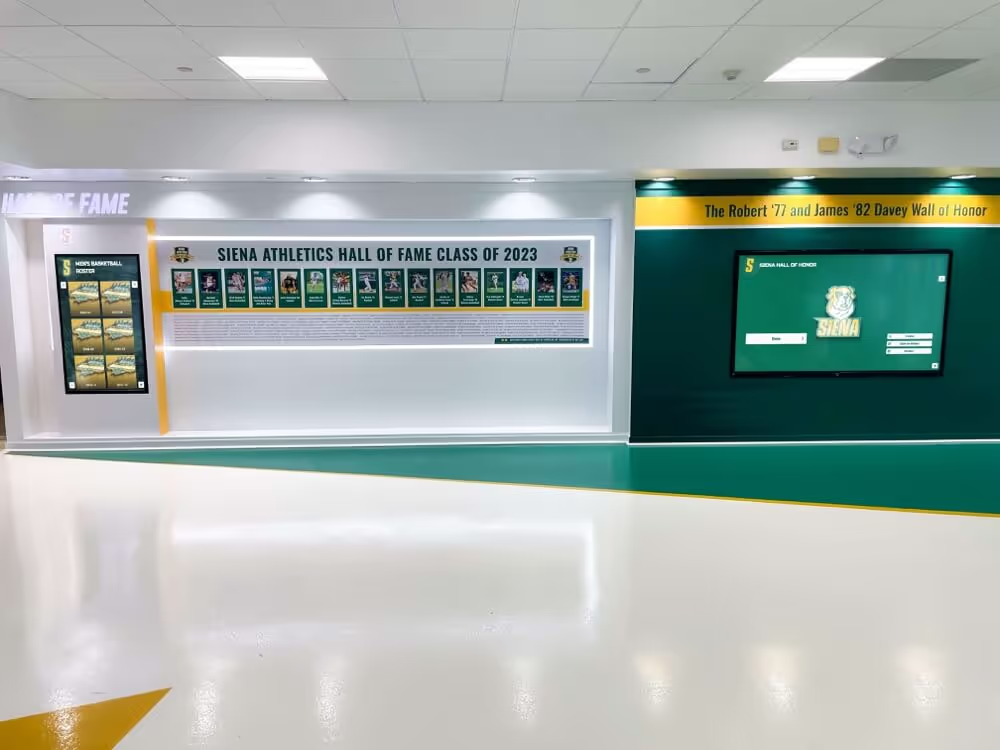
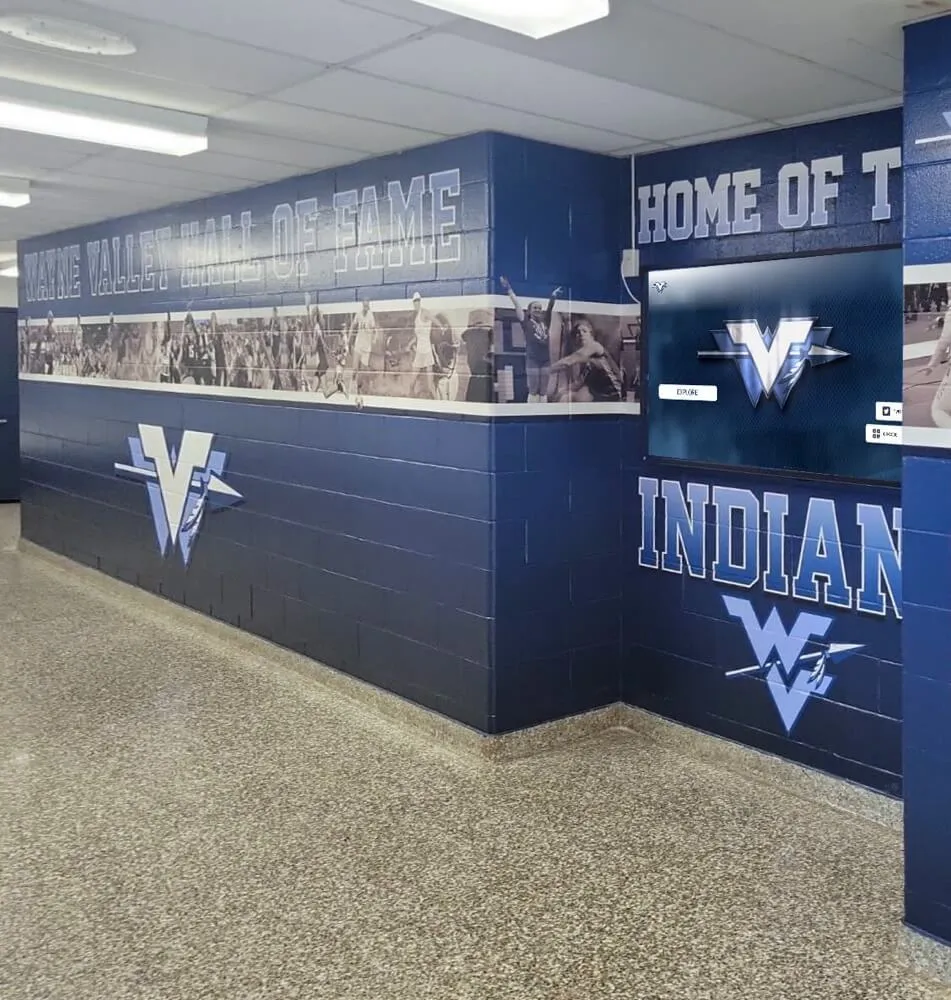
Comprehensive athletic recognition combines branded murals with digital displays, creating impressive environments celebrating wrestling excellence alongside achievements in other school sports
Recognizing Illinois Wrestling Achievement
Wrestling’s individual competitive structure combined with team scoring dynamics creates unique recognition requirements that schools must address comprehensively to honor achievement appropriately.
Individual Wrestler Recognition
State qualifier and champion recognition represents fundamental athletic acknowledgment responsibility.
State Qualifier Acknowledgment
Simply qualifying for IHSA State Tournament represents significant achievement deserving permanent recognition. Schools should systematically document state qualifiers through complete lists organized by year and weight class, career achievement tracking showing wrestlers qualifying multiple years, tournament placement documentation even for non-medal finishers, and statistical records including match records and season achievements.
State qualifier recognition ensures wrestlers receive appropriate acknowledgment for reaching championship competition even without placing in top eight or earning all-state status—qualification itself represents achievement exceeding the vast majority of Illinois high school wrestlers.
State Champion and Place-Finisher Recognition
State champions and all-state place-finishers deserve prominent recognition through individual achievement profiles documenting championship seasons, weight class and year identification enabling historical context, tournament bracket documentation showing path to finals, statistical achievement records, and post-high school wrestling career documentation when applicable.
Championship recognition should provide sufficient detail enabling future wrestlers to understand achievement context while honoring accomplishments with appropriate permanent institutional acknowledgment.
Career Achievement Recognition
For wrestlers competing multiple seasons, career achievement documentation becomes important through cumulative record tracking across all high school seasons, career statistical milestones and records, weight class progression showing physical development, year-by-year achievement documentation, and comprehensive tournament history including regionals, sectionals, and state appearances.
Career perspective provides fuller appreciation for sustained excellence while honoring wrestlers who improved progressively rather than achieving immediate freshman success.
Team Recognition and Championship Documentation
Wrestling’s team dimension requires systematic acknowledgment alongside individual achievement.
Dual Meet Team Achievement
Regular season dual meet records deserve recognition through conference championship acknowledgment, dual meet win-loss records by season, notable dual meet victories against championship programs, undefeated season recognition when achieved, and historical dual meet records establishing program success context.
Dual meet success reflects roster depth and coaching excellence, deserving recognition even when team tournament results don’t yield trophy finishes.
Tournament Team Recognition
Tournament team performance requires separate documentation through state tournament team trophy finishes, sectional and regional team championships, tournament team point totals and scoring documentation, weight class-by-weight class contribution analysis, and comparison to program historical standards.
Team tournament success demonstrates program depth and overall competitive excellence beyond simply individual wrestler achievement.
Explore comprehensive athletic hall of fame approaches that honor wrestling excellence within broader athletic recognition systems celebrating achievement across all school sports.
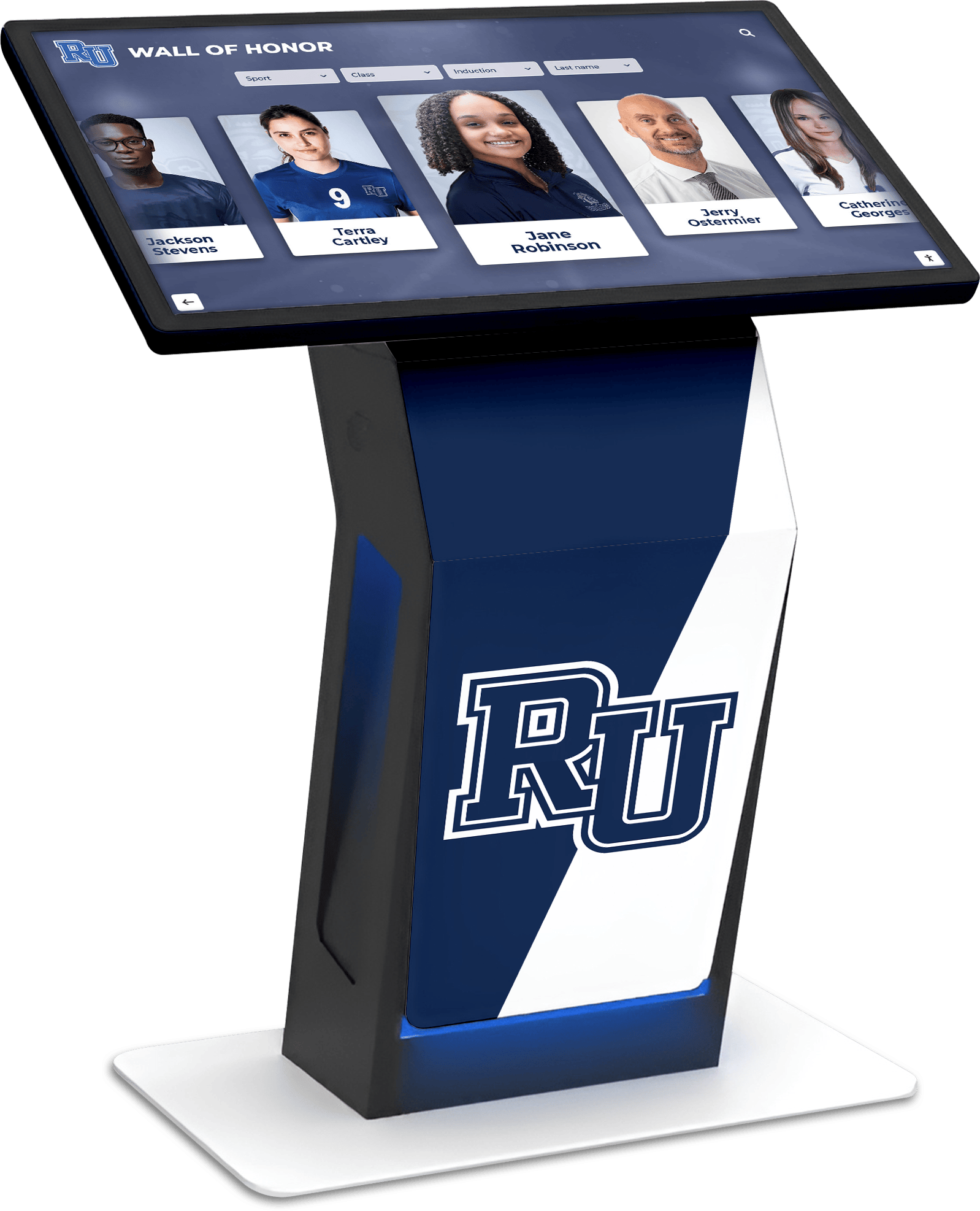
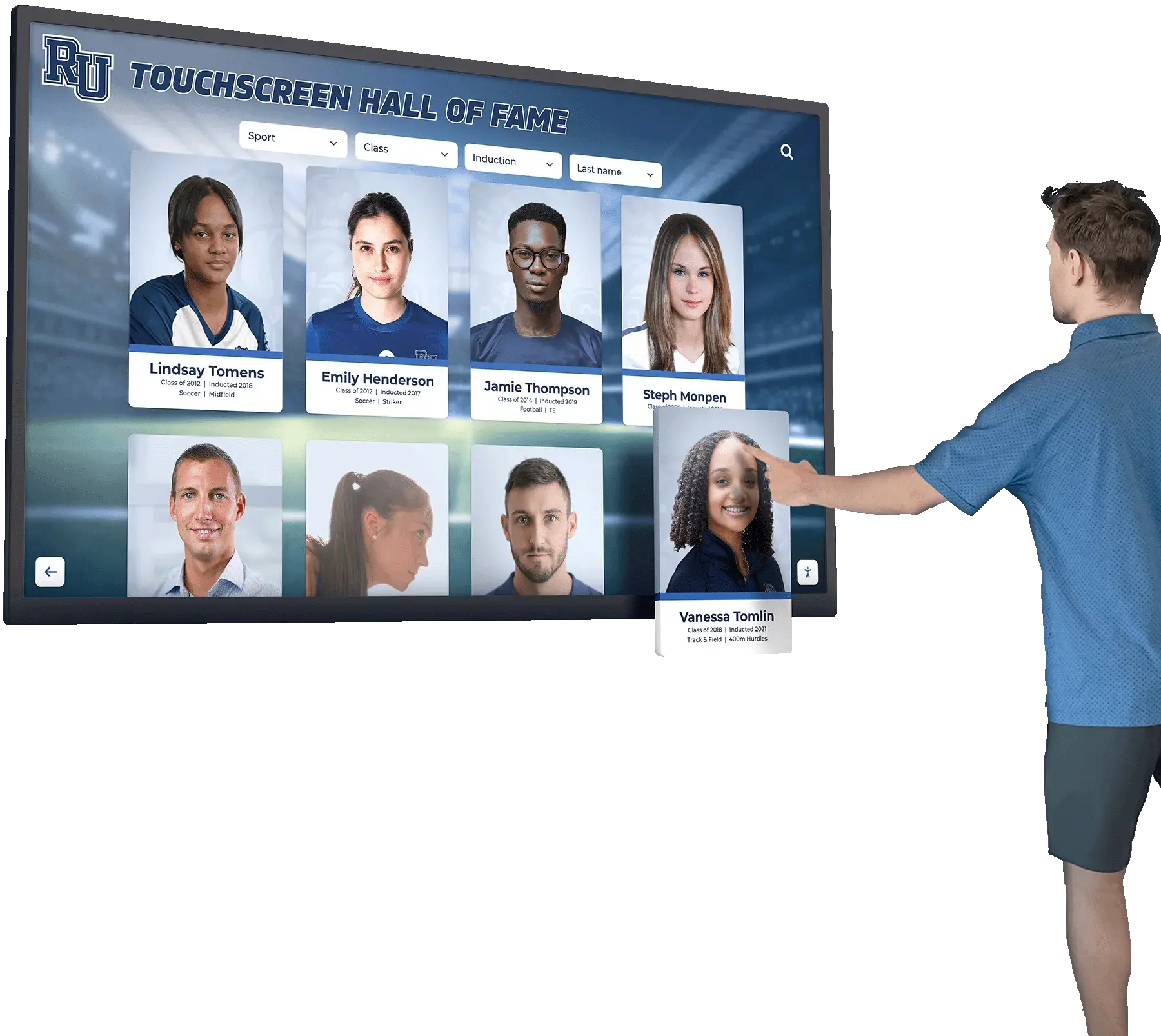
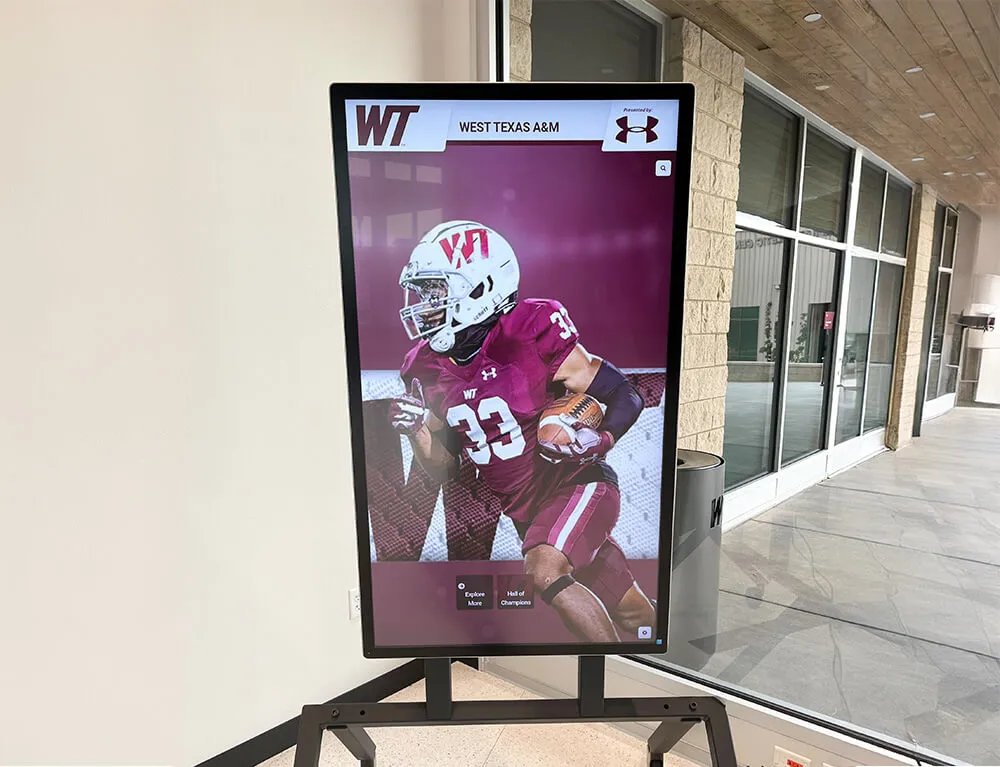
Freestanding interactive kiosks provide comprehensive wrestling recognition stations in lobbies and athletic facilities, with unlimited capacity for individual wrestler profiles and team achievement documentation
Modern Recognition Technology for Wrestling Programs
Traditional plaque-based recognition faces significant limitations when applied to wrestling’s individual achievement volume—successful programs accumulate hundreds of state qualifiers across decades, creating space constraints that prevent comprehensive acknowledgment when relying on physical displays alone.
Digital Wrestling Recognition Advantages
Modern digital platforms specifically address wrestling’s unique recognition requirements.
Unlimited Individual Wrestler Capacity
Digital recognition systems eliminate space constraints through unlimited wrestler profile documentation without physical expansion requirements, complete career statistics and achievement records for all wrestlers, weight class organization enabling logical navigation, searchable databases allowing quick athlete discovery, and historical archives preserving complete program wrestling history regardless of decades of accumulated achievement.
A single digital display can showcase recognition requiring dozens of traditional plaque walls, making comprehensive historical preservation achievable regardless of program longevity or state qualifier volume.
Statistical Database and Record Tracking
Wrestling’s quantifiable nature creates rich statistical content ideally suited for digital presentation through career win-loss records for all wrestlers, pin statistics and technical fall documentation, tournament placement complete history, weight class progression tracking, and all-time program record documentation with automatic updating as current wrestlers surpass historical standards.
Statistical depth enables meaningful comparison across eras while providing objective achievement measures that complement subjective recognition decisions about who deserves prominent acknowledgment.
Multimedia Integration and Match Documentation
Beyond statistics, digital platforms enable multimedia enhancement through match video highlights and championship footage, tournament bracket documentation showing competitive paths, photo galleries capturing competitive moments, coach and wrestler testimonial videos, and historical footage connecting contemporary achievement to program traditions spanning decades.
Video content brings wrestling achievements to life, creating engaging recognition experiences that hold viewer attention far longer than static plaques or simple text-based achievement lists.
Solutions like Rocket Alumni Solutions provide comprehensive platforms purpose-built for athletic recognition, enabling schools to showcase every state qualifier, honor all champions, recognize team achievements, and preserve complete program histories through engaging digital displays specifically designed for wrestling’s unique acknowledgment requirements.
Implementation Considerations for Wrestling Recognition
Successful wrestling recognition requires strategic planning addressing sport-specific considerations.
Content Development for Historical Wrestlers
Building comprehensive recognition requires systematic historical research through yearbook review and athletic record compilation, newspaper archive research documenting historical achievement, interview outreach to former coaches and wrestlers, statistical verification through official IHSA records, and photo acquisition from multiple historical sources.
Historical research proves time-intensive but creates foundational content ensuring recognition honors complete program history rather than only recent achievement where documentation already exists in digital formats.
Annual Updates and Maintenance
Sustainable recognition requires systematic procedures for incorporating annual achievements through scheduled additions following state tournament conclusion, timely content publication coordinating with season-end recognition events, photographer coordination capturing tournament and season images, statistical documentation while information remains current, and quality review maintaining professional presentation standards across all content.
Timely updates demonstrate ongoing commitment while ensuring current wrestlers receive recognition with same prominence as historical state qualifiers honored in established displays.
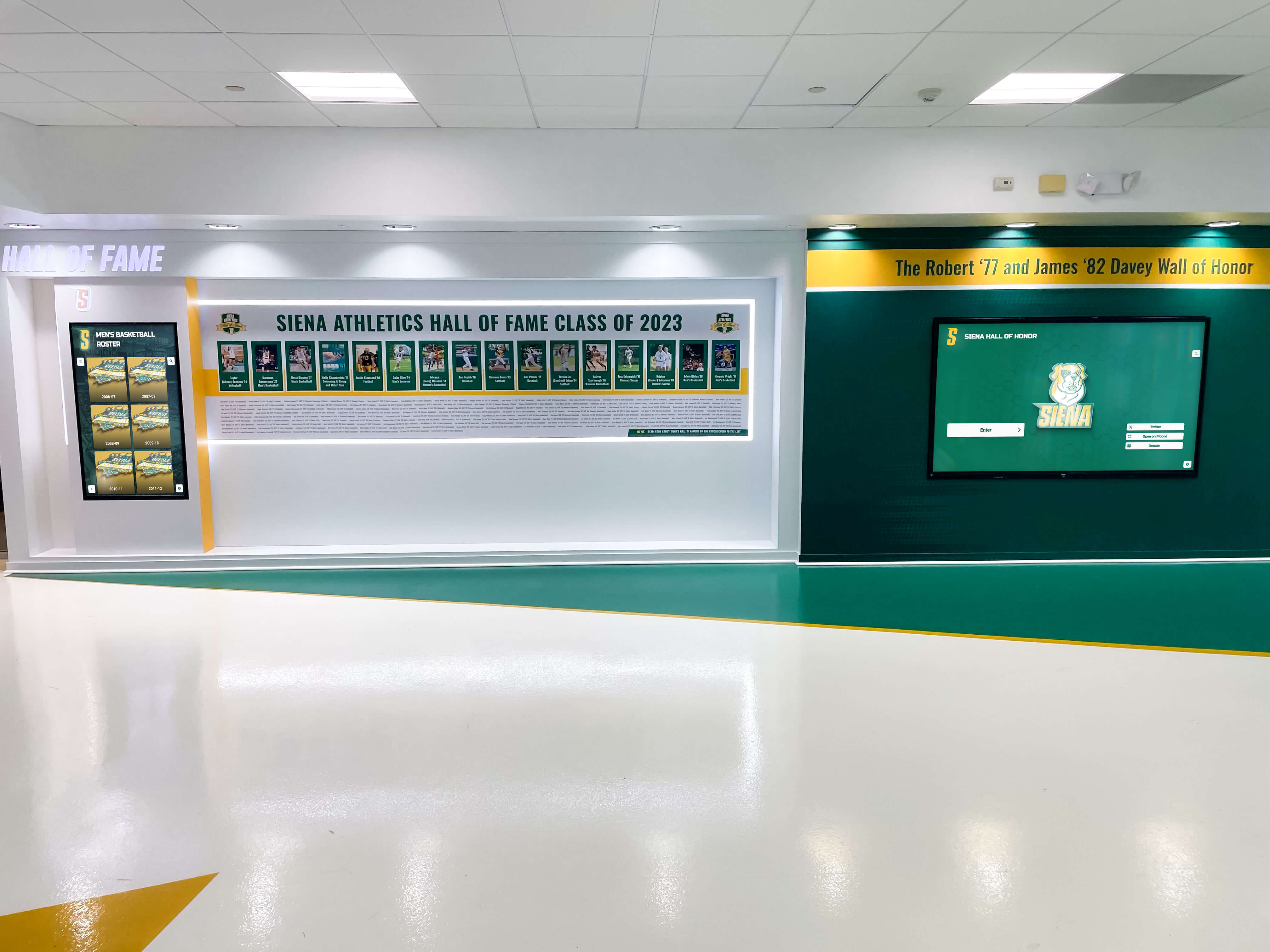
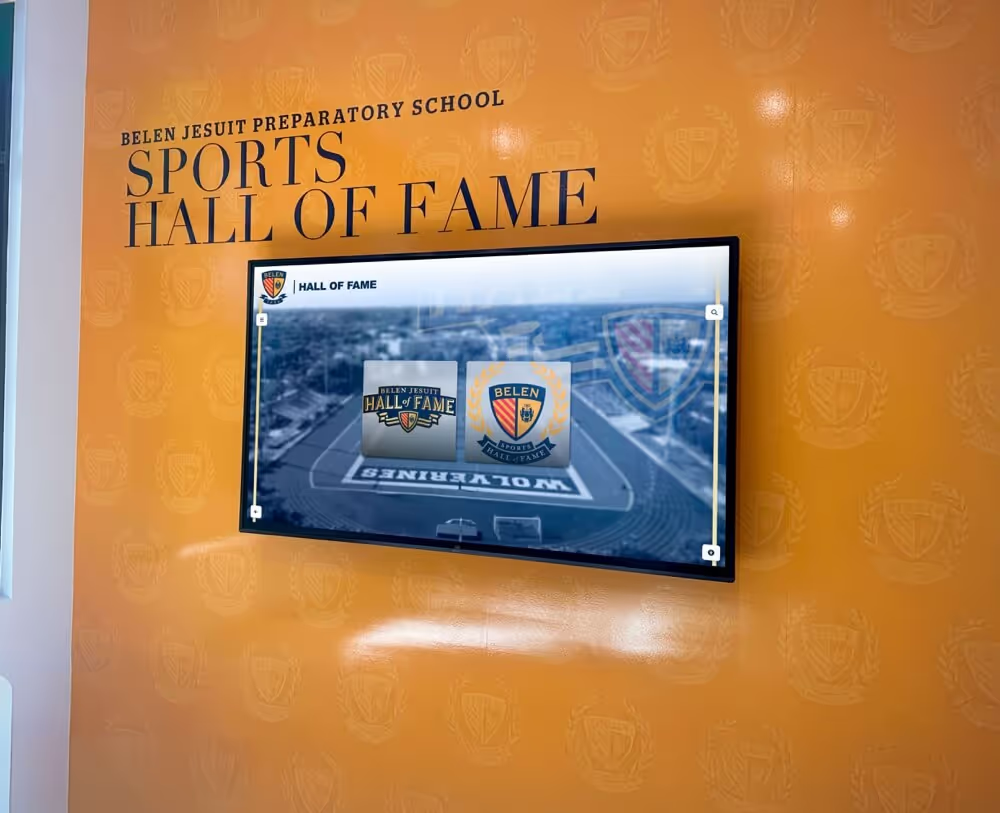
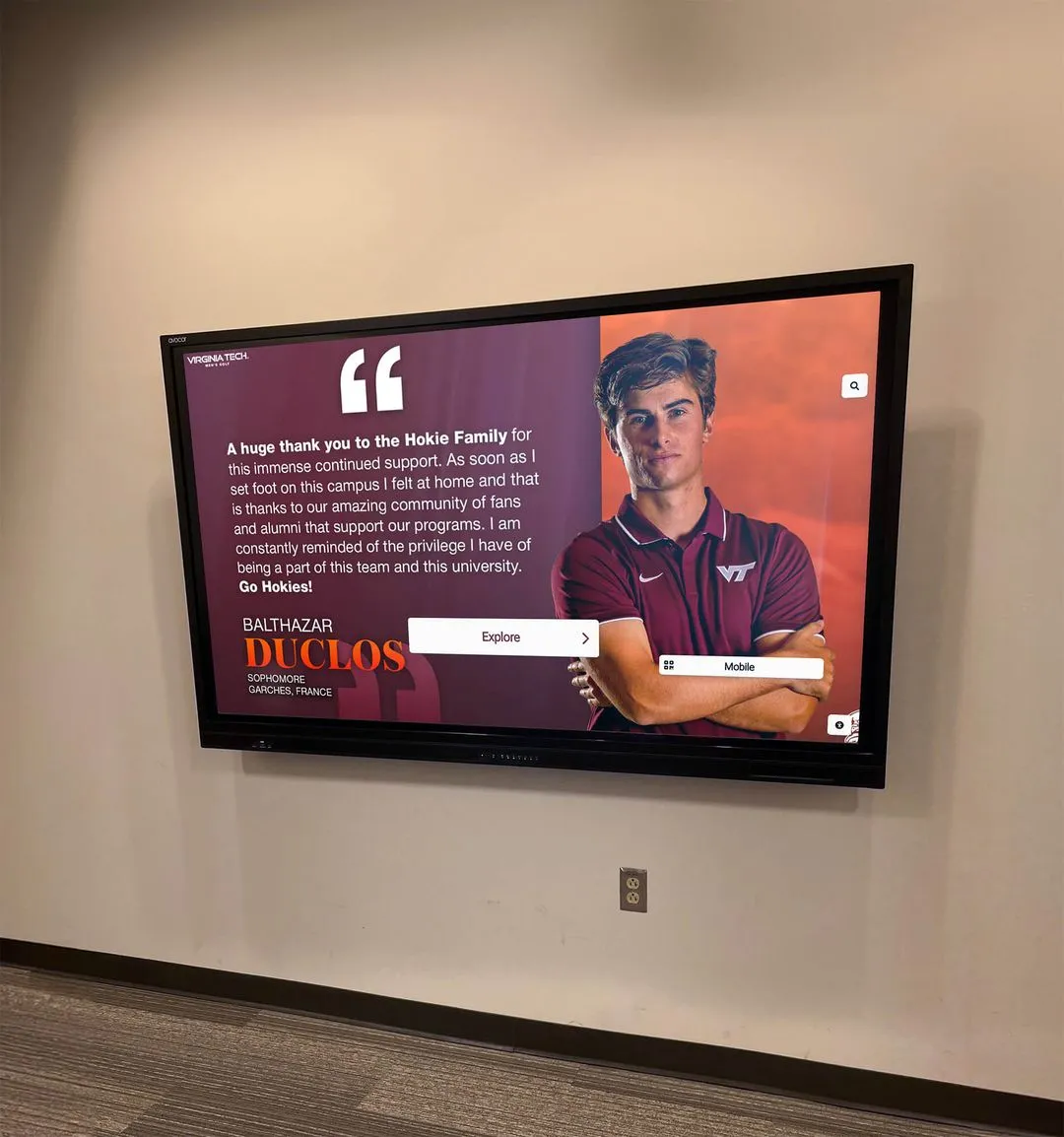
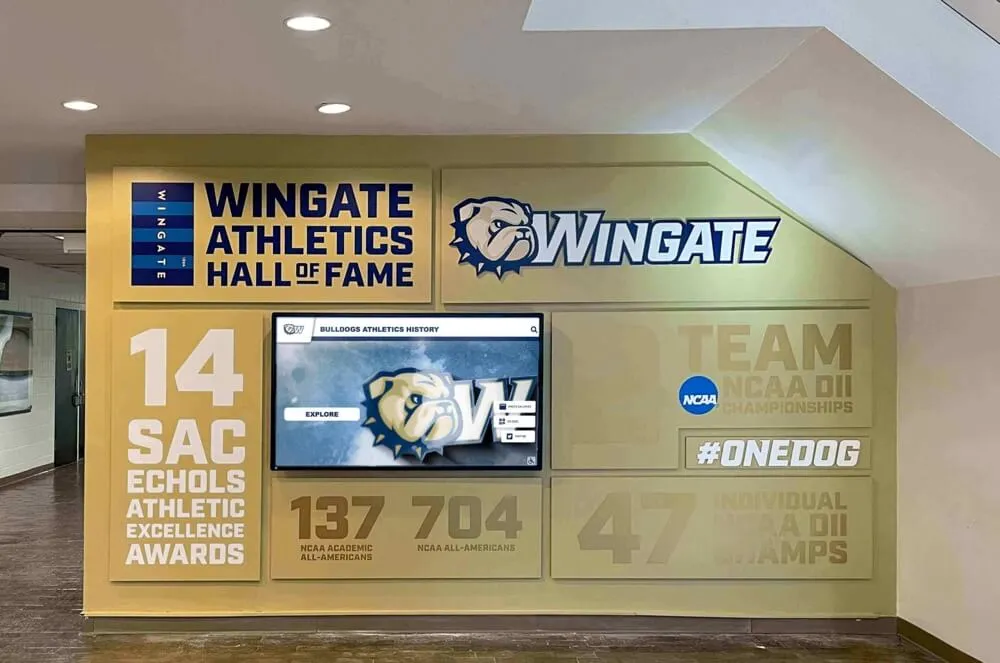
Professional wall-mounted displays provide sleek wrestling recognition that complements facility aesthetics while offering unlimited capacity for comprehensive achievement documentation
Wrestling-Specific Recognition Content
Effective wrestling recognition requires content addressing sport-specific achievement dimensions and competitive realities.
Individual Wrestler Profile Components
Comprehensive wrestler recognition includes essential career documentation.
Basic Wrestler Information
Every wrestler profile should include full name and graduation year, weight class(es) competed at throughout career, years of varsity participation, and season-by-season records with overall career totals.
This baseline data provides factual foundation while enabling statistical comparison across different wrestlers and eras within program history.
Achievement and Tournament Documentation
Detailed accomplishment records list state tournament qualifications with placement results, sectional and regional tournament finishes, conference and individual tournament championships, career statistical milestones and program records, and all-conference and all-area recognition received.
Comprehensive documentation ensures recognition captures complete achievement rather than simply highlighting isolated state championship or qualification accomplishments without providing career context.
Competitive Narrative and Personal Context
Move beyond statistics to tell complete athlete stories through memorable match descriptions and defining competitive moments, coaching testimonials providing achievement context, personal reflections about wrestling experience and program impact, post-high school athletic career information including college wrestling, and family legacy connections for multi-generational wrestling families.
Narrative elements transform recognition from dry statistics into engaging stories inspiring current wrestlers while honoring complete individuals rather than simply competitive performance isolated from personal dimensions.
Team Season Recognition Content
Championship and successful team seasons deserve comprehensive documentation beyond simply stating tournament results.
Season Overview and Context
Complete team recognition includes season records in dual meets and tournaments, conference standings and championship results, tournament team point totals and placement, weight-by-weight-class lineup documentation, and coaching staff complete identification.
Baseline information provides season documentation while enabling comparison across different team seasons throughout program history.
Individual Contributor Recognition Within Team Context
While team recognition celebrates collective achievement, acknowledge individual contributions through state qualifiers and champions from roster, statistical leaders in key categories like pins and bonus point victories, team captains and leadership recognition, and standout match performances contributing to team success.
Balanced approaches honor both team achievement and individual excellence within team frameworks, recognizing that wrestling team success requires accumulation of individual match victories across complete lineups.
Learn about comprehensive approaches for sport end-of-year awards that celebrate wrestling achievement through season-ending recognition events complementing permanent display systems.
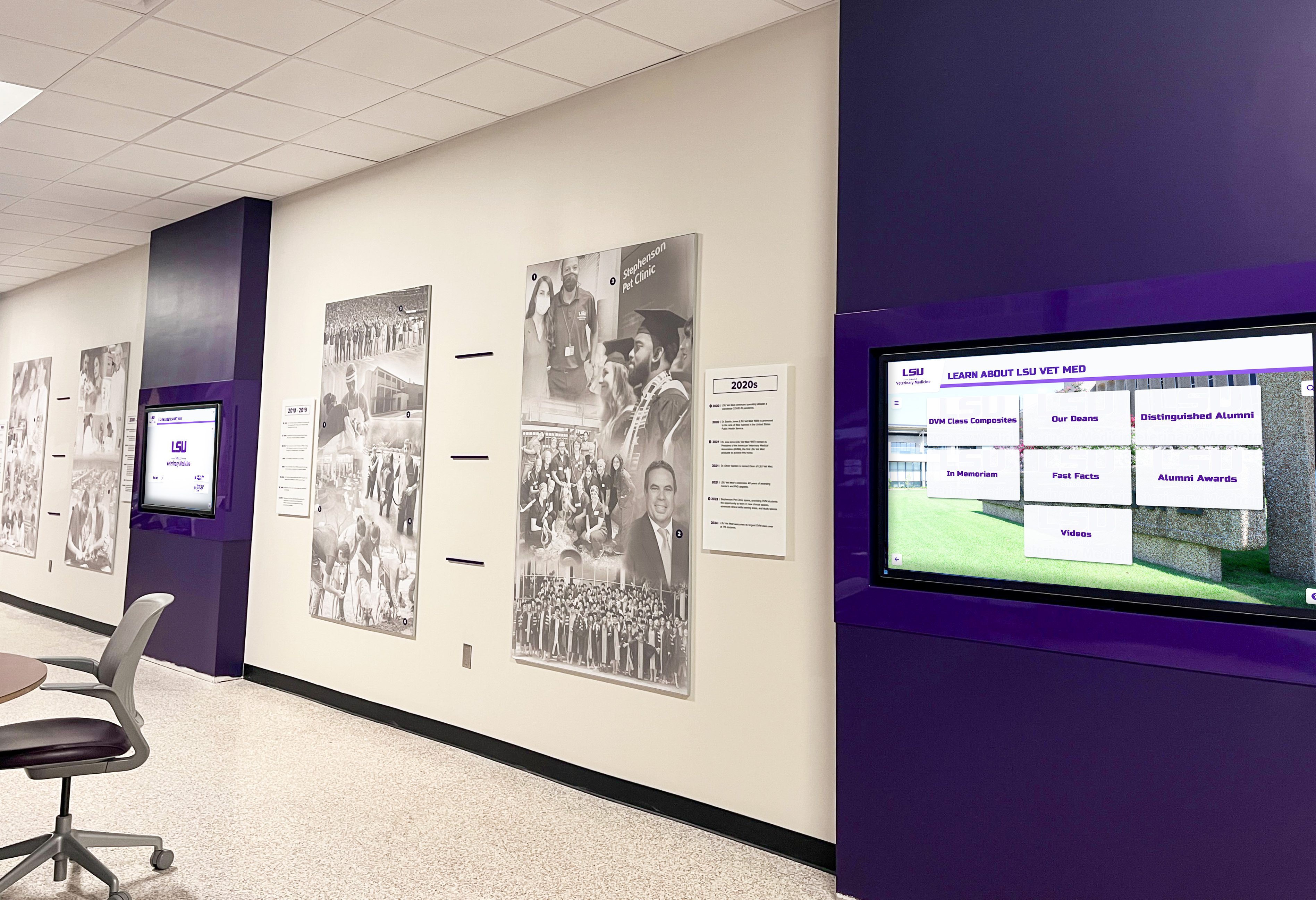
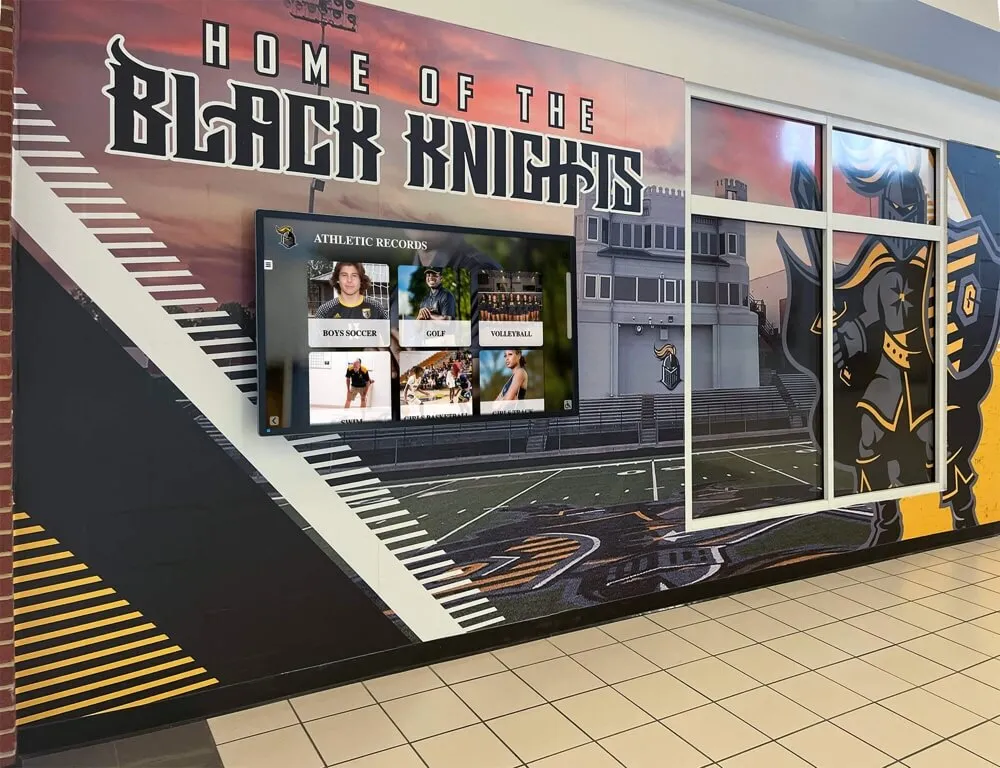
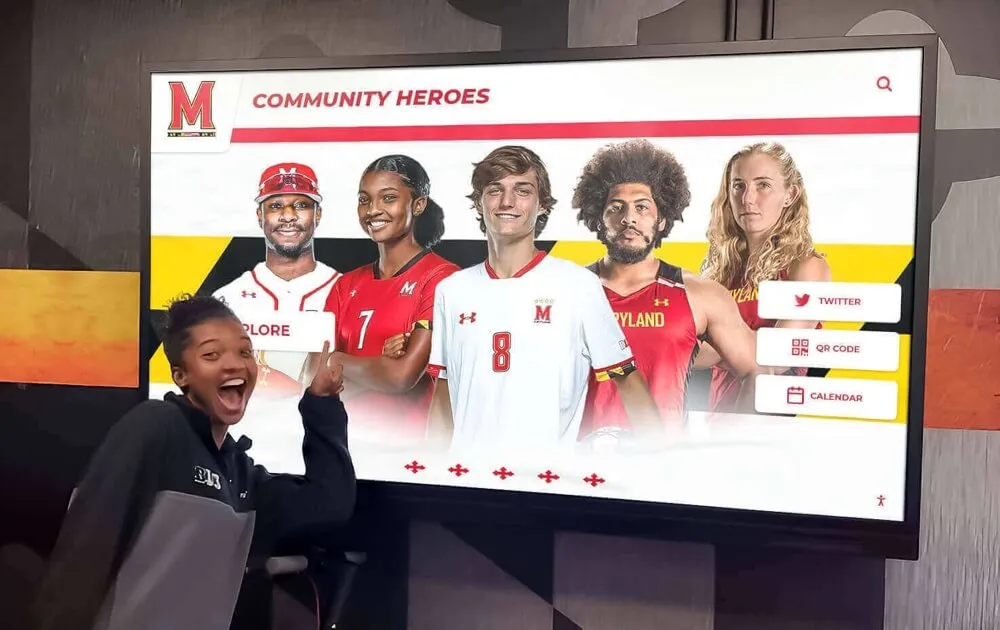
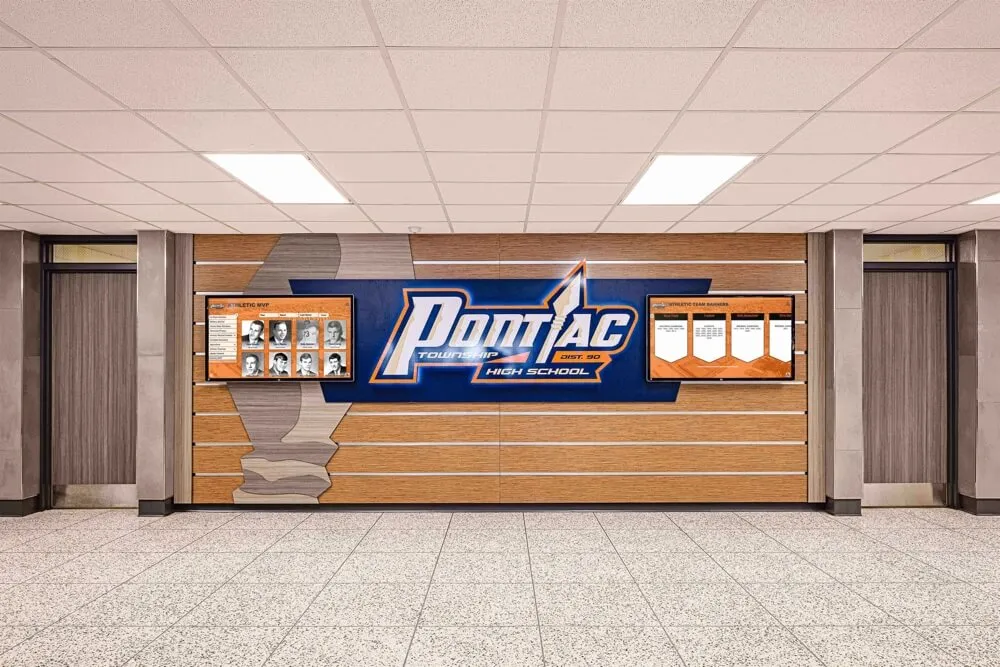
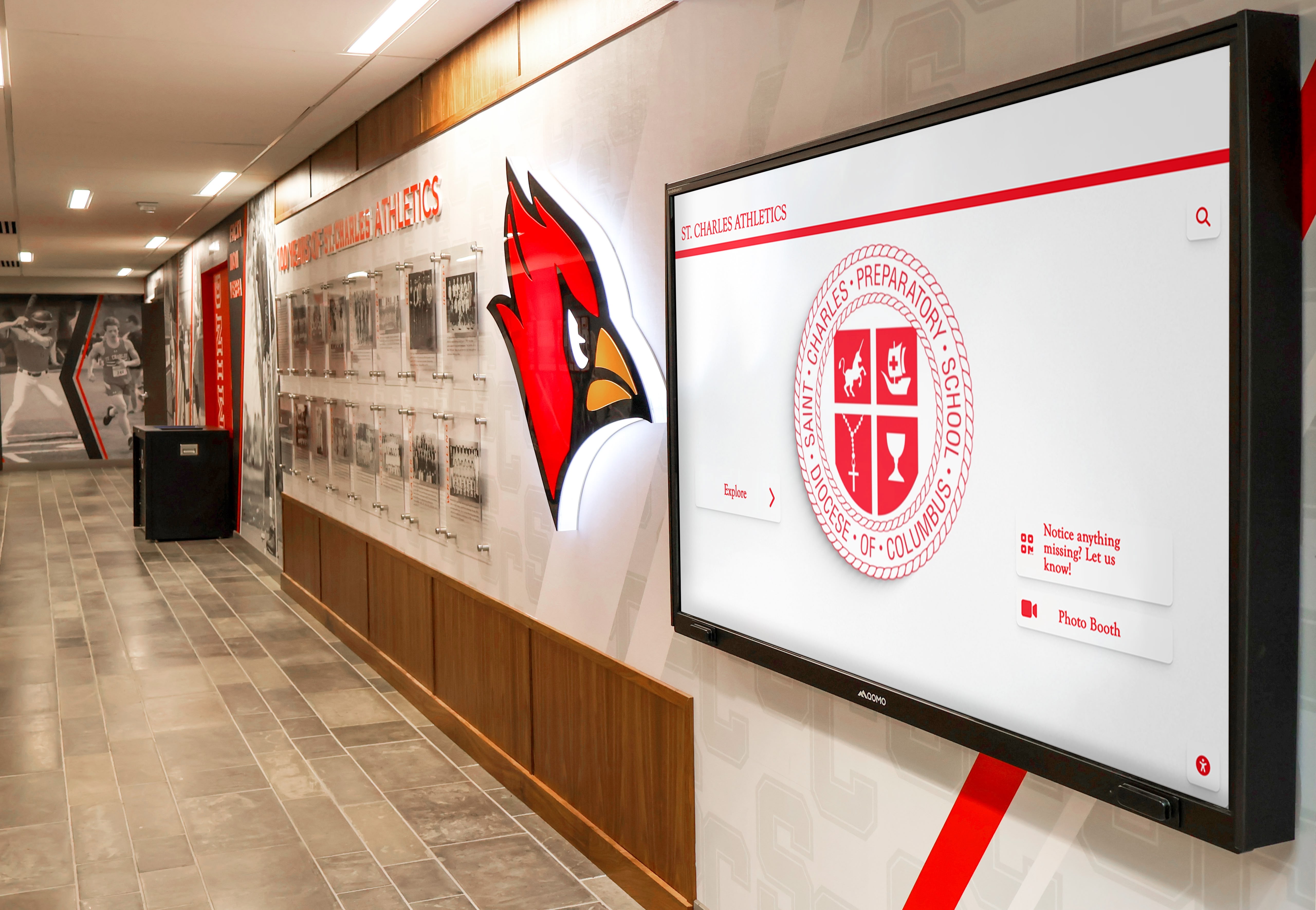
Multiple coordinated displays create comprehensive recognition corridors celebrating wrestling achievements throughout high-traffic athletic facility areas where wrestlers train and compete daily
Building Wrestling Program Culture Through Recognition
Strategic recognition shapes competitive culture by establishing excellence standards while inspiring current wrestlers through visible demonstration of achievement possibilities.
Recognition Impact on Program Development
Well-implemented recognition systems contribute to program competitive success.
Inspiring Current Wrestlers
When schools effectively showcase wrestling achievement history, current athletes gain perspective about traditions they’re continuing and standards they’re maintaining or establishing through visible examples demonstrating achievement possibilities within their specific program, clear standards defining what excellence levels merit permanent recognition, connection to program tradition linking current wrestlers to institutional heritage, tangible recognition goals providing motivation beyond seasonal competition, and wrestler development pathways showing progression from JV competition to state qualification and championship pursuit.
These recognition effects prove particularly powerful when systems enable current wrestlers to explore detailed profiles of state qualifiers and champions who trained in same facilities and learned from same coaches as current team members.
Recruiting and Youth Program Development
Comprehensive recognition supports program growth through visible demonstration of program excellence to prospective wrestlers, youth program inspiration connecting young athletes to high school success, family engagement as youth wrestlers visualize future high school achievement, and community pride generating broader support for program development.
Schools implementing enhanced wrestling recognition often report increased youth program participation and improved retention of wrestlers advancing from middle school to high school competition as families recognize institutional commitment to celebrating wrestling achievement.
Recognition Integration with Broader Athletic Culture
Wrestling recognition works most effectively when integrated within comprehensive athletic acknowledgment systems.
Multi-Sport Recognition Environments
Wrestling recognition should coordinate with broader athletic celebration through trophy display systems recognizing excellence across all sports, coordinated design creating cohesive athletic recognition environments, balanced prominence ensuring wrestling receives appropriate acknowledgment, and comprehensive athletic halls of fame celebrating sport-specific and multi-sport excellence.
Integration ensures wrestling recognition feels connected to broader athletic program rather than isolated acknowledgment that might inadvertently diminish other sports or create perception that certain sports receive preferential institutional treatment.
Academic and Citizenship Recognition Integration
Many successful wrestlers demonstrate academic excellence worthy of acknowledgment through academic recognition programs celebrating scholar-athletes, citizenship and leadership recognition beyond athletic achievement, and multi-dimensional acknowledgment honoring complete student-athletes rather than simply competitive accomplishment.
Comprehensive recognition demonstrates institutional values extending beyond athletic success to encompass academic preparation and personal character development that wrestling’s demanding nature cultivates alongside competitive excellence.
Supporting Illinois Wrestling Through Community Engagement
Successful wrestling programs depend on community support extending beyond athletes and coaches to encompass families, alumni, and local businesses providing resources enabling competitive excellence.
Booster Club and Fundraising Support
Wrestling programs benefit from active booster organizations supporting program needs.
Wrestling-Specific Fundraising Needs
Wrestling programs face distinct financial requirements through team travel for tournaments and dual meets, tournament entry fees and hosting costs, mat and facility maintenance requirements, singlets and team equipment replacement, and strength training and nutrition program support.
Booster club fundraising strategies specifically adapted for wrestling include tournament hosting generating concession and admission revenue, alumni wrestling events connecting former wrestlers to current programs, corporate sponsorships from local businesses, and merchandise sales throughout competitive season.
Recognition Supporting Booster Development
Quality wrestling recognition systems support fundraising and booster engagement through visible demonstration of institutional commitment to program, permanent donor acknowledgment for recognition system contributions, historical preservation justifying continued investment, and enhanced alumni connection generating long-term financial support.
Investment in wrestling recognition demonstrates that achievement celebration receives appropriate institutional priority, which motivates continued booster support from families and community members who see their contributions honored through quality recognition systems.
Alumni Wrestler Engagement
Former wrestlers represent valuable program resources when effectively engaged.
Alumni Wrestler Networks
Successful programs cultivate alumni relationships through annual alumni wrestling events and gatherings, alumni mentorship programs connecting former wrestlers to current team, alumni volunteer coaching and technical instruction, alumni financial support and facility contributions, and social media engagement keeping alumni connected to current program.
Alumni networks strengthen when recognition systems make historical achievement visible and accessible—former wrestlers appreciate seeing their accomplishments permanently preserved and readily engage with programs demonstrating commitment to honoring wrestling tradition through comprehensive recognition spanning all program eras.

Strategic recognition placement in main lobbies ensures wrestling achievements reach diverse audiences including visitors, prospective students, families, and community members attending various school events
Wrestling Recognition Best Practices
Implementing effective wrestling recognition requires understanding sport-specific considerations and common implementation challenges.
Common Recognition Pitfalls to Avoid
Several recognition mistakes undermine effectiveness.
Incomplete Historical Documentation
Perhaps the most common mistake involves recognizing recent achievement while neglecting historical wrestlers, creating perception that only contemporary accomplishment matters. Comprehensive recognition requires systematic historical research ensuring all state qualifiers and champions receive appropriate acknowledgment regardless of when they competed.
Incomplete historical coverage creates alumni dissatisfaction and undermines recognition credibility when former wrestlers discover their achievements lack documentation despite similar or superior accomplishment to prominently featured contemporary athletes.
Overemphasis on Championships Without Broader Context
While state champions obviously deserve prominent recognition, exclusive focus on title-winners without acknowledging state qualifiers, place-finishers, or near-qualifiers creates narrow achievement narrative failing to honor the many wrestlers whose accomplishment levels exceeded the vast majority of competitors despite falling short of individual championships.
Balanced recognition celebrates wrestling excellence across achievement spectrum rather than suggesting only first-place finishes merit institutional acknowledgment.
Neglecting Team Achievement Alongside Individual Recognition
Wrestling’s individual competitive structure sometimes results in recognition systems focused exclusively on individual state qualifiers and champions without acknowledging team championships, dual meet excellence, or roster contributions from wrestlers who enabled team success despite not individually qualifying for state tournament.
Complete recognition honors both individual and team dimensions, acknowledging that program success requires both elite individual performers and depth wrestlers contributing team points through sectional and regional competition even without personal state qualification.
Recognition System Selection Considerations
Schools pursuing enhanced wrestling recognition should evaluate options systematically.
Comparing Traditional and Digital Recognition
Traditional plaque-based recognition and modern digital platforms each offer distinct advantages with physical plaques providing permanent, maintenance-free visibility but limited capacity and minimal detail capacity, while digital systems enable unlimited wrestler documentation, comprehensive statistics, multimedia integration, and easy updates but require ongoing technical support and content management.
For wrestling programs with extensive state qualifier histories or ambitious goals for comprehensive documentation, digital platforms typically provide superior long-term value despite higher initial investment compared to traditional plaques.
Budget and Implementation Timeline Planning
Recognition system investment requires realistic budget development including initial hardware, software, or physical display costs, content development for historical wrestler documentation, professional photography and videography, ongoing maintenance and management, and contingency planning for future expansion or enhancement.
Implementation typically requires 12-20 weeks for comprehensive wrestling recognition spanning planning and design, historical research and content development, technology procurement and installation, content migration and publishing, and formal launch and unveiling coordination.
Learn about digital record board implementation specifically designed for wrestling programs tracking individual records, career statistics, and championship achievement across program history.
Conclusion: Celebrating Illinois Wrestling Excellence
Illinois high school wrestling represents one of the state’s strongest athletic traditions, producing generations of competitive excellence culminating each February at IHSA State Tournament championship competition in Champaign. From small-town Class 1A programs to Chicago suburban Class 3A powers, wrestling programs throughout the Prairie State demonstrate remarkable dedication, technical excellence, and competitive intensity that deserves comprehensive recognition honoring individual achievement, team success, and program traditions spanning decades.
The recognition approaches explored in this guide provide Illinois wrestling programs with frameworks for celebrating this excellence through systems that honor state qualifiers and champions, preserve complete career statistics and achievement records, acknowledge team accomplishments alongside individual success, and inspire future wrestlers through visible demonstration of what sustained commitment and competitive dedication can achieve within their specific programs.
Celebrate Your Wrestling Program Excellence
Discover how modern digital recognition solutions help Illinois schools honor state qualifiers and champions, preserve complete wrestling program histories, and create engaging displays that inspire current wrestlers through unlimited capacity, comprehensive statistics, and multimedia storytelling designed specifically for wrestling's unique recognition requirements.
Explore Wrestling Recognition SolutionsWhether celebrating first state qualifiers or honoring programs with championship traditions spanning generations, investment in comprehensive wrestling recognition demonstrates institutional commitment to honoring individual excellence and team achievement while preserving athletic heritage that defines program identity. Remember that effective recognition matters more than expensive installations—thoughtful acknowledgment providing appropriate visibility, preserving wrestler achievement narratives, and maintaining accessibility creates greater impact than elaborate systems lacking sustainable content management or failing to honor the complete spectrum of wrestling accomplishment throughout Illinois high school competition.
Begin where your program stands today with recognition enhancements you can implement immediately—organizing existing trophy case displays more effectively, launching online wrestler databases documenting historical achievement, implementing focused digital installations in strategic athletic facility locations, or developing systematic processes for documenting current season achievement—then progressively expand toward comprehensive recognition that honors your complete institutional wrestling history while celebrating each season’s accomplishments with timeliness validating current wrestler achievement.
Ready to enhance wrestling recognition at your Illinois school? Explore digital athletic recognition systems designed for comprehensive individual and team celebration, discover approaches for building athletic traditions, or learn about senior athlete recognition strategies that honor graduating wrestlers while preserving their accomplishments for future generations throughout Illinois’s proud high school wrestling tradition.