Many schools, universities, and organizations cherish their traditional flip-through composite displays—those familiar binders or albums where visitors can browse through graduating class photos organized by year. These physical displays create tangible connections to institutional history while enabling easy year-based exploration that honors each cohort’s unique identity. Yet these beloved traditions face mounting challenges including deteriorating physical materials requiring constant replacement, limited space for expanding class collections as decades accumulate, accessibility restricted to single locations during operating hours, and static formats preventing rich multimedia storytelling beyond basic photographs.
When institutions thoughtfully implement interactive digital class composite displays, they preserve the intuitive year-based browsing experience people love while dramatically expanding capabilities through unlimited digital storage accommodating every class year throughout history, engaging touchscreen interfaces enabling intuitive exploration, rich individual profiles including photos, accomplishments, stories, and multimedia, remote web access extending reach far beyond physical locations, and sustainable platforms eliminating ongoing printing and material costs.
This comprehensive guide explores proven strategies for creating interactive digital class composite displays that honor traditional flip-through formats while leveraging modern technology to create more accessible, engaging, and comprehensive recognition systems that celebrate every graduating class and individual member.
Effective interactive digital class composites maintain the core value that made physical flip-through displays meaningful—easy year-based exploration enabling visitors to discover specific graduating classes, compare cohorts across eras, and connect individual graduates to their class identity—while adding powerful capabilities that static physical formats cannot provide.

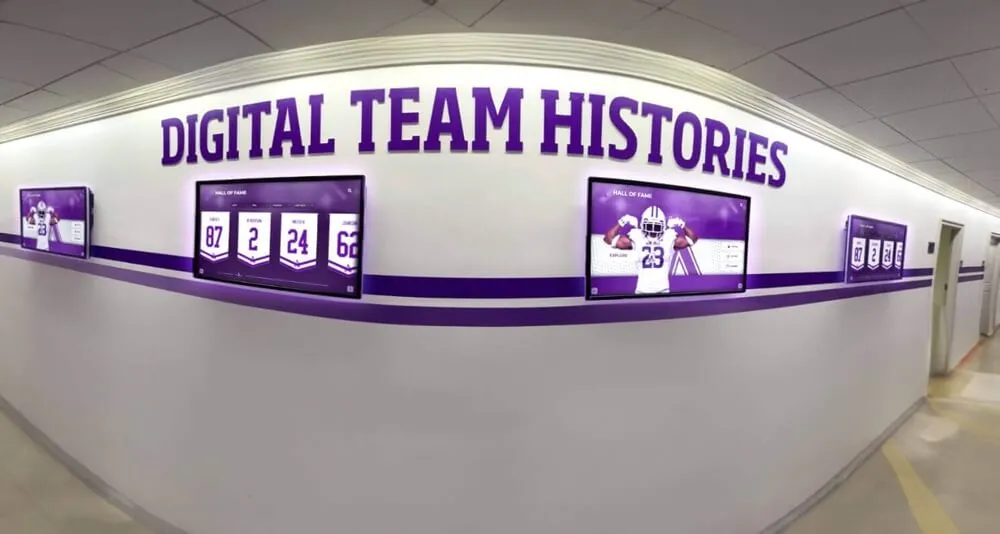
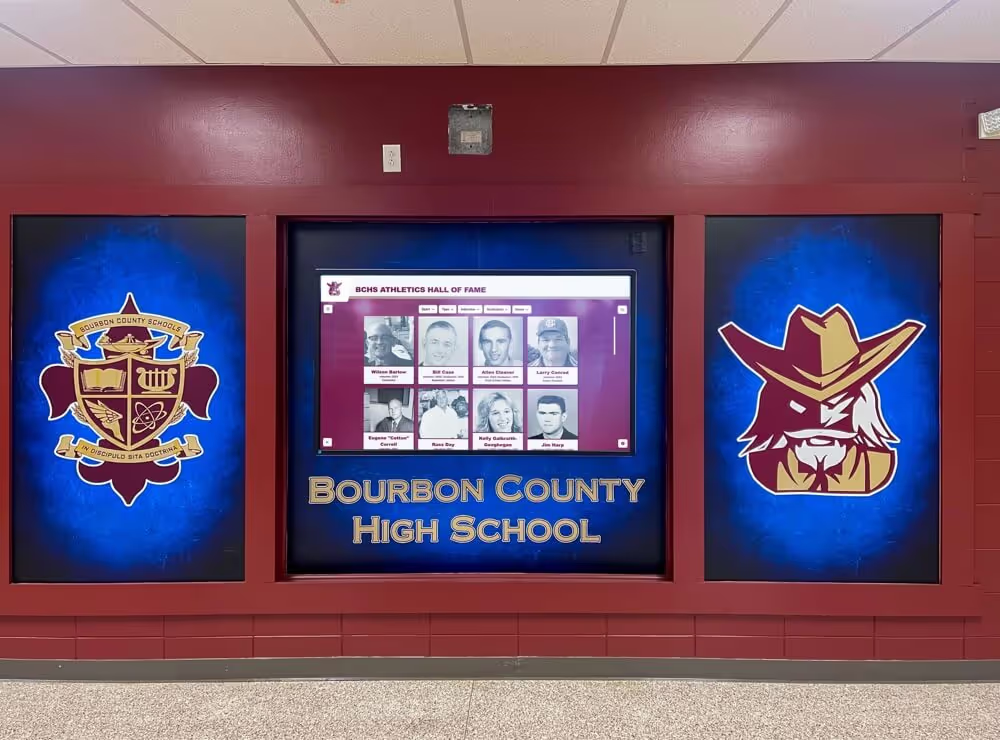
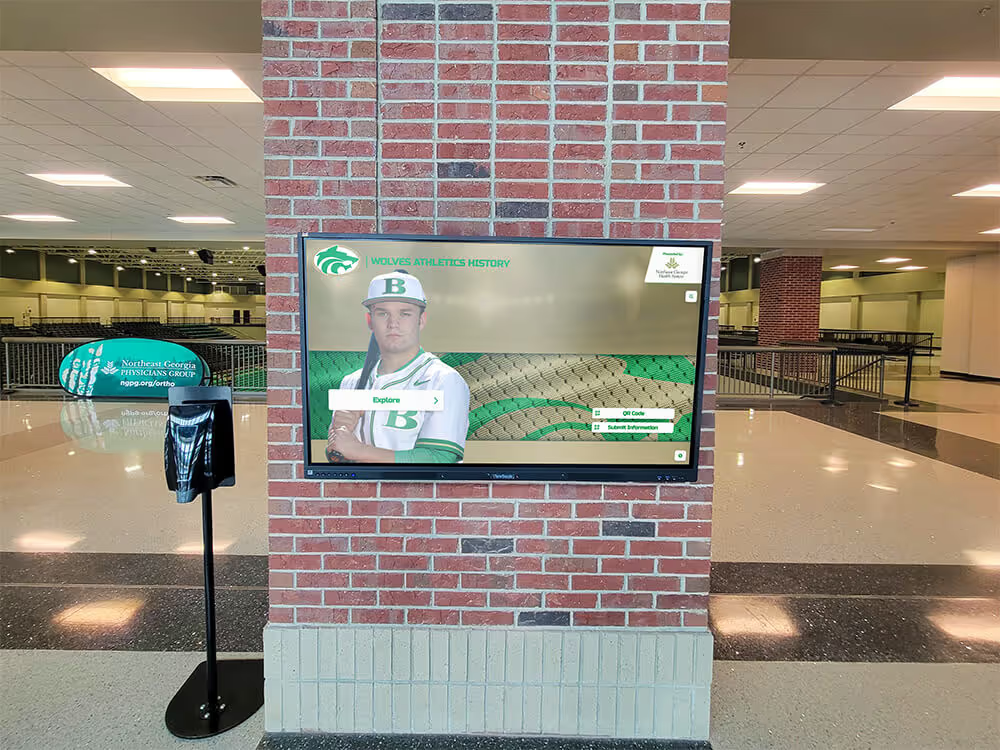
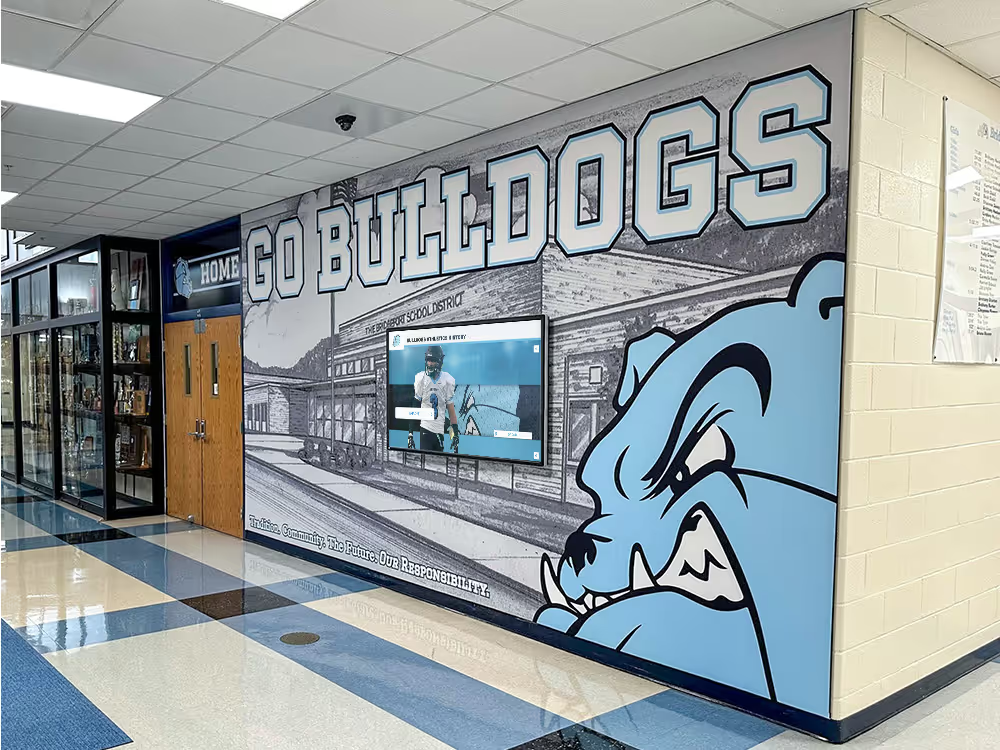
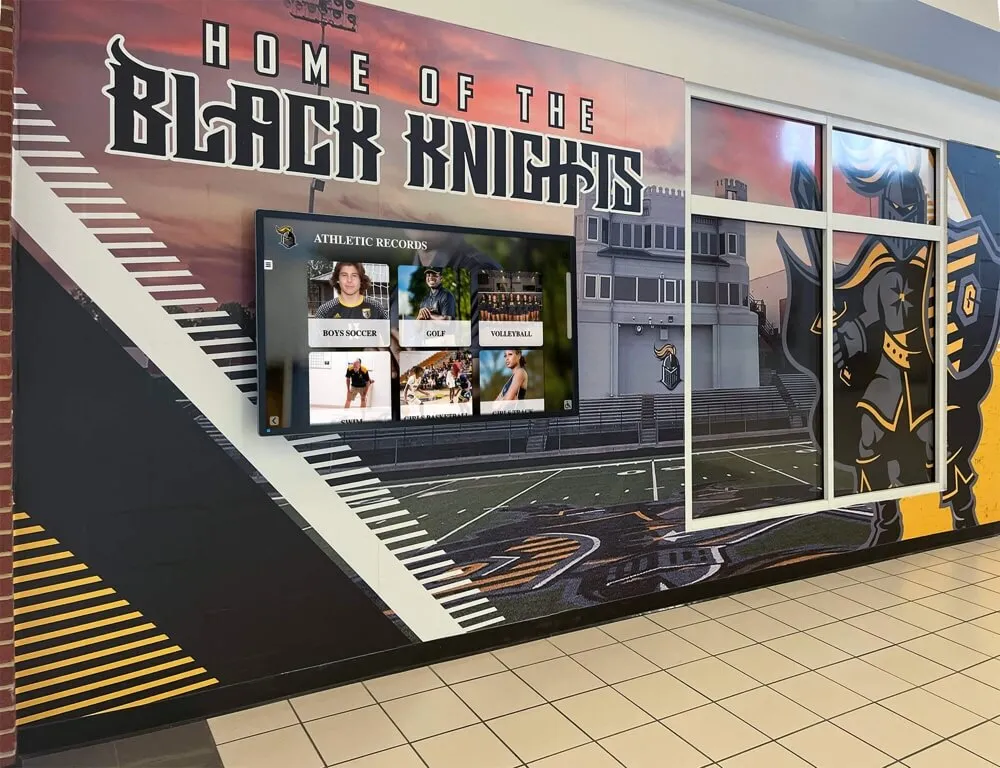
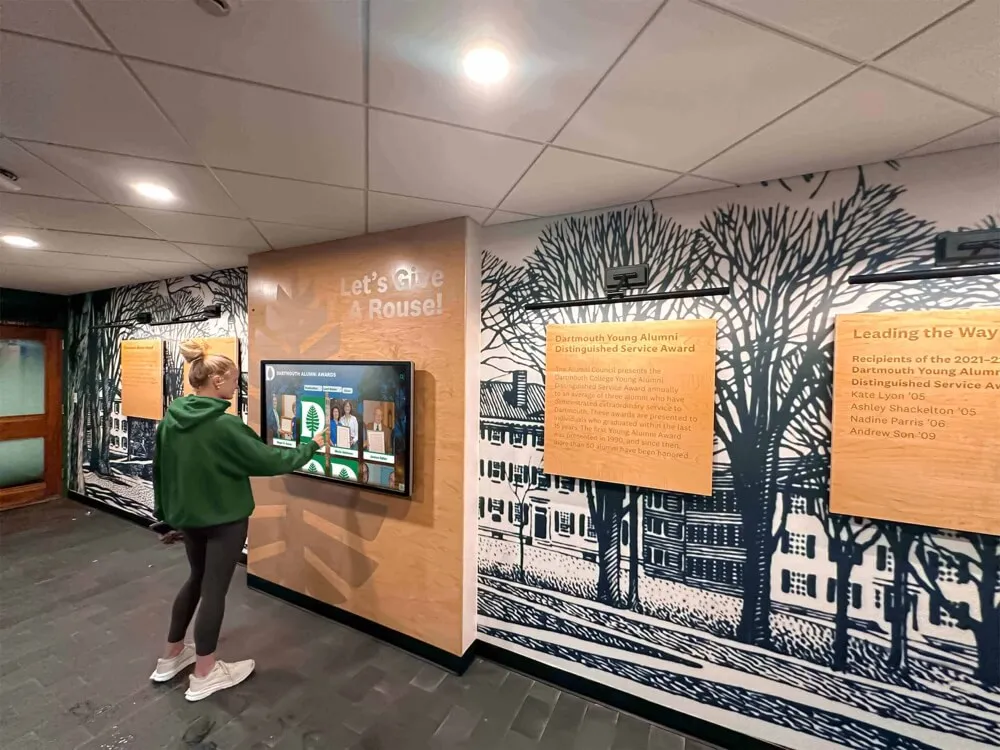
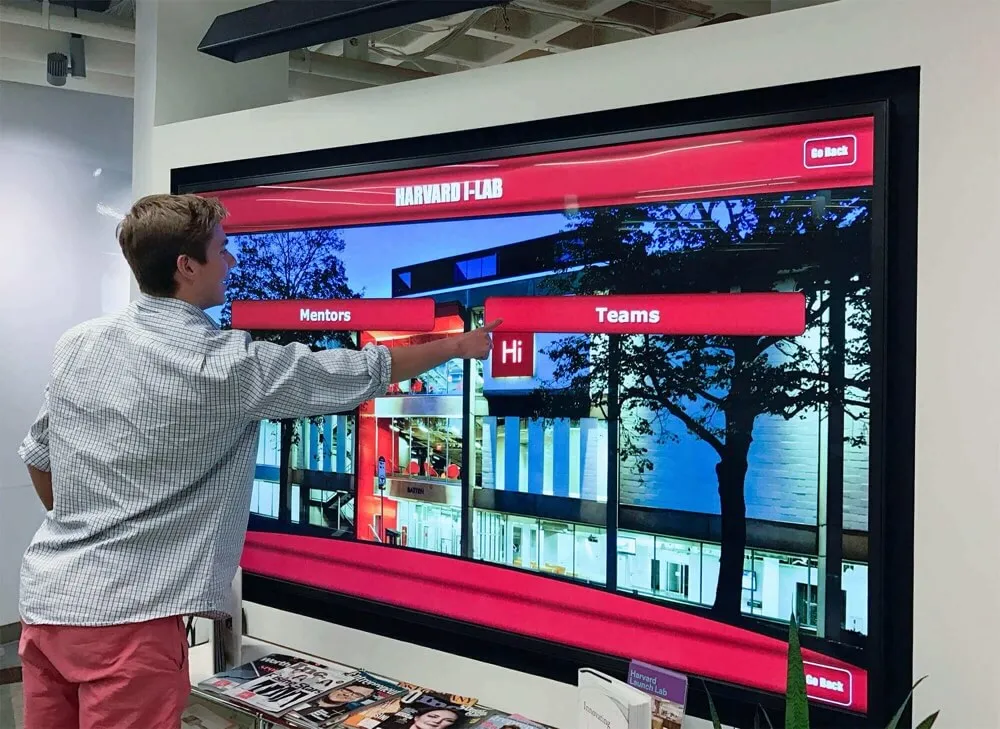
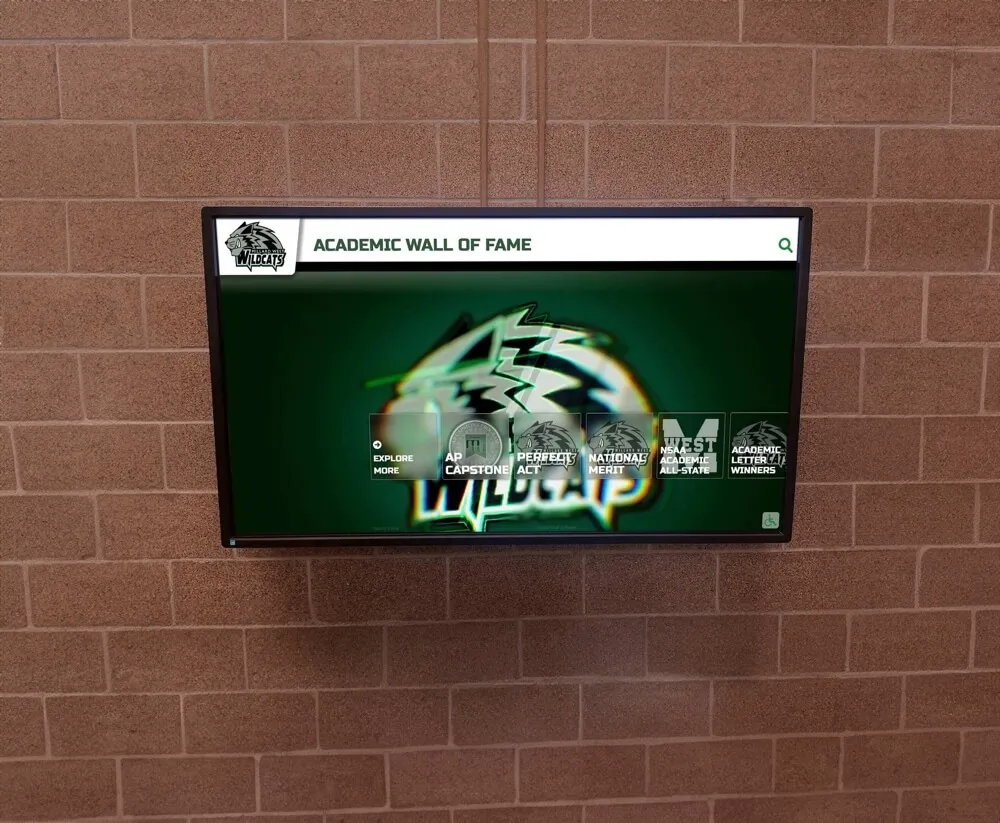
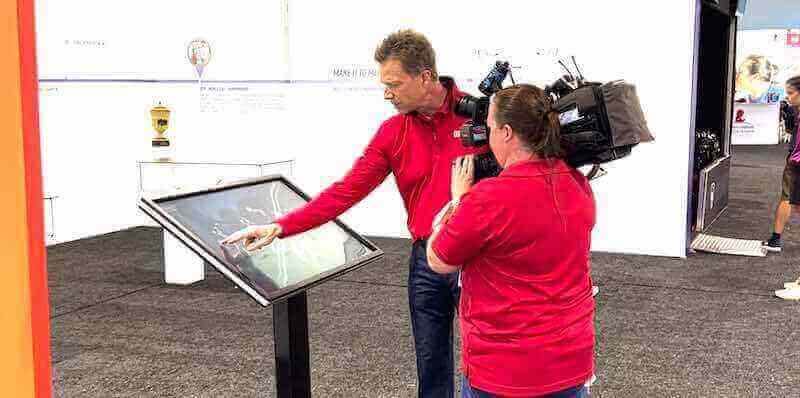
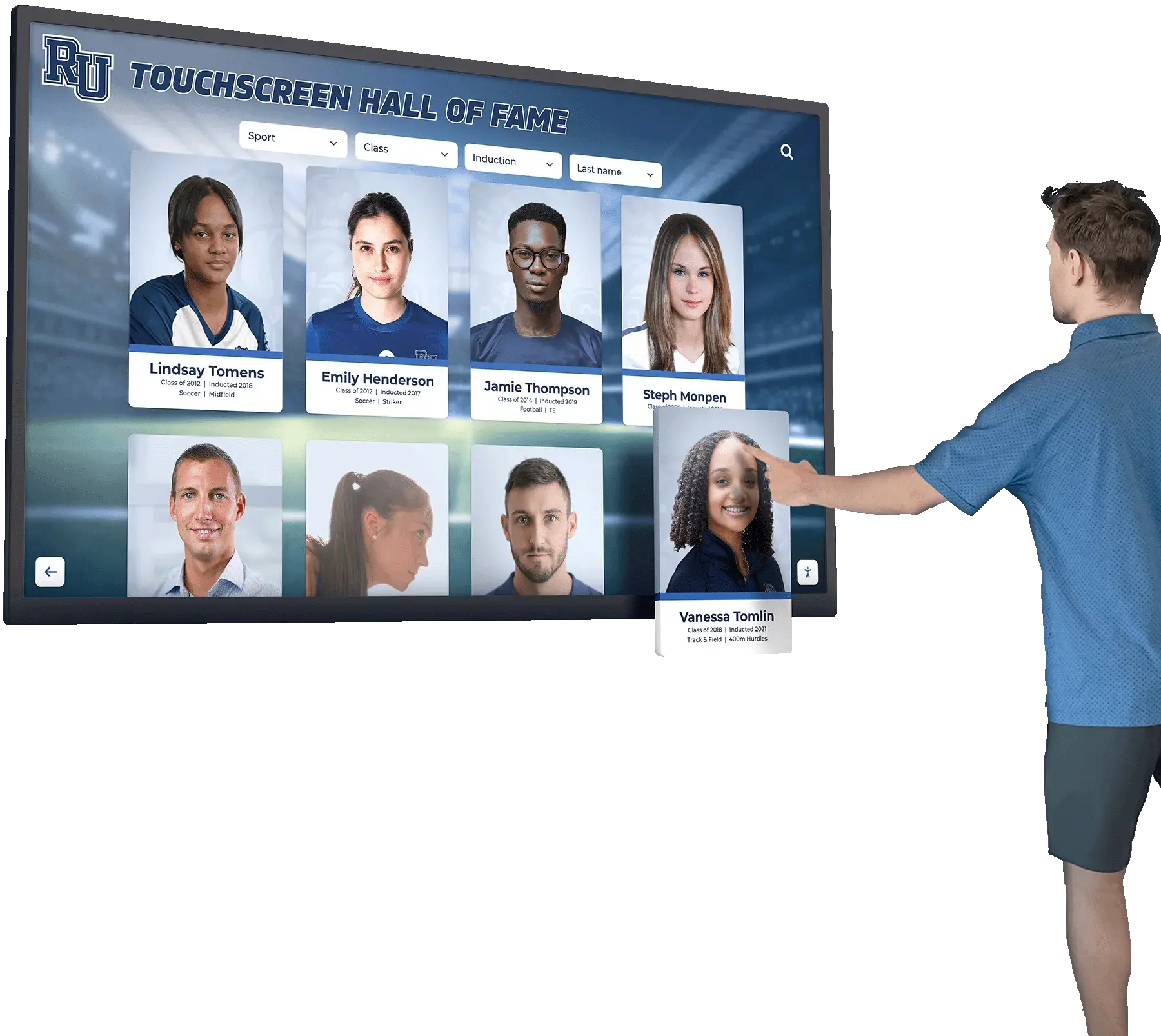
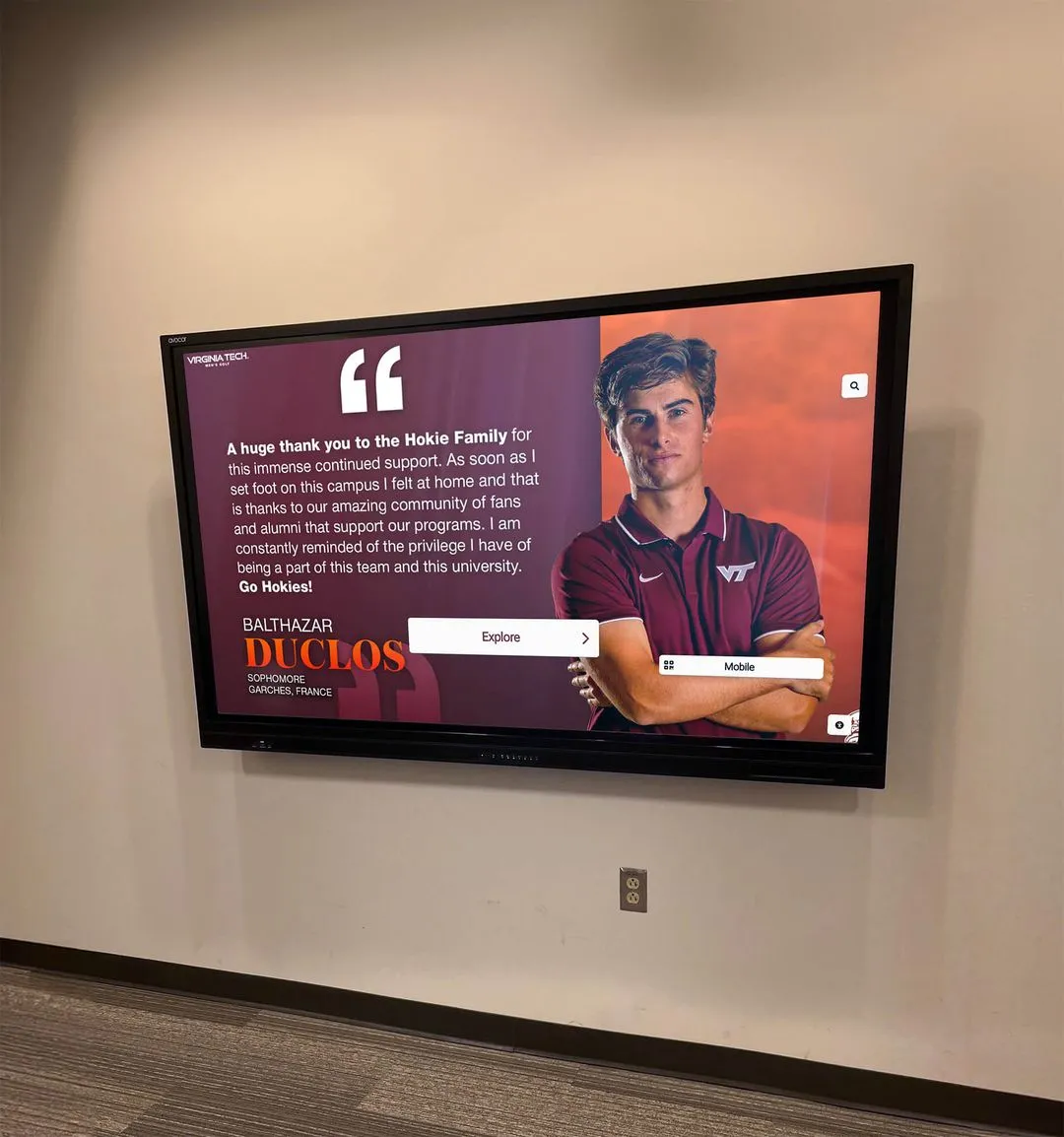
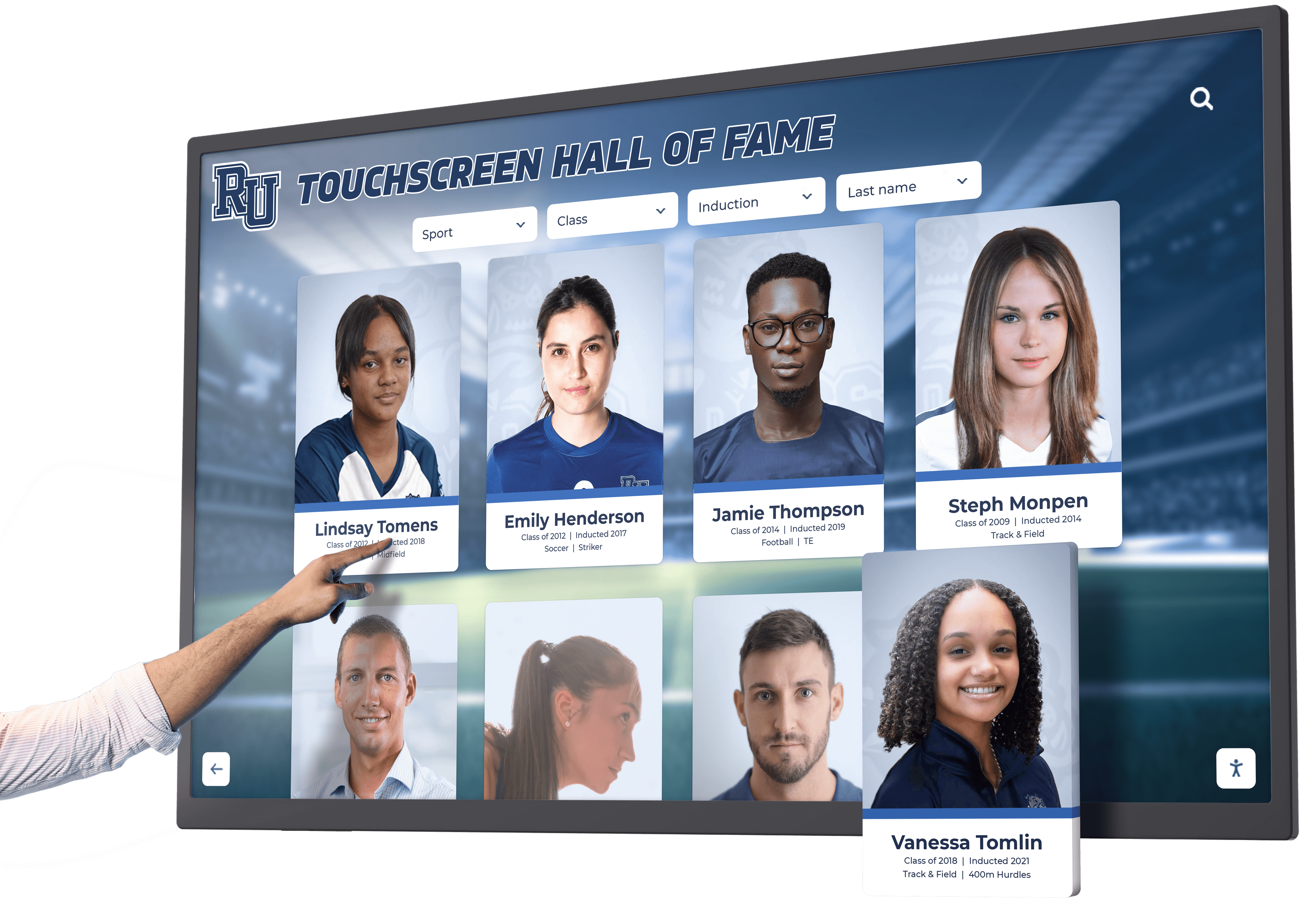
Interactive touchscreen displays bring traditional class composite browsing into the digital age with engaging, intuitive interfaces
Understanding Traditional Class Composite Displays and Their Enduring Value
Before implementing digital solutions, institutions must understand why flip-through class composites have remained beloved traditions and which elements deserve preservation during modernization.
The Traditional Flip-Through Composite Experience
Physical Format and Organization
Traditional class composite displays typically take several forms including bound photo albums or binders organized chronologically by year, wall-mounted flip-frame displays featuring multiple composite photographs, portable photo albums for recruitment events or reunions, and physical composite prints arranged in hallway sequences. The common thread across all formats involves year-based organization enabling visitors to quickly navigate to specific graduation years they want to explore.
Within each year’s section, traditional composites display individual portrait photographs arranged in organized grids, names identifying each graduate, sometimes degree programs or majors, occasionally basic accomplishments or honors, and class year prominently featured as the primary organizational element.
This straightforward format creates intuitive browsing experiences where visitors naturally understand how to find specific classes or individuals without instruction or technical knowledge.
Where Traditional Composites Shine
Physical flip-through composites succeed at several specific functions including providing tangible, tactile experiences connecting visitors to history, enabling casual browsing during campus visits or tours, creating visible traditions demonstrating institutional continuity, offering low-tech accessibility requiring no digital literacy, and generating nostalgic emotional connections particularly for older alumni who remember when these displays were created.
Many alumni specifically seek out these physical displays during campus visits, enjoying the ritual of flipping through pages to rediscover their graduating class alongside classmates they haven’t thought about in years.
The Challenges Facing Physical Composite Displays
Deterioration and Maintenance Burden
Physical materials degrade over time through page wear from repeated handling, photograph fading from light exposure, binding failure as albums age, water damage or environmental deterioration, and general wear making older classes increasingly difficult to view. These issues require ongoing maintenance including protective sleeves replacement, photograph reprinting or restoration, binding repair or album replacement, climate-controlled storage for historical materials, and careful handling protocols limiting access.
For institutions with decades or centuries of graduating classes, these preservation challenges compound into significant resource commitments just to maintain existing displays without adding new classes.
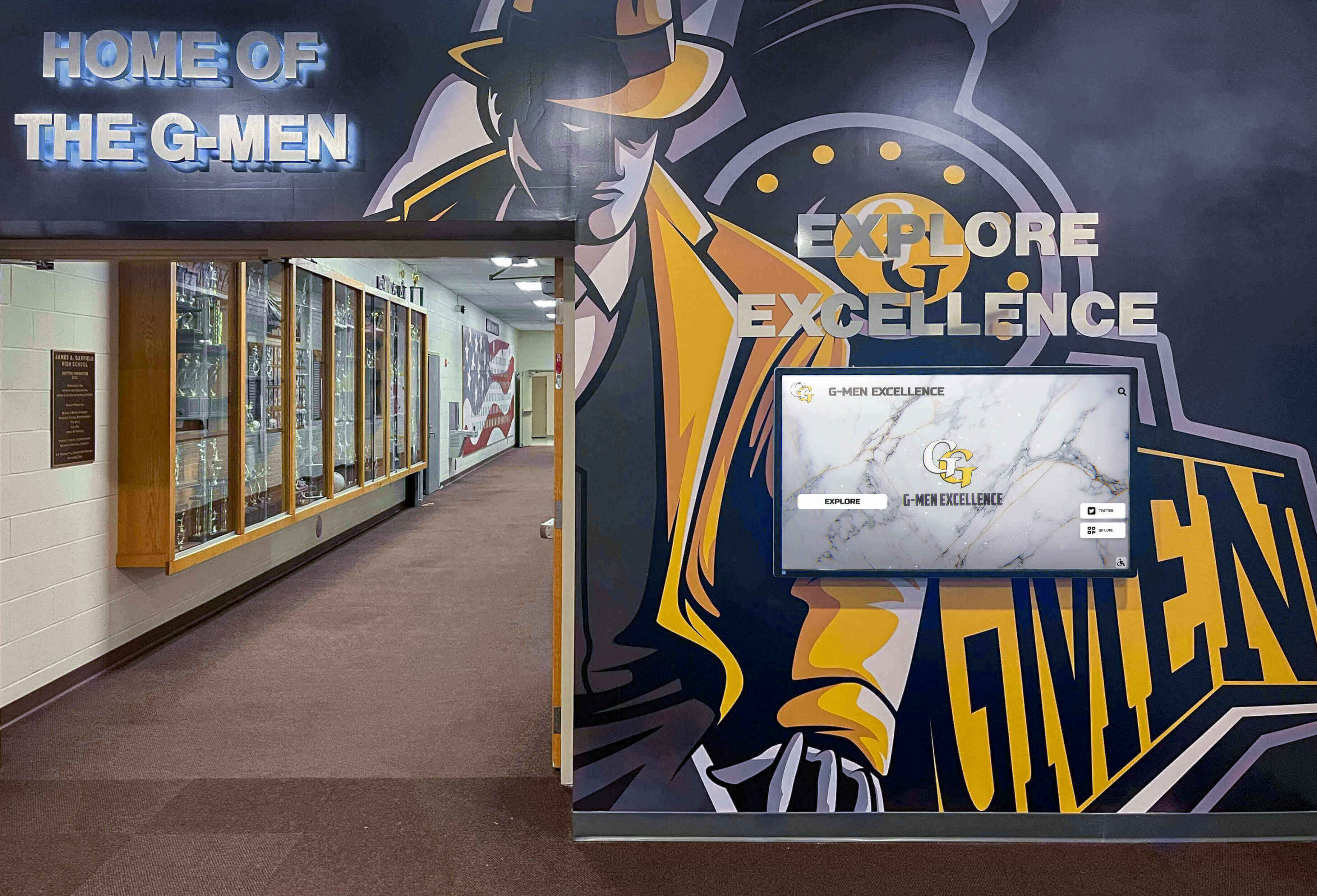
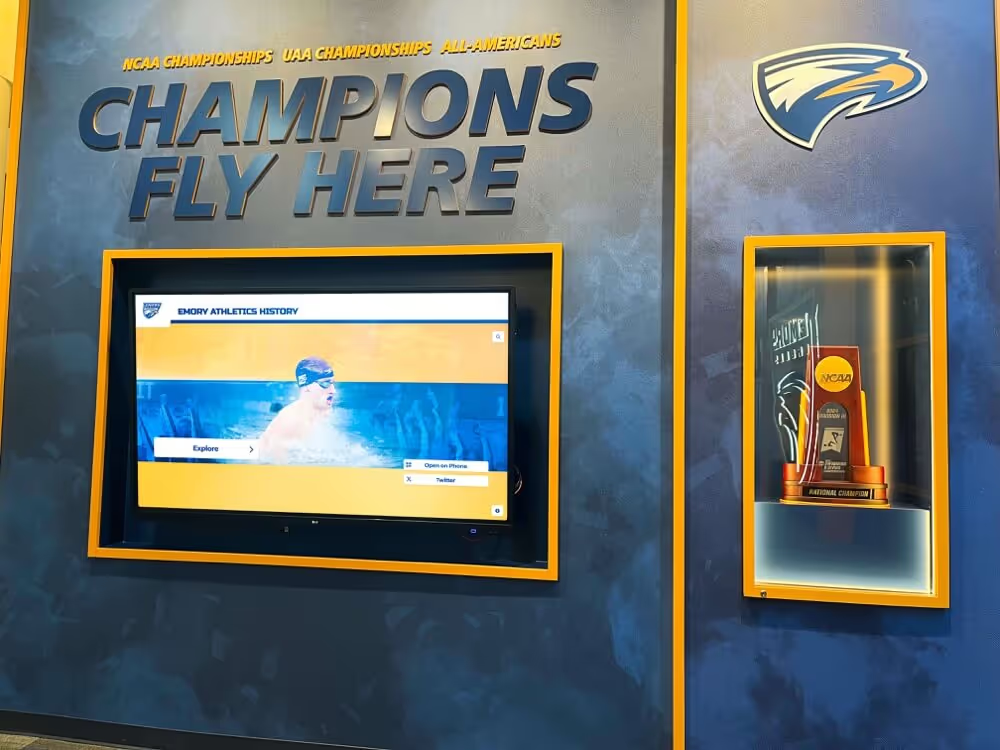
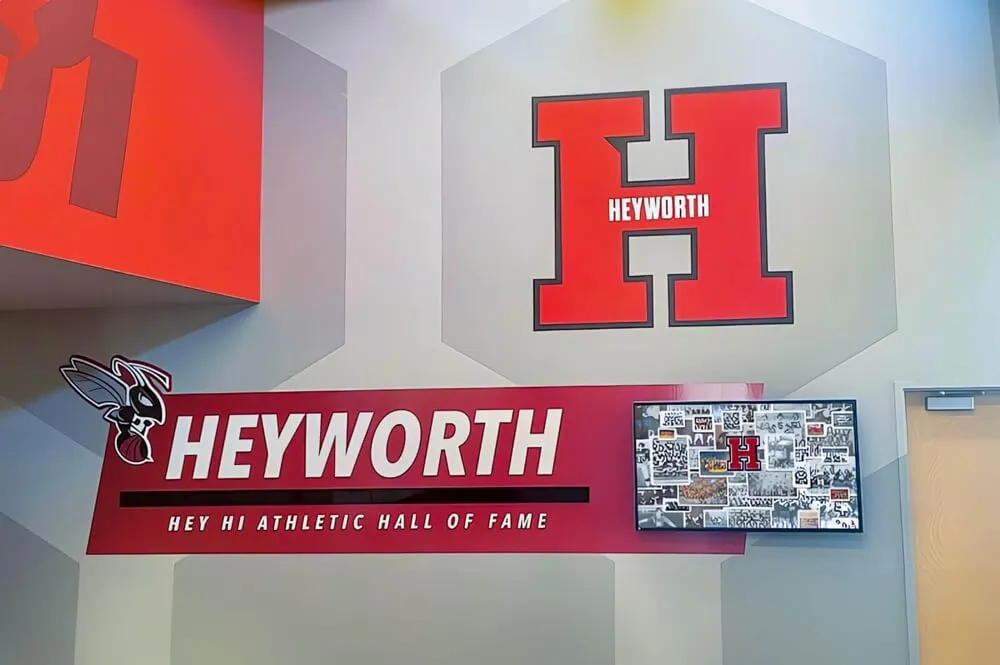
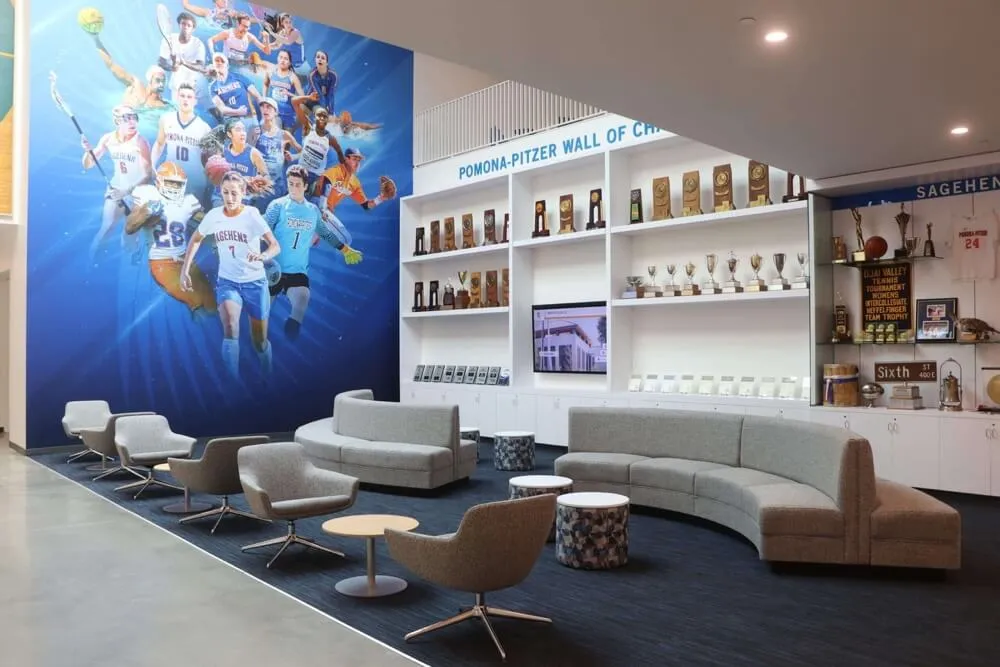
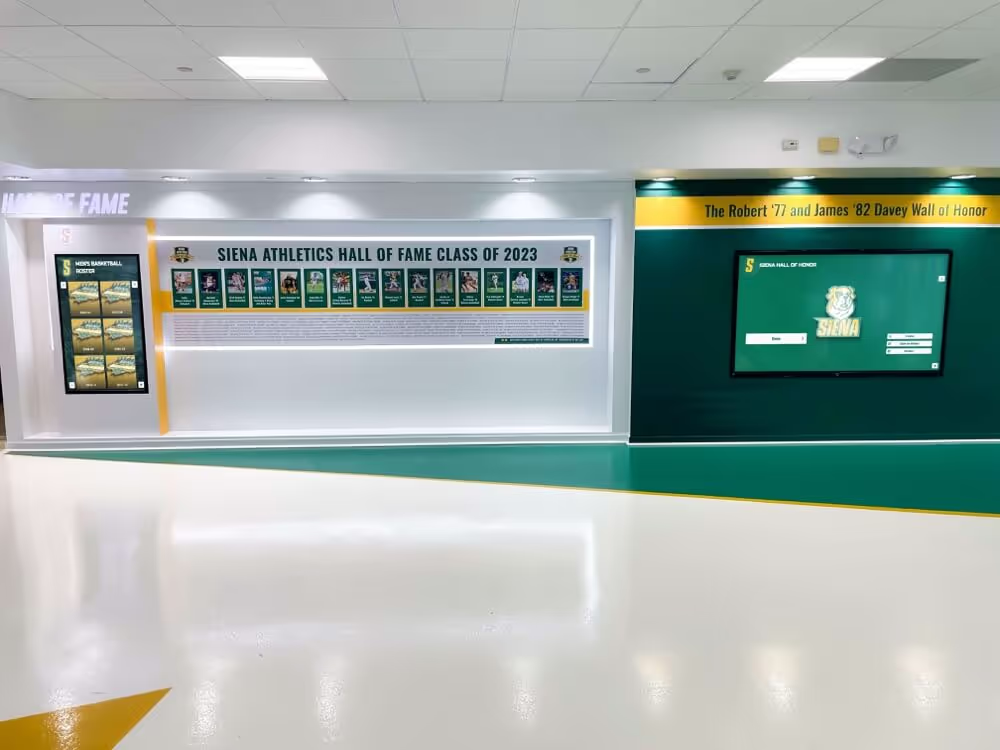
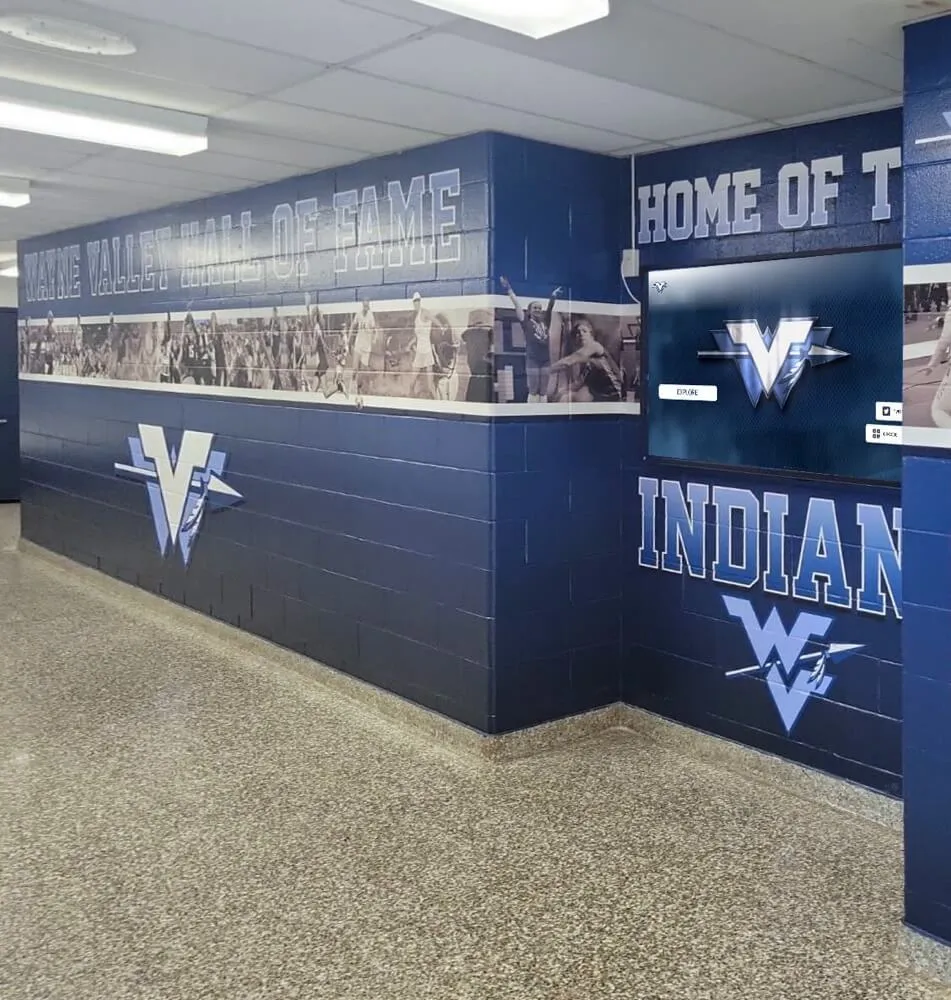
Modern institutions balance multiple recognition needs within limited physical space and budgets
Space and Scaling Limitations
Each graduating class added to physical composite systems creates cumulative challenges including additional physical albums or display frames requiring storage, limited display space accommodating only recent classes in accessible locations, older classes relegated to archives with reduced visibility, difficult decisions about which years to display when space fills, and impossibility of simultaneously displaying every class year for easy comparison.
A school celebrating its 100th anniversary faces the mathematical reality that 100 separate physical albums cannot all remain prominently accessible in high-traffic locations.
Accessibility and Reach Constraints
Physical composites reach only limited audiences including campus visitors during operating hours, people who know displays exist and where to find them, individuals with physical access to specific buildings, those comfortable handling aging materials, and visitors who happen to be on-site when displays are available.
Alumni living across the country or internationally cannot easily revisit their class composites without making special trips. Prospective families cannot preview institutional traditions before visiting campus. Remote research becomes impossible without physical archive access.
Limited Information and Storytelling
Traditional printed formats constrain how much information each graduate can receive including typically only portrait photographs, names (sometimes misspelled without correction ability), class year, occasionally degree program, and rarely any additional context about accomplishments, activities, or post-graduation pathways.
This minimal information reduces composites to visual directories rather than rich storytelling celebrating individual journeys and accomplishments.
The Digital Solution: Interactive Year-Based Composite Displays
Modern digital recognition platforms address traditional composite limitations while preserving and enhancing the intuitive year-based exploration that makes these displays valuable.
Maintaining Year-Based Browsing in Digital Formats
Intuitive Year Selection Interfaces
The most successful digital class composites prioritize year-based navigation through prominent year selection on home screens, timeline visualizations showing institutional history at a glance, decade groupings enabling efficient navigation across long histories, scrolling year lists mimicking physical flip-through experiences, and search functionality enabling direct year entry.
This interface design philosophy ensures that digital systems feel familiar to users who loved physical flip-through albums rather than requiring dramatically different navigation patterns.
Visual Timeline Presentations
Many digital platforms enhance year browsing through visual timeline displays showing class size variations across decades, institutional milestone markers contextualizing each era, historical photos representing different periods, demographic or program evolution indicators, and interactive timeline scrubbing enabling smooth navigation across years.
These visual approaches make institutional history immediately comprehensible while enabling efficient navigation to specific years of interest.
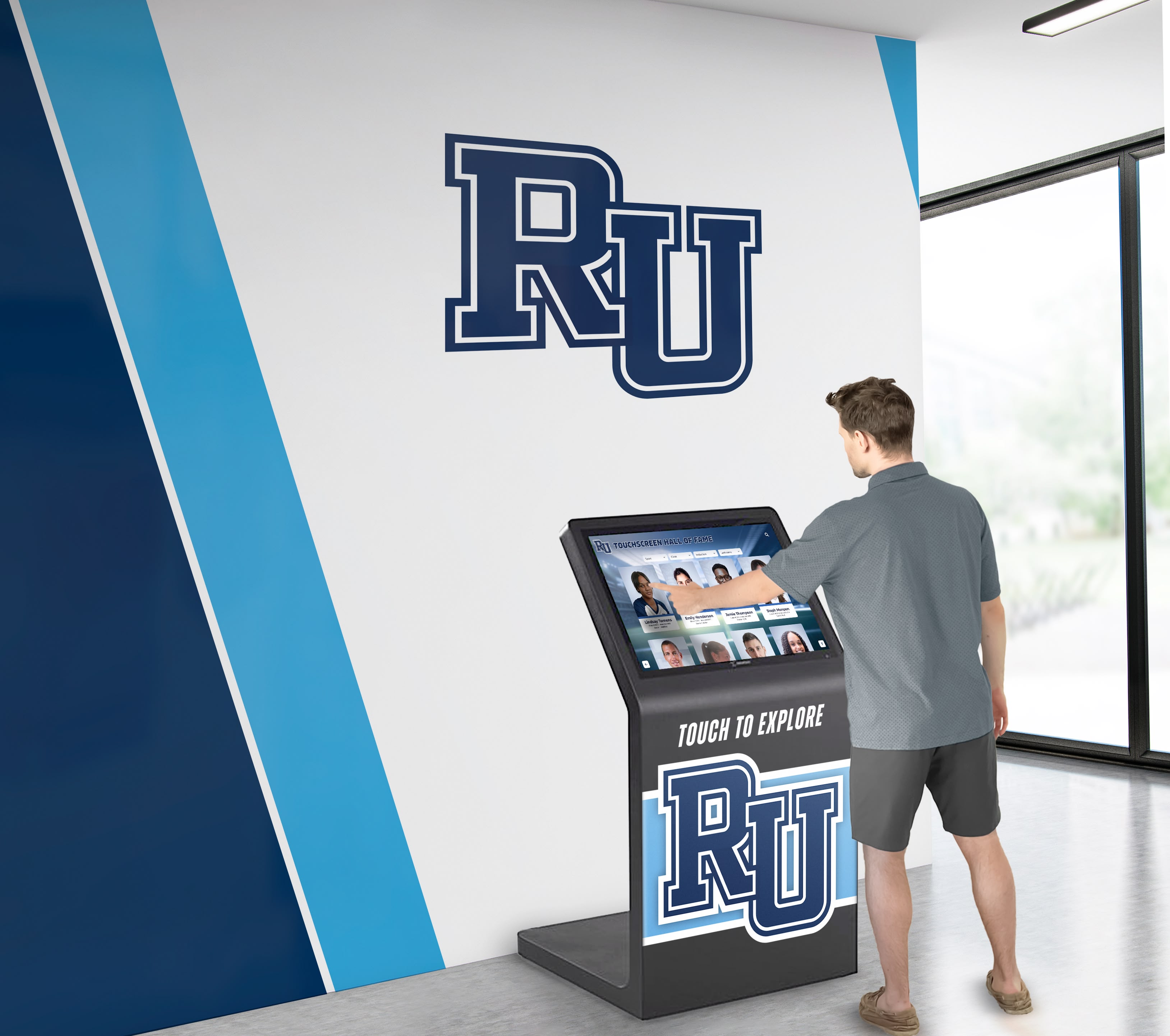
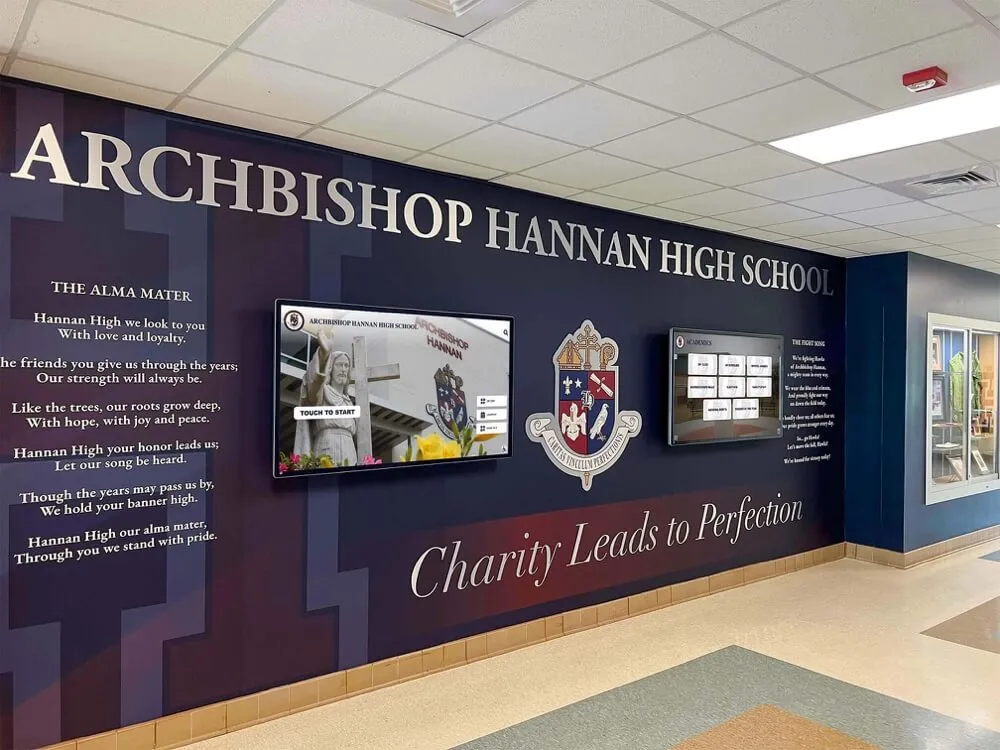
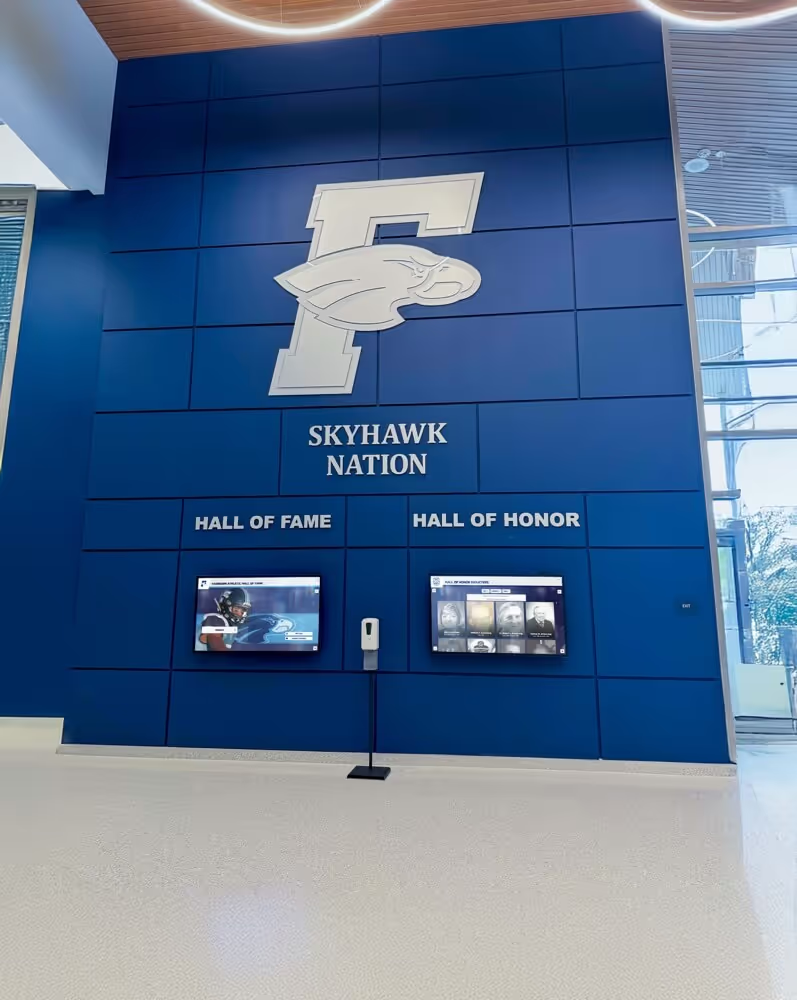
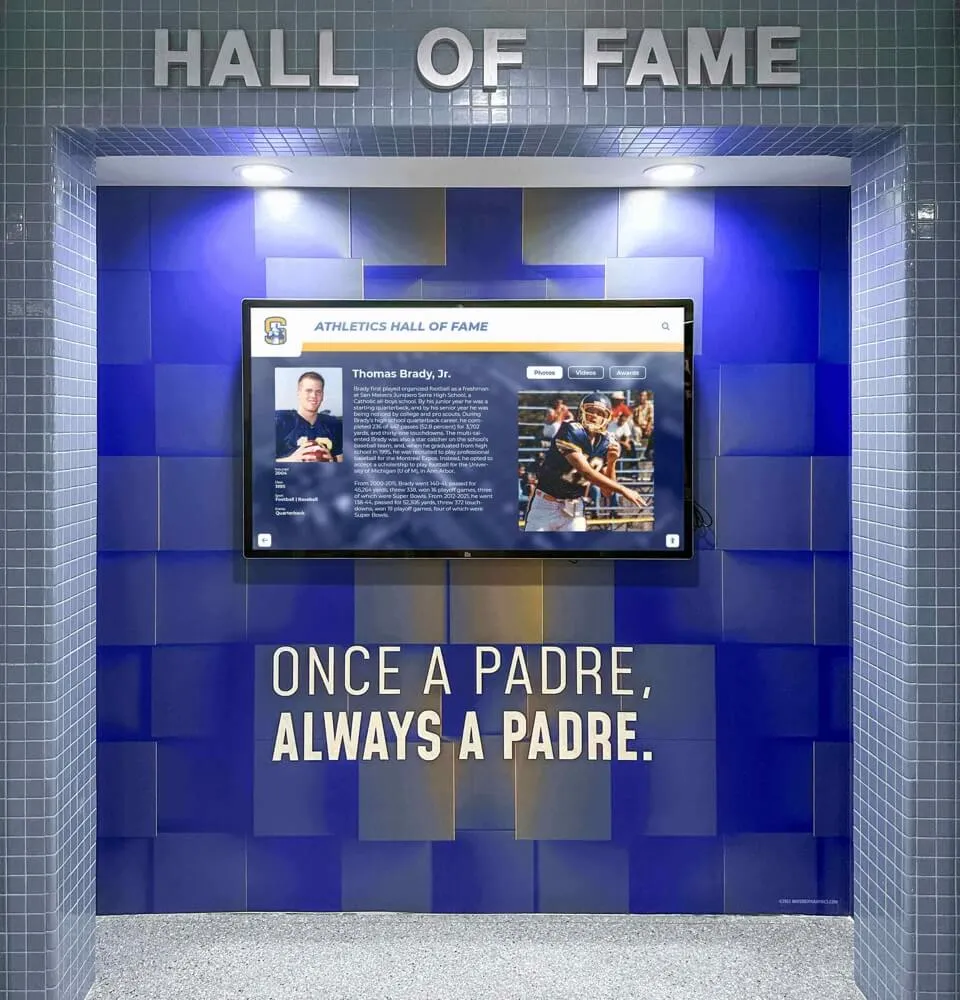
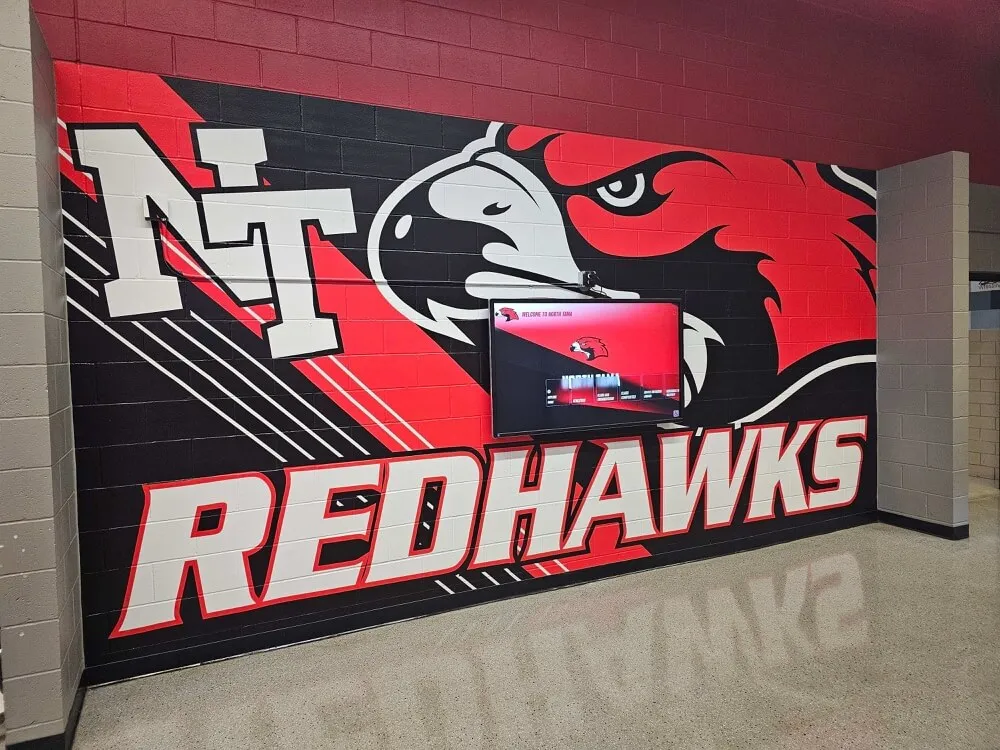
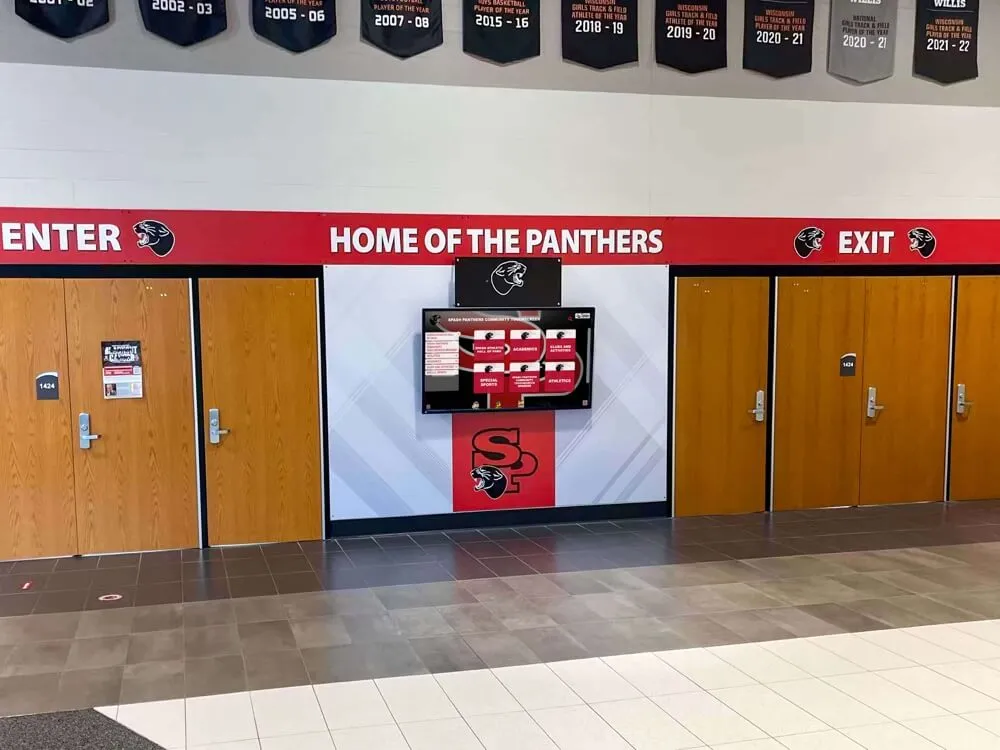
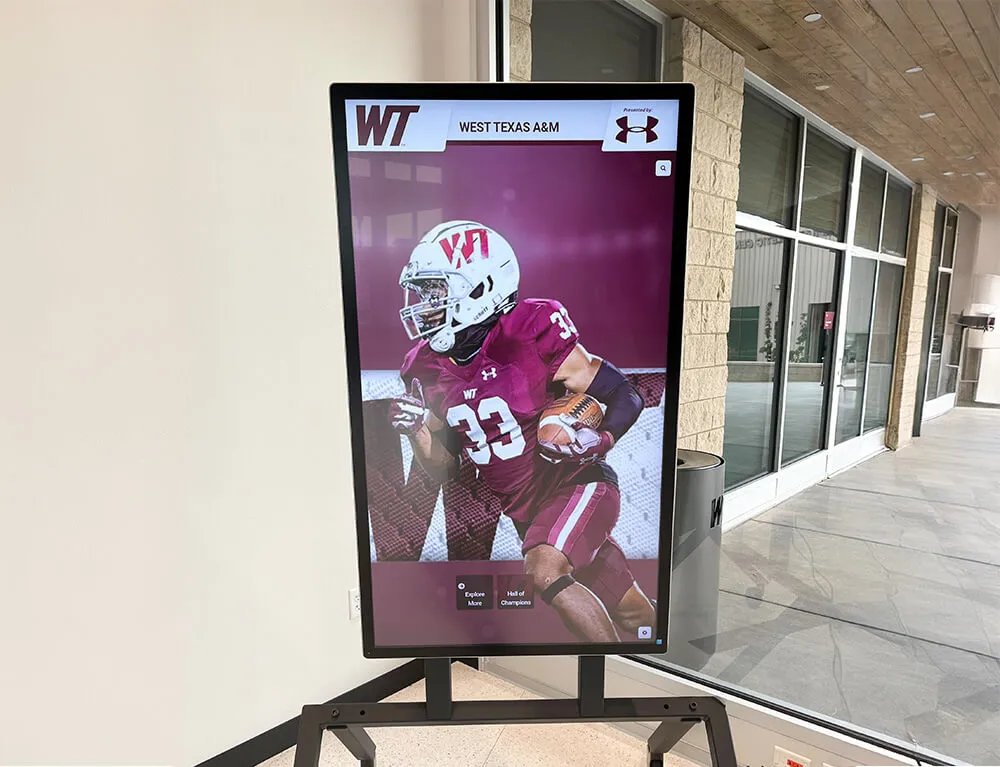
Strategic placement of digital composites in campus lobbies ensures maximum visibility and engagement
Unlimited Capacity for Every Class Year
Comprehensive Historical Recognition
Digital platforms eliminate space constraints entirely, enabling institutions to include every graduating class throughout history, hundreds or thousands of individual graduates per year, rich profiles with photos, videos, and detailed information, historical composites digitized from physical archives, and new classes added annually without removing anyone.
Whether an institution graduated 50 students or 5,000 last year, and whether its history spans 5 years or 150, digital systems accommodate comprehensive recognition without compromise.
Preserving While Innovating
Schools implementing digital composites can maintain connections to tradition through digitized scans of historical physical composites, preservation of original physical albums as historical artifacts, hybrid approaches displaying both physical and digital formats, and interface designs honoring aesthetic traditions while adding modern capabilities.
This respectful approach to modernization helps stakeholders embrace digital transitions without feeling that cherished traditions are being discarded.
Rich Individual Profiles Beyond Basic Photographs
Comprehensive Graduate Information
Digital platforms enable far more detailed individual recognition including multiple photographs showing graduates in various contexts, academic accomplishments, honors, and awards, extracurricular involvement and leadership positions, athletic participation and achievements, post-graduation pathways and career information, personal statements or favorite memories, and social media or contact information when appropriate.
These rich profiles honor graduates’ full identities and accomplishments rather than reducing recognition to single snapshot photographs.
Multimedia Storytelling Capabilities
Modern digital recognition extends beyond static content through video testimonials from graduates reflecting on experiences, photo galleries showing students in activities throughout their years, embedded audio clips of memorable performances or speeches, linked documents like research papers or creative works, and integration with broader school history documentation contextualizing classes within institutional timelines.
This multimedia richness creates engaging experiences that resonate with contemporary expectations while telling deeper stories than physical formats ever could.
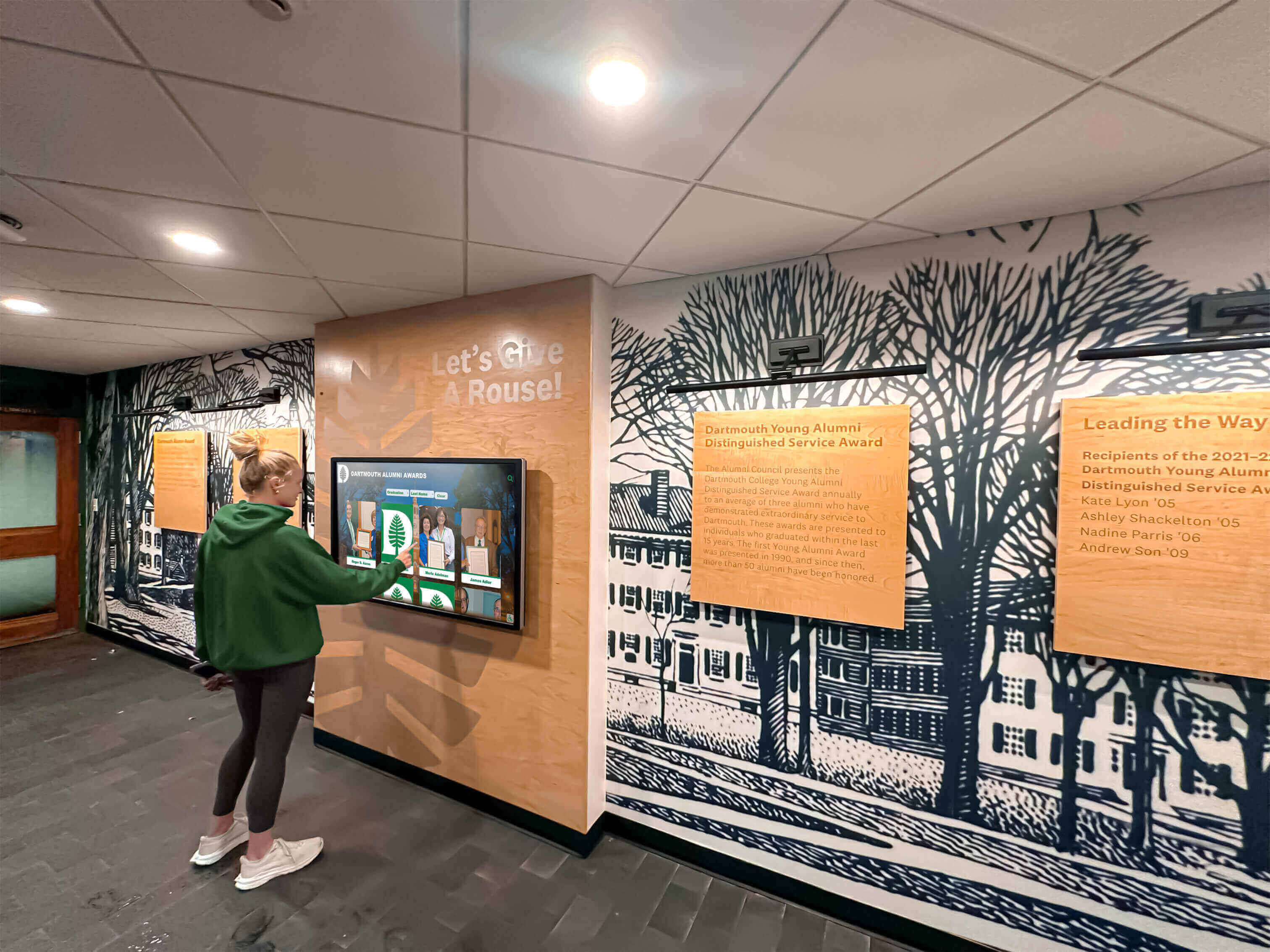
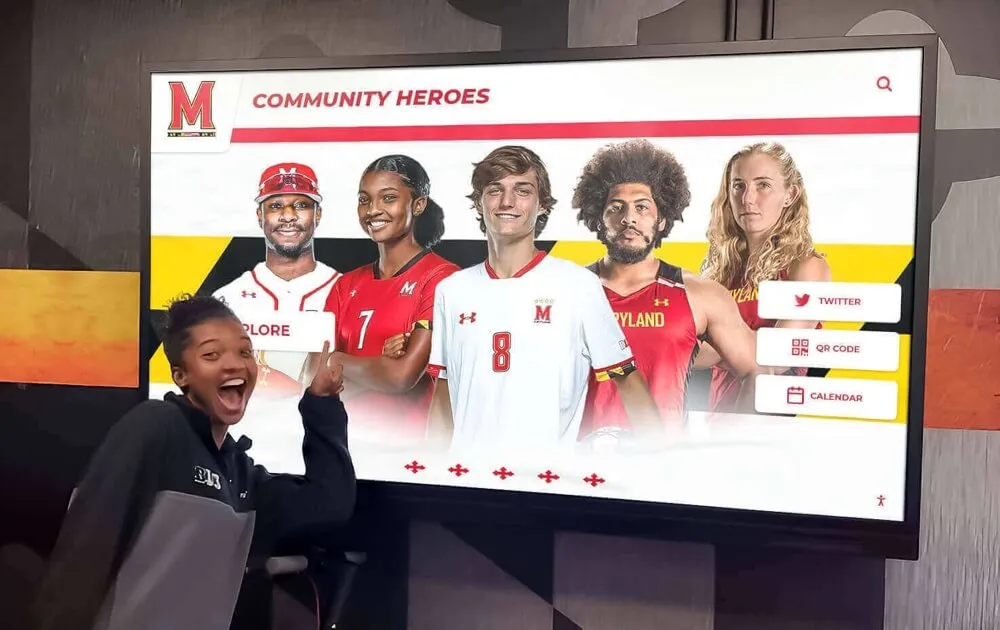
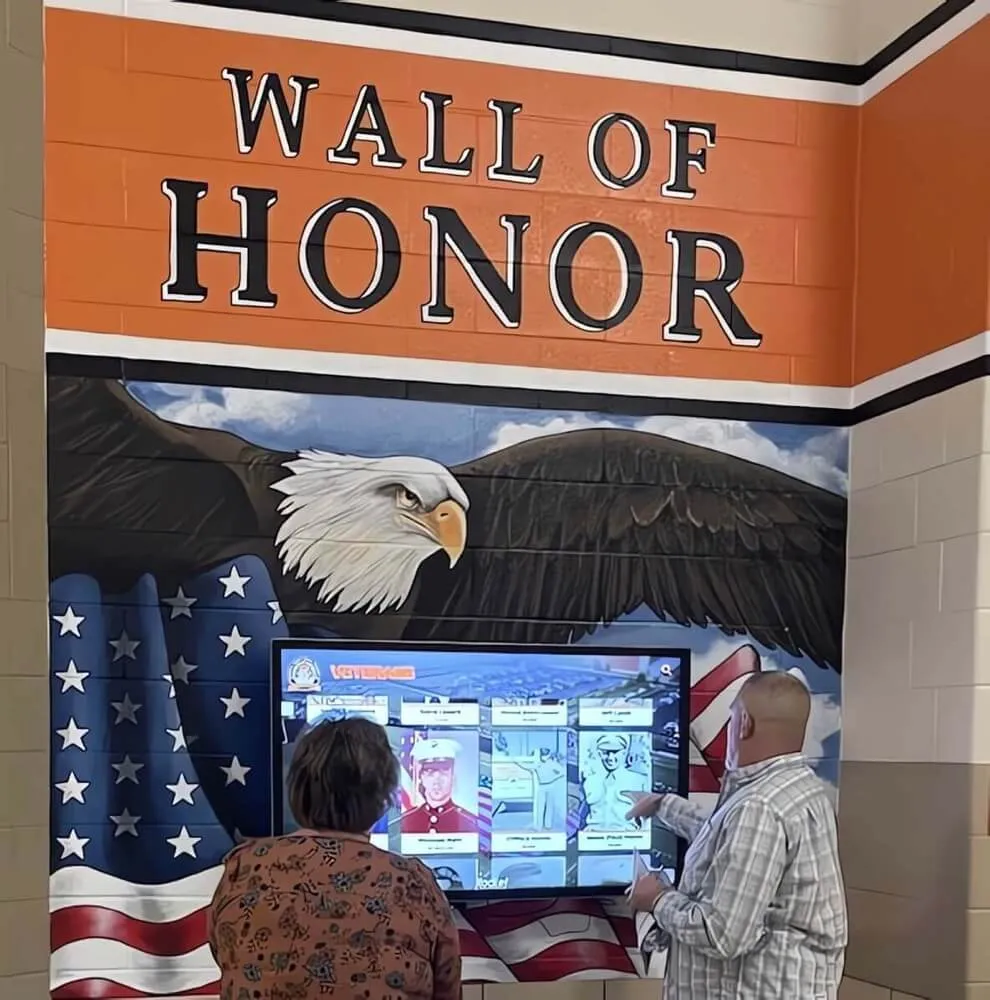
Engaging interfaces encourage students and visitors to explore class history and alumni accomplishments
Interactive Exploration and Enhanced Discovery
Advanced Search and Filter Features
Digital composites provide powerful navigation beyond simple year browsing including name search finding specific graduates instantly, program or major filtering within graduating years, activity or organization filtering, honors or achievement filtering, geographic location filtering showing where alumni settled, and combined filters enabling sophisticated queries.
These capabilities enable visitors to discover connections impossible with physical formats—for example, finding all graduates from a specific major across multiple decades who participated in particular activities.
Randomized Discovery and Connections
Beyond targeted searching, digital platforms enable serendipitous discovery through featured graduate spotlights rotating regularly, “graduates like this” suggestions showing similar profiles, random profile browsing revealing unexpected connections, and anniversary notifications highlighting milestone graduation years.
Many users report that random browsing through digital composites creates unexpected joy as they discover interesting graduates they never knew attended their institution.
Social Sharing and Viral Reach
Modern recognition platforms integrate social features including sharing individual profiles to social media, tagging classmates in graduating class displays, commenting or reacting to profiles when appropriate, generating shareable graphics celebrating class achievements, and viral content spreading institutional pride organically.
These social capabilities extend recognition reach far beyond physical campus walls while creating alumni engagement opportunities.
Planning Your Digital Class Composite Implementation
Successful digital composite programs require careful planning addressing content, technology, and stakeholder needs.
Content Collection and Organization Strategy
Gathering Comprehensive Information
Implementing rich digital composites requires systematic content collection including professional portrait photography sessions, written profiles or biographical information, academic records for honors and achievements, activity and involvement documentation, post-graduation pathway information, multimedia elements like videos or additional photos, and historical composite digitization for archive classes.
Starting this collection early—ideally during students’ senior year—prevents last-minute scrambles as graduation approaches while ensuring consistent participation.
Digitizing Historical Composites
For institutions with decades of physical composite history, digitization projects involve high-resolution scanning of physical composite pages, optical character recognition extracting text data, manual data entry correcting OCR errors and filling gaps, individual photo extraction creating separate profile images, photo restoration enhancing aged or damaged images, and metadata creation organizing scans by year and individual.
While digitization represents upfront investment, it preserves fragile historical materials while making them infinitely more accessible than physical albums alone.
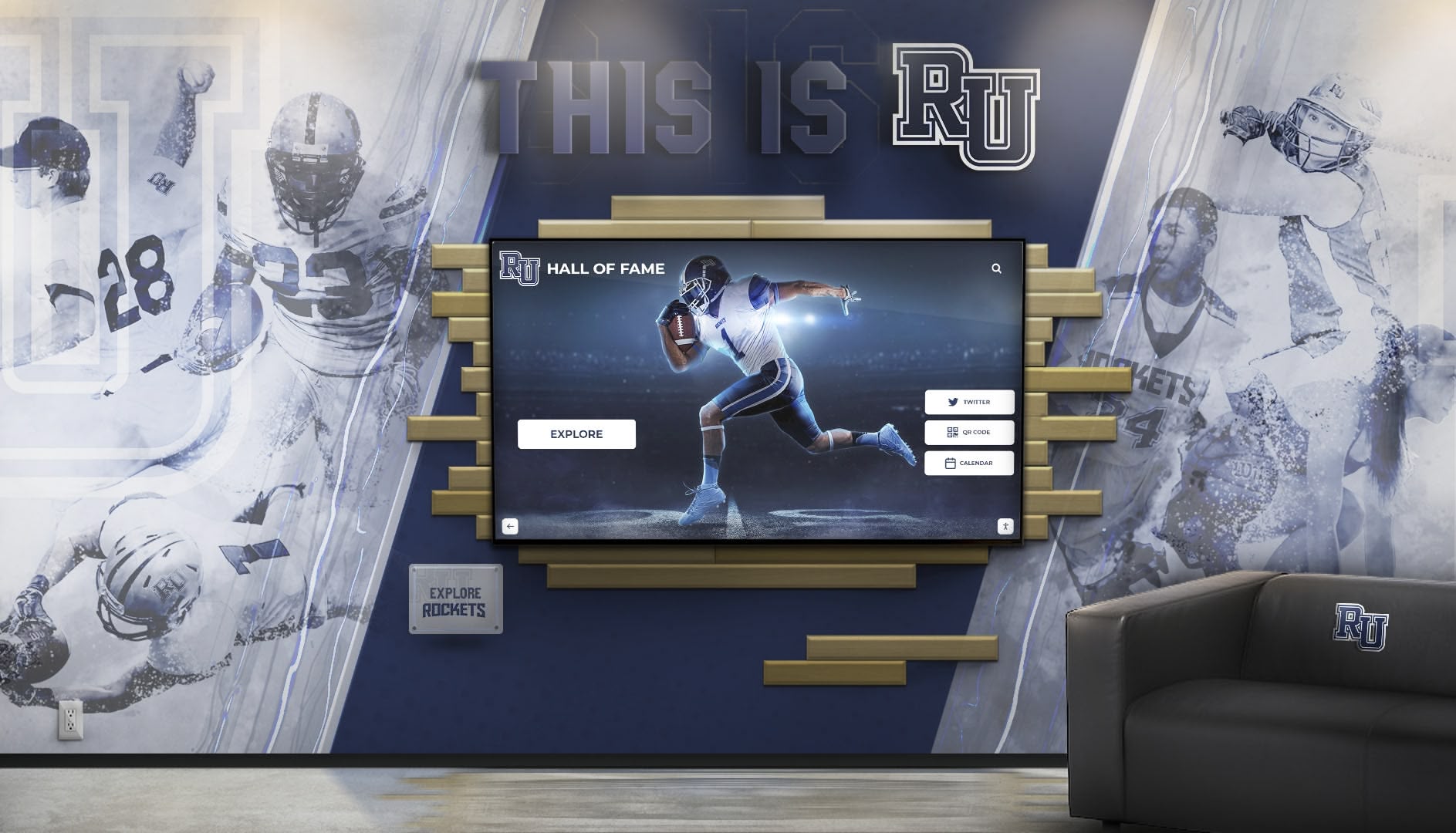
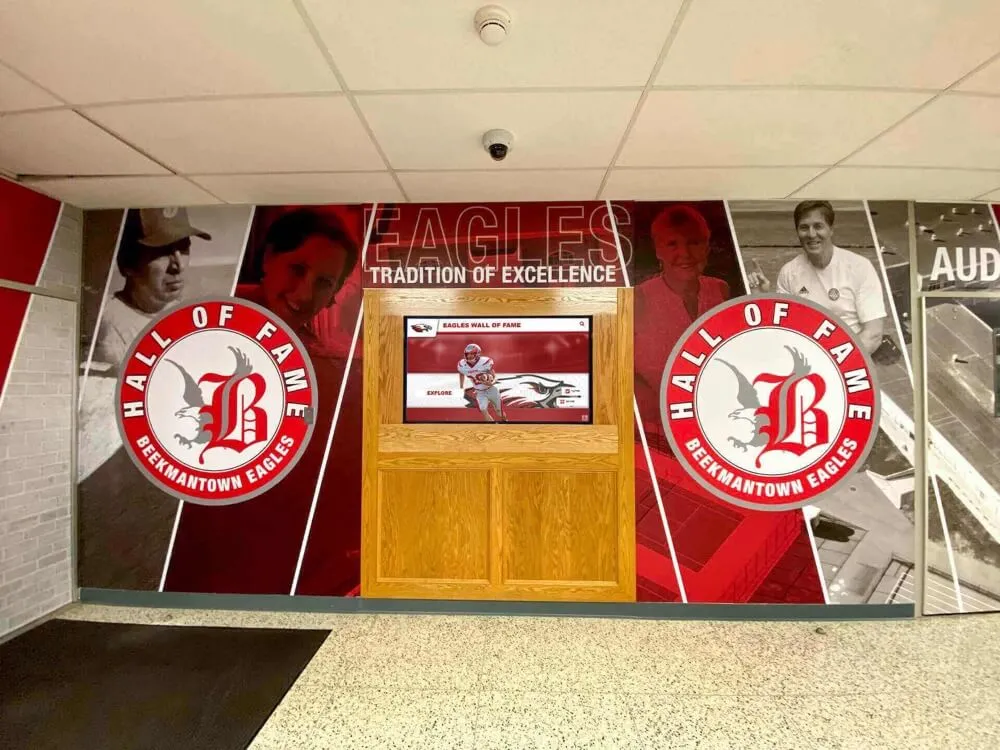
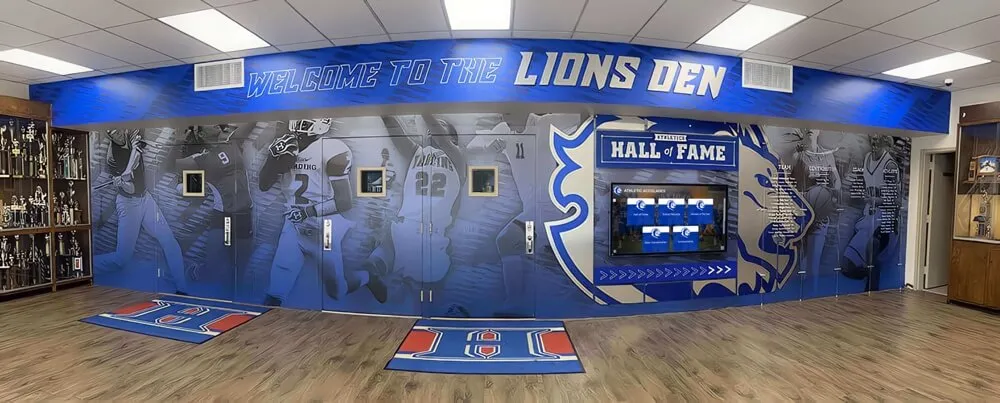
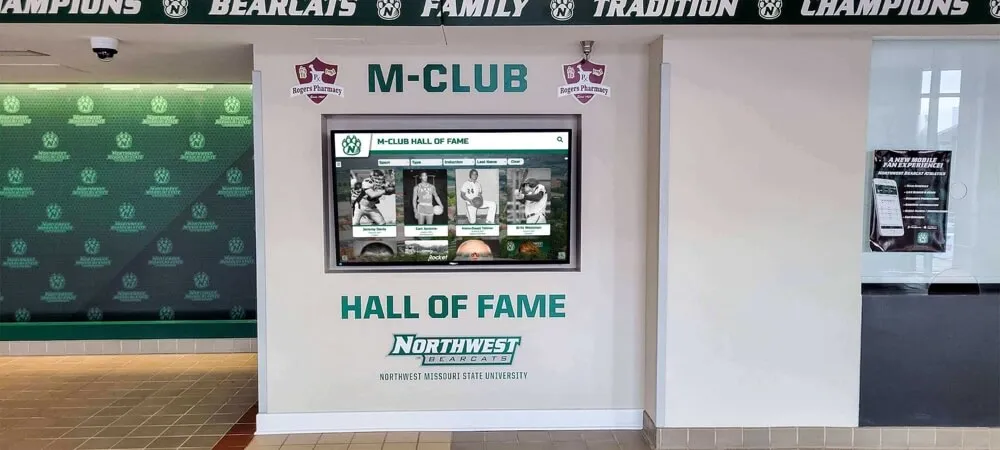
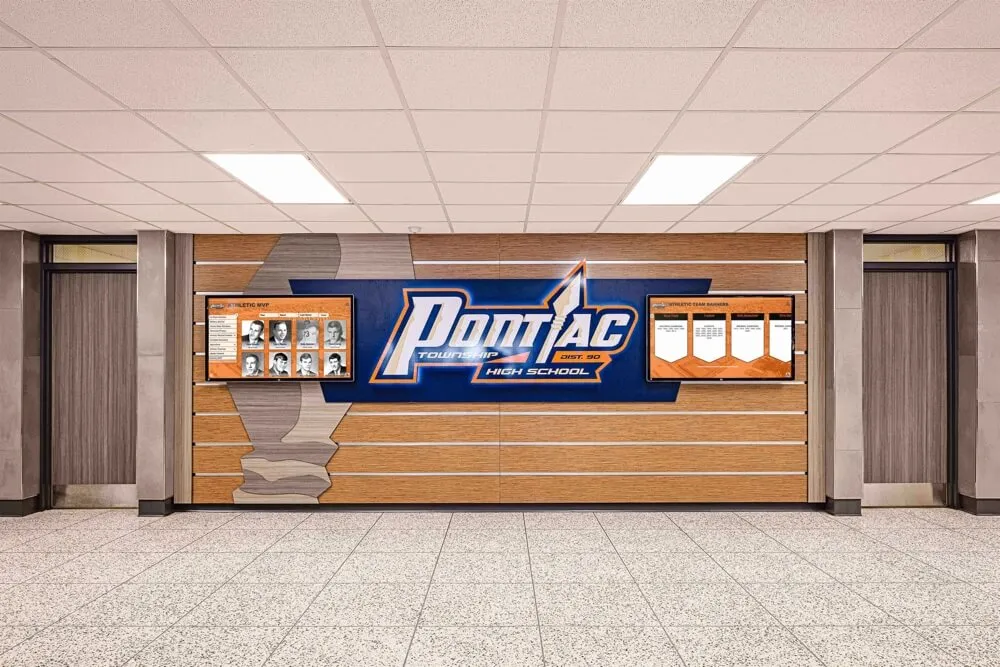
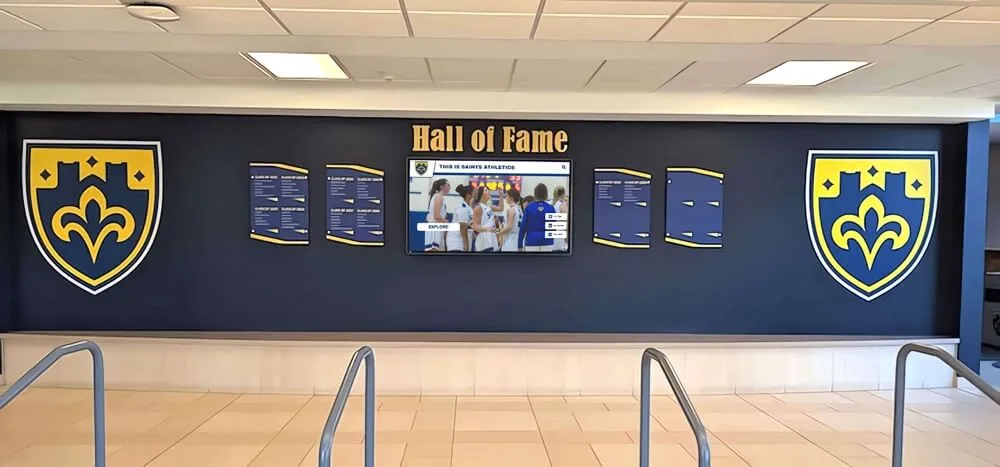
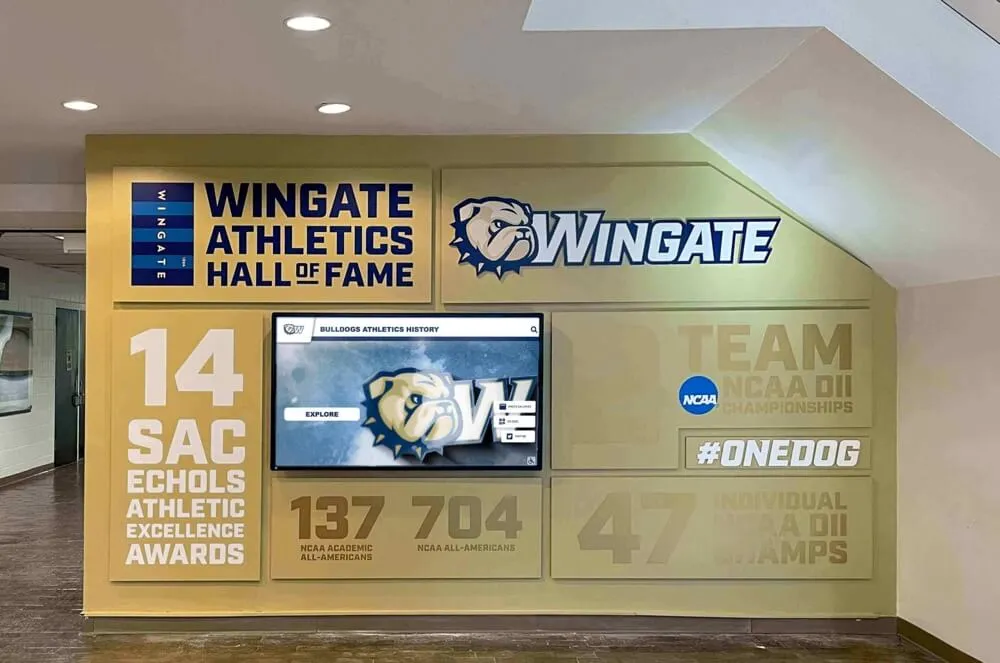
Digital recognition systems integrate seamlessly with existing campus aesthetics and design elements
Quality Standards and Consistency
Maintaining professional quality requires photography standards ensuring consistent lighting and framing, image resolution suitable for both screen display and potential printing, information completeness ensuring every graduate receives comparable recognition, accuracy verification for names, dates, and achievements, and accessibility compliance ensuring displays meet digital accessibility standards.
These quality controls ensure digital recognition maintains professional standards honoring both graduates and institutional reputation.
Technology Platform Selection
Essential Platform Capabilities
Effective digital composite platforms should provide intuitive year-based navigation as primary interface element, unlimited profile capacity accommodating institutional growth, powerful search and filtering enabling efficient discovery, responsive design working across devices from smartphones to large touchscreens, content management systems enabling easy updates without technical expertise, and robust security protecting student information appropriately.
Purpose-built platforms designed specifically for educational recognition typically provide more appropriate features than generic digital signage or website systems not optimized for this use case.
Integration Considerations
Digital composites work best when integrated with existing systems including school website integration creating seamless navigation, student information system connections reducing duplicate data entry, authentication systems controlling sensitive information access, social media integration enabling sharing and viral reach, and existing digital signage infrastructure leveraging installed displays.
Solutions like Rocket Alumni Solutions provide comprehensive platforms combining year-based browsing interfaces with rich multimedia profiles, web portals, and physical touchscreen displays optimized for educational composite recognition.
Hardware for Physical Display Installations
Institutions typically implement hybrid approaches combining web portals with physical installations through commercial-grade touchscreens in high-traffic campus locations, sizes ranging from 43 inches for smaller spaces to 75+ inches for main lobbies, portrait or landscape orientation based on content and space, floor-standing kiosks versus wall-mounted displays, and durable enclosures protecting displays in high-traffic environments.
Strategic placement affects engagement significantly—entrance lobbies, alumni centers, admissions offices, and guidance areas ensure maximum visibility.
Implementation Timeline and Phases
Phased Rollout Approach
Many institutions implement digital composites progressively through pilot programs with recent graduating classes testing functionality, gradual expansion backward through recent decades, community feedback incorporation before full deployment, historical digitization projects running parallel to current operations, and eventual comprehensive recognition spanning institutional history.
This phased approach manages costs while enabling institutional culture to adapt gradually rather than abruptly changing beloved traditions.
Annual Update Processes
Establishing systematic workflows ensures sustainable long-term programs including senior year data collection timelines, photography session coordination, content review and approval processes, publication scheduling aligned with graduation ceremonies, and graduation day celebrations featuring newly-added recognition.
Making composite updates celebrated annual traditions reinforces their importance while ensuring consistent execution year after year.
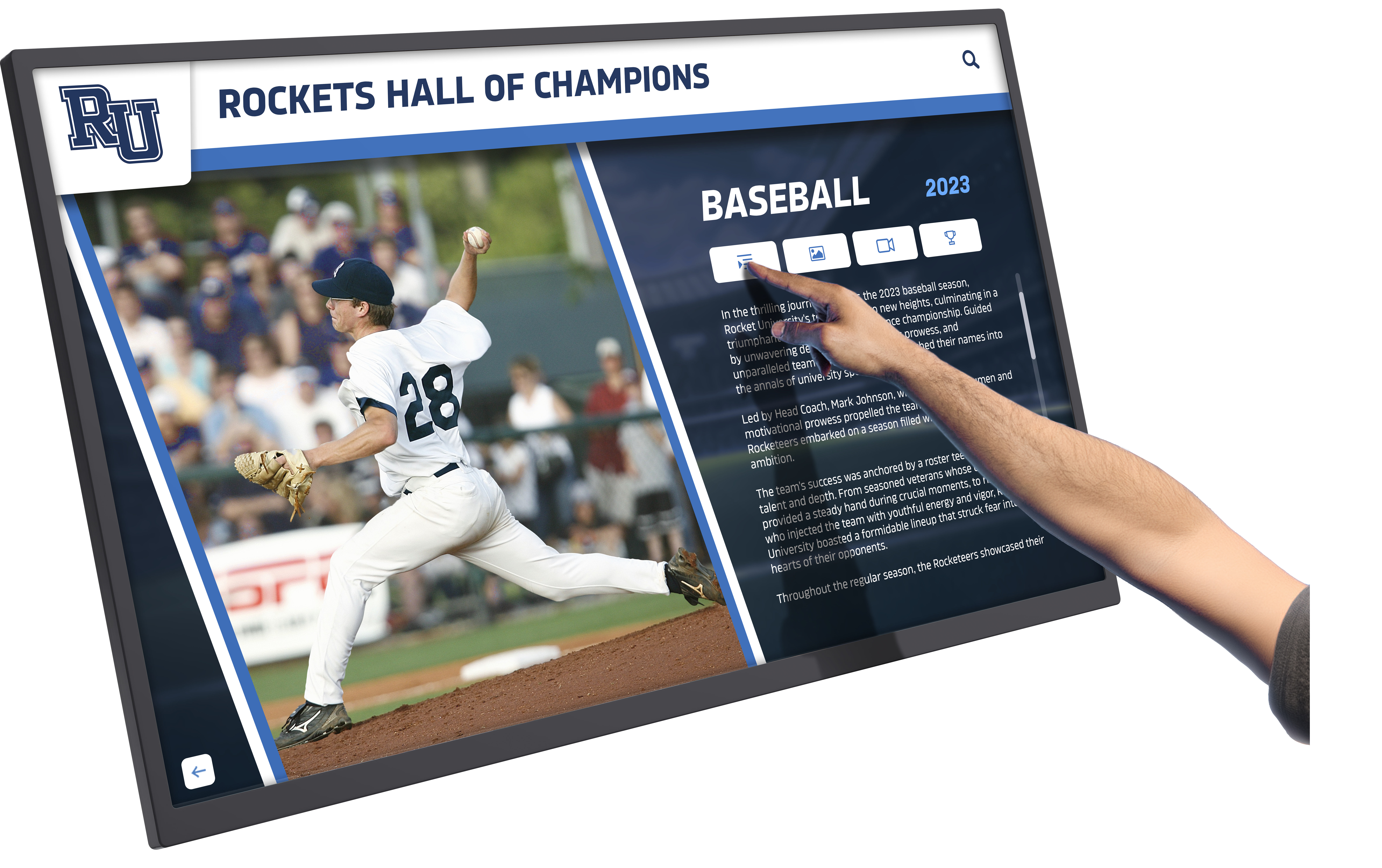
Intuitive touch interfaces make exploring individual profiles and class years natural and engaging
Creating Engaging User Experiences
The most successful digital class composites prioritize user experience ensuring visitors enjoy exploration and discovery.
Interface Design Principles
Year-First Navigation Philosophy
Effective digital composite interfaces prominently feature year selection as the primary entry point, visual cues indicating how to begin browsing, minimal clicks to reach desired graduation years, clear breadcrumbs showing current location within navigation, and easy return to year selection from anywhere.
This design philosophy mirrors the physical experience of opening a flip-through album to a specific year rather than forcing users through complex menu structures.
Visual Consistency and Branding
Interfaces should reflect institutional identity through school colors, logos, and branding elements, consistent typography matching institutional standards, photography styles creating unified aesthetic, layout patterns users quickly understand, and professional polish honoring both institution and graduates.
Well-designed interfaces communicate that institutions value recognition enough to invest in quality presentation.
Accessibility for All Users
Digital composites must serve diverse audiences through touch-optimized interfaces requiring no mouse or keyboard, clear visual hierarchy guiding attention naturally, sufficient text size and contrast meeting accessibility standards, screen reader compatibility for visually impaired users, multilingual support when serving diverse communities, and intuitive navigation requiring minimal instruction.
Comprehensive interactive kiosk accessibility ensures recognition serves every visitor regardless of ability or technical comfort.
Content Presentation Strategies
Individual Profile Layout
Effective graduate profiles balance information density with visual appeal through prominent portrait photography, clear name and class year, organized sections for achievements, activities, and plans, scannable formats enabling quick information absorption, expansion options for longer content, and clear navigation to classmates or other years.
Well-designed profiles honor individual graduates while maintaining consistent presentation across hundreds or thousands of profiles.
Class Year Overview Pages
Before diving into individual profiles, effective year pages provide class-level context including total graduate count, notable class achievements or characteristics, significant institutional events during that era, historical context photographs, and overview statistics about programs, activities, or post-graduation pathways.
These overview pages create cohort identity while providing historical context that enriches individual profile exploration.
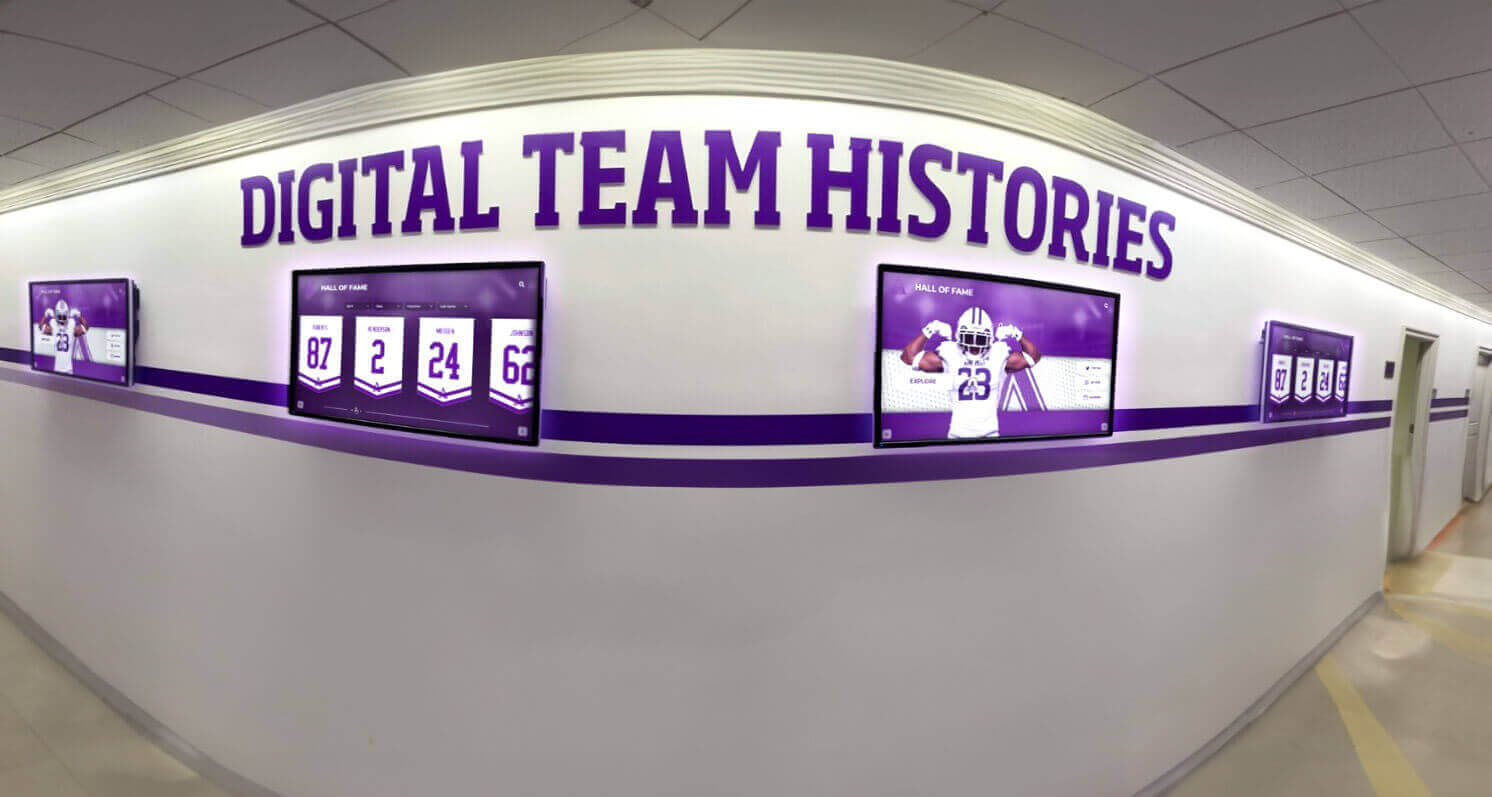
Multiple synchronized displays can showcase different aspects of class history and recognition
Comparative and Historical Features
Advanced digital composites enable cross-year exploration through decade comparison views showing evolution, “then and now” features reconnecting historical graduates with present, statistical trends showing enrollment or demographic changes, milestone markers highlighting significant institutional moments, and linked historical documentation providing broader context.
These features transform composites from simple directories into engaging historical exploration tools.
Launching and Promoting Digital Class Composites
Successful implementation requires strategic launch and ongoing promotion ensuring stakeholders discover and embrace new systems.
Building Community Buy-In
Stakeholder Involvement
Engage key groups throughout planning and implementation through student focus groups providing input on desired features, faculty and staff input ensuring administrative concerns are addressed, alumni advisory input honoring tradition while embracing innovation, development office coordination leveraging composites for alumni engagement, and facilities coordination ensuring optimal physical display placement.
When stakeholders feel ownership over digital initiatives, adoption and enthusiasm increase significantly.
Managing Tradition Transitions
If replacing beloved physical composites with digital versions, institutions should carefully manage transitions through transparent communication about reasons and benefits, acknowledgment of physical composite value and history, preservation of selected historical physical albums as artifacts, opportunity for community feedback and concerns, and celebration of expanded capabilities digital platforms provide.
Respectful change management typically achieves better acceptance than abrupt policy shifts without explanation.
Launch Communications Strategy
Multi-Channel Announcement Approach
Maximize awareness through school-wide announcements at key events, email campaigns to students, families, and alumni, social media promotion across institutional channels, press releases to local media highlighting innovation, website homepage features during launch periods, campus signage directing visitors to physical displays, and targeted outreach to milestone reunion classes.
Repeated communications across multiple channels over several weeks ensure diverse audiences discover new recognition opportunities.
Alumni Engagement Campaigns
Leverage composite launches for alumni development through email campaigns inviting alumni to rediscover their classes, social media campaigns encouraging memory sharing and tagging classmates, featured graduate spotlights highlighting interesting alumni stories, integration with homecoming or alumni weekend programming, and reunion committee promotion encouraging class participation.
Digital composites provide natural opportunities for advancement offices to strengthen alumni engagement while celebrating institutional traditions.
Learn about comprehensive alumni engagement strategies that leverage digital recognition for relationship building.
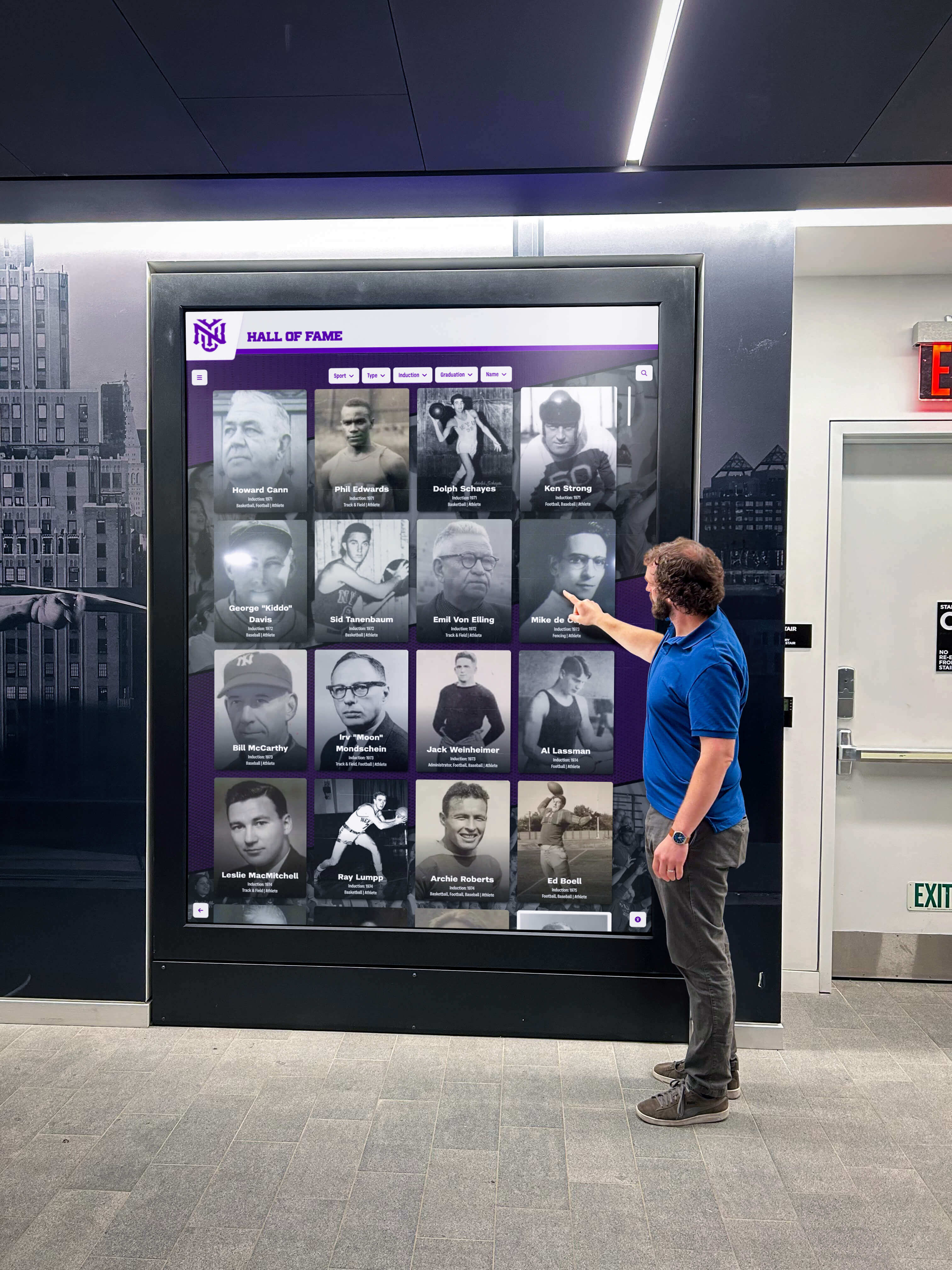
Engaging displays naturally attract visitors who enjoy exploring class histories and individual accomplishments
Ongoing Content Expansion
Annual Class Addition Ceremonies
Make adding new graduating classes celebrated traditions through launch events during graduation week, first-look opportunities for new graduates, social media countdowns to new class publication, graduation ceremony references to recognition, and alumni welcome messaging as graduates join recognized classes.
These ceremonies transform administrative updates into meaningful traditions graduates anticipate and appreciate.
Historical Archive Completion
For ongoing digitization projects, communicate progress regularly through milestone announcements celebrating decade completions, alumni crowdsourcing campaigns gathering historical information, volunteer opportunities for alumni helping identify historical photos, donor recognition for digitization project support, and completion celebrations when entire institutional history becomes accessible.
This ongoing expansion creates repeated engagement opportunities while building anticipation as community members await their graduation years’ addition.
Measuring Success and Continuous Improvement
Regular assessment ensures digital composites achieve intended purposes while identifying enhancement opportunities.
Engagement and Usage Metrics
Digital Analytics
Track recognition effectiveness through total profile views and unique visitors, year selection patterns revealing popular classes, search patterns showing how users navigate, time spent exploring displays, geographic distribution of web portal visitors, social media shares and viral reach, and comparison of engagement before and after digital implementation.
These metrics demonstrate whether recognition achieves visibility goals or requires promotional adjustments.
Physical Display Observation
For touchscreen installations, monitor usage through peak traffic times identifying optimal content scheduling, average interaction duration indicating engagement depth, most frequently accessed years or graduates, user demographics when observable, and technical issues or confusion requiring interface improvements.
Observational data complements digital analytics, revealing how people actually interact with displays in physical contexts.
Stakeholder Satisfaction Assessment
Graduate and Family Feedback
Gather perspectives from primary beneficiaries through senior exit surveys about recognition satisfaction, family surveys assessing communication and accessibility, graduate testimonials describing personal meaning, social media sentiment analysis revealing public perception, and comparison with previous physical-only approaches.
Positive feedback validates investment while criticism identifies specific improvement opportunities.
Alumni and Advancement Perspectives
Assess whether recognition serves development purposes through alumni survey questions about awareness and usage, alumni development staff observations about engagement tools, reunion attendance correlation with recognition accessibility, giving patterns among graduates with strong connections, and alumni testimonial collection for promotion.
Recognition succeeding at alumni engagement creates measurable advancement value justifying continued investment.
Discover how donor recognition displays can complement class composites for comprehensive institutional recognition.
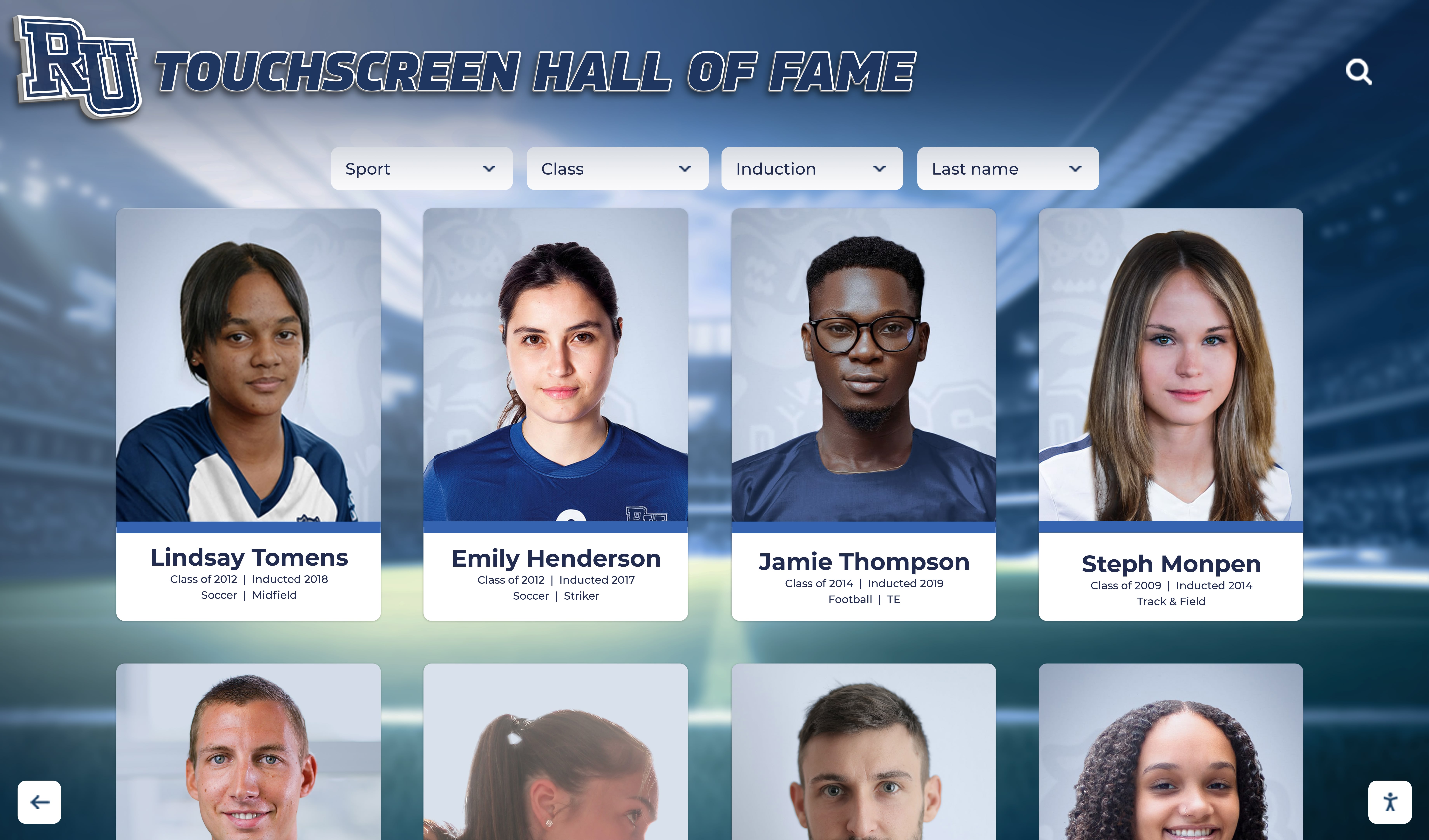
Individual profile cards make browsing class composites feel personal and engaging
Iterative Enhancement
Regular Program Review
Schedule comprehensive assessments including annual review of content collection processes, technology evaluation examining platform performance, comparative research studying peer institution approaches, budget analysis ensuring sustainable resource allocation, and strategic planning aligning recognition with institutional goals.
Responsive Improvements
Act on assessment findings through interface enhancements addressing navigation issues, content expansion incorporating additional profile elements, photography quality improvements based on feedback, accessibility upgrades meeting evolving standards, and communication refinements increasing participation and awareness.
Commitment to continuous improvement ensures recognition programs remain effective and valued rather than stagnating.
Best Practices for Successful Digital Class Composites
Institutions implementing digital year-based recognition should follow proven practices ensuring successful outcomes.
Content Best Practices
Comprehensive Yet Consistent
Strive for rich individual profiles while maintaining consistency across all graduates. Every profile should include core elements (portrait, name, year, basic information) even when optional elements (personal statements, multimedia, detailed accomplishments) vary based on available content. This consistency ensures equitable recognition where no graduate appears “less important” due to incomplete profiles.
Historical Context and Storytelling
Enhance year-based browsing with historical context connecting classes to broader institutional narratives. Include information about significant events during each graduation year, notable achievements by that cohort, cultural or historical moments contextualizing that era, and institutional milestones affecting those students’ experiences.
This contextual storytelling transforms composites from simple directories into engaging historical exploration.
Regular Updates and Accuracy
Establish processes ensuring information remains current and accurate through periodic alumni updates capturing career progression, correction mechanisms when graduates identify errors, content expansion as alumni achieve notable accomplishments, removal protocols for inappropriate or outdated content, and version history tracking changes for institutional records.
Living recognition that evolves maintains relevance far better than static content frozen at graduation.
Technical Best Practices
Performance Optimization
Ensure excellent user experiences through fast loading times regardless of class size, responsive interfaces working smoothly across devices, efficient search indexing enabling instant results, image optimization balancing quality with performance, and offline capabilities for physical displays when network issues occur.
Poor technical performance undermines even excellent content and design.
Security and Privacy
Protect student and alumni information through appropriate access controls for sensitive information, compliance with educational privacy regulations, opt-out mechanisms for graduates preferring exclusion, secure authentication when required, and clear privacy policies explaining data usage.
Respectful privacy practices build trust while ensuring legal compliance.
Explore digital signage best practices that apply to composite recognition displays.
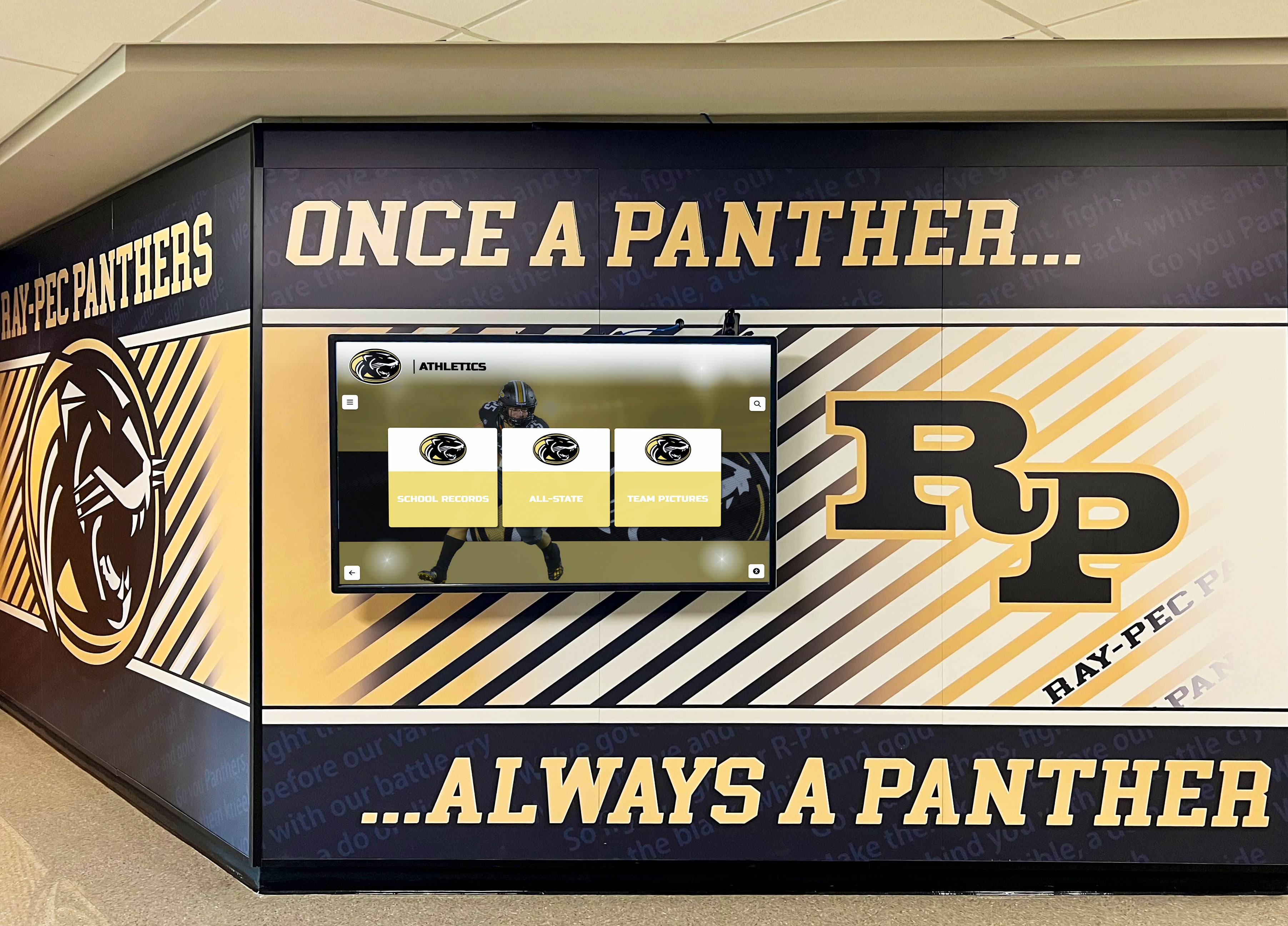
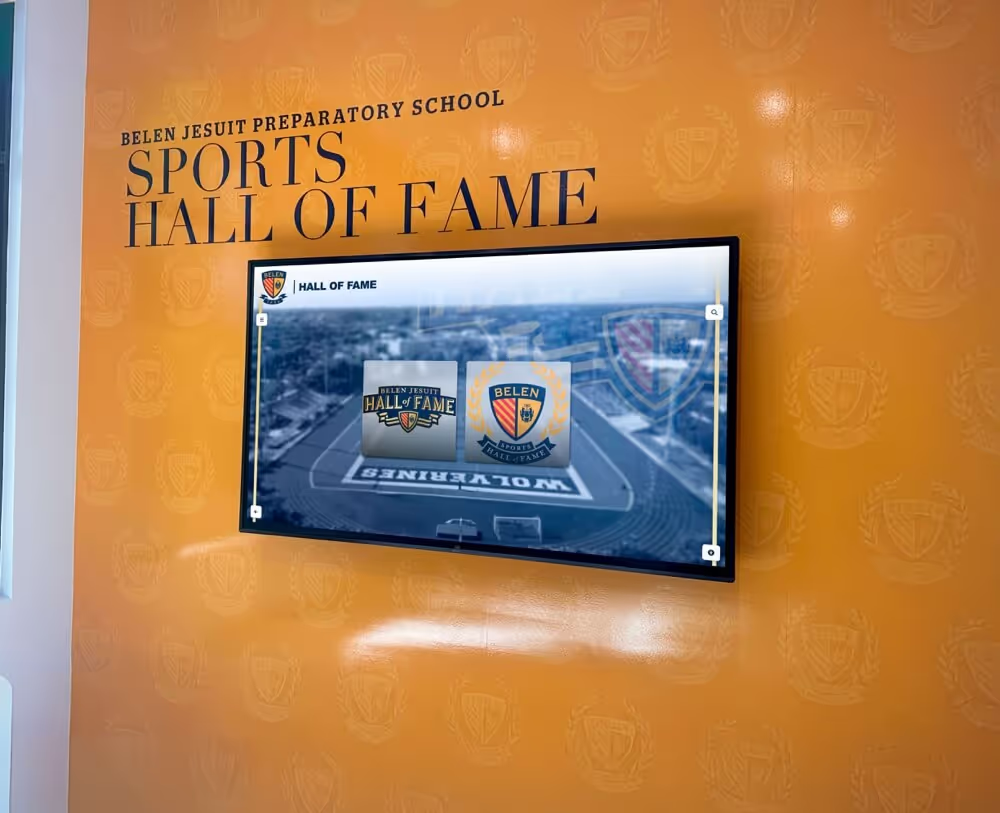
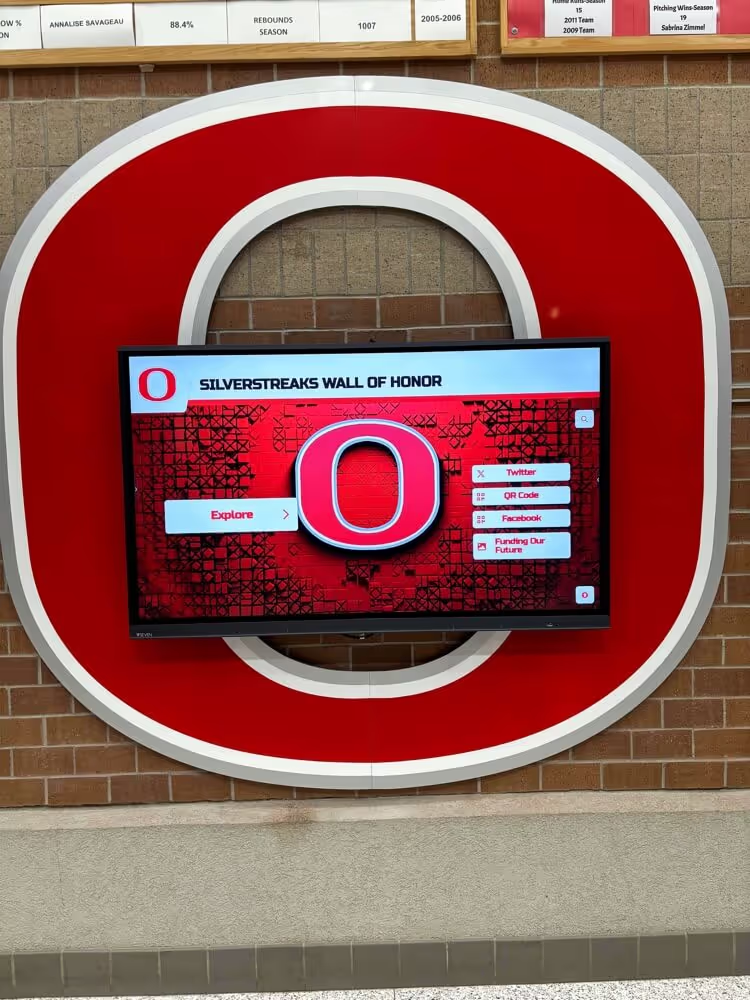
Thoughtful integration of digital displays with existing campus design creates cohesive recognition environments
Sustainability Best Practices
Long-Term Content Management
Plan for sustainable operations through clear ownership of content management responsibilities, documented processes ensuring institutional knowledge transfer, training programs for new administrators, reasonable workload expectations preventing burnout, and budget allocation for ongoing platform costs and hardware maintenance.
Programs failing to plan for long-term sustainability often suffer neglect as founding champions move on.
Scalable Approaches
Design programs accommodating growth through technology platforms scaling from hundreds to thousands of profiles, content collection processes handling varying class sizes, cost structures remaining affordable as recognition expands, and workflow efficiency enabling manageable ongoing updates.
Programs designed only for current needs often struggle as institutions grow or recognition expands to additional constituencies.
Conclusion: Bringing Beloved Traditions into the Digital Age
Traditional flip-through class composite displays have served educational institutions and organizations well for generations, providing intuitive year-based exploration connecting people to graduating classes and institutional history. Yet physical formats increasingly struggle with deterioration, space constraints, limited accessibility, and minimal storytelling capabilities that contemporary audiences expect.
Interactive digital class composite displays preserve the intuitive year-based browsing experience people love while dramatically expanding capabilities through unlimited digital capacity, rich multimedia profiles, powerful search and discovery features, web accessibility extending reach globally, and sustainable platforms eliminating ongoing physical maintenance.
Transform Your Class Composite Recognition
Discover how interactive digital recognition solutions can help you preserve beloved flip-through composite traditions while making class histories more accessible, engaging, and comprehensive through modern touchscreen displays and web portals.
Book a DemoThe most successful digital class composite programs share common characteristics: they honor the year-based browsing that made physical formats beloved, they provide comprehensive recognition of every graduate throughout history, they create engaging interactive experiences resonating with contemporary users, they make recognition accessible far beyond campus through web portals, they integrate thoughtfully with existing campus infrastructure and traditions, they enable rich storytelling beyond basic photographs and names, and they establish sustainable long-term operations ensuring ongoing value.
Institutions at any stage—whether maintaining decades of physical composite traditions or considering inaugural implementation—can benefit from thoughtfully designed digital recognition systems. Start wherever your circumstances permit, whether implementing comprehensive platforms immediately or beginning with recent classes before expanding historically, then systematically build recognition ecosystems your graduates deserve.
Every graduating class that receives meaningful, accessible recognition develops stronger institutional connection and pride. Every alumni who can easily rediscover their graduating class years or decades after graduation strengthens emotional bonds supporting lifelong engagement. Every visitor who encounters intuitive year-based exploration sees evidence that your institution values history and individual achievement.
Your graduating classes deserve celebration honoring both collective cohort identity and individual accomplishment. With thoughtful planning, appropriate technology, and sustained commitment, you can create interactive digital class composite displays that preserve beloved traditions while embracing innovations making recognition more impactful, accessible, and engaging for current and future generations.
Ready to begin? Explore additional recognition strategies including comprehensive digital donor walls, digital hall of fame displays, and discover approaches to consolidating class photos that celebrate every graduating class alongside broader institutional recognition programs.