Students and families frequently wonder: is Dean’s List an award or honor? This question matters because the distinction affects how this achievement appears on résumés, college applications, graduate school submissions, and scholarship materials. Understanding the precise nature of Dean’s List recognition—along with how colleges calculate eligibility and celebrate achievers—helps students accurately represent their accomplishments while providing institutions with frameworks for creating meaningful recognition programs that motivate continued excellence.
Dean’s List represents one of the most prestigious and widely recognized forms of academic acknowledgment in higher education. When students achieve this distinction, they join select groups of high performers who have demonstrated exceptional scholarly commitment during specific academic terms. Yet despite its ubiquity across colleges and universities, confusion persists about whether Dean’s List constitutes an “award” given to students or an “honor” bestowed upon them—and whether this semantic distinction carries practical significance.
This comprehensive guide explores the technical classification of Dean’s List recognition, examines how various institutions structure their Dean’s List programs, and provides actionable strategies for colleges seeking to enhance visibility of this important academic achievement through modern digital recognition systems.
The short answer? Dean’s List functions as an academic honor rather than an award—though the distinction involves subtle nuances that matter in certain contexts. Understanding these differences helps students present their achievements accurately while enabling institutions to communicate Dean’s List significance effectively to all stakeholders.

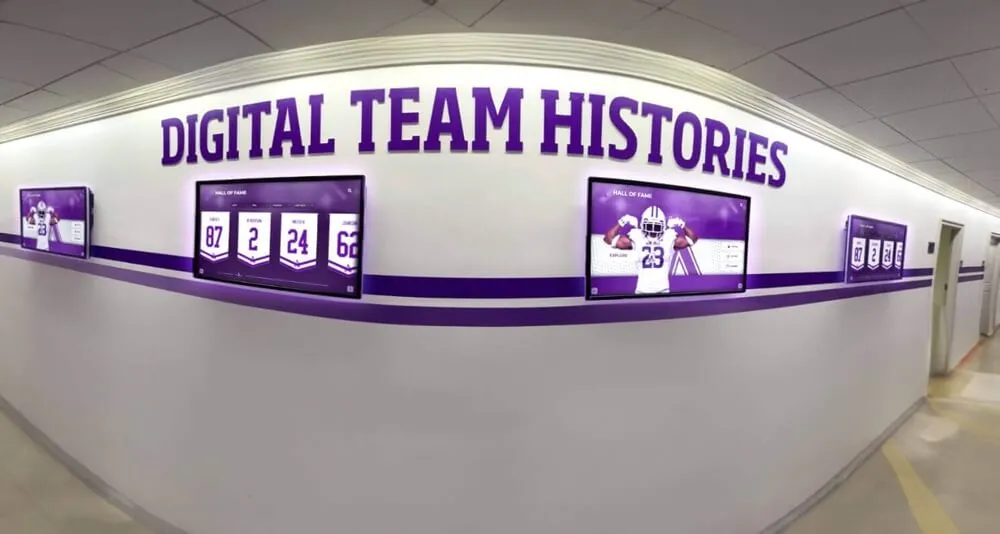
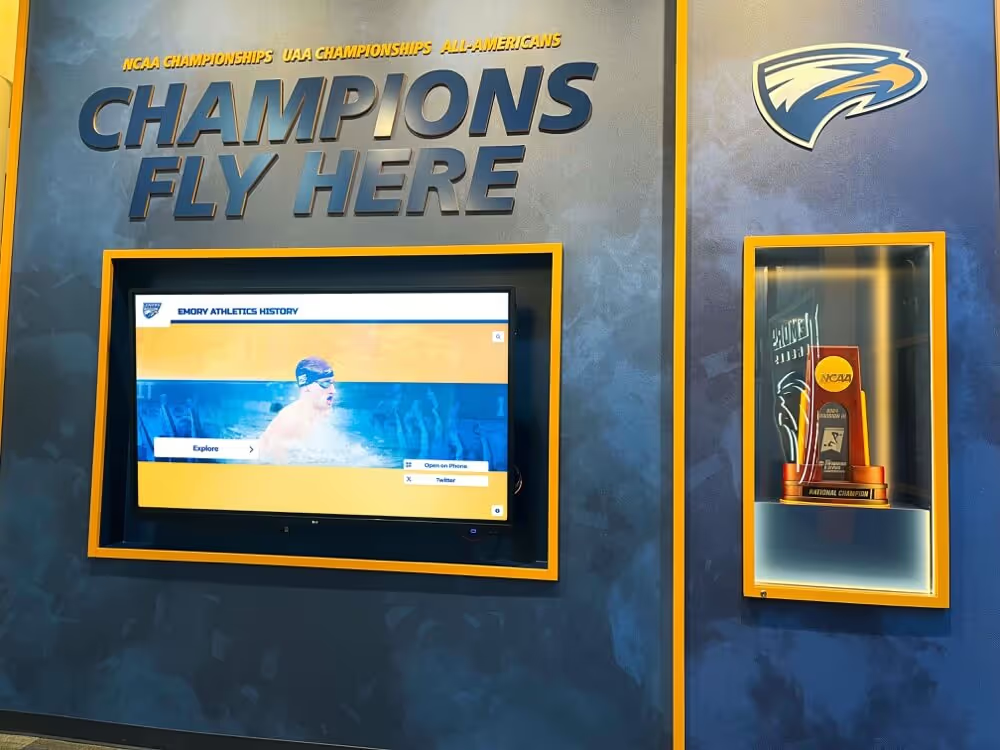
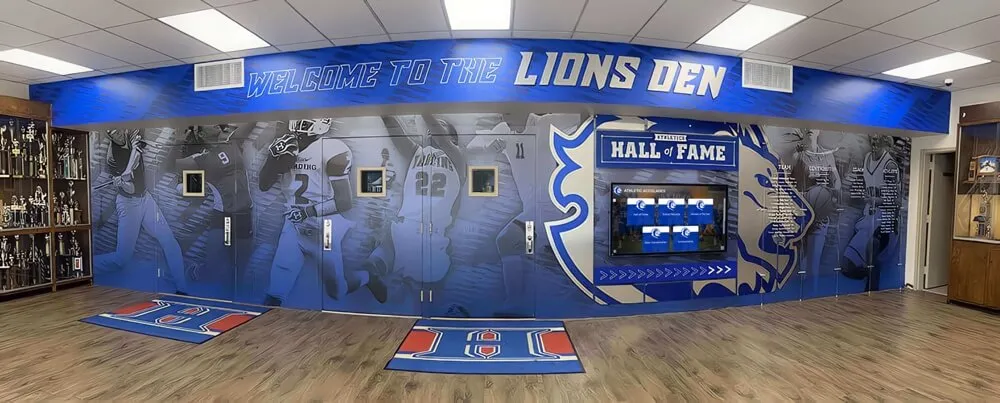
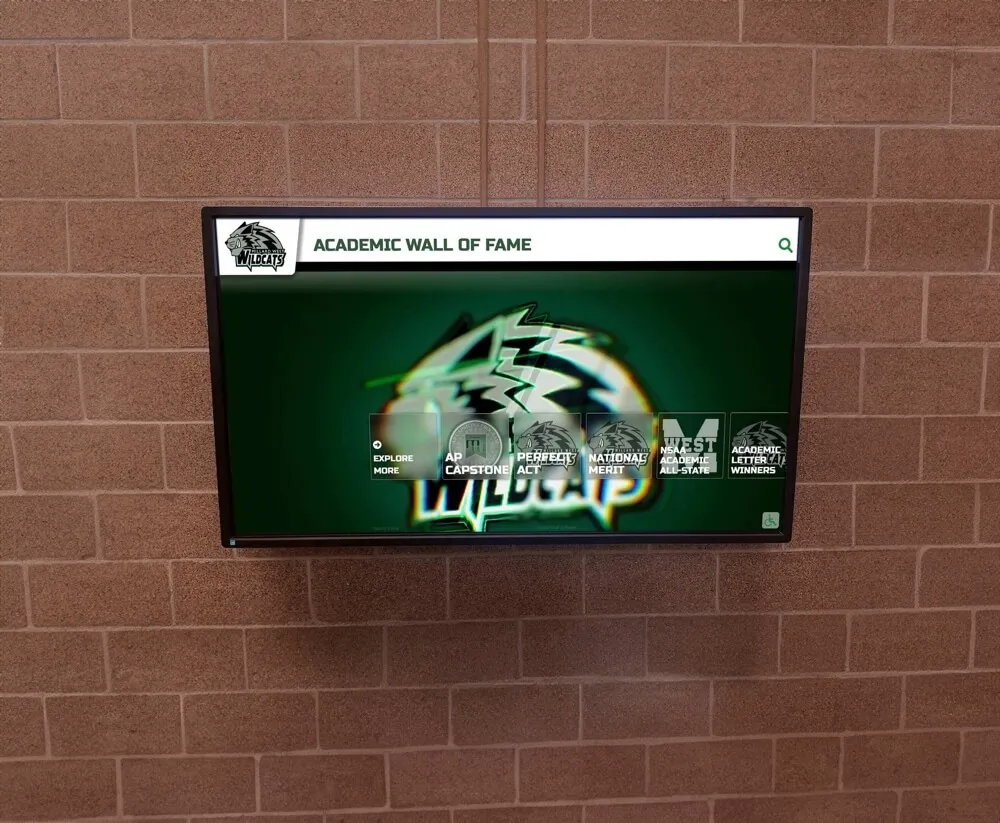
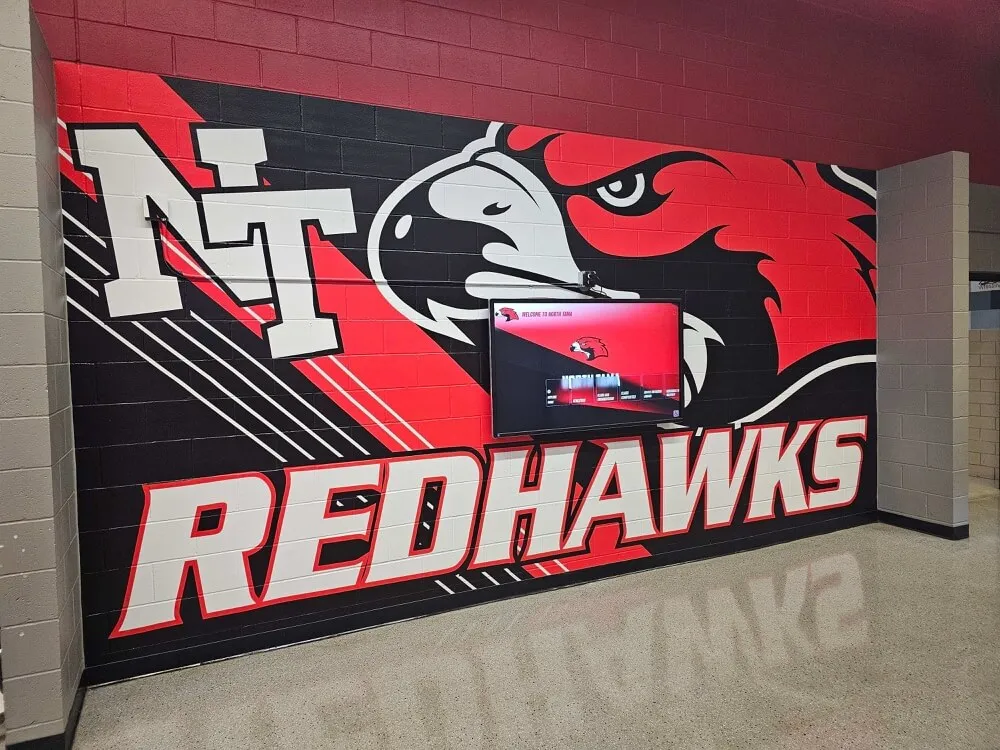
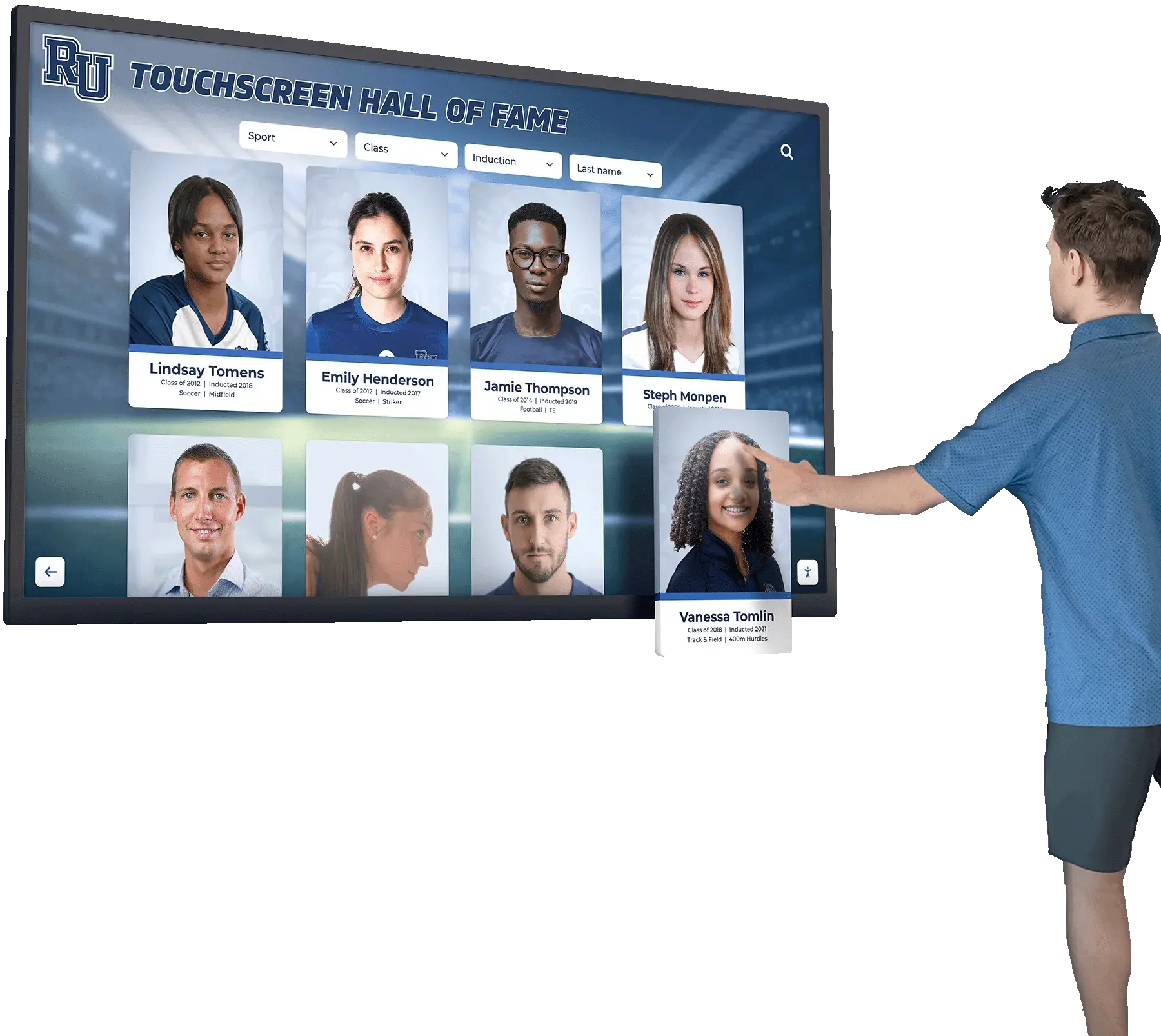
Modern digital recognition displays make Dean's List achievements visible and celebrated throughout campus communities
Understanding the Distinction: Award vs. Honor
Before clarifying Dean’s List classification, examining the fundamental differences between awards and honors provides essential context.
What Defines an Award?
Awards typically involve selection, competition, or conferral by evaluators who choose recipients from applicant or nominee pools. Awards often recognize specific accomplishments, projects, or contributions that judges deem particularly meritorious. Key characteristics include:
Selection and Competition Elements
- Application or nomination processes preceding recognition
- Limited number of recipients chosen from larger pools
- Evaluation by committees or panels assessing relative merit
- Competitive dynamics where applicants compete for finite recognition slots
- Discretionary judgment determining who receives recognition
Tangible Recognition Components
- Physical items like trophies, plaques, or certificates
- Monetary prizes or scholarships accompanying recognition
- Specific recognition events or ceremonies honoring recipients
- Time-bound accomplishments within defined periods
- Often commemorating singular achievements or projects
Common examples include scholarships requiring applications, departmental awards for outstanding students selected by faculty committees, or research grants awarded competitively based on proposal quality.
What Defines an Honor?
Honors represent status or recognition automatically conferred upon individuals meeting clearly defined, objective criteria. Rather than selection from competitors, honors acknowledge all qualified individuals who achieve predetermined standards. Distinguishing characteristics include:
Automatic Qualification Through Standards
- Transparent, published criteria defining eligibility
- All students meeting criteria receive the honor
- No application, nomination, or selection process
- Mathematical calculation typically determines qualification
- No subjective evaluation or competitive selection
Recognition of Sustained Achievement
- Acknowledgment of consistent performance over defined periods
- Recognition of status achieved through cumulative work
- Standards-based rather than comparative assessment
- Repeatable achievement across multiple terms or years
- Public acknowledgment through various institutional channels
Examples include honor roll designations for GPA achievement, academic honor societies with objective membership requirements, and graduation honors like cum laude determined by GPA thresholds.
Learn more about comprehensive academic recognition programs that celebrate diverse student achievements including Dean’s List honors.
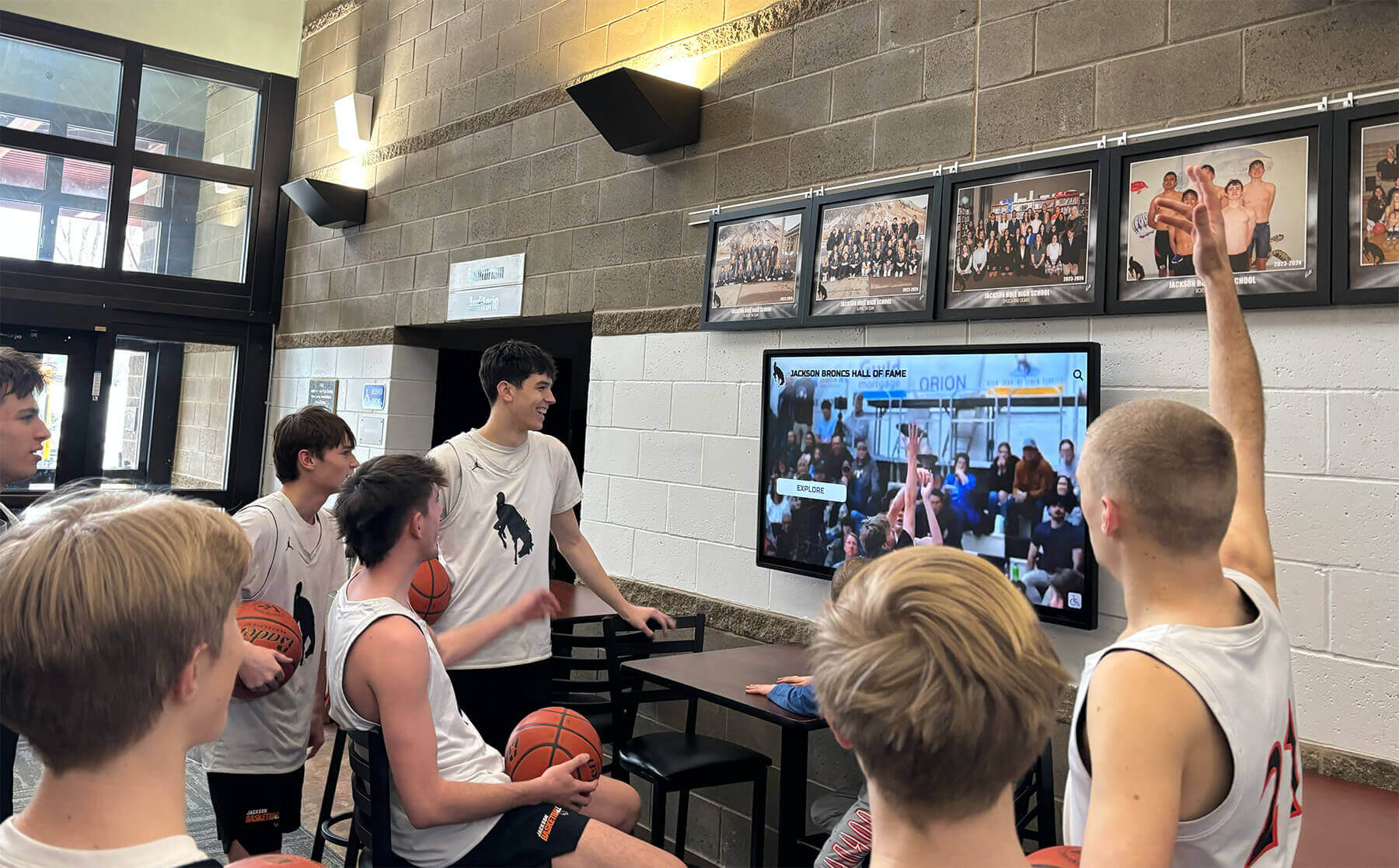
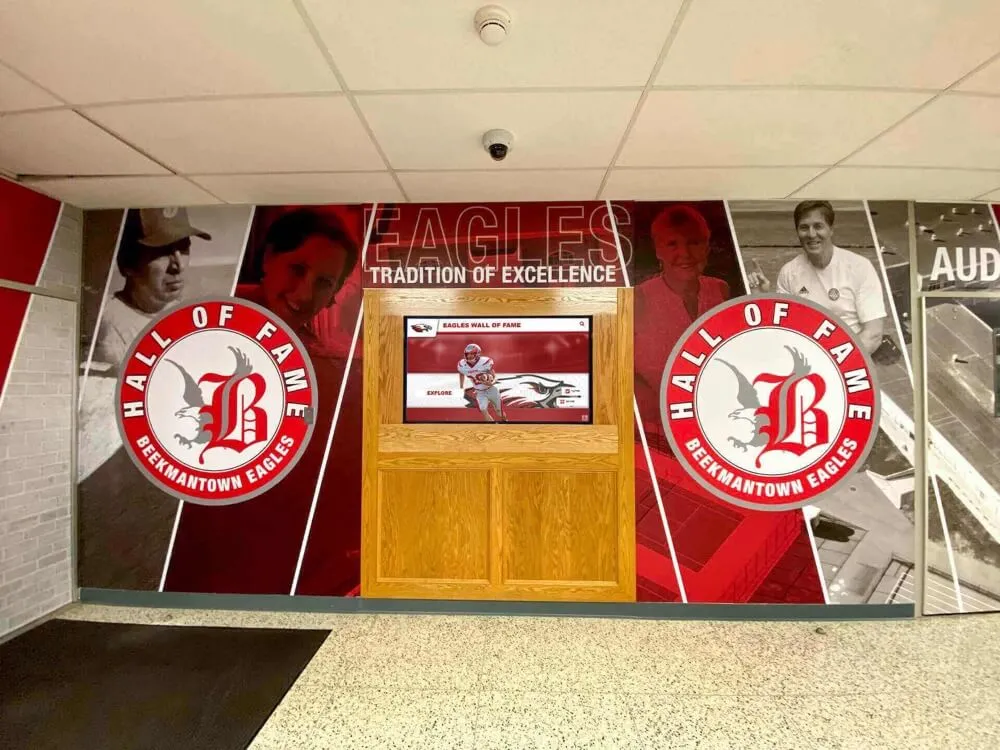
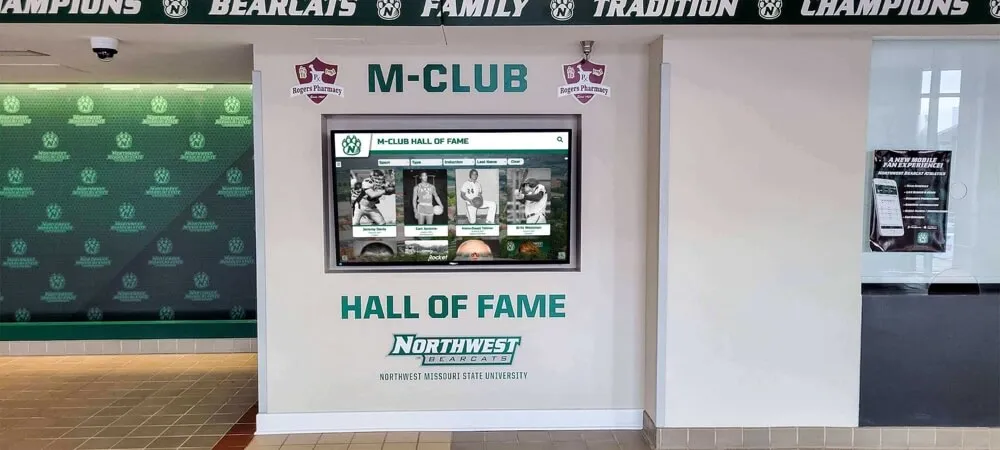
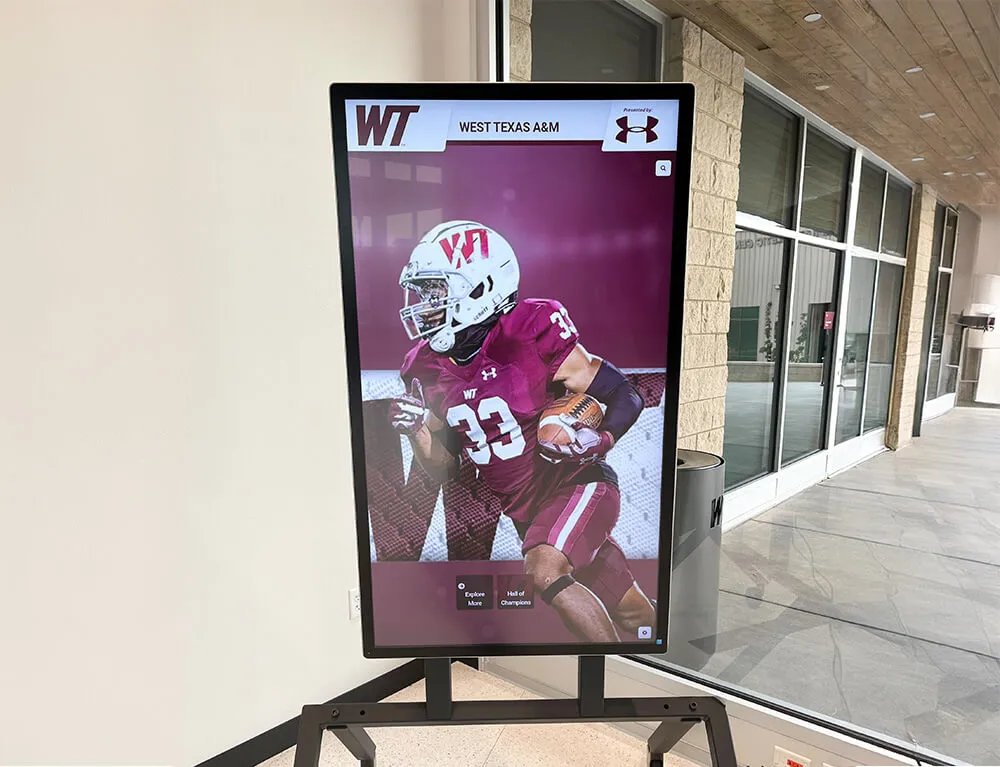
Interactive displays create opportunities for students to explore academic achievements and connect with campus culture
Why Dean’s List Qualifies as an Honor
Based on these definitions, Dean’s List clearly functions as an academic honor rather than an award for several compelling reasons:
Objective, Published Criteria Every institution with Dean’s List recognition publishes specific eligibility requirements—typically GPA thresholds like 3.5 or 3.75—that any student meeting those standards automatically achieves. Students don’t compete for limited Dean’s List spots; rather, all qualifying students receive the honor regardless of how many others also qualify.
No Selection or Application Process Students neither apply for Dean’s List nor undergo evaluation by selection committees. Registrar offices automatically identify qualifying students each term based on mathematical GPA calculations, removing subjective judgment from the recognition process entirely.
Recurring Recognition Opportunity Unlike one-time awards, Dean’s List recognition recurs each academic term, enabling students to achieve this honor multiple times throughout college careers by consistently meeting GPA standards. This repeatable nature reinforces its classification as an honor acknowledging sustained performance.
Status Rather Than Prize Dean’s List confers prestigious status and bragging rights but typically involves no monetary prize, physical trophy, or singular recognition event. While institutions may issue certificates or hold reception events, the core value lies in the honor itself rather than accompanying tangible items.
This classification matters when students list Dean’s List on résumés, applications, and professional profiles—correct categorization demonstrates attention to detail valued by employers and graduate programs.
How Dean’s List Works: Requirements and Calculations
Understanding precise eligibility criteria and calculation methods helps students pursue this honor strategically while informing institutions about best practices for their recognition programs.
Common Dean’s List GPA Requirements
While specific standards vary by institution, most colleges establish Dean’s List thresholds that recognize exceptional academic performance during individual terms:
Typical GPA Standards
- 3.5 GPA: Common threshold at many public universities and larger institutions, recognizing approximately 25-30% of students
- 3.75 GPA: Higher standard used by selective colleges and universities, typically honoring top 15-20% of students
- 3.8-4.0 GPA: Extremely high bars at highly competitive institutions, recognizing only top 10-15% of students
Some institutions implement tiered systems with multiple recognition levels:
President’s List or Dean’s List with High Honors
- Typically 3.8-4.0 GPA or perfect 4.0 in some cases
- Represents highest level of academic achievement
- May require completing minimum credit hours at higher thresholds
Dean’s List or Dean’s List with Honors
- Typically 3.5-3.75 GPA depending on institution
- Recognizes strong academic performance
- Standard Dean’s List recognition at most schools
Honorable Mention or Dean’s List Commendation
- Some schools add third tier at 3.25-3.49 GPA
- Provides recognition for solid academic performance
- Ensures broader student access to acknowledgment
These tiered approaches create achievement pathways for students at multiple performance levels while maintaining distinction between recognition tiers.

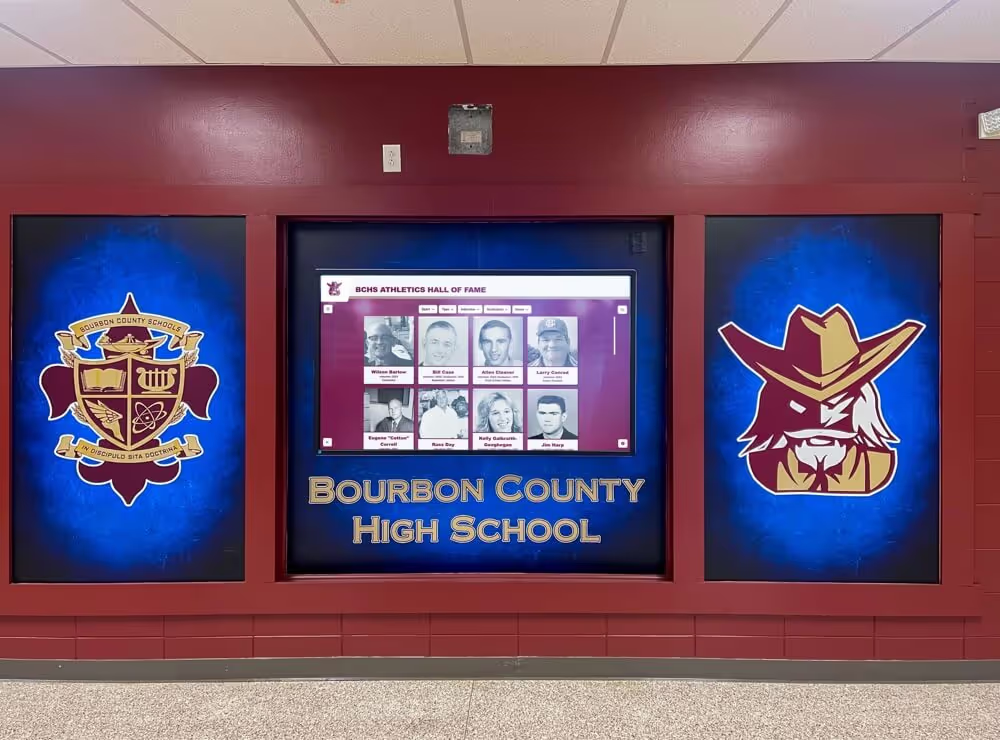
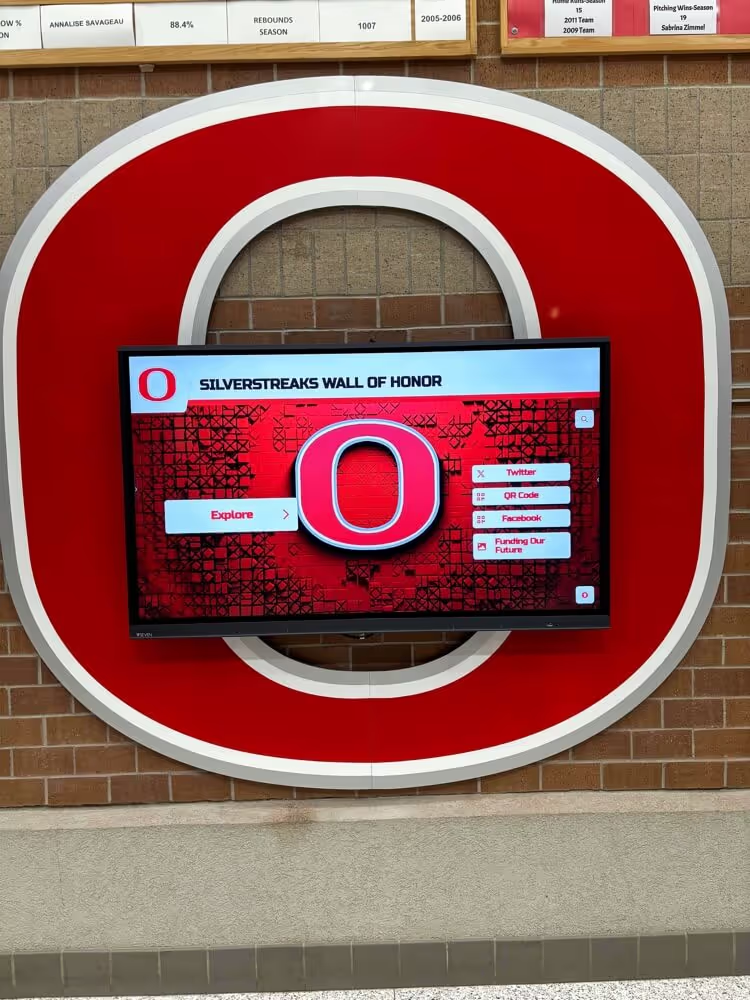
Individual recognition profiles celebrate specific Dean's List achievements and academic journeys
Additional Eligibility Requirements
Beyond GPA thresholds, institutions typically impose supplementary requirements ensuring Dean’s List recognizes sustained, full-time academic performance:
Minimum Credit Hour Requirements
- 12-15 credit hours: Most common minimum for semester-based systems
- Full-time enrollment status: Some schools simply require full-time standing
- Completed credits only: Withdrawn, incomplete, or in-progress courses typically don’t count
These minimums prevent students from achieving high GPAs through minimal course loads that don’t represent full academic engagement.
Graded Coursework Requirements
- Limit on pass/fail courses: Many schools cap pass/fail credits counting toward Dean’s List
- Minimum letter-graded hours: Often 12+ credits must use traditional grading to qualify
- No incomplete grades: Outstanding incomplete coursework may disqualify students
These policies ensure Dean’s List GPA calculations reflect substantial graded academic work rather than grade management strategies.
Academic Standing Requirements
- Good standing prerequisite: Students on academic probation typically ineligible
- No conduct violations: Some institutions disqualify students with disciplinary issues
- Enrollment continuity: Usually requires continuous enrollment at the institution
Explore comprehensive approaches to honor roll digital recognition that celebrate academic excellence across educational levels.
Calculation Periods and Frequency
Semester-Based Dean’s List Most institutions calculate Dean’s List eligibility each semester (fall and spring):
- Based solely on courses completed during that specific term
- Separate recognition opportunity twice annually
- Enables students to achieve Dean’s List multiple semesters
- Provides regular recognition maintaining motivation throughout academic years
Quarter-Based Recognition Schools operating on quarter systems may offer more frequent Dean’s List:
- Calculated after each academic quarter (typically three per year)
- More opportunities for recognition
- Potentially more complex tracking for students and institutions
Academic Year Recognition Some institutions offer annual Dean’s List calculated on full-year performance:
- Based on cumulative GPA across both fall and spring semesters
- Single annual recognition rather than per-term acknowledgment
- May supplement or replace semester-based Dean’s List
Cumulative vs. Term-Specific Calculations
Most institutions use term-specific GPA for Dean’s List determination—only grades from the current semester factor into qualification. This approach:
- Enables students to “bounce back” after difficult terms
- Rewards current achievement regardless of past performance
- Provides fresh opportunities each term
- Recognizes improvement and renewed commitment
Some schools use cumulative GPA including all college coursework, which:
- Requires sustained excellence across entire academic career
- Prevents qualification based on single strong term
- Rewards consistency over longer periods
- May discourage students whose earlier performance precludes current recognition
The term-specific approach proves more common and generally more motivating, though cumulative calculations ensure only consistently high performers receive recognition.
Special Circumstances and Exceptions
Transfer Students Institutions establish policies for transfer students:
- Minimum terms in residence before Dean’s List eligibility
- Whether transfer credits count toward GPA calculations
- Requirements typically range from one to two full semesters
Study Abroad and Exchange Programs Schools must determine:
- Whether courses taken abroad count toward Dean’s List
- How international grading systems convert to institutional GPAs
- Documentation requirements for study abroad coursework

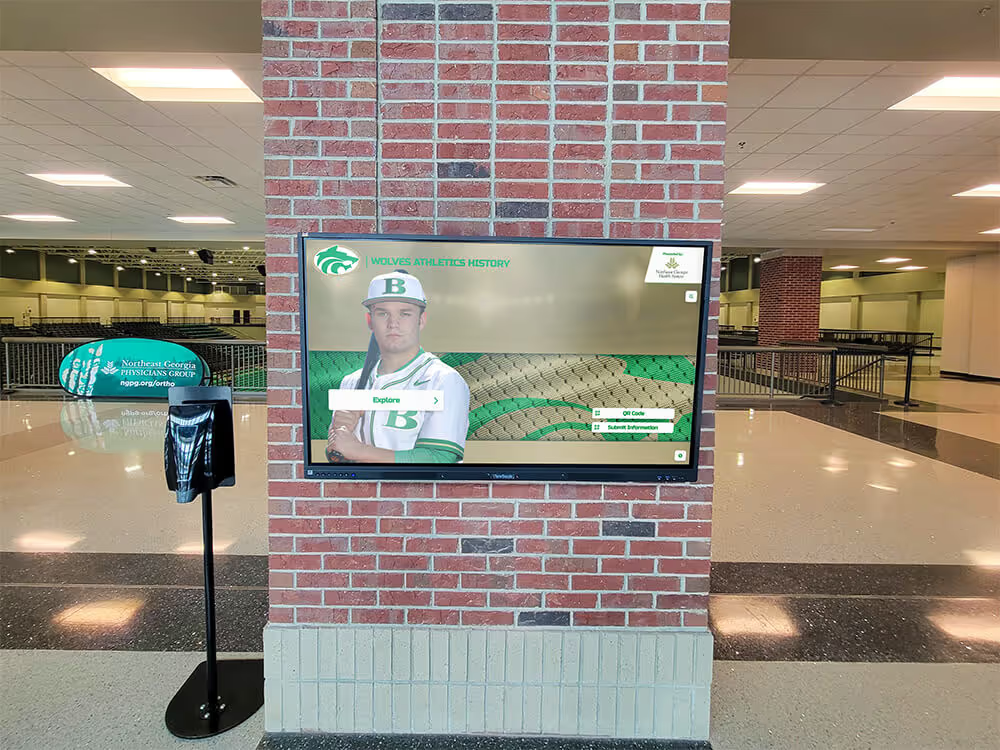
Touchscreen interfaces invite student exploration and engagement with Dean's List achievements
Part-Time Students Many institutions adjust requirements for part-time students:
- Lower minimum credit hours reflecting part-time status
- Proportional GPA requirements
- Some schools exclude part-time students entirely
Clear policies addressing these special circumstances ensure fair, consistent recognition while maintaining program integrity.
The Academic and Professional Value of Dean’s List
Understanding why Dean’s List matters helps both students and institutions appreciate this recognition’s significance.
Dean’s List as a Credential
Résumé and Application Enhancement Dean’s List provides concrete evidence of academic excellence that strengthens:
- Employment applications: Demonstrates strong work ethic and achievement capability
- Graduate school applications: Shows sustained academic performance at college level
- Scholarship applications: Validates academic merit for competitive funding
- Professional certifications: Some licensing boards consider academic honors
When listing Dean’s List, students should include:
- Specific institution name
- Terms or years achieved (e.g., “Dean’s List, Fall 2024, Spring 2025”)
- GPA if it strengthens the credential (optional)
- Recognition level if multiple tiers exist (President’s List, Dean’s List with High Honors, etc.)
Transcript Documentation Most institutions note Dean’s List achievement directly on official transcripts:
- Notation appears for each qualifying term
- Provides third-party verification of achievement
- Remains part of permanent academic record
- Visible to all parties requesting transcripts
This transcript documentation distinguishes Dean’s List from purely ceremonial recognitions that leave no permanent record.
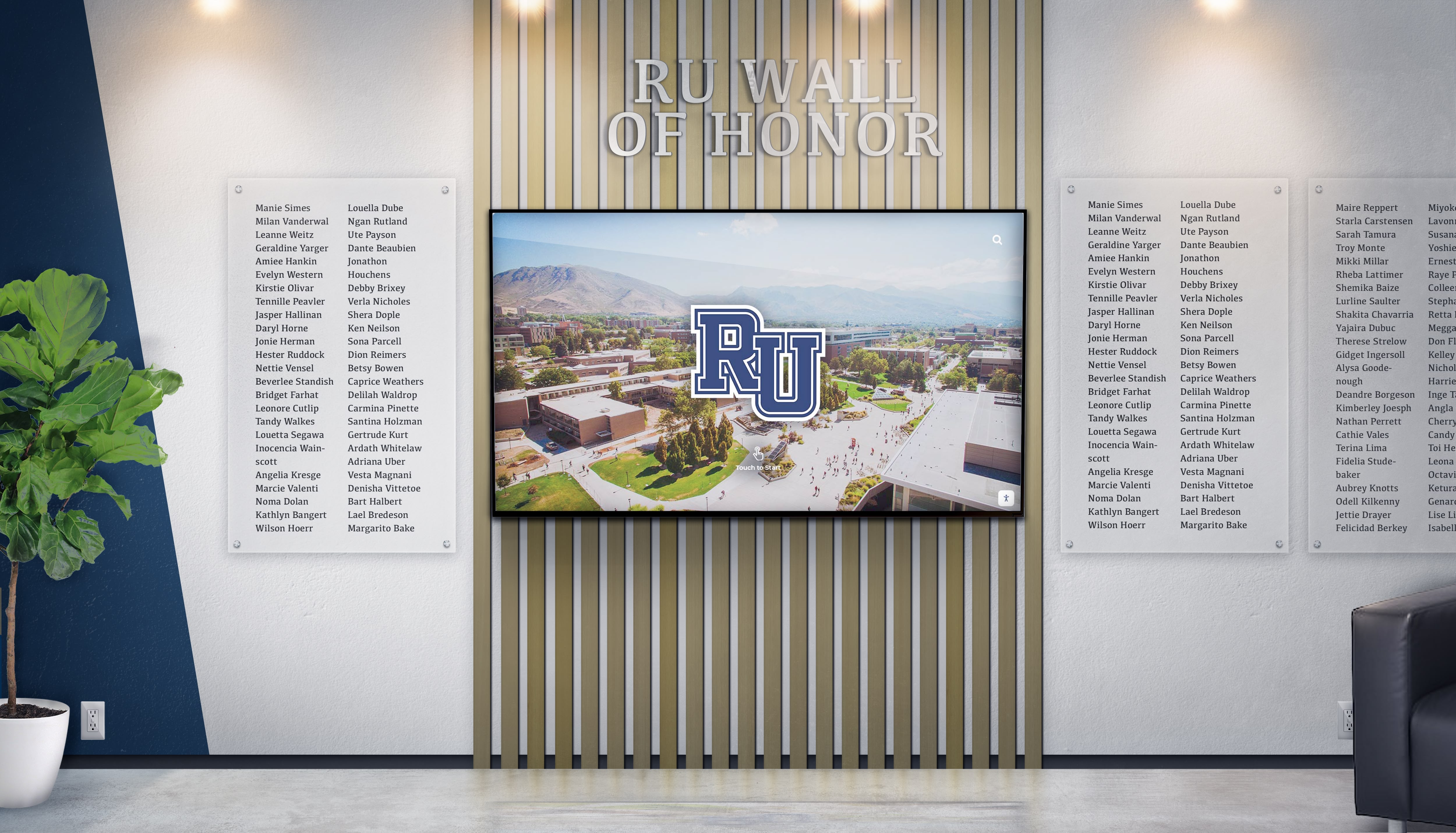
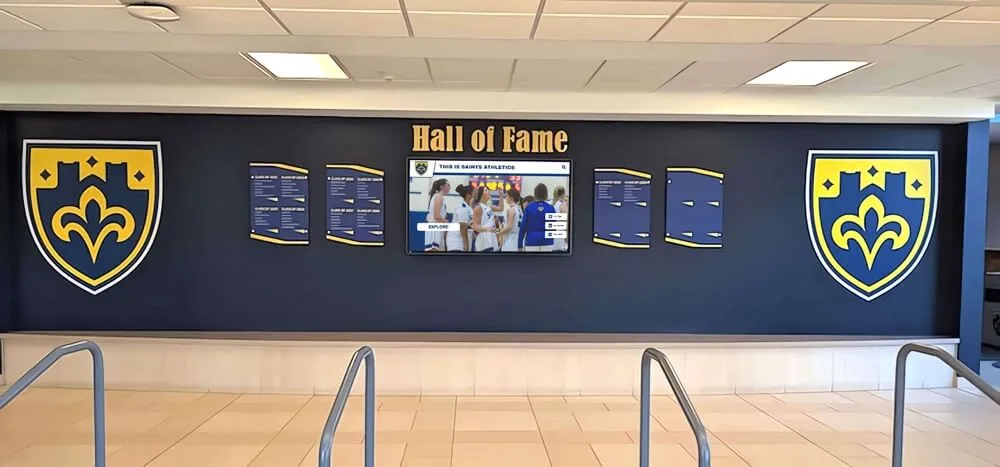
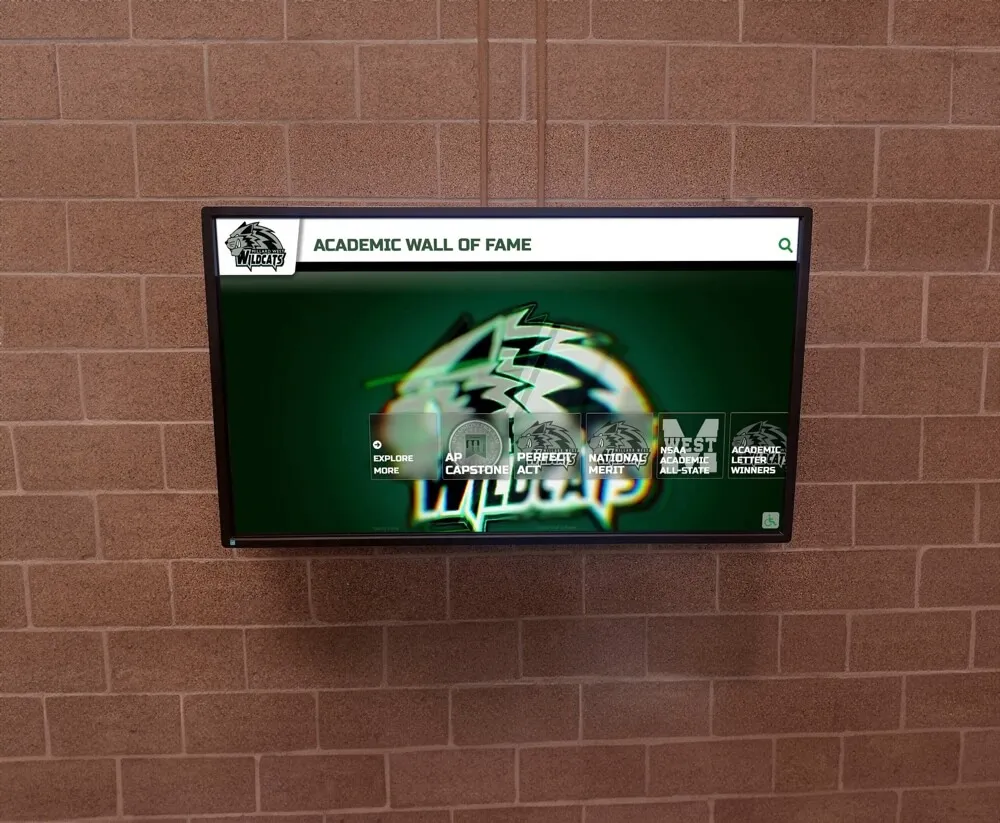
Integrated recognition systems combine digital displays with traditional elements celebrating comprehensive achievement
Motivation and Student Engagement
Goal-Setting and Academic Focus Dean’s List creates tangible achievement goals that:
- Provide clear performance targets for each term
- Break long-term degree completion into manageable milestones
- Create motivation beyond simply passing courses
- Enable students to measure progress against defined standards
Research in educational psychology demonstrates that specific, achievable goals significantly enhance student motivation and performance compared to vague directives like “do your best.”
Institutional Culture of Excellence When colleges prominently celebrate Dean’s List achievement through visible recognition, they:
- Signal that academic excellence matters institutionally
- Create positive peer influence encouraging high achievement
- Provide role models demonstrating that strong academic performance is attainable
- Build campus culture valuing intellectual accomplishment
Learn about creating donor recognition programs that celebrate excellence across domains.
Family and Community Celebration
Shared Pride and Validation Dean’s List achievement provides:
- Concrete accomplishment families can celebrate and understand
- Validation of student effort and capability
- Talking points for family discussions about college progress
- Social media-worthy achievement students enjoy sharing
Return on Investment Evidence For families investing significantly in higher education:
- Dean’s List demonstrates students are succeeding academically
- Provides evidence that educational investment yields results
- Creates positive associations with the institution
- Reinforces continued family support for educational goals
How Institutions Recognize Dean’s List Achievers
Traditional and modern approaches to celebrating Dean’s List range from minimal acknowledgment to comprehensive recognition programs.
Traditional Dean’s List Recognition Methods
Official Notifications Most institutions inform Dean’s List students through:
- Email congratulations from dean’s office or registrar
- Letters mailed to student and family addresses
- Transcript notation appearing on official records
- Online portal messages in student information systems
While personally meaningful, these private notifications create limited broader visibility.
Certificates and Letters Many colleges provide:
- Printed certificates suitable for framing
- Formal congratulatory letters from academic deans
- Official documentation students can include in portfolios
- Materials shareable with family and employers
These tangible items provide lasting mementos but reach only recipients and those they choose to share with.
Public Lists and Announcements Traditional public recognition includes:
- Names published in campus newspapers or newsletters
- Lists posted on physical bulletin boards in academic buildings
- Website announcements during or after each term
- Press releases sent to students’ hometown media
However, these methods face significant limitations—bulletin boards become outdated quickly, newspaper mentions last only one issue, and website news gets buried by subsequent announcements.
Recognition Ceremonies Some institutions host:
- Dean’s List receptions honoring achievers each term
- Academic awards ceremonies celebrating multiple achievements
- Pinning or certificate presentation events
- President’s or dean’s honors programs including Dean’s List
While these events create memorable experiences, recognition limited to annual ceremonies provides only brief visibility compared to permanent displays.
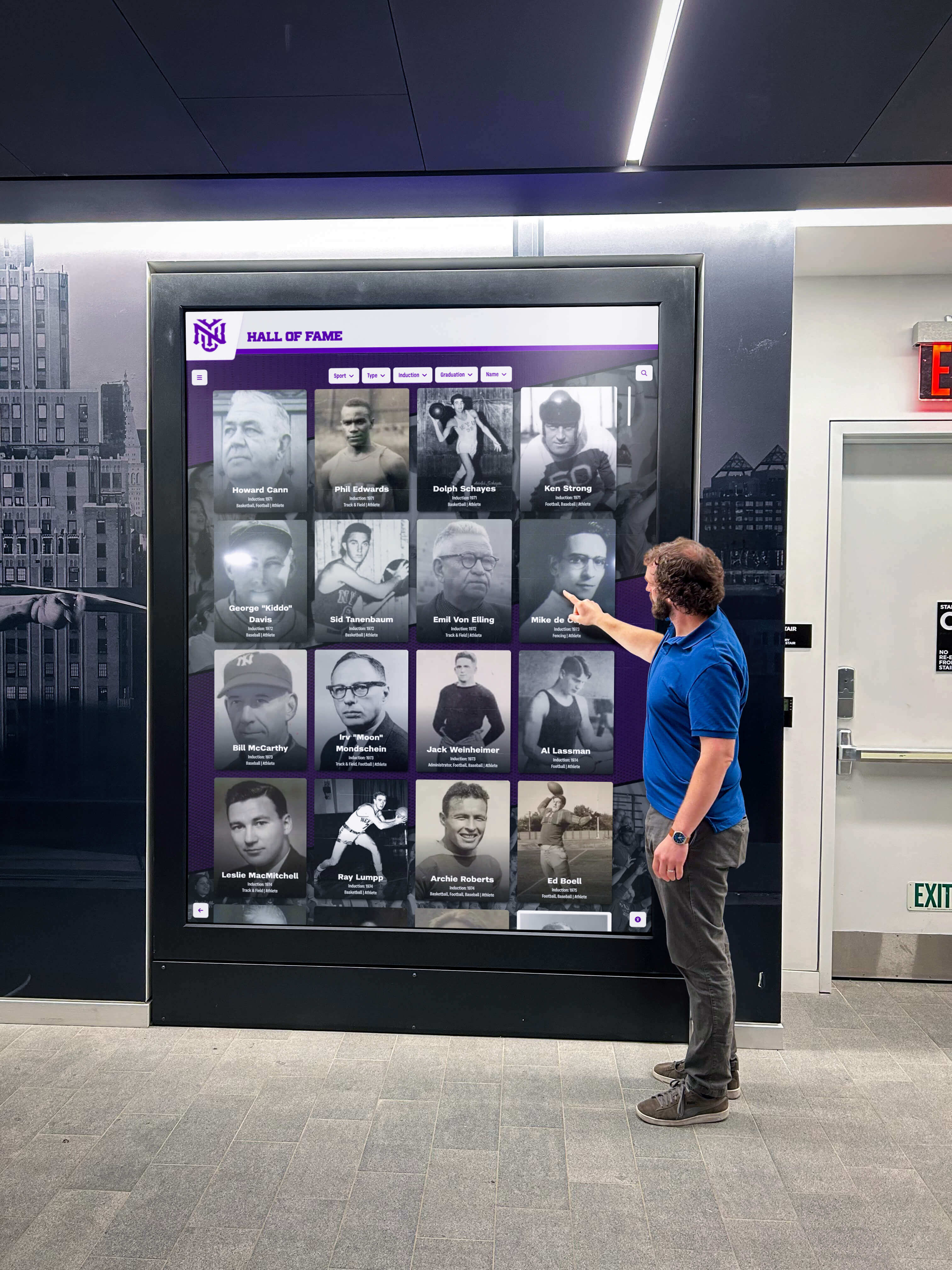
Interactive displays provide ongoing recognition beyond ceremonial moments, engaging campus visitors daily
Modern Digital Recognition Approaches
Contemporary institutions increasingly supplement traditional methods with digital recognition systems providing permanent visibility and enhanced engagement.
Digital Recognition Display Systems
Solutions like Rocket Alumni Solutions transform Dean’s List acknowledgment through interactive displays that overcome traditional limitations:
Unlimited Recognition Capacity Unlike physical bulletin boards limited by wall space, digital recognition displays accommodate unlimited Dean’s List recipients across all terms and years. Institutions can recognize every Dean’s List student throughout their history without choosing whose achievements to remove when space fills.
Rich Student Profiles Beyond Name Lists Digital platforms create comprehensive recognition including:
- Professional student photos in academic settings
- Dean’s List recognition level achieved (President’s List, Dean’s List, etc.)
- Specific term or semester recognized
- Cumulative Dean’s List achievement showing multiple recognitions
- Major, class year, and other contextual information
- Personal statements about study strategies or academic goals
- Future career plans and post-graduation intentions
This detailed content creates meaningful, personalized recognition celebrating individual achievement stories rather than bare name lists.
Interactive Exploration Features Modern touchscreen displays transform passive viewing into active engagement:
- Search functionality enabling students to find themselves and peers
- Filtering by major, graduation year, or term
- Browse features enabling discovery of Dean’s List achievers across institutional history
- Statistics showing Dean’s List trends and patterns
- Related content linking showing classmates achieving Dean’s List together
Students naturally gravitate toward interactive displays during passing periods and unstructured time, creating repeated exposure to Dean’s List recognition that static bulletin boards cannot match.
Explore comprehensive strategies for showcasing student achievement through modern recognition platforms.
Content Management and Sustainability
Cloud-based management systems dramatically simplify Dean’s List recognition maintenance:
- Remote updates from any internet-connected device
- Bulk import tools for adding entire Dean’s List rosters simultaneously
- Scheduled publishing aligning with term timelines
- Role-based permissions enabling appropriate staff to manage content
- Automatic archiving preserving historical recognition indefinitely
Institutions report 80-90% reduction in time spent maintaining Dean’s List recognition after implementing digital systems compared to traditional bulletin board or website approaches.
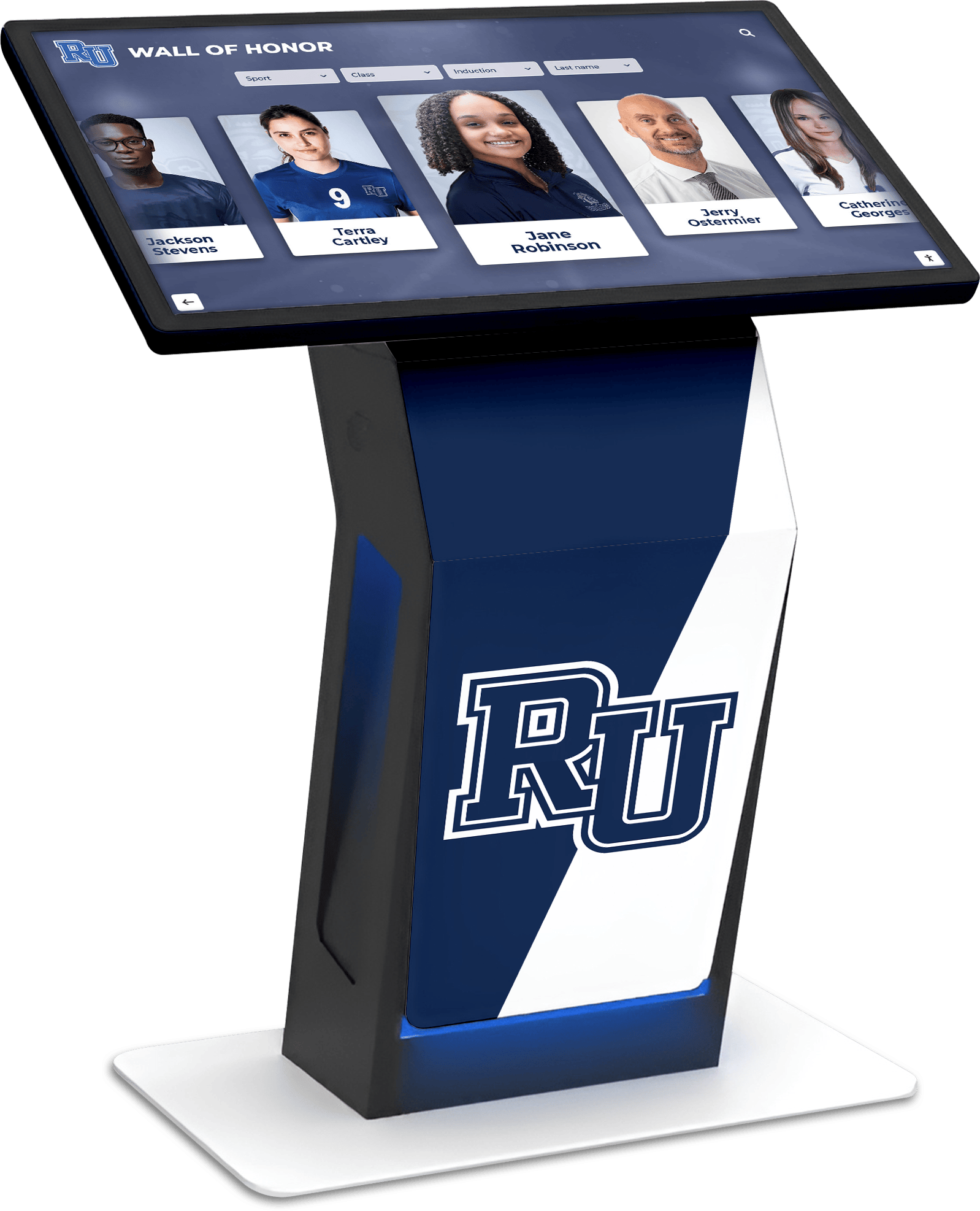
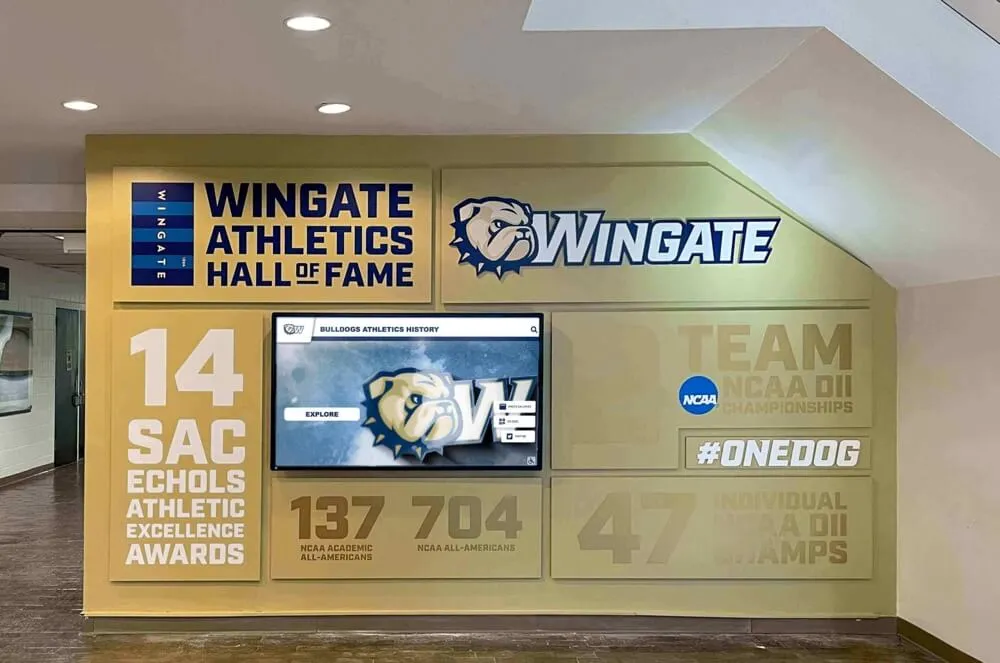
Purpose-built recognition kiosks provide comprehensive platforms for celebrating Dean's List achievement
Extended Recognition Through Web Integration
Online Dean’s List Platforms
Digital recognition extends beyond physical displays through web accessibility:
- Online databases accessible from any internet-connected device
- Mobile-responsive designs ensuring smartphone and tablet access
- Social sharing capabilities enabling students to distribute their recognition
- Alumni access allowing graduates worldwide to revisit their achievements
- Family viewing from any location celebrating students remotely
This extended reach amplifies Dean’s List recognition impact exponentially compared to displays accessible only to campus visitors during specific hours.
Multi-Channel Communication Strategies
Maximum impact requires systematic communication ensuring Dean’s List achievement receives visibility across stakeholder touchpoints:
Internal Campus Communication
- Digital signage rotating Dean’s List names throughout campus
- Featured displays in libraries, student centers, and academic buildings
- Integration with student portal systems
- Residence hall recognition of Dean’s List residents
- Departmental celebration of major-specific achievers
External Communication
- Social media posts celebrating Dean’s List students each term
- Email notifications to families when students achieve recognition
- Alumni magazine features highlighting academic excellence trends
- Community media partnerships sharing hometown student achievements
- Prospective student recruitment materials showcasing Dean’s List rates
This multi-channel approach ensures Dean’s List achievement receives visibility comparable to athletic accomplishments while reaching all stakeholders through their preferred information channels.
Implementing Digital Dean’s List Recognition at Your Institution
Colleges seeking to enhance Dean’s List visibility can implement modern recognition systems through systematic planning and appropriate technology selection.
Program Planning and Strategy
Define Recognition Scope and Goals
Determine what your Dean’s List recognition program will accomplish:
- Which Dean’s List levels will receive display recognition (just Dean’s List, or include President’s List, honors tiers, etc.)
- Historical depth of recognition (current term only, past year, or comprehensive archives)
- Integration with other academic recognitions (honor societies, departmental awards, scholarships)
- Target audiences (current students, prospective students, families, alumni, donors)
Clear scope definition ensures focused implementation and appropriate technology selection.
Assess Current Recognition Limitations
Evaluate existing Dean’s List acknowledgment approaches:
- Physical space constraints of current bulletin board displays
- Administrative burden maintaining current recognition systems
- Visibility and accessibility of existing recognition to target audiences
- Engagement levels with current recognition methods
- Feedback from students about current recognition adequacy
This assessment identifies specific problems digital recognition can solve, building strong justification for investment.
Identify Strategic Placement Locations
Select high-visibility locations for digital Dean’s List recognition displays:
- Main campus entrance lobbies creating immediate impressions for visitors
- Library and academic resource centers supporting scholarly activities
- Student union and common areas engaging during unstructured time
- Admissions office spaces showcasing academic excellence to prospective students
- Alumni and development areas demonstrating student success to donors
Strategic placement maximizes visibility and engagement while reinforcing institutional academic priorities.

Comprehensive recognition systems document achievement journeys across academic careers
Technology Selection and Implementation
Hardware Considerations
Choose display hardware appropriate for your locations and budget:
Display Size and Format
- Large-format displays (43"-55" or larger) for main lobbies and high-traffic areas
- Medium displays (32"-42") for departmental areas and resource centers
- Portrait or landscape orientation based on content strategy
- Touchscreen capability enabling interactive exploration
Installation and Infrastructure
- Commercial-grade displays designed for extended daily operation
- Secure mounting appropriate for educational environments
- ADA-compliant placement ensuring accessibility
- Network connectivity for content management
- Power and cable management maintaining professional appearance
Learn about digital trophy case solutions that provide reliable platforms for academic recognition.
Software Platform Selection
Choose content management systems matching institutional needs:
Purpose-Built Recognition Platforms
Solutions like Rocket Alumni Solutions offer specialized capabilities designed specifically for academic recognition:
- Intuitive content management requiring minimal training
- Student profile templates optimized for achievement presentation
- Search and filtering functionality enabling easy navigation
- Web integration extending recognition beyond physical displays
- Mobile-responsive design ensuring accessibility across devices
- Analytics providing engagement insights and demonstrating program value
Key Software Capabilities for Dean’s List Recognition
- Easy profile creation with consistent templates
- Bulk import for adding entire Dean’s List rosters simultaneously
- Scheduled publishing aligning with term calendars
- Filtering by major, graduation year, and recognition level
- Integrated web platforms extending beyond physical displays
- Role-based access control ensuring appropriate staff can manage content
Content Creation and Management
Building Compelling Dean’s List Profiles
Create rich, engaging content for recognized students:
Essential Information
- Student name and class year
- Dean’s List recognition level achieved
- Specific term or semester recognized
- Major or academic program
- Professional student photo
Enhancement Content
- Cumulative Dean’s List achievement across multiple terms
- Academic and career goals
- Study strategies or advice for peers
- Extracurricular involvement complementing academic achievement
- Acknowledgment of faculty mentors or support systems
This enhanced content creates more meaningful recognition while providing motivational information for students aspiring to Dean’s List achievement.
Establishing Sustainable Update Processes
Create efficient workflows ensuring timely recognition updates:
Term-by-Term Update Cycle
- Obtain official Dean’s List roster from registrar immediately after term grades finalize
- Request student photos and optional enhancement content
- Bulk import new Dean’s List recipients using established templates
- Review for accuracy and consistency before publication
- Schedule publication aligned with term calendar and recognition events
- Announce new additions through multiple communication channels
Historical Archive Preservation
- Maintain searchable access to all historical Dean’s List achievements
- Create semester and academic year filtering enabling period-specific browsing
- Develop decade or graduation year views showing long-term excellence trends
- Preserve institutional academic heritage demonstrating sustained commitment to excellence

Strategic placement of recognition displays in high-traffic areas maximizes visibility and daily engagement
Leveraging Dean’s List Recognition for Institutional Goals
Strategic Dean’s List recognition serves multiple institutional priorities beyond simply acknowledging student achievement.
Recruitment and Admissions Enhancement
Demonstrating Academic Quality to Prospective Students
Prominent Dean’s List recognition provides concrete evidence of institutional academic strength:
- High Dean’s List percentages demonstrate student body capability
- Recognition displays show prospective students the caliber of peers they’ll join
- Long-term historical recognition demonstrates sustained academic excellence
- Visible celebration signals that institution values intellectual achievement
During campus tours, admissions staff can leverage Dean’s List displays to:
- Showcase typical academic achievement levels
- Explain support systems helping students reach Dean’s List standards
- Connect academic excellence to post-graduation outcomes
- Provide prospective students with aspirational goals
Attracting High-Achieving Students
Academically motivated students select colleges where:
- Academic achievement receives visible, ongoing recognition
- Intellectual excellence is celebrated as prominently as other accomplishments
- Culture supports and encourages rigorous academic engagement
- Fellow students demonstrate high achievement levels
Prominent Dean’s List recognition helps attract these high-performing students while demonstrating institutional commitment to academic mission.
Development and Donor Relations
Demonstrating Student Success to Supporters
Alumni and donors invest in institutions expecting to support student success. Dean’s List recognition provides:
- Tangible evidence that students are thriving academically
- Concrete demonstration of educational quality justifying continued support
- Stories of individual student achievement donors find personally meaningful
- Data about academic excellence trends showing institutional trajectory
Digital recognition displays in development spaces enable fundraising staff to:
- Show donors current student achievements during campus visits
- Demonstrate how previous giving supported scholarship recipients who achieved Dean’s List
- Create emotional connections between donors and successful students
- Provide evidence strengthening funding proposals
Learn about comprehensive donor recognition strategies that celebrate supporters alongside student achievers.
Retention and Student Success Initiatives
Motivation Through Visible Recognition
Students aware that Dean’s List achievement receives prominent, lasting recognition:
- Set clearer academic goals each term
- Feel greater motivation to maintain high performance
- Experience pride in accomplishment when recognized publicly
- See tangible connection between academic effort and institutional acknowledgment
This motivational impact supports retention by:
- Keeping students engaged with academic progress
- Creating positive associations with institution and campus experience
- Providing achievement milestones throughout degree completion
- Building sense of belonging and institutional connection
Identifying and Supporting High Achievers
Dean’s List recognition helps institutions:
- Identify students ready for research opportunities, leadership roles, or advanced study
- Track academic performance trends requiring intervention
- Connect high achievers with faculty mentors and special programs
- Build relationships with students likely to become successful alumni
Digital recognition systems providing analytics reveal patterns helping student success staff target support and engagement effectively.
Best Practices for Meaningful Dean’s List Recognition
Thoughtful implementation ensures Dean’s List recognition achieves maximum motivational impact while maintaining program integrity.
Maintaining Clear, Fair Standards
Transparent Eligibility Criteria
Publish comprehensive Dean’s List requirements ensuring students understand:
- Specific GPA thresholds for each recognition level
- Minimum credit hour requirements
- Policies on pass/fail courses, incompletes, and withdrawals
- Special circumstances affecting eligibility
- Calculation methods and timing
Transparency enables students to pursue Dean’s List strategically while preventing confusion and disputes about qualification.
Consistent Application of Standards
Apply eligibility criteria uniformly across:
- All academic colleges and programs
- Different student populations (traditional, transfer, part-time)
- All terms and academic years
- Students with special circumstances
Inconsistent application undermines program integrity and creates perceptions of unfairness that reduce motivational value.
Celebrating Achievement Across All Levels
Multiple Recognition Tiers
Implement tiered Dean’s List systems creating achievement pathways for students at multiple performance levels:
- Highest tier (President’s List, Dean’s List with High Honors) at 3.8-4.0 GPA
- Standard Dean’s List at 3.5-3.75 GPA
- Honorable mention or commendation at 3.25-3.49 GPA
This structure maintains meaning and prestige for top achievements while ensuring recognition opportunities exist for students at various performance levels.
Equal Visibility Regardless of Tier
While maintaining distinction between recognition levels, ensure all tiers receive:
- Equivalent visibility in physical and digital displays
- Similar communication and announcement approaches
- Comparable celebration during recognition events
- Equal pride and institutional validation
This balance prevents creating recognition hierarchies that discourage students achieving lower tiers while motivating continued improvement toward higher levels.
Connecting Recognition to Support Systems
Acknowledging Support Networks
Dean’s List recognition can highlight:
- Academic advisors guiding course selection and success strategies
- Faculty mentors providing instruction and encouragement
- Tutoring centers and academic support services assisting students
- Family and peer support contributing to achievement
- Scholarship donors whose funding enabled academic focus
This comprehensive approach reinforces that academic success involves collaborative effort while encouraging students to utilize available support systems.
Creating Aspirational Pathways
Effective recognition educates students about how to achieve Dean’s List:
- Display explanations of eligibility requirements and calculations
- Feature profiles highlighting how students reached Dean’s List standards
- Provide study strategies and time management tips from recognized students
- Show typical course loads and schedules enabling Dean’s List achievement
- Connect students with academic resources supporting high performance
This educational component transforms recognition from passive acknowledgment into active motivation by demystifying the path to achievement.

Interactive interfaces make exploring Dean's List achievements and understanding achievement pathways engaging and intuitive
Addressing Common Dean’s List Questions and Concerns
Students, families, and institutions frequently raise questions about Dean’s List recognition that deserve clear answers.
“Is Dean’s List the same across all colleges?”
No—each institution establishes its own Dean’s List criteria and standards. While most colleges use GPA-based thresholds, significant variation exists in:
- Minimum GPA required (ranging from 3.5 to 4.0)
- Credit hour requirements (typically 12-15 credits)
- Treatment of pass/fail courses and other grading exceptions
- Recognition tiers and naming conventions
- Frequency of Dean’s List determination (semester, quarter, annual)
Students should consult their specific institution’s academic policies for precise requirements. When listing Dean’s List on résumés or applications, always include the institution name since achievement standards vary significantly.
“Can graduate students make Dean’s List?”
This varies by institution. Many colleges:
- Limit Dean’s List to undergraduate students only
- Establish separate graduate honor rolls or recognition programs
- Use different standards for graduate vs. undergraduate recognition
- May have no formal Dean’s List equivalent for graduate programs
Graduate students should inquire with their specific programs about available academic recognition opportunities. Some graduate schools offer alternative honors like membership in honor societies specific to their disciplines.
“Does Dean’s List affect GPA?”
No—Dean’s List is recognition based on GPA but doesn’t change GPA itself. Dean’s List:
- Appears as notation on transcripts alongside GPA
- Represents acknowledgment of GPA achievement during specific terms
- Provides credential strengthening applications and résumés
- Creates no modification to actual grade point average
Dean’s List should be viewed as valuable recognition of existing academic performance rather than something that alters underlying academic record.
“How important is Dean’s List for employment and graduate school?”
Dean’s List provides meaningful but not determining value for post-graduation opportunities. Employers and graduate programs:
- View Dean’s List as positive indicator of academic capability and work ethic
- Consider Dean’s List alongside other factors like major, specific coursework, experience, and interview performance
- May use Dean’s List as initial screening criterion when evaluating many applicants
- Appreciate Dean’s List more when candidates contextualize what achievement required
Students should list Dean’s List prominently on applications but recognize it represents one of many factors in competitive selection processes. Single-term Dean’s List achievement matters less than consistent Dean’s List recognition across multiple terms demonstrating sustained excellence.
“Can Dean’s List be taken away or revoked?”
Generally no, unless academic records are corrected. Once earned for a specific term, Dean’s List recognition typically remains permanent. However:
- Grade changes due to academic dishonesty could retroactively eliminate qualification
- Discovery of registration or credit hour irregularities might affect previous recognition
- Some institutions may remove Dean’s List notation if students are later expelled for misconduct
Absent unusual circumstances like those above, Dean’s List achievement earned during specific terms remains part of permanent academic record even if subsequent performance declines.
Conclusion: Honoring Academic Excellence Through Meaningful Recognition
Dean’s List functions definitively as an academic honor rather than an award—recognition automatically conferred upon all students meeting objective GPA and credit hour criteria during specific terms. This classification matters because it accurately represents how Dean’s List works while enabling students to present their achievements appropriately on professional materials.
Understanding Dean’s List as an honor rather than competitive award illuminates why this recognition motivates students so effectively—achievement depends on meeting clear standards through sustained effort rather than competing for limited recognition slots or hoping selection committees notice their work. Every student maintaining sufficiently strong academic performance can earn Dean’s List recognition regardless of how many peers also qualify, creating inclusive yet rigorous acknowledgment of excellence.
For institutions, effective Dean’s List recognition requires moving beyond minimal notifications to comprehensive celebration ensuring this significant achievement receives visibility proportional to its importance. Modern digital recognition platforms make prominent, engaging Dean’s List celebration achievable by overcoming space constraints of traditional bulletin boards, reducing administrative burden of maintaining current displays, and creating interactive experiences that resonate with contemporary students while extending reach beyond campus through web accessibility.
Transform Your Academic Recognition Program
Discover how modern digital recognition solutions can help you celebrate Dean's List achievements and build a thriving culture of academic excellence that motivates students to pursue intellectual success.
Explore Recognition SolutionsWhen colleges prominently celebrate Dean’s List achievement through strategic placement of digital displays in high-traffic locations, systematic multi-channel communication ensuring all stakeholders encounter recognition regularly, and rich student profiles that tell individual achievement stories rather than simply listing names, they create environments where academic excellence becomes aspirational and celebrated—not just among current Dean’s List students but throughout campus communities as all students encounter visible evidence that intellectual achievement receives institutional acknowledgment equal to any other accomplishment.
Start where you are with Dean’s List recognition enhancements you can implement immediately, then systematically expand to create comprehensive approaches your students deserve. Every Dean’s List student receiving prominent, lasting recognition develops stronger connection to their achievement and their institution, while every student who encounters that recognition gains inspiration and concrete understanding of pathways available through sustained academic effort.
Your Dean’s List achievers’ accomplishments deserve celebration equal to achievements in any domain. With thoughtful planning, appropriate technology, and consistent implementation, you can create recognition systems that honor every Dean’s List student while building positive, motivating academic culture where intellectual excellence thrives and students enthusiastically pursue the scholarly achievement that Dean’s List celebrates.
Ready to enhance your institution’s Dean’s List recognition? Explore additional academic acknowledgment strategies through end of year awards for students, learn about comprehensive academic recognition programs, or discover how digital displays support student achievement across all recognition categories.