The marching band debate echoes through school hallways, online forums, and Friday night bleachers across America. Band members arrive before dawn for practice, spend hours perfecting synchronized movements, maintain intense physical conditioning, and compete at state and national championships—yet they watch their achievements celebrated differently than their peers on the football field or basketball court.
This question extends beyond semantics into recognition, funding allocation, and how educational institutions value diverse forms of student excellence. Whether marching band qualifies as a sport by strict definition matters less than ensuring band programs receive appropriate acknowledgment for the discipline, dedication, and competitive excellence members demonstrate.
Schools face mounting pressure to recognize all student achievements equitably. Traditional athletic recognition systems often overlook band programs, debate teams, theater productions, and academic competitions despite these activities demanding comparable commitment and producing measurable competitive success. Understanding what makes marching band athletically significant—and how recognition systems can appropriately honor these accomplishments—helps schools build comprehensive cultures celebrating diverse excellence rather than privileging select activities.

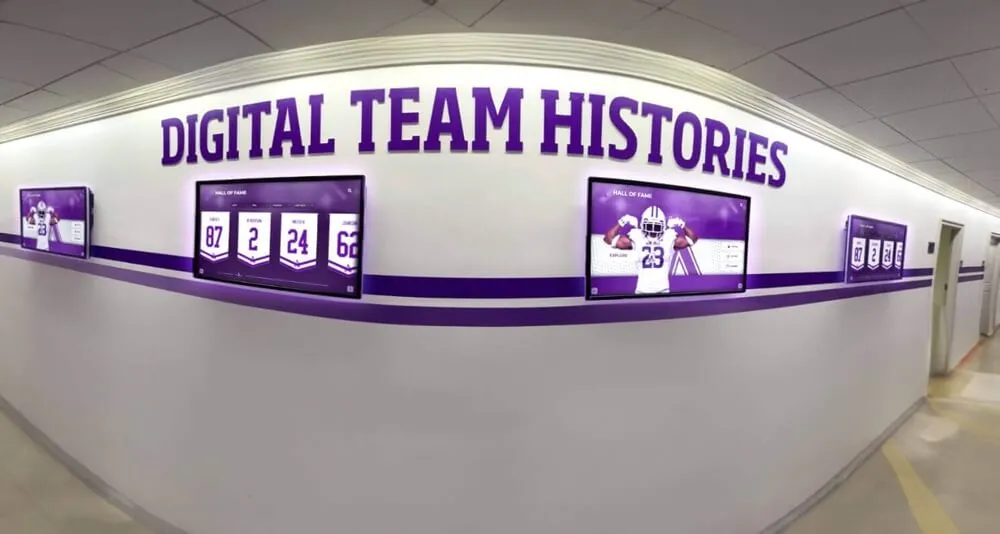
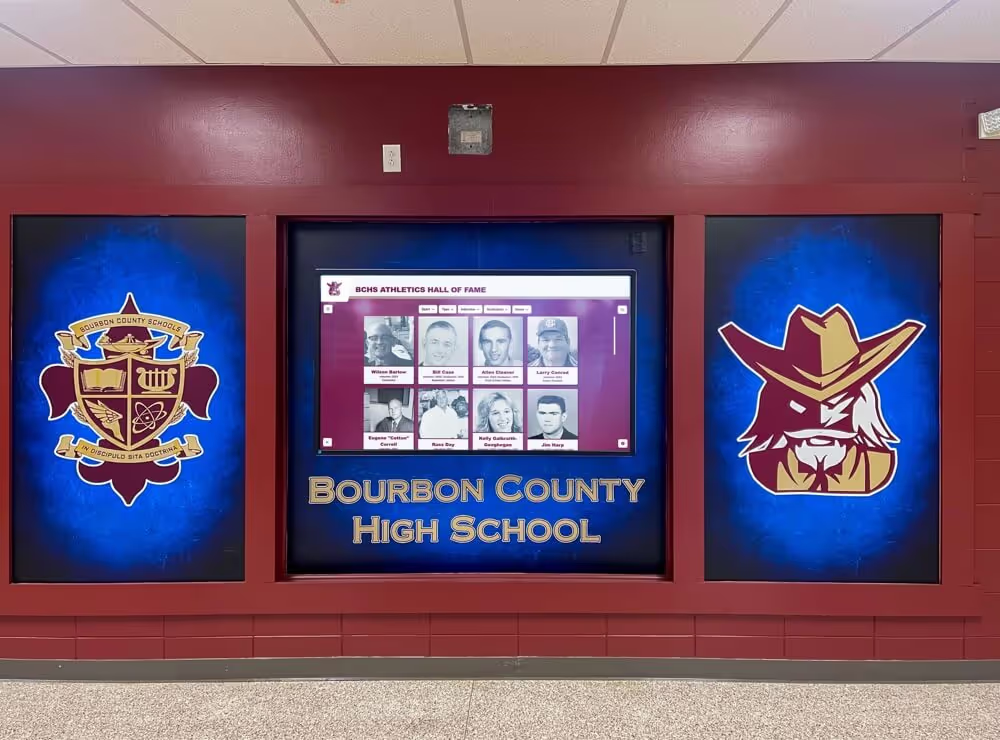
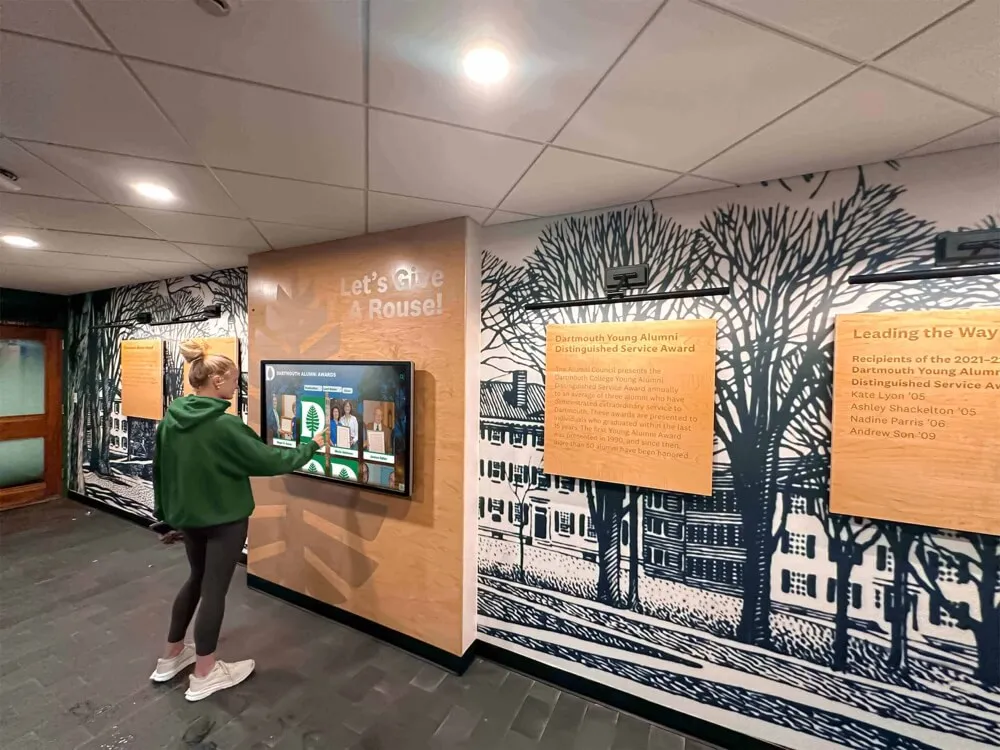
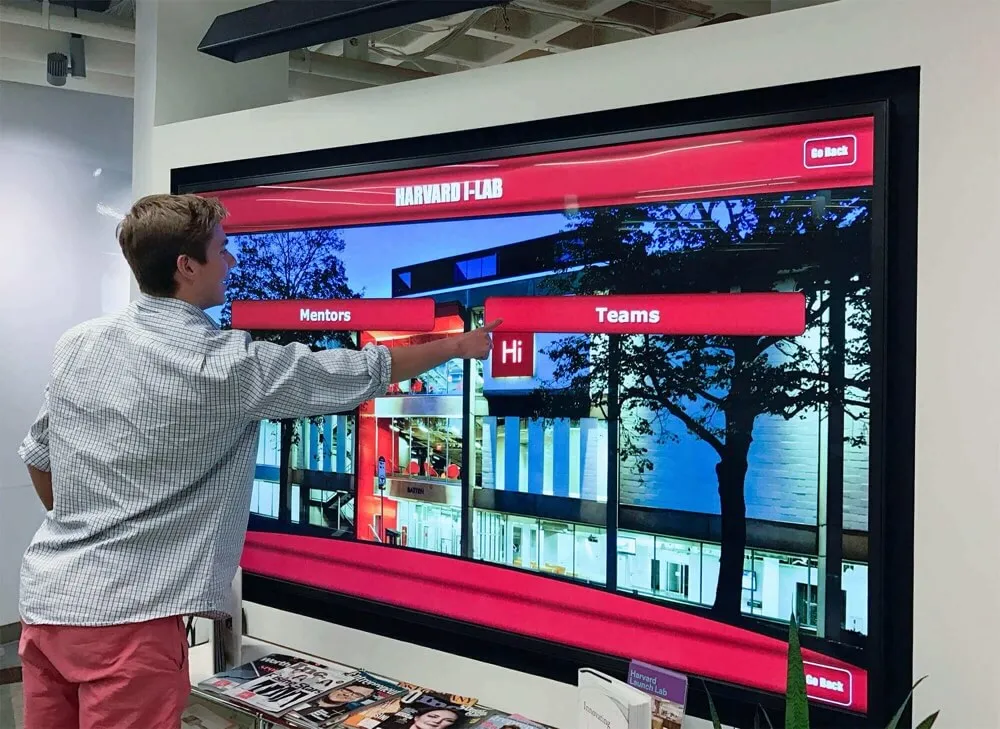
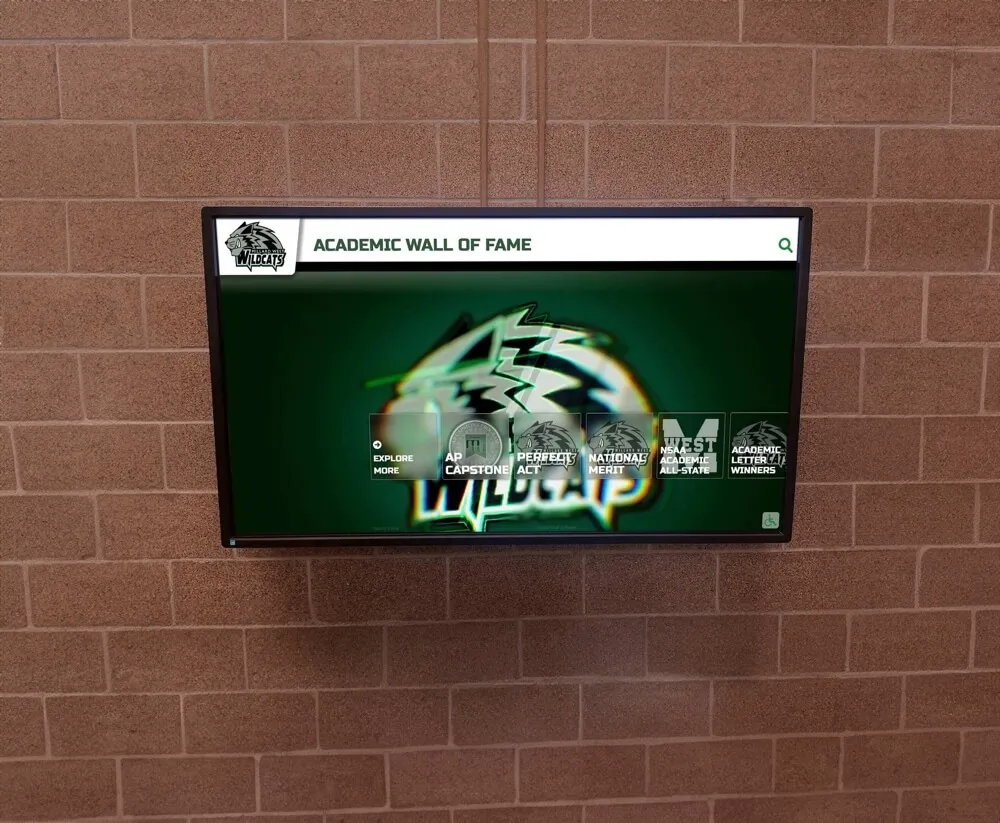
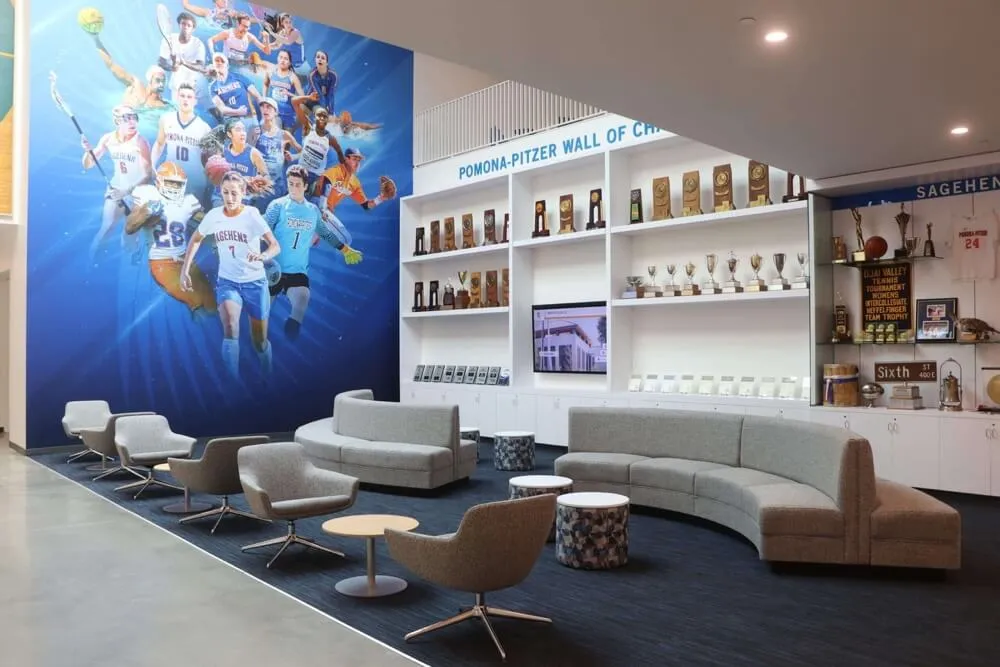
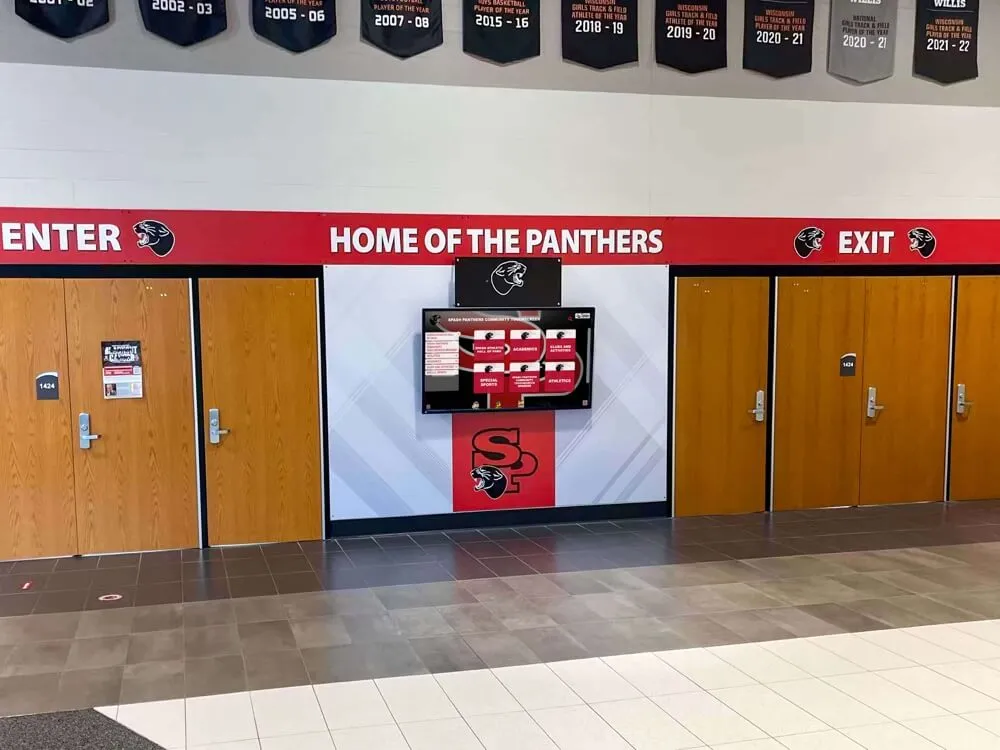
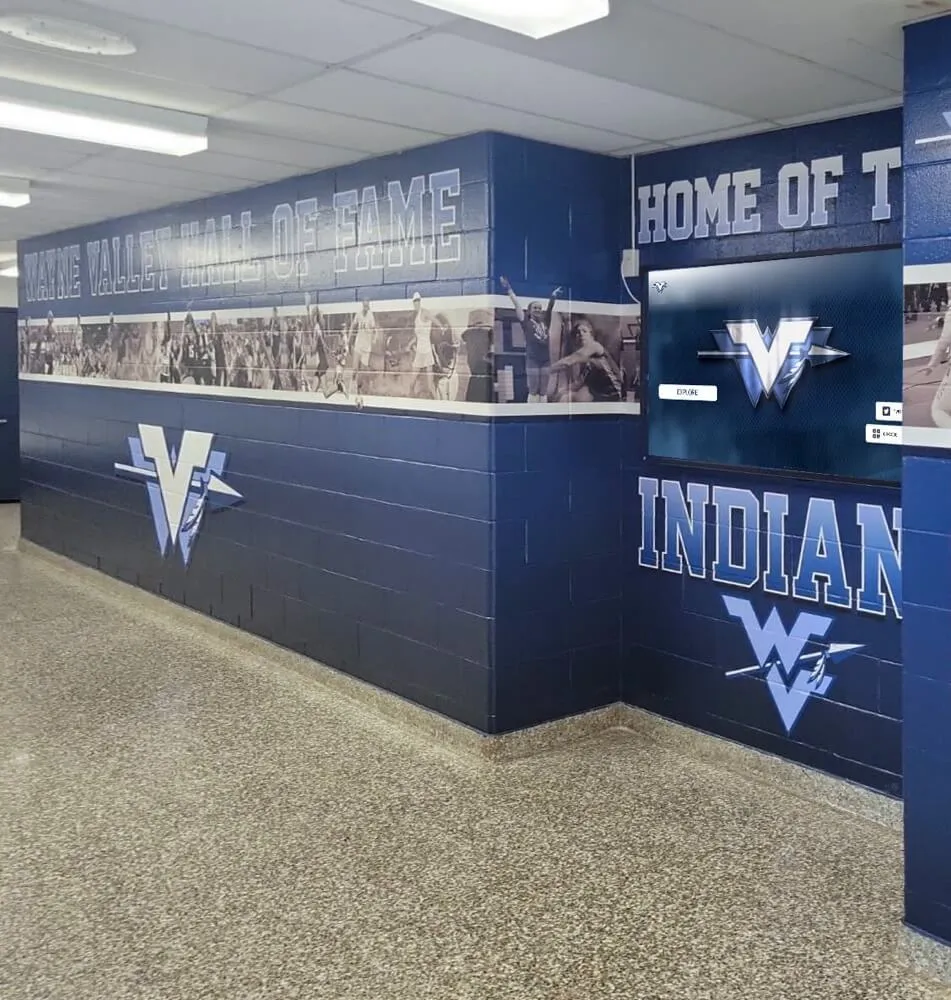
Modern recognition systems enable schools to honor diverse student achievements including band, athletics, academics, and arts through comprehensive digital displays
The Case for Marching Band as a Sport
Examining marching band through objective athletic criteria reveals why many consider it a legitimate sport rather than simply a performing art.
Physical Demands and Athletic Requirements
Marching band members face significant physical challenges comparable to recognized athletic activities.
Cardiovascular Conditioning and Endurance
Competitive marching band requires substantial cardiovascular fitness through continuous movement lasting 8-12 minutes during performances, rapid tempo marching covering significant field distances, wind instrument playing requiring breath control and lung capacity, physical exertion while maintaining perfect musical precision, and outdoor practice in extreme heat, cold, and adverse weather conditions.
Research examining heart rate data during marching band performances shows participants maintaining elevated heart rates in zones typically associated with moderate to vigorous physical activity throughout entire shows, comparable to aerobic activities like soccer or basketball.
Strength, Flexibility, and Coordination
Beyond cardio demands, band members develop specialized athletic capacities including core strength for maintaining proper posture while marching and playing, arm and shoulder strength for supporting instruments (some weighing 30-40 pounds), flexibility for wide stride lengths and body positioning required by choreography, fine motor coordination synchronizing complex movements with musical precision, and balance maintaining control while executing rapid directional changes.
Drumline members particularly exemplify these demands, combining the upper body conditioning of weightlifters with the coordination of gymnasts while executing intricate percussion choreography. For comprehensive approaches to recognizing diverse student achievements, explore academic recognition programs that can be adapted for band programs.
Injury Risk and Physical Toll
Like traditional sports, marching band carries injury risks including repetitive stress injuries from instrument handling and performance repetition, heat-related illnesses during summer band camps and practices, musculoskeletal injuries from improper technique or overuse, impact injuries from equipment collisions during complex formations, and chronic issues developing from years of physical demands on young bodies.
Athletic trainers increasingly recognize marching band members require similar injury prevention protocols, conditioning programs, and medical support as traditional sport participants.

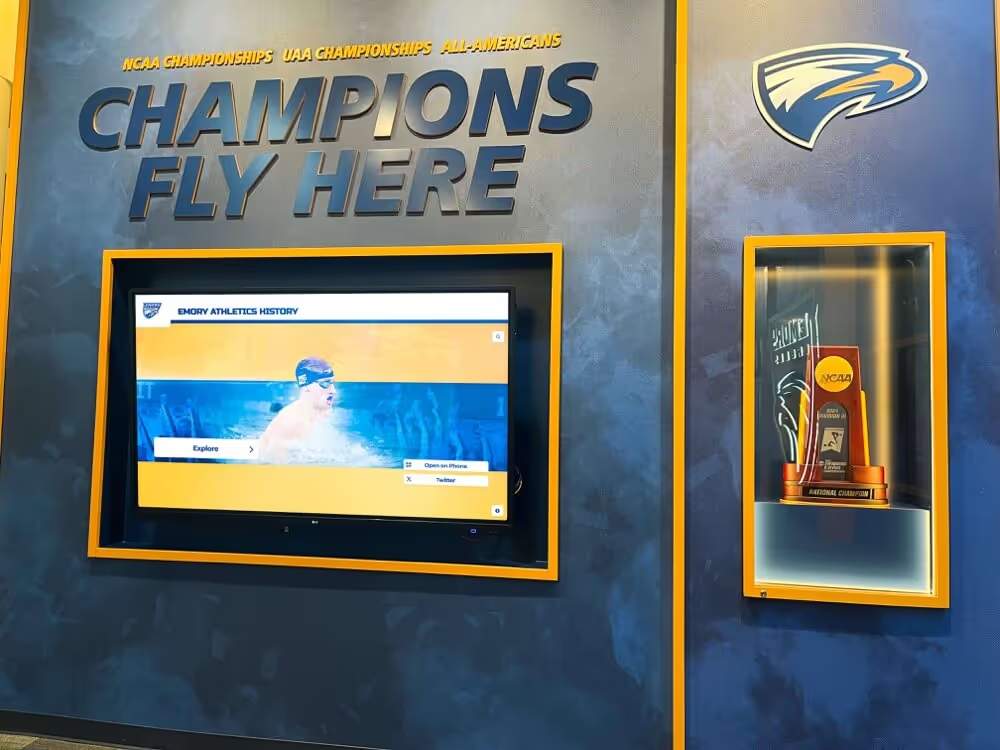
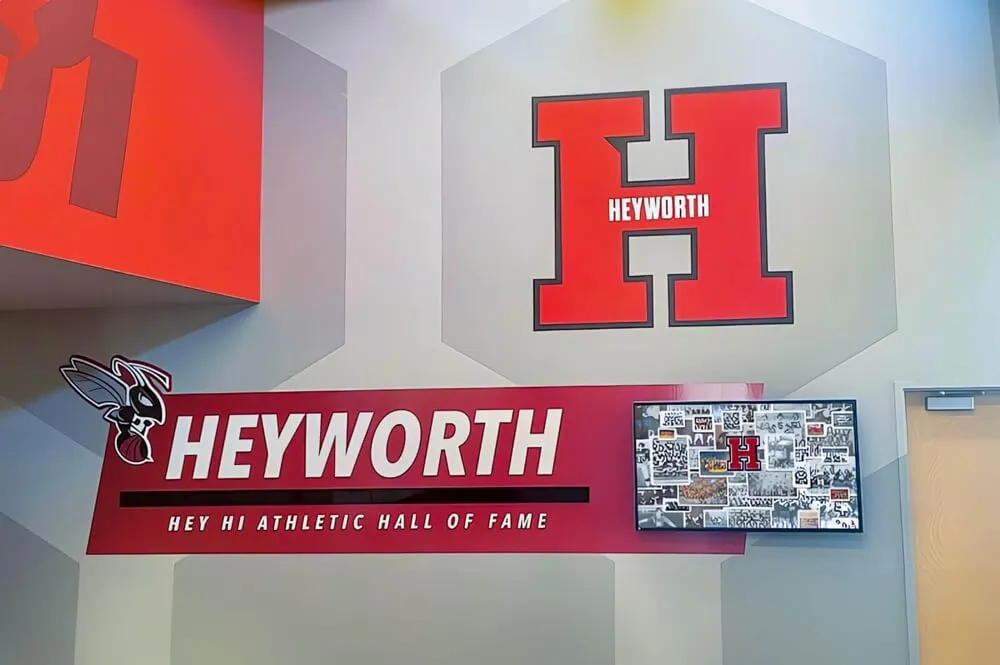
Band programs develop specialized physical capabilities worthy of recognition alongside traditional athletic achievements
Competitive Structure and Performance Evaluation
Marching band incorporates competitive elements defining organized sports.
Sanctioned Competitions and Championships
Marching bands compete within formal organizational structures including state and national championship tournaments, regional and district qualifying competitions, judging systems with standardized evaluation criteria, competitive classifications based on school size and program level, and ranking systems tracking performance across entire seasons.
Organizations like Bands of America, Winter Guard International, and state activity associations provide regulatory frameworks comparable to athletic governing bodies, establishing rules, judging standards, and championship structures defining competitive excellence.
Objective Scoring and Performance Metrics
Unlike purely subjective artistic performances, marching band competitions employ systematic evaluation including numerical scoring across multiple performance categories, panel judging with specialized expertise in different evaluation areas, comparative rankings establishing relative competitive standing, score requirements for advancement to championship rounds, and documented performance records enabling historical comparison.
These objective evaluation systems create measurable achievement standards similar to timing in track, scoring in basketball, or yardage in football—definable benchmarks separating exceptional from ordinary performance.
Seasonal Structure and Practice Requirements
Band programs mirror traditional sports’ organizational frameworks through defined competitive seasons (typically summer through fall championships), daily practice requirements comparable to athletic team commitments (often exceeding traditional sports practice time), weekend competitions and performance obligations, playoff and championship progression for successful programs, and year-round preparation including off-season conditioning and skill development.
Many band members invest 15-20 hours weekly during competitive season—equal to or exceeding time commitment required by traditional sports while simultaneously managing academic responsibilities. Learn more about recognizing all-state achievements across different student activities.
Mental Discipline and Team Dynamics
Beyond physical demands, marching band requires mental attributes defining elite athletics.
Cognitive Complexity and Memorization
Band members simultaneously manage multiple cognitive demands including complex musical scores memorized entirely without sheet music reference, precise spatial positioning memorized within constantly shifting formations, tempo and dynamic control requiring instant response to conductor cues, integration of visual choreography with musical performance, and real-time adjustment responding to environmental conditions or performance variations.
This cognitive load exceeds most traditional sports where athletes focus primarily on physical execution and strategic decision-making rather than managing layered artistic, physical, and mathematical precision simultaneously.
Team Interdependence and Collective Excellence
Like traditional team sports, marching band success depends on collective execution where individual excellence serves ensemble achievement, synchronized precision where single members’ mistakes affect entire group, role specialization with different sections serving distinct functions, trust and accountability as members depend on peers for overall success, and leadership development as experienced members mentor newer participants.
Individual virtuosity matters far less than ensemble cohesion—a philosophy identical to team sports prioritizing collective success over individual statistics.
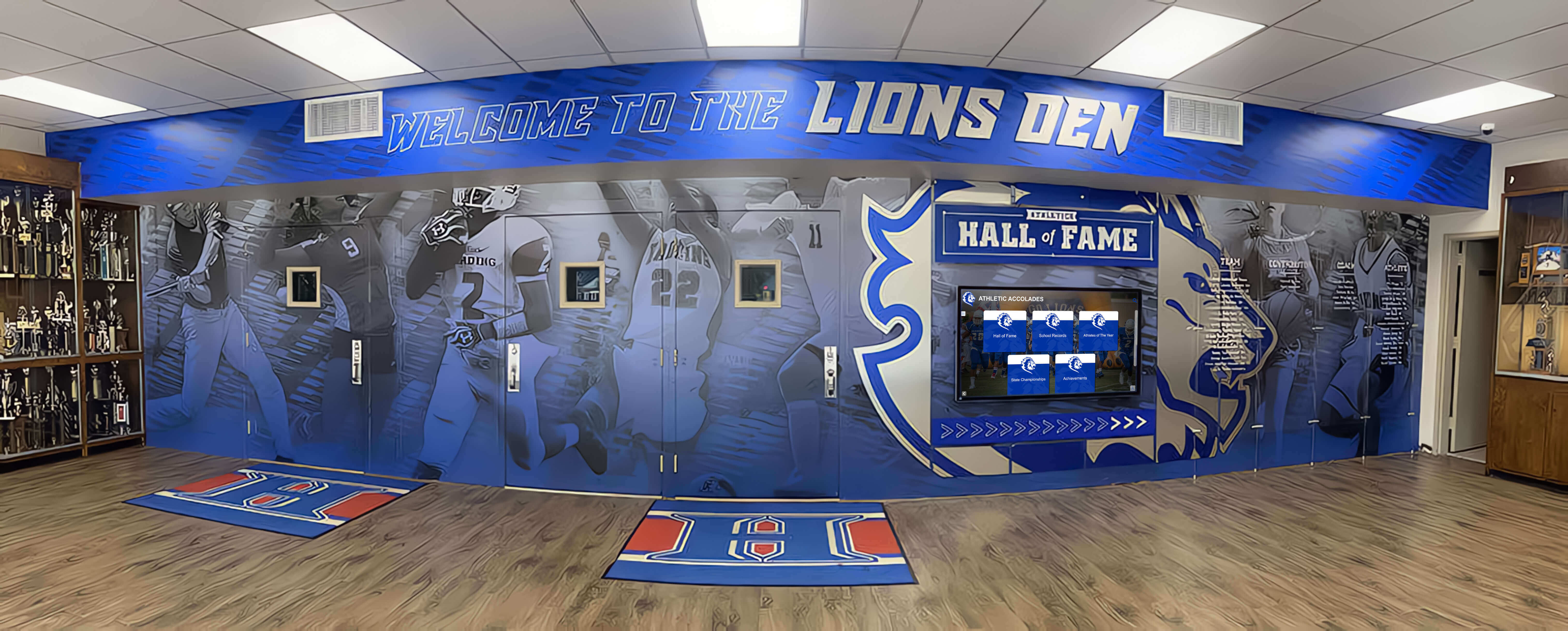
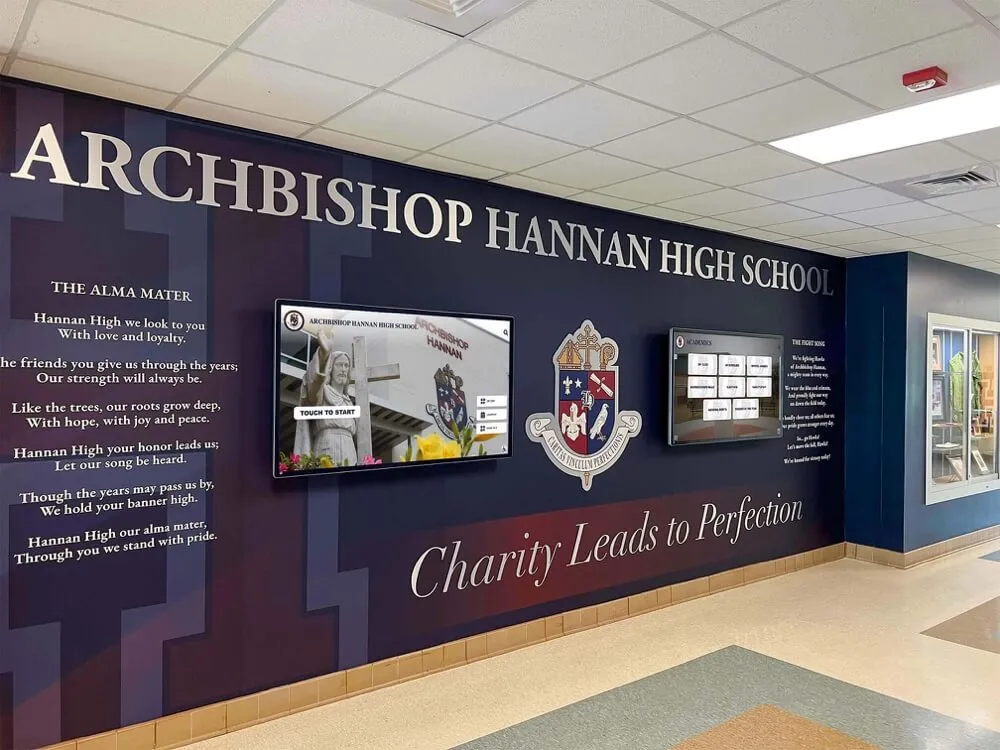
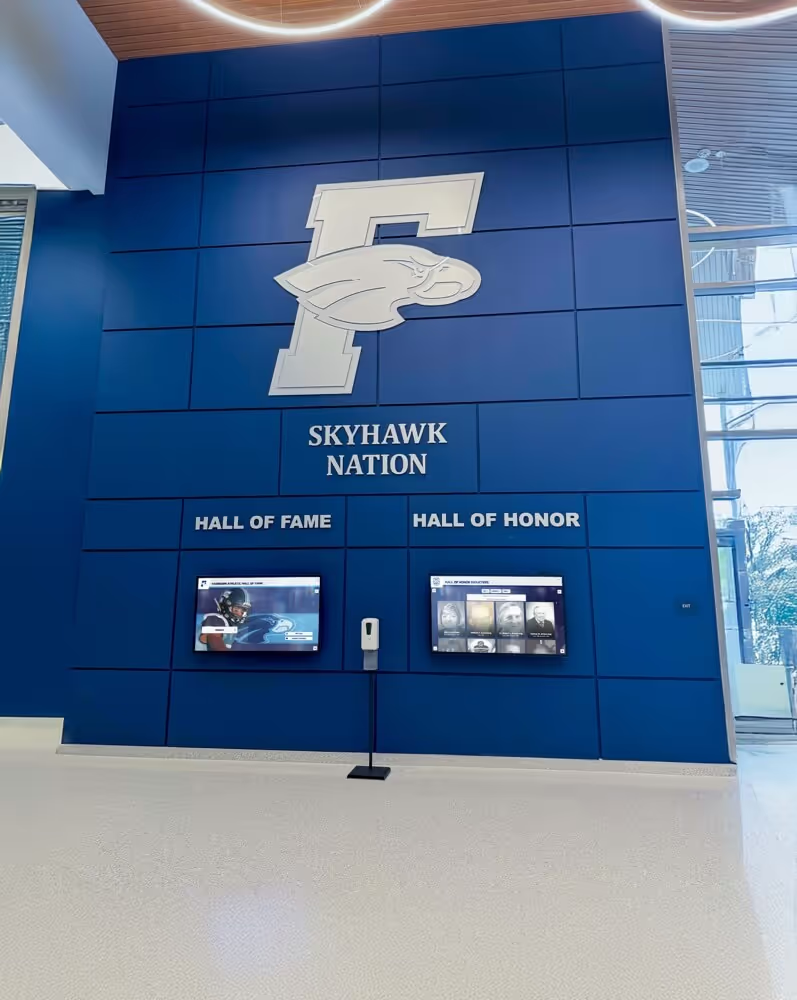
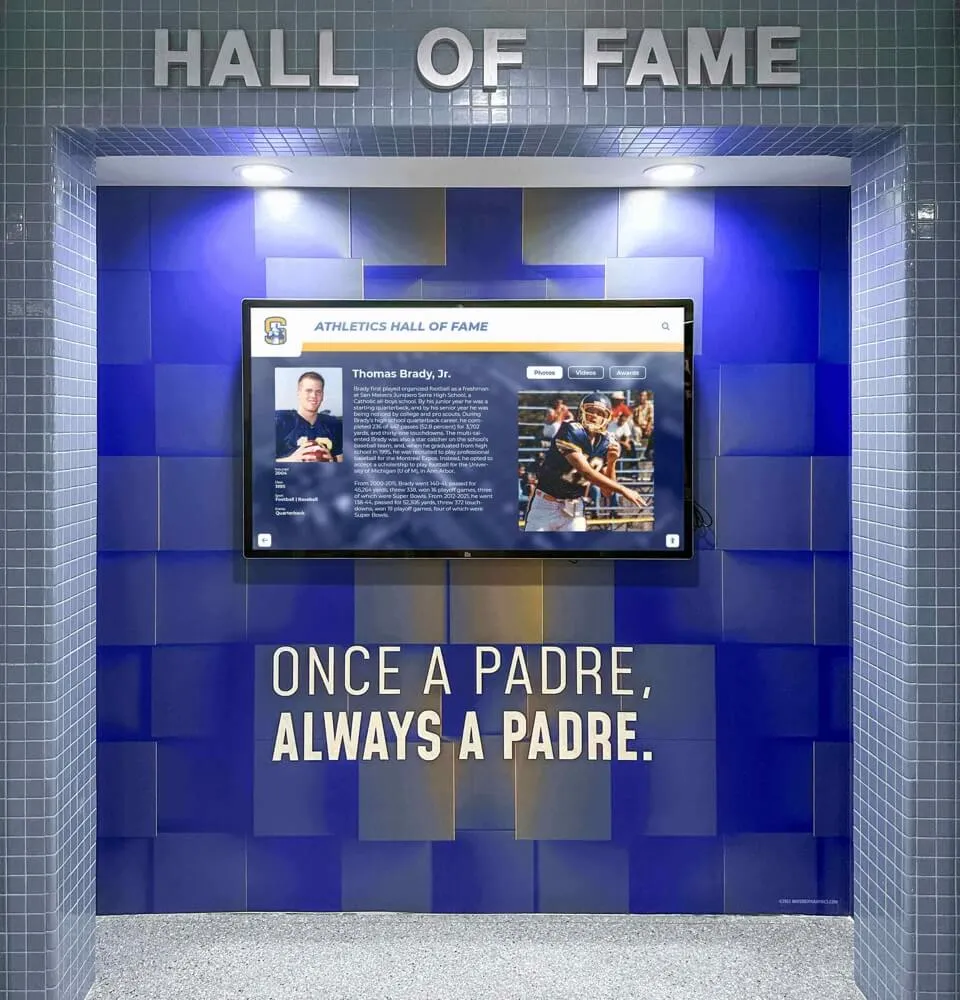
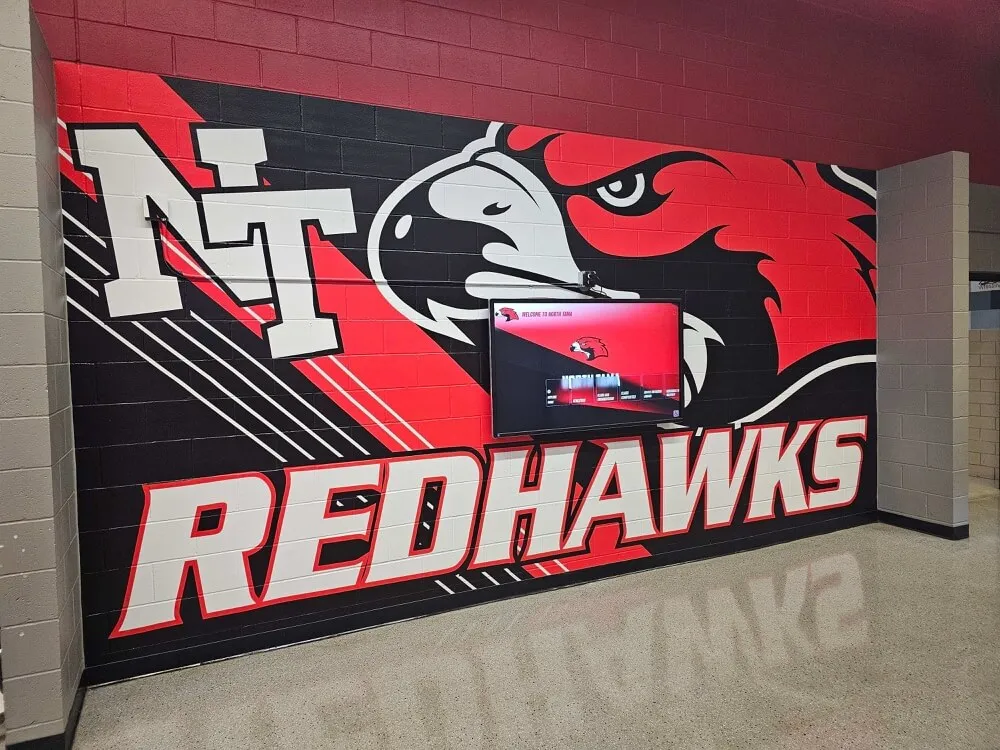
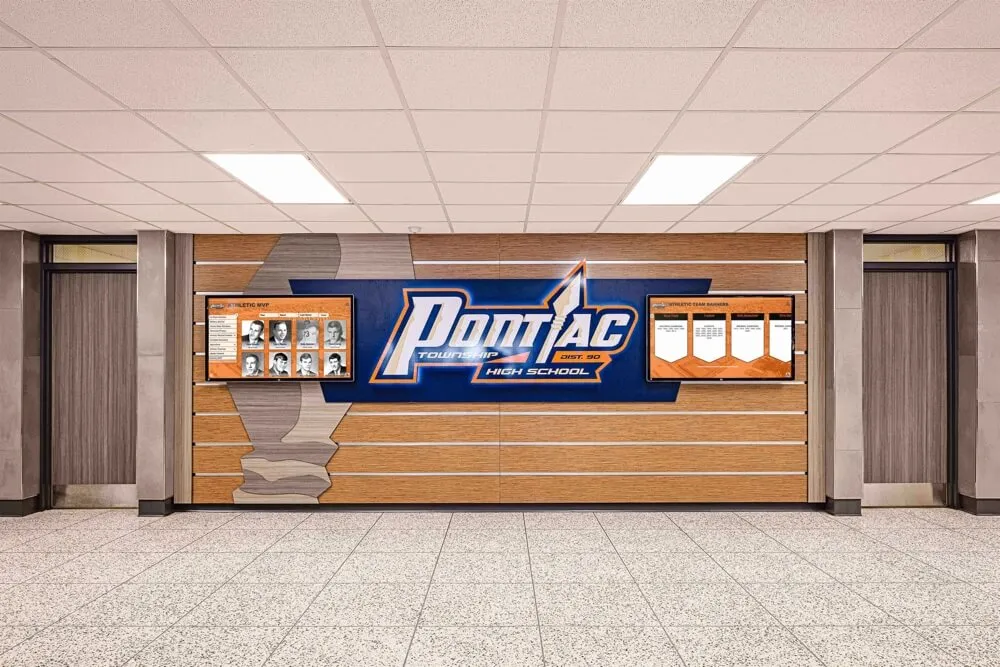
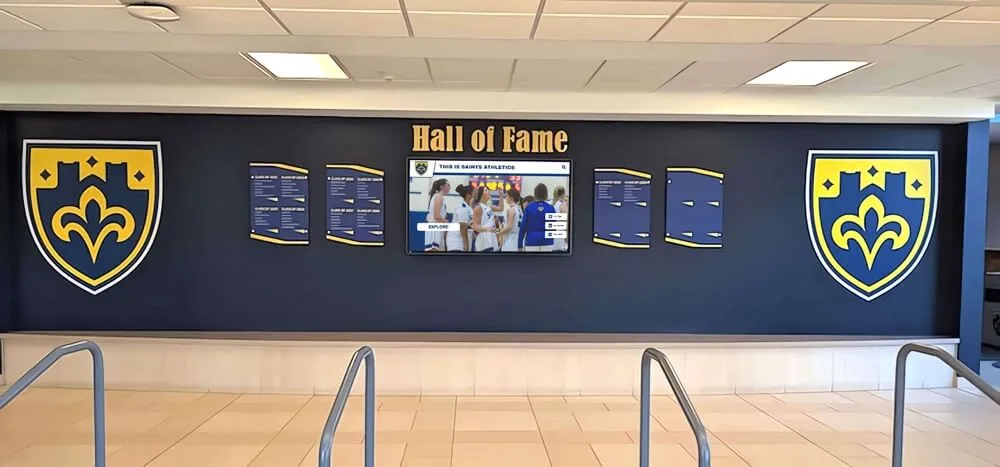

Comprehensive recognition spaces honor diverse student achievements including athletics, band, and academic excellence
Arguments Against Sport Classification
While marching band shares many athletic characteristics, perspectives opposing sport classification merit consideration.
Traditional Sport Definitions and Distinctions
Conventional sport definitions emphasize elements some argue marching band lacks.
Competitive Opposition and Direct Confrontation
Traditional sports typically involve head-to-head competition where opponents directly attempt to prevent each other’s success through defensive play preventing offensive scoring, time-based possession battles controlling game resources, physical contact within rule structures, strategic adjustment responding to opponent tactics, and zero-sum outcomes where one team’s success requires another’s failure.
Marching band competitions lack this direct opposition—bands perform independently without opponents attempting to disrupt execution, with success determined by absolute performance quality against evaluation standards rather than preventing competitors from scoring or achieving objectives.
Varsity Athletic Department Integration
Most high schools organizationally separate band from athletic departments through fine arts department administration rather than athletic director oversight, separate funding streams from different budget categories, different coaching certification and hiring pathways, distinct facility usage patterns and priorities, and separate recognition traditions and award structures.
This administrative separation reflects institutional philosophy distinguishing performing arts from competitive athletics regardless of physical demands or competitive structures involved. Schools seeking to bridge these divides should explore booster club fundraising approaches that support diverse programs.
Primary Purpose and Educational Objectives
Band’s fundamental mission centers on artistic expression rather than pure athletic competition.
Artistic Expression vs. Athletic Competition
While incorporating athletic elements, marching band primarily serves musical and artistic objectives including musical education and performance skill development, artistic interpretation and creative expression, cultural education through diverse musical repertoire, ensemble collaboration teaching cooperative artistry, and aesthetic appreciation developing critical audience perspective.
These educational objectives align with fine arts curriculum rather than physical education and athletic competition philosophies prioritizing physical development, competitive spirit, and game strategy.
Schools must balance recognition for competitive achievement with acknowledgment of marching band’s distinctive artistic mission that extends beyond winning championships to developing musical literacy and artistic appreciation. For approaches recognizing arts achievements, see thespian recognition programs.
Why the Classification Debate Misses the Larger Point
Whether marching band technically qualifies as a sport matters less than ensuring appropriate recognition for participant achievement and program excellence.
Recognition Equity Across Student Activities
Schools serve students best by acknowledging diverse forms of excellence rather than creating recognition hierarchies.
Moving Beyond Athletic-Centric Recognition
Traditional recognition systems privileging sports create equity concerns including disproportionate celebration of athletic over artistic or academic achievement, facility investments heavily favoring athletic programs over other activities, award and honor structures primarily designed for sports recognition, student perception that athletic excellence receives greater institutional value, and alumni engagement systems emphasizing former athletes over other accomplished graduates.
Comprehensive recognition celebrates all demonstrated excellence—whether competitive, artistic, academic, or service-oriented—signaling institutional commitment to developing complete individuals rather than narrowly defining success through athletic competition alone.
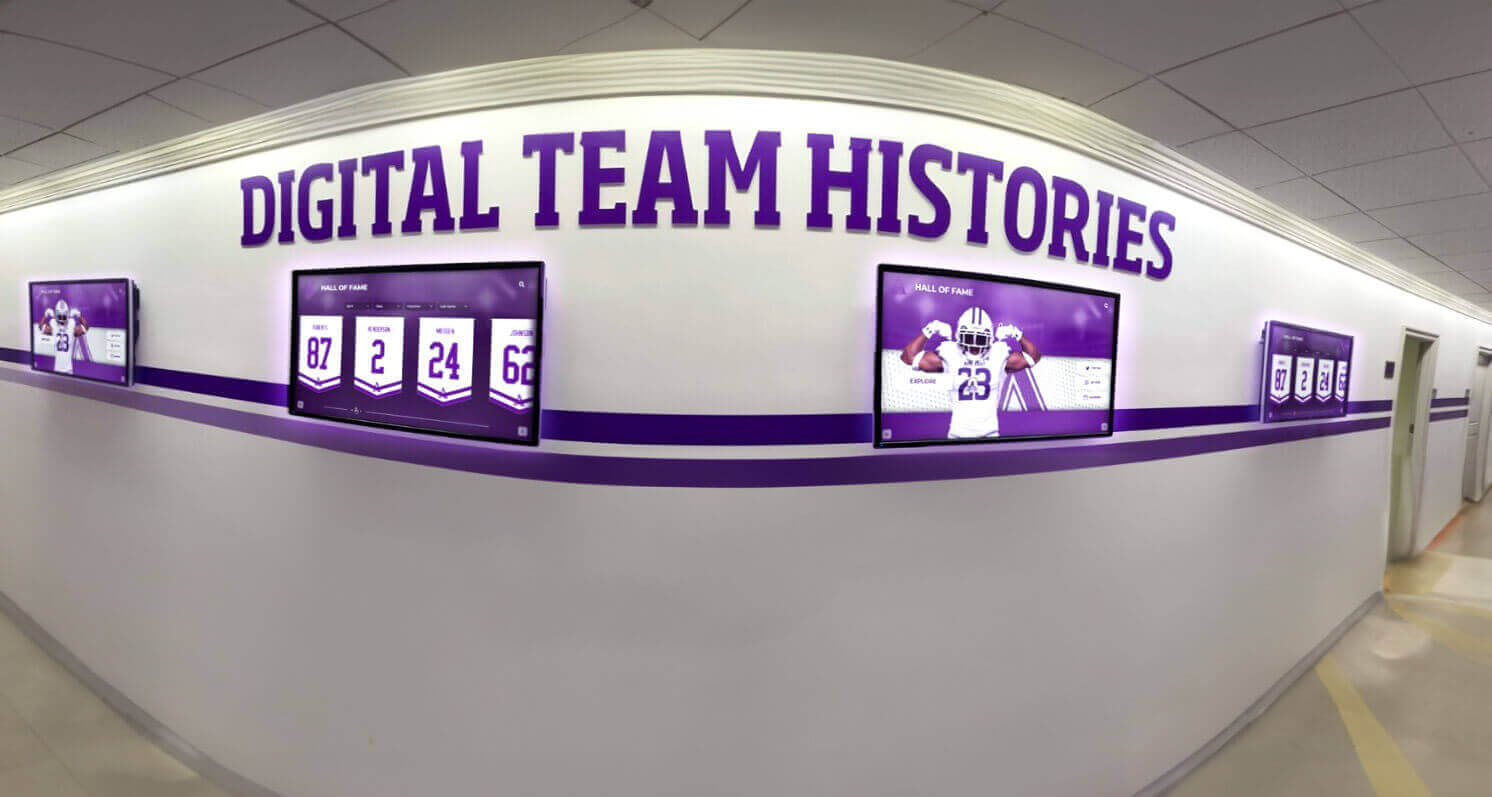
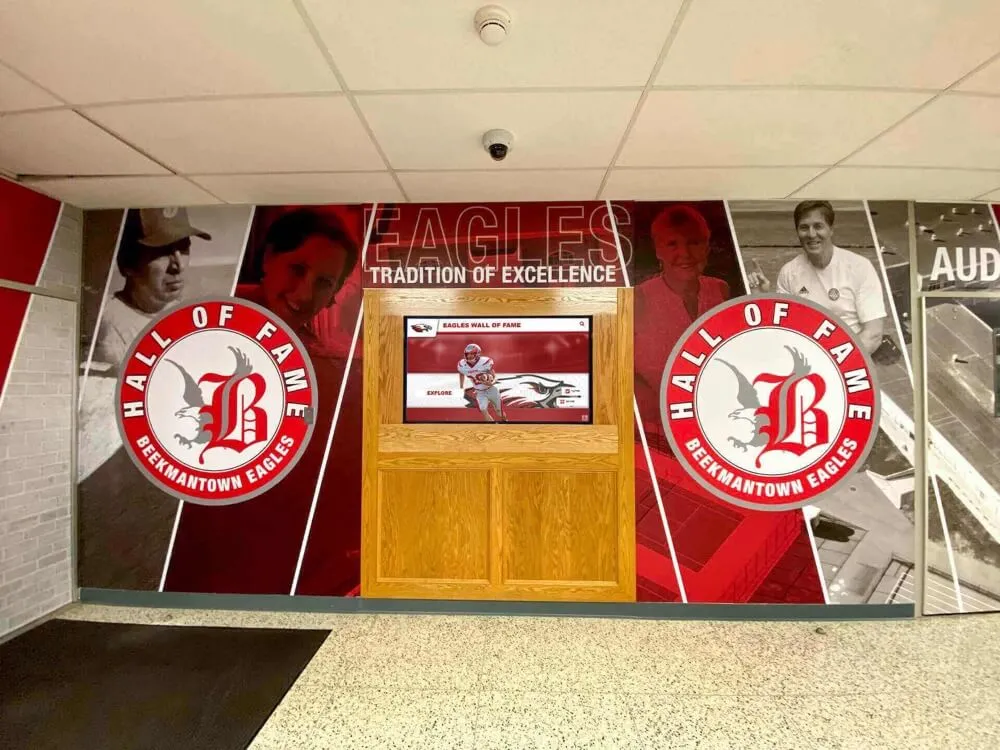
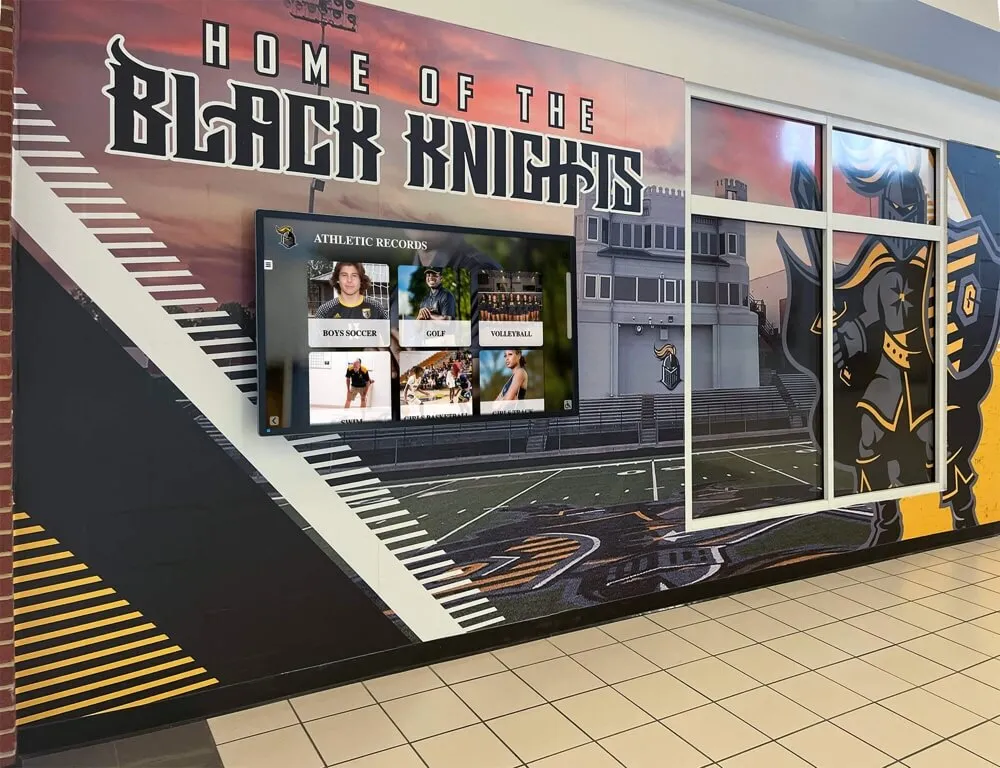
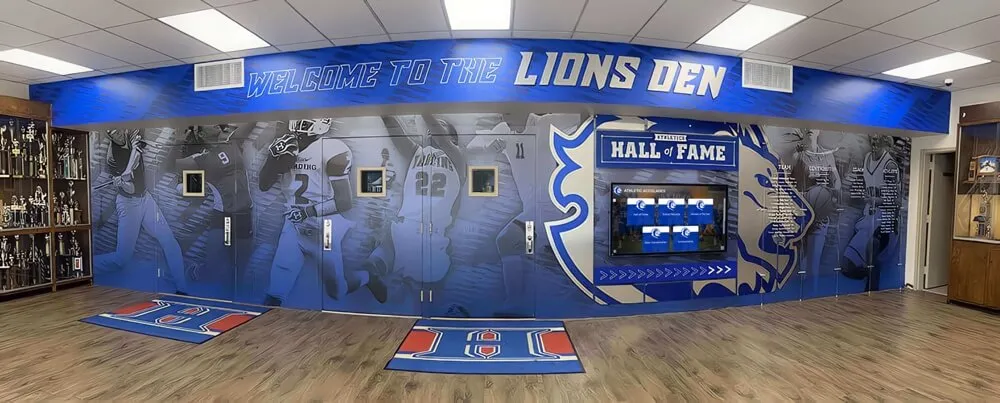
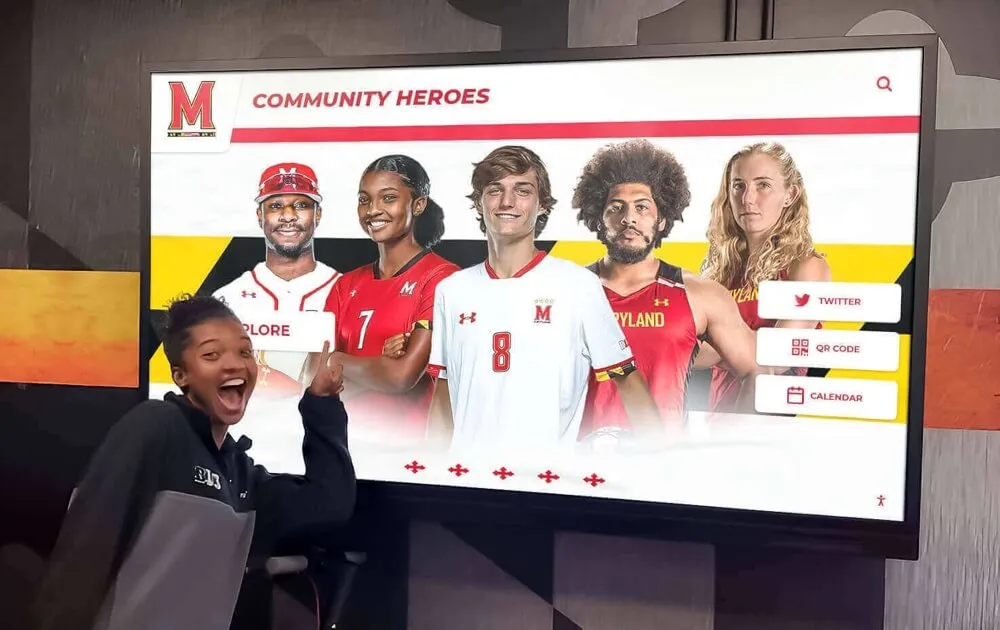
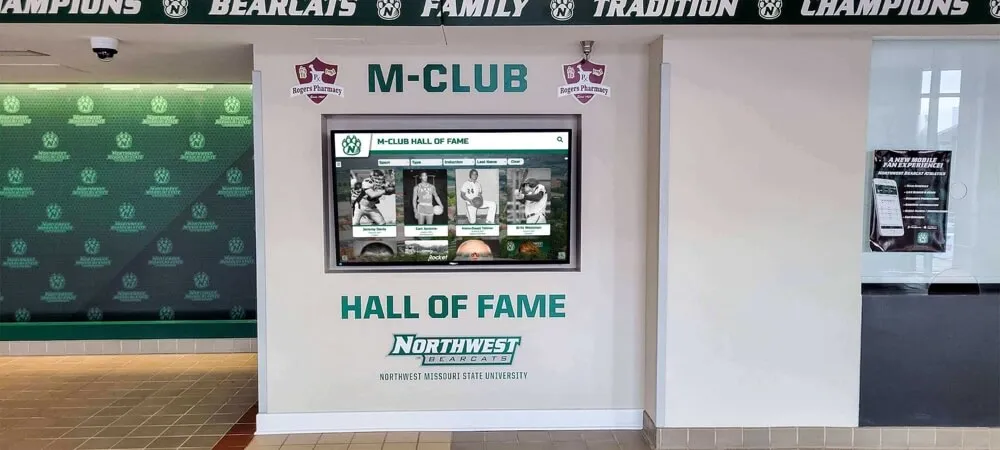
Multi-display recognition systems enable schools to showcase diverse student achievements throughout facilities without physical space limitations
Funding and Resource Allocation
Recognition equity extends to practical resource distribution including facility access and quality (practice spaces, performance venues, equipment), budget allocation across different student activity categories, staffing and professional development for directors and coaches, travel support for competitions and performances, and equipment investment ensuring program quality and safety.
Schools demonstrating equitable commitment to diverse programs—regardless of sport classification debates—develop richer activity ecosystems serving broader student populations with varying interests and talents.
Value of Discipline, Dedication, and Excellence
What band members achieve matters more than categorical labels applied to their activity.
Recognizing Commitment and Growth
Band participants develop qualities valuable regardless of sport classification including time management balancing demanding practice schedules with academics, self-discipline maintaining long-term commitment across multi-year programs, resilience persevering through performance anxiety and competitive pressure, leadership mentoring younger members and serving in section leadership roles, and personal growth developing confidence through increasingly complex challenges.
These developmental outcomes justify comprehensive recognition comparable to traditional athletics because they represent identical personal growth and character development schools seek to cultivate through all co-curricular programs. Explore comprehensive award programs adaptable across different student activities.
Celebrating Competitive Achievement
When band programs compete successfully, achievement deserves celebration through championship recognition comparable to athletic titles, individual achievement acknowledgment (all-state, all-district selections), leadership position recognition (drum major, section leader), longevity and commitment awards (multi-year participation), and permanent program history documentation preserving competitive success.
Recognition systems failing to prominently feature band championships alongside football titles or track records communicate implicit hierarchies devaluing certain student accomplishments regardless of effort, skill, or competitive success demonstrated.
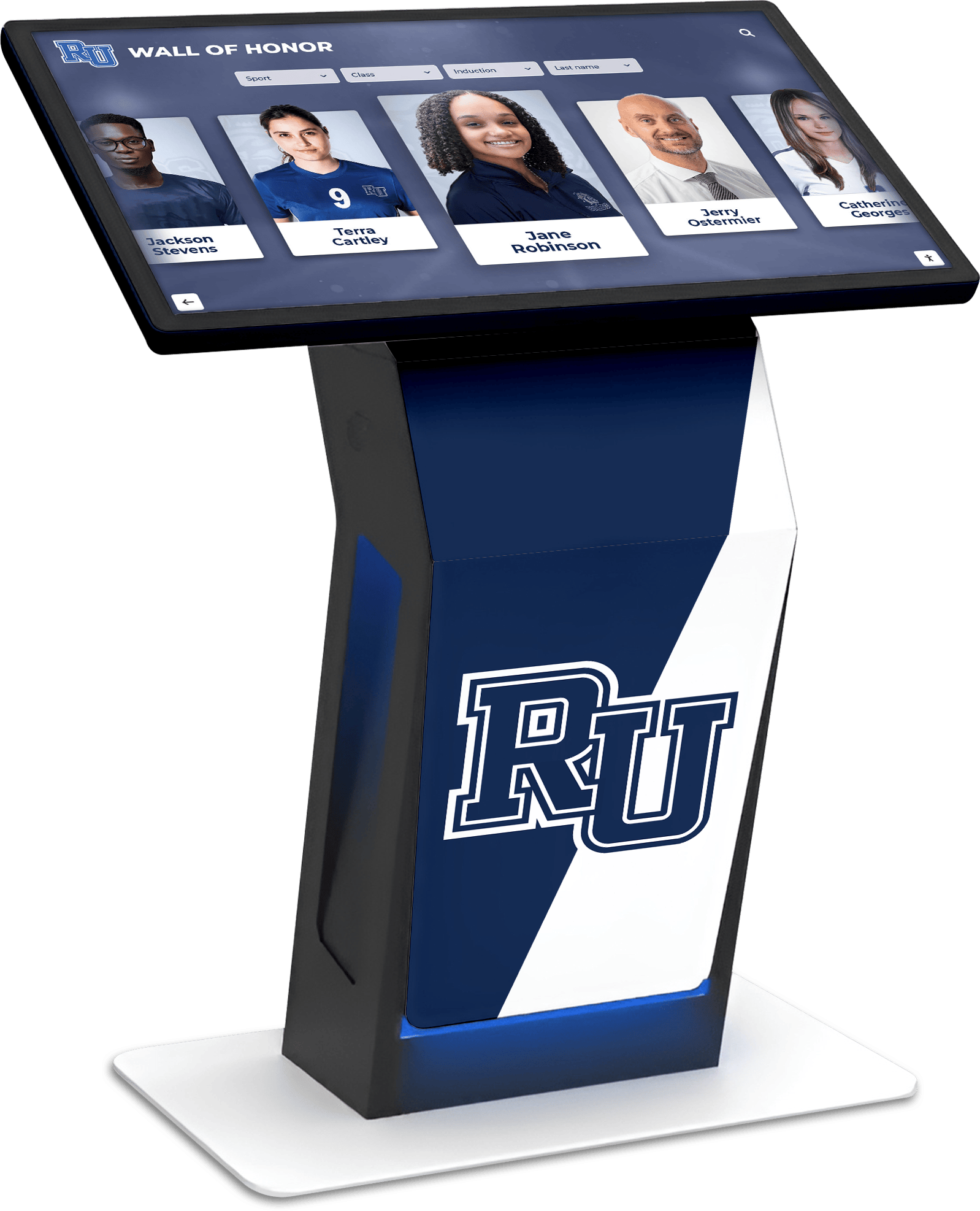
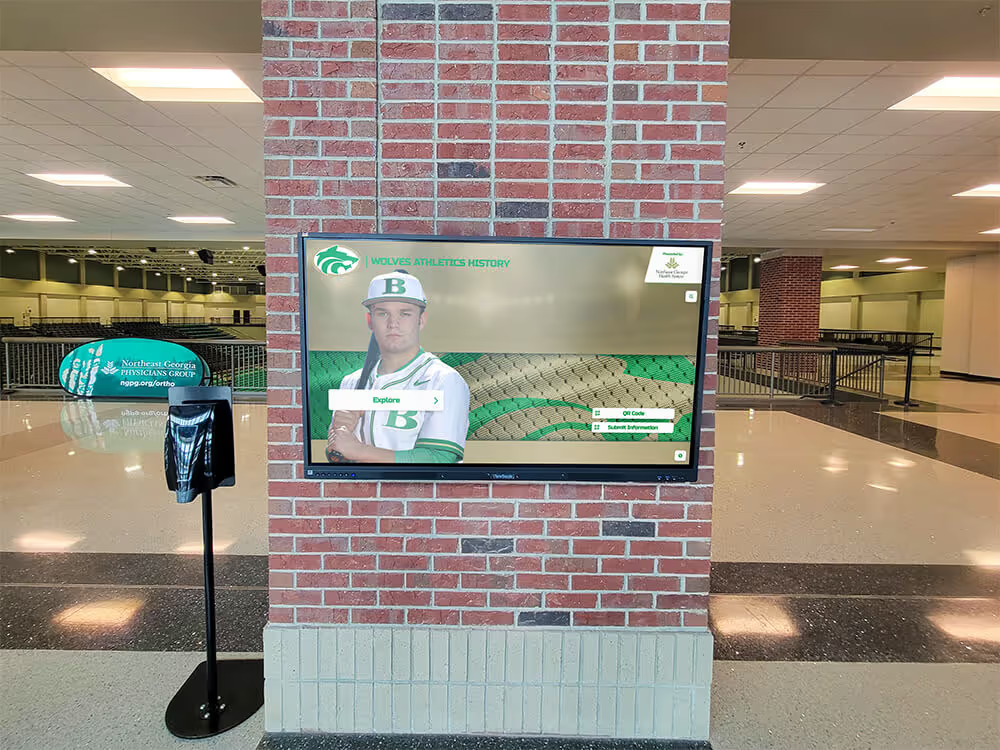
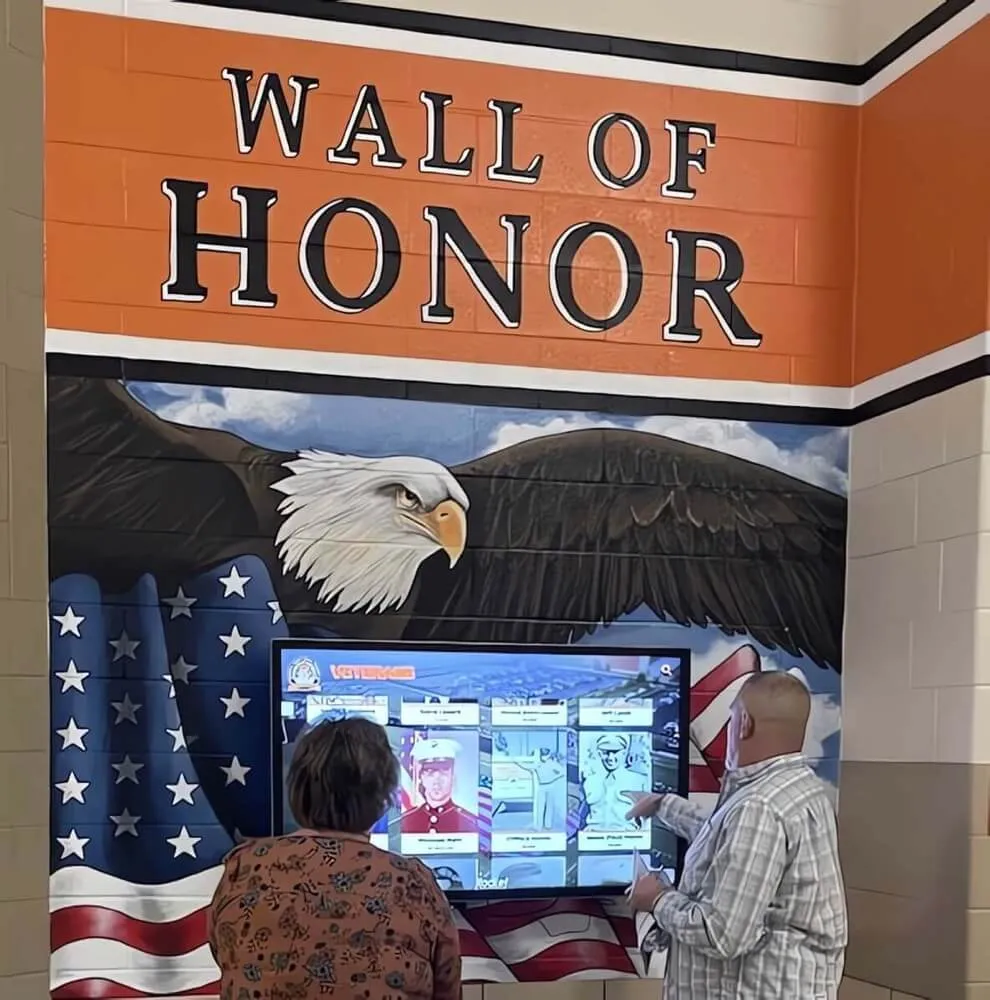
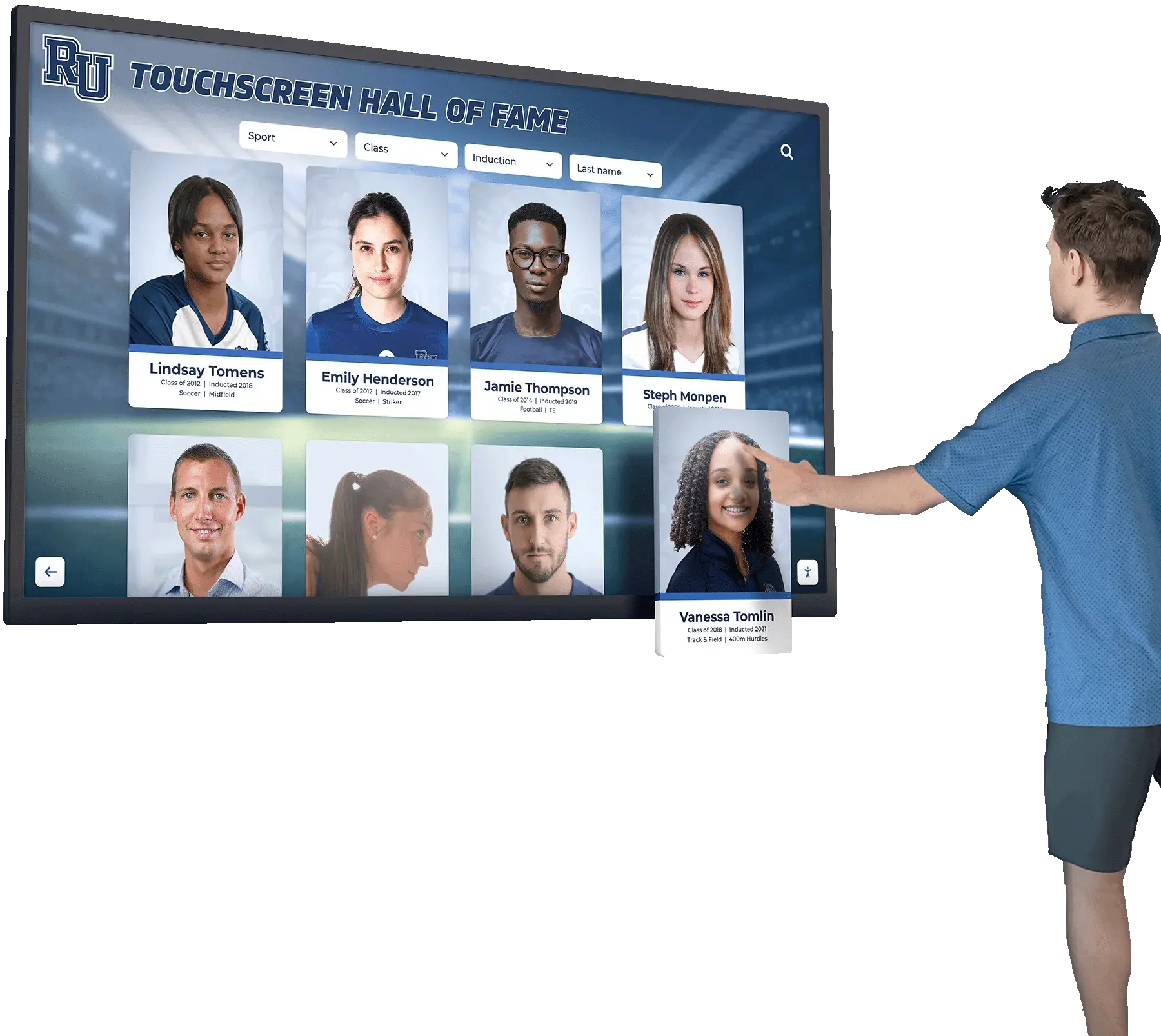
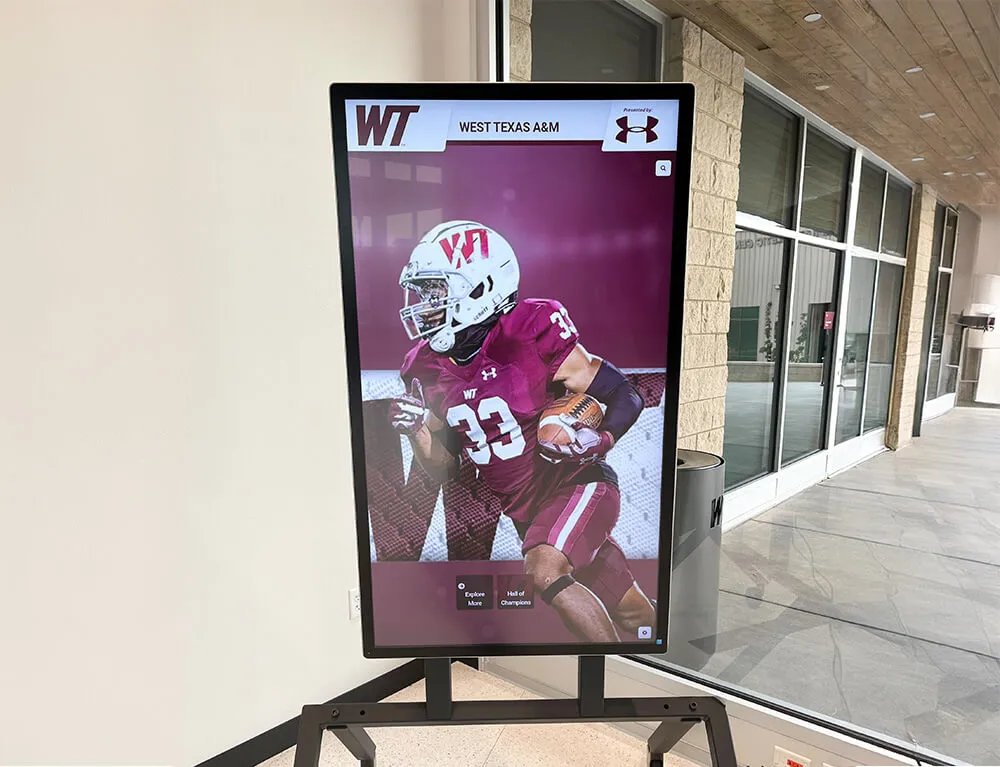
Freestanding recognition kiosks enable placement in band halls, music wings, or multi-purpose areas serving diverse student populations
Creating Comprehensive Recognition Systems
Schools can honor band programs appropriately through inclusive recognition infrastructure.
Expanding Traditional Athletic Recognition
Rather than separate systems, integrate band into existing recognition frameworks.
Inclusive Hall of Fame Criteria
Create recognition programs explicitly incorporating band achievements through competitive marching band championship categories, individual all-state and honors band recognition, band director legacy acknowledgment comparable to coaching recognition, outstanding section leader and drum major categories, and special contributor recognition for band boosters and supporters.
These inclusive frameworks signal institutional commitment to honoring diverse excellence while preventing administrative burden of maintaining completely separate recognition systems. Learn about athletic hall of fame structures adaptable to multi-program recognition.
Shared Recognition Displays and Spaces
Integrate band into prominent recognition infrastructure including lobby displays featuring both athletic and band achievements, trophy cases combining athletic trophies with band competition awards, digital recognition systems showcasing diverse student excellence, facility naming honoring band contributors alongside athletic donors, and uniform award ceremonies celebrating achievement across all co-curricular programs.
Physical and symbolic integration communicates genuine institutional value for all student accomplishment rather than relegating band recognition to separate music wing displays rarely seen by broader school community.
Digital Recognition Solutions for Comprehensive Programs
Modern digital systems overcome space limitations restricting comprehensive recognition.
Unlimited Capacity for Diverse Achievement
Digital recognition platforms eliminate physical constraints through unlimited individual profiles regardless of activity category, complete team and ensemble histories across all programs, flexible categorization enabling intuitive organization, multimedia content including performance video and audio, and easy updating as new achievements occur throughout year.
Solutions like Rocket Alumni Solutions provide purpose-built platforms designed for educational recognition across athletics, arts, academics, and all student activities—enabling truly comprehensive celebration without forcing impossible prioritization decisions dictated by limited wall space.
Inclusive Display Content Management
Effective digital systems enable diverse program recognition through multi-department content management with appropriate staff access, standardized profile templates ensuring consistency across different activities, customizable categories reflecting unique institutional recognition priorities, search and filtering enabling visitors to explore specific interest areas, and mobile accessibility extending recognition beyond physical campus displays.
These capabilities allow schools to maintain rich recognition for band alongside athletics, theater, academics, and other programs without requiring separate physical infrastructure for each activity area. Discover comprehensive digital recognition solutions designed for diverse educational programs.
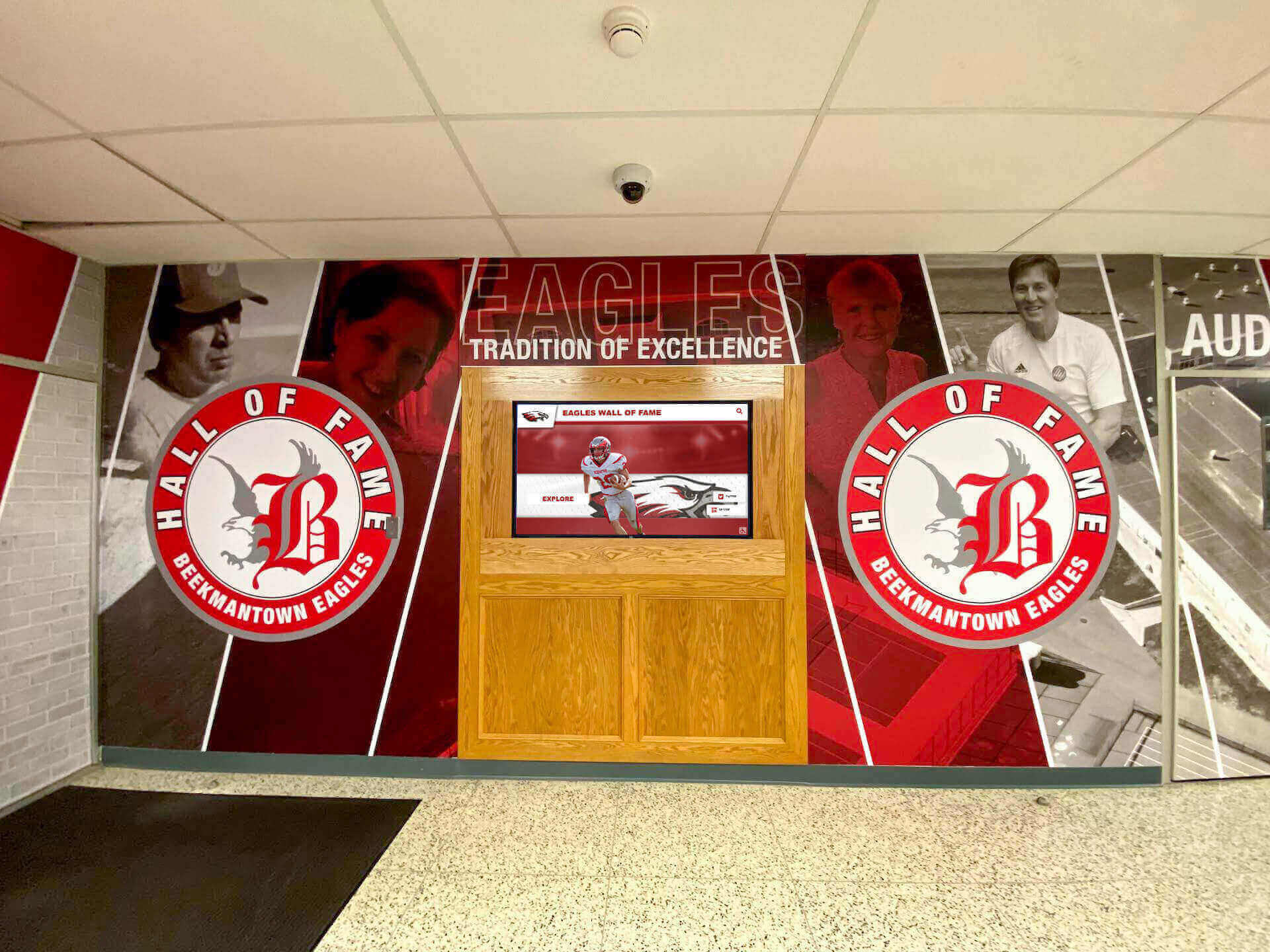
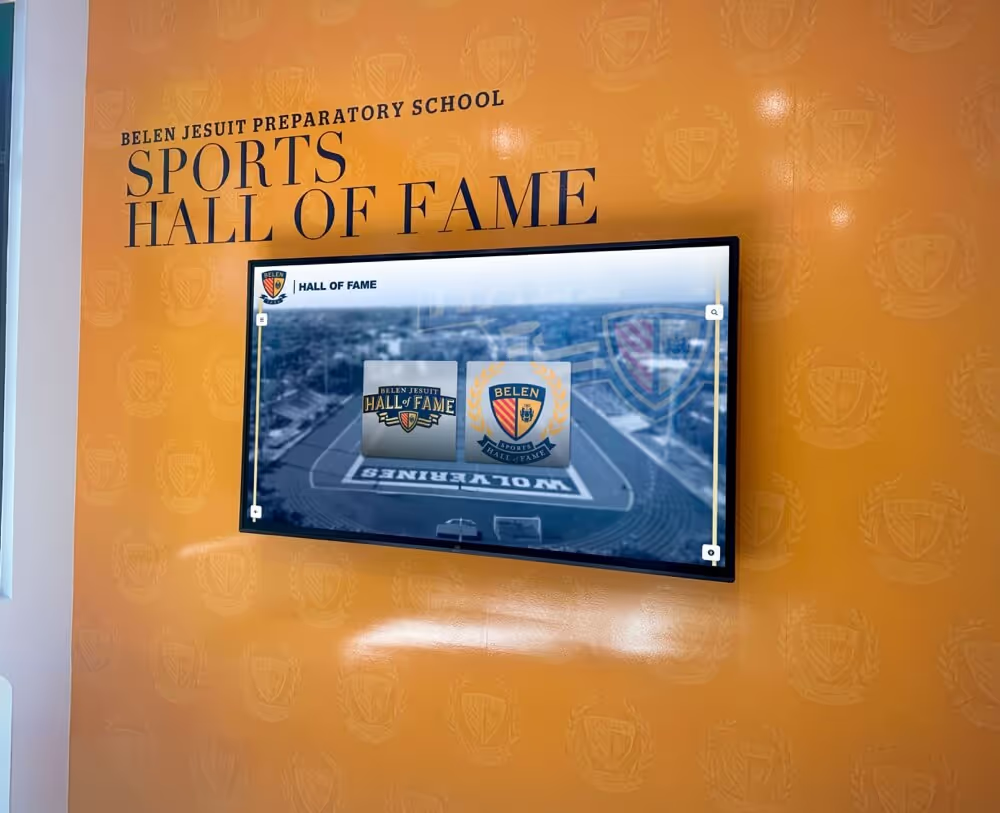
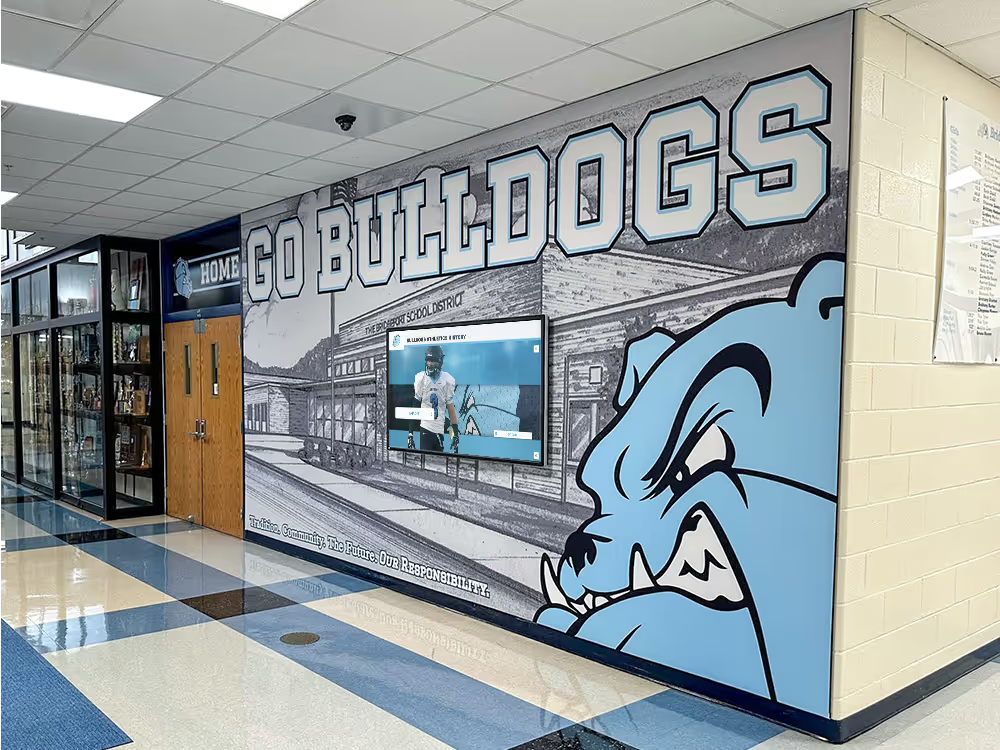
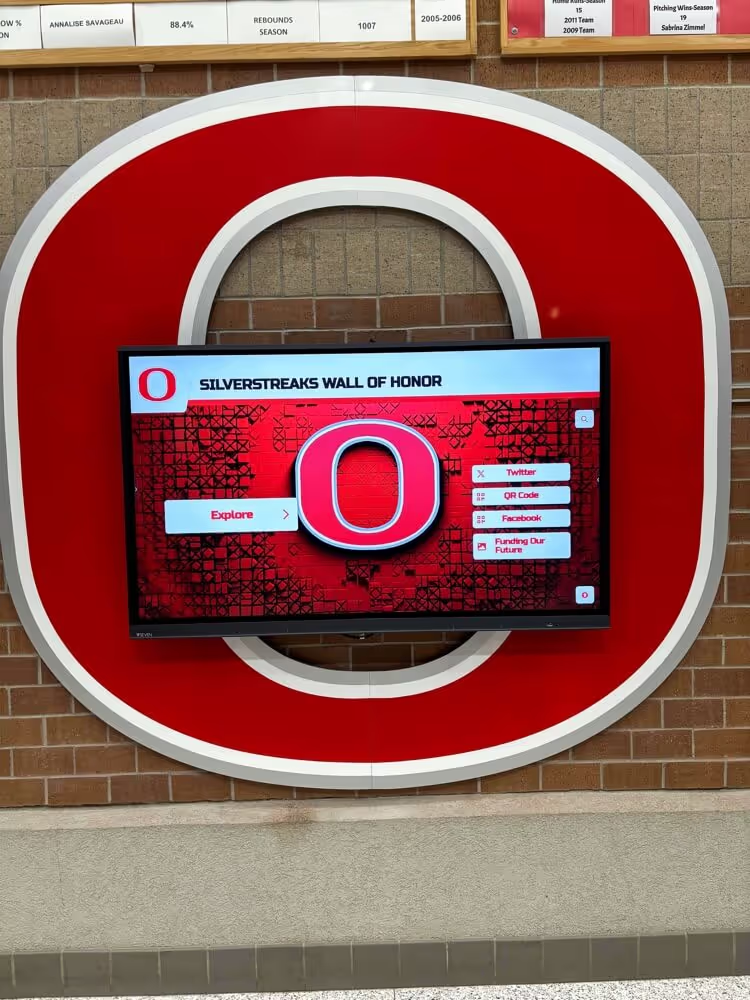
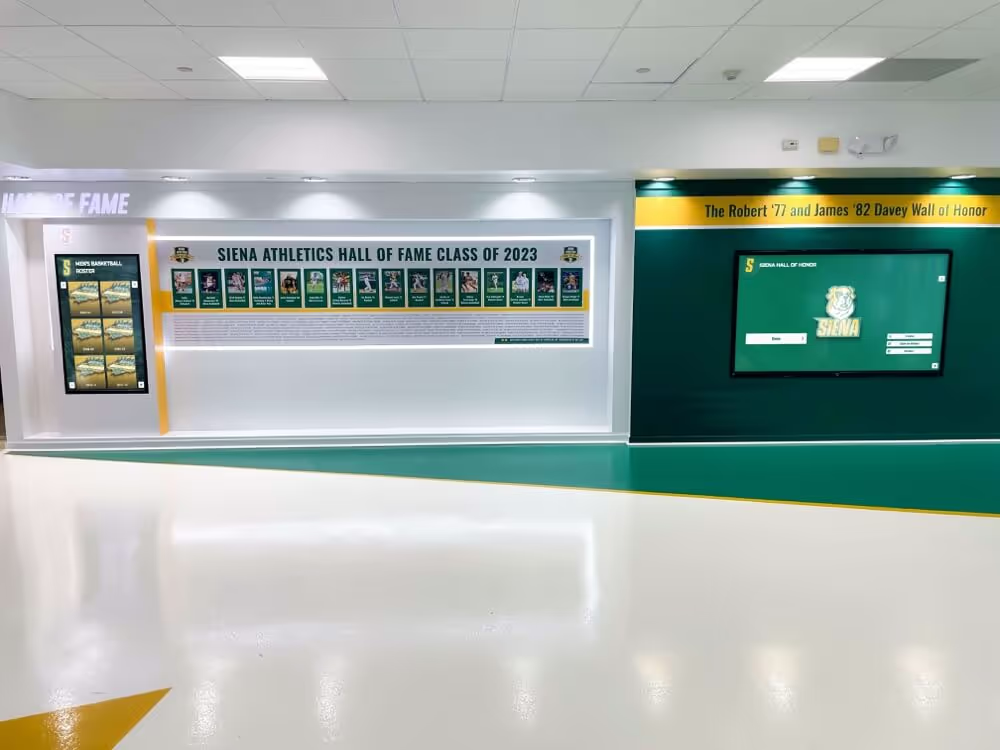
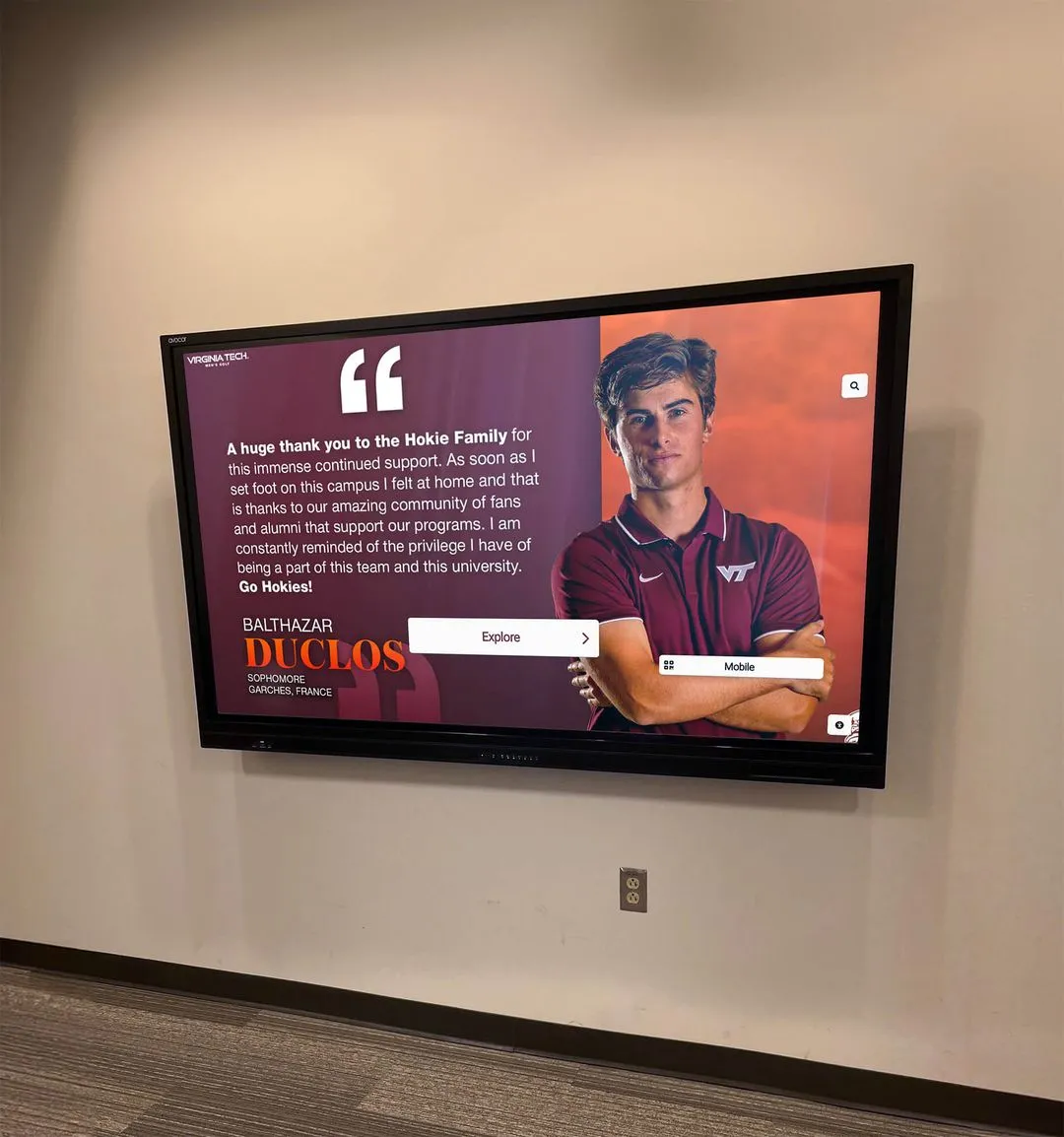
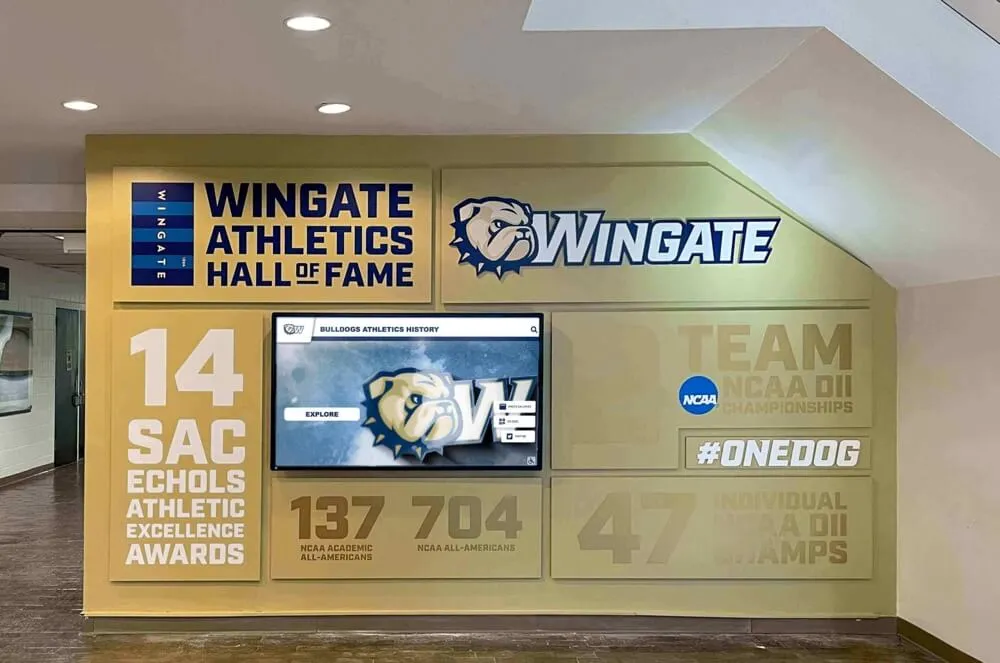
Branded recognition environments integrate school identity with comprehensive achievement celebration across all student activities
Band-Specific Recognition Categories and Awards
While integrating band into broader systems, acknowledge activity-specific achievements.
Competition and Performance Recognition
Create band-specific honor categories including state championship band recognition, superior/excellent rating achievement at festivals and competitions, invitational competition victories, best in class awards for specific performance categories (music, visual, general effect), and progression recognition showing competitive improvement across seasons.
These specialized categories acknowledge unique achievement structures within band while maintaining integration with broader institutional recognition.
Individual Excellence and Leadership
Honor individual band member accomplishments through all-state and honors ensemble selections, chair placement recognition for competitive audition success, section leader and drum major service acknowledgment, individual competition success (solo and ensemble festivals), and scholarship achievement for music education and performance programs.
Individual recognition motivates personal excellence while celebrating members whose contributions enable ensemble success.
Band Director and Staff Recognition
Acknowledge program leadership comparable to athletic coaching honor through career achievement and longevity recognition, championship and competitive success acknowledgment, program growth and development impact, student mentorship and placement success (college music programs, professional opportunities), and facility development and fundraising leadership.
Band directors invest comparable effort and achieve similar competitive success as athletic coaches—recognition systems should acknowledge their program-building accomplishments appropriately. Explore coach recognition approaches applicable to band directors.
Practical Recognition Implementation Strategies
Schools can immediately improve band recognition through concrete actions.
Assessment and Current State Analysis
Begin by evaluating existing recognition approaches.
Recognition Audit Across All Programs
Systematically examine current practices including physical display space allocation by program type, prominence of recognition placement throughout facilities, ceremony and event recognition patterns, award and honor structure comprehensiveness, and stakeholder perception surveys gathering community input.
Honest assessment often reveals unintentional recognition hierarchies where certain activities receive disproportionate visibility and celebration despite comparable student achievement across multiple programs.
Gap Identification and Priority Setting
Analysis should identify specific disparities including programs lacking appropriate recognition infrastructure, achievement categories receiving insufficient acknowledgment, physical spaces inadequately celebrating certain activities, student populations perceiving unequal institutional value, and opportunities to enhance recognition without substantial resource investment.
Priority-setting balances ideal comprehensive recognition with practical implementation considering budget, space, and administrative capacity constraints.
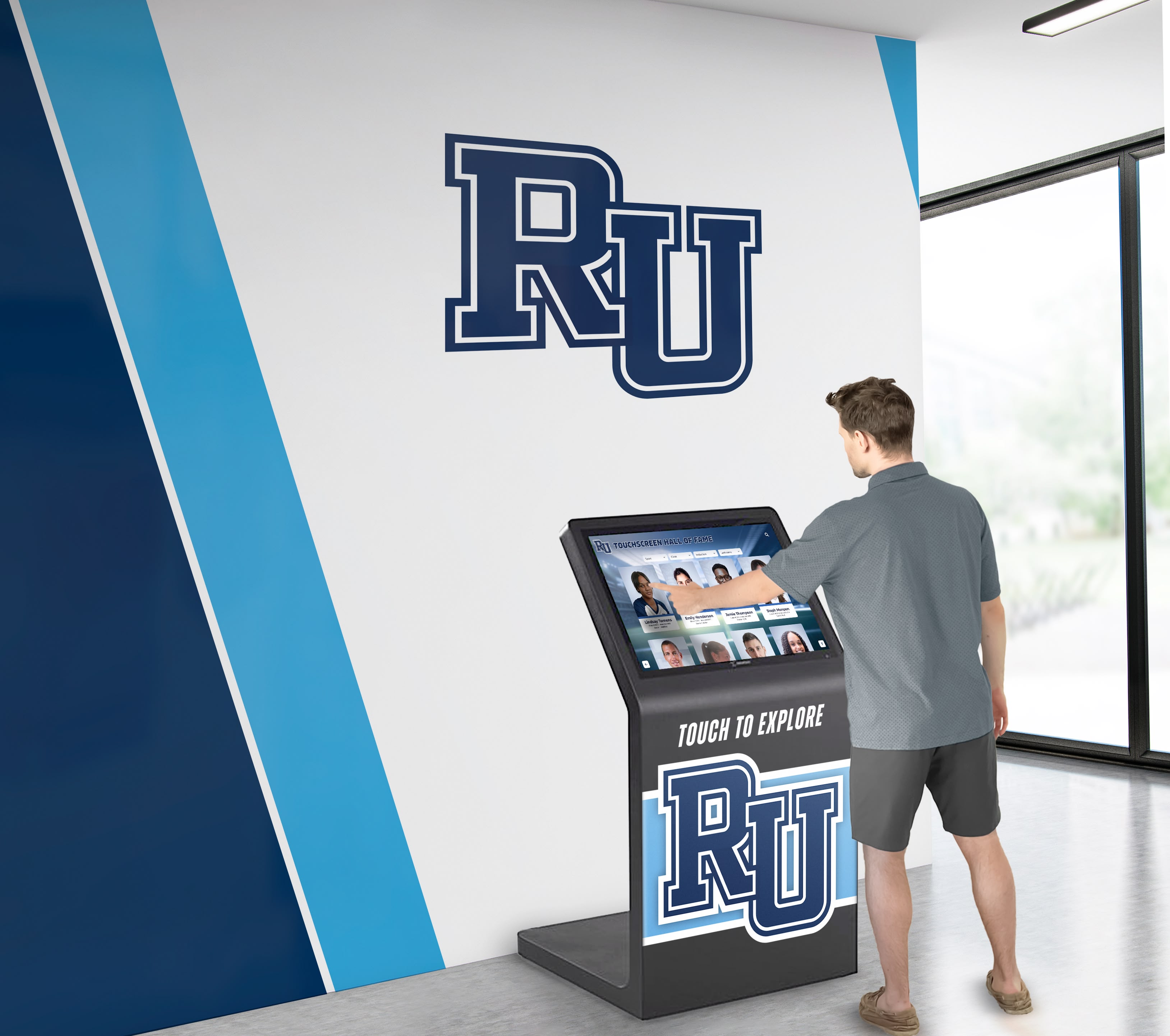
Prominent lobby placement ensures diverse student achievements reach broad audiences including visitors, families, and entire school community
Administrative and Policy Changes
Structural changes support sustained equitable recognition.
Cross-Departmental Recognition Committees
Establish inclusive oversight including representatives from athletics, fine arts, academics, student activities, and administration to ensure balanced perspective, shared responsibility for recognition program maintenance, coordinated ceremony and event planning, unified communication and celebration strategies, and continuous evaluation ensuring equity across programs.
Cross-functional committees prevent recognition systems from reflecting narrow interests of single departments or activity areas.
Unified Award and Honor Structures
Create parallel recognition frameworks across activities including consistent award criteria reflecting comparable achievement levels, equivalent celebration for championships and major accomplishments, integrated ceremony structures honoring diverse excellence simultaneously, standardized communication announcing achievements across all programs, and unified brand identity for institutional recognition systems.
Consistent structures communicate equal institutional value while simplifying administration compared to completely separate systems for different activity areas. For ideas on recognition events, see award ceremony approaches.
Community Education and Culture Building
Recognition equity requires shifting community perceptions and traditions.
Celebrating All Excellence Publicly
Build recognition culture through social media highlighting diverse student achievements equally, announcements and communication celebrating varied successes, community event recognition across activity categories, media outreach promoting comprehensive program excellence, and alumni engagement showcasing accomplished graduates from all backgrounds.
Consistent public celebration gradually shifts community culture away from disproportionate athletic emphasis toward genuine appreciation for diverse student excellence.
Student Voice and Leadership Development
Involve students in recognition planning through student advisory committees providing input on recognition priorities, peer nomination and selection processes, student-led recognition events and initiatives, cross-activity collaboration building mutual respect between programs, and student communication amplifying recognition messages.
Student involvement ensures recognition systems reflect actual student values while developing leadership skills and building community across different activity areas.
Conclusion: Recognition That Honors All Student Excellence
Whether marching band technically qualifies as a sport by strict definition matters far less than ensuring band programs receive recognition commensurate with the discipline, dedication, competitive success, and personal growth members demonstrate. Schools serving students best move beyond categorical debates to build comprehensive recognition systems celebrating diverse forms of excellence—whether athletic, artistic, academic, or service-oriented—that develop complete individuals prepared for successful adult lives.
Band members invest comparable time, develop parallel discipline, face similar physical demands, and achieve measurable competitive success deserving recognition alongside traditional athletic accomplishments. The physical conditioning, mental focus, team interdependence, and competitive structure defining marching band create legitimate claims to athletic status while the artistic expression and musical education distinguishing band from pure athletics contribute unique value justifying recognition regardless of classification debates.
Moving Toward Equitable Recognition
Schools should prioritize immediate improvements including comprehensive recognition audits identifying current gaps and disparities, digital recognition system implementation enabling unlimited diverse achievement celebration, integrated hall of fame and award structures explicitly incorporating band excellence, unified ceremonies and events honoring achievement across all student activities, and facility enhancements ensuring band receives prominent recognition visibility.
These concrete actions demonstrate genuine institutional commitment to valuing all student achievement rather than perpetuating recognition hierarchies privileging certain activities while marginalizing others producing comparable excellence.
The Recognition-Culture Connection
Strategic recognition directly influences institutional culture through student perception that diverse talents receive genuine appreciation, participant satisfaction strengthening program retention and enthusiasm, community pride celebrating comprehensive excellence, alumni engagement spanning all activity backgrounds, and recruitment effectiveness as families evaluate school commitment to varied student interests.
Schools implementing comprehensive recognition—whether through digital recognition platforms like those provided by Rocket Alumni Solutions or enhanced physical systems integrating diverse achievements—consistently report improved program participation, stronger community support, and enhanced institutional reputation for valuing complete student development.
Building Sustainable Recognition Systems
Long-term success requires systematic approaches including administrative structures ensuring ongoing recognition maintenance, adequate funding supporting recognition infrastructure and operations, cross-departmental collaboration preventing narrow program emphasis, regular assessment measuring equity and identifying improvement opportunities, and cultural commitment to celebrating excellence wherever demonstrated.
Your band members deserve recognition honoring the early morning rehearsals, the physical conditioning, the competitive excellence, the artistic growth, and the character development their participation cultivates. Whether you classify marching band as a sport, a performing art, or a unique hybrid combining elements of both, these students have earned comprehensive celebration alongside peers achieving excellence in any arena. With thoughtful planning, appropriate technology when beneficial, and genuine commitment to equitable recognition, your school can build systems ensuring every form of student excellence receives the honor it deserves.
Ready to enhance your student recognition programs through comprehensive systems honoring diverse achievements across athletics, band, academics, arts, and all student activities? Discover how digital recognition solutions can help you celebrate complete student excellence while building cultures that value every form of achievement contributing to your institution’s distinctive identity and educational mission.