Lacrosse combines lightning-fast athleticism, precision stick skills, strategic intelligence, and physical toughness in ways few other sports demand. Your lacrosse players master complex techniques, execute coordinated team strategies, maintain endurance through grueling games, and represent your program with pride throughout challenging seasons. Yet despite lacrosse’s status as one of the fastest-growing high school and youth sports in America, many programs struggle to create recognition systems that adequately celebrate the diverse skills and dedication that lacrosse excellence requires.
Traditional trophy presentations often fail to capture the multifaceted nature of lacrosse achievement—honoring top scorers while overlooking defensive specialists, recognizing starters while undervaluing practice squad contributors, and celebrating individual statistics without acknowledging the selfless teamwork that makes lacrosse programs successful. Meanwhile, physical trophy cases fill quickly, leaving limited space for expanding lacrosse programs that add teams, players, and achievements year after year.
This comprehensive guide presents creative lacrosse awards ideas that honor the complete spectrum of player contributions while providing practical implementation strategies. Whether you coach youth recreation programs, competitive club teams, high school varsity squads, or collegiate lacrosse, these recognition approaches ensure every player receives meaningful acknowledgment for their unique contributions to your program’s success.

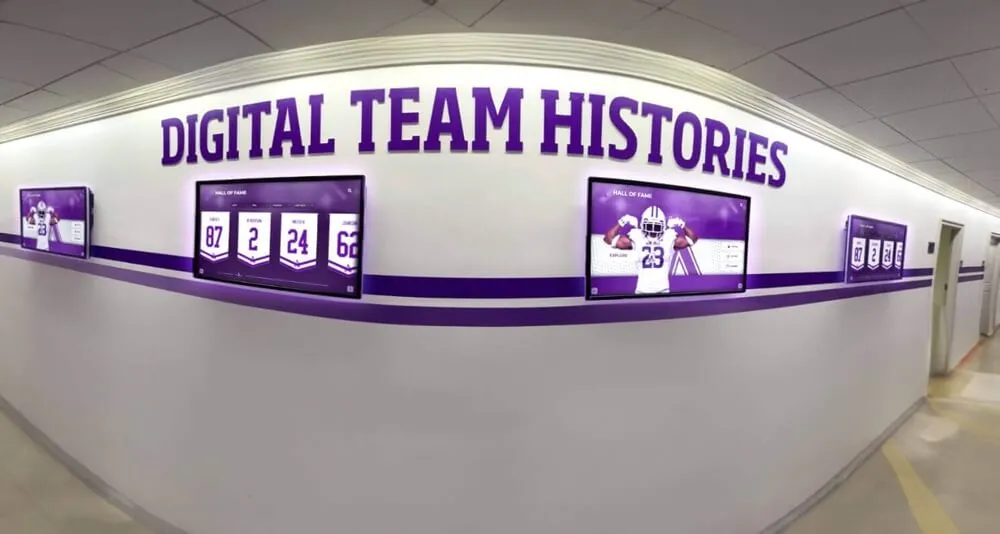
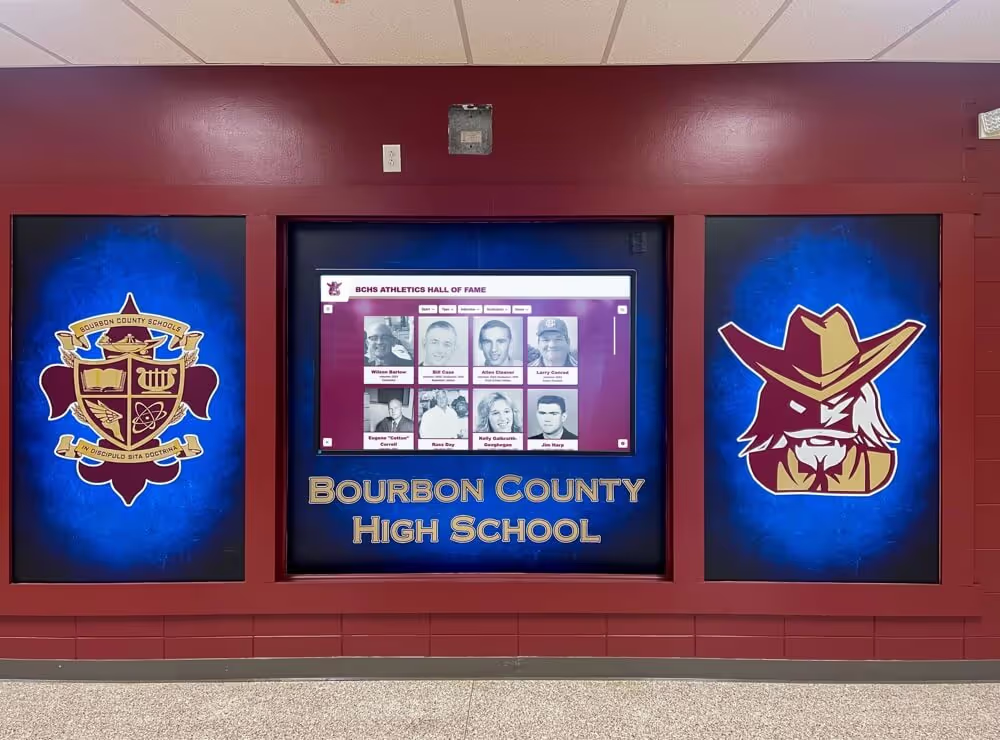
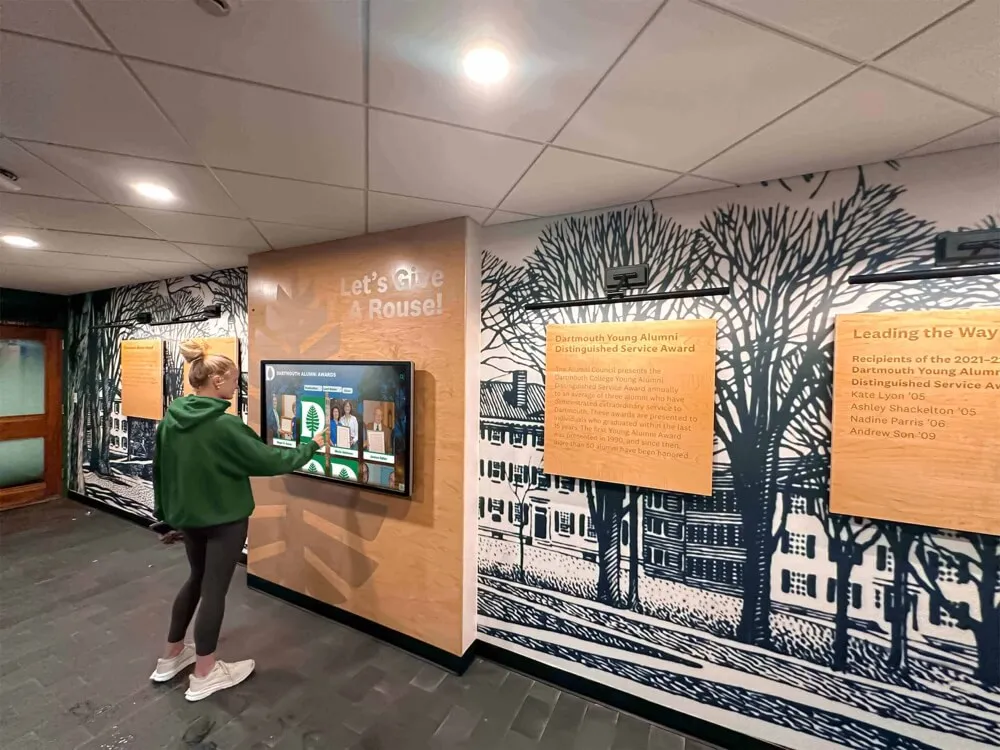
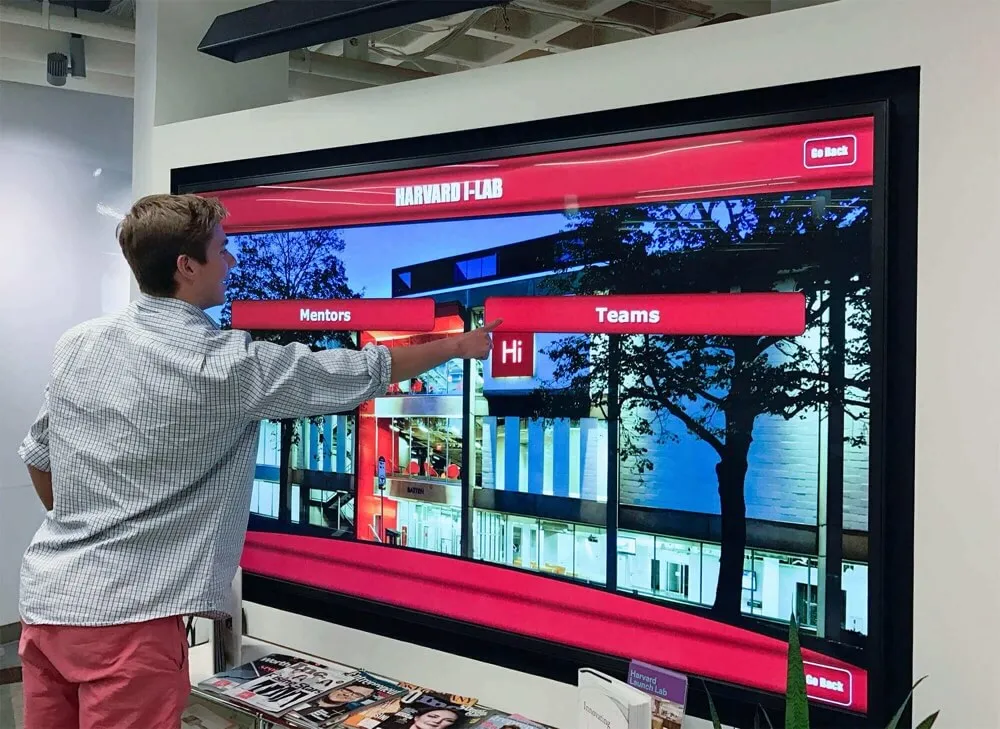
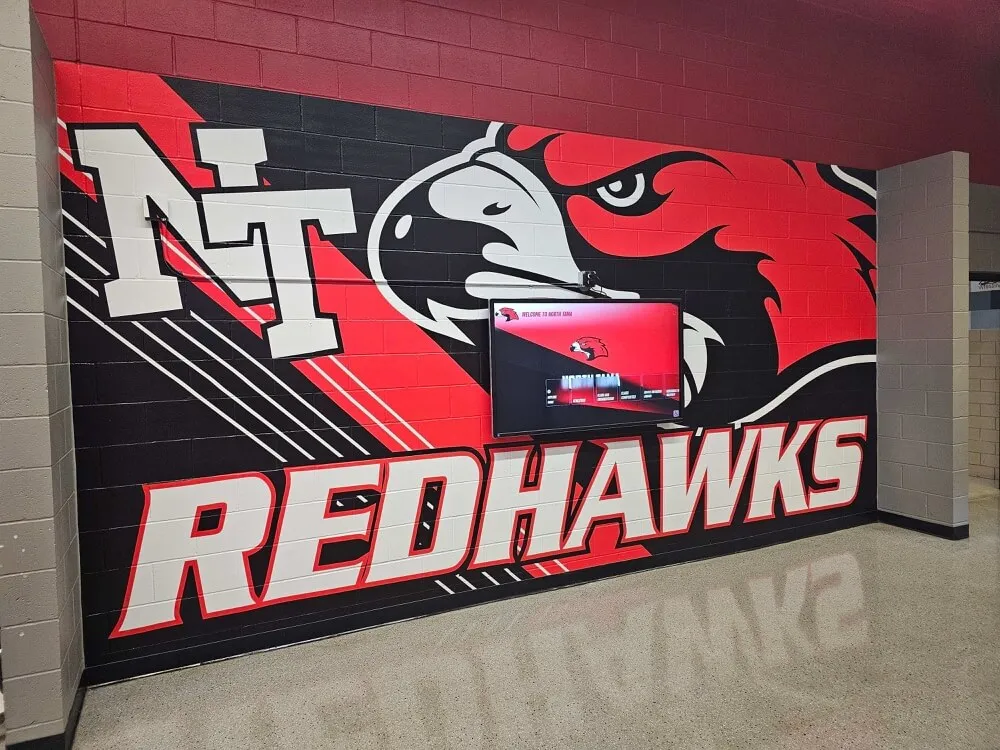
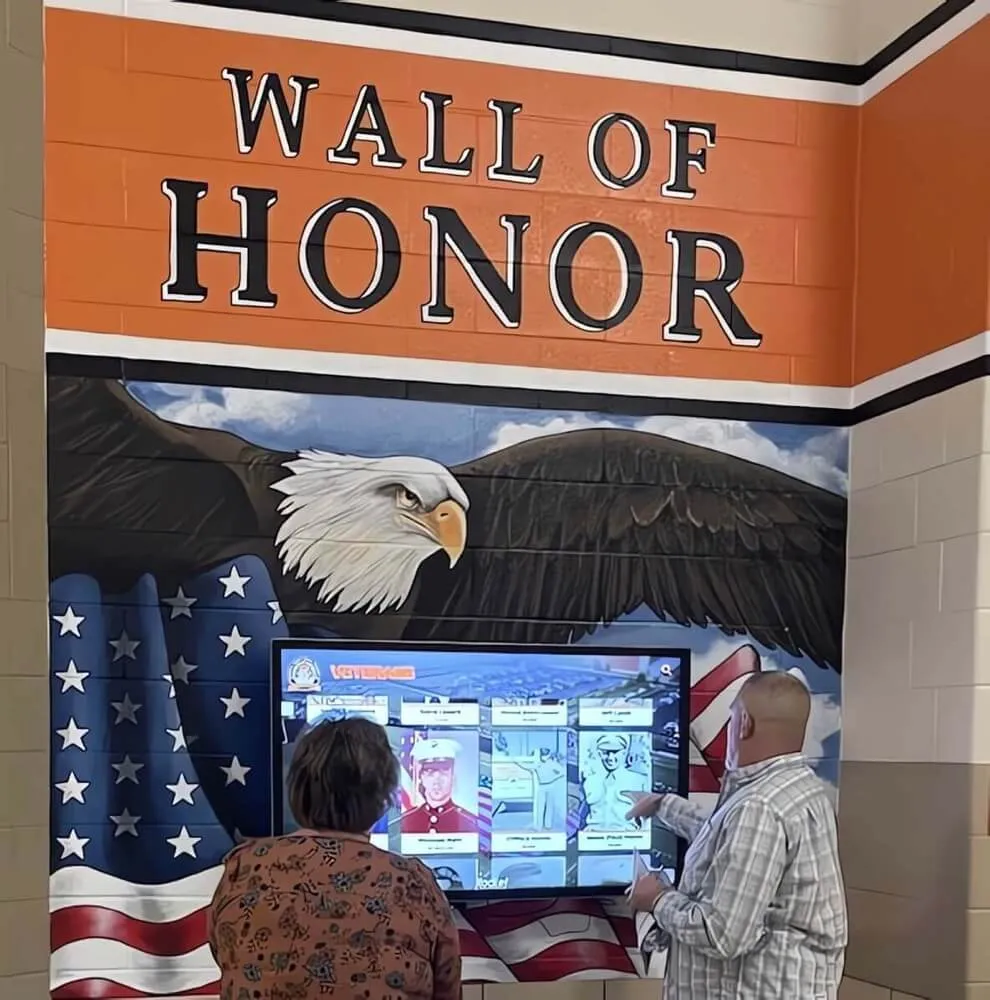
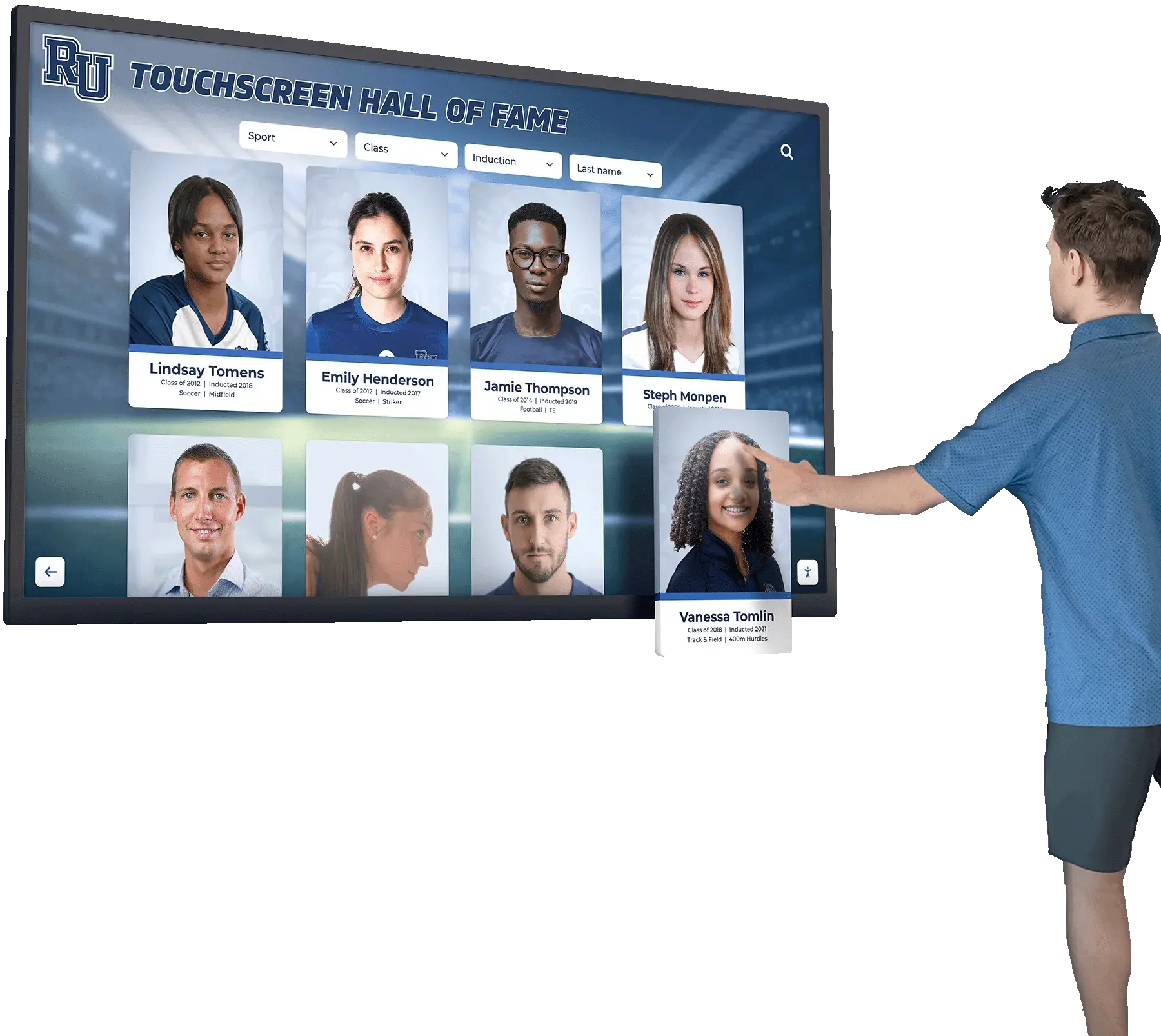
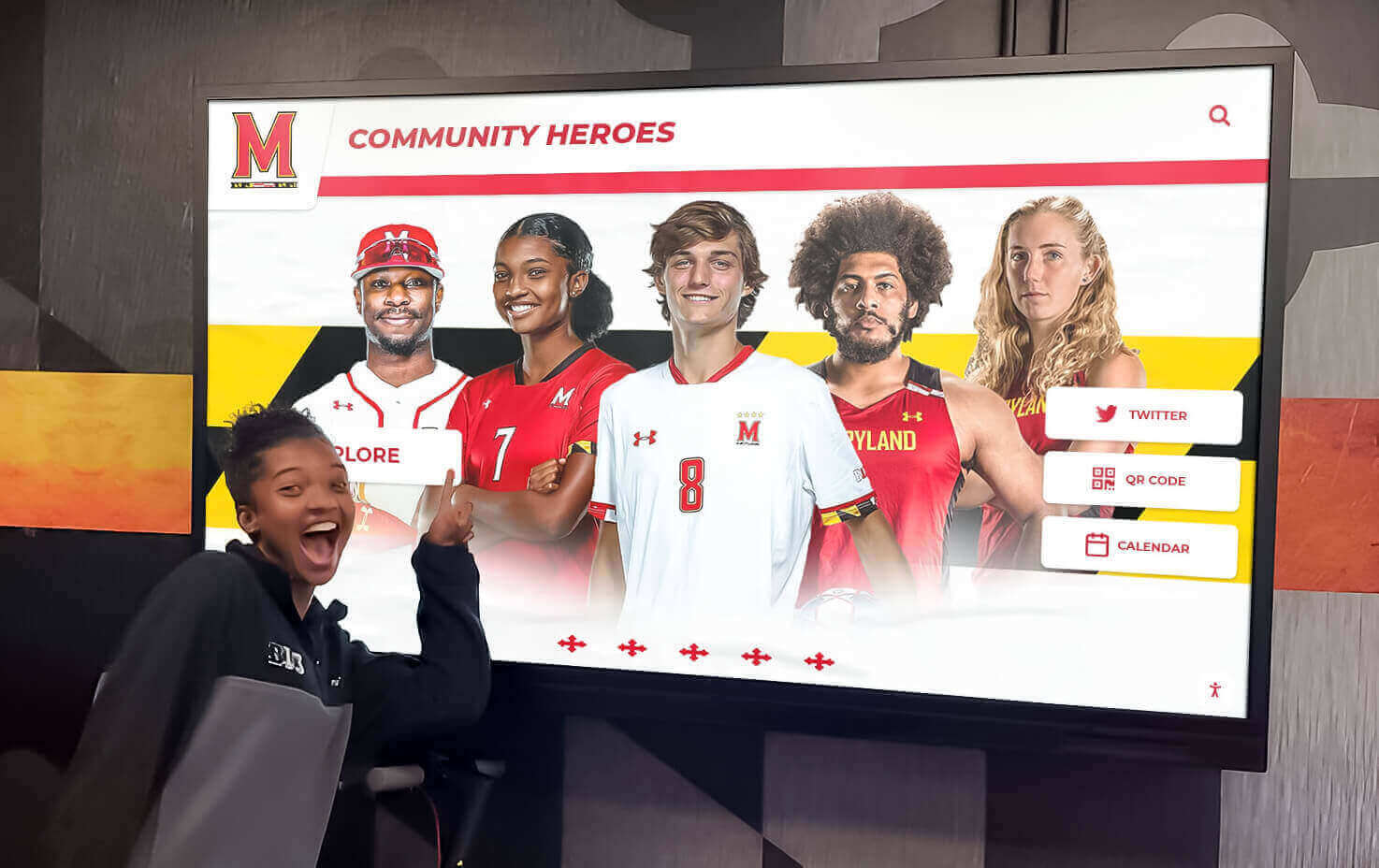
Modern recognition displays celebrate the athletic skill and dedication that define exceptional lacrosse programs
Understanding Lacrosse-Specific Recognition Needs
Before exploring specific award categories, understanding what makes lacrosse recognition distinct helps programs design awards systems that resonate with players, families, and the broader lacrosse community.
The Multidimensional Nature of Lacrosse Excellence
Unlike single-skill sports where performance metrics clearly define achievement, lacrosse excellence manifests across interconnected dimensions that all deserve recognition.
Athletic and Technical Mastery
Lacrosse demands exceptional physical capabilities including sprint speed for transition play, endurance for continuous field coverage, hand-eye coordination for stick skills, upper body strength for checking and shooting, agility for dodging defenders, and spatial awareness for positioning. Players spend thousands of hours developing stick skills—cradling, passing, catching, shooting, ground balls, and face-offs—that distinguish lacrosse from other field sports. Recognizing these technical dimensions validates the dedicated skill development lacrosse requires.
Positional Specialization
Each lacrosse position requires distinct skill sets worthy of specialized recognition. Attackmen need exceptional stick skills and finishing ability. Midfielders require complete game versatility and tireless endurance. Defensemen demonstrate physical toughness and positional discipline. Goalies exhibit mental fortitude and lightning reflexes. Long-stick midfielders combine defensive prowess with transition capabilities. Face-off specialists master one of lacrosse’s most technically demanding skills. Effective recognition systems honor excellence across all these specialized roles rather than reducing achievement to total points scored.
Team Cohesion and Unselfishness
Successful lacrosse teams execute as unified systems where ball movement creates scoring opportunities more effectively than individual heroics. Players who make the extra pass, set effective picks, communicate defensively, and prioritize team success over personal statistics enable program excellence even when their contributions don’t appear prominently in box scores. Recognition systems should celebrate these unselfish contributions that make team success possible.
Leadership and Program Culture
Lacrosse captains and veteran players provide leadership that shapes team culture, mentors younger athletes, and maintains standards through challenging seasons. Beyond formal leadership positions, some players naturally inspire teammates, maintain positive energy during difficult practices, and embody the program values that define exceptional lacrosse cultures. These leadership contributions warrant specific recognition.

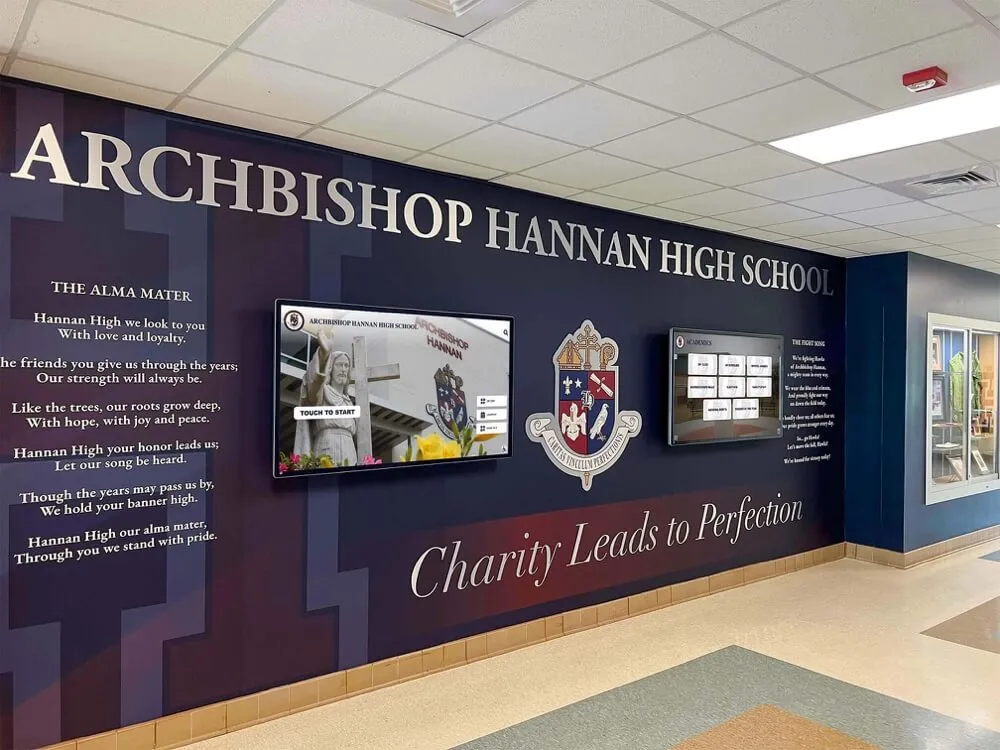
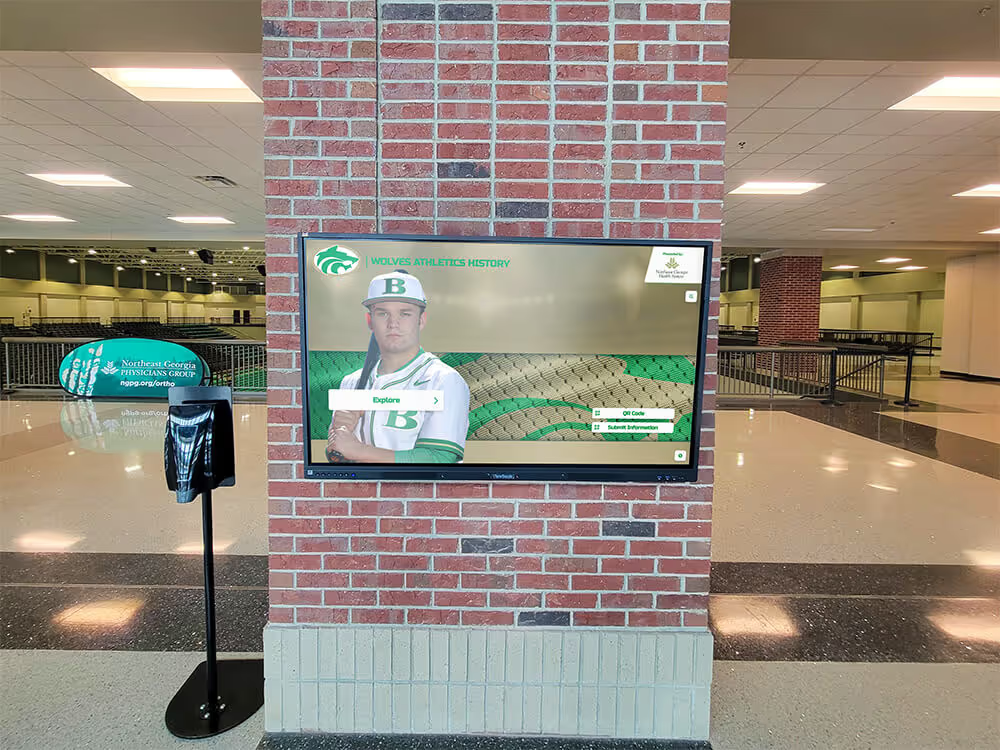
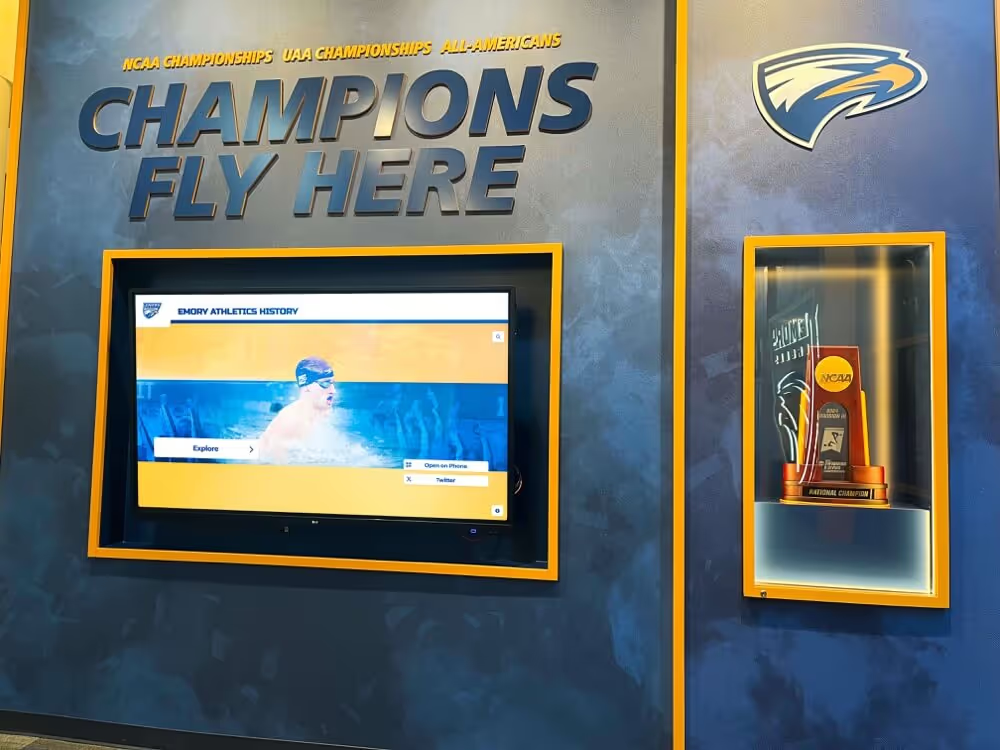
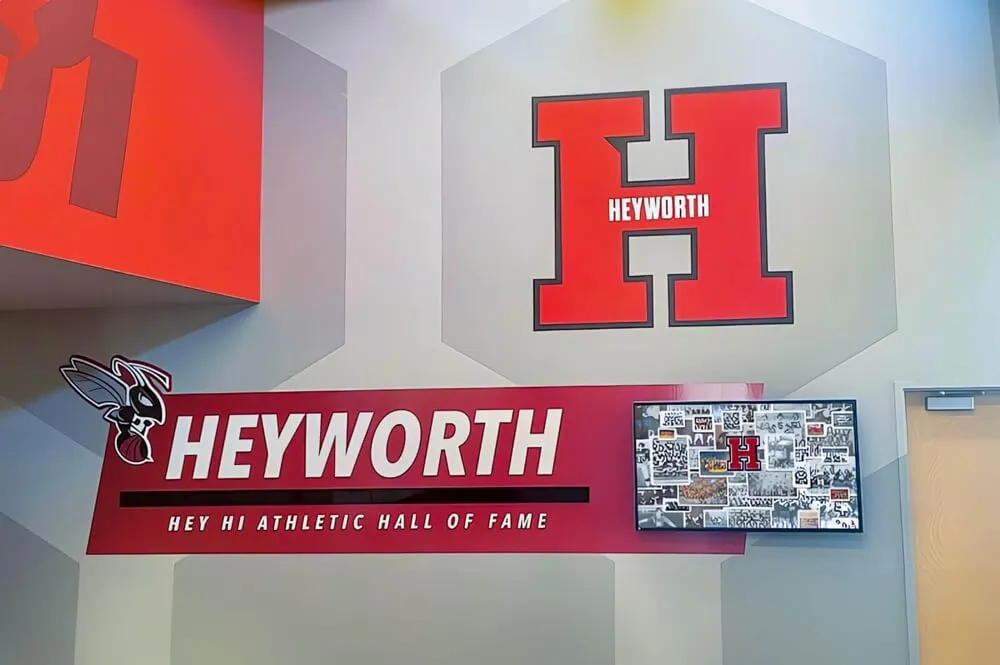
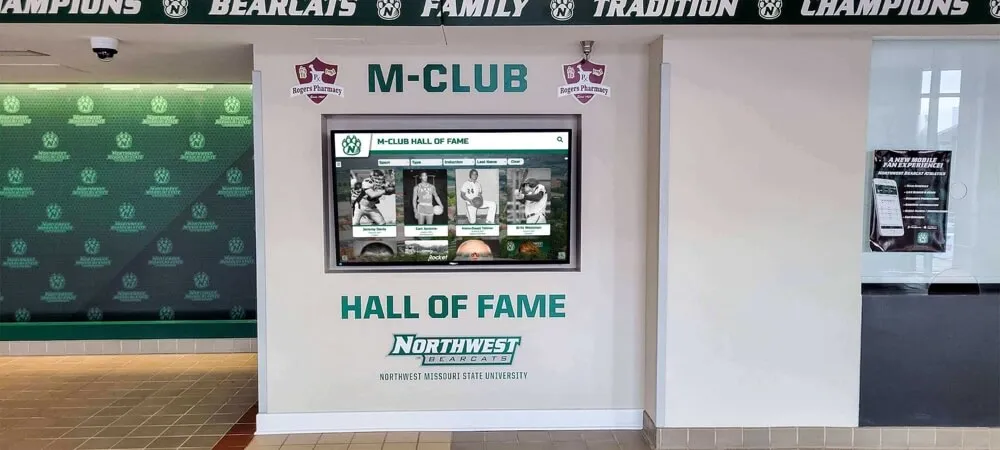
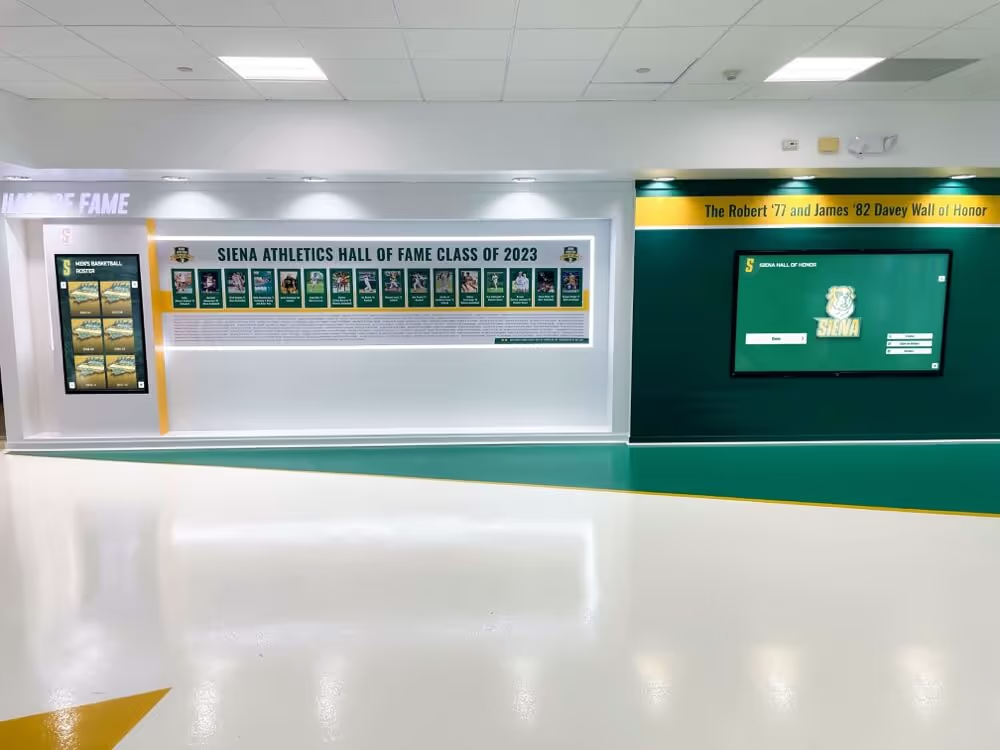
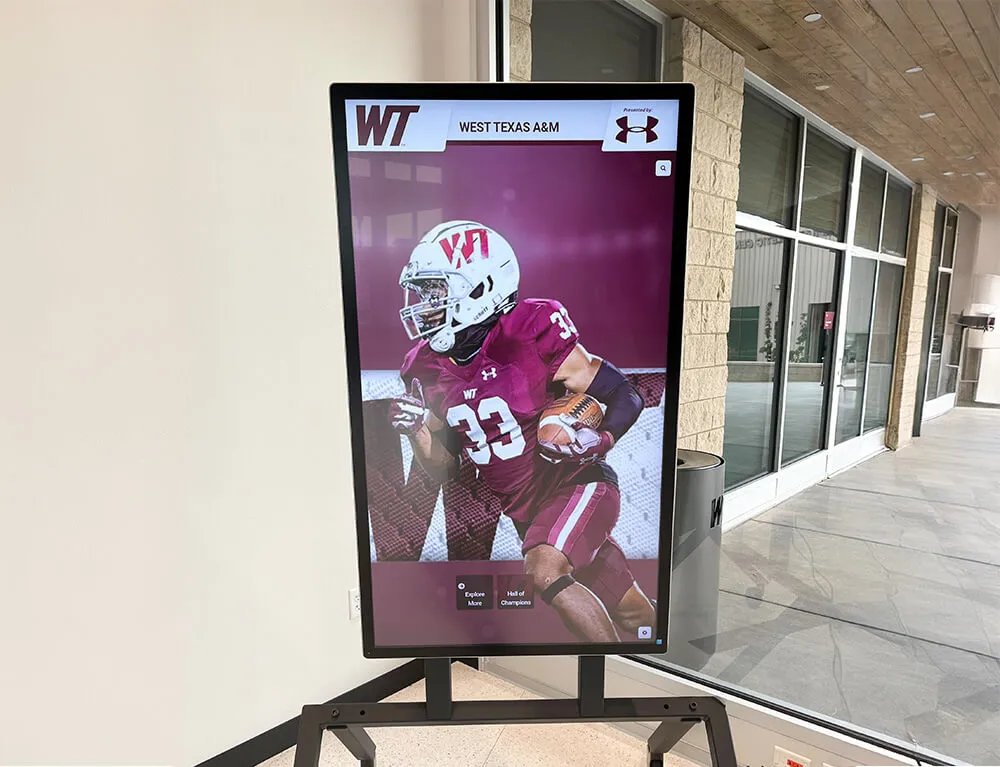
Professional recognition displays preserve lacrosse achievements alongside other athletic accomplishments, validating lacrosse as the demanding sport it is
Youth vs. High School vs. College Recognition
Different competitive levels require appropriately tailored recognition approaches.
Youth Lacrosse Recognition (Ages 8-14)
Youth programs should emphasize participation, skill development, and character over competitive achievement. At these developmental stages, players are building fundamental stick skills and discovering their passion for lacrosse. Recognition should celebrate improvement, effort, sportsmanship, and fun while introducing basic achievement categories for older youth players. Consider awards like Most Improved Stick Skills, Best Hustle, Sportsmanship Award, and fun superlatives ensuring every player receives acknowledgment.
High School Lacrosse Recognition (Ages 14-18)
High school programs can introduce more achievement-based awards while maintaining strong emphasis on character and leadership. Competitive maturity allows for recognition of statistical excellence, all-conference selections, and championship contributions alongside continued celebration of improvement, effort, and team-first attitudes. Balance individual honors with team awards, and ensure recognition systems celebrate both starting players and valuable practice squad contributors who make program success possible.
College Lacrosse Recognition
Collegiate programs typically emphasize competitive achievement, conference honors, and postseason recognition while continuing to value character and leadership. College awards may include all-conference team selections, academic all-American honors, statistical leaders, team captains, and program records. Creating comprehensive athletic recognition approaches helps collegiate lacrosse programs develop professional recognition systems parallel to established sports.
Men’s vs. Women’s Lacrosse Considerations
While sharing fundamental elements, men’s and women’s lacrosse have distinct rules requiring recognition considerations.
Men’s Lacrosse Recognition
Men’s lacrosse includes full contact, allowing checks and physical play that create specific award opportunities. Recognition categories might include hardest hitter awards, face-off specialist honors, clearing statistics, and defensive takeaway leaders. The physical nature of men’s lacrosse creates opportunities for recognizing toughness, courage, and physical commitment alongside technical skill.
Women’s Lacrosse Recognition
Women’s lacrosse emphasizes stick skills and positioning over physical contact, creating different achievement metrics. Free position conversion rates, draw control statistics, caused turnovers, and defensive positioning excellence provide objective recognition criteria. The non-contact nature places premium value on technical excellence, spatial intelligence, and defensive discipline deserving specific recognition.
Both versions equally demand athleticism, dedication, and skill—recognition systems should celebrate excellence appropriately regardless of gender while respecting rule differences that create distinct achievement categories.
Essential Lacrosse Award Categories
Effective lacrosse recognition includes core award categories honoring fundamental aspects of excellence that every program should acknowledge.
Offensive Performance Awards
Leading Scorer
The objective top point producer (goals plus assists) demonstrates consistent offensive excellence throughout the season. This statistical award clearly identifies the player who most frequently put points on the board for their team.
Implementation approach: Maintain detailed statistics throughout the season tracking goals and assists for every player. Present final statistics during the award announcement, providing context about games played and scoring consistency. Consider creating separate leading scorer awards for different positions (attackmen, midfielders) to recognize offensive excellence across positional groups.
Top Goal Scorer
While the leading scorer combines goals and assists, the top goal scorer specifically celebrates finishing ability—players who consistently converted scoring opportunities into goals. This recognizes the specialized skill of putting the ball in the net.
Implementation approach: Track goal totals separately from assists, and consider calculating shooting percentage for leading scorers to highlight conversion efficiency. Share specific memorable goals during the presentation—game-winners, highlight-reel moves, or crucial championship goals.
Assist Leader
Unselfish playmakers who create opportunities for teammates deserve specific recognition. The assist leader exemplifies team-first mentality and exceptional field vision that makes teammates better.
Implementation approach: Celebrate the player’s ability to make teammates successful rather than seeking personal glory. During presentation, show video clips or describe specific assists that demonstrated exceptional vision, passing skill, or unselfish play. This award reinforces that creating goals matters as much as scoring them.
Shot Accuracy Award
Players who demonstrate exceptional shooting accuracy through high shooting percentages combine technical skill with shot selection intelligence. This award celebrates efficiency over volume.
Implementation approach: Calculate shooting percentage (goals divided by shots on goal) for players with minimum shot attempts. This objective metric identifies players whose shots reliably find the net. Establish minimum shot thresholds (perhaps 30+ shots on goal) ensuring the award recognizes sustained accuracy rather than small sample performance.
Man-Up / Extra-Player Offense Award
Special teams execution often determines close games. This award recognizes the player who most effectively contributed to man-up scoring situations through goals, assists, or playmaking that created advantages.
Implementation approach: Track man-up statistics separately from even-strength performance. Calculate man-up goals, assists, and shooting percentages to identify players who consistently delivered when teams needed to capitalize on opponent penalties.
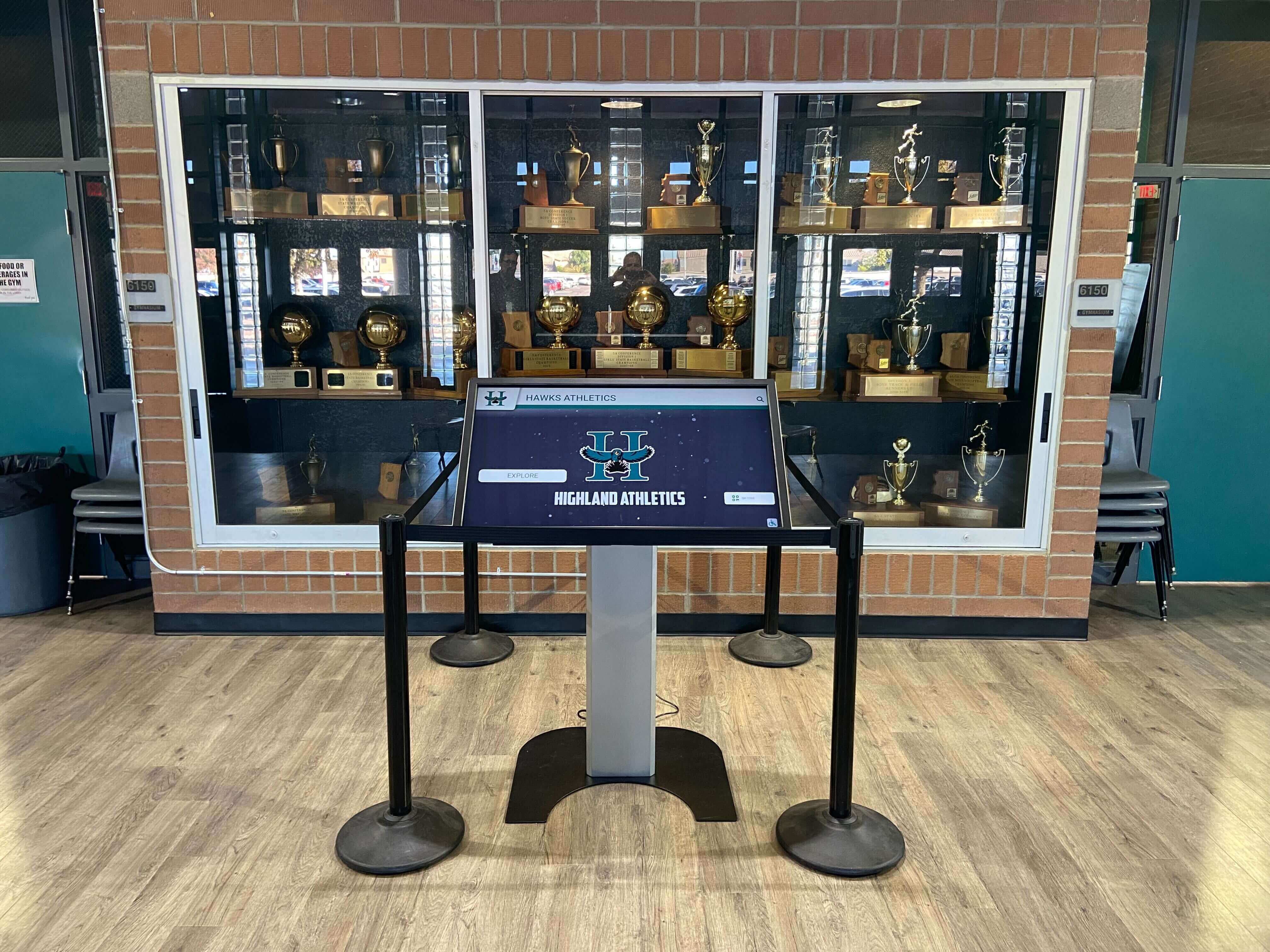
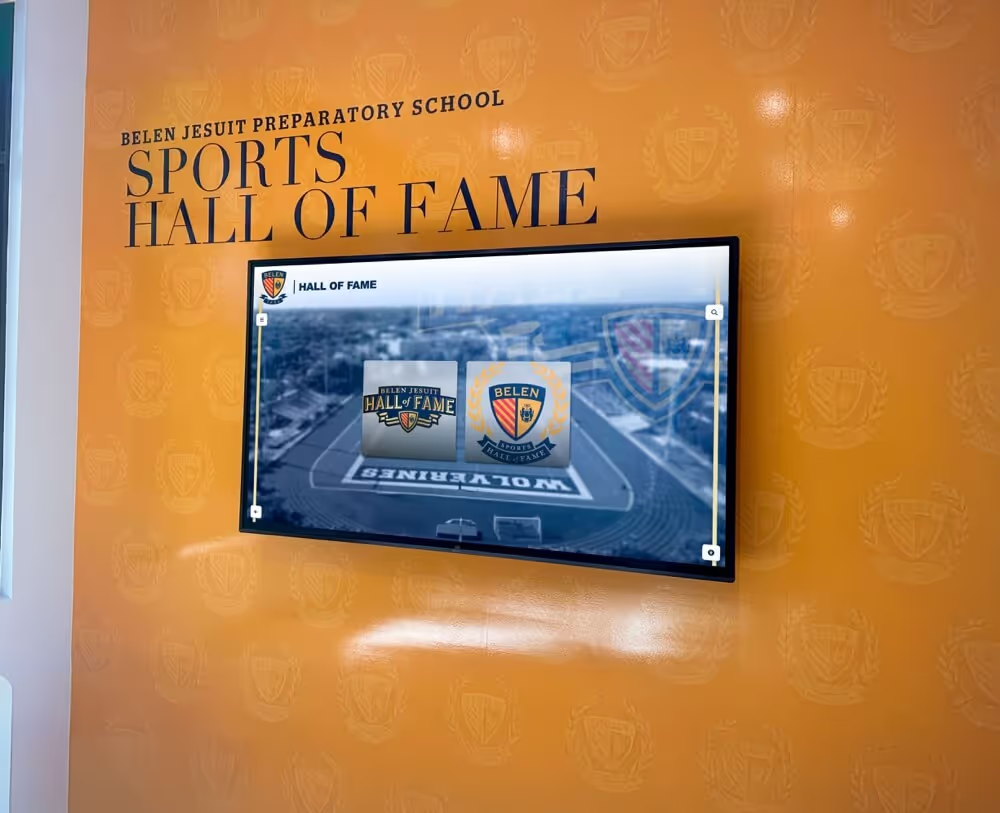
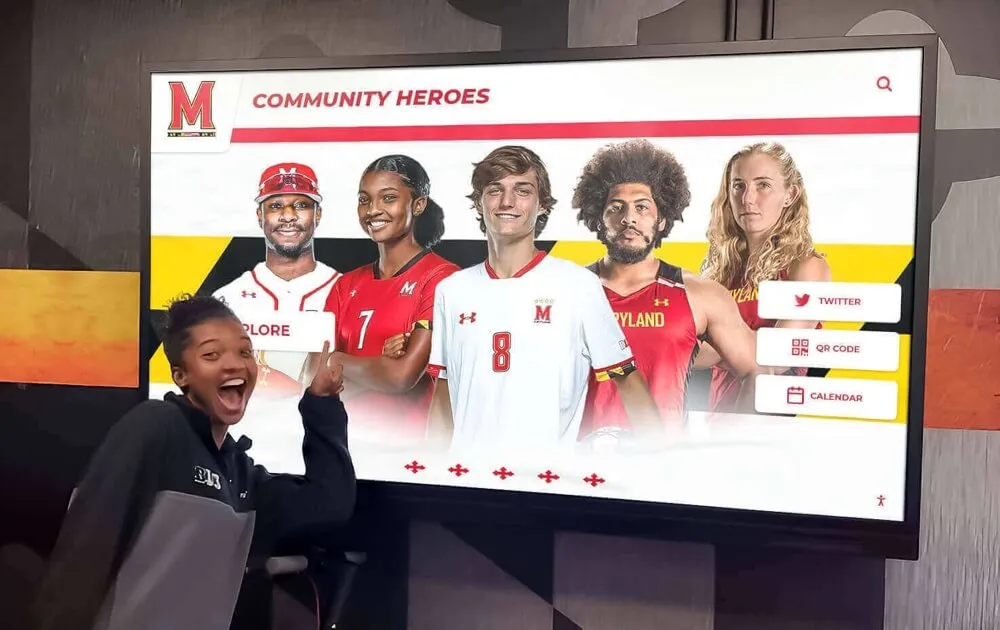
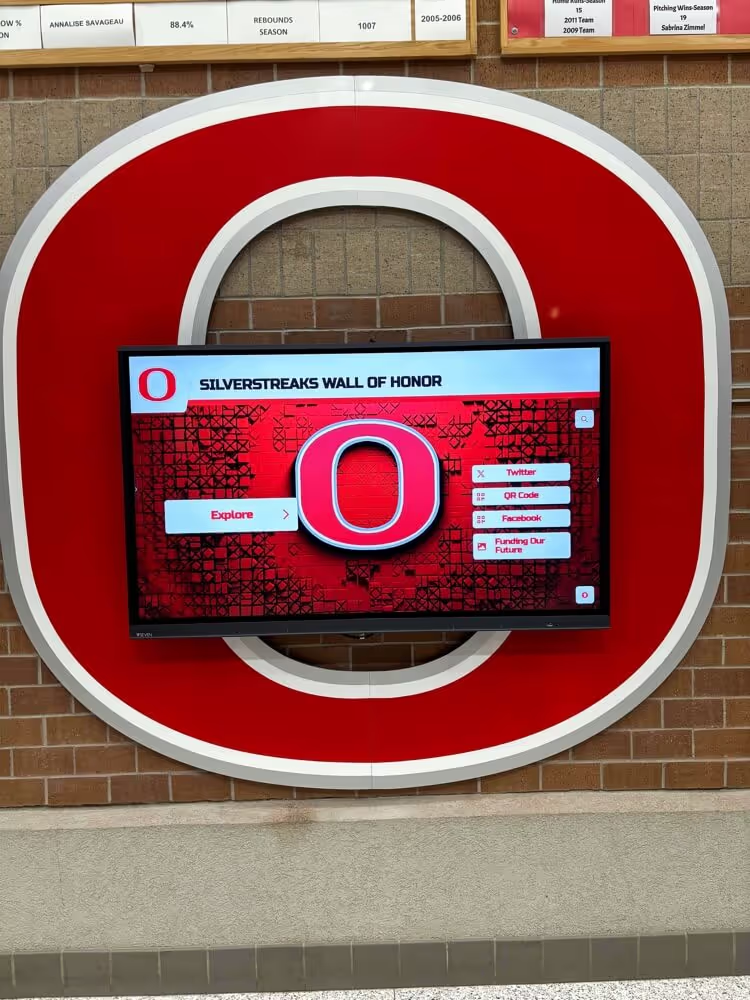
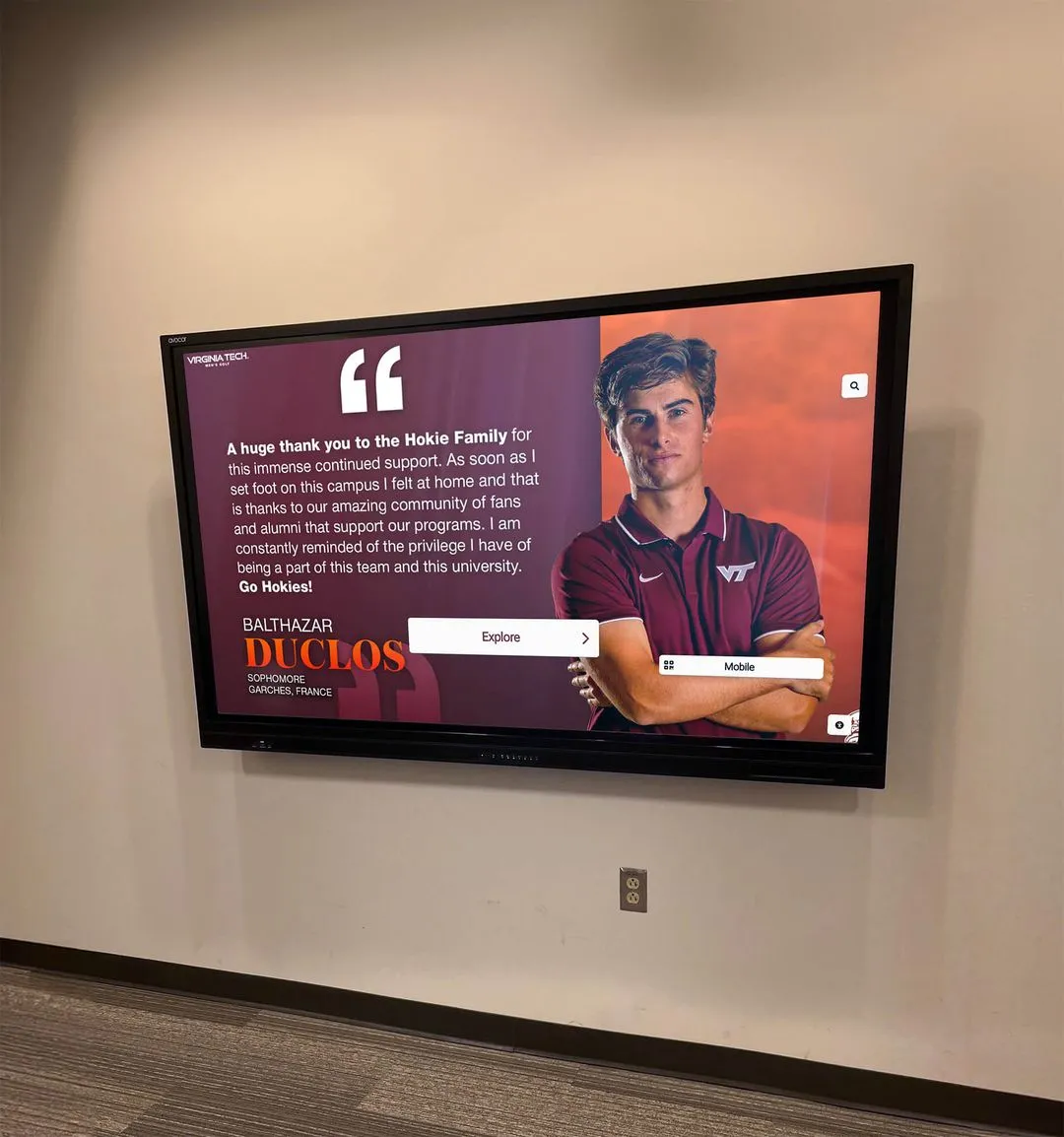
Modern trophy cases integrate digital displays allowing programs to showcase individual lacrosse achievements alongside team awards
Defensive Excellence Awards
Defensive Player of the Year
Elite defenders combine physical toughness, positional discipline, communication skills, and stick checking ability. This prestigious award recognizes the player who most consistently shut down opponents and anchored team defense.
Implementation approach: Evaluate defensive performance through multiple lenses including caused turnovers, ground balls, slide success, one-on-one defending effectiveness, and communication leadership. Consider input from defensive coordinators about which defender most consistently executed assignments and made teammates better through communication and positioning.
Caused Turnovers Leader
Aggressive, intelligent defenders who strip balls, force bad passes, and generate transition opportunities through caused turnovers create momentum-shifting possessions. This objective statistical award celebrates active defensive playmaking.
Implementation approach: Track caused turnovers throughout the season, distinguishing between stick checks that dislodge balls, positioning that forces errors, and aggressive play that disrupts offensive flow. Present final statistics showing how the recipient’s caused turnovers led to transition goals and defensive stops.
Ground Ball Champion
Ground balls represent 50-50 opportunities where hustle and technique determine possession. The player who consistently won ground balls demonstrated commitment to the “dirty work” that enables team success.
Implementation approach: Track ground balls meticulously throughout the season. This objective metric celebrates effort, positioning, and technical skill that might not appear in other statistics. Emphasize that ground balls often determine which team controls possession—the player who wins ground balls gives their team chances to score.
Best Goalie Award
Goalies occupy the most specialized position requiring unique mental toughness, reflexes, communication skills, and ability to perform under pressure. Outstanding goalies deserve recognition for their crucial contributions.
Implementation approach: Evaluate goalies through save percentage, goals-against average, saves in critical moments, communication effectiveness, and ability to make big saves when teams need them most. Share specific examples of clutch saves, games where the goalie kept the team competitive, or moments when their play changed momentum. For programs with multiple goalies, consider the starting goalie’s performance while acknowledging backup contributions during practice and development.
Long-Stick Midfielder Award
LSMs occupy crucial positions combining defensive responsibilities with transition capabilities. The best long-stick midfielder demonstrates versatility, defensive skill, and ability to push transition after defensive stops.
Implementation approach: Recognize the LSM who most effectively defended opponents’ top offensive threats, generated turnovers, won ground balls, and initiated transition. LSMs who can guard attackmen, slide effectively, and clear under pressure provide enormous value deserving specific recognition.
Face-Off and Specialty Recognition
Face-Off Specialist Award
Face-offs determine which team gains possession, making face-off specialists arguably the most important players in close games. Winning face-offs consistently requires exceptional technique, strength, hand speed, and strategy.
Implementation approach: Track face-off win percentage throughout the season. This objective metric clearly identifies the face-off specialist who gave their team possession advantages. Consider noting face-offs won in crucial situations—overtime, close games, or after opponent goals. For the top face-off specialist, share their season win percentage and total face-offs won, contextualizing how their success at the X translated to team victories.
Man-Down / Penalty Kill Specialist
Short-handed situations test discipline, communication, and defensive commitment. This award recognizes the player who most effectively contributed to man-down success through positioning, clears, and defensive execution.
Implementation approach: Calculate man-down save percentage and successful penalty kills throughout the season. Identify players who consistently performed well short-handed, making crucial defensive plays and clearing the ball under pressure. Share examples of critical man-down stops that preserved leads or kept games close.
Clearing Percentage Leader
Clearing the ball from the defensive end requires composure, stick skills, and decision-making under pressure. For programs that track clearing statistics, this award recognizes the player who most reliably advanced the ball.
Implementation approach: Calculate successful clears divided by clear attempts for players who regularly handle clearing responsibilities. This positional award typically goes to defenders or LSMs who demonstrated reliable ball-handling and decision-making when team needed to clear under defensive pressure.
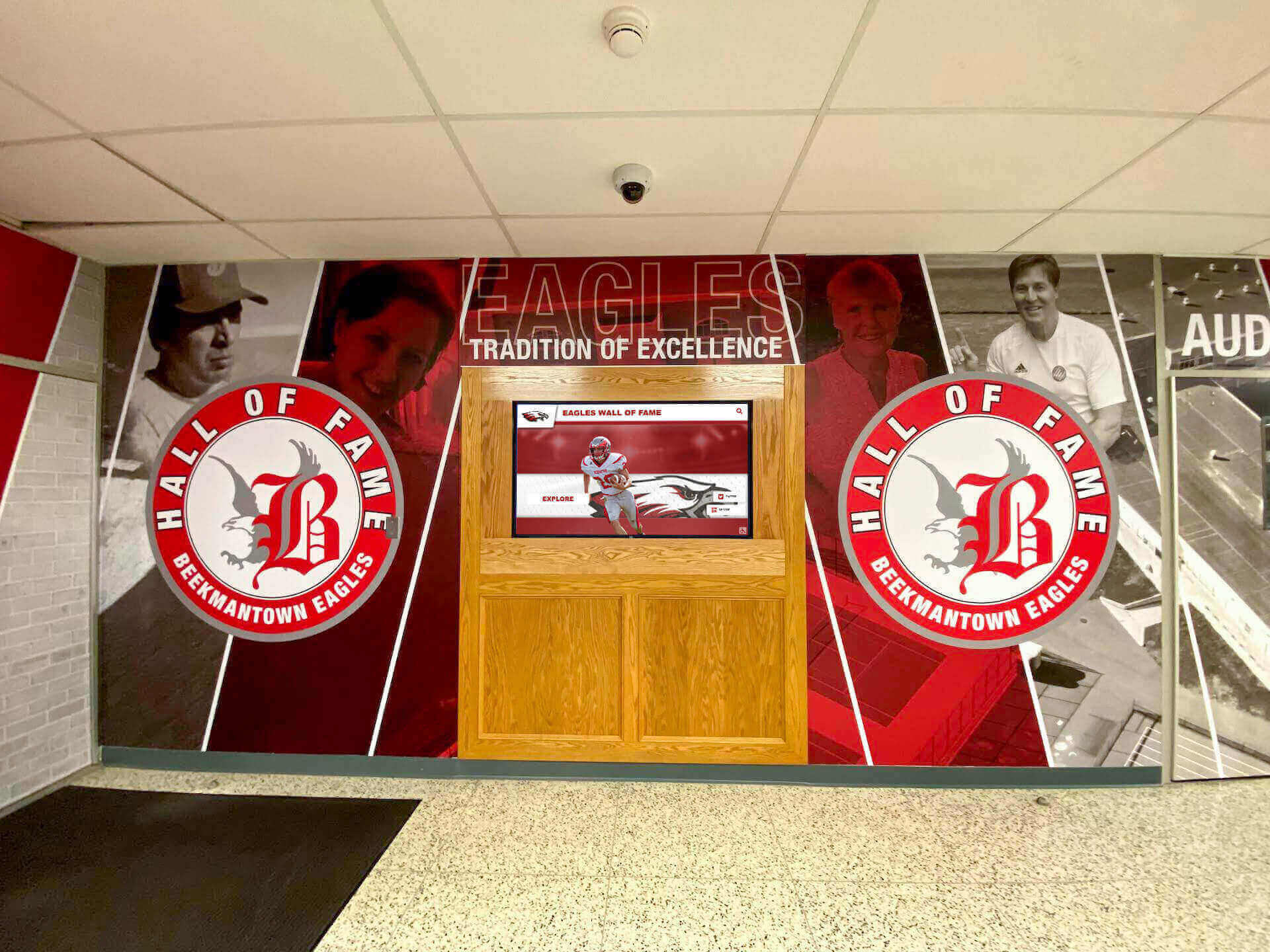
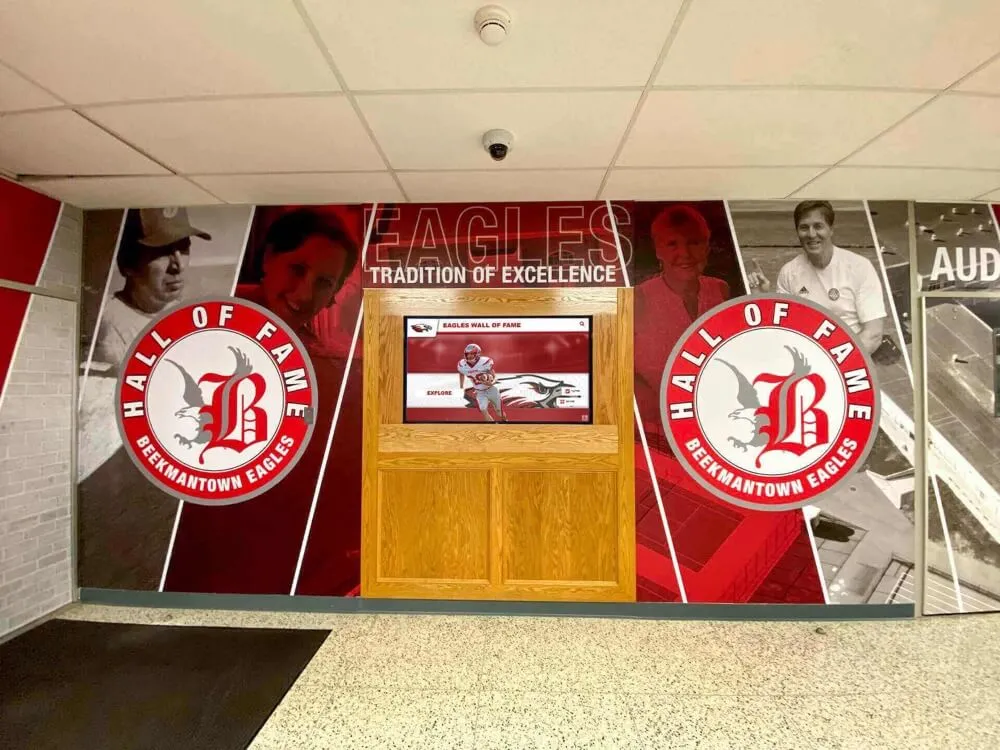
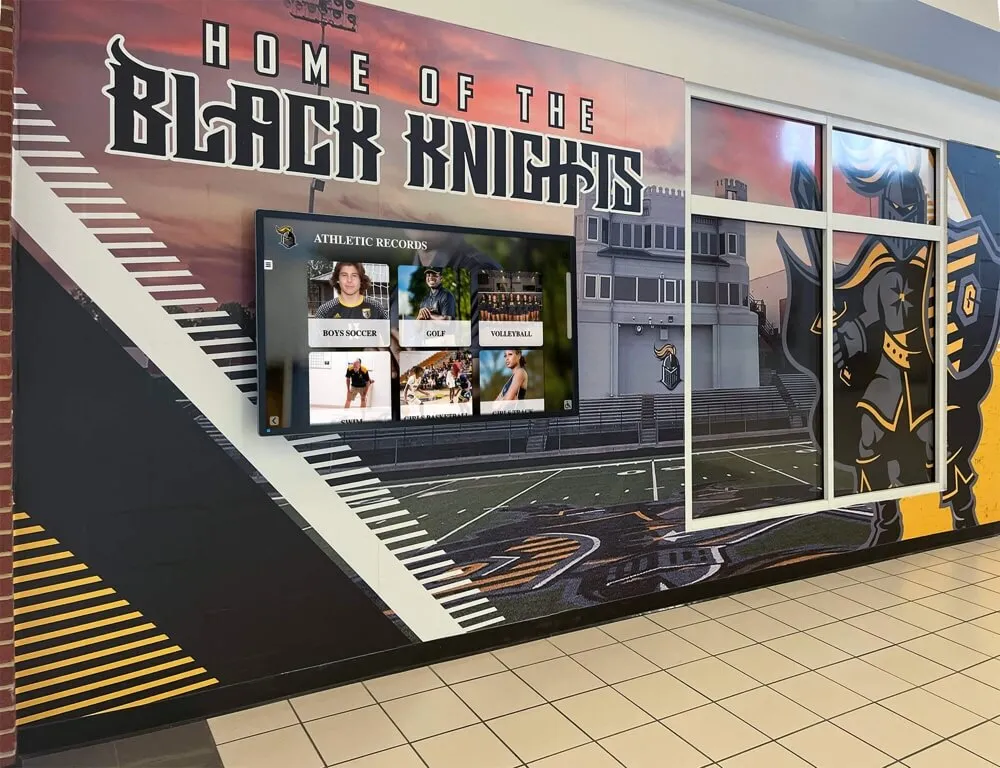
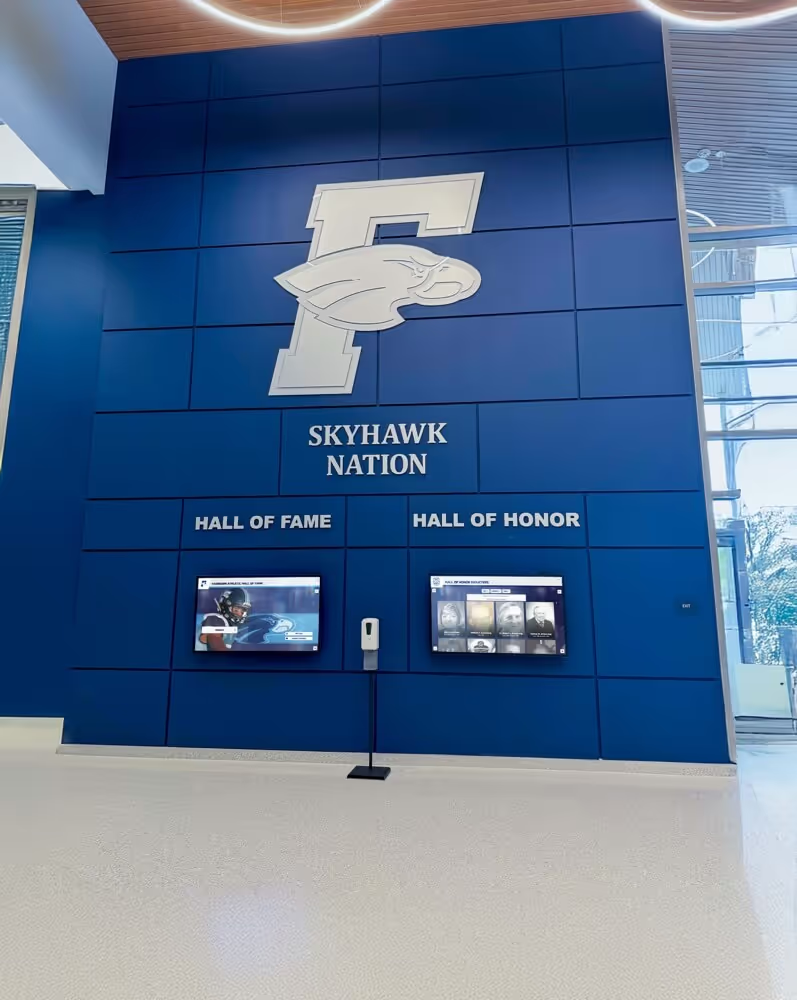
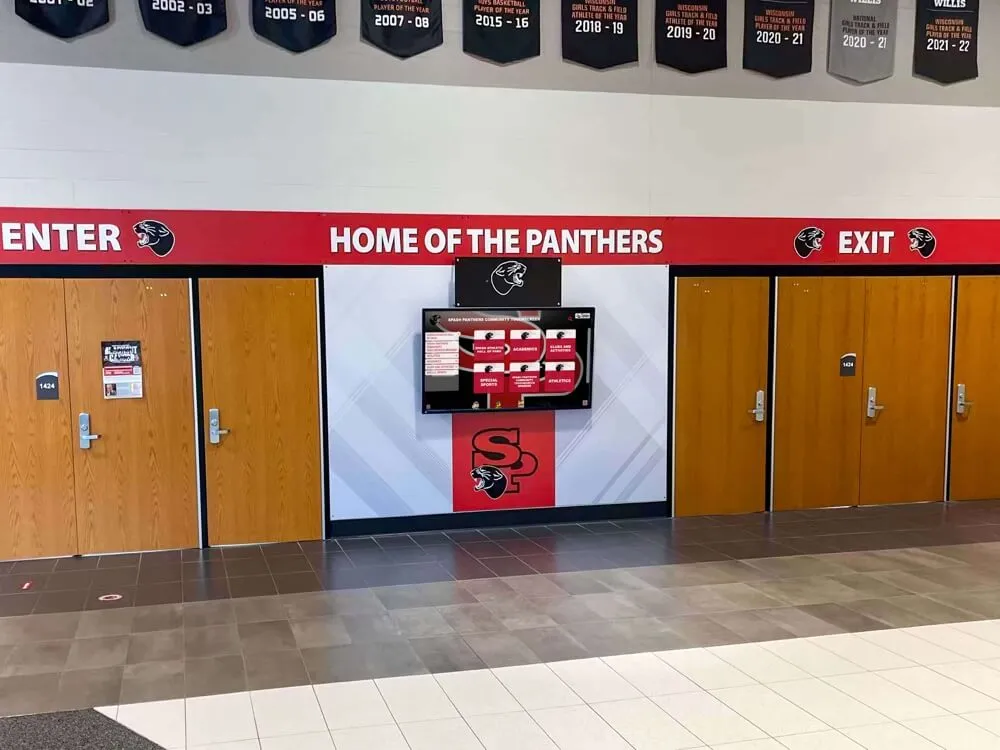
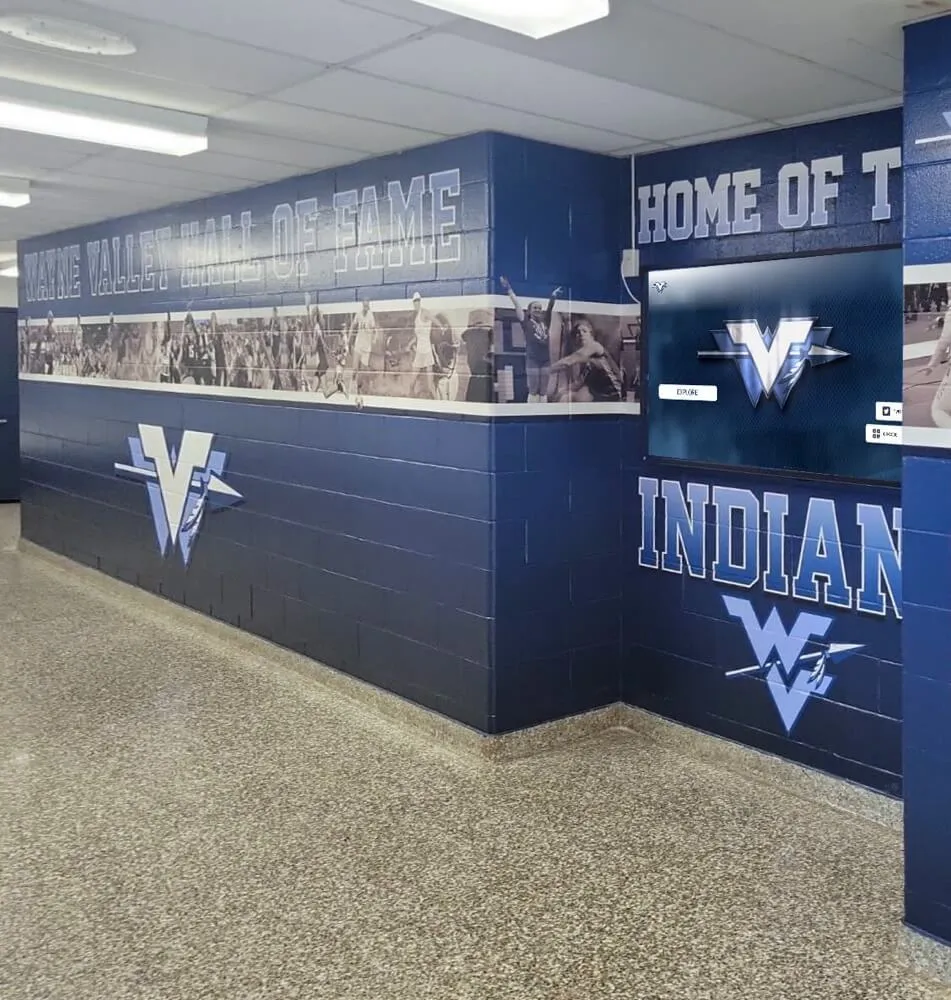
School entrance displays featuring athletic recognition including lacrosse achievements create welcoming environments celebrating all sports equally
Character and Leadership Awards
Character awards recognize personal qualities that extend beyond field performance, teaching players that who they are matters as much as what they achieve.
Team Culture Awards
Most Valuable Player (MVP)
The prestigious MVP award recognizes the player who made the greatest overall impact on team success through combination of skill, leadership, statistics, and intangible contributions. True MVPs make everyone around them better.
Implementation approach: Consider the complete player—statistics, leadership, practice commitment, character, clutch performance, and overall impact on team culture and success. Have coaching staff discuss which player the team could least afford to lose, whose presence elevated teammates, and who most consistently embodied program values. Present this award last during ceremonies, explaining specifically what made this player most valuable beyond just statistics.
Captain’s Award
Formal captains deserve official recognition for accepting leadership responsibility and effectively guiding teams. Captain recognition should acknowledge specific leadership contributions rather than simply confirming a title.
Implementation approach: Detail what made captains effective leaders including specific ways they mentored younger players, examples of when they rallied teams during adversity, how they maintained standards, and their role in shaping team culture. Consider having teammates share anonymous comments about how captains positively impacted their experience. Present captains with special recognition beyond their captain designation—perhaps engraved items, special jackets, or permanent program recognition.
Heart and Hustle Award
Effort represents a choice every player controls. This award honors the player who demonstrated maximum effort, work ethic, and determination throughout the season regardless of natural ability or playing time.
Implementation approach: Track effort indicators throughout practices and games including ground balls pursued, transition sprints, defensive slides, extra practice work, and overall intensity. This award often goes to players who might not receive statistical honors but whose effort and example inspired teammates. Share specific examples of when the recipient’s hustle changed game momentum or demonstrated the work ethic coaches want every player emulating.
Best Teammate Award
Being an exceptional teammate represents one of lacrosse’s most important attributes. This peer-nominated award recognizes the player teammates most valued for support, encouragement, positive attitude, and contribution to team culture.
Implementation approach: Conduct anonymous peer voting where each team member selects the teammate who most positively impacted their experience. Tabulate votes and present this award as peer recognition, explaining that teammates themselves selected the recipient as the player who made their season most positive. The emotional weight of peer recognition makes this among the most meaningful awards players can receive.
Coaches’ Award
This flexible award allows coaching staff to recognize a player who embodies program values, demonstrates exceptional character, or made special impact not captured by other categories.
Implementation approach: Coaches should explain specifically what earned this player their recognition, sharing anecdotes illustrating the qualities or contributions being honored. This personal explanation from coaches makes the award meaningful and helps the team understand what qualities coaches most value. The coaches’ award might recognize a senior leader who exemplified program culture, a player who overcame significant adversity, or someone whose character made lasting impact.
Sportsmanship Award
Perhaps the most important award recognizes players who consistently demonstrated respect for opponents, officials, teammates, and the game itself. True sportsmanship represents the highest athletic ideal.
Implementation approach: Solicit input from officials who worked your games about which players displayed exceptional sportsmanship, adding external validation to this honor. Consider players who helped opponents up after collisions, maintained composure during contentious games, respected officials’ decisions, and represented the program with class. Share specific examples of sportsmanship moments that made coaches proud to associate with this player.
Understanding comprehensive athletic recognition approaches helps lacrosse programs develop award systems that parallel recognition given to other sports, validating lacrosse’s status as the demanding athletic endeavor it is.
Commitment and Dedication Awards
Iron Man Award
Named after players who rarely leave the field, this award recognizes exceptional endurance, versatility, and durability. Players who consistently played both offense and defense, dominated in all three zones, and maintained effectiveness despite fatigue demonstrate remarkable conditioning.
Implementation approach: Track playing time across games, noting which players most consistently stayed on the field through entire games. This award often goes to two-way midfielders who contributed offensively and defensively without breaks, demonstrating the cardiovascular endurance lacrosse demands. Share total playing time or percentage of possible minutes played.
Perfect Attendance Award
Consistent attendance demonstrates commitment and reliability that teams depend on. This objective award recognizes players with perfect or near-perfect attendance at all practices, games, and team events.
Implementation approach: Establish clear criteria (100% attendance, or 95% with only excused absences) and track attendance throughout the season. This objective standard makes the award fair and transparent while motivating consistent commitment from all players. Emphasize that teams cannot succeed when players miss practices—those who showed up every day made the team better through their reliability.
Most Improved Player
One of the most meaningful awards recognizes players who demonstrated the greatest skill development over the season. This celebrates dedication to practice, coachability, and personal growth mindset.
Implementation approach: Document improvement with beginning-of-season and end-of-season skill assessments tracking progress in specific areas like shooting accuracy, ground ball success, defensive positioning, or stick skills. Present concrete examples during award recognition showing exactly what improvement the recipient achieved—perhaps they couldn’t catch at season start but became a reliable ball-handler, or they struggled defensively but developed into a reliable defender.
Weight Room Warrior
Off-season strength and conditioning separate good players from great ones. This award recognizes the player who demonstrated greatest commitment to weight room work, improving strength, speed, and overall conditioning.
Implementation approach: Track strength gains through testing at season start and end. Note which players consistently attended optional conditioning sessions, demonstrated strength improvements through measurable increases, and encouraged teammates in the weight room. Partner with strength coaches to identify the player whose work ethic in training most impressed staff.

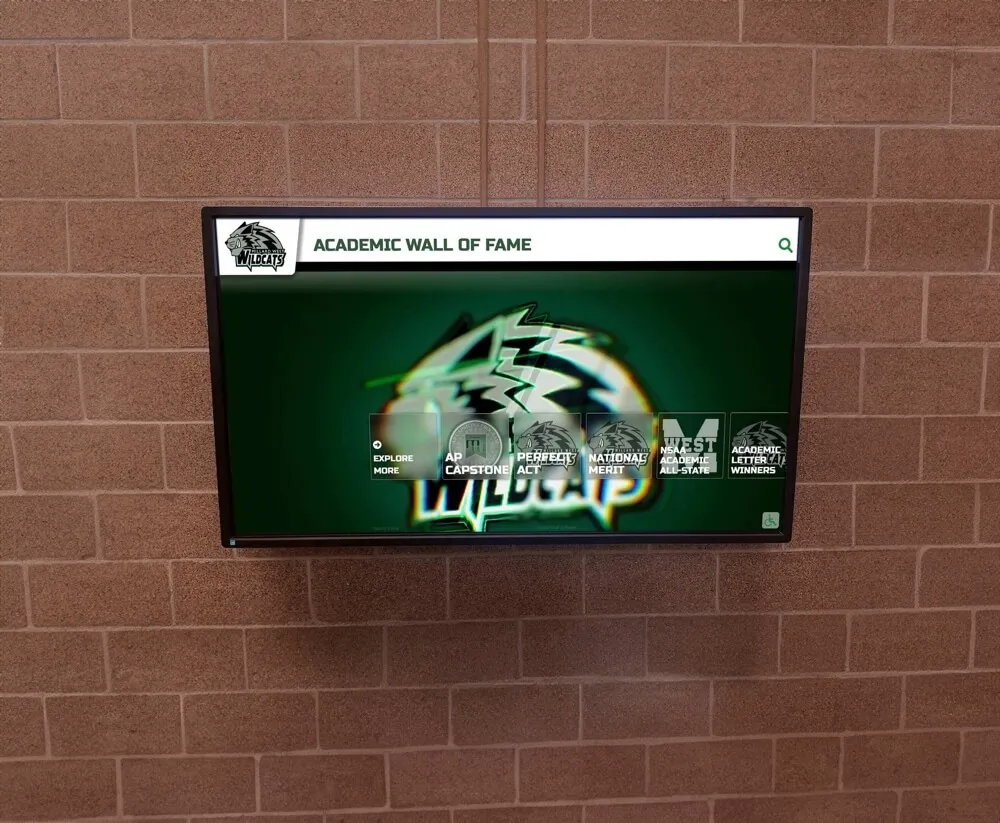
Digital displays enable rich individual profile presentations showcasing lacrosse achievements, photos, and personal accomplishments throughout players' careers
Position-Specific Recognition
Lacrosse positions require distinct skills deserving specialized recognition that honors excellence in each role.
Attackmen Awards
Best Attackman
This position-specific award recognizes overall attackman excellence considering shooting accuracy, scoring consistency, feeding ability, dodging effectiveness, off-ball movement, and ability to execute in settled offense situations.
Implementation approach: Evaluate attackmen comprehensively rather than just point totals. Consider which attackman most consistently created offense through scoring and feeding, demonstrated the best stick skills and dodging abilities, and made smart decisions with the ball. Share the recipient’s complete offensive contributions—goals, assists, shooting percentage, and moments when their playmaking created opportunities.
Dodge King
Some attackmen possess exceptional one-on-one dodging ability that consistently beats defenders and creates scoring chances. This award celebrates the attacker whose dodges most consistently generated offense.
Implementation approach: Throughout the season, track successful dodges that beat defenders and created shots or feeds. Consider video evidence showing the recipient’s dodging repertoire—split dodges, roll dodges, face dodges, or signature moves. This entertaining award celebrates one of lacrosse’s most exciting individual skills.
Midfielder Awards
Best Midfielder
Two-way midfielders who excel in all aspects of the game deserve recognition for their complete play. The best midfielder combines offensive production, defensive reliability, transition effectiveness, and tireless work rate.
Implementation approach: Evaluate midfielders across all phases—offensive statistics, defensive performance, ground balls, transition contributions, and stamina. The complete midfielder produces offensively while playing responsible defense, wins ground balls, pushes transition, and rarely comes off the field. Share how the recipient’s versatility and stamina enabled team success.
Transition Player Award
The fastest-paced moments in lacrosse occur during transition when teams push the ball after turnovers or clears. This award recognizes the player who most effectively created offense in transition through speed, decision-making, and finishing ability.
Implementation approach: Track transition goals and assists throughout the season. Identify players whose speed and decision-making in transition created easy scoring opportunities. Share examples of memorable transition sequences where the recipient’s speed or playmaking turned defensive stops into quick goals.
Defenseman Awards
Best Defenseman
Elite defensemen combine physical play, positional discipline, communication, clearing ability, and consistency. This prestigious award recognizes the defender who most consistently shut down opponents and anchored team defense.
Implementation approach: Evaluate defensive statistics including caused turnovers, ground balls, successful slides, clearing percentage, and coaches’ assessment of positional discipline. Consider which defender opposing coaches most needed to scheme against, who most consistently won one-on-one matchups, and who communicated effectively organizing team defense. Share how the recipient’s defensive excellence enabled team success.
Hardest Hitter Award
For men’s lacrosse programs where physical play is allowed, this award recognizes the most physically intimidating defender who delivered the biggest hits while playing within rules.
Implementation approach: This award should celebrate clean, hard checks that stayed within rules—not dangerous or illegal hits. Identify the defender whose physical play set the tone defensively and made opponents less willing to challenge certain areas of the field. Ensure this award reinforces playing hard while respecting opponent safety and game rules.
Goalkeeper Recognition
Clutch Save Award
While the Best Goalie award recognizes overall performance, this specialty award celebrates the goalkeeper who made the most crucial saves in pressure situations—game-savers, late-game stops, or saves that changed momentum.
Implementation approach: Throughout the season, document clutch saves that preserved leads, shifted momentum, or kept teams alive in close games. During presentation, share video or specific descriptions of the recipient’s most crucial saves. This award recognizes that goalie impact extends beyond save percentage to include performing under maximum pressure.
Implementing diverse sports awards programs ensures all athletes receive recognition for their unique contributions while maintaining engaging award ceremonies.
Fun and Creative Lacrosse Award Ideas
Beyond serious recognition, creative and fun awards add personality to award ceremonies while ensuring every player receives acknowledgment.
Personality and Style Awards
Best Stick Style
Some players have beautiful, smooth cradling styles or distinctive stick handling that makes their play aesthetically pleasing. This lighthearted award celebrates style and flair.
Best Celebration
Players who have signature goal celebrations—whether elaborate routines, team celebrations, or memorable reactions—get recognized for their entertaining expressions of joy.
Loudest On-Field Voice
Communication wins games in lacrosse. This humorous award recognizes the player whose constant communication and vocal leadership could be heard throughout the facility during games.
Best Pre-Game Ritual
Some players have memorable pre-game rituals or routines. Recognizing the most entertaining or unique routine adds humor to awards night.
Most Likely to Go Pro
A projection award imagining which player might play professionally adds aspirational fun while celebrating current talent and dedication to the sport.
Best Equipment Manager
Teams often have players who organize sticks, maintain balls, or help with equipment. This fun award recognizes those organizational contributions that make practices and games run smoothly.
Performance-Based Fun Awards
Ground Ball Vacuum
A playful version of ground ball leader recognition, this award celebrates the player who seemingly sucked up every loose ball like a vacuum cleaner.
Unbreakable Stick Award
For the player whose stick never broke all season despite heavy use—either remarkably lucky or extremely careful with their equipment.
Rocket Arm Award
The player with the hardest shot or longest clearing throw gets this recognition for arm strength and shooting power.
Fastest Player
Whether in transition, racing to ground balls, or dodging defenders, the team’s fastest player deserves recognition for their game-changing speed.
Best Lacrosse Hair
Lacrosse has a culture around long hair flowing from helmets. This fun award celebrates the player with the most impressive lacrosse flow, lettuce, or salad.
Best Bench Energy
Every team needs players who bring energy from the sideline, whether starting or coming off the bench. This award recognizes players whose enthusiasm from the sidelines lifted teammates.
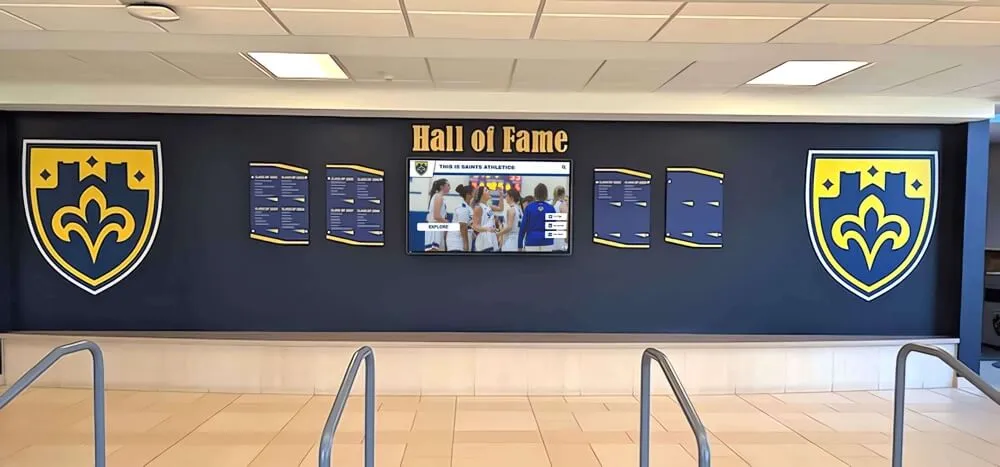
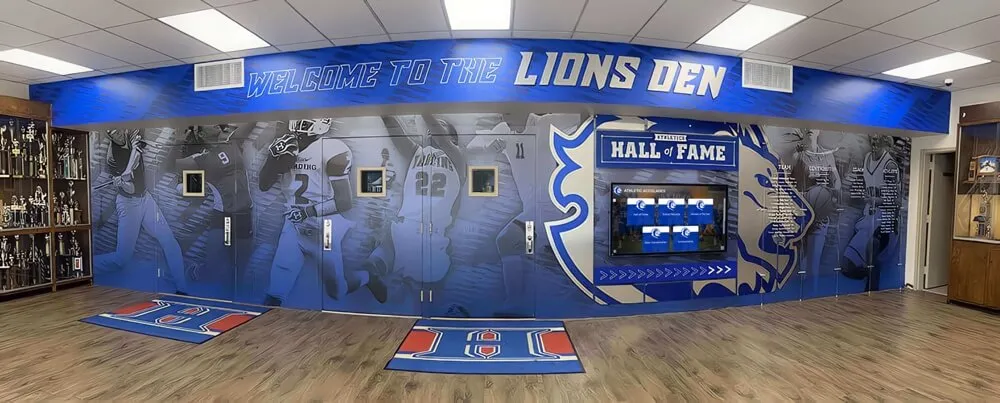
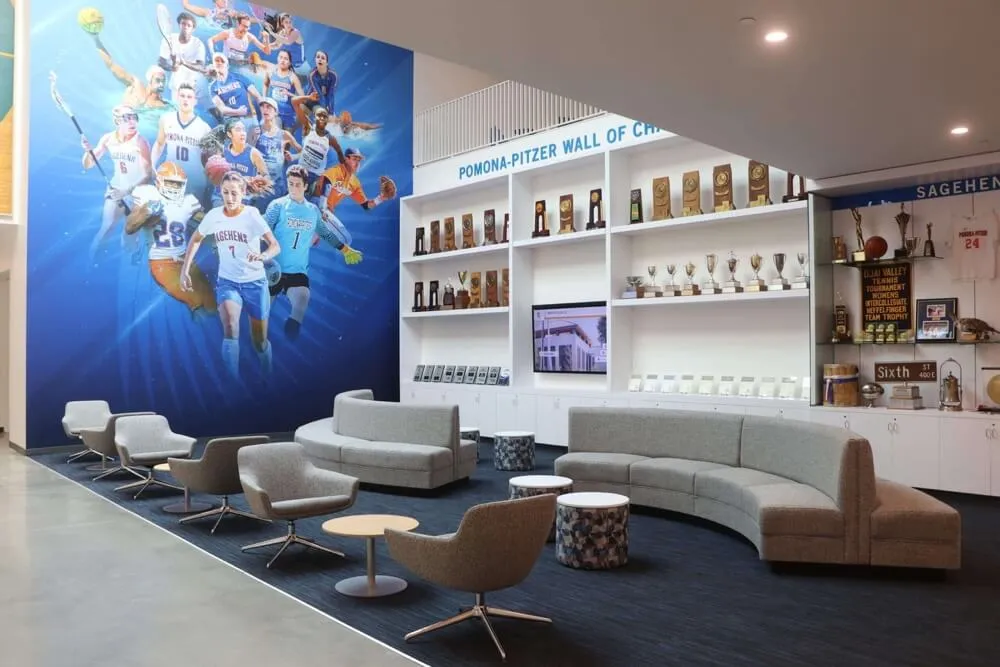
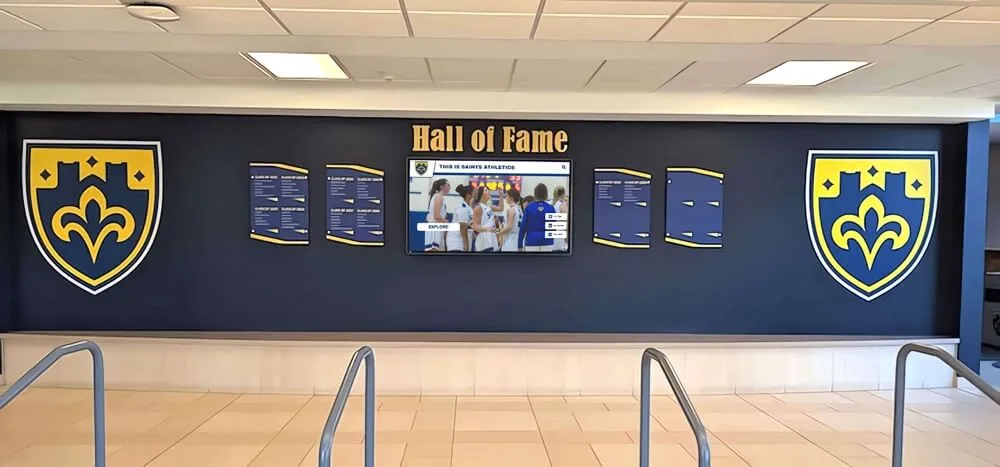
Comprehensive recognition walls integrate traditional shield displays with modern digital screens, honoring lacrosse program history while providing unlimited capacity for ongoing recognition
Senior Recognition and Legacy Awards
Graduating seniors deserve special recognition honoring their complete lacrosse careers and contributions to program legacy.
Senior Career Honors
Senior Tribute
Each graduating senior should receive individual recognition including career highlights and statistics, memorable moments and achievements, personal growth and development throughout their career, contributions to program culture and team success, and acknowledgment of their future plans and next chapter.
Implementation approach: Gather comprehensive information from seniors including favorite lacrosse memories, what the sport taught them, teammates and coaches they want to thank, and future goals. Present detailed tributes rather than just reading names and graduation years. Consider having underclassmen present senior awards, creating emotional connections between classes.
Four-Year Varsity Letter Winner
Players who committed to programs for complete high school or college careers deserve recognition for sustained dedication across multiple years. Four-year letter winners demonstrated loyalty, perseverance, and commitment to program culture.
Implementation approach: Recognize the significance of four-year commitment in an era when athlete transfers are common. Emphasize that four-year players chose to develop within one program, invested in team culture, and earned the right to be called true program members. Present four-year letter winners with special recognition items—perhaps jackets, plaques, or permanent program inclusion.
Program Records
Seniors who hold program records—career goals, assists, points, saves, ground balls, caused turnovers, or face-off wins—deserve specific recognition for their place in program history.
Implementation approach: Maintain detailed record books tracking career and single-season achievements across all statistical categories. When seniors graduate holding records, celebrate these milestones as part of senior recognition. Explain the historical significance—whether they broke long-standing records or established new benchmarks. Consider displaying records prominently in facilities through digital recognition displays that showcase athletic history.
Legacy and Impact Recognition
Captain Legacy Award
Seniors who served as captains warrant special recognition beyond general senior tributes, acknowledging their leadership impact on program culture and player development.
Implementation approach: Have underclassmen share how senior captains positively influenced their development, made them better players, or shaped their lacrosse experience. This testimony from those who benefited from senior leadership makes the recognition deeply meaningful.
Team MVP - Career
For outstanding seniors, special career MVP recognition honors their exceptional overall contribution across multiple years considering athletic performance, leadership, character, and lasting impact on program direction.
Implementation approach: This prestigious award should recognize the senior who most completely embodied program excellence over multiple years. Present career statistics, leadership contributions, character examples, and program impact. Explain that this player set the standard for what the program wants every player to become.
Mr./Ms. Lacrosse Award
The ultimate program recognition, this award identifies the senior who most completely represented everything the program values—skill, character, leadership, dedication, and love of the game.
Implementation approach: This award should be rare and special, reserved for seniors who truly exemplified program ideals across all dimensions. Present this as the highest honor the program can bestow, reserved for players whose impact will be felt for years through the culture they built and example they set.
Creating meaningful senior recognition programs ensures graduating lacrosse players receive appropriate celebration for years of dedication while inspiring younger players who observe the respect seniors receive.
Championship and Team Achievement Recognition
Team success creates opportunities for collective celebration alongside individual recognition.
Championship Recognition
Conference Championship
When teams win conference championships, ensure every roster member receives recognition including players who contributed during regular season preparation even if they didn’t play in championship games.
Implementation approach: Present championship gear, banners, or permanent recognition to every team member. Consider championship rings, patches, or special items that players can treasure. Explain that championships require complete team efforts—practice squad players, injured players working to return, and role players all contributed to championship success.
State/National Championship
State or national titles represent pinnacle achievements deserving premium recognition. These rare accomplishments should receive special treatment that distinguishes them from regular season or conference success.
Implementation approach: Invest in quality championship recognition—rings, banners, plaques, or permanent facility recognition. Create championship documentation through team photos, video highlights, and permanent displays. Consider inducting championship teams into program halls of fame, ensuring future generations understand the significance of championship seasons.
Tournament MVP
Many tournaments present MVP awards to outstanding individual performers. When players receive tournament MVP recognition from external organizations, program recognition during season-end awards acknowledges these accomplishments.
Implementation approach: Collect all external recognition throughout the season—tournament MVPs, all-tournament selections, player of the game awards. Present these during season-end ceremonies, explaining that external organizations recognized your player’s excellence.
Statistical and All-Conference Recognition
All-Conference Selections
Players selected for all-conference teams earned recognition from coaches throughout the conference who observed their performance. Program recognition of all-conference honors celebrates these achievements.
Implementation approach: Present all-conference certificates during awards ceremonies, framing these as peer recognition from conference coaches who compete against your program. For programs with multiple all-conference selections, celebrate the depth of talent conference coaches recognized.
All-State/All-Region Honors
Higher-level recognition from state or regional organizations represents elite achievement among much larger pools of players. These honors deserve special acknowledgment.
Implementation approach: Present all-state or all-region honors prominently during awards ceremonies. Contextualize the achievement—explain how many players competed for these honors and what selection means. Consider permanent program recognition for all-state players through comprehensive athletic displays.
Academic All-Conference
Student-athletes who excel academically while meeting demanding athletic commitments deserve recognition. Academic all-conference honors celebrate the complete student-athlete who succeeds in classroom and competition.
Implementation approach: Give academic recognition equal prominence with athletic honors. Present academic all-conference selections during awards ceremonies, emphasizing that excelling in both areas requires exceptional time management, discipline, and priorities. Partner with academic advisors to identify students who maintained high standards while contributing athletically.

Interactive touchscreen displays enable detailed exploration of individual lacrosse achievements, career statistics, and personal stories
Implementing Your Lacrosse Awards Program
Understanding how to effectively implement recognition ensures awards achieve their intended purpose of motivating players and building program culture.
Planning Your Awards Ceremony
Timing Considerations
Schedule awards ceremonies at natural season endpoints—shortly after final games for spring lacrosse programs, allowing emotions and memories to remain fresh. Consider hosting ceremonies during end-of-season banquets allowing families to attend and providing appropriate celebratory atmosphere.
For programs with multiple teams (varsity, junior varsity, freshman), decide whether to hold unified ceremonies recognizing all teams together or separate events based on schedule alignment and team dynamics. Unified ceremonies can strengthen program culture by having younger players observe senior recognition they’ll eventually receive.
Ceremony Format and Flow
Structure ceremonies to maintain engagement while honoring all deserving players including opening remarks from head coach reviewing the season, team awards and collective recognitions (championships, significant wins), position-specific awards progressing through attackmen, midfielders, defensemen, goalies, individual performance awards based on statistics, character and leadership awards building toward most meaningful honors, senior recognition and career tributes, and closing remarks from captains or head coach celebrating the season and looking toward future.
Balance ceremony length appropriately—60-90 minutes typically works well for high school and college programs, allowing sufficient time for meaningful recognition without testing audience patience. Youth programs might aim for 45-60 minutes with more fun awards and less formal structure.
Making Awards Meaningful
Generic recognition undermines award value. For each award, provide specific explanation of why the recipient earned recognition including concrete statistics or examples of what they accomplished, particular game moments demonstrating the qualities being honored, specific ways their contributions impacted team success, and genuine appreciation for what their dedication meant to the program. This specificity transforms awards from name-reading exercises into meaningful celebrations.
Budget-Friendly Award Ideas
Recognition doesn’t require expensive trophies when thoughtful alternatives create equal or greater meaning.
Under $10 Per Award
Printed certificates with personalized achievement descriptions, custom ribbons or medals designating award categories, printed action photos in simple frames with award descriptions, team apparel items (t-shirts, practice jerseys) with award designation added, and custom achievement cards with personal messages from coaches.
$10-$30 Per Award
Small trophies or plaques with engraved names and awards, custom medals with player names and achievements, lacrosse equipment items (balls, shooting targets) with award recognition, team gear upgrades (warm-ups, bags) with award recognition, and contribution to team scholarship or equipment fund in honoree’s name.
Premium Recognition Options
Professional photo collages documenting player’s lacrosse career, custom jersey displays with achievement descriptions, video tributes compiled specifically for recipients, permanent inclusion in facility displays or digital recognition systems, and championship rings or high-quality commemorative items for major achievements.
Establishing Selection Criteria and Processes
Transparent selection processes prevent perceptions of favoritism while ensuring fair recognition.
Objective Awards
For awards with measurable criteria (leading scorer, face-off win percentage, ground ball leader, attendance), establish clear standards at season beginning and track data systematically. These objective awards should be straightforward and uncontroversial since statistics determine winners.
Subjective Awards
Awards based on coach evaluation, peer voting, or qualitative assessment require clear communication about selection processes including who makes decisions (coaching staff, anonymous peer voting, combination approaches), what criteria guide selection (specific qualities valued, examples of behaviors recognized), and how final determinations occur (unanimous decision, majority vote, head coach discretion).
For peer-voted awards like Best Teammate, use anonymous ballots and simple voting instructions. For coach-selected awards, consider input from all coaching staff rather than just head coach decisions to incorporate diverse perspectives. Document selection rationales so you can explain decisions if questioned.
Preventing Award Inflation
Resist pressure to create awards ensuring every player receives major recognition. While fun and participation awards can include all team members, major honors should recognize genuine excellence or exceptional contributions. Inflating awards until everyone wins everything ultimately diminishes recognition meaning for players who truly excelled. Maintain recognition integrity by reserving major awards for players who earned them through demonstrated excellence.
Understanding comprehensive recognition program development helps programs create systems balancing inclusive participation recognition with maintenance of meaningful standards for major honors.
Modern Recognition Solutions: Digital Displays and Permanent Systems
While traditional awards ceremonies and physical trophies remain important, modern digital recognition systems extend impact far beyond single events while solving common lacrosse recognition challenges.
The Case for Digital Lacrosse Recognition
Traditional recognition approaches face inherent limitations that digital solutions address effectively:
Space Constraints
Physical trophy cases and wall displays have finite capacity, often filling quickly and requiring difficult decisions about what recognition to preserve versus remove. Lacrosse programs—particularly newer programs or those with multiple teams—may not receive equal space allocation compared to established sports despite comparable achievements.
Digital recognition systems provide unlimited capacity, allowing programs to honor every player comprehensively without space restrictions that force removal of historical recognition when adding current achievements. As lacrosse programs grow, digital systems scale effortlessly without requiring additional physical space.
Limited Context and Storytelling
Names on plaques or trophies in cases provide minimal information about what players achieved. Viewers see recognition exists but rarely understand specific accomplishments, the player’s journey, or what made achievements special. Traditional displays can’t capture the dynamic, fast-paced nature of lacrosse or explain the technical skills that distinguish excellent players.
Digital platforms enable rich multimedia storytelling including detailed achievement descriptions and career statistics, position-specific accomplishments and technical skills, photo galleries documenting the player’s career progression, video highlights of memorable plays and goals, and personal statements from players about what lacrosse meant to them. This comprehensive presentation helps viewers appreciate the dedication and skill lacrosse excellence requires.
Accessibility and Engagement
Traditional recognition reaches only people physically present in facilities during limited visiting hours. Families, alumni, and community members who cannot visit campus miss opportunities to engage with achievement celebration. This particularly challenges lacrosse programs serving geographically dispersed communities or those wanting to share accomplishments with extended family and college recruiters.
Modern systems offer remote accessibility allowing web-based exploration of recognition content, enabling players to share their digital profiles with extended family, college recruiters, or future employers, providing program marketing content demonstrating commitment to player recognition, and supporting alumni engagement for former players who want to reconnect with program history.
Maintenance and Updates
Physical displays require ongoing maintenance, eventual replacement, and challenging updates when adding new recognition or correcting errors. Trophy cases fill with dust, plaques fade, and updating displays requires physical labor. This maintenance burden often results in outdated displays that undermine recognition effectiveness.
Digital systems enable instant content updates through cloud-based management platforms, allow corrections immediately when errors are discovered, support continuous improvement of recognition content over time as more photos or information become available, and eliminate ongoing physical maintenance requirements beyond basic display hardware care.
Implementing Digital Recognition for Lacrosse Programs
Organizations like Rocket Alumni Solutions specialize in digital recognition displays designed specifically for schools and athletic programs. These systems provide:
Professional Hardware Installation
Commercial-grade touchscreen displays installed strategically in locations with high visibility including main school lobbies, athletic facility entrances, fieldhouse areas, hallways connecting to locker rooms, or dedicated athletic recognition areas. Professional installation ensures displays integrate aesthetically with existing facilities while functioning reliably through years of use.
Intuitive Content Management
Cloud-based administration platforms allowing coaches or athletic staff to manage recognition content without technical expertise including adding new player profiles after awards ceremonies, uploading photos and achievement information, updating player statistics and accomplishments, organizing content by season, team, or award category, and creating featured content highlighting recent achievements or historical milestones.
Engaging User Experience
Interactive interfaces enabling community members to explore lacrosse recognition through multiple navigation paths including searching by player name, browsing by season or year, filtering by position or award category, discovering featured players or recent additions, and viewing team history, championships, and program milestones. Intuitive navigation ensures users of all ages can explore recognition easily.
Comprehensive Content Integration
Support for diverse content types bringing lacrosse recognition to life including professional team photos and action shots, achievement descriptions and career statistics, video highlights from games and memorable plays, personal statements from players about their experience, coach testimonials and recognition messages, and connections to related content like team histories or championship documentation.
Permanent Recognition Archive
Creation of institutional memory preserving complete program history including all award recipients across years and categories, senior class recognition extending indefinitely back through program history, championship and tournament achievement documentation, program records and milestone accomplishments, and program evolution and cultural history showing how lacrosse developed at your institution.
Schools implementing digital recognition report significant benefits including enhanced player motivation seeing permanent recognition value, improved recruitment as prospective families observe commitment to recognition, stronger alumni engagement with accessible program history, elevated program status within schools through professional recognition presentation, and reduced ongoing costs compared to purchasing annual trophies while providing superior recognition capabilities.
Programs exploring end-of-season athletic recognition approaches benefit from understanding how successful programs balance traditional ceremonies with modern permanent recognition systems.
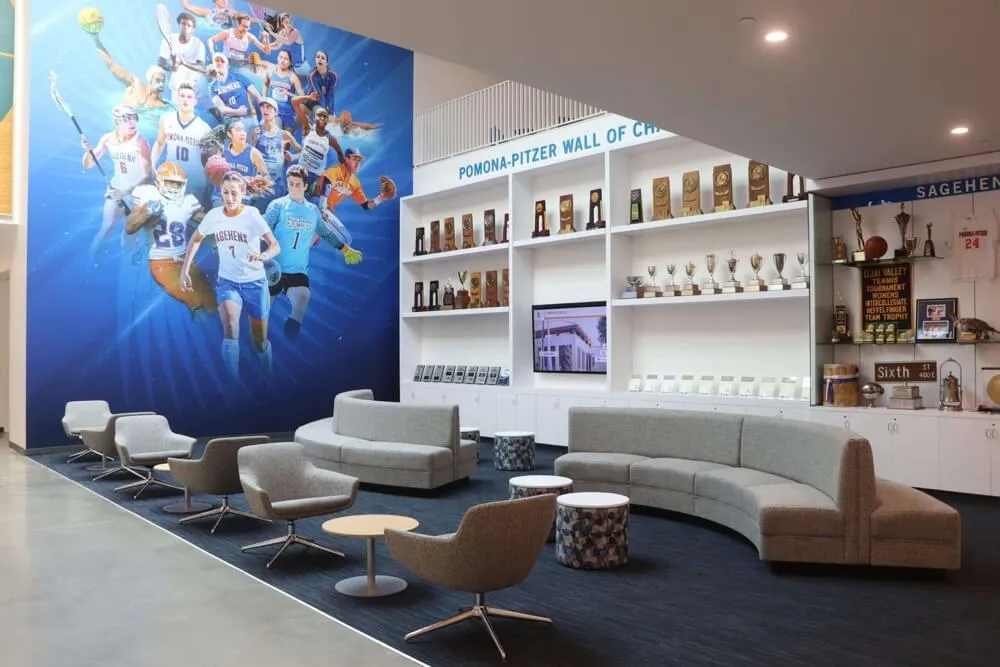
Athletic facilities incorporating both traditional trophy displays and modern digital recognition create comprehensive celebration of all sports including lacrosse
Common Lacrosse Recognition Challenges and Solutions
Implementing effective recognition often surfaces challenges requiring thoughtful solutions.
Challenge: Limited Recognition Compared to Traditional Sports
Many lacrosse programs—particularly newer ones—receive less recognition support, smaller trophy case space allocation, or minimal acknowledgment compared to traditional sports like football and basketball despite comparable participation and achievement levels.
Solution: Document program metrics demonstrating lacrosse’s significance including participation numbers and growth trends, competitive achievements and win records, college commitments and recruiting success, and community engagement and attendance. Present data to athletic administrators showing lacrosse deserves recognition resources parallel to established sports. Digital recognition solutions offering unlimited capacity eliminate space allocation debates by accommodating all sports comprehensively without requiring space reallocation that pits programs against each other.
Challenge: Balancing Offense and Defense Recognition
Lacrosse statistics naturally favor offensive players whose goals and assists appear prominently in box scores while defensive excellence often goes unmeasured except through subjective evaluation.
Solution: Create position-specific awards ensuring defenders, goalies, and defensive specialists receive recognition opportunities equal to offensive stars. Track defensive statistics—caused turnovers, ground balls, clears, man-down stops—that quantify defensive impact. Establish that program culture values defense equally with offense, reflected through balanced award structures. Consider offensive and defensive player of the year awards given equal ceremony prominence.
Challenge: Recognizing Face-Off and Specialty Contributions
Face-off specialists and long-stick midfielders occupy crucial positions that may go underappreciated despite enormous impact on game outcomes.
Solution: Create specialty awards specifically recognizing face-off excellence and LSM contributions. Explain to teams and families how face-offs determine possession and subsequently scoring opportunities—winning 60% of face-offs typically correlates strongly with winning games. Track face-off statistics prominently and present face-off specialist recognition with appropriate gravitas reflecting positional importance. Similarly, recognize LSMs for defensive excellence and transition contributions that may not appear in traditional statistics.
Challenge: Youth Program Age-Appropriate Recognition
Recognition approaches appropriate for high school or college programs may not suit youth players who need different award structures emphasizing development over competition.
Solution: For youth programs (ages 8-12), emphasize participation, improvement, fun awards, and character recognition over competitive achievement. Create award categories ensuring every young player receives meaningful recognition. Focus on skill development—most improved stick skills, best hustle, leadership—rather than purely statistical achievements. For middle school players (ages 12-14), gradually introduce achievement-based awards alongside continued emphasis on character and improvement. Design age-appropriate award structures that celebrate young players appropriately for their developmental stage.
Challenge: Managing Parent Expectations
Parents sometimes have strong expectations about recognition their children should receive, creating uncomfortable situations when expectations aren’t met.
Solution: Communicate award criteria and selection processes clearly at season beginning through parent meetings, team communications, or program handbooks. Establish transparency about how winners are determined for all award categories. Make objective awards truly objective based on measurable criteria everyone can verify. For subjective awards, explain that coaching staff assessment or peer voting determines recipients, and that many factors influence selection beyond just statistics or playing time. Remember that awards should recognize genuine achievement—maintaining recognition integrity matters more than managing disappointment.
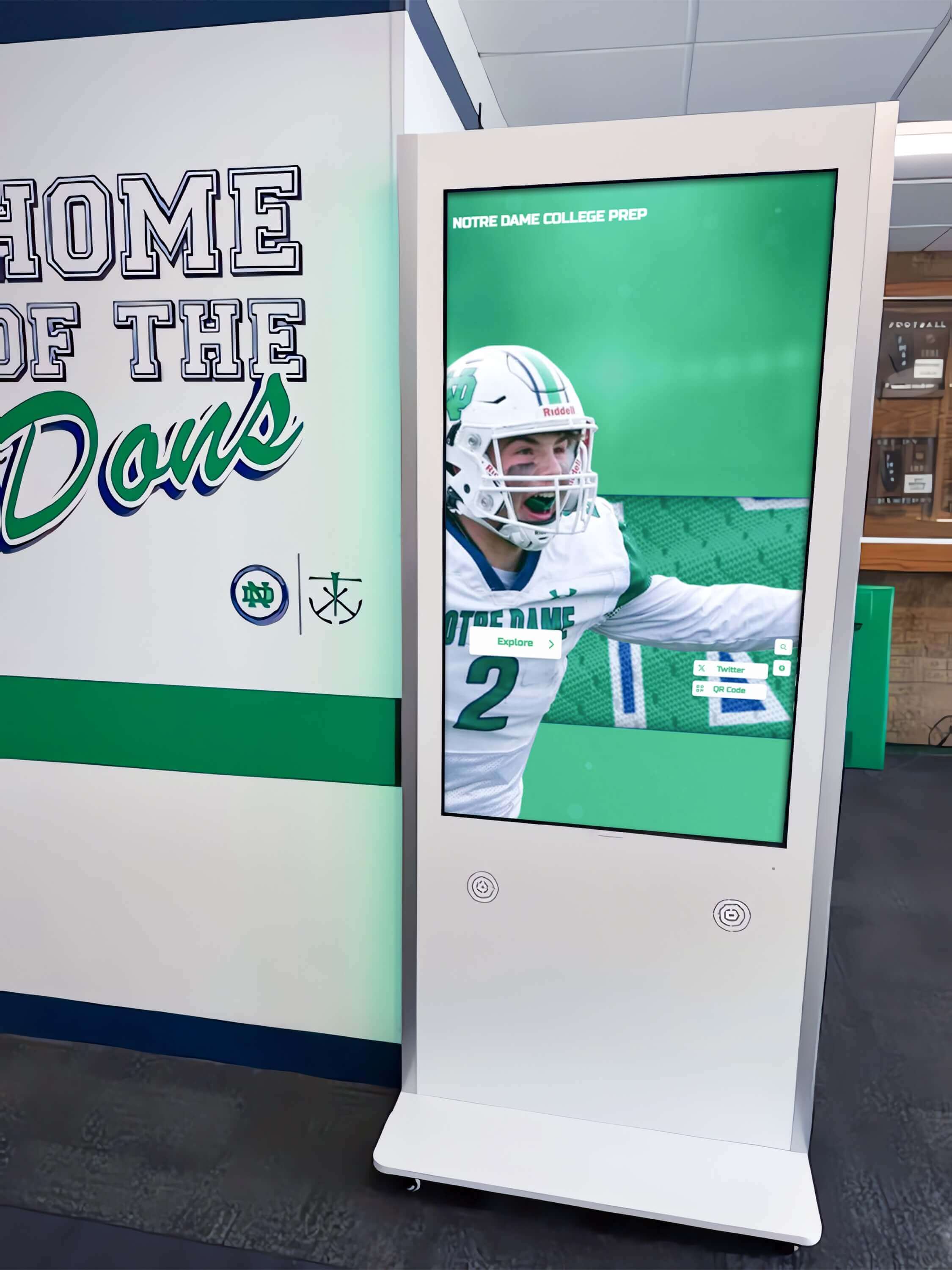
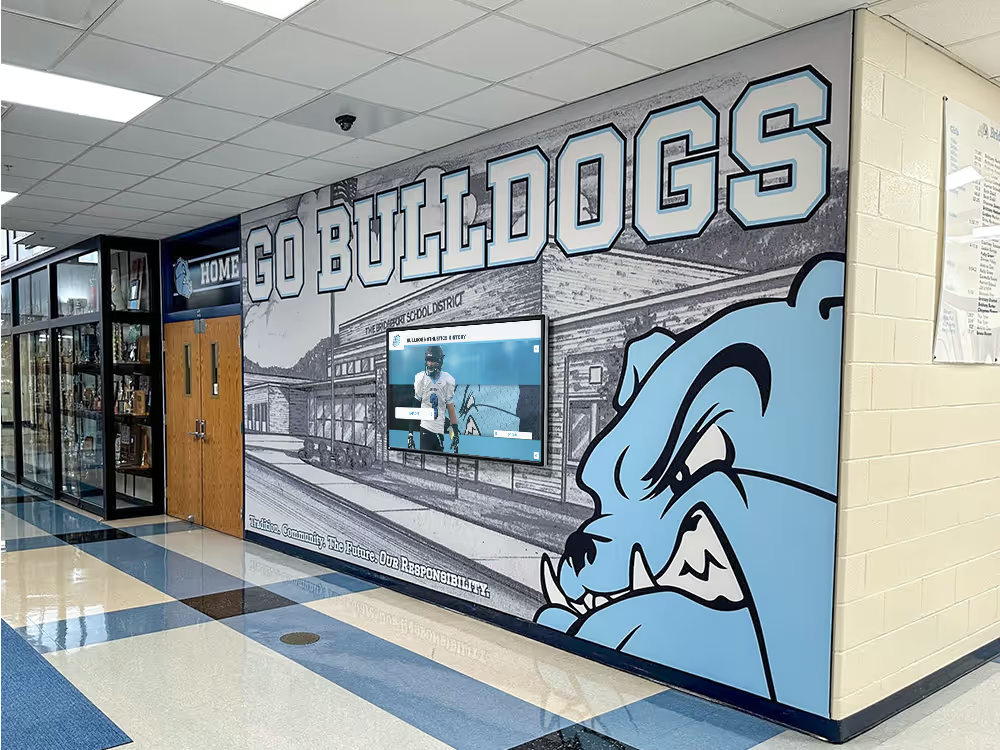
Strategic hallway placement of recognition displays ensures high visibility for lacrosse achievements alongside recognition for other athletic programs
Taking Action: Implementing Enhanced Lacrosse Recognition
Ready to elevate recognition for your lacrosse program? Follow these implementation steps:
Immediate Actions
Audit Current Recognition
Document your existing awards including what categories you currently offer, how selection processes work, what recognition formats you use (ceremonies, displays, publications), and what recognition gaps exist where player contributions aren’t adequately acknowledged.
Solicit feedback from current players, recent alumni, and parents about what recognition approaches work well and what improvements would be meaningful. Anonymous surveys can provide honest assessment of program recognition effectiveness.
Define Recognition Philosophy
Clarify what your program values and how recognition should reflect those values. Determine priorities including balance between achievement and character recognition, emphasis on individual vs. team accomplishment, integration of academic recognition, how recognition should reflect positional diversity, and how recognition supports program culture goals.
This philosophical foundation guides specific award selection and implementation decisions, ensuring consistency between stated values and recognition practices.
Expand Award Categories
Based on your audit and philosophical framework, identify new award categories addressing recognition gaps. Consider position-specific awards ensuring all roles receive recognition opportunities, character awards reinforcing program values, specialty recognition for face-offs, LSMs, clearing, and other crucial skills, and fun awards ensuring every player receives acknowledgment.
Start with manageable additions rather than completely overhauling recognition systems. Adding 5-8 new award categories typically provides meaningful enhancement without overwhelming planning capacity.
Near-Term Planning
Enhance Award Presentation
Improve how you present existing awards by developing specific citations explaining why recipients earned recognition, creating visual presentations (slideshows, videos) supporting award announcements, improving ceremony format and flow for better engagement, and documenting awards through photography and video for posterity and promotion.
Quality presentation elevates recognition impact. Invest time preparing detailed presentations for each award rather than simply reading names and moving on. Share statistics, show video clips, tell stories that make recognition meaningful.
Establish Selection Processes
For new and existing awards, document clear selection criteria, determine who makes selection decisions for each award category, create transparent processes teams and families understand, and establish timelines ensuring adequate planning time for recognition development.
Written selection criteria and processes protect against favoritism accusations while ensuring fair, consistent recognition year after year even as coaching staff changes.
Improve Permanent Recognition
Evaluate how your program preserves and displays recognition over time. Consider whether trophy cases adequately accommodate lacrosse recognition alongside other sports, how program history is documented and accessible to community members, whether recognition effectively communicates program excellence to visitors and prospective families, and whether players and alumni can access recognition information about their careers.
Permanent recognition extends awards ceremony impact throughout the year and across years, reinforcing that achievement receives lasting acknowledgment.
Long-Term Recognition Strategy
Digital Recognition Implementation
Explore digital recognition platforms designed specifically for athletic programs. Solutions like Rocket Alumni Solutions provide turnkey systems including professional display hardware installation in prominent facility locations, cloud-based content management platforms requiring no technical expertise, interactive touchscreen experiences for community exploration, multimedia content support for photos, videos, and detailed player profiles, and ongoing technical support and content assistance.
These comprehensive systems transform one-time awards into permanent recognition accessible to your entire community while solving space limitations of physical displays. Initial technology investment eliminates ongoing trophy expenses while providing superior recognition capabilities, typically achieving cost parity within 3-5 years while delivering significantly enhanced recognition value.
Build Recognition Traditions
Develop distinctive traditions around major awards creating program identity and building anticipation. These might include special presentation rituals for MVP or senior awards, involvement of alumni or distinguished program figures in presenting certain awards, unique award names reflecting program history or legendary players, or connection to ongoing recognition through digital platforms or permanent displays.
Recognition traditions become part of program culture that players aspire to join, creating continuity across generations of players.
Integrate with Alumni Engagement
Use recognition as foundation for lifelong program engagement including alumni networks connecting current and former players, mentorship programs pairing alumni with current players, reunion events bringing past teams back together around milestone anniversaries, and digital platforms enabling alumni to remain connected to program recognition and share their experiences.
Comprehensive school athletic recognition programs demonstrate how integrated systems elevate all sports including lacrosse while creating manageable recognition infrastructure serving entire athletic departments.
Conclusion: Building Recognition Culture That Honors Lacrosse Excellence
Lacrosse demands exceptional athletic ability, technical mastery, strategic intelligence, physical toughness, and genuine team commitment that few other sports require. Your players master complex stick skills while executing coordinated strategies through exhausting games. They represent your program with pride while balancing academic responsibilities and personal development. They deserve recognition systems that honor the complete spectrum of their contributions rather than superficial acknowledgment that reduces their achievements to basic statistics or afterthoughts in athletic recognition dominated by traditional sports.
By implementing comprehensive lacrosse awards programs celebrating offensive excellence, defensive prowess, specialty contributions, leadership, character, and commitment, you create recognition culture that validates lacrosse as the demanding sport it is while motivating continued excellence. The award categories and implementation strategies presented in this guide provide frameworks for honoring every dimension of lacrosse achievement while remaining manageable for busy program administrators.
The most successful lacrosse recognition programs combine meaningful annual award ceremonies with permanent recognition systems extending impact far beyond single events. Modern digital recognition solutions enable programs to preserve complete player histories, showcase achievements to entire communities year-round, and create institutional memory documenting program excellence across generations. As lacrosse continues its remarkable growth as one of America’s fastest-expanding sports, professional recognition systems help programs establish credibility and permanence equal to long-established athletic programs.
Whether you currently offer minimal recognition or maintain established awards programs ready for enhancement, the strategies in this guide help ensure every player receives acknowledgment they deserve for athletic dedication, leadership contributions, and commitment that define your program culture.
Your lacrosse players’ achievements represent countless hours of wall ball practice, significant physical and mental challenges overcome, and genuine commitment to representing your program with excellence. They deserve recognition that honors these commitments meaningfully while inspiring future players who aspire to similar achievement. In a sport growing as rapidly as lacrosse, programs that invest in comprehensive recognition differentiate themselves as organizations that value players completely—not just while they compete, but permanently through recognition that follows them beyond their playing careers.
Ready to create comprehensive recognition for your lacrosse program? Explore how Rocket Alumni Solutions can help you implement professional digital recognition systems that transform traditional awards into permanent celebration accessible to your entire community while providing unlimited capacity for honoring every player’s unique contributions and achievements throughout their lacrosse careers.