When budgets tighten and schools need creative ways to fund field trips, classroom supplies, new equipment, or special programs, many administrators and parent groups search for fundraising ideas that actually work without overwhelming volunteers or alienating families. Amid flashy online campaigns and complex product sales, one of the simplest, most effective approaches remains surprisingly relevant: the classic lemonade stand fundraiser.
Far from being just a nostalgic childhood activity, well-organized lemonade stand fundraisers continue generating meaningful revenue for schools while providing valuable learning experiences for students, strengthening community connections, and creating opportunities for recognizing the volunteers and supporters who make these events successful.
Lemonade stand fundraisers work because they combine low startup costs, minimal complexity, high profit margins, authentic student engagement, and broad community appeal—all elements that matter when volunteer time is limited and families are fatigued by constant fundraising requests. This comprehensive guide explores proven strategies for transforming this classic concept into effective modern school fundraising that builds community while funding important programs.
The most successful school lemonade stand fundraisers go beyond simply setting up a table and hoping for sales. They incorporate strategic planning around location and timing, systematic approaches to supplies and pricing, student leadership opportunities that create authentic engagement, comprehensive volunteer coordination, and thoughtful recognition systems that honor everyone who contributes to fundraising success.

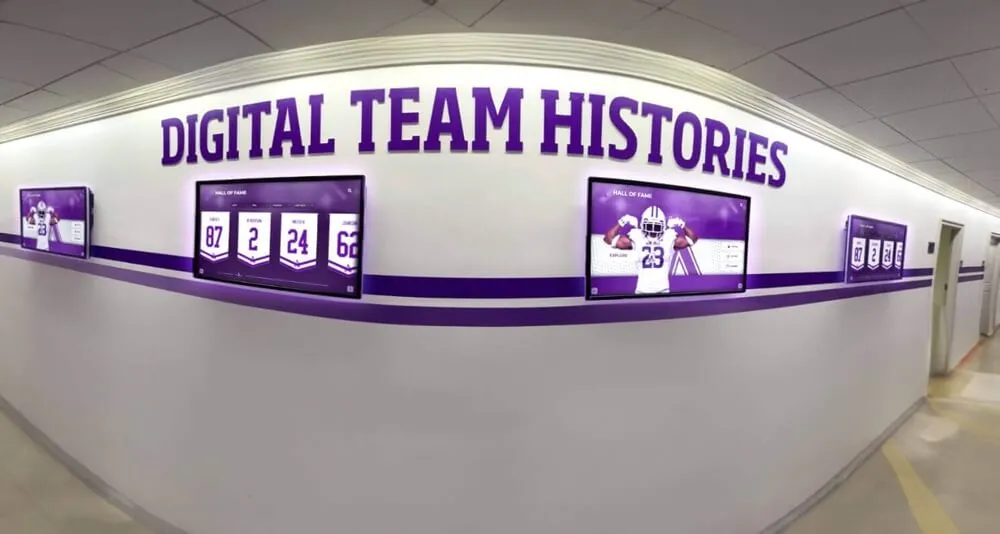
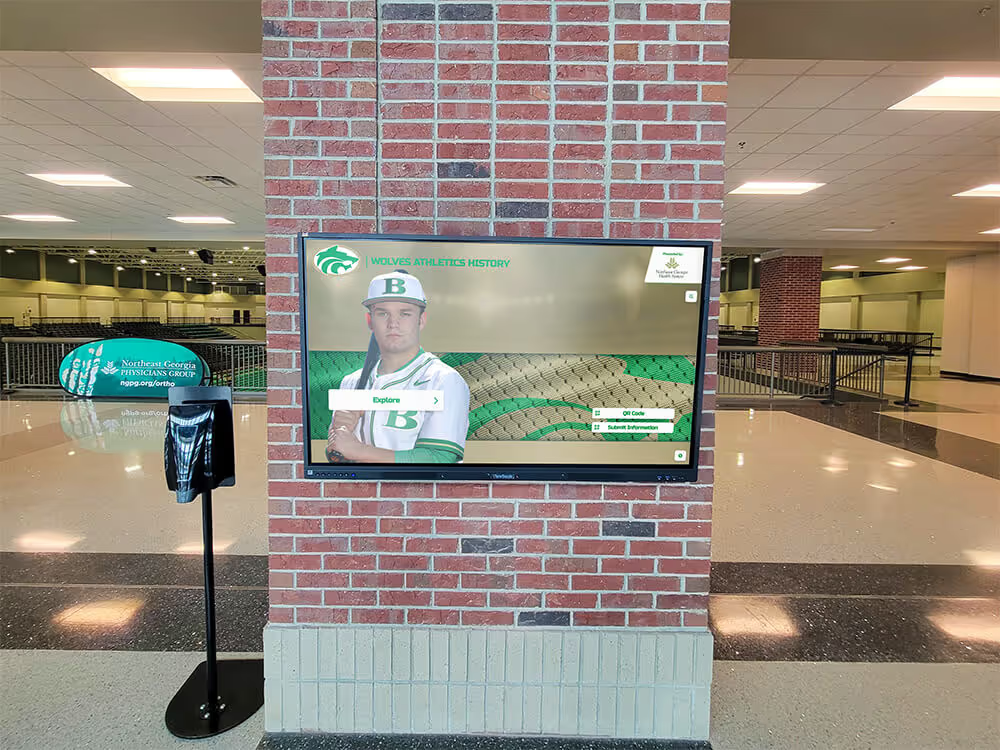
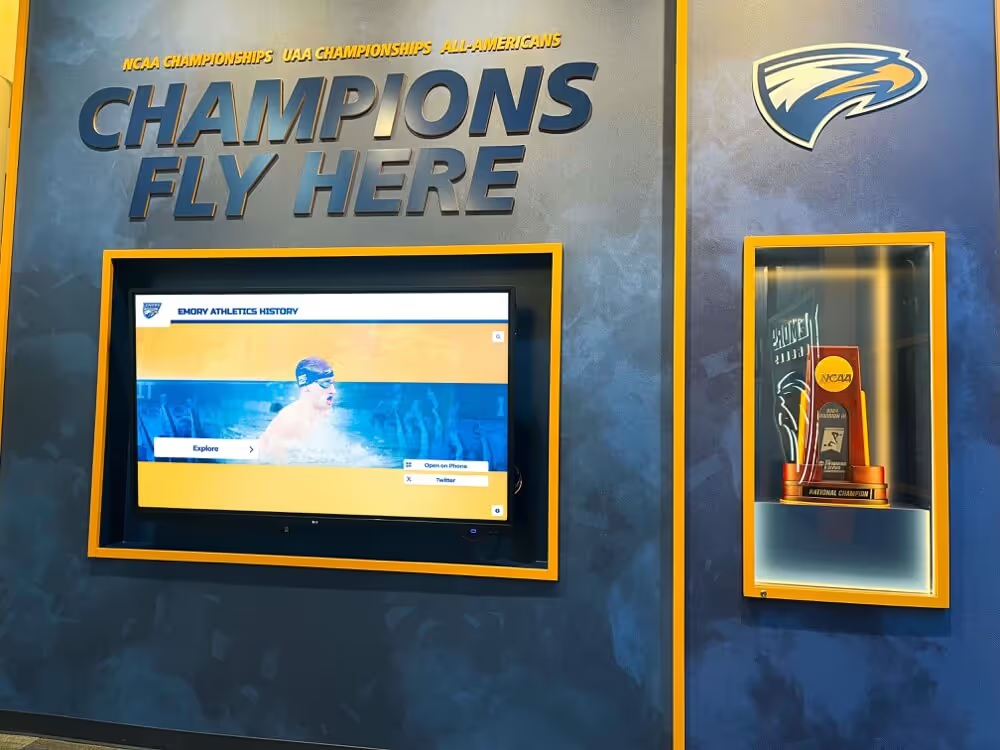
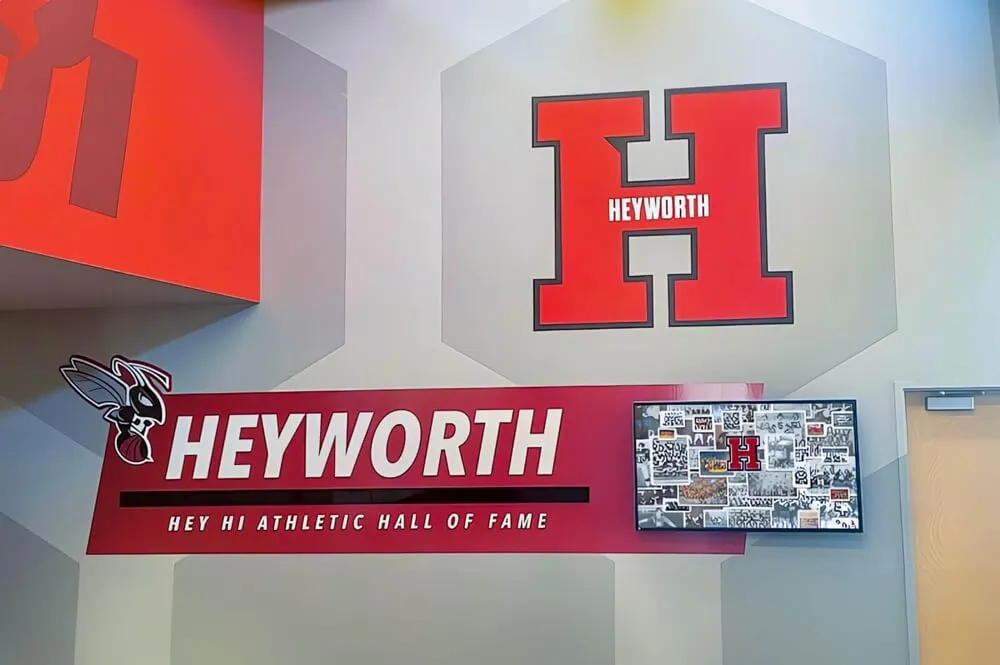
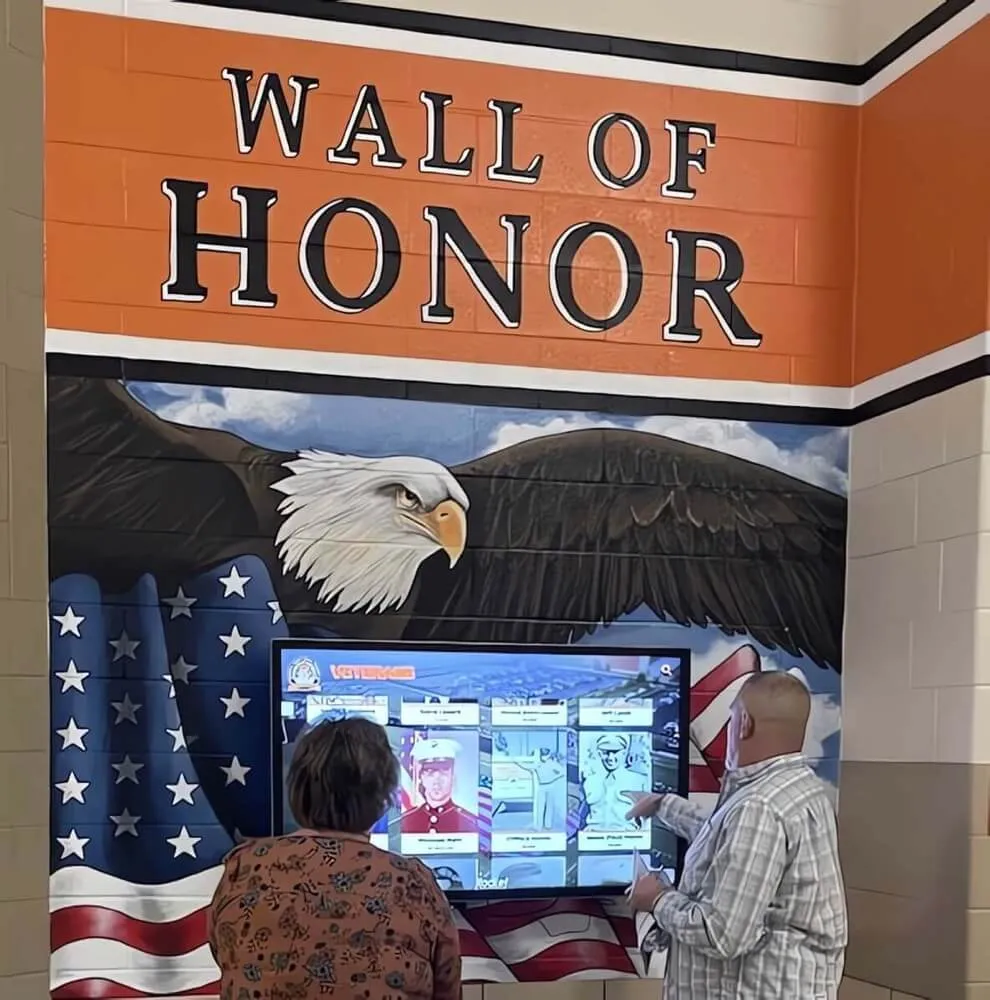
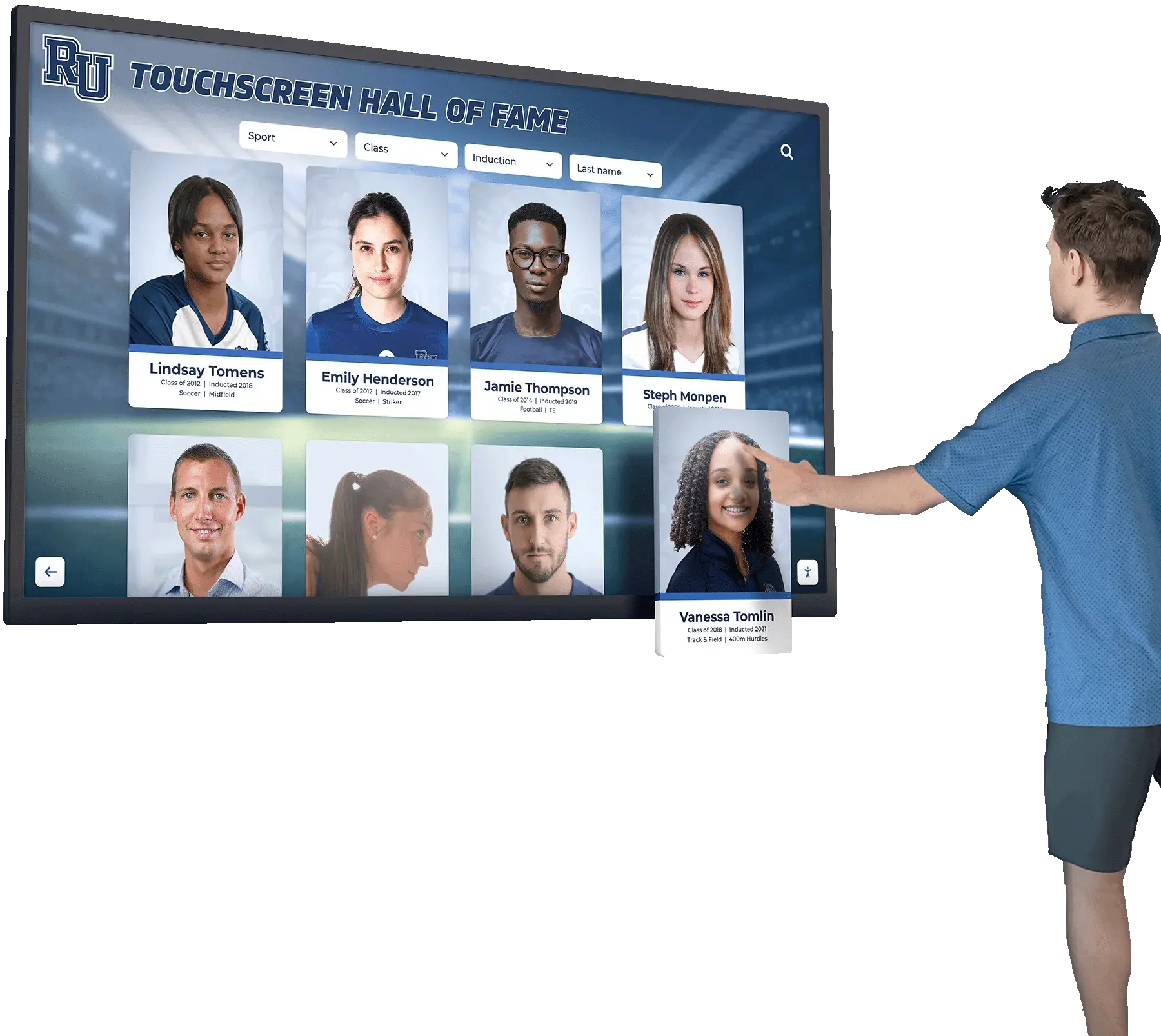
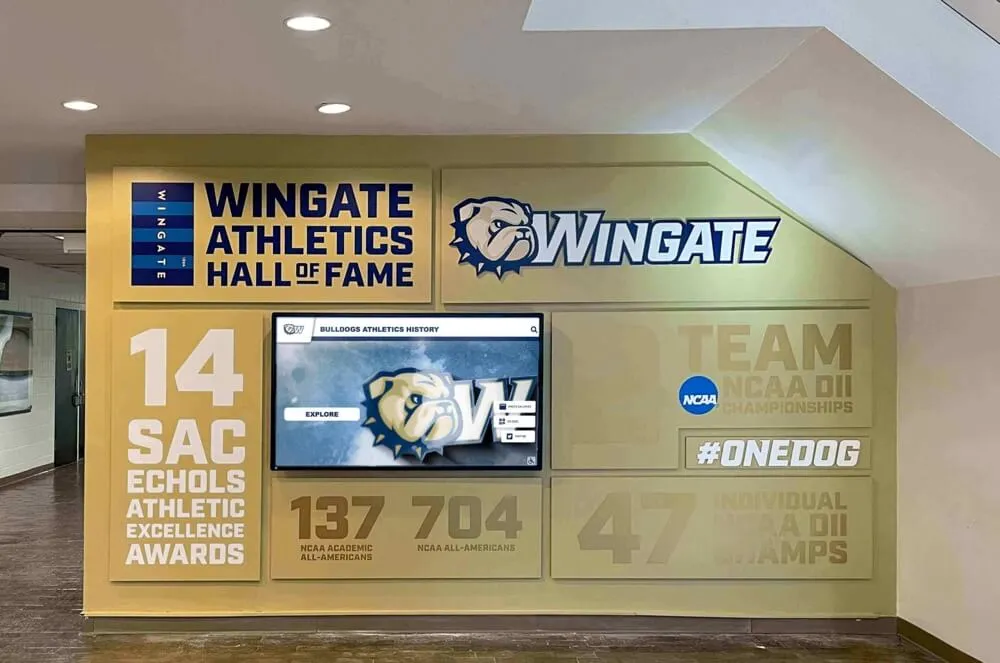
Successful fundraisers create opportunities to recognize students, volunteers, and community supporters who make programs possible
Why Lemonade Stand Fundraisers Still Work in Modern Schools
Understanding what makes this classic approach effective helps schools maximize results while avoiding common pitfalls that limit fundraising success.
The Fundamental Appeal of Lemonade Stands
Lemonade stands possess unique characteristics that overcome challenges plaguing many modern fundraising approaches:
Low Barrier to Entry
Unlike complex fundraising programs requiring significant upfront investment, expensive inventory, or sophisticated technology, lemonade stands require minimal startup capital. Basic supplies including lemons, sugar, water, cups, and ice typically cost $50-$150 depending on expected volume. Simple tables, chairs, and signage often already exist within schools or families can easily provide. No special equipment, training, or expertise is required to execute effectively. Schools can start small, test the concept, and scale based on results without major financial risk.
This accessibility means even resource-constrained schools can implement lemonade stand fundraisers successfully, making it particularly valuable for elementary schools, small communities, or programs just beginning to build fundraising capacity.
High Profit Margins
The economics of lemonade stands create favorable fundraising mathematics compared to many alternatives:
When properly managed, lemonade typically costs $0.15-$0.30 per cup to produce (including lemons, sugar, water, cups, and ice), while reasonable pricing of $1-$3 per cup generates 70-85% profit margins significantly exceeding most product-based fundraisers. Unlike catalogue sales requiring 40-60% of revenue to cover product costs and company fees, nearly all lemonade stand revenue flows directly to school programs. No minimum purchase requirements, delivery complications, or unsold inventory create financial risk or administrative burden.
A well-located lemonade stand operating for 3-4 hours can realistically generate $300-$800 in gross revenue, with $225-$650 going directly to fund school needs—making this a remarkably efficient use of volunteer time and effort.
Authentic Student Engagement and Learning
Unlike many fundraisers where students simply distribute order forms, lemonade stands create genuine learning experiences through hands-on participation:
Students practice essential life skills including money handling and basic mathematics, customer service and communication, teamwork and responsibility, and entrepreneurship fundamentals. Elementary students experience real-world application of classroom math concepts through making change and tracking sales. Middle school students can lead planning, marketing, and operational execution with teacher guidance.
Schools report that students remember and discuss lemonade stand experiences long after the event, making this fundraiser valuable beyond just the money raised. The experiential learning creates connection to school programs that passive fundraising approaches cannot replicate.
Discover how schools create engaging student council activities that build leadership skills while supporting school initiatives.
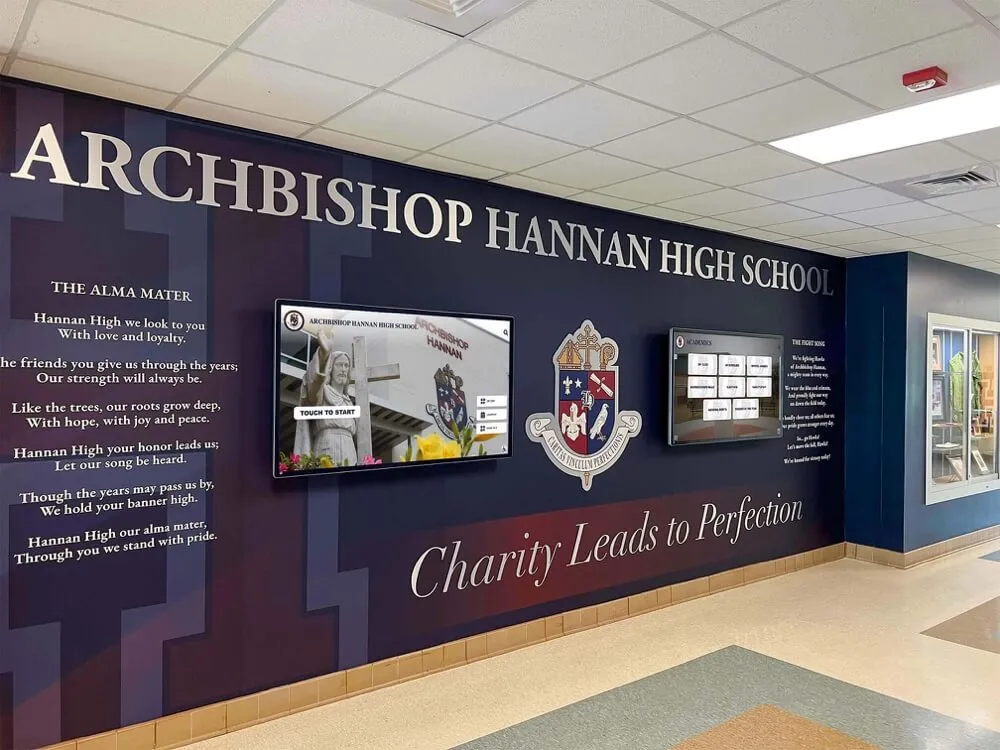
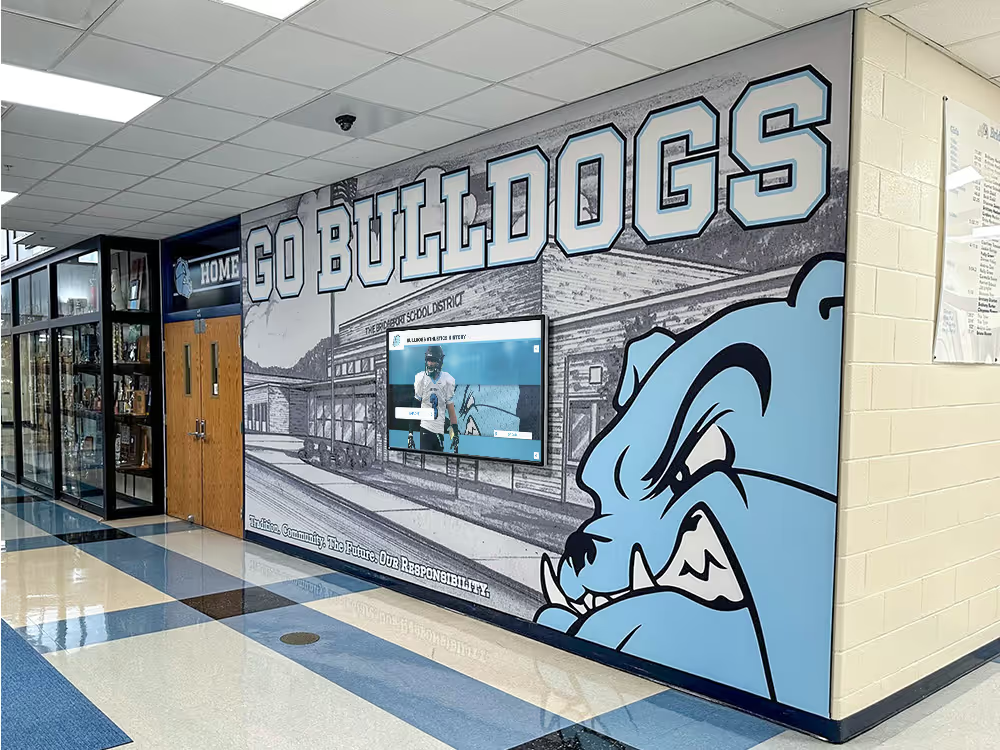
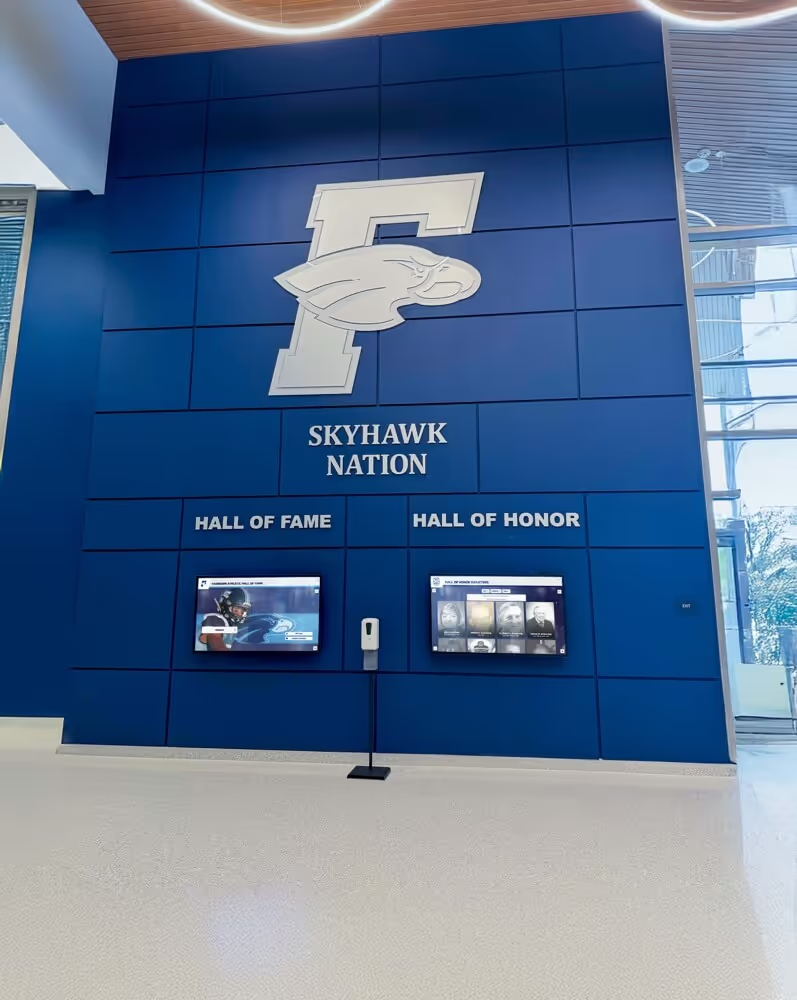
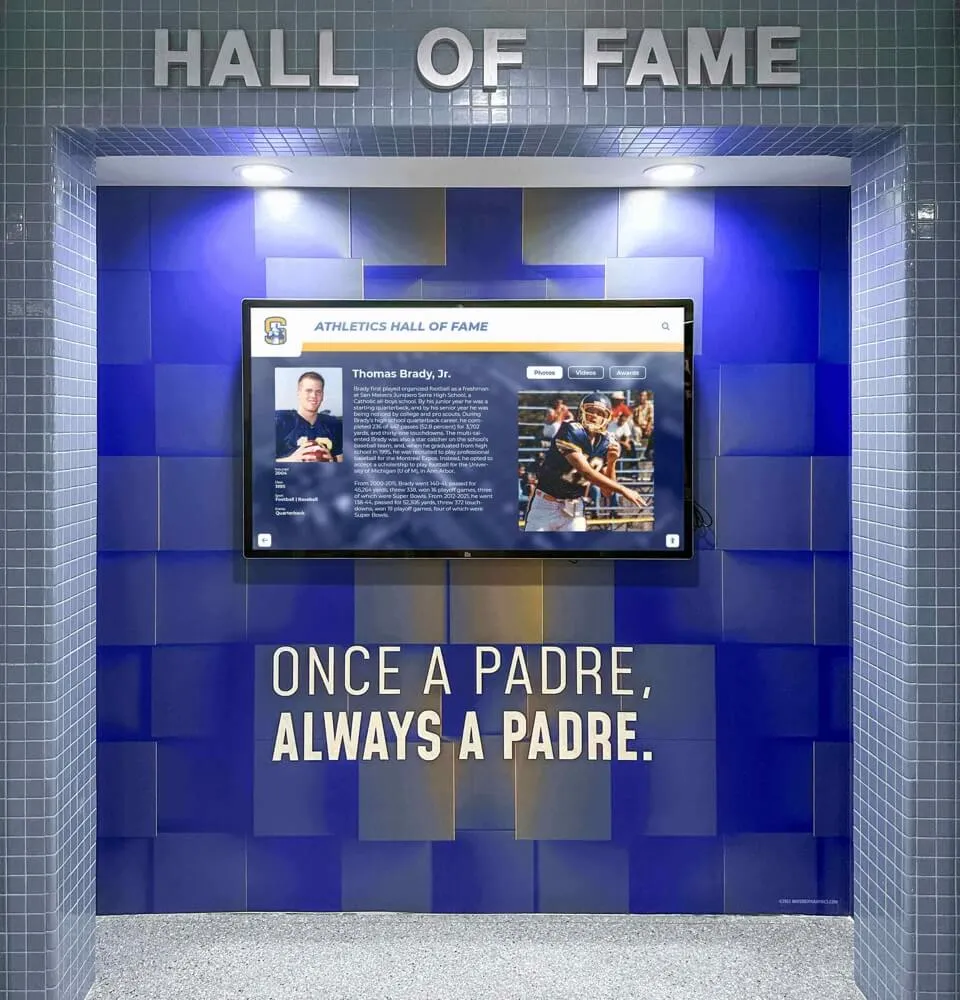
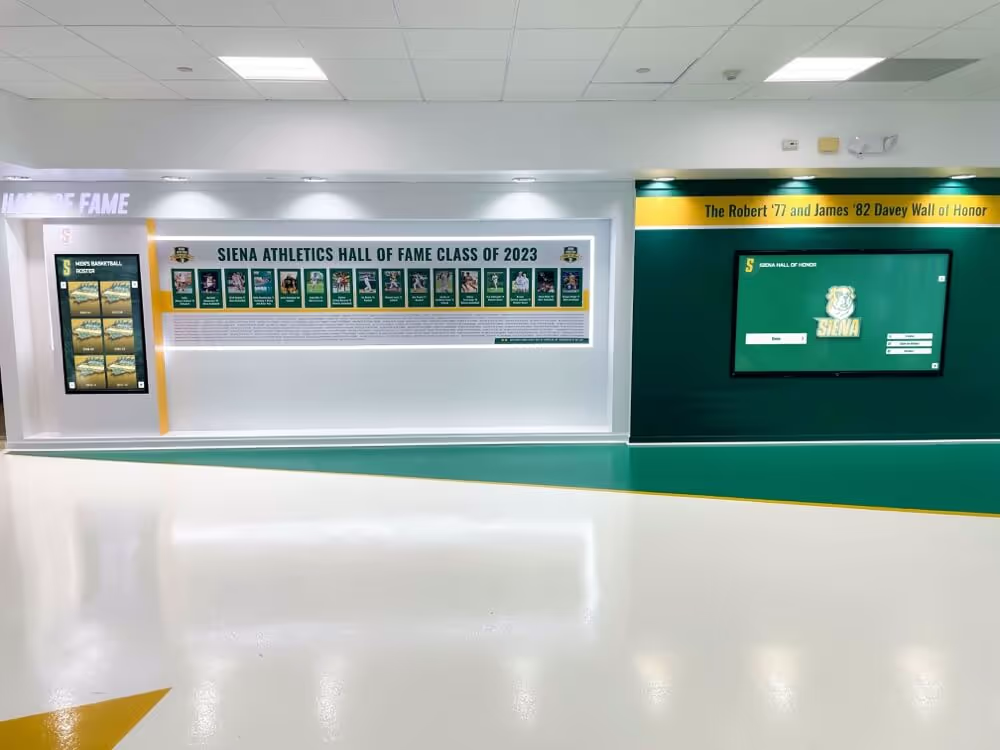
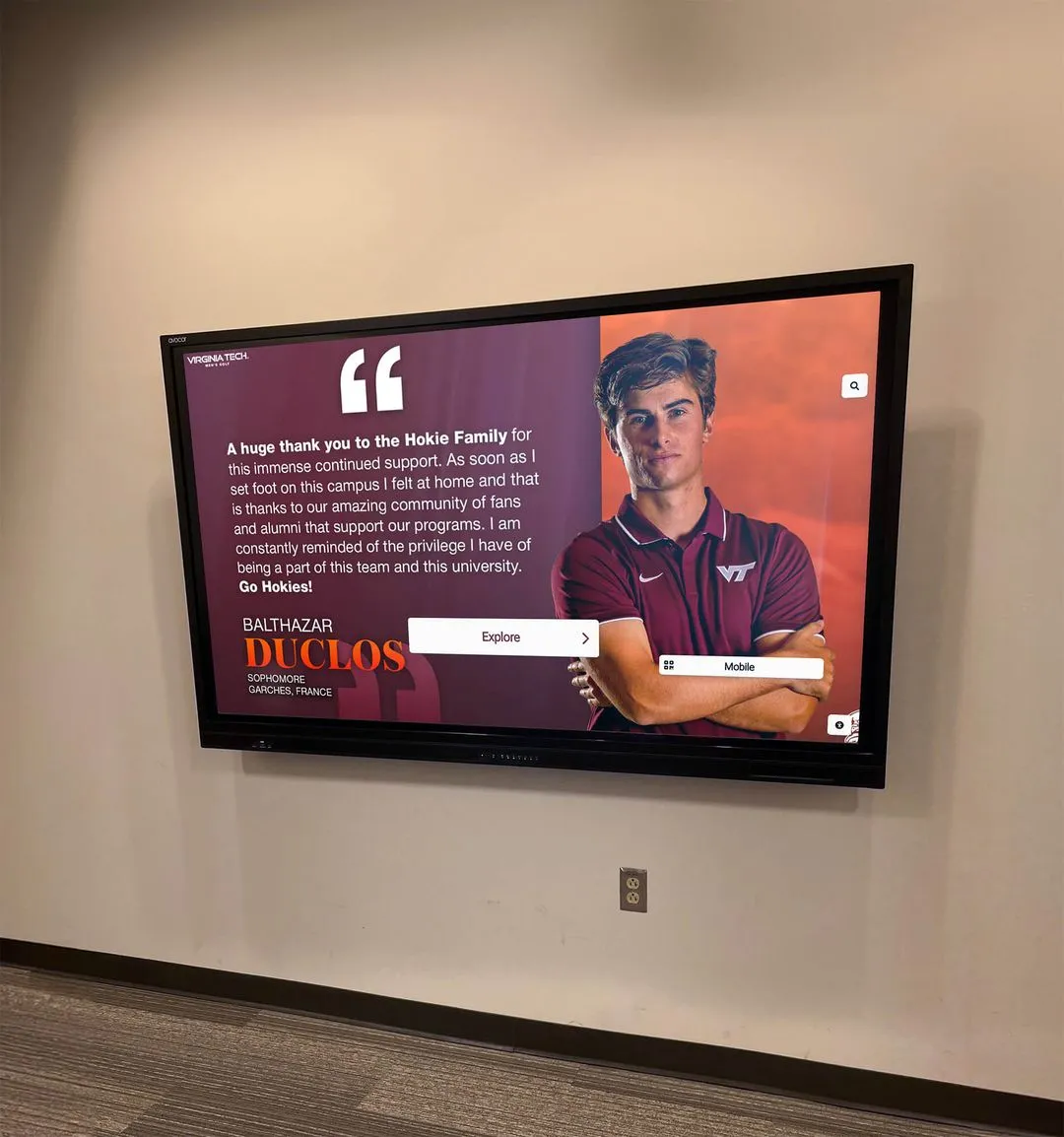
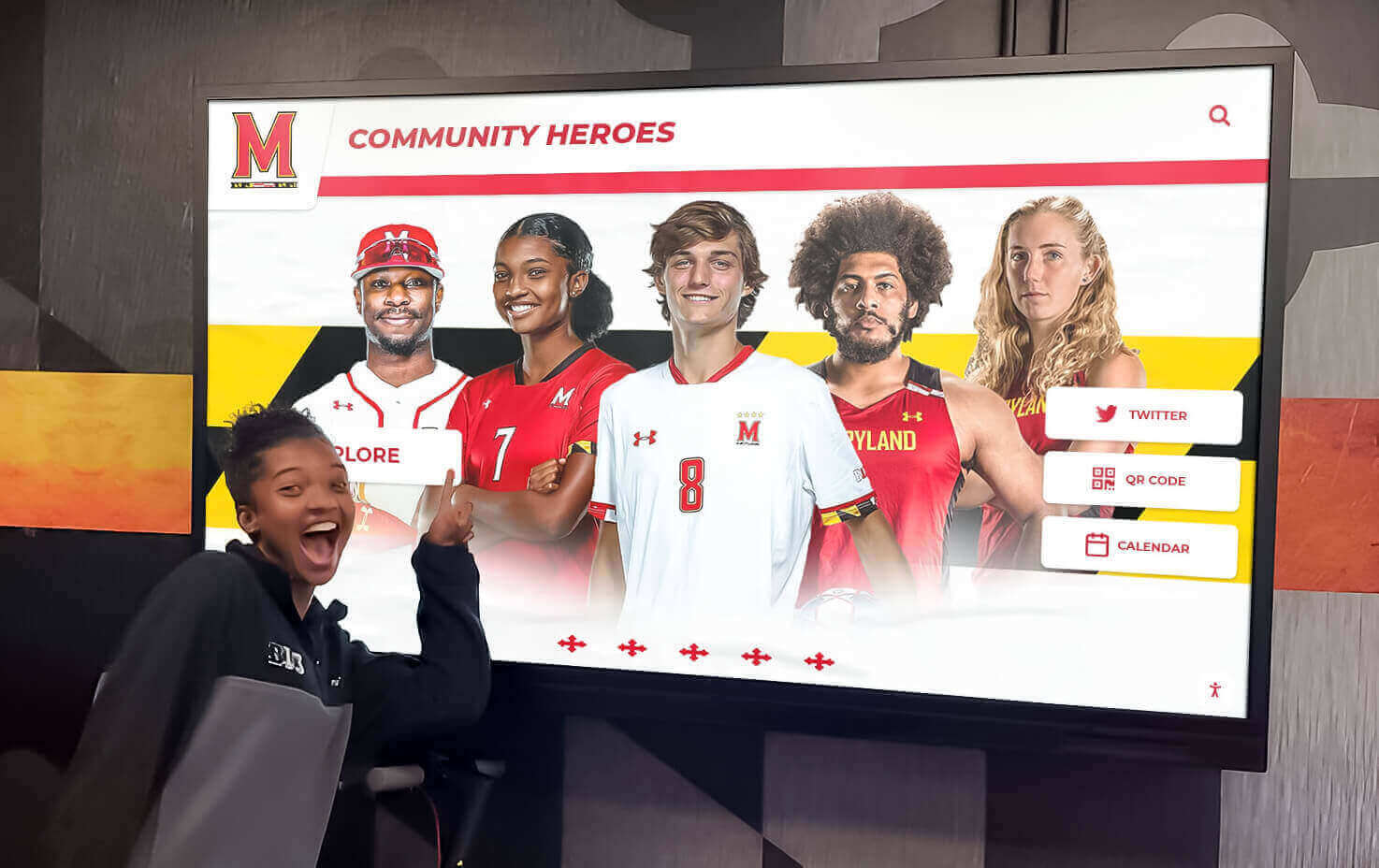
Fundraising success creates opportunities to celebrate student leadership and community support
Community Connection and Visibility
Lemonade stands create visible, positive school presence in communities that builds goodwill extending beyond immediate fundraising:
Public Engagement Opportunities
Unlike online campaigns or product catalogues families share privately, lemonade stands create public touchpoints where community members directly interact with students and schools:
Parents, neighbors, and community members stop to support school programs through simple beverage purchases requiring minimal commitment. Brief positive interactions between students and community supporters build connections that strengthen long-term school support. Visible student participation demonstrates that young people are actively contributing to school improvement, not just passively benefiting from adult fundraising. Schools gain positive community exposure as engaged, resourceful institutions worthy of support.
Strategic placement at community events, farmers markets, athletic competitions, or high-traffic locations amplifies this visibility, introducing school programs to audiences who might not otherwise engage with fundraising appeals.
Seasonal and Event-Based Flexibility
Lemonade stands adapt remarkably well to various contexts and timing:
Spring and summer weather creates natural demand for cold refreshing beverages that drives sales. Back-to-school events, field days, and end-of-year celebrations provide built-in audiences. Athletic events including youth sports tournaments or school competitions generate thirsty crowds. Community festivals, farmers markets, and neighborhood gatherings offer high-traffic opportunities. School open houses and family engagement events create captive audiences already present on campus.
This flexibility means schools can integrate lemonade stands into existing events rather than requiring standalone fundraising activities that demand separate attendance and volunteer coordination.
Planning a Successful School Lemonade Stand Fundraiser
Strategic planning transforms simple concepts into effective revenue-generating events that maximize returns while minimizing volunteer stress.
Setting Clear Goals and Expectations
Beginning with defined objectives ensures everyone understands what success looks like and how efforts will be evaluated:
Financial Targets
Establish realistic revenue goals based on event context and expected participation. A stand at a small elementary school event might target $200-$400, while placement at a major community festival could aim for $800-$1,500. Research typical attendance and customer conversion rates for similar past events. Consider whether this is a one-time fundraiser or recurring initiative building toward larger goals. Communicate specific funding needs that lemonade stand revenue will support—clearly stating that proceeds fund field trip transportation, classroom library books, or playground equipment creates compelling donor motivation.
When supporters understand exactly what their lemonade purchase enables, they often contribute more generously through larger cup sizes, donations beyond purchase price, or return visits during extended events.
Volunteer and Student Participation
Determine required volunteer coverage and student involvement to ensure sustainable operations throughout the event. Calculate how many adult supervisors are needed based on event duration, student ages, and location. Identify student roles and participation structure that balances authentic engagement with manageable supervision. Create clear shift schedules preventing volunteer burnout during extended events. Establish backup plans for volunteer gaps or unexpected attendance issues.
Schools that clearly define participation expectations before recruitment find securing commitments easier than those making vague general appeals for “help with the fundraiser.”
Location Selection and Logistics
Where you set up dramatically impacts sales volume and overall success:
High-Traffic School Event Integration
The simplest approach places lemonade stands at existing school events where audiences already gather:
School Athletic Events and Competitions: Position stands near entrance gates, concession areas, or spectator seating at soccer games, track meets, baseball tournaments, or other athletic competitions. Parents and spectators already present for extended periods create ready customer bases. Consider partnering with existing concession operations or positioning as complementary offering focused on specific programs.
School Festivals and Celebrations: Field days, end-of-year celebrations, open houses, and family engagement nights provide built-in audiences. Integration with other activities creates festival atmosphere increasing willingness to purchase and support. These events often span multiple hours, enabling substantial sales volume from single setup effort.
Before or After School Programs: Morning drop-off or afternoon pickup times create concentrated traffic when parents are available. Quick transactions during brief windows require efficient operations to maximize limited selling time. Regular weekly stands during certain seasons can build habitual purchase patterns among families.
Explore how schools showcase annual 5K fundraiser events and recognize participants who support school programs.
Community Location Partnerships
Extending beyond school grounds dramatically increases potential customer reach:
Farmers markets and community festivals attract diverse audiences specifically seeking local goods and often predisposed toward supporting community causes. Inquire about vendor policies for nonprofit organizations—many waive booth fees or offer discounted rates for school fundraisers. Local businesses might allow lemonade stands in parking lots or outside storefronts during high-traffic periods, viewing school support as positive community relations. Youth sports complexes hosting tournaments create ideal opportunities with concentrated audiences of families already engaged in supporting youth activities.
When approaching community venues, emphasize the specific school programs being funded, student participation creating educational value, and limited duration minimizing any business disruption. Most community-minded businesses and organizations welcome supporting local schools through these partnerships.
Permits, Permissions, and Safety Considerations
Before finalizing locations, address necessary legal and safety requirements:
Check local health department regulations regarding temporary food service—some jurisdictions require permits even for simple beverage sales while others exempt nonprofit fundraisers. Verify school district policies about fundraising on school property or during school events. Obtain necessary permissions when operating at third-party locations like businesses or community venues. Ensure adequate adult supervision ratios appropriate for student ages and location type. Consider liability insurance coverage for events off school property or with significant public interaction.
Proactive attention to these details prevents last-minute complications that could derail otherwise well-planned fundraisers.
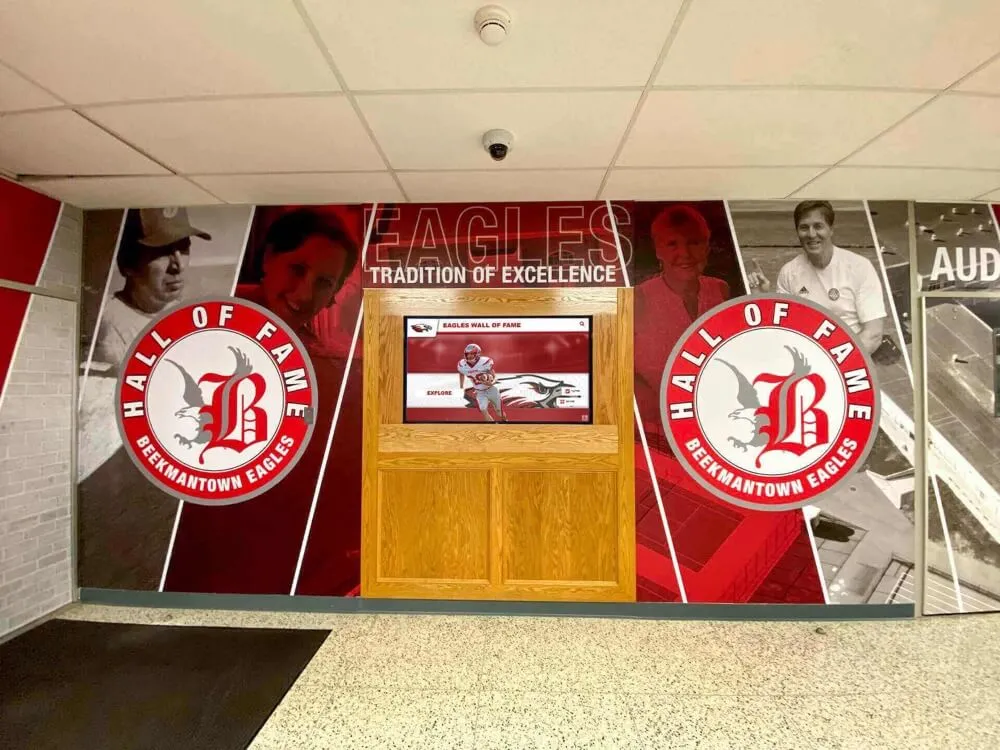
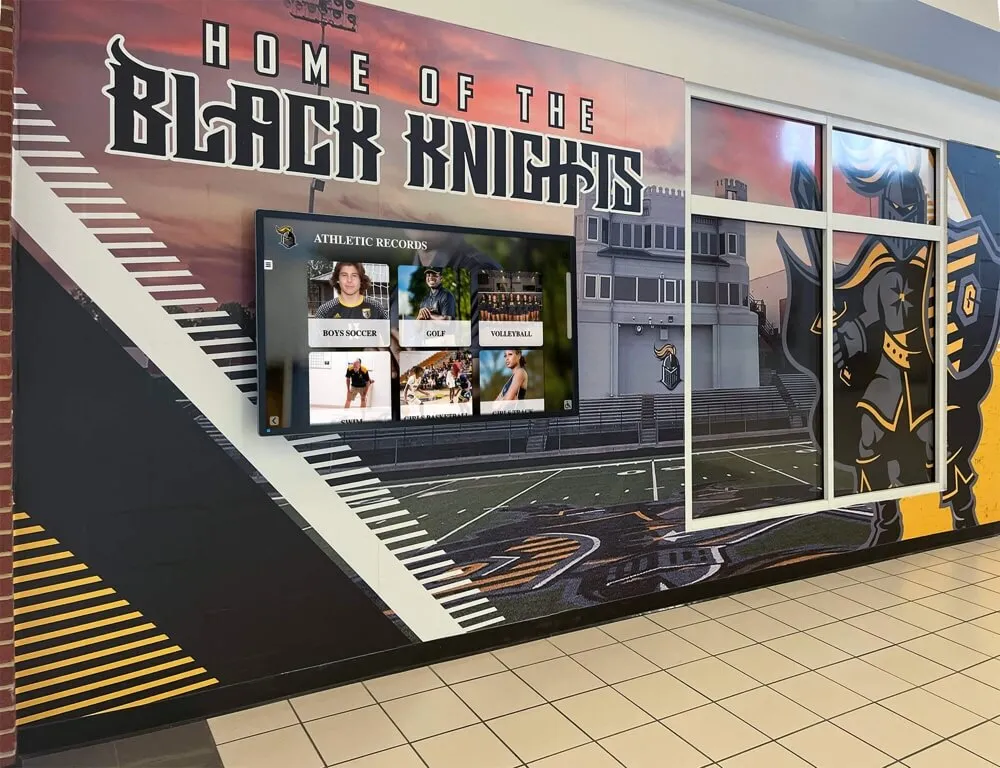
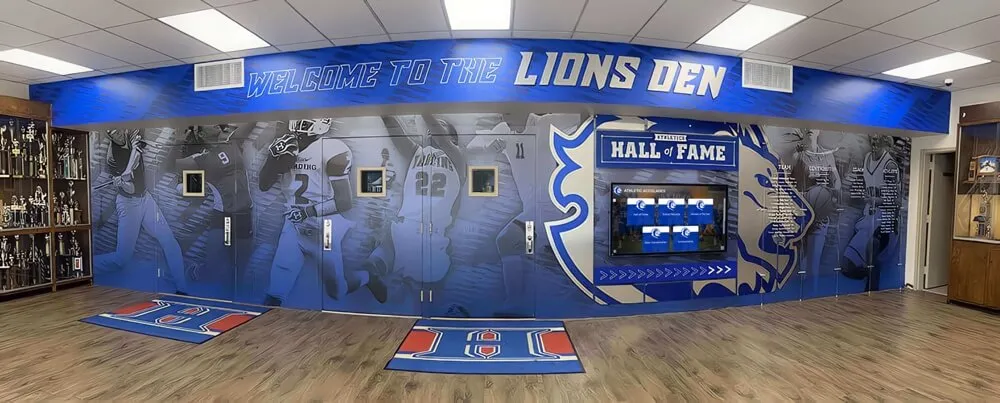
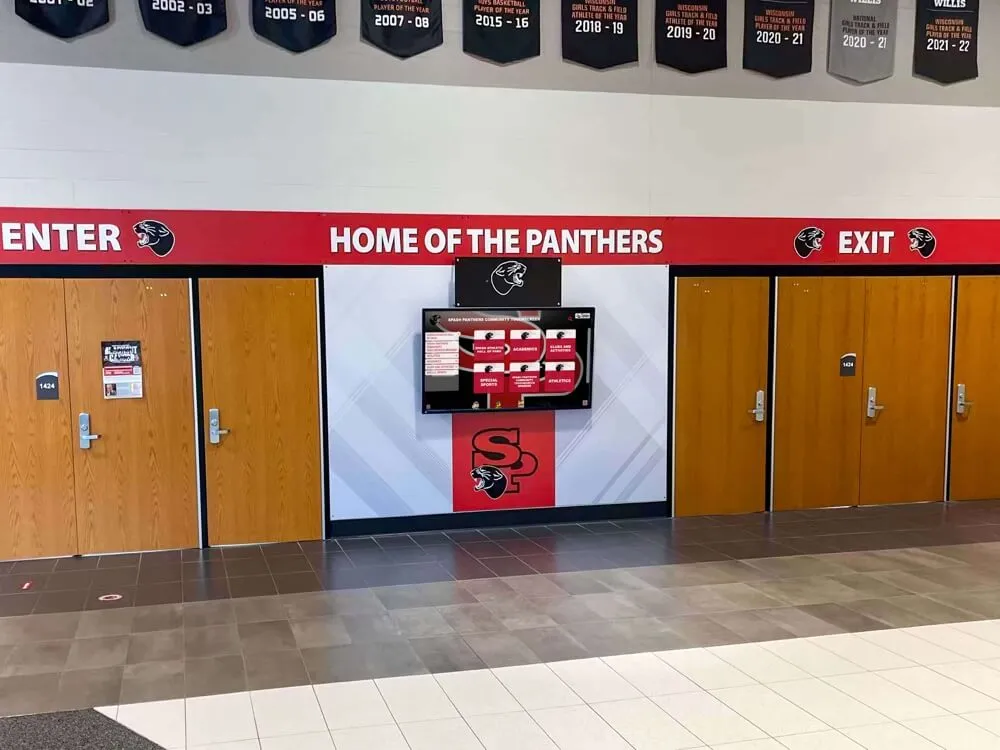
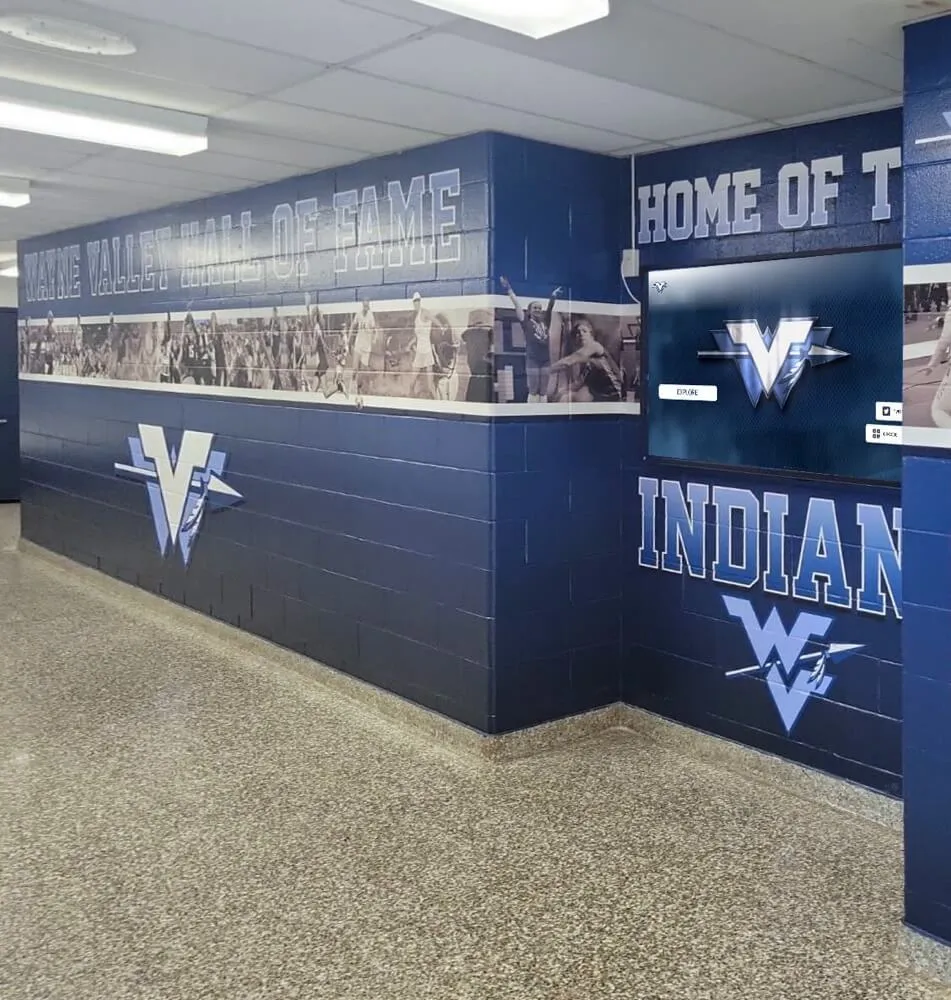
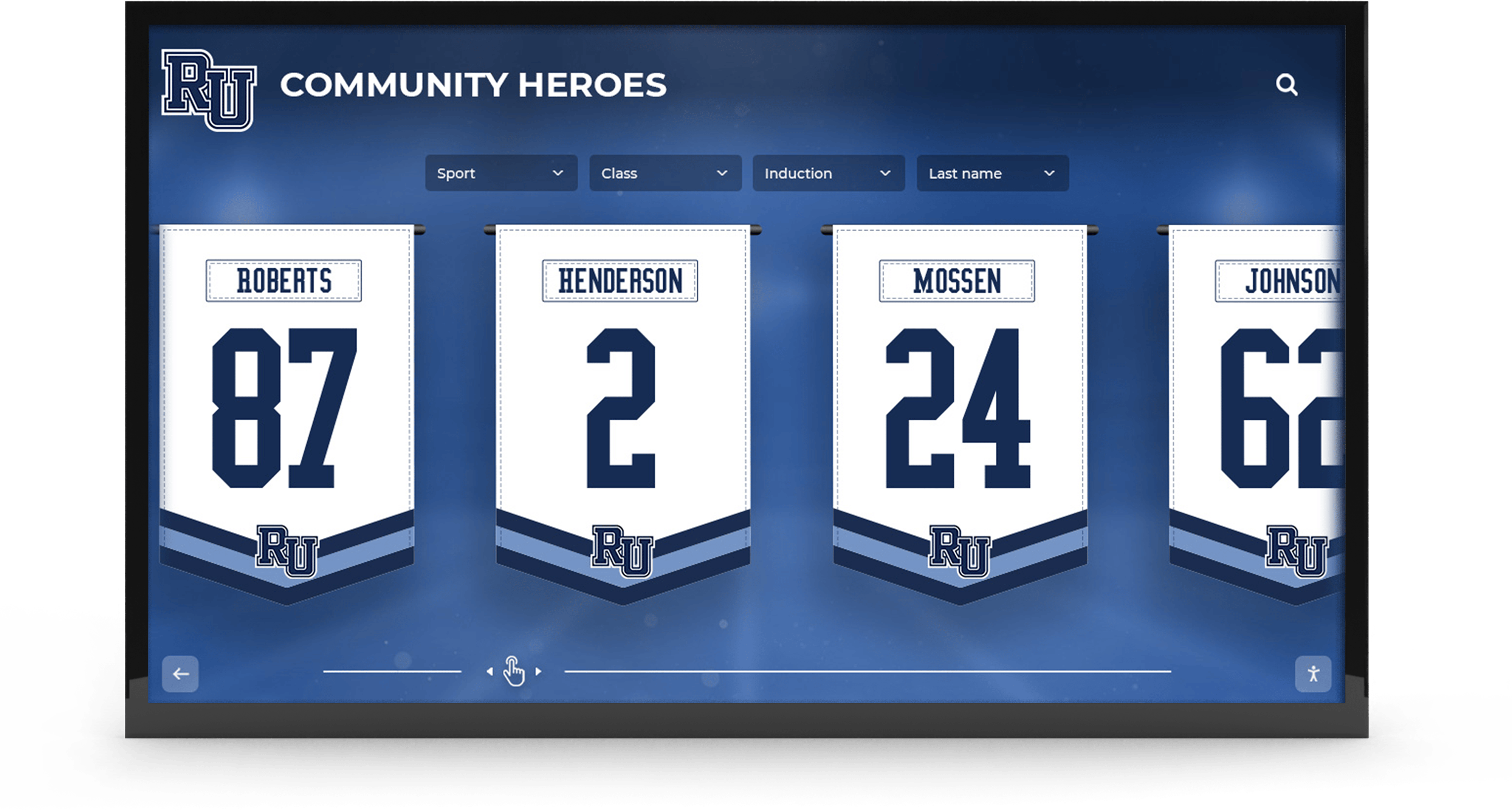
Modern recognition systems help schools celebrate fundraising contributors alongside academic and athletic achievements
Operational Best Practices for Maximum Revenue
Execution details significantly impact both revenue generation and volunteer experience.
Supply Planning and Cost Management
Careful purchasing ensures adequate inventory without wasteful excess that erodes profit margins:
Calculating Quantities
Estimate expected sales volume based on anticipated attendance, event duration, and typical purchase rates. As a general guideline, expect 20-40% of event attendees to make lemonade purchases depending on weather, pricing, and competition from other food options. Average consumption ranges from 1.2-1.8 cups per purchasing customer. Build in 15-20% buffer beyond estimates to avoid running out during peak demand while limiting expensive overage.
One gallon of prepared lemonade typically yields 16 eight-ounce servings. For an event expecting 200 attendees where 30% are projected to purchase (60 customers), plan for approximately 75-80 cups requiring 5 gallons of lemonade. Scale accordingly based on your specific event context and conservative attendance estimates.
Cost-Effective Supply Sourcing
Maximize profit margins through strategic purchasing:
Warehouse clubs like Costco or Sam’s Club offer substantial savings on bulk lemon juice, sugar, and disposable cups compared to grocery stores. Some suppliers provide nonprofit discounts or donated goods—ask local grocers, restaurants, or food distributors about supporting school fundraisers. Families may donate supplies reducing startup costs while enabling broader participation from those unable to volunteer time. Reusable signage, tablecloths, and containers represent one-time investments serving multiple fundraising events.
Track actual costs carefully to calculate true profit margins and inform future planning. Schools often discover that attention to supply costs can improve margins by 10-15 percentage points, significantly impacting net revenue.
Pricing Strategy and Revenue Maximization
Strategic pricing balances affordability with revenue generation:
Tiered Pricing Structures
Offer multiple size options creating choice while encouraging larger purchases with better perceived value:
- Small (8 oz): $1.00
- Medium (12 oz): $1.50
- Large (16 oz): $2.00
- Extra Large (20+ oz): $3.00
This structure positions the large size as the best value (12.5 cents per ounce vs. 12.5 cents per ounce for small), subtly encouraging customers toward higher-revenue options without seeming excessive. Many customers default to medium or large options when presented with choices rather than purchasing the smallest available.
Add-Ons and Enhancements
Simple additions create premium options justifying higher pricing:
Offer “deluxe lemonade” with fresh fruit garnishes (strawberries, mint, cucumber) for $0.50-$1.00 premium. Provide cookies, brownies, or simple baked goods as companion purchases—particularly effective when parents or students bake donations, creating nearly 100% profit margins. Consider branded reusable cups (school logo or fundraising campaign theme) at premium prices that serve as souvenirs generating higher margins while building school visibility.
Donation Jar and Suggested Contributions
Beyond per-cup pricing, enable additional generosity:
Position a clearly labeled donation jar near the cash box with signage explaining specific funding goals (“Proceeds support 5th grade science camp”). Many customers, particularly those without children in the program but wishing to support, contribute beyond purchase price when simple options exist. Some customers provide bills larger than purchase price and decline change, effectively creating voluntary donations. At community events where non-parents stop, donation jars can generate 15-30% revenue beyond direct sales.
The key is making contribution easy and clearly connecting donations to specific beneficial outcomes that resonate with potential supporters.
Student Engagement and Educational Value
Maximize learning opportunities while ensuring smooth operations:
Age-Appropriate Roles and Responsibilities
Structure participation based on developmental readiness:
Elementary Students (K-5): Assign roles like greeting customers, serving lemonade under adult supervision, creating promotional signs and decorations, and counting inventory under supervision. Adult volunteers handle money and oversee all operations closely, while students gain exposure to customer interaction and teamwork without excessive responsibility.
Middle School Students (6-8): Enable increased autonomy through managing cash handling and making change (with adult oversight), leading marketing and promotional efforts, tracking sales and inventory levels, and managing shift schedules for student volunteers. Adults supervise and provide guidance but allow students to lead operations, troubleshoot challenges, and make decisions about managing customer flow and supply allocation.
High School Students: Older students can coordinate entire fundraiser operations with teacher sponsorship, manage marketing campaigns across social media and school channels, analyze profitability and make strategic pricing or operational adjustments, and mentor younger students participating in the fundraiser. This creates genuine leadership development opportunities while reducing adult volunteer burden.
Learn about comprehensive approaches to end-of-year award assemblies that recognize student leaders who contribute to school fundraising and programs.
Curriculum Integration Opportunities
Forward-thinking teachers connect lemonade stand fundraisers to academic learning:
Math classes calculate profit margins, create sales projections, and analyze actual results against predictions. Business or economics courses explore entrepreneurship concepts, pricing strategies, and basic financial management. Marketing classes develop promotional campaigns, create signage, and analyze customer engagement. Communications classes practice customer service skills and public speaking during sales interactions. Civics or social studies classes discuss community engagement, nonprofit organizations, and collective action toward shared goals.
This integration transforms fundraising from interruption to instructional opportunity, making the investment of school time more defensible and creating richer student experiences.
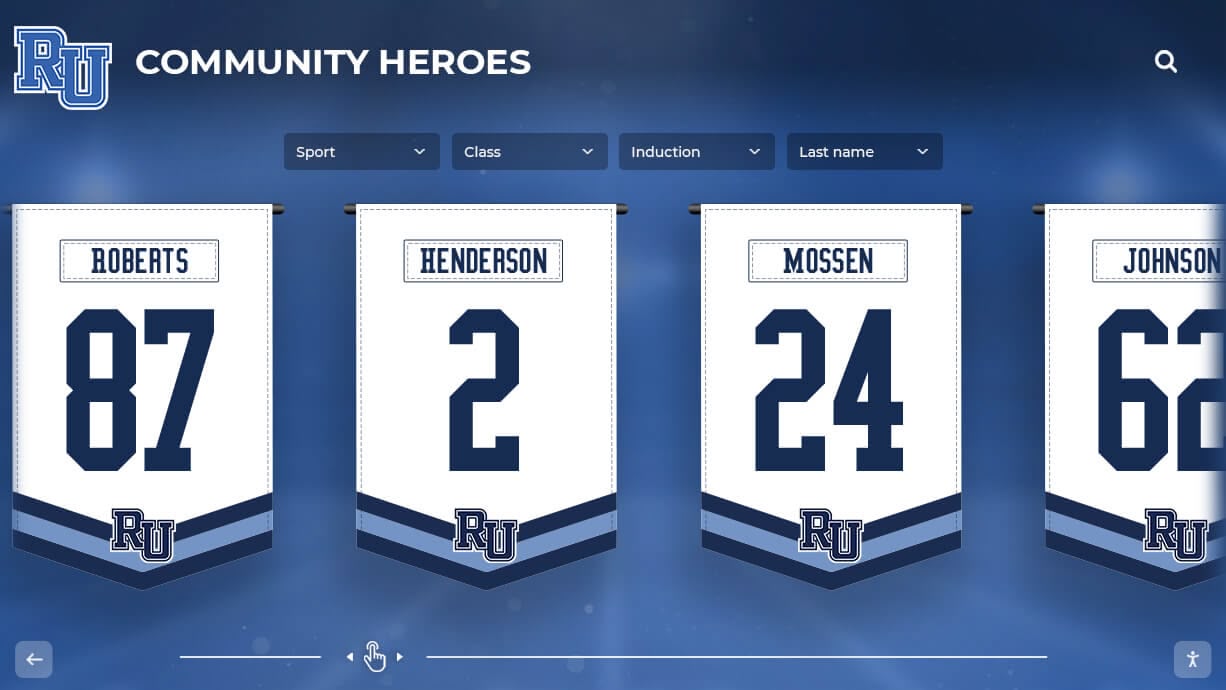
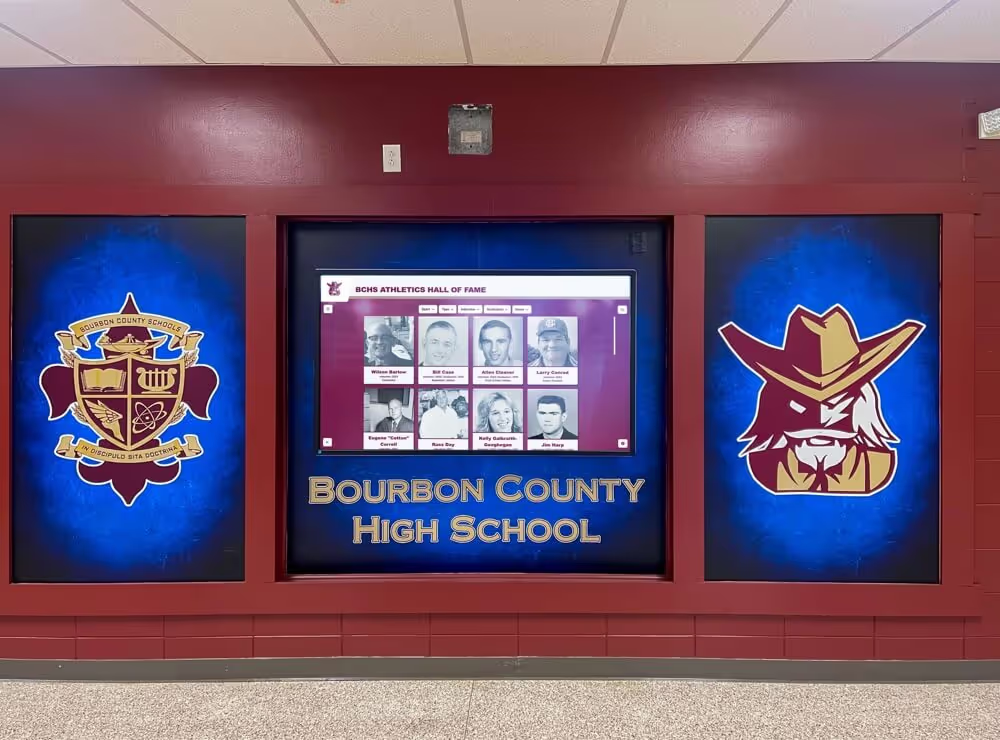
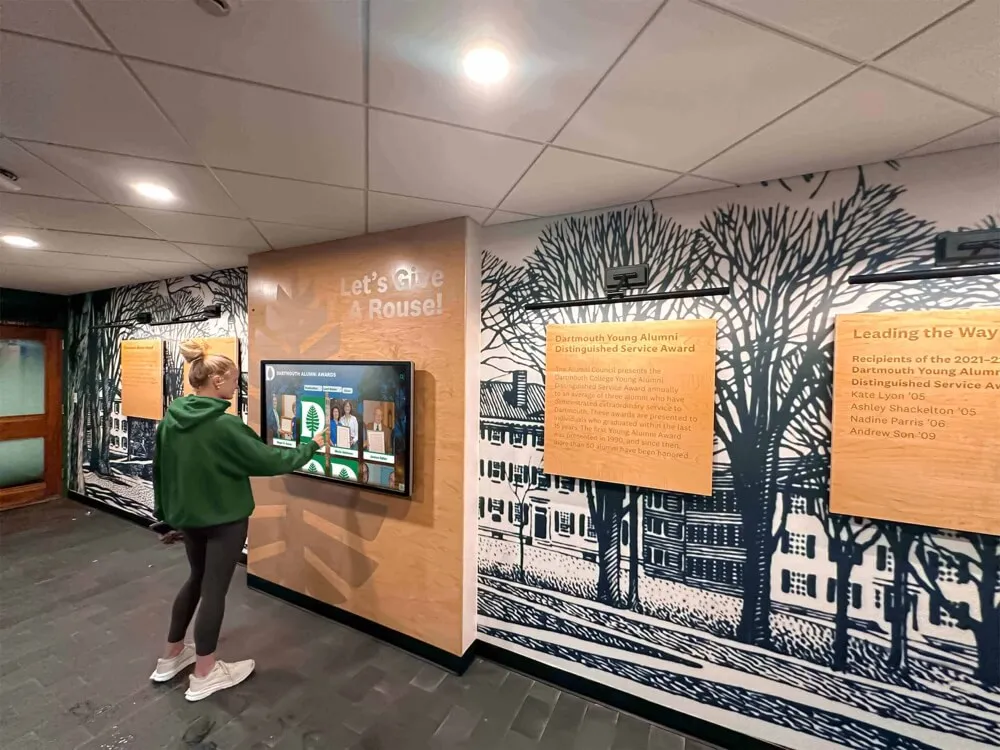
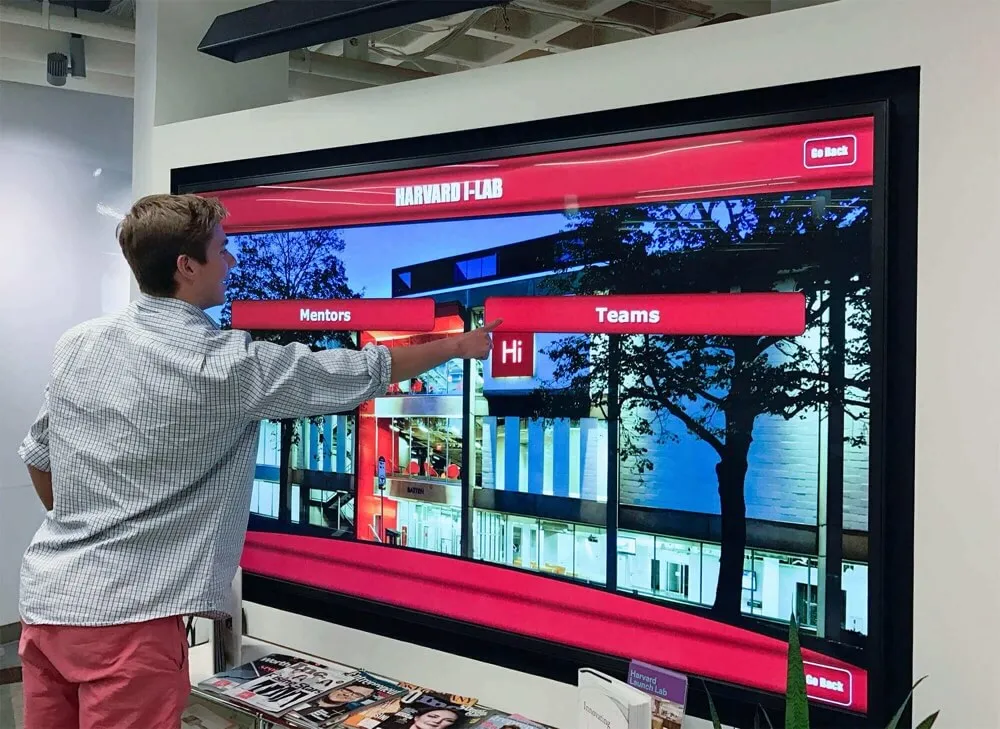
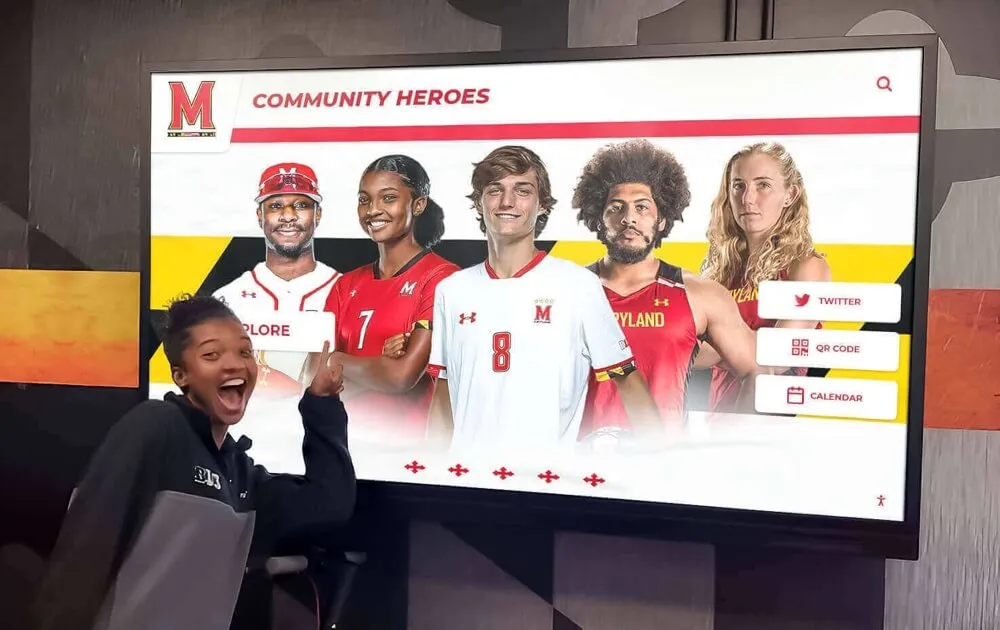
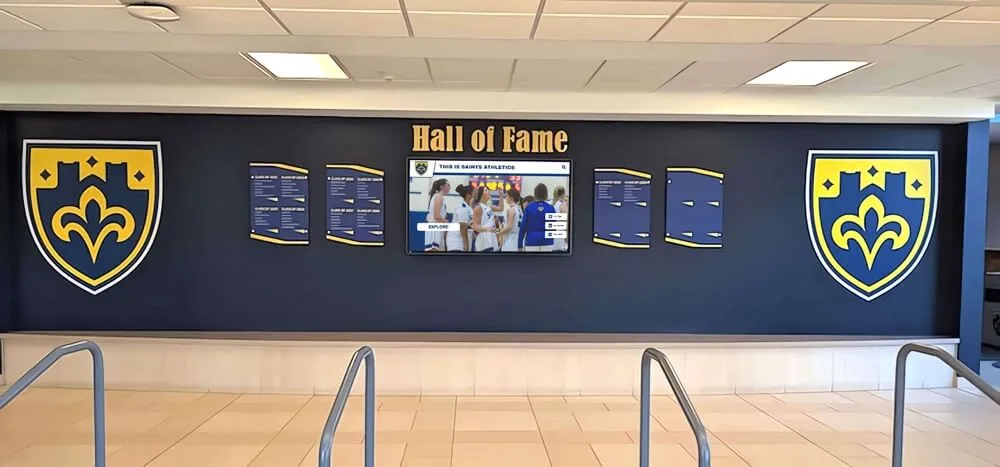
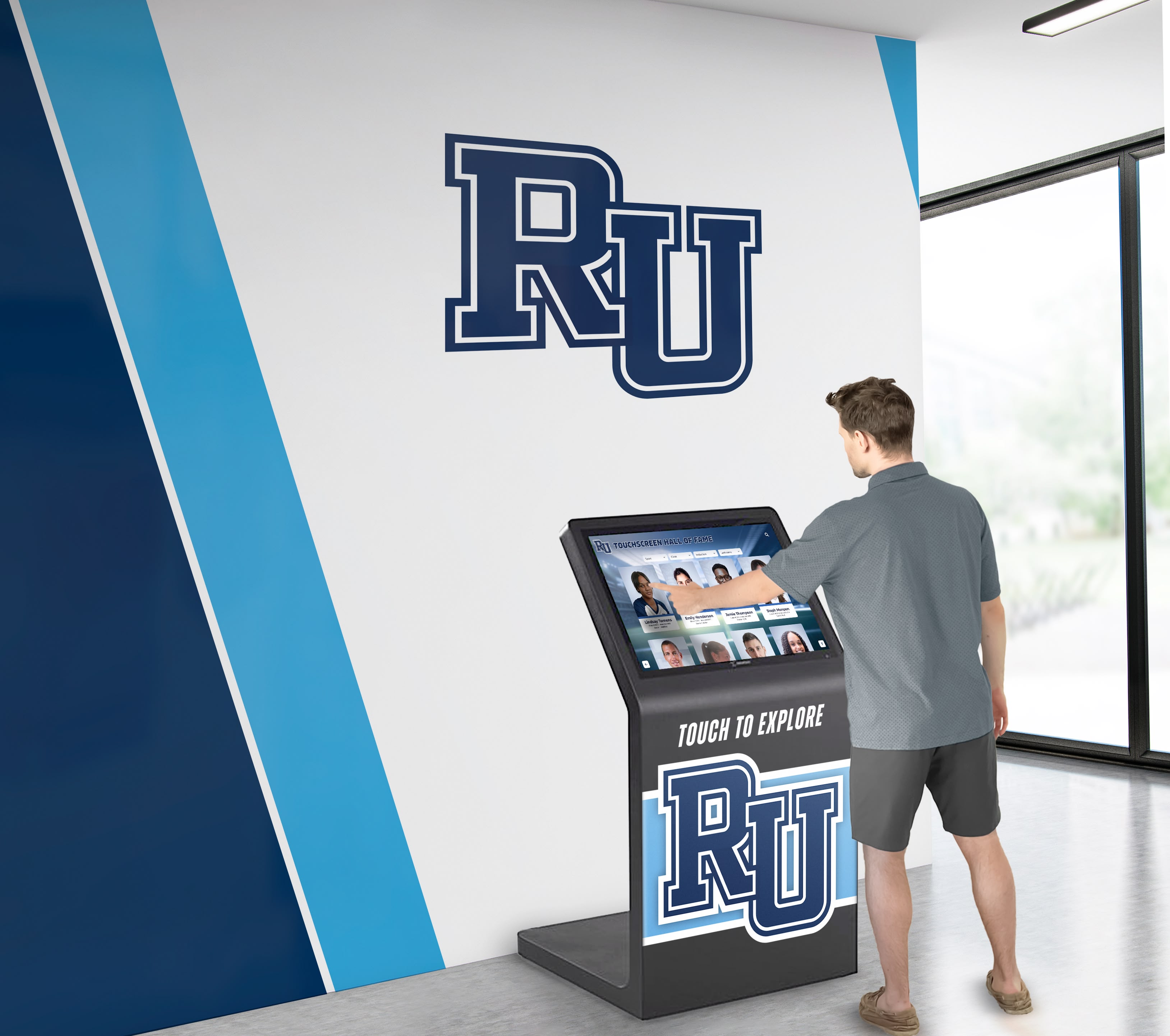
Recognition programs celebrate community members who support school initiatives through volunteering and contributions
Volunteer Coordination and Recognition
Successful fundraisers depend on effective volunteer management and thoughtful appreciation.
Recruiting and Organizing Volunteers
Systematic approaches fill volunteer roles more effectively than general appeals:
Clear Role Definitions and Time Commitments
Specific requests generate better response than vague calls for help:
Define discrete roles like setup crew (30 minutes before event), cashier (1-hour shifts during event), supply manager (replenishing inventory and ice), student supervisor (managing elementary student participants), and cleanup crew (30 minutes after event). Communicate exact time requirements enabling volunteers to commit to manageable blocks rather than unclear “help all day” requests. Provide multiple shift options accommodating different volunteer availability. Include backup positions for volunteers willing to step in if others cancel.
When volunteers understand exactly what’s needed and can select commitments matching their availability, recruitment becomes significantly easier and reliability improves.
Strategic Recruitment Channels
Reach potential volunteers through multiple touchpoints:
Classroom parents represent natural first recruitment targets—they’re already engaged with specific teachers and invested in student experiences. Parent-teacher organizations and school committees include members specifically interested in supporting school initiatives. Student council programs provide leadership opportunities for older students coordinating younger participants. Community service organizations like Lions Clubs, Rotary, or faith community groups often seek local volunteering opportunities. Parent volunteers from previous successful fundraisers typically return when their positive experiences were acknowledged appropriately.
Diversifying recruitment prevents overreliance on the same small group of volunteers who risk burnout from constant requests.
Honoring Fundraising Contributors
Recognition transforms one-time participants into sustained supporters while inspiring others to contribute:
Immediate and Personal Acknowledgment
Thank volunteers and donors promptly through sincere, specific appreciation:
Send personalized thank-you emails within 48 hours of the event specifically naming contributions and impact. Have participating students create handwritten thank-you notes for volunteers and major donors—even simple messages from children carry significant emotional weight. Recognize volunteers publicly at school events, in newsletters, or through social media celebrating their contributions. Share concrete results including total revenue raised and specific programs funded, connecting volunteer effort to tangible outcomes.
This immediate recognition demonstrates that contributions were noticed, valued, and impactful—significantly increasing likelihood of future participation.
Systematic Donor and Volunteer Recognition Programs
Comprehensive recognition systems honor sustained contributions over time:
Create recognition tiers acknowledging different contribution levels—volunteers might earn recognition for single event participation (Bronze), multiple events annually (Silver), or sustained multi-year support (Gold). Maintain donor recognition displays celebrating individuals and families who consistently support school fundraising across multiple initiatives and years. Include volunteer and donor names in annual recognition programs, year-end celebrations, or school publications. Consider permanent recognition for major sustained contributors through naming opportunities, legacy programs, or commemorative recognition.
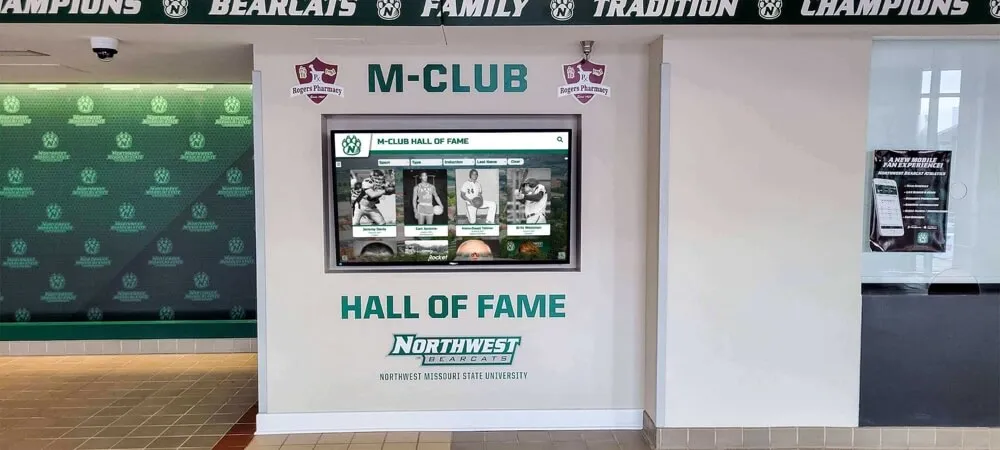
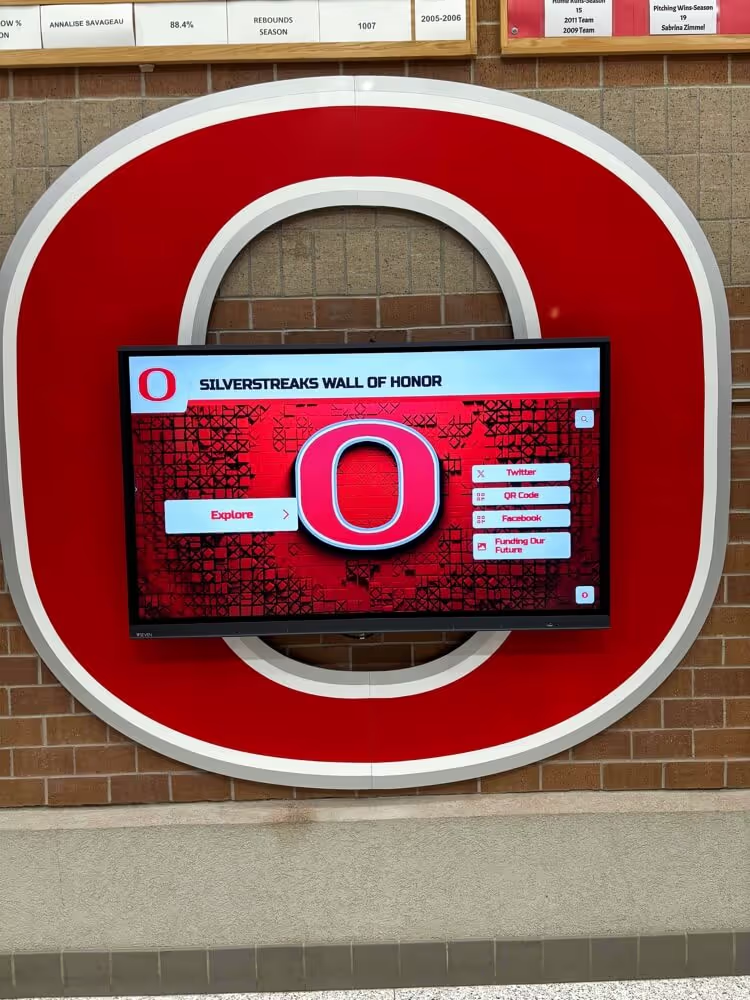
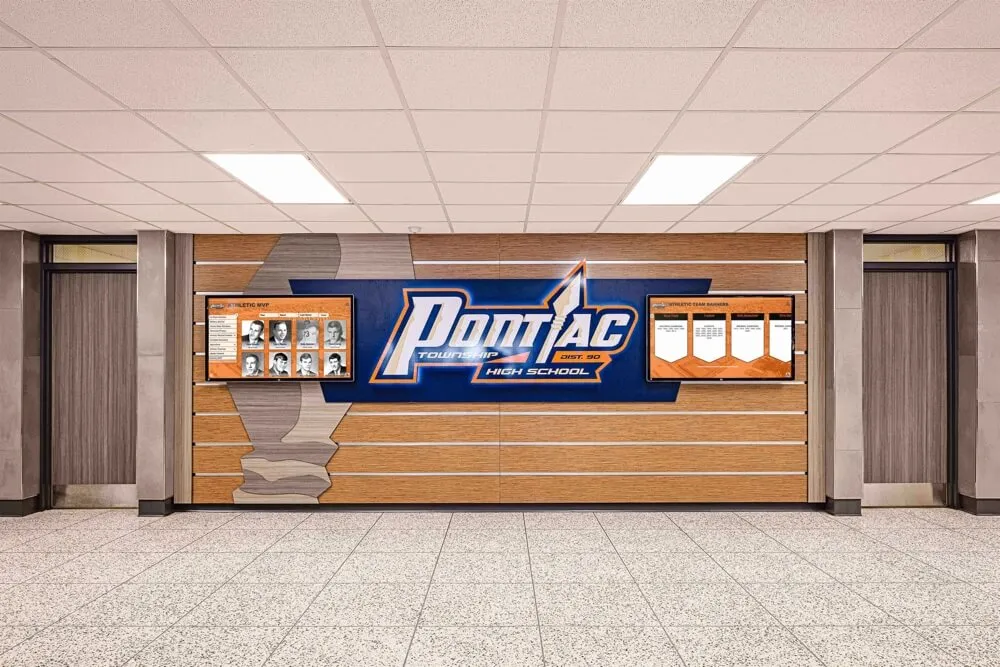
Modern solutions like Rocket Alumni Solutions provide digital donor walls that overcome space limitations of traditional plaques. These systems enable schools to recognize every fundraising contributor regardless of gift size, update recognition in real-time as new supporters participate, showcase photos and stories creating personal connections, and integrate fundraising donors with recognition of volunteers, mentors, and other community supporters in comprehensive systems.
Digital recognition is particularly valuable for schools running multiple annual fundraisers where cumulative support deserves celebration but traditional static plaques quickly run out of space or become outdated.
Creating Cultures of Appreciation
The most effective recognition extends beyond transactional acknowledgment to genuine community building:
Celebrate volunteers during events through visible appreciation like volunteer appreciation tables with refreshments. Feature volunteer spotlights in school communications sharing personal stories about why community members support school programs. Invite major volunteers and donors to special events, program celebrations, or student performances demonstrating tangible impact of their support. Create traditions around volunteer appreciation—annual recognition receptions, volunteer of the month programs, or end-of-year celebrations become expected rituals volunteers value.
When appreciation becomes integrated into school culture rather than perfunctory obligation, it creates authentic community where supporting schools feels rewarding rather than merely dutiful.
Explore strategies for alumni event planning that recognize long-term community supporters while building sustained engagement.
Marketing and Promotion for Maximum Attendance
Even perfectly executed lemonade stands underperform without adequate promotion driving customer traffic.
Pre-Event Promotion Strategies
Build awareness and excitement before the fundraiser launches:
Multi-Channel Communication
Reach families and community members through diverse touchpoints:
Send dedicated email announcements to school families 2-3 weeks before the event, with reminder messages 3-4 days before and morning-of reminders. Post across school social media channels (Facebook, Instagram, Twitter) with countdown posts building anticipation. Create eye-catching flyers for distribution through backpack mail, classroom distribution, or posting in high-traffic school areas. Request announcement time during school assemblies, morning announcements, or class periods to build student awareness and excitement. Reach beyond school families through community newsletters, local social media community groups, and neighborhood listservs when operating at public locations.
Repetition across multiple channels ensures message penetration despite families’ busy schedules and information overload from multiple sources competing for attention.
Compelling Messaging
Effective promotion clearly communicates why people should participate:
Emphasize specific funding goals and program needs that lemonade stand revenue will support—concrete details like “proceeds fund new library books” or “supports 4th grade field trip to science museum” create tangible connection. Highlight student involvement and learning opportunities positioning this as educational experience beyond simple fundraising. Share logistical details including exact dates, times, locations, and pricing so potential customers can plan participation. Create urgency through limited duration messaging—“one day only” or “from 10am-2pm this Saturday” encourages timely action. Include compelling visuals showing students engaged in previous fundraisers or programs that past fundraising supported.
Messages combining emotional appeal with practical information generate stronger response than either element alone.
Day-of Marketing Tactics
Maximize sales through effective on-site promotion:
Visible Signage and Displays
Attract attention from passing traffic through professional, eye-catching presentation:
Create large, colorful signs visible from distance clearly communicating “Lemonade Stand Fundraiser” and cause being supported. Display pricing prominently so customers understand costs before approaching, reducing transaction friction. Position signs directing traffic from parking areas, sidewalks, or event entrances toward the lemonade stand location. Use balloons, banners, or decorations creating festive atmosphere that draws attention and signals fun community event. Include photos or information about programs being funded, creating emotional connection to purchasing decisions.
Professional presentation signals competent organization while reinforcing that this fundraiser supports legitimate school needs worthy of community support.
Student-Led Customer Engagement
Active outreach generates significantly more sales than passive “waiting for customers” approaches:
Have enthusiastic students (with adult supervision) greet passing families and invite them to support the fundraiser. Create attention-getting activities like students making fresh-squeezed lemonade in view of customers, demonstrating quality and freshness. Offer sample cups allowing potential customers to taste before purchasing—particularly effective for premium or specialty lemonade varieties. Position students with signs at high-traffic pathways directing people toward the stand location. Create energy through music, games, or activities near the stand that attract attention and create destination appeal.
Active engagement transforms lemonade stands from simple refreshment tables into destination experiences families seek out rather than passively encounter.
Scaling and Sustaining Lemonade Stand Fundraising
One-time events provide modest revenue, but systematic approaches create sustained funding streams.
Building Recurring Fundraising Traditions
Consistency enables efficiency improvements while building community expectations:
Regular Seasonal Events
Establish predictable schedules where lemonade stands become expected traditions:
Annual spring fundraisers timed to field day, end-of-year celebrations, or graduation events create anticipated traditions families budget for and expect. Monthly stands during warm weather at recurring community events like farmers markets build habitual purchasing among regular attendees. Integration with annual athletic tournaments or academic competitions creates reliable audiences year after year. Beginning and end of school year positioning aligns with when families are most engaged with school communities and attending campus events.
Predictability simplifies planning, volunteer recruitment, and promotion while building institutional memory about what works, streamlining execution over time.
Efficiency Through Systematization
Document successful approaches for consistent replication:
Create standardized supply checklists ensuring nothing gets forgotten during future events. Develop volunteer role descriptions and training materials new participants can reference rather than requiring extensive individual instruction. Build promotional templates that can be quickly customized for specific events rather than creating materials from scratch each time. Maintain equipment storage (tables, signage, cash boxes) accessible for rapid deployment. Track financial results across multiple events to identify trends, improve projections, and optimize operations.
This systematization allows leadership transitions as students graduate and volunteer rosters change without losing operational knowledge that makes fundraisers successful.
Expanding Beyond Traditional Lemonade
Variations create novelty while maintaining core simplicity:
Seasonal and Themed Adaptations
Modify offerings to match weather, holidays, or special events:
Fall fundraisers might feature apple cider or hot chocolate replacing cold lemonade during cooler weather. Winter events could offer hot cocoa bars with marshmallow and topping selections creating premium pricing opportunities. Holiday-themed stands (Valentine’s Day pink lemonade, St. Patrick’s Day green versions) create festive connection to school celebrations. Back-to-school lemonade stands welcome families returning from summer break while capitalizing on enthusiasm of new school year.
Thematic variation prevents fundraiser fatigue while maintaining operational simplicity that makes lemonade stands manageable for volunteer organizations.
Complementary Product Expansion
Strategic additions increase average transaction value without excessive complexity:
Baked goods donated by families require no ingredient costs and generate nearly 100% profit margins on sales. Simple snacks like popcorn, pretzels, or chips purchased in bulk complement beverage sales. School spirit items—water bottles, stickers, car decals—serve as souvenirs generating ongoing visibility beyond the event. Raffle tickets or donation opportunities for prize drawings create additional revenue streams beyond product sales.
The key is adding only items that don’t significantly increase operational complexity, volunteer burden, or supply costs that could erode the favorable economics making lemonade stands attractive.
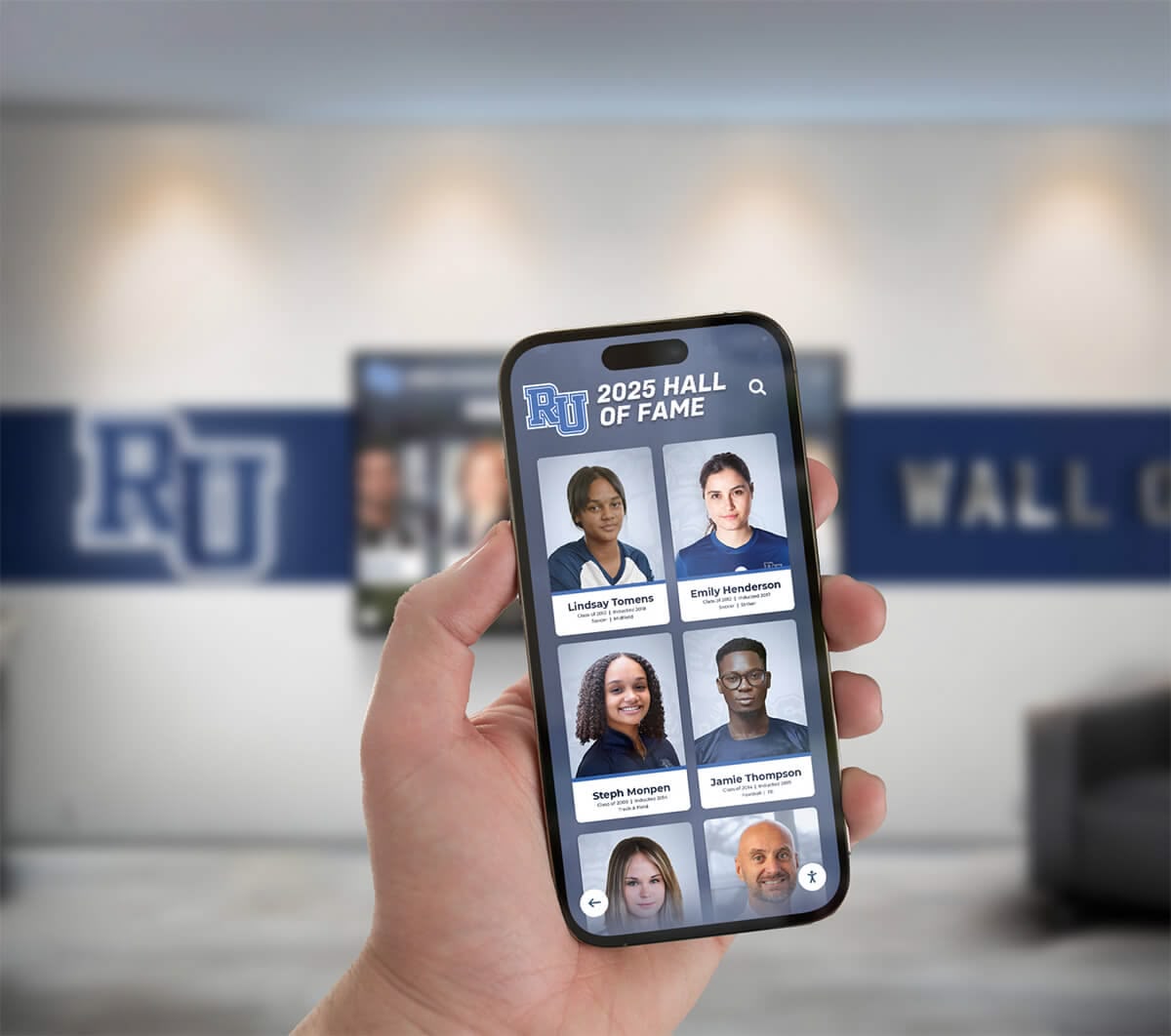
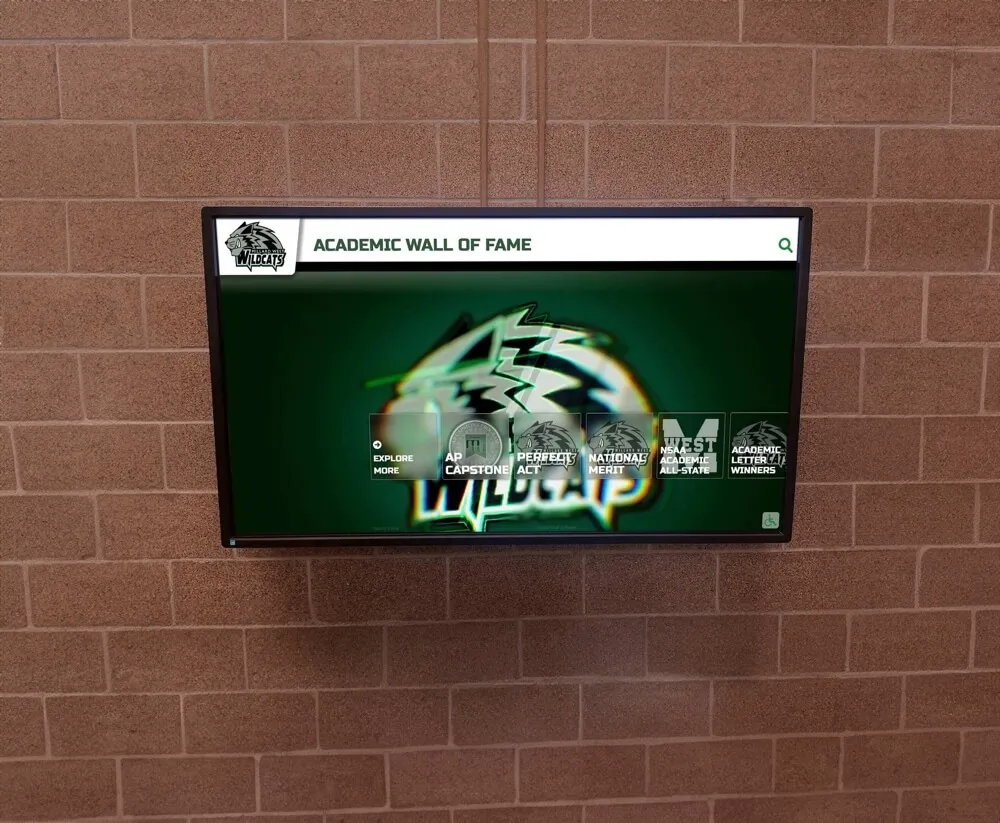
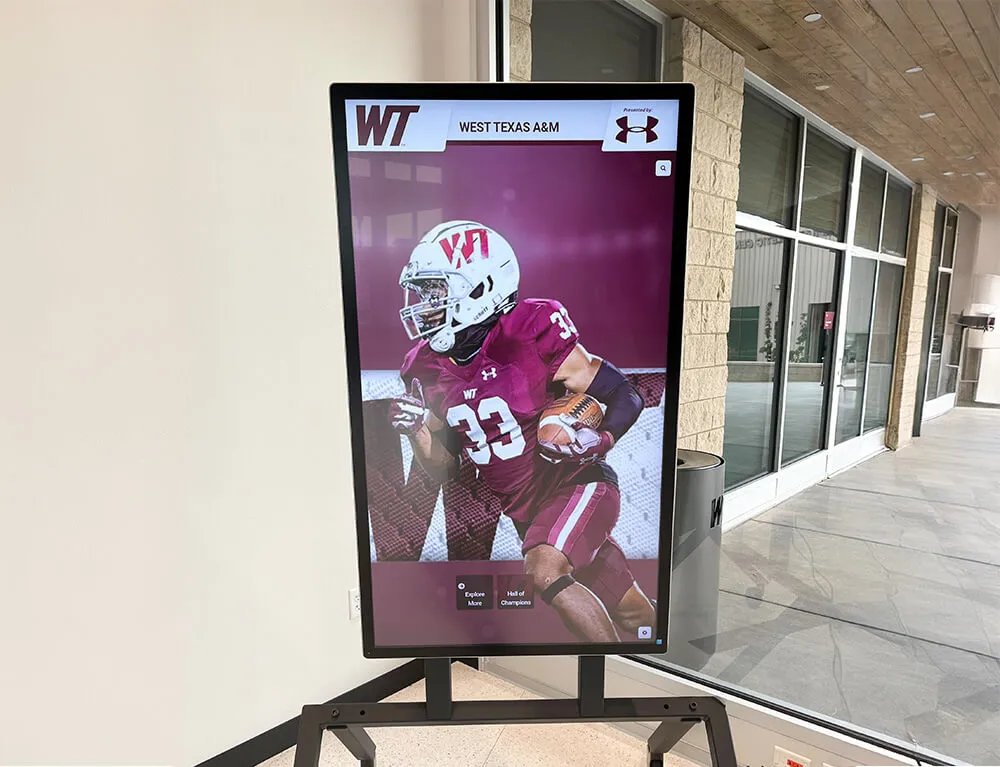
Modern technology enables schools to maintain ongoing engagement with fundraising supporters beyond individual events
Measuring Success and Continuous Improvement
Data-driven assessment improves future fundraising effectiveness.
Key Performance Metrics
Track indicators providing insight into what’s working and where improvements are needed:
Financial Performance
Monitor gross revenue (total sales), net revenue (after subtracting supply and operational costs), profit margin percentage (net revenue divided by gross revenue), and revenue per volunteer hour invested. Compare results across multiple events to identify trends and high-performing approaches. Calculate customer metrics like average transaction value and cups sold per customer to understand purchasing behavior. Track cost per cup and waste percentage to identify efficiency opportunities.
This financial analysis enables evidence-based decisions about pricing strategies, supply purchasing, and whether specific event integrations justify effort invested.
Participation and Engagement Metrics
Beyond financial measures, assess community involvement:
Count volunteer participants and hours contributed across different roles. Track student participation rates and role types (leadership, operations, support). Monitor customer volume and demographic diversity (school families vs. broader community). Measure social media engagement, email open rates, and other marketing performance indicators. Survey volunteers about experience quality, identifying satisfaction drivers and pain points requiring attention.
These engagement metrics help assess whether fundraisers are building community connections and volunteer pipelines or merely extracting financial support without strengthening relationships.
Feedback Collection and Iteration
Systematic improvement requires capturing lessons learned:
Post-Event Debriefs
Gather volunteer and student feedback while experiences remain fresh:
Conduct brief surveys asking volunteers what worked well, what challenges they encountered, and what suggestions they have for future events. Host debrief meetings with organizing teams reviewing financial results, operational successes and struggles, and lessons learned for documentation. Solicit student reflections about their experiences, learning, and suggestions for making future fundraisers more engaging. Review customer feedback whether through informal comments, suggestion systems, or brief surveys.
This reflection prevents repeating mistakes while identifying successful innovations worth systematizing for future events.
Continuous Experimentation
Treat fundraising as evolving practice requiring ongoing learning:
Test small variations in pricing, product offerings, or promotional approaches to identify what generates better results. Try new locations or event integrations assessing whether they deliver sufficient return on effort invested. Experiment with student roles and responsibilities, gradually expanding autonomy as capabilities develop. Pilot recognition approaches observing which methods generate most volunteer satisfaction and sustained engagement.
Organizations that embrace experimentation while carefully evaluating results continuously improve fundraising effectiveness rather than repeating the same approaches indefinitely regardless of changing contexts.
Connecting Fundraising to Comprehensive Recognition
The most successful schools integrate individual fundraising events into broader recognition ecosystems celebrating all forms of community support.
Beyond Transactional Acknowledgment
Traditional thank-you notes, while valuable, represent only the beginning of meaningful recognition:
Comprehensive donor recognition systems showcase cumulative support across multiple fundraising events and years, demonstrating appreciation for sustained engagement rather than just individual transactions. Modern digital recognition platforms enable schools to maintain updated displays celebrating every contributor regardless of gift size, eliminating space constraints that force traditional plaques to recognize only major donors while smaller contributors go unacknowledged. Integration of fundraising donors with volunteers, mentors, alumni, and other community supporters creates holistic recognition celebrating all ways people contribute to school success.
Solutions like Rocket Alumni Solutions provide schools with flexible recognition systems designed specifically for educational institutions’ unique needs. These platforms enable recognition of lemonade stand volunteers alongside athletic booster supporters, academic program donors, and facility naming rights contributors within unified systems that celebrate complete community support rather than fragmented acknowledgment across disconnected programs.
Digital systems offer particular advantages for schools running multiple annual fundraisers where many people contribute modest amounts across various initiatives—lemonade stands, bake sales, car washes, fun runs—that collectively represent significant support deserving recognition but individually might not reach thresholds for traditional donor wall inclusion.
Building Donor Stewardship Pipelines
Strategic recognition transforms lemonade stand supporters into long-term school advocates:
Track contributor information from fundraising events, building databases of community members who demonstrate support for school programs through purchasing, volunteering, or donating. Maintain ongoing communication with these supporters beyond fundraising appeals, sharing program updates, student successes, and impact stories demonstrating how their contributions make differences. Invite fundraising supporters to school events, performances, and celebrations connecting them with programs and students they help fund. Create pathways for increasing engagement from casual lemonade purchasers to active volunteers to major program donors over time.
Recognition systems that celebrate all contribution levels communicate that every form of support matters, creating inclusive cultures where broad community participation feels valued and meaningful.
Discover comprehensive approaches to digital donor recognition that honor fundraising contributors alongside other community supporters.
Conclusion: The Enduring Value of Simple, Effective Fundraising
In an era of sophisticated digital campaigns, complex product fundraisers, and overwhelming online giving platforms, the humble lemonade stand endures because it delivers what schools actually need: reasonable revenue generated through manageable volunteer effort while creating authentic student engagement and positive community connections. Success doesn’t require technical expertise, significant capital investment, or elaborate planning—just thoughtful execution of fundamental principles around location selection, operational efficiency, student involvement, volunteer coordination, and genuine appreciation for everyone who contributes.
The proven strategies explored throughout this guide provide frameworks for transforming simple concepts into effective school fundraising: strategic planning that establishes clear goals and realistic expectations, operational excellence maximizing revenue while minimizing volunteer burden, authentic student engagement creating learning opportunities beyond financial outcomes, comprehensive volunteer support and recognition building sustained community participation, and effective marketing ensuring adequate customer traffic to justify effort invested.
Implementation Priorities
Schools seeking to launch or improve lemonade stand fundraisers should begin with clear goal setting identifying specific funding needs and revenue targets, location assessment finding high-traffic opportunities with manageable logistics, volunteer recruitment securing adequate support through specific role definitions, student engagement planning creating age-appropriate learning opportunities, and recognition planning ensuring everyone who contributes receives appropriate acknowledgment.
The Recognition-Fundraising Connection
Strategic recognition directly improves fundraising outcomes through higher volunteer retention rates among recognized supporters, increased participation in subsequent fundraisers by previously acknowledged contributors, peer inspiration as community members observe visible appreciation, enhanced school reputation attracting new supporters, and stronger relationships that enable asking for increasing engagement over time.
Schools investing in comprehensive recognition systems—whether through modern digital platforms like those provided by Rocket Alumni Solutions or thoughtfully executed traditional approaches—consistently report improved fundraising results as grateful supporters become sustained advocates who contribute repeatedly across multiple years and initiatives.
Building Sustainable Funding and Community
The most successful schools view fundraising not as transactional requests but as relationship-building opportunities. They create engaging experiences worth participating in regardless of financial contribution, celebrate supporters visibly and meaningfully, demonstrate concrete impact connecting contributions to outcomes, communicate regularly about programs supporters help fund, and build communities where contributing to student success feels rewarding and personally meaningful.
Your students deserve excellent programs, enriching experiences, adequate supplies, and opportunities that well-funded schools provide. Simple, well-executed fundraising like lemonade stands makes those experiences possible while building community pride and engagement extending far beyond individual events. With thoughtful planning, efficient operations, authentic student involvement, and genuine appreciation for every contributor, your school can create fundraising traditions that sustain programs while strengthening the community connections making schools truly special places.
Ready to enhance your school fundraising through comprehensive recognition systems that honor every volunteer, donor, and supporter who makes programs possible? Discover how digital recognition solutions transform appreciation from simple acknowledgment to powerful community-building tools that celebrate everyone who contributes to student success—whether through lemonade purchases, volunteer hours, major donations, or countless other ways people support educational excellence.