How to Start a Memorial Scholarship Fund (Plus Digital Recognition Ideas Donors Love)
Memorial scholarship funds create lasting tributes that honor individuals while investing in students’ educational futures—transforming loss into legacy through scholarships that bear a loved one’s name and values. These enduring gifts provide financial assistance that removes barriers to education while ensuring the person memorialized continues making a positive impact for generations.
Families, schools, and communities seeking meaningful ways to honor someone’s memory face numerous questions about establishing scholarship funds: how much money is needed to start, what legal and administrative structures work best, how to promote scholarships effectively, and how to recognize donors in ways that inspire continued giving and celebrate the individual being remembered.
This comprehensive guide provides step-by-step instructions for creating memorial scholarship funds of any size, from initial planning and legal establishment through fundraising strategies, selection criteria development, ongoing administration, and innovative digital recognition approaches that honor both the person memorialized and the donors whose contributions sustain educational opportunities.
Memorial scholarships that make the greatest impact combine meaningful selection criteria reflecting the honoree’s values, sustainable funding structures ensuring perpetual awards, and thoughtful recognition systems that celebrate both the person remembered and the generous supporters making scholarships possible.

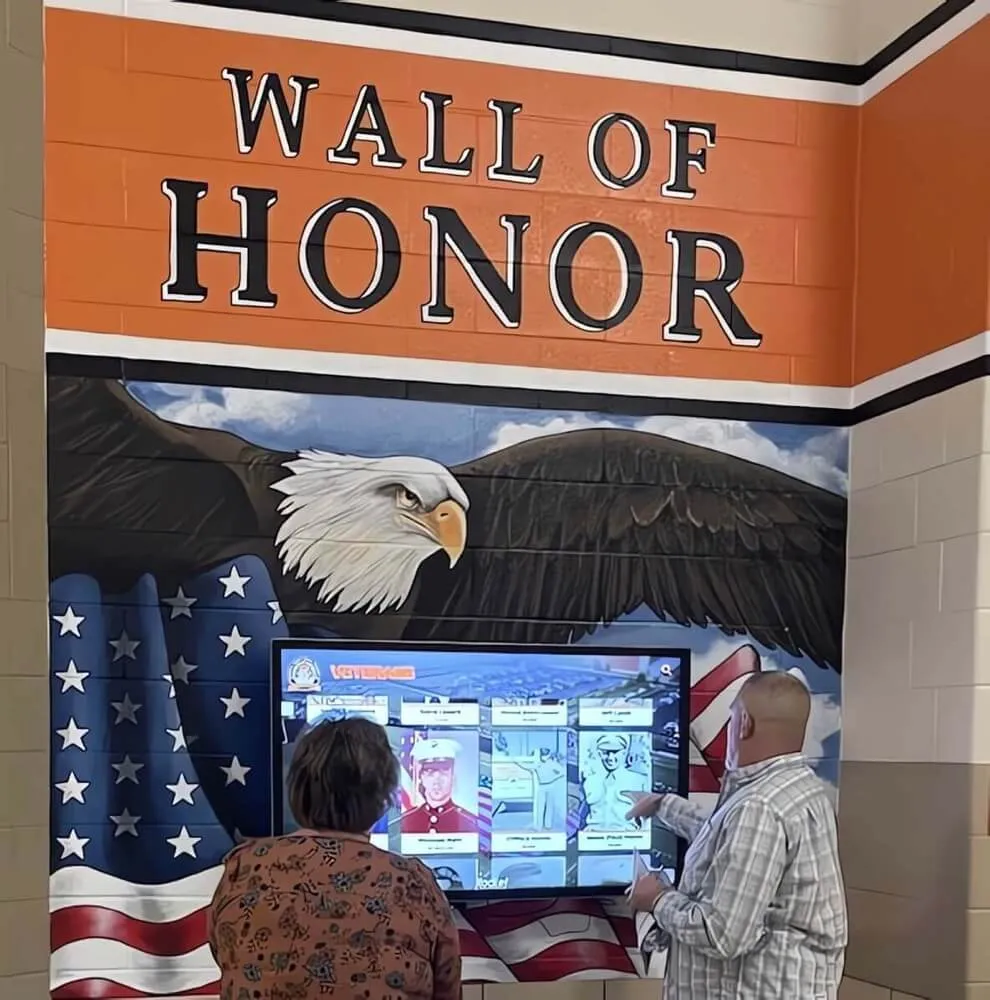
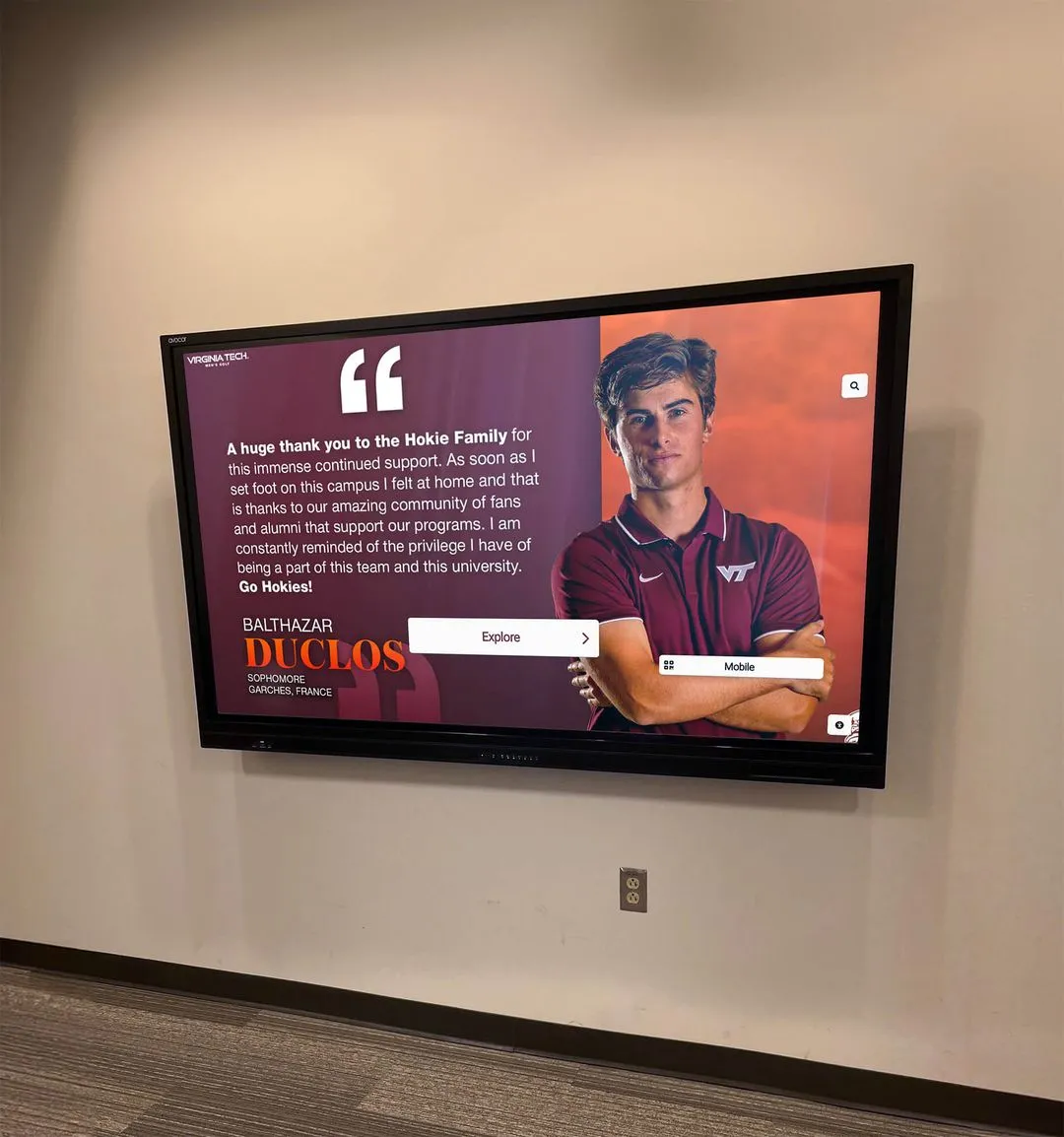
Memorial scholarship programs create lasting legacies that honor individuals while supporting educational access for deserving students
Why Memorial Scholarship Funds Matter
Understanding the profound impact memorial scholarships create helps families and institutions approach fund establishment with clarity about the enduring value these tributes provide.
Transforming Loss Into Educational Opportunity
Memorial scholarships offer grieving families and communities constructive channels for honoring loved ones through actions that create positive change. Rather than tributes that fade or remain purely symbolic, scholarship funds actively support students facing financial barriers—making education accessible while ensuring the person memorialized continues influencing lives positively.
Perpetual Impact Beyond Single Moments
Unlike one-time memorial gifts or temporary tributes, properly structured scholarship funds provide awards annually in perpetuity. A memorial scholarship established today will support deserving students not just this year but twenty, fifty, or a hundred years from now—creating an enduring legacy that touches hundreds or thousands of lives across generations.
For families processing loss, this perpetual impact offers comfort. The scholarship ensures their loved one’s name, values, and commitment to education remain active forces for good long after physical memorials fade or are forgotten. Each scholarship recipient becomes part of the honoree’s extended legacy.
Reflecting Values and Passions
Memorial scholarships can target specific student populations or criteria reflecting what mattered most to the person remembered. A scholarship honoring a science teacher might support future educators. One memorializing a student-athlete could prioritize scholar-athletes demonstrating academic-athletic balance. Awards remembering community volunteers might require demonstrated service commitment.
These specific criteria ensure scholarships do more than provide financial assistance—they actively promote the values, passions, and priorities that defined the honoree’s life and character.
Supporting Educational Access and Student Success
Beyond memorial significance, scholarship funds address the very real financial challenges preventing capable students from accessing educational opportunities essential for future success.
Financial Barriers Facing Students and Families
College costs continue rising faster than family incomes across all demographics. According to the College Board, average tuition and fees at public four-year institutions increased significantly over the past two decades, while family median incomes grew minimally. This widening gap means more students and families face impossible choices between educational aspirations and financial reality.
Scholarship support directly addresses these barriers. Even modest awards make meaningful differences—reducing student loan burdens, enabling students to work fewer hours and focus more on academics, allowing participation in unpaid internships building career foundations, or simply making college attendance financially feasible when it otherwise wouldn’t be.
Expanding Opportunities for Underrepresented Students
Memorial scholarships targeting students from specific backgrounds, communities, or circumstances help diversify educational access. Awards prioritizing first-generation college students, underrepresented minorities, students from particular geographic areas, or those demonstrating financial need despite strong academic potential create pathways otherwise unavailable to many deserving candidates.
These targeted scholarships acknowledge that talent and potential distribute widely across all populations, but opportunity and resources do not. Memorial funds addressing these disparities ensure the person honored continues advancing equity and access.
Learn about comprehensive approaches to recognizing academic achievement that complement memorial scholarship programs.
Building Community Through Shared Purpose
Memorial scholarship funds unite communities around shared commitments to honoring individuals while supporting education—creating ongoing engagement opportunities that strengthen institutional and community bonds.
Collective Remembrance and Giving
Family members, friends, colleagues, former students, and community members all contribute to memorial scholarship funds, each gift representing personal connection to the honoree. This collective giving creates shared memorial experiences bringing diverse people together through common purpose.
Annual scholarship events celebrating recipients while remembering the person honored provide regular occasions for community gathering. Donors see tangible results from their contributions when meeting students whose education they’ve supported. Families witness their loved one’s values actively shaping young lives.
Strengthening Institutional Advancement
For schools and universities, memorial scholarship funds support broader advancement and development goals. These funds demonstrate institutional commitment to access and affordability while building culture of philanthropy engaging alumni, parents, and community members.
Memorial scholarships also create natural major gift opportunities. Families establishing significant endowed scholarships become deeply invested in institutional success. Their ongoing engagement often extends beyond the memorial fund to support other priorities, volunteer leadership roles, and advocacy strengthening the entire institution.
Memorial scholarships celebrate both those being honored and the deserving students receiving educational support
How to Start a Memorial Scholarship Fund: Step-by-Step Guide
Establishing an effective memorial scholarship fund requires careful planning across legal, financial, and operational dimensions ensuring sustainability and impact.
Step 1: Define the Scholarship’s Purpose and Criteria
Clear purpose and well-defined selection criteria ensure scholarship funds remain focused on meaningful objectives while simplifying administration and promoting transparency.
Identifying Core Memorial Elements
Begin by articulating what made the person being memorialized special—their values, passions, accomplishments, and what they cared about most. These defining characteristics should shape scholarship criteria ensuring awards truly honor their memory:
- Professional or Academic Focus: If the honoree was passionate about specific fields (education, medicine, engineering, arts), prioritize students pursuing related studies
- Personal Characteristics: Criteria might emphasize qualities the honoree exemplified—leadership, community service, perseverance through adversity, creativity, or commitment to specific causes
- Geographic or Demographic Connections: Scholarships can prioritize students from the honoree’s hometown, school, church, or demographic communities they served
- Activity or Interest Areas: If the person loved music, athletics, debate, or other pursuits, scholarships might support students excelling in these areas
Establishing Selection Criteria
Develop specific, measurable criteria scholarship committees can apply consistently and fairly:
Academic Requirements
- Minimum GPA thresholds (typical range: 2.5-3.5 depending on competitiveness)
- Standardized test score minimums if applicable
- Class rank requirements for high school students
- Academic major or intended field of study specifications
Financial Need Considerations
- Need-based awards requiring financial aid application documentation
- Merit-based awards independent of financial circumstances
- Hybrid approaches combining need and merit factors
Additional Qualification Factors
- Essay requirements allowing students to articulate goals, values, or connections to memorial purpose
- Community service hour minimums or demonstrated service commitment
- Leadership roles in school, community, or extracurricular activities
- Letters of recommendation from educators, employers, or community leaders
- Personal characteristics or circumstances matching the honoree’s life story
Step 2: Determine Funding Structure and Award Amount
Sound financial planning ensures scholarship funds provide meaningful support while maintaining sustainability across time.
Deciding Between Annual and Endowed Funds
Memorial scholarships follow two primary funding models, each with distinct advantages:
Annual Scholarships
- Fully expended each year from contributions received
- Lower initial funding requirements (could start with $500-$5,000 total)
- Requires ongoing fundraising to sustain awards annually
- Provides flexibility to adjust award amounts based on fundraising success
- Ideal for testing scholarship programs before major endowment commitments
Endowed Scholarships
- Principal amount invested permanently, only earnings distributed as awards
- Higher initial funding requirements (typically $10,000-$50,000+ minimum)
- Generates perpetual awards without ongoing fundraising necessity
- Award amounts fluctuate with investment performance but generally stable
- Creates truly permanent legacy continuing indefinitely
Most memorial scholarships begin as annual programs, then transition to endowment once fundraising reaches thresholds supporting permanent establishment.
Setting Meaningful Award Amounts
Scholarship awards should provide significant student impact while remaining sustainable based on available funding:
Award Amount Considerations
- $500-$1,000: Meaningful assistance covering books, fees, or partial housing costs
- $1,000-$2,500: Substantial support offsetting significant tuition or living expenses
- $2,500-$5,000: Major awards meaningfully reducing loan burdens or enabling full-time study
- $5,000+: Transformative scholarships potentially covering full tuition at some institutions
Calculate sustainable award amounts by dividing available annual funds by intended number of recipients. For endowments, multiply the principal by expected annual distribution rate (typically 4-5%) to determine annual award capacity.
Step 3: Choose the Right Administrative Structure
Selecting appropriate administrative partnership ensures legal compliance, financial management, and efficient operations without overwhelming founding families or committees.
Institutional Partnerships
Most memorial scholarships establish partnerships with schools, universities, or community foundations handling legal and administrative responsibilities:
School or University Administration
- Institution manages funds within their existing scholarship programs
- Benefits from established 501(c)(3) tax-exempt status enabling tax-deductible contributions
- Professional staff handle investment management, compliance, selection coordination, and disbursement
- Existing systems process applications, verify eligibility, and distribute awards
- May charge administrative fees (typically 1-5% annually) covering management costs
Community Foundation Partnership
- Local community foundations manage scholarship funds for families and donors
- Provide professional investment management and administrative services
- Offer flexibility serving multiple institutions or student populations
- Enable donor-advised fund structures giving families ongoing input
- Often more accessible and responsive than large institutional bureaucracies
Independent Private Foundation
- Families establish separate 501(c)(3) organizations managing scholarship programs
- Provides maximum control over all decisions and operations
- Requires significant administrative commitment and legal/financial expertise
- Involves ongoing compliance responsibilities (annual filings, audits, governance)
- Best suited for large, well-funded memorial programs with dedicated family involvement
Practical Recommendation
Unless establishing very large endowments (typically $250,000+) with extensive family involvement, partnering with existing institutions or community foundations provides the best balance of professional management, legal compliance, and reasonable administrative burden.
Explore how capital campaign strategies can support memorial scholarship fundraising goals.
Step 4: Establish Legal and Tax Structure
Proper legal establishment ensures memorial scholarship funds comply with regulations while maximizing tax advantages for contributors.
Securing Tax-Exempt Status for Donations
Contributions to memorial scholarships become tax-deductible when funds operate through qualified 501(c)(3) organizations:
- Institutional or community foundation partnerships automatically provide this benefit
- Donors receive charitable contribution deductions reducing taxable income
- Tax advantages significantly encourage larger gifts from individuals and businesses
- Proper receipting and acknowledgment procedures ensure donors can substantiate deductions
Creating Clear Scholarship Agreements
Formal agreements document scholarship terms, administration responsibilities, and donor intentions:
Essential Agreement Components
- Official scholarship name and memorial designation
- Detailed selection criteria and eligibility requirements
- Award amount calculation methods and distribution schedules
- Administrative responsibilities of all parties
- Reporting requirements to founding families and donors
- Provisions for modifying criteria if circumstances change
- Dissolution terms if scholarship becomes unviable
Written agreements prevent misunderstandings while ensuring scholarship administration remains faithful to founding intentions across time and personnel changes.
Compliance and Reporting Requirements
Depending on structure, memorial scholarships must comply with various regulations:
- Nondiscrimination requirements ensuring criteria don’t create illegal exclusions
- Scholarship selection and disbursement documentation
- Financial reporting to donors and regulatory authorities
- Grant administration procedures if operating as private foundation
- State charitable solicitation registration if conducting public fundraising
Institutional or community foundation partnerships handle most compliance responsibilities, significantly simplifying family involvement.
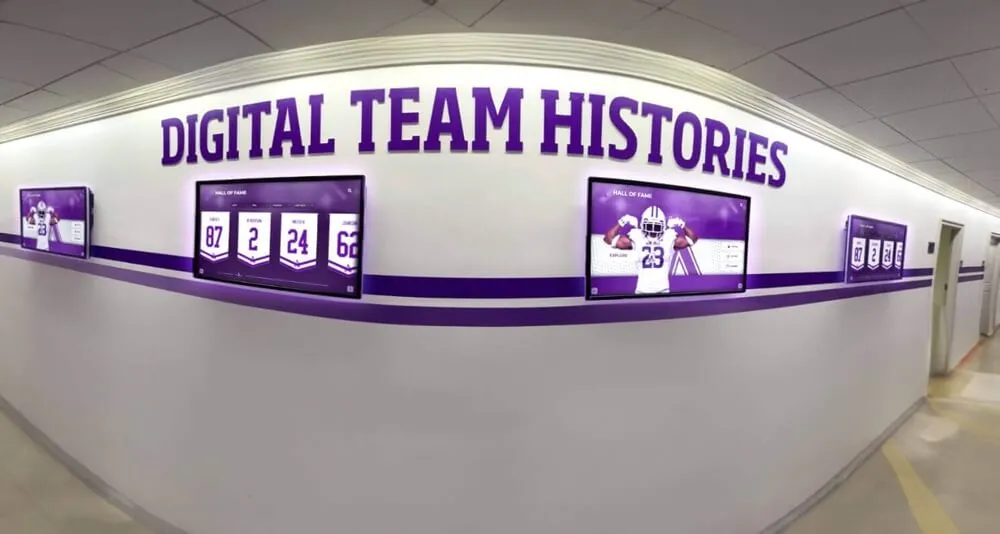
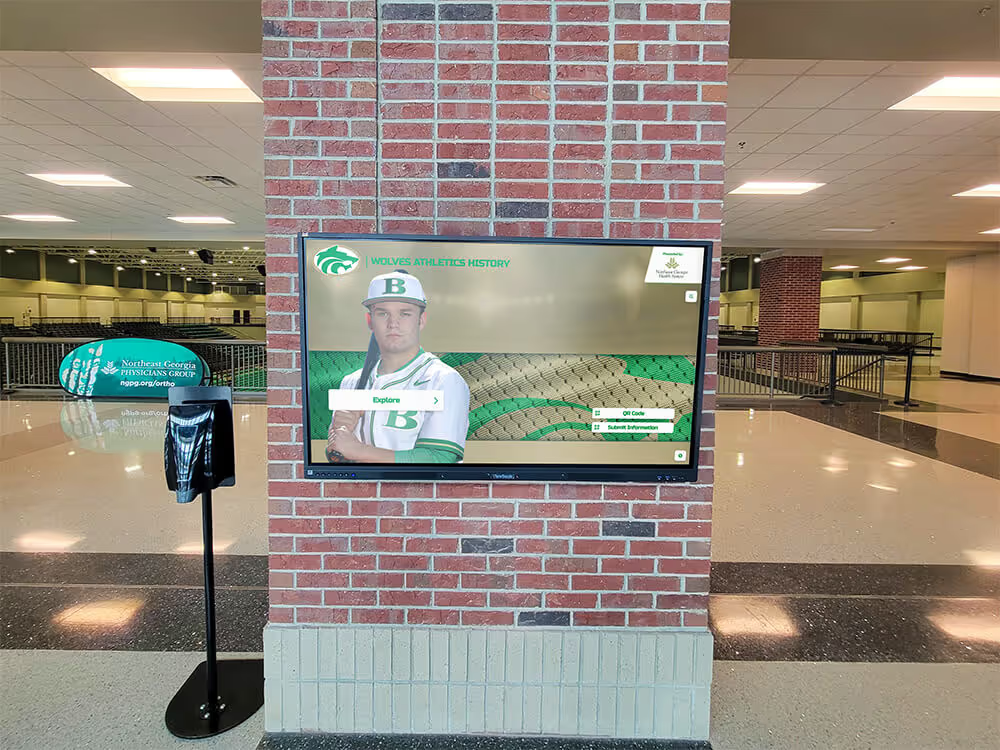
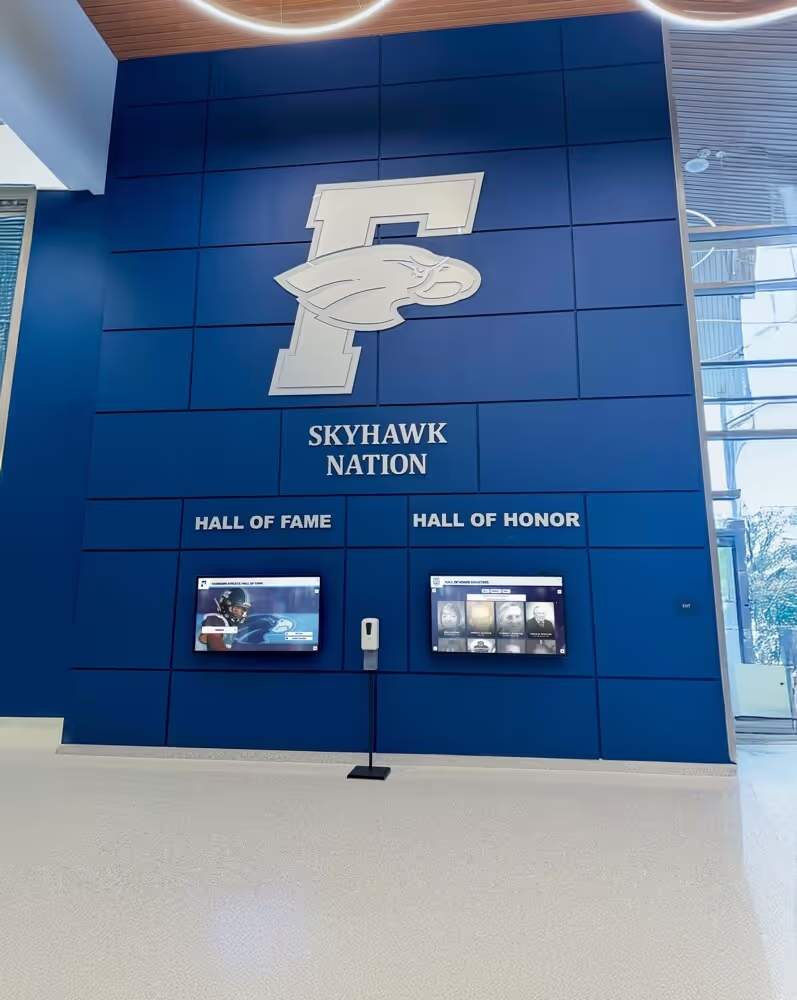
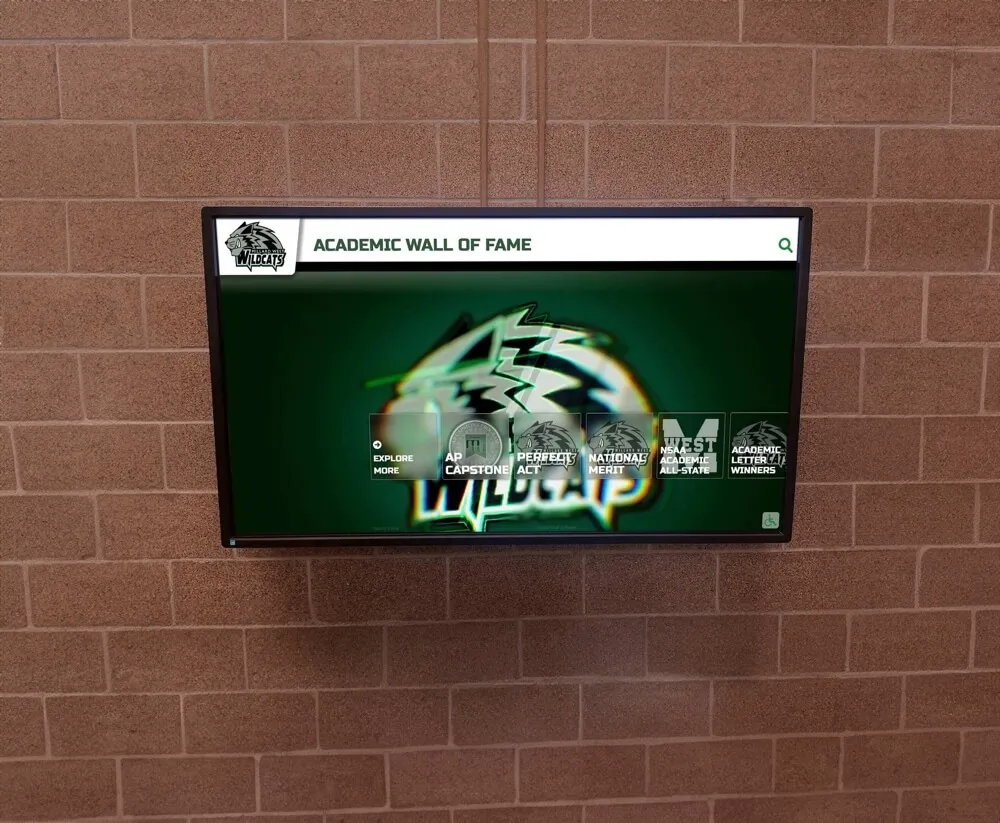
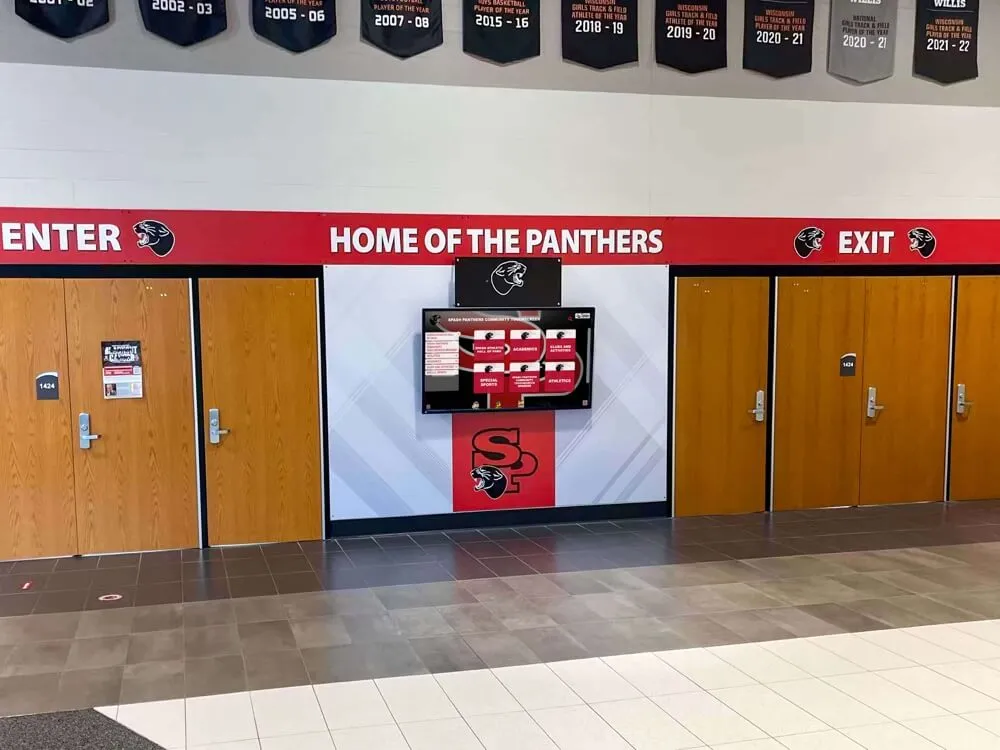
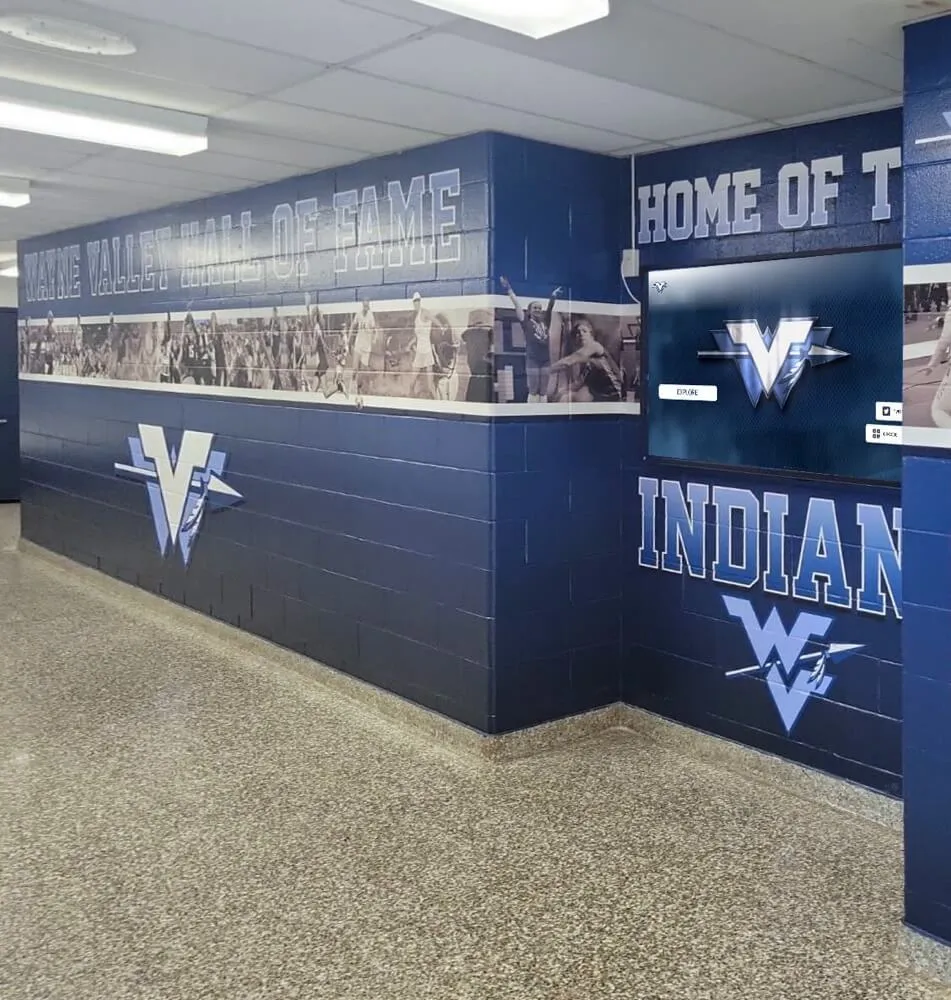
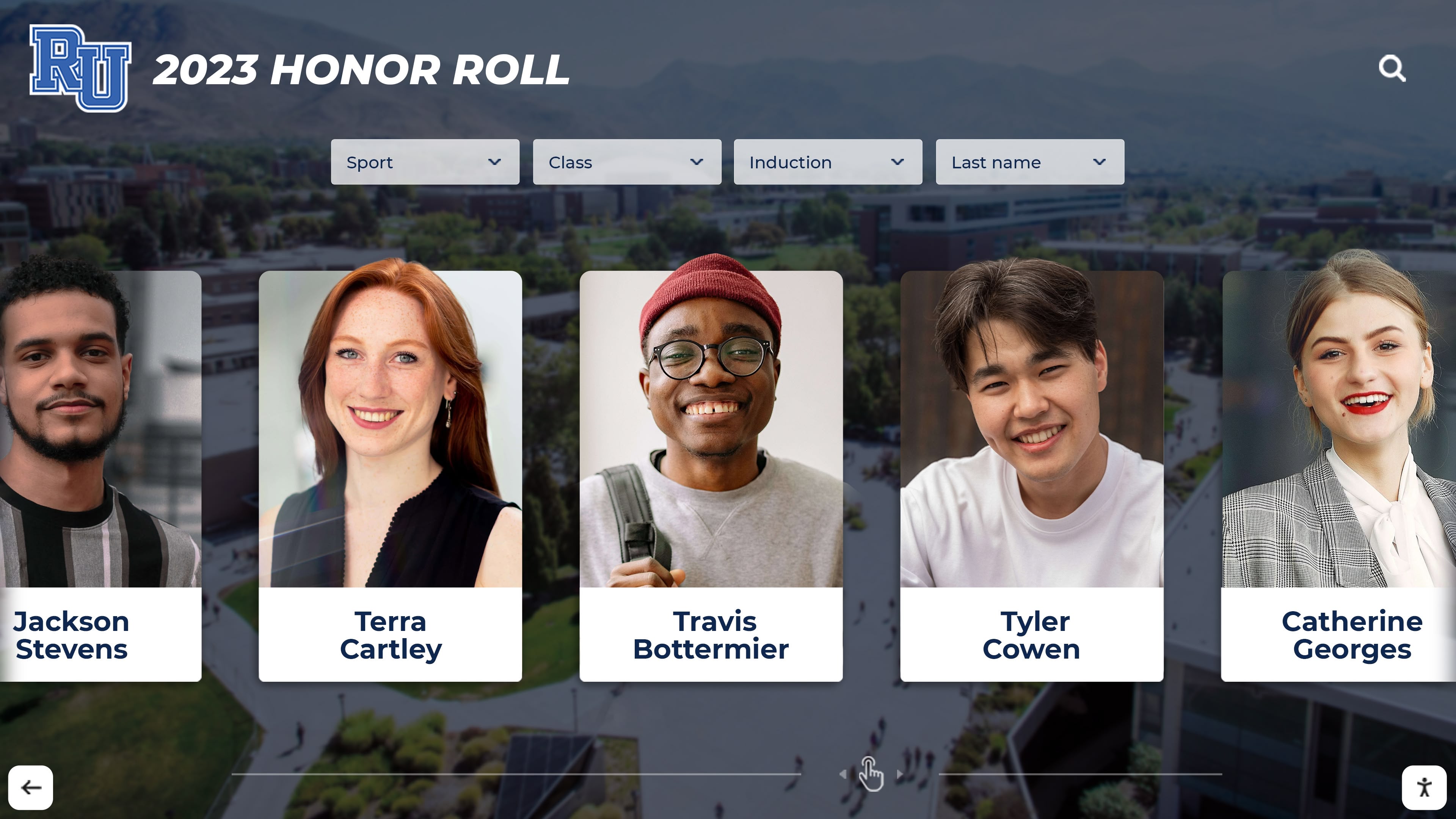
Modern recognition systems enable schools to honor scholarship donors and recipients through engaging digital displays
Fundraising Strategies for Memorial Scholarships
Successful memorial scholarship funds employ diverse fundraising approaches building initial capital while creating sustainable contribution patterns.
Initial Capital Campaign
Launching memorial scholarships often begins with focused campaigns raising significant initial funding from those closest to the person being honored.
Family and Close Friend Solicitation
Immediate family members and close friends typically provide the largest initial contributions. Personal asks from family representatives explaining scholarship vision and honoring their shared loved one prove most effective:
- Request specific contribution amounts aligned with donor capacity
- Offer naming opportunities for particularly significant gifts
- Provide clear information about tax deductibility and giving mechanics
- Share how contributions perpetuate the honoree’s values and impact
Memorial Service and Funeral Giving
Many memorial scholarships launch through contributions received during memorial services or in lieu of flowers:
- Include scholarship information in funeral programs and obituaries
- Designate memorial scholarship as preferred donation recipient
- Provide easy giving instructions (website, mailing address, online platforms)
- Follow up with acknowledgments highlighting how gifts will support students
Initial Campaign Goal Setting
Establish clear initial fundraising targets based on chosen structure:
- Annual scholarships might target $2,500-$10,000 for first-year operations
- Endowment establishment typically requires $10,000-$50,000 minimum
- Larger goals ($100,000+) create substantial permanent funds supporting multiple students annually
Ongoing Fundraising and Sustainability
Beyond initial establishment, successful memorial scholarships maintain contribution momentum through annual activities and diverse giving opportunities.
Annual Giving Campaigns
Regular solicitations to scholarship supporters sustain annual awards or build endowment principal:
- Anniversary appeal each year marking the scholarship’s establishment
- Holiday season giving campaigns during peak charitable contribution periods
- Donor newsletter updates sharing recipient stories and impact
- Tribute gift opportunities for birthdays, anniversaries, or holidays
- Recurring monthly donation programs for sustained support
Event-Based Fundraising
Memorial events generate both contributions and community awareness:
- Annual memorial golf tournaments, 5K runs, or other athletic events
- Tribute concerts, dinners, or galas celebrating the honoree
- Awareness days or weeks featuring special programming and giving opportunities
- Reunion gatherings bringing together people connected to the honoree
Discover approaches to recognizing annual 5K fundraiser participants that support scholarship programs.
Corporate and Organizational Partnerships
Businesses and organizations with connections to the honoree often provide significant ongoing support:
- Employer matching gift programs doubling individual contributions
- Corporate sponsorships of memorial events or annual awards
- Workplace giving campaigns designating scholarship as beneficiary
- Professional association or alumni organization partnerships
- Community organization collaborations (Rotary, Lions, service clubs)
Planned Giving and Legacy Donations
Major gifts establishing or significantly expanding scholarships come through planned giving vehicles:
- Bequests naming memorial scholarship in wills or trusts
- Life insurance policy beneficiary designations
- Retirement account charitable distributions
- Charitable gift annuities providing income to donors while supporting scholarships
- Donor-advised fund grants from family foundations
Creative Fundraising Approaches
Innovative strategies engage broader audiences while creating fun, meaningful participation opportunities:
Crowdfunding Campaigns
Online platforms enable widespread participation through small gifts:
- Platforms like GoFundMe, Classy, or institutional giving pages
- Social media promotion reaching extended networks
- Peer-to-peer fundraising where supporters create personal campaign pages
- Matching gift challenges incentivizing participation
- Birthday fundraisers through Facebook or other social networks
Entrepreneurial Fundraising
Product sales or service offerings generate scholarship revenue:
- Memorial scholarship cookbooks featuring the honoree’s recipes or community contributions
- Branded merchandise (t-shirts, water bottles, stickers) with proceeds supporting scholarships
- Student car washes, bake sales, or other school-based activities
- Percentage-of-sales partnerships with local businesses on designated days
Recognition-Based Giving Tiers
Structured giving levels with corresponding recognition benefits encourage larger contributions:
- Bronze, Silver, Gold, Platinum donor tiers ($250, $500, $1,000, $2,500+)
- Special recognition on digital displays, websites, or print materials
- Invitation to exclusive events or scholarship award ceremonies
- Named scholarship opportunities at highest levels
Digital Recognition Ideas That Donors Love
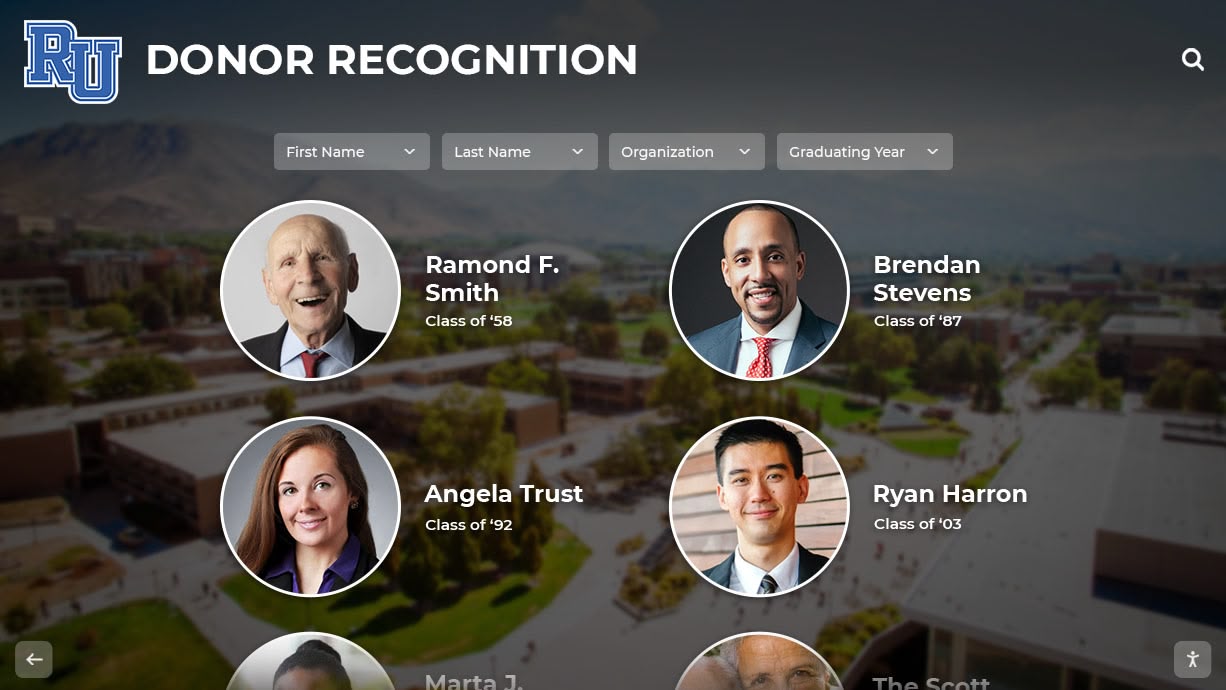
Modern recognition technology enables schools and organizations to honor memorial scholarship donors and recipients through engaging, perpetually updated displays that traditional plaques cannot match.
Interactive Digital Donor Walls
Digital recognition displays transform how institutions acknowledge scholarship supporters while celebrating recipients and the individuals memorialized.
Perpetual Recognition Without Space Limitations
Traditional donor walls face inherent constraints—physical space limits how many names can be acknowledged, adding recognition requires expensive fabrication, and updating information proves difficult or impossible. Digital displays eliminate these barriers through unlimited virtual space accommodating all contributors, easy content updates reflecting current giving, and flexible presentations showcasing various information.
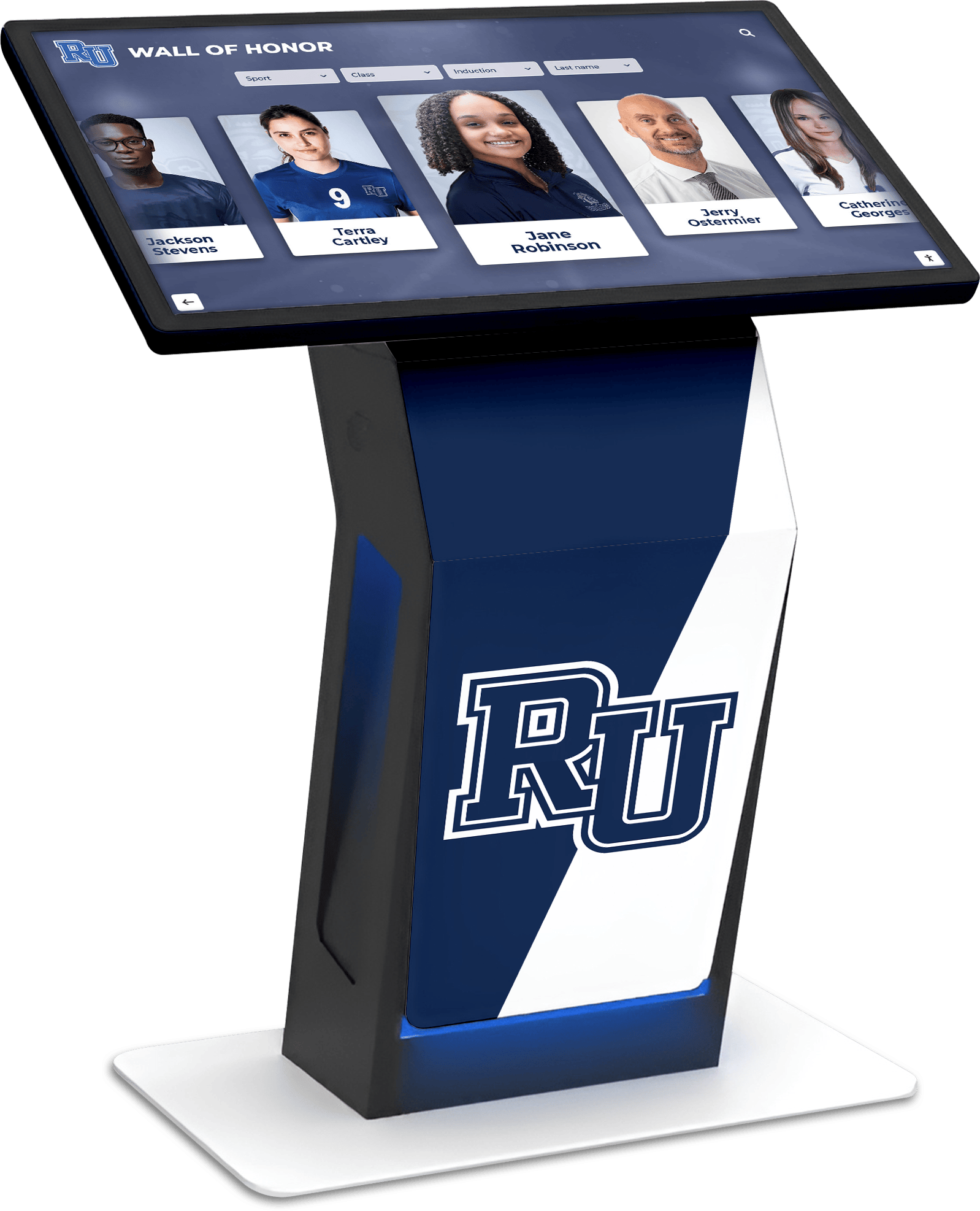
Solutions like Rocket Alumni Solutions provide touchscreen recognition systems where visitors explore donor histories, read about scholarship recipients, learn about memorialized individuals, and discover impact stories—all through intuitive, engaging interfaces that traditional plaques cannot approach.
Multimedia Storytelling Capabilities
Digital platforms enable rich memorial presentations incorporating:
- Photograph collections showing the honoree across different life stages
- Video tributes featuring family members, friends, or colleagues sharing memories
- Written biographies detailing achievements, values, and impact
- Recorded messages from scholarship recipients describing how awards changed their lives
- Timeline presentations illustrating the memorial scholarship’s growing impact
These multimedia elements create emotional connections far exceeding simple name listings, helping visitors understand the person being honored and the meaningful work scholarships accomplish.
Donor Recognition Tiers and Levels
Digital displays beautifully present giving societies and recognition levels:
- Animated presentations featuring donors in appropriate recognition categories
- Special highlighting for major benefactors or founding contributors
- Cumulative giving totals showing lifetime support
- Recent gift acknowledgments celebrating newest contributors
- Memorial tribute pages honoring donors making gifts in someone’s memory
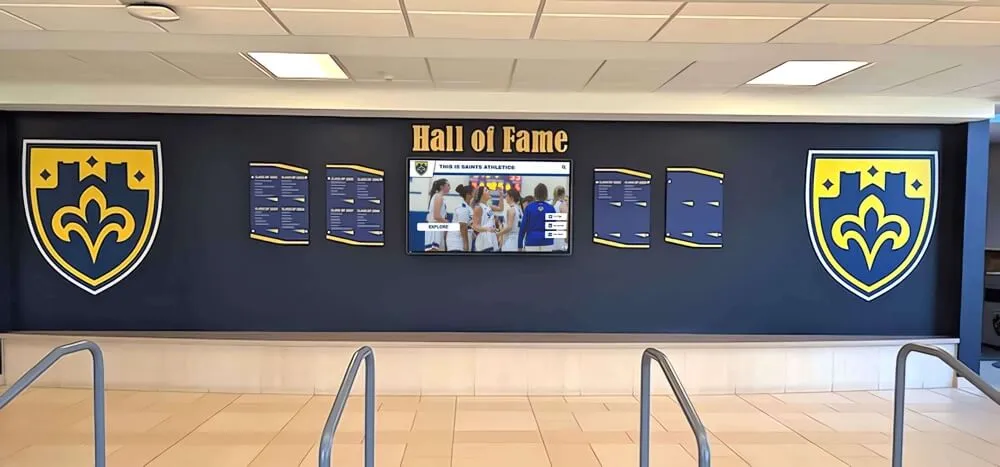
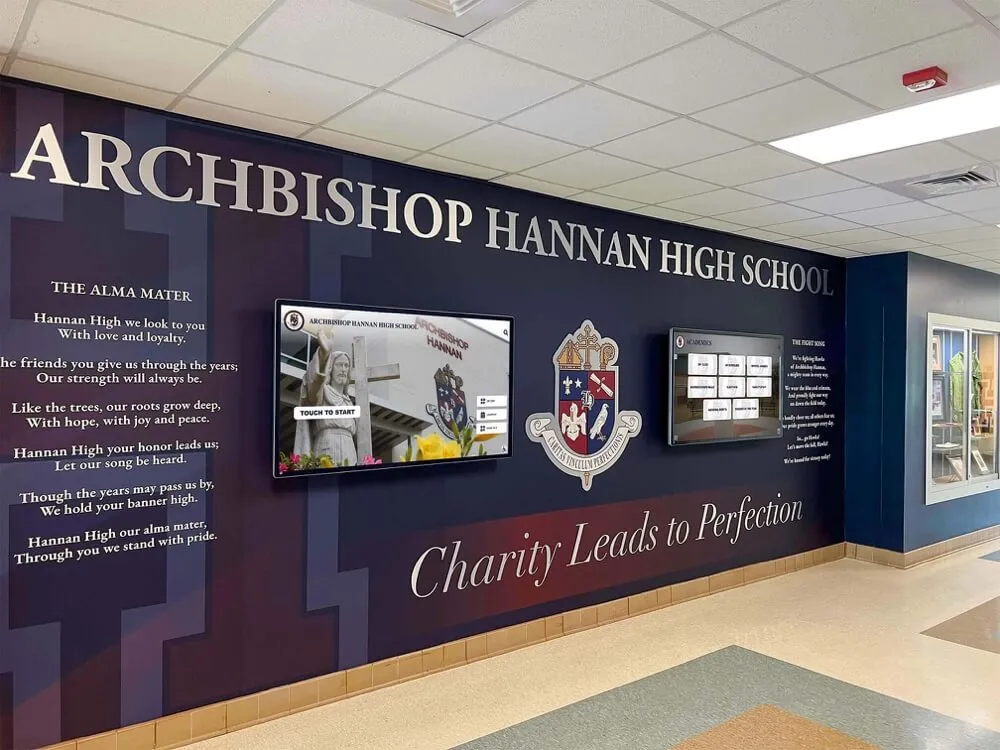
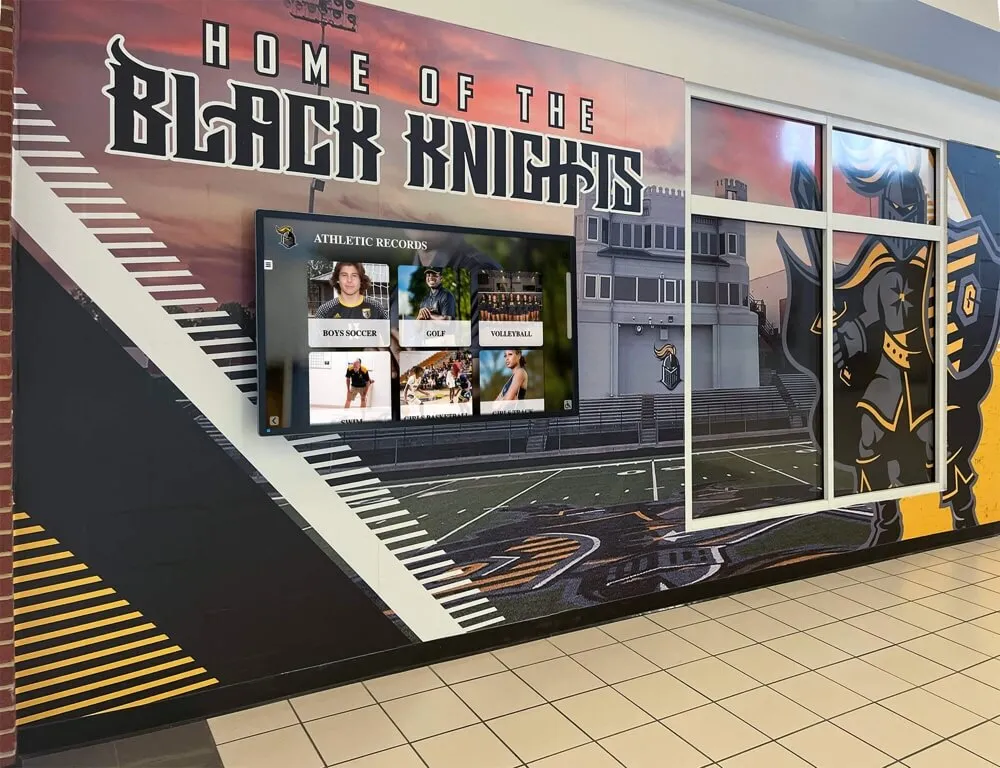
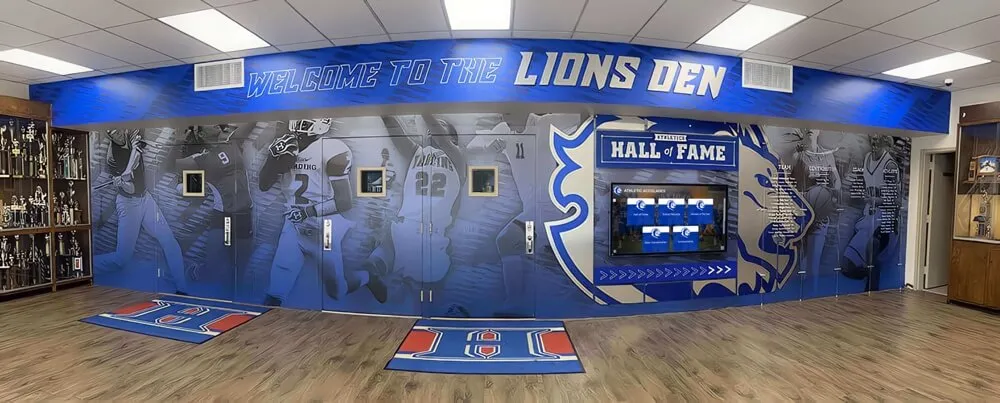
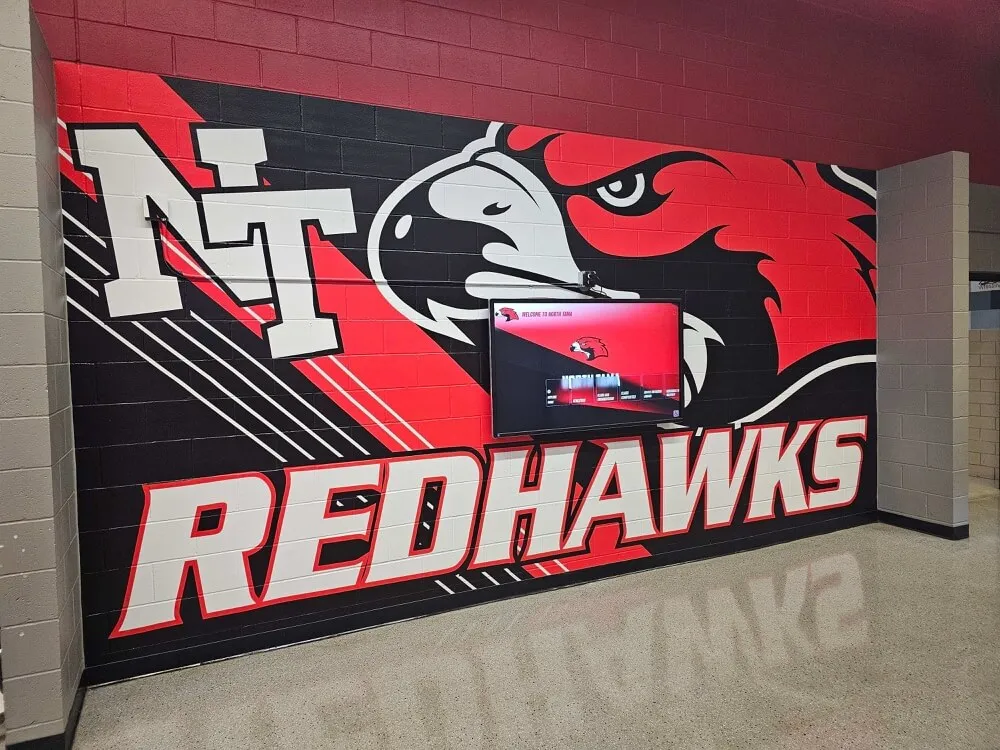
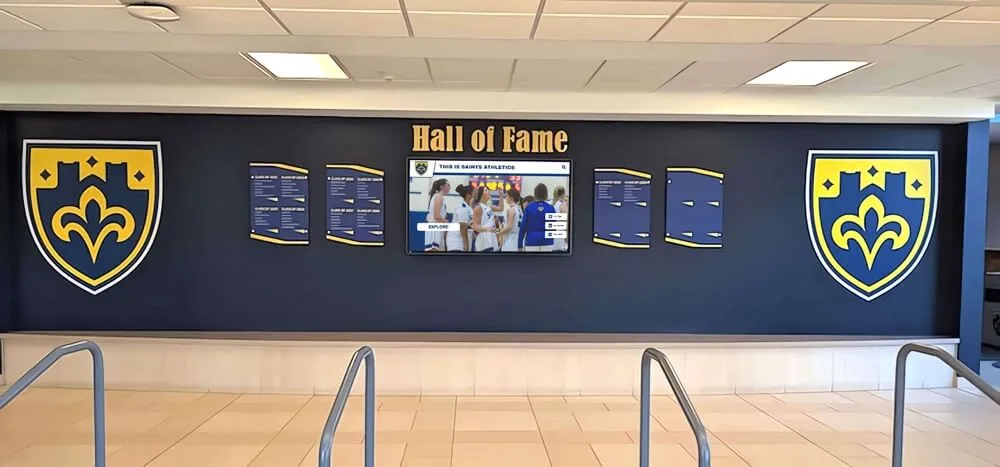
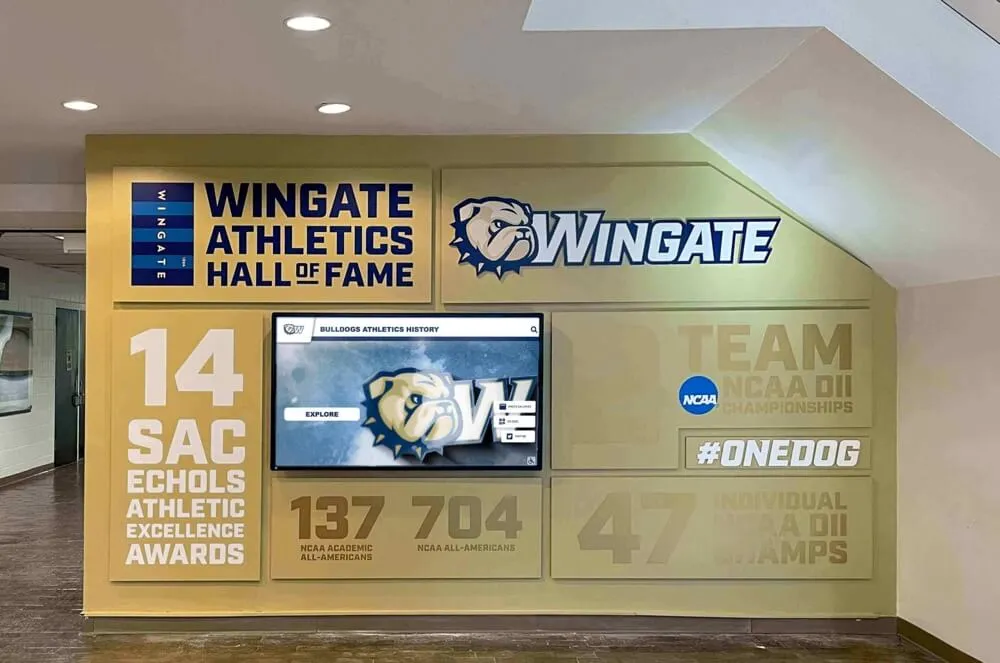
Digital recognition systems combine traditional aesthetic elements with modern technology for dynamic donor acknowledgment
Scholarship Recipient Showcases
Highlighting students receiving memorial scholarships demonstrates tangible impact while celebrating academic achievement and honoring those who make awards possible.
Student Profile Presentations
Digital displays feature scholarship recipients through:
- Professional photographs showing students in academic or career settings
- Brief biographies describing academic pursuits, career goals, and personal backgrounds
- Impact statements where students explain how scholarships made education possible
- Academic and extracurricular achievement highlights
- Video testimonials from recipients thanking donors and sharing their stories
These presentations give faces and stories to scholarship impact—donors see real students whose lives they’ve changed rather than abstract statistics.
Academic Achievement Recognition
Memorial scholarships often prioritize academic excellence. Digital displays can showcase:
- GPA and academic honor recognition for scholarship recipients
- Dean’s list, honor roll, or other academic achievement acknowledgments
- Graduation celebration pages as recipients complete degrees
- Graduate school or career placement success stories
- Professional accomplishments of scholarship alumni returning to support future students
Learn about comprehensive honor roll recognition strategies that complement scholarship programs.
Connecting Recipients to Memorial Purpose
Effective recognition explicitly connects scholarship recipients to the individuals being memorialized:
- Statements from students explaining what receiving a scholarship honoring [name] means to them
- Descriptions of how recipients embody values the honoree championed
- Reflections on carrying forward the memorial legacy through their own achievements and service
- Commitments to pay it forward by supporting future students
These connections create powerful emotional resonance—families see their loved one’s values living on through students, while recipients feel deeper connection to their benefactors.
Virtual Recognition and Online Platforms
Digital recognition extends beyond physical displays through online platforms accessible to donors, families, and communities worldwide.
Dedicated Memorial Scholarship Webpages
Comprehensive online presence provides central information and recognition hub:
Essential Webpage Components
- Detailed biography of the person memorialized with photos and stories
- Scholarship criteria, award amounts, and application information
- Complete donor recognition listing (with permission)
- Scholarship recipient directory showcasing past and current students
- Impact metrics (total awarded, number of recipients, aggregate support)
- Donation portal enabling easy online contributions
- Event calendar highlighting memorial activities and scholarship ceremonies
Social Media Recognition
Regular social acknowledgment keeps memorial scholarships visible while celebrating donors and recipients:
- Facebook, Instagram, or LinkedIn posts featuring scholarship recipients
- Donor appreciation posts during giving seasons or scholarship anniversaries
- Video content sharing recipient testimonials or memorial tributes
- Anniversary remembrance posts on the honoree’s birthday or scholarship establishment date
- Campaign updates during fundraising drives showing progress toward goals
Email Communication and Newsletters
Regular electronic updates maintain donor engagement while providing accountability:
- Annual impact reports detailing scholarships awarded and recipient achievements
- Donor spotlights recognizing significant contributors
- Memorial tributes on significant dates
- Fundraising campaign announcements and progress updates
- Recipient introduction messages as students receive awards
Recognition Event Integration
Physical events celebrating memorial scholarships provide opportunities for meaningful recognition and community building.
Annual Scholarship Award Ceremonies
Formal presentations honoring recipients while acknowledging donors create memorable experiences:
- Recipient recognition with certificates or plaques
- Student speeches sharing gratitude and personal stories
- Donor acknowledgment recognizing contribution levels
- Family members of the person memorialized participating in presentations
- Group photographs preserving memories for participants
- Digital displays during events showing donor recognition and memorial tributes
Memorial Anniversary Gatherings
Annual events on significant dates (honoree’s birthday, scholarship anniversary, graduation date) unite communities around remembrance and educational support:
- Reflection and storytelling sessions where people share memories
- Fundraising appeals aligned with memorial purpose
- Recognition presentations highlighting annual scholarship impact
- Updates on recipients’ progress and achievements
- Opportunities for attendees to make tribute gifts
Explore meaningful recognition award examples that can be integrated into scholarship ceremonies.
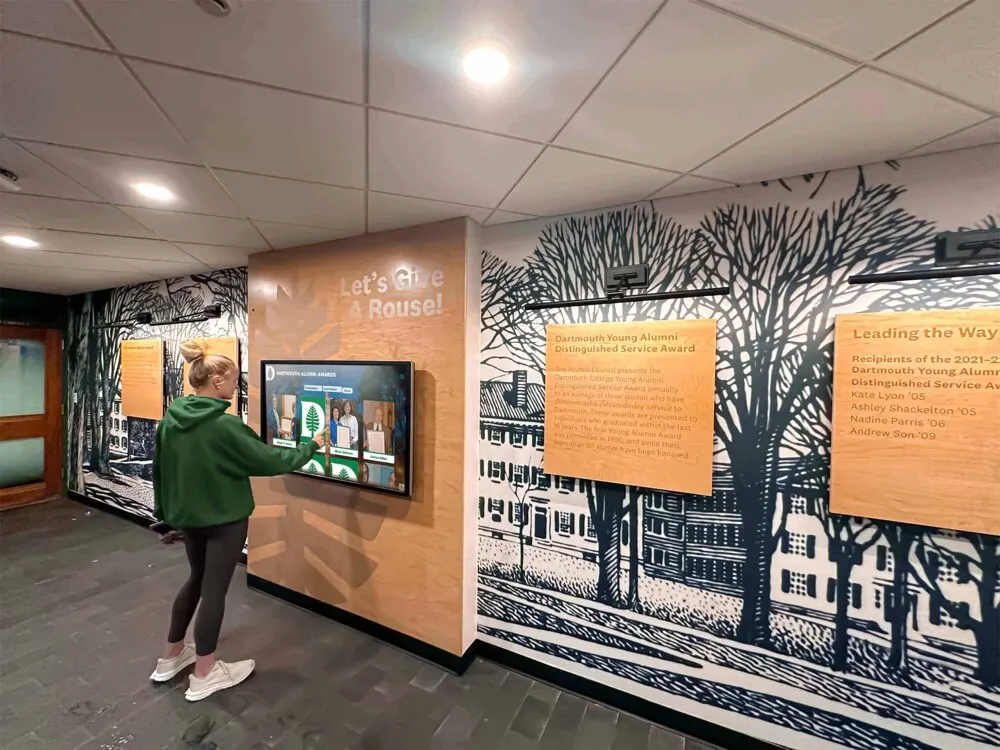
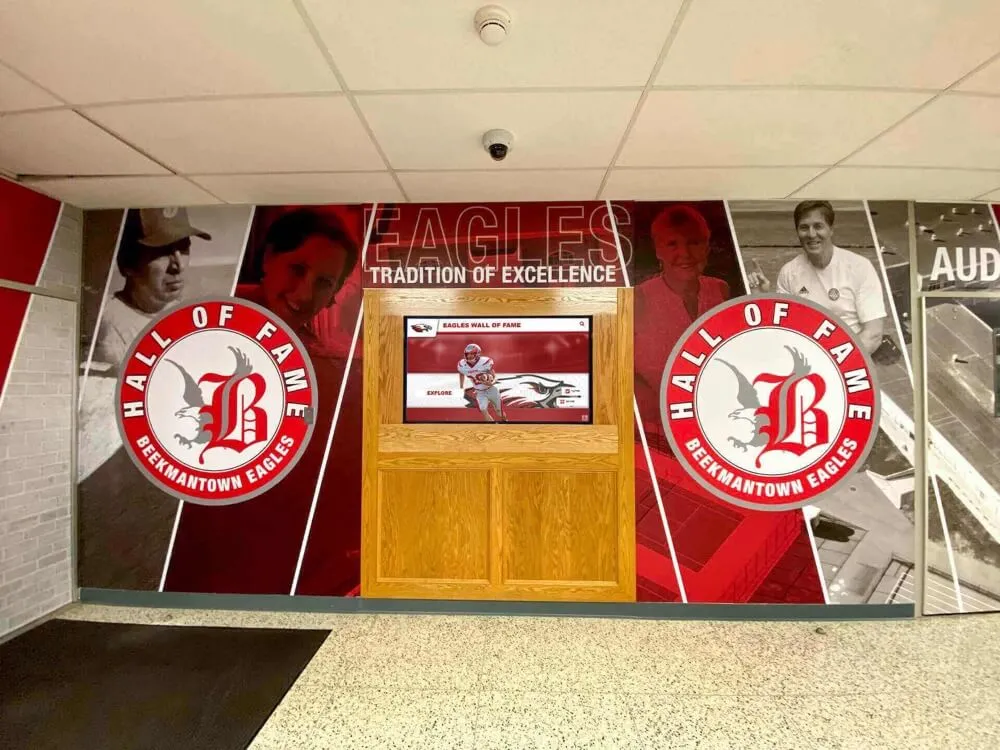
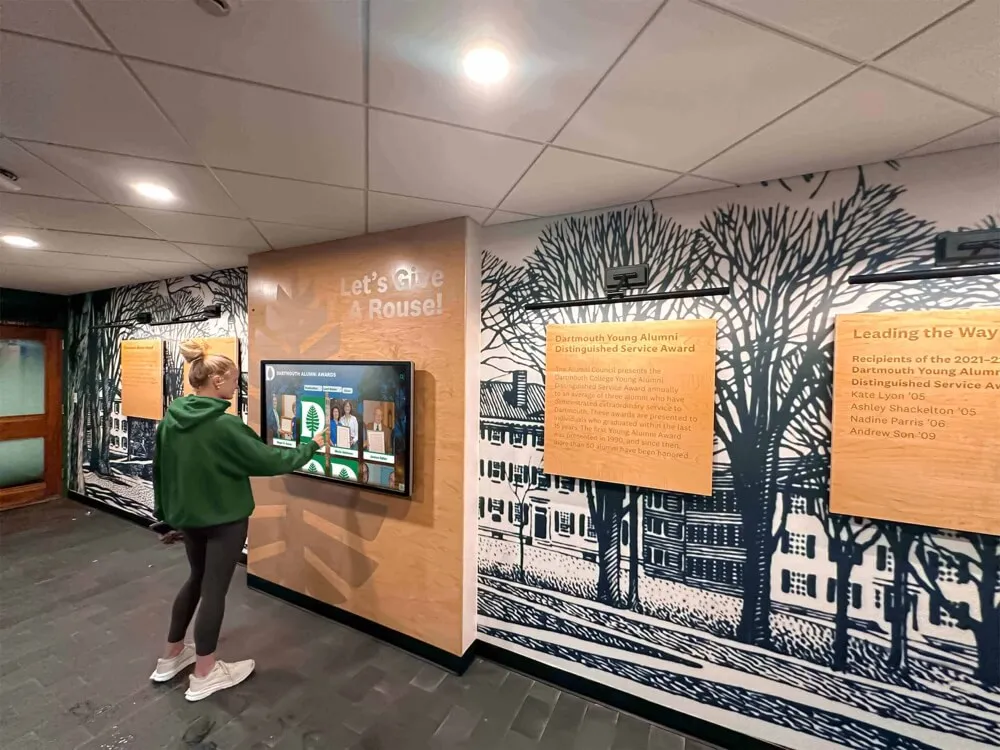
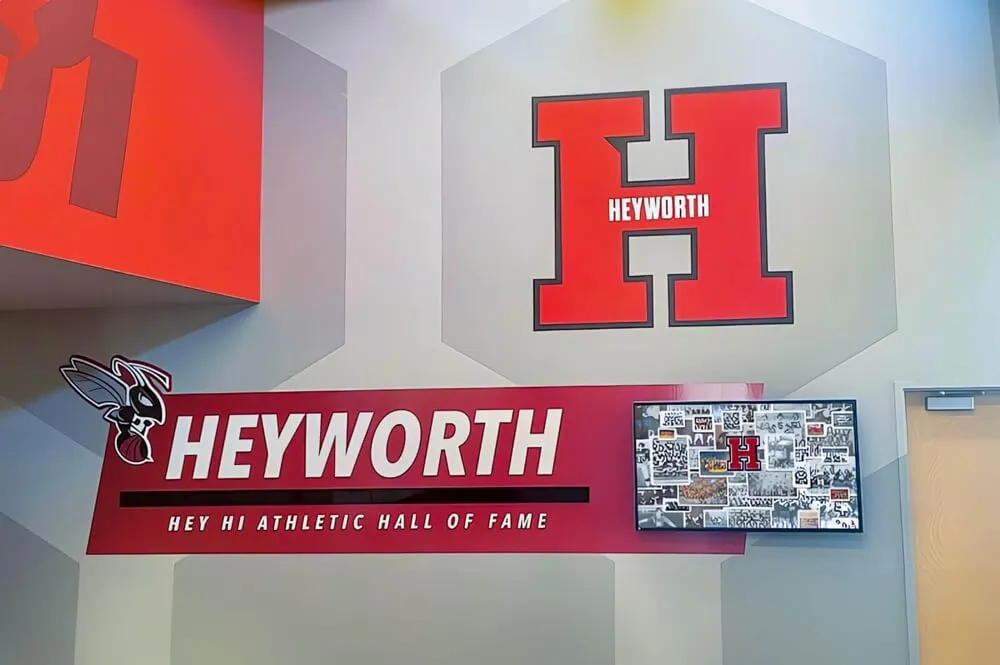
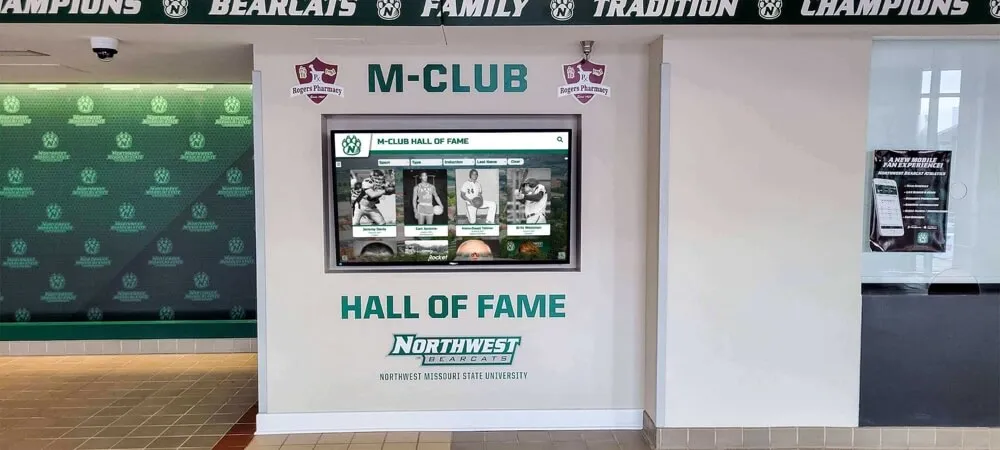
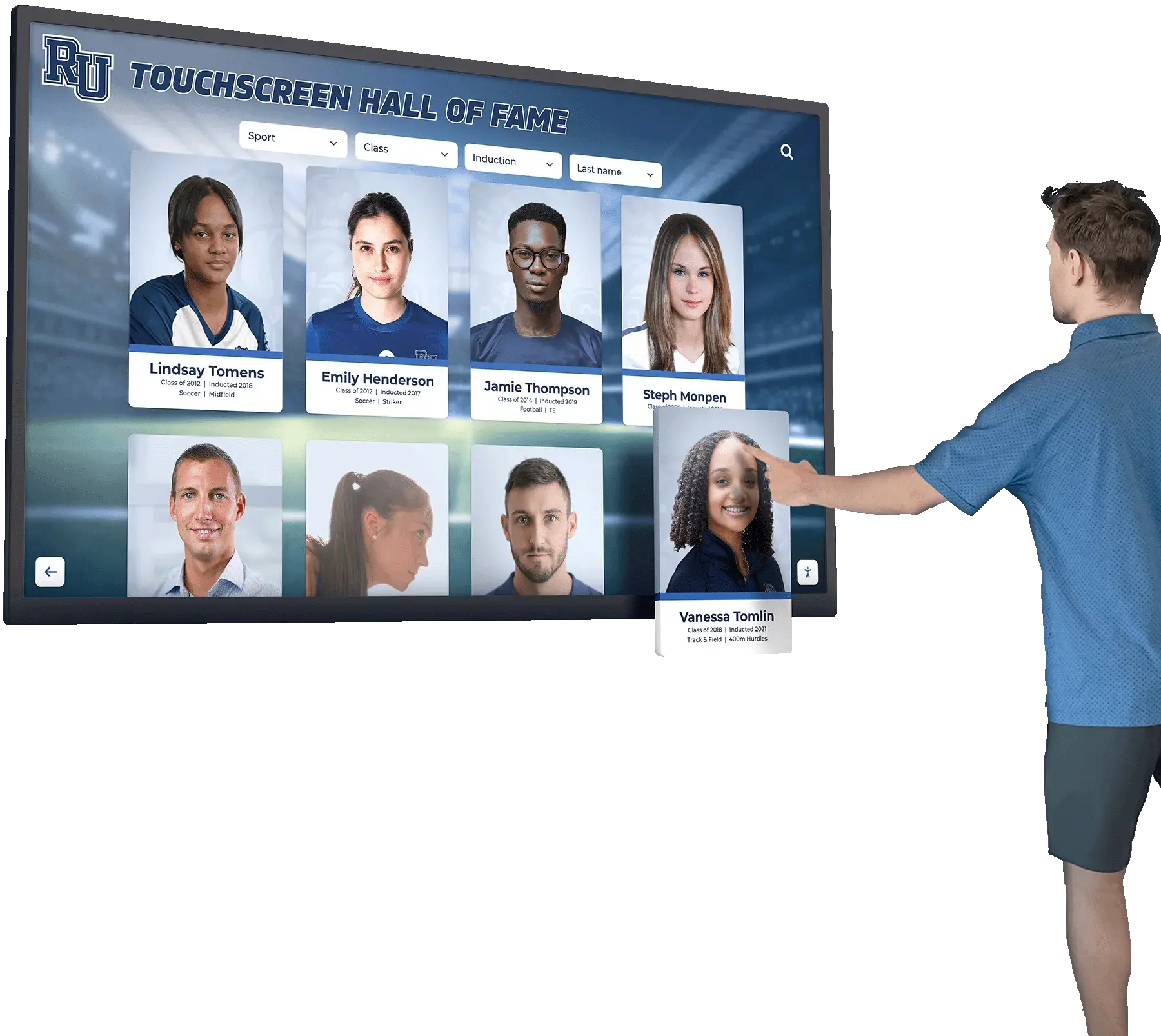
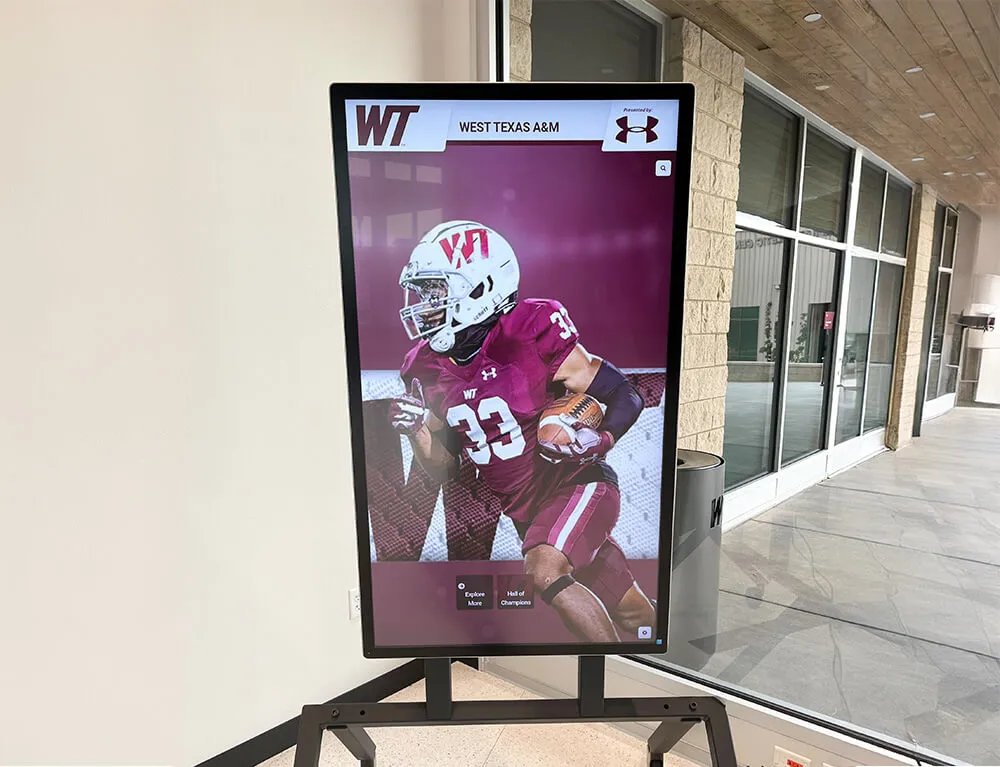
Interactive touchscreen displays enable self-guided exploration of memorial scholarships, donor recognition, and recipient achievements
Administering Memorial Scholarships for Long-Term Success
Effective ongoing administration ensures memorial scholarships remain well-managed, compliant, and impactful across years and leadership transitions.
Establishing Selection Committees and Processes
Fair, transparent selection processes build credibility while ensuring scholarships reach the most deserving candidates.
Committee Composition
Scholarship selection committees should include diverse perspectives:
- Representatives from the honored individual’s family (1-2 members)
- School or institutional administrators (counselors, financial aid officers)
- Faculty or educators familiar with applicants
- Community members or professionals from relevant fields
- Former scholarship recipients (once program has history)
Committees typically include 5-7 members providing balanced judgment while remaining manageable for scheduling and decision-making.
Selection Criteria Rubrics
Develop scoring rubrics translating general criteria into specific, measurable evaluations:
Sample Rubric Components
- Academic achievement (GPA, test scores, rigor): 0-30 points
- Essay quality and connection to memorial values: 0-25 points
- Community service and leadership: 0-20 points
- Financial need (if applicable): 0-15 points
- Recommendations strength: 0-10 points
Numerical scoring promotes consistency across committee members while enabling discussion of close decisions.
Application and Review Timeline
Establish regular annual schedules ensuring timely administration:
- September-October: Announce scholarship availability and application deadlines
- November-January: Application period for following academic year
- February-March: Committee reviews applications and conducts selection
- April: Award notifications and recipient announcements
- May: Award ceremony and recognition event
- Summer: Scholarship disbursement to institutions or recipients
Consistent timelines help students plan while enabling efficient committee operations.
Financial Management and Reporting
Sound financial stewardship protects scholarship funds while demonstrating accountability to donors and families.
Investment Strategy for Endowments
Endowed scholarships require prudent investment management balancing growth and distribution:
- Conservative asset allocation protecting principal (typically 60% equities, 40% fixed income)
- Diversified portfolio reducing risk concentration
- Professional management through institutional investment offices or community foundations
- Spending policies limiting annual distributions (typically 4-5% of average balance)
- Periodic rebalancing maintaining target allocations
Annual Financial Reporting
Transparent reporting builds donor confidence while meeting legal obligations:
Annual Report Components
- Beginning balance, contributions received, investment returns, disbursements, ending balance
- List of scholarship recipients with award amounts
- Summary of selection process and committee activities
- Recognition of significant donors and contributions
- Plans for upcoming year including fundraising goals
- Contact information for questions or additional support
Distribute annual reports to founding families, major donors, institutional partners, and other stakeholders demonstrating responsible stewardship.
Expense Management
Minimize administrative costs ensuring maximum funds support students:
- Leverage institutional administrative infrastructure where possible
- Use technology reducing manual processing (online applications, automated communications)
- Coordinate selection timing with other scholarship programs for efficiency
- Limit committee expenses through virtual meetings when feasible
Maintaining Memorial Meaning Over Time
As years pass and leadership changes, intentional efforts preserve memorial scholarship connections to the individuals honored.
Biographical Preservation
Document comprehensive biographical information while family members and close associates remain available:
- Extended written biography covering life history, achievements, and values
- Photograph collections with descriptions and context
- Video interviews with family, friends, and colleagues
- Copies of significant documents (diplomas, awards, publications, correspondence)
- Personal items or memorabilia that might eventually become institutional archives
This documentation ensures future administrators and recipients understand who they’re honoring even when original family members are no longer involved.
Annual Memorial Observations
Regular activities maintain living connection to memorial purpose:
- Scholarship award presentations explicitly connecting recipients to honoree’s values
- Social media or newsletter content sharing memorial stories on significant dates
- Event programming featuring speakers or activities related to honoree’s passions
- Student recipient requirements to learn about and reflect on the person they’re honoring
Family Engagement Across Generations
Sustaining family involvement strengthens memorial connections:
- Invite family members to scholarship ceremonies and recipient meetings
- Include younger family members on selection committees as they mature
- Create opportunities for families to share updated stories or photographs
- Solicit family input when considering criteria adjustments or program enhancements
Learn how digital donor recognition approaches preserve memorial legacies while inspiring continued philanthropy.
Promoting Your Memorial Scholarship
Strategic promotion ensures qualified students discover scholarship opportunities while maintaining donor and community awareness supporting continued contributions.
Student Outreach Strategies
Effective communication reaches eligible students where they already seek scholarship information.
School and Counselor Partnerships
Guidance counselors and financial aid officers serve as primary scholarship information sources for students:
- Provide counselors with detailed scholarship information sheets
- Include memorial scholarships in financial aid night presentations
- Distribute scholarship announcements through counselor email lists and newsletters
- Create simple application processes counselors can easily explain to students
- Offer counselor training on scholarship criteria and application assistance
Digital Application Platforms
Students increasingly discover scholarships through online aggregators and databases:
- List scholarships on Fastweb, Scholarships.com, College Board, and similar platforms
- Maintain updated institution scholarship webpages with memorial fund information
- Create dedicated memorial scholarship website with application portal
- Ensure search engine optimization makes scholarship discoverable through Google searches
- Utilize social media platforms (Instagram, TikTok) reaching students in their digital spaces
Targeted Student Communication
Direct outreach to eligible student populations increases quality applications:
- Email students meeting basic criteria (GPA, major, demographic factors)
- Partner with relevant student organizations or academic departments
- Announce scholarships in classes or programs aligned with memorial focus
- Create poster campaigns in schools highlighting application deadlines
- Host information sessions explaining scholarship purpose and selection process
Community Awareness and Engagement
Broader community awareness strengthens fundraising while honoring the memorialized individual publicly.
Media Outreach
Local media coverage spreads awareness while creating shareable content:
- Press releases announcing scholarship establishment and significant milestones
- Feature stories profiling recipients and explaining memorial purpose
- Calendar listings for memorial events and fundraising activities
- Letters to editor thanking community support on scholarship anniversaries
- Radio interviews or podcast appearances discussing scholarship impact
Community Presentations
Speaking opportunities at community organizations build awareness and support:
- Rotary, Lions, Kiwanis, and service organization presentations
- Chamber of Commerce and business association meetings
- Alumni organization gatherings and reunion events
- Church, synagogue, or faith community announcements
- School board or city council recognition presentations
Social Media Presence
Regular social media activity maintains visibility while engaging supporters:
- Dedicated Facebook page or group for memorial scholarship community
- Instagram stories featuring recipients, donors, and memorial remembrances
- LinkedIn posts reaching professional networks and corporate prospects
- TikTok or YouTube video content telling scholarship stories for younger audiences
- Hashtag campaigns encouraging supporters to share personal connections
Explore how athletic banquet recognition can include memorial scholarship presentations honoring student-athletes.
Real Impact: How Memorial Scholarships Change Lives
Understanding tangible scholarship impact helps families, donors, and administrators maintain focus on the meaningful work these funds accomplish.
Student Success Stories
Memorial scholarships remove financial barriers enabling students to pursue educational dreams otherwise impossible:
First-Generation College Students
For students whose parents never attended college, scholarship support often makes the difference between enrollment and foregoing higher education entirely. Without family experience navigating financial aid, understanding hidden costs, or providing financial backup for unexpected expenses, first-generation students face unique obstacles. Memorial scholarships providing substantial support enable these students to focus on academics rather than working excessive hours, access resources like textbooks and technology, participate in unpaid internships building career foundations, and complete degrees without crushing debt burdens.
Students Overcoming Adversity
Many memorial scholarships specifically honor individuals who overcame significant challenges—making support for students facing similar circumstances particularly meaningful. Scholarship recipients dealing with disability, family crisis, homelessness, foster care backgrounds, or other hardships receive not just financial assistance but validation that their struggles don’t disqualify them from achievement. These scholarships declare that communities believe in their potential and commit to supporting their success.
Career-Path Enablement
Some students possess clear vocational callings toward fields requiring extensive education—teaching, nursing, social work, ministry—that offer modest financial returns relative to educational costs. Memorial scholarships enable these students to pursue service-oriented careers without prohibitive debt, ensuring communities benefit from talented professionals who might otherwise choose more lucrative paths.
Donor Satisfaction and Legacy Building
Contributors to memorial scholarships report profound satisfaction from creating lasting positive impact:
Meaningful Tribute Alternative
Many donors describe memorial scholarship contributions as more satisfying than traditional memorials. Rather than flowers that wilt or sympathy cards that sit in drawers, scholarship gifts accomplish tangible good while honoring loved ones in ways reflecting their values. This purposeful remembrance provides comfort during grief while creating enduring legacy.
Witnessing Direct Impact
Scholarship programs connecting donors with recipients enable benefactors to see exactly how their contributions matter. Meeting students, reading their stories, attending graduation celebrations, and sometimes developing ongoing mentorship relationships transform abstract philanthropy into personal investment in specific individuals’ futures. This direct impact observation generates continued giving and deep philanthropic satisfaction.
Perpetual Family Legacy
For families establishing significant endowed scholarships, watching their loved one’s name and values shape young lives across decades creates profound meaning. Grandchildren who never met the person memorialized learn about them through scholarships bearing their name. Family members feel ongoing connection to their loved one through annual recipient celebrations and impact stories.
Institutional Benefits
Schools and universities administering memorial scholarships gain numerous advantages beyond student support:
Enhanced Affordability and Access
Every dollar of scholarship support advances institutional goals around educational access and affordability. Memorial scholarships enable institutions to recruit talented students who might otherwise choose less expensive alternatives, reduce student debt burdens affecting graduates for decades, support enrollment goals in competitive recruiting environments, and demonstrate commitment to removing financial barriers.
Strengthened Advancement Programs
Memorial scholarships create natural major gift opportunities while building broader culture of philanthropy. Families establishing substantial scholarships often become deeply engaged institutional supporters, extending involvement beyond initial memorial giving to other priorities, leadership roles, and advocacy. Their visible commitment inspires others to consider their own legacy giving.
Community Relationship Building
Memorial scholarships forge institutional connections with extended networks of family, friends, and colleagues surrounding individuals being honored—many becoming engaged supporters who might never have developed institutional relationships otherwise.
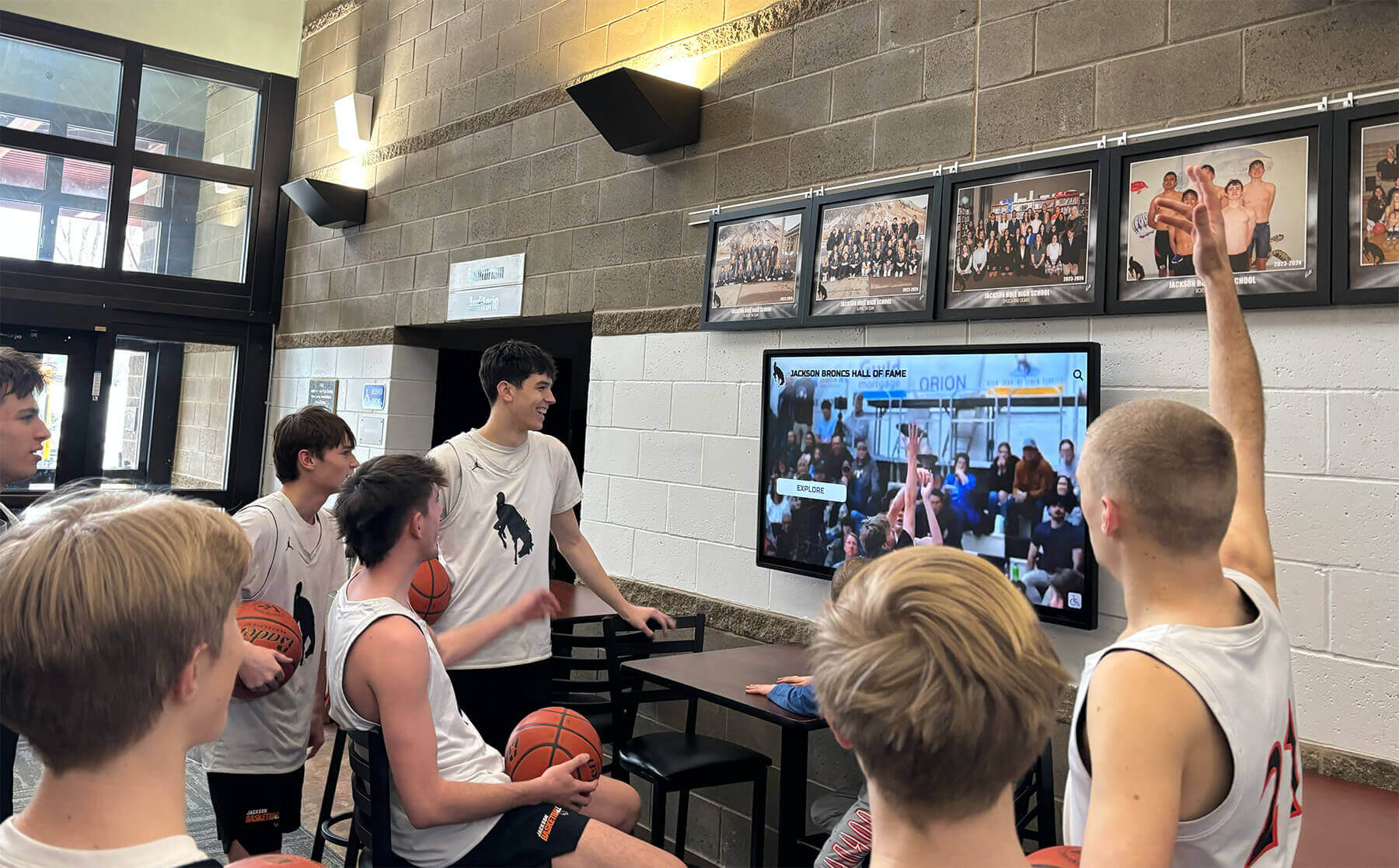
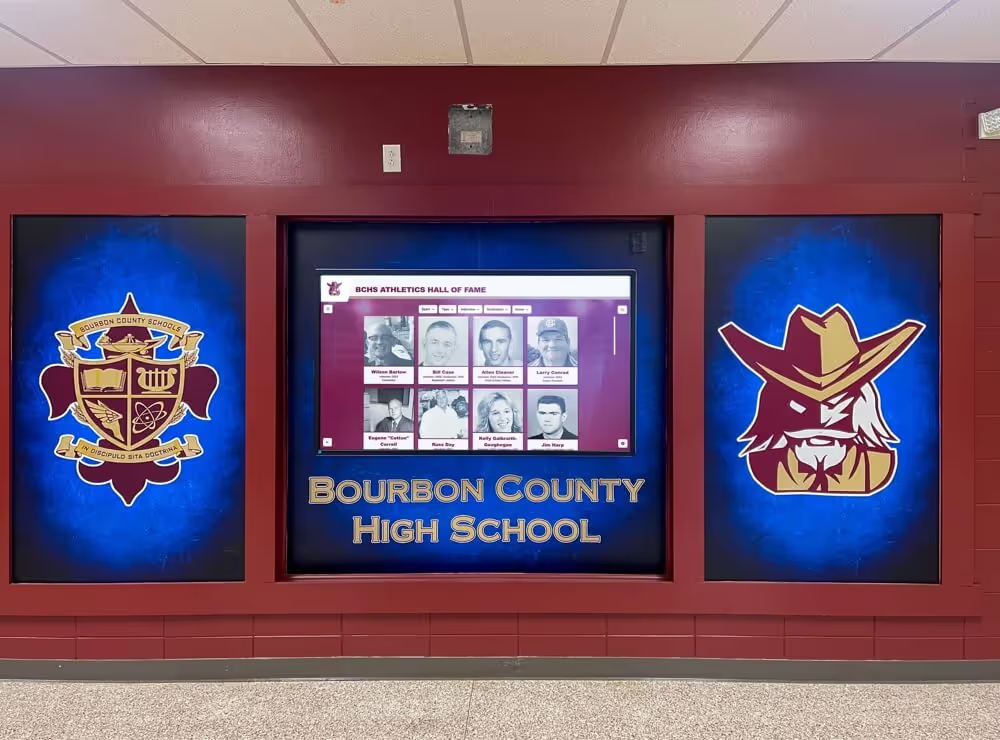
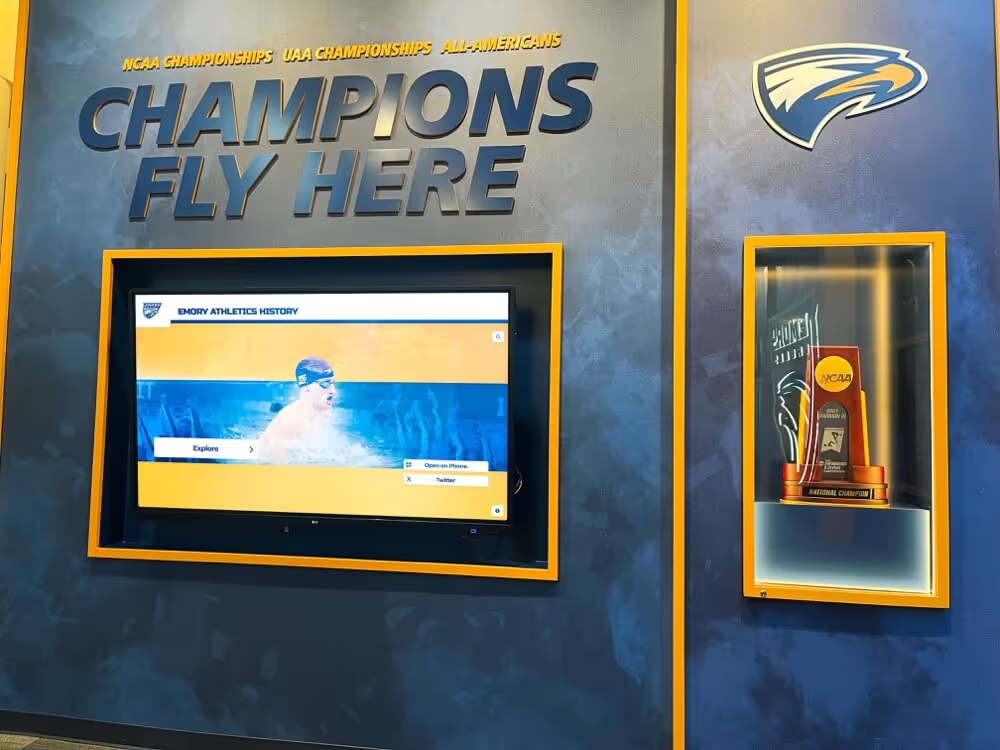
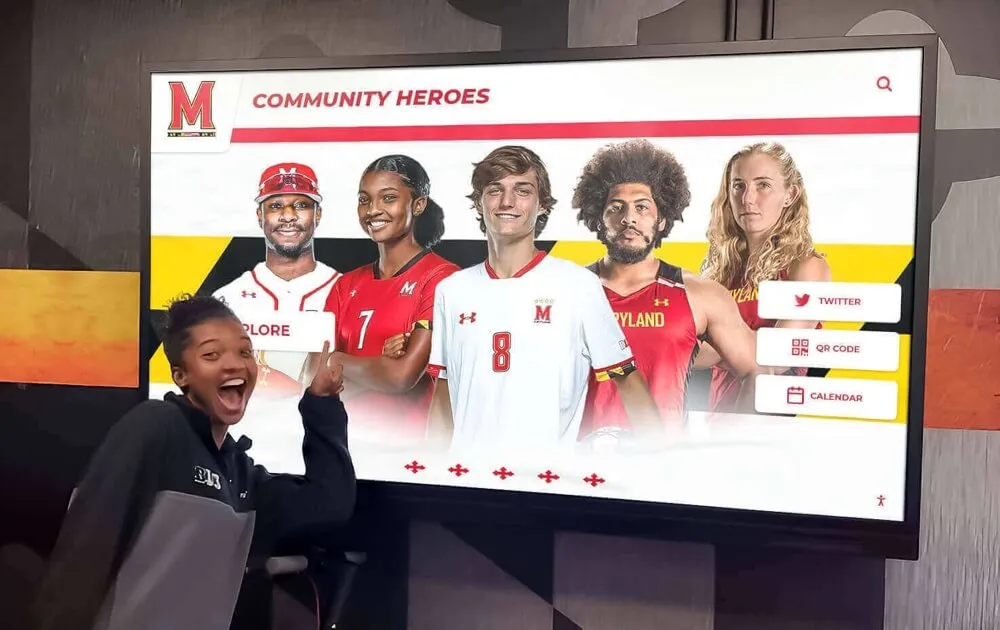
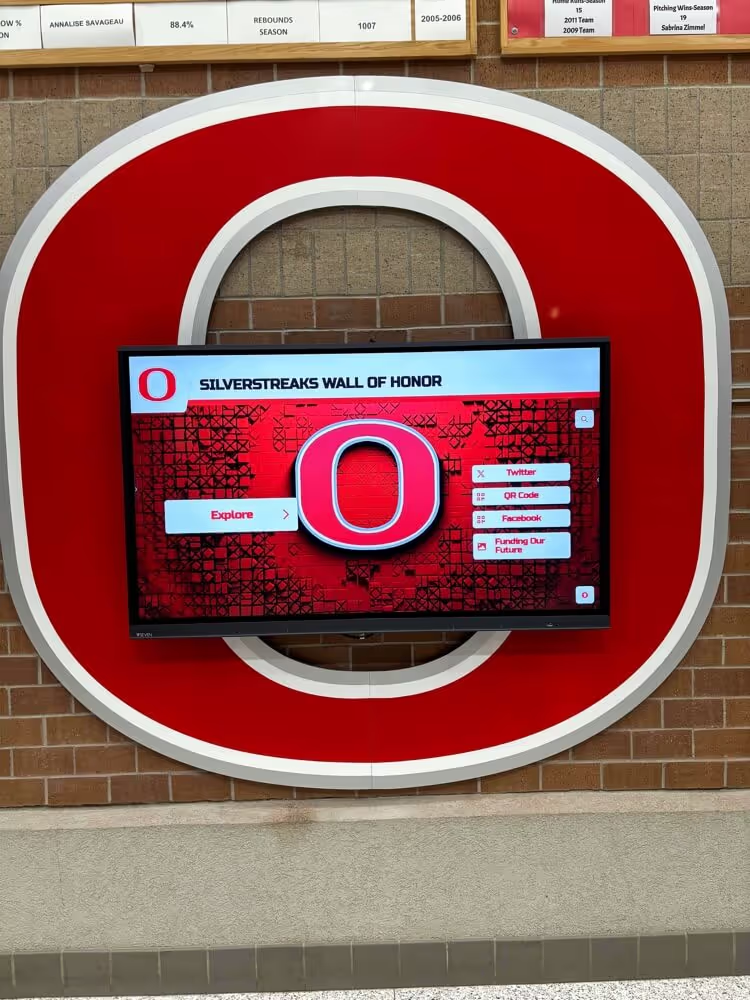
Modern recognition displays create engaging environments where students interact with institutional heritage and scholarship stories
Common Challenges and Solutions
Understanding potential obstacles helps memorial scholarship founders navigate difficulties maintaining program sustainability and impact.
Challenge: Insufficient Initial Funding
Many families want to establish memorial scholarships but worry they cannot raise enough money to make meaningful impact.
Solution: Start Small and Build Over Time
Memorial scholarships don’t require massive initial endowments. Even modest annual awards of $500-$1,000 make real differences for students. Begin with achievable funding goals based on immediate contributions available, then build principal through ongoing fundraising. Many substantial endowed scholarships started as small annual awards that grew as supporters contributed across years.
Consider also:
- Partner families or organizations to establish larger combined scholarships
- Create named scholarship tiers where multiple modest donors collectively fund awards
- Set transparent growth goals showing path from annual to endowed status
- Celebrate incremental milestones maintaining donor momentum
Challenge: Declining Participation Over Time
Initial memorial scholarship enthusiasm often wanes as years pass, particularly after the loss feels less immediate and founding family members age.
Solution: Build Systematic Engagement
Sustain interest through regular, systematic engagement rather than relying on spontaneous continued involvement:
- Establish annual memorial events creating regular community touchpoints
- Implement recurring donor programs (monthly giving) providing stable revenue
- Develop succession planning bringing younger family members into leadership
- Create robust digital recognition maintaining scholarship visibility
- Share regular impact stories reminding supporters why their contributions matter
- Build partnerships with organizations providing sustained institutional support
Challenge: Restrictive Criteria Limiting Applicant Pool
Well-intentioned specific criteria sometimes create scholarships so narrow that few or no students qualify—particularly as interests, academic programs, or demographics shift over time.
Solution: Thoughtful Criteria Flexibility
Balance honoring memorial intent with practical sustainability:
- Include flexibility provisions in founding documents allowing criteria adjustment if applicant pools become insufficient
- Prioritize broader characteristics (leadership, service, perseverance) alongside specific requirements
- Create primary and secondary criteria—ideal candidates meet all factors, but qualified candidates meet most
- Design “preference” rather than “requirement” criteria enabling consideration of strong candidates not perfectly matching original vision
- Build committee authority to interpret criteria spirit rather than only literal terms
Challenge: Administrative Burden
Managing applications, coordinating selection committees, processing disbursements, and maintaining donor relations creates work that can overwhelm volunteer administrators.
Solution: Leverage Professional Infrastructure
Partner with institutions or foundations handling heavy administrative lifting:
- Utilize school or university development offices administering scholarship programs
- Work with community foundations providing comprehensive administrative services
- Implement technology platforms automating application collection, committee coordination, and communications
- Simplify application requirements reducing processing complexity
- Coordinate selection timing with other scholarships for efficiency
Discover how digital recognition technology reduces administrative burden while enhancing donor acknowledgment.
Memorial Scholarships and Tax Considerations
Understanding tax implications helps donors maximize contributions while ensuring scholarship compliance.
Donor Tax Benefits
Properly structured memorial scholarship contributions qualify as tax-deductible charitable donations:
Deduction Requirements
- Scholarships must operate through qualified 501(c)(3) organizations
- Donors receive deductions equal to contribution amounts (subject to AGI limitations)
- Contributions exceeding annual deduction limits can carry forward up to five years
- Non-cash donations (stocks, real estate) may offer enhanced tax benefits
- Donors must maintain proper documentation (receipts, acknowledgment letters)
Planned Giving Tax Advantages
Sophisticated gift structures provide additional tax benefits:
- Charitable remainder trusts generating income while supporting scholarships
- Donor-advised funds enabling immediate deductions with extended grant timing
- IRA qualified charitable distributions for donors over 70½
- Appreciated securities donations avoiding capital gains taxes
- Estate gifts reducing taxable estates while creating enduring legacies
Scholarship Recipient Tax Treatment
Scholarship awards generally avoid taxation when properly structured:
Tax-Free Scholarship Requirements
- Awards used for qualified education expenses (tuition, fees, required books/supplies)
- Recipients must be degree candidates at eligible institutions
- Amounts exceeding qualified expenses (room, board, travel) may become taxable
- Students report taxable portions as income on tax returns
Best Practices for Tax Compliance
- Clearly communicate qualified use requirements to recipients
- Disburse awards directly to institutions when possible
- Maintain documentation of award purposes and uses
- Provide tax guidance helping students understand reporting obligations
Technology Solutions for Modern Memorial Scholarship Management
Digital tools streamline scholarship administration while enhancing recognition and engagement.
Online Application Platforms
Modern scholarship management software replaces cumbersome paper processes:
Key Platform Capabilities
- Student application portals with document upload functionality
- Automated applicant communications and status updates
- Committee collaboration tools enabling distributed review
- Scoring rubrics and ranking systems facilitating selection
- Integration with institutional financial aid systems
- Reporting and analytics tracking application trends
Popular platforms include Submittable, AwardSpring, SmarterSelect, and institutional custom systems.
Digital Recognition Systems
Solutions like Rocket Alumni Solutions transform how institutions acknowledge memorial scholarship donors and celebrate recipients through interactive touchscreen displays and online platforms:
Advanced Recognition Features
- Unlimited donor recognition without physical space constraints
- Rich multimedia presentations featuring photos, videos, and biographical content
- Searchable databases where visitors explore donor histories and scholarship recipients
- Perpetually updated content reflecting current giving and recipients
- Integration with school heritage and alumni engagement initiatives
- Mobile-responsive online access extending recognition beyond physical displays
These systems create engaging recognition experiences that traditional plaques cannot approach—honoring memorial purposes while inspiring continued philanthropy.
Communication and Donor Management
Customer relationship management (CRM) systems support fundraising and stewardship:
Donor Management Functions
- Contact database tracking contribution histories and relationships
- Automated acknowledgment and tax receipt generation
- Campaign management tools coordinating fundraising appeals
- Wealth screening identifying major gift prospects
- Email marketing platforms delivering impact updates and solicitations
- Social media integration amplifying awareness and engagement
Taking Action: Your Next Steps
Creating a meaningful memorial scholarship fund begins with concrete first steps translating intention into action.
Immediate Actions for Families and Founders
If you’re ready to establish a memorial scholarship, start with these essential steps:
- Articulate Your Vision: Write down the person’s values, passions, and the educational impact you want their scholarship to achieve
- Identify Potential Partners: Research schools, universities, or community foundations that could administer your scholarship
- Set Initial Funding Goals: Determine realistic amounts available for establishment and ongoing support
- Engage Key Supporters: Have preliminary conversations with family members, friends, or colleagues about participation
- Schedule Exploration Meetings: Contact institutional development offices or community foundations to discuss partnership options
Resources for Continued Learning
Numerous organizations provide guidance and support for scholarship fund establishment:
- Community foundations in your area offering local expertise and administrative partnerships
- Institutional development offices at schools or universities where you plan to award scholarships
- Council on Foundations (cof.org) providing comprehensive scholarship administration resources
- Scholarship America (scholarshipamerica.org) offering program development assistance
- Financial and legal advisors helping structure gifts for maximum tax efficiency and impact
How Rocket Alumni Solutions Supports Memorial Recognition
When you’ve established your memorial scholarship, thoughtful donor recognition ensures contributors feel appropriately honored while celebrating the person memorialized and students receiving support.
Rocket Alumni Solutions provides schools and organizations with comprehensive digital recognition systems that transform how memorial scholarships are presented and celebrated. Interactive touchscreen displays enable rich storytelling about individuals being honored, showcase scholarship recipients with photographs and biographies, recognize donors at all contribution levels with perpetually updated acknowledgment, and create engaging experiences where visitors explore scholarship histories and impact stories.
These modern recognition systems honor memorial scholarship purposes while inspiring the continued contributions that sustain educational opportunities for deserving students across generations—ensuring that those we’ve lost continue changing lives through the power of education.
Conclusion: Building Legacies That Last
Memorial scholarship funds represent some of the most meaningful tributes families and communities can create—transforming grief into hope, loss into legacy, and memory into ongoing positive impact that touches countless lives across generations.
By following the guidance in this comprehensive resource, you can establish memorial scholarships that honor individuals you’ve loved while removing financial barriers preventing deserving students from achieving their educational dreams. Each scholarship awarded perpetuates values, celebrates achievement, and ensures that those being memorialized continue shaping a better future long after they’re gone.
The students whose lives are changed through memorial scholarship support become living testaments to the individuals honored—carrying forward their commitment to education, service, and excellence while building their own legacies of achievement and contribution.
Start today. Honor someone who mattered. Change lives that will change the world.