How to Start a Memorial Scholarship Fund (Plus Digital Recognition Ideas Donors Love)
Starting a memorial scholarship fund transforms grief into lasting impact—honoring someone’s memory while creating educational opportunities for future generations. Schools, universities, families, and community organizations establish memorial scholarships to celebrate lives, perpetuate values, and ensure that beloved teachers, students, alumni, or community members continue influencing others long after they’re gone.
Yet many well-intentioned memorial scholarship efforts falter during planning. Families struggle with legal requirements, schools don’t know where to start, organizations underestimate administrative complexity, and even successfully launched funds often fail to generate ongoing donor engagement beyond initial contributions. Meanwhile, scholarship recipients never learn about the person they’re honoring, and donors receive minimal recognition for contributions supporting the legacy.
This comprehensive guide walks through every step of establishing a sustainable memorial scholarship fund—from initial planning and legal structure through selection criteria, fundraising strategies, and modern digital recognition approaches that keep donors engaged, honor the memorial, and inspire continued giving.
Memorial scholarships succeed when they balance honoring someone’s memory with creating practical educational support that reflects their values and passions. The most meaningful funds combine thoughtful structure, sustainable funding, transparent selection processes, and visible recognition that tells the honoree’s story while celebrating donors who keep the legacy alive.

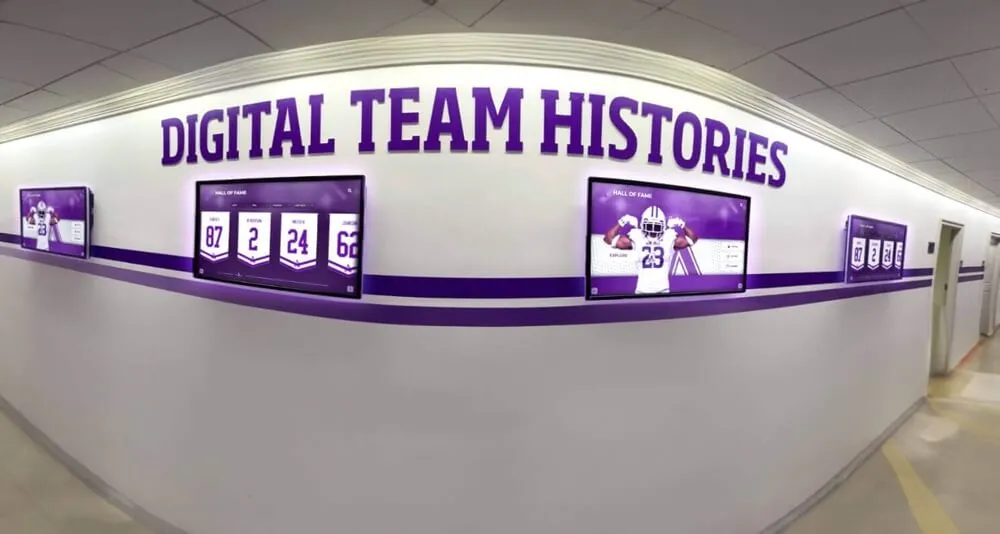
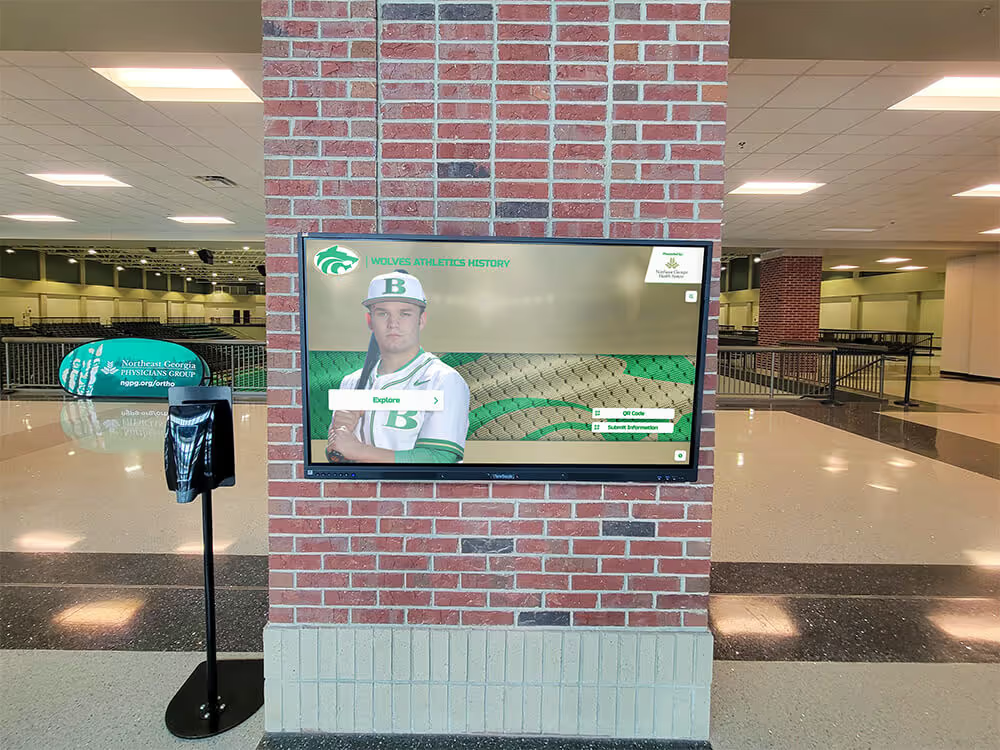
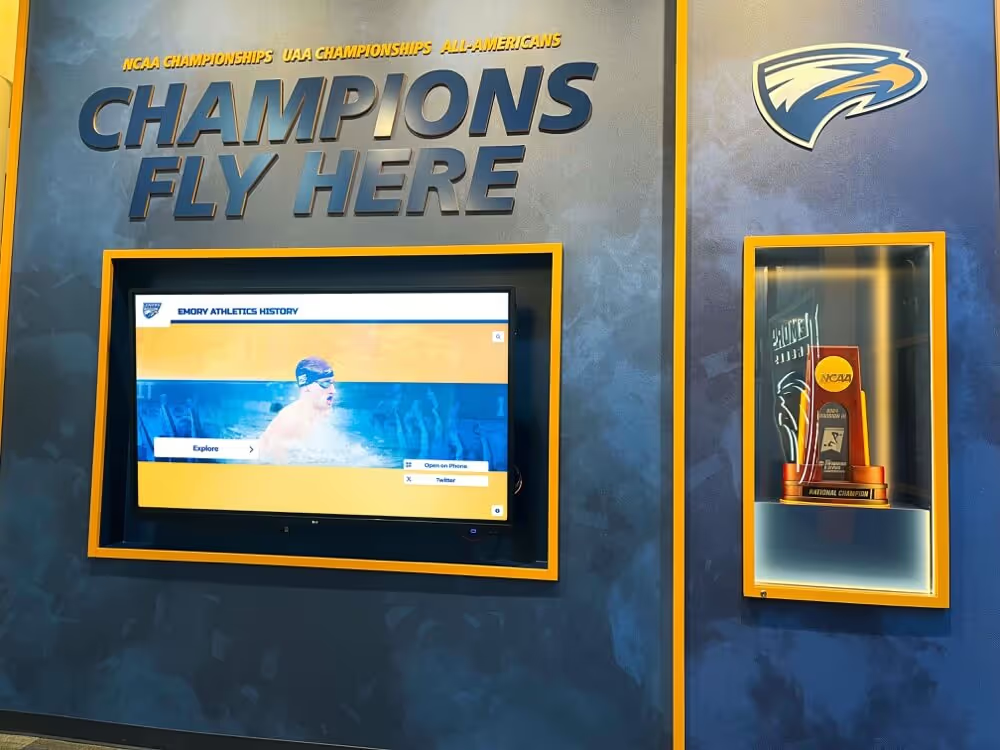
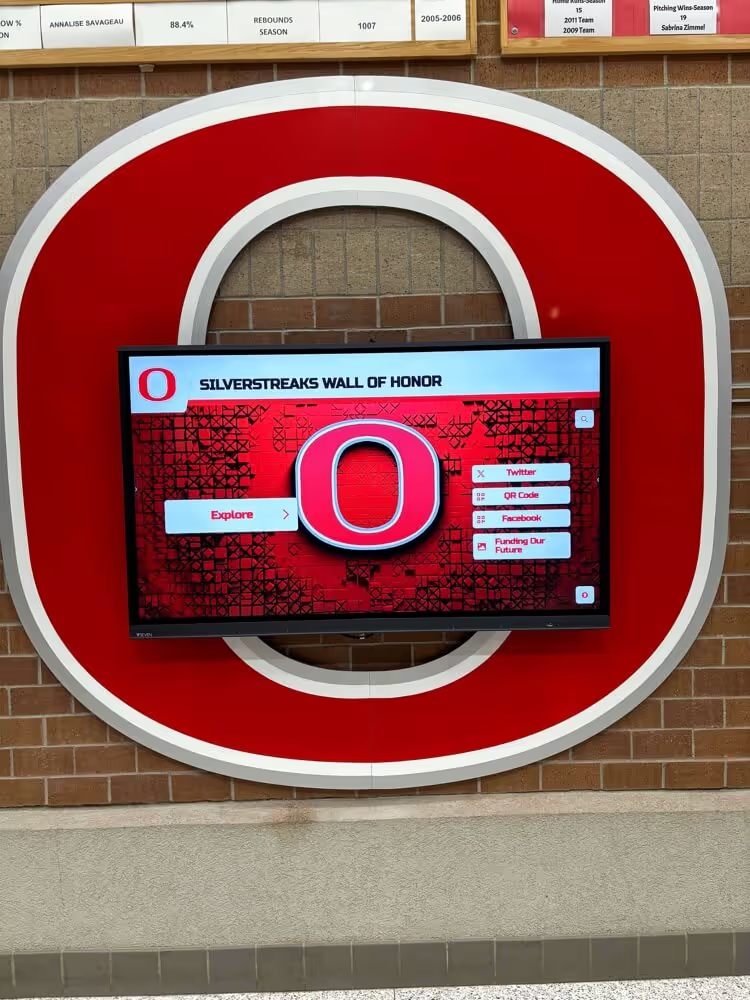
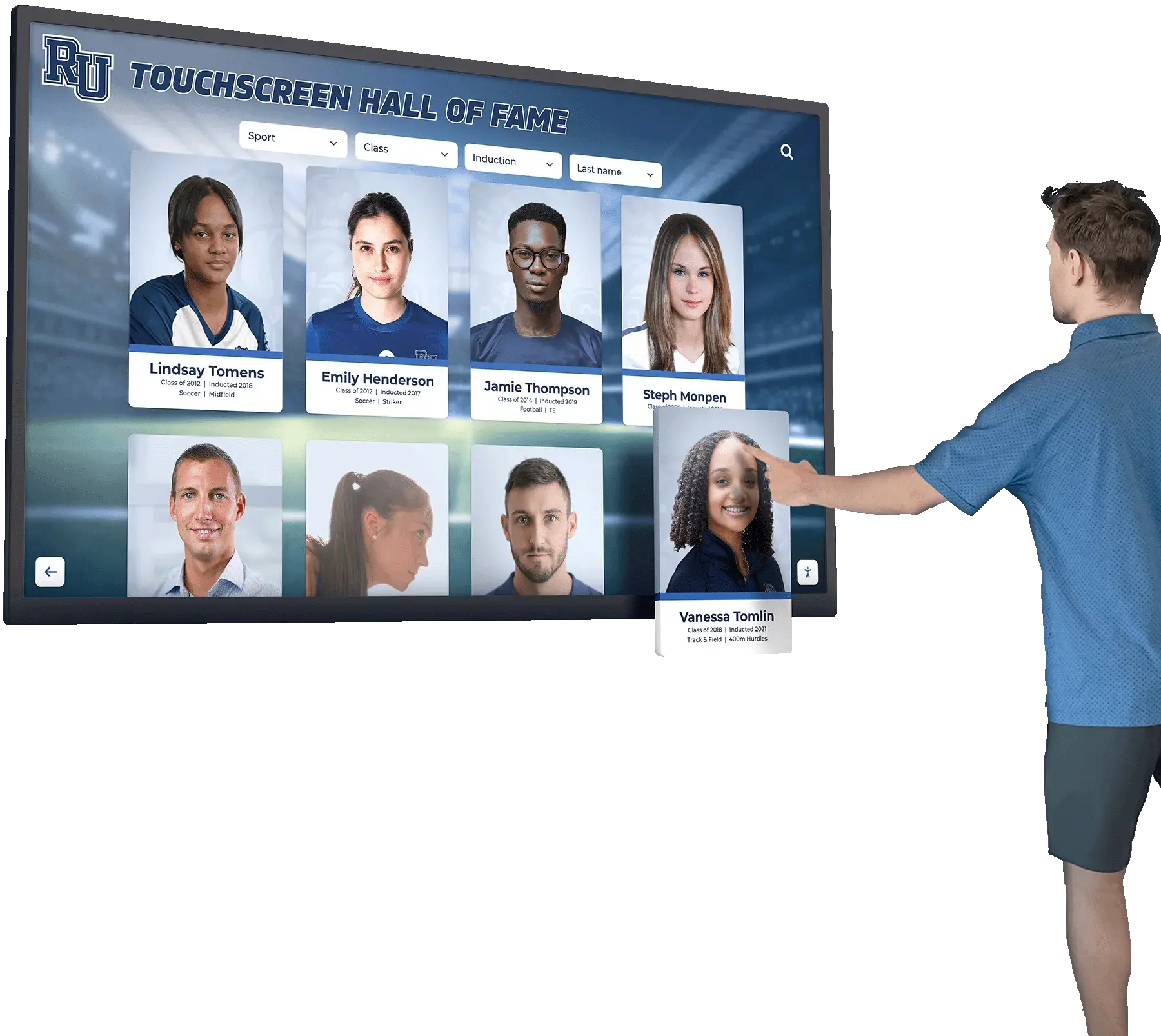
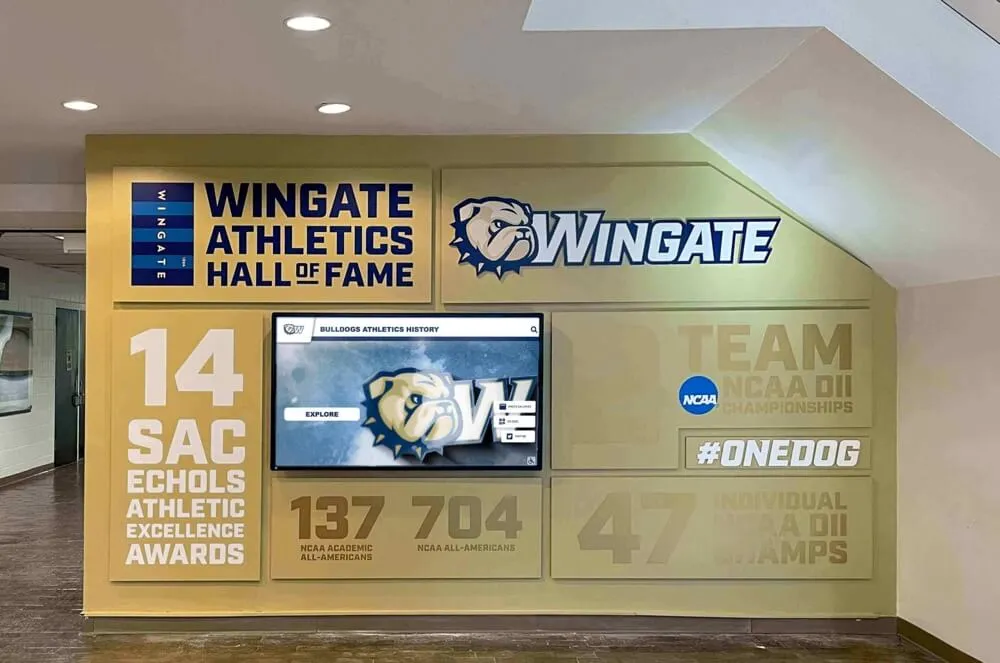
Modern digital recognition displays honor memorial scholarship donors while preserving the story and legacy of those being remembered
Understanding Memorial Scholarship Funds
Before establishing a fund, understanding different structural approaches helps families and organizations make informed decisions aligned with their goals and resources.
What Makes a Memorial Scholarship Different
Memorial scholarships carry unique characteristics distinguishing them from general scholarship programs:
Commemorative Purpose
- Established to honor a deceased individual’s memory and values
- Selection criteria often reflect the honoree’s passions, achievements, or character
- Awards frequently include information about who is being remembered and why
- Recipients become part of an ongoing legacy connecting past and future
- Donors contribute not just to education but to perpetuating someone’s influence
Emotional Significance
- Families find meaning by transforming loss into positive impact
- Recipients appreciate knowing their education honors a specific person’s memory
- Donors experience connection to both the cause and the individual being remembered
- Schools and organizations strengthen community bonds through memorial giving
- Anniversary recognition events keep memories alive while supporting current students
Perpetual Nature
- Memorial scholarships typically aim for permanent endowment rather than limited duration
- Sustainable funding ensures the memorial continues beyond initial contributions
- Recognition systems preserve the honoree’s story for future generations
- Long-term perspective requires different planning than annual scholarships
Understanding these distinctive elements helps organizations structure memorial scholarships that truly honor both memory and mission.
Types of Memorial Scholarship Structures
Different organizational structures offer varying levels of control, administrative complexity, and tax benefits:
Institutional Scholarship Funds
Schools and universities administer these funds directly:
- Established through gift agreements with the institution
- School handles investment, administration, and selection
- Donors receive tax deductions through the institution’s 501(c)(3) status
- Lower administrative burden for families and donors
- Institution provides annual reporting and stewardship
- Typically requires minimum initial funding ($25,000–$100,000 for endowed funds)
Most memorial scholarships at educational institutions follow this model due to administrative efficiency and institutional expertise managing endowments.
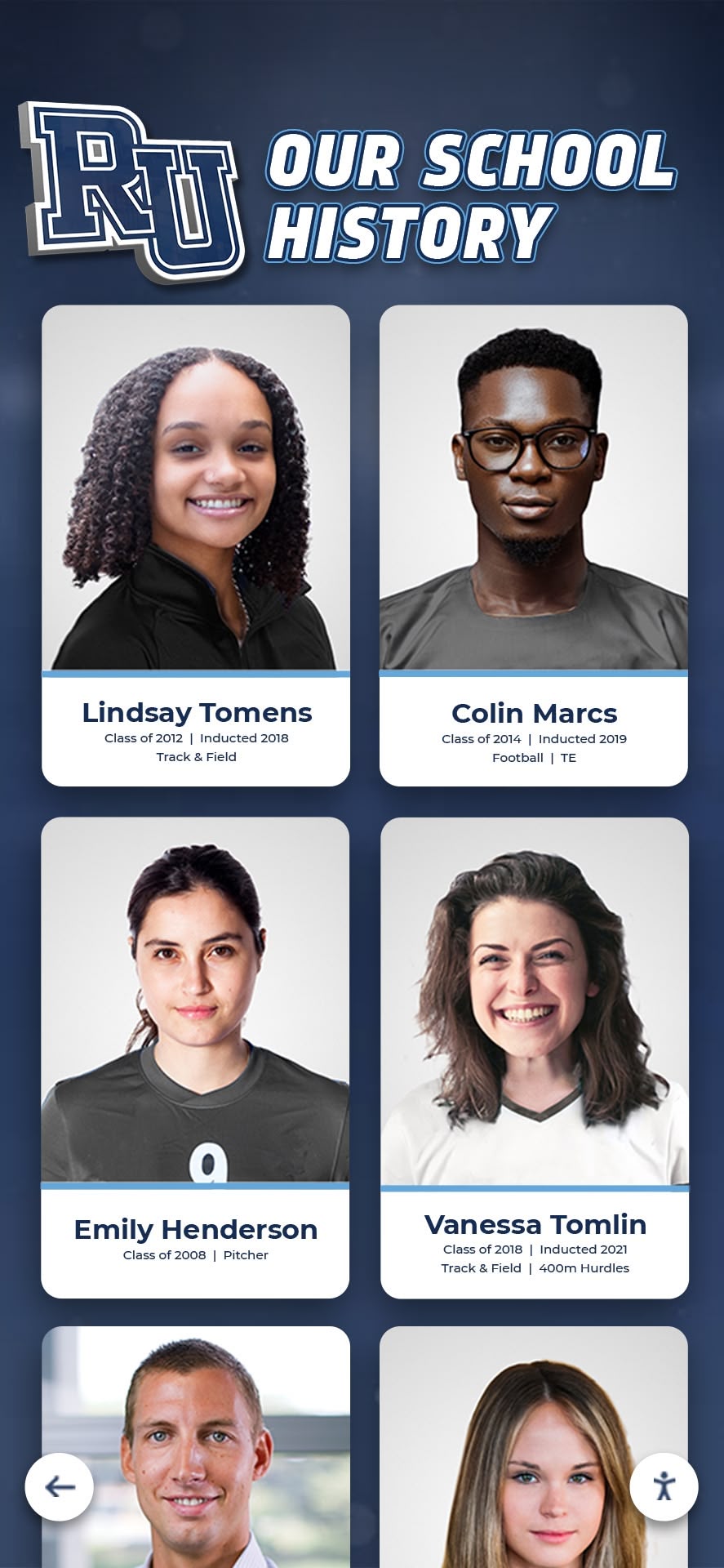
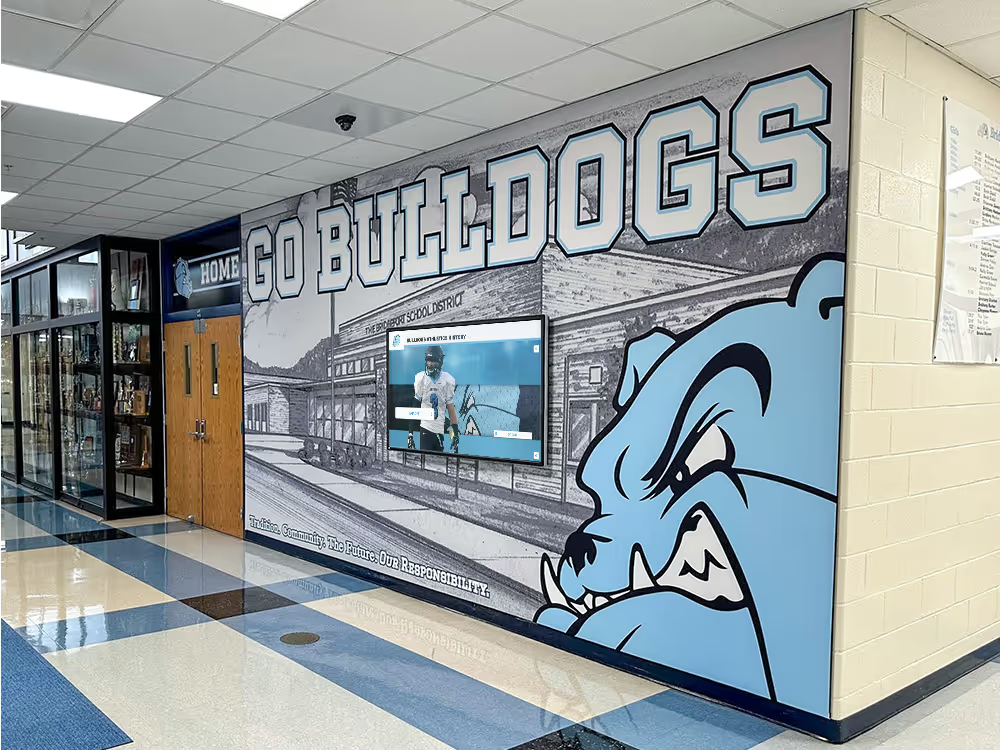
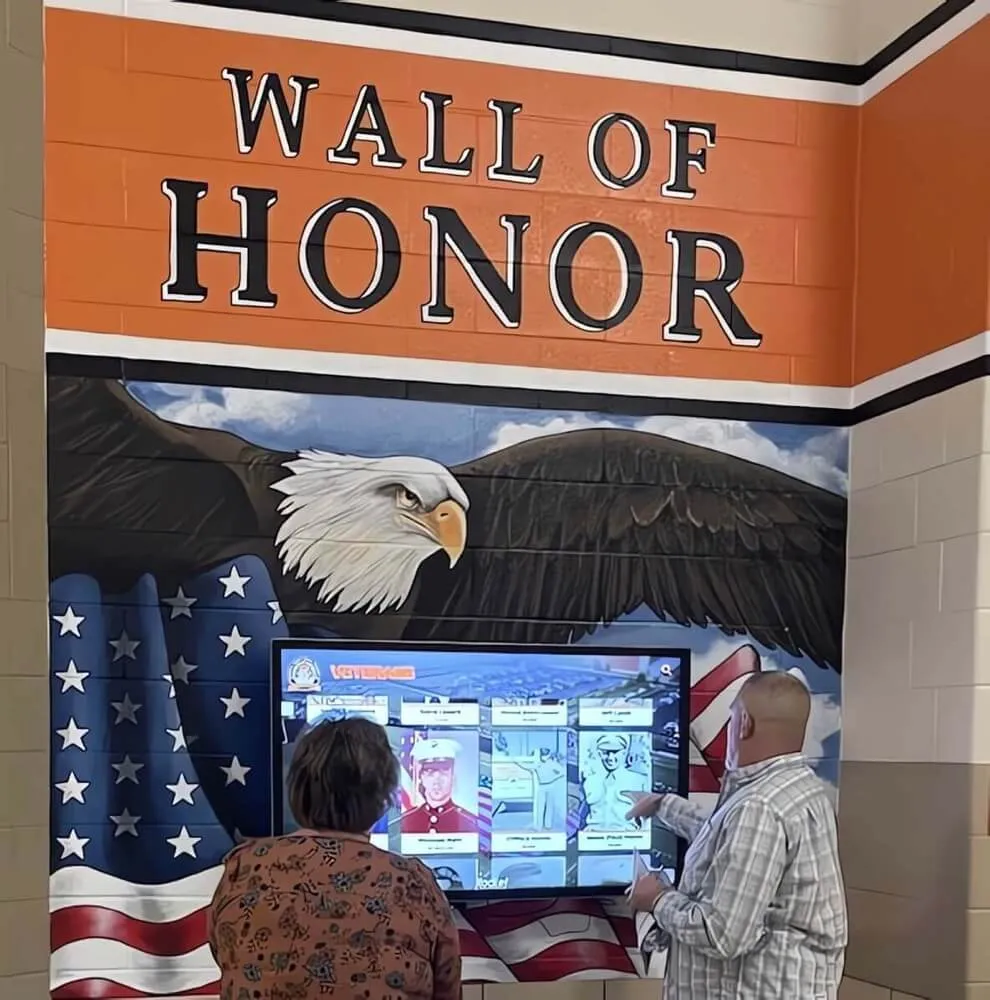
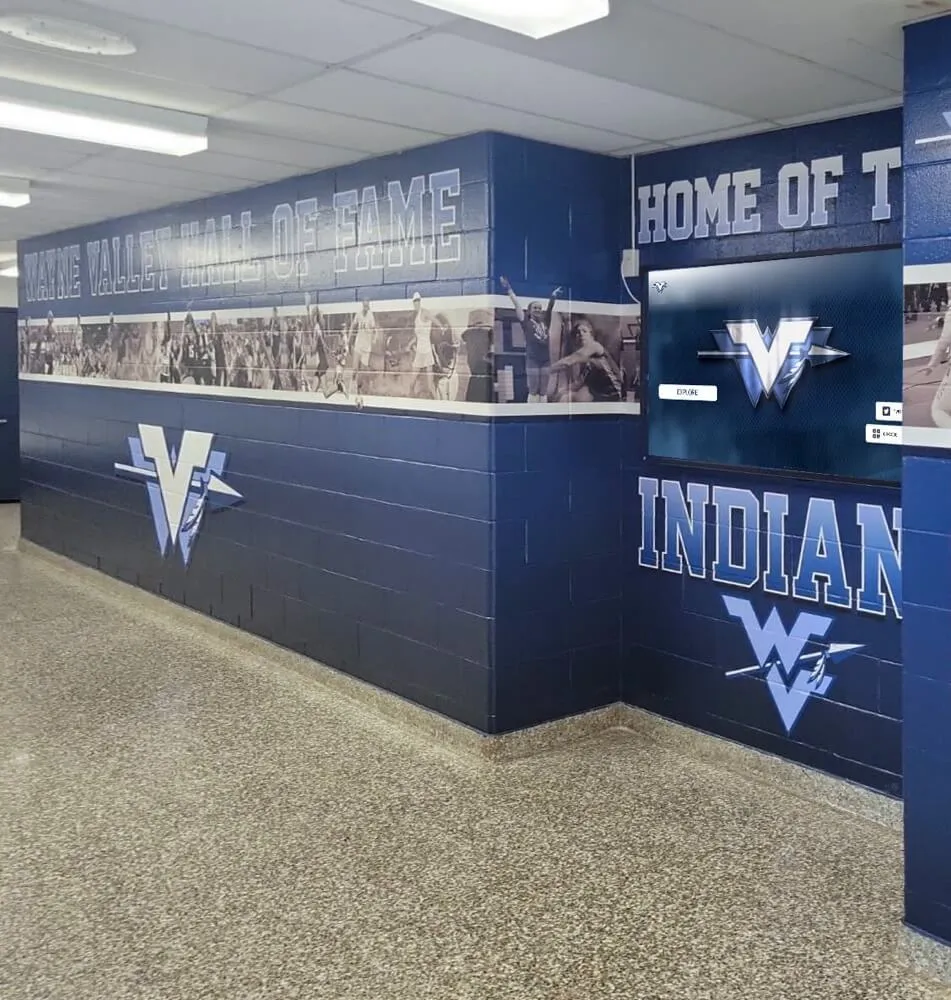
Memorial scholarships connect past generations with future students through tangible recognition systems
Community Foundation Funds
Regional community foundations offer another administrative option:
- Foundation establishes donor-advised fund for the memorial scholarship
- Professional management of investments and compliance
- Distribution recommendations from family with foundation oversight
- Tax-deductible contributions through foundation’s 501(c)(3) status
- Lower minimums than institutional endowments (often $10,000–$25,000)
- Can support students at multiple institutions if desired
- Administrative fees typically 0.5%–2% annually
Community foundations work well when memorial scholarships serve broader geographic areas or multiple schools.
Private Foundation Structure
Families with substantial resources sometimes establish private foundations:
- Complete control over selection, investment, and administration
- 501(c)(3) status requires IRS application and ongoing compliance
- Annual tax returns, audits, and regulatory requirements
- Minimum distribution requirements (5% annually)
- Higher administrative costs and complexity
- Greater flexibility in scholarship criteria and recipient selection
- Makes sense when funding exceeds $500,000–$1,000,000
Private foundations suit situations where families want maximum control and can justify administrative overhead.
Scholarship Management Organizations
Third-party scholarship management companies provide turnkey administration:
- Organizations like Scholarship America handle application, selection, and distribution
- Fees typically $500–$2,500 annually plus percentage of awards
- Removes administrative burden from families and institutions
- Professional management ensures compliance and best practices
- Less personal connection than institutional administration
- Works well for employer-sponsored or community-based memorial scholarships
Learn more about comprehensive donor recognition approaches that complement scholarship programs.
Step-by-Step Guide to Establishing a Memorial Scholarship Fund
Breaking the process into clear stages helps families and organizations navigate establishment efficiently while building sustainable programs.
Step 1: Define Purpose and Criteria
Clear purpose statements and selection criteria ensure memorial scholarships reflect the honoree’s values:
Articulating the Memorial Purpose
Effective memorial scholarship statements connect the honoree’s life to the scholarship’s mission:
- Summarize who is being remembered and why they mattered to the community
- Identify passions, achievements, or characteristics the scholarship honors
- Explain how supporting students perpetuates the individual’s influence
- Include personal details that help recipients understand the person they’re honoring
- Frame scholarship as continuing the honoree’s positive impact on others
Setting Selection Criteria
Criteria should balance honoring the memorial with identifying deserving recipients:
Academic Requirements
- Minimum GPA thresholds (if appropriate to the honoree’s values)
- Specific academic programs or fields of study
- Balance between rewarding achievement and supporting potential
- Consider whether academic excellence mattered most to the honoree
Character and Values Alignment
- Leadership qualities the honoree exemplified
- Community service reflecting their commitment to others
- Specific activities or interests they were passionate about
- Character traits like perseverance, kindness, or creativity
- Essay prompts that reveal alignment with memorial values
Demographic or Affiliation Requirements
- Grade level (high school seniors, college students, graduate students)
- School or district affiliation
- Major or career interest matching the honoree’s field
- Demographic factors if relevant to the individual’s story
- Geographic requirements based on community connection
Determining Award Amount and Frequency
Financial parameters shape both recipient impact and long-term sustainability:
- Award amount that provides meaningful support ($500–$10,000+ annually)
- One-time awards versus renewable multi-year scholarships
- Single recipient or multiple awards if funding permits
- Annual or periodic distribution based on funding structure
- Growth expectations allowing award increases over time
Involve the honoree’s family in defining these parameters to ensure the scholarship authentically represents the person being remembered.
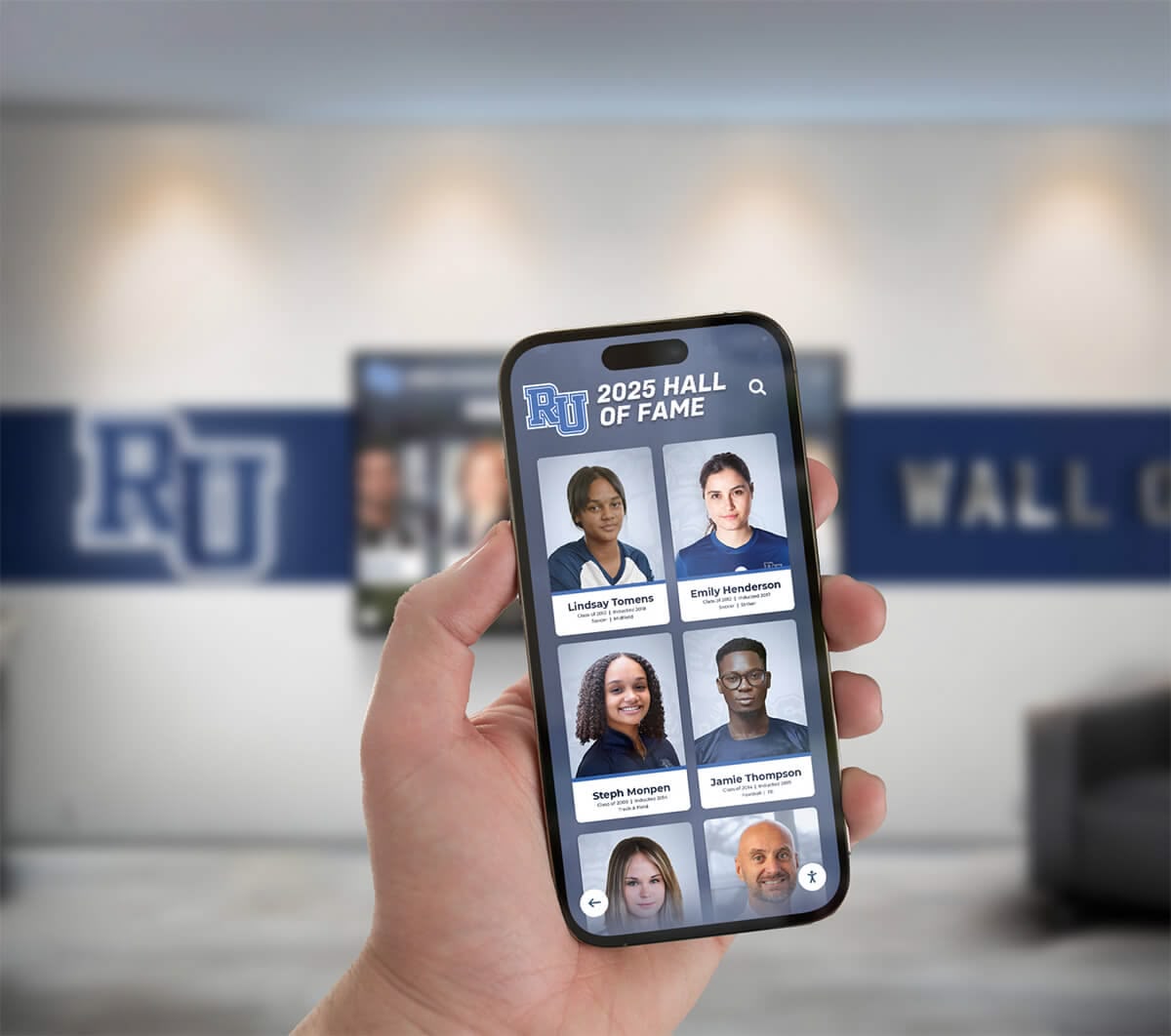
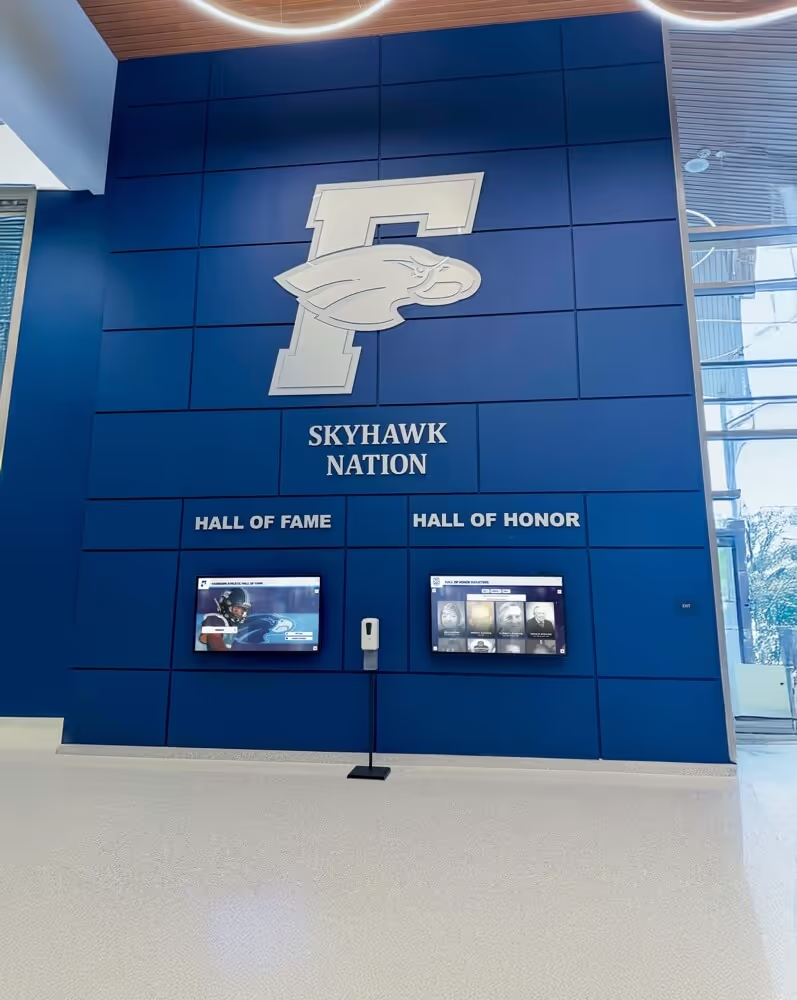
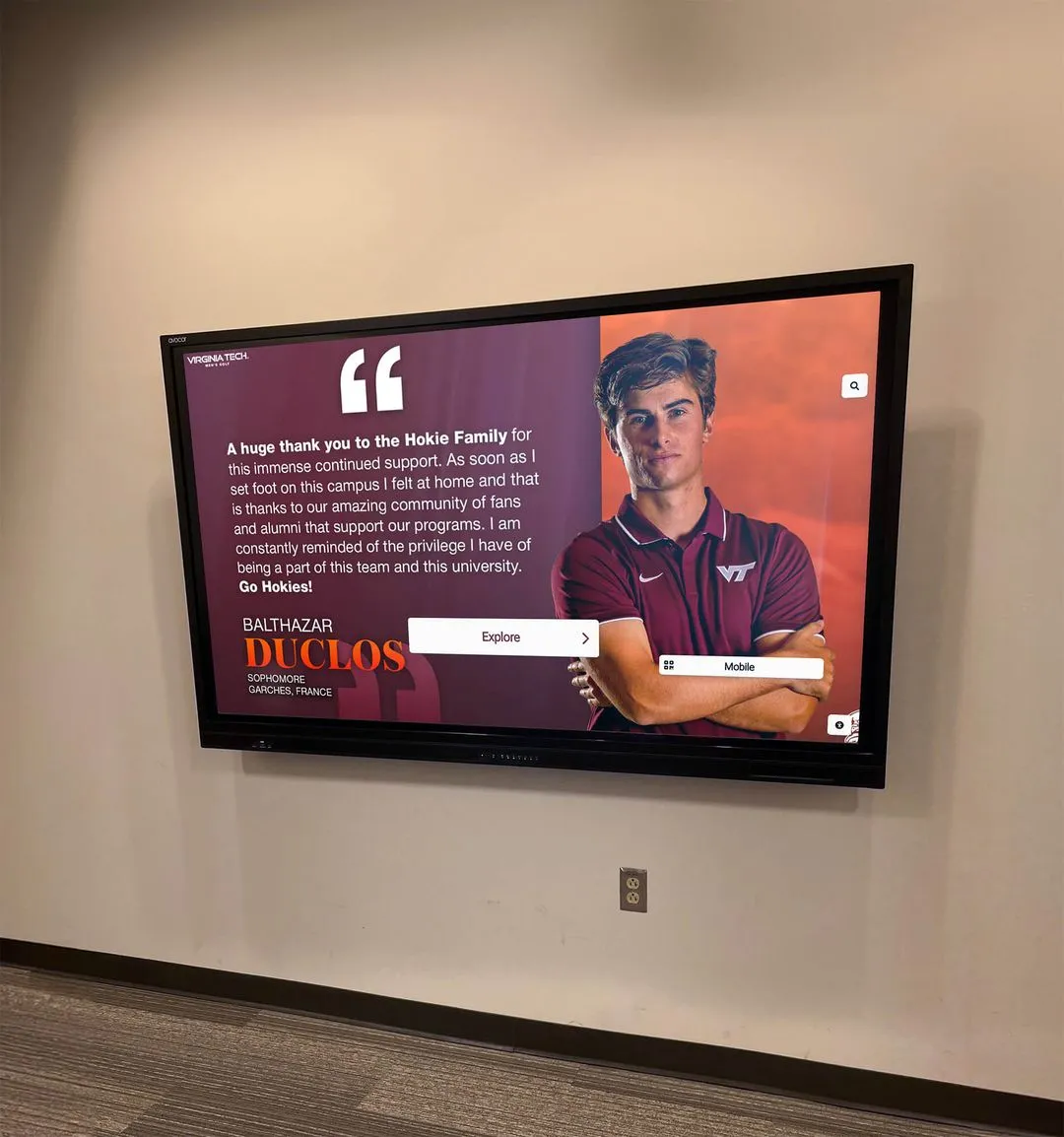
Digital platforms extend memorial scholarship recognition beyond physical spaces, allowing families and donors to access stories and impact from anywhere
Step 2: Determine Funding Model and Goals
Sustainable funding separates memorial scholarships that endure from those that fade after a few years.
Endowed vs. Non-Endowed Funds
The funding model fundamentally affects sustainability:
Endowed Scholarships
- Principal amount invested permanently, only earnings distributed
- Typical spending rate: 4%–5% of fund value annually
- $25,000 endowment generates approximately $1,000–$1,250 annual scholarship
- Fund grows with additional contributions and investment returns
- Awards continue indefinitely without additional fundraising
- Larger initial funding required but ensures perpetual memorial
Non-Endowed (Expendable) Scholarships
- Entire contribution amount available for awards
- $10,000 fund might provide $2,000 annually for five years
- Lower initial funding requirement
- Requires ongoing fundraising to sustain beyond initial gift
- Better for situations where permanent endowment isn’t feasible
- Can transition to endowment once funding reaches threshold
Many memorial scholarships begin non-endowed with goal of building toward endowment over time.
Setting Fundraising Targets
Clear goals guide donor solicitation and campaign planning:
- Phase 1: Initial launch funding (minimum to begin awarding scholarships)
- Phase 2: Sustainable funding (endowment level maintaining desired award amount)
- Phase 3: Growth funding (increasing award amounts or number of recipients)
- Timeline for achieving each phase
- Annual giving targets for recurring support
Identifying Initial and Ongoing Funding Sources
Memorial scholarships typically combine multiple funding streams:
Initial Capital Campaign
- Major gift from family establishing the fund
- Memorial gifts in lieu of flowers
- Initial fundraising event or campaign
- Matching gifts from employers or foundations
- One-time contributions from friends, colleagues, and community
Ongoing Funding Sources
- Annual giving campaigns (birthday, anniversary, or memorial date)
- Planned giving and bequests
- Fundraising events tied to the memorial
- Corporate sponsorships
- Crowdfunding campaigns reaching wider networks
- Matching gift programs amplifying individual contributions
Diverse funding sources create stability even when individual sources fluctuate.
Step 3: Navigate Legal and Tax Requirements
Proper legal structure ensures tax benefits for donors while maintaining compliance with regulations.
Establishing 501(c)(3) Status or Partnering with Qualified Organizations
Tax-deductible contributions require proper tax-exempt structure:
- Partner with institution’s existing 501(c)(3) status (easiest path)
- Work through community foundation’s charitable umbrella
- Establish new private foundation (for substantial funds with independent goals)
- Ensure gift agreements properly document tax-deductible nature
- Obtain taxpayer identification number if operating independently
Documentation and Gift Agreements
Written agreements protect all parties and clarify expectations:
- Scholarship purpose, criteria, and selection process
- Funding commitments and timeline
- Administrative responsibilities and fees
- Recognition commitments for donors and memorial
- Process for modifying criteria if circumstances change
- Donor acknowledgment letters for tax purposes
Selection Process Compliance
Scholarship programs must follow nondiscrimination requirements:
- Criteria based on merit, need, or characteristics allowed under tax law
- Avoid conflicts of interest in selection (family shouldn’t select related recipients)
- Document selection process and maintain application records
- Ensure published criteria match actual selection practices
- Follow institutional or foundation procedures for compliance
Consult with development professionals and legal counsel to navigate these requirements properly.
Step 4: Create Application and Selection Process
Transparent, well-structured processes identify deserving recipients while honoring the memorial appropriately.
Application Components
Effective applications balance information gathering with reasonable burden on applicants:
- Basic eligibility information (GPA, grade level, affiliation)
- Academic transcripts demonstrating achievement
- Activities and involvement relevant to selection criteria
- Essay questions revealing character and values alignment
- Letters of recommendation from teachers, mentors, or community members
- Financial need documentation (if relevant to selection)
Essay Prompts That Honor the Memorial
Thoughtful essay questions help selection committees assess alignment while teaching recipients about the honoree:
- “How have [honoree’s values/interests] influenced your own goals and aspirations?”
- “Describe a time when you demonstrated [key characteristic the honoree exemplified]”
- “What does [honoree’s passion/cause] mean to you, and how will this scholarship help you contribute to it?”
- “After learning about [honoree’s name], how do you hope to honor their memory through your education and future work?”
Selection Committee Composition
Balanced committees ensure fair evaluation representing relevant perspectives:
- Family member(s) of the honoree
- School or institutional representative
- Community member or professional in the honoree’s field
- Previous scholarship recipient (in subsequent years)
- Independent member ensuring objective evaluation
Selection Timeline Best Practice
- Application opens: 2–3 months before award date
- Application deadline: 6–8 weeks before award date
- Committee review: 3–4 weeks
- Winner notification: 2–3 weeks before award ceremony
- Public announcement: Coordinated with recognition events
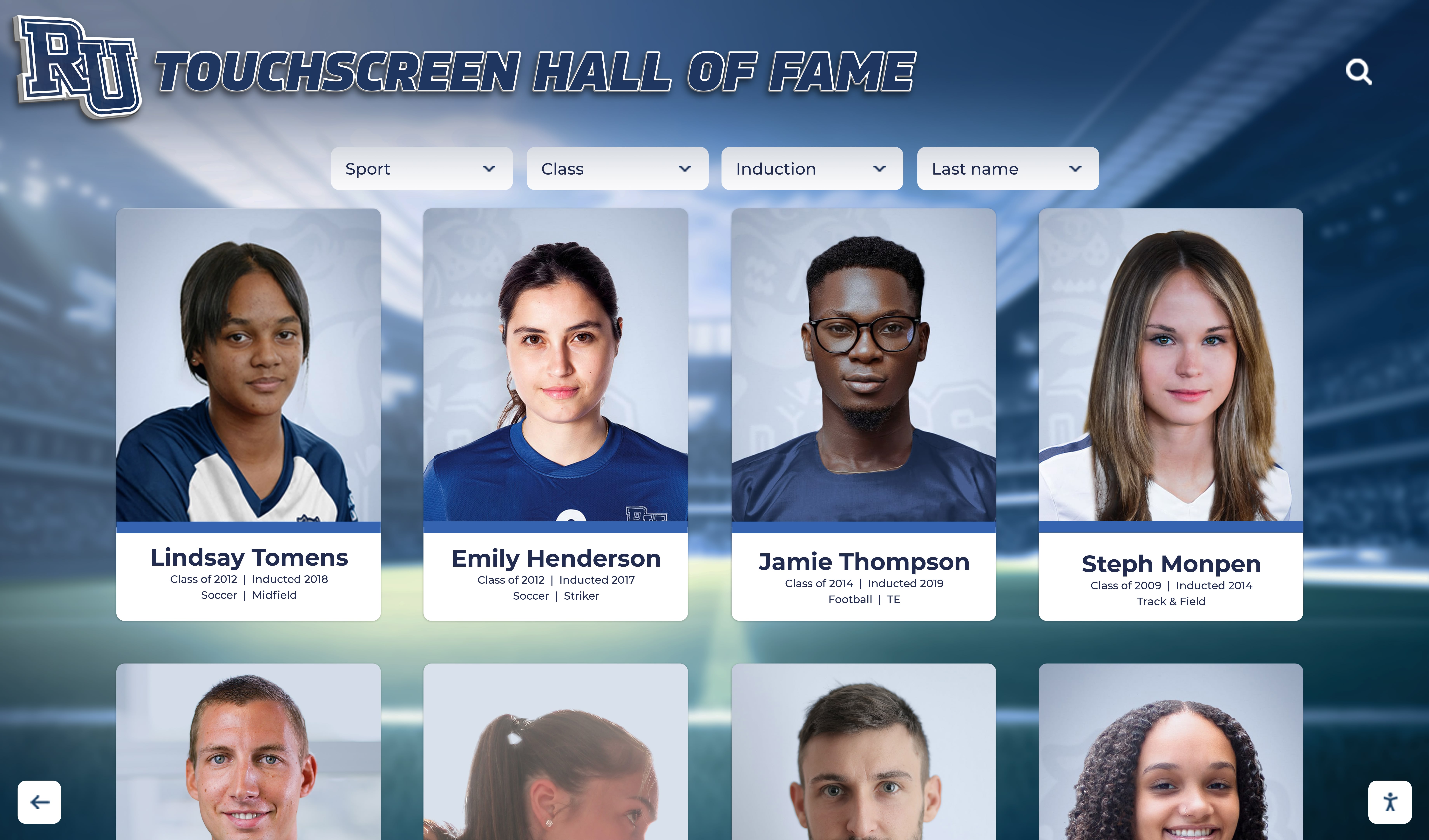
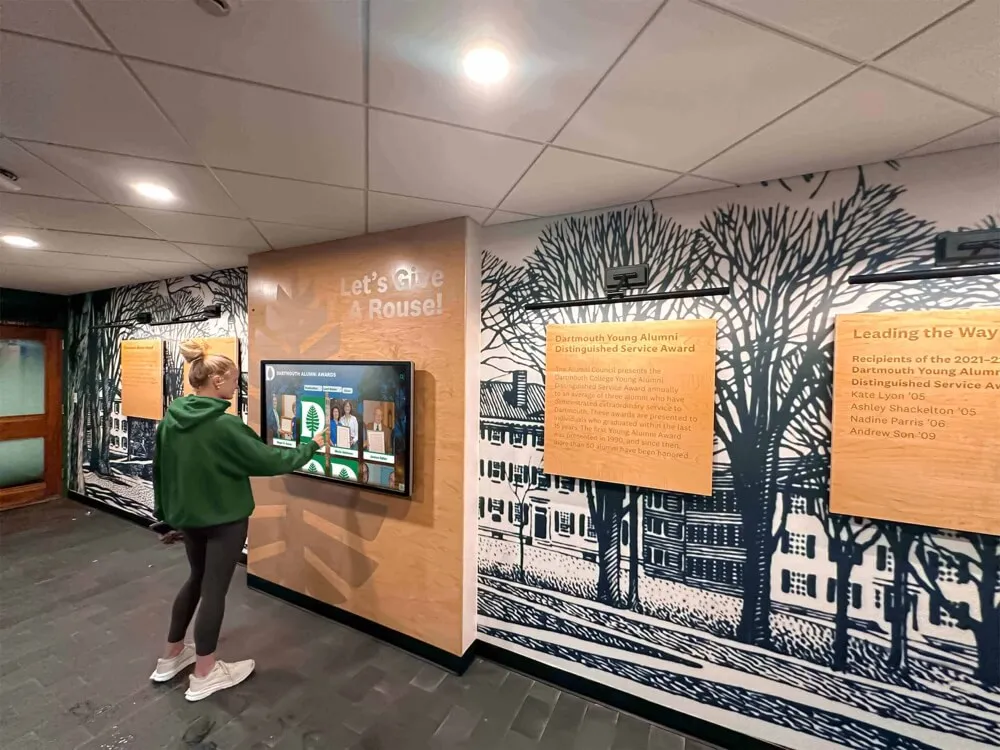
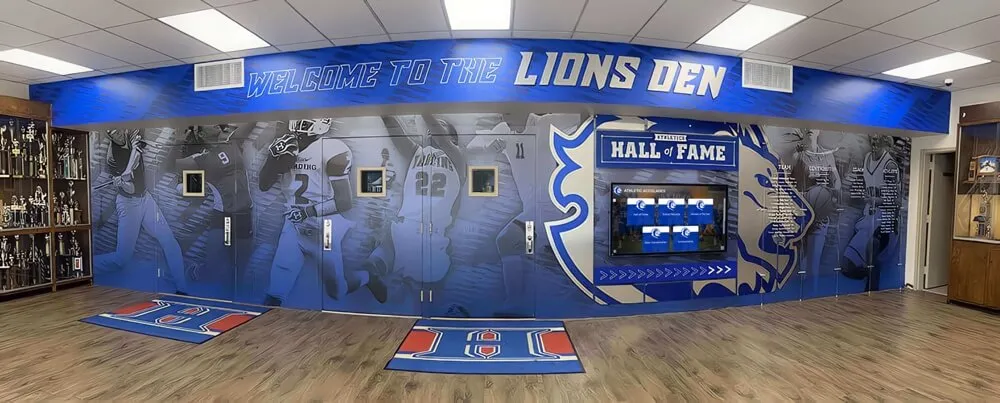
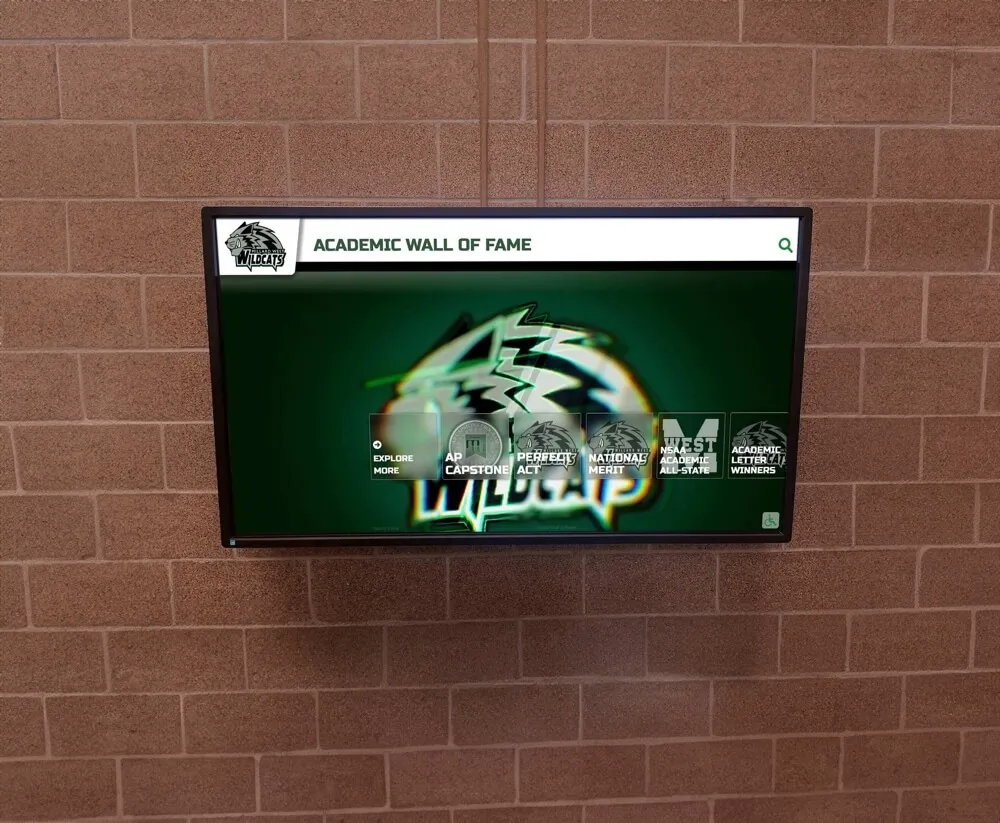
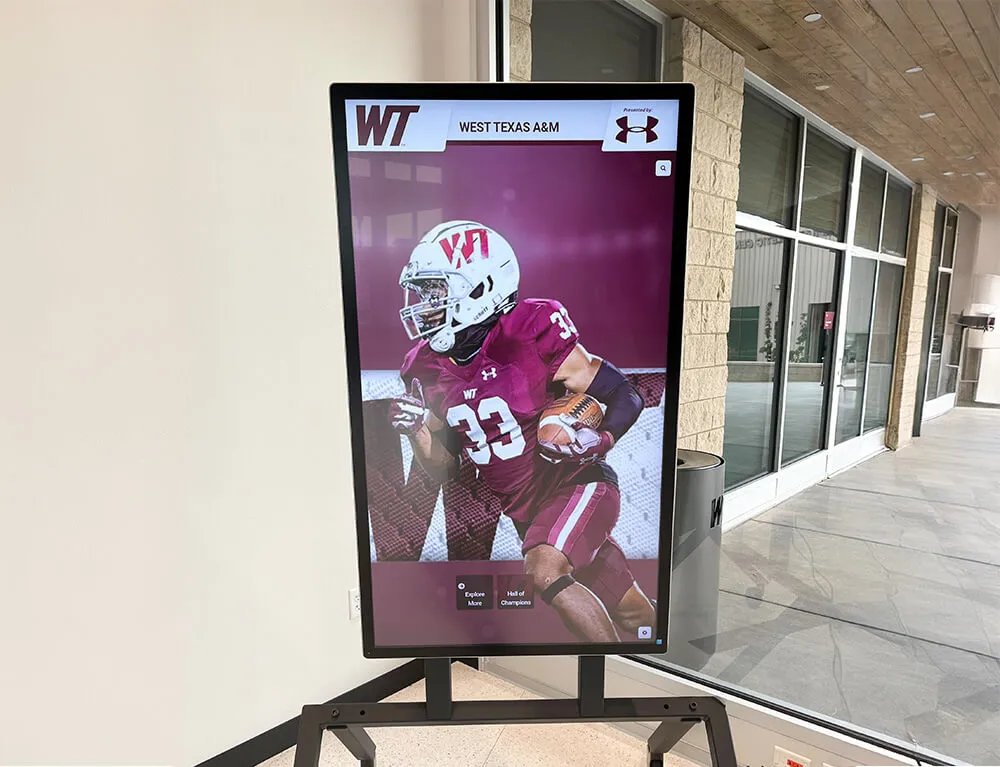
Interactive digital displays allow scholarship recipients to explore the honoree's story, view previous recipients, and understand the legacy they're joining
Step 5: Build Marketing and Awareness
Potential recipients can’t apply if they don’t know the scholarship exists—strategic marketing reaches qualified candidates.
Reaching Qualified Applicants
Multi-channel promotion ensures target students learn about opportunities:
- School guidance counselor outreach and bulletin boards
- District-wide announcements and newsletters
- Social media posts targeting relevant student and parent groups
- Community organization partnerships
- Email campaigns to eligible students
- Website scholarship pages optimized for search
- Free scholarship databases and listing services
- Media coverage of scholarship establishment and awards
Telling the Honoree’s Story
Marketing materials should introduce the person being remembered:
- Brief biography highlighting achievements and passions
- Personal anecdotes illustrating character and values
- Photos showing the honoree engaged in activities they loved
- Quotes from family, friends, or colleagues
- Connection between the honoree’s life and scholarship criteria
- Video testimonials from family or previous recipients
Effective storytelling helps applicants understand not just eligibility requirements but the person they would be honoring.
Building Scholarship Brand Identity
Named scholarships benefit from consistent visual identity:
- Logo or graphic treatment for the scholarship name
- Color scheme and design elements reflecting the honoree’s personality
- Dedicated webpage on school or foundation website
- Social media presence for updates and recipient features
- Print materials for promotion and recognition events
- Branded certificates for scholarship recipients
Learn more about creating comprehensive recognition programs that celebrate achievement.
Sustaining and Growing Memorial Scholarship Funds
Initial establishment is just the beginning—long-term success requires ongoing stewardship, donor engagement, and recognition.
Donor Stewardship and Recognition
Meaningful recognition keeps donors connected to the memorial and motivated to continue supporting the fund.
Impact Reporting for Contributors
Donors want to know their contributions make a difference:
- Annual reports showing fund balance, investment returns, and awards distributed
- Recipient profiles sharing academic achievements and goals
- Thank you letters from scholarship winners to donors
- Photos from award ceremonies and recognition events
- Stories illustrating how scholarships changed recipients’ educational paths
- Multi-year updates tracking recipient success after graduation
Recognition Tiers and Benefits
Structured recognition programs acknowledge giving levels appropriately:
Founding Donors ($10,000+)
- Permanent recognition on digital donor walls
- Name listed on scholarship materials
- Invitation to all scholarship events
- Annual private updates from family or institution
Major Donors ($5,000–$9,999)
- Recognition on donor displays
- Event invitations
- Annual impact reports
Supporting Donors ($1,000–$4,999)
- Named recognition on websites and materials
- Event invitations
- Impact updates
Contributors (Under $1,000)
- Listed on annual donor rolls
- Digital thank you communications
Anniversary and Memorial Date Recognition
Strategic annual touchpoints maintain engagement:
- Birthday or memorial date giving campaigns
- Annual award ceremonies on significant dates
- Newsletter updates around key anniversaries
- Social media features remembering the honoree
- Recurring events becoming traditions honoring the memory
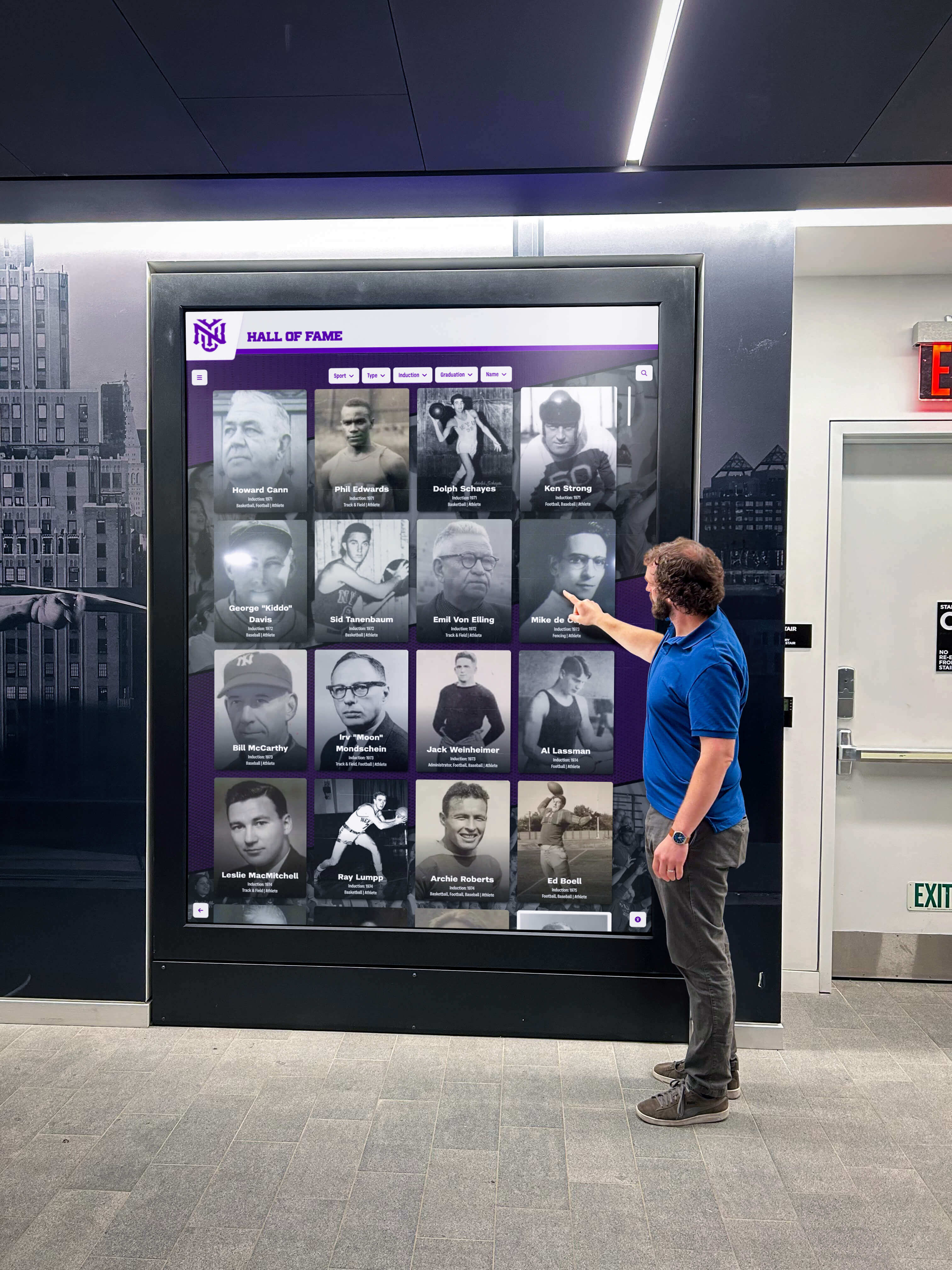
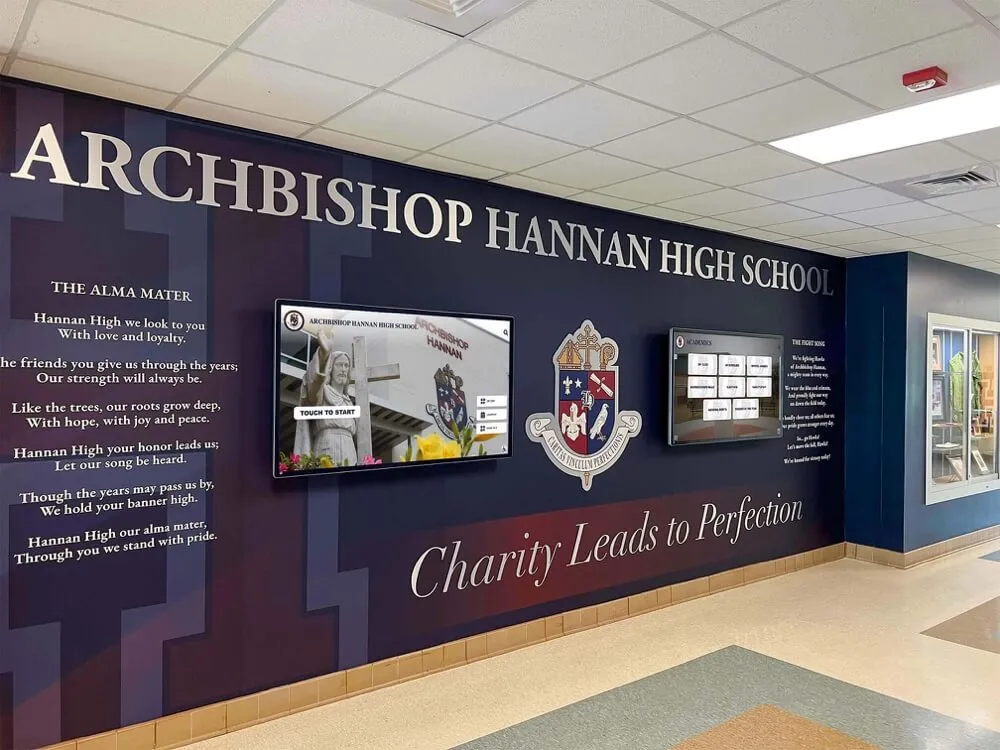
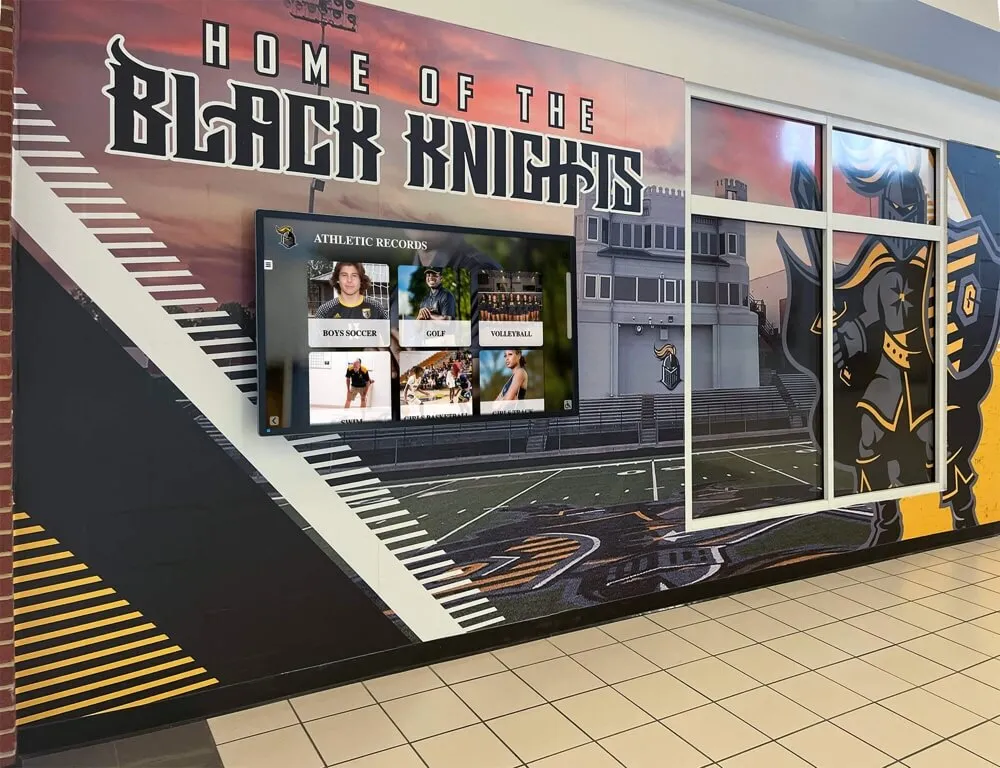
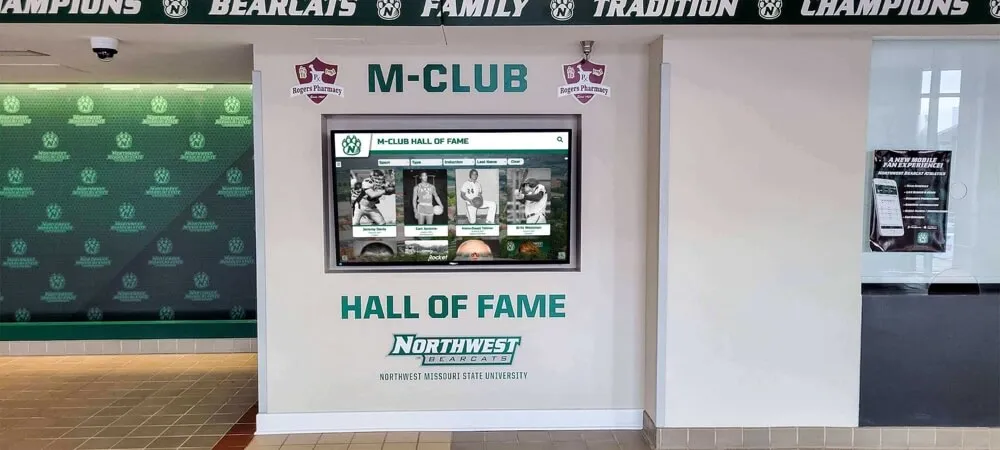
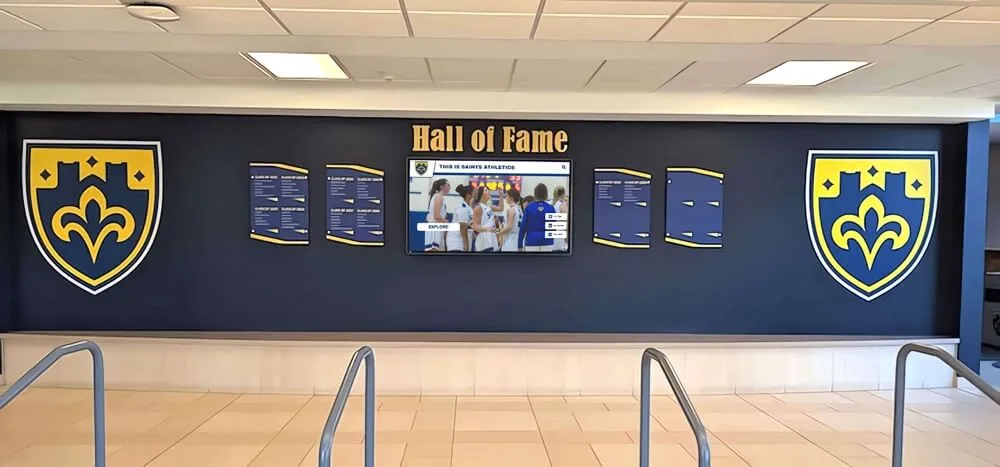
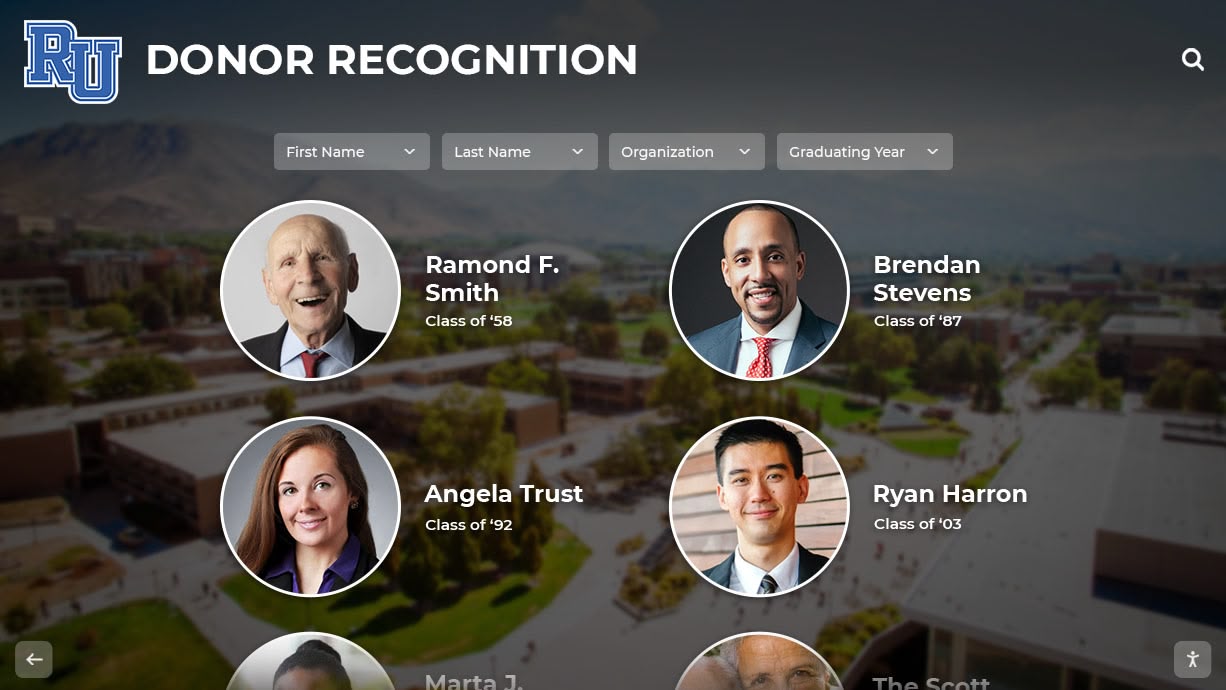
Interactive donor recognition walls invite engagement, allowing visitors to explore memorial stories and scholarship impact through touchscreen displays
Modern Digital Recognition Approaches
Contemporary donor walls and recognition displays offer advantages traditional plaques can’t match—particularly important for memorial scholarships where storytelling matters.
Advantages of Digital Donor Recognition
Modern digital systems address limitations of traditional recognition:
Unlimited Capacity
- Add unlimited donors without physical space constraints
- Recognize contributions at all levels, not just major gifts
- Include every contributor to the memorial fund
- Never run out of space requiring expensive renovations
Rich Storytelling
- Display photos and videos of the person being remembered
- Share written tributes from family and friends
- Show scholarship recipient profiles and achievements
- Include audio recordings or interviews
- Tell complete stories impossible with engraved plaques
Easy Updates
- Add new donors instantly without manufacturing delays
- Update recipient information annually
- Correct errors or update details immediately
- Refresh content keeping displays current
- Modify recognition tiers or structures as needed
Engagement Features
- Interactive touchscreens inviting visitor exploration
- Search functionality finding specific donors or recipients
- Social sharing extending recognition beyond physical location
- QR codes connecting to giving pages for new donations
- Analytics tracking engagement with memorial content
Multiple Display Locations
- Same content displayed at multiple campus locations
- Remote access through web browsers and mobile apps
- Reaching broader audiences than single physical installation
- Extending memorial presence throughout institution
Digital recognition complements rather than replaces traditional elements—many effective installations combine both.
Implementing Digital Memorial and Donor Recognition
Organizations implementing digital recognition systems should consider:
Hardware Considerations
- Commercial-grade touchscreen displays rated for continuous operation
- Screen size appropriate to viewing distance and location
- Weatherproof enclosures if installing outdoors
- Mounting and installation meeting accessibility standards
- Power and network connectivity requirements
Content and Design
- Professional layout reflecting institutional brand
- Donor recognition tiers clearly distinguished visually
- Memorial information prominently featured
- Scholarship recipient profiles with photos and achievements
- Balanced design between donor recognition and memorial storytelling
Software and Management
- Cloud-based content management systems enabling remote updates
- Permission systems controlling who can edit content
- Templates ensuring consistent formatting
- Mobile-responsive design for viewing on any device
- Analytics tracking display usage and engagement
Platforms like Rocket Alumni Solutions offer complete digital recognition solutions designed specifically for educational institutions, combining donor walls with scholarship recipient showcases, memorial tributes, and comprehensive recognition systems.
Integrating Physical and Digital Recognition
The most effective approaches combine traditional and digital elements:
- Engraved plaques for founding donors and family
- Digital displays listing all contributors at every level
- Traditional scholarship certificates with QR codes linking to recipient profiles
- Physical memorial spaces with integrated digital storytelling displays
- Printed programs at events featuring digital display screenshots
- Traditional awards complemented by online scholarship recipient galleries
This hybrid approach honors tradition while embracing technology’s advantages for storytelling and ongoing recognition.
Learn more about digital donor recognition options for educational institutions.
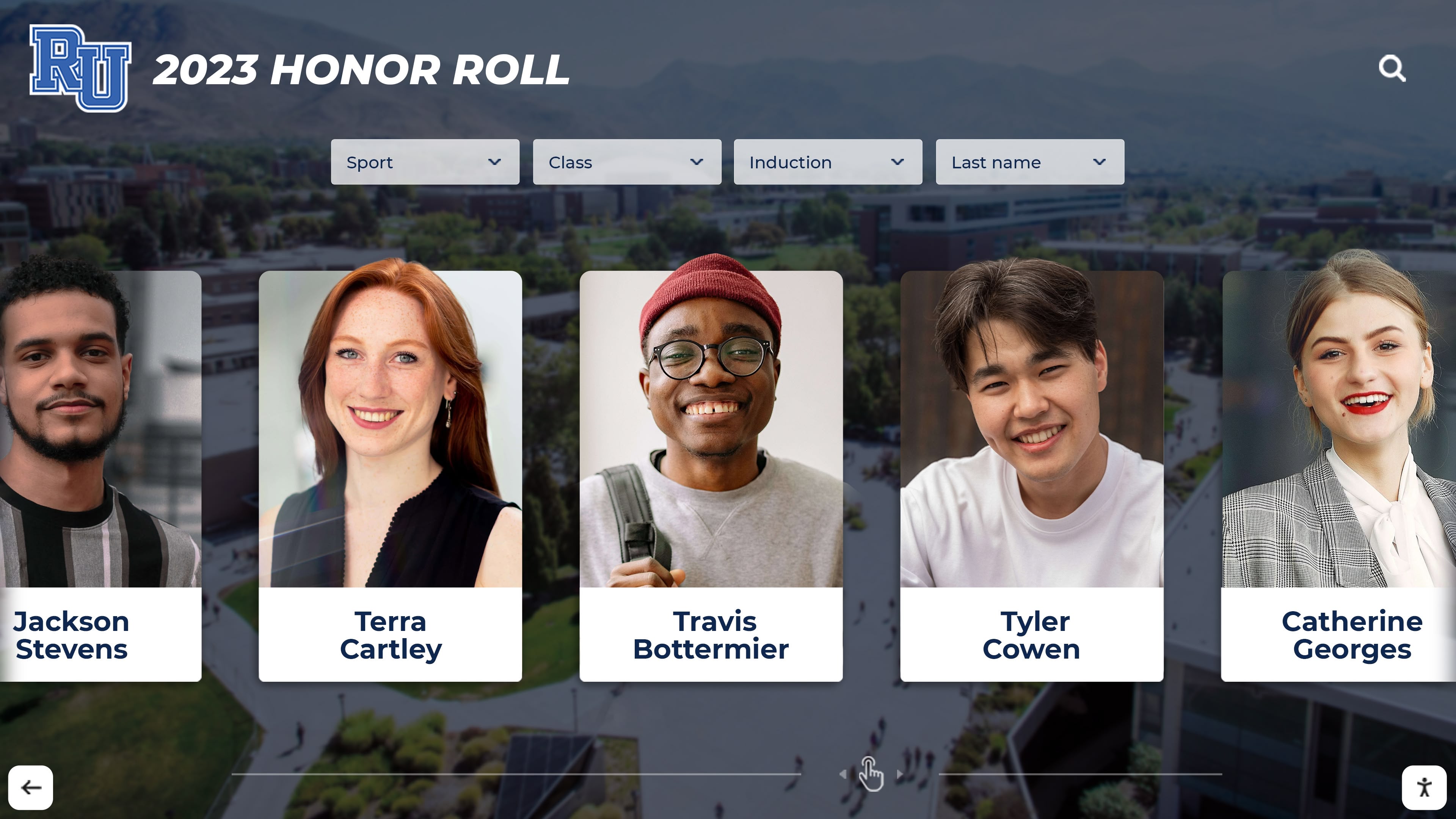
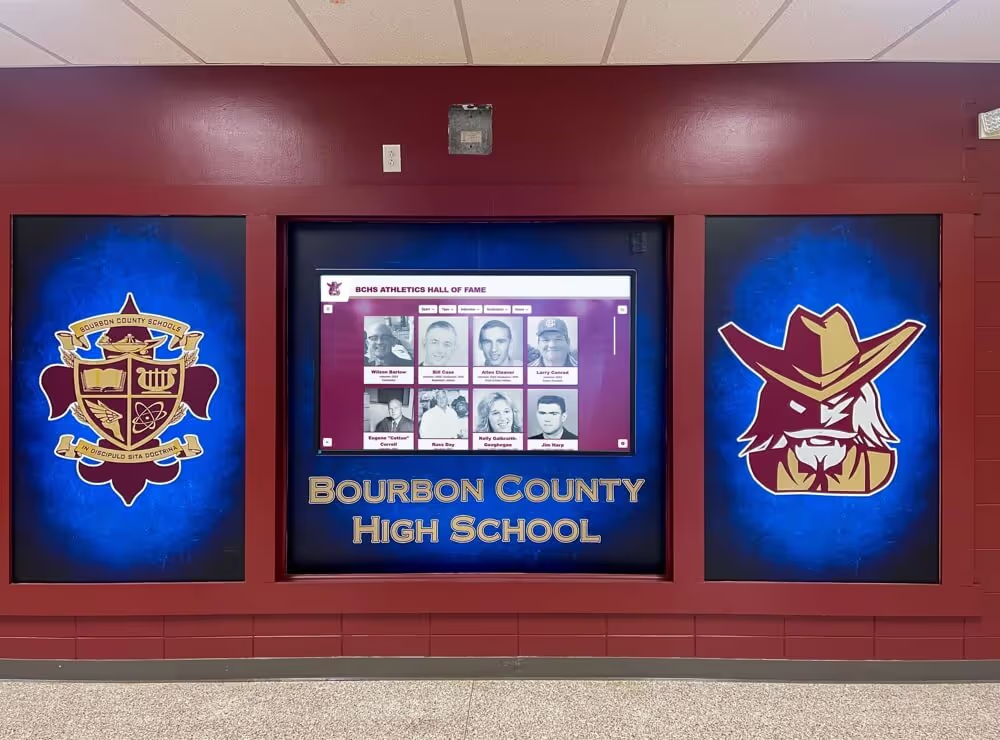
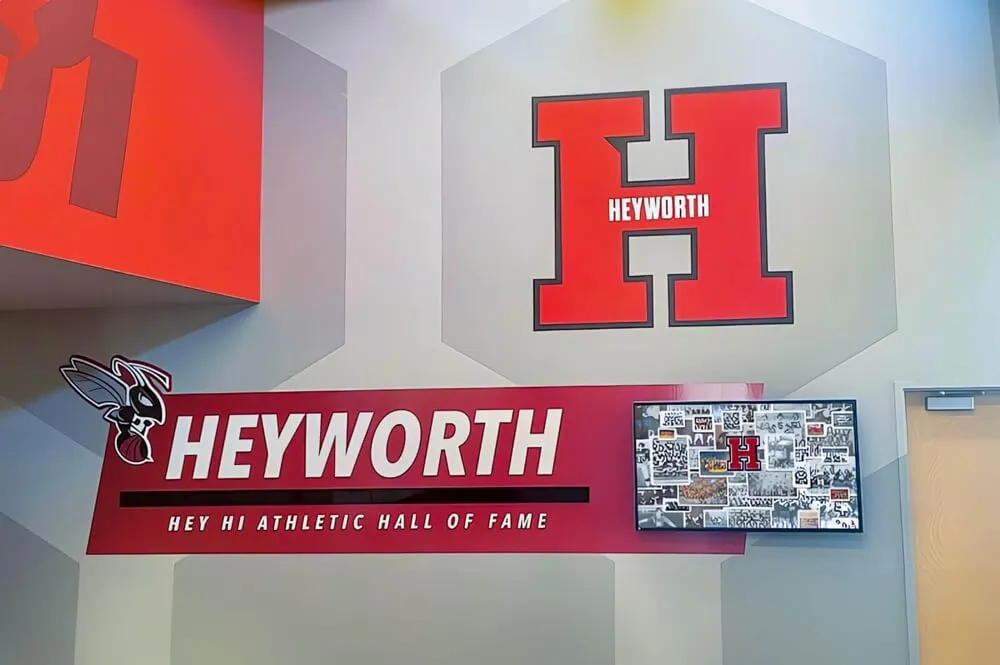
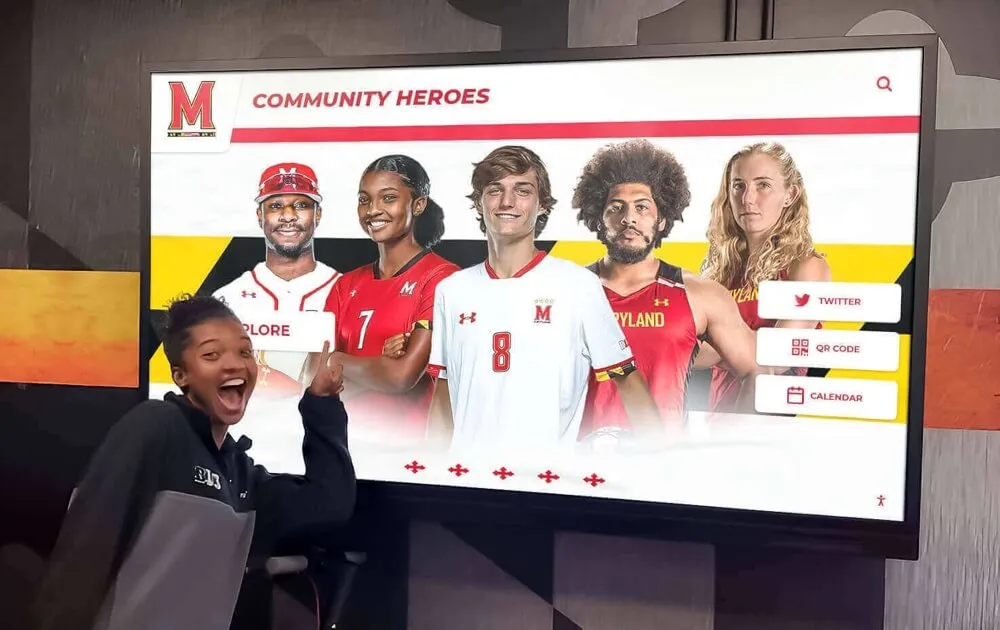
Portrait-based recognition systems connect scholarship recipients to the broader community of achievement at educational institutions
Annual Award Ceremonies and Events
Regular events keep memorial scholarships visible while creating meaningful experiences for recipients, families, and donors.
Award Presentation Best Practices
Thoughtful ceremonies honor both recipients and the memorial:
- Schedule events on dates significant to the honoree (birthday, graduation anniversary, etc.)
- Invite scholarship recipients, their families, and donors
- Include the honoree’s family in award presentations
- Share brief biography of the person being remembered
- Allow recipients to speak about what the scholarship means
- Present professional certificates including memorial information
- Photograph recipients with families and donors
- Feature displays showing memorial, recipients, and donor recognition
Involving Scholarship Recipients in Legacy
Recipients become part of the ongoing memorial story:
- Encourage recipients to learn about the person they’re honoring
- Create opportunities for recipients to meet the honoree’s family
- Invite past recipients to return for anniversary events
- Feature recipient success stories in donor communications
- Ask recipients to contribute to scholarship fundraising efforts after graduation
- Build community among recipients across different years
Special Anniversary Events
Milestone years deserve expanded recognition:
5-Year Anniversary
- Reunion of all past recipients
- Campaign to grow endowment reaching sustainability
- Updated digital displays featuring five years of recipients
- Community celebration honoring the memorial
10-Year Anniversary
- Major fundraising gala
- Documentary or video tribute
- Expanded recognition displays
- Invite recipients to share “decade later” updates
25+ Year Anniversaries
- Generational celebrations showing long-term impact
- Capital campaigns for significant endowment growth
- Permanent memorial installations or named spaces
- Legacy planning ensuring scholarship continuity
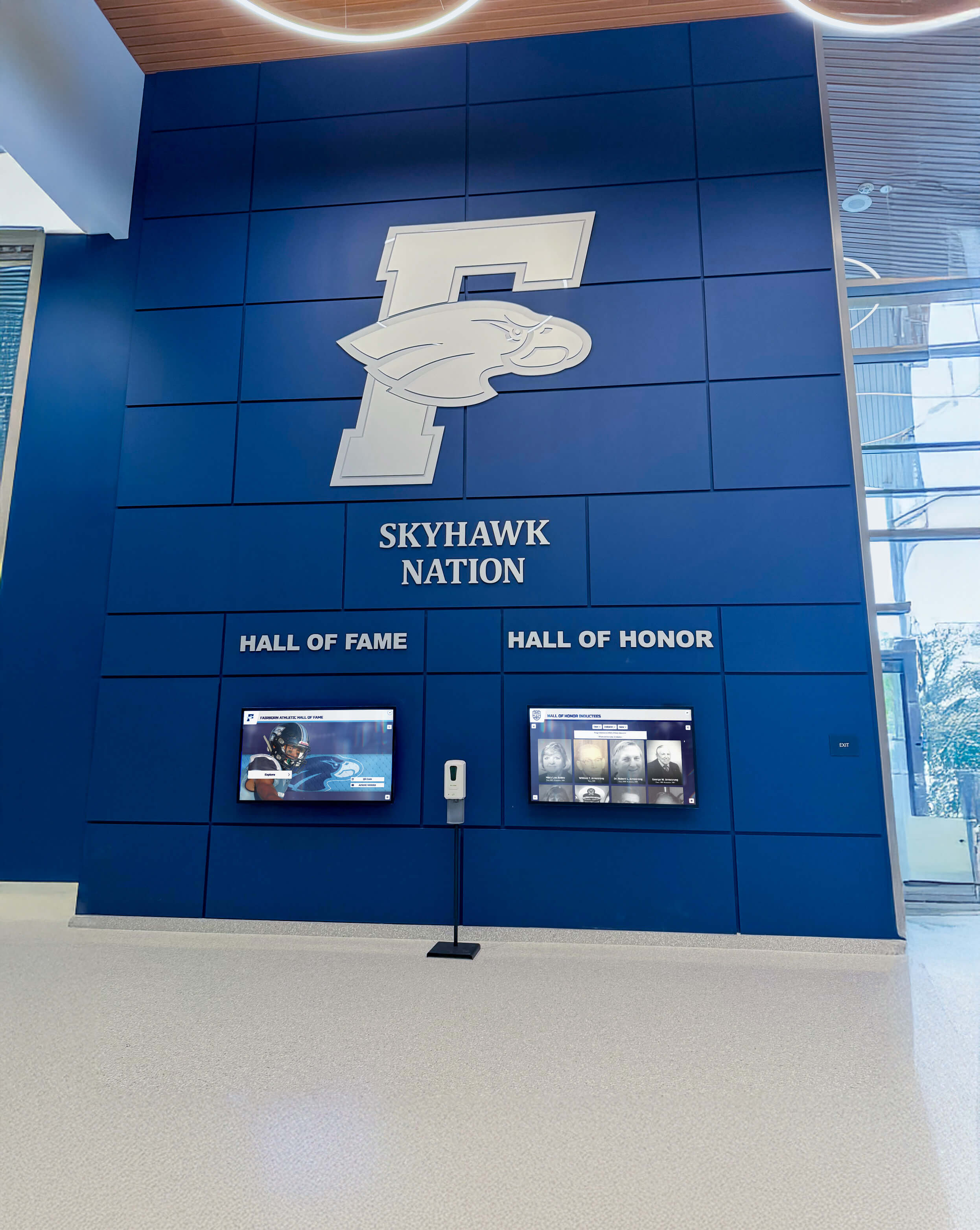
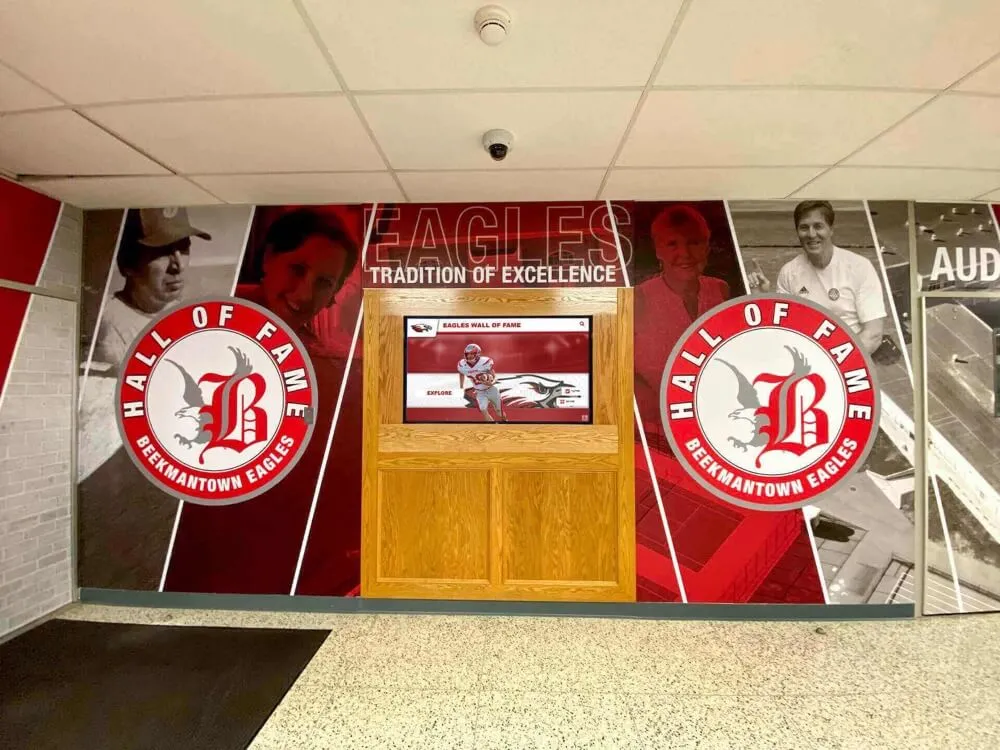
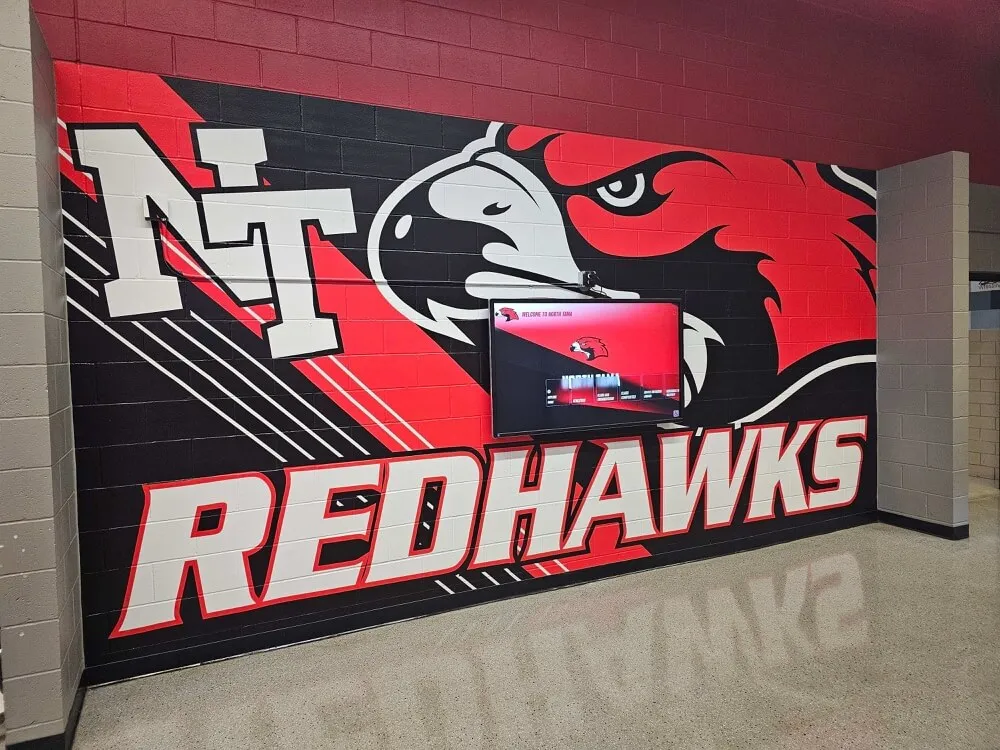
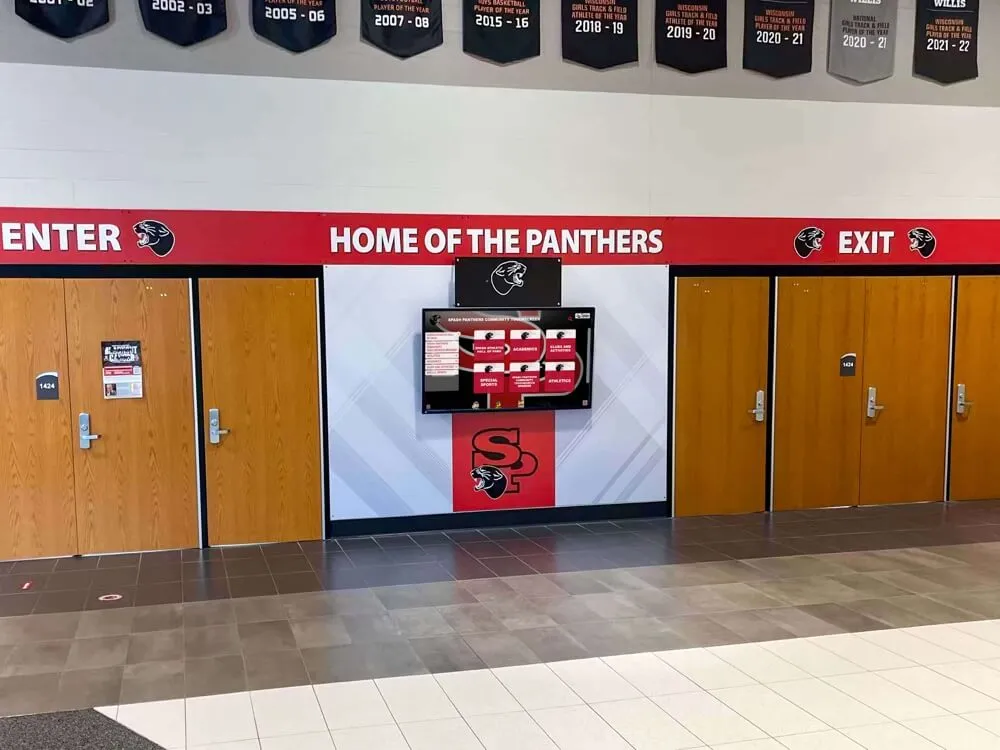
Dedicated recognition spaces in high-traffic campus areas ensure memorial scholarships and donor contributions remain visible to the entire community
Common Memorial Scholarship Challenges and Solutions
Understanding frequent obstacles helps organizations avoid pitfalls that derail well-intentioned memorial programs.
Challenge: Insufficient Initial Funding
Many memorial scholarships launch with inadequate capital to sustain meaningful awards.
Solutions:
- Begin with smaller non-endowed fund while building toward endowment
- Set realistic timeline acknowledging endowment may take 3–5 years to reach
- Launch with single smaller scholarship rather than multiple awards
- Partner with institutional matching programs amplifying initial gifts
- Organize memorial fundraising events in addition to direct contributions
- Encourage planned gifts and bequests from those who knew the honoree
- Consider biennial rather than annual awards while building funding
Challenge: Declining Donor Engagement Over Time
Initial memorial giving often declines after the first few years as the loss becomes less immediate.
Solutions:
- Establish annual giving campaigns tied to memorial dates
- Provide consistent impact reporting showing scholarship outcomes
- Feature recipient success stories demonstrating ongoing impact
- Create events keeping the memorial community connected
- Implement digital recognition systems extending visibility year-round
- Develop recurring giving programs encouraging monthly contributions
- Engage past recipients in fundraising as grateful beneficiaries
Challenge: Finding Qualified Applicants
Small or specialized scholarships sometimes struggle attracting qualified candidates meeting specific criteria.
Solutions:
- Expand geographic or institutional eligibility if initial criteria too narrow
- Partner with guidance counselors promoting scholarships to targeted students
- Simplify application requirements reducing barriers to applying
- Adjust timing to align with when students research opportunities
- List scholarships on free search platforms expanding reach
- Reconsider whether criteria genuinely reflect memorial purpose or unnecessarily restrict
Challenge: Family Disagreement on Memorial Approach
Families sometimes disagree about scholarship criteria, funding levels, or recognition.
Solutions:
- Establish clear governance structure defining decision-making authority
- Document agreed criteria and procedures in writing
- Include neutral institutional representatives in committees
- Focus discussions on what the honoree would have valued
- Allow flexibility for criteria evolution over time through formal amendment process
- Seek professional facilitation if conflicts significantly impact scholarship operation
Challenge: Administrative Burden
Managing applications, selection, funds, and reporting creates unexpected workload.
Solutions:
- Partner with institutional development office handling administration
- Work with community foundation providing professional management
- Use scholarship management platforms automating applications and communication
- Establish selection committees sharing workload among multiple people
- Create templates and procedures streamlining annual processes
- Budget for administrative support if operating independently
Memorial Scholarship Success Stories and Inspiration
Understanding how effective memorial scholarships operate provides models for new programs.
Teacher Memorial Scholarships
Many memorial scholarships honor beloved teachers who inspired students:
Typical Structure:
- Established by former students, colleagues, or family
- Awards students pursuing teaching or the teacher’s subject area
- Selection criteria emphasize qualities the teacher exemplified
- Annual award ceremonies at the school where they taught
- Past recipients often become teachers themselves, continuing the legacy
Recognition Approach:
- Digital displays in school lobbies featuring teacher’s photo and biography
- Scholarship recipient wall showing award winners over the years
- Donor recognition including former students who contribute
- Integration with teacher appreciation programs
Student Memorial Scholarships
Scholarships honoring students who died tragically often generate strong community support:
Typical Structure:
- Established by grieving families transforming loss into positive impact
- Criteria reflect student’s interests, activities, or character traits
- Class year participation creates cohort of ongoing supporters
- Award amounts grow as fundraising continues over years
- Recipients learn about and connect with the honoree’s story
Recognition Approach:
- Memorial displays combining scholarship with celebration of the student’s life
- Photos, accomplishments, and personal stories prominently featured
- Scholarship recipient profiles alongside the memorial
- Digital platforms allowing classmates to share memories
- Integration with annual memorial events or dedications
Alumni and Community Leader Scholarships
Memorial scholarships honoring accomplished alumni or community leaders:
Typical Structure:
- Often established by professional organizations, employers, or family
- Focus on students following career paths the honoree pursued
- May include mentorship connecting recipients with the honoree’s field
- Significant endowments reflecting the leader’s professional success
- Corporate matching gifts amplifying contributions
Recognition Approach:
- Professional biography and career achievements featured prominently
- Recognition displays in facilities the leader supported
- Connections to hall of fame systems honoring distinguished alumni
- Digital platforms showcasing recipient career trajectories
- Integration with alumni networks
Conclusion: Creating Enduring Educational Legacies
Memorial scholarships represent profound acts of transformation—taking the pain of loss and creating opportunities that honor memory through action. When thoughtfully structured and sustained, these scholarships become living memorials that introduce new students each year to someone they never met but whose values and passions shape their educational journey.
The most successful memorial scholarship funds share common characteristics: clear purpose aligned with the honoree’s life, sustainable funding supporting awards indefinitely, transparent selection processes identifying deserving recipients, meaningful recognition connecting donors to impact, and visible storytelling preserving the memorial for future generations.
Modern digital recognition platforms amplify these elements by providing unlimited donor recognition capacity, rich multimedia storytelling, easy content updates, and engagement features impossible with traditional plaques—particularly valuable for memorial scholarships where preserving someone’s story matters as much as funding education.
Whether you’re a family member hoping to honor a loved one, an institution establishing a memorial scholarship program, or an organization supporting educational giving, the steps outlined in this guide provide a roadmap from concept through sustainable implementation. The result is a lasting legacy that doesn’t just remember the past but actively shapes the future—exactly the kind of impact that makes memorial scholarships such powerful expressions of love, remembrance, and hope.
Ready to create a memorial scholarship program with modern recognition that honors your loved one’s legacy? Rocket Alumni Solutions specializes in digital recognition systems for schools and nonprofits, combining donor walls, scholarship showcases, and memorial tributes in comprehensive platforms that keep legacies alive and donors engaged. Contact us to learn how digital recognition can amplify your memorial scholarship’s impact while honoring the memory of those who continue inspiring future generations.