Planning a memorial service represents one of the most meaningful yet challenging responsibilities families, schools, and organizations undertake. Whether honoring a beloved community member, celebrating the life of a dedicated teacher or coach, or commemorating those who shaped your institution’s history, creating services that truly reflect someone’s legacy requires thoughtful planning, personal touches, and environments where memories can be shared and preserved.
Yet many find themselves unsure where to begin. How do you create ceremonies that feel personal rather than formulaic? What elements make memorial services memorable and healing for those grieving? How can organizations honor multiple individuals while ensuring each receives appropriate, dignified recognition? And in 2026, how can technology help preserve memories and create permanent tributes accessible to all who want to remember?
This comprehensive guide explores meaningful memorial service ideas spanning traditional ceremonies to innovative digital tributes, helping you create remembrance experiences that honor lives well-lived while providing comfort, connection, and lasting legacy for years to come.
Effective memorial services accomplish essential goals: they celebrate unique individuals appropriately, provide healing spaces for communities to grieve together, share meaningful stories preserving memories, and create lasting tributes ensuring those we’ve lost remain part of organizational and family fabric. Organizations that excel at memorial planning create environments where remembrance becomes woven into institutional culture, honoring past while inspiring present.

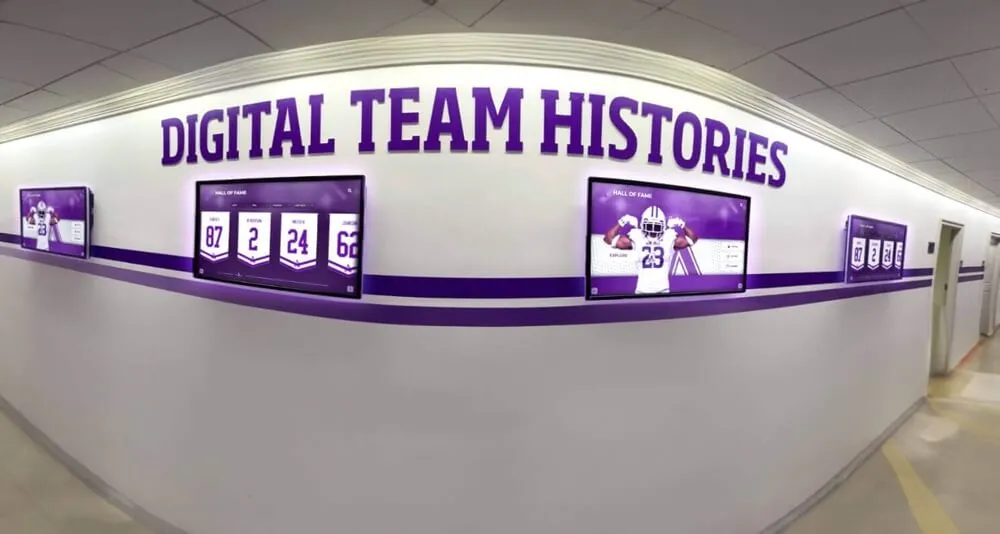
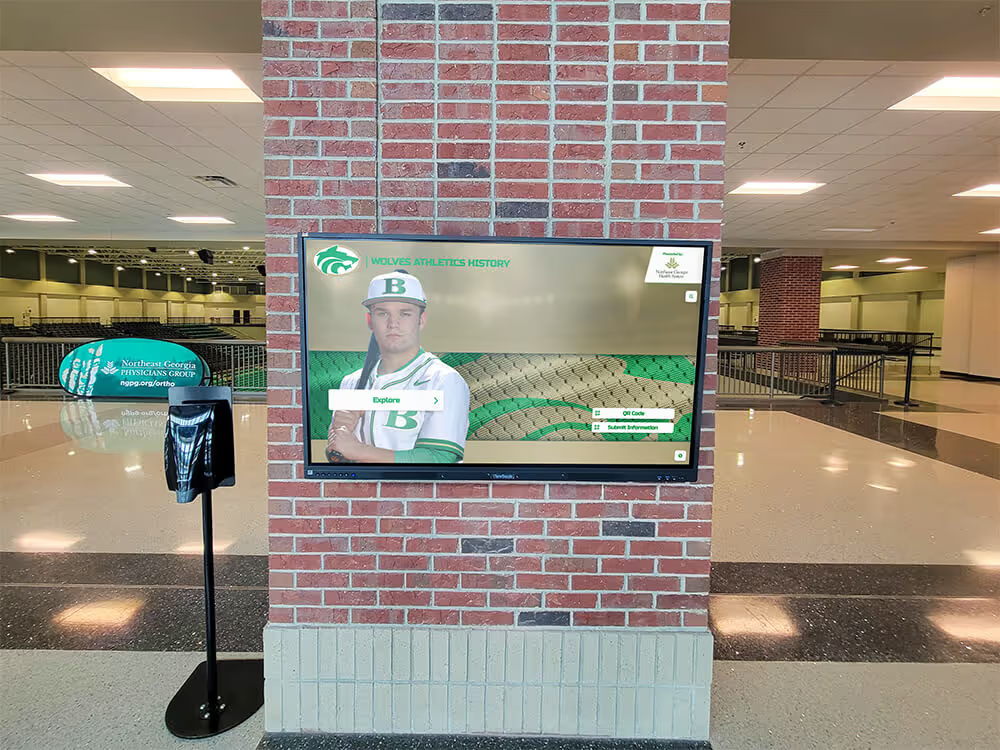
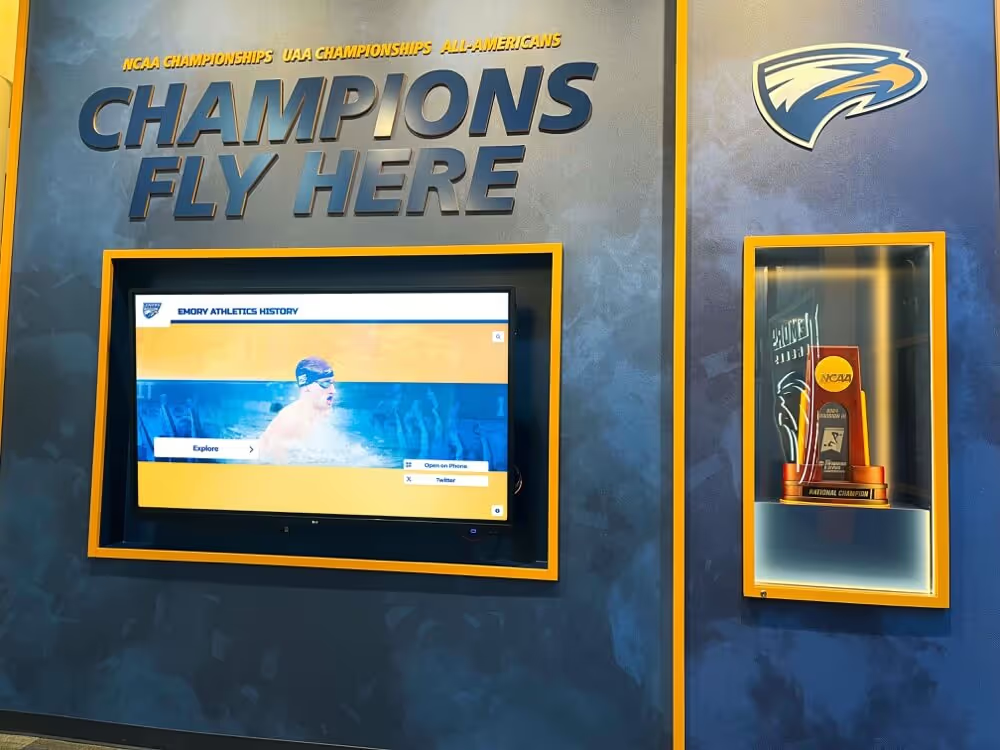
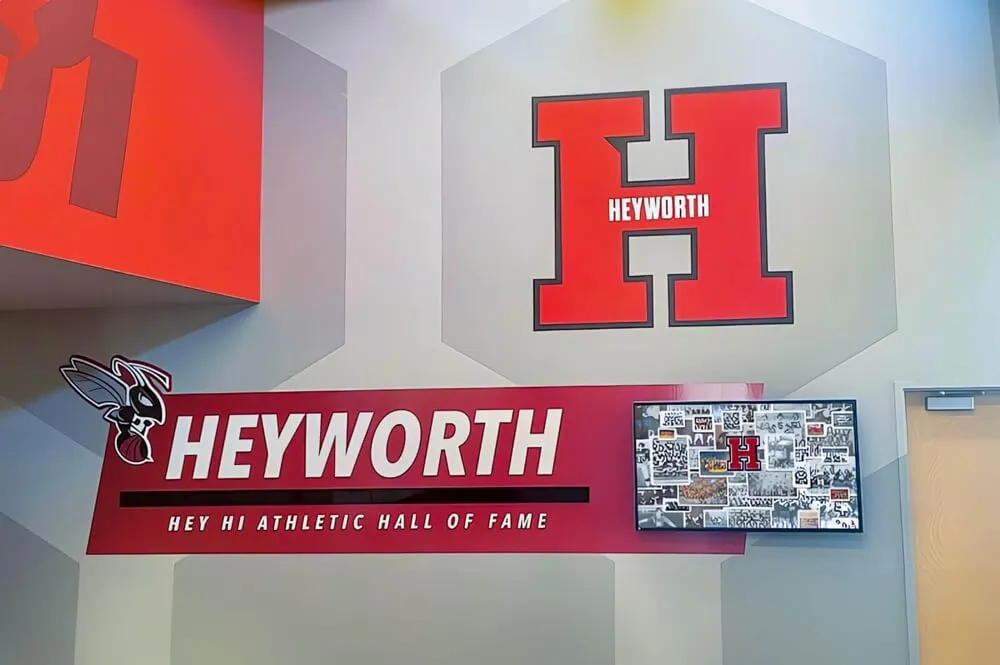
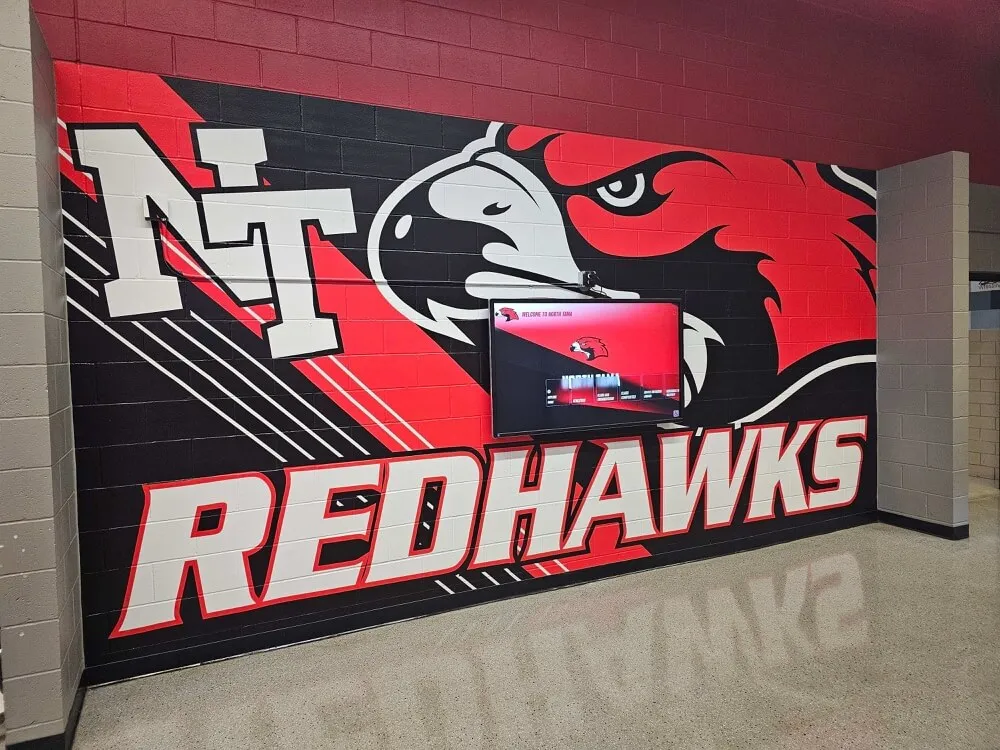
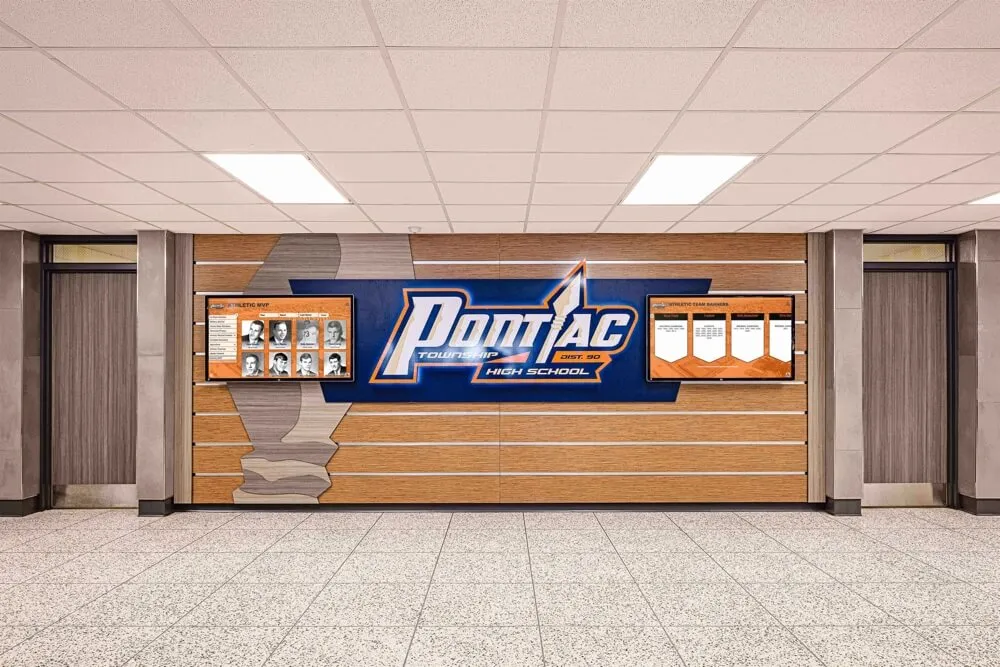
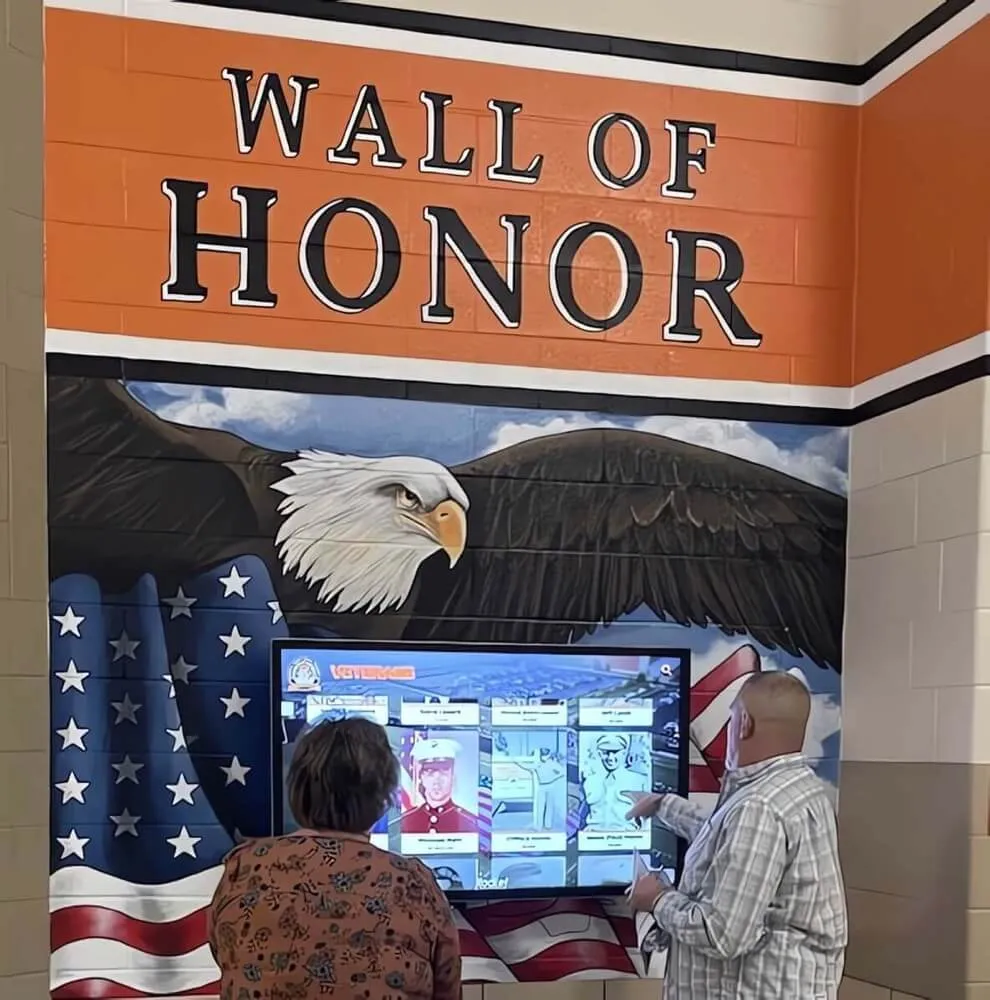
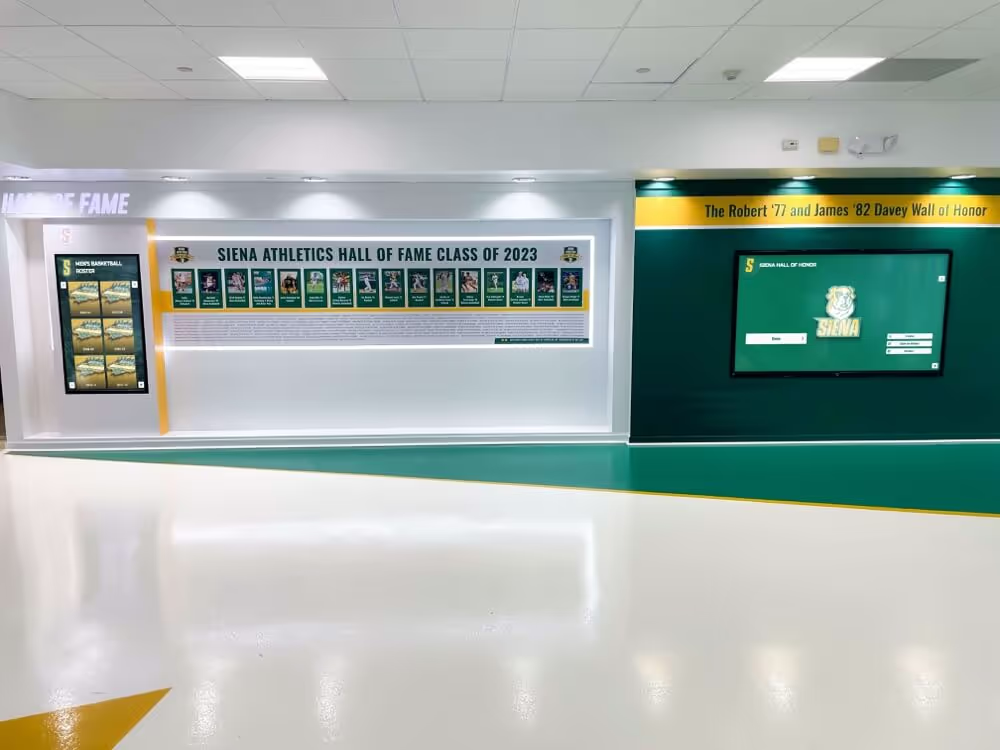
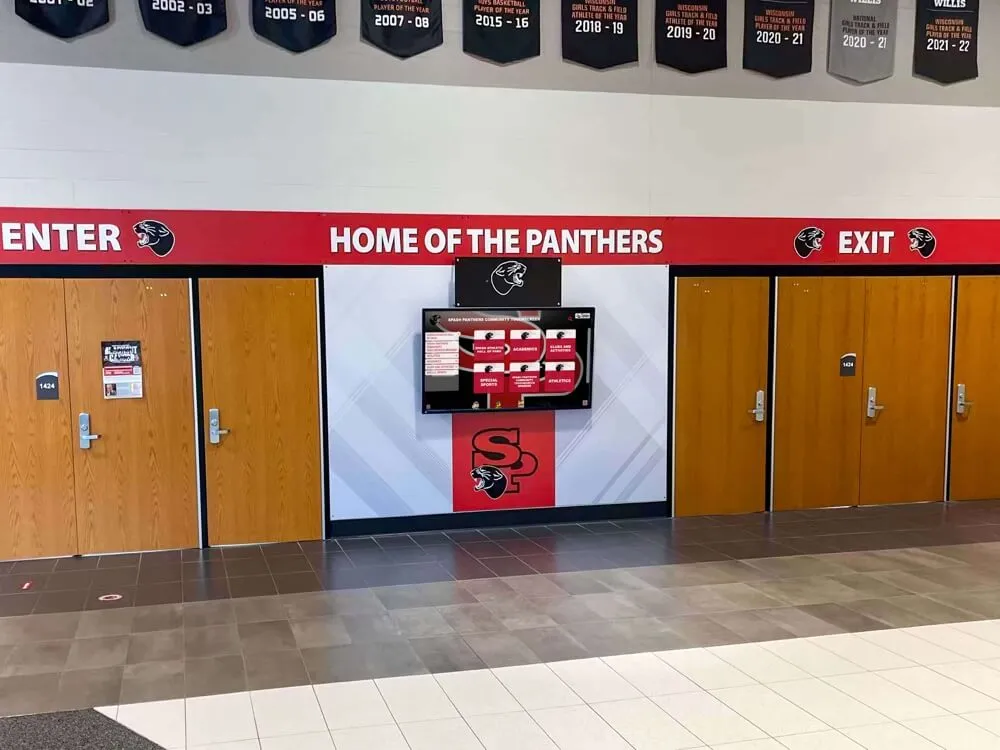
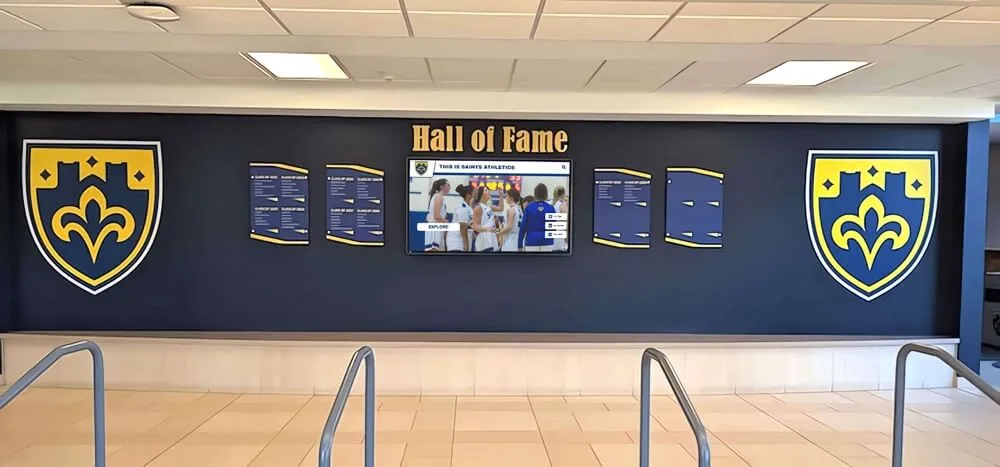
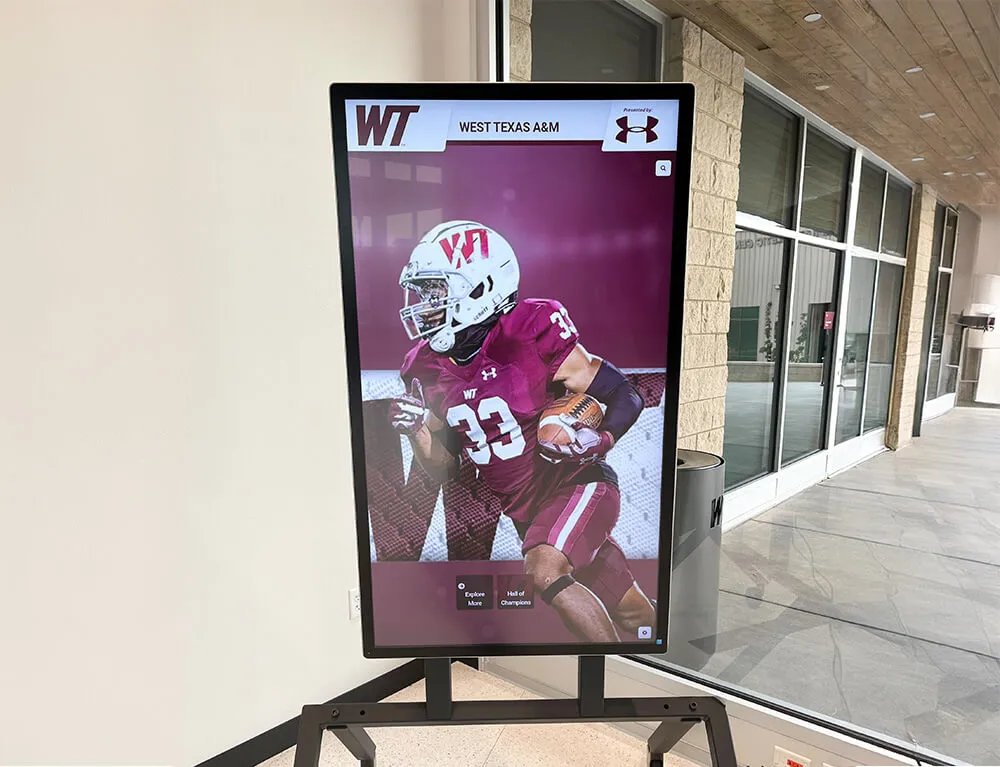
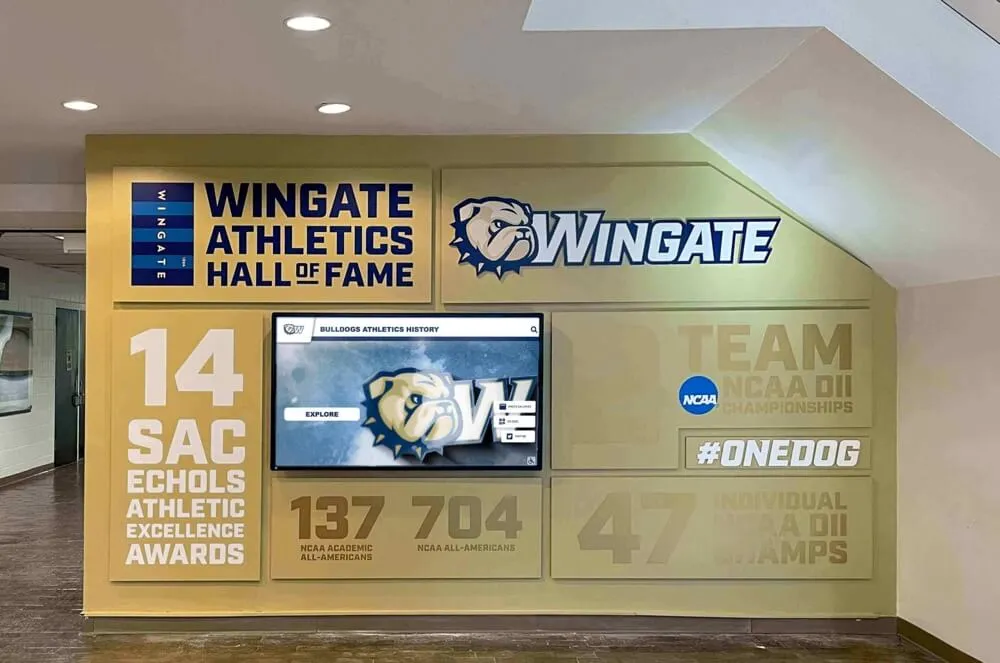
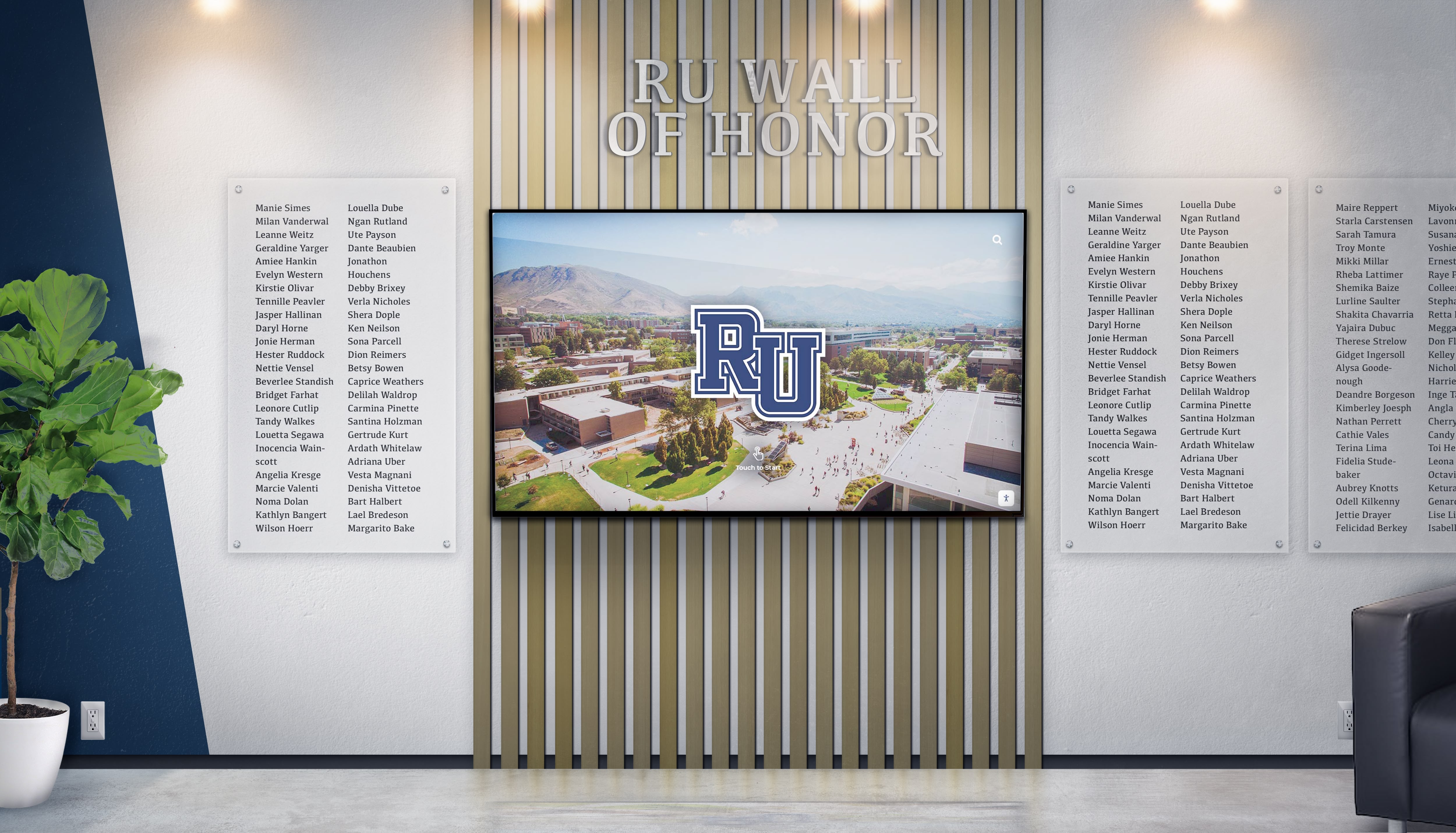
Modern memorial displays create permanent, accessible tributes honoring those who made lasting impacts
Understanding Memorial Services: Purpose and Planning Foundations
Before exploring specific memorial service ideas, understanding core principles helps create meaningful, healing experiences.
What Makes Memorial Services Meaningful
Effective memorial services share essential characteristics that provide comfort and celebrate life:
Personal Connection and Authenticity
The most meaningful memorials reflect who someone truly was rather than following rigid formulas. Services should incorporate personal stories that capture personality and character, hobbies and passions that defined their interests, relationships and connections that shaped their lives, accomplishments and contributions they valued, humor and quirks that made them unique, and values and beliefs that guided decisions.
Generic memorial services that could apply to anyone miss opportunities to celebrate what made individuals special. Personalization creates recognition that feels authentic to those who knew and loved them.
Community Gathering and Shared Grief
Memorial services provide essential opportunities for communities to gather, grieve together, and support one another through loss. These gatherings allow sharing memories collectively, expressing grief in supportive environments, celebrating lives with others who understand loss, forming connections with fellow mourners, and beginning healing processes within community contexts.
According to grief counseling research, communal mourning provides psychological benefits that private grief cannot replicate, making gathering spaces and shared experiences essential memorial service components.
Lasting Legacy Creation
Beyond immediate memorial events, effective remembrance creates permanent tributes ensuring those we’ve lost remain part of organizational memory including physical memorials providing tangible recognition, digital tributes making memories accessible indefinitely, scholarship funds or awards honoring values, dedicated spaces bearing names, ongoing programs continuing work they valued, and archived stories preserving impact for future generations.
These lasting elements transform memorial services from single events into ongoing recognition woven into institutional fabric.
Types of Memorial Services Across Different Settings
Memorial service needs vary significantly by context:
Educational Institution Memorials
Schools, colleges, and universities frequently honor faculty members, staff, students, alumni, benefactors, and community members. Educational memorials often include gathering spaces for student support, permanent recognition in buildings or grounds, scholarship establishment in their memory, tree planting ceremonies, and annual remembrance events.
Learn about school memorial approaches through memorial wall ideas designed for educational settings.
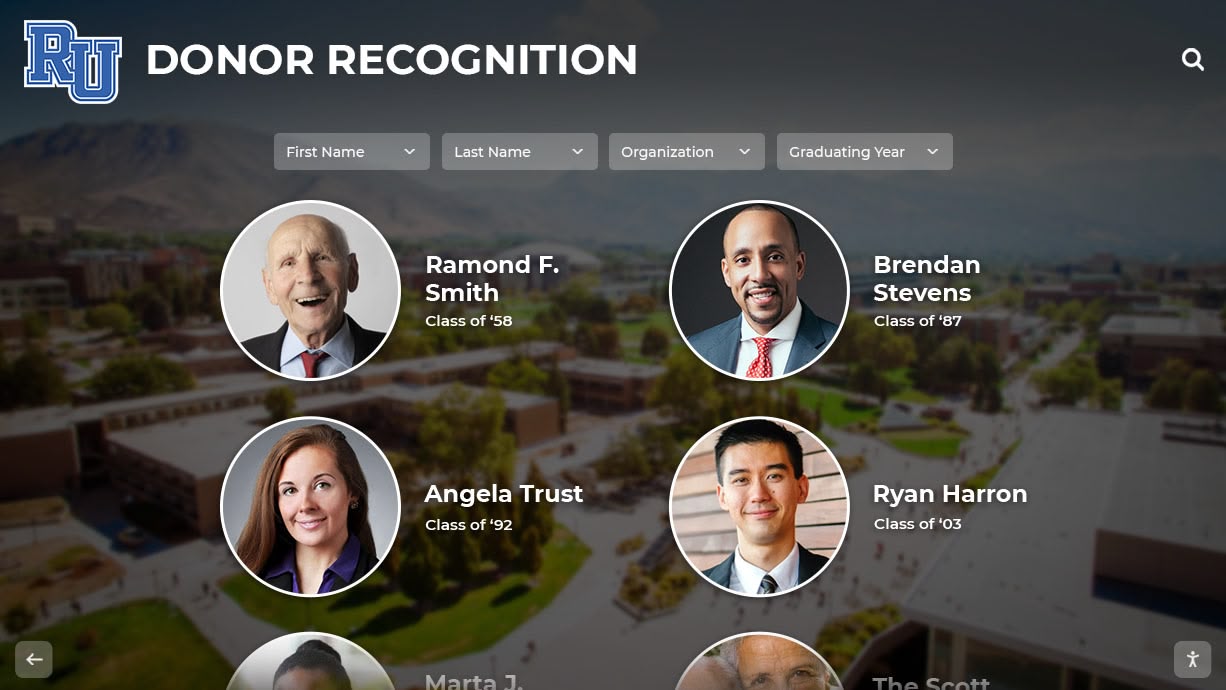
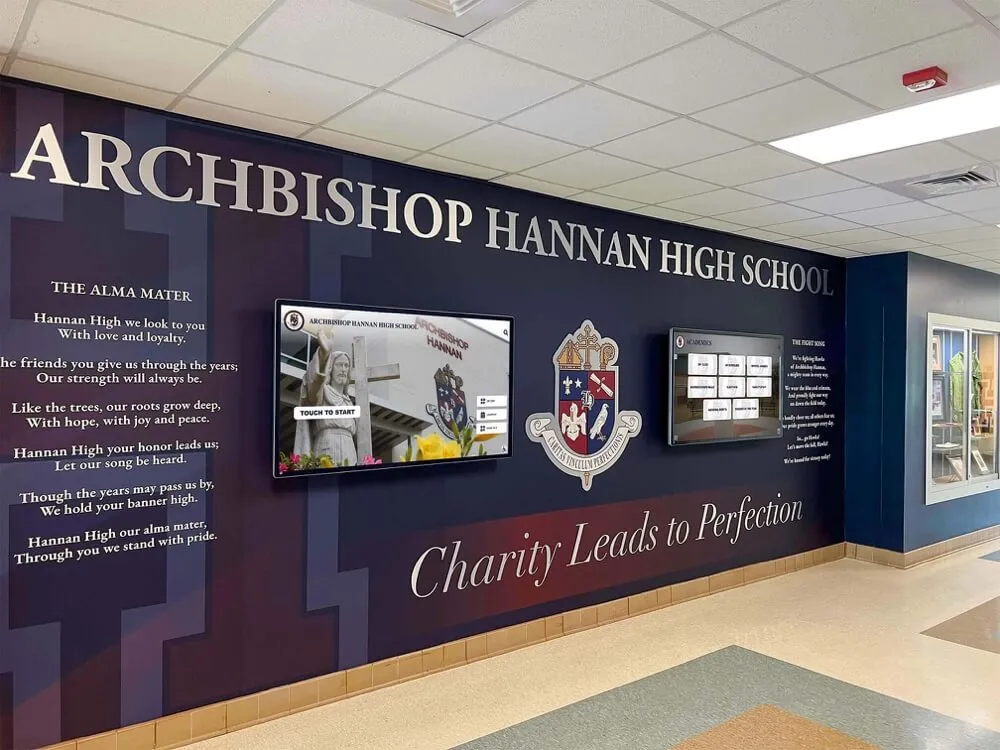
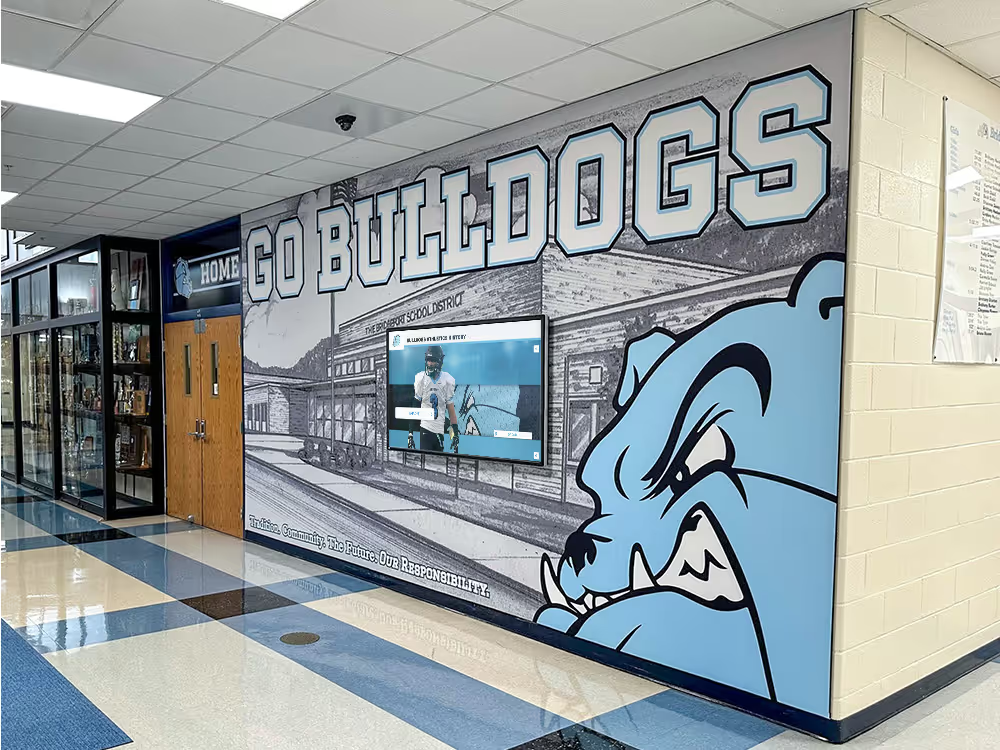
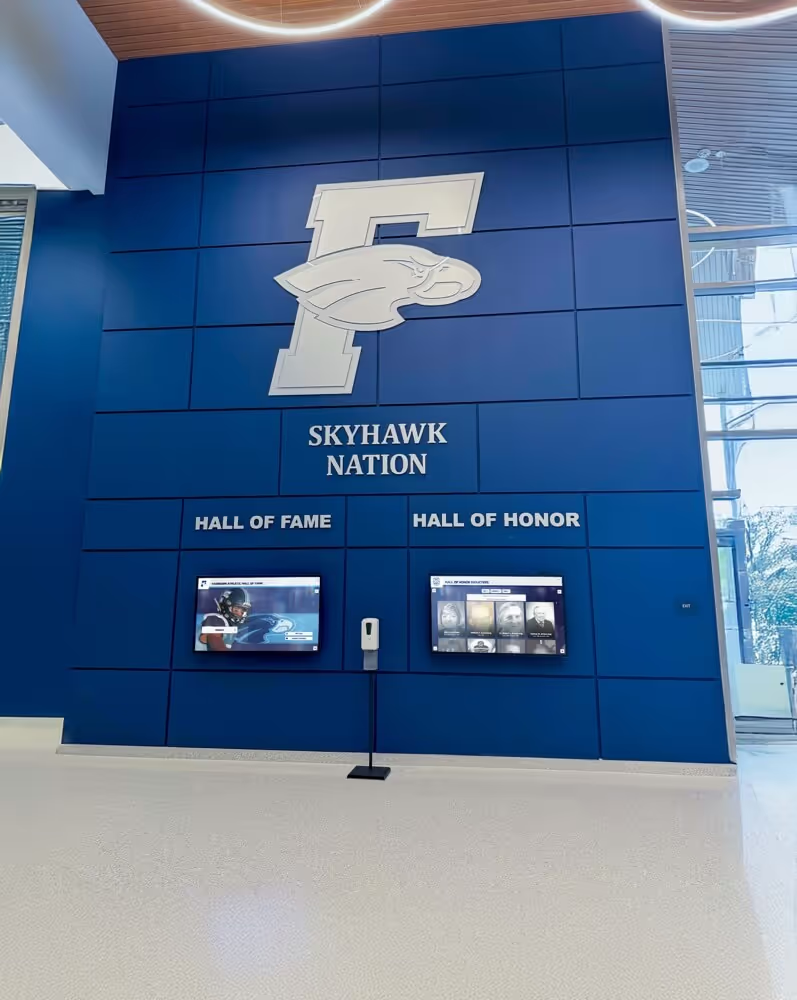
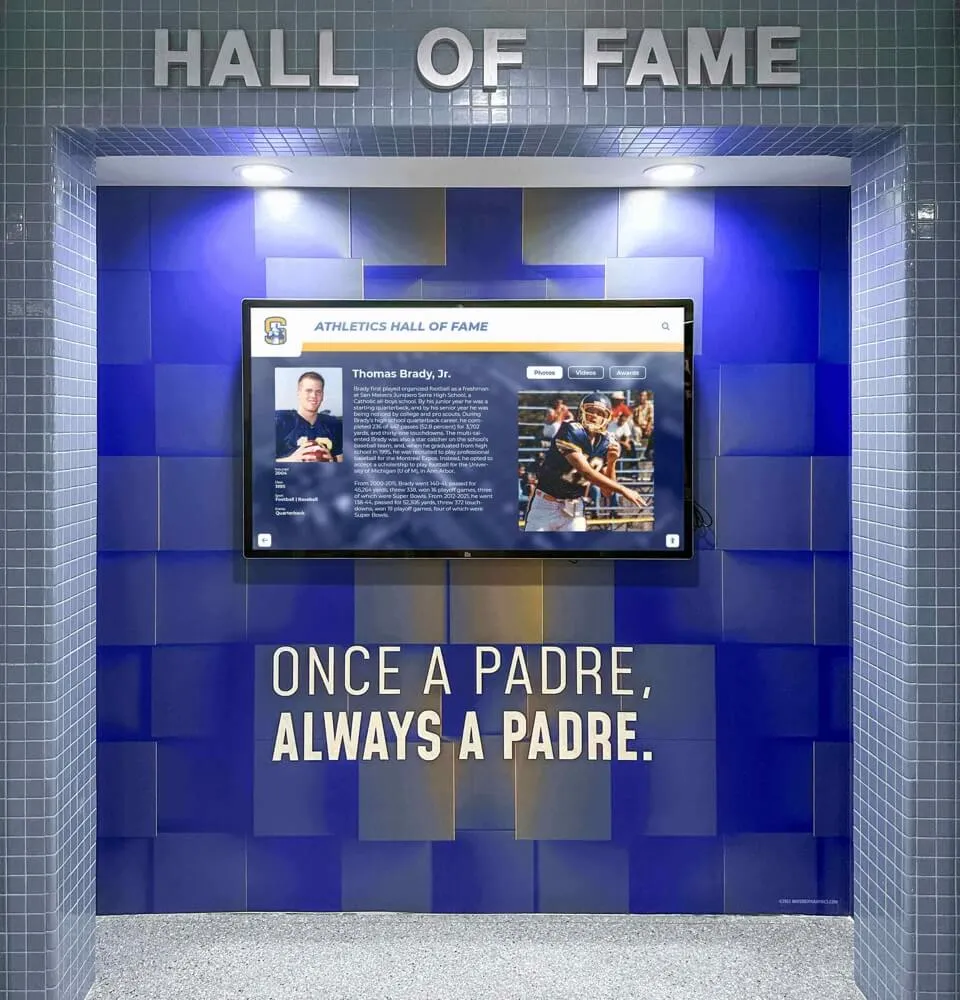
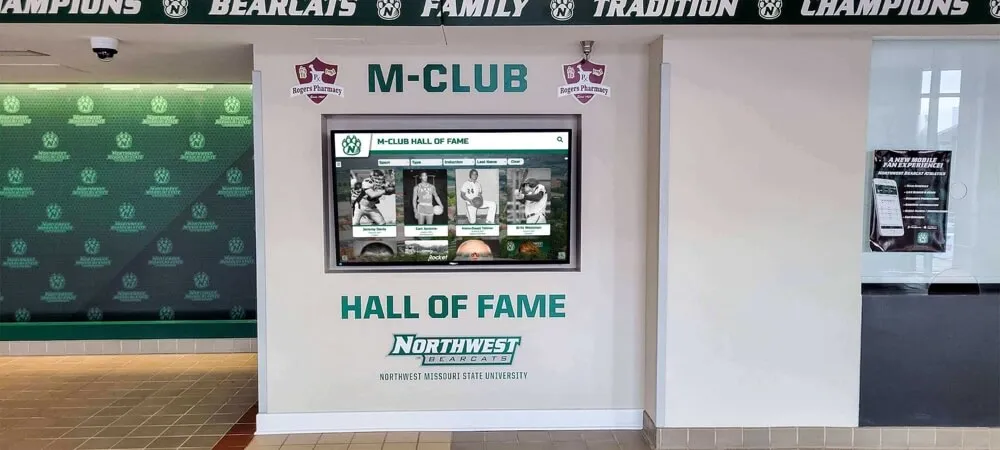
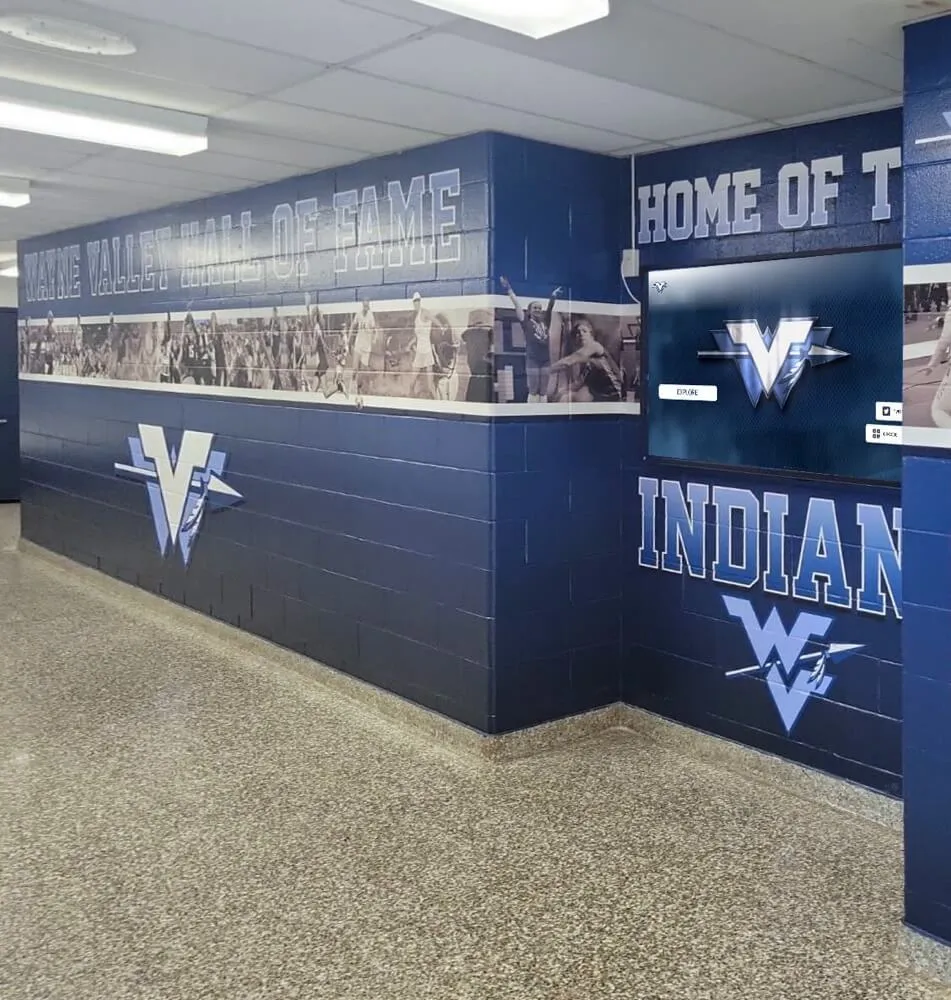
Educational institutions create permanent memorials honoring those who shaped their communities
Organizational and Workplace Memorials
Nonprofits, businesses, and community organizations honor employees, volunteers, board members, founders, and major contributors. Workplace memorials typically feature lobby recognition displays, memorial funds supporting organizational missions, dedicated meeting rooms or spaces, annual award presentations, and permanent honor walls.
Religious and Faith Community Memorials
Churches, synagogues, mosques, and other faith communities honor members, spiritual leaders, volunteers, and benefactors through memorial services incorporating religious traditions, permanent sanctuary recognition, prayer gardens and outdoor spaces, memorial books or registries, and continuing ministry programs.
Athletic and Recreation Organization Memorials
Sports teams, clubs, and recreational organizations honor coaches, athletes, volunteers, and supporters through jersey retirement ceremonies, memorial tournaments or competitions, dedicated fields or facilities, athletic awards bearing names, and hall of fame inductions.
Memorial Service Planning Timeline and Considerations
Thoughtful planning ensures meaningful, appropriate recognition:
Immediate Planning (1-3 Days After Loss)
Initial steps include notifying communities and stakeholders, establishing planning committees or coordinators, determining service timing and locations, identifying immediate family preferences, and coordinating basic logistics.
Short-Term Planning (1-2 Weeks)
Memorial preparation continues with ceremony format and structure development, speaker and participant identification, music and media content selection, program and materials creation, venue setup and arrangement, and communication with expected attendees.
Long-Term Memorial Planning (Ongoing)
Permanent recognition requires establishing memorial funds or scholarships, designing and installing physical tributes, creating digital memorial presence, planning annual remembrance events, and ensuring ongoing maintenance and care.
Traditional Memorial Service Ideas
Time-tested approaches provide meaningful frameworks for remembrance:
Celebration of Life Ceremonies
Moving beyond somber funerals, celebration of life services emphasize joy and gratitude:
Elements of Celebration Services
- Uplifting music reflecting their favorite songs or genres
- Photo displays and memory boards showcasing life journey
- Open microphone sharing allowing spontaneous stories
- Video montages celebrating accomplishments and relationships
- Memory table with meaningful objects and memorabilia
- Reception with food and refreshments encouraging fellowship
Setting Appropriate Tone
Balance celebration with appropriate reverence through acknowledging grief while emphasizing gratitude, incorporating humor when reflecting personality, creating comfortable spaces for diverse emotional responses, respecting cultural and religious traditions, and allowing both structure and spontaneity.
Celebration of life services work particularly well for individuals known for positivity, accomplishments, and strong community connections.
Memorial Services with Religious or Cultural Traditions
Faith and cultural backgrounds significantly shape appropriate memorial practices:
Incorporating Religious Elements
Religious memorial services typically include scriptural readings and sacred texts, prayers and blessings from spiritual leaders, liturgical music and hymns, communion or ritual participation when appropriate, cultural traditions specific to faith communities, and symbolic elements like candles or incense.
Respecting Cultural Practices
Different cultures approach death and mourning distinctly through timing preferences for memorial services, dress codes and color symbolism, food traditions and meal sharing, grief expression expectations, family involvement protocols, and remembrance ritual specifics.
Research cultural and religious customs carefully when planning memorials for diverse communities, consulting with family members and faith leaders about appropriate practices.
Memorial Gatherings and Receptions
Informal gatherings complement or replace formal services:
Creating Welcoming Spaces
Reception areas should feature comfortable seating encouraging conversation, memory sharing stations with guest books, photo displays guests can view and discuss, refreshments appropriate to time and culture, acoustic considerations enabling conversation, and adequate space preventing crowding.
Facilitating Memory Sharing
Structured approaches encourage participation including designated sharing times with gentle prompts, memory boards where attendees add written recollections, video recording stations capturing stories, small group conversation circles, and memory jars collecting written tributes.
These informal settings often enable richer storytelling than formal ceremonies where time limitations and public speaking anxiety constrain sharing.
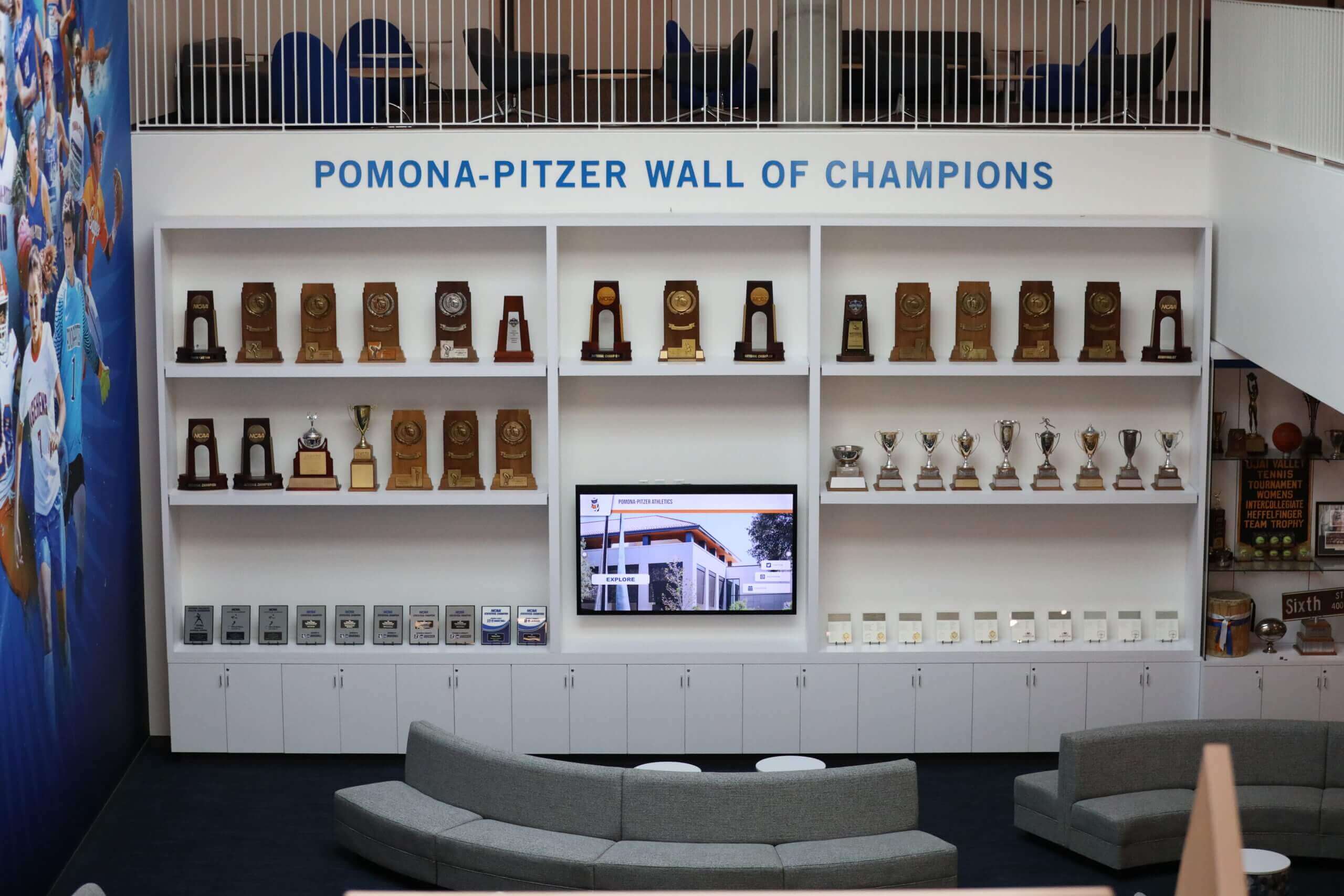
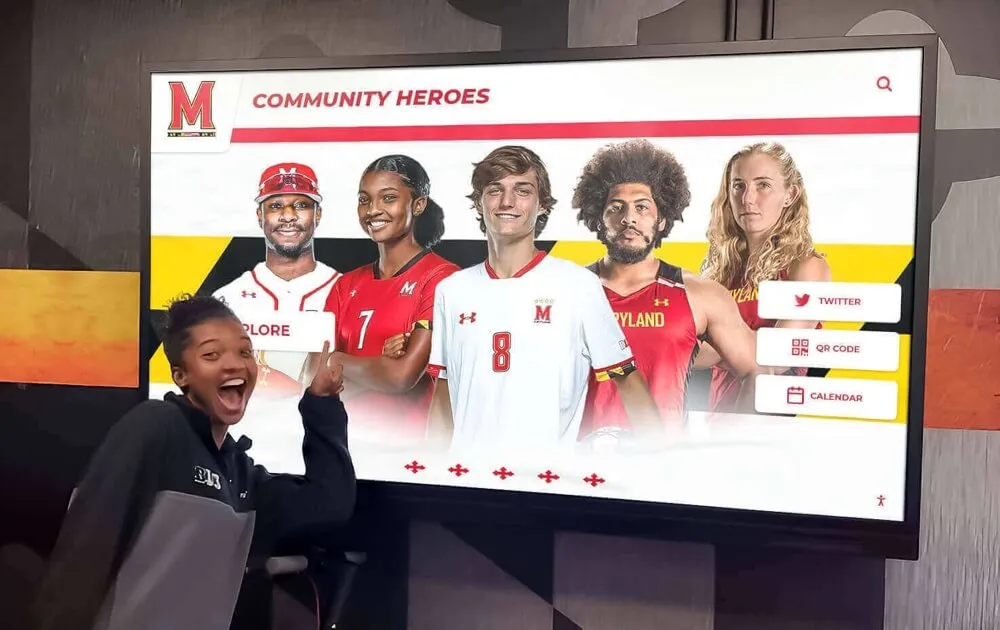
Welcoming spaces facilitate memory sharing and community connection during memorial gatherings
Creative and Personalized Memorial Service Ideas
Unique approaches create memorable, meaningful tributes:
Memory Sharing and Storytelling Activities
Interactive elements engage attendees in collective remembrance:
Memory Wall or Board
Provide large boards where attendees write memories, post photos, draw sketches, add meaningful quotes, create collaborative artwork, and build visual tribute throughout service.
Memory walls become keepsakes families cherish, capturing collective remembrance from community perspectives.
Story Circle Format
Arrange seating in circles facilitating intimacy and connection. Guide structured sharing with prompts like “A time they helped me,” “Their funniest moment,” “What they taught me,” “How they showed kindness,” or “Their lasting impact.”
Small circle formats ensure everyone who wants to share has opportunity without time pressure of open microphone formats.
Video Message Compilation
Collect advance video messages from those unable to attend, family and friends sharing memories, colleagues describing impact, students or beneficiaries expressing gratitude, and old footage showing them in action.
Compile into memorial video playing during service or available for family afterward.
Memorial Service Themes and Personalization
Thematic elements create cohesive, personal ceremonies:
Hobby or Passion-Based Themes
Incorporate their interests throughout service including decorations reflecting hobbies, music from favorite genres or artists, activities they enjoyed, colors associated with passions, memorabilia displays, and charitable giving to related causes.
For example, memorial services for dedicated gardeners might feature flower arrangements they loved, take place in gardens, include plantings in their memory, and encourage donations to horticultural organizations.
Career or Service Recognition Themes
Honor professional contributions through recognition of career achievements and innovations, testimony from colleagues and beneficiaries, displays of work products or accomplishments, professional association involvement, mentorship impact stories, and legacy continuation through others’ work.
These approaches work particularly well for teachers, coaches, healthcare providers, nonprofit leaders, and others whose careers centered on service.
Life Journey Chronological Themes
Organize memorial services around life stages including childhood and family origins, education and early development, career beginning and growth, family formation and parenting, retirement and legacy building, and final chapter and lasting impact.
This structure helps attendees who knew them at different life stages understand complete personal arcs.
Interactive Memorial Service Activities
Engagement beyond passive attendance creates meaning:
Candle Lighting Ceremonies
Distribute candles to all attendees, light central memorial candle, invite participants to light individual candles from central flame, create moment of silence with candlelight, and conclude with symbolic extinguishing or letting candles burn.
Candle ceremonies create powerful visual and emotional experiences representing individual lights joining collective remembrance.
Memory Jar or Box Contributions
Provide cards or paper for written memories, collect in decorative jar or box, invite random reading of selections during service, present completed collection to family, or save for annual remembrance events reading additional selections.
Written memories become treasured keepsakes families can revisit when ready.
Balloon or Lantern Release
Distribute balloons or sky lanterns (where permitted), attach written messages or memories, coordinate simultaneous release, photograph or video record for documentation, and consider environmentally-friendly alternatives like biodegradable options.
Note: Check local regulations and environmental considerations before planning releases.
Tree Planting and Living Memorials
Plant memorial trees, gardens, or landscape features during or after services. Include dedication plaques or markers, involve family in planting process, commit to ongoing care, and create spaces for future reflection.
Living memorials provide lasting, growing tributes symbolizing ongoing life and legacy.
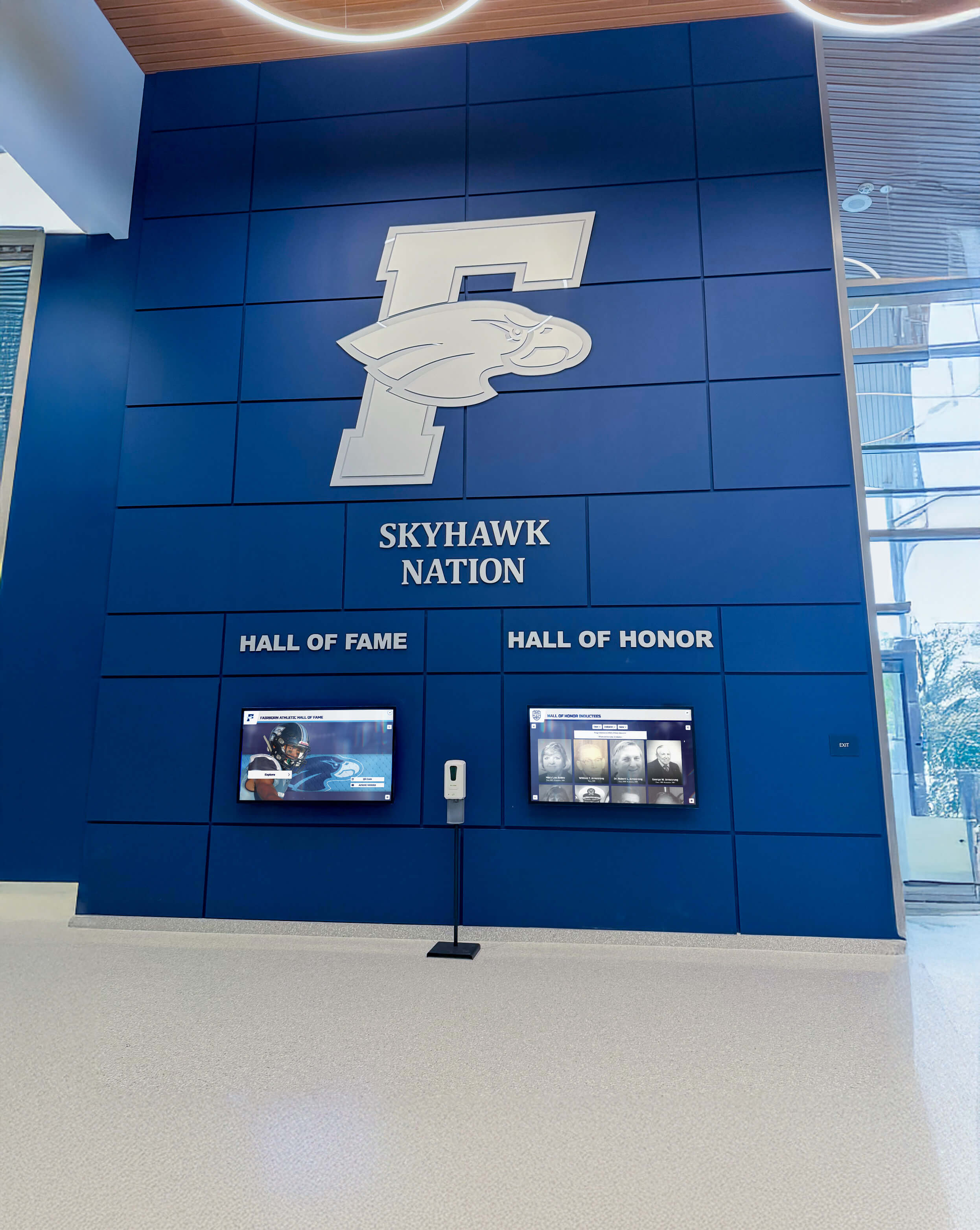
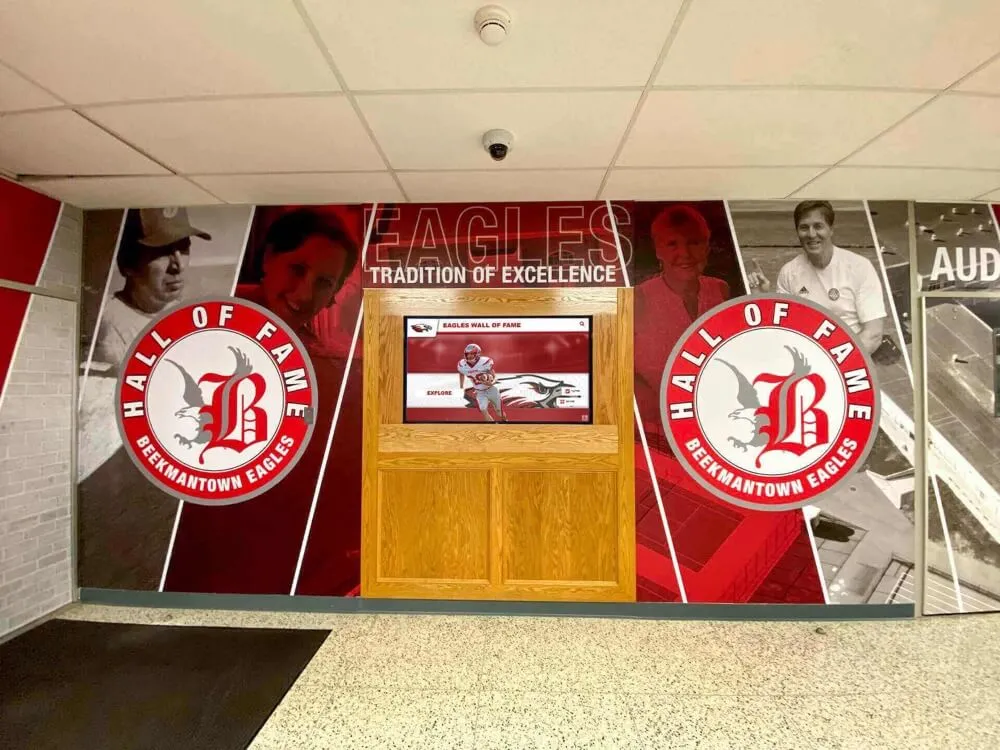
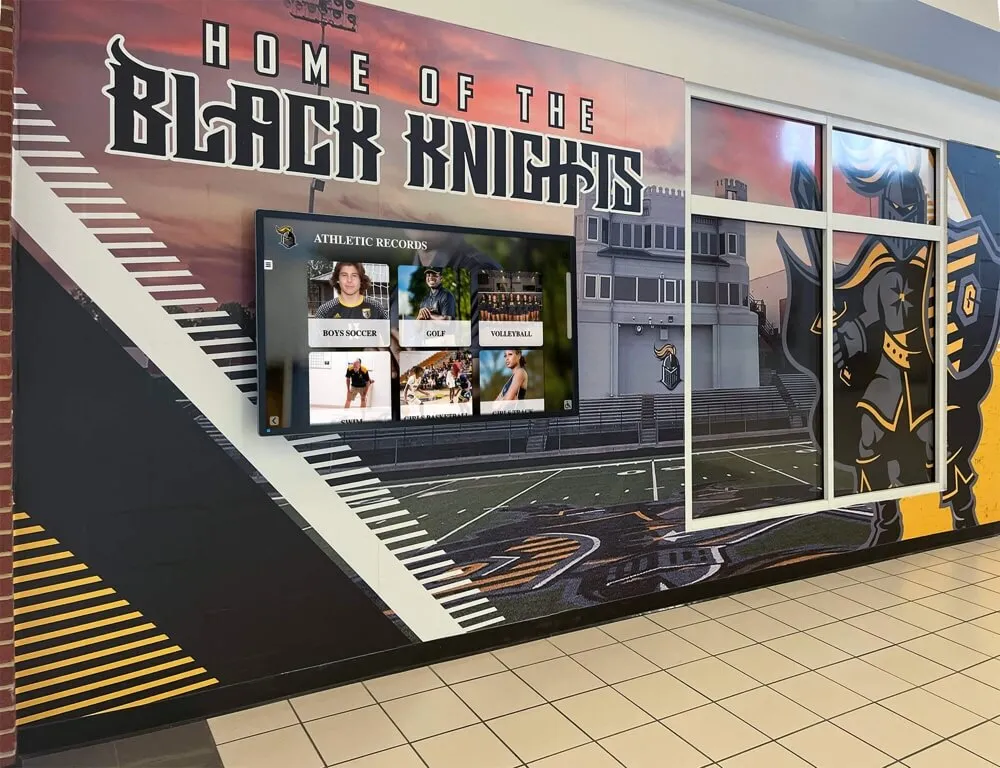
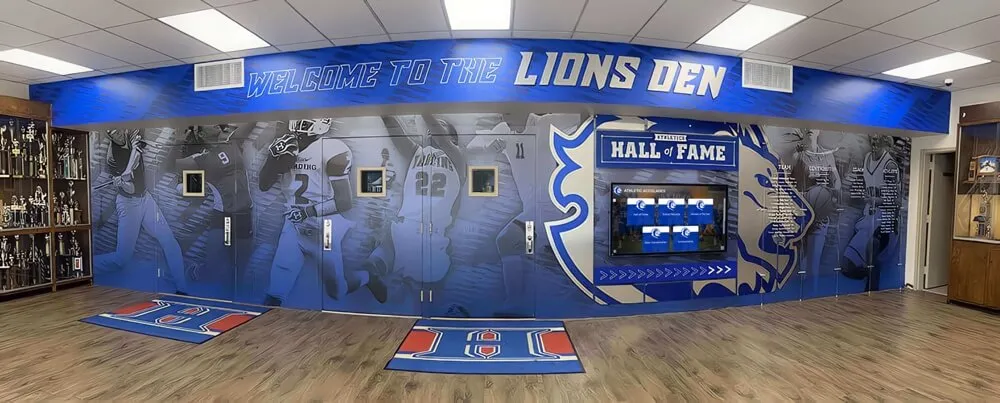
Permanent memorials create lasting tributes that honor individuals while inspiring communities
Digital and Modern Memorial Service Ideas
Technology enables memorial innovation and lasting accessibility:
Virtual and Hybrid Memorial Services
Digital platforms expand memorial reach and participation:
Live Streaming Memorial Services
Enable remote attendance through video streaming services, multiple camera angles capturing different perspectives, interactive chat for virtual attendees, recorded versions available afterward, and technical support ensuring smooth execution.
Virtual participation proves especially valuable for geographically dispersed communities, elderly or immobile individuals unable to travel, international connections, and those with scheduling conflicts.
Hybrid In-Person and Virtual Formats
Combine physical gathering benefits with digital accessibility by designating camera and streaming positions, incorporating virtual attendee participation, creating viewing areas for remote participants, facilitating online memory sharing, and ensuring equity between in-person and remote experiences.
Fully Virtual Memorial Gatherings
Digital-only memorials work for dispersed communities through video conferencing platforms enabling breakout rooms, collaborative digital memory boards, virtual candle lighting or symbolic gestures, screen sharing photos and videos, and recorded sessions for those unable to attend live.
Digital Memorial Tributes and Walls
Online memorials extend remembrance indefinitely:
Interactive Digital Memorial Displays
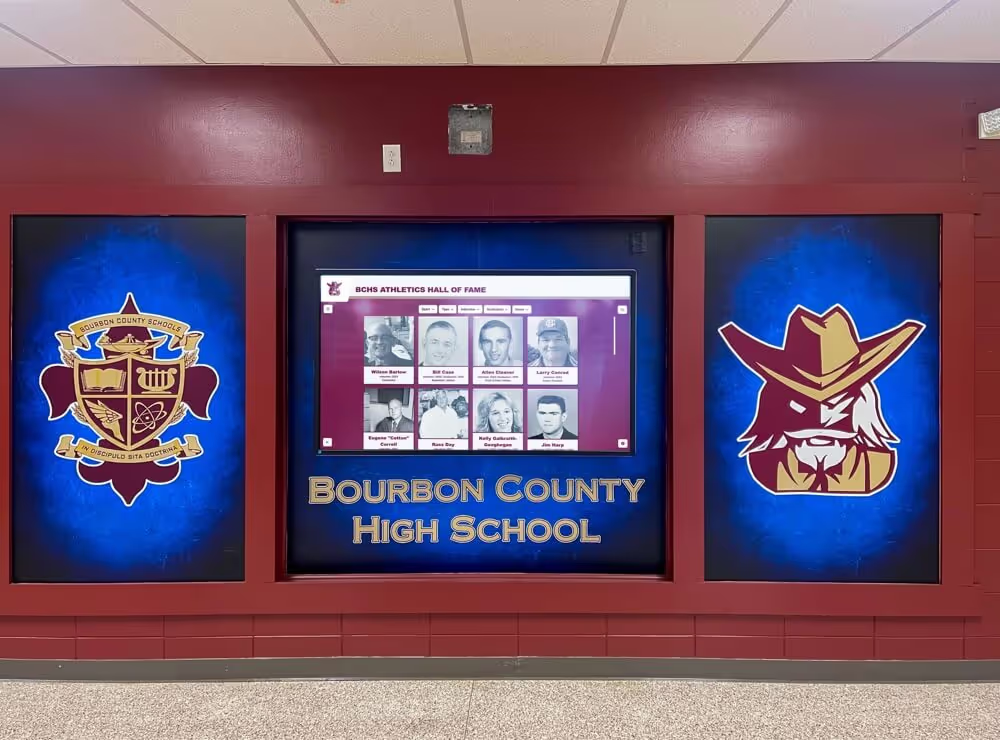
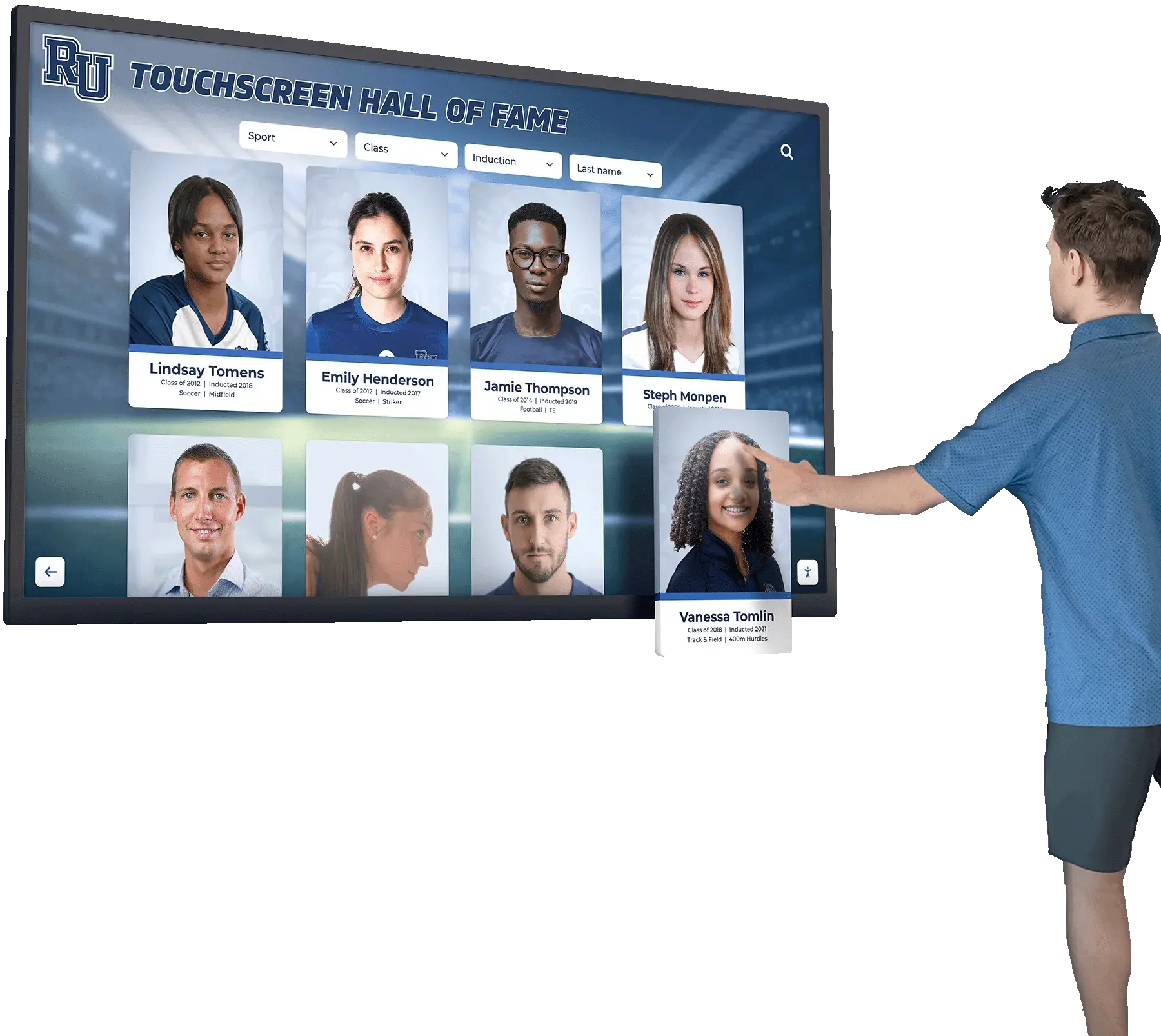
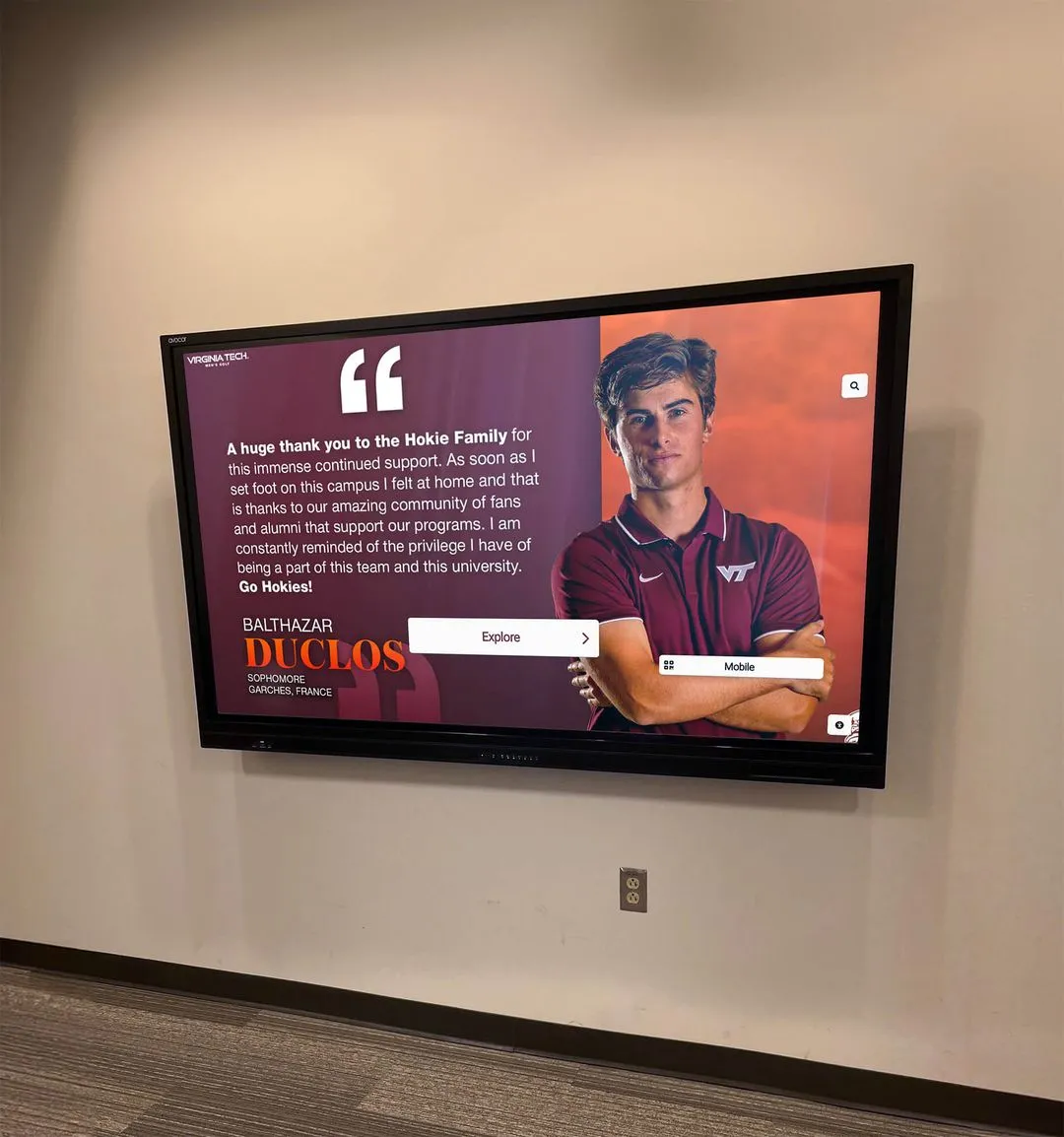
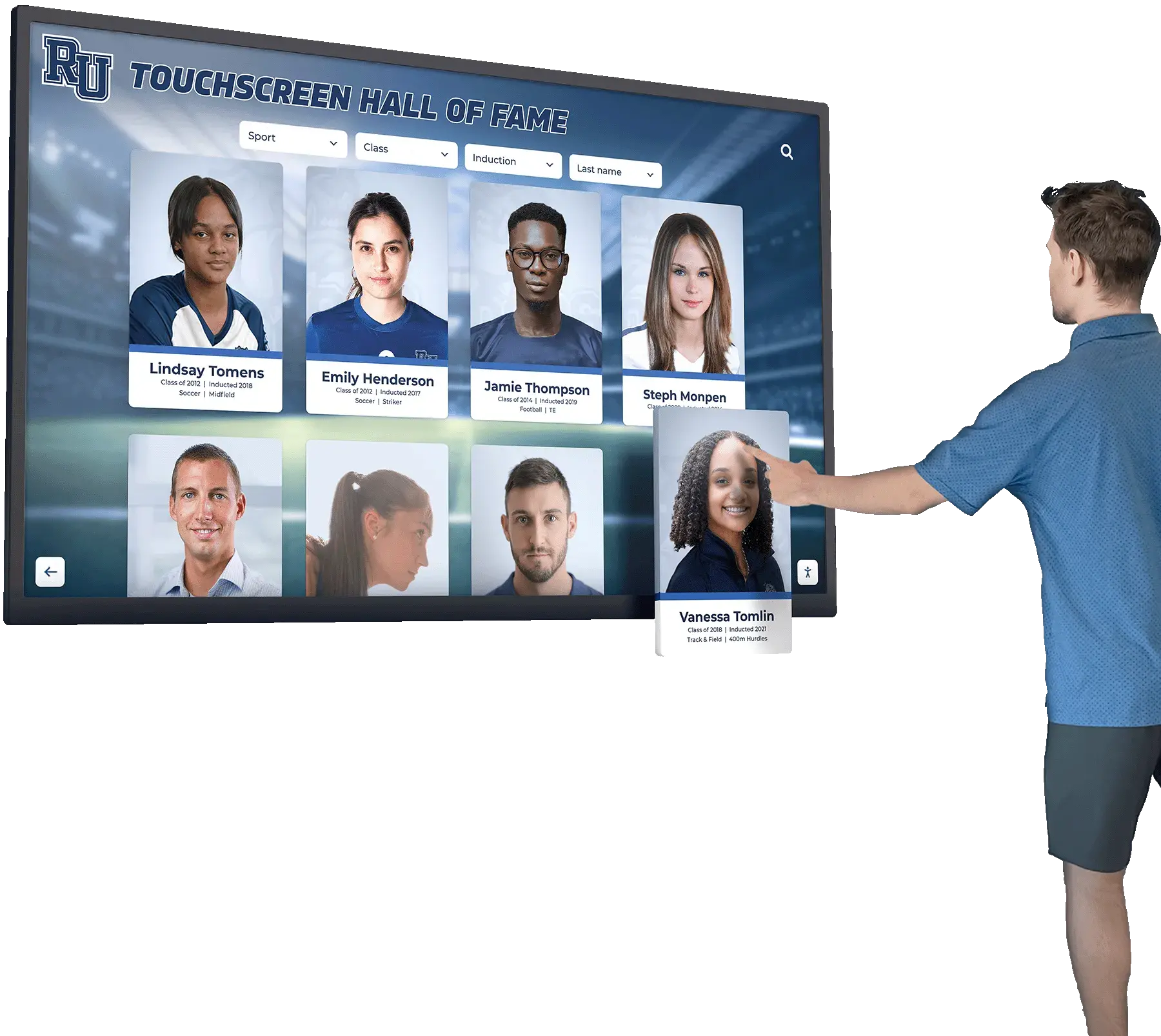
Modern technology enables permanent, accessible memorial recognition through touchscreen displays in institutional locations, searchable databases of honored individuals, biographical information and photographs, memory contributions from community members, impact stories and testimonials, and integration with organizational history.
Solutions like Rocket Alumni Solutions provide comprehensive memorial recognition systems eliminating space constraints of traditional plaques while creating engaging, permanent tributes accessible to all who want to remember. Digital memorial walls ensure every individual receives appropriate recognition regardless of physical space limitations, with remote content management enabling easy updates and additions.
Schools and organizations implementing digital memorial displays report enhanced community connection, increased memorial accessibility for dispersed constituents, preserved institutional history and memory, reduced costs versus ongoing traditional plaque expenses, and flexibility to evolve memorial programs as needs change.
Explore comprehensive digital memorial approaches through memorial wall displays designed for permanent recognition.
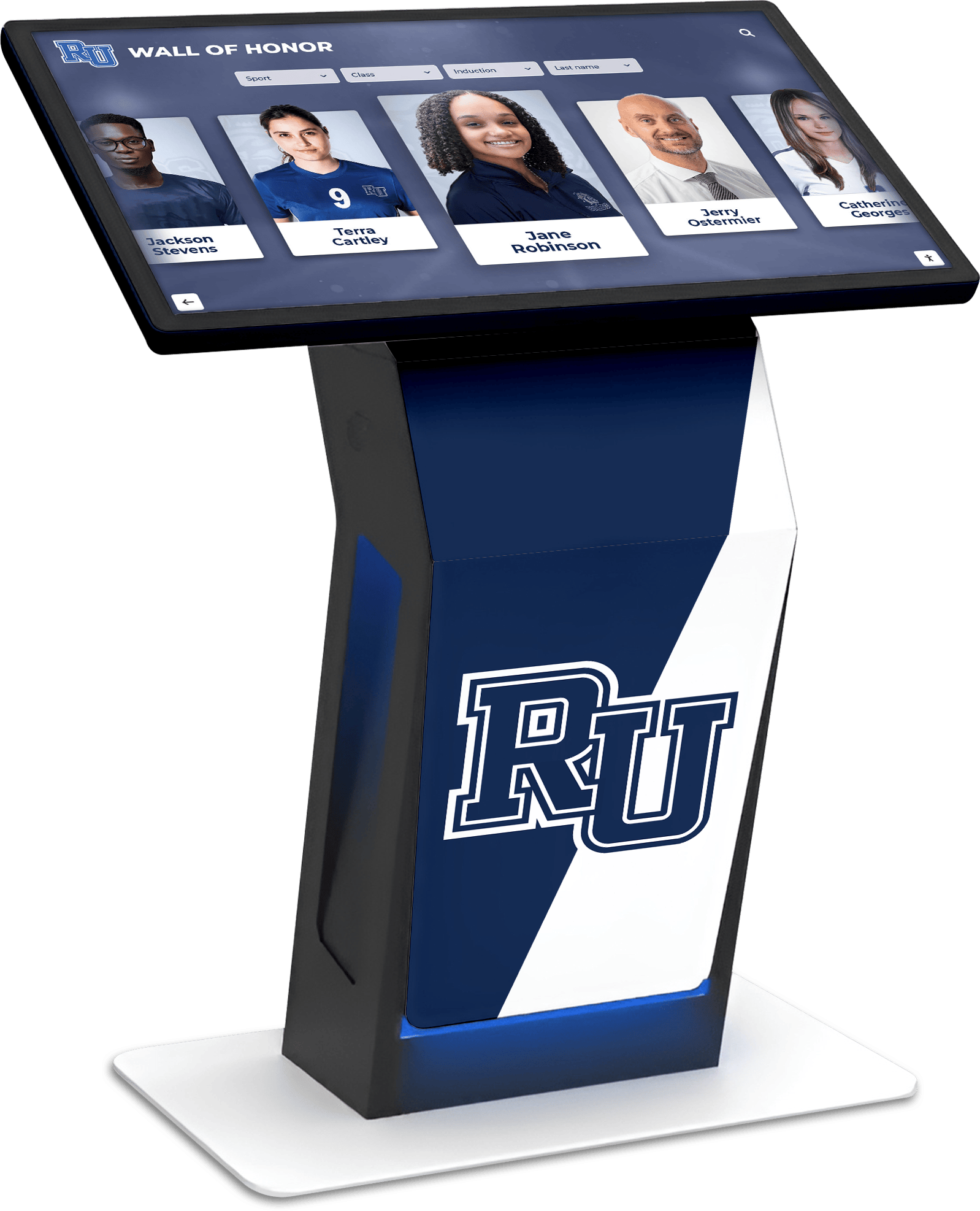
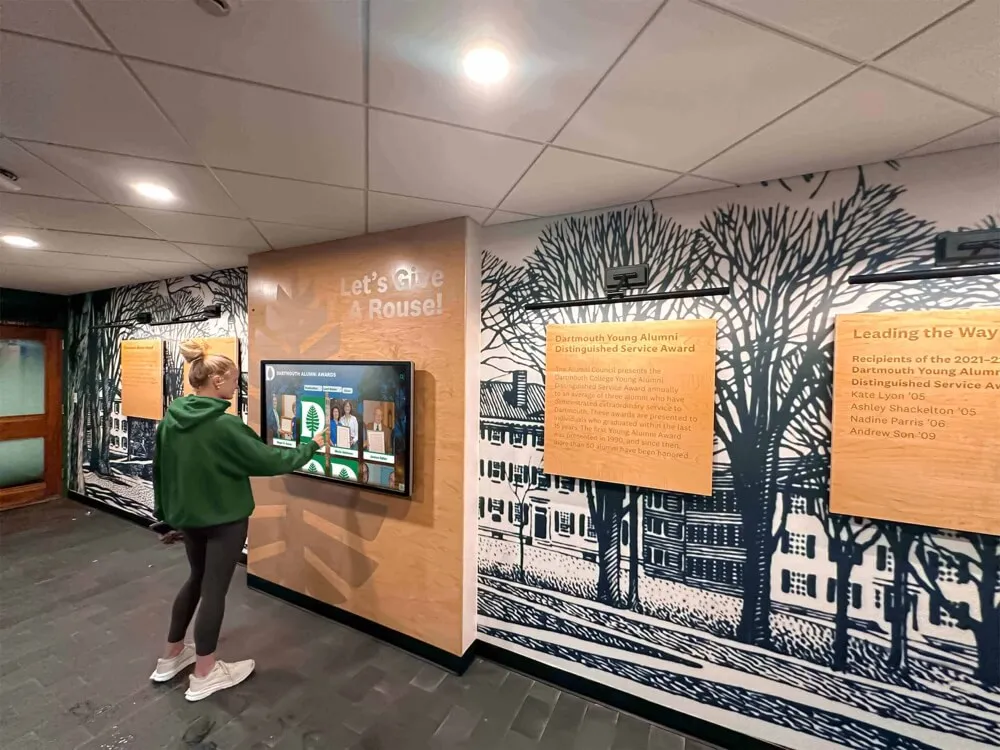
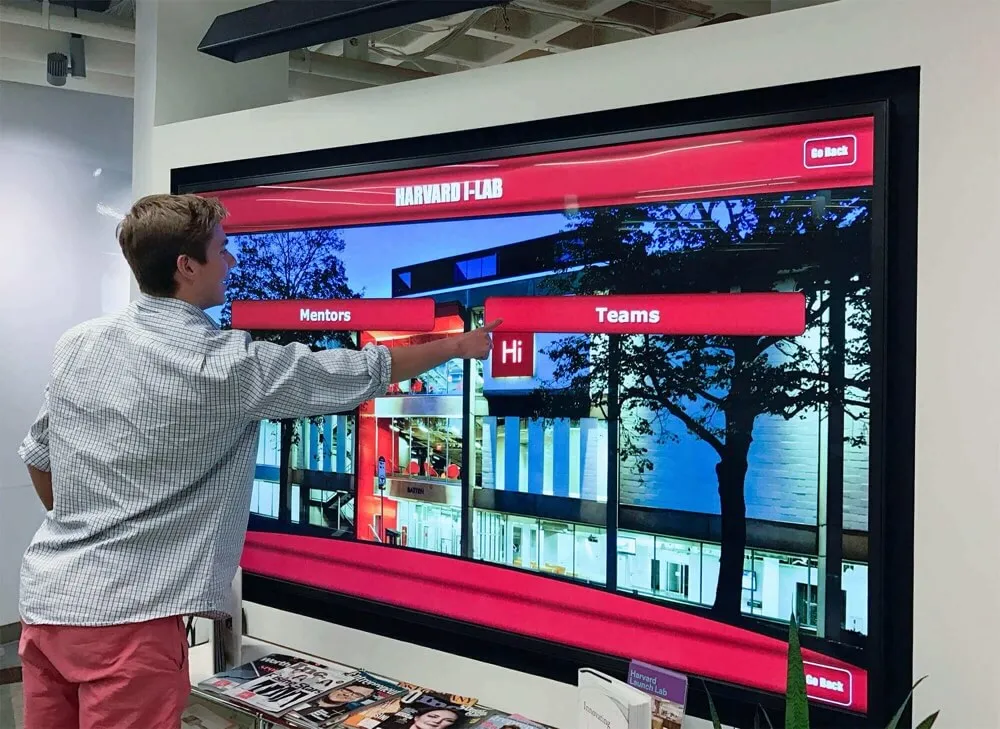
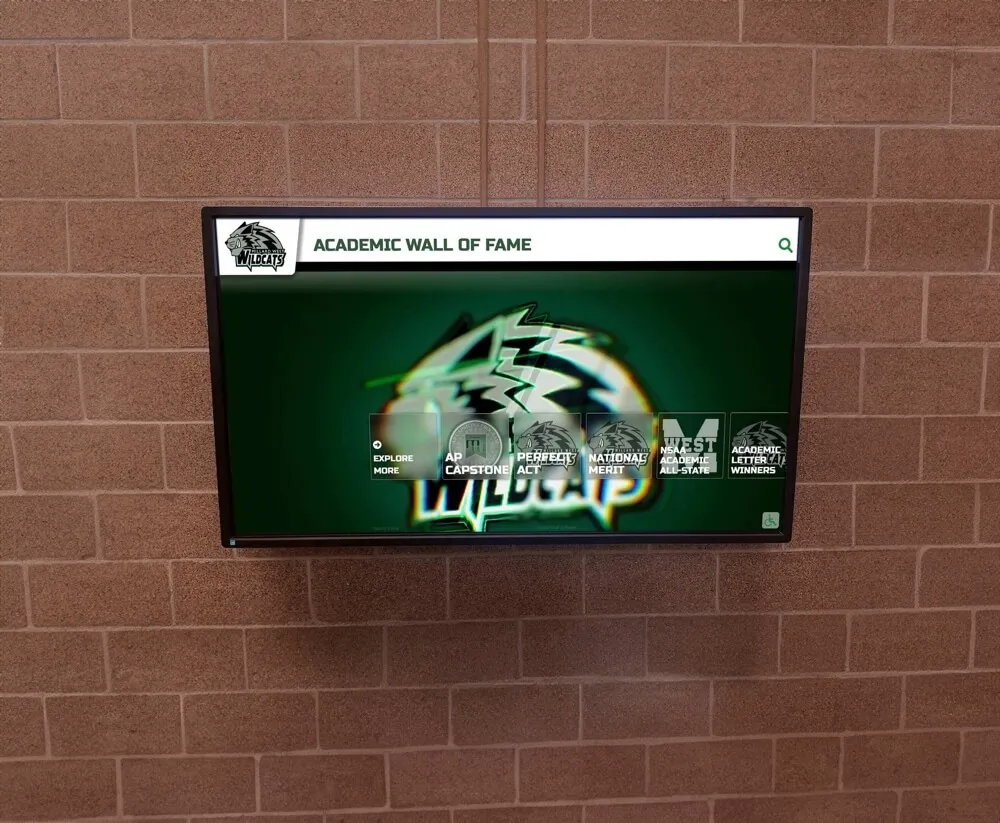
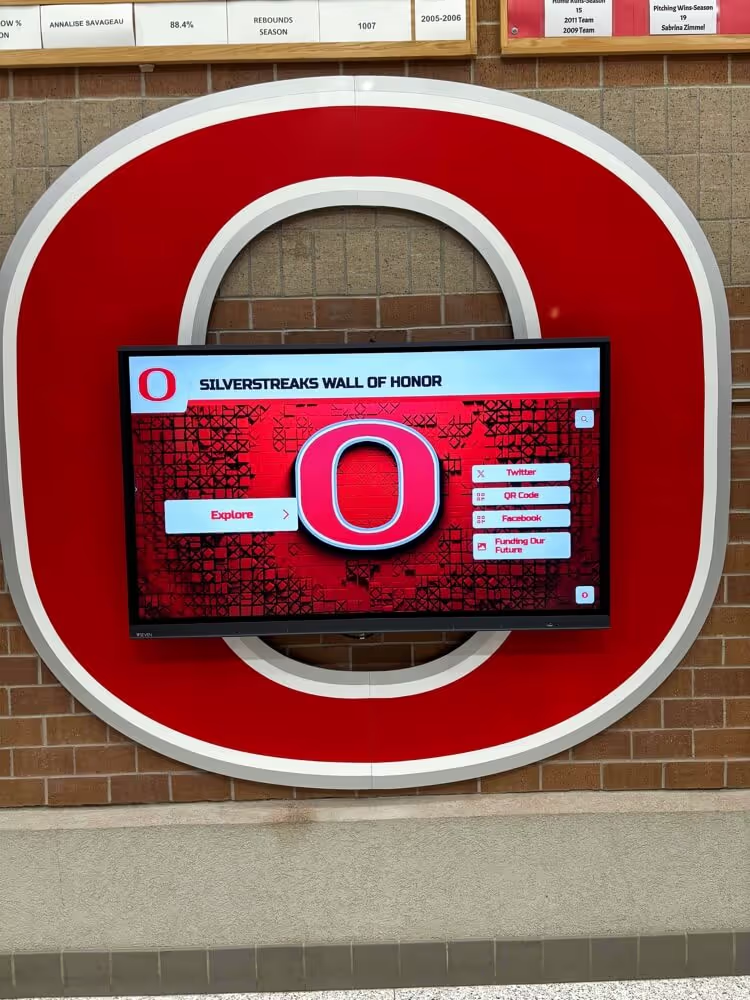
Digital memorial displays create engaging, permanent tributes accessible indefinitely
Online Memorial Websites
Dedicated memorial sites provide customized memorial pages with photos and videos, guest books for condolence messages, memory sharing from visitors, event information and live stream links, donation opportunities to memorial funds, and permanent accessible archives.
Social Media Memorial Groups
Private groups enable ongoing remembrance through photo and story sharing, anniversary acknowledgments, support for grieving community members, updates about memorial initiatives, and continued connection among those affected.
Digital Memory Collection and Preservation
Technology facilitates comprehensive memory capture:
Video Interview Projects
Record interviews with those who knew them including family members sharing personal stories, colleagues describing professional impact, students or mentees explaining influence, friends recalling meaningful experiences, and community leaders acknowledging contributions.
Professional or amateur video creates invaluable archives families treasure and future generations appreciate.
Digital Memory Books
Compile comprehensive digital collections featuring photographs throughout life stages, written memories from contributors, letters or email exchanges, accomplishment documentation, newspaper articles and media coverage, and audio recordings when available.
Digital formats enable easy sharing, backup, and preservation versus physical scrapbooks vulnerable to damage or loss.
QR Code Memorial Markers
Install physical memorial plaques or markers with embedded QR codes that link to digital content including full biographies and life stories, photo galleries and videos, audio recordings or music, interactive timelines, and ways to contribute memories or support memorial causes.
QR integration bridges physical memorials with unlimited digital storytelling capacity.
Memorial Service Ideas for Specific Settings
Different contexts require tailored approaches:
School and University Memorial Service Ideas
Educational institutions honor students, faculty, staff, alumni, and benefactors:
Student Memorial Services
Schools require particular sensitivity when addressing student loss through age-appropriate ceremony formats, peer participation and support, counseling availability during and after services, ongoing grief support programs, permanent campus recognition, and family involvement in planning.
Faculty and Staff Memorials
Honor educators and staff who shaped institutions through colleague testimonials describing impact, student participation sharing how they were influenced, recognition of teaching philosophy and methods, displays of their contributions to curriculum or programs, and memorial scholarships continuing their educational mission.
Discover educational memorial approaches in academic recognition programs applicable to memorial contexts.
Athletic Memorial Services
Honor coaches, athletes, or boosters through memorial sporting events or competitions, jersey retirement ceremonies, dedicated facilities or fields, athletic awards bearing their names, induction into halls of fame, and permanent recognition in athletic facilities.
Workplace and Organizational Memorial Services
Professional settings honor colleagues and contributors:
Employee Memorial Approaches
Workplace memorials should feature company-wide announcements and communications, department gatherings for close colleagues, executive remarks acknowledging contributions, recognition of professional accomplishments, support resources for grieving coworkers, and permanent organizational recognition.
Volunteer and Board Member Memorials
Nonprofits honor volunteers who gave time and expertise through service recognition ceremonies, board resolutions and acknowledgments, naming opportunities for programs they supported, continuing their work through others, memorial giving campaigns, and permanent donor or volunteer recognition walls.
Founder and Leader Memorials
Organizations honoring founders or long-time leaders might host community-wide memorial events, historical retrospectives of their leadership, testimony from those they mentored, recognition of organizational transformation, legacy planning continuing their vision, and permanent installations celebrating founding contributions.
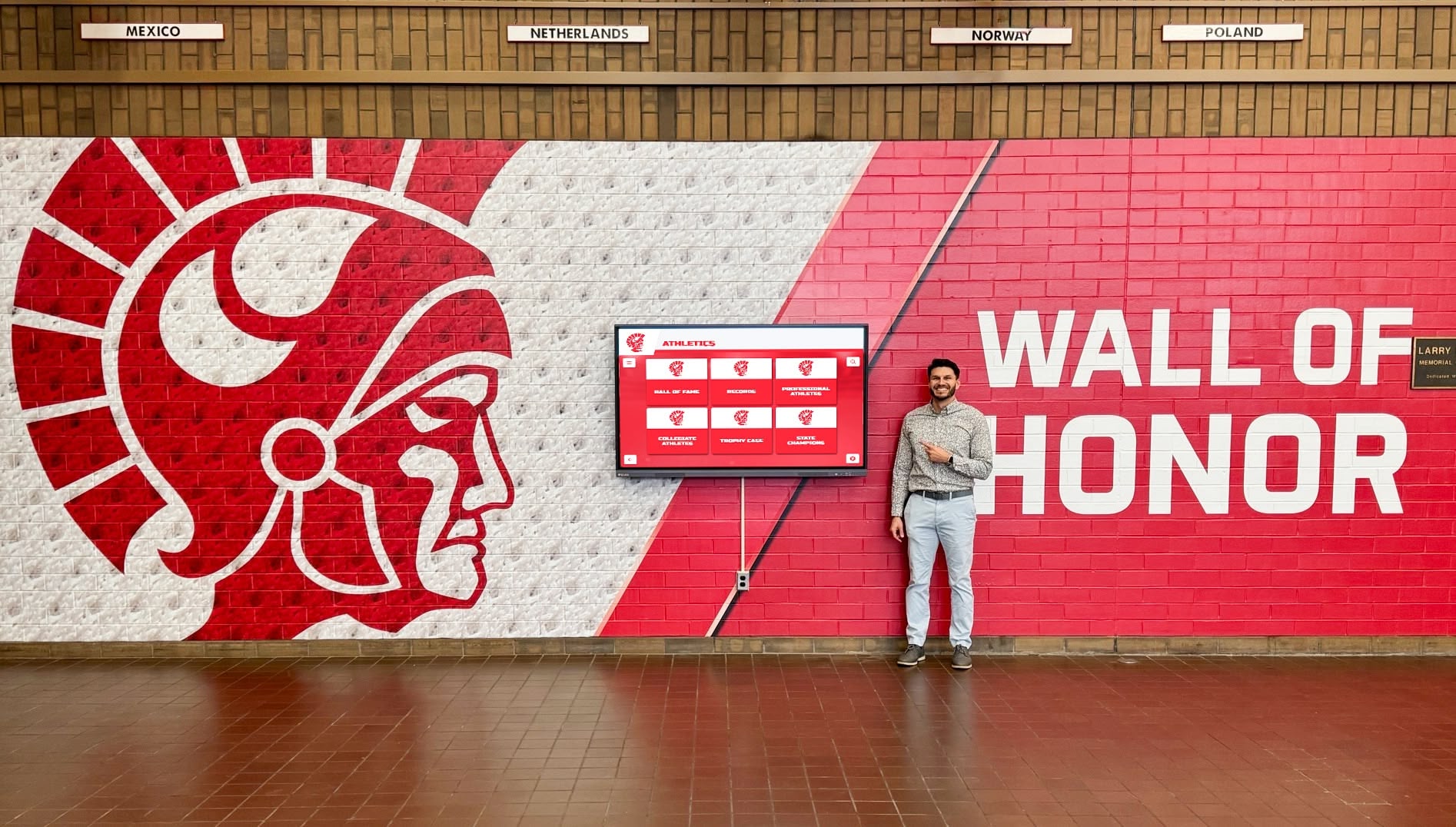
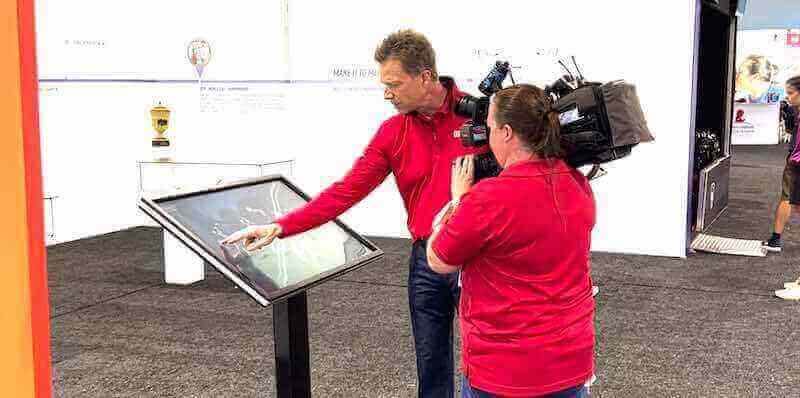
Organizational memorials create lasting recognition for those who shaped institutional history
Faith Community Memorial Service Ideas
Religious organizations approach memorials distinctively:
Congregational Memorial Services
Faith communities honor members through worship services incorporating memorial elements, shared meals and fellowship afterward, prayer vigils and remembrance gatherings, memorial gardens and outdoor reflection spaces, and annual All Saints or remembrance services.
Clergy and Religious Leader Memorials
Special consideration honors spiritual leaders including recognition of spiritual impact and ministry, participation from wider denominational or interfaith communities, incorporation of their theological perspectives, memorial funds supporting ministry continuation, and permanent recognition in places of worship.
Faith-Based Service Organization Memorials
Religious nonprofits honor those who served mission through mission trip dedications, service project completion in their memory, recognition at ministry events, continuing their service work, and memorial giving supporting causes they championed.
Community Organization Memorial Ideas
Civic groups, clubs, and community organizations honor members:
Veteran and Military Service Memorials
Honor those who served through military recognition programs including military honors and flag ceremonies, recognition of service branch and deployments, connection to fellow veterans and military families, memorial walls honoring all who served, and support for military-related charities in their name.
Service Organization Member Memorials
Rotary, Lions, Kiwanis, and other service clubs memorialize through club memorial ceremonies and rituals, recognition of service projects they led, continuation of their community work, memorial donations to club causes, and permanent member recognition displays.
Hobby and Interest Group Memorials
Groups united by shared interests honor members through gatherings centered on shared passions, exhibitions or performances in their memory, competitions or events named for them, mentorship programs continuing their teaching, and club recognition of their contributions.
Memorial Fundraising and Lasting Legacy Ideas
Transform grief into ongoing impact:
Memorial Scholarship and Award Programs
Create educational opportunities in their memory:
Establishing Memorial Scholarships
Develop scholarships through determining scholarship criteria reflecting values, establishing funding structures ensuring sustainability, creating application and selection processes, planning annual award ceremonies, and recognizing donors contributing to funds.
Memorial scholarships provide tangible ongoing impact helping students while keeping memories alive through each recipient.
Memorial Award Programs
Annual awards honor memory while recognizing others including student achievement awards, teacher recognition awards, community service awards, athletic excellence awards, and arts or creativity awards.
Learn about award program structures through recognition program guides applicable to memorial contexts.
Memorial Fundraising Campaigns
Channel grief into charitable action:
Memorial Giving Campaigns
Organize fundraising supporting causes they valued through online giving pages dedicated to memory, matching gift challenges from major donors, peer-to-peer fundraising by family and friends, memorial events raising funds, and corporate sponsorship opportunities.
Memorial Fund Structures
Establish permanent funds through endowments providing perpetual support, annual giving funds for immediate use, capital project funds for specific initiatives, program support funds for ongoing activities, or unrestricted memorial funds giving organizational flexibility.
Memorial Campaign Communication
Effective fundraising honors memory while inspiring giving through personal stories explaining their connection to cause, specific impact descriptions showing what gifts accomplish, family endorsements supporting campaign, donation level naming opportunities, and regular updates demonstrating campaign progress.
Lasting Legacy Projects and Initiatives
Create permanent impact through meaningful projects:
Facility Dedications and Naming
Major memorial recognition through building or wing naming, room or space dedications, outdoor area or garden naming, equipment or technology dedication, and permanent signage and plaques.
Memorial Programs and Services
Launch ongoing programs carrying forward their work including community programs reflecting priorities, educational initiatives on topics they championed, support services helping populations they served, annual events celebrating causes they valued, and advocacy continuing issues they advanced.
Memorial Art and Commemorative Installations
Commission lasting artistic tributes including sculptural memorials in gathering spaces, memorial benches in meaningful locations, plaques with quotes or biographical information, mosaic or collaborative art projects, and commemorative gardens with plantings.
Planning Meaningful Memorial Service Programs
Program structure shapes memorial experience:
Memorial Service Program Components
Well-structured programs balance elements effectively:
Opening Elements
Begin services with gathering music as attendees arrive, opening words from officiant or organizer, acknowledgment of gathering’s purpose, moment of silence or reflection, and welcoming remarks setting tone.
Central Memorial Elements
Core service components include biographical overview of life and accomplishments, personal remembrances from speakers, musical selections meaningful to them or family, readings from sacred texts, poetry, or favorite writings, visual presentations of photos and videos, and symbolic actions like candle lighting or flower placement.
Closing Elements
Conclude with final remarks summarizing legacy, invitation for continued support of memorial causes, logistical announcements about receptions or gatherings, benediction or final blessing, closing music, and opportunities for personal condolences.
Selecting Memorial Service Speakers
Thoughtful speaker selection ensures meaningful tributes:
Speaker Categories and Roles
Include diverse perspectives through family members offering personal insights, close friends sharing intimate memories, colleagues describing professional impact, clergy or spiritual leaders providing religious context, organizational leaders acknowledging contributions, and beneficiaries explaining direct impact of their work.
Speaker Preparation and Support
Help participants deliver meaningful remarks through clear expectations about time limits, guidance on appropriate content and tone, advance deadlines for materials review, emotional support acknowledging difficulty, technical assistance for any visual components, and alternatives like written statements if speaking proves too difficult.
Open Microphone Considerations
When allowing spontaneous sharing, set clear time guidelines, provide gentle prompts for those unsure what to say, designate facilitator managing flow, prepare filler content if participation lags, and know when to gracefully conclude.
Well-planned memorial programs balance structure with opportunities for personal sharing and reflection
Memorial Service Music and Media Selection
Sound and visuals create emotional impact:
Musical Selection Strategies
Choose music that reflects their preferences including favorite songs or artists, genre preferences they enjoyed, cultural or religious musical traditions, instrumental music for reflection, and appropriate lyrics for memorial contexts.
Balance personal preferences with memorial appropriateness and audience expectations.
Video and Photo Presentation Best Practices
Create compelling visual tributes through chronological life journey organization, balanced coverage of life stages, high-quality image scanning and restoration, appropriate music accompaniment, manageable length (5-10 minutes typical), and technical setup ensuring smooth playback.
Test all technology thoroughly before services preventing technical problems during emotional moments.
Memorial Service Logistics and Practical Planning
Execution details ensure smooth, meaningful ceremonies:
Memorial Service Venue Selection
Choose appropriate spaces for memorial gatherings:
Venue Considerations
Evaluate locations based on capacity for expected attendance, accessibility for elderly and disabled guests, parking availability and logistics, audio-visual capabilities for presentations, flexibility for desired ceremony format, appropriate ambiance and dignity, climate control and comfort, and cost and availability within timeline.
Common venues include religious sanctuaries and worship spaces, funeral homes and memorial chapels, school auditoriums or gymnasiums, community centers and meeting halls, outdoor parks and gardens, and organizational facilities with significance.
Memorial Service Invitation and Communication
Effective outreach ensures community participation:
Announcement Channels
Communicate memorial information through direct family notification first, organizational announcements to stakeholders, local media obituaries and notices, social media event pages and posts, website memorial information pages, printed invitations for specific guests, and bulletin or newsletter announcements.
Essential Information to Communicate
Include date, time, and location with directions, parking and accessibility information, service format and expected duration, dress code guidance if specific, reception details following service, alternative participation options like live streaming, memorial donation information, and contact for questions or special needs.
Managing RSVP and Attendance Expectations
For planned events, consider whether RSVP required or optional, online registration capabilities, attendance capacity limits, overflow space or alternative viewing, virtual attendance options, and special accommodation requests.
Memorial Service Reception Planning
Post-service gatherings facilitate continued connection:
Reception Logistics
Plan gathering spaces including venue for food and fellowship, seating and table arrangements, food and beverage service, memory display areas, audio-visual setup for continued sharing, cleanup and breakdown plans, and budget and cost management.
Reception Activities
Facilitate meaningful interaction through informal memory sharing, photo and memento viewing, greeting family and offering condolences, connecting with others who knew them, and discussing memorial initiatives or ongoing support.
Keep receptions flexible enough to meet diverse needs from those wanting extended fellowship to those needing to leave quickly after emotional ceremonies.
Memorial Service Considerations for Different Circumstances
Special situations require adapted approaches:
Memorial Services for Sudden or Tragic Loss
Unexpected death requires particular sensitivity:
Supporting Traumatized Communities
Provide grief counseling availability, support groups for affected populations, clear communication about circumstances when appropriate, age-appropriate information for children, and ongoing support extending beyond immediate memorial.
Addressing Difficult Circumstances
Handle sensitive situations thoughtfully including suicide loss requiring specialized support, violence or accident requiring trauma-informed approaches, young person death affecting peers profoundly, and public tragedy involving media attention.
Memorial Services After Extended Illness
Long illness creates distinct memorial considerations:
Acknowledging Caregiving and Support
Recognize those who provided care including family caregiver recognition, medical team acknowledgment, hospice or palliative care appreciation, community support contributions, and spiritual care provider thanks.
Balancing Grief and Relief
Extended suffering creates complex emotions including grief at loss, relief that suffering ended, gratitude for time together, exhaustion from caregiving, and guilt about relief feelings.
Memorial services should acknowledge this emotional complexity rather than assuming simple grief.
Delayed or Anniversary Memorial Services
Not all memorials occur immediately after loss:
Planning Commemorative Services
Later memorials serve purposes including allowing travel time for distant family, coordinating with school calendars or schedules, planning more elaborate recognition, completing memorial projects, or observing meaningful anniversary dates.
Anniversary Remembrance Traditions
Annual memorial events maintain connection through dates significant to their lives or deaths, gatherings at meaningful locations, continuation of service or charity events, adding to permanent memorials, and family and community reunion.
Best Practices for Inclusive and Meaningful Memorial Services
Thoughtful approaches ensure appropriate, healing experiences:
Cultural and Religious Sensitivity
Honor diverse backgrounds respectfully:
Researching Cultural Practices
When planning memorials for diverse communities, consult with family about cultural expectations, research specific traditions and customs, engage cultural or religious leaders, accommodate dietary restrictions at receptions, respect timing preferences and customs, and provide translation services when needed.
Accommodating Diverse Beliefs
Create inclusive services by using inclusive language respecting varied beliefs, offering optional religious elements, providing quiet reflection spaces, accommodating different mourning expressions, and respecting privacy preferences.
Creating Accessible Memorial Services
Ensure all can participate:
Physical Accessibility
Remove barriers through wheelchair accessible venues and seating, accessible parking and entrances, hearing assistance systems, large print programs, and accessible restroom facilities.
Communication Accessibility
Accommodate diverse communication needs with sign language interpretation, closed captioning for video content, printed programs for those with hearing loss, audio description for visually impaired, and multilingual materials when serving diverse communities.
Virtual Accessibility
Ensure digital inclusion through reliable live streaming quality, closed captioning for virtual viewers, accessible website interfaces, recorded versions available afterward, and technical support for virtual participants.
Balancing Privacy and Community Needs
Navigate family wishes and institutional needs:
Respecting Family Privacy
Honor family preferences regarding public versus private ceremonies, information shared about circumstances, media presence and coverage, photography and recording, attendee limitations when requested, and family involvement in planning.
Meeting Institutional Recognition Needs
Organizations balance family privacy with community needs to grieve, institutional history preservation, donor or constituent expectations, policy consistency across memorials, and legal or liability considerations.
Open communication between families and organizations prevents conflicts while meeting diverse needs.
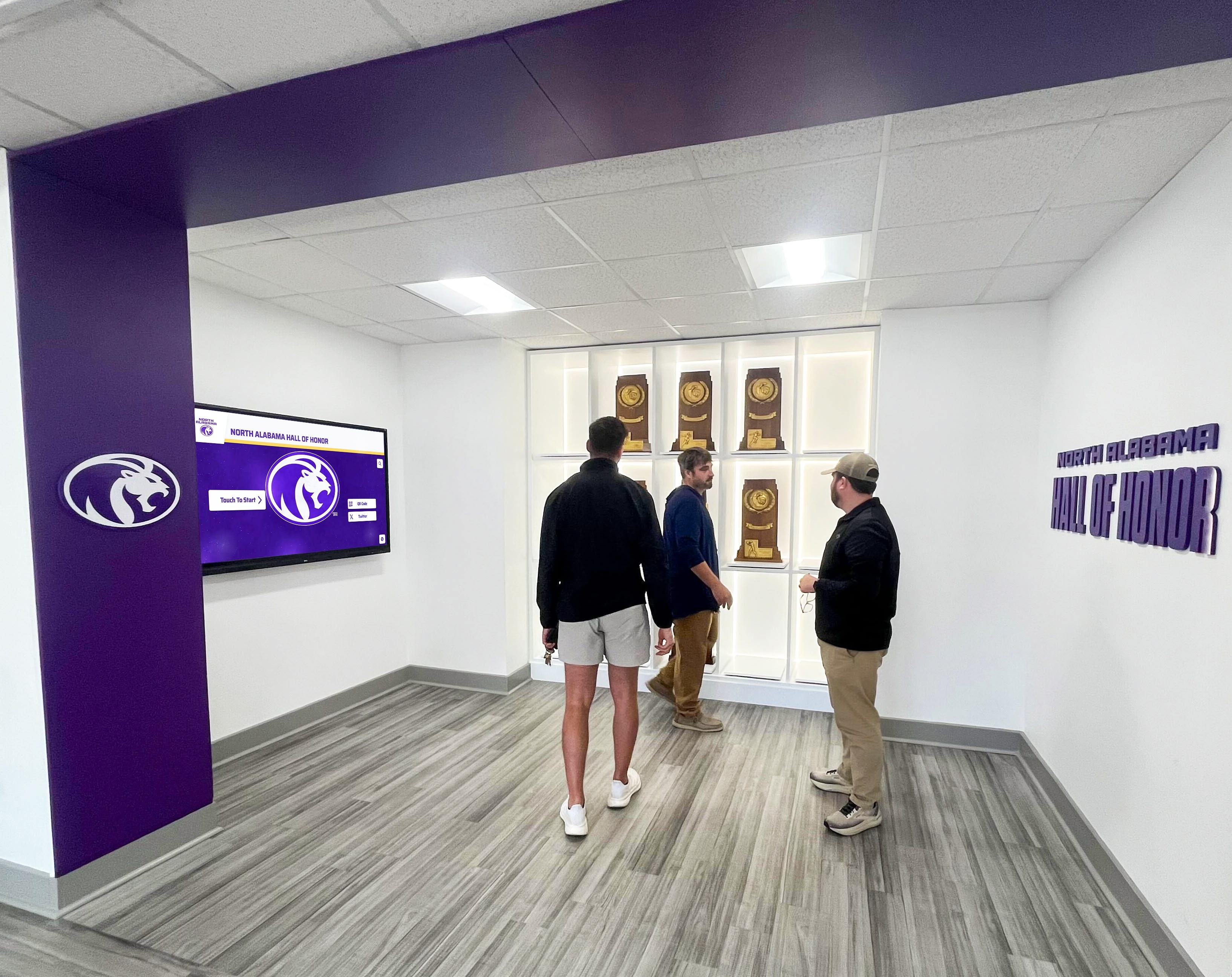
Thoughtfully designed memorial spaces accommodate diverse needs while honoring individual legacies
Measuring Memorial Service Success and Gathering Feedback
Assessment improves future memorial planning:
Gathering Memorial Service Feedback
Learn from each experience through post-service surveys to attendees, family conversations about satisfaction, staff debriefs identifying improvements, attendee comments and testimonials, and comparison to best practice standards.
Key Assessment Questions
Evaluate memorial effectiveness including whether service appropriately honored memory, if attendees felt welcomed and comfortable, whether logistics ran smoothly, if opportunities for participation were adequate, whether cultural and religious elements were appropriate, and if lasting legacy plans were communicated clearly.
Continuous Improvement in Memorial Programs
Organizations develop institutional memory through documentation of successful elements, identification of logistical challenges, compilation of resources and vendors, creation of memorial planning templates, and staff training on memorial planning.
Developing Memorial Policies and Procedures
Systematic approaches ensure consistency including eligibility criteria for institutional memorials, planning processes and timelines, budget allocation and fundraising, family engagement protocols, permanent memorial standards, and quality assurance measures.
Conclusion: Creating Memorial Services That Honor Life and Provide Healing
Meaningful memorial services represent far more than ceremonies marking loss—they create opportunities for communities to gather in support, celebrate lives that shaped us, preserve memories for future generations, and transform grief into lasting legacy through scholarships, programs, and permanent tributes. When families, schools, and organizations plan memorials thoughtfully, they create healing experiences that acknowledge pain while celebrating joy, honor individual uniqueness while building community connection, and mark endings while ensuring lasting remembrance.
The ideas explored in this comprehensive guide provide frameworks for memorial service planning that balances tradition with personalization, accommodates diverse cultural and religious practices, leverages technology for accessibility and permanence, creates inclusive experiences welcoming all who grieve, and establishes lasting tributes that ensure those we’ve lost remain part of our organizational and community fabric.
Create Lasting Memorial Recognition
Discover how digital memorial displays can help you honor those who made lasting impacts on your community. Create permanent, accessible tributes that preserve memories and inspire future generations.
Explore Memorial SolutionsMoving Forward with Memorial Planning
Whether you’re planning memorial services for beloved community members, creating permanent recognition for those who shaped your organization’s history, or establishing processes ensuring future memorials honor individuals appropriately, these approaches help you create meaningful, healing experiences that serve diverse needs while preserving legacies.
Start with thoughtful needs assessment understanding specific circumstances, engage stakeholders including families and community members, select memorial elements reflecting who people truly were, plan logistics ensuring smooth, dignified execution, and create lasting tributes through permanent physical or digital recognition.
Modern solutions like Rocket Alumni Solutions enable comprehensive memorial recognition eliminating space constraints that force difficult choices about whom to honor permanently. Digital memorial walls allow schools, organizations, and communities to recognize all who made impacts—from beloved teachers and coaches to generous benefactors to dedicated volunteers—creating searchable, accessible tributes that preserve institutional memory indefinitely while providing comfort to those who grieve.
The Healing Power of Meaningful Memorial Services
Research from grief counseling and psychology consistently demonstrates that meaningful memorial experiences facilitate healthy grieving by providing community support, honoring lives appropriately, preserving memories collectively, and channeling grief into legacy creation. When we gather to remember, share stories, express gratitude, and commit to continuing their work, we transform loss into inspiration that moves us forward while keeping cherished memories alive.
Your memorial planning matters profoundly. Those you honor deserve recognition reflecting their unique contributions, personalities, values, and impact. Communities you serve need healing spaces where grief finds expression, memories receive preservation, and loss transforms into lasting legacy inspiring future generations.
Ready to explore memorial recognition solutions for your organization? Learn more about digital recognition displays or discover how permanent memorial walls create lasting tributes that honor those who made lasting differences in your community.