Middle school represents a critical developmental stage where recognition profoundly impacts students’ self-esteem, motivation, and academic trajectory. During these formative years—typically grades 6 through 8—young adolescents navigate complex social dynamics, experience rapid physical and emotional changes, and begin shaping their academic identities that will influence high school success and beyond. Thoughtful awards programs during this transitional period celebrate diverse achievements, reinforce positive behaviors, and help students recognize their unique strengths at a time when many struggle with confidence and peer pressure.
Yet designing effective middle school awards programs presents unique challenges that differ from both elementary and high school recognition. Awards must balance celebrating excellence without creating destructive competition, honor academic achievement while valuing effort and growth, recognize athletic accomplishments alongside artistic talents, and ensure diverse students see pathways to recognition that match their individual strengths and contributions. Programs that only honor straight-A students or star athletes risk alienating the majority of students, while overly broad participation awards can dilute meaningful recognition’s motivational impact.
This comprehensive guide explores proven middle school awards categories, ceremony planning strategies, implementation frameworks, and recognition approaches that help educators create meaningful award programs celebrating young achievers across academic, athletic, character, and extracurricular dimensions.
Why Middle School Awards Matter for Student Development
Understanding the developmental significance of recognition during middle school years helps administrators design awards programs that genuinely support students rather than simply replicating traditional recognition models from other educational levels.
Identity Formation Support: Middle school students actively construct their academic and social identities. Awards that recognize diverse achievement pathways—from STEM excellence to creative arts, from athletic performance to community service—help students identify strengths and develop positive self-concepts during years when many question their abilities and worth. When a student receives recognition for something meaningful to them, it validates their developing identity and encourages continued investment in that domain.
Motivation and Goal-Setting: Recognition programs provide tangible goals that motivate effort and persistence. Middle schoolers respond particularly well to clear achievement targets they can work toward—honor roll status, perfect attendance streaks, reading challenge milestones, or athletic improvement benchmarks. These concrete goals help young adolescents develop executive function skills around planning, sustained effort, and delayed gratification that serve them throughout life.
Building Resilience Through Recognition: Students who receive recognition for effort, improvement, and character—not just raw achievement—develop healthier mindsets about challenges and setbacks. Award programs that emphasize growth teach middle schoolers that abilities develop through practice and persistence, counteracting fixed mindset beliefs that intelligence and talent are unchangeable traits.
School Culture and Community: Comprehensive awards programs shape school culture by defining what the community values. Schools that recognize kindness, leadership, creativity, and citizenship alongside test scores and athletic victories create inclusive cultures where diverse students feel they belong. Regular recognition ceremonies become community-building events that strengthen connections among students, staff, and families.
Parent and Family Engagement: Award ceremonies provide natural opportunities for family involvement in school life. Parents attending recognition events develop stronger connections to school communities, better understand what schools value, and feel increased pride in their children’s accomplishments. These positive touchpoints strengthen home-school partnerships that support student success.
Essential Middle School Awards Categories
Effective middle school recognition programs incorporate diverse award categories that acknowledge the full spectrum of student achievement, ensuring multiple pathways to recognition that honor different strengths, interests, and contributions.
Academic Achievement Awards
Academic recognition remains central to school award programs, but effective approaches celebrate both excellence and growth across different achievement levels:
Honor Roll Recognition: Most middle schools maintain honor roll systems recognizing strong academic performance each marking period. Common designations include:
- Principal’s Honor Roll: All A’s or 4.0 GPA
- High Honor Roll: A’s and B’s or 3.5+ GPA
- Honor Roll: B average or 3.0+ GPA
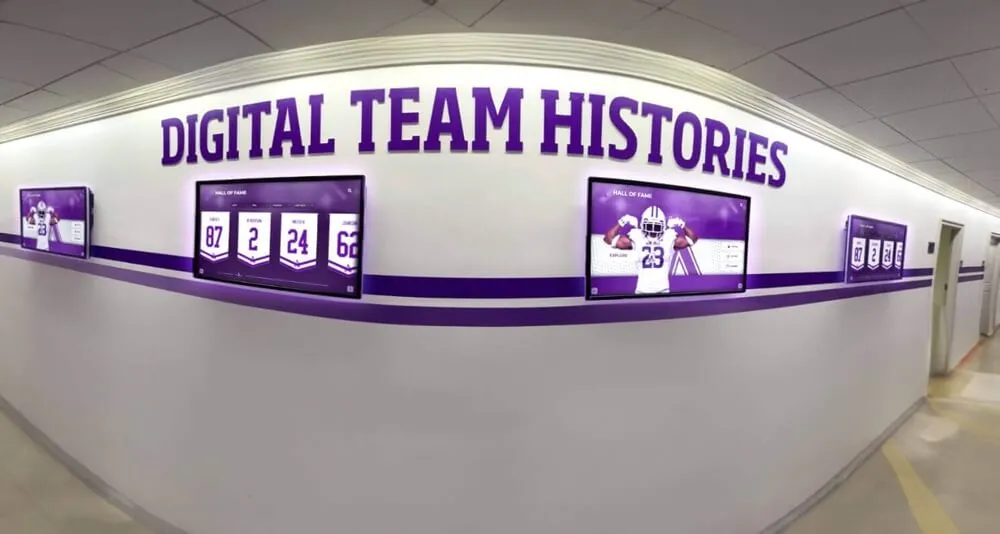
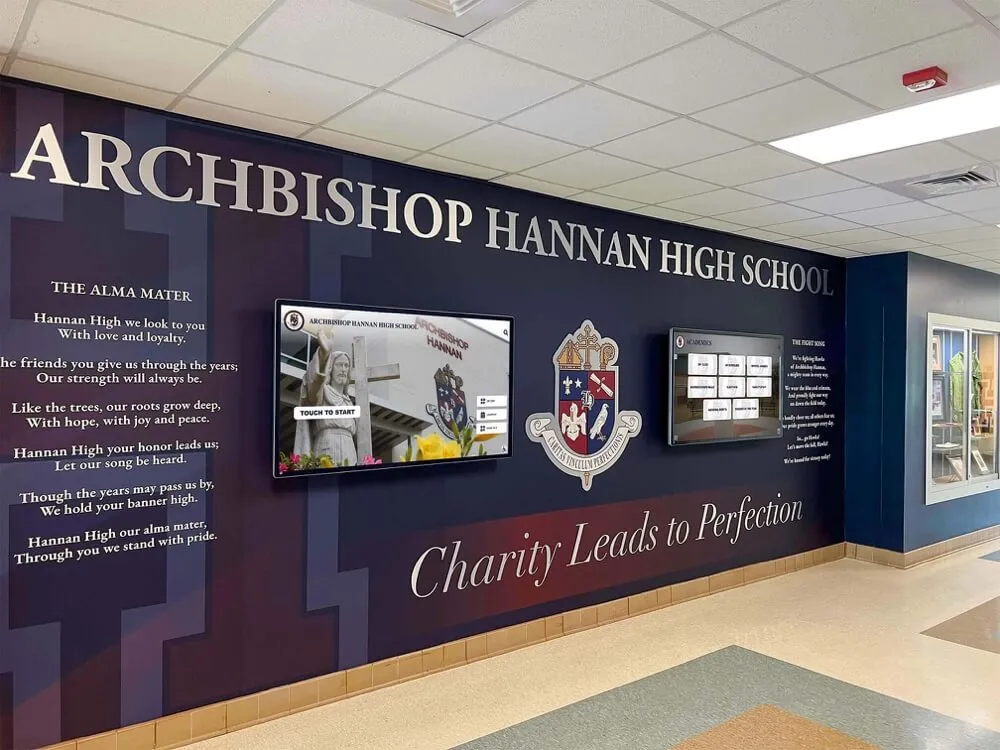
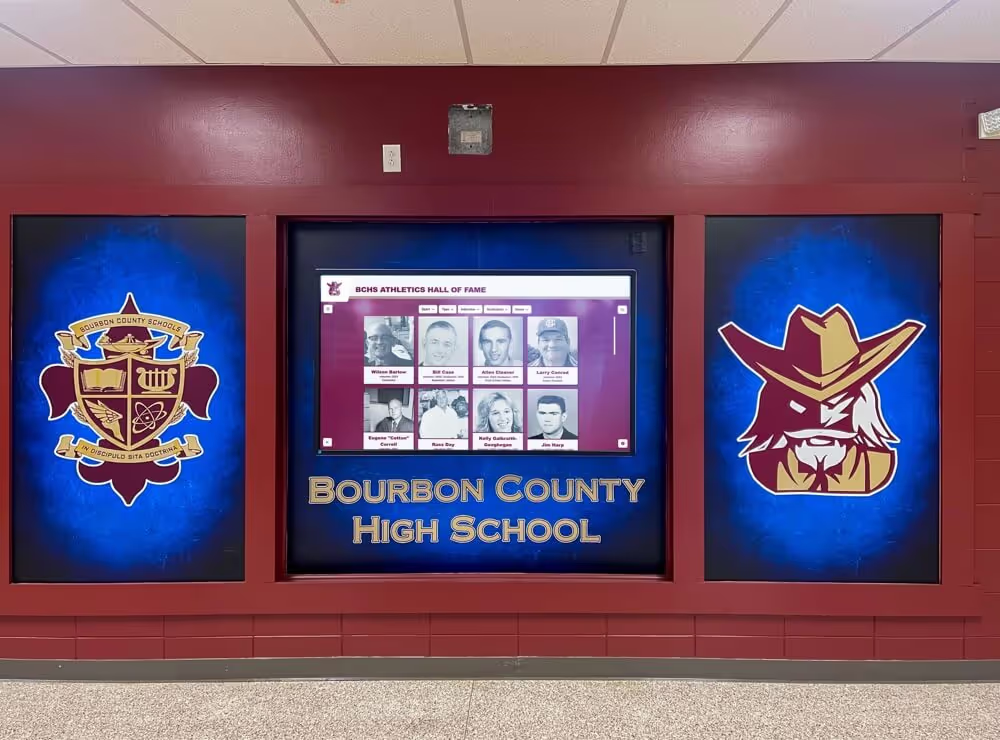
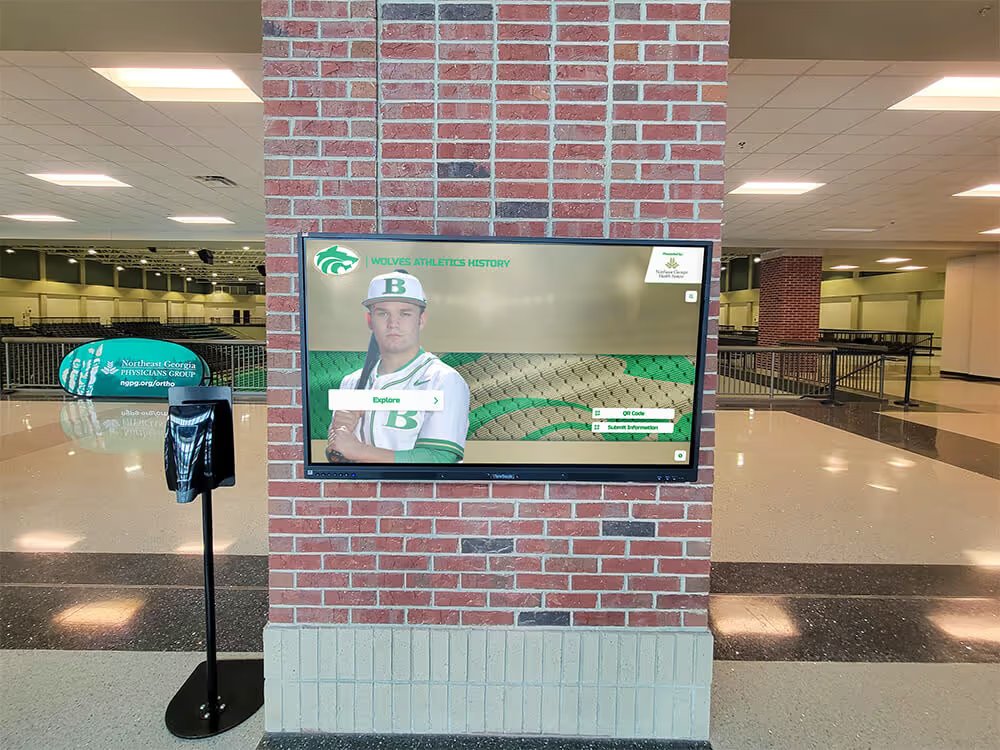
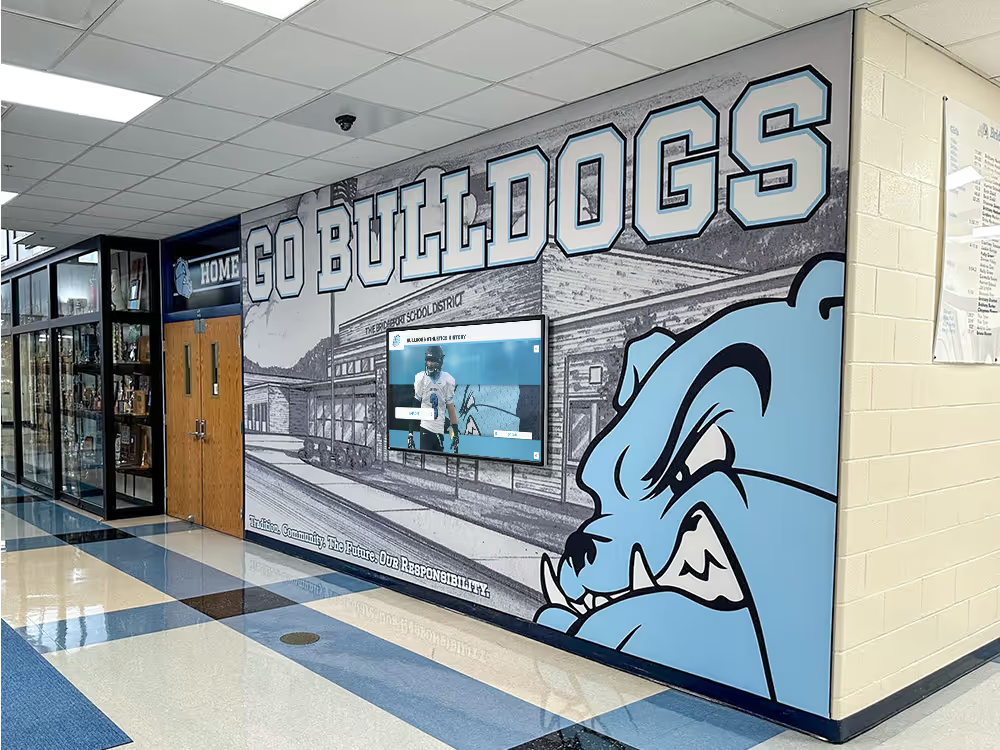
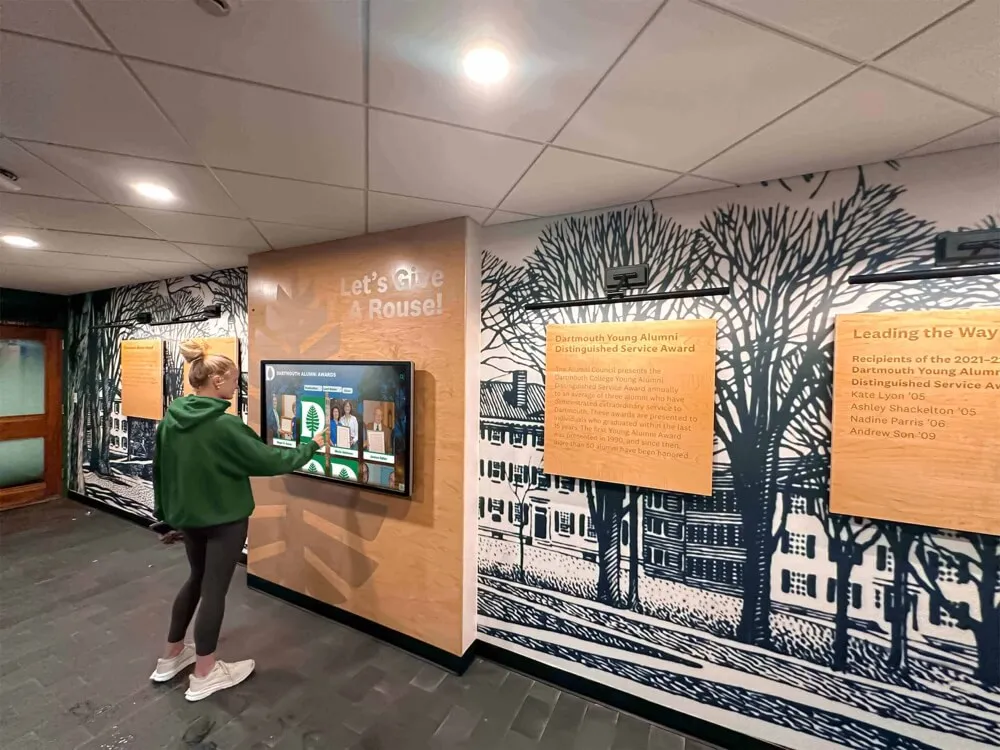
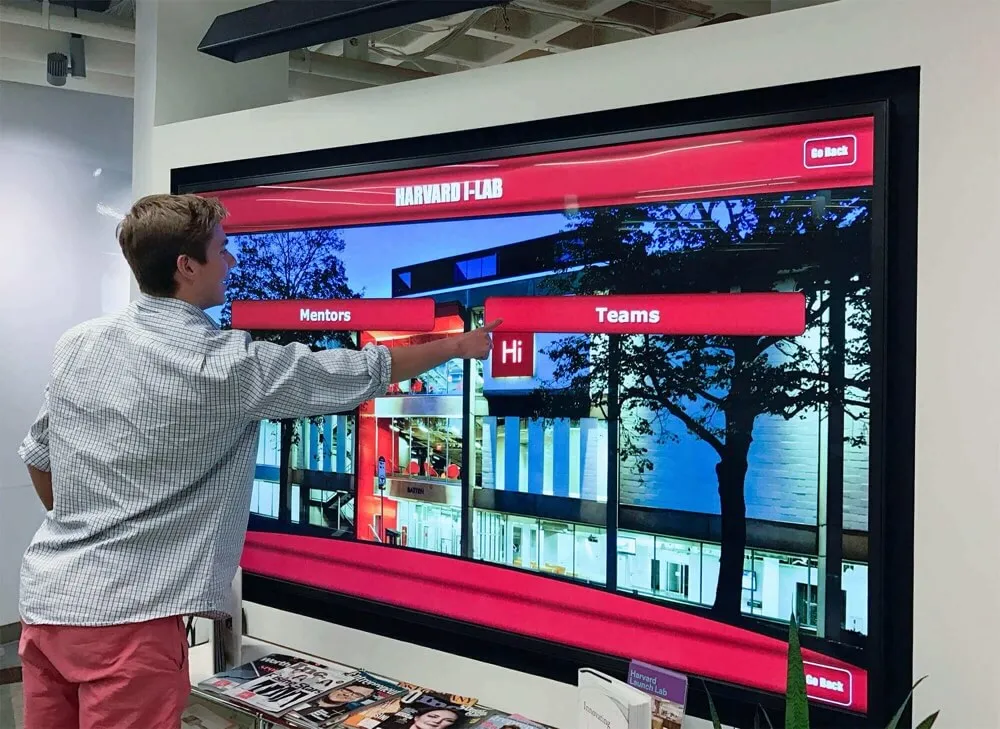
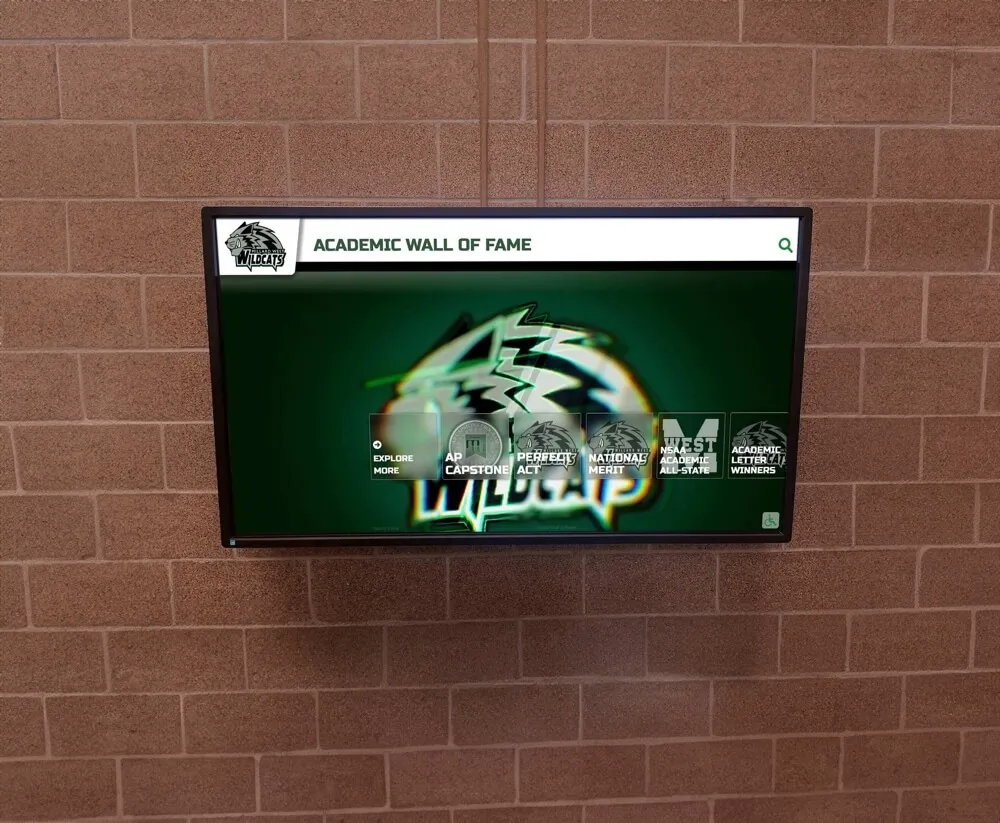
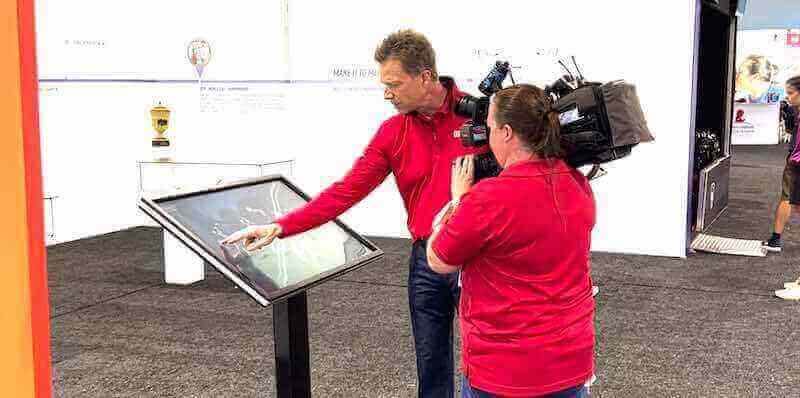
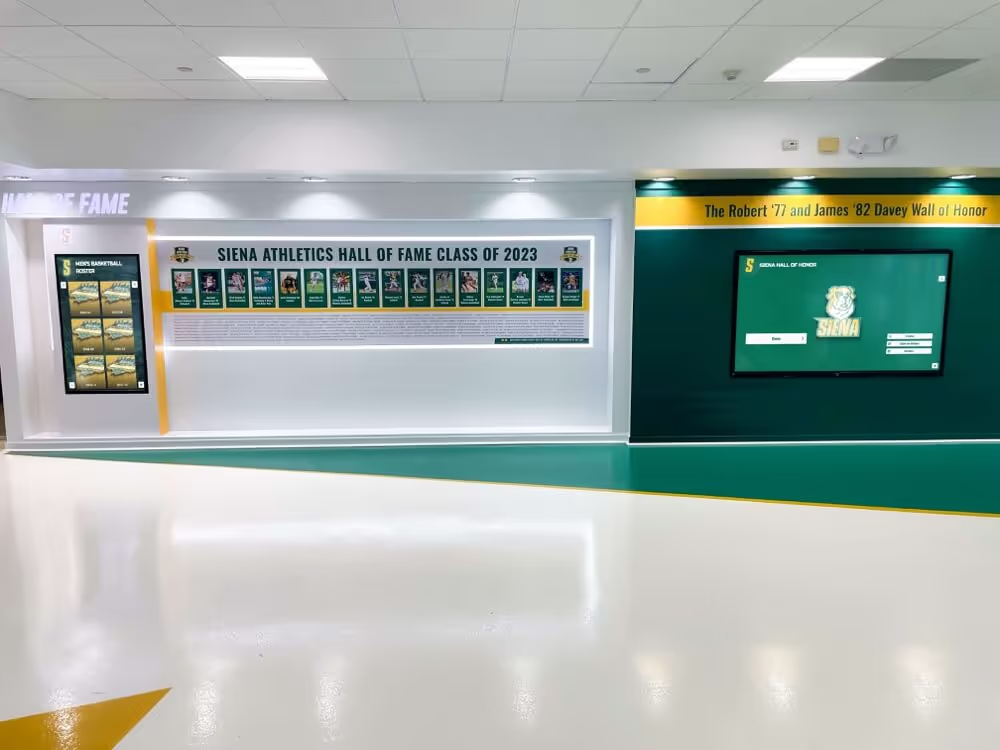
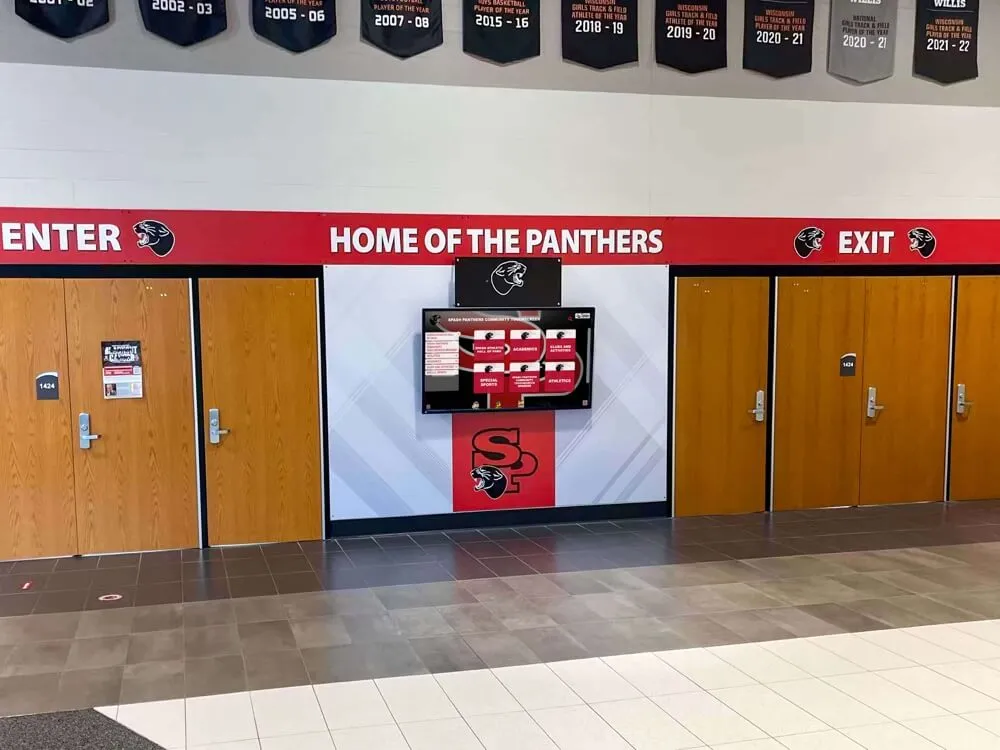
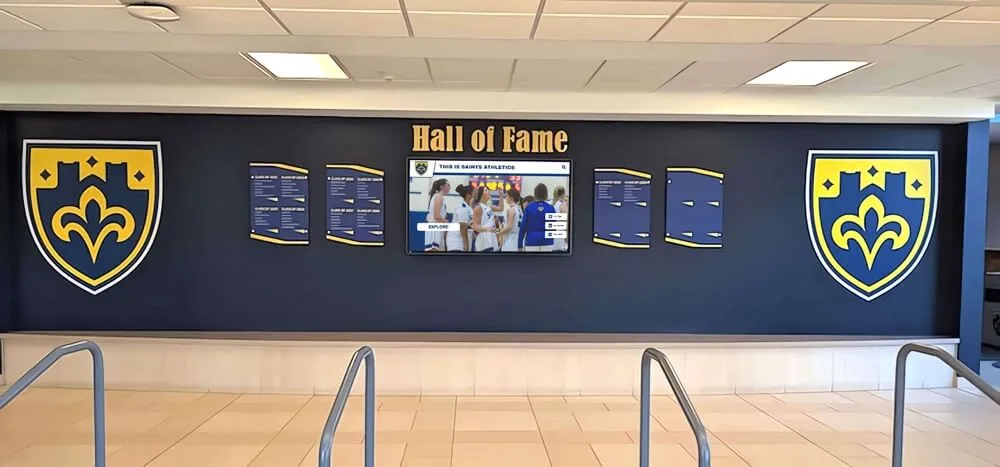
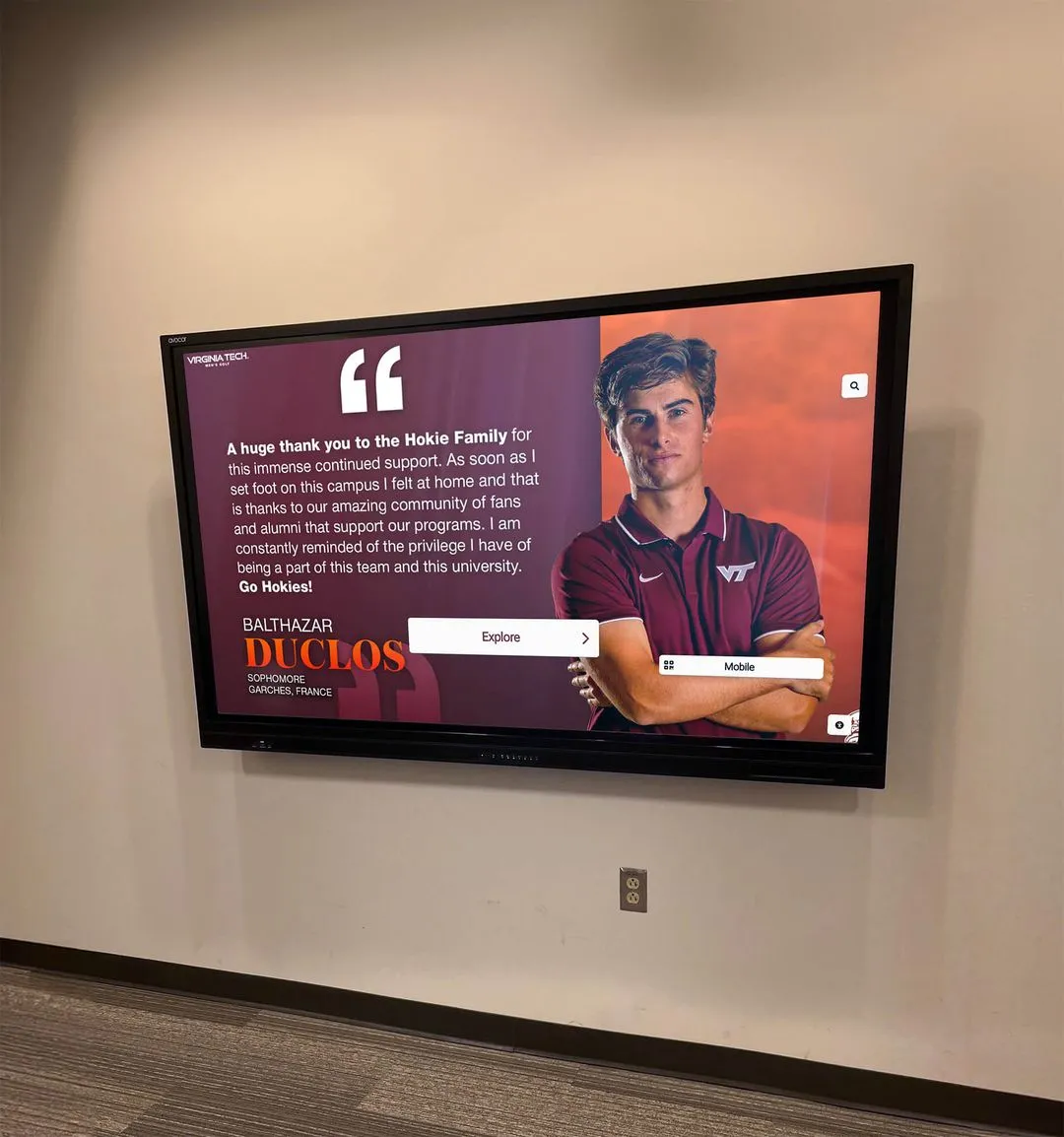
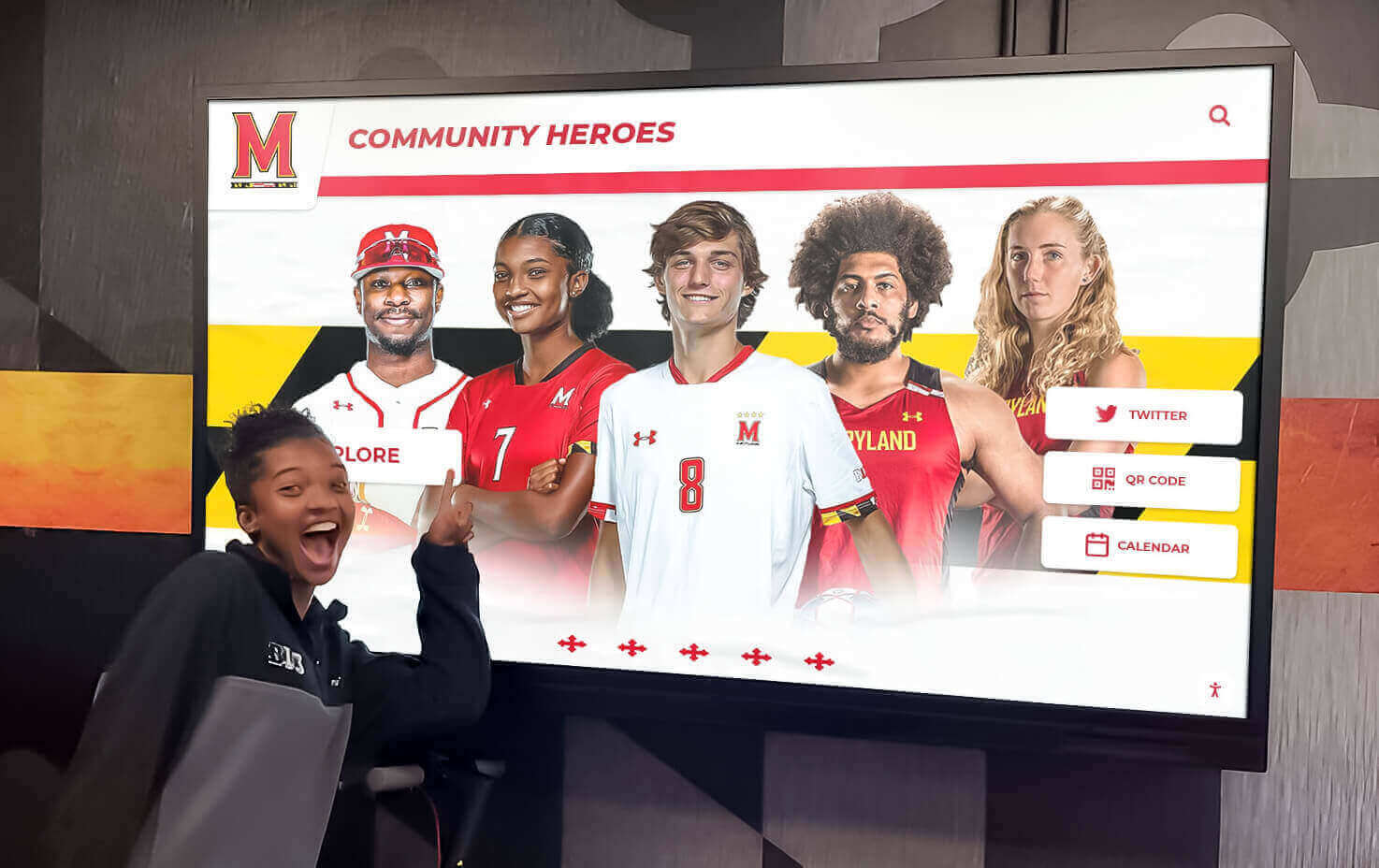
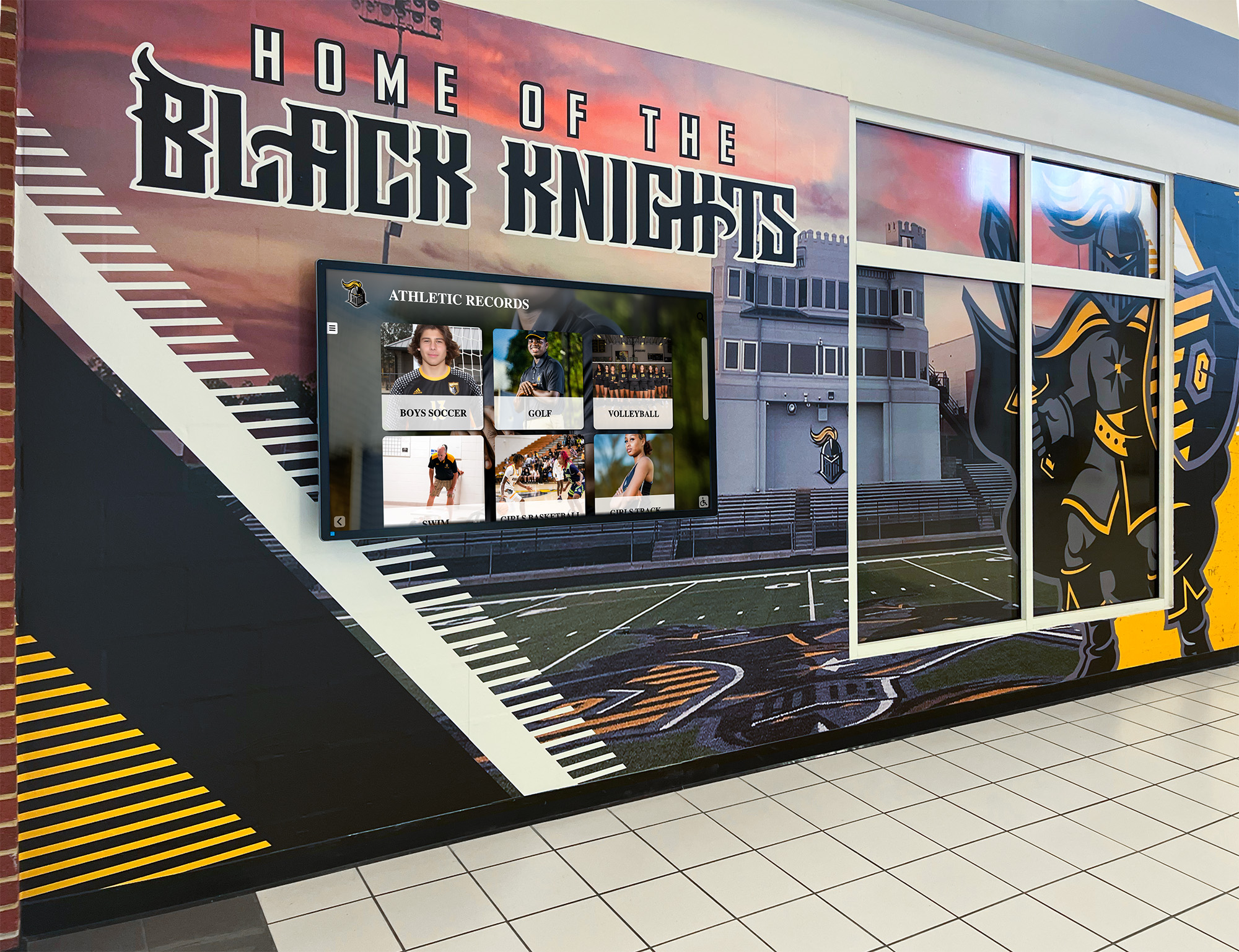
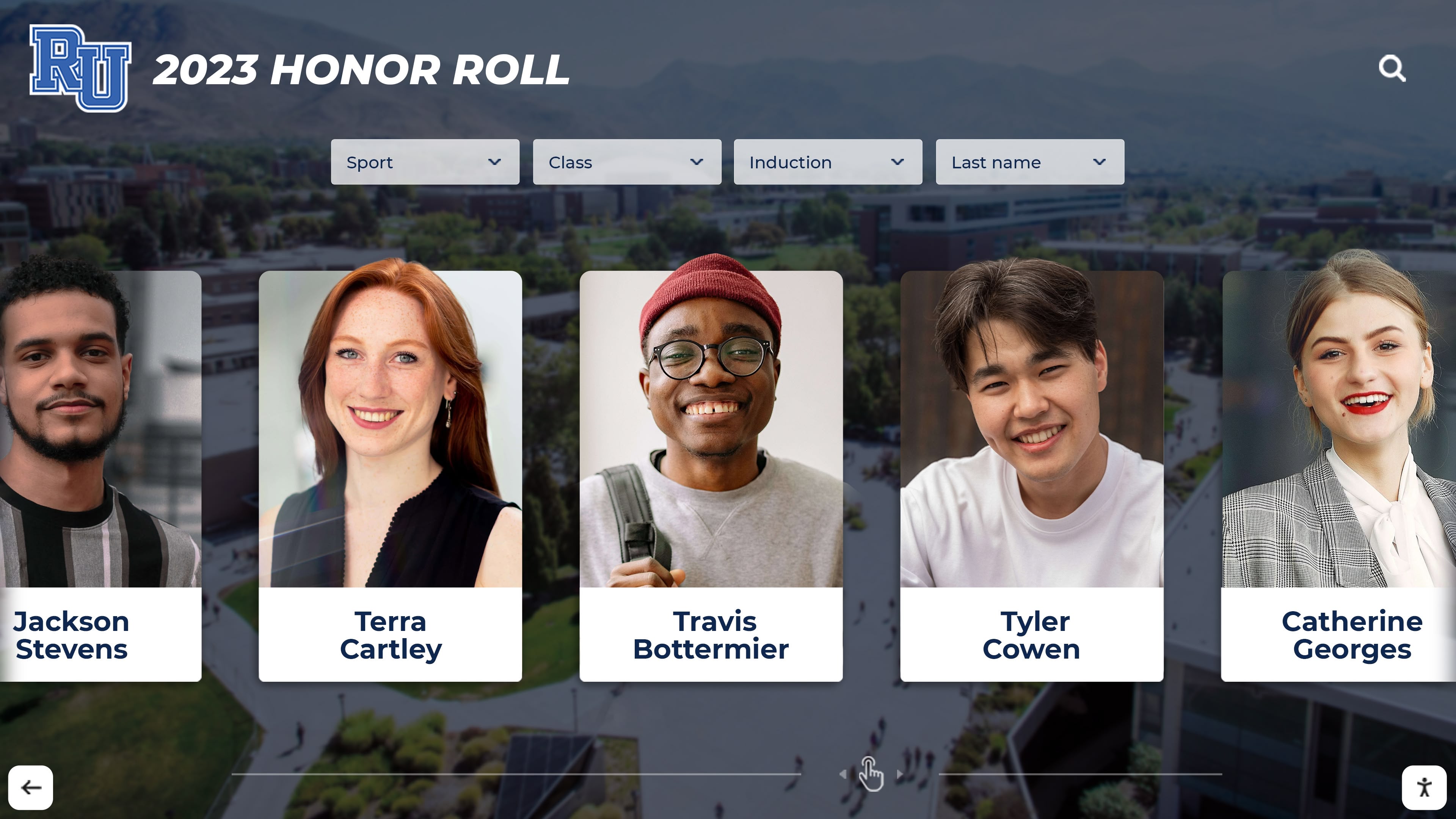
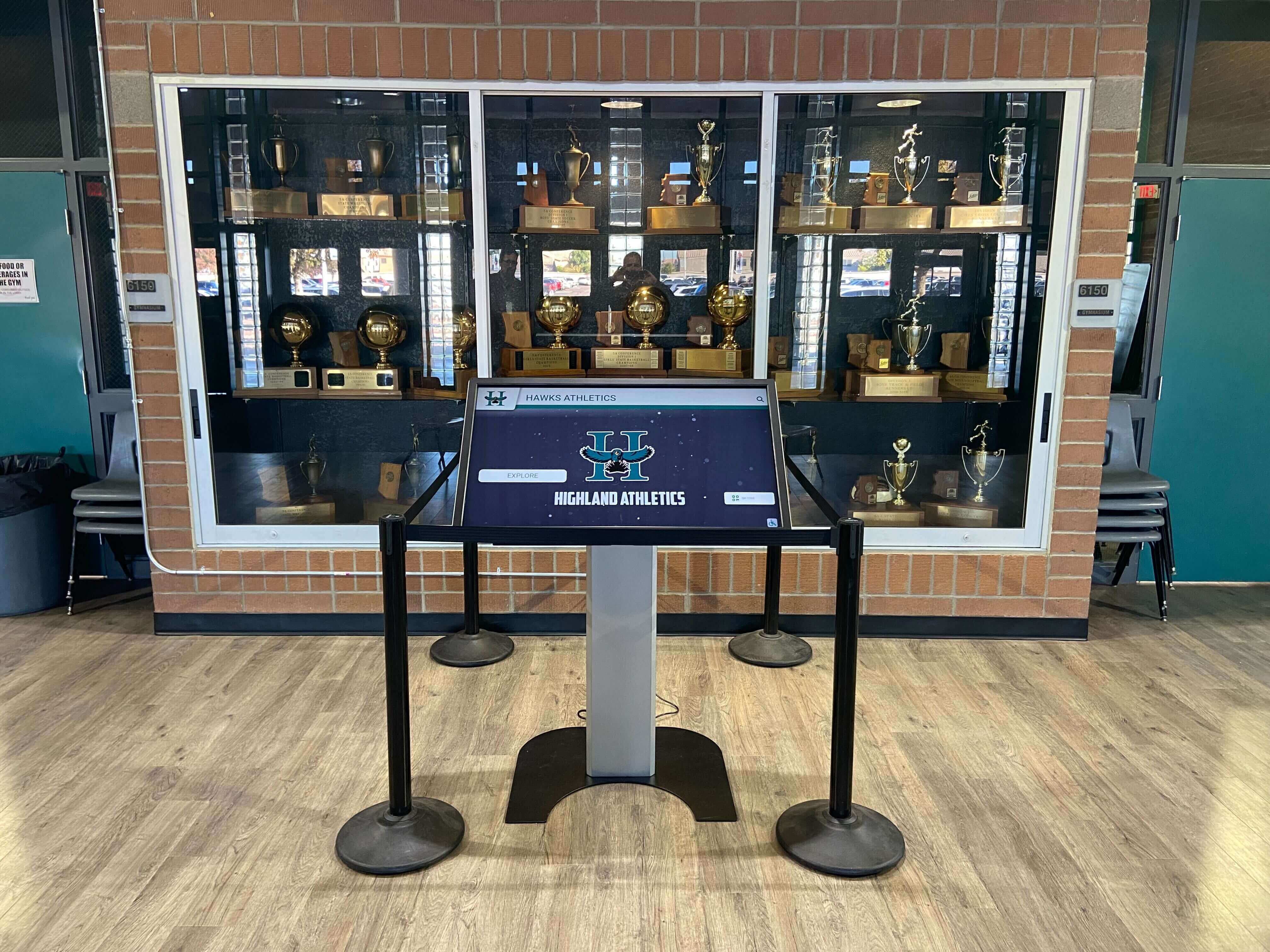
Consider creating digital displays that showcase honor roll students throughout the year rather than limiting recognition to ceremonial moments. Solutions like Rocket Alumni Solutions’ interactive platforms allow schools to maintain current honor roll rosters that students, staff, and visitors can explore via touchscreen displays in main hallways or entryways.
Subject-Specific Academic Awards: Recognize outstanding achievement in individual subjects:
- Mathematics Excellence Award
- English Language Arts Achievement
- Science Exploration Award
- Social Studies Scholar
- World Language Proficiency
- Fine Arts Excellence (Music, Visual Arts, Drama)
- Physical Education Leadership
- Technology and Computer Science Achievement
Subject-specific awards help students develop academic identities beyond overall GPA, allowing those who excel in particular areas to receive recognition even if other subjects prove more challenging.
Academic Improvement Awards: Honor students demonstrating significant growth regardless of absolute achievement level. These awards recognize effort and progress—a student improving from D’s to B’s deserves celebration even if they don’t reach honor roll status. Improvement awards teach that growth matters as much as current performance, encouraging students experiencing academic struggles to keep working rather than giving up.
Perfect Attendance Awards: While debated by some educators, attendance recognition programs acknowledge consistent school engagement. Consider tiered recognition for perfect attendance by quarter, semester, or year. Be mindful that illness and family circumstances beyond students’ control can affect attendance, so balance this recognition with other awards categories.
Academic Challenge Participation: Recognize students participating in academic competitions, enrichment programs, or challenges beyond regular coursework:
- Math competition team members
- Spelling bee participants
- Science fair competitors
- Geography bee qualifiers
- Academic bowl team recognition
- Reading challenge achievers
Participation awards for these voluntary academic activities encourage intellectual risk-taking and broaden students’ learning experiences beyond required curriculum.
Athletic and Physical Education Awards
Middle school athletics provide important opportunities for physical development, teamwork, and school pride. Recognition programs should honor both competitive achievement and character development through sports:
Traditional Athletic Awards: Team-based recognition for middle school athletes:
- Most Valuable Player (by sport)
- Coaches’ Award
- Most Improved Athlete
- Team Captain Recognition
- Sportsmanship Award
- Hustle and Dedication Award
Multi-Sport Athlete Recognition: Honor students participating in multiple sports seasons throughout the year, recognizing their versatility, commitment, and time management skills across different athletic pursuits.
Fitness and Wellness Achievement: Beyond competitive sports, recognize students excelling in physical education and personal fitness:
- Physical Fitness Mile Achievement
- Fitness Improvement Award
- Wellness Program Participation
- Healthy Lifestyle Leadership
Intramural Participation: Celebrate students engaging in non-competitive intramural sports and recreational activities that promote lifelong physical activity habits without requiring elite athletic ability.
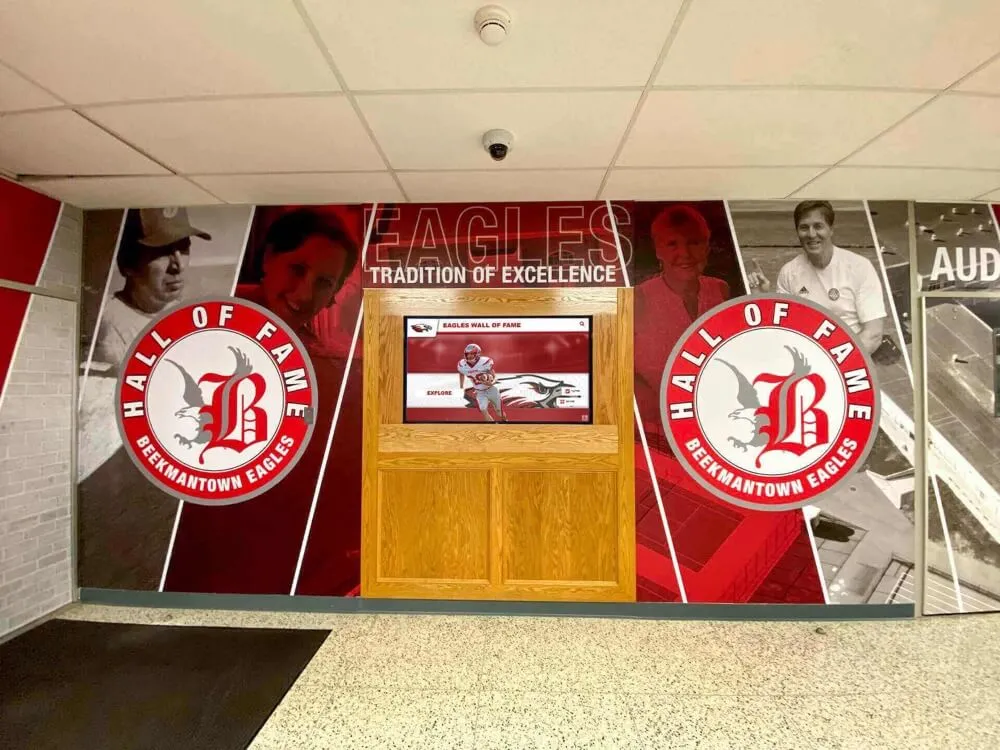
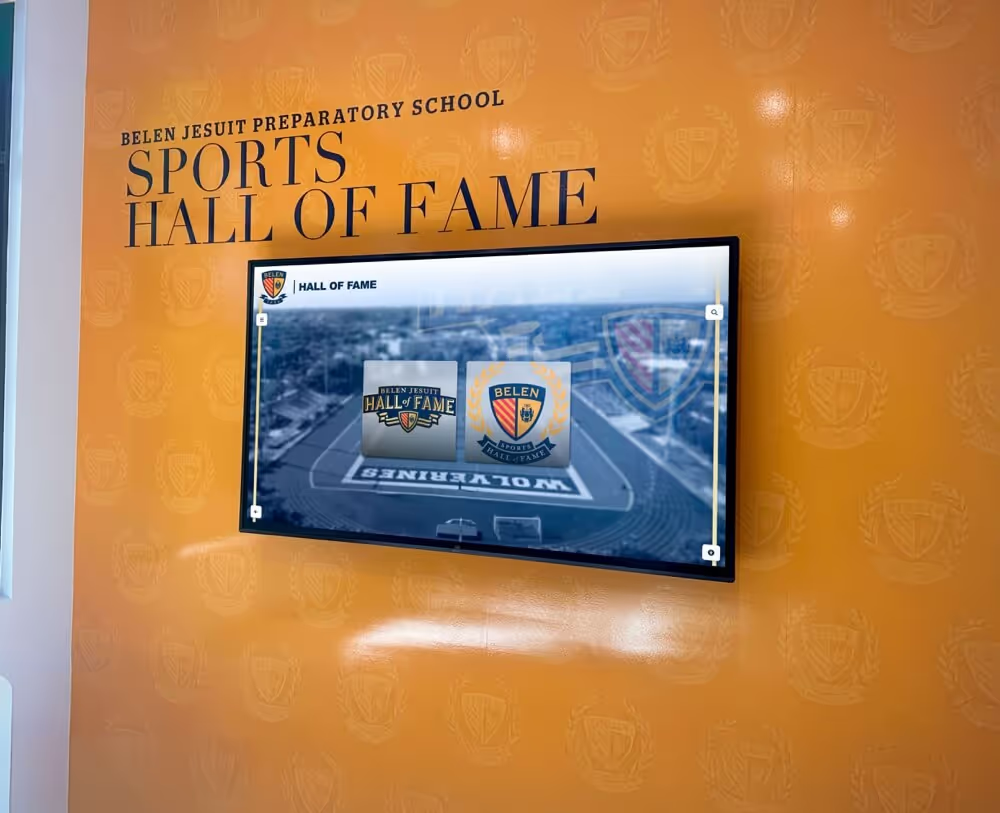
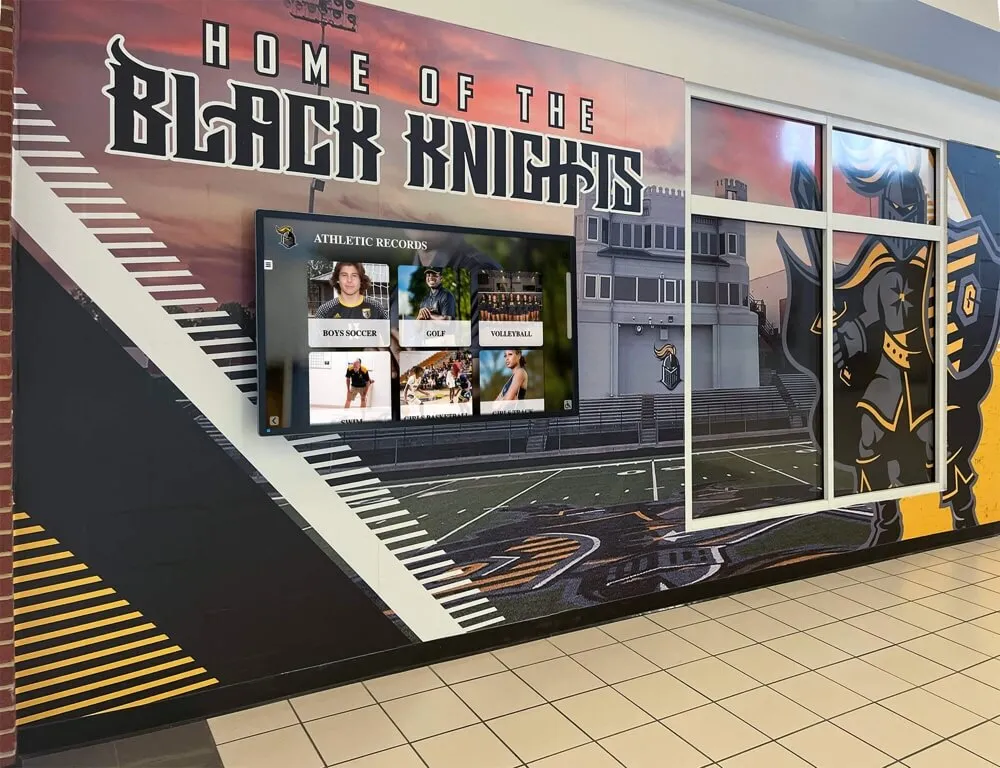
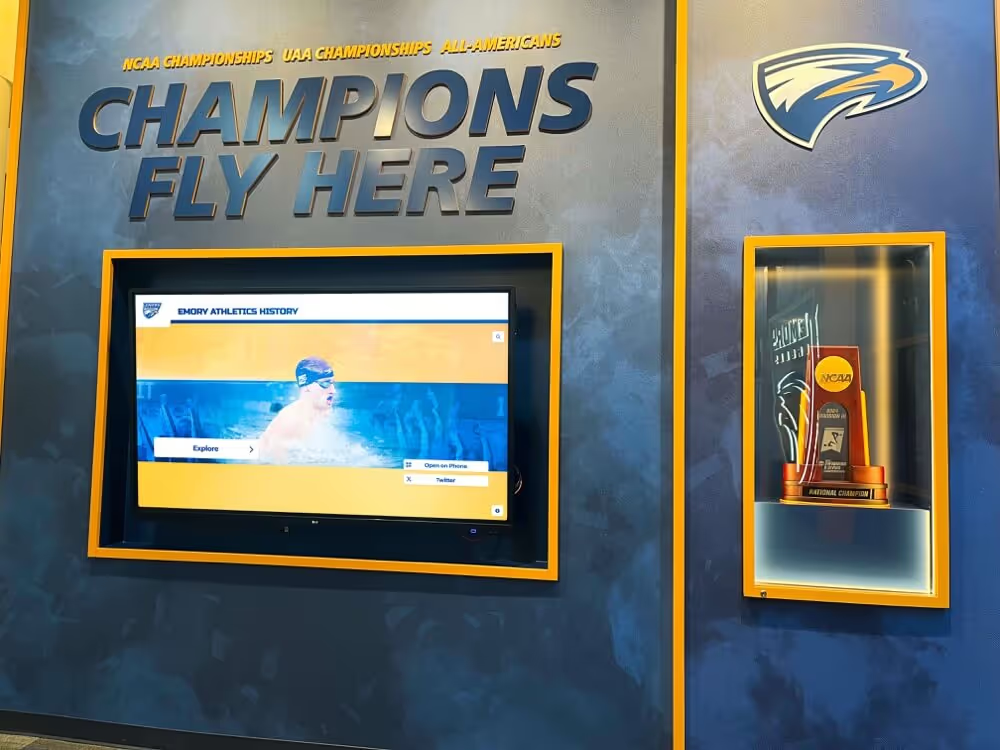
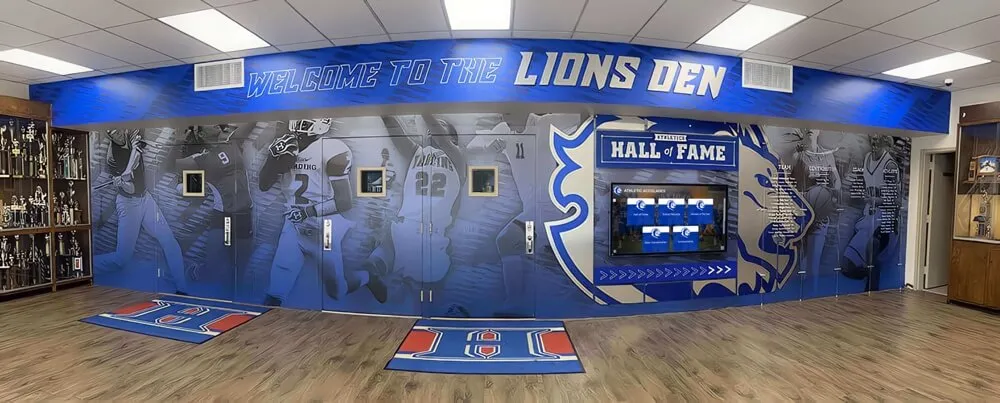
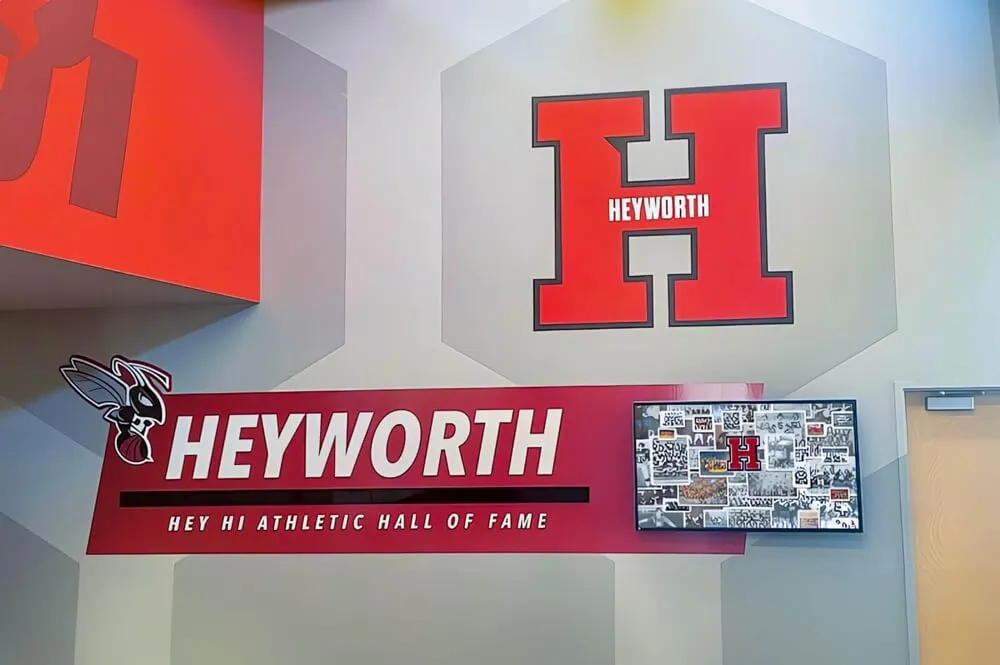
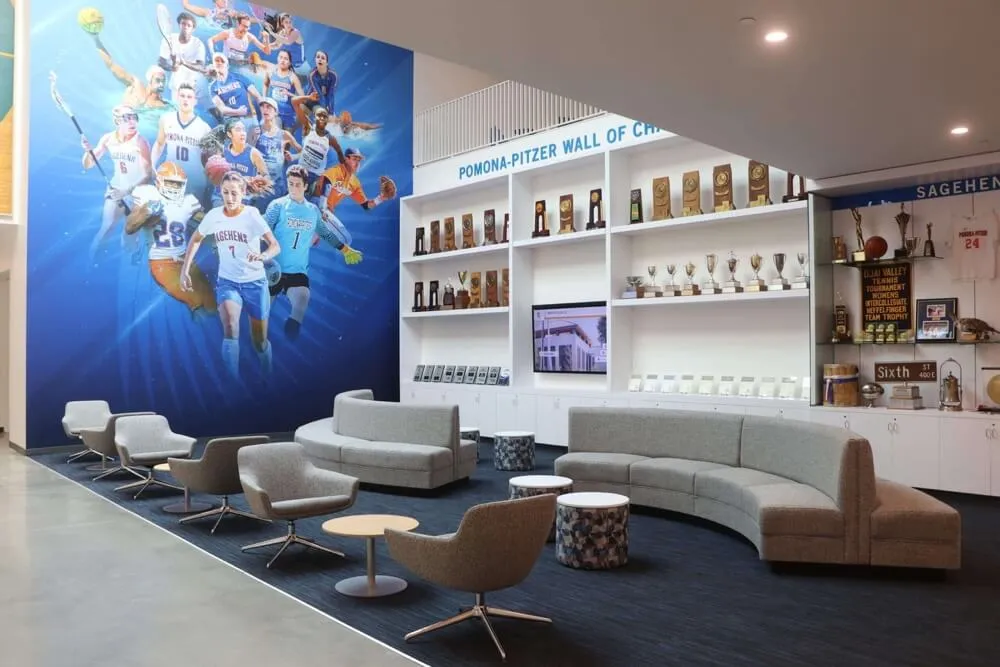
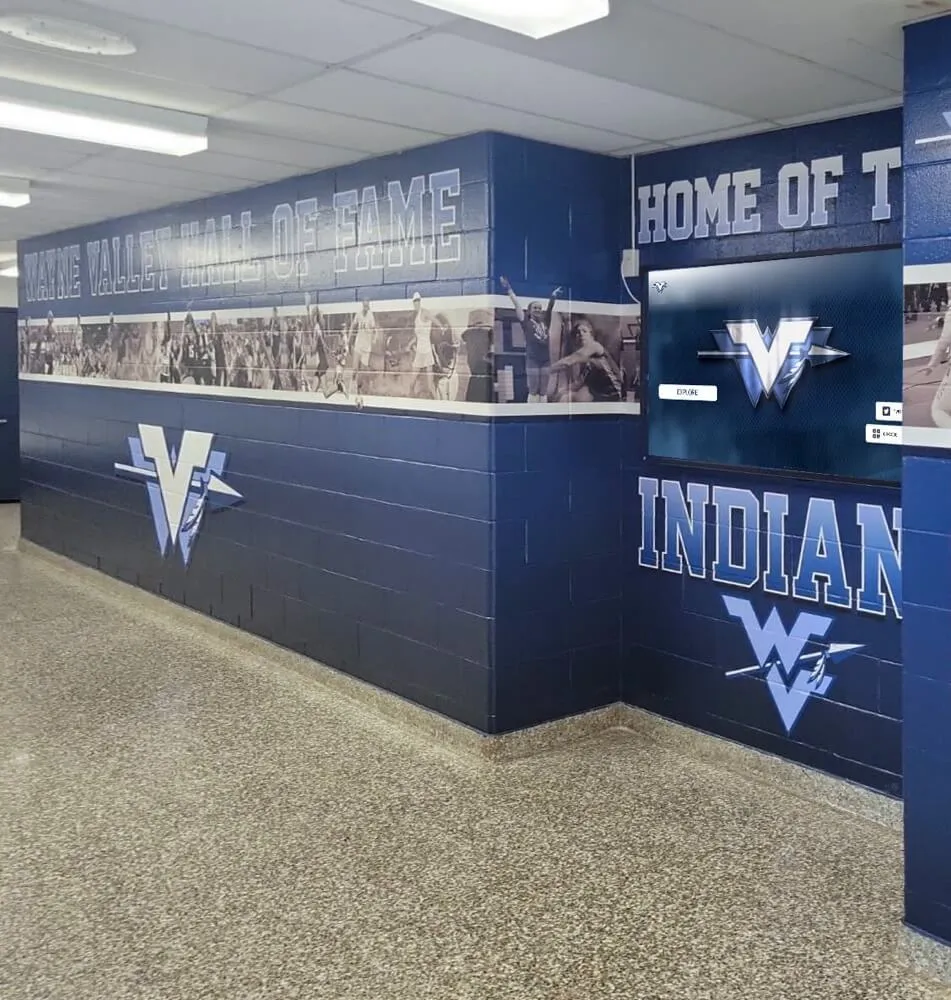
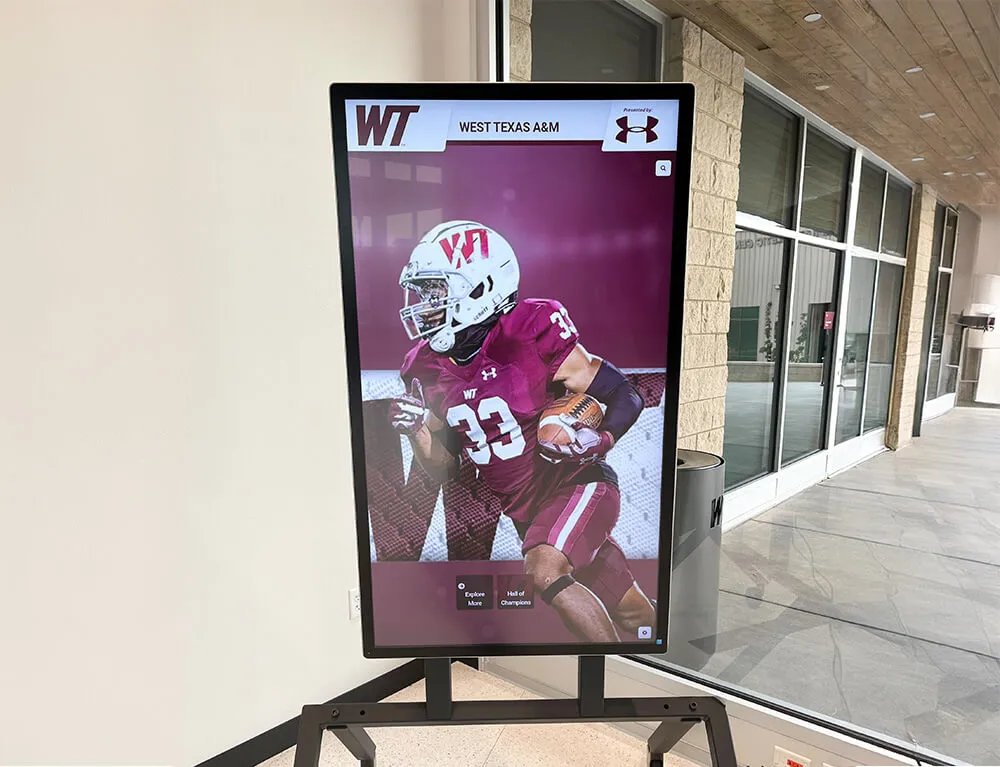
Middle school sports awards work particularly well when displayed prominently in gymnasiums, athletic hallways, or trophy cases. Digital athletic displays allow schools to showcase achievements across all sports and seasons without the space limitations of traditional trophy cases, ensuring fall, winter, and spring athletes receive equal visibility.
Character and Citizenship Awards
Character recognition addresses the social-emotional development central to middle school years, honoring students demonstrating positive values and citizenship:
Citizenship Awards: Recognize students exemplifying good citizenship through respectful behavior, following school rules, and contributing positively to classroom and school communities. These awards acknowledge that being a good community member matters as much as individual achievement.
Leadership Recognition: Honor students taking leadership roles:
- Student Council Officers
- Peer Mentors
- Class Representatives
- Club Leaders
- Team Captains
Kindness and Compassion Awards: Celebrate students demonstrating empathy, kindness, and support for classmates—particularly important during middle school years when bullying and social cruelty often peak. Schools might name these awards after school values or community members who exemplified these qualities.
Service Learning Recognition: Acknowledge students engaging in community service and volunteer work, including:
- Service Hour Milestones (25, 50, 100+ hours)
- Community Impact Awards
- Service Project Leadership
- Volunteer Spirit Recognition
Perseverance and Resilience Awards: Honor students overcoming challenges, demonstrating grit, or maintaining positive attitudes through difficult circumstances. These awards recognize that how students handle setbacks matters as much as their accomplishments.
Extracurricular and Special Recognition Categories
Beyond academics, athletics, and character, comprehensive awards programs recognize diverse interests and contributions:
Fine Arts Excellence: Celebrate artistic achievement across performance and visual arts:
- Band and Orchestra Achievement
- Choir Excellence
- Theater Performance Recognition
- Visual Arts Showcase Awards
- Creative Writing Honors
STEM and Innovation Awards: Recognize students demonstrating exceptional creativity, problem-solving, or innovation:
- Robotics Team Achievement
- Engineering Design Challenge Winners
- Technology Innovation Award
- Science Fair Excellence
- Coding and Programming Recognition
Career and Technical Education: Honor students excelling in CTE programs:
- Skilled Trades Excellence
- Culinary Arts Achievement
- Business Education Recognition
- Family and Consumer Sciences Awards
Club and Organization Recognition: Acknowledge active participation and leadership in school clubs, from chess club to environmental club to debate team. These awards validate students’ diverse interests and encourage continued extracurricular engagement.
Special Recognition: Create awards for unique achievements or contributions specific to your school community—school spirit, morning announcement excellence, library volunteer service, crossing guard dedication, or any other roles that make your school function well.
Planning Memorable Middle School Award Ceremonies
Beyond defining award categories, creating meaningful ceremonies requires thoughtful planning around timing, format, atmosphere, and student experience.
Ceremony Format Options
Different ceremony formats serve different purposes and audiences:
Grade-Level Ceremonies: Host separate recognition events for 6th, 7th, and 8th graders. This approach allows age-appropriate programming, keeps ceremonies shorter, and ensures younger students don’t get overshadowed by older students’ typically more extensive achievements. Families only need to attend relevant ceremonies rather than sitting through recognition for students they don’t know.
End-of-Year All-School Ceremony: Bring the entire middle school community together for a culminating celebration. This format builds school-wide pride and allows younger students to see recognition they might work toward in future years. Keep programming engaging through varied recognition moments, multimedia elements, and careful pacing to maintain attention throughout.
Subject-Area Recognition Events: Incorporate awards into existing programs—athletic banquets, fine arts showcases, academic awards nights, or department-specific celebrations. These focused events allow deeper recognition within particular domains and attract audiences specifically interested in those areas.
Multiple Ceremony Approach: Combine formats—subject-specific events during the year plus a comprehensive end-of-year all-school ceremony. This multi-layered approach maximizes recognition opportunities while building anticipation throughout the school year.
Creating Engaging Ceremony Experiences
Transform potentially monotonous award presentations into memorable experiences students and families value:
Student Involvement: Include student leadership in planning and executing ceremonies. Student council members can serve as emcees, introduce award categories, share student perspectives on what recognition means, or perform talents during transitional moments. Student involvement makes ceremonies feel more authentic and less like adult-imposed rituals.
Multimedia Presentations: Incorporate videos, photo slideshows, or musical performances that celebrate student life throughout the year. Short video montages showing students in action—working collaboratively, competing in sports, performing on stage, serving the community—make abstract achievement tangible while entertaining audiences during necessary transitions.
Balanced Recognition: Ensure diverse students receive recognition by featuring varied award categories throughout programs rather than front-loading academic awards then rushing through other categories. Thoughtful program design communicates that the school genuinely values multiple forms of achievement equally.
Personal Touches: When possible, include brief personalized comments about individual award recipients rather than simply reading names. A sentence about why someone received a kindness award or how a student improved in mathematics makes recognition more meaningful than generic certificate distribution.
Physical Award Quality: Invest in quality certificates, medals, or trophies that students will treasure. Cheap-looking awards communicate that recognition isn’t valued. Consider engraved medals, framed certificates, or other keepsakes students can display with pride.
Logistics and Practical Considerations
Successful ceremonies require attention to operational details:
Timing and Scheduling: Hold ceremonies at times maximizing family attendance—evening events work better than afternoon ceremonies during work hours. For schools with working-class families managing multiple jobs, consider weekend timing. Respect families’ time by starting promptly and keeping ceremonies to reasonable lengths (90 minutes maximum for all-school events, 45-60 minutes for grade-level ceremonies).
Space and Seating: Select venues accommodating audiences comfortably. School auditoriums, gymnasiums, or cafeterias often work well. Ensure adequate seating, good sight lines, quality sound systems, and appropriate accessibility for families with disabilities.
Photography Opportunities: Designate photo areas where families can take pictures with award recipients. Consider hiring a professional photographer or recruiting volunteer parents to capture moments for families who can’t attend. Share photos afterward through school communication channels.
Program Materials: Create printed or digital programs listing all award recipients so families have keepsakes documenting their students’ recognition. Include information about award criteria helping families understand what achievements earned recognition.
Streamlining Presentations: For large recipient groups (like honor roll with 100+ students), consider efficient presentation formats—calling groups to stand for collective applause rather than individual stage walks, or distributing certificates in classrooms afterward while featuring select awards onstage. Balance thorough recognition with reasonable ceremony length.
Implementing and Managing Award Programs Throughout the Year
Effective awards programs require systematic approaches to tracking, communication, and administration that ensure fairness, transparency, and positive student experiences.
Establishing Clear Criteria and Communication
Define Objective Criteria: Create specific, measurable criteria for each award category. Publish these criteria at the beginning of the school year so students and families understand recognition requirements. Clear standards prevent perceptions of favoritism and help students set concrete goals.
Transparent Selection Processes: For awards involving subjective judgment (like citizenship or leadership awards), establish clear selection committees and processes. Faculty nomination systems, student voting procedures, or committee review protocols add legitimacy to subjective award decisions.
Regular Progress Updates: Help students track their progress toward awards throughout the year. Share quarter honor roll lists, maintain visible attendance streak recognition, or provide periodic updates about service hour totals. Regular feedback maintains motivation better than end-of-year surprises.
Family Communication: Keep families informed about awards programs, recognition criteria, upcoming ceremonies, and their students’ achievements. Use newsletters, emails, school websites, and family conferences to ensure all families—including those with limited English proficiency or limited school engagement—understand recognition opportunities.
Tracking and Record-Keeping Systems
Centralized Data Management: Maintain organized records of student achievements, nominations, and award recipients. Spreadsheets, student information systems, or specialized recognition software help administrators track complex information across multiple award categories and time periods.
Historical Records: Document award recipients over time, creating institutional memory of recognition history. This historical data proves valuable for alumni programs, school anniversary celebrations, and demonstrating long-term student success patterns. Digital archive systems allow schools to preserve and showcase recognition history through searchable databases rather than relying on dusty file cabinets or deteriorating paper certificates.
Equitable Distribution Monitoring: Analyze award distribution patterns to ensure diverse students receive recognition. Track award recipients by demographics, ensuring your program doesn’t systematically exclude particular student groups. If analysis reveals imbalances, adjust award categories or selection processes to create more inclusive recognition.
Budget Considerations
Awards programs require financial resources for certificates, medals, trophies, ceremony expenses, and recognition systems:
Prioritize Quality Over Quantity: Better to provide fewer high-quality awards that students treasure than numerous cheap-looking certificates that end up in recycling bins. Invest in awards students will display proudly.
Seek Sponsorships: Local businesses, booster clubs, or PTAs often willingly sponsor awards programs in exchange for recognition at ceremonies or in programs. These partnerships reduce budget strain while strengthening community connections.
Digital Recognition Solutions: While initial investments in digital recognition displays require budgeting, solutions like Rocket Alumni Solutions provide long-term value by eliminating ongoing trophy case construction costs, plaque expenses, and space limitations of physical recognition. Digital platforms update easily without physical modifications, ensuring recognition remains current without recurring material costs.
Tiered Award Systems: Not every recognition requires elaborate trophies. Reserve expensive awards for highest honors while using quality certificates, ribbons, or small tokens for broader recognition categories. This approach balances meaningful recognition with budget sustainability.
Extending Recognition Beyond Single Ceremonies
One limitation of traditional awards programs involves concentrating recognition into brief ceremony moments that quickly fade from memory. Modern approaches extend recognition impact throughout the school year and preserve achievement visibility over time.
Year-Round Recognition Display
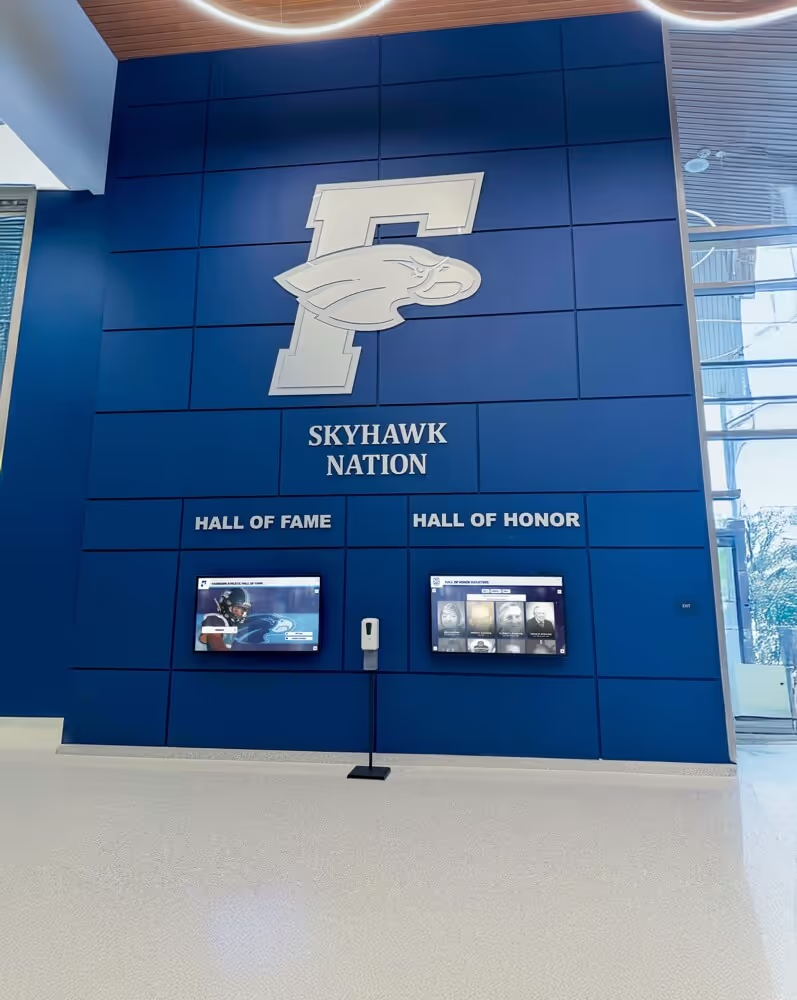
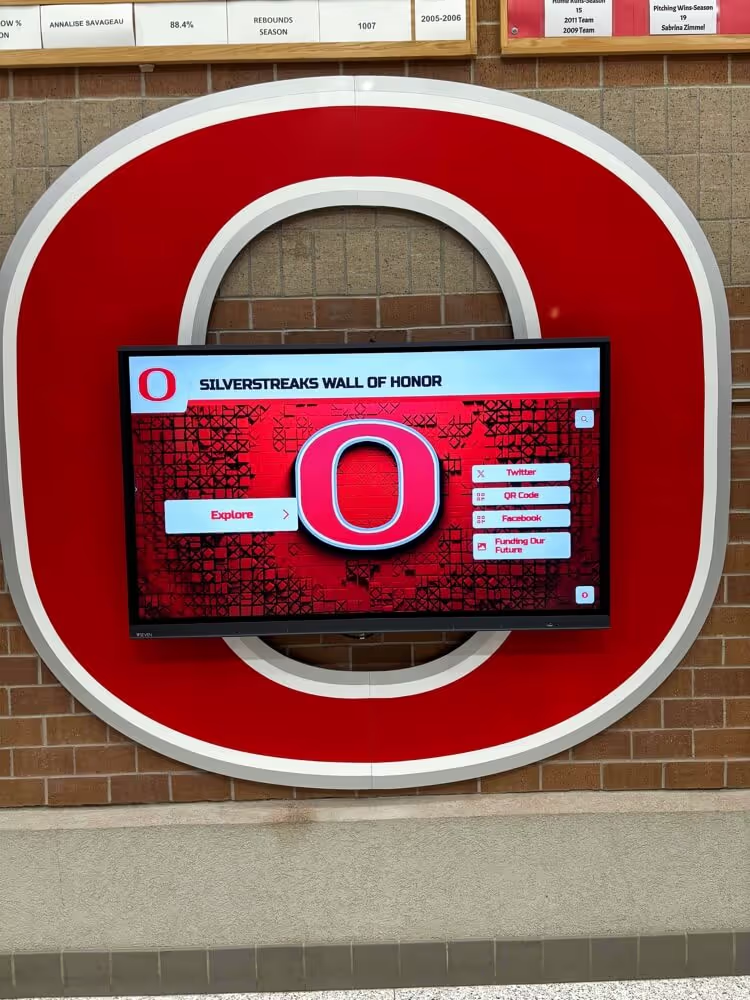
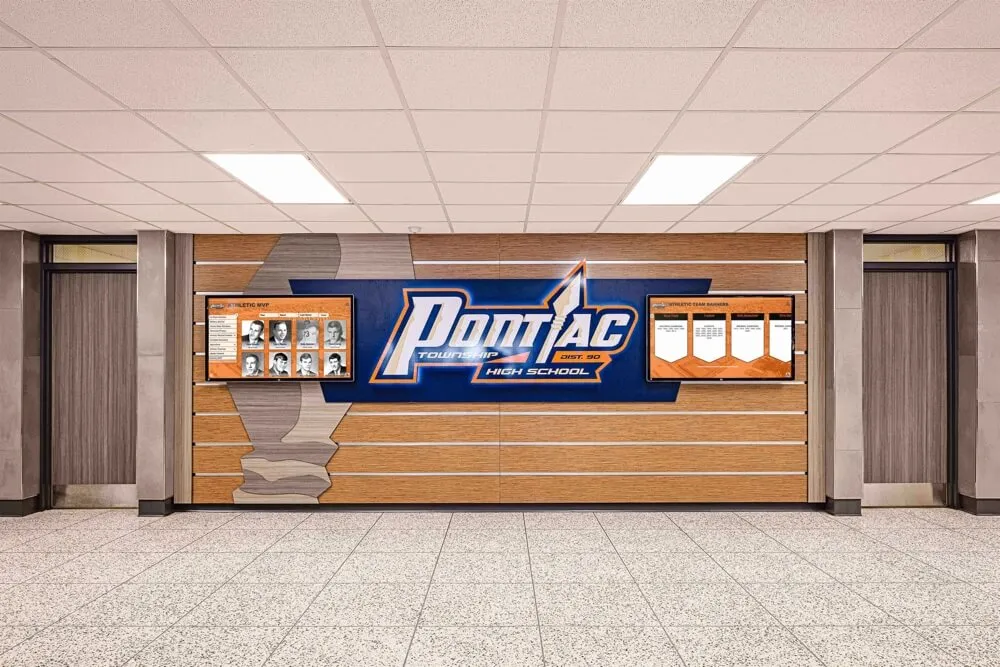
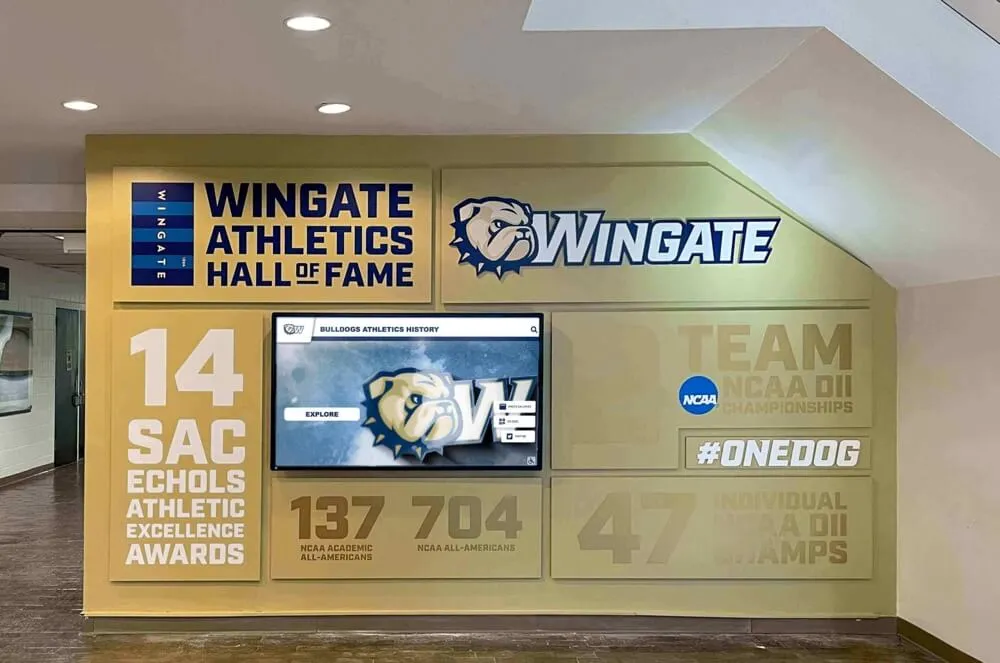
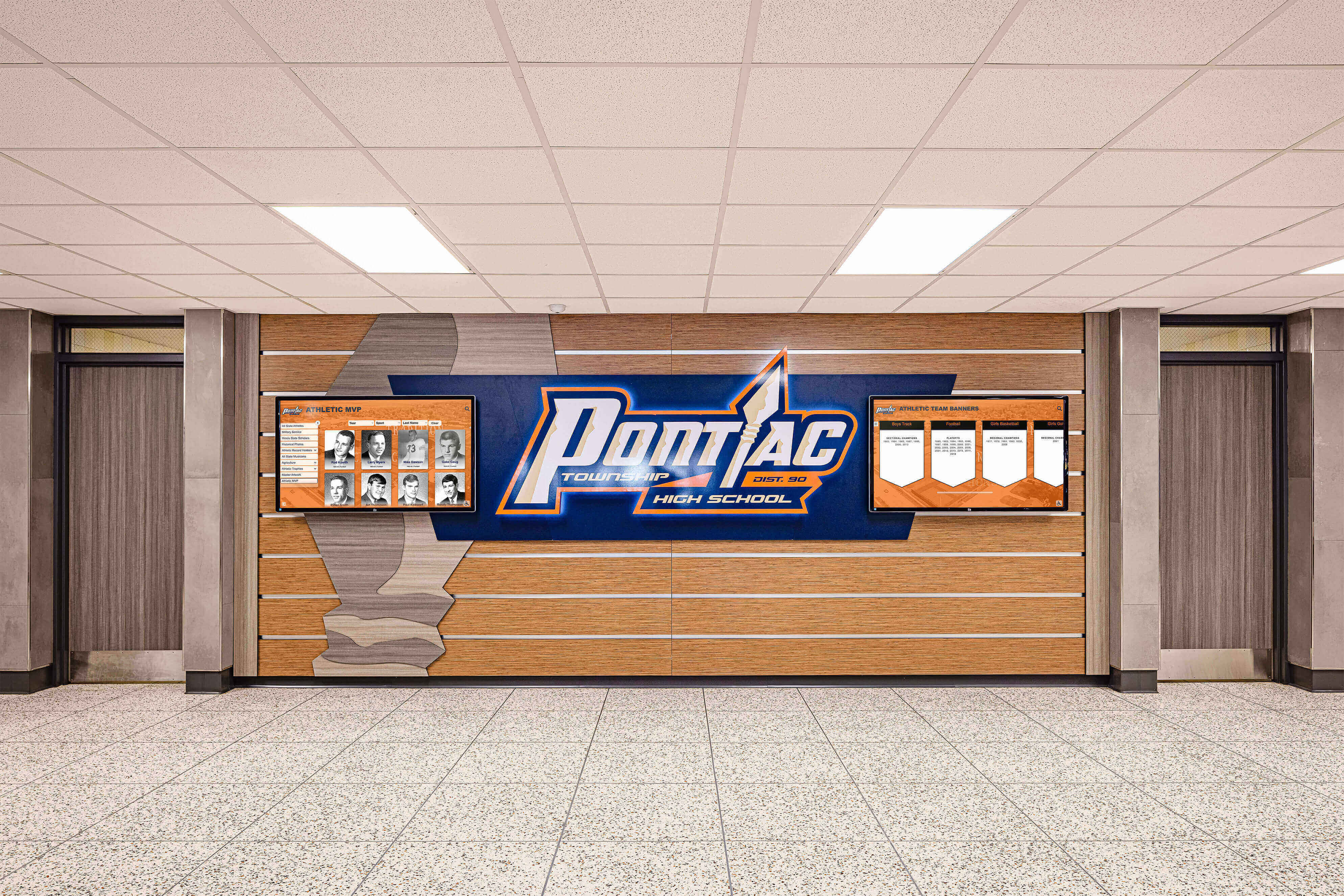
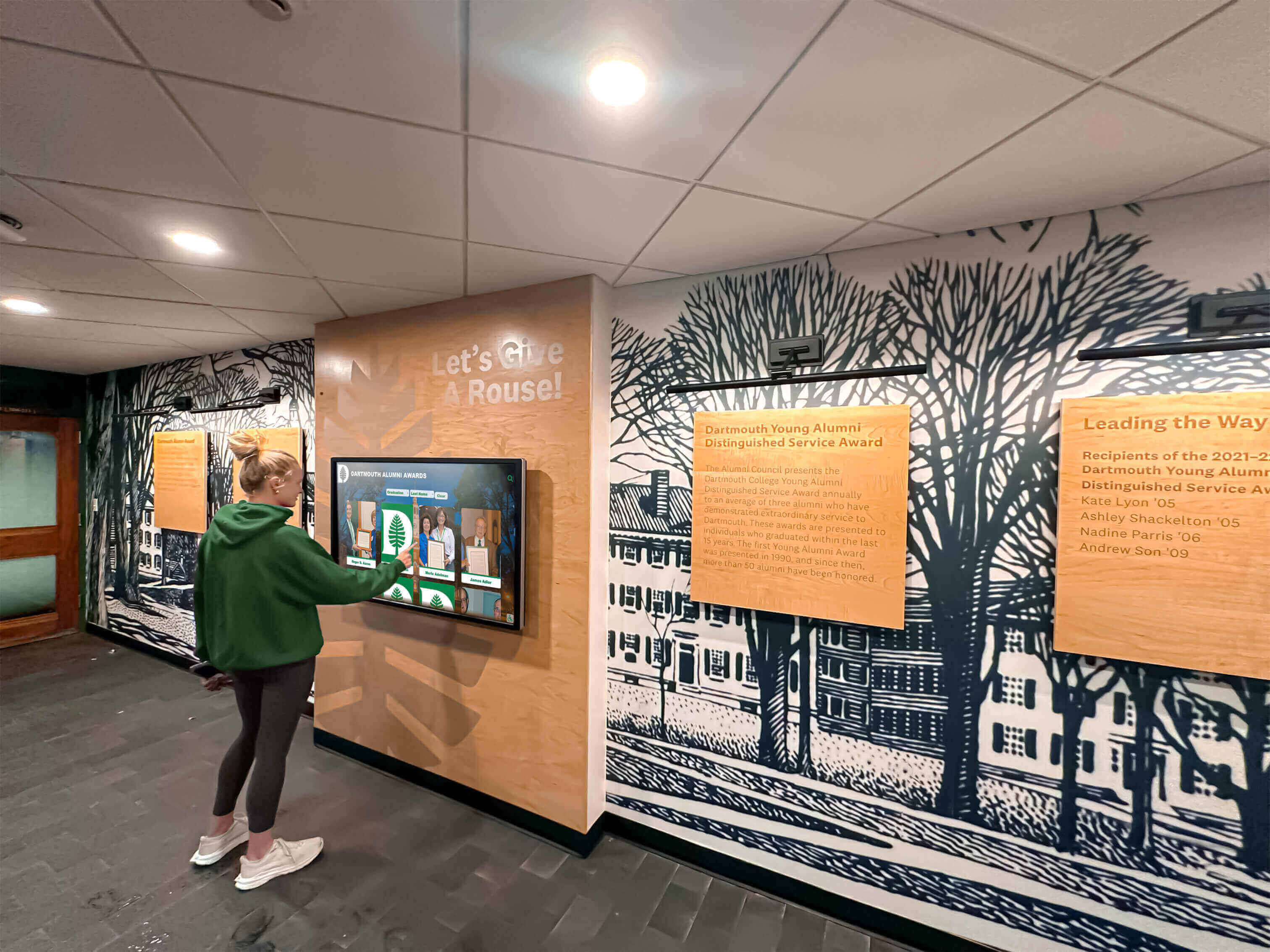
Main Hallway Recognition Walls: Designate prominent spaces showcasing current award recipients. Digital displays work particularly well because they update easily as new achievements occur—adding honor roll students each quarter, rotating featured students monthly, or highlighting recent competition winners without requiring physical modifications to display spaces.
Classroom and Department Recognition: Encourage individual teachers and departments to maintain their own recognition displays celebrating students’ achievements. Science fair winners in the science wing, writing award recipients in English classrooms, and athletic achievers in the gymnasium create distributed recognition throughout the building rather than concentrating it in a single location.
Digital and Social Media Recognition: Share student achievements through school websites, social media channels, morning announcements, and email newsletters. These ongoing recognition moments complement formal ceremonies while reaching broader audiences including extended family members and community members.
Interactive Recognition Technologies
Traditional plaques and trophy cases serve recognition purposes but offer limited engagement. Interactive recognition systems provide enhanced experiences:
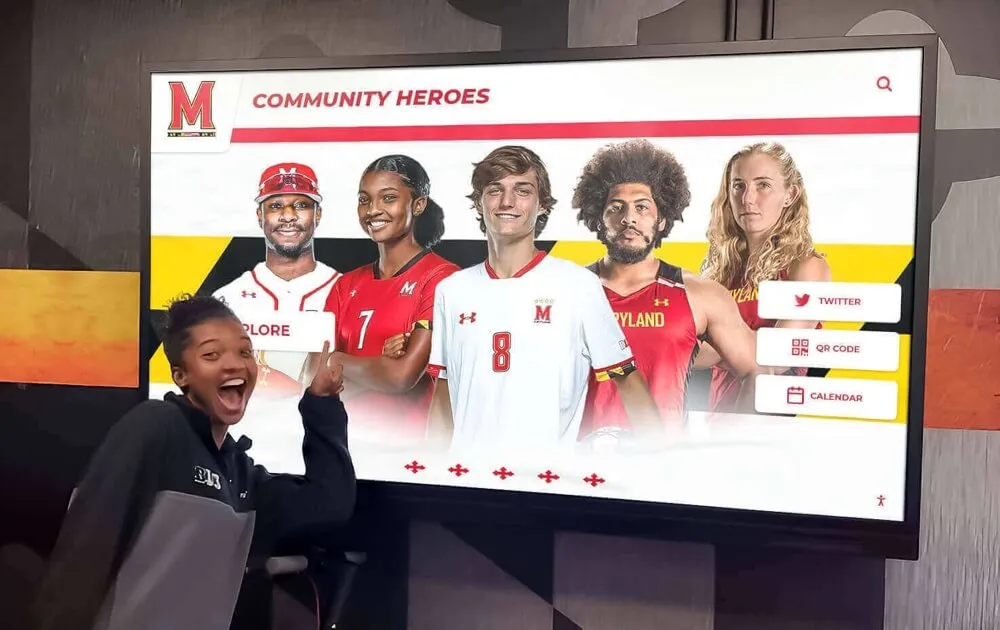
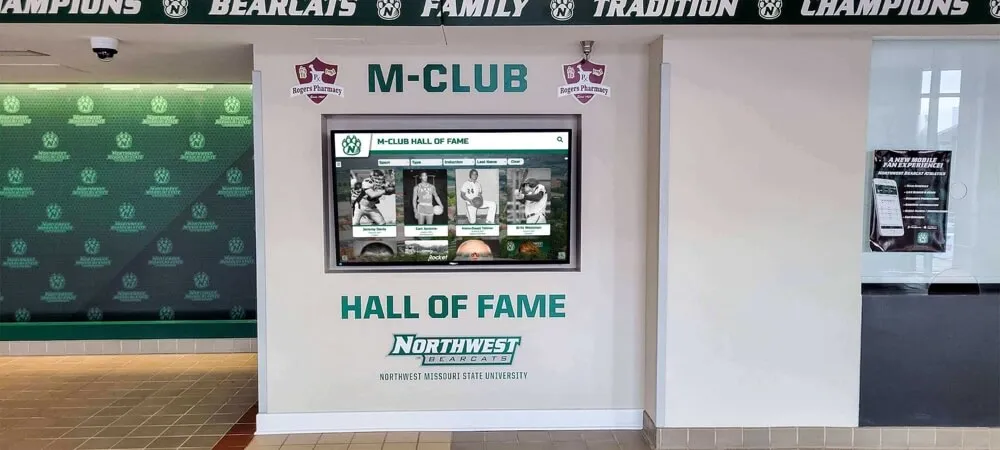
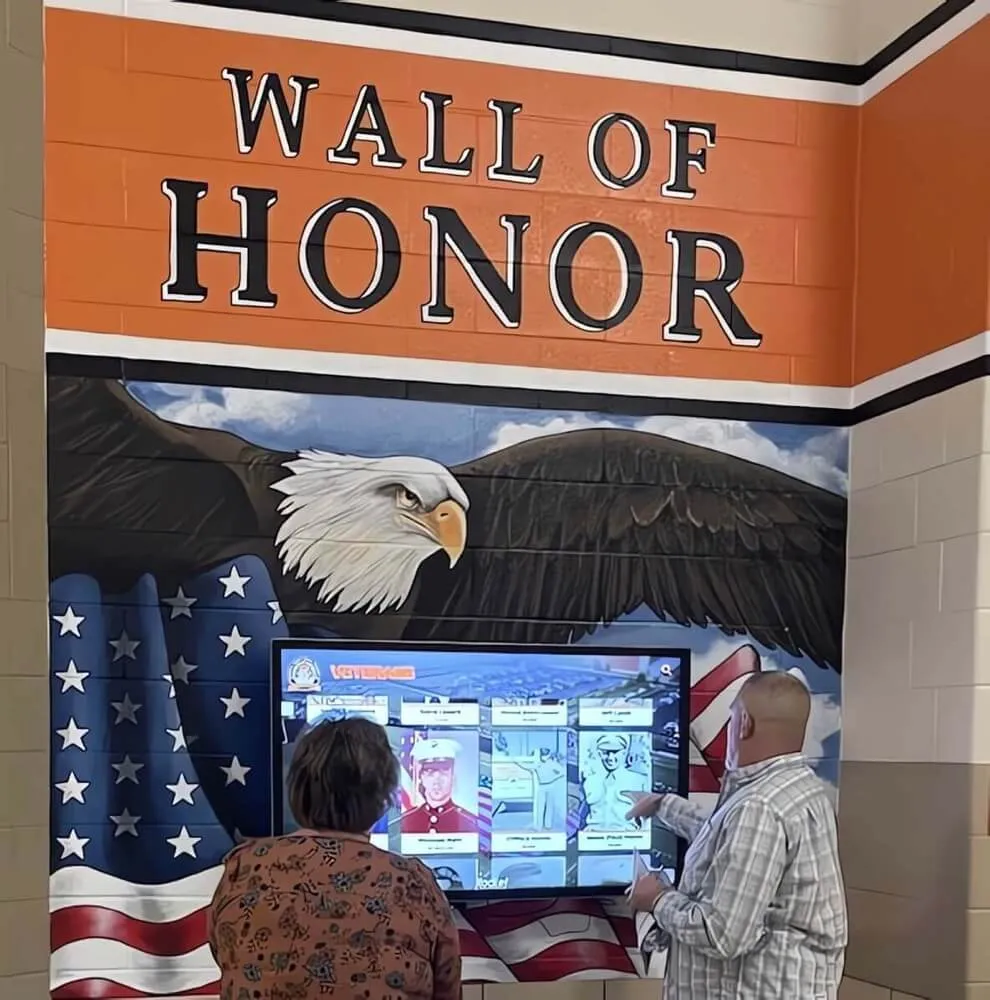
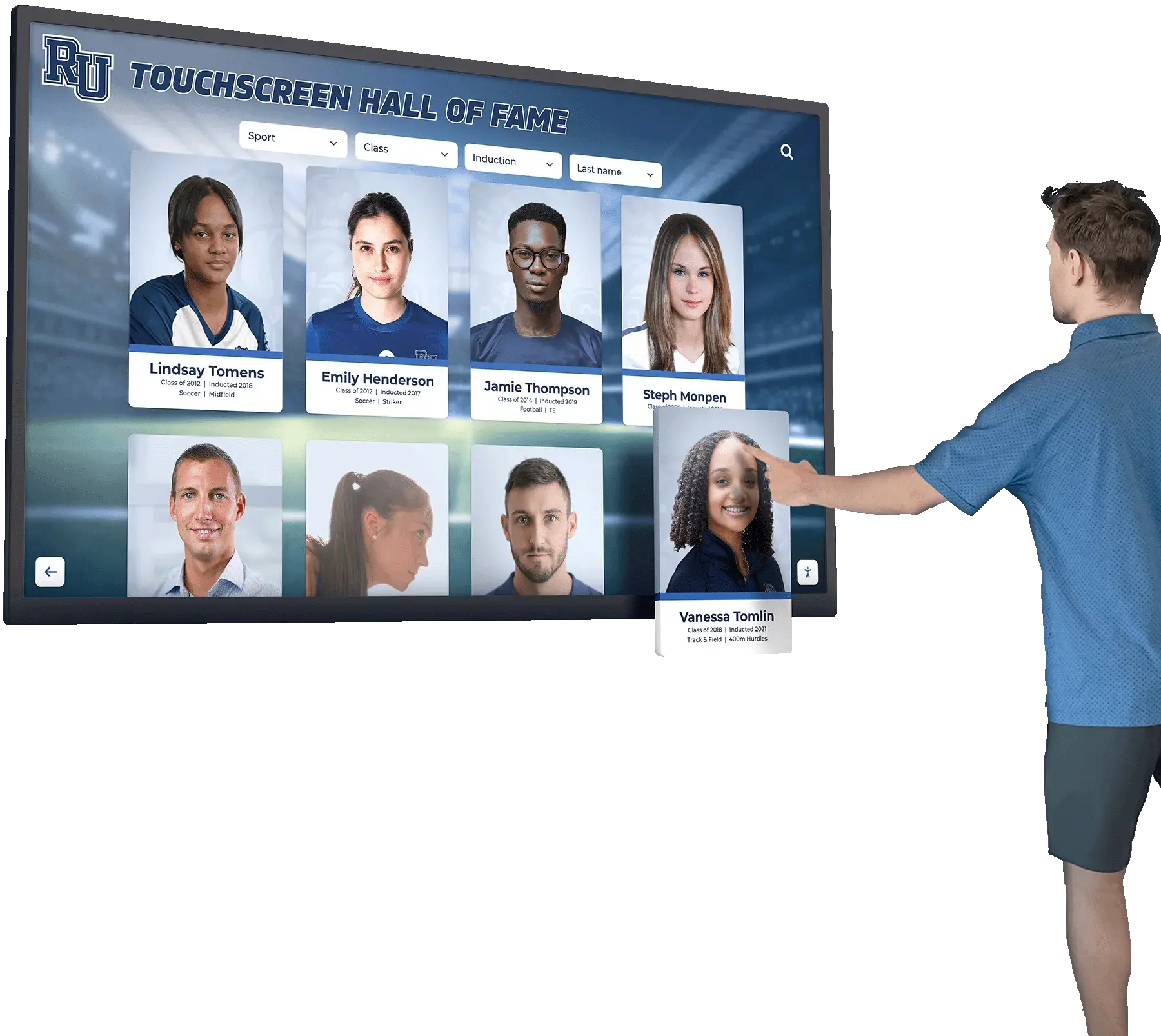
Searchable Databases: Digital platforms allow students, families, and visitors to search recognition databases by name, year, achievement category, or other criteria. This searchability helps students find their own achievements, discover what classmates accomplished, or explore what recognition they might work toward.
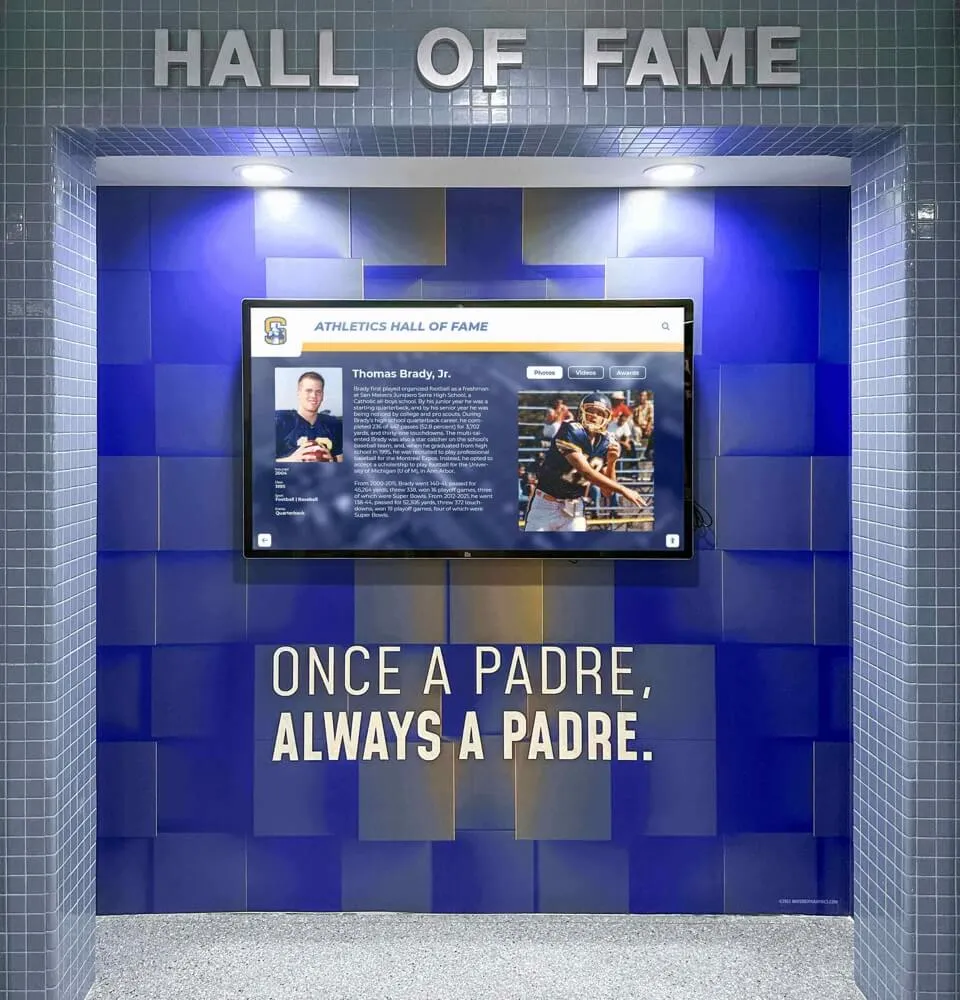
Multimedia Integration: Digital systems showcase not just names and achievement titles but also photos, video highlights, detailed accomplishments, and biographical information. This rich content makes recognition more meaningful and engaging than simple name lists.
Remote Content Management: Modern recognition platforms like Rocket Alumni Solutions allow schools to update content remotely without physical modifications or on-site technical work. Administrators add new honor roll students from their offices, update athletic achievements after competitions, or feature different students monthly through simple web interfaces.
Accessibility and Inclusion: Digital displays support accessibility features like adjustable text sizes, screen reader compatibility, and multiple language support that make recognition information available to all community members including those with visual impairments or limited English proficiency.
Ensuring Awards Programs Support All Students
The most effective middle school awards programs avoid common pitfalls that can make recognition systems feel exclusive or demotivating for students who don’t receive frequent awards.
Multiple Pathways to Recognition: Design programs ensuring every student has realistic opportunities for recognition through their middle school years. When only students with perfect grades, exceptional athletic talent, or specific backgrounds receive awards, the program fails to motivate broader populations. Include recognition categories honoring improvement, effort, character, unique talents, and diverse contributions.
Balancing Individual and Team Recognition: Some students excel at individual achievement while others thrive in collaborative contexts. Include both individual awards and team-based recognition ensuring different working styles receive validation.
Avoiding Destructive Competition: While some competition motivates students, excessive competitive pressure during vulnerable middle school years can damage mental health and create toxic peer dynamics. Frame awards as personal achievement rather than defeating others, emphasize individual growth over comparative rankings, and avoid public shaming of students who don’t receive recognition.
Recognizing Diverse Intelligence and Talents: Traditional awards programs emphasize academic and athletic achievement, potentially marginalizing students whose strengths lie elsewhere. Create categories honoring artistic talents, technical skills, social-emotional intelligence, and practical contributions that demonstrate the school values diverse forms of excellence.
Cultural Sensitivity: Ensure awards programs respect diverse cultural backgrounds and family circumstances. Be mindful that some students face challenges affecting achievement—family responsibilities, food insecurity, housing instability, learning differences, or other factors beyond their control. Balance recognition of achievement with acknowledgment that not all students start from equal positions.
Preserving and Showcasing Recognition History
Middle school awards represent more than momentary recognition—they document institutional history, preserve student achievement records, and create alumni connections that can last decades. Yet many schools struggle with recognition record-keeping:
Traditional approaches—filing paper certificates, maintaining physical trophy cases, or storing awards data in disconnected systems—limit accessibility, make historical research difficult, and fail to leverage recognition history for alumni engagement or institutional storytelling. As students graduate and years pass, their middle school achievements often disappear from institutional memory except for dusty plaques gathering cobwebs in forgotten corners.
Modern recognition platforms address these limitations by maintaining comprehensive, searchable databases of student achievement over time. Schools can preserve middle school award history indefinitely, making it accessible to alumni seeking their records, researchers studying achievement patterns, or prospective families exploring school culture. Interactive displays allow community members to explore recognition history by year, category, or individual name, transforming static archives into engaging experiences.
For middle schools planning comprehensive awards programs, digital recognition systems like those provided by Rocket Alumni Solutions offer infrastructure supporting both current recognition needs and long-term historical preservation. These platforms showcase today’s achievers through visible, engaging displays while simultaneously building databases that preserve institutional memory for future generations.
Ready to create a comprehensive awards program that celebrates your middle school students’ diverse achievements? Rocket Alumni Solutions provides interactive digital displays that showcase student recognition across academic, athletic, character, and extracurricular categories. Our touchscreen platforms feature unlimited student profiles, searchable databases, multimedia integration, and remote content management—making it simple to maintain current recognition while preserving achievement history for years to come. Contact us to explore how digital recognition displays can enhance your awards program and create lasting celebration of student success throughout your school community.