Athletic programs face a fundamental question: how do we motivate athletes at all skill levels while building inclusive cultures that celebrate diverse forms of excellence? Star performers naturally receive recognition through MVP awards, statistical achievements, and championship celebrations. Yet the athletes who demonstrate remarkable growth—transforming from uncertain beginners into confident contributors or from adequate performers into genuine difference-makers—often lack equivalent acknowledgment despite exemplifying the dedication and coachability every program values.
The Most Improved Player award represents one of athletics’ most powerful recognition tools precisely because it celebrates controllable factors rather than natural talent alone. When programs implement thoughtful Most Improved recognition that honors genuine development through objective evidence and meaningful criteria, they create motivation systems where every athlete can pursue excellence regardless of starting ability.
This comprehensive guide explores proven strategies for implementing Most Improved Player awards across athletic programs, from establishing clear selection criteria and gathering evidence systematically to presenting recognition that inspires continued growth and building cultures that value improvement as genuine achievement.

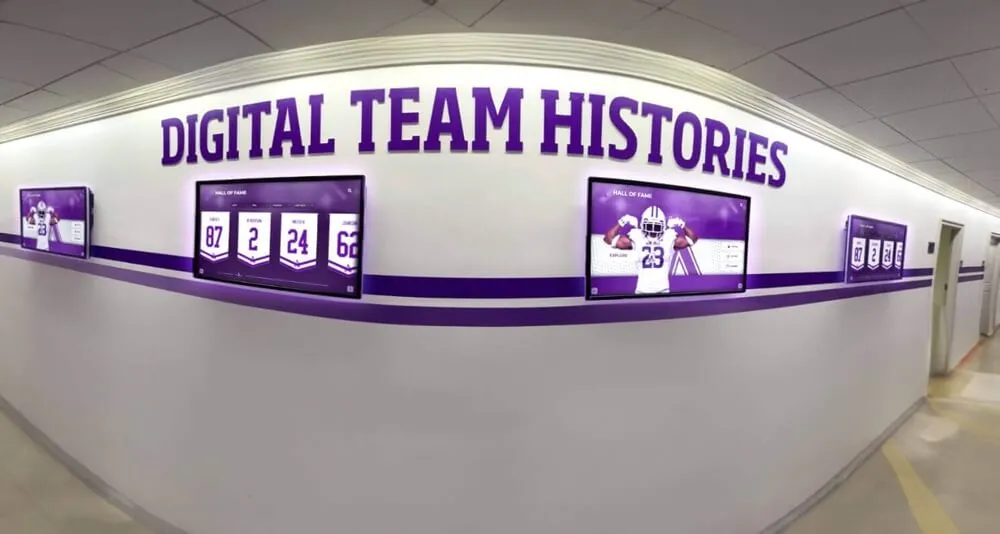
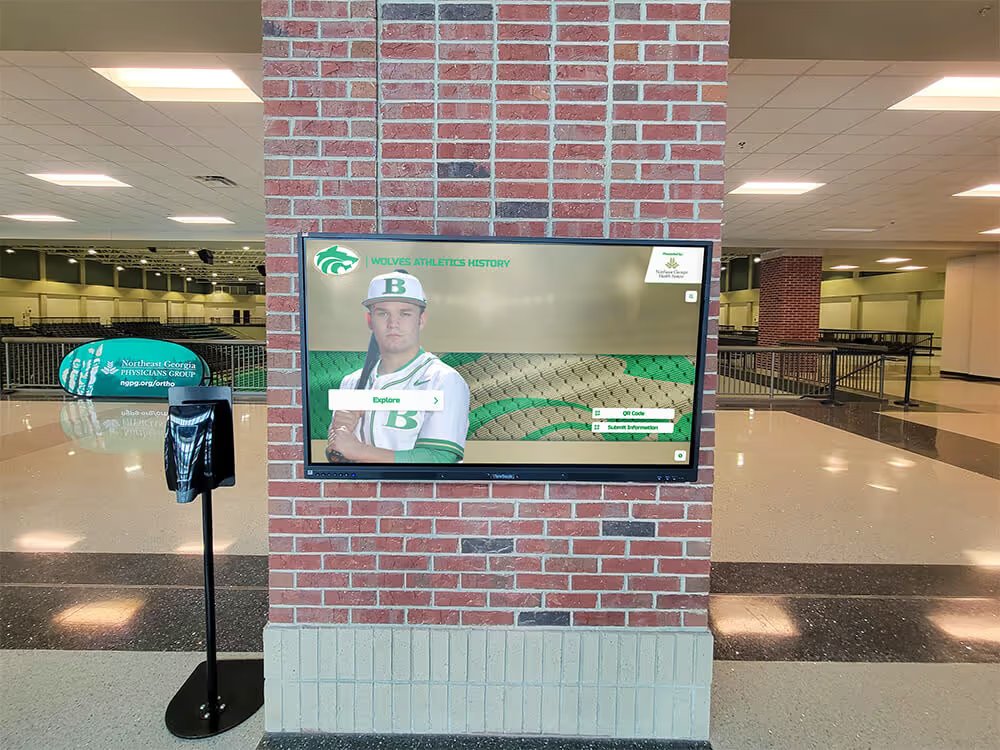
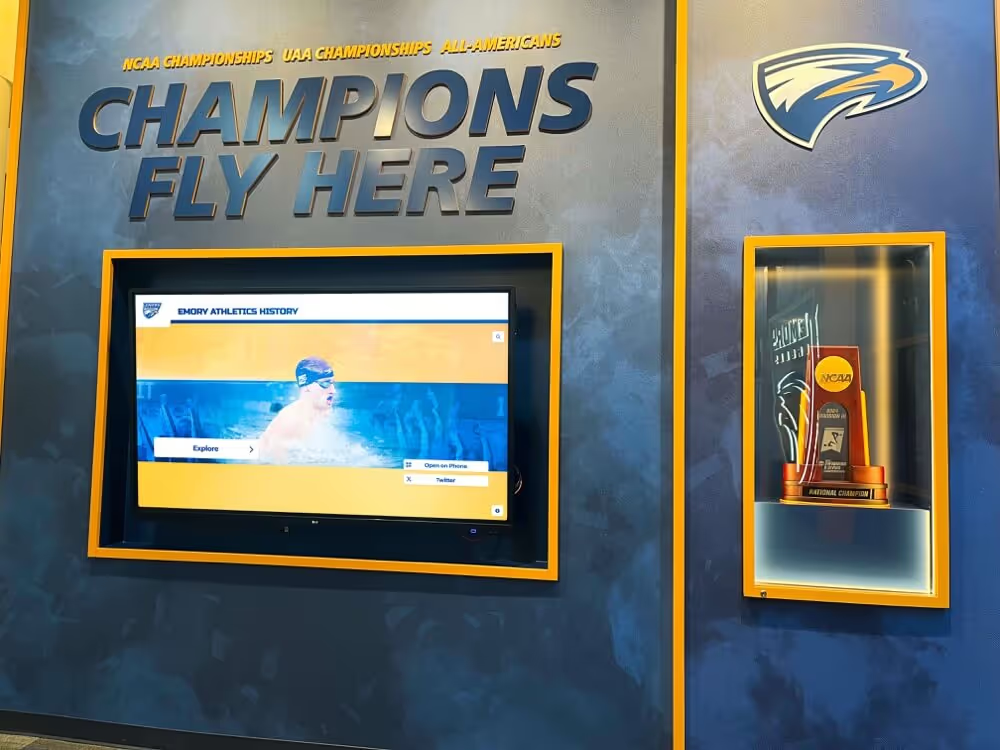
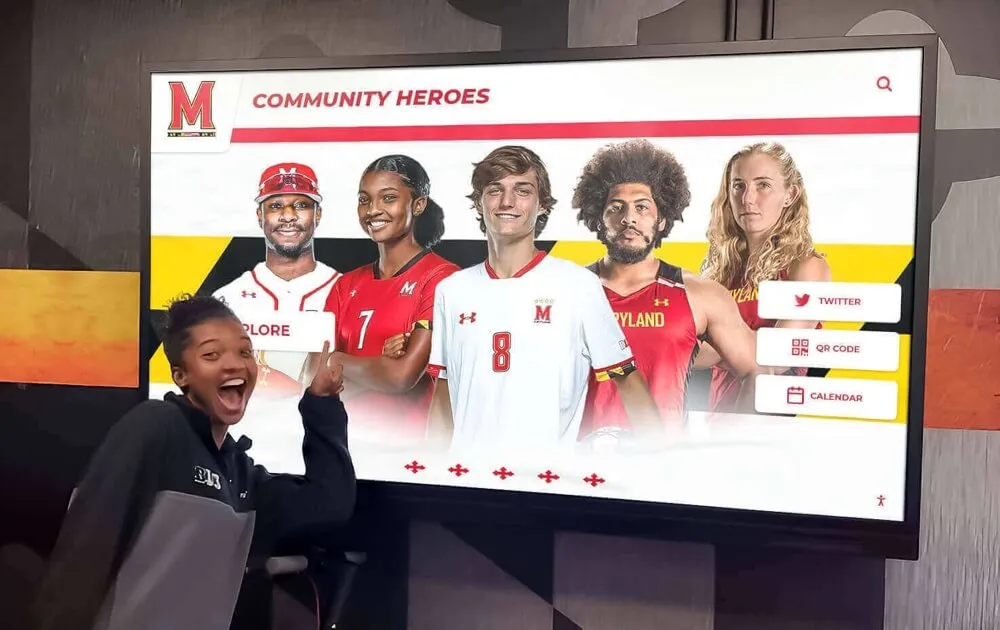
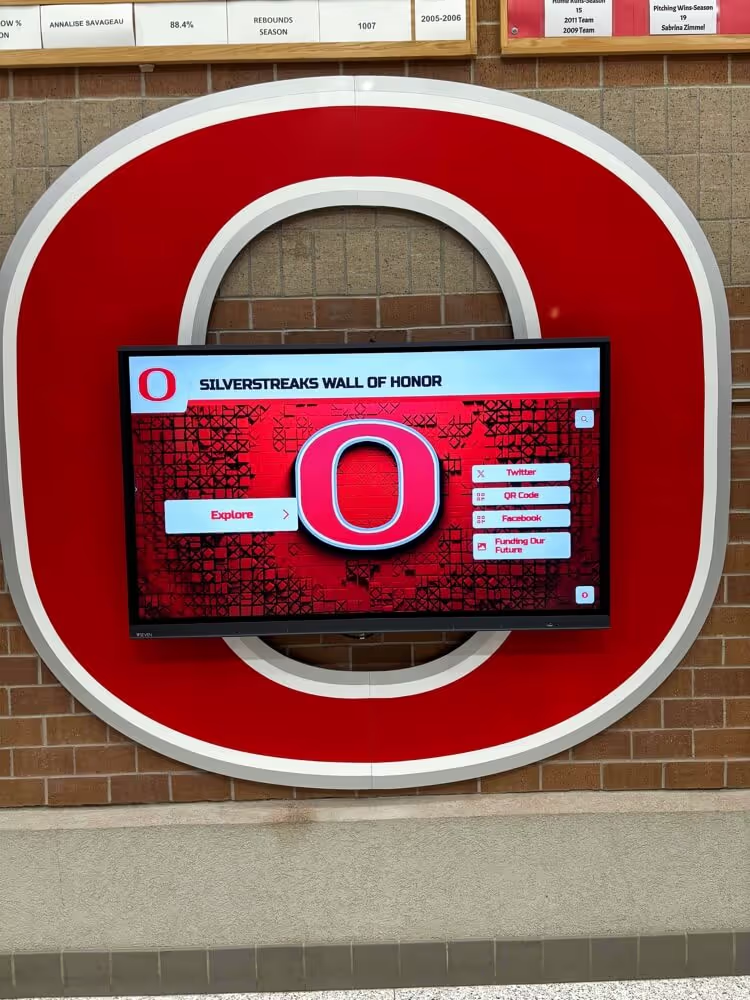
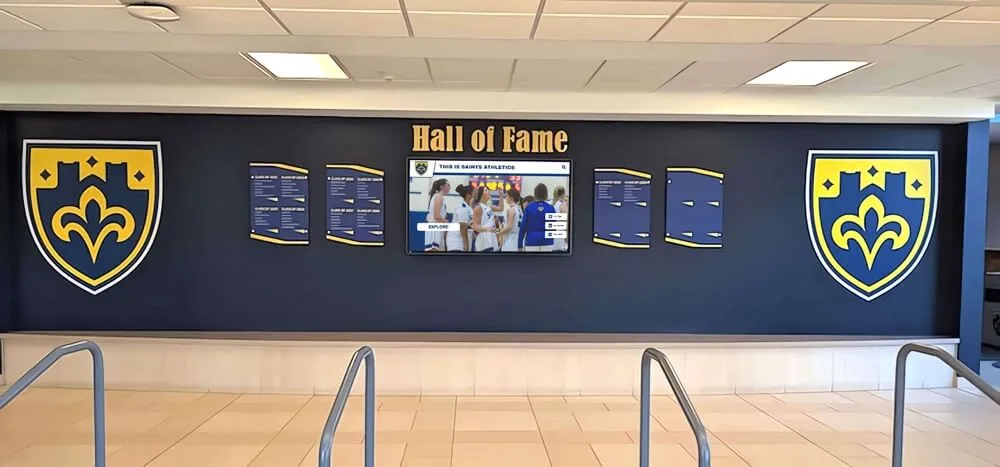
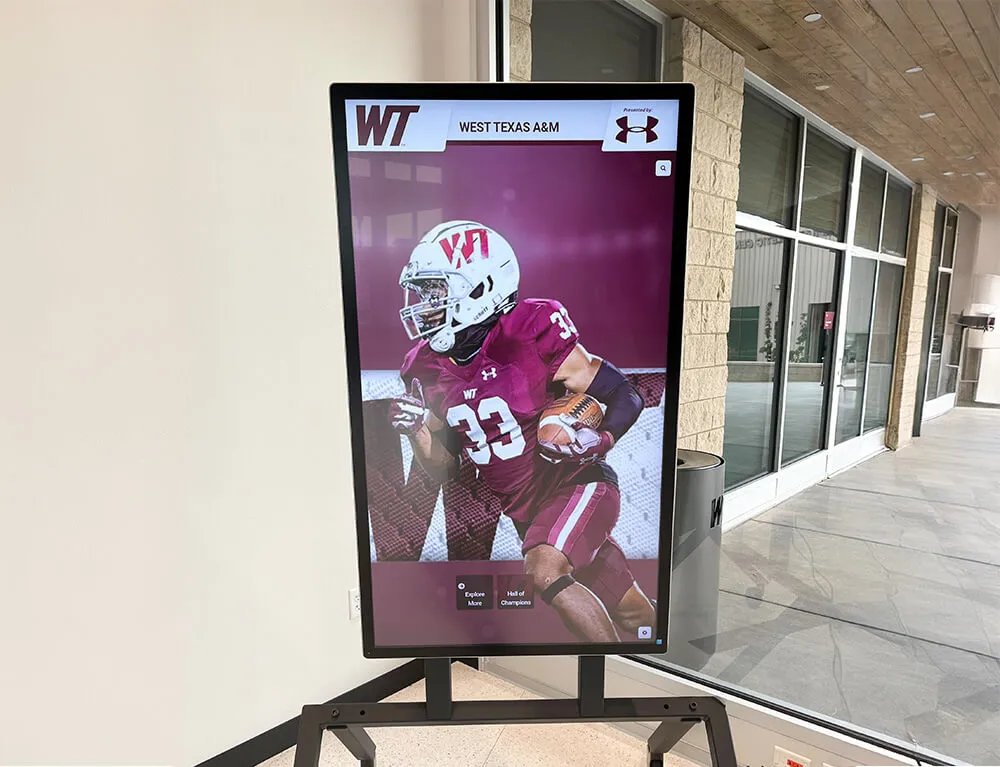
Modern recognition displays enable athletic programs to document athlete journeys from beginning seasons through remarkable improvement
Understanding the Value of Most Improved Player Recognition
Before exploring implementation mechanics, understanding why Most Improved recognition matters helps athletic directors and coaches develop approaches that maximize developmental impact.
Celebrating Controllable Excellence
Athletic achievement typically involves factors beyond athlete control—natural physical attributes, early sport exposure, family resources enabling specialized training, and genetic advantages in speed, size, or coordination. While programs should certainly celebrate athletes blessed with exceptional talent, recognition focused exclusively on outcomes implicitly suggests that excellence remains accessible only to naturally gifted individuals.
Most Improved Player awards fundamentally differ because they celebrate factors every athlete controls regardless of starting point. Dedication to practice, coachability and willingness to implement feedback, work ethic extending beyond required team activities, mental toughness through setbacks, and commitment to skill development all represent choices rather than genetic gifts.
When programs establish that improvement itself deserves recognition equal to absolute performance levels, they communicate powerful messages about effort, growth mindset, and the value of continued development. Athletes learning that their commitment to getting better receives institutional acknowledgment develop stronger motivation to persist through challenges rather than concluding that recognition remains forever out of reach for those not naturally talented.
Creating Inclusive Recognition Systems
Traditional athletic awards often concentrate recognition among the same small group of elite performers year after year. MVP, leading scorer, best defender, and championship team members typically represent programs’ most naturally talented athletes who dominate statistics and performance outcomes.
This concentration creates problematic dynamics where significant portions of rosters—athletes contributing valuable depth, demonstrating strong character, and maintaining commitment despite limited playing time—receive minimal acknowledgment of their athletic participation. When only stars get celebrated, programs risk losing the committed role players whose depth enables team success.
Most Improved Player awards broaden recognition beyond elite performers by honoring development trajectories rather than absolute ability. The athlete who improved from barely making the team to earning regular playing time deserves celebration for that growth even if they never become a statistical leader. The returning player who dedicated their off-season to skill development and returned noticeably better has achieved something worthy of recognition regardless of whether improvement elevated them to star status.
Programs implementing robust Most Improved recognition alongside traditional achievement awards create inclusive cultures where diverse paths to acknowledgment exist. Understanding comprehensive approaches to academic recognition programs helps athletic departments develop similar multi-dimensional systems celebrating various forms of excellence.

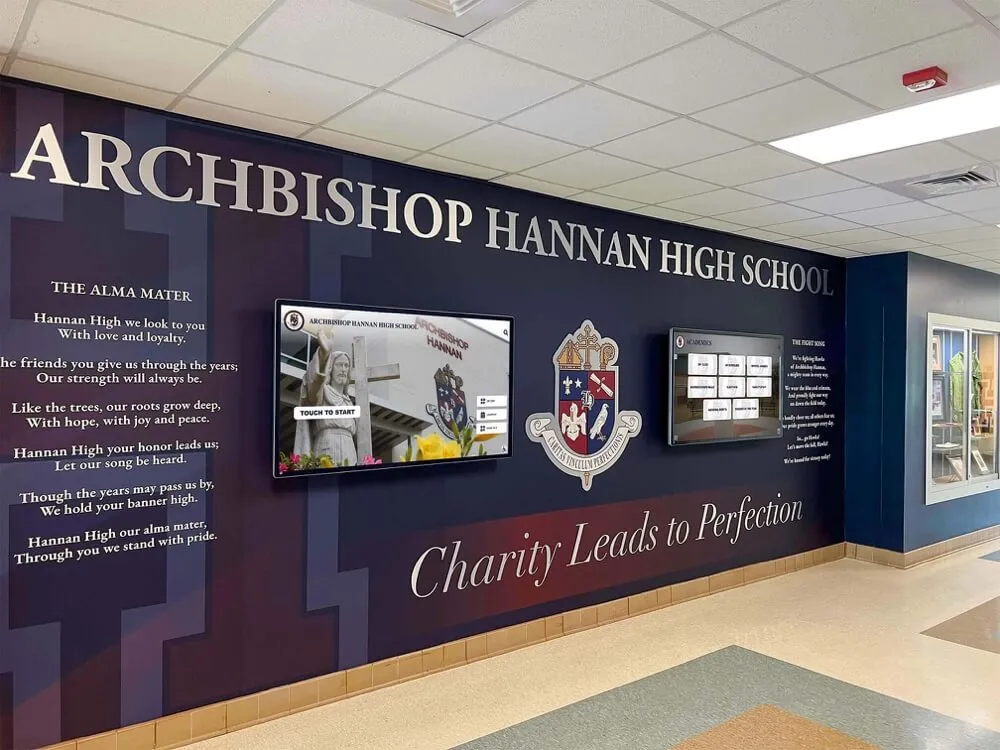
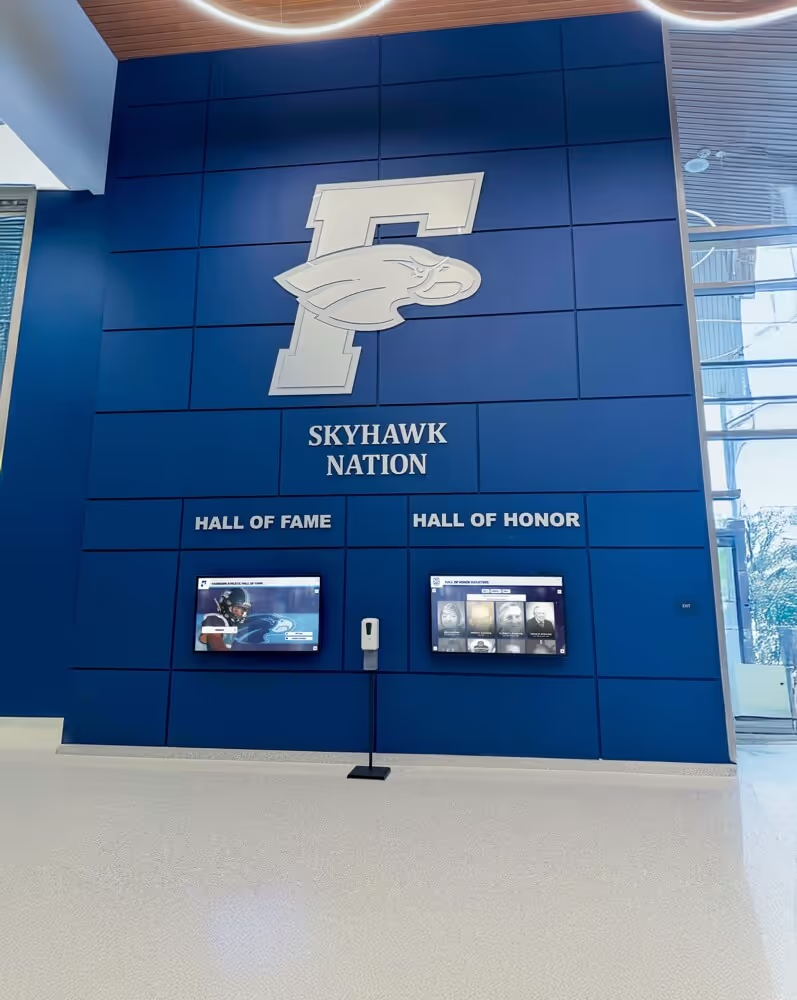
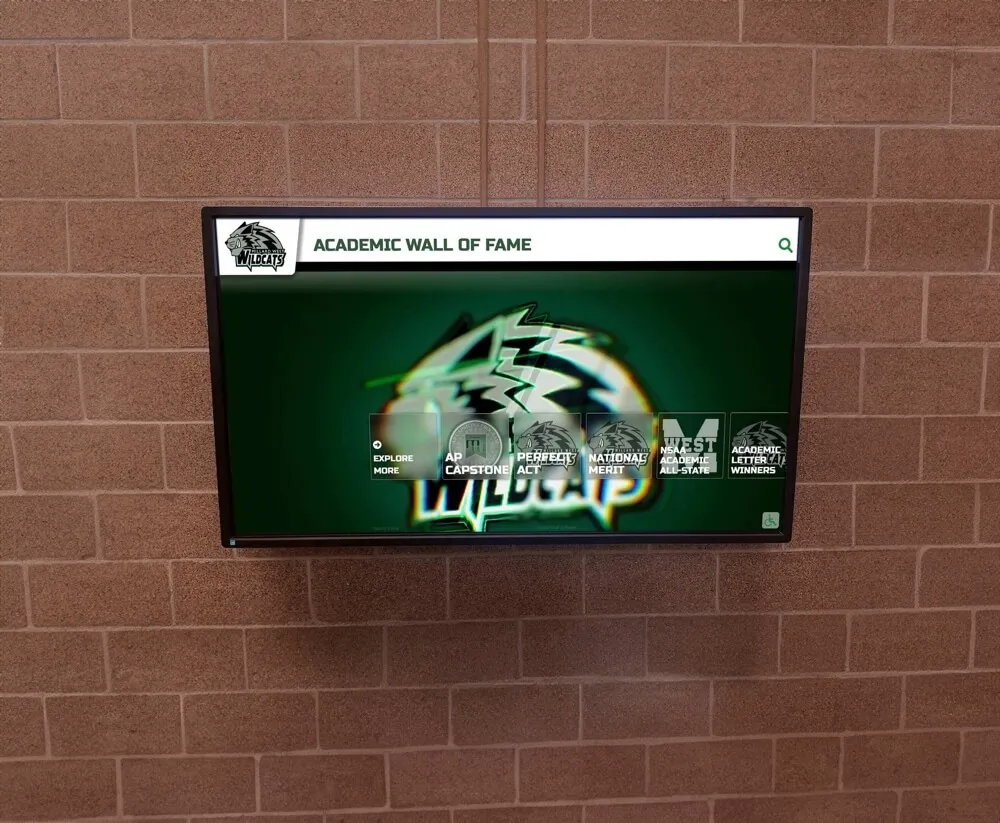
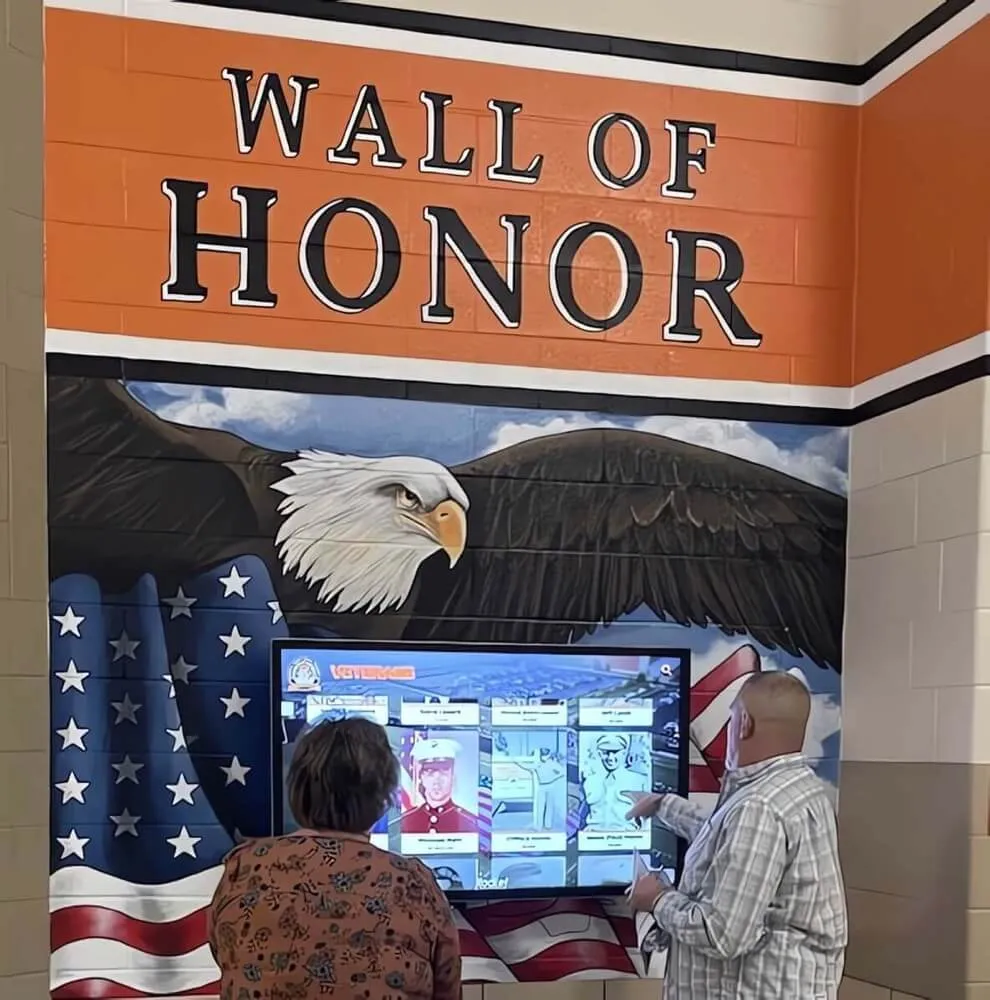
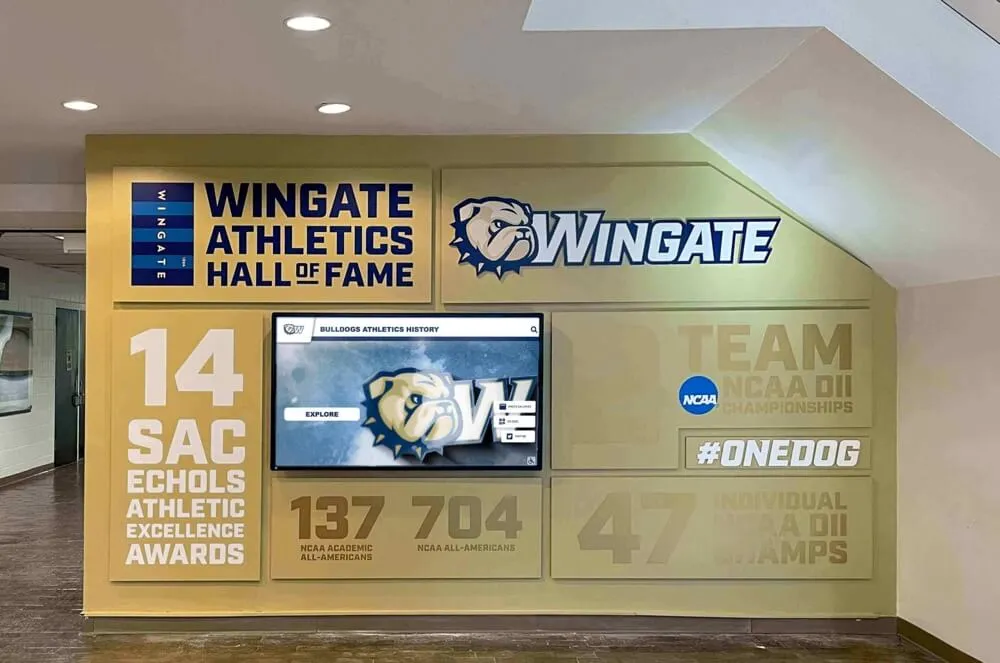
Comprehensive recognition systems celebrate both absolute achievement and remarkable improvement across athletic careers
Teaching Growth Mindset Principles
Educational research on growth mindset demonstrates that students’ beliefs about whether abilities are fixed or developable significantly impacts their persistence, effort levels, and ultimate achievement. Athletes who view their capabilities as fixed traits tend to avoid challenges that might expose limitations, give up quickly when encountering difficulty, and feel threatened by others’ success. Conversely, athletes with growth mindsets embrace challenges as learning opportunities, persist through setbacks, and find inspiration in teammates’ accomplishments.
Most Improved Player recognition inherently reinforces growth mindset principles by demonstrating that current ability doesn’t determine future potential. When programs systematically celebrate athletes who were previously limited but became contributors through sustained effort, they provide concrete evidence that dedication produces results.
This messaging particularly impacts younger athletes still forming beliefs about their athletic potential. The middle school basketball player struggling with fundamentals who witnesses a high school teammate receive Most Improved recognition for transforming from similar struggles into a solid contributor learns that their current limitations don’t define permanent capability. Such examples create hope and motivation far more effectively than abstract encouragement.
Athletic programs benefit from understanding how sports banquet recognition can highlight growth stories alongside traditional achievement celebration.
Establishing Clear Most Improved Player Criteria
Effective Most Improved recognition requires objective standards that make selections transparent, defensible, and genuinely meaningful rather than subjective favoritism or arbitrary choices.
Defining Measurable Improvement Dimensions
The first step involves identifying specific, observable dimensions where improvement can be documented systematically rather than relying on vague impressions of who “got better.”
Skill-Based Improvement Metrics
Different sports offer various measurable skills providing objective improvement evidence:
- Basketball: free throw percentage, three-point shooting accuracy, assists per game, rebounds per game, defensive statistics
- Baseball/Softball: batting average, on-base percentage, earned run average, fielding percentage, stolen base success rate
- Track and Field: event times, jumping distances, throwing distances with direct before-and-after measurements
- Swimming: race times across various distances and strokes
- Soccer: goals scored, assists, shots on goal, defensive stops, goalkeeper save percentage
- Volleyball: serving accuracy, kill percentage, dig totals, block statistics
- Wrestling: takedown success rates, escape percentages, pin times, match win percentages
- Football: completion percentage, rushing yards per carry, tackles per game, receiving yards
Programs should identify 3-5 key measurable statistics relevant to each sport, then systematically track these metrics throughout seasons to provide objective improvement documentation.
Performance-Based Improvement Evidence
Beyond statistics, observable performance changes provide improvement evidence including playing time increases reflecting coaching trust, advancement in depth chart position, selection for more significant game roles, performance in higher-pressure situations, and contributions during playoff or championship competitions.
Document these changes systematically. “Sarah began the season as our seventh guard averaging 4 minutes per game; by season’s end she was in our regular rotation averaging 18 minutes and started three playoff games” provides concrete performance improvement evidence supporting Most Improved consideration.
Practice and Training Improvement Indicators
Improvements visible during practices and training demonstrate development even when game statistics don’t fully capture growth:
- Increased intensity and focus during practice sessions
- Successful execution of advanced skills or plays
- Improved conditioning and stamina
- Enhanced understanding of strategic concepts
- Stronger leadership and communication
- Better coachability and response to feedback
Coaches should maintain notes throughout seasons documenting these practice improvements so selection decisions rest on accumulated evidence rather than recent memory alone.
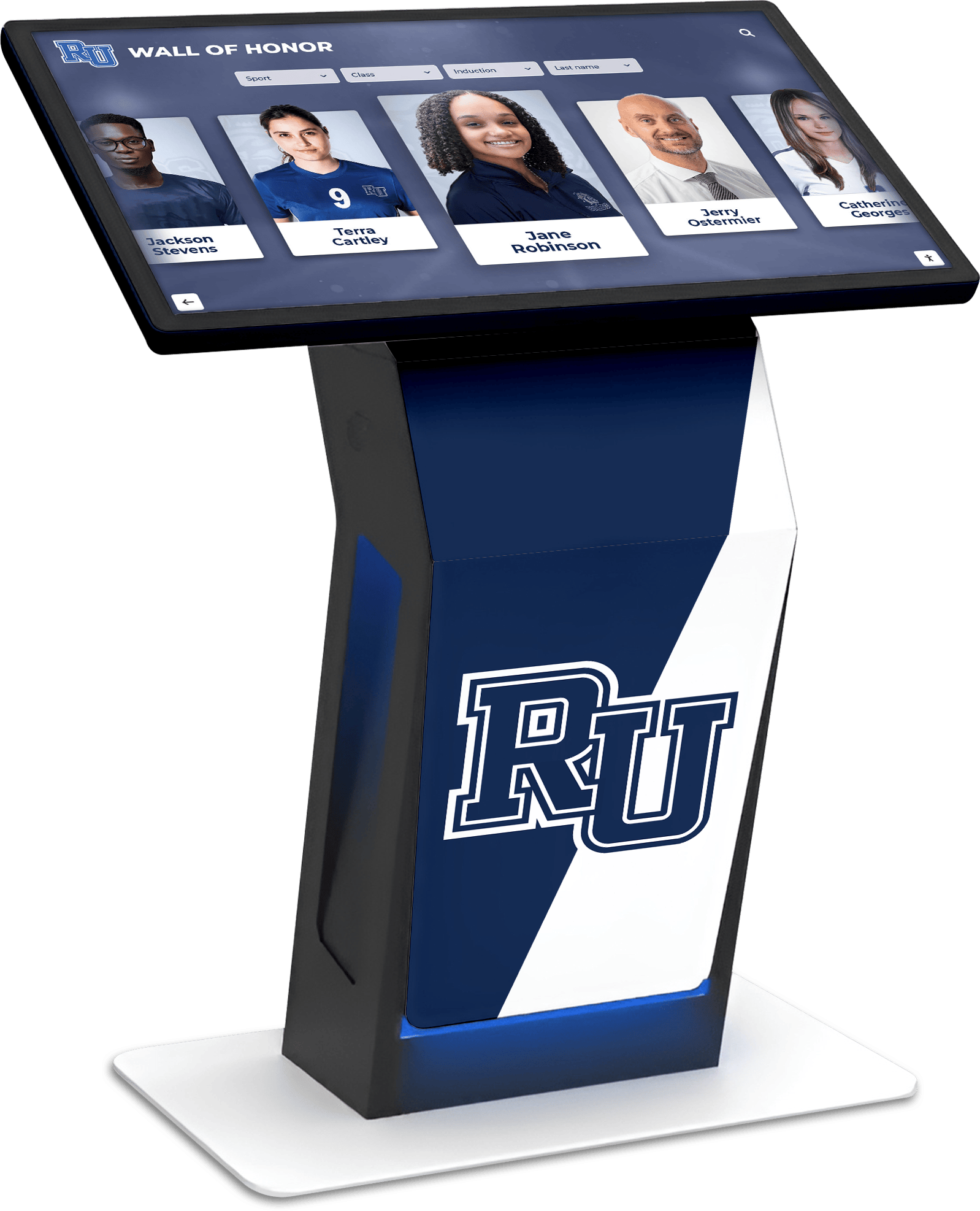
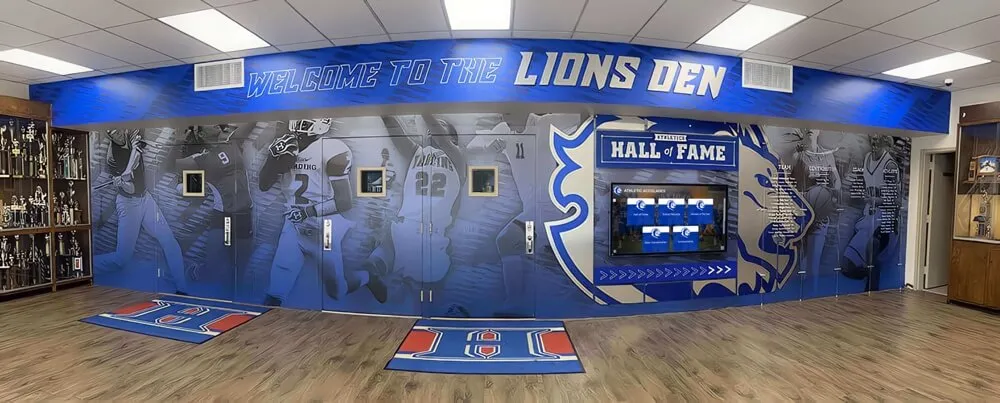
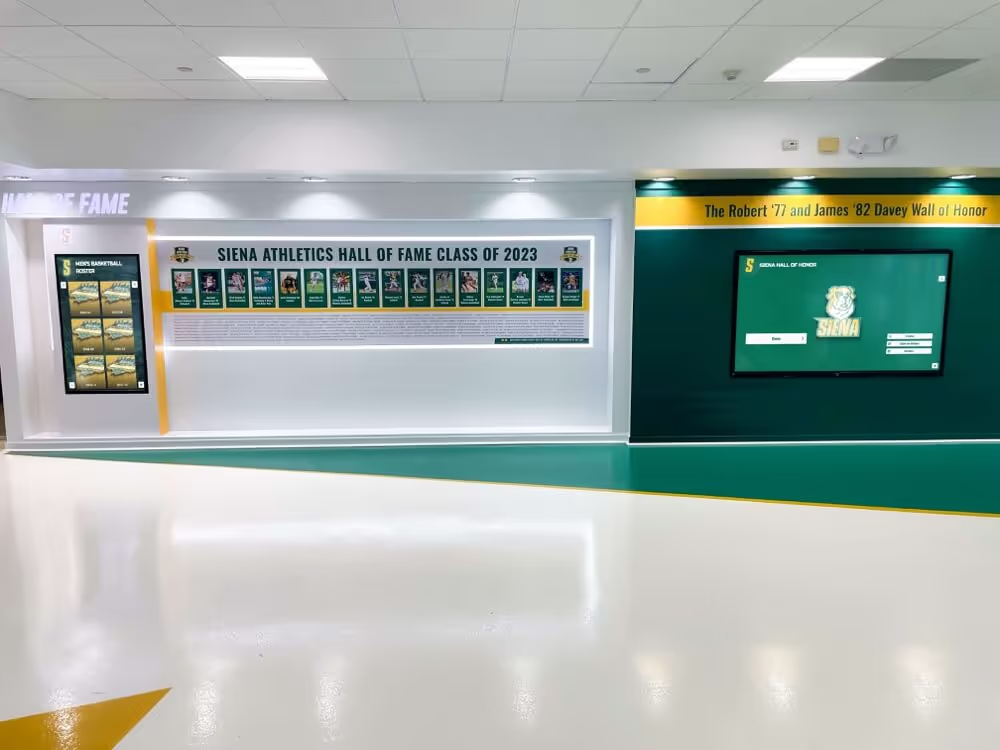
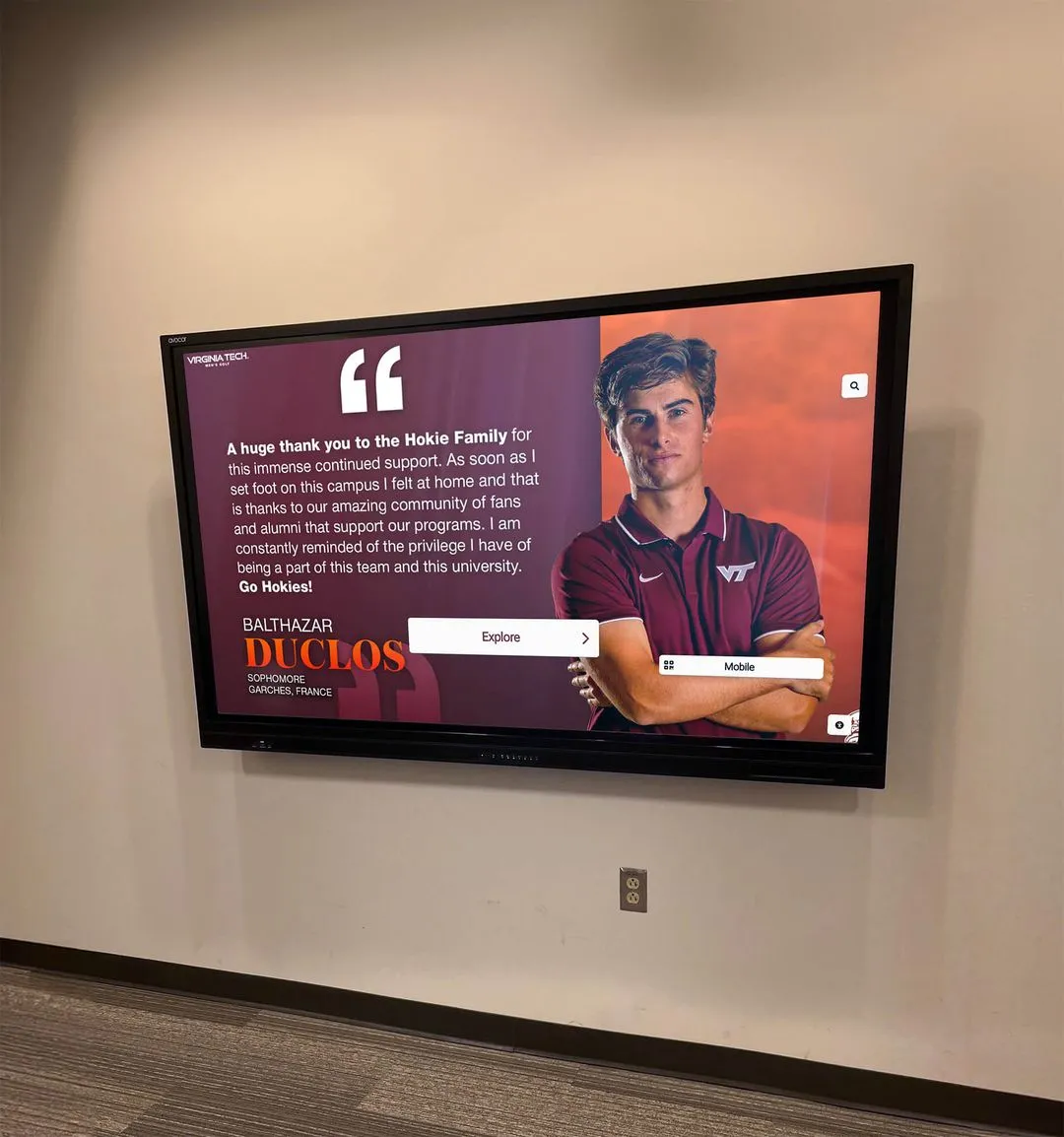
Digital recognition systems allow programs to document athlete improvement through statistical progression and narrative development stories
Creating Beginning and End-of-Season Assessments
Most Improved Player recognition gains credibility and impact when based on documented baseline comparisons rather than subjective impressions of improvement.
Pre-Season Skill Evaluations
Conduct systematic skill assessments at season beginnings measuring capabilities that programs intend to develop:
For basketball programs, this might include free throw shooting tests (percentage out of 20 attempts), three-point shooting accuracy, timed defensive slide drills, dribbling courses measuring ball control, and vertical jump measurements indicating athletic development.
For track programs, early-season time trials in each athlete’s events provide baseline measurements for improvement tracking. Wrestling programs can document beginning-of-season technique assessments in takedowns, escapes, and other fundamental skills.
The key involves creating consistent evaluation protocols applied to all athletes, producing comparable data showing each athlete’s starting capabilities. These assessments need not be elaborate—simple, repeatable skill tests requiring 5-10 minutes per athlete suffice to establish baselines.
Mid-Season Progress Checks
Reassess key skills at mid-season to document improvement trajectories and identify athletes showing remarkable development. These checkpoints provide improvement evidence while giving coaches data for adjusting training approaches for athletes not showing expected progress.
Mid-season assessments also allow coaches to communicate improvement recognition before season’s end: “Marcus, your free throw percentage improved from 42% to 68% in the first half of the season—that’s exceptional progress demonstrating your practice dedication.” Such feedback reinforces that coaches notice and value improvement while motivating continued dedication.
End-of-Season Final Assessments
Repeat initial assessments at season conclusions using identical protocols, producing direct before-and-after comparisons quantifying improvement objectively. This data transforms Most Improved selection from subjective opinion into evidence-based recognition backed by objective measurements.
Present this evidence during award ceremonies: “When Madison started the season, she ran the 400 meters in 68.2 seconds. Through dedicated training and exceptional work ethic, she finished the season at 62.8 seconds—a 5.4-second improvement representing tremendous development.” Such specific evidence makes recognition meaningful while teaching all athletes that improvement can be measured and celebrated.
Programs exploring comprehensive athletic recognition benefit from understanding how senior class awards document cumulative growth across entire athletic careers.
Balancing Statistics with Holistic Development
While measurable data provides valuable objectivity, some forms of improvement resist statistical capture yet deserve recognition consideration.
Leadership and Maturity Growth
Athletes often develop leadership capabilities, emotional maturity, and team contribution beyond statistical measures. The sophomore who began the season as a quiet, self-focused player but emerged as a vocal leader who elevated teammates’ performance has improved significantly even if individual statistics remained relatively stable.
Character and Sportsmanship Development
Growth in controlling emotions, accepting coaching feedback gracefully, supporting teammates consistently, and representing programs with class represents genuine improvement deserving acknowledgment. Athletes who struggled with attitude issues early in seasons but matured into positive presences have improved in ways that may matter more long-term than statistical development.
Mental Toughness and Competitive Spirit
Some athletes show remarkable growth in confidence, competitive fire, and ability to perform under pressure. The athlete who was tentative and risk-averse early but became aggressive and confident late in seasons has demonstrated psychological development that statistics may not fully capture.
Document these qualitative improvements through coaching staff observations, specific incident examples, and peer feedback. While subjective elements require careful handling to avoid favoritism perceptions, genuine character and leadership growth deserves recognition alongside measurable skill development.
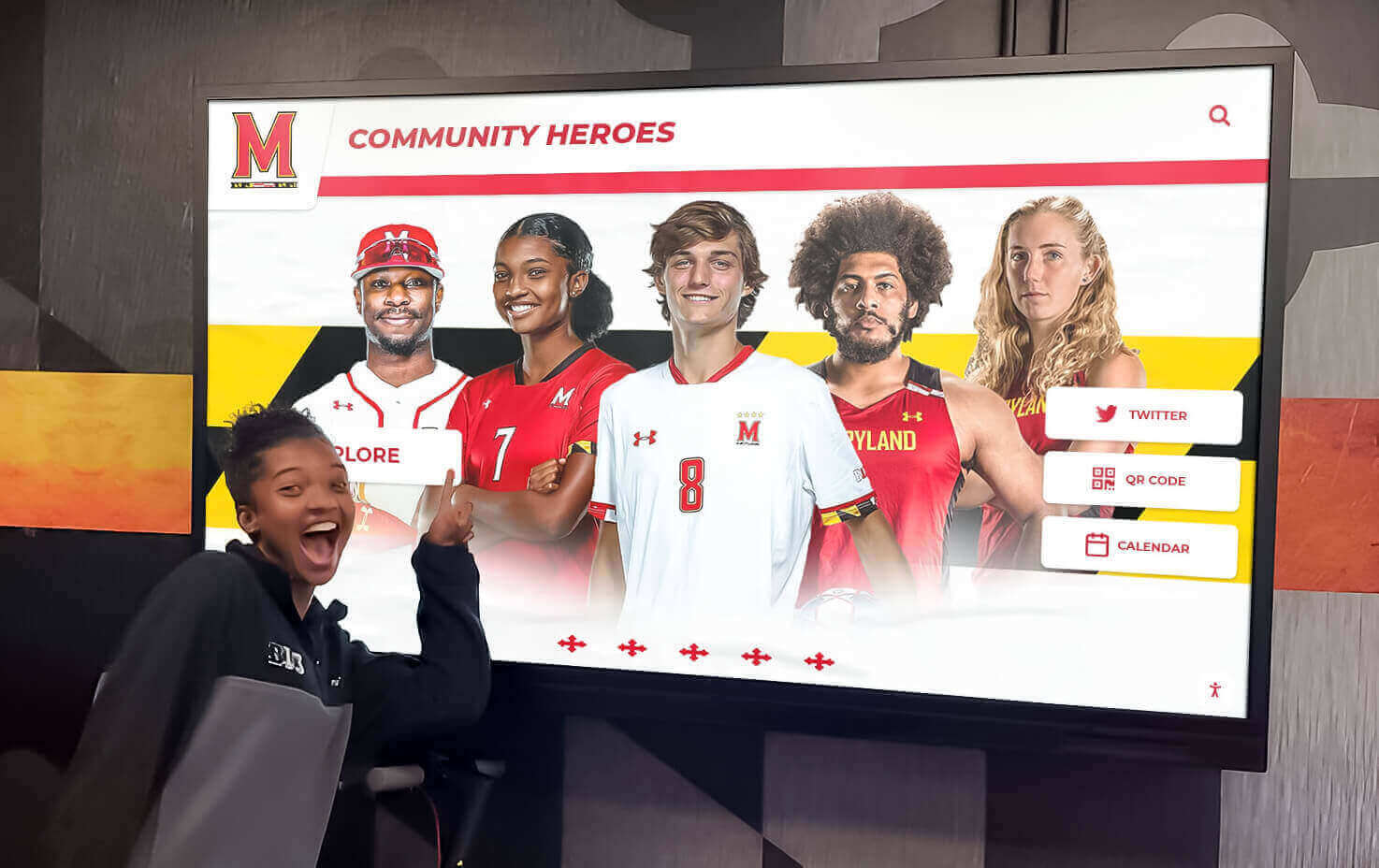
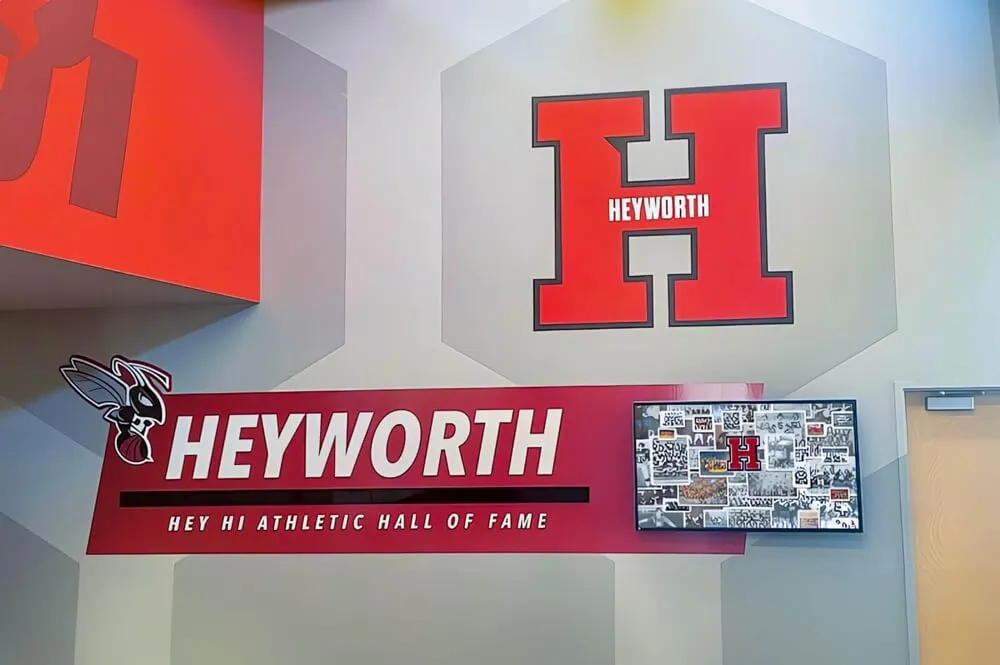
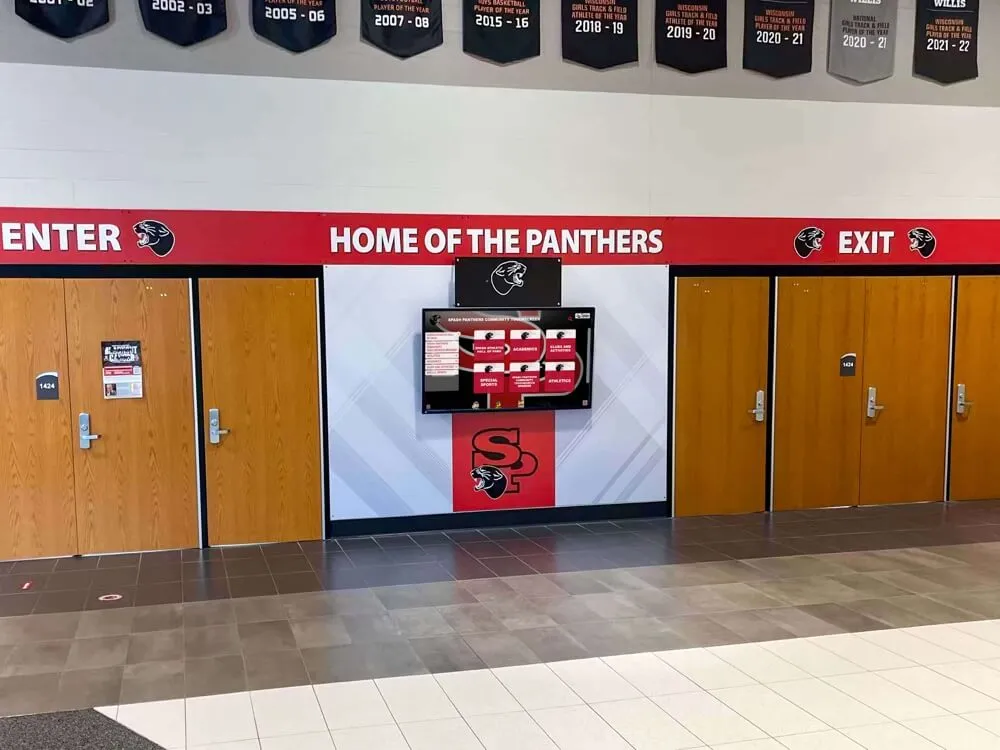
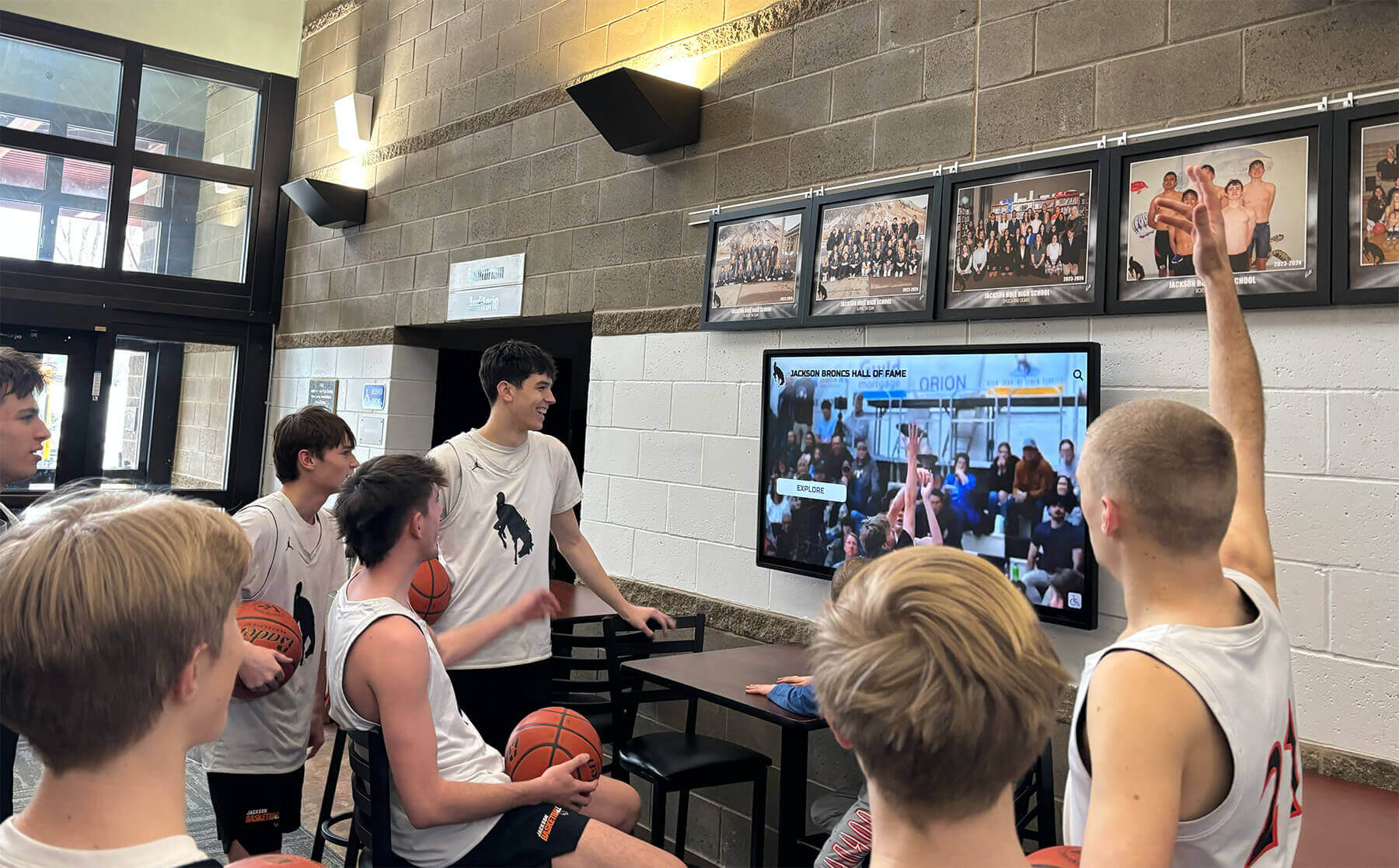
Recognition displays engage athletes by documenting both statistical achievements and personal growth narratives
Implementing Most Improved Player Selection Processes
Clear, transparent selection processes ensure Most Improved recognition maintains credibility while fairly identifying athletes who genuinely demonstrated exceptional development.
Single Recipient vs. Multiple Categories
Athletic departments must decide whether to present single Most Improved Player awards or create multiple recognition categories honoring improvement across different dimensions.
Single Most Improved Award Approach
Traditional approaches select one team member for Most Improved Player recognition each season. This maintains award prestige by establishing that only truly exceptional improvement earns recognition while creating clear selection focus.
Single award approaches work well for smaller programs with limited roster sizes where selecting multiple recipients might dilute recognition meaning. However, they create challenges when multiple athletes demonstrate comparable improvement or when exceptional development occurs across different dimensions that resist direct comparison.
Multiple Most Improved Categories
Larger programs or those emphasizing inclusive recognition might implement multiple Most Improved categories such as:
- Most Improved Offensive Player
- Most Improved Defensive Player
- Most Improved in Practice/Training
- Most Improved Leadership
- Most Improved Freshman/Sophomore/Junior/Senior
- Most Improved in Position-Specific Skills
Multiple categories enable recognition of diverse improvement types while allowing more athletes to receive acknowledgment for genuine development. This approach reduces situations where several athletes demonstrated exceptional improvement but only one receives recognition.
The key involves maintaining meaningful standards—multiple categories should honor genuinely exceptional improvement in different dimensions, not simply ensure everyone receives something. Programs should explore how high school end-of-year awards balance comprehensive recognition with maintaining award significance.
Coaching Staff Selection Processes
Most programs have coaching staffs make Most Improved determinations based on their direct observation of athlete development throughout seasons. Effective processes ensure selections reflect accumulated season-long evidence rather than recent performance alone or individual coach bias.
Structured Coaching Staff Discussion
Schedule dedicated meetings specifically for award selections distinct from other end-of-season responsibilities. Begin by reviewing documented improvement evidence for all athletes—statistical comparisons, performance evolution, and qualitative development notes maintained throughout seasons.
Have each coaching staff member independently identify their top 2-3 Most Improved candidates with specific evidence supporting each nomination. Discuss these nominations collectively, requiring coaches to present concrete improvement examples rather than general impressions.
This structured approach surfaces diverse perspectives (assistant coaches may notice improvement in athletes they work with more directly than head coaches) while ensuring selections rest on evidence rather than whoever speaks most persuasively in unstructured discussion.
Weighted Criteria Scoring Systems
Some programs create formal scoring rubrics assigning point values across improvement dimensions:
- Statistical improvement (40 points possible)
- Playing time or role advancement (20 points)
- Practice effort and dedication (20 points)
- Leadership and character growth (20 points)
Coaches independently score each athlete across these dimensions, then average scores to identify the highest-rated improvement candidates. While adding administrative burden, formal scoring systems provide transparency and defensibility that helps when families question selection decisions.
Incorporating Peer Input
Some programs involve athletes themselves in Most Improved recognition through peer voting or feedback mechanisms that capture teammate perspectives on who demonstrated exceptional growth.
Structured Peer Nomination Process
Have each team member confidentially nominate 2-3 teammates they believe improved most during the season, providing brief written explanations of why. Compile these nominations, giving coaching staffs additional perspective on whose improvement teammates noticed and valued.
Peer input shouldn’t solely determine selections—teammates may not observe all practice development or understand statistical improvement fully. However, peer nominations provide valuable signals about whose growth made visible impacts on team environments and earned teammate respect.
Combining Coaching and Peer Perspectives
Programs might weight coaching assessment at 70-80% while giving peer nominations 20-30% influence on final selections. This combined approach leverages coaching staffs’ comprehensive season-long observation while acknowledging that teammates possess valuable insight into whose development most impacted team dynamics.
Understanding how coach appreciation programs recognize leadership helps athletic departments develop recognition systems that honor both athlete development and the coaching that enables it.
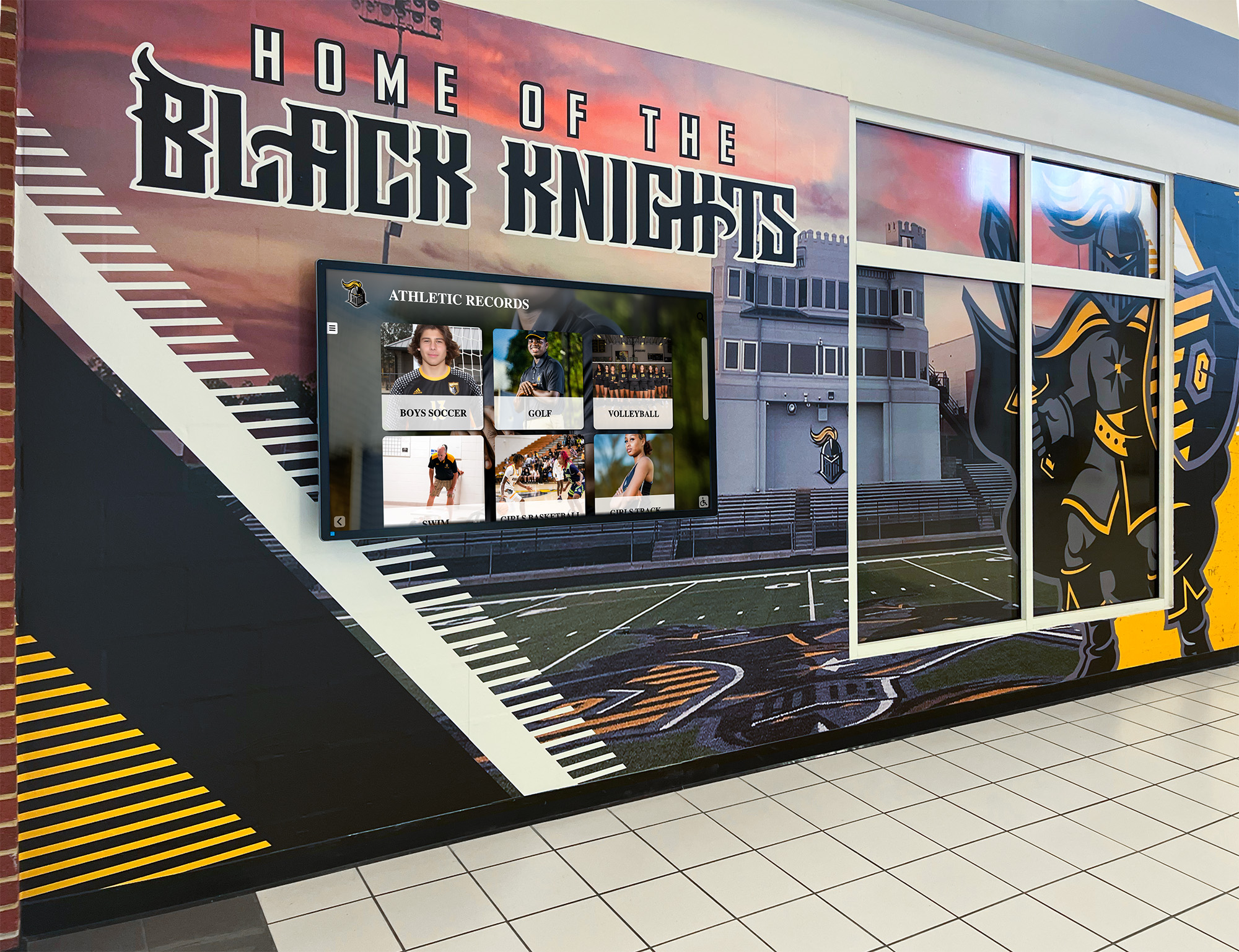
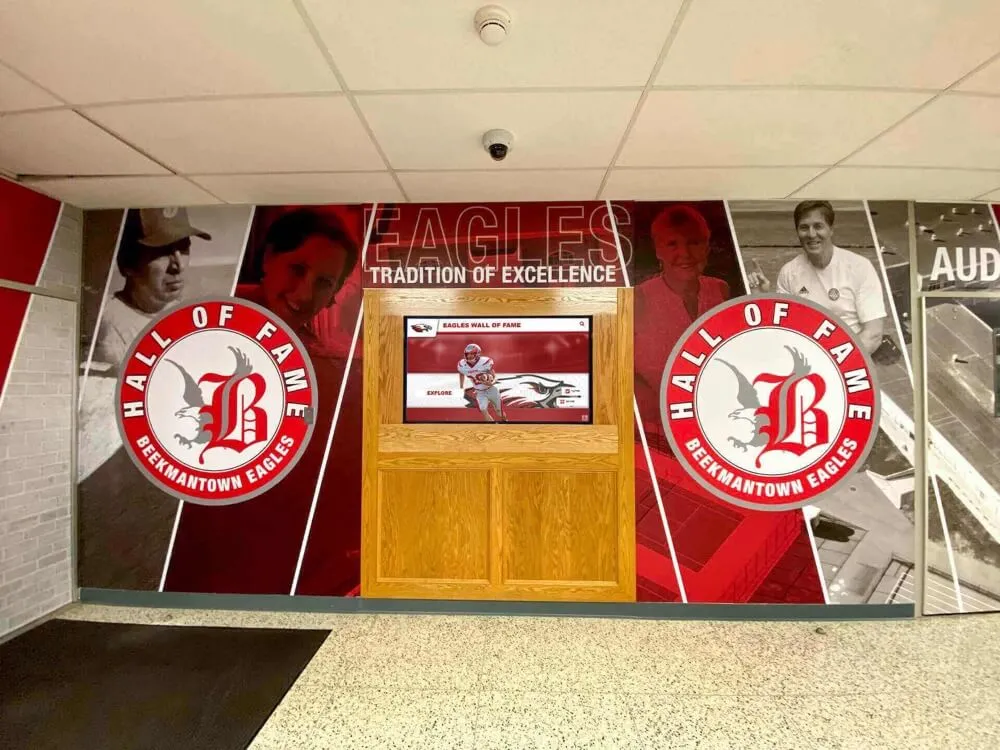
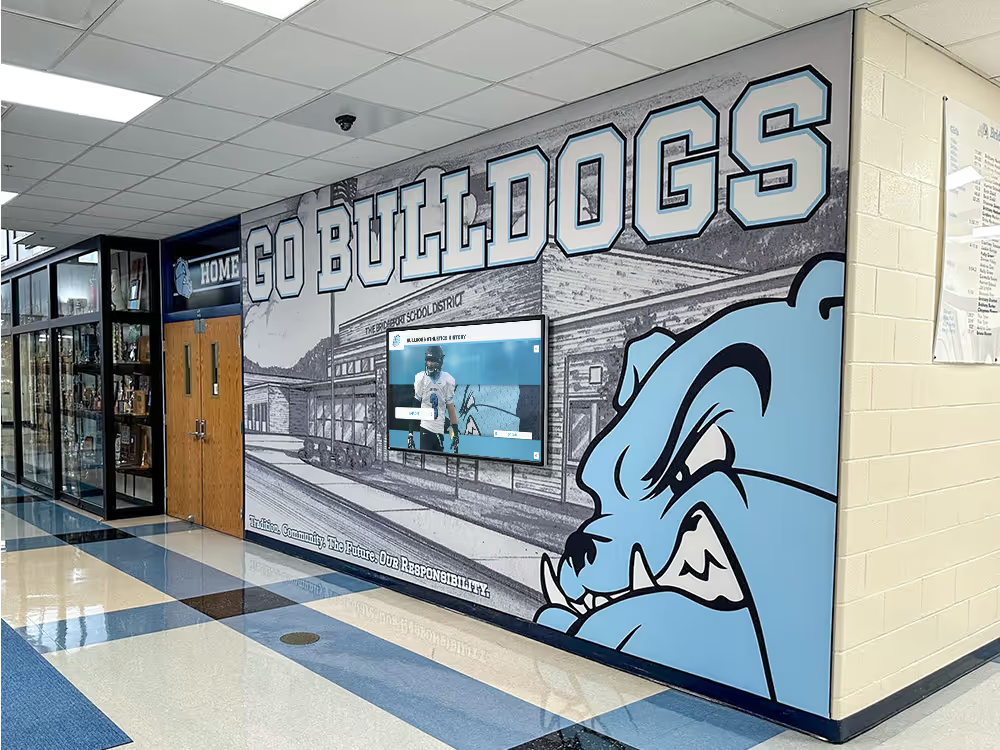
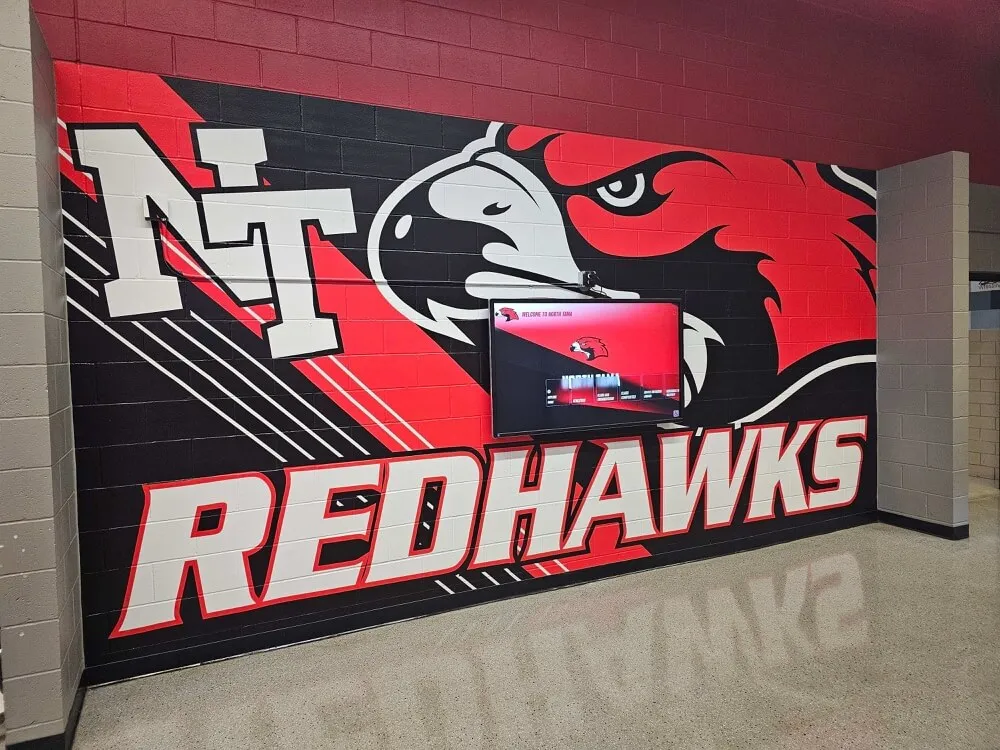
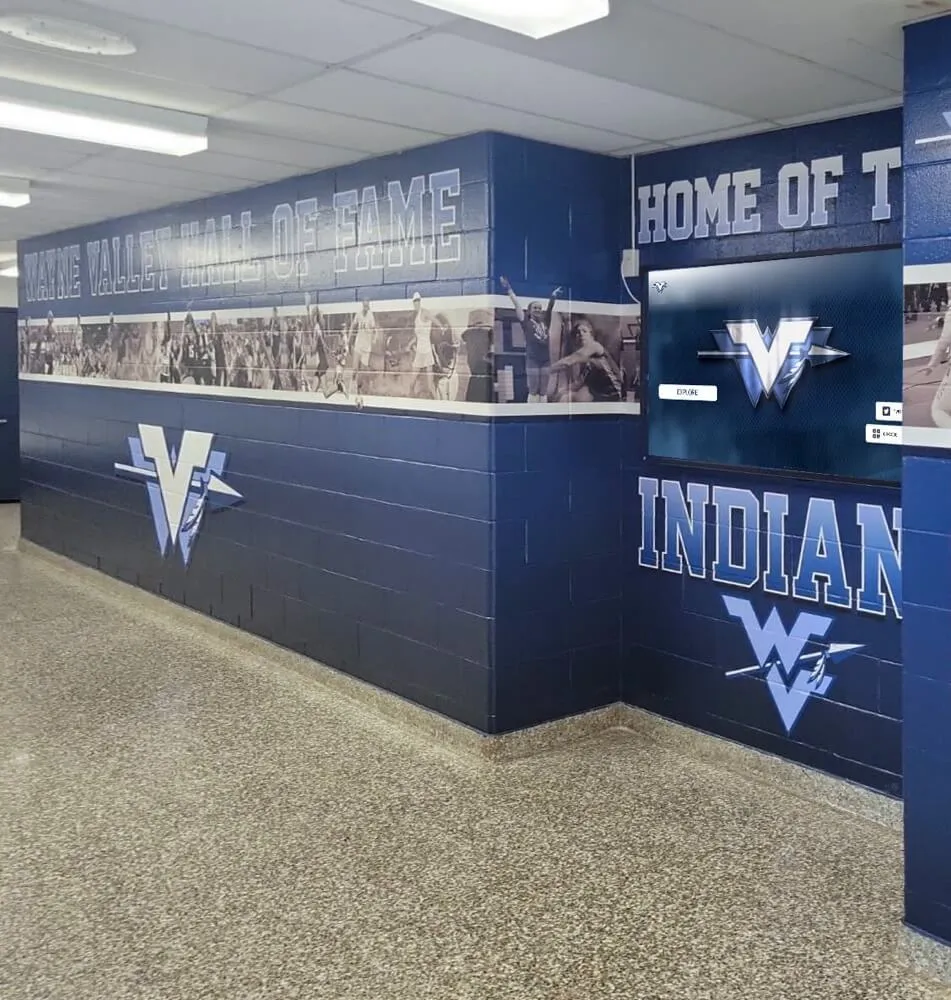
Prominent recognition installations in athletic facilities reinforce program commitment to celebrating improvement alongside traditional achievement
Presenting Most Improved Player Recognition Effectively
How programs present Most Improved recognition significantly impacts its meaning and motivational value for recipients and teammates.
Creating Meaningful Award Presentations
Most Improved Player recognition deserves presentation approaches that honor achievement significance while teaching all athletes what improvement looks like.
Specific Evidence-Based Explanations
Rather than simply announcing “This year’s Most Improved Player is Jessica Martinez,” effective presentations include detailed explanations of what the recipient accomplished:
“When Sarah began the season, she struggled with basic ball-handling and averaged 2 points per game in limited playing time. Through exceptional dedication to skill development—arriving early for extra shooting practice, working with coaches on footwork, and maintaining positive attitude despite early-season challenges—she transformed into one of our most reliable contributors. By season’s end, Sarah averaged 12 points and 5 assists per game while earning starting position. Her free throw percentage improved from 48% to 81%, and she became our best on-ball defender. Sarah exemplifies what commitment and coachability can accomplish.”
This detailed presentation accomplishes multiple goals: it honors the recipient by specifically naming their achievements, teaches all athletes what improvement looks like in concrete terms, demonstrates that coaches notice and track development systematically, and reinforces that effort and dedication produce results.
Before-and-After Documentation
Visual documentation strengthens Most Improved presentations through video compilations showing recipients early-season performances followed by late-season success, statistical graphics displaying improvement trajectories across key metrics, photo progressions showing physical development or technical improvements, and testimonials from coaches describing development they observed.
This documentation transforms abstract improvement into tangible evidence that makes recognition more meaningful while providing content that recipients and families treasure long-term. Many athletes later report that Most Improved recognition meant more than other awards precisely because detailed documentation validated their growth journey.
Connecting Improvement to Program Values
Frame Most Improved recognition within program culture and values: “Sarah embodies our program principle that ‘Excellence is a Choice.’ She chose to dedicate herself to improvement, chose to accept coaching feedback gracefully, chose to maintain optimism through early struggles, and chose to work harder than required. Her improvement resulted from thousands of small choices demonstrating the character our program celebrates.”
This framing teaches that improvement reflects values and choices available to all athletes rather than mysterious natural ability. Programs exploring comprehensive recognition approaches benefit from understanding how academic honor roll systems celebrate diverse forms of growth and achievement.
Award Presentation Timing and Context
End-of-Season Awards Ceremonies
Most programs present Most Improved recognition during formal end-of-season awards ceremonies or sports banquets alongside other team awards. This placement honors improvement as achievement equivalent to MVP or championship recognition while ensuring appropriate audience and ceremony atmosphere.
Schedule Most Improved presentations prominently within ceremonies rather than grouping them with lesser “participation” recognition. The placement itself communicates whether programs genuinely value improvement or view it as consolation prize for athletes who didn’t win “real” awards.
In-Season Recognition and Motivation
Consider providing interim Most Improved recognition at mid-season to motivate continued development. Brief acknowledgments during practice or team meetings—“I want to recognize Marcus for exceptional improvement in his defensive positioning and communication. His dedication to getting better shows daily and makes our entire team better”—reinforce that coaches notice improvement continuously.
This ongoing recognition throughout seasons maintains motivation while making end-of-season formal awards feel like culmination of appreciated development rather than sudden acknowledgment of growth coaches barely noticed.
Public and Private Recognition Balance
While public ceremony recognition matters, private one-on-one conversations between coaches and Most Improved recipients often create equally meaningful moments. Take time for personal discussions explaining specifically what you observed, why their improvement matters to the program, and how their development trajectory can continue.
These private conversations provide opportunities for more personal, emotional connection than public settings allow while giving recipients feedback they’ll remember far longer than trophy inscriptions.
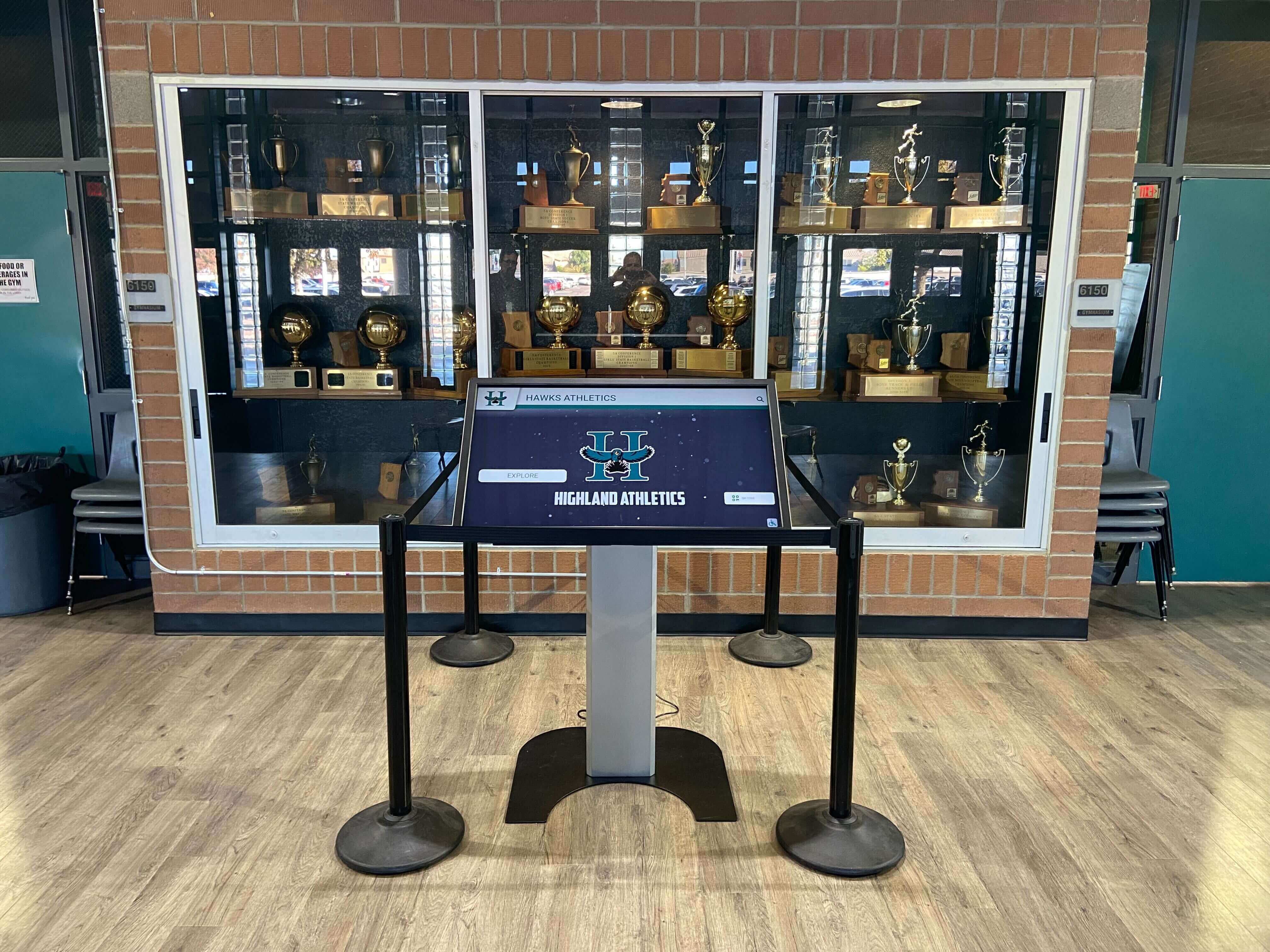
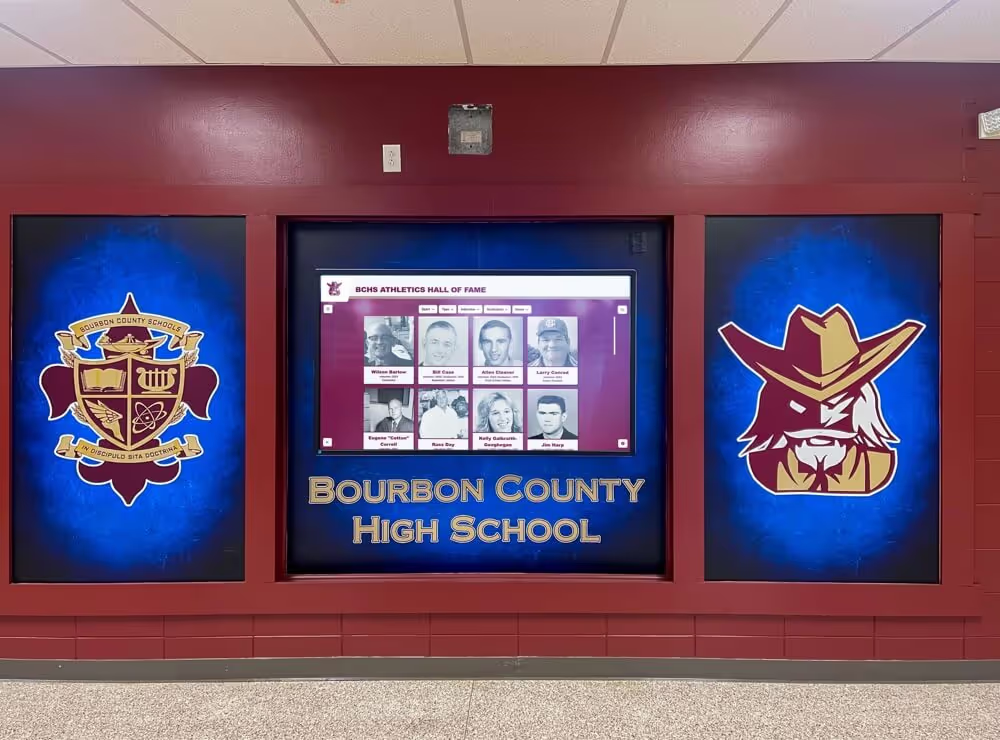
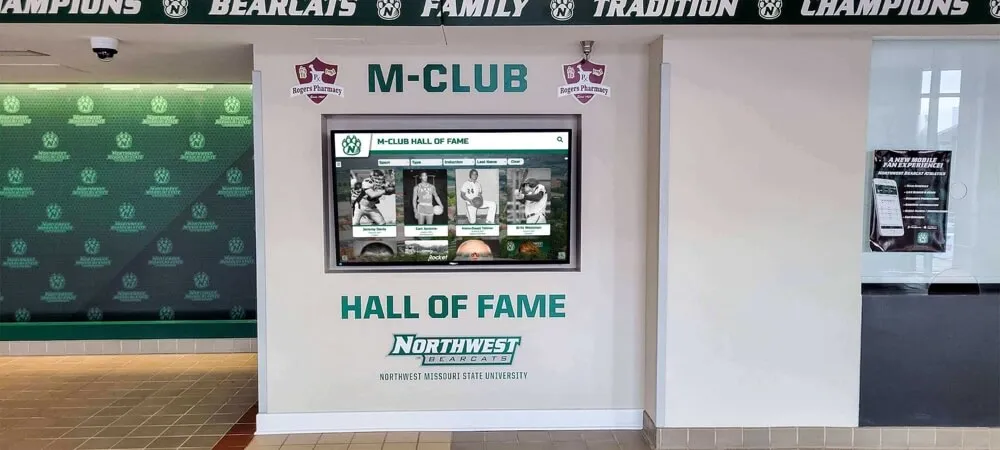
Modern trophy cases integrate digital displays documenting athlete improvement stories alongside physical awards
Building Program Cultures That Value Improvement
Most Improved recognition achieves maximum impact when embedded within broader program cultures that systematically value and support development at all ability levels.
Establishing Improvement-Focused Language and Messaging
Program culture begins with consistent messaging communicating what coaches value and prioritize.
Celebrating Growth in Team Communications
Integrate improvement acknowledgment into regular team communications throughout seasons, not just at awards ceremonies. During practice, specifically praise athletes demonstrating skill development: “Great job, Maria—your shooting form has improved significantly since the season began. I see you implementing the technique adjustments we discussed.”
In team meetings, highlight improvement examples: “I want everyone to see this video from Tuesday’s game showing Jason’s defensive positioning. Compare this to his positioning in early-season games. His growth in understanding defensive concepts and executing them consistently shows what dedicated film study and practice focus accomplish.”
Post-game discussions should acknowledge not just who played well but who showed improvement from previous performances: “Tonight’s win included excellent contributions from several players, and I especially want to note Tyler’s improved decision-making with the ball. His assist-to-turnover ratio has improved dramatically, and tonight showed that growth.”
Setting Individual Improvement Goals
Beyond team goals around wins, championships, or competitive placement, establish individual improvement goals with each athlete at season beginnings. These personalized goals recognize that athletes enter seasons at different development points requiring different focuses.
Document these goals and revisit them regularly in individual athlete meetings: “At the beginning of the season, we set a goal for you to improve your free throw percentage to 70%. You’re currently at 68% and trending upward. Let’s discuss what adjustments might help you reach that goal.”
This systematic individual goal-setting and tracking communicates that improvement itself represents success, not just team outcomes or comparison with teammates. Programs interested in comprehensive goal-setting approaches benefit from exploring how student council recognition programs establish development frameworks applicable to athletic contexts.
Creating Improvement-Tracking Systems
Systematic tracking transforms improvement from vague aspiration into measurable reality that athletes can see developing.
Individual Athlete Development Portfolios
Maintain development portfolios for each athlete documenting their season-long growth through beginning-of-season baseline skill assessments, mid-season progress evaluations, statistical progression charts, video compilations showing technique improvements, and coach observation notes about development.
Share these portfolios with athletes during individual meetings, providing tangible evidence of their improvement that may not be obvious to them daily. Seeing documented evidence that their free throw percentage improved 15 percentage points or their 400-meter time dropped 4 seconds validates that practice dedication produces results.
Visible Progress Tracking
Create physical or digital displays showing team-wide improvement metrics. A hallway chart tracking each basketball player’s free throw percentage across the season makes development visible to entire teams while creating friendly competition around improvement rather than just absolute performance.
Digital recognition displays enable sophisticated improvement tracking without space constraints. Solutions like Rocket Alumni Solutions allow programs to document athlete development across entire careers, from freshman seasons through senior years, creating comprehensive narratives about growth journeys rather than isolated season snapshots.
Improvement Leaderboards
Consider maintaining “Most Improved” leaderboards throughout seasons ranking athletes not by absolute performance but by improvement from baseline assessments. This alternative ranking system provides recognition opportunities for developing athletes who may never top traditional statistical leaderboards but demonstrate exceptional growth.
Such leaderboards teach that improvement itself deserves celebration while giving all athletes—regardless of natural talent or starting point—viable paths to recognition through dedication and hard work.
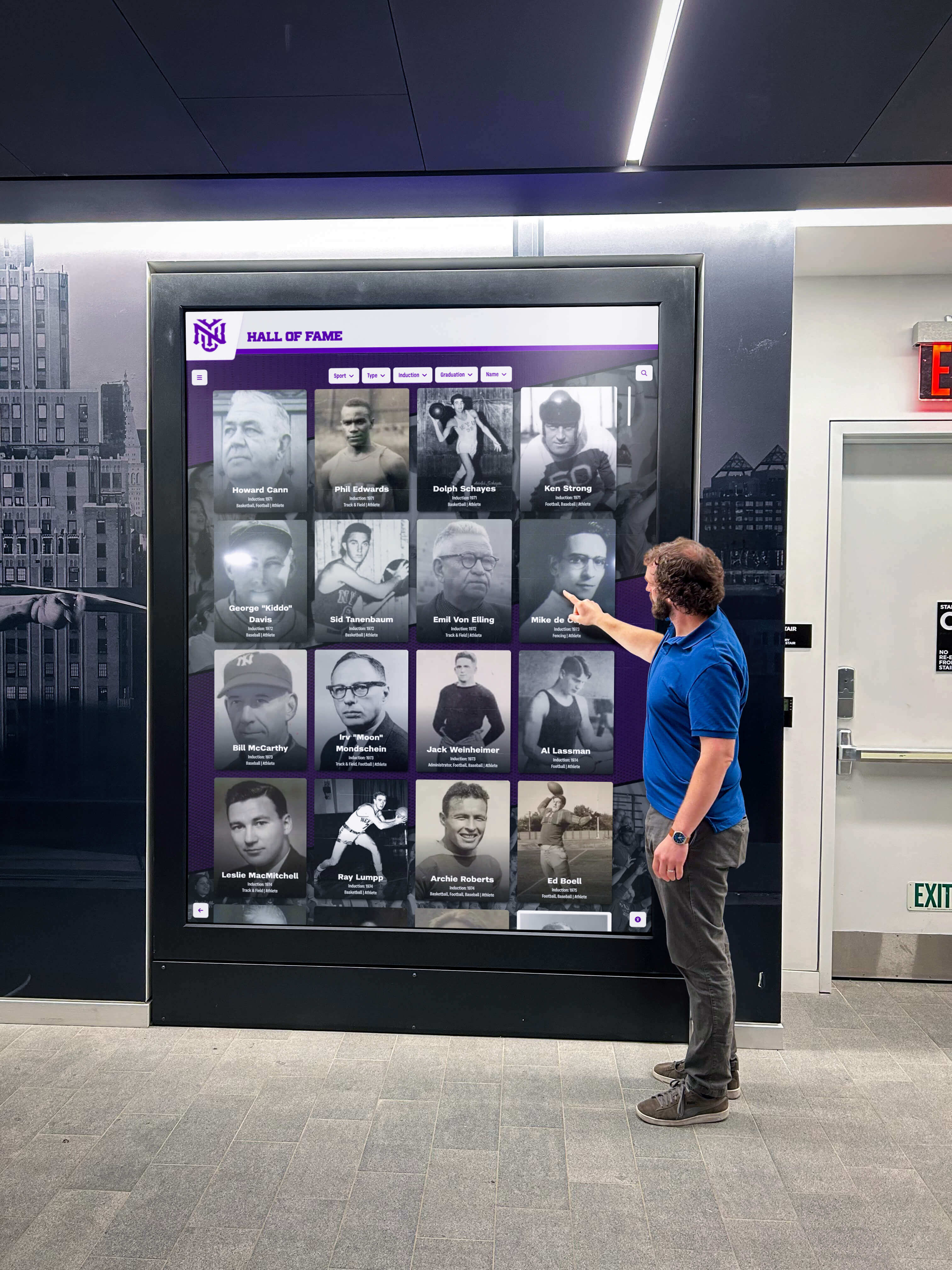
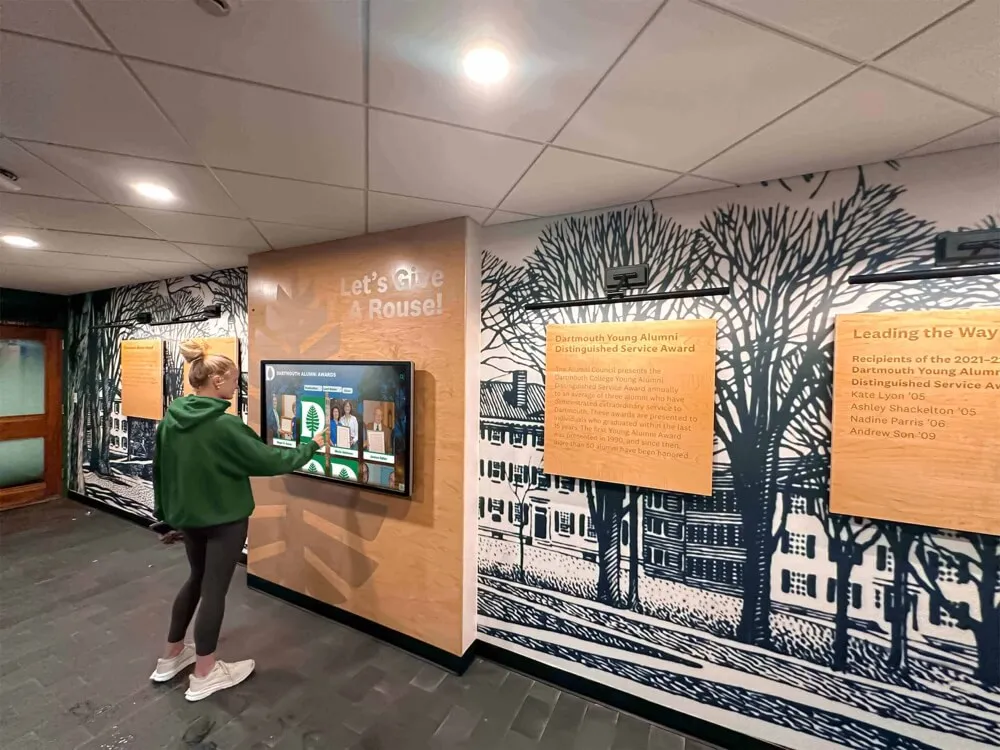
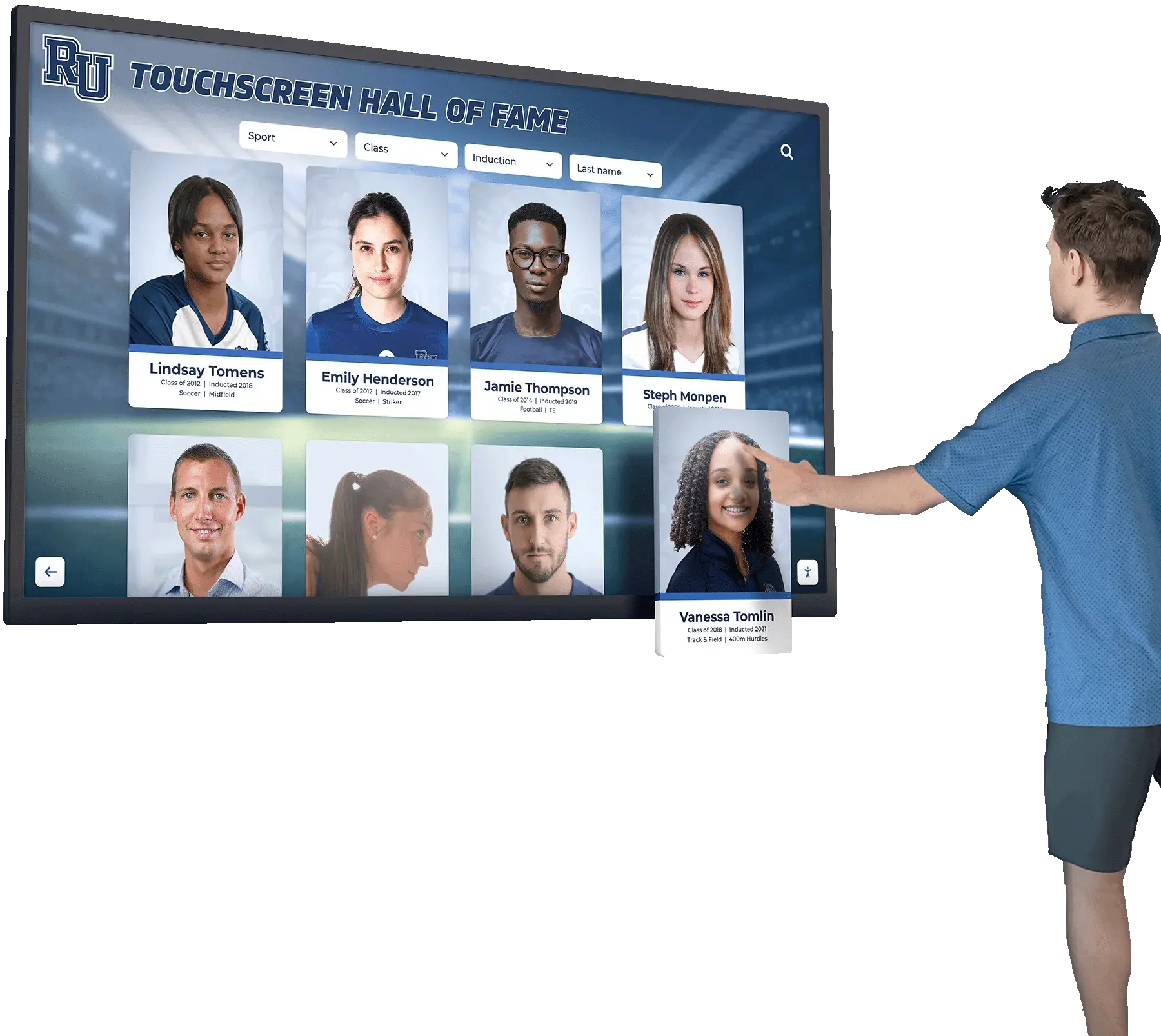
Interactive recognition displays invite athletes to explore improvement stories and career development narratives
Coaching Behaviors That Emphasize Development
Program culture ultimately reflects coaching behaviors and priorities demonstrated daily through interactions with athletes.
Feedback Focused on Improvement Process
Frame coaching feedback around improvement rather than criticism of current limitations. Instead of “Your shooting form is terrible,” say “Let’s work on improving your shooting form by adjusting your elbow position. I’ve seen other athletes make this same adjustment and improve their accuracy significantly.”
This improvement-focused feedback maintains optimism while setting clear development expectations. Athletes receiving such coaching develop belief that current limitations represent temporary states rather than permanent conditions.
Acknowledging Effort and Process, Not Just Outcomes
Praise athletes for improvement-driving behaviors even when immediate outcome success doesn’t follow: “I really appreciated your willingness to try the new footwork technique we discussed, even though it felt uncomfortable initially. That coachability and willingness to work outside your comfort zone is exactly what creates improvement.”
This process-focused acknowledgment reinforces that improvement requires trying new approaches, enduring temporary discomfort, and persisting through initial failure—all behaviors coaches want to encourage.
Modeling Growth Mindset Personally
Coaches modeling growth mindset principles through their own behavior—acknowledging their own learning and improvement, openly discussing how they’re adjusting coaching approaches based on feedback or results, and showing vulnerability about their own development areas—creates cultural permission for athletes to embrace improvement journeys openly rather than pretending they’re already perfect.
Programs developing comprehensive improvement-focused cultures benefit from understanding how various athletic recognition programs celebrate development alongside traditional achievement.
Leveraging Digital Recognition for Improvement Documentation
Modern digital recognition platforms transform how programs document and celebrate athlete improvement across seasons and careers.
The Case for Digital Improvement Recognition
Traditional recognition approaches face limitations when documenting improvement. Physical trophy cases display current achievements but lack capacity for showing development trajectories. Printed programs capture single-season snapshots without illustrating growth across years. Certificates and plaques acknowledge improvement moments but provide no ongoing visibility or context.
Digital recognition systems solve these limitations by providing:
Unlimited Documentation Capacity
Digital platforms enable comprehensive improvement documentation without space constraints. Programs can include detailed before-and-after statistics, video examples of skill development, narrative descriptions of growth journeys, coach testimonials about improvement observed, and multi-year progression tracking showing cumulative development.
This unlimited capacity enables storytelling depth that honors improvement appropriately while creating compelling narratives engaging for athletes, families, and communities.
Multi-Year Career Tracking
Following athletes from freshman through senior years creates powerful longitudinal documentation showing complete athletic development. When recognition systems display athlete profiles including all four years of statistical progression, achievement accumulation, and role evolution, they tell improvement stories far more compellingly than isolated season snapshots.
These multi-year perspectives particularly benefit Most Improved recognition by showing how exceptional improvement in one season often reflects sustained dedication across multiple years of incremental growth building toward breakthrough development.
Accessible Sharing and Celebration
Web-accessible digital recognition enables athletes and families to share improvement achievements broadly with extended family, college recruiters, scholarship committees, and social networks. This extended visibility amplifies recognition impact beyond awards ceremony moments while giving athletes portable documentation of their development useful for college applications and other opportunities.
Exploring digital athletic storytelling approaches helps programs understand how modern technology creates comprehensive improvement documentation impossible with traditional methods.
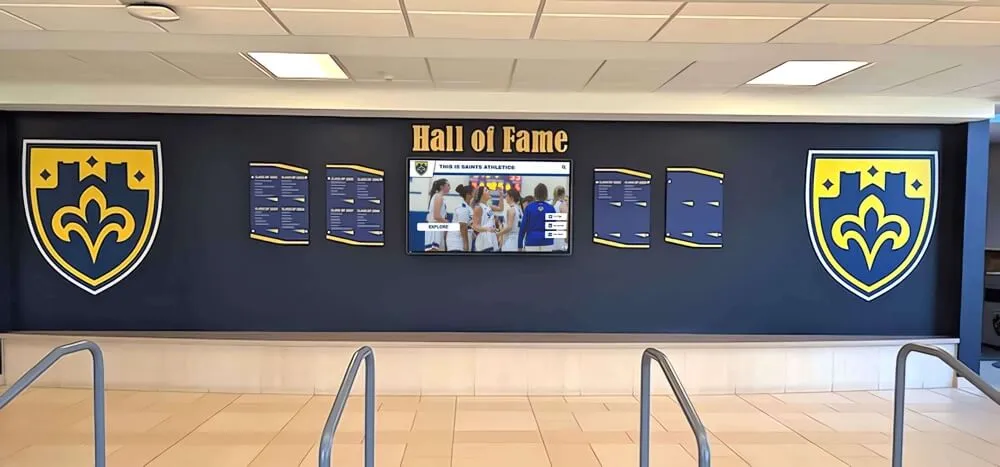
Comprehensive recognition installations combine traditional elements with digital displays documenting athlete improvement stories
Implementing Digital Improvement Tracking
Organizations like Rocket Alumni Solutions specialize in digital recognition displays designed specifically for documenting athletic achievement and improvement across careers.
Professional Recognition Hardware
Commercial-grade touchscreen displays installed in athletic facilities, school lobbies, or gymnasium entrances provide visible, engaging interfaces for exploring athlete improvement stories. Professional installations integrate aesthetically while providing intuitive user experiences requiring no training.
Flexible Content Management
Cloud-based platforms enable coaches and athletic administrators to manage improvement recognition content without technical expertise including uploading athlete profiles with development narratives, adding before-and-after statistics and videos, updating achievements as athletes improve throughout seasons, and organizing content by sport, season, or award type.
Engaging Improvement Storytelling
Digital platforms support rich storytelling about athlete improvement through statistical progression visualizations showing development trends, video compilations documenting skill improvements, coach testimonial integration providing context, and multi-year career timelines illustrating cumulative growth.
These storytelling capabilities transform Most Improved recognition from single award moments into comprehensive narratives that athletes, families, and communities find engaging and inspiring.
Permanent Documentation
Unlike physical awards that may get lost or discarded, digital recognition remains permanently accessible. Athletes can revisit their improvement achievements years later, share documentation with future employers or graduate schools, and maintain connections to athletic identities that shaped their development during formative years.
Creating Comprehensive Most Improved Recognition Programs
The most effective Most Improved recognition exists within comprehensive systems honoring diverse forms of athletic excellence while maintaining meaningful standards.
Integrating Most Improved with Other Recognition
Most Improved awards should complement rather than compete with traditional achievement recognition through balanced award structures including performance-based awards (MVP, statistical leaders, championships), improvement-based recognition (Most Improved Player, Most Improved Position-Specific), character-based acknowledgment (sportsmanship, leadership, best teammate), and effort-based celebration (hustle award, dedication recognition).
This diverse award portfolio creates multiple paths to recognition, ensuring that athletes with different strengths and development trajectories all find opportunities for acknowledgment appropriate to their contributions.
Understanding how other programs implement comprehensive recognition helps athletic departments develop balanced systems. Exploring athletic banquet planning provides models for ceremonies celebrating diverse achievements effectively.
Age-Appropriate Most Improved Recognition
Different age groups require distinct Most Improved approaches aligned with developmental stages.
Youth and Middle School (Ages 10-14)
Younger athletes benefit from multiple Most Improved categories ensuring more recipients while establishing that growth deserves celebration. Consider team-level Most Improved awards for each squad within programs, position-specific improvement recognition, and skill-specific improvement acknowledgment (shooting, defense, ball-handling).
Maintain lower selection thresholds at this developmental stage where nearly all athletes show significant improvement as they mature physically and gain experience. The goal involves reinforcing that improvement itself represents achievement worth celebrating.
High School (Ages 14-18)
High school programs can implement more selective Most Improved standards while maintaining that genuine development deserves recognition. Consider single varsity Most Improved Player alongside separate junior varsity recognition, or position-group improvement awards within larger programs.
Maintain objective selection criteria and transparent processes. High school athletes possess developmental maturity enabling them to understand and accept that not everyone wins Most Improved recognition while appreciating when selections reflect genuine exceptional development.
College and Elite Programs
Advanced programs should maintain Most Improved recognition even as competitive standards rise. Elite athletes continue developing significantly across careers, and recognizing that improvement explicitly communicates program commitment to continuous development even among already-accomplished performers.
Exploring how Division II athletic programs implement recognition systems provides models for maintaining improvement focus at competitive levels.
Avoiding Common Most Improved Pitfalls
Consolation Prize Perception
The most common critique of Most Improved awards suggests they function as consolation prizes for athletes who don’t deserve “real” recognition. Programs combat this perception by presenting Most Improved with equal prominence to other major awards, using detailed evidence-based presentations demonstrating genuine exceptional improvement, and maintaining meaningful selection standards rather than rotating recognition among all athletes eventually.
When programs treat Most Improved recognition as genuine honor for exceptional development rather than participation trophy, athletes and communities perceive it as legitimate achievement.
Penalizing Early Excellence
Most Improved criteria can inadvertently penalize naturally talented athletes who perform well from season beginnings, leaving limited room for improvement. Address this by considering improvement in advanced skills even among elite performers, acknowledging leadership and character development alongside statistical measures, and creating separate advanced-skill improvement categories when appropriate.
The freshman who arrives with college-level shooting ability may show limited statistical improvement, but their development as a leader or their improved understanding of team defense represents genuine growth deserving consideration.
Subjective Favoritism
Most Improved selections lacking objective evidence or transparent processes can appear as favoritism toward certain athletes or making up recognition for coaches’ preferred players who didn’t win other awards. Combat this through documented baseline and end-of-season assessments providing concrete improvement data, transparent selection criteria communicated to teams beforehand, and detailed presentations explaining specifically what recipients accomplished.
When programs implement systematic improvement documentation and evidence-based selection, favoritism concerns diminish significantly.
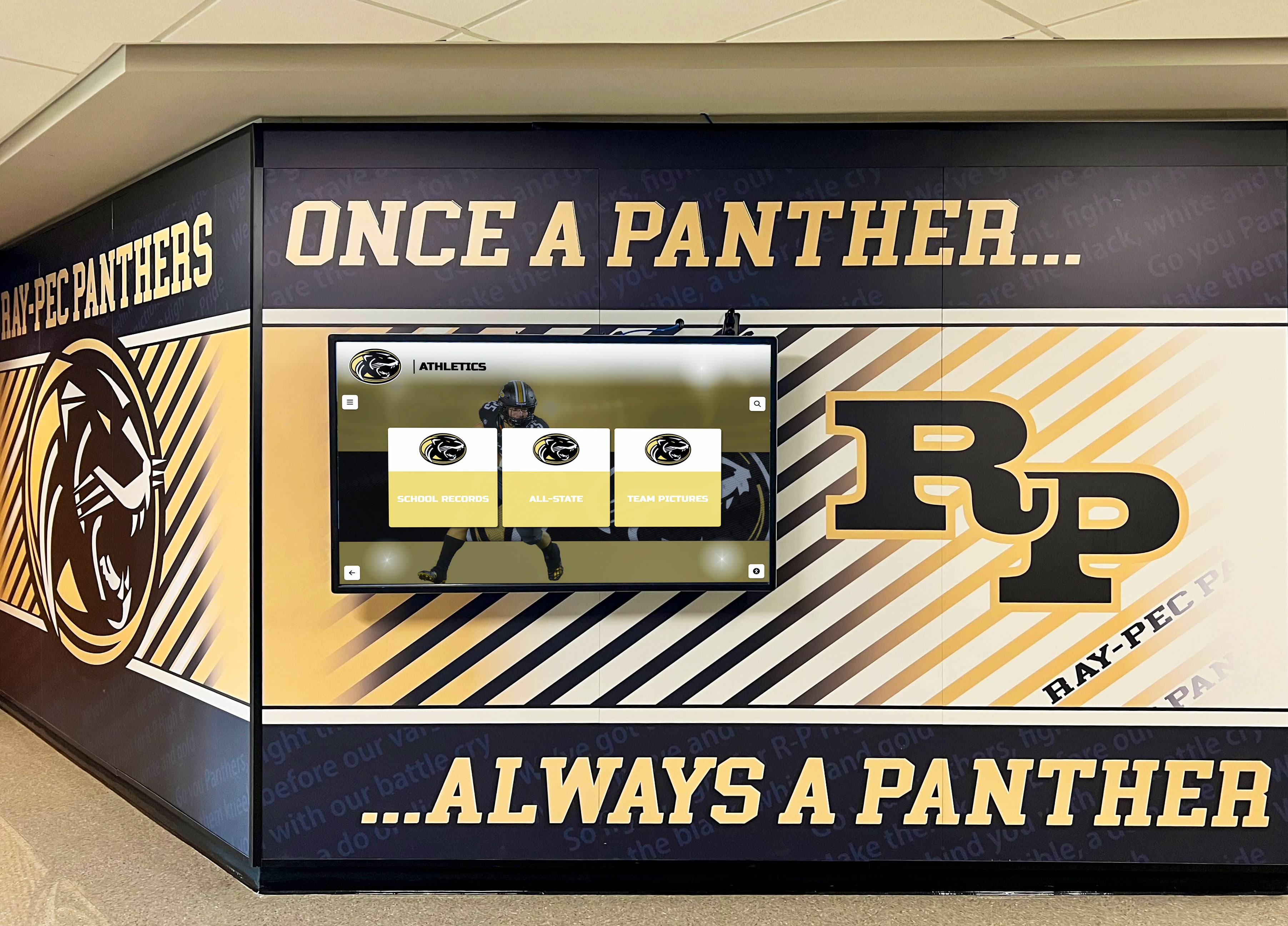
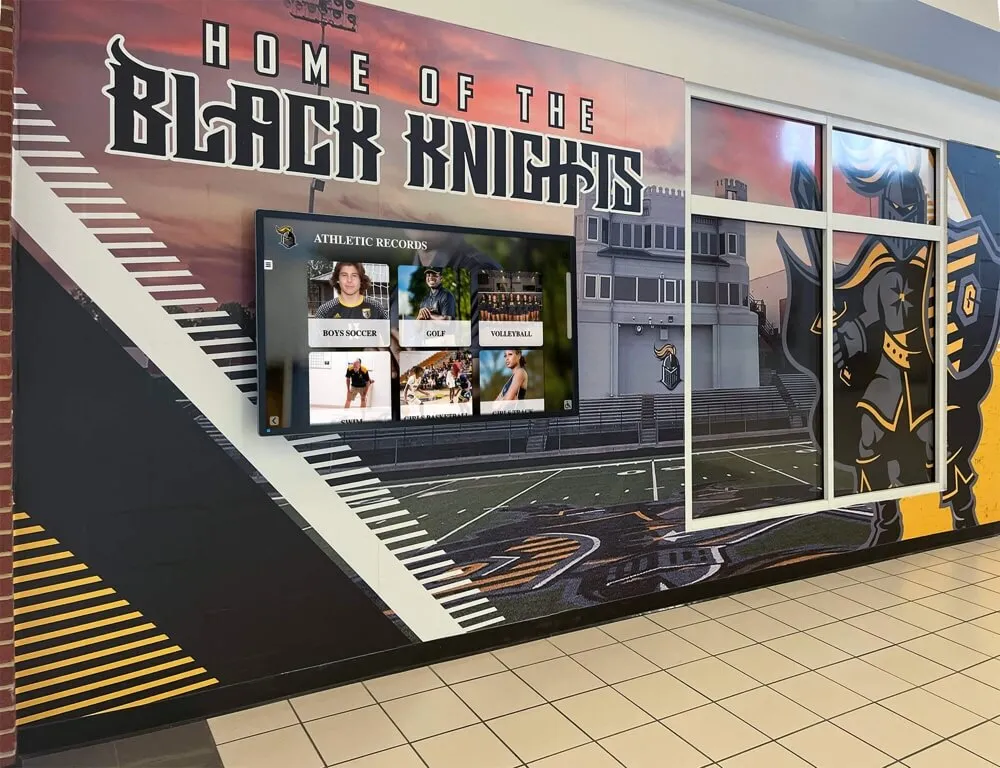
Prominent athletic recognition displays in high-traffic school areas communicate institutional commitment to celebrating improvement alongside traditional achievement
Conclusion: Building Cultures That Celebrate Growth
Most Improved Player awards represent far more than consolation recognition for athletes who didn’t win traditional achievement honors. Thoughtfully implemented Most Improved programs communicate fundamental values about effort, development, coachability, and the growth mindset principles that serve athletes throughout life far beyond sports careers.
When athletic programs establish that improvement itself deserves celebration equal to absolute performance levels, they create inclusive cultures where athletes at all ability levels can pursue excellence through dedication and hard work. The naturally talented star and the committed role player who transforms from liability into contributor both receive institutional recognition for their achievements—one for reaching elite absolute performance, the other for remarkable development demonstrating program values equally well.
The most effective Most Improved recognition systems implement objective selection criteria based on documented evidence, celebrate improvement through detailed evidence-based presentations, integrate improvement focus throughout program culture and coaching behaviors, leverage modern digital platforms for comprehensive documentation, and balance improvement recognition with traditional achievement honors.
Modern recognition approaches, particularly digital solutions that document athletic journeys across entire careers, enable programs to honor improvement far more comprehensively than traditional single-moment awards. When athletes can explore digital profiles showing their statistical progression from freshman through senior years, video examples of skill development, and narrative descriptions of their growth journeys, recognition becomes permanent celebration rather than fleeting ceremony moments.
Celebrate Athletic Improvement with Comprehensive Digital Recognition
Discover how Rocket Alumni Solutions helps athletic programs document athlete development across entire careers through digital recognition displays that showcase improvement stories, statistical progression, and growth narratives that inspire continued excellence.
Explore Athletic Recognition SolutionsBy implementing robust Most Improved Player recognition within comprehensive award systems celebrating diverse forms of excellence, athletic programs create motivating environments where all athletes—regardless of natural talent or starting ability—can find paths to institutional acknowledgment through dedication, coachability, and commitment to development. These programs teach life lessons about growth mindset, persistence through challenges, and the value of continuous improvement that serve athletes throughout their lives.
Your athletes commit countless hours to developing skills, overcoming limitations, implementing coaching feedback, and transforming themselves into better performers. That dedication deserves recognition validating that improvement itself represents genuine achievement. Most Improved Player awards, implemented thoughtfully within cultures that systematically value development, provide powerful tools for honoring growth while inspiring continued excellence.
Ready to transform how your athletic program recognizes and celebrates athlete improvement? Explore how Rocket Alumni Solutions enables programs to document complete athletic journeys from beginning seasons through remarkable development, creating permanent recognition of growth that motivates continued dedication while teaching that excellence involves continuous improvement regardless of starting point.