



Intent: Decide whether MWE-QIXZOCV touchscreen kiosk interactive displays meet your donor recognition hardware requirements and integrate effectively with cloud-based recognition platforms.
Selecting appropriate touchscreen kiosk hardware represents one of the most critical decisions organizations make when implementing digital donor recognition systems, interactive institutional showcases, or public information displays. The hardware you choose directly impacts user experience quality, system reliability, maintenance requirements, and long-term total cost of ownership.
MWE-QIXZOCV touchscreen kiosks have emerged as popular options for institutional interactive display deployments, offering commercial-grade build quality, versatile mounting configurations, and broad compatibility with various software platforms including web-based recognition systems. For development directors, advancement teams, and institutional leaders evaluating donor wall hardware that works seamlessly with platforms like Rocket Alumni Solutions, understanding these kiosks’ specifications, compatibility characteristics, and deployment considerations ensures hardware selections that deliver reliable, engaging recognition experiences.
This comprehensive guide examines MWE-QIXZOCV touchscreen kiosk interactive displays through the lens of donor recognition applications, exploring technical specifications, software platform compatibility, installation best practices, maintenance considerations, and real-world deployment scenarios that help organizations make informed hardware investment decisions aligned with recognition program goals.
Digital donor recognition has evolved from static brass plaques to dynamic interactive systems that celebrate supporters at all giving levels, demonstrate campaign impact through multimedia storytelling, and remain current through cloud-based content management accessible to advancement teams from anywhere. The transition to digital recognition requires selecting hardware that provides reliable operation in public spaces, intuitive touch responsiveness for all visitors, commercial durability withstanding years of continuous use, and seamless compatibility with recognition software platforms.

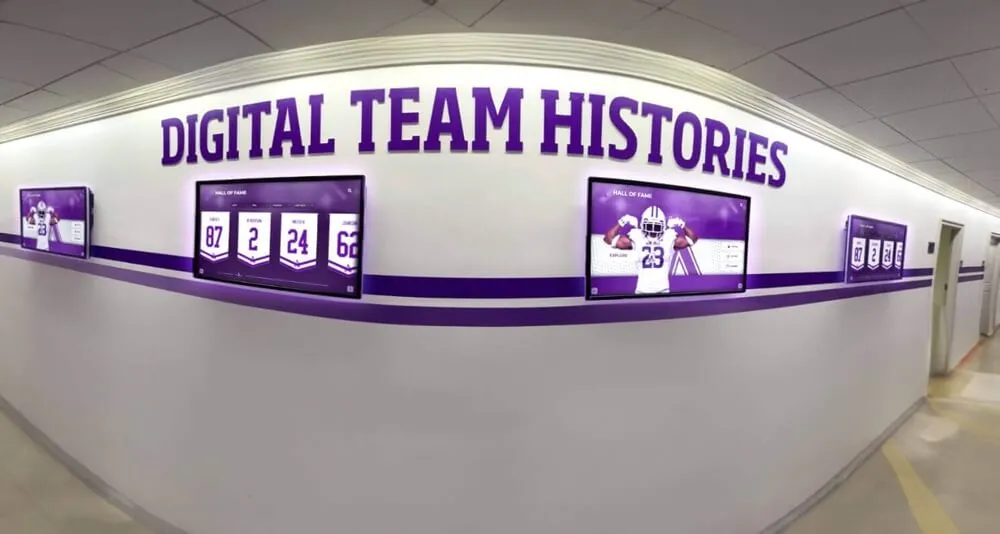
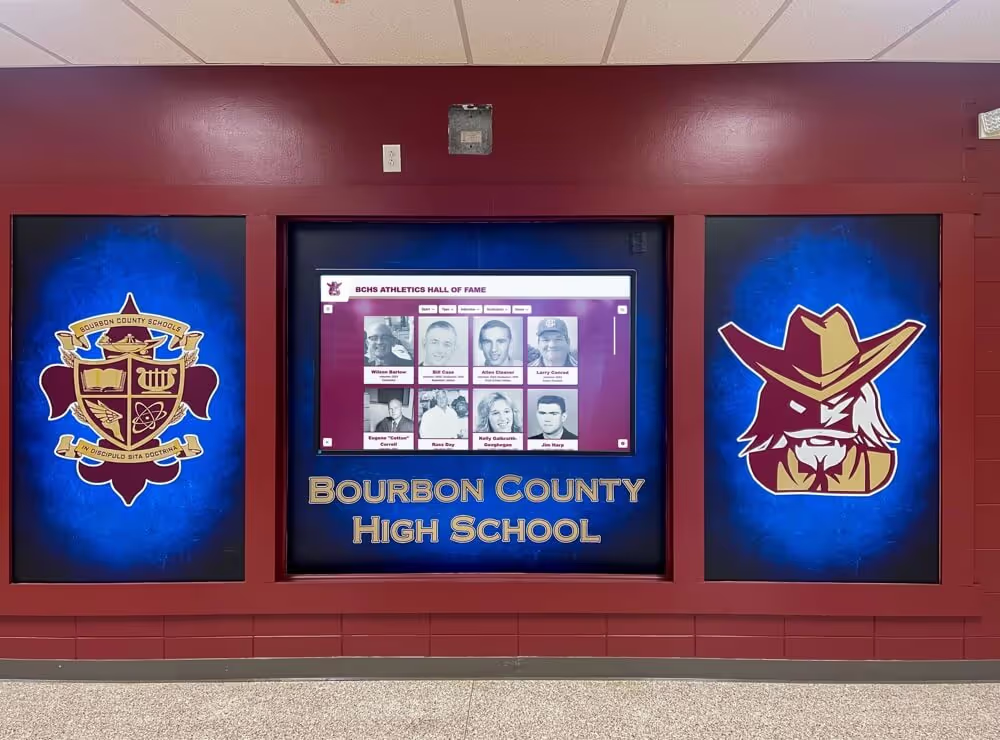
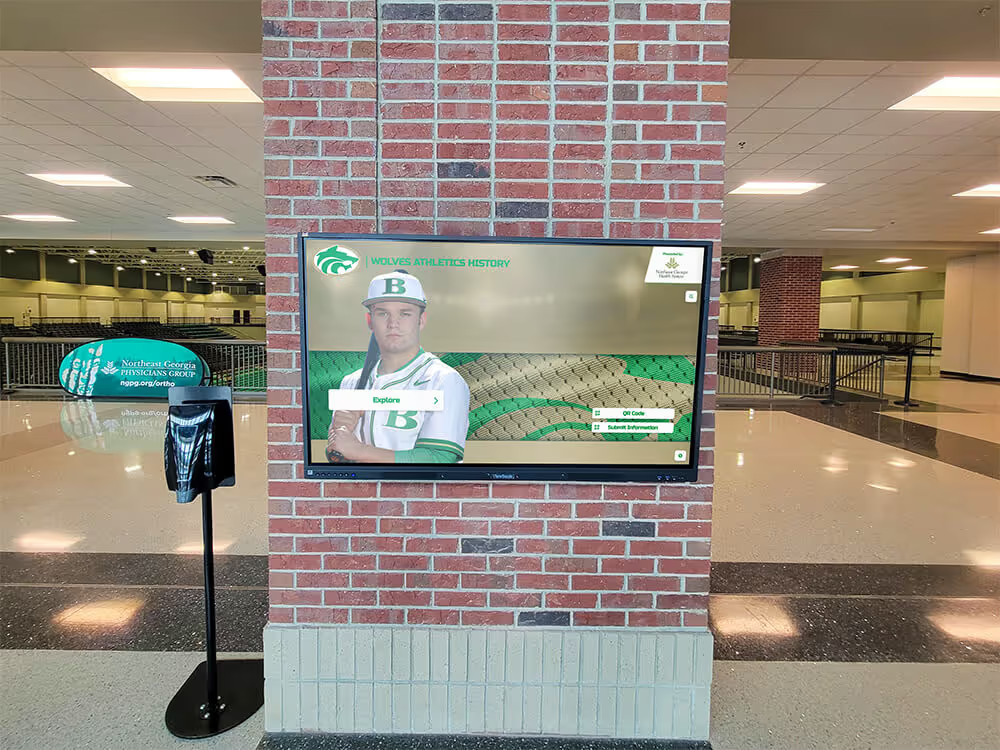
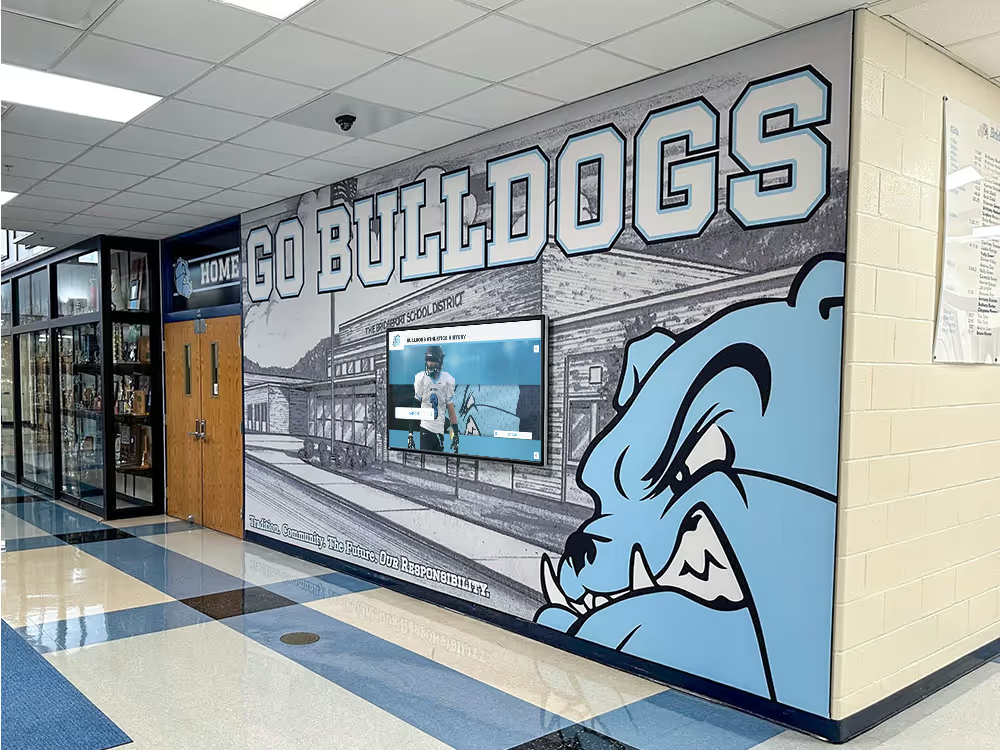
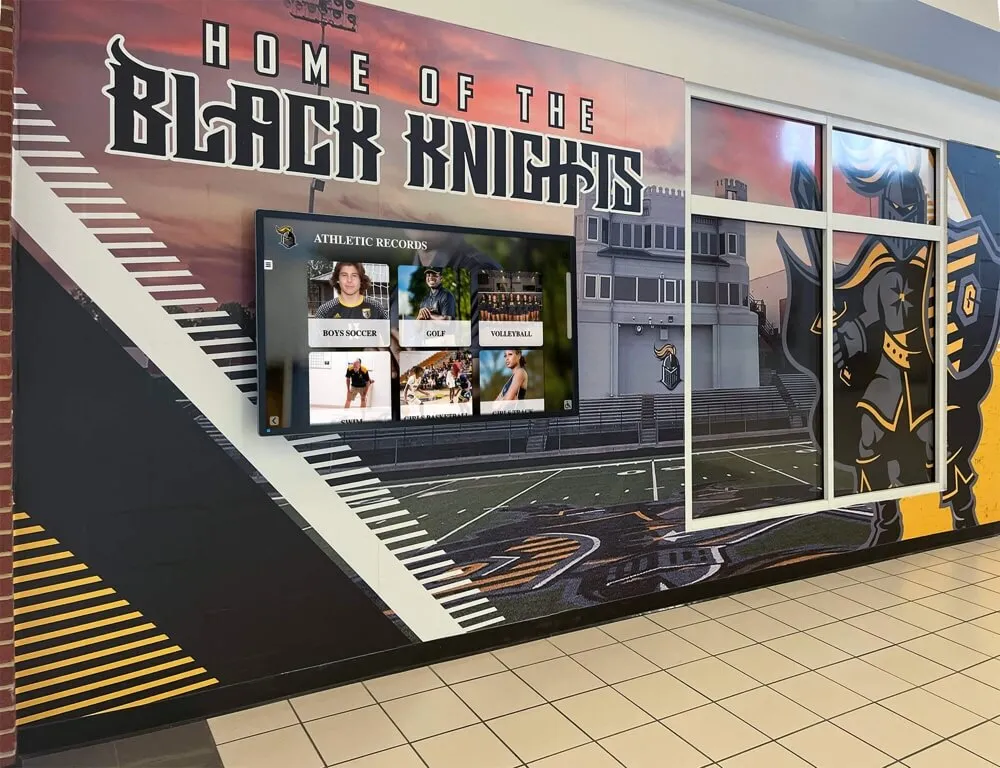
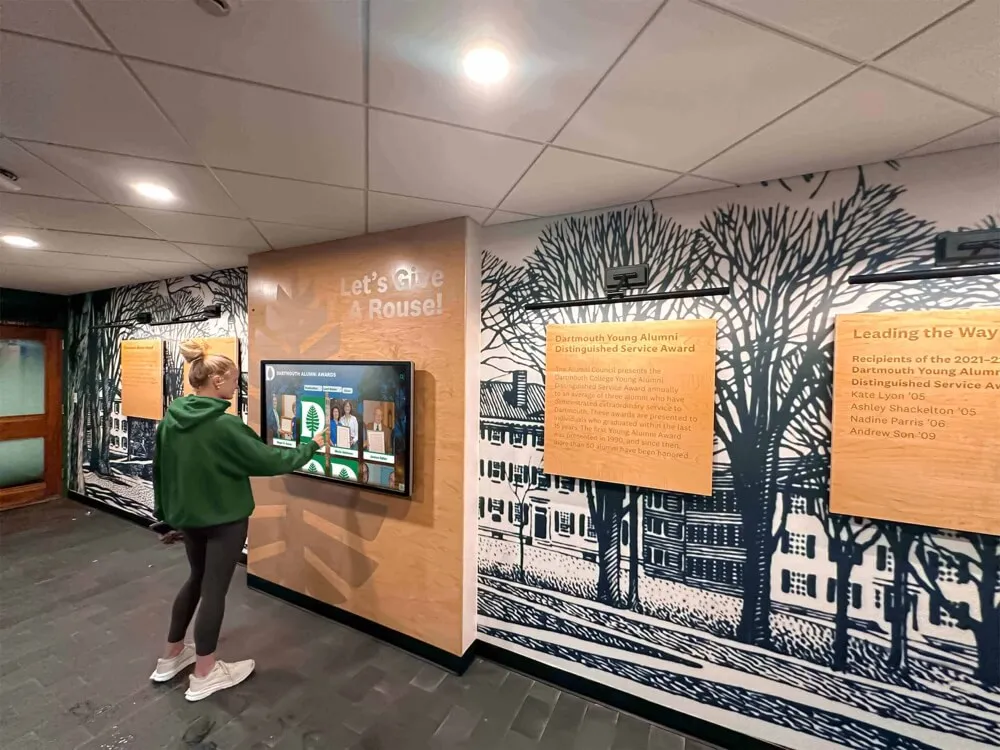
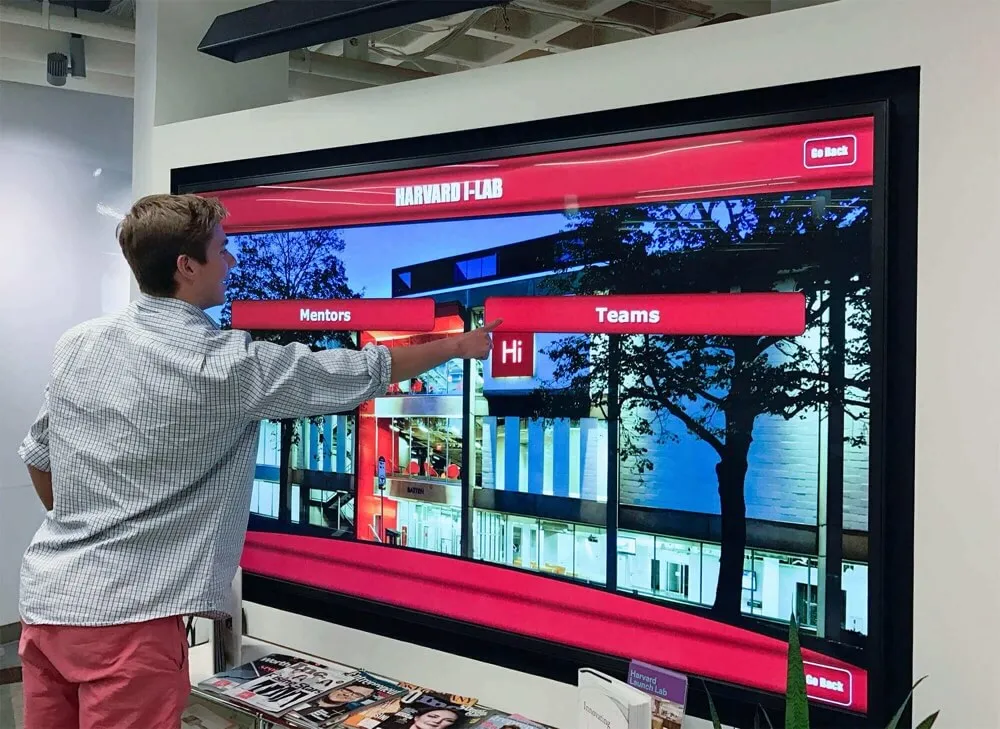
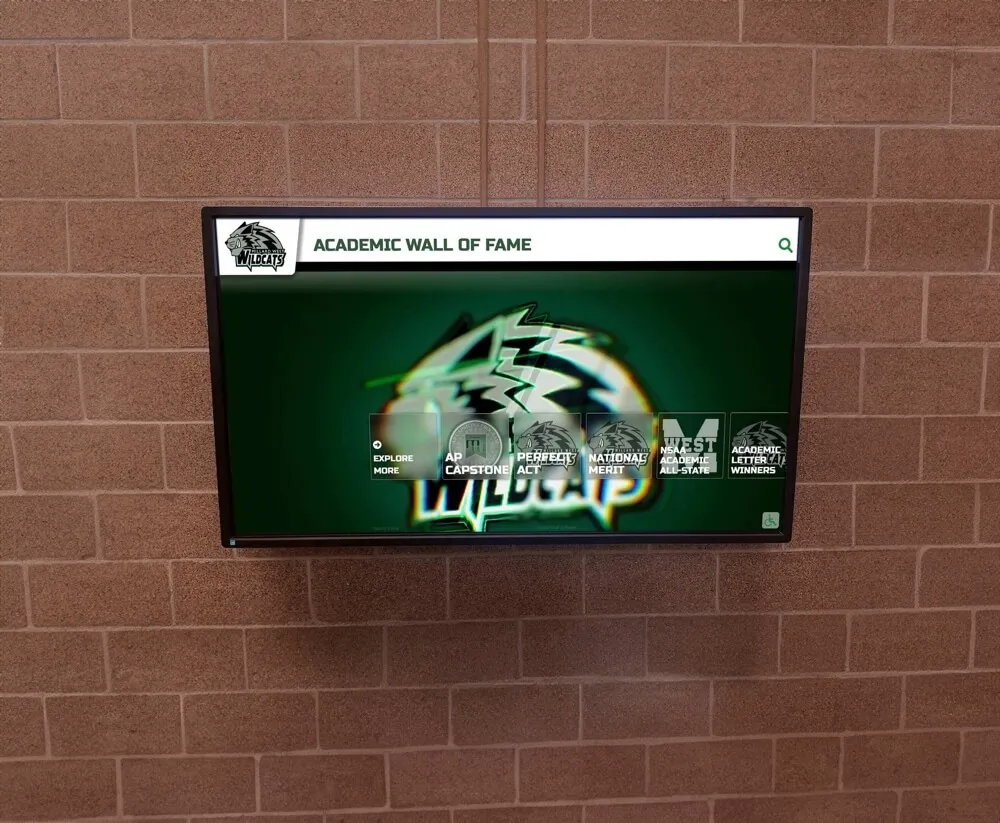
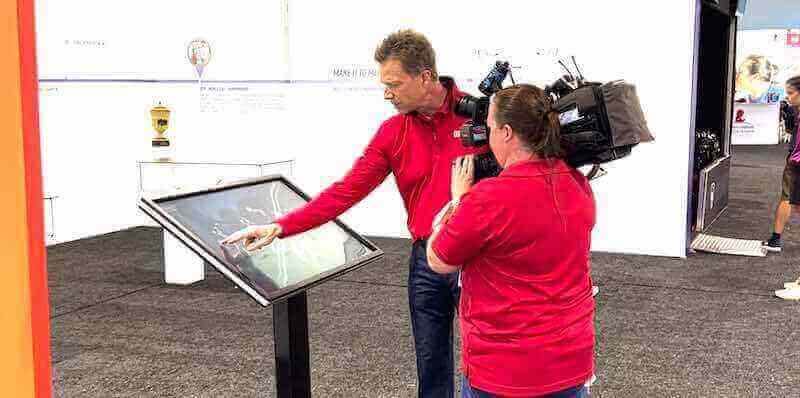
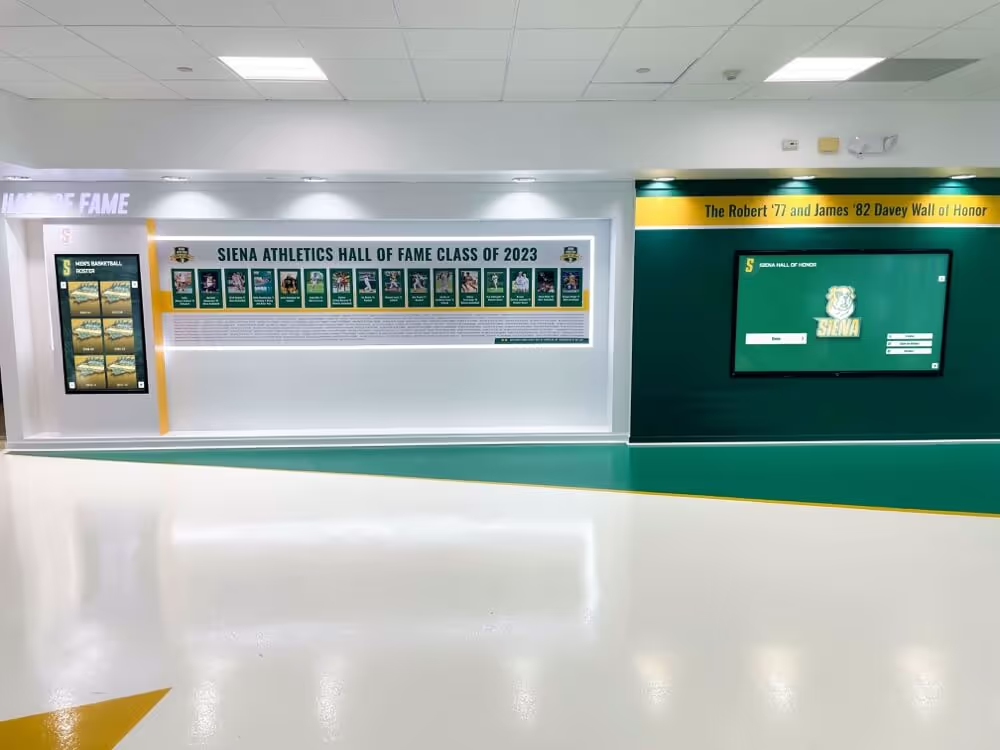
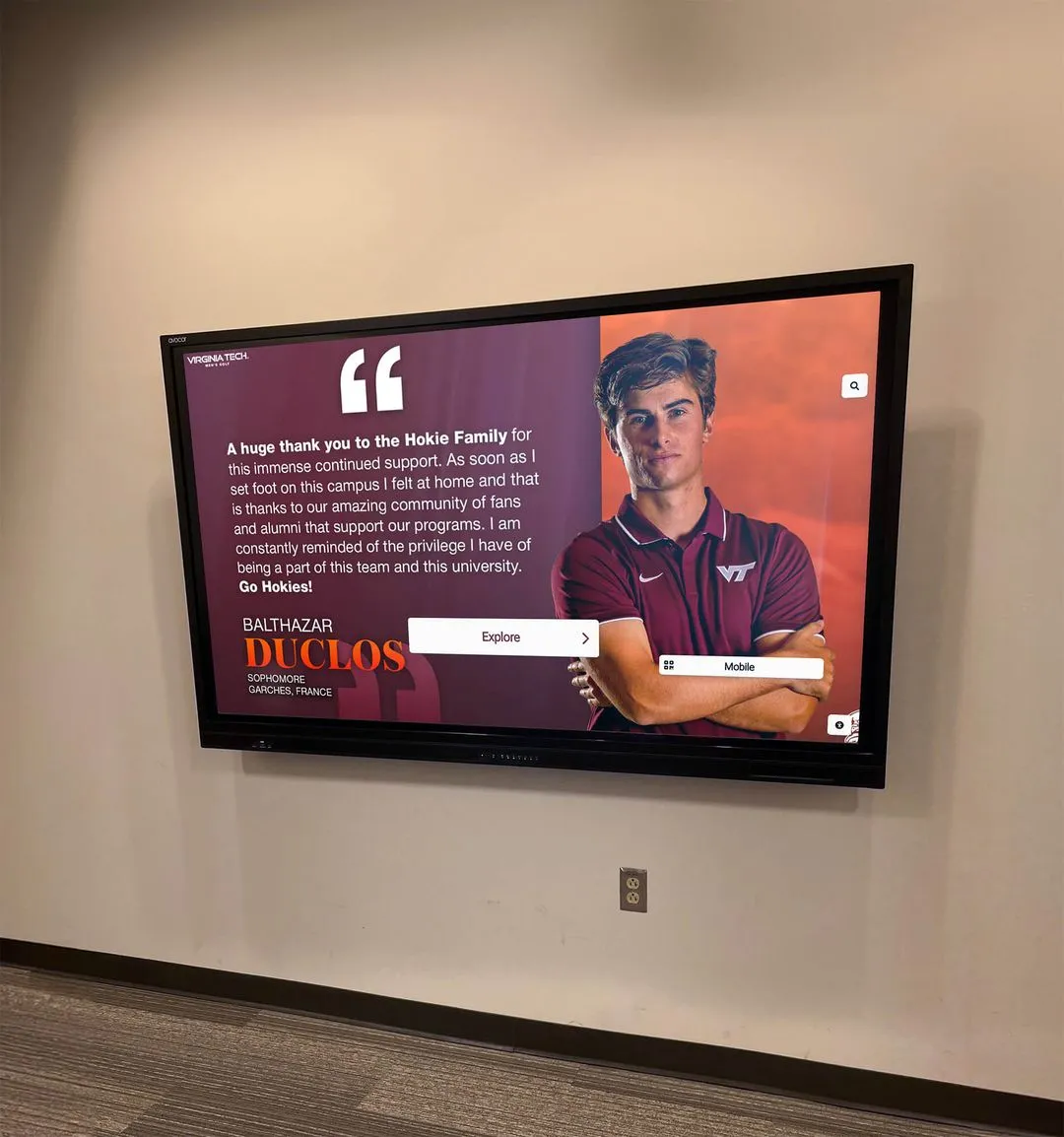
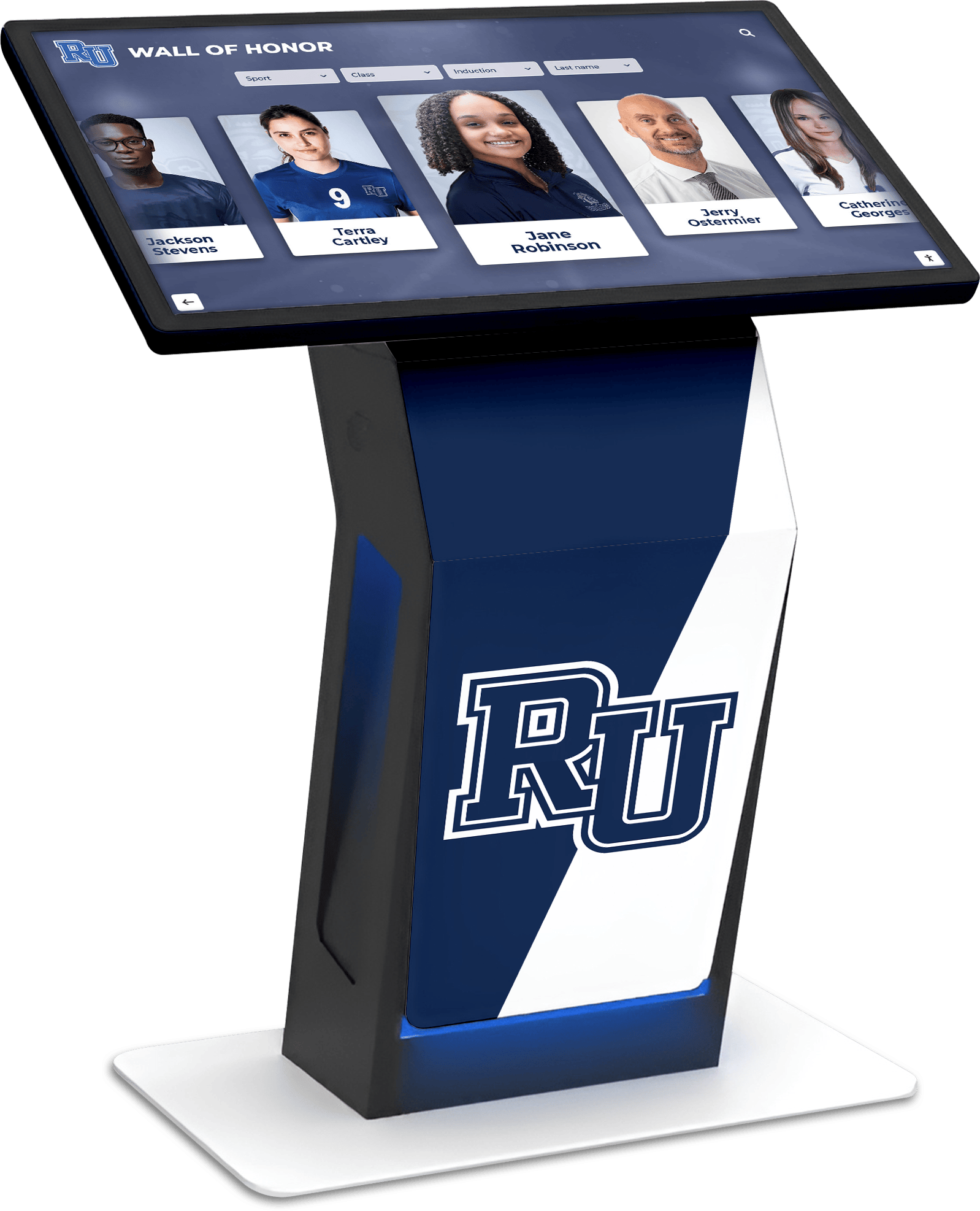
Commercial-grade touchscreen kiosks provide reliable platforms for interactive donor recognition displays integrated with Rocket Alumni Solutions software
Understanding MWE-QIXZOCV Touchscreen Kiosk Technology
Before evaluating specific applications for donor recognition, understanding the technical foundation and design philosophy behind MWE-QIXZOCV touchscreen kiosks clarifies why these systems work effectively for institutional interactive displays.
What Are MWE-QIXZOCV Touchscreen Kiosks?
MWE-QIXZOCV touchscreen kiosks are commercial-grade interactive display systems designed for public-facing applications requiring reliable operation, intuitive user interaction, and professional appearance in institutional environments. These kiosks integrate high-quality touchscreen displays with embedded computing systems, secure enclosures, and versatile mounting options into complete turnkey solutions ready for donor recognition, wayfinding, information delivery, and interactive showcase applications.
The MWE-QIXZOCV designation represents a product family encompassing various screen sizes, mounting configurations, and technical specifications tailored to different deployment scenarios while maintaining consistent design language, quality standards, and compatibility characteristics across the product line.
Key Applications for MWE-QIXZOCV Kiosks:
- Digital donor recognition walls in educational institutions
- Interactive athletic hall of fame displays
- Alumni engagement showcases in campus buildings
- Foundation recognition displays in nonprofit facilities
- Historical archive exploration systems
- Campus wayfinding and directory applications
- Visitor information kiosks in cultural institutions
Organizations implementing interactive touchscreen software benefit from hardware platforms specifically engineered for institutional deployment scenarios rather than repurposed consumer displays lacking commercial durability and support.
Technical Specifications and Hardware Features
Understanding core technical capabilities helps organizations evaluate whether MWE-QIXZOCV kiosks meet specific recognition program requirements.
Display Technology and Touch Capabilities: MWE-QIXZOCV kiosks typically feature capacitive touchscreen technology providing responsive multi-touch input, high-resolution displays (typically 1920x1080 Full HD or higher), commercial-grade panels rated for continuous operation, wide viewing angles ensuring visibility from various positions, and anti-glare coatings reducing reflections in bright environments.
Capacitive touch technology delivers the smartphone-like responsiveness users expect from modern interactive systems, supporting intuitive gestures including tap, swipe, pinch-to-zoom, and multi-finger interactions that make exploring donor recognition content effortless for visitors of all ages and technical comfort levels.
Computing and Connectivity Infrastructure: Integrated computing systems provide embedded PCs or media players with adequate processing power, sufficient memory for smooth content rendering, storage capacity for local caching when needed, WiFi and Ethernet connectivity options, USB ports for peripheral expansion, and HDMI inputs for external content sources if required.
This embedded architecture eliminates need for separate computer equipment, reducing cable clutter and simplifying installation while ensuring all components work together reliably.
Physical Design and Durability: Commercial construction includes powder-coated steel or aluminum enclosures, tempered glass screen protection, ventilation systems preventing overheating, cable management concealing connections, tamper-resistant hardware securing components, and professional aesthetics appropriate for institutional settings.
Durability matters significantly for public installations where displays operate continuously for years—commercial-grade construction prevents the premature failures common with consumer displays repurposed for institutional use.
Mounting and Installation Options
Freestanding Floor Kiosks: Self-supporting floor-mounted configurations provide complete turnkey installations requiring only power connection. These kiosks include weighted bases ensuring stability, adjustable height positioning for accessibility compliance, integrated cable management routing through support structures, and finished appearance from all viewing angles.
Floor kiosks work particularly well for lobby installations, open spaces without available wall mounting, and applications where displays must remain portable for occasional repositioning.
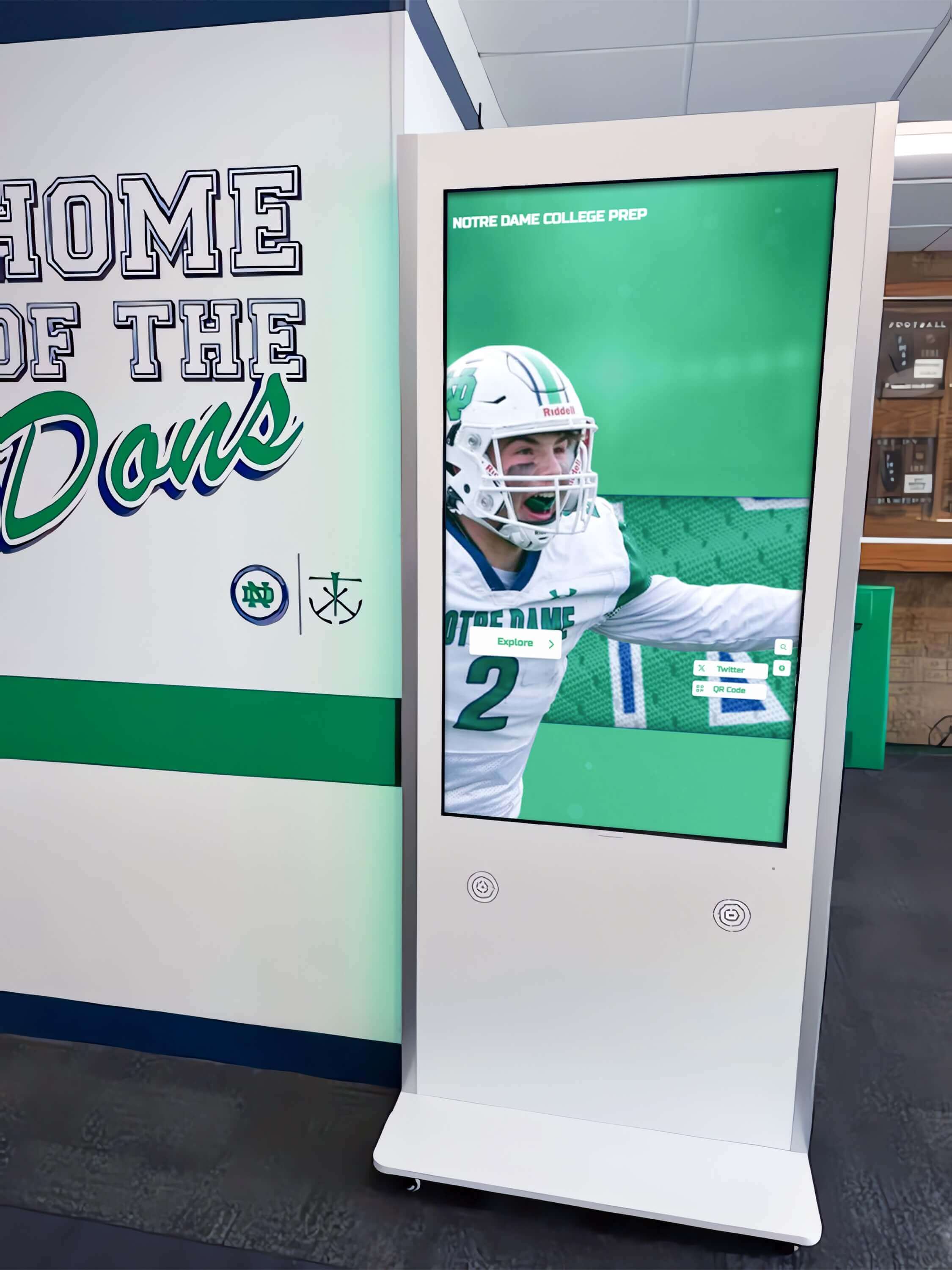
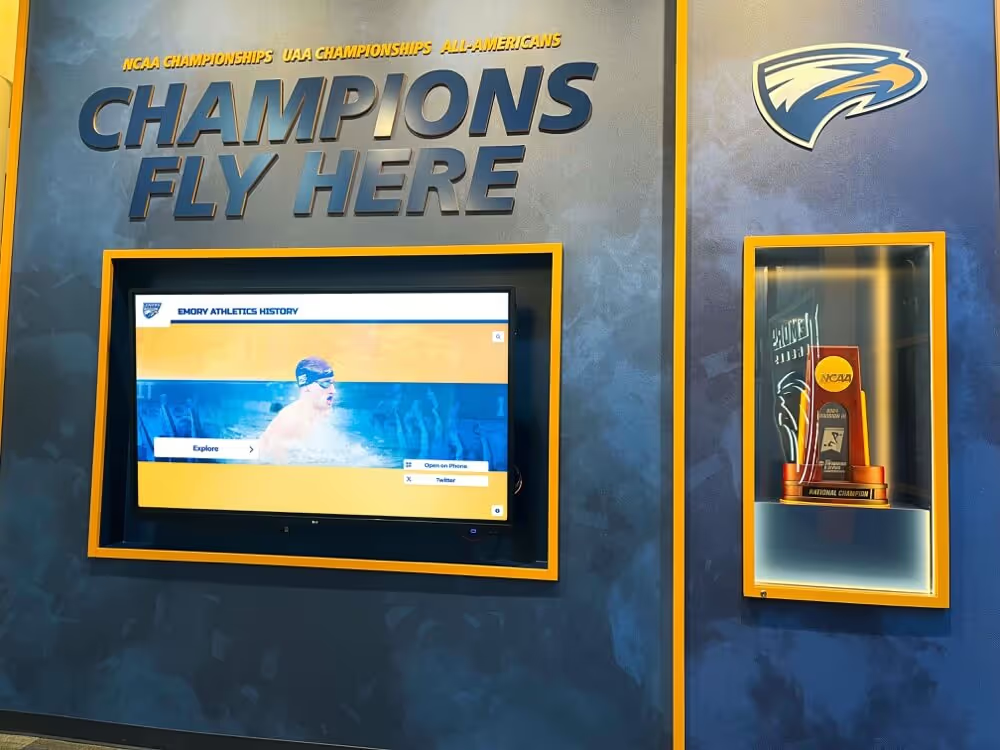
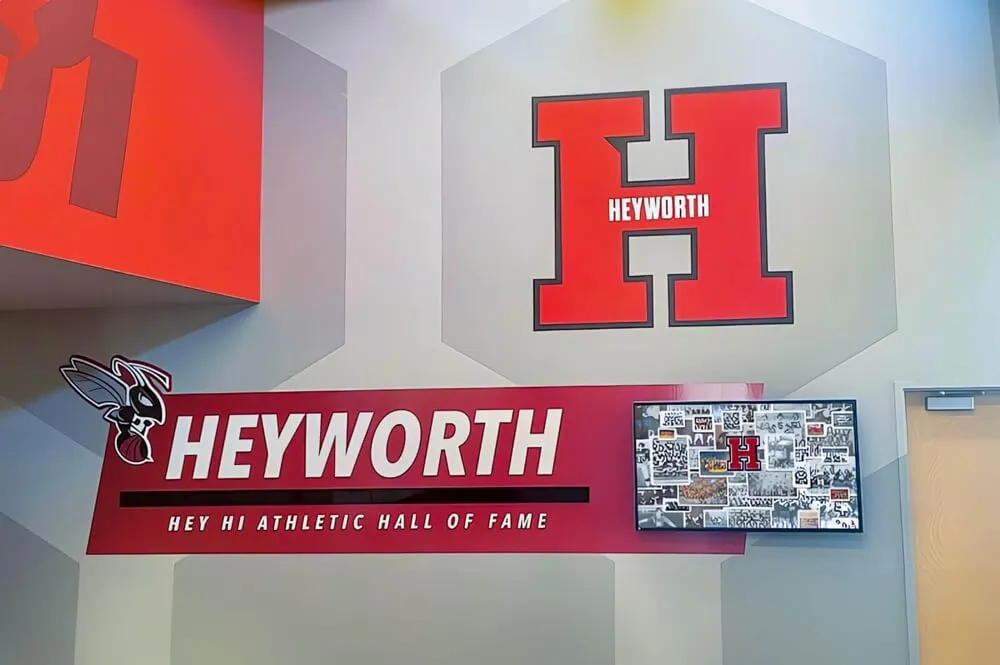
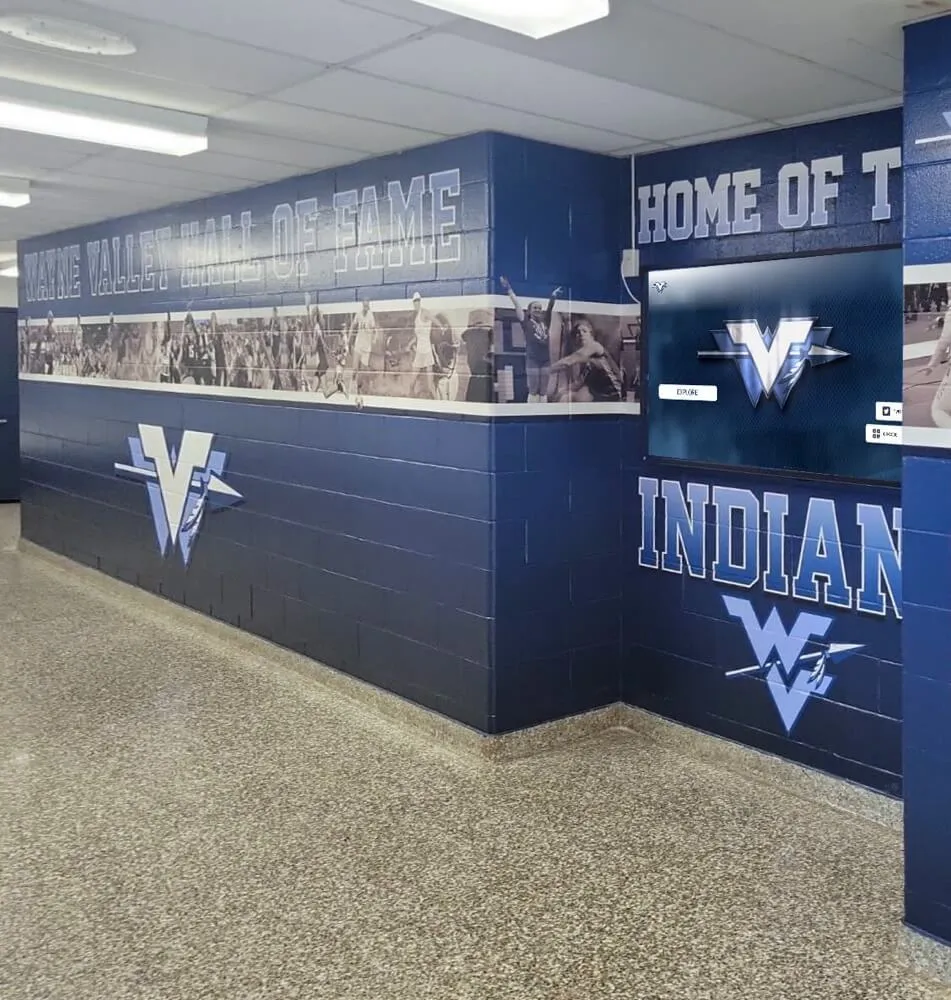
Freestanding kiosk configurations provide flexible installation options without wall mounting requirements
Wall-Mounted Installations: Wall-mounting brackets enable flush or low-profile mounting integrating touchscreens into architectural features, saving floor space in narrow hallways, positioning displays at optimal viewing heights, and creating clean installations highlighting recognition content.
Wall-mounted configurations require adequate wall structure, electrical access behind mounting location, and consideration of ADA reach range requirements ensuring accessibility for all visitors.
Tabletop and Counter Configurations: Compact models designed for placement on existing furniture, reception counters, or display pedestals provide flexible deployment without permanent installation, easy repositioning for special events, and cost-effective implementation when appropriate supporting structures already exist.
Organizations implementing digital donor walls should evaluate mounting options based on available installation locations, visitor traffic patterns, and architectural constraints specific to recognition display environments.
Software Compatibility: Rocket Alumni Solutions Integration
The most critical consideration for donor recognition applications is ensuring chosen hardware integrates seamlessly with recognition software platforms managing content, updates, and user experiences.
Why Software Compatibility Matters for Donor Recognition
Hardware-Software Integration Challenges: Many organizations discover compatibility issues only after purchasing hardware, finding displays that technically function but create operational problems including incompatible operating systems preventing software installation, insufficient computing power causing sluggish performance, touch drivers conflicting with recognition software, network connectivity limitations preventing cloud access, and lack of kiosk lockdown capabilities enabling unauthorized access.
Selecting hardware confirmed compatible with chosen recognition platforms prevents expensive mistakes requiring hardware replacement or complex technical workarounds that never quite work satisfactorily.
Rocket Alumni Solutions Compatibility Characteristics
Web-Based Platform Architecture: Rocket Alumni Solutions operates as a cloud-hosted web-based recognition platform accessible through standard web browsers, eliminating traditional software installation requirements. This architecture provides exceptional hardware compatibility since any device running a modern web browser can display recognition content identically.
For MWE-QIXZOCV kiosks, web-based compatibility means displays simply need browser capability and network connectivity to present full-featured donor recognition experiences—no custom software installation, no version management across devices, and no platform-specific compatibility concerns.
Organizations implementing touchscreen software solutions benefit from understanding architectural differences between web-based and native application approaches and how these impact hardware requirements and long-term maintenance.
Operating System Flexibility: Because Rocket Alumni Solutions delivers content through web browsers rather than native applications, MWE-QIXZOCV kiosks running Windows, Linux, or Android operating systems all function identically. This cross-platform compatibility provides organizations with hardware selection flexibility based on budget, technical preferences, or existing IT infrastructure rather than being constrained by software platform requirements.
Kiosk Mode Browser Requirements: Effective public-facing installations require kiosk mode browsers that lock down displays preventing unauthorized access to system settings, other websites, or administrative functions. MWE-QIXZOCV kiosks support various kiosk mode solutions including Chrome kiosk mode (Windows, Linux, Chrome OS), Microsoft Edge kiosk mode (Windows), Android kiosk applications, and third-party kiosk browser solutions providing advanced lockdown features.
Rocket Alumni Solutions works seamlessly with all major kiosk mode browsers, providing institutions with flexibility in selecting lockdown approaches matching security requirements and technical capabilities.
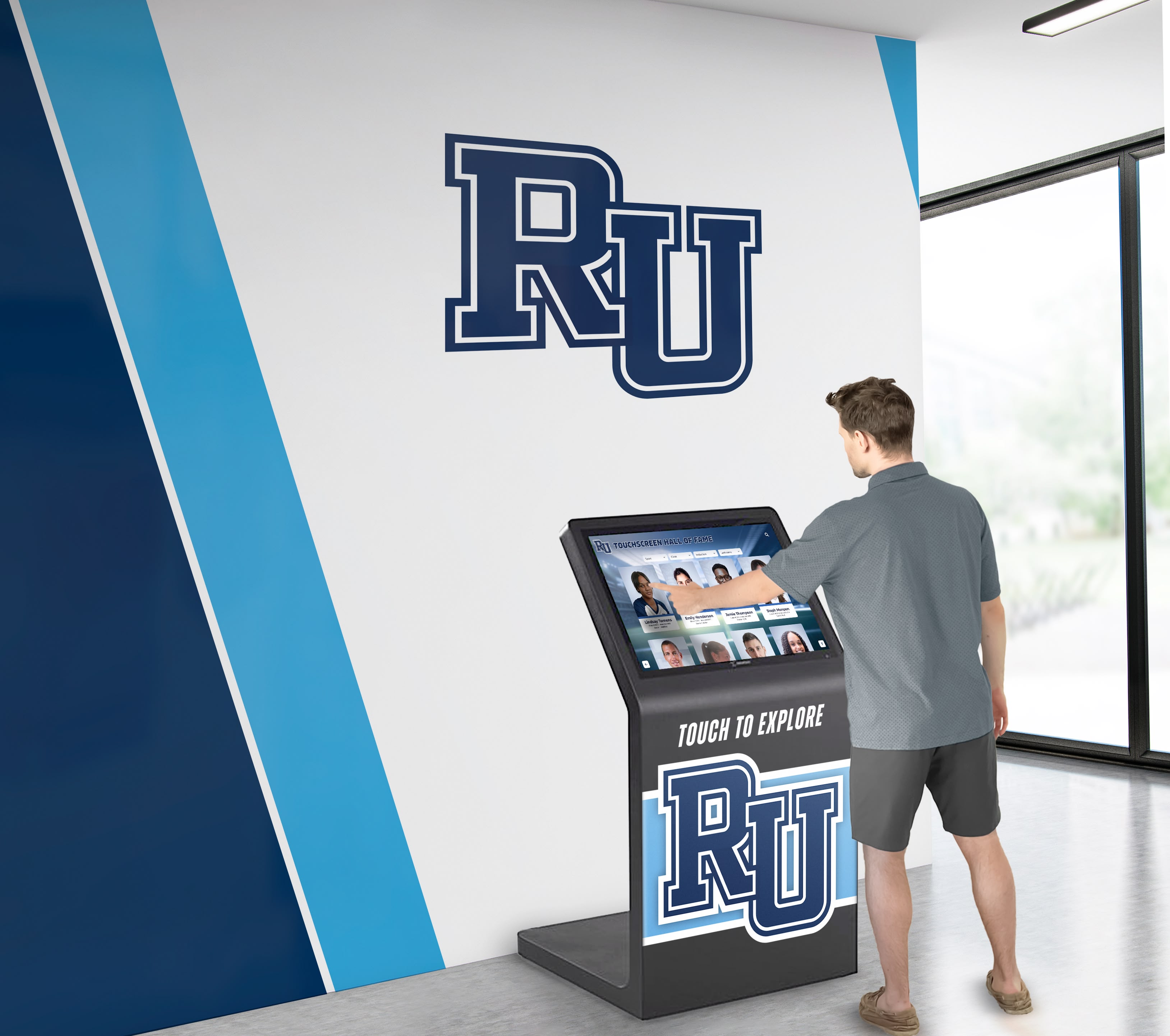
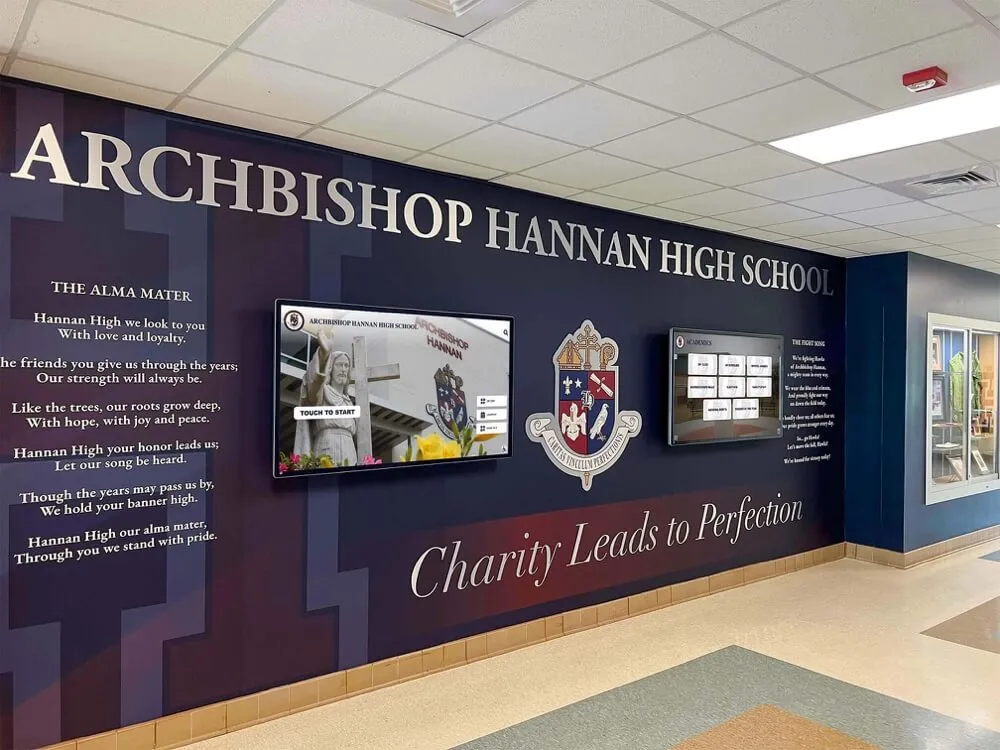
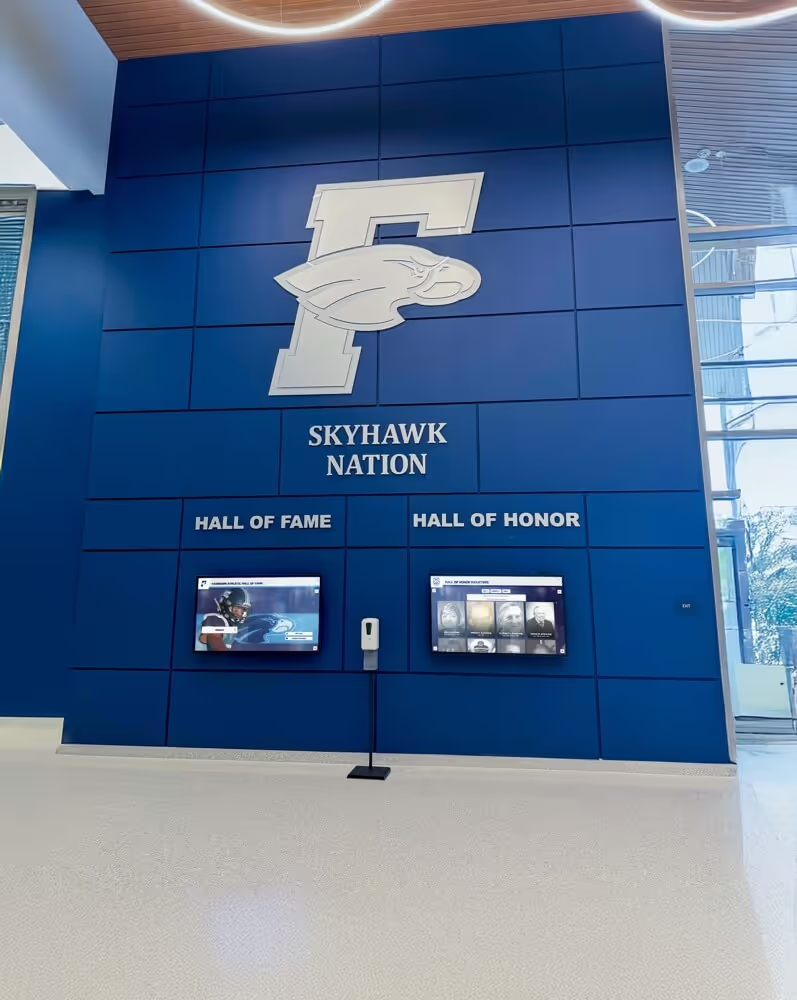
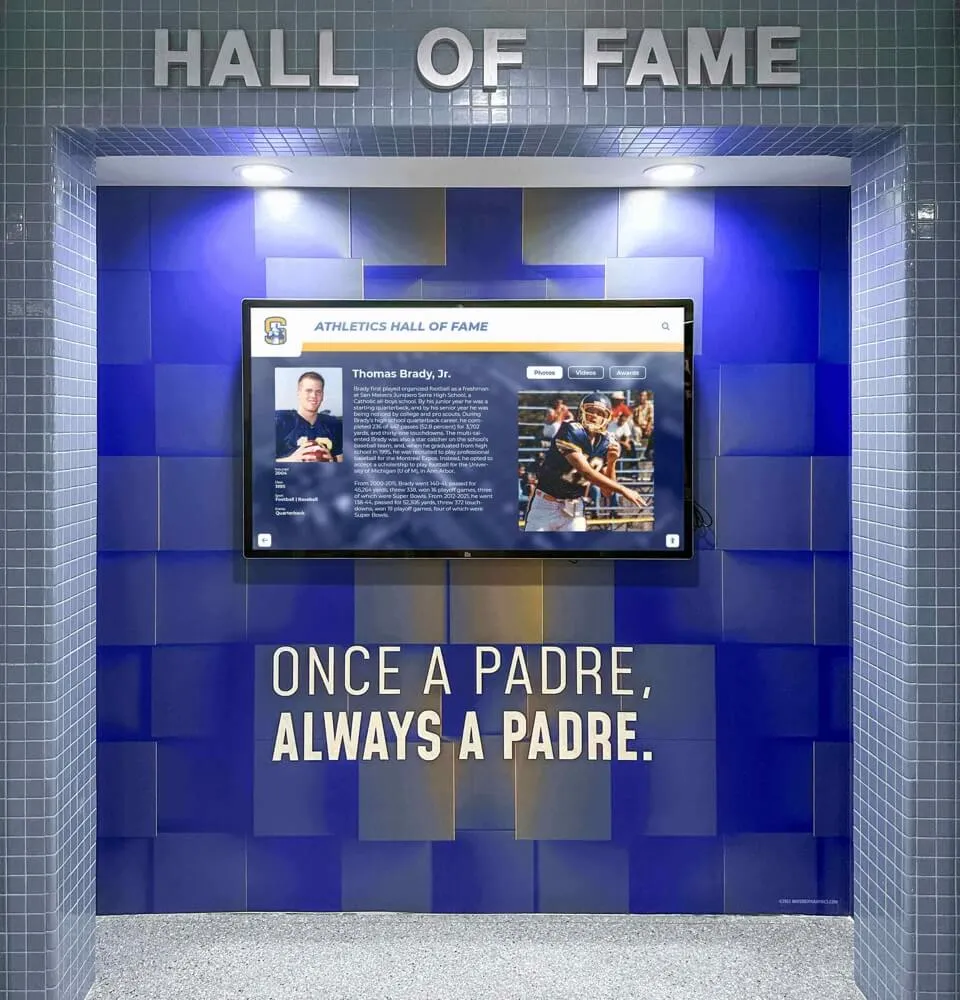
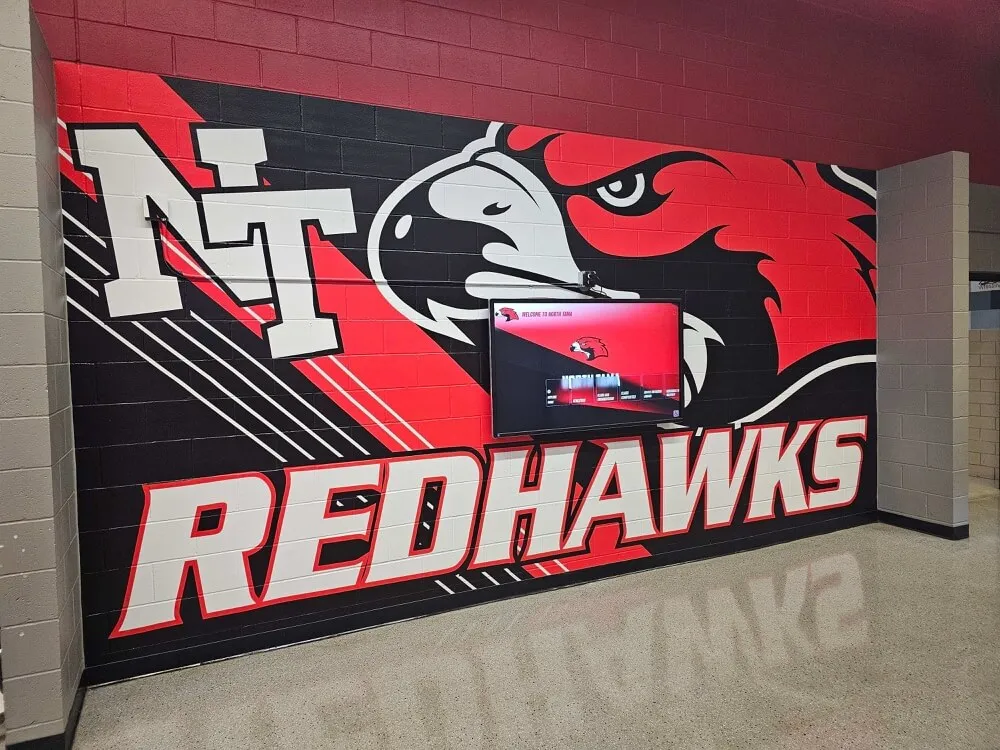
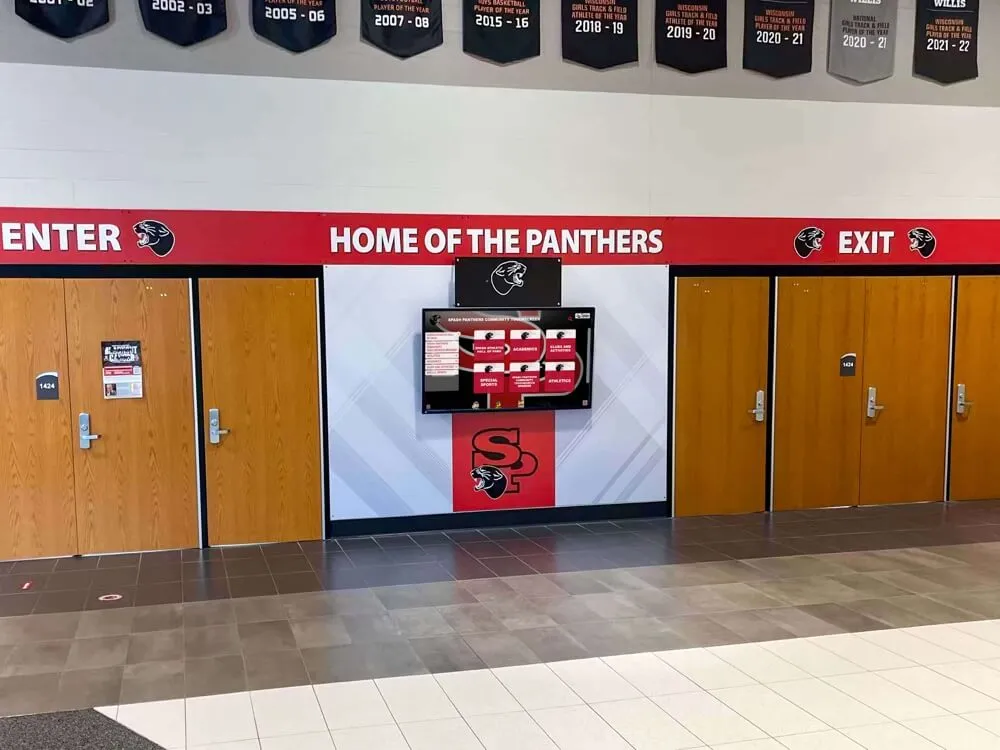
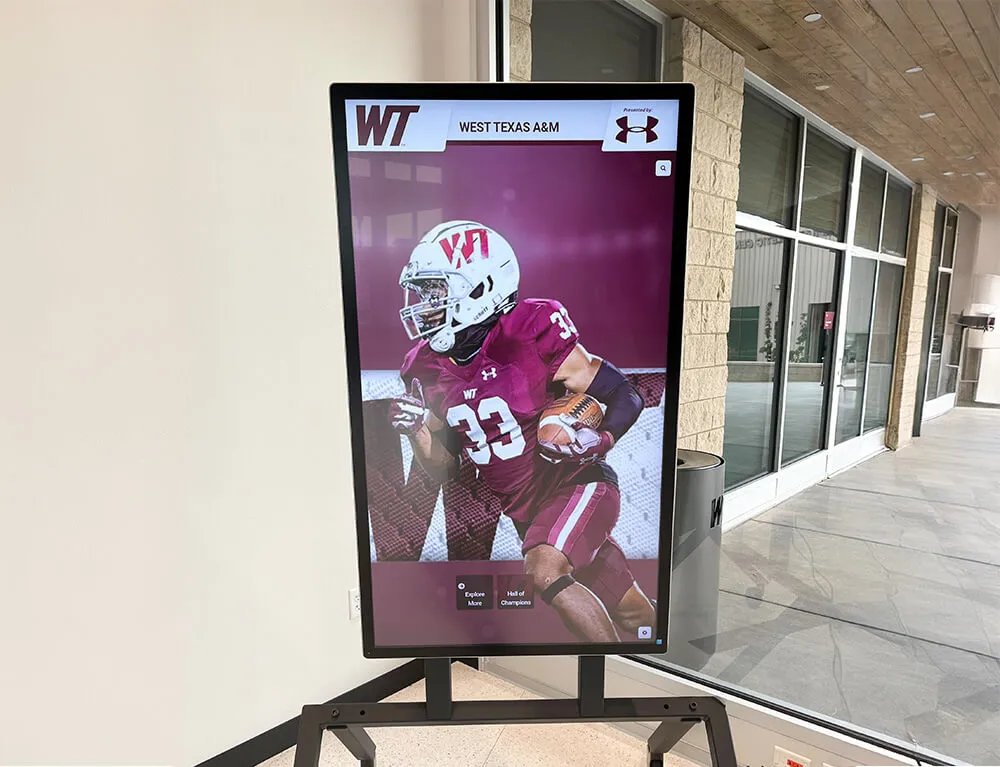
Web-based platforms like Rocket Alumni Solutions display identically across diverse hardware through standard browsers
Network Connectivity Considerations
Cloud Platform Connectivity Requirements: Web-based recognition platforms require continuous internet connectivity for optimal operation. MWE-QIXZOCV kiosks provide both WiFi and wired Ethernet connectivity options ensuring reliable network access in institutional environments.
Wired vs. Wireless Deployment: Ethernet connections offer maximum reliability and consistent performance for critical installations, eliminate WiFi interference concerns in crowded network environments, simplify network security through physical access control, and provide adequate bandwidth for high-resolution photos and videos without congestion concerns.
WiFi connectivity enables flexible installation locations without nearby Ethernet access, reduces installation costs by eliminating cable runs, and simplifies kiosk repositioning when needed, but requires strong WiFi coverage at installation locations and may experience occasional connectivity interruptions during network maintenance.
Bandwidth Requirements: Donor recognition displays typically require modest bandwidth—5-10 Mbps proves adequate for smooth operation including high-resolution image loading, video content playback, and responsive user interaction. Most institutional networks easily accommodate these requirements through either wired or wireless connections.
Organizations should verify adequate network coverage at planned installation locations before deployment to prevent connectivity issues affecting recognition display operation.
Implementing MWE-QIXZOCV Kiosks for Donor Recognition
Successful implementations require systematic planning addressing content strategy, technical configuration, installation logistics, and ongoing maintenance protocols.
Pre-Deployment Planning and Site Assessment
Installation Location Evaluation: Survey proposed installation sites assessing visitor traffic patterns and visibility, available floor space or wall mounting surfaces, electrical outlet proximity and accessibility, network connectivity availability (WiFi coverage or Ethernet access), ambient lighting conditions affecting screen visibility, and ADA compliance considerations for accessibility.
Selecting optimal locations ensures maximum recognition impact while preventing technical problems discovered only after installation commitment.
Content Strategy Development: Before hardware arrives, develop comprehensive recognition content including donor database organization by giving levels, historical donor information requiring digitization, photo asset collection and quality verification, impact story content demonstrating gift outcomes, and design templates reflecting institutional branding.
Organizations that prepare content before hardware installation launch recognition displays immediately rather than presenting empty systems that fail to engage visitors during critical first impressions.
Technical Infrastructure Preparation: Ensure installation sites provide adequate electrical power with appropriate outlet locations, network connectivity through Ethernet drops or verified WiFi coverage, physical security discouraging tampering or theft, climate control preventing overheating in enclosed spaces, and adequate clearance meeting ADA requirements and fire codes.
Addressing infrastructure needs before hardware arrival prevents installation delays and ensures displays operate reliably from launch.
Configuration and Software Setup
Operating System and Browser Configuration: Configure kiosk operating systems including system updates and security patches, network connectivity settings, display resolution and orientation, power management preventing automatic sleep, and automatic startup launching kiosk software on boot.
Install and configure kiosk mode browsers setting homepage to Rocket Alumni Solutions recognition URL, enabling kiosk mode lockdown, disabling browser updates during operation, configuring automatic page refresh for error recovery, and testing touch responsiveness and gesture support.
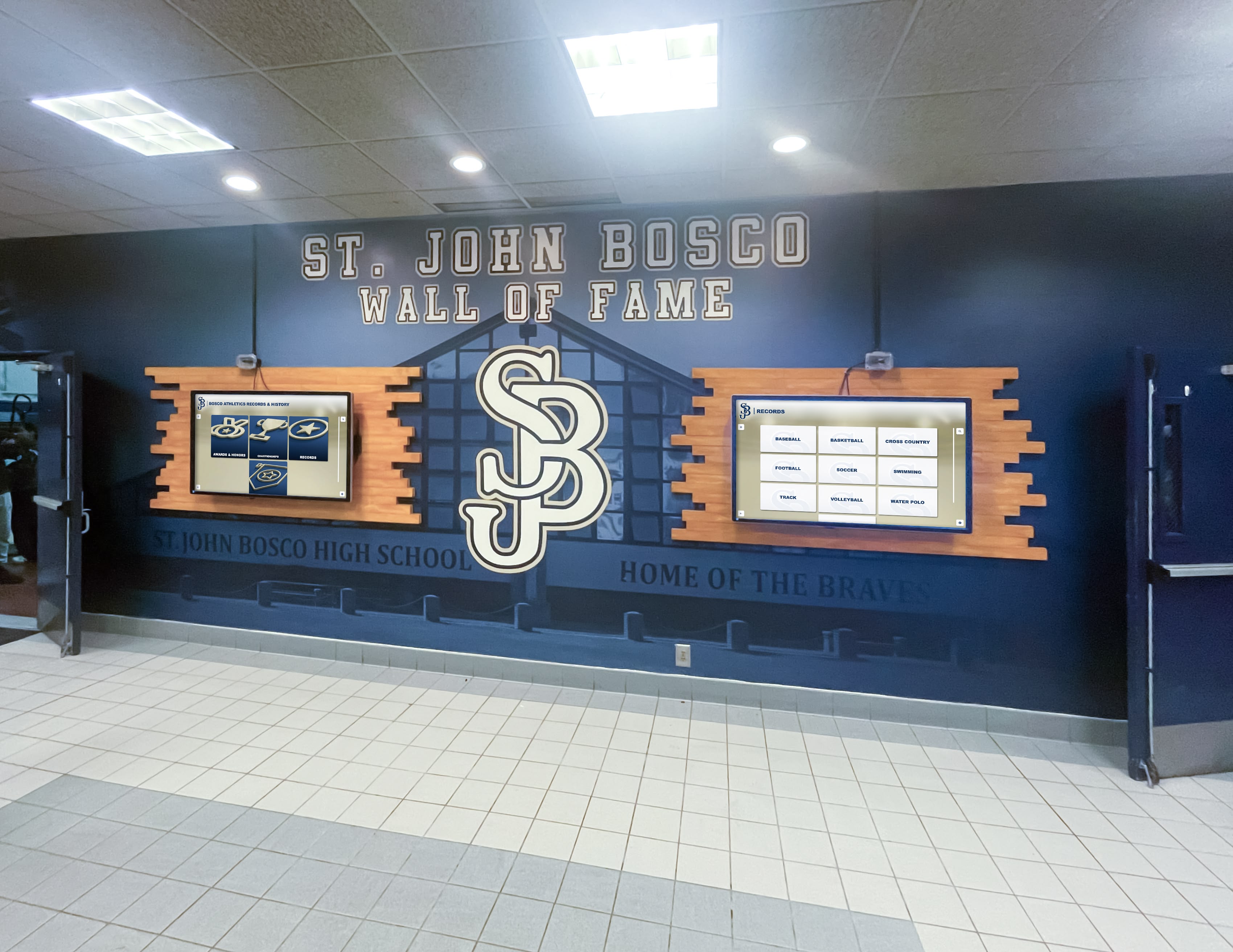
Consistent configuration across multiple displays ensures uniform recognition experiences throughout facilities
Rocket Alumni Solutions Platform Setup: Within the Rocket Alumni Solutions content management dashboard, configure institutional branding and customization, upload donor database information, organize recognition by giving levels or campaigns, set featured content and display preferences, and verify mobile-responsive design for touchscreen optimization.
Test recognition display appearance and functionality on actual kiosk hardware before public launch, ensuring content displays attractively, touch interactions respond smoothly, and navigation flows intuitively.
Kiosk Security Configuration: Implement appropriate security measures including physical enclosure locks preventing unauthorized hardware access, operating system lockdown restricting system setting changes, kiosk mode browser preventing navigation to unauthorized sites, automatic monitoring and reboot on system failures, and remote management capabilities for troubleshooting.
Security layering prevents common problems including unauthorized system modifications, displays stuck on error screens, and visitor access to administrative functions.
Installation and Launch Procedures
Physical Installation Process: Professional installation includes floor kiosk positioning and leveling, wall mounting bracket installation and display attachment, cable routing and concealment, power connection and verification, network connection and testing, and quality assurance inspecting appearance and alignment.
Organizations without internal installation capabilities should engage professional AV installers ensuring proper hardware mounting, cable management, and functional verification preventing common installation mistakes.
System Testing and Quality Assurance: Before public launch, comprehensively test display visibility from typical viewing distances, touch responsiveness across entire screen, content loading speed and performance, navigation and user flow, kiosk lockdown preventing unauthorized access, automatic recovery from power or network interruptions, and remote monitoring and management capabilities.
Systematic testing prevents embarrassing failures during public dedication events or initial operation when recognition displays receive maximum attention.
Staff Training and Documentation: Train relevant staff on content management through Rocket Alumni Solutions dashboard, basic troubleshooting for common issues, visitor assistance strategies, monitoring display operation and reporting problems, and escalation procedures for technical support.
Create documentation covering routine maintenance procedures, troubleshooting common problems, contact information for technical support, and content update workflows ensuring knowledge persists beyond individuals initially involved in implementation.
Organizations implementing digital hall of fame touchscreen systems benefit from systematic implementation approaches ensuring successful launches and sustainable long-term operation.
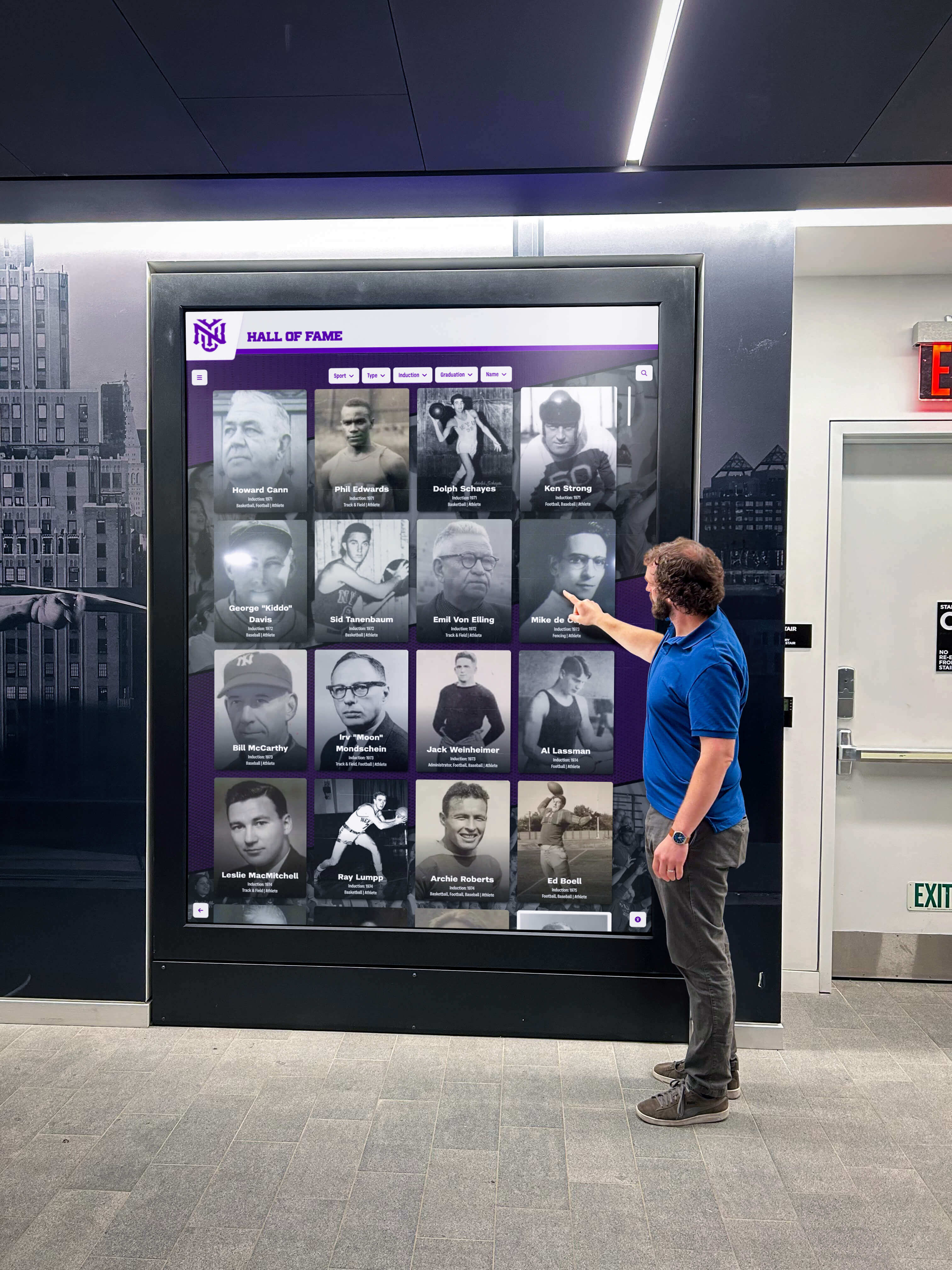
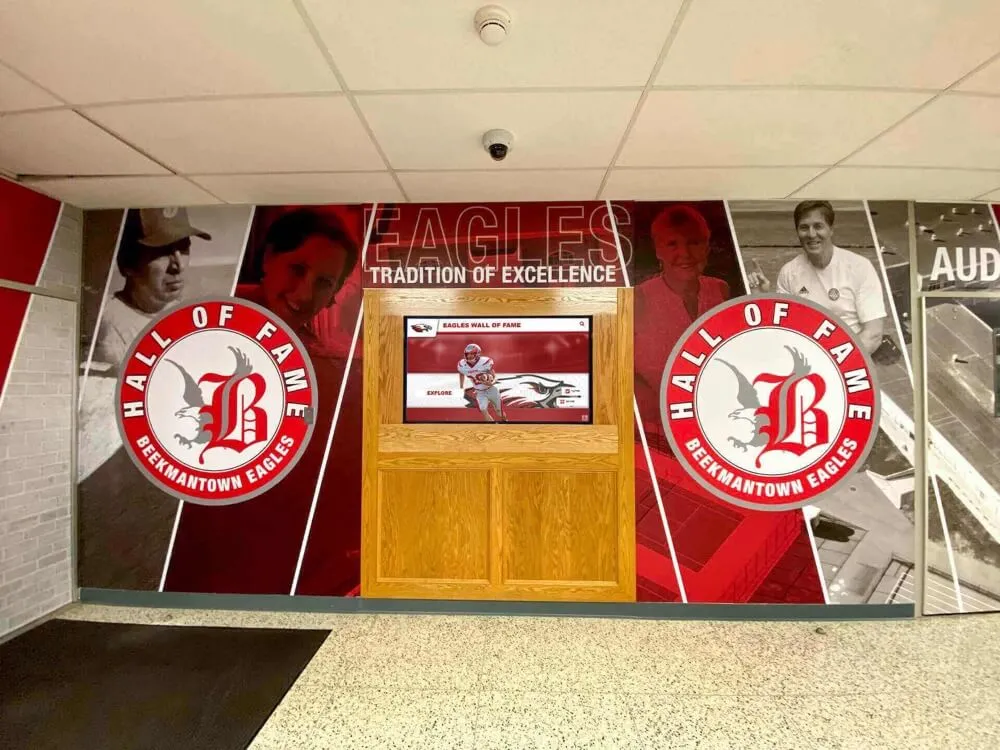
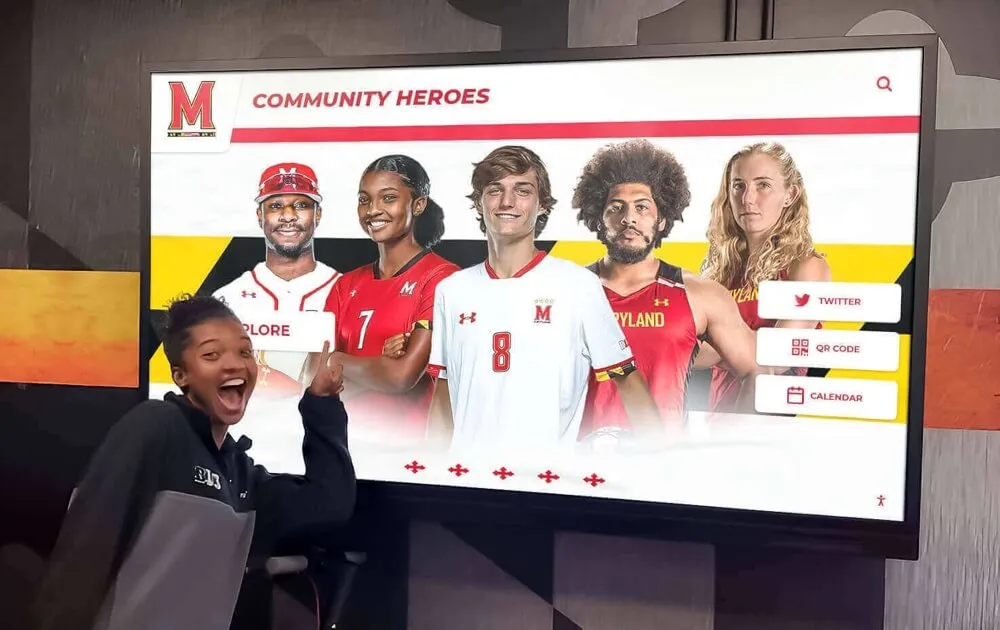
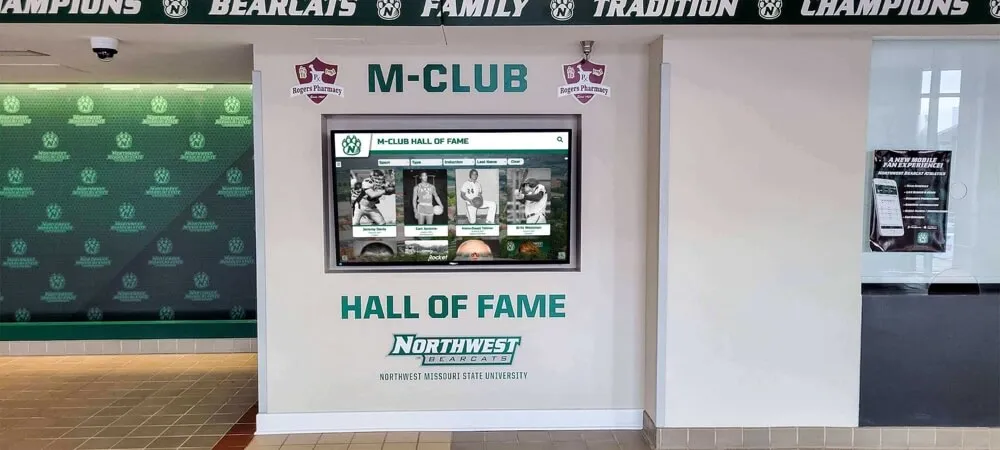
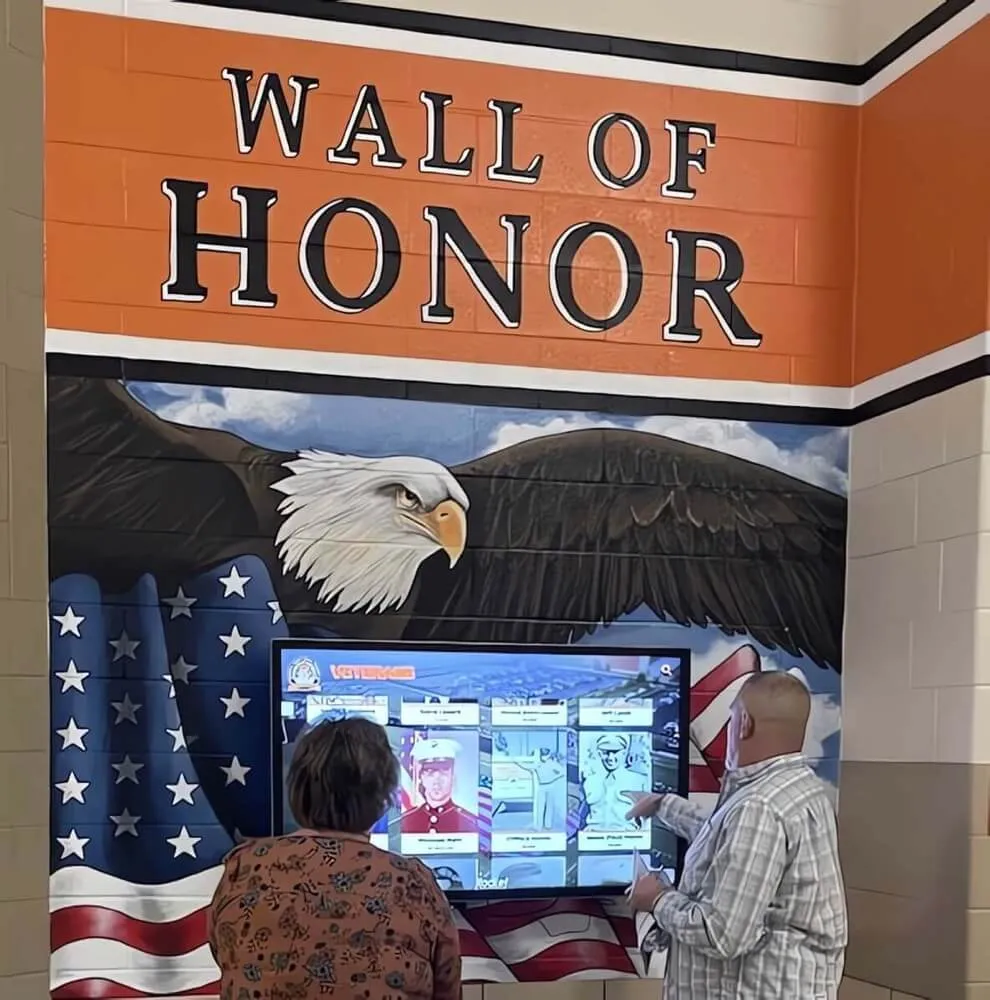
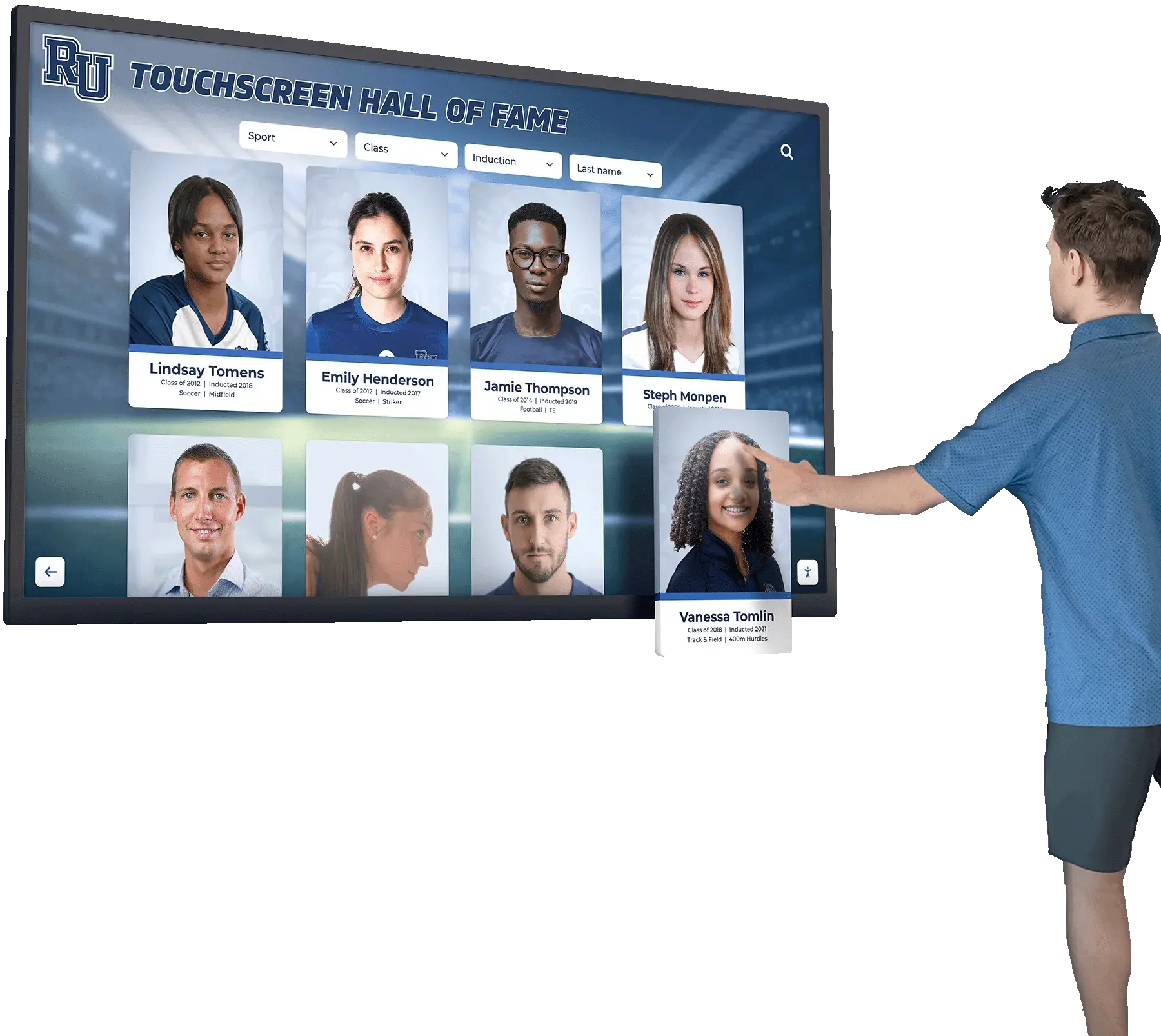
Intuitive interfaces and responsive touch technology create engaging recognition experiences for all visitors
Maintenance and Long-Term Operation
Sustaining recognition display effectiveness requires establishing maintenance protocols addressing routine care, technical monitoring, and content currency.
Routine Maintenance Procedures
Physical Cleaning and Care: Establish regular cleaning schedules including touchscreen surface cleaning with appropriate solutions, enclosure dusting and appearance maintenance, ventilation inspection preventing dust accumulation, cable management verification preventing disconnections, and general inspection identifying potential issues before failures occur.
Consistent cleaning maintains professional appearance critical for donor recognition applications while identifying minor issues before they cause display downtime.
Technical System Maintenance: Schedule periodic technical maintenance including operating system updates during off-hours, browser updates and configuration verification, kiosk lockdown testing ensuring security, network connectivity verification, display calibration if touch accuracy degrades, and component inspection for hardware issues.
Preventive maintenance prevents unexpected failures during critical periods when displays receive high visibility.
Remote Monitoring and Management
Cloud Platform Advantages: Web-based recognition platforms like Rocket Alumni Solutions enable remote content management without physical access to displays. Advancement teams update donor information, add new contributors, refresh impact stories, and modify displayed content from office computers or mobile devices, with changes appearing on all displays immediately.
This remote management capability ensures recognition remains current without requiring IT staff visits to each display location for every content update—a dramatic operational efficiency improvement compared to locally stored content requiring physical updates.
Technical Monitoring Systems: Implement monitoring solutions tracking display uptime and availability, network connectivity status, system resource utilization, error rates and performance issues, and usage analytics showing visitor engagement.
Proactive monitoring identifies problems quickly enabling rapid response before recognition displays remain inoperable for extended periods reflecting poorly on institutional professionalism.
Content Strategy for Sustained Engagement
Regular Content Updates: Maintain recognition currency through routine updates including new donor additions as gifts are received, giving level changes as supporters increase contributions, campaign progress updates demonstrating community impact, seasonal content variation maintaining freshness, and featured donor rotation ensuring all supporters receive spotlight visibility over time.
Static content creates perception that recognition is neglected—regular updates communicate organizational commitment to honoring supporters appropriately.
Impact Storytelling Integration: Enhance donor recognition beyond name listings by incorporating beneficiary testimonials demonstrating gift impact, before-and-after project documentation, statistical outcomes quantifying improvements, program expansion stories, facility renovation highlights, and scholarship recipient celebrations.
Impact storytelling transforms donor recognition from obligatory acknowledgment to meaningful communication about how philanthropy advances institutional mission—recognition that inspires continued support rather than simply fulfilling acknowledgment obligations.
Organizations implementing digital recognition displays find content strategy significantly impacts whether displays remain engaging and valued or become ignored installations visitors no longer notice.
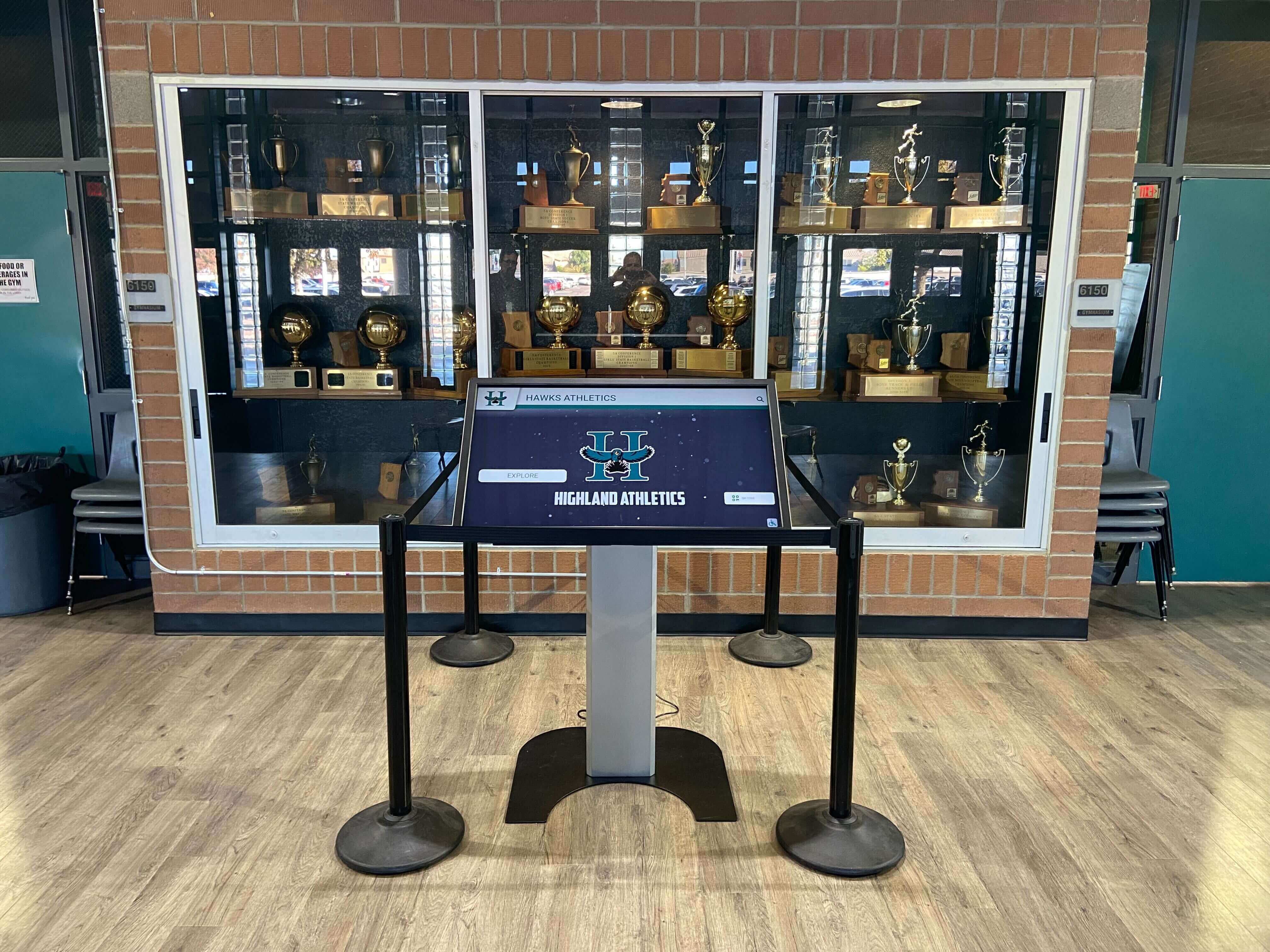
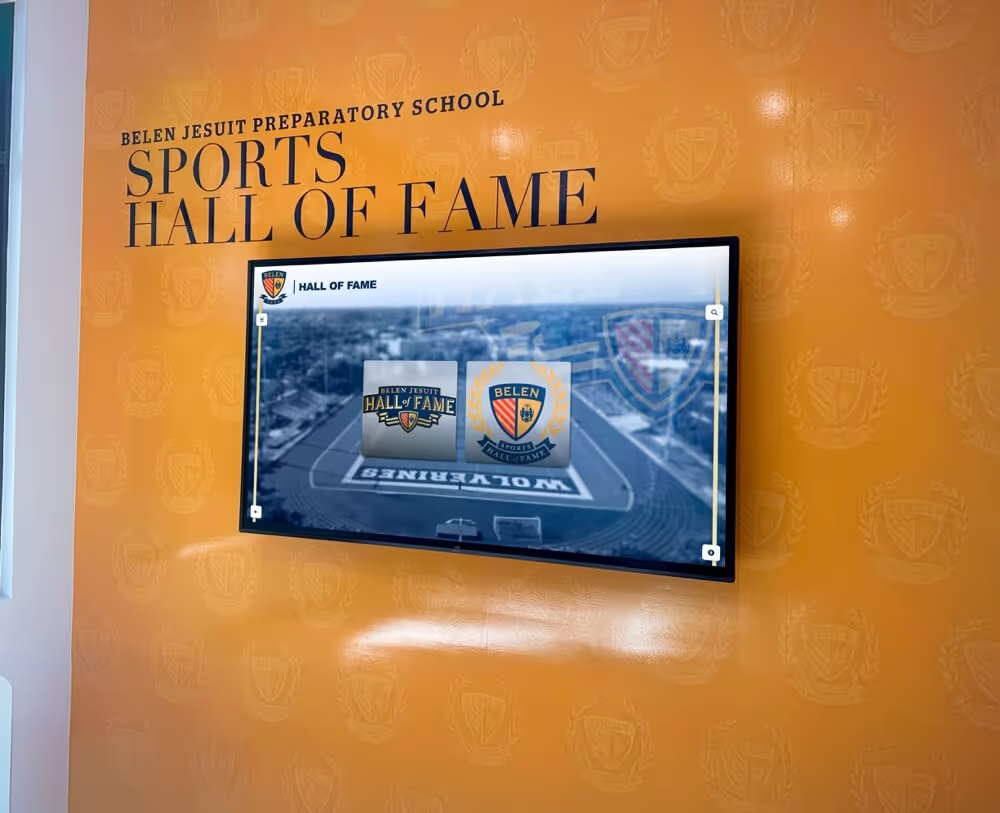
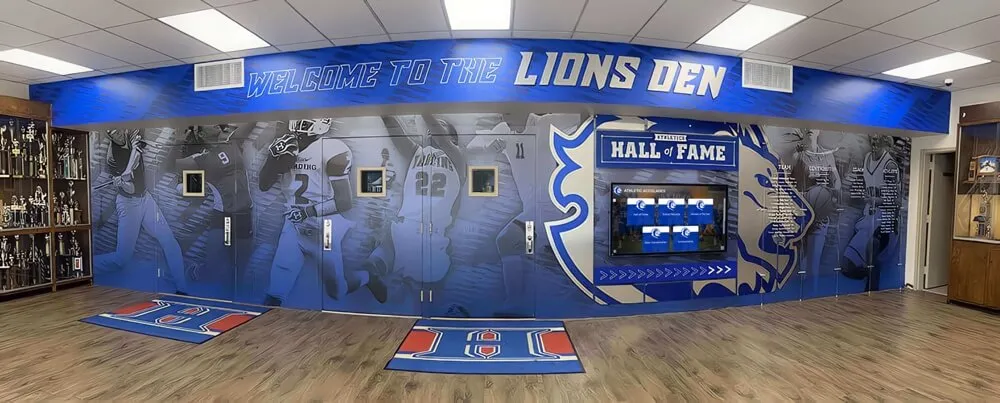
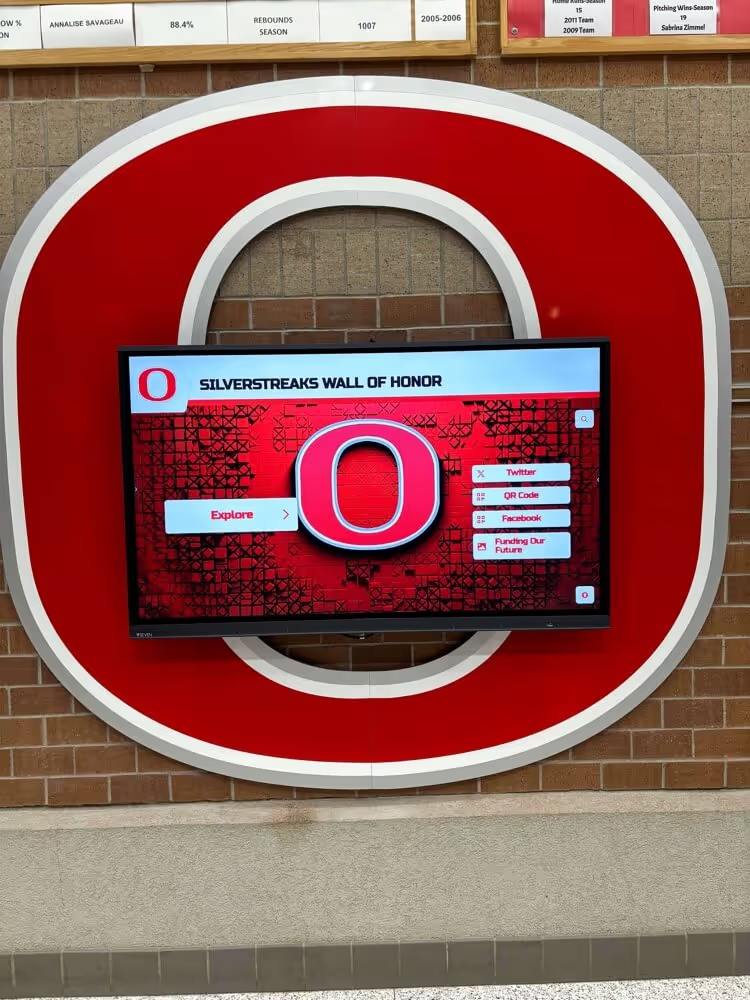
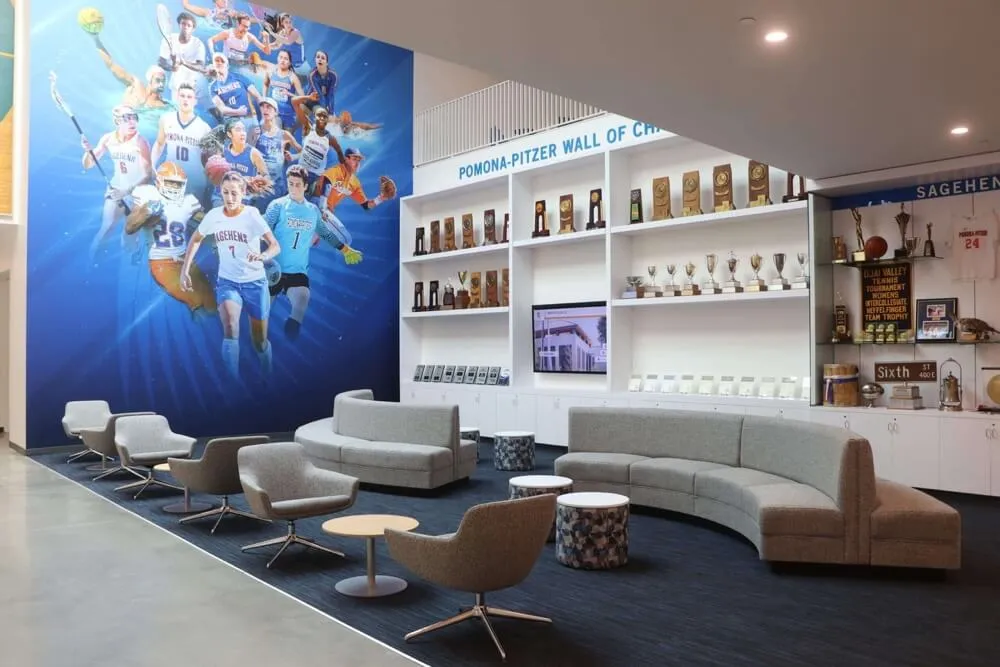
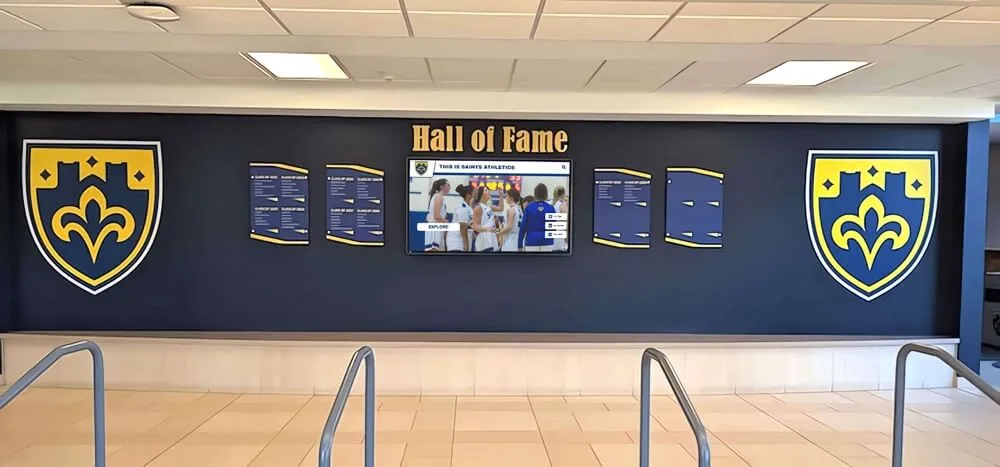
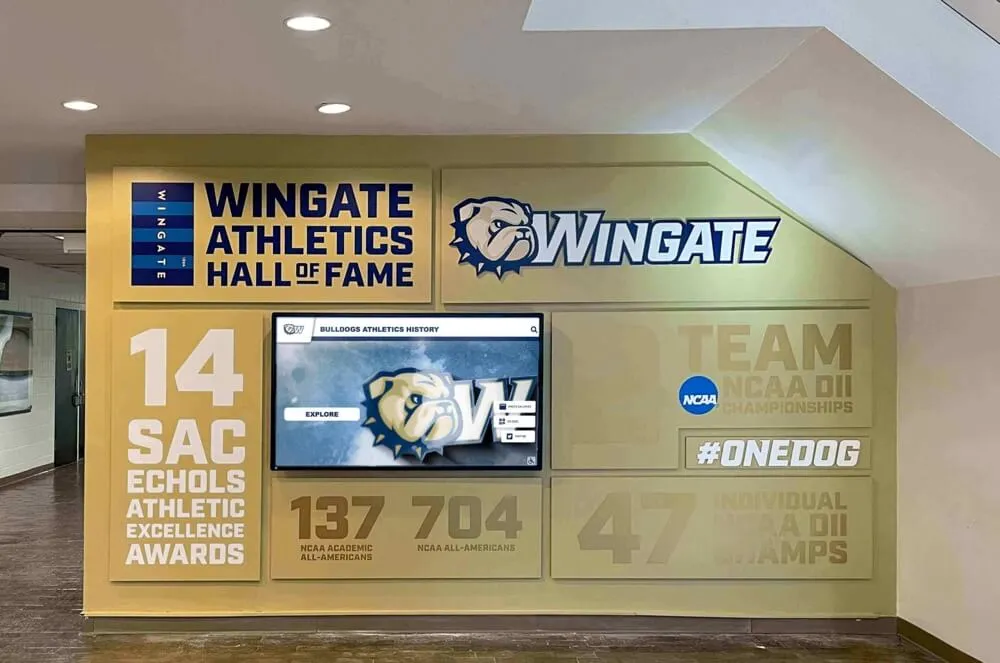
Modern touchscreen kiosks complement traditional recognition elements creating comprehensive celebration of institutional achievements
Cost Analysis and Investment Considerations
Understanding complete costs over display lifecycle enables informed decisions balancing initial investment, ongoing expenses, and total value delivered.
Initial Hardware Investment
MWE-QIXZOCV Kiosk Pricing: Commercial-grade touchscreen kiosks typically range from $2,000 to $8,000 depending on specifications including display size (32" to 55" most common for donor recognition), mounting configuration (freestanding vs. wall-mounted), computing power and storage capacity, optional features like payment processing or scanning, and quantity discounts for multi-unit purchases.
Mid-range configurations with 43" displays and standard computing capabilities typically cost $3,000-$5,000, providing excellent balance of visibility, functionality, and value for institutional donor recognition applications.
Complete System Cost Components: Total initial investment includes hardware purchase (kiosk, display, computing), installation services (mounting, cabling, configuration), network infrastructure if needed (Ethernet runs, WiFi access points), software platform setup (Rocket Alumni Solutions configuration), initial content development (donor database digitization, photo collection), and contingency budget for unforeseen requirements.
Organizations should budget comprehensively preventing project compromises due to insufficient resources for professional implementation.
Ongoing Operational Costs
Software Platform Subscription: Rocket Alumni Solutions typically follows subscription pricing models ($50-300 monthly depending on features and scale) covering cloud hosting infrastructure, platform maintenance and updates, technical support services, administrative dashboards for content management, and web accessibility extending recognition beyond physical displays.
Subscription costs remain consistent regardless of donor additions or content updates—predictable expenses enabling straightforward budget planning without surprise charges.
Maintenance and Support Expenses: Annual operating costs include hardware warranty or service contracts ($200-500 annually), occasional professional cleaning or minor repairs, network connectivity costs (typically absorbed in existing infrastructure), content management staff time (modest with user-friendly platforms), and periodic component replacement as needed over multi-year lifecycles.
Web-based platforms dramatically reduce maintenance costs compared to locally installed software requiring version management, compatibility testing, and professional services for updates.
Return on Investment Through Enhanced Donor Stewardship
Fundraising Impact Value: Research from nonprofit organizations indicates visible, engaging donor recognition increases giving through social proof encouraging additional contributions, improved donor retention reducing acquisition costs, larger gift amounts from recognized supporters, increased planned giving inquiries, and enhanced capital campaign success.
According to nonprofit fundraising studies, organizations with comprehensive recognition programs report 10-25% higher giving compared to similar institutions with limited or outdated acknowledgment. If improved recognition contributes even 5% increase for an organization raising $500,000 annually, the additional $25,000 in contributions exceeds typical touchscreen kiosk system costs within the first year.
Donor Satisfaction and Retention Benefits: Enhanced recognition improves donor lifetime value through increased satisfaction with acknowledgment, stronger emotional connections to mission, visibility encouraging continued engagement, social recognition motivating sustained giving, and pride fostering long-term relationships.
When considering that acquiring new donors costs 5-7 times more than retaining existing supporters, recognition investments that improve retention provide exceptional returns beyond direct fundraising increases.
Organizations evaluating donor recognition complete solutions should consider both direct costs and broader impact on donor relationships when calculating investment value.
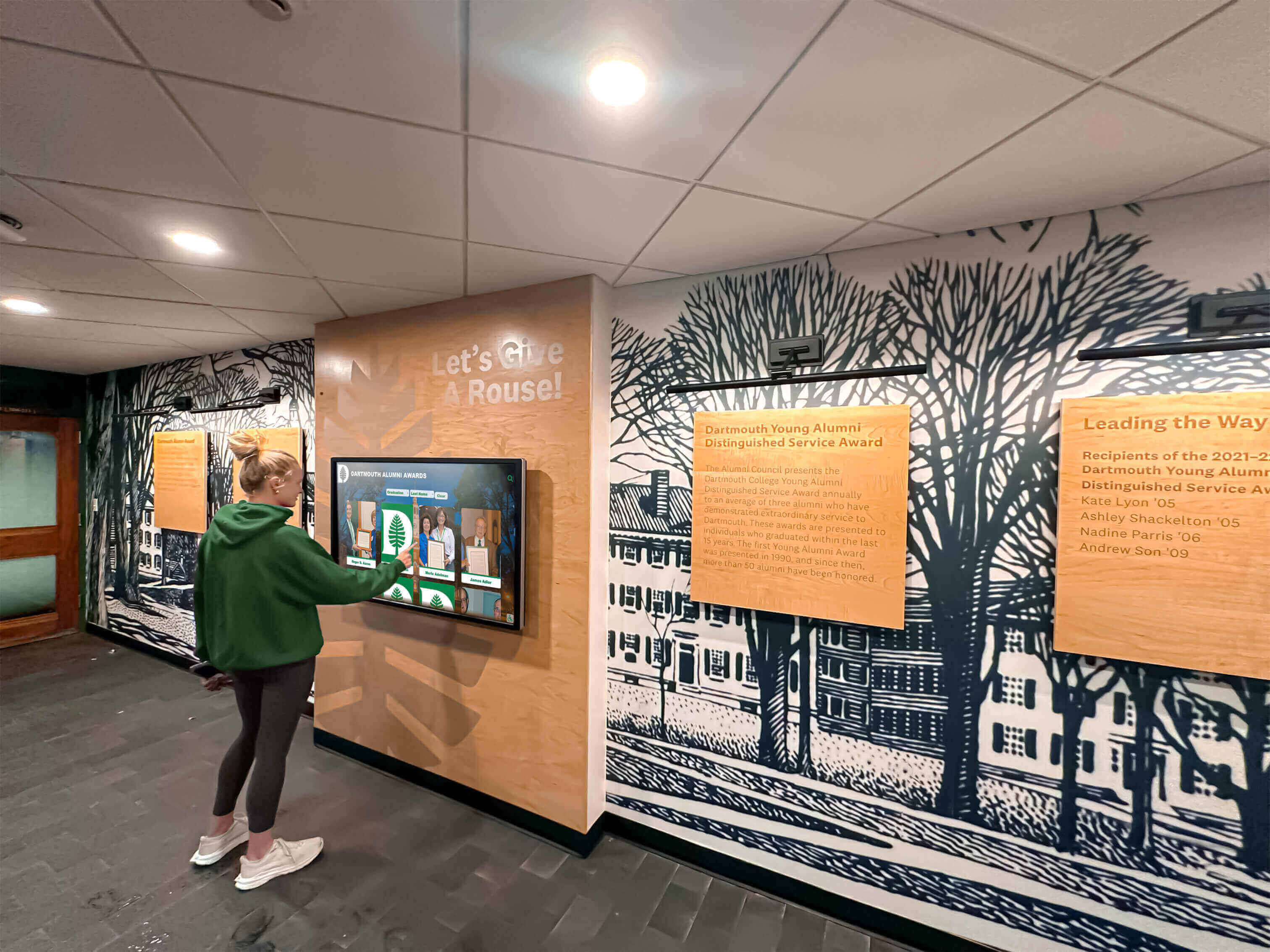
Engaging recognition displays create visibility for philanthropy inspiring future giving from students who become alumni donors
Real-World Applications and Deployment Scenarios
Examining specific use cases illustrates how MWE-QIXZOCV kiosks and Rocket Alumni Solutions combine to address diverse institutional recognition needs.
Educational Institution Donor Recognition
Scenario: Private School Annual Fund Display A K-12 independent school implements MWE-QIXZOCV touchscreen kiosks in the main lobby celebrating annual fund supporters, scholarship benefactors, and capital campaign contributors. The advancement office manages all content remotely through Rocket Alumni Solutions, updating donor information weekly as new gifts arrive and highlighting impact stories demonstrating how contributions strengthen educational programs.
Implementation Benefits: Non-technical advancement staff add donors without IT involvement, multiple giving levels receive appropriate recognition scaled by contribution, featured donor rotations ensure visibility for all supporters, impact stories connect gifts to tangible outcomes, and web-accessible recognition extends appreciation beyond physical campus visitors.
Schools implementing FBLA awards recognition and similar academic achievement displays find identical technology effectively celebrates diverse institutional accomplishments through versatile content management.
University Foundation Recognition Wall
Scenario: Major Gifts Campaign Celebration A university foundation launches a comprehensive facilities renovation campaign deploying coordinated MWE-QIXZOCV touchscreen kiosks across campus buildings benefiting from philanthropic support. Each display showcases campaign progress, major donors at leadership giving levels, historical giving documenting legacy of support, and before-and-after facility documentation demonstrating transformation enabled by community generosity.
Real-time campaign progress updates maintain excitement throughout multi-year fundraising efforts while honoring contributors at all levels from first-time donors to transformational gift supporters.
Nonprofit Organization Donor Appreciation
Scenario: Community Foundation Public Recognition A community foundation installs touchscreen kiosk in headquarters lobby celebrating local philanthropists supporting diverse causes. Recognition includes individual donors and families, corporate sponsors and business leaders, grant recipients demonstrating impact, giving society members at tiered levels, and memorial recognition honoring loved ones through dedicated gifts.
The foundation uses Rocket Alumni Solutions to maintain dynamic content highlighting different causes monthly, rotating featured donor stories demonstrating varied giving motivations, and integrating community impact data showing outcomes enabled by collective philanthropy.
Organizations implementing Catholic church digital donation displays apply similar approaches to faith-based giving recognition.
Healthcare System Donor Wall
Scenario: Hospital Foundation Recognition Display A regional hospital foundation implements touchscreen kiosks in patient family waiting areas celebrating healthcare philanthropy. Sensitive content design maintains calming aesthetics appropriate for medical environments while showcasing equipment acquisition enabled by contributions, facility improvements enhancing patient care, program expansion increasing service availability, research funding advancing medical knowledge, and patient outcome improvements demonstrating healthcare impact.
Recognition content carefully balances donor celebration with patient privacy, focusing on philanthropic outcomes rather than potentially distressing medical details while maintaining uplifting tone appropriate for healing environments.
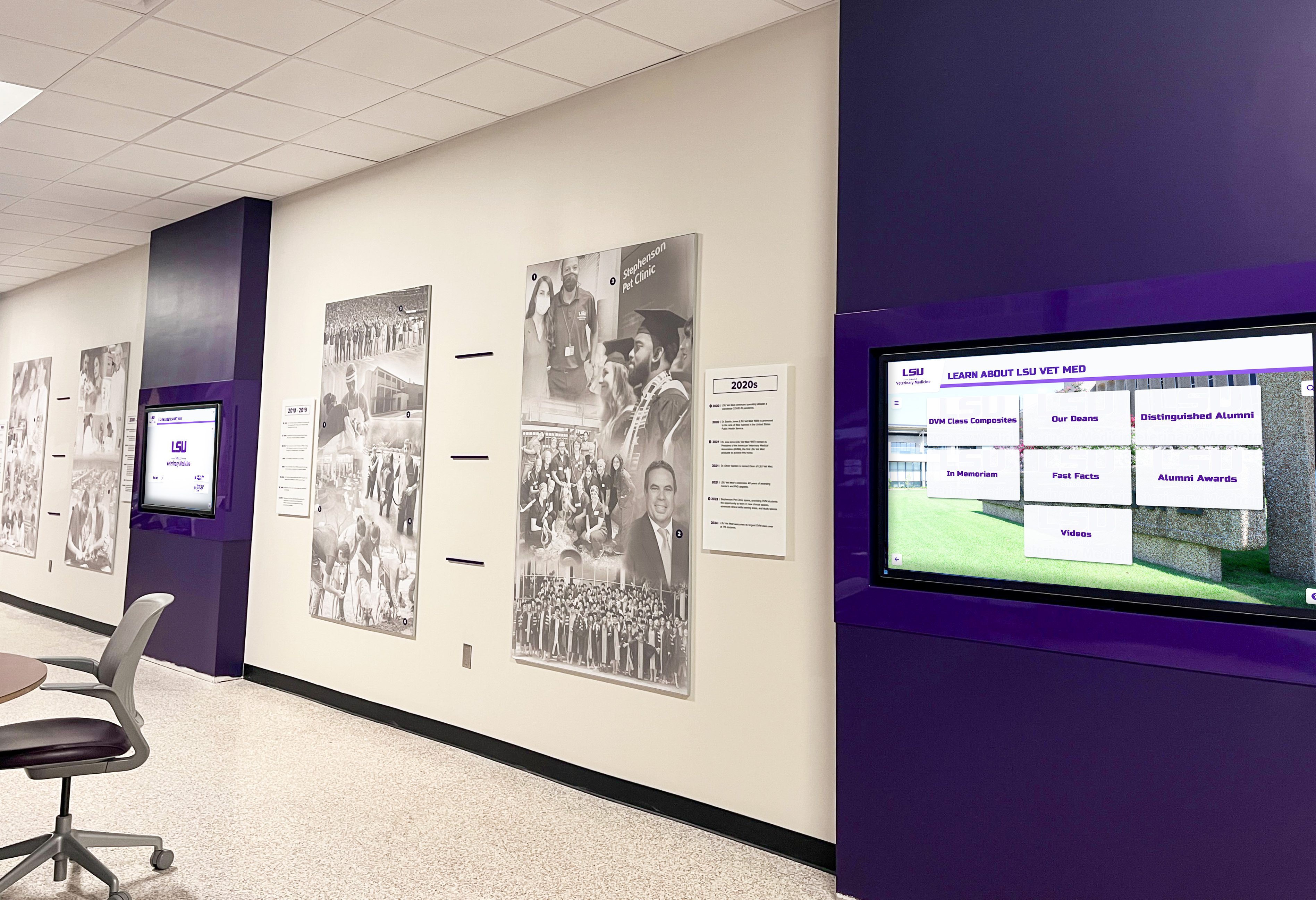
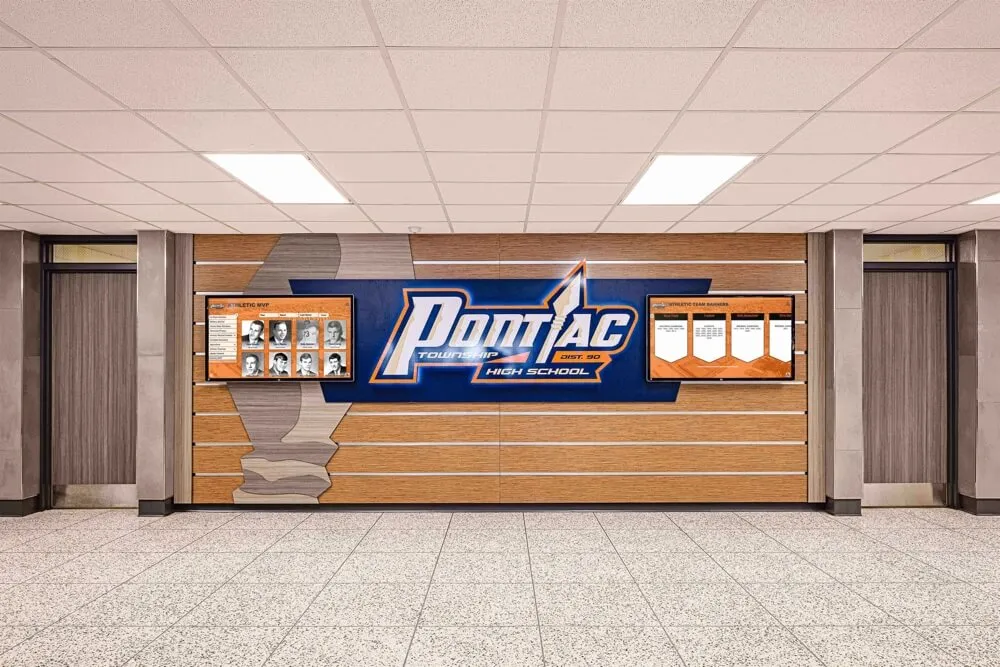
Strategic multi-display installations create comprehensive recognition experiences spanning key institutional spaces
Alternative Hardware Options and Comparisons
While MWE-QIXZOCV kiosks provide excellent donor recognition solutions, understanding alternative hardware approaches helps organizations make optimal selections for specific circumstances.
Custom-Built Kiosk Solutions
Organizations with specific design requirements sometimes commission custom kiosk fabrication integrating touchscreen displays with architectural millwork, branded enclosures reflecting institutional identity, non-standard configurations matching unique spaces, or specialized materials coordinating with surrounding aesthetics.
Custom solutions provide maximum design flexibility but typically cost substantially more than commercial kiosks and may lack standardized support and replacement part availability. Custom approaches prove most appropriate when appearance integration outweighs cost considerations and when budgets accommodate 2-3× premiums over standard commercial hardware.
Consumer Displays Adapted for Institutional Use
Some organizations attempt cost savings by repurposing consumer-grade touchscreen monitors with separate computers and improvised mounting rather than purchasing commercial kiosks. While initially cheaper, consumer approaches often create problems including shorter component lifespans requiring early replacement, lack of integrated security and kiosk features, unprofessional appearance inappropriate for donor recognition, difficult maintenance and troubleshooting, and absence of commercial warranty and support.
For donor recognition applications where professional presentation matters significantly and reliable operation over 5-7 year lifecycles is expected, commercial kiosks provide better long-term value despite higher initial costs.
iPad and Tablet-Based Solutions
Wall-mounted iPads or Android tablets offer compact, cost-effective alternatives for small-scale installations. Tablets provide excellent touch responsiveness, attractive displays, and simple setup, but face limitations including smaller screen sizes limiting content visibility, potential overheating in enclosures, limited mounting options, and security challenges in public environments.
Tablets work well for controlled environments, staff-facing applications, or supplemental displays complementing larger installations, but commercial kiosks better serve primary high-traffic donor recognition applications.
Organizations exploring touchscreen kiosk software options benefit from understanding how different hardware platforms interact with web-based recognition software.
Accessibility and Inclusive Design Considerations
Effective donor recognition celebrates all supporters while remaining accessible to all visitors regardless of physical abilities, ensuring recognition experiences include entire communities.
ADA Compliance and Physical Accessibility
Mounting Height and Reach Range: The Americans with Disabilities Act establishes guidelines for interactive display accessibility including maximum reach heights for controls, unobstructed floor clearance for wheelchair access, appropriate viewing angles from seated positions, and touch target sizes accommodating diverse dexterity.
MWE-QIXZOCV kiosks support adjustable mounting heights enabling ADA-compliant installations when properly configured. Organizations should verify compliance during installation planning rather than discovering accessibility problems after deployment.
Alternative Interaction Methods: While touchscreen interaction serves most visitors effectively, consider supplementary access methods including web versions accessible from personal devices, voice navigation for vision-impaired visitors, keyboard or switch control for visitors with limited dexterity, and staff assistance protocols when technology cannot fully accommodate specific needs.
Rocket Alumni Solutions provides web-accessible recognition complementing physical touchscreen displays, enabling visitors to explore donor information from smartphones, tablets, or assistive technology devices as needed.
Cognitive and Sensory Accessibility
Interface Design for Cognitive Accessibility: Recognition displays should accommodate diverse cognitive abilities through clear navigation with consistent placement, simple language appropriate for varied literacy levels, visual hierarchy guiding attention appropriately, adequate processing time without automatic timeouts, and predictable interaction patterns minimizing confusion.
Web-based platforms like Rocket Alumni Solutions enable interface customization ensuring recognition remains accessible to visitors with cognitive differences, learning disabilities, or limited technical familiarity.
Visual and Auditory Considerations: Design recognition content for sensory accessibility including high contrast ratios ensuring visibility, adjustable text sizing supporting low vision, audio alternatives for text content when appropriate, visual indicators for audio content benefiting deaf visitors, and motion alternatives preventing disorientation.
Organizations implementing elementary school recognition boards serving young visitors and family members find accessibility considerations particularly important for inclusive community engagement.
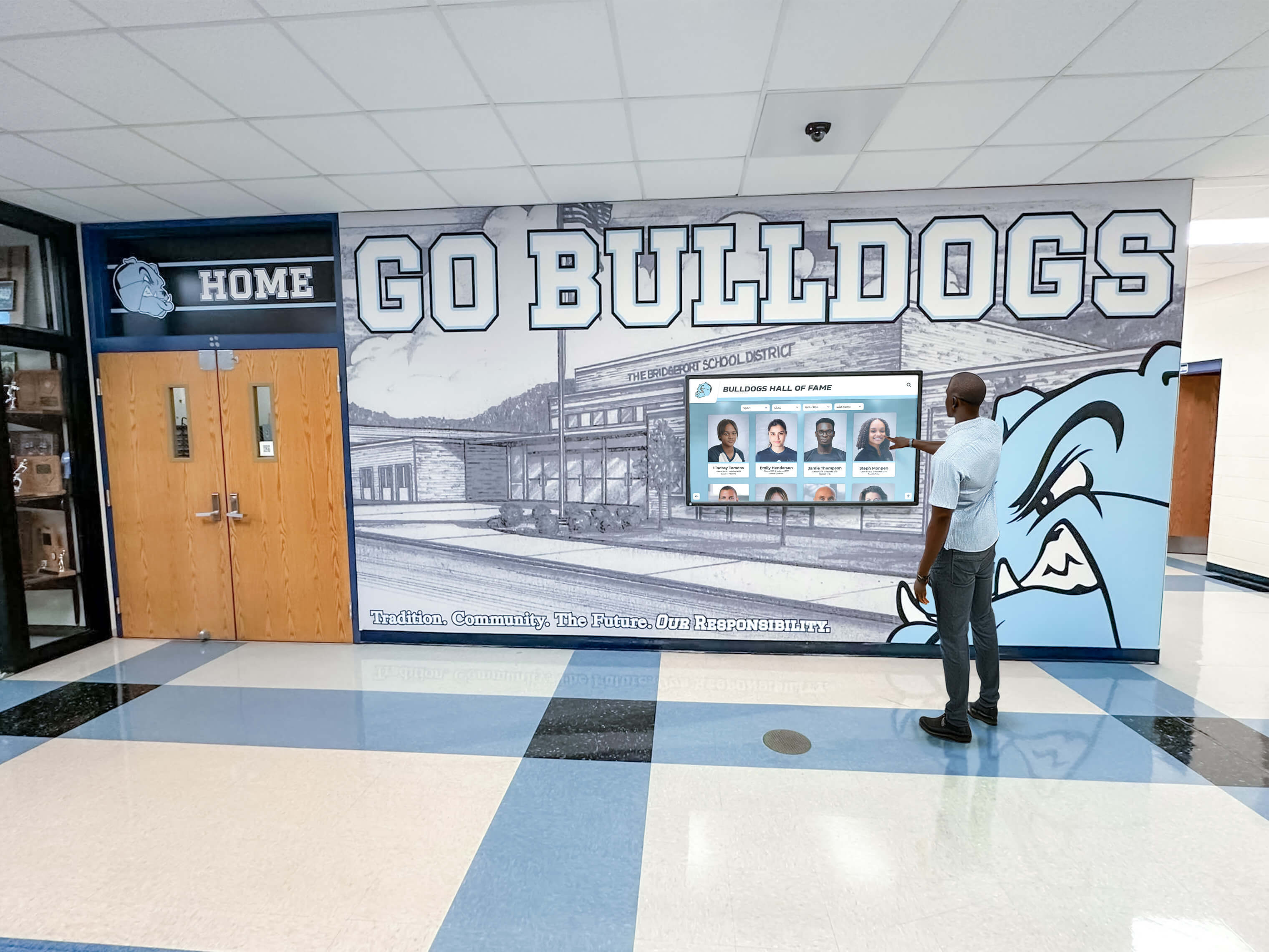
Proper mounting height and accessible design ensure recognition displays serve all community members effectively
Future-Proofing Your Investment
Technology investments should remain valuable throughout 5-7 year lifecycles typical for institutional interactive displays rather than becoming obsolete prematurely.
Scalability and Expansion Considerations
Multi-Display Growth: Web-based platforms like Rocket Alumni Solutions enable effortless scaling from single displays to institution-wide networks sharing centralized content management. Organizations beginning with one kiosk in a main lobby can add displays to additional buildings, satellite campuses, or special event spaces without per-device licensing fees or complex synchronization challenges.
This scalability ensures initial investments remain valuable as recognition programs grow rather than requiring platform changes to accommodate expansion.
Content Evolution: Recognition needs evolve as fundraising programs mature, campaigns succeed, and donor relationships deepen. Flexible platforms accommodate changing requirements including additional giving levels and societies, new recognition categories, enhanced multimedia content, integration with updated donor management systems, and feature additions without hardware replacement.
Separating content platform (cloud-based software) from display hardware (commercial kiosks) enables independent evolution of each component—software platforms continuously improve while hardware serves reliably for years before requiring eventual replacement.
Technology Refresh Considerations
Hardware Lifecycle Planning: Commercial touchscreen kiosks typically provide 5-7 years of reliable service before technological obsolescence, component wear, or changing aesthetic preferences warrant replacement. Organizations should plan for eventual hardware refresh while maximizing current investment value through proper maintenance and operation.
Software Platform Continuity: Cloud-based recognition platforms like Rocket Alumni Solutions provide long-term continuity through automatic updates maintaining currency, vendor investment in platform improvement, growing feature sets adding value, and independence from specific hardware enabling replacement without content migration challenges.
When hardware eventually requires replacement, web-based content transitions seamlessly to new displays without expensive re-implementation projects—simply configure new kiosks to display the same recognition URL currently serving existing installations.
Organizations implementing digital hall of fame systems benefit from forward-looking platform selections balancing current needs with long-term strategic flexibility.
Conclusion: Making Informed Hardware Decisions for Donor Recognition
MWE-QIXZOCV touchscreen kiosk interactive displays provide reliable, professionally designed hardware platforms effectively supporting institutional donor recognition when paired with compatible software solutions like Rocket Alumni Solutions. The combination of commercial-grade display technology, versatile mounting options, cross-platform compatibility, and web-based content management creates recognition systems that honor supporters appropriately while remaining maintainable by non-technical advancement staff over multi-year operational lifecycles.
Successful recognition display implementations require thoughtful hardware selection balancing multiple considerations including initial investment versus total cost of ownership, software compatibility ensuring seamless platform integration, installation requirements matching available spaces and infrastructure, maintenance demands aligning with organizational technical capabilities, accessibility characteristics serving diverse visitors, and scalability supporting program growth as fundraising success creates expanding recognition needs.
Explore Complete Donor Recognition Solutions
Discover how Rocket Alumni Solutions' web-based recognition platform integrates seamlessly with commercial touchscreen kiosks like MWE-QIXZOCV displays, creating comprehensive donor appreciation systems that celebrate supporters, demonstrate impact, and strengthen philanthropic cultures while remaining easily manageable by advancement teams.
Request Recognition System ConsultationStrategic Implementation Recommendations:
Organizations evaluating MWE-QIXZOCV kiosks for donor recognition should begin with comprehensive needs assessment defining recognition program goals, site evaluation identifying optimal installation locations, budget development encompassing hardware, software, and implementation services, software platform selection prioritizing web-based solutions offering operational simplicity, vendor evaluation comparing hardware specifications and support offerings, pilot deployment testing effectiveness before broader commitment, and systematic rollout implementing lessons learned from initial installations.
This methodical approach prevents common mistakes including hardware selections incompatible with preferred software, installations in suboptimal locations with poor visibility or technical constraints, insufficient budget allocation forcing implementation compromises, and inadequate content preparation resulting in empty displays failing to engage visitors.
The Value of Integrated Solutions:
While organizations can independently source hardware and software components, working with recognition platform providers like Rocket Alumni Solutions that recommend compatible hardware configurations and provide implementation guidance simplifies deployment while ensuring optimal integration. This partnership approach leverages vendor expertise developed through hundreds of institutional implementations, potentially saving organizations from expensive trial-and-error learning while achieving professional results more quickly.
Your donors’ generosity sustains your mission—they deserve recognition that honors contributions appropriately, remains current through effortless updates, engages visitors through intuitive interaction, and demonstrates the impact their philanthropy creates. MWE-QIXZOCV touchscreen kiosks integrated with Rocket Alumni Solutions provide the hardware foundation and software platform delivering comprehensive recognition experiences that celebrate supporters effectively while remaining manageable by advancement teams focused on relationships rather than technology administration.
Ready to explore touchscreen kiosk solutions for your donor recognition program? Learn more about touchscreen kiosk software compatibility or discover comprehensive approaches to digital donor wall implementation that combine appropriate hardware with effective content strategies creating recognition systems that strengthen donor relationships and advance institutional missions.