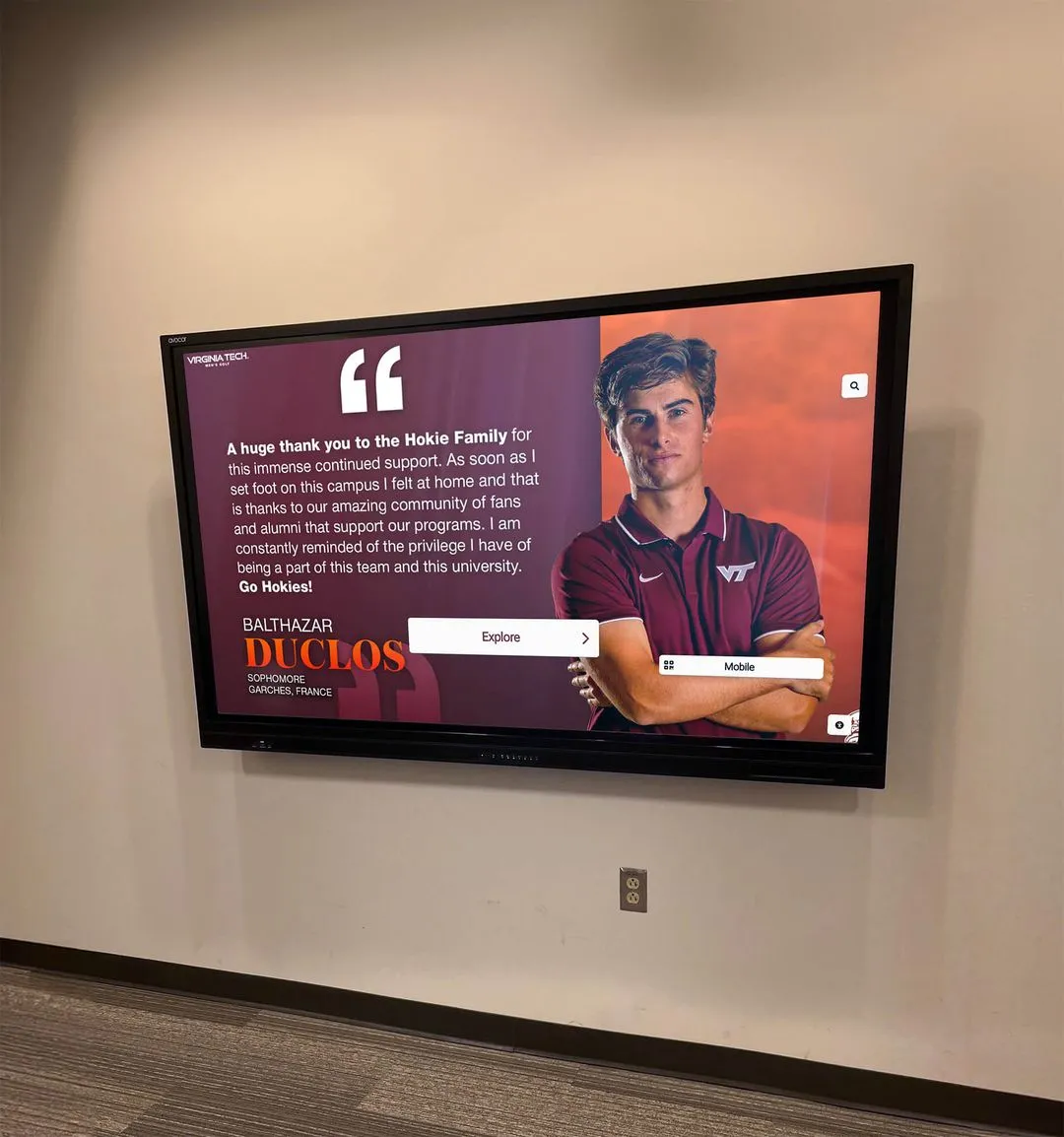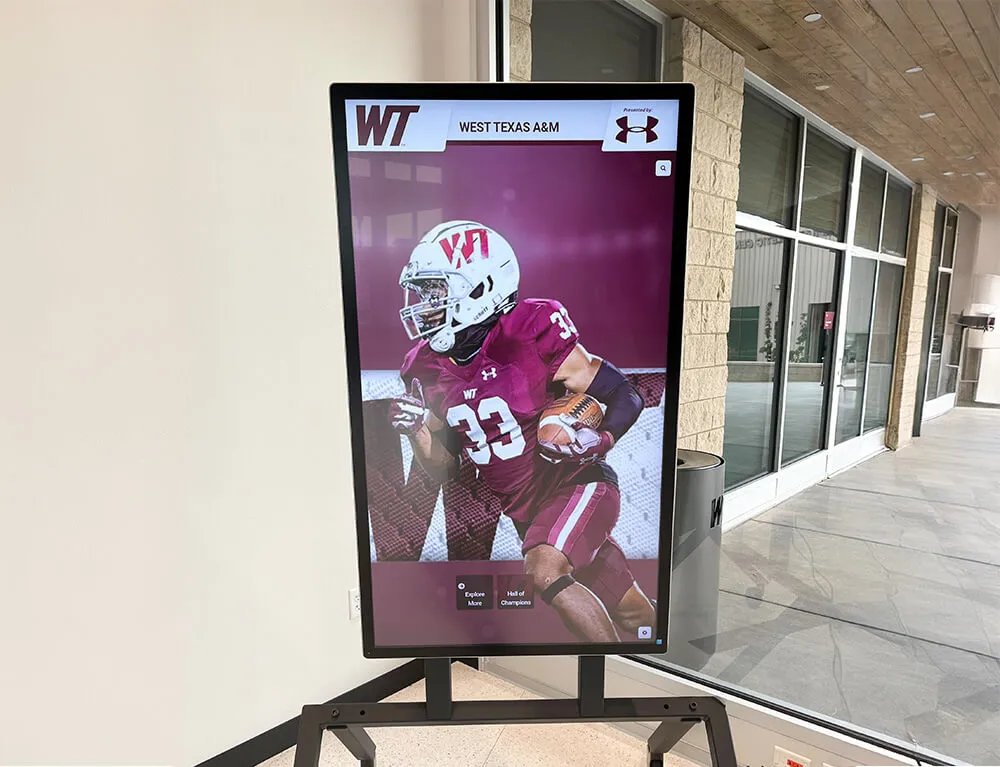
Major donors who make transformational contributions to schools, universities, nonprofits, and community organizations deserve recognition that matches the significance of their generosity. Naming rights represent the most prestigious form of donor acknowledgment—permanent tributes honoring supporters through buildings, facilities, programs, endowments, and spaces that bear their names for decades or generations.
Yet many organizations approach naming opportunities haphazardly, discovering too late that valuable recognition assets were undervalued, naming policies create confusion or conflict, donor expectations don’t align with organizational commitments, or recognition approaches fail to inspire the major gifts that sustain institutions. These mistakes not only damage individual relationships but also undermine entire fundraising initiatives where naming opportunities should serve as powerful motivators for leadership giving.
This comprehensive guide explores evidence-based strategies for developing, valuing, managing, and stewarding naming rights programs that inspire transformational philanthropy, honor donors appropriately, create lasting institutional legacy, and build cultures where major giving receives the celebration it deserves.
Effective naming rights programs require balancing multiple objectives: inspiring major gifts through meaningful recognition opportunities, ensuring appropriate valuation that supports fundraising goals, creating policies that protect institutional interests while honoring commitments, and maintaining long-term stewardship that sustains donor relationships across decades. Organizations excelling at naming rights approach these opportunities strategically rather than reactively, planning comprehensively before soliciting gifts rather than improvising recognition after commitments are secured.

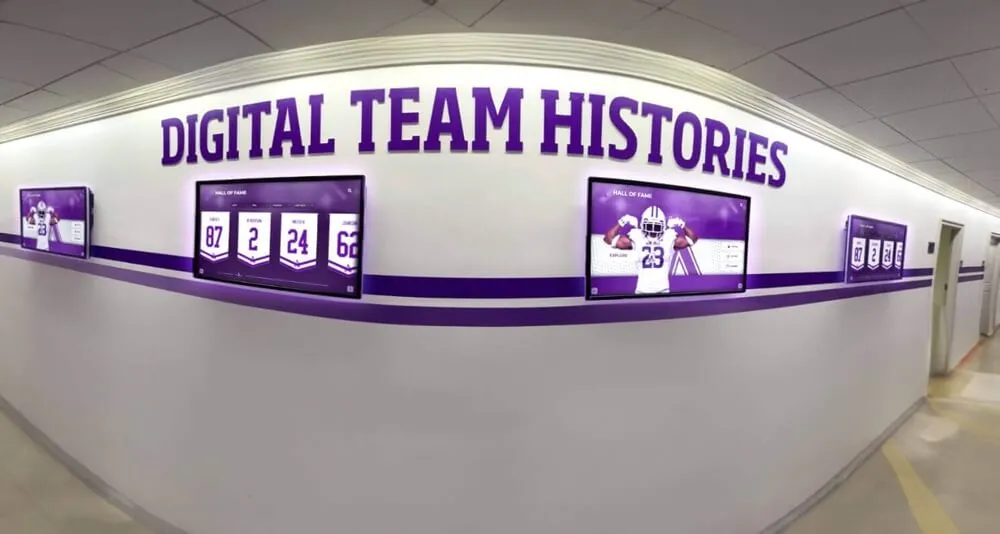
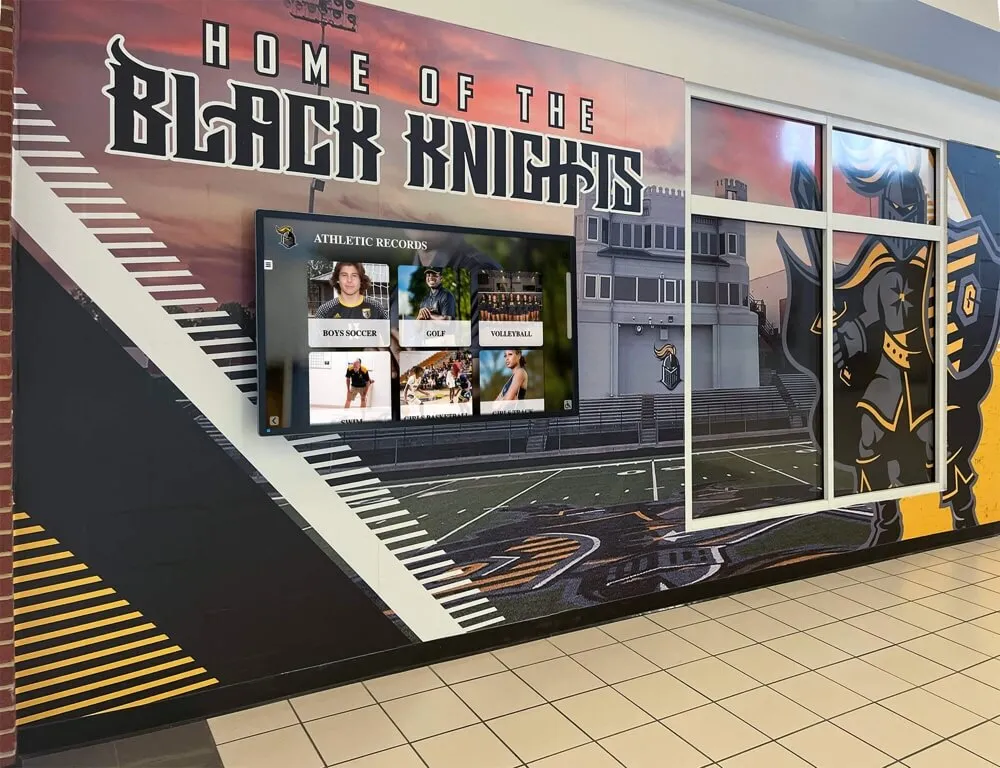
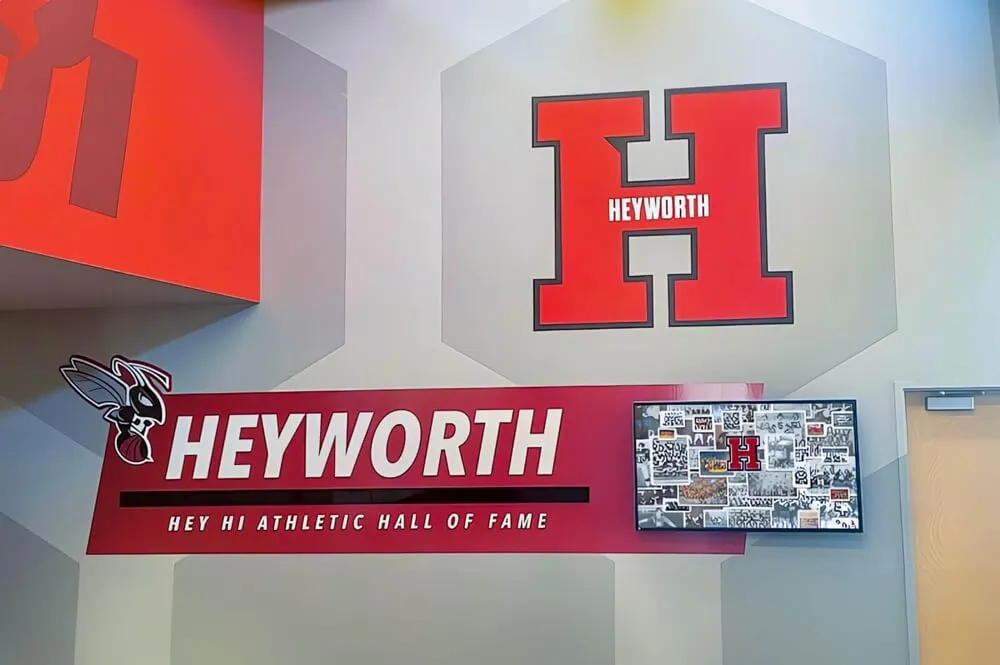
Naming rights create permanent recognition honoring transformational gifts that shape institutional futures
Understanding Naming Rights: Definition and Significance
Before exploring specific strategies, understanding what naming rights entail and why they represent the pinnacle of donor recognition helps organizations approach these opportunities with appropriate gravity and strategic intentionality.
What Are Naming Rights?
Naming rights grant donors the privilege of having their names—or names of their choosing—permanently associated with buildings, facilities, programs, endowments, or spaces in recognition of major financial contributions. This association creates lasting legacy extending far beyond typical donor recognition through:
Physical Presence and Visibility
Named facilities feature architectural signage, entrance plaques, interior installations, and public markers ensuring ongoing visibility. Every person entering the Smith Family Science Center or walking through Johnson Memorial Garden experiences recognition reinforcing the donor’s philanthropic impact and institutional gratitude.
Institutional Integration
Named facilities become integral to organizational identity referenced in communications, publications, maps, directories, and daily conversation. “Meet me at the Thompson Student Union” or “My lab is in Garcia Hall” embeds donor recognition into institutional vocabulary ensuring perpetual acknowledgment.
Generational Impact
Unlike annual fund recognition that celebrates current giving, naming rights honor contributions creating impact extending across generations. Students studying in facilities named for donors decades after gifts were made inherit the legacy these contributions created, connecting past generosity to present opportunity.
Aspirational Motivation
Naming opportunities inspire major gifts by providing tangible vision for how contributions will be recognized and remembered. Prospective donors can envision their legacy through architectural renderings, dedication ceremonies, and permanent installations that transform abstract philanthropy into concrete reality.
Historical Context of Naming Rights
The practice of recognizing major benefactors through naming extends back centuries, with universities, hospitals, libraries, and civic institutions honoring patrons whose generosity made construction and programs possible.
Academic Traditions
American higher education embraced naming traditions from European models where colleges, libraries, and facilities frequently bore names of founders, major benefactors, or respected leaders. Harvard, Yale, Stanford, Duke, Carnegie Mellon, and countless other institutions carry names of major donors or founders, establishing precedents for recognizing transformational philanthropy through institutional identity.
Evolution of Naming Practices
While early naming often honored founders or posthumous bequests, modern fundraising increasingly employs naming opportunities proactively to inspire major gifts during capital campaigns. Organizations systematically identify nameable assets, establish valuation frameworks, and market these opportunities to prospective donors as motivation for leadership giving at specific levels required to achieve campaign goals.
Contemporary Naming Rights
Today’s naming rights extend beyond traditional buildings to encompass endowed professorships, academic programs, scholarship funds, research initiatives, athletic facilities, performance venues, outdoor spaces, and even temporary or renewable naming arrangements that provide flexibility while generating major support.

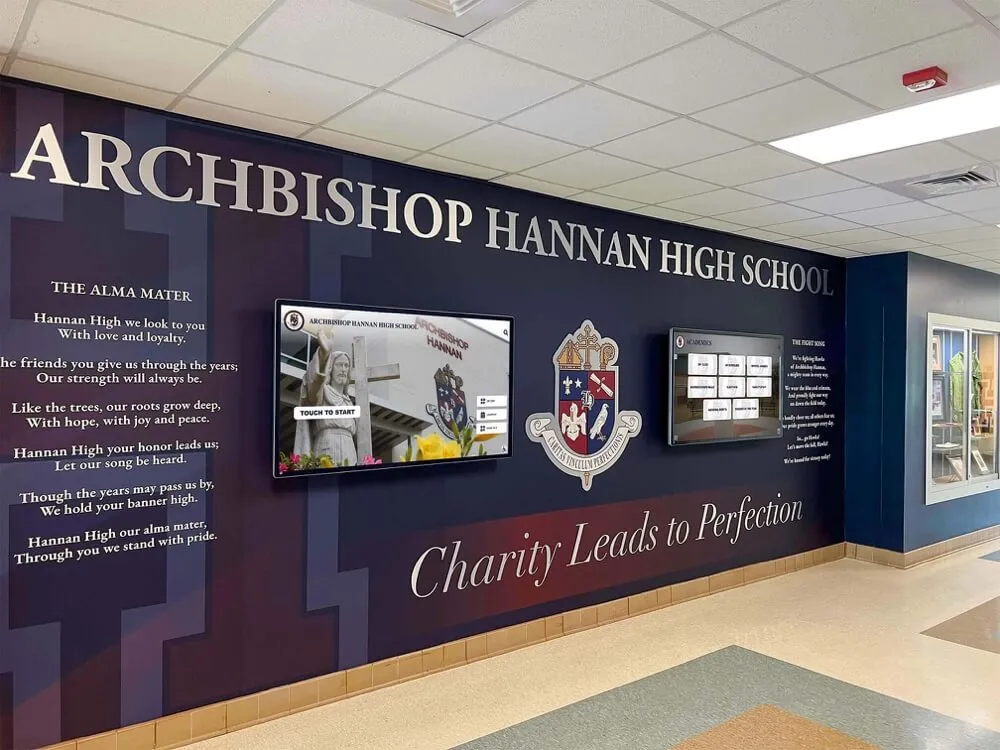
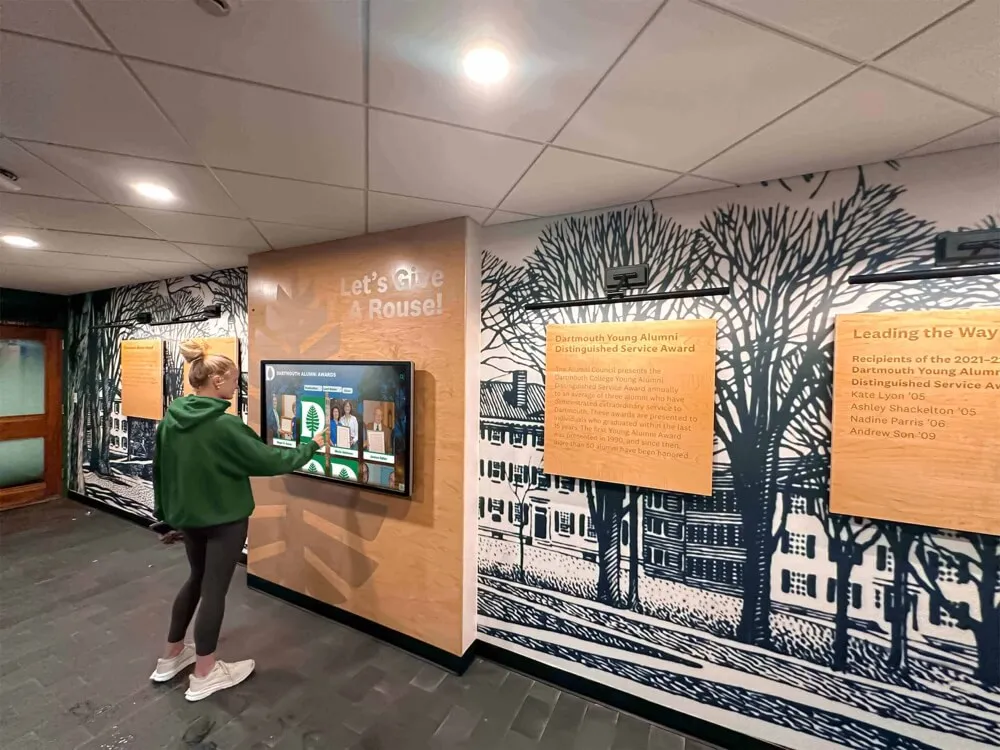
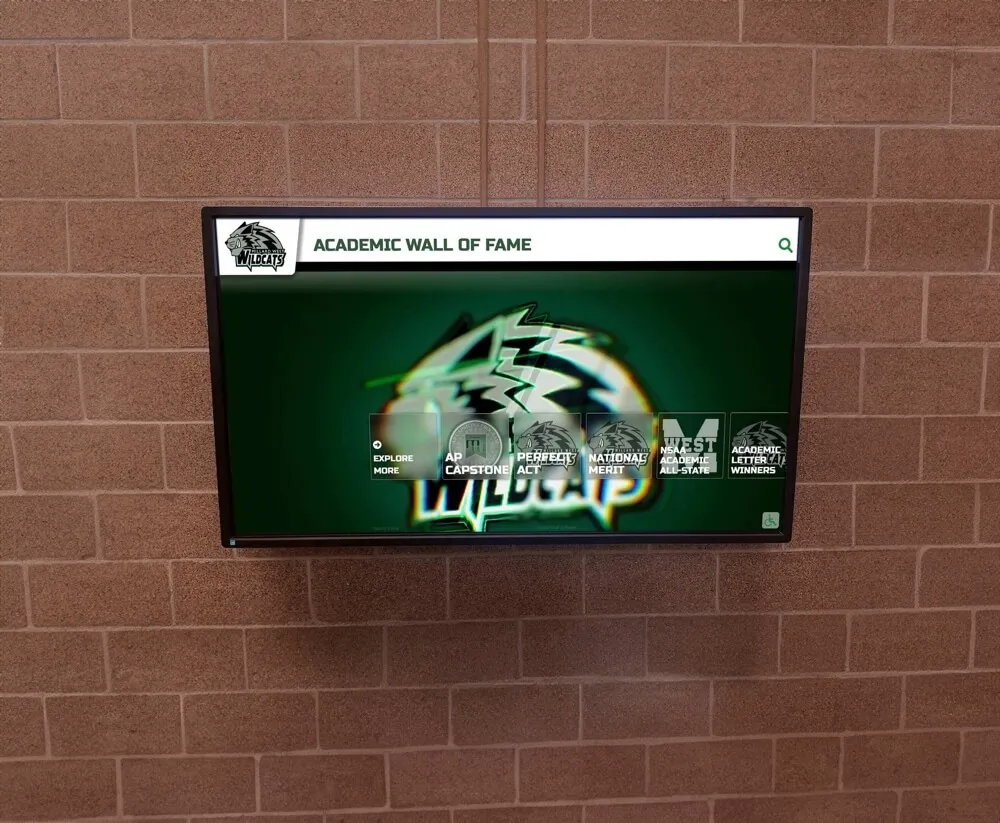
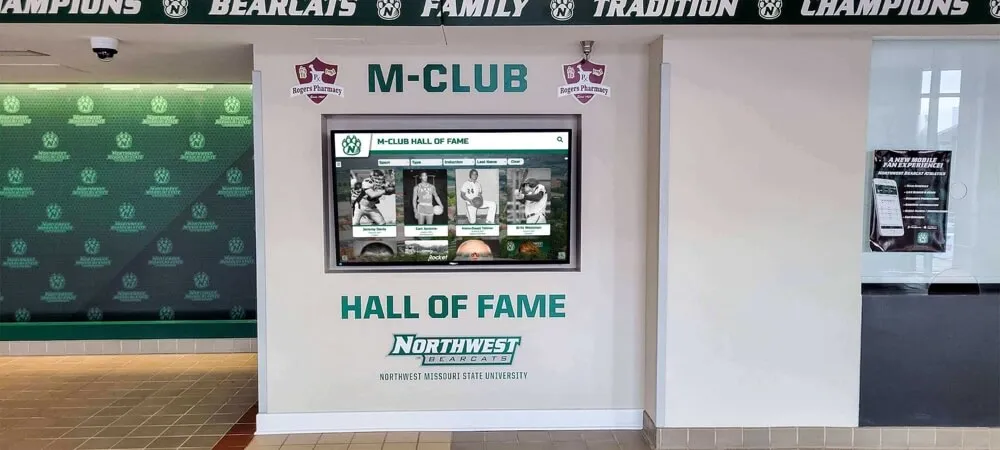
Modern naming rights recognition integrates traditional architectural elements with interactive digital displays
Types of Naming Opportunities: From Buildings to Endowments
Organizations can create diverse naming opportunities across multiple categories, each offering different recognition characteristics and requiring distinct valuation approaches.
Facility and Building Naming
Physical structures represent the most visible and prestigious naming opportunities:
Entire Buildings or Facilities
Complete facility naming provides maximum recognition including prominent exterior signage visible to all campus or community visitors, interior recognition elements throughout the structure, inclusion in all institutional communications and publications, integration into wayfinding systems and campus maps, and association with facility purpose and programming for its entire operational life.
Building naming typically requires gifts representing 40-50% of construction costs or substantial endowments ensuring perpetual facility maintenance and operation. These transformational contributions warrant the premier recognition complete facility naming provides.
Building Wings or Major Additions
Major construction phases or substantial additions often receive separate naming recognition including dedicated signage identifying named sections, interior recognition within designated areas, acknowledgment in building materials and communications, and distinction as major contributors while preserving overall building recognition.
Wing or addition naming typically corresponds to 25-40% of construction costs for named sections, providing major gift recognition scaled appropriately to contribution relative to complete facility funding.
Functional Spaces Within Facilities
Interior spaces offer numerous naming opportunities including:
- Auditoriums, theaters, or performance venues providing high visibility through event programming
- Libraries or reading rooms creating contemplative spaces associated with learning and scholarship
- Laboratories or research facilities connecting donors to scientific advancement and discovery
- Classrooms or teaching spaces honoring contributions to educational mission
- Conference rooms or meeting spaces acknowledging gifts supporting collaborative work
- Lounges, atriums, or common areas recognizing support for community gathering and interaction
Interior space naming typically requires contributions from $50,000 to $5 million depending on facility scale, space prominence, and institutional context. Learn more about comprehensive facility recognition through athletic facility naming approaches.
Outdoor and Landscape Naming
Exterior spaces provide unique recognition opportunities:
Plazas, Courtyards, and Gathering Spaces
Public outdoor areas create community-focused recognition including architectural signage or monuments, landscape features integrating donor names, seating or amenity installations with acknowledgment, and association with campus beauty and community gathering for generations.
Outdoor space naming typically ranges from $100,000 to several million dollars depending on scale, prominence, and development costs.
Gardens, Groves, and Memorial Landscapes
Natural spaces offer contemplative recognition opportunities including memorial gardens honoring loved ones, tree groves with individual dedication markers, walking paths or trails with naming recognition, and seasonal beauty creating pleasant acknowledgment environments.
Landscape naming often includes perpetual maintenance endowments ensuring recognized spaces remain attractive and well-maintained long-term, requiring contributions sufficient to establish endowments generating annual maintenance funding.
Athletic Fields and Outdoor Facilities
Sports facilities provide highly visible recognition including stadium or field naming with prominent signage, press box or facility structure naming, scoreboards or amenity naming, and association with athletic excellence and competitive achievement.
Athletic facility naming generates community visibility through competitions, events, and media coverage amplifying recognition impact beyond typical campus audiences.
Program and Academic Naming
Non-physical naming opportunities recognize gifts supporting missions directly:
Endowed Professorships and Chairs
Academic position endowments provide perpetual faculty support including recruitment and retention of distinguished scholars, funding for research and scholarly activities, and association with academic excellence across generations of professors holding positions.
Endowed chairs typically require $1-3 million at major universities, while professorships range from $500,000 to $1 million, with specific requirements varying by institution and discipline.

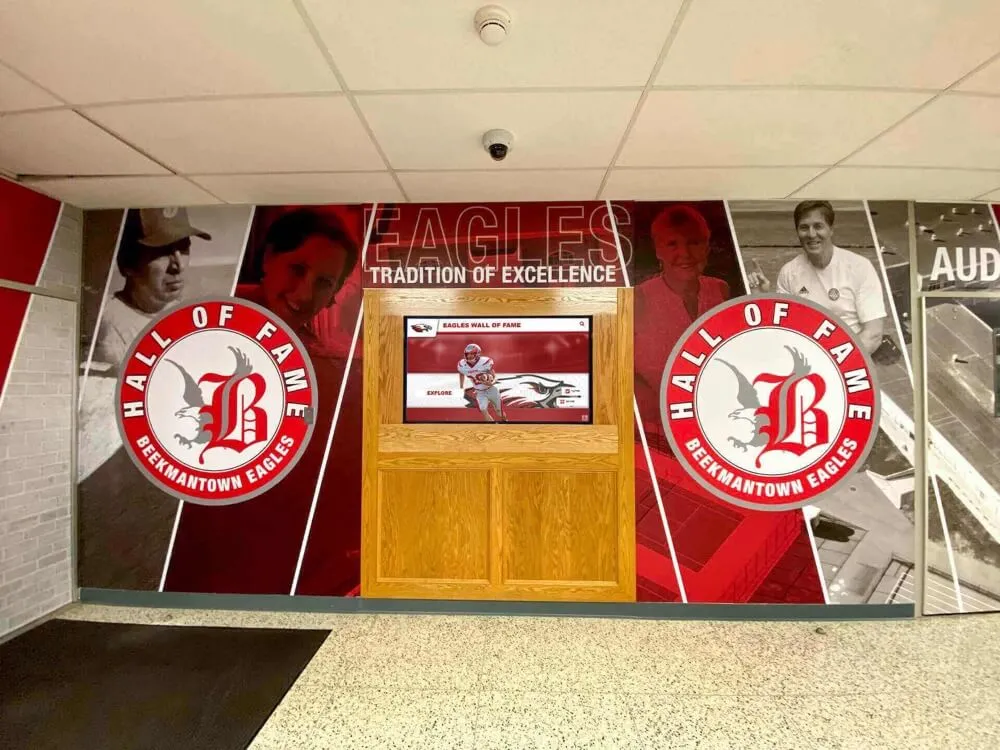
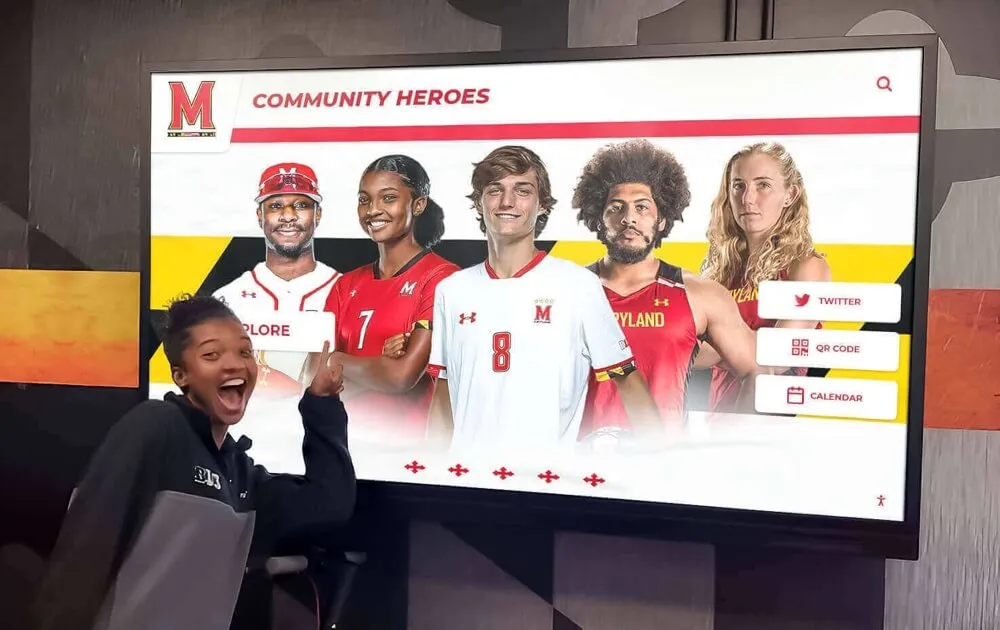
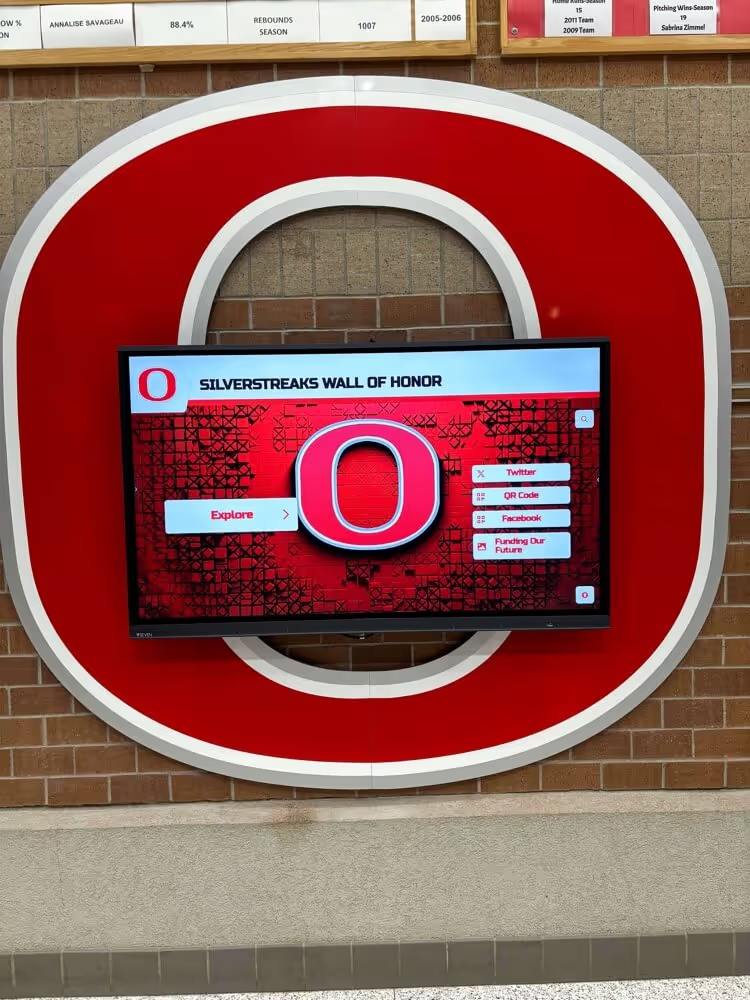
Digital recognition systems showcase program naming and endowment supporters
Academic Departments and Programs
Department or program naming recognizes comprehensive support including entire academic departments or administrative units, specific degree programs or concentrations, certificate programs or specialized curricula, research centers or institutes, and academic support services or programs.
Program naming typically requires endowments generating sufficient income to meaningfully support operations perpetually, often ranging from $5 million to $25 million depending on program scope and institutional scale.
Scholarship and Fellowship Programs
Educational assistance naming creates student-focused legacy including named scholarship programs supporting specific populations, merit or need-based fellowship programs, study abroad or experiential learning funds, and emergency assistance or hardship programs.
Individual scholarships may require endowments from $25,000 to $100,000, while comprehensive scholarship programs supporting multiple students annually may require several million dollars.
Explore strategies for recognizing academic support through academic recognition programs that honor educational excellence.
Collection and Equipment Naming
Specialized assets offer targeted recognition opportunities:
Collections and Archives
Libraries, museums, and cultural institutions offer collection naming including special collections or archives, exhibition galleries or display spaces, digital collections or databases, and rare materials or specialized holdings.
Collection naming connects donors to preservation, scholarship, and cultural stewardship while providing ongoing visibility through researcher access and public programming.
Equipment and Technology
Specialized equipment or technology systems provide functional recognition including scientific instruments or research equipment, performance or production technology, athletic or recreational equipment, medical devices or clinical technology, and information technology infrastructure.
Equipment naming typically ranges from $50,000 to $1 million depending on sophistication, visibility, and replacement timelines. Organizations should consider whether naming extends to replacement equipment or applies only to initially funded items.
Valuing Naming Opportunities: Strategic Pricing Frameworks
Appropriate valuation ensures naming opportunities inspire gifts at levels supporting organizational goals while donors perceive fair value relative to recognition received.
Fundamental Valuation Principles
Alignment with Campaign Goals
Naming opportunity pricing must support overall fundraising objectives by providing motivation for gifts at all required levels. Campaign gift charts identifying needed contributions at each giving tier should correspond to available naming opportunities ensuring prospective donors at every level have appropriate recognition options motivating their support.
Organizations should develop gift charts and naming inventories simultaneously, ensuring supply meets demand across the full contribution spectrum from largest transformational gifts to important but smaller major contributions.
Competitive Market Analysis
Naming opportunity pricing should reflect institutional positioning and donor markets including peer institution comparison for similar facilities and programs, regional market dynamics and donor capacity, institutional prestige and fundraising competitiveness, and historical giving patterns at your organization.
Research what comparable institutions charge for similar naming opportunities while adjusting for your specific context. A community college shouldn’t price buildings like an Ivy League university, but organizations within similar categories should maintain comparable valuation frameworks.
Recognition Hierarchy and Differentiation
Pricing must create clear hierarchy ensuring transformational gifts receive premium recognition distinguishing them from important but smaller major contributions. Sufficient price differentiation between naming levels prevents donor confusion about recognition value while maintaining motivation for leadership giving.
Generally, complete building naming should cost at least double the highest interior space naming within that facility, with interior spaces similarly tiered based on prominence, size, and programmatic importance.
Valuation Methodologies
Cost-Based Approaches
Traditional valuation ties naming rights to construction or program costs:
- Complete facilities: 40-50% of total construction costs
- Major wings or sections: 25-40% of construction costs for those areas
- Major interior spaces: 10-25% of overall construction costs
- Smaller spaces or features: 5-10% of facility construction costs
Cost-based approaches provide transparent rationale for pricing while ensuring major gift requirements correspond to actual facility investment. However, this methodology may undervalue high-visibility opportunities or limit fundraising potential for especially desirable recognition.
Market-Based Valuation
Alternative approaches prioritize donor appeal and competitive positioning:
- Premium pricing for highest-visibility opportunities regardless of strict cost proportionality
- Market research informing pricing based on donor capacity and willingness to pay
- Flexible valuations responding to negotiation and specific donor circumstances
- Value optimization maximizing revenue from available naming inventory
Market approaches potentially generate greater fundraising revenue by pricing recognition at what donors will pay rather than rigid formulas. However, this flexibility requires careful management preventing perceptions of inconsistency or favoritism when different donors receive different pricing for comparable recognition.
Hybrid Frameworks
Most organizations employ hybrid approaches combining cost-based foundations with market-based adjustments:
- Base pricing from cost relationships providing transparent starting points
- Premium adjustments for exceptional visibility or donor appeal
- Discounting for less desirable spaces or challenging fundraising contexts
- Flexibility for relationship and strategic considerations within documented guidelines
Hybrid frameworks balance transparency and consistency with flexibility enabling strategic pricing optimized for specific opportunities and donor relationships.

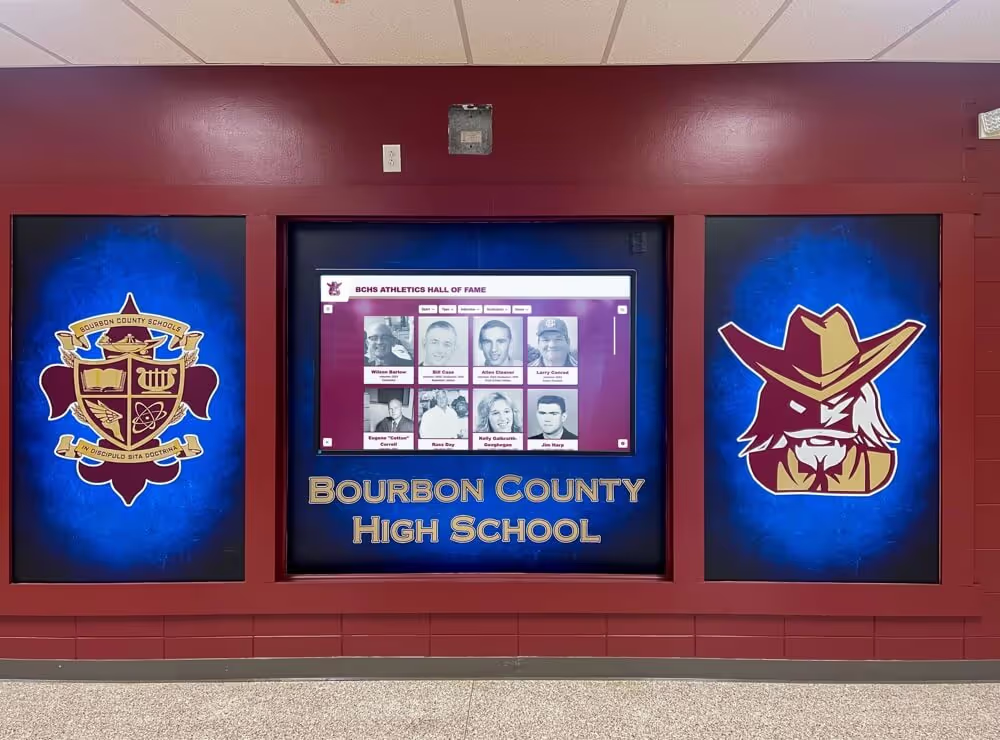
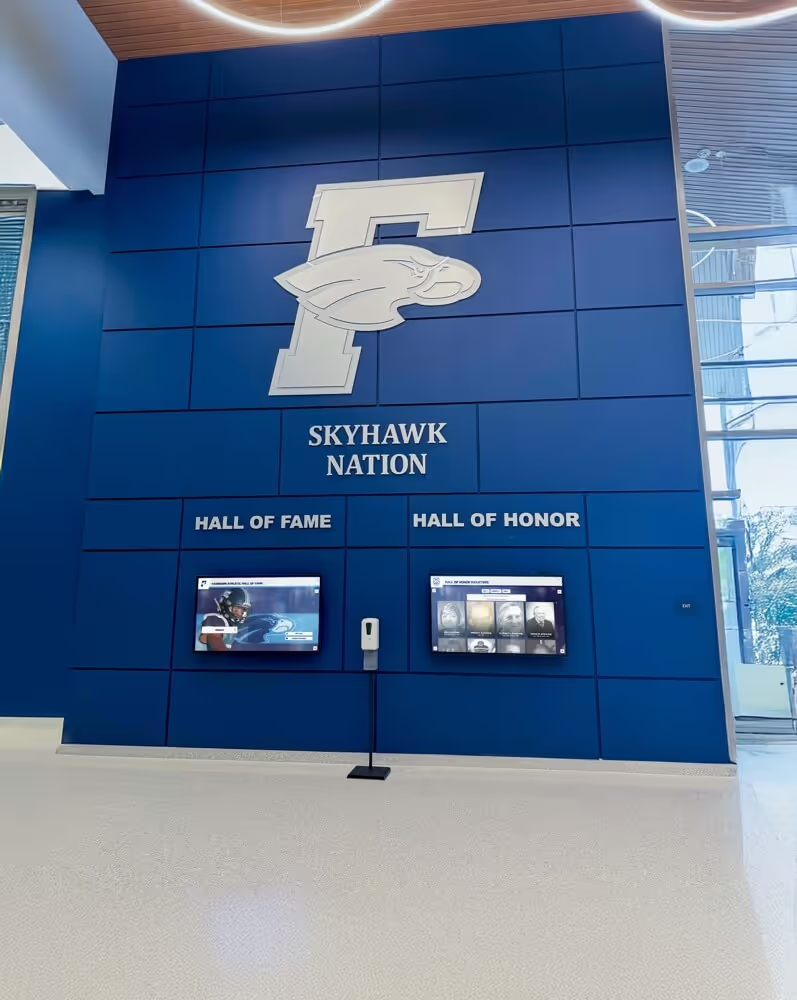
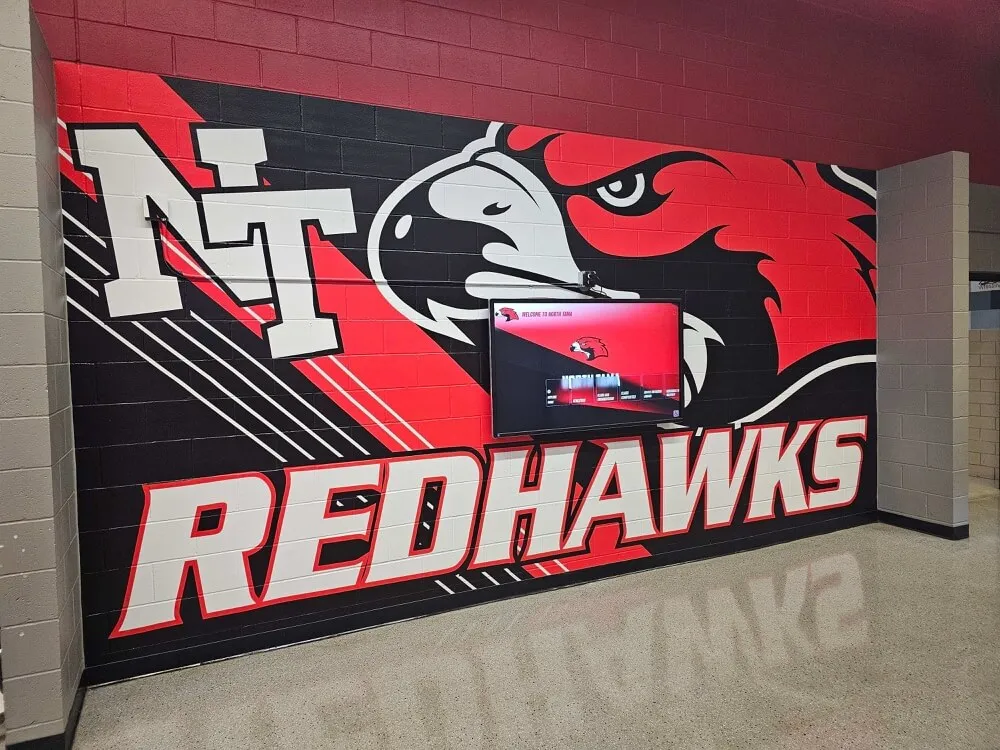
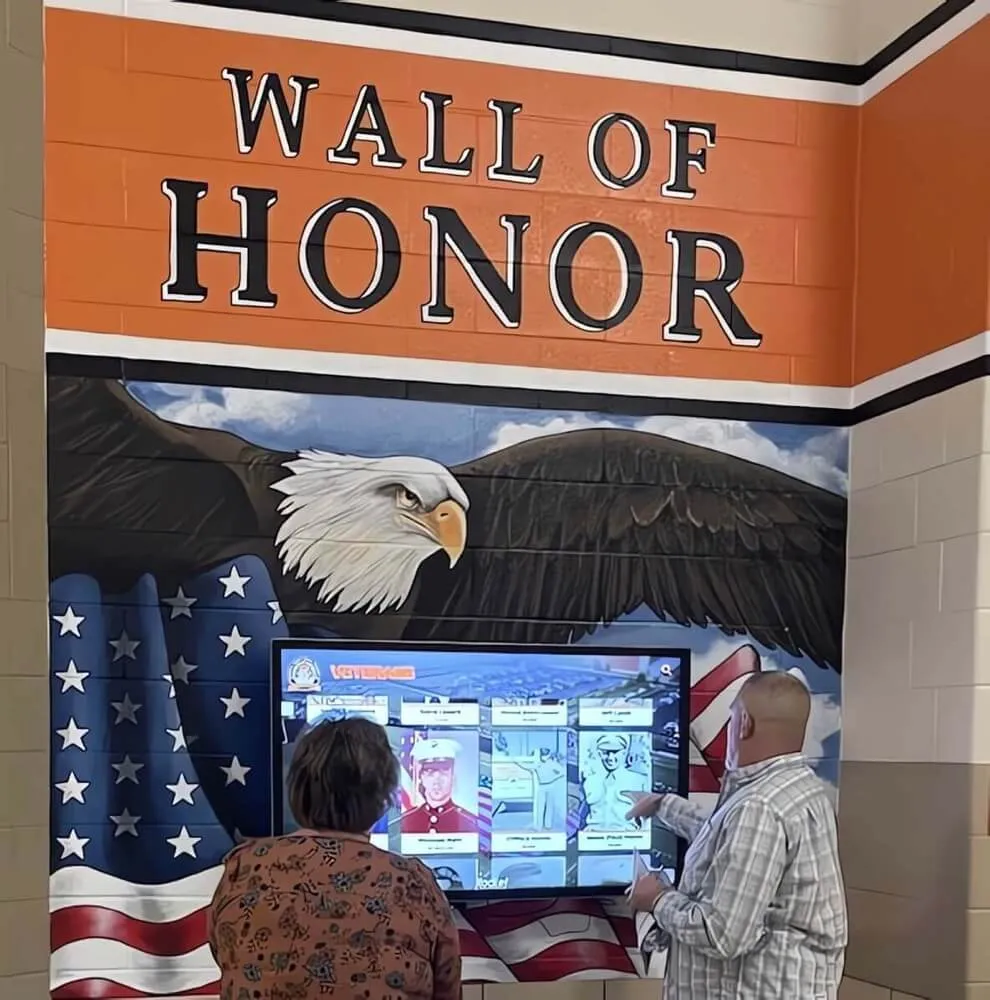
Strategic placement and professional presentation communicate the value organizations place on donor support
Special Valuation Considerations
Endowment vs. Outright Gift Requirements
Organizations may accept naming gifts as:
- Outright contributions funding immediate construction or program needs
- Endowments generating perpetual income supporting ongoing operations or maintenance
- Combinations of outright and endowed support ensuring both construction and sustainability
Endowment-based naming typically requires significantly larger contributions since only annual income supports programs while principal remains invested perpetually. A $100,000 outright gift might fully fund a scholarship for one year, while a $2 million endowment at 5% spending rate generates $100,000 annually in perpetuity.
Pledge Period and Payment Terms
Most major naming gifts occur through multi-year pledges rather than immediate payment. Organizations should establish clear policies regarding:
- Maximum pledge periods (typically 3-5 years for most gifts)
- When naming recognition becomes effective (upon pledge commitment or after payment completion)
- What happens if pledges aren’t fulfilled according to commitment terms
- How pledge fulfillment is recognized in donor materials and displays
Clear pledge policies prevent misunderstandings while providing flexibility that makes transformational gifts feasible for more donors.
Anonymous Naming and Third-Party Tributes
Not all naming honors the donor directly:
- Memorial or tribute naming honoring loved ones rather than donors themselves
- Anonymous gifts with designated naming where donors specify names without public attribution to themselves
- Family or organizational naming honoring families, companies, or foundations rather than individuals
- Completely anonymous recognition acknowledging gift impact without any attribution
Policies should address how these variations are handled in recognition materials, dedication ceremonies, and ongoing stewardship while respecting donor preferences.
Developing Comprehensive Naming Rights Policies
Written policies protect organizational interests while ensuring consistent, transparent approaches donors understand and trust.
Essential Policy Components
Gift Acceptance and Review Procedures
Formal processes governing naming right acceptance including:
- Review authority and approval requirements (board, committee, administration)
- Due diligence procedures investigating donor backgrounds and reputations
- Criteria for declining gifts that conflict with institutional values or create risks
- Timeline for acceptance decisions ensuring timely responses to donor proposals
- Documentation requirements for approved naming commitments
Clear acceptance policies enable confident decision-making about which gifts to accept while protecting institutions from arrangements that might later prove problematic.
Naming Duration and Terms
Policies should specify how long naming recognition remains in place:
- Perpetual naming remaining as long as facilities serve original purposes (traditional approach)
- Term-limited naming for specific periods (10, 20, or 50 years) with renewal options
- Conditional naming continuing while endowments generate specified support levels
- Facility lifecycle considerations addressing what happens when buildings are renovated, repurposed, or replaced
Duration clarity prevents conflicts when circumstances change decades after initial gifts, protecting both institutional flexibility and donor expectations established at time of gift.
Naming Modification or Removal
While rare, circumstances sometimes require reconsidering naming recognition:
- Donor request for modification (name corrections, updated information, changed designations)
- Institutional need for facility repurposing fundamentally altering original purpose
- Donor behavior or circumstances requiring recognition reconsideration
- Gift agreement terms not fulfilled according to original commitments
- Facility replacement or elimination when structures reach end of useful life
Policies should outline processes for making these difficult decisions including consultation requirements, communication protocols, and how organizations balance conflicting interests when circumstances require naming changes.
Learn about comprehensive approaches to donor recognition management through digital donor recognition systems that maintain accurate, current acknowledgment.
Legal and Governance Considerations
Gift Agreements and Documentation
All naming rights should be formalized through written agreements specifying:
- Gift amount, payment terms, and fulfillment requirements
- Exact naming designation and recognition specifics
- Duration of naming rights and any conditions
- Donor recognition preferences and requirements
- Institutional rights and limitations
- Signatures from appropriate authorities
Formal documentation prevents misunderstandings while creating legal framework protecting both parties if disputes arise. Organizations should involve legal counsel in developing agreement templates ensuring enforceability and institutional protection.
Tax Implications and Compliance
Naming rights transactions must comply with tax regulations:
- Charitable contribution deductibility requirements and limitations
- Quid pro quo consideration when donors receive goods, services, or benefits
- Substantiation requirements for major gift tax documentation
- Gift valuation methodologies supporting claimed deductions
- IRS reporting obligations for substantial contributions
Development officers should work with institutional financial and legal staff ensuring proper handling of tax dimensions while helping donors understand implications for their specific circumstances.
Board and Governance Authority
Institutional governance should clearly define:
- Which governing bodies approve naming rights (full board, committees, administration)
- Approval thresholds at different gift levels (when board approval is required vs. administrative authority)
- Delegation of authority for various naming categories
- Review and oversight responsibilities for naming rights programs
- Policy development and revision processes as circumstances evolve
Clear governance prevents confusion about decision authority while ensuring appropriate oversight for major institutional commitments extending across generations.
Marketing and Presenting Naming Opportunities
Strategic presentation inspires major gifts by helping prospective donors envision their legacy and understand recognition their contributions will receive.
Creating Compelling Naming Opportunity Materials
Comprehensive Inventory Documentation
Develop professional materials cataloging available naming opportunities including:
- Complete inventory listings organized by category and giving level
- Descriptions of each opportunity with photographs or renderings
- Gift requirements and payment options for each naming level
- Recognition specifications and benefits donors will receive
- Architectural or program context showing how named elements fit within overall facilities or initiatives
Professional presentation demonstrates organizational seriousness about major gifts while providing concrete information donors need to consider substantial commitments. Consider solutions like digital recognition displays that showcase naming opportunities and current recognition.
Visual Renderings and Conceptual Designs
Help prospects envision recognition through:
- Architectural renderings showing building signage and exterior recognition
- Interior design concepts illustrating how spaces will be recognized
- Signage mockups demonstrating how donor names will appear
- Dedication ceremony concepts helping donors anticipate celebration
- Sample recognition materials from previous naming projects
Visual tools transform abstract recognition concepts into concrete imagery that emotionally engages prospects and makes philanthropic vision tangible and real.
Personalized Naming Proposals
For top prospects, create customized materials including:
- Personalized renderings with prospect’s name on signage or recognition
- Specific recognition descriptions tailored to their interests and motivations
- Impact narratives connecting their potential gift to mission outcomes
- Stewardship plans outlining ongoing engagement after gift is secured
- Comparison materials showing recognition at various giving levels
Personalization demonstrates respect for prospects while helping them envision themselves as donors, increasing emotional connection to recognition opportunities and likelihood of commitment.
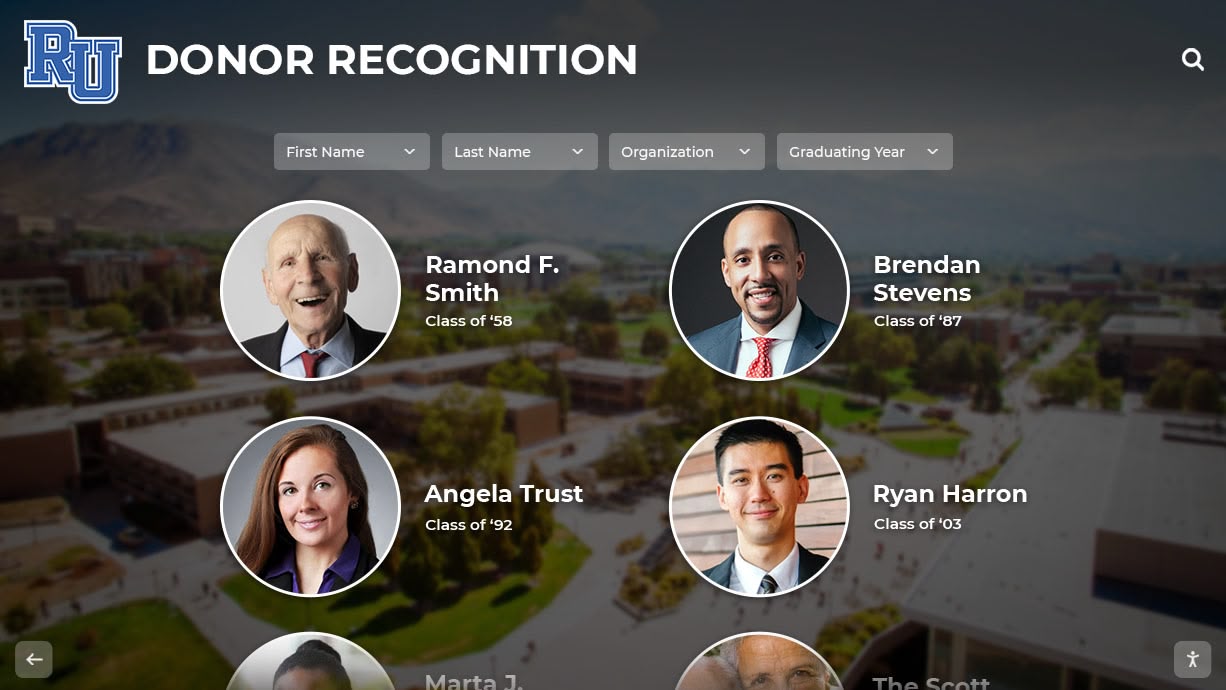
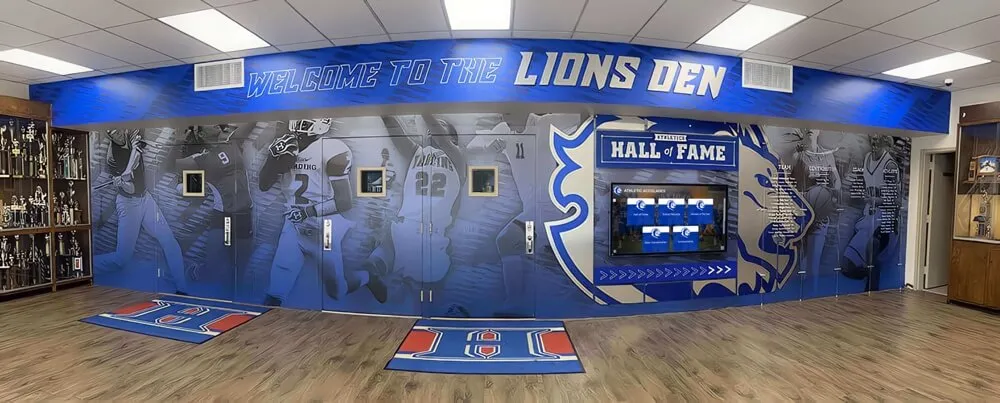
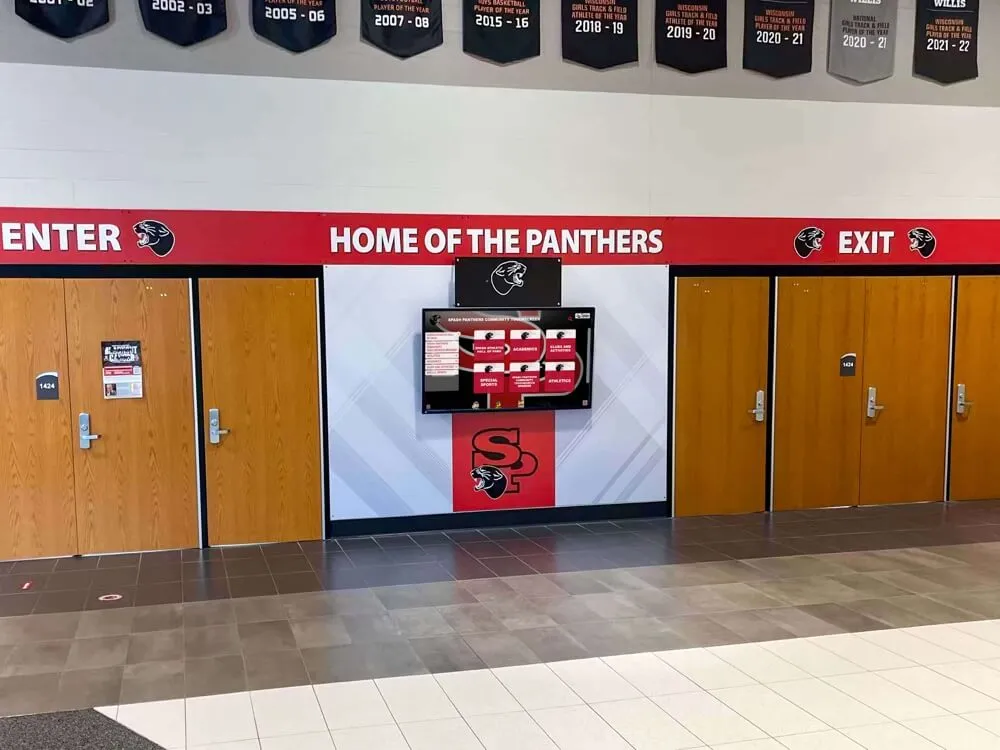
Professional presentation materials help prospective donors envision their lasting legacy and institutional impact
Strategic Prospect Cultivation
Matching Opportunities to Donor Interests
Successful naming rights fundraising requires understanding what motivates individual prospects:
- Personal connections to specific facilities, programs, or institutional areas
- Professional alignment between donor expertise and named opportunities
- Family legacy considerations honoring relatives or creating multi-generational impact
- Community impact priorities supporting causes or populations donors value
- Recognition preferences regarding visibility, permanence, and public acknowledgment
Development officers should invest time understanding prospect motivations before presenting specific opportunities, positioning recognition most likely to resonate with individual values and interests.
Timing and Campaign Phases
Naming opportunity solicitation should align with campaign dynamics:
- Silent phase leadership gift focus approaching top prospects with premier naming opportunities before public launch
- Public phase broadening presenting additional opportunities as campaigns gain momentum
- Stretch goal recognition holding back selected opportunities for late campaign motivation
- Post-campaign flexibility maintaining available recognition for continued fundraising
Strategic timing ensures highest-value opportunities inspire early leadership gifts that anchor campaigns while maintaining sufficient inventory for ongoing fundraising throughout multi-year initiatives.
Negotiation and Customization
While policies provide frameworks, major gift fundraising often involves negotiation:
- Payment term flexibility accommodating donor financial circumstances
- Recognition customization within policy parameters addressing specific donor preferences
- Multiple opportunity combinations enabling donors to support several priorities
- Creative structuring making transformational gifts feasible through partnerships or phased approaches
Successful development officers balance policy consistency with relationship flexibility, finding creative solutions that achieve organizational goals while meeting donor needs and preferences.
Implementing Recognition: From Gift to Dedication
After securing naming gifts, organizations must execute recognition professionally, maintaining donor relationships from commitment through perpetual stewardship.
Recognition Design and Installation
Architectural Integration
Physical naming recognition should integrate thoughtfully with facility design:
- Professional signage design complementing architectural aesthetics
- Quality materials and fabrication reflecting facility excellence
- Appropriate scale and placement ensuring visibility without overwhelming
- Consistency with institutional standards maintaining campus coherence
- Accessibility compliance ensuring all visitors can experience recognition
Organizations should engage experienced designers, fabricators, and installers ensuring recognition quality matches facility investment and donor generosity. Cheap or poorly executed recognition dishonors supporters rather than celebrating their contributions appropriately.
Digital Recognition Components
Modern naming recognition increasingly incorporates technology:
- Interactive donor walls featuring searchable databases and rich multimedia content
- Digital displays showcasing naming recognition alongside program achievements
- Web-based extensions enabling remote access to recognition information
- Content management systems facilitating updates and ongoing maintenance
- Integration with advancement databases ensuring accuracy and coordination
Solutions like Rocket Alumni Solutions provide comprehensive platforms combining physical naming recognition with digital systems that overcome space limitations while enabling perpetual updates and rich storytelling impossible with traditional plaques alone. These integrated approaches honor major naming donors appropriately while accommodating all additional supporters through digital inclusion.
Temporary Recognition During Construction
For naming gifts secured before facility completion, provide interim acknowledgment:
- Groundbreaking or construction milestone ceremonies celebrating donors publicly
- Construction updates and progress reports maintaining engagement during building phases
- Symbolic gifts or recognition items acknowledging contributions before facilities open
- Preview access and tours showing donors projects their gifts enable
- Prominent announcement materials celebrating naming commitments publicly
This ongoing engagement prevents donor relationships from languishing during the often lengthy periods between gift commitments and facility dedications when permanent recognition is installed.
Dedication Ceremonies and Events
Formal dedication ceremonies provide critical public acknowledgment:
Ceremony Planning and Execution
Successful dedications include:
- Thoughtful timing coordinating with facility completion and donor availability
- Inclusive guest lists balancing donor preferences with community engagement
- Appropriate program elements including remarks from leadership, donors, and beneficiaries
- Permanent marker unveiling creating ceremonial moment revealing naming recognition
- Media coverage and documentation amplifying recognition beyond event attendees
- Reception and celebration creating memorable experience for donors and guests
Dedication ceremonies represent culmination of years-long fundraising and construction processes, requiring planning proportional to their significance in donor relationships and organizational culture.
Ongoing Commemorative Programming
Beyond initial dedications, create ongoing connections:
- Annual milestone acknowledgments celebrating dedication anniversaries
- Program updates and impact reports demonstrating ongoing outcomes donors enabled
- Special events in named spaces inviting donors to experience facilities’ vibrancy
- Student or beneficiary interactions connecting donors to those served
- Multi-generational engagement building relationships with donor families across decades
Perpetual stewardship transforms one-time gift transactions into lasting relationships that sustain philanthropy across generations.
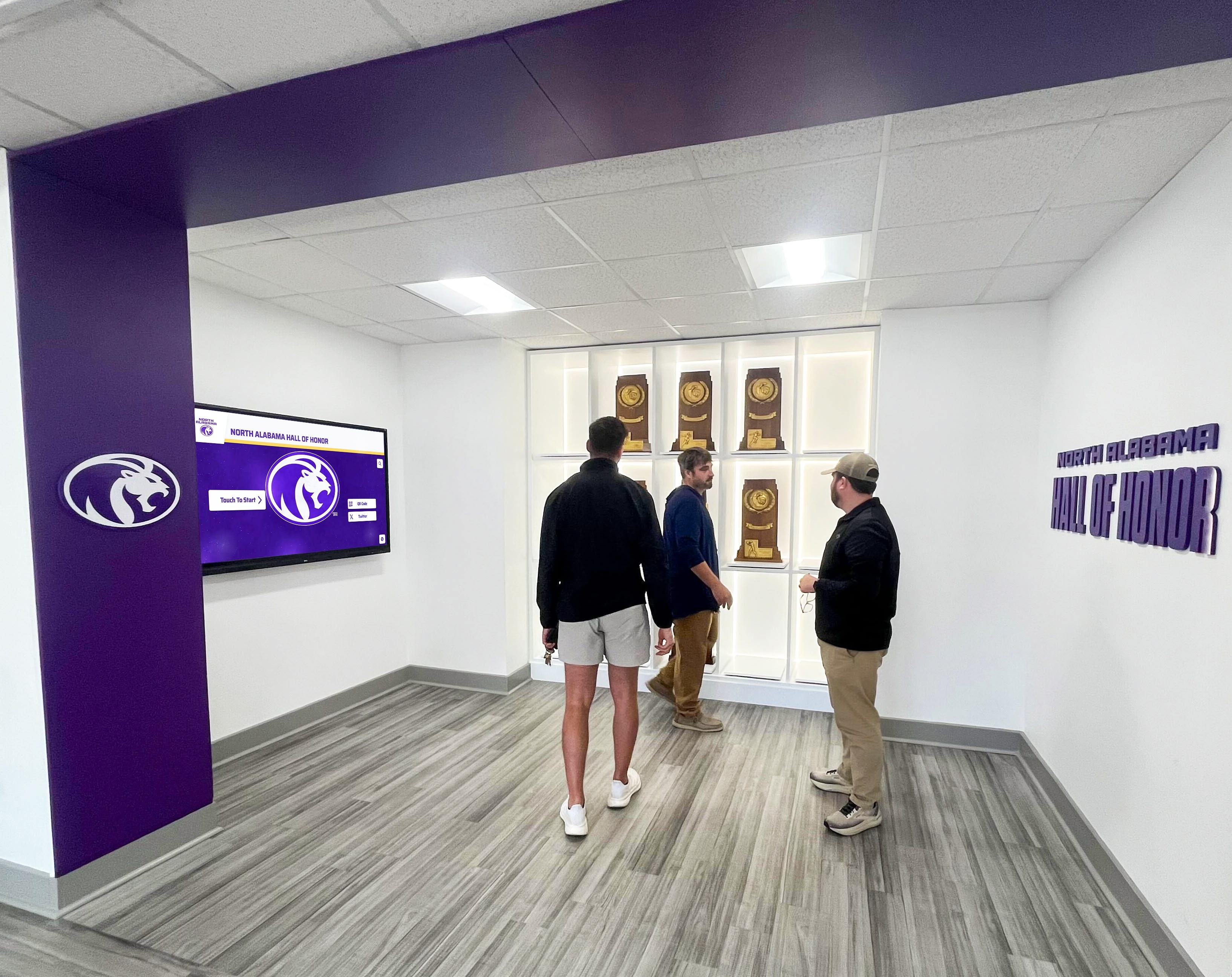
Dedication ceremonies celebrate naming gifts while strengthening donor relationships and inspiring future philanthropy
Long-Term Stewardship and Relationship Management
Naming rights create decades-long or perpetual relationships requiring sustained attention and care.
Ongoing Donor Engagement
Regular Communication and Updates
Named facility donors deserve systematic stewardship including:
- Annual impact reports specific to facilities or programs they funded
- Facility condition updates demonstrating proper maintenance and care
- Program achievement highlights showcasing outcomes their gifts enable
- Special event invitations maintaining active connection to institutions
- Milestone celebrations acknowledging dedication anniversaries and achievements
This communication demonstrates continued appreciation long after campaigns conclude and recognition is installed, preventing donors from feeling forgotten once gifts are secured.
Multi-Generational Relationship Building
Major naming gifts often represent family decisions involving multiple generations:
- Engagement with donor children and grandchildren creating connections extending beyond original contributors
- Family event programming bringing multiple generations together with institutions
- Legacy education helping younger family members understand philanthropic values
- Continued involvement opportunities enabling family participation across decades
- Transition planning as original donors age and relationships evolve
Forward-thinking organizations cultivate relationships with entire donor families, creating engagement that spans generations and inspires continued family philanthropy.
Recognition Maintenance and Evolution
Physical Recognition Upkeep
Perpetual quality requires systematic maintenance:
- Regular cleaning and preservation keeping recognition attractive and dignified
- Prompt correction of any errors maintaining accuracy and showing attention
- Protection from vandalism or deterioration ensuring recognition longevity
- Periodic refreshment or updating as facilities evolve or recognition ages
- Environmental monitoring protecting recognition from weather, UV, or other degradation
Poorly maintained recognition suggests organizations don’t genuinely value support they once actively sought, potentially damaging donor relationships and discouraging future giving.
Digital Recognition Advantages
Technology-based recognition systems simplify perpetual maintenance:
- Remote updates from anywhere with internet connectivity
- Instant corrections without physical reinstallation
- Content refreshment keeping recognition current and relevant
- Historical preservation maintaining complete records without space constraints
- Evolving enhancement as technology capabilities advance
Organizations implementing comprehensive digital donor recognition report significantly reduced maintenance burden while improving recognition quality and donor satisfaction compared to traditional physical-only systems.
Navigating Complex Naming Situations
Certain scenarios require thoughtful navigation ensuring appropriate outcomes.
Anonymous or Private Naming
Some donors prefer recognition privacy while still deserving acknowledgment:
Anonymous Donor Recognition Options
- Private naming within gift agreements honoring donors confidentially
- “Generous Anonymous Donor” attribution acknowledging support without identification
- Deferred public recognition enabling eventual acknowledgment if circumstances change
- Restricted visibility with recognition in some venues but not others
- Third-party or memorial naming honoring others while maintaining donor anonymity
The key is honoring both gift significance and donor privacy preferences, ensuring appropriate stewardship despite public recognition limitations.
Controversial or Complicated Gifts
Not all naming opportunities involve straightforward circumstances:
Due Diligence and Risk Assessment
Organizations should investigate:
- Donor background and reputation ensuring values alignment
- Source of funds confirming ethical wealth creation
- Potential controversies that might create future complications
- Community reactions to proposed naming recognition
- Reputational implications for institutional brand and values
While due diligence shouldn’t create unrealistic barriers to major gifts, organizations must consider long-term implications of permanent naming commitments that might prove problematic decades later.
Naming Reconsideration Scenarios
Circumstances sometimes require reconsidering naming:
- Subsequent donor behavior conflicting with institutional values
- Information emerging after recognition changing original decision context
- Facility repurposing or replacement altering original named purpose
- Community concerns or protests about named recognition
- Donor request for removal or modification
Policies should outline processes for these difficult situations including consultation requirements, decision authority, communication strategies, and approaches for honoring institutional commitments while adapting to changed circumstances.
Facility Renovations and Replacements
Buildings don’t last forever, creating eventual questions about naming:
Renovation and Repurposing
When facilities undergo major renovation:
- Does original naming continue if function changes substantially?
- How are renovation donors recognized relative to original naming donors?
- What rights do naming donors have regarding renovation decisions?
- Should major renovations trigger recognition renegotiation about continued applicability?
Gift agreements should address these scenarios prospectively, preventing conflicts when circumstances change decades after initial gifts.
Facility Replacement
When buildings reach end of useful life:
- Does naming transfer to replacement facilities on the same site?
- What happens if replacement doesn’t occur or serves different purpose?
- How are original naming donors acknowledged in new facilities?
- Should replacement trigger new fundraising with fresh naming opportunities?
Clear policies prevent difficult decisions when original donors or families have expectations about perpetual recognition while institutions need flexibility for changing circumstances.
Naming Rights Success Metrics and Assessment
Regular evaluation ensures naming rights programs achieve intended goals.
Quantitative Measures
Fundraising Performance
Track key indicators including:
- Number of naming gifts secured at various levels
- Total revenue from naming opportunities versus goals
- Average gift size for naming recognition across categories
- Naming opportunity utilization rates (sold vs. available)
- Campaign progress attributable to naming gifts as percentage of overall goals
- Return on investment comparing recognition costs to generated revenue
These metrics demonstrate naming rights program effectiveness in inspiring major gifts and advancing fundraising objectives.
Donor Relationship Indicators
Assess relationship impacts including:
- Donor retention rates among naming gift contributors
- Subsequent gift patterns from naming donors (upgrades, additional support)
- Planned giving inclusions among naming recognition donors
- Satisfaction survey results from donors receiving naming recognition
- Stewardship engagement levels (event attendance, communication response)
- Referrals and peer influence from named donors inspiring others
Strong performance across these measures indicates effective stewardship and relationship management beyond initial gift transactions.
Qualitative Assessment
Stakeholder Perspectives
Gather feedback through:
- Donor interviews and surveys about recognition experiences
- Staff and volunteer input about naming rights program effectiveness
- Community perception assessment regarding institutional values and donor celebration
- Prospect feedback about naming opportunity appeal and messaging
- Board and governance evaluation of policies and practices
Qualitative assessment reveals satisfaction and concern dimensions quantitative metrics miss, informing program improvements and relationship enhancement.
Recognition Quality Review
Periodically assess:
- Physical recognition condition and appropriateness ensuring quality maintenance
- Recognition accuracy and currency confirming information remains correct
- Consistency with institutional standards maintaining cohesive approach
- Accessibility and inclusion ensuring universal recognition access
- Technology integration opportunities for enhancement and improvement
Regular review ensures recognition programs remain excellent across evolving organizational contexts and donor expectations.

Systematic assessment ensures naming rights programs maintain excellence and achieve strategic objectives
Best Practices and Common Pitfalls
Learning from successful approaches and frequent mistakes helps organizations optimize naming rights programs.
Proven Best Practices
Early and Comprehensive Planning
Organizations achieving naming rights success:
- Develop policies before soliciting gifts rather than improvising recognition after commitments
- Create complete naming inventories cataloging all available opportunities systematically
- Establish clear valuations providing transparent frameworks donors understand
- Align naming opportunities with gift charts ensuring appropriate recognition at all required levels
- Involve legal and financial expertise protecting institutional interests
This proactive planning prevents problems that arise when organizations approach naming reactively rather than strategically.
Donor-Centered Recognition
Successful programs prioritize donor preferences:
- Flexible approaches within policy frameworks accommodating reasonable requests
- Personalized stewardship maintaining ongoing relationships beyond gift transactions
- Quality recognition installation demonstrating genuine appreciation
- Perpetual maintenance commitment showing continued valuing of support
- Multi-generational engagement sustaining relationships across decades
Donor-centered approaches recognize that naming rights represent beginning rather than conclusion of long-term relationships requiring sustained attention and care.
Integrated Recognition Systems
Modern approaches combine multiple elements:
- Physical naming for major donors providing prestigious architectural recognition
- Digital systems for comprehensive inclusion honoring all supporters without space constraints
- Web accessibility extending recognition beyond physical locations
- Rich multimedia content telling stories beyond simple name listings
- Flexible content management enabling perpetual updates and maintenance
Rocket Alumni Solutions provides comprehensive platforms integrating physical naming recognition with digital displays and web systems, creating sustainable recognition that honors all supporters appropriately while overcoming traditional limitations.
Common Mistakes to Avoid
Inadequate Naming Opportunity Valuation
Organizations frequently undervalue recognition relative to fundraising needs:
- Pricing too low relative to campaign goals leaving insufficient inventory for required gift levels
- Failing to differentiate sufficiently between naming categories creating confusion
- Underestimating donor willingness to invest in premium recognition
- Rigidly applying formulas rather than considering market dynamics and specific circumstances
Solution: Research peer institution pricing, analyze donor capacity, and establish valuations supporting fundraising goals while remaining competitive and appealing to prospects.
Insufficient Policy Development
Many problems stem from inadequate policy frameworks:
- Informal arrangements without written documentation creating disputes
- Inconsistent approaches across different gifts damaging perceived fairness
- Undefined duration or terms leading to conflicts when circumstances change
- Unclear decision authority causing governance confusion
- Absent contingency planning for facility changes, donor issues, or other complications
Solution: Develop comprehensive written policies addressing all likely scenarios before accepting naming gifts, involving legal counsel and board approval ensuring institutional protection.
Poor Recognition Quality or Maintenance
Recognition effectiveness depends on excellence:
- Cheap materials or installation diminishing rather than honoring support
- Inadequate maintenance allowing deterioration suggesting lack of appreciation
- Delayed installation leaving donors waiting years for promised recognition
- Errors or inaccuracies damaging credibility and donor relationships
- Inconsistent aesthetic creating haphazard appearance rather than cohesive presentation
Solution: Allocate adequate budgets for quality recognition, establish maintenance schedules, and prioritize excellence reflecting respect for donor generosity and institutional values.
Neglected Stewardship
Many organizations focus on securing gifts while neglecting ongoing relationships:
- Recognition viewed as transaction completion rather than relationship beginning
- Communication lapses after recognition installation leaving donors feeling forgotten
- Missed dedication ceremonies or events disappointing donors and families
- Failure to maintain facilities or programs named donors funded
- No multi-generational planning as original donors age or circumstances change
Solution: Develop systematic stewardship plans for all naming donors including regular communication, event programming, facility updates, and family engagement ensuring relationships remain strong across decades.
Conclusion: Building Philanthropic Culture Through Prestigious Recognition
Naming rights represent the most powerful recognition tool organizations possess for inspiring transformational philanthropy, honoring extraordinary generosity, creating lasting institutional legacy, and building cultures where major giving receives the celebration it deserves. When organizations approach naming opportunities strategically—developing comprehensive policies, creating abundant inventories, establishing appropriate valuations, marketing recognition effectively, executing professionally, and providing perpetual stewardship—these programs transform how institutions attract and retain major donors while advancing missions through contributed resources.
The strategies explored in this guide provide frameworks for naming rights programs balancing multiple priorities: inspiring major gifts through meaningful recognition, ensuring equitable valuation supporting fundraising goals, creating policies protecting institutional interests while honoring commitments, executing recognition with excellence and professionalism, and maintaining relationships extending across generations through sustained stewardship.
Strategic Imperative
Organizations serious about major gifts must treat naming rights as strategic fundraising assets requiring careful planning, professional management, and perpetual attention. Too many institutions approach naming opportunities reactively, discovering too late that valuable recognition was undervalued, policies created conflicts, or stewardship failings damaged relationships. Success requires intentionality from earliest planning through decades of ongoing engagement.
Technology Transformation
Modern digital recognition systems fundamentally change what’s possible in donor acknowledgment by eliminating space constraints limiting comprehensive recognition, enabling rich multimedia storytelling impossible with traditional plaques, facilitating effortless updates maintaining accuracy and currency, and extending recognition globally through web accessibility.
Solutions like Rocket Alumni Solutions provide integrated platforms combining prestigious naming recognition for major donors with digital systems accommodating all additional supporters, creating comprehensive approaches that honor everyone appropriately while maintaining appropriate hierarchies distinguishing transformational gifts. These systems serve institutions for decades without the deterioration and obsolescence challenges physical-only recognition faces.
Implementation Pathway
Organizations should integrate naming rights planning into all major fundraising initiatives:
- Policy development establishing clear frameworks governing all naming aspects
- Comprehensive inventory creation cataloging available opportunities systematically
- Strategic valuation ensuring pricing supports fundraising goals and donor markets
- Marketing material development enabling effective opportunity presentation
- Relationship cultivation matching opportunities to prospect interests and motivations
- Professional recognition execution from design through installation and dedication
- Perpetual stewardship maintaining relationships and recognition across generations
This systematic approach maximizes naming rights effectiveness while preventing common problems plaguing organizations treating these opportunities casually rather than strategically.
Transform Your Naming Rights Recognition
Discover how modern integrated recognition systems can help you honor transformational donors appropriately while building comprehensive programs that inspire sustained major gift support.
Explore Recognition SolutionsLong-Term Commitment
Naming rights create obligations extending far beyond initial gift transactions and dedication ceremonies. Organizations accepting naming gifts commit to perpetual recognition maintenance, sustained donor stewardship, multi-generational relationship building, and thoughtful navigation of inevitable facility and circumstance changes occurring across decades. These responsibilities require systems, resources, and institutional commitment matching the perpetuity naming recognition represents.
Your major donors’ transformational generosity creates lasting impact advancing missions, serving beneficiaries, and shaping institutional futures for generations. They deserve recognition matching their contributions’ significance—thoughtfully planned, appropriately valued, professionally executed, beautifully maintained, and perpetually honored. With strategic planning, adequate investment, and sustained commitment, you can create naming rights programs that inspire extraordinary philanthropy while building the culture of celebration and gratitude where generosity flourishes and missions advance.
Ready to develop comprehensive naming rights strategies? Explore modern donor recognition solutions that integrate naming opportunities with broader acknowledgment systems, or discover approaches to capital campaign donor recognition that honor all supporters appropriately while inspiring transformational gifts.