National College Signing Day represents a pinnacle moment in a student-athlete’s journey—the public celebration of commitment to compete at the collegiate level. Yet for schools seeking to honor not just this year’s signings but to preserve and showcase the complete legacy of college-bound athletes across every year and every sport, traditional recognition methods create impossible limitations.
Static poster boards accommodate only current signings before requiring removal to make space for next year’s class. Printed banners deteriorate and must be stored or discarded. Wall space constraints force difficult decisions about which years, which sports, and which athletes receive visibility. Meanwhile, the rich story of your athletic program’s college placement success remains fragmented, incomplete, and largely invisible to the students, families, recruits, and community members who would benefit most from seeing it.
This comprehensive guide explores how digital recognition displays transform National College Signing Day from a single-day celebration into a permanent, searchable, expandable legacy archive—enabling schools to showcase current signings prominently while preserving and displaying every prior year’s achievements with unlimited capacity and real-time flexibility.
The fundamental challenge schools face isn’t celebrating this year’s National College Signing Day—it’s building recognition systems that honor every year equally while maintaining the flexibility to adapt throughout the school year as new commitments occur. Solutions like Rocket Alumni Solutions solve this challenge by providing unlimited digital capacity where every signing from every year receives equal visibility, searchable archives enable families and recruits to explore historical data, and cloud-based management allows real-time additions and edits without physical labor or space constraints.

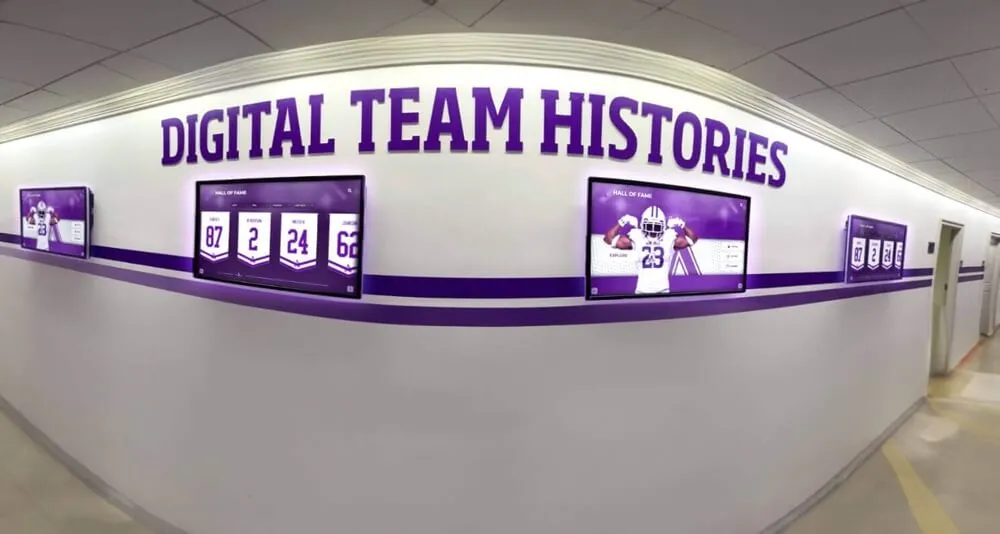
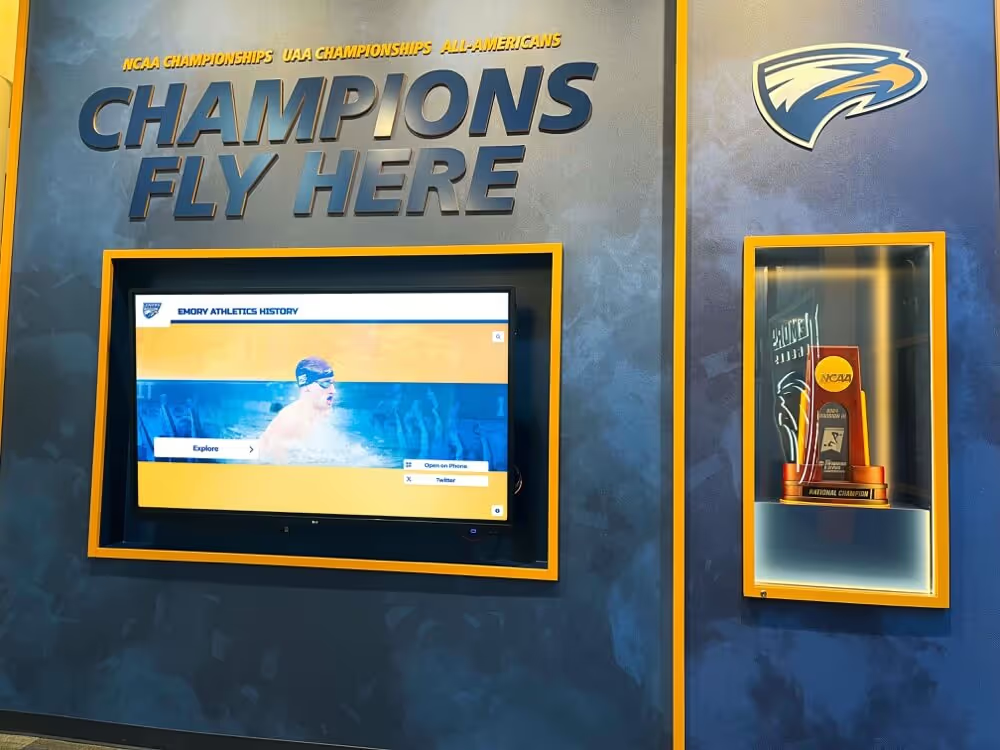
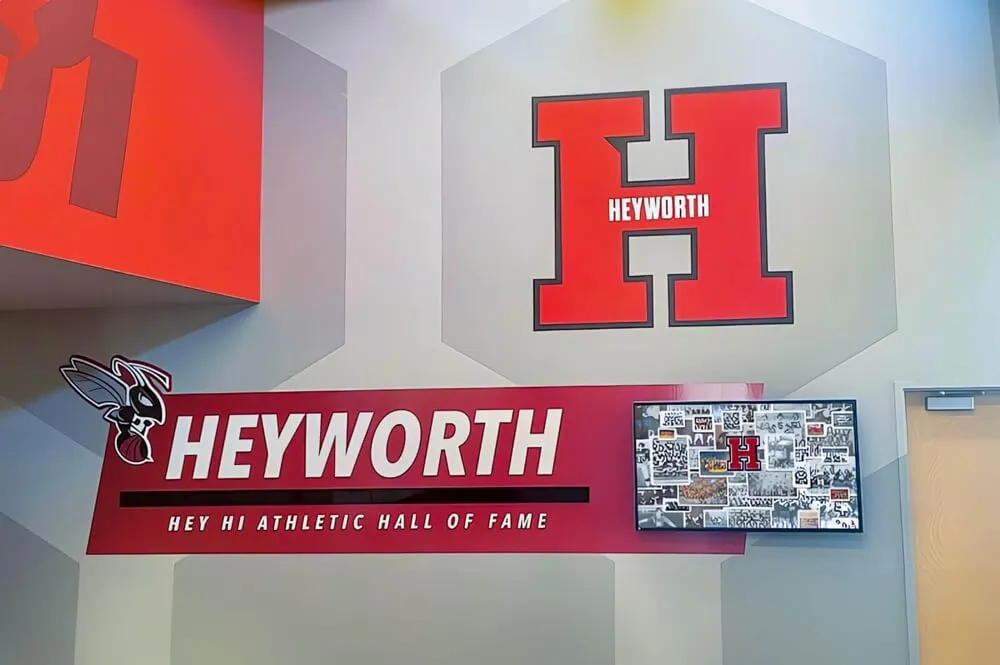
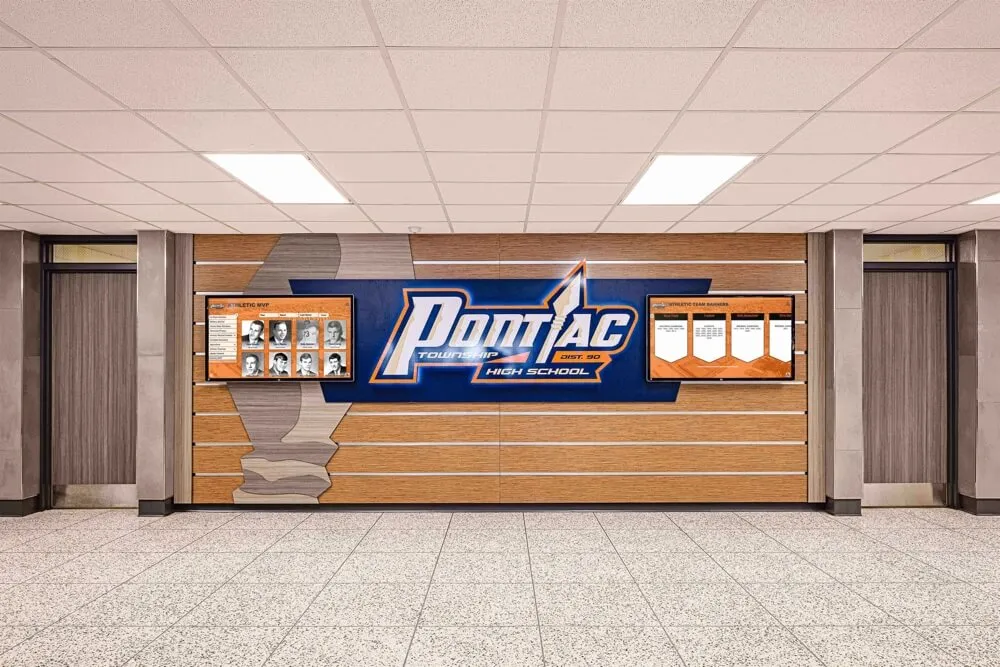
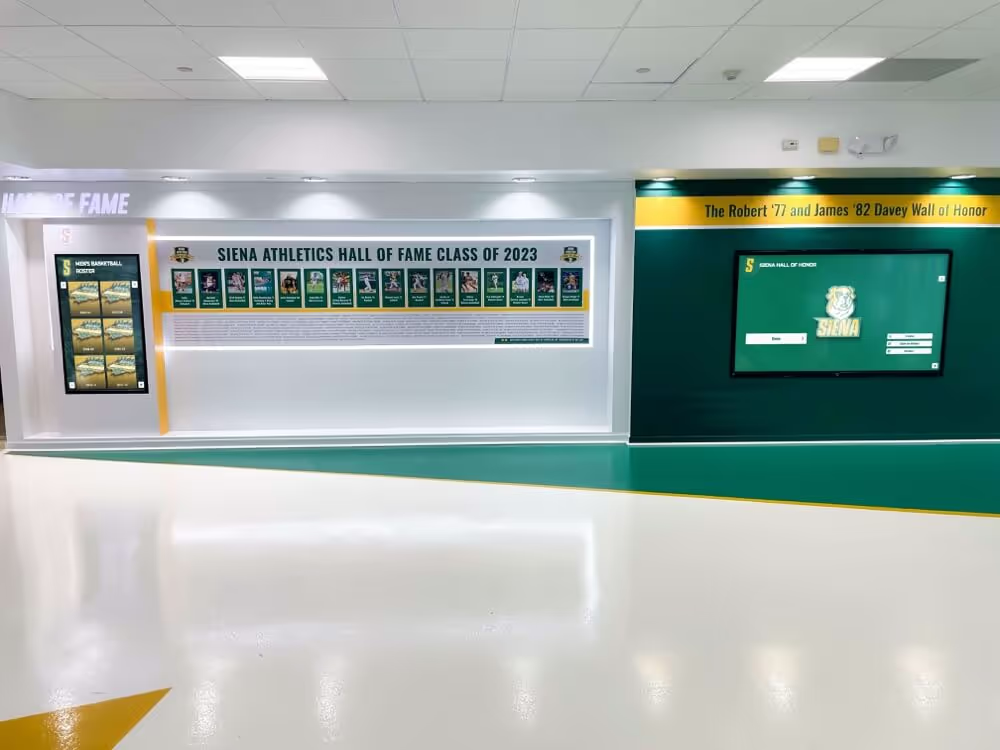
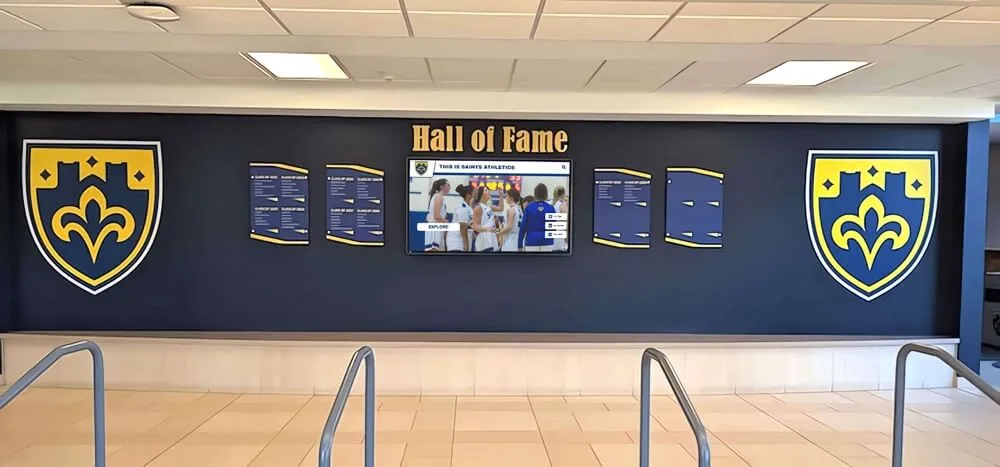
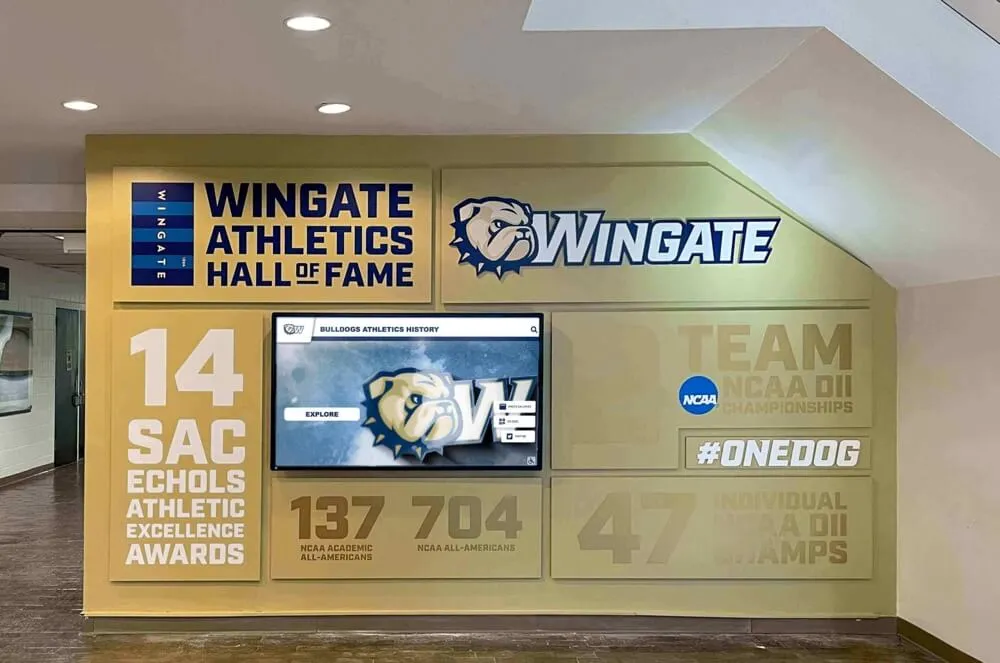
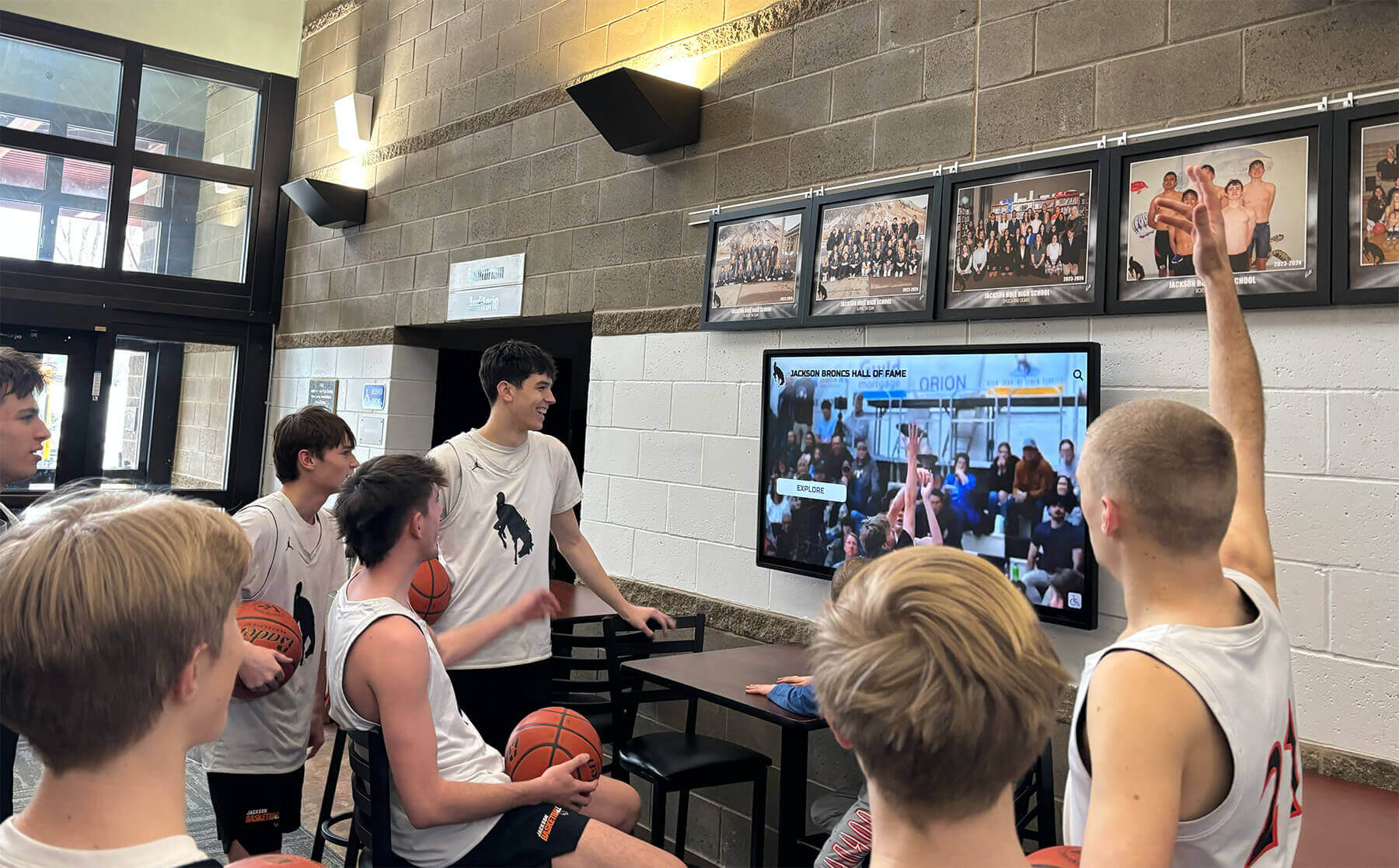
Digital displays transform static signing day celebrations into dynamic, searchable legacy archives accessible year-round
The Problem with Traditional Signing Day Recognition
Before exploring digital solutions, understanding the inherent limitations of traditional approaches clarifies why schools increasingly seek alternatives.
Physical Space Constraints Limit Historical Recognition
Traditional signing day displays face insurmountable space challenges:
Wall Space Competition
- Limited hallway and athletic facility wall space
- Competition with trophy cases, team photos, and other recognition
- Impossible to display multiple years without overwhelming spaces
- Difficult decisions about which years receive prime visibility
- Previous years’ signings eventually removed to accommodate new classes
Storage and Preservation Issues
- Removed banners and posters require physical storage
- Materials deteriorate over time in storage conditions
- Retrieval for special events creates logistical challenges
- No practical way to make historical displays accessible for daily viewing
- Eventual disposal of older materials erases institutional memory
These constraints mean that within months of each National College Signing Day ceremony, the visible recognition disappears, and the achievements become accessible only through stored yearbooks or archived photographs rather than prominent daily celebration.
Inflexible Formats Cannot Accommodate Year-Round Updates
The college recruiting timeline extends throughout the school year, not just official signing periods:
Extended Commitment Timeline
- Early commitments occur during junior year for highly recruited athletes
- Summer and fall commitments happen before official signing periods
- National Signing Day formalizes many commitments (December for football, November for other sports)
- Late signing period commitments extend into spring
- Transfer commitments and post-graduate year athletes add complexity
Traditional printed displays created for official signing day ceremonies cannot accommodate commitments that occur before or after the event without complete recreation. Schools either wait to recognize early commits, maintain outdated displays missing late additions, or incur repeated printing costs for multiple versions throughout the year.
Limited Information Capacity Reduces Impact
Physical poster and banner formats severely restrict information presentation:
Content Constraints
- Space limitations allow only basic information: name, college, sport
- No room for athlete achievements, statistics, or accomplishments
- Impossible to include photos beyond small headshots
- Cannot showcase highlight videos or career progression
- No space for quotes, family acknowledgments, or personal stories
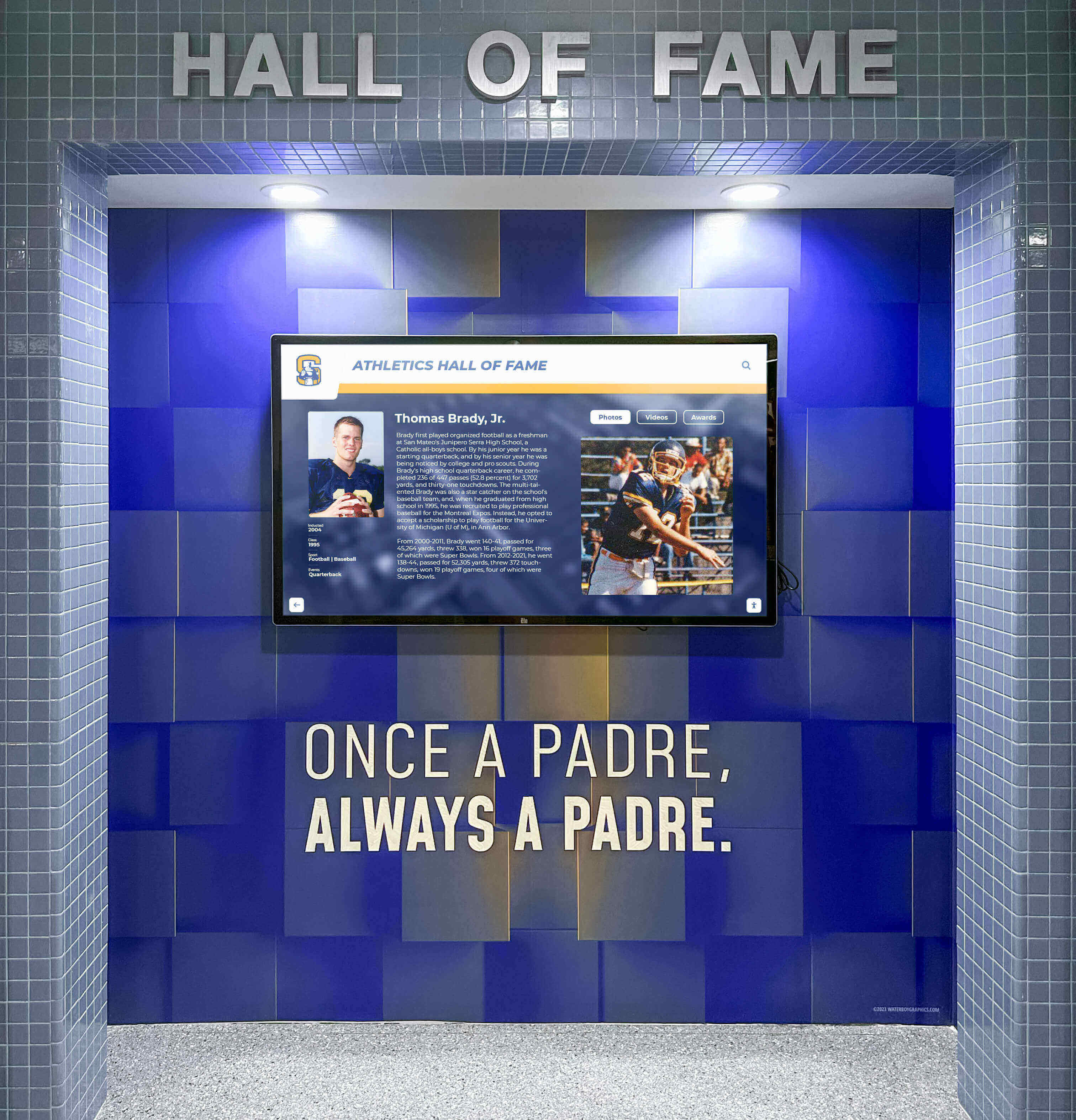
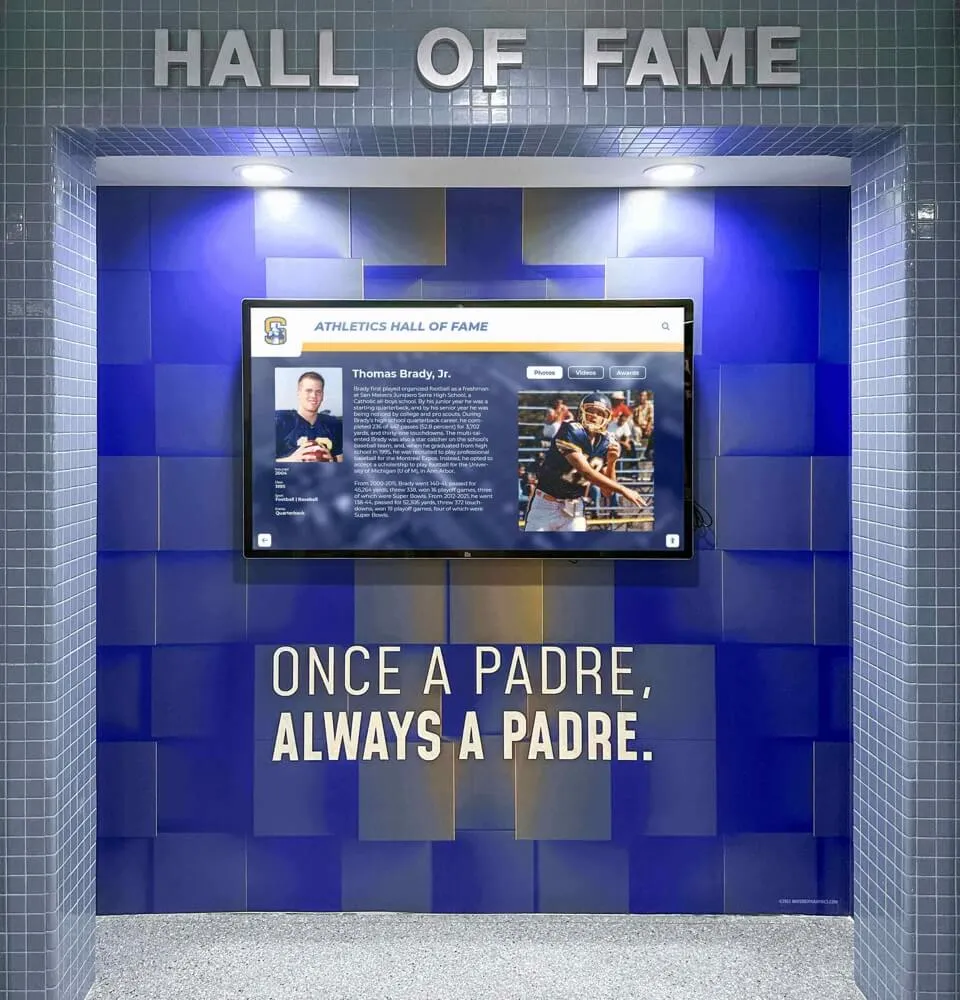
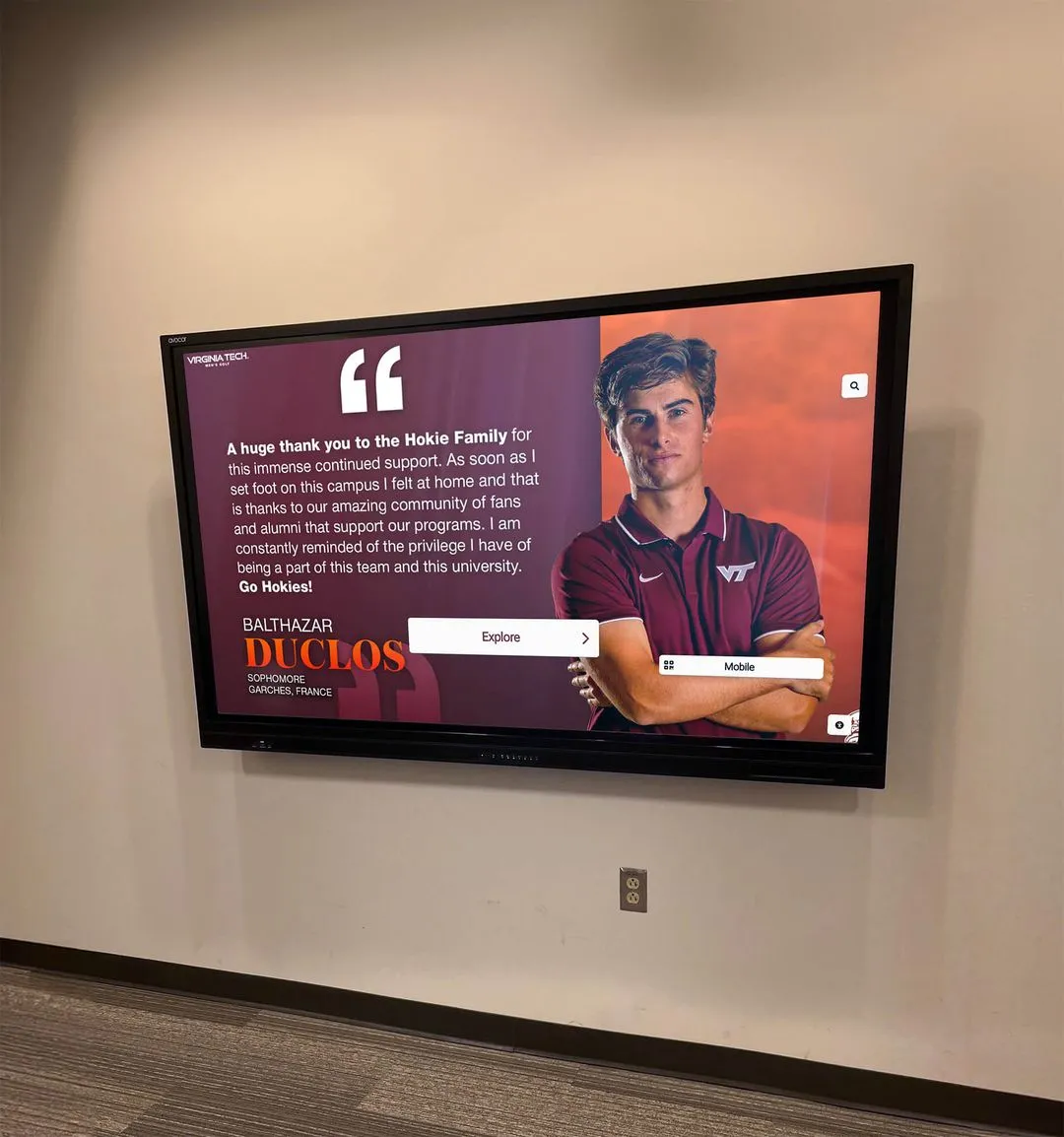
Digital systems enable comprehensive athlete profiles impossible with traditional poster formats
This limited information reduces signing recognition to basic announcements rather than rich storytelling that celebrates each athlete’s complete journey and helps younger athletes understand the paths their predecessors followed to college athletics.
Organizational Challenges Create Barriers to Access
Traditional displays lack the organizational structure that makes information useful:
Search and Discovery Limitations
- No way to filter by sport, college, year, or conference
- Impossible to find specific athletes without scanning entire displays
- Cannot identify all athletes who attended specific colleges
- No connection between athletes and their high school statistics or achievements
- Difficult to demonstrate program trends or placement patterns
College commitment displays that lack organizational structure miss opportunities to serve multiple audiences—from current athletes researching college options to recruiters evaluating program quality to alumni discovering which current students follow their college paths.
Digital Display Systems: Unlimited Capacity for Complete Legacy Archives
Digital recognition platforms eliminate physical constraints while providing organizational capabilities impossible with traditional approaches.
Unlimited Display Capacity Enables Complete Archives
Digital systems fundamentally change what’s possible in recognition capacity:
Every Year Accessible Equally
- Display current 25-26 signing class prominently on home screens
- Maintain complete archives of every previous year’s signings
- No need to remove previous years to accommodate new additions
- Equal visibility regardless of class size or sport participation
- Permanent preservation without physical storage requirements
All Sports Receive Equal Recognition
- Football signings don’t overshadow smaller sports
- Individual sport athletes receive same visibility as team sports
- Non-scholarship commitments honored alongside full scholarships
- Division III and NAIA commitments celebrated equally with Division I
- Walk-on and preferred walk-on opportunities appropriately recognized
This unlimited capacity means that a student-athlete who signed five years ago remains just as accessible and visible as this year’s signees—creating true legacy archives rather than temporary seasonal displays.
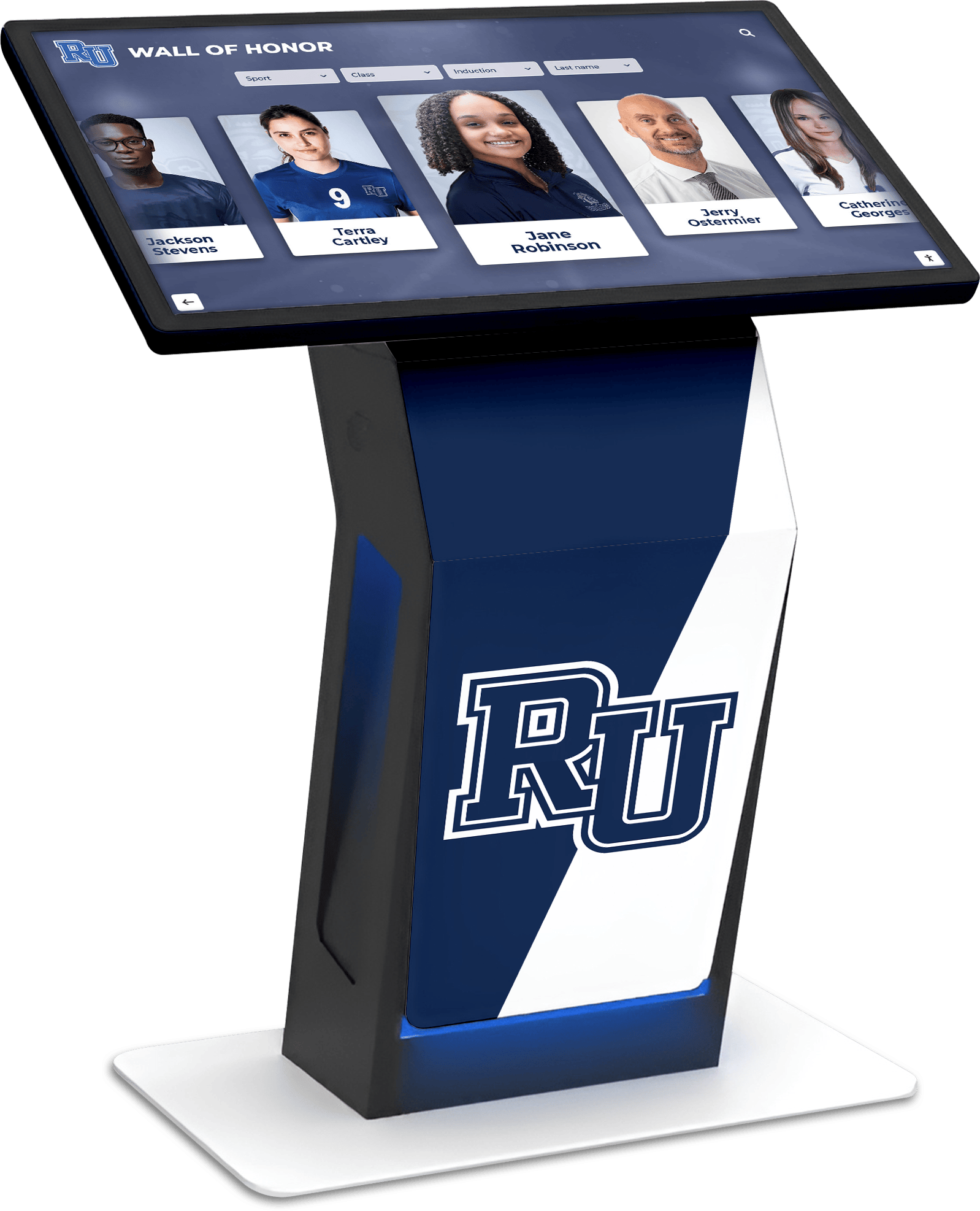
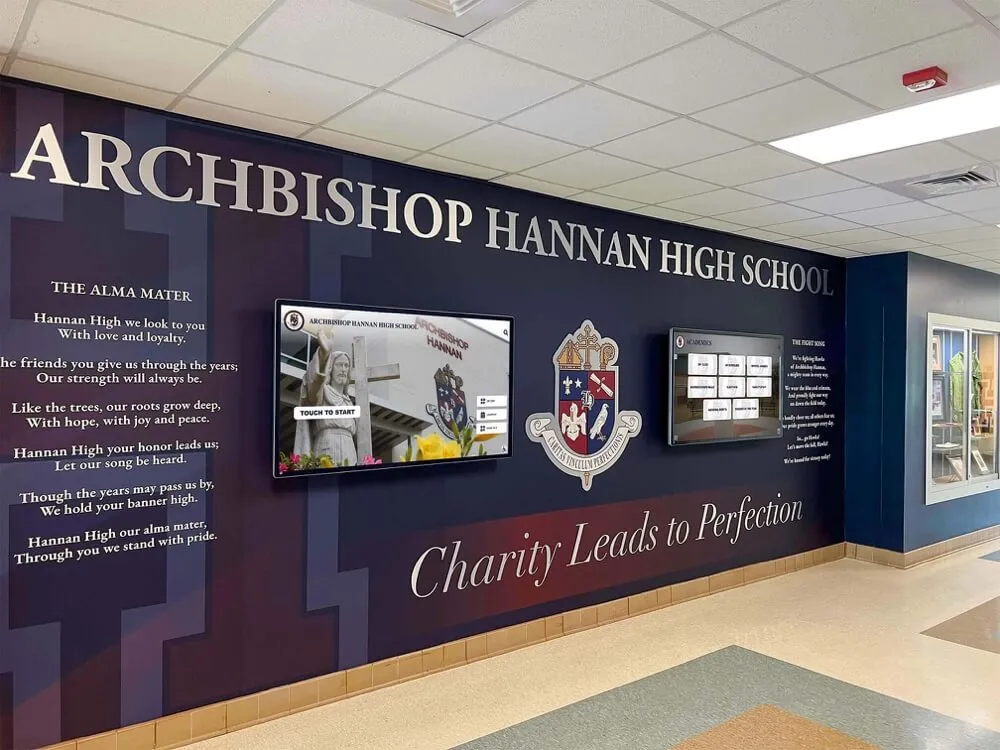
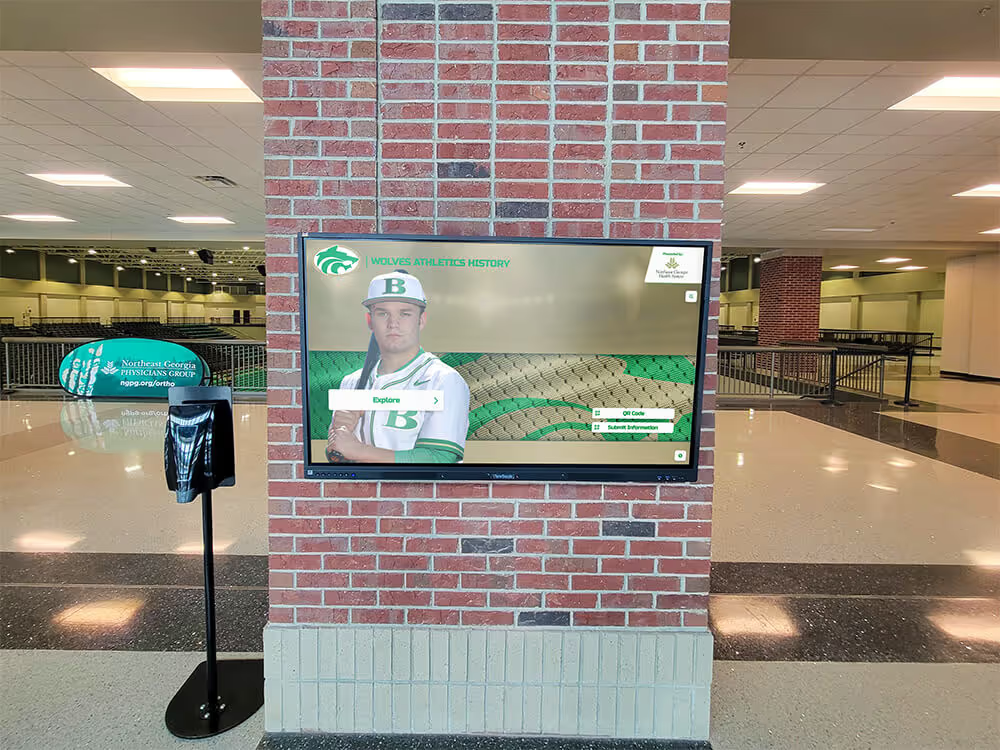
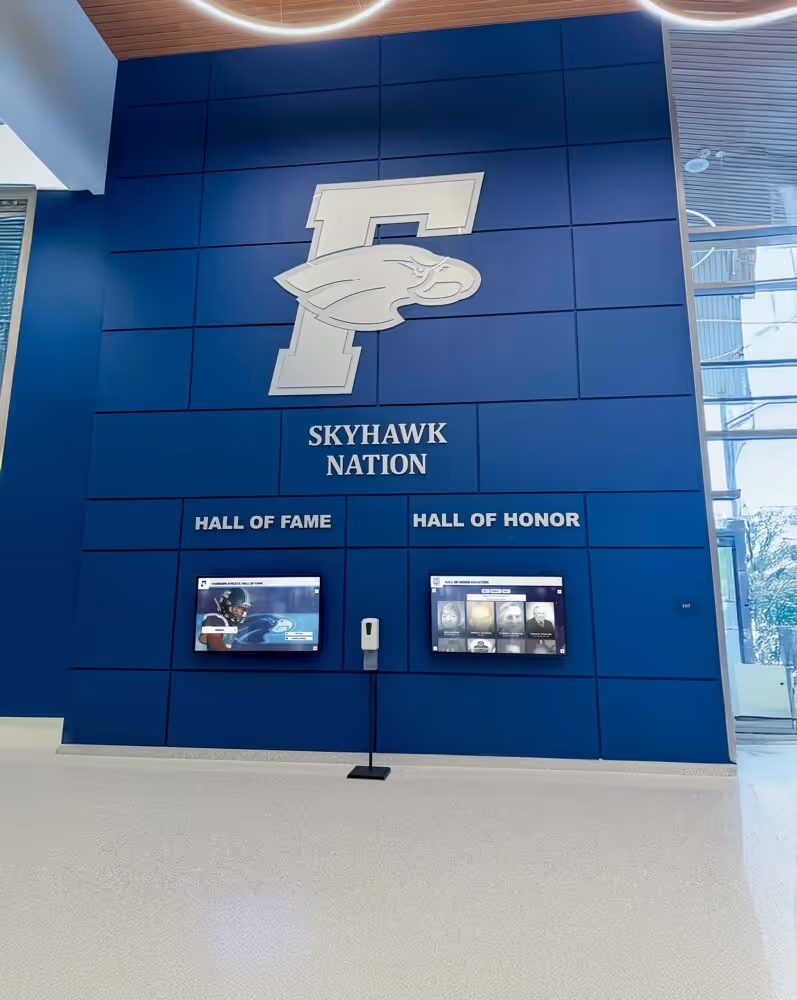
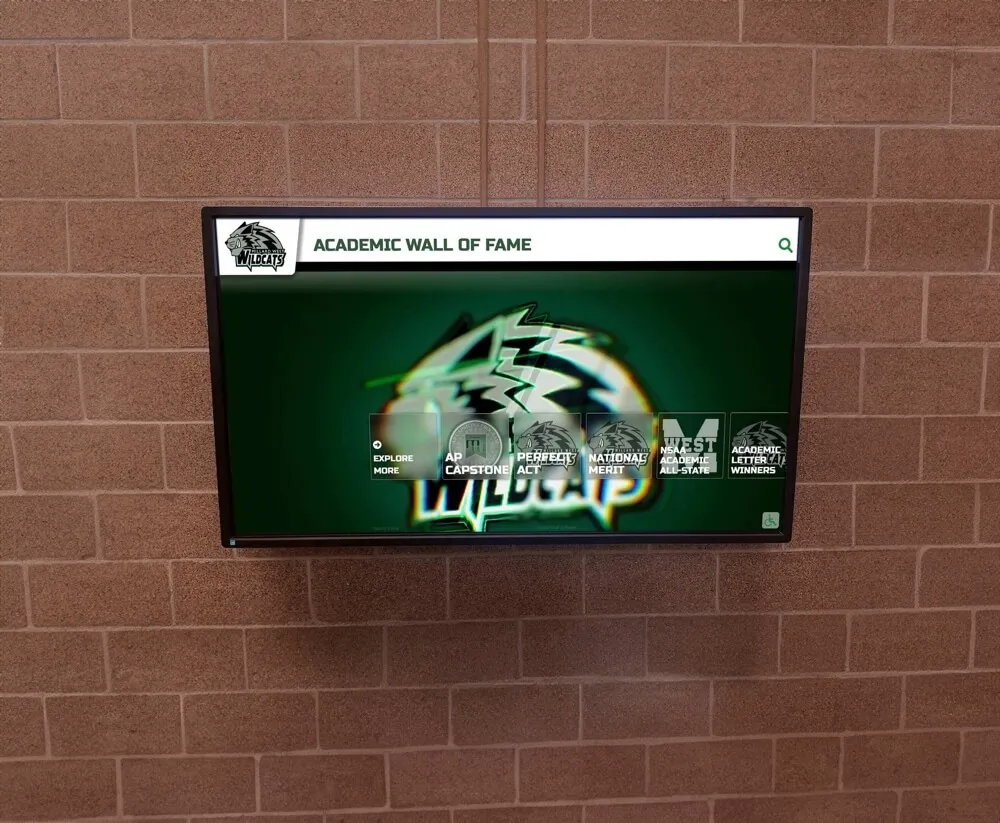
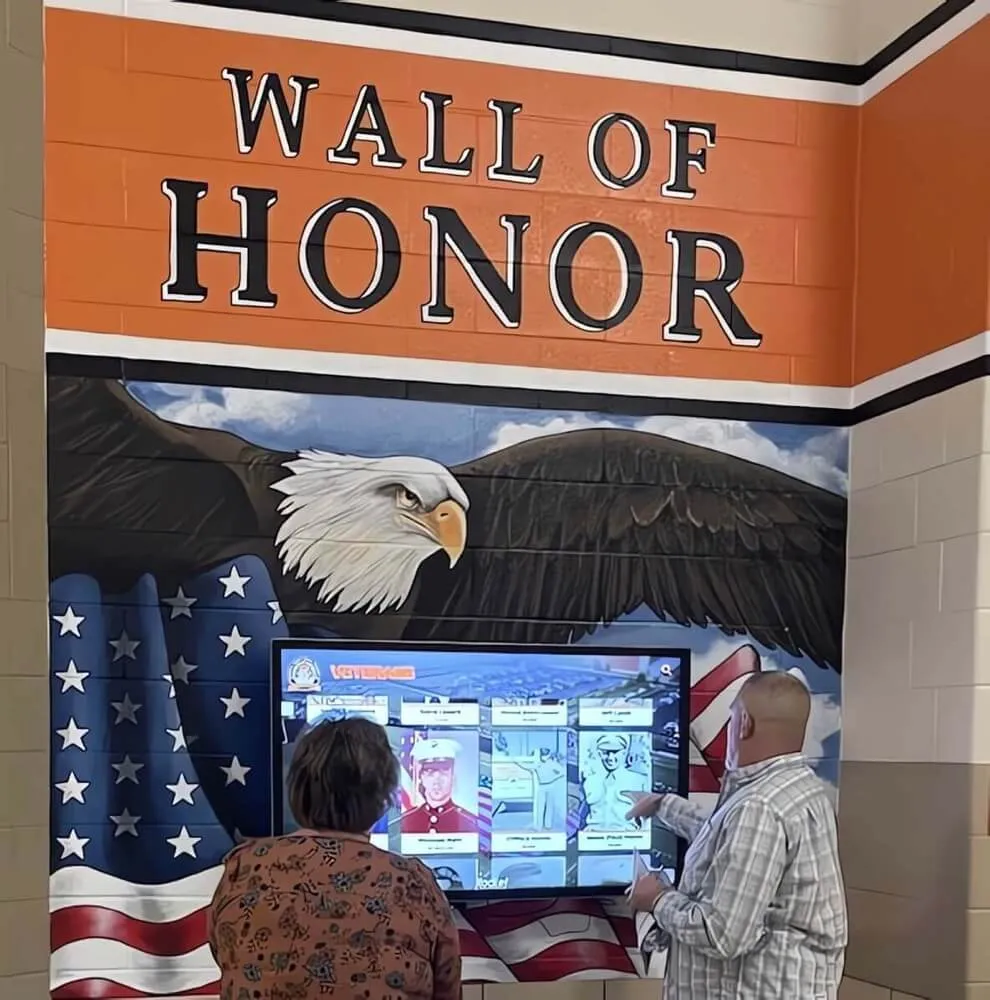
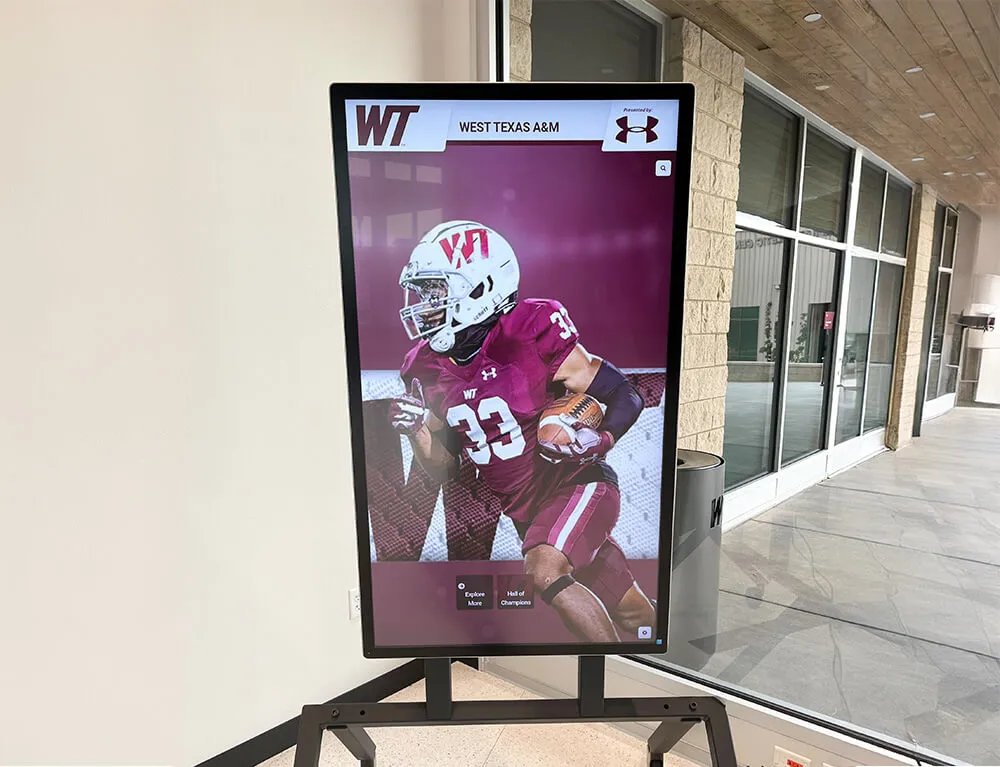
Freestanding kiosks provide prominent placement while offering unlimited content capacity through digital navigation
Real-Time Management Enables Year-Round Updates
Cloud-based content management eliminates the update challenges that plague traditional recognition:
Add Commitments as They Occur
- Update displays within minutes of commitment announcements
- No waiting for official signing periods to recognize early commits
- Add late signing period commitments immediately
- Update college choices if athletes change commitments
- Correct errors or update information without reprinting physical materials
Flexible Template Options
- Multiple layout templates for different content types
- Seasonal designs highlight current signing day ceremonies
- Archive views present historical classes consistently
- Sport-specific templates emphasize relevant statistics and achievements
- Configurable home pages showcase featured athletes or recent additions
According to the user instructions, with solutions like Rocket Alumni Solutions, bringing specific content folders to the forefront is simple, enabling schools to emphasize current National College Signing Day celebrations while maintaining full historical archives accessible through navigation. Template and layout options provide flexibility for home pages and deeper archive sections, ensuring optimal presentation for different audiences and purposes.
Rich Content Presentation Tells Complete Stories
Digital platforms enable comprehensive athlete recognition impossible with limited poster space:
Complete Athlete Profiles
- Professional photos showcasing athletes in uniform or action
- Full athletic statistics and career accomplishments
- Academic achievements and honors
- Personal statements about college choice and aspirations
- Family acknowledgments and coach appreciations
- High school career highlights and progression
- Video highlight reels embedded in profiles
Contextual Information
- College program details: conference, division, team facts
- Historical connections: previous athletes at same college
- Recruiting timeline: when commitment occurred relative to signing periods
- Academic information: intended major, scholarship details
- Geographic context: maps showing college locations
This depth of information transforms signing recognition from simple announcements into inspiring stories that help younger athletes understand the pathways their predecessors followed while celebrating each athlete’s complete high school journey. For comprehensive approaches to academic recognition programs that complement athletic achievements, similar digital strategies apply across recognition types.
Powerful Organization Serves Multiple Audiences
Digital systems provide filtering, searching, and organization capabilities that make large archives usable:
Search and Filter Capabilities
- Find athletes by name, graduation year, sport, or college
- Filter by athletic conference (Big Ten, SEC, Ivy League, etc.)
- View all signings to specific colleges or universities
- Browse by commitment date or signing period
- Filter by division level (D1, D2, D3, NAIA, JUCO)
- Search by scholarship status or walk-on designation
Audience-Specific Navigation
- Underclassmen athletes exploring college options can filter by their sport
- Families visiting campus can search for their student-athlete
- Recruiters evaluating program quality can view placement patterns by year
- Alumni can discover current athletes at their alma maters
- College coaches can see which athletes from the program compete at their institutions
For schools seeking to create comprehensive recognition systems that integrate signing day displays with broader athletic program recognition, digital platforms enable unified systems where signing commitments connect with team achievements, individual honors, and program history.
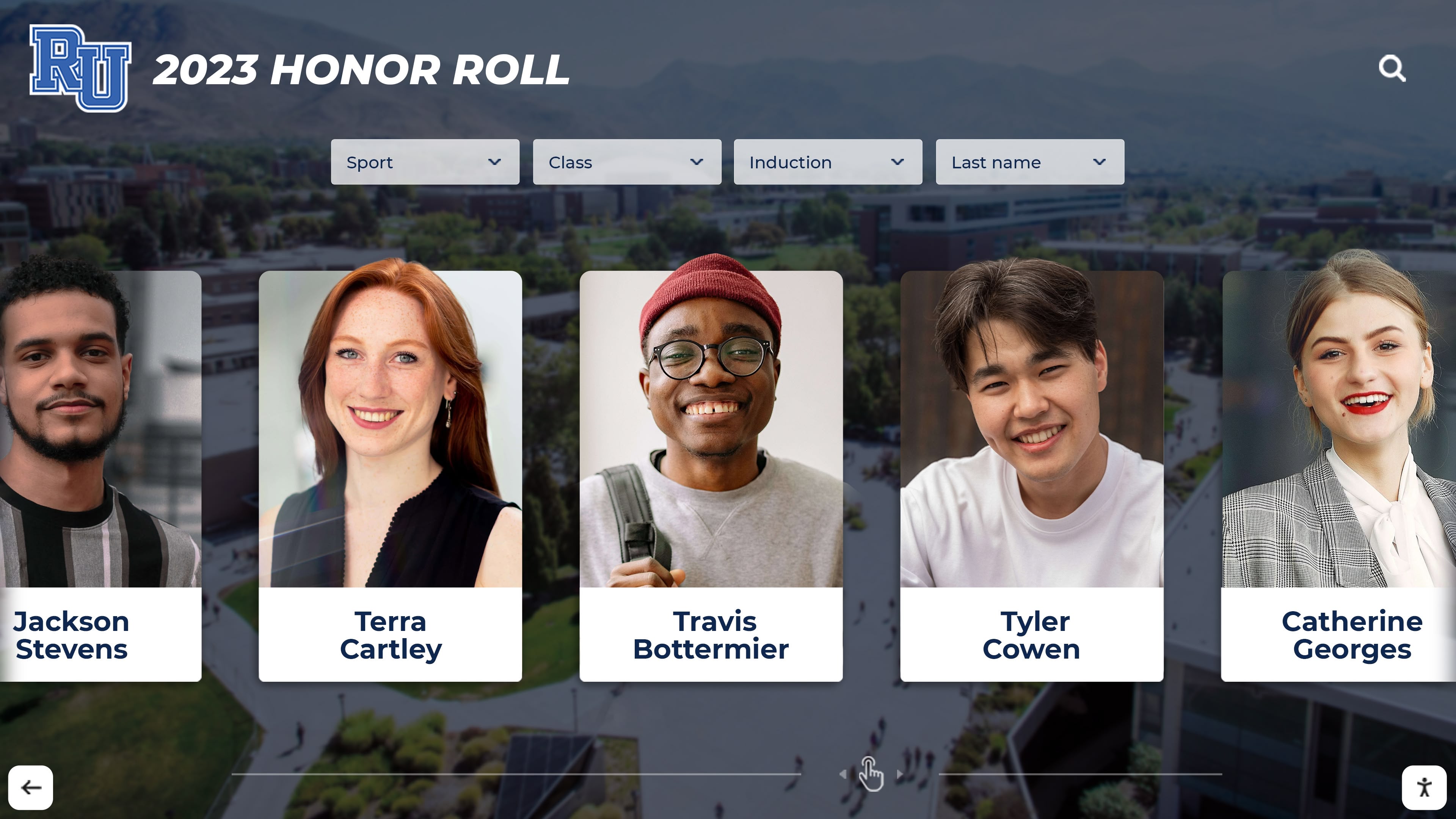
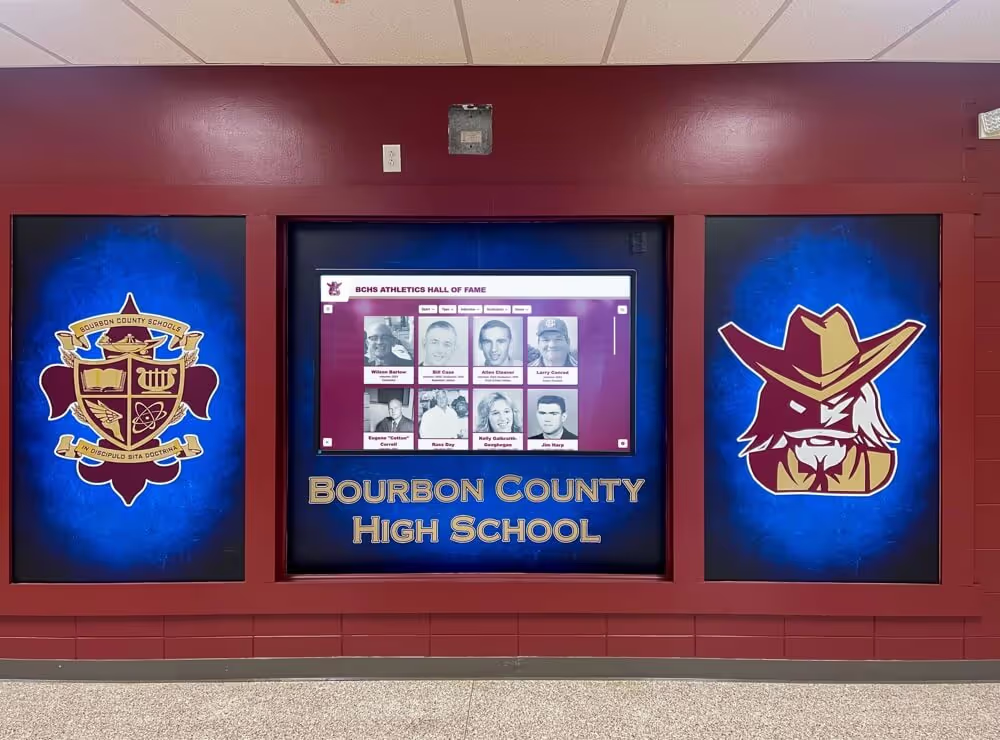
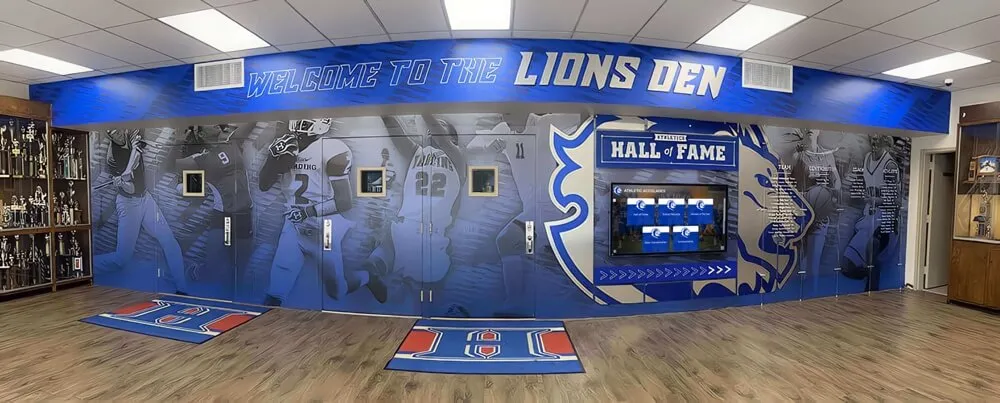
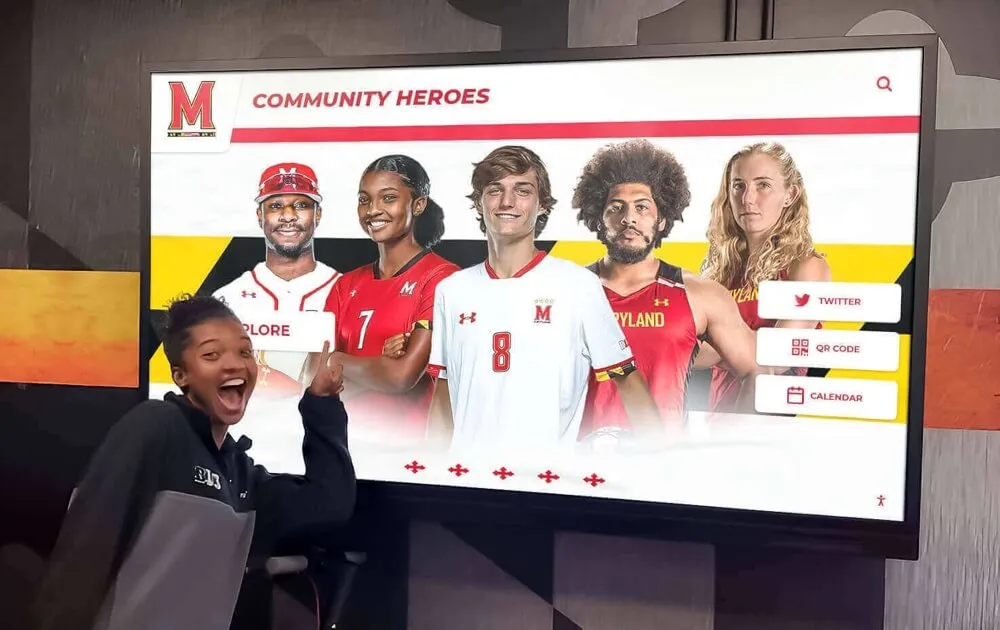
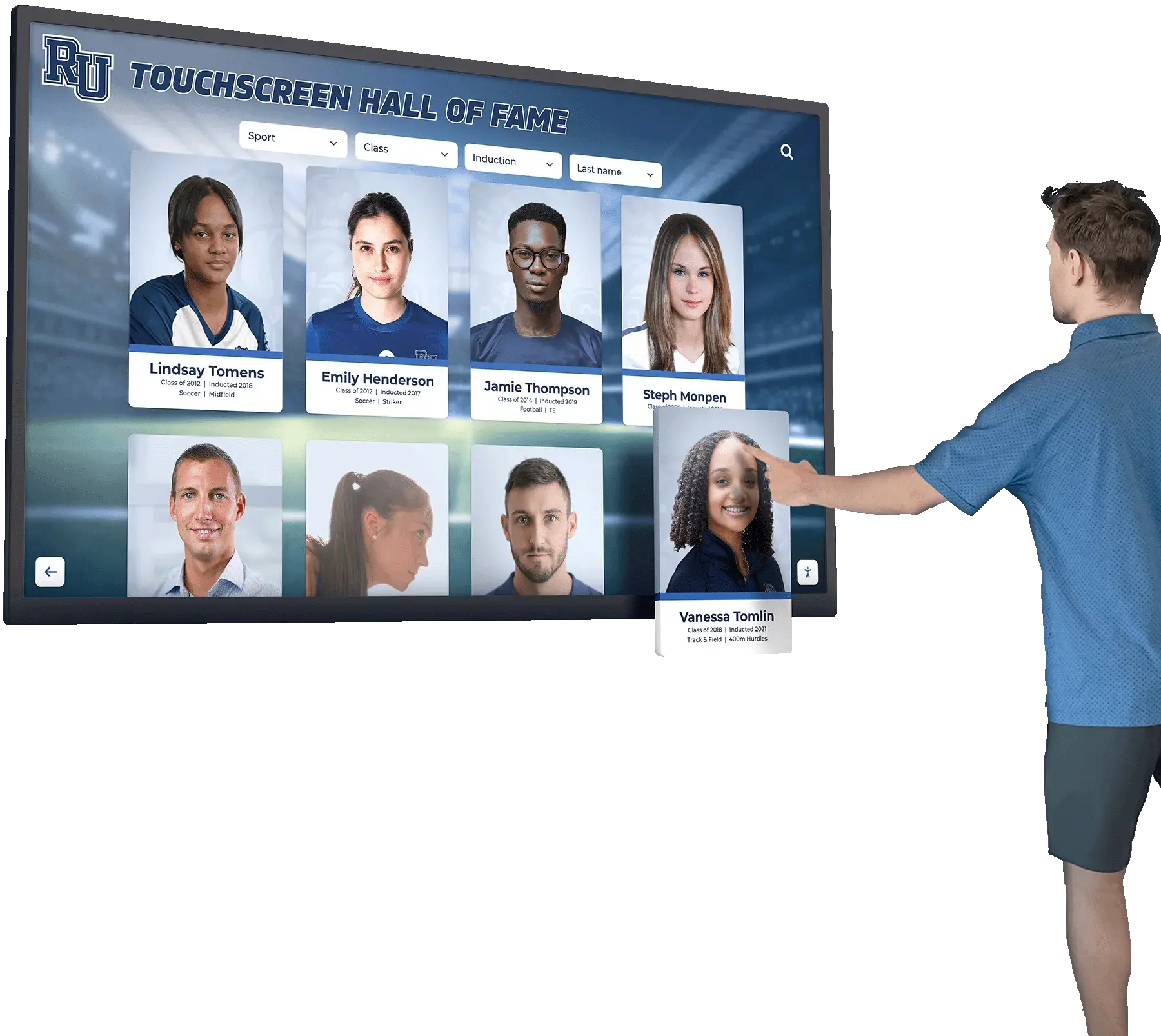
Professional portrait layouts create cohesive visual presentations across all athletes and sports
Building Your National College Signing Day Showcase System
Successful implementation requires strategic planning aligned with your program’s specific needs and recognition objectives.
Content Planning: What to Include in Athlete Profiles
Comprehensive athlete profiles transform basic announcements into meaningful recognition:
Essential Information Fields
- Full name and graduation year
- High school sport(s) played
- College name and location
- Athletic conference and division
- Commitment announcement date
- Official signing date (if applicable)
- Scholarship status (full, partial, walk-on, preferred walk-on)
- Contact information (optional, for alumni network purposes)
Athletic Achievement Details
- Career statistics and performance metrics
- Team accomplishments and championships
- Individual honors and awards
- Leadership positions (team captain, etc.)
- Years of varsity participation
- Notable performances and achievements
- Records set or approached
Academic Recognition
- GPA and class rank (if appropriate to share)
- Academic honors: honor roll, National Honor Society, AP Scholar
- Academic scholarships in addition to athletic aid
- Intended college major and academic interests
- Academic awards and recognition
Personal Elements
- Professional headshot or action photo
- Personal statement about college choice and athletic aspirations
- Acknowledgments of family, coaches, teammates, and mentors
- Career highlight video or photo gallery
- Post-high school goals beyond athletics
This comprehensive approach ensures each athlete receives recognition proportional to their achievement while providing the detailed information that makes profiles useful for younger athletes researching college athletic pathways.
Archive Organization: Structuring Historical Recognition
Effective organization makes decades of signing history accessible and useful:
Primary Organization Structures
Current Year Prominence
- Home screen features current academic year signings
- Automatic updates to featured class each academic year
- Configurable featured athlete rotation highlighting recent additions
- Special emphasis during official signing periods
- Seasonal templates reflect signing day ceremonies
Historical Archive Access
- Browse by graduating class year
- View signings organized by decade
- Access earliest available records to most recent class
- Consistent presentation across all historical years
- Preservation of biographical information even for distant graduates
Secondary Navigation Options
Sport-Specific Views
- Filter to see only football, basketball, soccer, etc. signings
- Compare signing patterns across sports and years
- Identify which sports produce most college athletes
- Demonstrate depth across all programs
College-Specific Collections
- View all athletes who signed with specific universities
- Track relationships with particular college programs
- Demonstrate pipeline connections to certain schools
- Help recruits see previous athletes at colleges they’re considering
Conference and Division Filters
- View signings by NCAA division, NAIA, or junior college
- Filter by athletic conference for specific competitions
- Track trends in division placement over time
- Demonstrate program competitiveness through placement patterns
This multi-dimensional organization ensures archives serve diverse audiences with different information needs, from nostalgic alumni to strategic athletic directors analyzing program trends. For insights into organizing high school wall of fame displays that integrate signing recognition with broader athletic achievements, similar organizational principles apply.
Integration with Signing Day Ceremonies
Digital displays enhance rather than replace traditional ceremony celebrations:
Pre-Ceremony Preparation
- Complete athlete profile development before ceremony dates
- Professional photography sessions for consistent headshots
- Collect personal statements and acknowledgments
- Prepare video highlight compilations
- Design ceremony-specific templates emphasizing current class
During Ceremony Enhancement
- Project athlete profiles on large screens during athlete introductions
- Display slideshow of all signing athletes while families arrive
- Show highlight videos between individual signings
- Provide backdrop for photography incorporating digital elements
- Real-time social media feed display using ceremony hashtags
Post-Ceremony Continuation
- Add professional ceremony photos to athlete profiles
- Incorporate signing moment videos into digital archives
- Publish thank-you messages and community congratulations
- Share final high school statistics and senior year accomplishments
- Transition featured displays from ceremony emphasis to year-round archive access
This integration ensures ceremonies remain special events while capturing content and energy that extends into permanent digital recognition, providing value far beyond the single ceremony day.
Technical Considerations for Display Installation
Strategic planning ensures successful long-term implementation:
Display Placement Strategy
- Main athletic facility entrance for maximum visibility
- Hallways connecting locker rooms to competition areas
- School main entrance accessible to all students and visitors
- Athletic department offices for recruiter and coach access
- Alumni gathering spaces connecting past to present
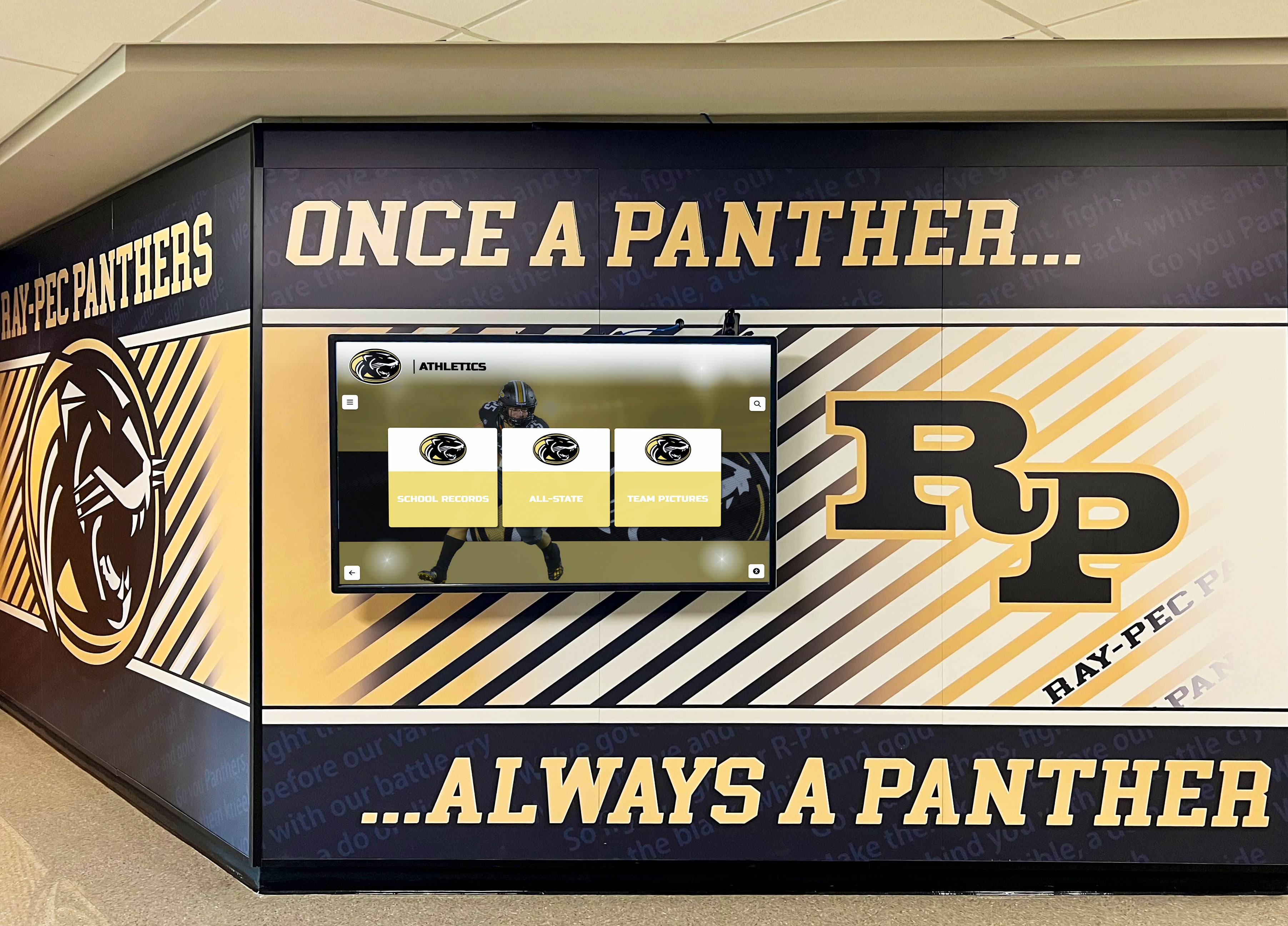
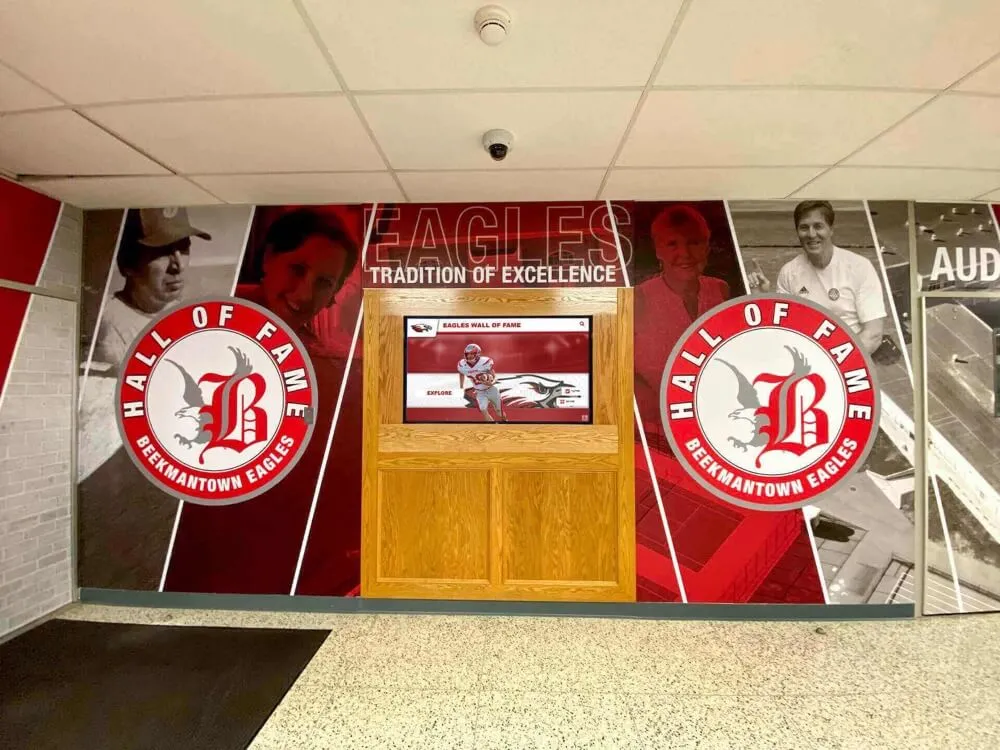
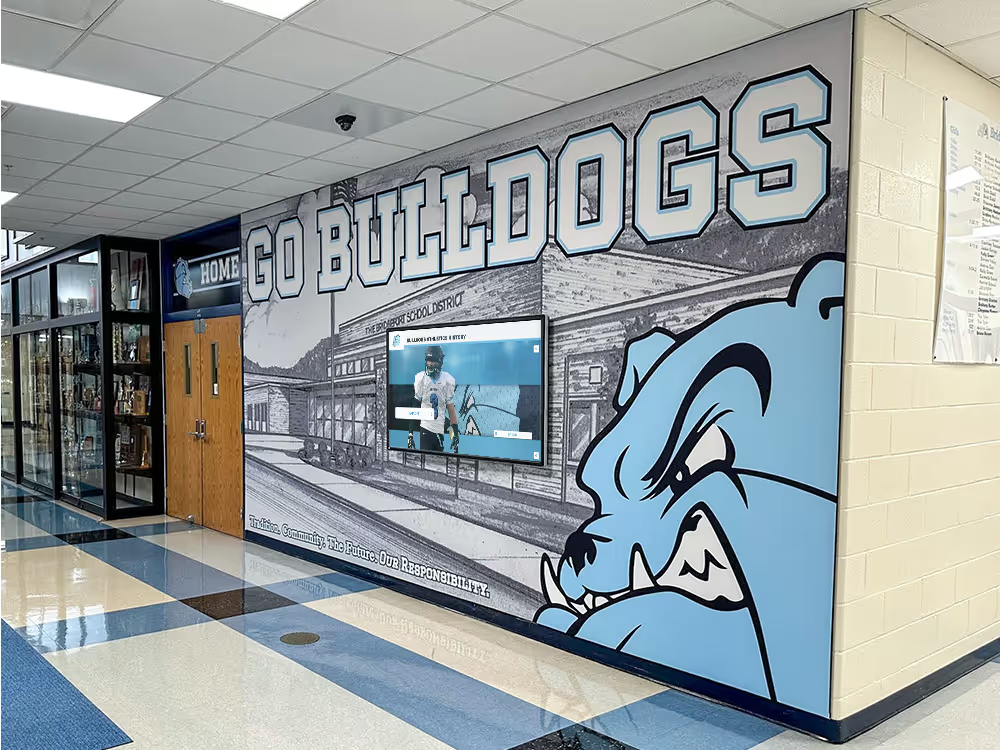
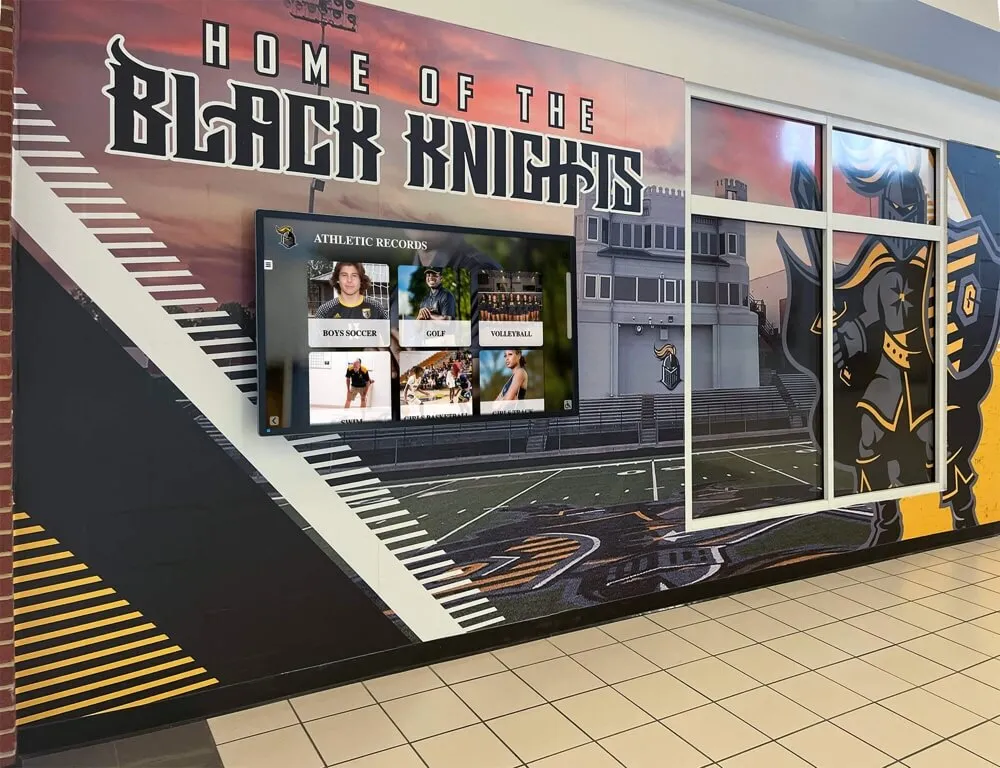
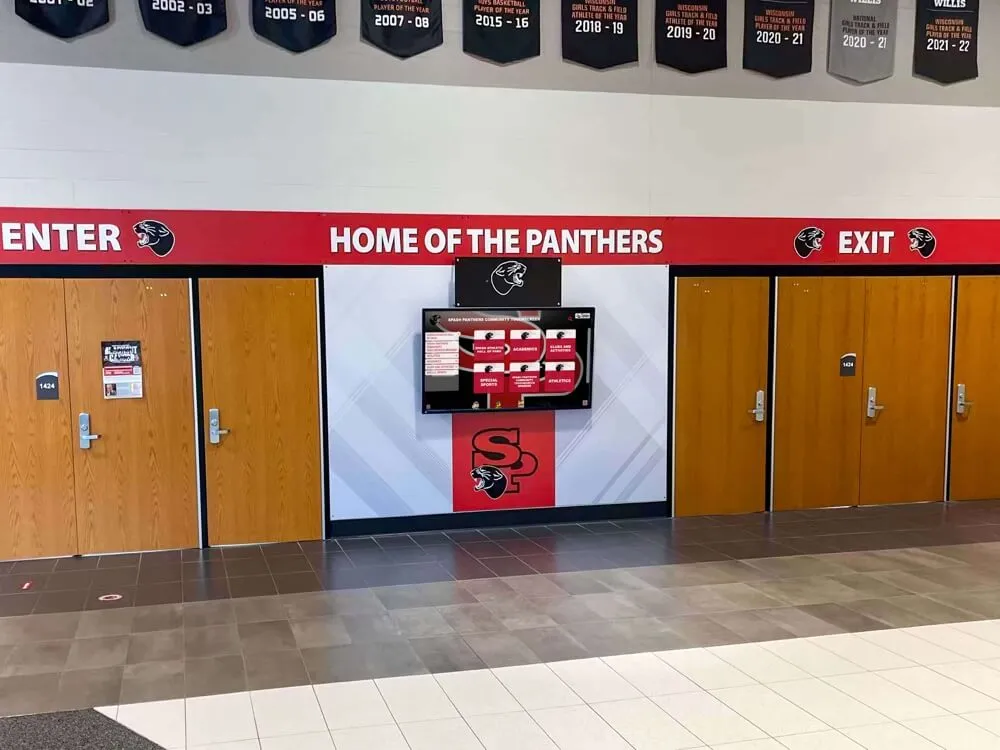
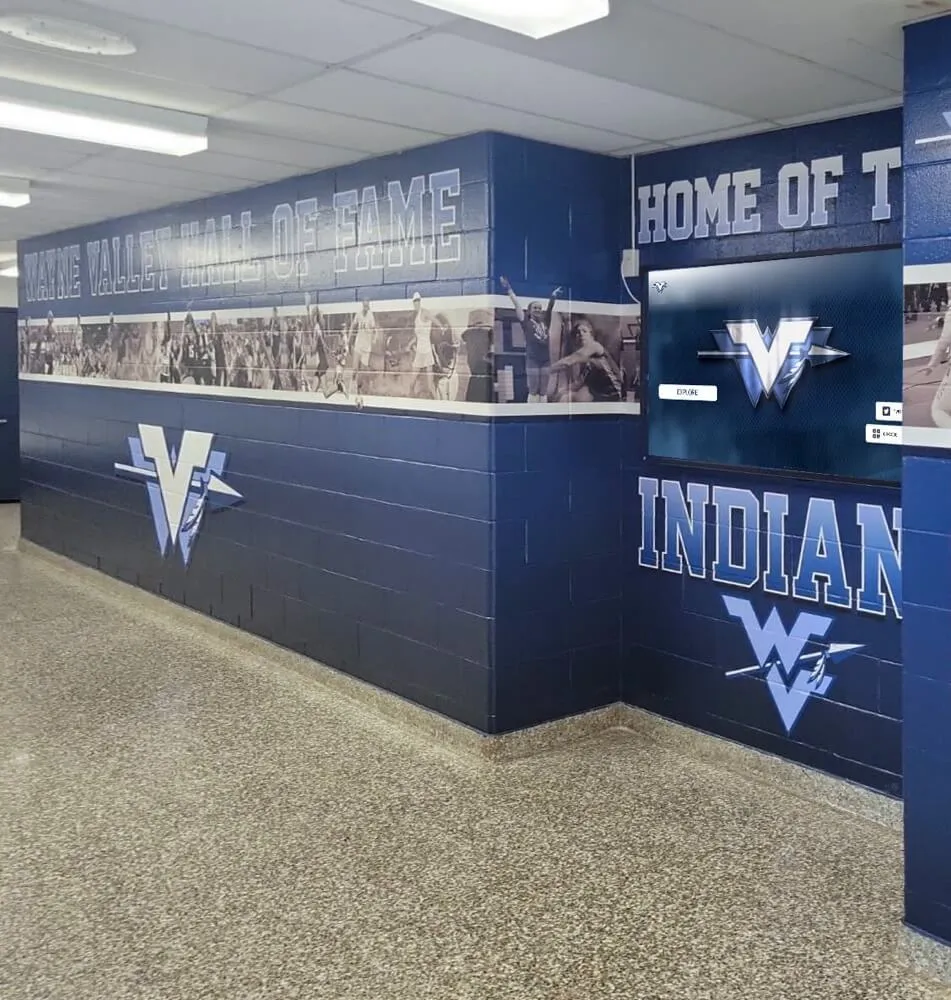
Strategic placement in high-traffic athletic areas ensures maximum visibility and engagement
Hardware Options
- Wall-mounted touchscreen displays for interactive exploration
- Large-format displays for passive viewing in gathering spaces
- Freestanding kiosks for flexible placement without wall mounting
- Multiple display locations showing same content system-wide
- Mobile-responsive web access for smartphones and tablets
Content Management Requirements
- Cloud-based platforms accessible from any internet connection
- User-friendly interfaces requiring no technical expertise
- Role-based permissions for coaches, athletic staff, and administrators
- Bulk import tools for adding historical data efficiently
- Scheduled publishing for embargo management before official announcements
For schools evaluating touchscreen software options, web-based platforms provide significant advantages over installed applications, including universal device compatibility, automatic updates, and remote management capabilities essential for busy athletic departments.
Leveraging Archives for Recruiting and Program Development
Complete signing history archives provide strategic value beyond nostalgia and recognition.
Recruiting Impact: Demonstrating Program Quality
College signing archives become powerful recruiting tools:
Prospect and Family Appeal
- Concrete evidence of program success developing college-level athletes
- Demonstration of relationships with specific college programs and conferences
- Proof of academic-athletic balance through academic achievements
- Visibility into realistic college athletic opportunities by division and sport
- Geographic distribution shows regional, national, or international reach
Statistical Credibility
- Percentage of varsity athletes continuing at college level
- Trends over time demonstrate consistent program quality
- Division distribution shows appropriate athlete placement
- Multiple sport pathways demonstrate comprehensive program strength
- Academic scholarship recognition emphasizes student-athlete development
When recruiting families visit campus and explore comprehensive signing archives showing decades of successful college placements across all sports and divisions, they gain confidence that your program develops athletes effectively and maintains strong college coaching relationships. This tangible evidence supports recruiting conversations far more effectively than verbal claims alone.
Program Analysis: Using Data for Strategic Planning
Historical archives enable data-driven program development:
Trend Analysis Opportunities
- College placement rates by sport and year
- Changes in division distribution over time
- Geographic patterns in college choices
- Academic performance correlations with college placement
- Multi-sport athlete pathways and success rates
Strategic Insights
- Which sports produce highest college placement rates
- Relationships with specific college programs worth cultivating
- Academic support program effectiveness through college acceptance patterns
- Sport participation trends and emerging opportunities
- Alumni network connections for mentorship and support
Athletic directors and program coordinators can analyze archived data to identify successful patterns worth replicating, concerning trends requiring attention, and opportunities for program enhancement that historical analysis reveals.
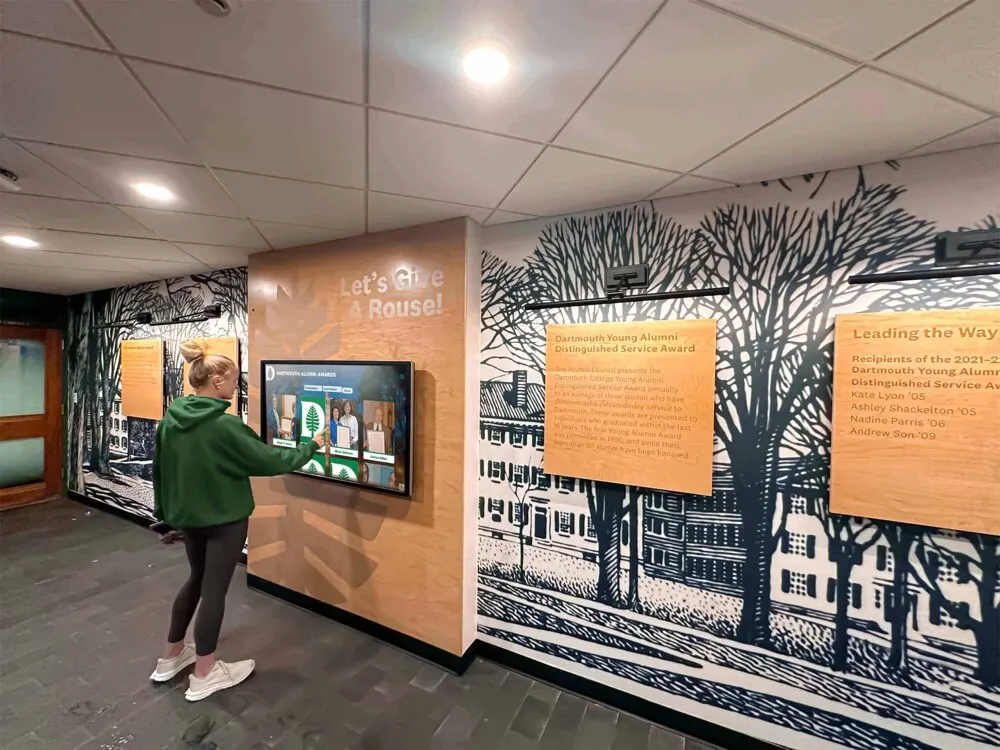
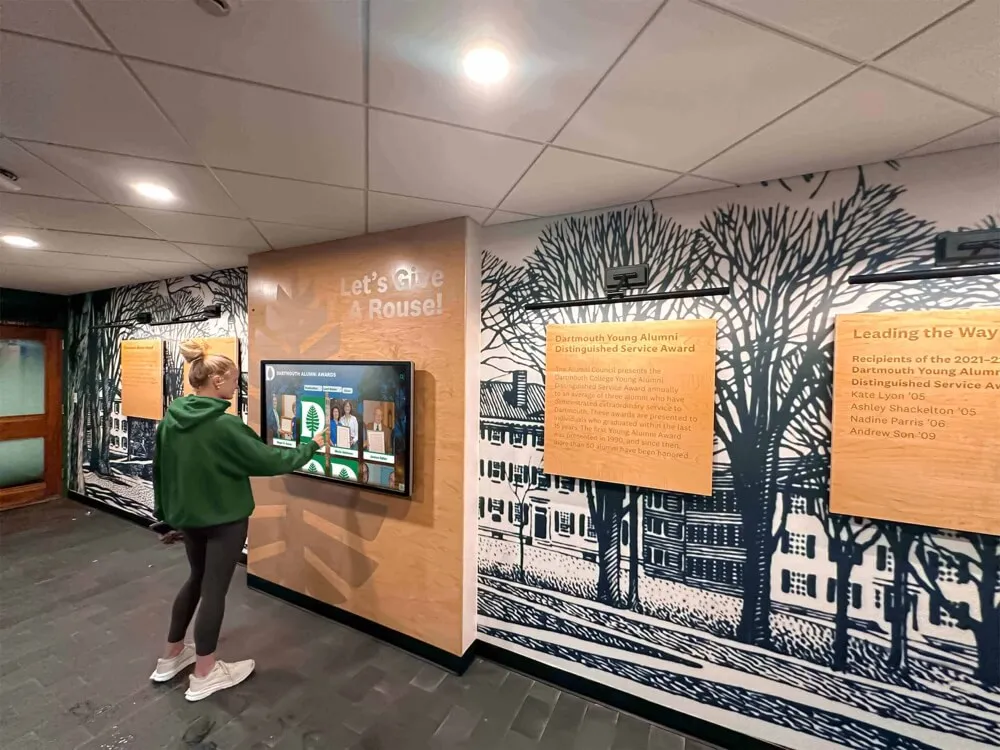
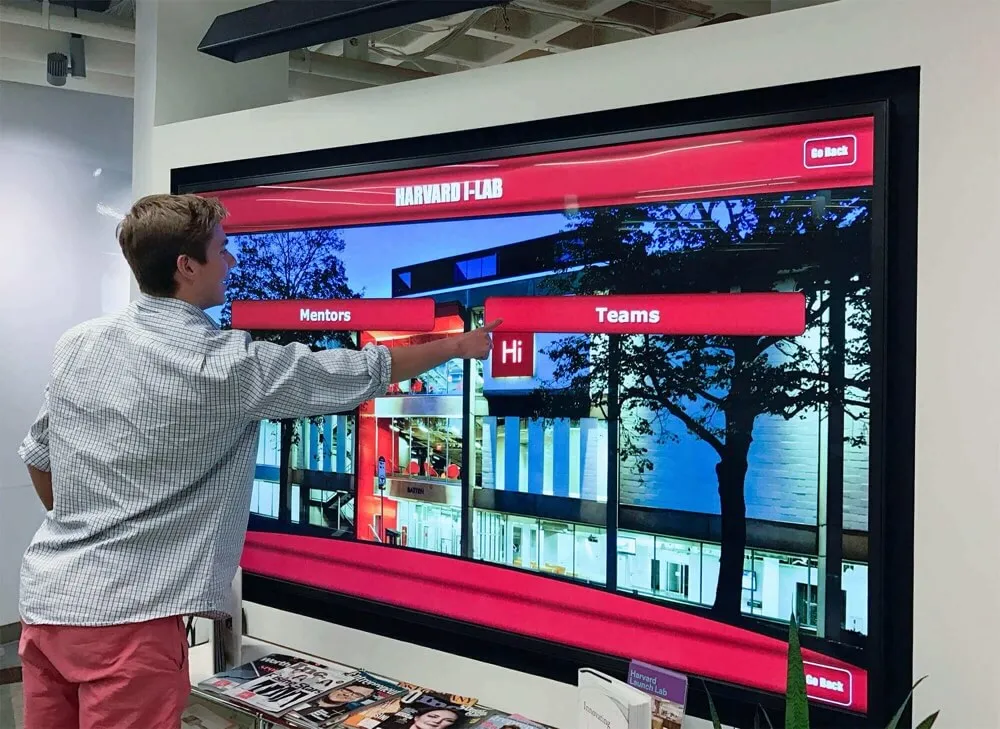
Interactive exploration enables coaches and administrators to analyze historical patterns and trends
Alumni Engagement: Connecting Past to Present
Comprehensive archives strengthen alumni relationships:
Discovery and Connection
- Alumni visiting campus can find themselves in historical records
- See current athletes at their college alma maters
- Discover teammates’ college pathways and post-high school outcomes
- Connect with current athletes through shared college connections
- Engage reunion attendees through historical exploration
Mentorship Opportunities
- Current athletes contact alumni who attended colleges they’re considering
- Alumni provide insights about college programs and athletic experiences
- Career networking extending beyond athletics
- Fundraising connections based on shared athletic heritage
- Program support from alumni seeing continued success
For comprehensive approaches to alumni recognition programs that extend beyond signing day archives, digital systems enable integrated recognition celebrating both athletic achievements and post-graduate accomplishments.
Content Management: Maintaining Current and Accurate Archives
Long-term success requires sustainable content management practices.
Establishing Content Collection Workflows
Systematic processes ensure complete, accurate athlete information:
Information Gathering Systems
- Standardized athlete questionnaires distributed when commitments announced
- Professional photo session scheduling for consistent visual presentation
- Coordination with coaches for statistics and achievement verification
- Academic department collaboration for honor roll and academic awards
- Family review opportunities before publication
Responsibility Assignment
- Athletic director oversight and final approval authority
- Sport-specific coaches provide athlete information and statistics
- Athletic department media coordinator manages photos and videos
- Technology staff handles platform administration and troubleshooting
- Administrative assistant coordinates communication and scheduling
Timeline Management
- Early commitment recognition within 48 hours of announcement
- Official signing day profiles completed one week before ceremonies
- Post-ceremony updates adding photos and final information within one week
- End-of-year comprehensive review and archive organization
- Summer historical data addition projects for previous years
Clear workflows prevent the bottlenecks and delays that cause recognition systems to fall out of date and lose value.
Historical Data Addition Strategies
Building comprehensive archives requires adding previous years’ information:
Prioritization Approach
- Begin with most recent 3-5 years for immediate impact
- Add earlier years systematically working backward
- Focus on years with available yearbook or program records
- Engage alumni for information about earliest years
- Accept incomplete information for distant historical years rather than omitting entirely
Data Source Identification
- School yearbooks and athletic programs
- Athletic department record books and files
- Newspaper archives and media coverage
- Alumni association records and communications
- Direct outreach to alumni from specific graduating classes
Efficiency Strategies
- Bulk data import tools for adding multiple athletes simultaneously
- Volunteer coordination for data entry assistance
- Student internship or service learning projects
- Alumni reunion events for information gathering
- Phased implementation spreading work across multiple years
Most schools begin with current year emphasis while gradually building historical archives over time rather than attempting comprehensive historical completion before launching, recognizing that growing archives provide ongoing value while maintaining sustainable workload.
For schools considering comprehensive approaches to displaying school history, signing day archives integrate naturally with broader historical recognition efforts celebrating academic, artistic, and community achievements alongside athletics.
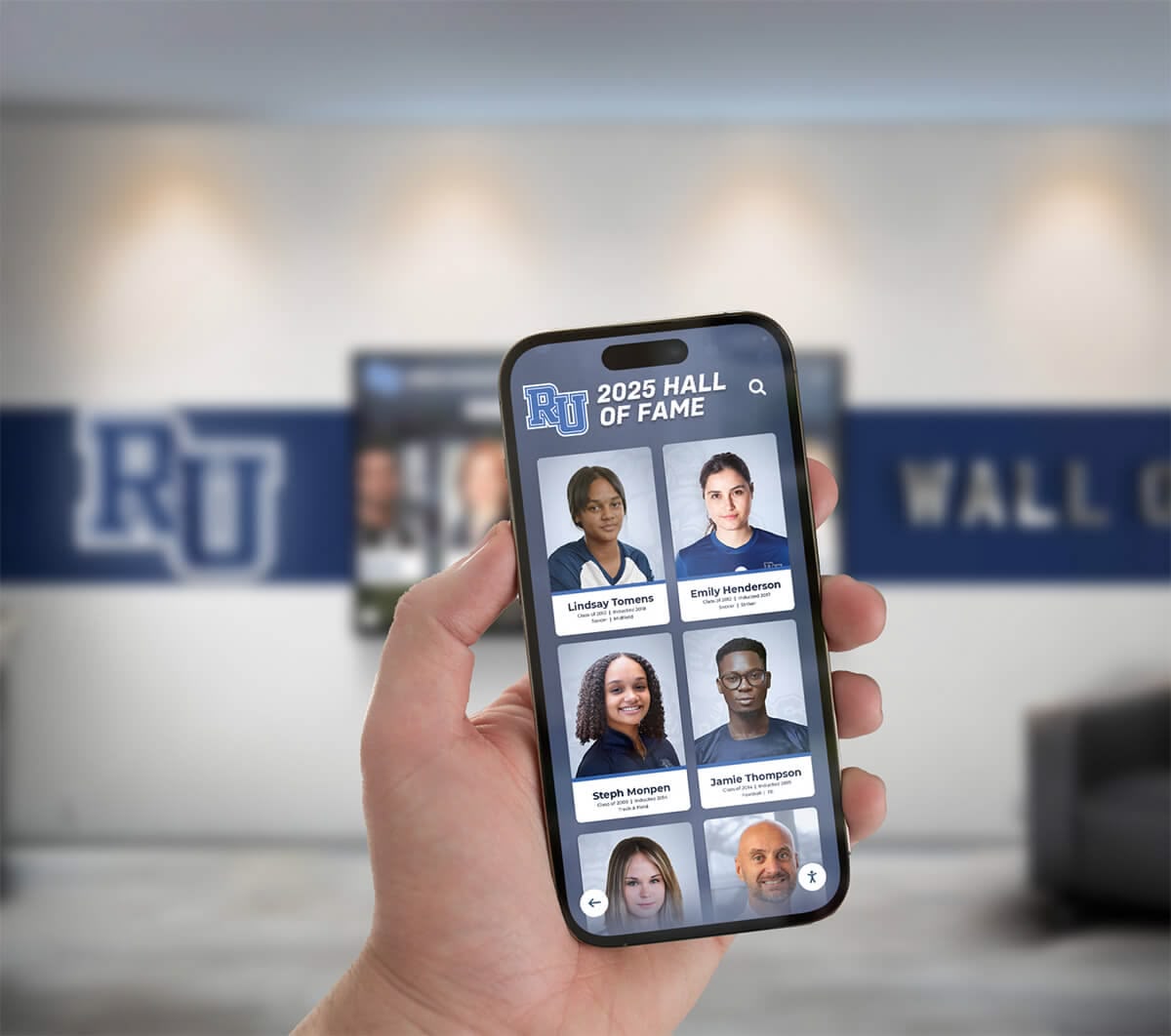
Mobile-friendly interfaces enable convenient content management from anywhere, supporting sustainable update practices
Ongoing Maintenance and Updates
Sustained effectiveness requires regular attention:
Regular Update Schedule
- Weekly monitoring for new commitment announcements during recruiting seasons
- Monthly content quality reviews identifying errors or needed updates
- Quarterly statistical updates reflecting season and career progression
- Annual comprehensive reviews ensuring archive completeness and accuracy
- Periodic template and design refreshes maintaining contemporary appearance
Content Enhancement Opportunities
- Adding video highlights as they become available
- Updating college information reflecting athlete transfers or career progression
- Incorporating alumni achievements and post-college outcomes
- Expanding profiles with additional photos and stories
- Connecting signing archives with current team rosters and statistics
Quality Standards
- Consistent photo quality and composition across all athletes
- Accurate spelling of names, colleges, and achievements
- Current information reflecting any changes in college commitments
- Professional presentation reflecting positively on program
- Regular testing of interactive features and navigation
Sustainable maintenance ensures archives remain valuable resources rather than becoming outdated historical records requiring major remediation projects to restore utility.
Special Considerations for Different School Types and Situations
Implementation approaches vary based on school characteristics and contexts.
Small School Strategies: Maximizing Limited Volume
Schools with fewer annual college signings face unique challenges:
Volume Enhancement Approaches
- Emphasize multi-year archives demonstrating consistent placement despite smaller size
- Include all post-secondary athletic opportunities, not just four-year college scholarships
- Celebrate junior college athletes who transfer to four-year programs
- Recognize walk-on opportunities alongside scholarship signings
- Highlight preferred walk-on positions and recruited walk-on opportunities
Narrative Emphasis
- Detailed individual stories compensating for smaller numbers
- Personal statements and family acknowledgments
- Coach perspectives on each athlete’s development
- Connection to community support and program culture
- Emphasis on academic-athletic balance and student-athlete development
Small schools can create compelling recognition systems by positioning their size as enabling personal, detailed attention to each athlete’s journey rather than viewing limited numbers as disadvantage.
Large School Complexity: Managing High Volume
Schools with extensive college signing programs face different challenges:
Organization Imperatives
- Robust search and filtering essential for usability with hundreds of signings
- Featured athlete rotation preventing any class or sport from dominating
- Sport-specific sections enabling focused exploration
- Statistical dashboards summarizing placement patterns
- Multiple physical display locations throughout campus showing same system
Efficiency Requirements
- Bulk content addition tools for managing high volumes
- Template standardization ensuring consistency across many profiles
- Delegation of data entry across coaching staff by sport
- Automated workflows reducing administrative burden
- Scalable platform architecture supporting growth
Large schools benefit most from digital systems that eliminate the space constraints that would make comprehensive traditional recognition impossible while providing organizational tools essential for usability with extensive archives.
Multi-Campus Districts: Coordinated Recognition
School districts managing multiple campuses may seek unified approaches:
District-Wide Platform Advantages
- Single content management system across all schools
- Consistent presentation and branding district-wide
- Comparative analytics across schools and programs
- Consolidated procurement and technical support
- Shared content libraries and templates
School-Specific Customization
- Individual school branding and identity
- Sport and program differences across schools
- Local community emphasis and connections
- Separate archives maintaining school distinct identities
- Coordinated but not identical content strategies
Districts can balance efficiency through shared platforms and support with school-specific customization maintaining individual identity and community connection.
Emerging Trends and Future Directions
Understanding developing technologies helps schools plan for evolving capabilities.
Enhanced Multimedia Integration
Video and interactive content continues expanding:
Video Evolution
- Complete game highlight reels embedded in athlete profiles
- Interview videos with athletes discussing college choices and aspirations
- Coach testimonial videos celebrating each athlete’s contributions
- Family acknowledgment videos thanking supporters
- Virtual college campus tours linked from athlete profiles
Interactive Features
- Social media feed integration showing athlete updates during college careers
- Live ceremony streaming embedded in recognition systems
- Augmented reality features accessed via smartphone apps
- Interactive comparison tools exploring college program options
- Gamification encouraging exploration of signing archives
Artificial Intelligence Applications
AI technologies offer content management assistance:
Automated Content Generation
- AI-assisted profile writing generating initial drafts from data
- Automated highlight video compilation from game footage libraries
- Statistical analysis identifying records and notable achievements
- Social media post generation for commitment announcements
- Image enhancement and standardization tools
Intelligent Organization
- AI-powered search understanding natural language queries
- Automated tagging and categorization
- Trend identification and pattern recognition
- Personalized content recommendations based on user interests
- Predictive analytics forecasting college placement patterns
While some AI applications remain developmental, the trajectory clearly points toward tools that reduce content management burden while enhancing user experience through intelligent organization and personalization.
Extended Reality and Immersive Experiences
Emerging technologies may transform recognition experiences:
Virtual and Augmented Reality
- VR campus tours of colleges where athletes signed
- AR athlete cards accessed by scanning physical displays
- Virtual signing day ceremonies for remote family members
- Immersive highlight experiences beyond traditional video
- Virtual trophy rooms and recognition galleries
These technologies remain largely experimental in educational settings but represent potential future directions as hardware costs decrease and software capabilities mature.
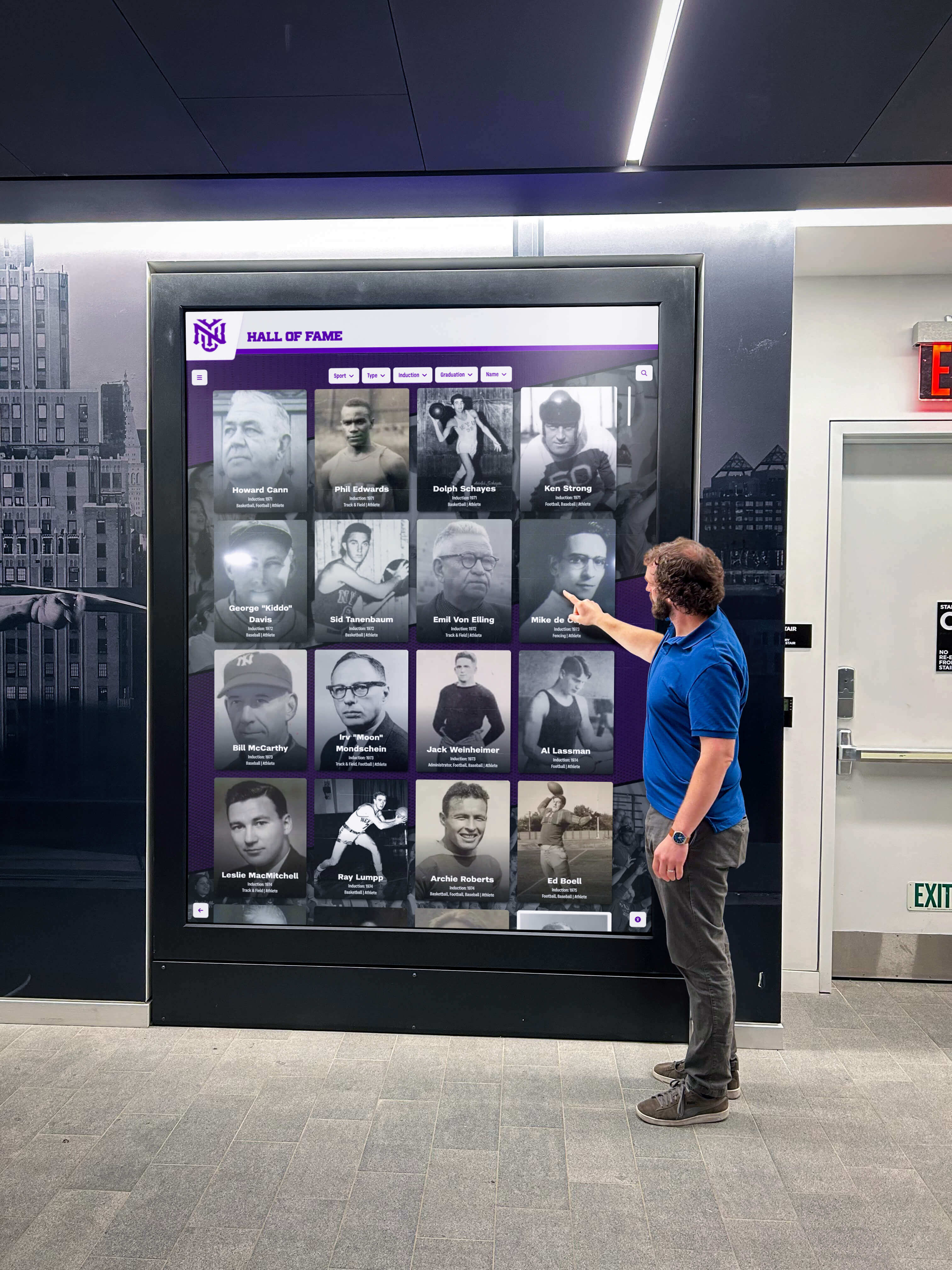
Future recognition systems will offer increasingly sophisticated capabilities while maintaining intuitive, accessible interfaces
Investment Considerations and Return on Value
Understanding costs and value helps schools make informed decisions.
Implementation Investment
Digital signing day recognition systems involve several cost components:
Initial Investment Elements
- Display hardware: $2,000-$8,000 per touchscreen kiosk or wall-mounted display
- Multiple displays for campus-wide visibility: $8,000-$25,000 for comprehensive systems
- Content management platform setup: $1,000-$5,000 for configuration and customization
- Historical data addition: $2,000-$10,000 for comprehensive archive development
- Training and onboarding: $500-$2,000 ensuring staff competence
Ongoing Operational Costs
- Platform subscription: $1,200-$3,600 annually for content management and hosting
- Technical support and maintenance: $500-$1,500 annually
- Content updates and enhancements: $1,000-$3,000 annually for professional assistance if needed
- Hardware warranty and eventual replacement: $500-$1,000 annually amortized
Complete implementations typically range from $8,000-$30,000 for initial investment with $3,000-$8,000 annual operational costs, varying based on scope, hardware choices, and professional service utilization.
Value and Benefits
Returns extend across multiple dimensions:
Recruiting Enhancement Value
- Improved prospect and family perception of program quality
- Tangible evidence supporting recruiting conversations
- Differentiation from competitors lacking comparable systems
- Increased interest from quality athletes attracted by demonstrated success
- Enhanced reputation leading to stronger recruiting classes
Program Culture Development
- Clear college athletic pathways inspiring younger athletes
- Elevated expectations and goal-setting throughout program
- Pride in program history and tradition
- Connection between current work and future opportunities
- Recognition motivating dedication and commitment
Community and Alumni Engagement
- Enhanced community pride and support
- Stronger alumni connections and potential fundraising impact
- Positive media coverage and public relations value
- Economic development impact demonstrating community quality
- Real estate and enrollment benefits from program reputation
Administrative Efficiency Gains
- Time savings from efficient digital updates versus physical displays
- Reduced material costs for printing and physical materials
- Simplified information access reducing staff time answering questions
- Scalable system growing with program without proportional work increase
- Sustainable maintenance practices versus physical display upkeep
While difficult to quantify precisely, schools consistently report that comprehensive signing recognition systems deliver value far exceeding costs through recruiting impact, program culture development, and administrative efficiency, typically achieving meaningful return on investment within 2-3 years through these combined benefits.
For schools exploring comprehensive student recognition approaches that extend beyond athletics, investment in digital recognition infrastructure serves multiple purposes across academic, artistic, service, and athletic achievement categories.
Implementation Planning and Timeline
Structured planning ensures successful deployment and sustained value.
Phase 1: Planning and Preparation (2-3 Months)
Needs Assessment and Goal Setting
- Define primary objectives: current year emphasis, historical archive depth, recruiting focus
- Identify key stakeholders and form planning committee
- Assess available budget and funding sources
- Establish success metrics and evaluation criteria
- Determine timeline for launch and historical archive development
Content Strategy Development
- Decide information fields for athlete profiles
- Plan archive organization structure and navigation
- Establish content quality standards
- Define update workflows and responsibilities
- Create historical data addition strategy and priorities
Vendor Selection and Platform Evaluation
- Research available digital recognition platforms
- Request demonstrations and proposal
- Compare features, pricing, and support offerings
- Check references from similar schools
- Negotiate contract and finalize platform selection
Phase 2: System Configuration and Content Development (2-3 Months)
Platform Setup and Customization
- Configure platform with school branding and identity
- Design templates for athlete profiles and archive views
- Set up user accounts and permission levels
- Establish search and filtering options
- Configure mobile and web access
Initial Content Creation
- Collect current academic year signing information
- Conduct professional photo sessions
- Gather biographical details and achievements
- Develop athlete profile drafts for review
- Input historical data for recent 2-3 years if time permits
Hardware Installation (if physical displays)
- Finalize display placement locations
- Complete electrical and network infrastructure
- Install mounting systems and hardware
- Configure displays to connect with content platform
- Test functionality and optimize settings
Phase 3: Launch and Promotion (1-2 Months)
Soft Launch and Testing
- Enable displays with initial content
- Conduct comprehensive testing of all features
- Train staff on content management procedures
- Gather feedback from pilot users
- Make refinements based on testing
Official Launch Event
- Coordinate unveiling with National Signing Day ceremony or major athletic event
- Invite families of featured athletes
- Generate media coverage and community awareness
- Provide demonstrations and guided exploration
- Promote web and mobile access
Awareness Building
- Communicate new system to school community
- Demonstrate features to coaches, counselors, and administrators
- Include in campus tours and recruiting visit experiences
- Feature in alumni communications
- Promote through athletic department social media
Phase 4: Ongoing Operation and Growth (Continuous)
Regular Content Management
- Add new signings as commitments occur
- Update athlete information throughout recruiting seasons
- Monitor for needed corrections or enhancements
- Refresh featured content and home page regularly
- Maintain current and accurate information
Historical Archive Expansion
- Systematically add previous years’ signings
- Coordinate alumni outreach for information gathering
- Digitize physical records and yearbook information
- Build archives backward through available years
- Accept phased completion over multiple years
Continuous Improvement
- Gather stakeholder feedback regularly
- Monitor usage analytics and engagement patterns
- Adopt new platform features and capabilities
- Refresh templates and designs periodically
- Expand integration with other school systems and recognition programs
This phased approach ensures thorough planning while maintaining realistic timelines that accommodate school calendars, budget cycles, and resource availability.
Conclusion: From Celebration to Legacy
National College Signing Day represents a pinnacle achievement deserving recognition that extends far beyond ceremony day celebrations. When schools implement comprehensive digital recognition systems, they transform single-event celebrations into permanent legacy archives that honor every athlete, preserve institutional history, serve multiple audiences, and provide value that compounds over decades.
The fundamental shift digital displays enable isn’t just convenient updates or space efficiency—it’s the philosophical transformation from limited recognition constrained by physical space to unlimited recognition where every signing from every year receives equal visibility and accessibility. This transformation means that an athlete who signed twenty years ago remains just as discoverable and celebrated as this year’s featured athletes, creating true legacy archives rather than temporary seasonal recognition.
Build Your National College Signing Day Legacy Archive
Discover how Rocket Alumni Solutions enables schools to showcase current signings prominently while preserving and displaying every prior year with unlimited capacity, flexible templates, and real-time updates throughout the school year.
Explore Recognition SolutionsFor athletic programs committed to honoring every college-bound athlete equally regardless of signing year, sport, or division level, digital recognition systems provide the only practical solution. Physical space constraints will always force impossible choices about which years and which athletes receive visibility. Digital platforms eliminate these constraints entirely, enabling recognition systems that grow perpetually without ever requiring removal of previous content to make room for new additions.
Key Implementation Success Factors
Schools achieving greatest success with signing day recognition systems share common approaches:
- Start with current year excellence establishing compelling content and presentation quality that demonstrates value and builds momentum
- Add historical archives systematically spreading work over multiple years rather than attempting comprehensive completion before launch
- Integrate with recruiting and program development ensuring recognition serves strategic purposes beyond nostalgia
- Maintain sustainable update practices establishing clear responsibilities and realistic workflows that function over decades
- Leverage flexibility thoughtfully using template options and real-time updates to emphasize current events while maintaining archive access
The Legacy Archive Mindset
The most transformative benefit of comprehensive digital signing recognition isn’t any single technical capability—it’s the mindset shift from temporary seasonal displays to permanent institutional archives. When schools adopt this legacy archive perspective, recognition becomes infrastructure rather than decoration, historical preservation rather than temporary celebration, and strategic asset rather than administrative burden.
Your student-athletes’ college commitments represent extraordinary achievements resulting from years of dedication, development, and determination. Every athlete who signs to continue their athletic career at the collegiate level deserves recognition that matches the significance of their accomplishment—not just during their signing day ceremony but throughout their high school experience, when younger athletes need inspiration, and for decades afterward when alumni return and new generations seek to understand program history.
Ready to transform how your school celebrates and preserves National College Signing Day achievements? Explore comprehensive approaches to digital hall of fame displays that integrate signing recognition with broader athletic achievements, learn about state championship recognition systems that complement signing archives, or discover interactive touchscreen software platforms that enable engaging exploration of athletic program history and accomplishments.
The moment a student-athlete commits to compete at the collegiate level marks a pivotal achievement in their journey and a proud moment for your entire program and community. With thoughtful planning, appropriate technology, and sustained commitment, you can create recognition systems that honor every signing from every year with equal dignity while providing the flexibility to adapt and grow as your program evolves—building true legacy archives rather than temporary celebrations that disappear with each passing year.