Intent: Define
An Oldtimers Wall represents one of the most meaningful forms of donor recognition—a dedicated display honoring founding donors, long-time supporters, and sustained contributors whose loyalty and commitment have shaped organizational missions over years or decades. Unlike recognition programs focusing solely on gift amounts, Oldtimers Walls celebrate the duration and consistency of support, acknowledging that faithfulness matters as much as financial capacity in building sustainable philanthropic cultures.
Yet many organizations struggle to appropriately honor their most loyal supporters. Traditional donor walls emphasize recent major gifts while historic contributors fade from visibility, annual fund campaigns focus on acquisition rather than retention recognition, and founding donors whose early support enabled organizational survival receive no ongoing acknowledgment decades after their transformational contributions. Meanwhile, the very supporters whose sustained generosity built organizational foundations wonder whether their long-term commitment truly matters.
According to AFP Global research, donor retention rates in early 2026 averaged just 18.1%, with organizations constantly replacing lapsed supporters at acquisition costs far exceeding retention expenses. When long-time loyalty goes unrecognized while recent large gifts receive disproportionate visibility, organizations signal that sustained faithfulness matters less than transactional generosity—undermining the very relationship-based philanthropy that creates enduring support.
This comprehensive guide explores strategic approaches for designing and implementing Oldtimers Walls that celebrate founding donors, honor consecutive-year giving, recognize lifetime cumulative support, and create visible cultures where sustained philanthropy receives the prominence it deserves.
Creating effective Oldtimers Wall recognition requires moving beyond simple name listings to tell compelling stories about how founding donors enabled organizational beginnings, how sustained supporters weathered challenges alongside missions, and how cumulative giving over decades creates transformational impact impossible through any single gift. Organizations that excel at honoring oldtimers create environments where philanthropic faithfulness becomes aspirational and legacy relationships become celebrated organizational treasures.

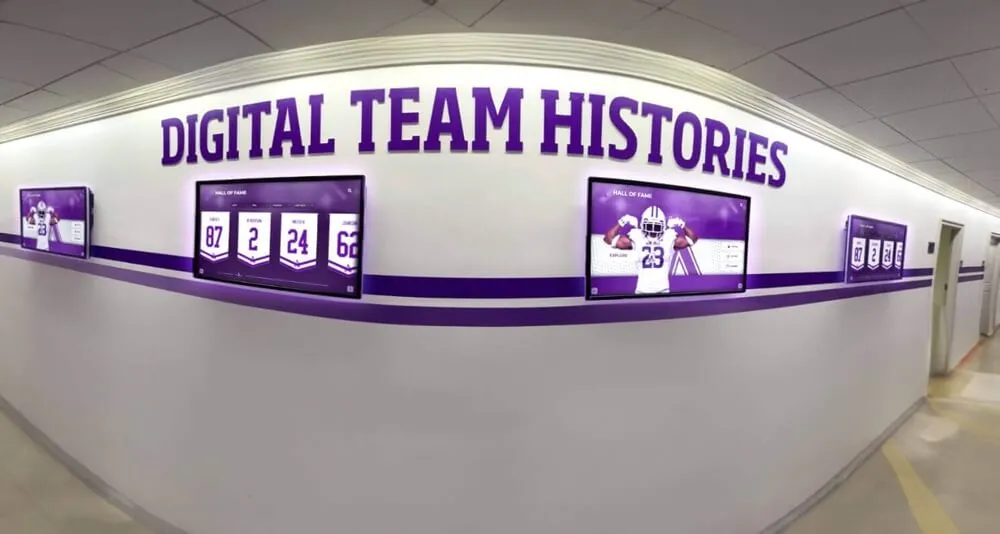
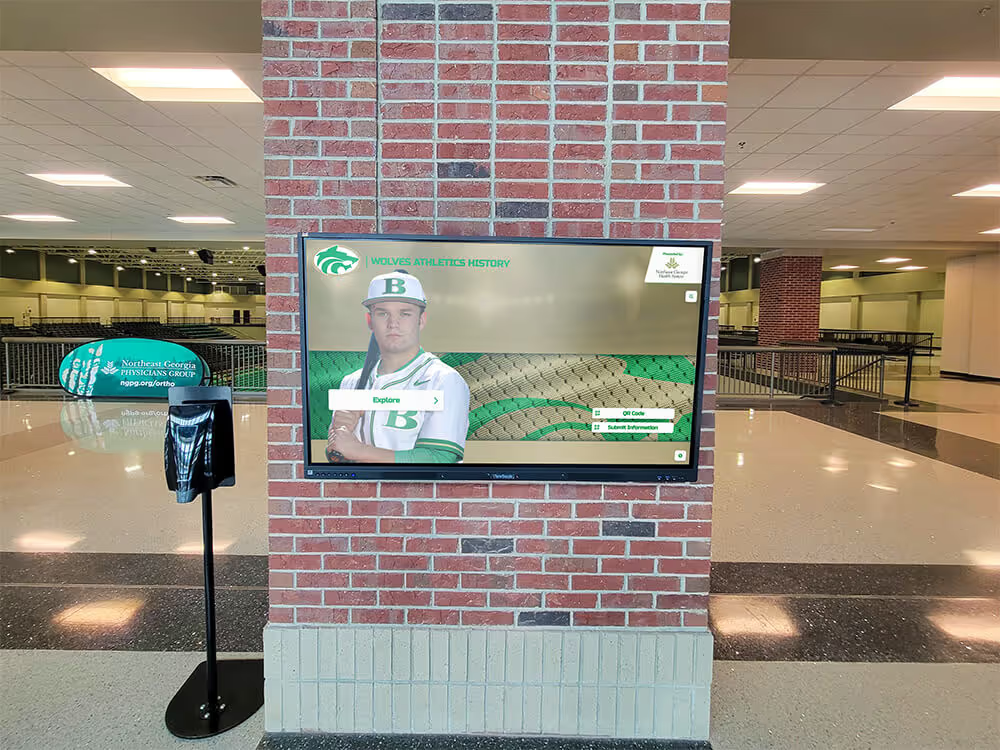
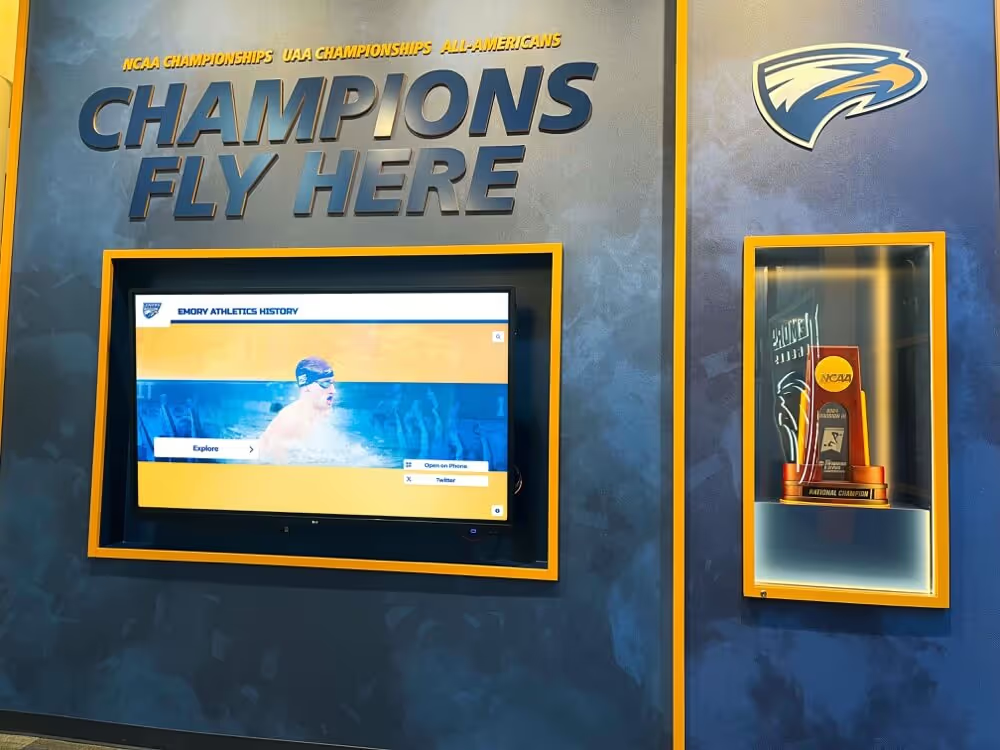
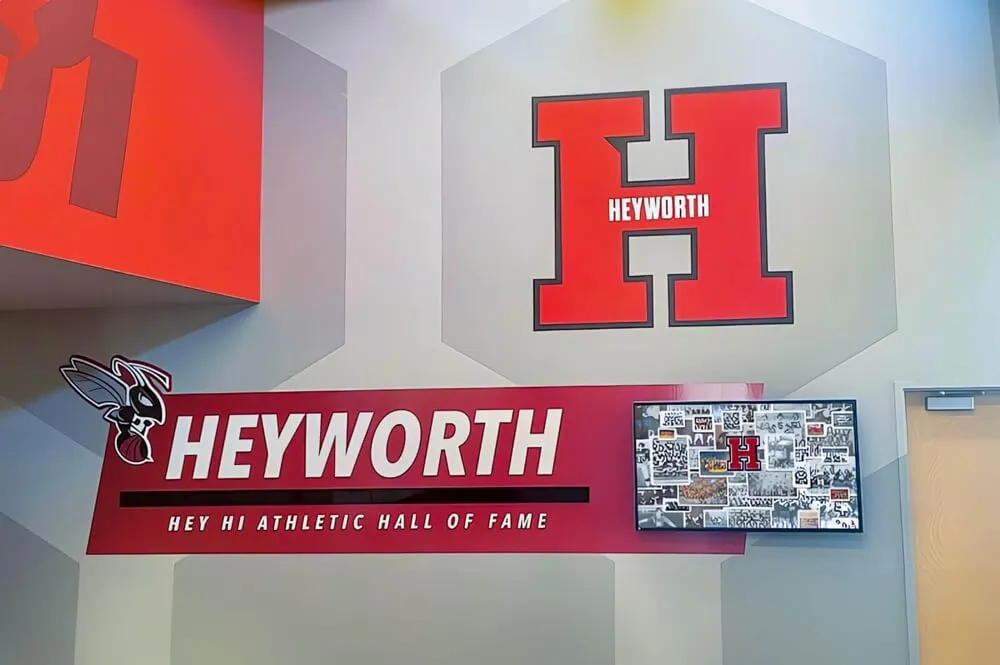
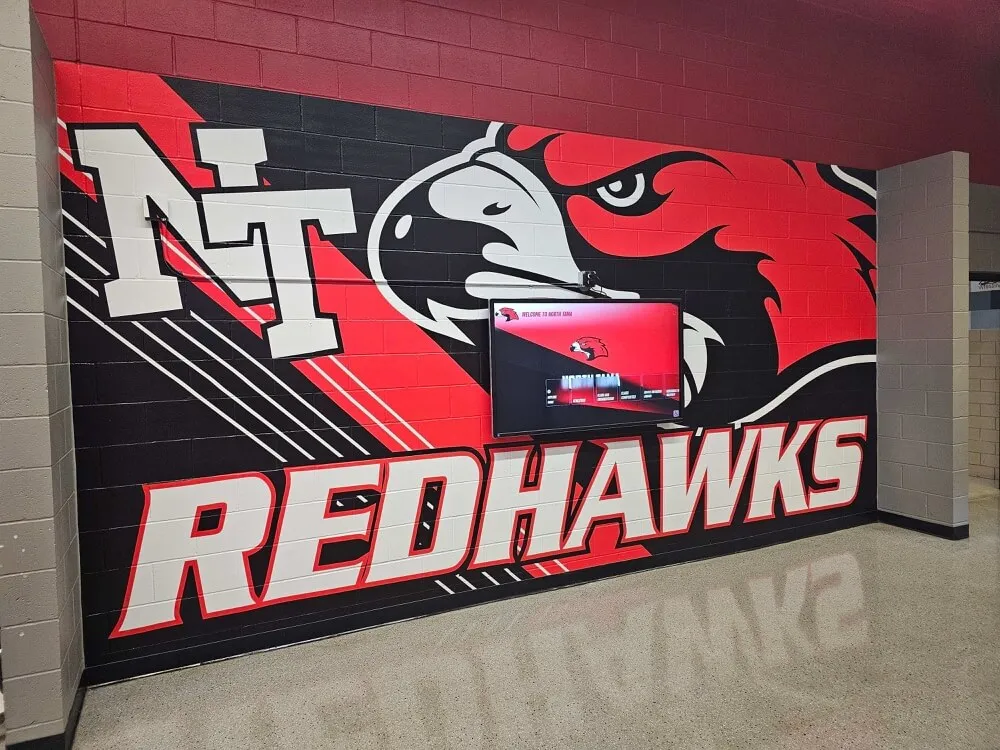
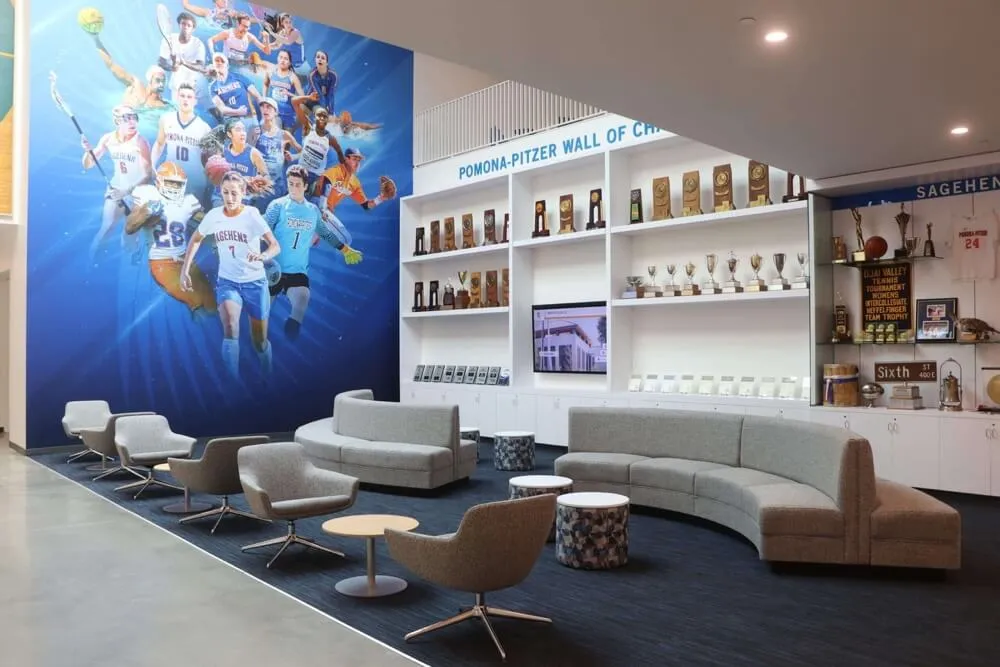
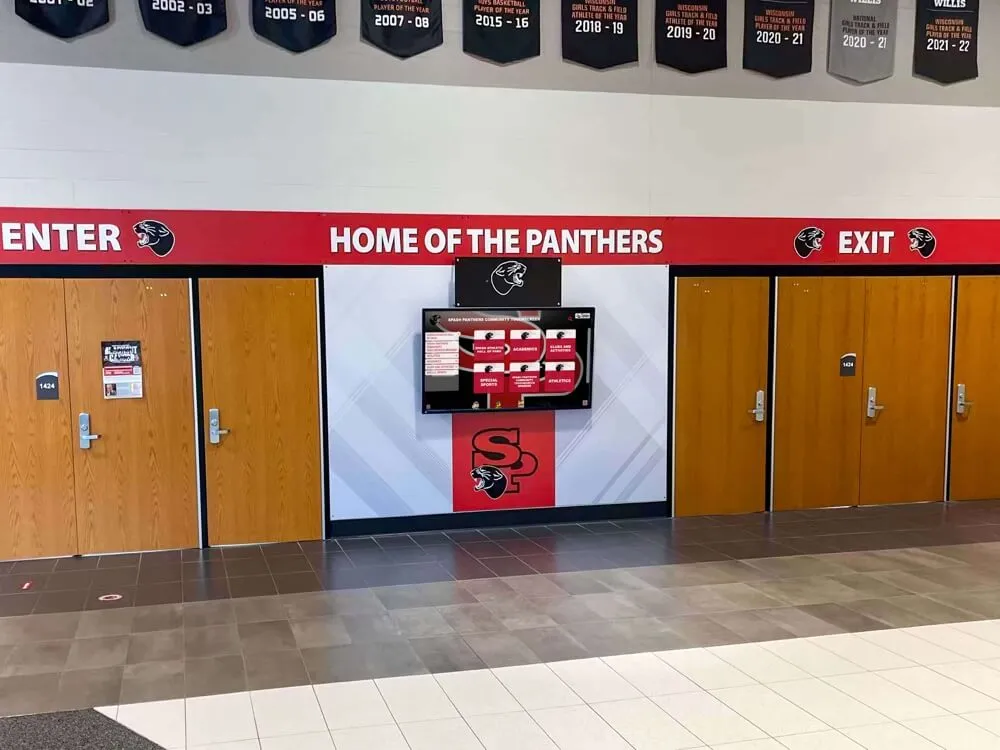
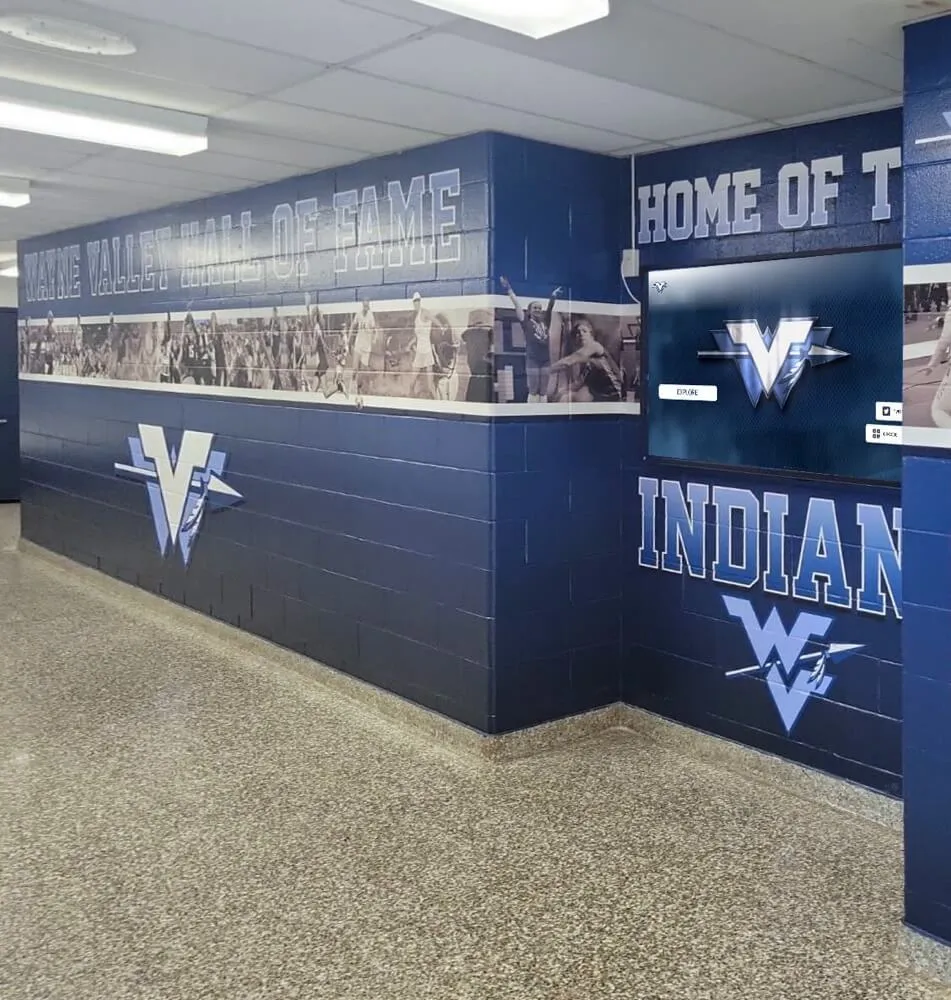
Oldtimers Walls celebrate the sustained commitment and loyalty that build lasting philanthropic cultures
Understanding Oldtimers Recognition: Why Long-Term Supporters Deserve Special Acknowledgment
Before exploring specific recognition strategies, understanding what makes oldtimers acknowledgment fundamentally different from typical donor recognition helps organizations design programs that honor sustained support appropriately.
Defining “Oldtimers” in Donor Recognition
The term “oldtimer” traditionally refers to someone with long experience and proven commitment through extended service. In philanthropic contexts, Oldtimers Walls typically recognize several distinct supporter categories:
Founding Donors and Charter Members
These visionary supporters provided essential early support when organizations faced greatest uncertainty and risk. Founding donors often include families, local businesses, and community leaders who invested financial resources and social capital when missions existed more as aspiration than established reality. Their early commitment enabled organizational survival through vulnerable startup phases.
Many institutions establish Founders Societies recognizing those whose cumulative lifetime giving reaches significant thresholds—commonly $100,000 or more depending on organizational scale. According to donor recognition best practices, founding donor recognition should remain prominent decades after initial contributions, ensuring these foundational relationships receive perpetual honor.
Consecutive-Year Giving Programs
Loyalty programs acknowledge donors making gifts in multiple consecutive years, regardless of individual gift sizes. Organizations commonly establish recognition tiers including 5+ consecutive years demonstrating emerging commitment, 10+ consecutive years showing sustained loyalty, 20+ consecutive years representing extraordinary faithfulness, and 25, 30, or 40+ year milestones warranting special celebration.
Berkeley Loyal recognizes steadfast donors who have made gifts in each of the three most recent consecutive fiscal years, while similar programs honor patterns showing supporters weather organizational challenges and remain committed through leadership transitions, economic downturns, and mission evolution.
Lifetime Cumulative Giving Recognition
Some Oldtimers Walls honor total cumulative giving over supporters’ lifetimes rather than individual transaction sizes. A donor contributing $1,000 annually for 30 years provides $30,000 cumulative support representing extraordinary sustained commitment potentially exceeding many one-time major gifts. Lifetime giving programs ensure consistent annual supporters receive recognition proportionate to their cumulative impact.
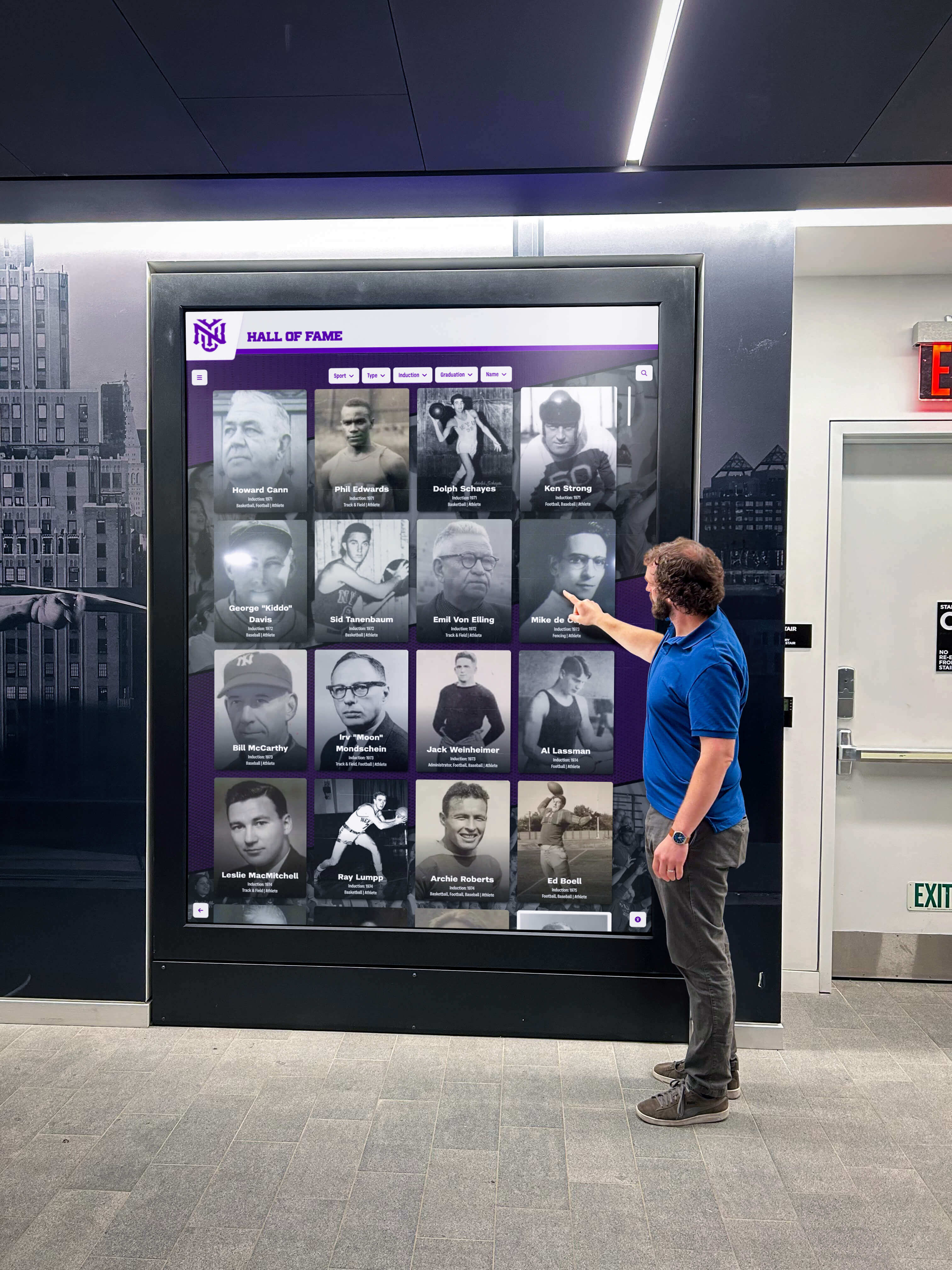
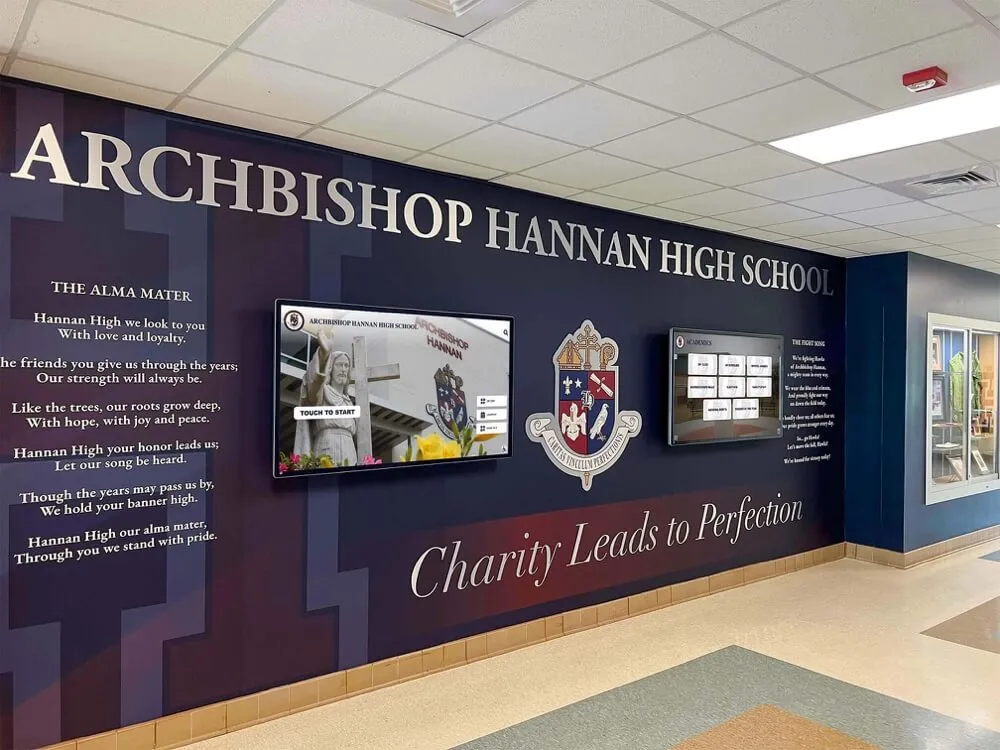
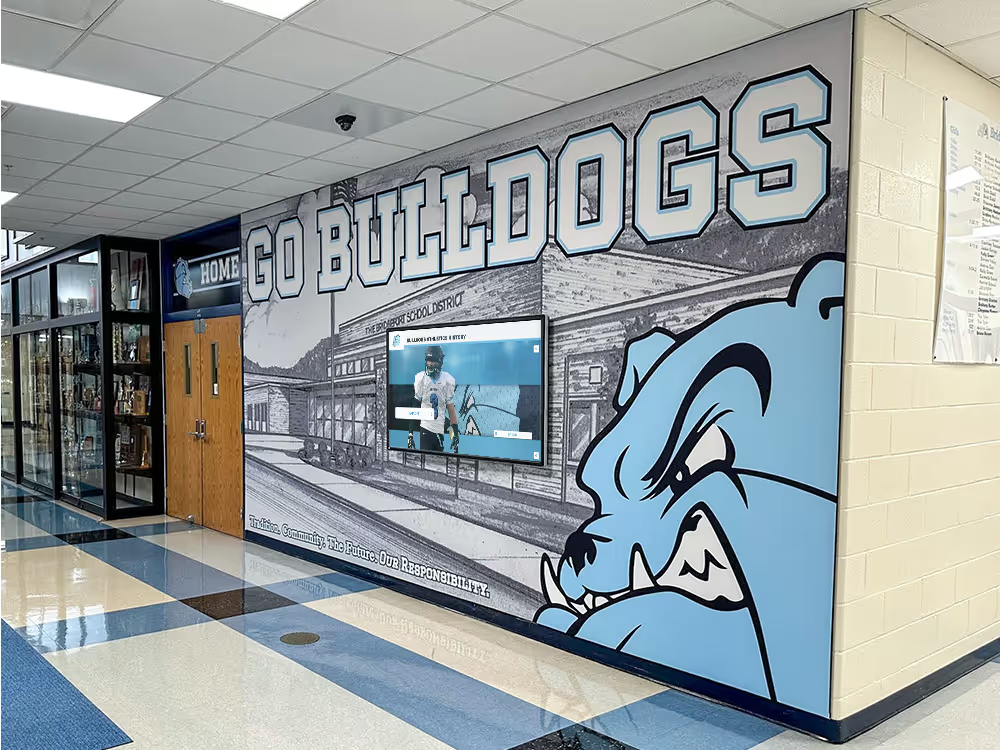
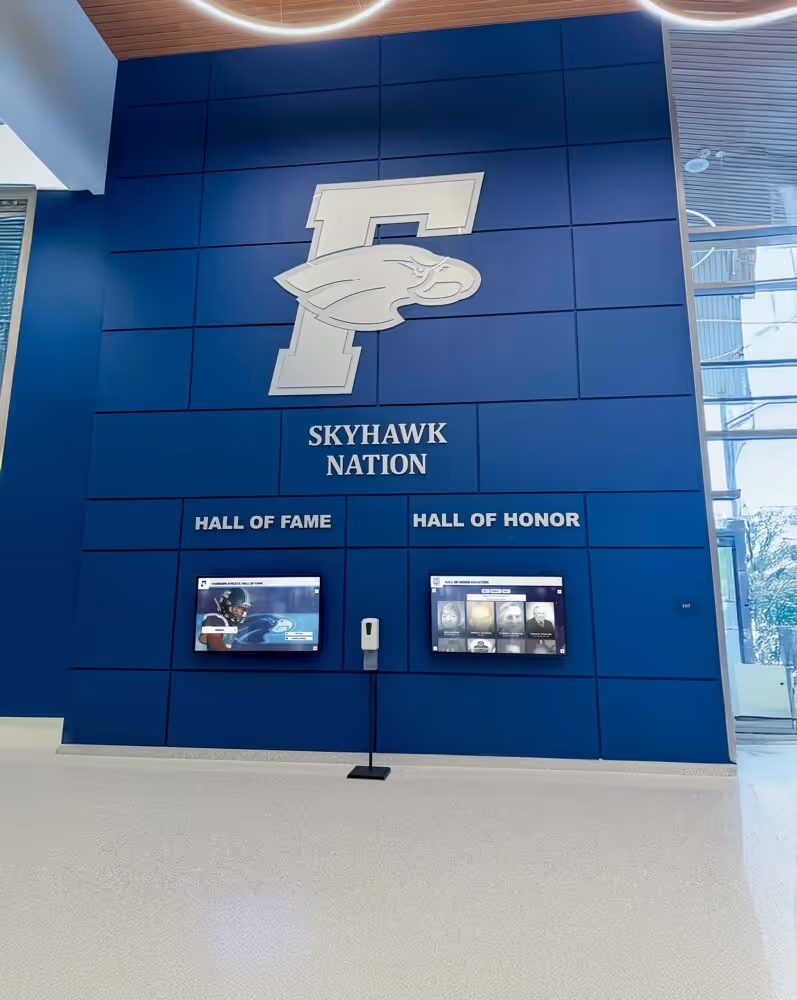
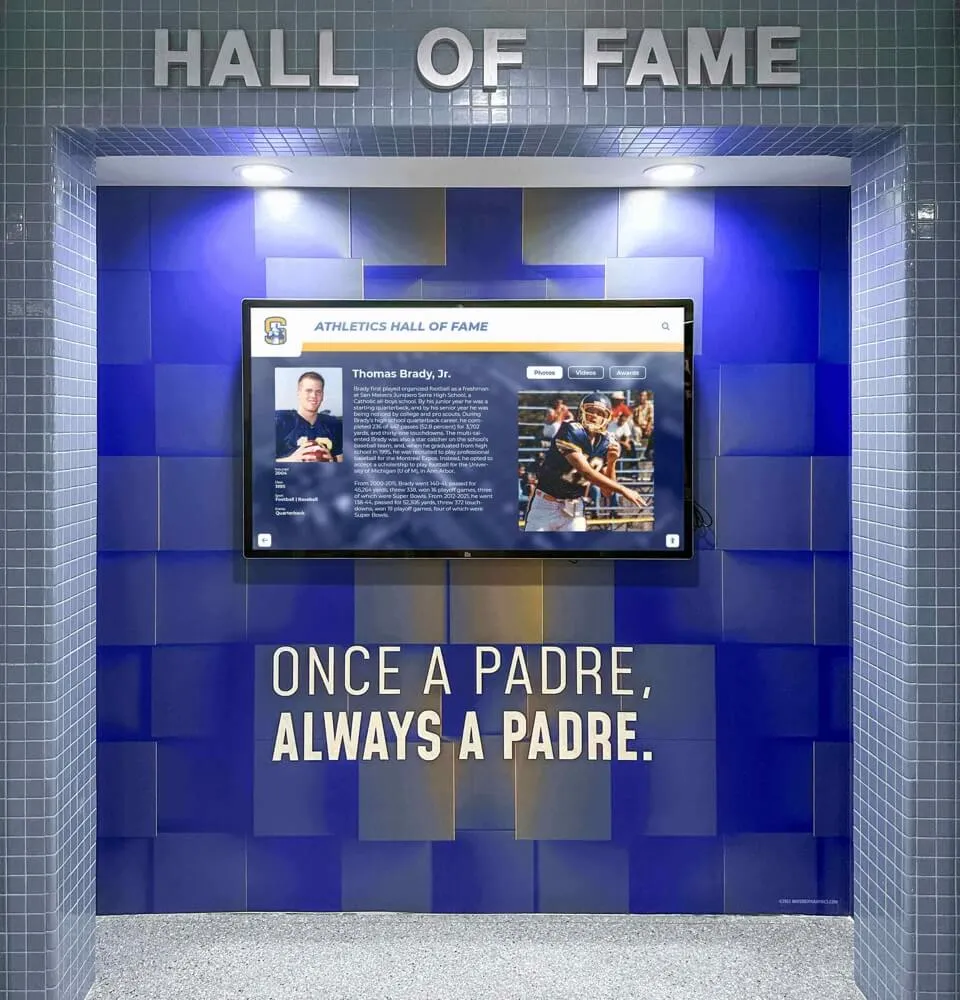
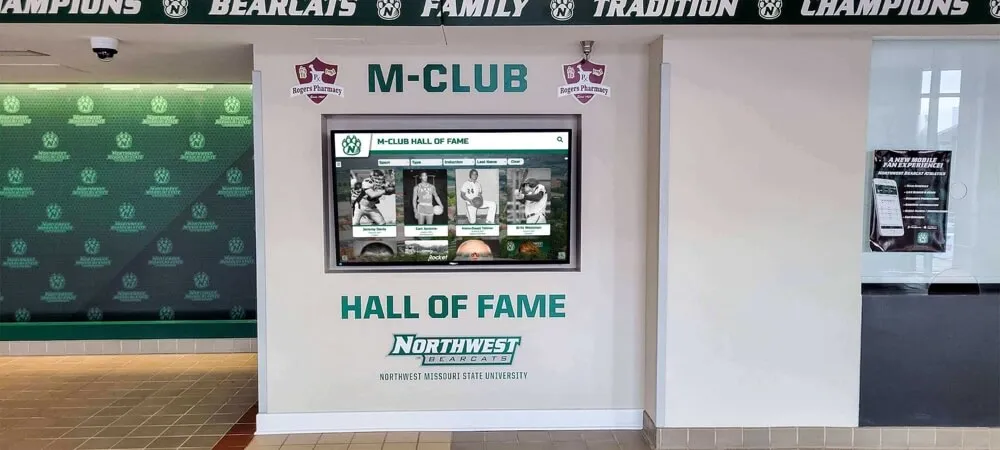
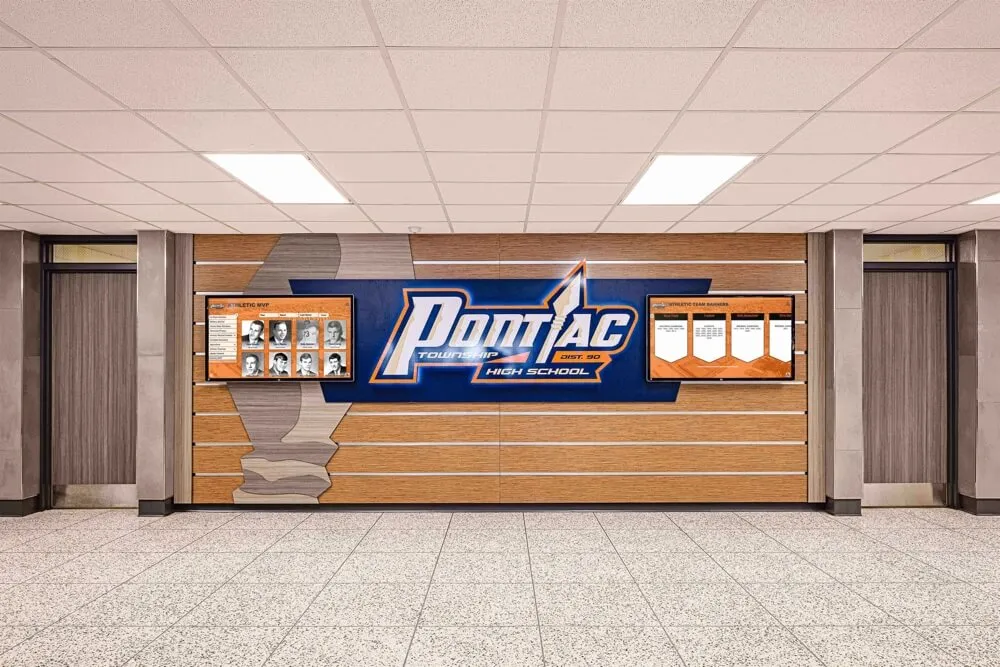
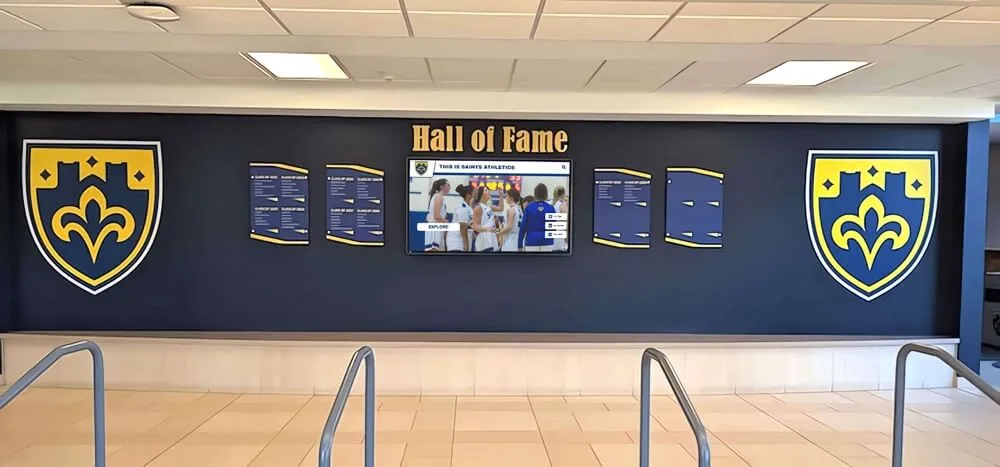
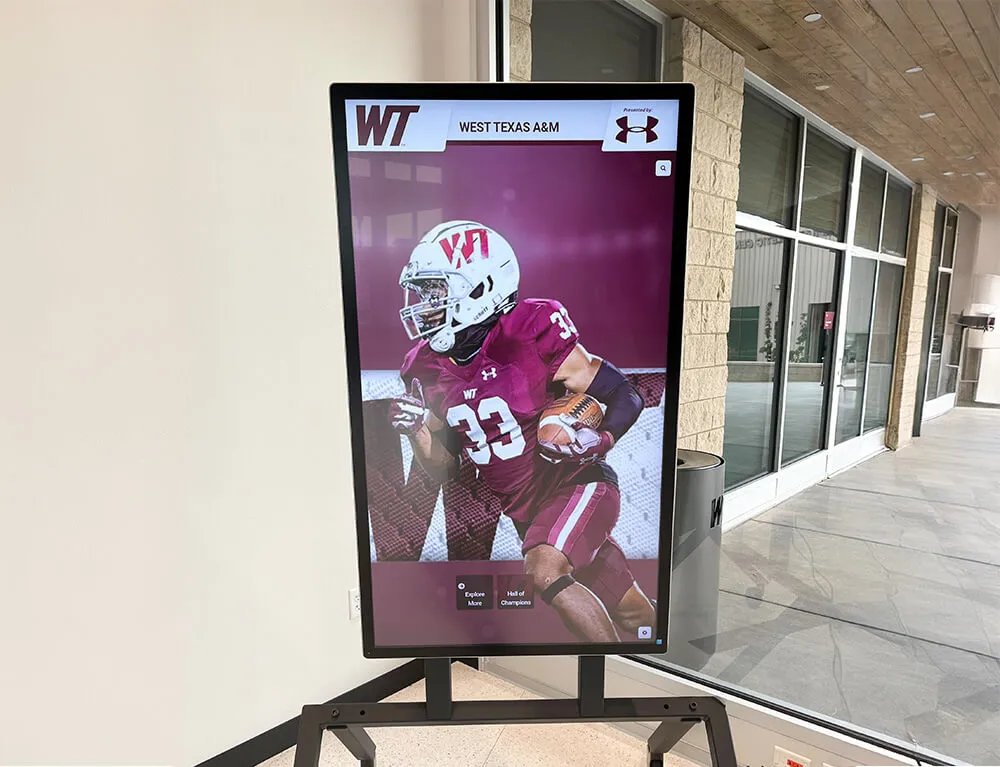
Interactive displays enable organizations to tell rich stories about sustained donor commitment over decades
Legacy Society Members
Planned giving commitments through bequests, charitable trusts, and estate plans represent ultimate expressions of long-term commitment. Legacy society members deserve recognition during lifetimes for commitments that will create impact after their passing, with recognition continuing posthumously once gifts are realized.
According to research from fundraising platforms, donors who make planned gift commitments demonstrate 3-5 times higher annual giving during remaining lifetimes compared to similar donors without bequest intentions. Recognition honoring these ultimate commitments reinforces organizational gratitude while inspiring others to consider similar legacy support.
The Business Case for Oldtimers Recognition
Strategic recognition of long-term supporters delivers measurable organizational benefits beyond simply expressing gratitude:
Retention and Lifetime Value Enhancement
Research consistently demonstrates that recognized donors give more frequently, contribute larger amounts, and remain engaged longer than unrecognized supporters. When organizations visibly celebrate sustained giving through Oldtimers Walls, they signal that loyalty matters and faithfulness receives honor—creating powerful incentives for continued support.
According to nonprofit research, improving donor retention by just 10% can increase lifetime fundraising revenue by 200% through compound effects over decades. Since acquiring new donors costs 5-7 times more than retaining existing supporters, recognition investments targeting retention deliver exceptional returns.
Modeling Desired Donor Behavior
Visible Oldtimers recognition creates social proof demonstrating that sustained support represents the norm within organizational cultures. When prospective donors see prominent recognition celebrating 15, 25, or 40-year consecutive giving, they understand that lasting relationships rather than transactional gifts define community expectations.
This aspirational quality encourages emerging donors to envision their own long-term engagement, potentially converting first-time contributors into sustained supporters who aspire toward oldtimers recognition themselves someday.
Strengthening Organizational Identity
Oldtimers Walls connect current communities to institutional histories, demonstrating continuity between founding visions and contemporary missions. This historical grounding strengthens organizational identity while honoring those whose early faith enabled current achievements.
For institutions navigating leadership transitions, strategic shifts, or growth challenges, visible connection to founding supporters and sustained loyalty provides stabilizing continuity that reassures current stakeholders while honoring past commitment.
Organizations can explore comprehensive approaches through founding member recognition programs that celebrate both historical and ongoing support.
Strategic Planning: Designing Oldtimers Recognition Programs
Successful Oldtimers Walls require thoughtful planning establishing clear criteria, appropriate acknowledgment levels, and sustainable management systems.
Establishing Recognition Criteria and Thresholds
Before implementing Oldtimers recognition, organizations must define exactly who qualifies for acknowledgment and how different levels of sustained support receive differentiated recognition:
Founding Donor Definition and Criteria
Define founding donor status clearly including specific timeframes (gifts made during first 1-3 years of existence), minimum contribution levels qualifying for founding recognition, whether founding status applies to financial gifts only or includes volunteer leadership and in-kind support, and how founding recognition applies to organizations with complex histories involving mergers, name changes, or significant mission evolution.
Document these criteria formally in gift acceptance policies and recognition guidelines, ensuring consistent application as organizational memory fades and leadership transitions occur.
Consecutive-Year Giving Thresholds
Establish minimum consecutive-year thresholds warranting recognition including entry-level recognition (commonly 3-5 consecutive years), intermediate milestones (10, 15, 20 years), and prestigious long-term achievement levels (25, 30, 40+ years).
Determine whether consecutive giving requires any gift amount or minimum thresholds, how organizations handle years when supporters made commitments but processing delays caused gifts to post in following fiscal years, and whether consecutive status continues if donors miss single years then resume giving versus requiring complete restart of consecutive counting.
Lifetime Cumulative Giving Benchmarks
When recognizing total lifetime giving, establish clear cumulative thresholds including foundational levels accessible to sustained modest donors ($10,000-$25,000 lifetime), intermediate recognition tiers ($50,000-$100,000 lifetime), leadership lifetime giving levels ($250,000+ lifetime), and special recognition for ultimate cumulative commitments ($500,000, $1 million+ lifetime).
Clarify whether lifetime totals include pledge balances, planned gift intentions, or only realized contributions, ensuring transparent counting methodologies that maintain donor trust.
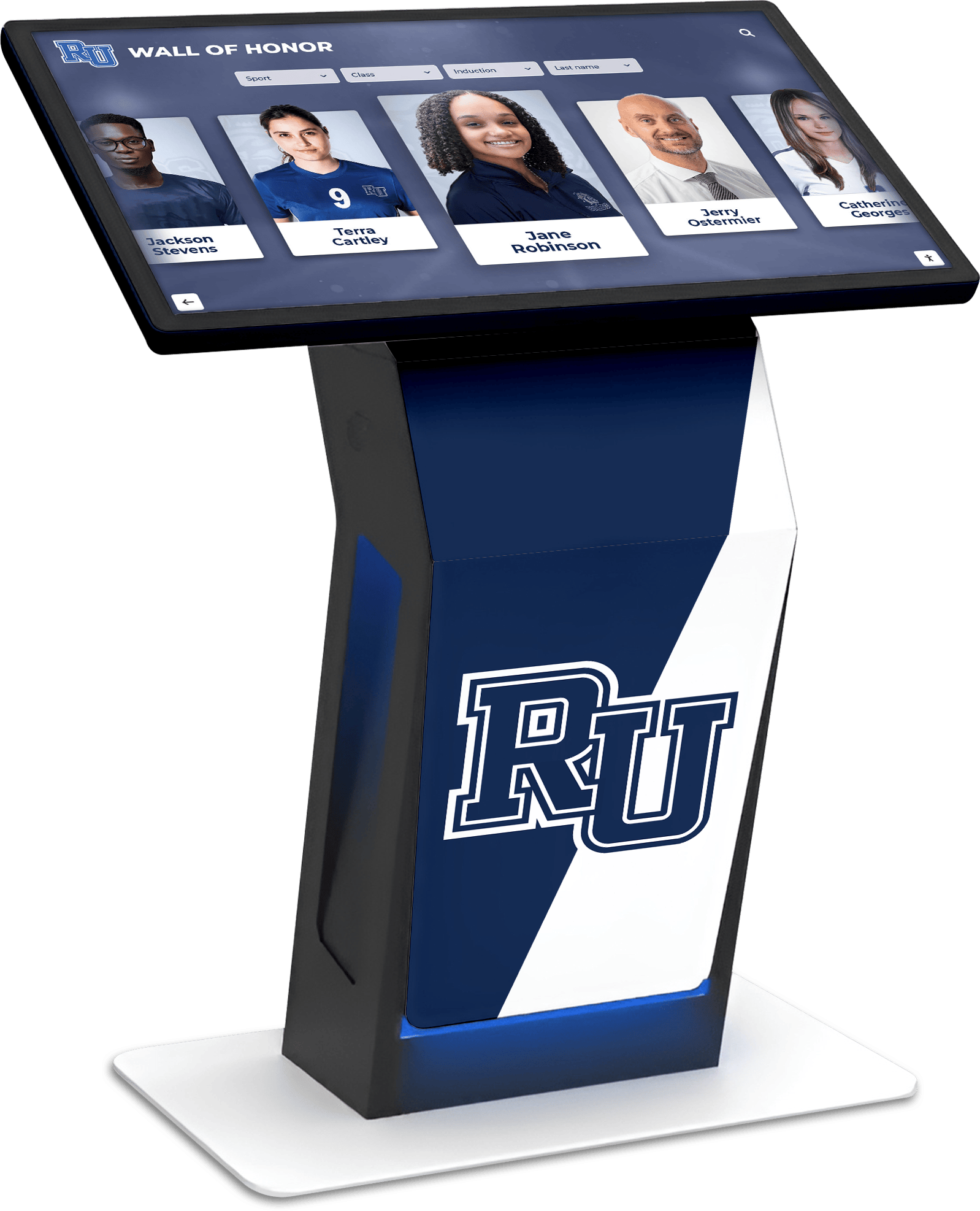
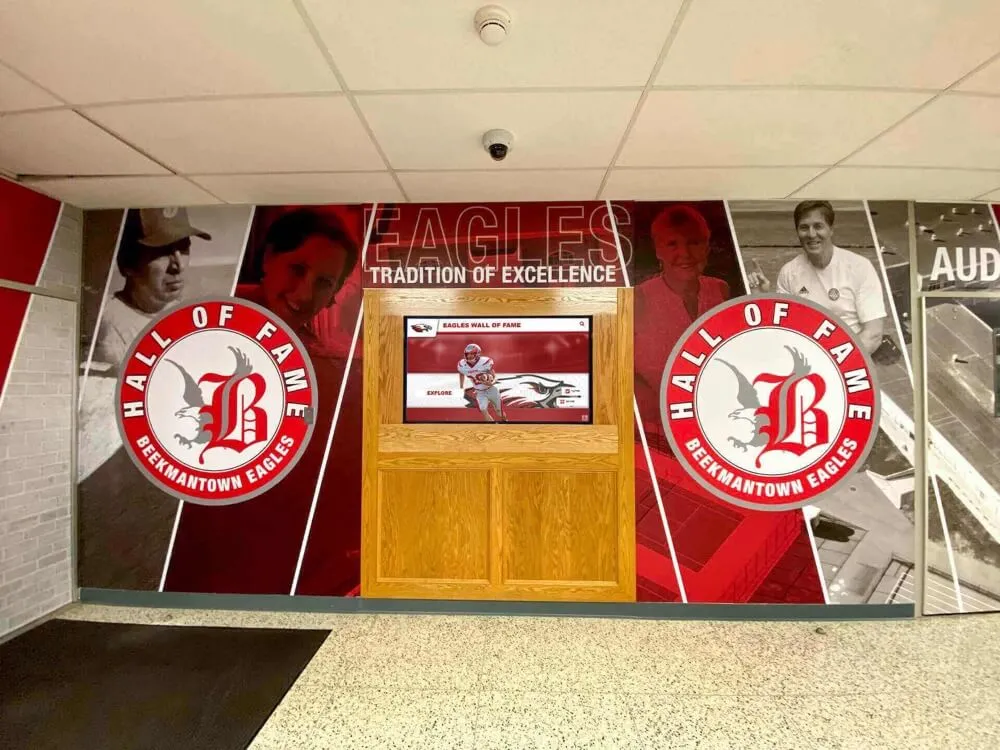
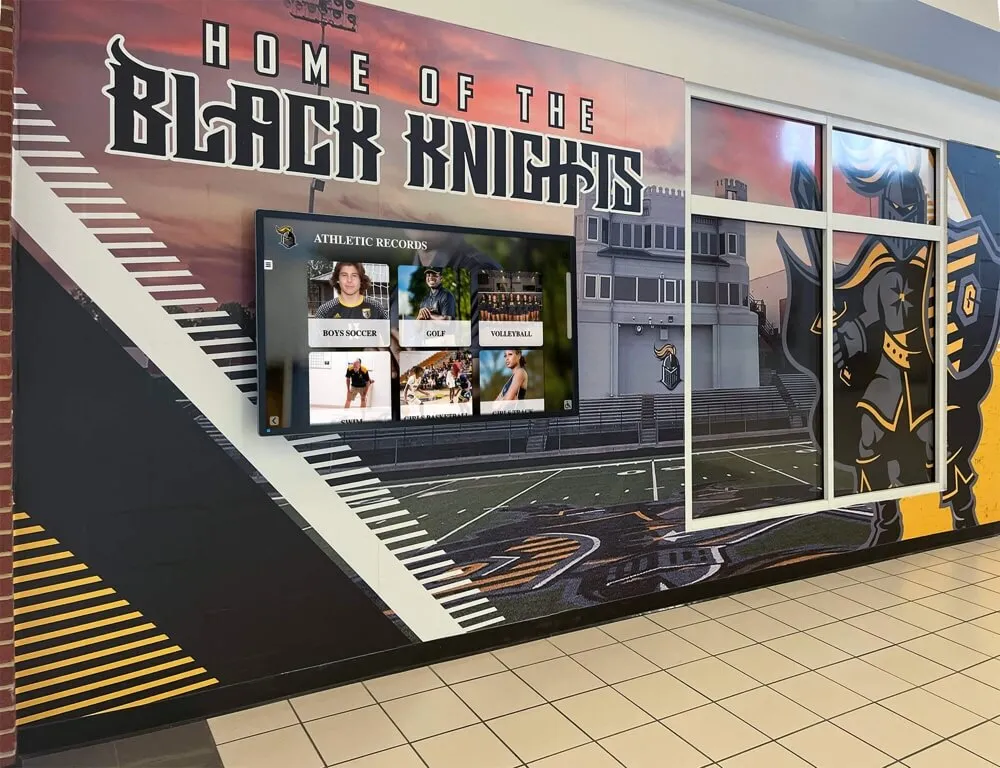
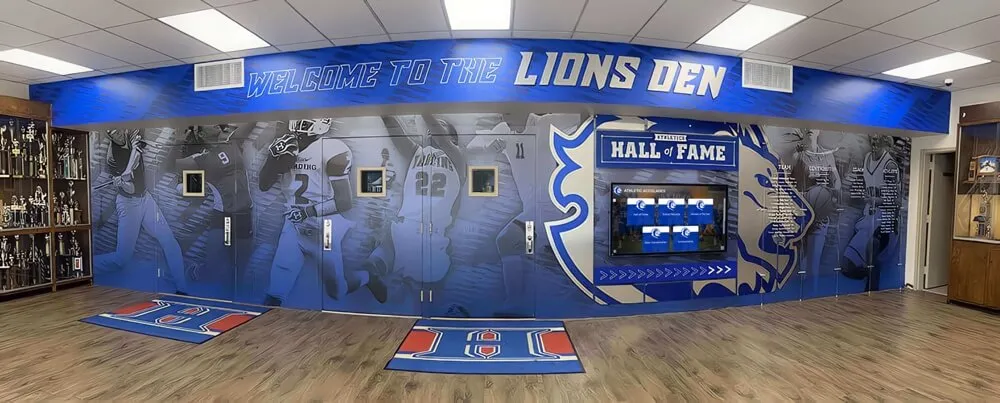
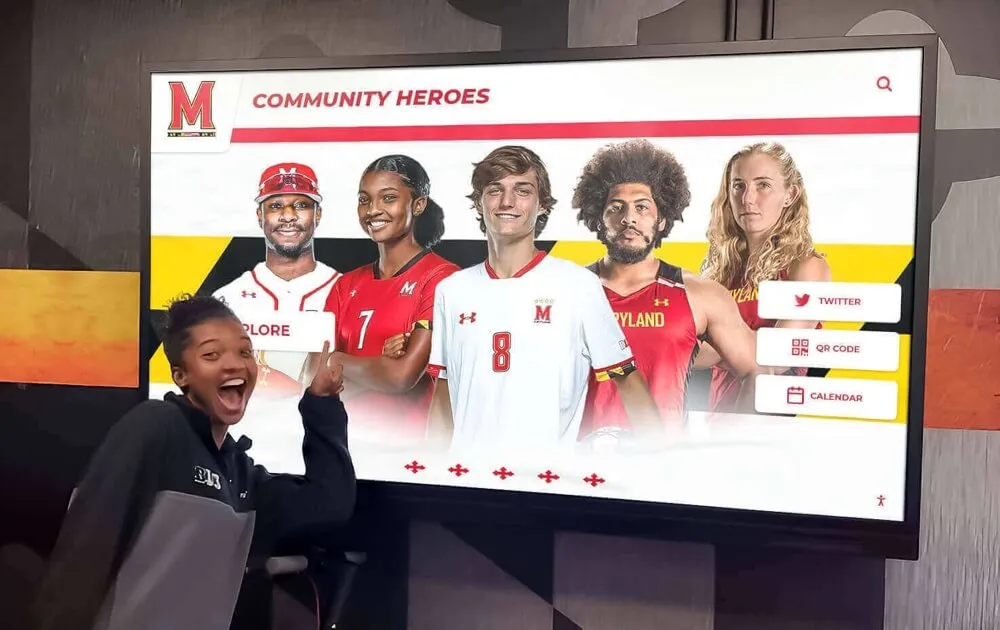
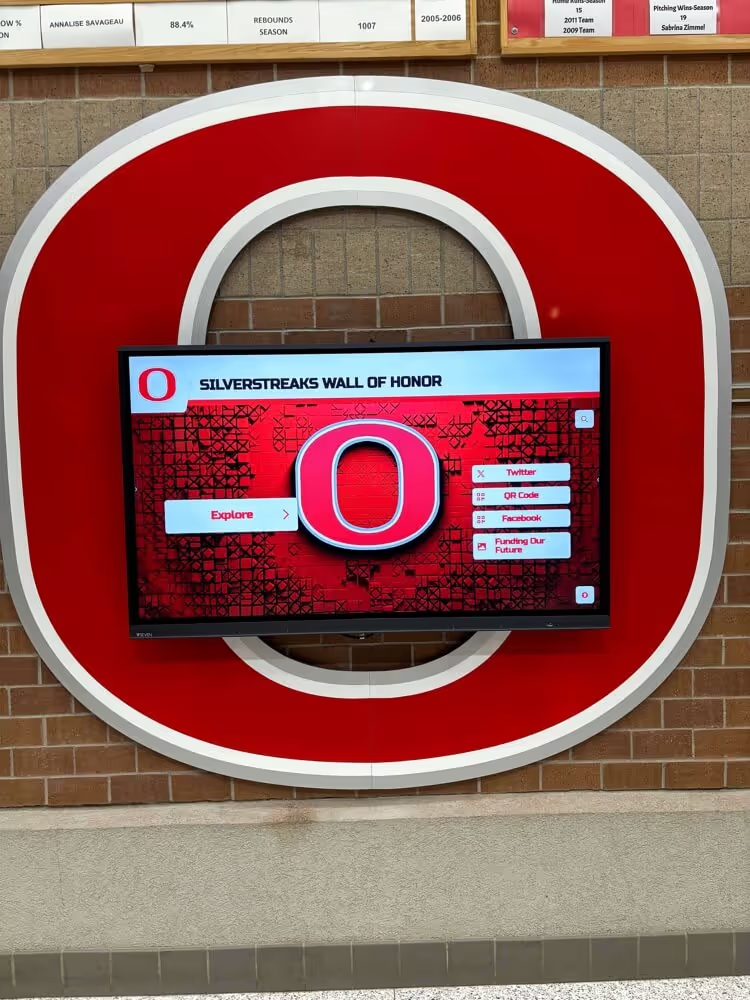
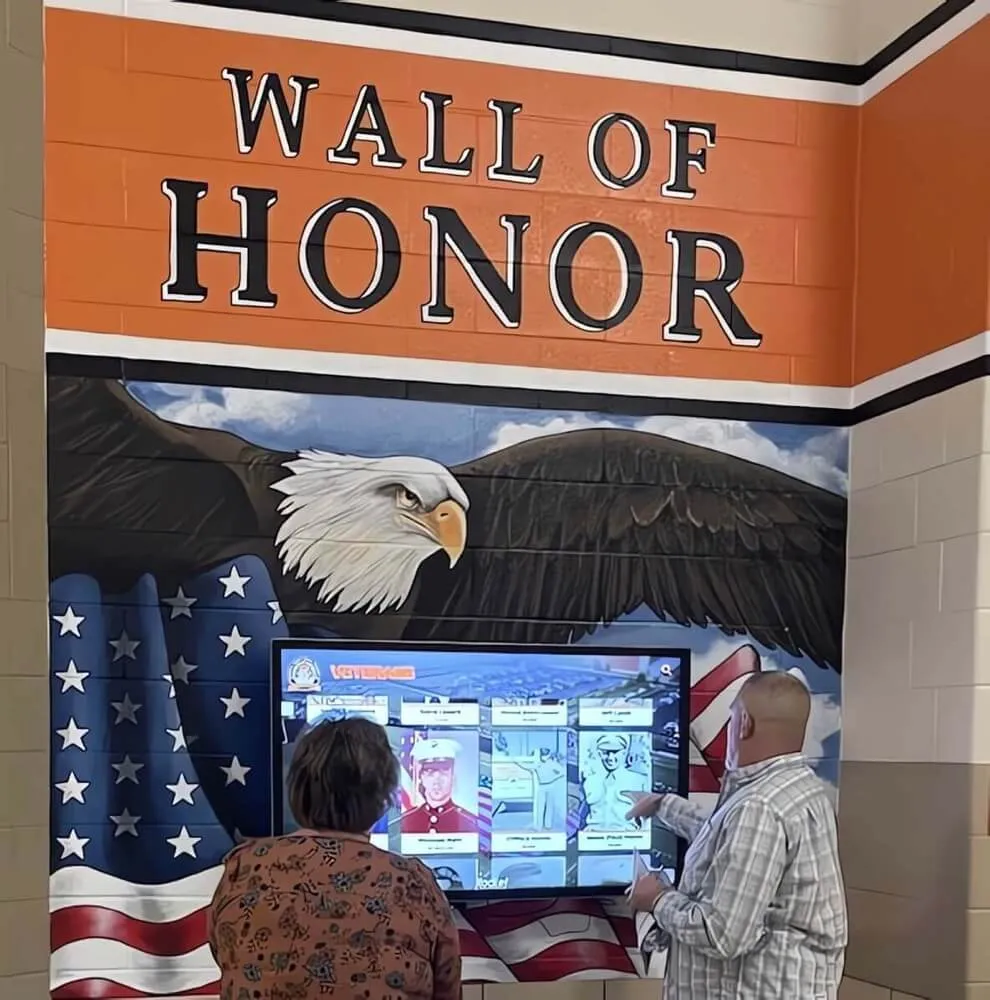
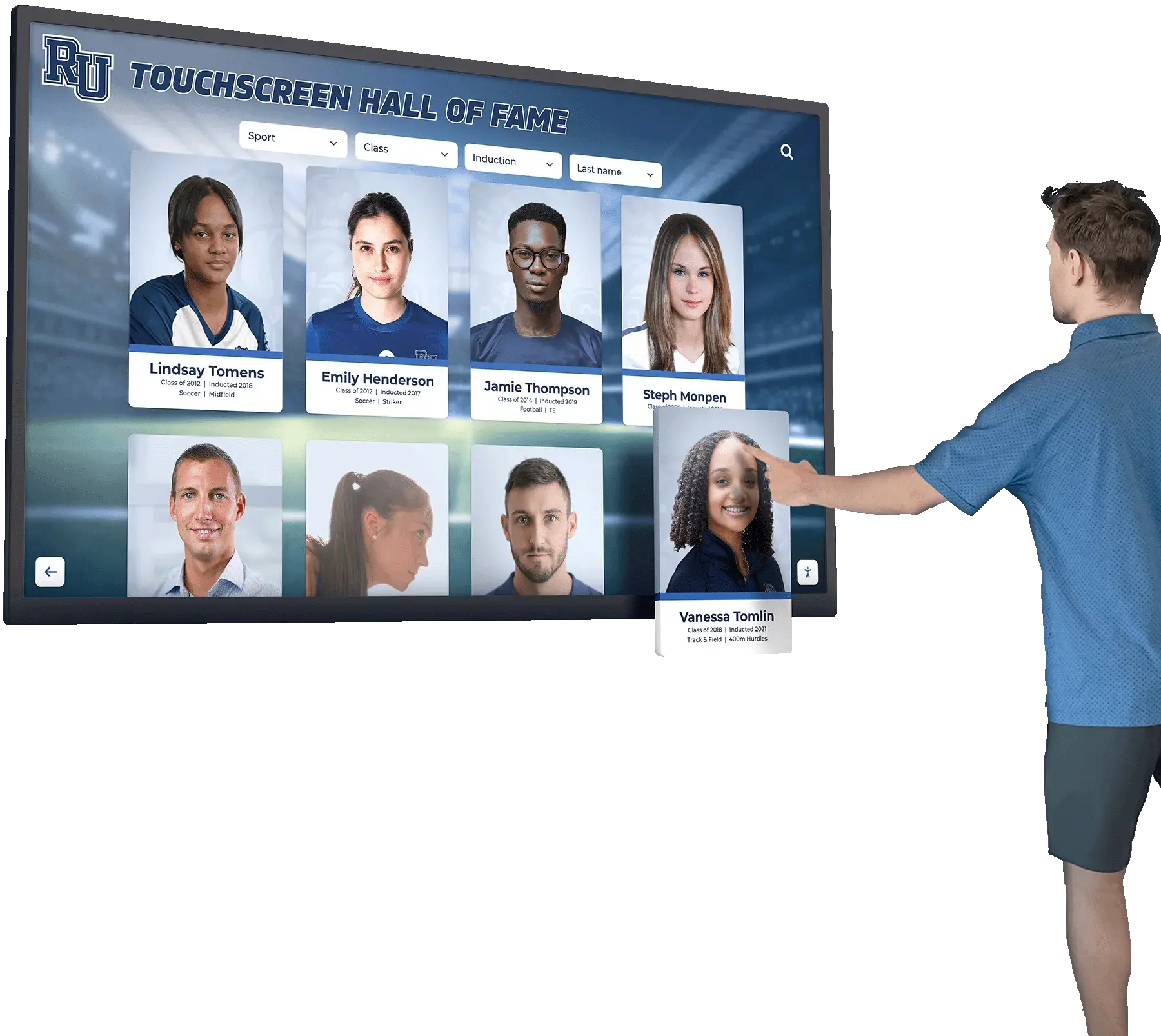
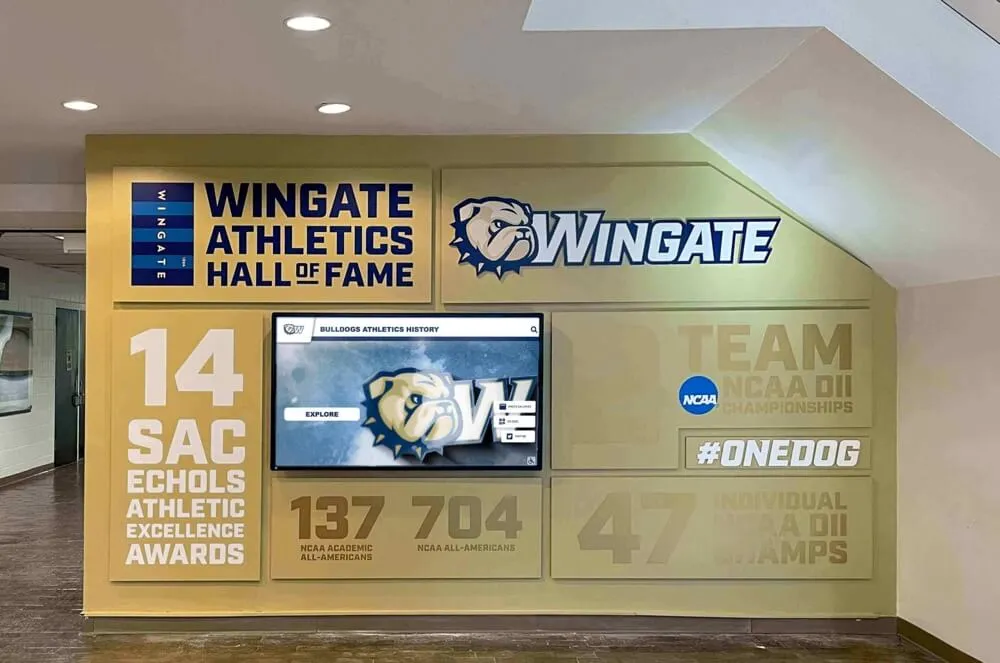
Digital recognition systems enable flexible acknowledgment of diverse oldtimer categories and milestone achievements
Balancing Oldtimers Recognition with Other Donor Acknowledgment
Oldtimers Walls should complement rather than compete with other recognition programs:
Integration with Annual Giving Recognition
Ensure Oldtimers acknowledgment works harmoniously with annual fund honor rolls, which typically recognize current-year gifts regardless of giving history. Donors might appear on both annual honor rolls (for recent contributions) and Oldtimers Walls (for sustained commitment), with clear distinctions between programs preventing confusion.
Coordination with Major Gift Recognition
Organizations with traditional donor walls recognizing major gifts should thoughtfully position Oldtimers Walls to honor sustained support without diminishing major gift acknowledgment. Consider approaches including separate but equally prominent Oldtimers and major gift walls in different locations, integrated walls with distinct visual sections for different recognition types, or digital systems enabling multiple recognition lenses viewing the same donors through different criteria.
The goal involves ensuring that modest-capacity donors demonstrating extraordinary faithfulness receive recognition comparable to wealthy donors making occasional large gifts, without creating perceived hierarchies that undervalue either contribution type.
Connection to Campaign-Specific Recognition
Capital campaigns, special initiatives, and restricted fund recognition should acknowledge oldtimers whose sustained giving enabled organizational stability that made ambitious campaigns possible. Campaign materials might reference how founding donor faithfulness created foundations enabling current transformational projects, connecting historical loyalty to contemporary achievements.
Organizations implementing digital donor recognition systems can create layered approaches honoring donors simultaneously through multiple recognition lenses.
When to Use Oldtimers Recognition: Ideal Applications and Scenarios
Understanding optimal contexts for Oldtimers Walls helps organizations determine when this recognition approach provides maximum impact and authenticity.
Organizational Milestone Celebrations
Significant institutional anniversaries create natural occasions for establishing or refreshing Oldtimers recognition:
Anniversary Campaigns and Celebrations
Organizations celebrating 25th, 50th, 75th, or 100th anniversaries often launch recognition initiatives honoring founding donors and sustained supporters who enabled institutional longevity. These milestone moments create compelling narratives connecting founding visions to contemporary missions while demonstrating gratitude for those who made survival possible.
Anniversary campaigns provide ideal opportunities for establishing Founders Societies, creating historical timeline donor walls, and implementing legacy giving programs that extend founding commitments into future generations.
Leadership Transition Periods
When organizations experience leadership changes—new executive directors, presidents, or development officers—Oldtimers recognition demonstrates continuity and honors relationships predating current administration. This acknowledgment reassures long-time supporters that new leadership values historical relationships while providing incoming leaders with opportunities to personally thank foundational donors.
Capital Campaigns and Facility Projects
Major fundraising initiatives and construction projects create visibility for comprehensive donor recognition:
New Building Dedications
Capital campaigns resulting in new facilities provide physical spaces for permanent donor walls, with oldtimers recognition occupying prominent locations. Organizations might dedicate entrance lobbies to founding donors, create heritage rooms celebrating organizational history and sustained support, or install chronological timeline walls showing how cumulative giving built resources enabling current construction.
Renovation and Expansion Projects
Facility renovations create opportunities for refreshing outdated recognition installations while adding oldtimers acknowledgment. Organizations replacing aging brass plaques with modern systems can simultaneously expand recognition scope to honor sustained giving that traditional walls overlooked.
Learn about effective capital campaign recognition through donor recognition best practices that honor diverse contribution types.
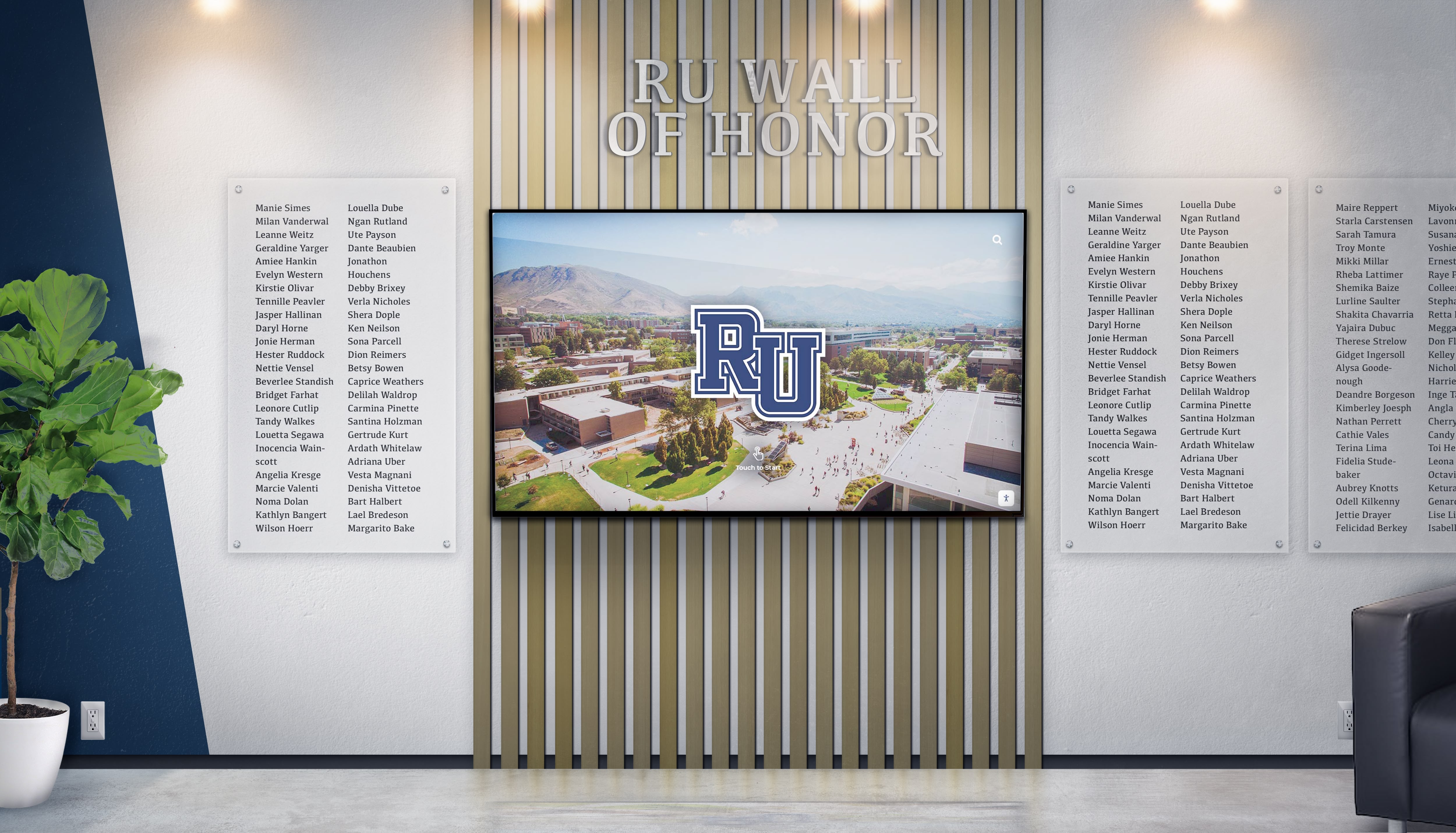
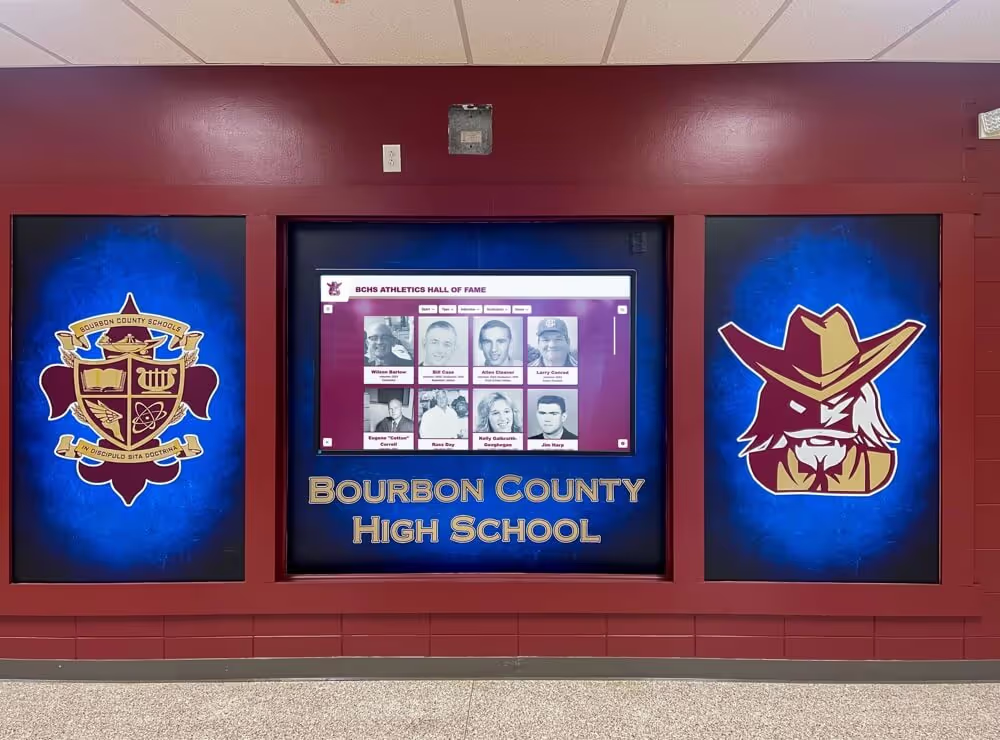
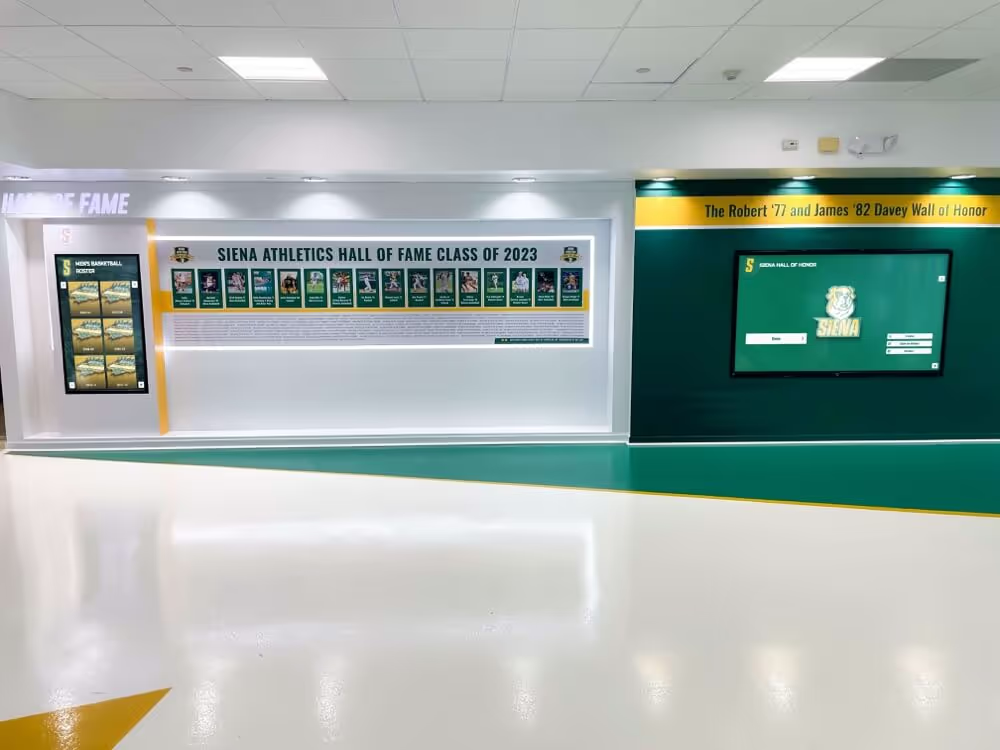
Capital projects provide ideal opportunities for installing comprehensive recognition systems honoring oldtimers alongside major donors
Donor Retention and Stewardship Enhancement
Organizations facing retention challenges benefit from recognition programs that celebrate and incentivize sustained support:
Addressing Declining Retention Rates
When donor retention metrics decline, Oldtimers recognition creates visible celebration of the loyalty organizations want to encourage. Implementing consecutive-year giving programs with clear milestone recognition provides concrete retention incentives while honoring supporters already demonstrating desired behaviors.
Deepening Major Donor Relationships
Even wealthy major donors appreciate recognition honoring their sustained commitment beyond individual transaction sizes. Oldtimers acknowledgment demonstrates that organizations value ongoing relationships rather than viewing supporters as renewable sources of one-time gifts.
Planned Giving Cultivation
Legacy society recognition positions planned gifts as ultimate expressions of long-term commitment while encouraging bequest conversations with sustained annual donors who demonstrate lasting organizational affinity. Visible recognition of legacy society members during lifetimes creates powerful aspirational motivations for similar commitments.
Implementation Framework: Building Your Oldtimers Recognition Copy
Following proven frameworks ensures Oldtimers recognition communications feel authentic, compelling, and aligned with organizational voice.
Recognition Messaging Templates and Scripts
Effective Oldtimers communication balances gratitude, storytelling, and invitation:
Oldtimers Wall Dedication Copy
Use this template for plaque copy or digital display introductions:
FOUNDERS AND FAITHFUL SUPPORTERS

This recognition honors the founding donors whose visionary commitment
enabled [Organization Name]'s establishment in [Year], and the steadfast
supporters whose sustained giving over decades has ensured our mission's
continuation and growth.

While individual gifts matter, cumulative impact over years and decades
creates transformational change impossible through any single contribution.
The supporters recognized here demonstrate that faithfulness and longevity
represent philanthropy's highest expressions.

We celebrate their enduring commitment and invite future generations to
join this legacy of sustained support.
Founding Donor Society Introduction
For inaugural Founders Society communications:
ANNOUNCING THE [ORGANIZATION] FOUNDERS SOCIETY

We are honored to establish the [Organization Name] Founders Society,
recognizing donors whose cumulative lifetime giving of $[Threshold] or more
has created the foundation enabling everything we've accomplished.

Founders Society members include:
• Original supporters who believed in our mission before proven success
• Sustained contributors whose decades of faithfulness weathered challenges
• Major benefactors whose transformational gifts enabled growth
• Legacy society members whose estate commitments extend impact eternally

All share uncommon commitment and extraordinary generosity deserving
perpetual recognition.

Founding members will be celebrated through:
• Permanent recognition on our [Location] Oldtimers Wall
• Annual appreciation events with leadership and beneficiaries
• Exclusive communications sharing impact stories
• Special designation in all organizational publications
• Legacy society induction for planned gift commitments
Consecutive-Year Donor Milestone Acknowledgment
For celebrating consecutive giving achievements:
CELEBRATING [NUMBER] YEARS OF FAITHFUL SUPPORT

Dear [Donor Name],

This year marks your [5th/10th/20th] consecutive year supporting
[Organization Name]—an extraordinary milestone deserving special recognition.

Your sustained commitment means far more than individual gift amounts.
Through [Number] years you've demonstrated:
• Faith in our mission during both thriving and challenging times
• Confidence in our stewardship of your generosity
• Partnership in creating lasting impact
• Model leadership inspiring others toward similar sustained engagement

We are honored to recognize your faithful support through inclusion on our
[Consecutive-Year Recognition Program Name], celebrating donors like you
whose loyalty over years and decades creates our foundation.

Thank you for [Number] years of unwavering commitment. We look forward to
continuing this meaningful partnership for many years ahead.
Organizations can adapt comprehensive messaging frameworks through donor recognition communication guides that strengthen relationships.
Storytelling and Impact Narratives
Oldtimers recognition becomes most compelling when connecting sustained support to concrete organizational impact:
Historical Narrative Frameworks
Create recognition displays that tell organizational stories chronologically including founding era challenges and early donor support that enabled survival, growth phase expansion made possible by sustained giving, transformation periods when cumulative support funded new directions, and contemporary achievements built on decades of faithful partnership.
This timeline approach demonstrates how individual donors’ sustained commitment over years contributed to specific organizational milestones, making abstract loyalty concepts tangible and emotionally resonant.
Individual Oldtimer Profiles
When donors consent, create detailed profiles telling their personal stories:
THE [FAMILY NAME] LEGACY: 40 YEARS OF FAITHFUL PARTNERSHIP

[Donor Name] first supported [Organization] in [Year] when [Context].
Over four decades, their annual gifts have:
• Funded [Number] scholarships enabling first-generation students
• Supported [Program] through three leadership transitions
• Contributed to [Specific Facility or Initiative]
• Inspired family members spanning three generations to give

"[Optional quote from donor explaining motivations]"

The [Family Name]'s extraordinary faithfulness exemplifies philanthropy's
highest ideals—sustained commitment creating cumulative impact far exceeding
any single gift's potential.
Cumulative Impact Visualization
Help donors and communities understand cumulative giving impact through clear visualization including total dollars contributed over decades, number of beneficiaries served through sustained support, specific programs or facilities enabled by cumulative giving, and organizational milestones sustained support made possible.
Present cumulative impact data alongside individual oldtimer profiles, demonstrating how modest annual gifts compound into transformational support over decades.
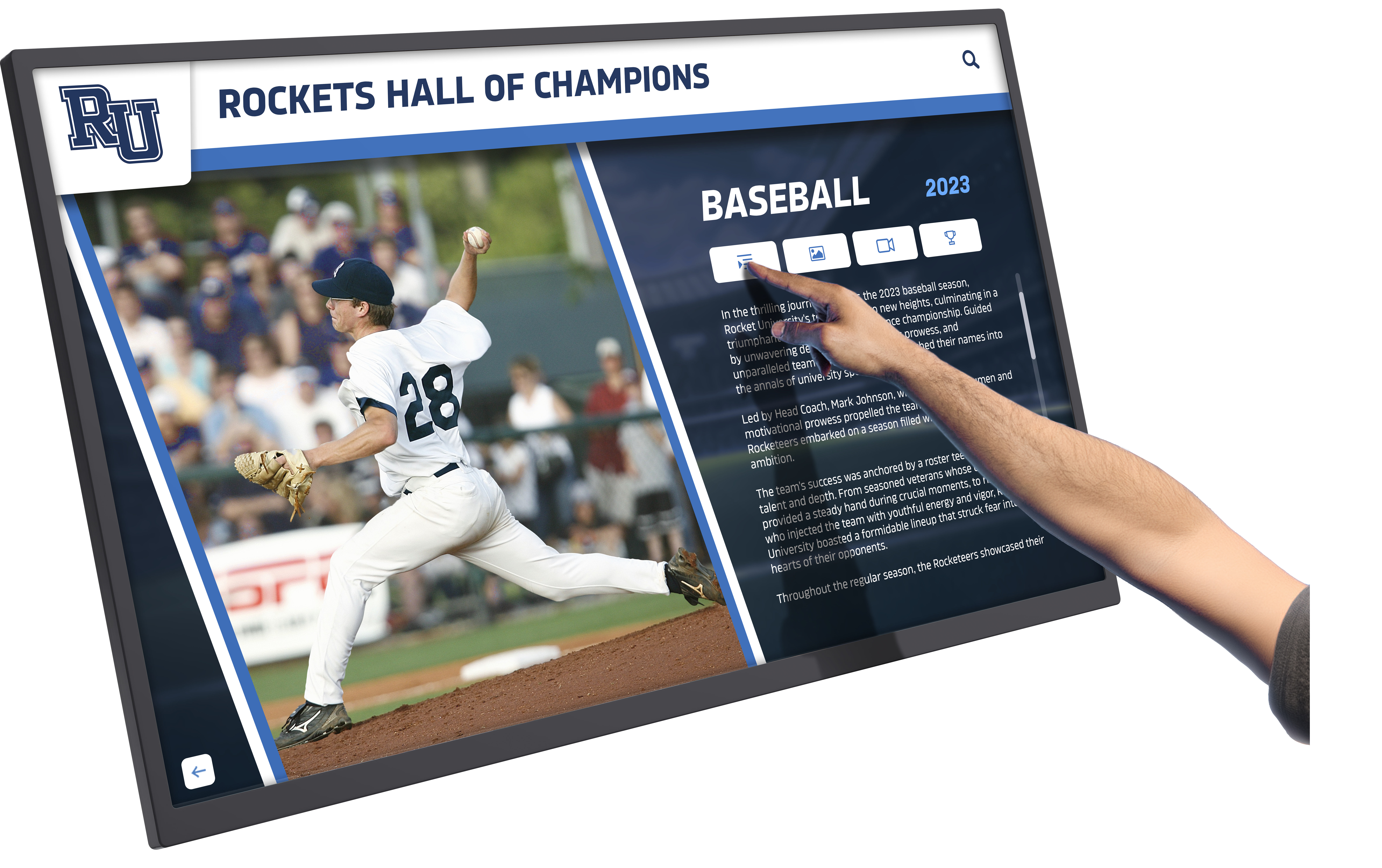
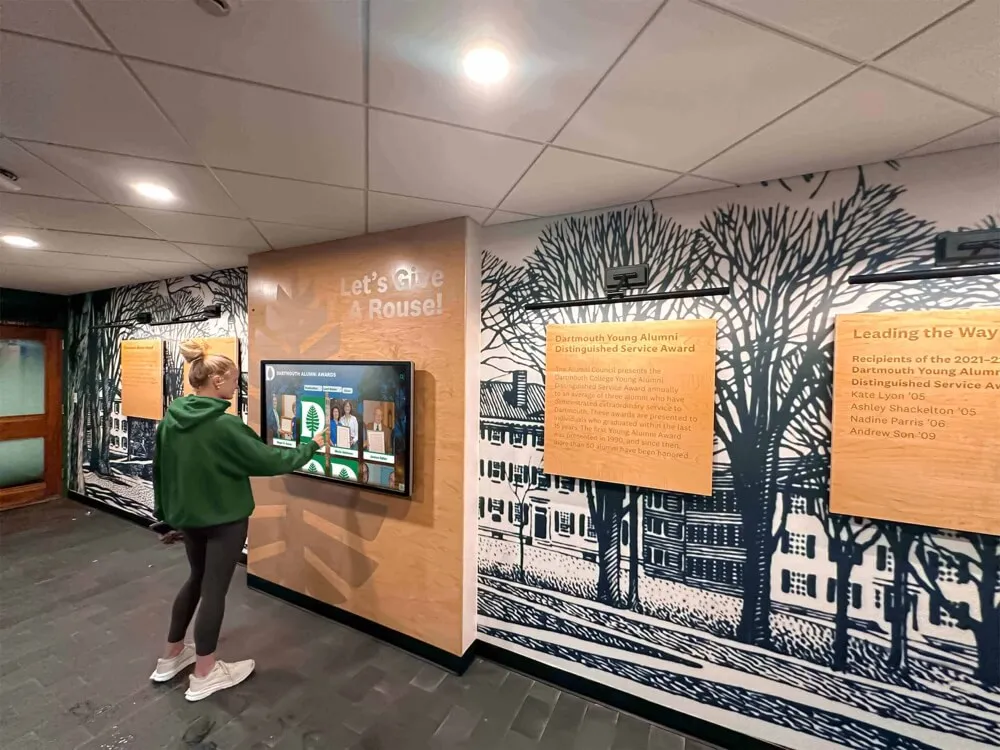
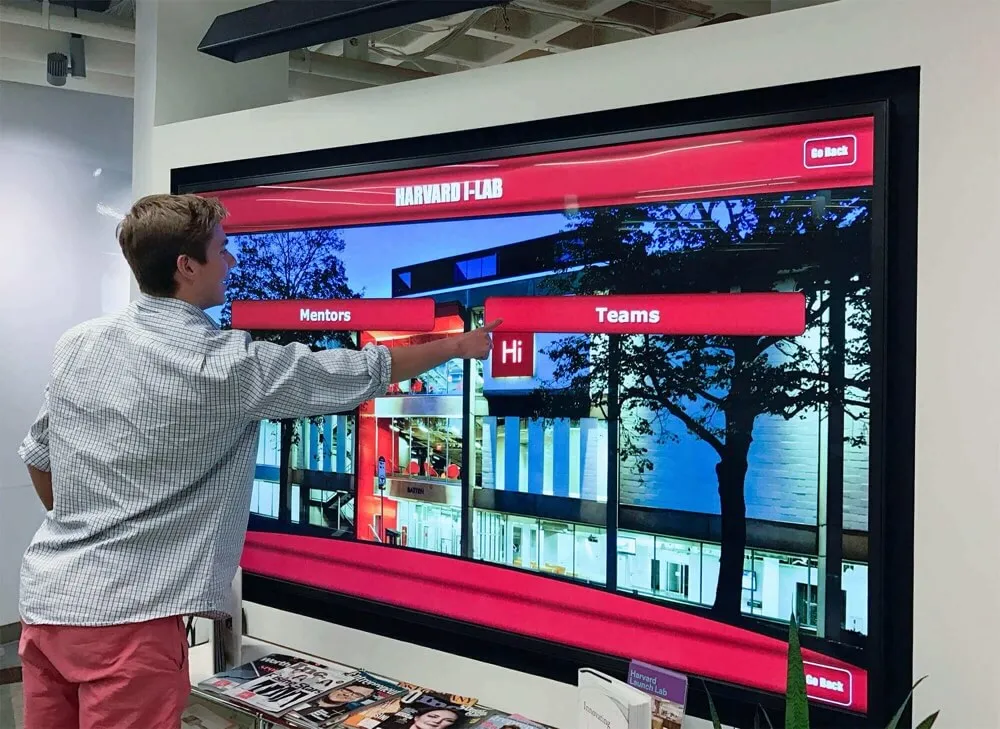
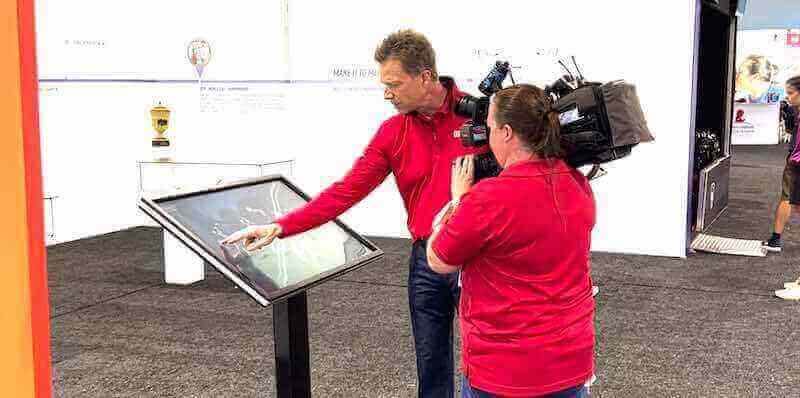
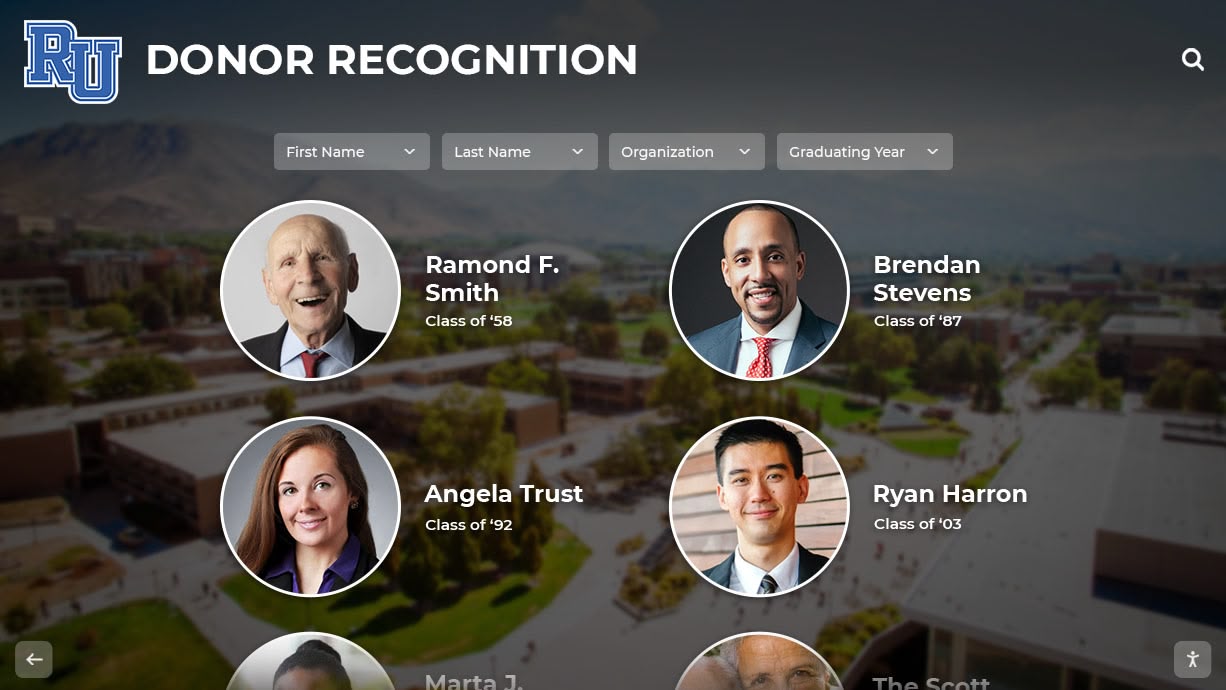
Interactive timelines help visitors explore how individual donors' sustained commitment created cumulative transformational impact
Oldtimers Wall Design and Technology Options
Physical and digital recognition approaches each offer distinct advantages for honoring long-term supporters.
Traditional Physical Recognition Installations
Permanent physical installations provide tangible, enduring acknowledgment aligned with oldtimers’ sustained commitment:
Chronological Timeline Walls
According to donor recognition research, chronological timeline walls arrange recognition by date or campaign period, creating powerful narratives of organizational history and growth. This approach transforms simple name listings into stories showcasing how community support built momentum over decades.
Timeline designs might include horizontal or vertical progression marking decades, era-specific sections showing founding donors (1980s), growth period supporters (1990s), expansion contributors (2000s), and contemporary partners (2010s-present), with visual design elements reflecting each period’s organizational character and aesthetic.
Heritage Rooms and Historical Galleries
Dedicated spaces celebrating organizational history provide ideal settings for comprehensive oldtimers recognition. Heritage rooms might include permanent donor walls with founding and sustained supporter recognition, historical artifact displays showing organizational evolution, photo galleries featuring past events, beneficiaries, and leaders, and comfortable seating encouraging visitors to spend time engaging with history.
These immersive environments honor oldtimers within compelling contexts that demonstrate how their sustained support enabled the institutional journey being celebrated.
Traditional Engraved Systems
Bronze plaques, acrylic panels, or etched glass installations offer timeless elegance appropriate for honoring enduring commitment. When using traditional materials, organizations should ensure adequate space for adding oldtimers as new donors reach consecutive-year milestones, plan update processes for correcting names or adding deceased notations, and budget for professional maintenance preserving installation quality over decades.
While beautiful and prestigious, traditional engraved systems present limitations explored through donor wall planning guides that help organizations make informed technology choices.
Digital Recognition Display Solutions
Modern digital platforms offer unprecedented flexibility for comprehensive oldtimers acknowledgment:
Unlimited Recognition Capacity
Unlike physical plaques constrained by wall space, digital systems recognize unlimited oldtimers across all categories without space limitations. Single displays can showcase thousands of founding donors, consecutive-year supporters, lifetime cumulative contributors, and legacy society members through searchable interfaces enabling instant discovery.
This unlimited capacity ensures comprehensive inclusion impossible with traditional installations, preventing difficult decisions about whose sustained support warrants visibility when physical space runs out.
Rich Storytelling Capabilities
Digital displays enable recognition extending far beyond name listings including donor photographs and biographical information, personal statements explaining giving motivations, video testimonials from oldtimers sharing their stories, historical photographs showing donors’ connections over decades, cumulative giving totals and milestone achievements, and impact documentation demonstrating what sustained support accomplished.
This multimedia richness transforms oldtimers recognition from simple acknowledgment to compelling celebration of relationship, loyalty, and cumulative impact impossible with engraved plaques alone.
Solutions like Rocket Alumni Solutions provide comprehensive digital recognition platforms designed specifically for honoring diverse donor categories including sustained giving programs, with intuitive content management enabling easy updates as new supporters reach oldtimer milestones.
Flexible Organization and Multiple Recognition Lenses
Digital systems enable simultaneous recognition through multiple criteria, with individual donors appearing in founding, consecutive-year, lifetime cumulative, and legacy society categories when qualifying for each. Visitors can explore recognition by viewing all oldtimers chronologically, filtering by consecutive years of support, searching for specific individuals or families, or browsing lifetime cumulative giving levels.
This multi-dimensional recognition demonstrates that oldtimers often embody multiple forms of sustained commitment simultaneously, with digital platforms revealing these layered relationships in ways physical walls cannot match.
Real-Time Updates and Milestone Recognition
Cloud-based management enables immediate recognition updates including adding new oldtimers as they reach milestones, updating consecutive-year counts annually, revising cumulative lifetime totals as gifts accumulate, and correcting errors or name preferences instantly without expensive re-engraving.
According to nonprofit technology research, organizations implementing digital recognition systems report 85-90% reduction in administrative time maintaining donor recognition compared to traditional plaques requiring physical updates.
Explore comprehensive digital approaches through interactive recognition technology guides that maximize oldtimers celebration.
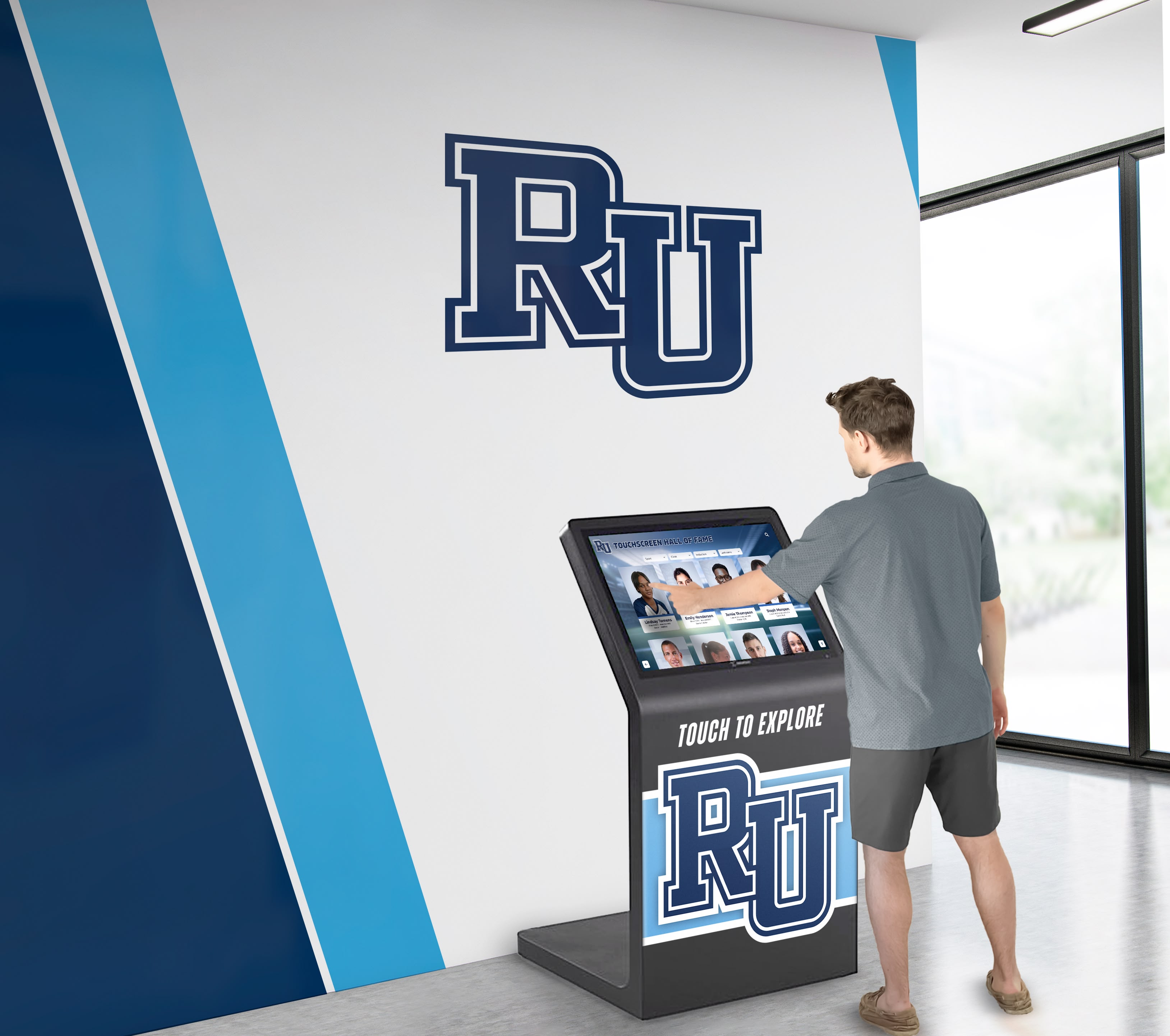
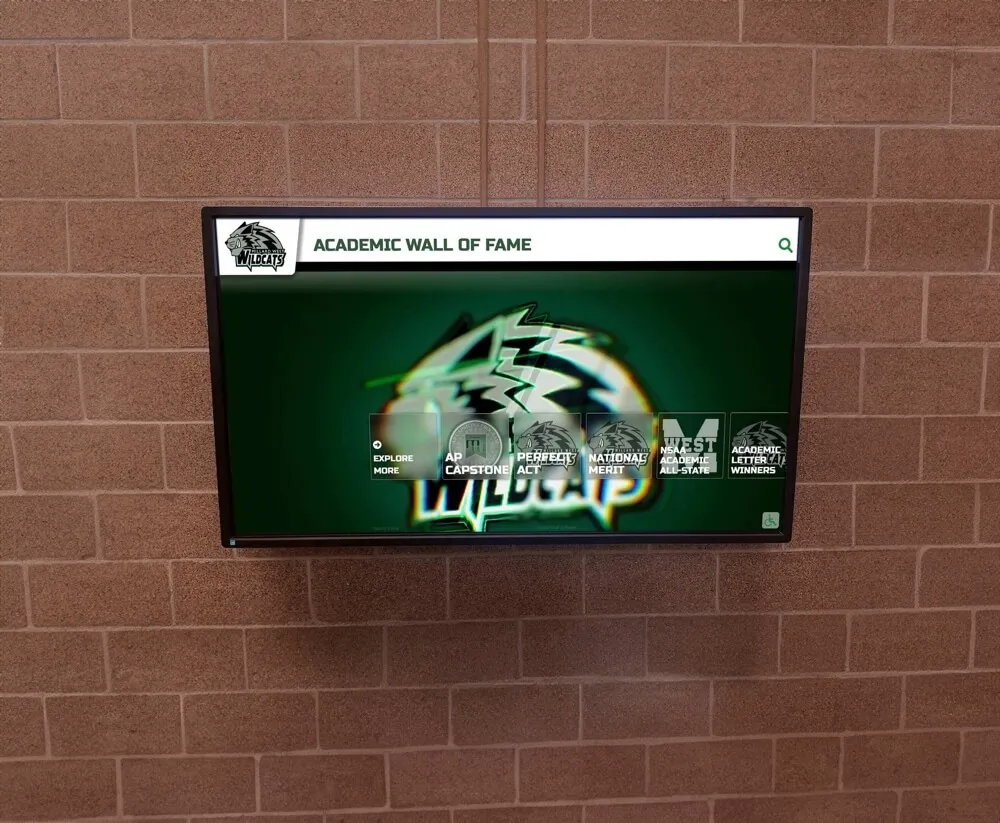
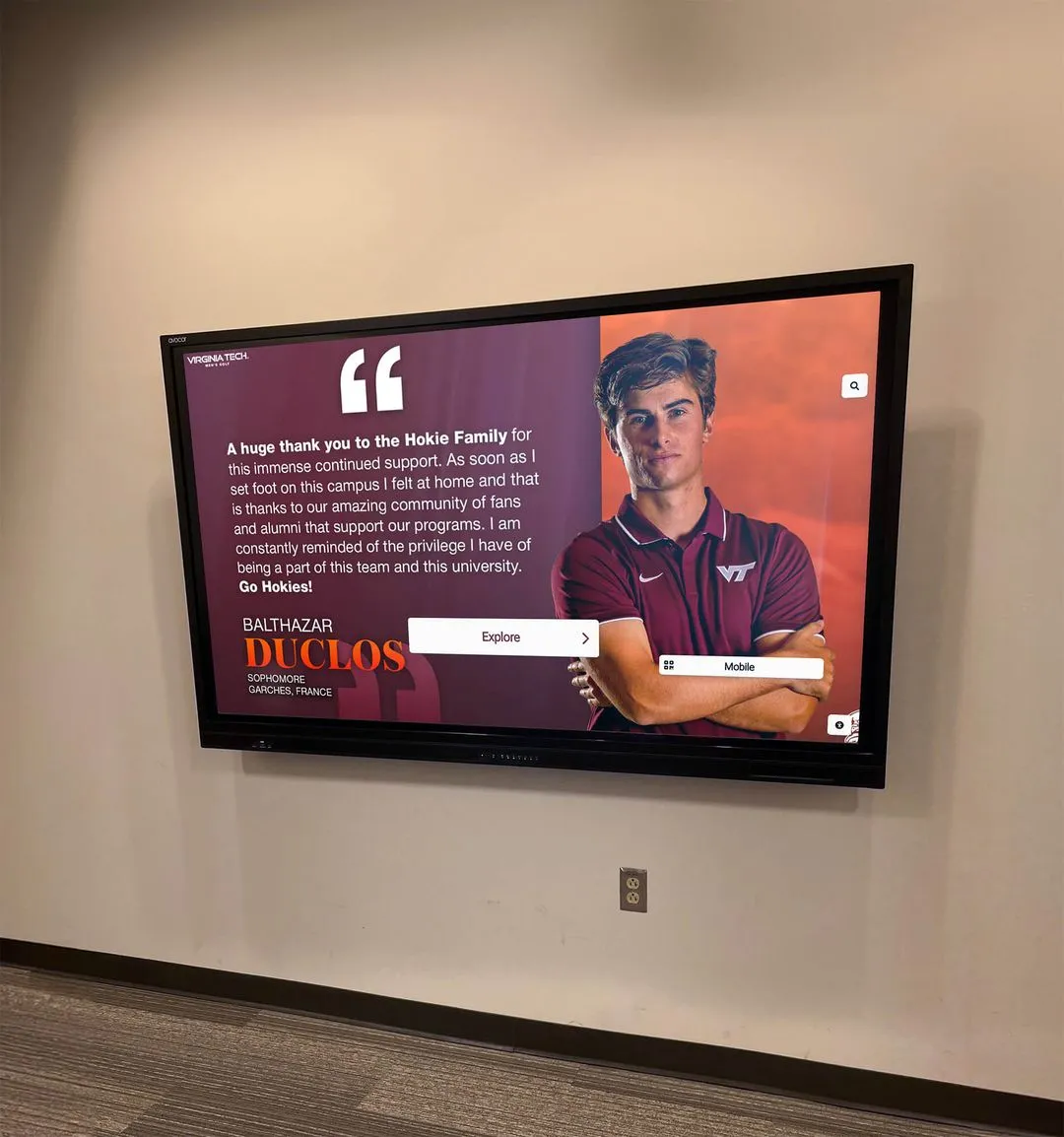
Cloud-based systems enable easy oldtimers recognition updates as donors reach new consecutive-year milestones
Hybrid Recognition Approaches
Many organizations implement hybrid systems combining traditional and digital elements:
Physical Plaques Plus Digital Enhancement
Organizations might install traditional engraved plaques honoring top-tier oldtimers (founding donors, 40+ year consecutive supporters, seven-figure lifetime contributors) while using adjacent digital displays for comprehensive recognition including all oldtimer categories, detailed profiles and storytelling, historical timelines and organizational evolution, and impact visualization demonstrating cumulative support results.
This approach provides prestigious permanent recognition for highest commitment levels while ensuring comprehensive inclusion through flexible digital systems.
Rotating Digital Features Within Traditional Settings
Heritage rooms with traditional aesthetic can incorporate digital displays as contemporary additions rather than primary recognition, showing rotating oldtimer features, video testimonials, historical photo slideshows, and campaign progress updates without dominating traditional design elements.
Digital components refresh regularly, encouraging repeat visits while permanent physical installations provide enduring recognition.
Ongoing Management and Stewardship: Sustaining Oldtimers Recognition
Successful oldtimers programs require systematic management ensuring accurate, current recognition that remains meaningful over decades.
Administrative Processes and Data Management
Establishing clear workflows prevents recognition errors and ensures consistent application:
Annual Milestone Identification
Create calendar-based processes for identifying oldtimers reaching new milestones including consecutive-year donors qualifying for 5, 10, 15, 20+ year recognition, cumulative lifetime givers crossing new threshold levels, new legacy society members making planned gift commitments, and founding donor anniversaries warranting special celebration.
Automated donor database reporting can flag milestone achievements, but personal review ensures accuracy and provides opportunities for customized acknowledgment.
Recognition Update Protocols
Establish responsibility for oldtimers recognition updates including who reviews milestone achievements and approves recognition additions, what quality assurance processes verify accuracy before publication, how quickly new oldtimers receive recognition after qualifying, and what communication accompanies recognition installation informing donors of their new acknowledgment.
Historical Data Verification
Long-standing organizations often discover historical giving records that require research and verification before oldtimers recognition including incomplete early records requiring reconstruction, merged databases containing potential duplicates, name changes through marriage or legal processes, and deceased donors warranting memorial notation.
Invest time in historical data cleanup ensuring oldtimers recognition accuracy, preventing embarrassing errors that undermine rather than honor long-term relationships.
Organizations can explore systematic approaches through recognition display management guides that ensure long-term accuracy.
Stewardship and Relationship Cultivation
Oldtimers recognition should integrate into comprehensive stewardship programs:
Milestone Celebration Events
Host annual or periodic events specifically celebrating oldtimers including recognition ceremonies for donors reaching new consecutive-year milestones, founders society receptions thanking sustained supporters, legacy society gatherings acknowledging planned gift commitments, and historical retrospectives connecting past and present.
These specialized events demonstrate that oldtimers occupy special organizational status deserving exclusive appreciation beyond general donor recognition.
Personalized Milestone Acknowledgment
When donors reach consecutive-year milestones, provide personalized recognition including congratulatory letters from leadership, phone calls from board members or long-time staff, commemorative gifts marking specific achievements, and special designation on giving receipts and communications.
According to donor retention research, milestone recognition significantly increases likelihood of continued consecutive giving, with donors motivated to maintain recognition status once achieved.
Impact Reporting Emphasizing Cumulative Results
Communications to oldtimers should emphasize cumulative impact over decades rather than only recent program highlights including historical outcomes their earliest gifts enabled, evolution of programs their sustained support advanced, beneficiary stories spanning years of their partnership, and organizational stability their faithfulness created.
This cumulative framing demonstrates that organizations understand and value the distinctive nature of sustained commitment versus transactional giving.
Learn comprehensive stewardship approaches through donor retention programs that strengthen long-term relationships.
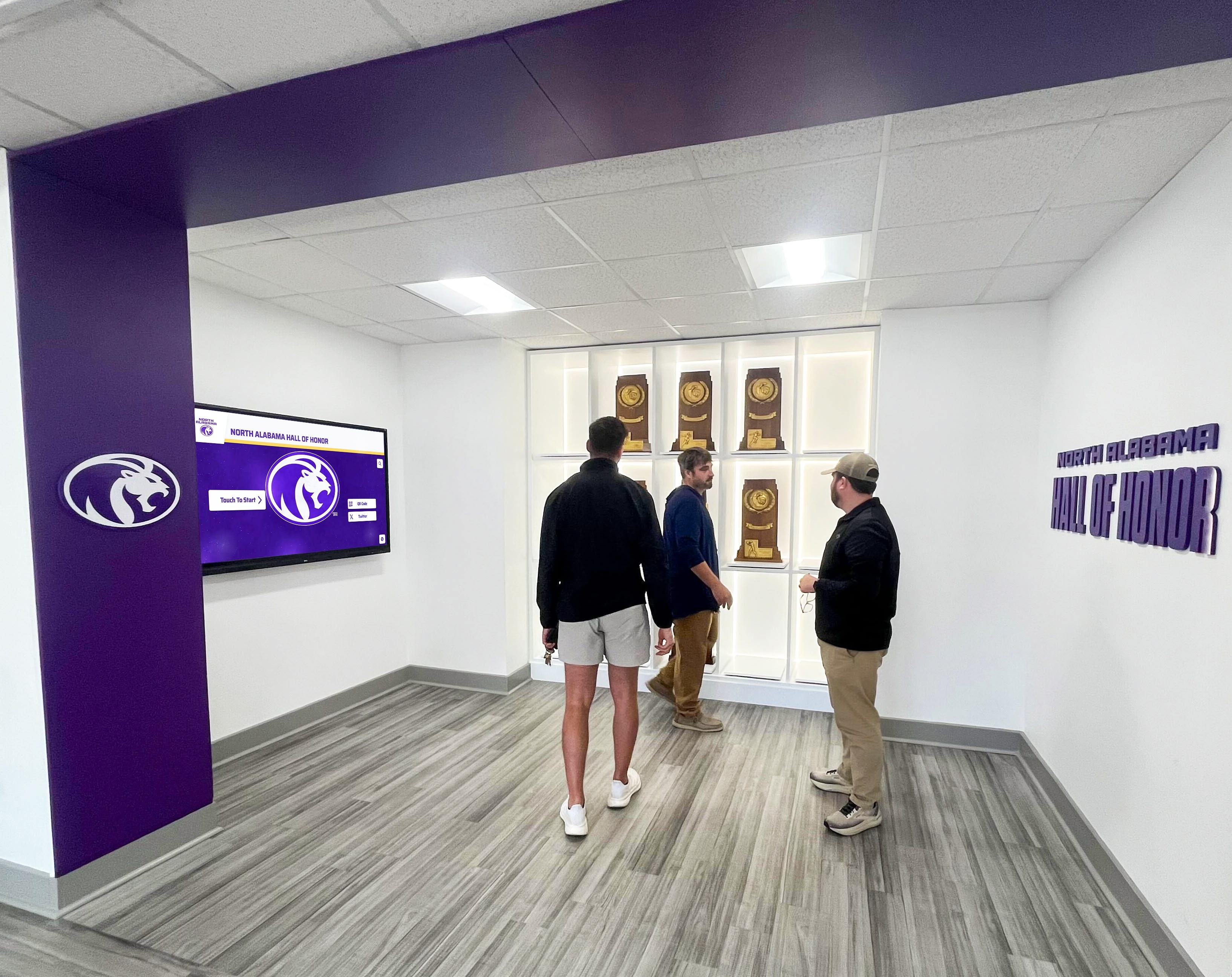
Special events celebrating oldtimers create meaningful opportunities for relationship cultivation and community building
Common Challenges and Solutions in Oldtimers Recognition
Understanding typical implementation difficulties helps organizations avoid problems:
Challenge: Determining Fair Recognition Thresholds
Problem: Organizations struggle to establish consecutive-year or cumulative giving thresholds that appropriately honor sustained commitment without creating so many tiers that recognition loses meaning or setting bars so high that few donors qualify for acknowledgment.
Solution: Research comparable organizations’ recognition programs, survey loyal donors about what milestones feel meaningful, and establish 3-4 distinct tiers providing achievable entry points while preserving prestige for highest levels. Start with 5-year, 10-year, 20-year, and 40-year consecutive giving recognition, adjusting based on organizational age and donor patterns.
Challenge: Handling Recognition for Lapsed Then Resumed Donors
Problem: Donors who gave consecutively for 15 years, lapsed for two years, then resumed giving create classification challenges. Should they retain recognition for 15 consecutive years while starting new streak? Does lapse erase previous consecutive status?
Solution: Establish clear written policies addressing lapses, typically recognizing highest consecutive streak achieved (celebrating 15 years) while maintaining separate current streak counter. Communicate policies transparently so donors understand status implications if life circumstances interrupt giving.
Challenge: Balancing Oldtimers Recognition with Major Gift Acknowledgment
Problem: Modest-capacity donors with 30+ years consecutive giving may have cumulative totals exceeding wealthy donors making occasional large gifts. How should recognition balance these different contribution patterns without creating perceived hierarchies?
Solution: Implement separate but equally prominent recognition programs—major gift donor walls and oldtimers/sustained giving walls—positioned to demonstrate equal institutional value. Digital systems can showcase the same donors through multiple recognition lenses simultaneously, celebrating both large gifts and sustained commitment without forcing false equivalencies.
Explore solutions through recognition program design guides that honor diverse contribution types.
Challenge: Managing Deceased Oldtimers and Memorial Recognition
Problem: As organizations age, increasing numbers of oldtimers pass away, creating questions about whether and how to maintain recognition posthumously while ensuring current living donors receive appropriate visibility.
Solution: Maintain permanent recognition for deceased oldtimers with clear memorial designation, potentially creating heritage sections specifically honoring founding and historical donors. Digital systems enable unlimited recognition preventing difficult choices between honoring deceased oldtimers and acknowledging current supporters—both can receive comprehensive recognition simultaneously.
Advanced Applications: Specialized Oldtimers Recognition Contexts
Different organizational types face unique oldtimers recognition needs and opportunities.
Higher Education Oldtimers Recognition
Universities and colleges benefit from multi-generational oldtimers programs:
Alumni Reunion-Based Recognition
Colleges can align oldtimers recognition with reunion year giving, celebrating classes that have achieved sustained consecutive reunion giving over 25, 35, or 50 years. This class-based approach creates peer communities aspiring toward collective oldtimer status while honoring individual sustained donors.
Multi-Generational Family Recognition
Higher education institutions often cultivate multi-generational alumni families whose giving spans grandparents, parents, and children across decades. Special recognition celebrating family philanthropy legacies honors both individual donors and familial commitment patterns creating distinctive institutional relationships.
Faculty and Staff Oldtimers Programs
Beyond external donors, universities should recognize faculty and staff whose payroll deduction giving spans entire careers—20, 30, or 40 years of continuous support representing extraordinary institutional commitment deserving special acknowledgment.
Discover higher education approaches through collegiate recognition systems tailored to campus environments.
Healthcare and Hospital Oldtimers Walls
Medical institutions cultivate distinctive oldtimers relationships:
Patient Family Legacy Recognition
Families who support hospitals for decades—often beginning with grateful patient experiences then continuing through memorial giving after loved ones pass—represent profound sustained commitment warranting special oldtimers acknowledgment. Recognition might tell patient stories alongside family giving journeys, demonstrating gratitude’s evolution into sustained partnership.
Physician and Provider Giving Programs
Medical staff who donate consistently throughout careers demonstrate unique commitment to institutions where they practice. Physician oldtimers recognition celebrates professional and philanthropic partnership spanning decades.
Community Benefit Foundations
Hospital foundations serving entire communities over generations should recognize local businesses, civic organizations, and families whose sustained support enabled healthcare access improvements benefiting thousands. Oldtimers recognition connects contemporary community health to decades of collective philanthropic commitment.
Religious Organizations and Houses of Worship
Faith communities naturally cultivate sustained giving relationships:
Charter Member and Founding Family Recognition
Churches, synagogues, and mosques often trace histories through founding families whose early support enabled building acquisitions, initial programs, and institutional establishment. Permanent recognition honoring charter members connects contemporary congregations to founding faith communities.
Tithing Milestone Recognition
Regular tithing represents ultimate sustained giving, with faithful stewardship spanning decades deserving special recognition. Organizations might celebrate 10, 20, 30, and 40-year consistent tithing milestones, honoring spiritual commitment alongside financial support.
Multi-Generational Congregant Families
Families whose membership and support span multiple generations—grandparents, parents, and children baptized, married, and engaged in faith communities—embody sustained commitment warranting distinctive oldtimers recognition celebrating both spiritual and philanthropic faithfulness.
Learn about faith-based approaches through church recognition programs that honor sacred community relationships.
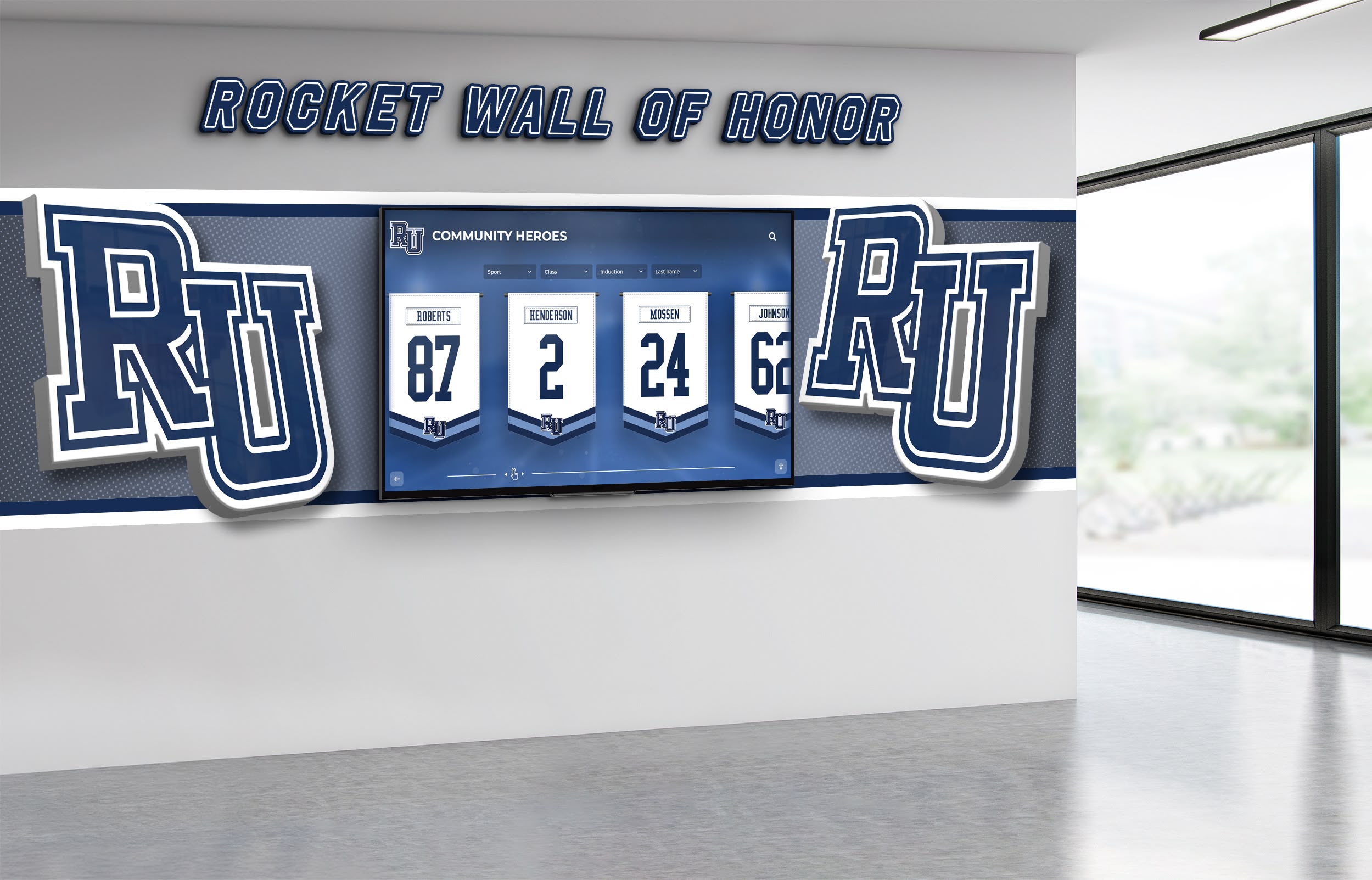
Religious organizations benefit from oldtimers recognition celebrating multi-generational family faithfulness and sustained stewardship
Cultural Institutions and Museums
Arts organizations, libraries, and museums cultivate patron relationships over decades:
Patron Society and Subscriber Loyalty Programs
Performing arts organizations, museums, and cultural institutions often develop loyal patrons whose sustained membership and contribution patterns span decades. Season ticket holders or annual members maintaining support for 20, 30, or 40+ years deserve oldtimers recognition celebrating cultural patronage creating organizational sustainability.
Exhibition and Collection Donor Recognition
Museums acquiring collections or mounting exhibitions through donor support can create oldtimers recognition connecting sustained giving to specific artistic or educational achievements made possible through cumulative support.
Conclusion: Building Cultures Where Sustained Commitment Receives the Honor It Deserves
Oldtimers Walls represent far more than nostalgic acknowledgment of historical donors—they create strategic recognition systems that celebrate the sustained commitment and loyal partnership essential for organizational survival and growth. When organizations implement oldtimers recognition thoughtfully, they signal that faithfulness matters as much as financial capacity, that relationships trump transactions, and that cumulative impact over decades creates transformational change impossible through any single gift.
The strategies explored in this guide provide comprehensive frameworks for oldtimers recognition that balance multiple objectives including honoring founding donors whose early support enabled organizational establishment, celebrating consecutive-year givers demonstrating extraordinary loyalty, acknowledging lifetime cumulative contributions that compound into major impact, recognizing legacy society members extending commitment beyond lifetimes, and creating visible cultures where sustained philanthropy receives prominence alongside major gifts.
Honor Your Founding Donors and Long-Time Supporters
Discover how Oldtimers Wall recognition programs can help you celebrate sustained commitment, inspire continued loyalty, and build thriving cultures where faithfulness becomes celebrated and aspirational.
Request a Recognition ConsultationImplementation Pathway
Organizations considering oldtimers recognition should begin with clear criteria definition establishing who qualifies for acknowledgment, engage loyal donors gathering input about meaningful recognition approaches, evaluate technology options balancing traditional and digital elements, develop compelling messaging connecting sustained support to organizational impact, plan phased implementation coordinating with campaigns or milestones, create sustainable management protocols ensuring ongoing accuracy, and commit to integrated stewardship treating oldtimers recognition as relationship cultivation rather than one-time acknowledgment.
This systematic approach prevents common implementation problems while ensuring oldtimers recognition achieves intended goals of retention enhancement, loyalty celebration, and culture development.
The Strategic Imperative
With donor retention rates averaging just 18.1% in early 2026 according to AFP Global research, organizations face constant pressure replacing lapsed supporters at acquisition costs far exceeding retention expenses. Oldtimers recognition represents strategic investment in the relationships that provide fundraising stability and predictability, with visible celebration of sustained giving creating powerful retention incentives while modeling desired behavior for emerging donors.
Digital recognition platforms like Rocket Alumni Solutions enable comprehensive oldtimers acknowledgment previously impossible with space-constrained traditional approaches. When every consecutive-year milestone receives appropriate recognition—not just major gifts or leadership-level commitments—organizations build inclusive philanthropic cultures where all faithfulness is valued and supporters at every capacity level feel genuinely appreciated for sustained partnership.
Recognition as Mission Enabler
Your founding donors provided the faith and resources enabling organizational establishment when futures remained uncertain. Your consecutive-year givers demonstrated loyalty through leadership transitions, economic challenges, and mission evolution. Your lifetime cumulative supporters compounded modest annual gifts into transformational cumulative impact. Your legacy society members extend commitment beyond lifetimes through ultimate estate gift expressions.
These oldtimers deserve recognition honoring their extraordinary faithfulness and sustained partnership—acknowledgment demonstrating that organizations remember, value, and celebrate the loyal commitment that creates enduring institutional success. With thoughtful planning, appropriate technology, and sustained stewardship, you can create oldtimers recognition systems that transform retention, strengthen relationships, and build the cultures of sustained philanthropy essential for long-term mission advancement.
Ready to honor your founding donors and long-time supporters? Explore digital donor wall solutions or discover how comprehensive recognition programs celebrate sustained commitment and inspire continued loyalty across diverse organizational settings.
Sources: