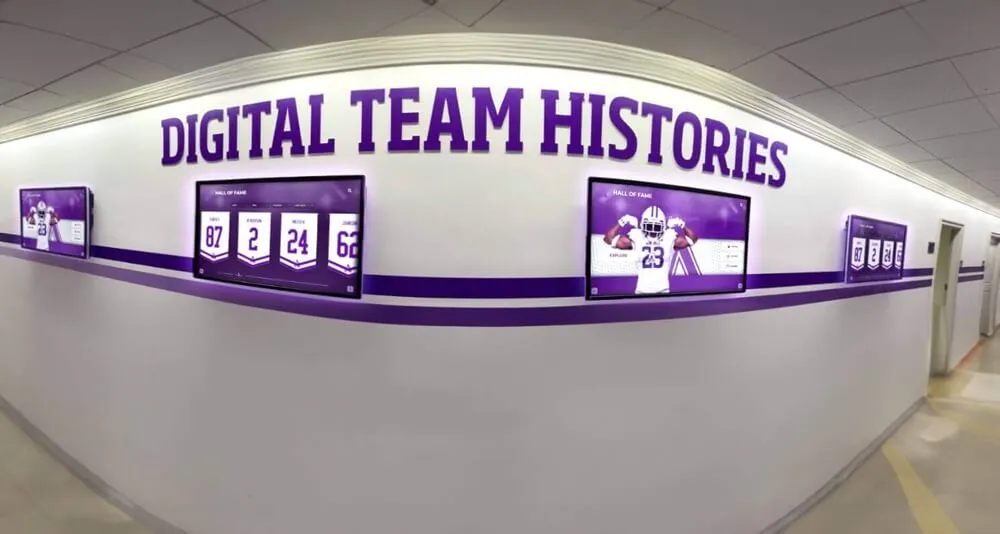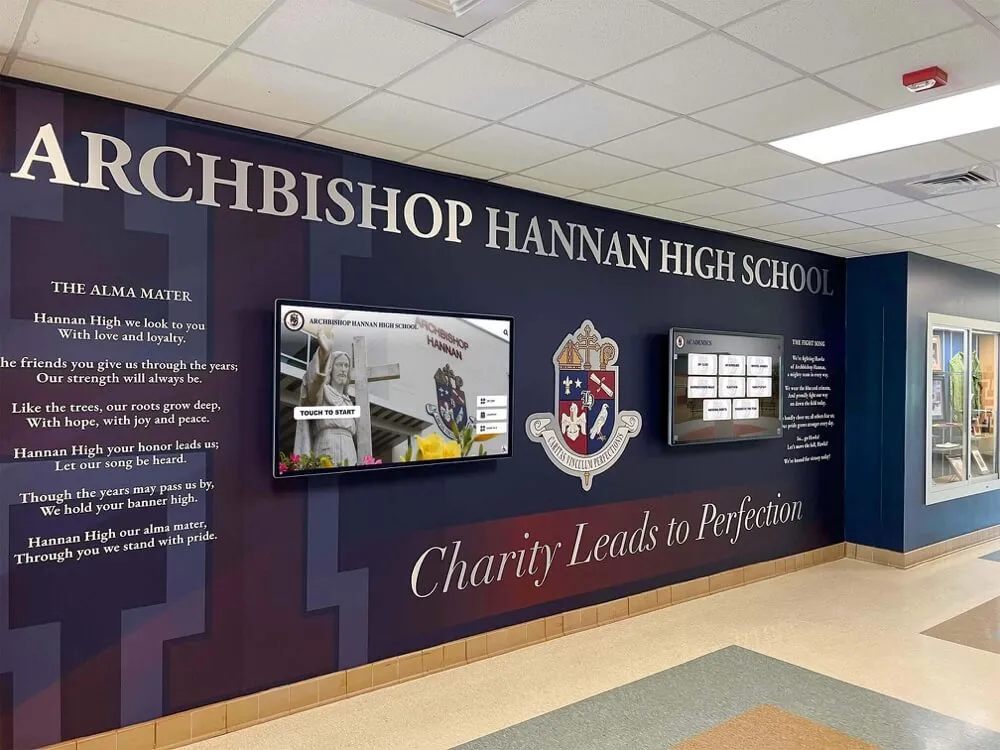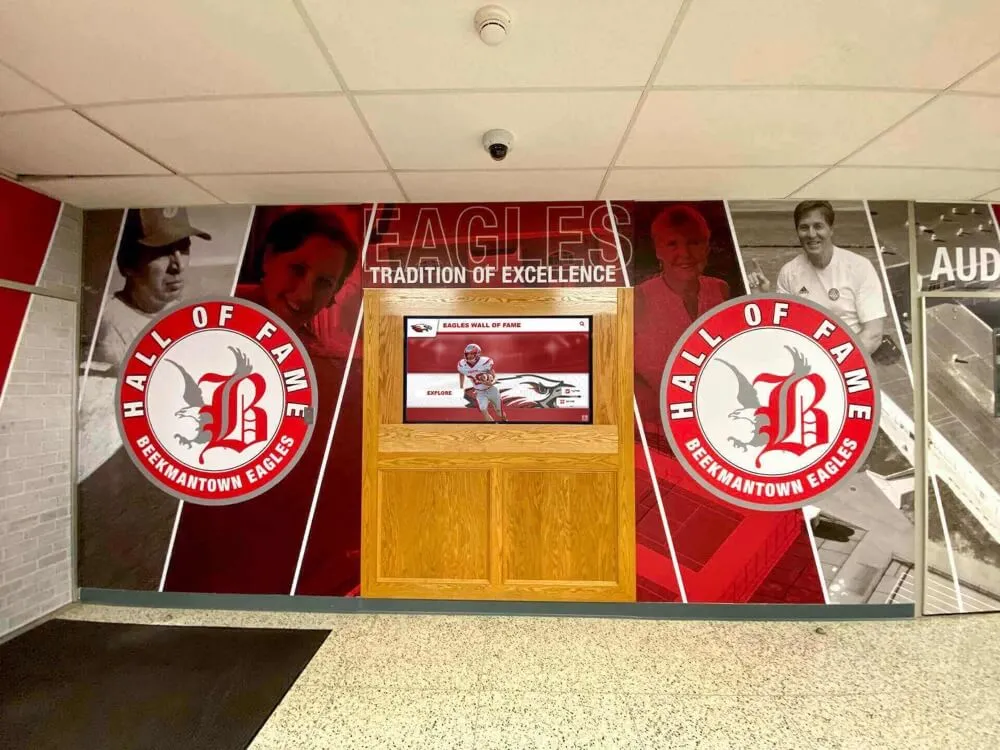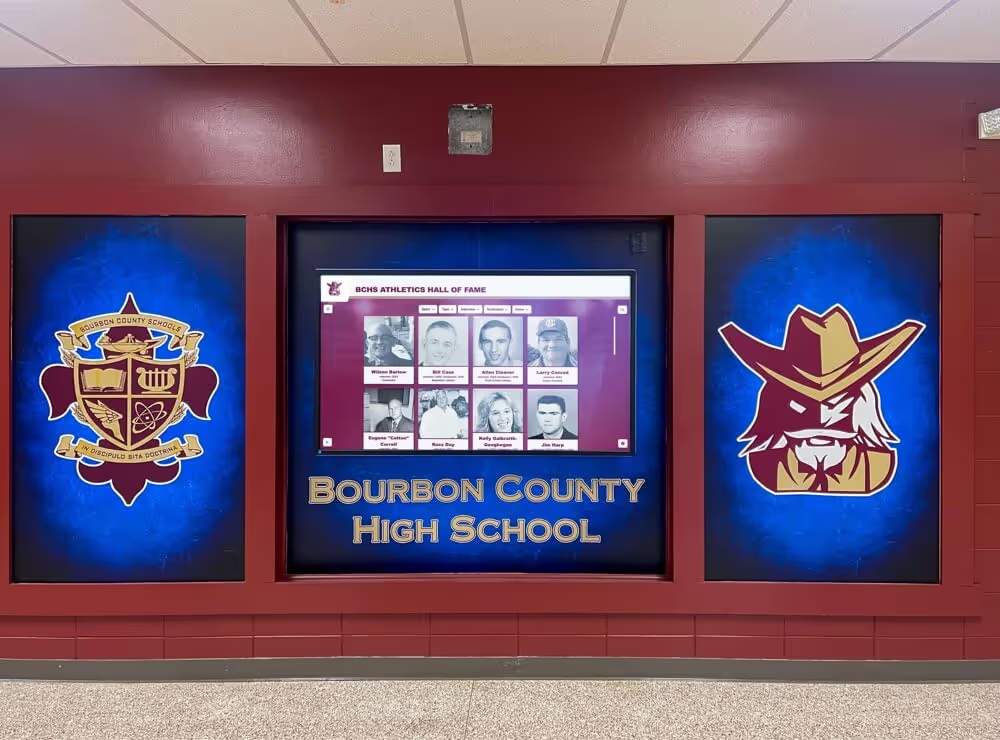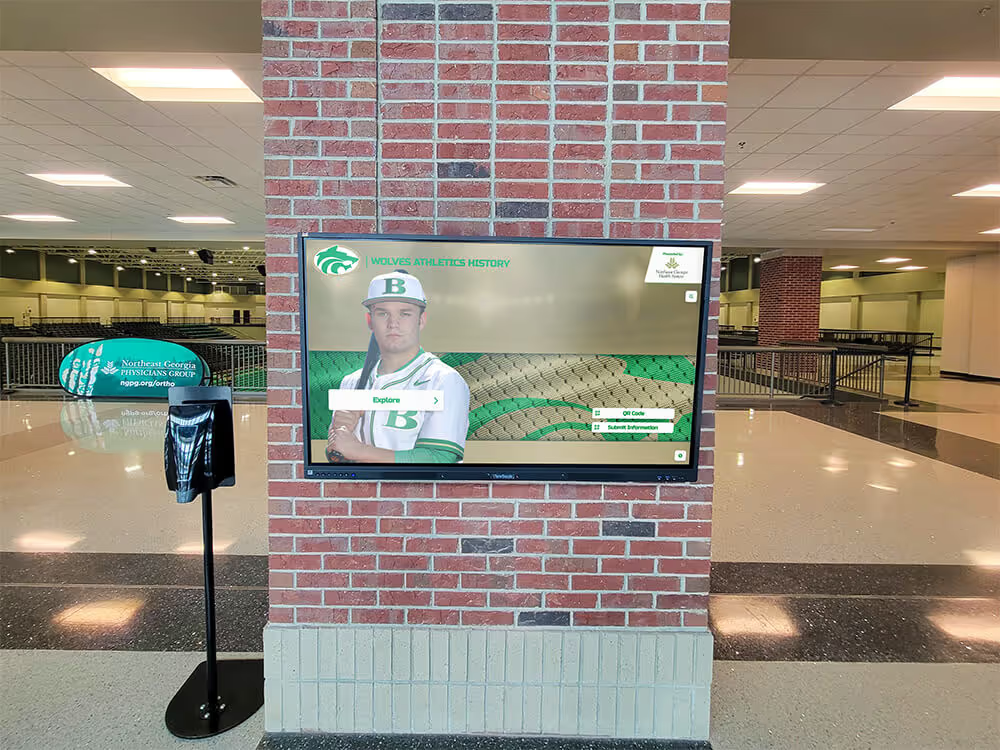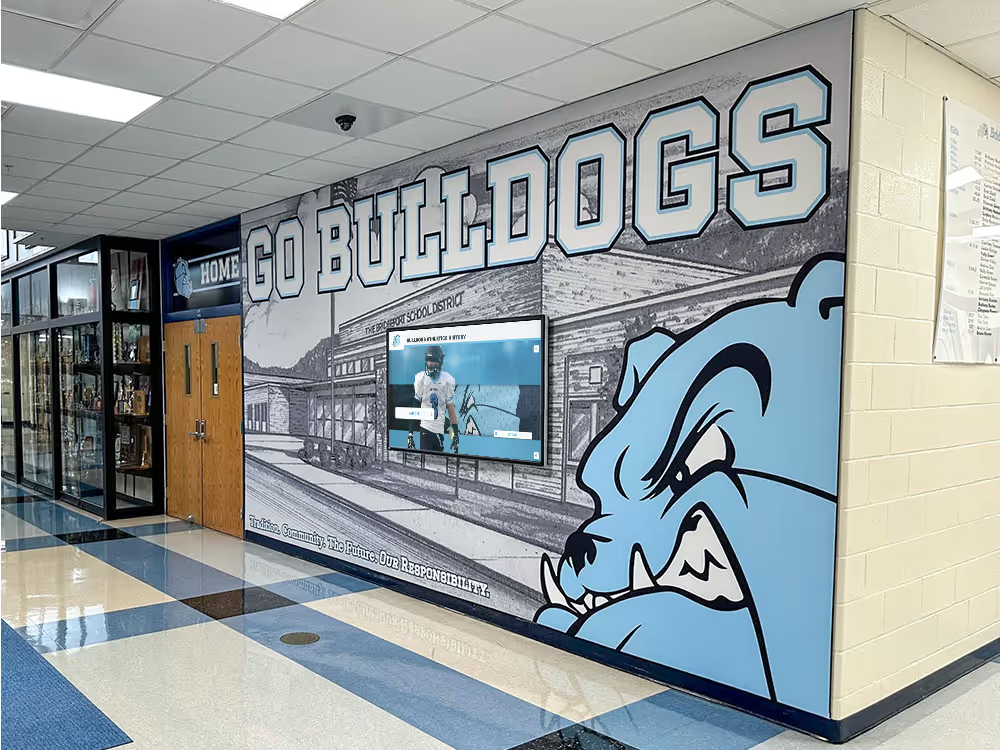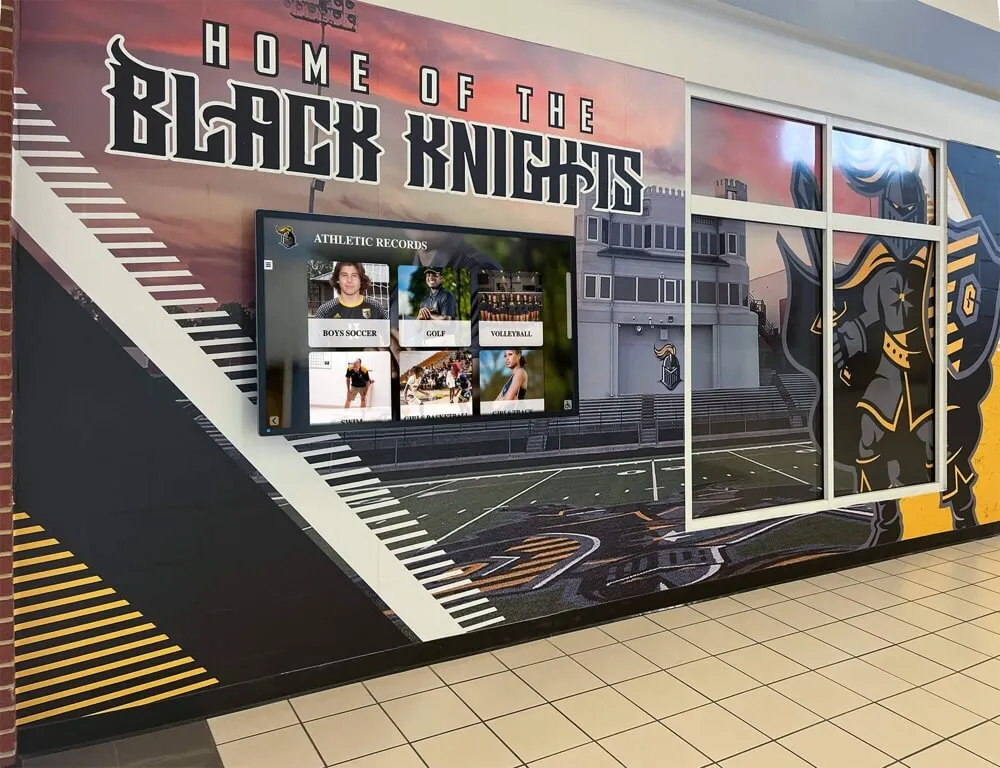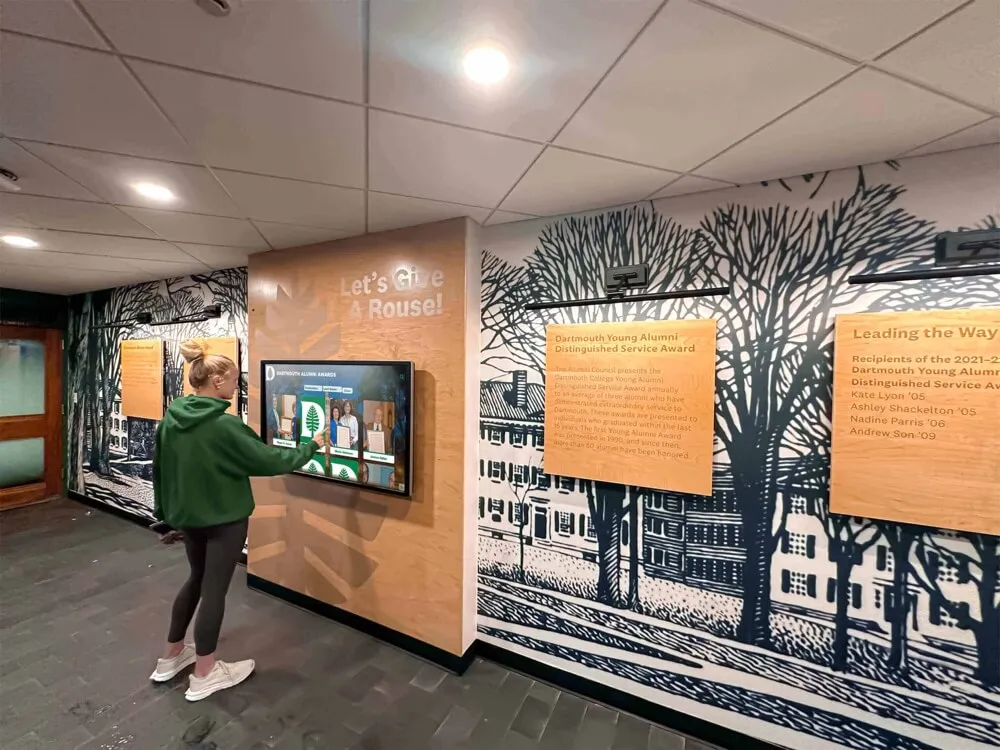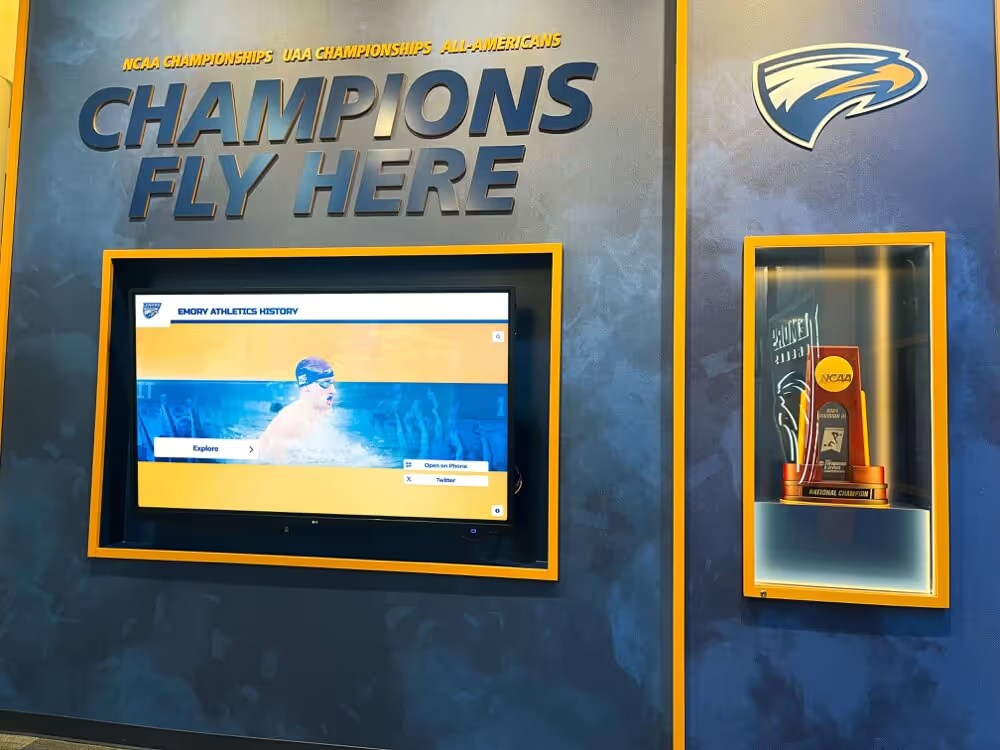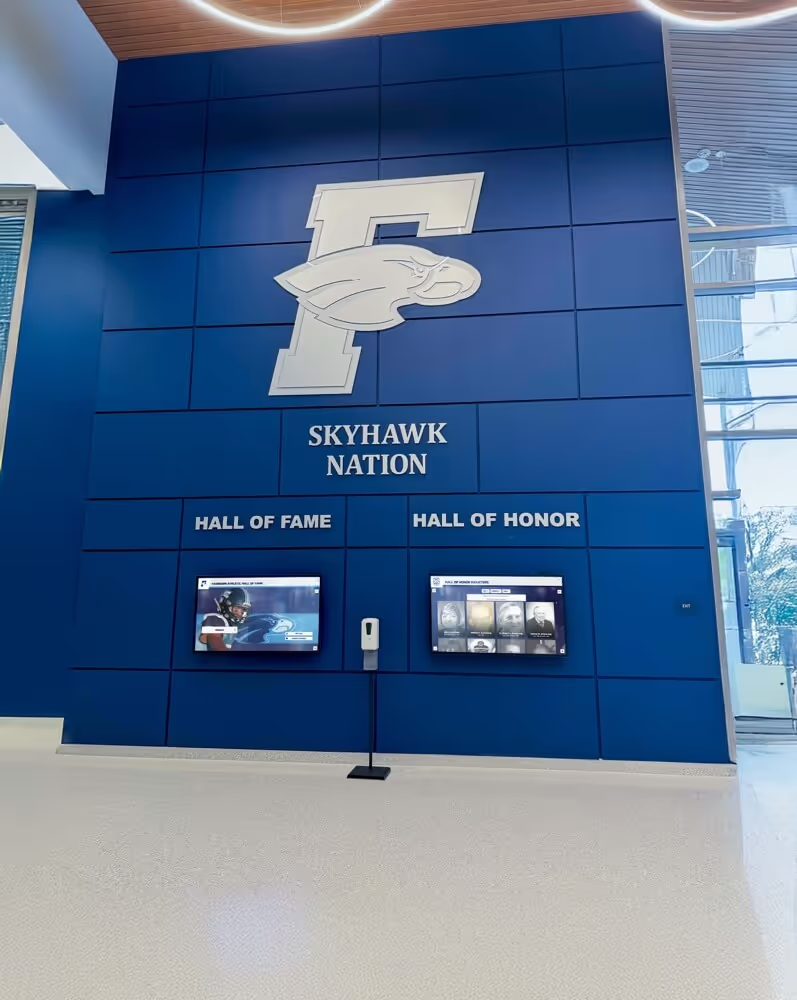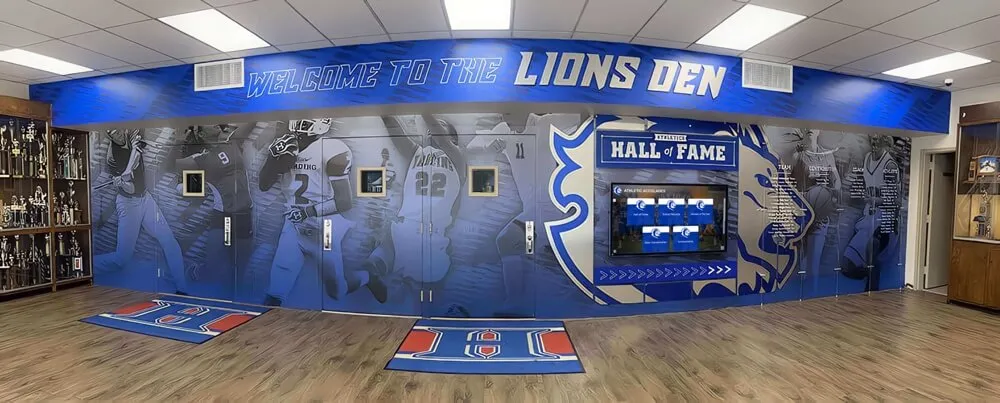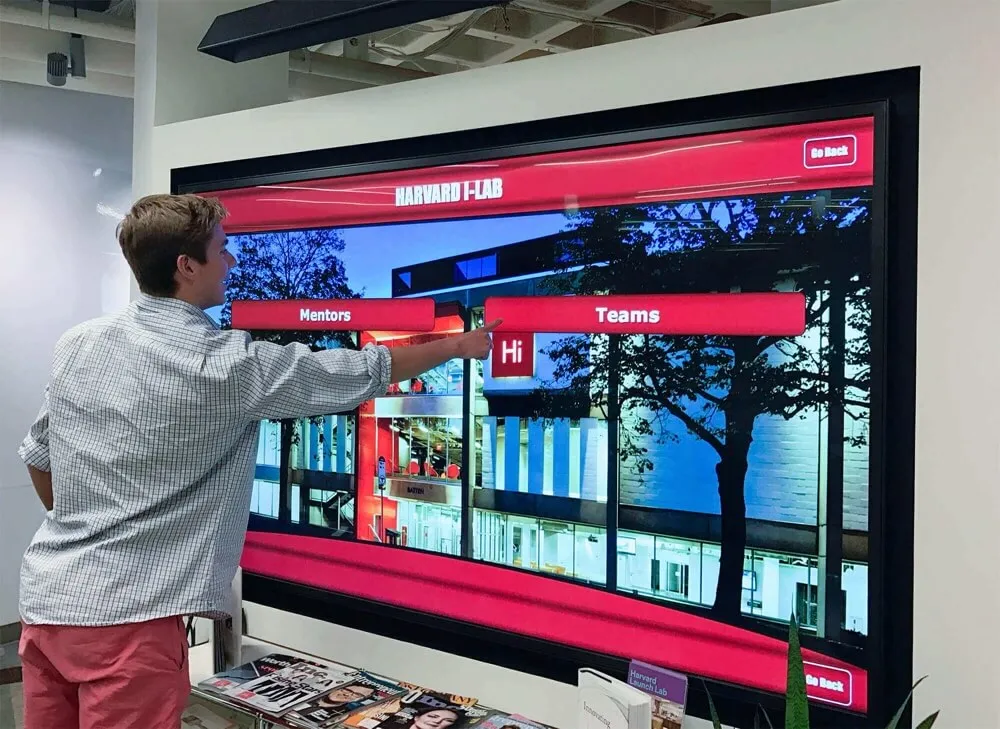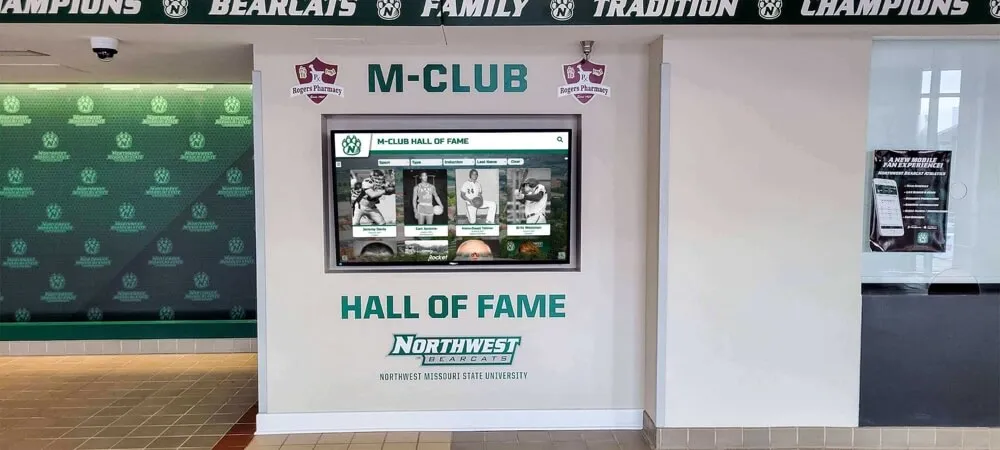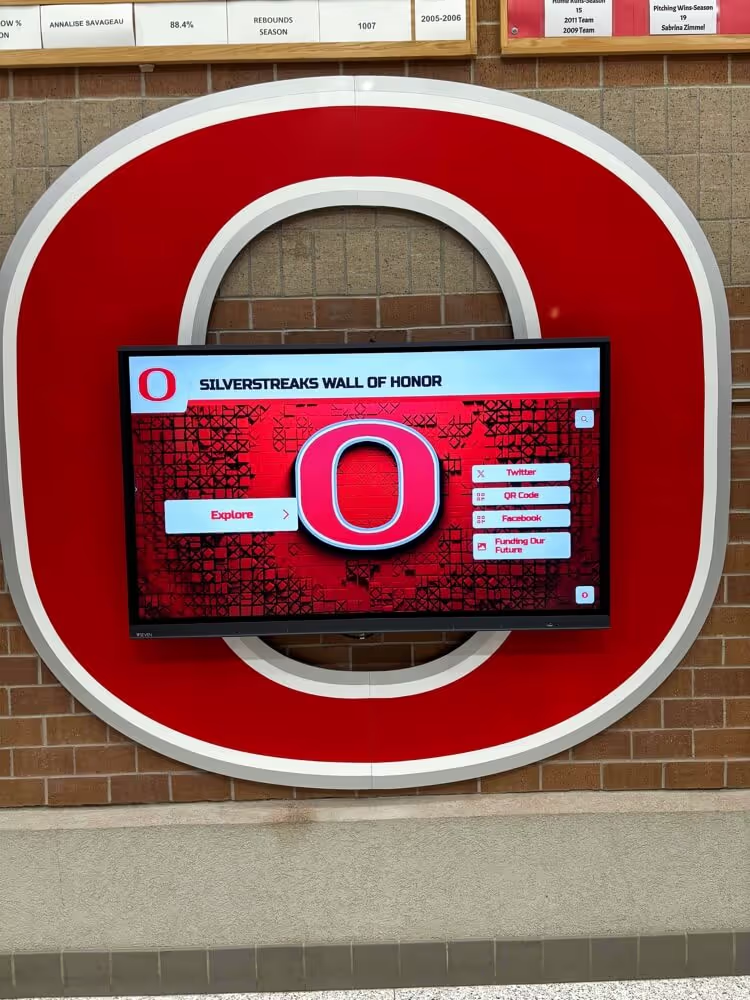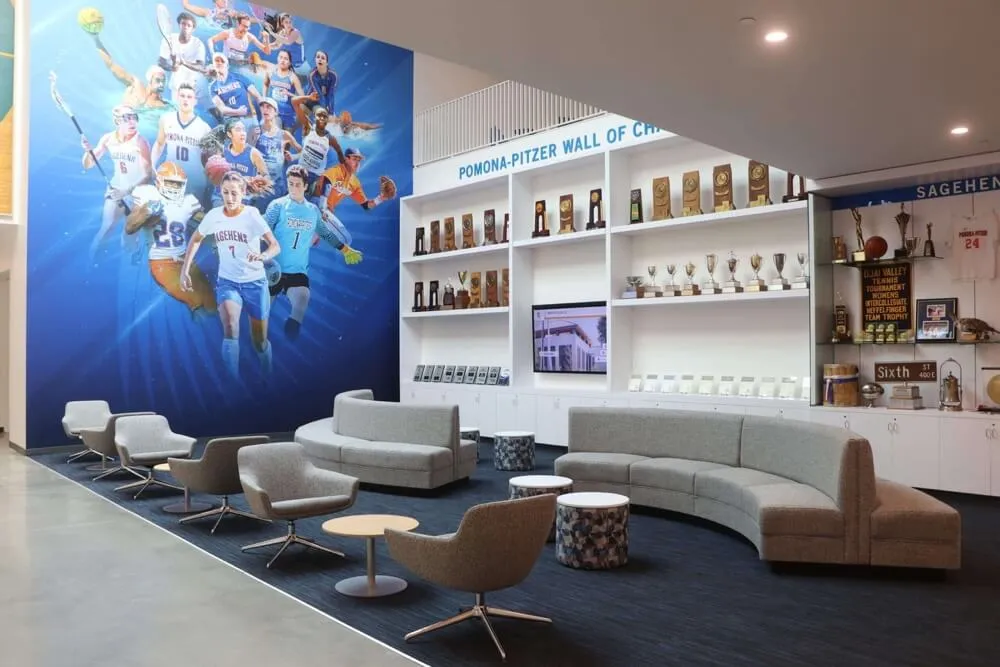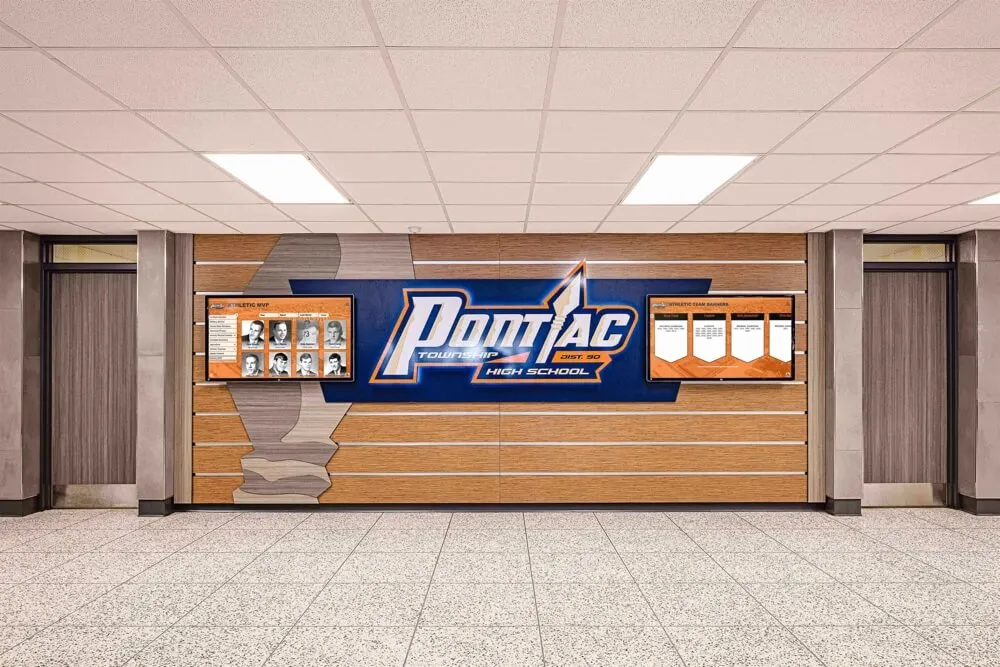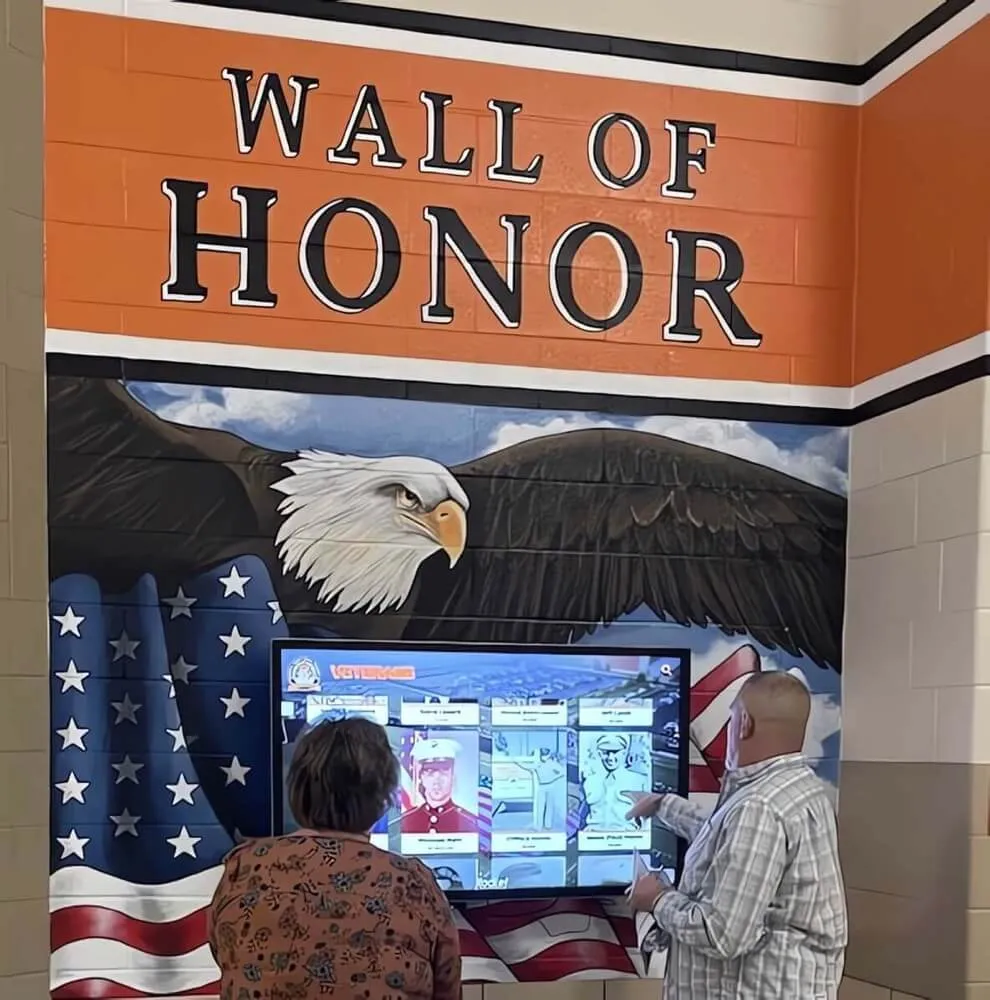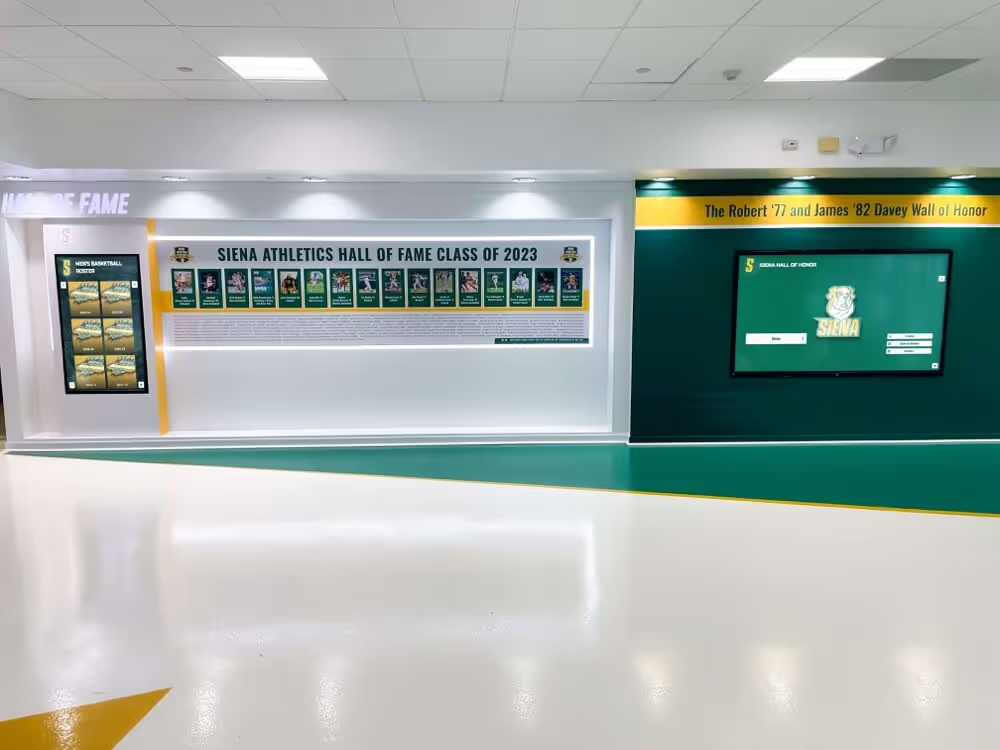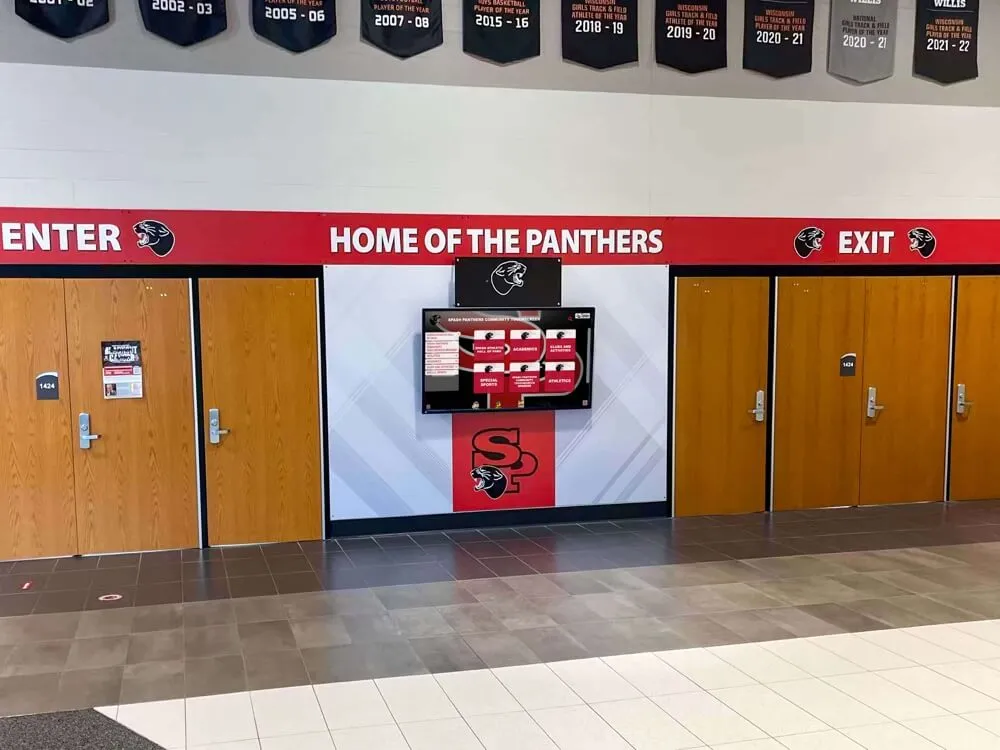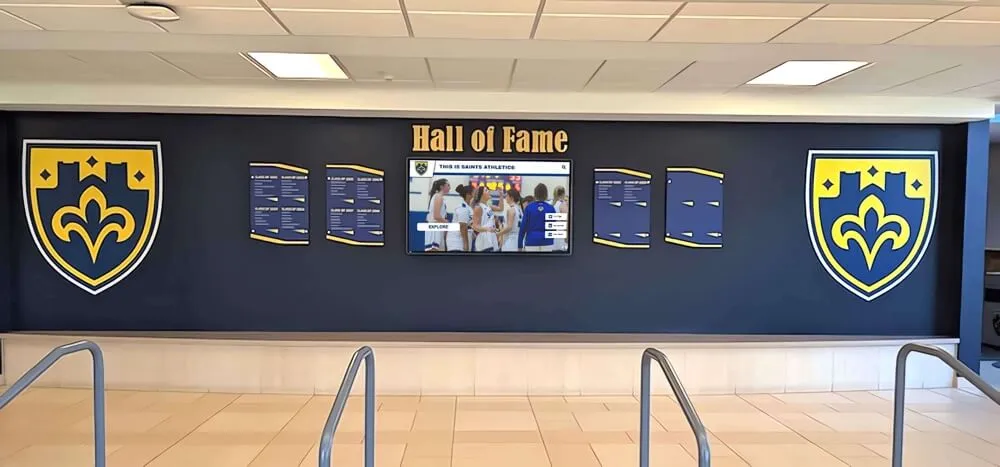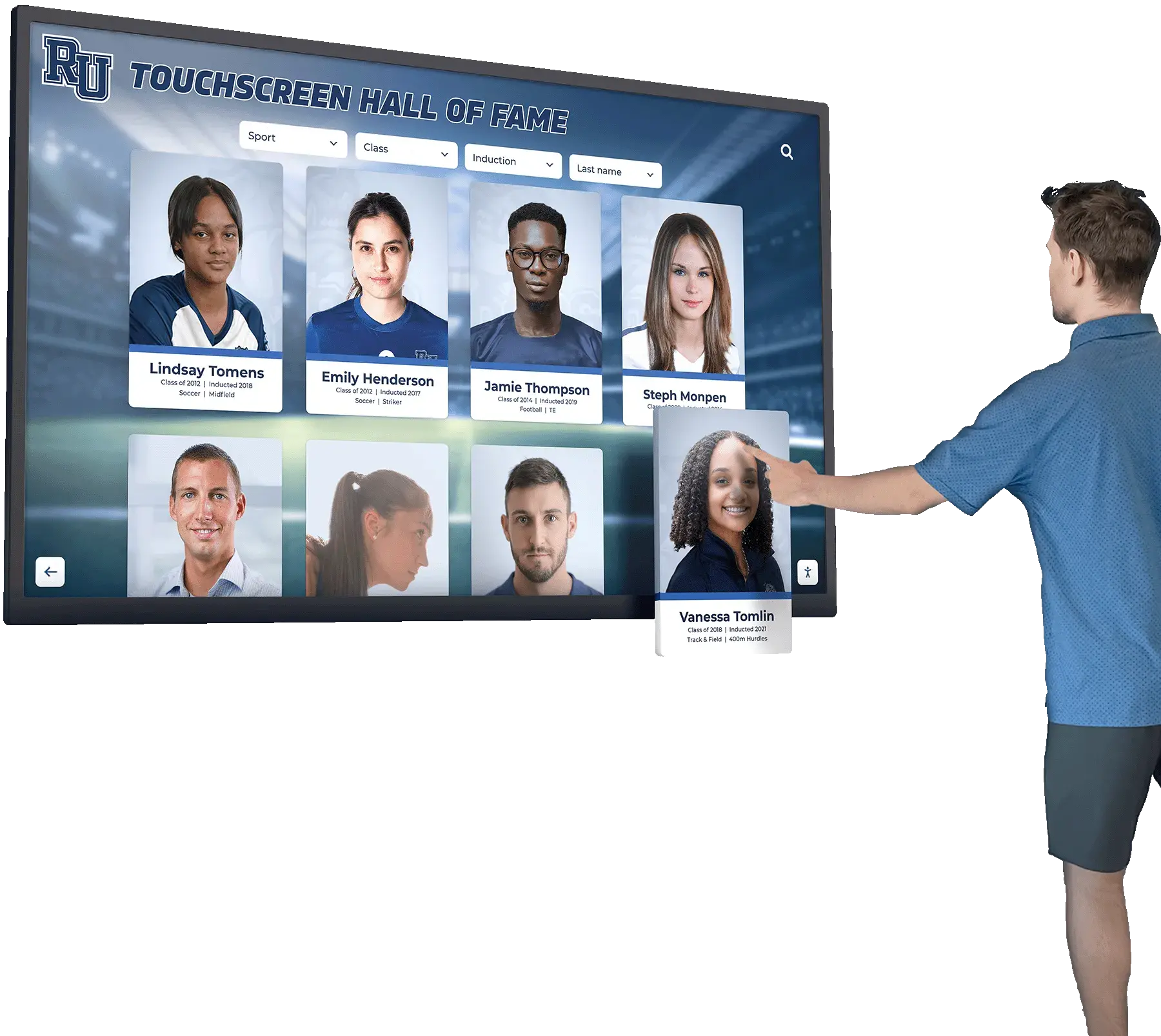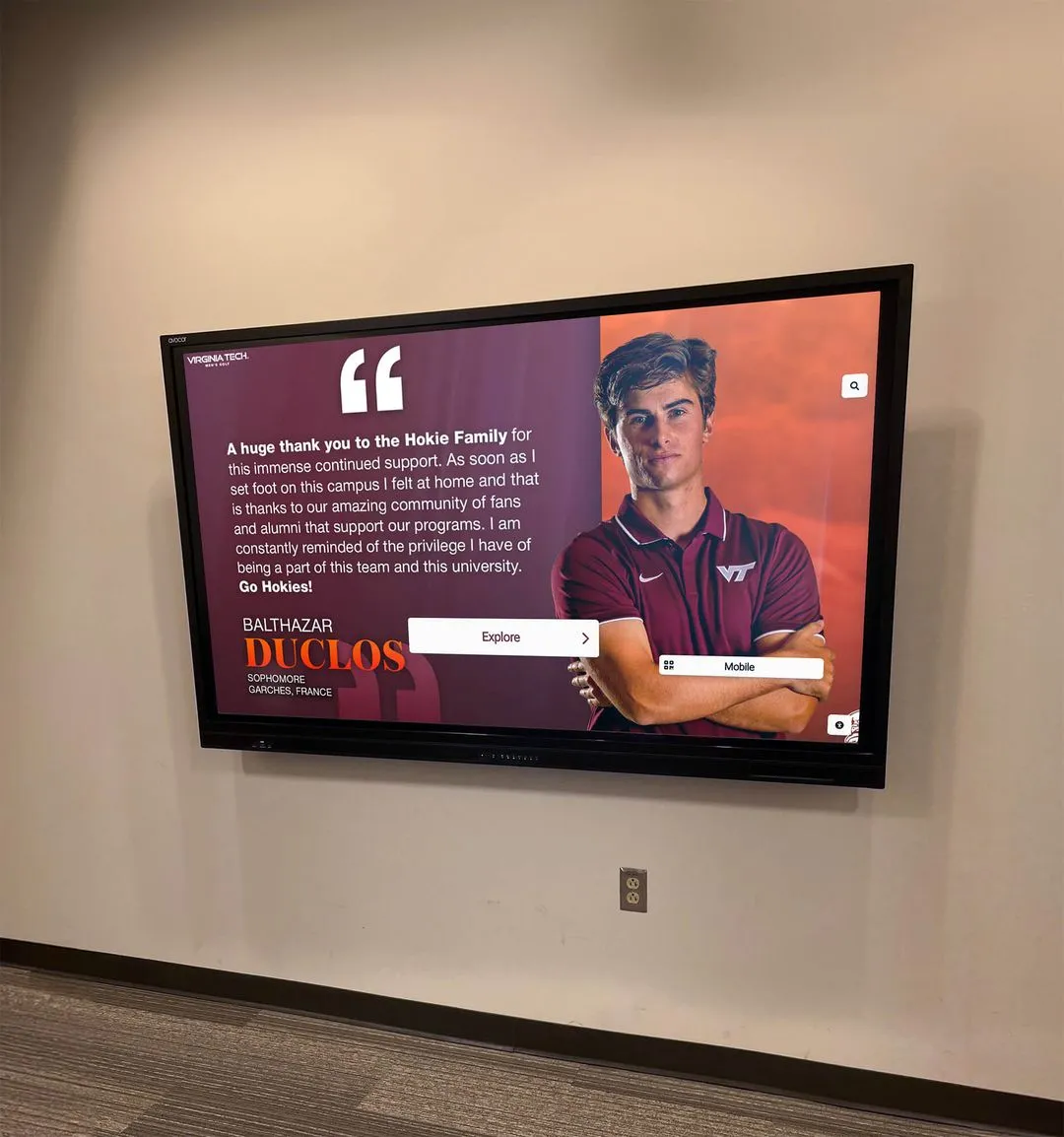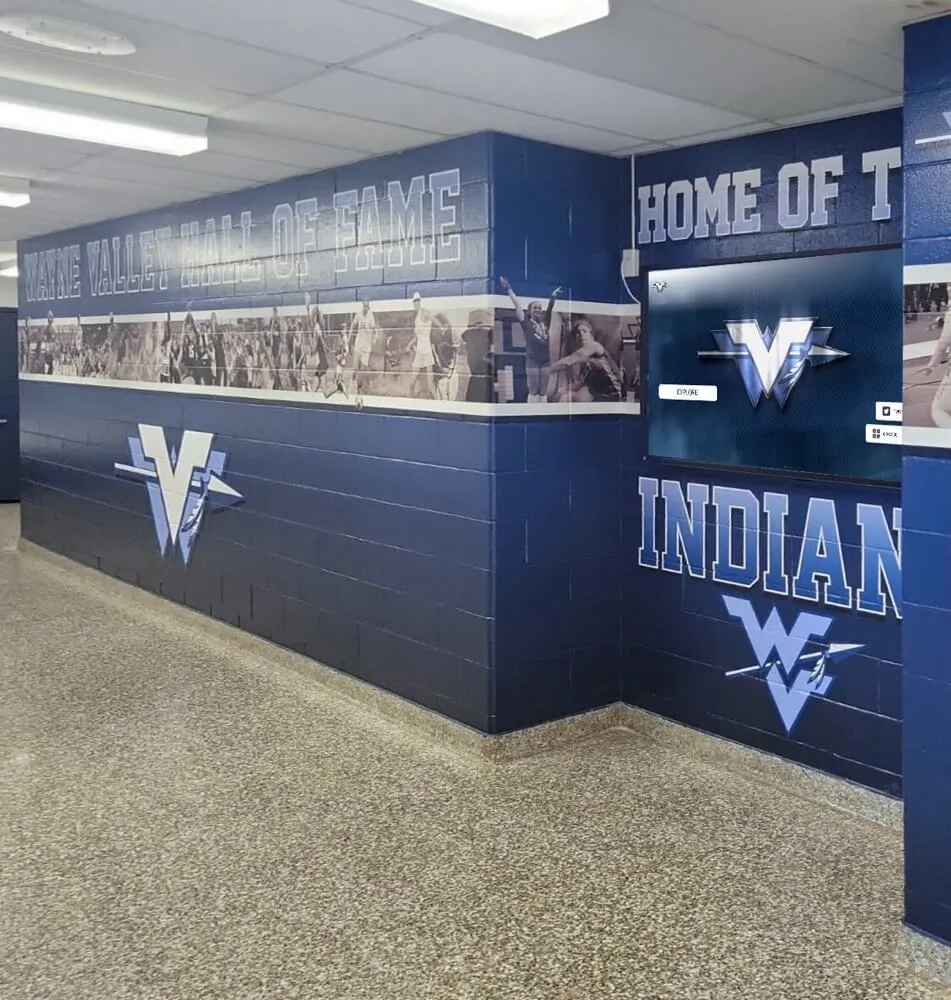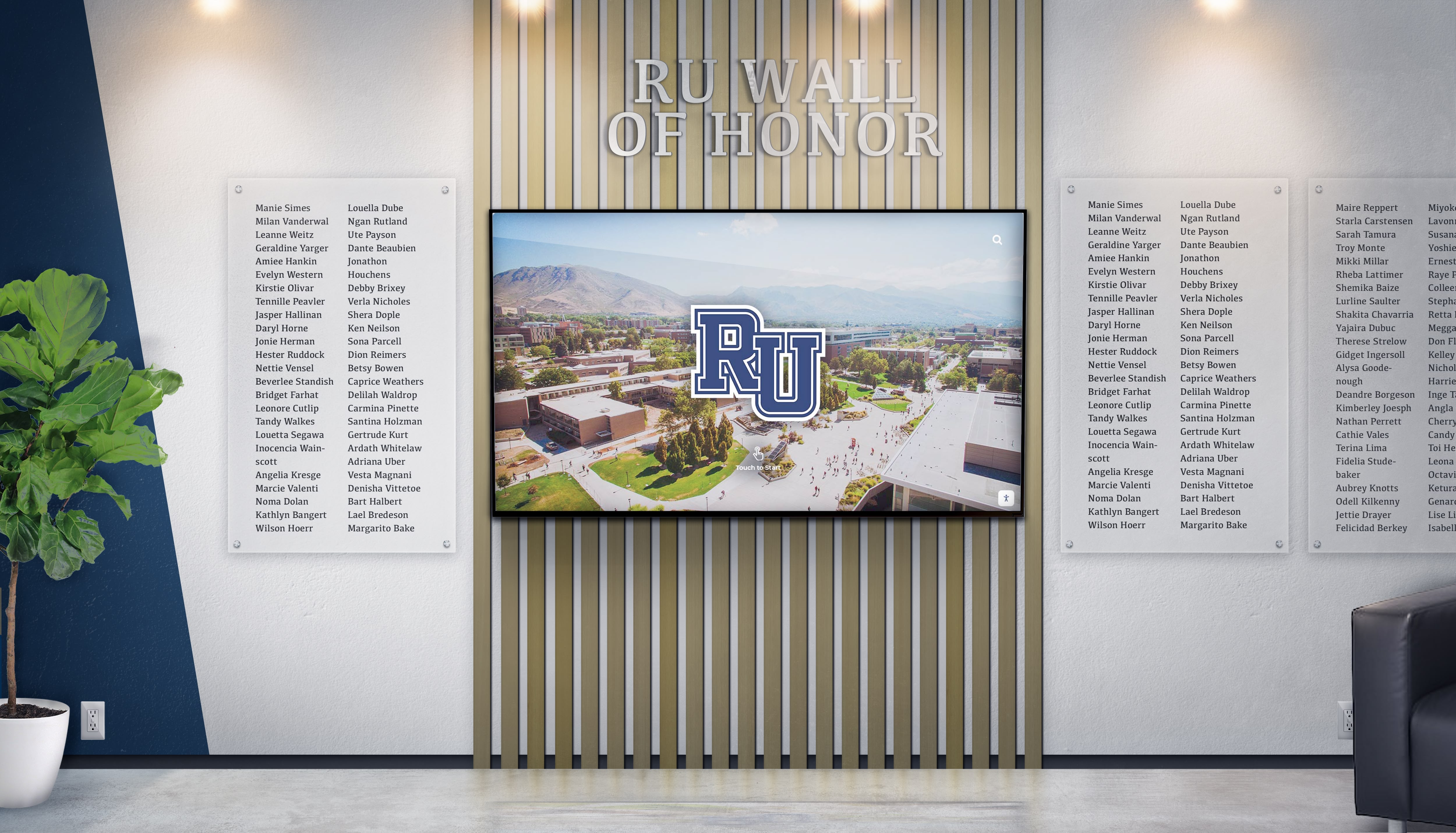
A brick paver donor wall is a fundraising and recognition strategy in which donors purchase engraved bricks that are permanently installed in a school walkway, courtyard, or entrance plaza. Each brick carries a name, message, or tribute—creating a living record of generosity that every student, family member, and visitor walks past daily. When paired with a searchable digital donor display, paver campaigns become a complete recognition system: the physical path tells the story of the community’s commitment, while the digital archive makes every donor discoverable for decades to come.
Read the guide
A planned gift is unlike any other form of generosity a school receives. A donor who includes your institution in their estate plan may never see the endowment fund open a scholarship, witness the renovation their bequest made possible, or walk through a building their estate gift helped construct. That invisibility creates one of the most delicate stewardship challenges in advancement work: how do you honor a gift that hasn’t arrived yet, from a donor who may not be alive to feel your gratitude?
Read the guide
Donor spotlight videos are becoming one of the most powerful stewardship tools in a school advancement team’s playbook—and for good reason. A bronze plaque on a wall conveys permanence; a two-minute video conveys humanity. When donors see their names displayed on a recognition wall, they feel honored. When they see their story told on screen—their voice, their reasons for giving, the students whose lives changed because of their generosity—they feel understood. That distinction is the gap between a one-time gift and a lifetime of philanthropy.
Read the guide
Donor recognition levels shape how supporters experience your capital campaign—long before a single brick is laid or a plaque is installed. The names you assign to your giving tiers signal belonging, legacy, and aspiration to prospects weighing the most significant gifts of their philanthropic lives. For K-12 advancement directors, choosing the right tier names is equal parts strategy and stewardship: get them right, and your gift chart fills from the top down; default to generic labels, and major-gift conversations start with convincing donors the opportunity is worth their stretch.
Read the guide
For four years — or two, or one, depending on when a student found their way into student government — SGA leaders managed budgets, negotiated with administrators, organized elections, planned school-wide events, and gave up evenings and weekends to do work that most of their peers never noticed. An SGA senior recognition night is the institution’s formal answer to that sacrifice: a dedicated ceremony that says, clearly and publicly, your service here mattered and we are not going to let you walk out the door without everyone knowing it.
Read the guide
Dance teams carry costs that most bystanders never see. Before a single performance, a team has already spent on new costumes, competition registration fees, choreography contracts, studio rentals, travel, lodging, and the specialized shoes that wear out faster than any coach expects. School budgets rarely cover these fully, and the gap falls squarely on families, boosters, and community supporters who believe the program is worth fighting for.
Read the guide
Walk through the commons of almost any high school or university and you are likely to find a board somewhere near the main office bearing a column of names stretching back decades: student body presidents, SGA officers, class representatives who gave up lunch periods and weekends to run spirit weeks, manage budgets, and advocate for their peers. That board—often a simple laminated list or a rotating set of plaques—is doing something important. It is telling every student who passes it that leadership here has a name, that service is remembered, and that the institution honors people who showed up to do the work.
Read the guide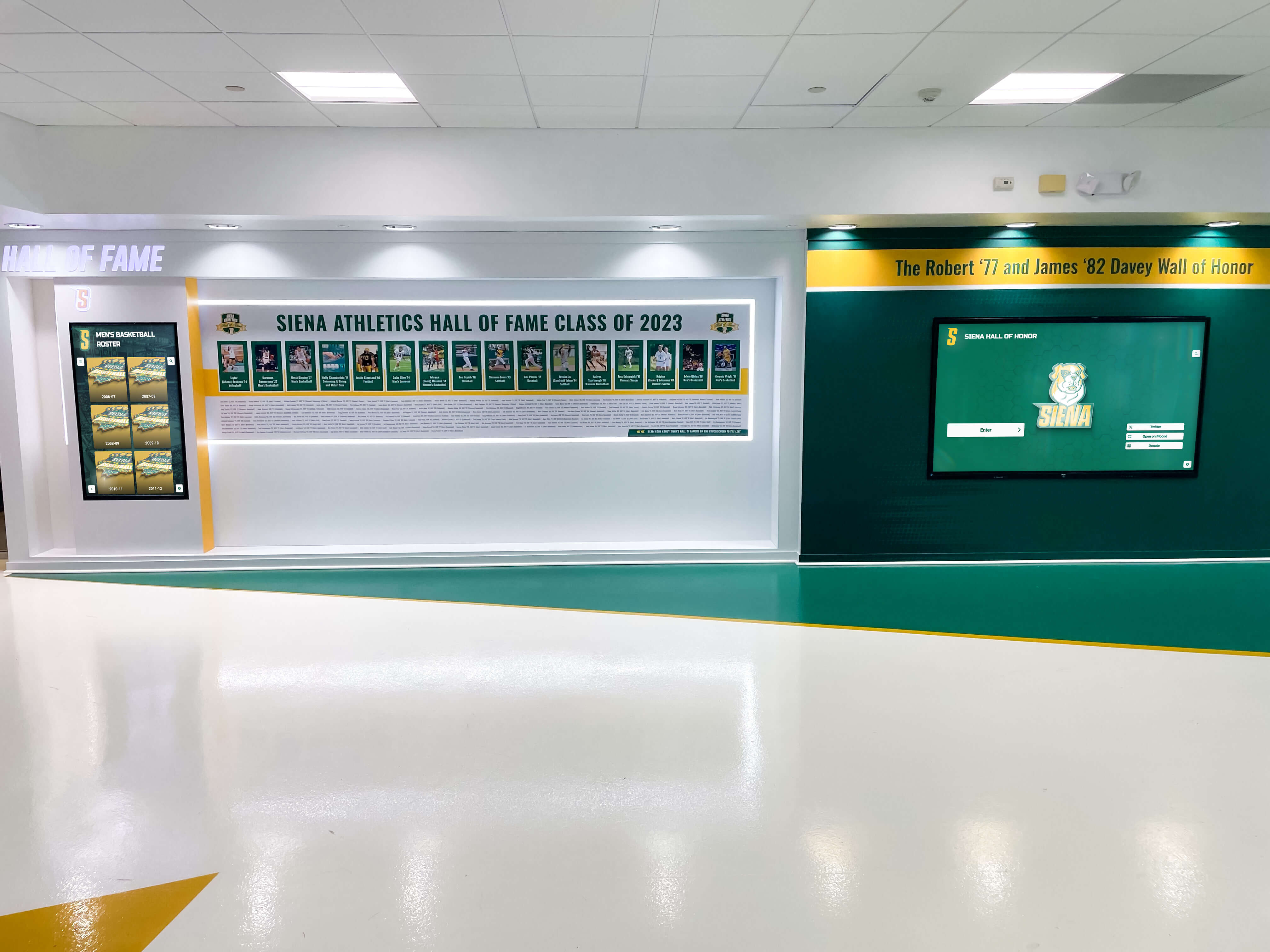
Every spring, graduating classes across the country gather to celebrate students who spent years earning the highest academic honors their school can bestow. Among those honored, few positions carry as much tradition, prestige, and personal significance as the salutatorian. Standing at the front of a packed auditorium, a salutatorian represents not just individual brilliance but the collective academic aspirations of an entire class. Yet despite the honor’s long history, many students, parents, and even educators find themselves wondering: what is a salutatorian, exactly, and how does this distinction differ from related honors like valedictorian?
Read the guide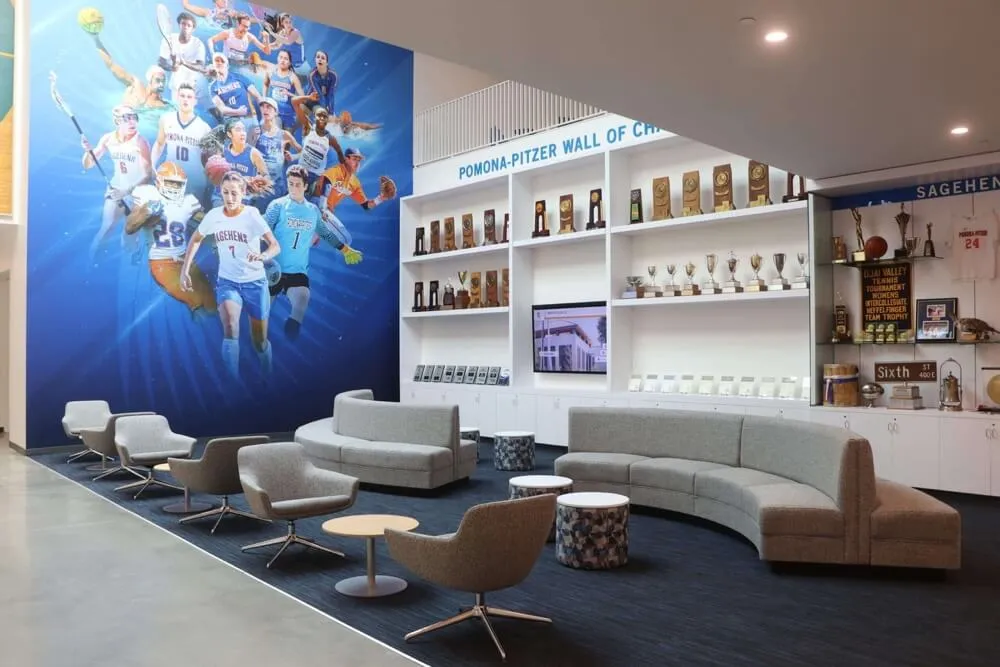
Every school with a sports program has a story worth telling—championship teams from decades past, record-breakers whose names still echo in the gymnasium rafters, coaches who shaped hundreds of young athletes, and alumni who went on to remarkable careers inside and outside of sport. An athletic alumni reunion is one of the most powerful ways to gather those people back together, honor what they accomplished, and remind current students why the program they compete in means something.
Read the guide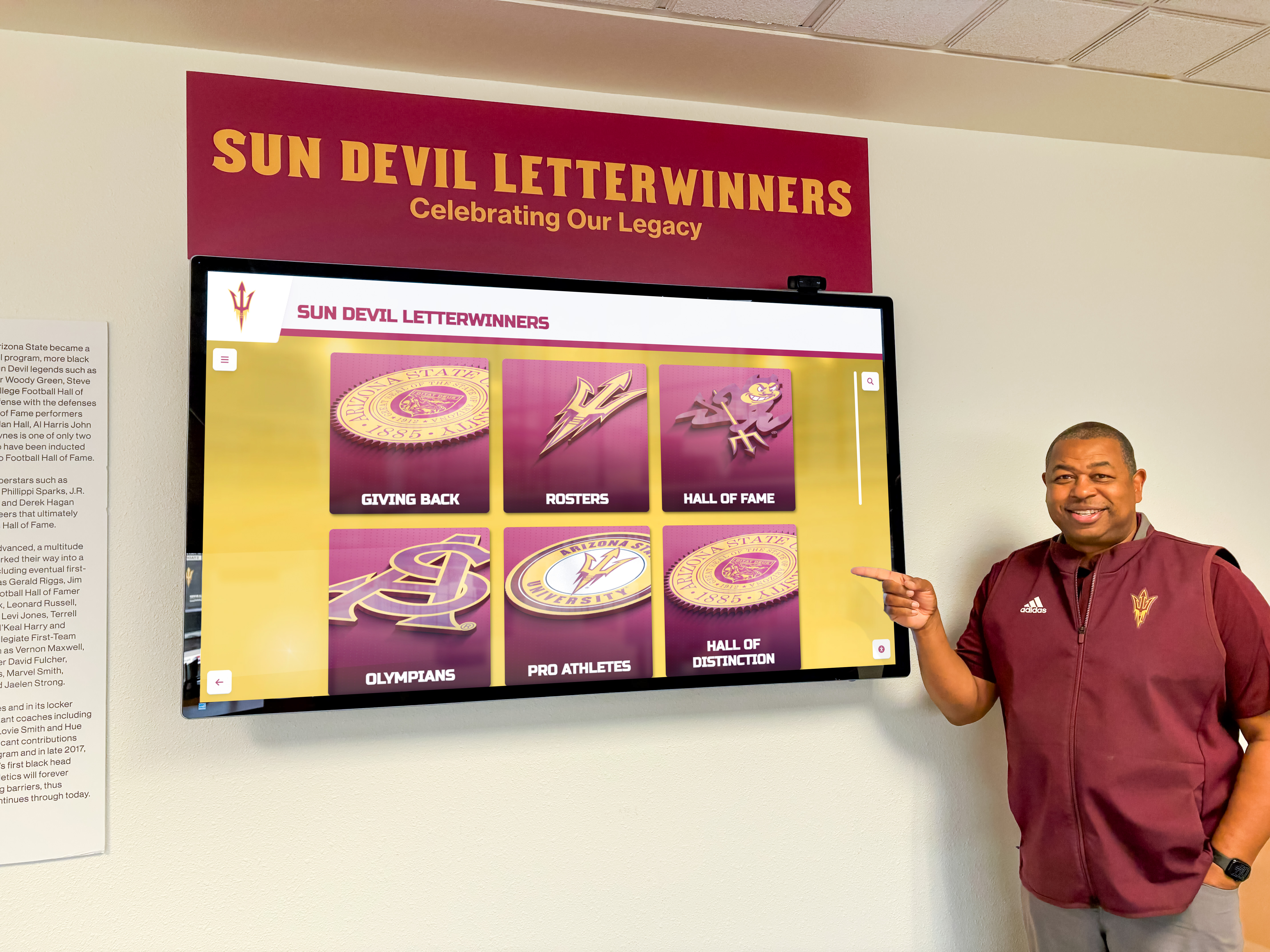
Every school has them—former athletes who excelled in your gymnasium, on your fields, and in your pool, then graduated and quietly drifted away from the institution that shaped their competitive spirit. They’re now coaches, executives, physicians, and community leaders. Many would eagerly give back if asked the right way. Building a deliberate athletic alumni network closes the gap between these accomplished graduates and the programs that forged them, creating pipelines for mentorship, recognition, and long-term institutional support that benefit everyone from today’s student-athletes to your next capital campaign.
Read the guide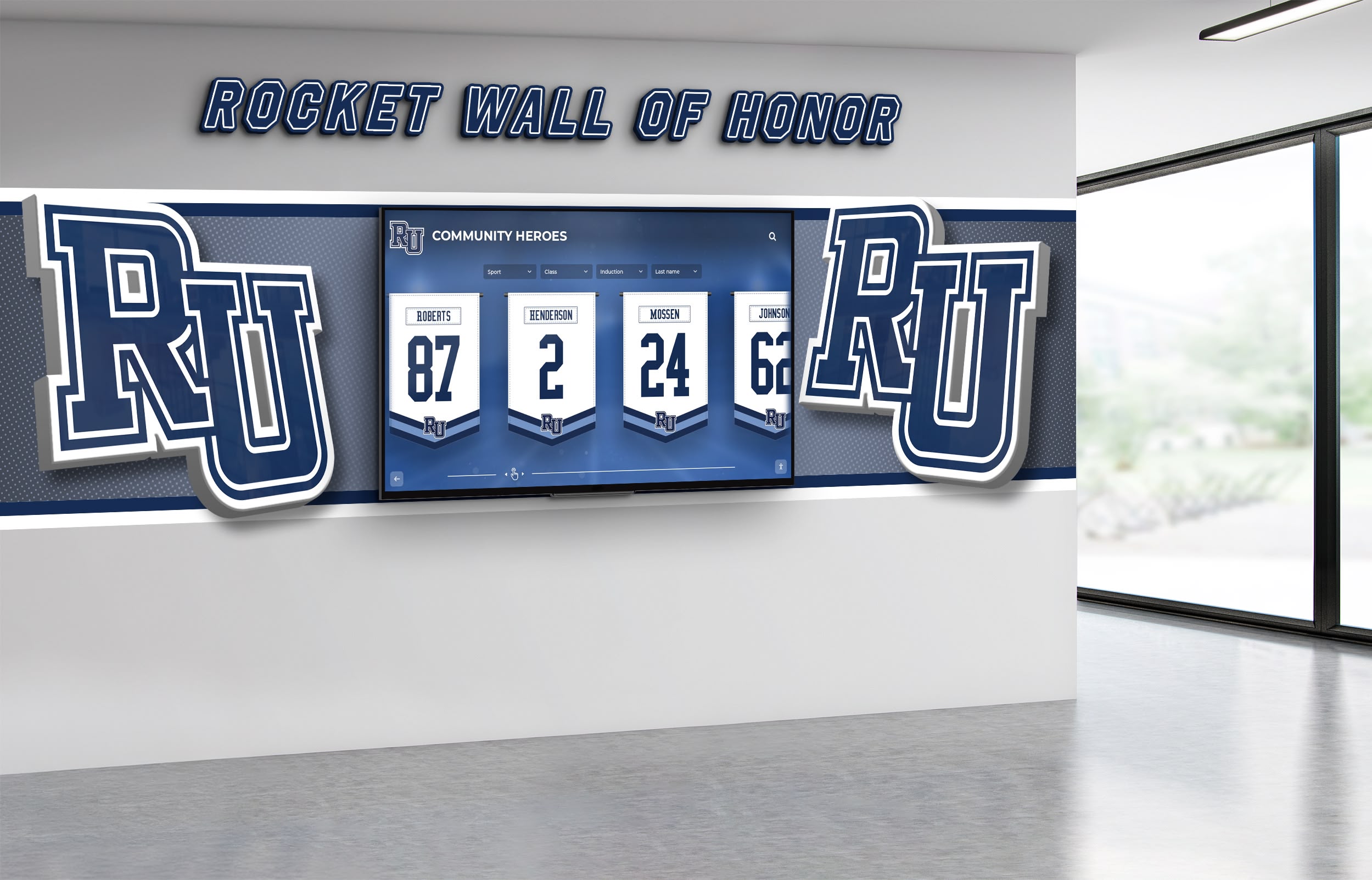
The moment a graduate opens your high school reunion invitation, they make an instant emotional decision: Is this worth my time? That split-second judgment shapes everything—whether they RSVP, whether they donate, and whether they walk through the door ready to reconnect with their alma mater or merely showing up out of obligation. Getting the wording right, the timing right, and the donor-engagement hooks right makes the difference between a reunion that fills the gym and one that fizzles.
Read the guideEvery high school athletic program depends on a community that shows up—not just in the stands on game night, but throughout the year when equipment needs replacing, uniforms need updating, and travel budgets run short. Booster club fundraisers are the engine that keeps those programs running, and the difference between a booster club that scrapes by and one that thrives often comes down to a handful of high-impact ideas executed with consistency and community buy-in.
Read the guideEvery school corridor, hospital lobby, and nonprofit headquarters is a potential stage for your most important story: the one about the people whose generosity made your mission possible. A well-designed donor wall tells that story permanently, publicly, and powerfully—turning every passerby into a witness to the philanthropic culture your organization has built.
Read the guideHigh school alumni carry decades of loyalty, nostalgia, and community pride—yet most development offices treat them as an afterthought compared to current parents and corporate sponsors. That’s a missed opportunity. Reunions create rare windows when graduates are emotionally primed to give: they’re standing in the halls where they made their closest friendships, watching the same games that shaped their identity, and feeling the pull to ensure future students receive the same experience.
Read the guide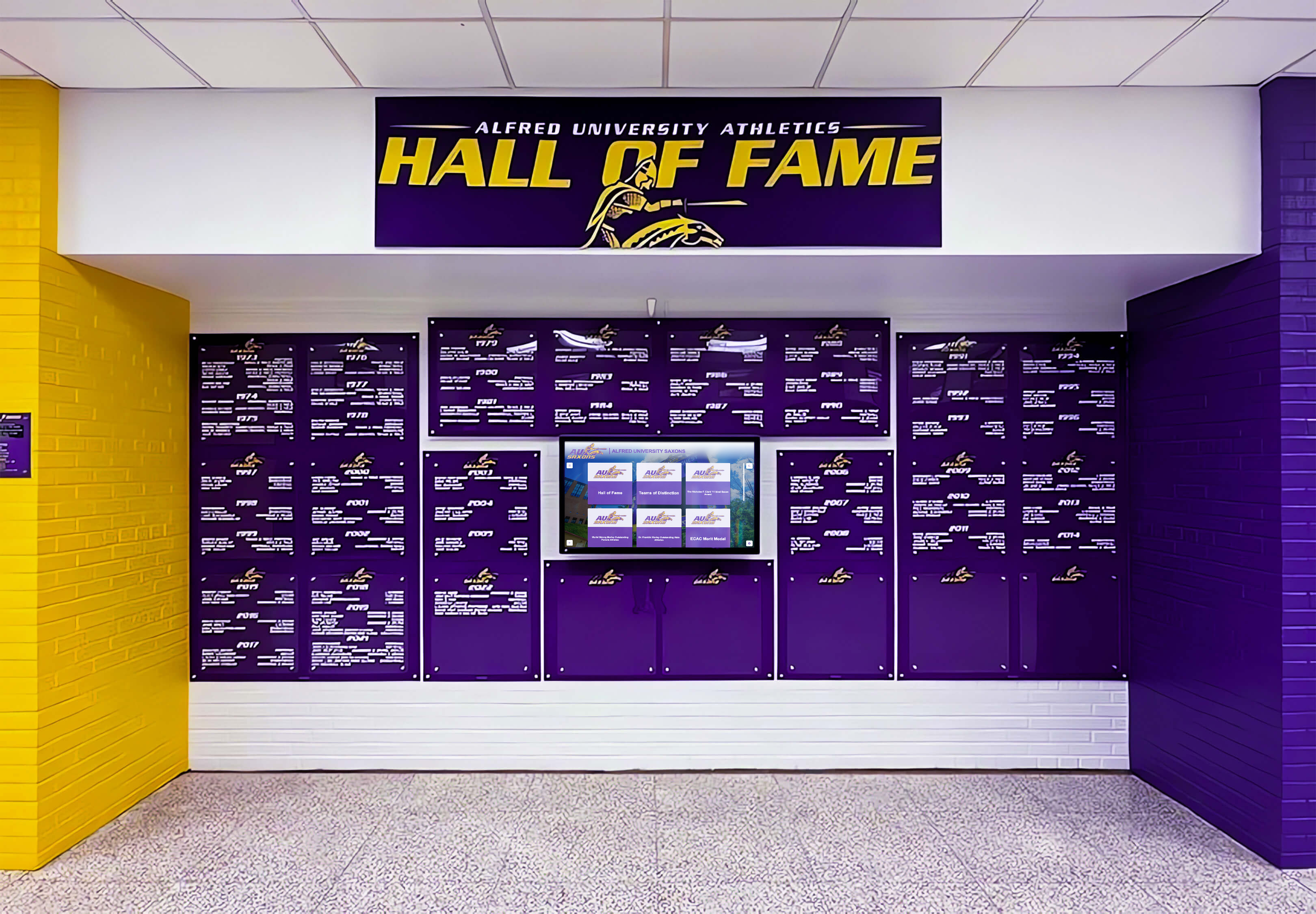
A coach’s influence reaches far beyond win-loss records. The mentor who pushed athletes past comfortable limits, the tactician who built a dynasty from an underdog program, the leader whose locker room lessons carried students through careers, relationships, and life challenges for decades—these are legacies that deserve more than a banquet plaque gathering dust in a storage room.
Read the guideEvery school has students who live and breathe visual art — filling sketchbooks between classes, staying late in the studio, and approaching every project with a level of dedication that goes far beyond a grade. The National Art Honor Society (NAHS) exists to identify and celebrate those students: the young artists who combine technical skill, creative vision, and genuine passion in ways that deserve public recognition alongside any academic or athletic achievement.
Read the guide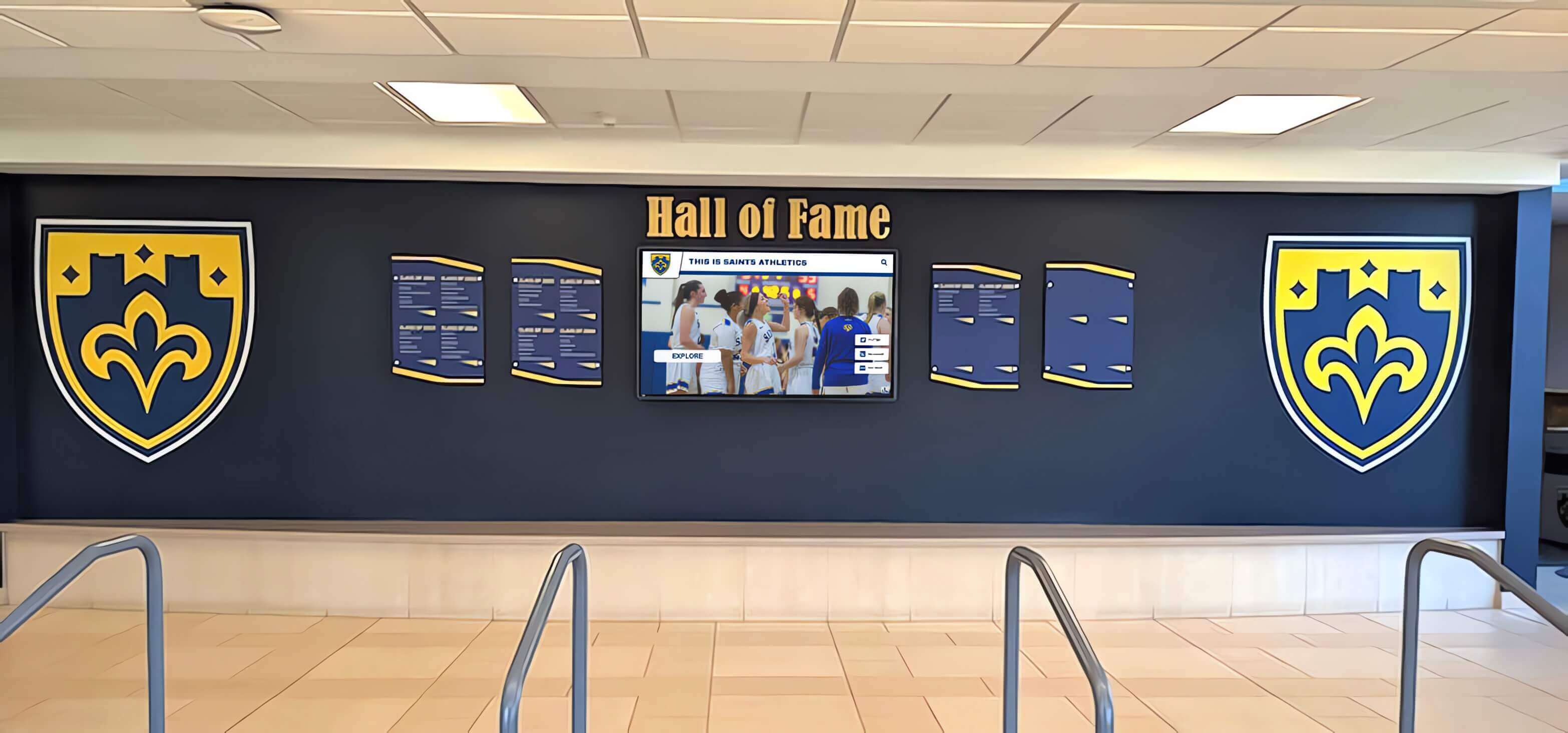
Finding effective school fundraising ideas is only half the challenge. The real test is building systems where donors feel seen, celebrated, and motivated to give again next year. Too many schools raise money through one-off events, thank supporters with a generic letter, and then wonder why the same families give smaller amounts the following cycle.
Read the guideSchool advancement offices run on two currencies: money and trust. Capital campaigns close, gala tables sell out, and annual fund mailers produce solid returns—yet many development teams watch their donor retention rates hover around 40 to 50 percent, quietly bleeding relationships that took years to build. The culprit is rarely a failed solicitation strategy. It is what happens (or doesn’t happen) between the gift receipt and the next ask.
Read the guide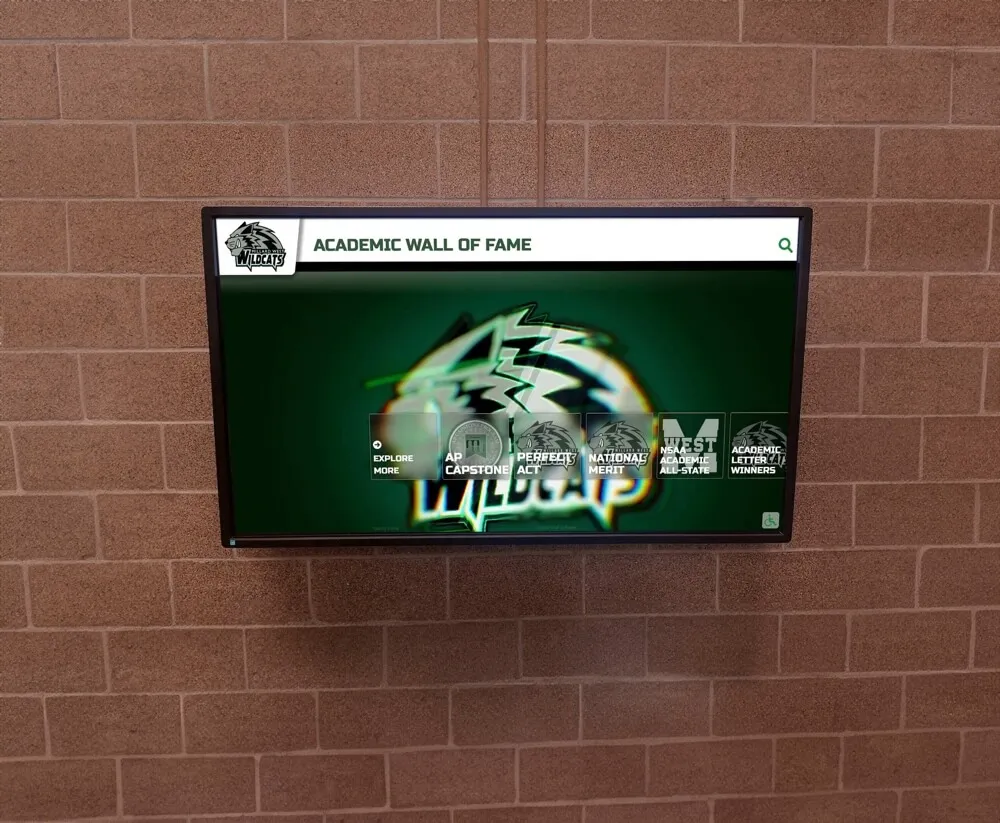
Model United Nations—better known as Model UN or MUN—is one of the most transformative academic experiences available to middle school, high school, and college students worldwide. At its core, Model UN asks students to step into the shoes of diplomats representing United Nations member states, debating real-world issues, building coalitions, and drafting resolutions that propose solutions to global challenges.
Read the guide
Thoughtful donor appreciation gifts strengthen the relationship between educational institutions and their supporters, transforming one-time contributors into lifelong advocates for your mission. Whether honoring a major gift that funds a new athletic facility, recognizing annual fund donors who give consistently year after year, or thanking volunteers who dedicate countless hours to your cause, the right appreciation gift communicates genuine gratitude while reinforcing the meaningful impact of their support.
Read the guide