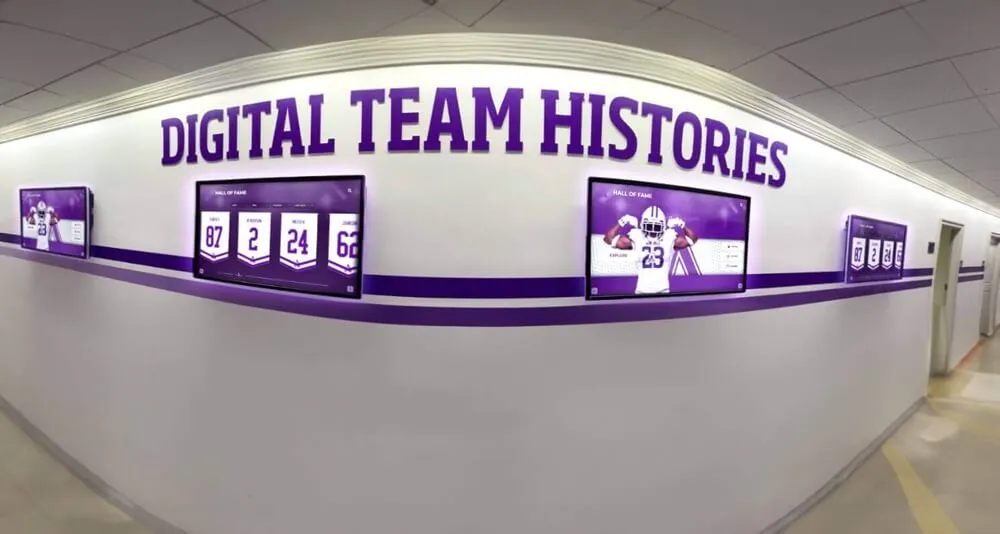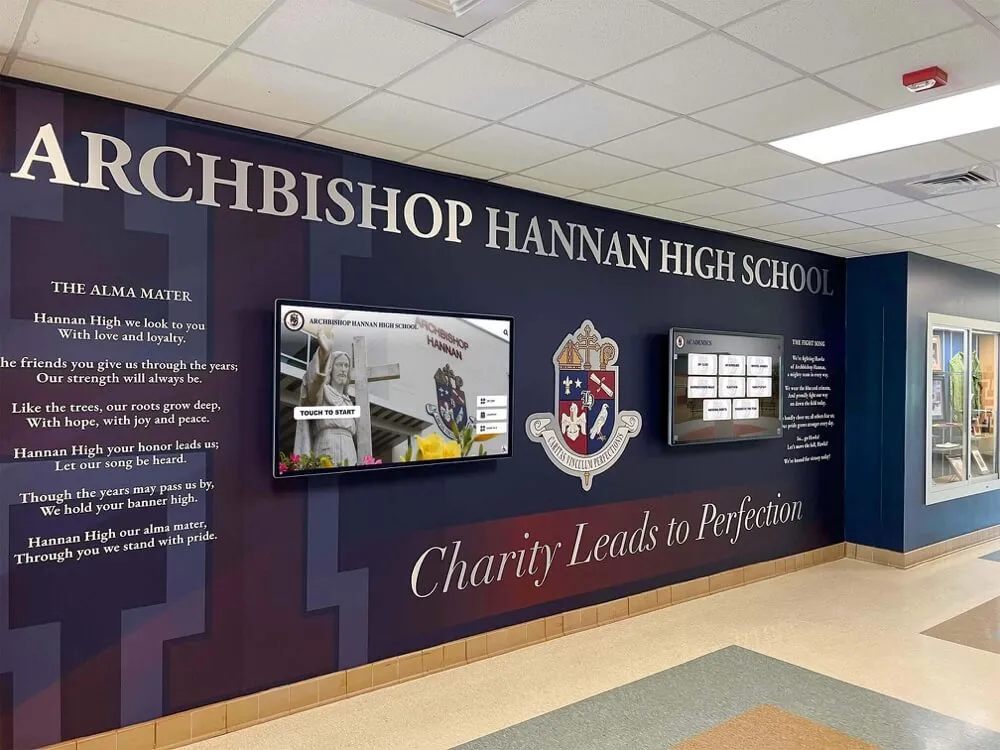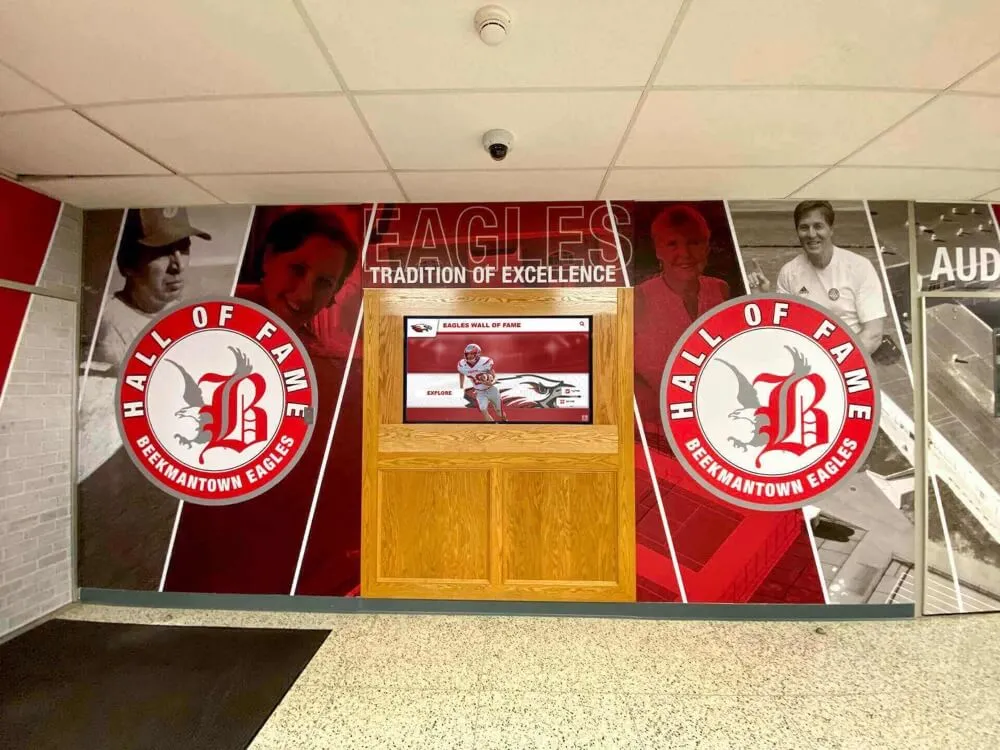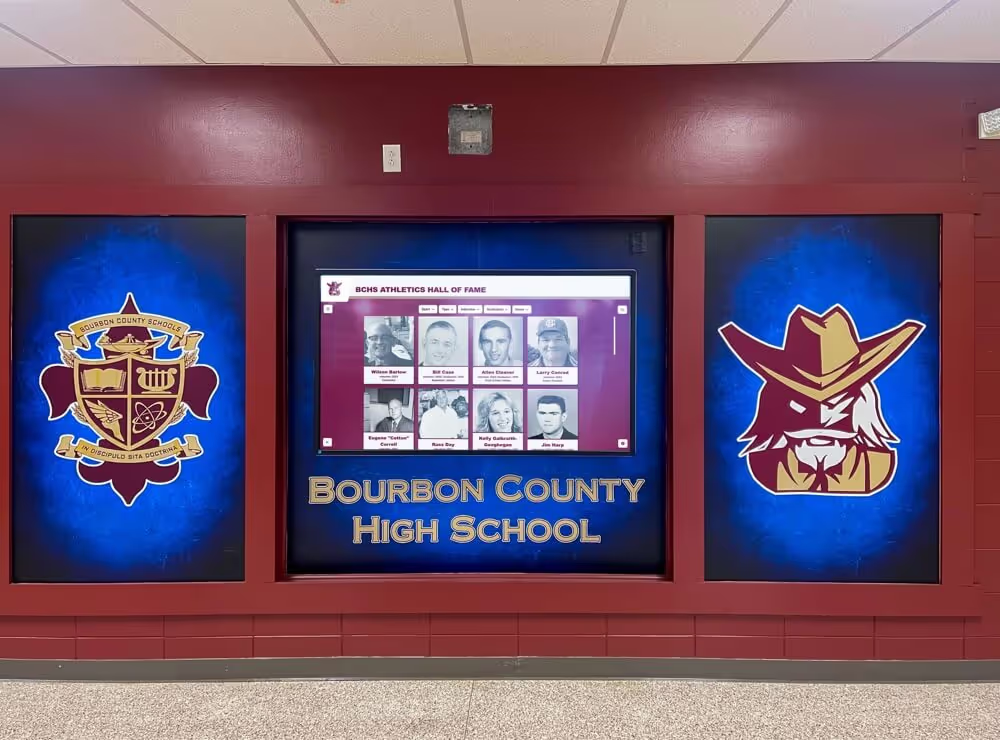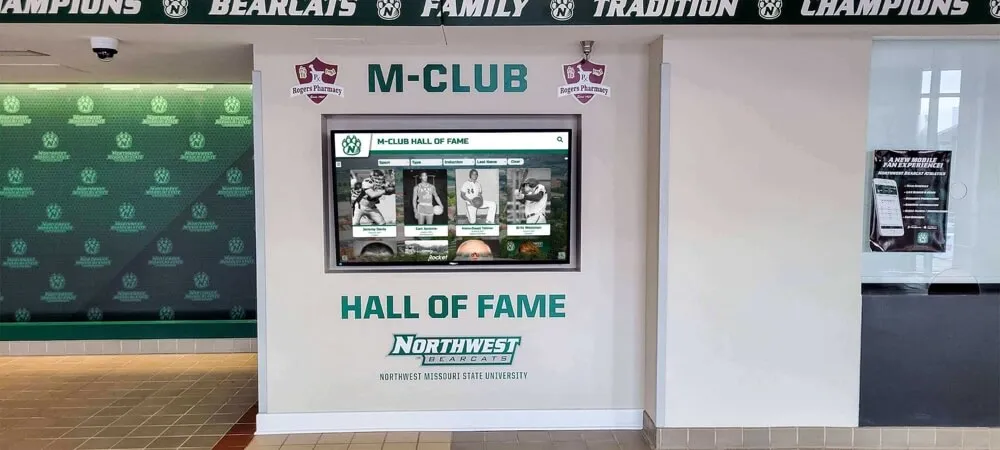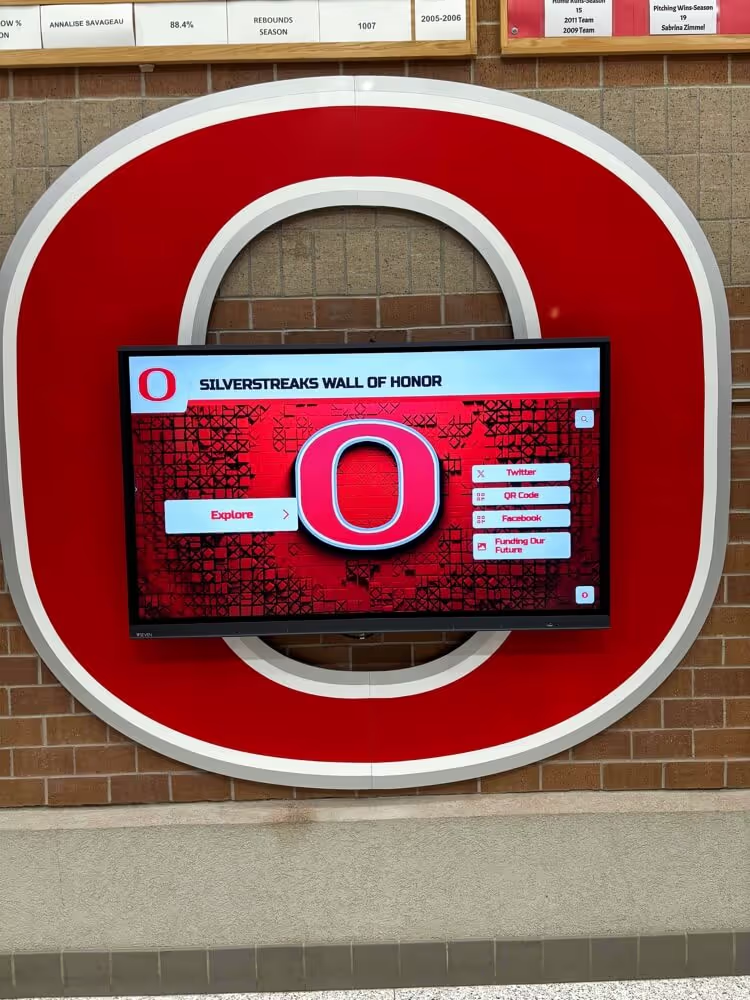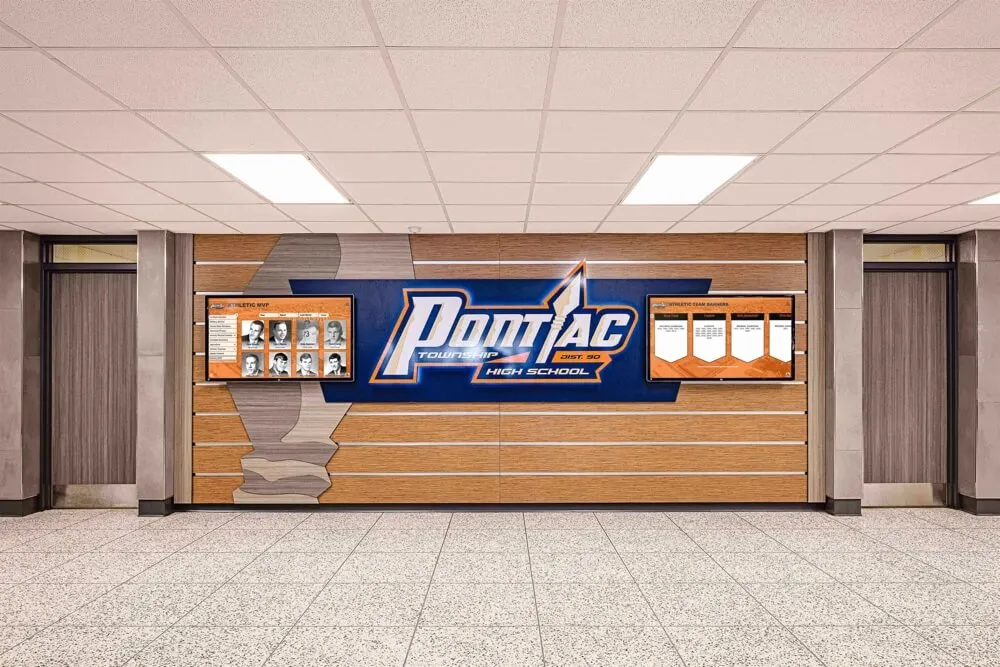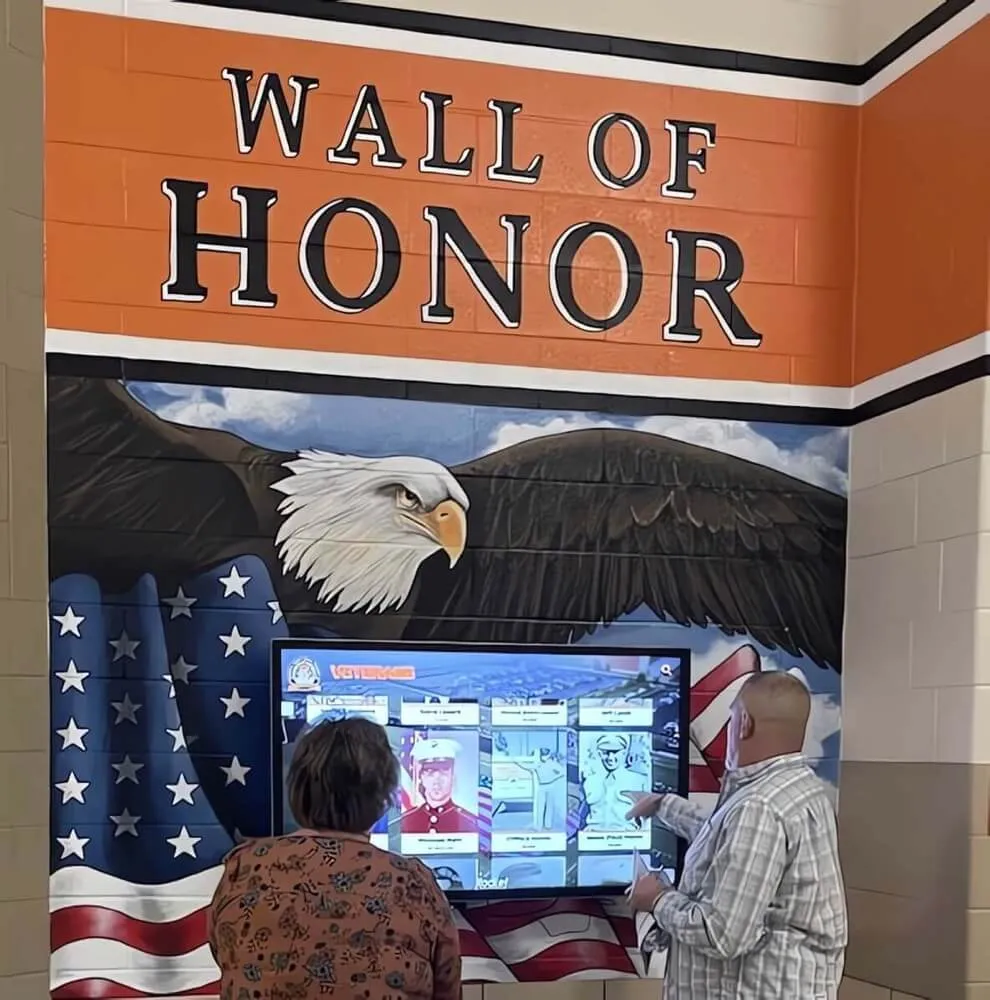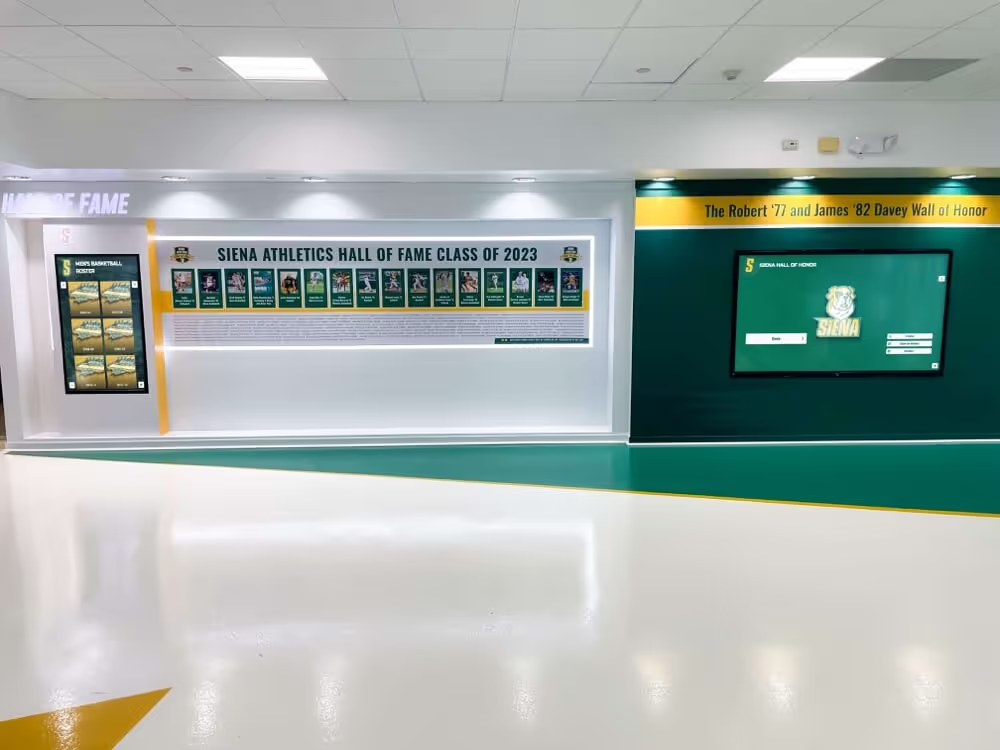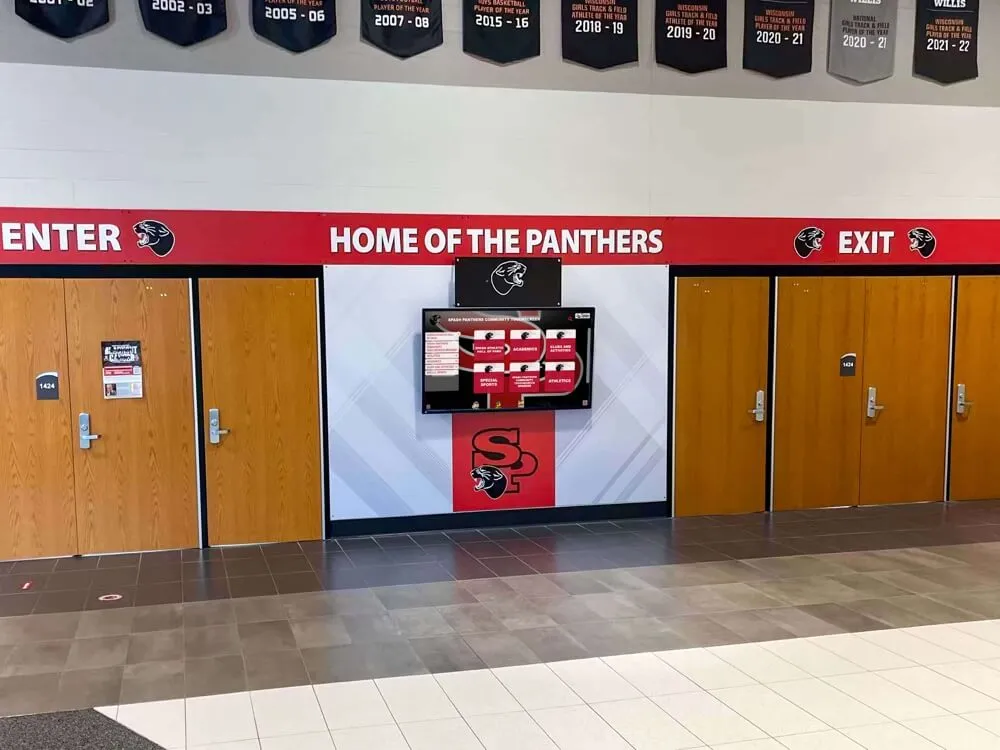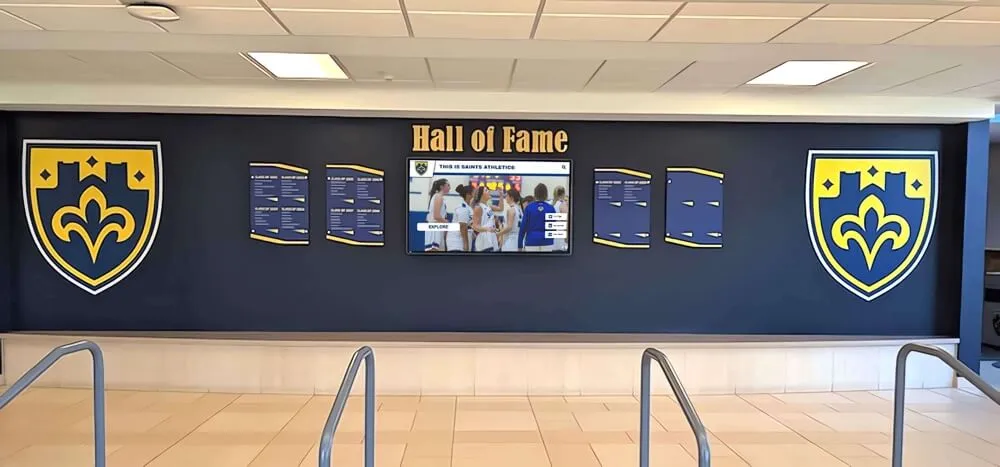
Naming rights represent one of the most powerful donor recognition opportunities available to schools, universities, and educational institutions. When structured thoughtfully, naming opportunities create meaningful donor relationships while generating transformational gifts that fund facilities, programs, and scholarships for generations. A well-designed naming rights program balances honoring generous supporters with protecting institutional values, maintaining governance standards, and ensuring recognition remains relevant as communities evolve.
Read the guideA thoughtfully designed thank you donor card transforms a simple acknowledgment into a meaningful touchpoint that strengthens relationships, demonstrates impact, and inspires continued support. Organizations that excel at donor appreciation understand that these cards represent far more than courtesy—they’re strategic tools that directly influence retention rates, giving patterns, and lifetime donor value.
Read the guide
Alumni mentorship programs represent some of the most valuable services schools and universities can provide to students and recent graduates—connecting emerging professionals with experienced alumni who offer career guidance, industry insights, and professional networks that significantly accelerate career development. When executed well, alumni mentorship programs create meaningful connections that benefit mentees through career advancement, mentors through renewed institutional engagement, and institutions through strengthened alumni relationships and demonstrated student success outcomes.
Read the guide
When your school unveils a traditional bronze plaque donor wall after years of capital campaign fundraising, the moment should feel triumphant. Yet within months, advancement teams discover the limitations: a major donor increases their pledge but updating the engraved plaque takes six months and costs thousands, campaign success brings unexpected gifts from alumni you hadn’t anticipated but there’s no physical space remaining, and younger donors expect the same interactive digital experiences they encounter everywhere else—not static 1990s-era recognition that fails to tell compelling stories about why they gave or the impact their generosity creates.
Read the guide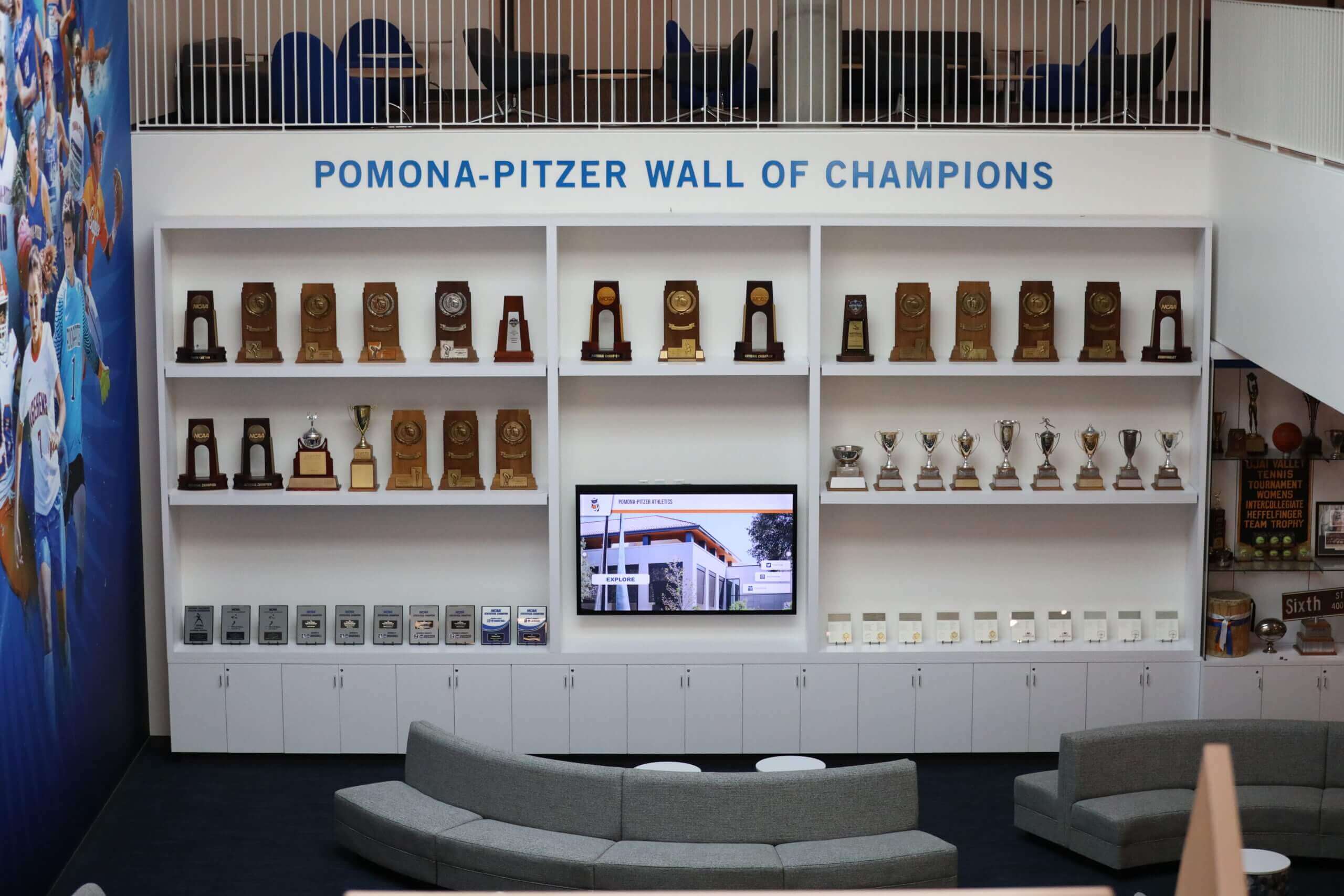
When your school embarks on a capital campaign to build a new athletic facility, expand academic wings, or create endowment funds that secure tomorrow’s opportunities, you’re asking donors to make the most significant philanthropic commitments of their lives. These transformational gifts—ranging from five-figure leadership contributions to million-dollar naming opportunities—deserve recognition that matches their extraordinary generosity. Yet many advancement teams struggle with how to celebrate capital campaign donors appropriately, balancing traditional approaches with modern solutions, ensuring every contributor feels valued regardless of gift size, and creating recognition experiences that strengthen relationships rather than simply checking acknowledgment boxes.
Read the guideEducational institutions depend on advancement professionals to secure the philanthropic support, alumni engagement, and community partnerships that transform good schools into great ones. From building annual giving programs that fund scholarships to stewarding major donors whose generosity creates named buildings, advancement directors serve as the strategic architects of institutional fundraising and relationship cultivation. Yet despite the pivotal role these professionals play in educational sustainability, many educators, nonprofit professionals, and career-changers considering advancement careers lack clear understanding of what advancement directors actually do, what they earn, and how to build successful careers in this specialized field.
Read the guide
Every Friday night under the lights, successful booster clubs generate thousands of dollars in revenue selling the right combination of crowd-pleasing foods at concession stands. But the difference between concession stands that barely cover costs and those that fund new uniforms, equipment upgrades, and facility improvements comes down to strategic menu planning—choosing foods that deliver maximum profit margins while satisfying hungry crowds who return game after game.
Read the guide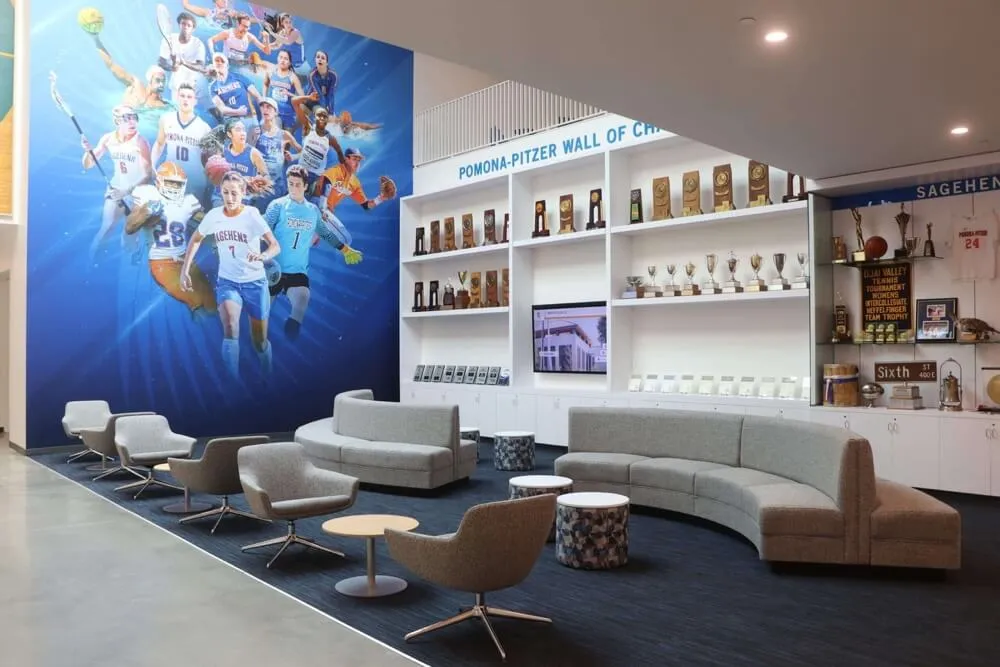
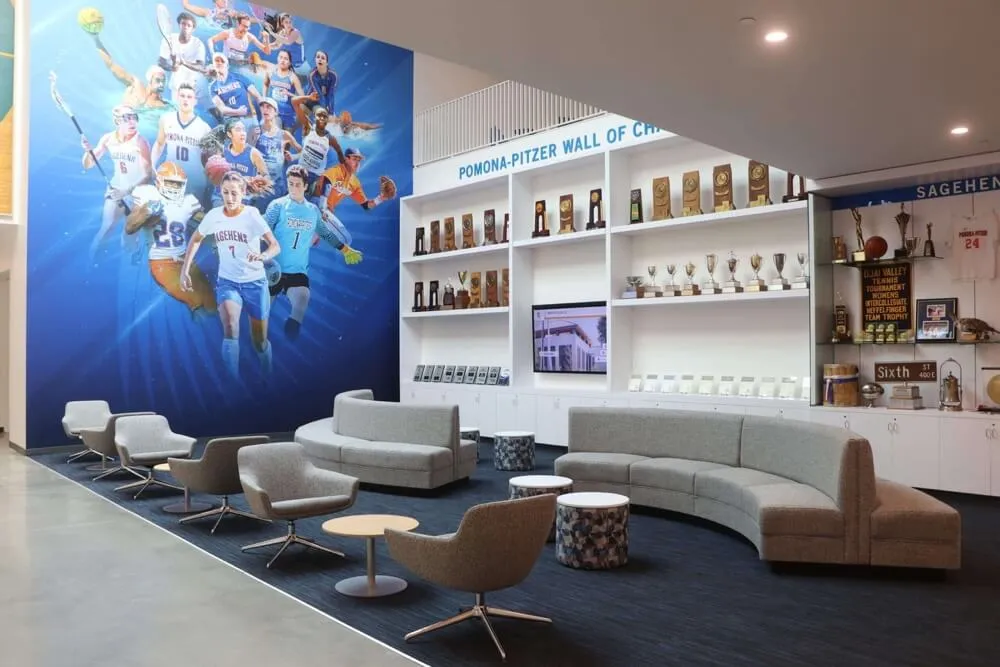
Walking past a well-designed school trophy display cabinet should stop students in their tracks. These displays serve as physical proof that excellence lives within your hallways, that championships get won on your fields, and that current students belong to a legacy worth continuing. Yet too many schools undermine this potential by treating trophy cabinets as afterthoughts—cramming awards into whatever space remains available, organizing displays by convenience rather than impact, and creating cluttered showcases that overwhelm rather than inspire.
Read the guideCreative donor recognition wall designs transform ordinary acknowledgment into inspiring experiences that honor supporters, strengthen institutional culture, and motivate continued giving. Schools, universities, and educational institutions depend on philanthropic contributions to fund scholarships, facility improvements, program enhancements, and countless initiatives that institutional budgets cannot cover—making thoughtful donor recognition essential for sustainable fundraising success.
Read the guide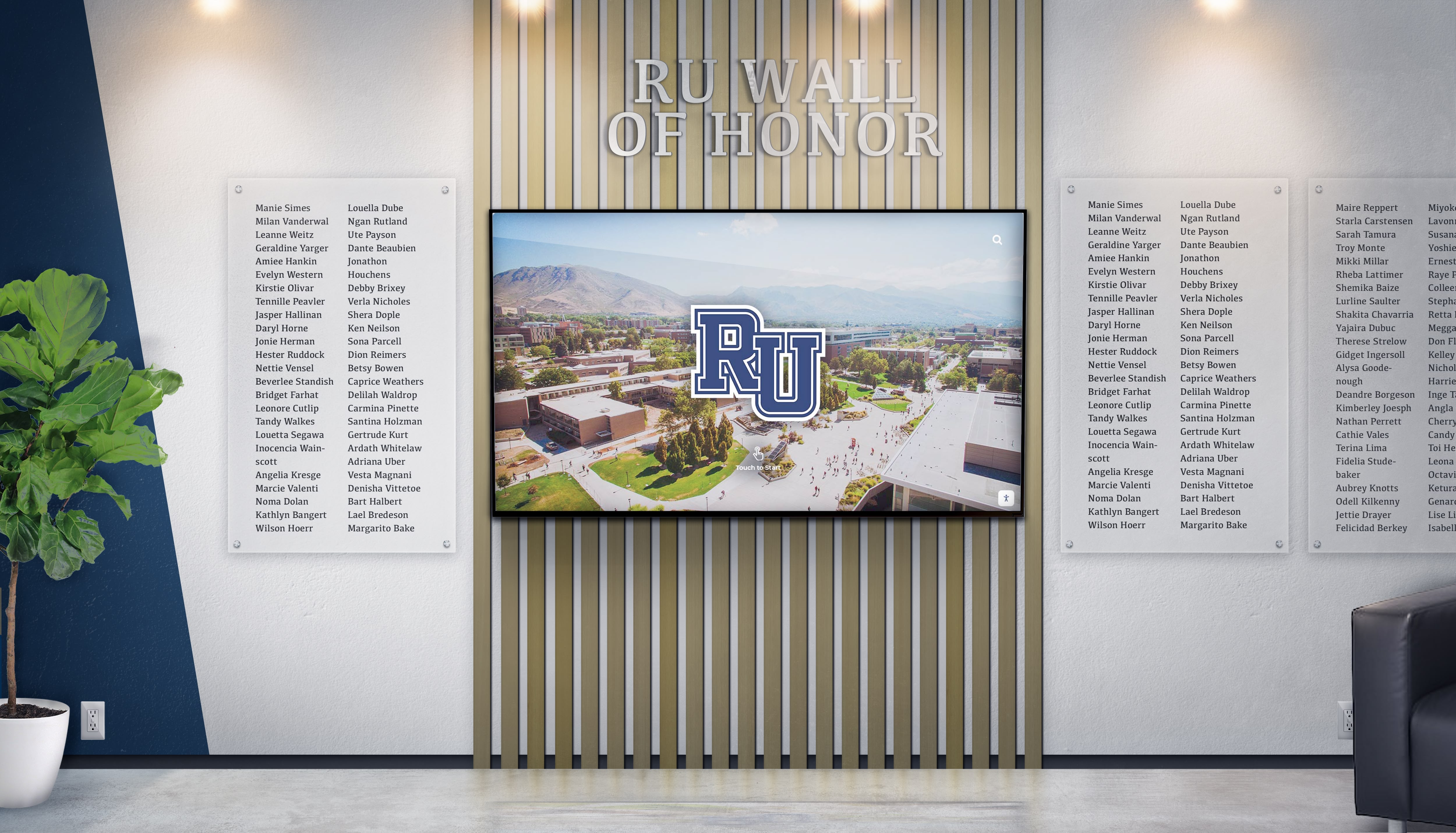
Schools depend on donor generosity to fund programs, facilities, scholarships, and opportunities that institutional budgets alone cannot provide. From athletic facility renovations to technology upgrades, music program instruments to library expansions, donor contributions transform educational experiences for thousands of students. Yet many schools struggle to acknowledge these essential supporters in ways that feel meaningful, inspire continued giving, and build community pride around philanthropic commitment.
Read the guide
When athletic directors face the decision of choosing baseball field turf for their school, they’re making an investment that affects athlete safety, program quality, maintenance budgets, and facility utilization for decades to come. Modern baseball field surfaces have evolved dramatically, with artificial turf technology now offering performance characteristics that rival or exceed natural grass in many applications, while natural grass continues to provide benefits that artificial alternatives struggle to match.
Read the guideCreating the right donor recognition structure can mean the difference between a fundraising campaign that merely reaches its goal and one that exceeds expectations while building lasting relationships. School fundraising recognition levels provide the framework that guides donors toward meaningful gift amounts, acknowledges contributions appropriately, and creates aspirational pathways encouraging increased giving over time.
Read the guide
Senior night candy posters have become one of the most beloved traditions in high school and college athletics—creative, heartfelt displays covered with candy bars, clever puns, and personalized messages honoring graduating athletes. These eye-catching posters transform simple treats into meaningful tributes that celebrate athletes’ dedication, personalities, and memorable moments while adding visual excitement and personal touch to senior night ceremonies.
Read the guideDonor stewardship represents the difference between organizations that perpetually chase new supporters and those that build sustainable philanthropic communities generating consistent support year after year. While most development teams invest tremendous energy acquiring first-time donors, research consistently shows that retention drives long-term fundraising success far more effectively than acquisition—yet the average donor retention rate hovers around just 45%, meaning organizations lose more than half their supporters annually.
Read the guide
Music has the extraordinary power to transform athletic performance—the right pump up songs elevate heart rates, synchronize team energy, trigger competitive mindsets, and create psychological momentum before athletes even step onto the field. Coaches and athletic directors understand that pre-game atmosphere significantly impacts performance, yet many programs struggle to curate playlists that genuinely energize diverse teams while maintaining appropriate content and avoiding overplayed tracks that lose impact through repetition.
Read the guideGolf tournament fundraisers consistently rank among the most profitable events booster clubs and athletic departments can organize, regularly generating $25,000-$75,000 or more in net revenue from a single day. The combination of corporate sponsorship opportunities, individual participation fees, auction components, and community engagement creates multiple revenue streams that few other fundraising approaches can match.
Read the guide
Elementary school yearbooks hold some of our most precious childhood memories—first friendships, gap-toothed smiles, field day victories, and those awkward school photos that make us cringe and smile simultaneously decades later. For parents, educators, and alumni, these yearbooks represent irreplaceable snapshots of formative years when children discovered their interests, built confidence, and formed lasting connections. Yet finding old elementary school yearbooks, whether from your own childhood or your children’s early school years, often proves surprisingly challenging in our increasingly digital world.
Read the guideEvery nonprofit organization and educational institution depends on supporter generosity to fulfill its mission. Yet despite understanding that donor relationships drive fundraising success, many organizations struggle with recognition programs that feel transactional, inconsistent, or disconnected from the meaningful impact contributions create. A thank-you letter arrives weeks late. Recognition at events overlooks major contributors. Donor walls gather dust with outdated names while recent supporters receive no acknowledgment. These missed opportunities don’t just represent poor manners—they directly undermine fundraising sustainability by eroding the emotional connections that inspire continued generosity.
Read the guideDevelopment professionals and advancement teams face a complex design challenge when planning donor recognition walls. These installations must balance competing demands: honoring donors meaningfully while respecting privacy preferences, creating visually compelling displays that enhance rather than detract from architectural spaces, accommodating future additions without appearing incomplete initially, and maintaining relevance for decades despite evolving design trends and organizational needs.
Read the guideAthletic directors and coaches face mounting pressure to deliver competitive programs while working within tight institutional budgets. Equipment costs rise annually, travel expenses expand as programs pursue quality competition, facility improvements require substantial capital, and technology needs continue growing. Most school districts simply cannot fund the full scope of what modern athletic programs require to remain competitive and provide quality student-athlete experiences.
Read the guide