Recognition transforms organizational cultures, but traditional top-down appreciation—manager-to-employee awards, administrator-selected honors, leadership-driven accolades—captures only part of what makes communities thrive. The colleagues working alongside each other daily, the students who witness their peers’ quiet acts of excellence, the staff members who see unnoticed contributions their supervisors miss—these community members often hold the clearest view of who truly deserves recognition. Peer-to-peer recognition programs harness this collective wisdom, creating appreciation systems where recognition flows naturally throughout organizations rather than trickling down exclusively from leadership positions.
Yet many organizations struggle to implement peer recognition effectively. Programs become popularity contests rewarding social capital over genuine contribution. Recognition systems feel forced, with mandatory participation generating perfunctory nominations rather than heartfelt appreciation. Digital platforms go unused when employees find interfaces clunky or don’t understand how peer recognition connects to broader organizational values. Meanwhile, countless daily contributions that strengthen communities remain invisible because only peers witness these moments, and no systematic channels exist for sharing appreciation.
This comprehensive guide explores how schools, universities, corporations, and community organizations can design and implement peer-to-peer recognition programs that genuinely celebrate excellence, create appreciation cultures, and amplify achievements through both personal acknowledgment and public visibility via digital recognition displays.
Why Peer-to-Peer Recognition Matters for Thriving Communities
Before diving into implementation strategies, understanding the unique value peer recognition delivers—beyond traditional top-down appreciation systems—helps organizations prioritize resources and design programs aligned with community needs.
Peer Recognition Captures What Leadership Misses
Organizational leaders, by necessity, maintain broader perspectives focused on strategic priorities, departmental outcomes, and measurable performance indicators. This vantage point provides essential guidance but inevitably creates blind spots regarding daily interactions, small kindnesses, behind-the-scenes effort, and the countless micro-contributions that make teams function smoothly. Peers working alongside each other witness these moments firsthand—the colleague who stays late helping others meet deadlines, the student who patiently tutors struggling classmates, the staff member whose positive attitude transforms department morale during stressful periods.
Peer-to-peer recognition programs create systematic channels for surfacing these observations, ensuring excellence receives visibility regardless of whether supervisors directly witness contributions. This comprehensive recognition approach honors diverse achievement types rather than limiting celebration to leadership-visible accomplishments that fit neatly into performance review categories.

Authentic Colleague Appreciation Carries Unique Motivational Power
Recognition from supervisors matters deeply—it affects compensation, career advancement, and professional standing. Yet peer recognition delivers distinct psychological satisfaction because it represents authentic appreciation from those who truly understand role demands, recognize effort complexity, and witness daily contributions without hierarchical obligations coloring their judgment. When colleagues nominate each other for recognition, recipients know appreciation stems from genuine admiration rather than managerial duty or strategic talent retention.
This authenticity creates powerful emotional impact. Research consistently demonstrates that comprehensive recognition programs incorporating peer appreciation alongside supervisor recognition generate stronger engagement outcomes than top-down-only systems. The combination ensures employees feel valued both by leadership and by the colleagues they work alongside daily, creating comprehensive appreciation ecosystems.
Peer Recognition Strengthens Relationship Networks
Traditional recognition flows vertically—supervisors acknowledge direct reports, administrators honor students, executives celebrate department heads. These vertical connections serve organizational functions but miss opportunities for strengthening horizontal networks across teams, departments, and peer groups. Peer-to-peer recognition creates lateral connections, encouraging individuals to notice colleagues’ contributions, express appreciation across organizational boundaries, and build relationship capital that facilitates future collaboration.
Over time, systematic peer recognition transforms organizational cultures from collection-of-individuals into genuine communities where members actively support each other’s success, celebrate collective achievements, and maintain awareness of contributions beyond their immediate work circles. These strengthened networks improve communication, reduce silos, and create social cohesion that makes organizations more resilient during challenges.
Democratic Recognition Creates More Inclusive Excellence Definitions
Leadership-driven recognition inevitably reflects leaders’ particular perspectives, priorities, and visibility limitations. Senior executives may consistently recognize revenue-generating roles while overlooking operational excellence. Academic administrators might emphasize research accomplishments while undervaluing teaching contributions. Athletic directors could focus exclusively on championship teams while ignoring the dedication of athletes in non-revenue sports. These patterns, often unintentional, create narrow excellence definitions that exclude significant portions of organizational communities.
Peer recognition democratizes appreciation by incorporating diverse perspectives on what constitutes valuable contribution. Staff members recognize colleagues who embody organizational values in daily interactions. Students honor peers demonstrating kindness, perseverance, or collaborative spirit alongside academic achievement. Employees across departments celebrate contributions their specific roles position them to witness. This multi-perspective approach ensures recognition opportunities exist for individuals with diverse strengths rather than privileging narrow achievement categories.
Essential Components of Effective Peer-to-Peer Recognition Programs
Successful peer recognition systems share core characteristics that maximize participation, maintain authenticity, and create meaningful impact rather than becoming perfunctory exercises organizations feel obligated to maintain.
Clear Purpose and Values Alignment
Effective peer-to-peer recognition programs articulate explicit purposes beyond generic “show appreciation.” Thoughtful program design answers fundamental questions:
What behaviors and contributions do we want to encourage? Recognition reinforces specific actions and values. Schools implementing peer recognition might emphasize kindness, academic perseverance, inclusive behavior, or community service. Corporations could highlight collaboration, innovation, customer service excellence, or embodiment of company values. Universities might celebrate teaching excellence, research mentorship, or contributions to campus community beyond formal job descriptions. These priorities shape nomination criteria and recognition categories.
Who should participate in peer recognition? Some programs limit participation to specific groups—staff recognizing fellow staff members, students nominating classmates, employees within particular departments. Others create organization-wide systems allowing anyone to recognize anyone. Each approach offers advantages. Limiting participants creates focused programs with strong identity, while open systems maximize visibility across organizational boundaries and strengthen inter-departmental connections.
How does peer recognition complement other appreciation systems? Peer programs shouldn’t exist in isolation but rather integrate with comprehensive recognition ecosystems including supervisor appreciation, formal awards programs, milestone celebrations, and public acknowledgment. Clarifying how peer recognition fits within broader appreciation strategies prevents redundancy while ensuring gaps get filled rather than creating overlapping systems competing for attention.
Multiple Recognition Pathways and Categories
Peer recognition programs work best when they offer diverse categories reflecting multiple contribution types rather than creating single “peer recognition award” that forces all nominations into identical formats. Consider these category approaches:
Values-Based Recognition Categories: Align recognition with organizational core values. If your institution emphasizes integrity, collaboration, innovation, and service, create peer recognition categories celebrating each value. Colleagues nominate peers who exemplify specific values through daily actions, making abstract principles concrete through real behavioral examples.
Role-Specific Excellence Recognition: Design categories honoring excellence within particular roles or contexts—exceptional teaching, administrative support that makes others successful, facilities staff creating welcoming environments, or technical expertise that solves challenging problems. Role-specific categories ensure individuals in all positions have realistic recognition opportunities rather than competing against entirely different job functions.
Situational Appreciation Recognition: Create channels for acknowledging specific helpful actions—the colleague who covered a shift during family emergency, the classmate who shared comprehensive study notes, the team member whose problem-solving broke through project roadblock. These situational appreciations honor specific moments rather than requiring sustained excellence over extended periods, making recognition accessible for everyday kindnesses.
Team and Collaborative Achievement Recognition: Beyond individual peer recognition, incorporate categories celebrating exceptional team collaboration, cross-departmental projects, or group contributions where multiple colleagues deserve collective appreciation. Team recognition programs strengthen group cohesion while acknowledging that significant accomplishments often result from collaboration rather than individual heroics.
Streamlined Nomination and Selection Processes
Complicated nomination procedures kill participation. Effective peer recognition systems remove friction at every step:
Simple Nomination Forms: Design brief nomination processes requesting essential information without exhaustive essays. Effective forms typically include: nominee name, recognition category, specific examples of contribution or behavior being recognized (2-3 sentences), and nominator contact information. Optional fields might request additional context, but core nominations should take under five minutes to complete.
Multiple Submission Channels: Provide various ways to submit peer recognition—online forms accessible from any device, physical suggestion boxes for those preferring paper submissions, QR codes in high-traffic areas linking to mobile-friendly nomination pages, or periodic peer recognition sessions during staff meetings or class periods. Channel diversity ensures everyone can participate regardless of technology access or preferences.
Regular Recognition Cycles: Establish predictable rhythms for peer recognition—weekly shout-outs during team meetings, monthly recognition announcements, or quarterly formal celebrations. Regular cycles create participation habits while ensuring recognition happens frequently enough that nominating peers stays top-of-mind rather than becoming annual obligation easily forgotten amid competing priorities.
Transparent Selection Criteria: When peer nominations feed into formal recognition programs with selection processes, clearly communicate evaluation criteria. If recognition committees review nominations, explain committee composition and selection standards. Transparency builds trust that recognition reflects genuine merit rather than behind-the-scenes politics or favoritism. For immediate peer appreciation systems where all nominations receive public acknowledgment, transparency simply means clear communication about what types of contributions align with program purposes.
Meaningful Recognition Formats That Honor Recipients
How organizations acknowledge peer recognition significantly affects program impact. Perfunctory mentions feel hollow; thoughtful recognition creates lasting appreciation:
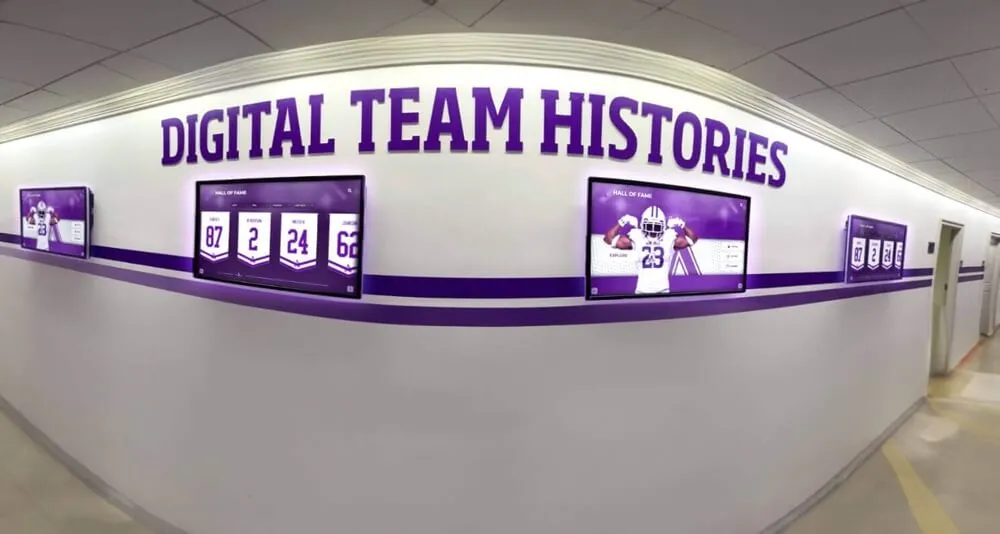
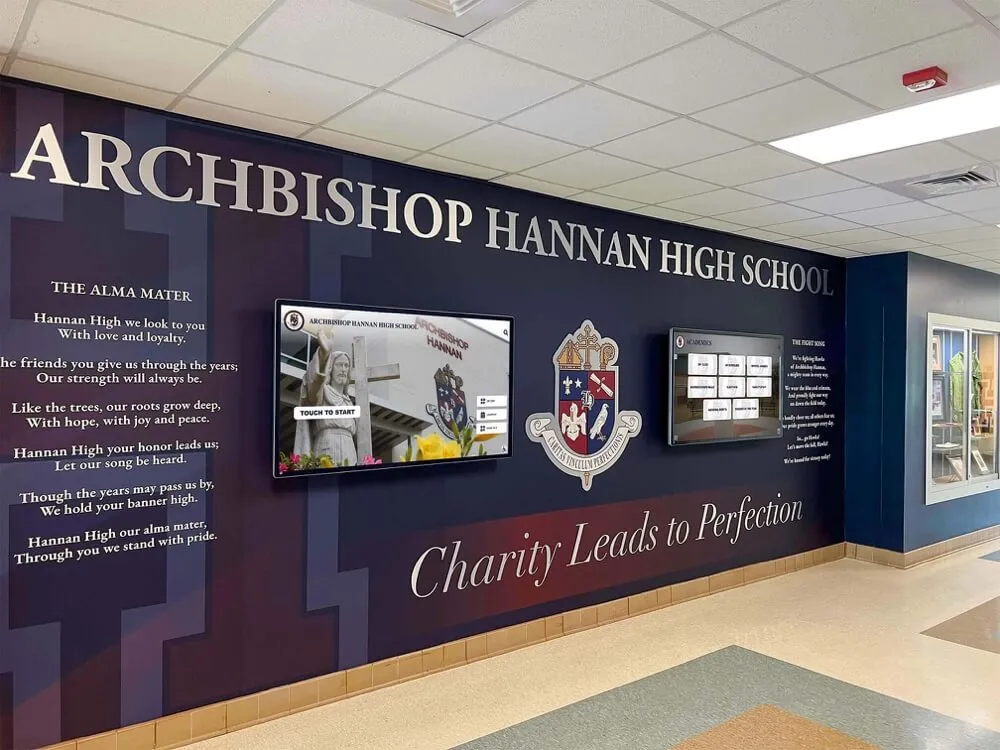
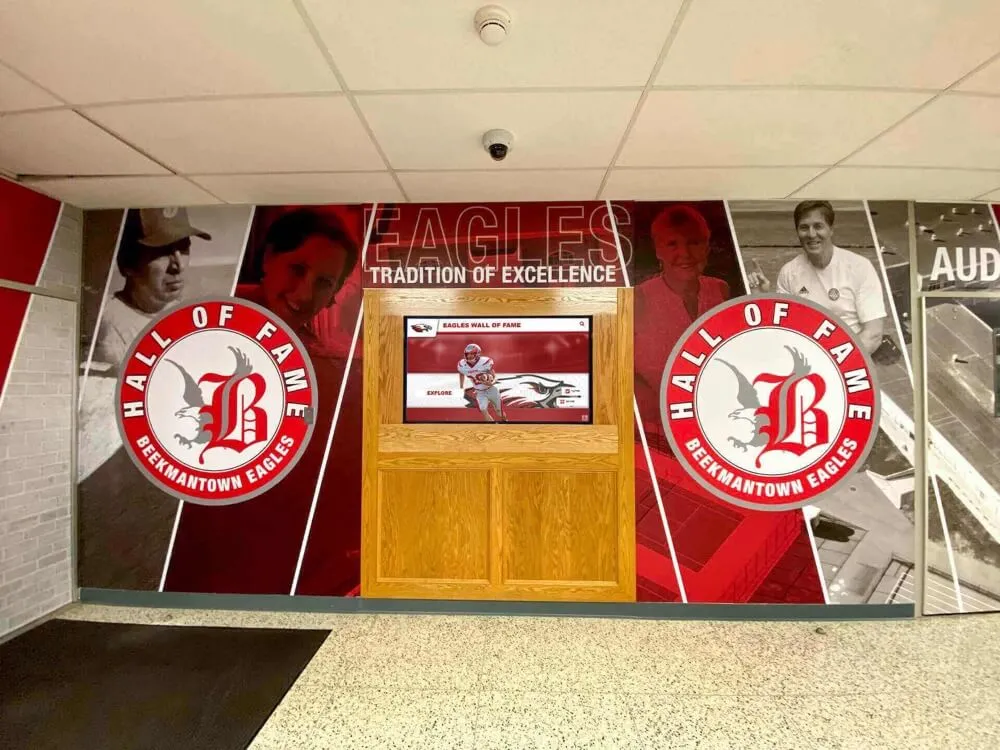
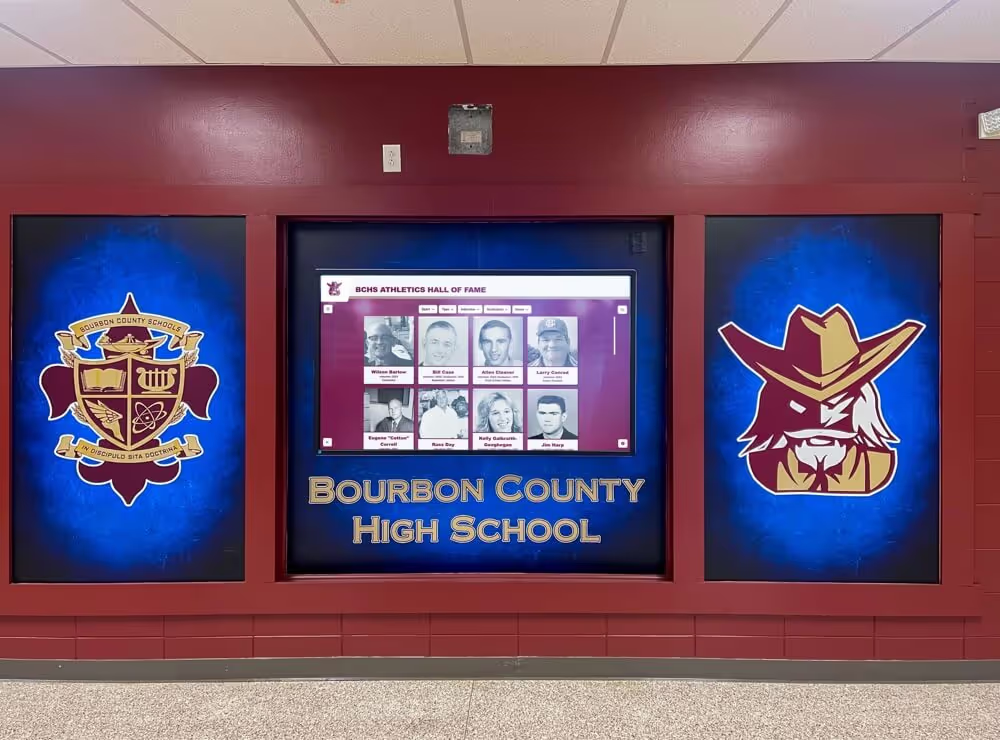
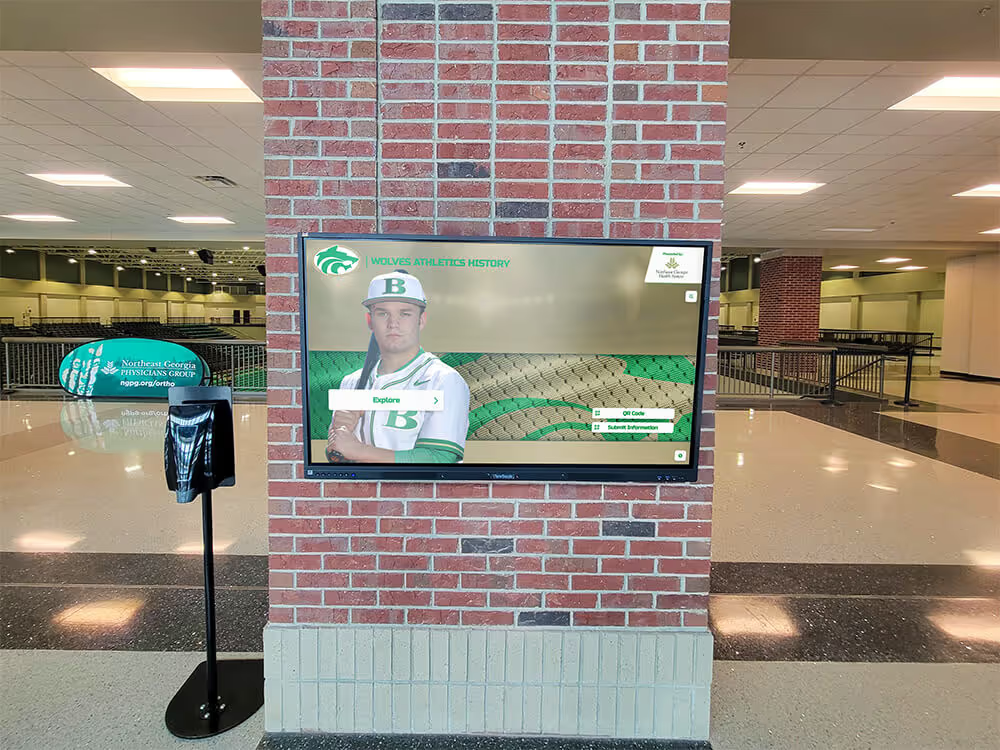
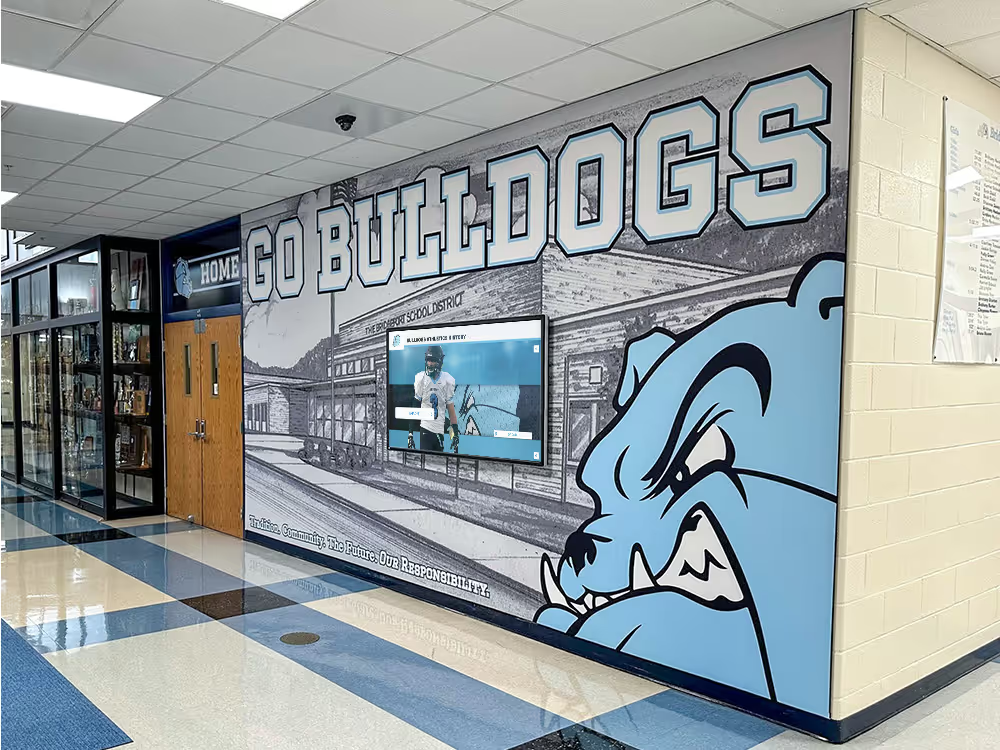
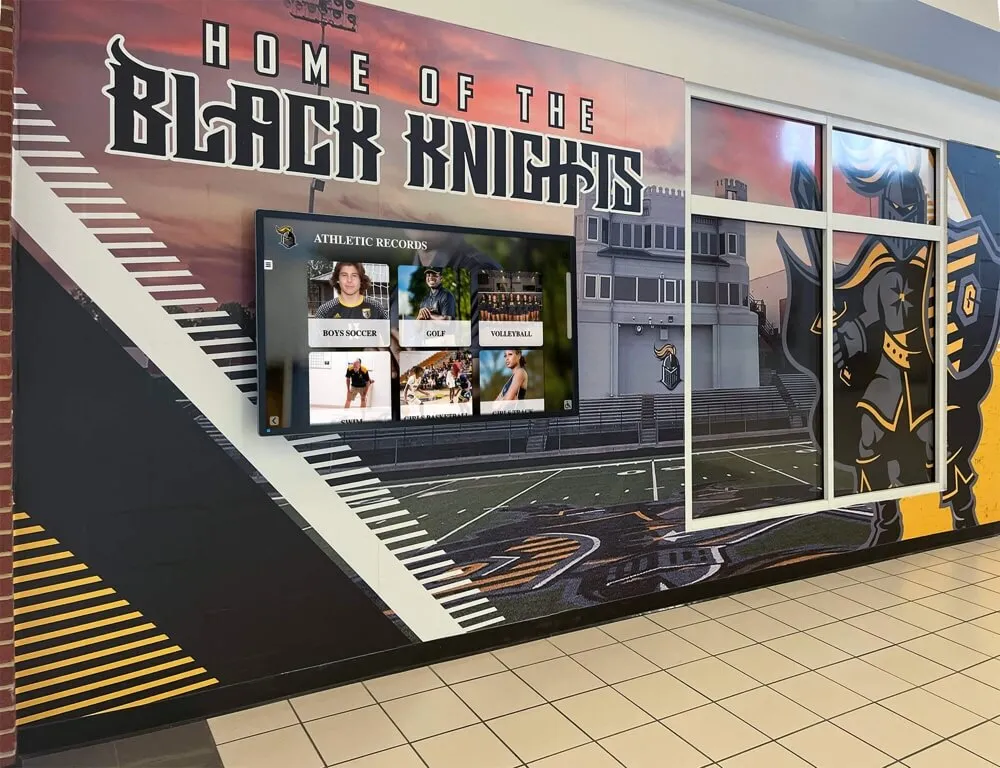
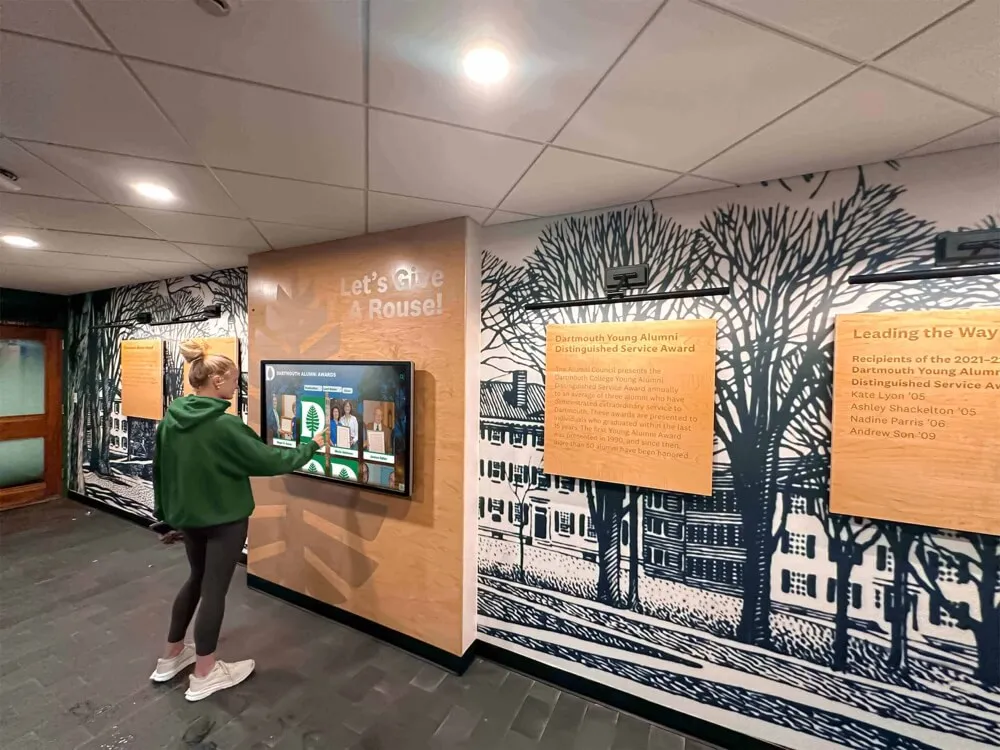
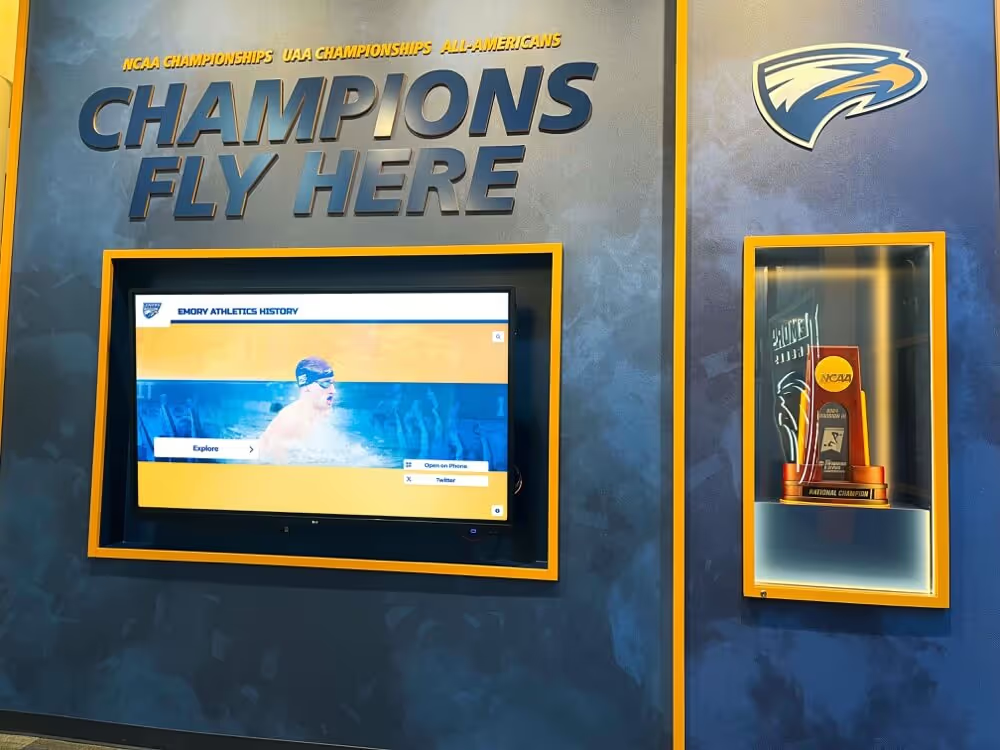
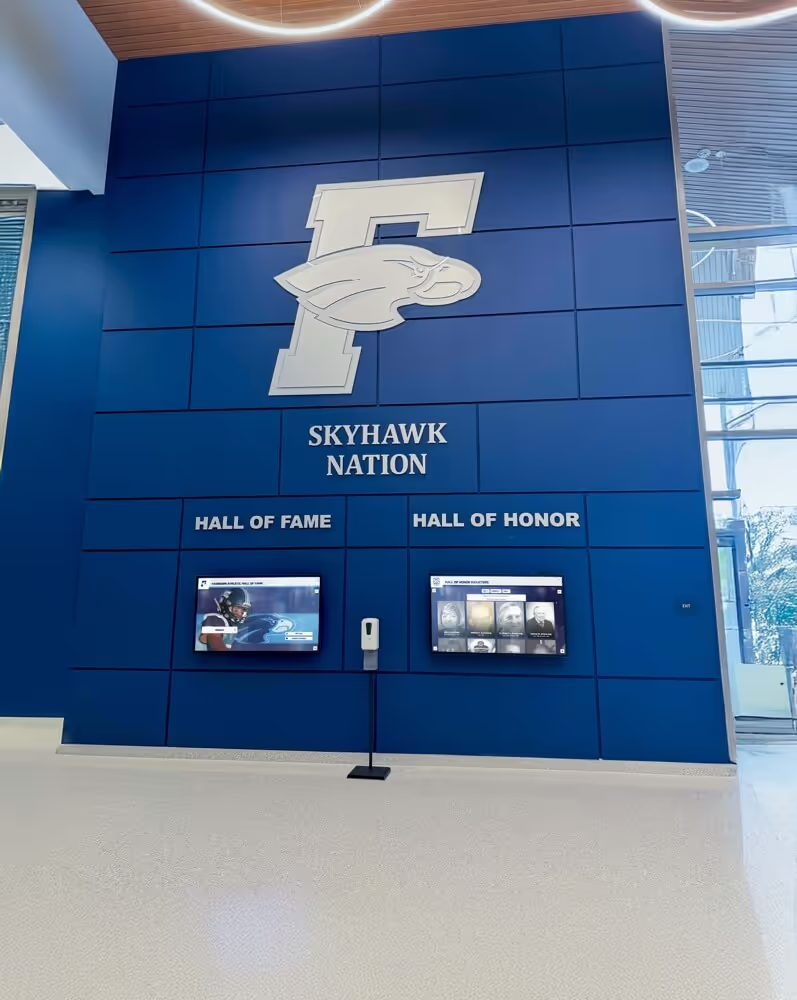
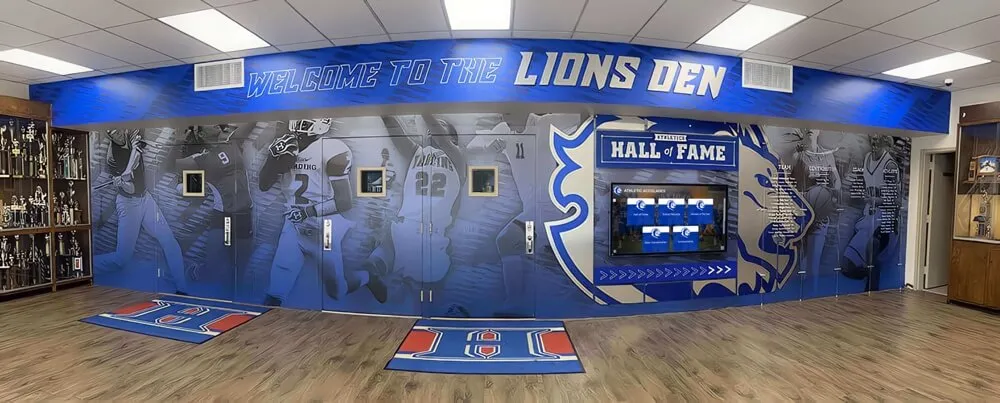
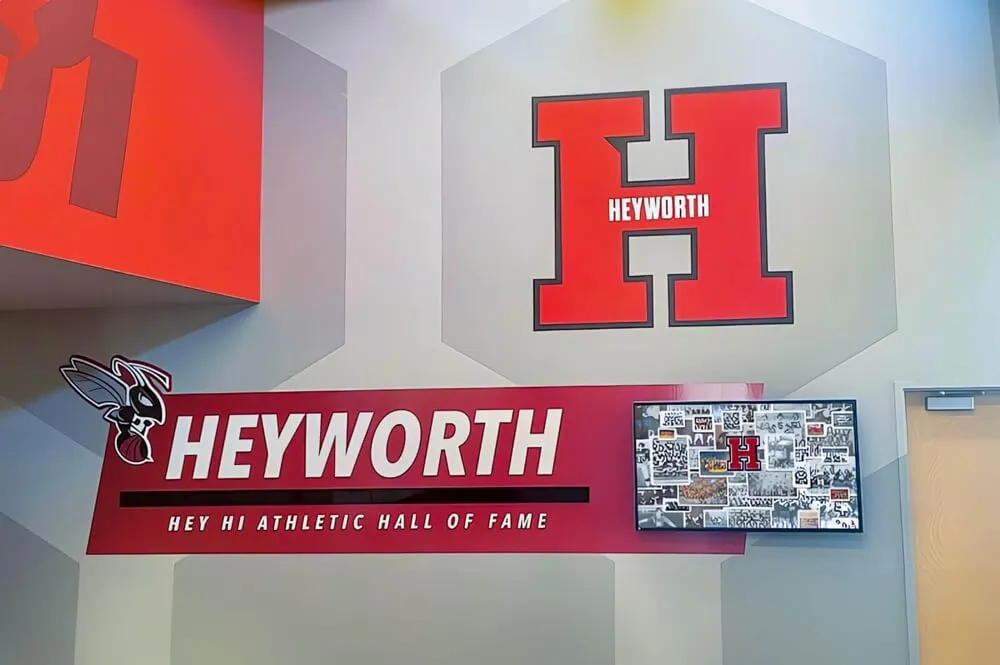
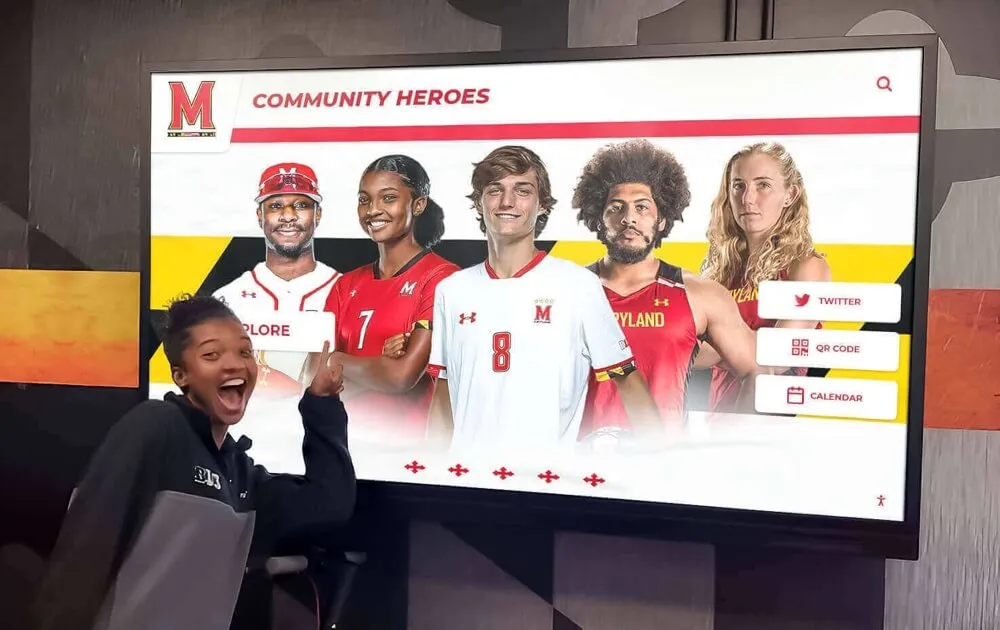
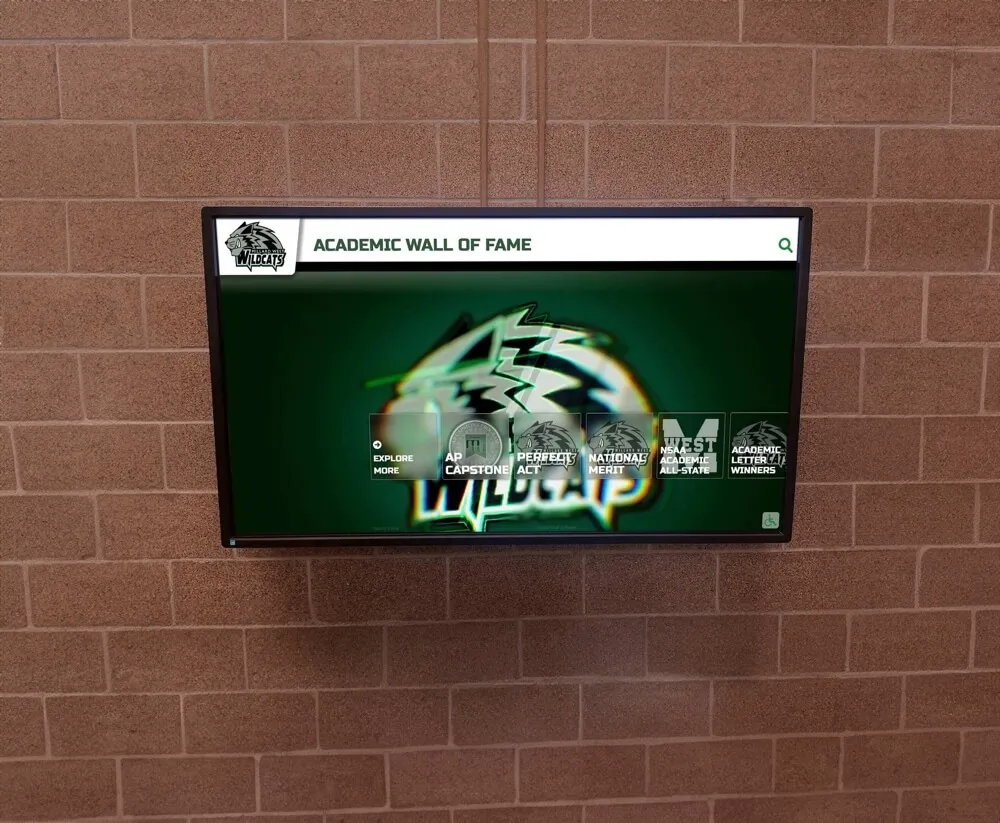
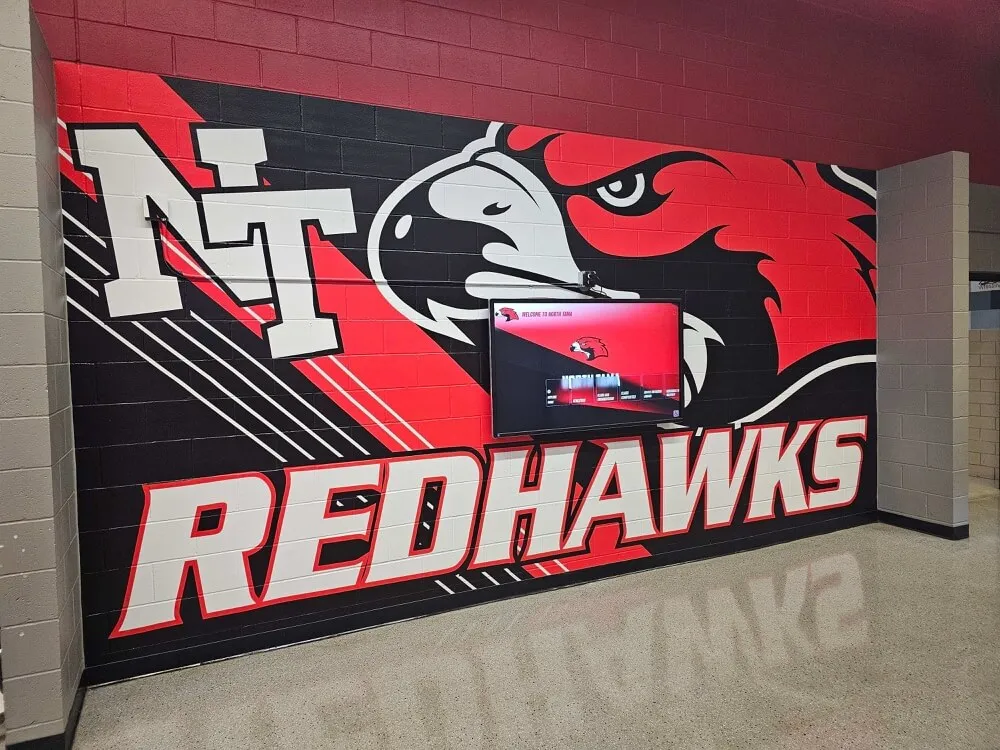
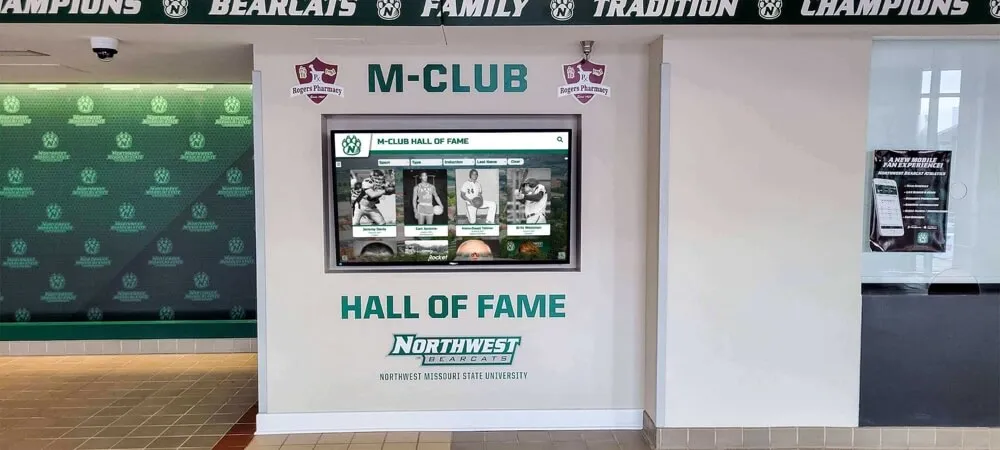
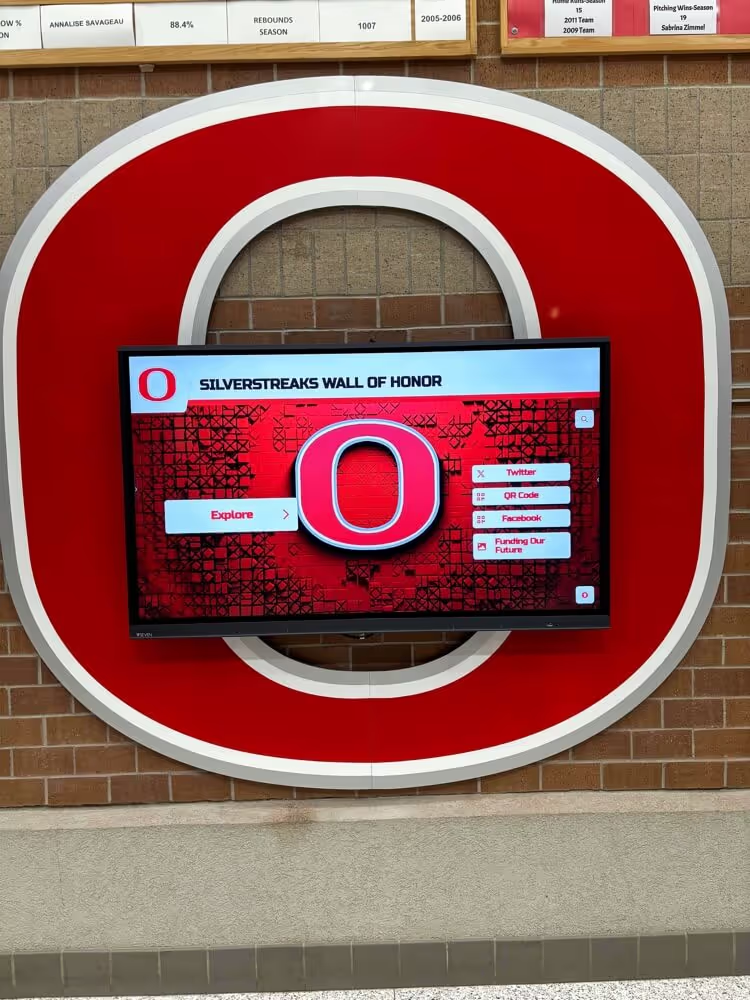
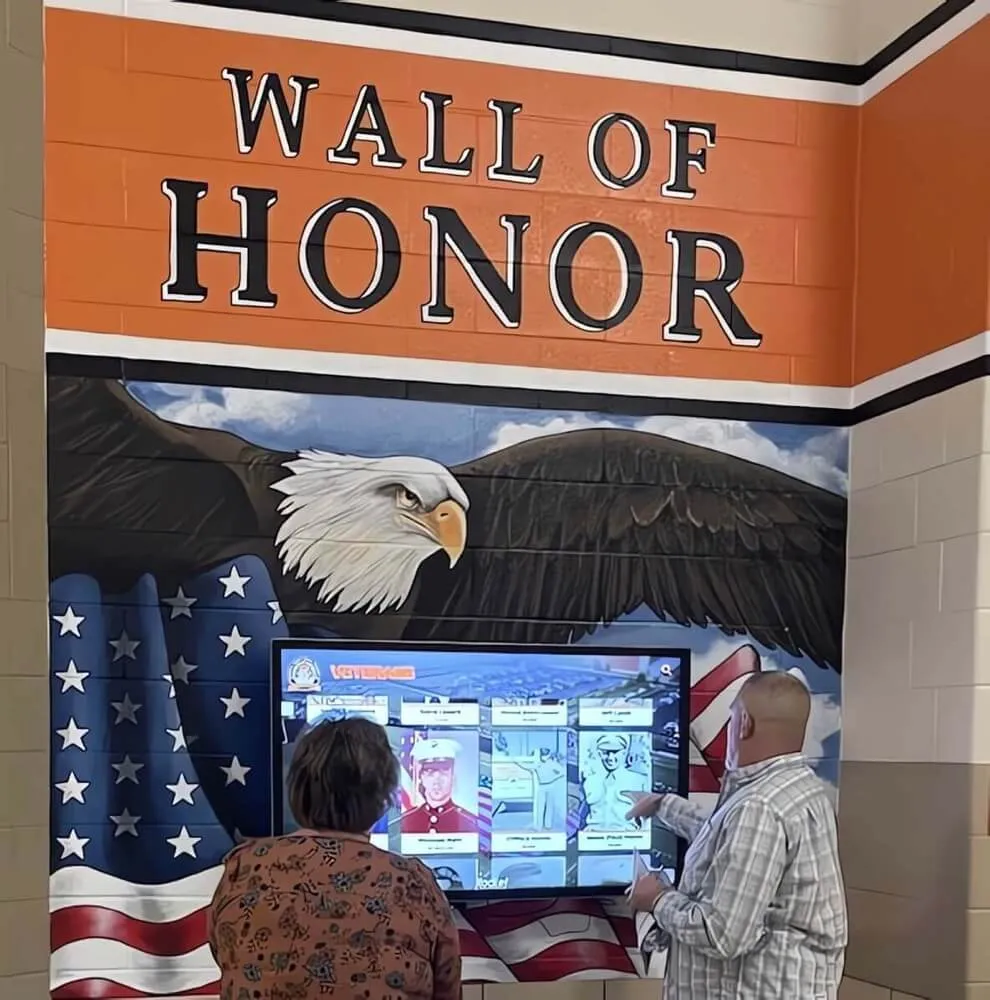
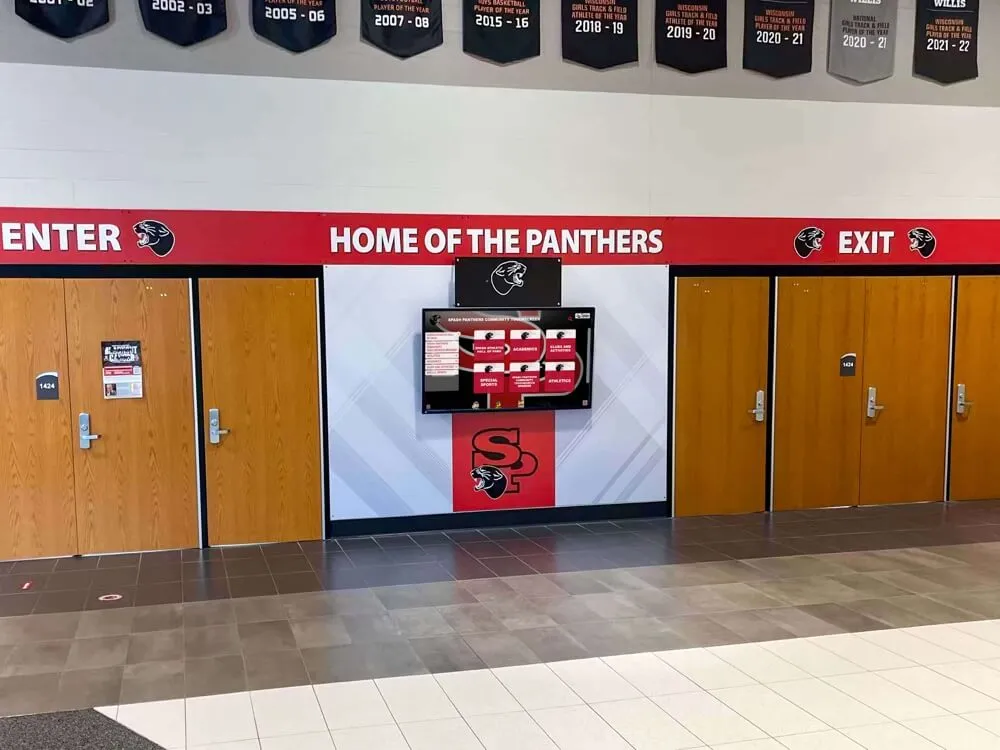
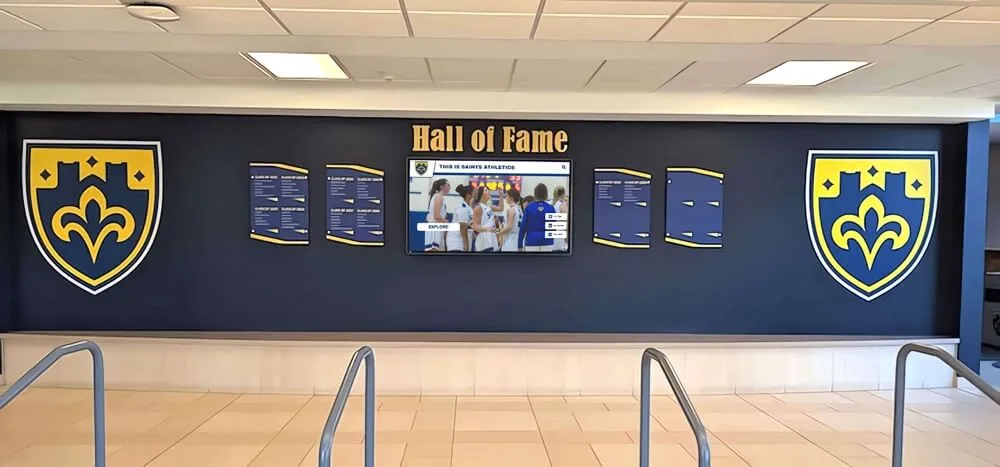
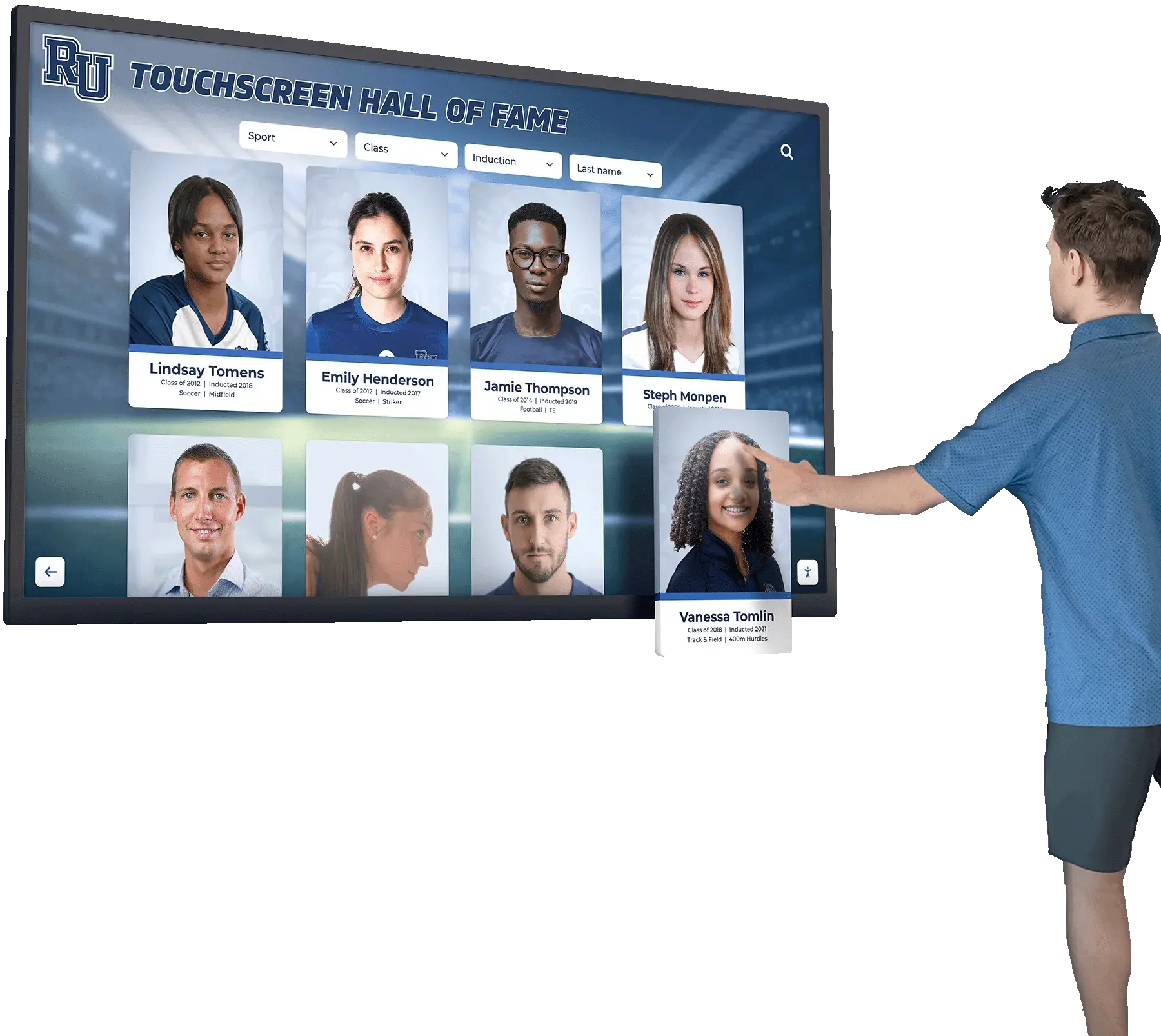
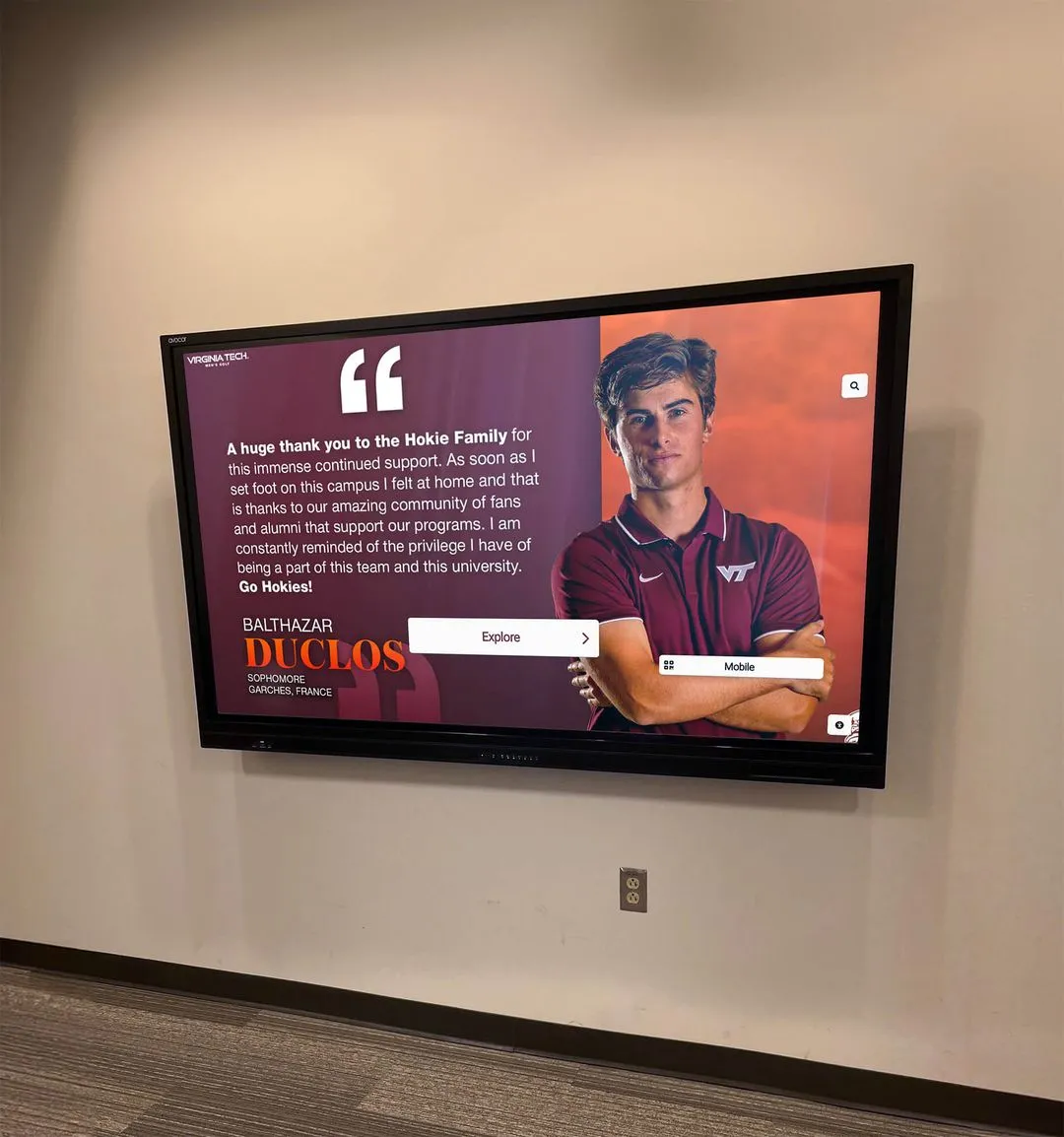
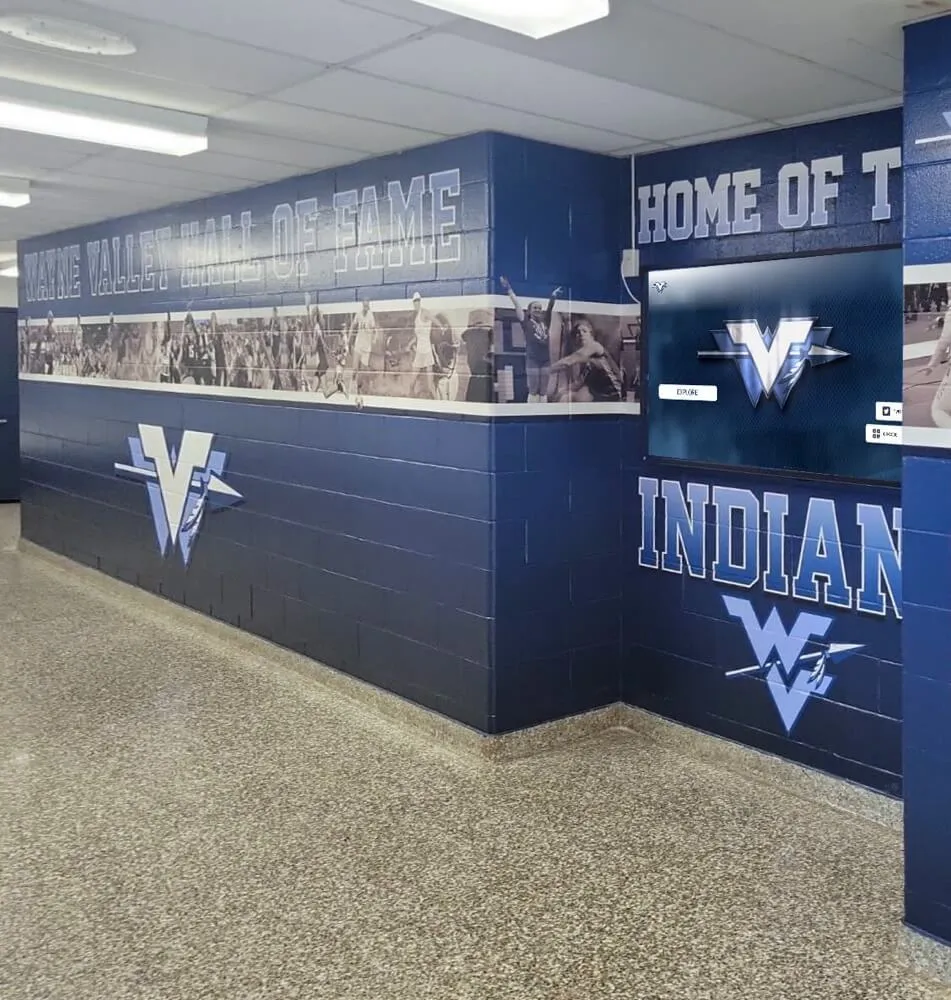
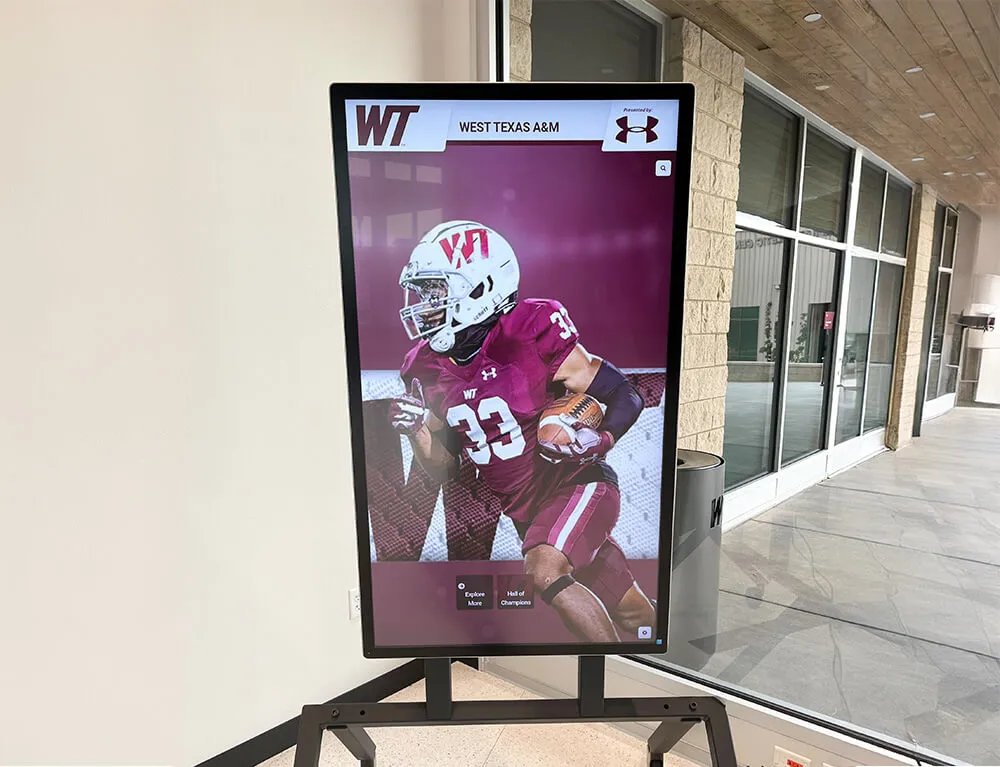
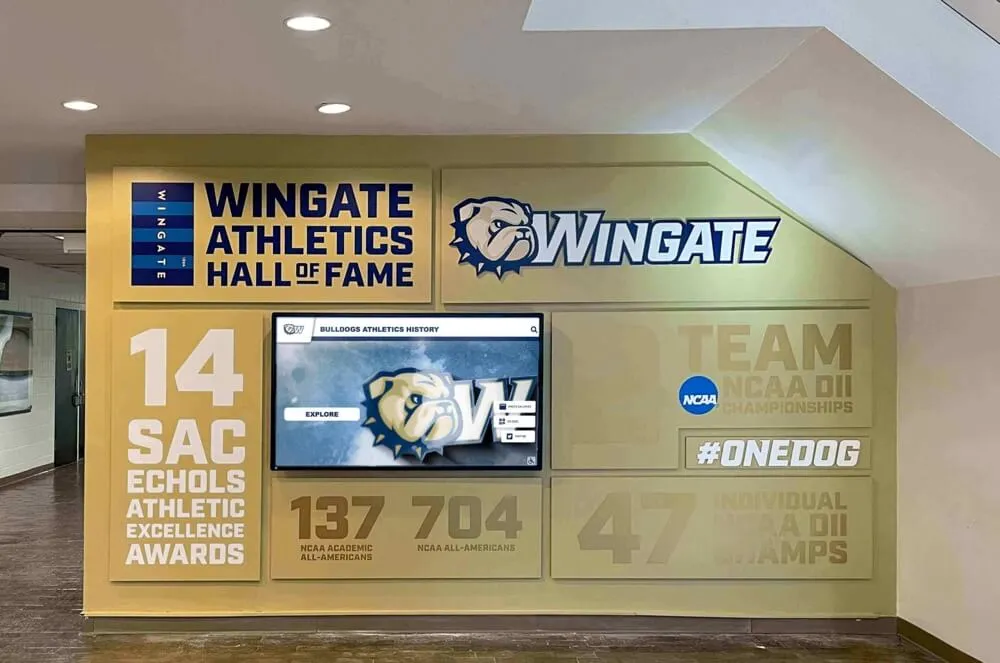
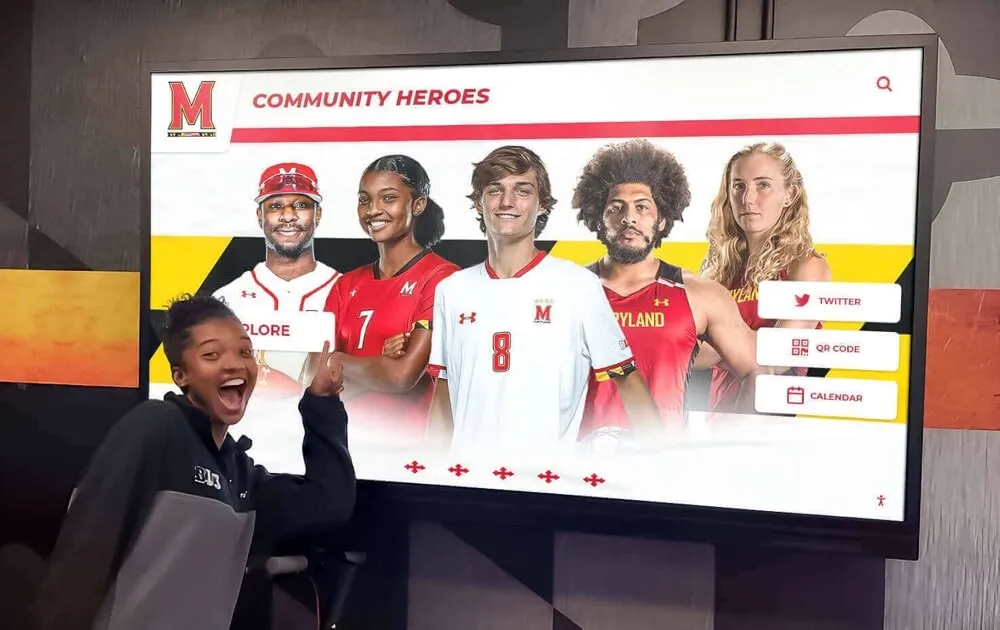
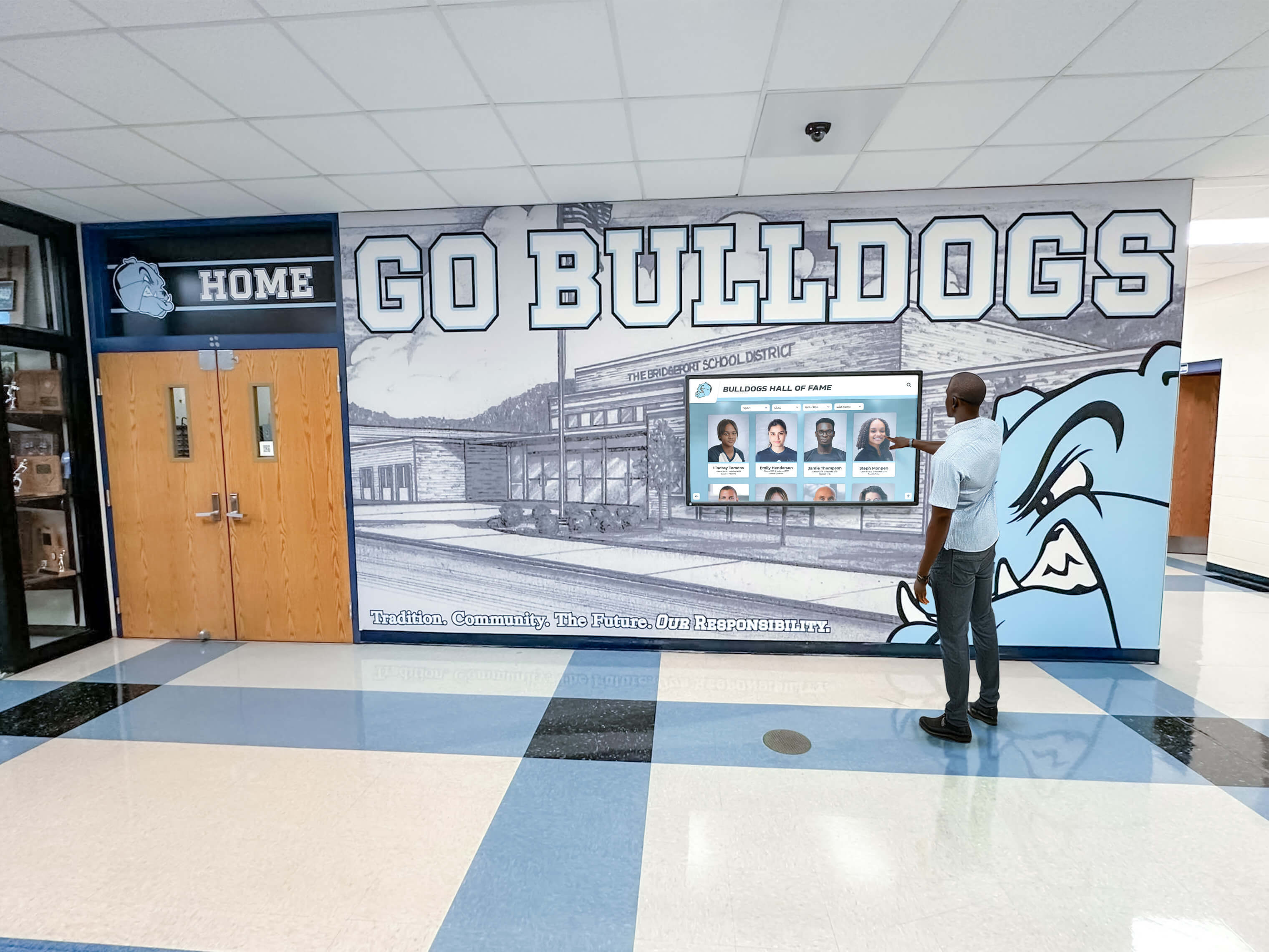
Public Acknowledgment in Community Spaces: Display peer recognition prominently where community members naturally gather—staff lounges, student commons, organizational lobbies, department hallways, or cafeteria areas. Digital recognition displays like those provided by Rocket Alumni Solutions allow organizations to showcase extensive peer nomination databases, featuring photos, detailed contribution descriptions, and searchable interfaces where anyone can explore who received recognition and why. These installations make peer appreciation visible organization-wide rather than limiting recognition to email announcements easily overlooked amid inbox overload.
Personal Recognition Delivery: Beyond public display, ensure recognized individuals receive personal acknowledgment—congratulatory notes from nominators, certificates commemorating specific contributions, or small tokens of appreciation accompanying recognition announcements. Personal elements make recognition feel intimate and valued rather than purely bureaucratic.
Recognition Celebrations and Ceremonies: Periodically gather communities to celebrate accumulated peer recognition—quarterly recognition receptions, annual appreciation ceremonies, or monthly coffee gatherings honoring recent nominees. These events create opportunities for recognized individuals to receive applause from assembled colleagues, for nominators to publicly explain why they appreciate nominees, and for organizational leaders to reinforce peer recognition’s importance through their visible attendance and participation.
Digital Recognition Archives: Maintain permanent records of peer recognition accessible long after initial announcements. Digital recognition platforms allow organizations to build searchable databases where individuals can view their accumulated recognition history, colleagues can explore past nominations, and communities can discover patterns in values and contributions receiving regular celebration. These archives transform momentary appreciation into lasting recognition that individuals can reference throughout careers or academic experiences.
Implementation Strategies for Different Organizational Contexts
While core peer recognition principles remain consistent, effective implementation varies based on organizational type, size, culture, and specific community needs.
Peer Recognition in K-12 Schools
Schools implementing peer-to-peer recognition among students create appreciation cultures that shape character development and social dynamics:
Student-Nominated Character Awards: Design recognition programs where students nominate classmates demonstrating specific character traits—kindness, perseverance, inclusive behavior, academic integrity, or school spirit. Establish grade-appropriate nomination processes, perhaps having elementary students submit nominations via classroom suggestion boxes while middle and high school students use online forms. Regularly announce recognition during morning announcements, school assemblies, or through hallway display updates, ensuring peer appreciation becomes visible school culture element.
Classroom-Level Recognition Systems: Empower individual teachers to facilitate peer recognition within classes—weekly appreciations where students acknowledge helpful classmates, semester-long “kindness boards” displaying peer nominations, or end-of-term celebrations where students present appreciation certificates to peers who positively impacted their year. Classroom-level systems make recognition intimate and frequent while teaching appreciation as life skill.
Cross-Grade Mentorship Recognition: In schools with mentorship programs pairing older and younger students, create peer recognition channels where mentees can nominate exceptional mentors and vice versa. This intergenerational appreciation strengthens mentorship program value while demonstrating that recognition flows across traditional hierarchies, with younger students having legitimate voices in honoring older peers’ contributions.
Staff Peer Recognition Alongside Student Programs: Don’t limit peer recognition to students. Parallel programs where teachers and staff nominate colleagues create faculty appreciation cultures that model healthy recognition practices for students. When students see teachers publicly celebrating each other’s contributions, they internalize peer appreciation as normal organizational behavior rather than special student-only initiative.
University and Higher Education Peer Recognition
College and university communities benefit from peer recognition systems adapted to their complex structures and diverse stakeholder groups:
Student Organization Excellence Recognition: Create peer recognition systems where student organizations nominate other organizations for exceptional campus contributions, collaborative programming, or community service initiatives. Inter-organizational recognition strengthens campus community cohesion while reducing competitive dynamics that sometimes develop between groups.
Faculty Teaching Excellence Peer Nominations: Beyond student evaluations and administrative review, implement peer recognition where faculty nominate colleagues whose teaching innovations, mentorship excellence, or pedagogical contributions deserve celebration. Faculty peers possess unique perspectives on teaching quality, understanding discipline-specific challenges and recognizing innovations colleagues bring to instruction.
Staff Contribution Recognition Across Departments: Universities’ complex organizational structures create silos limiting cross-departmental awareness. Peer recognition programs allowing any staff member to recognize colleagues anywhere in the institution build visibility for behind-the-scenes contributions—IT staff solving critical technical problems, events coordinators creating memorable campus experiences, or financial aid counselors supporting student success through compassionate service.
Graduate Student and Postdoc Peer Recognition: These transitional academic community members sometimes fall through recognition gaps, neither students in traditional sense nor permanent faculty/staff. Dedicated peer recognition programs where graduate students and postdocs nominate colleagues for research contributions, teaching excellence, or community building provide appreciation specifically honoring this population’s unique contributions.
Corporate and Workplace Peer Recognition Programs
Organizations implementing workplace peer recognition create employee engagement cultures that improve retention and productivity:
Values-Based Peer Nominations: Design recognition programs aligned with company core values. If your organization emphasizes innovation, customer focus, collaboration, and integrity, create monthly or quarterly peer recognition categories celebrating employees who exemplify each value through daily work. Colleagues nominate peers providing specific behavioral examples, making abstract values concrete and recognizable.
Cross-Functional Team Recognition: Many workplace frustrations stem from departments viewing each other as obstacles rather than collaborators. Peer recognition systems encouraging employees to nominate helpful colleagues from other departments—the IT staff member who patiently solved technical issues, the HR specialist who streamlined onboarding, the operations coordinator who accommodated urgent requests—build appreciation across organizational boundaries while improving inter-departmental relationships.
Peer Bonus and Reward Programs: Some corporations attach small financial rewards or tangible benefits to peer recognition—modest gift cards, extra break time, preferred parking spots, or donations to employee-selected charities. These tangible elements demonstrate organizational commitment to peer recognition beyond symbolic appreciation, though care must be taken to ensure rewards don’t overshadow intrinsic appreciation value or create gaming dynamics where people nominate friends for benefits rather than genuine contribution.
Leadership and Mentorship Recognition: Create peer recognition categories specifically honoring employees who develop others—mentors supporting junior colleagues, informal leaders coordinating team activities, or experienced employees sharing expertise that makes everyone more effective. Celebrating these leadership behaviors reinforces their organizational value while providing recognition pathways for employees whose excellence manifests through supporting others’ success rather than individual performance metrics.
Nonprofit and Community Organization Peer Recognition
Mission-driven organizations often operate with limited budgets but strong values alignment, making peer recognition particularly powerful:
Volunteer Appreciation Peer Recognition: In organizations heavily dependent on volunteers, create systems where volunteers recognize fellow volunteers whose contributions inspire them. These peer appreciations feel particularly meaningful because they represent acknowledgment from those who understand volunteer role demands and witness excellence firsthand. Volunteer recognition approaches that incorporate peer nominations alongside organization-led appreciation create comprehensive volunteer engagement strategies.
Impact Story Peer Nominations: Encourage program participants, beneficiaries, or community members to nominate staff members and volunteers whose actions meaningfully impacted their lives. These peer nominations from those directly affected by organizational work provide powerful testimonials demonstrating program effectiveness while honoring individuals who make differences in others’ lives.
Board and Committee Member Recognition: Nonprofit governance involves volunteer board members and committee participants whose contributions sometimes receive insufficient appreciation. Peer recognition systems where board members nominate colleagues for exceptional service, collaborative spirit, or strategic contributions honor volunteer leadership while strengthening governance team cohesion.
Leveraging Digital Recognition Displays for Peer-to-Peer Appreciation
While peer recognition can happen through email announcements, verbal appreciations, or paper certificates, digital display technology dramatically amplifies peer appreciation’s visibility and impact throughout organizational communities.
Interactive Touchscreen Displays Showcase Peer Recognition
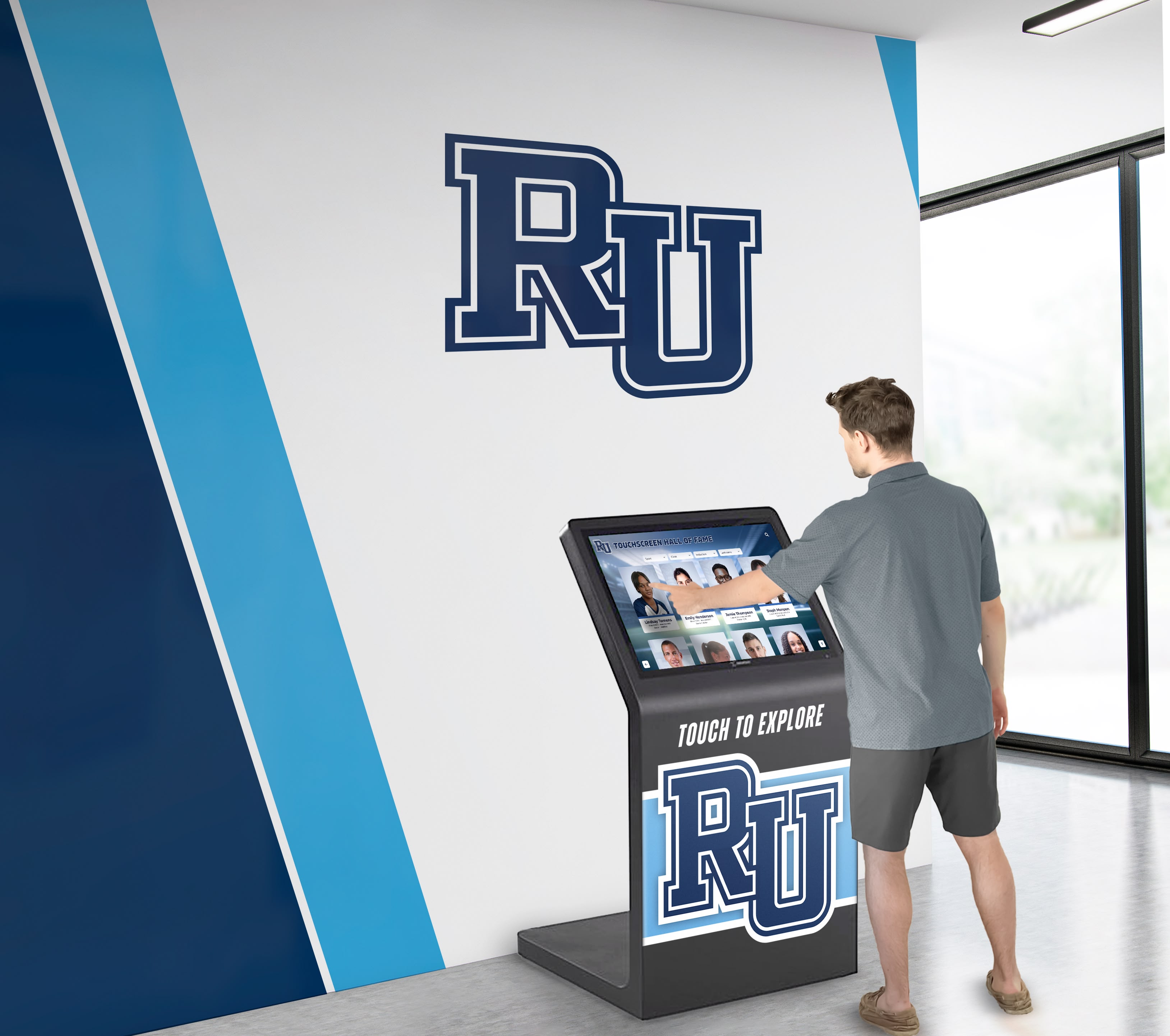
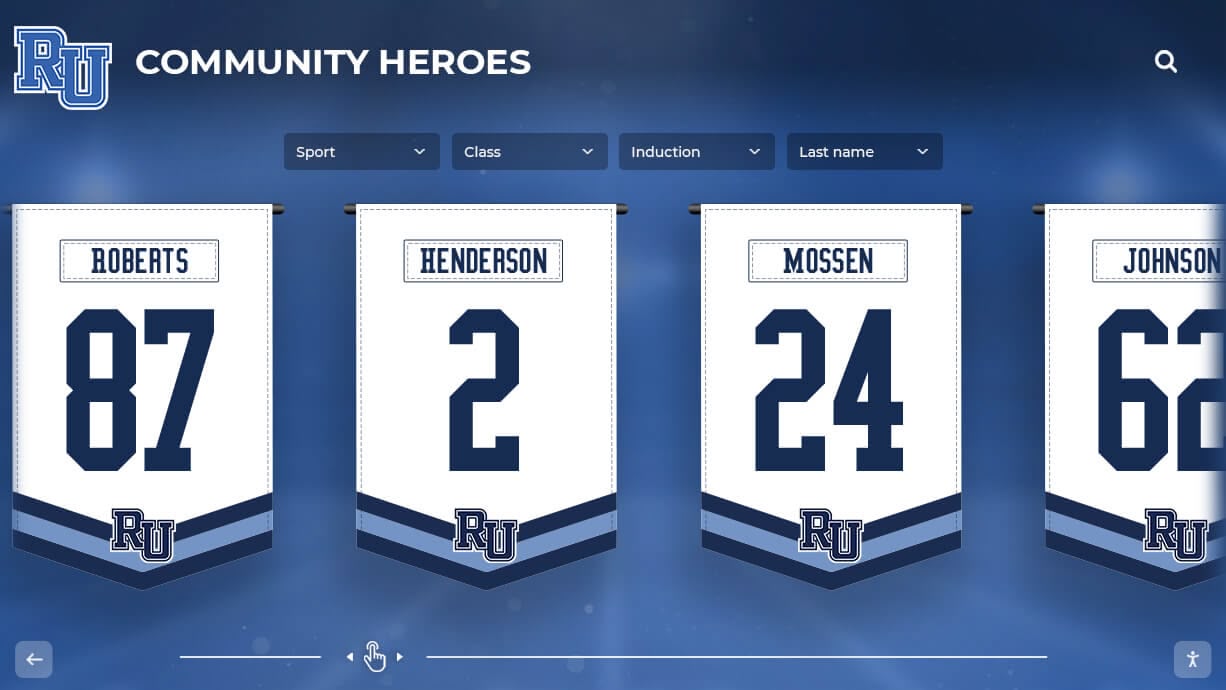
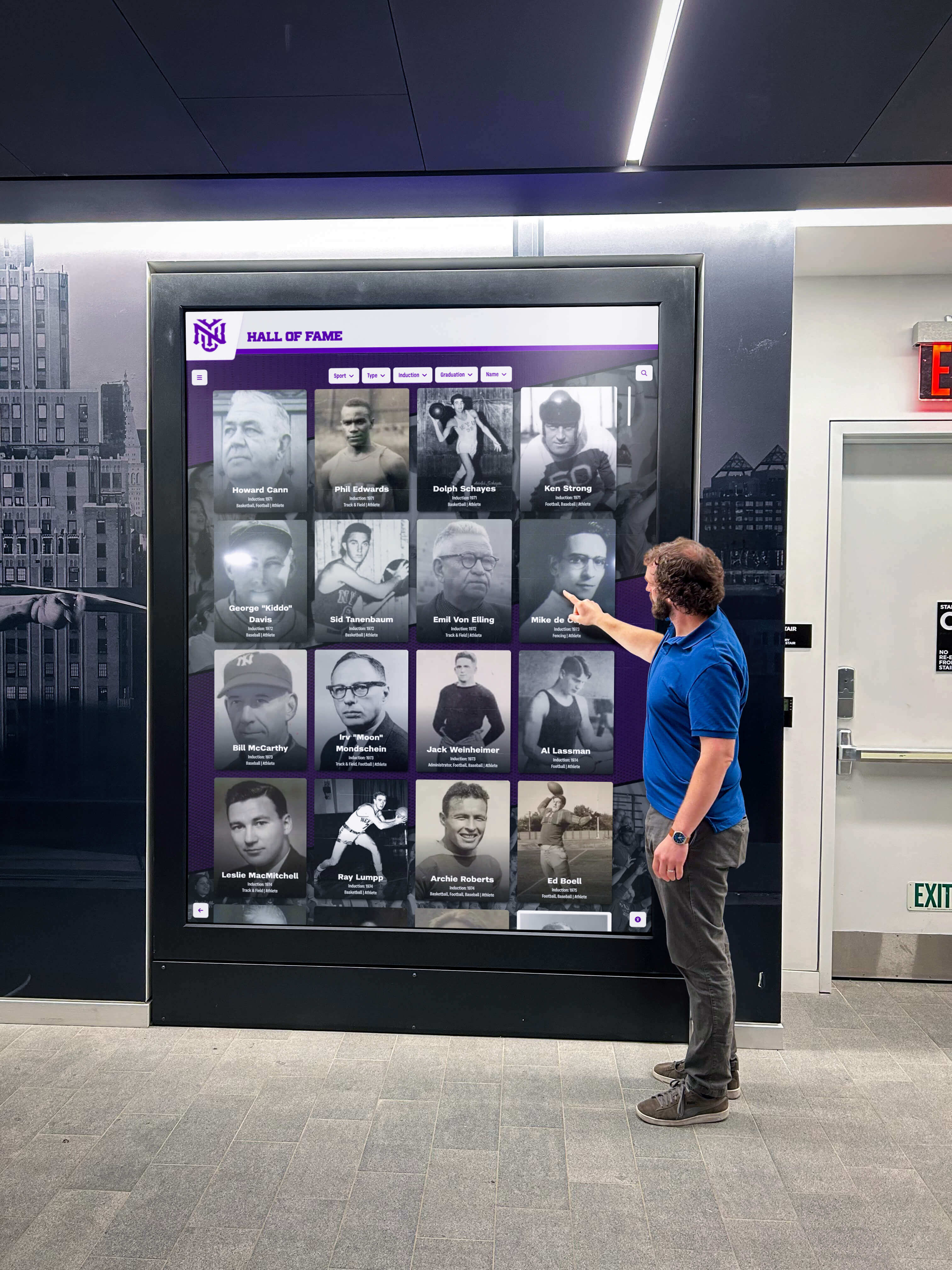
Solutions like Rocket Alumni Solutions’ digital recognition systems provide dynamic platforms for displaying peer nominations through interactive touchscreen interfaces installed in high-traffic institutional locations—lobbies, hallways, commons areas, or other spaces where community members naturally gather. These displays allow anyone to explore comprehensive databases of peer recognition, browsing by time period, recognition category, department or grade level, or searching for specific individuals to view their accumulated appreciation history.
The interactive nature creates engagement beyond passive viewing of static plaques. Students exploring digital displays discover classmates’ character award nominations, reading specific examples of kindness or perseverance that peers recognized. Employees browsing recognition databases see colleagues’ values-based nominations, understanding how company principles manifest in daily actions. Alumni visiting campus decades later can search for their names, rediscovering peer recognition they received during their time as students and reconnecting with institutional memories.
This interactivity transforms peer recognition from momentary announcements into permanent, explorable institutional records that honor individuals while building collective community identity around shared appreciation cultures.
Dynamic Content Updates Keep Recognition Current and Relevant
Digital displays offer practical advantages over static recognition installations—content updates happen remotely without physical plaque changes or printing new certificates. As peer nominations come in throughout the year, recognition coordinators simply add new entries to databases powering digital displays, ensuring current recognition appears immediately in lobby displays, hallway installations, or commons area screens.
This real-time updating capability allows organizations to maintain living recognition systems reflecting ongoing appreciation rather than outdated displays showing only historical honorees. When new students arrive on campus or employees join organizations, they see recent peer recognition including current community members rather than exclusively viewing past recipients they’ve never met, making recognition feel relevant to their immediate experiences.
Searchable Databases Make Individual Recognition Easily Discoverable
Comprehensive peer recognition programs generate substantial nomination volumes over time—hundreds or thousands of appreciation instances spanning years of organizational history. Physical recognition displays inevitably face space constraints, limiting how many honorees receive visible commemoration. Digital platforms eliminate these limitations, maintaining unlimited recognition records in searchable databases where every peer nomination receives permanent archiving regardless of volume.
Individuals can search for their own names, discovering all peer recognition they’ve received throughout their time in organizations. Supervisors or teachers can look up team members or students, viewing peer appreciation patterns that complement their own observations. Community members can explore recognition databases during idle moments—while waiting for meetings, between classes, or during lunch breaks—casually browsing peer nominations and discovering contributions they weren’t aware of, building appreciation for colleagues’ diverse strengths.
Visual Design Creates Compelling Recognition Presentations
Digital recognition platforms allow sophisticated visual presentations impossible with traditional plaques—high-quality photos of recognized individuals, detailed nomination descriptions explaining specific contributions, category badges indicating recognition types, and attractive layouts that make browsing pleasant and engaging. These design elements make peer recognition feel substantial and valued rather than perfunctory.
Organizations can customize visual themes matching institutional branding, ensuring recognition displays integrate seamlessly with overall aesthetic identities. Schools might incorporate mascot imagery and school colors; corporations could align displays with brand guidelines; nonprofits might emphasize mission-driven visual themes. This visual coherence makes recognition displays feel like intentional institutional investments rather than afterthought additions.
Multi-Purpose Platforms Combine Recognition Types
Digital display solutions serve multiple recognition purposes simultaneously rather than requiring separate installations for each program. The same platform showcasing peer-to-peer recognition can also feature:
- Traditional awards and honors from leadership or committees
- Donor recognition for philanthropic supporters
- Academic achievement recognition for scholastic excellence
- Athletic accomplishment displays celebrating team and individual success
- Alumni profiles highlighting distinguished graduates
- Historical timelines showcasing institutional heritage
This integration creates comprehensive recognition ecosystems where peer appreciation appears alongside other honor types, reinforcing that peer nominations represent legitimate recognition deserving equal visibility with traditional awards rather than secondary appreciation systems.
Sustaining Peer Recognition Programs Over Time
Initial program launches often generate enthusiasm, but maintaining participation and impact requires ongoing attention and strategic sustainability approaches.
Leadership Modeling and Visible Participation
When organizational leaders actively participate in peer recognition—executives nominating employees, principals recognizing teachers, deans appreciating staff—they signal that peer appreciation represents valued organizational behavior rather than optional nice-to-have initiative. Leadership participation creates permission for busy professionals to spend time on peer recognition rather than viewing it as distraction from “real work.”
This modeling extends beyond token participation. Leaders should reference specific peer recognition examples in communications, celebrate peer nomination patterns during meetings, and explicitly connect peer appreciation to organizational values and success. When leaders consistently demonstrate that peer recognition matters to them personally, communities internalize its importance and sustain participation through leadership transitions and organizational changes.
Regular Program Assessment and Evolution
Effective peer recognition programs evolve based on community feedback and participation patterns rather than remaining static indefinitely:
Monitor Participation Metrics: Track nomination volumes, participant demographics, recognition category popularity, and trends over time. Declining nominations might signal need for process simplification, recognition fatigue, or category revisions. Uneven participation across departments or demographic groups suggests barriers requiring attention.
Solicit Regular Feedback: Periodically survey community members about peer recognition experiences—what’s working well, what feels burdensome, which recognition categories resonate, and what changes would improve participation. This input guides program adjustments ensuring peer recognition evolves with community needs rather than stagnating around initial designs.
Refresh Recognition Categories: Organizational priorities shift over time. Recognition categories that resonated during program launch might lose relevance as strategic focuses change or community values evolve. Regularly review and update peer recognition categories ensuring they align with current organizational priorities and community interests.
Celebrate Milestones and Patterns: Highlight peer recognition program milestones—500th nomination submitted, recognition growth year-over-year, or notable patterns like departments with especially active peer appreciation cultures. These celebrations build enthusiasm while demonstrating program vitality and sustained community engagement.
Integration with Broader Engagement and Culture Strategies
Peer recognition shouldn’t exist as isolated initiative but rather integrate with comprehensive approaches to community engagement, culture development, and organizational values:
Connect Recognition to Professional Development: In workplace contexts, reference peer recognition during performance reviews as supplementary perspective on employee contributions. In educational settings, consider peer recognition patterns when selecting student leaders or identifying emerging talents for development opportunities. These connections demonstrate that peer appreciation carries weight beyond symbolic gestures.
Link Recognition to Storytelling and Communications: Feature peer recognition stories in institutional communications—highlighting notable nominations in newsletters, sharing recognition examples on social media, or including peer appreciation narratives in annual reports. This storytelling amplifies recognition impact while demonstrating organizational commitment to appreciation cultures.
Align Recognition with Special Events: Incorporate peer recognition into existing events rather than creating separate recognition-only gatherings that feel burdensome to attend. Announce peer nominations during staff meetings, athletic banquets, academic ceremonies, or organization-wide gatherings. Integration ensures recognition receives visibility without requiring additional time commitments from busy community members.
Overcoming Common Peer Recognition Program Challenges
Even well-designed programs encounter predictable obstacles. Anticipating these challenges and implementing solutions improves long-term success.
Addressing Popularity Contest Concerns
Challenge: Peer recognition risks becoming popularity contest where socially connected individuals receive disproportionate nominations while quieter contributors doing excellent work remain invisible.
Solutions:
- Design recognition categories focused on specific contributions and behaviors rather than general “favorite colleague” nominations
- Provide nomination guidance helping people recognize quality over quantity of social connections
- Implement nomination review processes ensuring recognition reflects genuine contribution rather than mere popularity
- Actively encourage recognition of behind-the-scenes contributors through periodic campaigns highlighting less-visible roles
- Track recognition patterns and proactively nominate underrecognized individuals or departments when leadership notices gaps
- Create anonymous nomination options allowing people to recognize excellent colleagues without social visibility
Preventing Recognition Fatigue and Declining Participation
Challenge: Initial enthusiasm wanes over time as peer recognition becomes familiar routine rather than exciting new initiative, leading to declining nomination rates.
Solutions:
- Maintain regular but not excessive recognition cadences—monthly or quarterly rhythms often work better than weekly programs that feel burdensome
- Periodically refresh recognition categories and formats keeping programs feeling current rather than stale
- Share impact stories demonstrating how peer recognition meaningfully affects recipients and organizational culture
- Simplify nomination processes removing any accumulated complexity that creates participation friction
- Recognize nominators alongside nominees, celebrating those who actively appreciate colleagues as modeling desired cultural behaviors
- Launch periodic recognition campaigns around themes or specific appreciation focuses reigniting engagement
Ensuring Authenticity and Preventing Gaming
Challenge: Recognition programs sometimes become tactical exercises where people nominate colleagues expecting reciprocal nominations rather than expressing genuine appreciation, creating quid pro quo dynamics that undermine authenticity.
Solutions:
- Emphasize specific contribution descriptions in nominations rather than allowing generic appreciations lacking concrete examples
- Separate recognition frequency from nomination activity—people don’t automatically receive recognition just because they nominated others
- Focus recognition messaging on contribution impact rather than nomination volume, ensuring quality matters more than quantity
- Maintain nomination confidentiality when appropriate, preventing people from knowing who specifically nominated them and reducing reciprocity pressure
- Periodically audit nomination patterns identifying suspicious reciprocal nomination clusters that might indicate gaming rather than authentic appreciation
Managing Recognition Inequity Across Roles and Departments
Challenge: Some roles, departments, or organizational positions naturally receive more peer recognition due to visibility, while equally valuable contributors in less prominent roles remain underrecognized.
Solutions:
- Create role-specific recognition categories ensuring behind-the-scenes positions have appropriate appreciation pathways
- Periodically analyze recognition distribution patterns identifying consistently underrecognized departments or roles
- Launch targeted recognition campaigns encouraging nominations for specific underappreciated groups
- Educate community members about diverse contribution types deserving recognition beyond most-visible roles
- Feature recognition stories highlighting less-visible roles, building awareness of these contributions throughout communities
- Consider rotation systems ensuring recognition spotlights regularly move across different organizational areas
Bringing Peer Recognition to Life Through Comprehensive Platforms
Throughout this guide, we’ve explored how peer-to-peer recognition programs create appreciation cultures where colleagues, classmates, and community members celebrate each other’s contributions—transforming organizational dynamics from top-down acknowledgment into democratic appreciation systems that honor diverse excellence types and strengthen relationship networks throughout institutions.
The most impactful peer recognition programs combine thoughtful program design with visible display systems that make appreciation public, permanent, and explorable. When peer nominations receive prominent showcasing through interactive digital recognition platforms, individual appreciation moments compound into visible cultural statements about organizational values and community priorities.
Solutions like Rocket Alumni Solutions provide comprehensive platforms supporting not just peer recognition but entire recognition ecosystems—combining peer nominations with traditional awards, donor appreciation, academic honors, athletic achievements, and alumni profiles into unified interactive experiences. These integrated approaches ensure peer recognition receives equal prominence with formal institutional honors, validating colleague appreciation as legitimate recognition deserving celebration alongside leadership-driven awards.
For organizations committed to building genuine appreciation cultures where recognition flows naturally throughout communities rather than exclusively from hierarchical positions, peer-to-peer recognition programs represent essential cultural infrastructure—made dramatically more powerful through digital display systems that amplify appreciation’s visibility and ensure individual contributions receive lasting commemoration.
Ready to implement comprehensive peer recognition programs supported by dynamic digital displays? Rocket Alumni Solutions provides interactive touchscreen platforms that showcase peer nominations alongside traditional recognition, creating searchable databases where community members can explore colleague achievements, discover peer appreciation patterns, and understand institutional values through concrete behavioral examples. Our systems feature unlimited recognition entries, remote content management, customizable visual designs, and intuitive interfaces that make peer recognition visible, valued, and permanent. Contact us to explore how digital recognition displays can elevate your appreciation culture and strengthen the community bonds that drive engagement, retention, and organizational success.